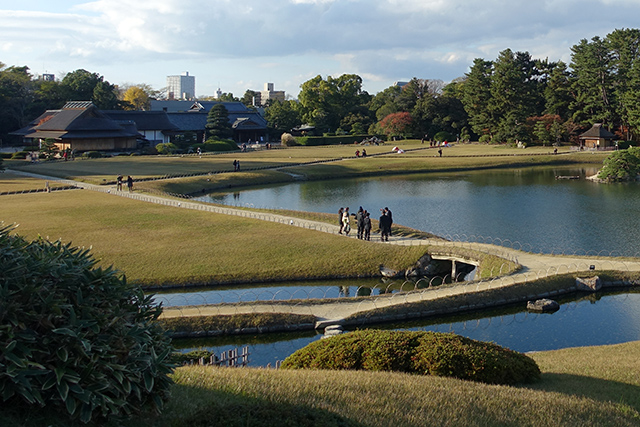
We’ve well and truly shaken the crowds of Chinese tourists by the time we reach Okayama. While it’s the second biggest city in the Chūgoku region after Hiroshima, it’s a much less busy city than we’re used to in Japan and even Australia, with a population of just over 700,000. Okayama is our last stop before we head back to our base in Ōsaka. We’re here chiefly for Koraku-en Garden, the second of the two ‘Three Great Gardens of Japan’ that we’re seeing this trip, the first being Kenroku-en in Kanazawa. We’re walking to get around Okayama (rather than catching trams), so there’s a fair bit to see before we get there.
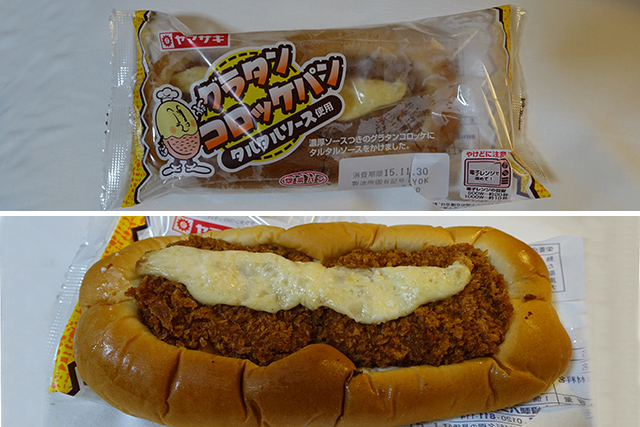
Our hotel in Okayama offers free breakfast in the form of bread between 7-9am. 9am is a rather early to stop breakfast – very few shops or attractions are open that early. But D fights his sleeping-in instincts to claim and heat them, while I lounge around in bed some more. This is the gratin croquette pan, so two potato croquettes on a bread roll topped with mayonnaise. The whole pan is mushy in texture, so it’s not that great, but free!
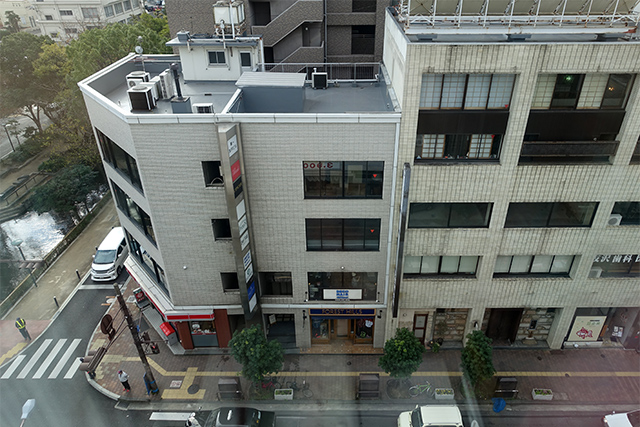
Our hotel is beside a river and opposite a shop selling fancy tennis equipment. It’s a store that opens at about 1pm but closes before we get back around 7pm.
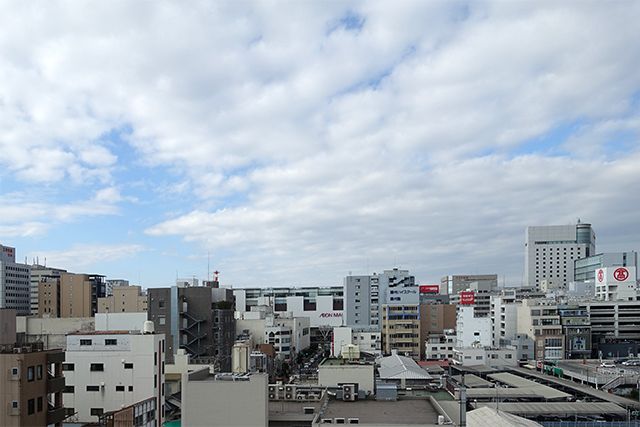
We can see Aeon Mall, which is just a short walk away.
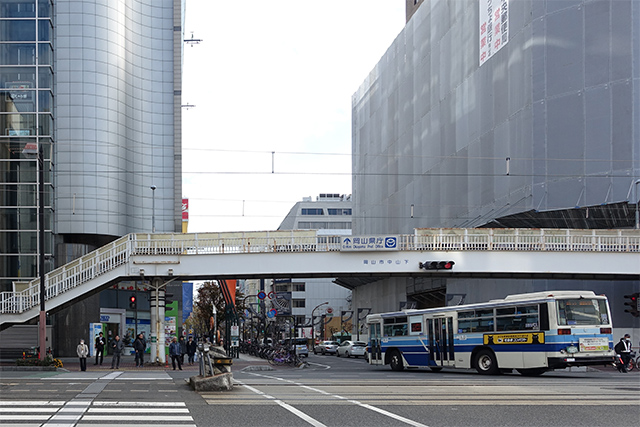
Our hotel’s conveniently situated – we’re a short walk from Omotecho, the main shopping district.
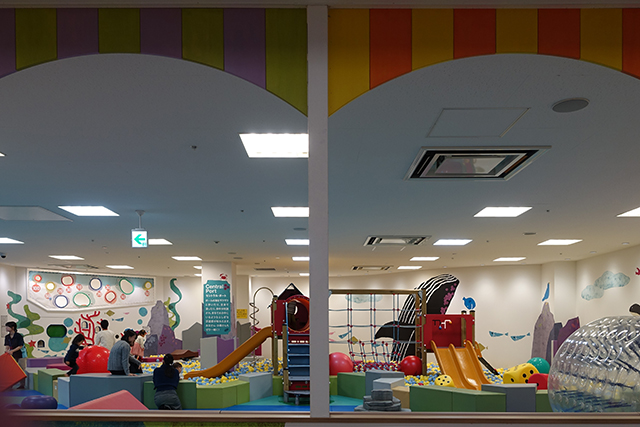
A block before we reach Omotecho, we head into Cred. There’s a dedicated children’s play area with lots of activities occupying half of one of the floors. Above this, though, we encounter a pasta place with a serious cheese some problem – and not the gooey melty cheese either – it reeked of something rotten and unappetizing.
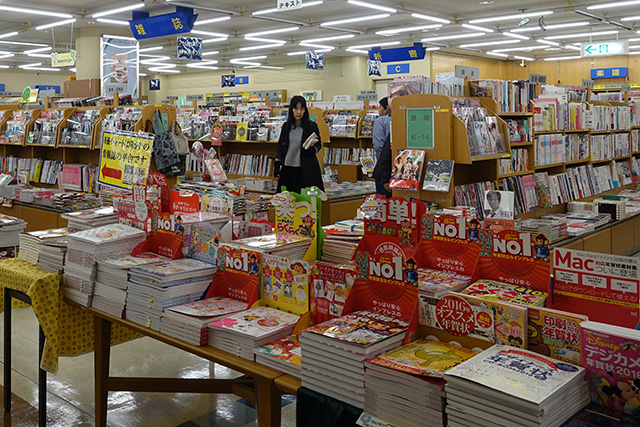
Another level up, and we check out some books for English-speakers learning Japanese.
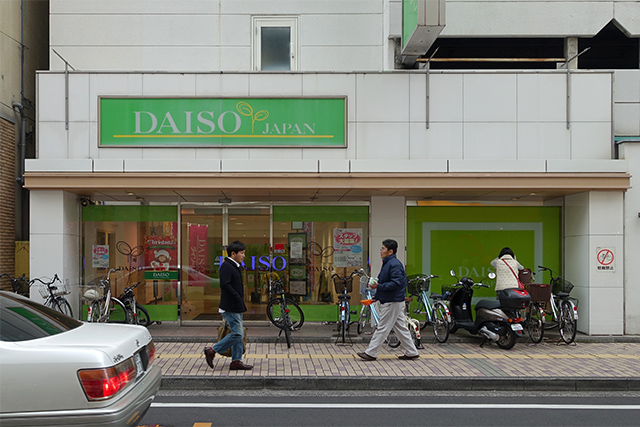
D asks me if we should first visit Loft in Okayama Lotz or Daiso across the street, and I tell him we should visit Daiso first because I’m ‘less likely to buy a lot of stuff in Daiso’. Well! I eat my words, ‘cause this is one of the biggest Daiso stores we’ve seen to date.
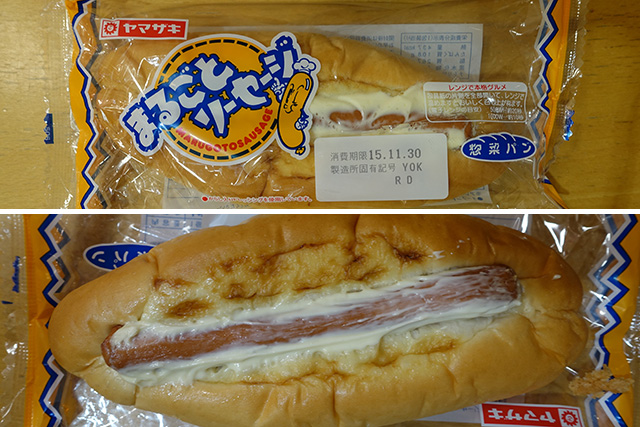
I’ve skipped breakfast at this point, but we’ve brought the bread with us. So after my hunger pangs kick in after trawling through Daiso, we settle down outside for some refueling. This marugoto sausage pan doesn’t look appetizing, I know, but it tastes much better than the gratin croquette we had earlier in the day.
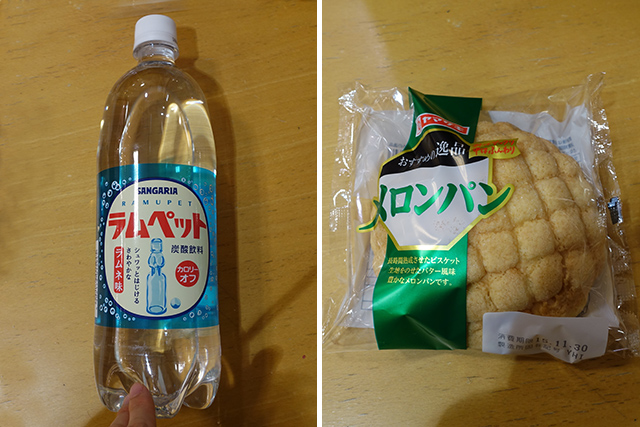
Ramune usually comes in a glass bottle with a marble in its neck (like the illustration on the bottle), but we find a supersized PET bottle at Daiso that tastes just the same without the marbly fun. We also have a melon pan from our hotel – it’s got a crispy top shell, but much like your standard melon pan, that’s where its resemblance to a melon stops.
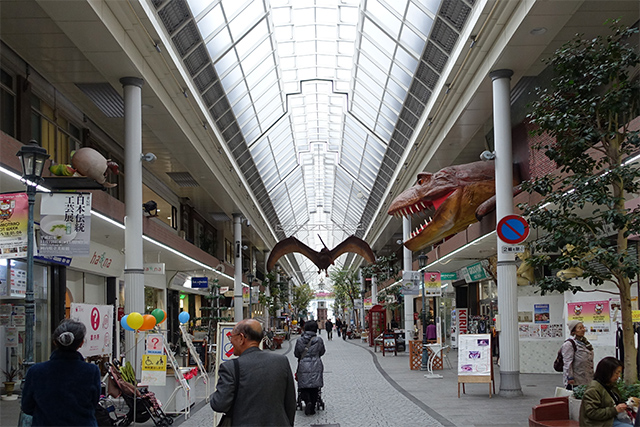
We arrive at Omotecho at about 12pm, but it’s near-deserted and many of the shops are closed. We’re confused! But look at the dinosaurs in the ceiling.
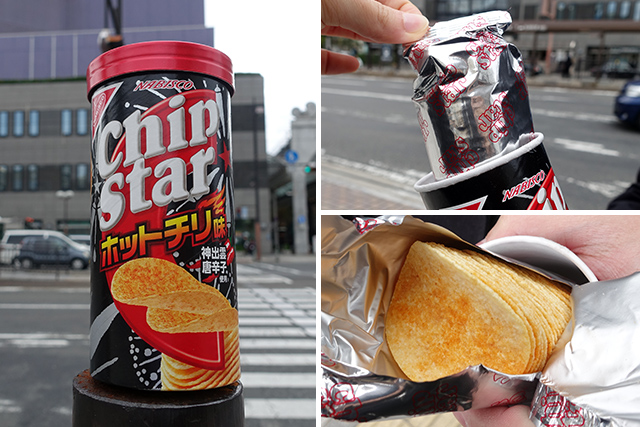
Did you know Nabisco, the company that makes Oreos, also makes Pringle-like chips? These were more of a sweet-chilli than a spicy-chilli, though. They also come sealed in a bag, rather than tossing freely in the tube.
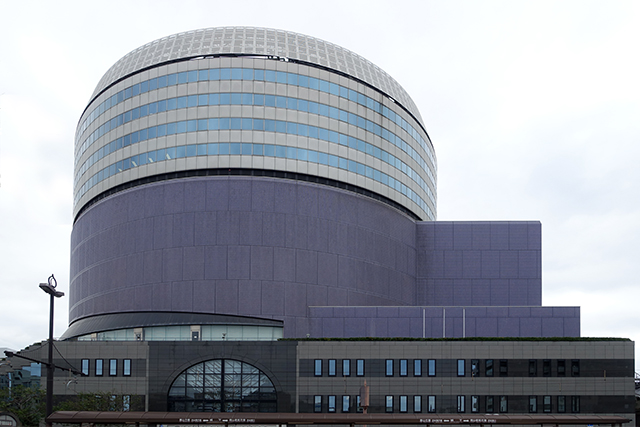
This imposing cylinder is the Okayama Symphony Hall.
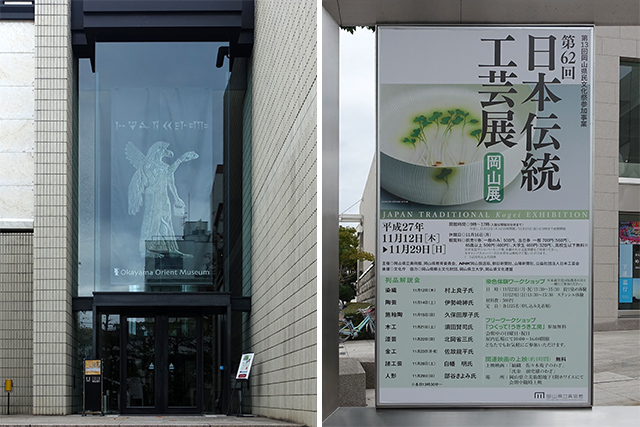
Further down the road is the Okayama Orient Museum. Isn’t the bowl in the poster for the Traditional Kogei Exhibition beautiful?
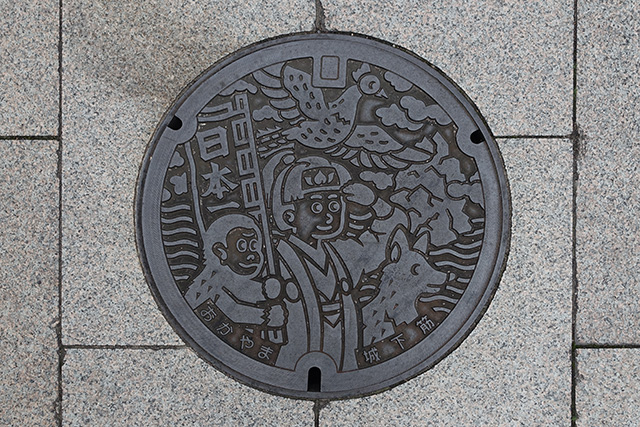
The manhole covers feature the fairytale Momotaro (the Peach Boy), which is set in Okayama.
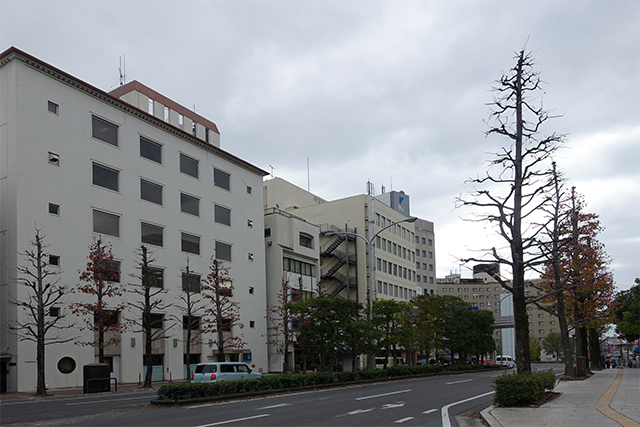
The streets are very quiet – there are only one or two other people walking down this rather wide road. Coupled with the unusually quiet shopping street in a Saturday morning, we’re beginning to wonder what’s happening! We do spot that there’s a major horse race going ok near Kōbe but surely not everyone’s interested in that.
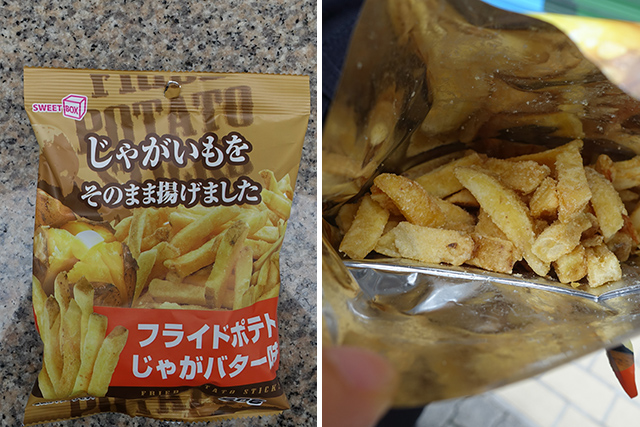
These were fake Calbee Jugarico we wanted to try from Daiso. They’re not as crispy and much too buttery – I love butter (D was shocked by how much butter I used on a hot cross bun) but there’s such a thing as too much butter in Japan. They don’t know how to be stingy with seasoning though!
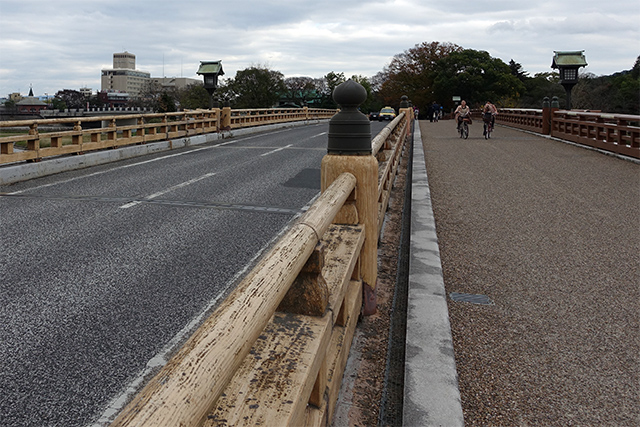
The pedestrian sidewalk is an add on to the original wooden bridge.
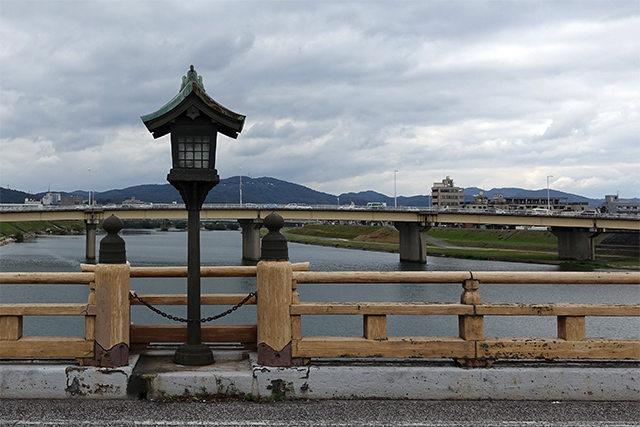
The garden is located on the north bank of the Aashi River on an island between the river and a developed part of the city.
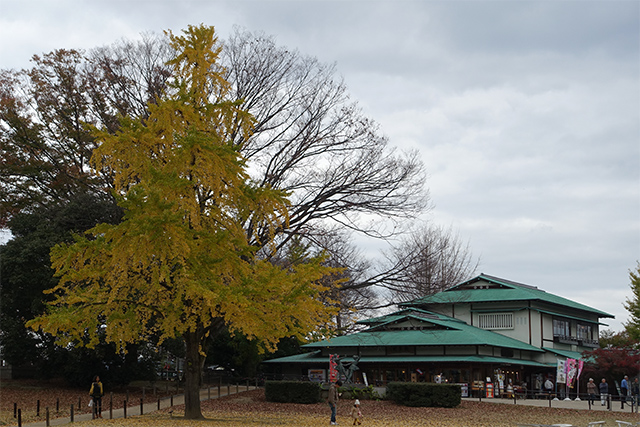
We feel a little more comfortable after seeing some people outside Kenroku-en – still not many, but more than we’ve seen all day.
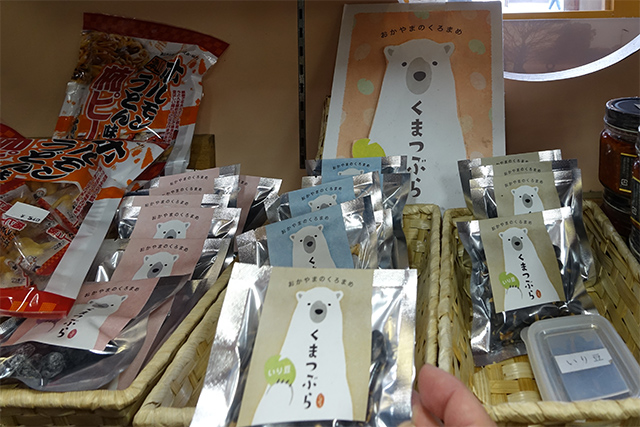
At the souvenir store, we spot these polar bear branded flavoured nuts. Ah, Japanese packaging!
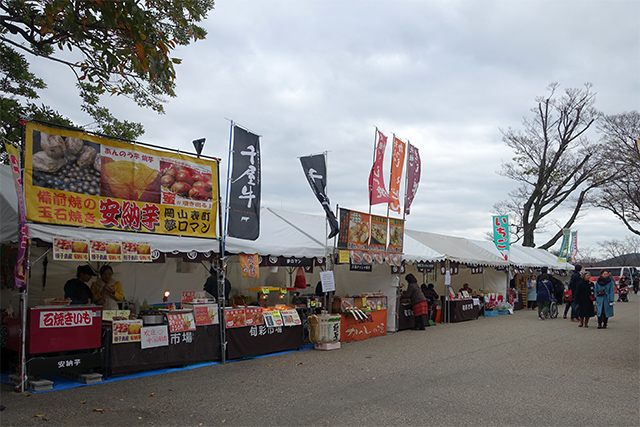
There’s not many customers at the stalls, although we come back after visiting the garden to find a few more. Perhaps we’re just used to the crowds in bigger Japanese cities.
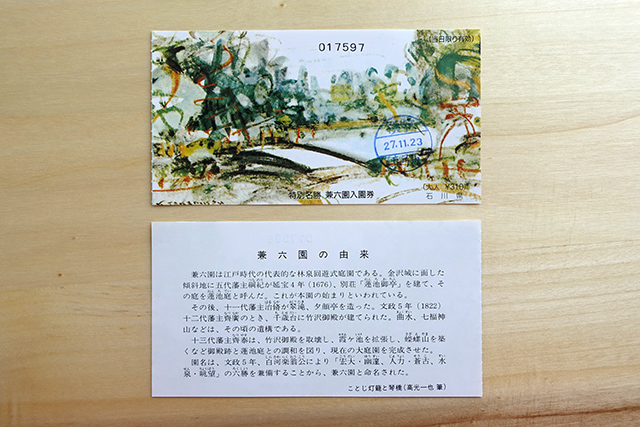
A pretty painting adorns the front of the tickets to Kenroku-en.
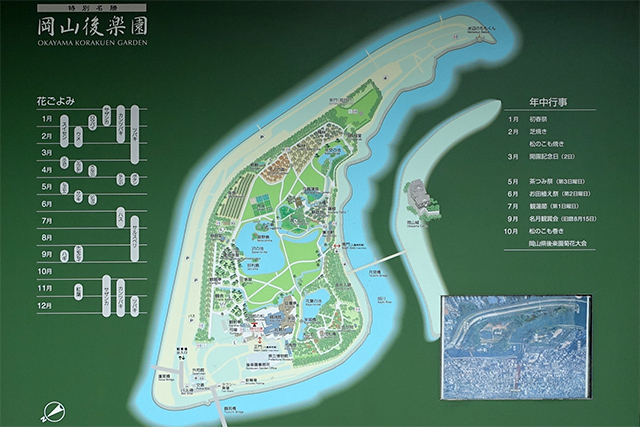
From the map, you can see how the garden occupies an island.
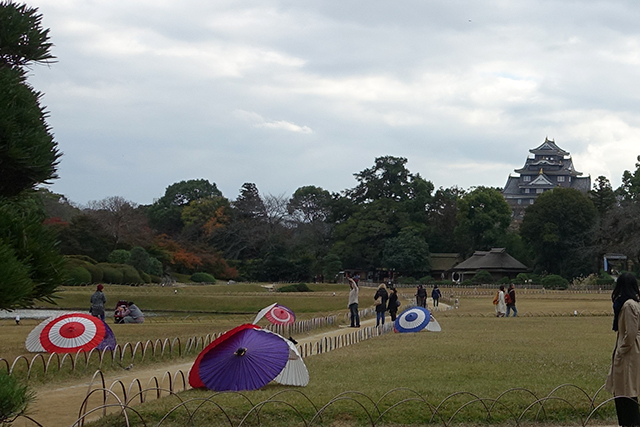
One of the first sites you encounter is this wide open field. This openness contrasts starkly with the more intimate spaces created by the abundance of autumnal foliage at Koraku-en.
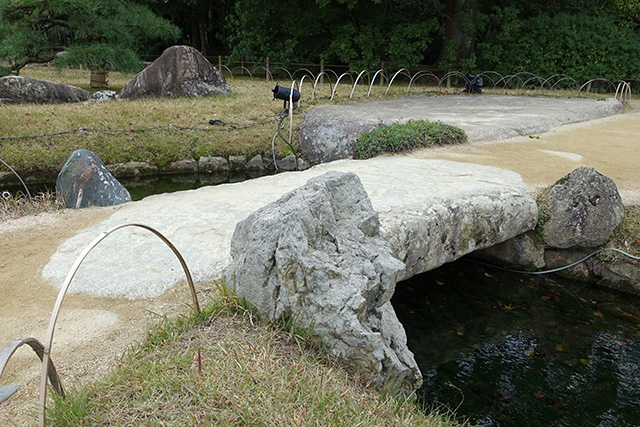
D marvels that the bridge over the stream consisted of a single stone.
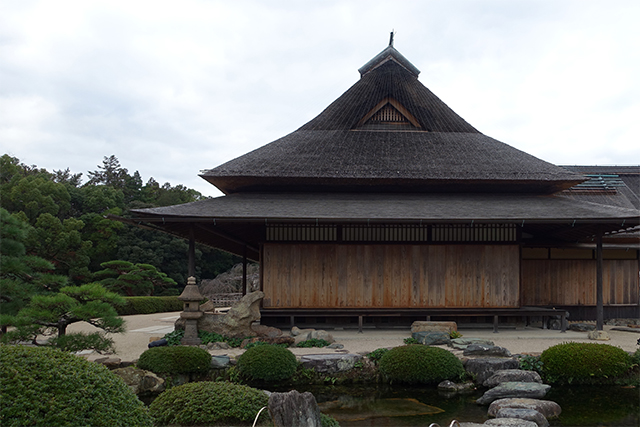
This is Enyo-tei House, located closest to the entrance. It was used as a place to receive the daimyo (Japanese feudal lord) when he visited the garden.
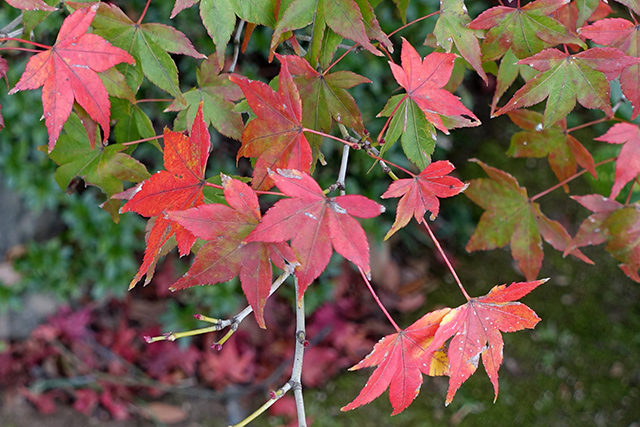
We’re here in time for the autumnal foliage.
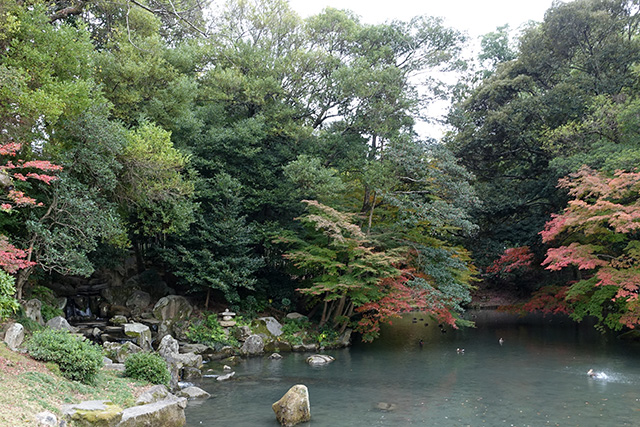
This is Kayo-no-ike Pond. There’s a waterfall at the left of this pond. The placement of the rocks at the base of the waterfall manipulate the flow of the water into the pond.
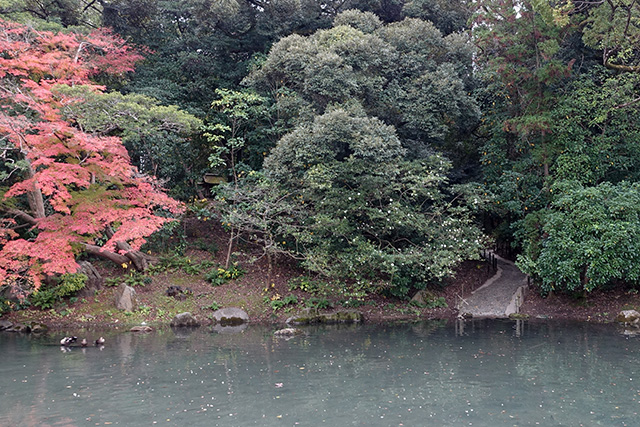
And a pathway that leads to somewhere secret!
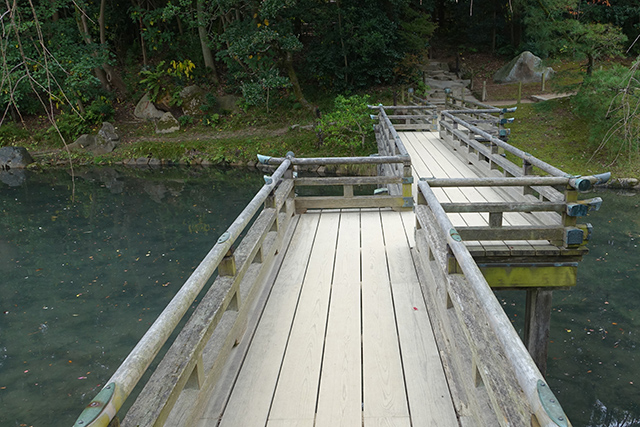
Noone seems to be interested in this side of the garden with just a Japanese tour guide with a couple there either us. But that’s all right! We make our way across this zig zag bridge in the hopes of finding where that mysterious path leads.
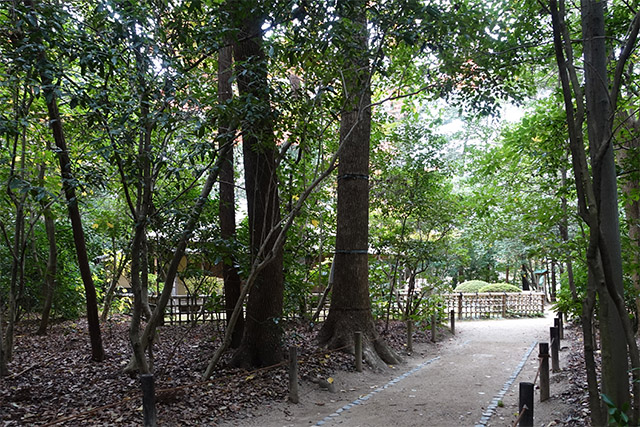
We find out the path leads to Nishiki-ga-Oka, which is filled with Japanese cypress trees and home to a number of wild birds despite its location in the city.
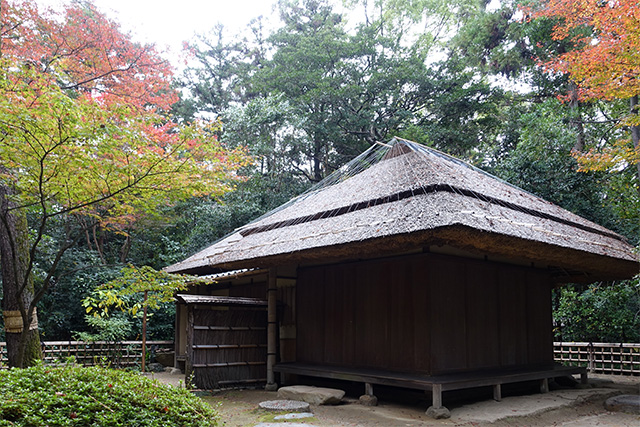
The forest opens up for Mosho-an Tea House.
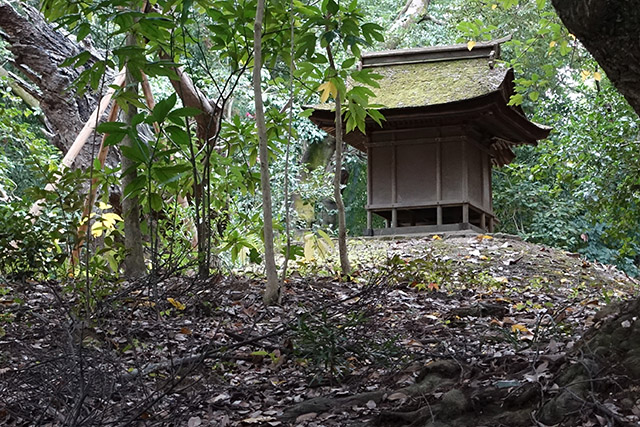
Everywhere you look, there are gems hidden behind the trees.
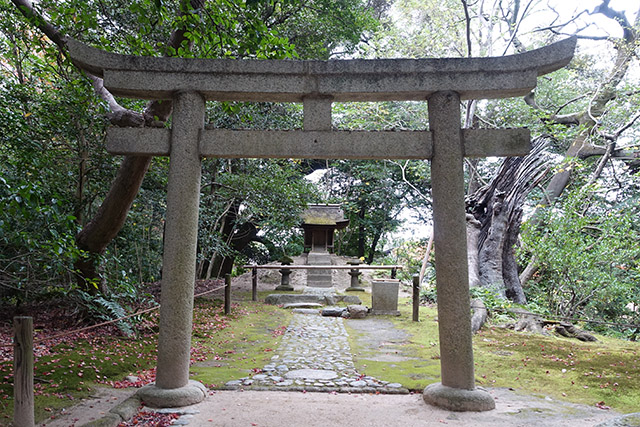
Jizo-do Shrine is one of Korakuen’s six tutelary shrines. You can’t get too close to this one though.
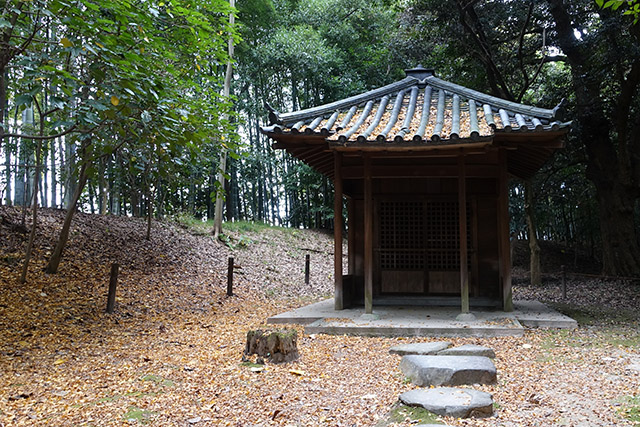
This is Shitenno-do Shrine with it’s stone lined path.
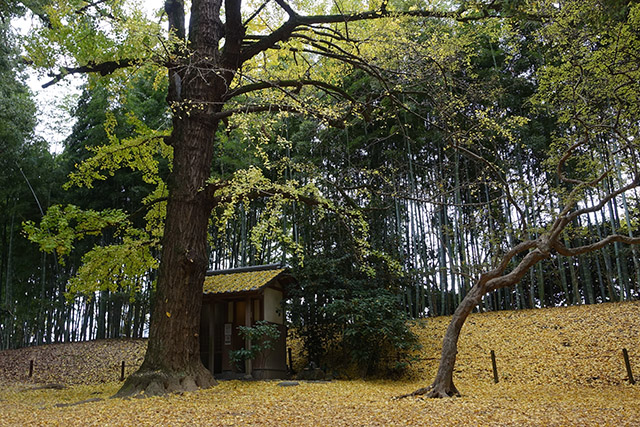
Ginkgo trees shedding their leaves into a golden carpet beneath are sometimes just as amazing as maple trees. Maybe even more so because you see less of them.
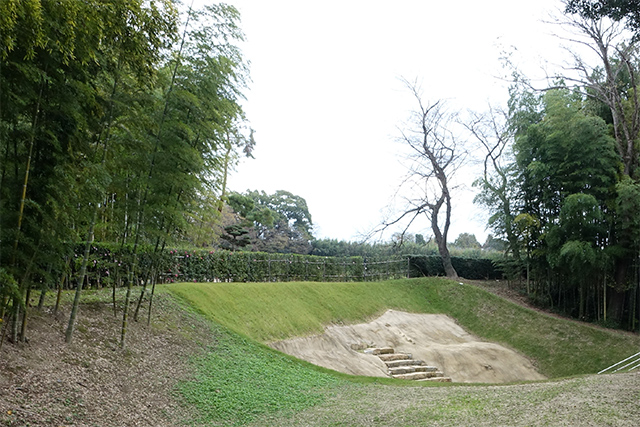
These were the remains of Ofuna-iri-ato, once a landing dock for boats used by the daimyo. The water supply was cut off when they built a road around the outside of the garden.
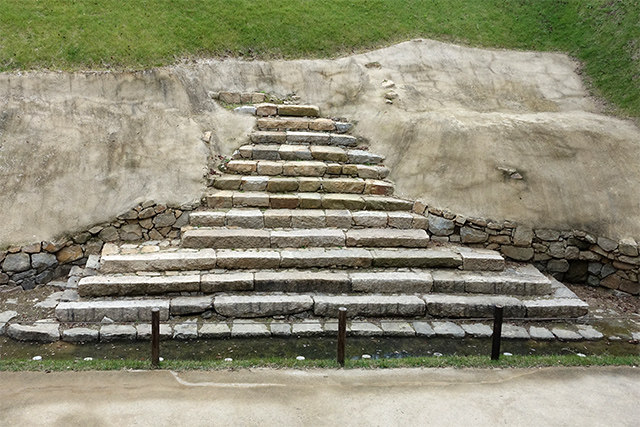
So, all you see now are stone steps.
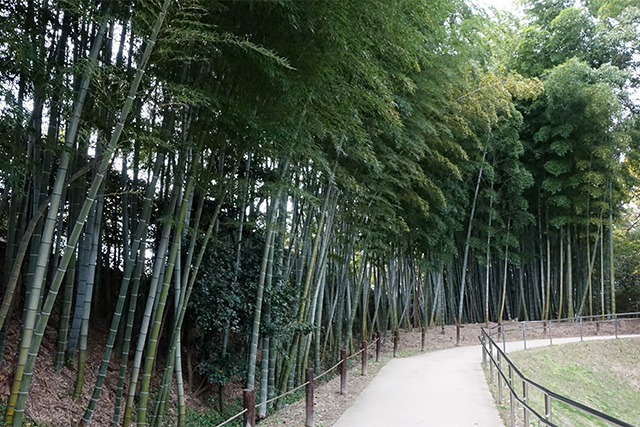
A bamboo thicket surrounds the dock.
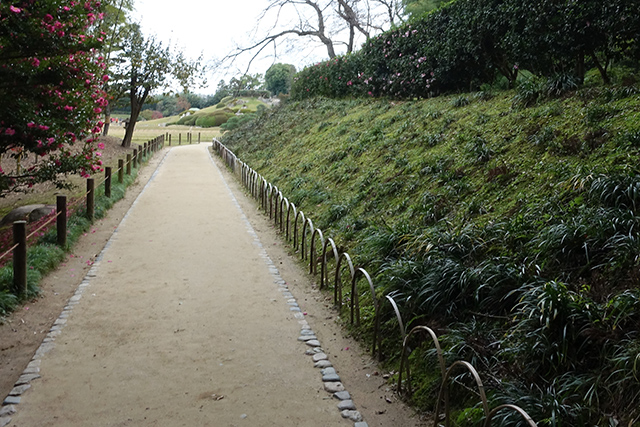
And we’re on our way back to the central field.
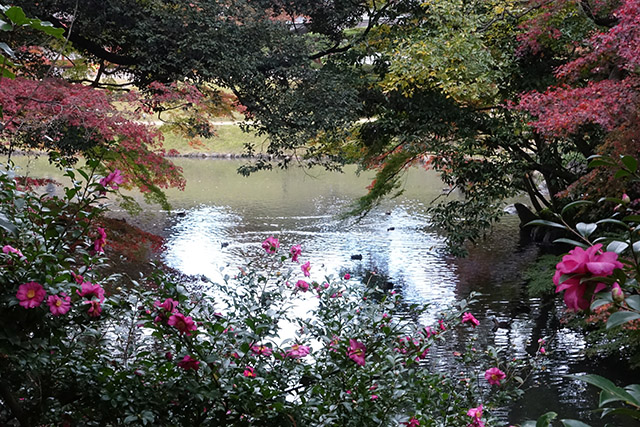
This is the view from the other side of the nook in the background of the earlier photo.
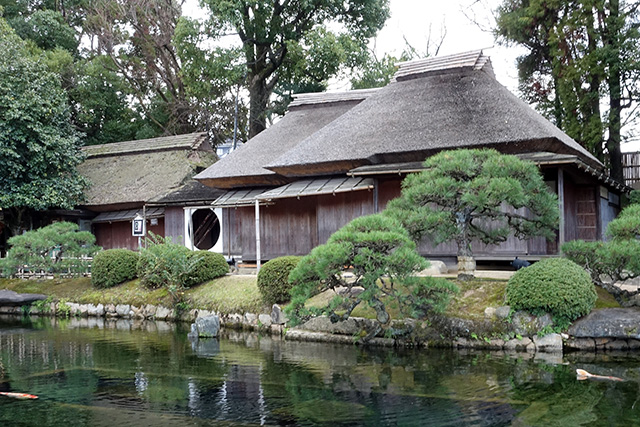
The Renchi-ken Rest House sits on the bank, where the water has a second ‘pool’ underneath the water’s surface that’s deeper than the rest.
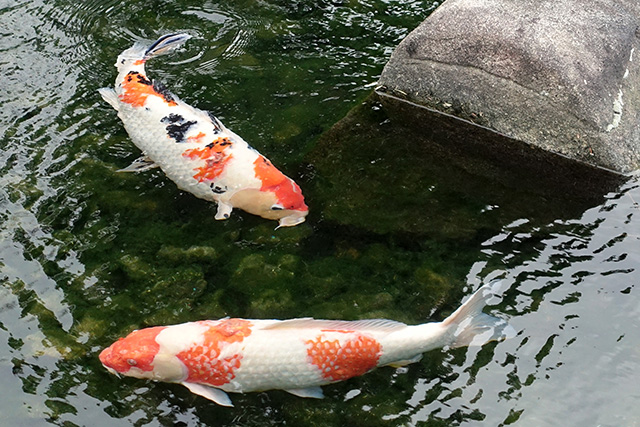
These koi have gorgeously translucent skin. I wonder how long you have to raise them for them to get to this size?
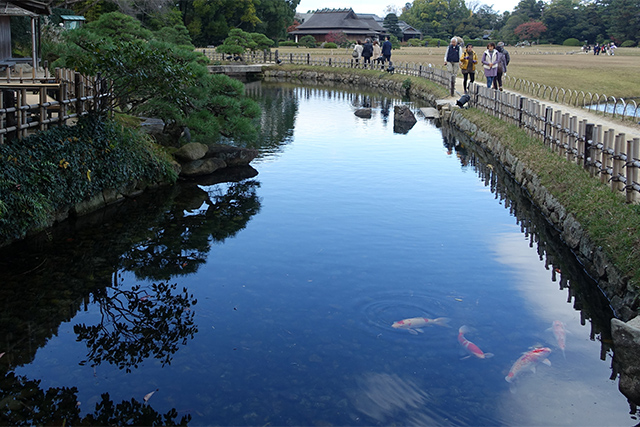
The overcast sky begins to clear up.
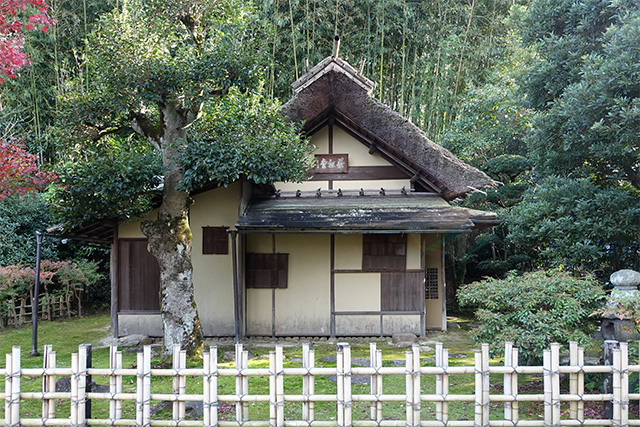
Just as we reach Chaso-do Tea House the sun breaks through the clouds bathing everything in golden sunlight. The Tea House was part of a villa belonging to a high-ranking vassal. It was taken apart and rebuilt in Koraku-en.
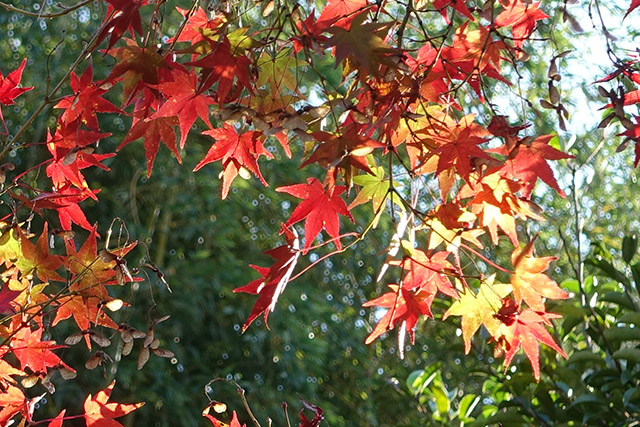
I have to admit, before the sun broke through, I was skeptical that Koraku-en could compare to Kenroku-en. But D assured me that Koraku-en was just as impressive. And he was right! Both gardens are different, but both are equally impressive.
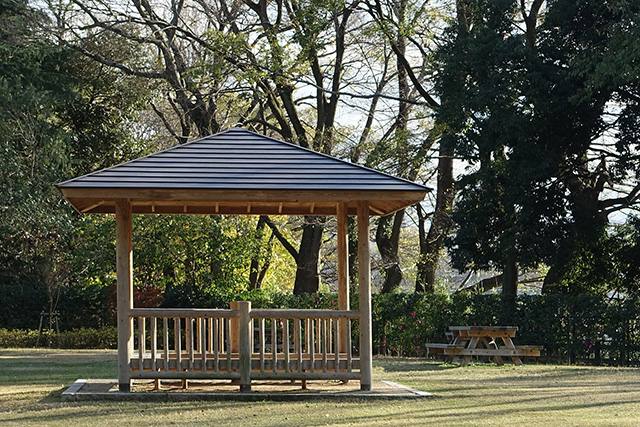
D wanders off and I wonder where he’s gone. Turns out he found a picnic spot…
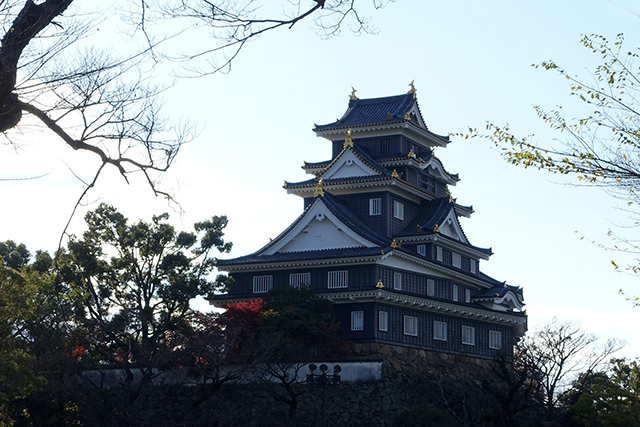
And it gave you get an stellar view of Okayama Castle. Good find!
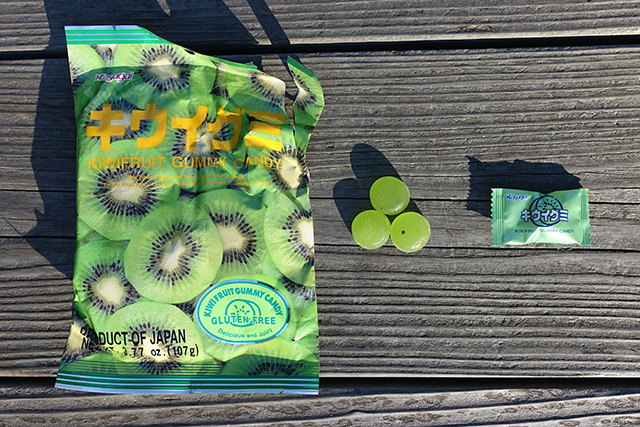
We take the opportunity to rest our feet on the bench, and try these kiwifruit gummy candy. Kiwifruit flavoured things are a bit of a hit and miss, but these were definitely a hit!
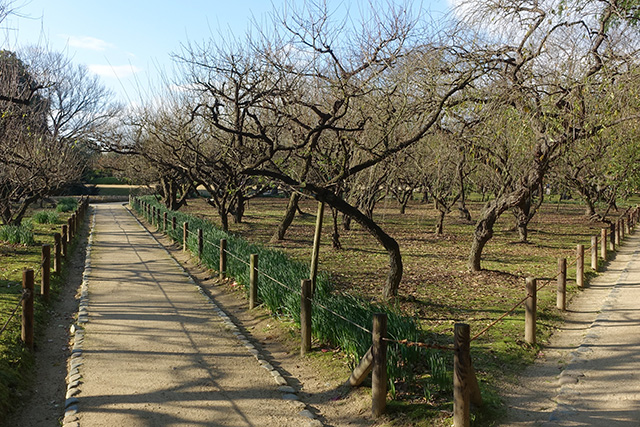
The Plum Grove would be an absolute sight to behold in spring.
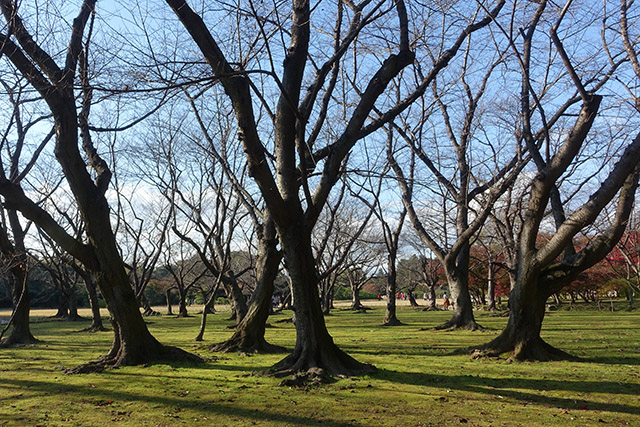
As would the Sakura Grove. We really need to visit in the spring!
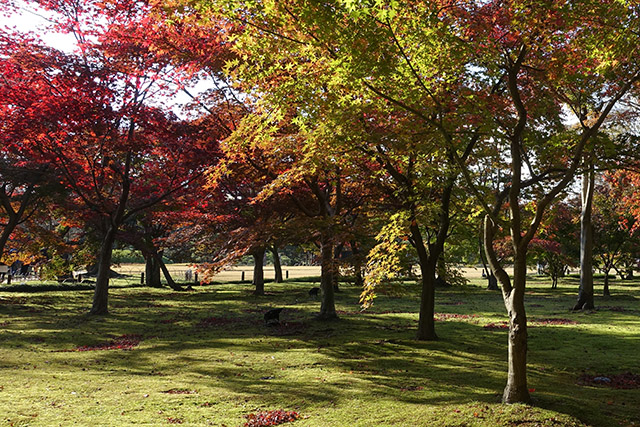
Next to sakura grove are maples trees in the Chishio-no-mori Grove. It is seriously pretty.
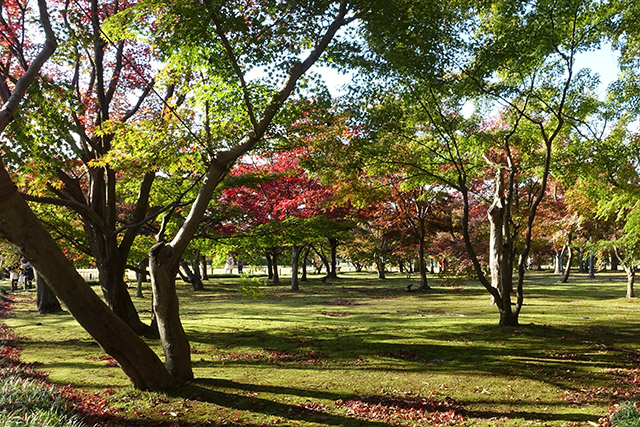
The name ‘chishio’ means ‘to dye a cloth many times’ and is a reference to their appearance in autumn ‘when their vivid tapestry of auburn hues is like a Japanese brocade’.
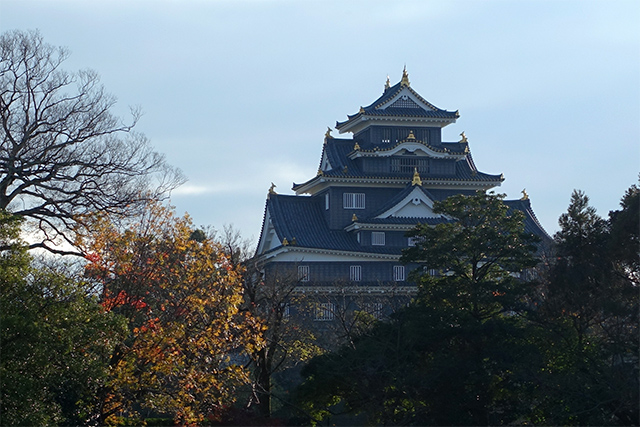
A view of the castle peaks out from between the trees across the field.
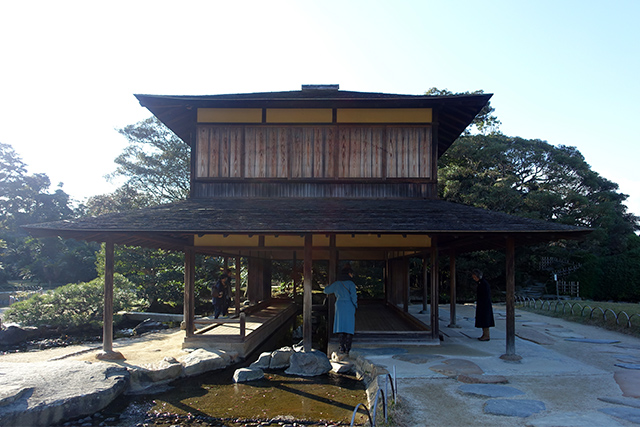
A stream passes through the middle of the Ryuten Rest House.
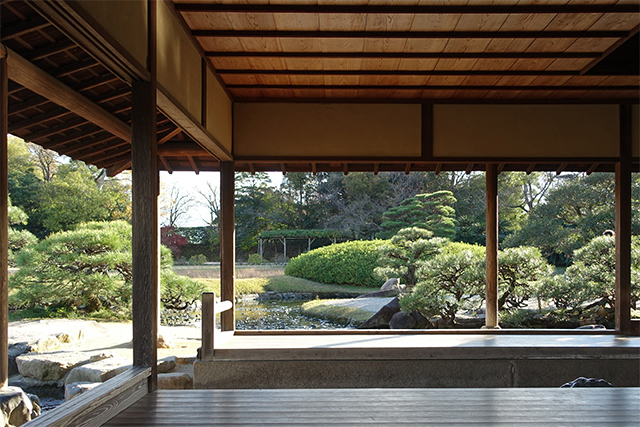
It would be a lovely place to rest while strolling through the garden.
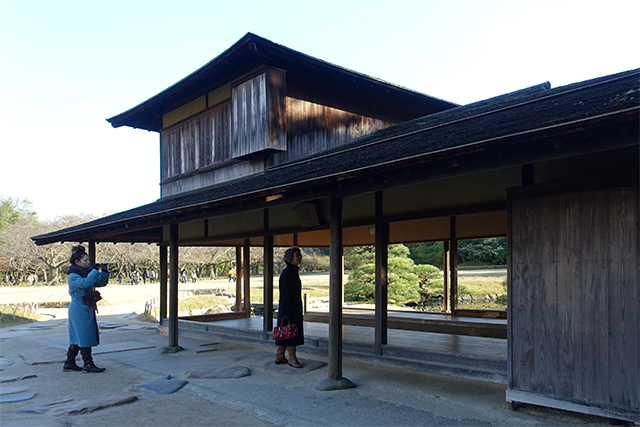
The Rest house is one of the few buildings in the garden to escape damage during World War II.
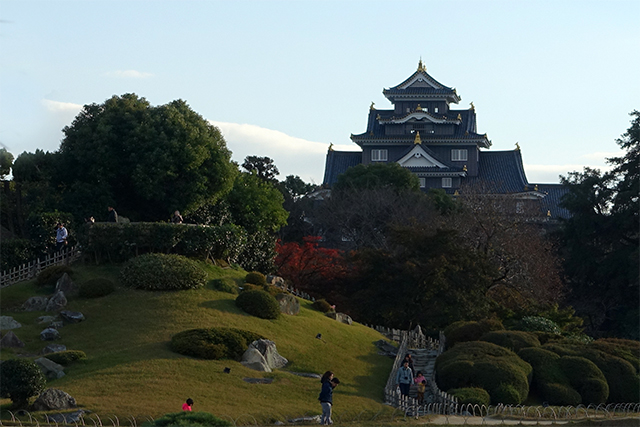
Yushinzan Hill is an artificial hill giving the the garden a more sculptured, rather than flat, landscape.
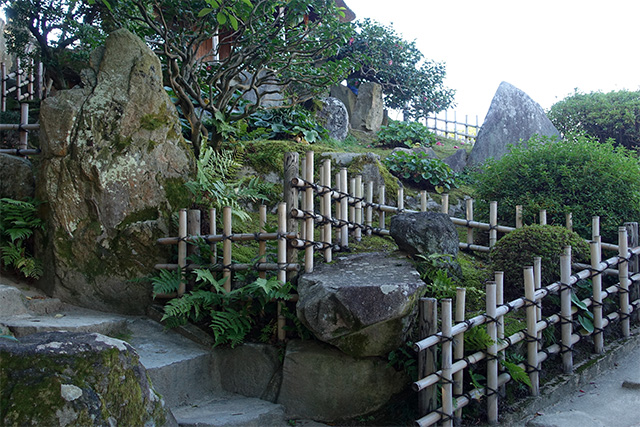
We make our way up the hill.
The view from the top gave a spectacular panoramic view of the garden.
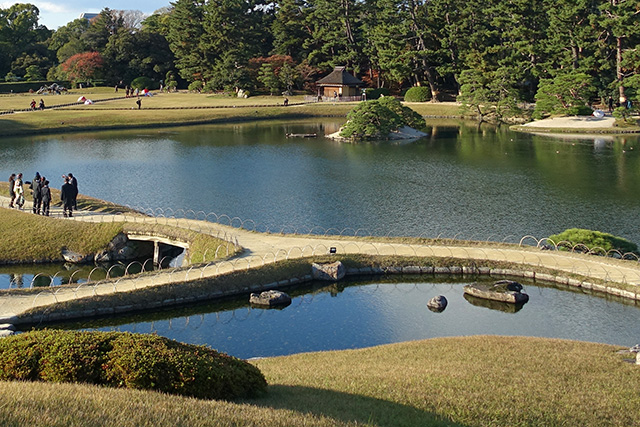
If D’s assurances did not convince me Koraku-en was an impressive garden, the view from the hill certainly did. The body at the centre of the garden is Sawa-no-ike Pond. The island with white sand floating in the middle of it is Jari-jima Island.
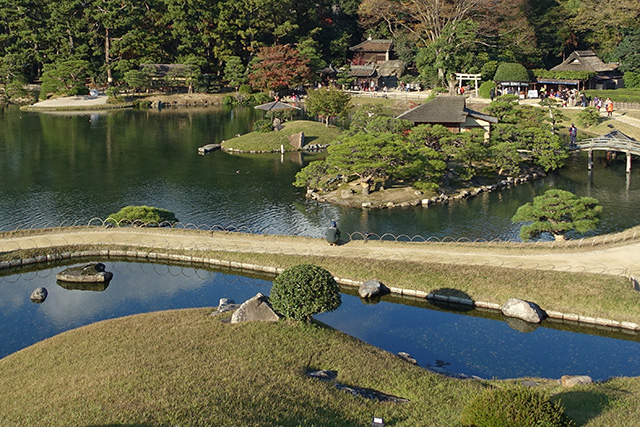
The sunshine makes everything look better. The bigger island is Nako-no-Shima Island, while the smaller one is Mino-shima Island.
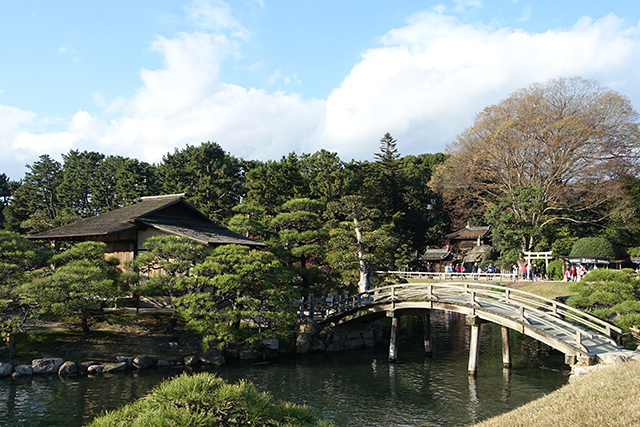
The Shima-Jaya Teahouse sits on Naka-no-Shima Island with its beautiful arched bridge.
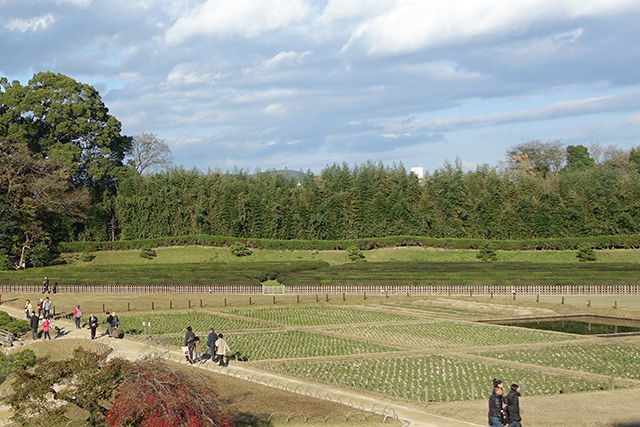
Next to Naka-no-Shima Island are rice fields that sit in front of the tea plantation.
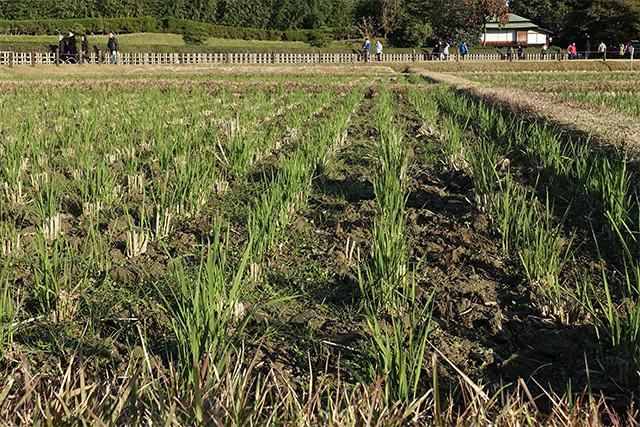
The rice fields hark back to earlier times when rice fields were spread through the garden…
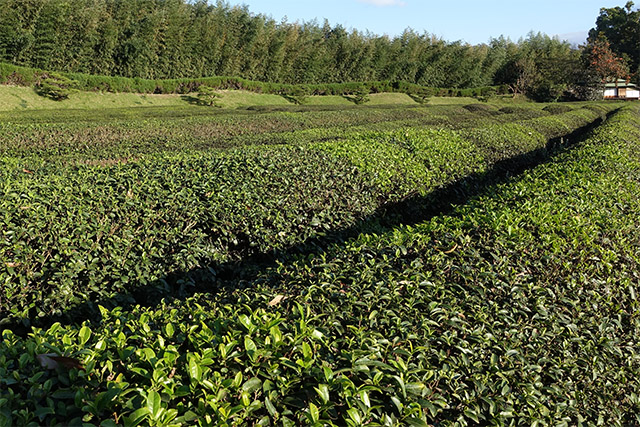
…while the tea from produced by the Tea Plantation used to be regularly drunk by the daimyo. For a tea lover, this it the first time I’ve seen a tea plantation.
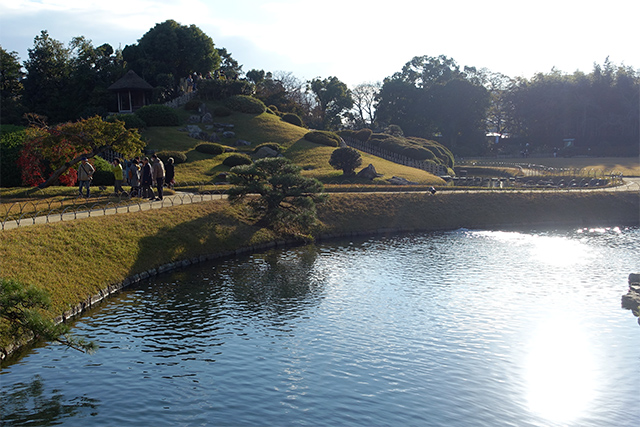
The pond is awash with like as the sun begins to set. This is Yuishinzan Hill.
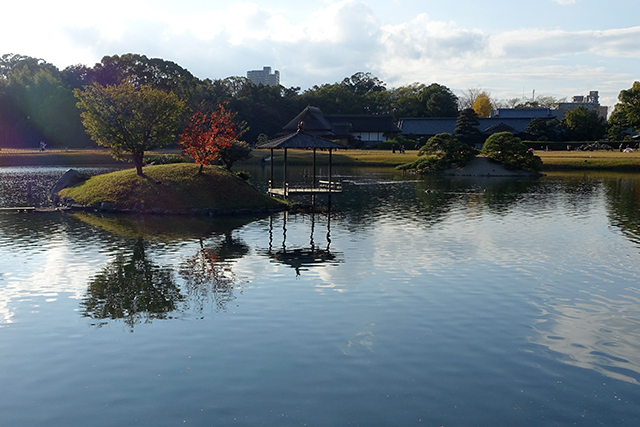
There’s really nothing like it. This shows Mino-shima Island with its fishing palace, and Jari-jima Island with its white sand and green pines…
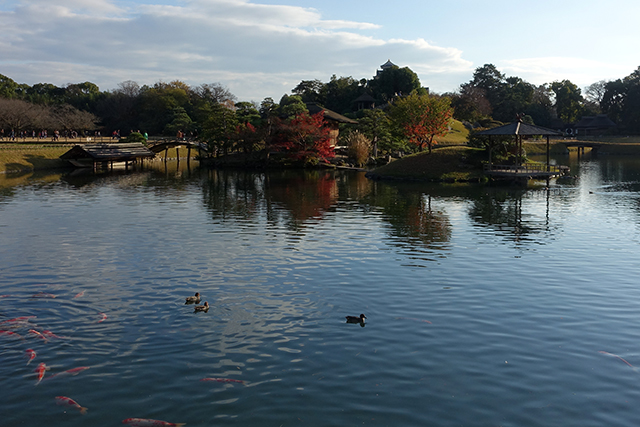
…while this shows Naka-no-Shima Island and Mino-shima Island.
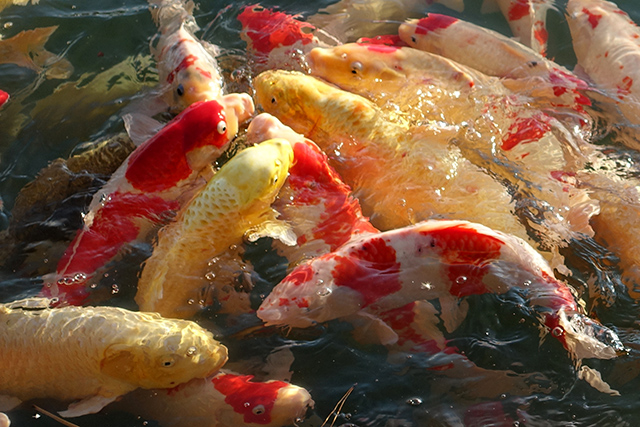
Many families buy feed so their children can feed the koi.
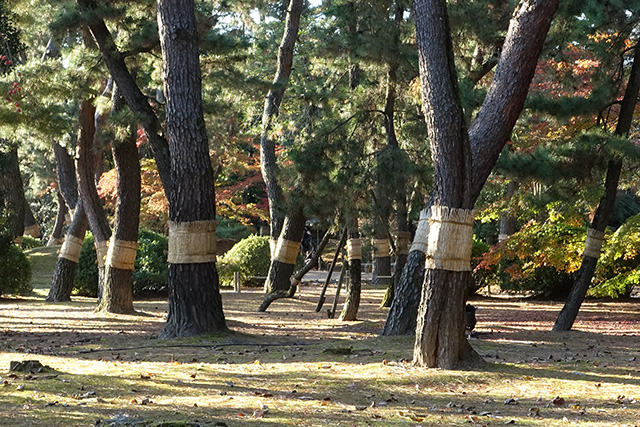
Almost back at the entrance, we pine trees have their torso wrapped.
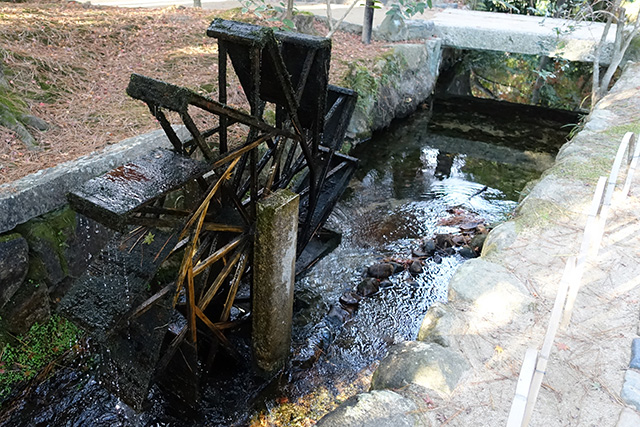
And we see a waterwheel near the crane aviary.
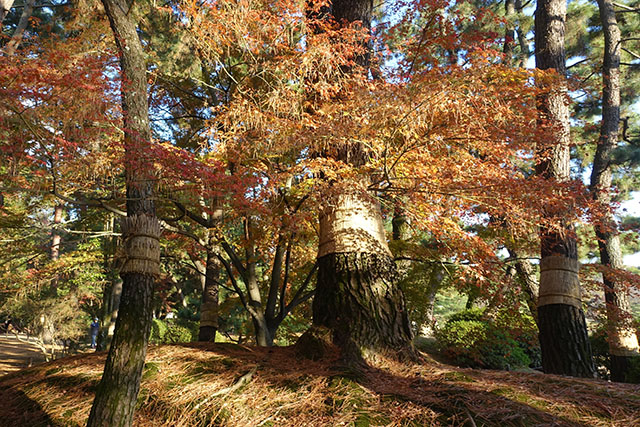
Sunlight and autumnal foliage make for some of the most beautiful sights.
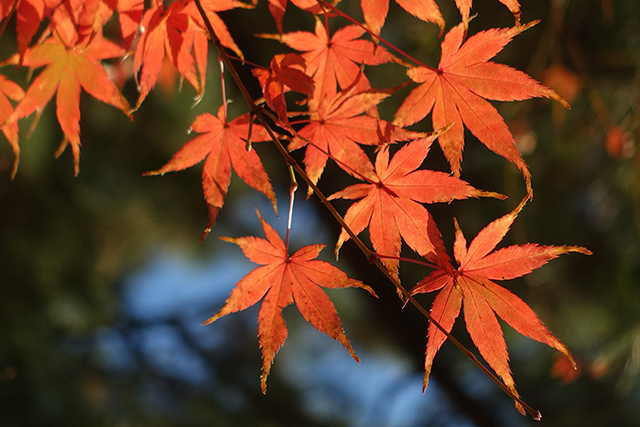
I cannot get enough of trees with pretty leaves. D knows that only too well.
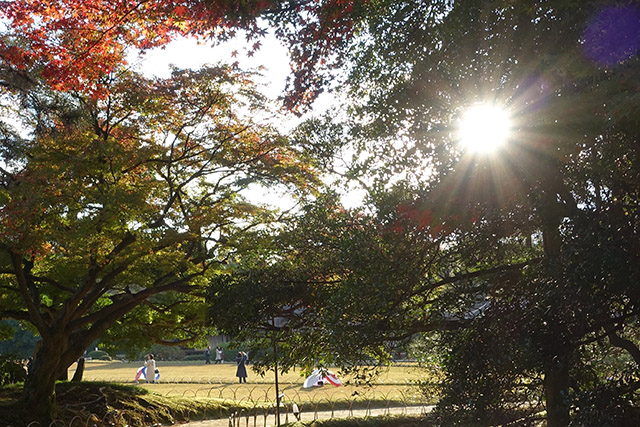
The sun peeks through the foliage as we look towards the centre field.
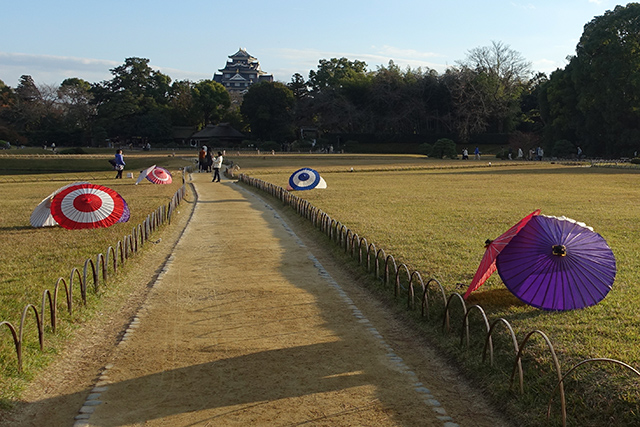
Now, if I’d seen this sun-dappled view when I first entered the garden, I’d be won over.
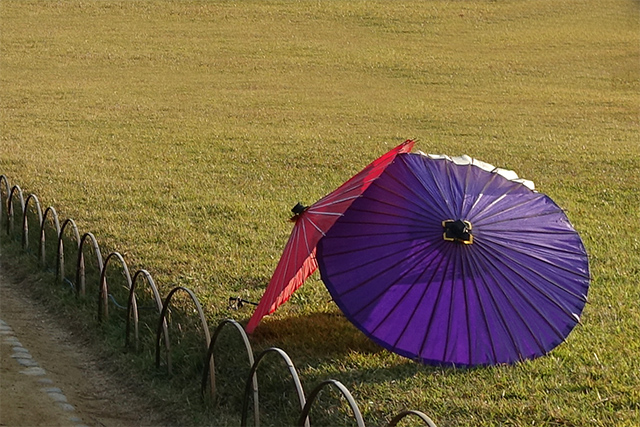
The paper umbrellas hide the lights illuminating the park at night.
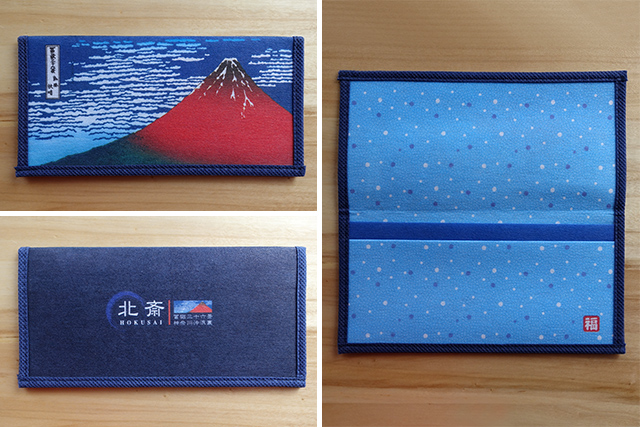 Back outside the garden, a gentlemen asks us to complete a tourist survey. He asks us questions like what we’re doing in Okayama, how we’re getting around, what other places we’re visiting in Japan, and how long we’re staying. We were happy to do it for free, but he gave us each a ukiyo-e envelope. We once did something similar in Uji, Kyōto in 2011 and they also thanked us with candy and a postcard. Only in Japan! In Australia, they expect you to do it for free!
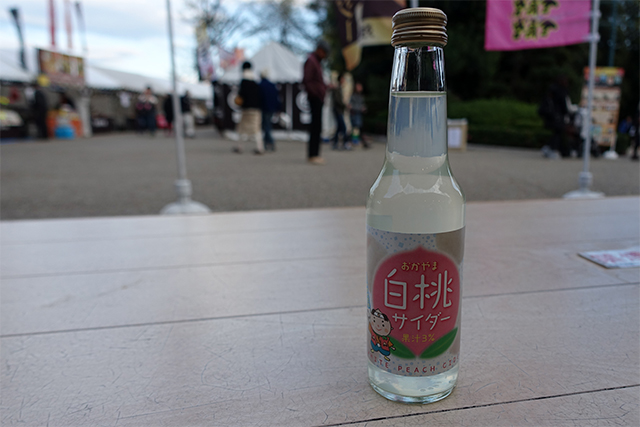
We try some White Peach Cider back at the souvenir shop. It’s refreshingly peachy, which I quite enjoy, although a childhood of peach-flavoured medicine has spoiled it for D.
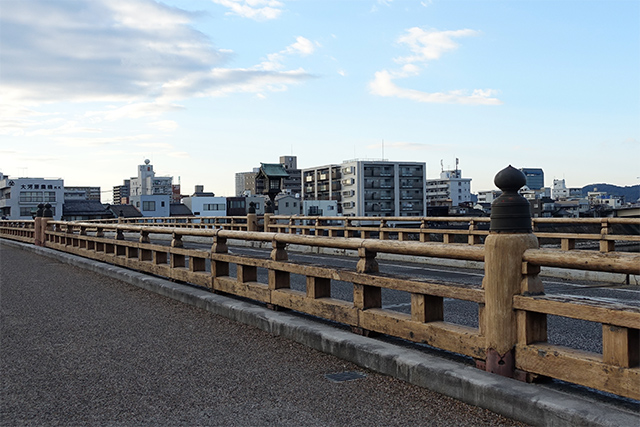
We head back the way we came to Omotecho.
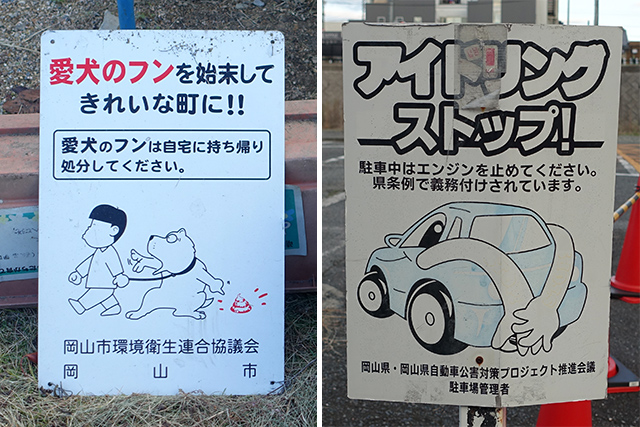
On the way, we see some pretty amusing signs! If you’re a dog, you must tell your owner you pooped. The second sign isn’t immediately obvious, but it tells you to ‘cover your ass’ by only parking in designated parking spots or risk a fine.
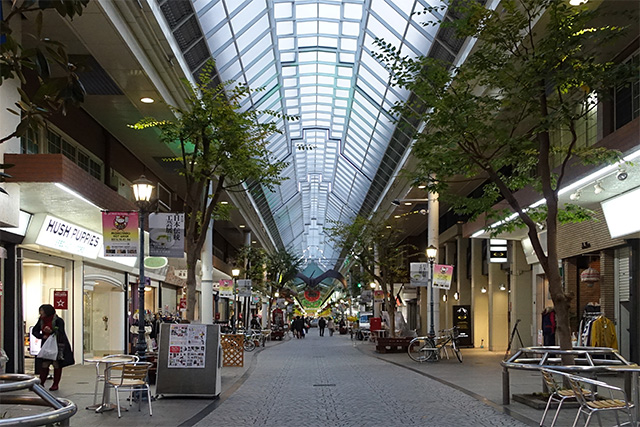
Back at Omotecho, the shops are mostly open with more pedestrian traffic, which begs the question of when do shops open in Okayama?!
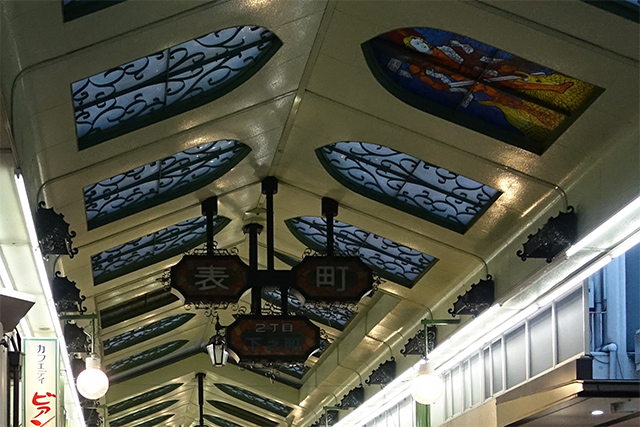
The ceiling the Ometecho is ornate with some stain glass panels.
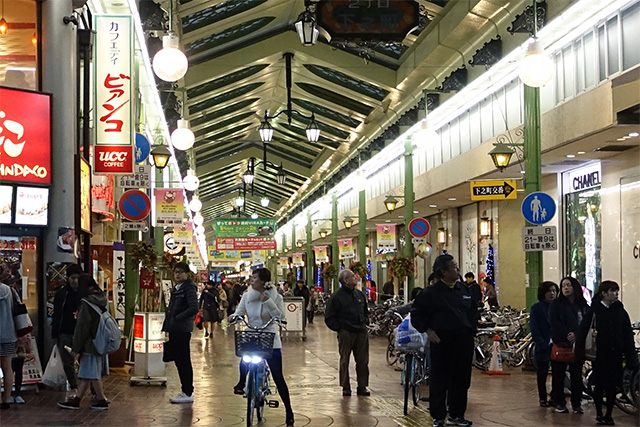
Near Temaya, a department store, it’s humming with the kind of activity we’re used to in Japan.
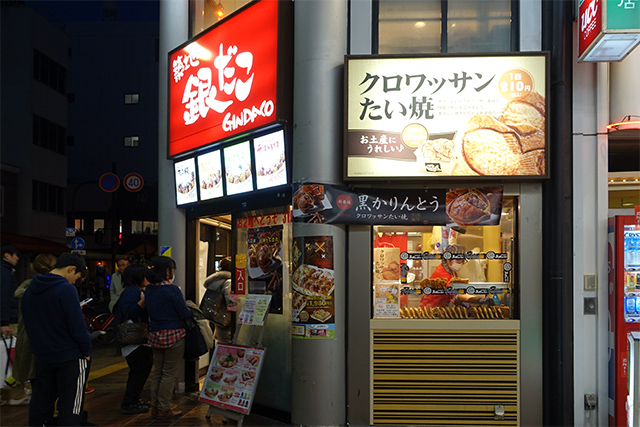
It’s dark but it’s not quite dinner time, so we stop by Gindaco for a snack.
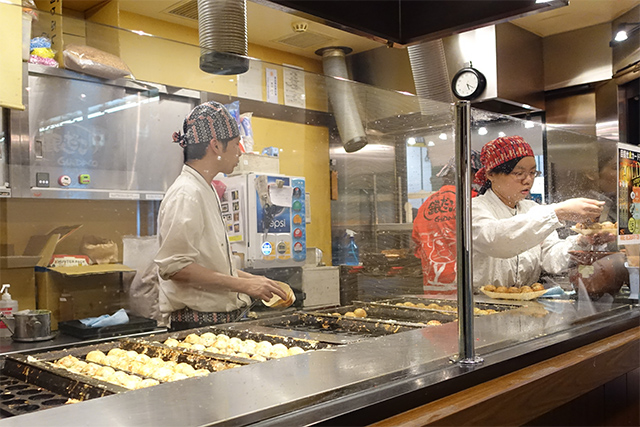
Gindaco is a takoyaki chain throughout Japan, unlike Wanaka, our favourite store that only has stores in Ōsaka.
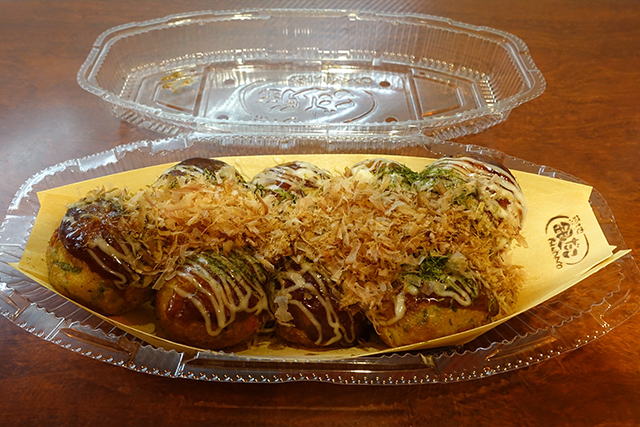
The takoyaki are never quite as hot at Gindaco, or as generous with their aonori, but they’re still tasty.
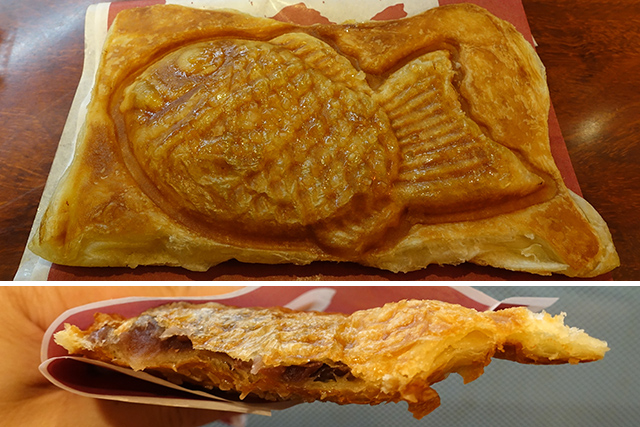
A new item on the menu at Gindaco are croissant taiyaki. Is that a croyaki? But then you lose the ‘sea bream’ part of taiyaki. So a taisant is probably more accurate. Anyway! This is seriously delicious – flaky, buttery pastry with red bean filling. Yum!
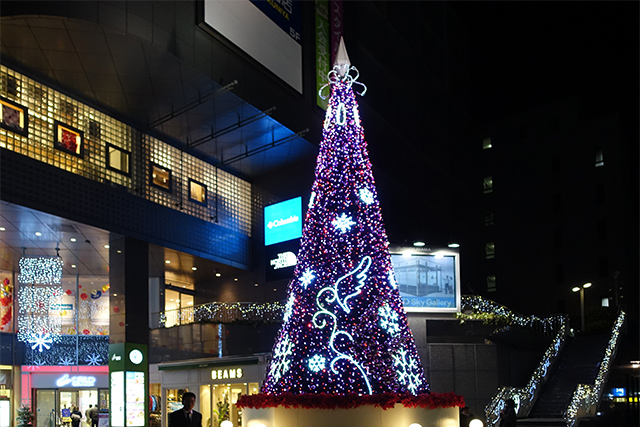
Walking back to our hotel, we spot a Christmas tree outside Cred.
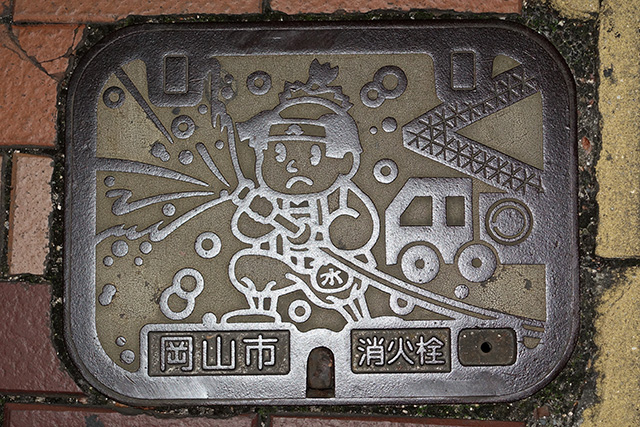
This is a cover for a fire hydrant – the little man doesn’t look too chipper.
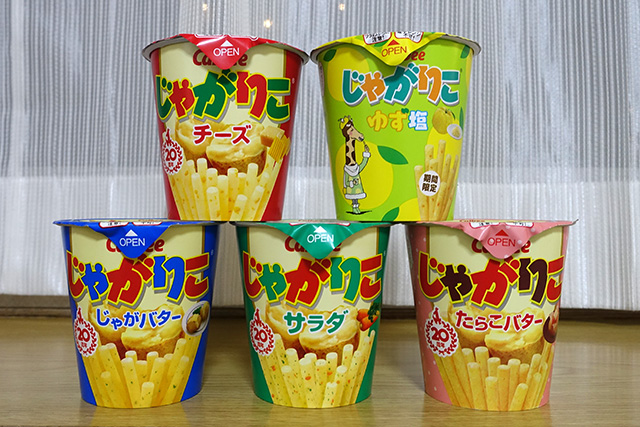
Here’s a group shot of all the flavours of Calbee Jugarico we found at the local pharmacy.
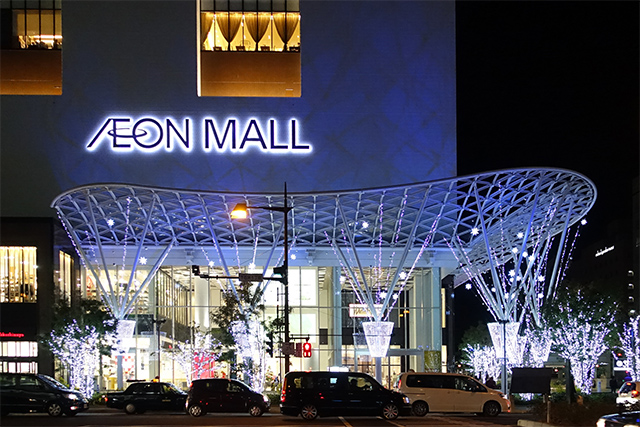
After resting up in our hotel, we head towards Aeon Mall for dinner. We have one place for dinner in mind but we’ve forgotten the name. After not finding it on the store directory, we locate it after connecting to WiFi.
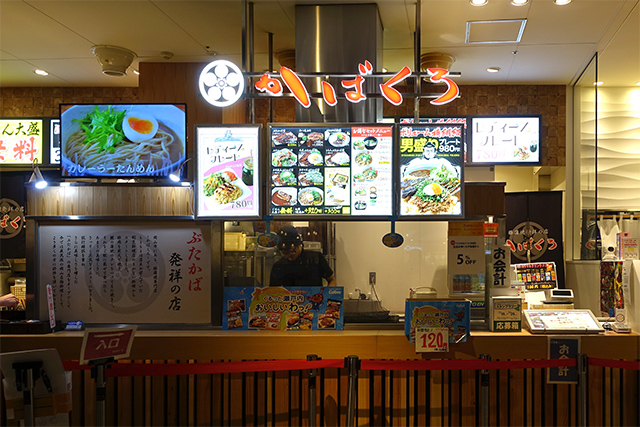
The place is Kabakuro, and why were we so desperate to find it? Kabakuro is a specialty store in Okayama that serves grilled pork. It’s not your ordinary grilled pork, but pork grilled with charcoal with the sauce used for grilled eel, which we love.
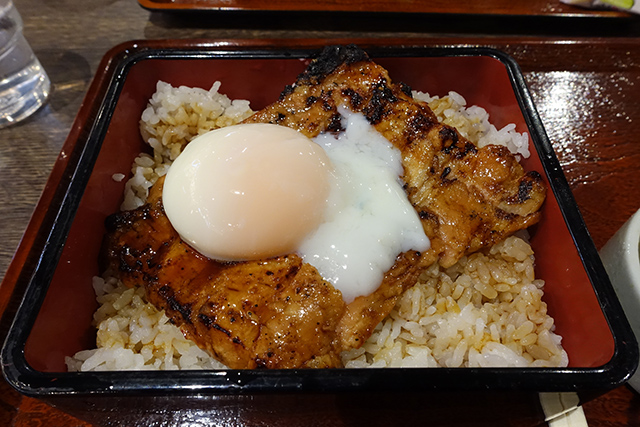
I get my grilled pork with an ontama egg, that’s perfectly oozy and delicious.
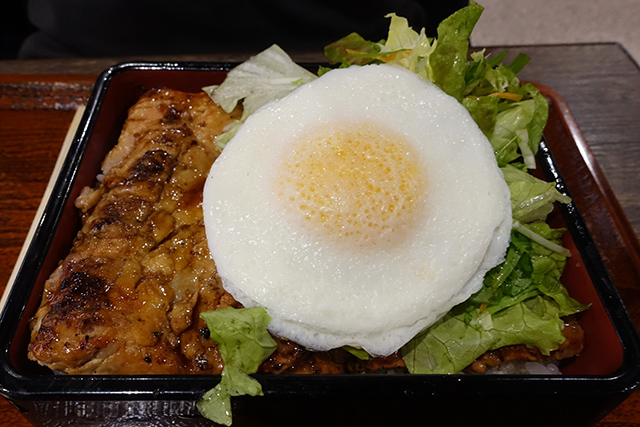
D gets his with an extra serving of pork, a fried egg, and lettuce. We’re both in raptures at how the pork is amazingly juicy and tender and just delicious with the caramelised eel sauce. I eat all my pork, and try to sneak a few pieces of meat from D’s bowl, which he’s guarding intently! We could go for seconds, but fortunately and unfortunately, the store closes for the night while we’re eating.
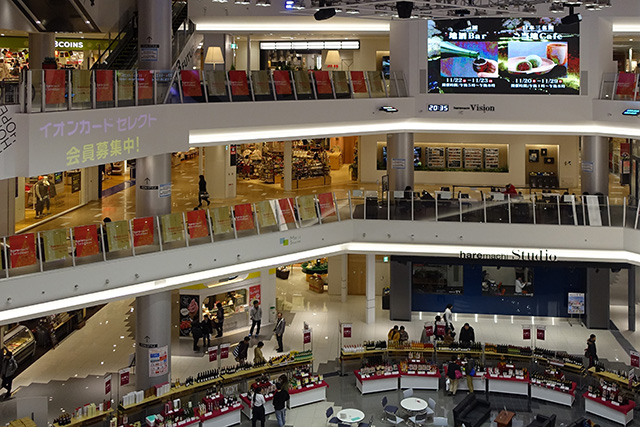
While the food court’s closed for the night, the shops remain open for an hour longer. There’s some wine tasting happening on the bottom floor, it seems.
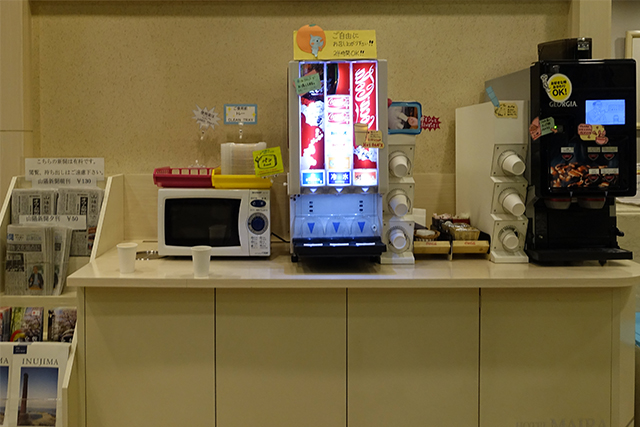
After the shops close, we head back to our hotel to enjoy the free drink bar (why do hotels in Ōsaka and Tōkyō not do this?) before catching some sleep.