Gujo is one of the most memorable places I’ve been to in Japan. Going there, however, for someone who likes to have her itinerary organised well ahead of time (I’m at once flabbergasted and envious of people who can rock up to a city without having booked accommodation beforehand), involved taking certain leaps of faith.
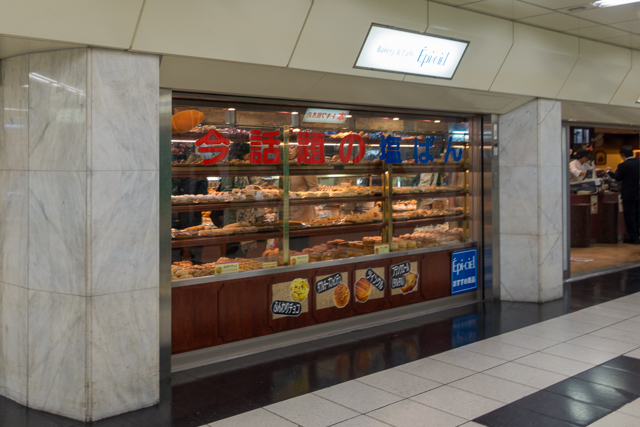
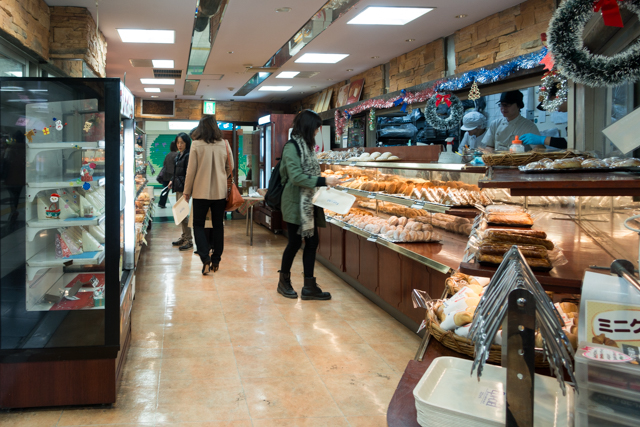
We stop by a bakery at Nagoya Station to grab some breakfast for the bus ride.
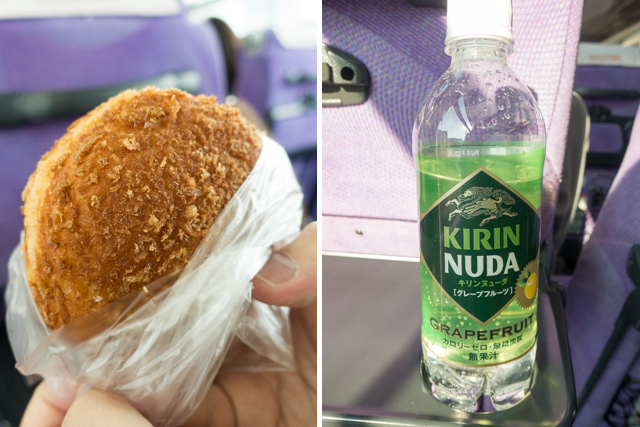
There’s the failsafe curry pan (top, left)…
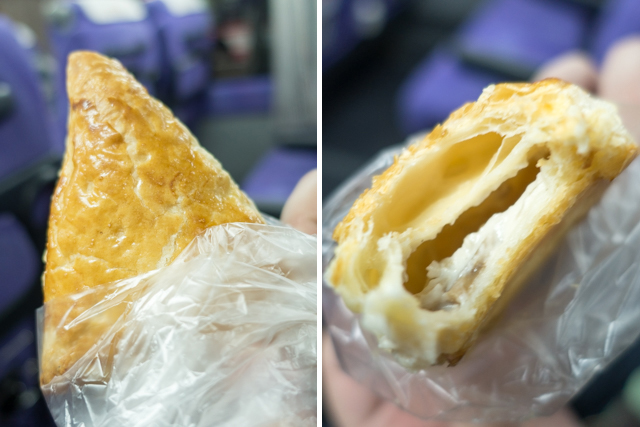
and then there’s D’s ‘triangle of goodness’, which is an absolutely delicious pastry filled with chicken and mushroom innards. It was so delicious we’d go to other bakeries afterwards during our trip only to be disappointed.
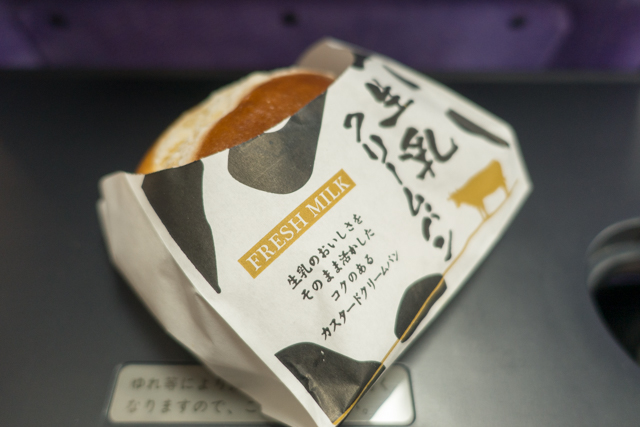
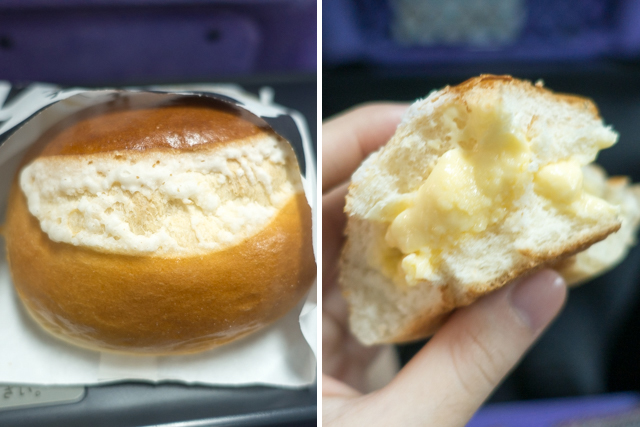
And of course, there’s my choice of a fresh milk bun. Honestly, I was seduced by the cute packaging! But it tasted all right, like a custard bun.
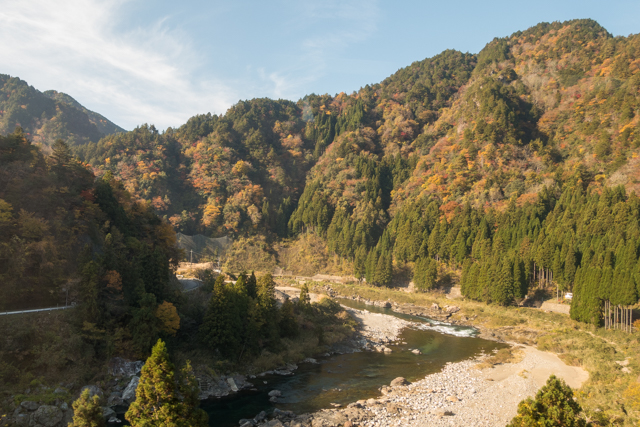
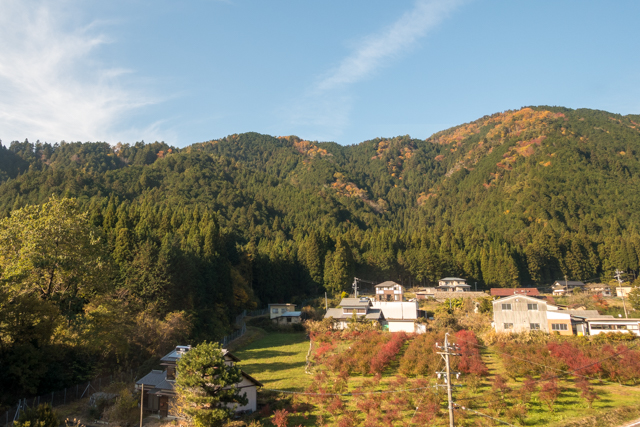
We’re taking the same bus we took the day before to Takayama, only getting off earlier. And the scenery we pass by is breathtaking. There’s something about the mountains and rivers in central Japan that makes for amazing scenery.
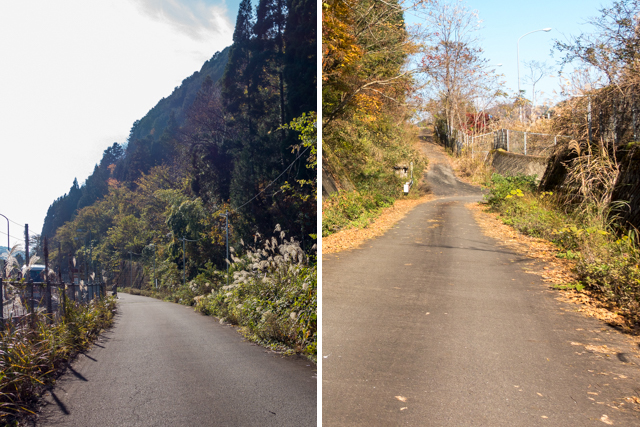
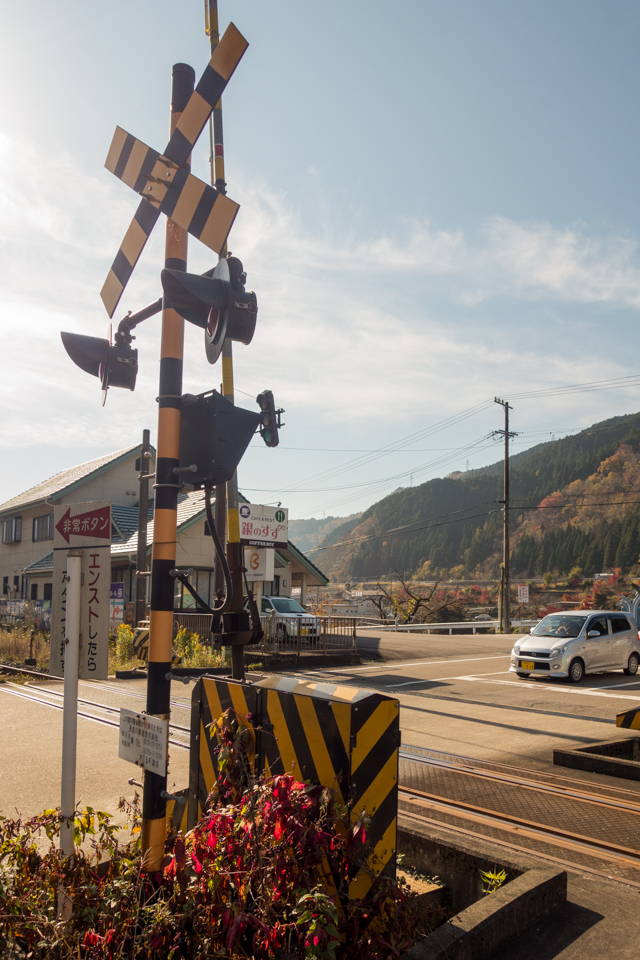
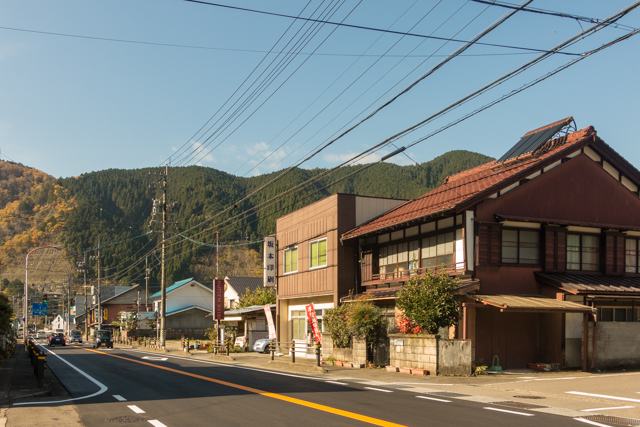
When I mention going to Gujo involved taking leaps of faith, here’s the first – the bus drops you off on the side of the highway at the very edge of town, that is, over 3 km away from the town centre. I’d read numerous reports of people needing to catch a taxi. But we didn’t have a phone plan to call for a taxi (which are very expensive in Japan) and the wax food replica workshop we wanted to visit was somewhat near (1.7km from the bus stop). So we Google map’d the hell out of that walk – it looked doable (it’s all along flat ground), so we were trusting Google.
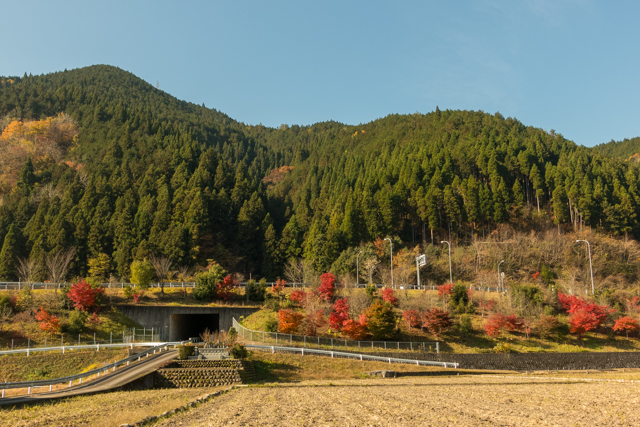
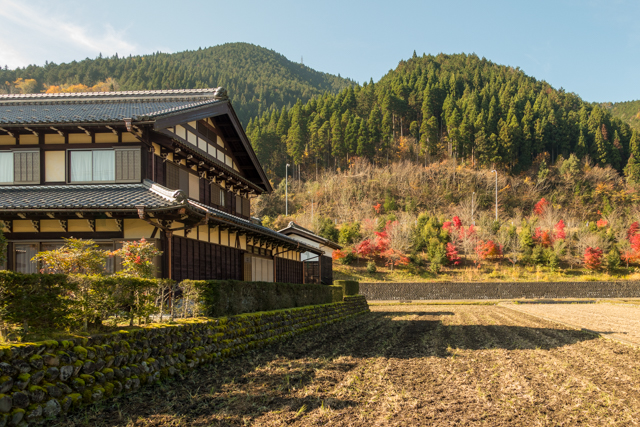
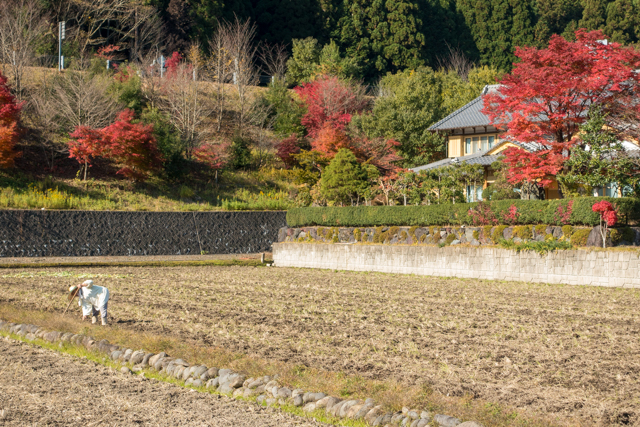
I’m glad we decided to walk rather than catch a taxi, though. We saw these beautiful houses attached to farmland, after crossing the highway via an underpass.
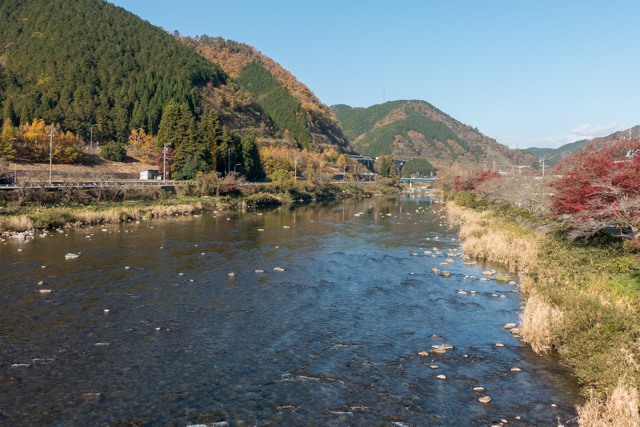
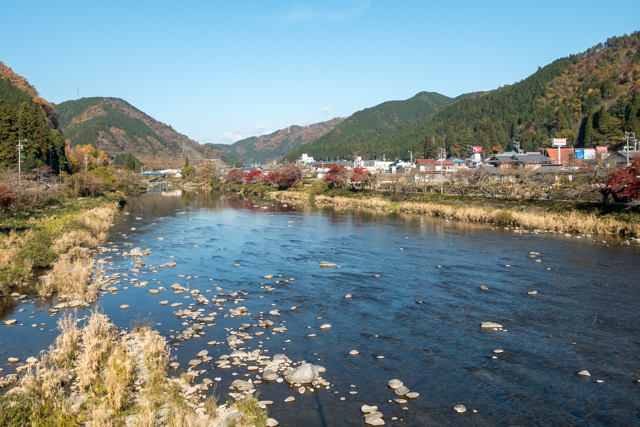
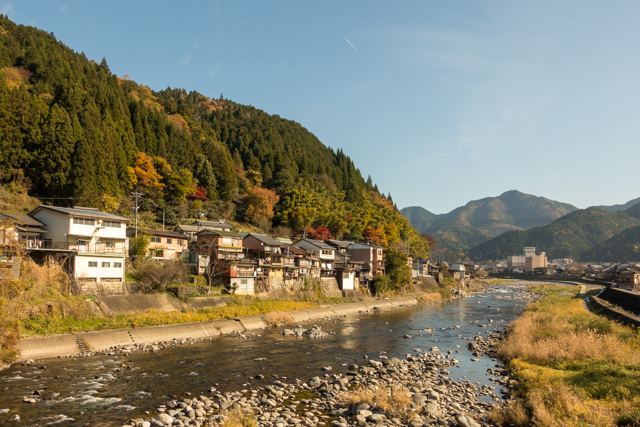
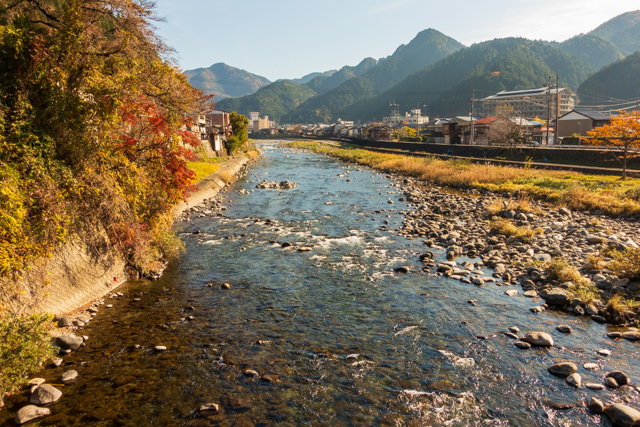
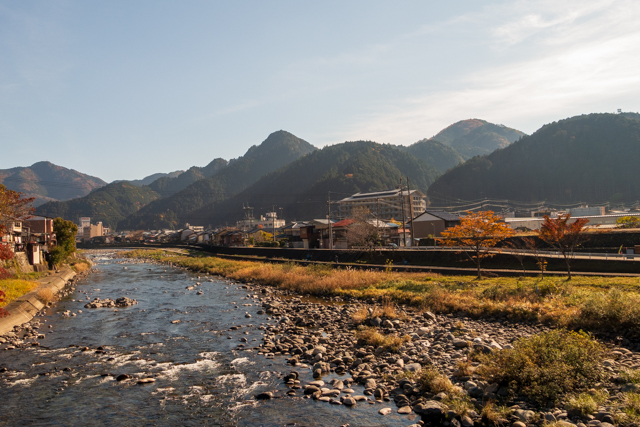
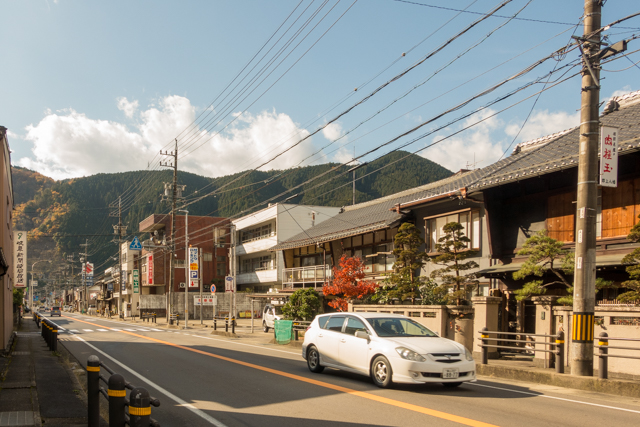
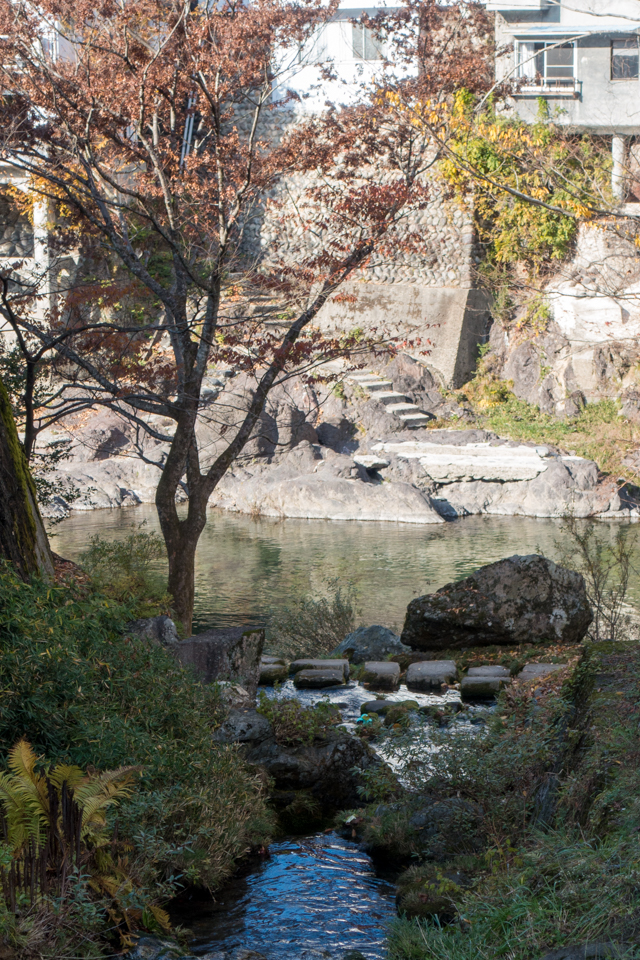
And the landscape surrounding Gujo! Gujo (or Gujo Hachiman, which is where we were visiting) is situated in a valley where three rivers meet. I’ve seen my fair share of rural Australia and New Zealand, but they cannot compare to the autumnal colours of rural Japan. The water in Gujo is supposedly so clean you can drink from it at certain parts.
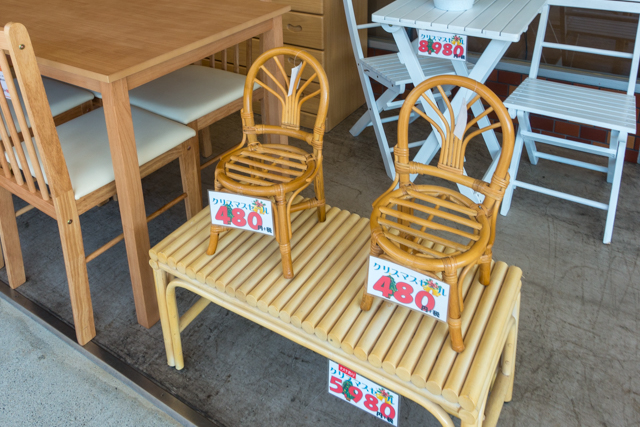
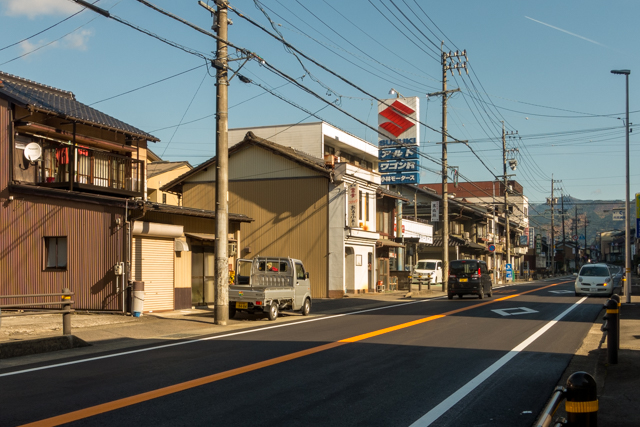
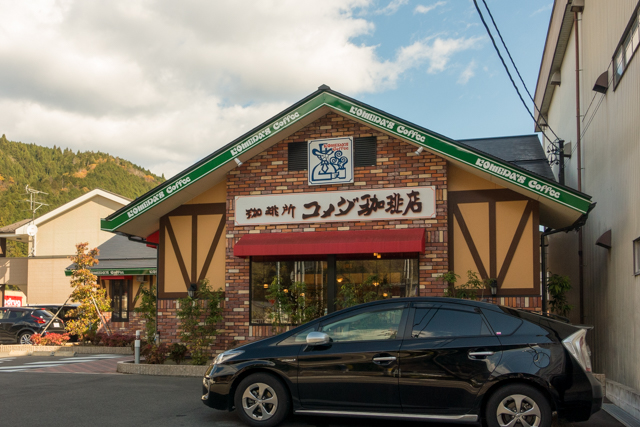
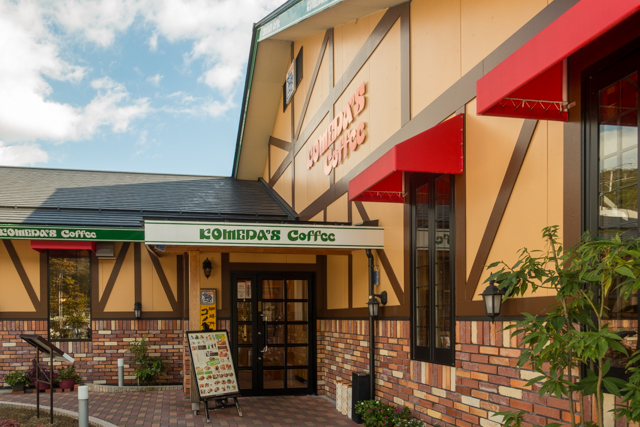
After walking around and finding absolutely no other source for food (the edge of town seemed to be filled with car repair shops), we decide to kill some time at Komeda’s Coffee until our 11:30 wax food replica workshop.
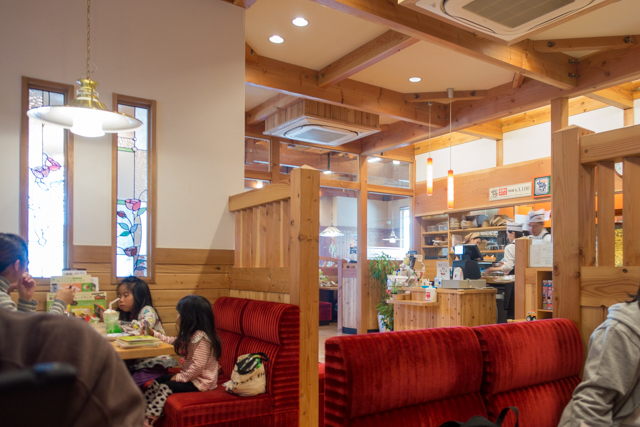
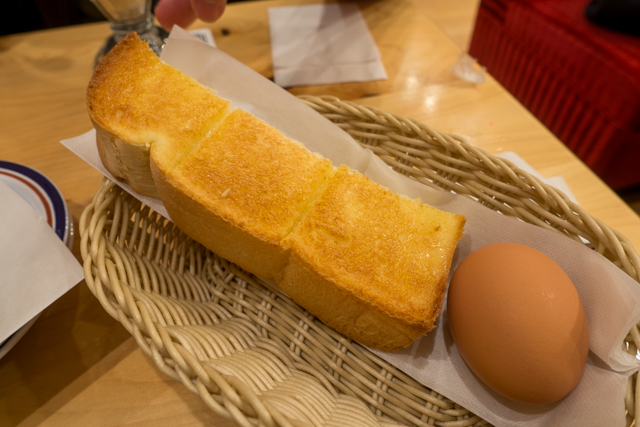
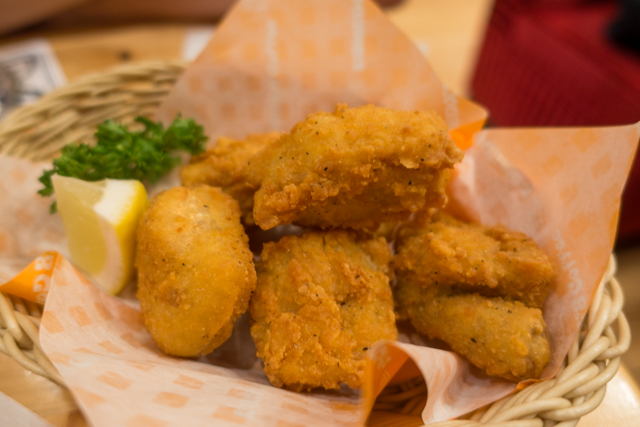
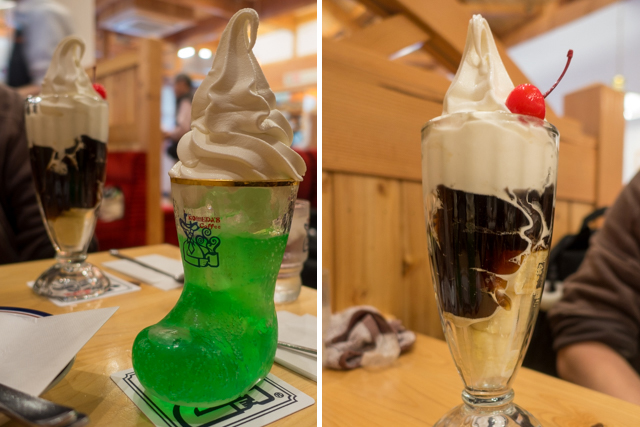
I ordered the melon soda float (middle, left), while D ordered a chocolate sundae (middle, right) and some fried chicken pieces. It turns out, though, that we’d managed to order at 10:59, one minute before their breakfast menu ended, so my drink came with complimentary toast and egg. Ah, Japan!
I initially ordered the melon soda in the cutest boot-shaped cup ‘cause I’m a kid at heart, but it seems like there’s a legitimate reason for the shape – the shape of the cup means the ice cubes can be stacked beyond the level of the soda, so the soft serve can sit upon it without mixing prematurely with the soda and causing it to foam everywhere, while keeping the toe of the cup free of ice cubes so you actually get soda as opposed to, you know, a cupful of ice.
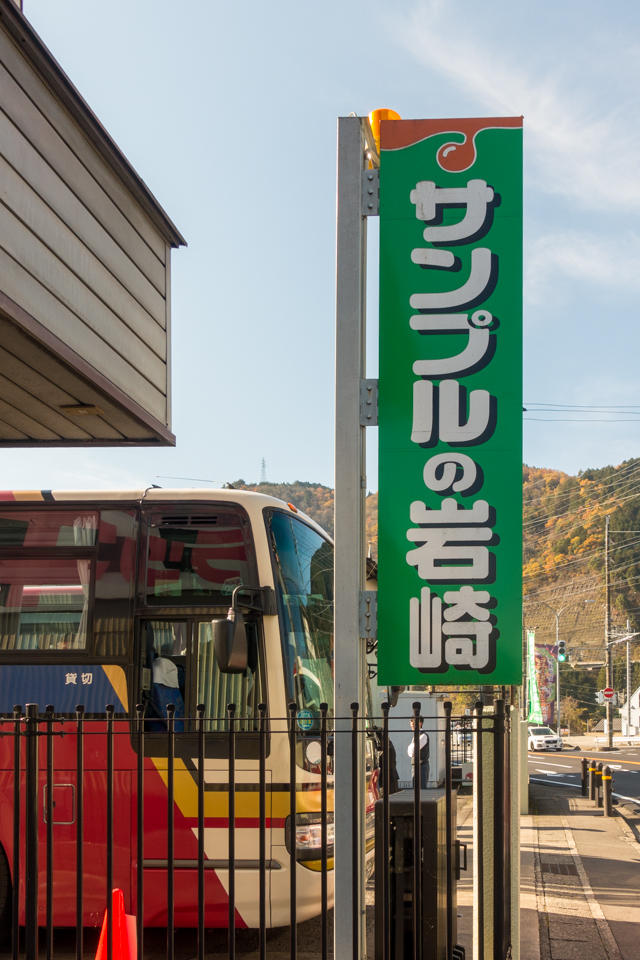
And here’s the second leap of faith. We’d booked the highway bus to Gujo (which was a feat in itself as the English page does not let you book buses to Gujo, just Takayama) without having made the booking at Sample Village Iwasaki to participate in a wax food replica workshop. So we were just trusting that there’d be openings – a bunch of things happened and we ended up only confirming our spot in a class two days before we intended to visit. Honestly, the workshop was the entire reason why wanted to go to Gujo. We didn’t get the time slot we wanted, but we did get a spot on the same day. The lesson: you just have to trust that things will turn out okay.
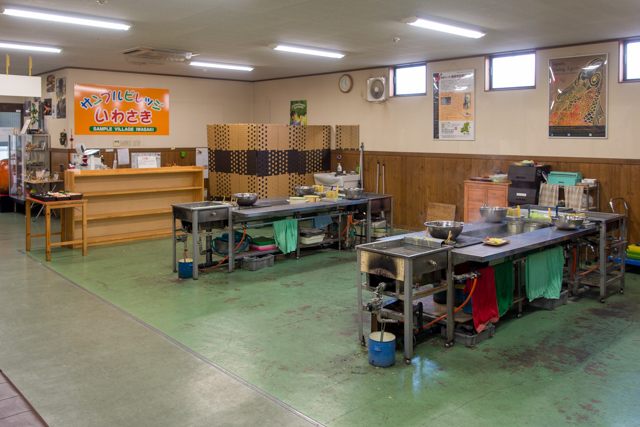
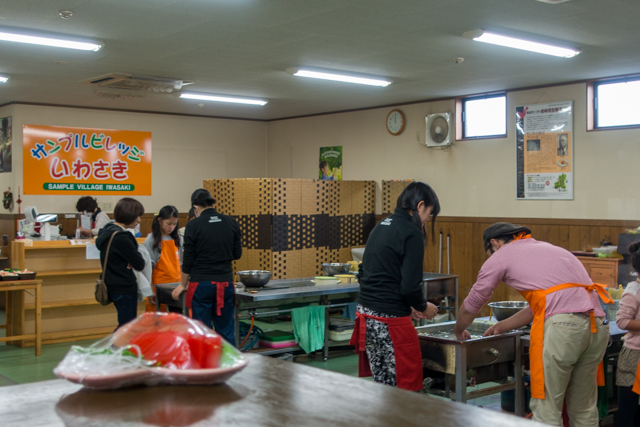
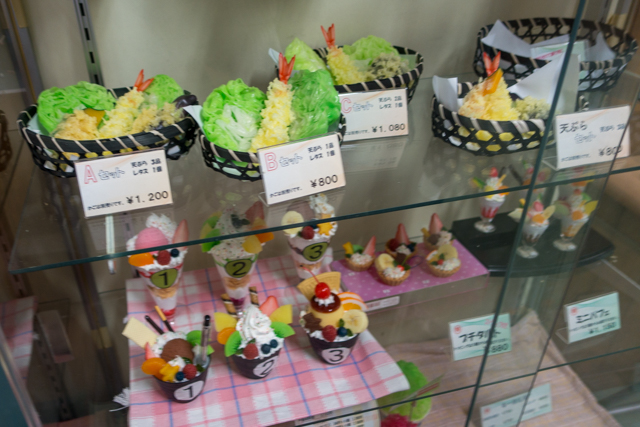
Anyway. The wax food replica workshop was amazing and totally worth traveling to rural Japan.
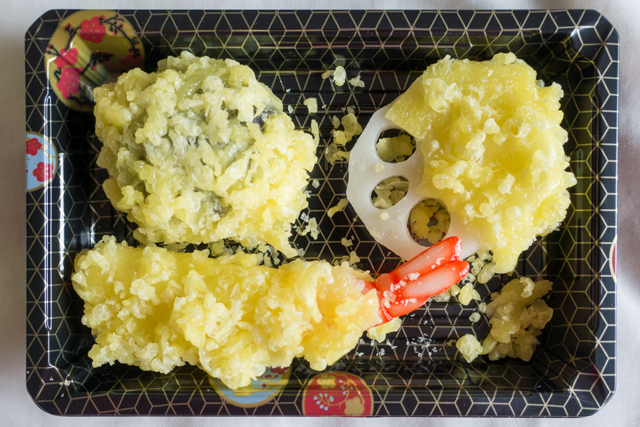
We learned how to make wax tempura using pre-made prawns, lotus root, and shiitake mushrooms, by drizzling hot yellow wax into warm water and then gently wrapping it around the food before setting the shape in cold water.
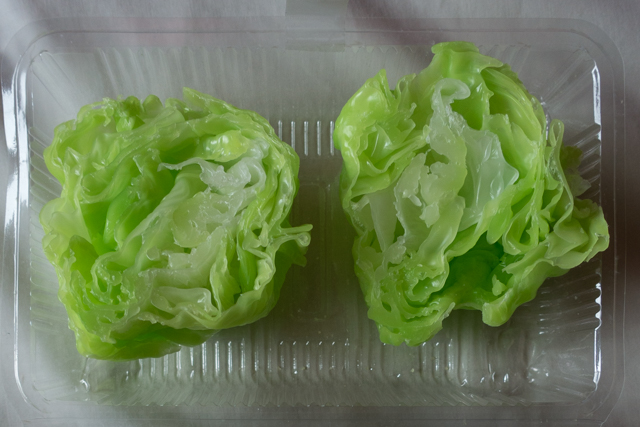
Then we made cabbage by spooning white wax and then green wax into a sheet in warm water, and then bunching the white end of wax sheet, before folding the ball towards each opposing edge until the sheet was all used up, and using a hot and wet knife to cut it the cabbage in half before setting the shape in cold water.
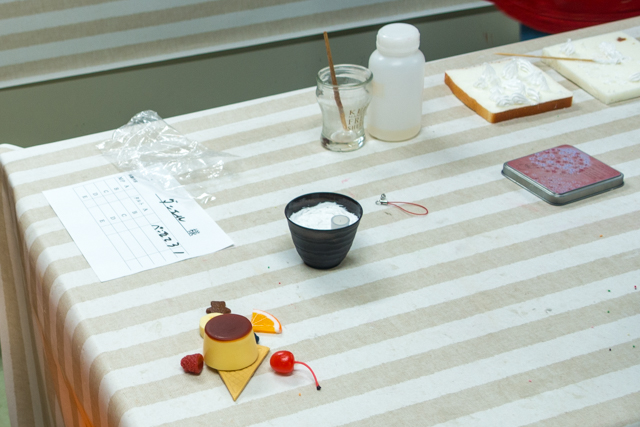
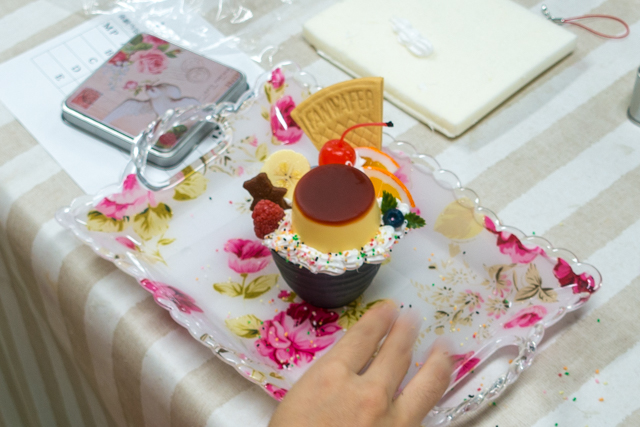
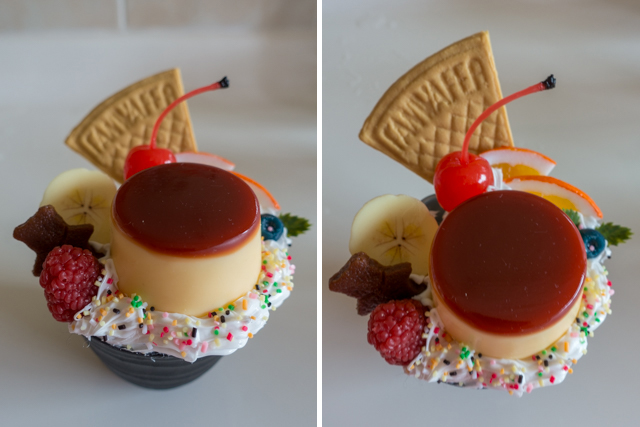
And we also made a fruit and pudding parfait. We assembled the premade bits (the fruit and pudding) and decorated the parfait using whipped cream (or white wax) and sprinkles. Using the caulking gun is a lot harder to control than actual whipped cream. Wax is far more sticky and heavy than whipped cream, but still so much fun.
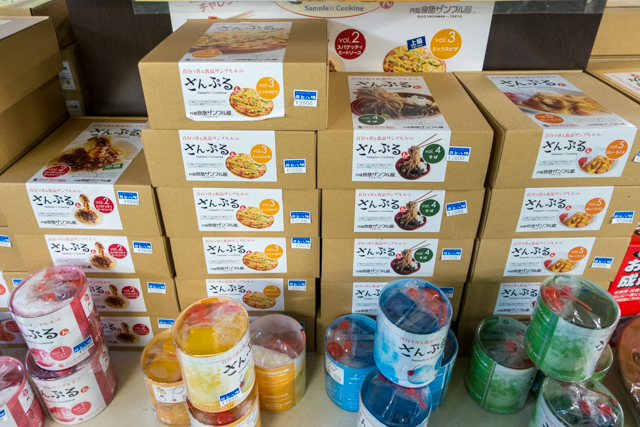
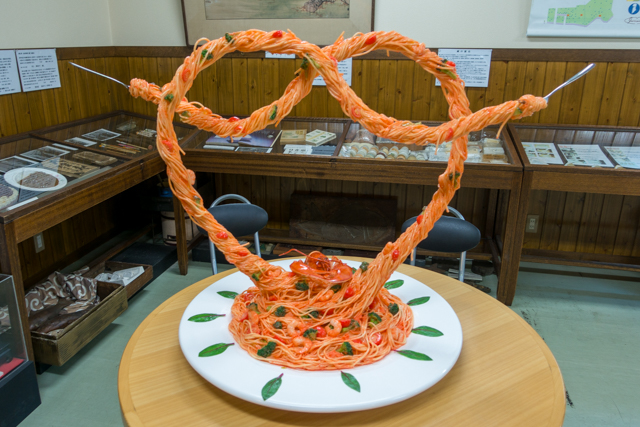
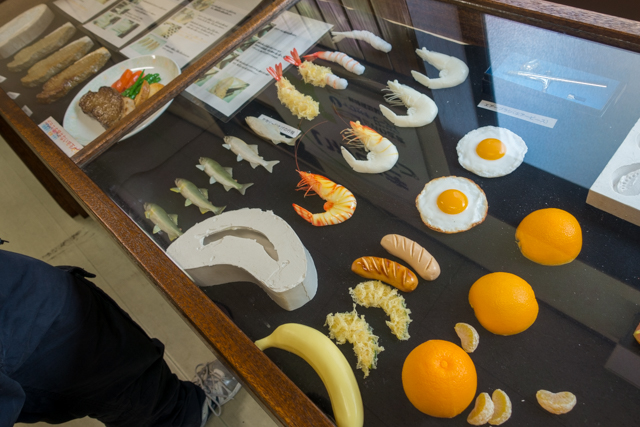
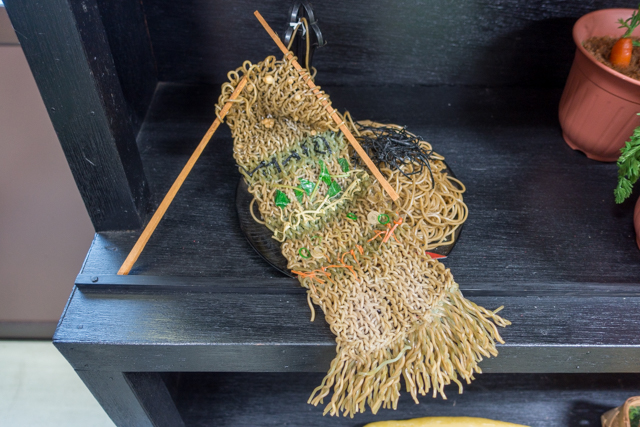
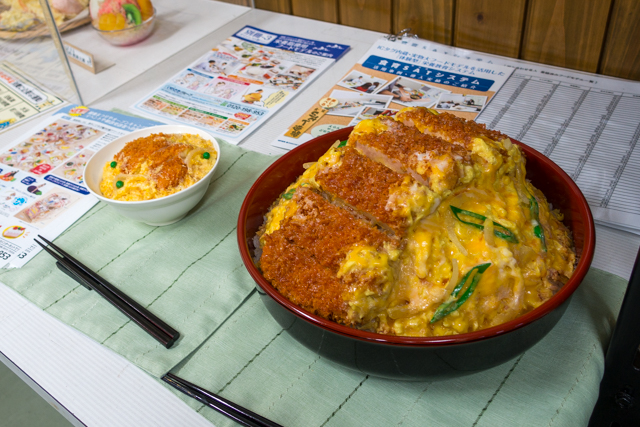
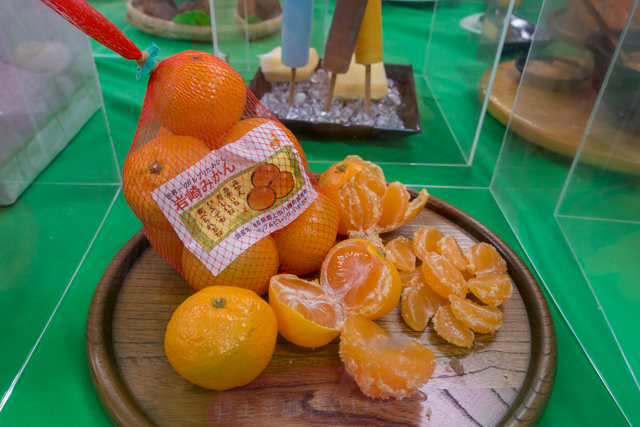
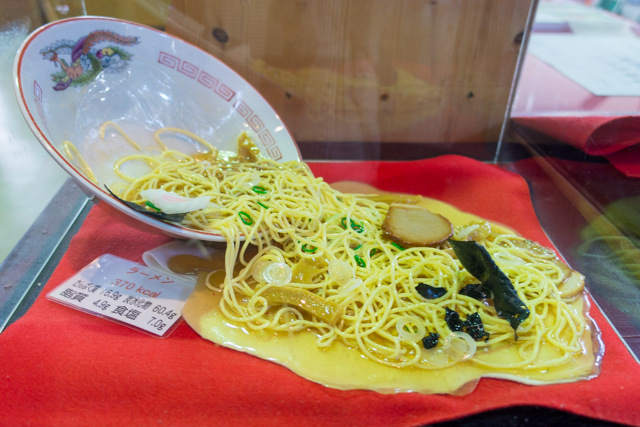
There’s an exhibition area for models made by the staff. Amongst other things, there’s the spaghetti love heart conductor, a scarf knitted out of noodles , and a platter of mandarins (how real do they look!), while there’s also a section showing the stages each item goes through before looking like the real edible (wax) food.
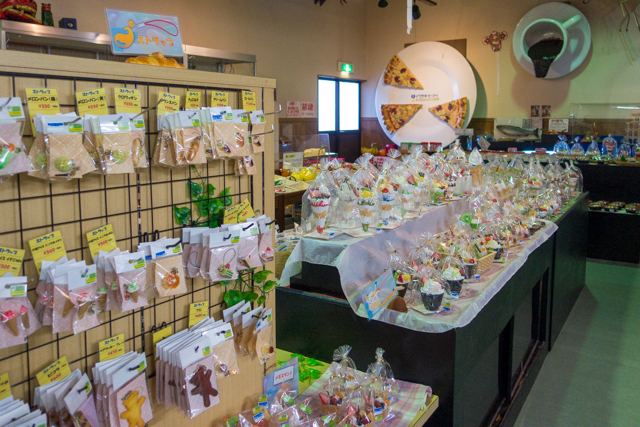
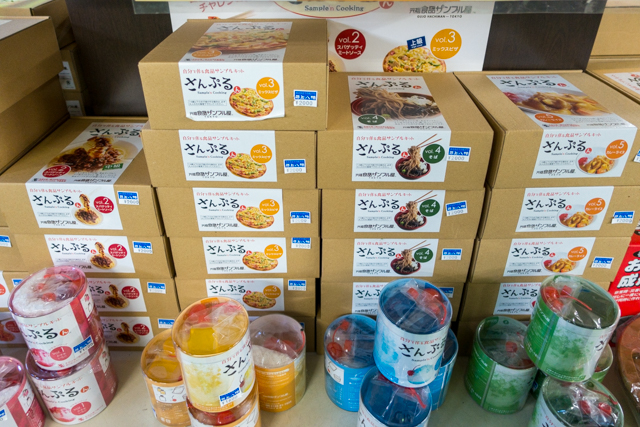
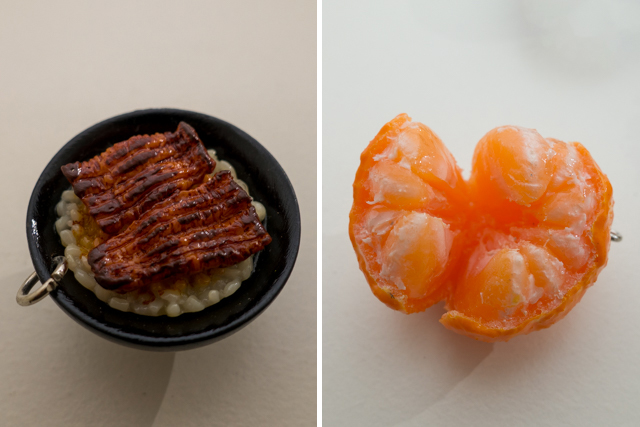
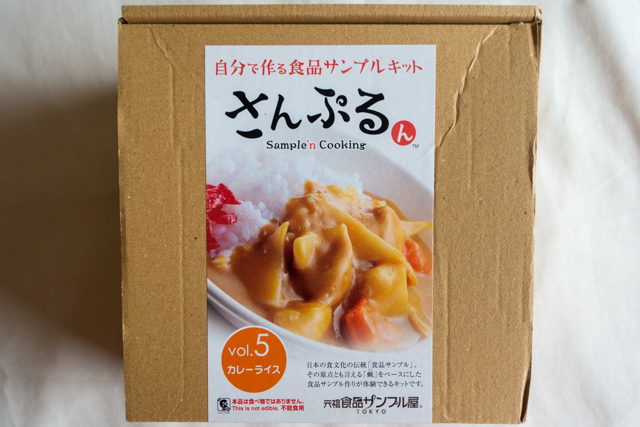
And there’s a retail section where you can buy full-sized replicas of foods like parfaits, eggs, fruit, vegetables, etc, and also phone charms like the half-peel mandarin and unadon that I bought.
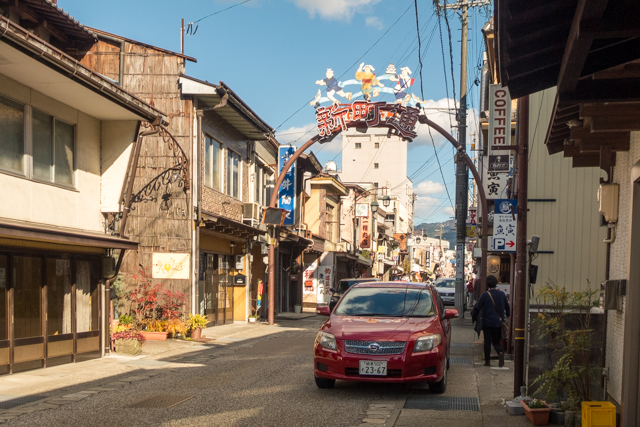
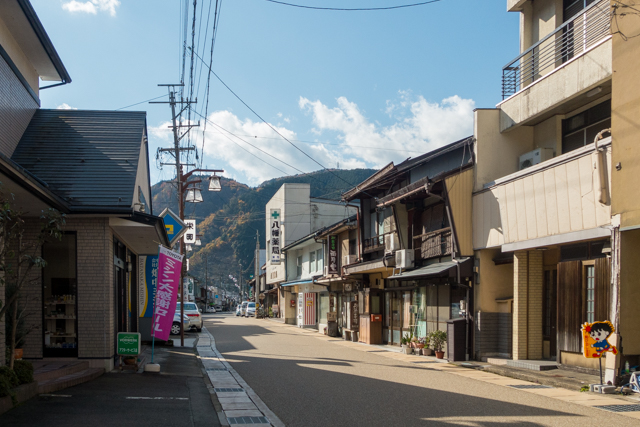
After having spent well over 2 hours in the workshop we head into the town centre for some food.
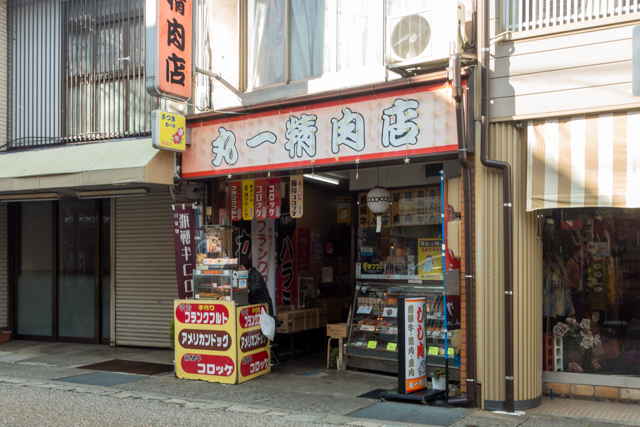
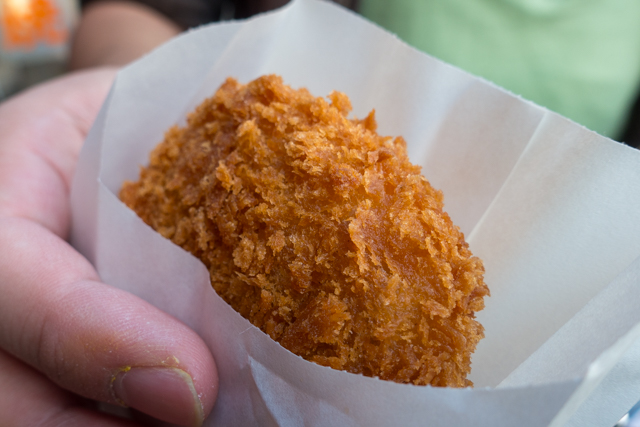
It’s still a national holiday so many shops are closed. We do spot this shop selling croquette, though. This potato croquette is cold and not the best, alas.
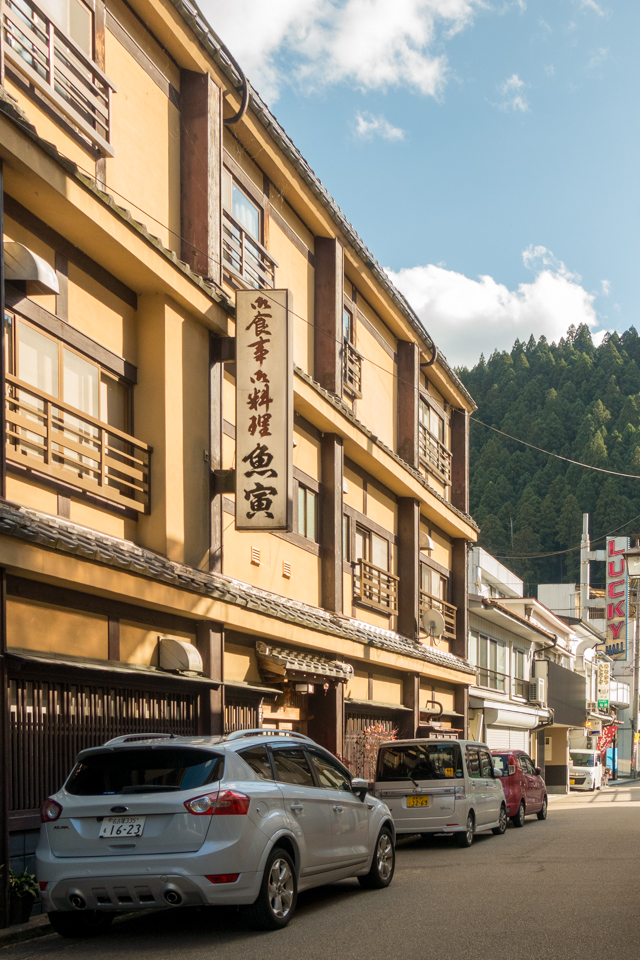
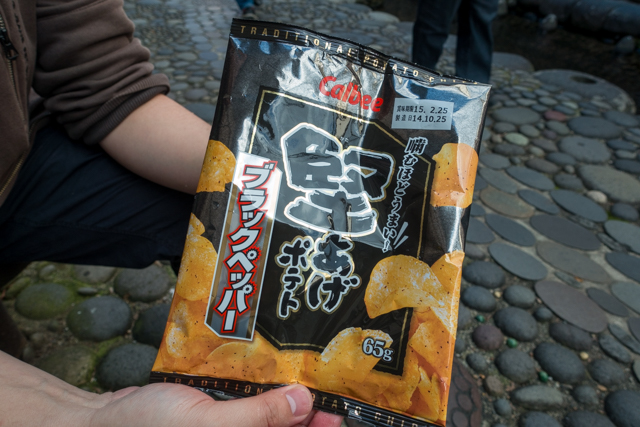
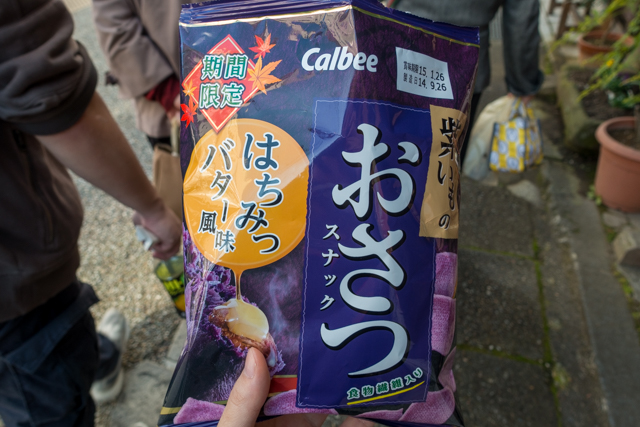
Instead we head into a supermarket and get some chips to tide us over. I’m slightly adventurous when it comes to snack foods in Japan and get the most unfamiliar flavour I can find (doesn’t hurt that the packaging is so pretty) which is taro with honey and butter. It tastes exactly like what it’s meant to! It’s an acquired taste though. I believe D chose his pepper chips also based on the packaging.
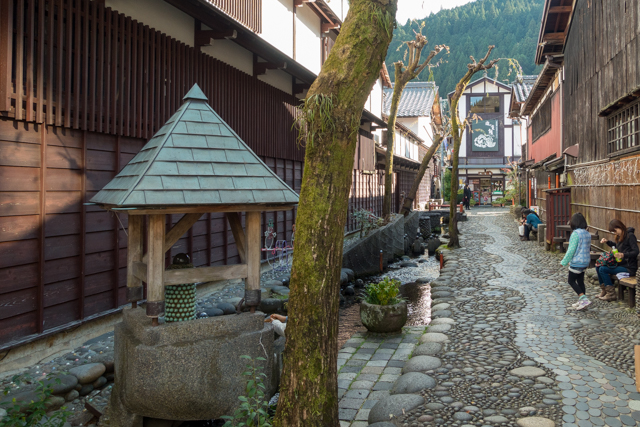
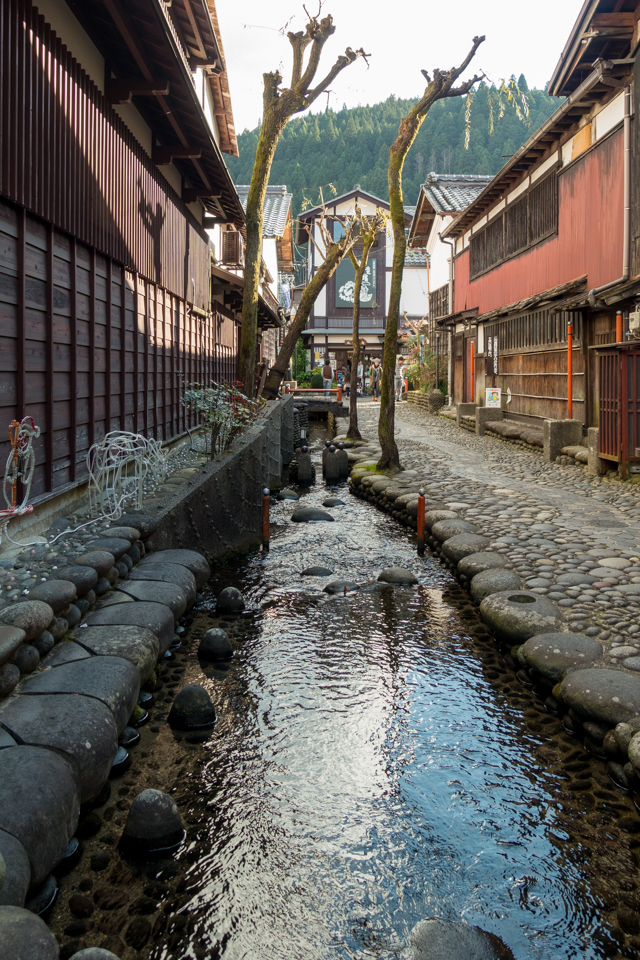
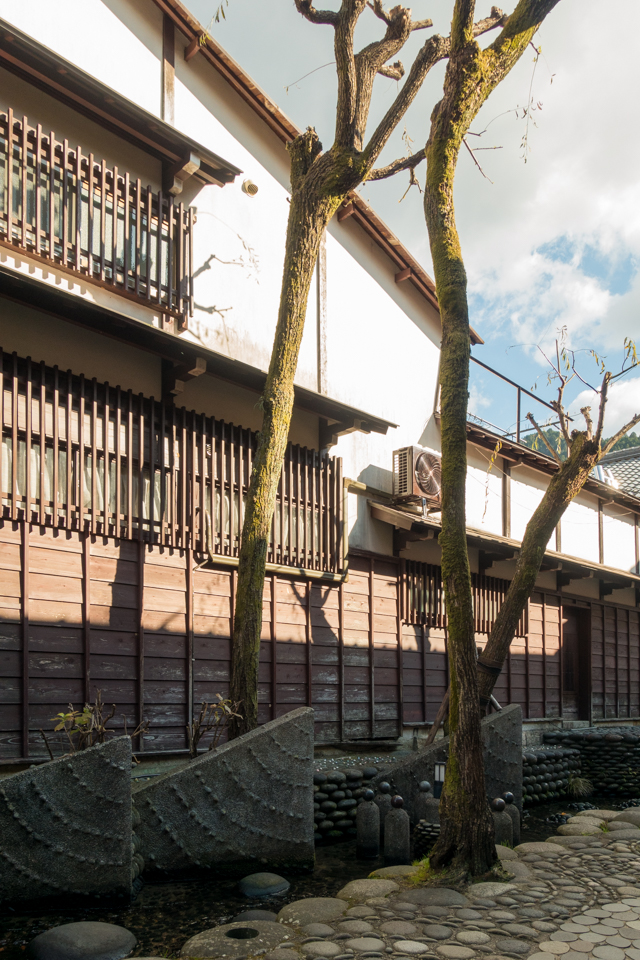
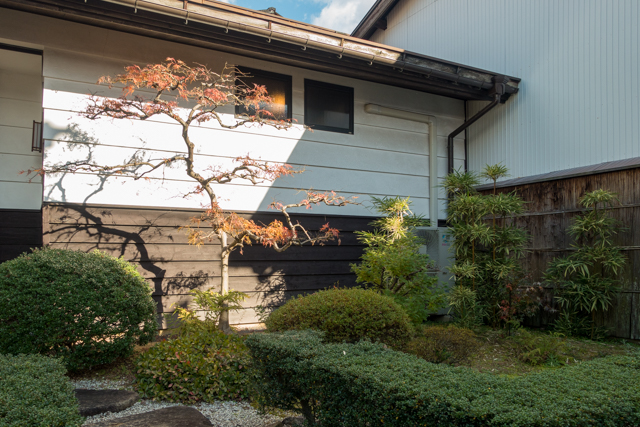
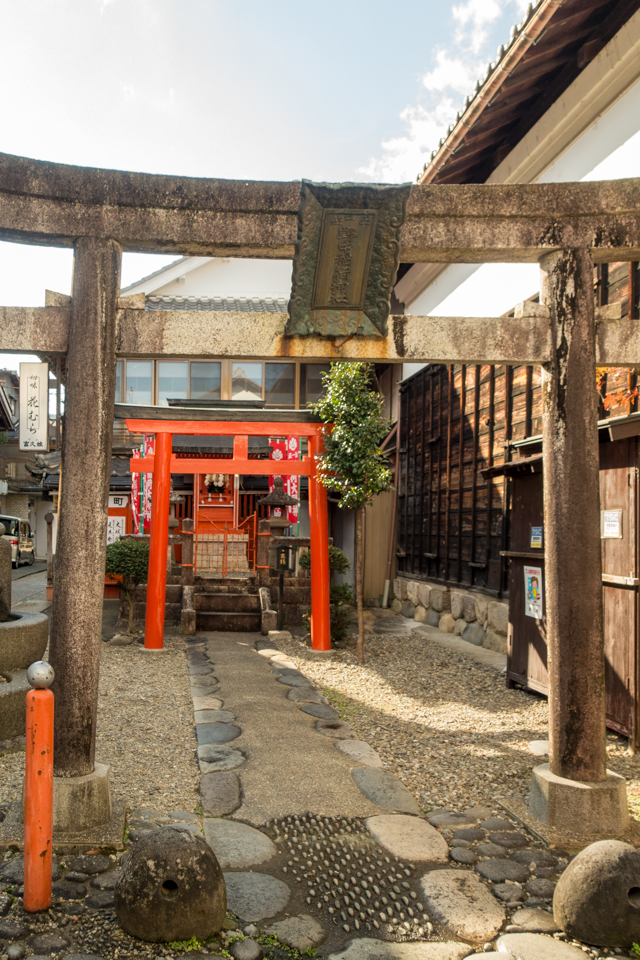
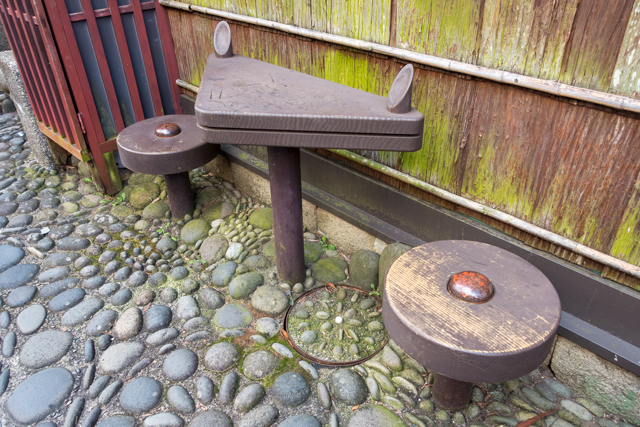
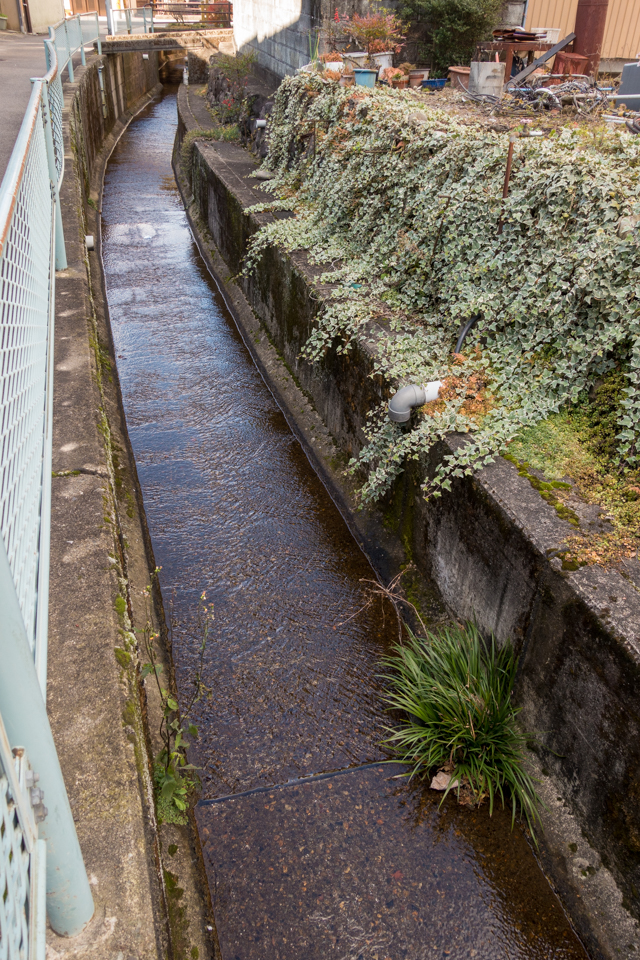
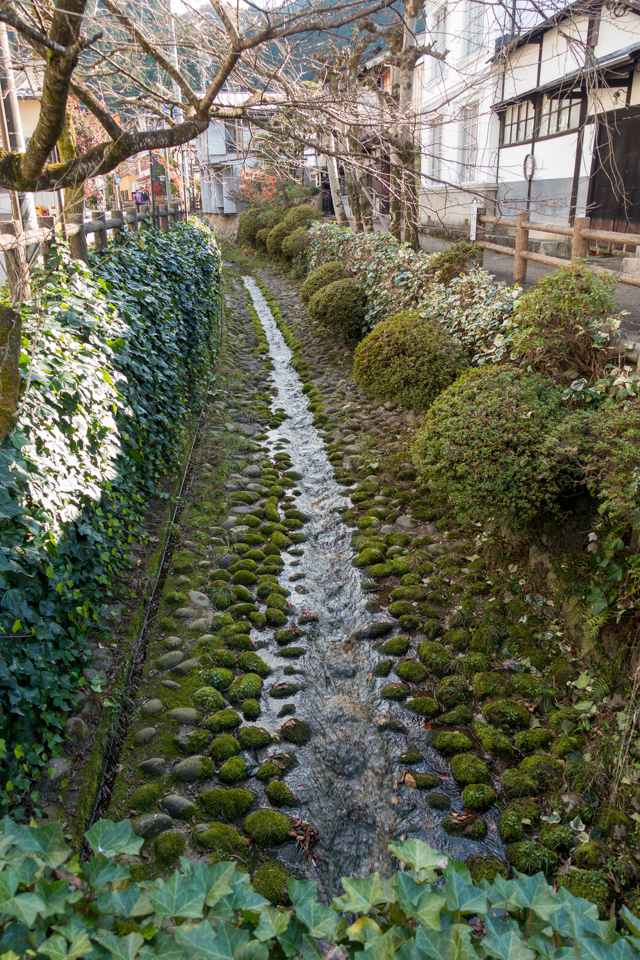
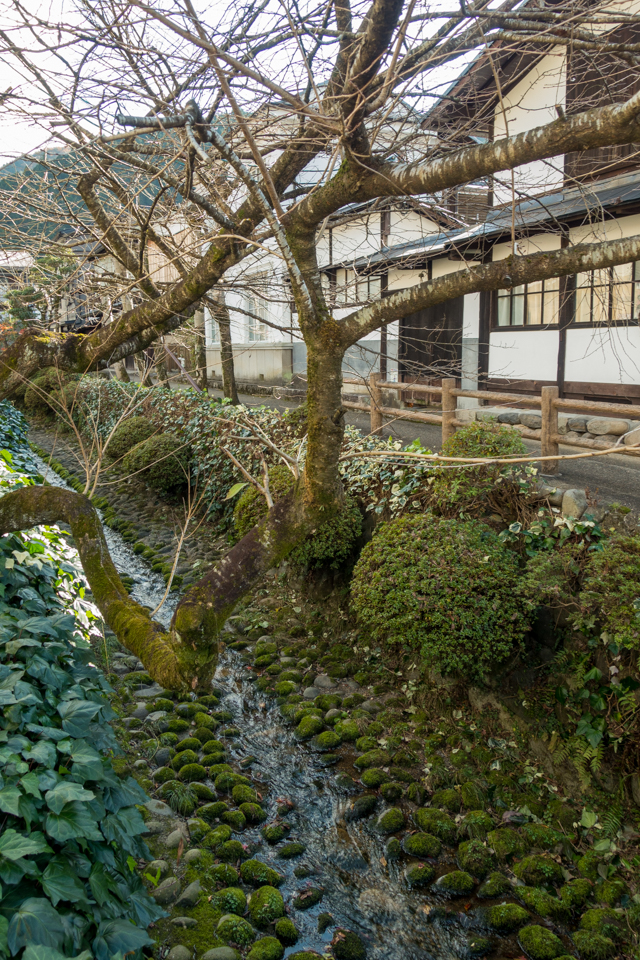
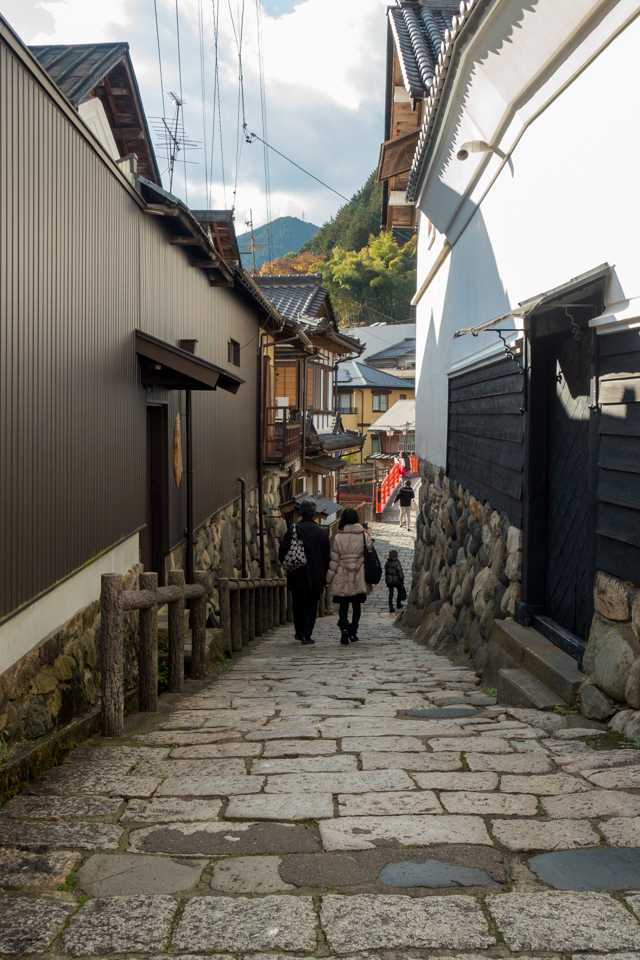
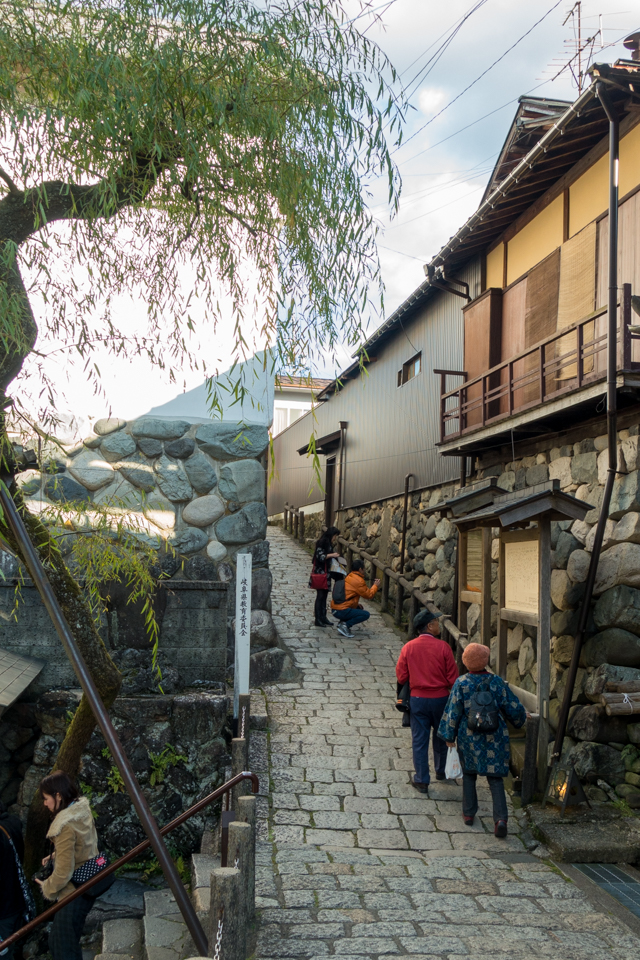
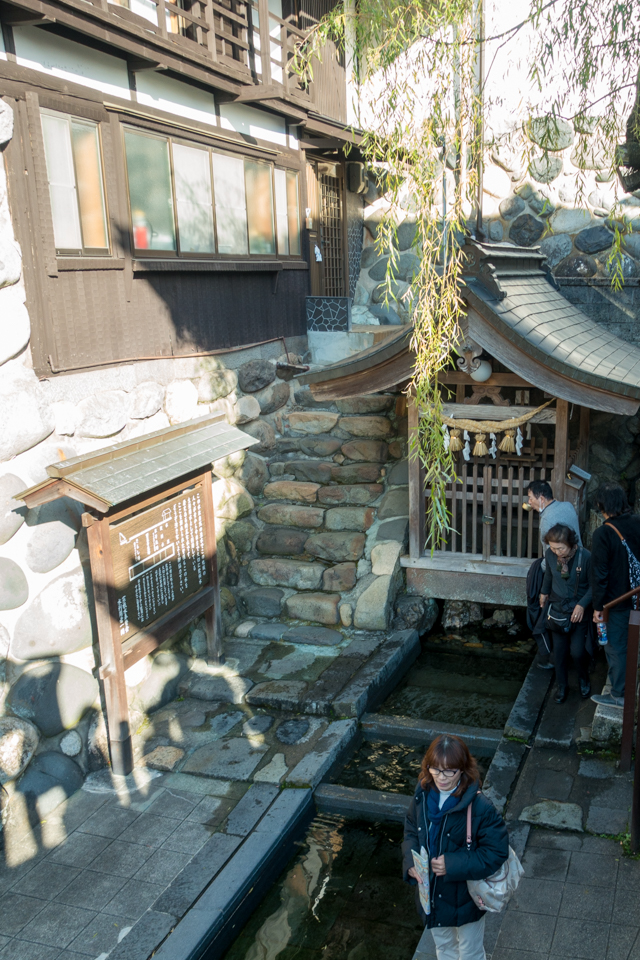
We find this alley tucked between two unassuming stores. This is one of the locations where drinking directly from the river is supposed to be safe. The pebbled ground here is speckled with white round ones that have a face carved into them. And along the opposite edge of the alley are some of the most uncomfortable seats ever – why do you need a round bit sticking up the middle of the seat?
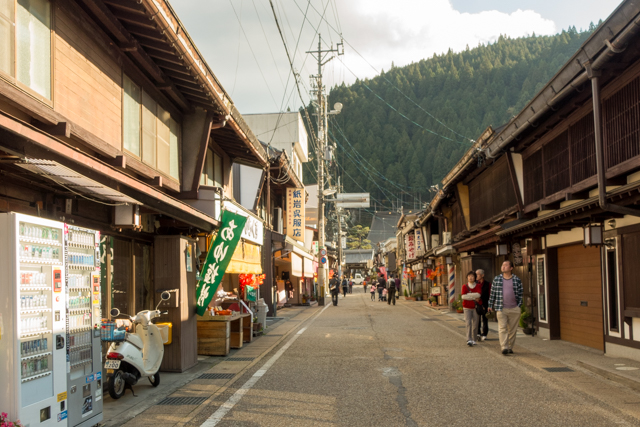
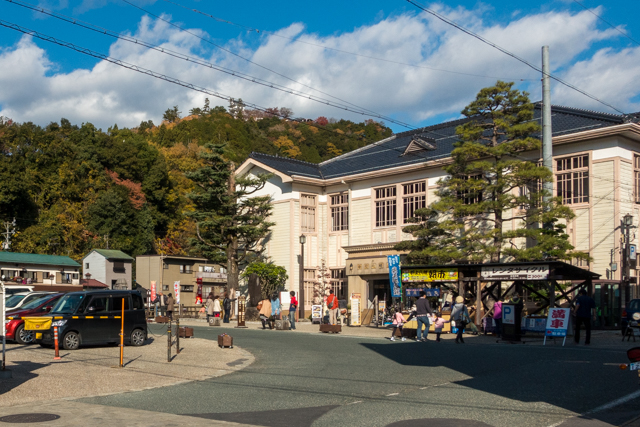
We keep walking towards the town centre and make it to the tourist centre.
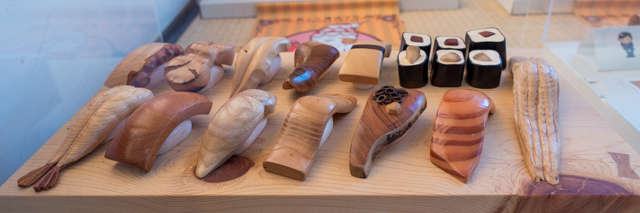
There’s a lot more people around this end of town than where we were this morning! In the tourist centre, there’s a bunch of souvenirs on sale, but what catches our eyes is this carved wooden replica of a sushi set. In a city known for wax food replicas, a wooden replica is rather amusing. It looks so sexy.
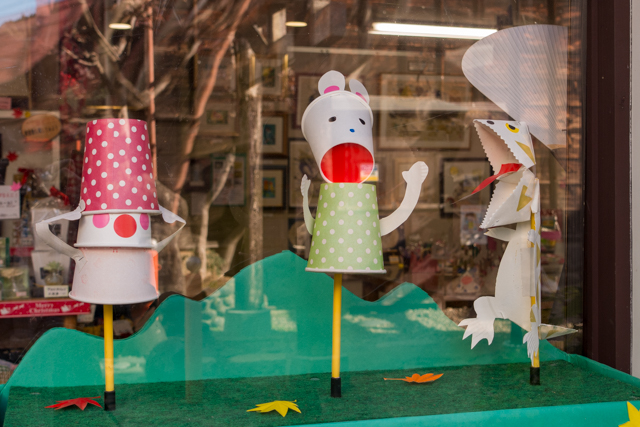
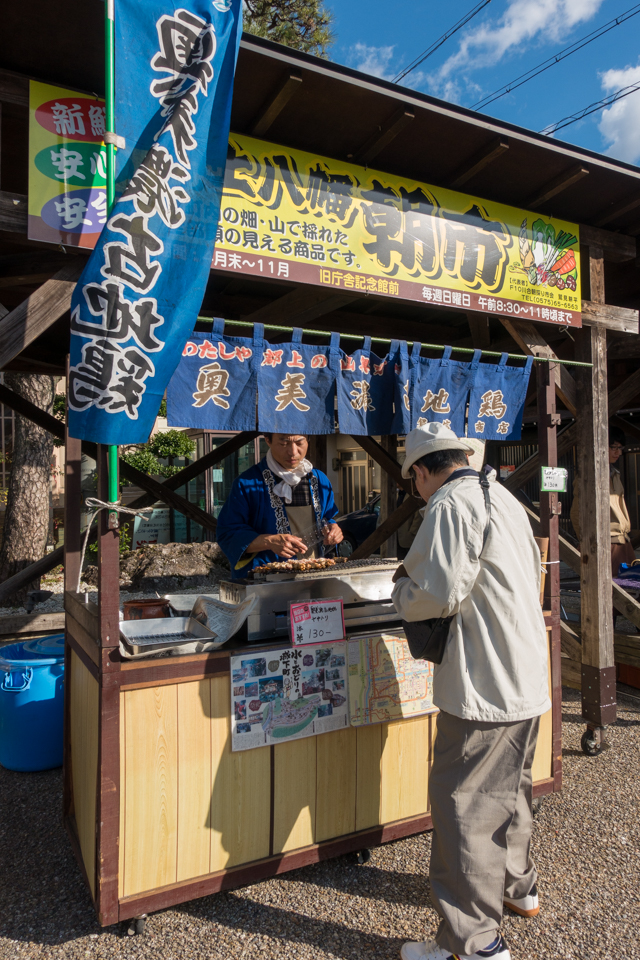
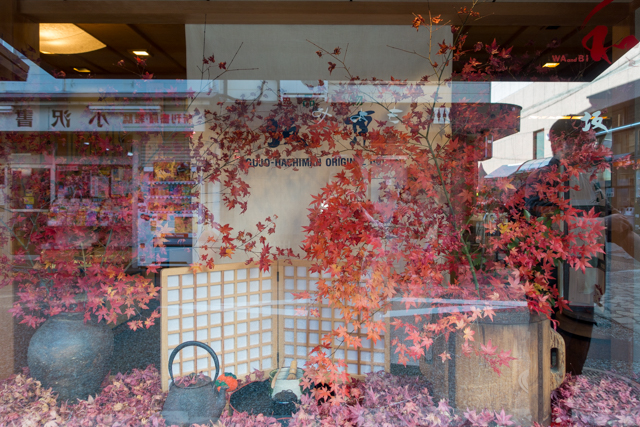
Along the way, we see a window display made with moving paper cups, and get yakitori from a stand – the sauce drizzled on the chicken is super tasty.
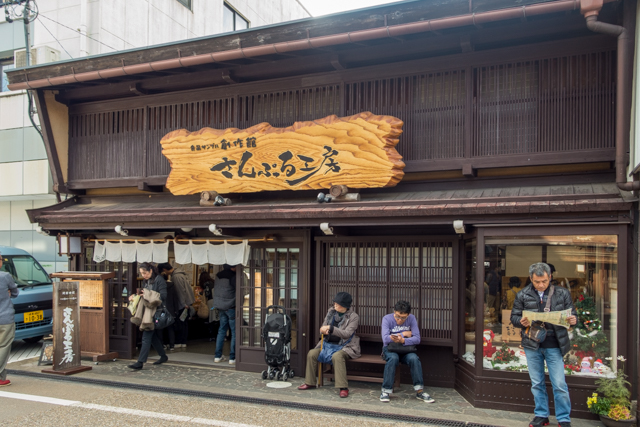
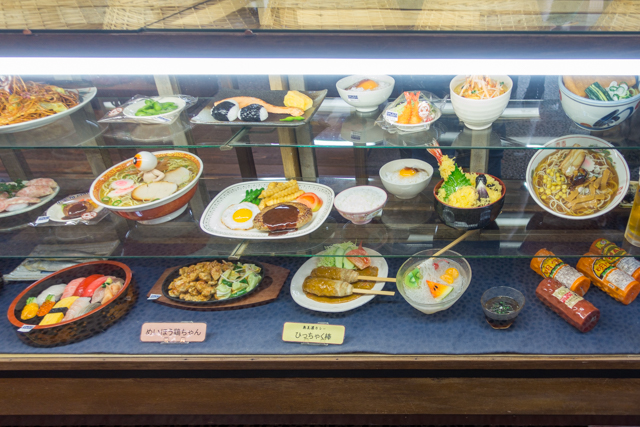
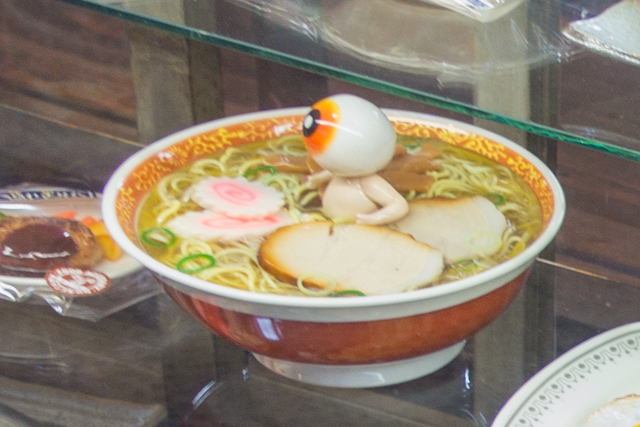
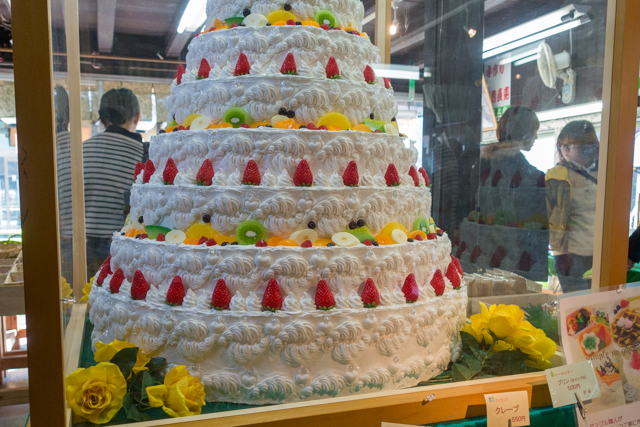
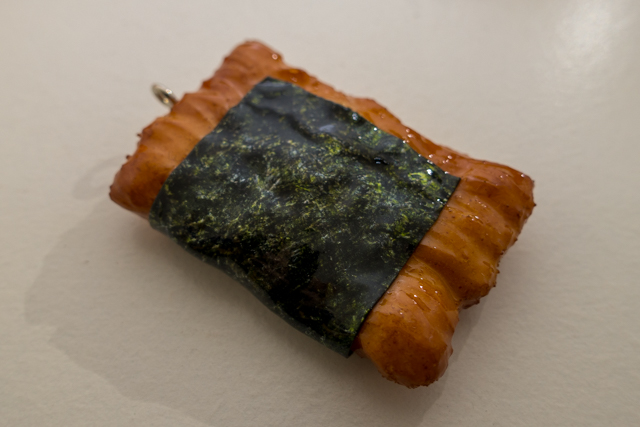
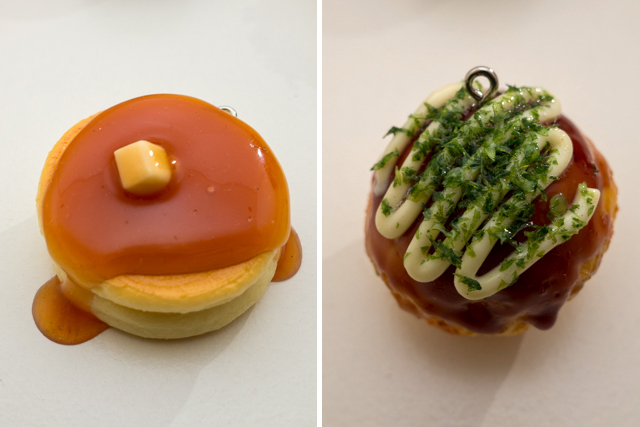
After finding a map at the tourist centre we finally make out way to Sample Kobo, which is the other name known for making wax food replicas in Gujo. They seem very much geared towards selling souvenirs (as opposed to hosting classes), which are less detailed and varied than the ones on sale at Sample Village Iwasaki. I do end up purchasing a takoyaki, a senbei, and a pancake. They look good enough to eat!
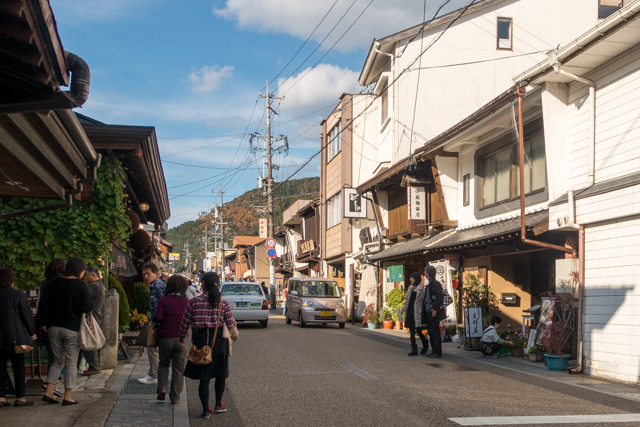
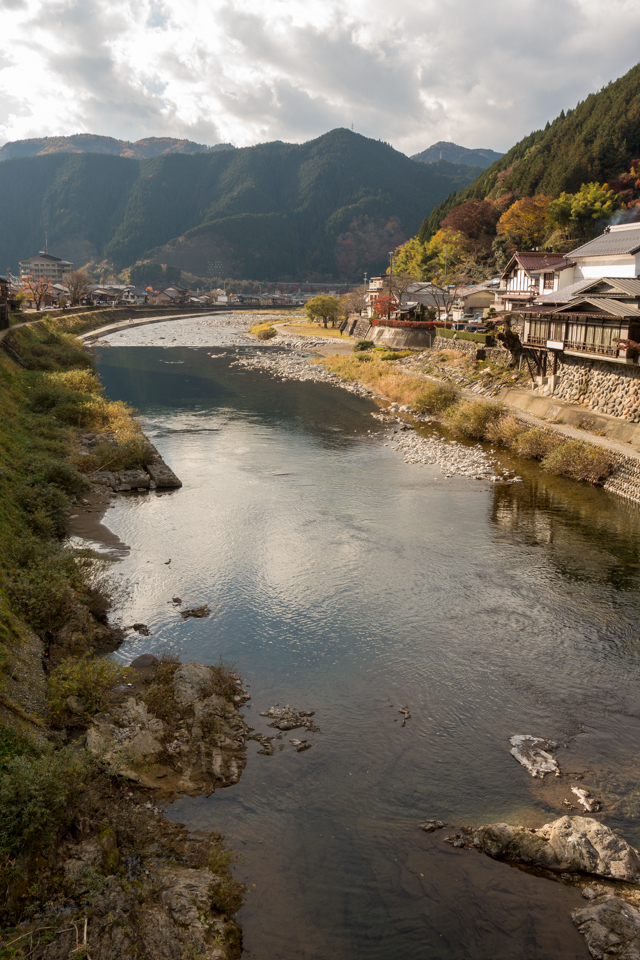
And we’re greeted by an amazing view down the river.
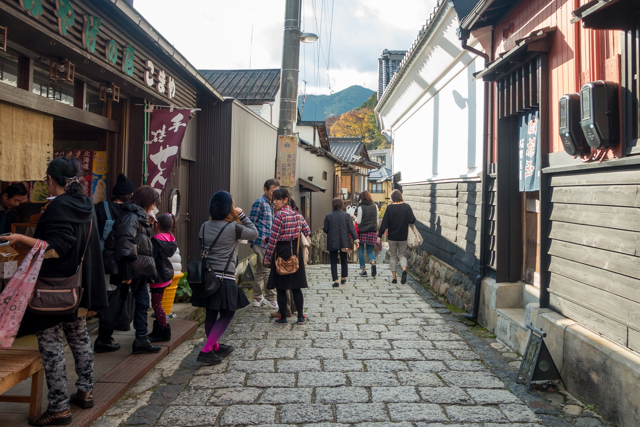
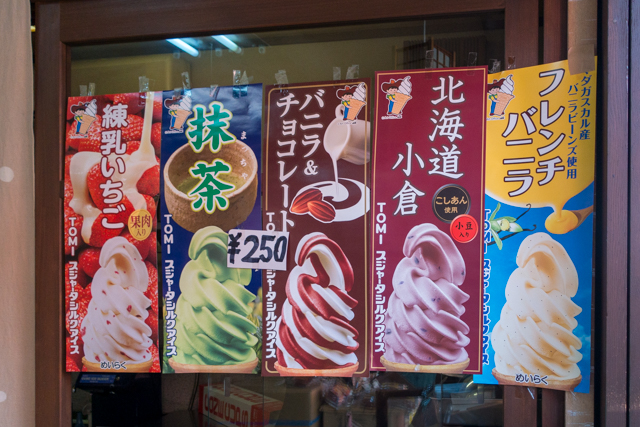
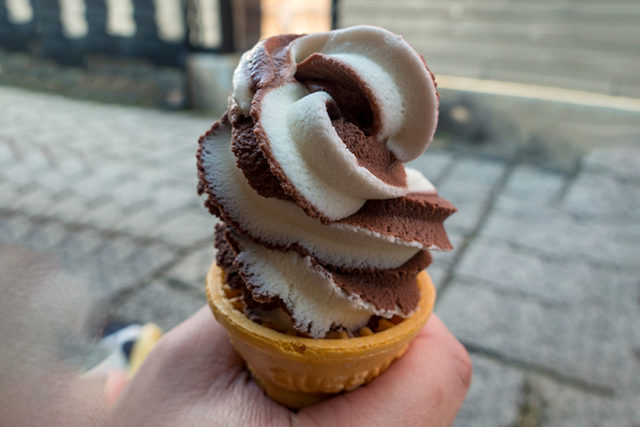
Further on, we stumble upon a snack store. We thought the picture was selling almond soft serve, only to realize that the picture of the almond was a cocoa bean. Not to worry, though, we love chocolate!
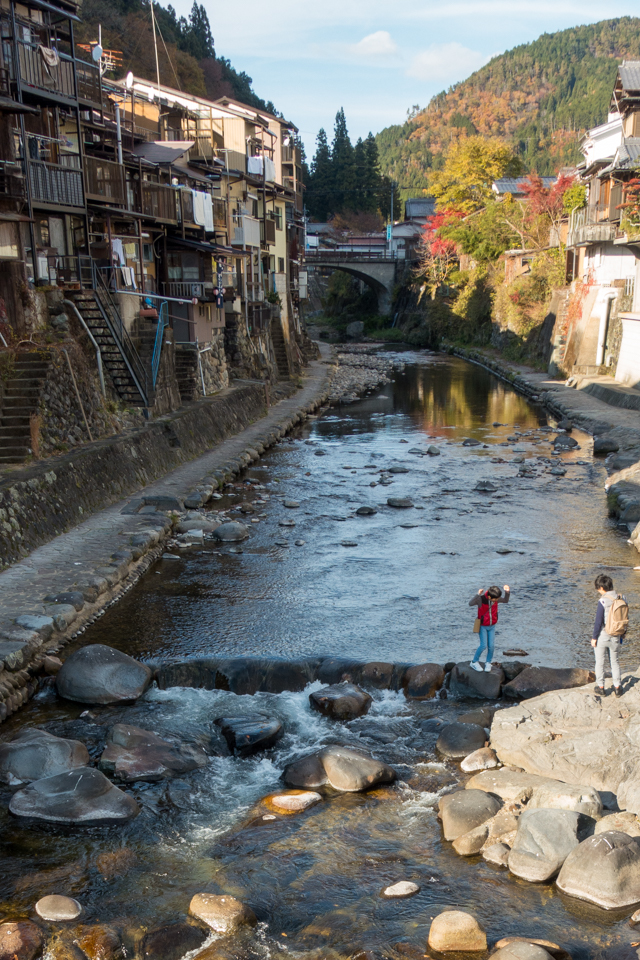
And a view down another river. The back of the houses front directly onto the riverbank.
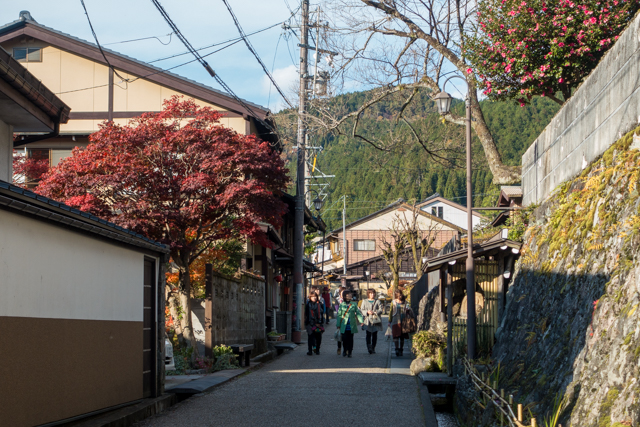
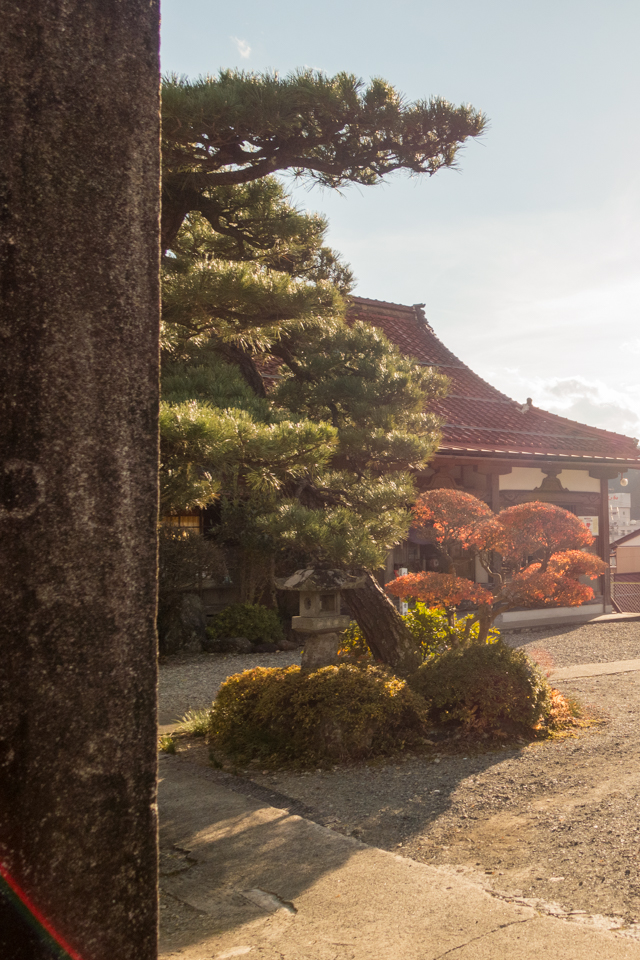
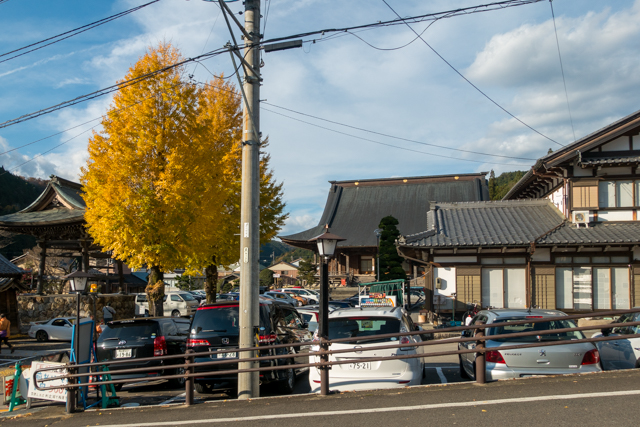
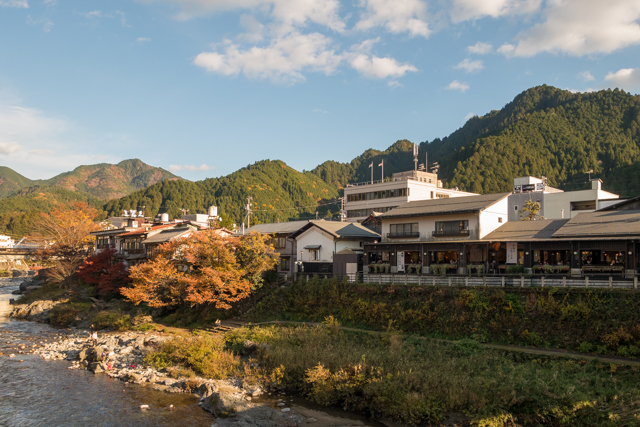
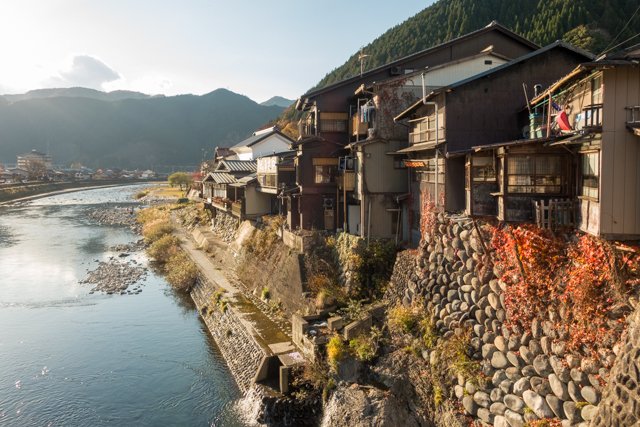
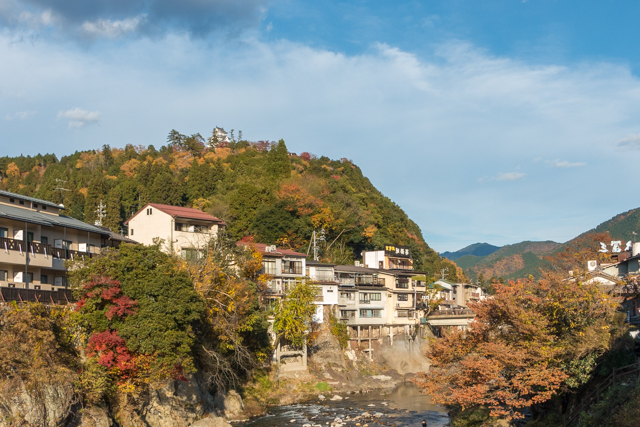
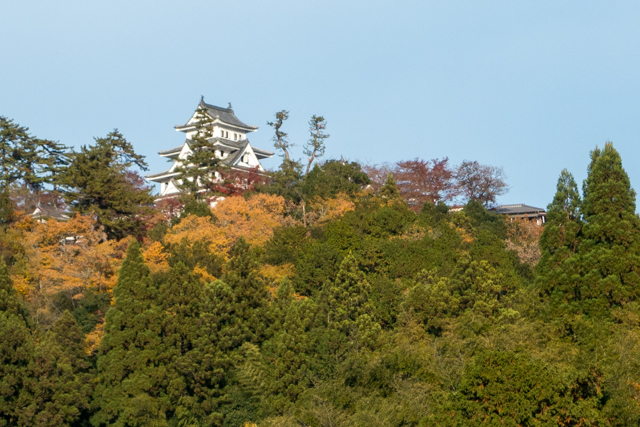
Now, the main reason we were making our way to the town centre was Gujo Hachiman Castle. The intention was to walk up the mountain. But then we reached the base of the mountain and saw the winding path all the way to the top, contemplated the long trek back to the bus stop, and decided we’d rather save our strength for that. We did get a view of the castle from below, though (and it looked tiny, so it must be quite far away!).
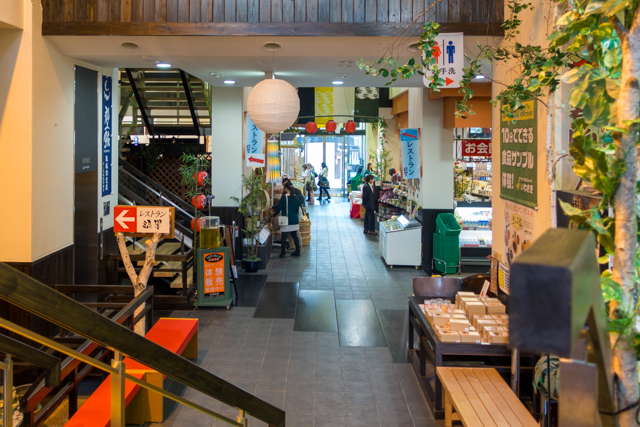
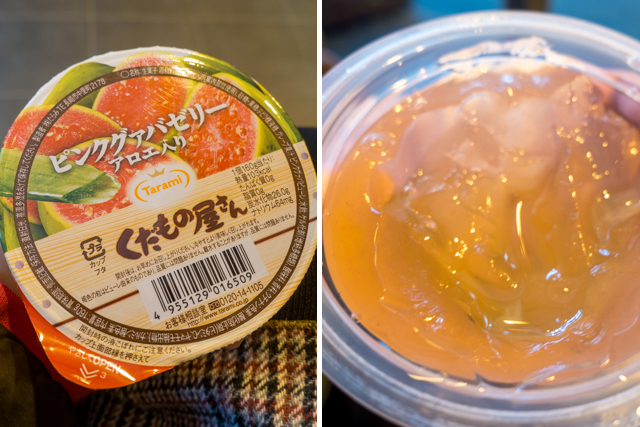
We head back to a souvenir shop and find some guava jelly. I love guava and have never seen it in jelly form before! It tasted like guava, though it was barely set.
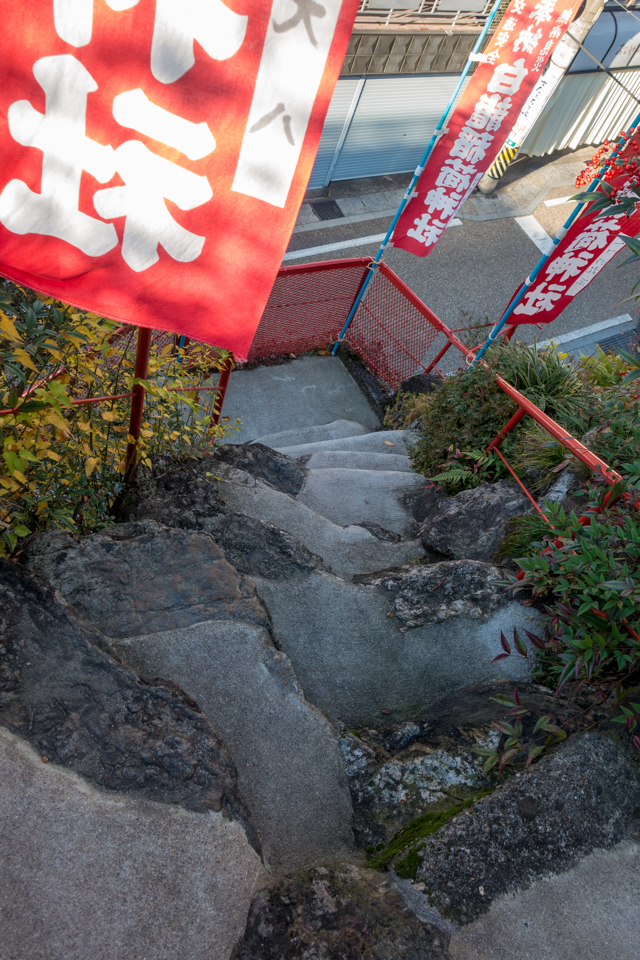
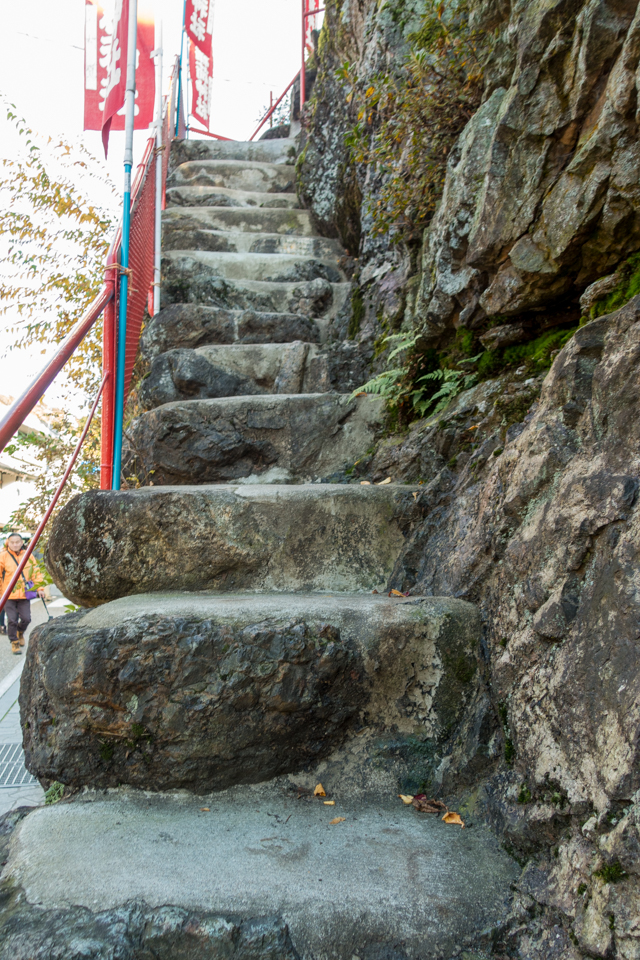
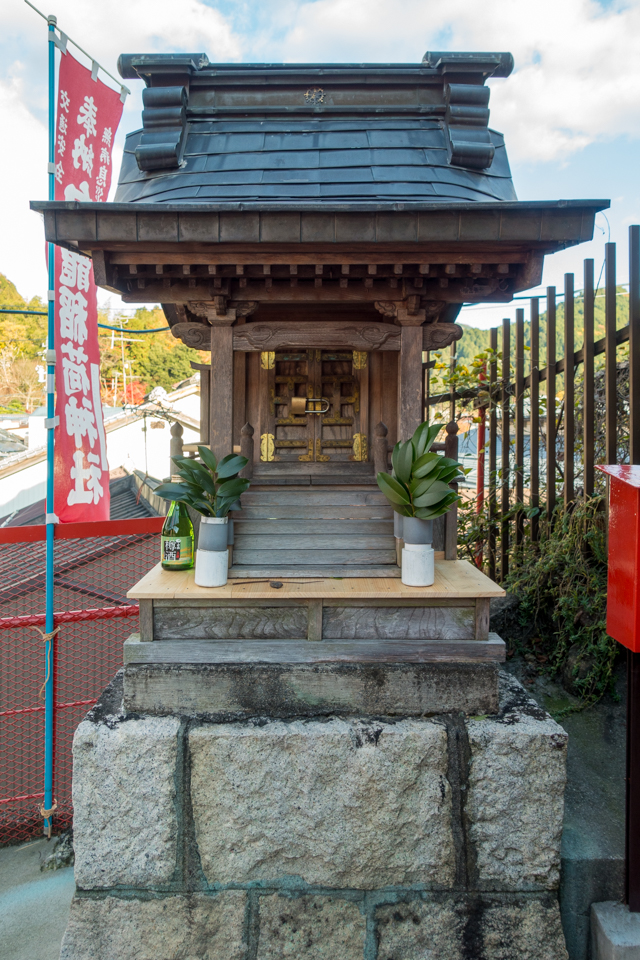
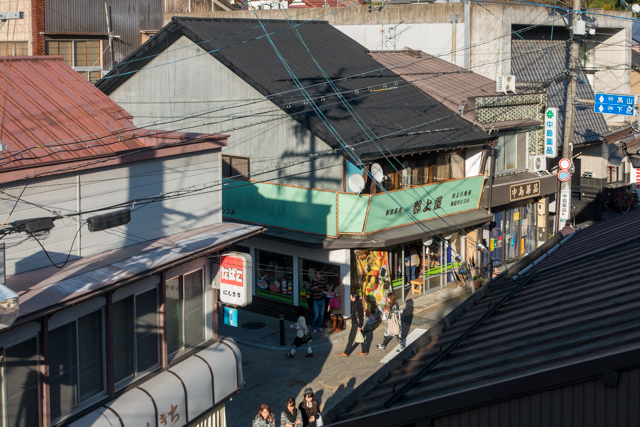
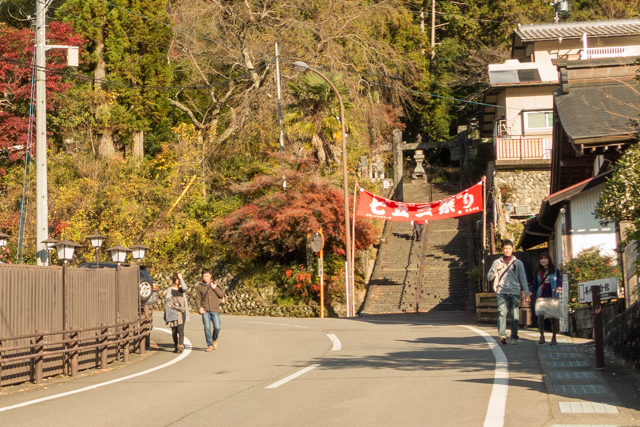
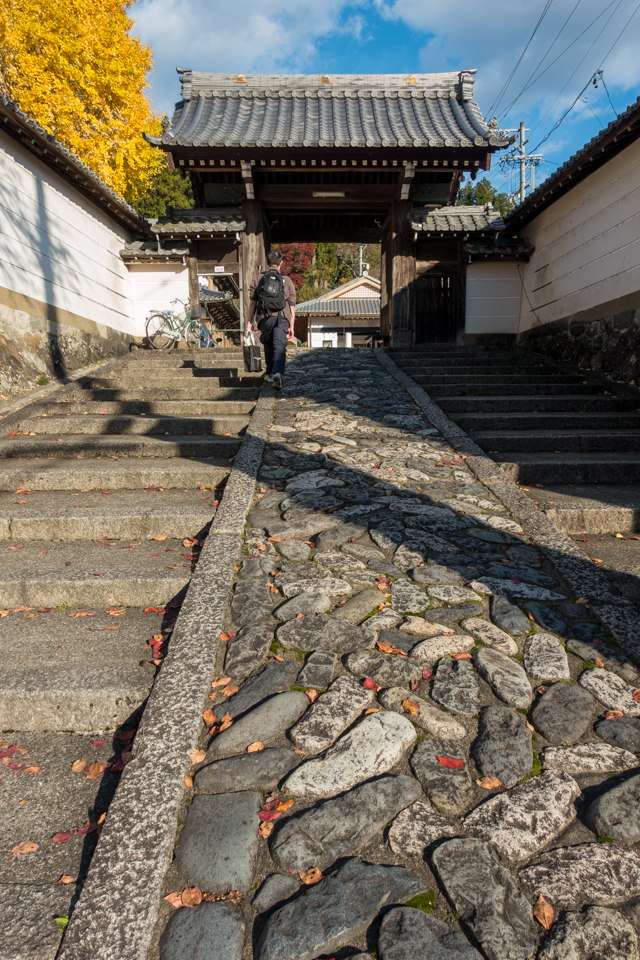
Having decided not to hike up the mountain, we head up this steep flight of stairs. We’d seen a string of people make their way up, so we figured there must be something worth seeing up top. It turns out there’s a shrine up the top.
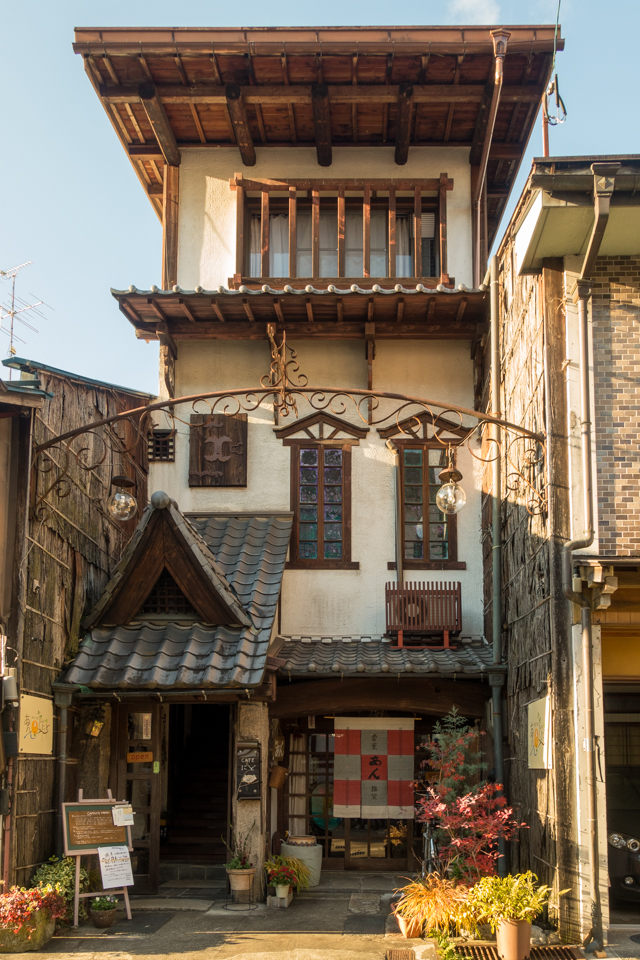
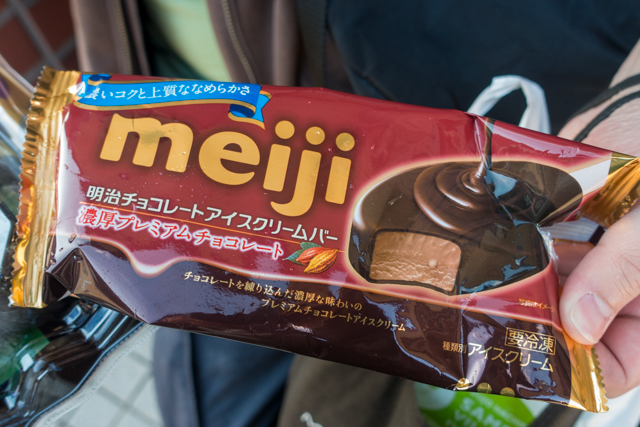
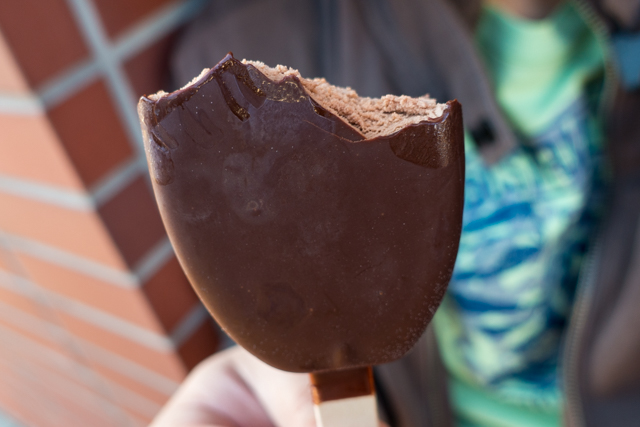
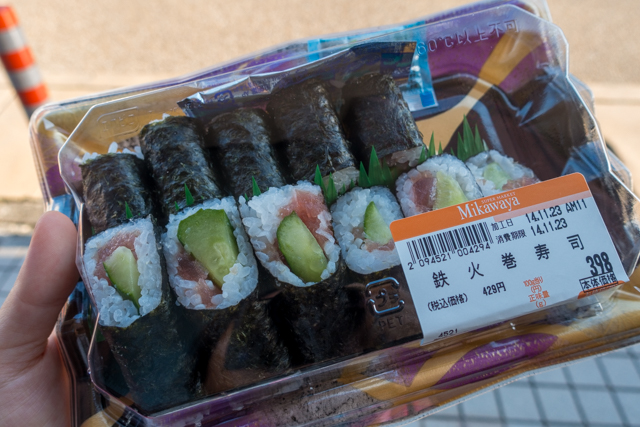
We visit the supermarket again, where D picks up chocolate ice cream and I indulge my love for makizushi (no one I know understands why I like these, the most basic of sushi rolls, but like them I do). I’m used to them having either fish only or cucumber only, but both? That makes it even better!
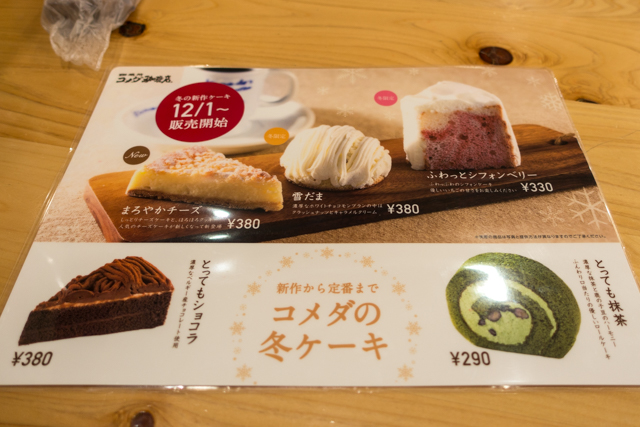
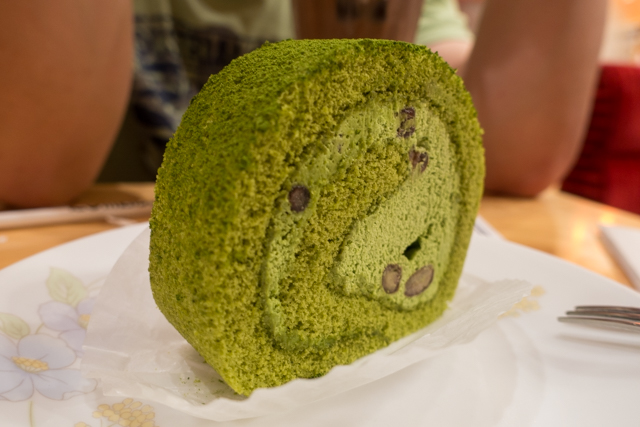
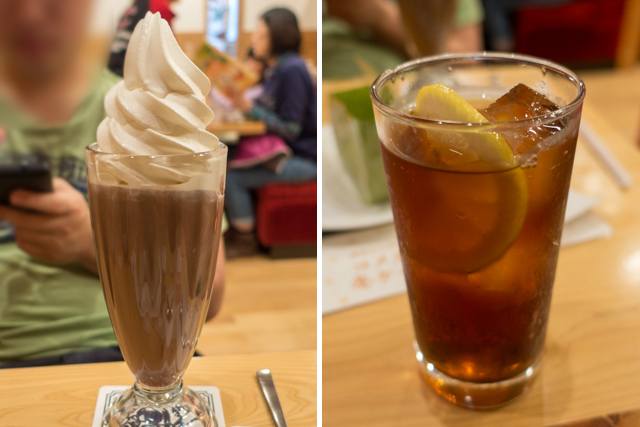
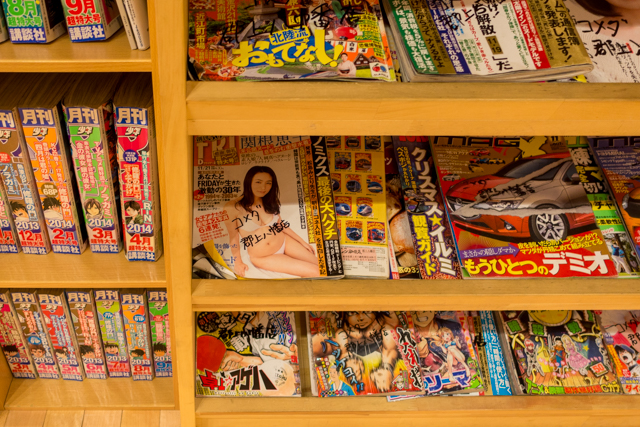
And we’re back where we started for some afternoon tea (and to kill time before our bus): Komeda Coffee. We order a green tea and azuki bean sponge roll, lemon iced tea (for me) and an iced chocolate (for D). The sponge is delightfully fluffy and the cream is also pleasant. Normally, cream in sponge rolls is much like your whipped cream from a can – overly airy and gross – but this was smooth and actually creamy. My lemon iced tea is pretty standard, but D tells me his iced chocolate tasted a bit liked powered chocolate.
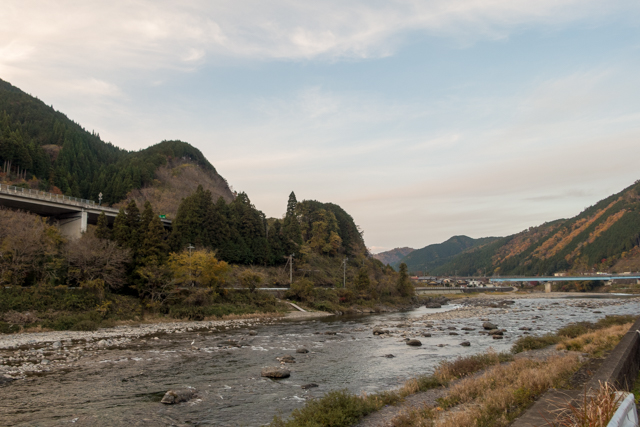
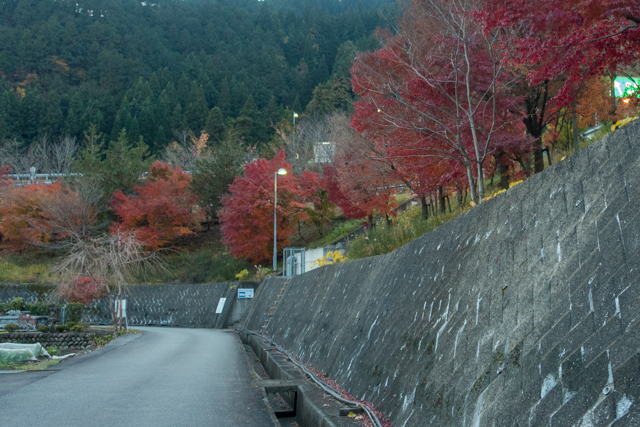
We budgeted over an hour to get to the bus stop. That’s a long time for 1.7 km walk, you say, but here’s a confession: we had little idea how to get to the bus stop. The bus stop was on about 300m south of the morning bus stop on the opposite side of the highway. If measured using a straight-line distance, we were very close to the bus stop – we could see it. It’s just the issue of crossing the river. There was a bridge underneath the bus stop, but it wasn’t for pedestrians (we couldn’t even get on it if we tried). I reasoned that there must be a bridge to cross over nearer this side of the city, so we wouldn’t have to walk all the way back to the morning bus stop, and past it on the other side of the river, to get to this evening’s bus stop. So we walk around for some 30 minutes, before I give in to the fear of missing our bus and listen to D and walk back the way we came. The lesson? When you’re short on time, stick to the method known to work!
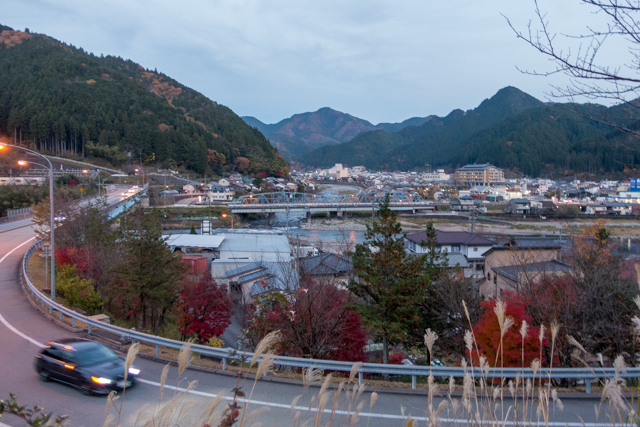
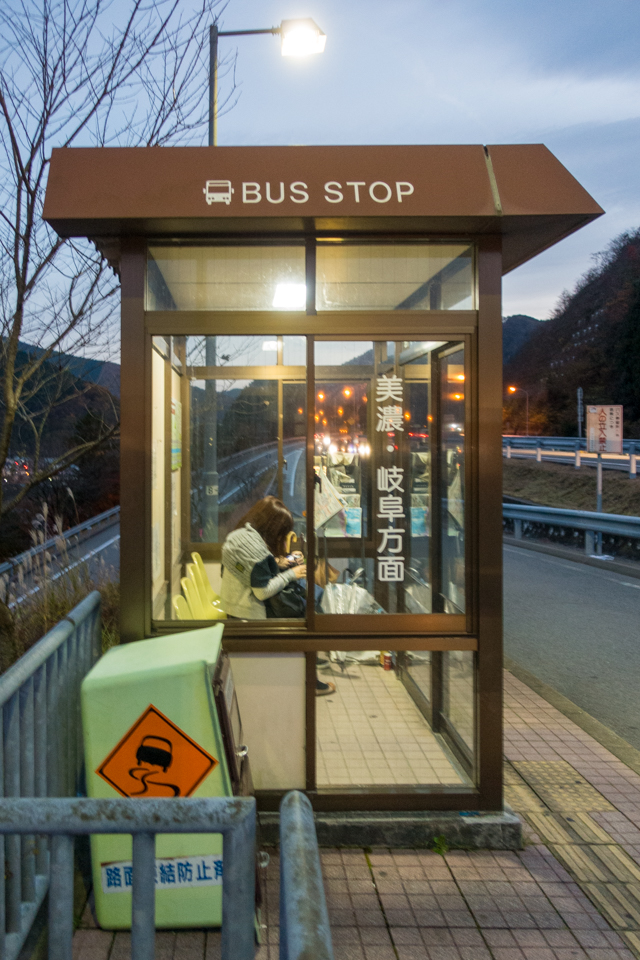
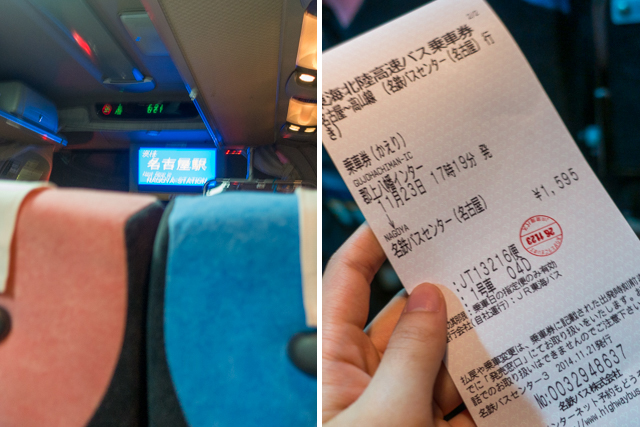
And if there was ever any doubt that the city centre was directly opposite the bus stop, here we go. And the bus stop – boy were we glad to be there.
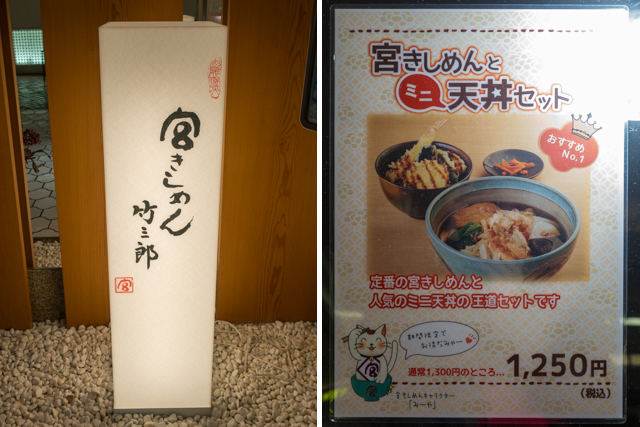
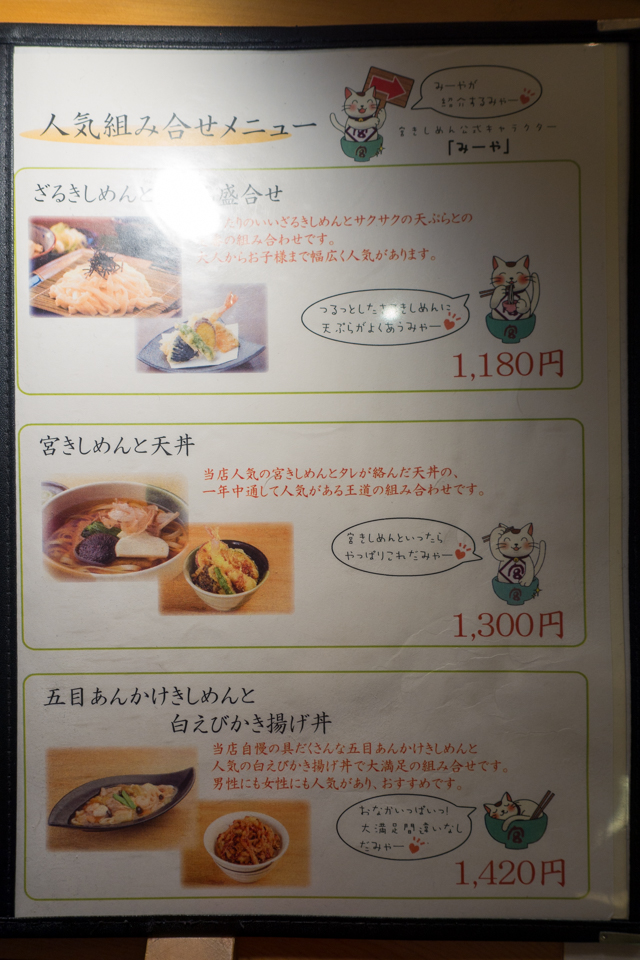
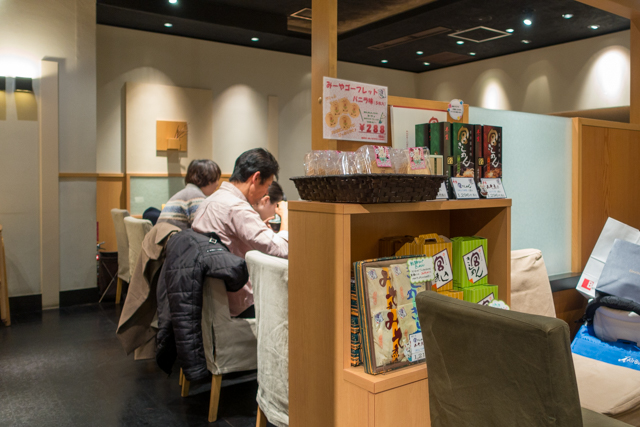
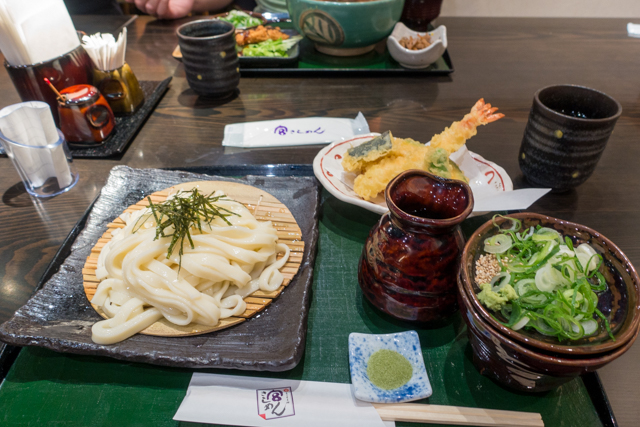
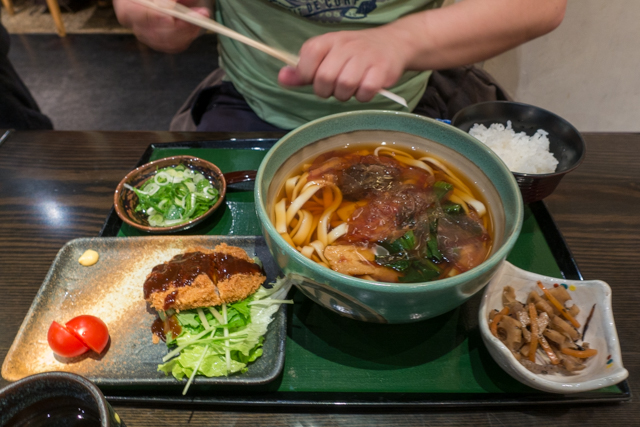
Back at Sakae, we tick off one last item off our food list: kishimen. Kishimen is a broad and flat noodle often seen in the Nagoya area that’s often served in a sweet soy sauce. At Miya Kishimen Takesaburo, D orders the hot version with katsu, while I order the cold version with tempura. I love my udon chewy, and the cold kishimen was some of the chewiest, most delicious udon I’ve had. In case I thought it was only cold kishimen that was chewy, D’s hot kishimen was also delightfully chewy (just slightly less so). Yum!