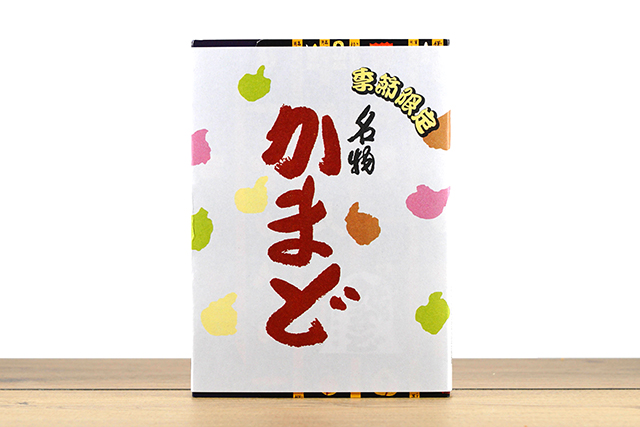
Meibutsu Kamado is a miyagegashi and regional specialty for the city of Sakaide City in Sanuki Province (modern-day Kagawa Prefecture) on the island of Shikoku in Japan.
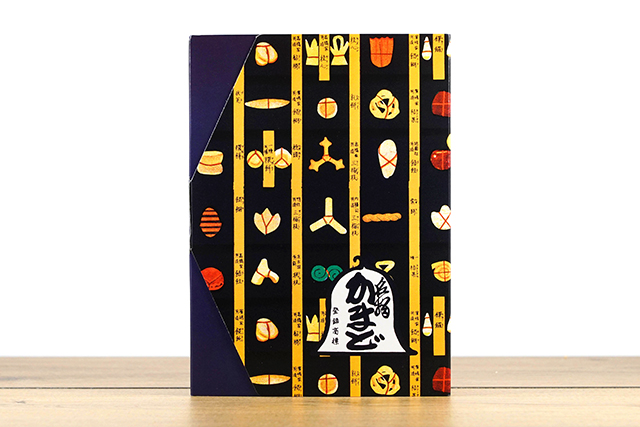
The wagashi consisted of a baked egg crust wrapping yellow bean paste. The pastry is in the shape of a kamado, a traditional Japanese wood- or charcoal-fueled cook stove. It was awarded the ‘Kikka Eikou Sho’ at the 26th National Confectionery Exposition in 2013.
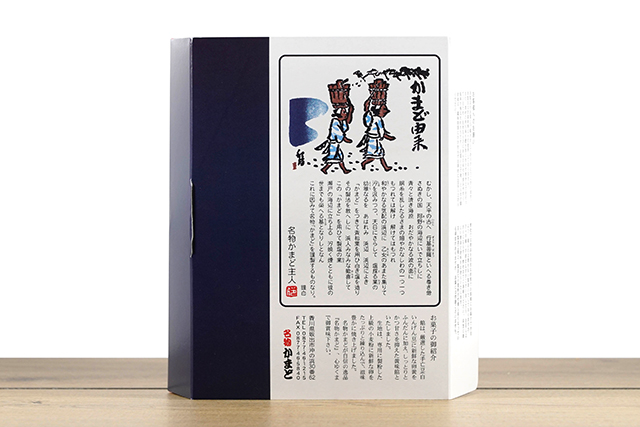
The packaging explains the story behind the use of the name kamado: Gyōki, a Japanese Buddhist priest who is widely recognised as the founder of mapping in Japan, arrived at the coast of Sanuki Province during the Tenpyō era (729-749). On seeing that the Ano maidens struggled to harvest salt, he taught them the method of making salt by boiling it with pine leaves on a kamado. This delighted the villagers as the salt business subsequently flourished in Sanuki Province.
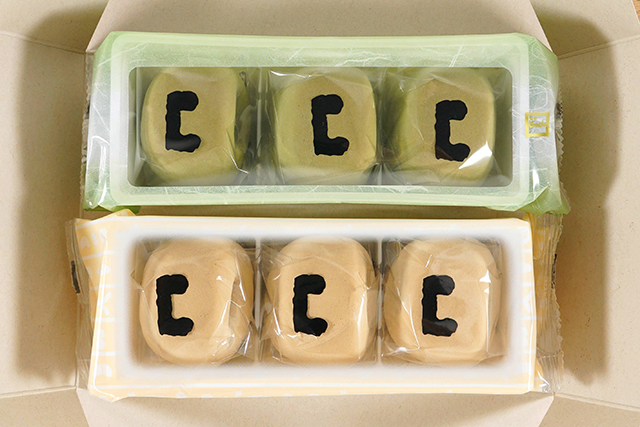
This box comes with two flavours: original and shincha.
Original Kamado
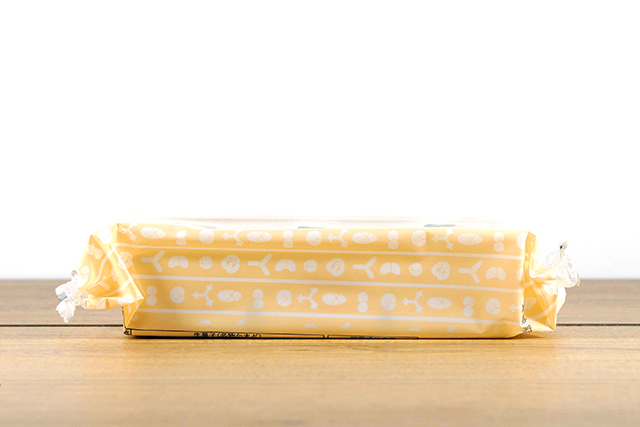
A pale yellow and white pattern covers the original kamado packaging.
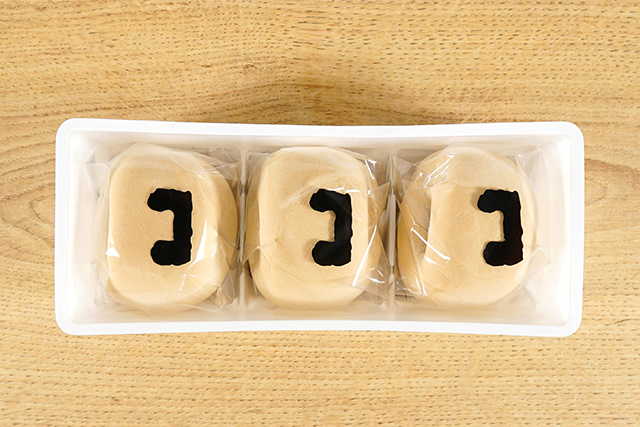
Inside, a tray holds three individually wrapped (but not sealed) pieces.
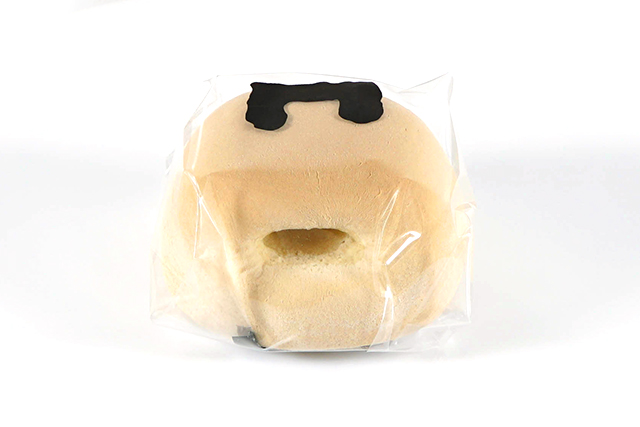
The plastic wrapper has an upside down ‘u’ shape printed on it, to resemble a pot cooking on the stove. The opening in the cake resembles the door opening for the accessing the stove to add coal or wood to the fire.
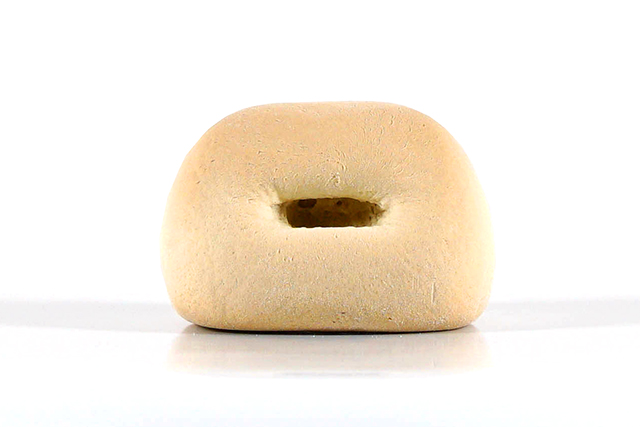
The original kamado consisted of a yellow coloured bean jam made of white beans selected from Hokkaidō and hand-smashed before being wrapped around a straw coloured pastry made using eggs produced in Kagawa Prefecture.
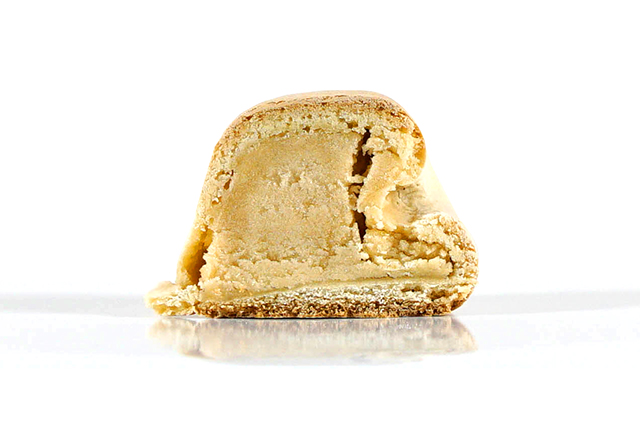
A mellow eggy aroma comes from these cakes. Their firm and dry appearance, though, the moistness of the cake. Upon tasting, the pastry is crisply firm – but neither crunchy like a cookie nor soft like bread – with a rich eggy flavour and provides a sturdy vehicle for bean paste in the centre. The bean paste is smooth and moist with a balanced sweetness. Overall, the original kamado is flavourful, yet light and best served with green tea.
Shincha Kamado
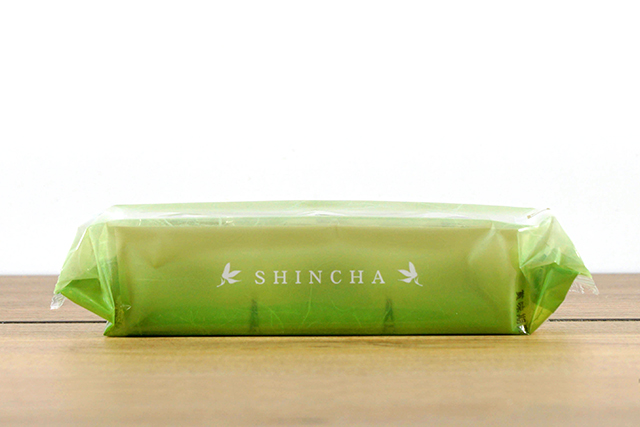
A light green gradient covers the original kamado packaging.
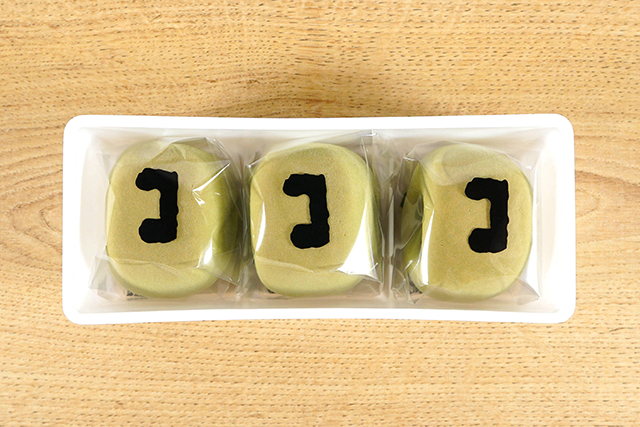
Inside, a tray holds three individually wrapped (but not sealed) pieces.
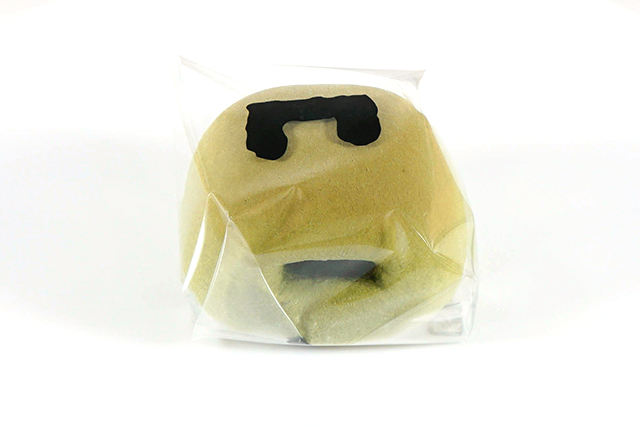
As with the original, the plastic wrapper has an upside down ‘u’ shape printed on it to further the kamado motif.
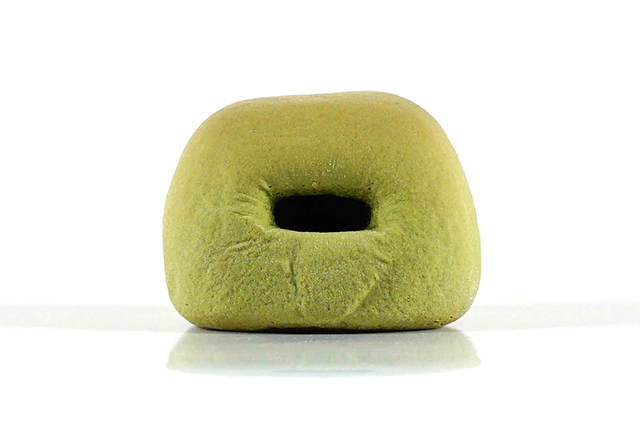
The shincha kamado is a green-yellow coloured bean jam made of white beans selected from Hokkaidō and hand-smashed and flavoured with ground shincha before being wrapped around a green coloured pastry made using eggs produced in Kagawa Prefecture and flavoured with ground shincha.
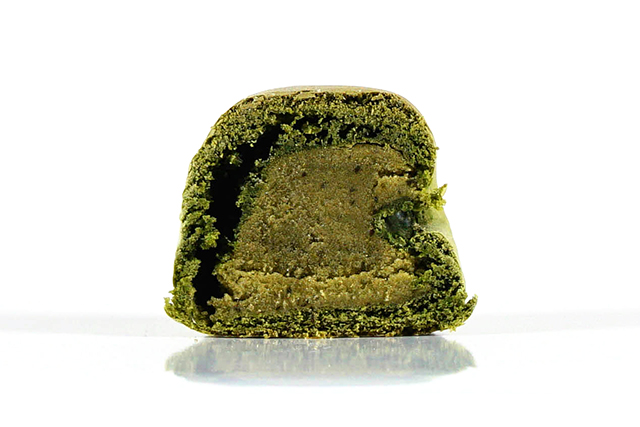
This cake has pleasant green tea notes in addition to its eggy aroma. The pastry has an unsweetened and firm crumb with a prominent green tea flavour – a brighter flavour that more mellow than matcha without any bitterness – that came through ahead of the eggy notes. The bean paste brought the sweetness to the cake with a denser and moister texture that contrasts well with the unsweetened crumb of the pastry. In the bean paste, the slightly vegetal notes of the shincha come in the finish, rather than the start of each bite as in the pastry, bookending our enjoyment of the cake with green tea.
Overall, this shincha is enjoyable but the flavour was heavier than the original where the simplicity allows a better appreciation of the richness of the egg and nuttiness of the bean paste.
This Meibutsu Kamado contained 6 pieces, or 3 pieces of original kamado and 3 pieces of shincha kamado. It was produced in Japan and gifted by visitors to Shikoku, Japan in 2018.