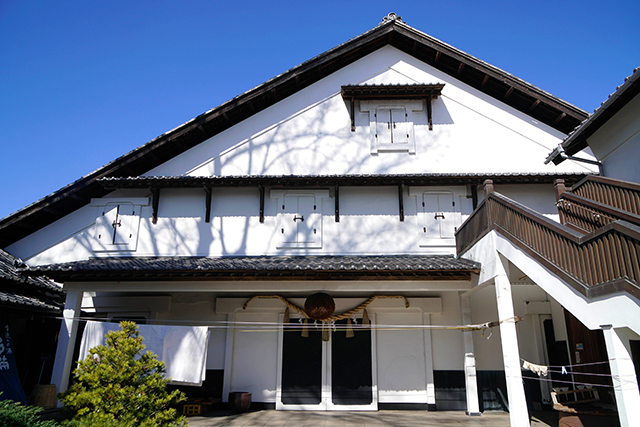
Ishikawa Brewery is a working brewery in Fussa City on the outskirts of Tōkyō that’s housed in a complex of traditional warehouses set around a peaceful courtyard with a stream running through and centuries-old towering trees. We make our way there for an English-guided tour before heading to Shinjuku for the views and Local Food Fair at the Tōkyō Metropolitan Government Building.
Tōkyō – Asakusa
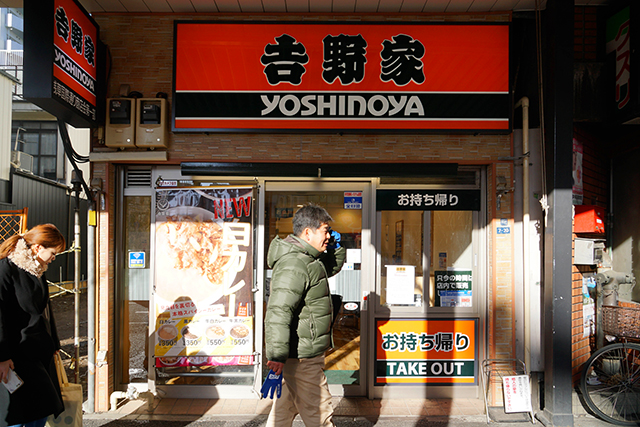
First off, though, is breakfast at Yoshinoya near Tawaramachi Station.
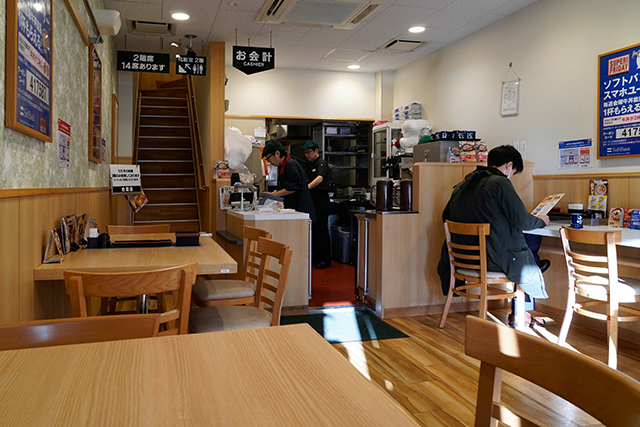
We’re taking a break from the bakery with a hearty breakfast with rice.
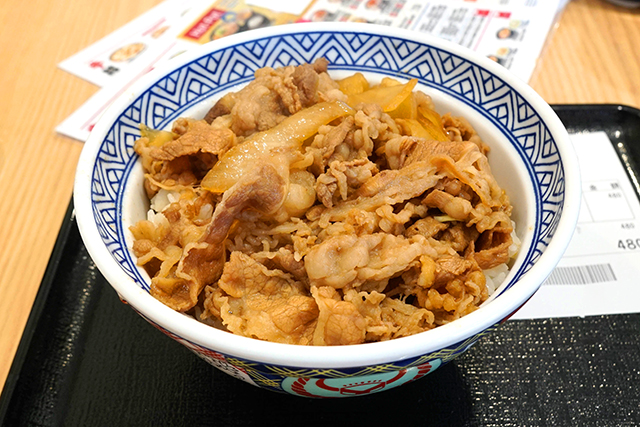
This is D’s Beef Bowl (¥480, for a large portion of beef), which he enjoys immensely.
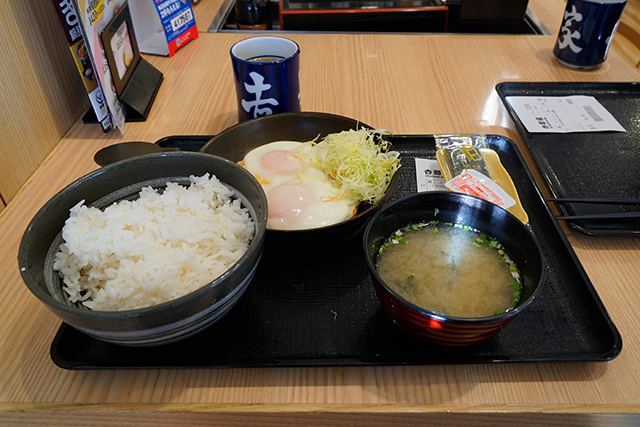
This is my Ham & Double Egg Meal (¥350, +¥100 for an extra egg).
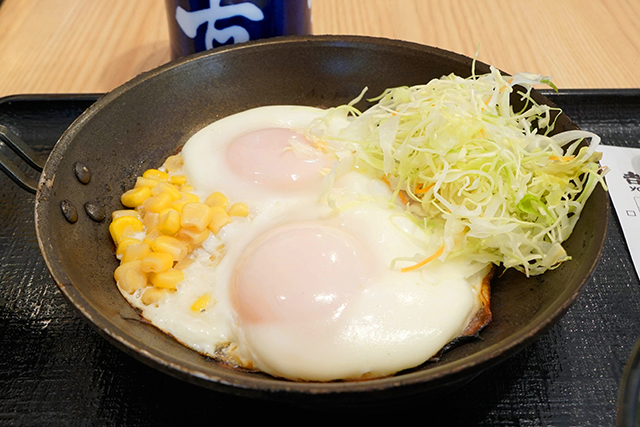
At a cheaper price than D’s meal, he gets food envy despite enjoying his own meal. The eggs are deliciously oozy on a bed of smoky ham and sweet corn kernels. Together with the rice, miso soup and the packed of roasted seaweed, it was enough to keep me going well into the afternoon!
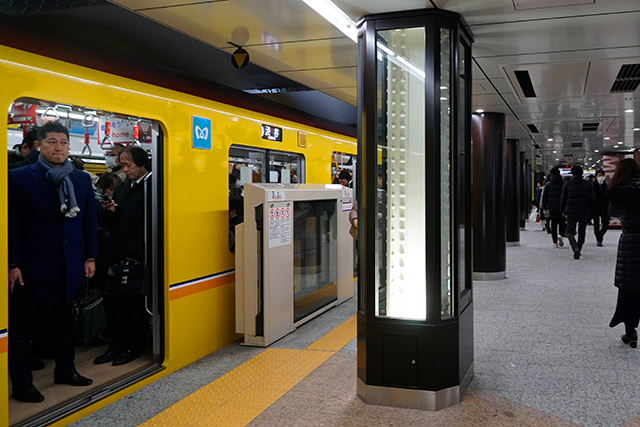
The structural columns at Kanda Station are celebrated, lit up and on display behind glass.
Fussa – Kumagawa
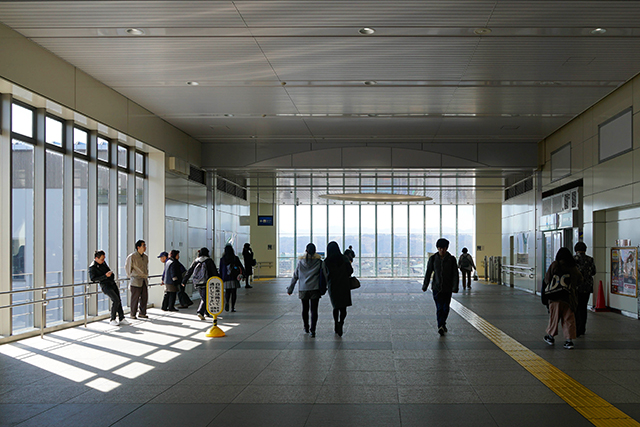
We arrive at Haijima Station over an hour later. This is the outskirts of Tōkyō and the station hall is spacious.
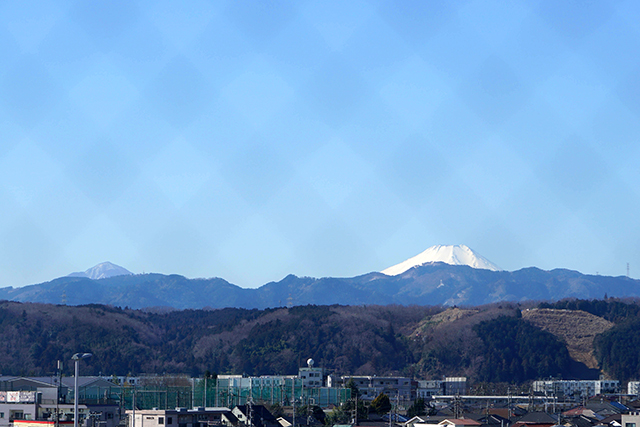
And there’s a good reason for it. On this beautifully clear and sunny day with not a speck of cloud in the sky, there’s a direct view of Mt Fuji from the south side of the station.
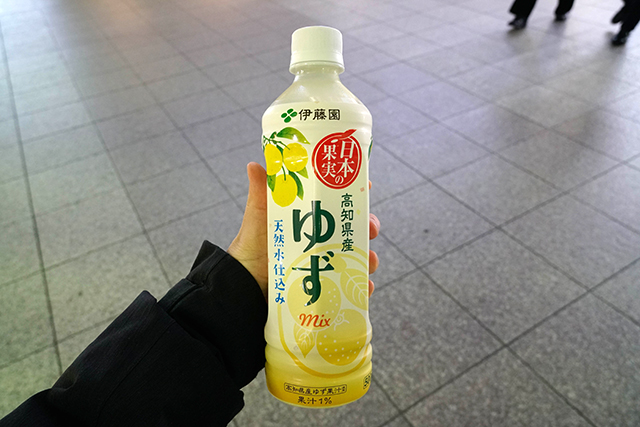
The walk to the station is 20 minutes from the south exit, so I pick up a yuzu drink.
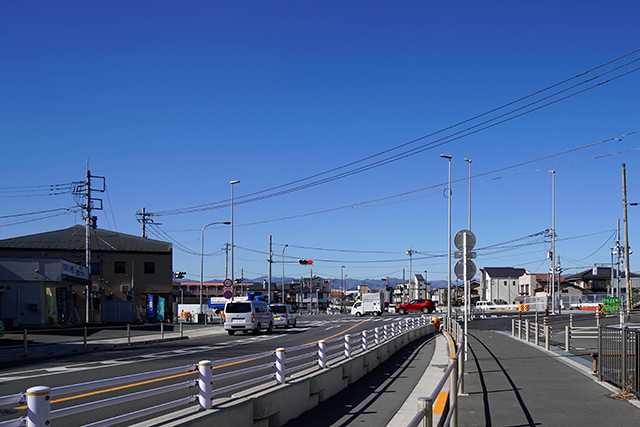
The walk is straightforward – down a major road before turning left down a side street at the sign for the brewery.
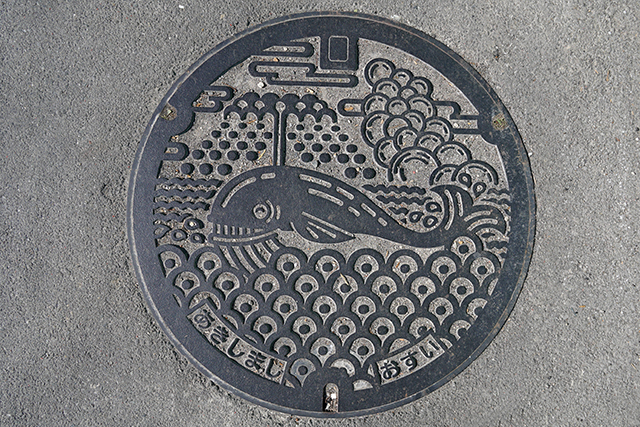
On the way, we spot cute whale man hole covers…

… as well as a takoyaki baby sign.
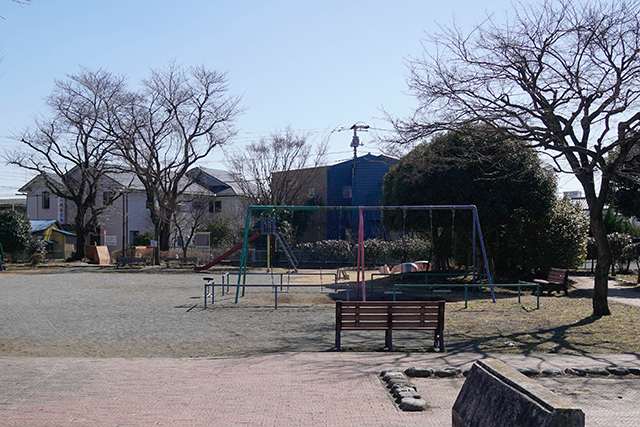
There’s also a colourful children’s park.
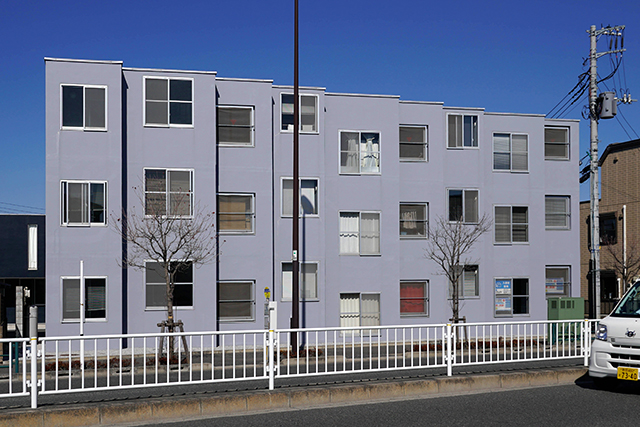
And some rather utilitarian housing.
Fussa – Ishikawa Brewery
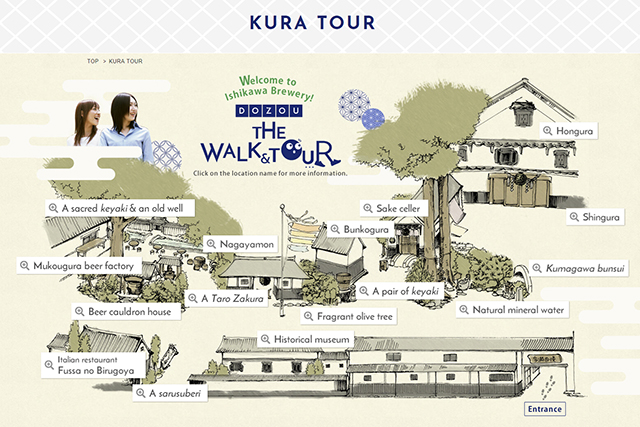
Ishikawa Brewery began operating in 1863 and built new brewing facilities 18 years later at its present location in Fussa’s Kumagawa district. Six buildings on the brewery’s premises are registered as ‘tangible cultural properties’ of Japan. These were wooden structures build between the mid-Edo and mid-Meiji periods. They are the Hongura, Shingura, Mukougura, Zougura, Bunkogura and Nagayamon, and all are currently used either for brewing sake and beer or as restaurants.
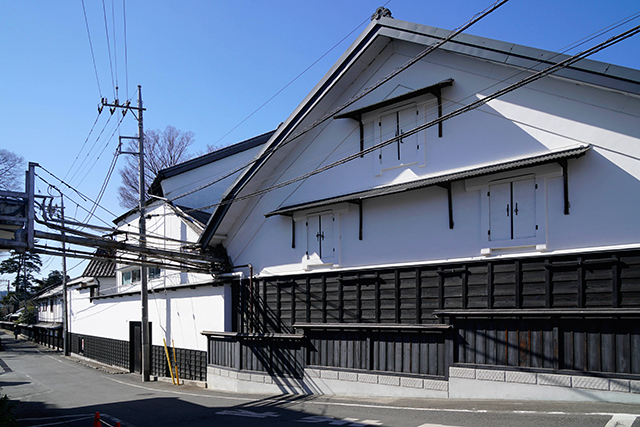
We see the Shingura on our approach to the main entrance. The Shingura was built in 1897.
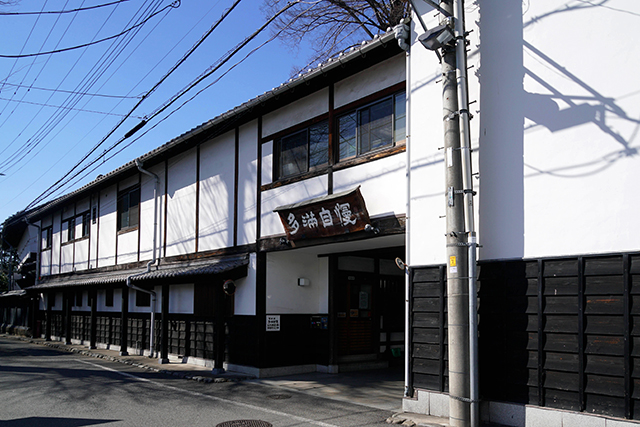
The Bunkogura, built in 1863, serves as the main entrance.
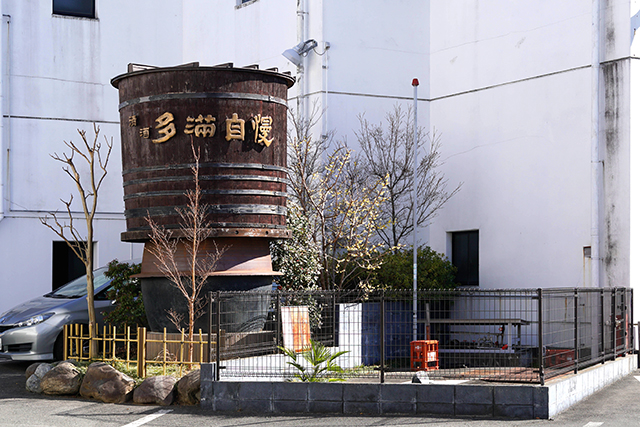
A wooden tank used in the sake production process sits opposite the Bunkogura near the carpark and the distribution warehouse.
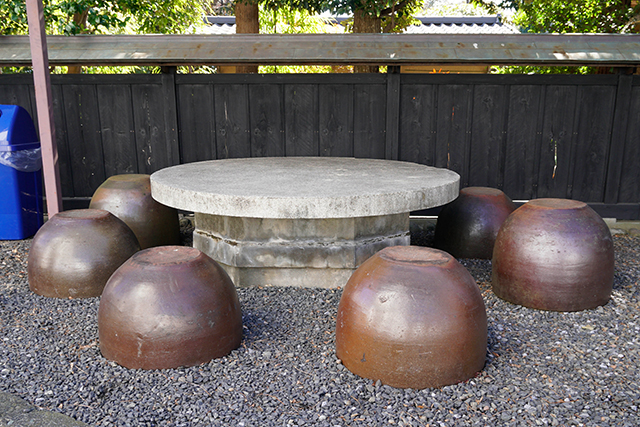
After checking in with reception, we amuse ourselves for 15 minutes before the time for our tour begins. These seats look like upturned sake cups!
Free tours of the brewery are available in English with prior reservation. Otherwise, visitors are also free to explore independently. We booked ahead and were given a private tour with the president’s personal secretary who was very conversant in English.
This is the Hongura built in 1880 and to the right is the Shingura build in 1897.
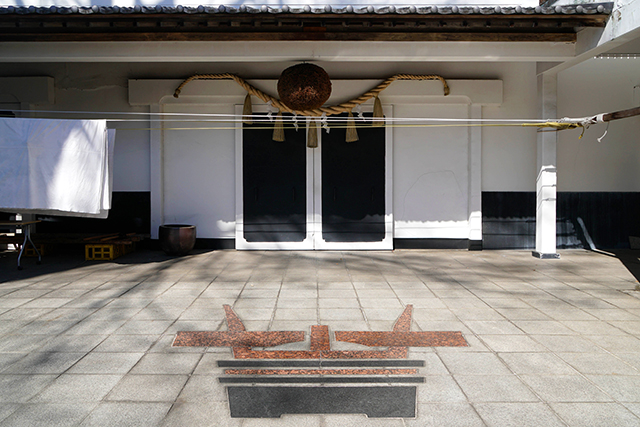
Sake is produced in the Hongura while sake is aged in the Shingura. The brewery sells about 270 kilolitres of sake per year to Tōkyō, Chiba and Kanagawa areas.
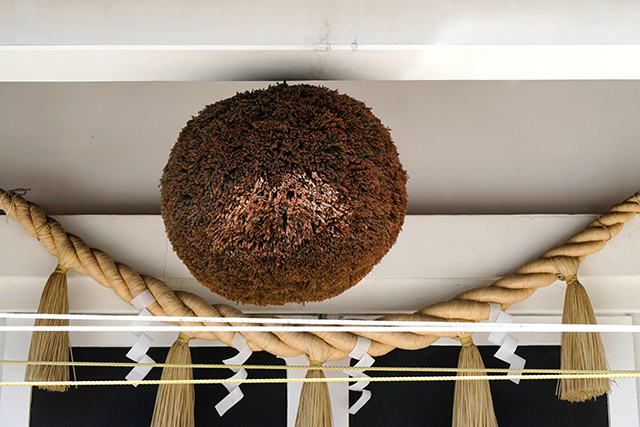
Hanging outside the Hongura (and many places for brewing) is a sugidama. Our guide explains that sake brewers hang one of these outside their door to signal that fresh production of sake is on its way. Sugidama translates literally to ‘cedar ball’ – every November or December, right after sake brewers have pressed sake made from the new rice harvest, boughs of fresh cedar branches are tied together and clipped into a perfect sphere. A few months later (we visited in February) when the sugidama turns completely brown, a sign that the sake is ready to drink.
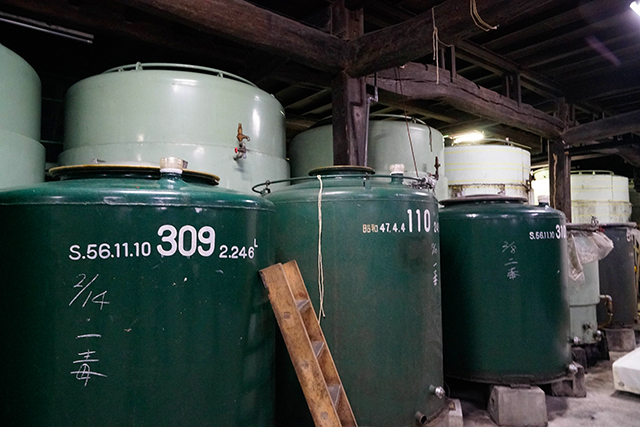
Inside the Hongura, pressed sake is being aged in tanks. 30% polished rice is used at Ishikawa Brewery (rice that is eaten is only polished 10%). Each vat requires 3 tonnes of rice to each make 5,000 bottles of sake.
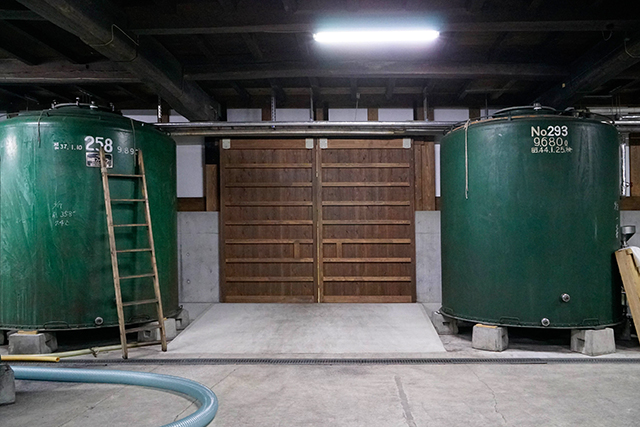
At the Ishikawa Brewery, the facilities rely on the cooler weather of the colder months. Thus, sake is not made year round and made only between September and March as the ingredients will spoil in the heat due to unwanted bacterial growth. During the Edo period, this restriction on sake production was also regulated by the government in their control of ‘rice currency’. The traditional Japanese-style warehouse is constructed using ‘adobe’ walls making it fire-resistant.
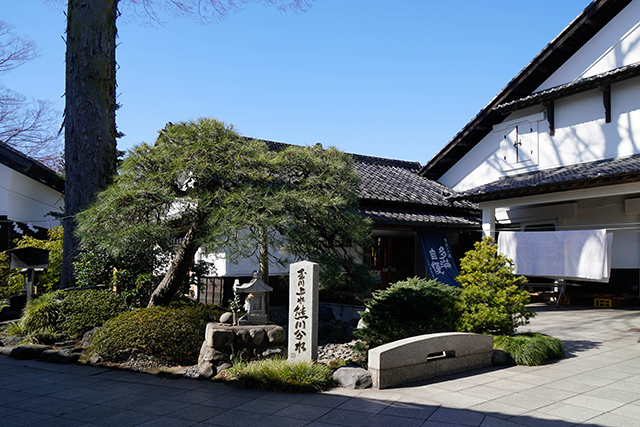
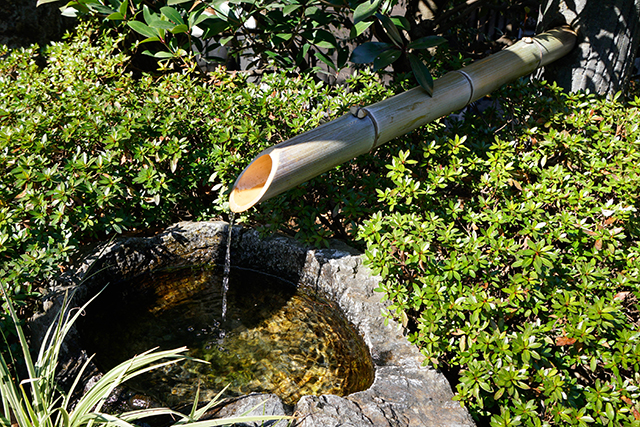
This is the Kumagawa bunsui, a small water channel that winds its way through the grounds of the brewery. The quality of sake depends on the water, with soft water being ideal. At Ishikawa Brewery the wells are evacuated to about 150 m and the underground natural mineral water is pumped up.
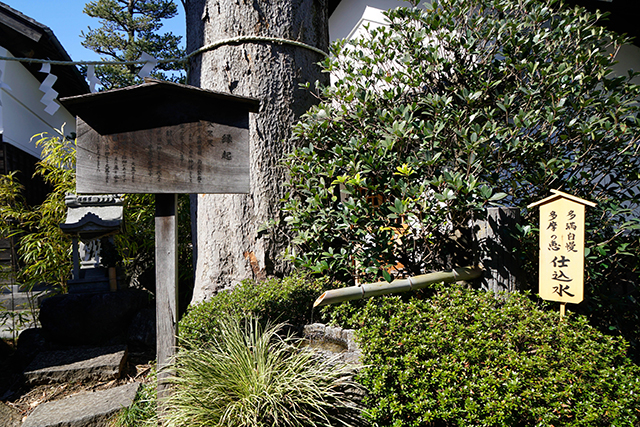
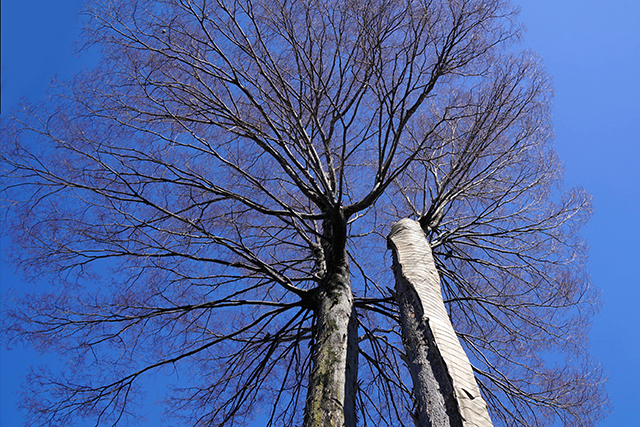
Nearby is a pair of 400-year-old keyaki (zelkova tree), each representing the God of Rice (Daikokuro) and the God of Water (Benten), and their marriage, to signify the importance of the sake brewing process. These revered trees are still prayed to each day.
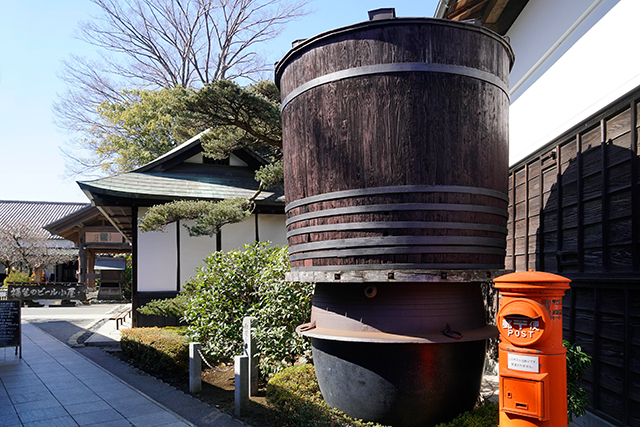
On display is one of the old tanks used to create shubo, a kind of seed mash, for growing the sake yeast. After the rice has been milled, washed, soaked, steamed and koji made, fermentation takes place. The shubo is central to the fermentation process.
The old tank is sitting atop the pot used to heat the bottom of the tank over two weeks. Cool water is added to reduce the temperature.
Koji, steamed rice and water are added to the tank, then lactic acid and a pure yeast concentration is mixed in. The mixture then slowly turns into what is called amazake. During the shubo cultivation, enzymes in the koji slowly convert the starch from the steamed rice into glucose which in turn fuels the rapid propagation of the yeast cells. A pristine environment must be maintained and the shubo temperature must be strictly regulated over the fourteen days required to develop the yeast culture. If this process is carried out property, the result is a shubo mixture with two to three million thriving yeast cells in every drop.
Our guide explains that when this traditional method was used, brewery workers would get very little rest as the shubo mixture needed to be ‘pampered like a baby’ for two weeks.
Behind the old tank is a fragrant olive tree planted in 1992 in commemoration of a visit from Prince Akishino, the younger son of Emperor Akihito and Empress Michiko.
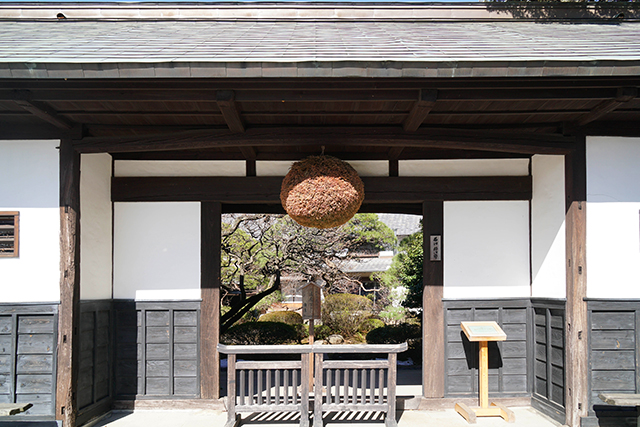
This is the Nagayamon, a 250-year-old gate built in the mid-Edo period that is the entrance to the president’s living quarters. The current president belongs to the 18th generation of Ishikawas.
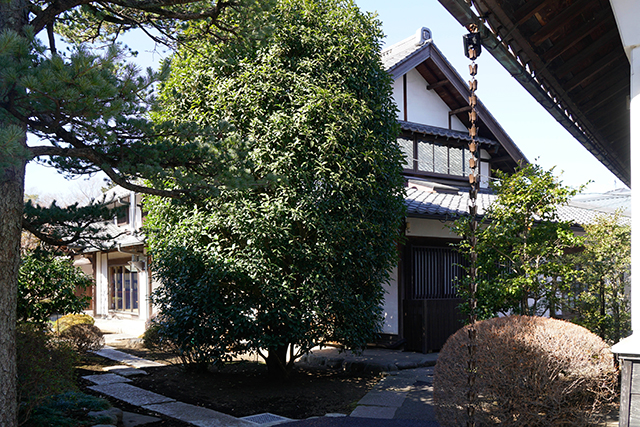
Off limits to the public (of course), this is a peek at the private residence that is separated from the main buildings of the brewery by the Kumagawa Bunsui.
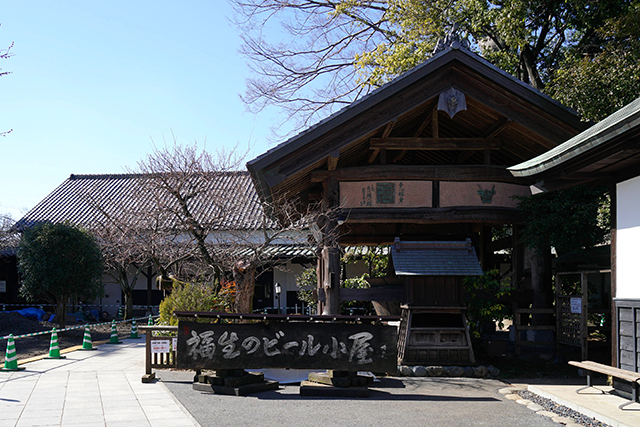
This is the Beer Cauldron House constructed in 1887.
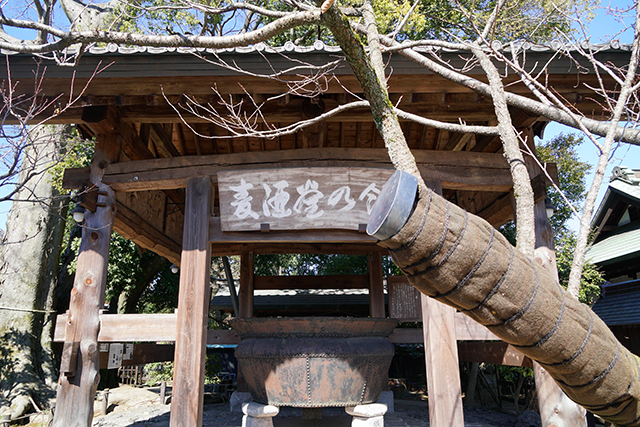
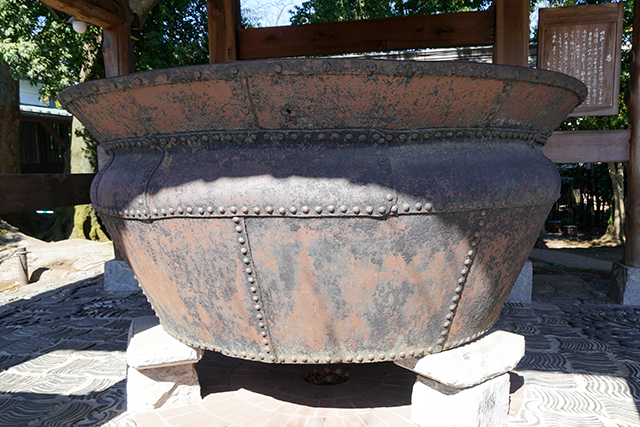
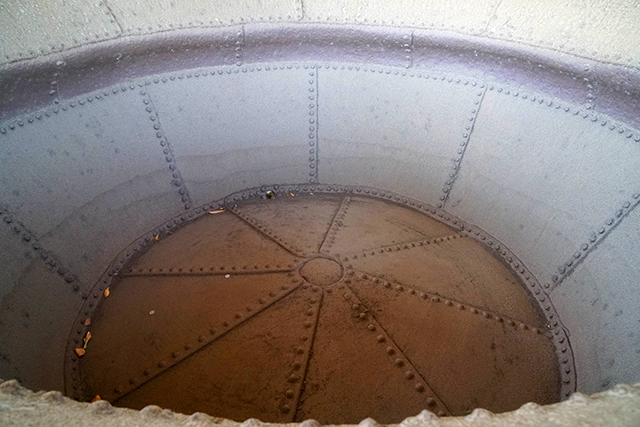
The cauldron was the pot that produced local beer in 1887 during the Meiji Period. The cauldron survived the wars due to being poorly taken care of by relatives and became buried under the earth for many years.
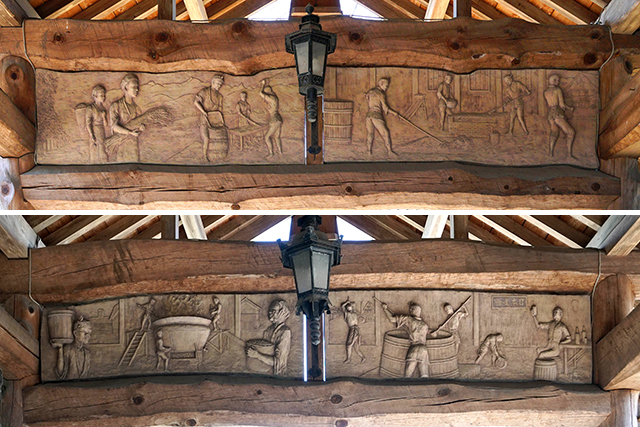
Along the interior, there are carvings showing the various traditional steps in producing beer.
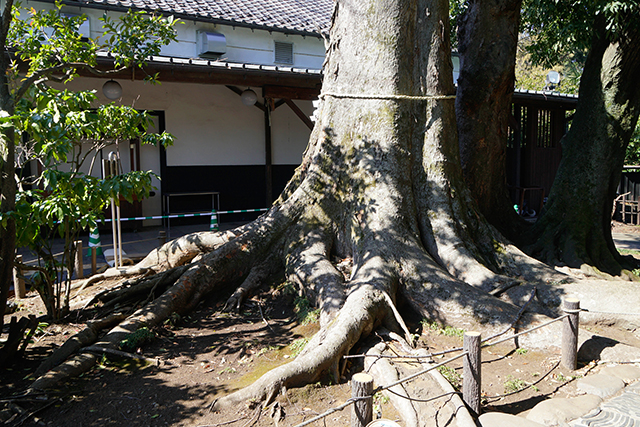
Next to the Beed Caudron House is a 700-year-old sacred keyaki (zelkova tree).
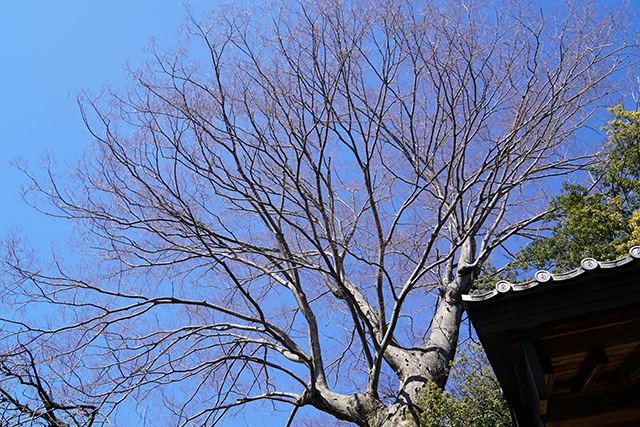
It rises above a water well once used as the main source for Ishikawa’s sake brewing.
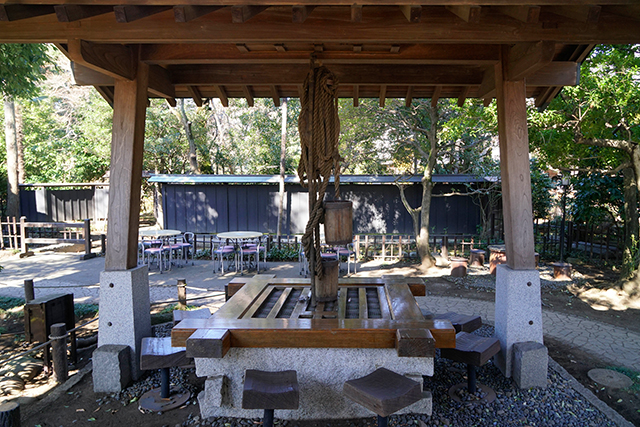
The water well is behind the Beer Cauldron House. It was used as the primary source of water used in the sake brewing process up until 1960. Now the area around the well has been turned into a small entertainment area for the president to host music events (we’re told he’s quite a musician).
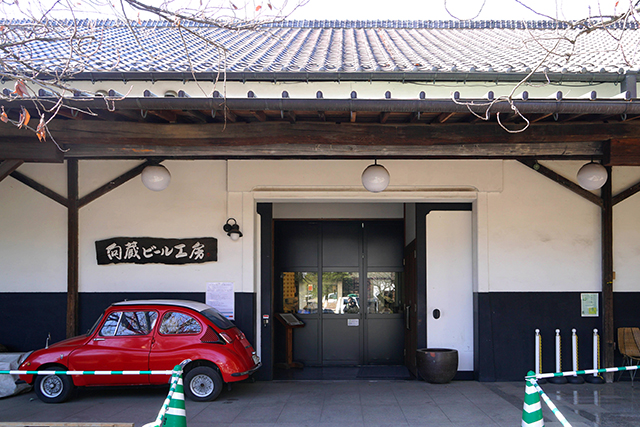
At the far end is the Mukougura Beer Factory built in 1896. Parked outside is the president’s signature red car.
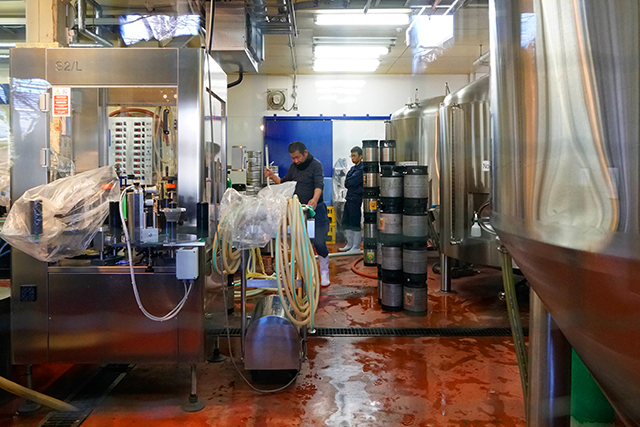
This is where a local beer called ‘Tama no Megumi’ is brewed. The company experimented briefly with brewing beer from 1887 to 1888. 111 years later in 1998, the company revived the craft beer side of the business, giving it the name Tama no Megumi.
Upstairs is an event space where attendees can enjoy the brewery’s draft beer, Tama no Megumi, fresh from the tanks. Our guide notes that this event space is particularly popular with the Americans from the nearby Yokota Air Base.
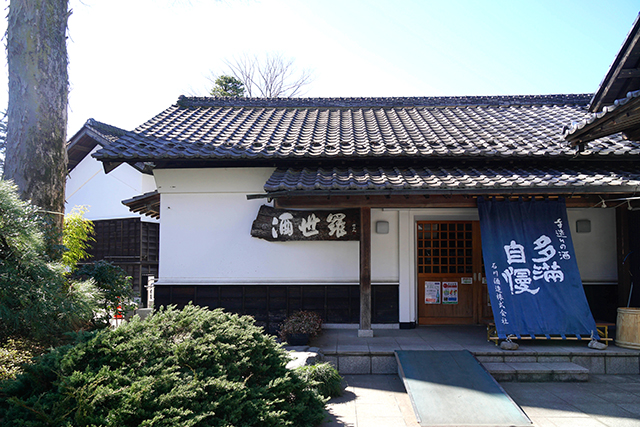
Thge shop carries premium Tamajiman sake and beer. Visitors can also taste new sake that has just been made and arrived from the factory.
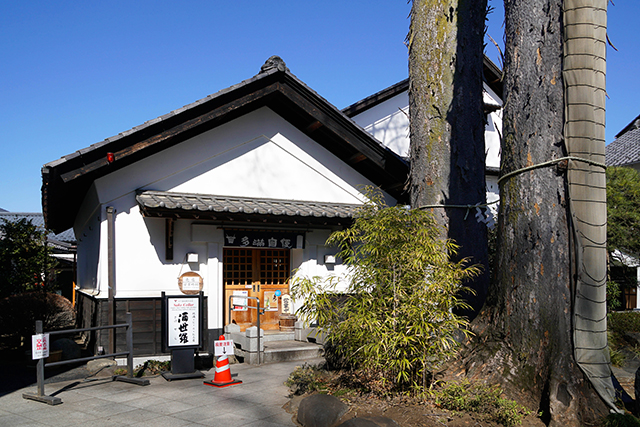
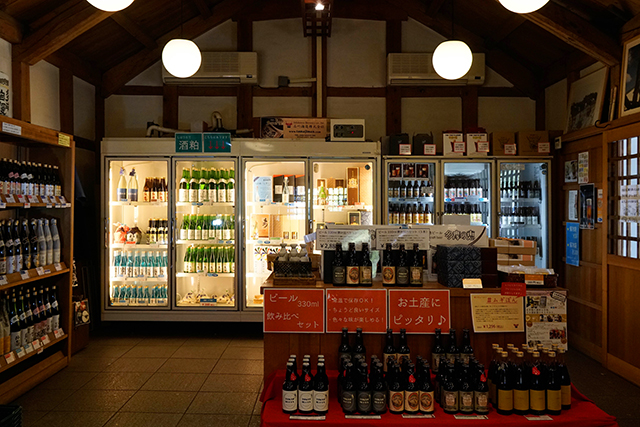
The tour ends in the Sake Cellar where visitors can purchase their Tamajiman sake and Tama no Megumi beer as well as other seasonal limited sake and beer.
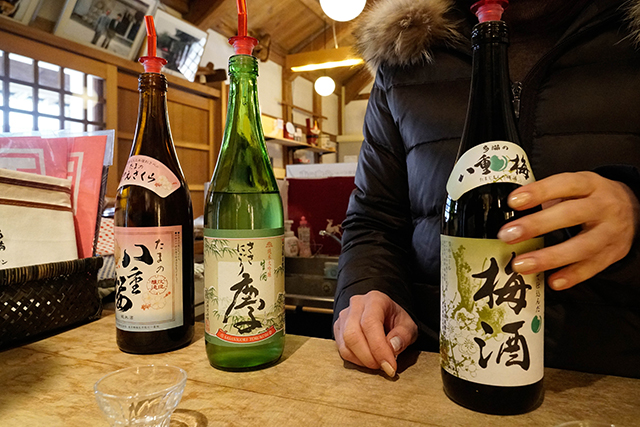
We’re provided with samples of Ishikawa sake (left to right):
- Junmai Daiginjo (alc: 15-16%): This is Ishikawa’s high grade sake, that ‘delivered a great blend of refined tastes with both acidity and umami’. 65% of the rice’s weight is milled.
- Tamajiman Tama Junmai Daiginjo (alc: 15-16%): Ishikawa usually pasteurizes their sake twice, but for this line pasteurization is done only once in order to retain its strong fruity aroma. 50% of the rice’s weigh is milled.
- Tamajiman Umeshu (Plum sake liqueur) (alc: 10-11%): This is made from the Junmai-shu line and strongly defined by its citrus flavour. It’s ‘the perfect choice for mixing with soda, hot water, and many other drinks’.
The brewery also has a liqueur called Tōkyō Forest which adds locally cut mountain cedar chips to the sake.
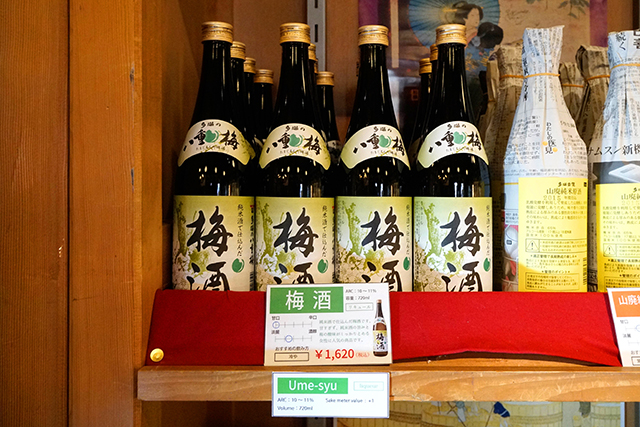
We’re fans of the sweet fruity flavours of the umeshu and bring a bottle home with us for ¥1,620.
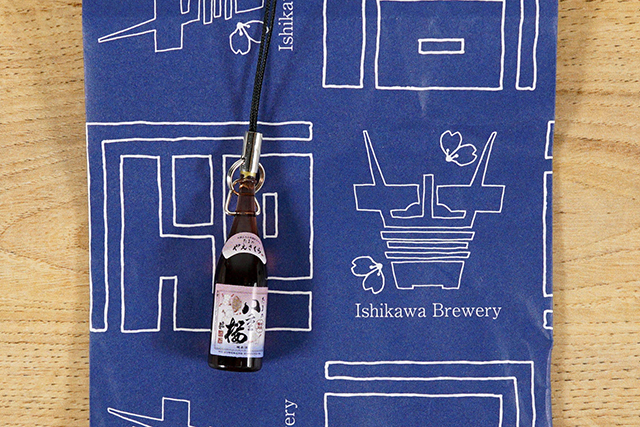
Their bottles of Junmai Daiginjo from 2013 featured labelling recalling an earlier label for its “Yae-zakura” (double-flowered cherry) brand name prior to 1918 to celebrate 150 years of the brewery. This is a charm with a miniature bottle of the sake.
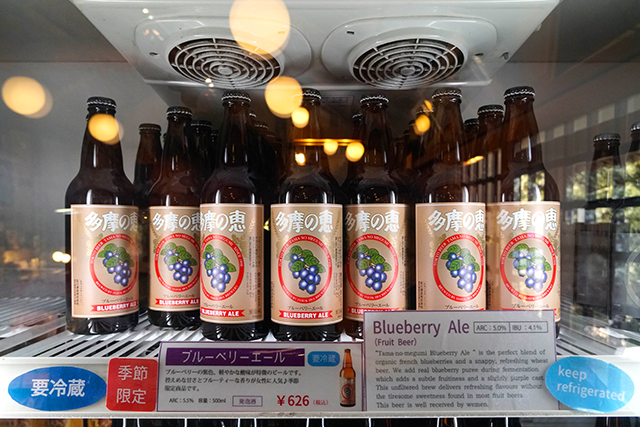
One of Ishikawa’s seasonal beers is this Tama no Megumi Blueberry Ale described as
The perfect blend of organic french blueberries and a snappy, refreshing wheat beer. We add real blueberry purée during fermentation which adds a subtle fruitiness and a slightly purple cast. This unfiltered brew delivered refreshing flavours without the tiresome sweetness found in most fruit beers. This beer is well received by women.
We’re not fans of beer so we pass this by.
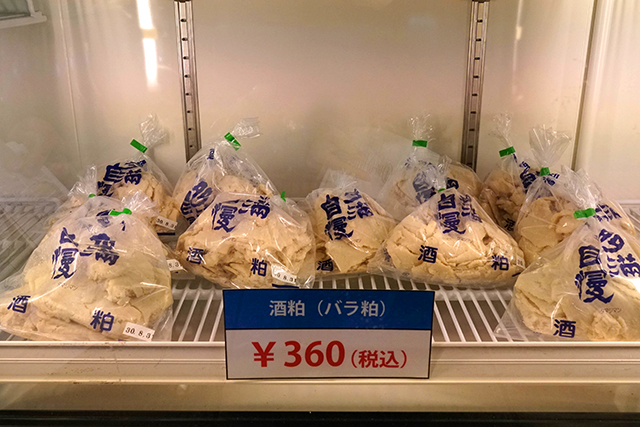
This sake cellar also sells sake kasu, the lees left over from sake production. They can be used as a pickling agent, the main ingredient of amazake, a cooking paste to add flavour to food and as a marinade.
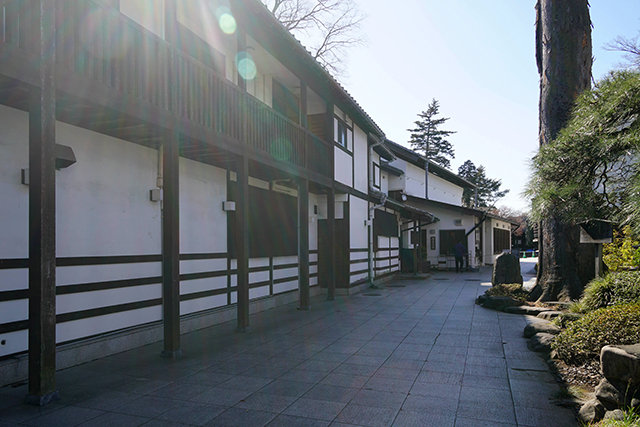
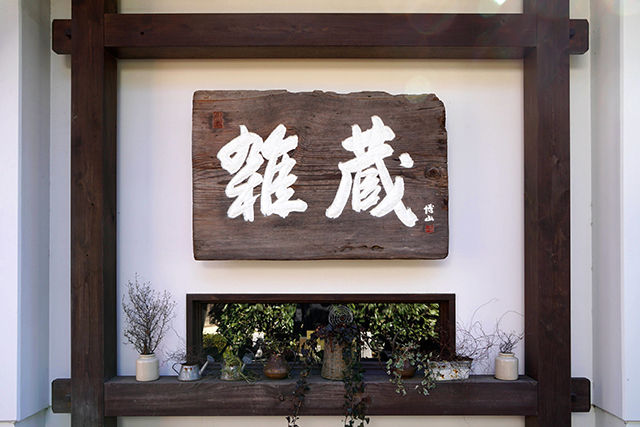
On the bottom floor of the Zougura is a Japanese restaurant. The warehouse was build in 1898 and used as a rice storehouse until it was reconstructed as a restaurant specialising in handmade soba noodles.
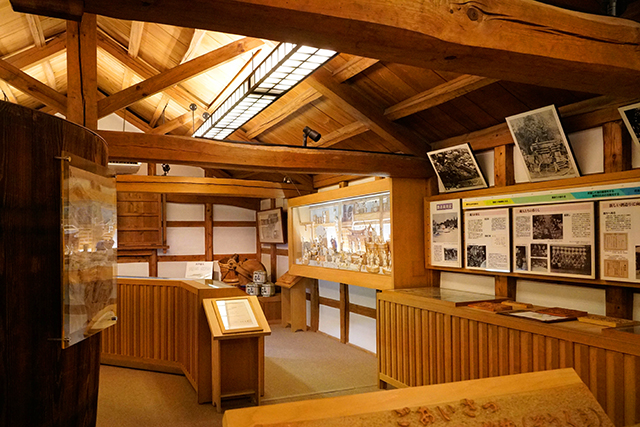
The floor above the Zougura, a Japanese restaurant occupying a warehouse built in 1898, is a historical museum.
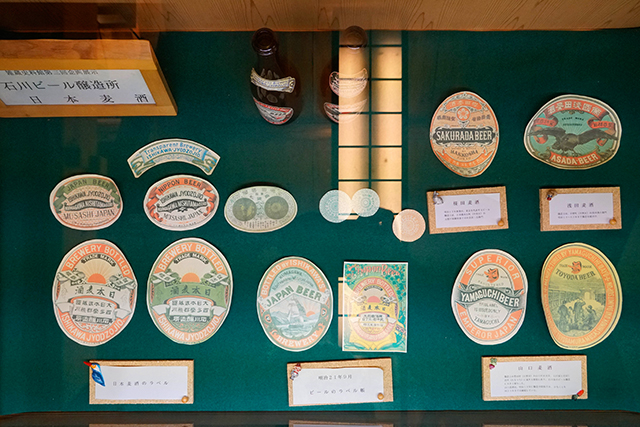
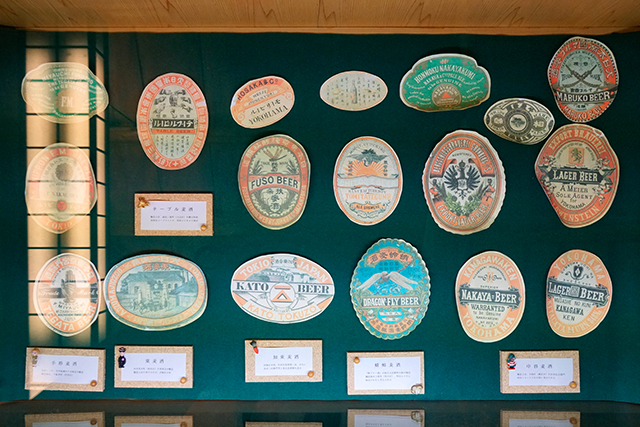
The museum details various aspects of sake making as well as the evolution in the branding of Ishikawa beer and sake.
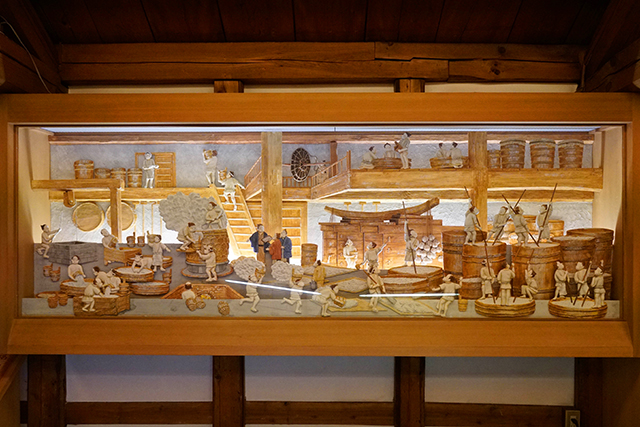
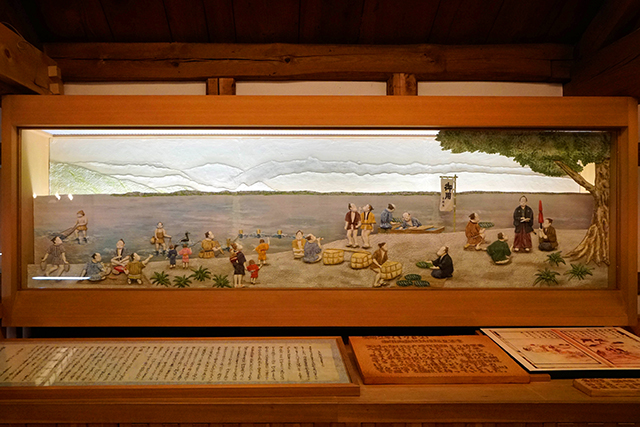
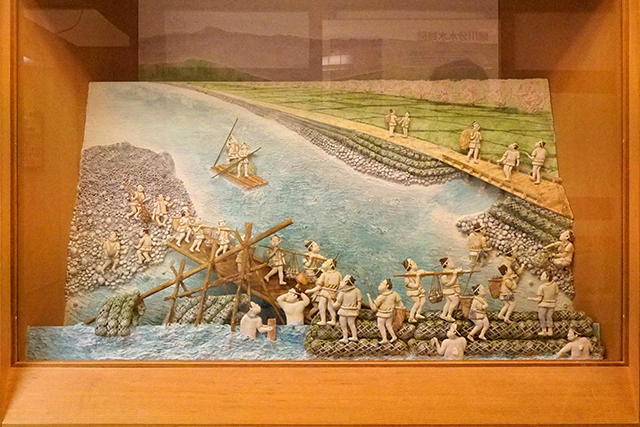
Here, we learn about the process of brewing beer and sake during the Meiji, Edo and Showa periods…
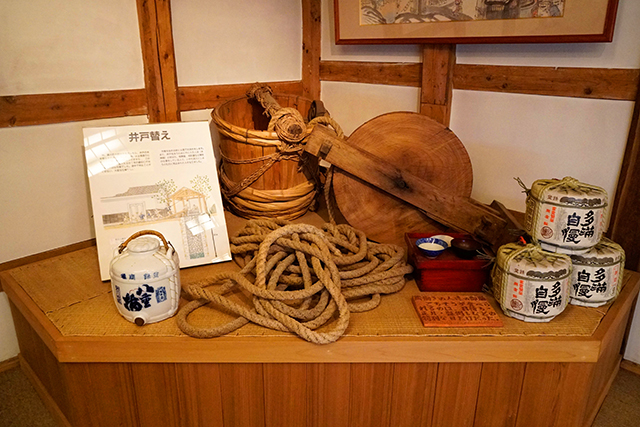
…along with some of the equipment used…
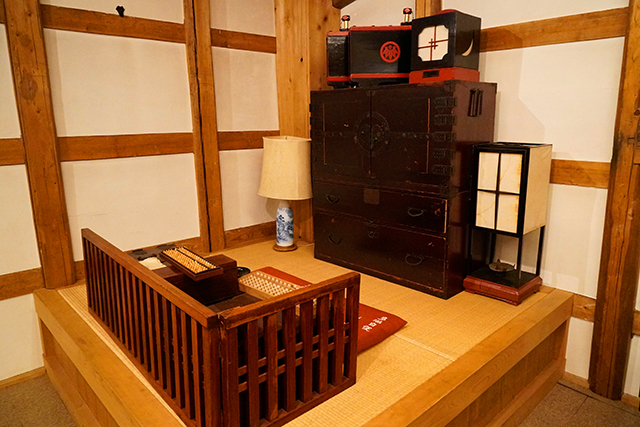
…as well as the history of the Ishikawa family.
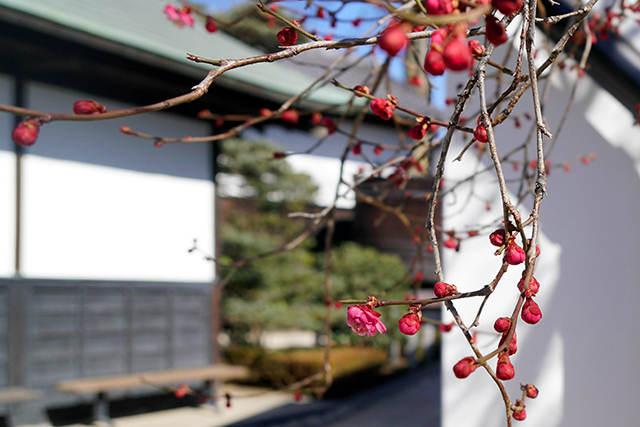
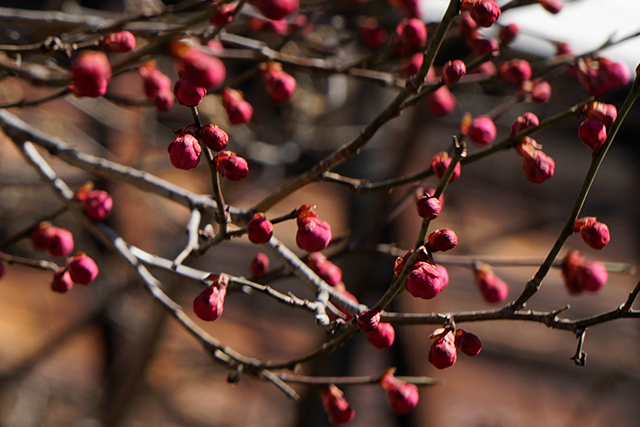
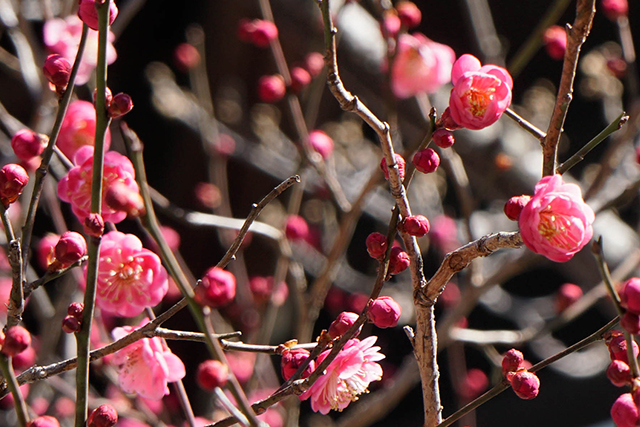
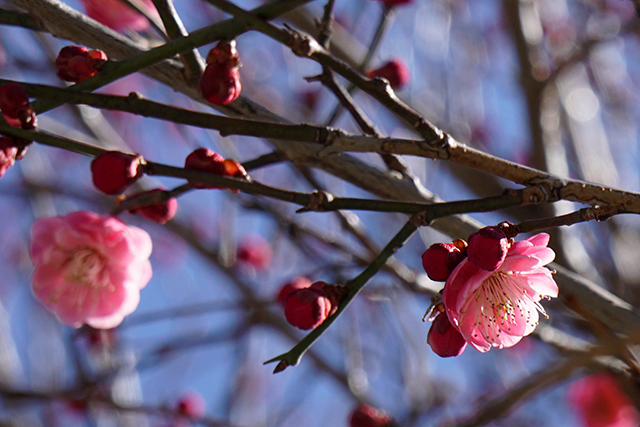
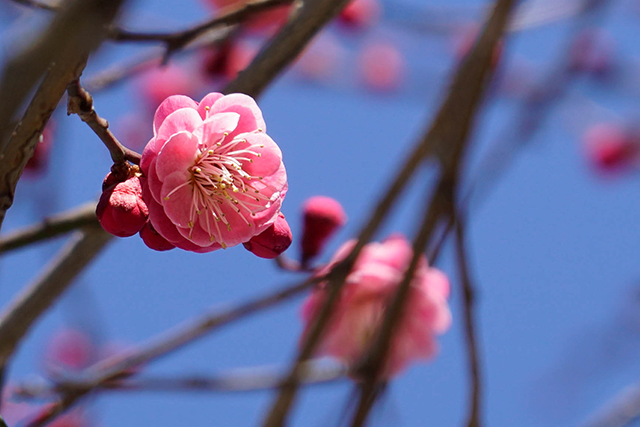
On the premises, behind the Zougura is a plum tree in blossom. There’s also a cherry tree near the Beer Cauldron House.
Fussa – Hajima Station
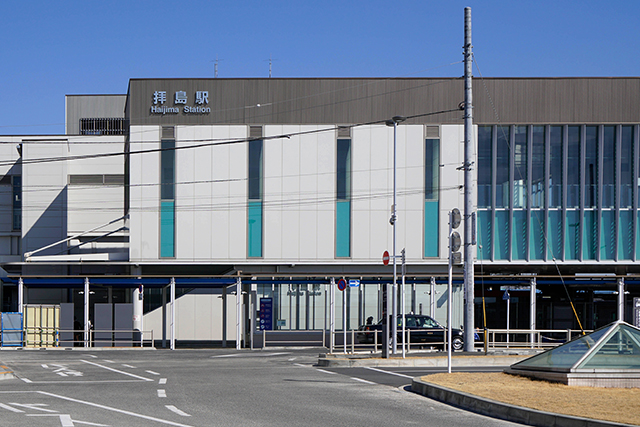
Back at Haijima Station, the area is very quiet. It’s very obviously the suburbs – there’s no hustle and bustle like you get in central Tōkyō.
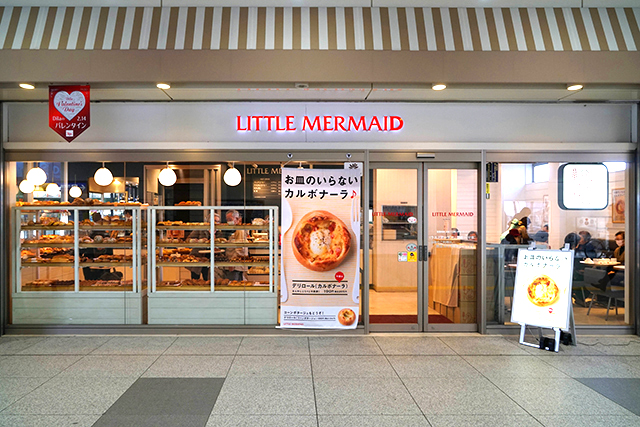
We stop by Little Mermaid on the station concourse for lunch.
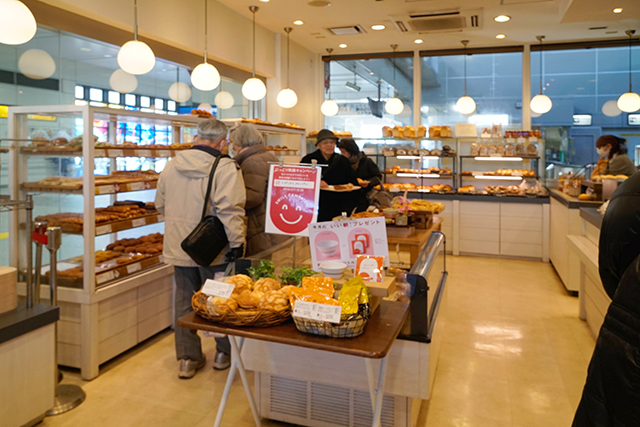
The place is primarily occupied by the elderly, but its selection of baked goods is delicious.
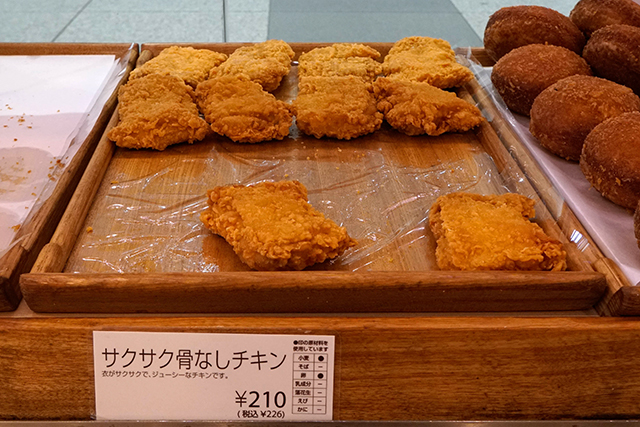
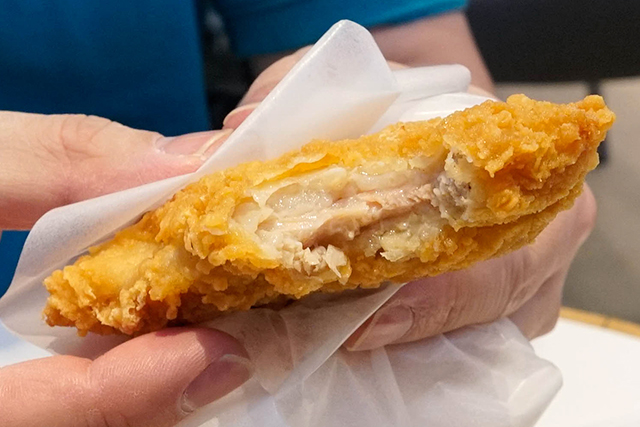
D gets his fix of fried chicken with a piece of Zaku Zaku Boneless Chicken (¥226). It’s delicious crispy with super juicy innards.
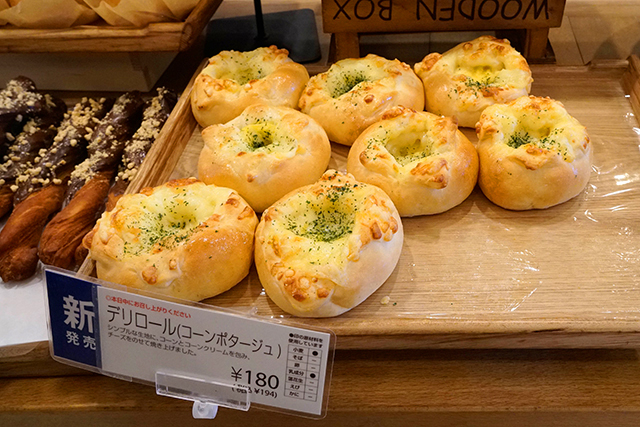
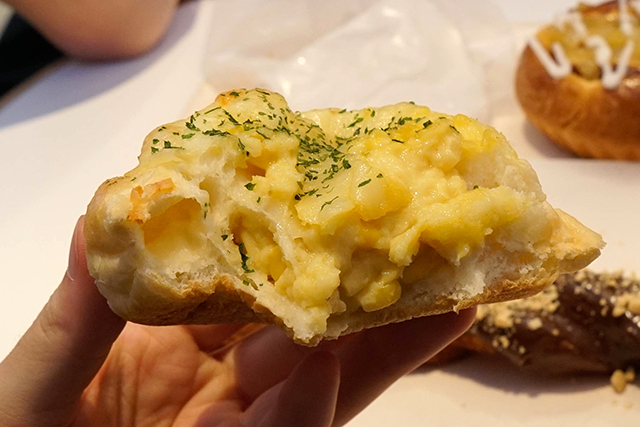
I spot this Corn Pottage Roll (¥194) and am powerless to resist – the corn pottage innards are packed with corn flavour, and thick (like a potato mash) without being runny. I could eat so many of these, yet we’ve not seen it elsewhere.
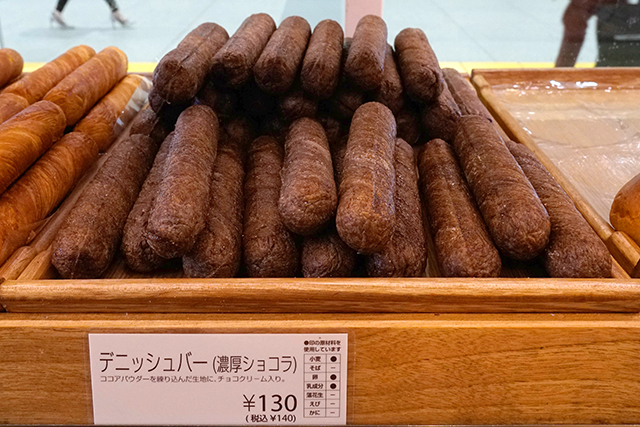
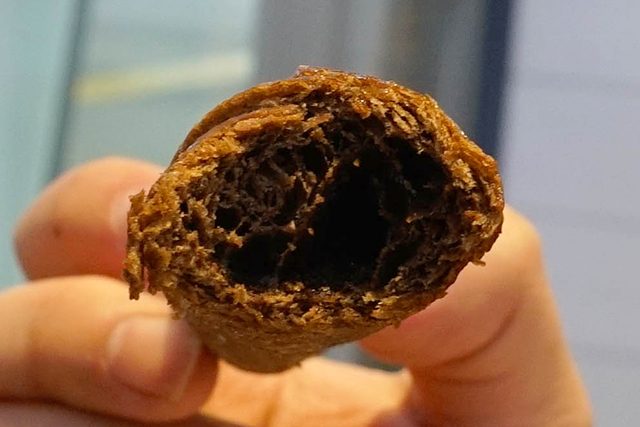
Onto the ‘dessert’ part of lunch, this is a Chocolate Danish Bar (¥140). It’s flaky with a good chocolate flavour.
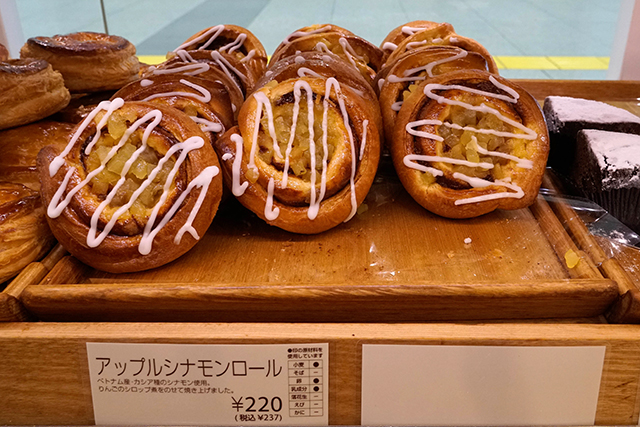
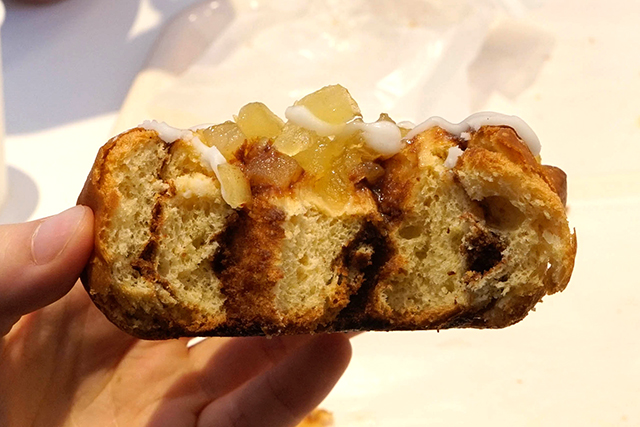
This is the Apple Cinnamon Roll (¥237). We enjoy the sweet tartness from the cubes of cooked apple that pair well with the cinnamon. The roll itself is very tender and enjoyable.
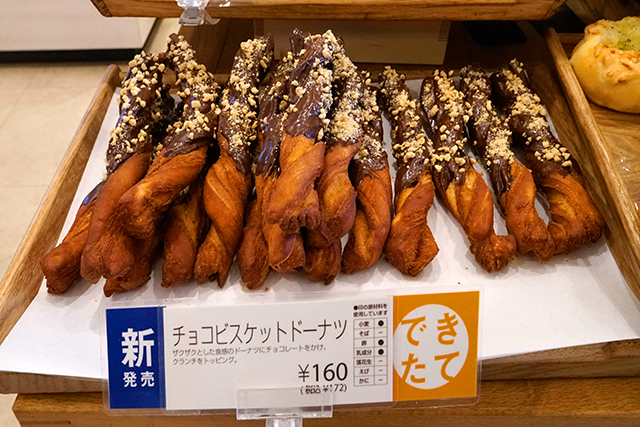
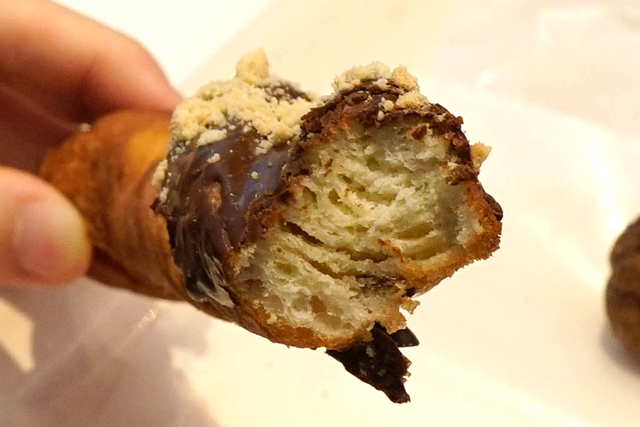
This is the Choco Biscuit Danish (¥172). This one is much like the Danish Bar above, yet the dipped chocolate with the nuts gave it a richer flavour with a crunchy texture.
Full from our bakery goods, we head back to Shinjuku in Central Tōkyō.
Tōkyō – Shinjuku Station
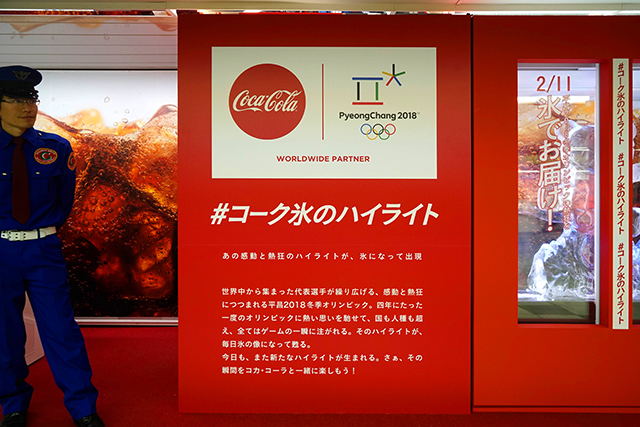
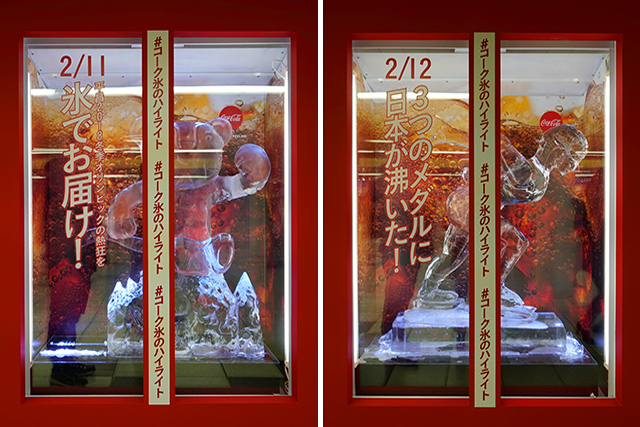
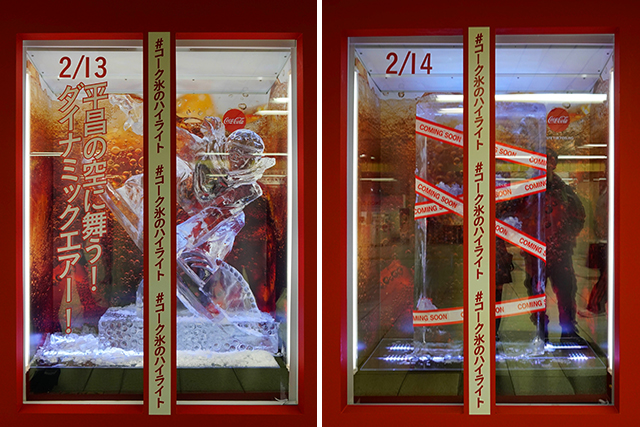
We’re in Japan for most of the 2019 Winter Olympics in Pyeong Chang and Shinjuku Station is celebrating the highlights with ice sculptures carved each day courtesy of Coca-Cola.
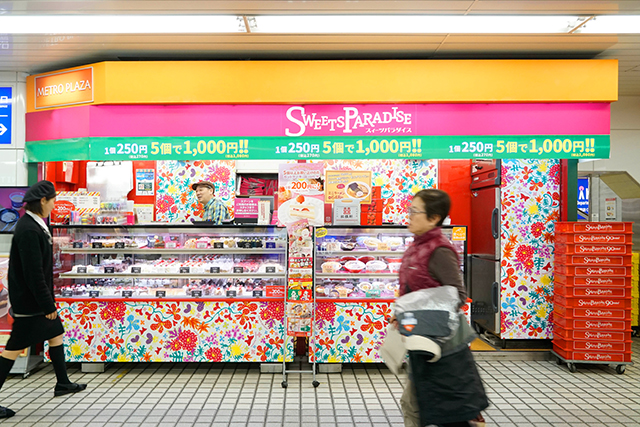
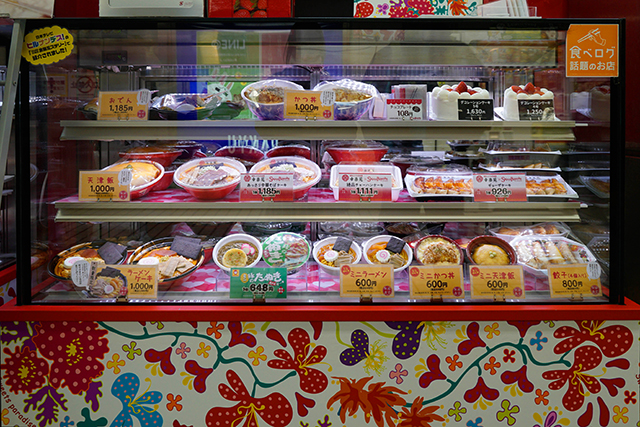
The Maplise Sweets Paradise in Shinjuku Station is where I’m headed. They sell cakes that look like non-dessert Japanese food.
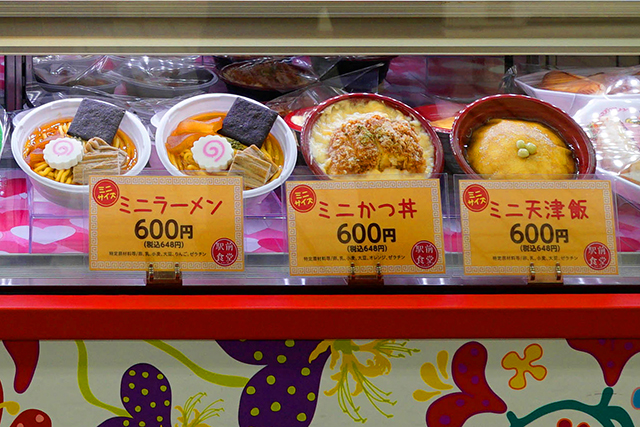
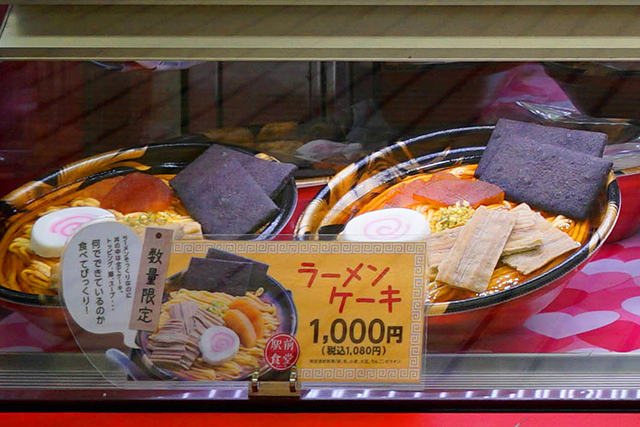
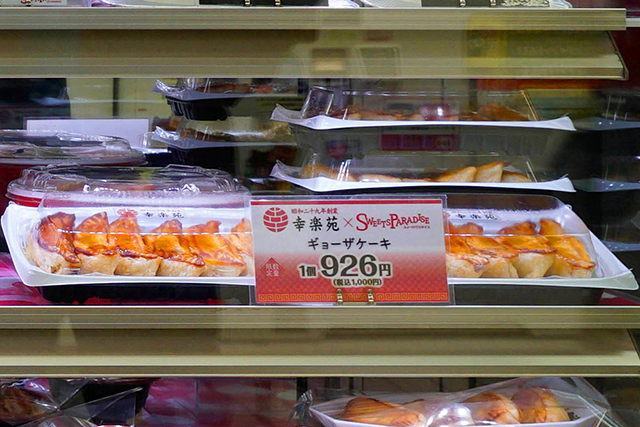
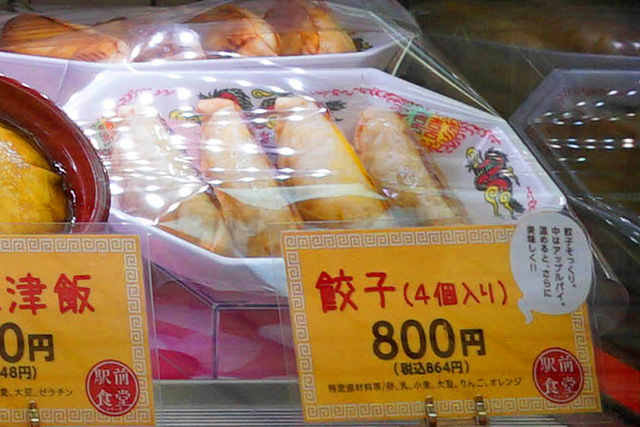
There are big and mini bowls of soba, ramen, omurice, katsudon, gyōza and spring rolls.
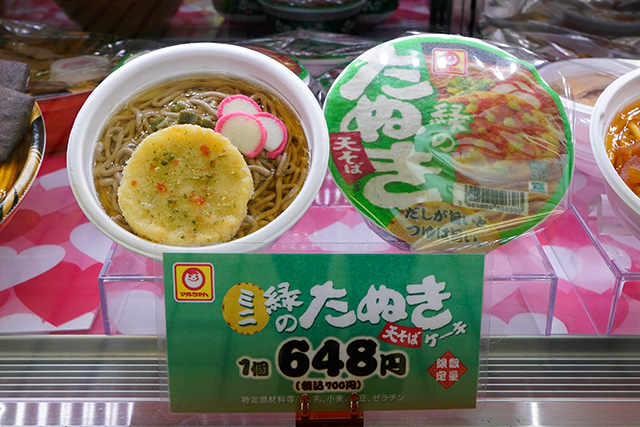
I pick the Mini Maruchan Midorino Tanuki Soba With Tempura (¥648). The cake is packaged with ice for transport, and with nowhere nearby to eat it, we save it for when we get back to the hotel.
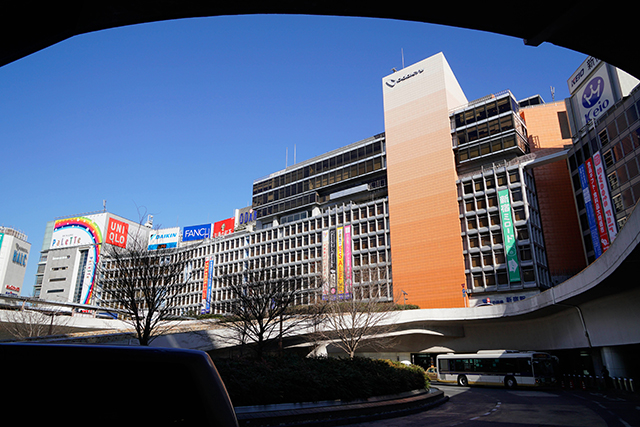
Tōkyō – Tōkyō Metropolitan Government Building
Cake in tow, we’re headed to the Tōkyō Metropolitan Government Building, known for its free observation decks that provide expansive panoramic views of Tōkyō and beyond. The building is the 7th tallest building in Japan at 243 m.
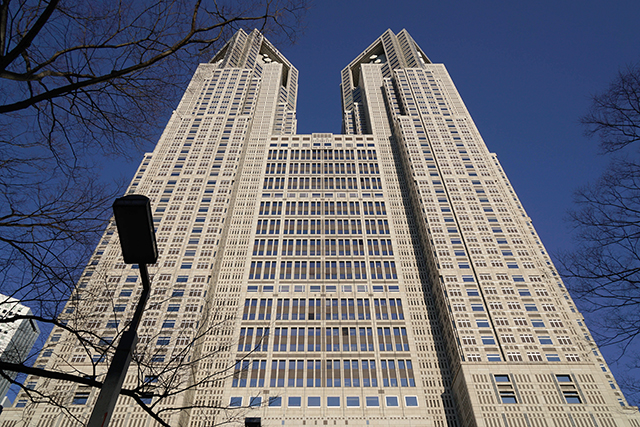
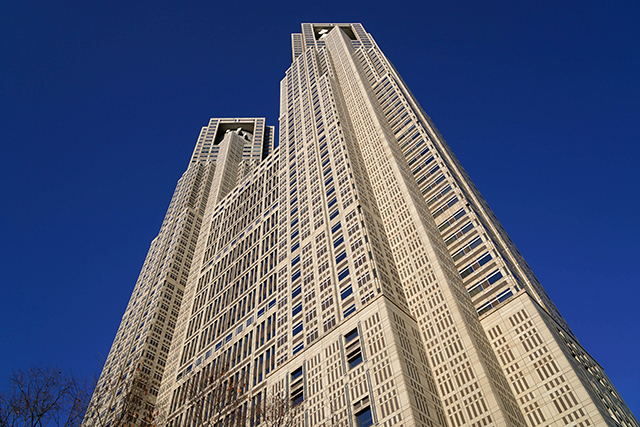
There’s no mistaking the building. The 243 m tall building has two towers, and each houses an observatory at a height of 202 meters. It had been the tallest building in Tōkyō until it was overtaken by the Midtown Tower in 2007.
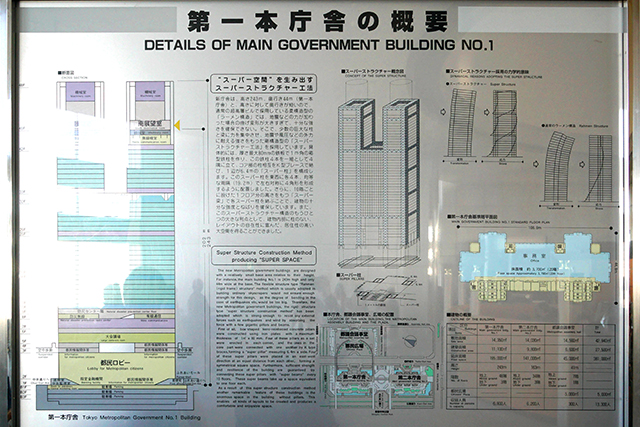
Tall buildings, and especially those with a small base area, require special engineering:
The new Metropolitan government buildings are designed with a relatively small base area relative tot heir height. For instance, the main building No 1 is 243 m high and only 44 m wide at the base. The flexible structure type ‘Rahmen (rigid frame) structure’ method which is usually adopted in building ordinary skyscrapers would not ensure enough strength for this design, as the degree of bending in the case of earthquakes, etc, would be too big. Therefore, the new Metropolitan government buildings, the rigid structure type ‘super structure construction method’ has been adopted which is strong enough to resist any external forces such as earthquakes and wind by absorbing the force with a few gigantic pillars and beams.
First of all, box-shaped ferro-reinforced concrete pillars were constructed using iron plates with a maximum thickness of 1 m² x 80 mm. Four of these pillars as a set were erected in each corner and the ones in the core part were connected with one another by K type braces, former a ‘super pillar’ measuring 6.4 m a side. Four of these super pillars were placed in an east-west direction at an equal distance from each other, forming a symmetrical square space. Furthermore, sufficient strength and resilience of the building are guaranteed by connecting these super pillars with ‘super beams’ every 10 floors. These super beams take up a space equivalent to one floor each.
As a result of this super structure construction method another remarkable feature of these buildings is the enormous space in the building without pillars. This enables all kinds of layouts to be created and produces a comfortable and enjoyable space.
Tōkyō – Tōkyō Metropolitan Government No 1 Building
It’s a fairly long and boring walk from Shinjuku Station, but we’re here.
The towers and the surrounding buildings contain offices and the assembly hall of the metropolitan government of Tōkyō, so we’re subjected to bag checks prior to boarding the elevators as part of the security measures.
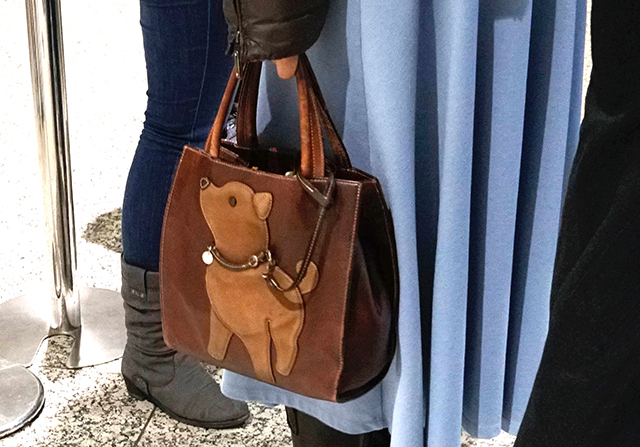
A lady in the queue has the cutest handbag.
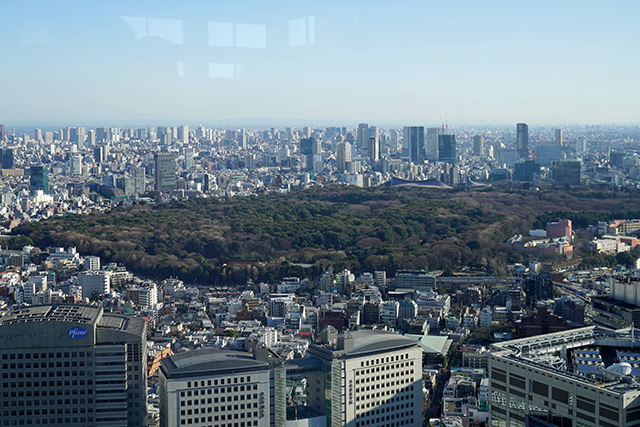
Looking south, we see Meiji Shrine towards the front of the forested area adjacent to Yoyogi Park. There’s a glimpse of the Yayoi National Gymnasium at the far edge.
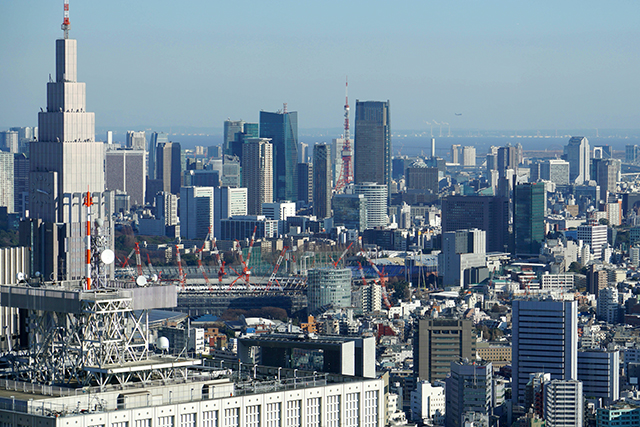
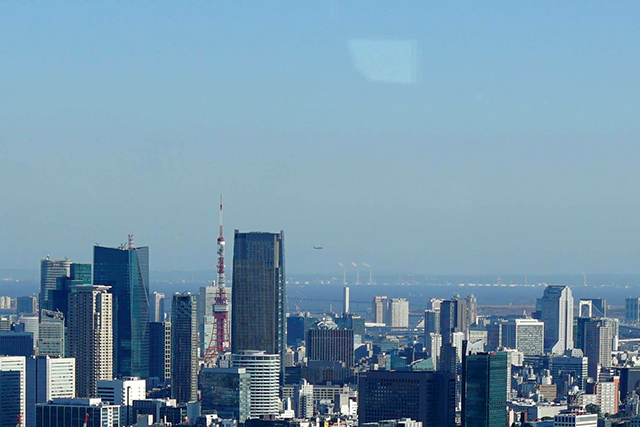
Towards the south-east, we catch a glimpse of Tōkyō Bay and Tōkyō Tower. To the left of Tōkyō Tower is Toranomon Hills, the tallest building and third-tallest overall structure in Tōkyō (256 m). To the right of Tōkyō Tower is Midtown Tower, the second tallest building in Tōkyō (248 m). In the mid-ground of the top photo is the NTT Docomo Yoyogi Building (240), the second tallest false clock face tower in the world and the tallest building in Tōkyō by pinnacle height.
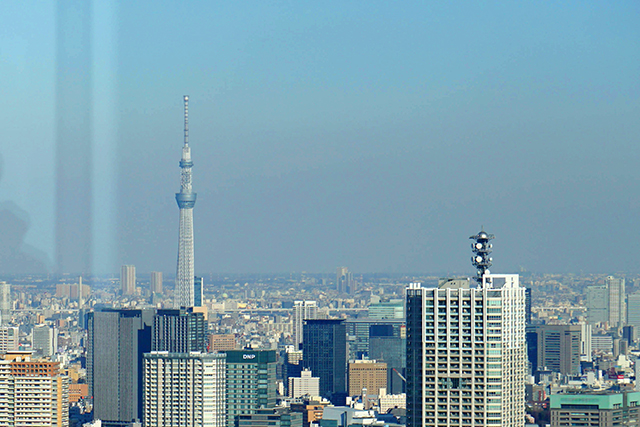
Towards the north-east, we spot Tōkyō Skytree, which overtook Tōkyō Tower in 2010 as the tallest structure in Japan, the tallest tower in the world and the 2nd-tallest freestanding structure in the world at 634 m.
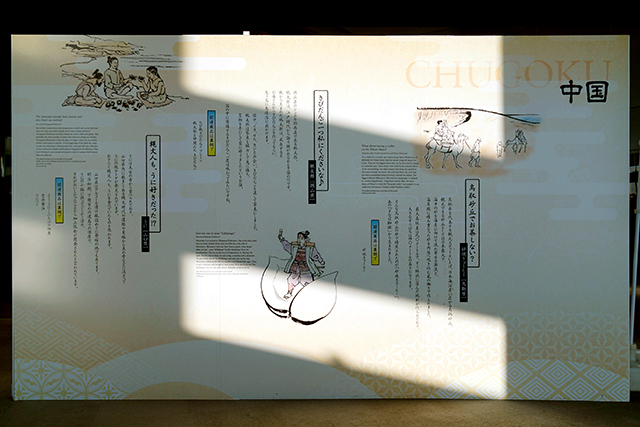
Periodically, the centre holds fairs during which local products from selected regions are introduced and put on sale. We’re so glad we decided to visit the observatory deck in both towers, otherwise, we’d have missed this very interesting and informative fair.
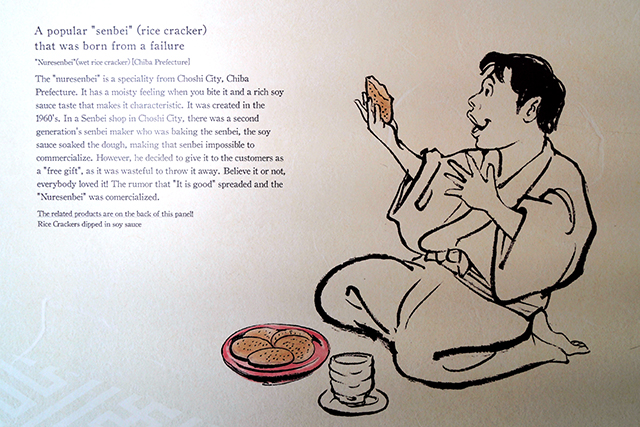
For Chiba Prefecture,
A popular ‘senbei’ (rice cracker) that was born from a failure
‘Nuresenbei’ (wet rice cracker) [Chiba Prefecture]
The ‘nuresenbei’ is a speciality from Choshi City, Chiba Prefecture. It has a moisty feeling when you bite it and a rich soy sauce taste that makes it characteristic. It was created in the 1960s. In a Senbei shop in Choshi City, there was a second generation’s senbei maker who was baking the senbei, the soy sauce soaked the dough, making the senbei impossible to commercialise. However, he decided to give it to the customers as a ‘free gift’, as it was wasteful to throw it away. Believe it or not, everybody loved it! The rumor that ‘it is good’ spreaded and the ‘nuresenbei’ was commercialized.
The related products on sale (on the back of the panel) were these rice crackers dipped in soy sauce.
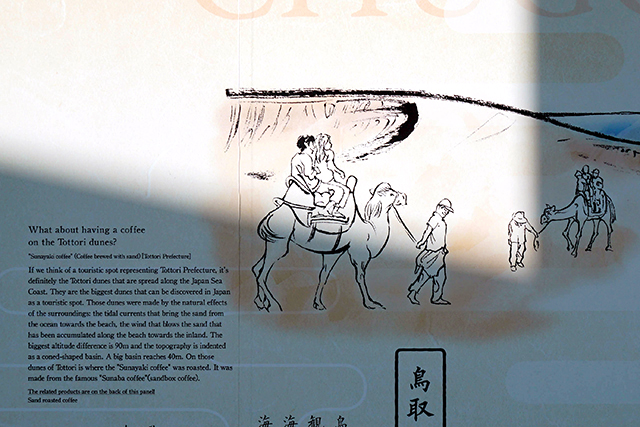
For Tottori Prefecture,
What about having a coffee on the Tottori dunes?
Sunayaki coffee (coffee brewed with sand) [Tottori Prefecture]
If we think of a touristic spot representing Tottori Prefecture, it’s definitely the Tottori dunes that are spread along the Japan Sea Coast. They are the biggest dunes that can be discovered in Japan as a touristic spot. Those dunes were made by the natural effects of the surroundings: the tidal currents that bring the sand from the ocean towards the beach, the wind that blows the sand that has been accumulated along the beach towards the inland. The biggest altitude difference is 90 m and the topography is indented as a cone-shaped basin. A big basin reaches 40 m. On those dunes of Tottori is where the Sunayaki coffee was roasted. It was made from the famous Sunaba coffee’ (sandbox coffee).
The related products sold on the back of the panel were: sand roasted coffee.
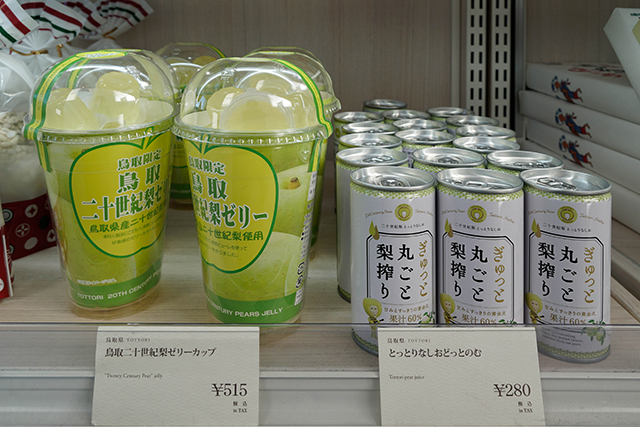
Tottori Prefecture is also famous for its nashi pears, so a number of 20th Century Nashi Pear based products abound too, including jelly and juice…
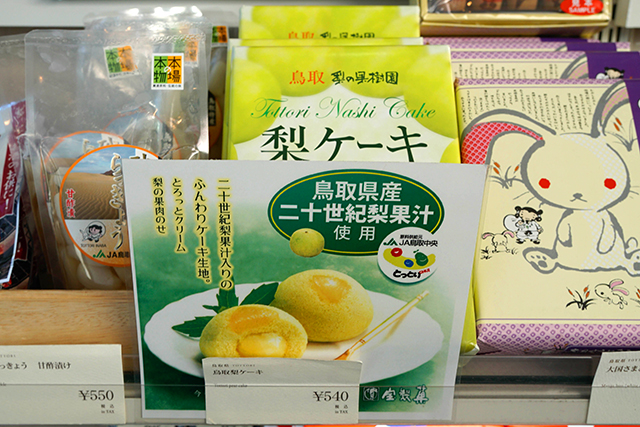
…as well as steamed cake, which I’ve reviewed here.
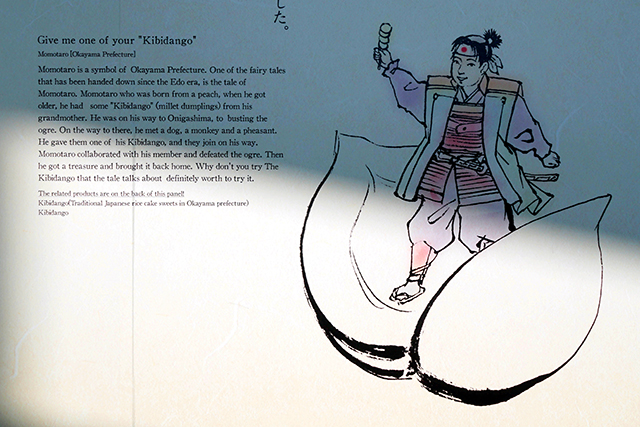
For Okayama Prefecture,
Give me one of your ‘kibidango’
Momotaro [Okayama Prefecture]
Momotaro is a symbol of Okayama Prefecture. One of the fairy tales that has been handed down since the Edo era is the tale of Momotaro. Momotaro who was born from a peach, when he got older, he had some ‘kibidango’ (millet dumplings) from his grandmother. He was on his way to Onigashima, to busting the ogre. One the way there, he met a dog, a monkey and a pheasant. He gave them on of his kibidango and they join on his way. Momotaro collaborated with his member and defeated the ogre. Then he got a treasure and brought it back gome. Why don’t you try the kibidango that the take talks about definitely worth to try it.
The related products sold on the back of the panel were kibidango.
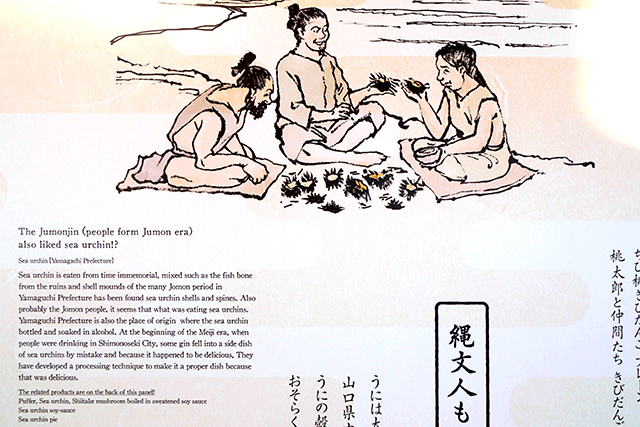
For Yamaguchi Prefecture,
The Jumonjin (people from Jumon era) also liked sea urchin!?
Sea urchin [Yamaguchi Prefecture]
Sea urchin is eaten from time immemorial, mixed as as the fish bones from the ruins and shell mounds of the many Jomon period in Yamaguchi Prefecture has been found sea urchin shells and spines. Also proobably the Jomon people, it seems that what was eating sea urchins. Yamaguchi Prefecture is also the place of origin where the sea urchin bottled and soaked in alcohol. At the beginning of the Meiji era, when people were drinking in Shimonoseki City, some gin fell into a side dish of sea urchins by mistake and because it happened to be delicious, they have developed a processing technique to make it a proper dish because that was delicious.
The related products sold on the back of the panel were: puffer, sea urchin and shiitake mushroom boiled in sweetened soy sauce; sea urchin soy sauce and sea urchin pie.
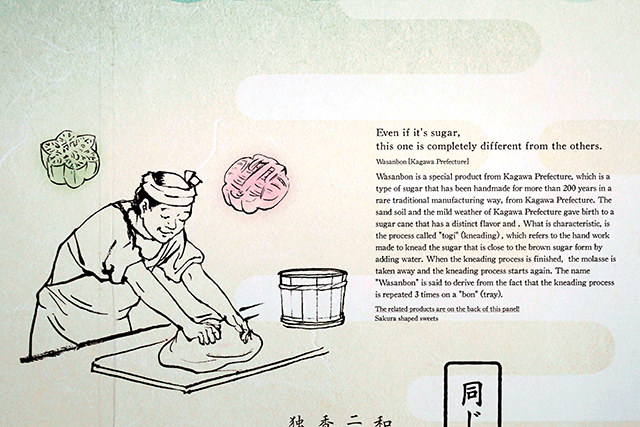
For Kagawa Prefecture,
Even if it’s sugar, this one is completely different from the others
Wasanbon [Kagawa Prefecture]
Wasanbon is a special product from Kagawa Prefecture, which is a type of sugar that has been handmade for more than 200 years in a rare traditional manufacturing way, from Kagawa Prefecture. The sand soil and the mild weather of Kagawa Prefecture gave birth to a sugar cane that has a distinct flavour. What is characteristic is the process called ‘togi’ (kneading), which refers to the hand work made to knead the sugar that is close to the brown sugar form by adding water. When the kneading process is finished, the molasse is taken away and the kneading process starts again. The name ‘wasanbon’ is said to derive from the fact that the kneading process is repeated 3 times on a ‘bon’ (tray).
The related products sold on the back of the panel were: sakura shaped sweets.
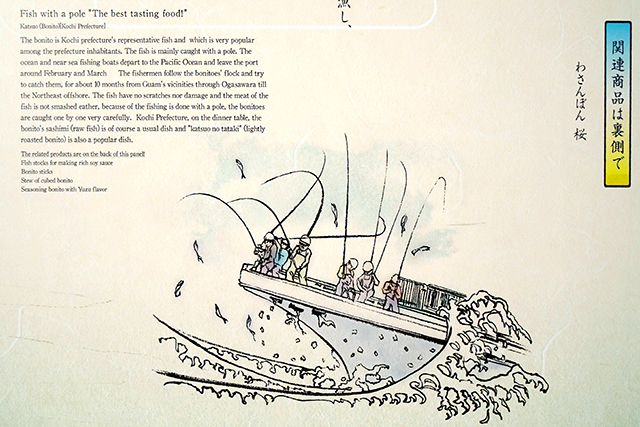
For Kōchi Prefecture,
Fish with a pole ‘The best tasting food!’
Katsuo (bonito) [Kōchi Prefecture]
The bonito is Kōchi prefecture’s representative fish and which is very popular among the prefecture inhabitants. The fish is mainly caught with a pole. The ocean and near sea fishing boats depart to the Pacific Ocean and leave the port around February and march. The fishermen follow the bonitoes’ flock and try to catch them, for about 10 months from Guam’s vicinities through Ogasawara till the Northeast offshore. The fish have no scratches nor damage and the meat of the fish is not smashed either, because of the fishing is done with a pole, the bonitoes are caught one by one very carefully. Kōchi Prefecture, on the dinner table, the bonito’s sashimi (raw fish) is of course a usual dish and ‘katsuo no tataki’ (lightly roasted bonito) is also a popular dish.
The related products sold on the back of the panel were: fish stocks for making rich soy sauce, bonito sticks, stew of cubed bonito, and seasoning bonito with yuzu flavour.
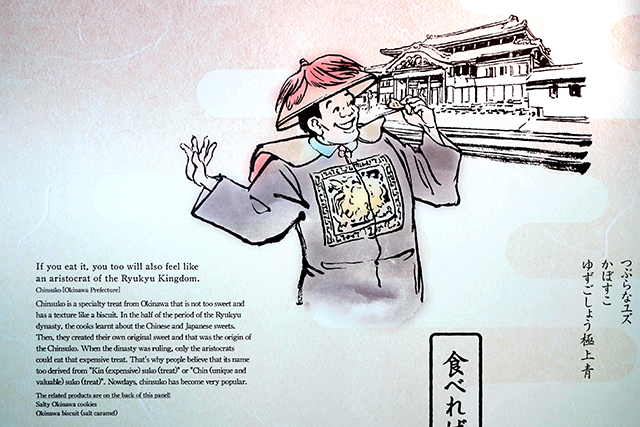
For Okinawa Prefecture,
If you eat it, you too will also feel like an aristocract of the Ryukyu Kingdom.
Chinsuko [Okinawa Prefecture]
Chinsuko is a specialty treat from Okinawa that is not too sweet and has a texture like a biscuit. In the half of the period of the Ryukyu dynasty, the cooks learnt about the Chinese and Japanese sweets. Then, they created their own original sweet and that was the origin of chinsuko. When the dynasty was ruling, only the aristocrats could eat that expensive treat. That’s why people believe that its name too derived from ‘kin (expensive) suko (treat) or ‘chin (unique and valuable) suko (treat)’. Nowadays, chinsuko has become very popular.
The related products sold on the back of the panel were: salty Okinawa cookies and Okinawa biscuit (salt caramel).
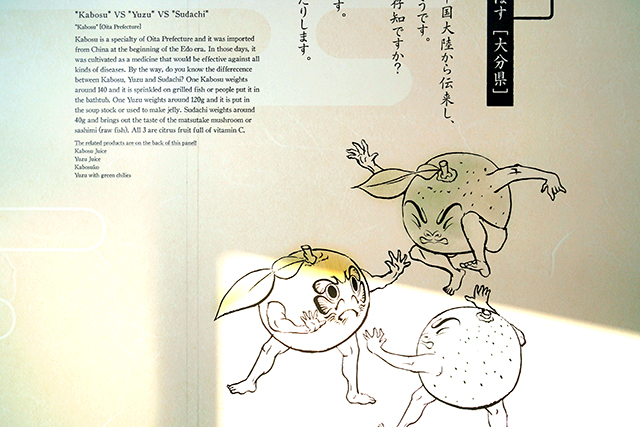
For Ōita Prefecture,
‘Kabosu’ vs ‘Yuzu’ vs ‘Sudazhi’
Kabosu [ Ōita Prefecture]
Kabosu is a specialty of Ōita Prefecture and it was imported from China at the beginning of the Edo era. In those days, it was cultivated as a medicine that would be effective against all kinds of diseases. By the way, do you know the difference between kabosu, yuzu and sudachi? One kabosu weighs around 140 g and it is sprinkled on grilled fish or people put it in the bathtub. One yuzu weighs around 120 g and it is put in the soup stock or used to make yelly. Sudachi weighs around 40 g and brought out the taste of the matsutake mushroom or sashimi (raw rish). All 3 are citrus fruit full of Vitamin C.
The related products sold on the back of the panel were: kabosu juice, yuzu juice, kabosuko, yuzu with green chillies.
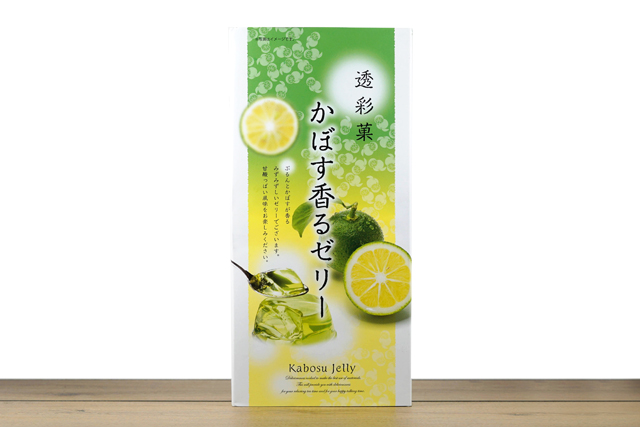
We pick up a box of the kabosu jelly. Review to come soon.
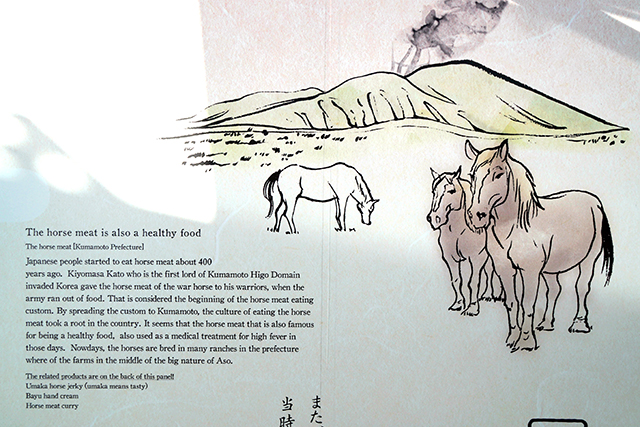
For Kumamoto Prefecture,
The horse meat is also a healthy food
The horse meat [Kumamoto Prefecture]
Japanese people started to eat horse meat about 400 years ago. Kiyomasa Kato who is the first lord of Kumamoto Higo Domain invaded Korea gave the horse meat of the war horse to his warriors, when the army ran out of food. That is considered the beginning of the horse meat eating custom. By spreading the custom to Kumamoto, the culture of eating the horse meat took root in the country. It seems that the horse meat that is also famous for being a healthy food, also used as a medical treatment for high fever in those days. Howawards, the horses are bred in many ranches in the prefecture where of the farms in the middle of the big nature of Aso.
The related products sold on the back of the panel were: umaka horse jerky (umaka means tasty), bayu hand cream and horse meat curry.
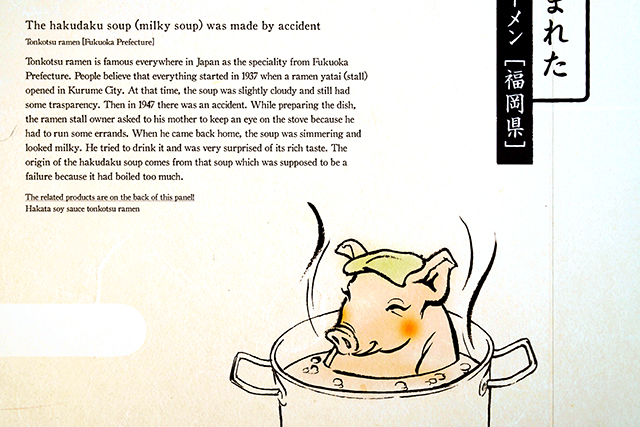
For Fukuoka Prefecture,
The hakudaku soup (milky soup) was made by accident
Tonkotsu ramen [Fukuoka Prefecture]
Tonkotsu ramen is famous everywhere in Japan as the specialty from Fukuoka Prefecture. People believe that everything started in 1937 when a ramen yatai (stall) opened in Kurume City. At the time, the soup was slightly cloudy and still had some transparency. Then in 1947, there was an accident. While preparing the dish, the ramen stall owner asked to his mother to keep an eye on the stove because had to run some errantds. When he came back home, the soup was simmering and looked milky. He tried to drink it and was very surprised of its rich taste. The origin of the hakudaku soup comes from that soup which was supposed to be a failure because it had boiled too much.
The related products sold on the back of the panel were: Hakata soy sauce tonkotsu ramen.
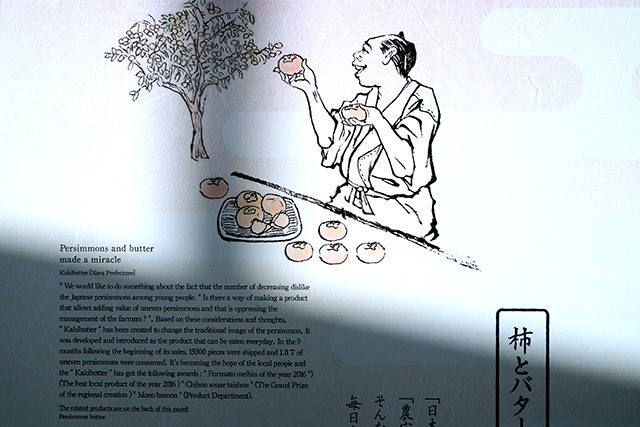
For Nara Prefecture,
Persimmons and butter made a mirable
Kakibutter [Nara Prefecture]
‘We would like to do something about the fact that the [increasing] number of [people who] dislike the Japanese perimmons among young people. Is there a way of making a product that allows adding value of uneven persimmons … that is oppressing the management of farmers?’ Based on these considerations and thoughts, ‘kakibutter’ has been created to change the traditional image of the permissimon. It was developed and introduced as the product that can be eaten everyday. In the 9 months following the beggining of its sales, 15,000 pieces were shipped and 1.8 tonnes of uneven persimmons were consumed. It’s becoming the hope of the local people and the ‘kakibutter’ has fot the following awards: ‘Furusato meihin of the year 2016’ (The best local product of the year 2016), ‘Chihou souse taishou’ (The grand prize of the regional creation), ‘mono bumon’ (product department.
The related products sold on the back of the panel were: persimmon butter.
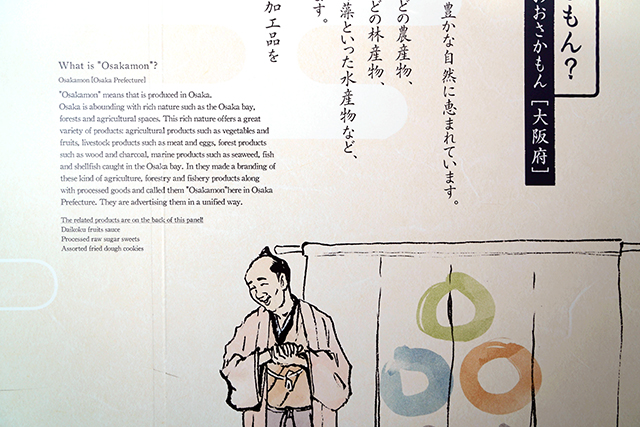
For Ōsaka Prefecture,
What is ‘Osakamon’?
Osakamon [Ōsaka Prefecture]
‘Osakamon’ means that is produced in Ōsaka. Ōsaka is abounding with rich nature such as the Ōsaka bay, forests and agricultural spaces. This rich nature offers a great variety of products agricultural products such as vegetables and fruits, livestock products such as meat and eggs, forests products as wood and charcoal, marine products such as seaweed, fish and shellfish caught in the Ōsaka bay. In they made a branding of these kind of agriculture, forestry and fishery products along with processed goods and called them ‘Osakamon’ here in Ōsaka Prefecture. They are advertising them in a unified way.
The related products sold on the back of the panel were: daikoku fruits sauce, processed raw sugar sweets, and assorted fried dough cookies.
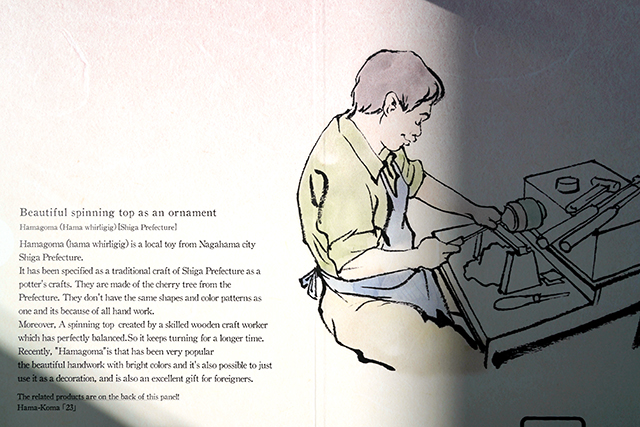
For Shiga Prefecture,
Beautiful spinning top as an ornament
Hamagoma (Hama whirligig) [Shiga Prefecture]
Hamagoma (hama whirligig) is a local toy from Nagahama city in Shiga Prefecture. It has been specified as a traditional craft of shiga Prefecture as a potters’ crafts. They ade made of the cherry tree from the Prefecture. They don’t have the same shapes and colour patterns as one and its because of all hand work. Moroever, a spinning top created by a skilled wooden craft worked which has perefectly balanced. So it keeps turning for a longer time. Recently, ‘hamagoma’ is that has been very popular the beautiful handiwork with bright colours and itt’s also possible to just use it as a decoration, and it is also an excellent gift for foreigners.
The related products sold on the back of the panel were: hamakoma.
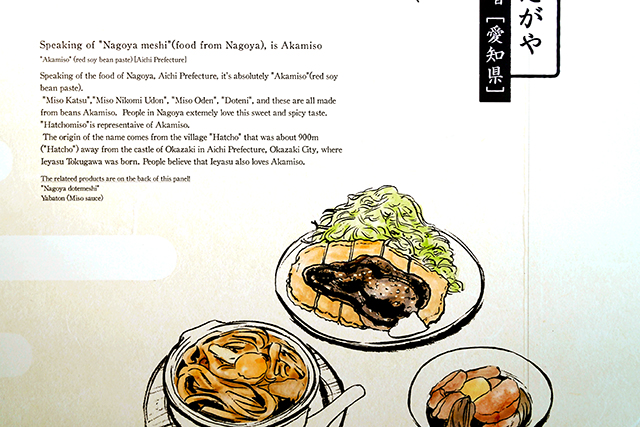
For Aichi Prefecture,
Speaking of ‘Nagoya meshi’ (food from Nagoya), is Akamiso
‘Akamiso’ (red soy bean paste) [Aichi Prefecture]
Speaking of the food of Nagoya, Aichi Prefecutre, it’s absolutely ‘akamiso’ (red soy bean paste). ‘Miso katsu’, ‘Miso Nikomi Udon’, ‘Miso Oden’, ‘Donteni’, and these were all made from beans Akamiso. People in Nagoya extremely love this sweet and spicy taste. ‘Hatchomiso’ is representative of Akamiso. The origin of the name comes from the village ‘Hatcho’ that was about 900 m (‘hatcho’) award from the castle of Okazaki in Aichi Prefecutre, Okazaki City, where Ieyasu Tokugawa was born. People believe that Ieyasu also loves akamiso.
The related products sold on the back of the panel were: Nagoya dotemeshi, and Yabaton (miso sauce)
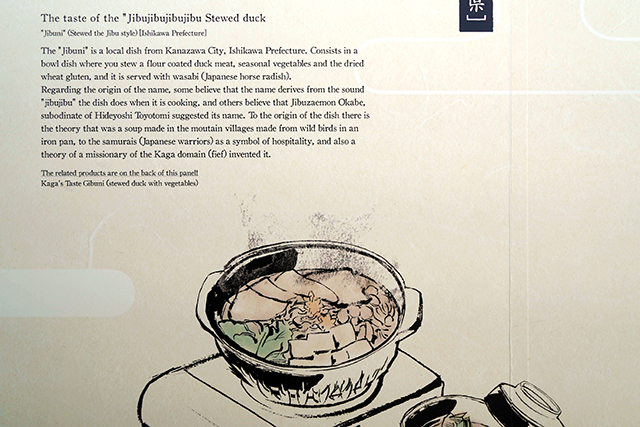
For Ishikawa Prefecture
The taste of the ‘Jibujibujibujibu Stewed Duck
‘Jibuni’ (Stewed the Jibu style) [Ishikawa Prefecture]
The ‘Jibuni’ is a local dish from Kanazawa City, Ishikawa Prefecture. Consists in a bowl dish where you stew a flour coated duck meat, seasonal vegetables and the dried wheat gluten, and it is served with wasabi (Japanese horseradish). Regarding the origin of the name, some believe that the name derives from the sound of ‘jibujibu’ the dish does when it is cooking, and others believe that Jibuzaemon Okabe, subordinate of Hideyoshi Toyotomi suggested its name. To the origin of the dish there is the theory that was a soup made in the mountain villages made from wild birds in an iron pan, to the samuaris (Japanese warriors) as a symbol of hospitality, and also a theory of a missionery of the Kaga domain (fief) invented it.
The related products sold on the back of the panel were: Kaga’s Tase Gibuni (stewed duck with vegetables).
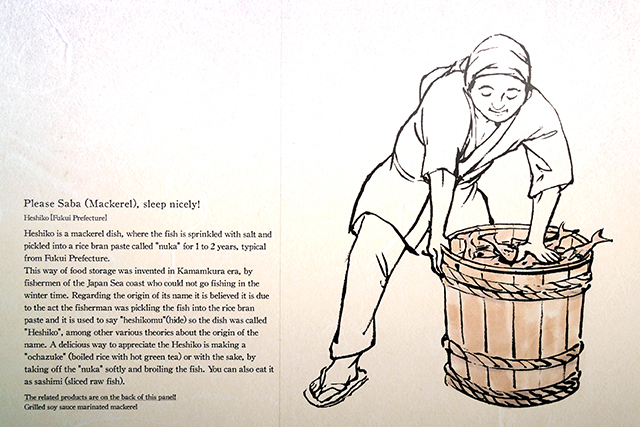
For Fukui Prefecture,
Please Saba (Mackerel), sleep nicely!
Heshiko [Fukui Prefecture]
Heshiko is a mackerel dish, where the fish is sprinkled with salt and pickled into a rice bran paste called ‘nuka’ for 1 to 2 years, typical from Fukui Prefecture. This way of food storage was invented in Kamakura era, by fishermen of the Japan Sea coast who could not go fishing in the winter time. Regarding the origin of its name it is believed it is due to the act of fishermen was pickling the fish into the rice bran paste and it used to say ‘heshikomu’ (hide) so the dish was called ‘heshiko’, among other various theories about the origin of the name. A delicious way to appreciate the Heshiko is making a ‘ochazuke’ (boiled rice with hot green tea) or with the sake by taking off the ‘nuka’ softly and broiling the fish’. You can also eat it as sashimi (sliced raw fish).
The related products sold on the back of the panel were: grilled soy sauce marinated mackeral.
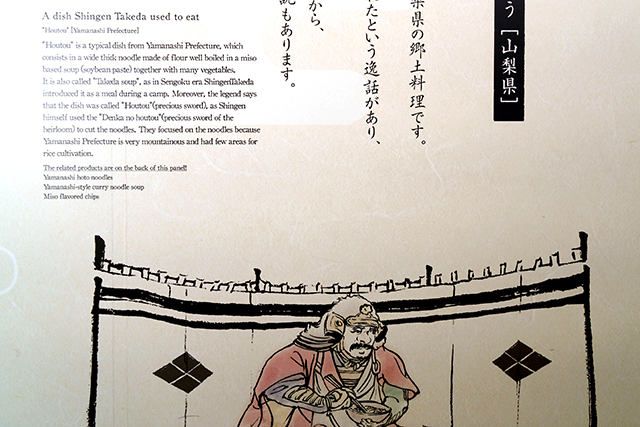
For Yamanashi Prefecture,
A dish Shingen Takeda used to eat
Houtou [Yamanashi Prefecture]
‘Houtou’ is a typical dish from Yamanashi Prefecutre, which consisted of a wide thick noodle made of flour well boiled in a miso based soup (soybean paste) together with many vegetables. It is also called ‘Takeda soup’, as in the Sengoku era Shingen Takeda introduced it as a meal during a camp. Moreover, the legend says that the dish was called ‘Houtou’ (previous sword), as Shingen himself used the ‘Denka no houtou’ (previous sword of the heirloom) to cut the noodles. They focused on the noodles because Yamanashi Prefecture is very mountainous and had few areas for rice cultivation.
The related products sold on the back of the panel were: Yamanashi hotou noodles, Yamanashi-style curry noodle soup, and miso flavoured chips.
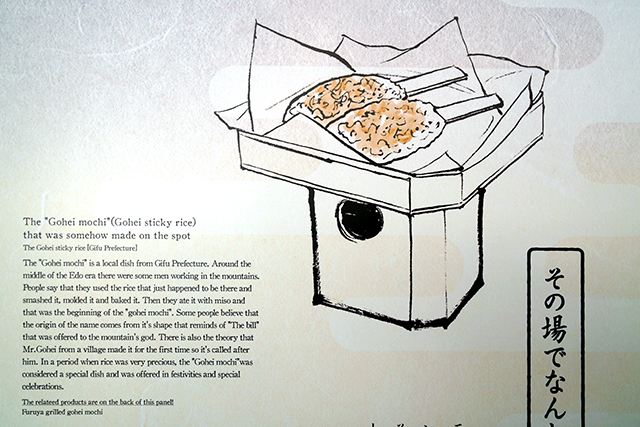
For Gifu Prefecture,
The ‘Gohei mochi’ (Gohei sticky rice) that was somehow made on the spot
The Gohei sticky rice [Gifu Prefecture]
The ‘Gohei mochi’ is a local dish from Gifu Prefecture. Around the middle of the Edo era there were some men working in the mountains. People say that they used the rice that just happened to be there and smashed it, molded it and baked it. Then they ate it with miso and that was the beginning of the ‘gohei mochi’. Some people believe that the origin of the name comes from it’s shape that reminds of ‘the bill’ that was offered to the mountain’s god. There is also the theory that Mr Gohei from a village made it for the first time so it’s called after him. In a period when rice was very previous, the ‘Gohei michi’ was considered a special dish and was offered in festivities and special celebrations.
The related products sold on the back of the panel were: Furuya grilled gohei mochi.
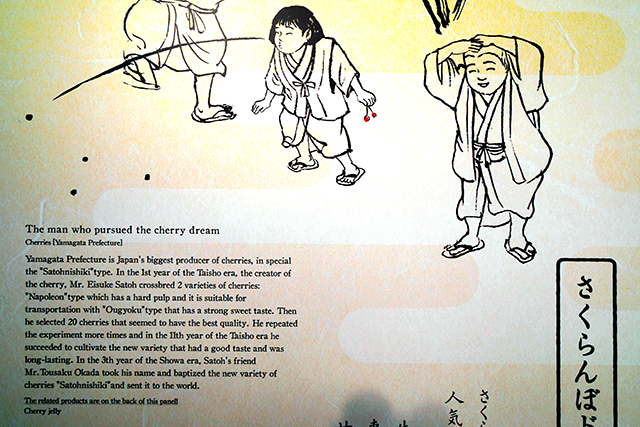
For Yamagata Prefecture,
The man who pursued the cherry dream
Cherries [Yamagata Prefecture]
Yamagata Prefecture is Japan’s biggest producer of cherries, in special the ‘Satohnishiki’ type. In the 1st year of the Taisho era, the creator of the cherry, Mr Eisuke Satoh crossbred 2 varieties of cherries: ‘Napoleon’ type which has a hard pulp and it is suitable for transportation with ‘Ougyoku’ type that has a strong sweet taste. Then he selected 20 cherries that seemed to have the best quality. He repeated the experiment more times and in the 11th year of the Taisho era he succeeded to cultivate the new variety that a good taste and was long-lasting. In the 3rd year of the Showa era, Satoh’s friend Mr Tousaku Okada took his name and baptized the new variety of cherries ‘Satohnishiki’ and sent it to the world.
The related products sold on the back of the panel were: cherry jelly.
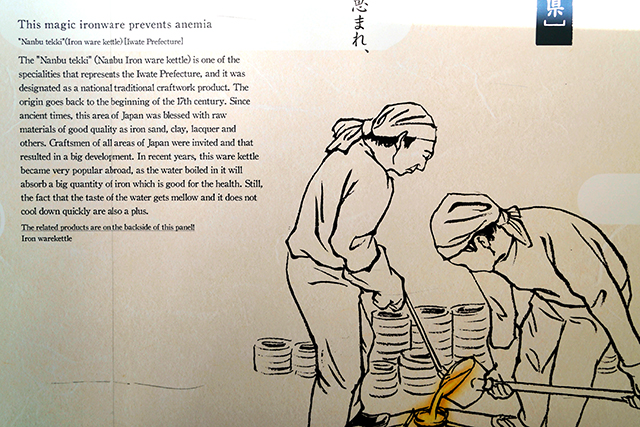
For Iwate Prefecture,
This magic ironware prevents anemia
Nabu tekki (ironware kettle) [Iwate Prefecture]
The ‘nanbu tekki’ (Nanbu ironware kettle) is one of the specialities that represents the Iwate Prefecture, and it was designated as a national traditional craftwork product. The origin goes back to the beginning of the 17th century. Since ancient times, this area of Japane was blessed with raw materials of good quality as iron sand, clay, lacquer and others. Craftsmen of all areas of Japan were invited and that resulted in a big development. In recent years, this ware kettle became very popular abroad, as the the water boiled in it will absorb a big quantity of iron which is good for the health. Still, the fact that the taste of the water gets mellow and it does not cool down quickly are also a plus.
The related products sold on the back of the panel were: ironware kettle
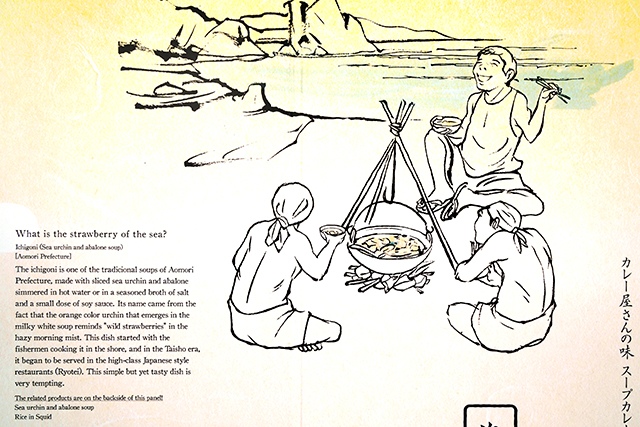
For Aomori Prefecture,
What is the strawberry of the sea?
Ichigoni (Sea urchin and abalone soup) [Aomori Prefecture]
The ichigoni is one of the traditional soups of Aomori Prefecture, made with slcied sea urchin and abalone simmered in hot water or in a seasoned broth of salt and a small dose of soy sauce. Its name came from the fact that the orange color urchine that emerged in the milky white soup reminds ‘wild strawberries’ in the hazy morning mist. This dish started with the fishermen cooking it on the shore, and in the Taisho era, it began to be served in the high-class Japanese style restaurants (ryotei). This simple but yet tasty dish is very tempting.
The related products sold on the back of the panel were: sea urchin and abalone soup, and rice in squid
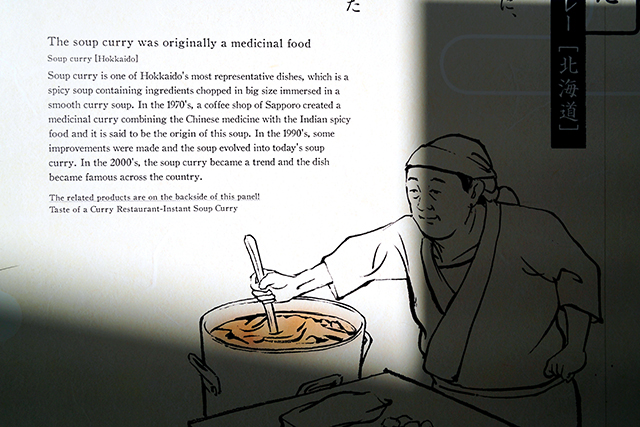
For Hokkaidō,
The soup curry was originally a medicinal food
Soup Curry [Hokkaidō]
Soup curry is one of Hokkaidō’s most representative dishes, which is a spicy soup containing ingredients chopped in big size immersed in a smooth curry soup. In the 1970s, a coffee shop of Sapporo created a medicinal curry combining the Chinese medicine with the Indian spicy food and it is said to be the origin of this soup. In the 1900s, some improvements were made and the soup evolved into today’s soup curry. In the 2000s, the soup curry became a trend and the dish became famous across the country.
The related products sold on the back of the panel were: Taste of a Curry Restaurant – Instant Soup Curry
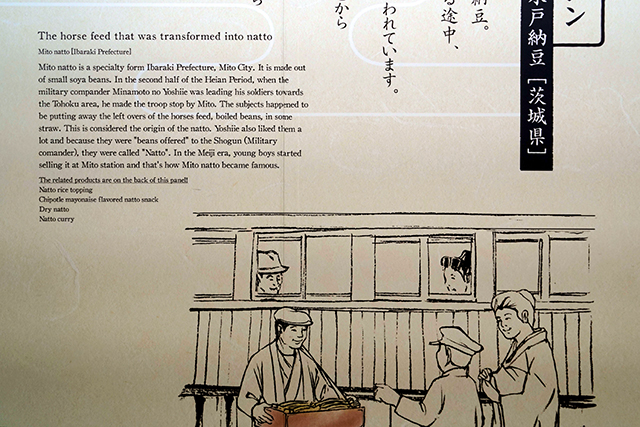
For Ibaraki Prefecture,
The horse feed that was transformed into natto
Mito natto [Ibaraki Prefecture]
Mito natto is a specialty from Ibaraki Prefecture, Mito City. It is made out of small soya beans. In the second half of the Heian Period, when the military commander Minamoto no Yoshiie was leading his soldiers towards the Tōhoku area, he made the troop stop by Mito. The subjects happened to be putting away the left overs of the horses feed, boiled beans, in some straw. This is considered the origin of the natoo. Yoshiie also like dthem a lot and because they were ‘beans offered’ to the Shogun (Military commander), they were called ‘natto’. In the Meiji era, young boys started selling it at Mito station and that’s how Mito natto became famous.
The related products sold on the back of the panel were: natto rice topping, chipotle mayonnaise flavoured natto snack, dry natto and natto curry.
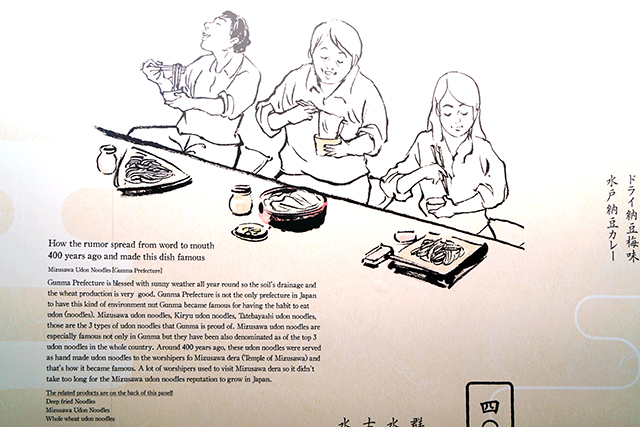
For Gunma Prefecture,
How the rumor spread from work to mouth 400 years ago and made this dish famous
Mizusawa Udon Noodles [Gunma Prefecture]
Gunma Prefecture is blessed with sunny weather all year round so the soil’s drainage and the wheat production is very good. Gunman Prefecture is not the only prefecture in Japan to have this kind of environment but Gunman became famous for having the habit to eat udon (noodles). Mizusawa udon noodles, Kiryu udon noodles, Tatebayashi udon noodles, those are the 3 types of udon noodles that Gunma is proud of. Mizusawa udon noodles are especially famous not only in Gunma but they have also been denominated as of the top 3 udon noodles in the whole country. Around 400 years ago, these udon noodles were served as hand made udon unoodles to the worshippers for Mizusawa dera (Temple of Mizusawa) and that’s how it became famous. A lot of worshippers used to visit Mizusawa dera so it didn’t take long for the Mizusawa udon noodles reputation to grow in Japan.
The related products sold on the back of the panel were: deep-fried noodles, Mizusawa udon noodles, whole wheat udon noodles.
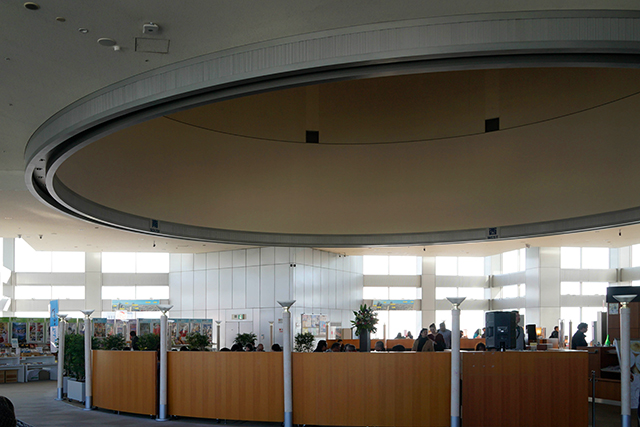
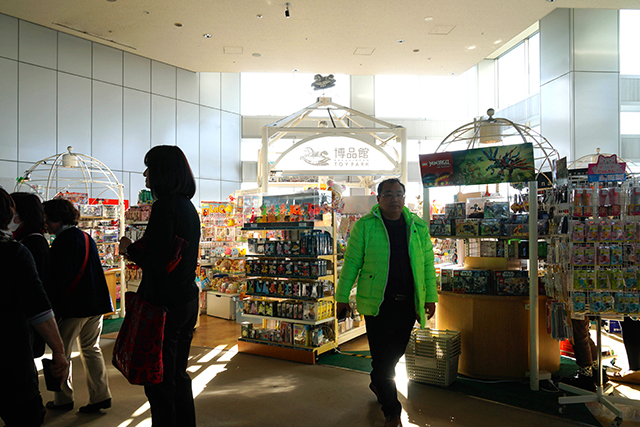
Each observatory has a cafe and a souvenir shop.
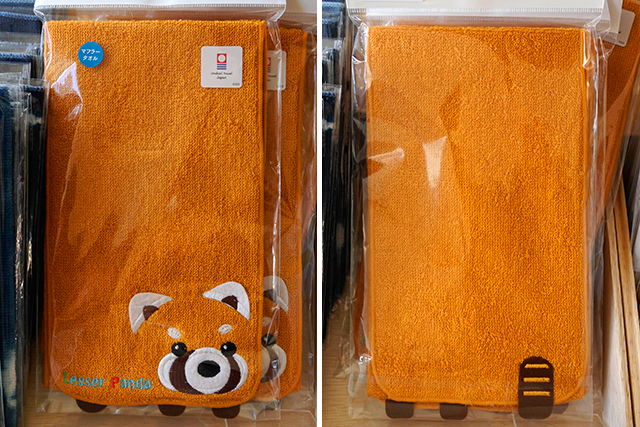
This is the cutest tanuki hand towel.
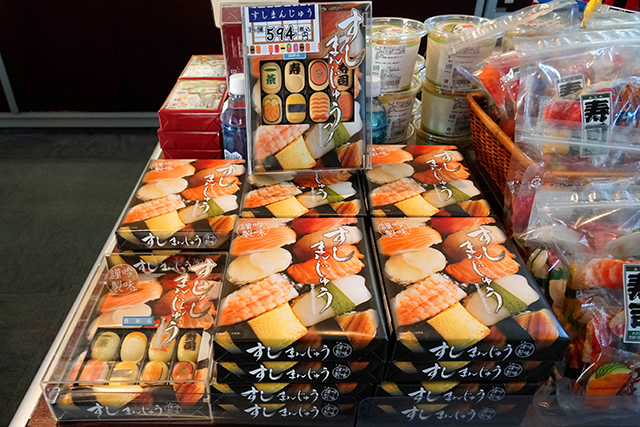
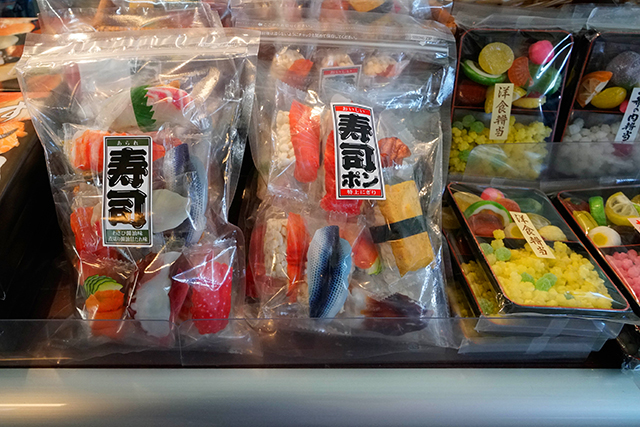
There are some sweets that try to resemble pieces of sushi (it’s mostly just printed on the packaging).
Tōkyō – Tōkyō Metropolitan Government Building No 2
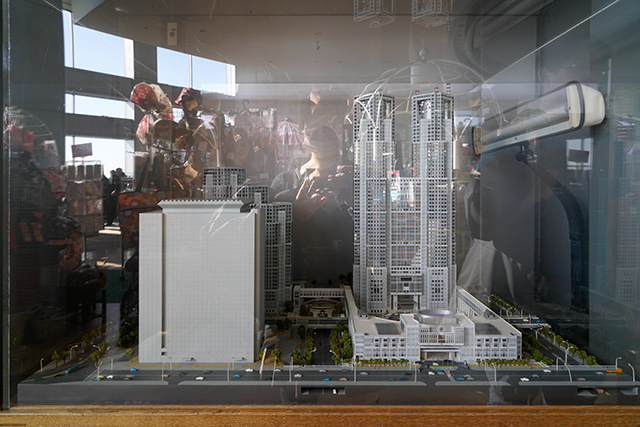
Heading across to Building No 2…
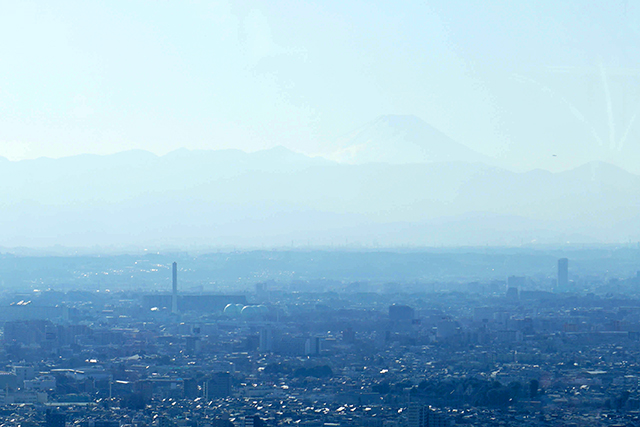
There’s our second glimpse of Mt Fuji in one day in the view south-west! Unfortunately, the skies are less clear in central Tōkyō so it’s quite blurry.
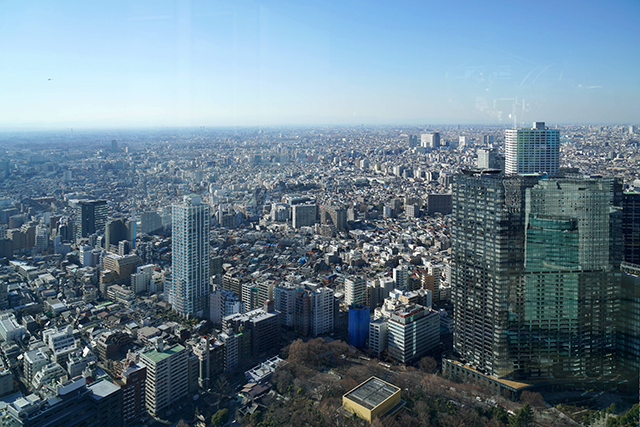
The view from the North Observatory has fewer iconic landmarks but is just as panoramic. The reflective skyscraper on the right is Central Park Tower.
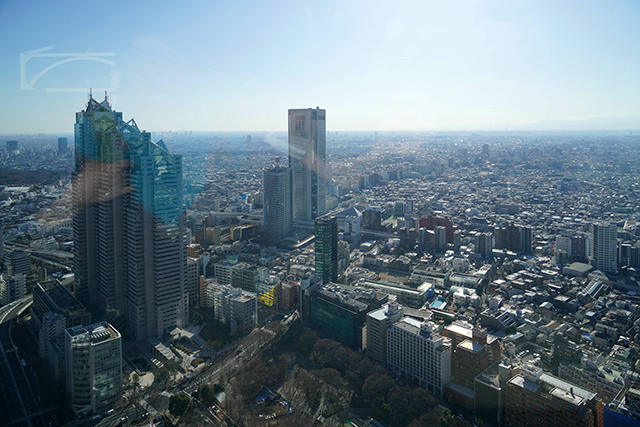
The skyscraper on the left is the Shinjuku Park Tower (235 m) and in the distance is Tōkyō Oprea City Tower (234 m).
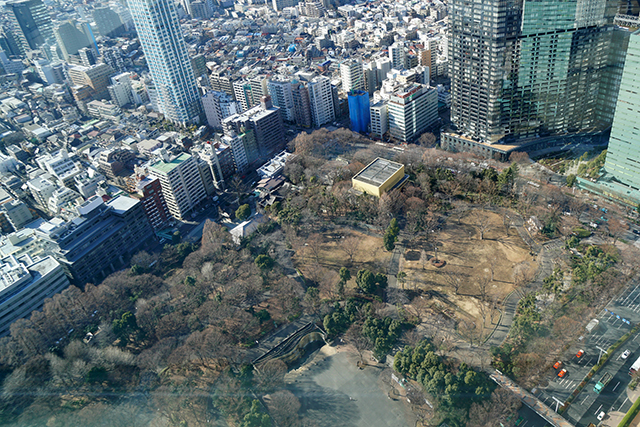
Looking down we see Shinjuku Chuo Park in winter and Kumano Shrine.
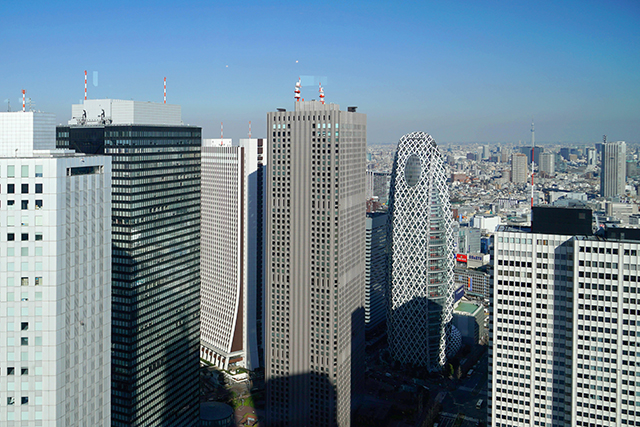
From left to the right, there’s Shinjuku Sumitomo Building (210 m), Shinjuku Mitsui Building (225m), Shinjuku Centre Building (223 m), Mode Gakuen Cocoon Tower (204 m) and Keio Plaza Hotel North Tower (180 m).
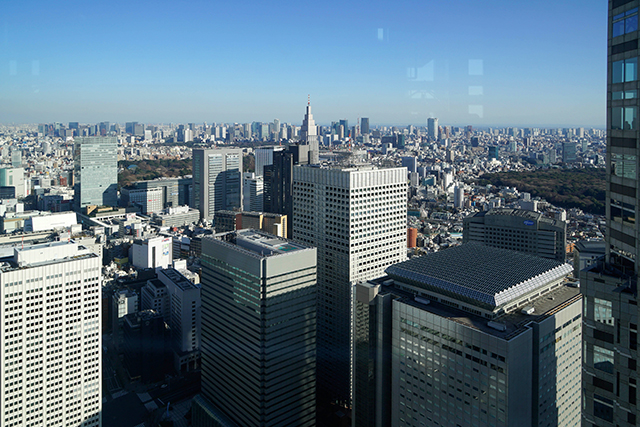
The skyscraper in the distance with the pointed top is the NTT Docomo Yoyogi Building at 240 metres, the fourth tallest building in Tōkyō. It’s the tallest building in Tōkyō by pinnacle height and the second tallest false clock tower in the world.
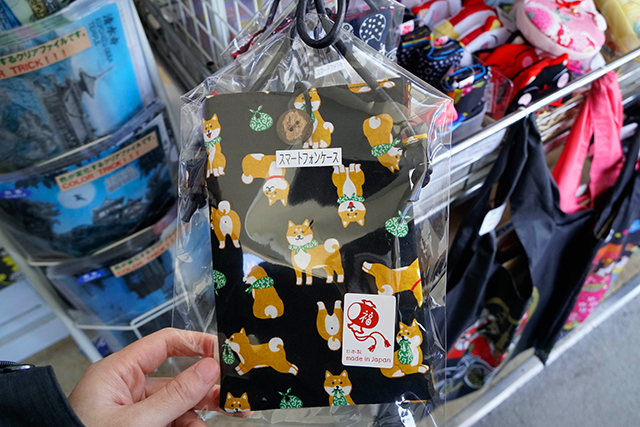
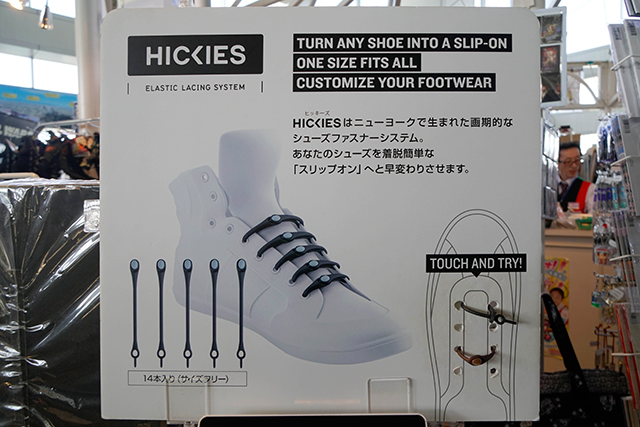
The souvenir shop in the North Tower has cute shiba inu pouches (for phones?) as well as the Hickies Elastic Lacing System.
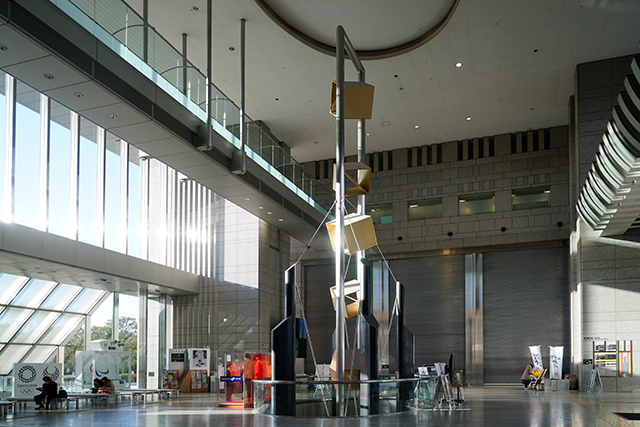
On the second story of the building, there is a tourist information centre with lots of information about Tōkyō and various other tourist destinations across Japan.
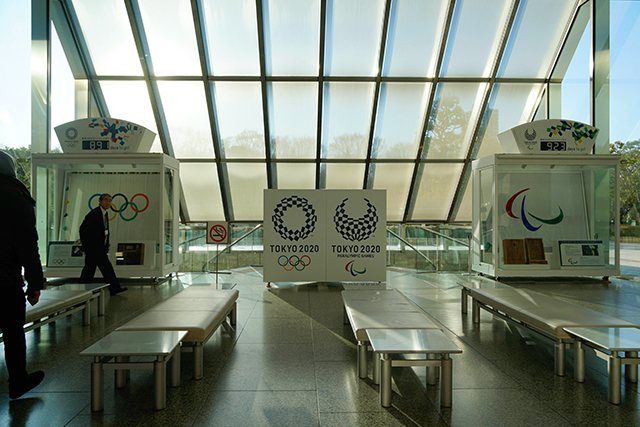
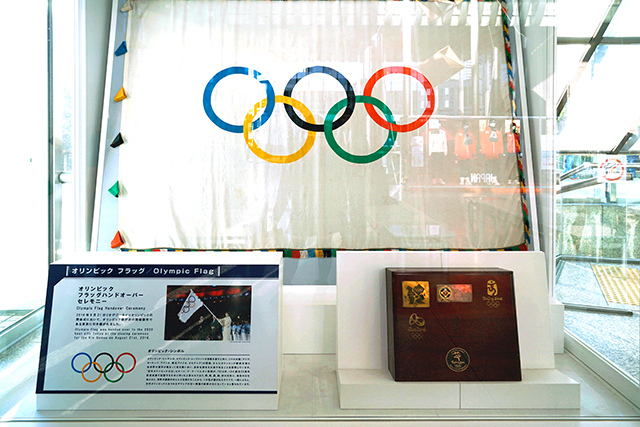
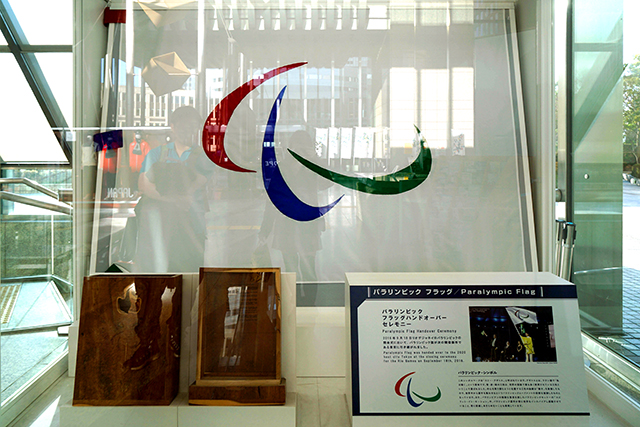
There’s a section dedicated to the Tōkyō 2020 Summer Olympic Games, displaying the flags received from Rio.
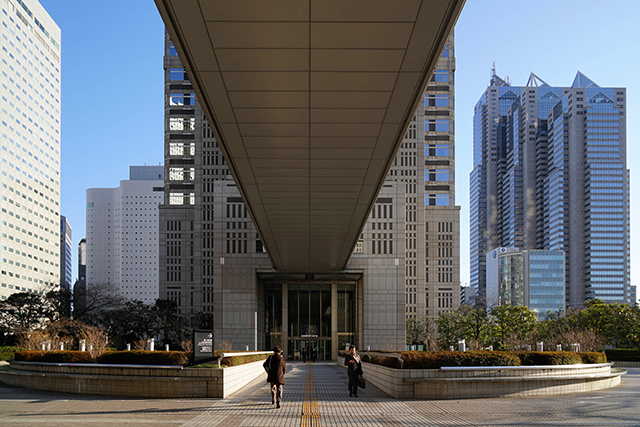
This is the view south towards the South Building from the ground floor.
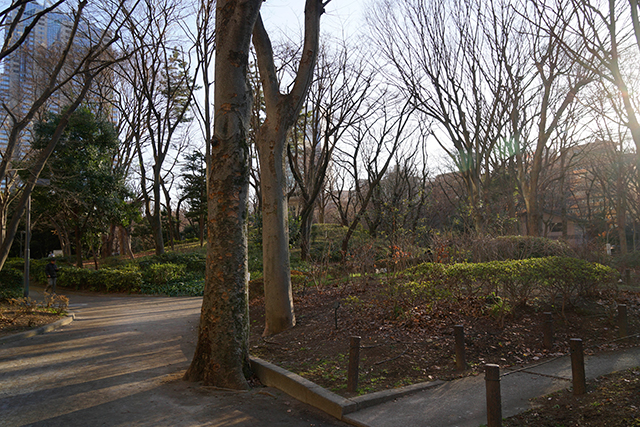
We make a slight detour through Shinjuku Chuo Park…
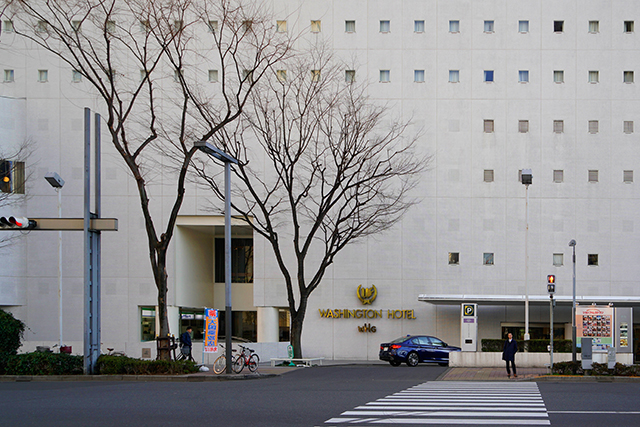
…en route to Washington Hotel as we entertain eating dinner at Zauo. Alas, it’s not open for another hour so we head back to Shinjuku Station.
Tōkyō – Shinjuku Station
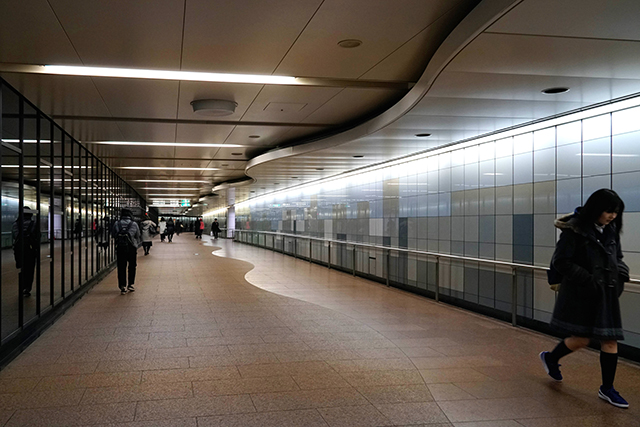
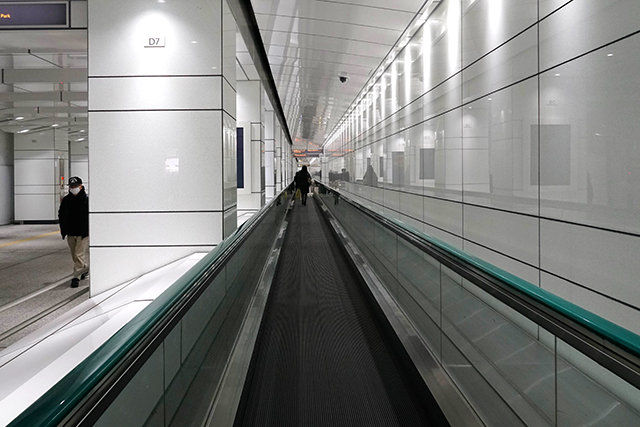
It’s a long walk underground back to Shinjuku Station. This route is a bit more interesting than the one we took to get here but also lacked travelators.
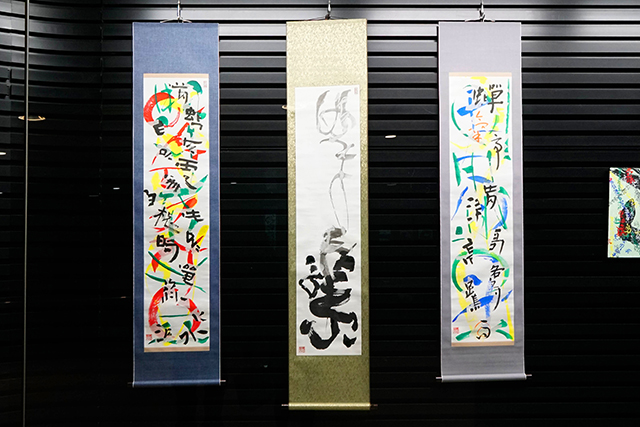
Some artists have interpreted traditional Japanese calligraphy scrolls into contemporary style.
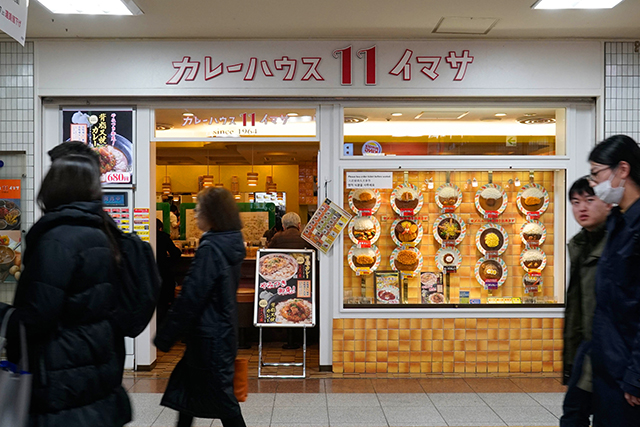
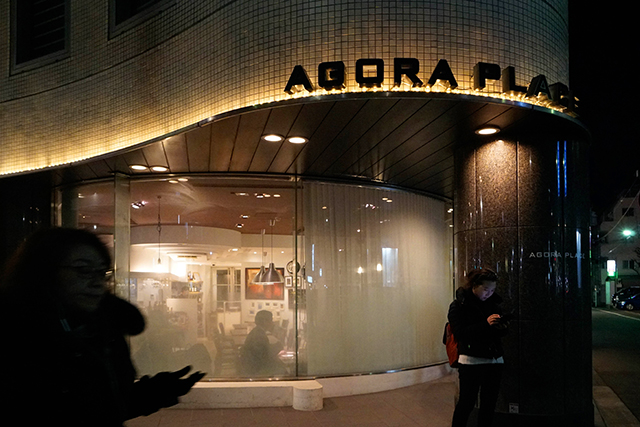
Having given up on Zauo, we intended to visit Coco Ichiban Curry House only to try something new at Curry House 11 Imasa.
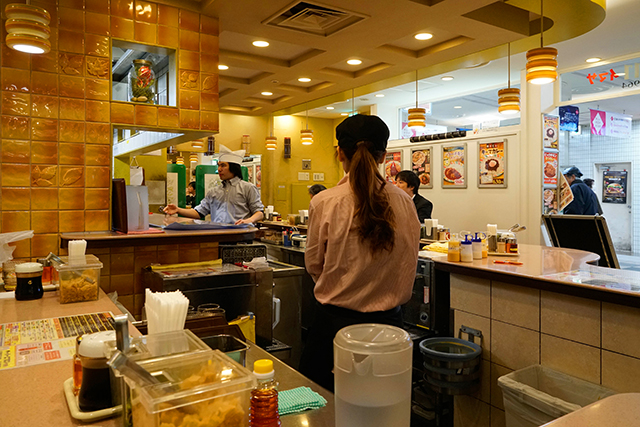
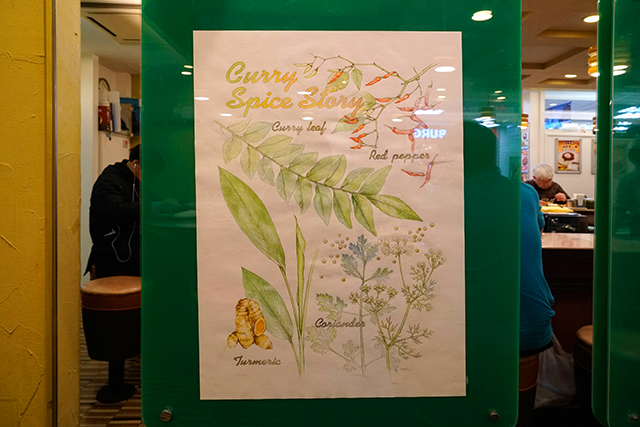
This is not a chain but a single store located in Keio Mall, serving a darker and more fragrant and spicy curry than typical Japanese curries.
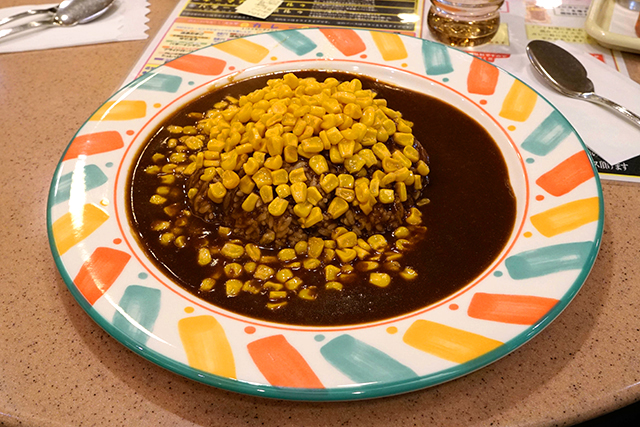
I’m drawn to eat here after spotting their Butter Corn Curry (¥540) in the display. The curry is a beef curry, darker than usual Japanese curries and reminds me of the curry at Go Go Curry we ate in Kanazawa. While it’s more fragrant, the spice level is warm (despite the 2/3 chilli rating). The corn is generous and buttery.
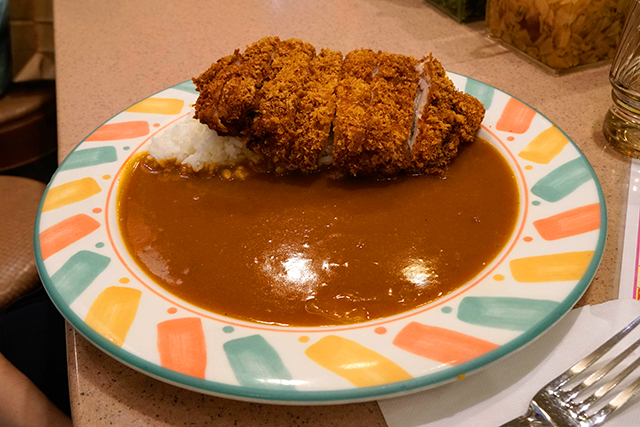
Shortly after, D spots their Big Chicken Katsu Curry (¥680) and it was decided we’d cut our quest for Coco Ichiban Curry House short to eat here. The curry is chicken based and milder than the beef, the chicken katsu is double the size of their standard chicken katsu, and critically, crispy and juicy. It’s a popular dish at this price, with many people ordering it after us.
Tōkyō – Asakusa
After a long day out we finally make it back to the hotel to enjoy my ramen cake.
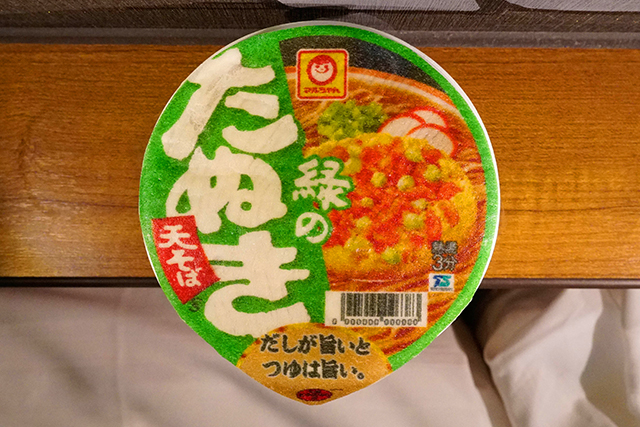
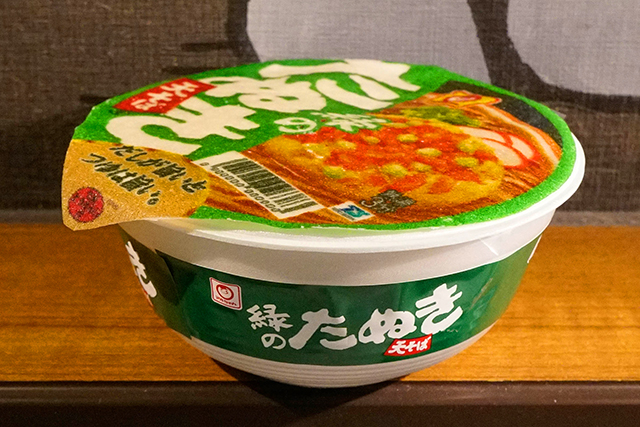
This is a Mini Maruchan Midorino Tanuki Soba With Tempura. It’s an imitation of a real commercially available instant soba. Here, the cake comes in a plastic bowl, like the pre-packed noodles they’re based on. Everything inside the bowl is edible including their lids, which are made from thin slices of chocolate – there’s not much flavour, though.
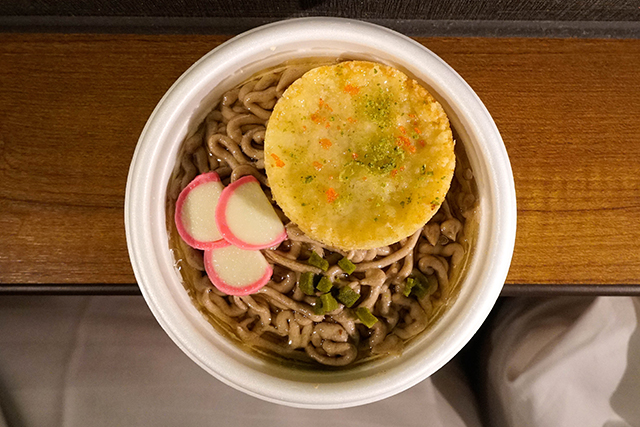
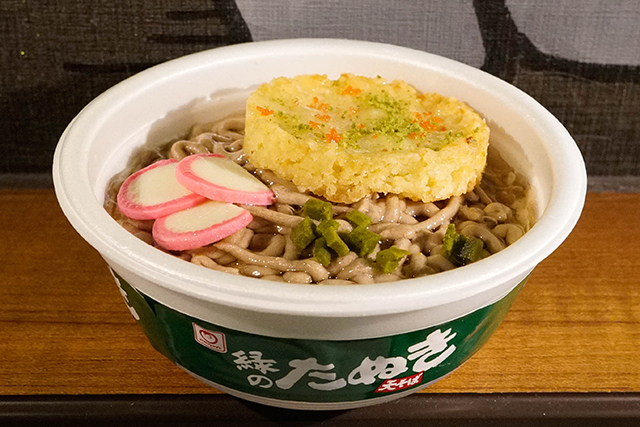
As in the real bowl, the soba noodles are in a broth, with three slices of pink kamaboko (fish cake), a tempura cake and shallots. While this looks like a bowl of soba noodles, their texture is nothing like their soba inspiration.
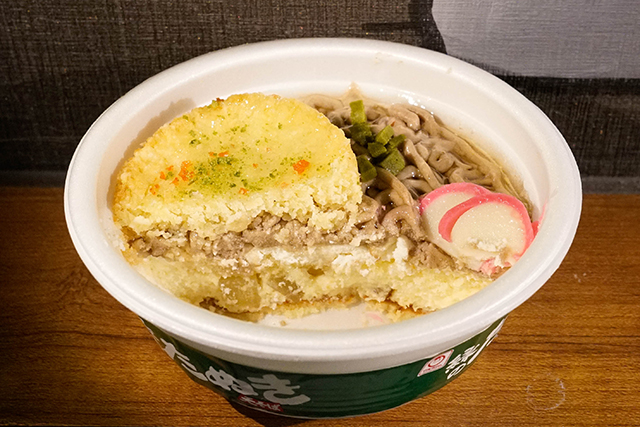
The soba noodles are a piped mousse that’s sitting atop a chestnut sponge cake and set in a jelly, while the kamabako are made from chocolate, the tempura is a denser cake, and the shallots are made from matcha flavoured chocolate. Overall, it’s a decent cake – it tasted much better than I thought it would (I had really low expectations…) with the highlight being the chestnut sponge cake and the matcha shallots. That said, the main source of enjoyment in the cake lies in its novelty – I’d go elsewhere for good cake.
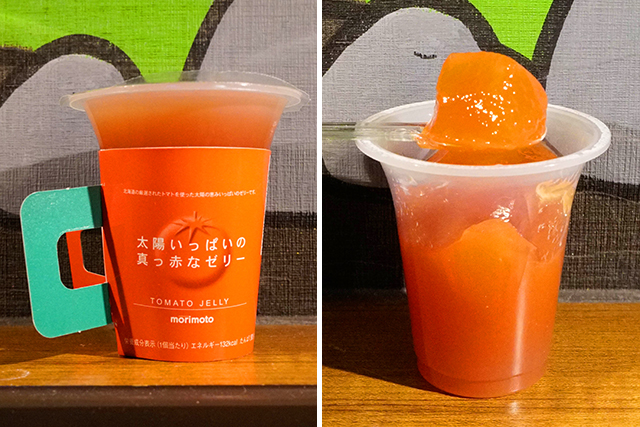
To finish off the night, we eat the Tomato Jelly that we purchased from Morimoto at New Chitose Airport in Sapporo. Tomato jelly is a very odd experience: the sweetness and intensity of tomato flavour are very intense – think ketchup but with a clearer flavour and melt-in-your-mouth consistency – but the acidity is surprising.
With that, we end our adventures for Tōkyō on this trip and return to Ōsaka for some retail therapy in our favourite city.