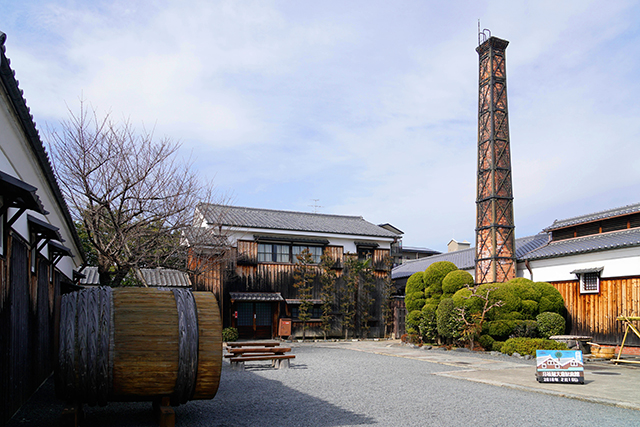
Kyōto’s Fushimi District has been a leading sake brewing district in Japan alongside Kōbe’s Nada District, with nearly 40 sake breweries. Having visited the latter on a previous trip, we explore the Fushimi Sake District along the Horikawa River in southern Kyōto on our last full day in Japan.
Ōsaka – Namba
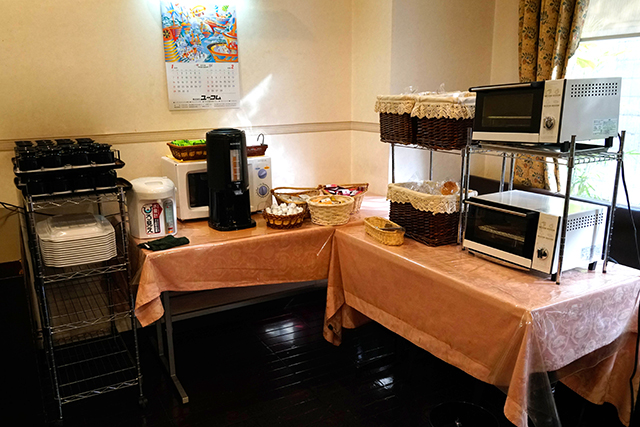
Our budget hotel includes a basic breakfast, so we take advantage of that before starting out day.
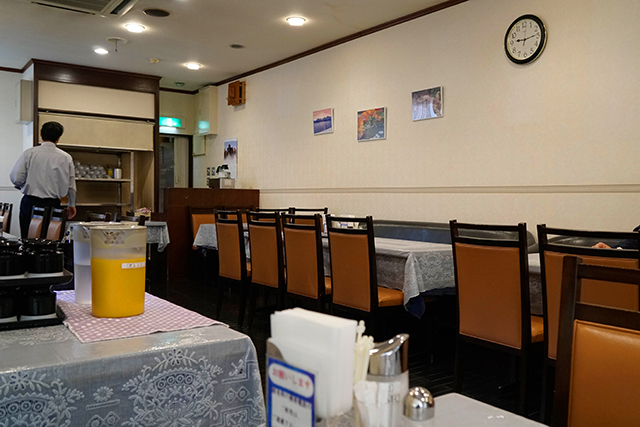
The breakfast area is located in a space behind the reception area.
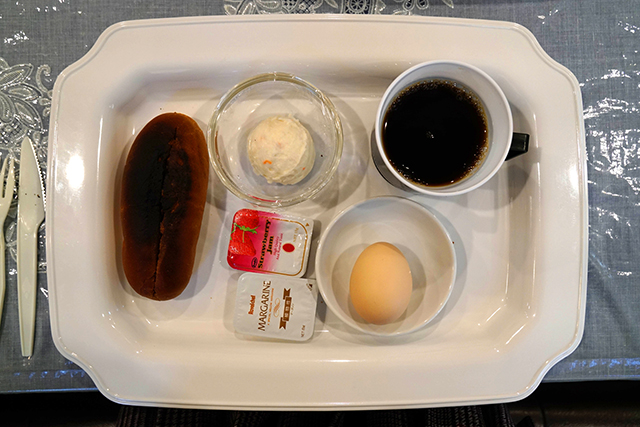
There’s an assortment of bread rolls, potato salad and hard-boiled eggs, as well as coffee and orange juice.
Ōsaka – Kuromon Ichiba Market
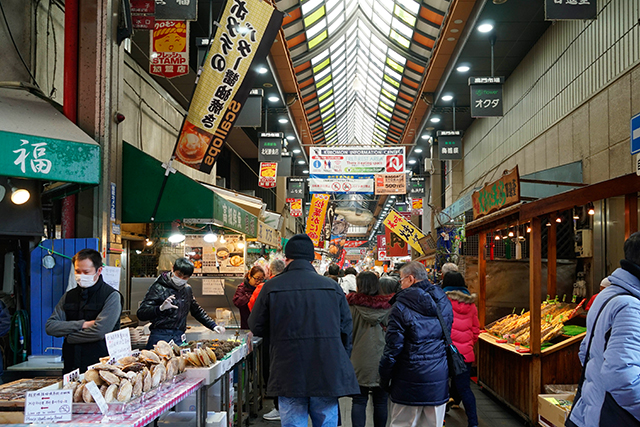
On our way to the station, we drop by Kuromon Ichiba Market, a large food market located in Namba.
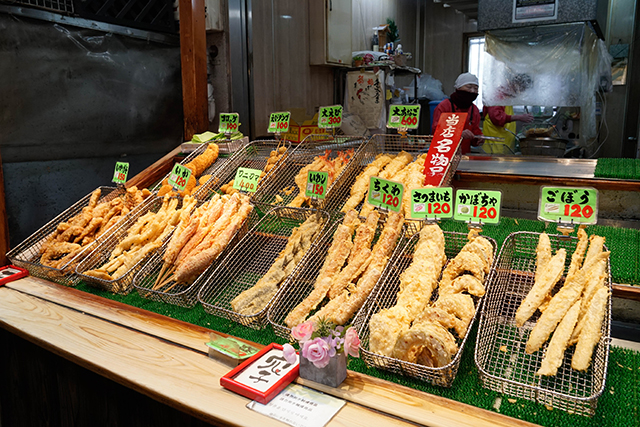
We’ve visited before and tried various foods on offer, but this time we’re just walking through. There’s plenty of freshly deep fried foods…
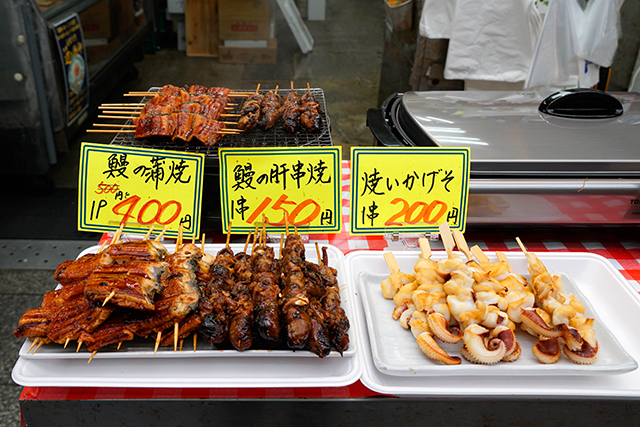
…as well as grilled eel and octopus on skewers.
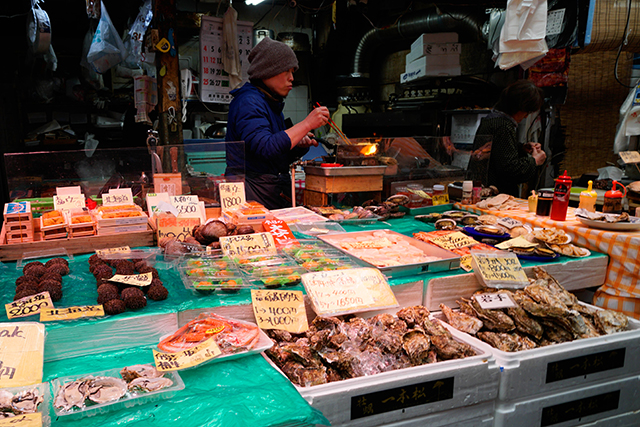
…as well as fresh seafood including sea urchin, crabs and oysters.
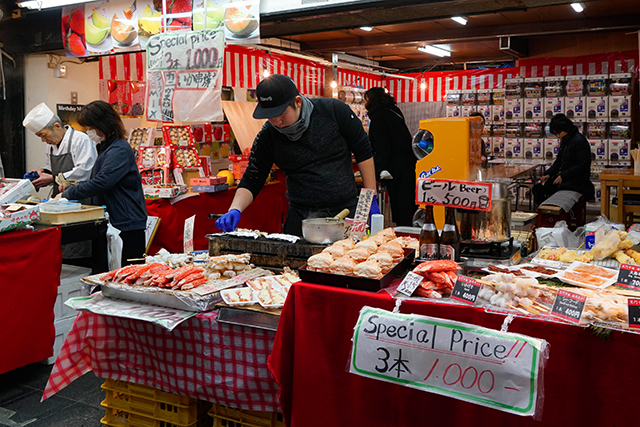
…but without the insane prices that we’d seen in Hokkaidō.
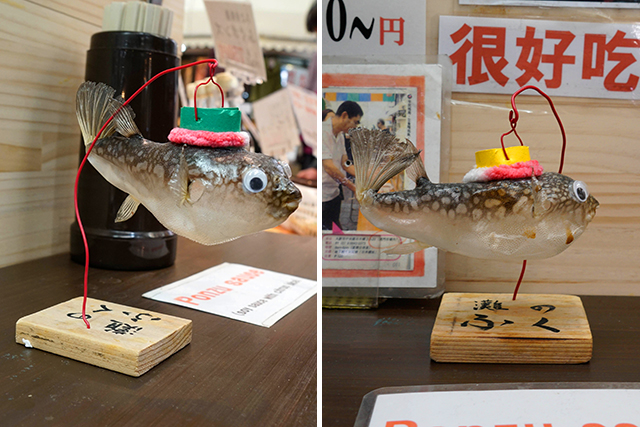
A pair of cute fish is at a table where you can enjoy your food.
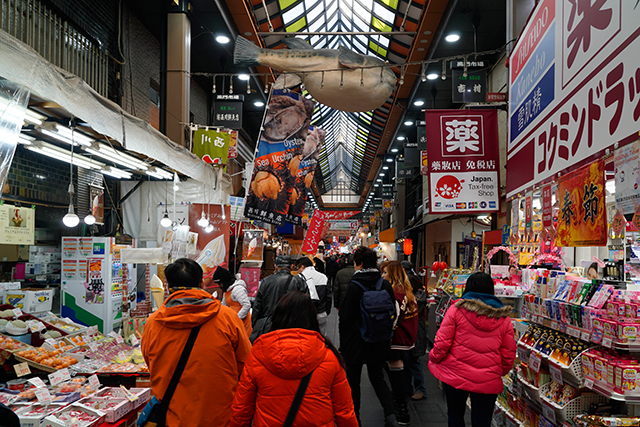
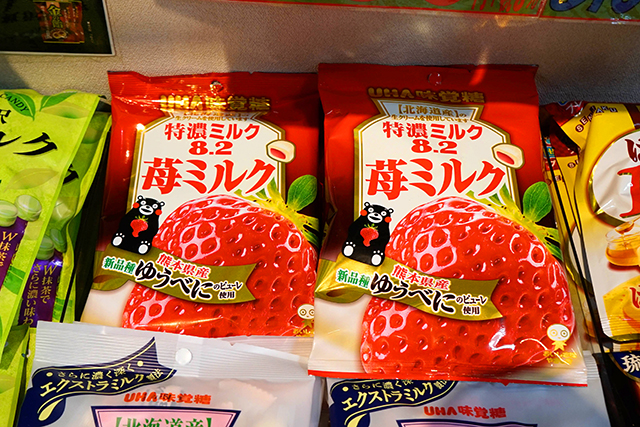
Alongside the fresh food markets are stores selling candy and your token pharmacy.
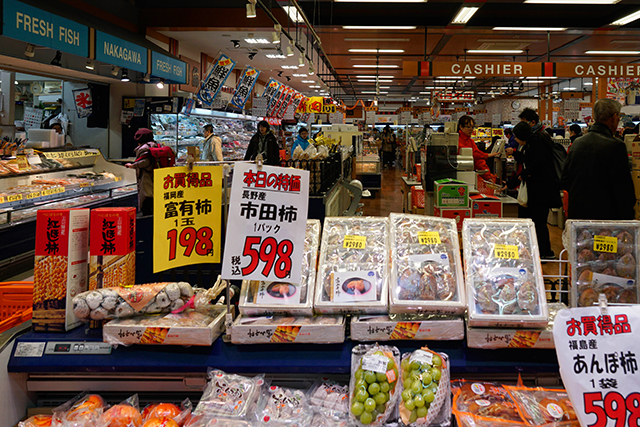
What we’re really at Kuromon Ichiba Market is this supermarket where we’d previously found a nashi pear flavoured Mitsuya Cider beverage.
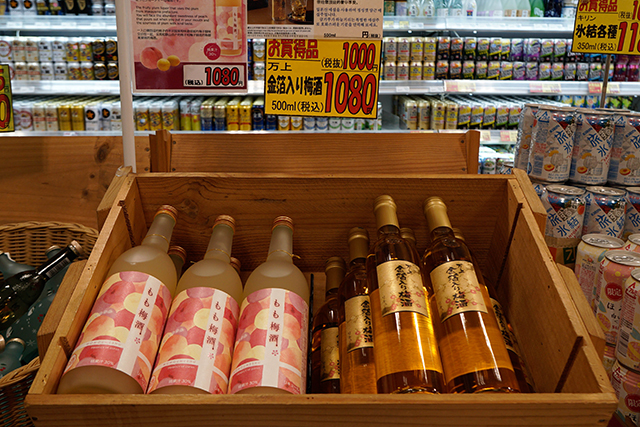
We were disappointed, but they did have a sizeable alcohol selection including various kinds of umeshu.
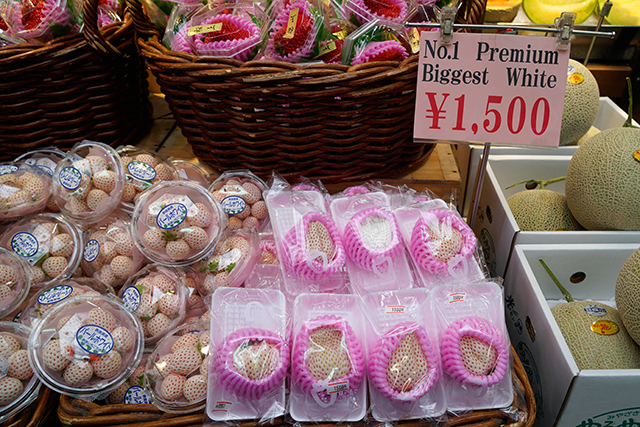
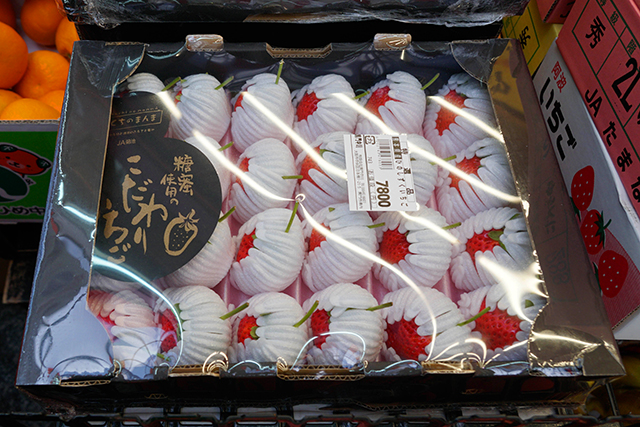
It’s these strawberries that leave us in awe, though. Large white strawberries packaged in their own foam casings are being sold for ¥1,500, while a tray of similarly sized red ones are going for ¥7,800 for 24 (¥325 each).
Kyōto – Fushimi Sake District
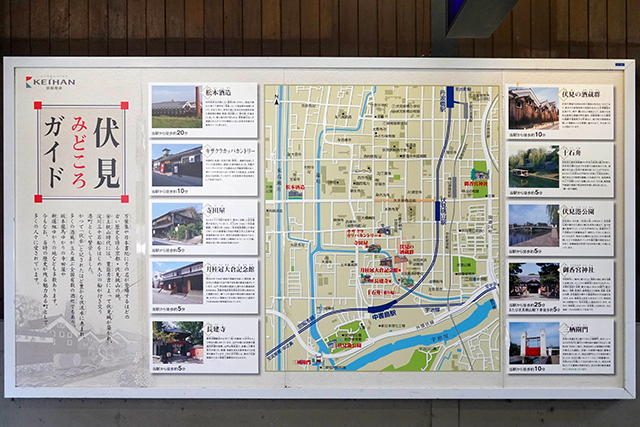
A little under an hour later, we arrive at Chushojima, which is a 5-10 minute walk from the Fushimi Sake District.
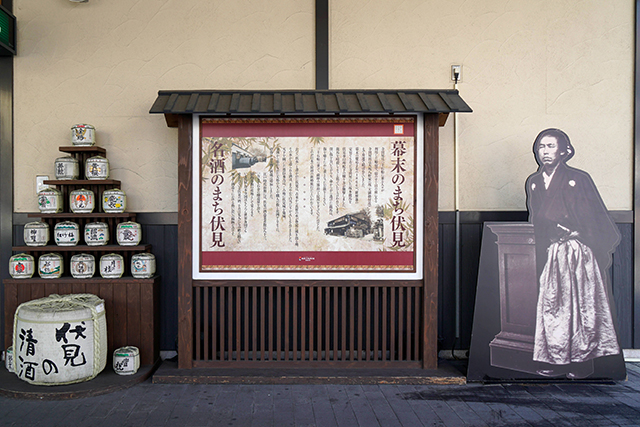
There’s no mistaking that you’ve alighted at the correct station as the station is decked out in sake paraphernalia.
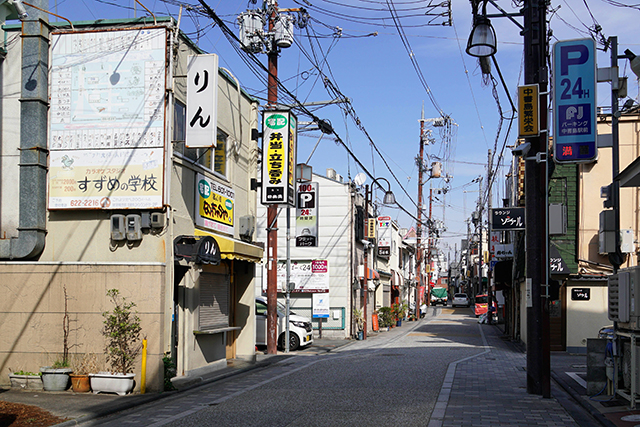
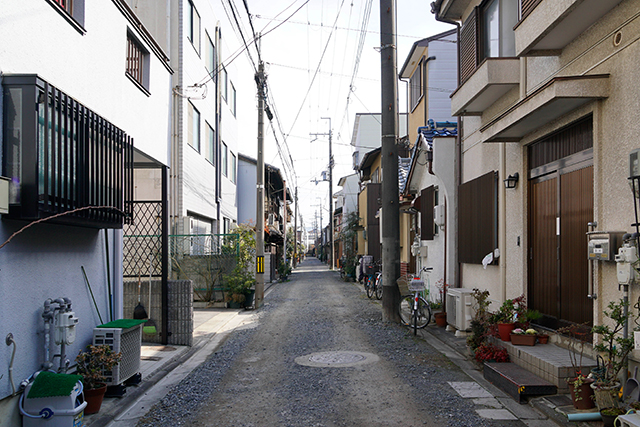
The walk through some residential streets isn’t well signed but easy enough to follow with a map.
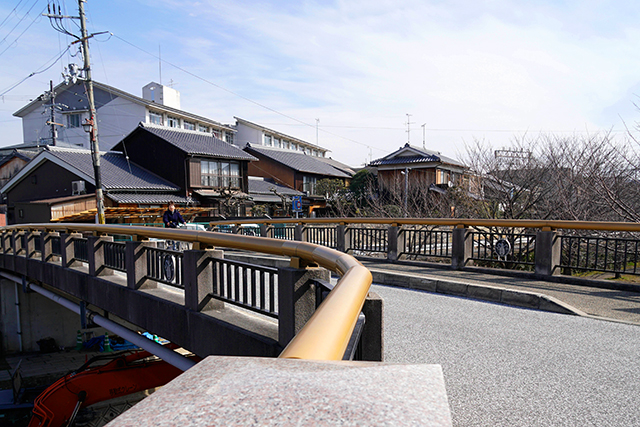
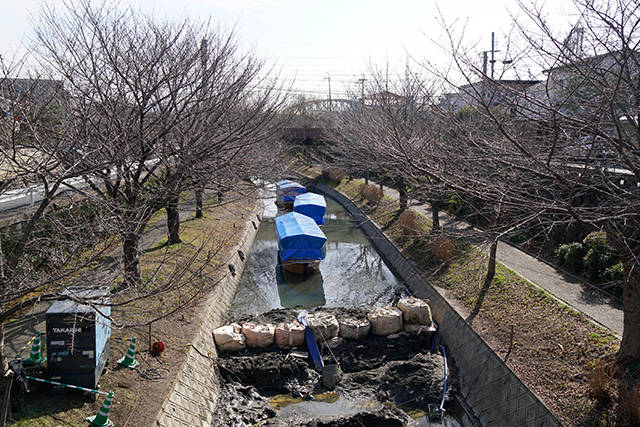
Before long, we spot the bridge to cross the Horikawa River. The river is lined with willow trees, making it a popular spot during the other seasons.
Gekkeikan Okura Sake Museum
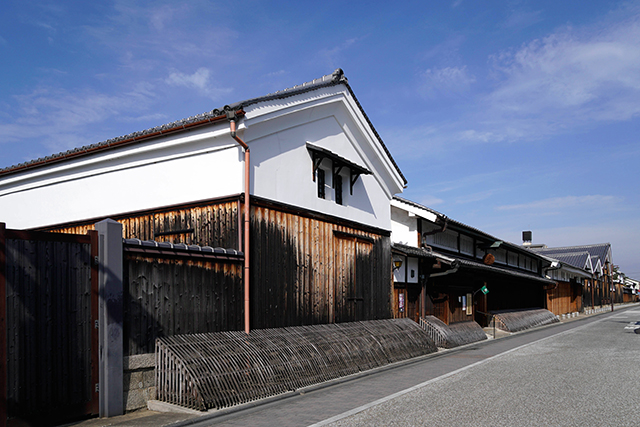
Shortly after the bridge is Gekkeikan Okura Sake Museum. Gekkeikan is a leading sake brewer and one of the oldest family-owned companies in the world, established in Fushimi Minamihama in 1637 by Jiemon Okura. The brewery was originally called Kasagiya; the name Gekkeikan was first used in 1905. This museum was opened in 1982 and housed in an old sake brewery that was built in 1909.
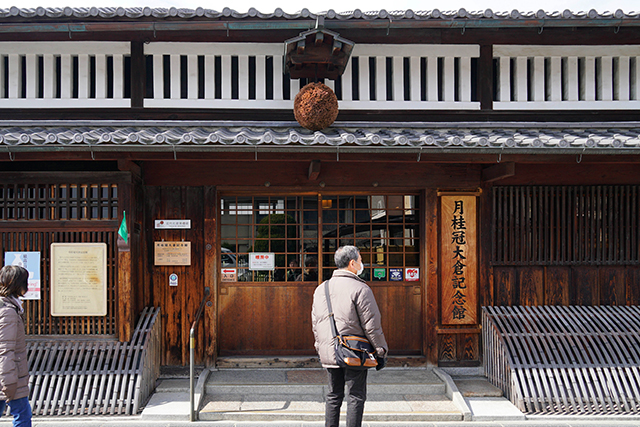
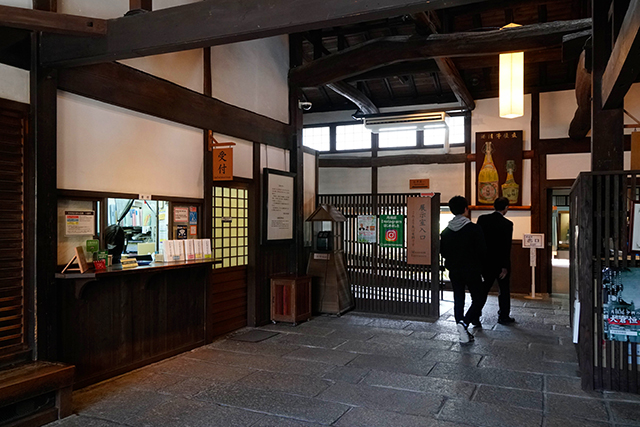
Admission to the Museum is ¥300 and paid to the reception upon entering. It’s simple enough, although, on our visit, a gentlemen speaking conversant English was on hand to explain.
[The museum] retains the atmosphere of the old brewery with its earthen flooring with flagstone inlays where rice was washed, as well as its roof trusses made from Oregon pine beams.
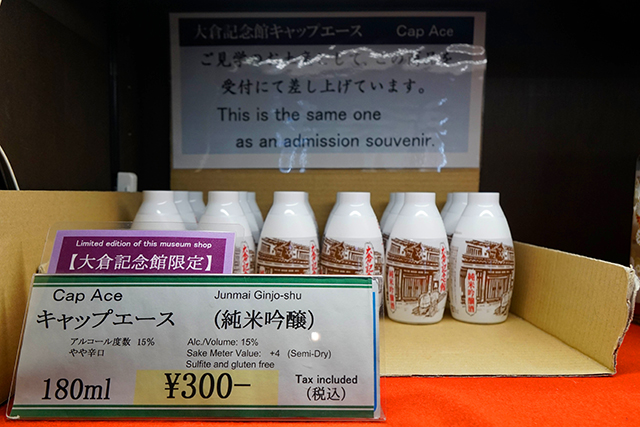
Admission includes,
- a self-guided tour of the museum displaying tools and procedures of sake production,
- a tasting of three types of sake, and
- a 180 mL bottle their junmai ginjo-shu called Cap Ace.
The museum displays the tools and procedures of sake production with good English explanations.
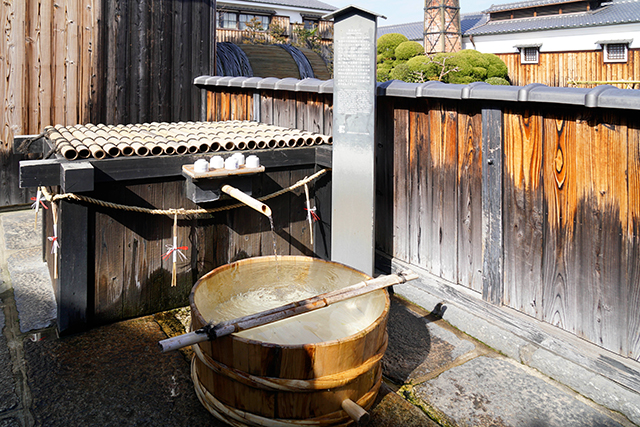
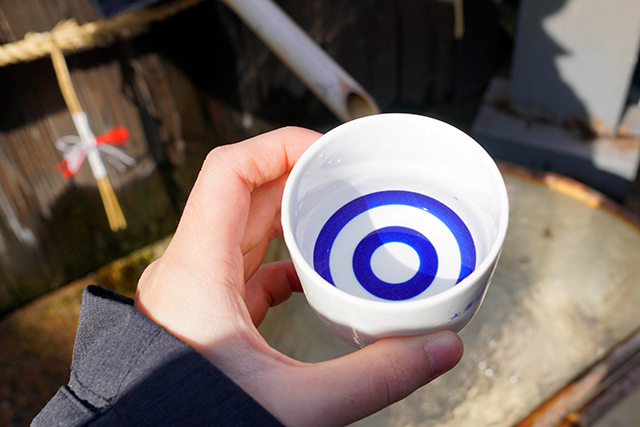
This well was used to draw groundwater from fifty meters below the ground of the naturally rich Momoyama Hills. The water is ideal for making sake as it contained little iron. Visitors can enjoy the gentleness of the water, which remains cool and delicious even in summer, for themselves.
Fushimi’s groundwater includes the perfect amount of minerals dissolved into it from the granite layer, making it medium hard water with a hardness of 60-80 mg/L. The small amount of iron also makes it suitable for brewing sake. This pure water is the wellspring that gave birth to the smooth, mellow sake of Kyōto Fushimi.
This spacious courtyard is at the centre of the museum, surrounded by the craftsmen’s residences, the Gekkeikan Okura Sake Museum and the Uchigura Sake Brewery.
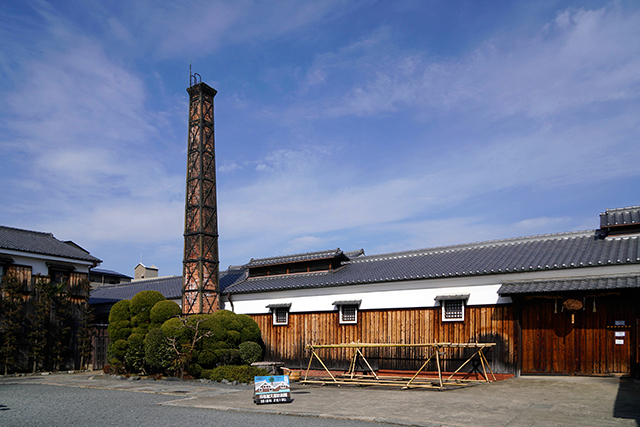
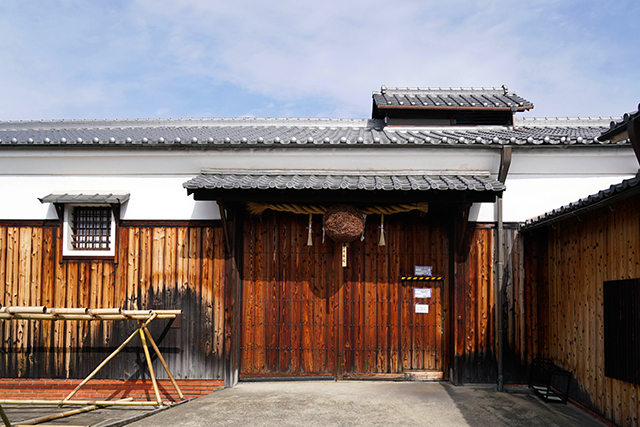
This building houses the Sakekono Mini-Brewery, which was set up in 1906 and continues to use the groundwater to make sake. Guests can observe the process of moromi fermentation through glass windows in the brewery with a reservation 24 hours in advance.
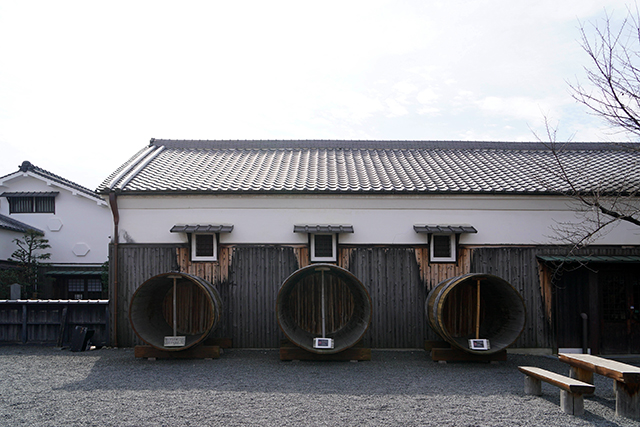
Along one external wall of the museum are barrels used to ferment sake lined up in rows here and then dried under the sun.
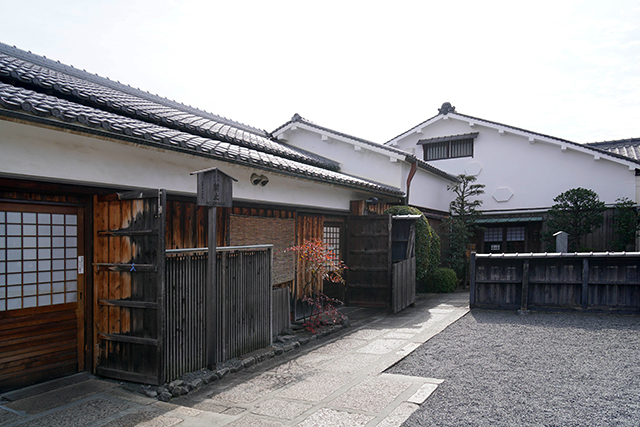
This is the view looking back towards the Entrance from the courtyard.
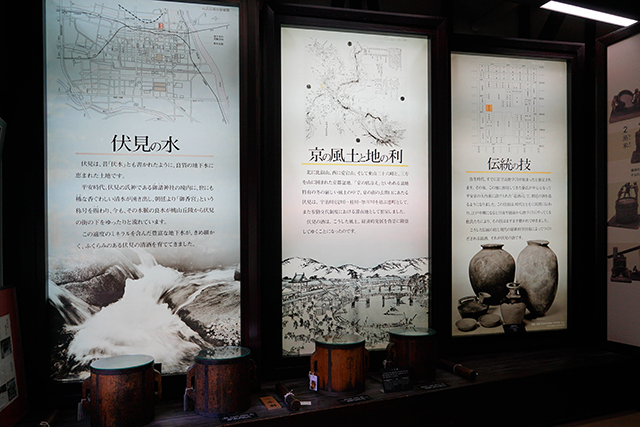
In Exhibit Room I of the Museum are the ‘Tools of the Trade’ on display.
Wooden containers, sake barrels, paddles, and other tools used in making sake are divided by process and displayed in this room. The tools have been designated as Tangible Folk Cultural Properties of Kyōto City. Guests will be able to imagine the techniques used by craftsmen in the past, as well as have a feel of the traditional culture of sake brewing.
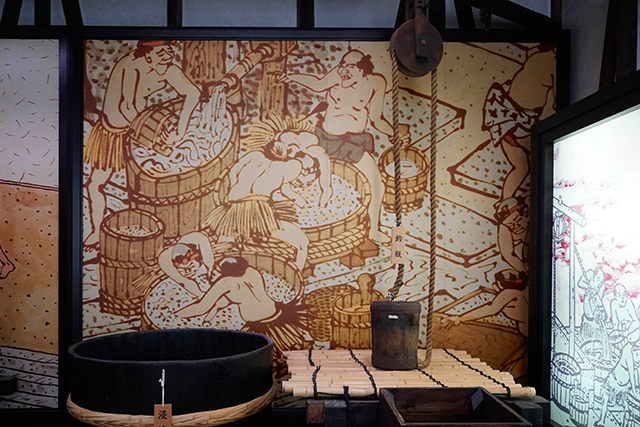
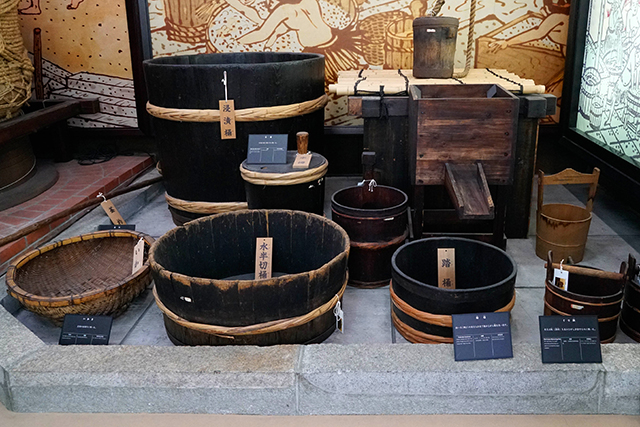
This display shows the process of washing the rice, immersing the rice in water.
The white rice is washed to remove any remaining traces of ‘nuka’ rice bran. The white rice and water is placed in the ‘fumi-oke’ and then mixed by hand. After the ‘shiro-mizu’ (white water) is poured off, the sake makers sing as they walk on the damp rice barefoot in three intervals: 70, 50 and 30 times. The washed rice is rinsed in plenty of water and then transferred to the ‘tsuke-oke’ where it is immersed in water. After a few hours the plug is removed and the water drained off.
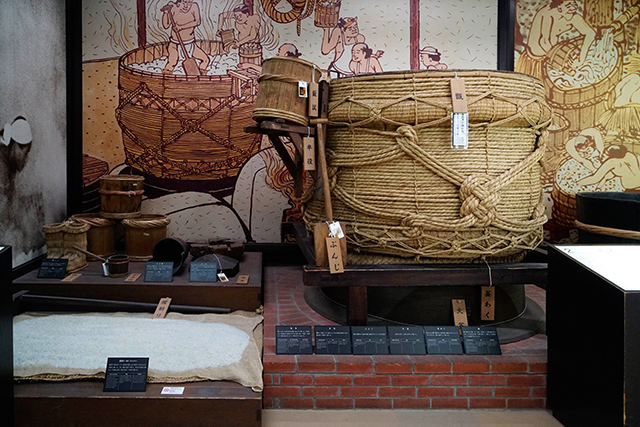
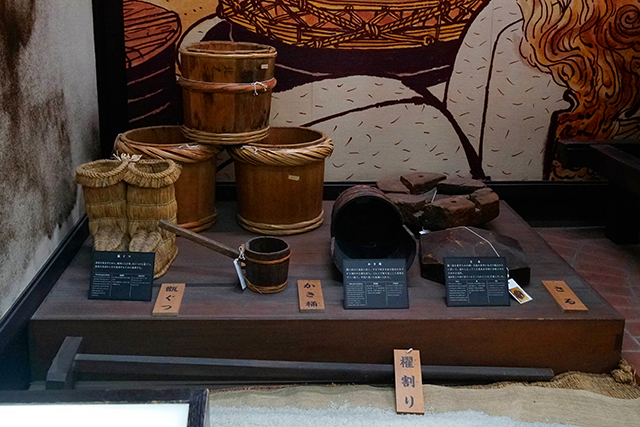
This display shows the process of steaming the rice.
Once thee water has been drained off, the rice is transferred to the ‘koshiki’ (steamer) and the ‘koshiki’ is placed on top of the ‘kama’ pot, which is full of boiling water. The steam enters through the holes at the bottom of the ‘koshiki’ and steams the rice. The rice is streamed for one hour and the steamed rice is then ready for fermentation. Sake makers wearing special shoes called ‘koshiki gutsu’ remove the steamed rice using a wooden scoop called a ‘bunji’. The steamed rice is then loaded into ‘meshi dame’ containers and carried on the shoulder to the ‘kura’ brewery.
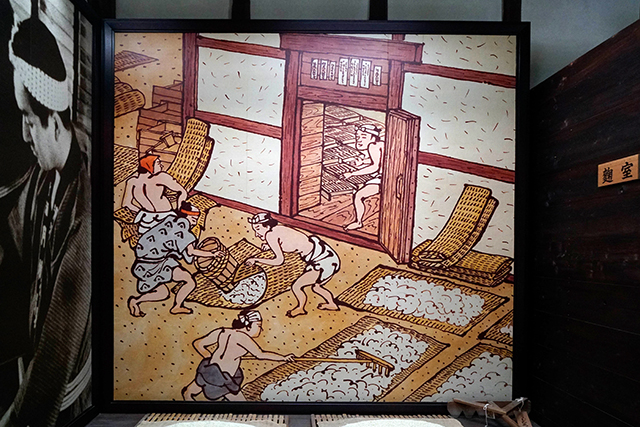
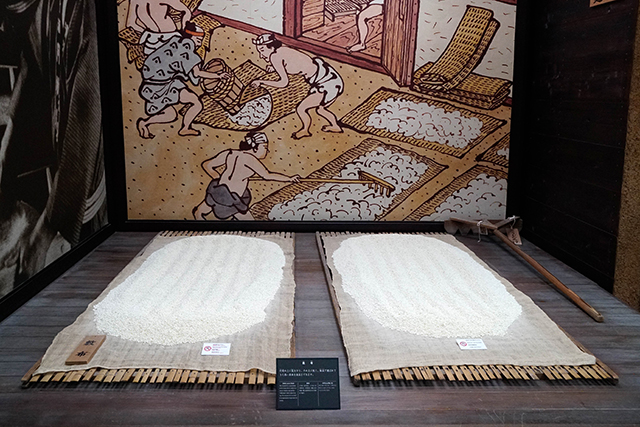
This display shows the process of cooling.
The hot steamed rice is placed onto a ‘mushiro’ and is folded and aerated using a device called a ‘kaiwari’ until it has cooled in winter morning air to the appropriate temperature for the formation of ‘koji’ malt or for dissolving the ‘moromi’ main mash. If the rice is for malting, it is cooled to around 32°C and if it is to become ‘moromi’ then it is cooled still further to between 5-10°C.
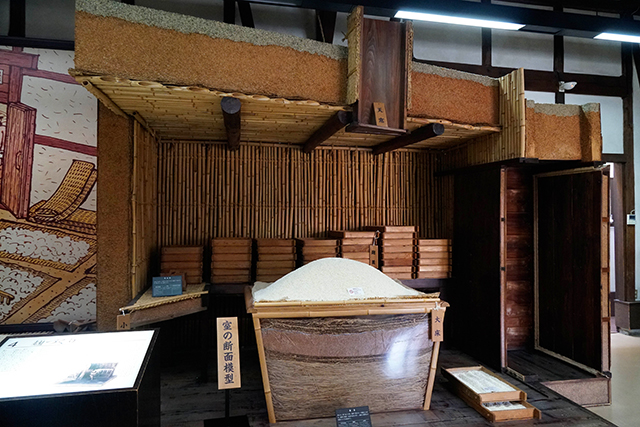
This display shows the process of creating the malt.
The ‘koji-muro’ is where the ‘koji’ malt is made. The ‘doko’ (floor) floor of the ‘koji-muro’ is where the steamed rice, now cooled to about 32°C is brought where it is then sprinkled with ‘koji’ yeast spores. Afterwards the rice/yeast is mixed by hand. After 15 hours, the rice has become hard and it is again mixed and embedded by hand, which advances the propagation of the ‘koji’ yeast. Another 3 hours pass and the rice/yeast miexture is transferred into smaller contaienrs called ‘koji-buta’ that hold about 1.5 kh. These were stacked in shelves in sets of six. These stacks are left for 2 to 3 hours and then they are rearranged and restacked. This process continues for around 40 hours until the ‘koji’ malt is ready.
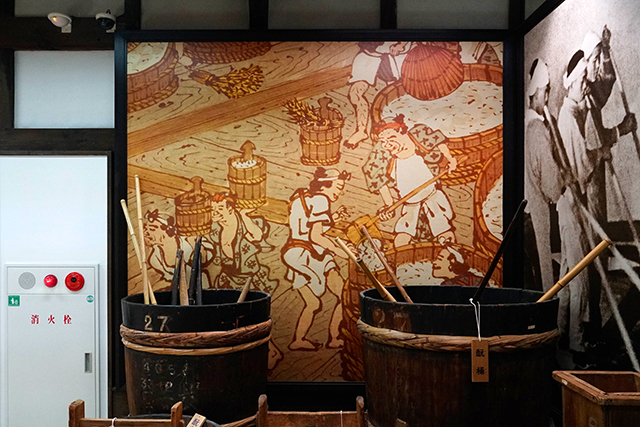
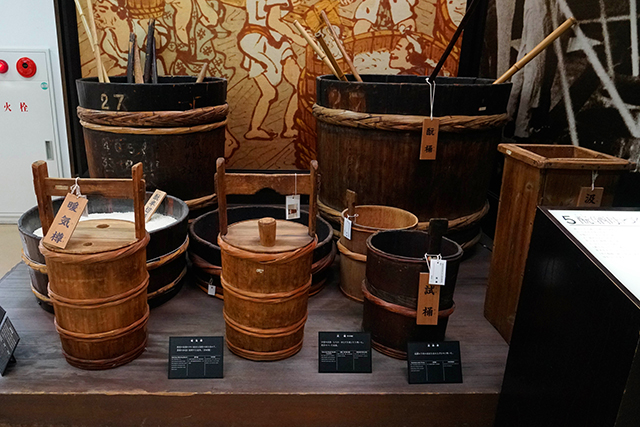
This display shows the process of creating the malt seed.
The yeast is puriried to make it suitable for sake making. Large quantities of this yeast is required and it is referred to as ‘moto’ (seed mash) in the sake making process. It is mixed with the steamed rice, ‘koji’ malt and water and stirred every 2 to 3 hours. Then 2 to 3 sake makers form a team around one ‘hangiri-oke’ and they chant as they stir the steamed rice mixture with the long oar-like stirrer road called a ‘hera-kai’. The mixture is then transferred to a ‘moto-oke’ container where the pure yeast is formed at a low temperature.
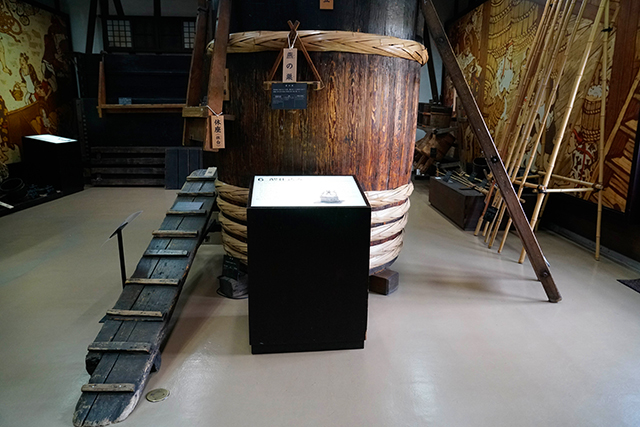
This display shows the process of preparing the moromi with the ‘kyuza (kyudai) stand’, which is used by people handling sake bags.
In order to make the ‘moromi’ main mash, the ‘moto’ seed mash is placed into a large barrel and the ‘koji’ malt, the steamed rice and the water are added in three distinct stages known as ‘hatsu-zoe’, ‘naka-zoe’ and ‘tome-zoe’
- ‘Hatsu-zoe’ (Day One): one third of the total volume of the ‘moto’ seed mash, the ‘koji’ malt and steamed rice, and the water are added.
- ‘Odori’ or Dancing (Day Two): the processes is suspended in order to allow the yeast to propagate.
- ‘Naka-zoe’ (Day Three): another third of the total volume of the ‘moto’ seed mash, the ‘koji’ malt and steamed rice, and the water are added.
- ‘Tomo-soze’ (Day Four): the final third of the total volume of the ‘moto’ seed mash, the ‘koji’ malt and steamed rice, and the water are added.
After ‘tomo-zoe’ the temperature of the mixture is controlled to remain under 15°C and the mixture is monitored to achieve the best balance between saccharification and alcohol fermentation (what we call the parallel double fermentation method). It takes around 25 days for the sake to brew.
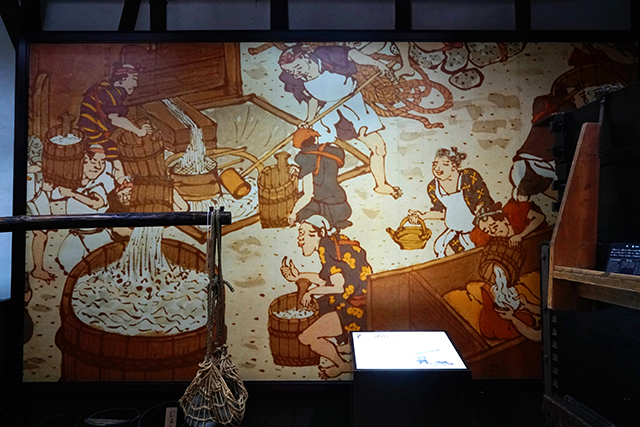
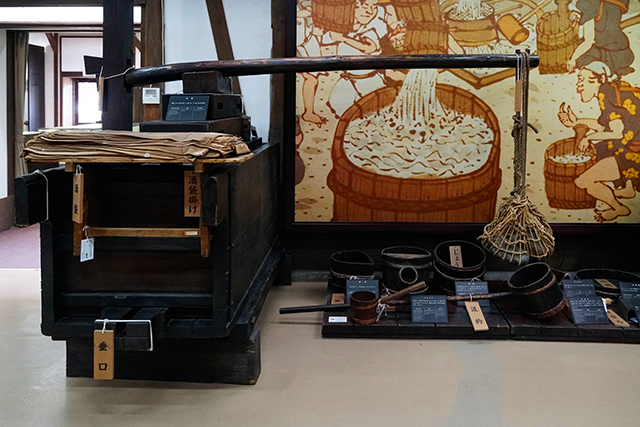
This display shows the process of extracting sake.
The ‘moromi’ main mash is compressed and the resulting liquid is filtered, separating into new sake and ‘ita-gasu’ (white residue). The fermented ‘moromi’ is placed into several ‘saka bukuro’ bags and the bags are folded closed and stacked into a large bessel known as a ‘sakabune’. Once all of the ‘moromi’ has been placed into ‘saka buruko’ bags, and these were covered with an ‘oshi-buta’, a ‘bangi’ is placed across the top of the stack of bags and then stone weights are gradually added to the end of the ‘hanebo’ long beam that sits on top of the ‘bangi’, to apply pressure. Thus the ‘moromi’ is slowly compressed and the milky sake that is extracted at this stage is referred to as ‘ara-bashiri’.
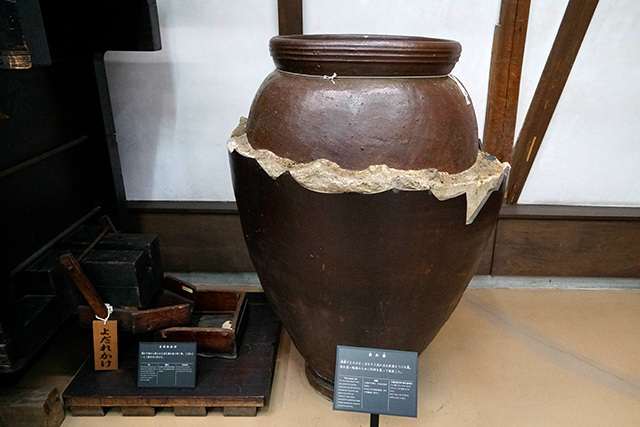
This is the ‘tare-tsubo’ jar, which collects the new sake that flows out when the ‘moromi’ main mash is pressed in the ‘sakabune’ tank. As the ‘tare-tsubo’ is made from a fragile ceramic material, the exterior is covered for protection.
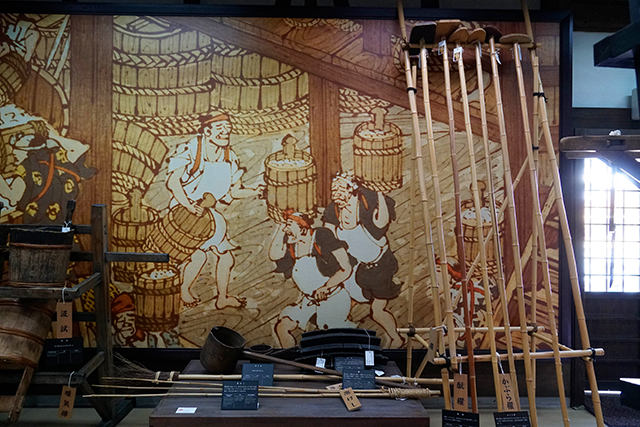
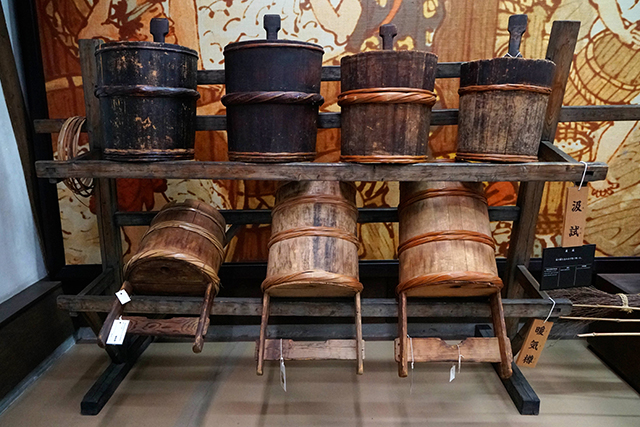
Various pieces of equipment are used for extracting and storing sake. On the top row of the rack (bottom photo) are scoops for transporting sake and the on the bottom row of the rack are barrel kegs for storing sake.
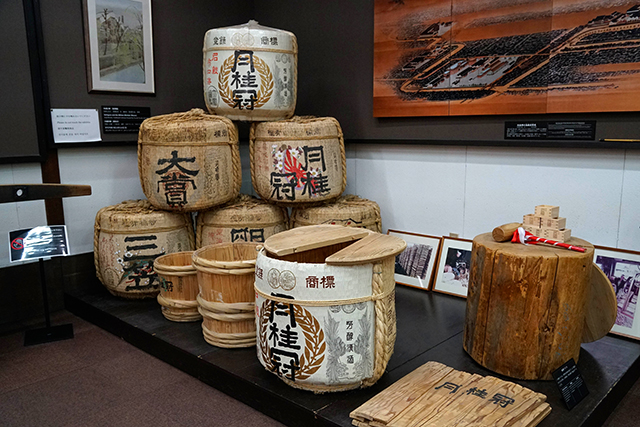
Moving on to Exhibit Room II, there are various ‘materials/assets’ on display:
This room exhibits sake drinking vessels from the Edo period, and products, advertising materials, and other precious artifacts from the Meiji and Taisho periods. Guests will be able to look back on the history of Gekkeikan since its founding.
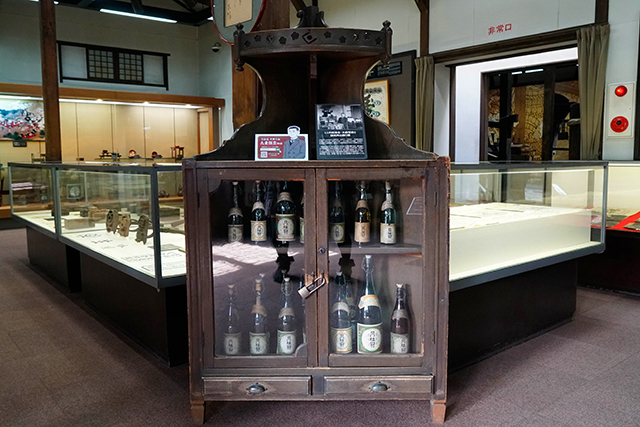
This cabinet was used by the 11th generation owner of Gekkeikan, Okura Tsunayoshi (1874-1950) for storing sake.
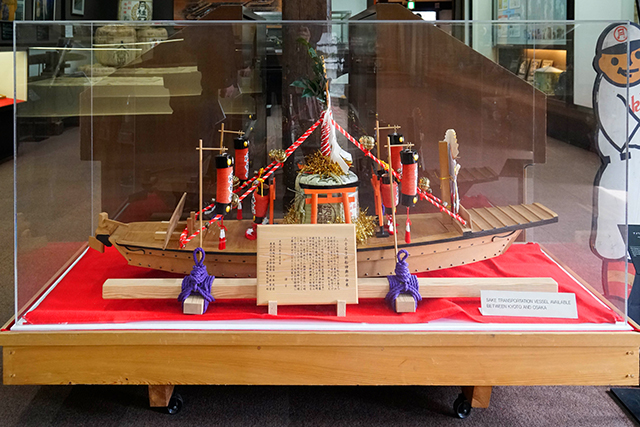
This display shows a Sake Transportation Vessel used between Kyōto and Ōsaka.
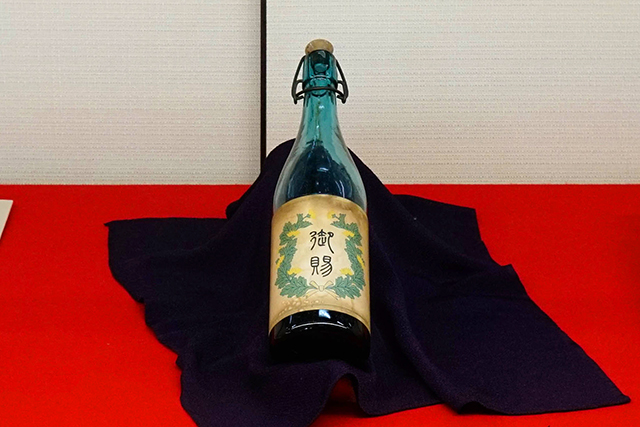
This sake accompanied the letter of acceptance commemorating the Showa Enthronment.
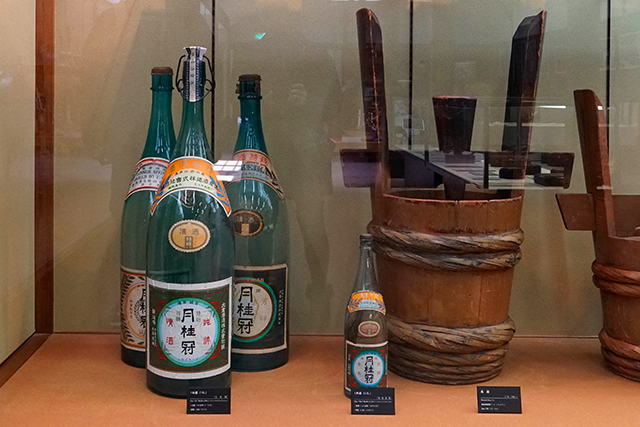
On the left are One ‘To’ Bottles that hold 18 litres, in the middle is a One ‘Sho’ Bottle that holds 1.8 litres. Behind it, are more barrel kegs for storing sake.
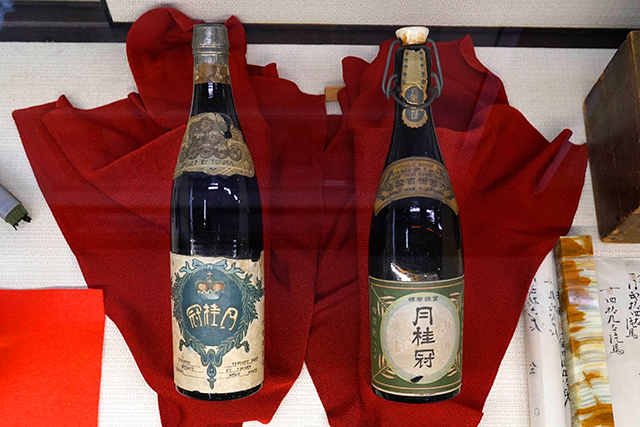
On the left is a European Style 4-Go Sake Bottle (720 ml).
These bottles were sold from the end of the Meiji Period to the early years of the Taisho Period. The wine bottle style sake container was designed by Sozan Sawada. Its groundbreaking design became very popular.
On the right is the First Brown Colored Sake Bottle in Japan (Circa 1913)
In 1913 Gekkeikan stole a march on the sake industry by being the first to introduce brown coloured bottles, which were more expensive than the conventional green bottle. With the introduction of the brown sake bottle, product quality was significantly improved.
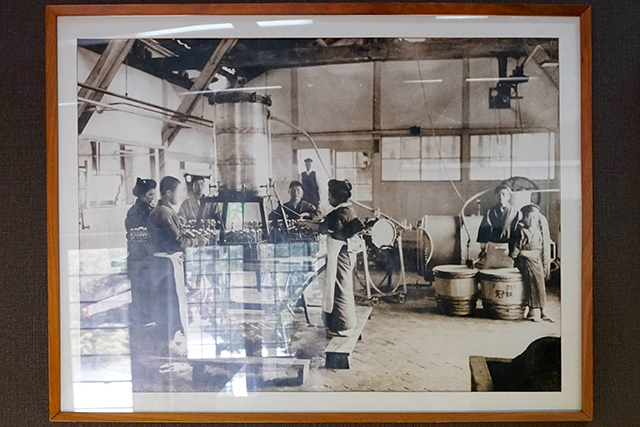
This photo shows the First Bottling Plant (Crica 1909).
Bottling first started at this building while sell-by-measure was still most common (customers brought their own container to buy sake by measure). Customers were able to enjoy sake freshly bottled by the brewer itself. Also, glass bottles were pasteurized so that the company could sell bottled sake without any preservatives, which was a first in the industry.
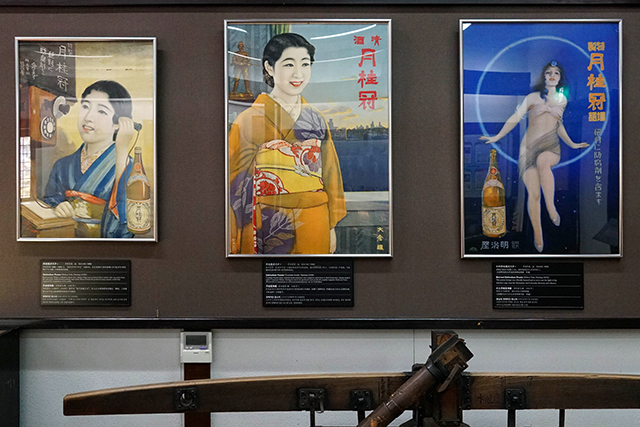
These were various posters advertising Gekkeikan sake:
- (Left) Gekkeikan Poster (Hokuu Tada, Painting (1939)): Known as the ‘Father of Modern Poster Art’, Hokuu Tada was a commercial art painter who was active from the start of the Taisho Period until the start of the Showa Period. He produced many popular motifs that captured the imagination of the public.
- (Middle) Gekkeikan Poster (Tomitaka Suzuki, Painting (1938)): Tomitaka Suzuki was a Japanese artist born in Aichi Prefecture. Suzuki studied under Tsumetomi Kitano. During his career, he produced cover art for the popular magazine Shufu no Tomo (Housewife’s Companion) as well as promotional poster art for Gekkeikan.
- (Right) Banned Gekkeikan Poster (Hokuu Tada, Painting (1933)). This poster design was officially banned and so never saw the light of day.
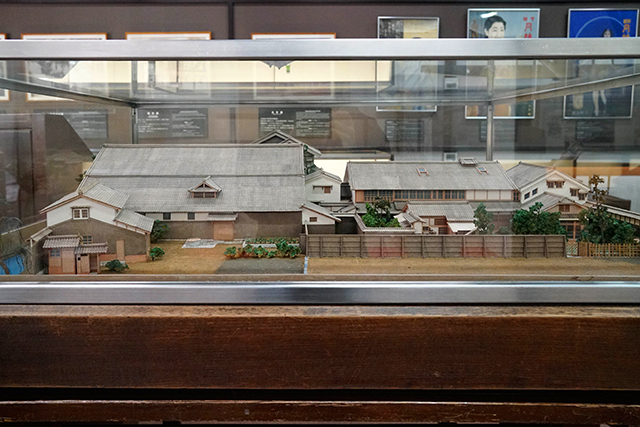
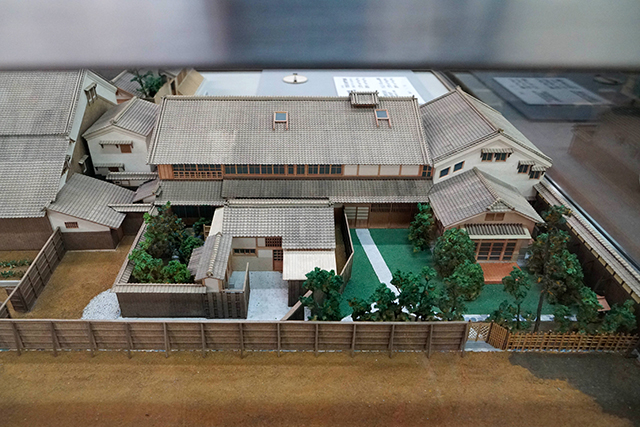
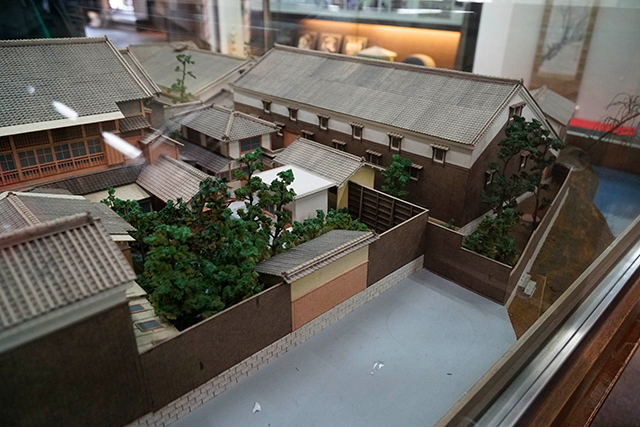
There’s also a detailed scale model of the grounds of the brewery.
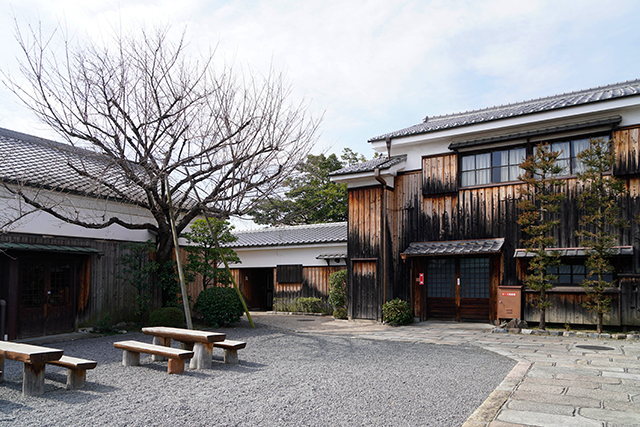
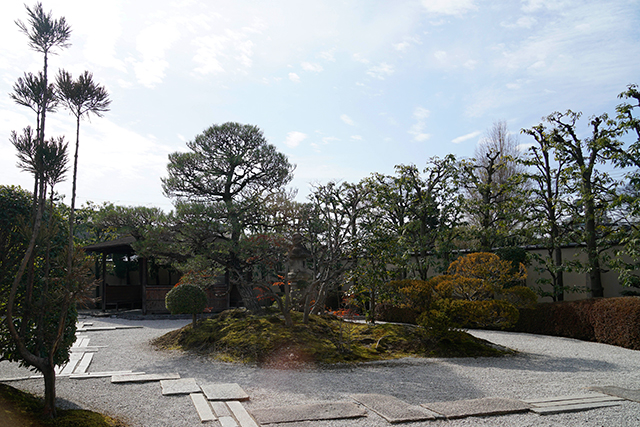
Adjacent to the Museum and the craftsmen’s residence is the inner garden, which featured small mounds arranged in the middle and a stone pavement leading to the hexagonal gazebo. Guests can take a break from touring and rest on the benches in the gazebo.
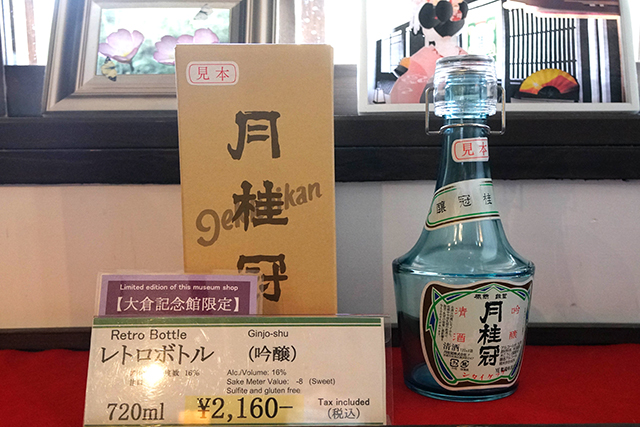
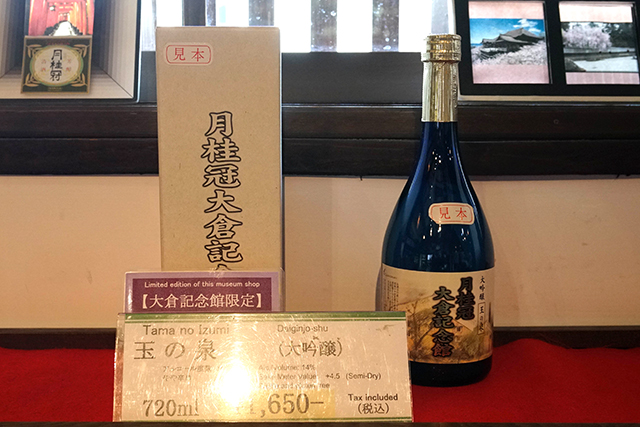
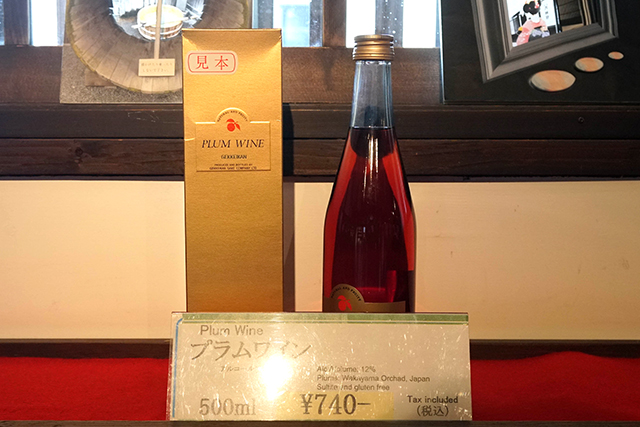
At the end of our self-guided tour, we try three of their sake products in the lobby: Retro-Bottle Ginjoshu, Tama-no-Izumi Daiginjo, and Plum Wine (sweet fruit sake).
- (Top) Museum Exclusive ‘Retro Bottle’ Sake 720 ml: ‘Retro Bottle’ is made from the top quality sake brewing rice. With fermentation at low temperature and the traditional ‘four steps’ brewing processes. Upon completion of the third process when the alcohol contents of sake become 16% and Nihonsyudo (the sake-meter value) becomes -8, steamed rice is once again added.
- (Middle) Museum Exclusive ‘Tama no Izumi’ (Jewel of the Fountain) Daiginjo Sake 720 ml: The name ‘Tama no Izumi’ is that of the first sake produced at Kasagiya in 1637. Ginjo fragrance and luxurious daiginjo taste characterise this sake, which has a sake-meter value of +4.5, making it slightly dry.
- (Bottom) Gekkeikan Plum Wine 500 ml: This is made from well-selected plums with a famous clear water of Fushimi. This wine is pleasingly sweet.
We enjoy the plum wine the best.
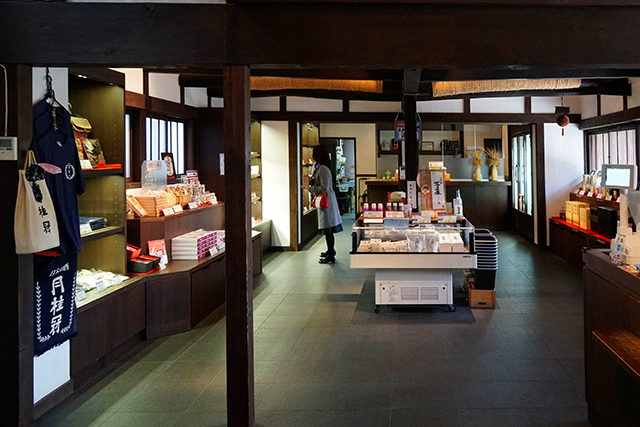
At the Museum Shop, the selection includes sake that can only be bought at the museum, narazuke pickles, sake-manjū cakes, sake lees (seasonal), and other original goods.
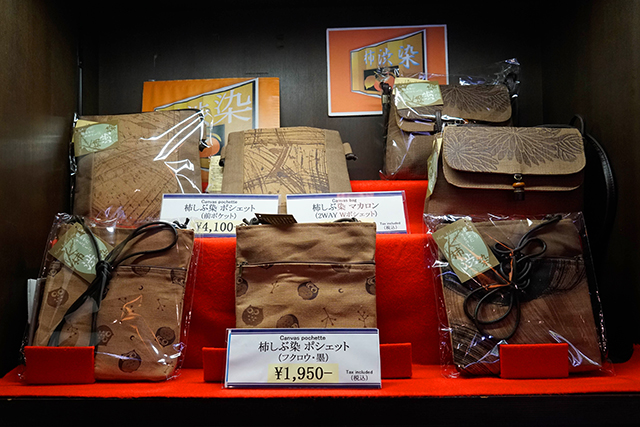
There are also cute leather pochettes.
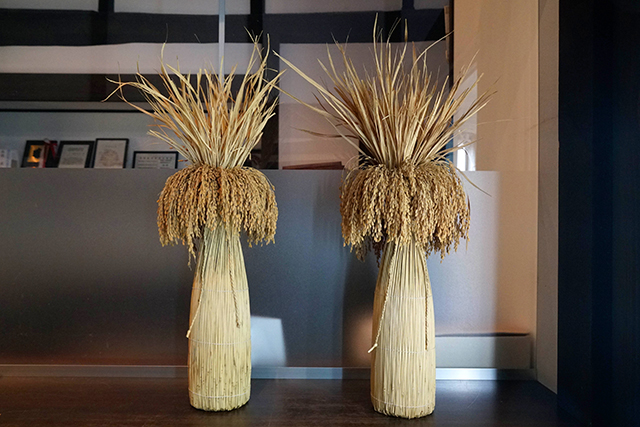
On display are pretty sake bottles wrapped in dried rice plants.
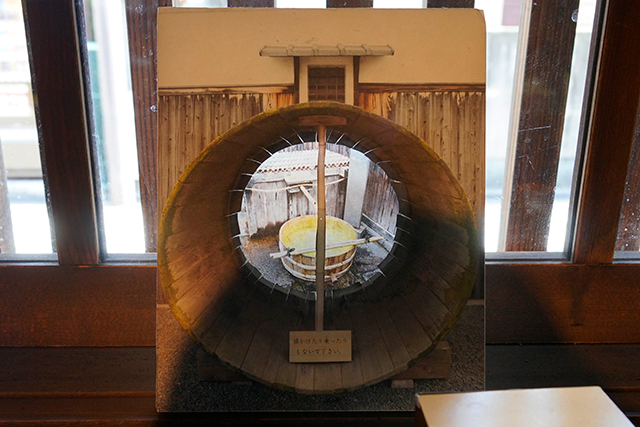
Various photos from around the brewery, like the inside of the barrels in the courtyard, have other iconic photos like the well transposed and backlit bythe natural sunlight.
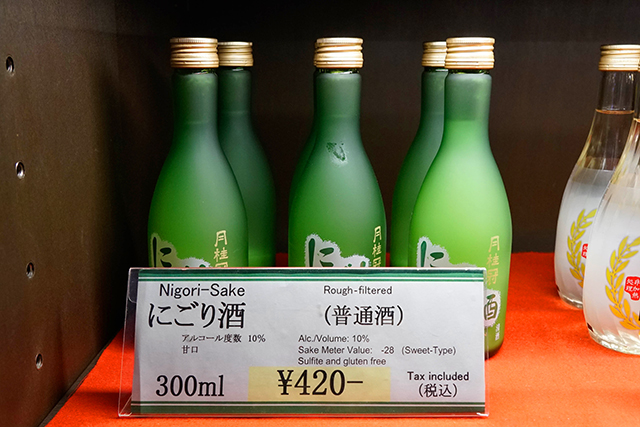
We pick up a bottle of this Nigori Sake to drink back home. Read our thoughts here.
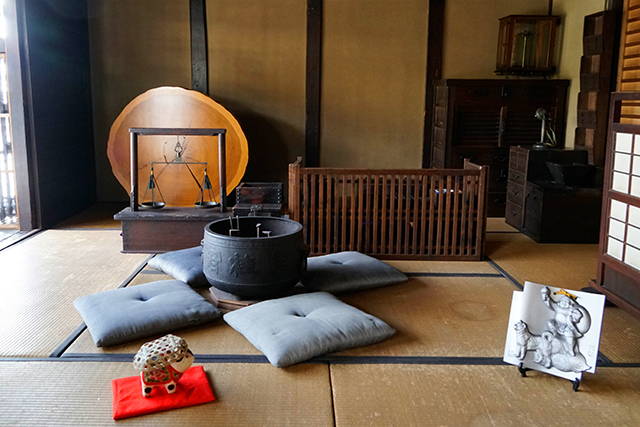
To the immediate left of the entrance is a recreation of the payment counter at the Kasagiya during the Meiji Period.
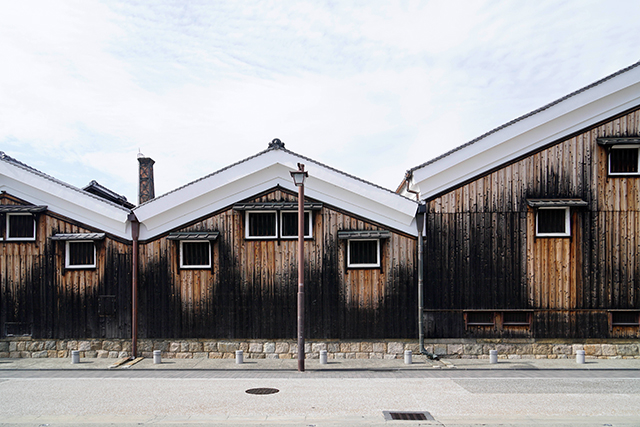
The exterior of the Gekkeikan Uchigura Sake Brewery is quite picturesque.
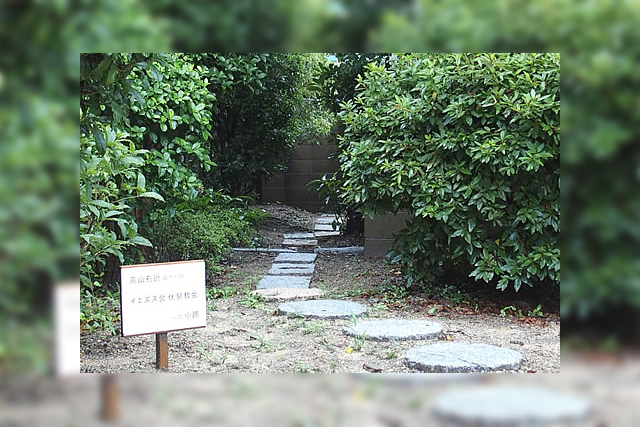
Directly opposite the Geikkeikan Okura Sake Museum is the lane that led to the Fushimi Jesuit Church, labeled as Takayama Ukon’s mansion . In the day, Ukon would have often walked this path, and Fushimi Christians would have come to Mass here. This 2.4 m wide path currently heads into the grounds of the Kyōto Municipal Fushimi Minamihama Kindergarten.
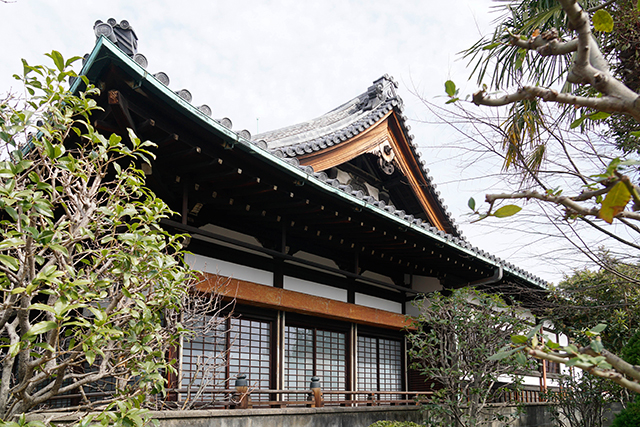
Right next door is Fushimi Shorin-in Masoueum.
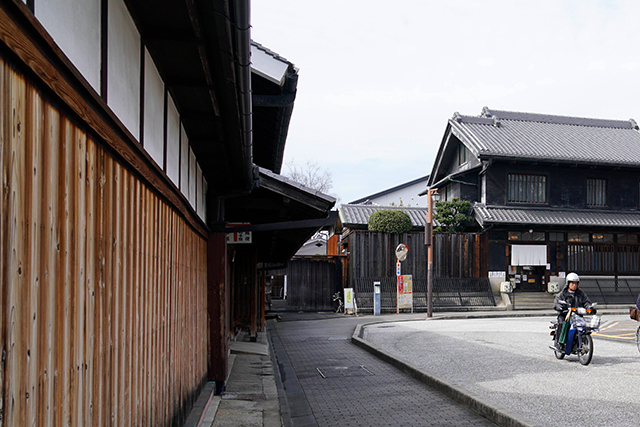
Around the corner is the Main House of the Okura Family (left), which is not open to the public. It was built in 1929 and is where Jiemon Okura founded his first sake brewery.
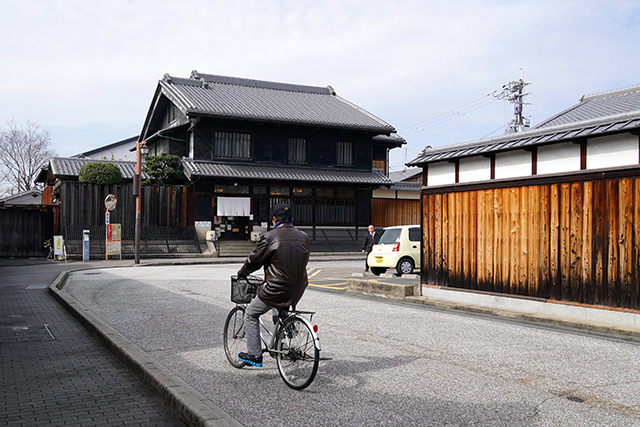
Immediately adjacent to the Main House is the Fushimi Yumehyakushu, the former headquarters of the Gekkeikan. Currently, it serves as the local visitor center with information about the district’s sake breweries, shops and restaurants.
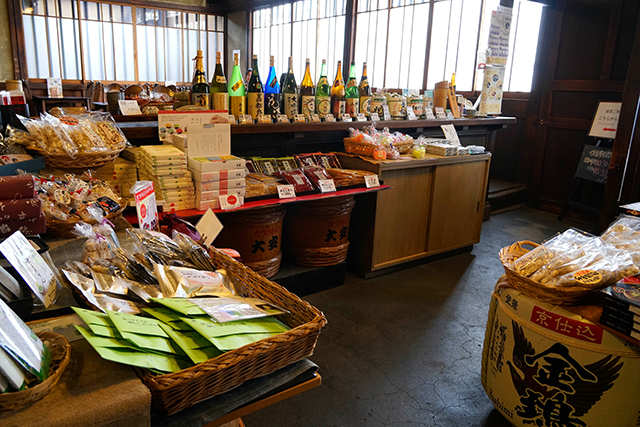
It also houses a shop selling local products and a quaint cafe where visitors can select from several sake sample sets, sweets, coffee and tea.
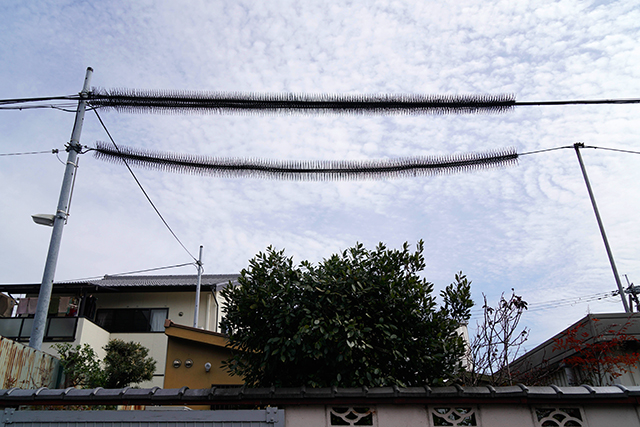
Some residential buildings have a rather aggressive method of keeping birds off their power lines.
Yamamoto Honke
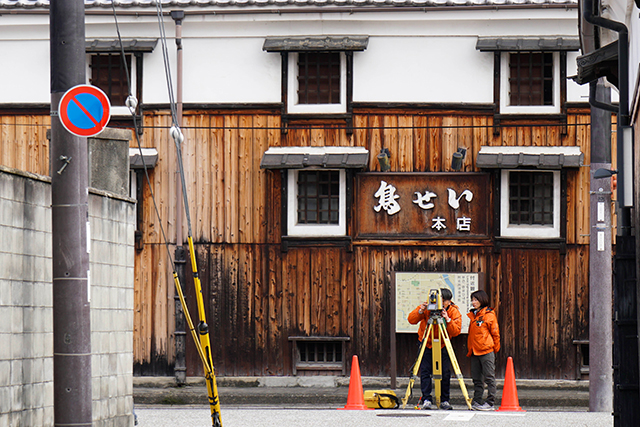
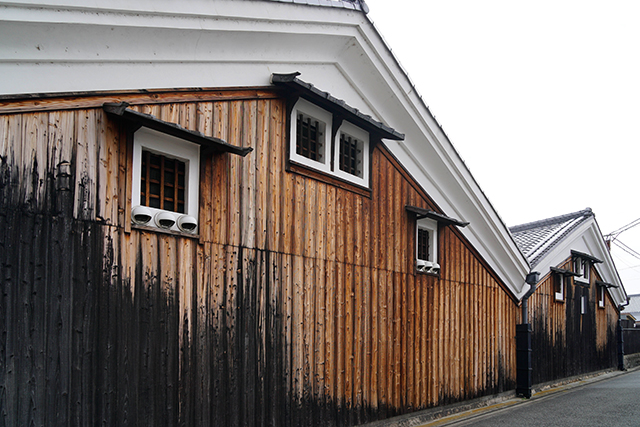
These buildings belong to Yamamoto Honke Sake Brewery, which was founded in 1677. The above photo shows Torisei, a converted warehouse izakaya style restaurant that serves skewers accompanied by sake.
Kizakura Kappa Country
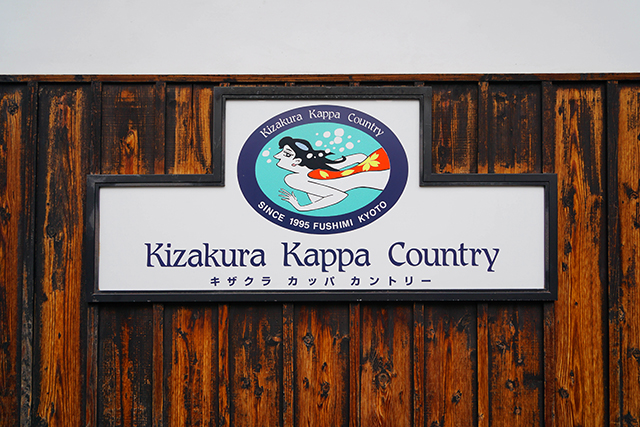
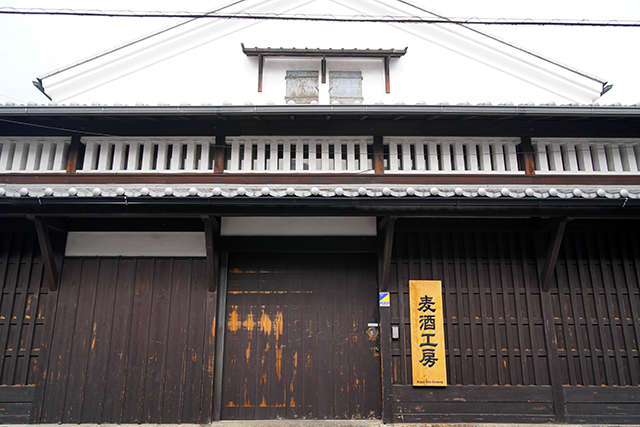
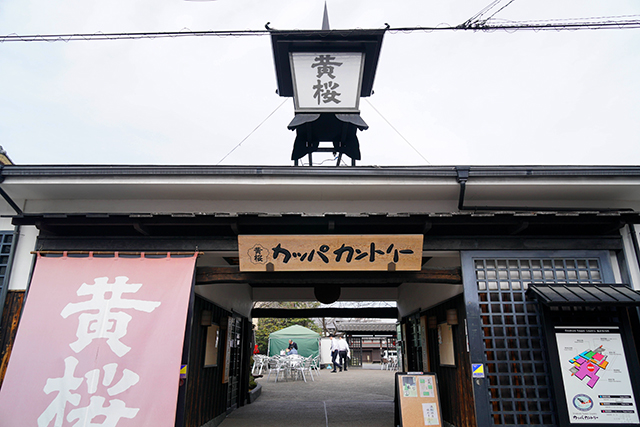
Further along, we visit Kizakura Kappy Country. The original sake brewery of Kizakura was reformed into a museum with a craft beer restaurant.
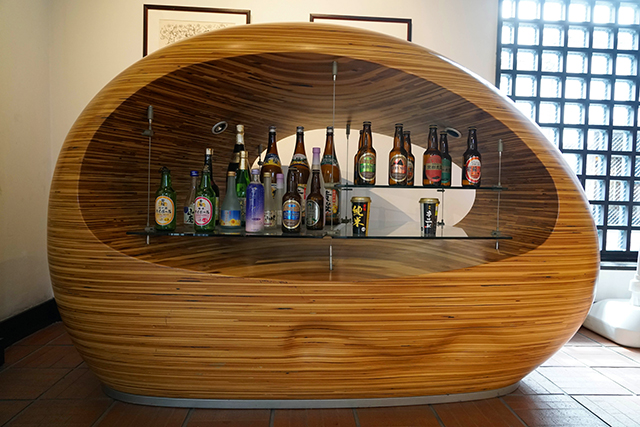
This is a novel way to display their company’s products.
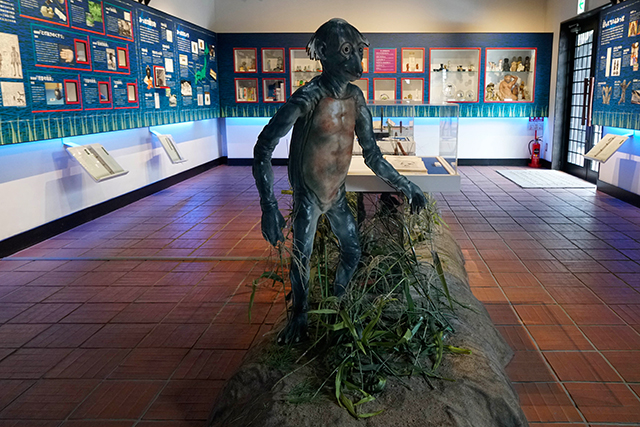
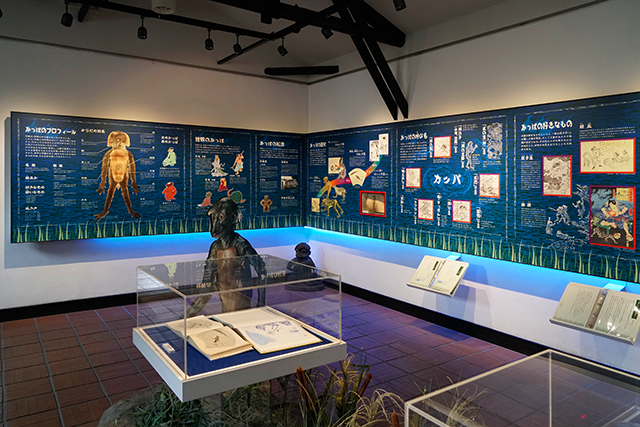
But as the name hints, there’s a museum about the kappa, a mystical water creature that resembles a humanoid turtle.
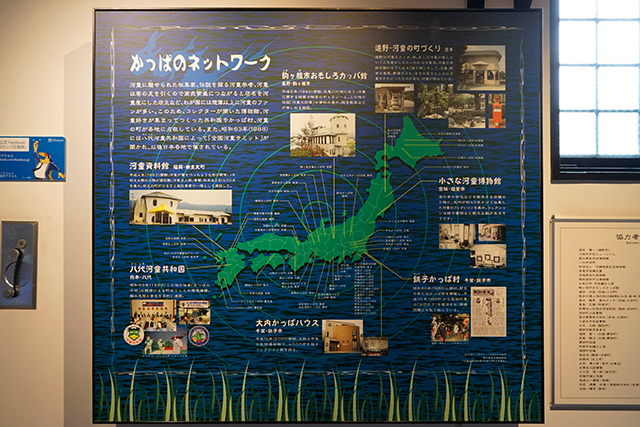
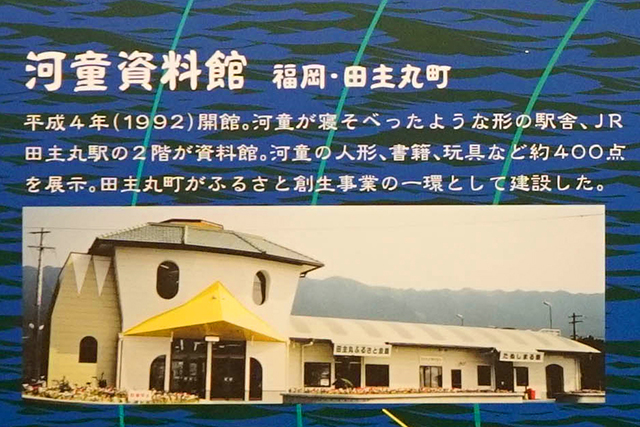
Almost all of it is in Japanese only, but this poster about the kappa’s wide network around Japan. One section shows Tanushimaru Station, a railway station in Kurume, Fukuoka Prefecture that has a section of the station building specially shaped to resemble the head and beak of a kappa, which is associated with the town.
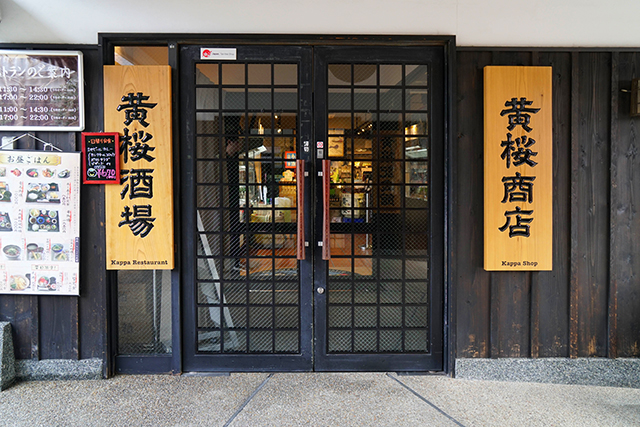
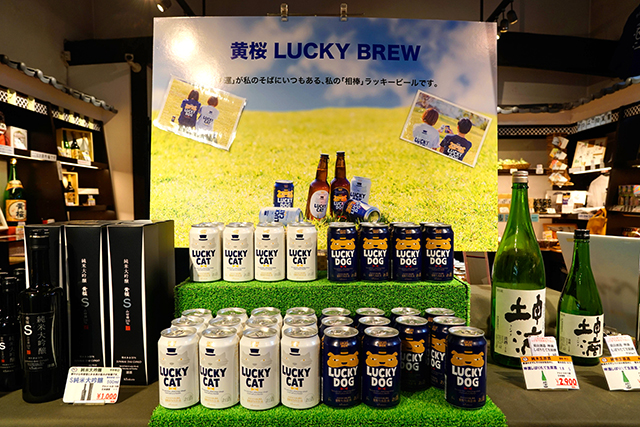
There’s also a Kappa Restaurant and a Kappa Shop.
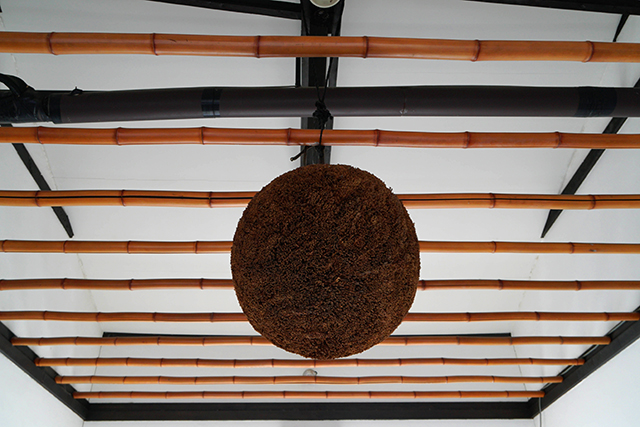
The ceiling cavity at the entrance featured a sugidama, a “cedar ball’ hung every November or December, right after sake brewers have pressed sake made from the new rice harvest. This sugidama has turned completely brown, so perhaps the sake is ready to drink?
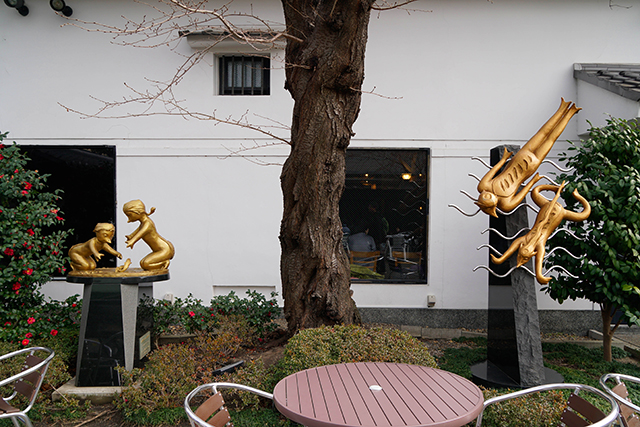
In the court, yard are some kappa sculptures.
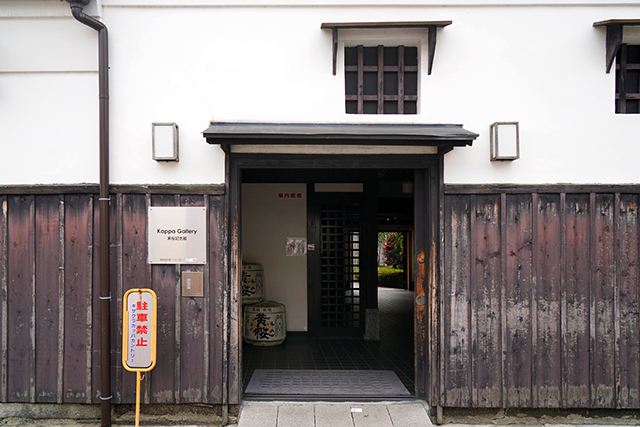
There’s a small museum about sake production.
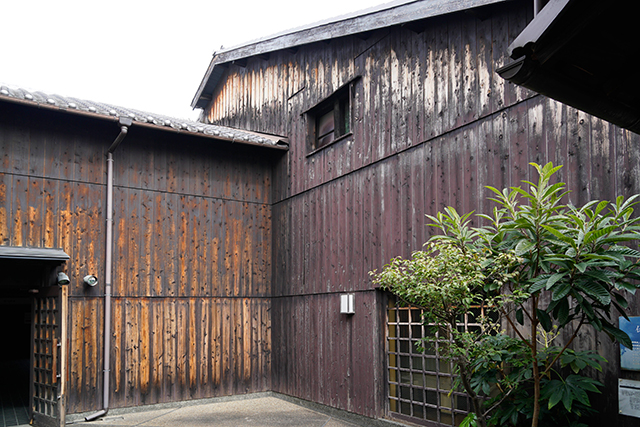
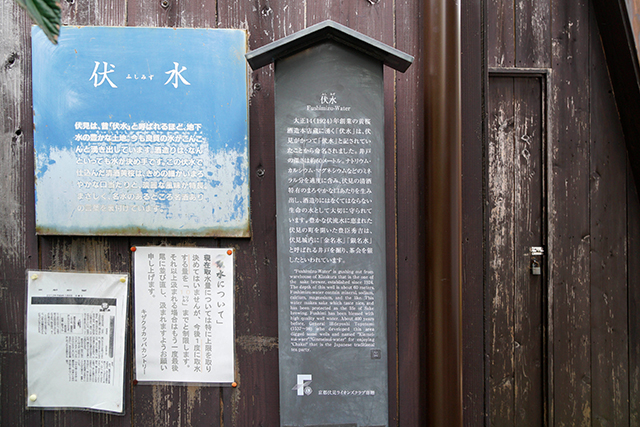
There’s equipment inside the warehouse, but no activity. A sign nearby explains the significance of fushimizu water:
‘Fushimizu-Water’ is gushing out from warehouse of Kizakura that is the one of the sake brewer, established since 1924. The depth of the this well is about 60 meters. Fushimizu-water contain mineral, sodium, calcium, magnesium, and the like. This water makes sake which taste nice, and has been protected as the life of sake brewing. Fushimi has been blessed with high quality well water. About 400 years before, General Hideyoshi Toyotomi (1537-98) who developed this area digged some wells and named ‘Kinmeisui-water’, ‘Ginmeisui-water’ for enjoying ‘chakai’ that is the Japanese traditional tea party.
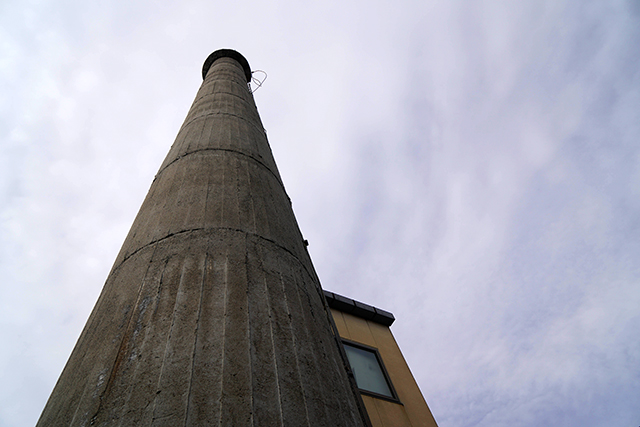
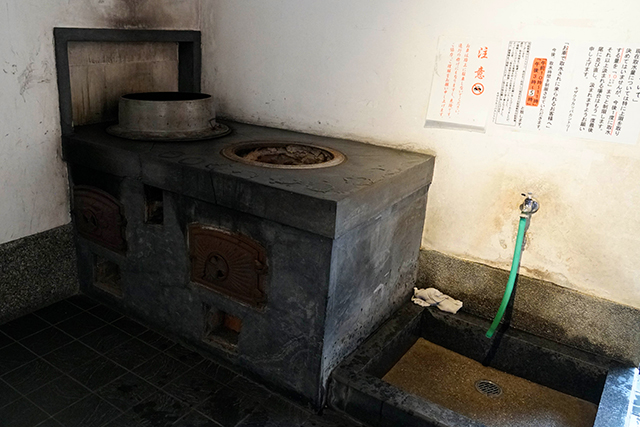
This shows a large chimney and stove once used in sake production.
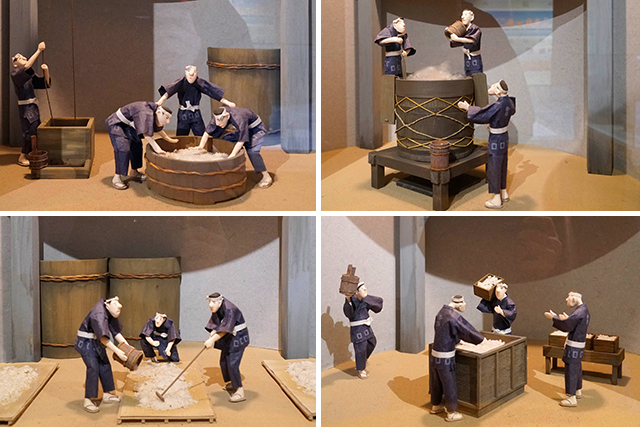
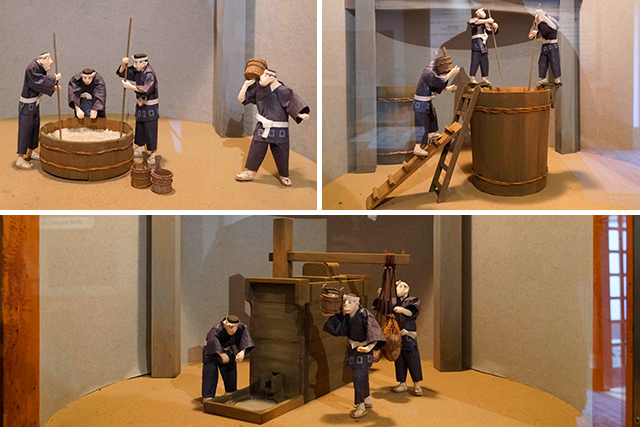
A diorama nearby shows the various steps in sake production that we’d gone through in detail at Gekkeikan.
Ryoma-dori Shopping Street
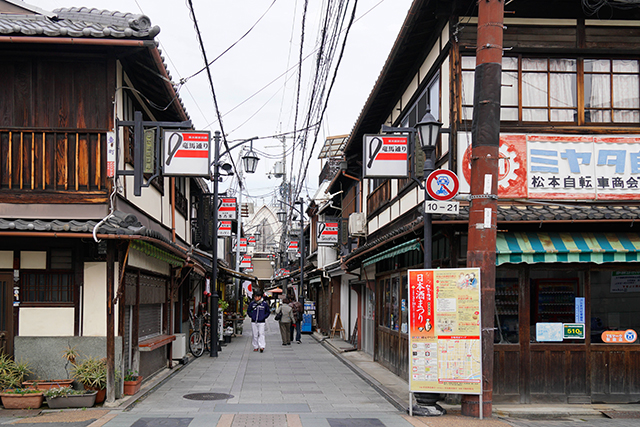
There are many more sake breweries in the area- almost 40! – but we’d had enough and head towards Ryoma-dori Shopping Street en route to the main shopping street.
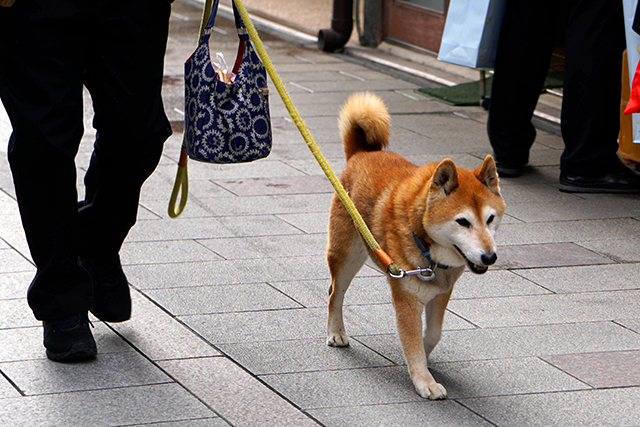
We spot our first Shiba Inu in a few days.
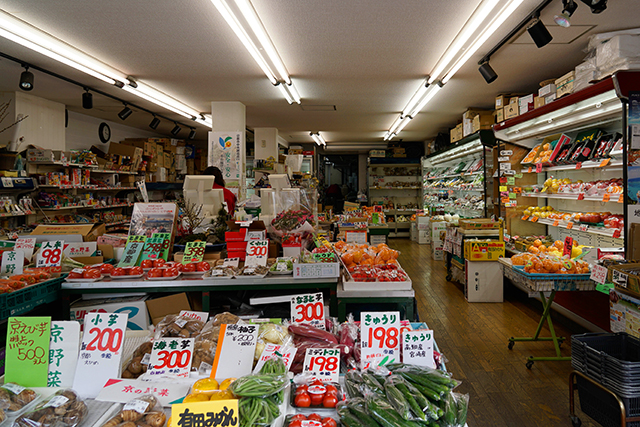
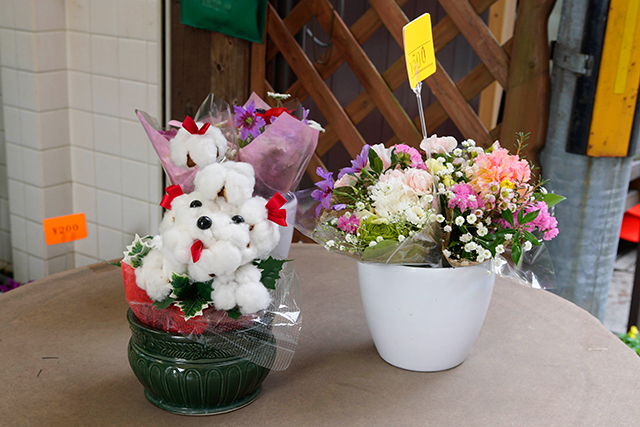
There are small florists and fresh food shops.
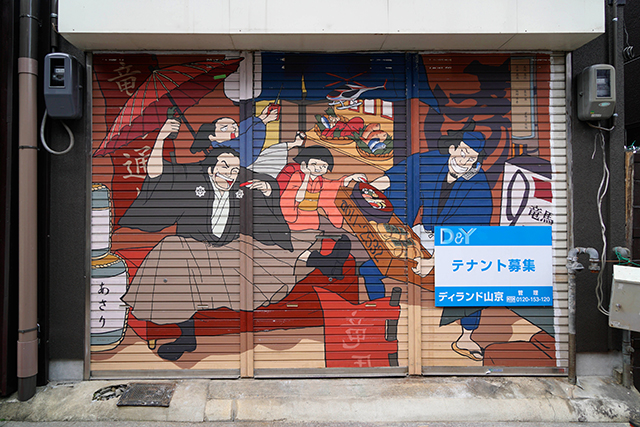
This closed shop front is for lease, but the shutters are illustrated with rather boisterous crowd enjoying sushi. Perhaps it was a sushi restaurant previously?
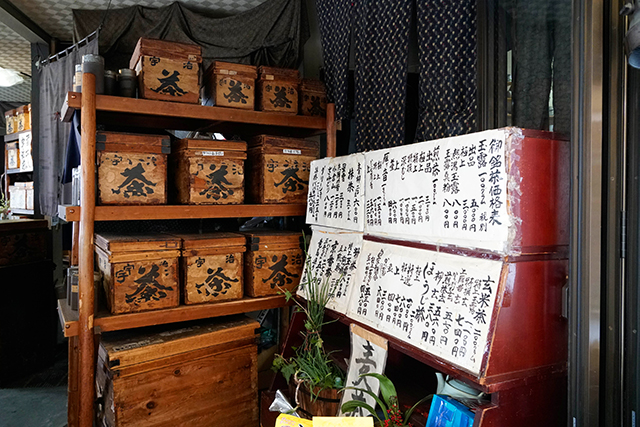
Further down, there’s a tea store selling loose leaf tea in old boxes.
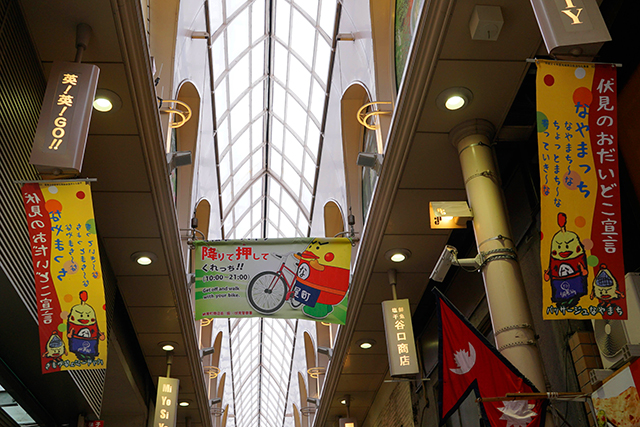
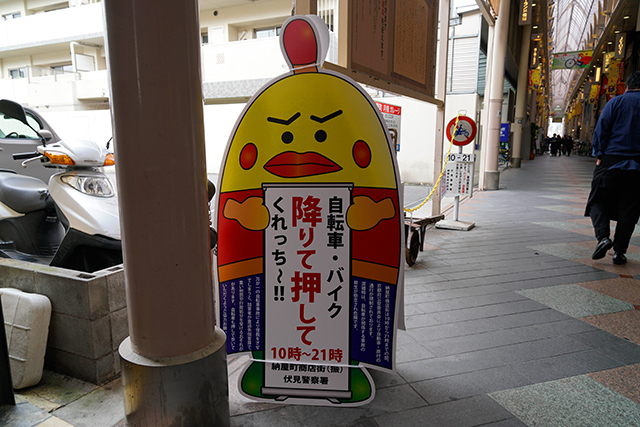
Before long, we’re at Ryoma-dori Shopping Street. It’s covered, like most shopping streets in Japan, and even has it’s own grumpy rooster as a mascot.
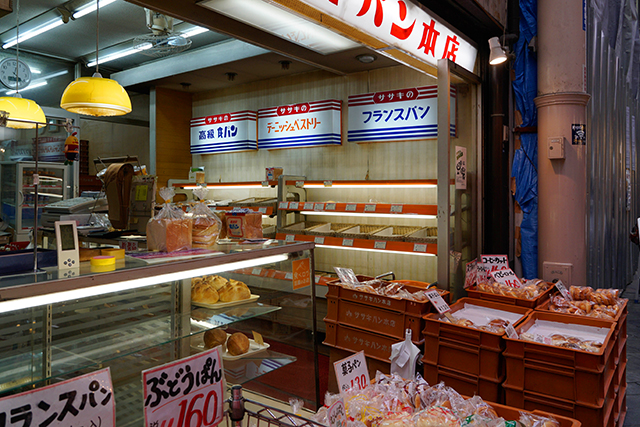
We pass by one of the most basic bakeries we’ve encountered in Japan.
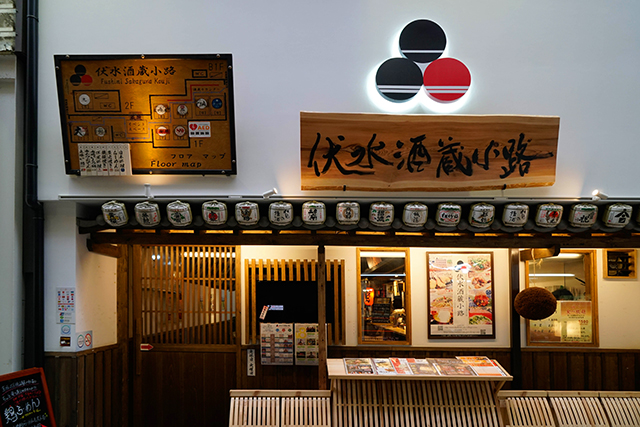
Further along is Fushimi Sakagura Kouji, a bar serving sake from 17 local sake breweries in Fushimi.
Otesuji Nayamachi
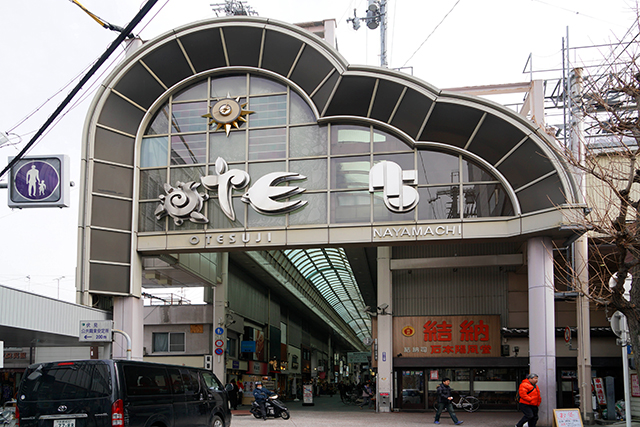 Otesuji Nayamachi is a much busier shopping street that runs perpendicular to Ryoma-dori Shopping Street.
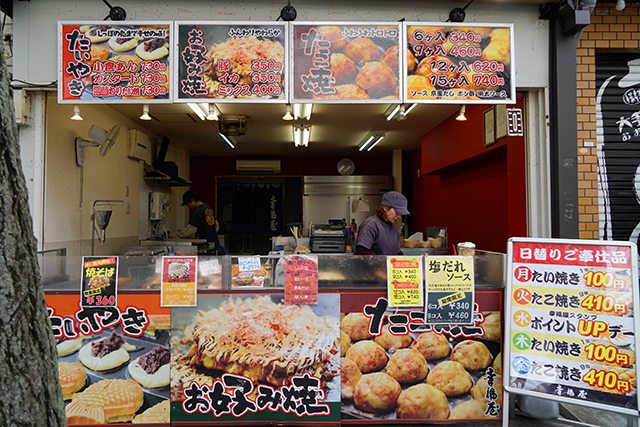
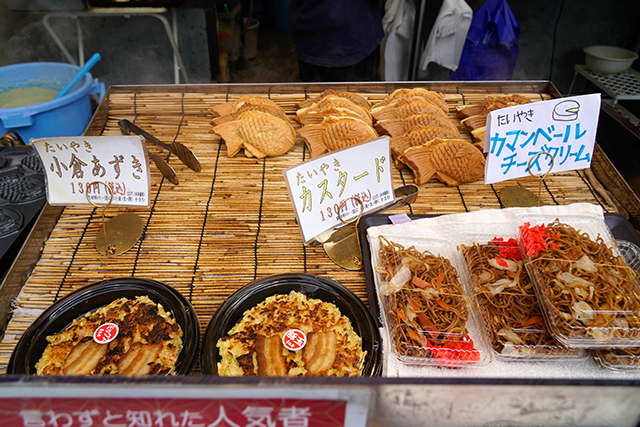
At the junction, we stop by a shop selling okonomiyaki, takoyaki and taiyaki. I’ve not been able to track now the name of this shop, despite knowing its exact location even with help of Google Maps. Understanding of basic Japanese is required to order at this shop as the staff do not understand any English and pointing to order is insufficient when wait times are involved.
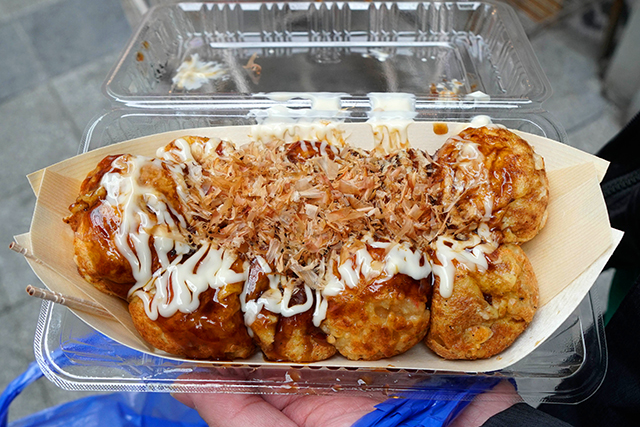
We order 9 takoyaki for ¥460. They’re freshly made is piping hot – not quite as good as our favourite ones in Ōsaka, but enough to scratch the itch and tide us over until lunch.
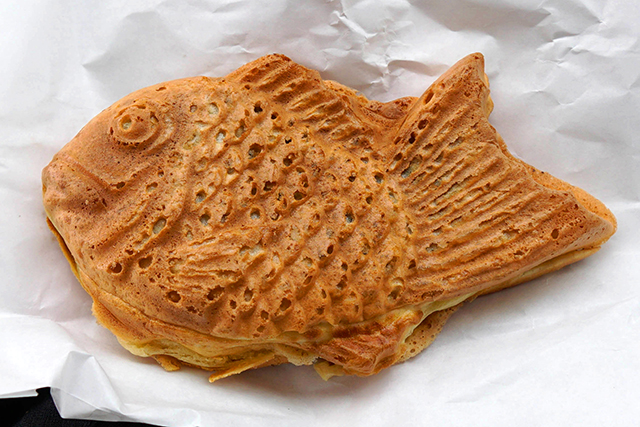
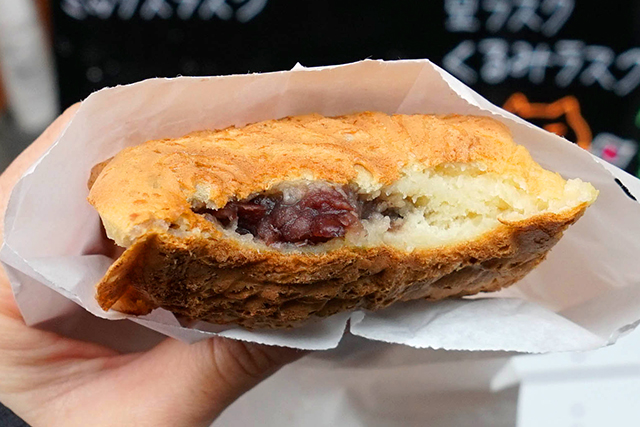
This is an ogura-an taiyaki (¥130), the classic flavour of red bean. Ogura-an is a mix of whole red beans boiled with sugar but otherwise untreated and whole red beans that have been passed through a sieve to remove bean skins. This mix gave the filling a moreish texture that retained a good bite. I still prefer my crispy croissant taiyaki but this is a tasty traditional one.
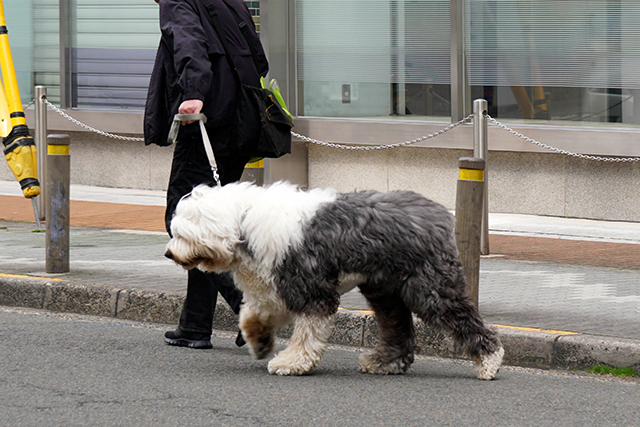
This large shaggy dog is getting his daily walk.
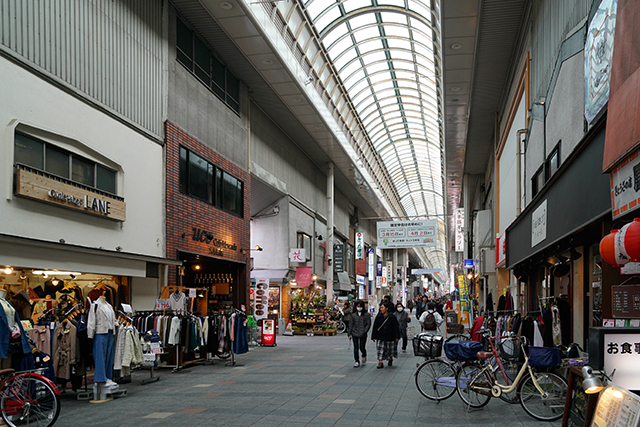
Otesuji Nayamachi is a much wider and busier shopping street than the Ryoma-dori Shopping Street we came from.
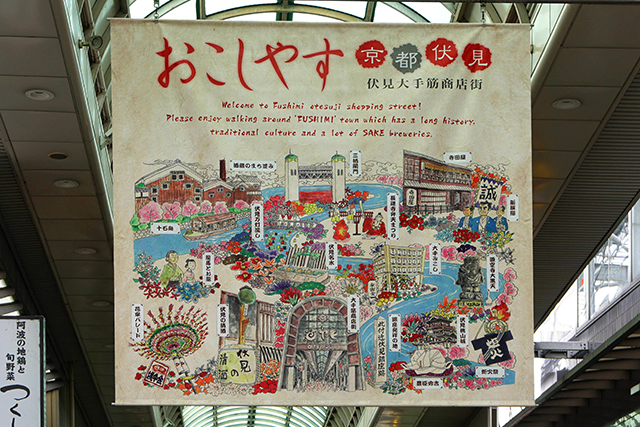
Being the main shopping street, signs hanging above welcome visitors to Fushimi and introduces its extensive sake breweries.
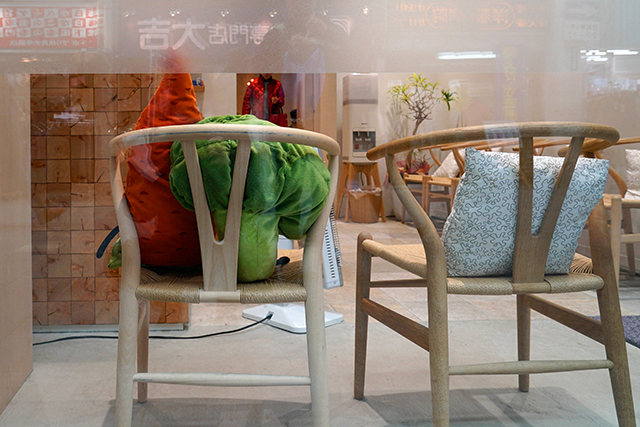
A doctor’s clinic has carrot and broccoli cushions.
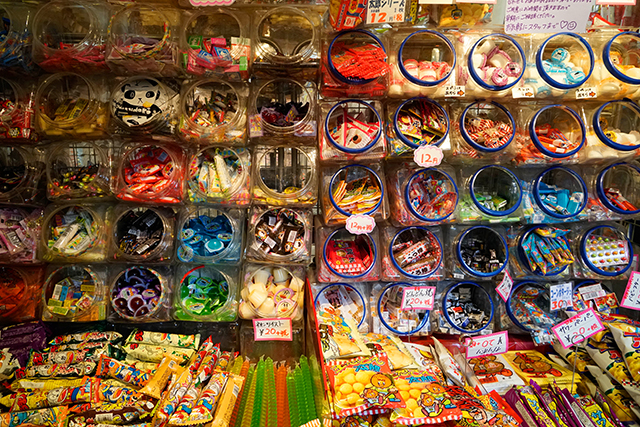
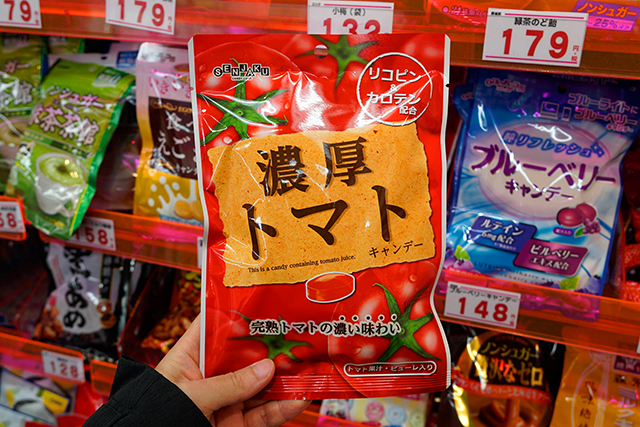
Heading into a snack store, we find many kinds of dagashi as well as tomato flavoured hard candy.
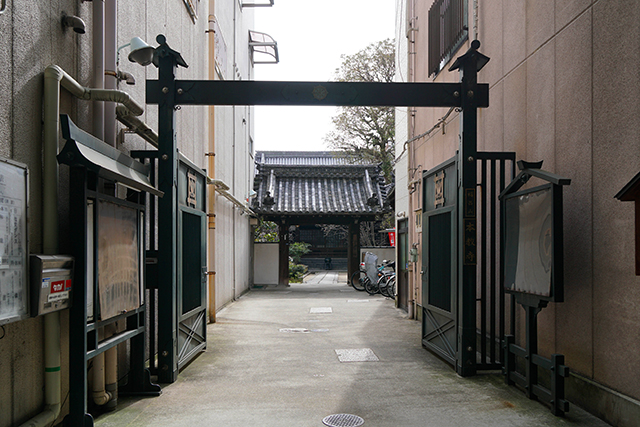
A path between two buildings leads to a shrine behind the shopping street.
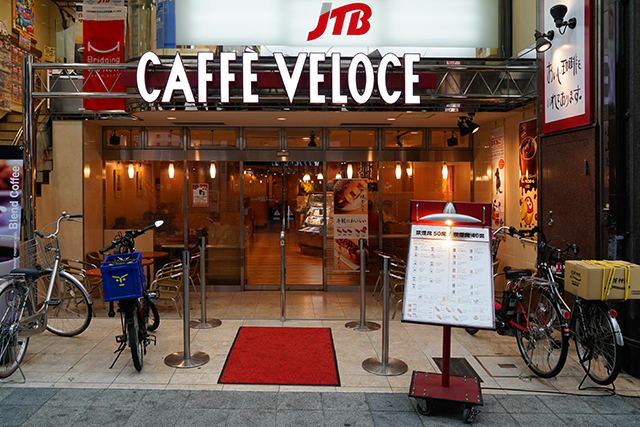
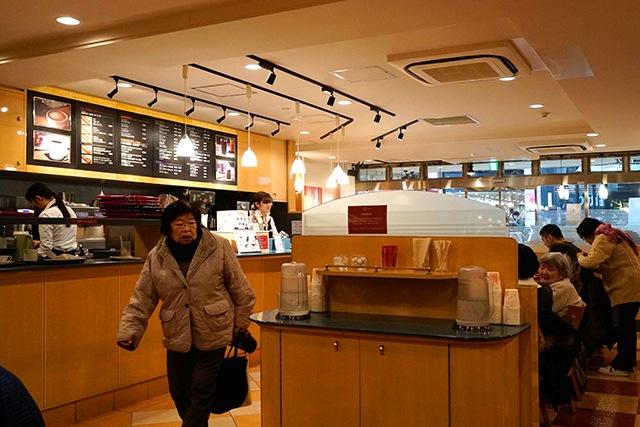
We’ve been on the lookout for a Caffe Veloce for a few days now and find one close to the end of the shopping street.
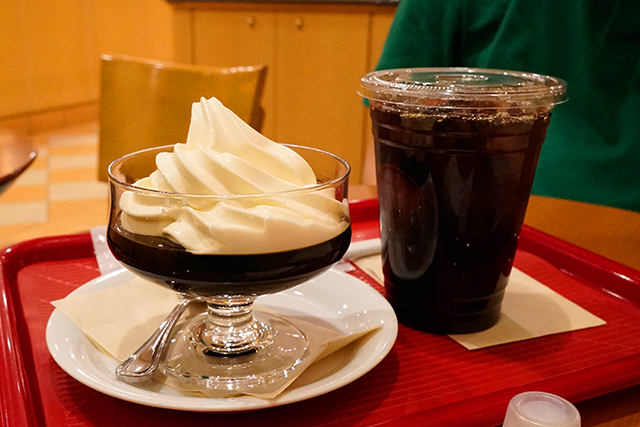
D’s been after their coffee jelly with soft serve, which is every bit as good as he remembers, while I enjoy a long black coffee.
Fushimi-Momoyama Station
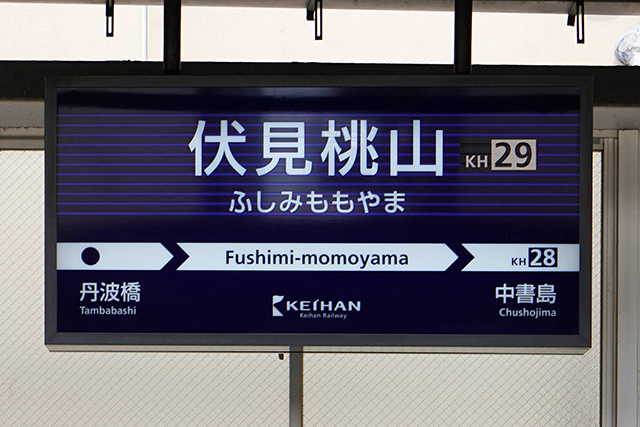
At the end of the Otesuji Nayamachi is Fushimi-momoyama Station, one stop down from Chushojima.
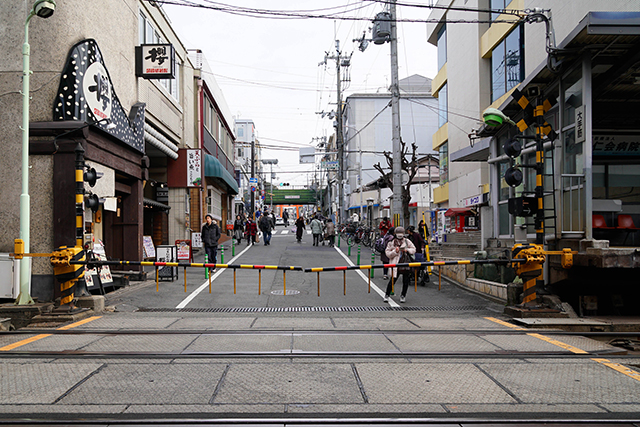
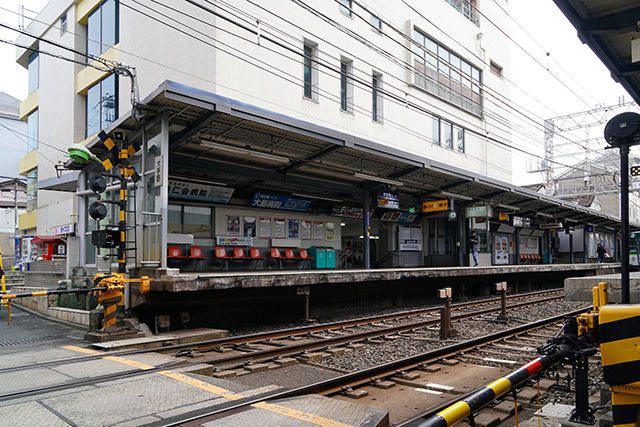
Whereas Chushojima is a major station and indeed, one of the few stops the rapid express makes between central Ōsaka and Kyōto, Fushimi-momoyama is a tiny station serviced only by local trains. The train goes through a level crossing dividing Otesuji Nayamachi.
Kyōto – Downtown
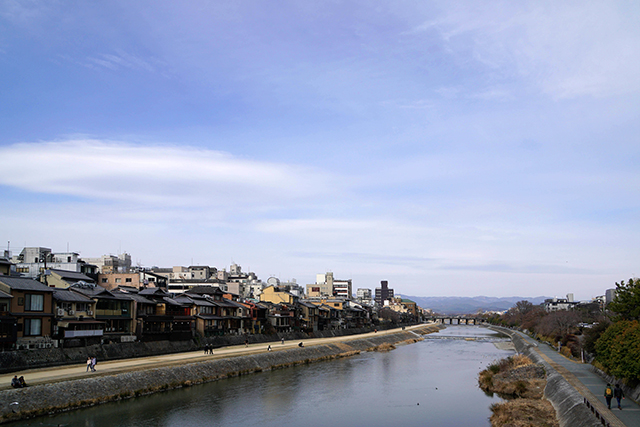
A slow train ride later, we’re back in Kyōto after two weeks.
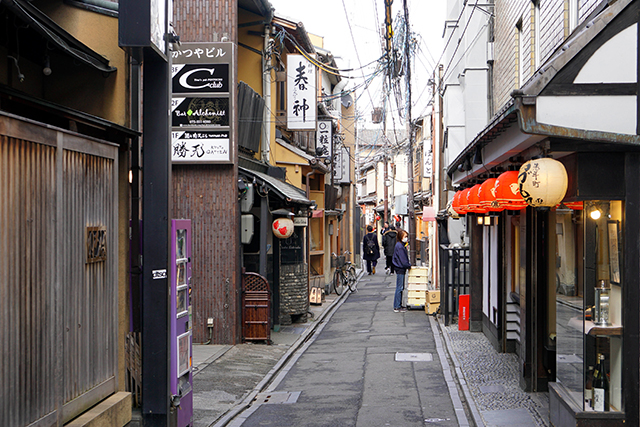
We take a quick peek down Pontocho on our way downtown.
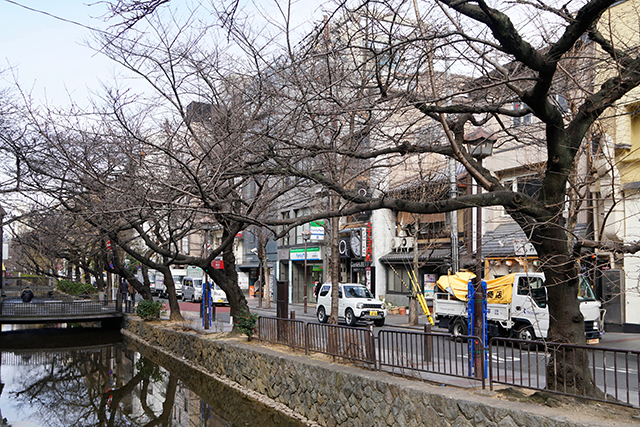
We fondly recall a pork bowl restaurant we ate at in 2011. We’re positive it’s located near this river but don’t manage to relocate it.
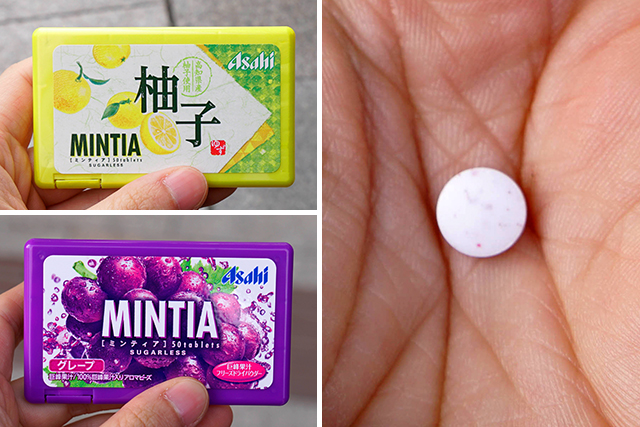
We try some of the Asahi Minita sugarless mints in yuzu and grape.
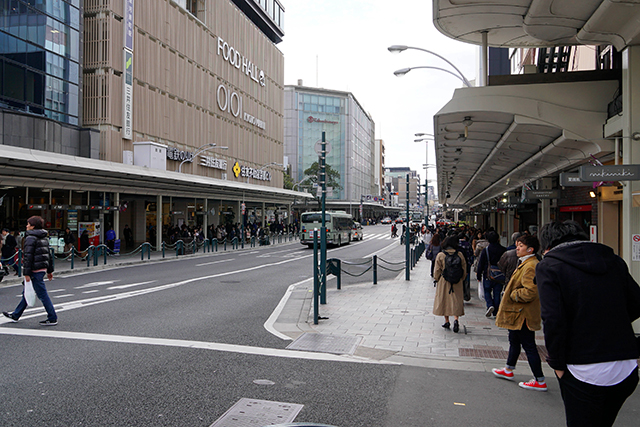
It’s a relief that Kyōto is less busy than when we visited a fortnight earlier during setsubun. We’re not fond of crowds!
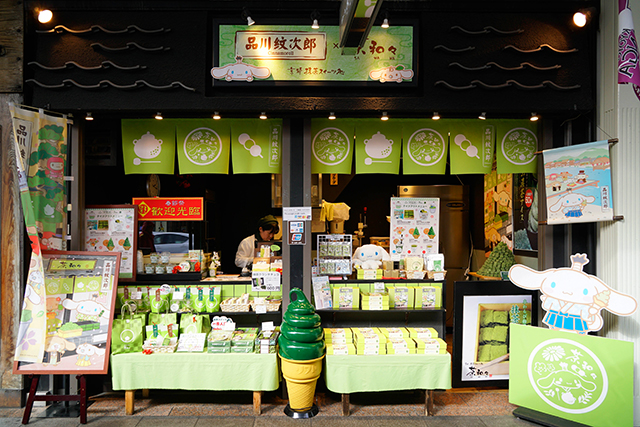
This is a store dedicated to the Sanrio character Cinnamoroll and green tea products.
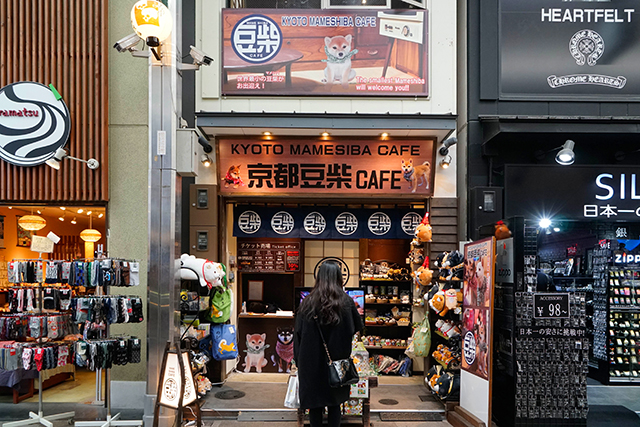
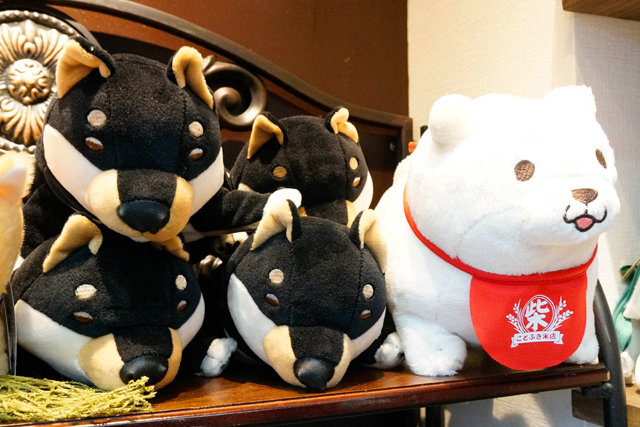
Shortly after the entrance to Teramachi dori is the Kyōto Mamesiba Cafe. Its entrance was so packed with the long queues when we first visited that we didn’t get the chance to check out the cute plush toys and other shiba inu merchandise it has on sale.
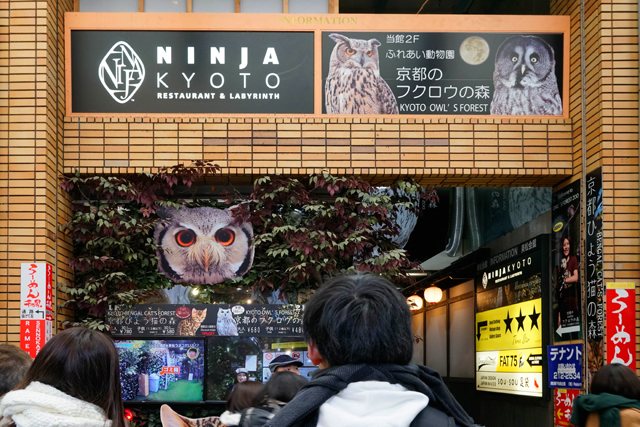
Directly opposite is an owl cafe, Kyōto Owl’s Forest. We pass.
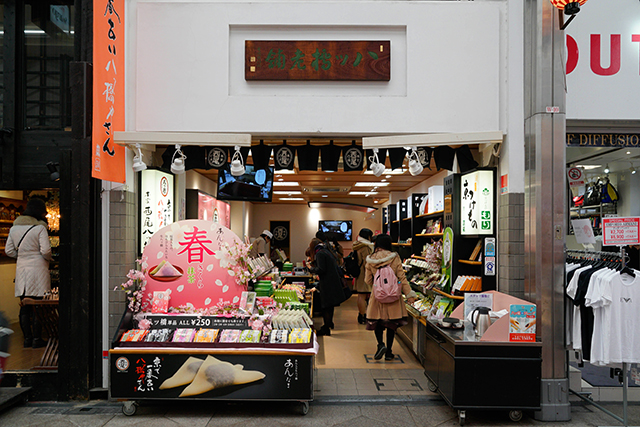
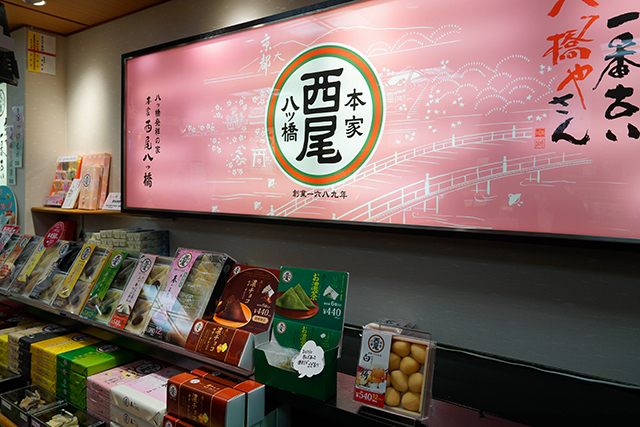
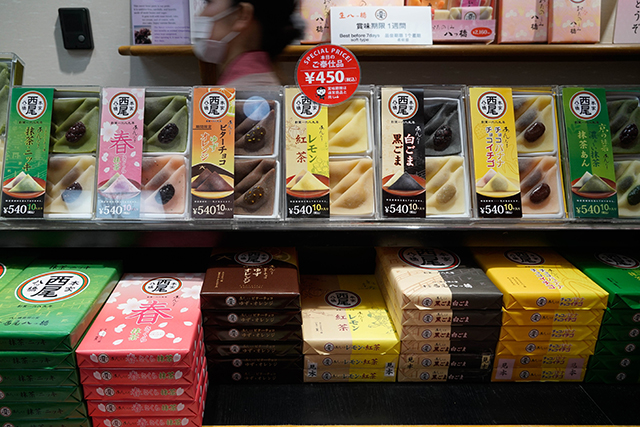
We make our customary visit to Honke Nishio Yatsuhashi, which sells yatsuhashi, a famous regional confectionery made from glutinous rice flour, sugar and cinnamon. We pick up the black sesame, as well as bitter chocolate yuzu and orange.
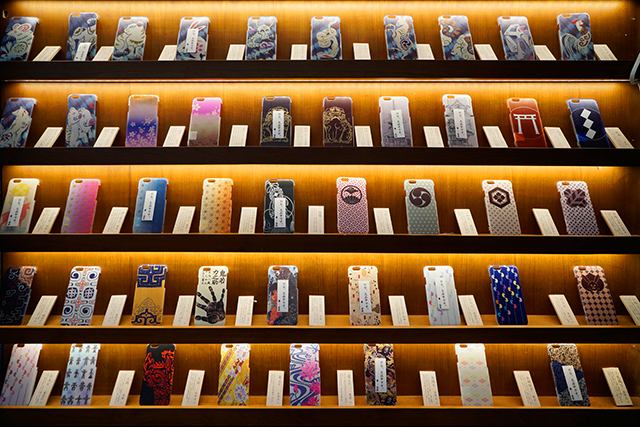
A store further down sells stylish iPhone cases.
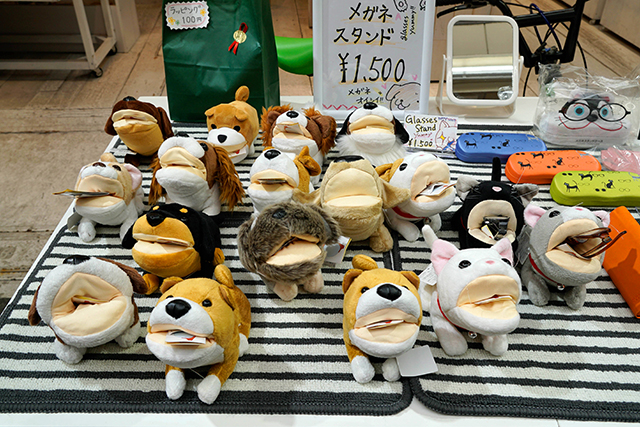
Another one sells dog plush toys whose mouths double as spectacles holders. This is the shop where we first encountered an ultrasonic cleaner for cleaning spectacles a few years ago.
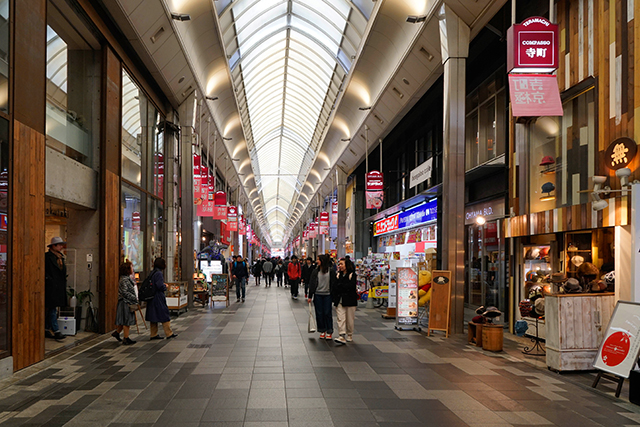
Half-way down Teramachi-dori we hear sirens blaring and police officers sprinting down the shopping strip.
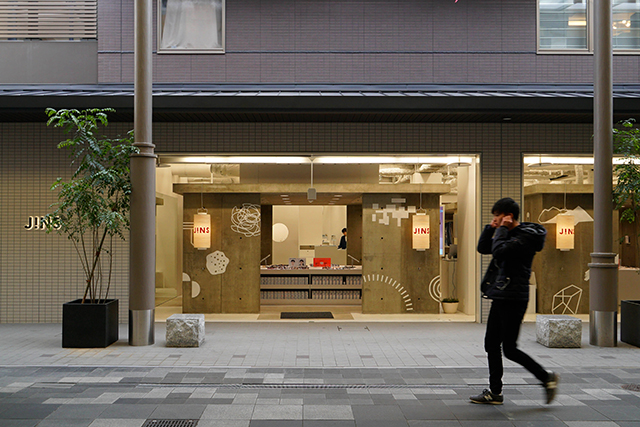
There’s no indication that they’re evacuating the area so we keep going in the same direction. We pass by a stylish spectacles shop, Jins.
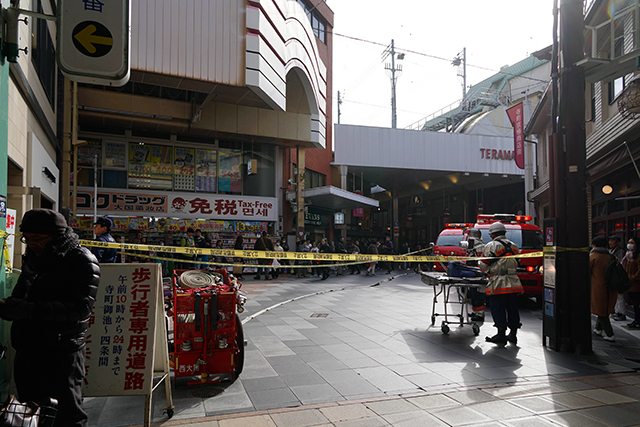
Turns out the emergency is on the second floor of what used to be a First Kitchen in 2015. We’re sad that it’s now been replaced with a leather goods store. Emergency personnel are looking down from the window on the second floor and we’re debating between it being a suicide or a small fire. They’ve cordoned off the area but we can still walk past …
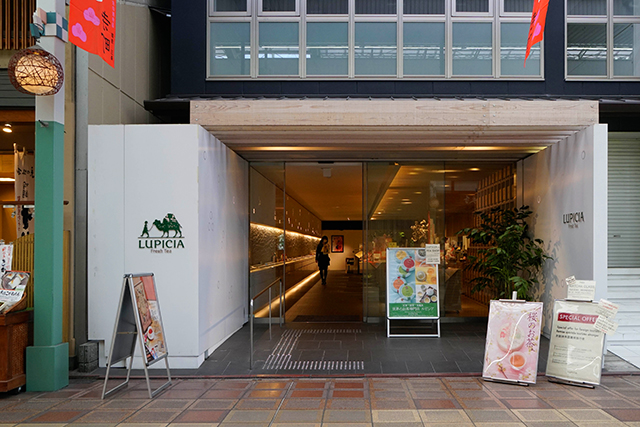
…to my favourite Lupicia store!
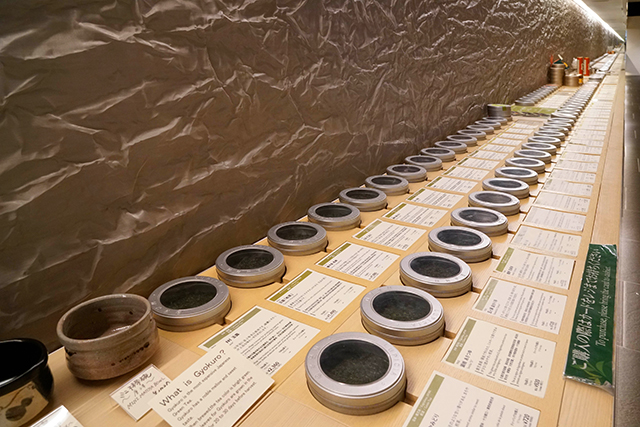
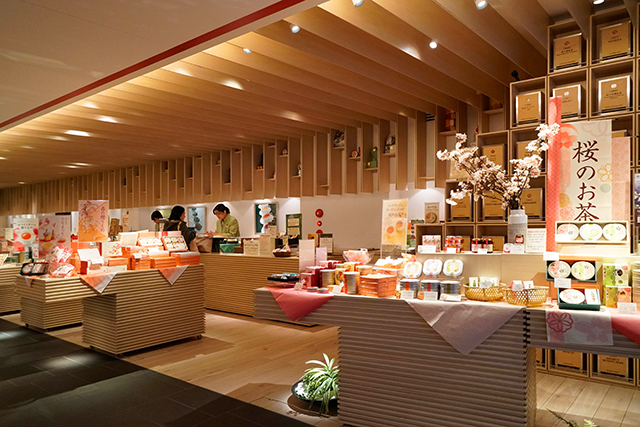
This Lupicia store has their full collection of teas on display and is one of a handful of tax-free branches around. The new spring collection of sakura teas was made available just a few days earlier.
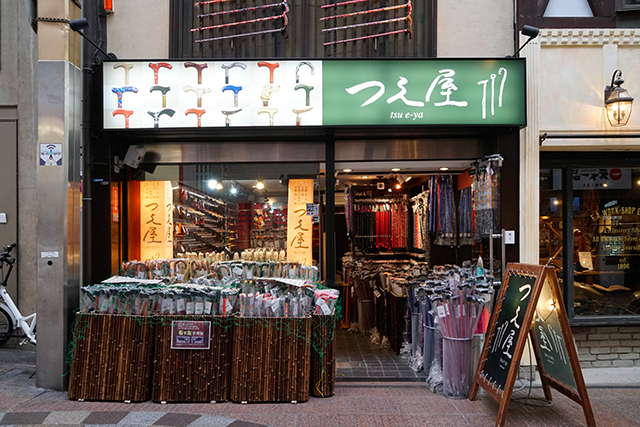
Walking back, we pass by a shop specialising in walking sticks…
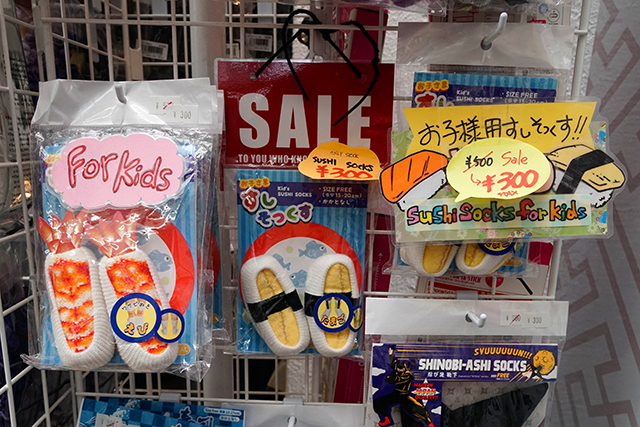
…another one sells various sushi socks for kids.
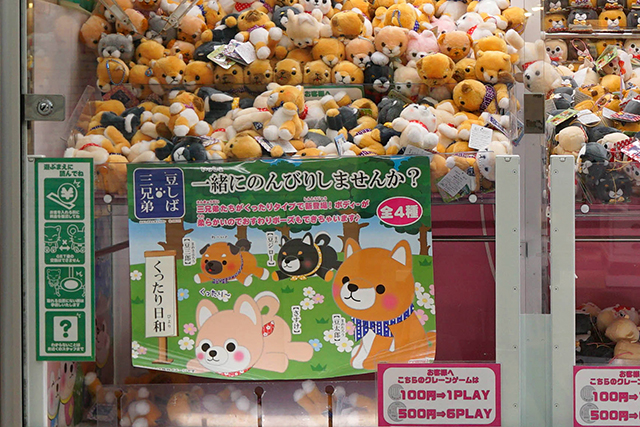
There’a large arcade with some cute dog plush toys out front.
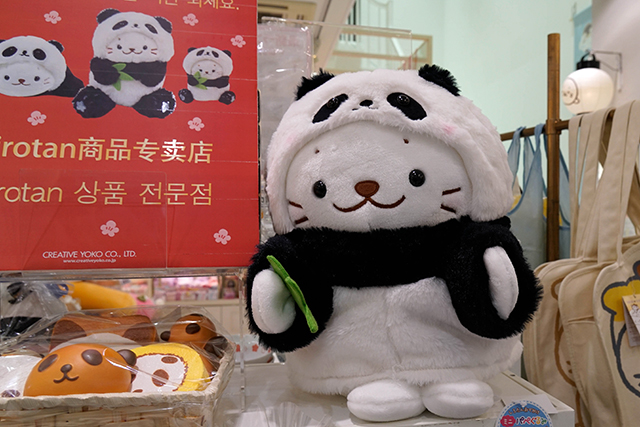
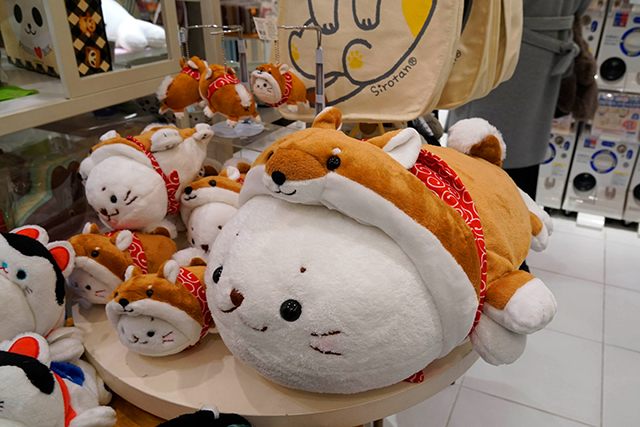
Further down is a store selling Shirotan merchandise where he’s pretending to be a panda and a shiba inu.
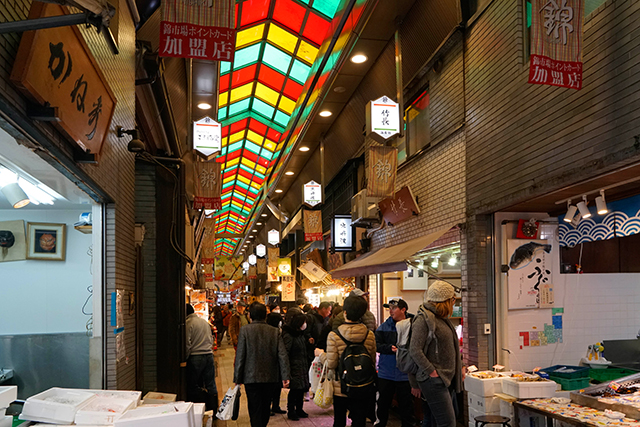
Before long, we’re back at Nishiki Market…
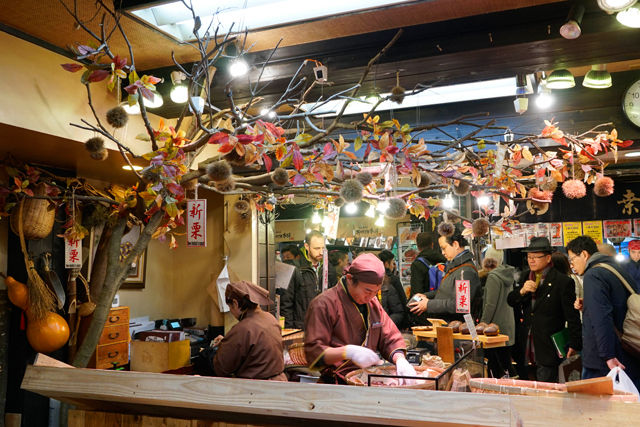
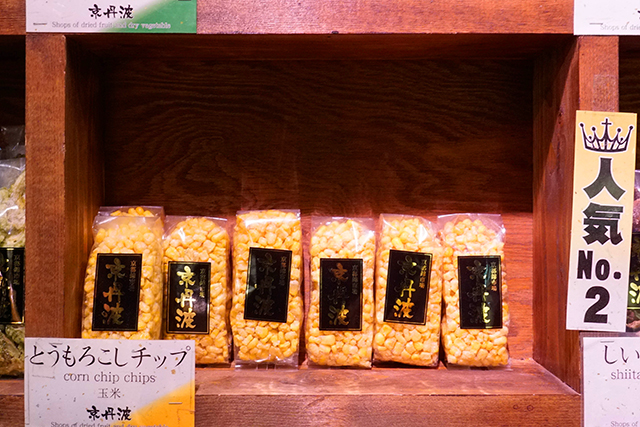
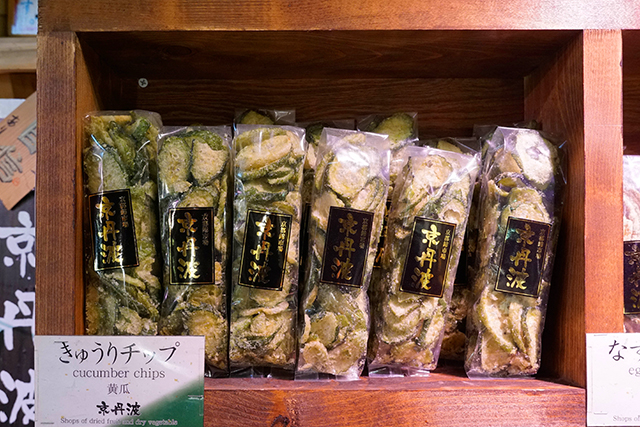
The same store as the one offering black soybean tea next to the roasting chestnuts out front sells interesting types of veggie chips, including corn and cucumber.
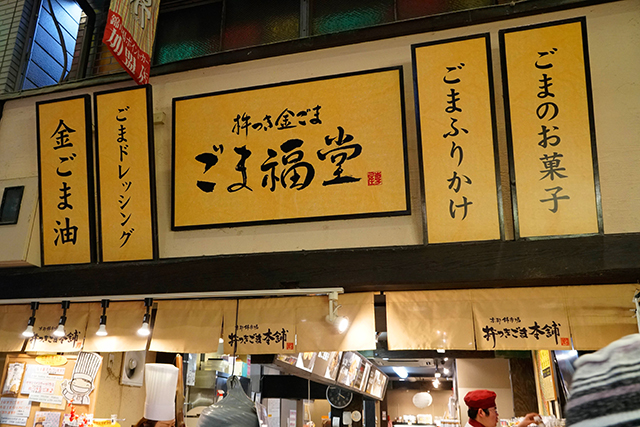
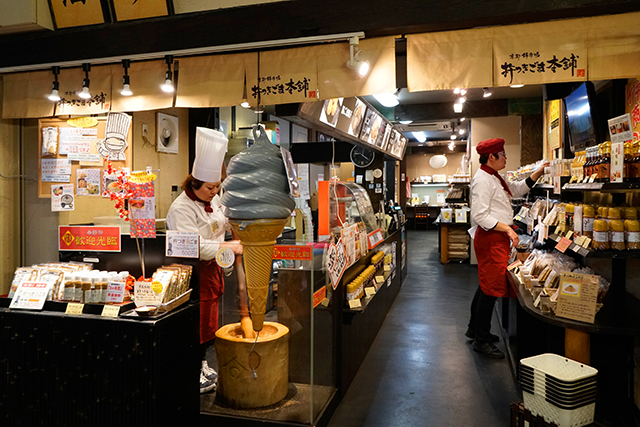
Our main motivation for returning to Nishiki Market though is Goma-fukudo.
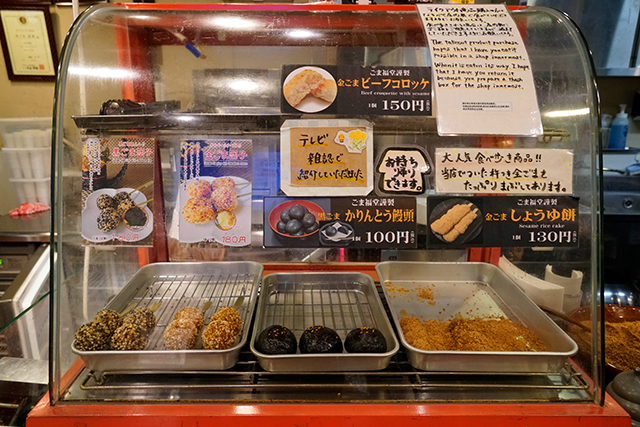
It specialises in sesame products and is easily one of our favourite stores we’ve encountered during our trips to Japan.
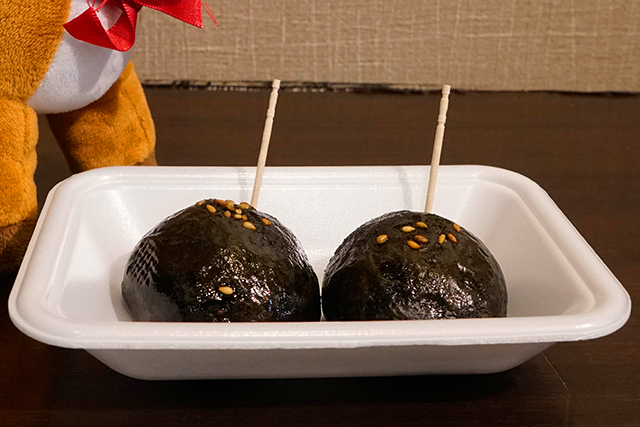
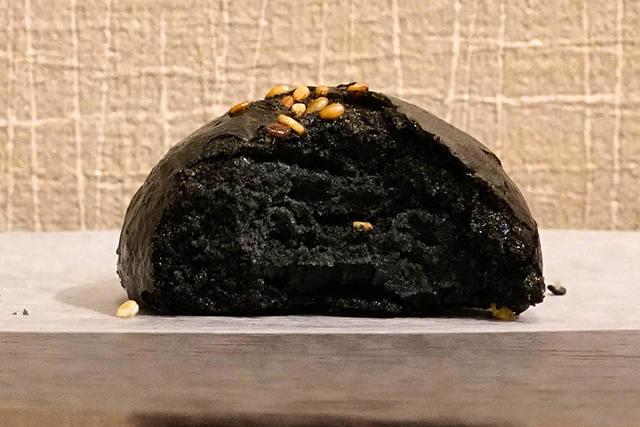
We’ve covered this before a few times, but we’re fans of their Black Sesame Karinto Manjū. They’re deep-fried morsels of deliciousness with a crunchy outer skin like karinto, and a softer black sesame centre. We had about 5 this trip!
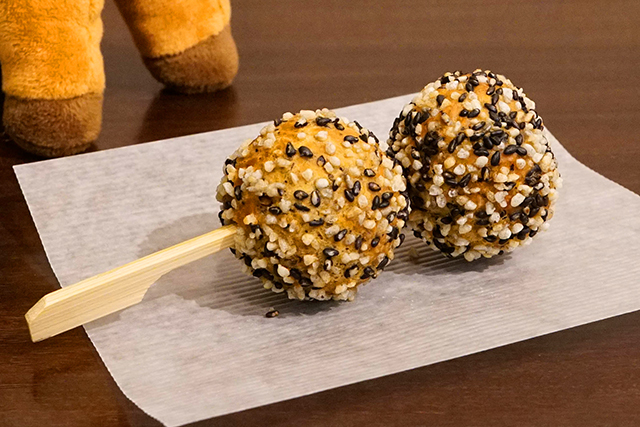
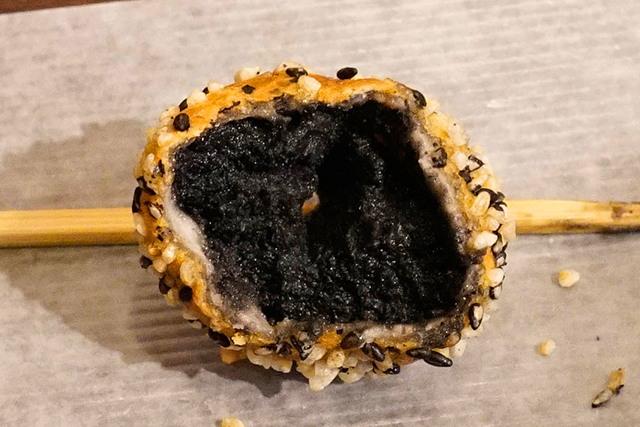
We also branch out and try their Black Sesame Dango with Red Bean Jam (1 stick with 2 pieces for ¥180). These were also deep fried with a crunchy sesame-studded coating and a soft black sesame and red bean centre. These were tasty but they don’t beat the Black Sesame Karinto Manjū!
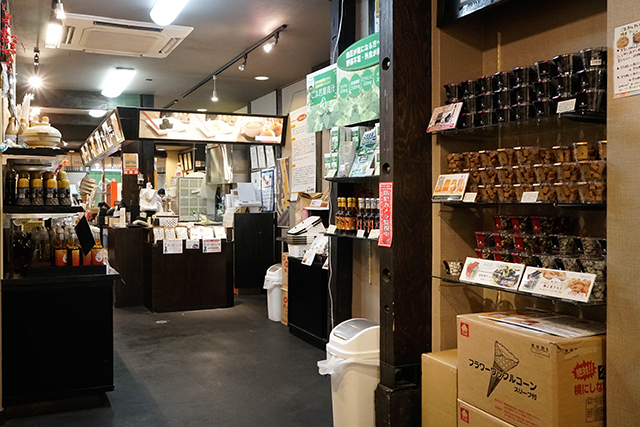
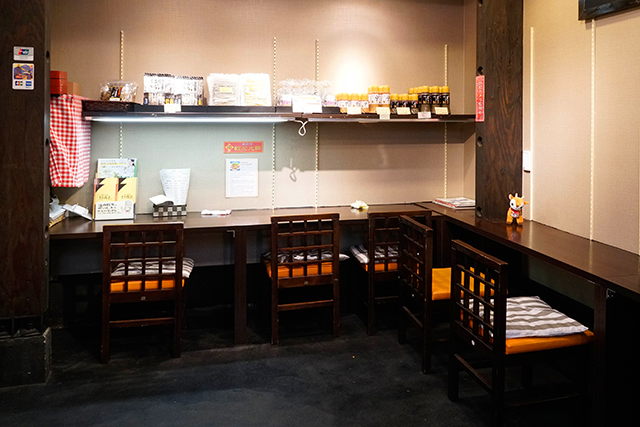
The shop encourages customers to enjoy their purchases at a dedicated seating space at the back of the store.
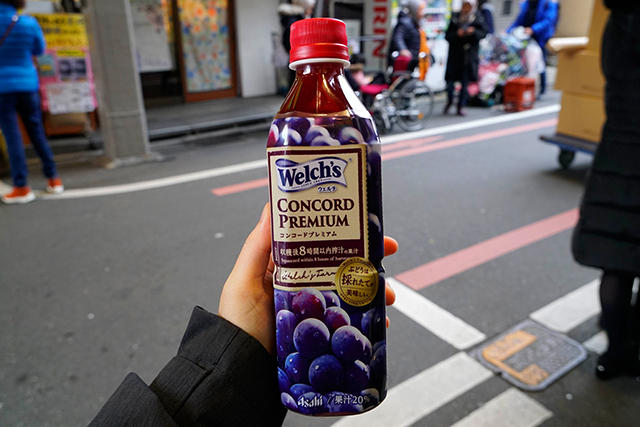
Thirsty from our snacks, I enjoy this Welch’s Concord Premium Juice. It has the rich taste of purple grapes that’s unlike the grape juice from concentrate we get in Australia.
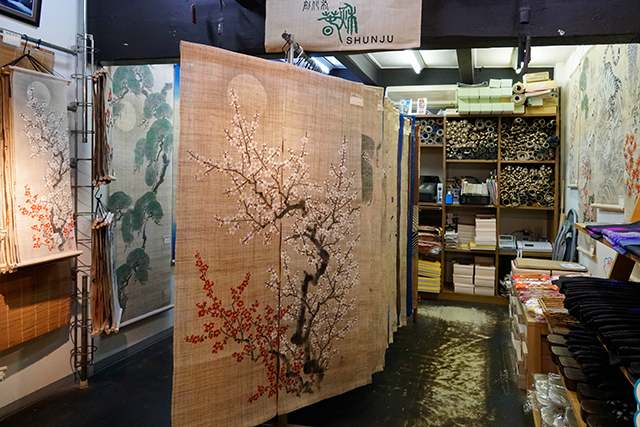
Another shop sells hand-painted noren. They’re beautiful but much too dear for our purposes of hanging over our bathroom doors when compared to the printed ones we purchased at Kappabashi Street in Tōkyō.
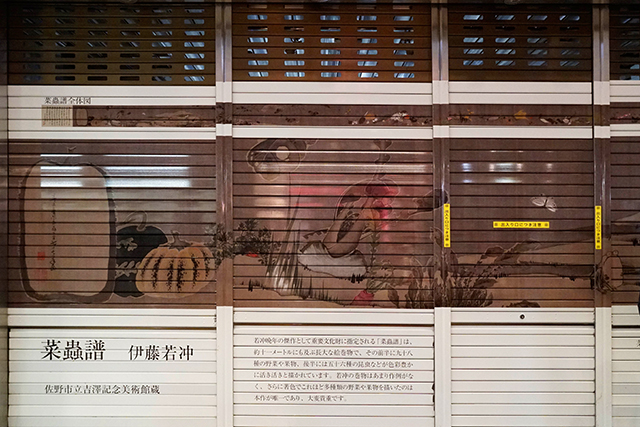
Paintings cover the shutters of closed stores.
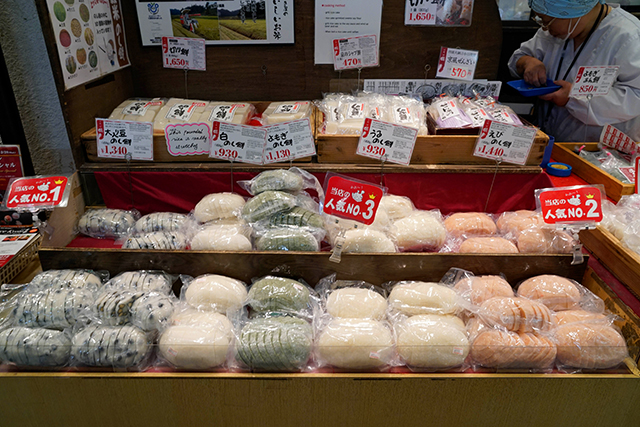
We pass by a store specialising in traditional types of mochi.
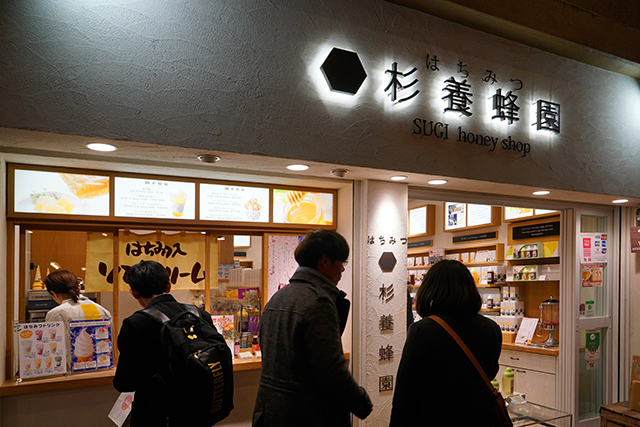
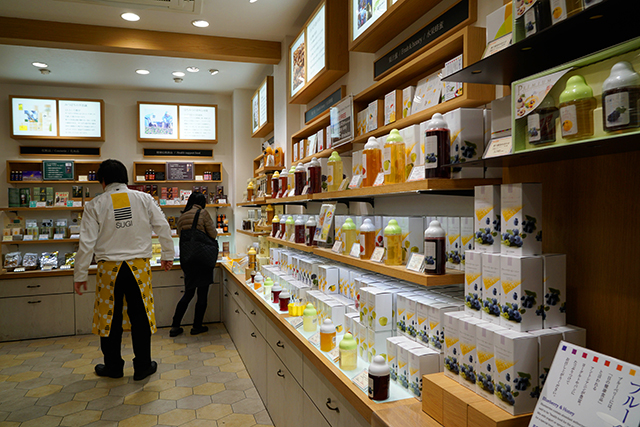
But we show our habitual weakness in entering the Sugi Honey Shop. We leave with the Sugi Bee Garden Apple & Honey this time after receiving a sample. The salesperson is surprised that we’re well aware of their brand and their products.
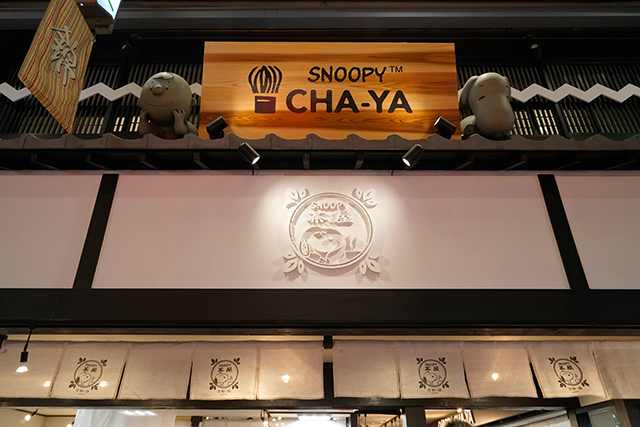
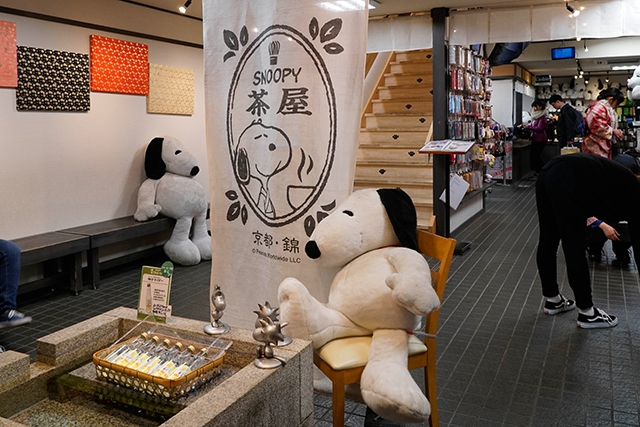
The Snoop Cha-ya is a new shop and tea room dedicated to Snoopy.
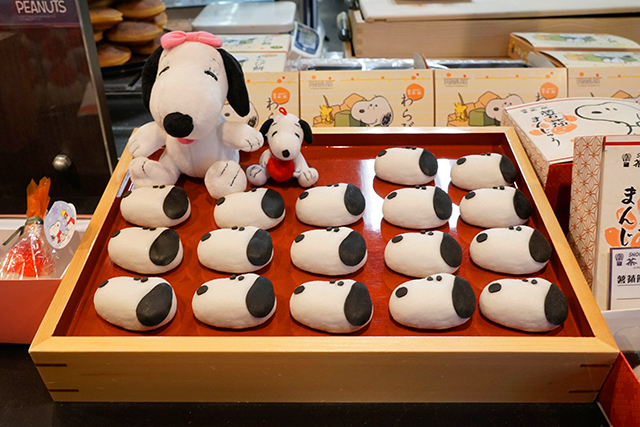
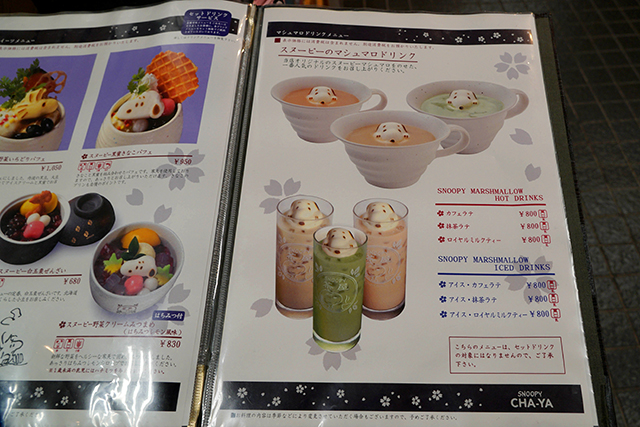
There’s Snoopy Manjū to be purchased in boxes, as well as Snoopy anmitsu and marshmallow drinks to be enjoyed at the cafe.
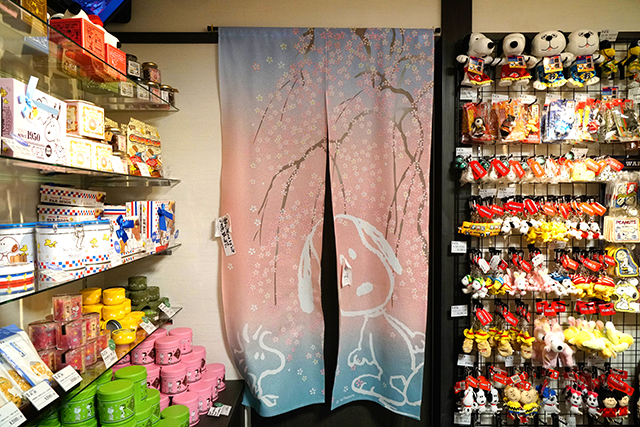
The merchandise section has a pretty Snoopy noren on sale.
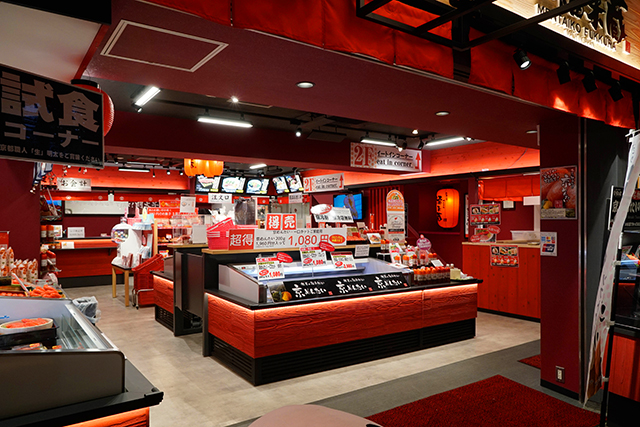
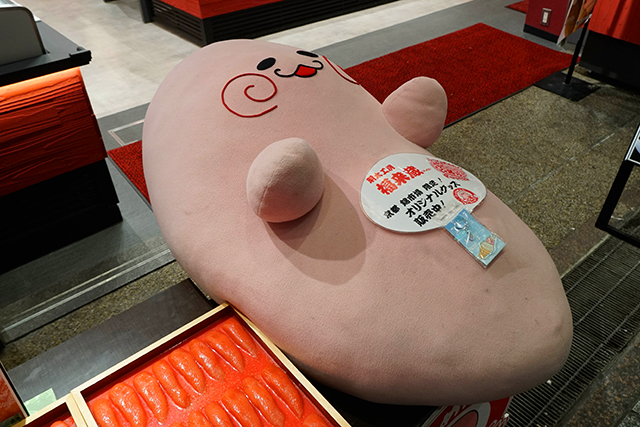
Nearby is Mentaiko Fukurra, a shop and restaurant specialising in mentaiko as if the red colour scheme and the mentaiko-shaped plush toy didn’t give it away.
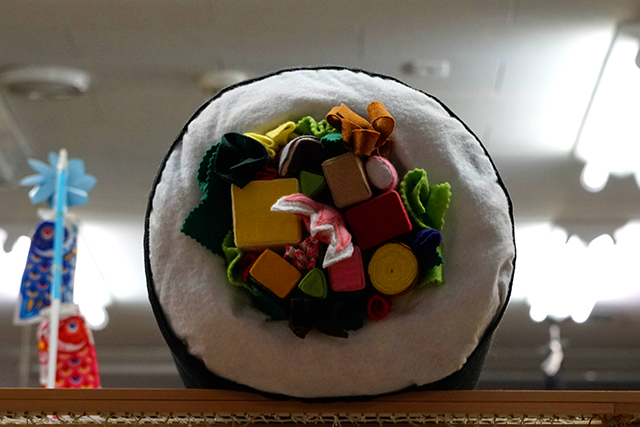
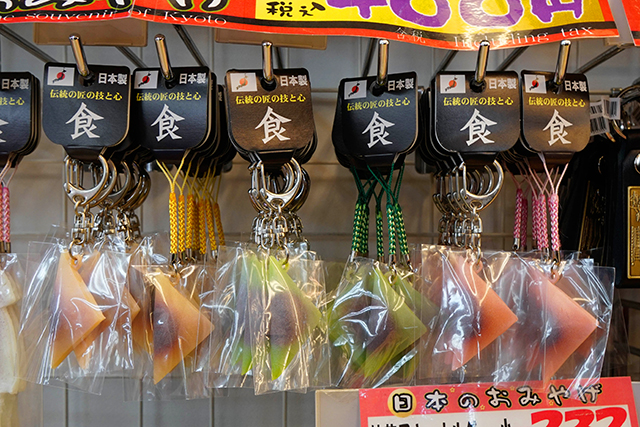
There’s a souvenir store/pharmacy selling a giant maki roll made from felt as well as yatsuhashi keychains.
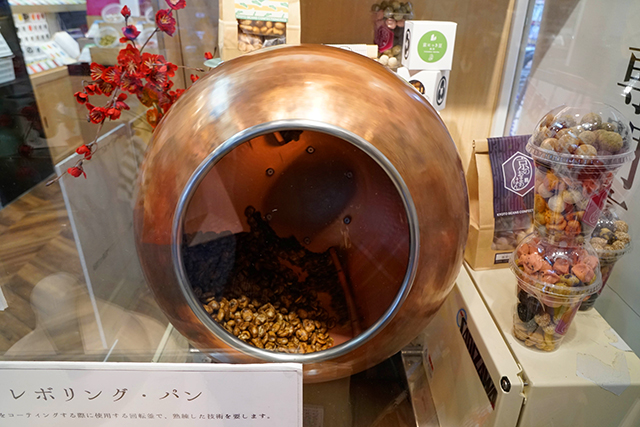
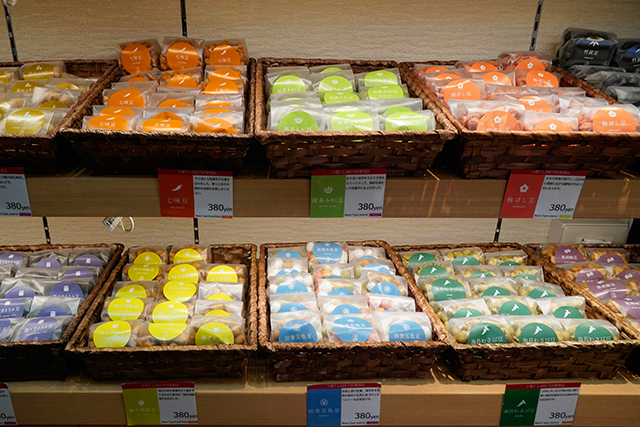
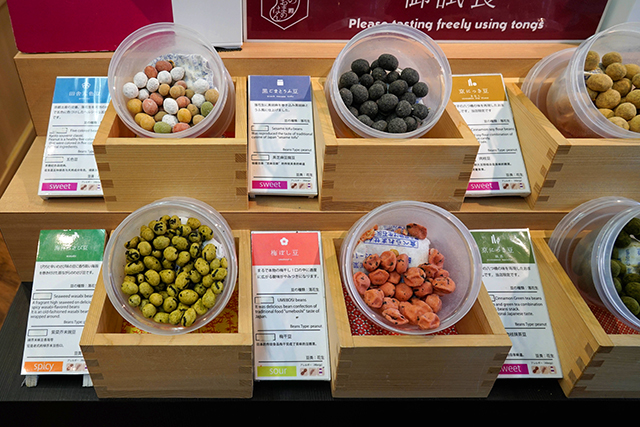
Nearby is a store selling roasted and flavoured beans, including sesame tofu beans, umeboshi beans, cinnamon green tea beans, cinnamon kinako beans and seaweed wasabi beans.
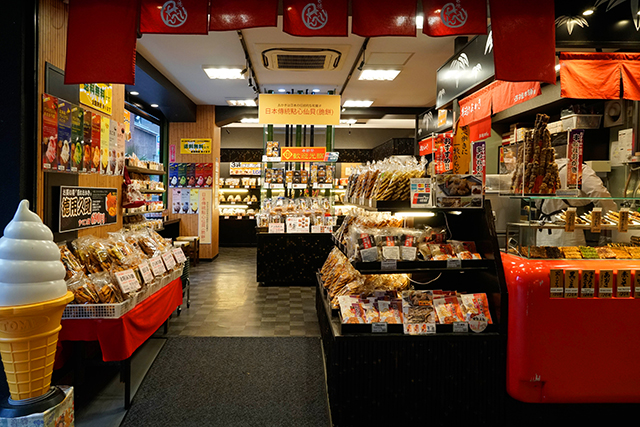
We reminisce about the chilli powder we purchased from this store on a previous trip. D likes to use it to season his chips.
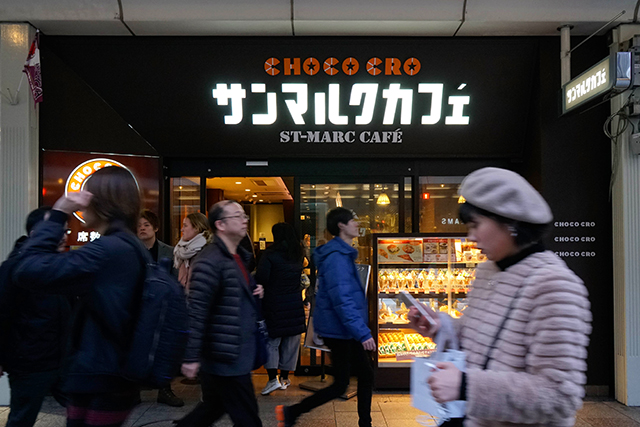
After a long afternoon, we rest our legs at Choco Cro St Marc Cafe.
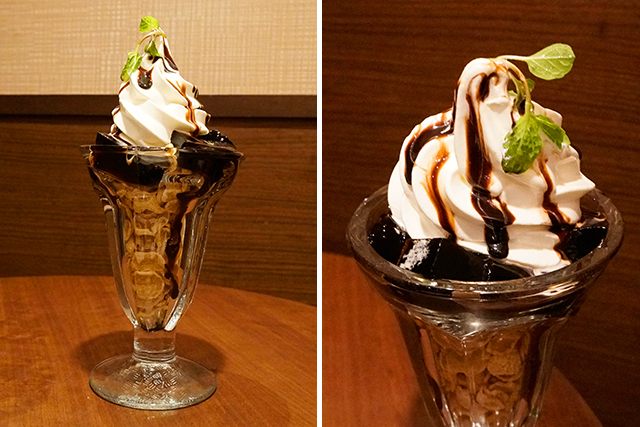
We’d had our eye on their parfaits for much of the trip. This is the Coffee Jelly Parfait. D enjoys the mix of coffee and chocolate.
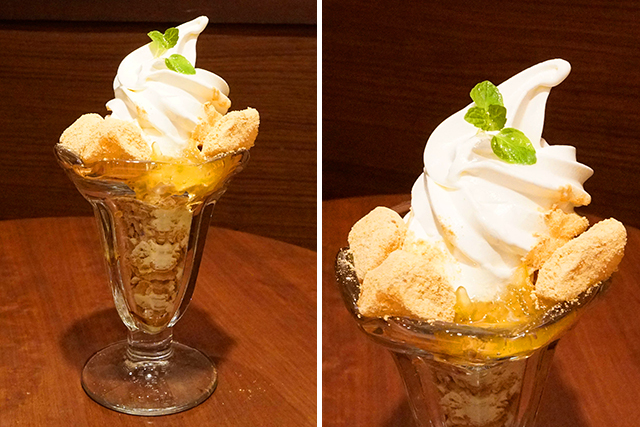
This is the Warabi Mochi and Yuzu Parfait. The mochi is soft, although I’m not entirely convinced the yuzu marmalade was the best complement. Perhaps a more traditional pairing with kuromitsu would’ve worked better.
Ōsaka – Namba
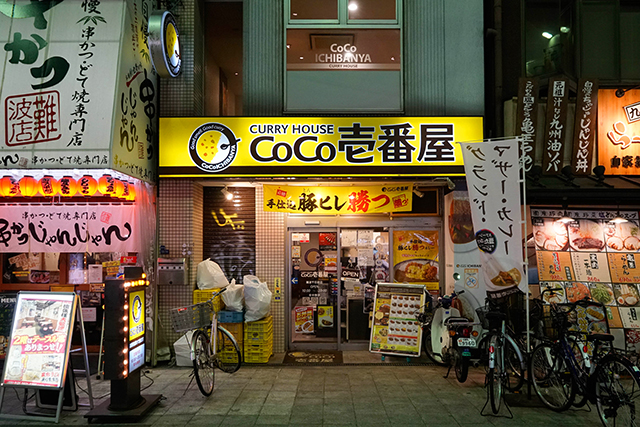
Back in Ōsaka and after a rest back in our hotel, we head down to the Coco Ichibanya Curry House that we’d passed up in favour of the tomato ramen next door at Kyūshū Ramen Kio the previous evening.
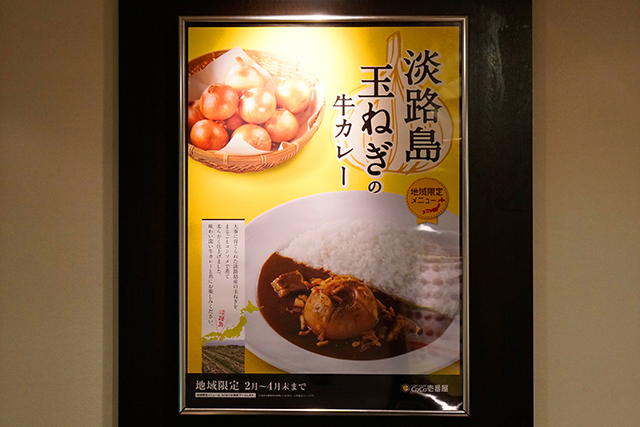
We’re seated upstairs and amused by this poster offering a beef curry with a whole stewed onion. We’re not fans of onion that we can see.
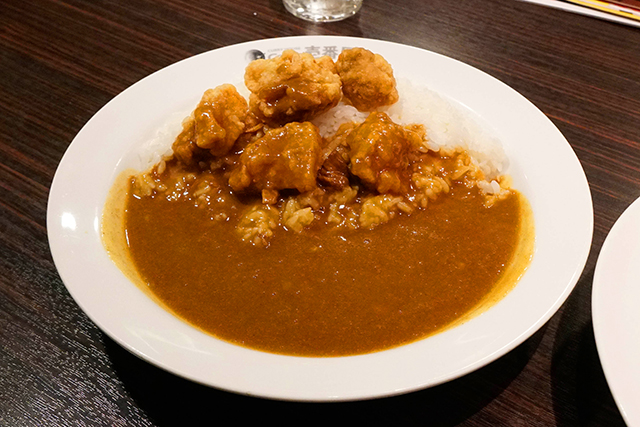
D goes for his favourite: Fried Chicken Curry (¥701) with its juicy morsels of chicken thigh in a pork based curry.
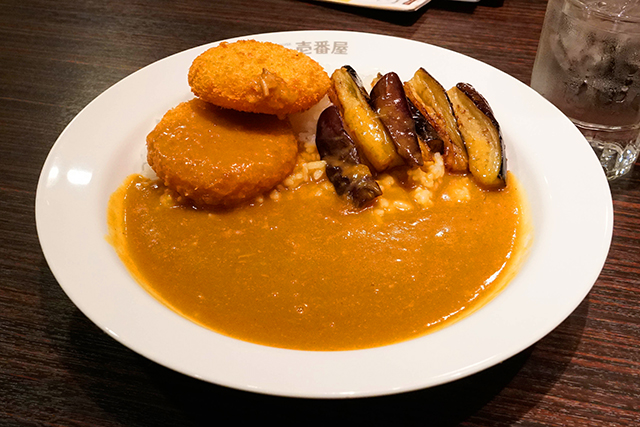
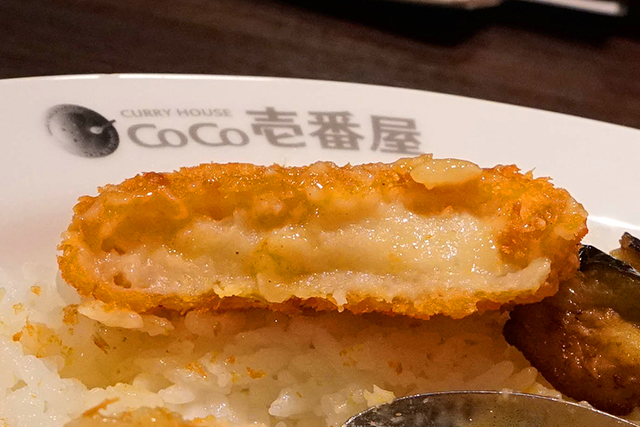
I go for one of my two favourite orders: Cream Croquette Curry (with Crab) (¥669) with added Eggplant (+¥154). The croquette is every bit as creamy and the eggplant every bit as tender as I remember. (My other favourite order adds (or replaces something with) asari clams for ¥185).
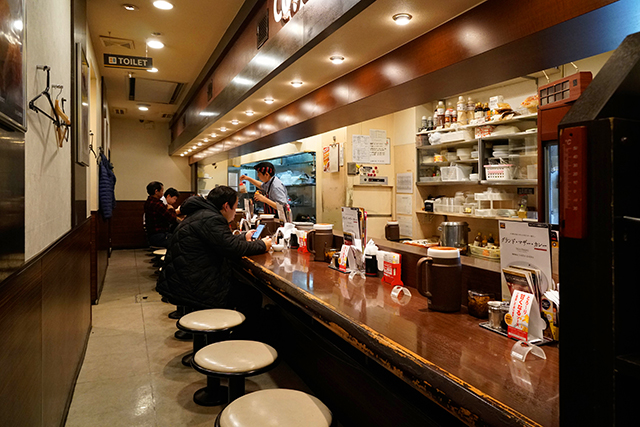
By the time we’ve finished eating upstairs, the booths downstairs have emptied.
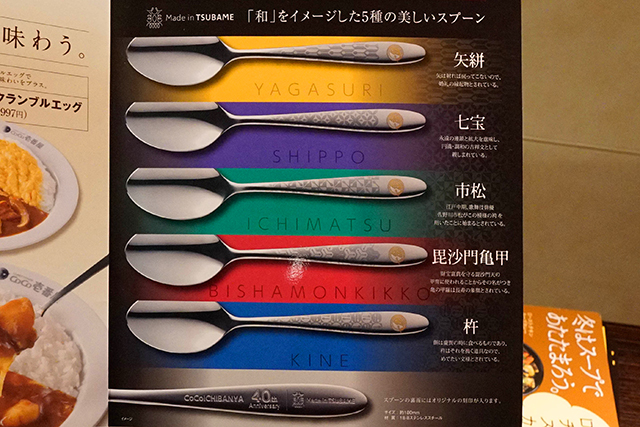
Coco Ichibanya Curry House was running a promotion for the 40th anniversary where customers could enter a lottery to win 1 of 200,000 spoons in 5 special designs. And with that ended our day in Japan for 2018. The following day we do some last minute shopping before heading to the airport.