We spent four days in Nagoya, three being day trips out of the city center. On the second day, we headed out to Toyota, Nagoya to participate in a plant tour at the Toyota Motor Corporation.
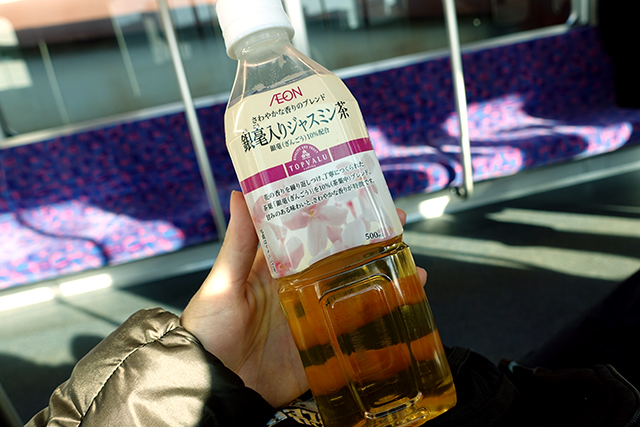
So with bottled jasmine tea, we wake up bright and early to travel some two hours to get there by 10:30AM.
Shinseto
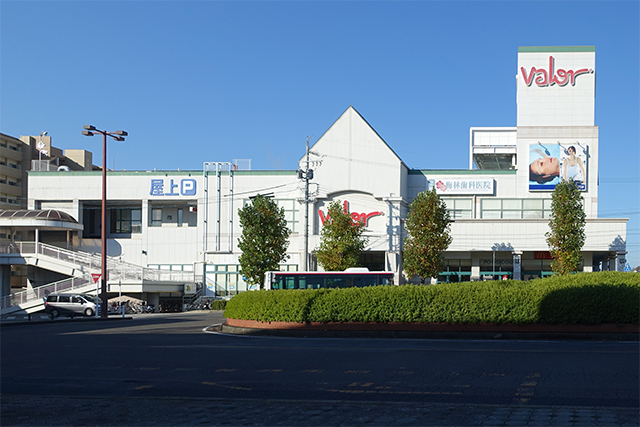
Given the early train we’d caught, we were counting on the supermarket and McDonald’s being open at Shinseto. Unfortunately, I hadn’t considered that Shinseto Station would be so far out of the way that shops don’t open until 9AM.
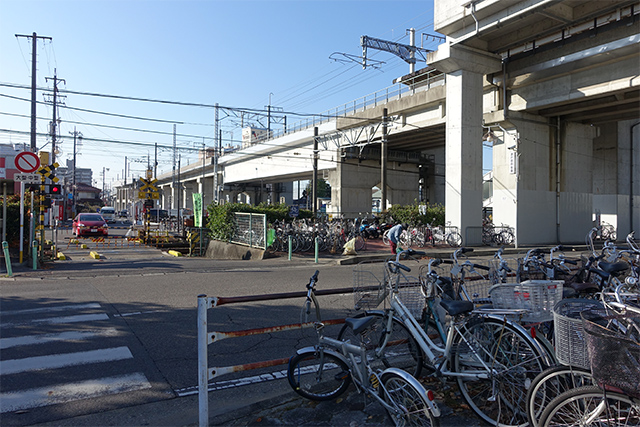
We had another 1 hour train ride followed by a 15 minute walk before arriving at the Toyota HQ, so we had a quick look around the area for some food.
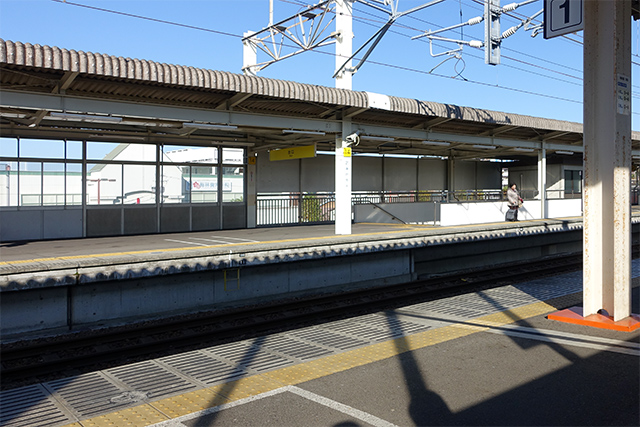
After finding no food (being entirely residential), we head to Setoshi Station.
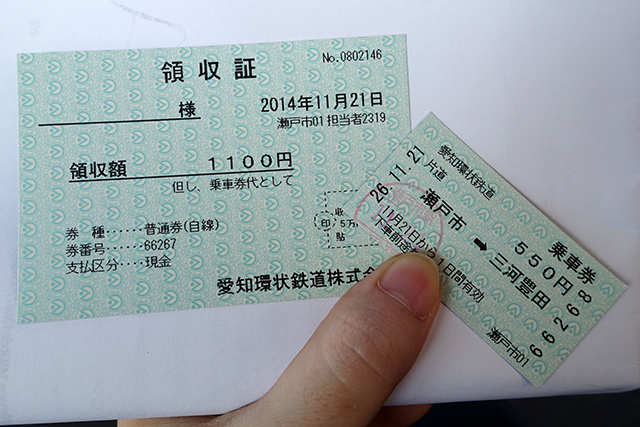
The line we’re catching is so distinctly local that we couldn’t use our IC cards. This was one of a handful of times where we had to buy a paper ticket during this Japan trip (the others being shinkansen trains or highway buses) – the most popular IC cards in Japan are compatible with each other, so you can travel urban areas of the entire country using one IC card.
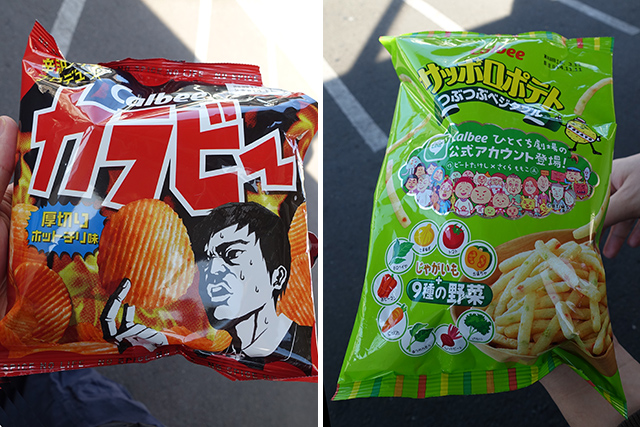
Having found no food, we dig into out bags for the snacks we’d bought to tide us over between breakfast and lunch. D likes his chips very spicy. I’m particularly sensitive to spicy foods, so anything I find spicy (like these chips), D finds lacking. The other chips are salad potato chips. They tasted all right, but we were later to find out at a Calbee+ store that that they taste amazing when made hot and fresh.
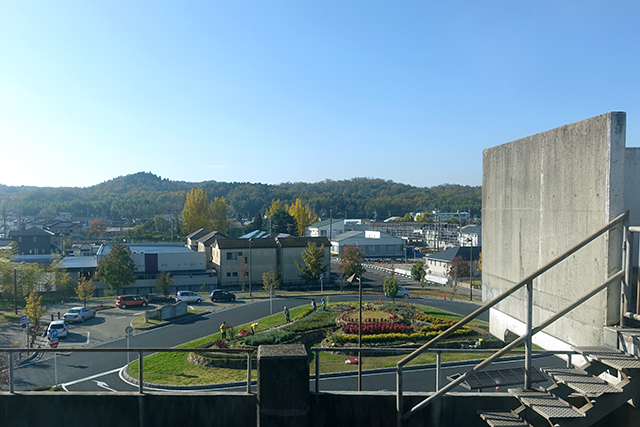
After a 20 minute wait, we’re on our way.
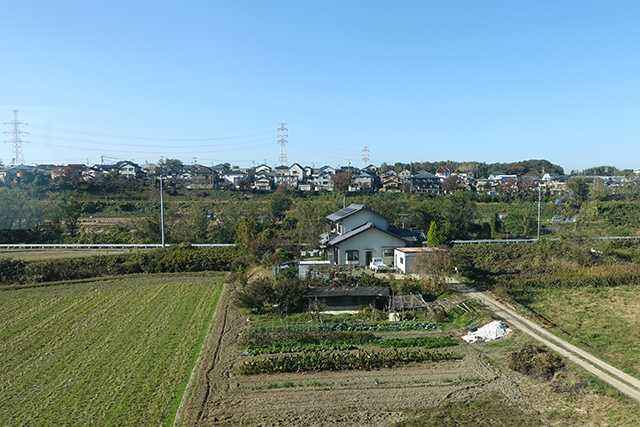
We pass by lots of farmland.
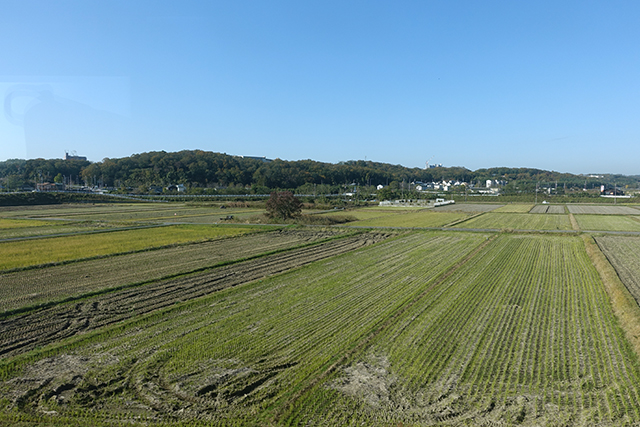
The scenery gradually becomes more rural.
Toyota
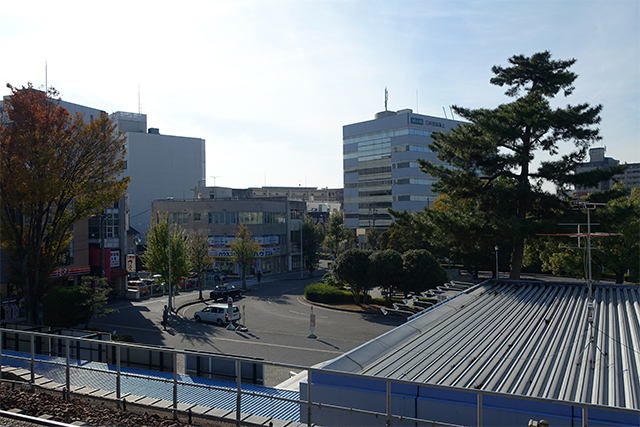
By the time we reach Mikawa Toyota Station, though, we’re back in urban Japan.
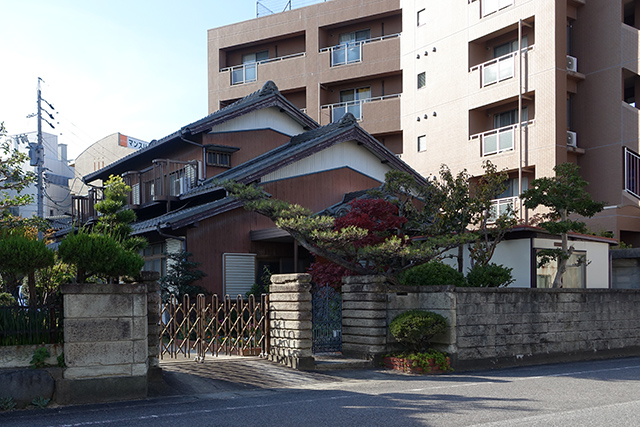
From the station, we walk past a residential area.
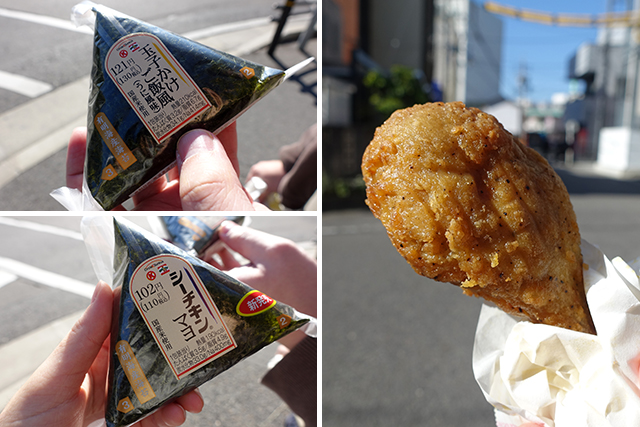
We have 30 minutes before our booked tour, so we hedge our bets on being able to find the building without getting lost by dropping by a Circle K Sunkus for some much needed breakfast. We end up with three onigiri – we had no idea what they were when we paid, but they turned out to be spring onion with wasabi, salmon, and one mystery one that I’m convinced is some part of a fish. D also comes away with ‘premium chicken’. It was seriously tasty! Even if D tells me it was overcooked.
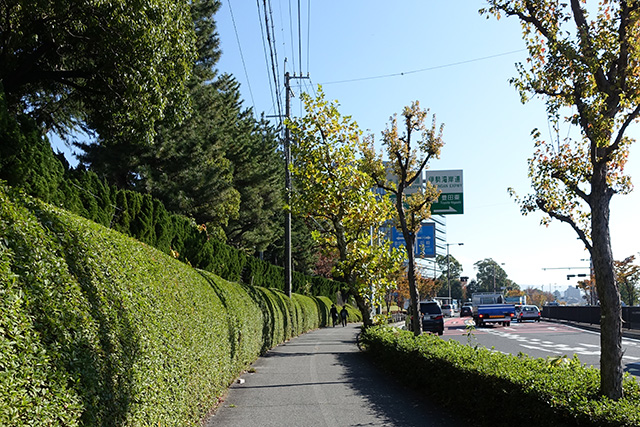
With food in tow, we reach the main road where the sun is shining blindingly bright.
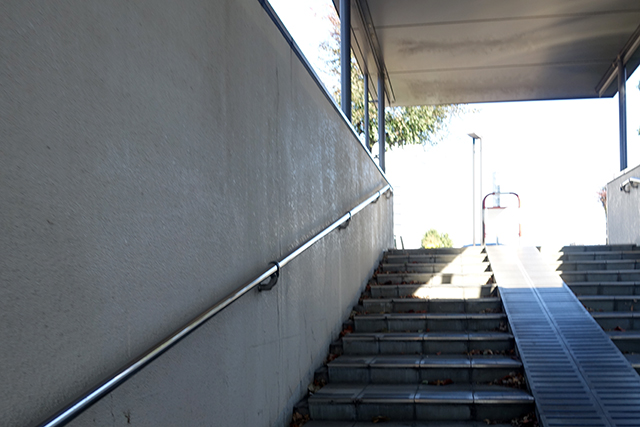
Many underpasses in Japan have a sloped section in the middle for people to make it easier for people to pull their luggage up and down.
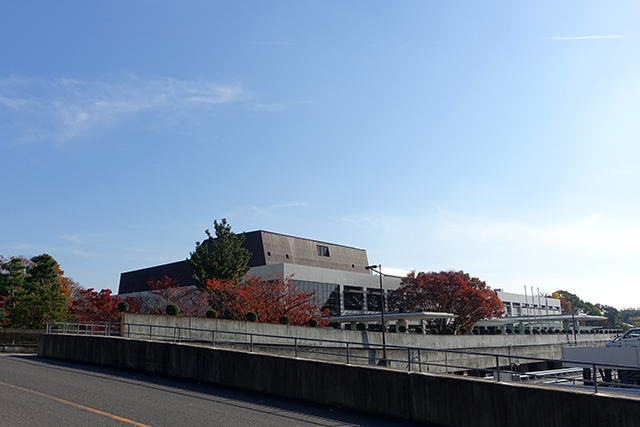
We did get lost trying to find the Toyota Kaikan Museum. Not to worry, though – a bunch of Toyota employees were heading our way to go to a training event, and a gentleman kindly went out of his way to walk us to the building, before walking back the way we came to go to his meeting. Ah, Japanese people, you are so thoughtful.
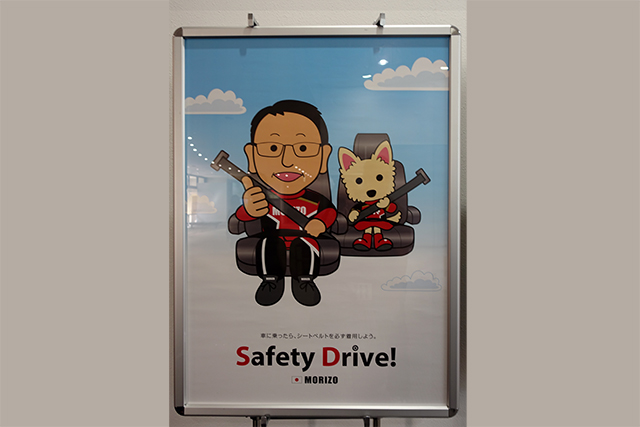
After notifying reception that we’d arrive, we’re directed to explore the Kaikan Museum first, and to rejoin at 11AM for the bus ride to the Motomachi Plant (where they manufacture Crown, Mark X, Estima, and LFA models).
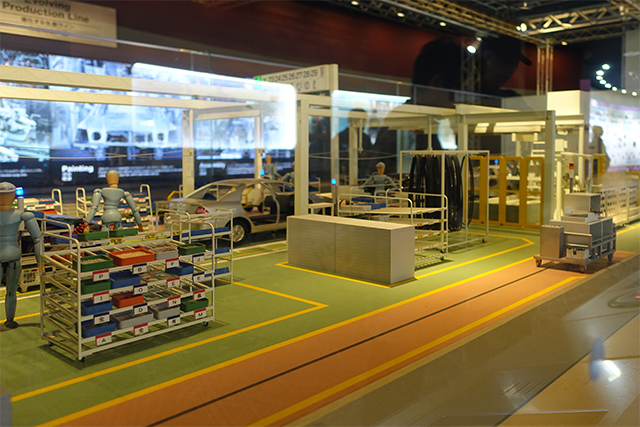
Filming and taking photographs are not permitted in the plant, so these photos of a model of their manufacturing line will have to do.
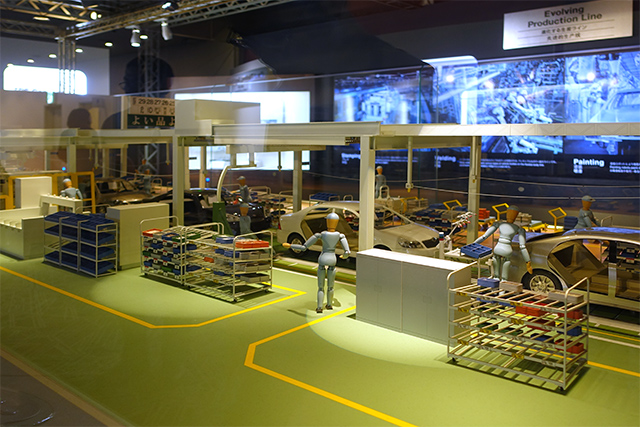
Seeing the Motomachi Plant is mind blowing. You see some 16 robots welding the car body, and then after they’ve gone through the painting process, you get to see the car body go through an amazing journey of being fitted out with everything from the car seats to the engine and the doors. What’s absolutely amazing is that every car on the production line is different from that before and after it.
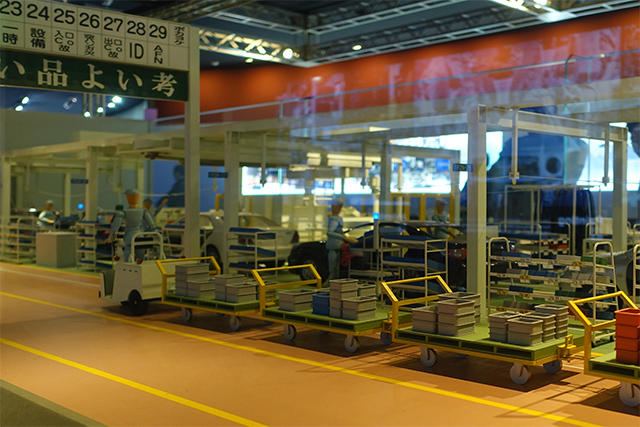
The Toyota Production System is powered by a ‘just in time’ approach that seeks to eliminate waste, so cars are made to order. That means that everyone at the plant needs to have the technical skill to assemble every model that is manufactured there. Building a car is serious team effort – one delay means that everyone else earlier on and further down the production line is delayed, which provides an incentive for others to help resolve the issue. You do not need to like cars to enjoy this tour – you just need to be curious about how things are made, which D and I definitely are.
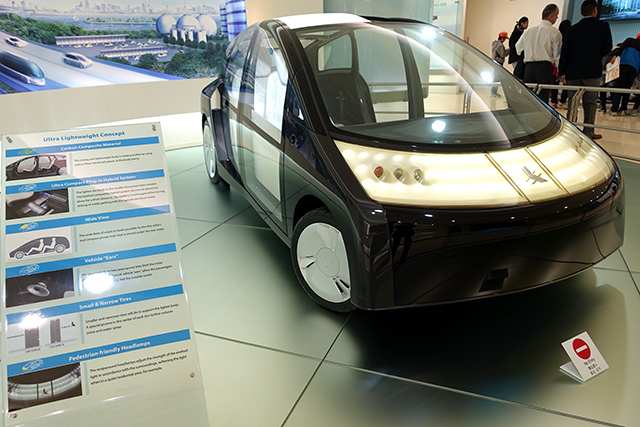
Back in the Kaikan Museum you see some cutting edge cars, like this ultra light model.
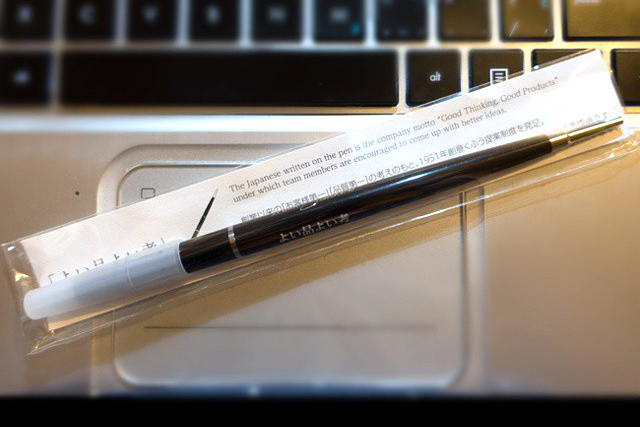
To top off an amazing free tour of the manufacturing plant, we also receive a free pen. The paper tells you that ‘The Japanese written on the pen [yoi shina, yoi kangae] is the company motto “Good Thinking, Good Products” under which team members are encouraged to come up with better ideas’.
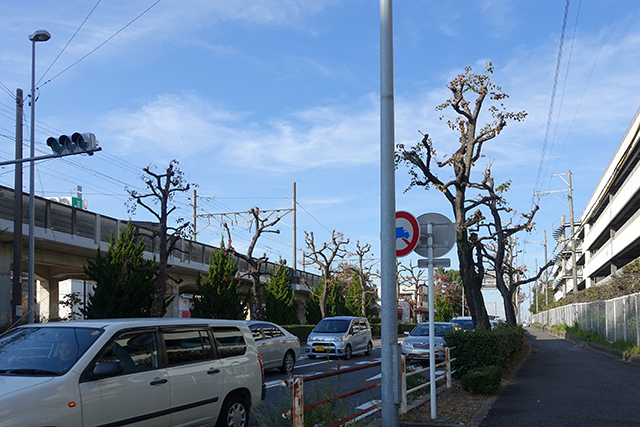
On our way back to the train, we some pretty trees.
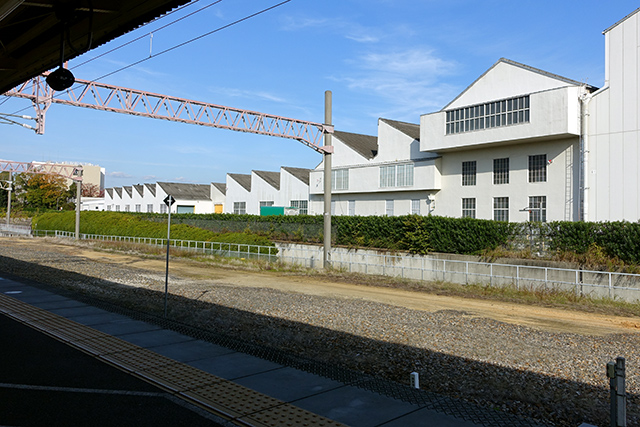
Toyota is situated on the industrial side of Mikawa Toyota Station.
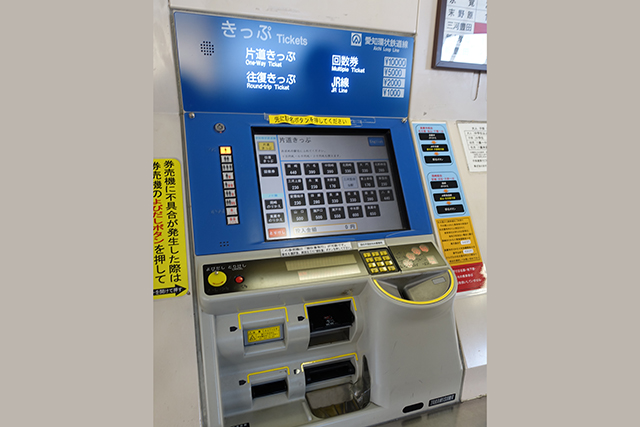
And, we’re back to purchasing paper tickets to get us back to Nagoya!
Shin Toyota
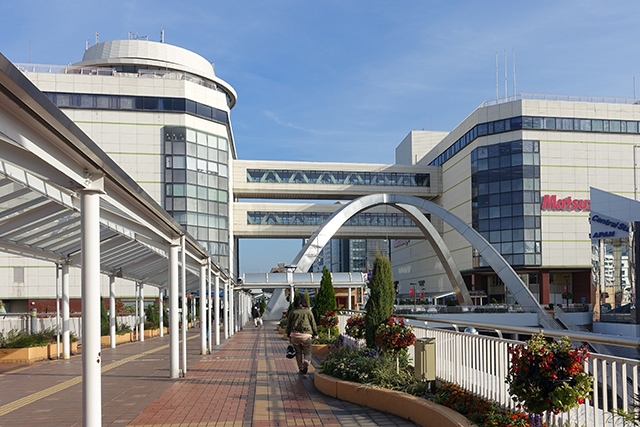
On the way back, we needed to get out of the train station to change to a less local train at Shin-Toyota, so we had a look around the area.
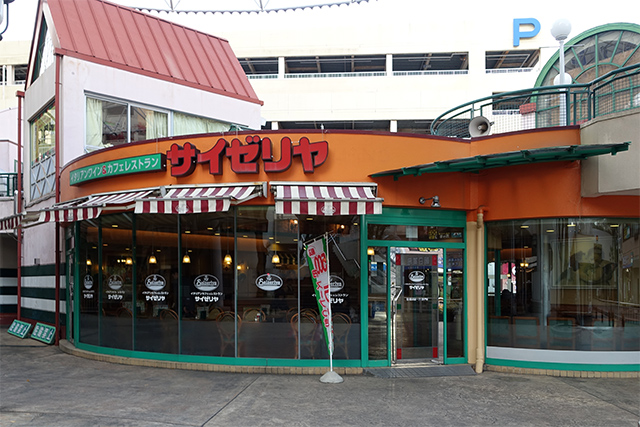
Family restaurants were on our list of places to eat at this time around – you see a lot of them in anime, and by all accounts they serve decent food at reasonable prices. There was a Saizeriya at Shin-Toyota, so in we went.
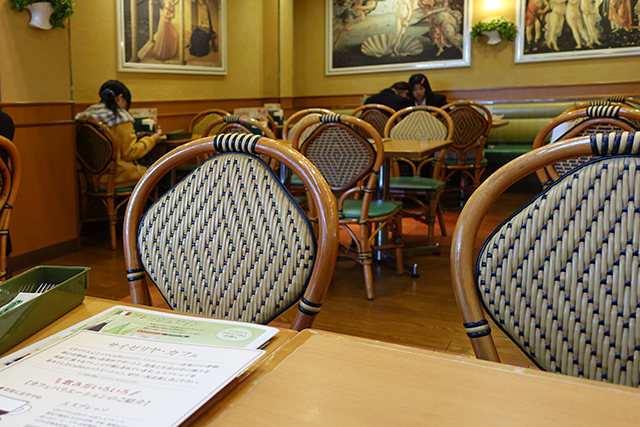
As in anime, it is seemed like a regular haunt for school kids, as well as young couples. They weren’t the only people there, but they seemed to be the ones who stayed the longest.
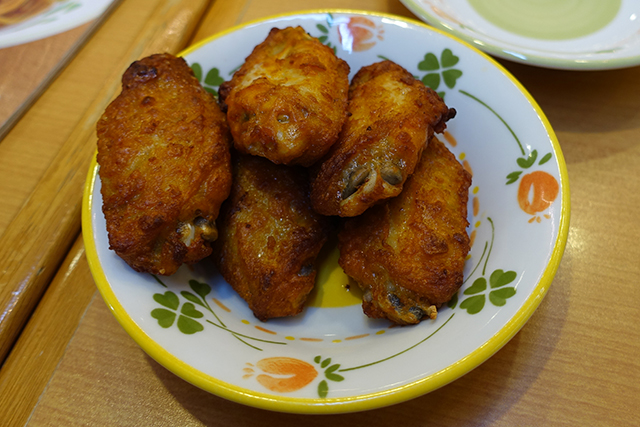
To start, we order a plate of fried chicken wings. D told me they tasted ‘home-made’ when I asked them before I tried them. I asked him if he could describe it any better, and he said no. I tried some, and ‘home-made’ is definitely a good descriptor for it. They were quite tasty.
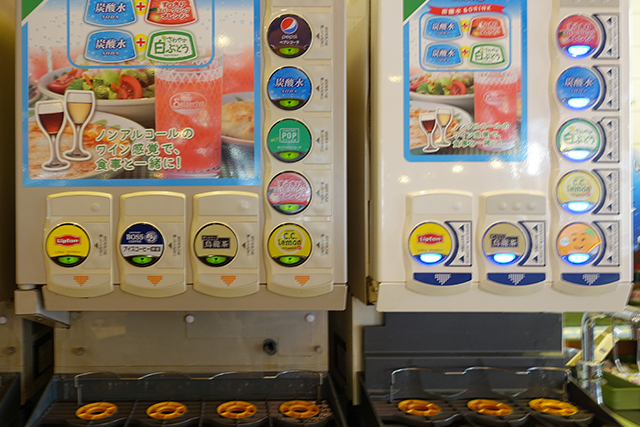
Also, at family restaurants, you get unlimited drink refills, so it’s the perfect way to try all the Japanese soft drinks.
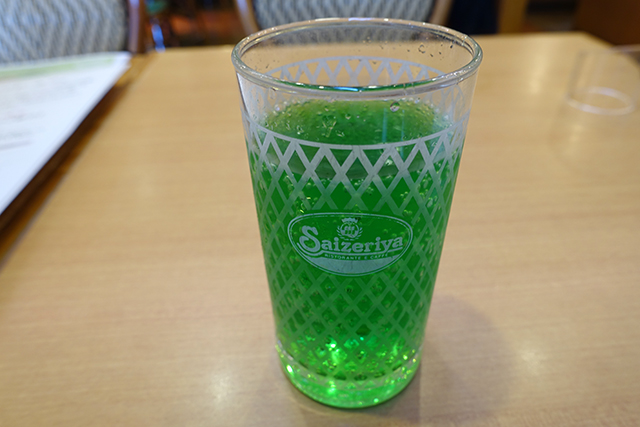
Here, we have the melon soda, which is rather unique to Japan (sort of like how L&P is unique to New Zealand).
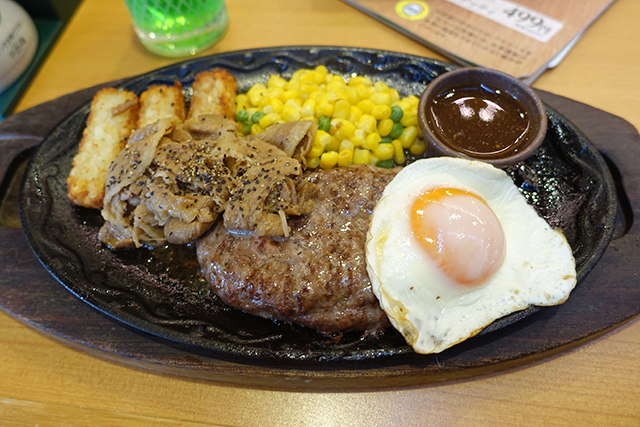
As for our main dishes, D ordered the Hamburg Steak and Teriyaki Pork (¥599).
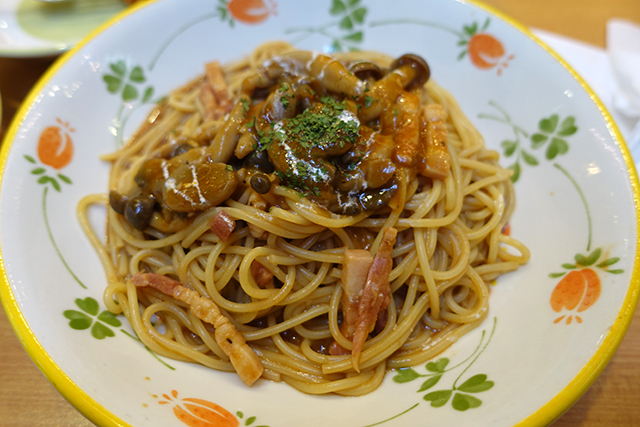
I ordered the Spaghetti with Mushroom Ragout Sauce (¥499). I love spaghetti and this spaghetti definitely hit all the right spots. There was just enough sauce, mushroom and bacon – the flavour was just right. As for D’s dish, I distinctly recall him enjoying the accompanying sauce.
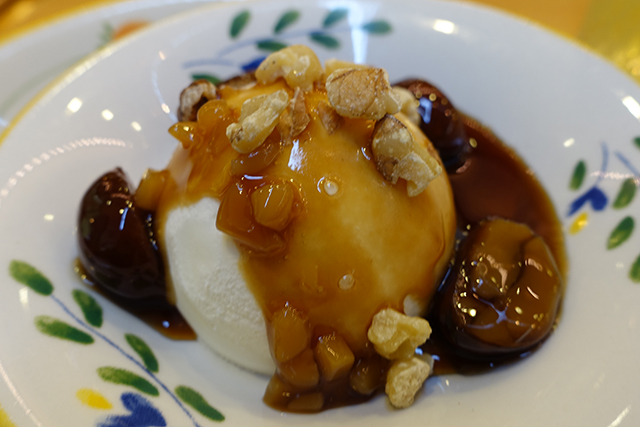
And of course, dessert! This is the marron with walnut and caramel sauce over vanilla ice cream. The vanilla ice cream provided a clean ‘palette’ for the nuttiness of the chestnut and walnut flavours.
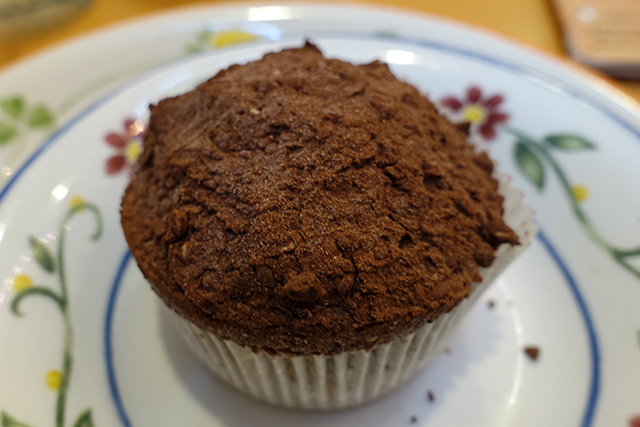
And this is the chocolate cake with a chocolate ice cream centre. The chocolate ice cream centre was a surprising change from the more typical chocolate lava cake with the liquid innards.
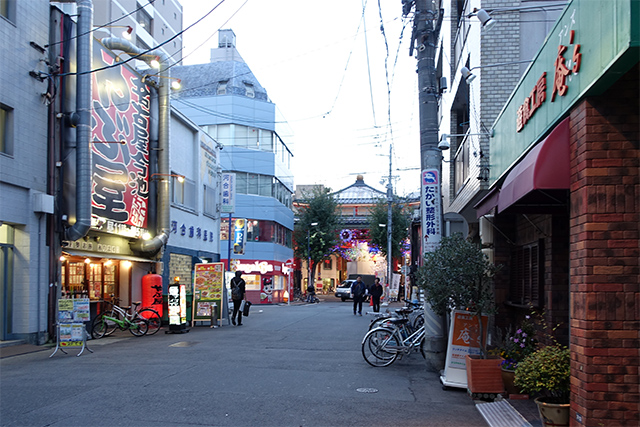
We take a short walk around the area surrounding the train station before heading on a train to Osu Shopping Arcade.
Osu Shopping Arcade
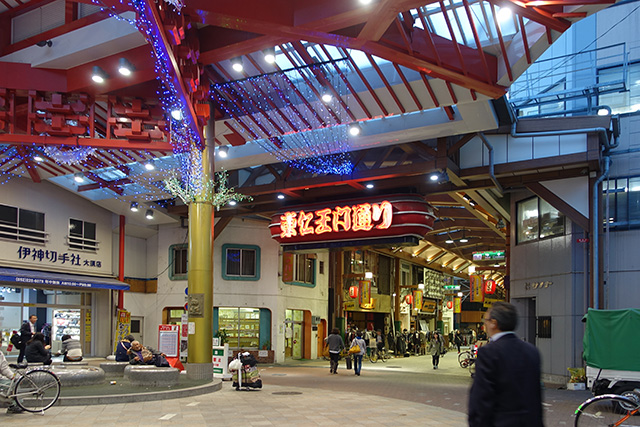
After our late lunch, we catch the train back to Nagoya city to Kamimaezu to visit the Osu Shopping Arcade. This is somewhat like the Tejinbashisuji Shopping Street in Ōsaka. Osu Shopping Arcade is a ‘network of ageing but charming covered shopping streets with over 1,200 shops and restaurants. There’s rumours that you can find amazing bargains here, while others are adamant that you cannot.
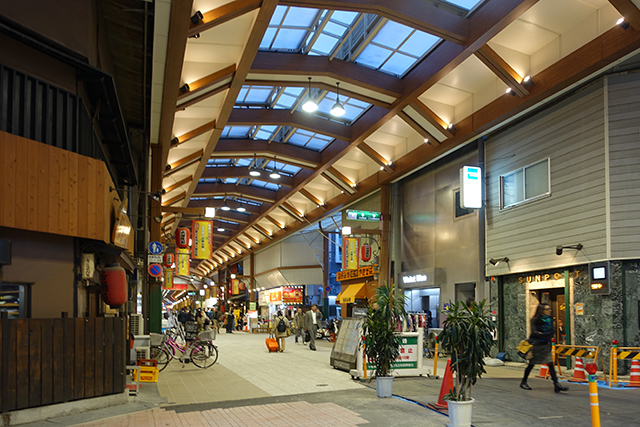
Really, it’s like three very long shopping streets running parallel, each connected by perpendicular streets.
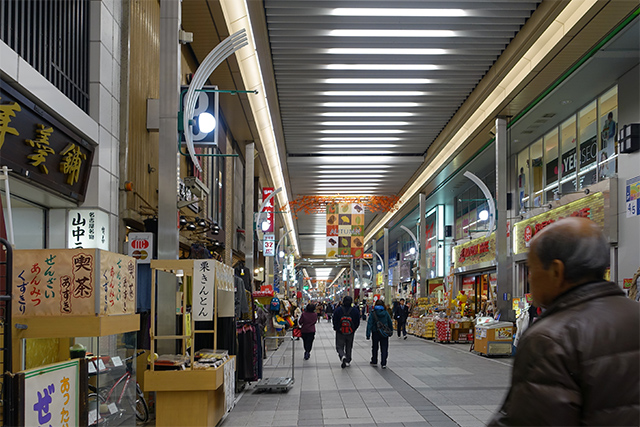
That makes exploring systematically difficult – where do you start and how do you see everything?
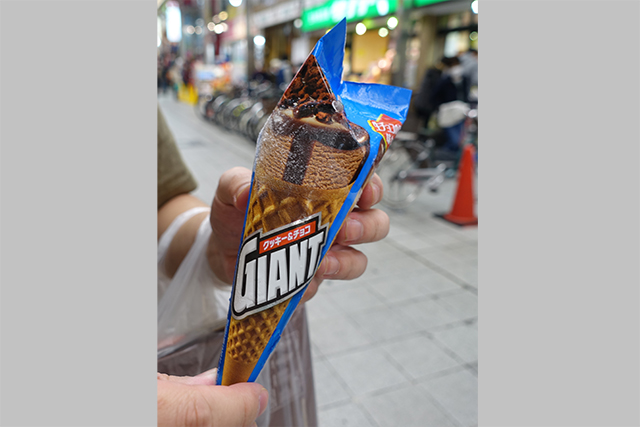
It’s not long before stop by a supermarket for some ice cream.
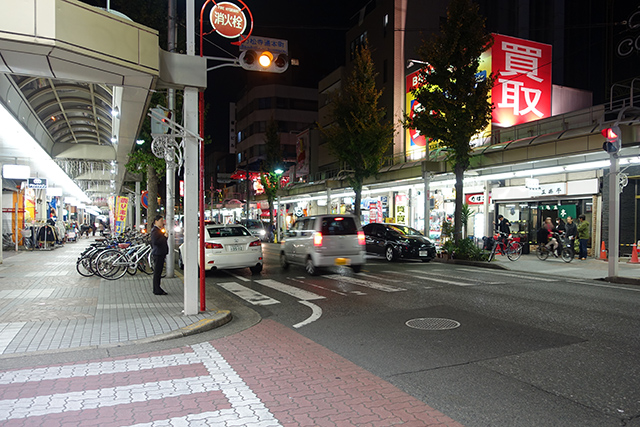
Some of the perpendicular streets are actual roads.
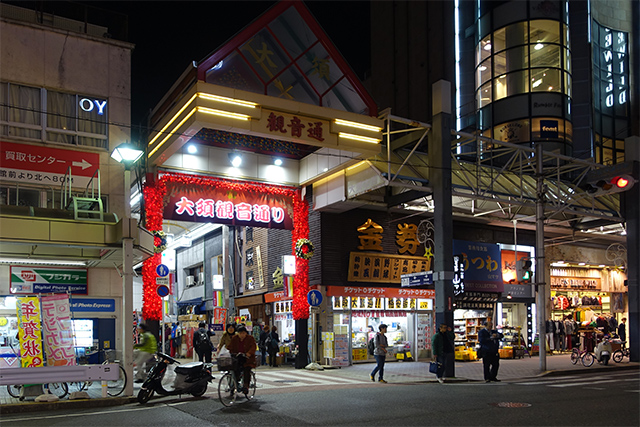 As you’d expect, there are a lot of clothing shops along this street.
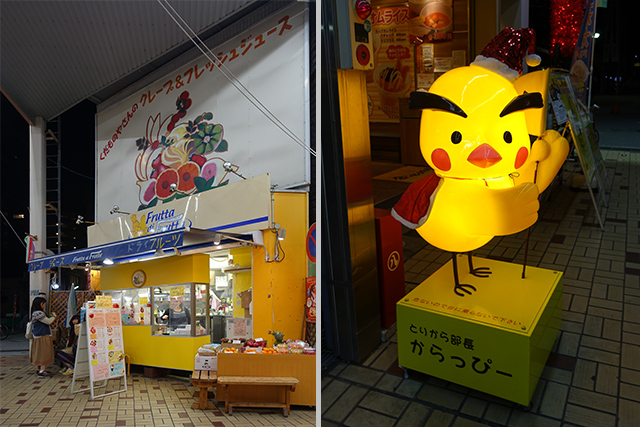
Now, I didn’t find any amazing bargains here, but we did find pear jelly (above left) and see a cute chicken mascot for a fried chicken store.
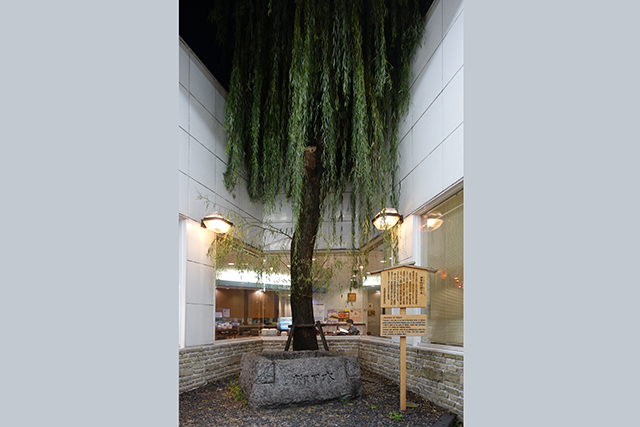
Near the end of the arcade is a neatly carved out space dedicated to ryukasui, which is ‘said to be one of three kinds of the highest quality water’ in the region.
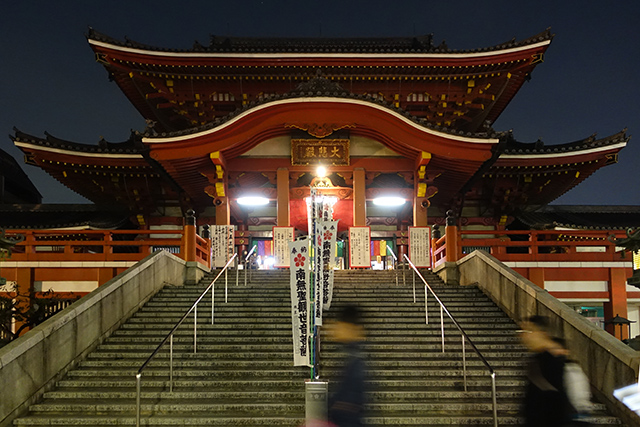
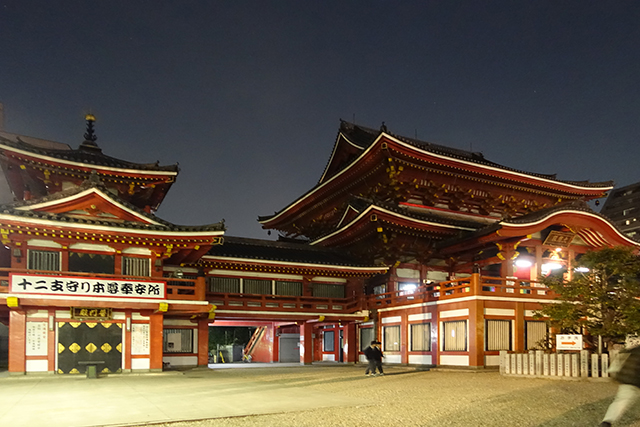
At the end of the shopping arcade is Osu Kannon Temple, one of the very few temples we saw this time (we saw so many on our last trip).
Nagoya Station
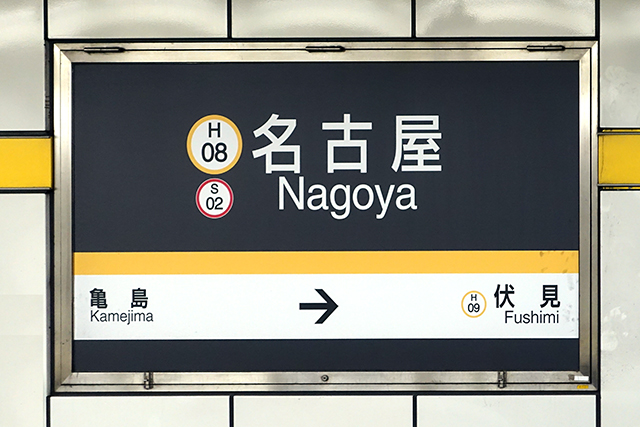
Just before we call it a night, we head to Nagoya Station in search of the Meitetsu Bus Centre to pay for our highway bus tickets to Takayama and Gujo for the next two days.
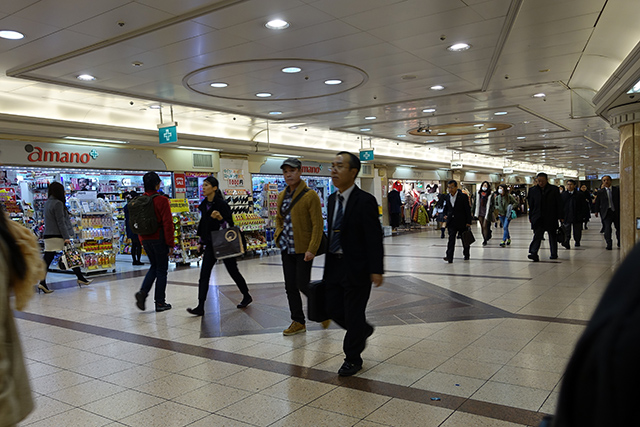
Pharmacies in Japan don’t seem to sell a lot of medicine, compared to Western pharmacies, with most dedicating a large section to food.
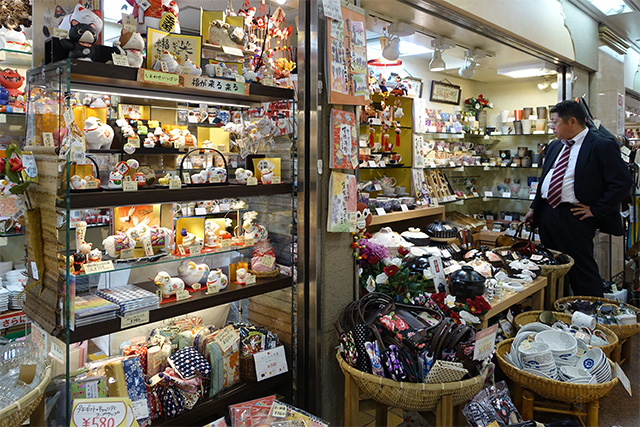
There’s a shop selling small gifts, from ornaments, to bags, crockery, umbrellas.
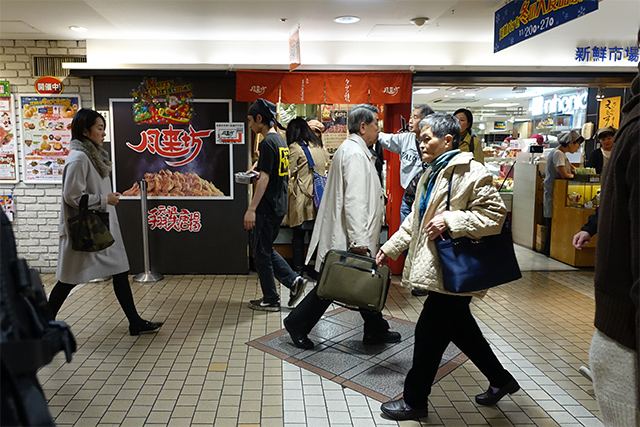
On the way, we spot a shop selling deep fried chicken wings, a Nagoya speciality. We didn’t end up buying any though.
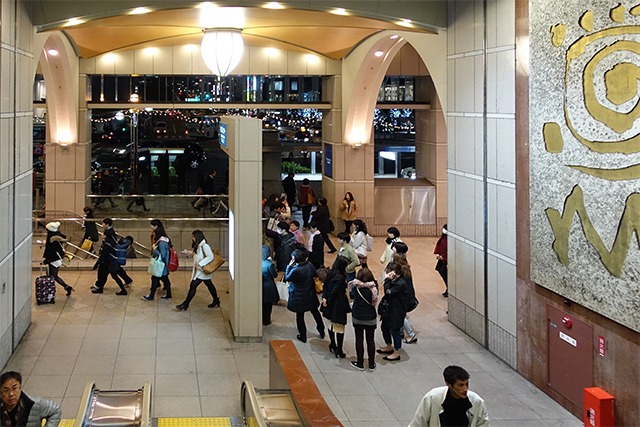
We find the Bus Centre, finally! Our bus left at 7:30 AM the following day, and there’s nothing worse than being stressed about finding a place when you’re low on sleep and short on time.
With the bus tickets sorted out, we go in search of dinner.
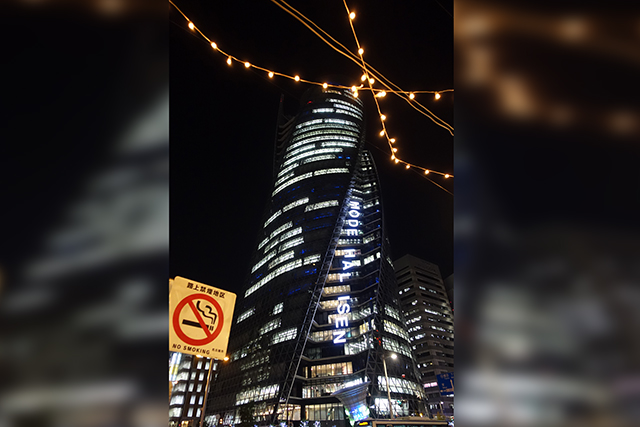
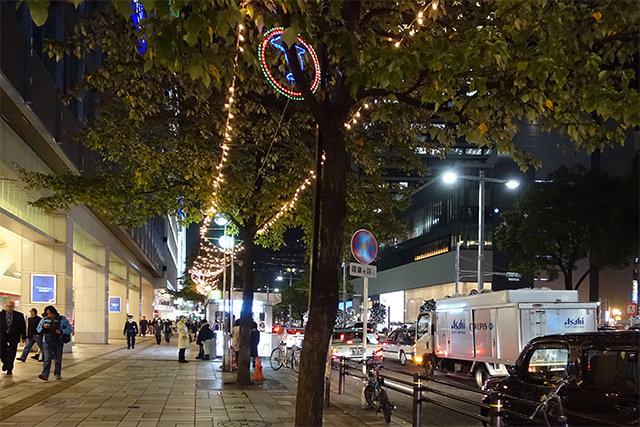
We head outside Nagoya Station to check out the options above ground.
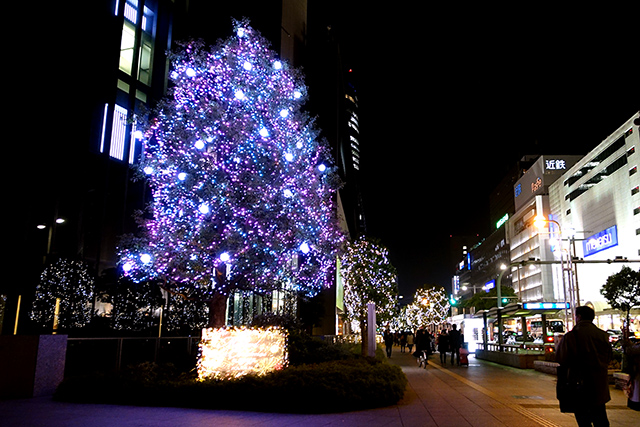
We see some Christmas lights.
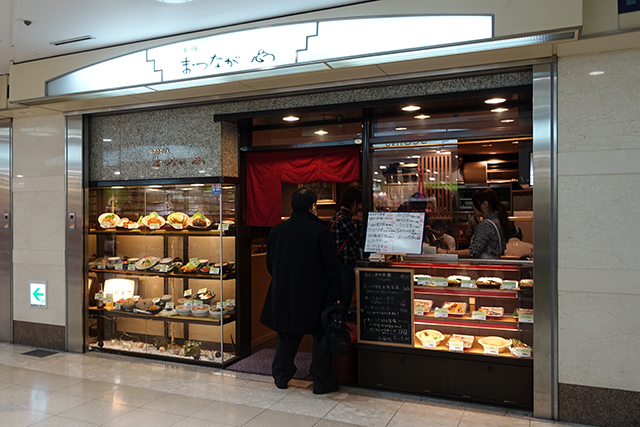
We end up back underground at this quaint restaurant, Matsunaga.
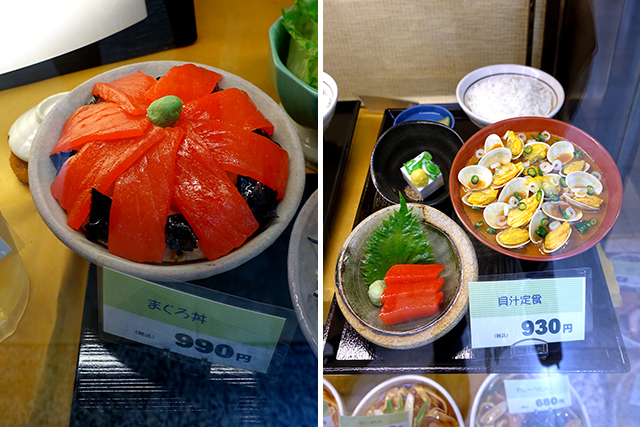
D ordered clam soup, while I have a tuna donburi.
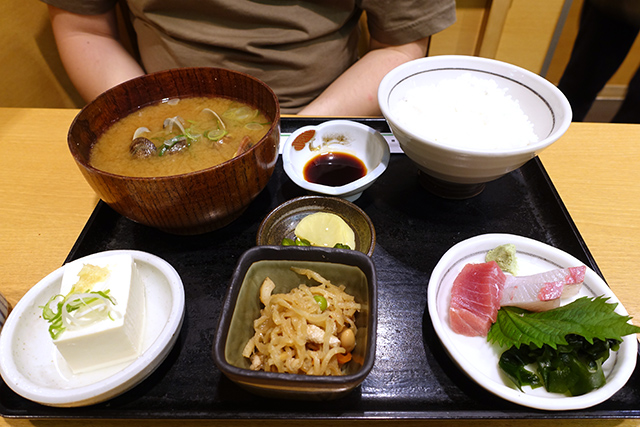
They were generous with the clams in D’s meal, although the one (unfortunate) highlight was the accompany slab of tofu. Now, tofu isn’t D’s favourite food, but unlike me, he can eat it. But this tofu, even he could not. I tried it, and almost spat it out. It had a terrible, gluggy, skin-crawling texture.
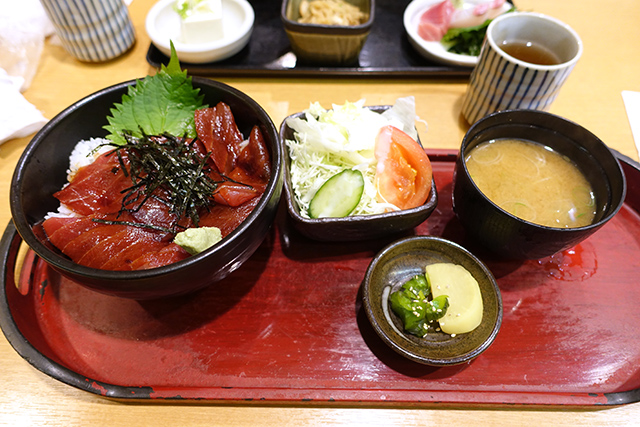
As for my dish, I was impressed – I’m used to be tuna being a paler pink with a meaty texture in Australia. But it must be a different cut used here, because it was a dark red and smooth. Yum!
Sakae
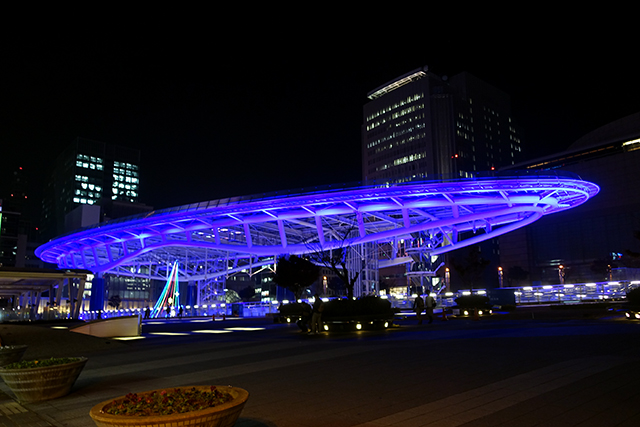
On the way home, we come out the wrong exit from Sakae Station. Japanese train stations have upwards of 10 exits, so it’s almost always the day before we leave the area before we figure out the correct exit for getting to our hotel. But no worries, going out the wrong exit means we see the UFO like structure that is Oasis 21.
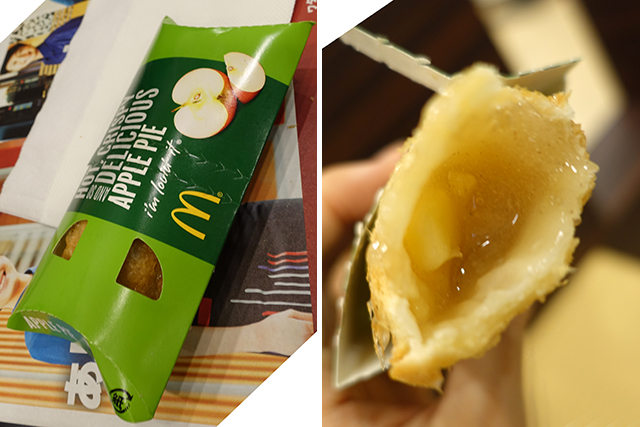
And just one last snack before we head back – a McDonald’s apple pie! We love the ones in Australia, and the Japanese ones just don’t compare. The apples don’t have the same bite. I’d say it’s probably a result of using red apples rather than Granny Smith apples. Many years ago, D and I got a McDonald’s apple pie made from red apples near Randwick and it tasted sub par much like this one. Ah well!