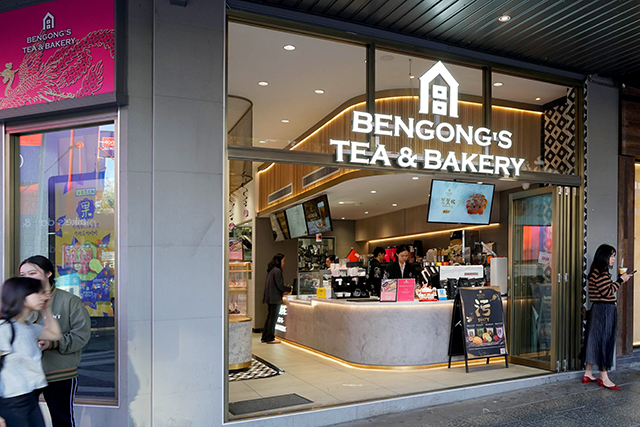
Bengong’s Tea & Bakery is a large Chinese bakery and beverage chain that has expanded rapidly across Sydney in recent years, with locations including Burwood, Haymarket, Eastwood and elsewhere. While our first encounter with the brand came shortly after its arrival in Sydney, subsequent visits across multiple stores have provided a broader view of its offerings, spanning breads, pastries, desserts and beverages.
2019
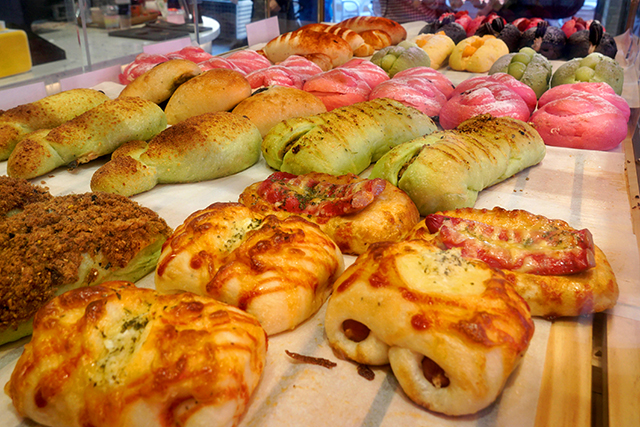
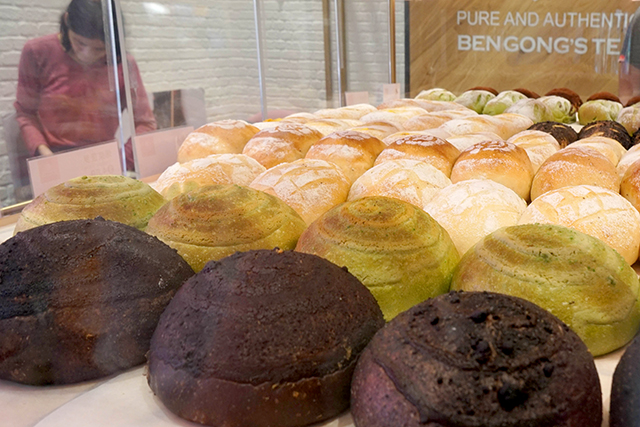
The colourful selection of bread available, both sweet and savoury.
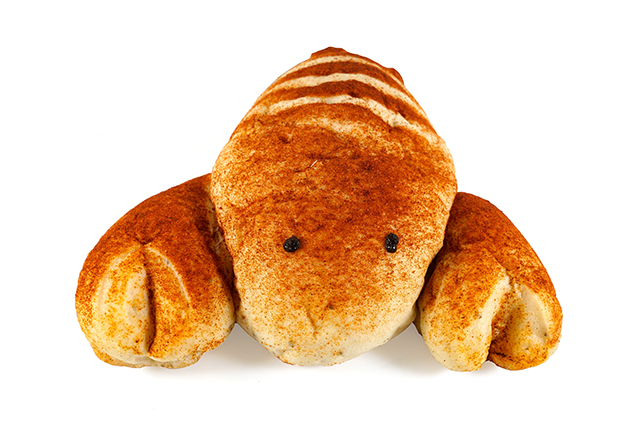
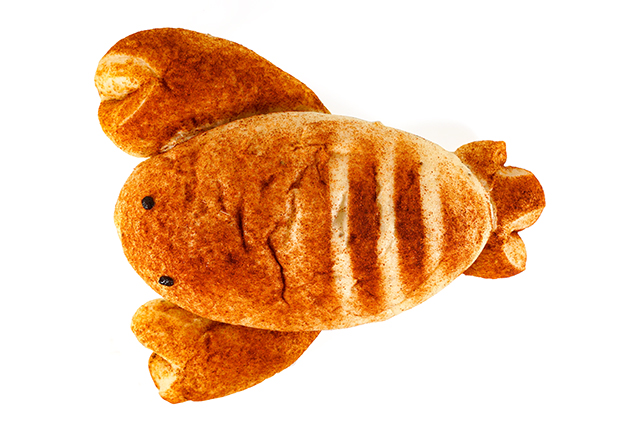
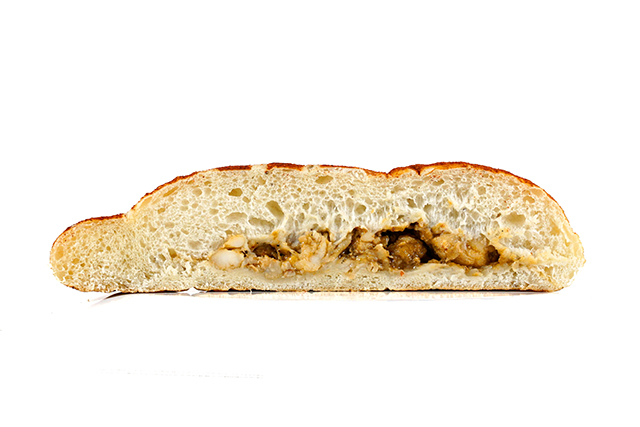
Spicy Lobster ($12.00.50)
Shaped as a lobster measuring just over 20 cm in length, this bread immediately stood out for its novelty. The dough carried the characteristic sweet aroma of Asian-style bakery bread and proved slightly firmer than expected while remaining tender throughout.
A light dusting of red seasoning covered the exterior, contributing a faint warmth rather than a distinct flavour. The filling provided the primary point of interest, delivering a gentle chilli heat reminiscent of XO sauce. While the seasoning profile was pleasant and restrained, the lobster itself was less successful, with the pieces proving noticeably firm and somewhat overcooked.
The concept was appealing and visually memorable, though the execution of the seafood filling limited its overall impact.
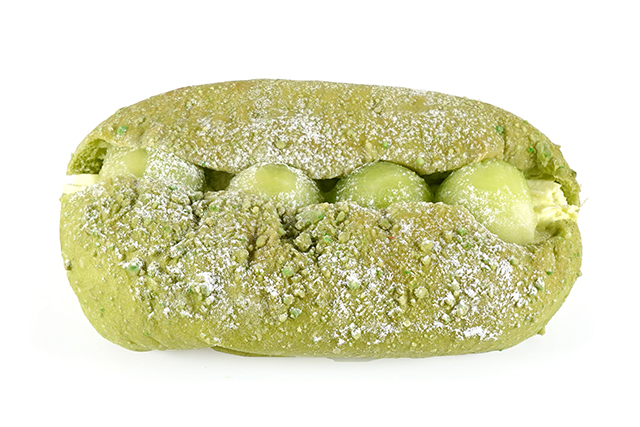
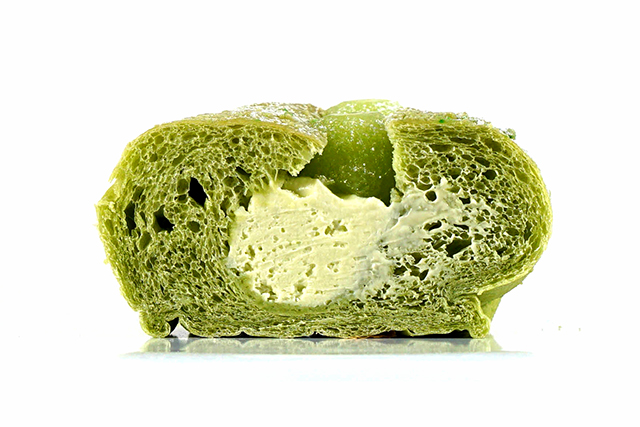
Green Melon Fantasy Roll ($5.00)
Containing fresh melon and melon cream within a melon-flavoured bun, this roll measured approximately 15 cm in length. Even after an overnight stay in the refrigerator, the bread retained a soft, tender structure and a gentle melon sweetness.
The highlight was the filling. Fresh melon pieces delivered bursts of juiciness and natural sweetness, while the melon cream dissolved readily into the bread, creating a lighter and more integrated profile than expected. The fruit provided freshness and texture, preventing the sweetness from becoming excessive.
Simple in concept but well executed, this proved considerably more enjoyable than anticipated.
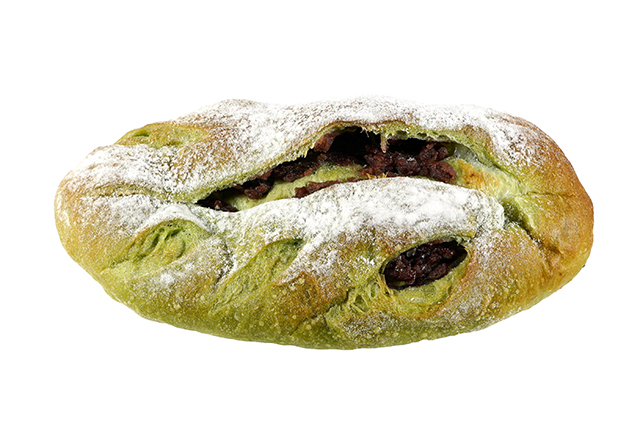
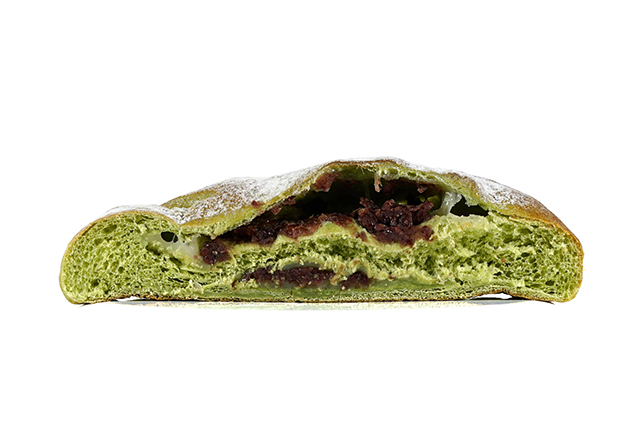
Uji Matcha Bread ($4.00.80)
Filled with mochi and red bean paste, the bread varied considerably in size, with our example measuring approximately 25 cm in length. The bread itself carried a fragrant green tea aroma and a gently sweet matcha profile.
The strongest component was the red bean paste, whose earthy sweetness paired naturally with the green tea flavour. The filling was distributed generously enough to feature regularly throughout the loaf. By comparison, the mochi contributed little flavour of its own, functioning primarily as a denser textural element that increased chew without adding much complexity.
While enjoyable overall, the bread was strongest when the matcha and red bean components came together.
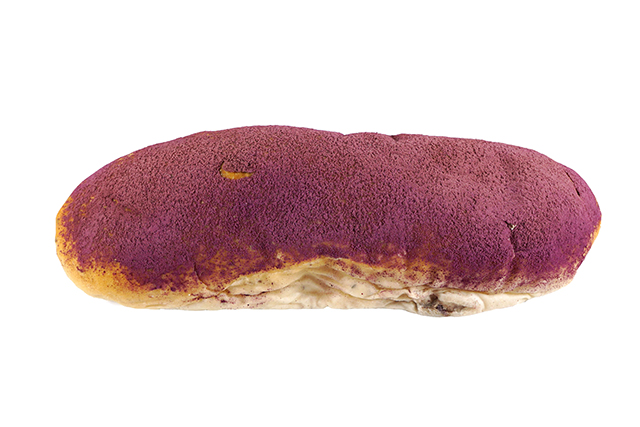
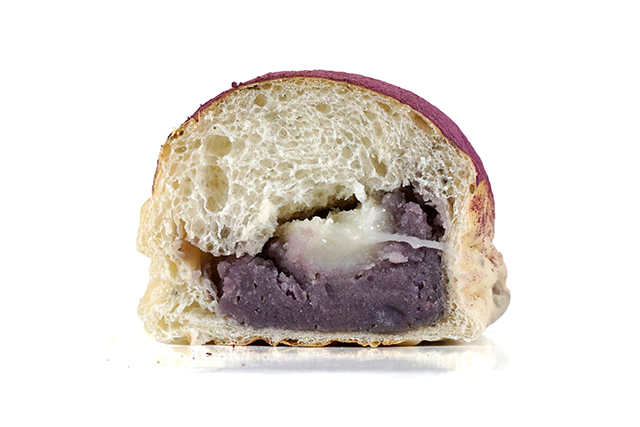
Ube Mochi ($3.00.80)
Finished with an attractive dusting of purple ube powder, this bun initially promised a pronounced yam profile. In practice, the filling was dominated by a rich dairy character, likely butter-based, which overshadowed much of the expected ube flavour.
The mochi provided a pleasant chew that contrasted with both the soft bread and smooth filling, though texture ultimately contributed more than flavour. While competently made, the balance felt weighted too heavily towards dairy richness at the expense of the ube.
A reasonable pastry, though not one that warranted a repeat purchase.
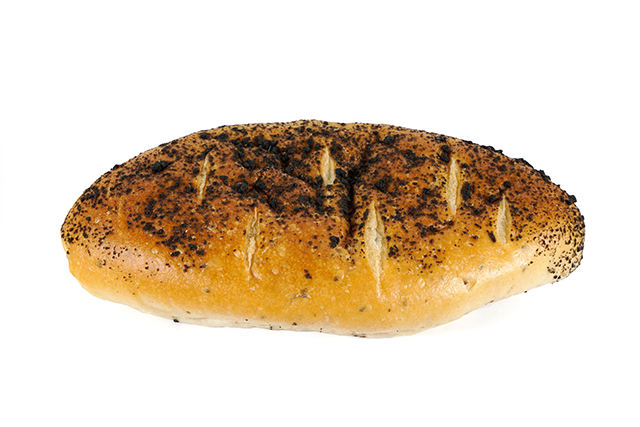
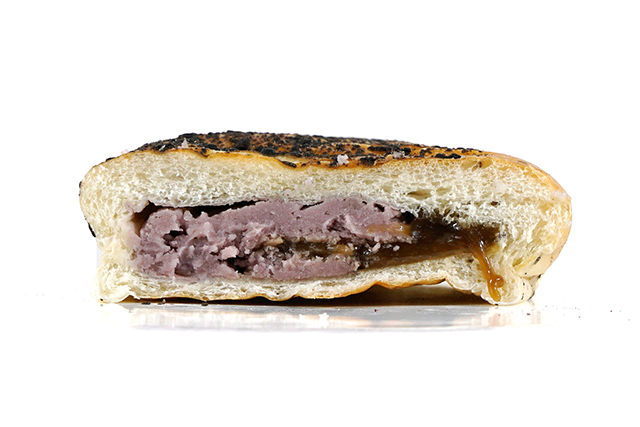
Taro Mochi ($3.00.80)
This proved considerably stronger than the ube version. The taro filling carried a clearer and more recognisable taro flavour, free from the pronounced dairy notes that dominated the other bun.
The standout component was the brown sugar mochi, which introduced a distinct molasses-like sweetness alongside its soft, elastic texture. The added flavour transformed the mochi from a purely structural element into a meaningful part of the overall profile. Combined with the mellow taro filling and tender bread, the result was balanced and satisfying.
Of the two mochi buns, this was the clear favourite and the one most likely to justify a return purchase.
2026
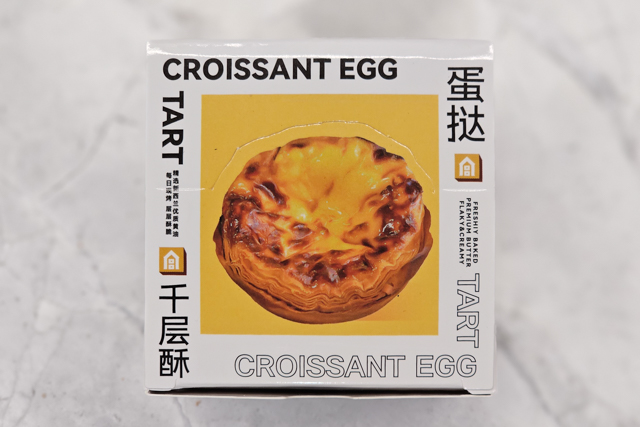
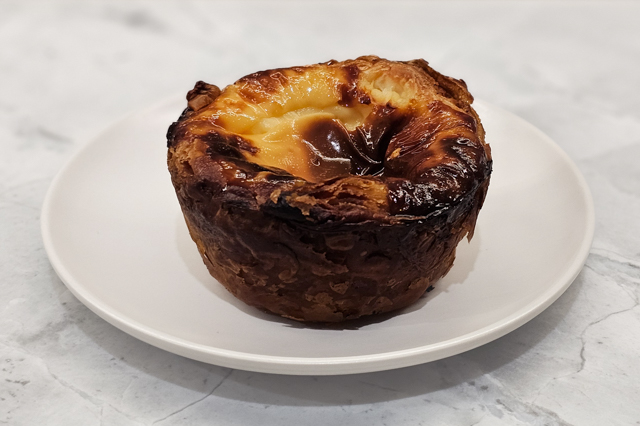
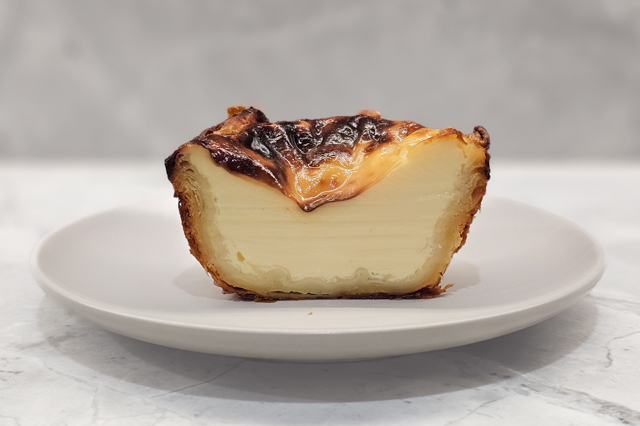
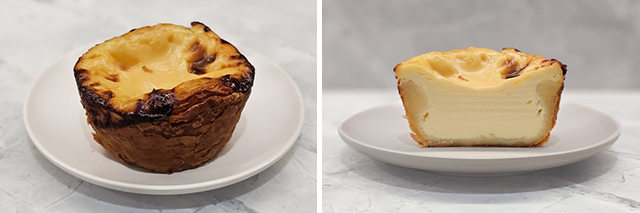
Egg Tart ($4.80)
The filling was smooth and creamy, delivering a rich egg-forward custard supported by gentle vanilla warmth. The croissant-style pastry contributed layers of buttery richness and, when properly baked, an appealing crispness.
Execution, however, varied noticeably between tarts. Some displayed excellent caramelisation and well-developed flaky layers, while others were underbaked, resulting in a softer, more pliable base that lacked the expected textural contrast. At its best, the tart was highly moreish and broadly comparable in style and quality to offerings from specialist pastry shops.
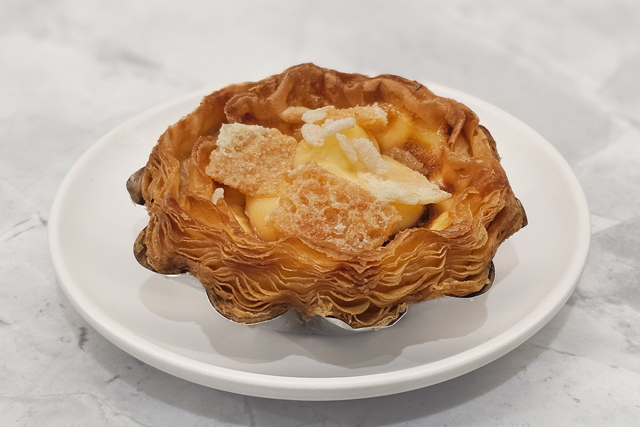
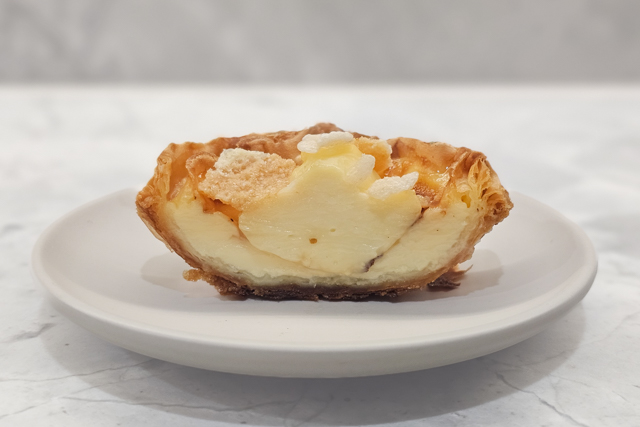
Milk Skin Egg Tart ($6.80)
This was one of the strongest pastries sampled across multiple visits. Built around a silky egg-white custard, the tart delivered a smoother and less overtly eggy profile than the standard version while maintaining substantial richness.
Two layers of milk skin introduced additional complexity. The central dollop added gentle tang and creaminess, while the surrounding milk skin contributed subtle chew and light textural variation. Combined with crisp caramelised pastry and restrained sweetness, the components worked together cohesively without any one element dominating.
A thoughtful interpretation of the croissant tart format that balanced richness, texture and restraint particularly well.
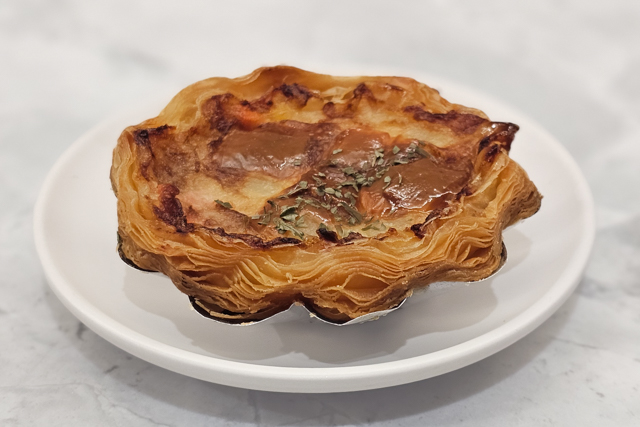
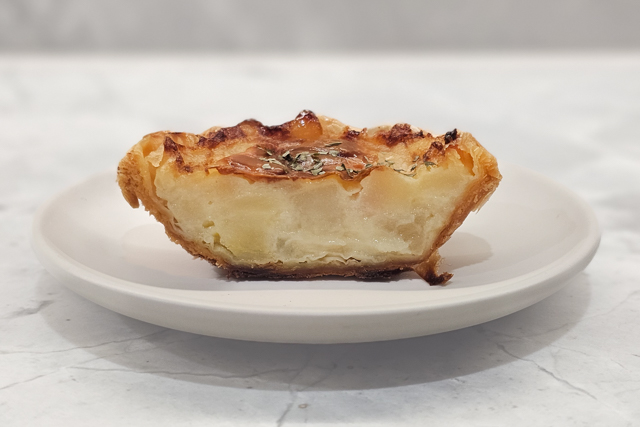
Potato Cheese Salad Tart ($5.80)
The savoury tart featured cubes of potato bound within a mayonnaise-forward filling, supported by pronounced umami from the cheese. The pastry remained crisp and structurally sound, avoiding the sogginess that often affects filled savoury pastries.
The potato retained slight resistance, preventing the filling from becoming overly soft, while the cheese contributed depth and savouriness. Although the sweet tarts were ultimately more compelling, this remained a successful savoury option with good textural control. A crisp potato garnish could have added another layer of contrast, though the tart was satisfying without it.
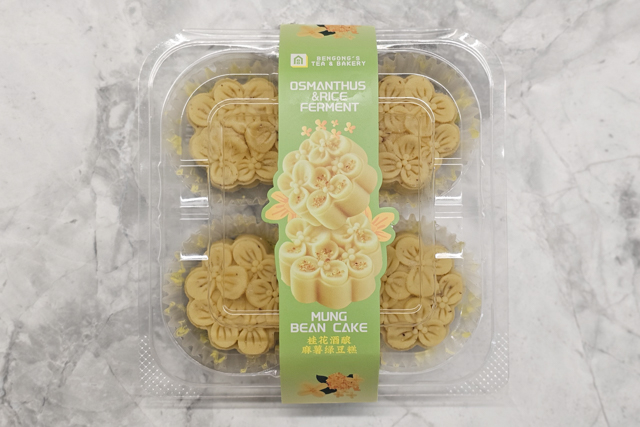
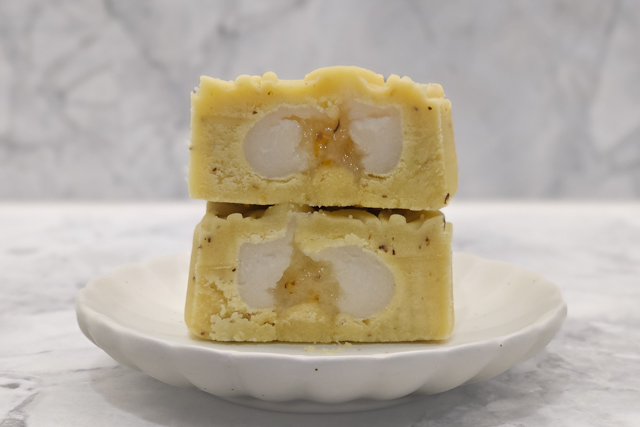
Osmanthus & Rice Ferment Mung Bean Cake ($12.00)
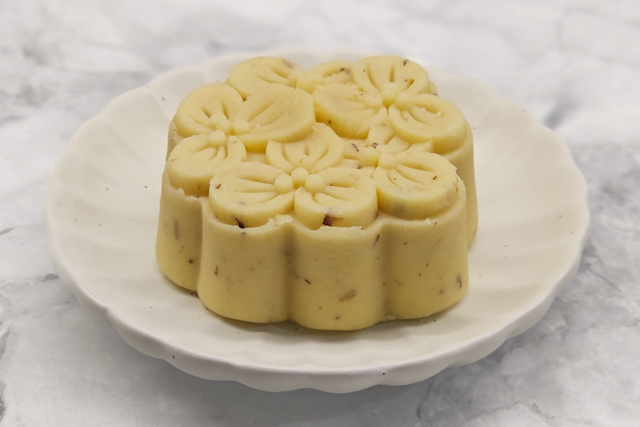
Each box contained four cakes, each measuring approximately 5 cm in diameter and 2.5 cm in height. The exterior presented a muted yellow hue, speckled with small brown and golden flecks of osmanthus, and carried a mild beany aroma.
On tasting, the outer layer delivered a dense, smooth mung bean paste texture with a restrained legume profile. The osmanthus within the paste contributed a light floral note that remained secondary at this stage. The mid-palate shifted with the introduction of the central filling, where an osmanthus jam provided a more concentrated floral expression, aligned towards honeysuckle and apricot. This layer increased perceived sweetness to a moderate level and introduced additional moisture, softening the surrounding mung bean paste. Encasing the jam, the fermented rice component formed a distinct intermediate layer with a cohesive, mochi-like elasticity. This element contributed structural contrast without adding significant sweetness, maintaining balance against the jam centre. The finish showed a gradual integration of the mung bean base with the fading floral sweetness, with no bitterness or astringency present. Aftertaste retained a light floral note with residual mild sweetness, tapering cleanly.
Overall, a floral-forward mung bean cake with layered textures and moderate sweetness supported by a moist jam centre.
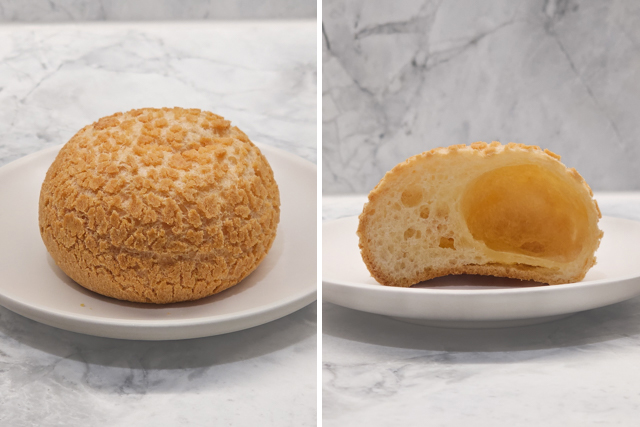
Classic Mochi Ball ($2.00 for 1; $7.80 for 5)
The exterior presented a light crispness, giving way to a soft, elastic mochi interior. The texture was gentle and cohesive, with a restrained sweetness running through the centre. A subtle malty note sat beneath the surface, accompanied by faint vanilla tones that rounded the profile without shifting it into heaviness. The overall impression was straightforward, relying primarily on texture rather than complexity.
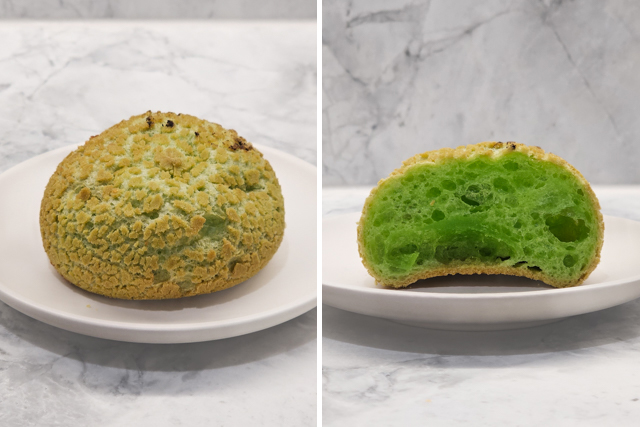
Pandan Mochi Ball ($2.00 for 1; $7.80 for 5)
This followed the same structural format as the classic version, with a lightly crisp exterior and a tender, chewy mochi centre. The pandan element introduced a mild grassy sweetness layered over a soft vanilla-like base, lifting the profile slightly in aromatics. The flavour remained restrained, with the pandan contributing clarity rather than intensity, and the texture continuing to carry most of the weight.
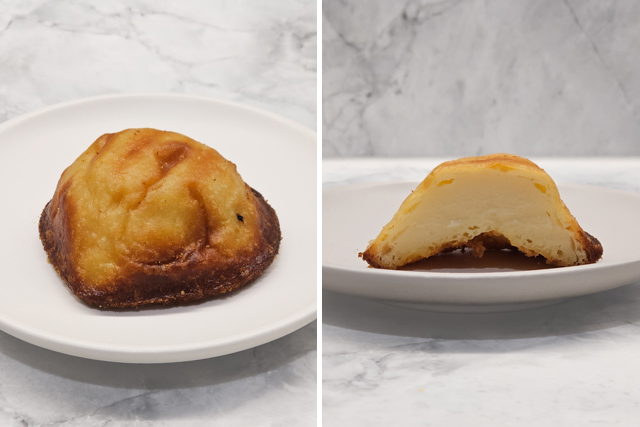
Butter Rice Cake ($3.00 for 1; $9.80 for 5)
The exterior showed a pronounced chew with lightly crisped edges, giving a firm initial bite. The interior leaned noticeably moist, bordering on dense in parts, which reduced structural contrast across the cake. The butter-driven profile was present but somewhat overshadowed by the softer texture, resulting in a less defined balance between exterior and core. Relative to the execution at Pantry Story, the latter offered a more controlled textural structure and clearer integration interior and exterior.
Overall, Bengong’s Tea & Bakery offers a broad range, combining traditional Asian bakery influences with modern pastry formats. While consistency can vary between products, the breadth of the menu and the presence of several standout items continue to justify repeat visits across its growing network of stores.
Bengong’s Tea & Bakery is located at various locations in Sydney, Australia.