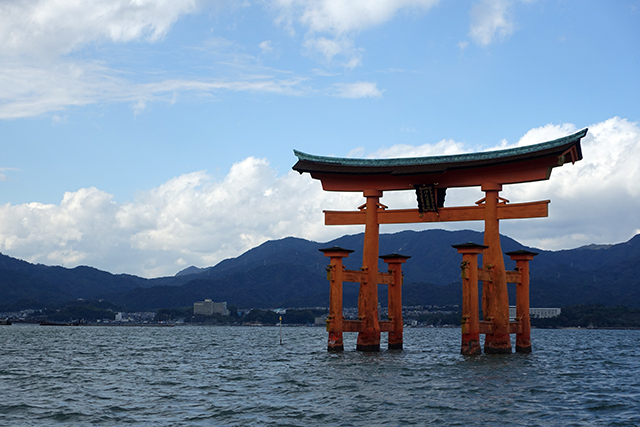
Lists of the ‘top three’ sights like gardens, castles and onsens in Japan abound. And these weren’t lists merely compiled by foreign tourists, but by the Japanese themselves! Now, if Kenroku-en is one of the Three Great Gardens of Japan, then Itsukishima Shrine at Miyajima Island is one of the Three Great Views of Japan, a list compiled by the scholar Hayashi Gaho in 1643. And how could it not be, with its floating torii gate set against a mountainous backdrop.
So, we’re off to Miyajima, a 50 minute trip by train and ferry from Hiroshima.
Hiroshima
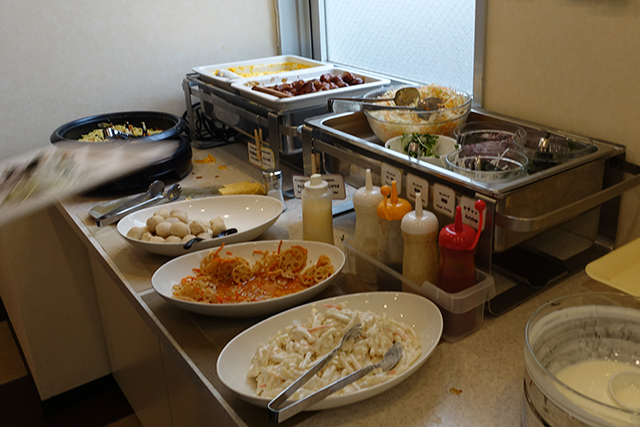
Our hotel in Hiroshima offers a wide variety of options on its complementary breakfast buffet.
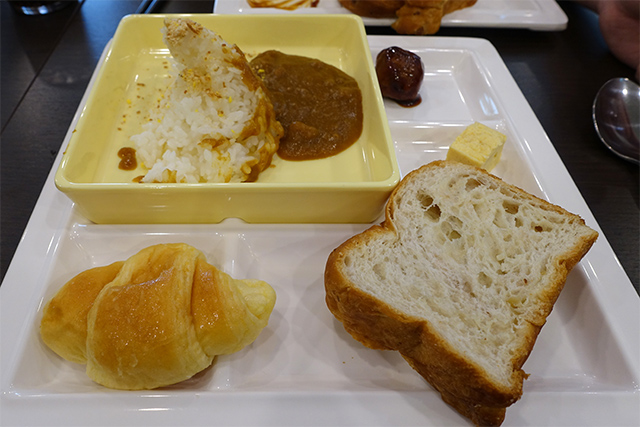
I try some walnut bread, a mini croissant, some egg omelette, and a meat ball, and fill up on curry rice. The bread isn’t the best, but the curry rice is hearty with hunks of potato and meat.
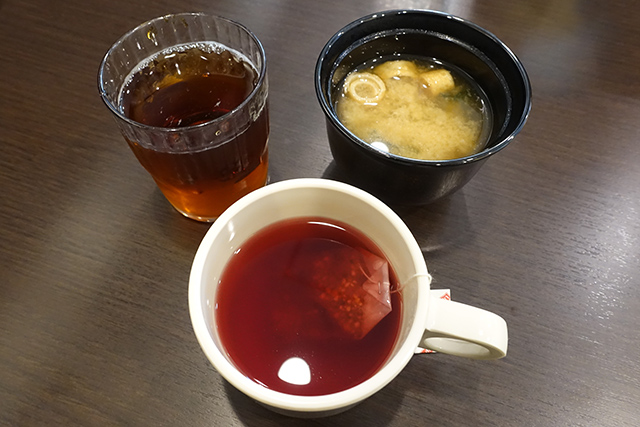
I hydrate myself with some chilled mugicha (barley tea), a berry infusion, and some miso soup.
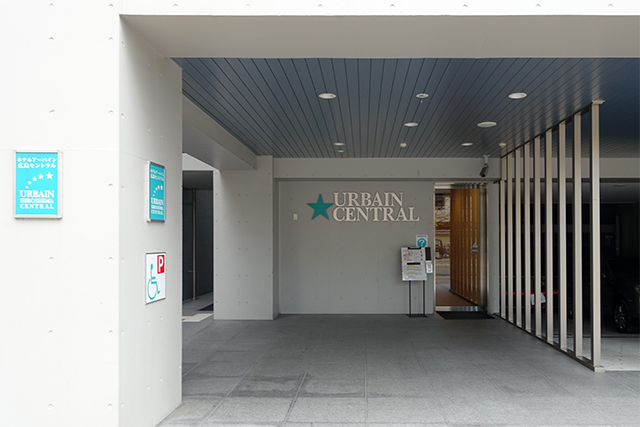
The entrance to our hotel is in the ground floor while the reception area is on level one.
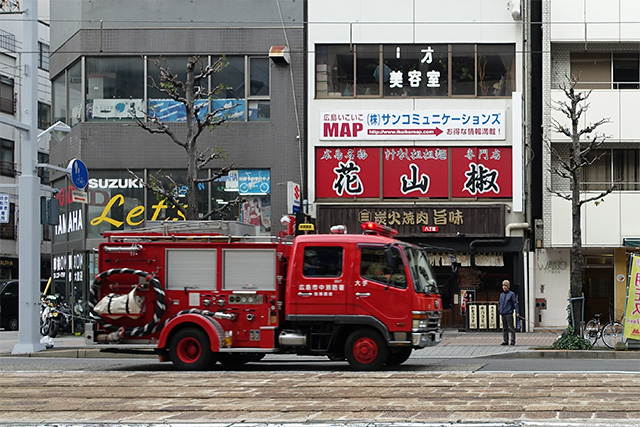
A fire truck hurtles past as we walk to the Habacho tram stop.
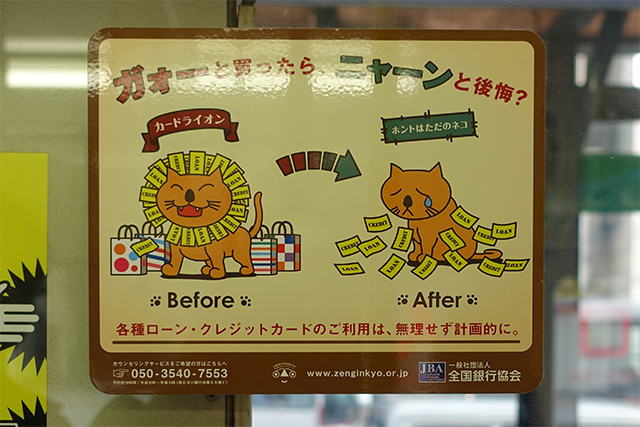
We’ve seen this advertisement multiple times throughout our trips in Japan. A happy lion becomes a sad cat it you don’t watch your spending!
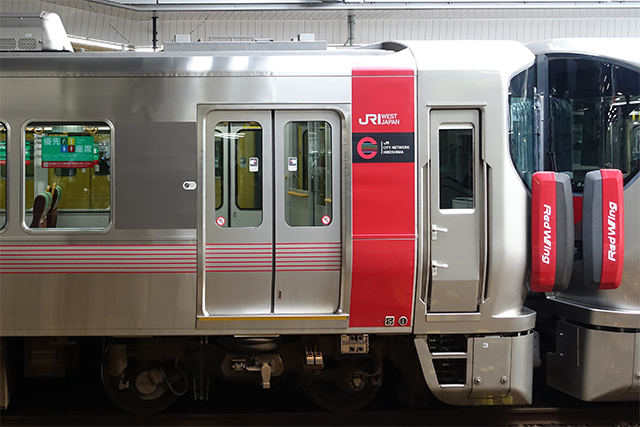
The Hiroshima trains look spiffy red…
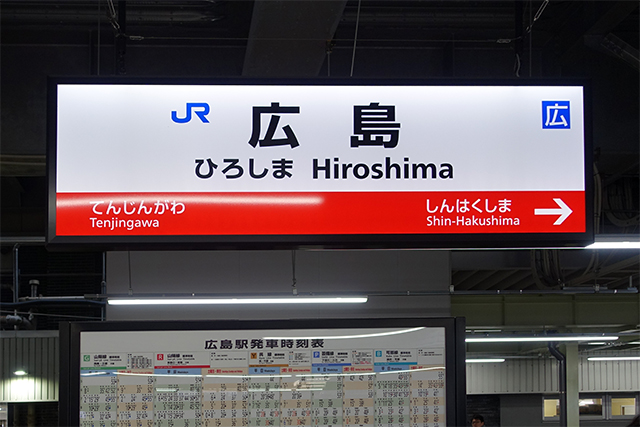
…which coincidentally matches their station sign.
Miyajima
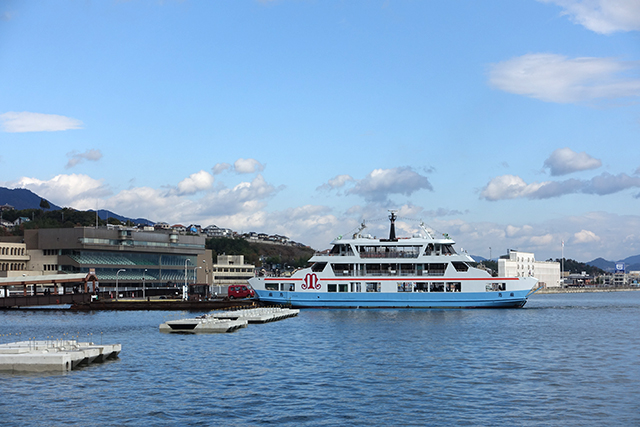
While waiting for the JR ferry, we watch cars drive onto the privately operated ferry to the island.
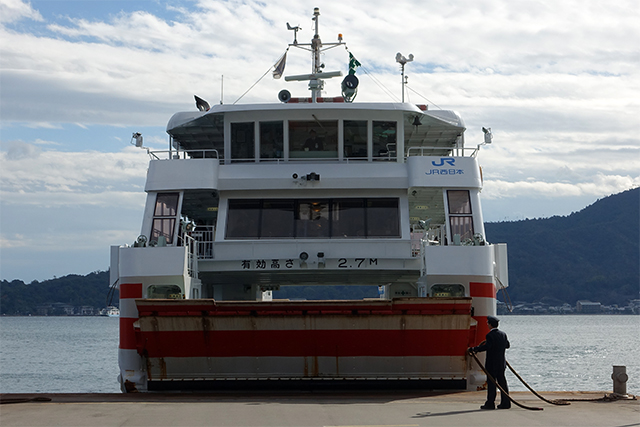
Our ferry arrives after a short wait.
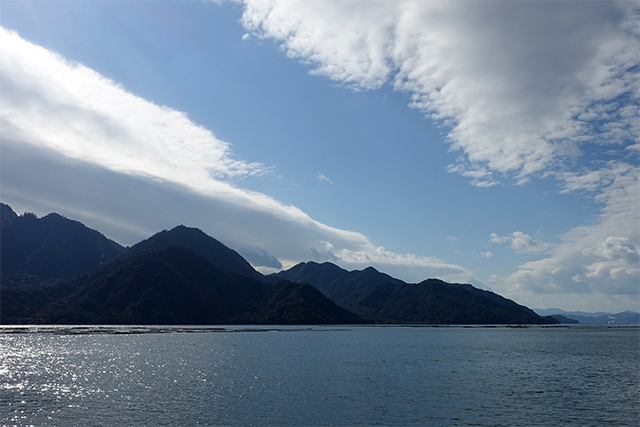
It’s a beautiful morning with none of the rainy weather that often plagues Kanazawa.
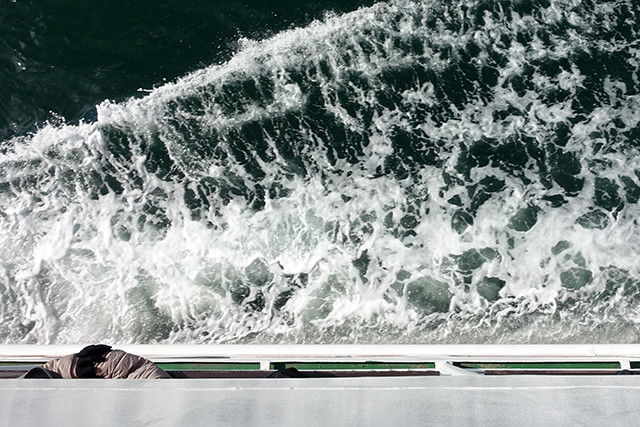
The sheer size of the ferry makes the ride very calm.
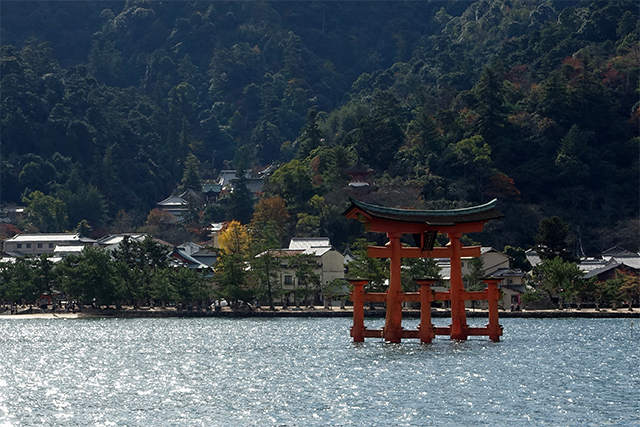
Whereas the privately run ferry goes directly to the dock at the island. The JR ferry makes a slight detour round to give commuters a view of the floating tori gate. You don’t fully appreciate its scale until you’re standing next to it.
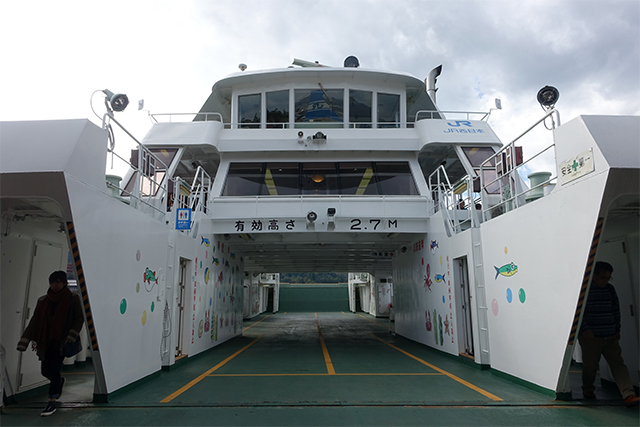
The bottom floor of the ferry is for cars, while passengers occupy the top two floors. The middle floor is enclosed while the top floor is open to the elements.
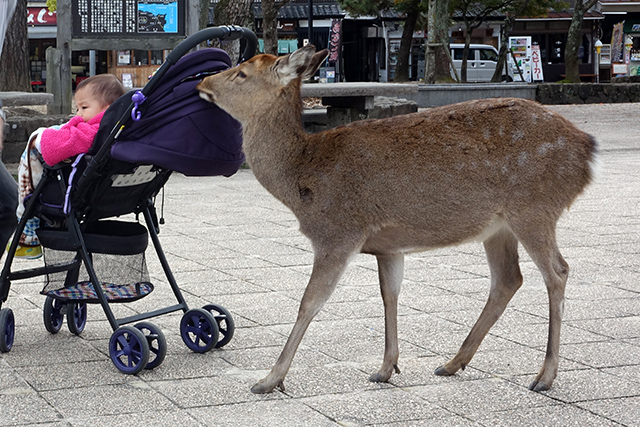
Anyone who knows me, knows I’m deathly afraid of animals. I love looking at animals but interacting with them is a whole other matter. But there are beautiful things to be seen on the island so I face my fears. The first deer we see rips a map out of a guy’s hand and eats it contentedly, so it’s not the best start. But thankfully, that’s about as aggressive as they got and they’re not all that populated on the island in the tourist districts (now, Nara…).
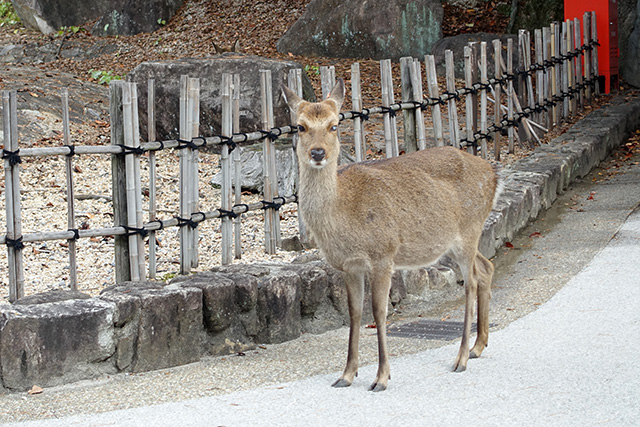
We spot a deer with cataracts in its left eye.
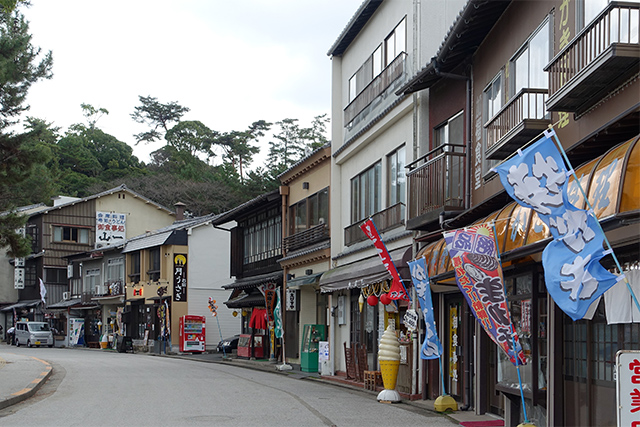
There’s not much activity at the shops near the port around 11am.
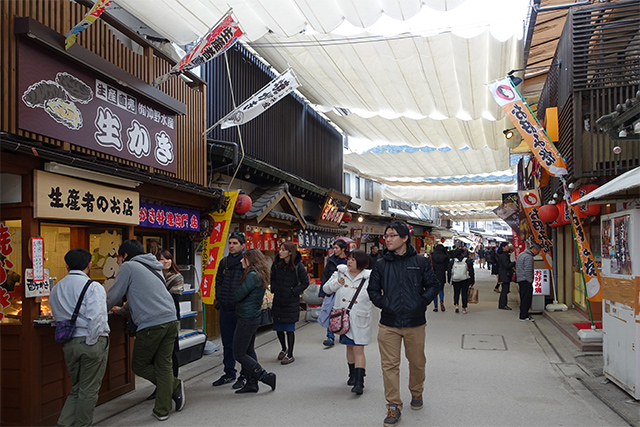
This is the main shopping street on the walk from the port to the tori gate.
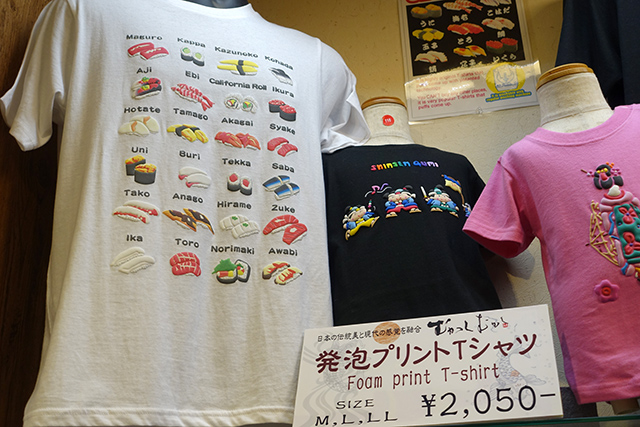
Inside one of the shops, we spot this awesome foam print shirt with all different kinds of sushi!
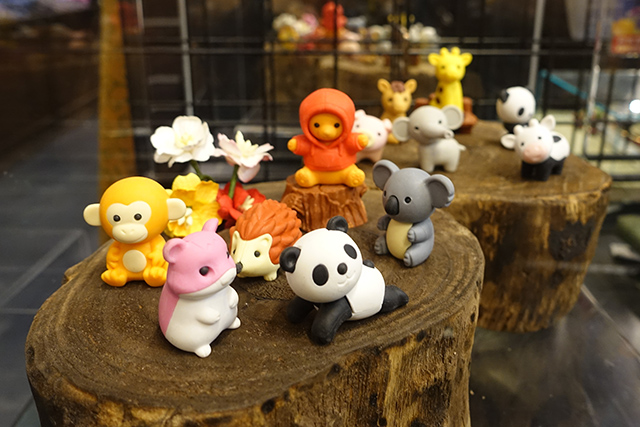
And these cute erasers in the shape of various animals.
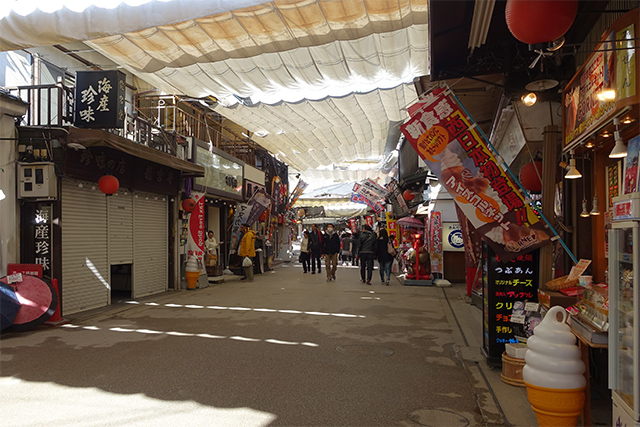
Some of the shops are still getting ready for the day.
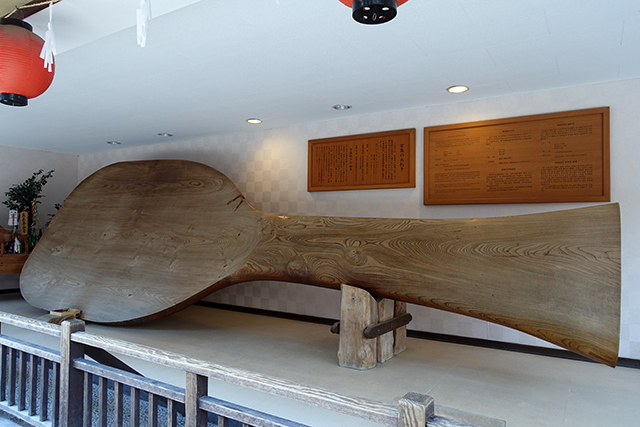
Mid way along the shopping street is Miyajima’s Giant Rice Scoop.
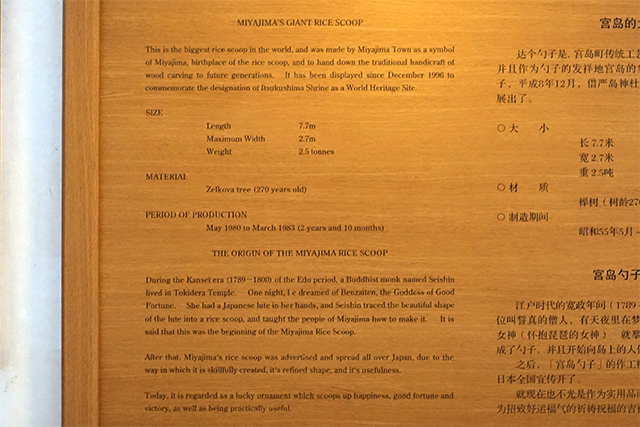
The sign says: “This is the biggest rice scoop in the world, and was made by Miyajima Town as a symbol of a Miyajima, birthplace of the rice scoop, and to band down the traditional handicraft of wood carving to future generations.” The scoop is 7.7m long with a maximum width of 2.7m and weighs 2.5 tonnes. There are rice scoops of varying sizes for purchase on the island.
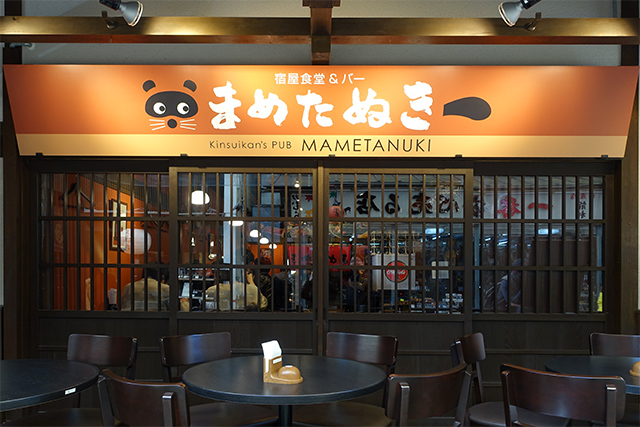
This izakaya has the cutest raccoon in its logo design.
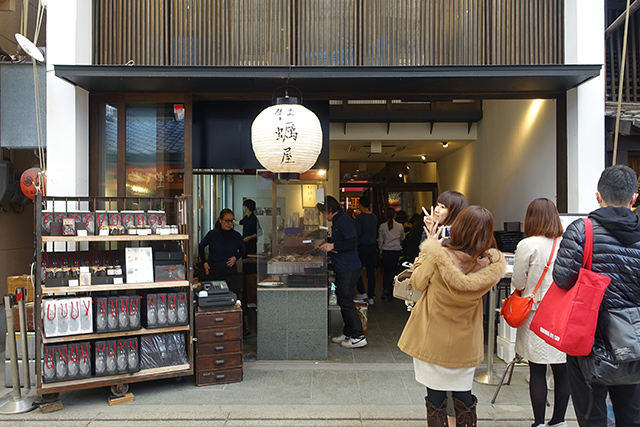
Oysters are a speciality on the island and this restaurant, in its tricolour of black, white and red glory, does them fancy.
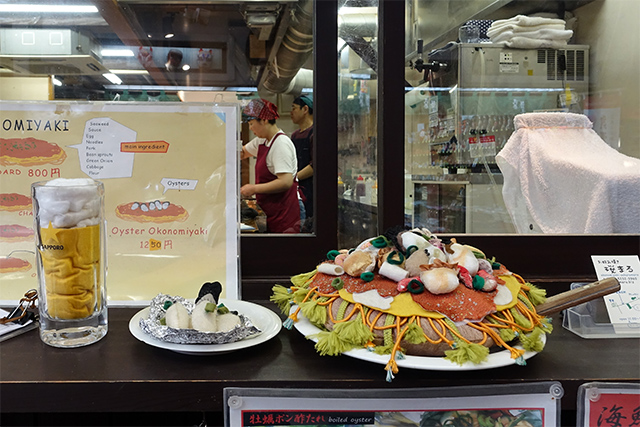
We pass by a shop with this awesome fabric model of their okonomiyaki, oysters and beer.
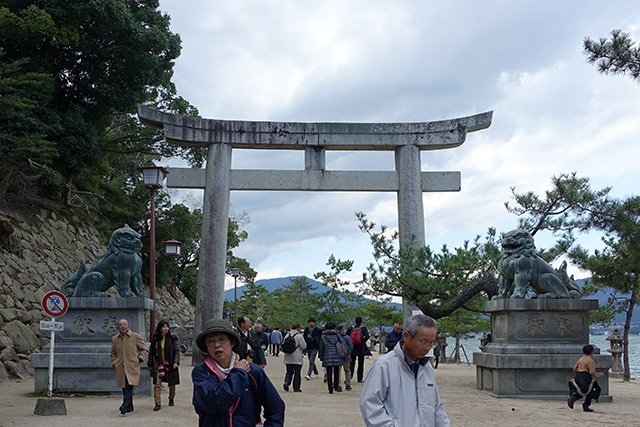
At the end of the shopping Street were greeted by two lions and a tori.
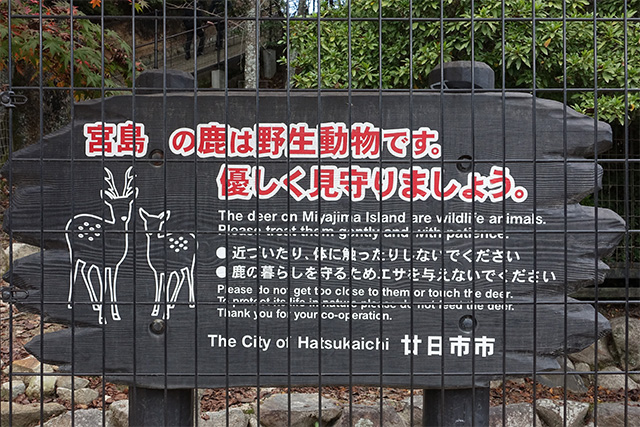
A sign requests visitors not to interact with the deer.
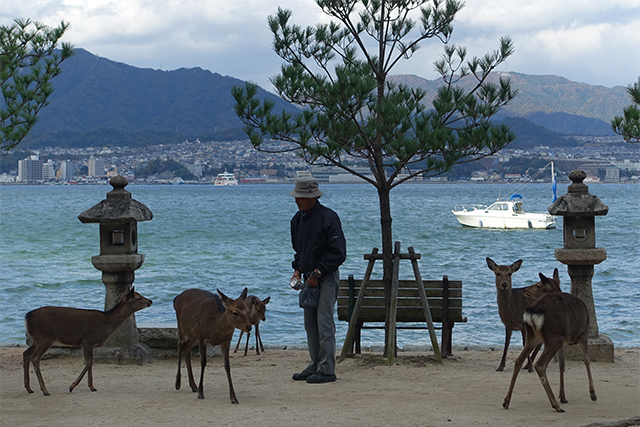
But nevermind the sign, this ojisan feeds the deer not feed the deer!) so they flock to him.
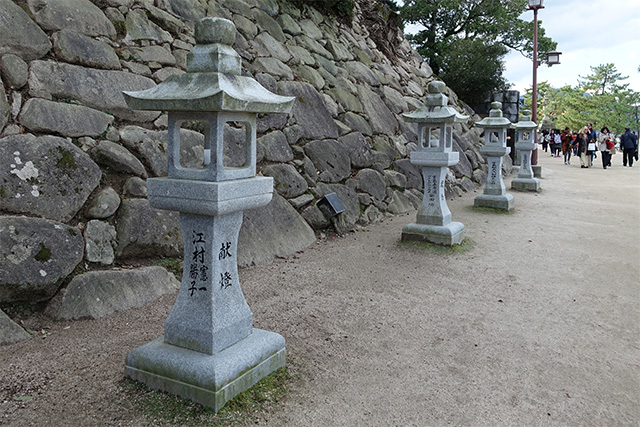
These stone lanterns would look pretty lit up at night.
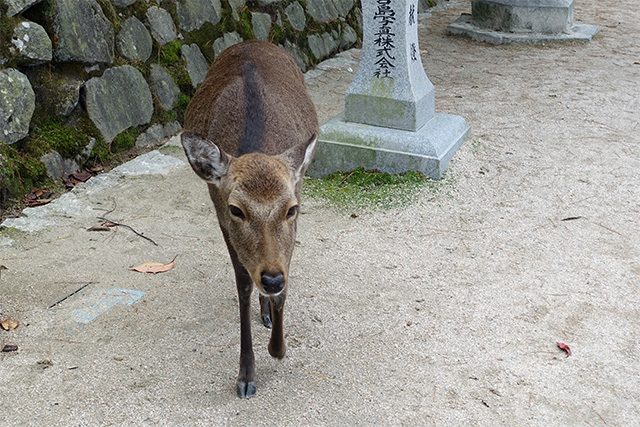
The deer on the island do not care for human contact unless you have food.
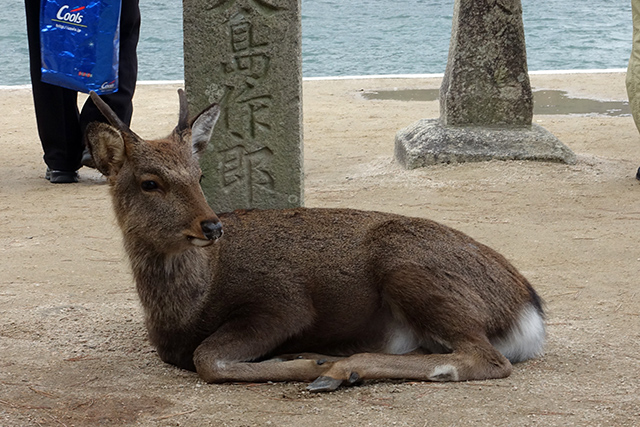
Most of the deer are dehorned, but we see one here with its horns.
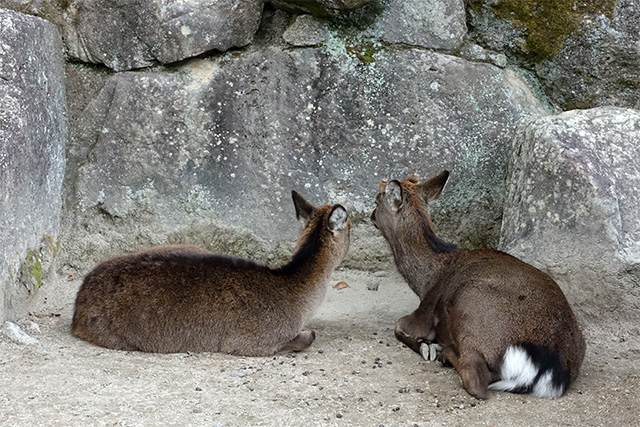
These deers are staring at a rectangular recess in the wall as if they’re watching TV.
Our second glimpse of the floating torii gate during high tide.
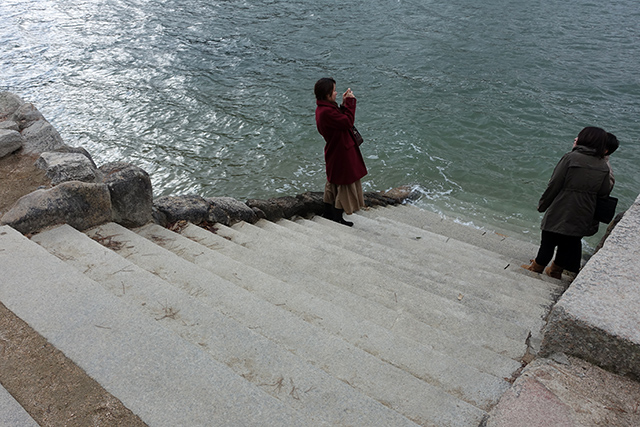
These were the steps leading down to the torii gate during low tide.
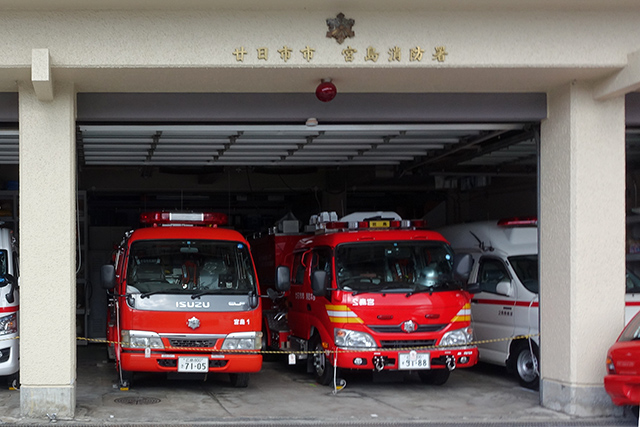
It’s well into lunch hour, so we skip past a bunch of shops to reach a restaurant we’re eager to eat at before they sell out and stop serving lunch. We pass by a garage full of emergency service vechiles (yes, I seem to have a fascination with them….).
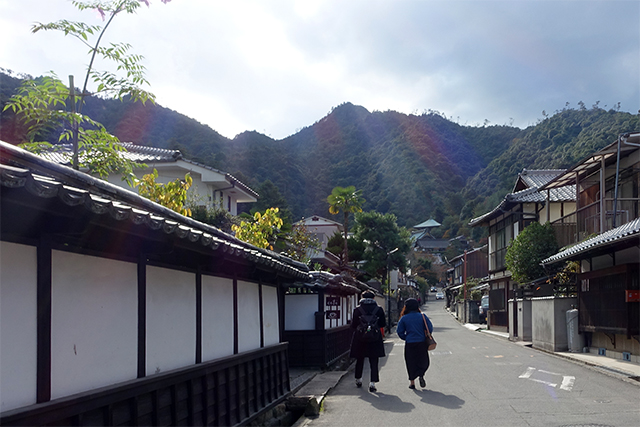
The restaurant is located a bit off the main tourist trail in the quiet residential area of Miyajima on the way to Daisho-in Temple (the green roof can be seen in the distance).
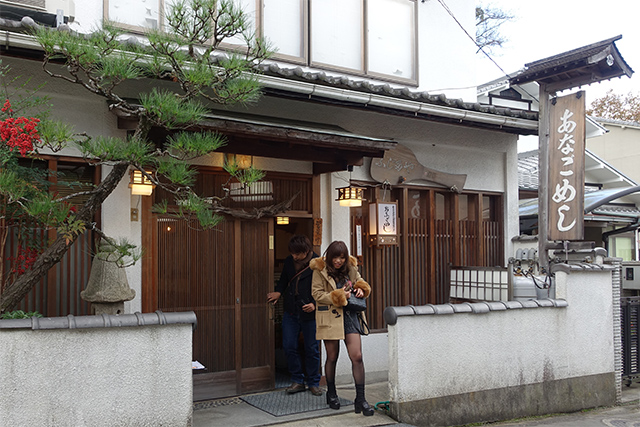
We locate Fujitaya after following D’s trusty GPS. There’s no English outside the store, so our hiragana reading skills come in handy.
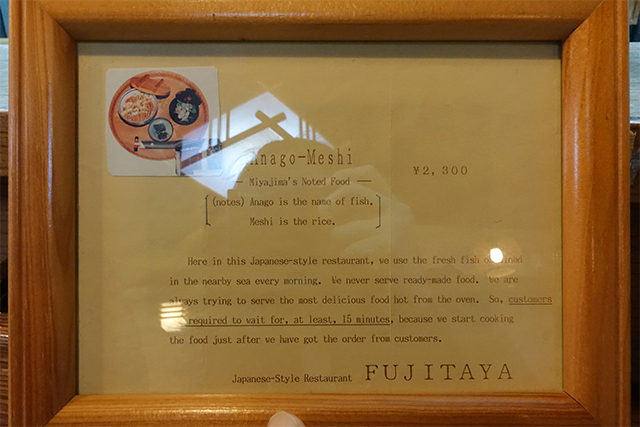
Fujitaya was founded in 1902 and specialises in anago-meshi, or baked eel on steamed rice. Anago meshi is the only dish on its menu for Y2,300. The restaurant holds a Michelin star.
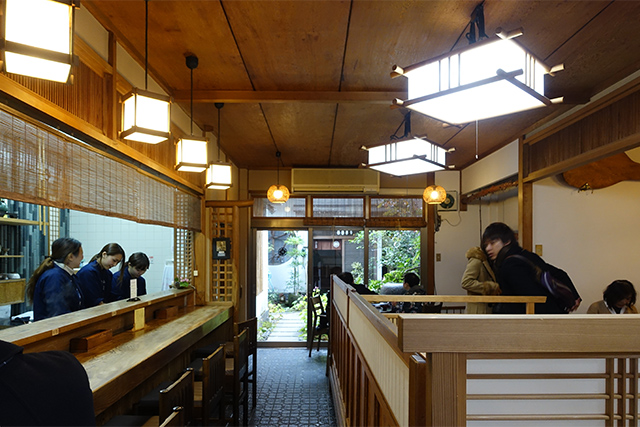
The seating area is at the front of the restaurant, while the food is cooked at a room beyond the garden courtyard.
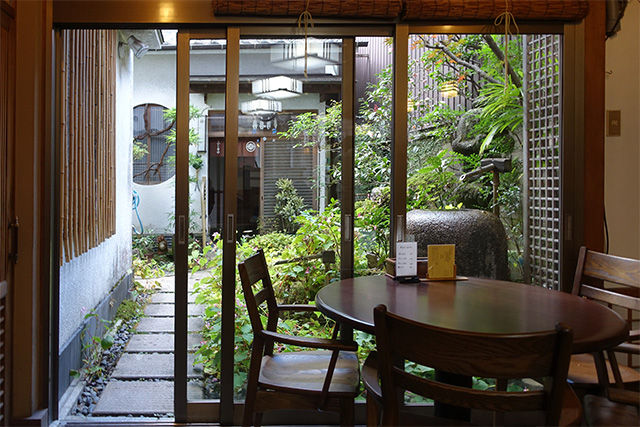
A bell rings when the food is ready and one of the waitresses out front (behind the counter serving tea and washing dishes) goes out back to collect it.
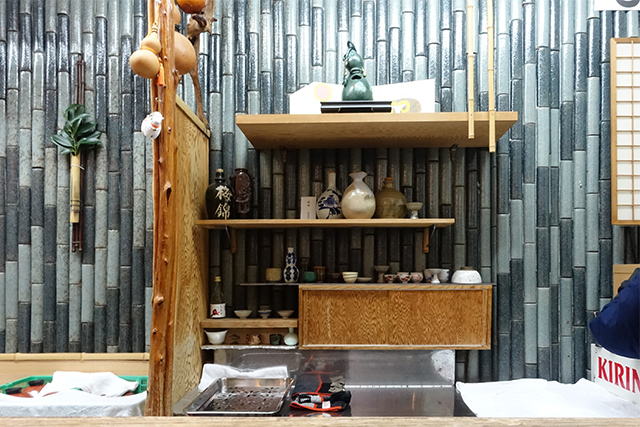
There are pretty bamboo tiles lining the back wall of the counter.
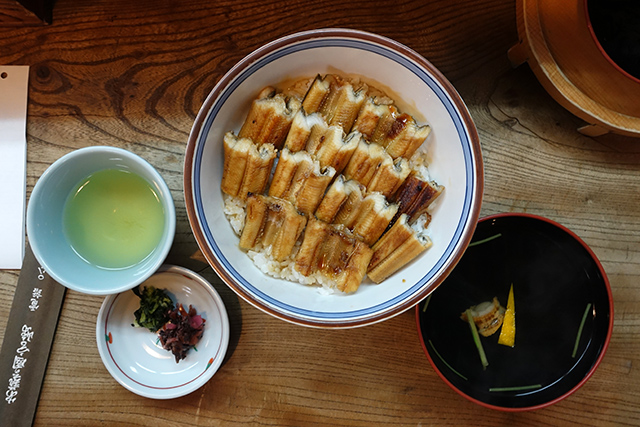
Isn’t it beautiful? The baked eel has a deliciously ‘meaty’ fish texture that we don’t usually get from grilled eel that’s more fall-apart-in-your-mouth. The glaze, like a less intense version of the normal sauce slathered over grilled eel, gave the fish a sweet and salty flavour without taking away from the inherent flavours of the eel. Accompanying the anago meshi (which comes in a scalding hot bowl having come straight from the oven) is a broth with yuzu peel and a piece of seafood (a clam?). The broth has a beautifully clear and light flavour.
From the Michelin Guide: ‘the owner-chef buys in wild anago of 100-120g each, said to be the best tasting; they are cooked unglazed, and the sauce is applied after the order is received, so it takes time. The piping hot rice has a somewhat glutinous texture, having just been steamed in a seiro.’
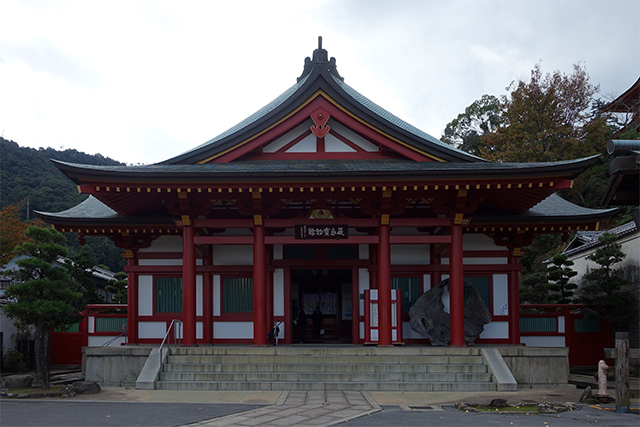
We pass by Daigan-ji, a Buddhist temple.
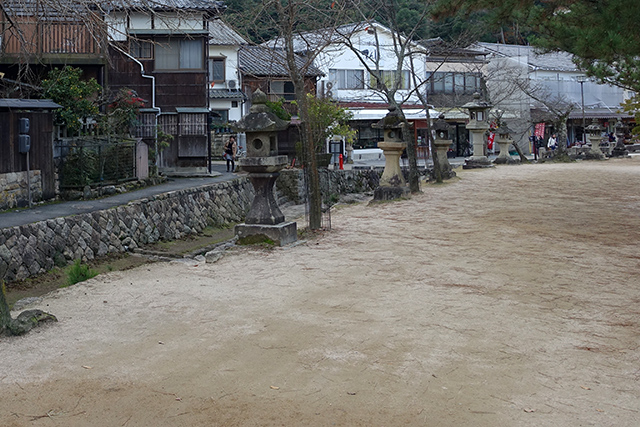
Stone lanterns line the walk around the back corridor of Itskushima Shrine.
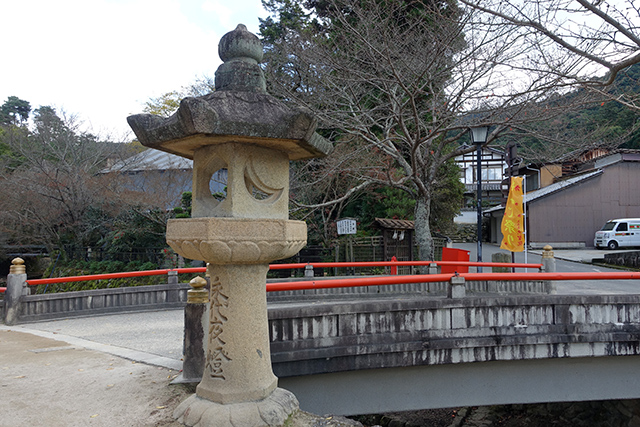
The lanterns vary in size with this super sized one at the bridge crossing the river.
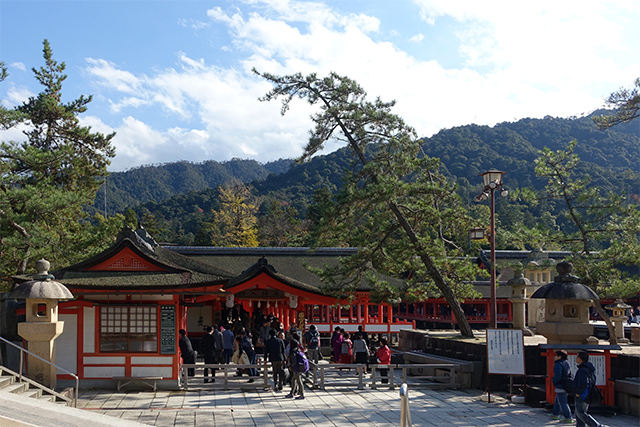
This is the front entrance to Istukishima Shrine. We don’t actually go in the shrine – D and I aren’t all that interested after having done it extensively during our first trip to Japan – but we get a pretty good view of the shrine from the outside.
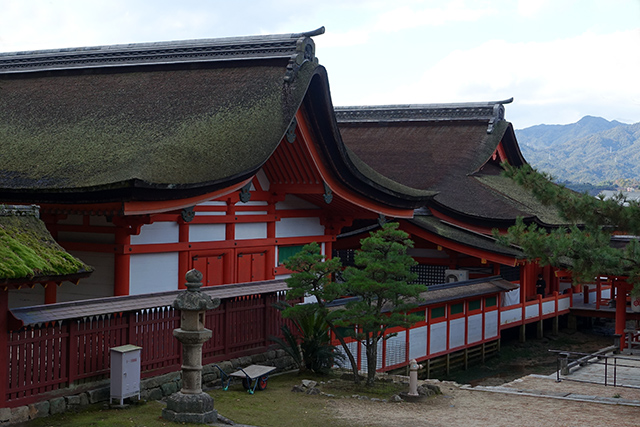
These were the buildings of the main shrine and worship hall.
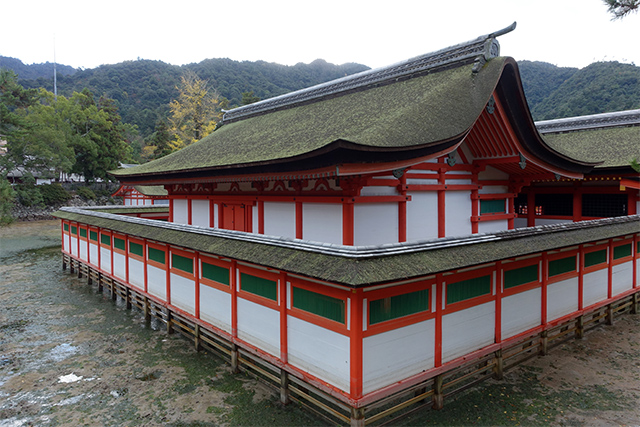
And another view of the main shrine from the other side.
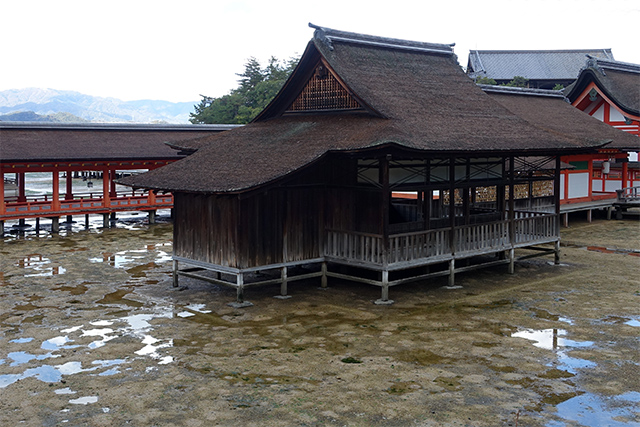
This is the Tenjin Shrine, which is dedicated to a prestigious deity of education and intelligence.
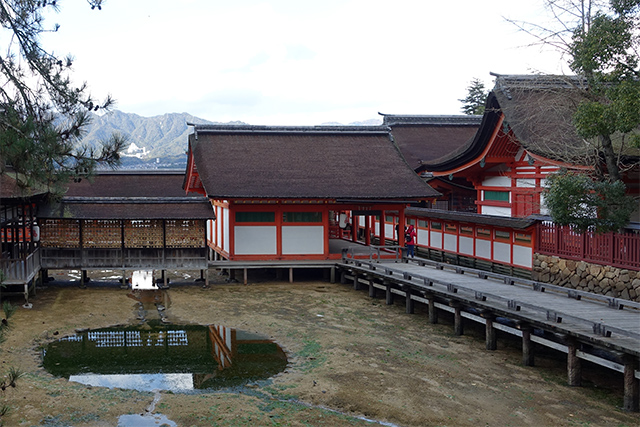
Here, we can see the naga-bashi (‘long bridge’), which connects the ushiro-zono (‘back enclosure’) with the Daikoku Shrine (located in the room at the centre of the photo) as well as a pond (one of three), which appears at low tide and served as water reservoirs for fires.
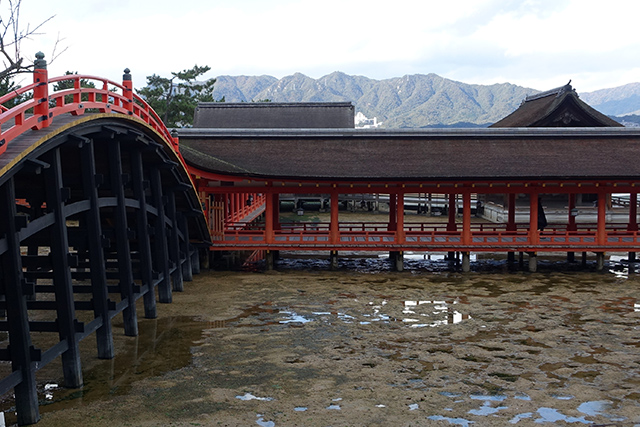
On the left is the sori-bashi (‘arched bridge’), which isn’t open to the public.
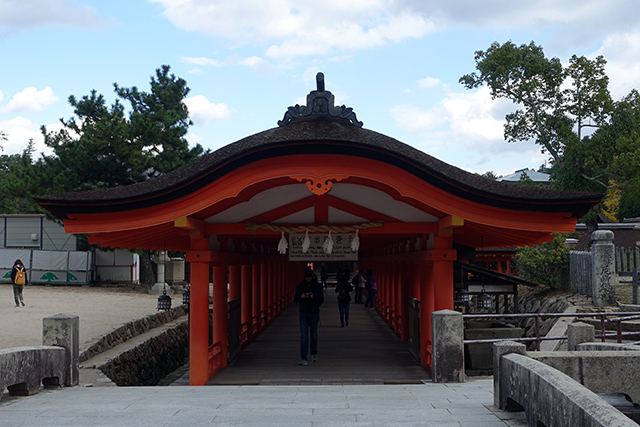
And finally, this is the west corridor (and exit) of Itsukishima Shrine. The architectural style of the gable is called kara-half (‘Chinese gable’). The corridor is around 180m long.
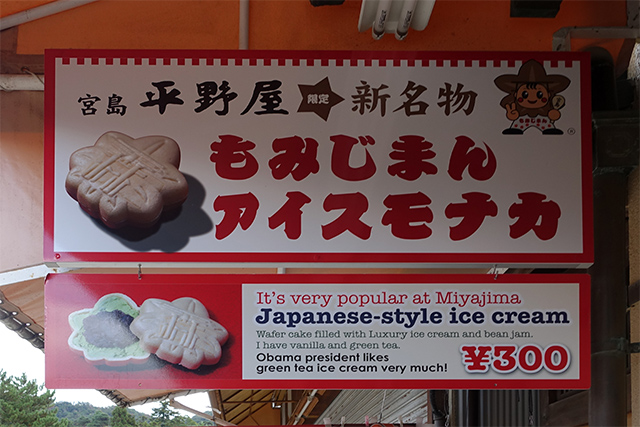
Behind Itsukishima Shrine, there’s a shop selling maple wafer cakes filled with ice cream and anko. Many of the shops show photos of US President Obama visiting, so I’m not surprised by this claim.
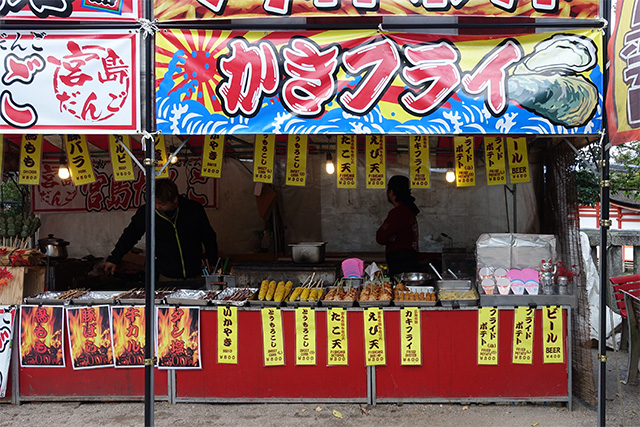
There are food stalls set up selling corn cobs on sticks, oysters, takoyaki, and other skewers.
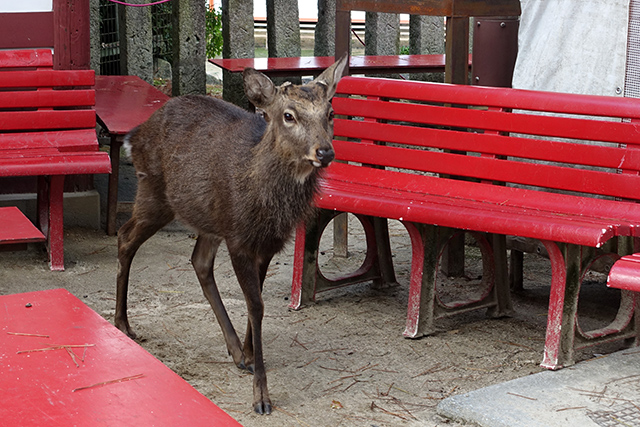
A lone male deer loiters around the seating area hoping to pick up scraps.
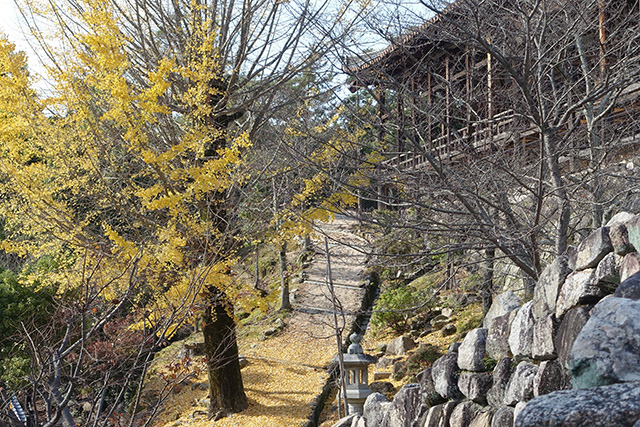
We make our way up to Senjojaku hall. There’s a beautiful ginkgo tree shedding its golden leaves.
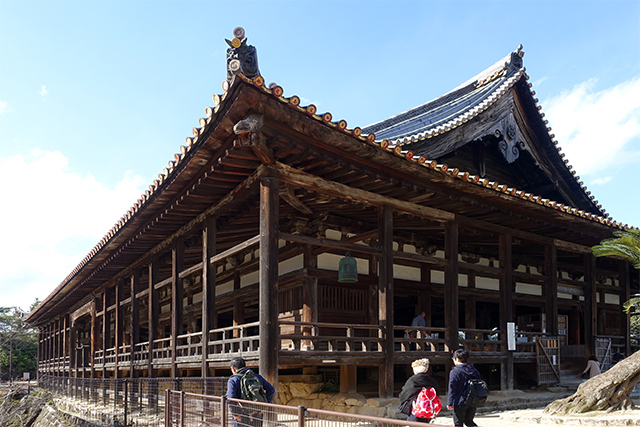
Senjojaku Hall is also known as the pavilion of 1,000 mats, with the size of the hall being approximately 1,000 tatami mats. The inside of the hall is very smooth and shiny, having been polished by many feet since 1587.
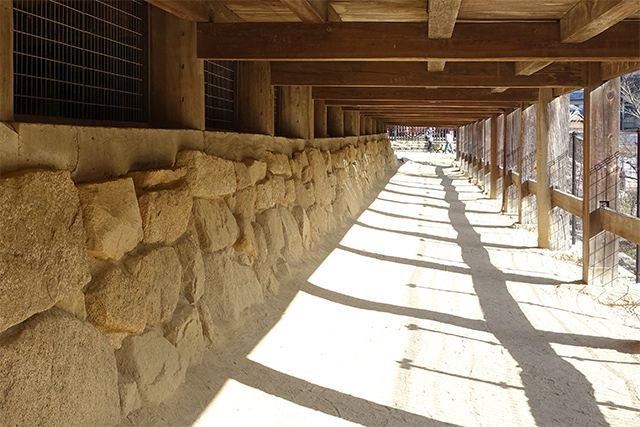
This is the walkway underneath the hall.
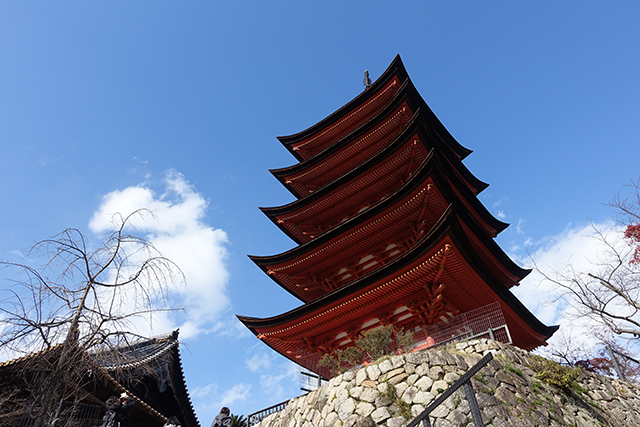
There’s a five storied pagoda next to Senjojaku. I wonder what the inside of a pagoda looks like?
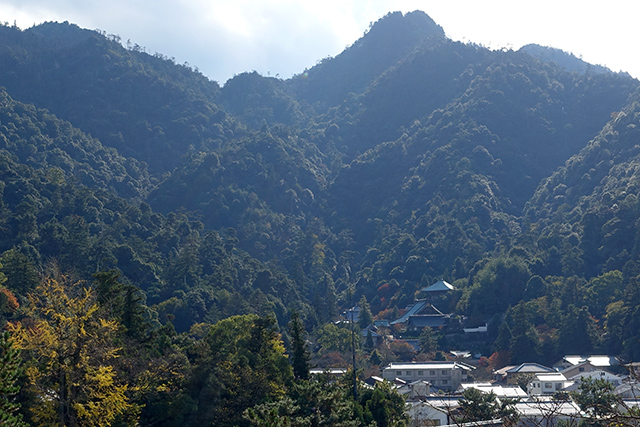
The view towards Mount Misen is quite spectacular, with Daisho-in temple nestled at its base.
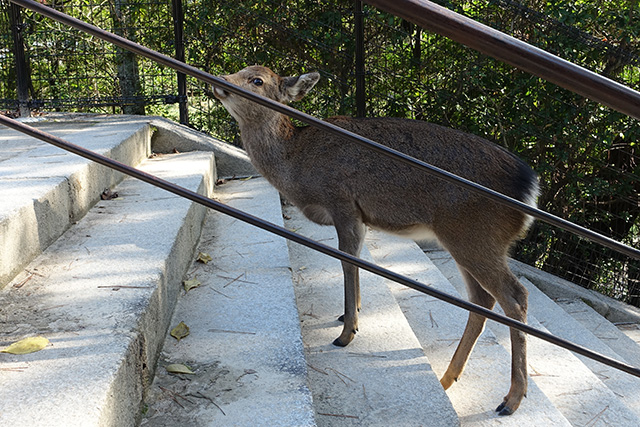
A group of Japanese tourists follow this deer up the stairs, patting its fluffy bum.
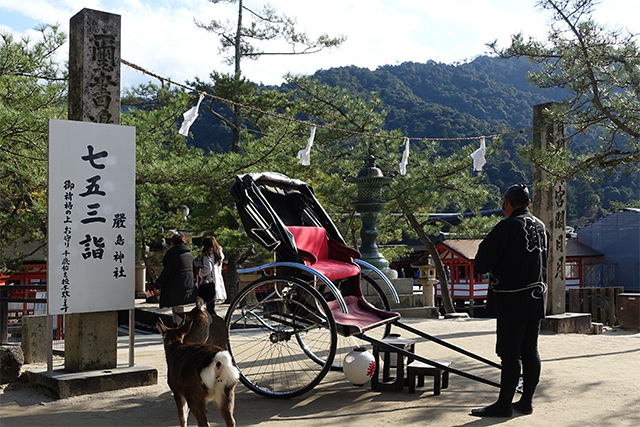
A deer seeks shade next to a rickshaw outside Itsukishima Shrine. The rickshaw is drawn by a man with a super shiny head (the bright sunlight bounces right off!).
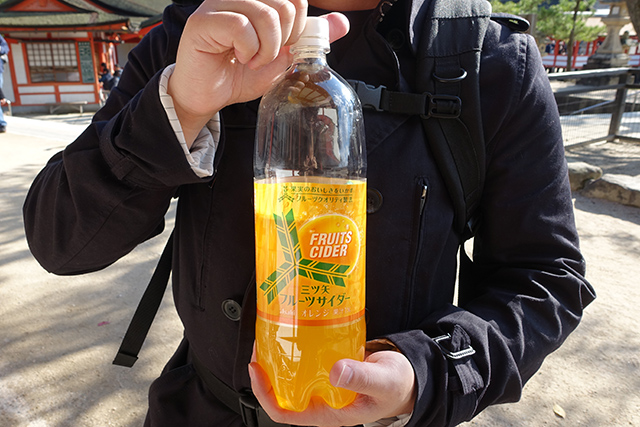
And we stop for a drink of Orange Fruits Cider made by the company that makes Mitsuya Cider. It’s much like a fizzy orange cordial, but with more orange flavour and less syrupy.
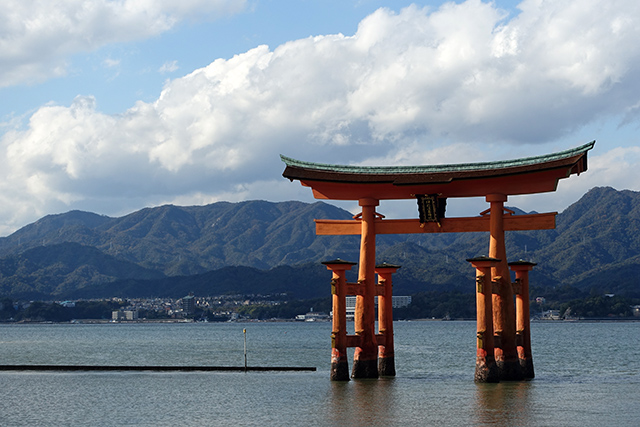
The tide’s receded somewhat, but we still can’t walk out to the torii.
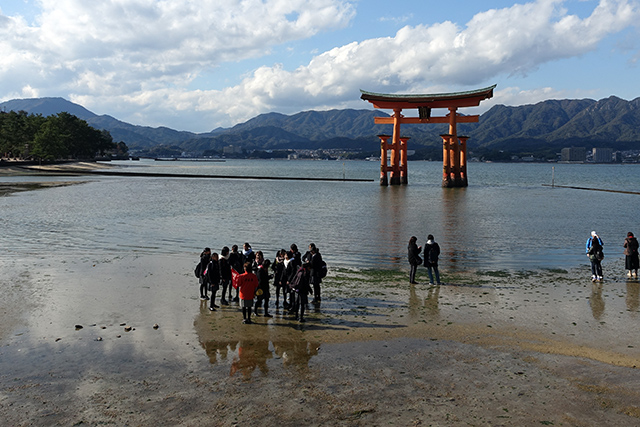
Others are keen to get as close now, but D and I decide to come back later.
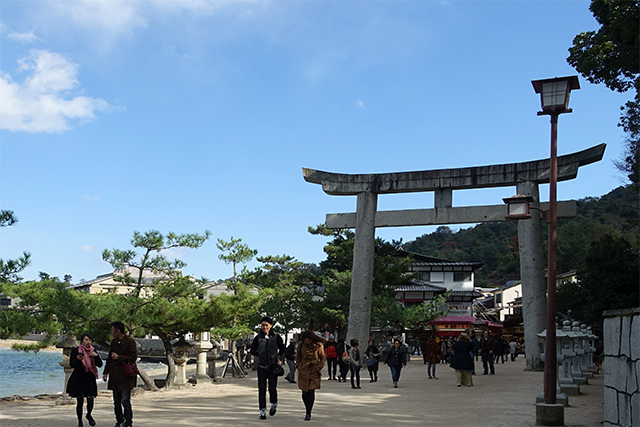
We’re walking back towards the shops to try out momiji manjū. Momiji manjū are cakes baked in the shape of maple leaves traditionally with a filling of sweet red bean paste. They are famous dessert created in Miyajima in the early 1900s as a local specialty to represent Momijidani, a popular maple leaf viewing spot.
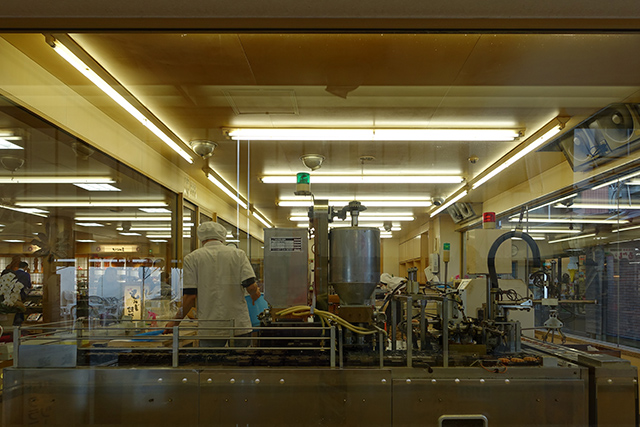
Many of the momij manjū shop have their staff making them fresh on machine behind glass.
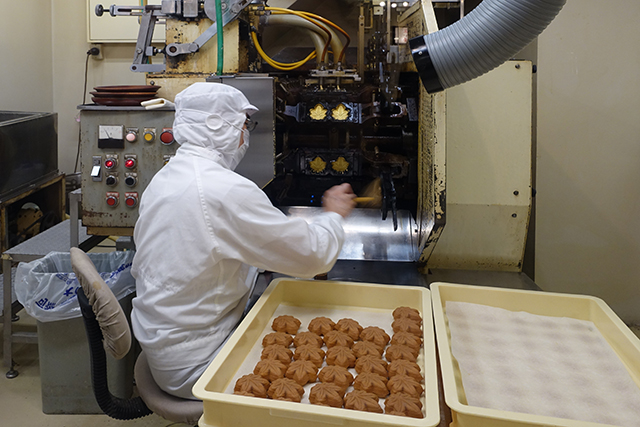
This gentleman deftly flicks eat momiji manjū from its hot mould and onto the waiting trays.
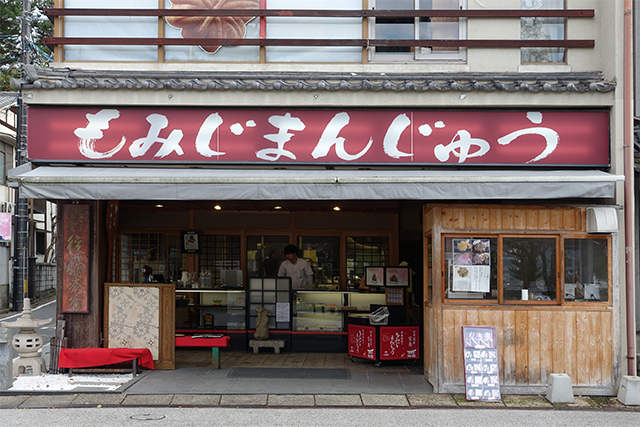
This is the first momiji manjū shop we spotted on the island. It’s also the only shop that sells a black sesame momiji manjū, so that’s where we end up.
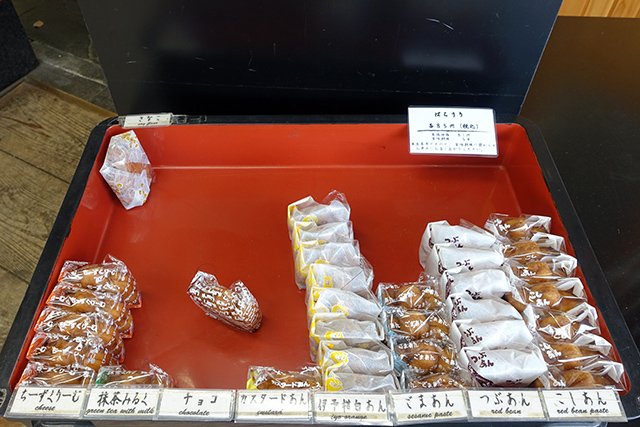
They sell momiji manjū with cheese, green tea with milk, chocolate, custard, orange, sesame paste, red bean, and red bean paste.
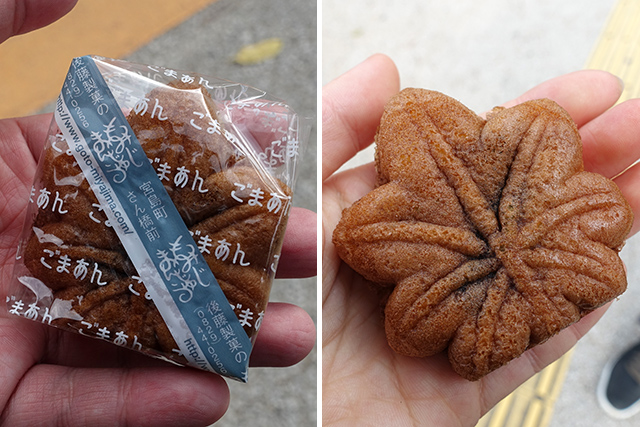
Each momiji manjū is the shape of maple leaves and comes wrapped in plastic.
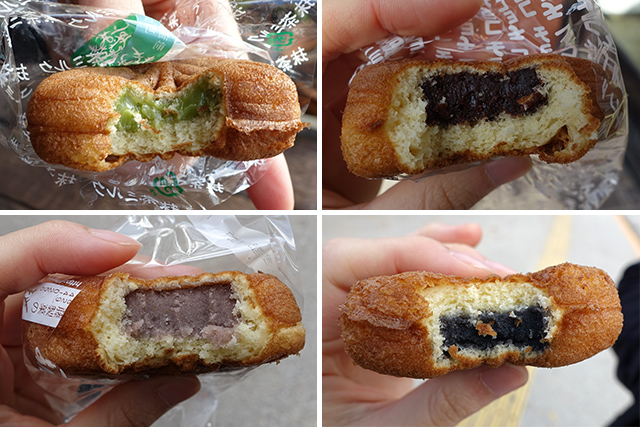
We try quite a few! Clockwise from top left: the green tea with milk is silky smooth and sweet without the usual hint of bitterness; the chocolate is tasty with a slight bean-y flavour that got us confused with red bean; the black sesame is rather subtle (we like to be hit in face with black sesame flavour!); and the red bean paste is very mashed and sweet without a pronounced red bean flavour. Of the four here, the silky smooth texture of the green tea with milk complemented the crumbly texture of the cake best.
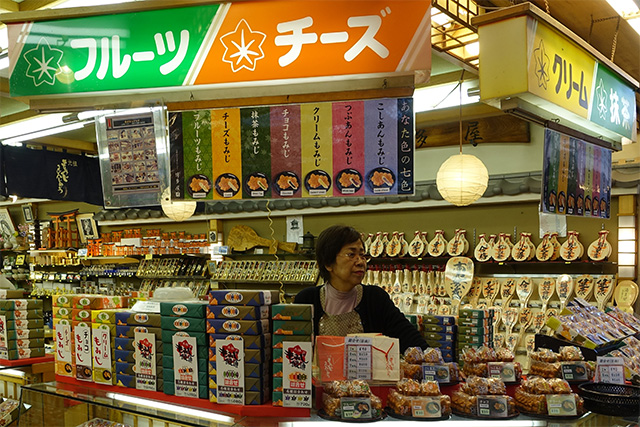
Having been disappointed with our choice of red bean paste over plain red bean, we try another on the way back to the floating torii.
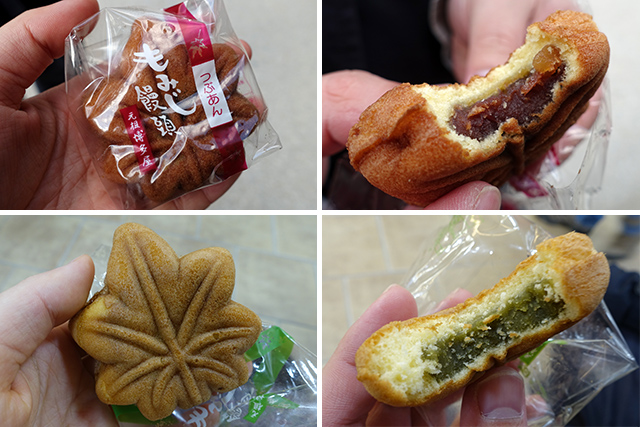
This red bean momiji manjū (top) is more textured and fragrant, exactly what we were after the first time, and the green tea had the more bitter than sweet flavours usually associated.
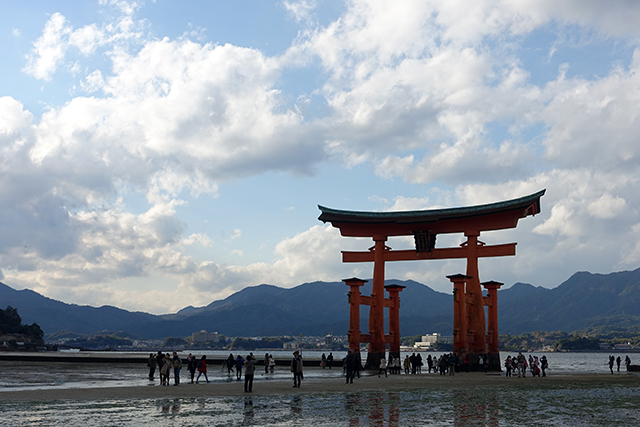
After eating all the flavours of momiji manjū we’d ever want to try, it’s low tide! So, we head back to the floating torii.
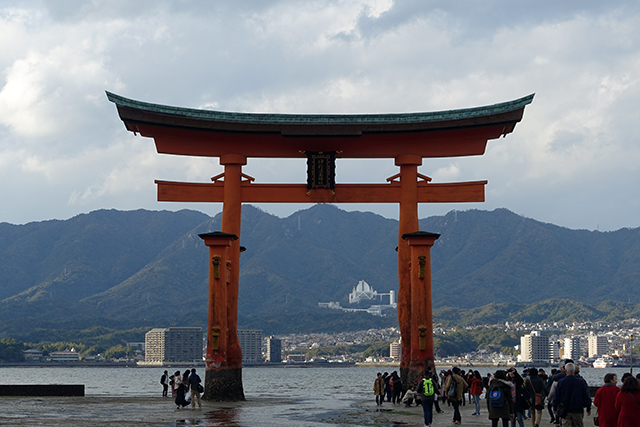
The scale of this gate is huge. Although the original gate dates back to 1168, the current gate dates back only to 1875. Nonetheless, it is still magnificent at 16 m high. The gate is built of decay-resistant camphor wood.
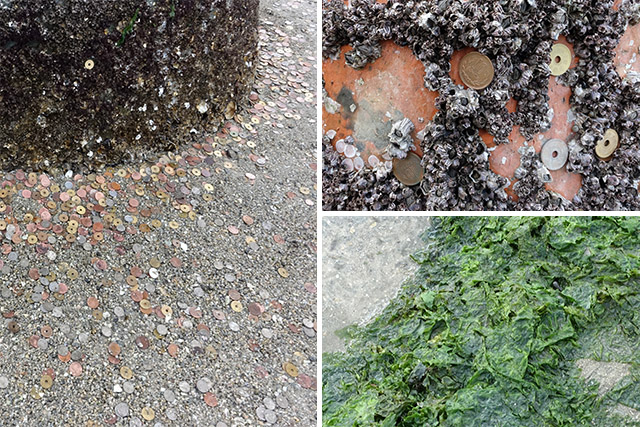
Walking to the shrine involves navigating around seaweed, and visitors like to wedge coins between the barnacles – mostly Y5 coins. Barnacles are gross.
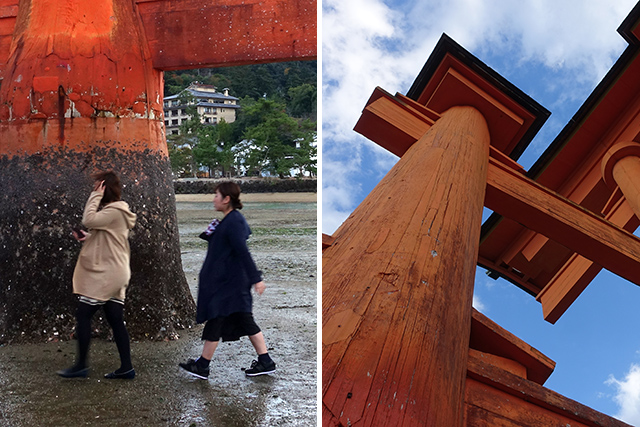
At high tide, the water is about as deep as the height of one person. The scale of the torii becomes evident when you’re standing right next to it.
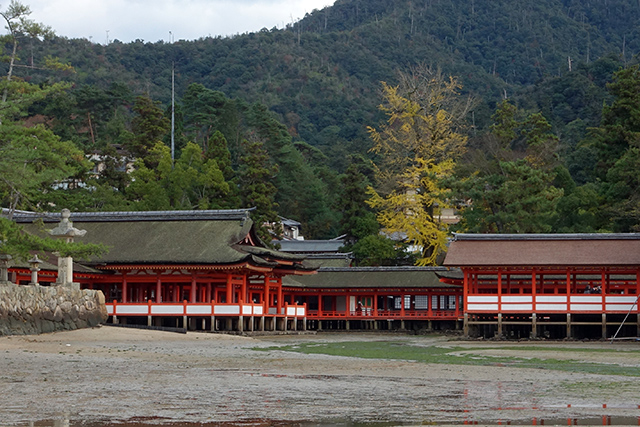
This is the view of Itsukishima Shrine from the gate. The right side of the shrine (not in this photo) is undergoing renovation and covered in tarpaulin.
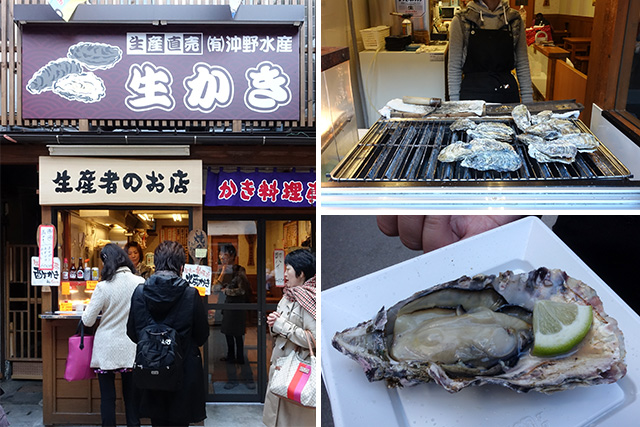
Throughout the day, the delicious smells of grilling seafood assaults our noses. We eventually track this smell down to oysters sold at various food stalls around the island. Hiroshima Prefecture produces 70% of oysters in Japan. So, our way back to the port, we try one. Unfortunately, it smells better than it tastes – it was like a warm smokey oyster and a little fishy – but that’s just because they smelled amazing.
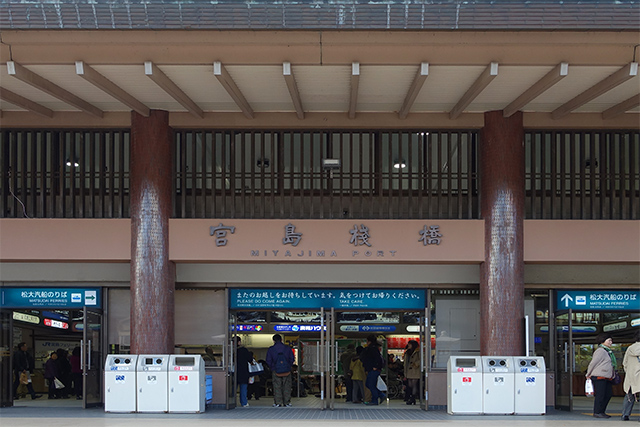
We’re back at the port just in time for the next ferry (or just typical Japanese efficiency with regular services, I’m not sure).
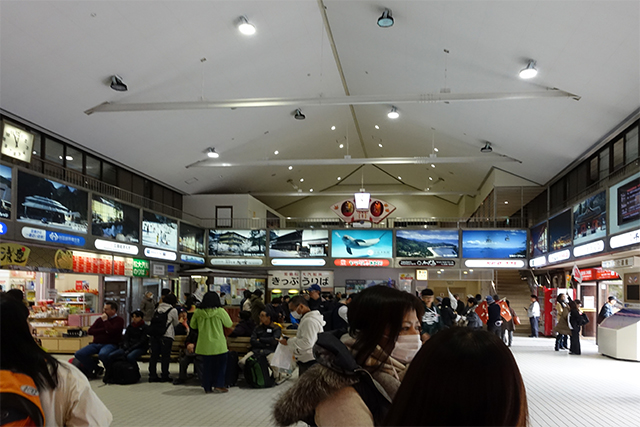
There are a couple of souvenir stores inside the port building. The Japanese cannot get enough of their souvenirs!
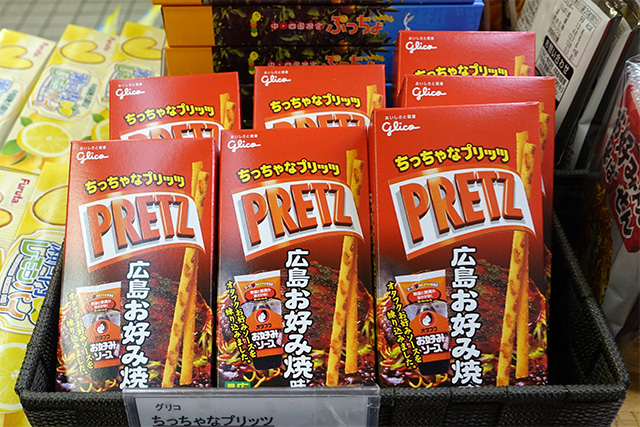
They sell mini boxes of Hiroshima style okonomiyaki flavoured Pretz for more than the price of ordinary sized fancy Pretz!
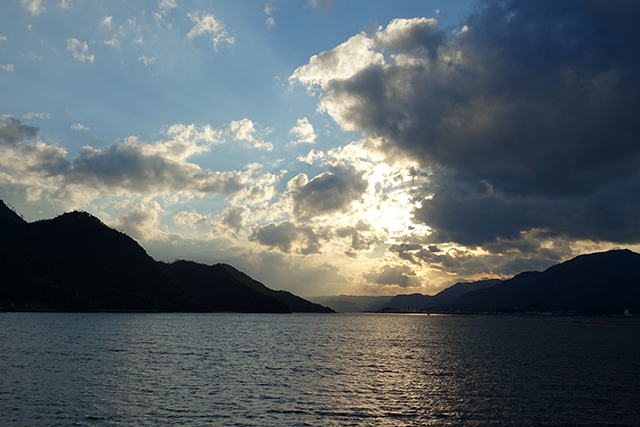
The sun’s setting as we make our way back across. Just beautiful.
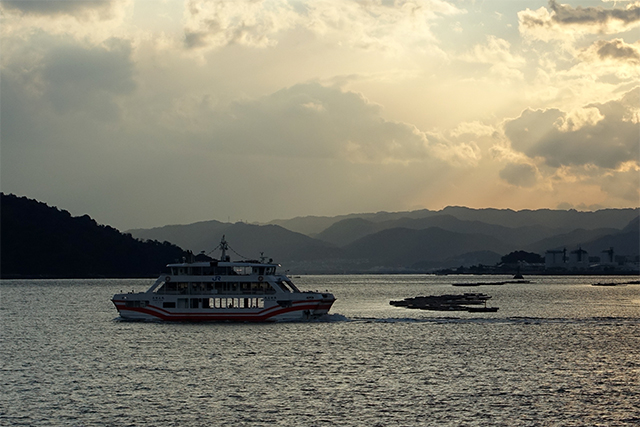
But there’s still people visiting the island so late (perhaps to stay overnight?).
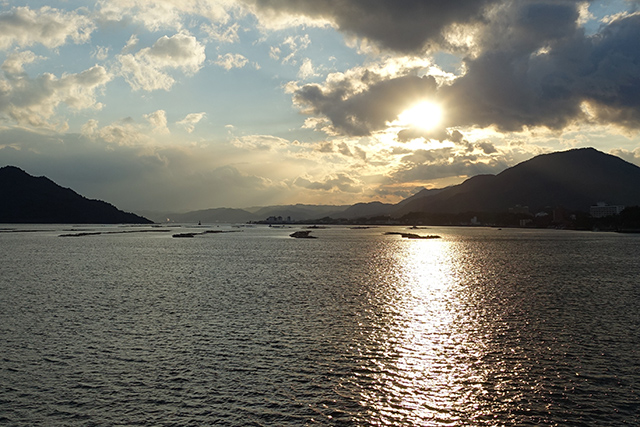
It’s blisteringly cold and windy on the way back and D and I are two of three people who brave the cold on the top floor of the ferry. But the view!
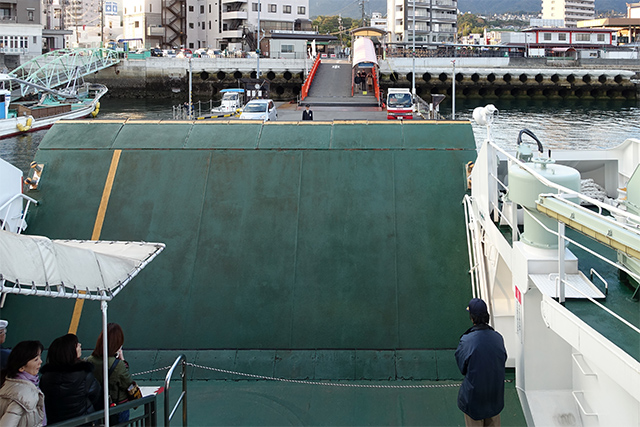
You know you’re on a serious ferry when it has its own remote controlled plank to bridge to the land.
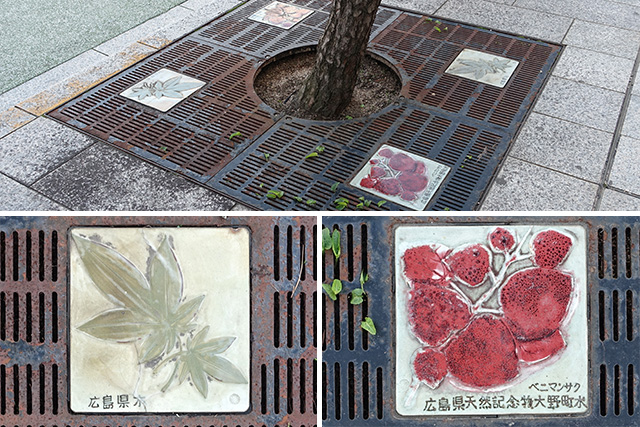
Outside Miyajimaguchi Station, we spot some pretty tiles covering the base of the tree.
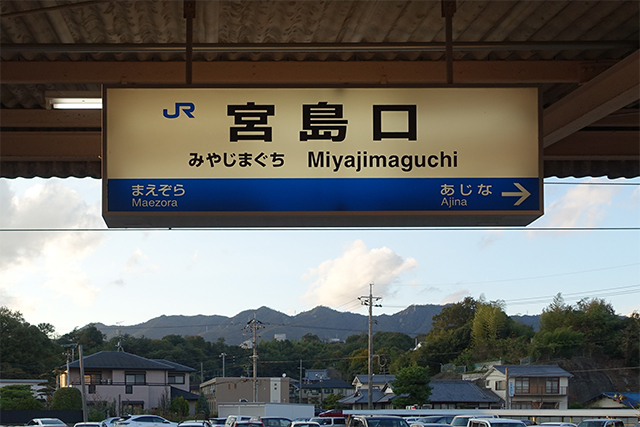
Miyajimaguchi is a rather tiny station with two platforms, but ample English signage to accommodate the hoards of tourists visiting the island. Since arriving in Hiroshima, we’ve actually had the pleasure of hearing Japanese being spoken everywhere we go. It sounds weird to say that I’m Japan but there are really just that many Chinese people visiting Japan now.
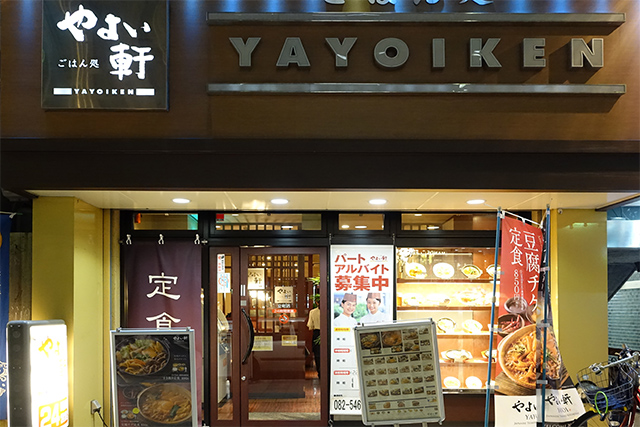
Back at Hiroshima, we head out to Tōkyō Hands to admire briefcases and wallets after putting a load of washing in the (free!) washing machines at the hotel. Eventually our hunger takes the better of us and we settle into Yayoi-ken. We spotted a Yayoi-ken the previous night on the way to the Christmas illuminations, and we’re delighted to find a branch closer to our hotel.
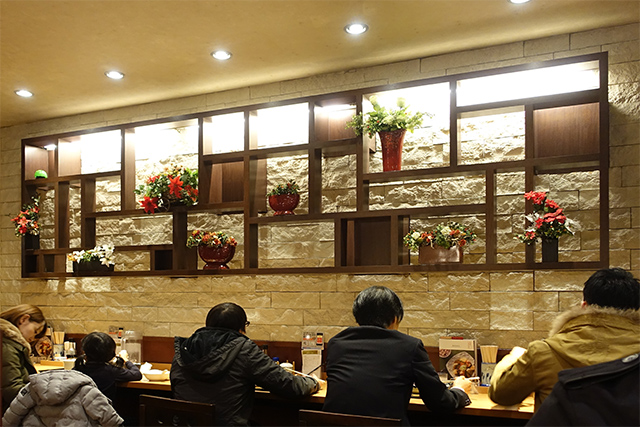
It has a stylish wooden and exposed brick interior.
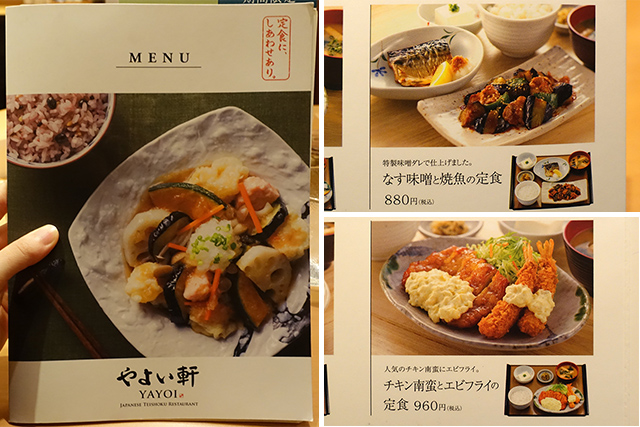
Yayoi ken specialises in teishoku, or traditional Japanese meal sets that come with a combination of white rice, miso soup, sozai (side dishes) and picked vegetables which come with the main dish ordered. with each set, you get the choice of white or sixteen grain rice – we opt for white.
D and I spend a long time staring at the menu outside only to find out you order using the vending machine! But that’s all right, since we’ve decided what we want, we can get straight to ordering.
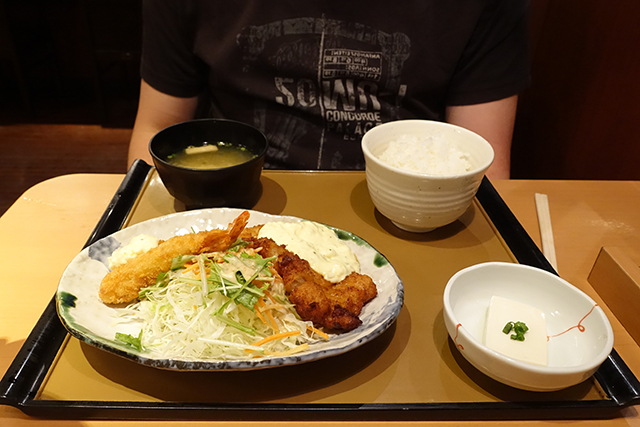
D has the fried chicken with tartar sauce and deep-fried prawns teishoku. The chicken was and shrimp were crunchy on the outside with juicy and tender innards – just the way it’s supposed to be. D also takes advantage of their free rice refills.
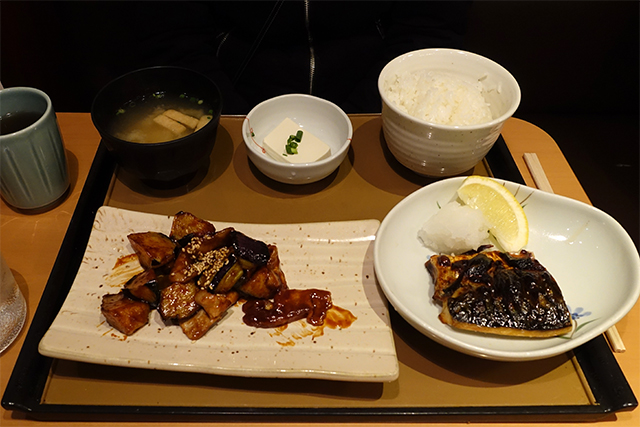
I try the stir-fried eggplant in miso sauce with grilled mackerel teishoku. I’m still on the hunt for grilled fish that compares to the mouth-wateringly good grilled red sea bream D and I had at Zauo in 2013. The grilled fish is flaky and tasty, but still not the same as Zauo, while the eggplant was a tad too salty and spicy on its own but had good bite and went very well with the rice.
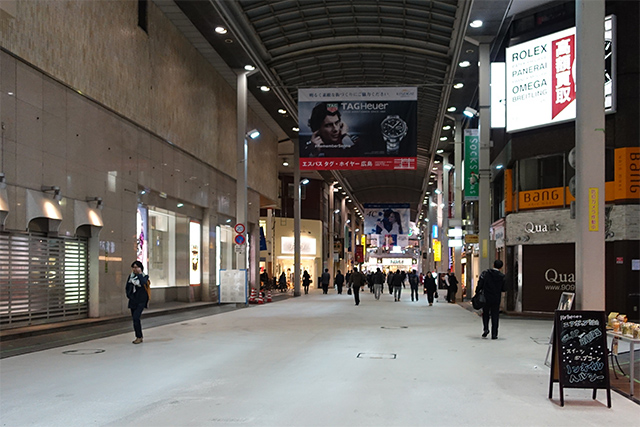
The covered shopping streets in Hiroshima are a far cry from the ones we’re used to in Ōsaka.
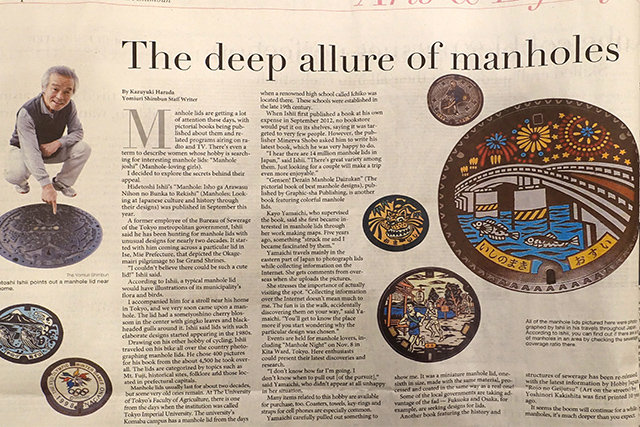
Back at the hotel, we sit in the lounge area enjoying some free drinks while D reads the newspaper and finds an article about manhole joshi, or girls who like taking photos of manhole covers.
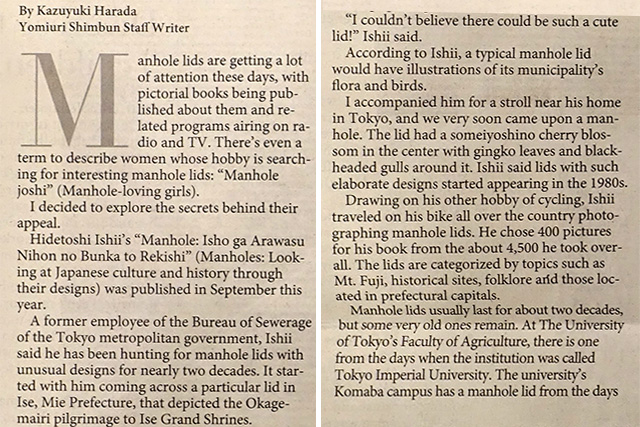
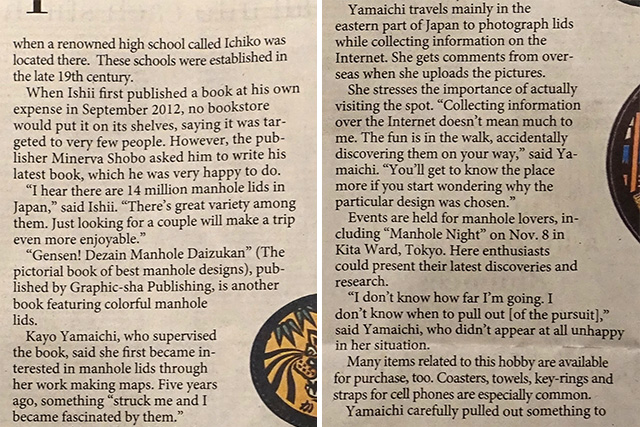
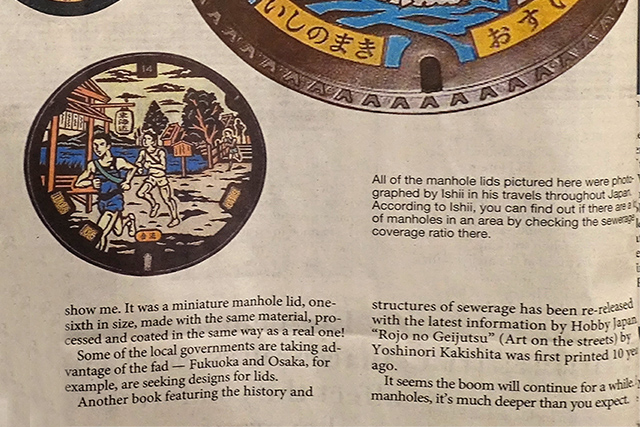
D has a glorious time teasing me about my fascination with the pretty manhole covers we see around Japan for the rest of the trip!