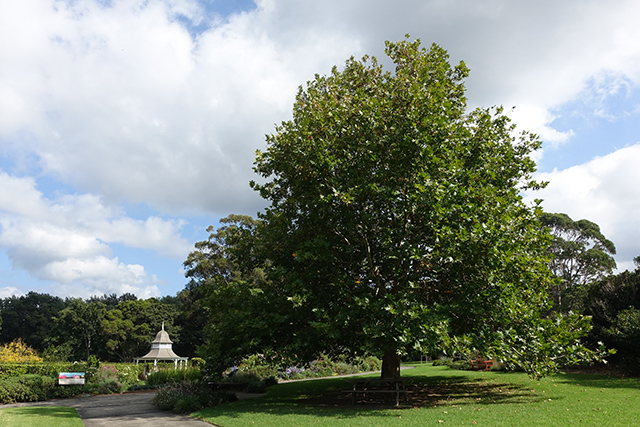
The second day in the Illawara saw us visit the Wollongong Botanic Garden. We’d swapped kayaking out for the gardens initially due to the price of kayaking ($50.00 pp), which was probably just as well as D, T and N were nursing sore legs from the Kiama Coast Walk.
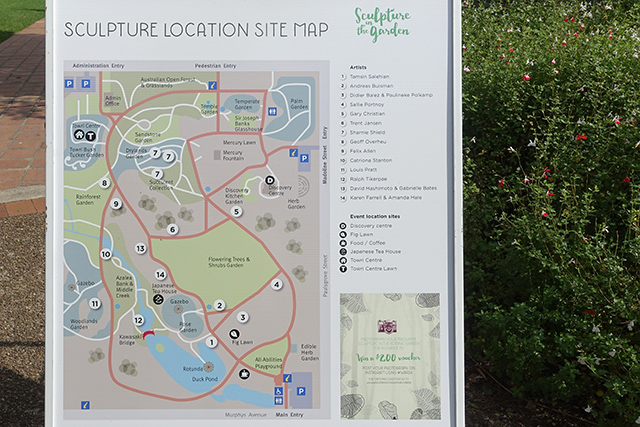
They ran out of maps for the Gardens, but this map for the exhibit ‘Sculpture in the Garden’ served just as well. The artworks are available for purchase (upwards of $20.00,000).
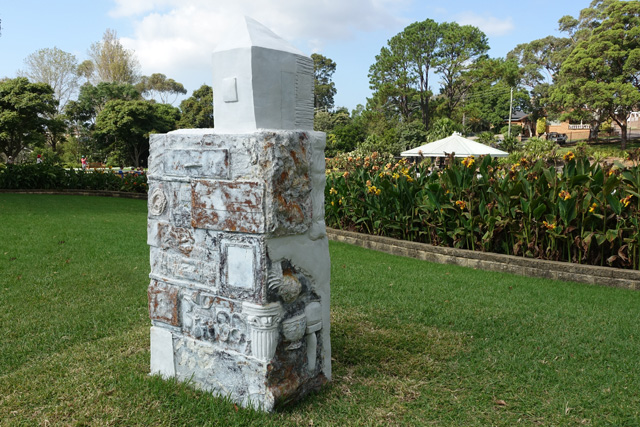
This is It Was You I Saw Up Ahead by Tamsin Salehian, an artwork inspired by one of the last examples of a half-house in Australia.
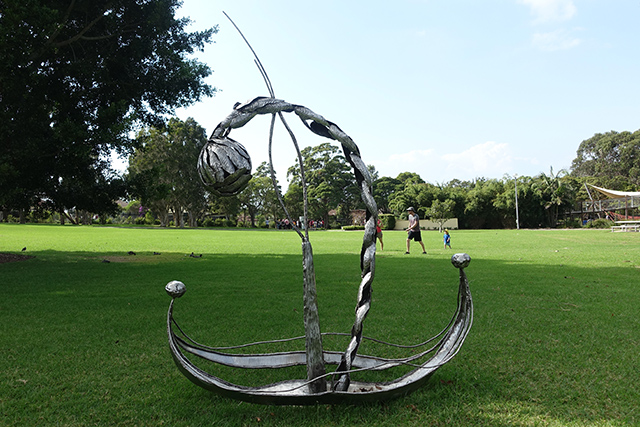
A short distance away is ‘Plume No 2’ by Didier Balez and Paulineke Polkamp.
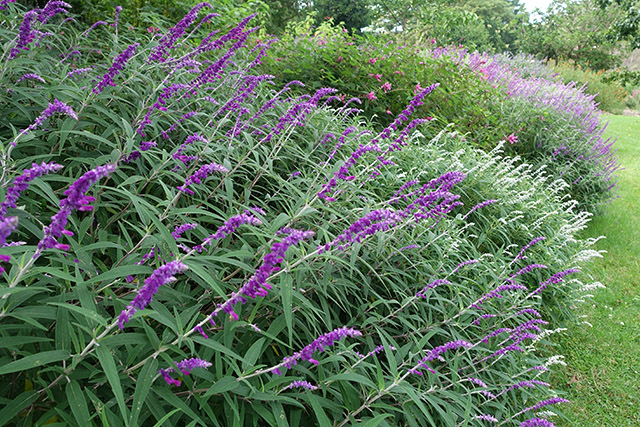
It’s not a particularly large garden compared to the Royal Botanic Garden in Sydney, but we were in time to catch them in bloom. D and T were happy to relax on a bench, absorbing the scenery, while N and I roamed around the flowering plants.
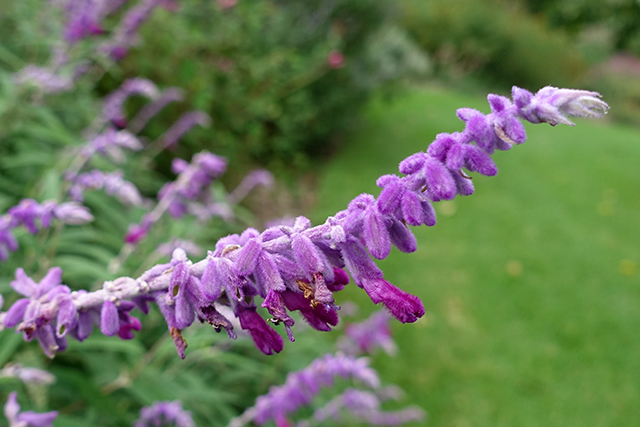
These reminded N and me of pipe cleaner crafts.
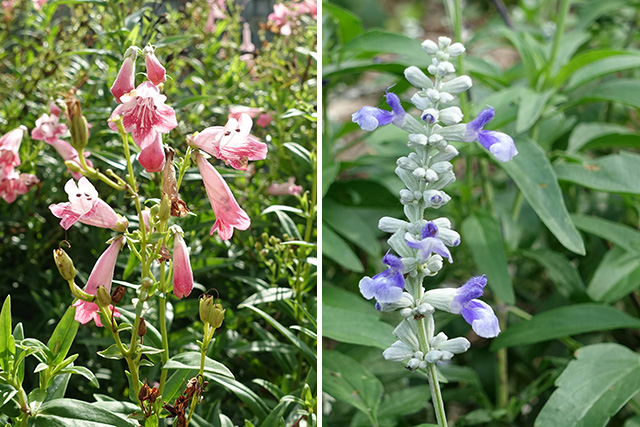
The blooming flowers were more interesting than the sculptures on display.
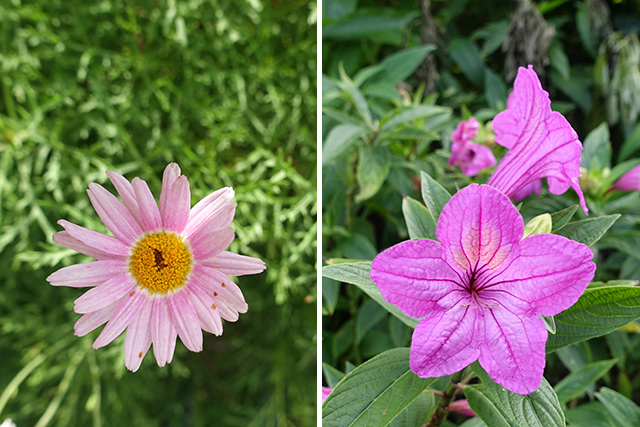
That said, I’ve no talent for identifying plants. At all.
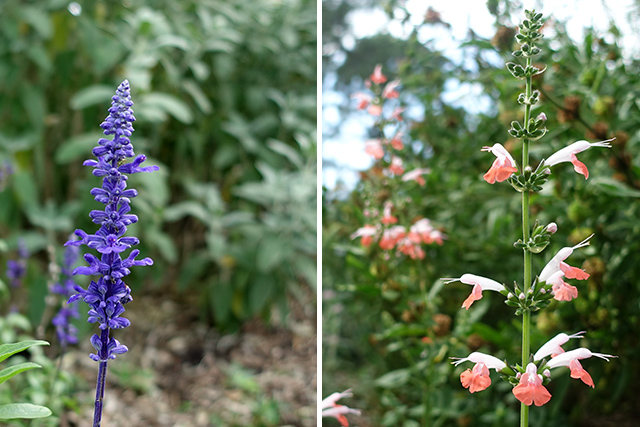
The shape of the flower on the left reminded us of lavender, but they don’t have the telltale scent, while the shape of the salmon coloured flowers (right) reminded us of geese.
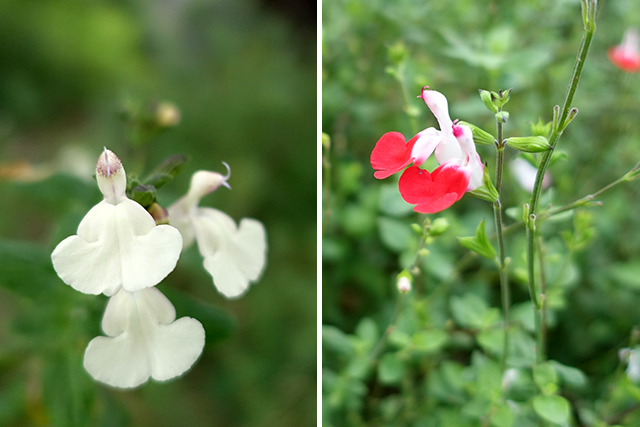
They also come in plain white, and red and white!
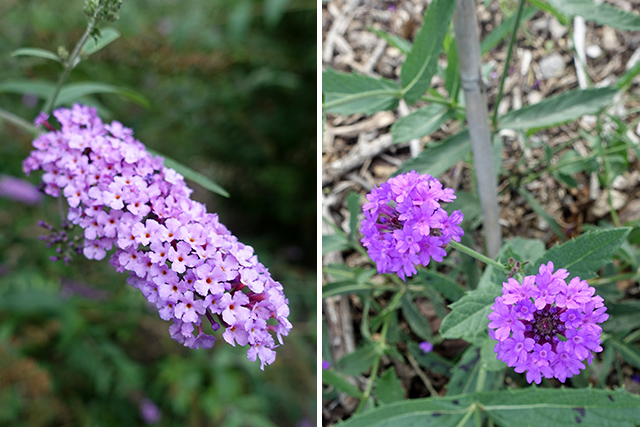
There seem to be a disproportionate number of pink/purple flowers in the world.
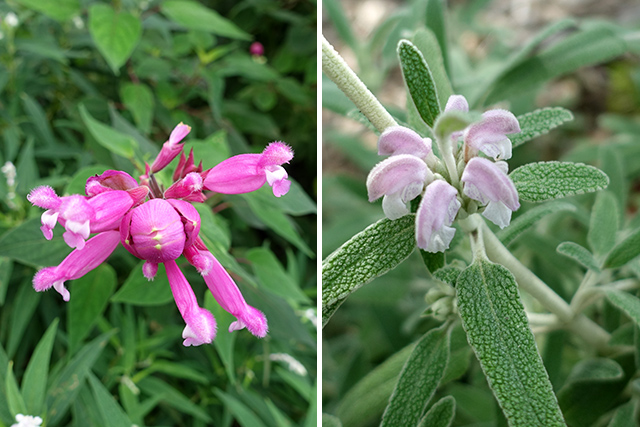
The flower and leaves of the plant on the right were covered in a furry substance that looked like some defense mechanism against insects/animals. N and I did not touch!
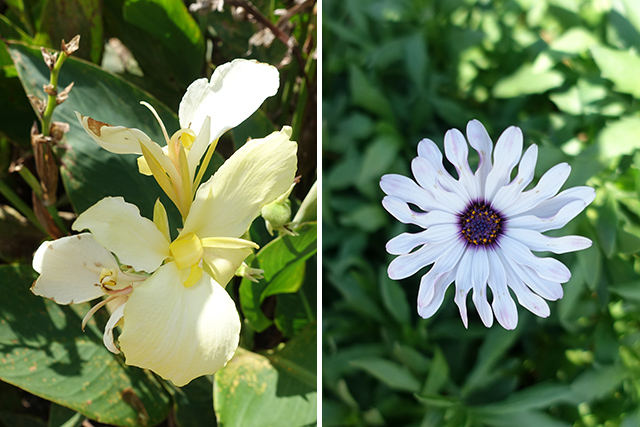
Sitting some 100-150m away one time, D and I contemplated whether the flowers in the Royal Botanic Garden in Sydney were canna lilies or sunflowers. They were canna lilies – we’ll never forget! And doesn’t the flower on the right have the prettiest petals?
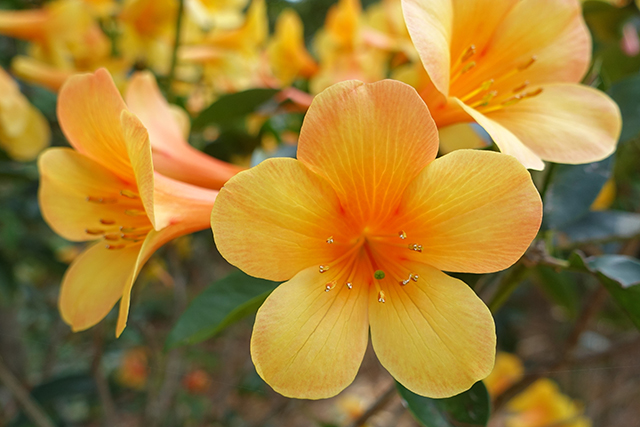
These golden yellow flowers are just perfect.
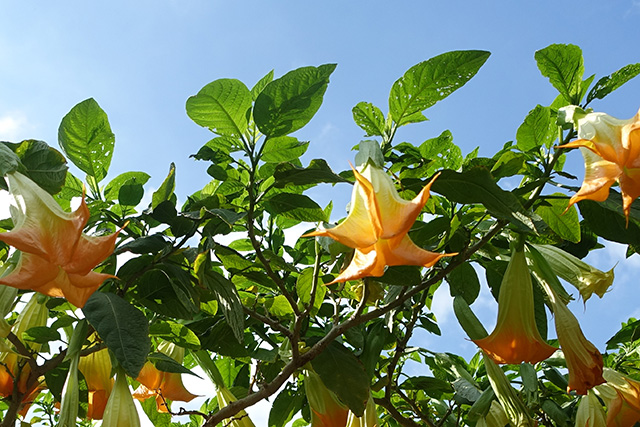
I may not be great with identifying plants, generally, but I know these were angel’s trumpet. Fifteen years ago, my local council mandated that these plants be removed from backyards as all parts of the plant can be toxic.
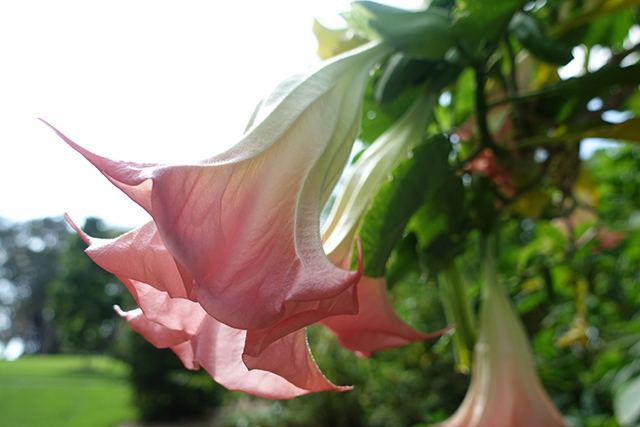
They also come in pink. According to Wikipedia, effects of ingestion [particularly of the seeds and leaves] can include ‘paralysis of smooth muscles, confusion, tachycardia, dry mouth, diarrhea, migraine headaches, visual and auditory hallucinations, mydriasis, rapid onset cycloplegia, and death’.
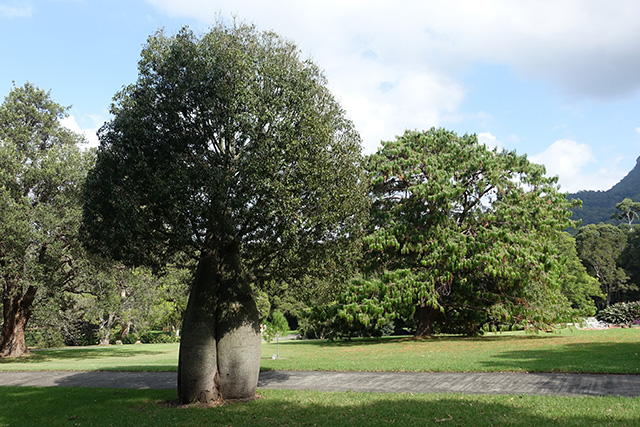
This Australian bottle tree lives up to its name with the shape of its trunk.
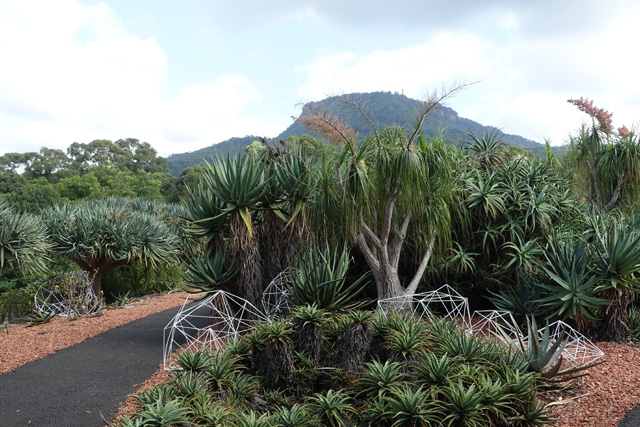
The succulent section is full of spiky plants and The Architecture of Diversity Illawarra 400 by Sharnie Shield.
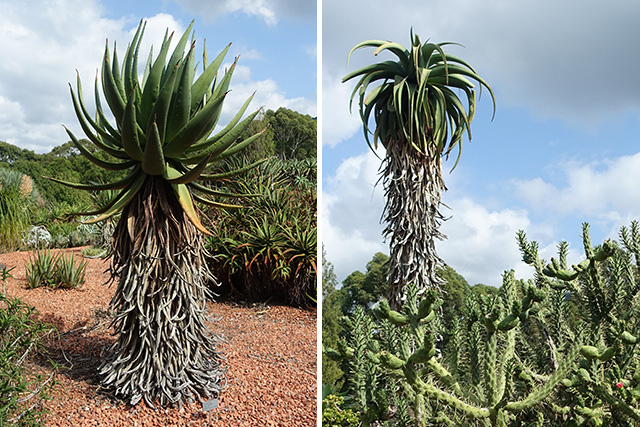
This huge aloe vera reminded me of Davy Jones from Pirates of the Carribean.
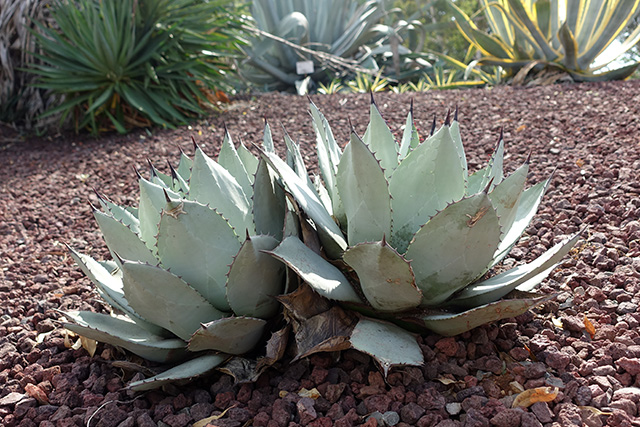
Almost everything is giant, but nursery-sized succulents are around too.
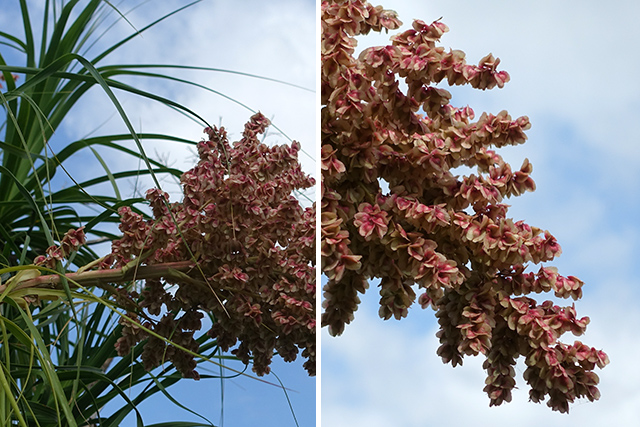
This is the largest cluster of flowers we saw in the succulent section.
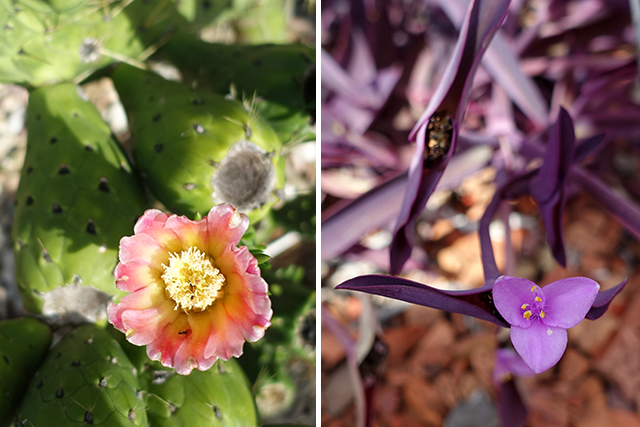
Are all succulent flowers small?
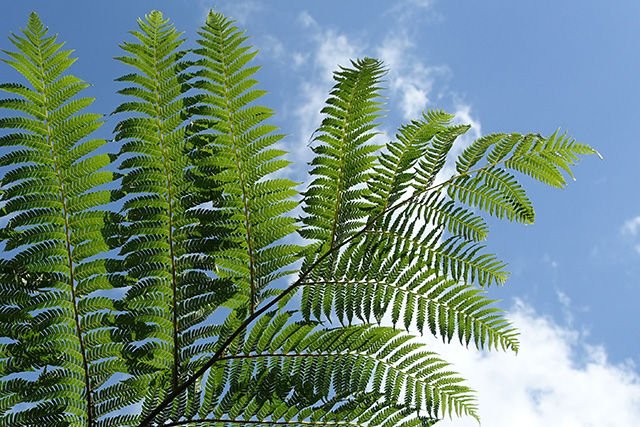
D points out this fern and notes that as a child he’d noticed tiny little eggs lining the underside of its leaves. They’re still there, and a quick Google explains that while ‘at first glance, the tiny dots on fern leaves may look like an insect infestation …. As flowerless plants, ferns use these structures as cases that hold their reproductive material’.
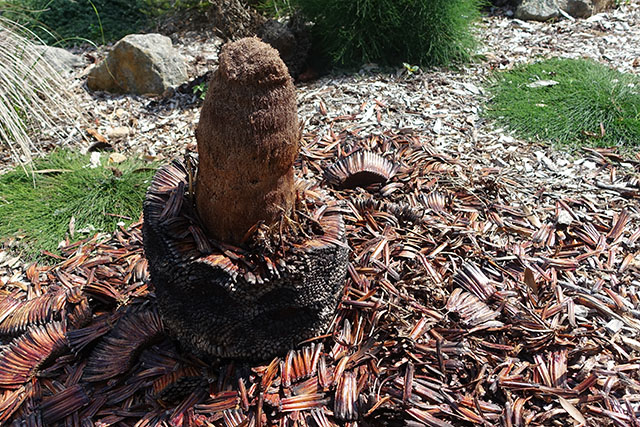
I wonder if birds have pecked away at each layer on this trunk?
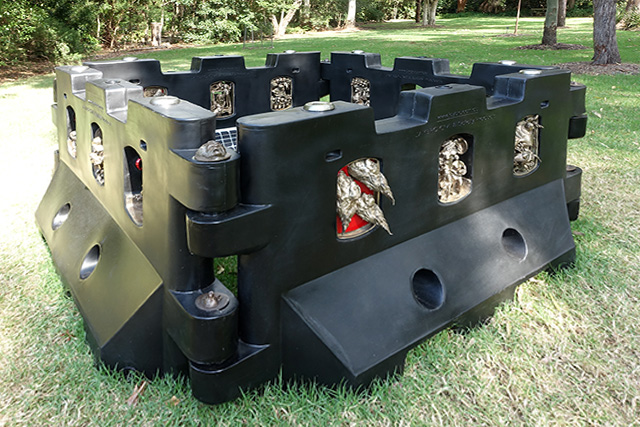
This is Urban Myth by Geoff Overheu, arguably the most visually and conceptually fascinating of all the sculptures.
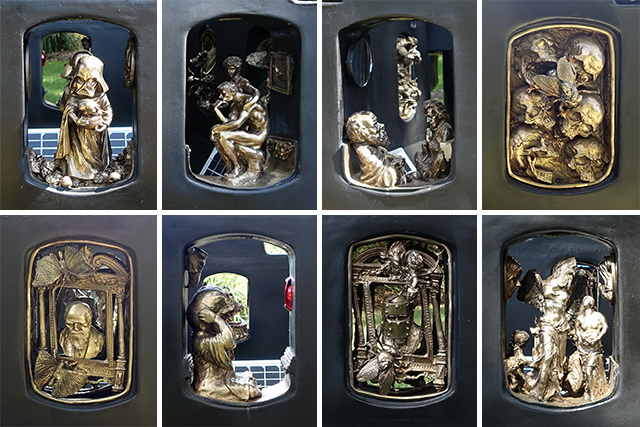
The artist’s statement reads:
This work is about creating that narrative within the viewer’s imagination, one that encompasses all people, no matter where they come from or where they may live.
Barriers take away any necessity for us to make decisions. Their function is to guide, direct, prevent or divide the flow of humanity, be it people, cars, bikes, etc. No decision is required once we are confronted by a barrier. We simple follow the silent instruction that it gave without any recourse to thinking. The imagery used in the bas relief sections is of past philosophers, Popes and pop icons, along with the detritus of everyday life.
What have the images of Aristotle and Plato got to do with a plastic barrier? What are Popes doing in the mix? This imagery depicts entities that can form barriers to our own thinking by using their status to guide, direct, prevent or divide the flow of our thoughts.
The materials used bookend two periods of human civilisation from the Bronze Age to the Plastic Age.
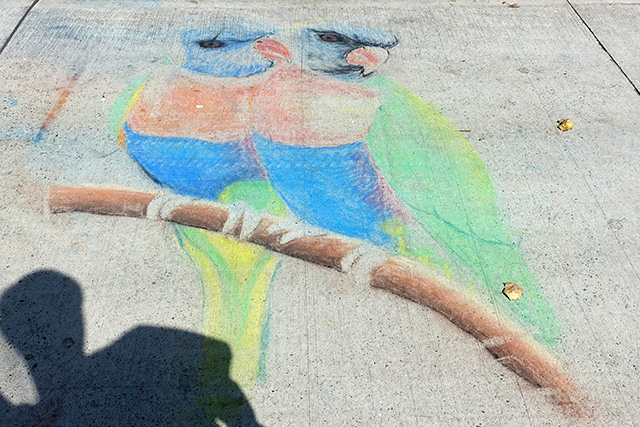
We stumble across a chalk drawing of a pair of parakeets.
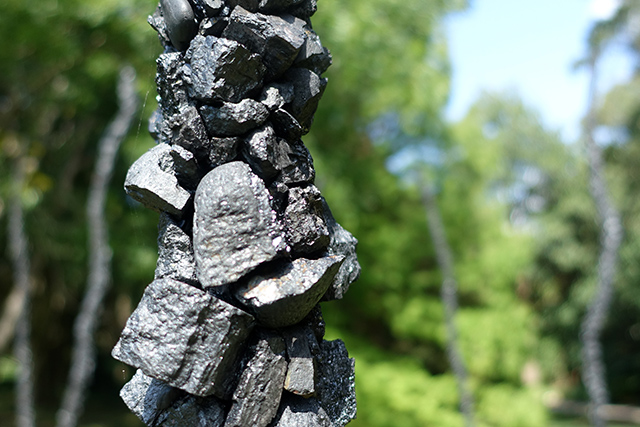
….which is right in front of Felix Allen’s Forests of Ancient Illawarra.
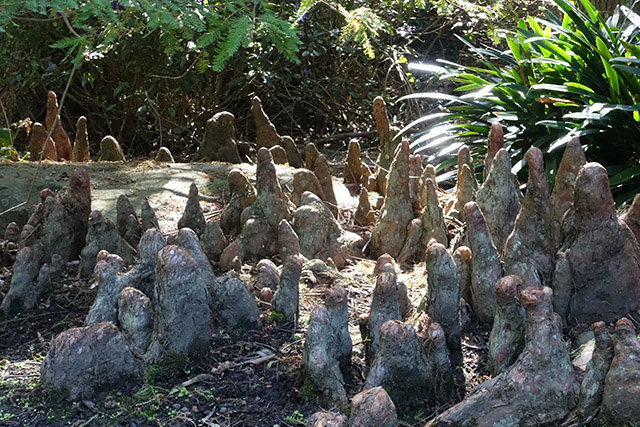
These were the roots of a tree, but they look like an army of bird sculptures.
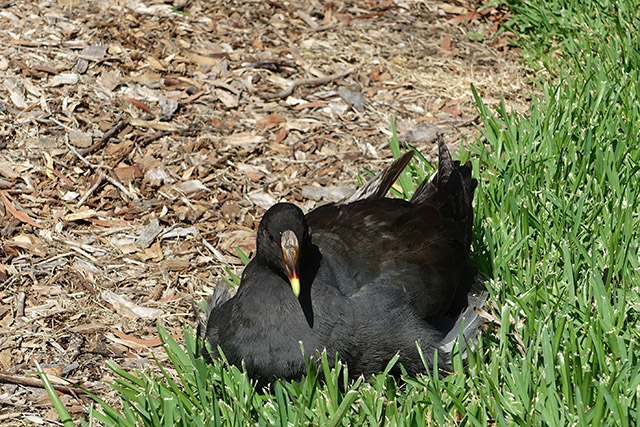
A fat duck lazes about in the sun – doesn’t even startle when I get close.
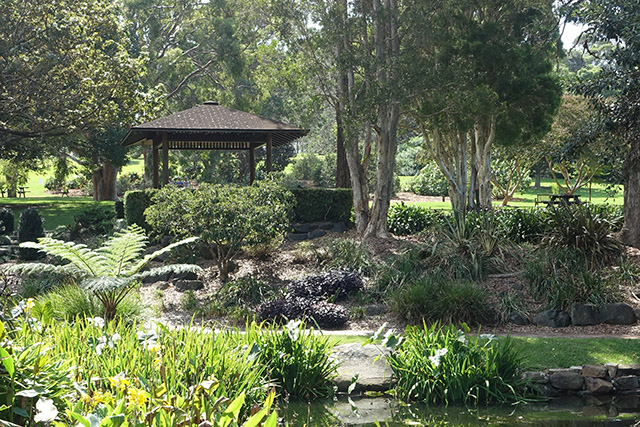
D and I climb up a flight of rocky stairs for a rest, only to find a flight of proper stairs down the other side.
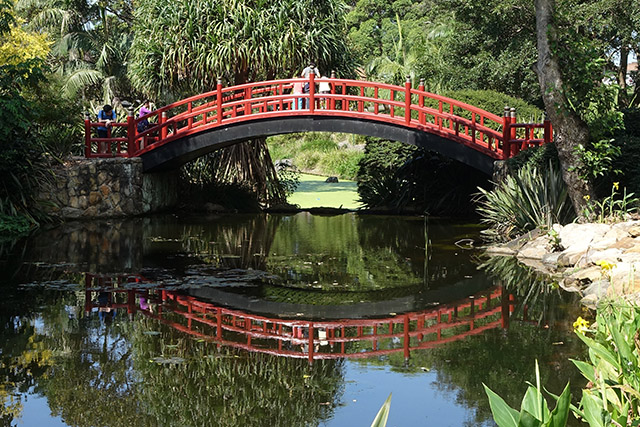
This oriental fixture is the Kawasaki Bridge, presented to the City of Wollongong as the fifth anniversary Sister City gift by the City of Kawasaki in Japan.
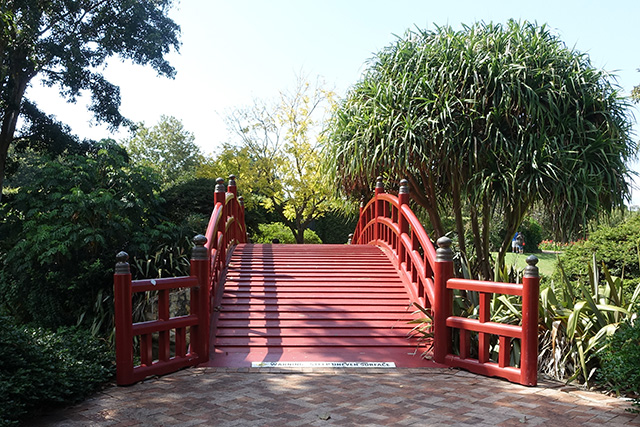
This is a replica opened in 2005, the original bridge having deteriorated as the materials used were not suitable to Australian weather. Bridges that have a curvature similar to the round body of a drum (taiko) are referred to as taiko-bashi.
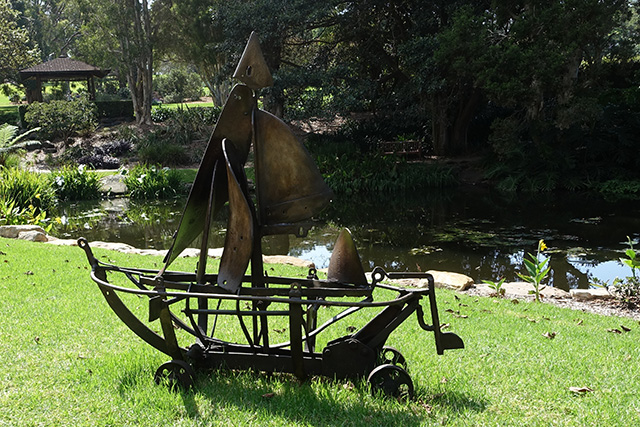
Near the bridge is Ralph Tikerpae’s Into the Future.
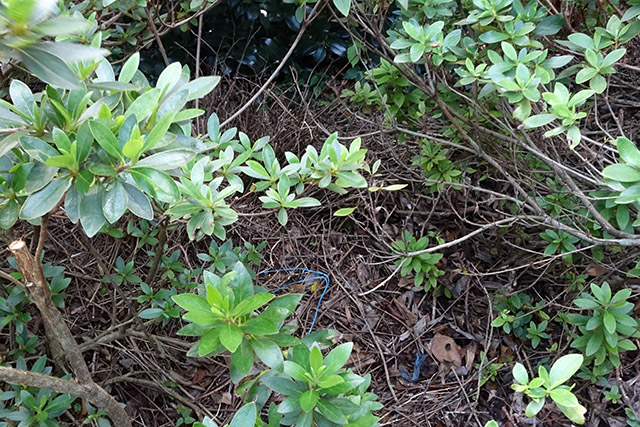
T spots the nest of a male satin bowerbird. These birds collect blue objects to decorate their nest in a bid to impress a prospective female partner.
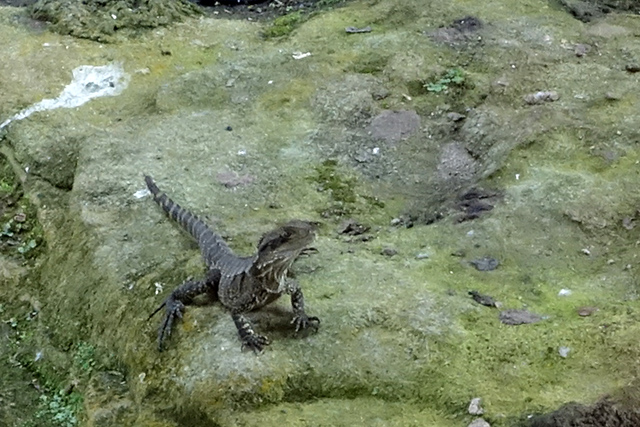
N spots an unmoving lizard under the Kawasaki bridge…
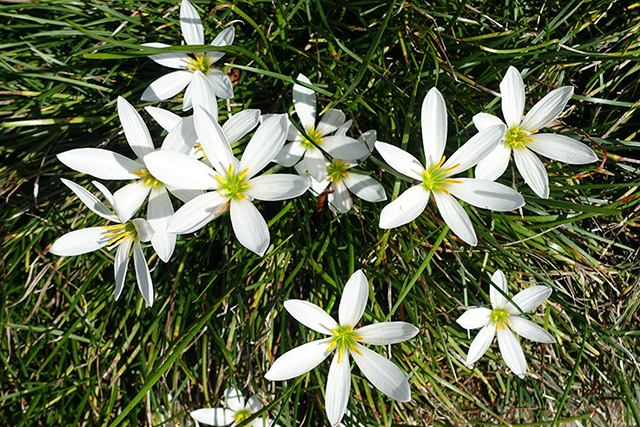
…and more pretty flowers near the bridge, which three, loud, middle-aged Chinese women have since monopolised for their selfies.
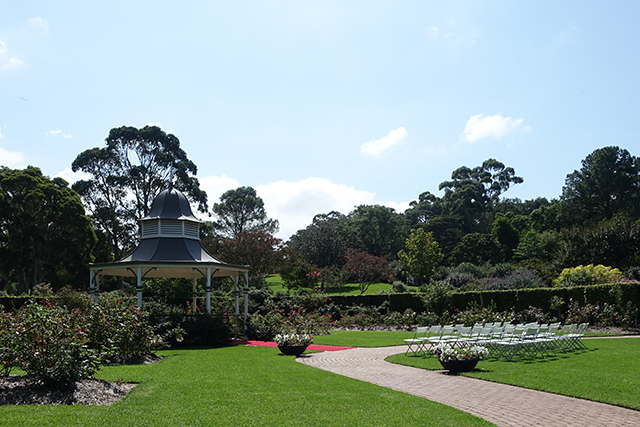
A sign tells us there’s a wedding scheduled in the rose garden later in the afternoon.
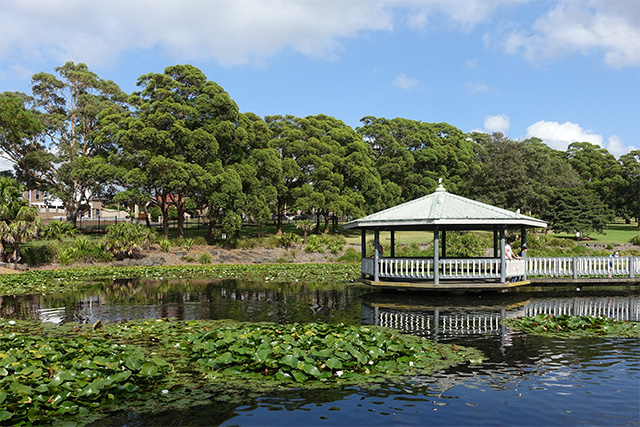
And we finish our time at the Garden with the duck pond.
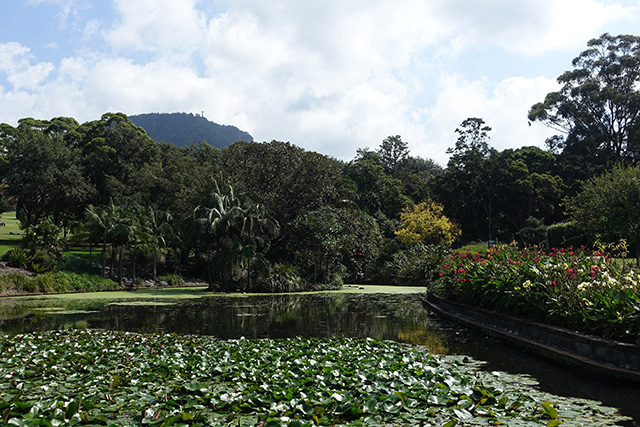
The algae covered area surrounding the island extends to the area with the bridge.
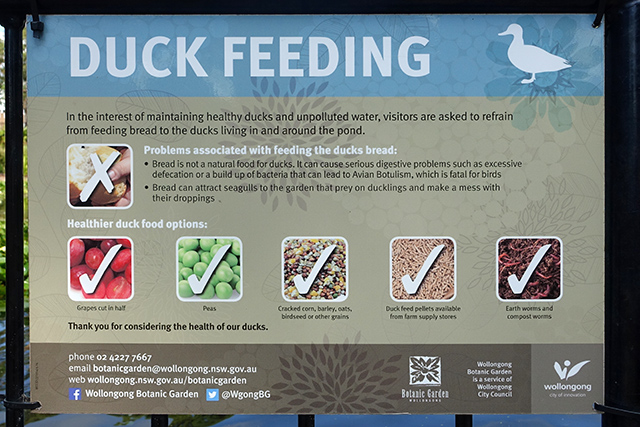
Signs abound as to what you can and can’t feed the ducks in the pond.
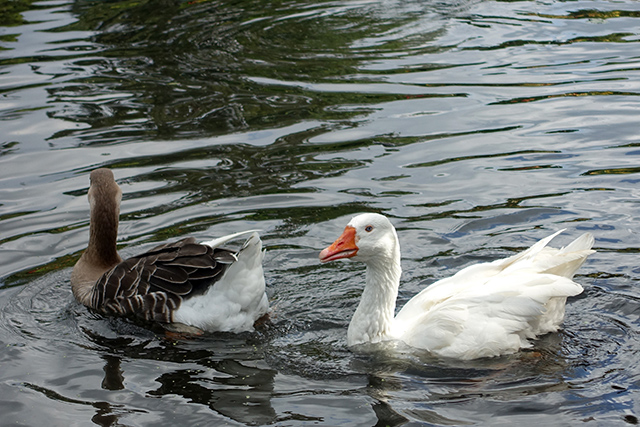
We’re not here to feed the ducks, but we do enjoy watching them swim around the pond.
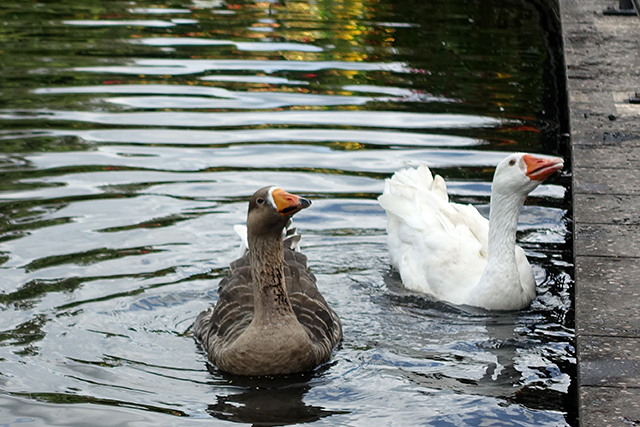
These were the two oldest and biggest ducks.
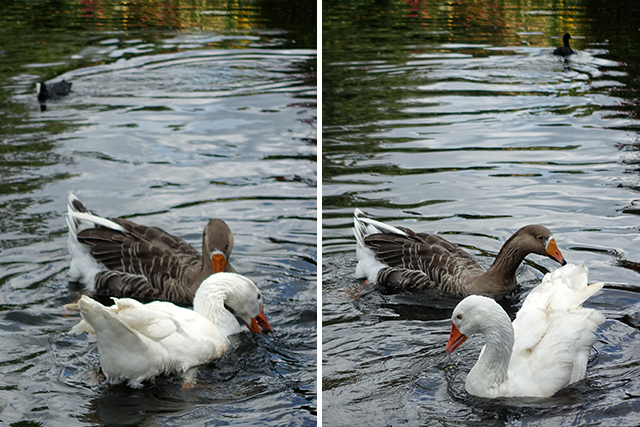
D thinks the white is the male and the brown is the female, as the brown one always follows the white.
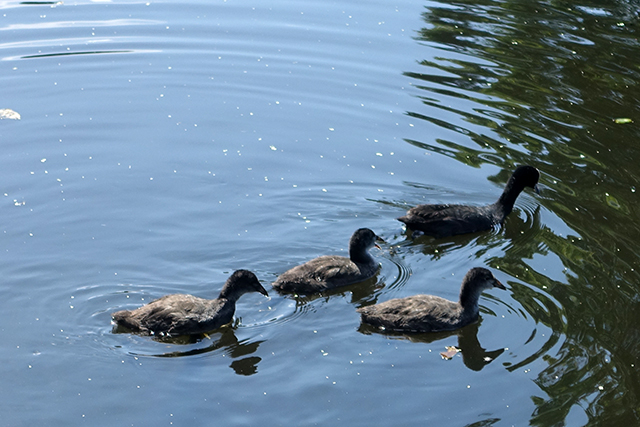
We spot a gaggle of baby ducks…
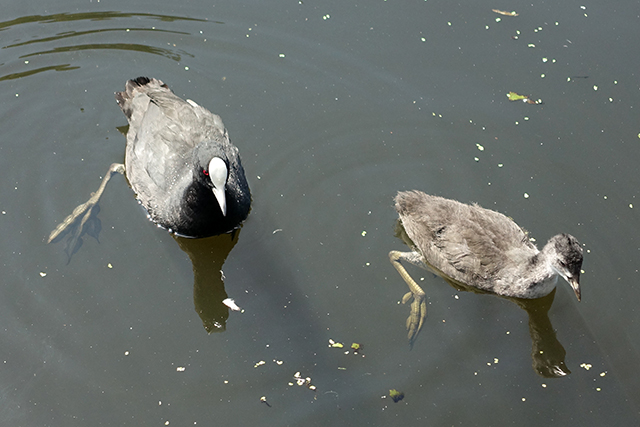
…they’re not that pretty up close, though.
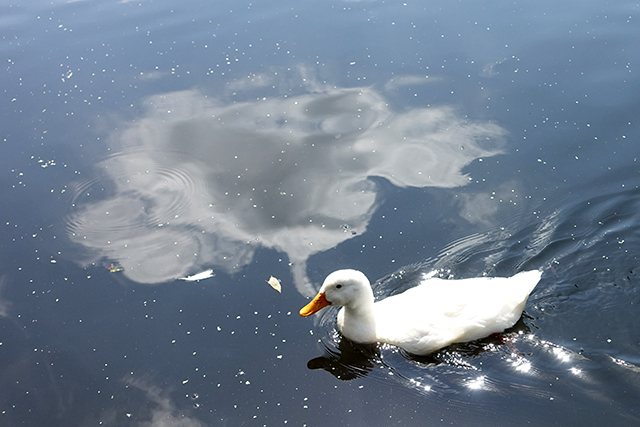
N named this duck ‘Classic Duck’ as it had all the featured of a storybook duck.
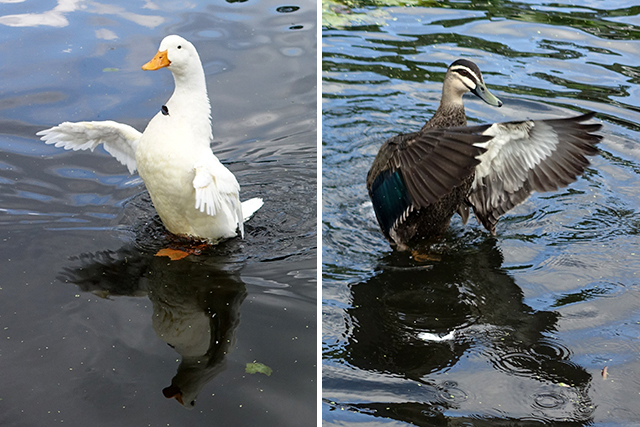
Classic Duck has some stylish moves. As does its friend.
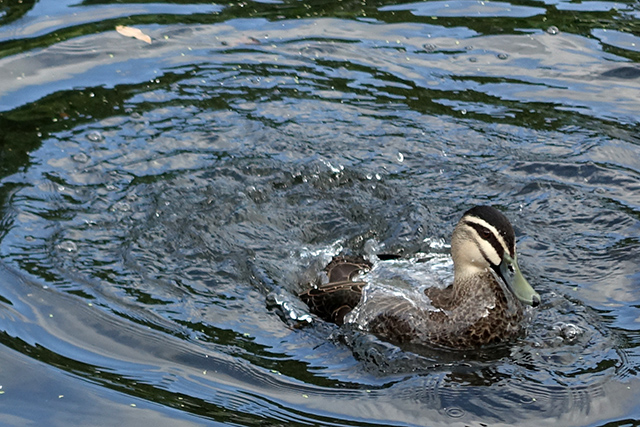
I’d call this the classic duck you see in documentaries. So pretty!
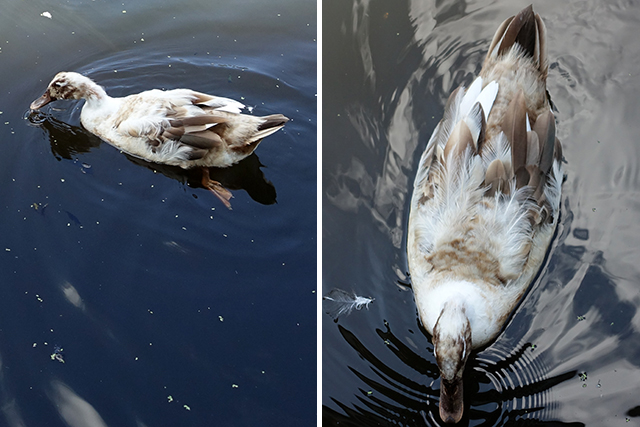
And this poor fellow had the misfortune of being called the ‘ugly’ duck by D. It’s feathers are a mess.
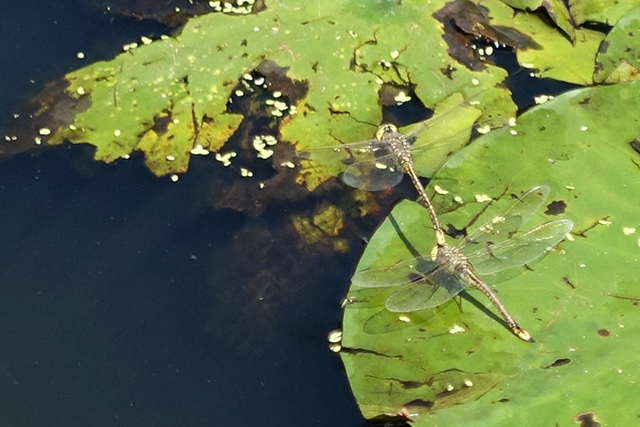
And finally, a pair of dragonflies to break up all the duck photos.
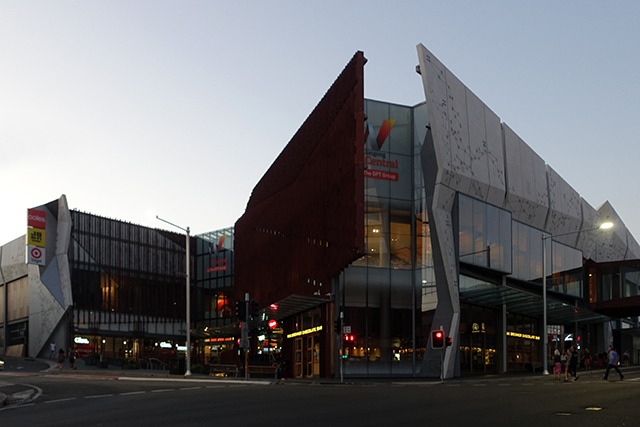
After spending the afternoon playing boardgames, we head out to Wollongong Central.
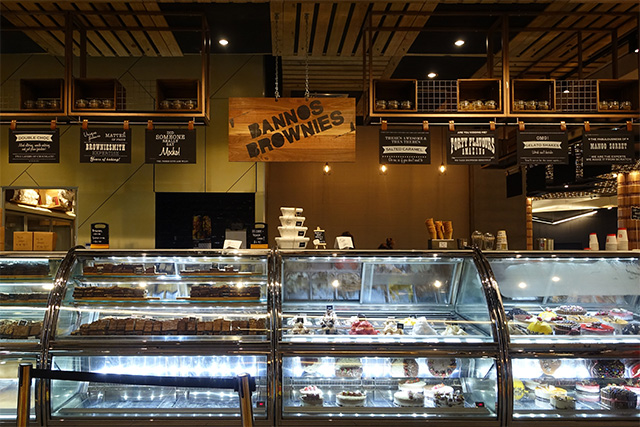
There’s a dedicated brownie store – the first I’ve seen of its kind!
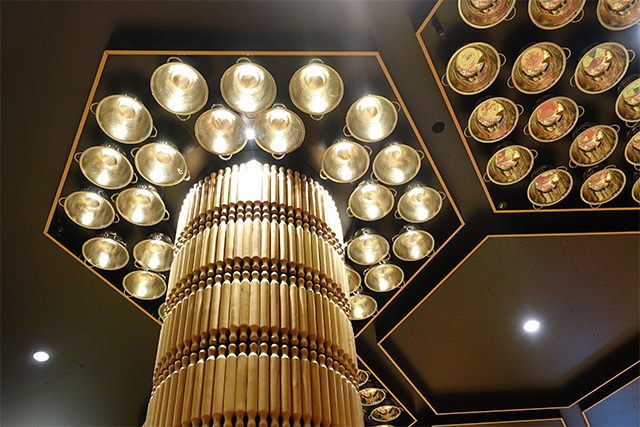
And the food court has fascinating decor, with rolling pins lining the columns and colander ceiling lights.