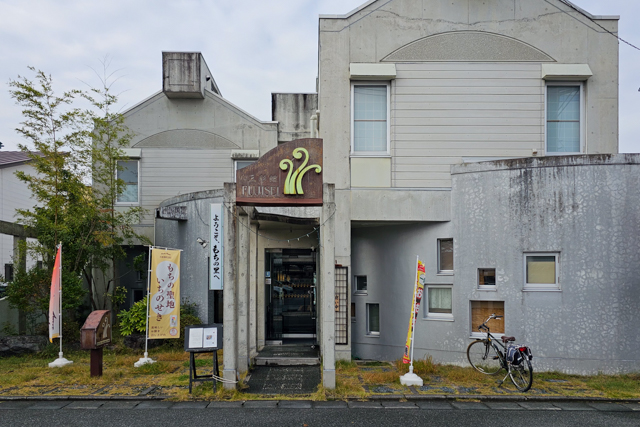
Sansaikan Fujisei is a long-standing restaurant located just steps from JR Ichinoseki Station in southern Iwate Prefecture, specialising in regional mochi cuisine.
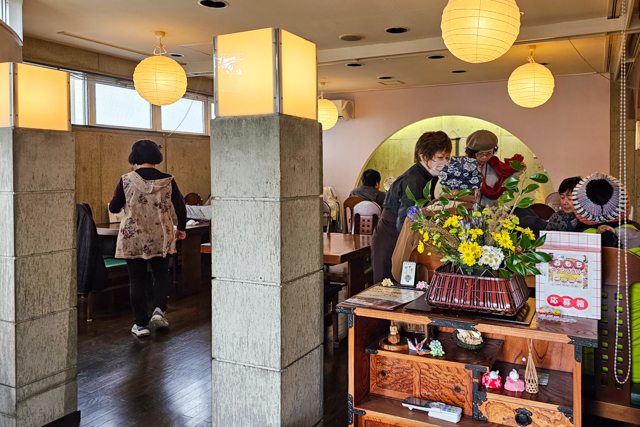
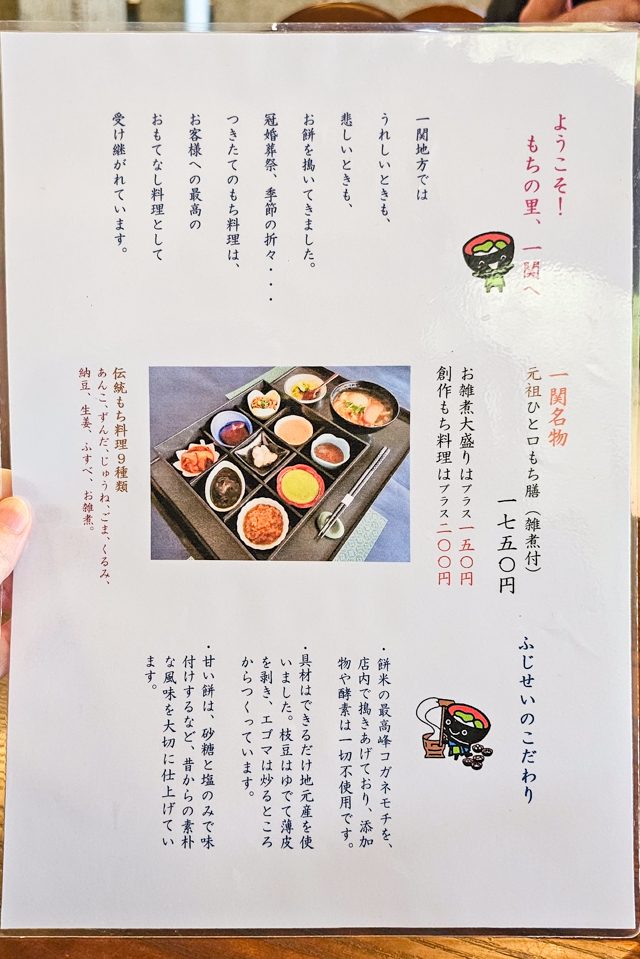
Since 1991, it has offered the “Hitokuchi Mochi Zen”—a bite-sized reinterpretation of traditional mochi dishes designed to make this diverse culinary tradition accessible in a casual, approachable format.
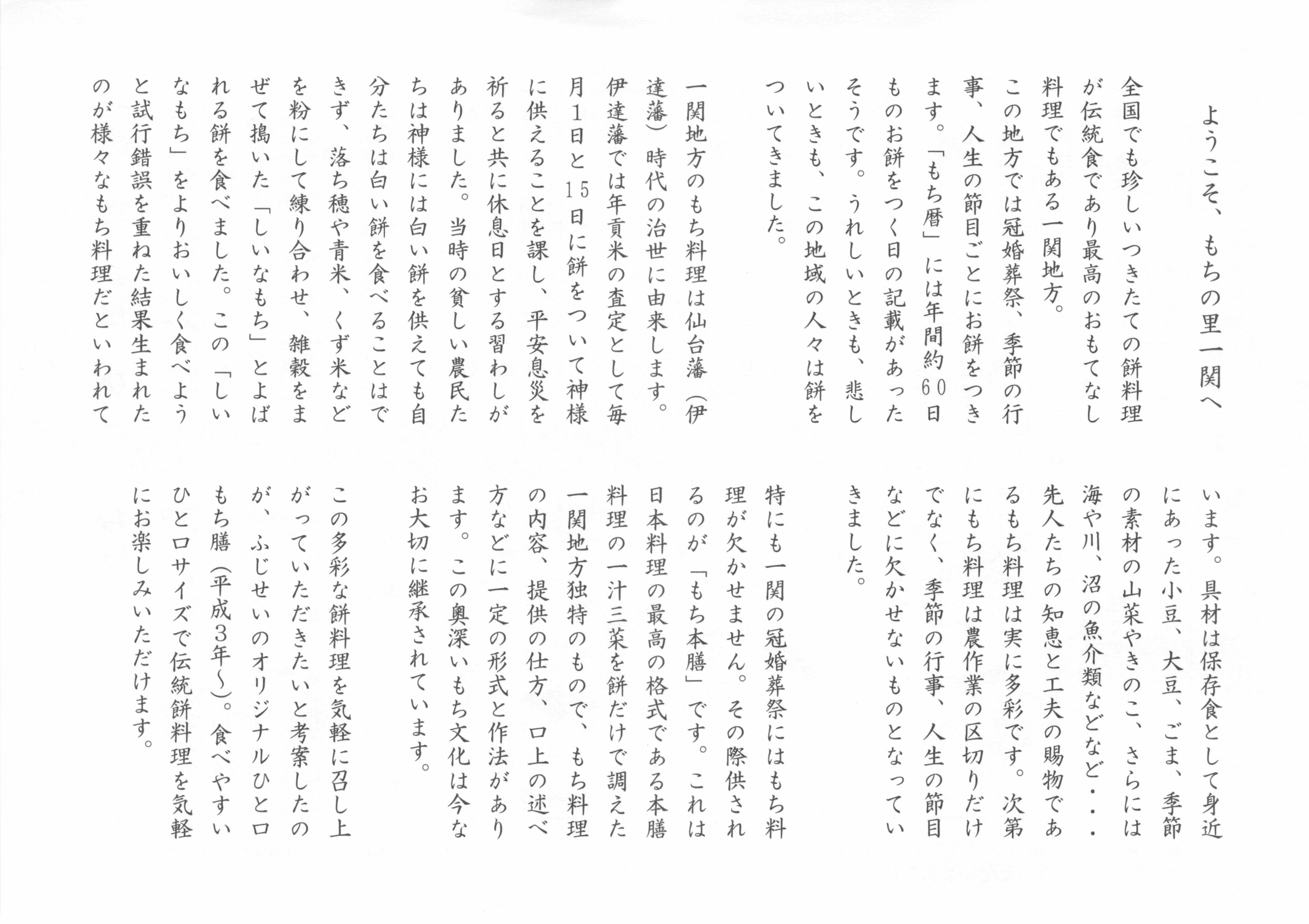
Ichinoseki is deeply rooted in mochi culture, with local customs incorporating mochi into virtually every ceremonial and seasonal occasion—weddings, funerals, festivals, and life’s milestones. Historical records trace this practice back to the Date clan, who pounded mochi as offerings to the gods on the 1st and 15th of each month, in line with agricultural cycles and tax assessments. Although high-quality white mochi rice was reserved for offerings, the local population consumed shiina mochi, made by blending leftover and broken grains. Over time, an expansive variety of mochi dishes emerged, each adapted to available local ingredients and seasonal flavours.
Mochi dishes in Ichinoseki are both a reflection of frugality and culinary ingenuity, incorporating preserved foods, mountain vegetables, mushrooms, and seafood from rivers and coastal areas. The region’s formal mochi cuisine, known as Mochi Honzen, follows traditional honzen-ryōri etiquette, consisting of one soup and three side dishes—all using mochi. This ritual meal is still prepared with care, and Fujisei’s modernised, bite-sized version pays homage to that cultural legacy.
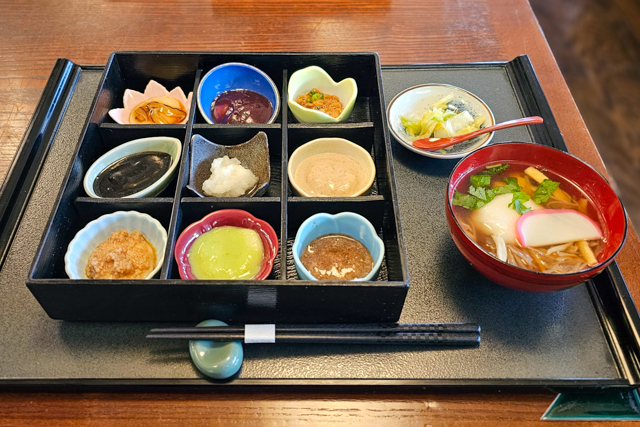
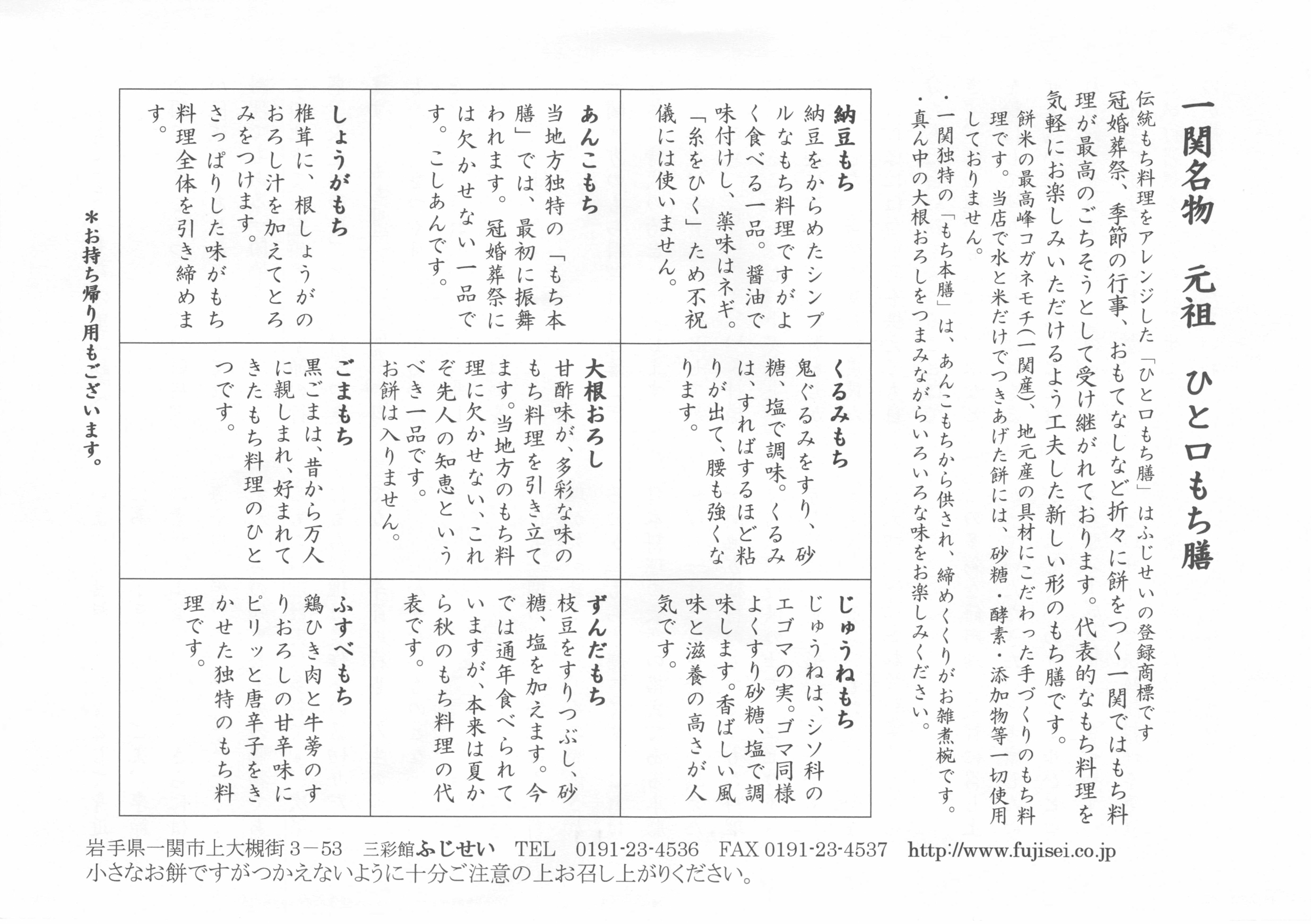
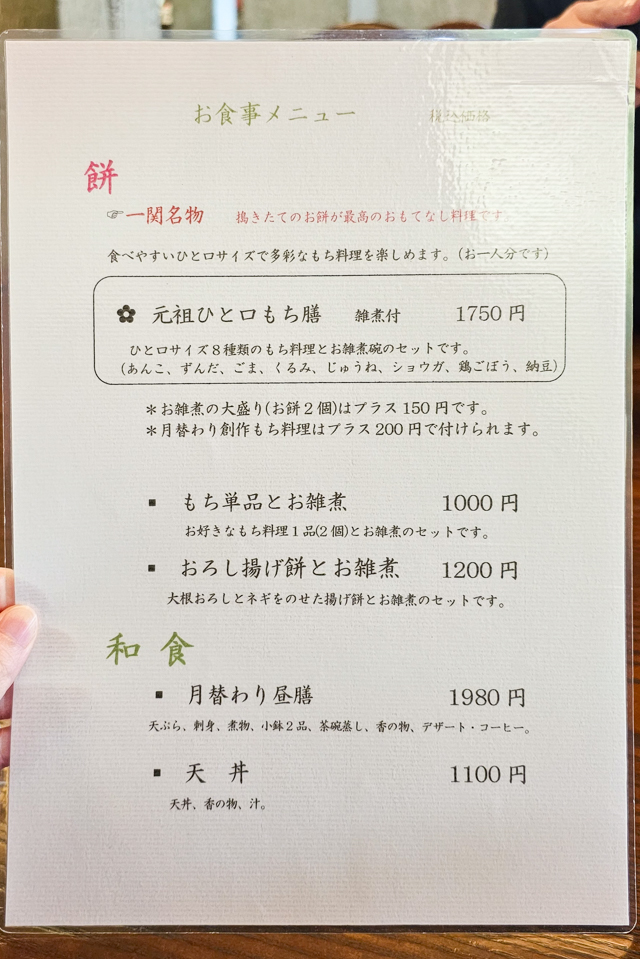
Fujisei’s registered “Hitokuchi Mochi Zen” (¥1,750) features nine small mochi preparations, each presented with explanations of their ingredients and significance. The mochi is handmade in-house from locally grown Koganemochi rice, using only water and rice, with no sugar, enzymes, or additives.
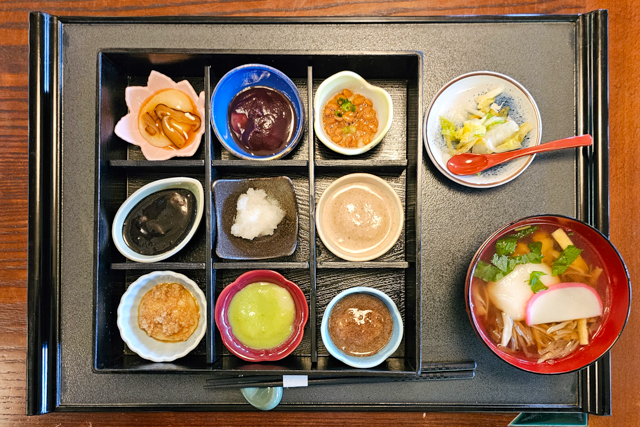
The flavours:
- Row 1 (left to right): Ginger mochi, anko mochi, natto mochi
- Row 2 (left to right): Sesame mochi, grated radish, walnut mochi
- Row 3 (left to right): Fusbe mochi, zunda mochi, june mochi
- On the side (top to bottom): Pickled napa cabbage, ozōni soup
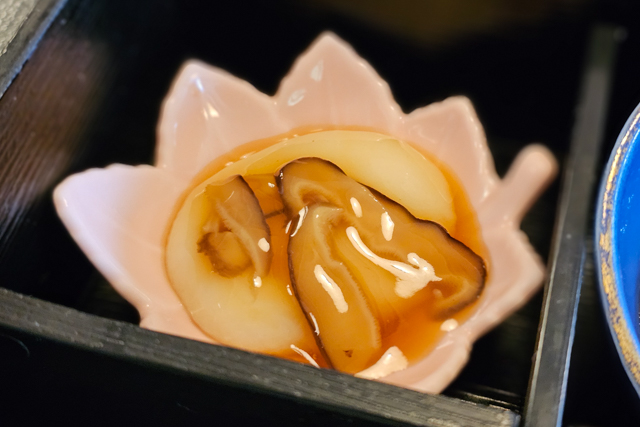
Ginger Mochi – A warming blend of grated ginger and simmered shiitake, lightly tangy and aromatic without overpowering the palate.
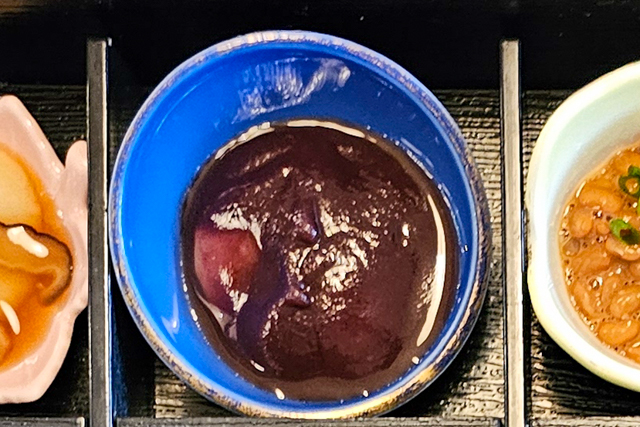
Anko Mochi – Smooth red bean paste, traditionally served first in Mochi Honzen, grounding the meal with ceremonial significance.
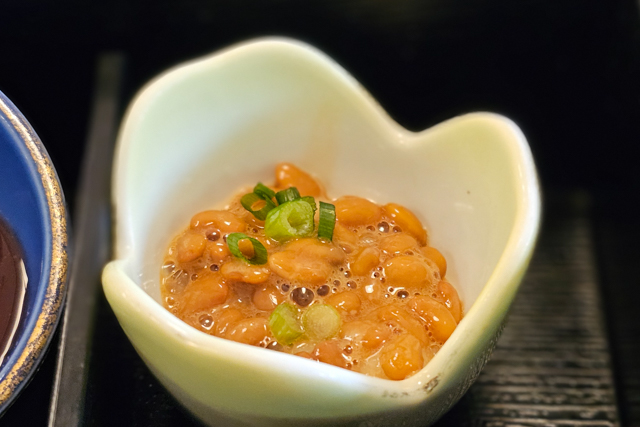
Natto Mochi – Natto mixed into mochi and garnished with green onions. The texture was thick and mucilaginous, reminiscent of okra, with nutty depth and a faint fermented sharpness.
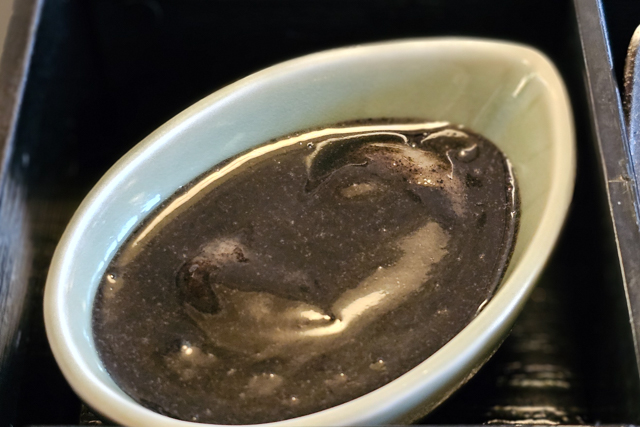
Sesame Mochi – Rich, deeply roasted black sesame paste; intensely nutty and satisfying.
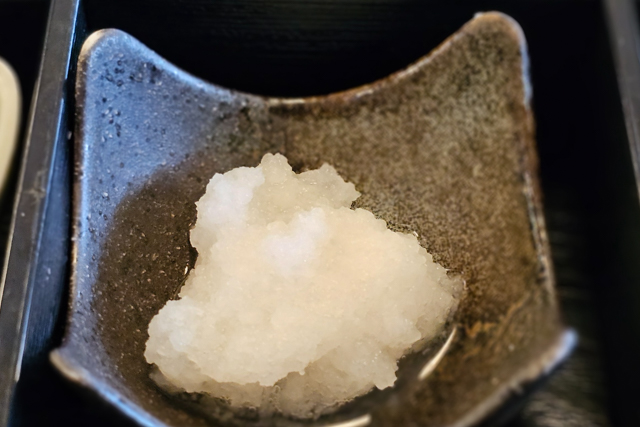
Grated Daikon – A palate cleanser with no mochi, essential to local mochi dining. Sweet-sour and refreshing.
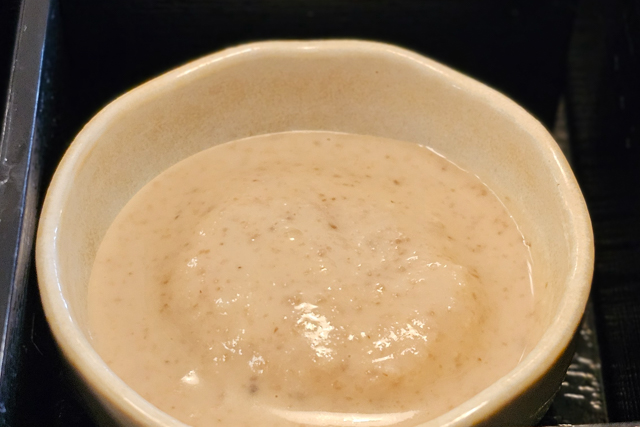
Walnut Mochi – Ground walnut seasoned with sugar and salt, offering a gentle, buttery richness with a soft, grainy texture.
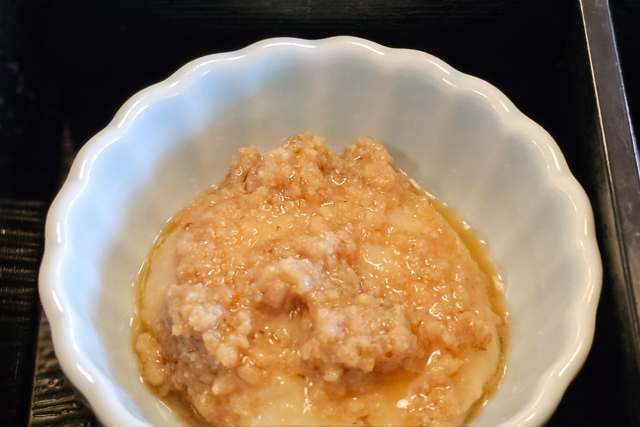
Fusube Mochi – Minced chicken and grated burdock root seasoned sweet and spicy, delivering savoury umami with mild heat.
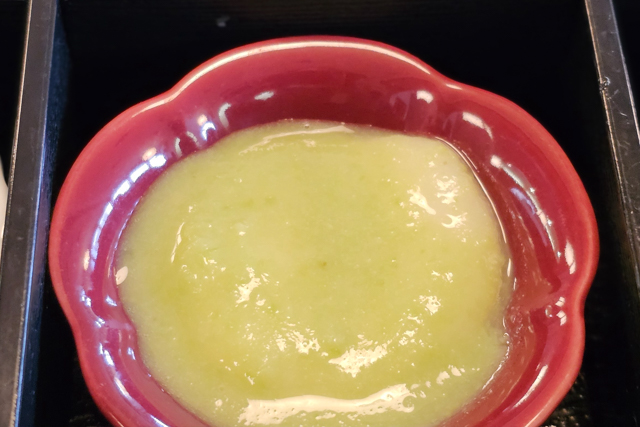
Zunda Mochi – Mashed edamame with sugar and salt. Originally seasonal, now a year-round favourite. Served as a transition into the sweeter elements.
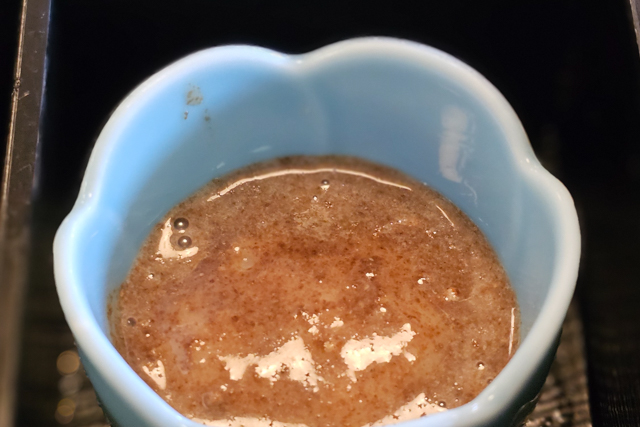
June Mochi – Perilla seed-based paste with a fragrant, slightly sharp sweetness and a pleasing grainy texture.
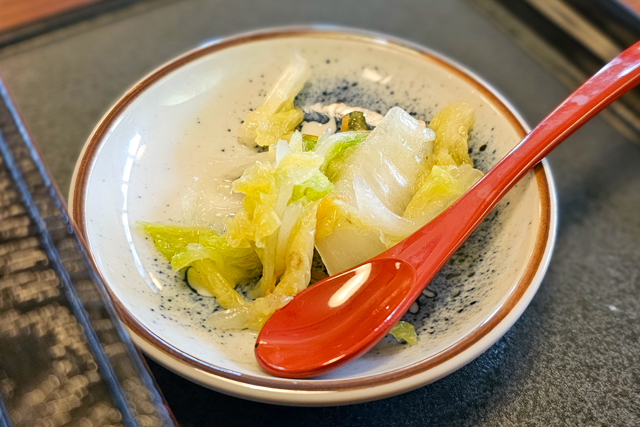
Pickled Napa Cabbage – Similar to Korean water kimchi, clean-tasting with a refreshing crunch.
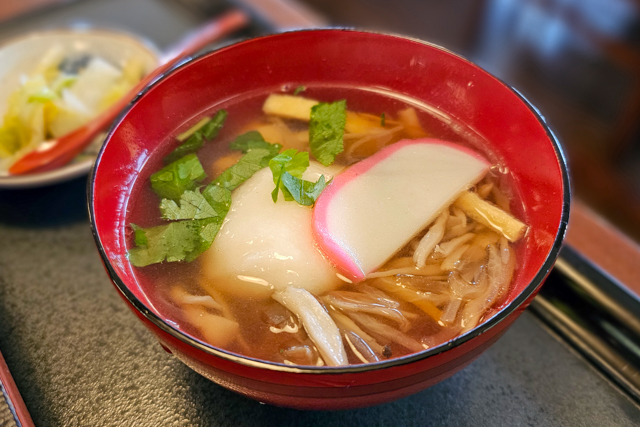
Ozōni Soup – A classic New Year’s soup with mochi, bamboo shoot, chicken, carrot, and yuzu. The doughy mochi softened in the broth, while the citrus brightened the finish.
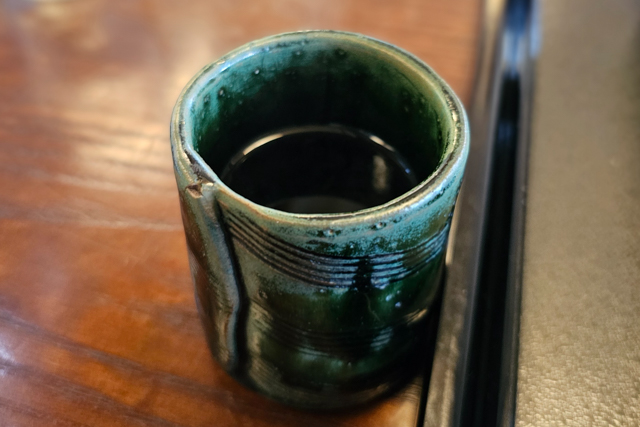
The meal was complemented by complimentary hōjicha, served in elegant ceramic cups.
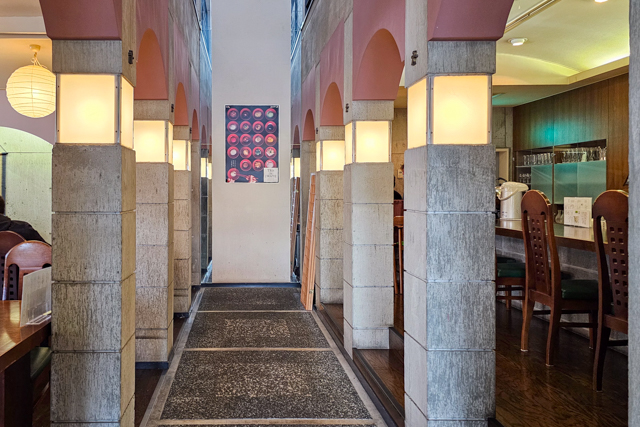
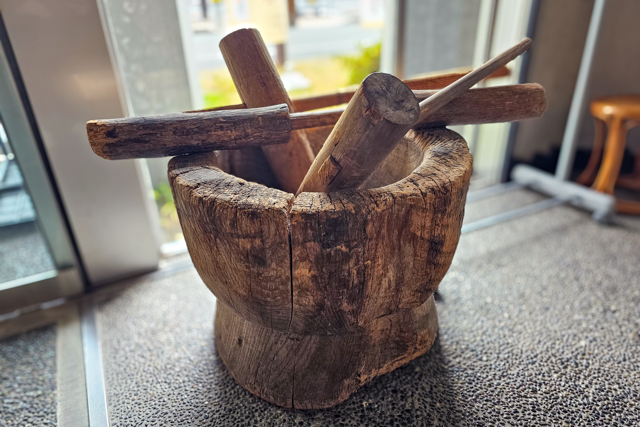
Sansaikan Fujisei offers a rare, localised culinary experience rooted in the traditions of Ichinoseki’s mochi culture. With thoughtful preparation, seasonal variety, and precise execution, the “Hitokuchi Mochi Zen” tasting is both educational and deeply satisfying. The restaurant is conveniently located near the station and makes for a worthwhile gastronomic destination for those seeking regional depth and cultural immersion.
Sansaikan Fujisei is located at 3-53 Kamiotsukigai, Ichinoseki City, Iwate Prefecture 021-0882, Japan.