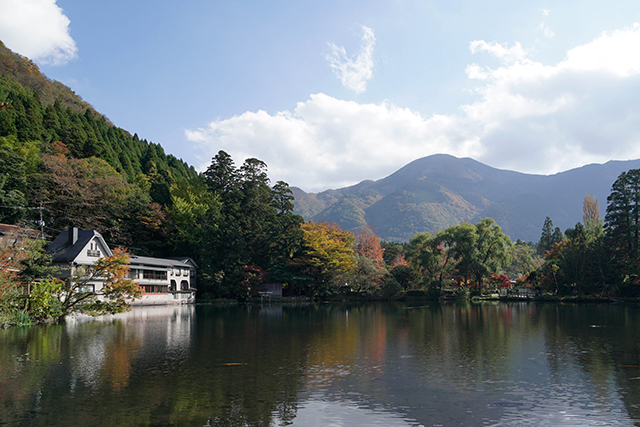
Yufuin is an onsen town within the city of Yufu in Ōita Prefecture on Kyūshū located on a flat river basin surrounded by mountains. The town is connected to Hakata in 2.5 hours by sightseeing trains that make the journey itself to the town is an experience in and of itself.
Yufuin no Mori No 1
ゆふいんの森, The Forest of Yufuin
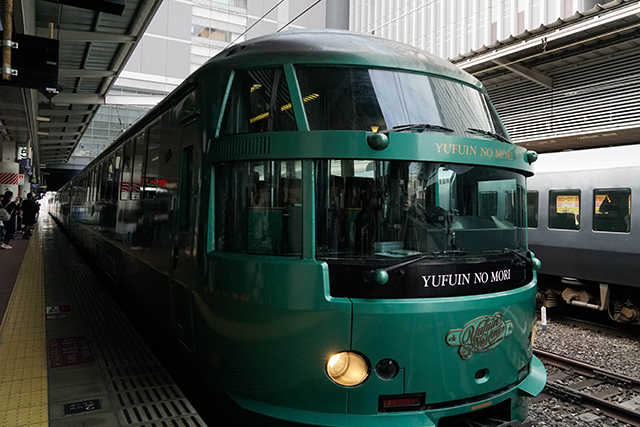
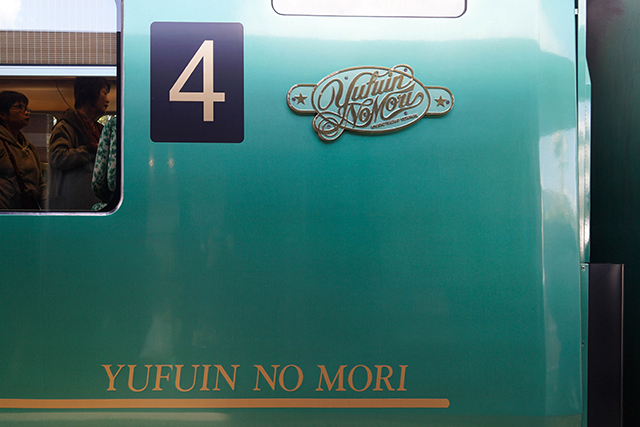
The Yufuin no Mori is one of five daily JR limited express trains connecting Fukuoka and Yufuin. Of the six trains, only three are sightseeing trains that make the 2.5-hour trip an experience in itself.
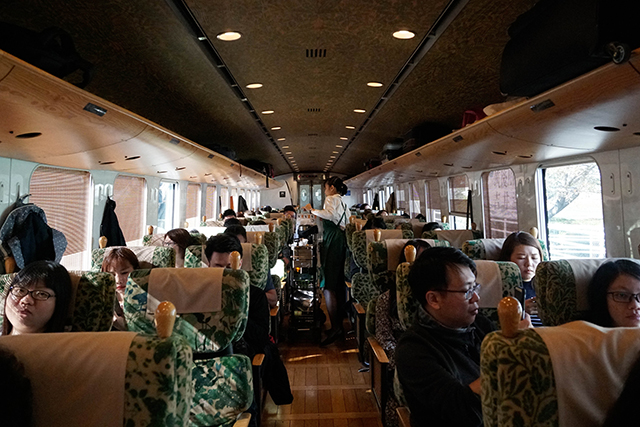
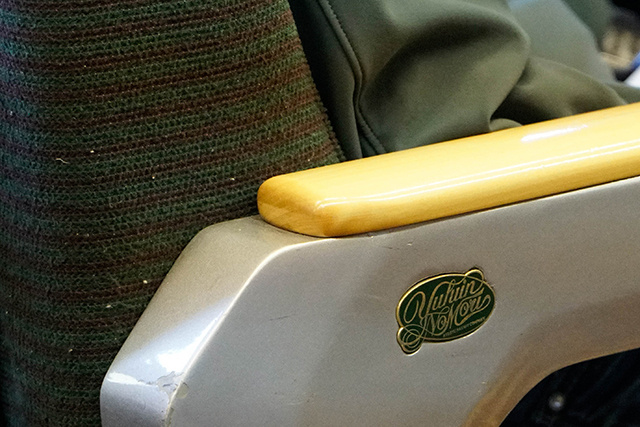
The train featured a wooden interior with plush seats. All seats on the Yufuin no Mori are reserved seat only, while the regular Yufu service is not. When we booked our seats on the Yufuin no Mori No 1 a few weeks in advance (¥1,000 per person) before we arrived in the country, we were surprised that there were only a few seats left.
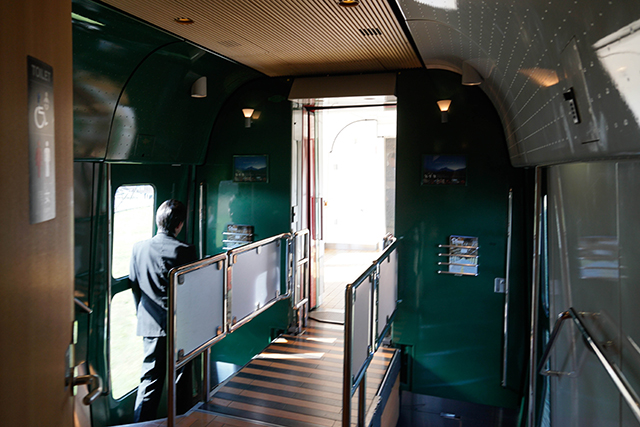
The train featured a double-decker design to take advantage of the beautiful views en route with the carriages linked by connecting bridges.
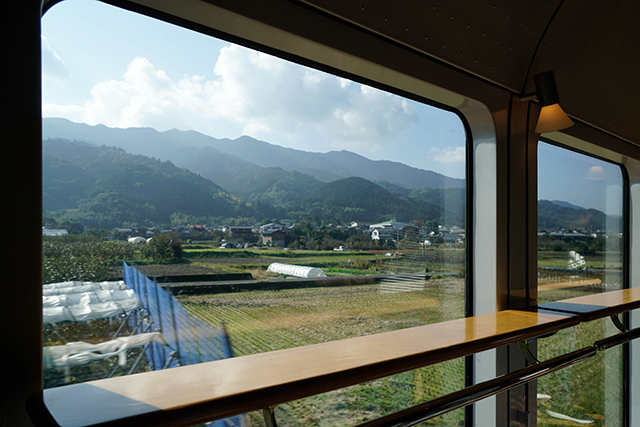
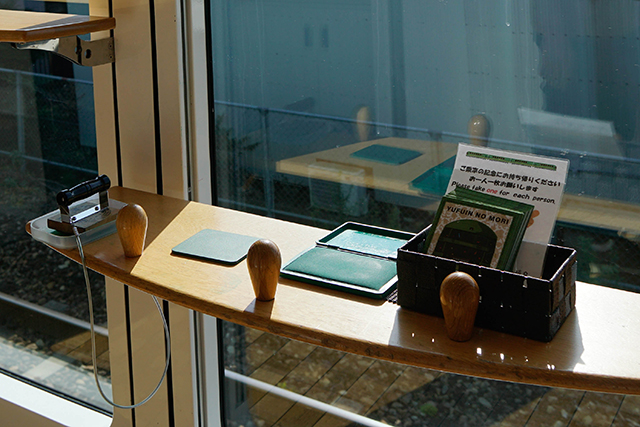
There are expansive windows at each seat and throughout the train, with a bench dedicated to a stamp rally.
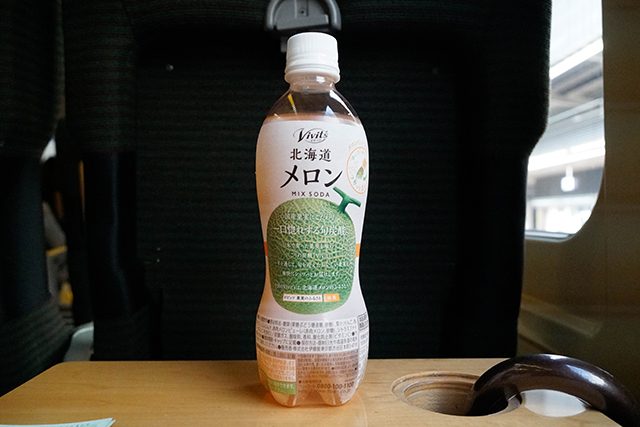
Having settled into our seats, it’s a while before the snack bar is open, so we take the time to squeeze in a quick breakfast. This Vivit’s Hokkaidō Melon Mix Soda, which we picked up earlier.
The drink contained 10% juice from Hokkaidō melon which gave it its beautiful orange colour with the melon flavour coming through as a vibrant, natural sweetness that’s delicious.
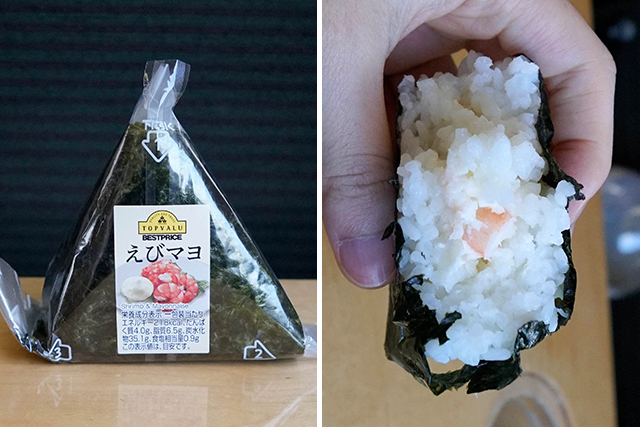
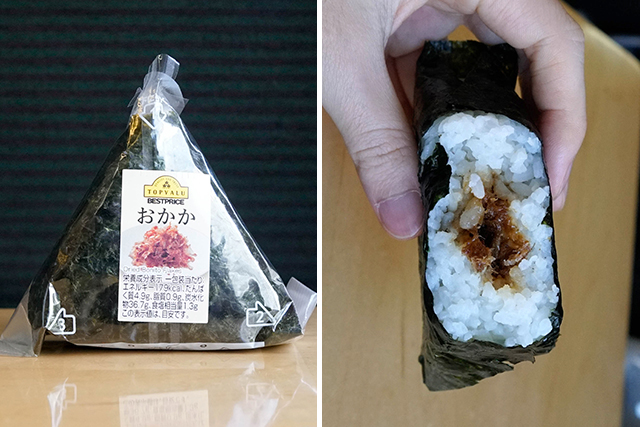
Onigiri is the most convenient option for breakfast on the go. D’s Ebi Mayo onigiri from Top Valu featured crunchy prawns with enjoyably restrained use of mayo, while my Dried Bonito onigiri delivered just enough of a savoury flavour and texture to give interest to the rice.
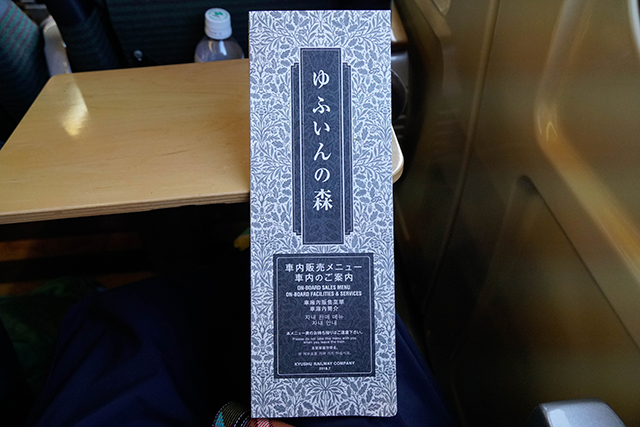
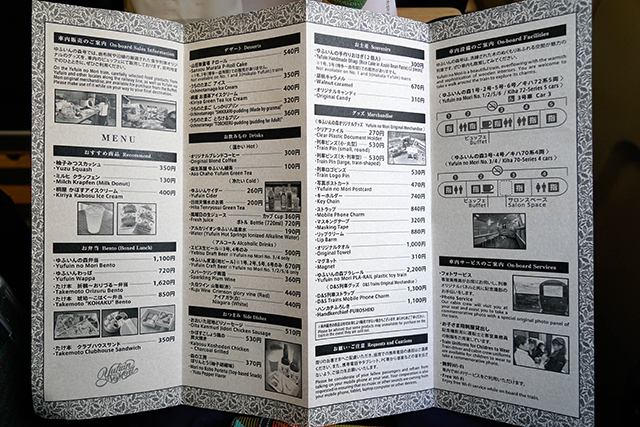
Back to the featured of the Yufuin no Mori, the back pocket of most seats feature a pamphlet detailing the onboard snack menu and facilities and services. The menu featured Japanese and English on one side with Korean and Chinese on the reverse.
Food products from Yufuin and other locales along the railway line, as well as Yufuin no Mori original merchandise, are available for purchase.
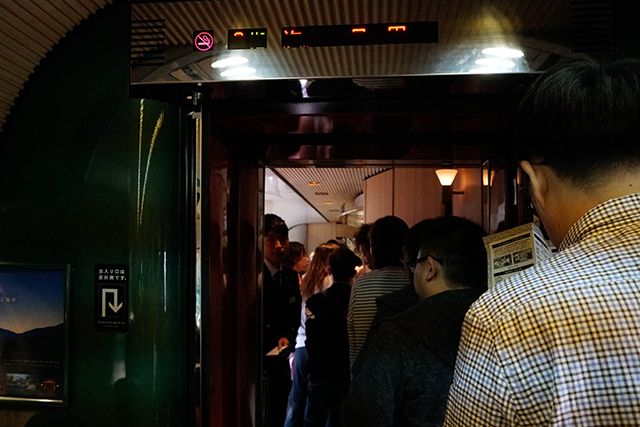
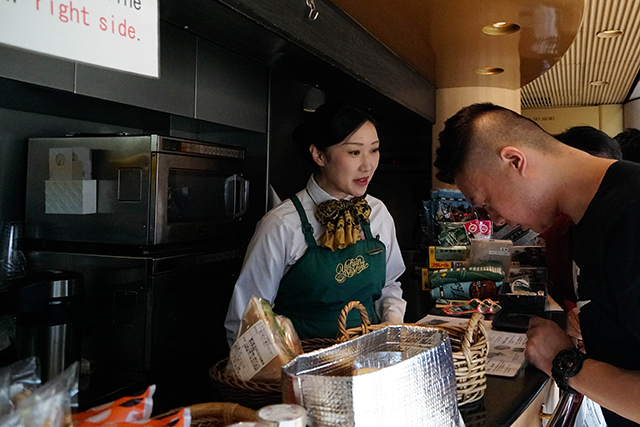
The snack bar opens half an hour into the train ride and the queue is extremely long, as expected. We join it anyway and spent about 45 minutes in the queue.
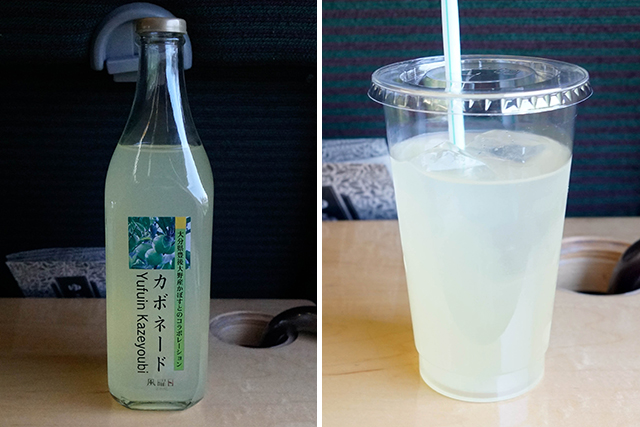
Ōita prefecture is known for its cultivation of 98% of the kabosu in Japan, and we’re delighted with this Yufuin Kazeyoubi Kabonade, which contained 18% kabosu juice. It’s salivatingly tart with a bright kabosu flavour — like a lemon squash but way better. We purchased a bottle for ¥720 +tax (or ¥360 +tax for a cup). Empty cups and ice are provided with the purchase of a bottle.
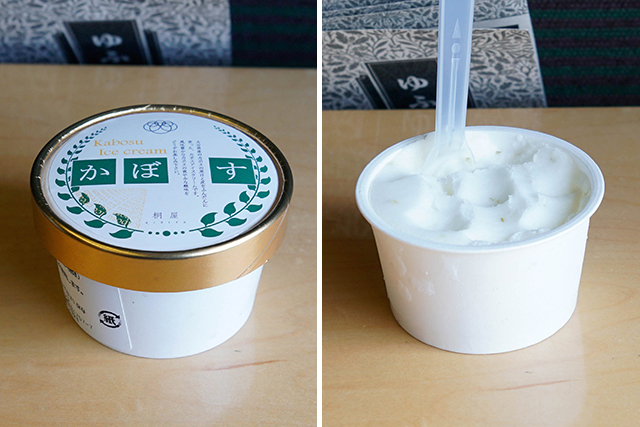
And because drinking kabosu is not enough, this is the Kiriya Kabosu Ice Cream (¥400 +tax), which was more accurately a kabosu sorbet with a delightfully balanced sweet tartness with pops of zest from the rind.
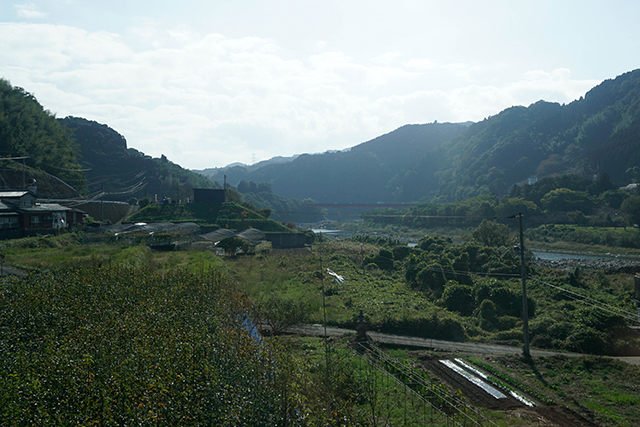
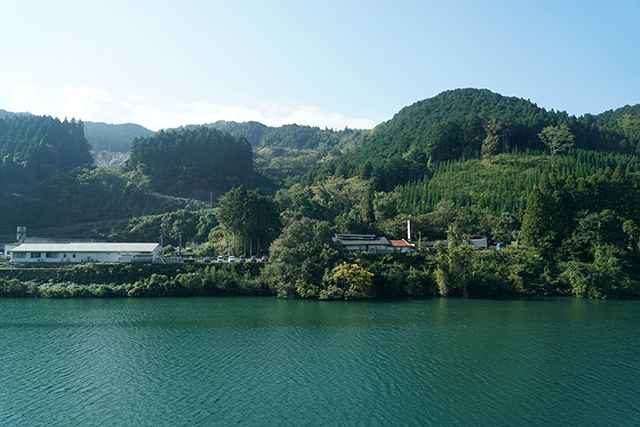
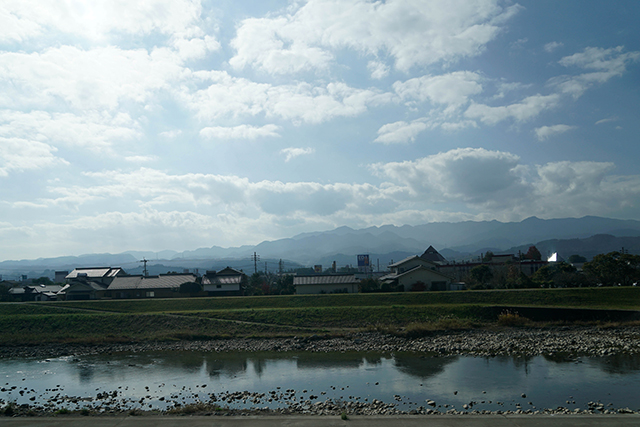
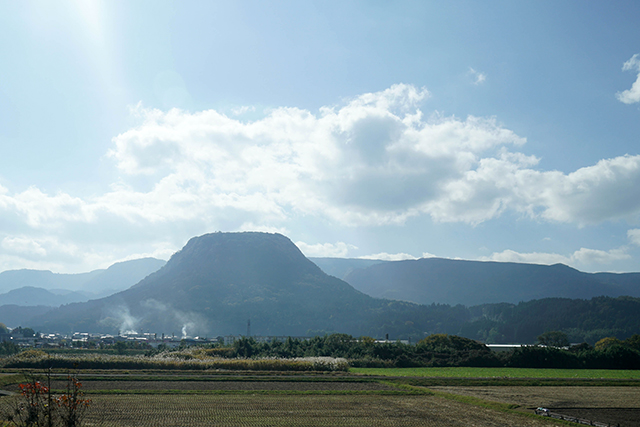
Travelling between Kurume and Hita, we enjoy a view of the Minou Mountains in the distance.
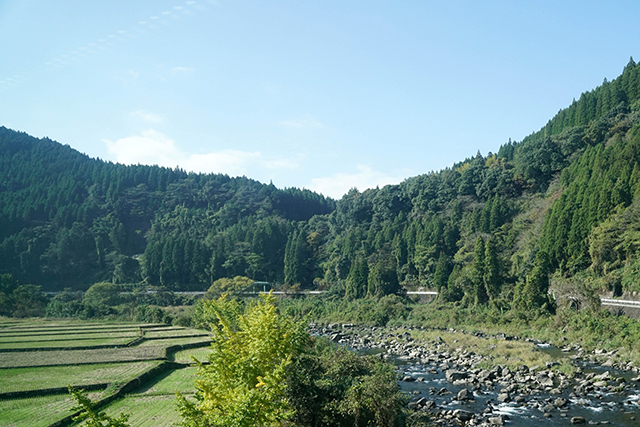
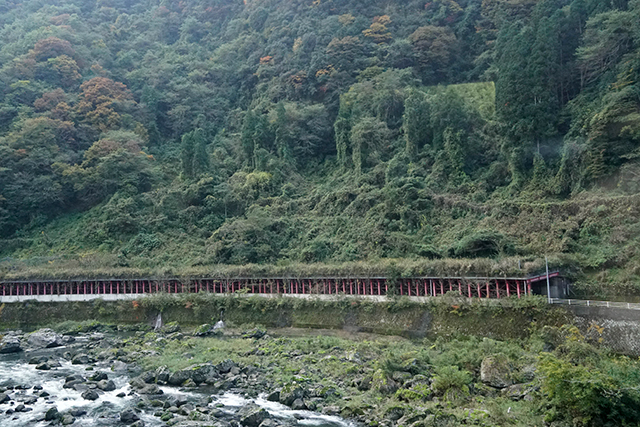
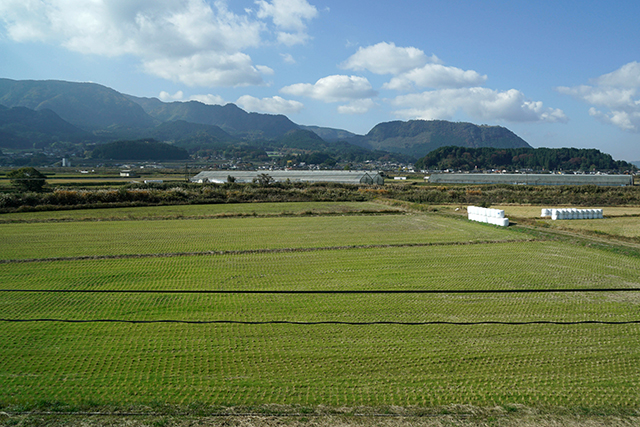
Coming from drought-affected Australia, it’s beautiful seeing all the lush scenery in Japan.
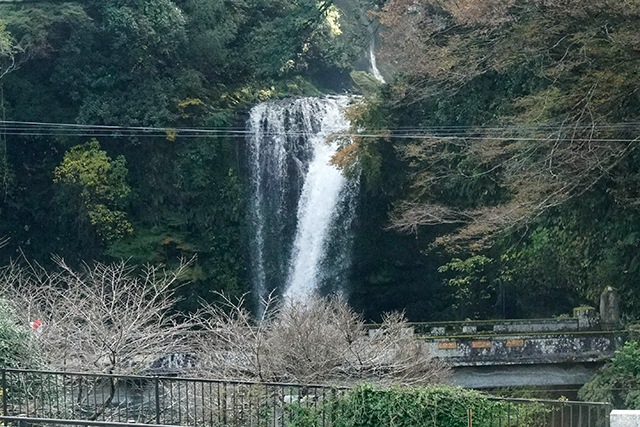
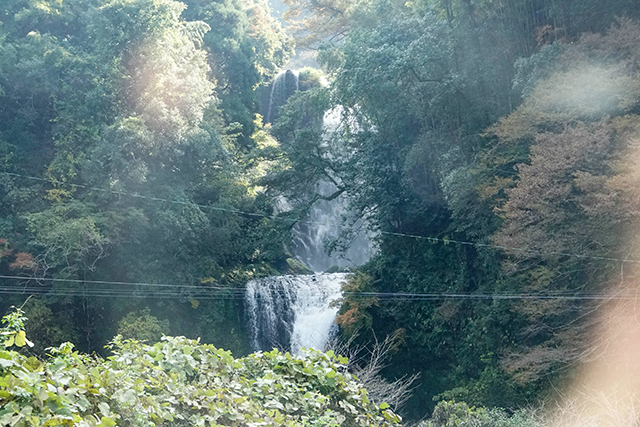
After the train passes Amagase station, we see the Jion-no-taki Falls on the right.
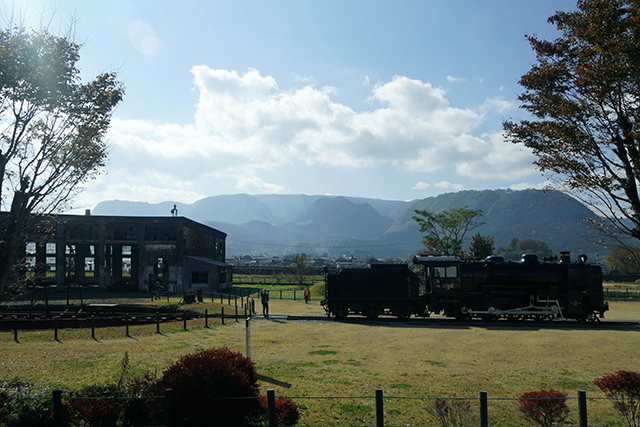
The train passes by Bungomori Kikanko Roundhouse, a former train yard that served as the midpoint refuel stop for the steam locomotives travelling between Ōita and Kurume. The train yard ruins and the accompanying roundhouse museum is accessible by local trains only.
Yufuin
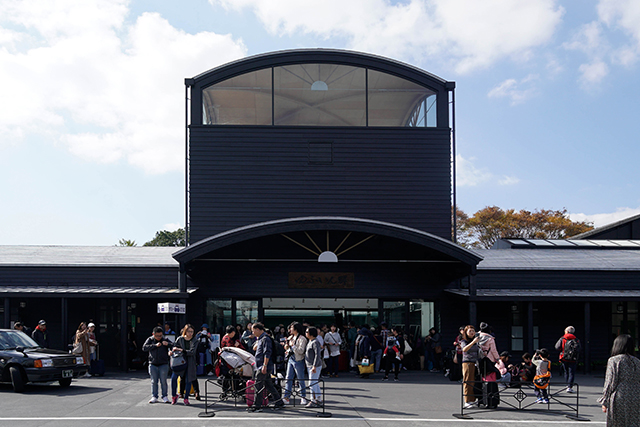
Ekimae Dori
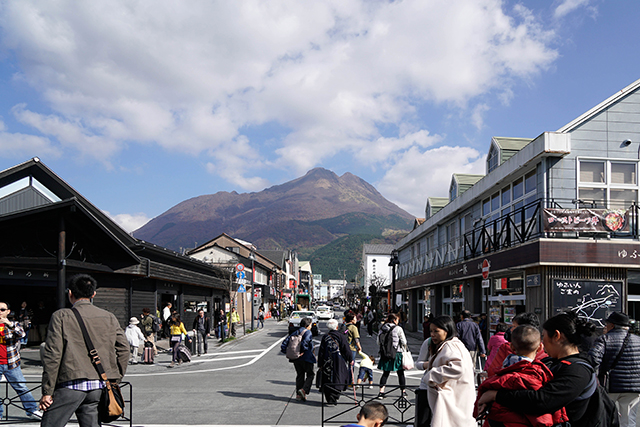
Coming out of Yufuin Station, we’re greeted with the sight of the twin-peaked Yufu-dake in the distance. The town is very well prepared for daytrippers with the souvenir stores both on the left and right of this photo having additional lockers and a luggage storage service for a price comparable to train station lockers, which are of limited availability.
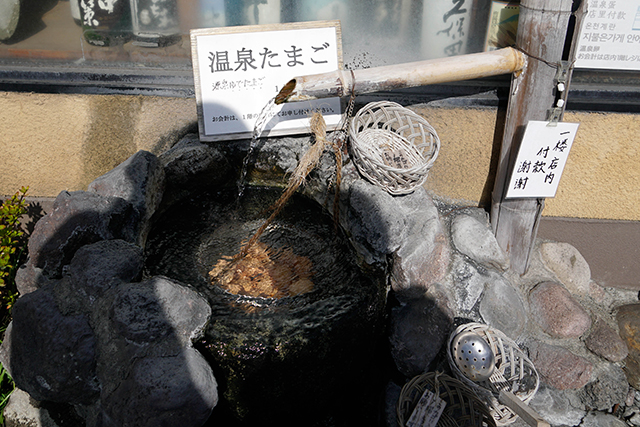
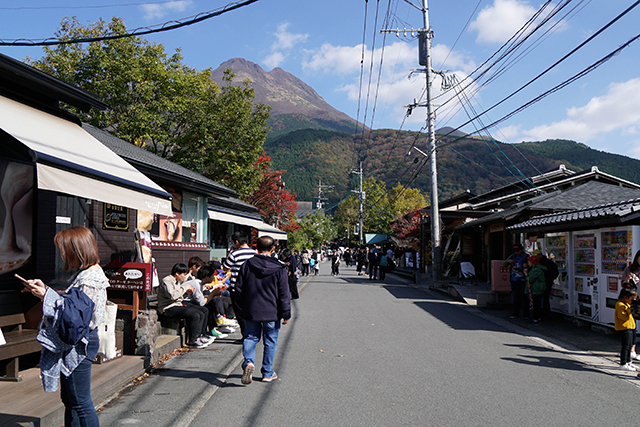
We walk down the main road towards Yufu-dake. We see onsen eggs available.
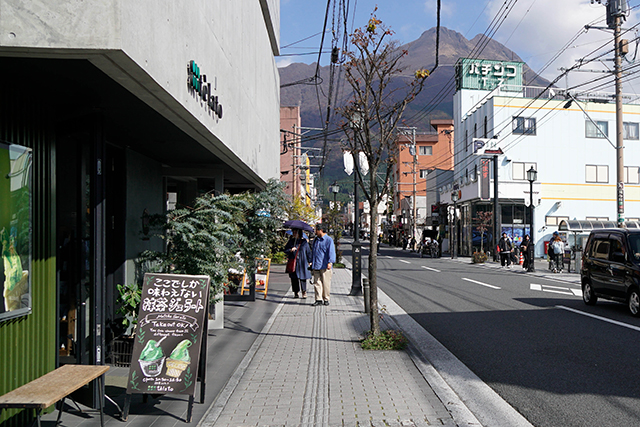
The main street is lined with cafes, boutiques and small museums. We spot a store selling kabosu udon with hopes of returning later, but running out of time.
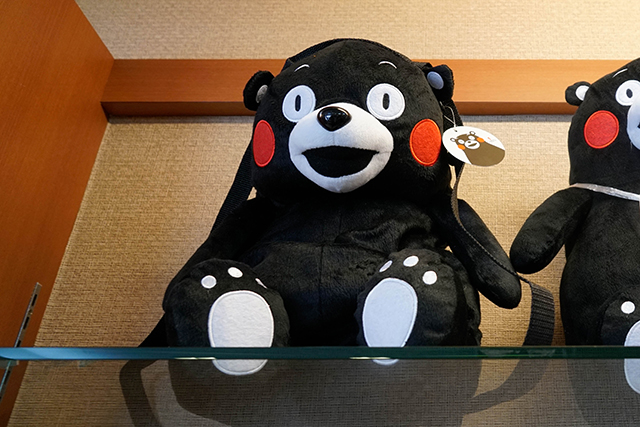
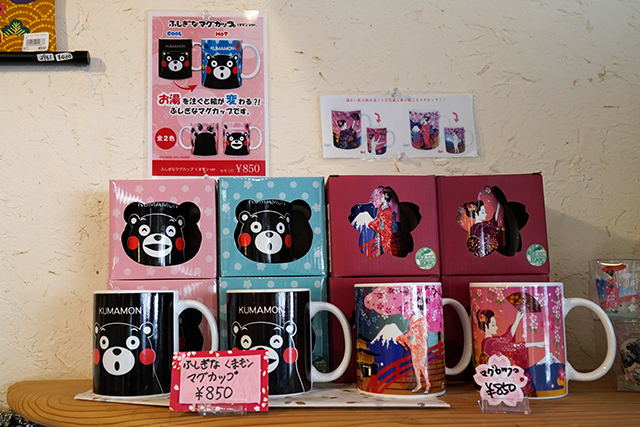
Kumamon makes his presence known even in Yufuin, with a Kumamon backpack and colour changing mugs.
Yunotsubo Street
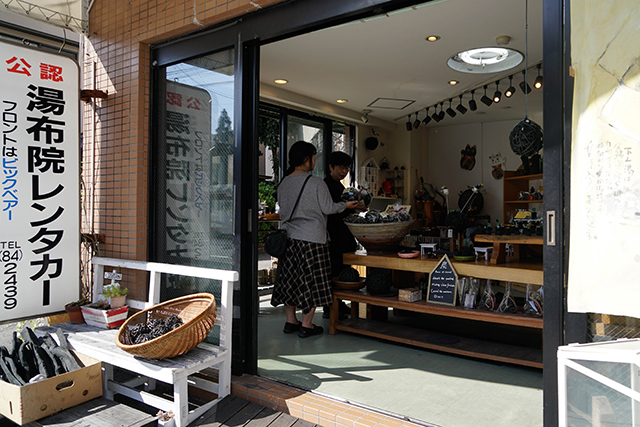
Further along, there’s a store specialising in charcoal.
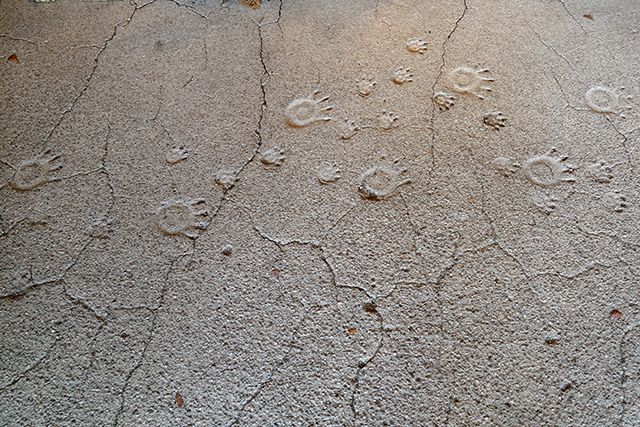
We spot some animal footprints in the pavement.
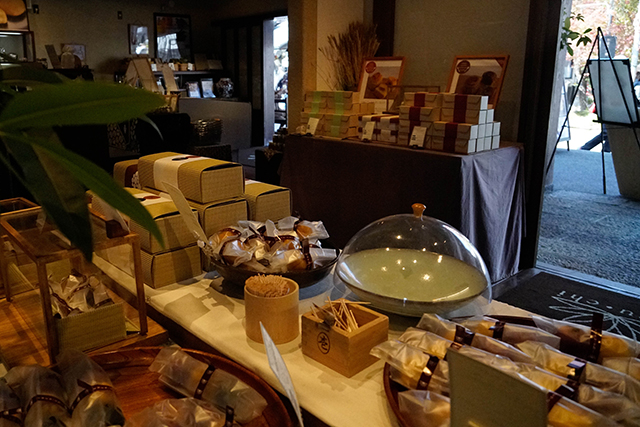
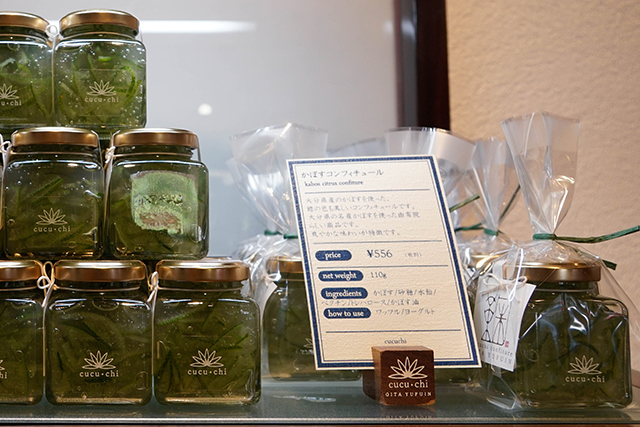
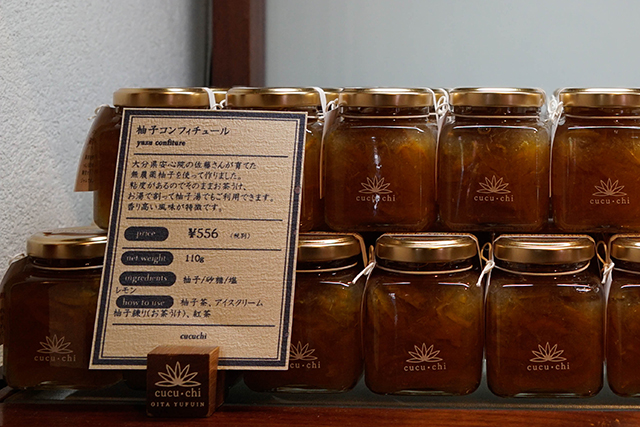
At Yufuin Cucuchi, we find an abundance of kabosu and yuzu products. We pick up some dried kabosu rind (read about it here and here).
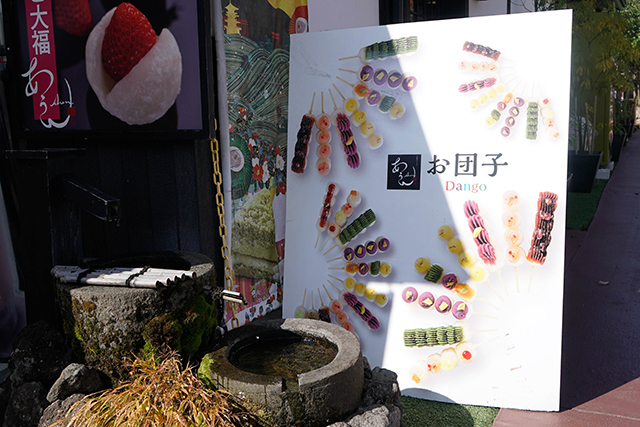
There’s a shop selling fancy, decorated dango.
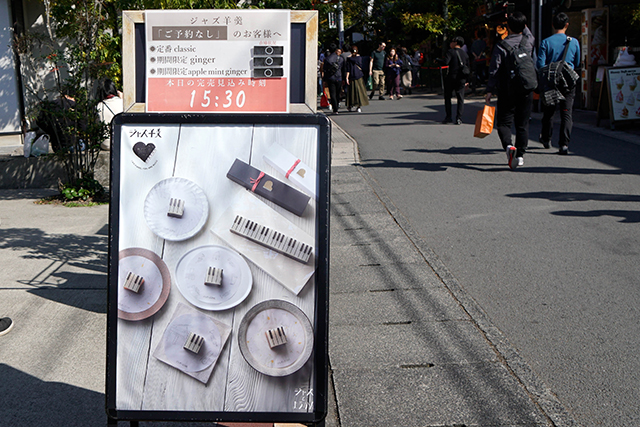
And another store selling cakes that look like a keyboard. They pique our interest until we realise the flavours.
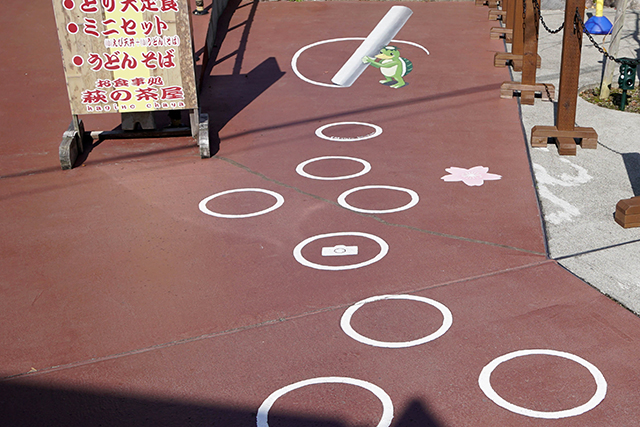
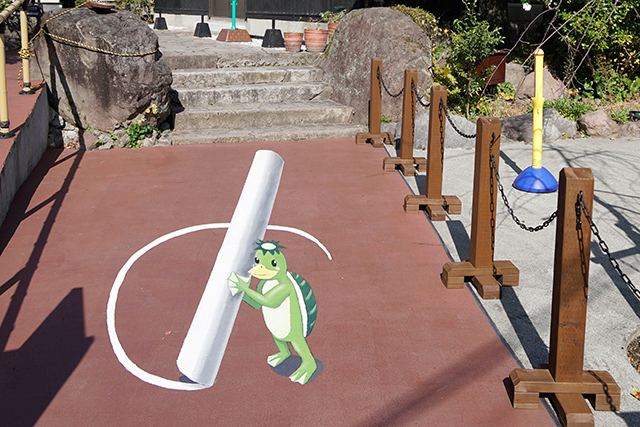
To entertain the kids, there are circles drawn by a kappa.
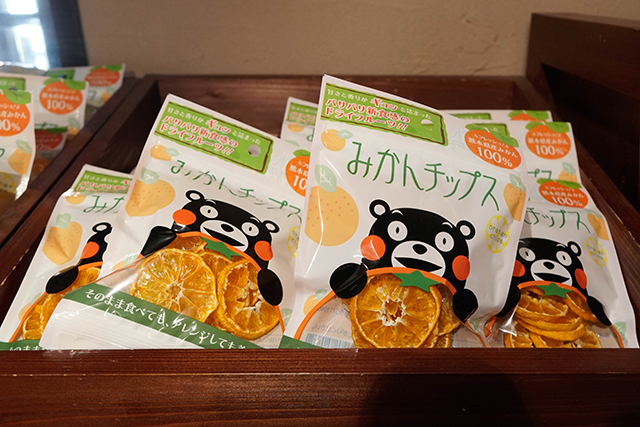
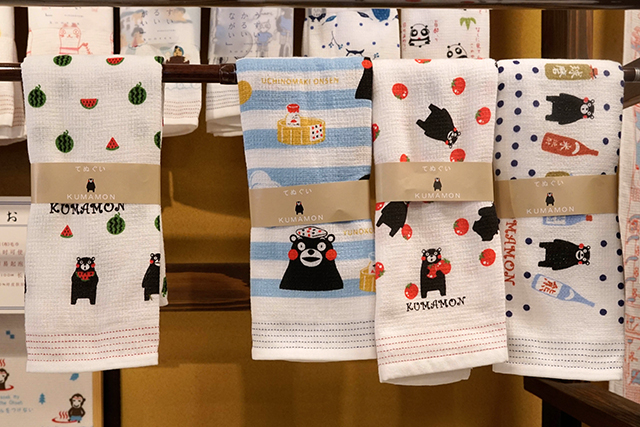
We spot more Kumamon-endorsed products including mikan chips and onsen towels.
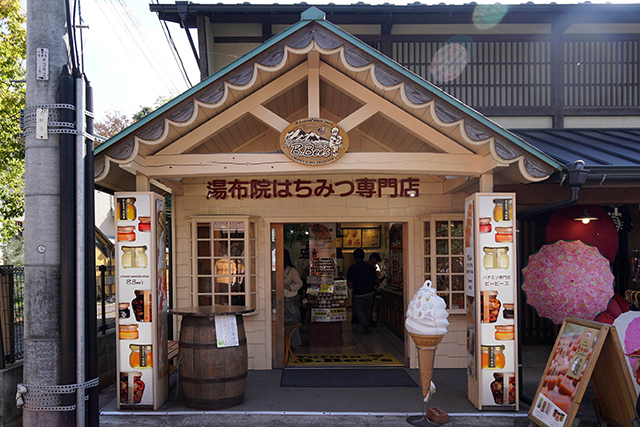
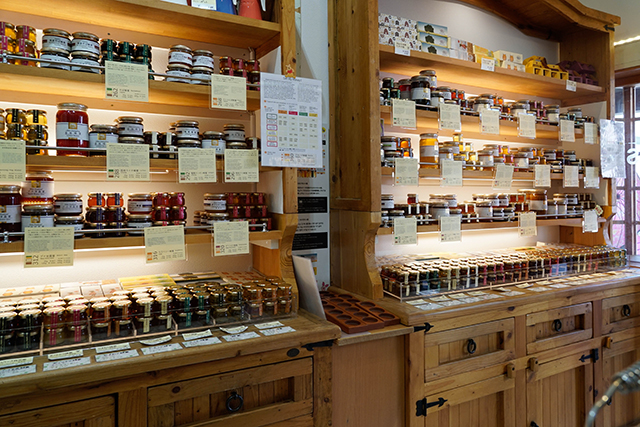
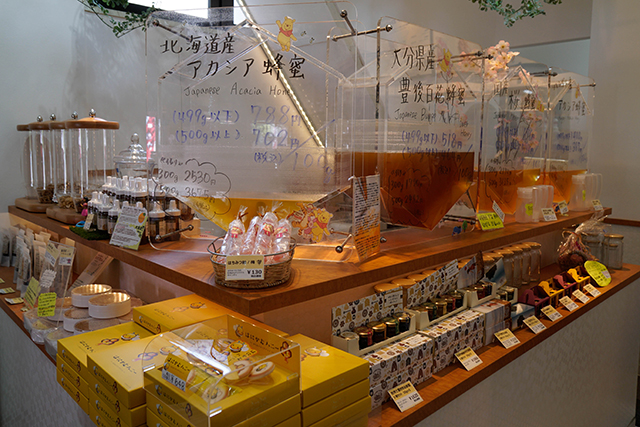
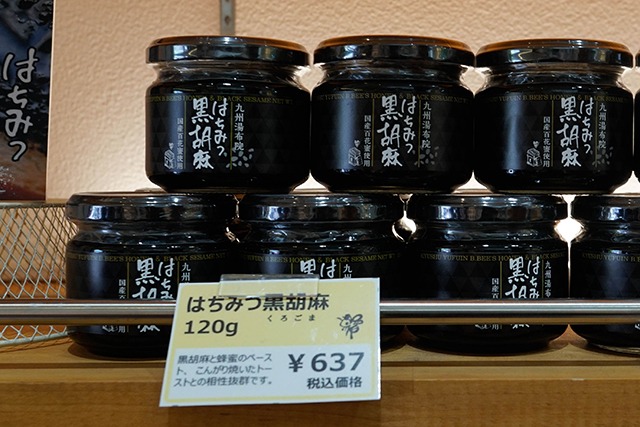
There’s a store specialising in honey, including black sesame honey.
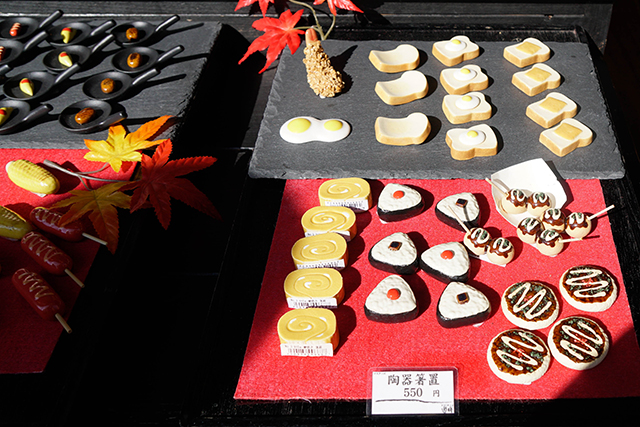
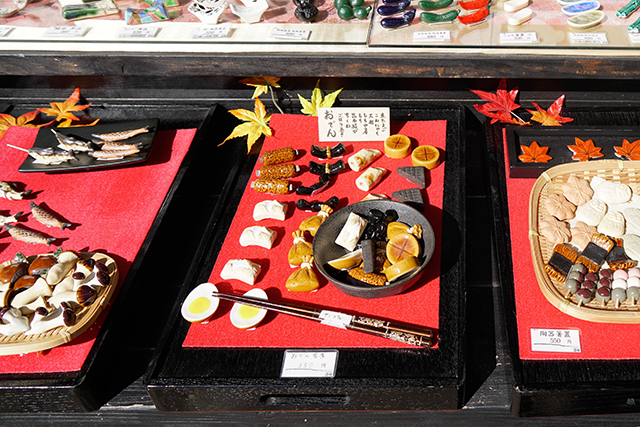
Further along, we spot cute food-themed chopstick holders.
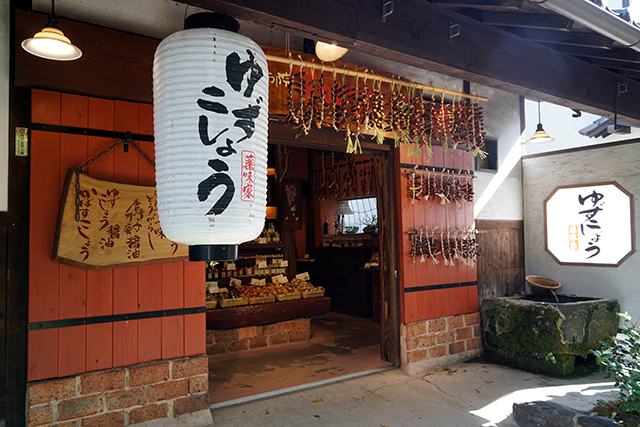
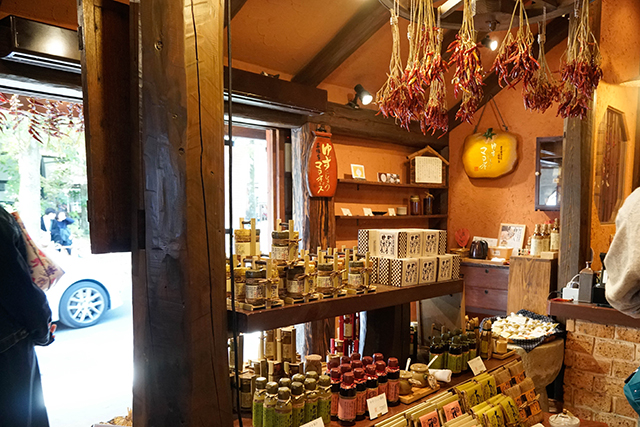
This shop is one of a few in Yufuin specialising in yuzu koshō, a condiment consisting of red pepper and yuzu.
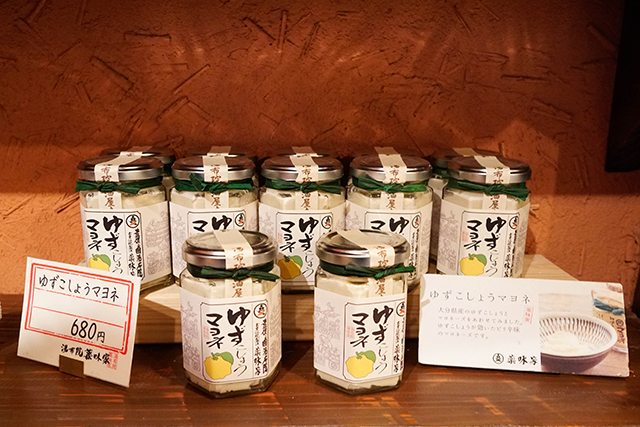
We pick up some yuzu koshō mayonnaise.
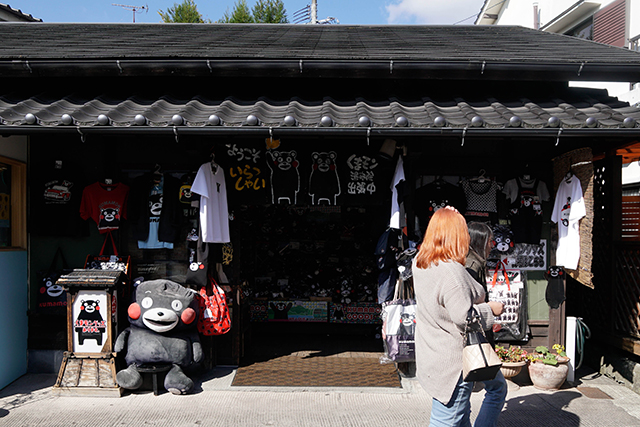
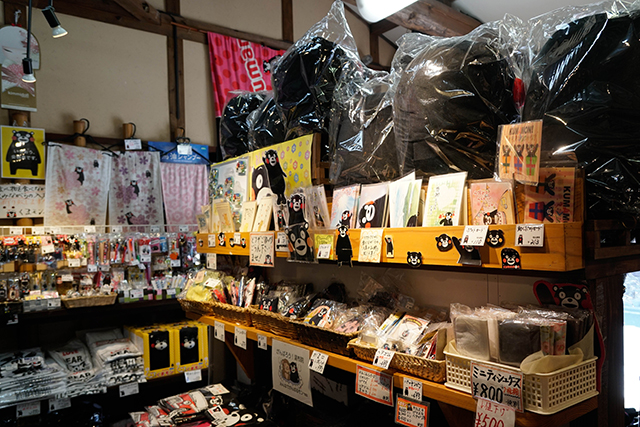
And for all my Kumamon spotting, there’s an entire store packed to the rafters with his merchandise.
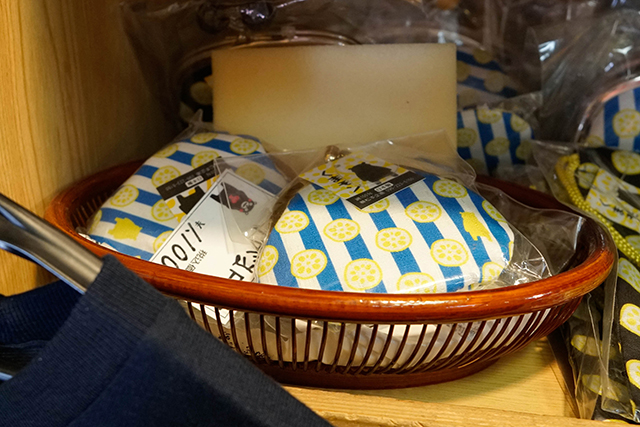
There’s a Ōita themed coin purse featuring Kumamon with slices of citrus…
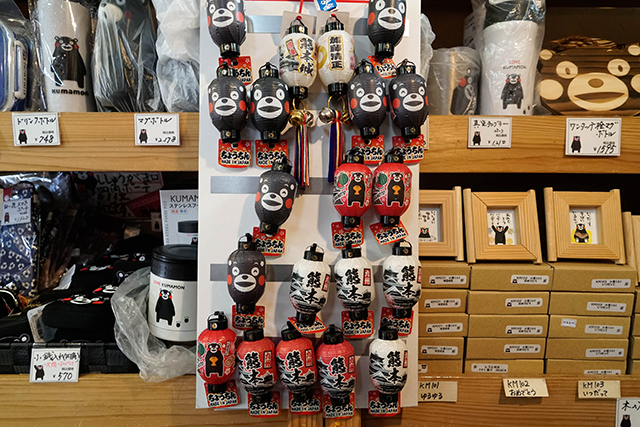
…along with mini Kumamon lanterns.
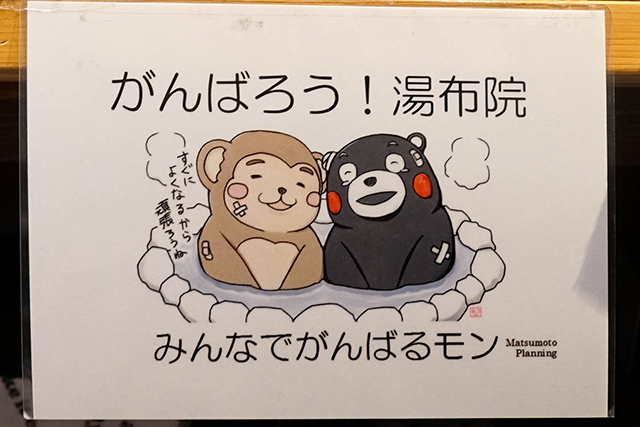
This sign featured an illustration by Matsumoto Planning made in the aftermath of the 2016 Kumamoto earthquakes, encouraging everyone to come together to do their best in the aftermath.
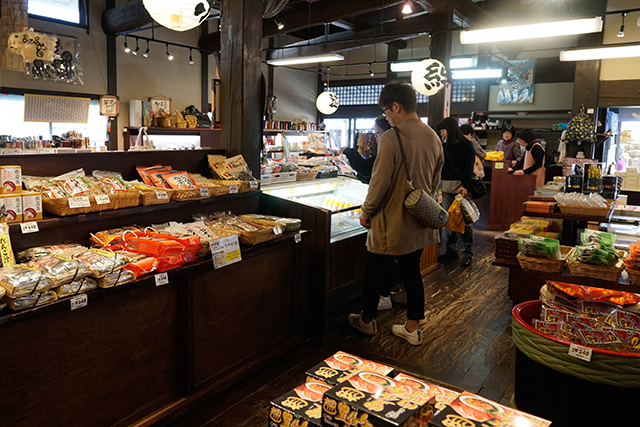
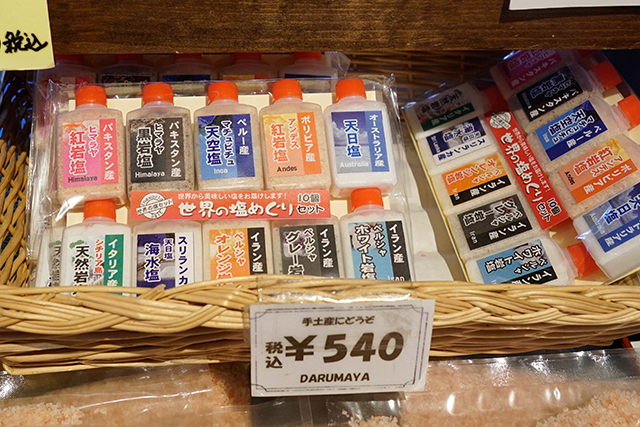
At another store, we find this cute sampling of ten different types of salt.
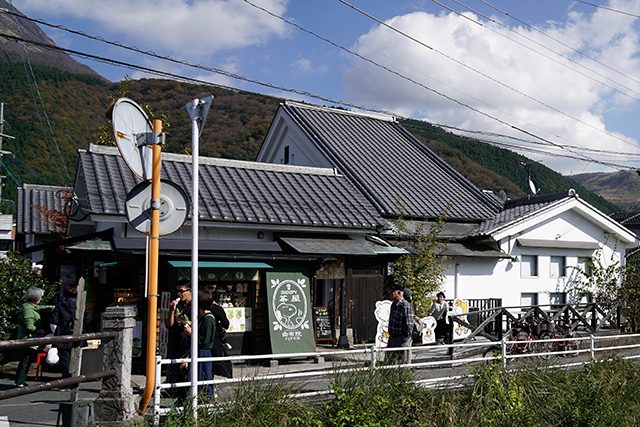
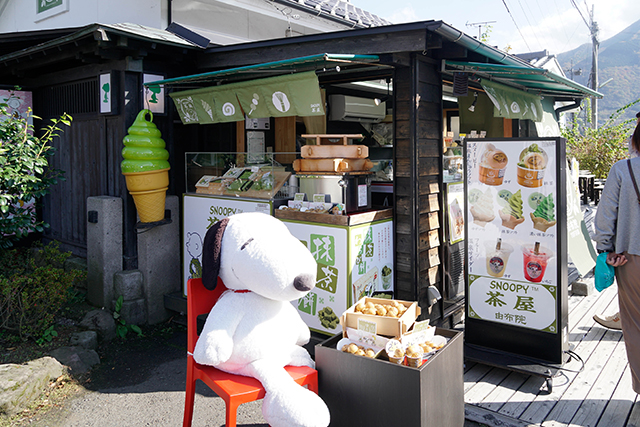
On the banks of Yunotsubo River is a Snoopy Tea House.
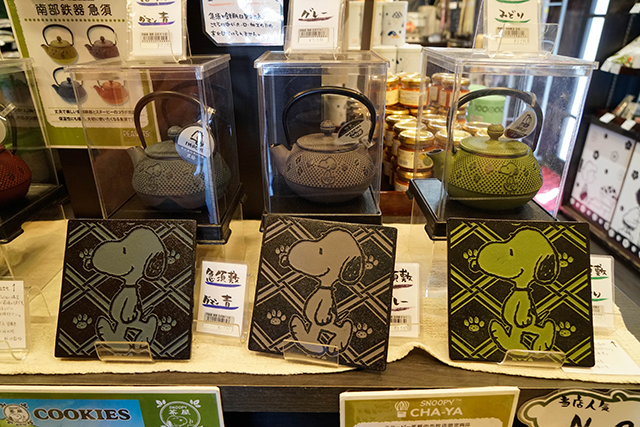
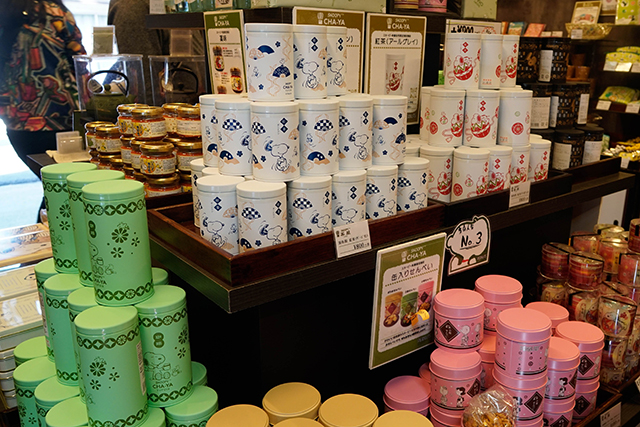
Next door is a store selling beautiful Snoopy themed teapots and tea canisters.
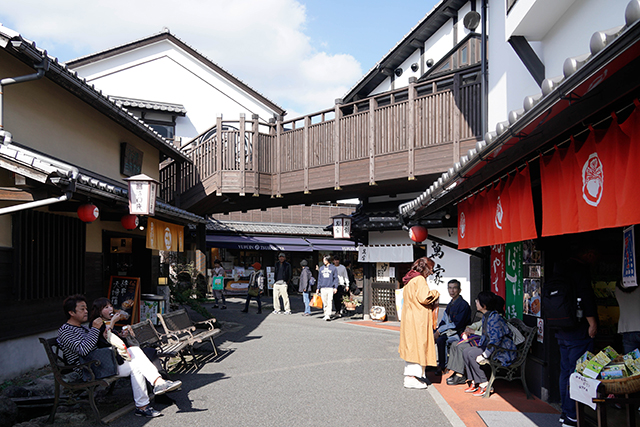
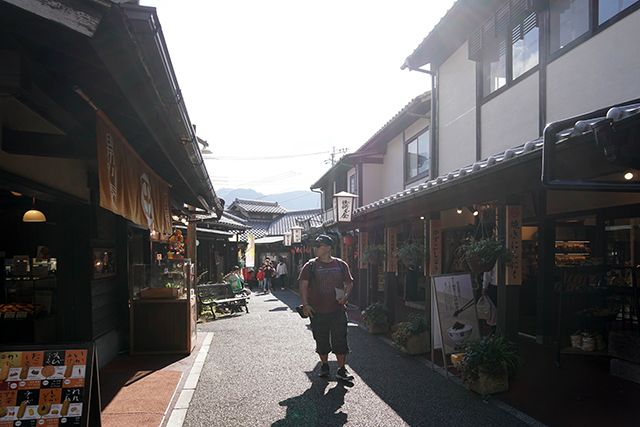
Yunotsubo Yokocho is one of the rare few places in Yufuin with benches for visitors to rest.
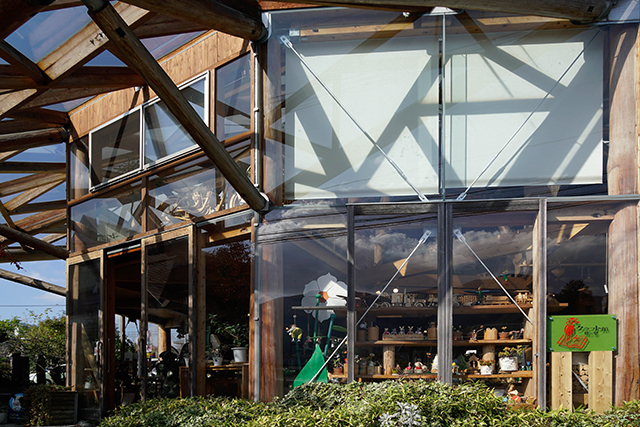
There’s a store selling wood crafted goods.
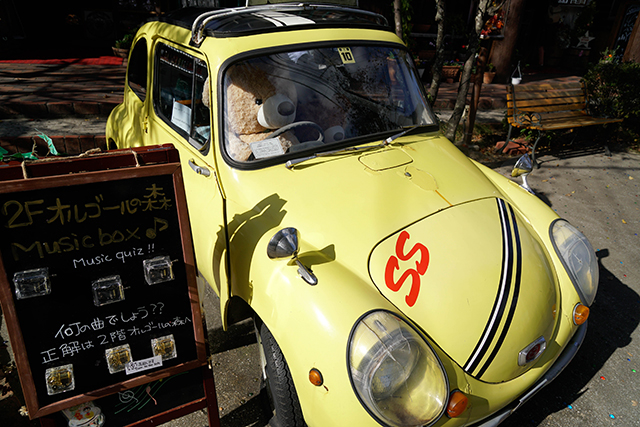
This bear was driving his family of bears in his cute yellow car.
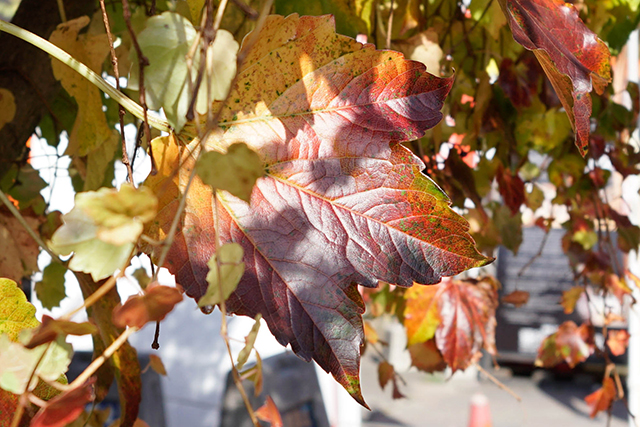
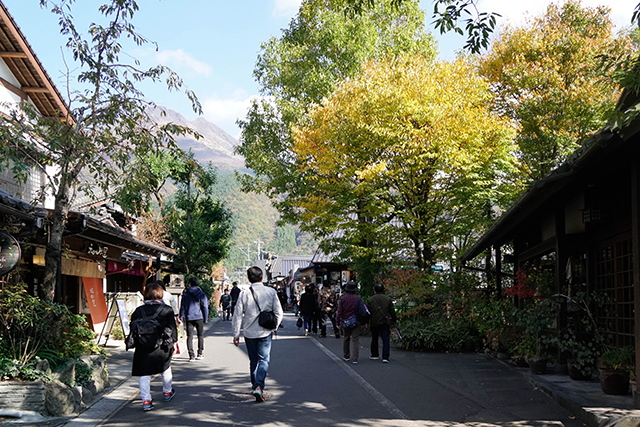
Autumn truly is one of the most beautiful times to visit Japan.
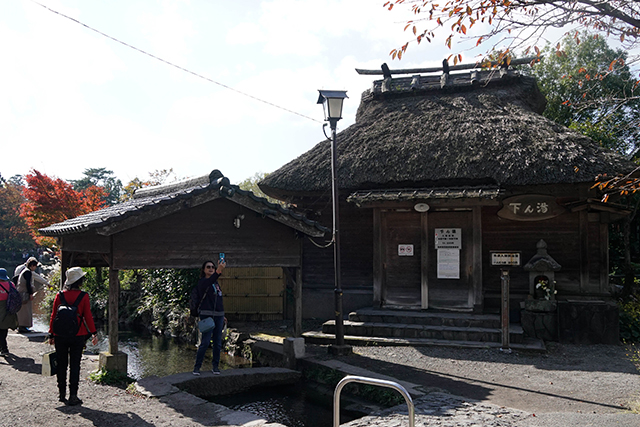
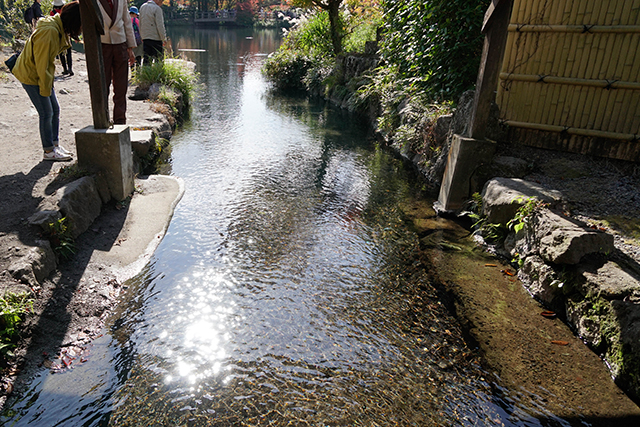
At the end of the main street, we make our way to Lake Kinrin. There are numerous outdoor baths, or rotenburo, with a view of the mountain. This one is Shitan-yu, but the level of seclusion is not the best as visitors over the fence into the bath (although privacy is maintained).
Lake Kinrin
金鱗湖, Yufuincho Kawakami, Yufu, Ōita, 879-5102, Japan
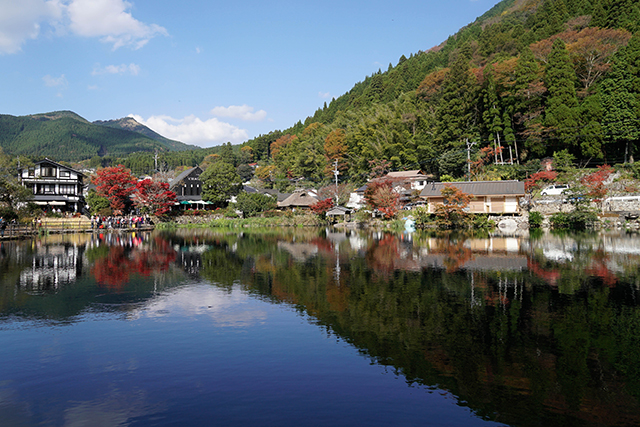
This is Lake Kinrin.
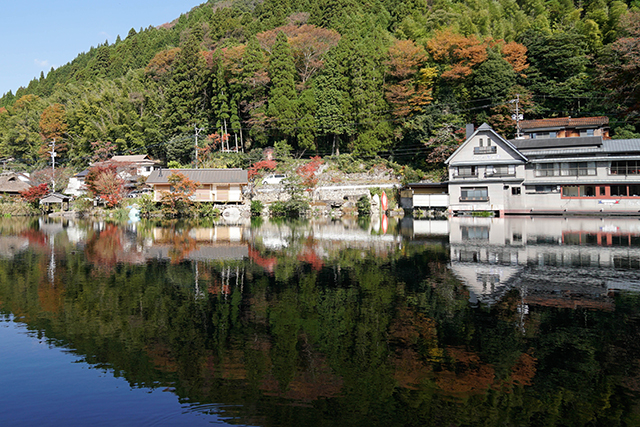
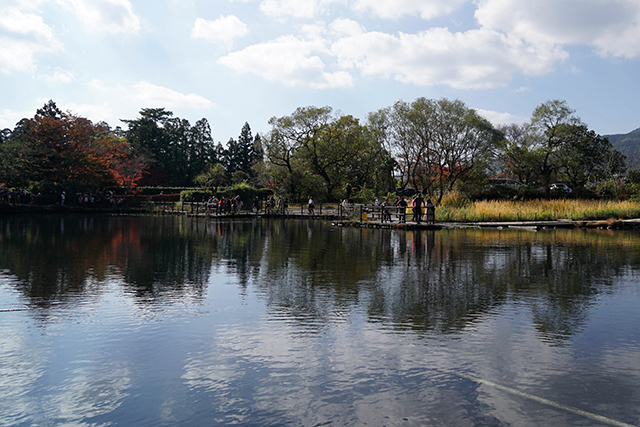
Lakes are unfailingly picturesque. Hot spring and a crystal water stream up from the bottom of this lake. It is said that the lake water completely changes twice a day.
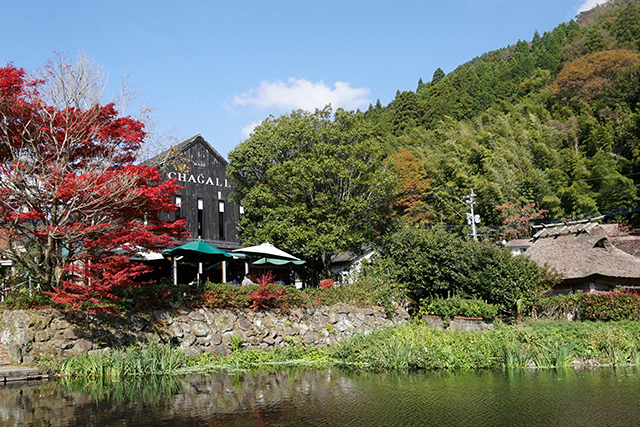
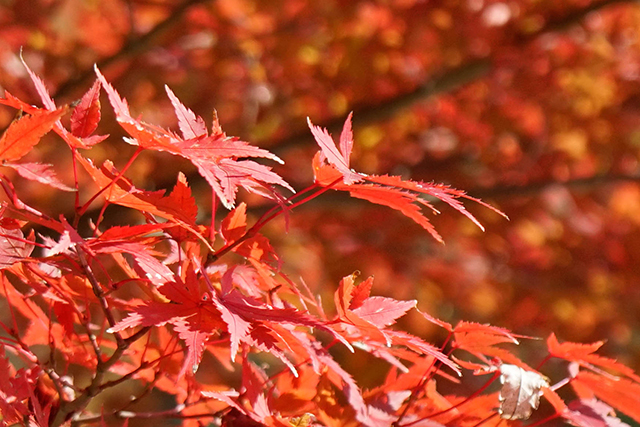
The maple leaves are a fiery red lakeside.
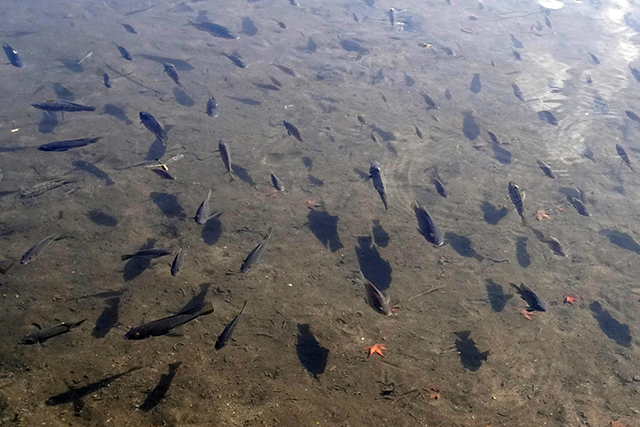
Inside the lake is an abundance of fish…
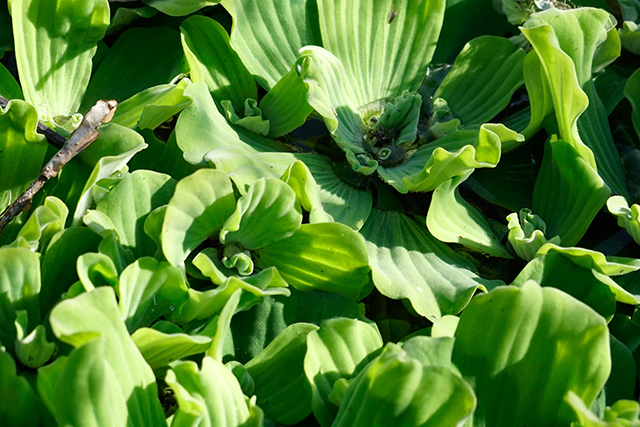
…along with some lush aquatic plants.
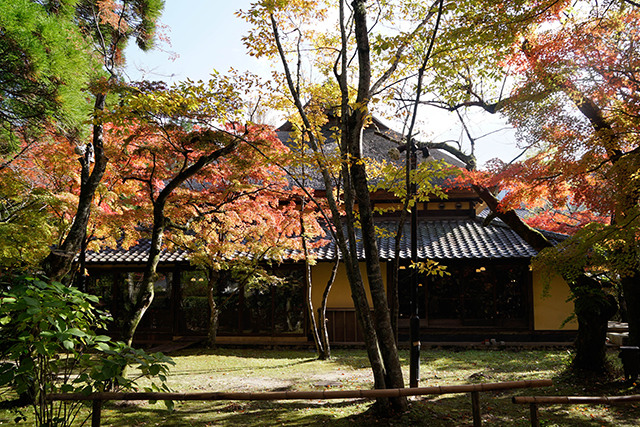
This is one of a few restaurants nestled amongst the trees near the lake.
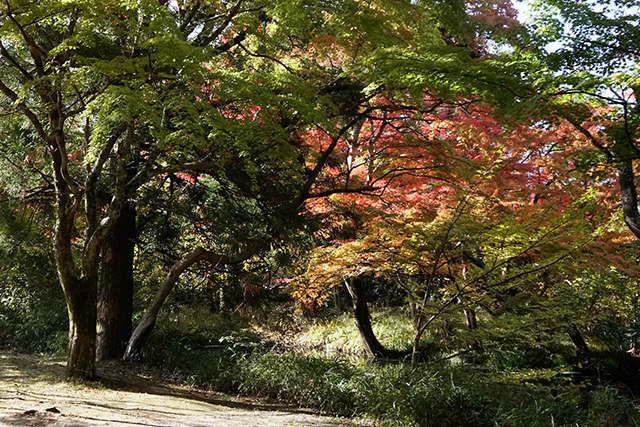
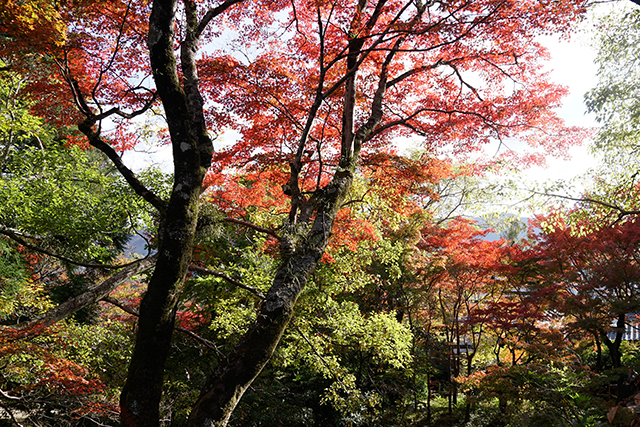
These trees line the bank of a river that flows into the lake.
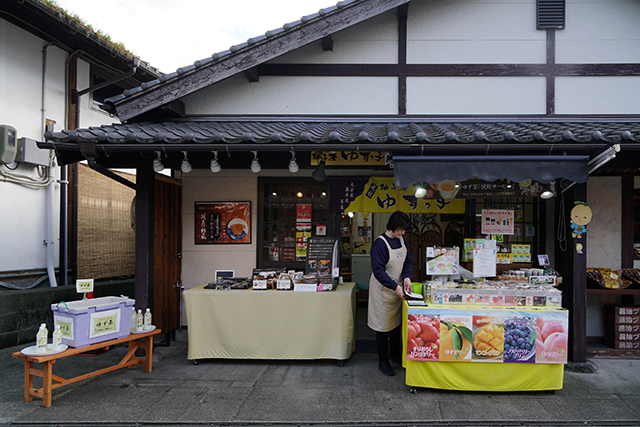
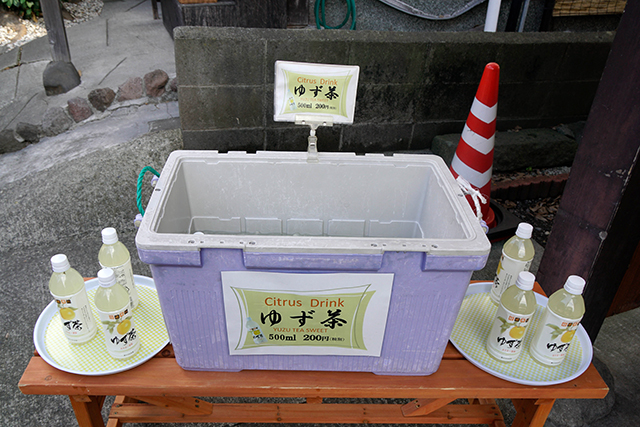
Heading back the way we came we pop into a store specialising in yuzu products and we’re drawn to the ice-cold yuzu drinks available for ¥200. We enjoy the refreshing familiarity of the yuzu but the flavour paled in comparison to the intensity of the kabonade from the morning.
Gomafuku-do
ごま福堂 湯布院店, 1527-1, Yufuincho Kawakami, Yufu, Ōita, 879-5102, Japan
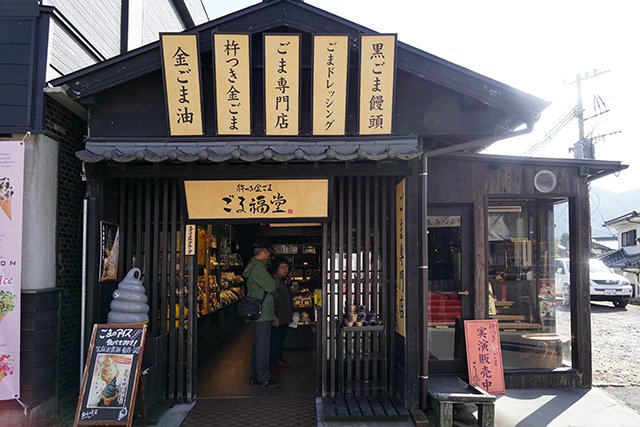
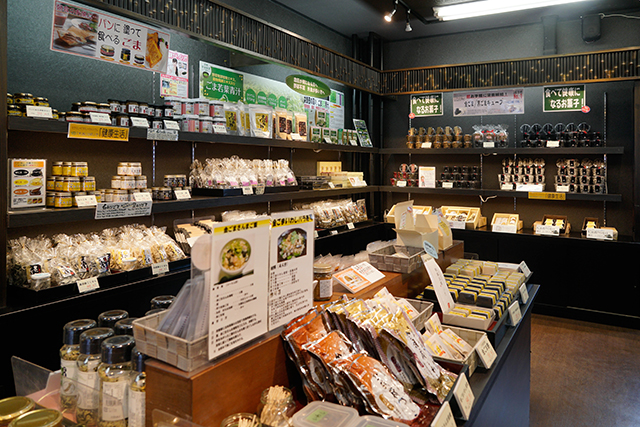
Gomafuku-do is a sesame speciality store that sells our favourite black sesame manjū. They didn’t have it available at Yufuin…
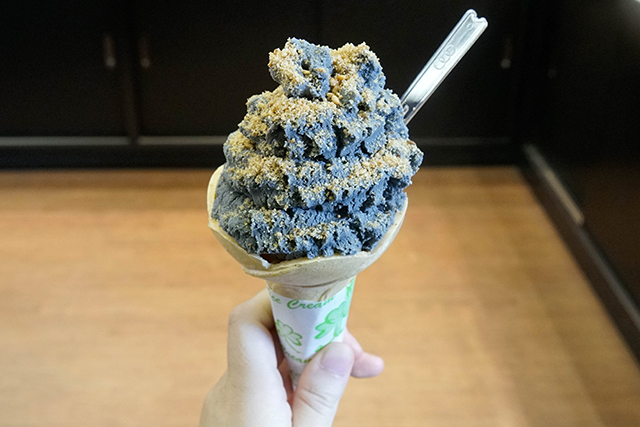
…but we did find a black sesame soy milk soft serve to satisfy our black sesame craving. Despite appearances, the soft serve is deliciously creamy with a rich, nutty black sesame flavour.
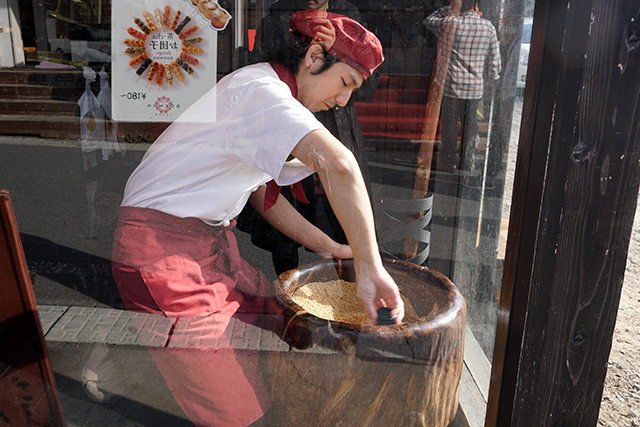
The golden sesame is freshly ground in-store and added a more mellow sesame flavour to the richer flavour of the black sesame in the soft serve.
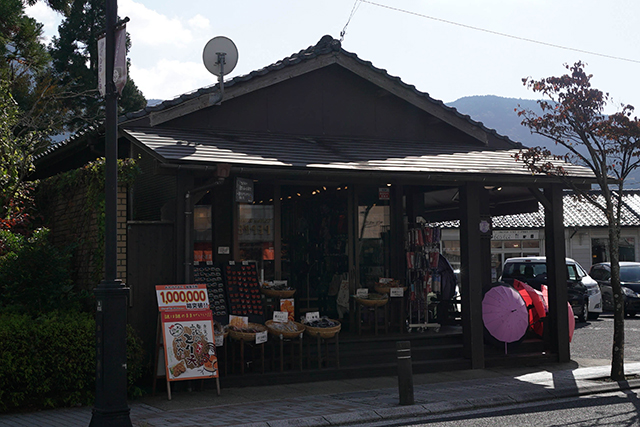
After arriving at 11:36 am, we have a booked seat on the last direct train between Yufuin and Beppu at 2:45 pm, so we make a last dash to the souvenir shops to pick up some omiyage as well as our luggage before heading to the train station.
Yufuin Station
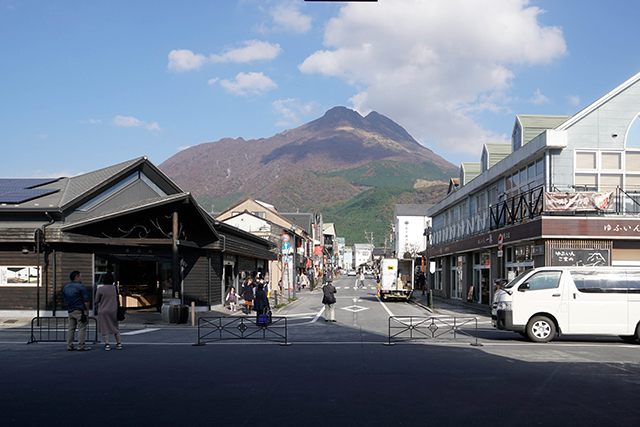
With the town thriving on tourism, the numerous shops along the main road towards Yufu-dake have plenty of trendy shops compared to more traditional onsen towns. Indeed, we could have easily spent a few more hours at Yufuin and perhaps enjoying the foot bath at the train station.
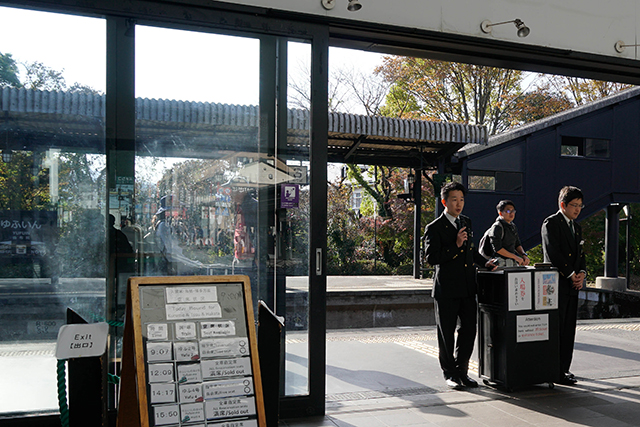
As with most of the smaller train stations in Japan, Yufuin Station has no ticket barrier and relies instead on staff making announcements and checking tickets. There’s a signboard at the station entrance indicating whether there are any reserved seats left on the trains.
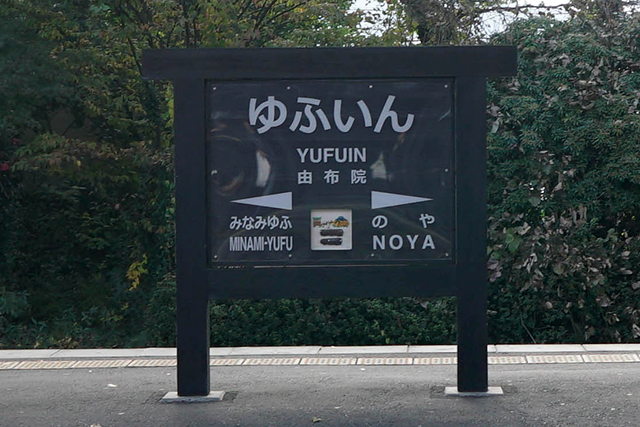
Yufu 3
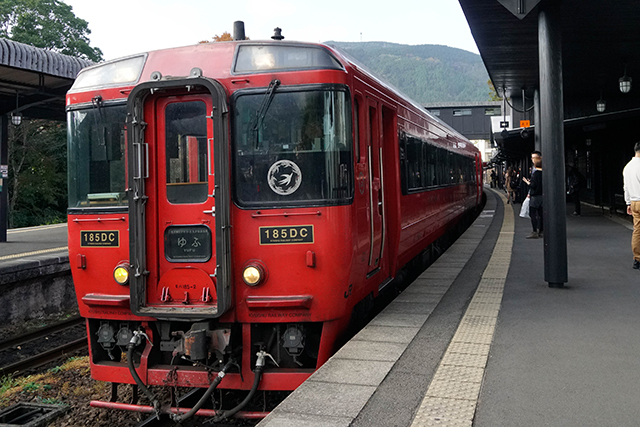
We make the trip from Yufuin to Beppu on the Yufu 3, which is a regular non-sightseeing train.
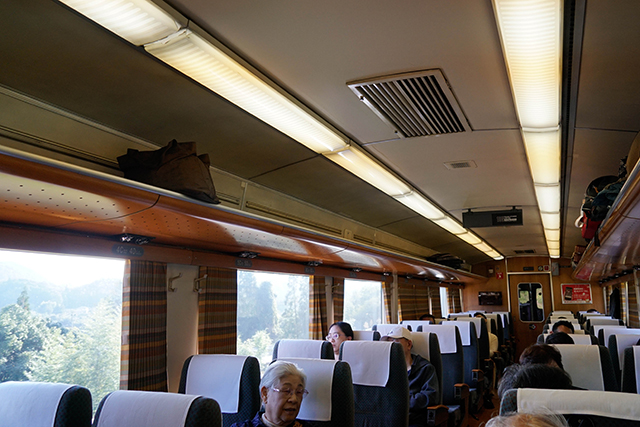
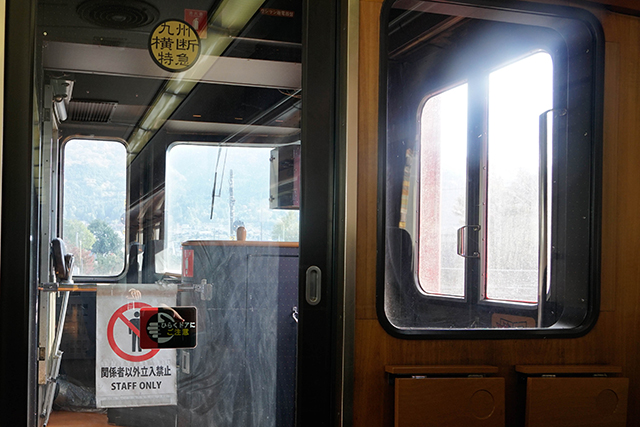
The train retains the warm wooden interior.
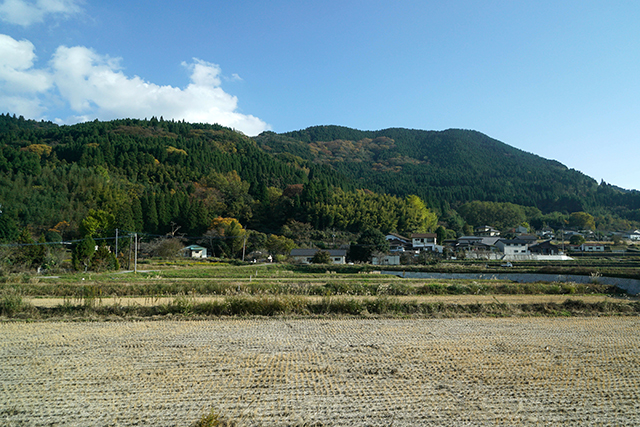
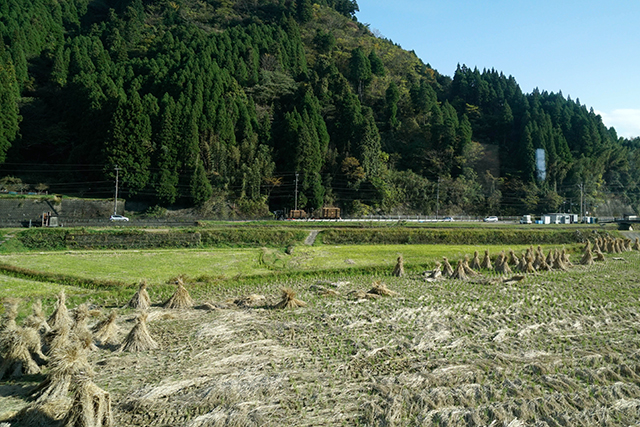
We pass by more lushness…
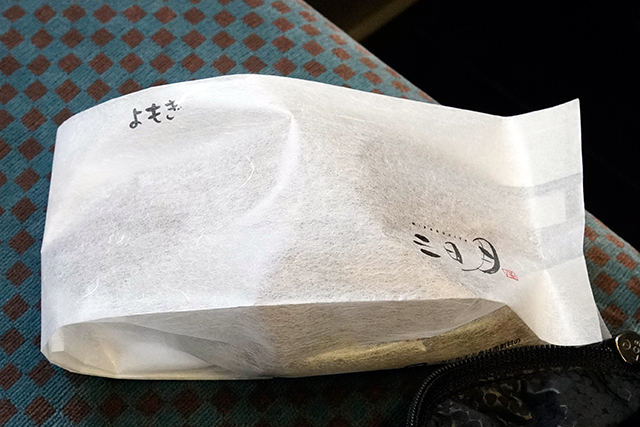
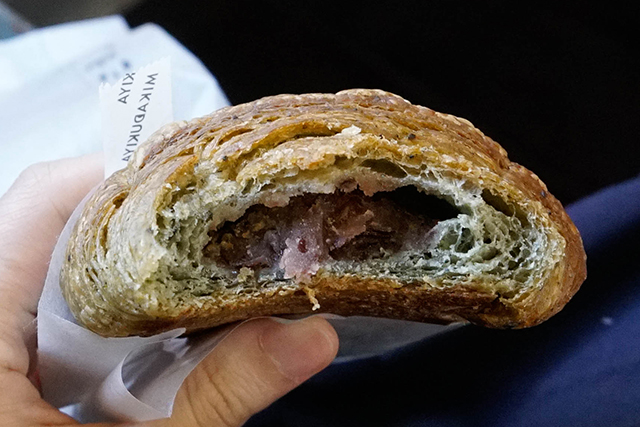
Settling into the train, we finally have a bite to eat with the croissants we picked up from Mikadukiya Croissant at Hakata Station that morning. This is the yomogi croissant, which had a fragrant yet mellow hint of herbal or vegetal flavour while the azuki centre added sweetness to balance.
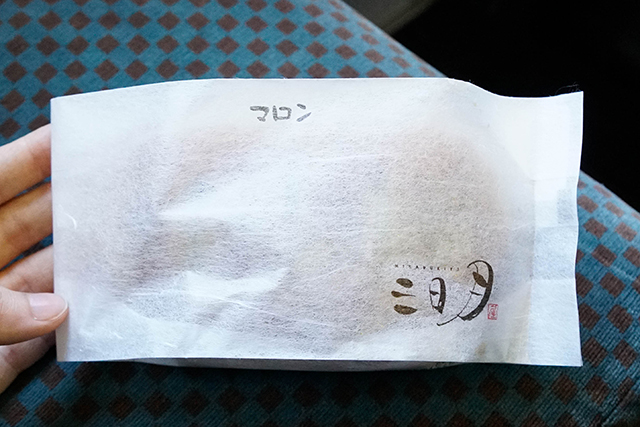
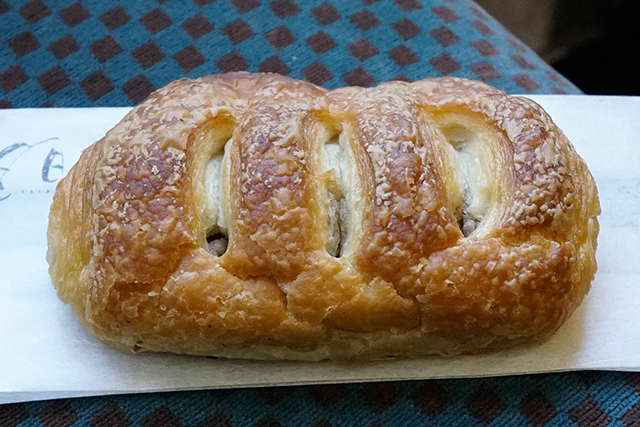
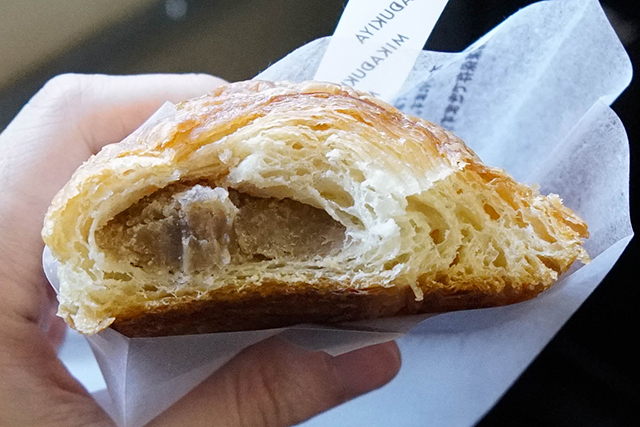
This is the Maron Croissant, which had a sweet and smooth chestnut filling with its density balancing the light and flaky outer crust of the croissant in the most enjoyable way. Now, if only Mikadukiya Croissant had stores outside of Kyūshū (and overseas!)
Beppu
Beppu Station
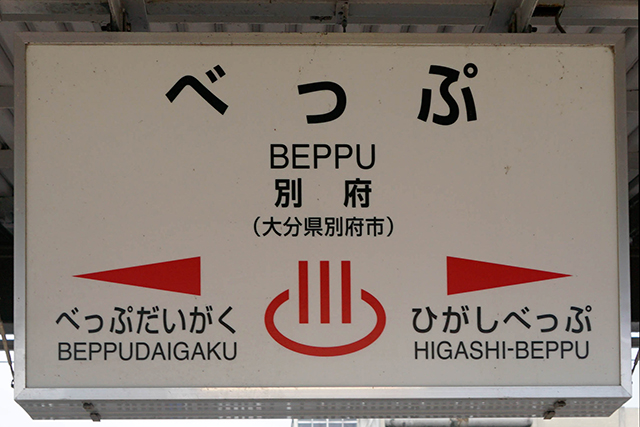
An hour later, we arrive at Beppu Station. There’s no doubting that Beppu is a developed onsen town with the symbol featuring on the station signs…
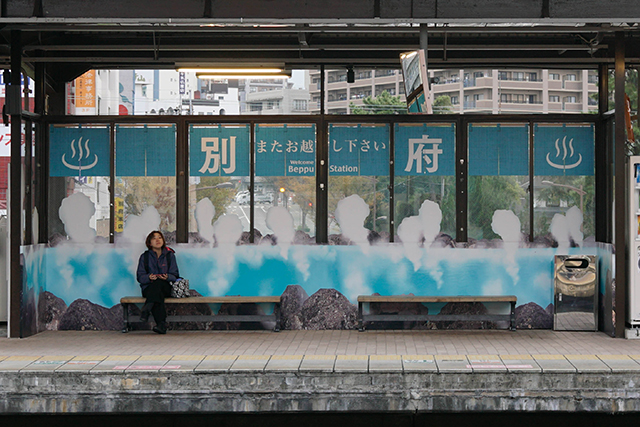
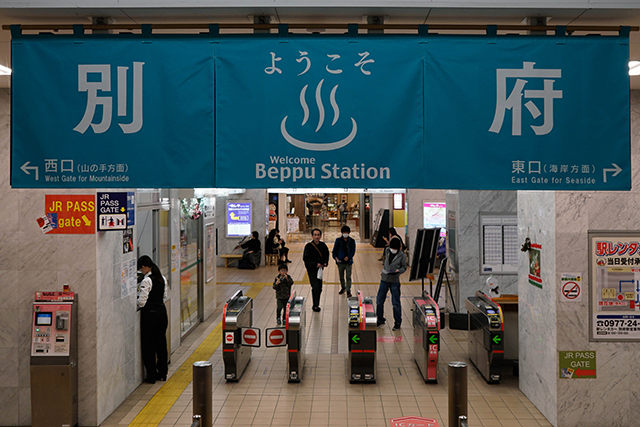
Station signs both around the seating areas and providing directions to visitors are printed on the nōren usually hanging in an onsen.
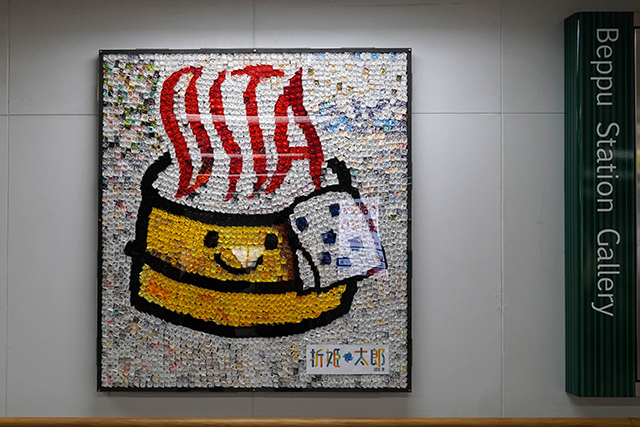
Inside the station, we also see artworks that are made with plastic bottle caps celebrating the city and its onsen.
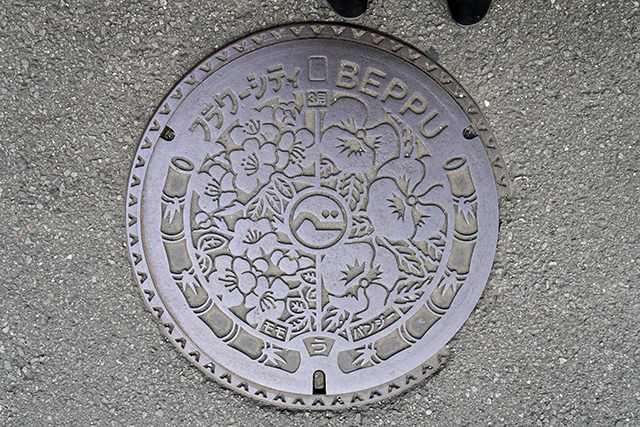
Their manhole covers don’t feature onsen, though, to our surprise.
Beppu Daiiti Hotel
2-40 Noguchi Motomachi, Beppu, Ōita 874-0933, Japan
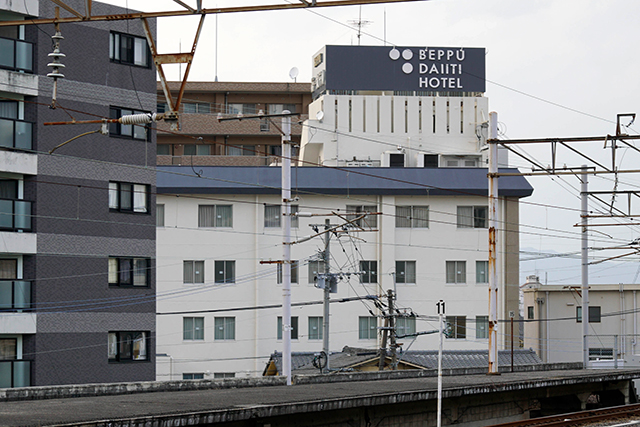
We spot our hotel from the train platforms.
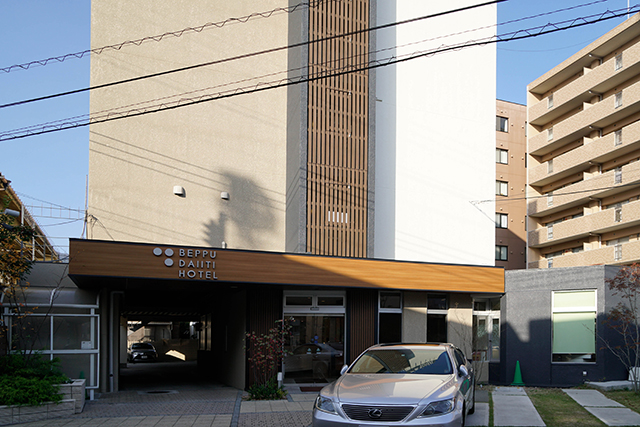
The hotel is a mere 2-minute walk from the entrance on the east side of the station.
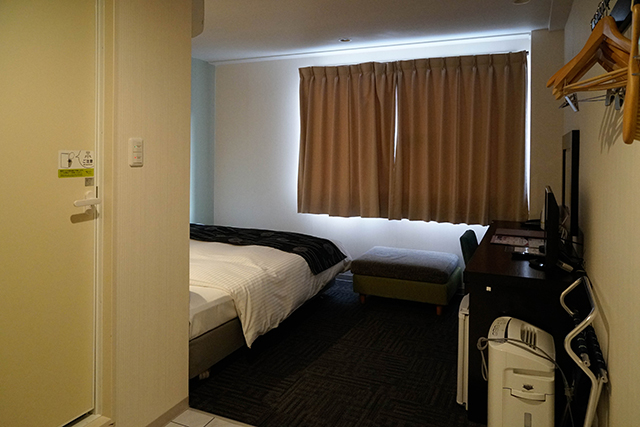
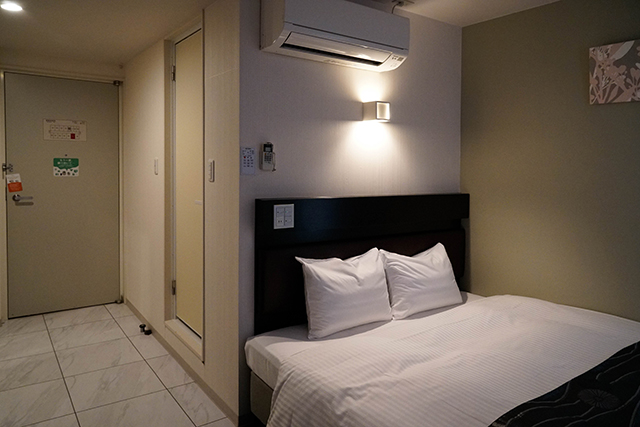
The staff are effusive in their welcome, and we’re delighted when we’re told we’ve been upgraded from a double room to a queen-size room. After being in the cramped business hotel rooms that are commonplace in Japan, little did we expect our room to have a tiled entrance area.
The mattress was firm, while the doona was plush and fluffy and the pillows were acceptable despite sacks of wheat. D’s favourite aspect, though, was the room’s split system air-conditioning unit, which meant we didn’t need to suffer through the tendency for Japanese hotels setting their central heating too warm.
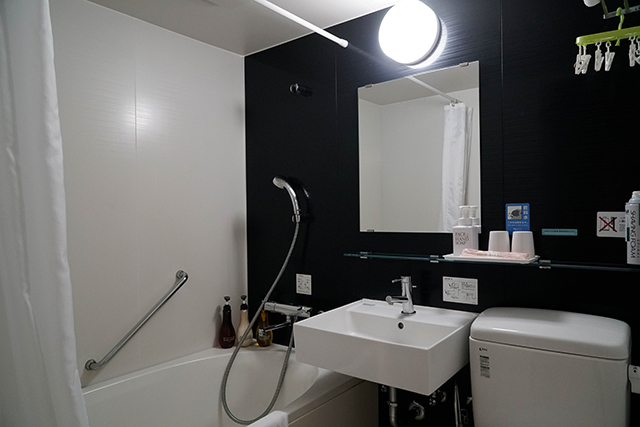
And if a large room with an independent AC unit wasn’t enough, the bathroom is a modern black and white colour scheme and (comparatively) spacious. This was easily our favourite hotel yet.
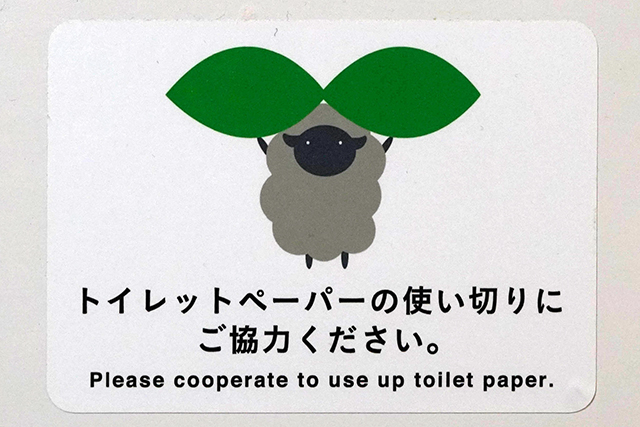
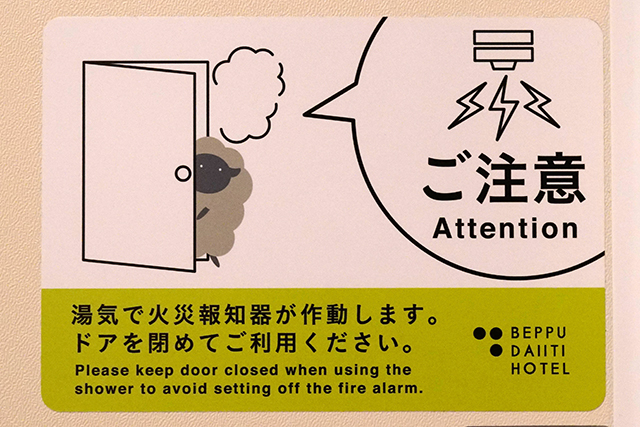
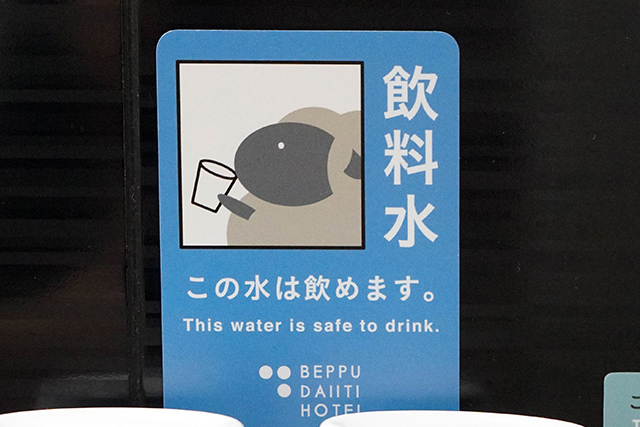
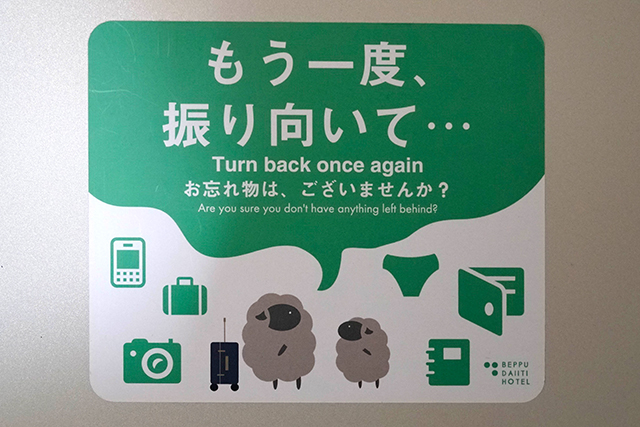
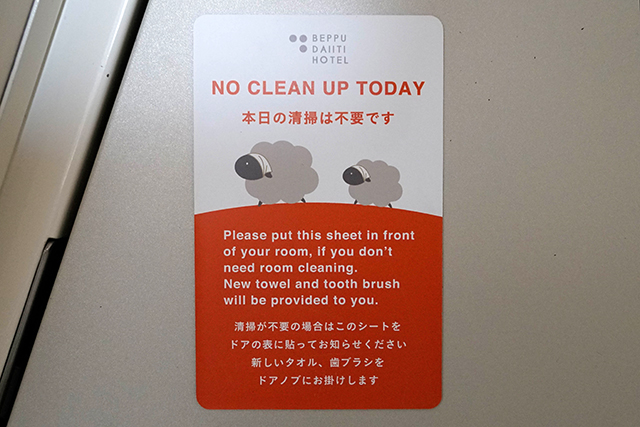
Throughout the room are cute fluffy sheep themed signs.
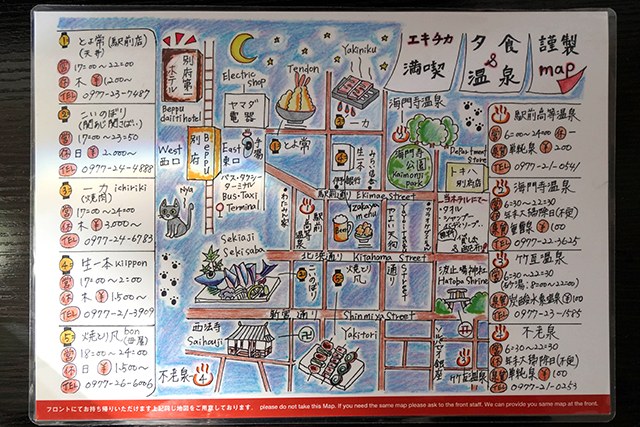
There’s also a cute illustrated guide to the restaurants around the area.
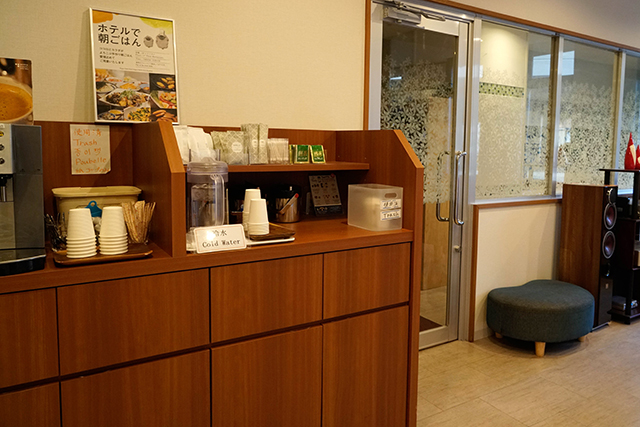
Next to the reception area and lifts, there’s a counter with complimentary toiletries and drinks. Perhaps the modern interior and effusive customer service is their way of enticing visitors to stay as other hotels in the area have their onsen.
Ōita
Ōita Station
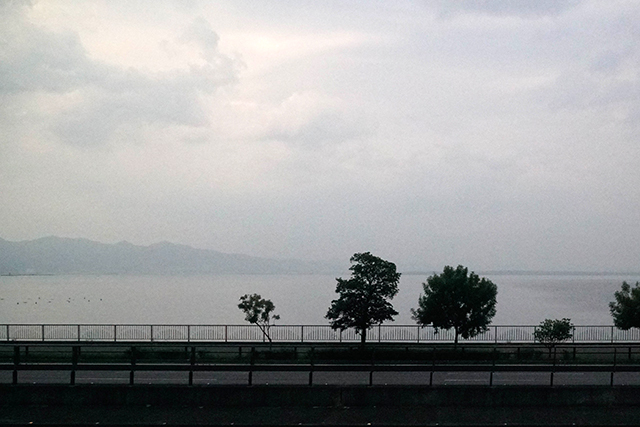
After a rest in the hotel room, we make the last use of our Northern Kyūshū Rail Pass to exchange our Southern Kyūshū Rail Pass at Ōita Station.
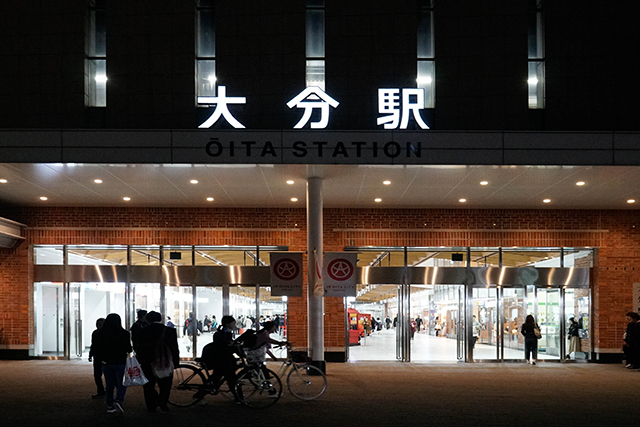
Since we planned to commence using the pass a few days later from Nobeoka Station, which is a smaller station that does not exchange JR passes, we had to make this trip as Ōita is the northernmost JR station on the east side of Kyūshū where the southern pass can be exchanged.
That said, it would seem that the majority of visitors exchange their southern Kyūshū passes on the east side of Kyūshū at Kumamoto as the staff at Ōita Station are not accustomed to exchanging JR passes. It took two members of staff a good 30-40 minutes to arrange for the exchange.
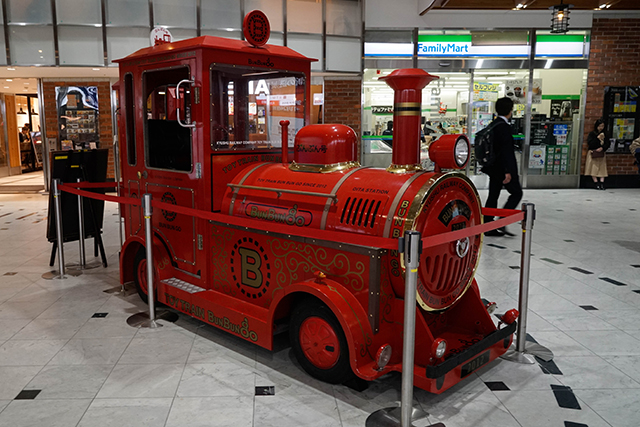
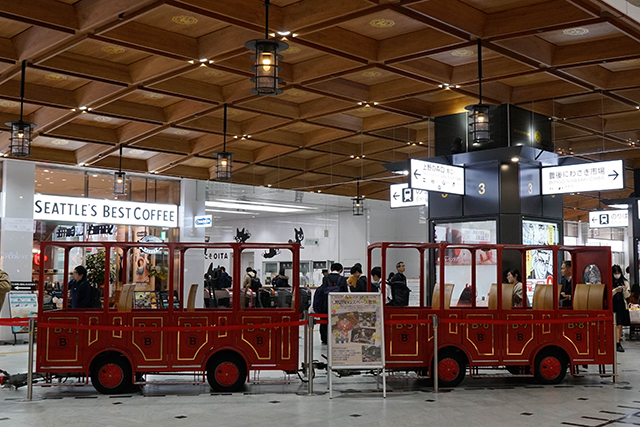
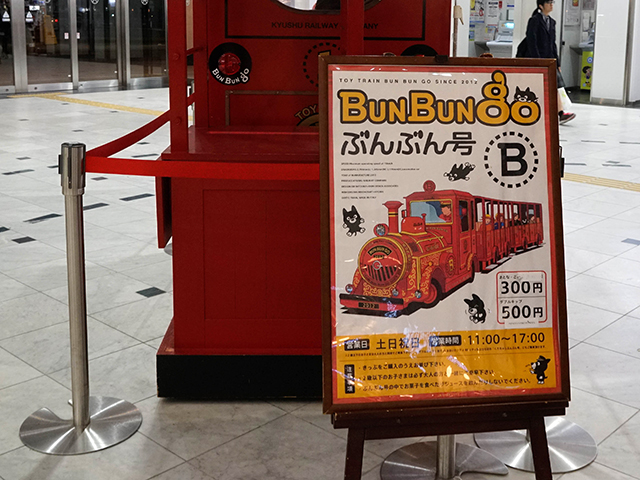
BunBunGo is a small train for kids and families that drives around the main concourse of Ōita Station between 11 am and 5 pm.
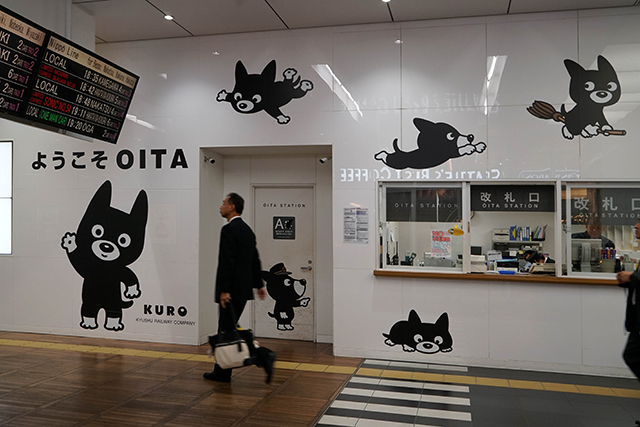
Kuro chan or Aso Kuroemon is a black puppy who is a mascot for the Limited Express Aso Boy! that is run by JR Kyūshū between Beppu and Aso Stations (and onward to Kumamoto Station before the 2016 earthquakes).
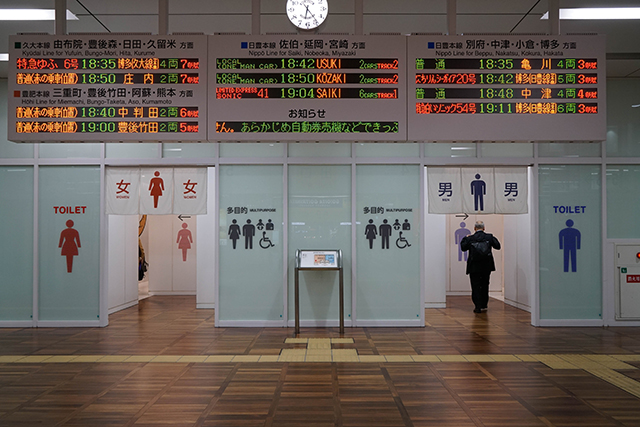
The toilets inside Ōita Station are onsen themed…
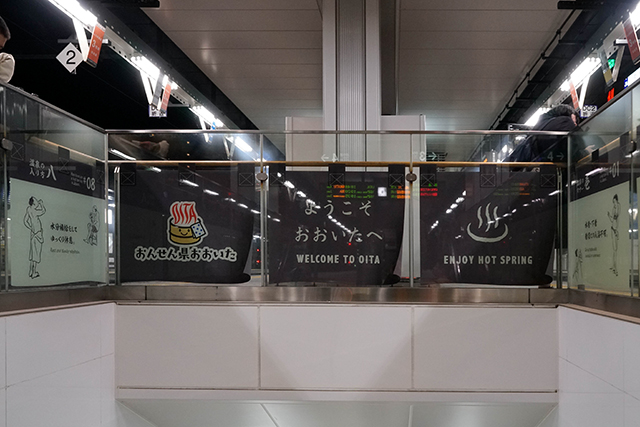
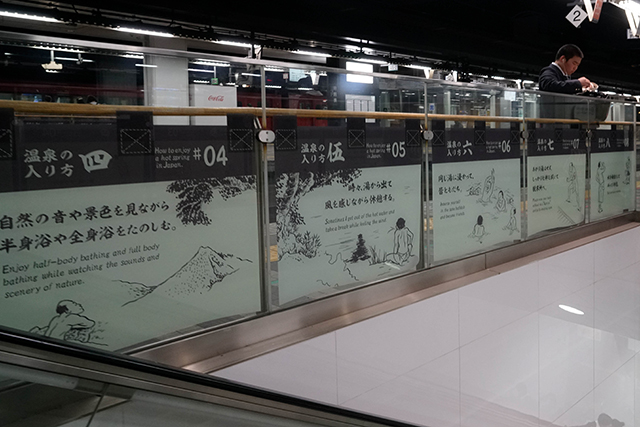
…while the panels decorating the glass panels on the platform have tips and illustrations on how to best enjoy onsen.
Pomme no Ki
ポムの樹, AMU Plaza Ōita 4F, 1-14 Kanamemachi, Ōita, 870-0831, Japan
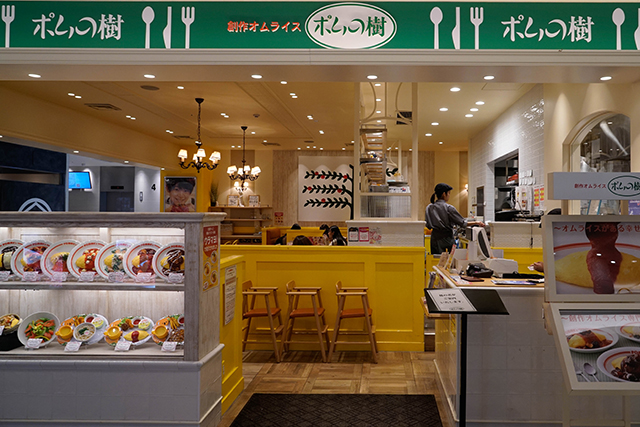
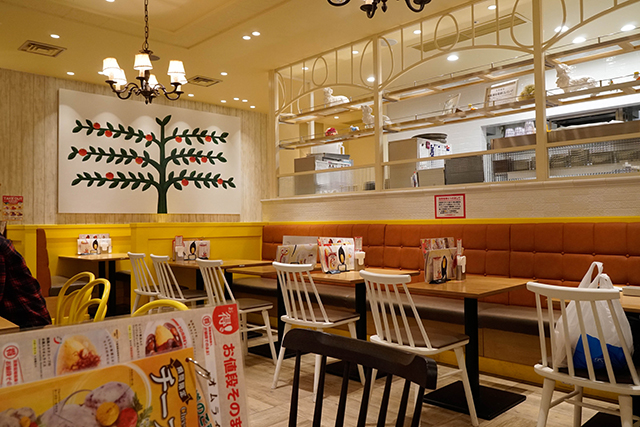
In the mood for some comfort food for dinner, we head into Pomme No Ki for omurice.
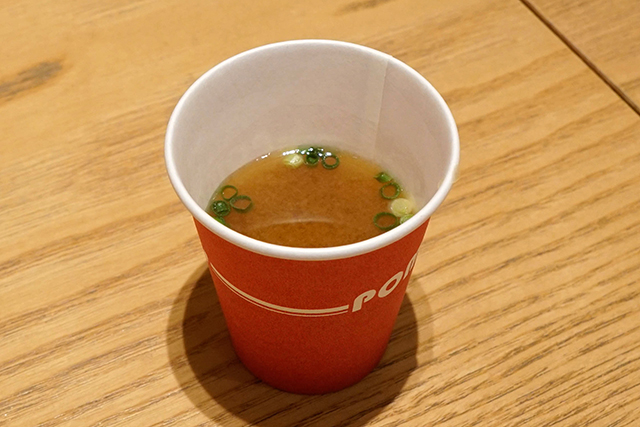
The branch at Ōita offers complimentary miso soup to start, which surprised us.
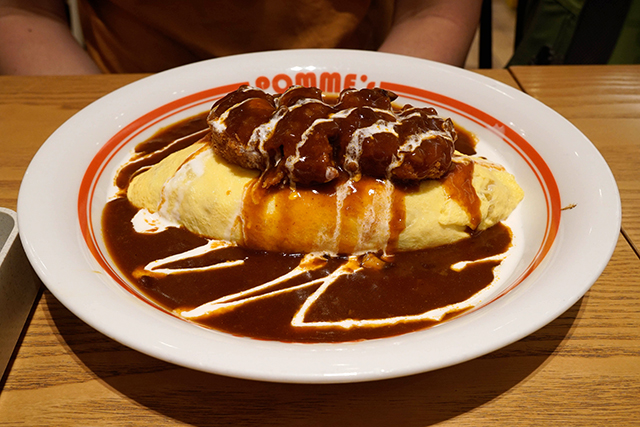
This is D’s Tonkatsu with Hayashi Sauce Omurice (S size, ¥1,404 including tax, with butter rice).
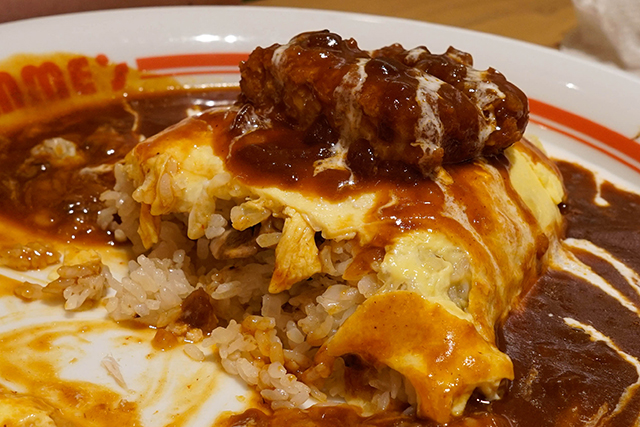
He enjoyed the smoothness of the omelette with the mushrooms in the rice, although lamented that the tonkatsu was not as crisp as it could’ve been on account of the sauce.
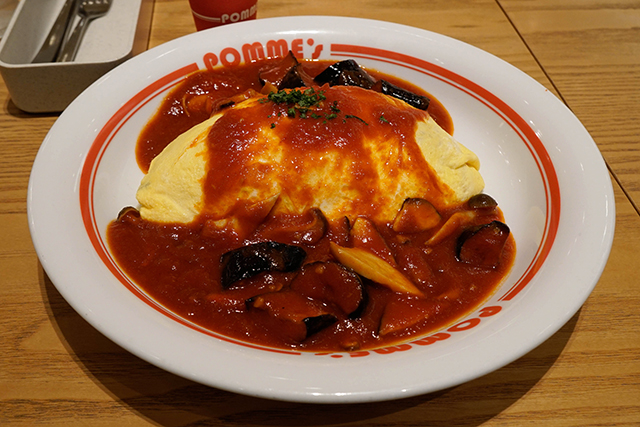
This is my Eggplant and Kinoko Mushroom Tomato Sauce Omurice (SS size, ¥993 including tax, with butter rice), which I order every time.
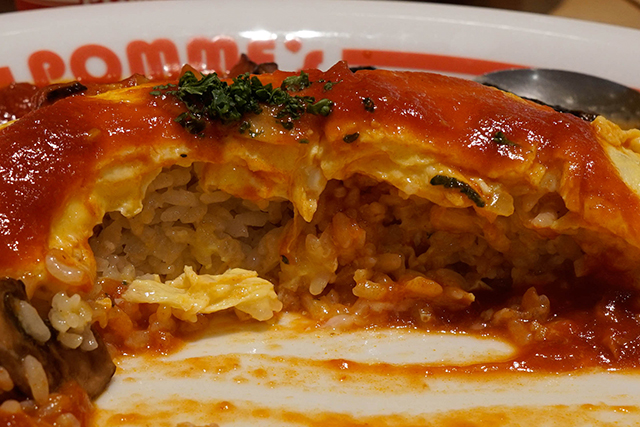
Something about the combination of tomato sauce with egg and rice is immensely comforting, while the eggplant and mushrooms soak up the flavour of both the tomato sauce and the butter (in the rice).
Coop Ōita
コープおおいた, AMU Plaza, 1-40 Kanamemachi, Ōita, 870-0831, Japan
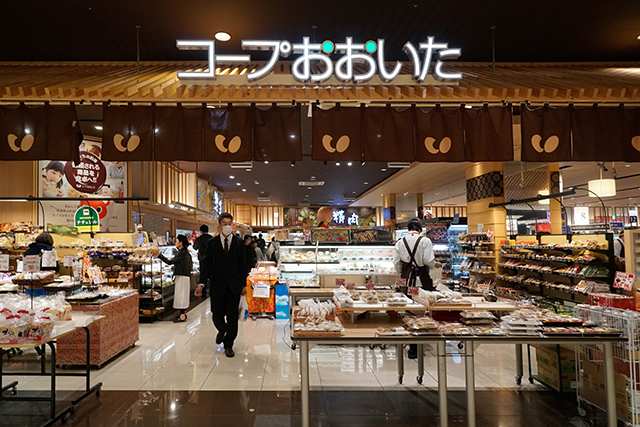
After dinner, we head down to the Coop supermarket for some midnight snacks.
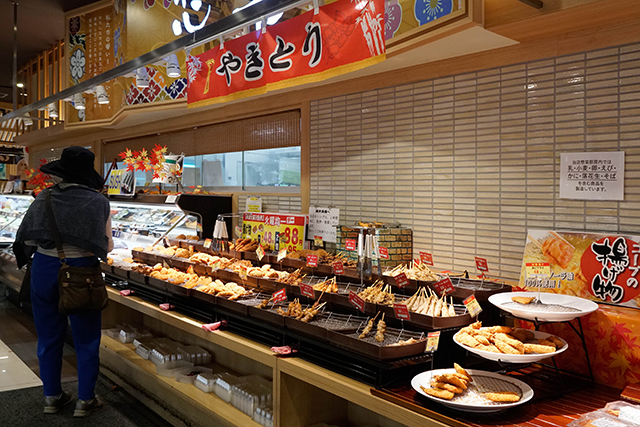
There’s a wide variety of deep-fried foods to choose from.
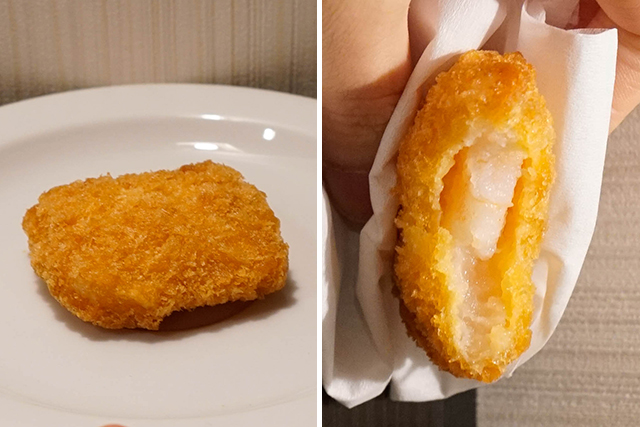
This was a Prawn Croquette, which impressed D with its visible prawn meat inside.
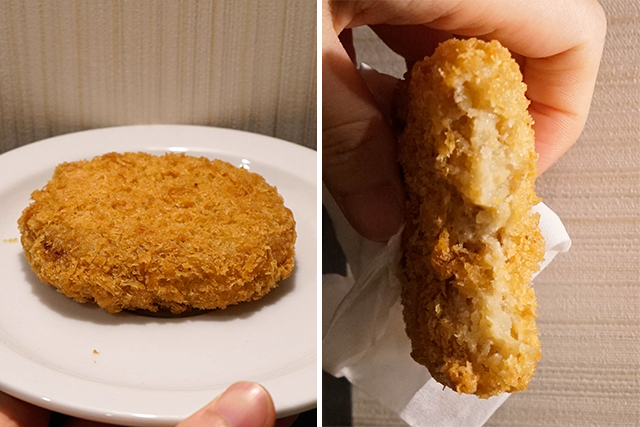
This is a Menchikatsu, which had an enjoyable savoury flavour from the beef mince and mashed potato.
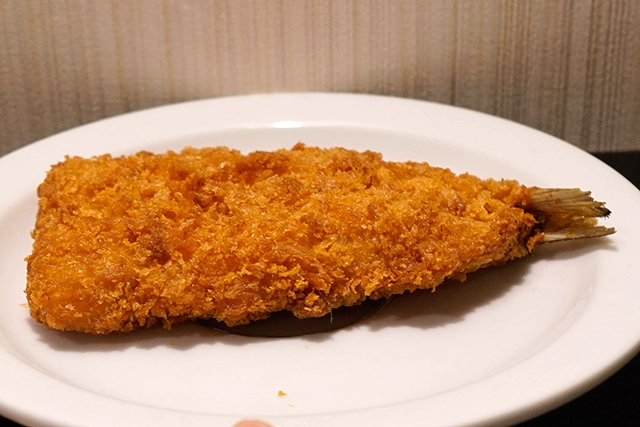
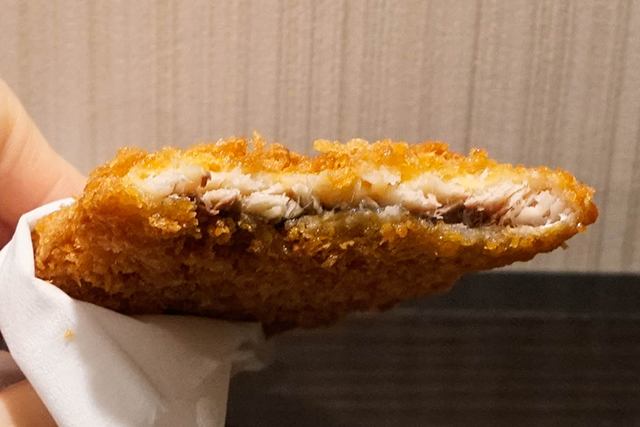
But it was this Kisu Katsu that impressed us the most, being essentially a filleted kisu that’s been battered and deep-fried, while retaining its flavour and texture.
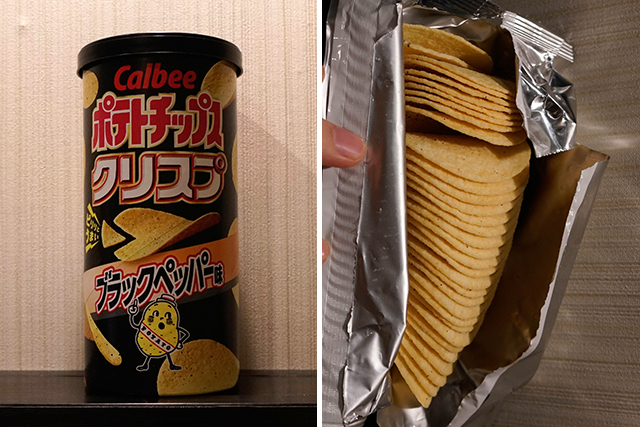
These Calbee Potato Chips Crisps in black pepper flavour tide over D’s penchant for something crispy. The black pepper is visible and came through on tasting, but we prefer the crispness of Chip Star.
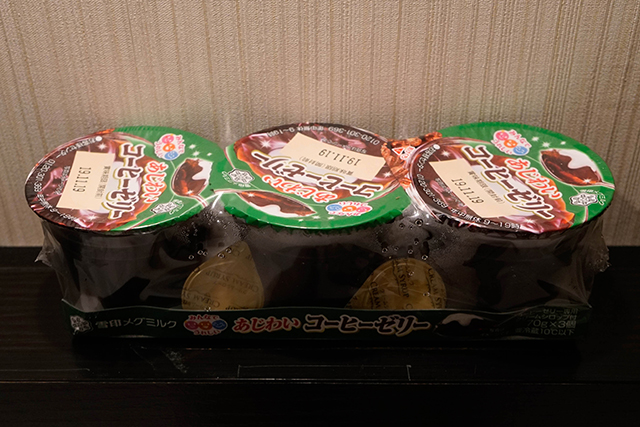
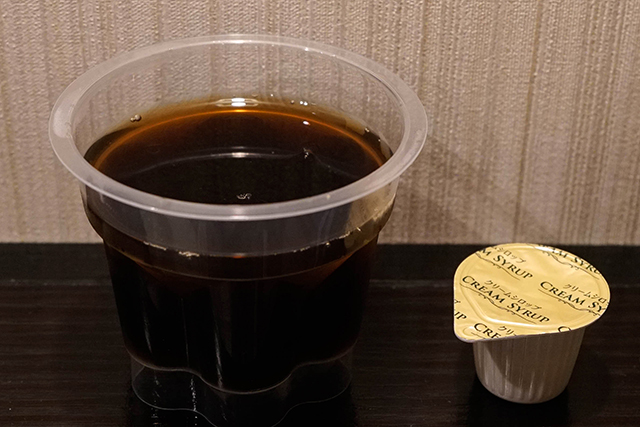
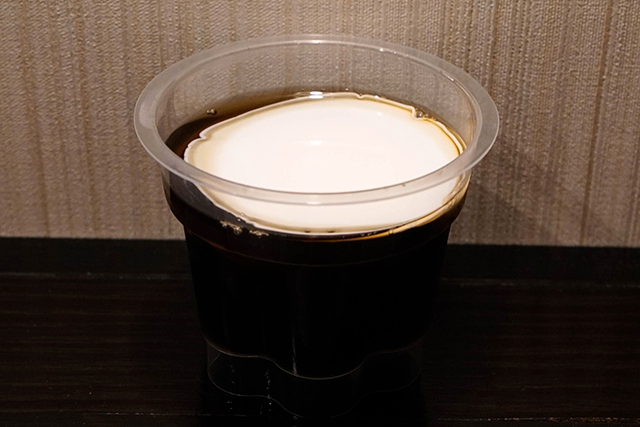
Coffee jelly is something we wish was more available in Australia. This is Ajiwari Coffee Jelly, which had a deep coffee flavour with just enough sweetness. The addition of the cream syrup rounded out any remaining bitterness from the coffee, which we felt interfered with the enjoyment of the coffee flavour in the jelly.
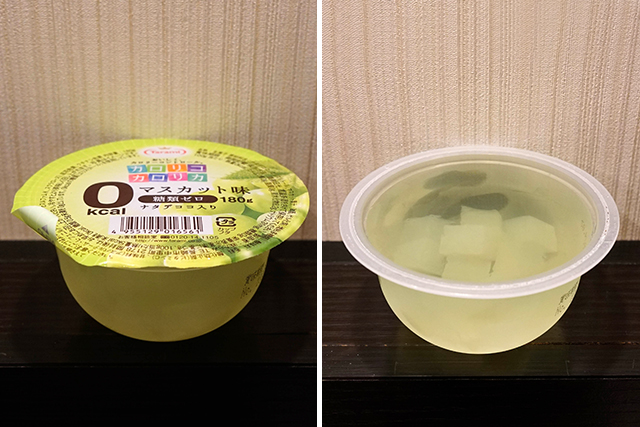
Along with coffee jelly, we like Japan’s fruit jellies. This is Tarami Muscat Jelly. The muscat flavour came through in the smooth jelly, while the konnyaku cubes are addictive, bouncy bites that add textural contrast.
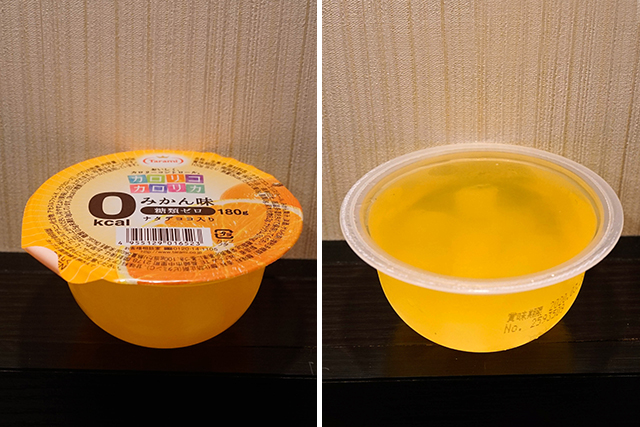
This is the Tamari Mikan Jelly, which has a bright and sweet mikan flavour along with the bouncy cubes of konnyaku.
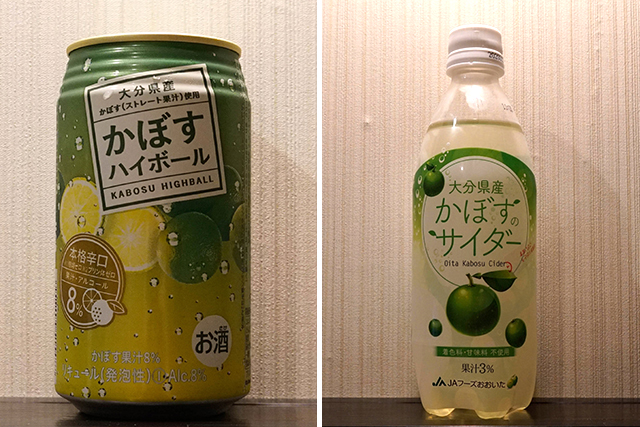
For drinks, we had a Kabosu Highball made with 8% kabosu from Ōita prefecture. While it contained a zesty kabosu flavour, the 8% alcohol content was too high to be enjoyable as it created a trace of bitterness and dry mouthfeel that recalled the pith in citrus fruits. To counter that, though, we had a Kabosu Cider containing 3% kabosu juice. It was a translucent pale yellow colour with a gentle zesty aroma. While it was nowhere near as intense as the kabonade that we enjoyed on the train in the morning, we did enjoy its more mellow sweet tartness to finish the evening.
Yufuin was Day 6 of 15 in this Japan 2019 trip around Kyūshū. Day 7 saw us visiting Beppu.