On our fourth day in Japan, we moved our base to Tōkyō via shinkansen (our favourite mode of travel) before settling into our hotel in Minato City and then revisiting the areas of Ueno and Asakusa in Taitō City.
Shin-Ōsaka, Ōsaka
Tabibento Ekiben Nigiwai
旅弁当 駅弁にぎわい エキマルシェ新大阪店, Eki Marché Shin-Ōsaka, 5 Chome-16-1, Nishinakajima, Yodogawa Ward, 532-0011 Ōsaka, Japan
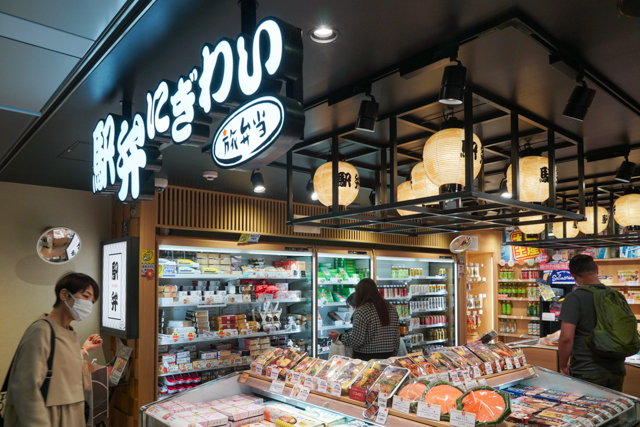
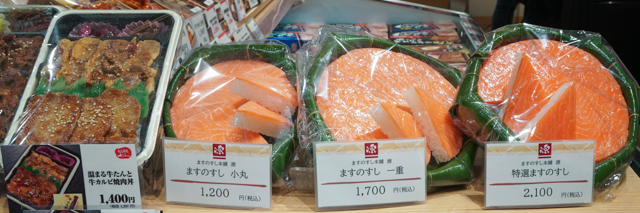
We explored our ekiben options at Tabibento Ekiben Nigiwai before deciding on Obento Tonkatsu KYK —
Obento Tonkatsu KYK
2F Arde Shin-Ōsaka, JR Shin-Ōsaka Station, 5 Chome-16-1 Nishinakajima, Yodogawa Ward, Ōsaka 532-0011, Japan
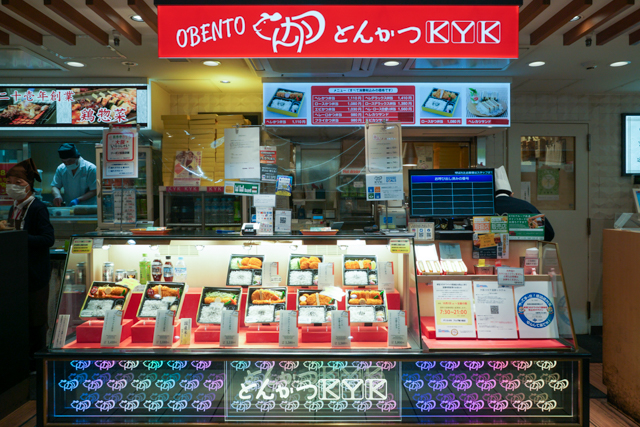
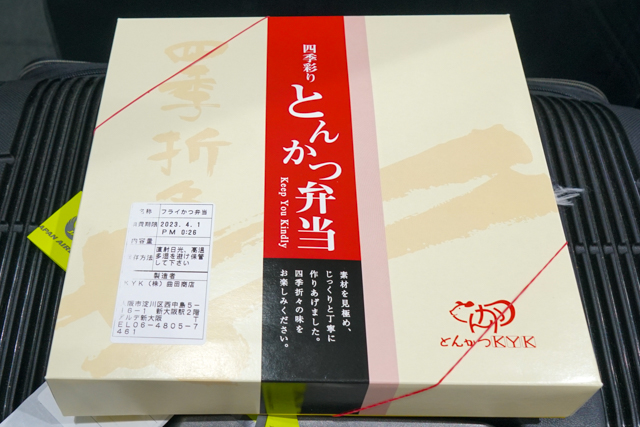
Tonkatsu KYK is a long-established tonkatsu restaurant in Ōsaka, and their shop inside JR Shin-Ōsaka gives travellers an opportunity to enjoy their specialty en route to their next destination.
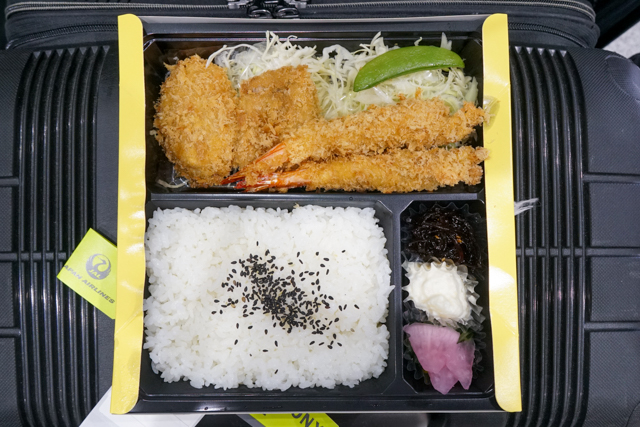
Fried Cutlet Bento (¥980, 2 x pork cutlet katsu, 2 x fried shrimp (small)). D thoroughly enjoyed his piping hot bento, which was fried to order. The pork cutlet and the shrimp were both juicy and fresh.
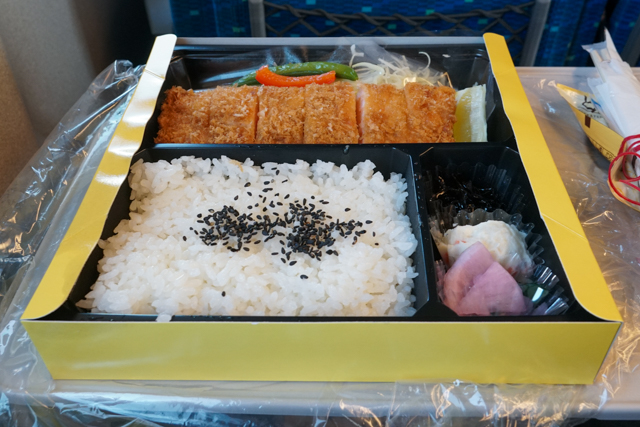
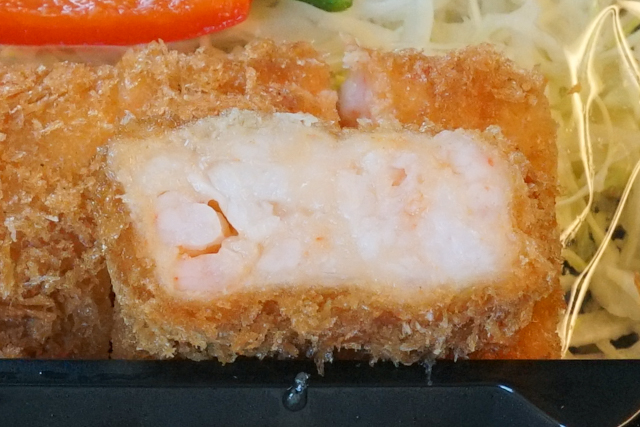
Shrimp Cutlet Bento (¥1,030). I also enjoyed the real pieces of shrimp, which were plump and juicy.
Mister Donut
2F Arde Shin-Ōsaka, JR Shin-Ōsaka Station, 5 Chome-16-1 Nishinakajima, Yodogawa Ward, Ōsaka 532-0011, Japan
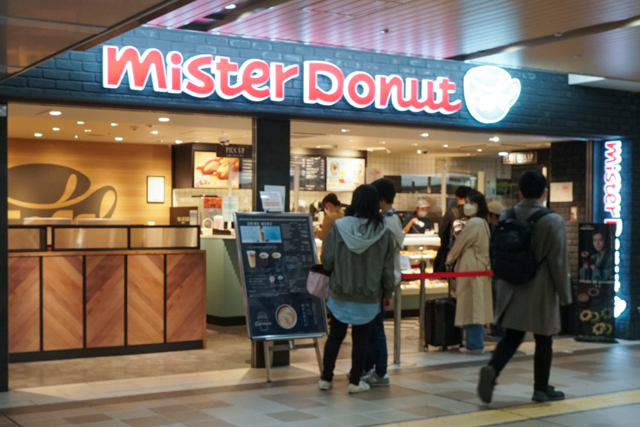
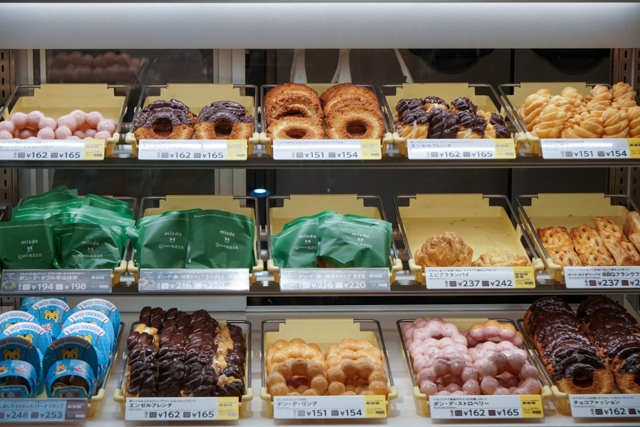
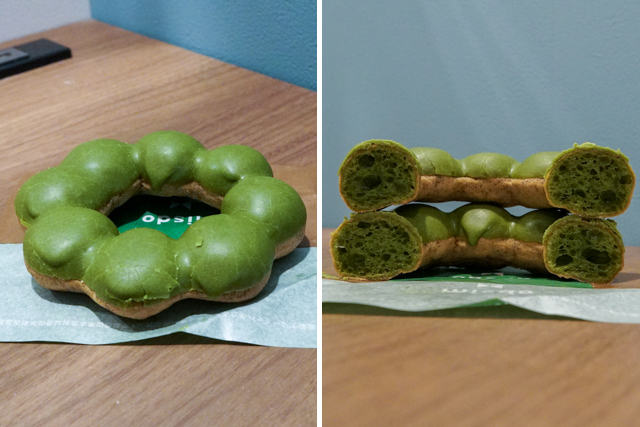
At this store, we found the remaining doughnut from Mister Donut’s collaboration with Kyōto-based tea house Tsujiri, the Pon de Double Uji Matcha (¥194, takeout). It consisted of a matcha-flavoured pon-de-ring mochi doughnut dipped in matcha-flavoured chocolate.
Its squished appearance was on us as we received it in perfect condition. This doughnut delivered an intense matcha flavour, with a double matcha hit from the matcha chocolate coating and the matcha dough itself. It celebrated matcha with an unapologetic matcha flavour. We prefer the more pared-back matcha flavour of the other doughnuts in the series.
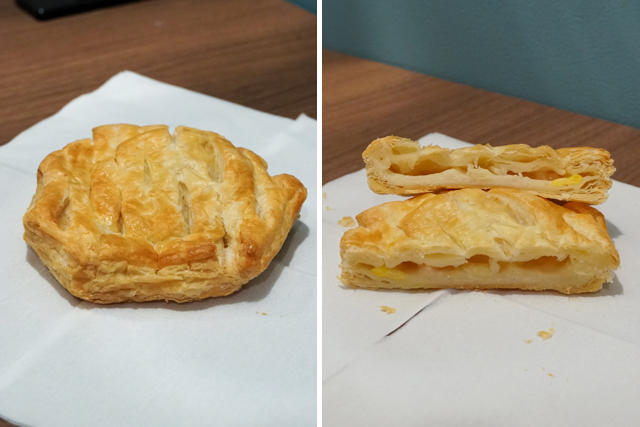
We also picked up the Ebi Gratin Pie (¥237, takeout). It was rich, creamy, and buttery, although we’d have enjoyed more shrimp in the filling.
Eki Marché Shin-Ōsaka
Inside conventional line ticket gate, JR Shin-Ōsaka Station, 5 Chome−16−1, Nishinakajima, Yodogawa Ward, 532-0011 Ōsaka, Japan
Shinkansen Tracks
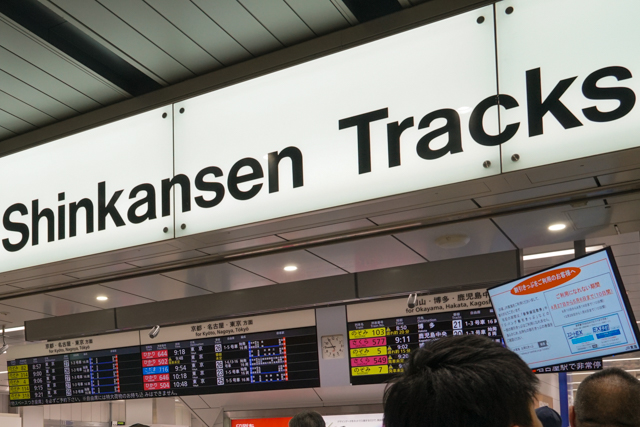
We chanced upon a delay on the shinkansen trains due to the emergency stop being activated in Nagoya and the ensuing safety checks.
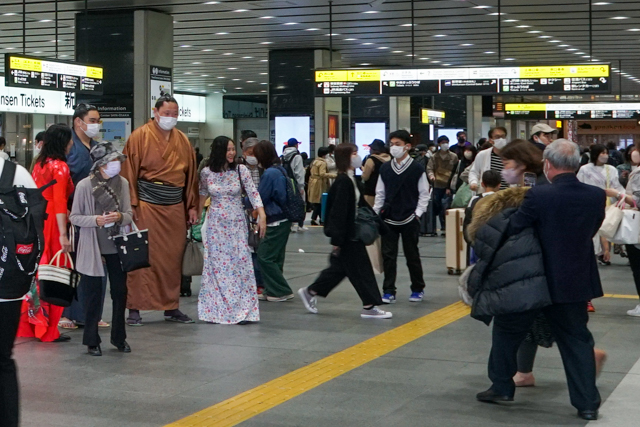
While we waited for our train to come up on the board, we amused ourselves watching some Vietnamese tourists taking selfies with transiting sumo wrestlers.
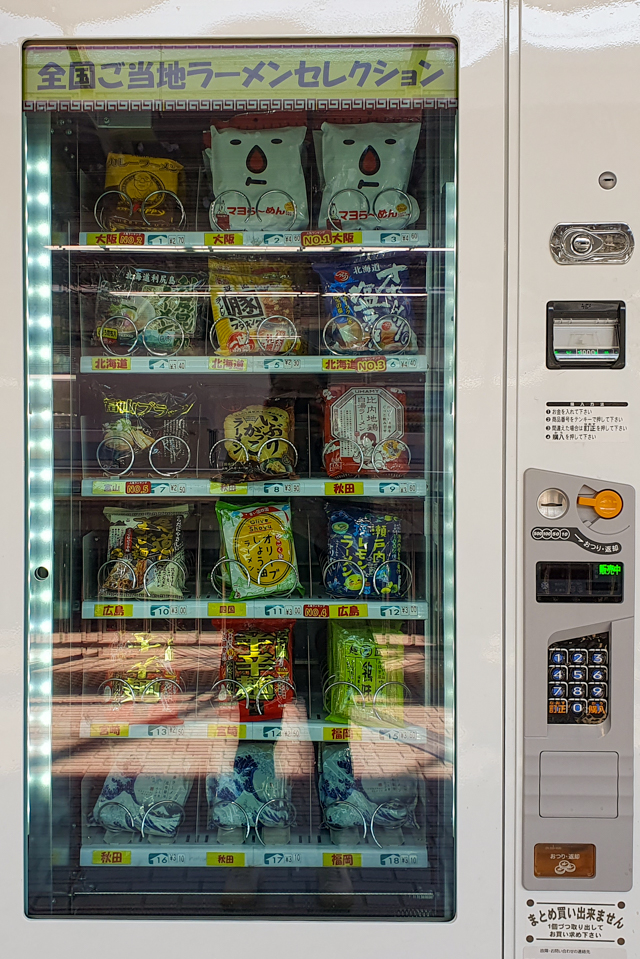
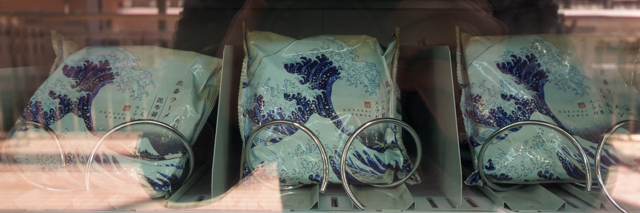
On our platform, we found a vending machine with various types of instant ramen from different regions.
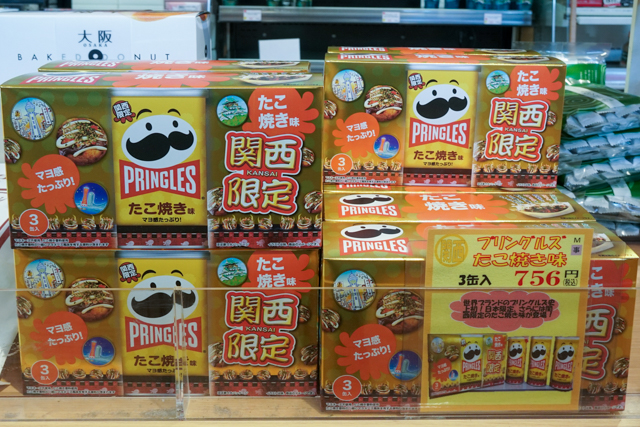
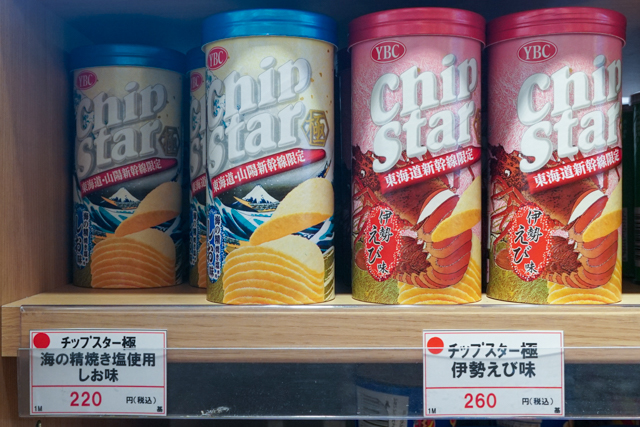
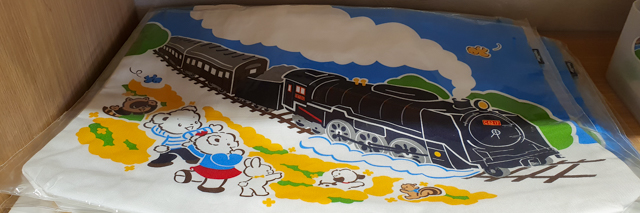
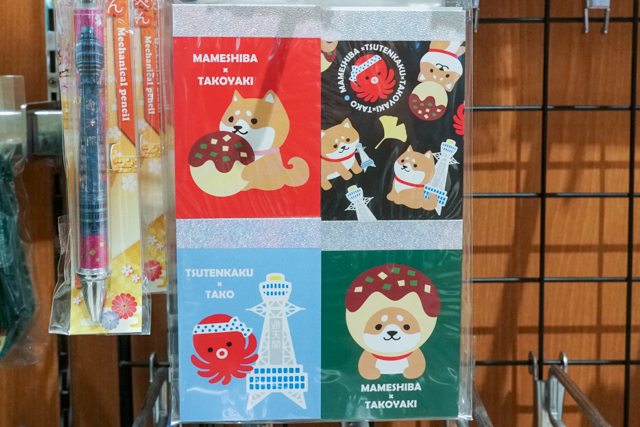
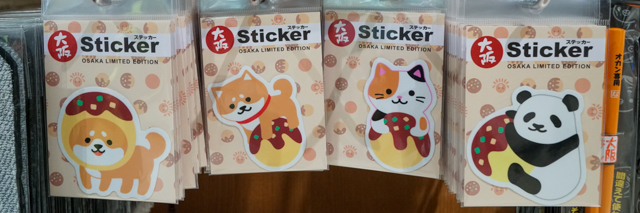
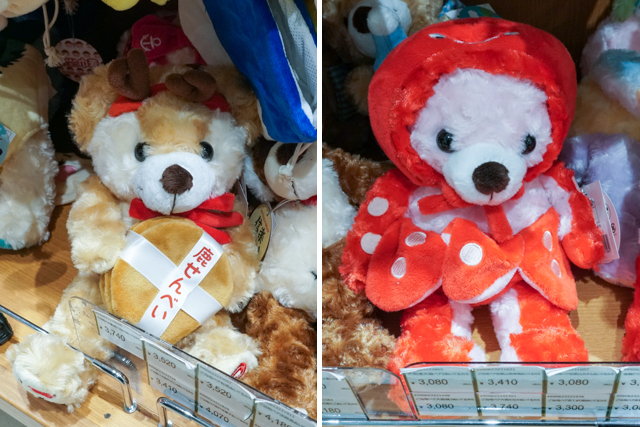
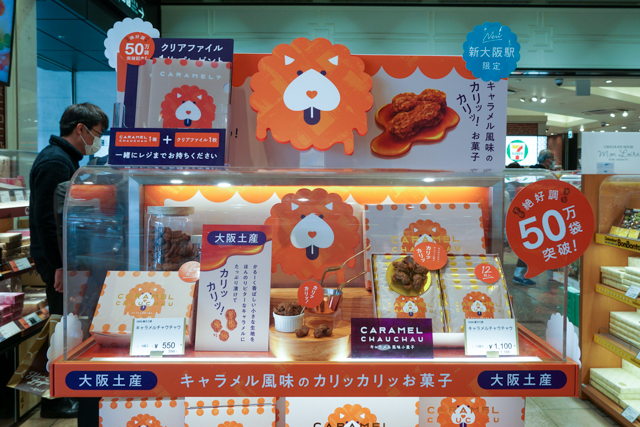
The store on the platform also stocked various Ōsaka limited flavours of popular snacks.
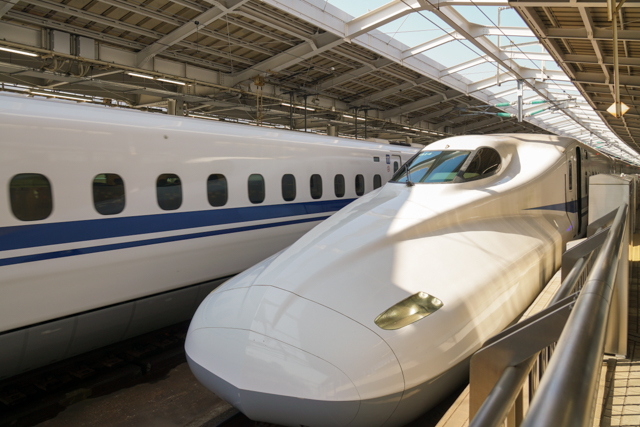
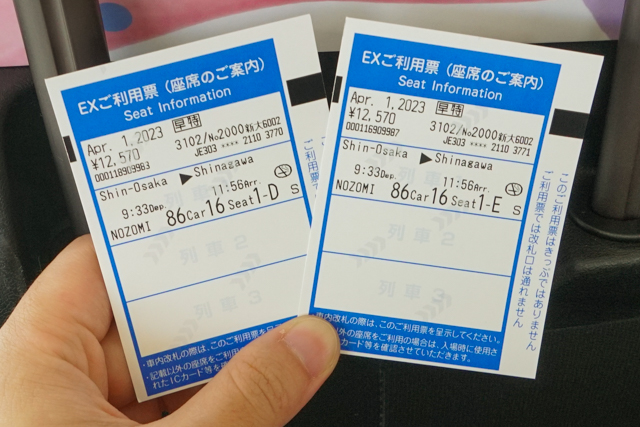
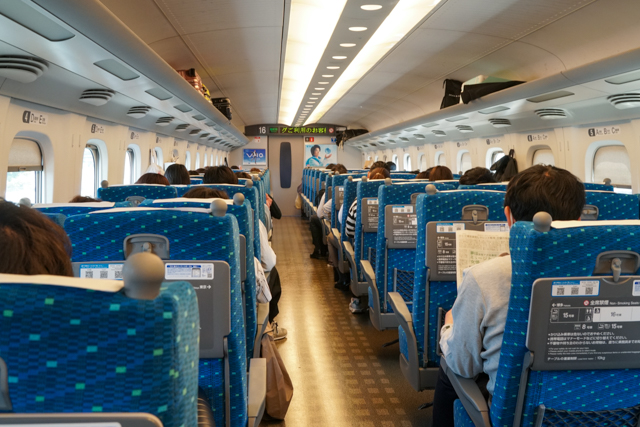
Since early 2023, the major shinkansen services in Japan required those travelling with oversized luggage to reserve special seats with space for their suitcases prior to boarding. While we arranged this ahead of time, it didn’t stop other tourists who had not had the foresight from trying to fill the space with their luggage before we got to our seats to claim the space. Thankfully, there was multi-lingual signage indicating the space was for the exclusive use of those with booking reservations.
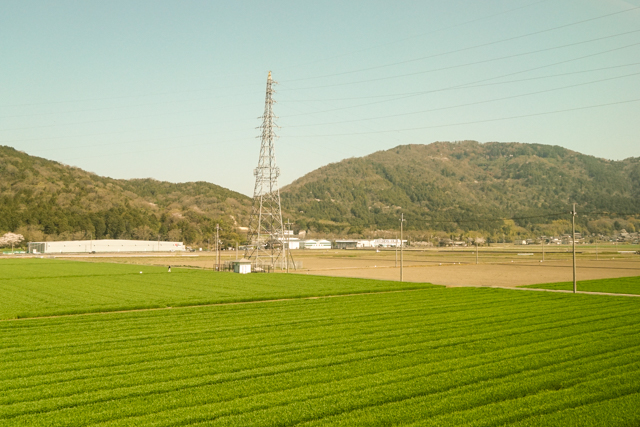
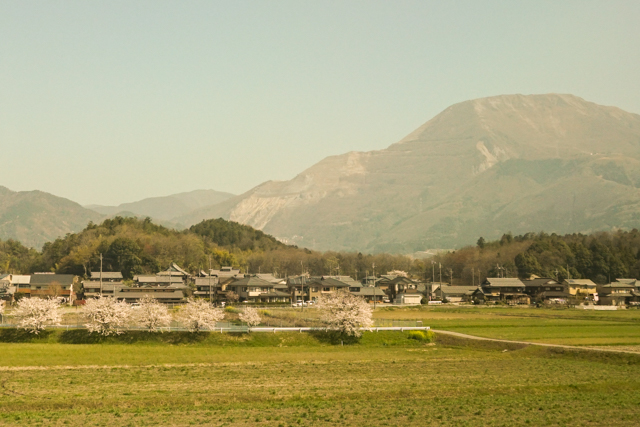
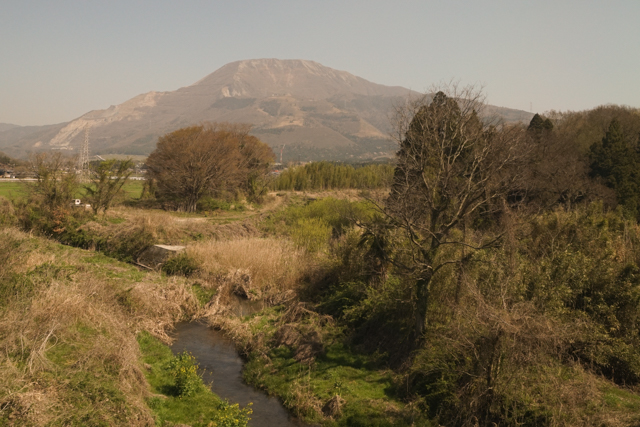
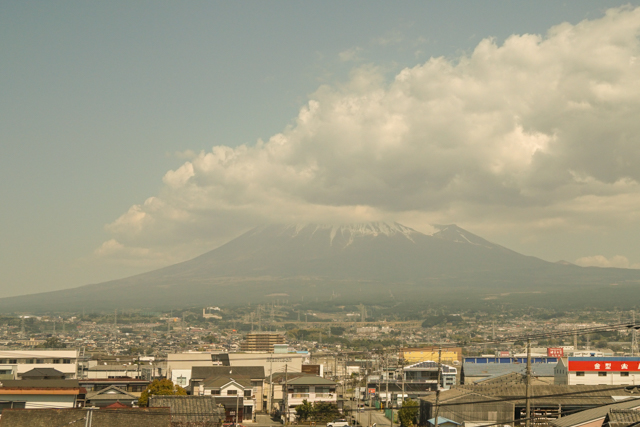
Mt Fuji was a bit shy.
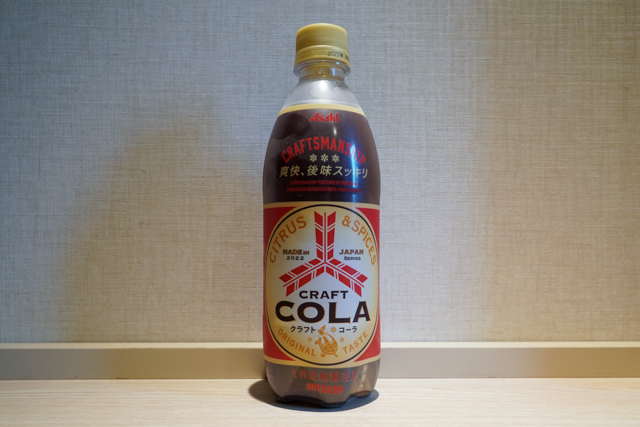
We enjoyed the Asahi Mitsuya Craft Cola. The craft element added complexity to the cola flavour without being overtly spiced.
Minato City, Tōkyō
Shinbashi
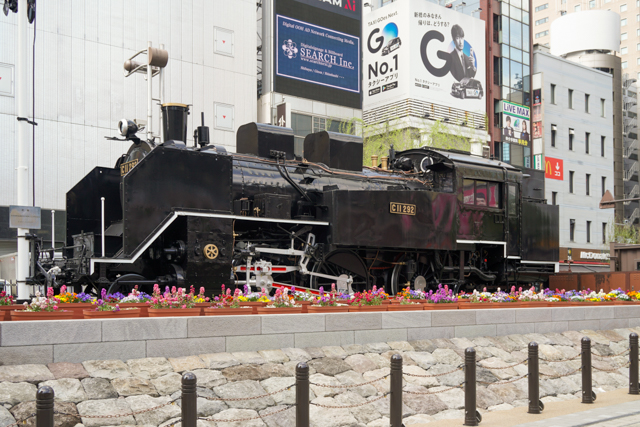
This steam locomotive train located outside the West Entrance of Shinbashi Station is a real C11-292 type of train used from 1945 to 1972. It blows a whistle three times a day.
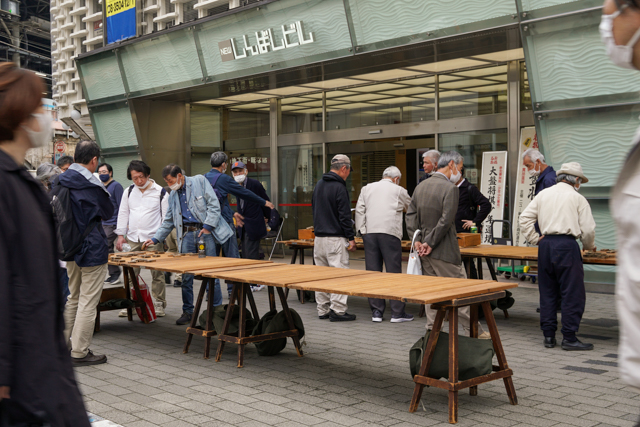
Across the square, we encountered a bunch of ojisan in some heated shogi matches.
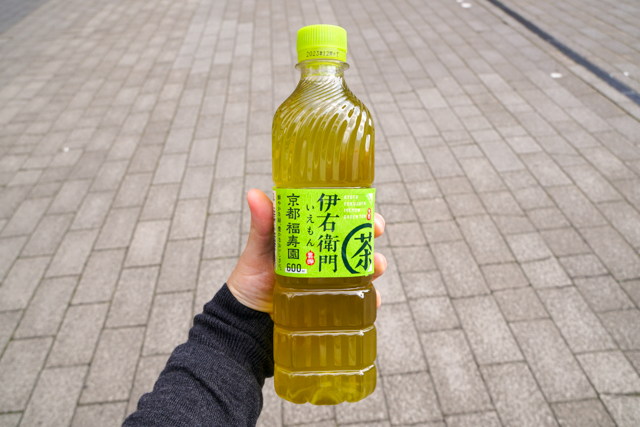
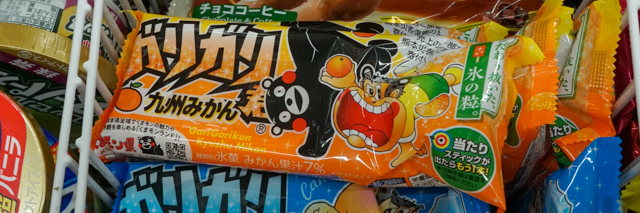
We popped into the convenience store for a quick drink (Iyemon Kyōto Fukujuen) and to check out their selection of ice cream.
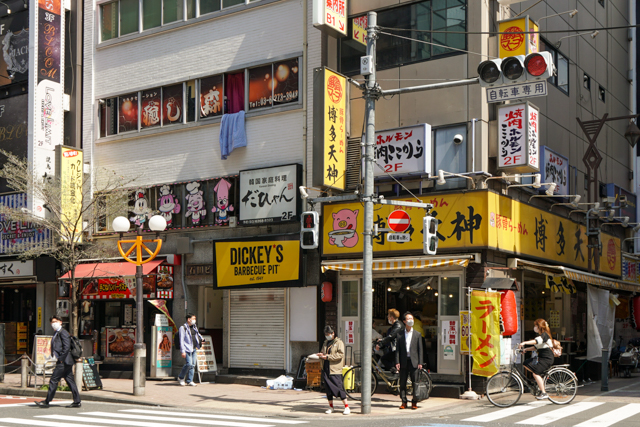
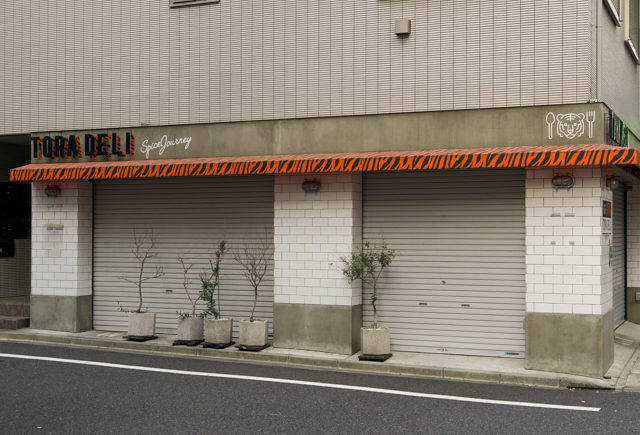
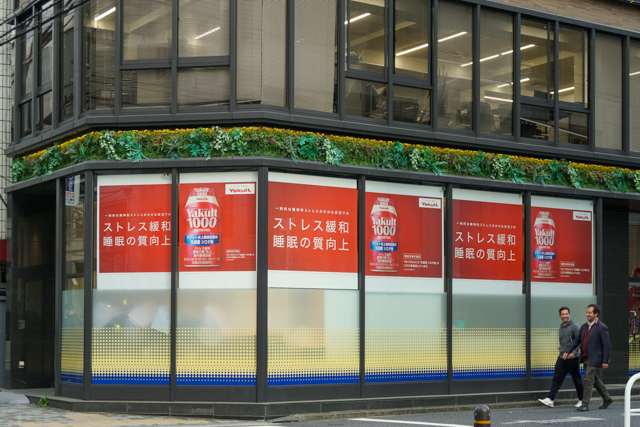
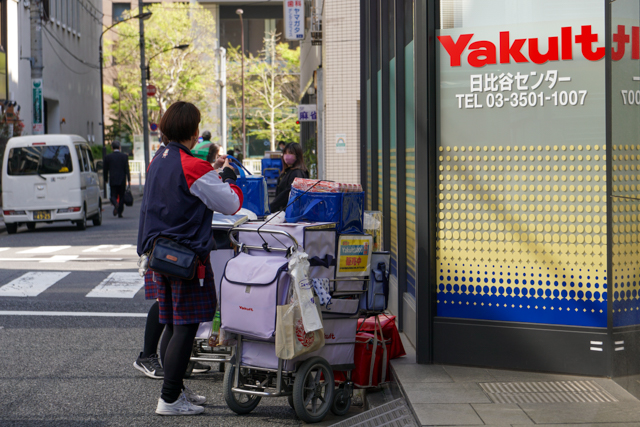
Around the corner from our hotel was a Yakult distribution centre servicing the numerous offices around Shinbashi. We encountered the ladies with their trolleys on weekday mornings.
the b shimbashi
the b shimbashi, 1 Chome-17-13 Nishishinbashi, Minato City, Tōkyō 105-0003, Japan
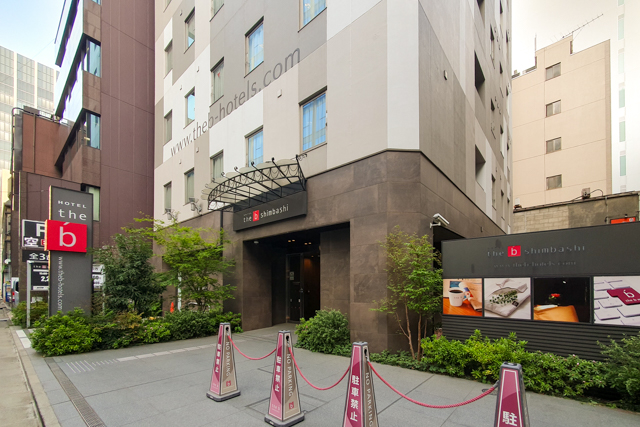
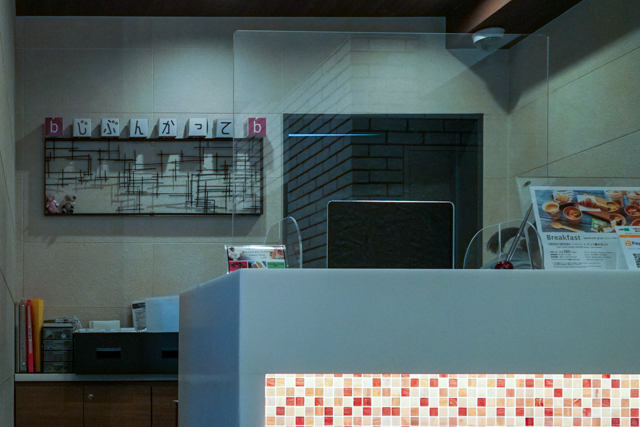
We stayed at the b shimbashi for our time in Tōkyō. It was a convenient 6-minute walk to Shinbashi or Toranamon Stations. Located in an area with plenty of salary men, there were plenty of decent restaurants a short walk away.
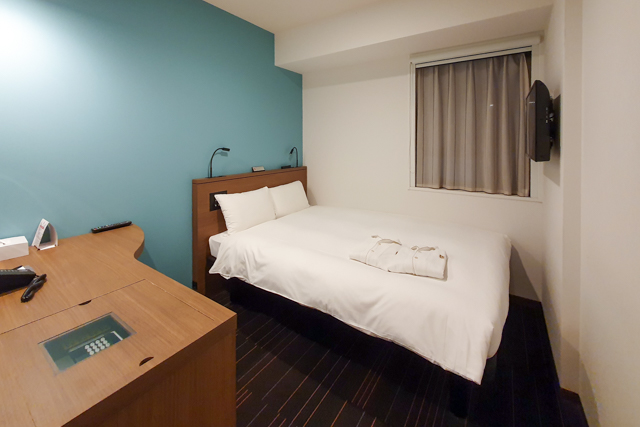
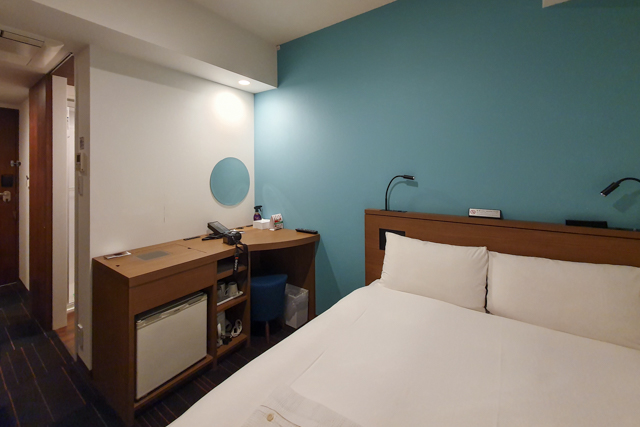
The rooms were recently furnished, with the doona being soft and fluffy, the pillows being decently firm — the best of our trip so far — while the towels were reasonably thick. The bed was hard, but it was acceptable and preferable to being too soft or saggy.
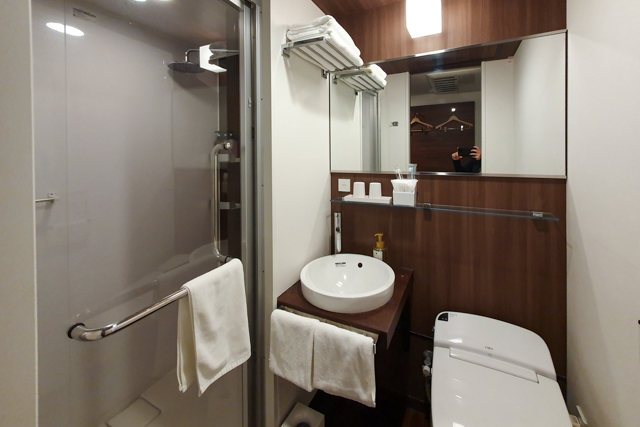
We enjoyed the modern layout of the bathroom with the walk-in shower. The hotel only had one coin-operated washing machine. We’d already washed out clothes in Ōsaka, but it may have been tricky finding a time when the washing machine is free. (We’ve woken up at 4 AM to do the washing before).
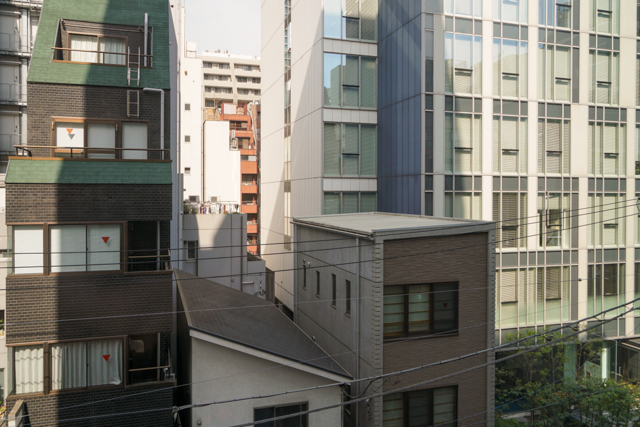
The view out the window was rather unspectacular.
Ueno
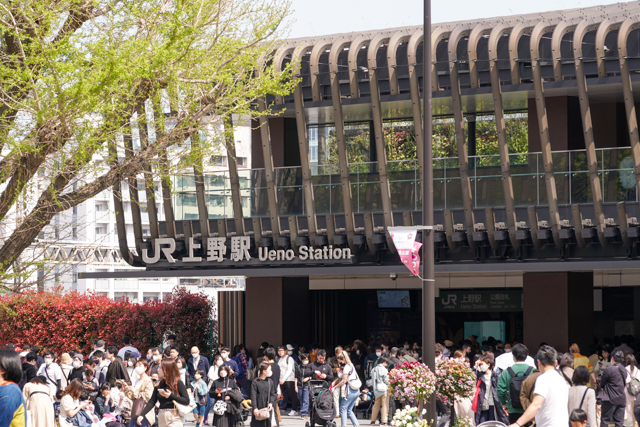
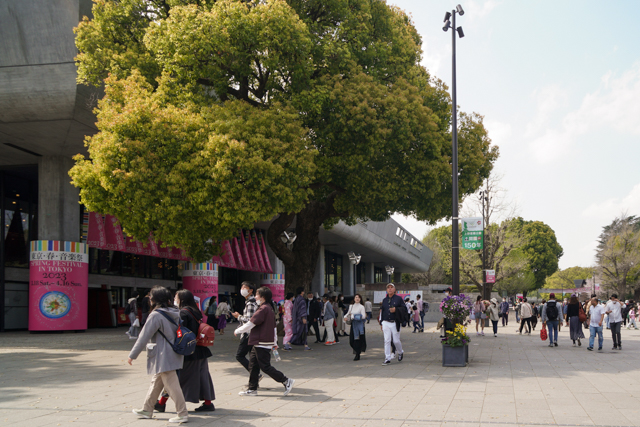
Ueno Park
上野恩賜公園, Uenokoen, Taitō City, Tōkyō 110-0007, Japan
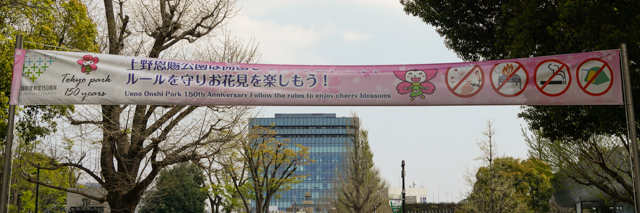
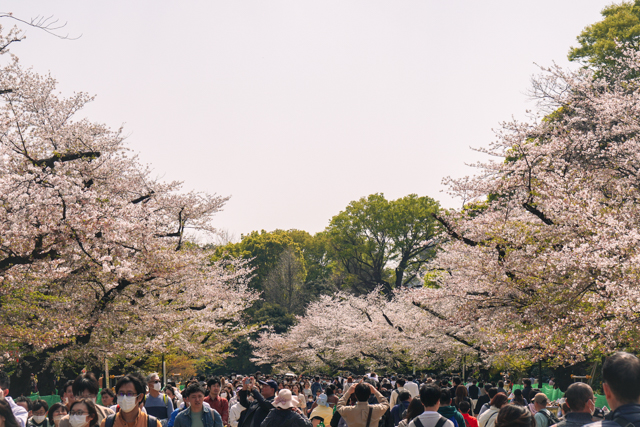
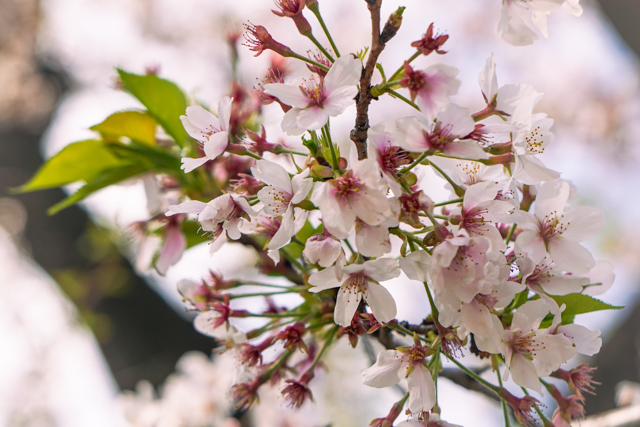
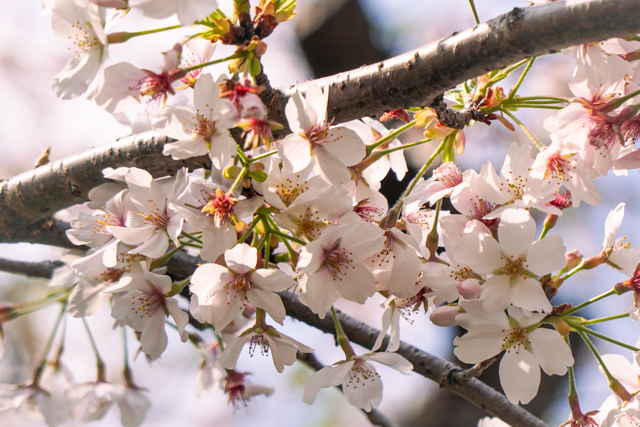
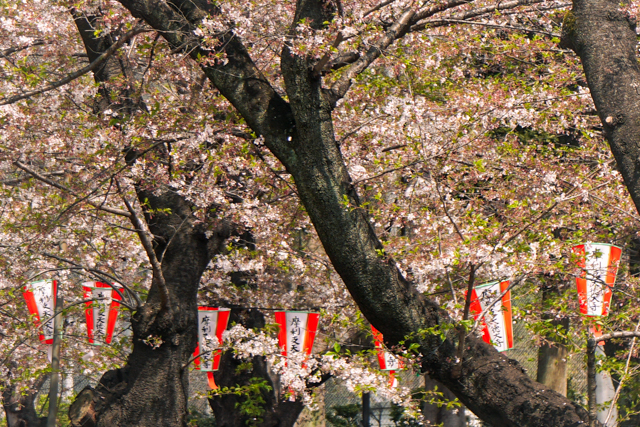
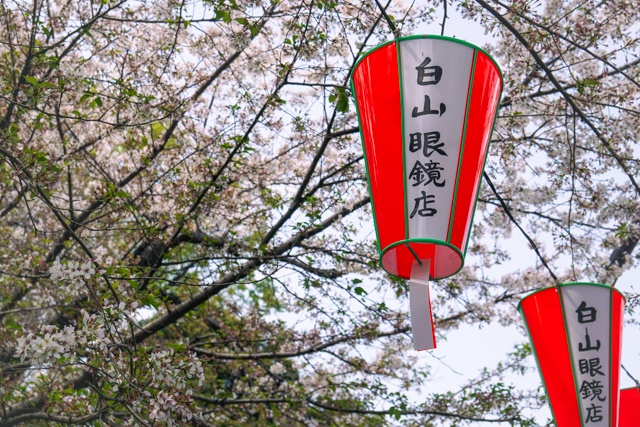
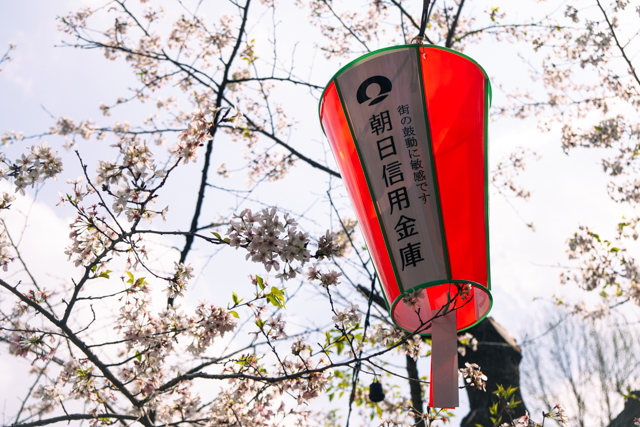
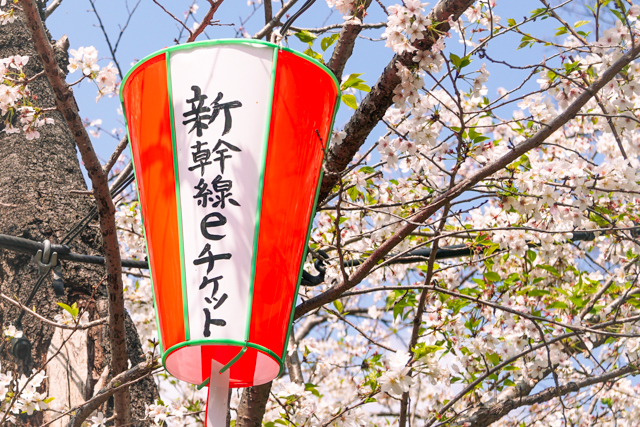
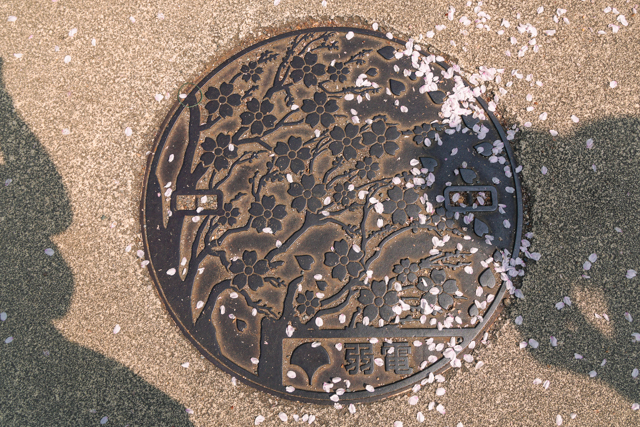
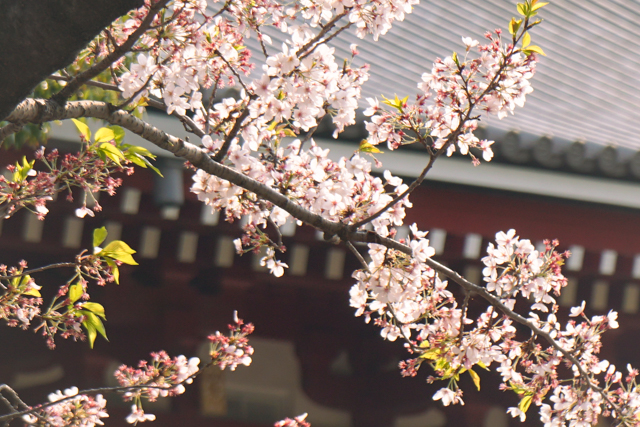
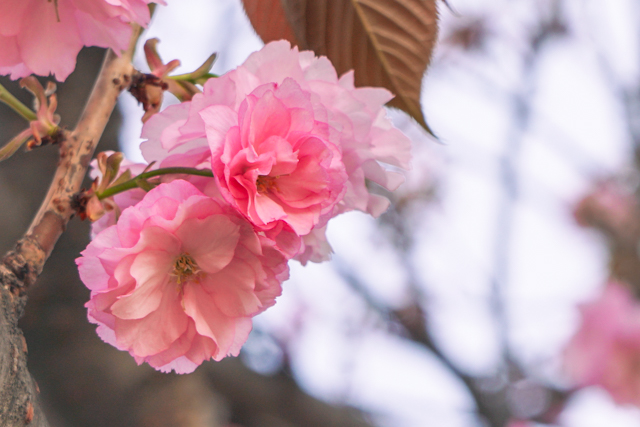
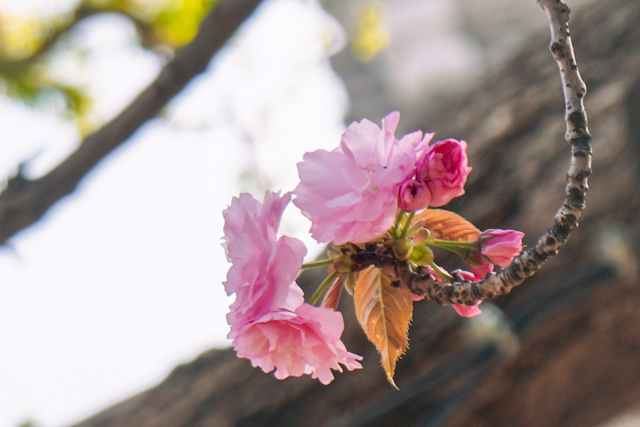
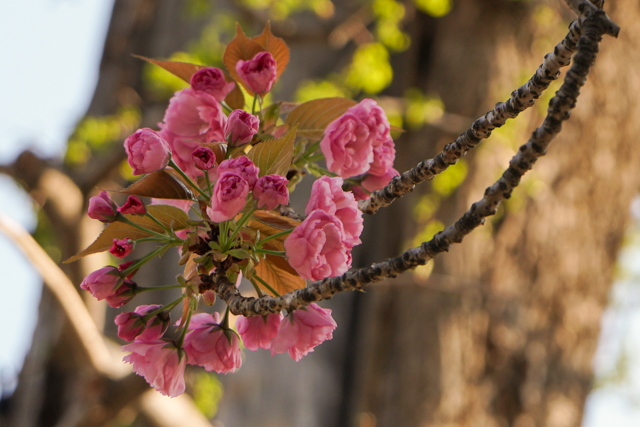
After dropping off our luggage at the hotel, we headed to Ueno Park to see the last of the cherry blossoms, which were over a week past their prime. Regardless there were plenty of people with blankets holding their own private hanami parties. The crowds (on a weekend) walking up and down the main walkway were also immense.
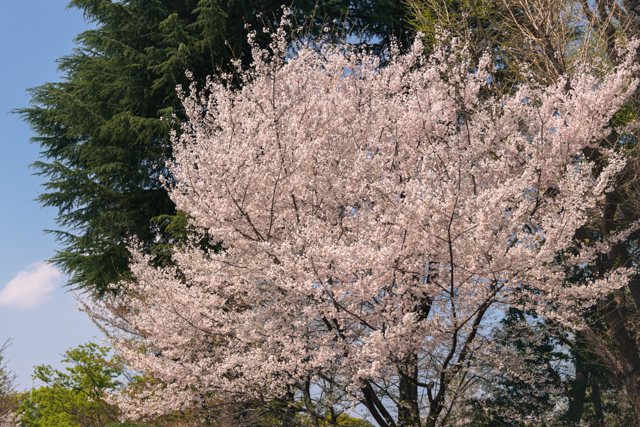
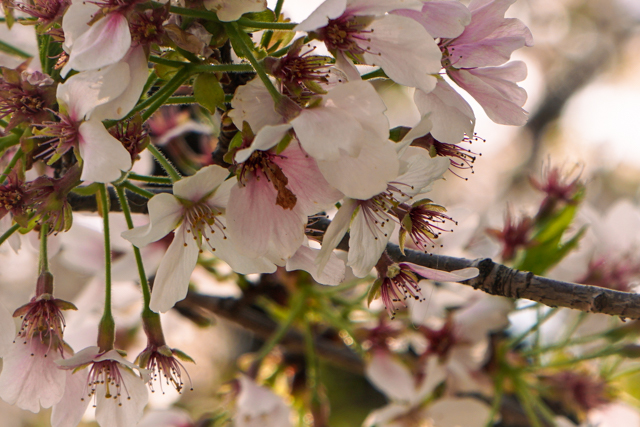
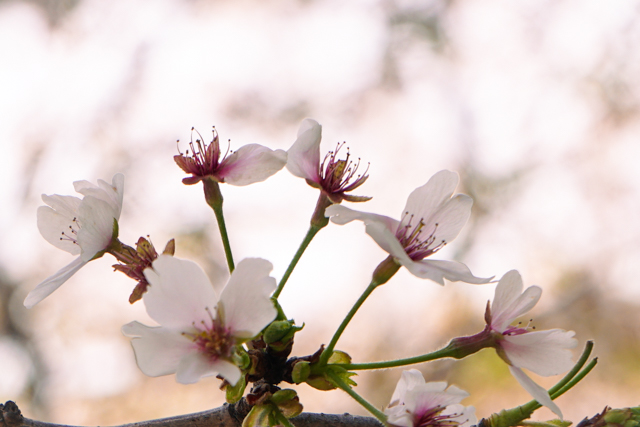
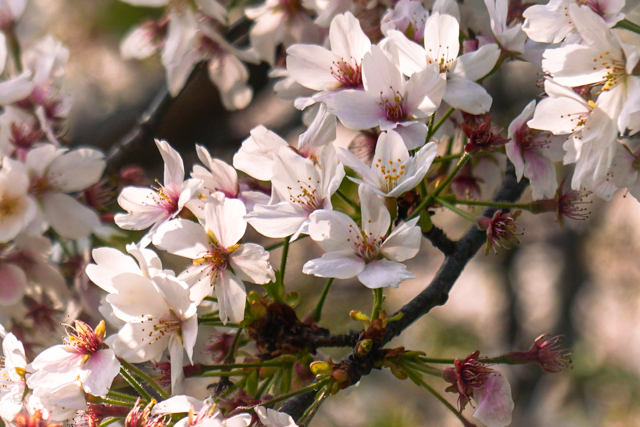
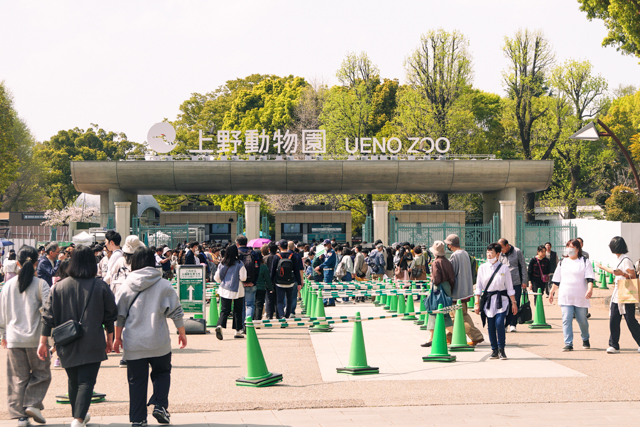
The queue control for Ueno Zoo was impressive.
atré Ueno
アトレ上野, 7 Chome-1-1 Ueno, Taitō City, Tōkyō 110-0005, Japan
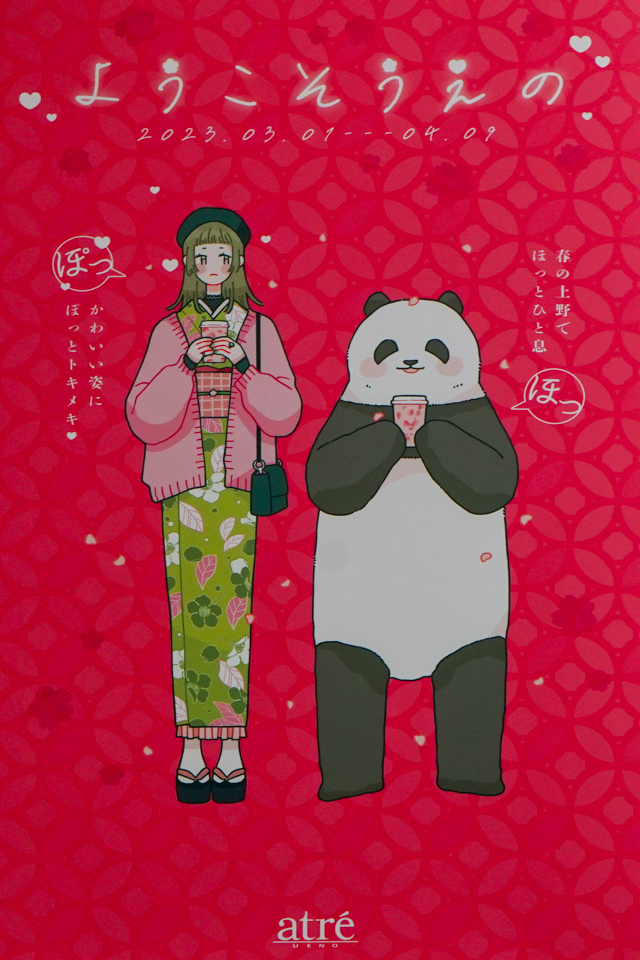
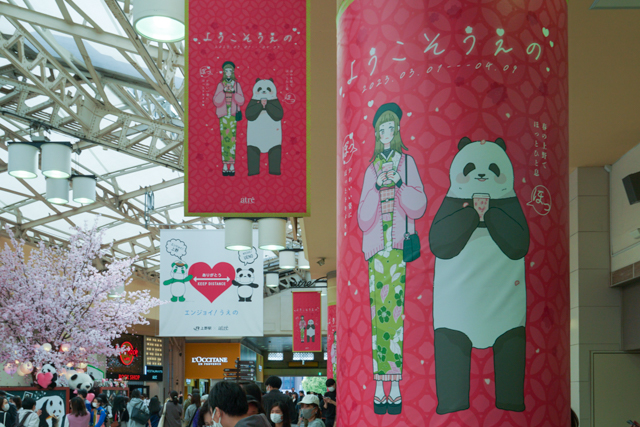
We headed towards Asakusa to take a break from the crowds at Ueno Park and stumbled into atré Ueno.
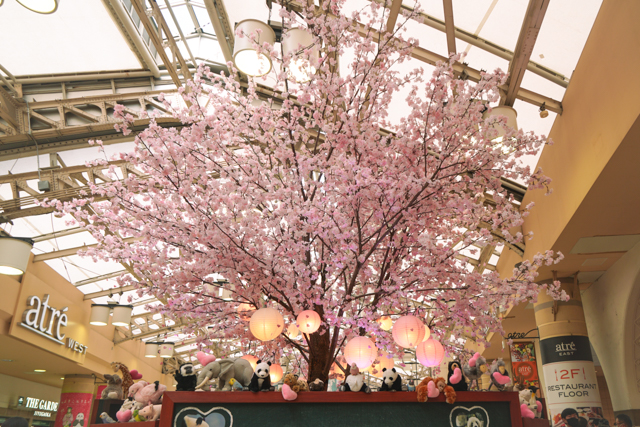
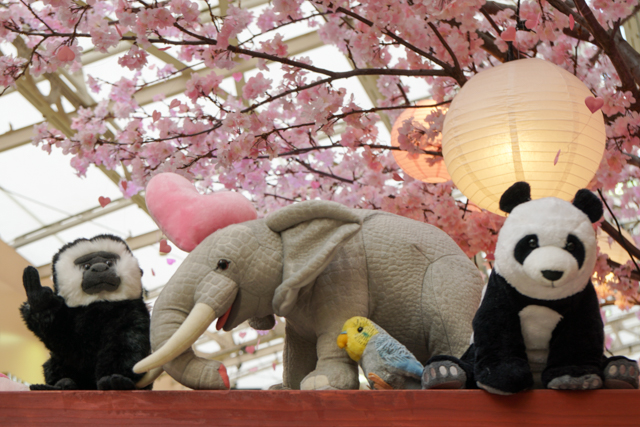
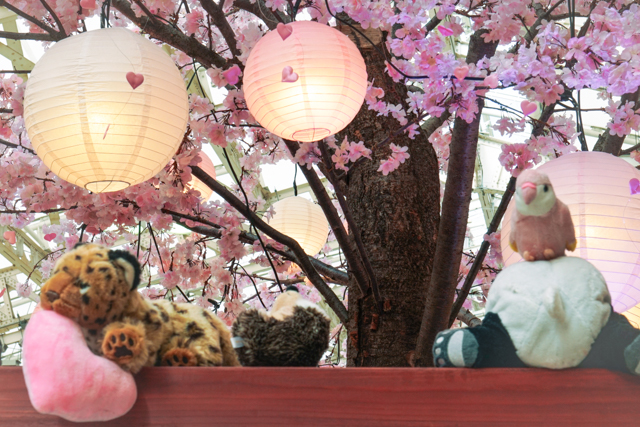
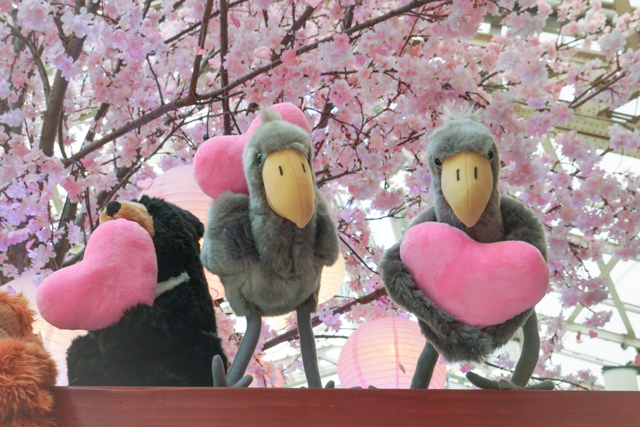
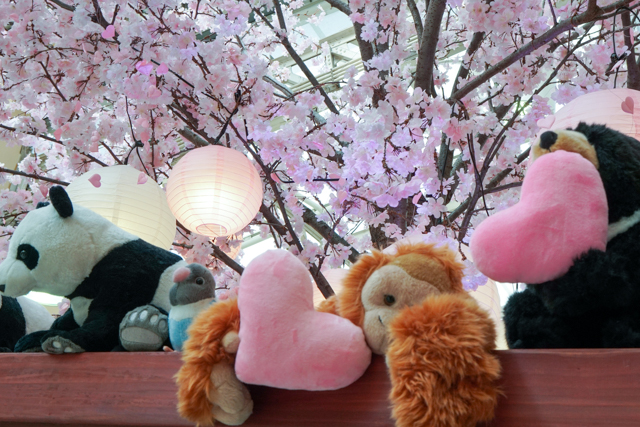
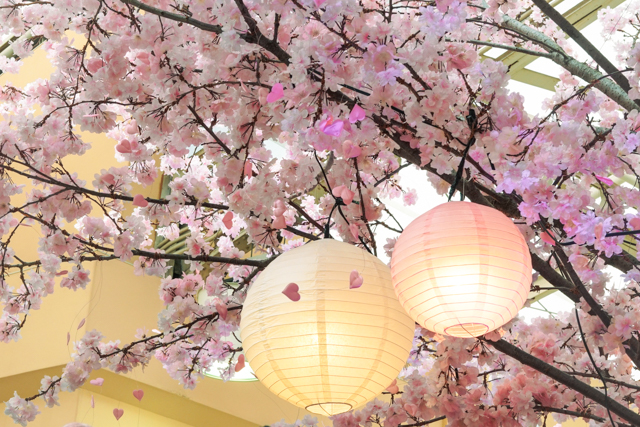
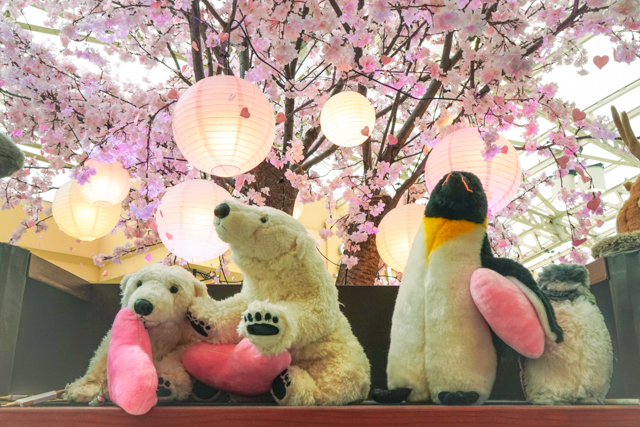
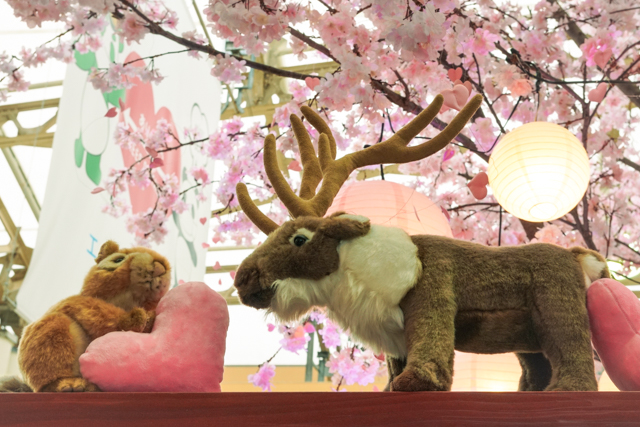
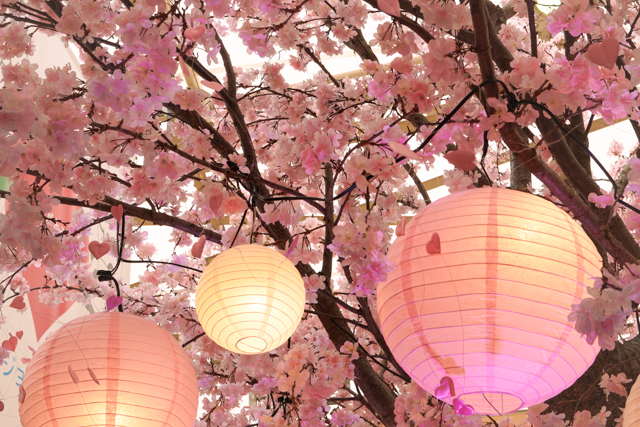
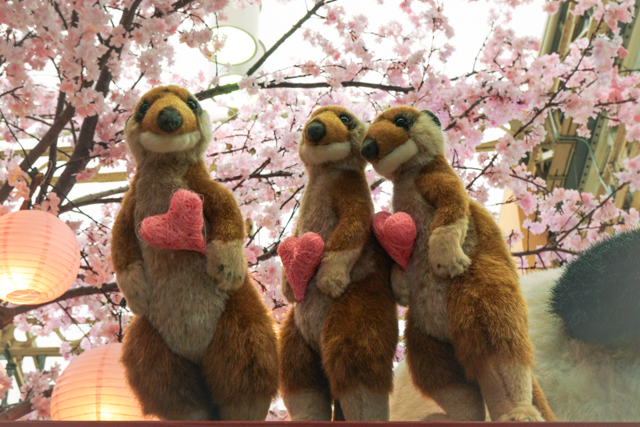
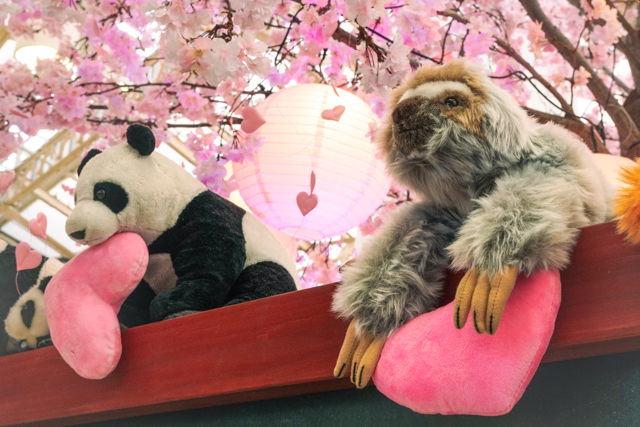
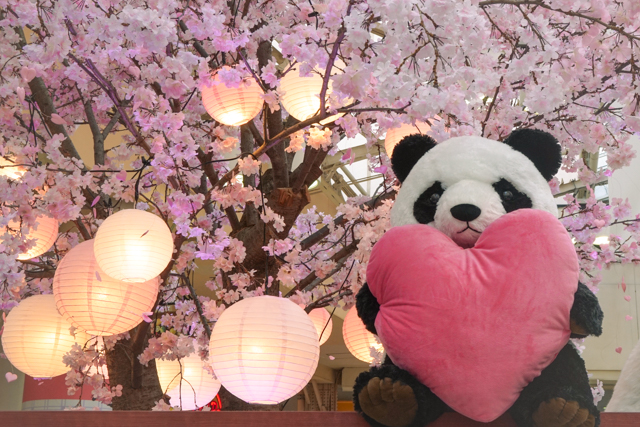
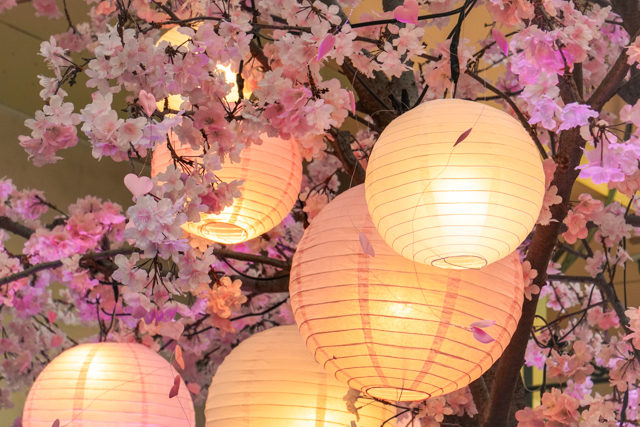
They had a beautiful (artificial) sakura display with zoo animals.
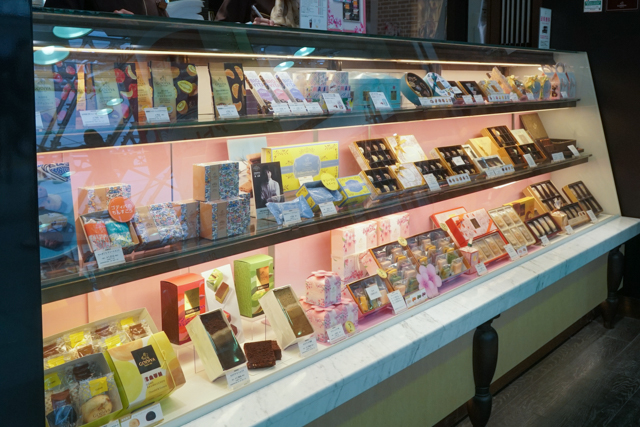
The Godiva store we remembered from previous strips was still there with their enticing chocolates.
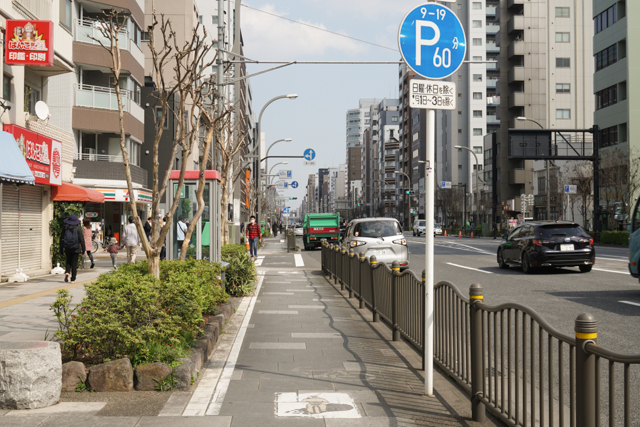
Yayoiken
やよい軒 東上野店, 1F Kamichi Building, 3 Chome-37-9, Higashi Ueno, Taitō City, Tōkyō 110-0015, Japan
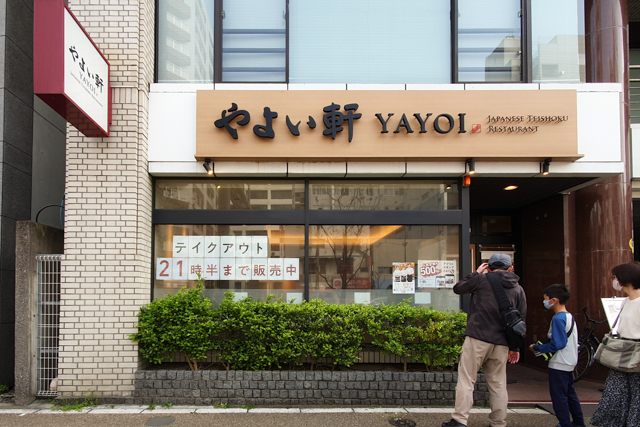
Yoyoiken is somewhere we can count on for a satisfying teishoku meal at a fraction of the cost of their stores in Australia.
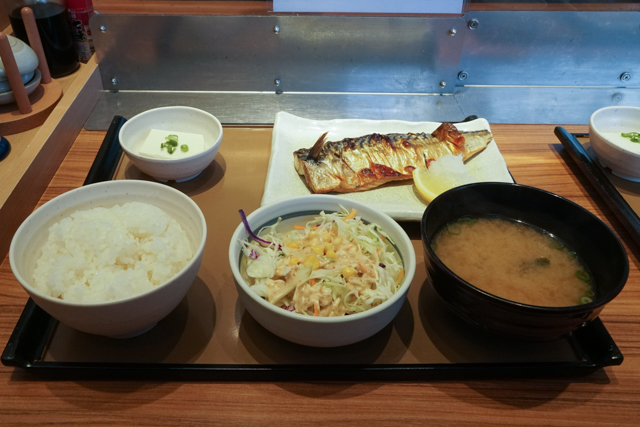
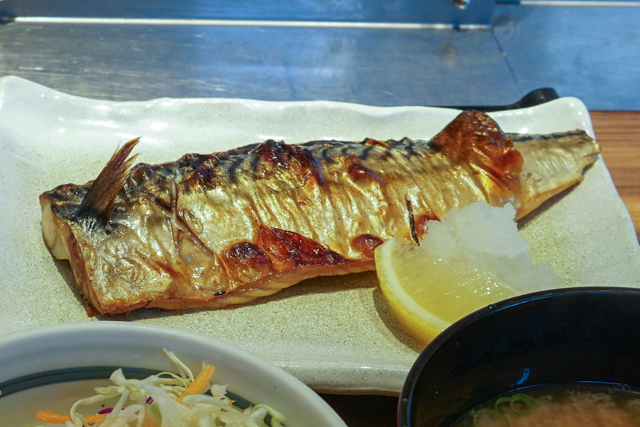
Saba no Shioyaki Teishoku Salad Set (¥830)
Grilled mackerel is one of my most comforting dishes and this was no exception. The skin was crisp, while the flesh was rich, fatty and flaky. The sides — miso soup, salad, tofu and rice — came together for a fresh and balanced meal.
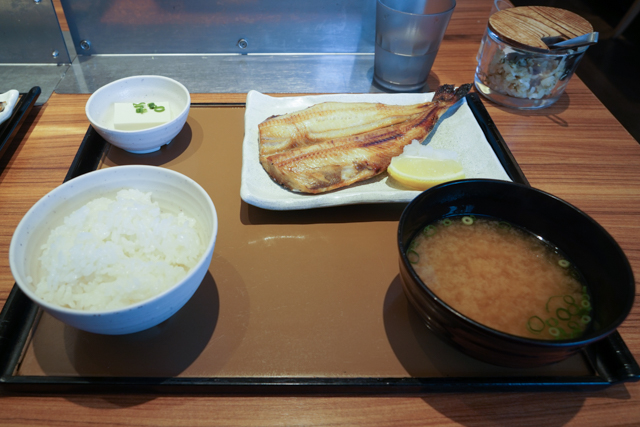
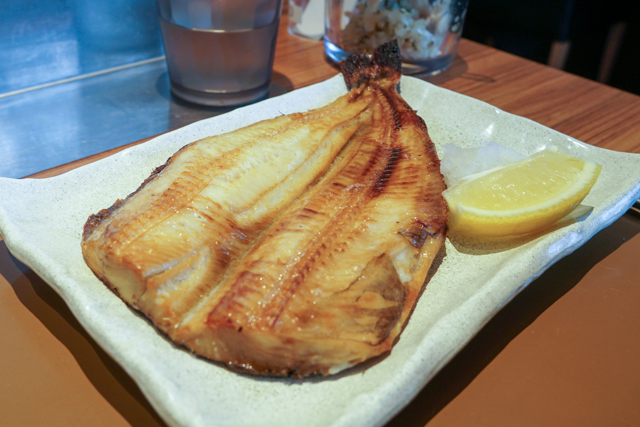
Shima Hokke Teishoku (¥960)
D enjoyed his hokke (also known as atka mackerel). It was quite similar to the saba mackerel in terms of taste and texture, yet the piece of fish was more substantial, which suited him well. The meal did not come with salad.
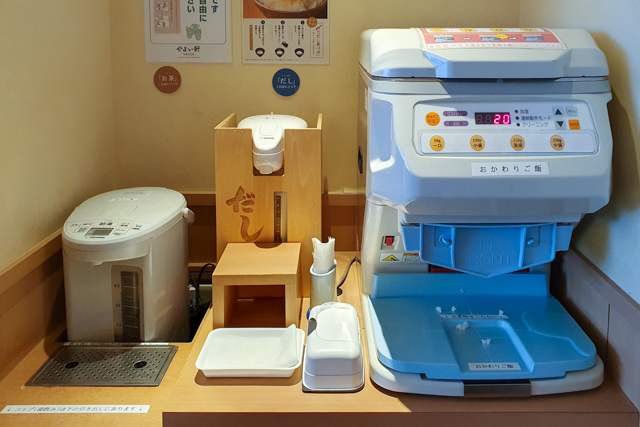
The restaurant offered unlimited refills of miso soup and rice. The self-dosing rice machine amused us.
Kappabashi Dougu Street
かっぱ橋道具街, 3 Chome-18-2 Matsugaya, Taitō City, Tōkyō 110-0036, Japan
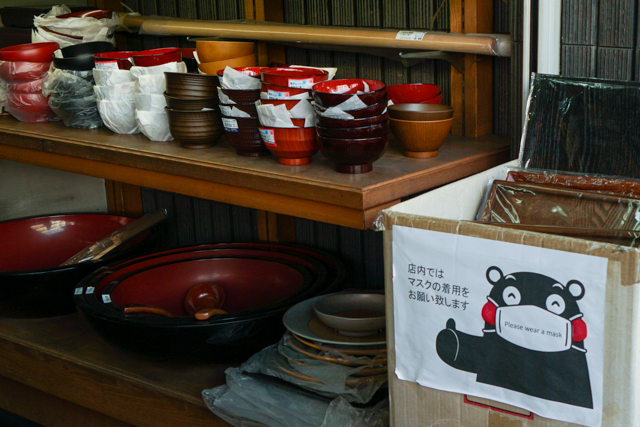
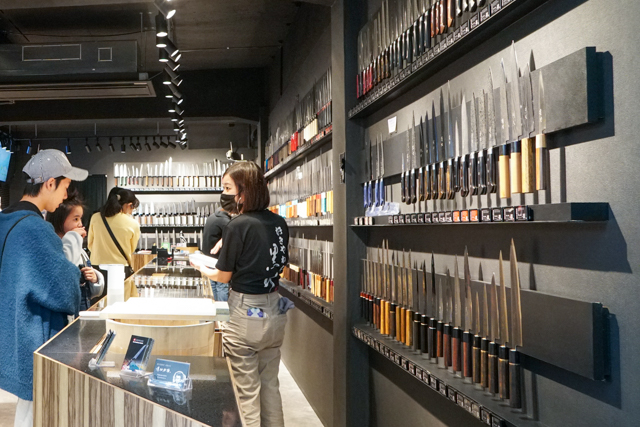
We find ourselves returning to Kappabashi Dougu Street every time we visit Tōkyō.
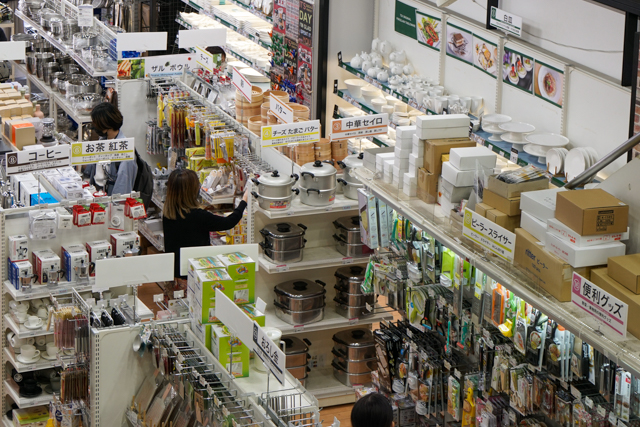
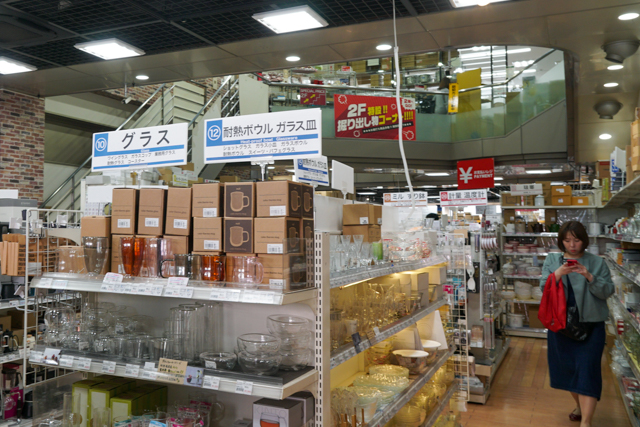
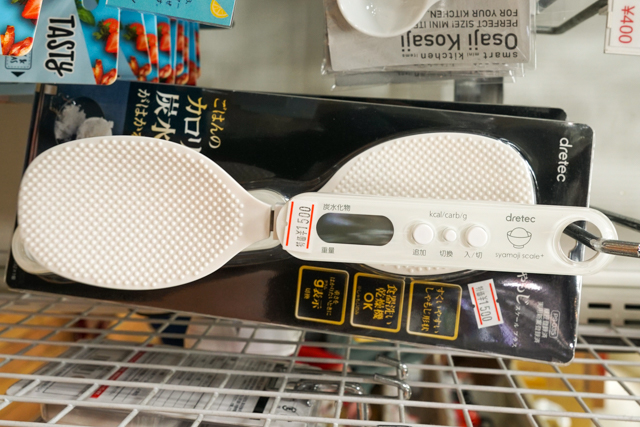
This rice paddle measures the amount of rice scooped and calculates the associated calories.
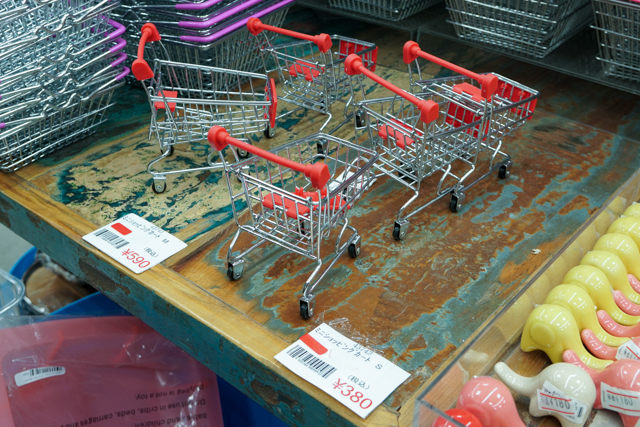
There were miniature trolleys and baskets as well.
Asakusa
Kokusai-dori
Taitō City, Tōkyō, Japan
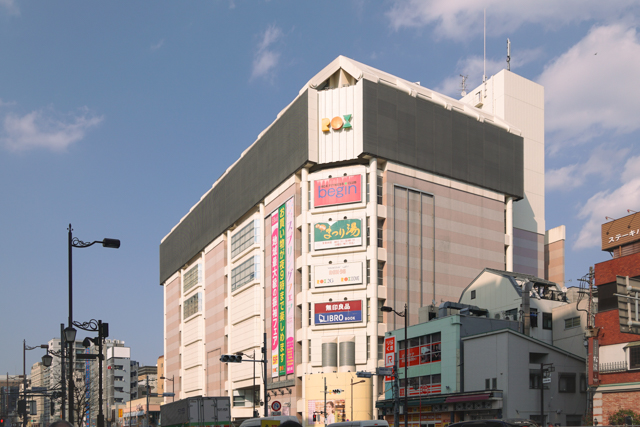
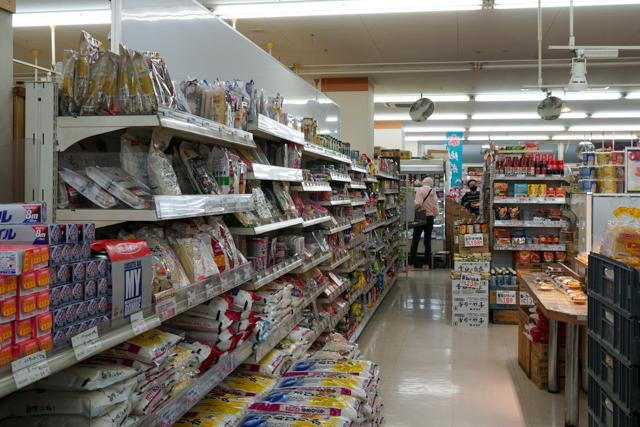
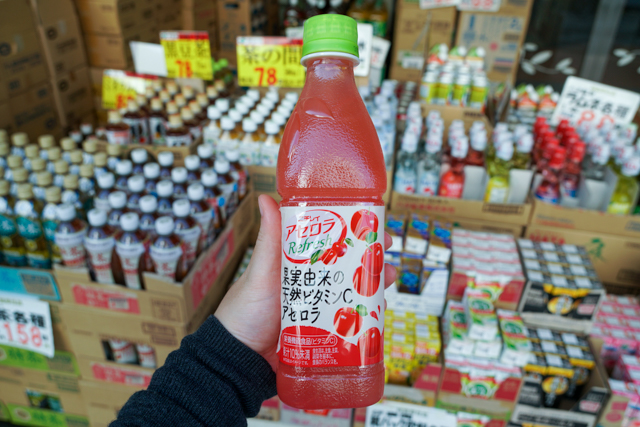
Nichirei Acerola Refresh. We picked this up from the supermarket opposite the ROX Department Store. It was a drink rich in Vitamin C derived exclusively from acerola, a cherry-like fruit. We enjoyed the refreshing sweet-tartness of the acerola, yet it was also a bit watery and a bit salty like an electrolyte hydration beverage.
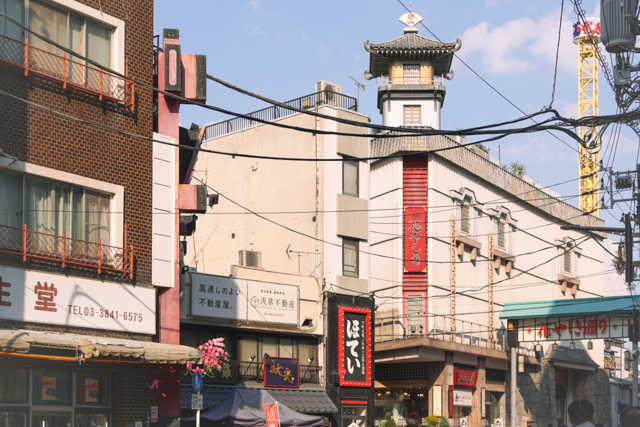
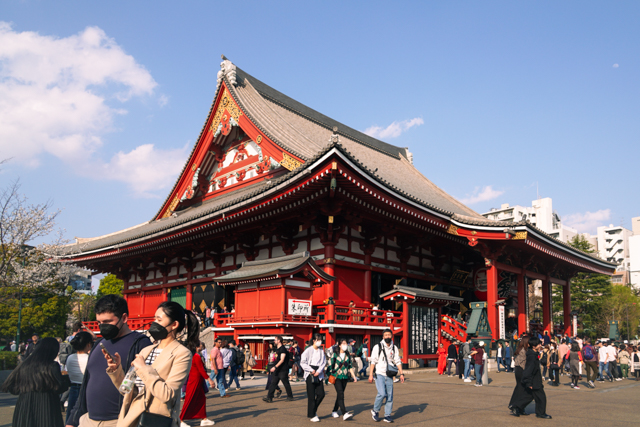
Sensō-ji
浅草寺, 2 Chome-3-1 Asakusa, Taitō City, Tōkyō 111-0032, Japan
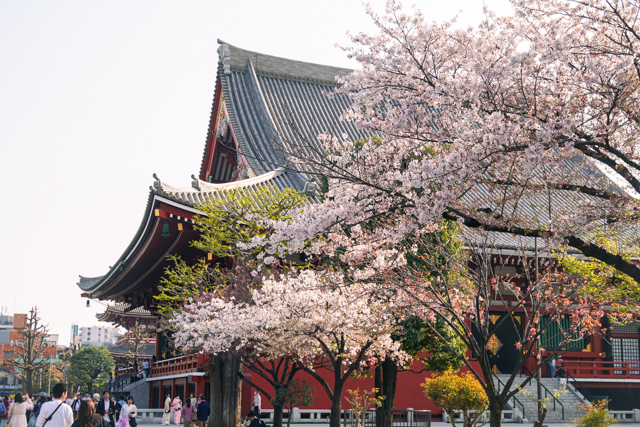
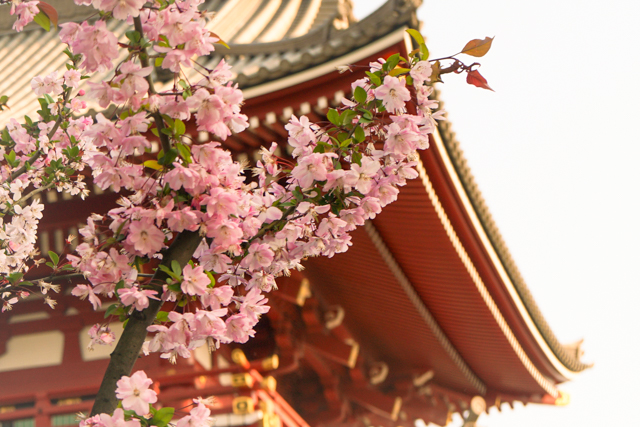
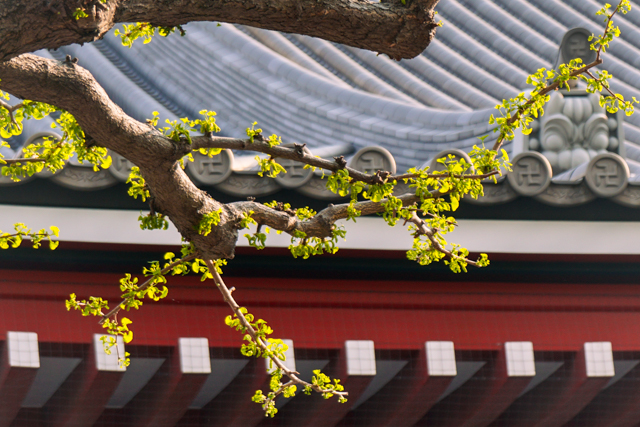
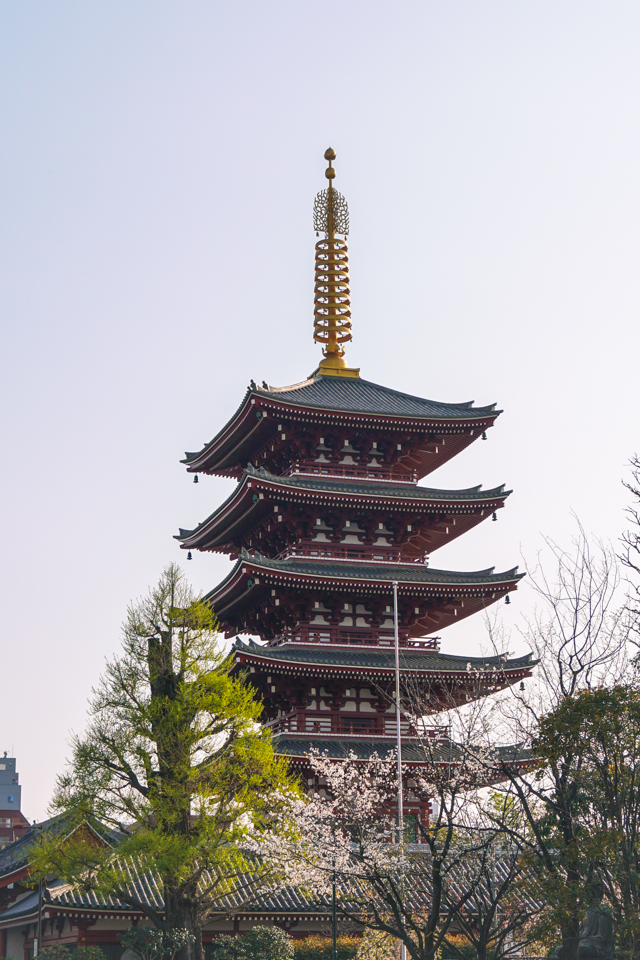
Bronze Hokyoin-to
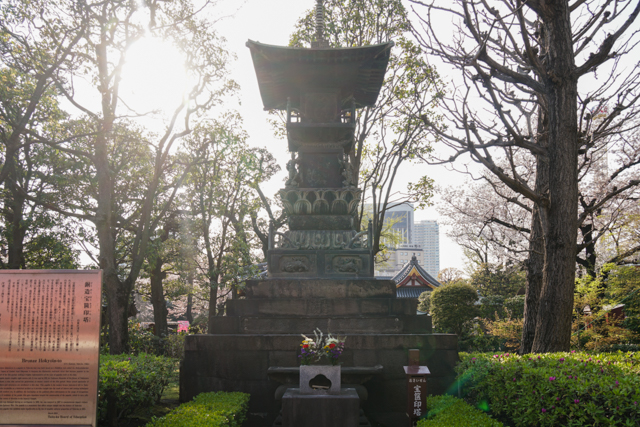
The bronze Hokyoin-to is a pagoda in Taitō City that was built based on a Buddhist text called the Hokyoindarani-kyo, or Sutra of Casket Seal Dharani. It features the distinctive roof-style cover that became popular in the latter half of the Edo period, making it highly representative of the type of pagodas built at the time.
This pagoda stands roughly eight meters tall. It was cast in 1761 by Fujiwara Masatoki of the House of Nishimura Izuminokami, a clan that served for generations as master casters of the Edo period. Many extant specimens of cast artifacts and structures are attributed to this clan. This pagoda is the largest bronze Hokyoin-to left in Taitō-ku. It is also invaluable as a historical artifact as it provides insight into the work of casters and casting techniques in the early modern era. In addition, the inscription on the pedestal offers information on the range of occupations and areas of residence of the people who gave donations toward the construction of the pagoda, which in turn tells us about the extent of devotion to the Senso-ji Temple.
The pagoda was damaged during an earthquake in 1855, but was restored in 1907 to commemorate Japan s victory in the Russo-Japanese War. The pagoda is a monument that offers unique insight into the history of Taitō City.
This bronze pagoda was included under handicrafts in the list of tangible cultural properties of Taitō City in 2011.
Nakamise-dori and Shin-Nakamise-dori
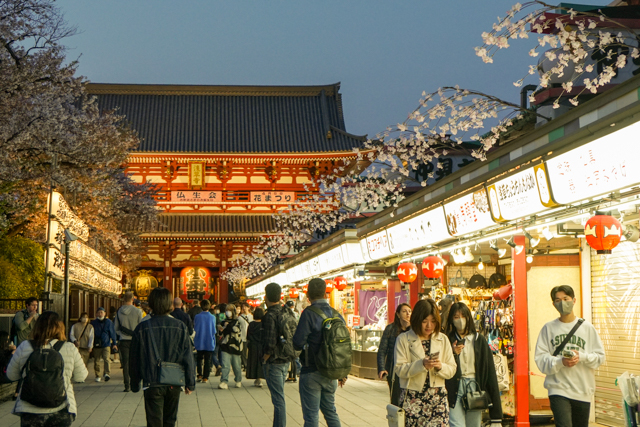
Ichiryu Dan Dan Noodles
麺処 一龍 仲見世本店, 2 Chome-2-4 Asakusa, Taitō City, Tōkyō 111-0032, Japan
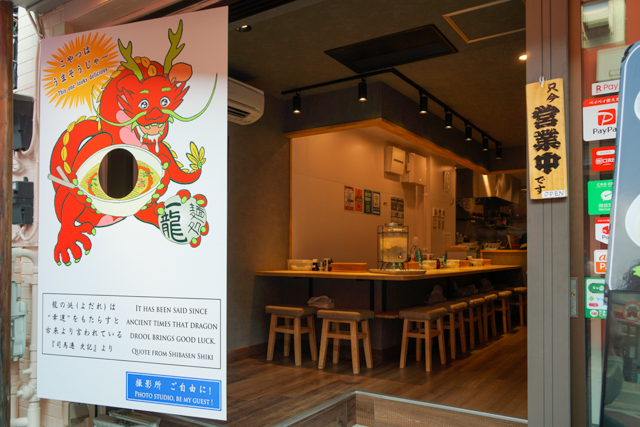
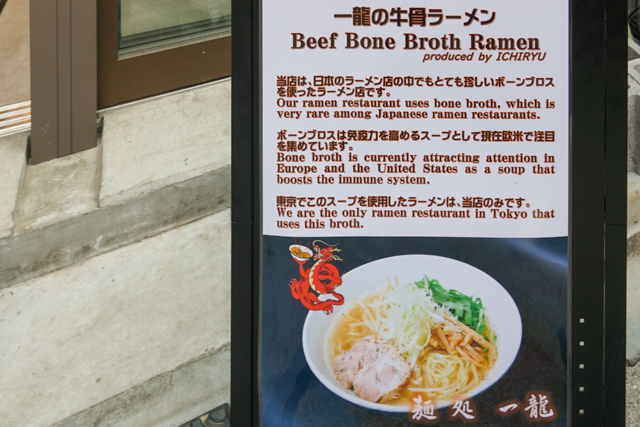
Having enjoyed the tomato and various fish broth ramen around Japan, we took note of this beef bone broth ramen restaurant for a future visit.
Ume to Hoshi
梅と星, 2 Chome-2-4 Asakusa, Taitō City, Tōkyō 111-0032, Japan
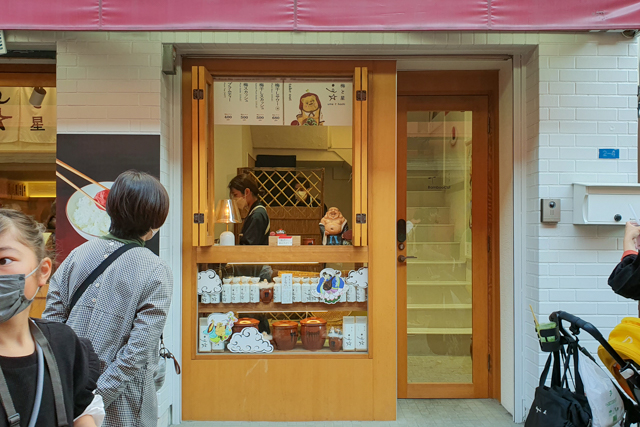
Ume to Hoshi focuses on ume products and has a restaurant off Nakamise-dori offering teishoku.
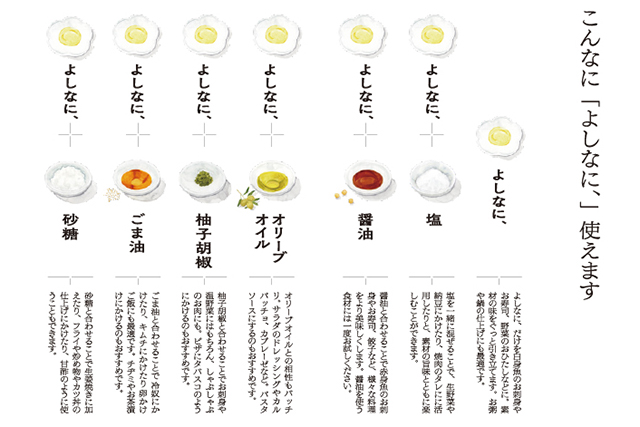
Their ume-flavoured dashi — yoshinani — available to dine-in customers, was a popular selling point.
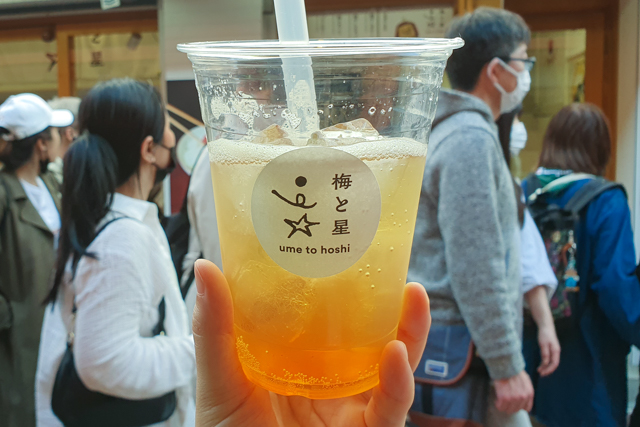
We picked up a bottle of the yoshinani for later and tried an ume soda (¥500, inc tax) for a refreshing break from the crush of the crowds. It had the much sought-after sweet-tartness of ume but the cup was only two-thirds full, which was disappointing.
Asakusa Soratsuki
1 Chome-36-4 Asakusa, Taitō City, Tōkyō 111-0032, Japan
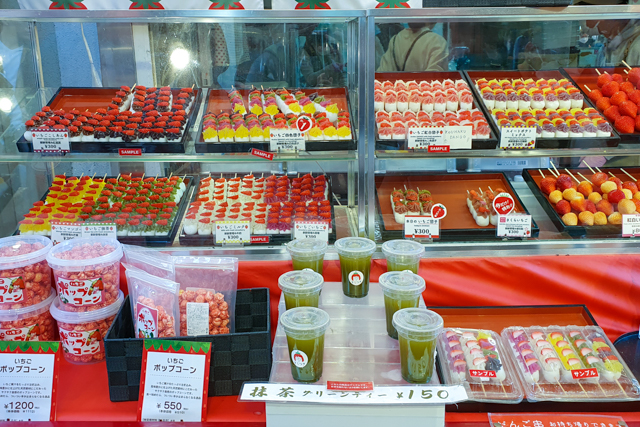
A few stores down was Asakusa Soratsuki, a confectionery store selling lavishly decorated dango sticks.
Yanagi Chaya
やなぎ茶屋 浅草, 1F Hashimoto Building, 1 Chome-30-6 Asakusa, Taitō City, Tōkyō 111-0032, Japan
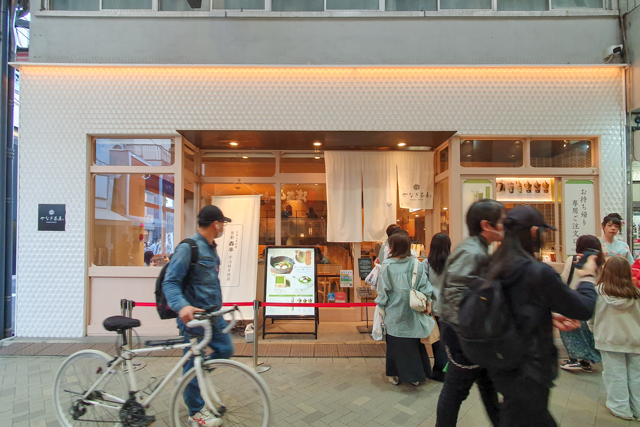
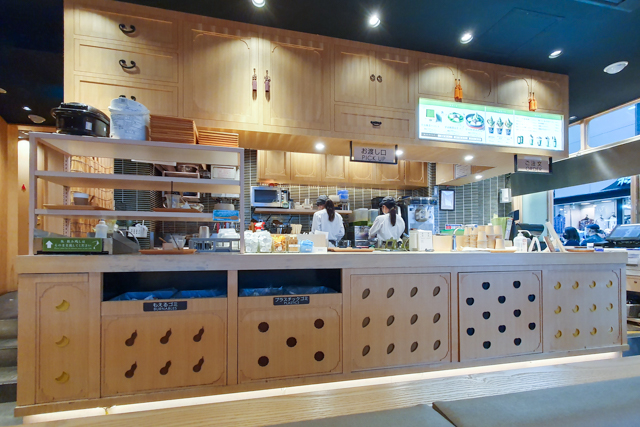
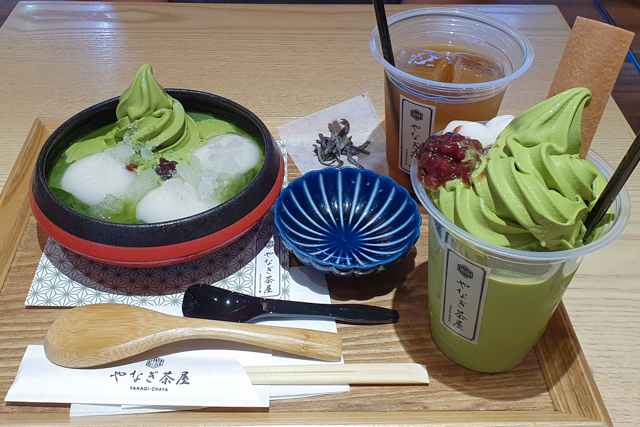
We were keen to revisit Suzukien x Nanaya store, but the rush of a late Saturday afternoon meant they’d stopped accepting new customers. This gave us an opportunity to try a new tea house, Yanagi Chaya.
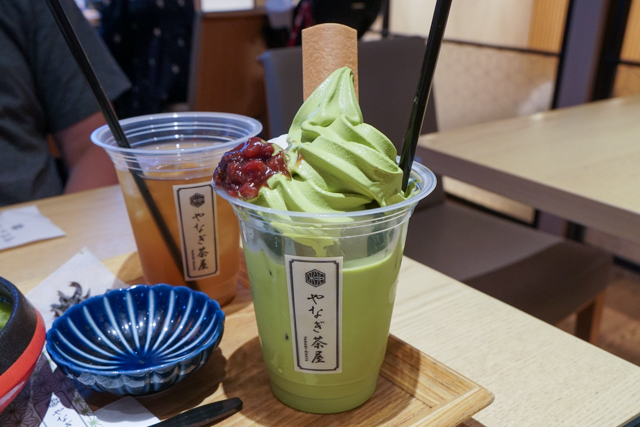
Matcha Azuki Shiratama Float (¥869, inc tax).
The matcha latte was rich with its vegetal notes well balanced with sweetness. We enjoyed the textural contrast added by the creamy soft serve, the toothsome chew of the shiratama, the sweet nuttiness of the thick azuki paste, as well as the crisp crunch and gentle sesame notes of the yatsuhashi.
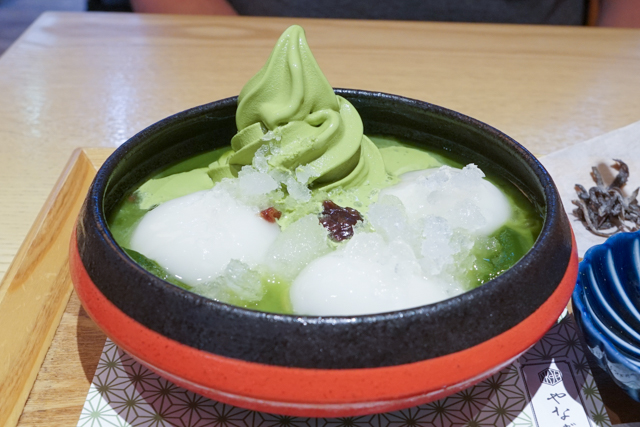
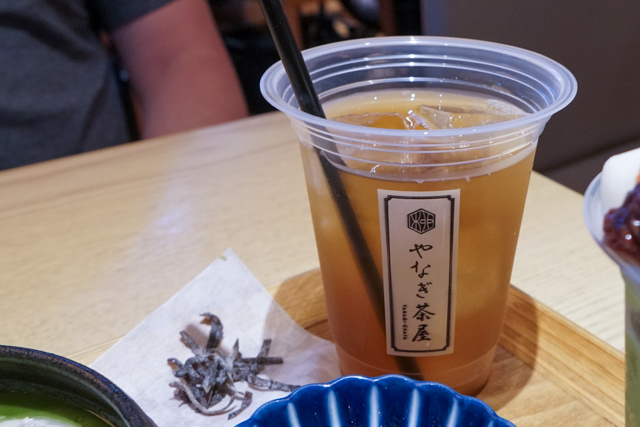
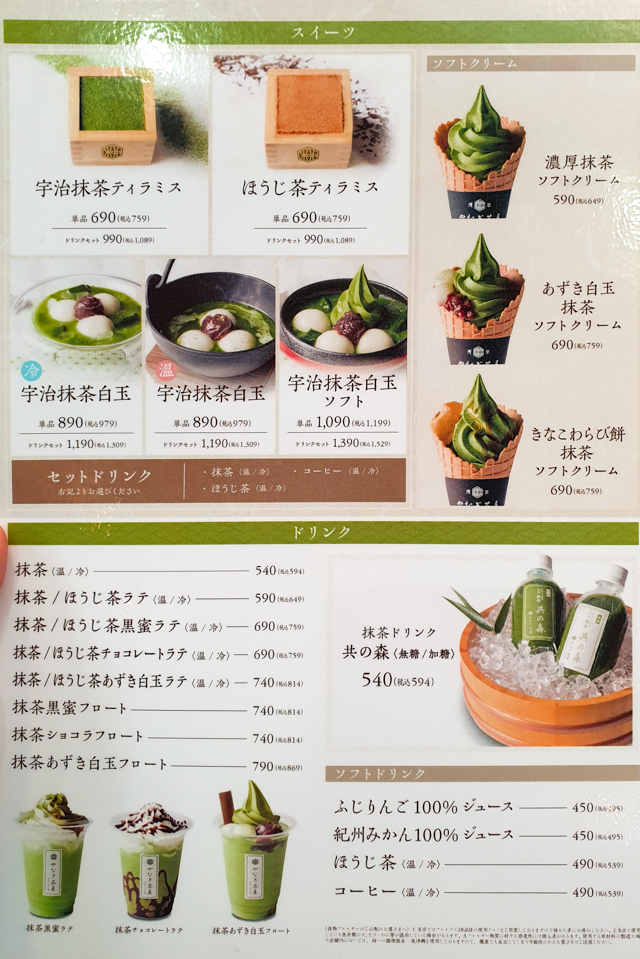
Uji Matcha Shiratama Soft Serve (¥1,199, + ¥330 for drink set, inc tax), with an iced hōjicha (usually ¥539, inc tax) as the chosen drink.
The shiratama were positively huge at about 4 cm in diameter and had a delectably bouncy and stretchy texture that carried the matcha ‘soup’ well. The matcha ‘soup’ was kept chilled with crushed ice, and had a rich and balanced grassy flavour that was well balanced by the sweetness and creaminess of the soft serve. The azuki paste added texture, while the accompanying slithers of kombu reset the palate between spoonfuls with its savoury umami. The accompanying hōjicha was rather weak, though, and would not have been worth the usual price.
Kirakuya
きらく屋浅草, 1F Moriya World Building, 1-Chome-22-3, Asakusa, Taitō City, Tōkyō 111-0032, Japan
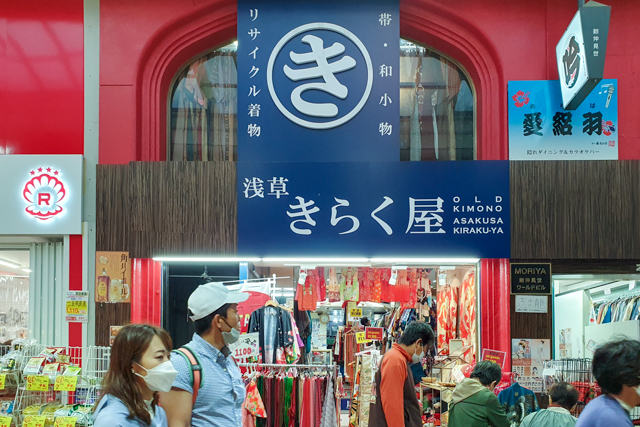
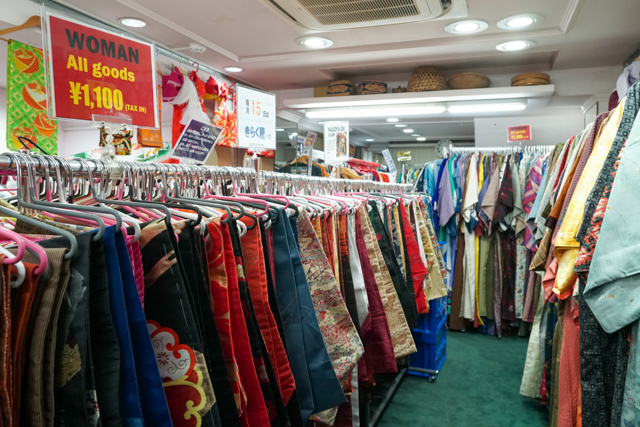
Kirakuya is a second-hand kimono store that is well-regarded for stocking quality items, mostly for ¥1,100-¥3,300. We picked up a few obi to be repurposed as table runners for our dining table as well as a deep blue cotton kimono for casual wearing at home.
Don Quijote
ドン・キホーテ 浅草店, 2 Chome-10 Asakusa, Taitō City, Tōkyō 111-0032, Japan
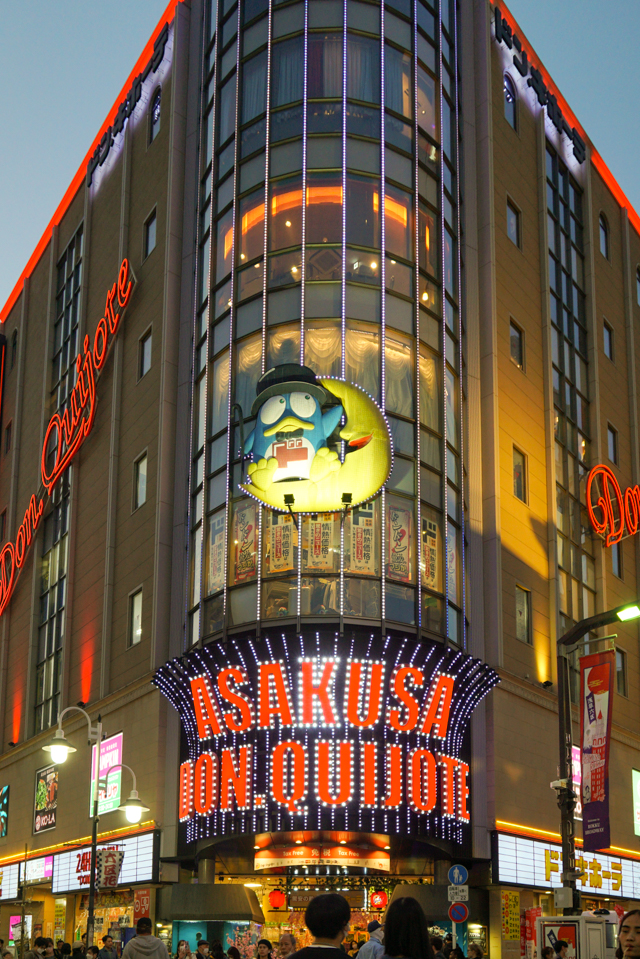
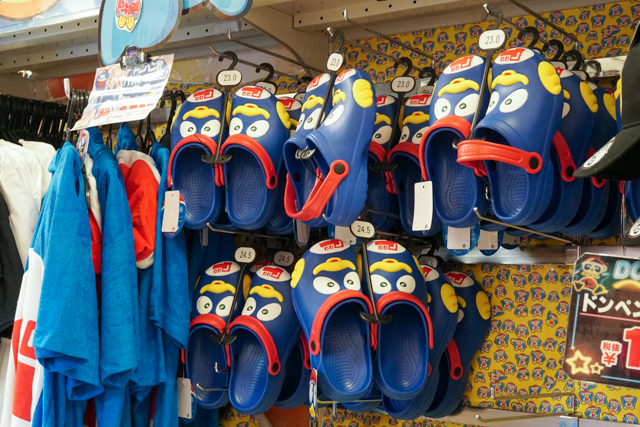
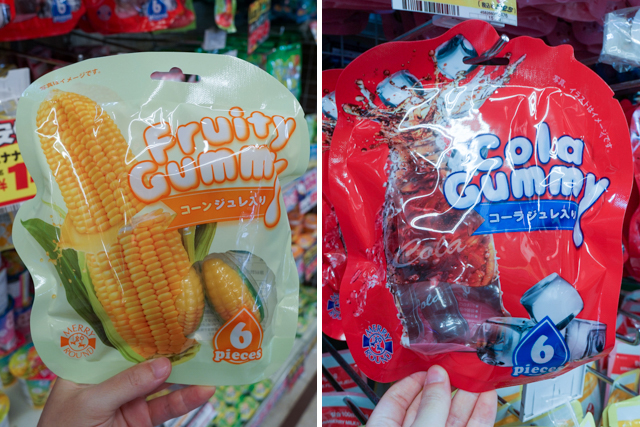
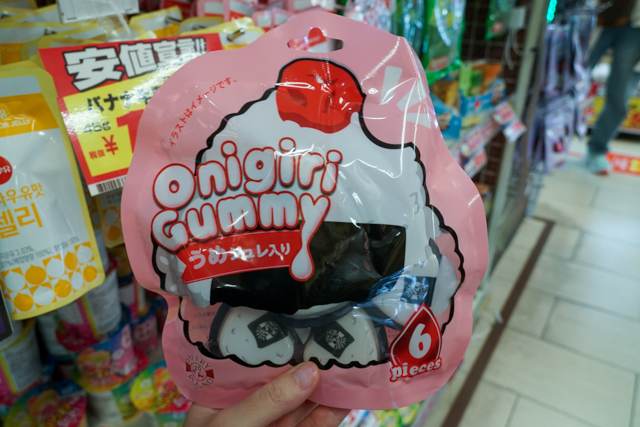
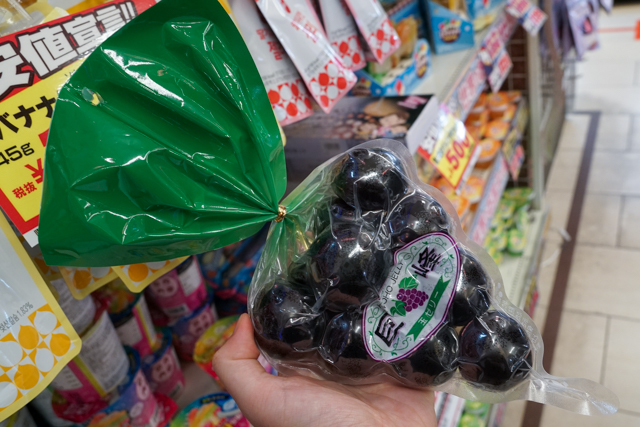
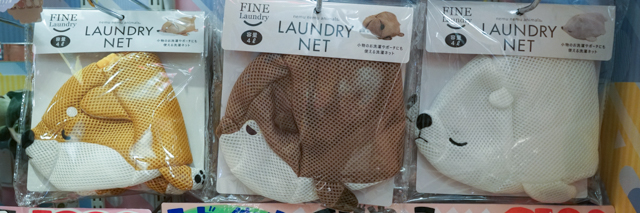
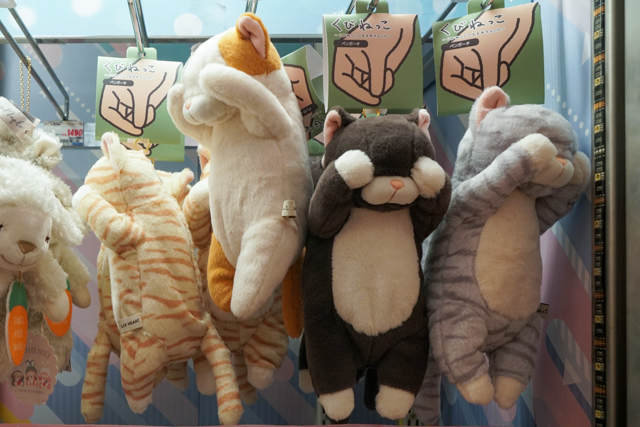
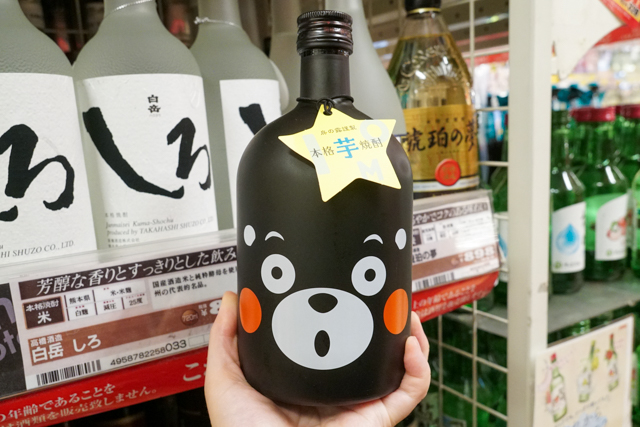
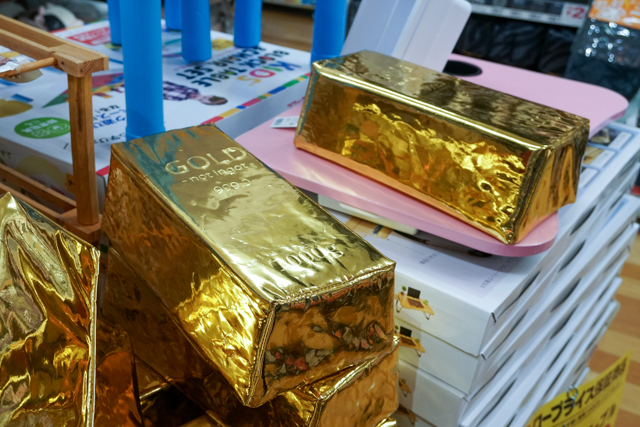
There’s always something new to discover in Don Quijote.
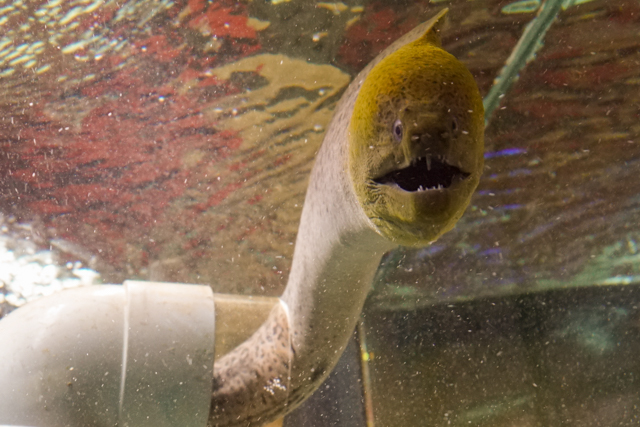
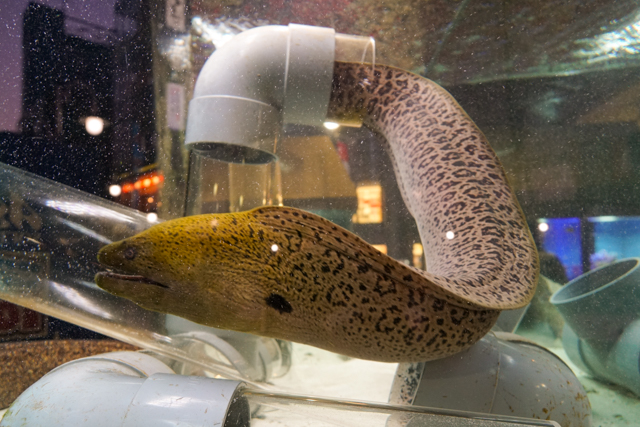
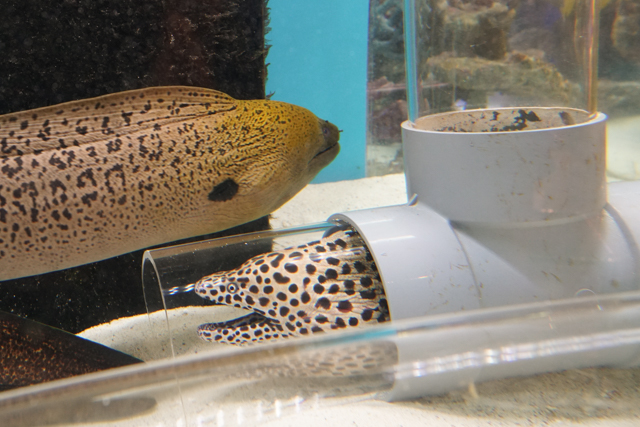
The Don Quijote in Asakusa had tanks of eels (not for sale) out front.
Denpoin-dori
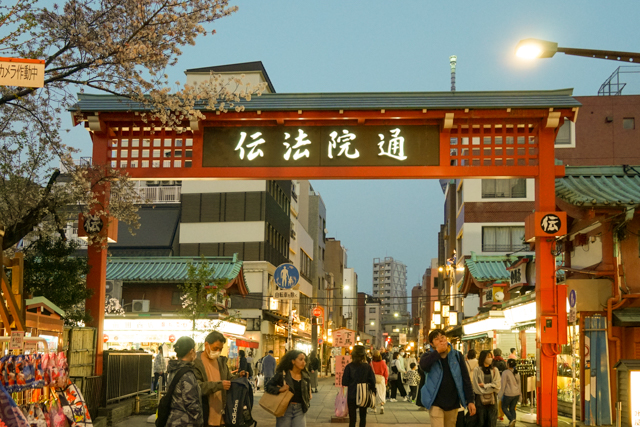
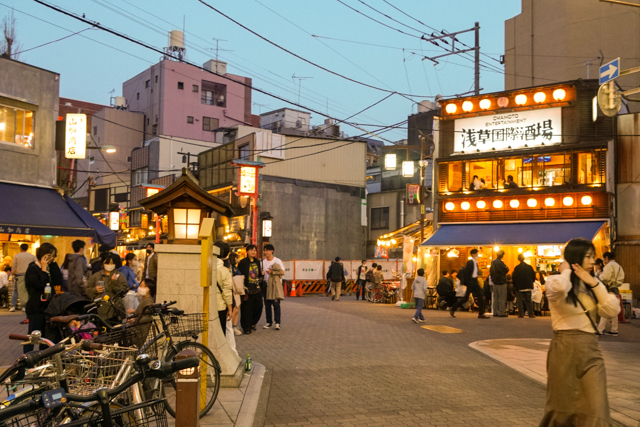
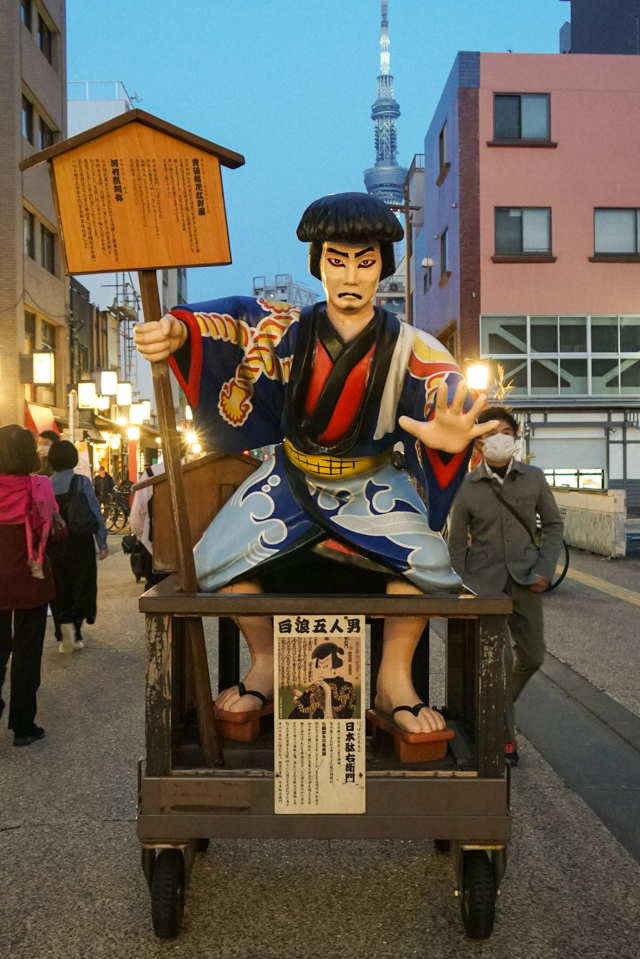
This sculpture of Nippon Daemon, the leader of a band of thieves called ‘Five Men of Shiranami’ in the Kabuki play ‘Aoto-Hakana-Kousaiga’ by Mokuami Kawatake.
Sumida Park
隅田公園, 1 Chome Hanakawado, Taitō City, Tōkyō 111-0033, Japan
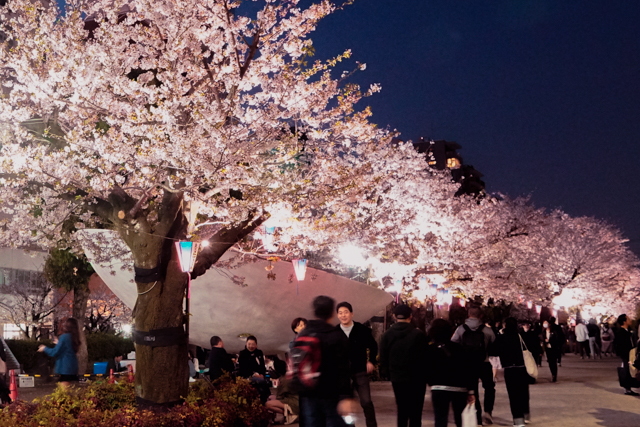
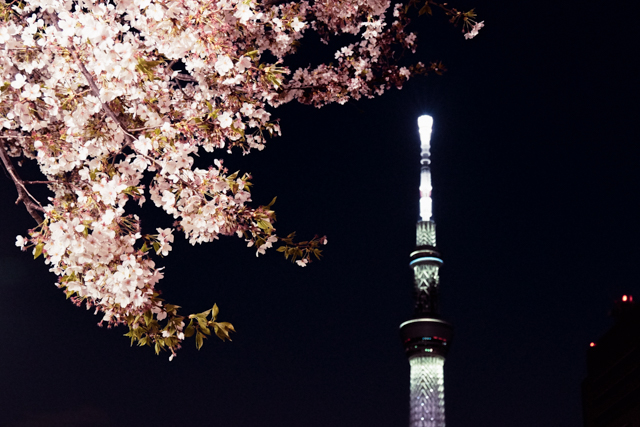
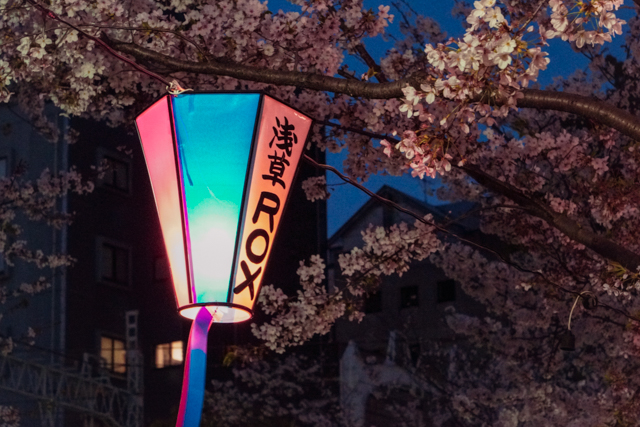
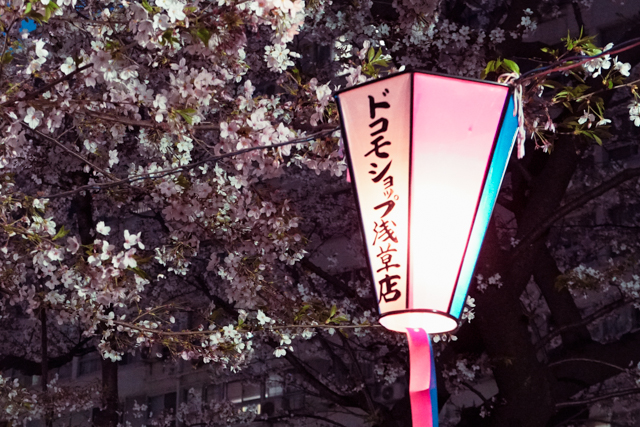
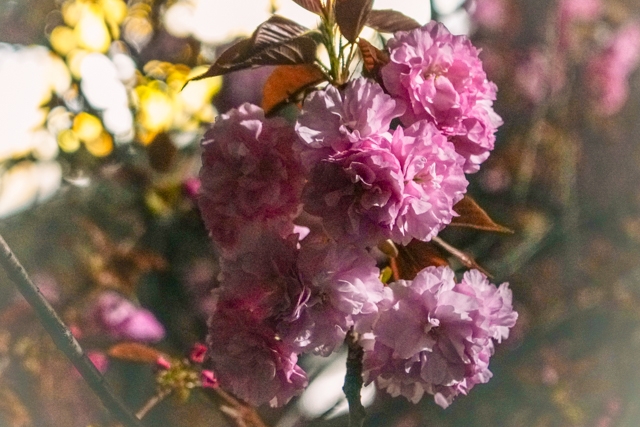
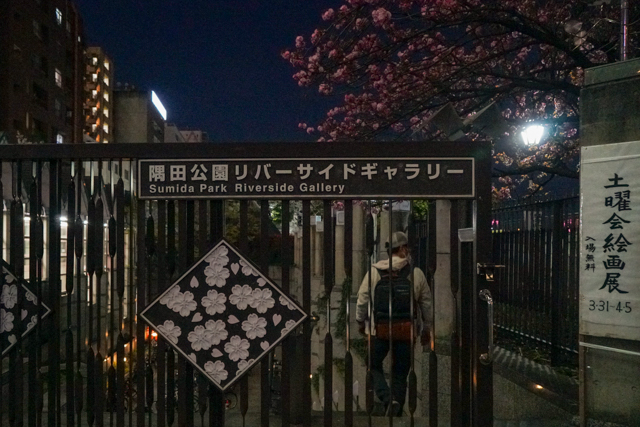
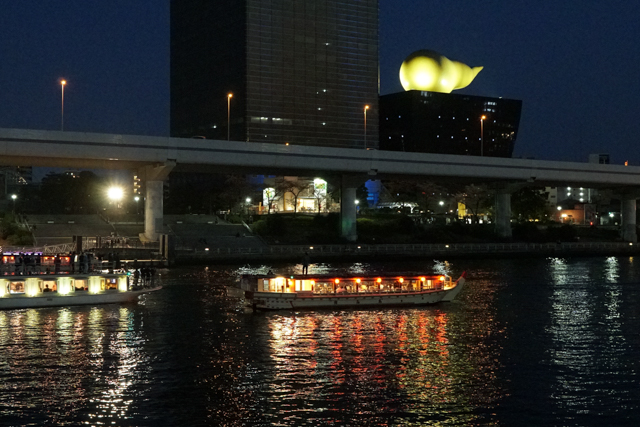
We headed to Sumida Park to view the cherry blossoms along the Sumida River. Cherry blossoms in the evening are said to carry a certain charm.
Minato City, Tōkyō
Shinbashi
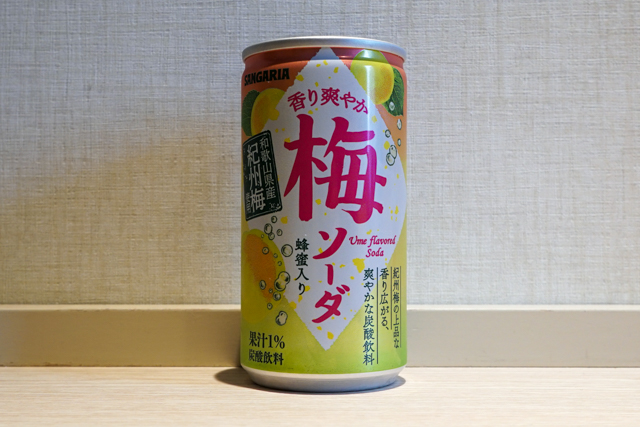
Back at the hotel, we wind down with a number of ume drinks.
This Sangaria Ume Soda contained 1% juice and we picked it up from the Daiso. It was a mere ¥55, yet refreshing with a vibrant tart plum flavour balanced with sweet honey.
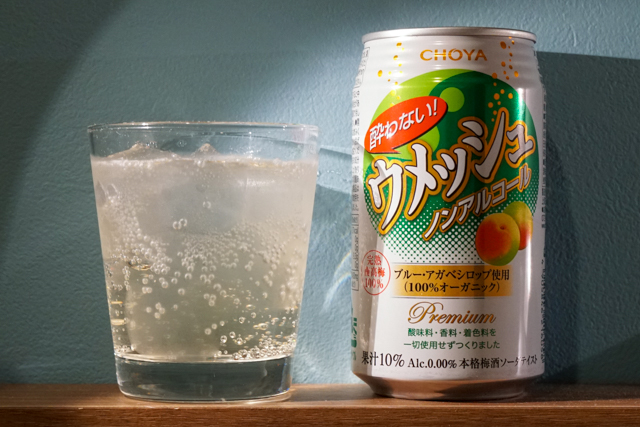
This Choya Umeshu Non-Alcohol contained 10% ume juice and was sweetened with blue agave syrup. This was one of our favourite drinks from previous trips, with Choya being a premium producer of plum wine. It had the flavour of umeshu without alcohol: it had a vibrant ume flavour that was well balanced with a honey-like sweetness.
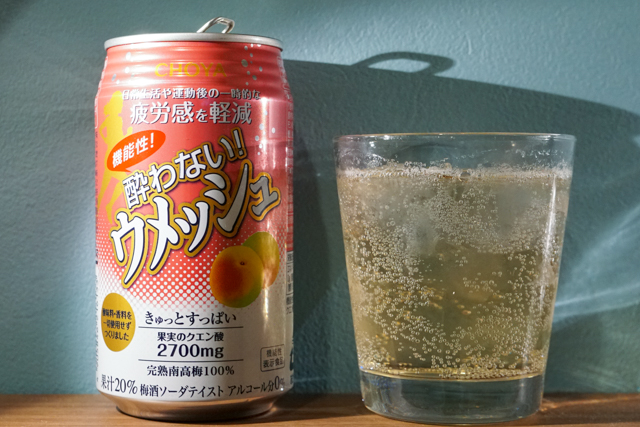
This Choya Umeshu Non-Alcohol contained 20% juice from ripe Nankou-ume, the most prized variety of ume in Japan, and 2700 mg citric acid for extra acidity. This version was slightly darker in colour than the previous, with the additional juice and citric acid immediately evident in the more intense, tart ume flavour that came through. We enjoyed the unapologetic, yet balanced flavour of the ume in this one immensely.
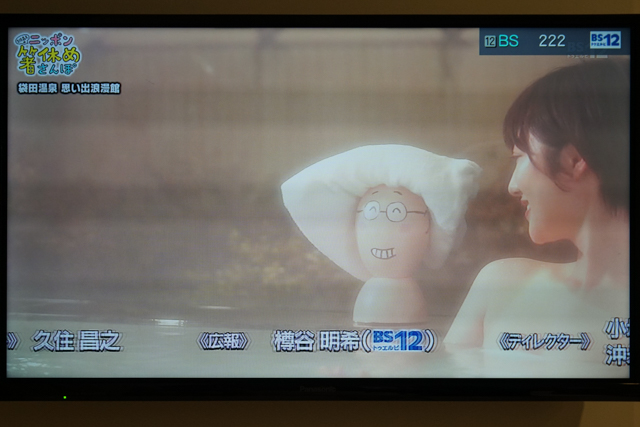
Winding down the even flipping through the channels on TV, the distinct voice of Masayuki Kusumi (manga artist most famous for Kodoku no Gurume) caught our ears. He appeared on screen as a cartoon caricature stand-in enjoying the onsen with the lady on screen. It wasn’t until afterwards that his face appeared in the flesh (at the TV studio).
Ōsaka to Tōkyō – Ueno and Asakusa was Day 4 of the Japan 2023 trip. Day 5 saw us shopping around the Shinjuku area of Tōkyō.