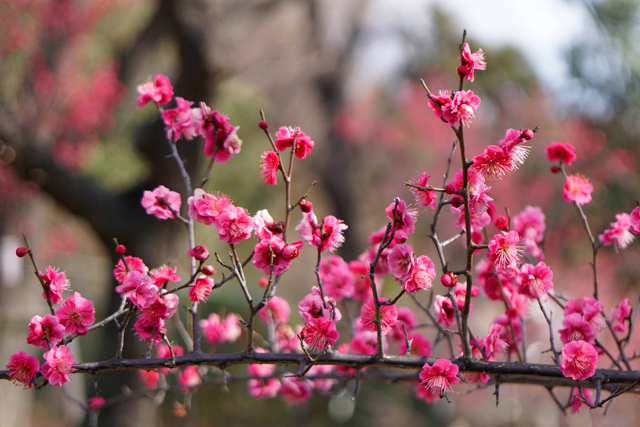
Cherry blossoms, or sakura, are most commonly associated with spring in Japan. Less popular, though, is the plum which is associated with the start of spring. Being some of the first blossoms to open during the year in February, there are plum festivals, or ume matsuri, in parks, shrines and temples across the country.
We make our way to the Setagaya Ume Matsuri to view over 600 plum trees in Hanegi Park, before making our way to the shopping districts around Shibuya, including Harajuku and Aoyama.
Tōkyō – Setagaya
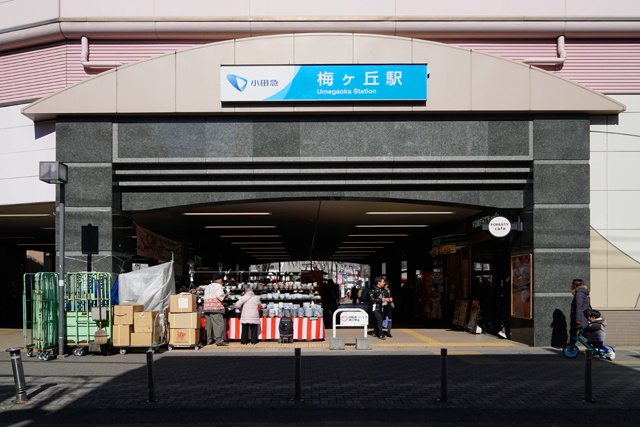
Umegaoka Station is a short train ride outside of central Tōkyō on the Odakyu Odawara line.
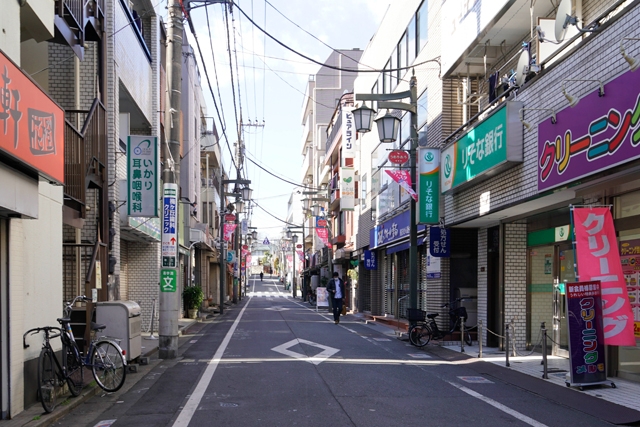
From the station, we have a look around for breakfast before heading to the park.
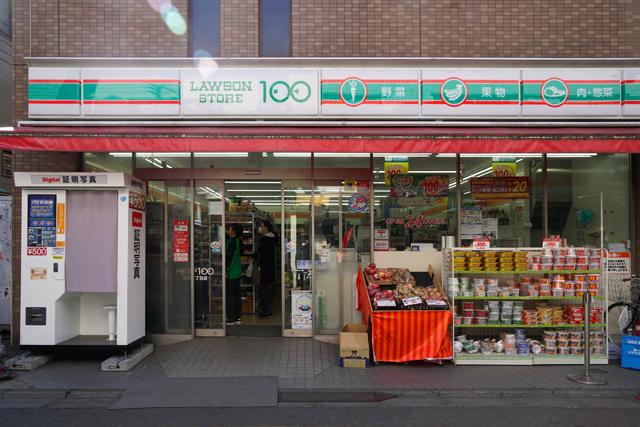
We spot a Lawson Store 100 where everything is ¥100. They’re dotted around Tōkyō but we don’t usually go into them.
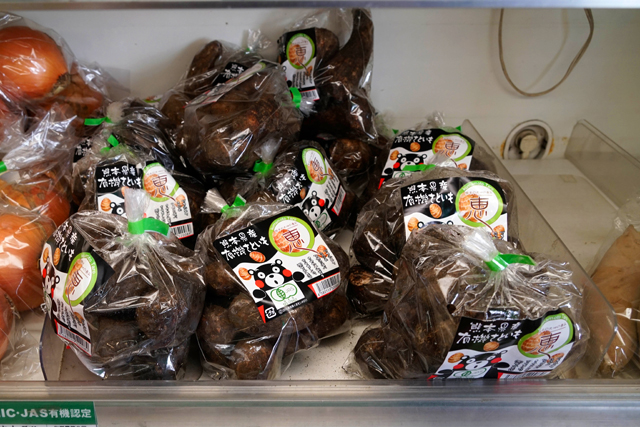
They’re selling brushed potatoes from Kumamoto.
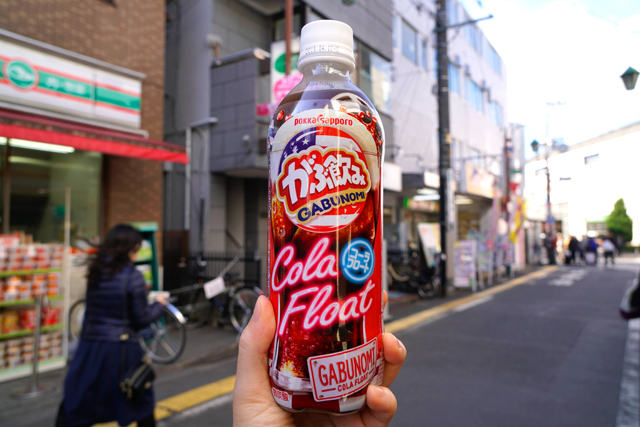
D goes for his Mets Cola, and I try this Pokka Sapporo Gabunomi Cola Float. It tastes exactly as you’d expect of a cola float: creamy with cola flavour.
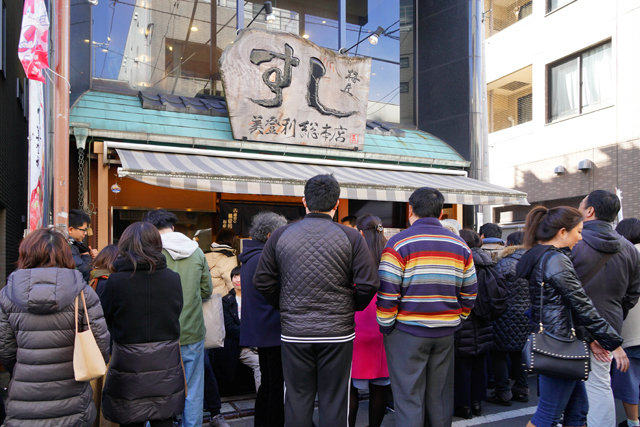
We pass by the Sushi No Midori. The restaurant draws massive crowds to this head store for its all-you-can-eat plan on Mondays. (Adult Male: ¥3,600; Adult Female: ¥3,000 Children: ¥1,500).
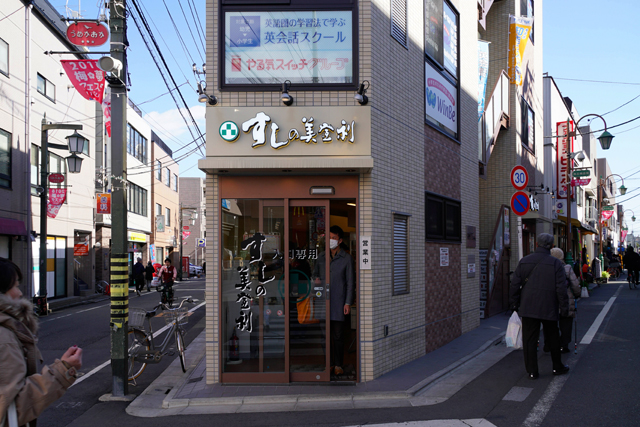
Not willing to queue, we walk 30 m down the road to their takeout branch.
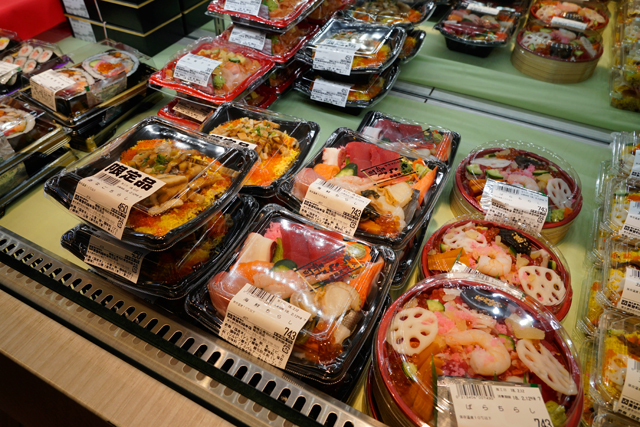
The takeout branch offers very reasonably priced sushi made from fresh fish directly from Tsukiji Market. It has a ‘creative sushi’ that make use of surprising ingredients or sizes; a ‘prepared meal’ section with non-sushi type food; and a ‘bento corner’ section with a mix of sushi in boxed sets. We pick up breakfast here before heading to the park.
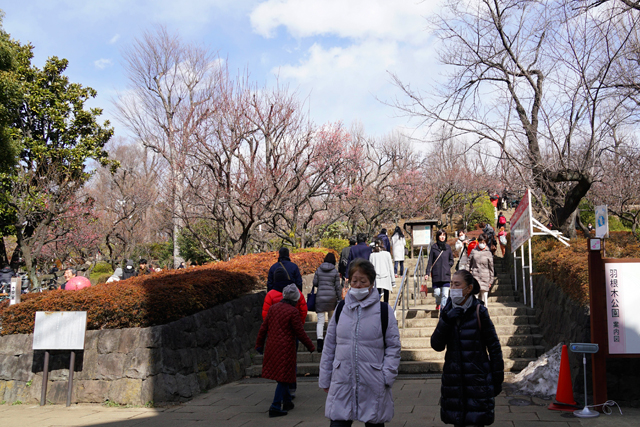
Hanegi Park in Umegaoka is a short 5-minute walk from the station. It’s a fitting location for the Setagaya Ume Matsuri not only for the 650 plum trees at the park but because Umegaoka literally means ‘plum blossom hill’.
The festival was celebrated on weekends and holidays at the park from February 10 to March 4.
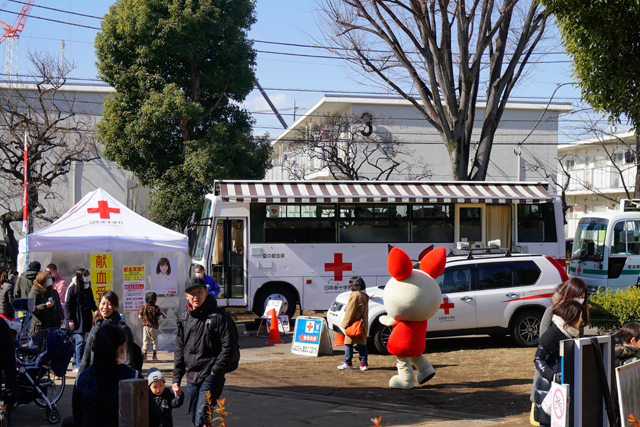
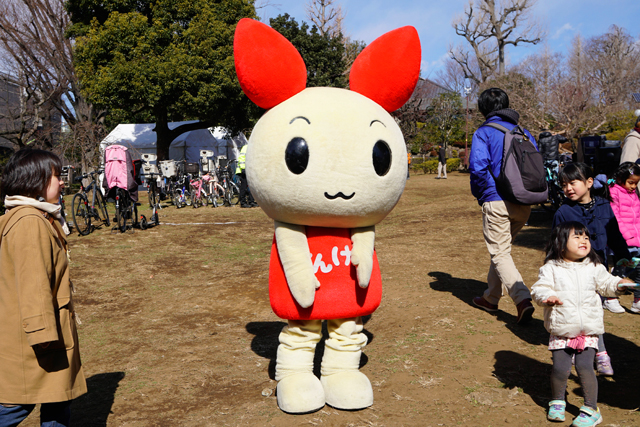
At the entrance to the park is a section set up by the Japanese Red Cross. There’s Kenketsu-chan, a cute vampire bat mascot encouraging blood donation.
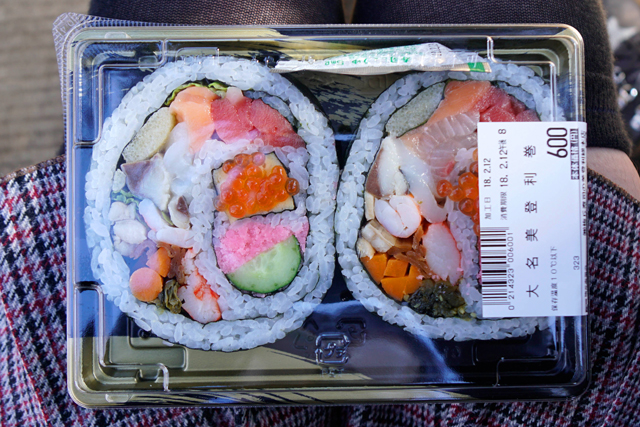
Before checking out the food stalls and the plum blossoms, we find a seat to tame our hungry bellies. This is the Daimyō Midori Maki (¥648), a massive maki roll about 10 cm across and 2.5 cm thick, filled with all sorts of goodies from salmon, tuna, salmon roe, herring roe, salted mackerel, crab stick, egg, cucumber to picked carrots and mustard greens. I have to admit, I purchased this on a whim because it was novel, but I was very pleasantly surprised by the absolute deliciousness of such a wide variety of innards, but the freshness of the ingredients and the perfectly prepared sushi rice bring it all together. I’d eat it again. And again!
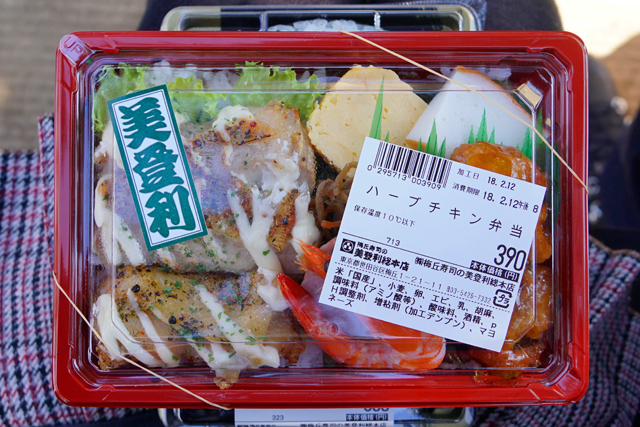
D goes for their Herb Chicken Bento (¥421), and thoroughly enjoys the juicy herbed chicken, sticky fried chicken, prawn, egg and fishcake on the bed of rice.
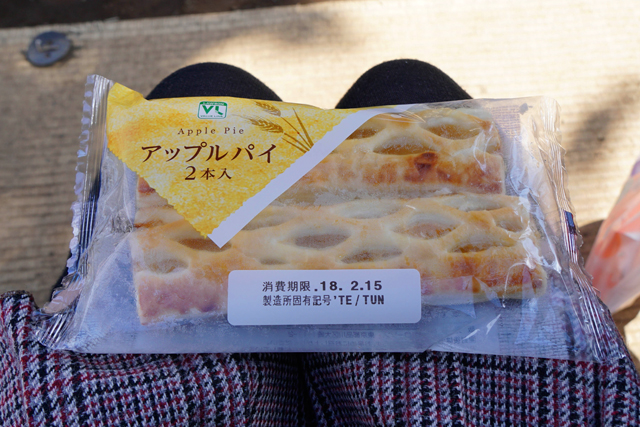
And to round off breakfast, we share two apple pies we picked up at the Lawson Store 100.
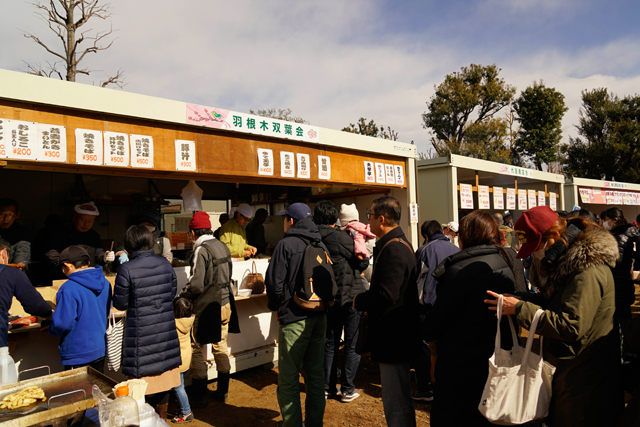
We walk past numerous plum trees to get to the stalls at the festival. Many sell plum-themed foods.
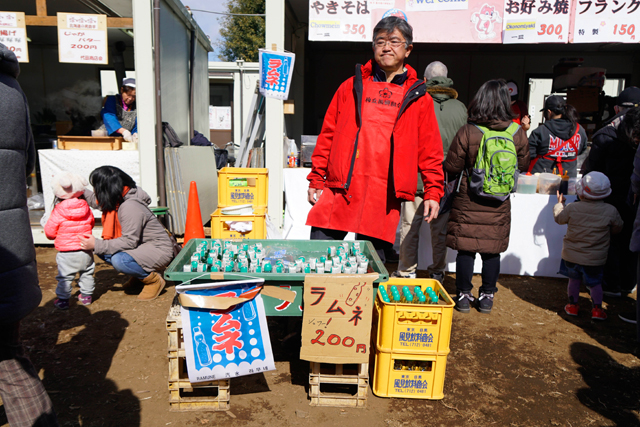
Thie gentleman is selling ramune on ice.
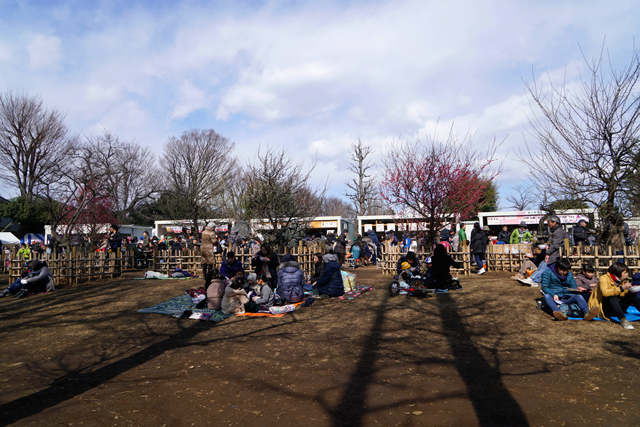
In true Japanese style, many families have brought mats with them to set up their picnics.
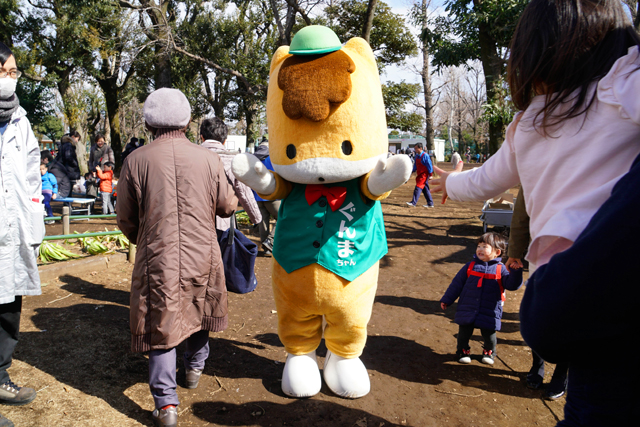
We spot Gunma chan, a horse that’s the mascot for Gunma prefecture.
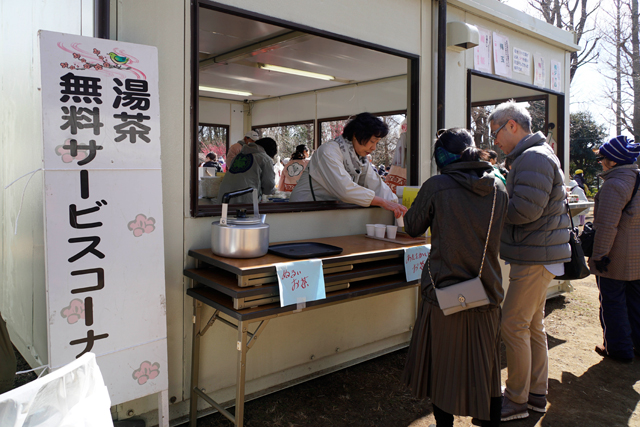
There’s free houjicha for everyone, which is perfect for warming our hands in the frosty cold.
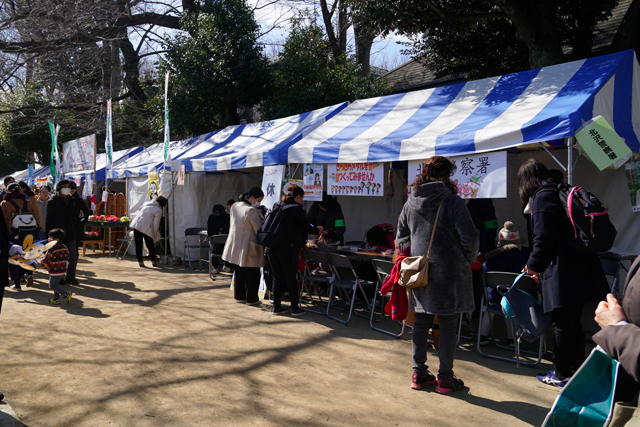
Other stalls are set up selling toys and other services.
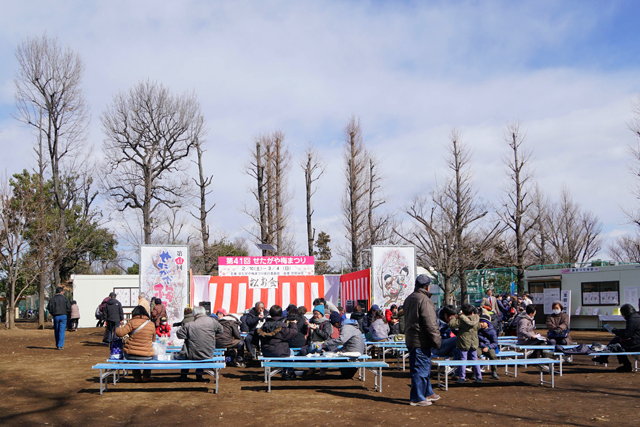
There’s a stage set up for performances.
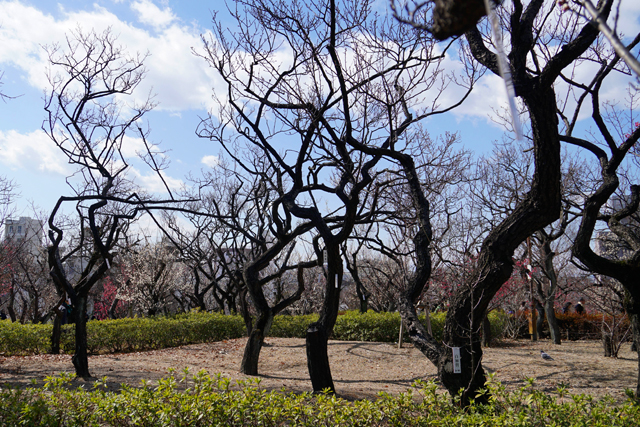
We move onto the main reason we’re here, though: the plum trees! It’s still early days (the festival started on 10 Feb and we visited on 12 Feb) so the trees are in their early stages of blooming.
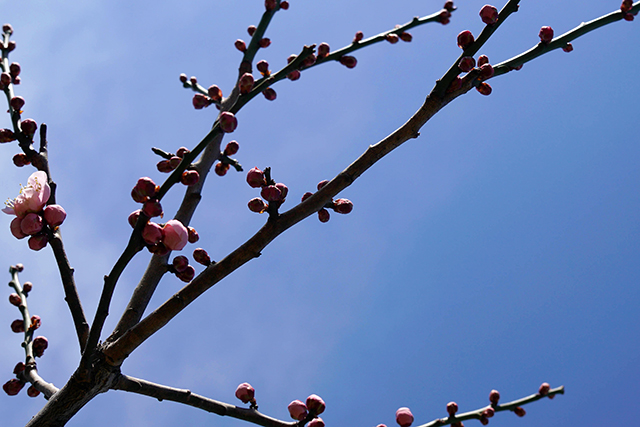
We see many buds waiting to blossom.
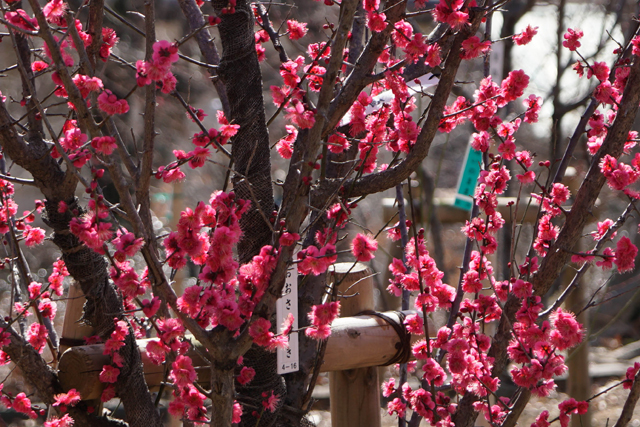
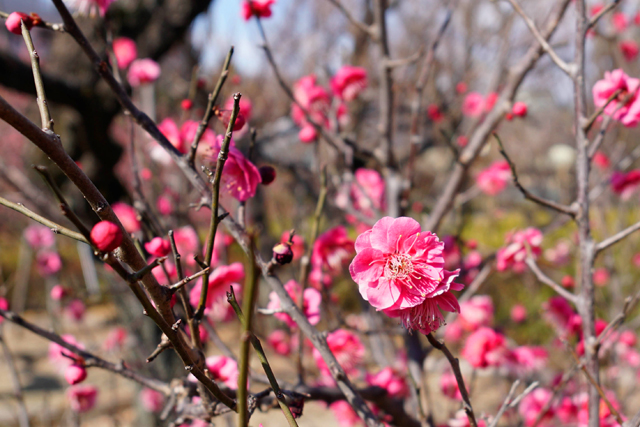
But then we also see these beautiful deep pink plum blossoms in full bloom. There’s a beautiful fragrance as you walk through these trees.
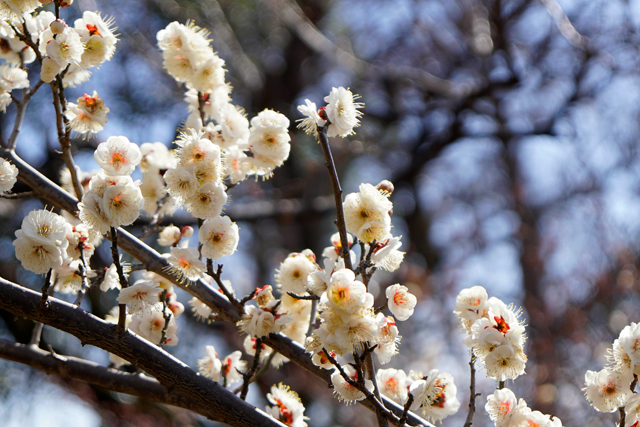
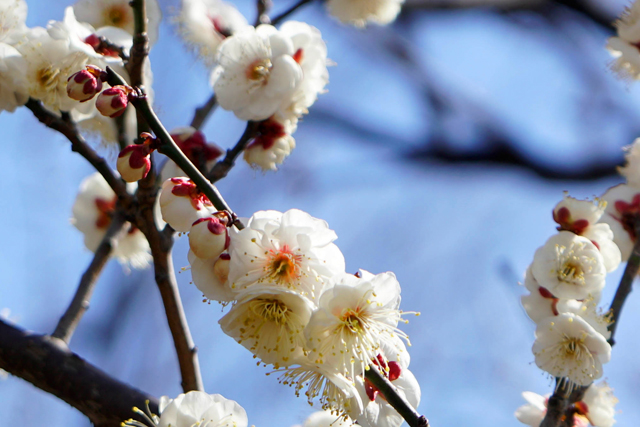
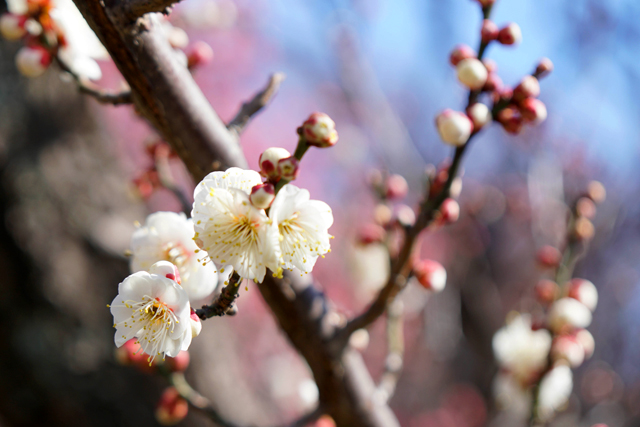
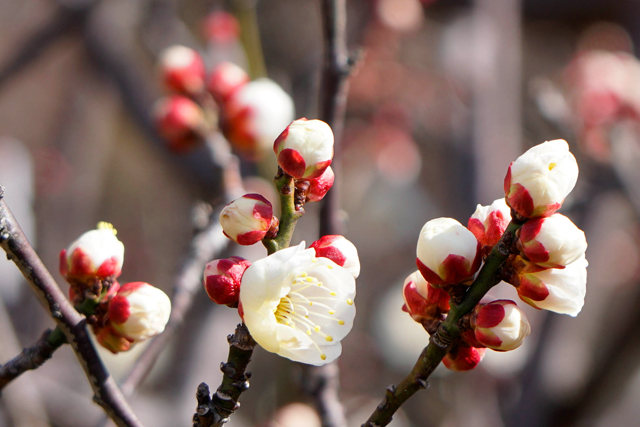
These white plum blossoms are in mid-bloom. The contrast with the white flowers and buds and red sepals is beautiful.
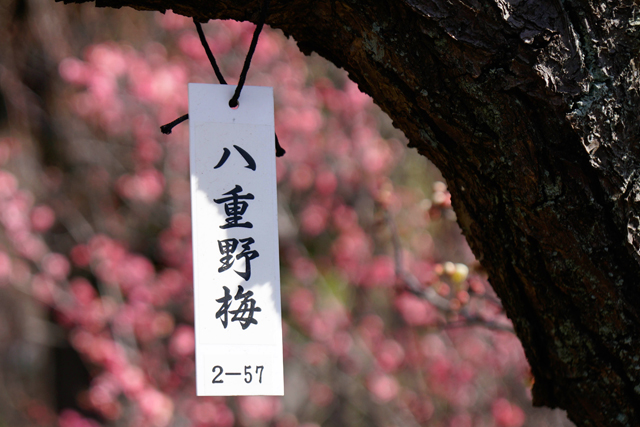
Hanging labels identify the species of the plum tree. This one is for the plum trees with white blossoms, despite the deep red blossoms in the background.
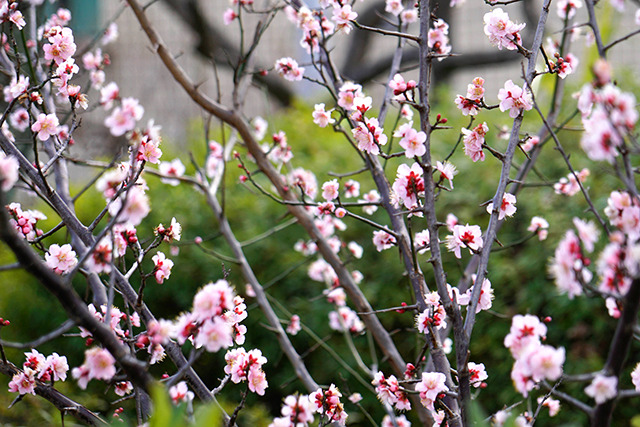
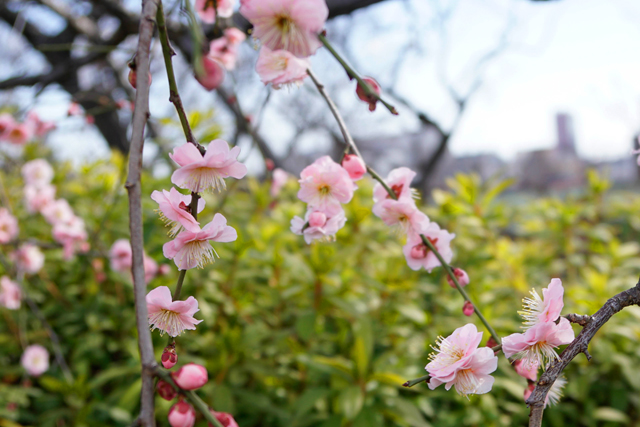
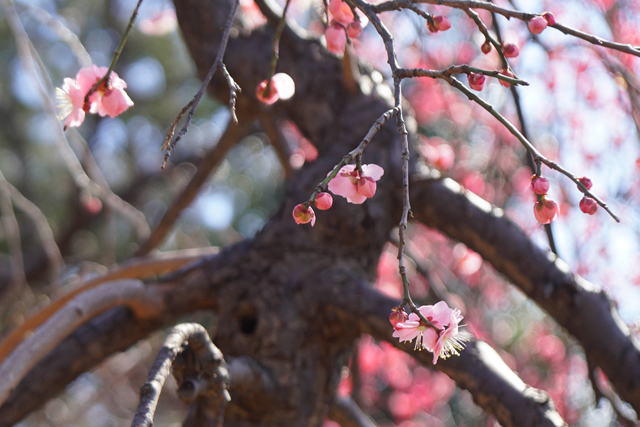
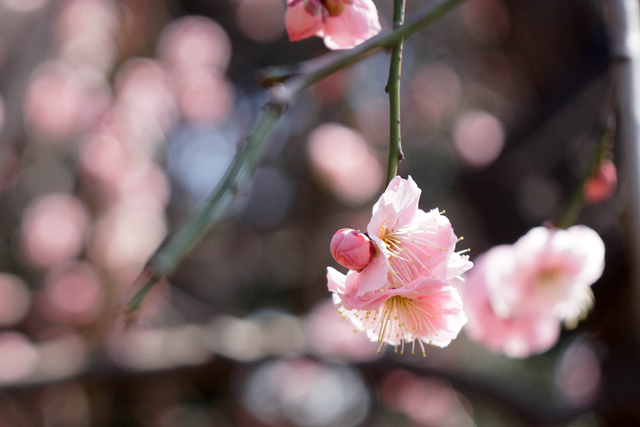
These pastel pink plum blossoms are my favourite. Their blossoms tend to hand downwards in a weeping willow like configuration unlike the more upright positions of the deeper pink and white blossoms.
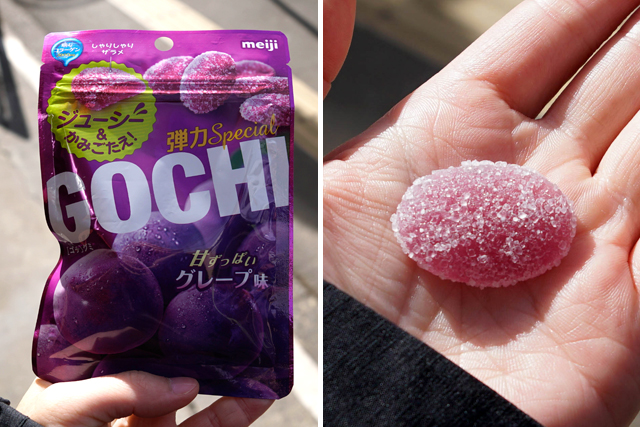
Before long, we head back towards the station, snacking on Meiji Gochi in grape flavour. They have a firm bounce that we enjoy.
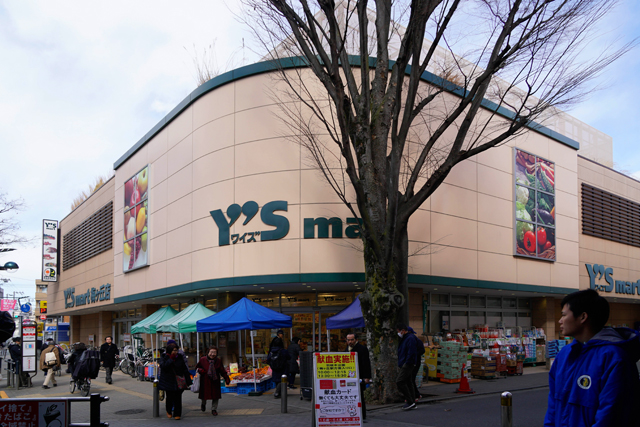
There’s a supermarket next to the train station.
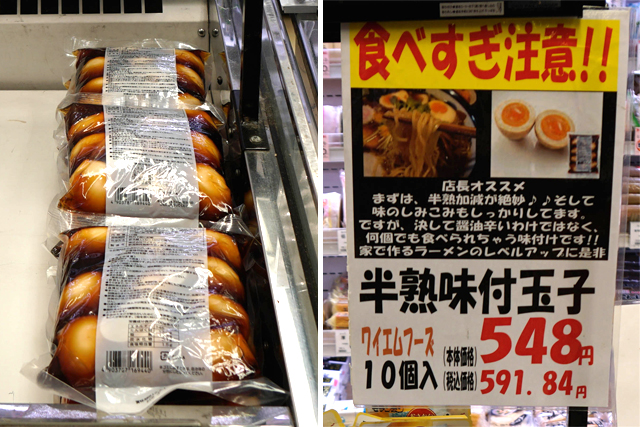
Popping in for a quick look, we spot these ready-to-eat eggs for ramen.
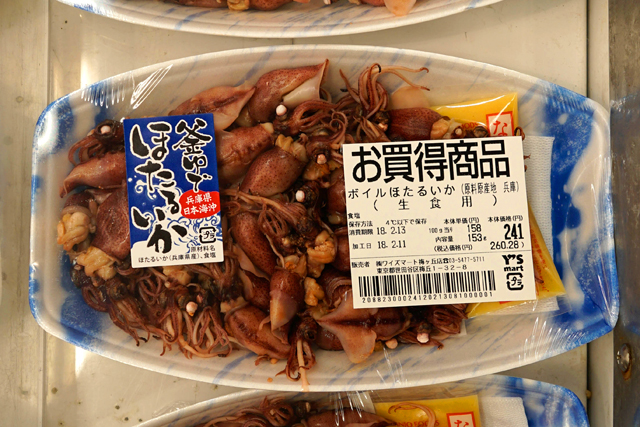
There are whole plates of tiny octopus.
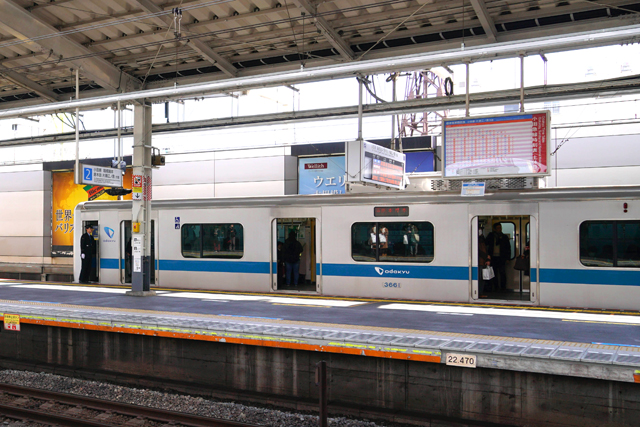
Back on the train, we’re headed for Harajuku in Shibuya.
Tōkyō – Shibuya
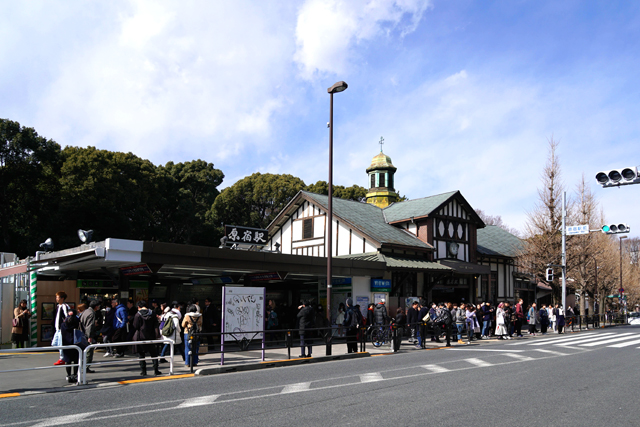
The main building at Harajuku Station in its European-style has been around since 1924. There’s nothing quite like it in Central Tōkyō.
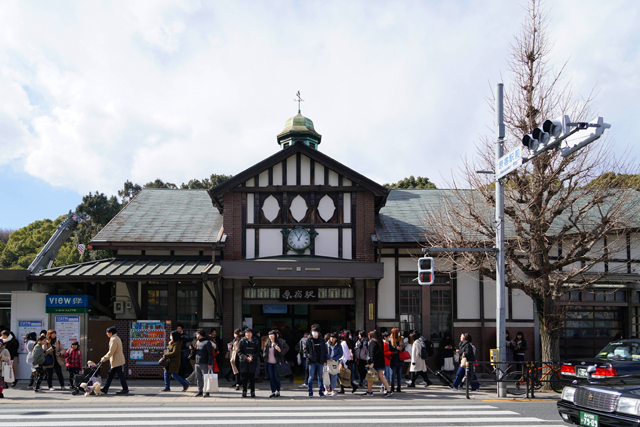
The station will be rebuilt and expanded in time for the Olympics, and with no assurances that it will incorporate the old station building, we’re glad to see it again.
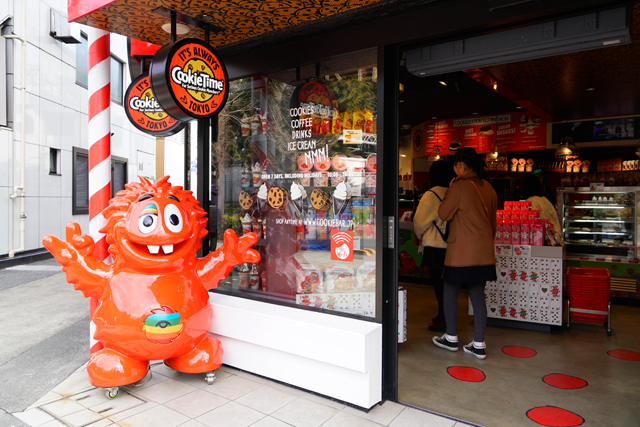
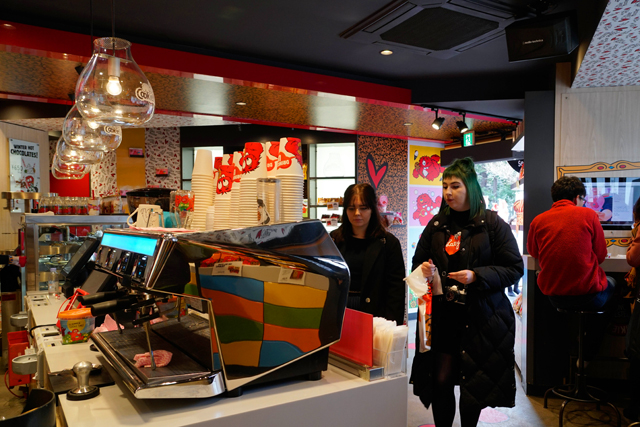
We make a brief attempt to find Afuri, a ramen restaurant serving yuzu ramen, before deciding we weren’t hungry yet. There’s CookieTime along the way. The shop is run by Westerners speaking Japanese. It’s uncanny in the middle of Japan.
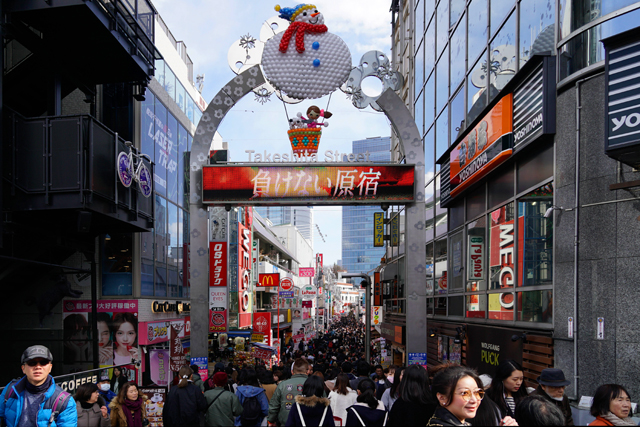
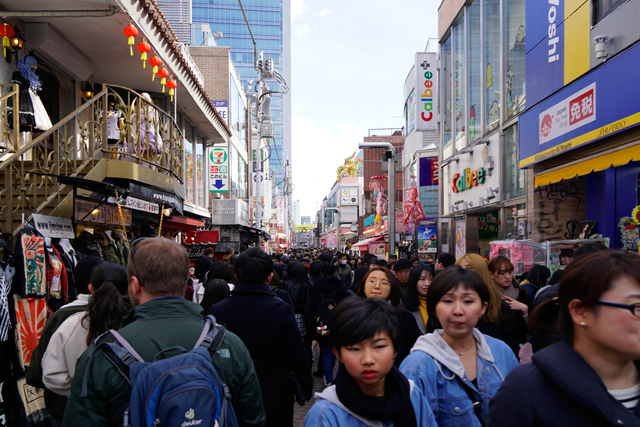
Takeshita dori is jam-packed with people as always. It’s a public holiday after all.
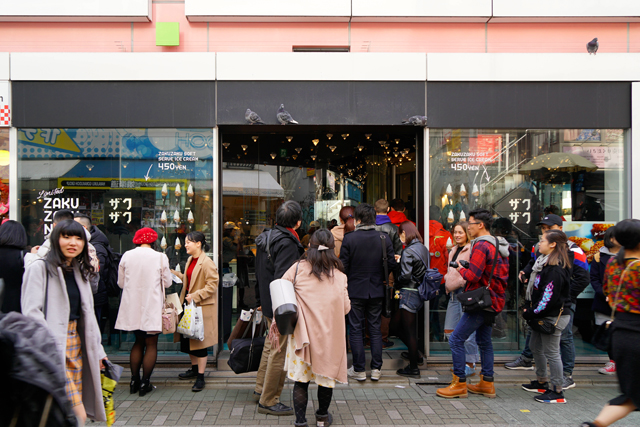
We love that new shops open in familiar places. This is Zaku Zaku.
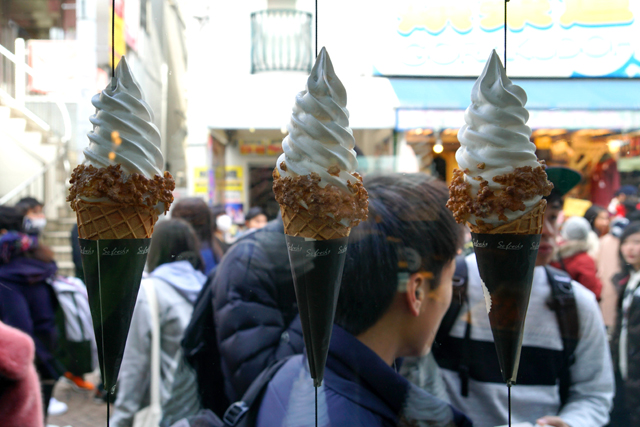
They have soft serves hanging in the window.
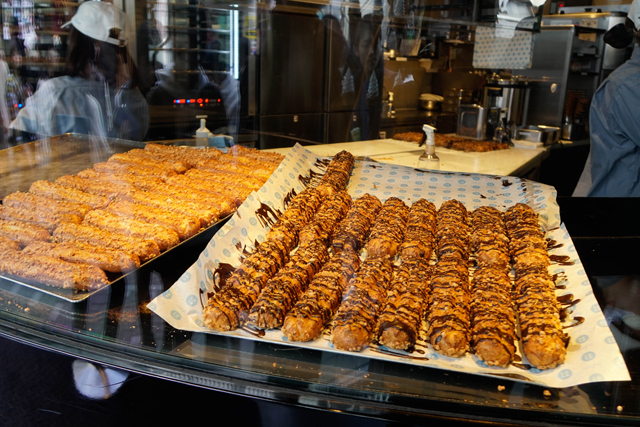
But what draws our attention is the delicious aroma of these fresh baked goods. They look so crispy!
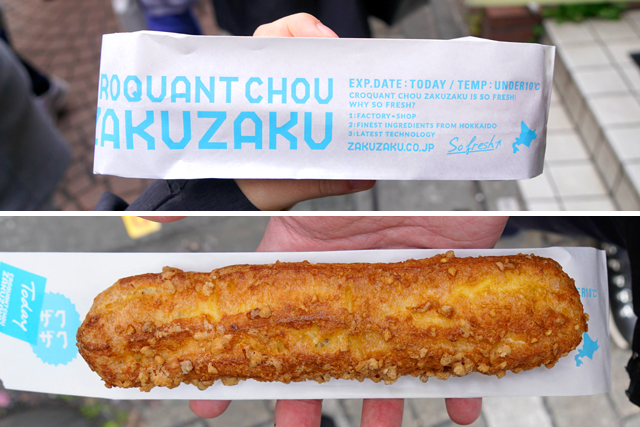
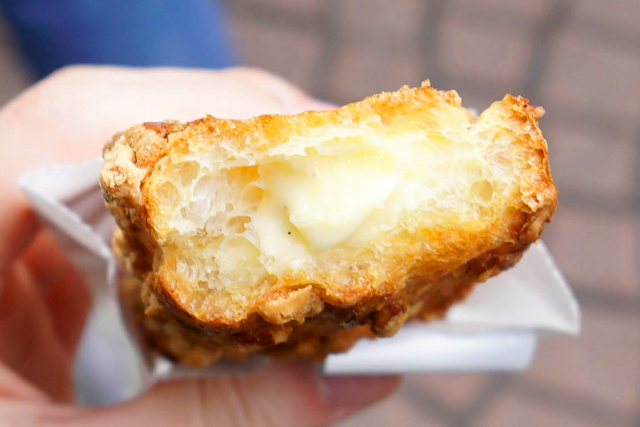
They’re called Croquant Chou, and this is the original custard one. The crust is audibly crunchy and browned to perfection with the crystalised sugar adding extra crispiness, while the cream is made from milk from Hokkaidō and piped to order.
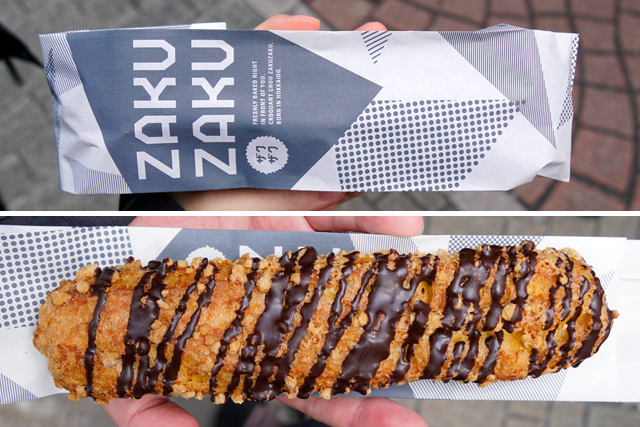
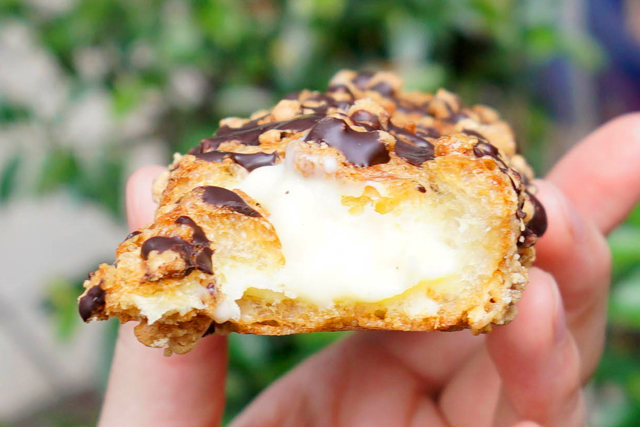 This is the Chocolate Croquant Chou, essentially the same as the original but drizzled in chocolate. The chocolate adds an extra layer of flavour.
We enjoy both and would go (and do, later in our trip at another location) for more. Yum!
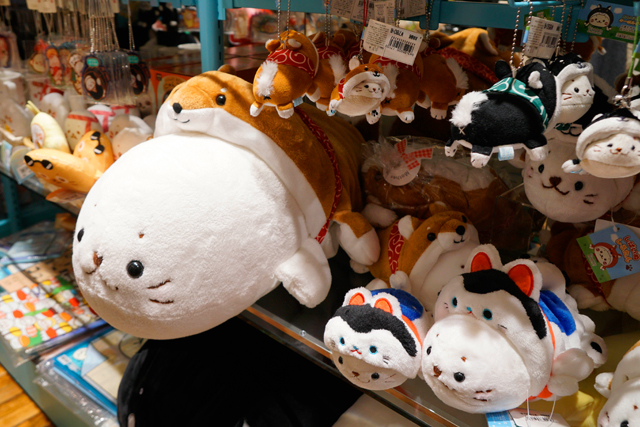
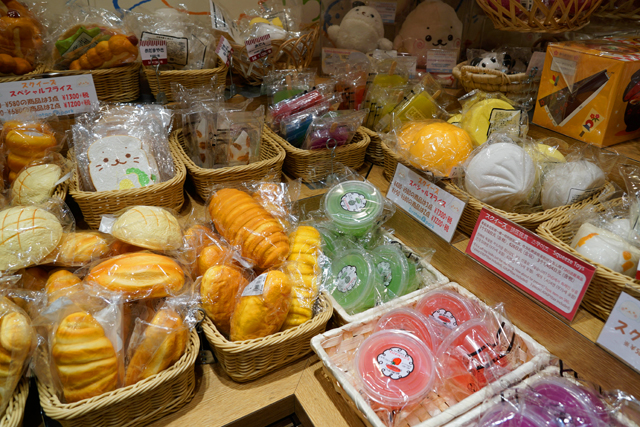
We pop into a shop selling plush toys. It’s a seal wanting to be a shiba inu! There’s also a bunch of foam baked goods.
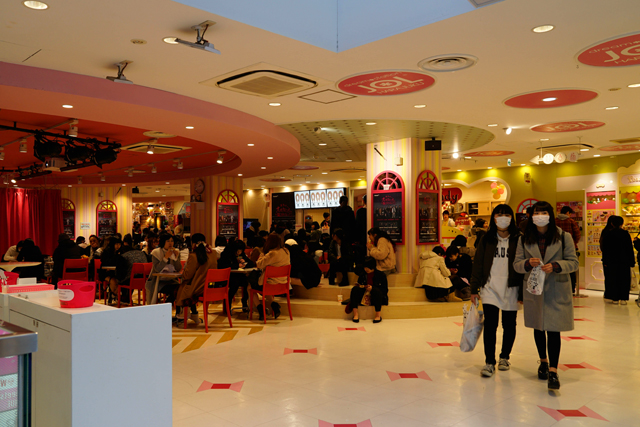
Across the road, we (knowingly) head upstairs to a food court of sorts that is geared towards teenagers.
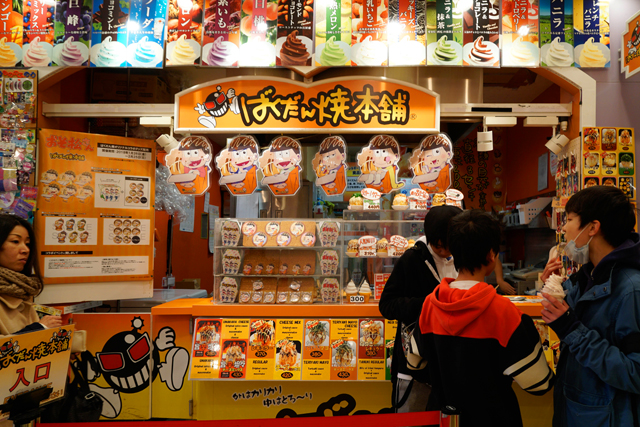
We’re here for old time’s sake. Bakudan Yaki Honpo sells jumbo takoyaki that we’d tried back in 2011. By jumbo, I mean a takoyaki that’s 10 cm in diameter and served in a takeaway noodle container. It wasn’t as good as the normal-sized takoyaki but it was novel.
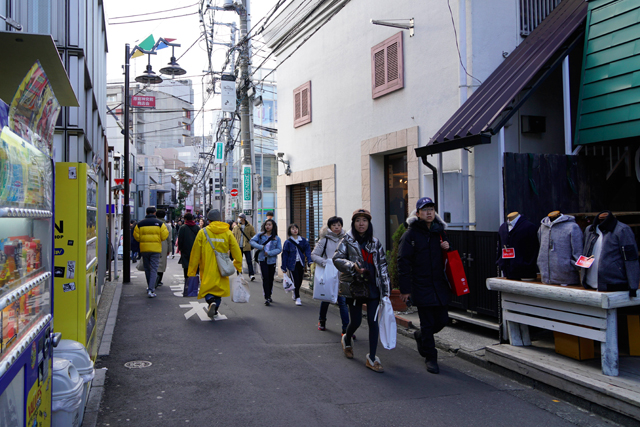
We continue down the less crowded end of Takeshita dori.
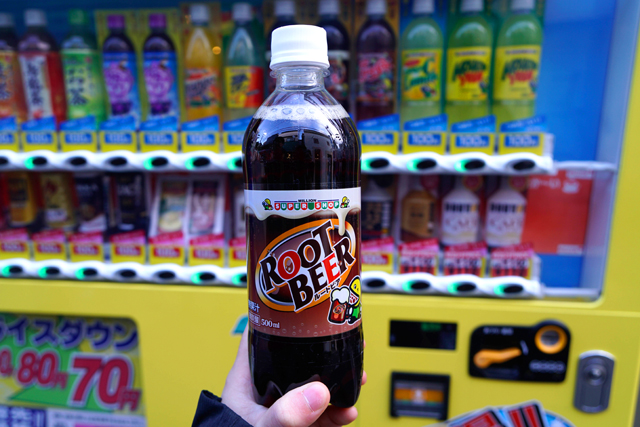
This A&S Root Beer tickles our fancy, recalling our earlier adventures in 2017 trying different types of sarsae. We were after sarsaparilla, but most of the sarse tasted like wintergreen, which is what root beer is supposed to taste like. And this bottle confirmed that it’s true!
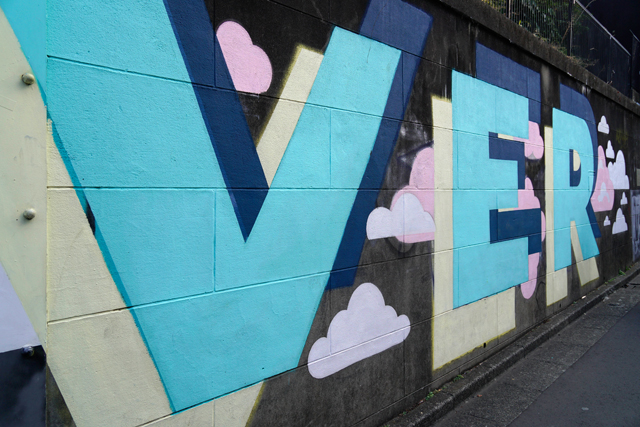
There’s some street art at the end of the street.
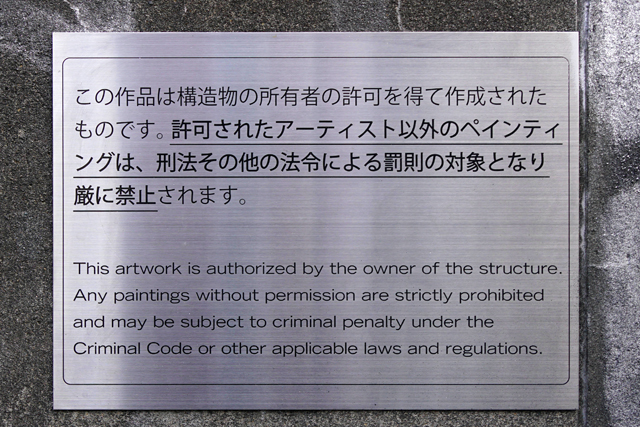
The week prior to us visiting Japan, two Australian tourists had seen street art in Shibuya and stupidly assumed that it was acceptable to spray paint their tags onto four buildings in the area. We wondered if this sign was in response to that incident.
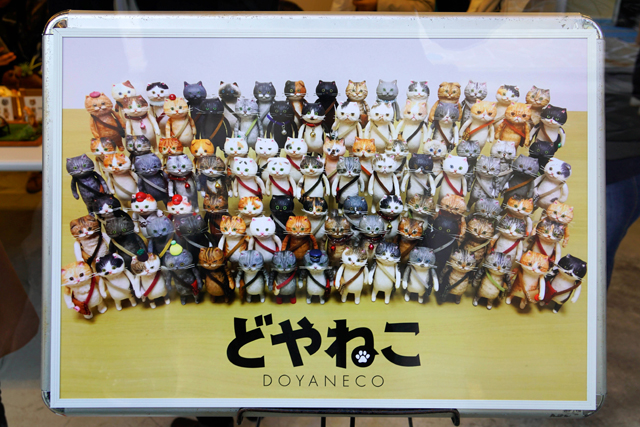
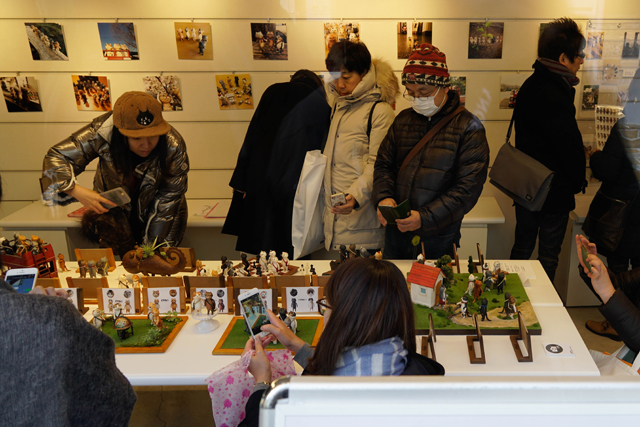
Down one of the alleys is an exhibition space called Doyaneco.
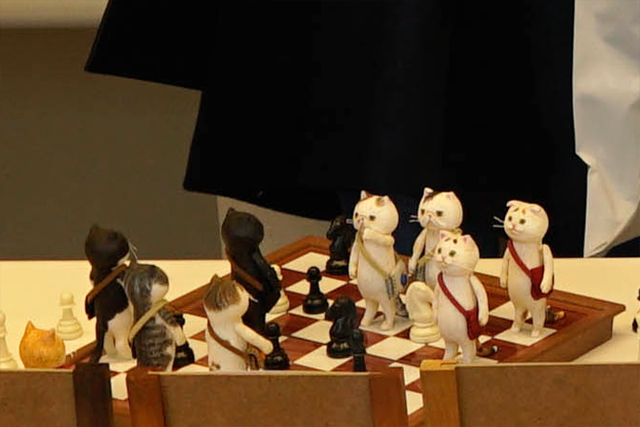
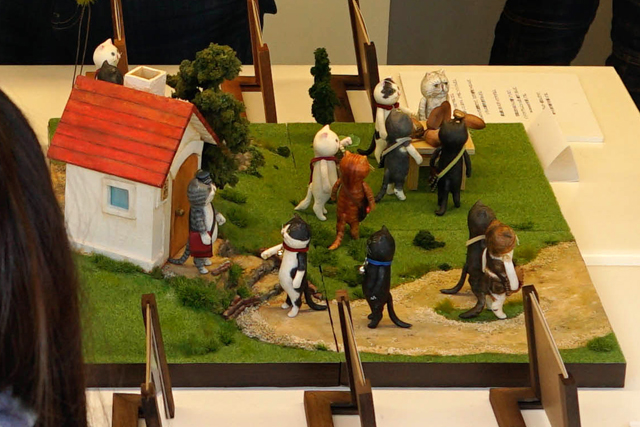
There are upright cats in various scenes, including a chess board and a baking bread in front of a house.
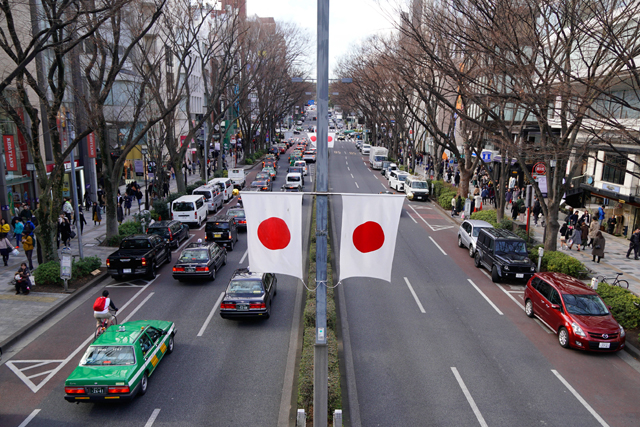
There’s always a good view of Omotesando on the aerial crossing.
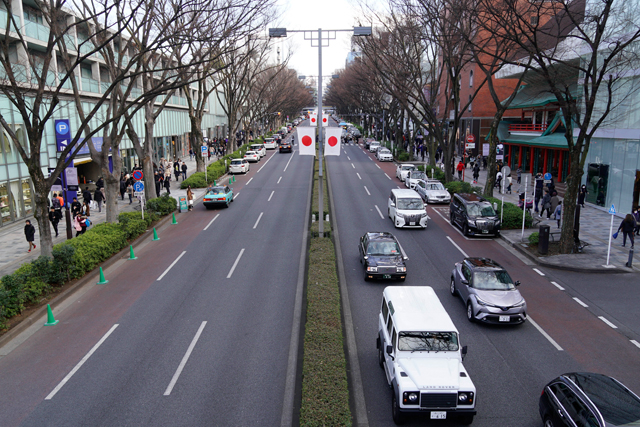
Omotesando is a wide, tree-lined boulevard. Most of the shops are insanely expensive, high-end fashion and jewellery brands.
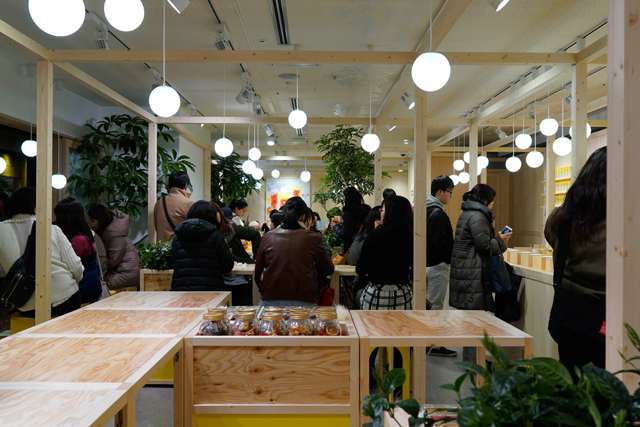
We’re here for the Lipton Good in Tea store that popped up in Tōkyō between 24 January and 1 April.
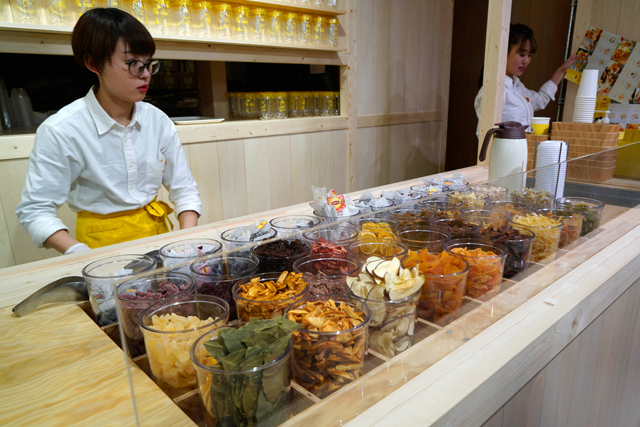
The store offers 9 teas made with real fruit. After ordering at the first counter, the next staff member assembles your order into a cup.
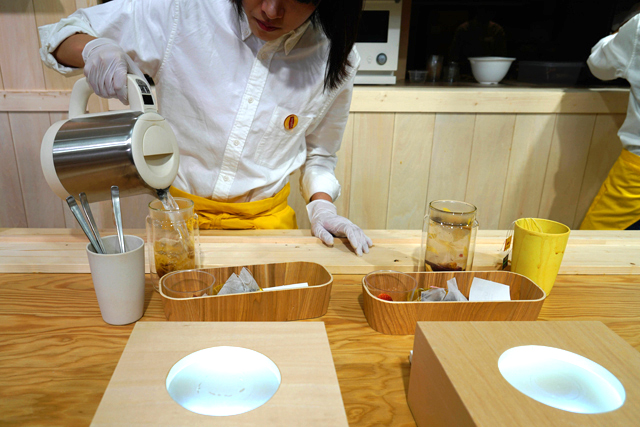
And then, the next staff member brews the tea.
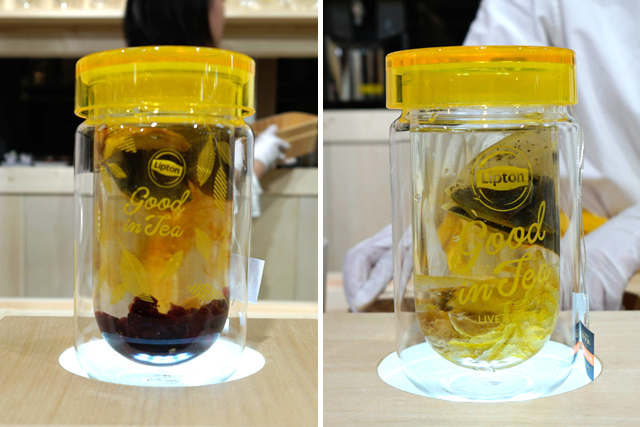
The teas are served in their double walled (plastic) cups that can be bought for ¥1650. The cups sit atop a bottom lit ‘pedestal’ until the timer is up and you’re served the tea.
There’s a selection of toppings, including pearls and mochi and rock sugar to be had with each tea.
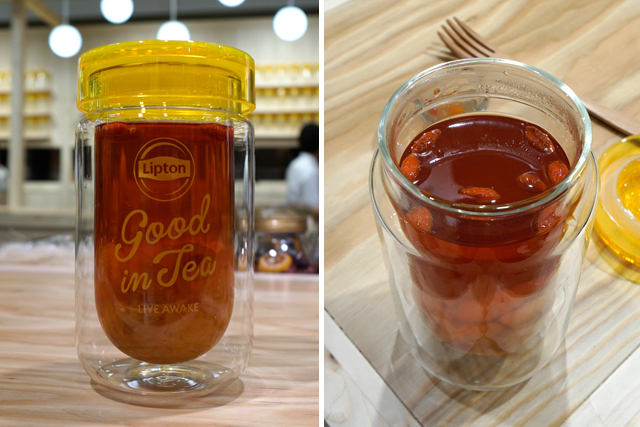
This is the Balancing Yuzu, with dried fig, yuzu purée, yuzu jam, goji berry, and mikan segments in marmalade and goji berries in Lipton Ceylon Inn tea.
This tea recalled the kumquat teas that Asian people drink to get better from their colds (which we were!). It’s tasty and enjoyable.
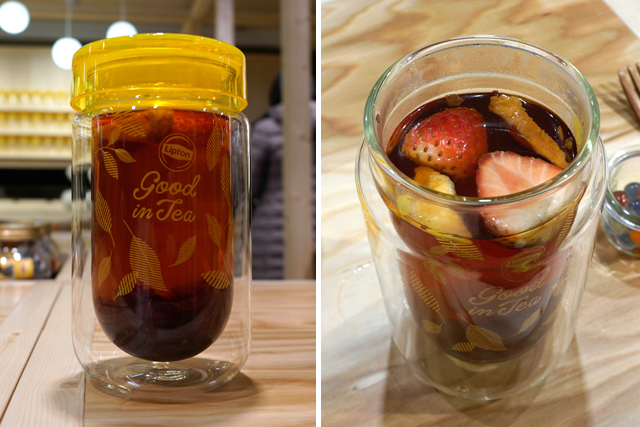
This is the Innocent Sakura, with dried cranberry, dried peach, sakura syrup, and fresh strawberry brewed in their sakura flavoured black tea.
This one has a pleasant floral undertone that paired well with the sweet and lightly acidic notes of the fruit. That said, the overall taste of the Balancing Yuzu was more enjoyable.
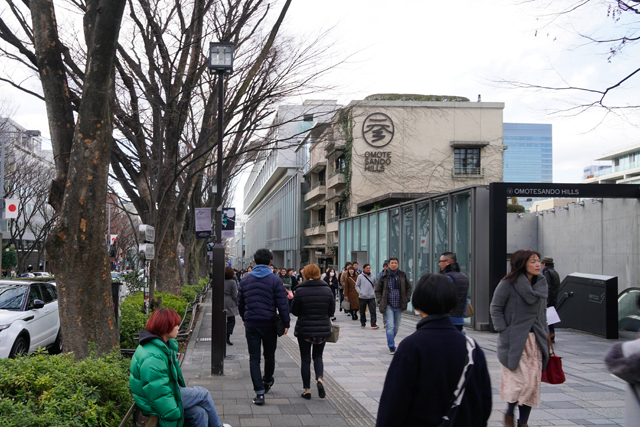
Across the road is Omotesando Hills.
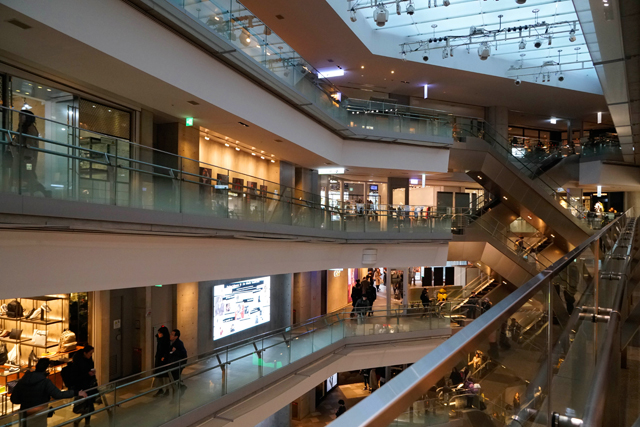
The interior layout of the shopping complex is a spiral with all the floors being continuous, although there are escalators at one end for those not interested in strolling.
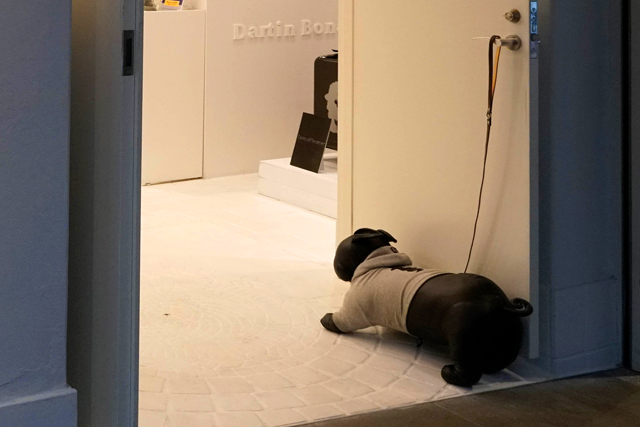
Dartin Bonaparto has a cute dog propping its door open.
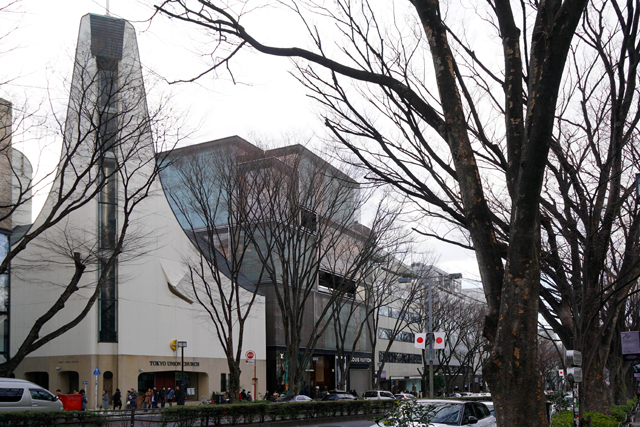
The length of Omotesando is full of whacky buildings. This one here is Tōkyō Union Church.
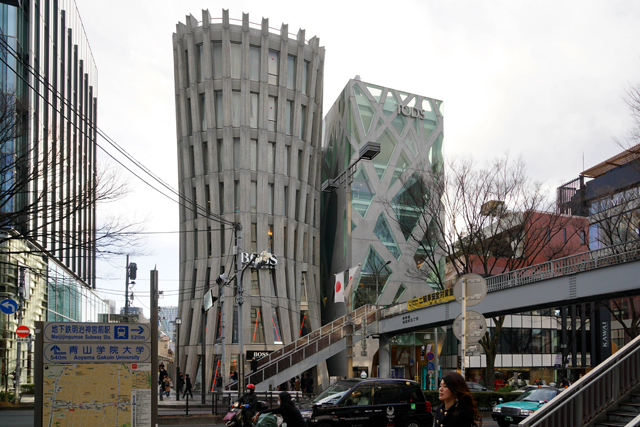
Further down are the flagship stores for Hugo Boss designed by Norihiko Dan and Tod’s designed by Toyo Ito. The architecture nerd in me is part of why I enjoy Omotesando despite its high-end shops.
Tōkyō – Minato
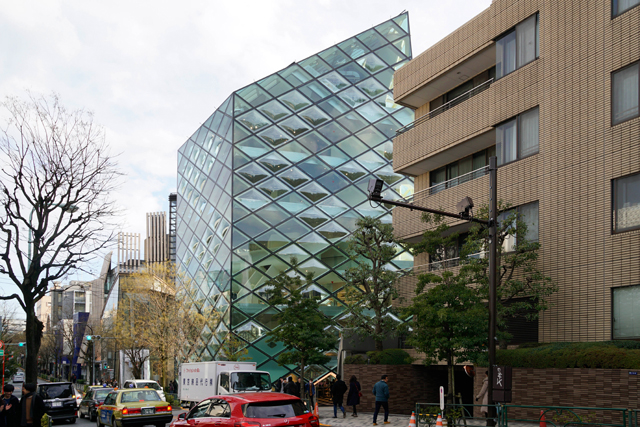
Continuing on we head towards the neighborhood of Aoyama, passing by the Prada store by Herzog and de Meuron.
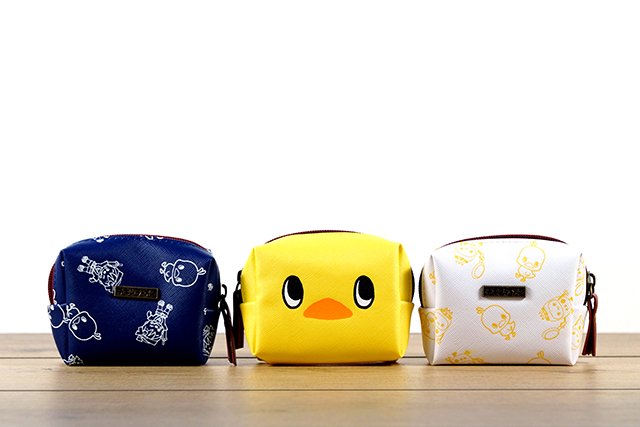
At the 7-Eleven along the way, I purchase more Nissin ramen to complete my collection of their pouches (the middle and right).
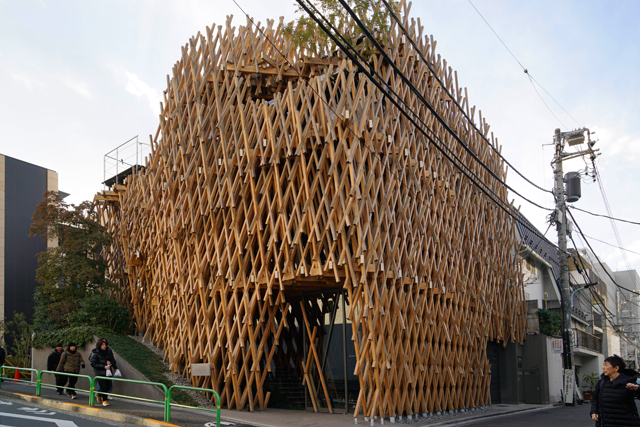
This building, situated in a residential area, is the reason we’re in Minami-Aoyama.
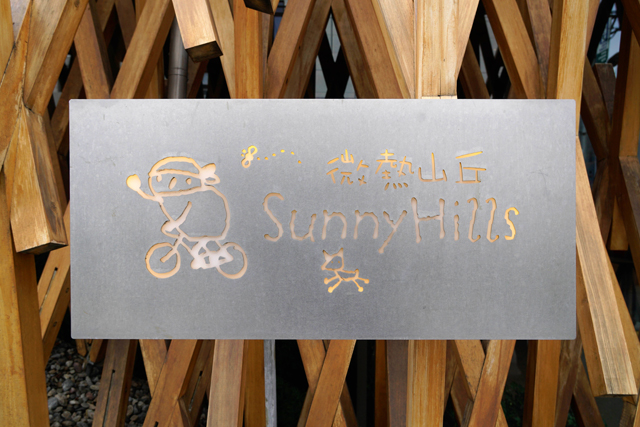
Designed by Kengo Kuma, it’s the store for SunnyHills, a Japanese branch of a popular chain of shops selling pineapple cake in Taiwan.
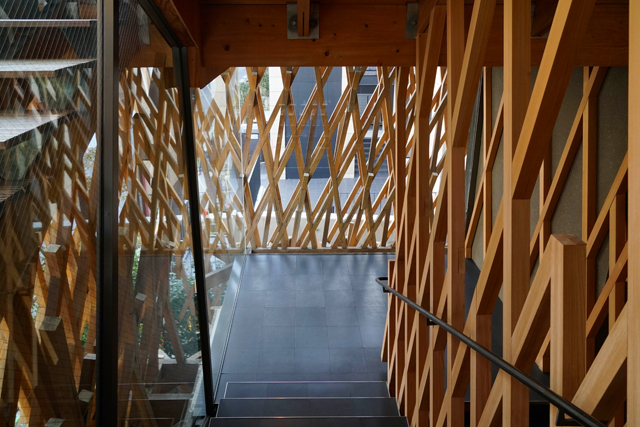
The building is in the shape of a pineapple and built using a joint system called jigoku gumi, a method used traditionally in Japanese wooden architecture.
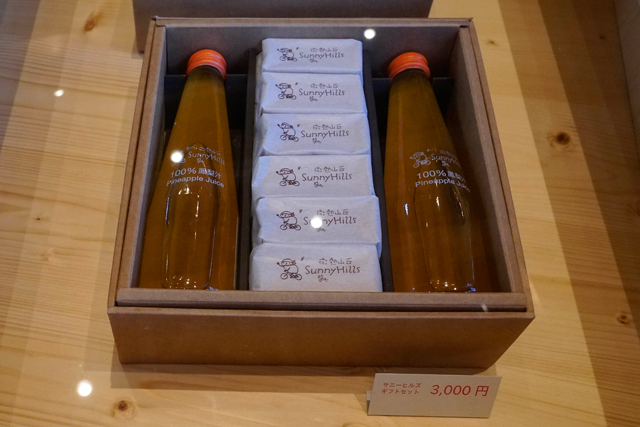
Aside from pineapple cake, the shop also sells 100% pineapple juice.
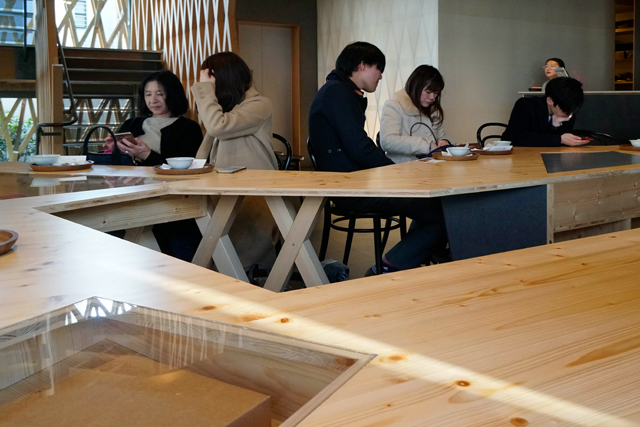
But the best part about the shop is that before purchasing, the shop encourages you to try one of their famous pineapple cakes for free.
After entering the store, the staff ask if you’d like cake and tea, from which you are directed to tasting area on the floor above. There’s a whole space dedicated to providing tea and cake.
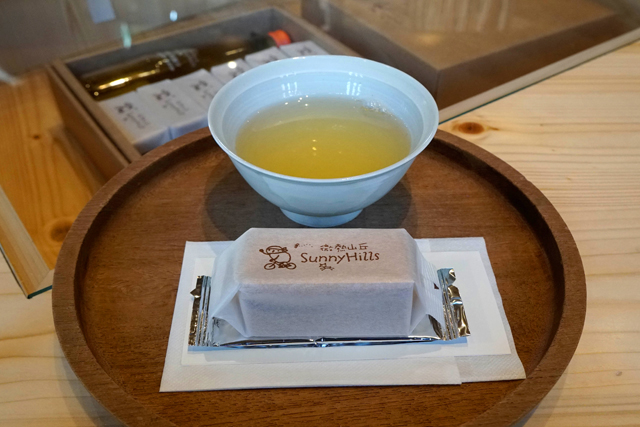
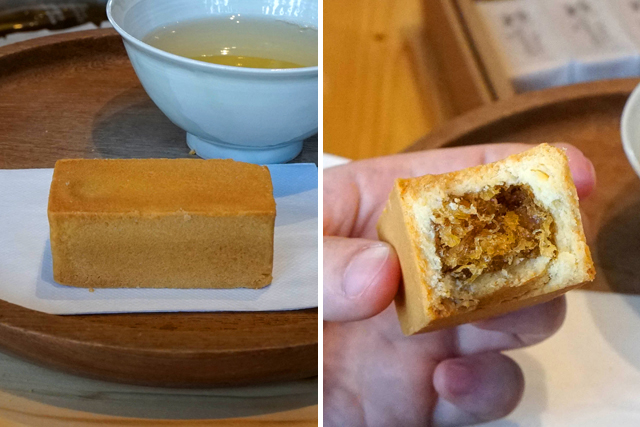
The cake is a full sized version of their product, described as tasting like ‘what sunshine would taste like … if it was a cake’. We enjoy the cake and tea, although we’d have enjoyed a stronger pineapple flavour in the filling, which was very fibrous.
Unfortunately, even though we entered with the intention of leaving with a box – after all, the company is so confident that you’ll like their product so as to give it away for free – we did not.
Tōkyō – Shibuya
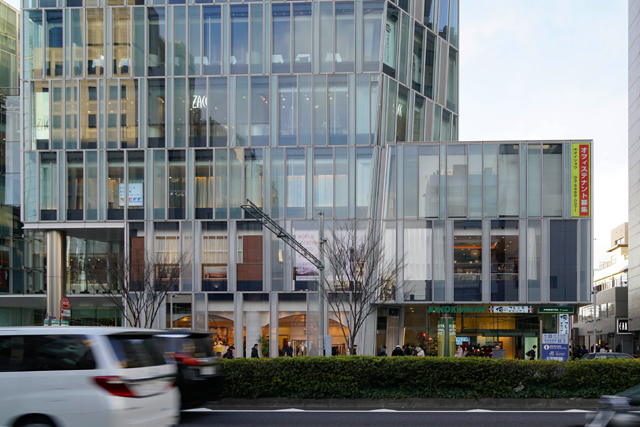
From Aoyama, we walk down Aoyama dori towards Shibuya Station.
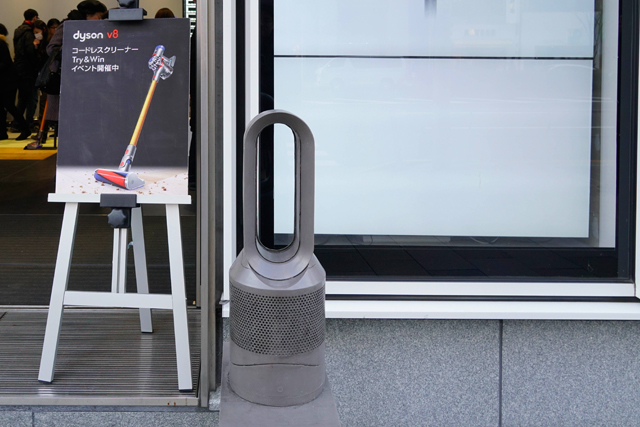
The Dyson store has two cast sculptures of its signature bladeless fans flanking its entrance.
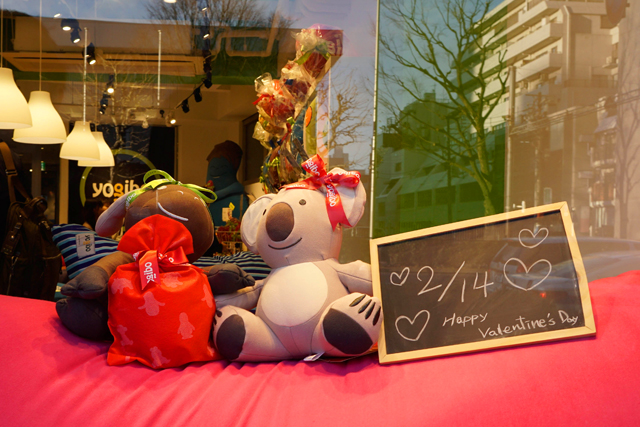
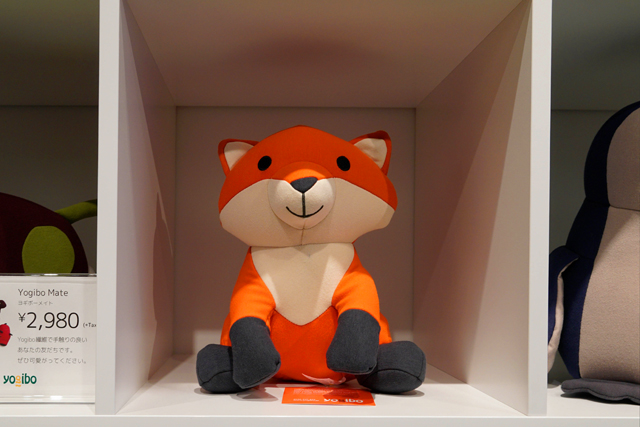
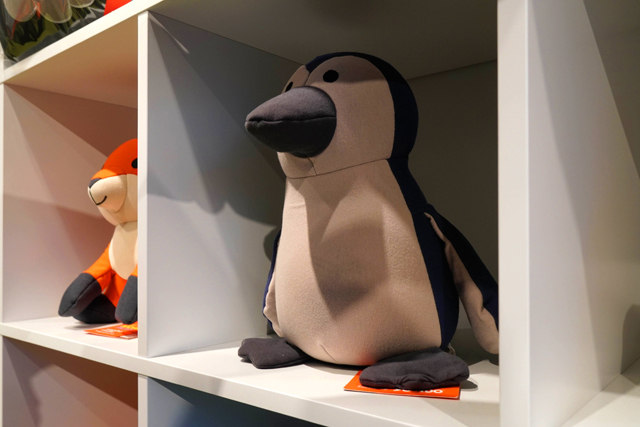
Yogibo is an American sofa company known for selling ultra-comfortable couch-sized bead chairs. This store also sells animal plush toys using the same material. We see a koala and a moose advertising Valentine’s Day. There’s a large variety of these Yogibo Mate inside the store, including a fox and a penguin, all costing ¥2980.

Further down the road is the United Nations University.
Established in 1975, the United Nations University (UNU) is an international community of scholars engaged in research and postgraduate training on the pressing global problems of human survival, development and welfare.
The UNU Headquarters building was completed in 1992. The land is owned by the Tōkyō Metropolitan Government and the facility is owned by the Japan Minidstry of Education, Culture, Sports, Science and Technology.

The building was designed by Kenzo Tange in 1985 and has a unique design that ‘was based on a mixed-use concept featuring large public event spaces on the lower floors, and private offices on the upper floors’.
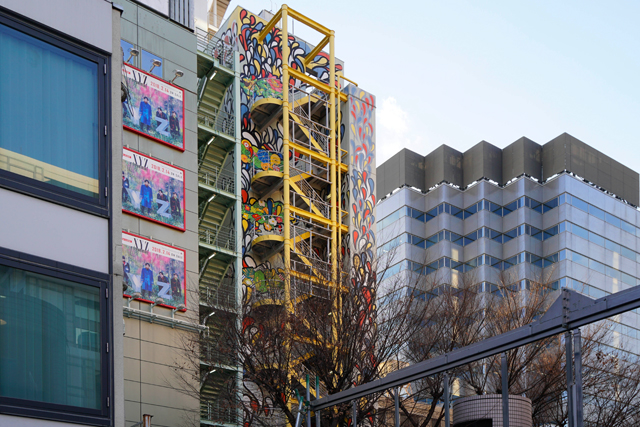
There’s some colourful street art on the fire stairs.
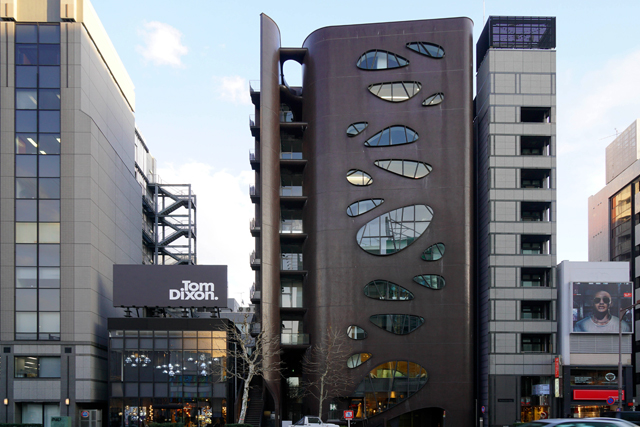
This high rise with the organically shaped windows is a high rise with facilities like a dentist inside…
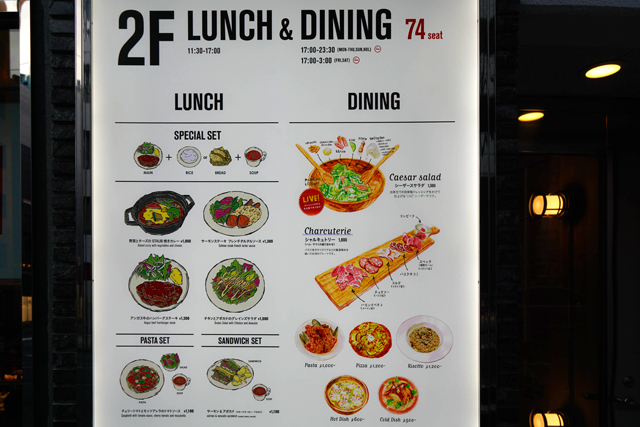
Closer to Shibuya Station we spot this beautifully illustrated menu.
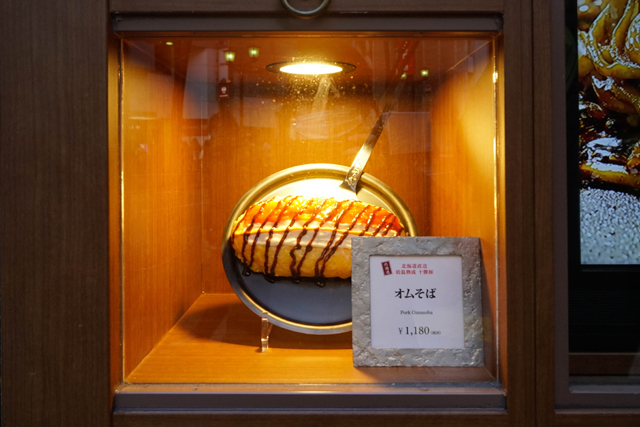
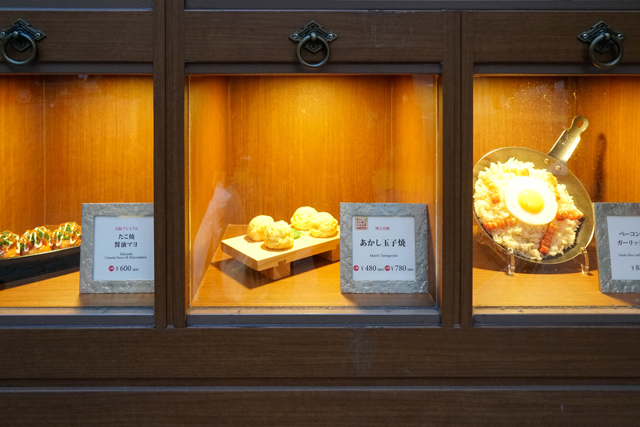
Another restaurant has some interesting twists on old favourites, including pork omusoba, takoyaki with umami sauce and mayonnaise and akashi tamagoyaki.
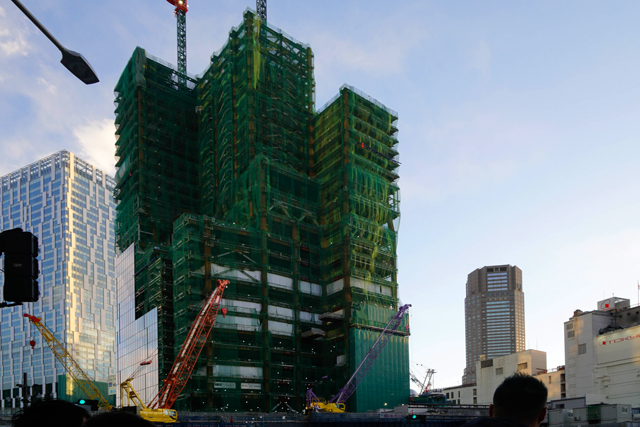
There’s a flurry of construction activity closer to the station.
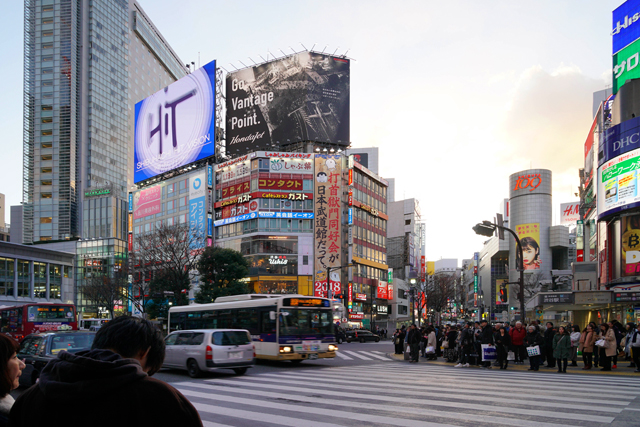
And before long, we’re at the famous Shibuya scramble crossing.
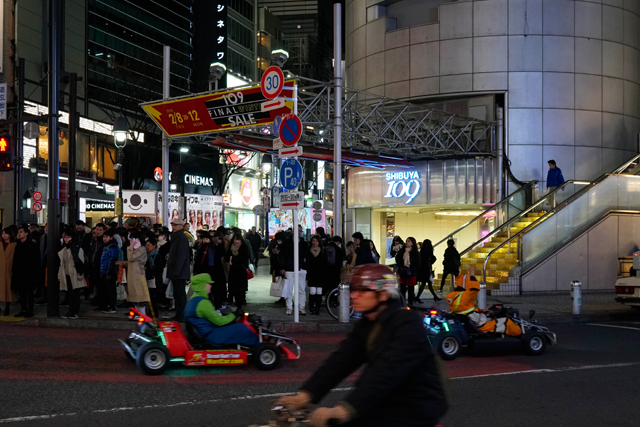
After doing some shopping in Shibuya 109, we spot the vehicles from Mari Car again, this time with a Nemo as well.
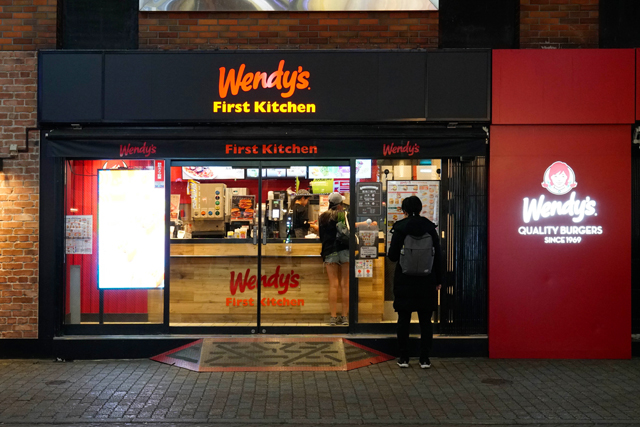
Many of the First Kitchen stores have teamed up with Wendy’s to combine the two brands at the same outlets.
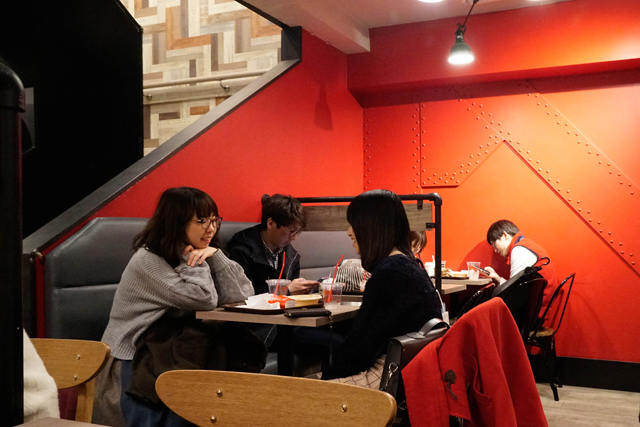
The interior is a bright red.
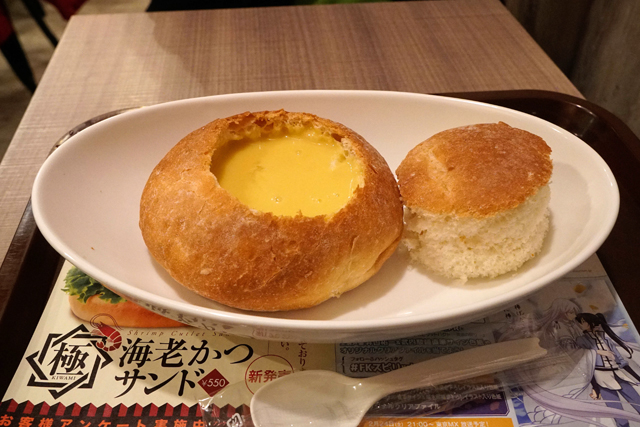
Part of the merger resulted in soup bowls. This here is the Hokkaidō Corn Pottage in a Bread Bowl (¥470). The soup is comforting with good flavour, but the bread is rather dry and bland. I’d return for the corn pottage itself (¥290).
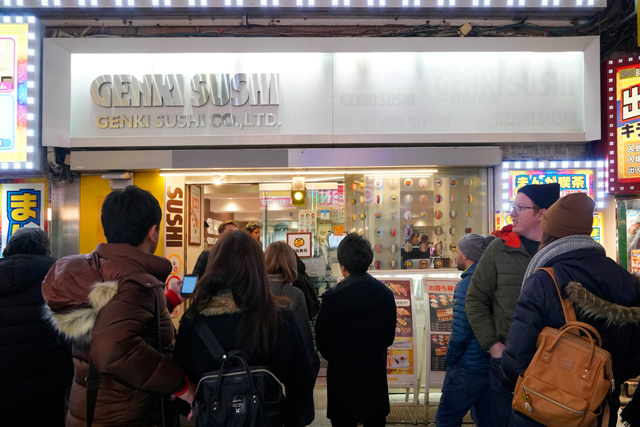
We’re not particularly hungry for a full meal for dinner, so we head to Genki Sushi. Prices have gone up from ¥108 a plate to ¥118 a plate since our last visit in 2015.
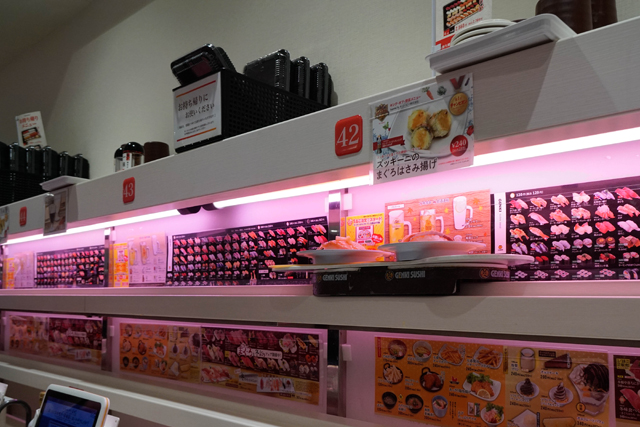
Inside, it’s the same layout with self-serve tea and double-tracked trains.
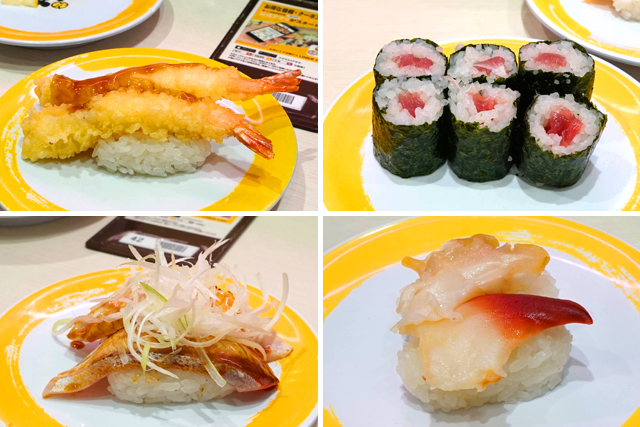
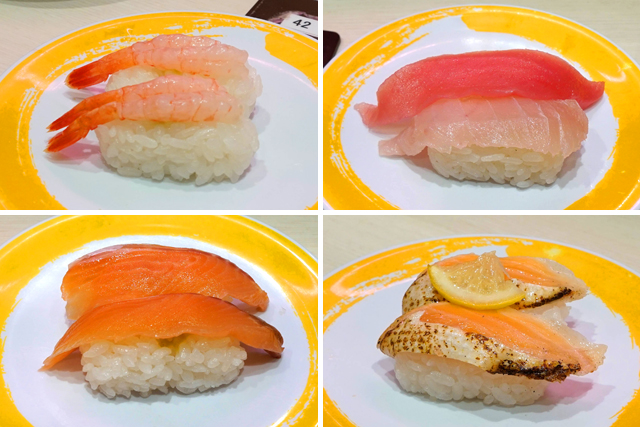
We get plates of nigiri with deep fried ebi, seared salmon, fresh salmon, fresh shrimp, surf clam, fresh tuna.
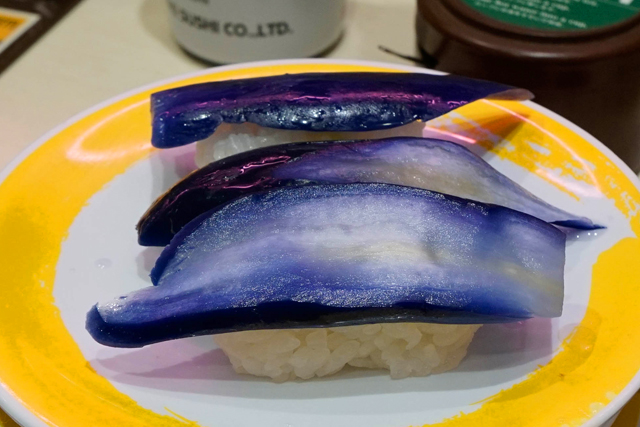
And to finish off, this fluro purple coloured plate is eggplant. It’s not bad – it’s pickled and crunchy – but it’s also not something I’d order again.
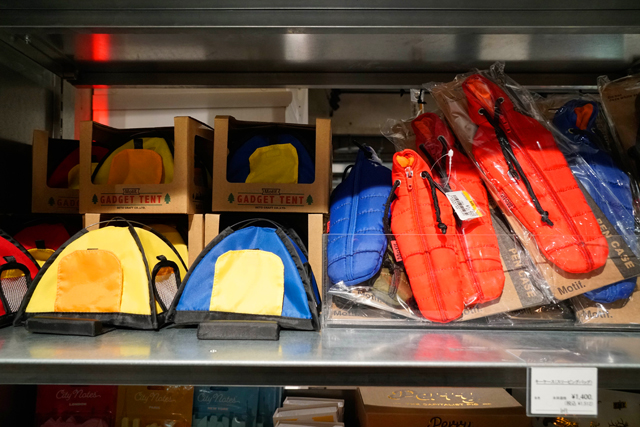
After dinner, we head to Loft for a quick squiz before heading home. They have you covered if your gadgets ever want to go camping.
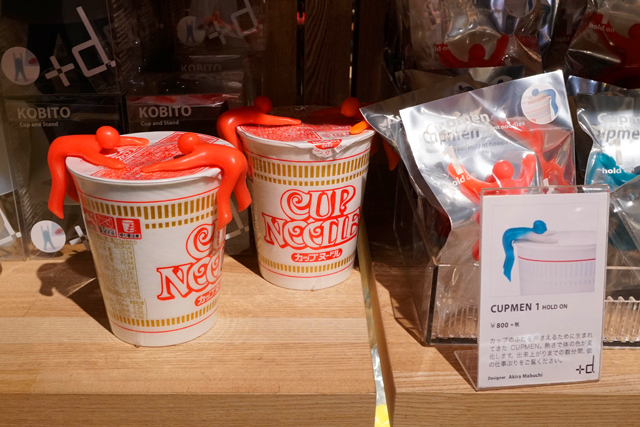
These figures hold the piece of paper down to trap the steam while you wait three minutes for your noodles to cook.
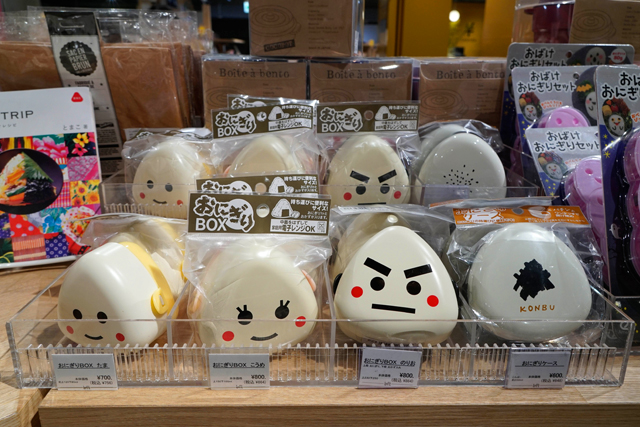
I’d like these containers if I took onigiri to work!
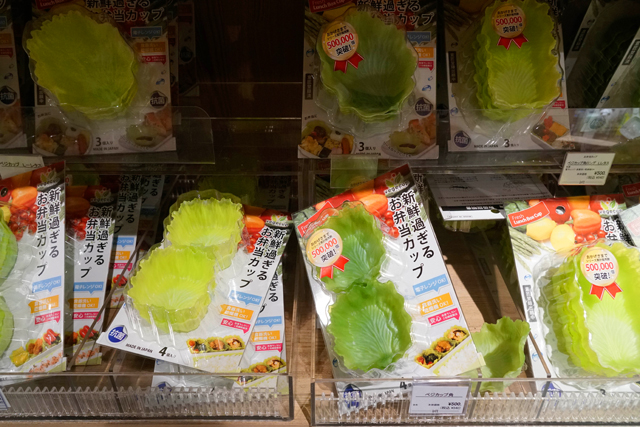
For those who make bento, there are reusable lettuce bowls.
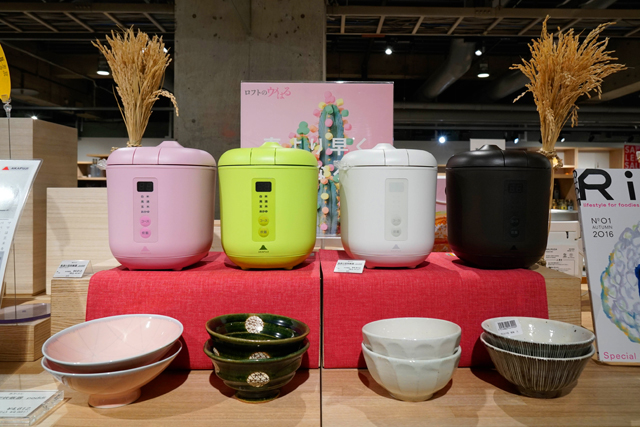
For the small household, there are these cute, tiny rice cookers. We could probably use one of these, seeing as we’re forever cooking less than the minimum amount in our one at home.
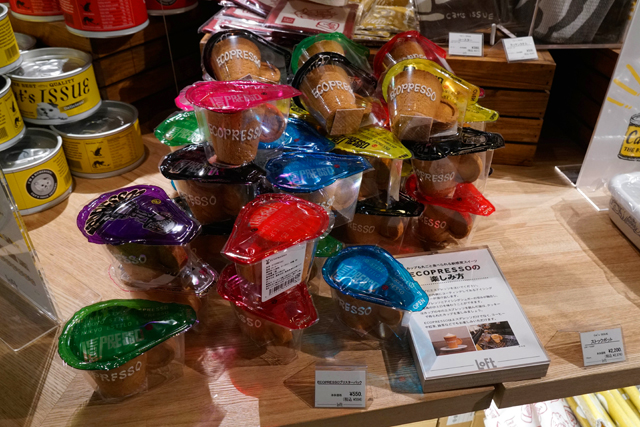
ILOHA Coffee is popular for its ECOPRESSO, which is espresso coffee served in an edible cup made of cookies. Now they’re available for purchase at Loft for ¥550 – not bad for a drink and snack.
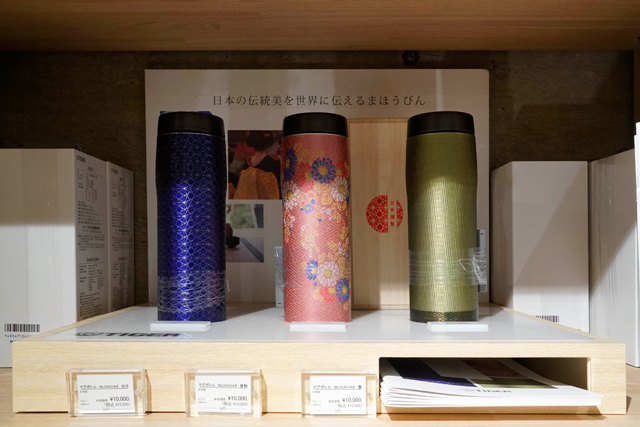
Finally, these thermoses (¥10,000) by Tiger have beautiful designs that draw inspiration from traditional Japanese crafts that are learned from generation to generation.
- Kiriko (blue, left) featured the sharply cut lines of Kiriko glass
- Kimono (pink, middle) featured the woven textiles of kimono cloths with numerous threads
- Tatami (green, right) featured the mesh of woven tatami with soft rush.
Each design is tactile, allowing the user to feel the textures by a simple touch.
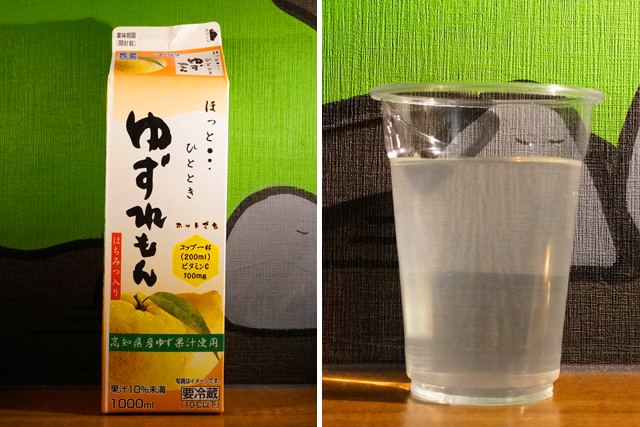
We wind down the night with some yuzu lemon cordial to refresh us for a trip to the Kikkoman Factory and Tōkyō Sky Tree the following day.