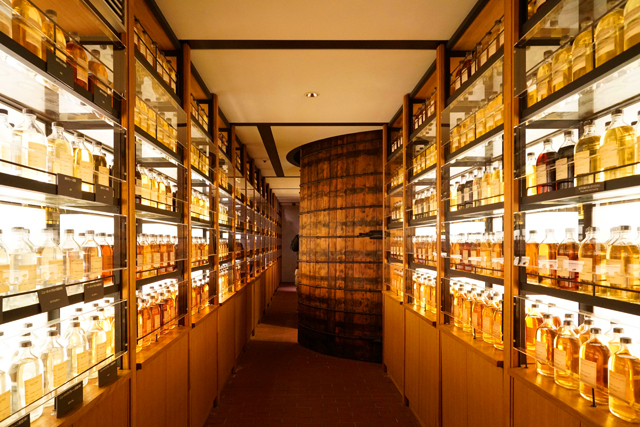
Our first full day in Japan sees us revisiting some of our old haunts around Tenjimbashi in Ōsaka, before heading to a tour of the Suntory Yamazaki Distillery and then returning to Umeda in Ōsaka.
Ōsaka – Nakanoshima
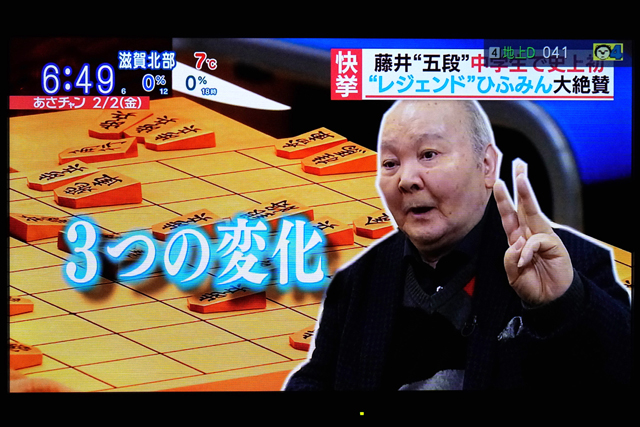
We’re still running on Sydney time, which is two hours ahead, so we’re treated to some early morning television where there’s a segment on shogi. D and I are still watching 3-gatsu no Lion so it’s mildly interesting.
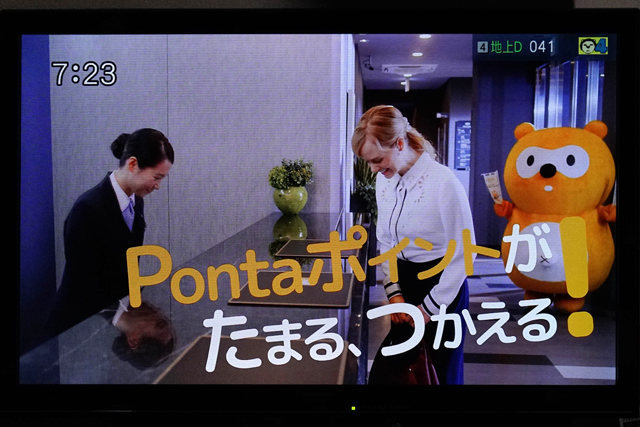
An hour later, there’s an ad for Ponta, an incentive program that allows you to earn points when making purchases at various locations around Japan. Their mascot is the tanuki in the background.
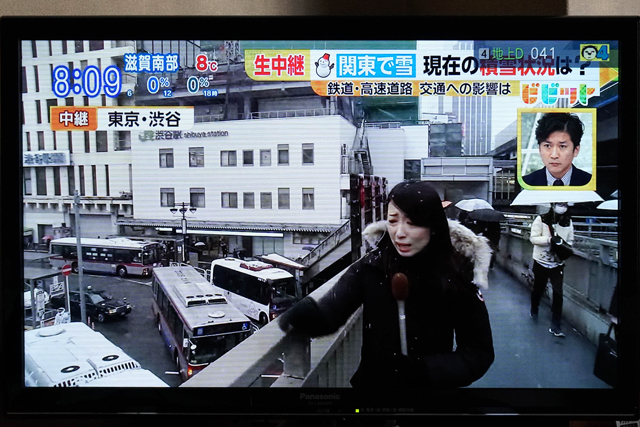
The week before we arrive in Japan, Tōkyō has the heaviest snow-storm in four years and a week later, they’re still experiencing flurries around Shibuya.
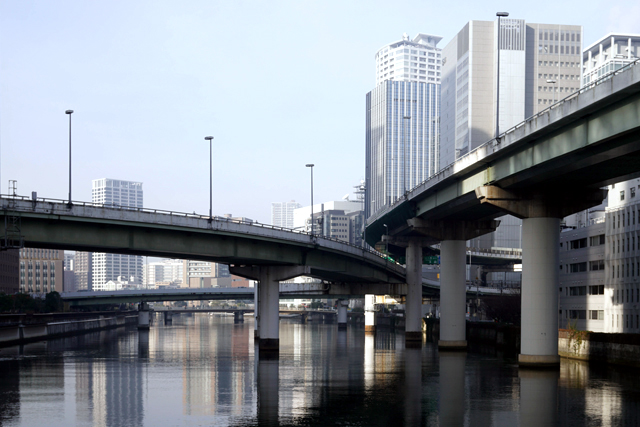
After a long sleep in, we head towards Tenjimbashi.
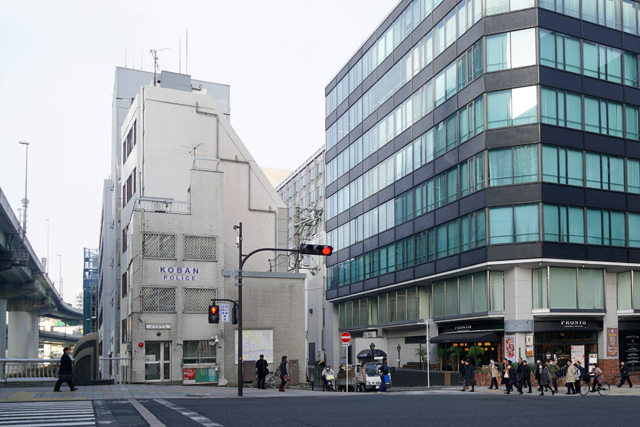
It’s a weekday morning and we see a large number of suits scurrying off to work with our hotel located close to the business district.
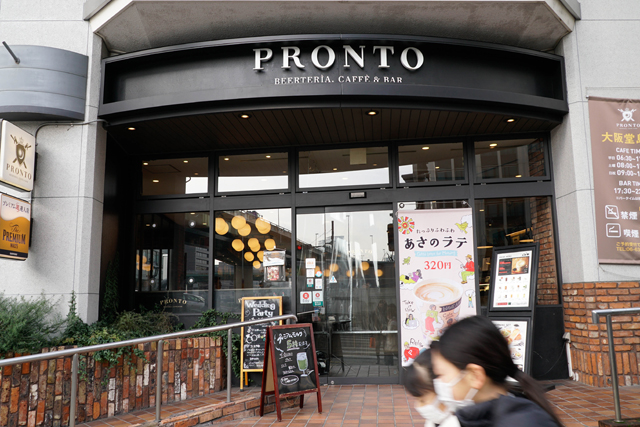
We make a brief stop for breakfast at Pronto.
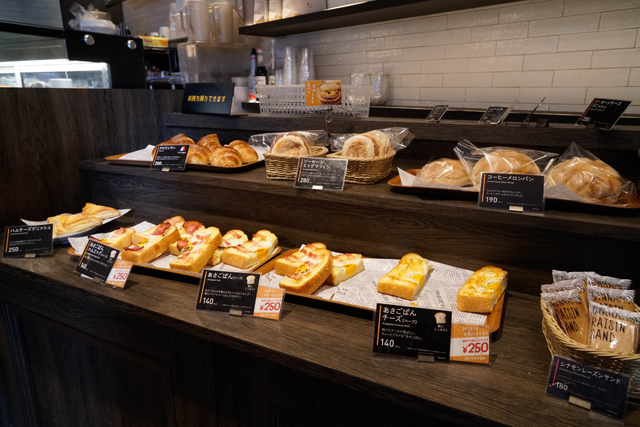
We’re used to Pronto selling coffee and kinds of pasta, so we’re surprised to see a selection of bread.
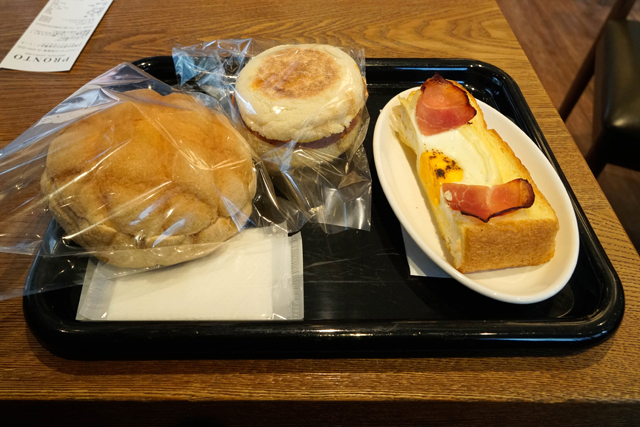
We enjoy bread is Japan because they don’t add so much sugar to the dough as Asian bakeries do in Australia.
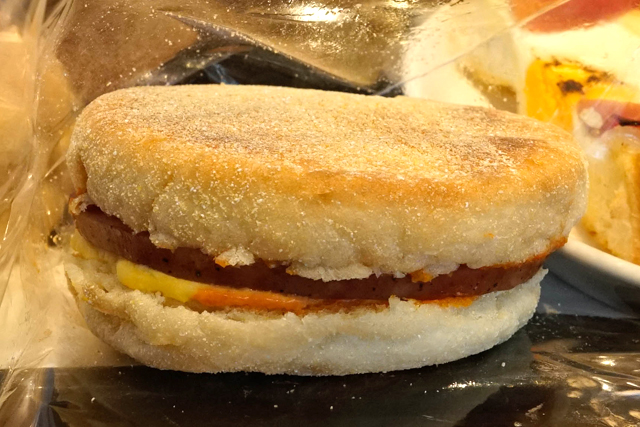
This is D’s muffin with thick sliced ham and mustard and tomato sauce. It’s not quite what he expects, which is a bacon and egg muffin and less of a hotdog in a different format.
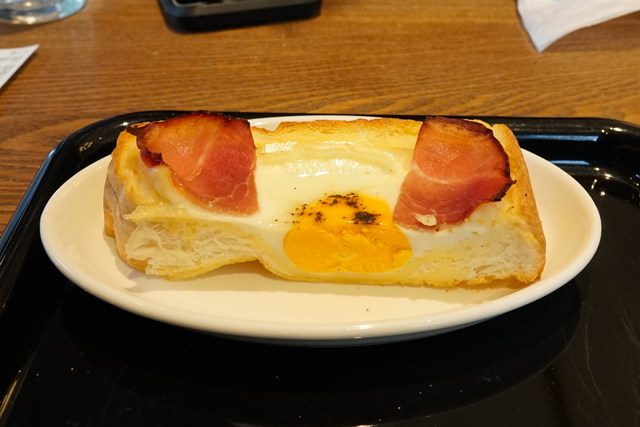
For my savoury option, this is a toast with half an egg and some bacon. The bread is thick and fluffy.
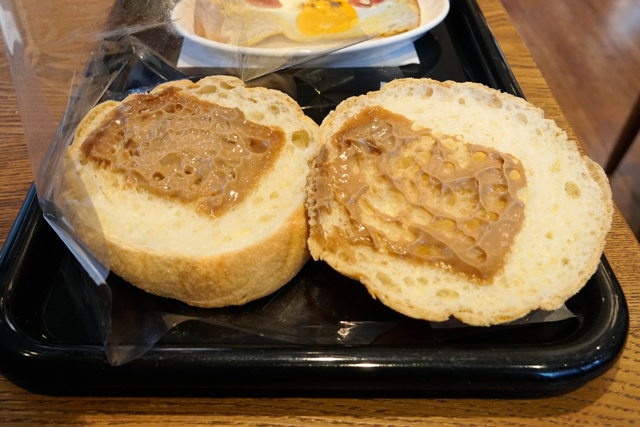
And this is a coffee melon pan. The bread is soft without a crispy shell, but the flavour of coffee cuts through the sweetness of the bread.
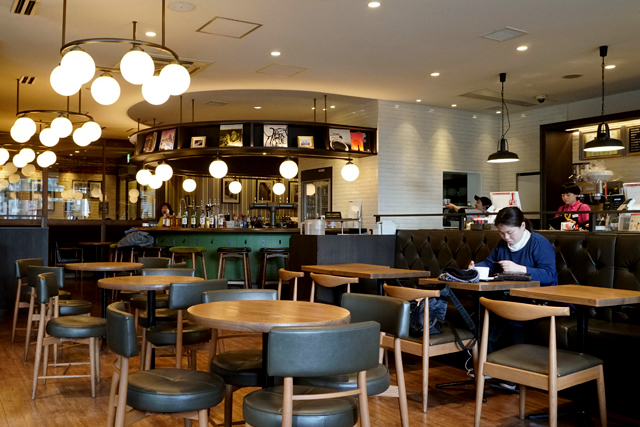
It’s past the morning rush, though, so we have much of the cafe to ourselves.
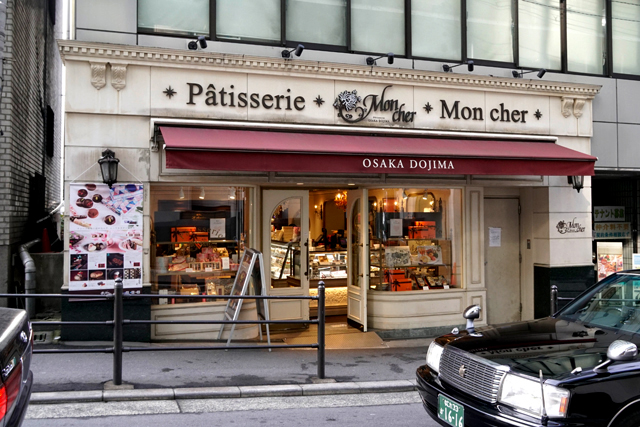
It’s always time for cake and opposite the Pronto and the main reason for our being in the area is Patisserie Mon Cher. This is their main shop in the Dojimahama area.
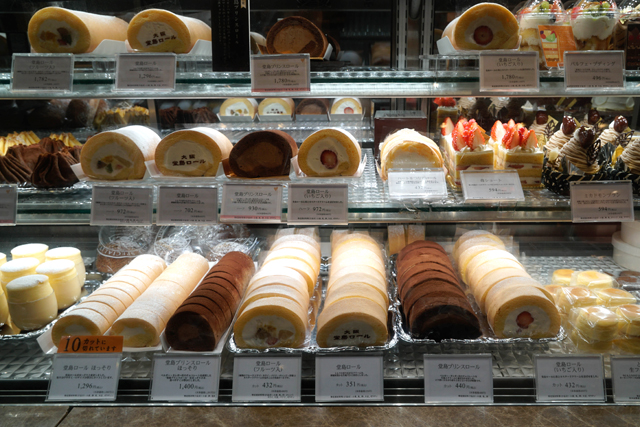
Eating cake is always a priority. We pick up a few for a post-breakfast snack later.
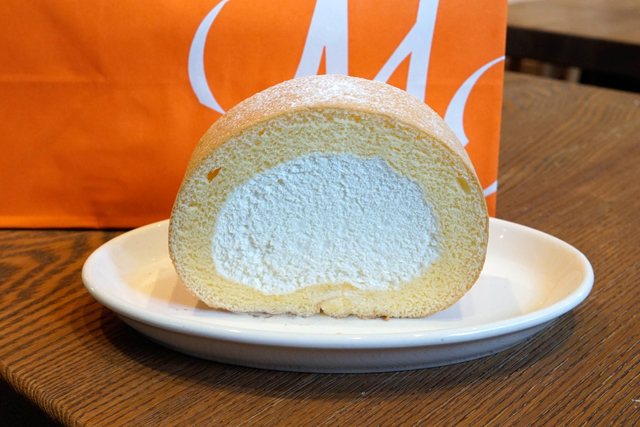
This Dojima Roll is the speciality of Patisserie Mon Cher, and it comes in various iterations with fruit in addition to the original.
The cream is made with several different kinds of carefully-selected raw milk from Hokkaidō. The cream is usually the part of the cake D and I leave to the side but the cream here surprises us. It’s rich, yet light, making it an immensely enjoyable and intricate part of the cake, while the sponge is soft with perfect levels of moisture and density to melt in your mouth. This is, without a doubt, the best roll cake that we’ve eaten, even if it’s not the best cake we’ve eaten.
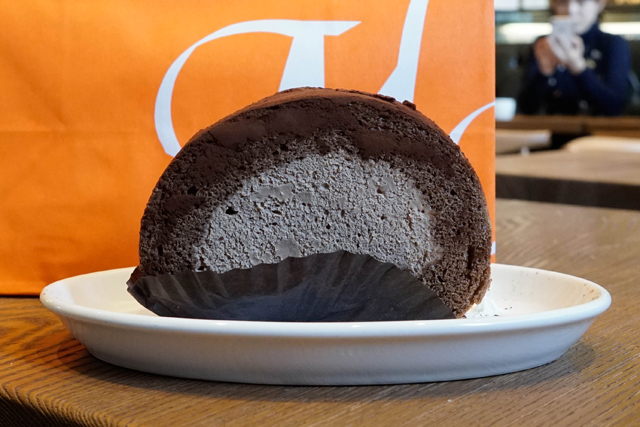
This Prince’s Roll is a chocolate spin n the original with a cocoa dusted chocolate sponge and a chocolate cream centre. It’s much richer in flavour than the original but with the same light mouthfeel with the dusting of cocoa to offset the sweetness with its bitterness.
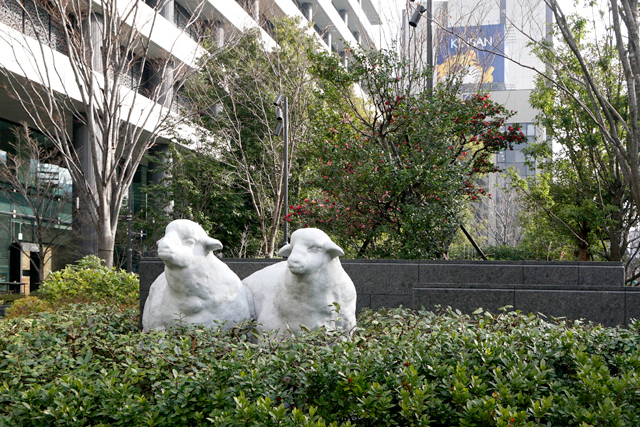
With our bellies full, we head towards Tenjimbashi. These were two sheep outside an upmarket restaurant complex.
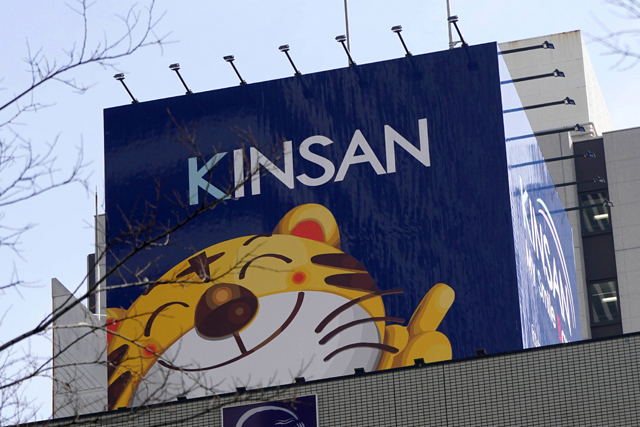
Kinsan is a bank and they have the cutest mascot.
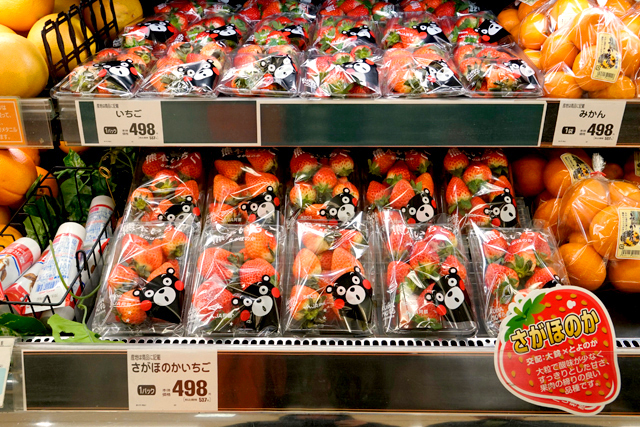
We spot a local supermarket and pop in to check its offerings, like these strawberries from Kumamoto.
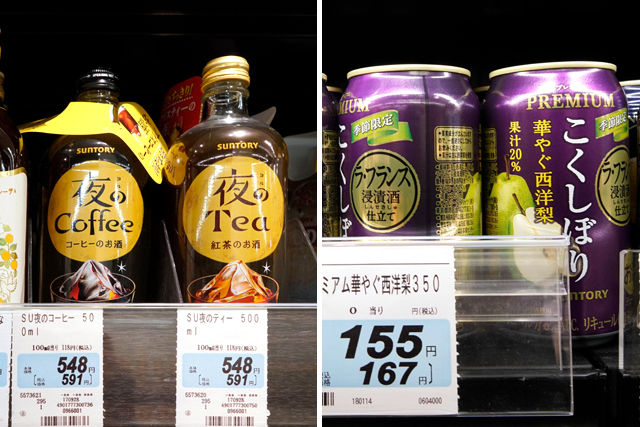
They also have coffee and tea liqueurs and a La France pear chūhai.
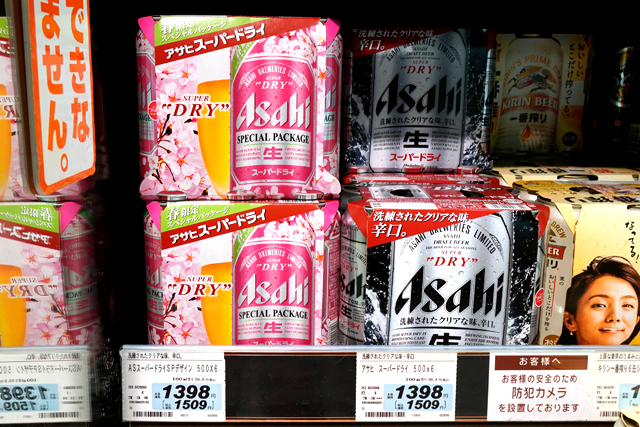
With February, we’re in time for the introduction of sakura themed packaging and foods, like these cans of beer that pop up every year.
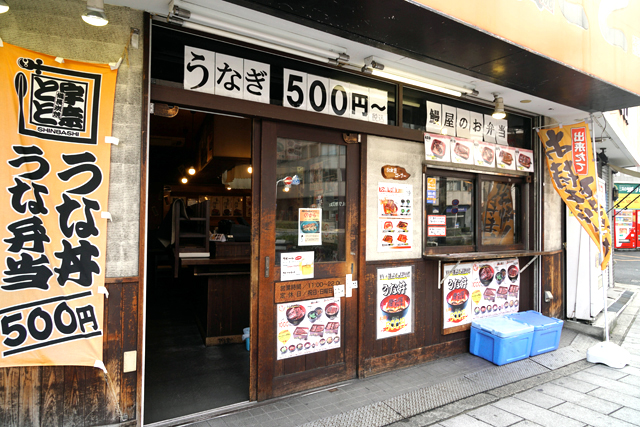
We’re pleasantly surprised to find a branch of our favourite eel restaurant Unatoto but we’re too early for its opening time of 11am.
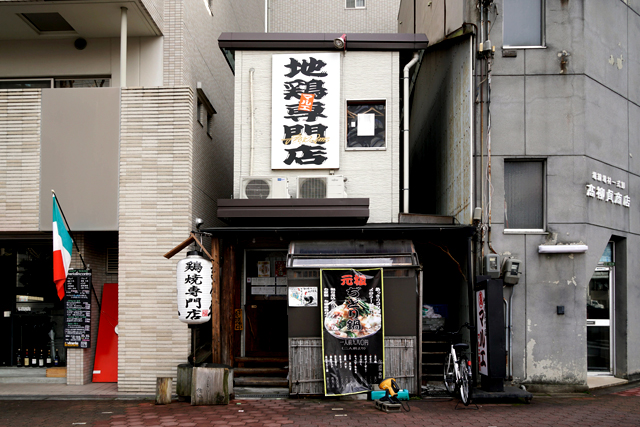
A short two storey restaurant is sequestered between two tall office buildings and apartments. We spot the first of few super cute Shiba Inu on our trip taking its morning walk with its owner here.
Ōsaka – Tenjimbashi
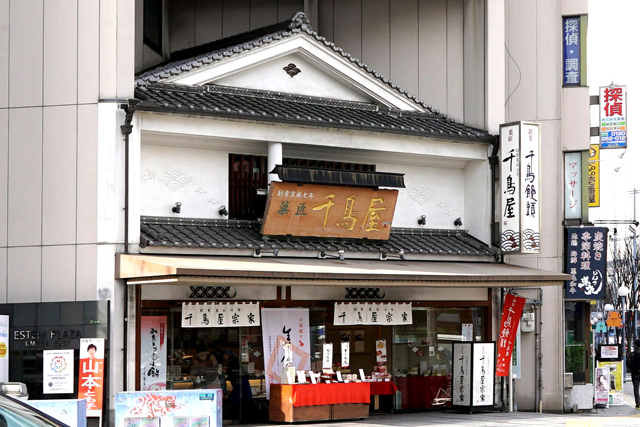
Closer to Tenjimbashi, we spit this wagashi shop tucked into the corner between two high rise buildings.
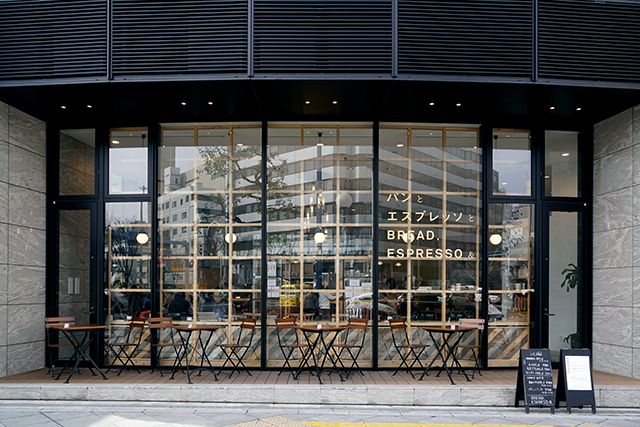
Close by is a very fancy bakery and cafe. We’re full though, so we pass by.
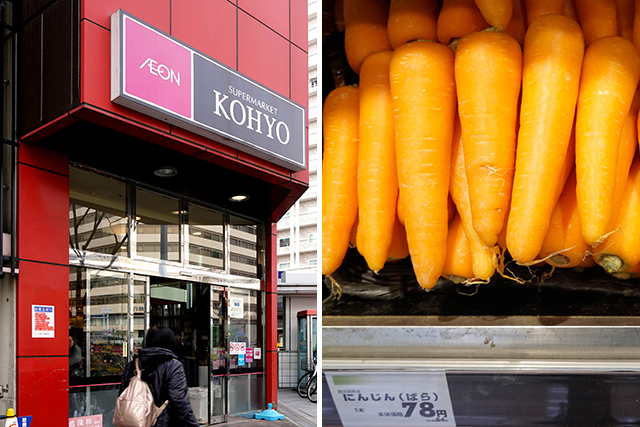
Carrots in Japan, like the rest of their fresh produce, are very plump and uniform in size and colour. They’d need to be if you pay ¥78 for one carrot.
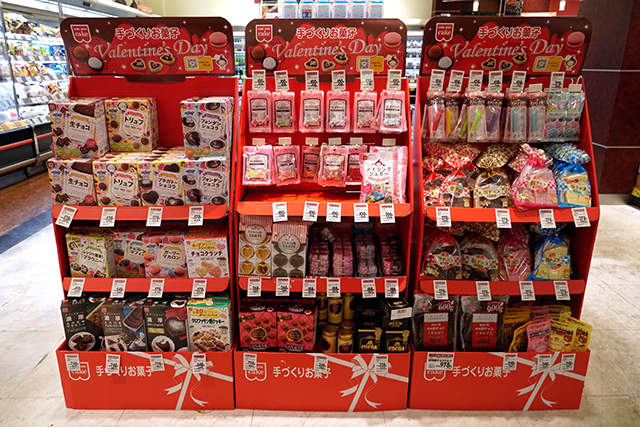
It’s almost Valentine’s Day, so the shops have displays dedicated to making your own personalised chocolates.
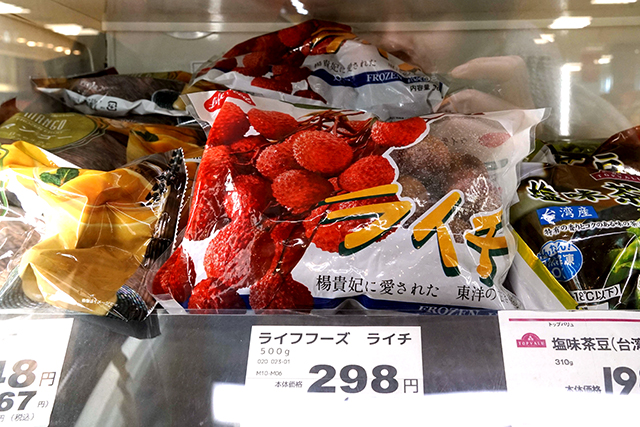
In the freezer section, we’re surprised to spot frozen lychees for ¥298 for 500 g, which is a pretty decent price.
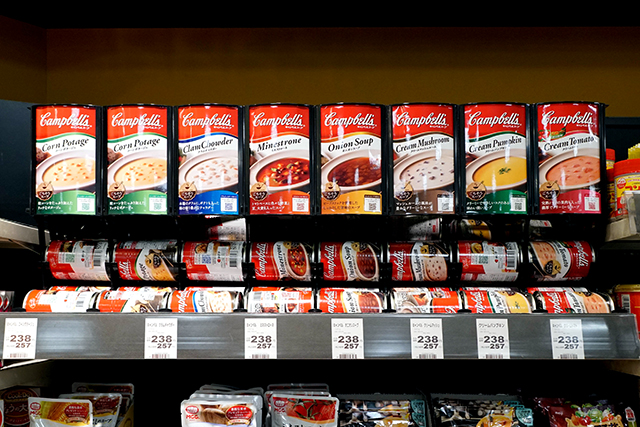
They have a very organised dispenser for selling cans of Campbell’s soup.
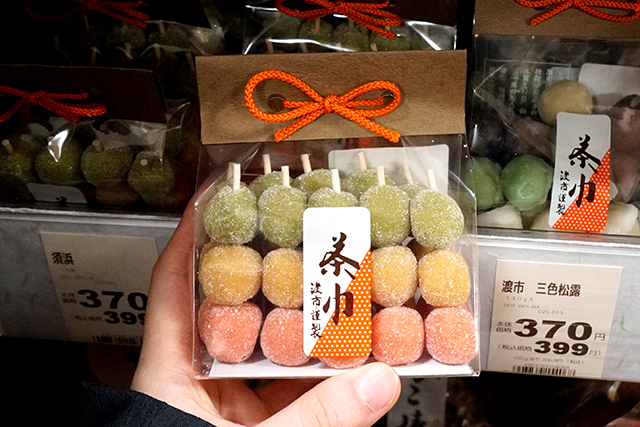
Then there are these cute wagashi in miniature form and cute packaging.
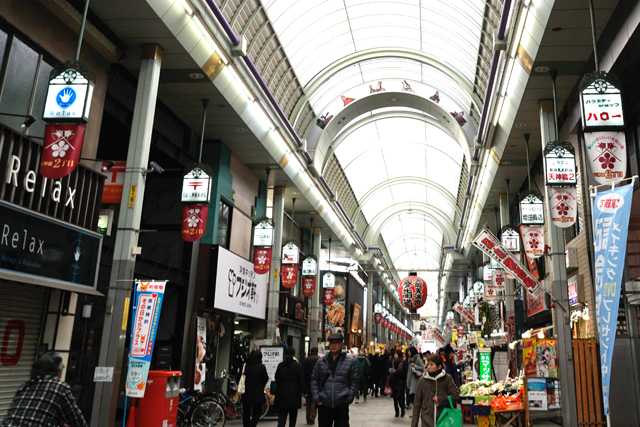
We finally make it to Tenjimbashi after a rather frosty walk. That said, the cold is still a welcome respite from the sticky humidity of Sydney.
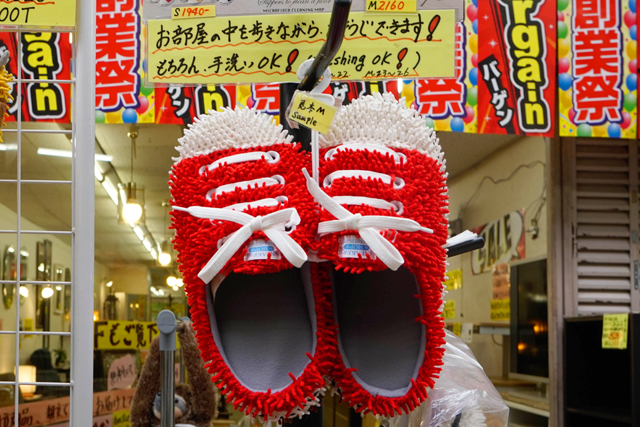
We spot these machine washable mopping sneakers for ¥1940 for a S size or ¥2160 for an M size. They also come as cats.
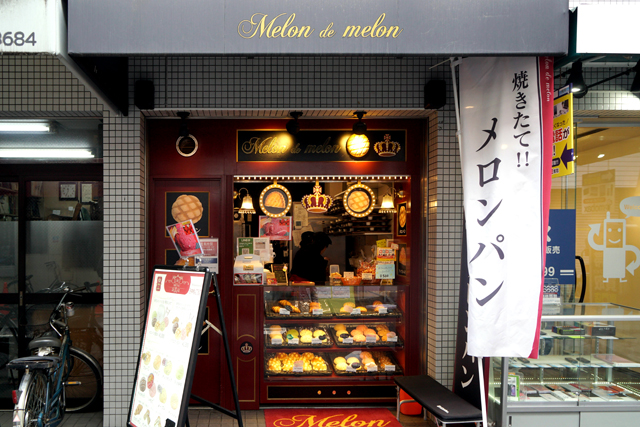
Around the corner, there’s a regal looking melon pan store.
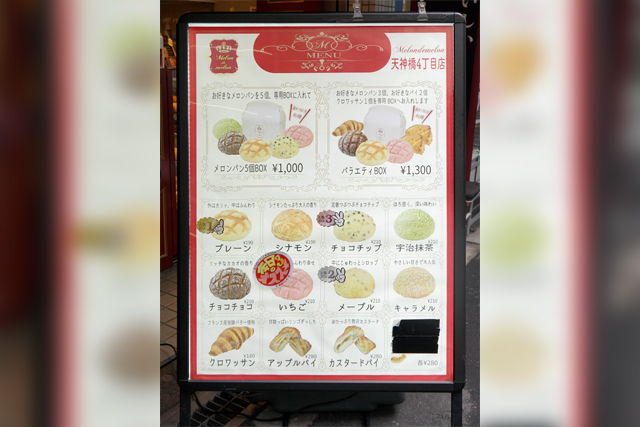
It sells melon pan in all sorts of flavours from plain, cinnamon, chocolate chip, matcha, chocolate, strawberry, maple to caramel as well as other baked goods such as croissants, apple pie and custard pie.
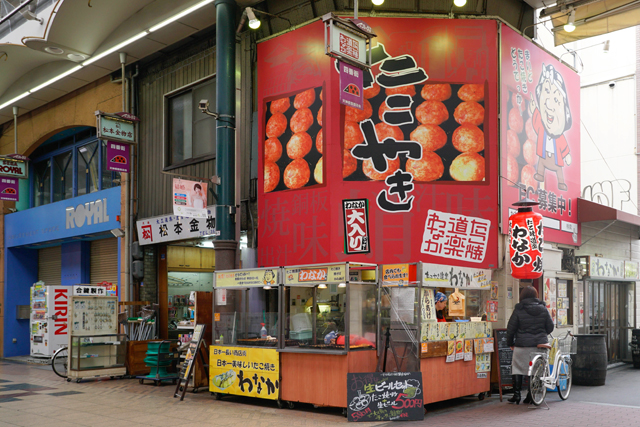
We spot a branch of D’s favourite takoyaki store but its super quiet with no customers and he’s still full from breakfast so he’s not keen.
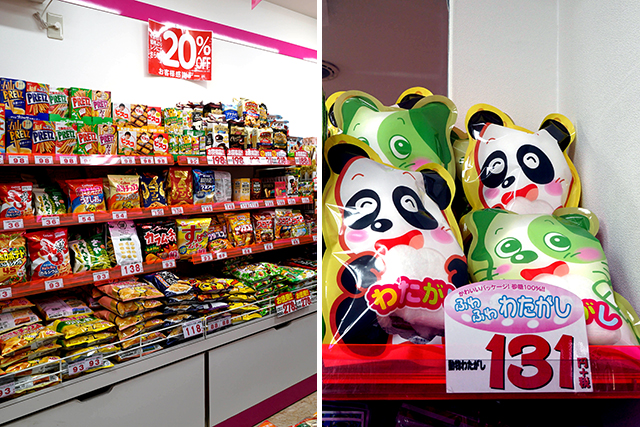
Shops selling nothing but chips, cookies and candy are always interesting to browse. On the right are fluffy marshmallows in cute panda packaging.
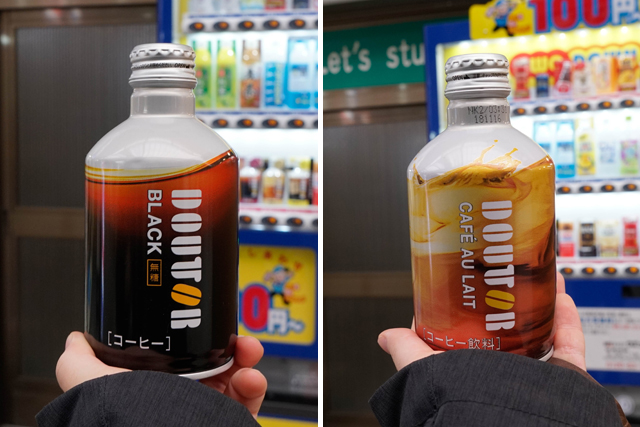
We’re sleepy and it’s cold so we warm up with some vending machine coffee by Dotour, a coffee shop chain. I like my coffee black and they’re very palatable even without sugar in Japan. D goes for the cafe au lait, which has a pleasant creaminess.
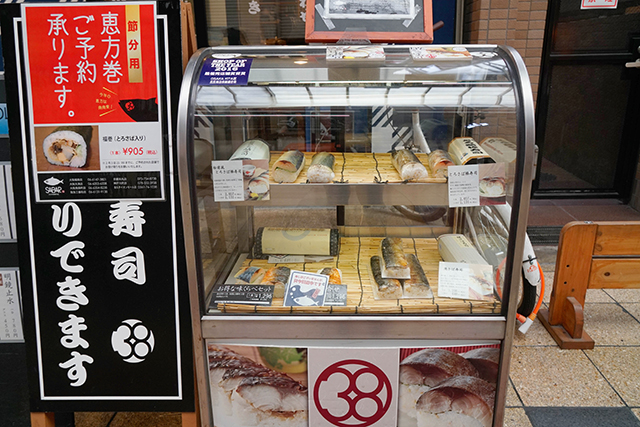
It’s almost Setsubun, the day before spring, when the Japanese (mainly in the Kansai region) eat ehomaki, essentially makizushi or an uncut, thick and large sushi roll, in silence while facing the auspicious direction for that year (determined by the year’s zodiac symbol, which is the dog for 2018).
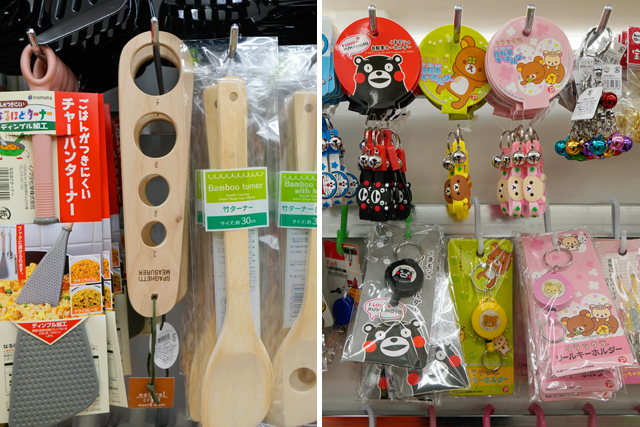
At Can Do, a ¥100 chain, we spot the spaghetti by measurer on the left and some Kumamon key chains.
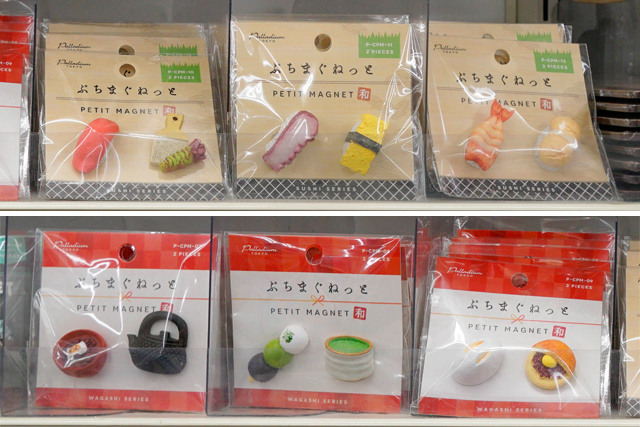
These petite magnets are the cutest. I pick up the wagashi series on the bottom row.
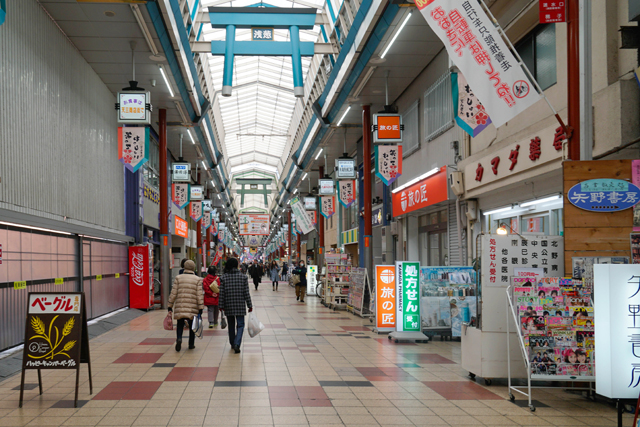
Many old shops have been replaced by new ones. We notice this change a lot more than we did between previous trips.
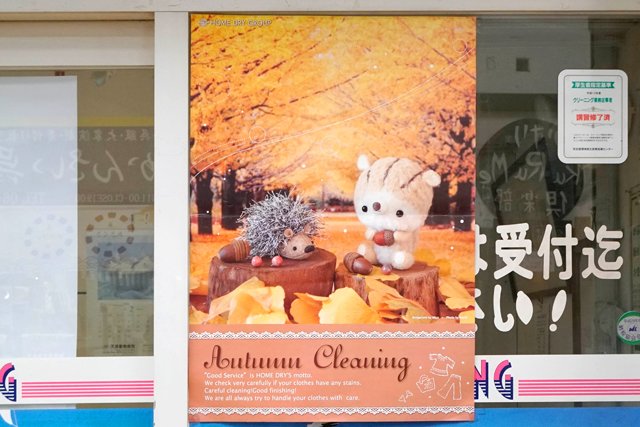
But one thing that doesn’t change is this cute poster outside a dry cleaner. We’ve see it every time we visit and it’s still in the same location and in top quality. Maybe they replace it? I would love a copy for myself.
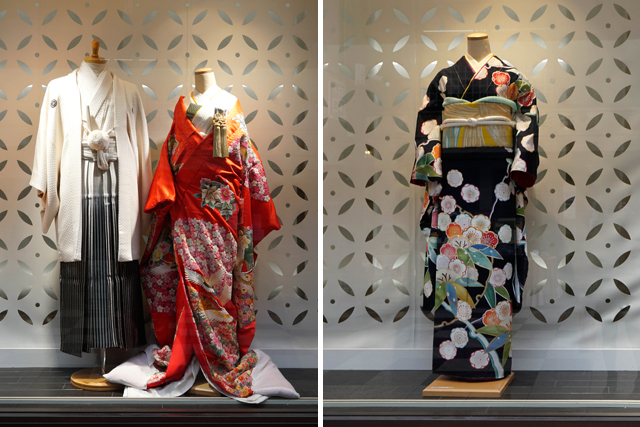
There are kimono displayed outside a department store.
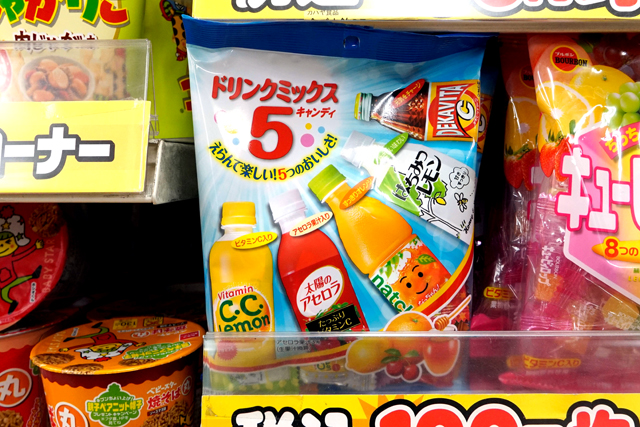
On the bottom floor of a pharmacy we find candy in the flavour of five popular beverages (known for being high in vitamins).
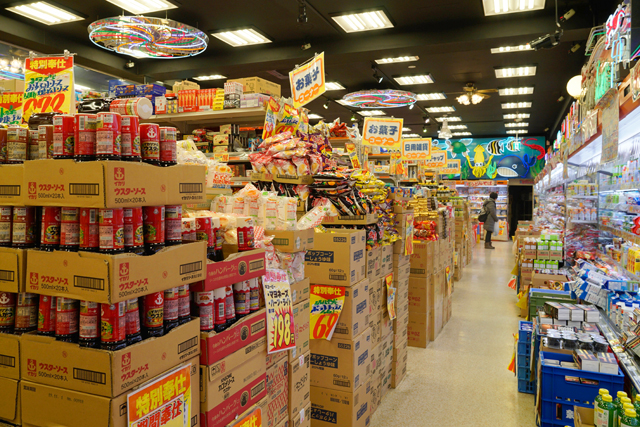
We reach our third supermarket and it’s just noon! Supermarkets are really everywhere in Japan if you keep your eyes peeled. This is one we visit on Al isn’t every trip that’s been converted from an old pachinko parlour.
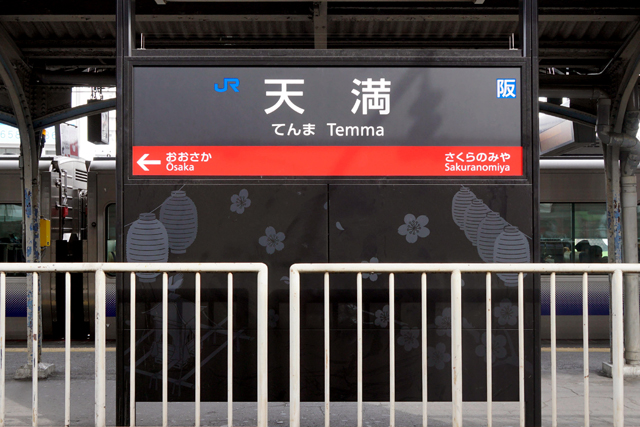
The supermarket is a stone’s throw from Tenma Station.
Shimamoto – Suntory Yamazaki Distillery
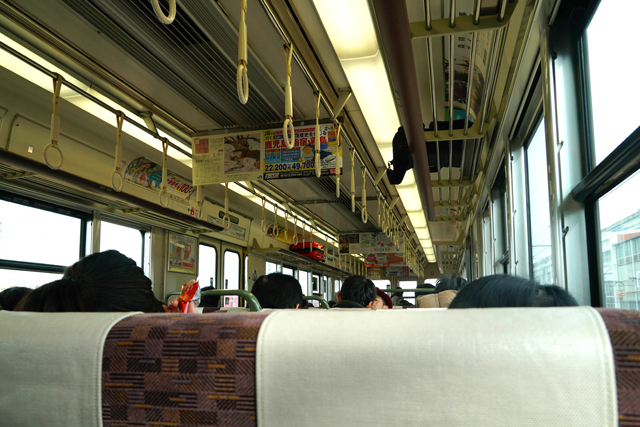
At Tenma station, we catch the JR Kyōto line to Yamazaki to visit the Suntory Yamazaki Distillery for whisky. D and I visit a fair number of distilleries and breweries in Japan but it’s mainly due to an interest in factories rather than us being avid drinkers.
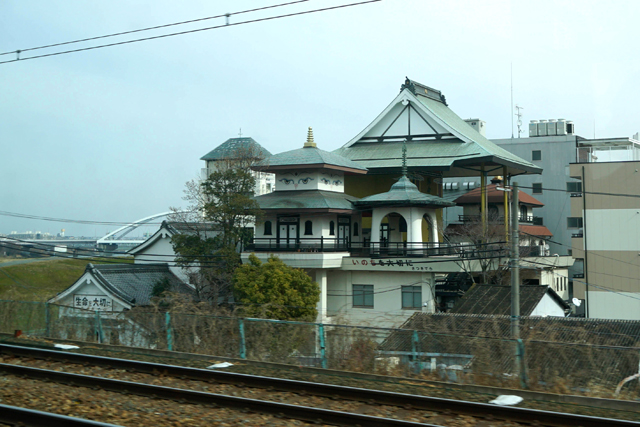
There’s a modern temple-like construction enroute.
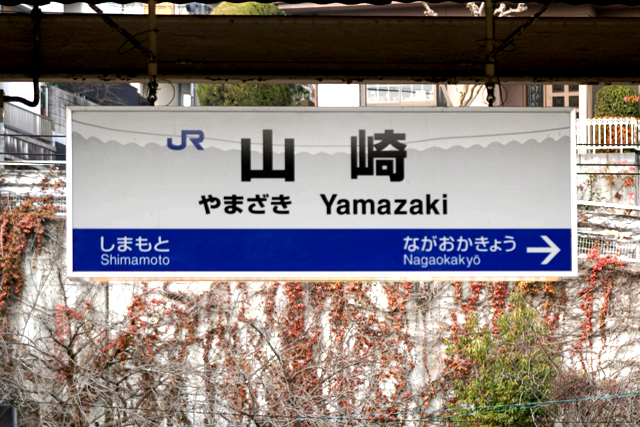
Yamazaki is about 40 minutes north of Ōsaka city.
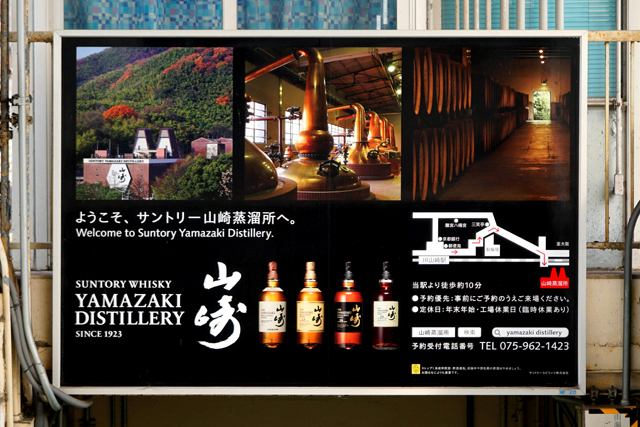
There is excellent signage in the train station in both English and Japanese.
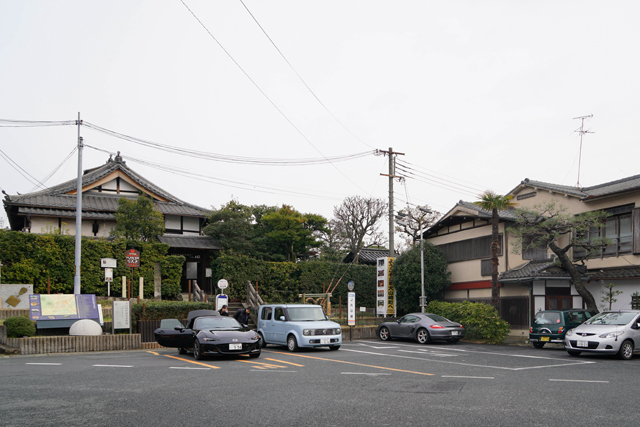
There’s a small car park out front.
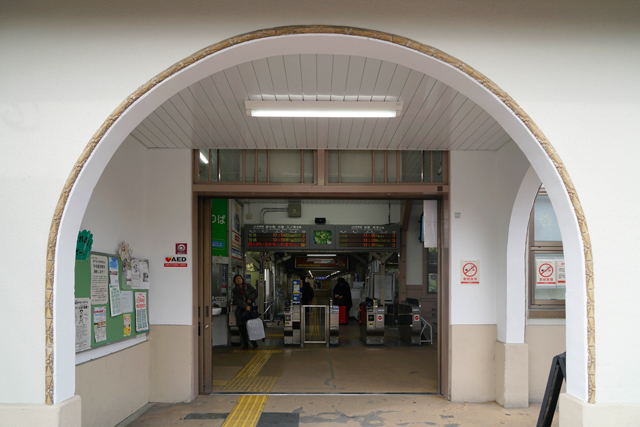
The train station is rather small.
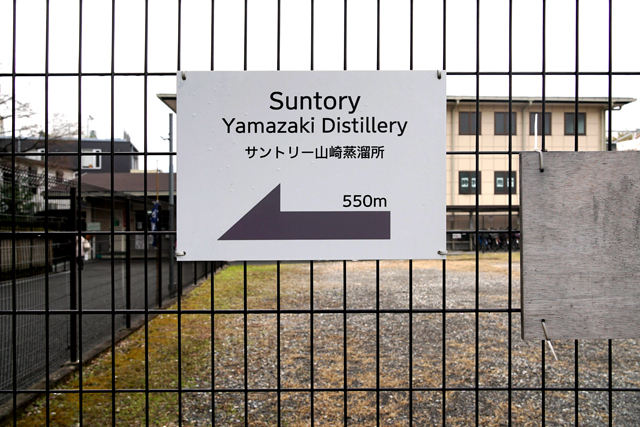
But there’s excellent signage outside the station all the way to the distillery itself.
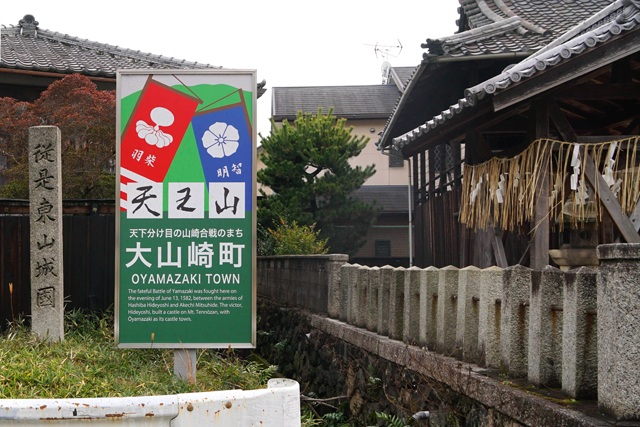
On the way we learn about Oyamazaki Town.
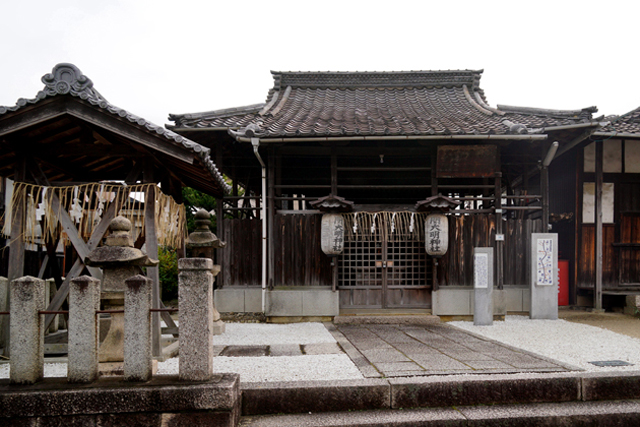
Next to the sign is a Shinto shrine.
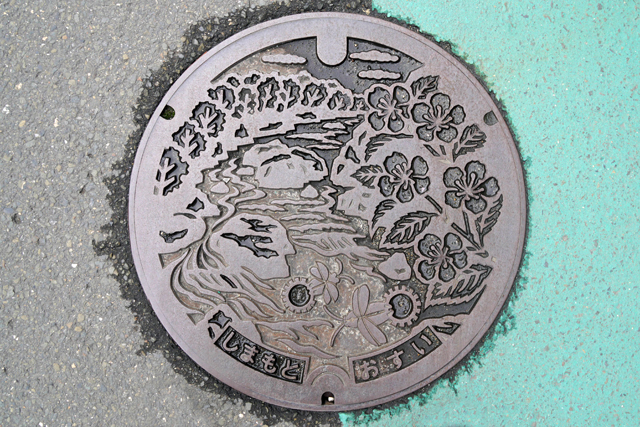
And I’m back to my habit of taking photos of the intricate designs for manhole covers that differ regionally.
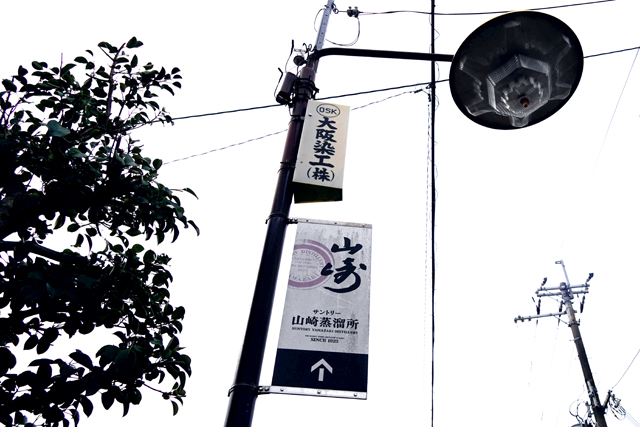
The lamp posts also carry signage directing you to the distillery – there’s no getting lost.
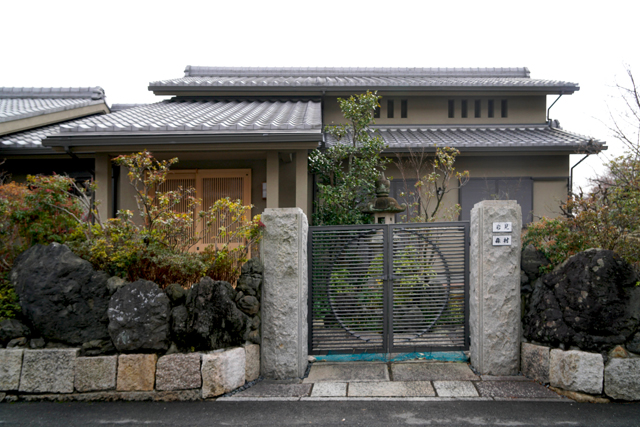
There are some well-kept houses along the way.
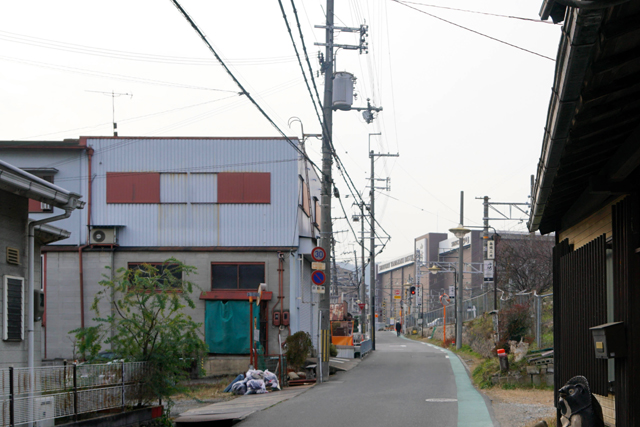
And we see the distillery in the distance …
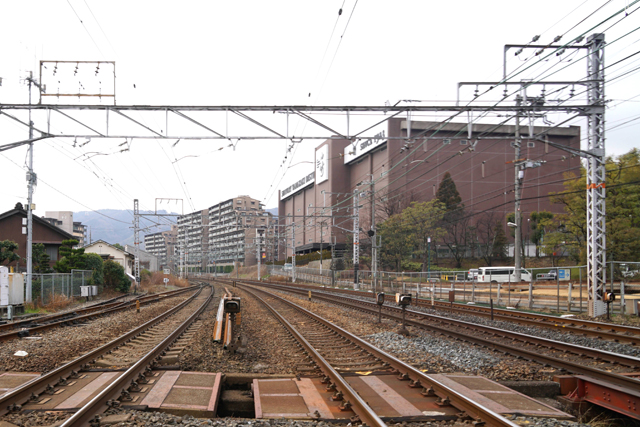
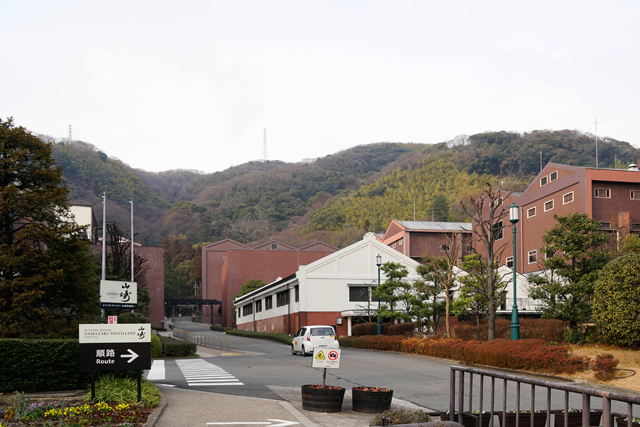
It’s situated right next to the train tracks and if you’ve ever caught the shinkansen from Ōsaka to Tōkyō you’ll likely have seen it from the train. There’s a wide railway crossing to cross to reach the distillery.
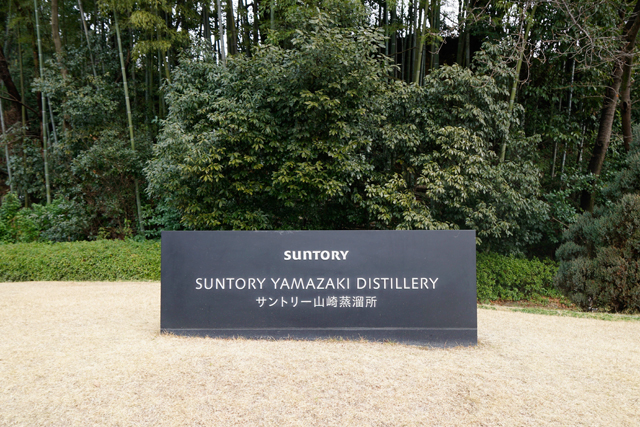
And we’re there! Suntory Yamazaki Distillery is Japan’s oldest distillery.
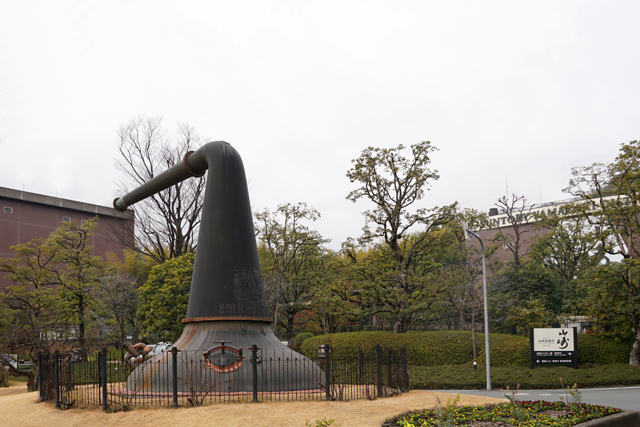
An old still sits right next to the entrance.
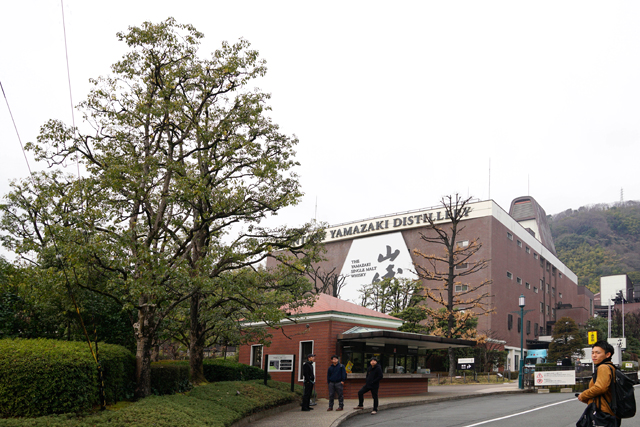
The tours require advanced booking so we head to the reception area to let them know we’ve arrived and to pay the ¥1000 fee for the tour. Viewing the museum itself is free.
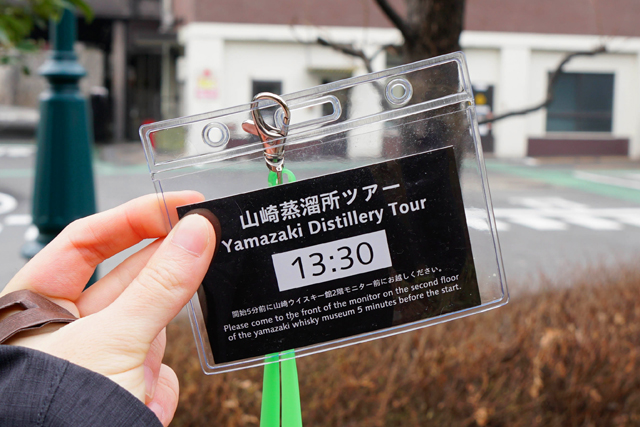
We’re provided with lanyards for the 13:30 session of the Yamazaki Distillery Tour.
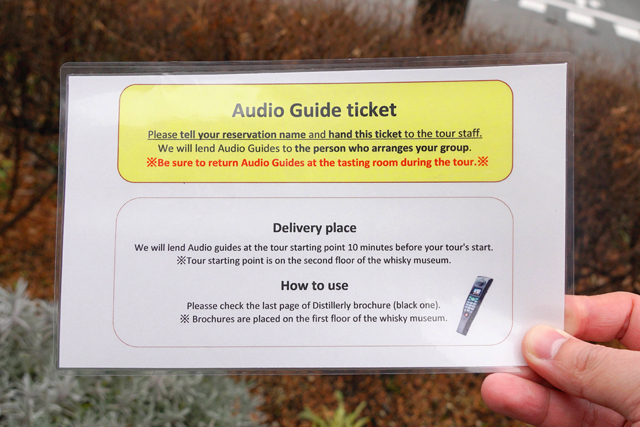
As the tours are conducted only in Japanese, we’re provided with an Audio Guide Ticket for English guidance. D and I are convinced the English guidance is voiced by Donna Burke, the voice for the English announcements on the Tokaido Shinkansen.
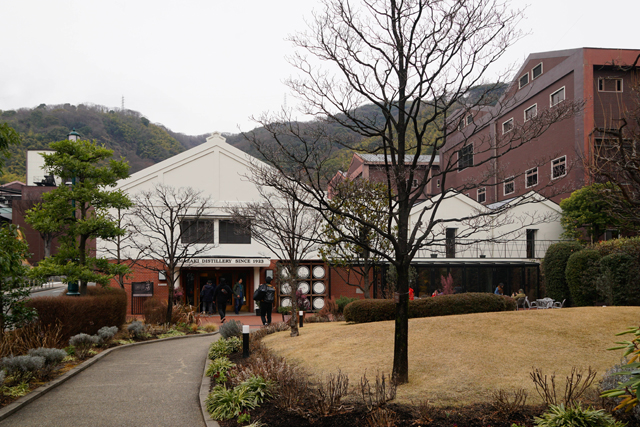
We head towards the museum to idle time before the tour.
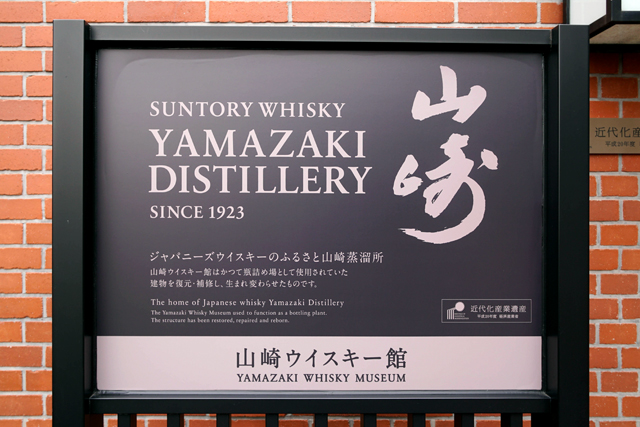
The Yamazaki Whisky Museum is housed in a building that used to function as a bottling facility for the factory.
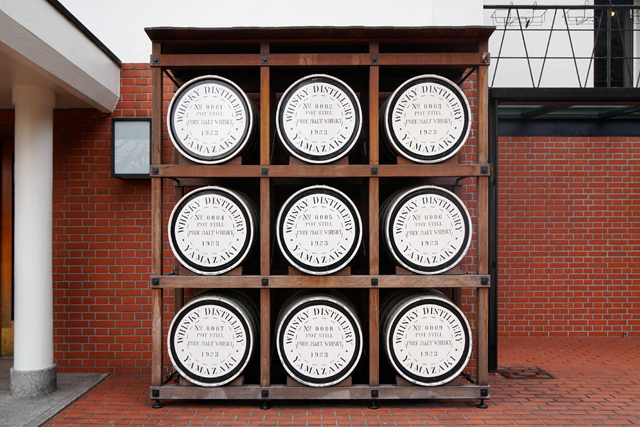
A display of whisky casks sits outside the museum.
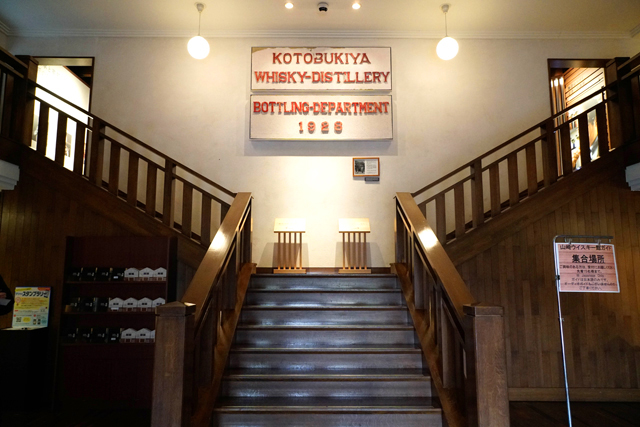
Old signage from when the building functioned as a bottling facility is retained inside.
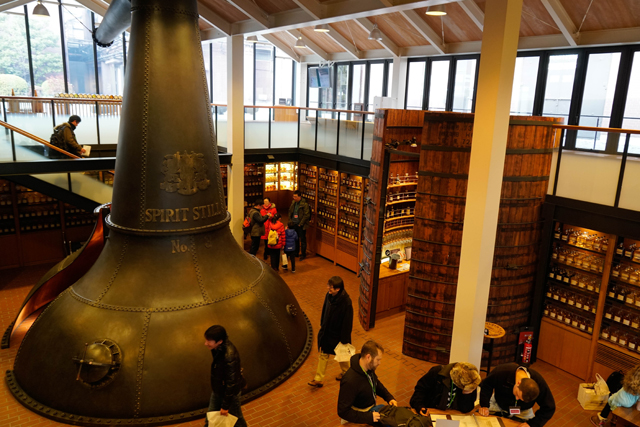
The interior has been restored and renovated to house the museum.
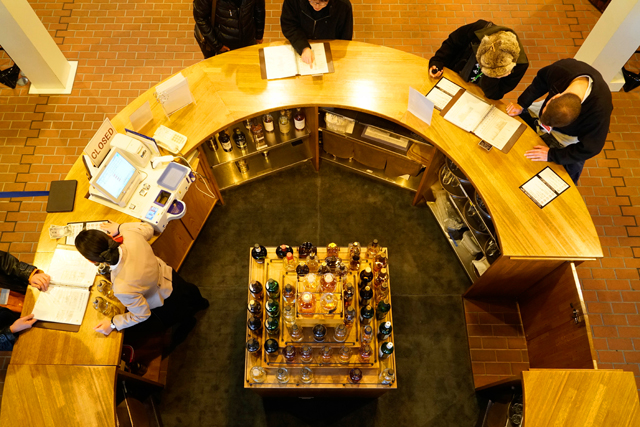
A tasting counter is the centrepiece of the ground floor. Here you can pay (~¥500) to sample a wide variety of Suntory Whisky.
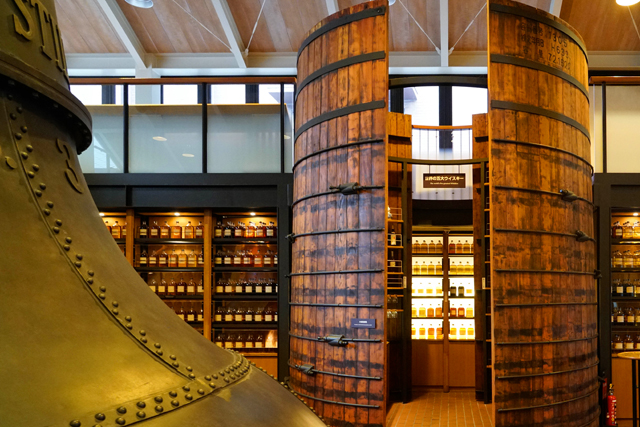
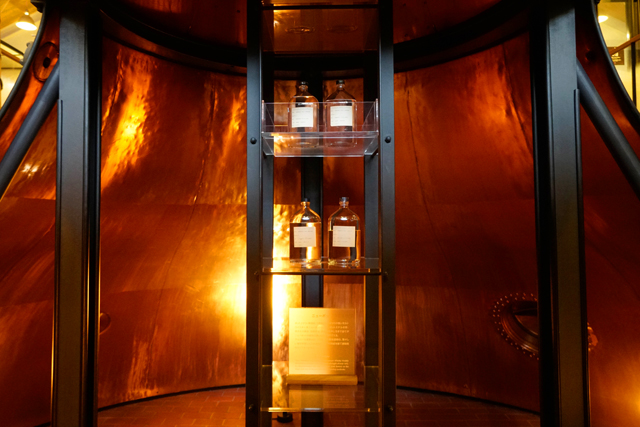
Inside a giant barrel-shaped room…
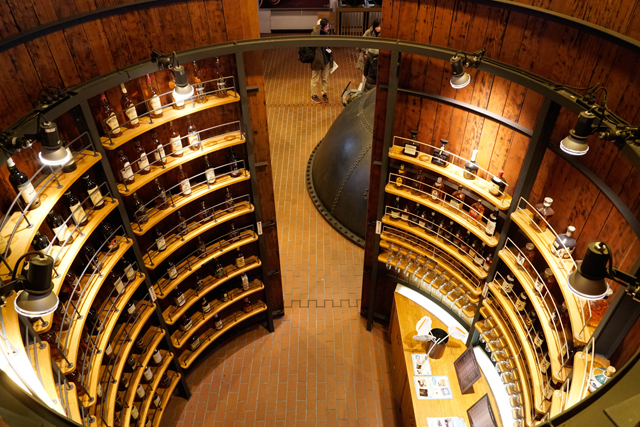
…is a selection of rare whiskies on display.
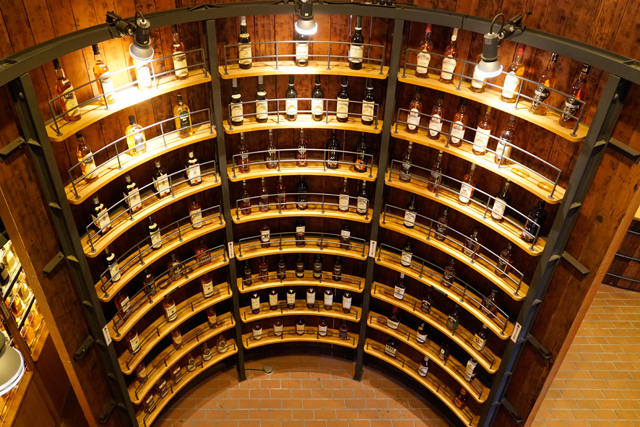
It definitely looks impressive.
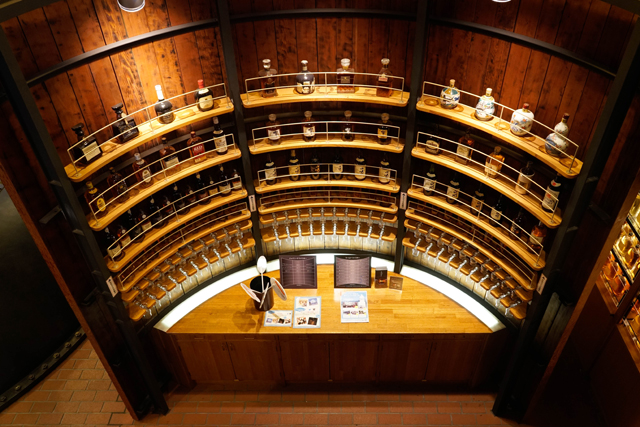
The other side of the barrel provides information and prices for tasting these rare whiskies (at a premium compared to the usual ¥500).
Near the barrel is a pot still into which one can walk.
But by far the most impressive part of the museum is the whisky library.
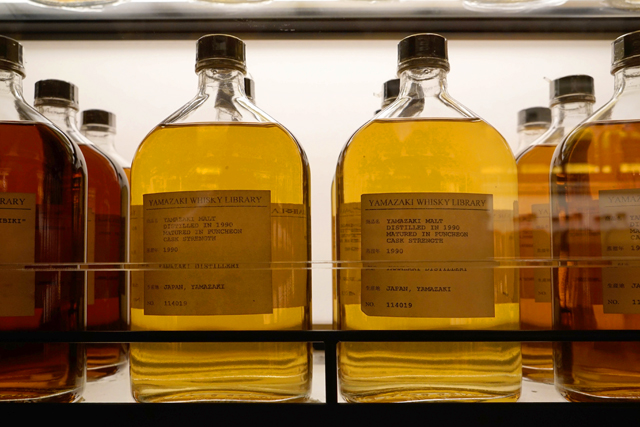
It houses a large collection of unmixed whiskies from a vast time frame, from clear whiskies to deep brown whiskies.
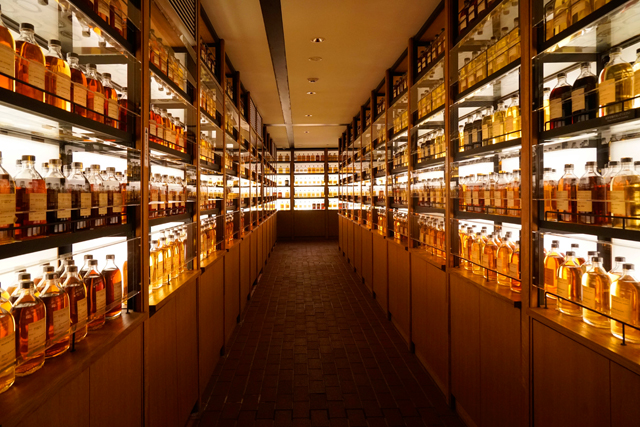
Who wouldn’t mind this library in their basement?
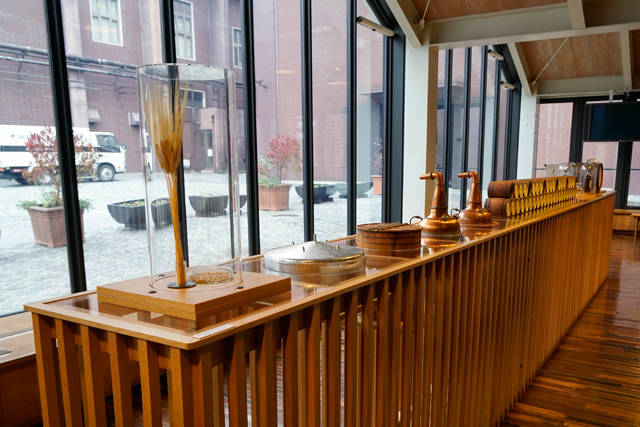
Heading upstairs, we preview the whisky production with miniature models before embarking on the tour.
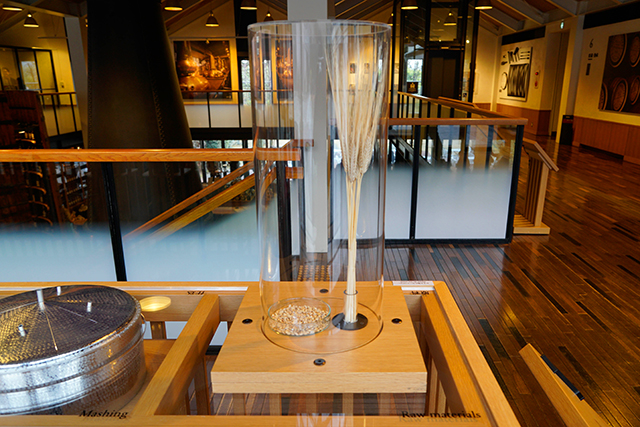
We start with the raw materials of hops…
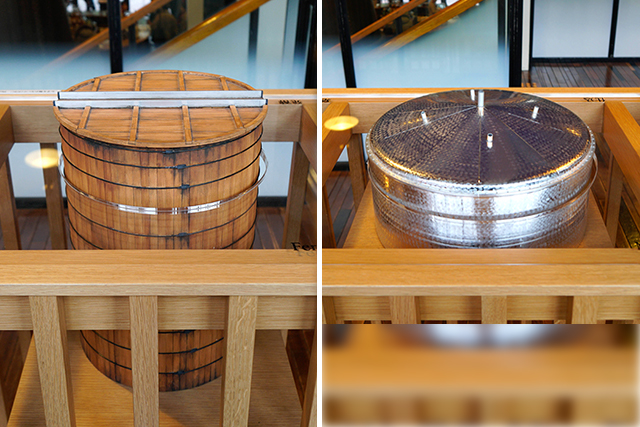
… Before reaching the mashing (right) and fermenting (left) stages.
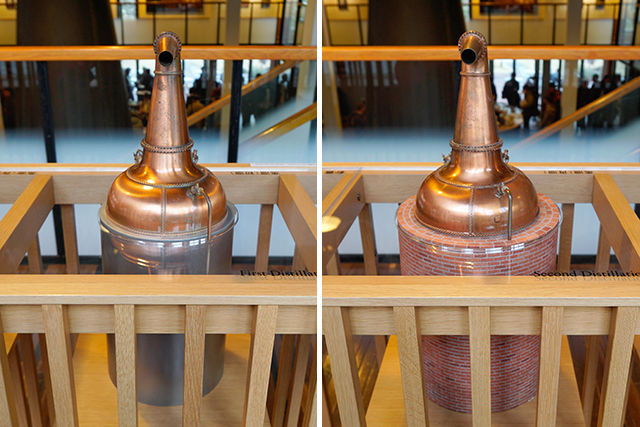
It then undergoes two distillation stages.
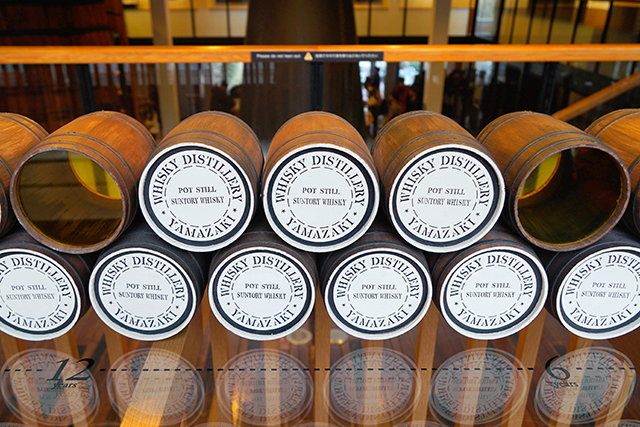
. ..before being aged in pot stills for up to 21 years.
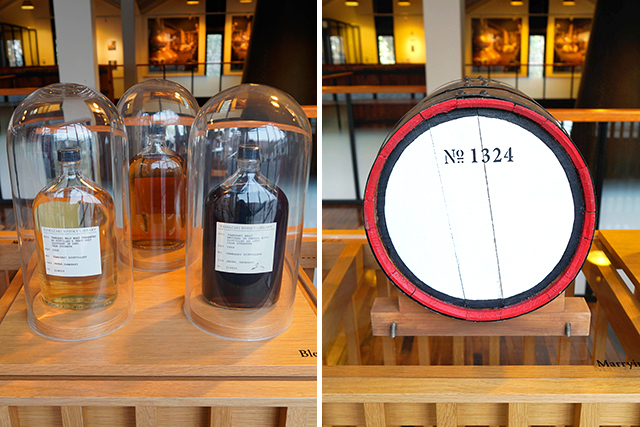
The different whiskies are then married and blended depending on the product.
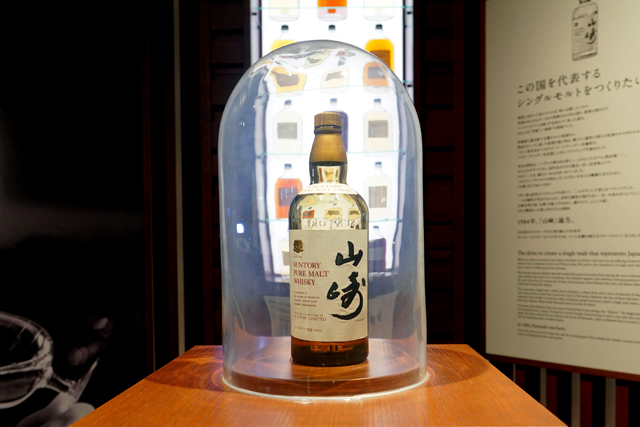
This is one of the first bottles of single malt whisky Yamazaki released in 1984. According to the caption:
The water, climate and the craftmen’s motivation in whisky-making…the single malt is most directly affected by these three factors of the distillery. It challenged the mainstream of blended whiskies of the time.
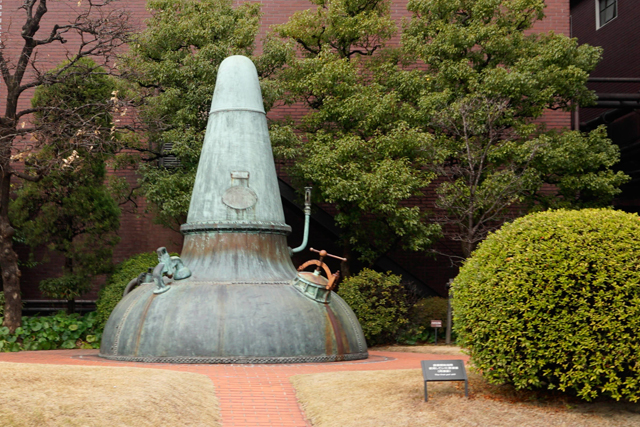
Outside in the yard is the very first pit still from the facility. It’s no longer used.
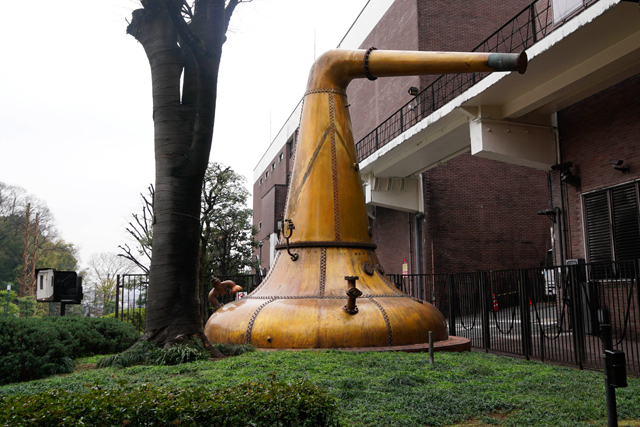
Outside the mash house and fermentation room is a copper pot still marking the start of the production process.
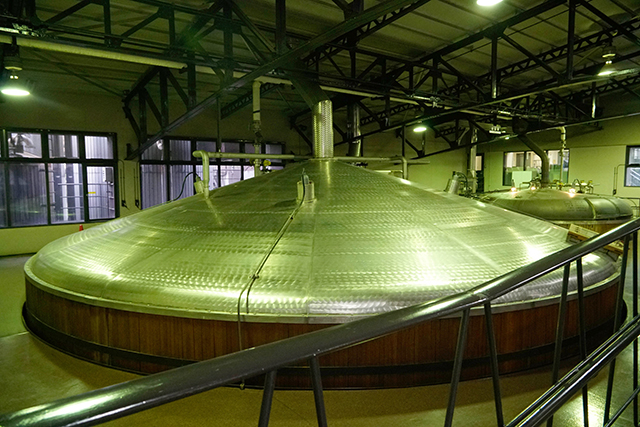
This is where the mashing takes place. Space has a rather sweet smell.
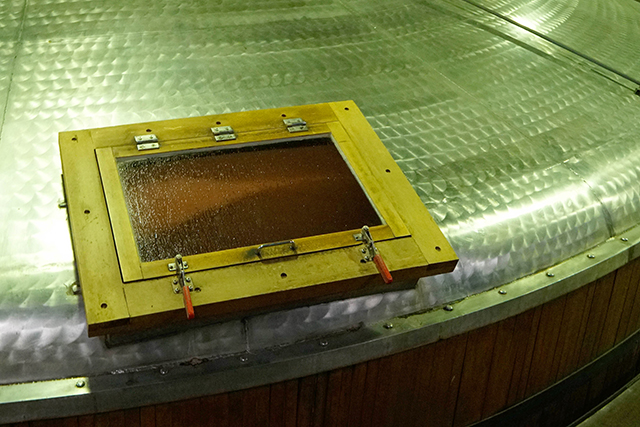
We can see the mash stirred inside from a small window on the pot.
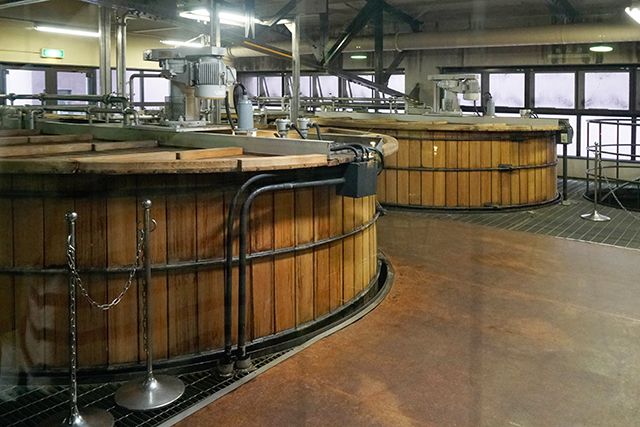
Directly opposite in the same building is where the fermentation takes place. What we see is the top quarter of the pot; the pot extends 3-4 times beneath the floor.
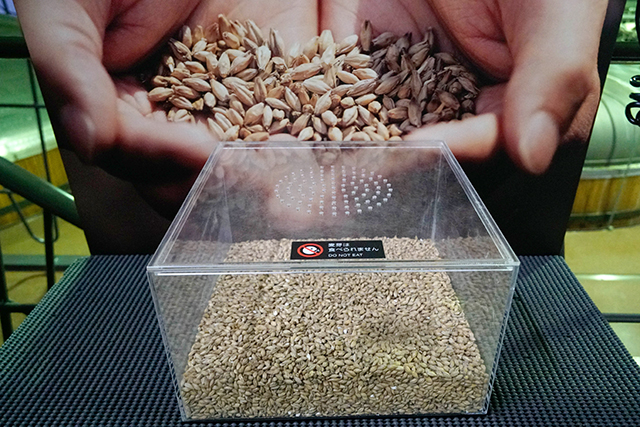
There are samples of the hops to help you appreciate the aroma.
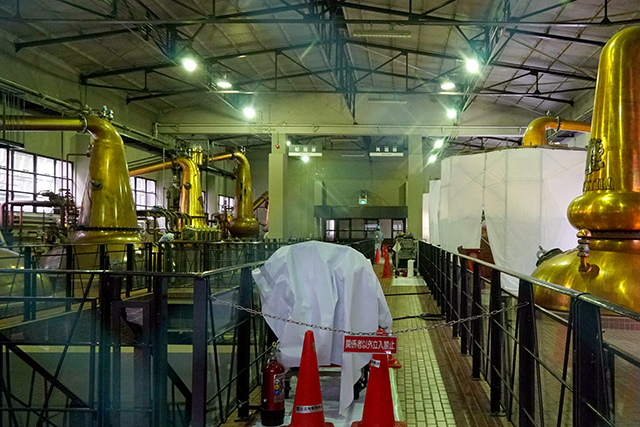
In a building opposite the mash house and fermentation room, we get a look at the still house. The temperature is controlled and apparently too cold to go inside.
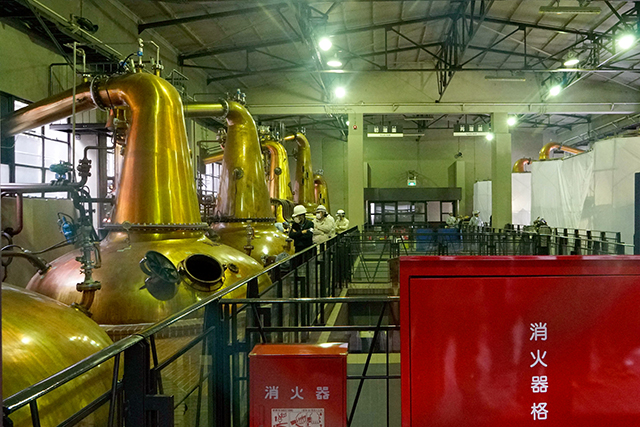
We see a few workers checking on the progress in the stills.
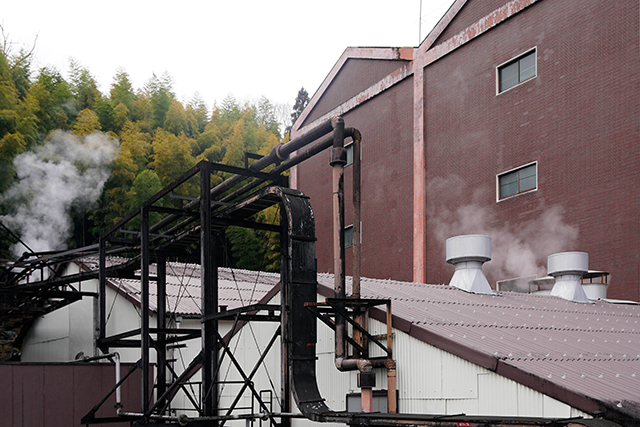
We walk through an overpass…
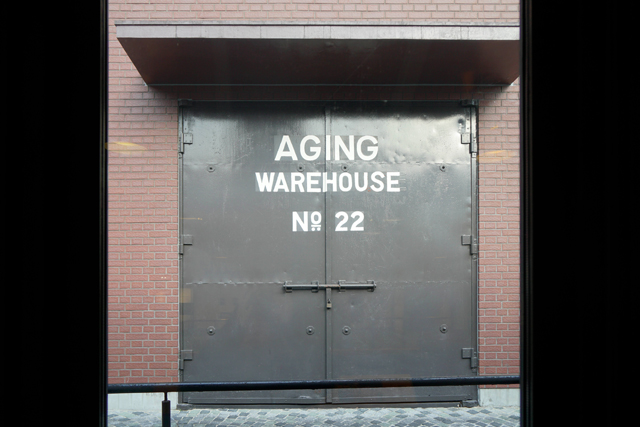
…to reach the ageing warehouse.
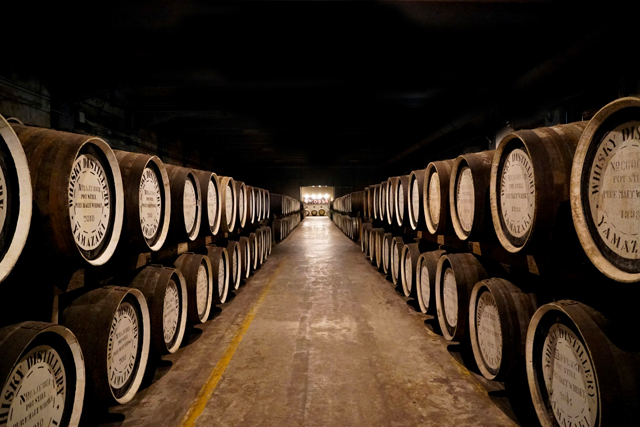
There are numerous warehouses where the whisky is aged in oak barrels.
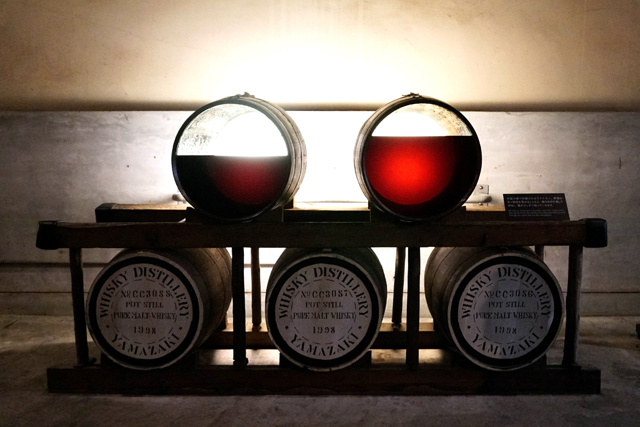
The whisky changes colour from a clear colourless liquid to a deep brown colour as well as reduces in volume as it is aged over time.
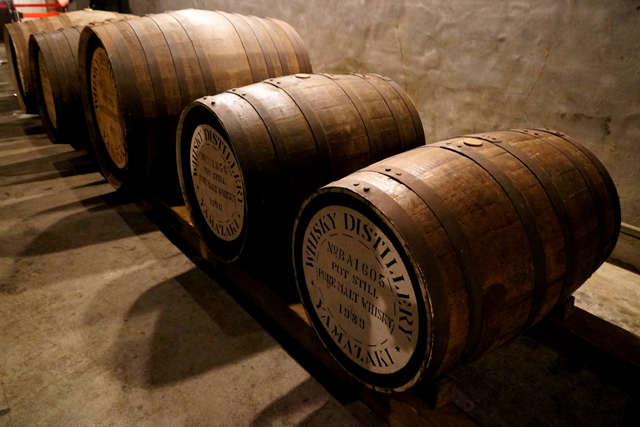
There are different sizes of barrels used for different types of whisky, with the wood imparting both colour and flavour.
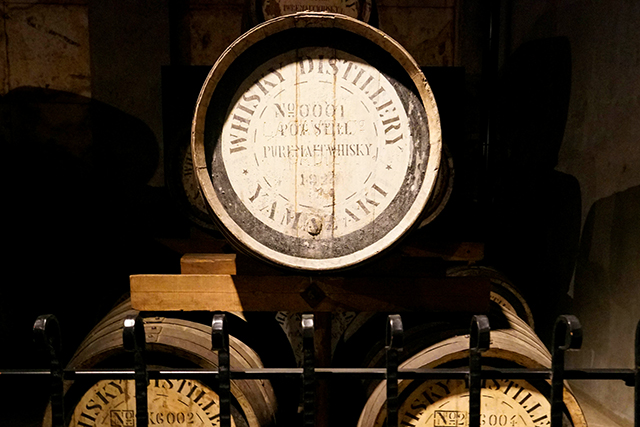
This barrel from 1922 is one of the earliest pot stills from the Suntory Yamazaki Distillery.
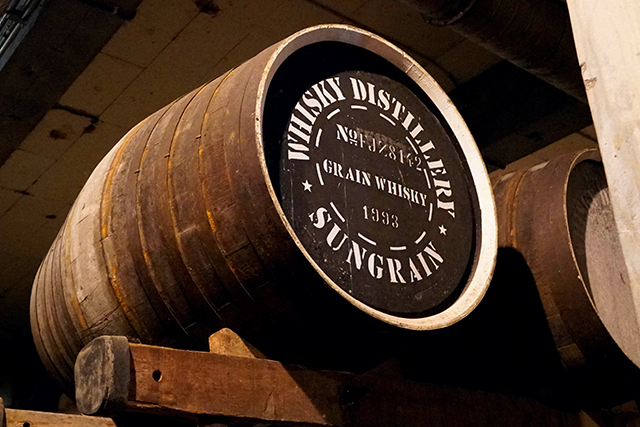
White labels with black text indicate Pure Malt Whisky Yamazaki, while black labels with white text indicate Grain Whisky Sungrain.
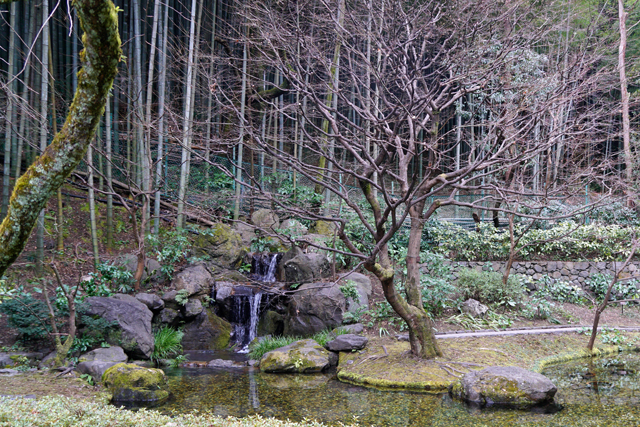
The natural mineral water around the Yamazaki area is particularly suited to making whisky. This is a pond at the back of the ageing warehouse.
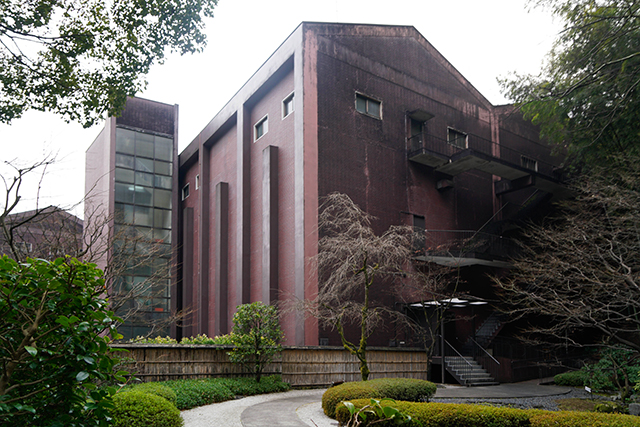
This is looking back at the ageing warehouse with the small garden with the pond in front.
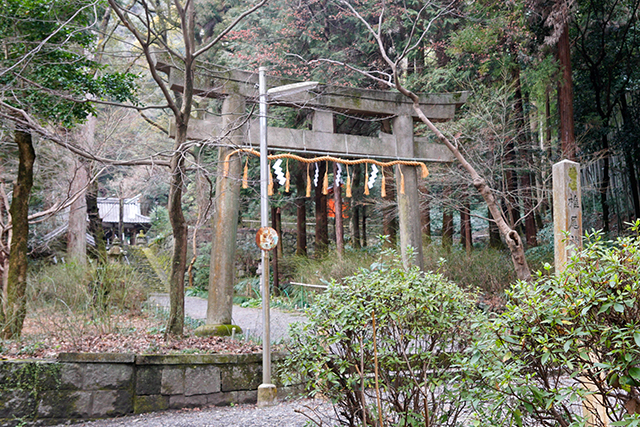
There’s a shrine on the grounds
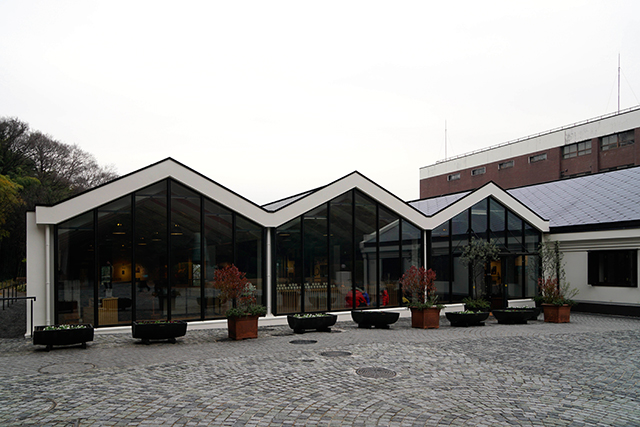
As our tour of the facilities concludes, we walk past the back of the museum en route to the tasting session.
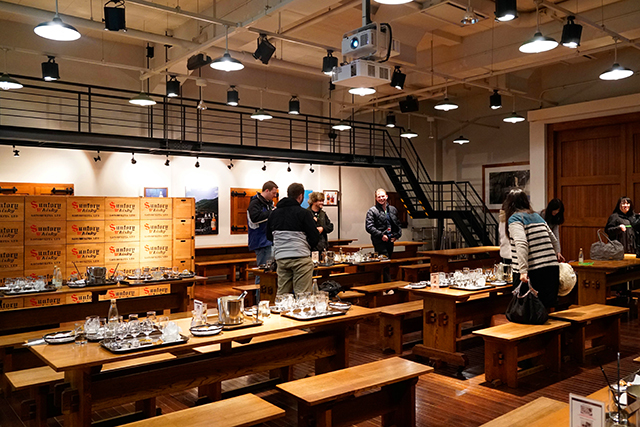
The tasting session is in a dedicated space.
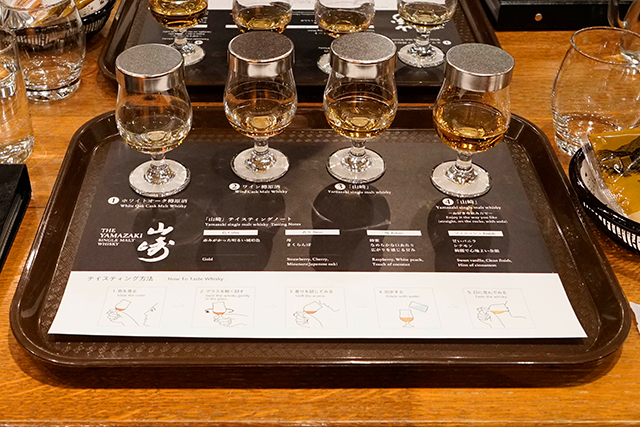
What makes this tasting session unique is the opportunity to taste the component whiskies (not for sale) that are blended into Yamazaki Single Malt Whisky.
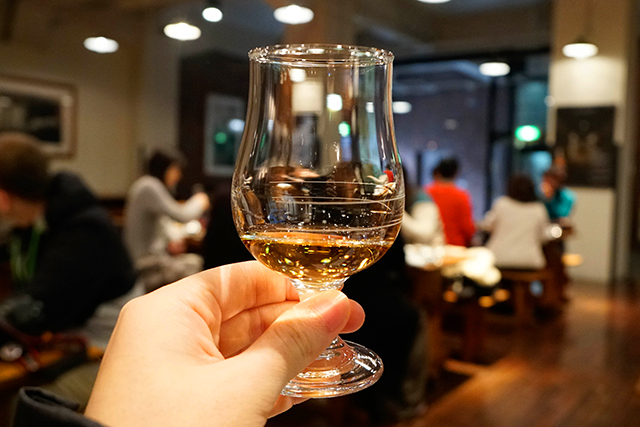
The first is the White Oak Cask Malt Whisky with an alcohol content around 50%. The tasting note provided:
Colour: bright amber; Aroma: green apple, pear, grain; Taste: extremely smooth, vanilla, rounded sweetness.
This unblended whisky is made by aging Yamazaki new pot in casks made of American white oak for at least twelve years. As its name suggests, the white oak unblended whisky is relatively pale in colour and characterised by green apple and pear aroma plus a smooth, rounded sweetness. It is an important element to create the base of Yamazaki Single Malt Whisky.
This is the most enjoyable of the four glasses tasted with the green apple and pear notes noticeably prominent and it’s smooth and sweet vanilla notes making it more palatable despite the high alcohol content.
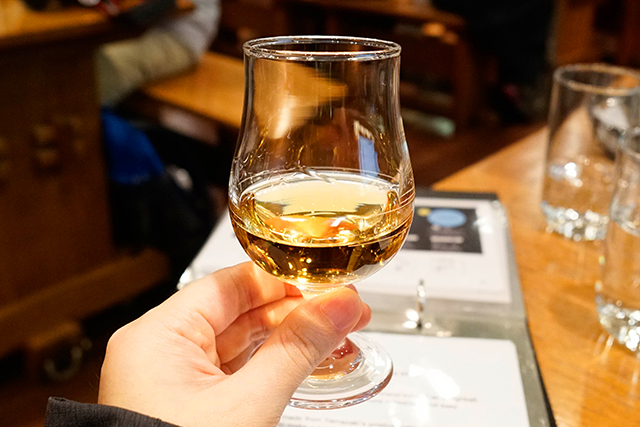
Second is the Wine Cask Malt Whisky with an alcohol content of around 43%. The tasting note provided:
Colour: bright copper; Aroma: strawberry, cherry; Taste: extremely sweet and smooth, with an expansive, honey-like sweetness and clean finish.
After being matured in white oak casks, this unblended whisky is finished for serveral months in wine casks, producing a characteristic sweetness of strawberry or peach. Using different casks, the characteristics of unblended whiskies significantly changes.
The sweetness is very evident, but much of the freshness of the green apple and pear aroma is lost, giving a more intensely sweet mouthfeel that’s not enjoyable.
Next up is the blended Yamazaki Single Malt Whisky with an alcohol content of around also 43%. The tasting note provided:
Colour: gold; Aroma: strawberry, cherry; Taste: raspberry, white peach, touch of coconut.
Compared to the individual unblended whiskies […], Yamazaki single malt whisky has [a] more refined and complex aroma. You will […] still notice the underlying aromas and flavours that come from the White Oak Cast Malt and Wine Cask Malt from before. […]
The flavours from the wine cask malt dominate on my palate, drowning out the enjoyable notes of the green apple and pear from the white oak cask.
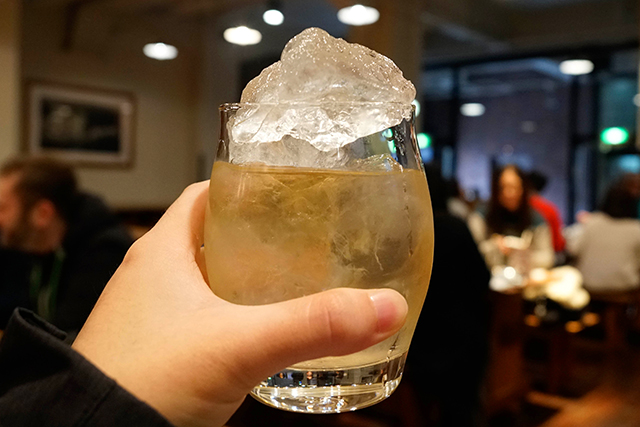
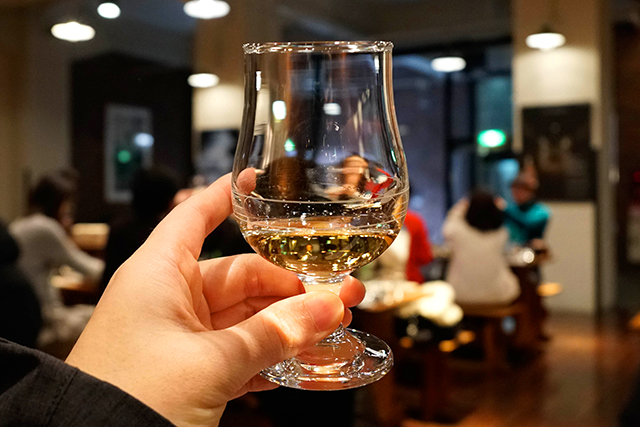
The final glass is identical to the third, but provided to allow us to enjoy the whisky as we like (rather than as a tasting), so either straight, on the rocks or with soda. The preferred method that they walk you through is on the rocks:
- Fill a glass to the brim with ice and allow it to chill.
- Pour in the whisky and stir well.
- Top off the glass with more ice.
- Add soda (1 part whisky and 3-4 parts soda).
- Stir once with a bar spoon.
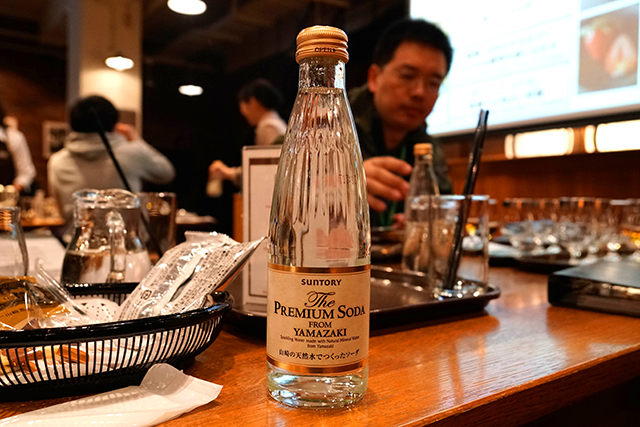
Suntory The Premium Soda from Yamazaki provided is one of the most enjoyable sparkling waters that we’ve tried. It has none of the bitterness that turns us off sparkling water. The high ball is more palatable but whisky is not our drink even though we enjoy learning about the process of making and the art of tasting it.
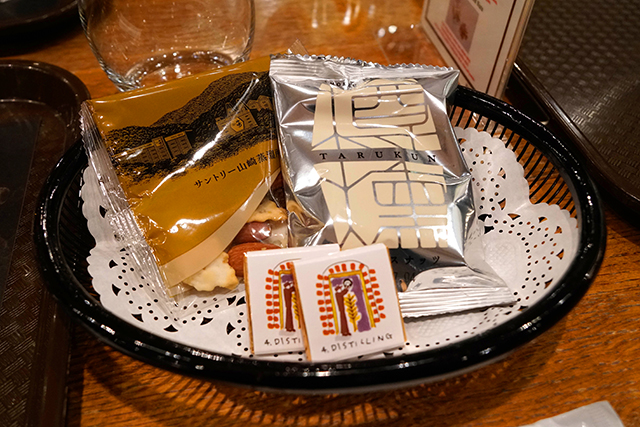
Three snacks are provided during the tasting session:
- Back left: distillery original snacks (containing soybeans, wheat, seafood, beef, pork and sesame)
- Back right: cask-smoked mixed nuts (containing cashew nuts, walnuts, dairy)
- Front: pure chocolate (containing dairy and soybeans)
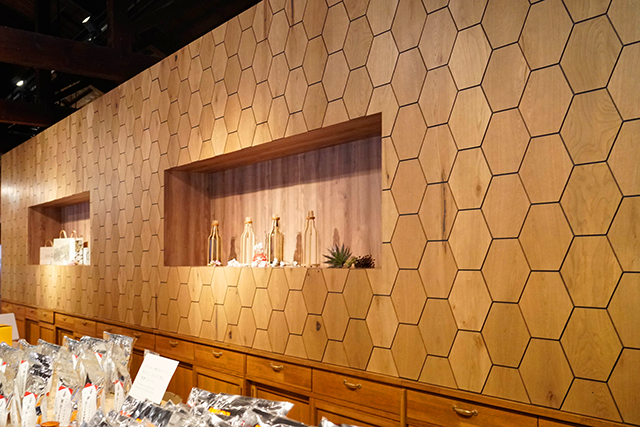
Following the conclusion of the tour, we head to the gift shop connected to the museum.
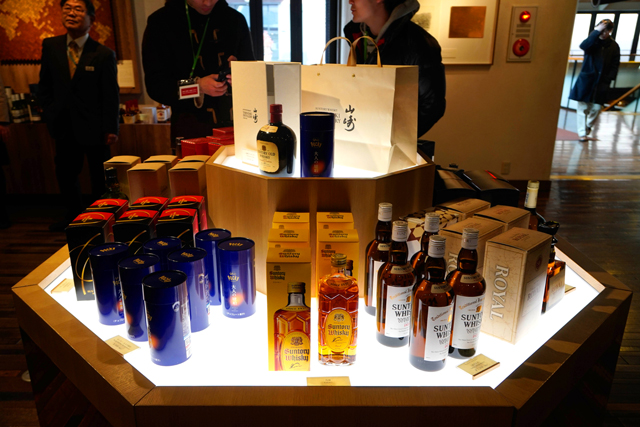
Various types of Suntory whiskies are available for purchase.
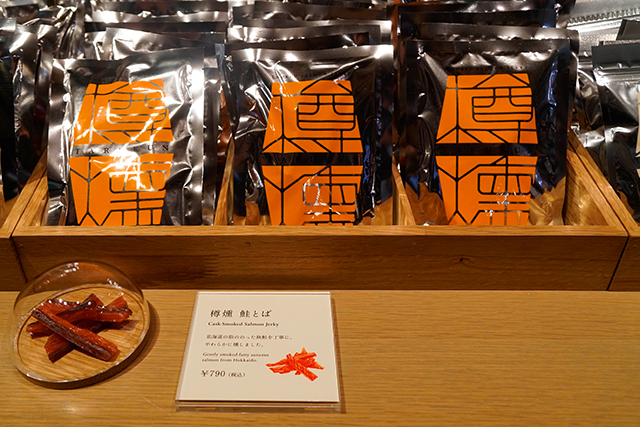
We pick up some cask-smoked salmon jerky.
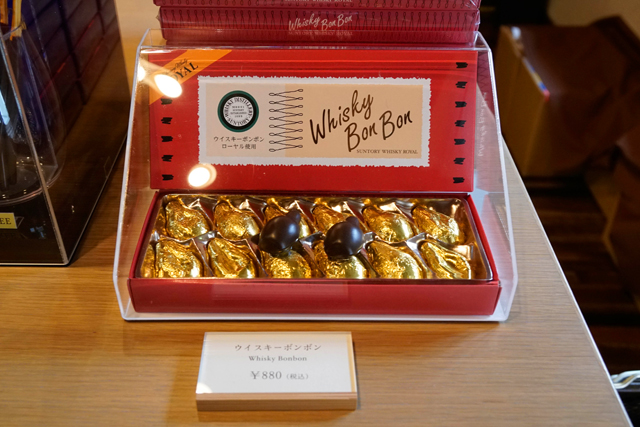
These whisky bonbons are touted by the tour guide as being one of their most popular omiyage items.
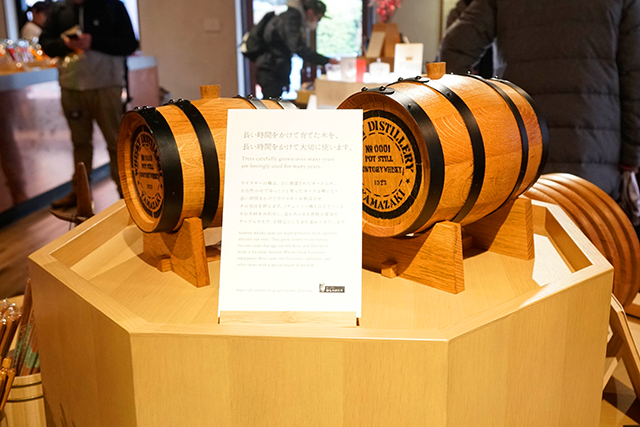
There are numerous items for purchase that are made from the wood of old pot stills.
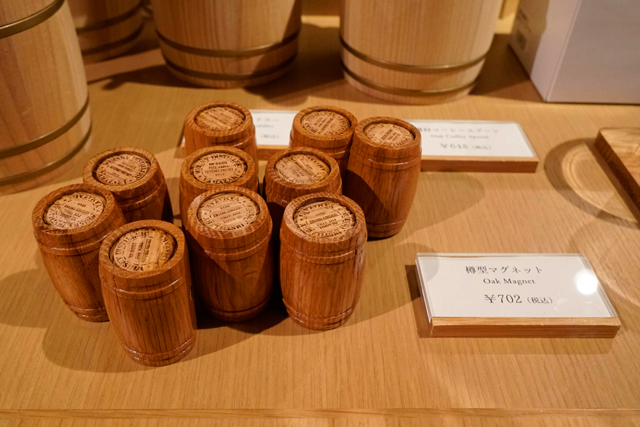
This is a magnet fashioned to look like a pot still.
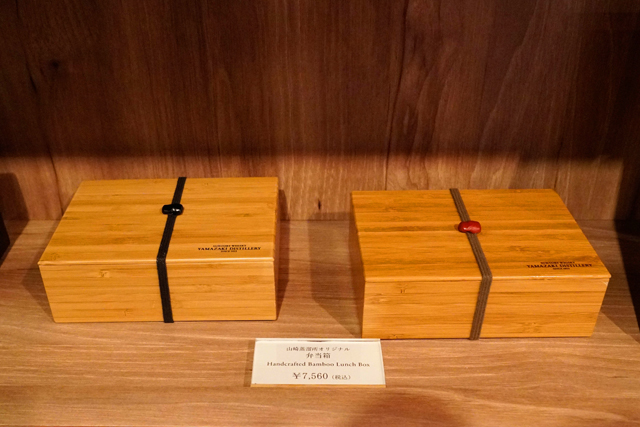
If oak is not your thing, you can purchase a stylish and handcrafted bamboo lunch box.
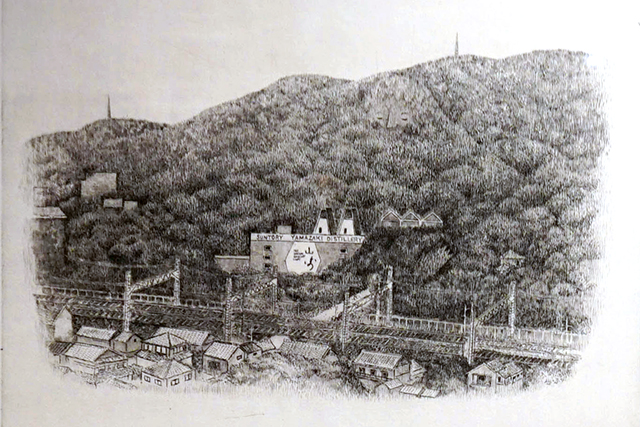
Outside the museum, there’s an etching and drypoint by Iku Dekune called ‘A Gift from Yamazaki’ (2016) that depicts the Yamazaki Distillery at the food of Mt Tennozcan since 1923. Etching impresses me due to the need to visualize the image for the drypoint in reverse.
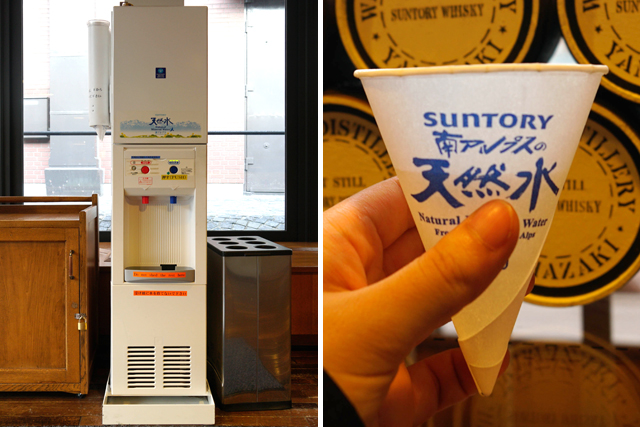
The museum provides free hot or chilled natural mineral water from the Minami Alps in conical cups.
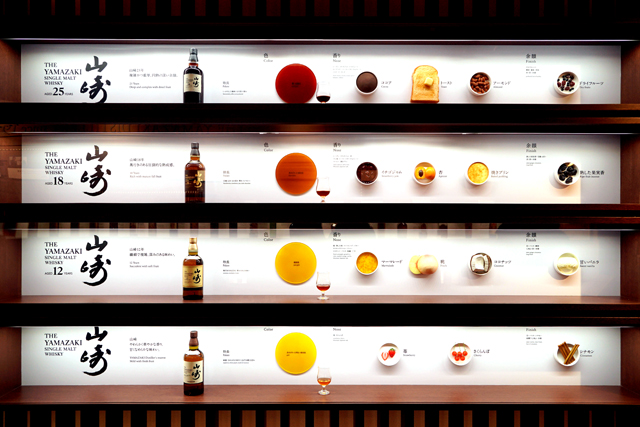
This displays shows four Yamazaki Single Malt whiskies aged 0, 12, 18 and 25 years and the distinguishing characteristics of their palate, colour, nose and finish.
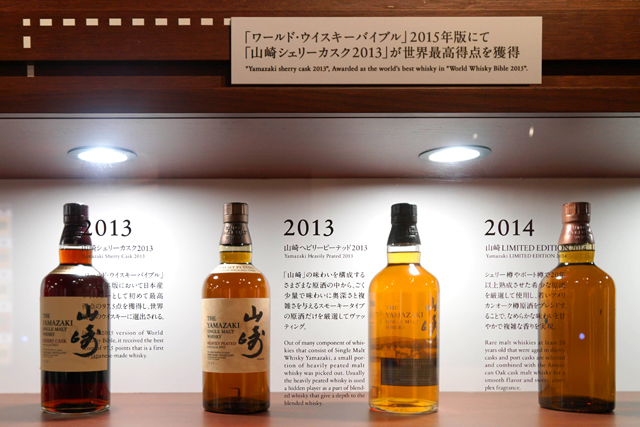
Suntory whiskies have won numerous awards including the world’s best whisky in the ‘World Whisky Bible’ in 2015 where the Yamazaki Sherry Cask 2013 received the best score of 97.5, a first for Japanese-made whisky.
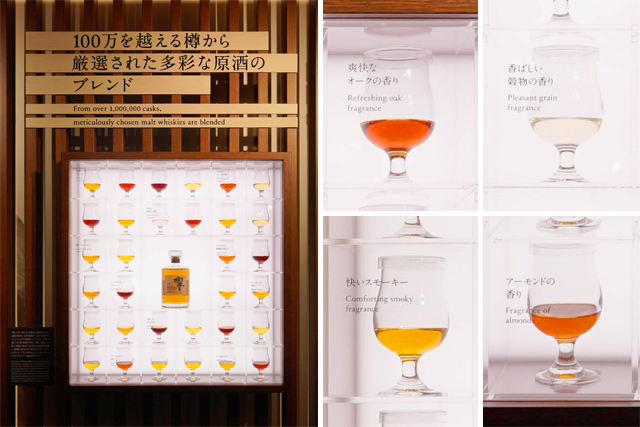
Malt whiskies are blended from over a million casks depending on the qualities of each component whisky.
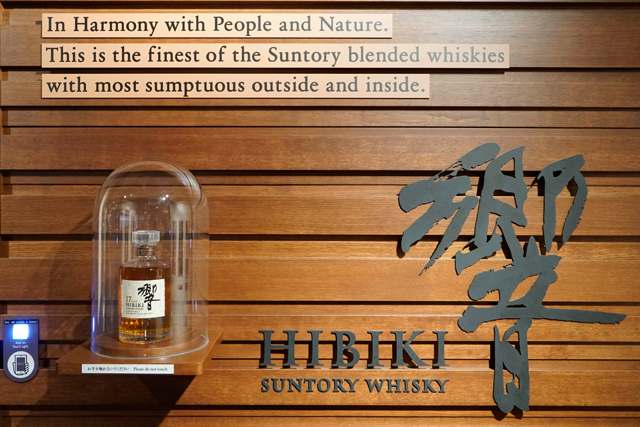
Hibiki is considered the finest of the finest of the Suntory blended whiskies.
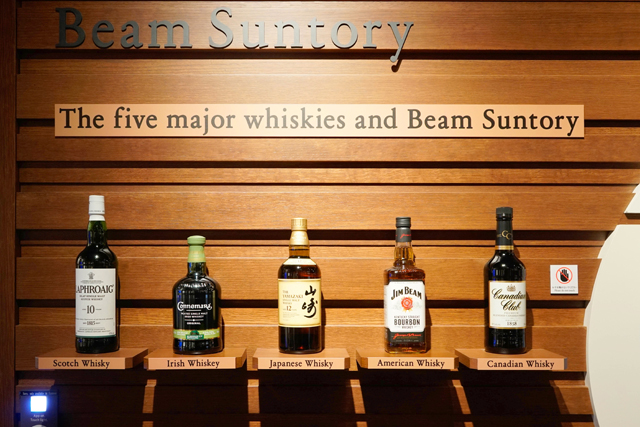
Later on in our trip, we find it amusing that Suntory excludes Nikka whisky as a major whisky.
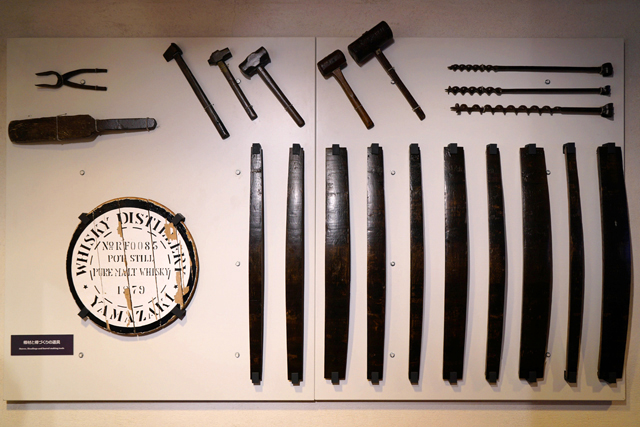
This display shoves staves, headings and barrel making tools.
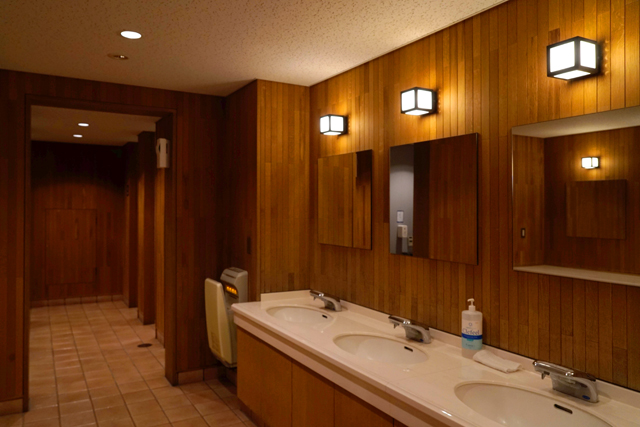
Even the wall in the bathrooms at the museum are lined with oak.
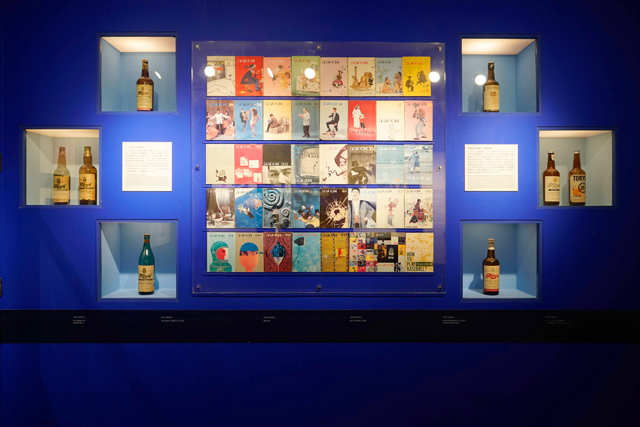
A separate section of the museum shows the history of whisky generally.
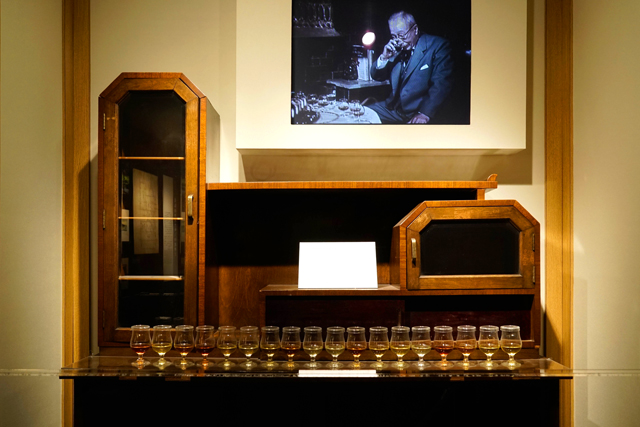
We can also view the sideboard used by Shinjiro Torii at home where ‘there were always whisky-filled glasses sitting upon it [and] often he would wake in the middle of the night with an idea for a blend and work with the rows of samples until morning’.
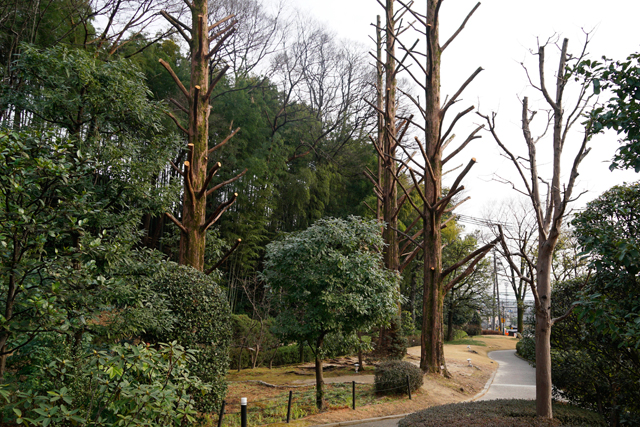
The gardens outside the facility are pleasantly lush in winter when most other trees are bare.
Ōsaka – Umeda
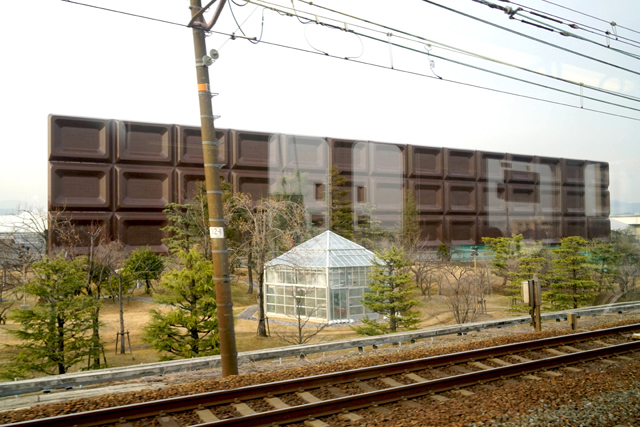
Heading back to Ōsaka, we spot the Meiji Factory with its signature chocolate bar facade. Unfortunately, they provide factory tours to school groups only.
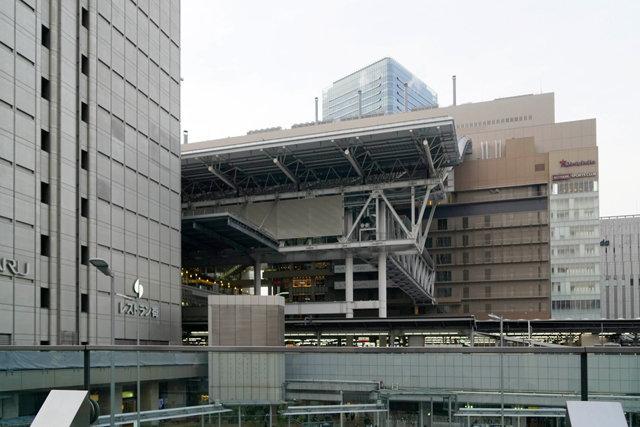
Ōsaka Station is huge, but not nearly as confusing as Shinjuku Station in Toyko.
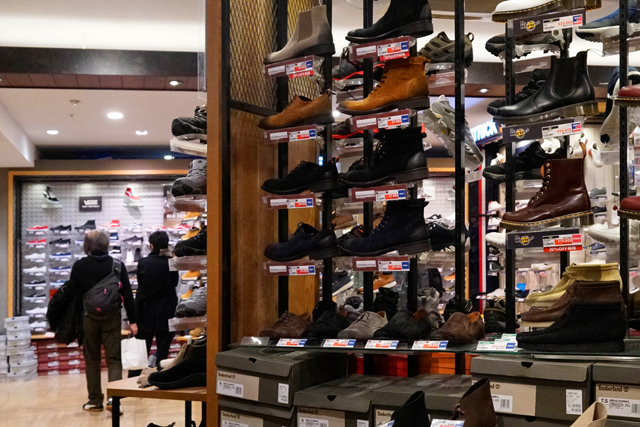
We head to ABC Mart to check out some shoes as D’s shoes are worn through and won’t hold up to the rain.
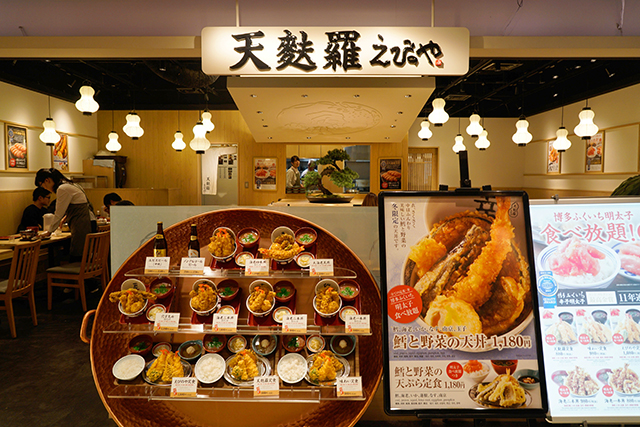
Heading to the restaurant floors of the Yodobashi Camera, we consider having all-you-can-eat kushiage but end up eating at Tempura Ebiya instead.
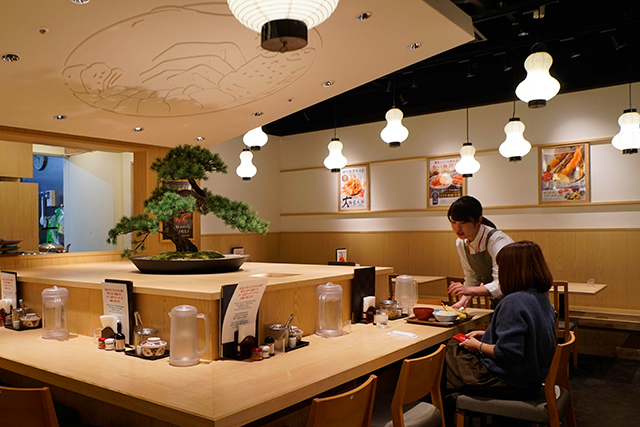
There are cute lantern lights and a bonsai occupying the main space.
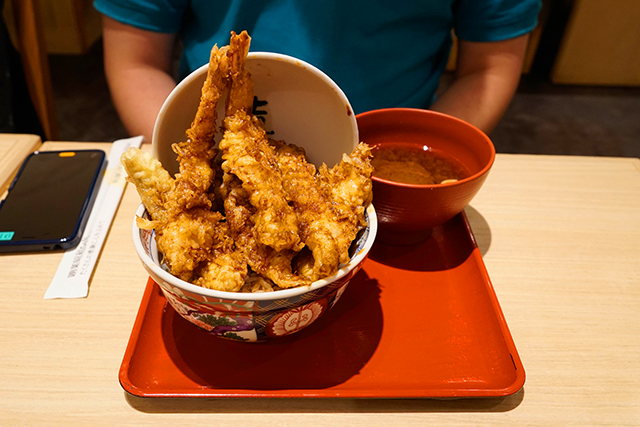
D get the Four Prawns Set (¥1,1800) with four prawns, squid, sand borer, egg and two vegetables as well as miso soup.
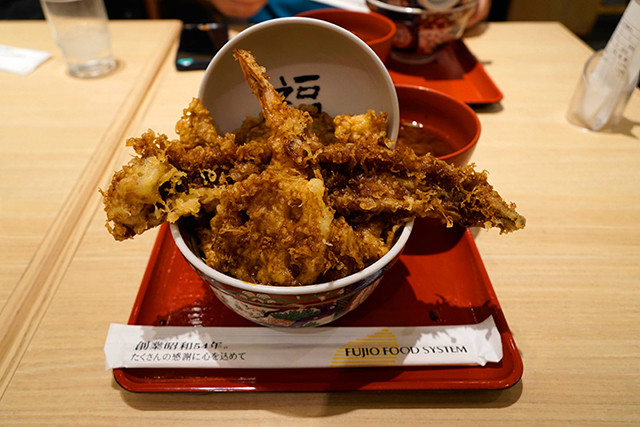
I get the Conger Set (¥1,1800) with conger, one prawn, squid, sand borer, egg and two vegetables as well as miso soup.
We’re a bit disappointed that the tempura wasn’t crispy due to the sauce that’s dousing it, but soft batter aside, we’re fans of the egg, which had a moreish savoury flavour.
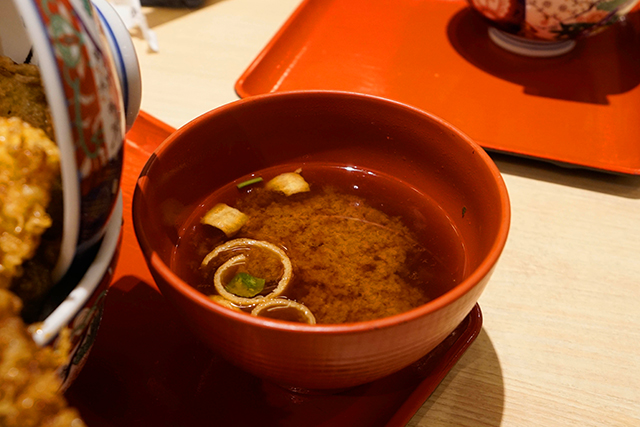
The miso soup was the stand out to the meal, though, with a rich yet clear flavour that cut through the heaviness of the tempura well.
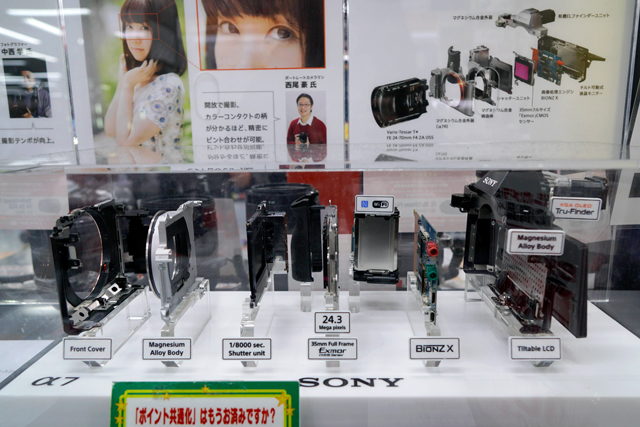
After dinner, we head downstairs to the camera section of Yodabashi Camera in hopes of finding a case for my camera. We fail finding that, though we spot a deconstructed Sony A7…
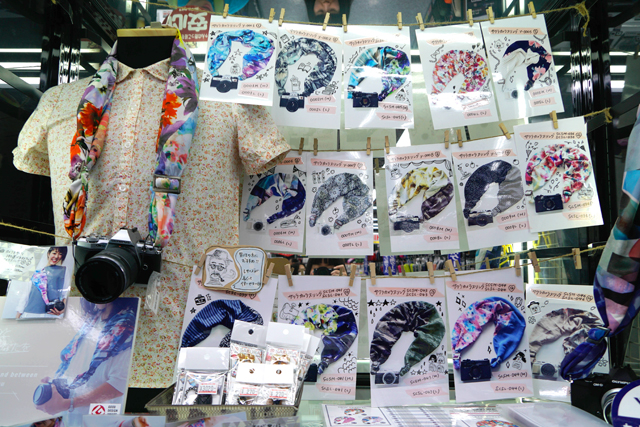
…as well as scarf-like camera straps for the adventurous.
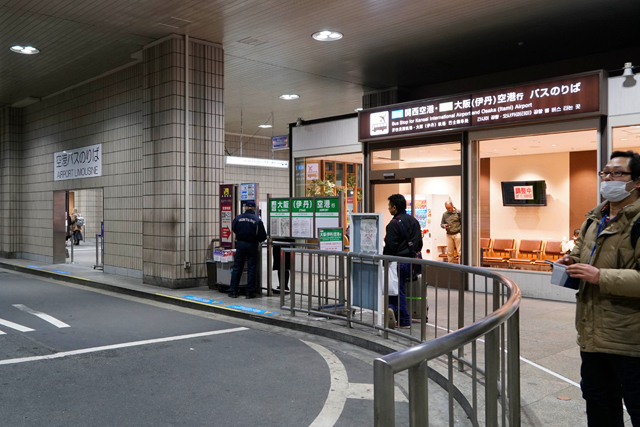
Walking back to our hotel we check out one of the bus terminals for the Airport Limousine that we’ll be catching in a few days.
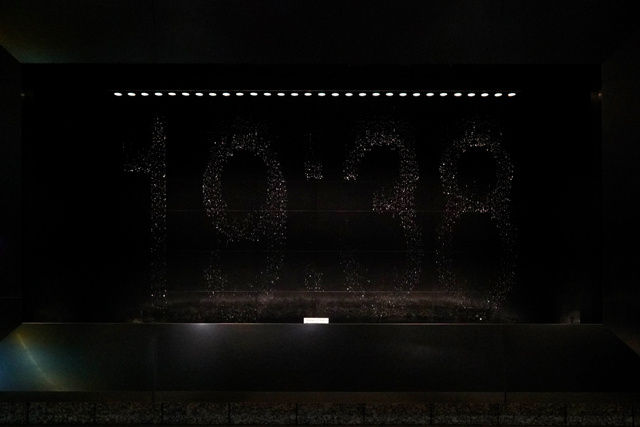
A water feature at Ōsaka Station shows the time as the water falls.
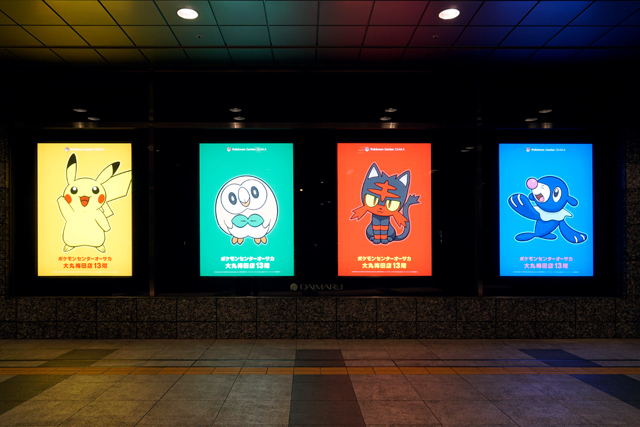
There are ads for Pokemon nearby.
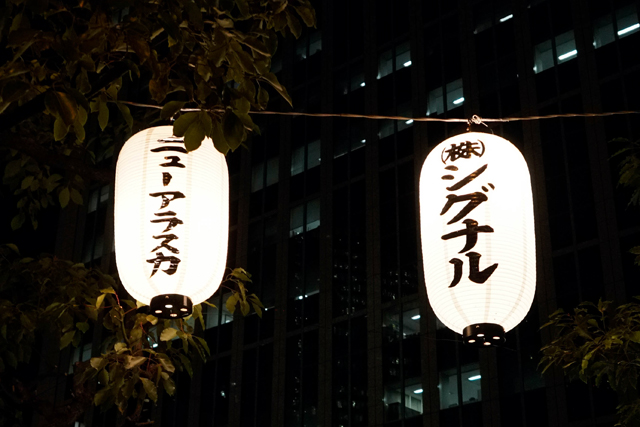
There’s a fair of sorts at the base of a high rise building on the walk home.
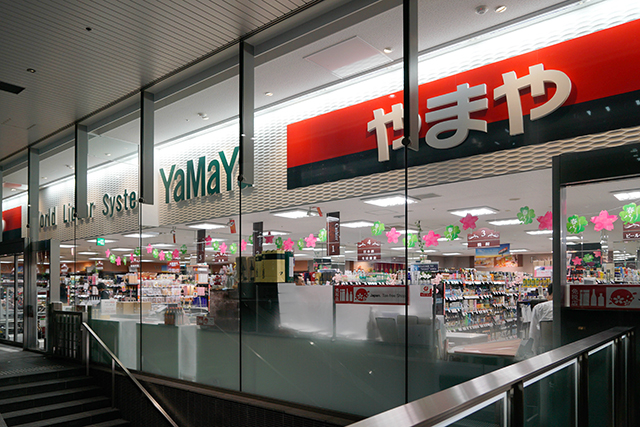
We make a detour to a large liquor store, but we don’t stick around very long as D’s starting to feel unwell.
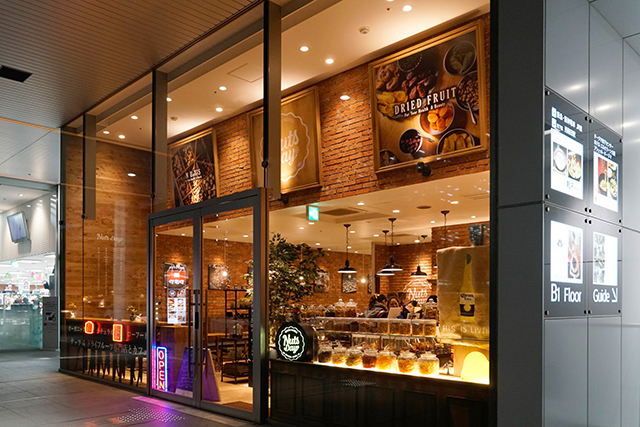
Next door is a cosyrea dried fruit store.
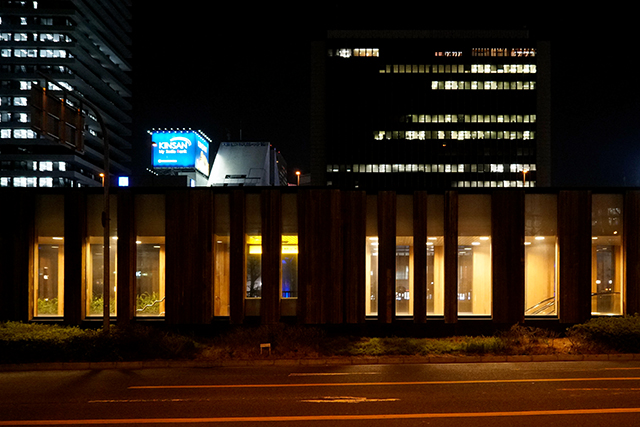
The subway stations on Nakanoshima are stylish with wooden exteriors.Shortly after we arrive at our hotel, we realise D’s got food poisoning from his meal. We’re not sure which part caused it as we’d eaten pretty much the same food. Surprisingly, this is the first time we’d gotten food poisoning in Japan.
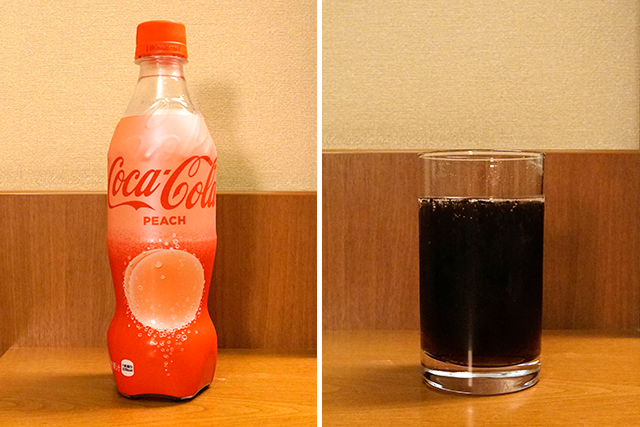
To finish the night, I try my Coca-Cola Peach, a peach flavoured cola released on January 22. I particularly enjoy peach flavoured foods from Japan and this one does not disappoint with a pleasantly sharp flavour of white peaches from the first sip that mellowed as you continue drinking.
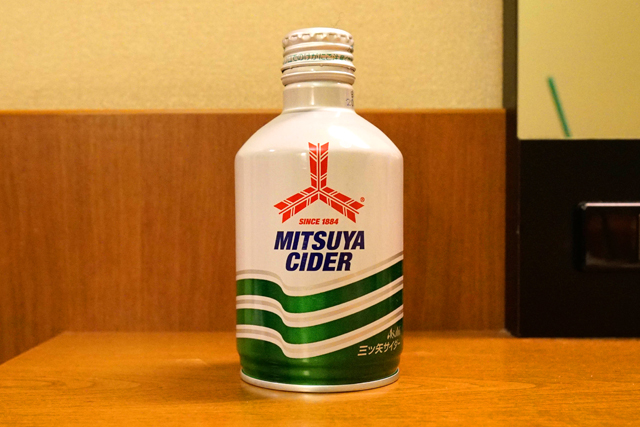
And a few hours later, D decides he wants some Mitsuya Cider for refreshment.
It’s never fun to get food poisoning but even more so at the start of your trip. The next day, we soldier on with a trip to Kyōto during Setsubun festivities.