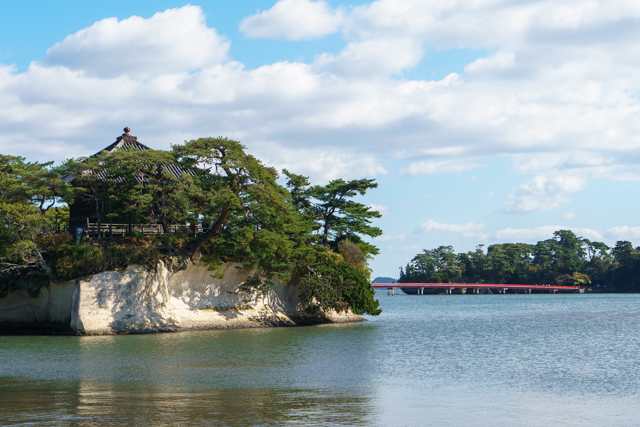
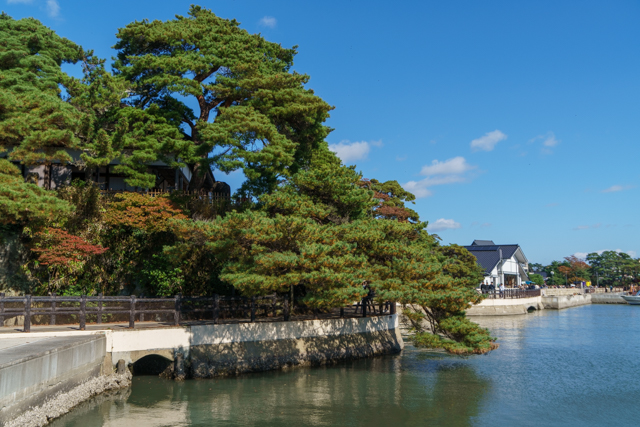
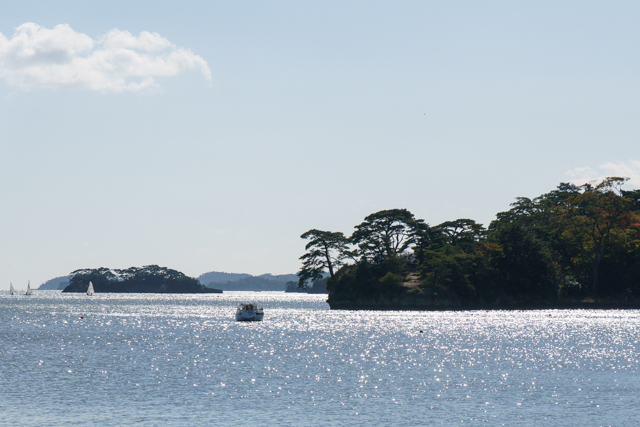
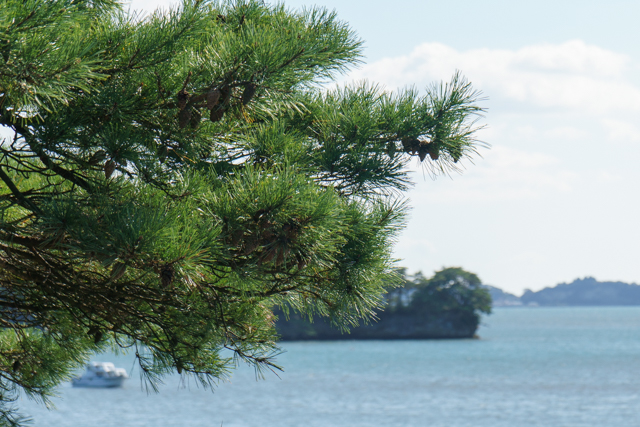
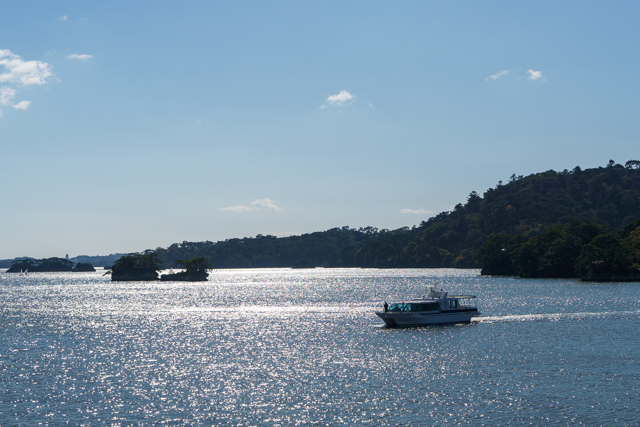
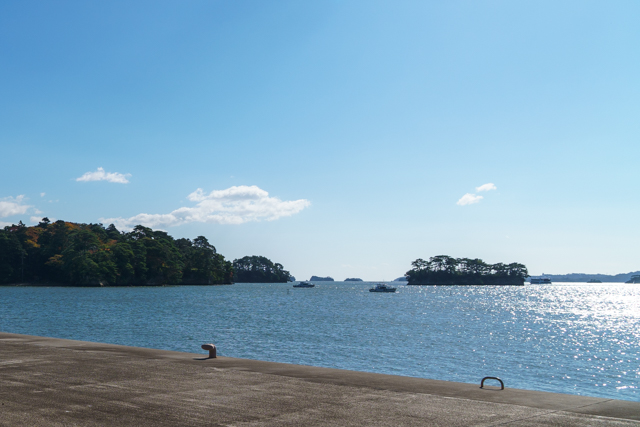
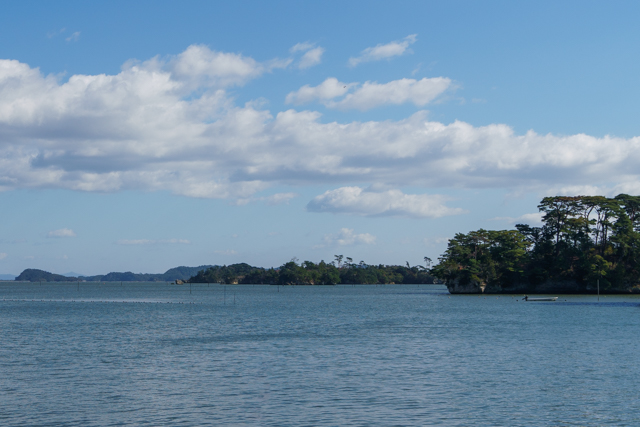
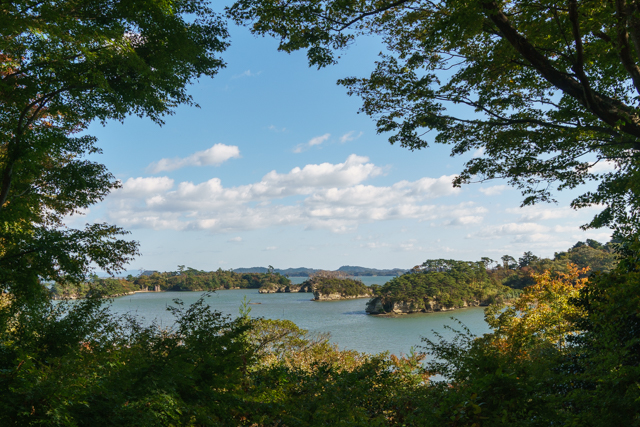
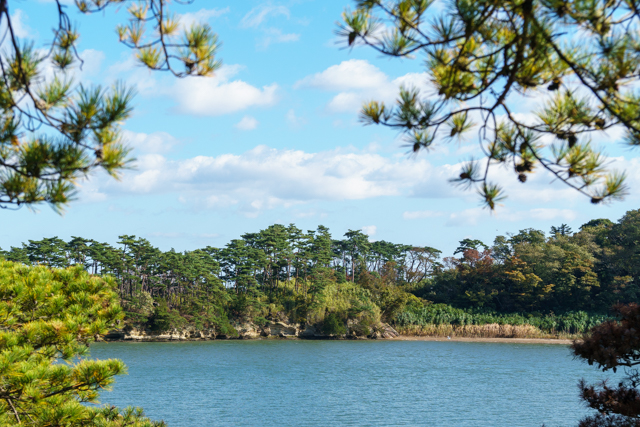
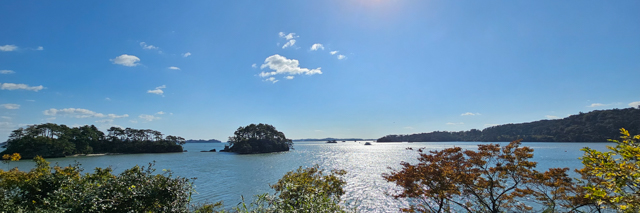
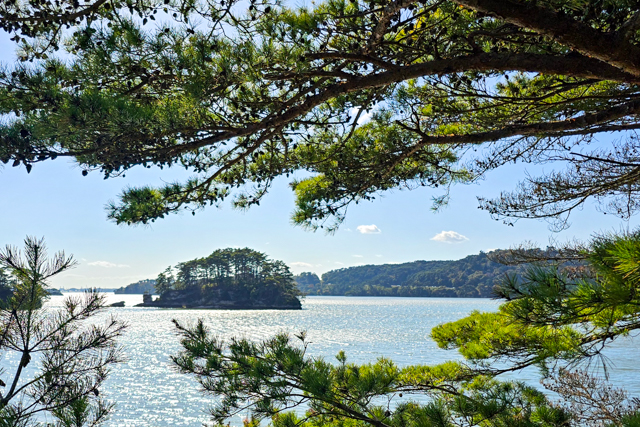
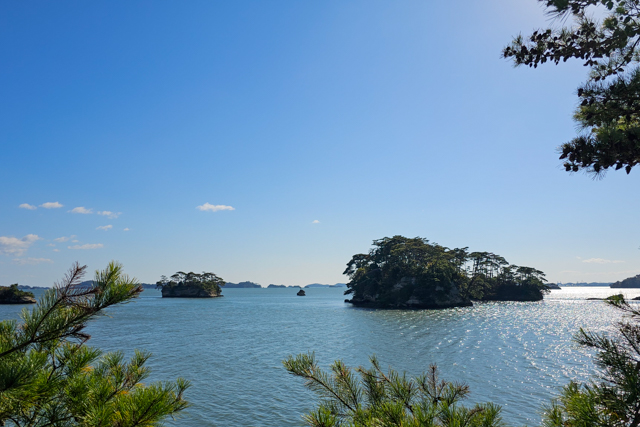
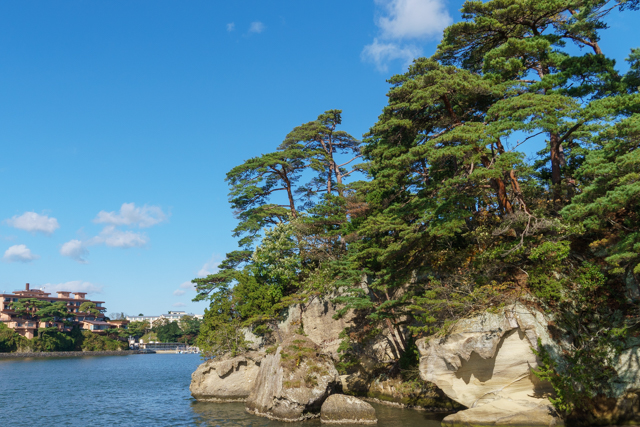
For centuries, Matsushima Bay has been regarded as one of Japan’s three most celebrated scenic views, alongside Miyajima and Amanohashidate. The bay is characterised by over 200 small, pine-covered islets, their low, irregular forms creating a layered seascape that shifts subtly with light and tide. This post follows our time in the area.
Sendai
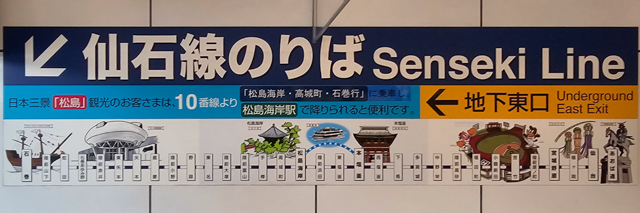
Matsushima is accessed from Sendai via the Senseki Line, a direct journey of approximately 40 minutes from the city centre.
Donq Editer
2F, Inside Ticket Gates, JR Sendai Station, 1 Chome−1−1, Central, Aoba Ward, Sendai City, 980-0021 Miyagi, Japan
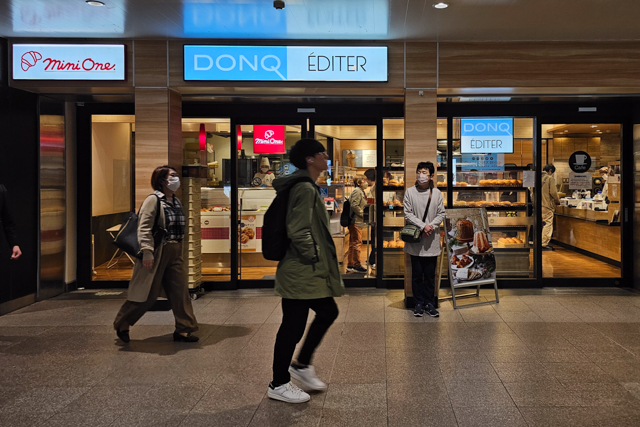
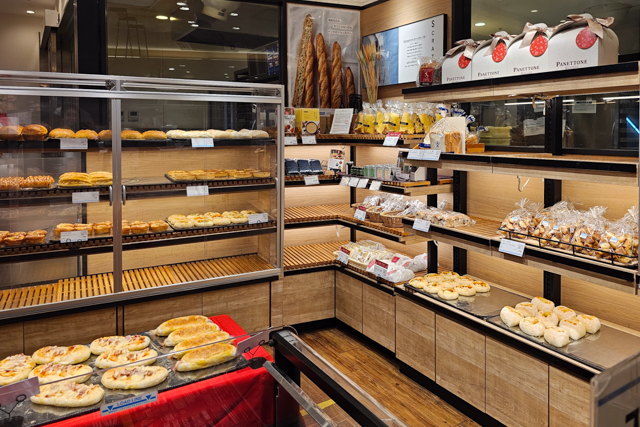
A brief stop was made at the in-station bakery for a quick breakfast.
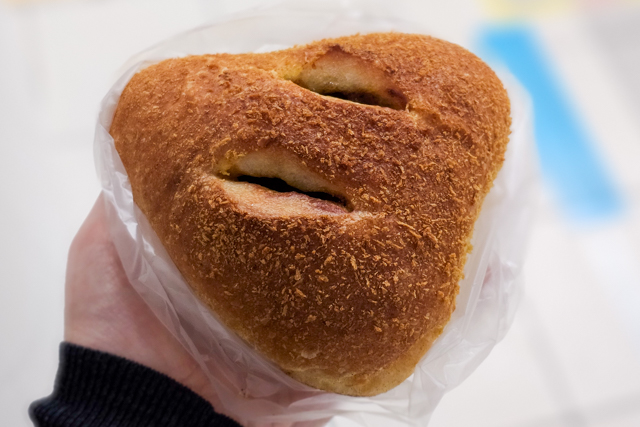
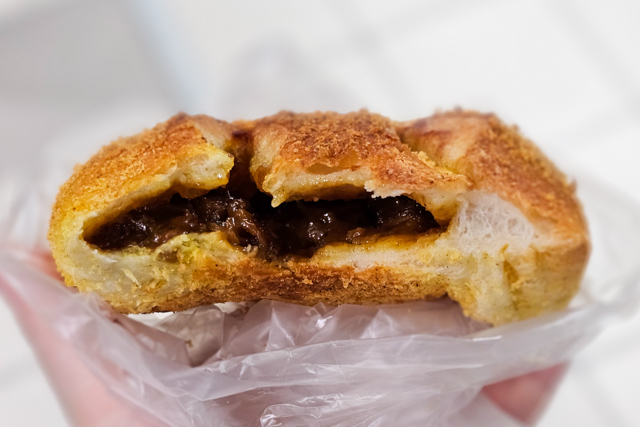
Umami Tappuri Beef Curry (¥270)
A mellow, lightly spiced curry filling with minced beef. The flavour was rounded and savoury, though the interior felt slightly sparse. The bread itself was soft with a slight elasticity, resembling mochi in chew, while the exterior held a light crispness.
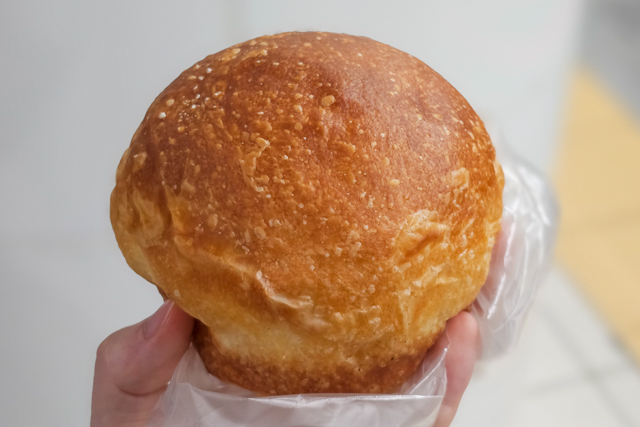
Shio butter pan (¥190)
Pronounced buttery aroma with a tender, mochi-like interior that carried a gentle chew. The salt accentuated the richness, making it particularly moreish.
Matsushima
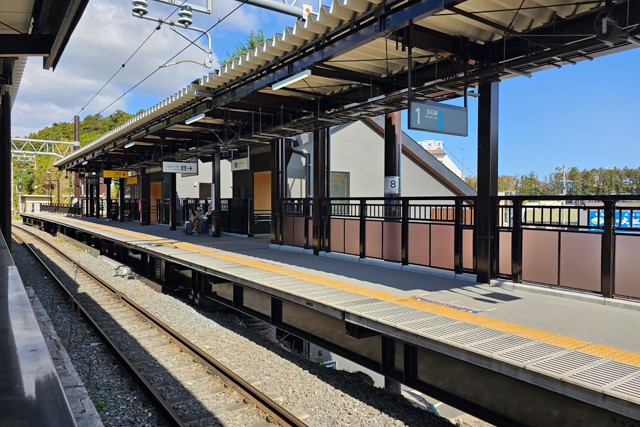
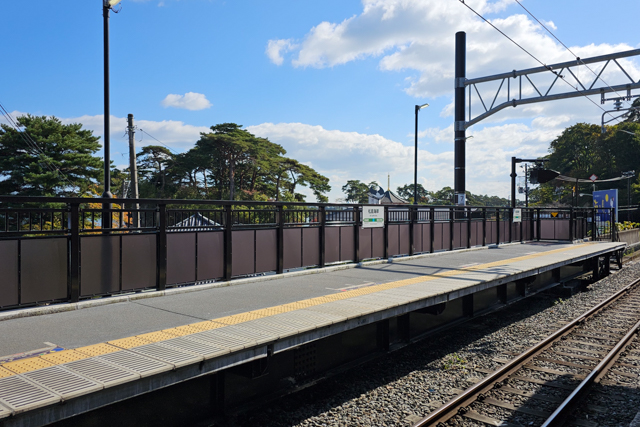
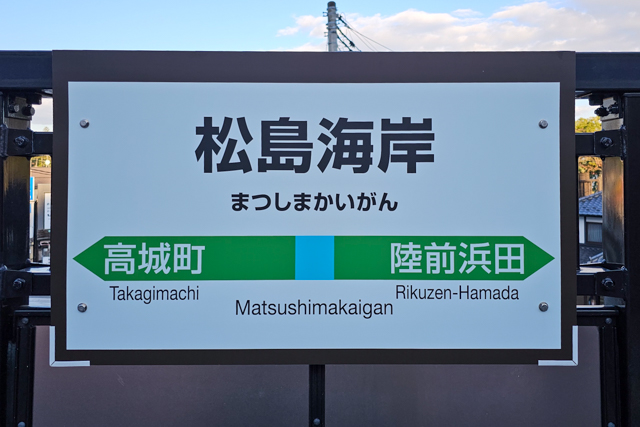
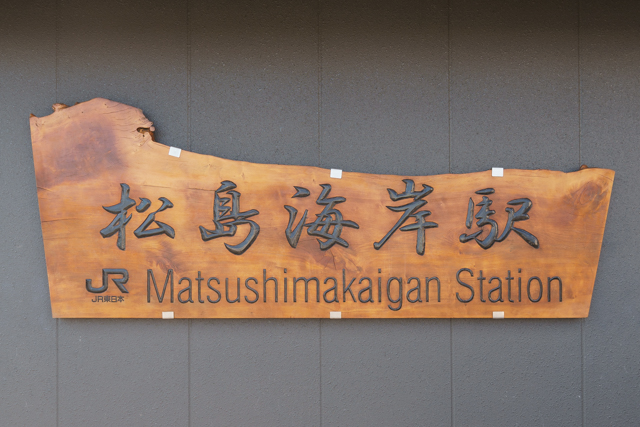
JR Matsushima Kaigan Station
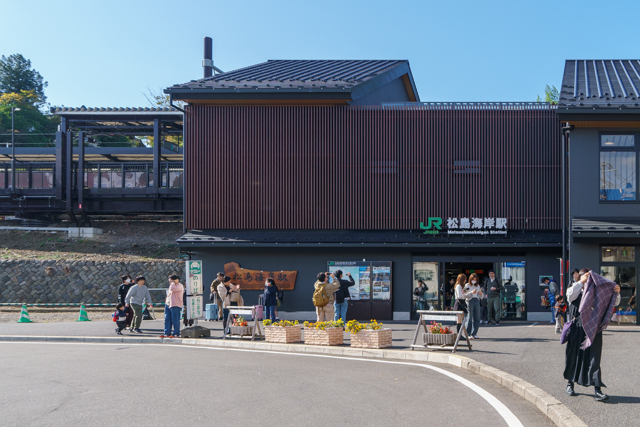
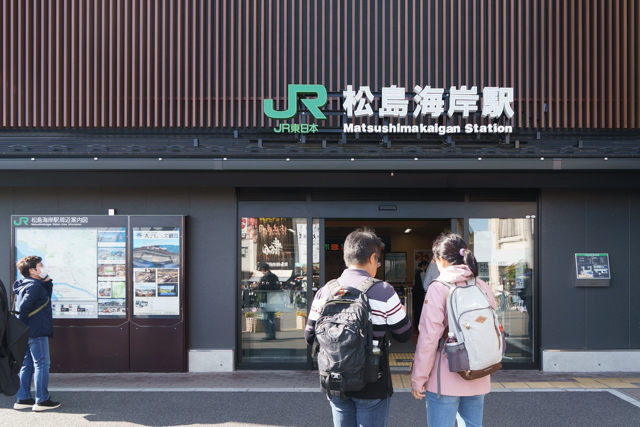
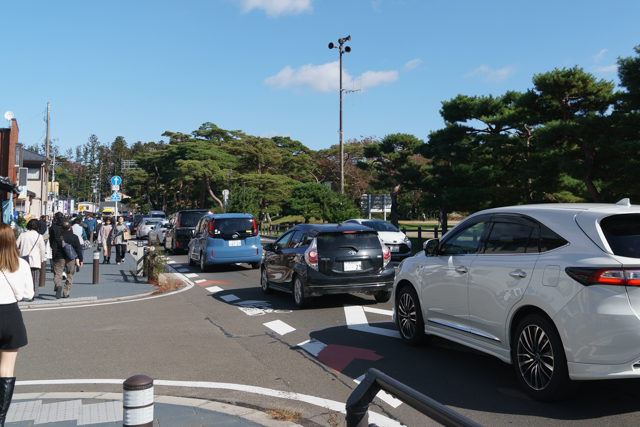
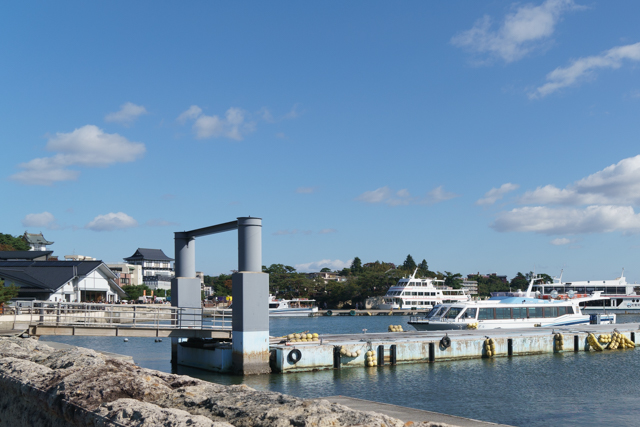
Matsushimakaigan Station serves as the primary access point to the bay, positioned within walking distance of the main shoreline.
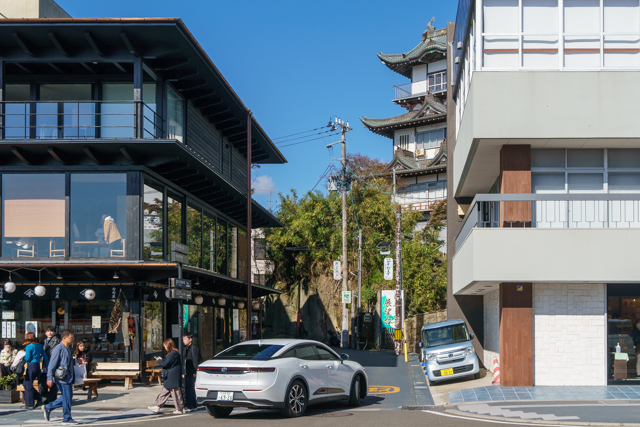
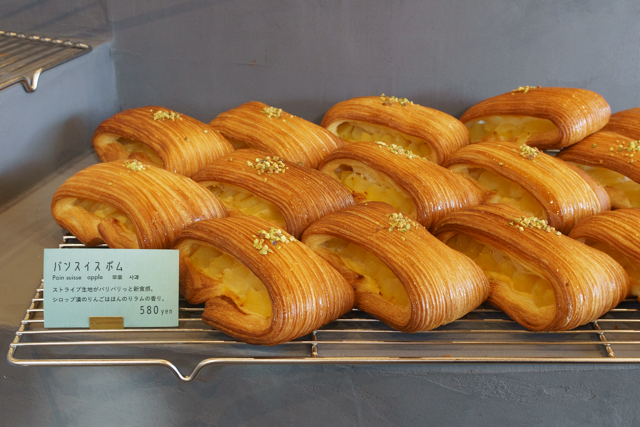
Croissant-ya Sakusaku
クロワッサン屋サクサク is located at Namiuchihama-37, Matsushima-cho, Miyagi-gun, Miyagi Prefecture 981-0213, Japan
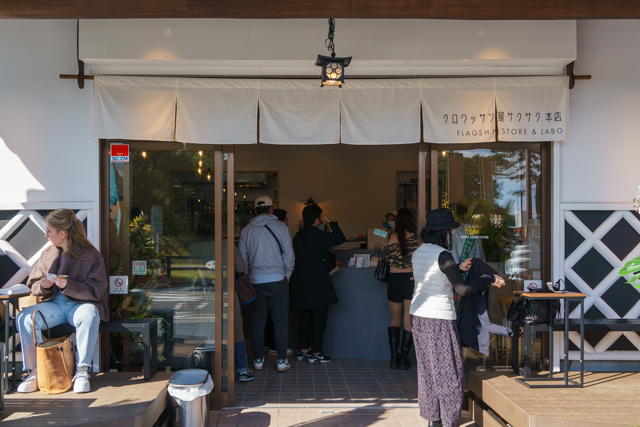
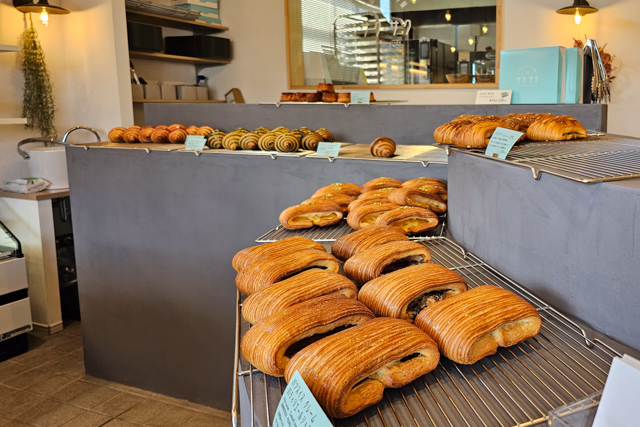
A newly opened pastry shop encountered en route to the coast, drawing attention through both aroma and display.
Review: Croissant-ya Sakusaku, Matsushima Review.
Matsushima Shoreline
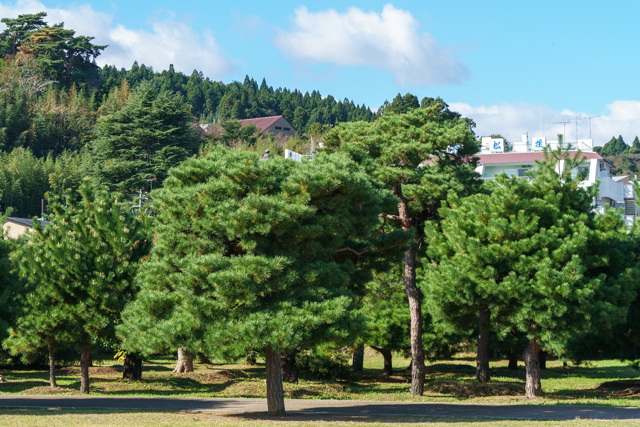
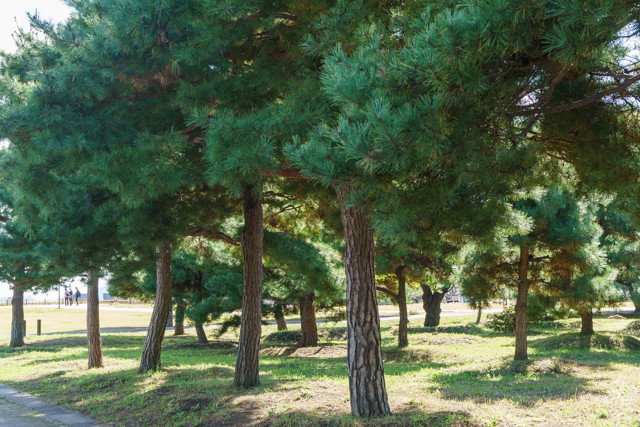
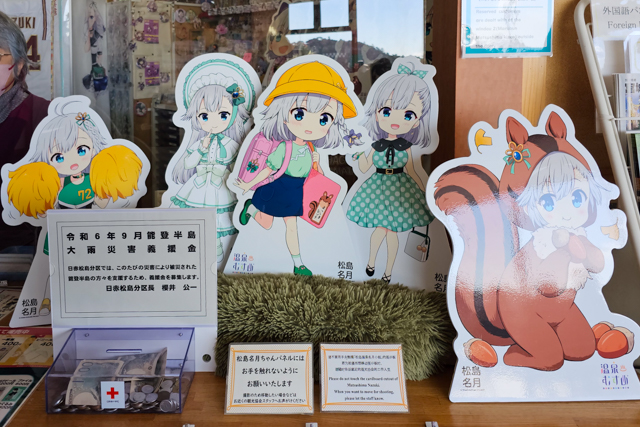
Great East Japan Earthquake
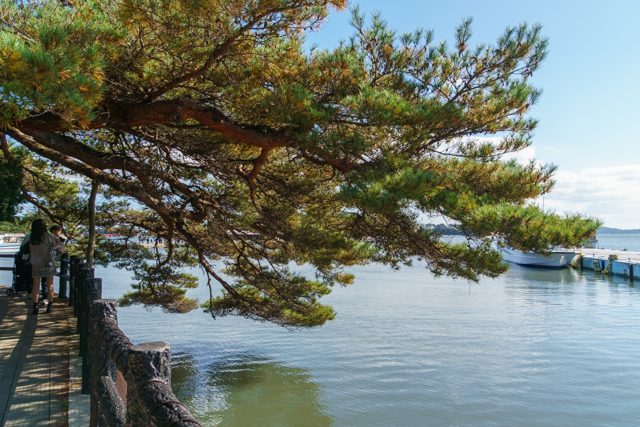
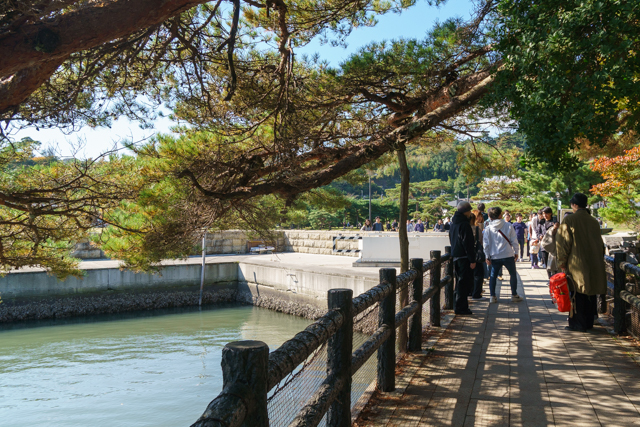
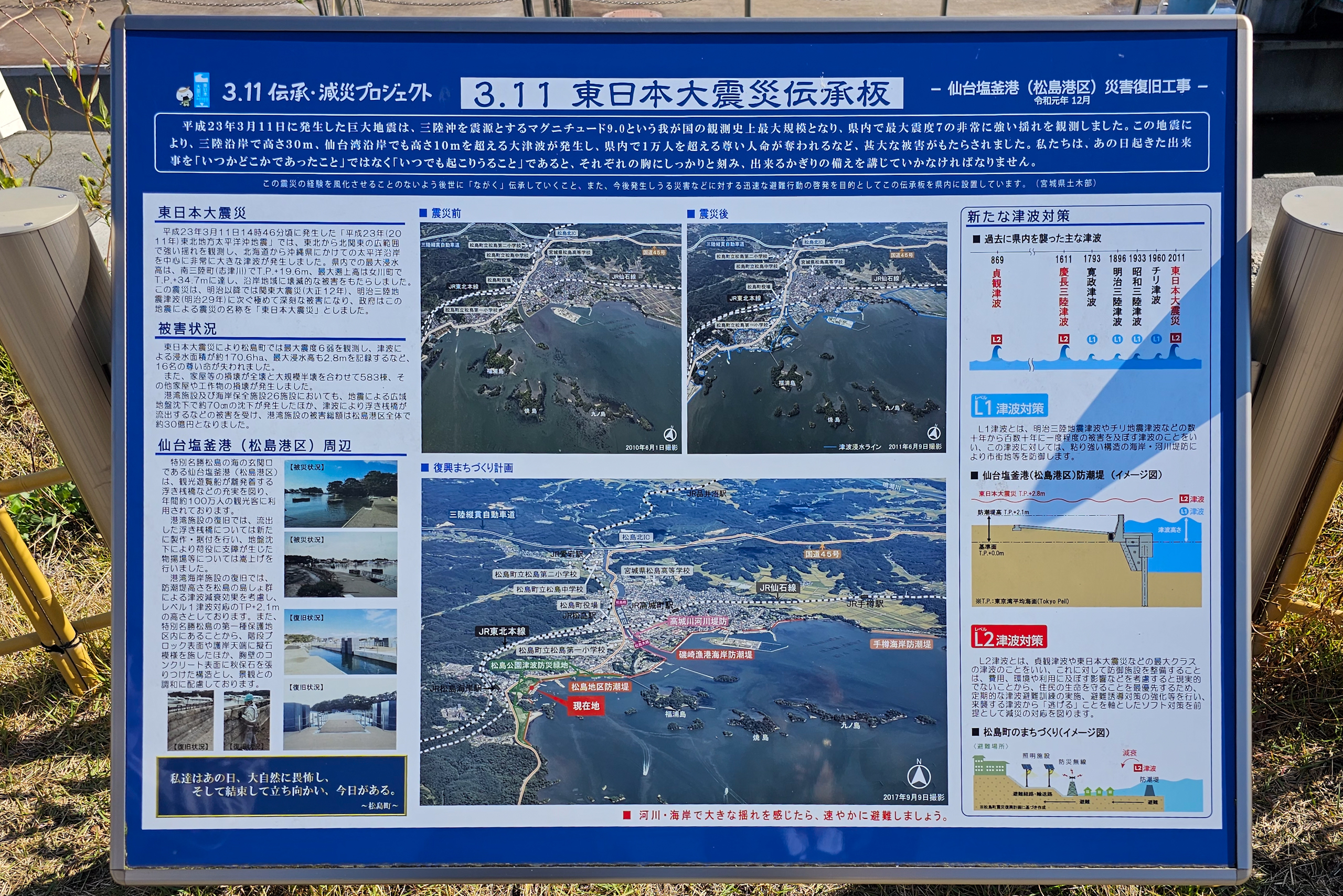
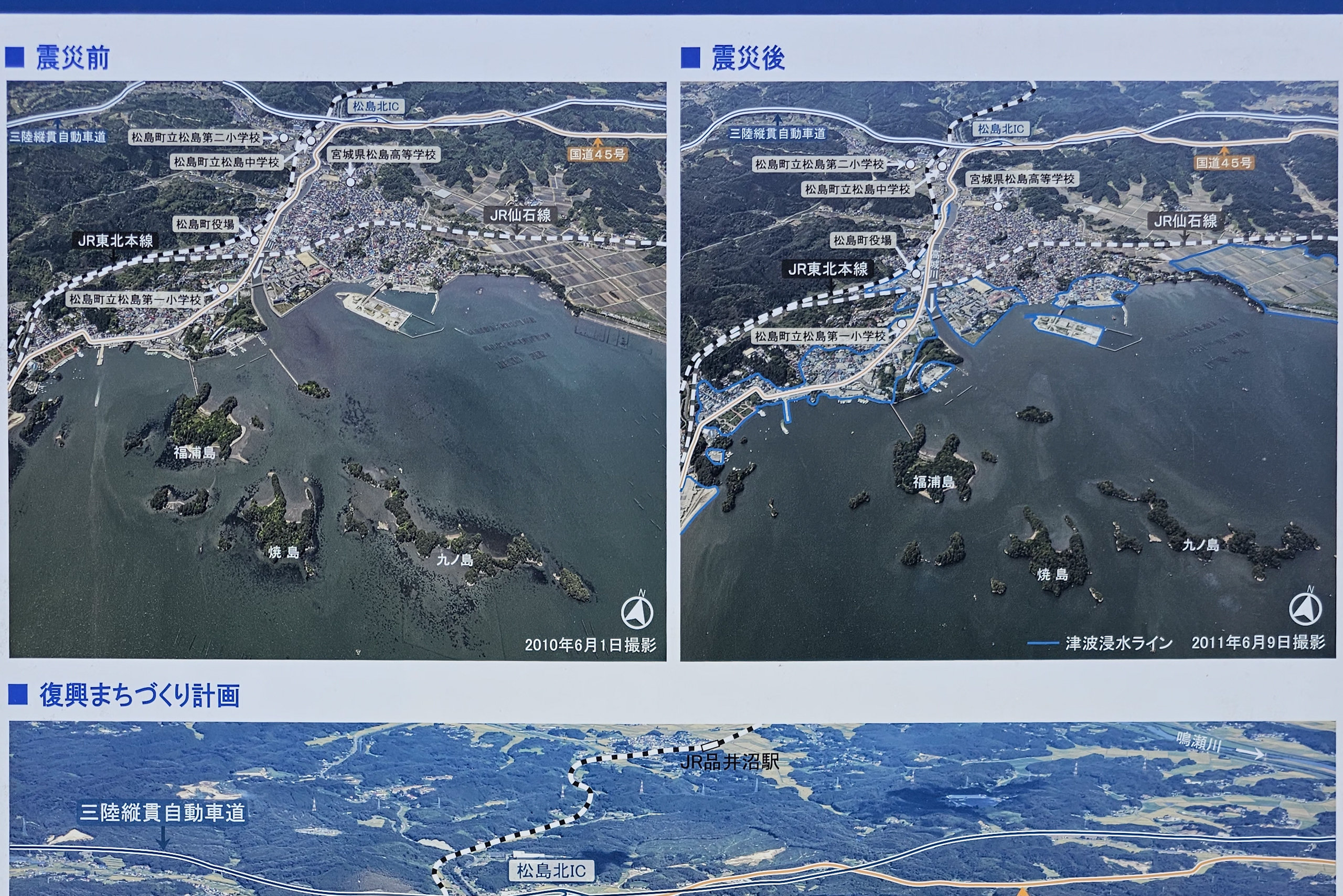
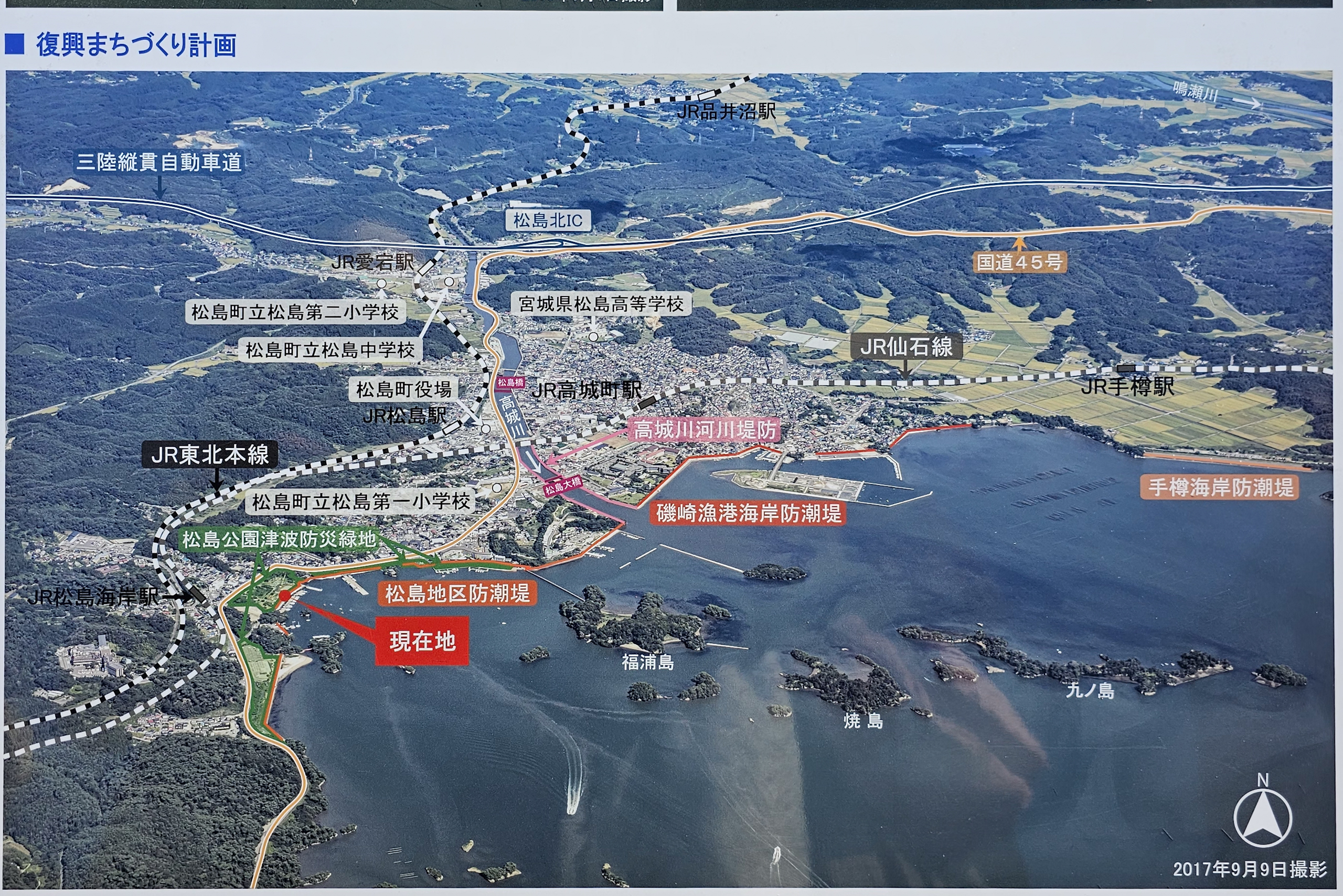
On 11 March 2011, a magnitude 9.1 earthquake off the northeastern coast of Honshū triggered a tsunami that significantly affected the Matsushima area. While damage occurred, the bay’s scattered islands are often noted to have mitigated some of the impact by dispersing wave energy.
Sukashibashi and Godaidō
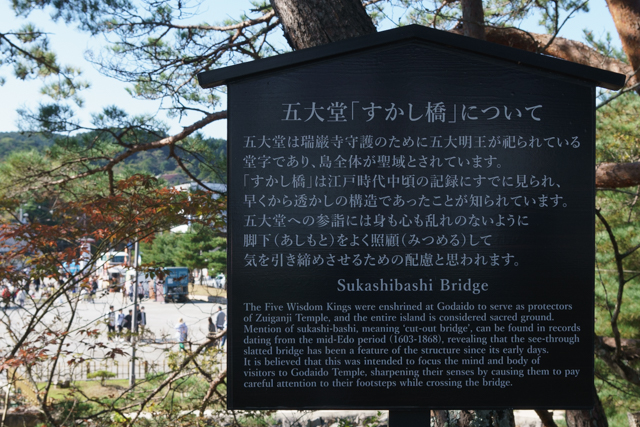
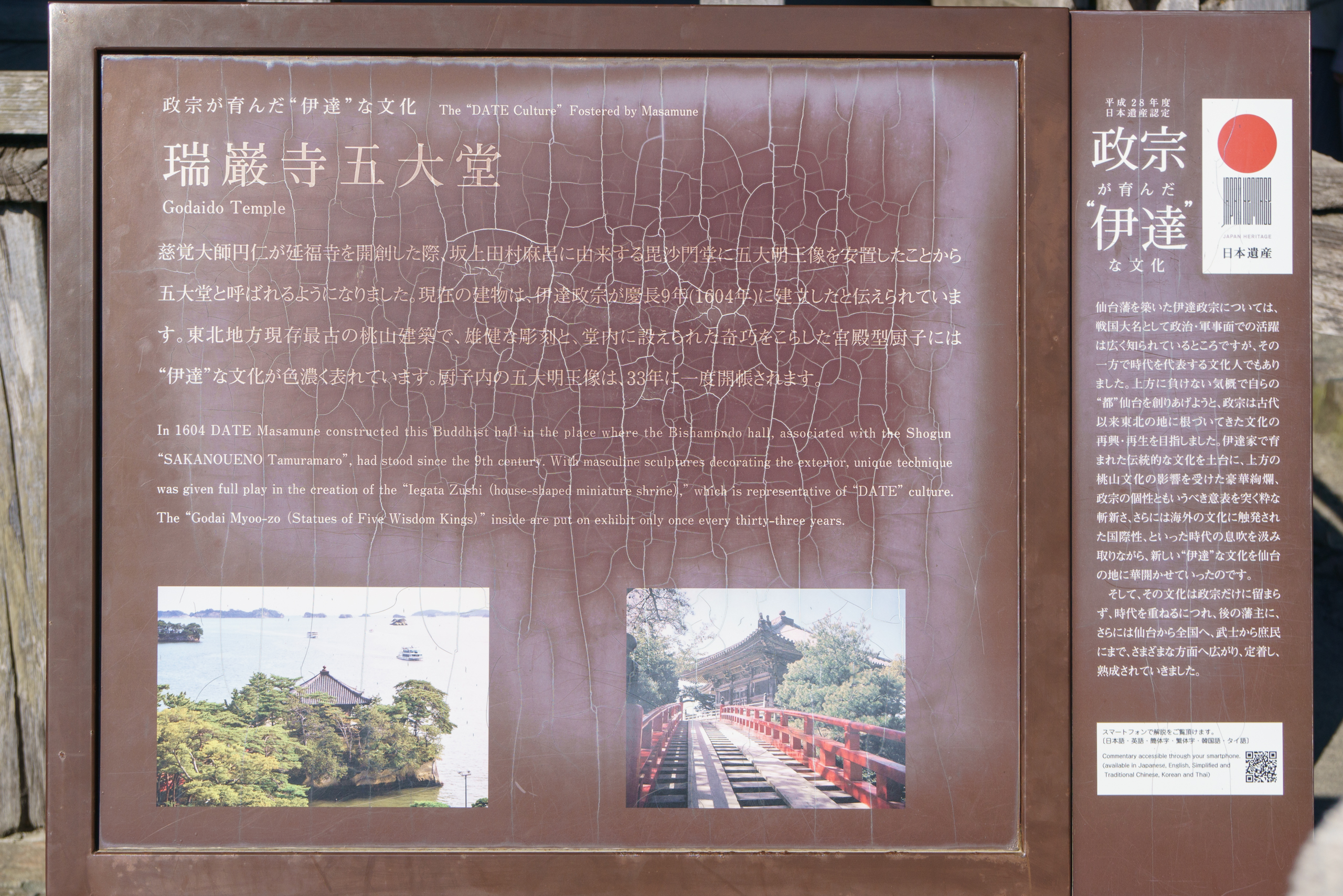
The Five Wisdom Kings were enshrined at Godaido to serve as protectors of Zuiganji Temple, and the entire island is considered sacred ground.
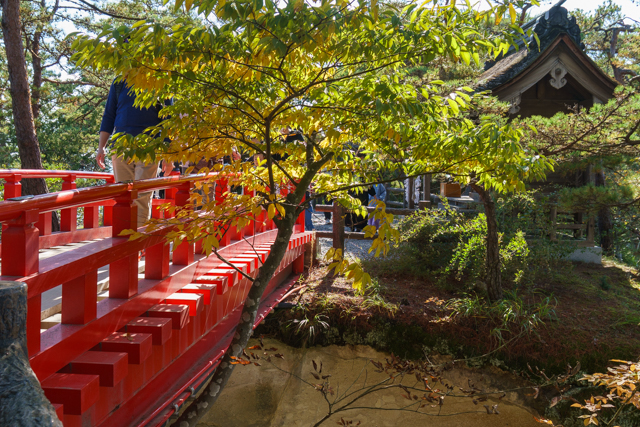
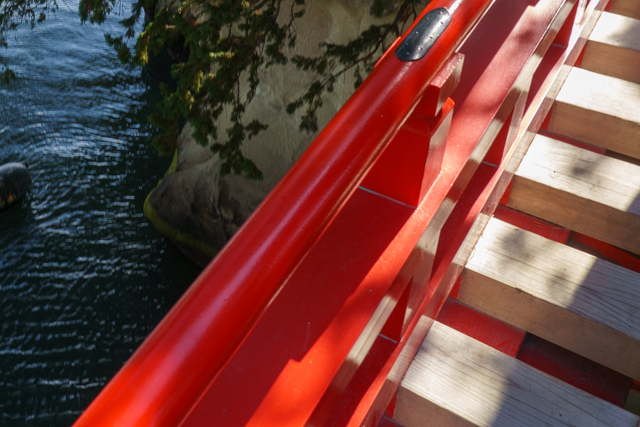
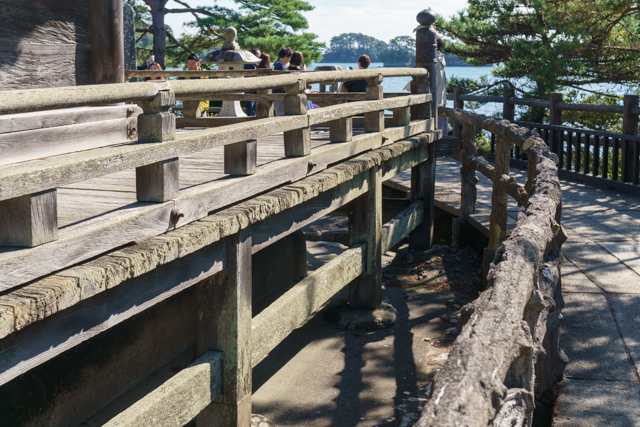
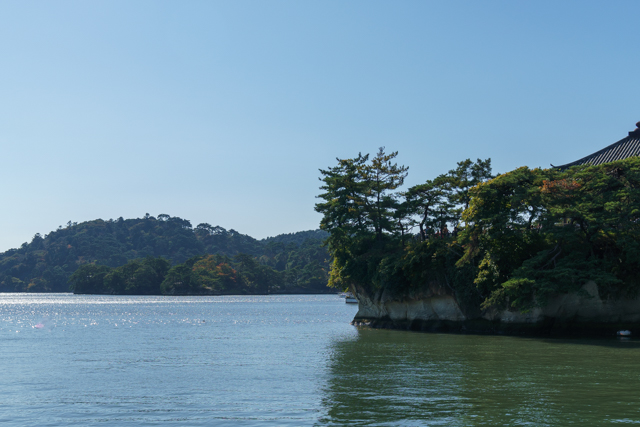
Godaidō sits on a small islet just off the shore, connected by the sukashi-bashi, or “cut-out bridge,” named for its slatted construction. The gaps beneath one’s footing require careful attention when crossing, a design historically intended to heighten awareness before entering the sacred space.
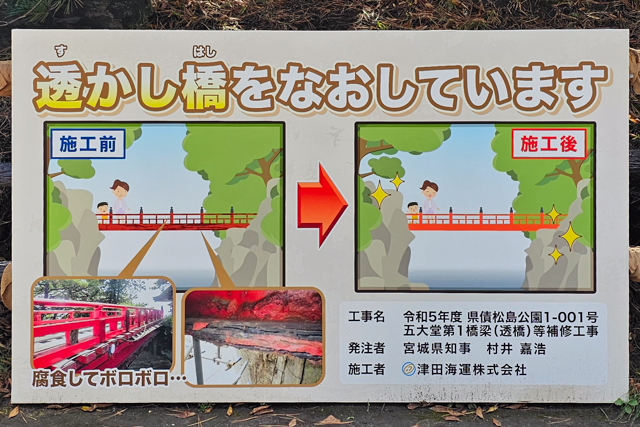
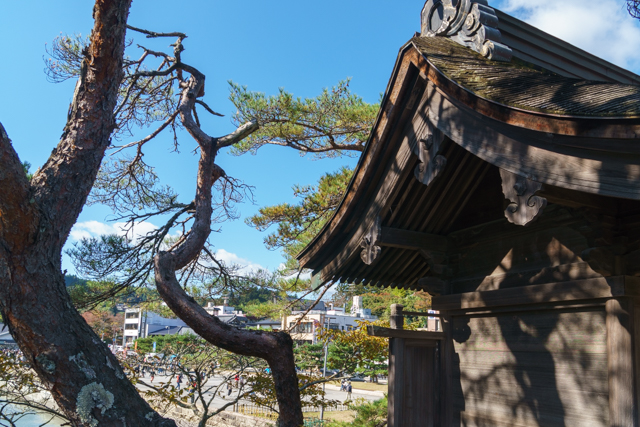
The bridge has undergone major restoration to improve safety.
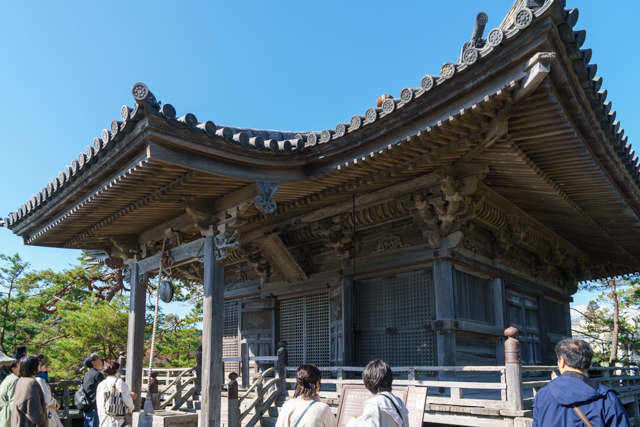
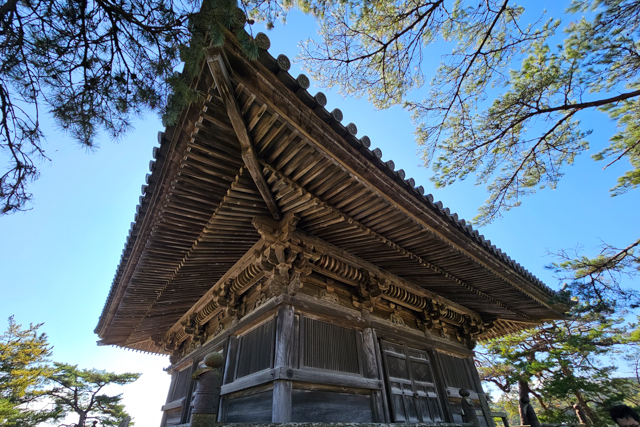
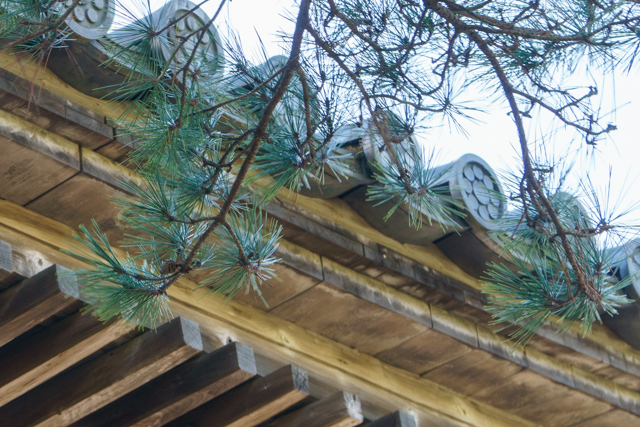
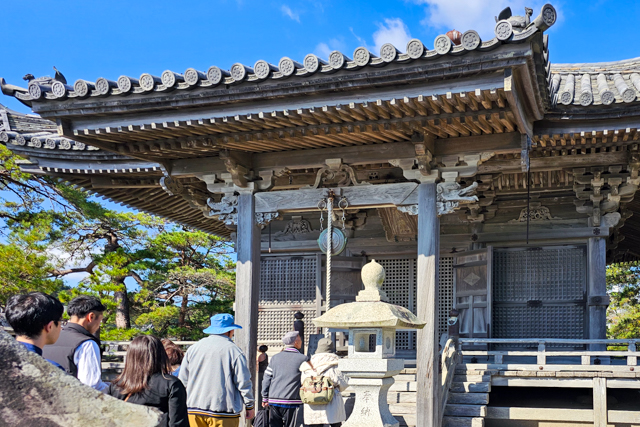
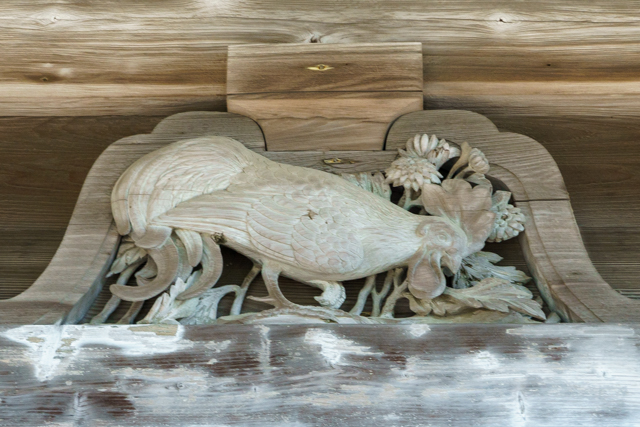
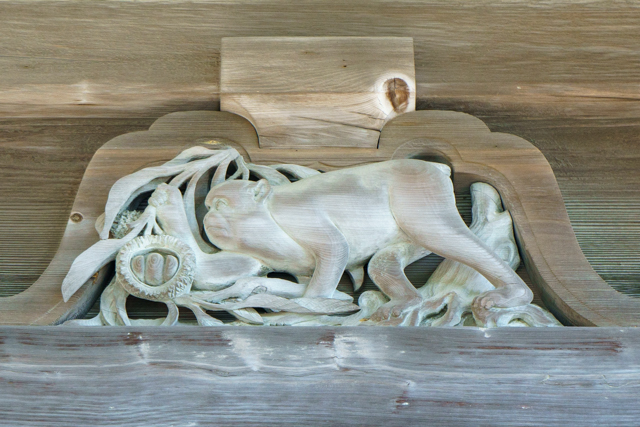
Godaidō itself dates to 807, with the current structure rebuilt in 1604 by Date Masamune. It houses five statues of the Wisdom Kings, displayed publicly only once every 33 years (next scheduled for 2039).
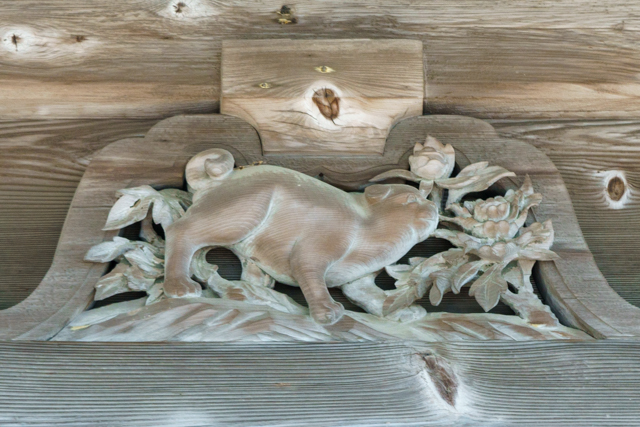
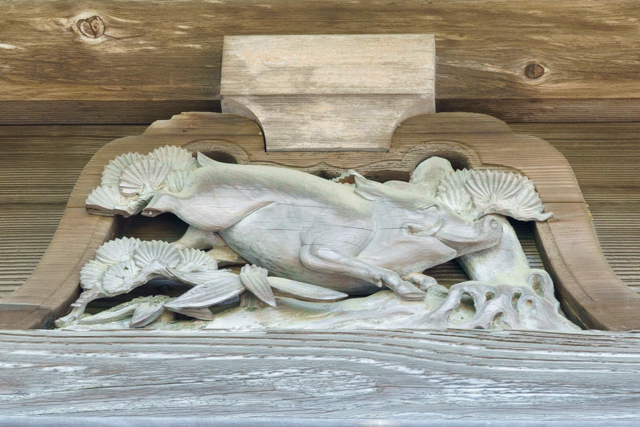
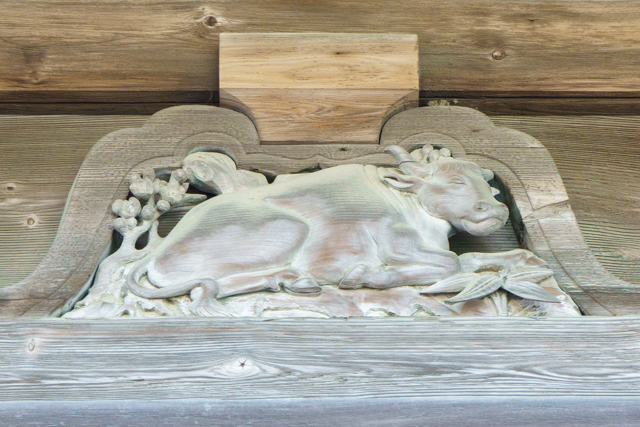
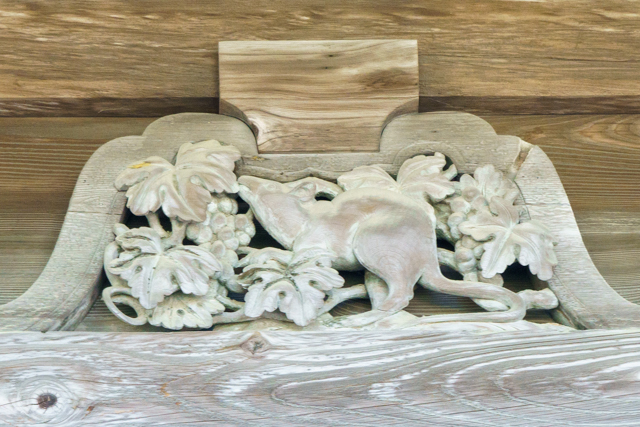
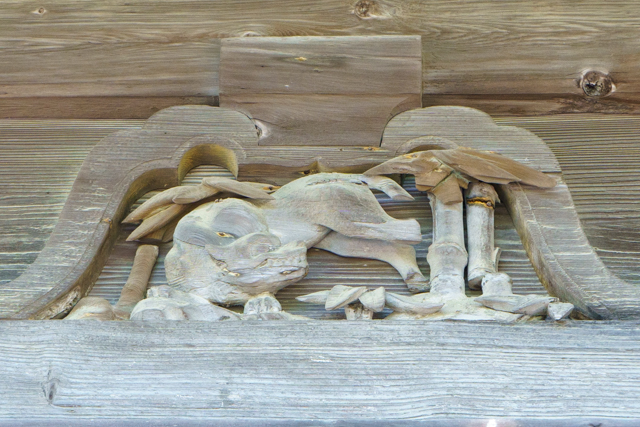
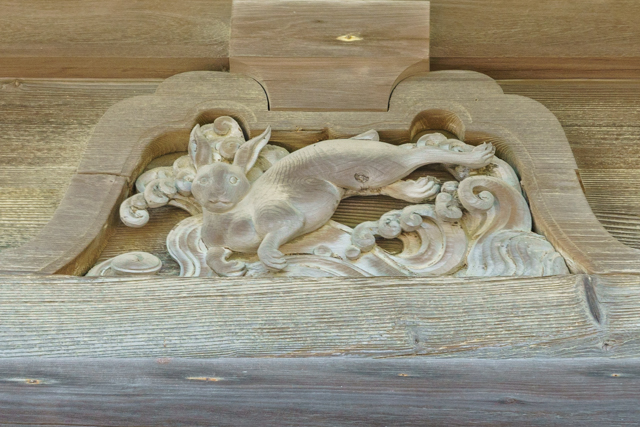
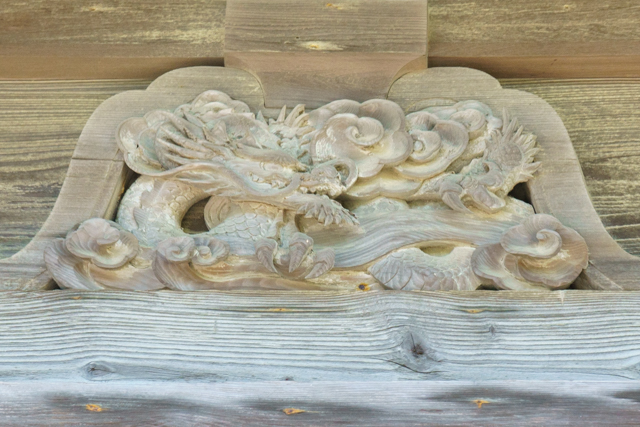
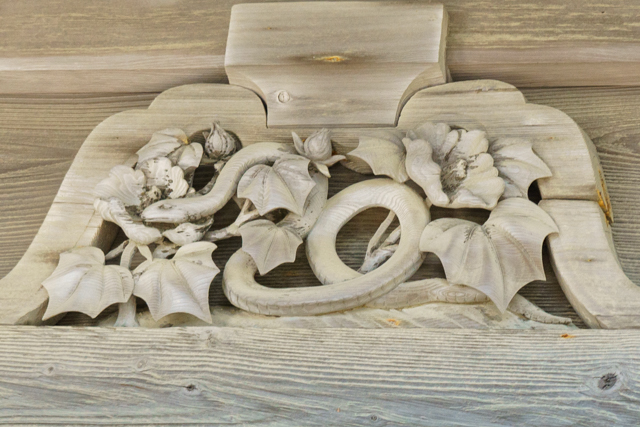
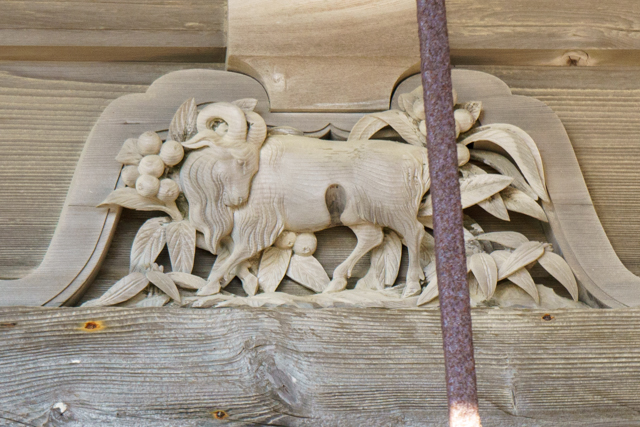
The exterior features carvings of the twelve zodiac animals, evenly distributed around the structure. Despite its exposed coastal position, the hall sustained no major damage during the 2011 disaster.
Fukuurabashi and Fukuurajima
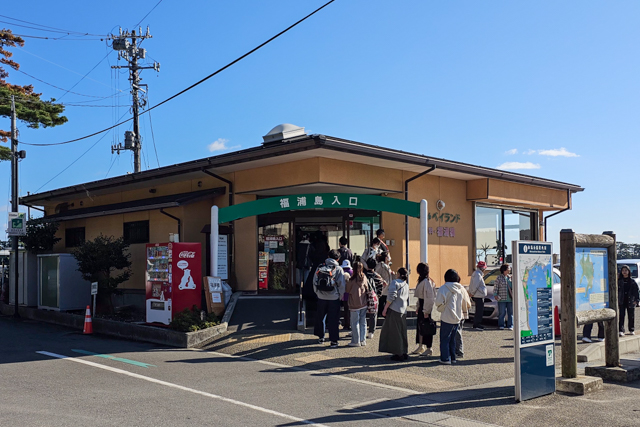
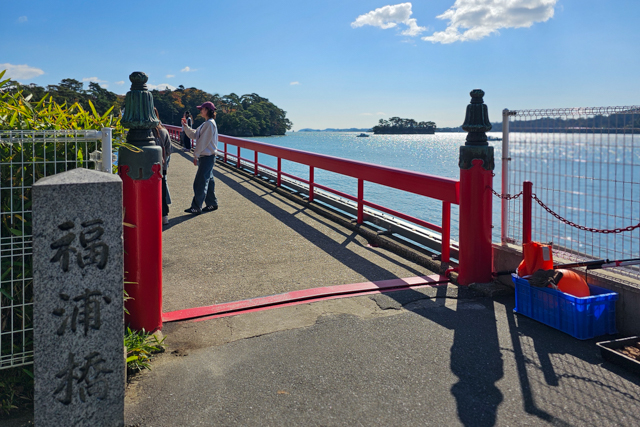
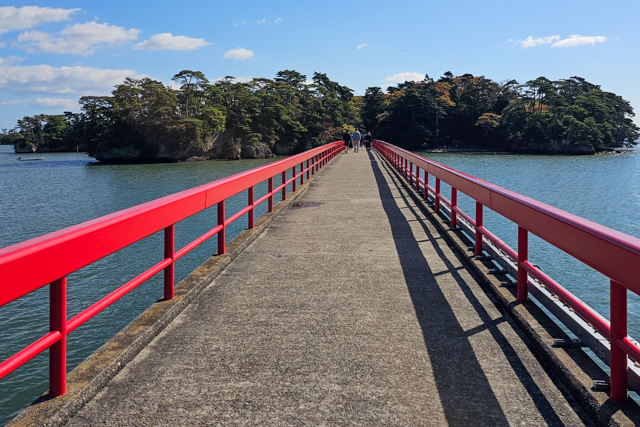
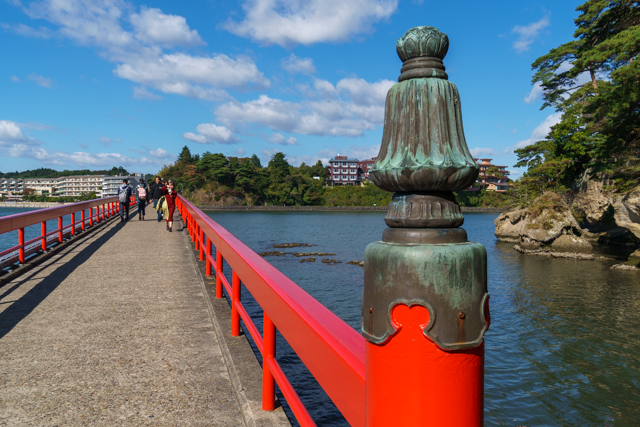
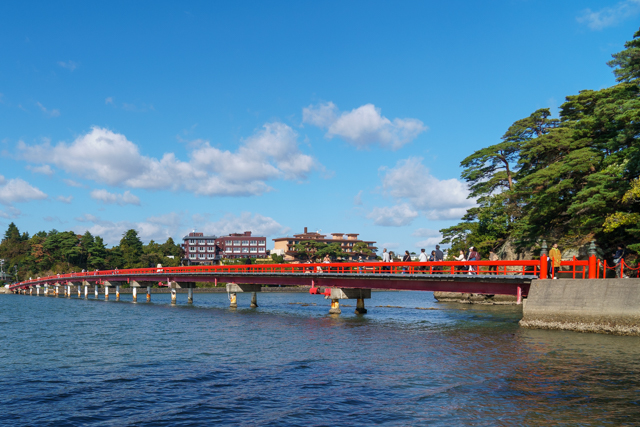
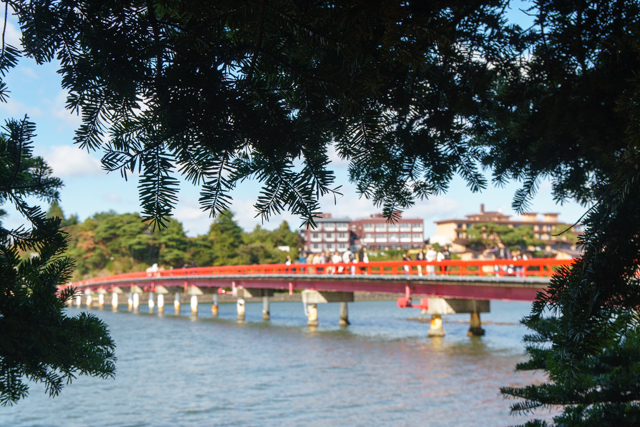
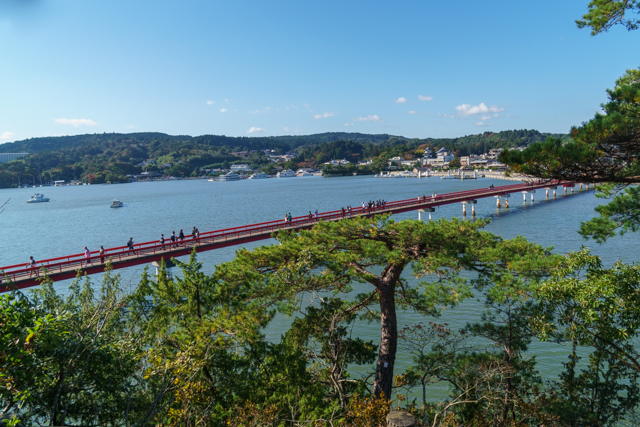
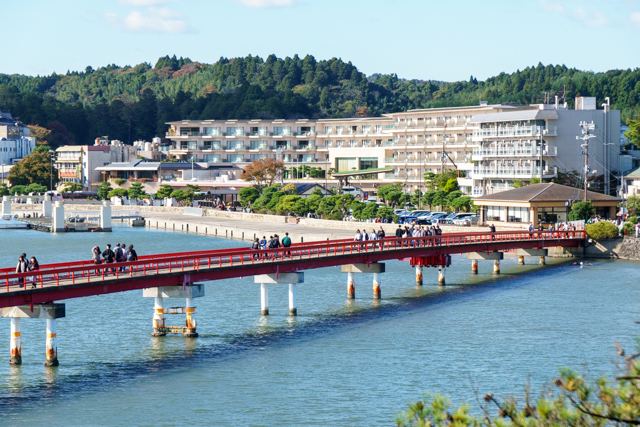
Fukuurajima is one of the few islands in the bay accessible on foot, reached via a 252-metre red bridge (¥200 return).
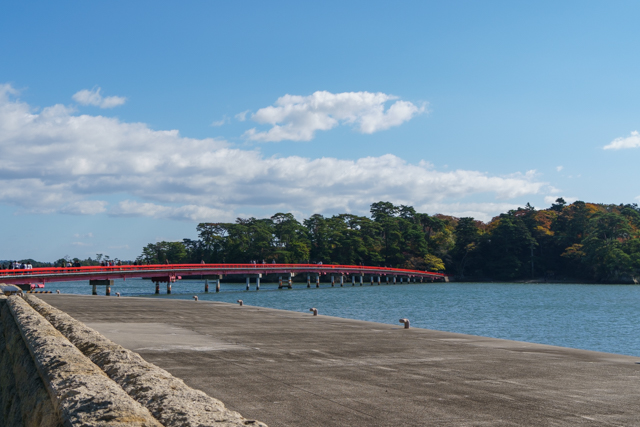
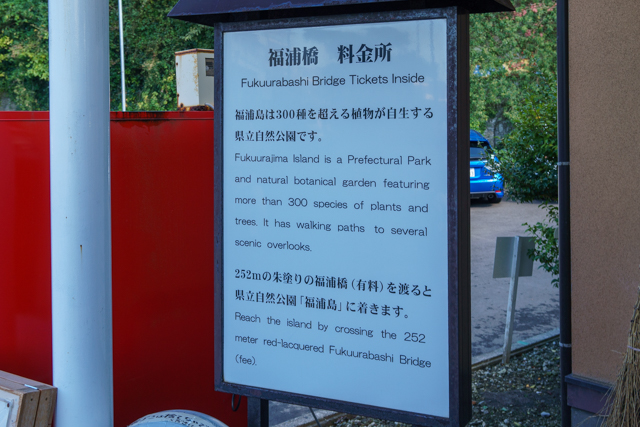
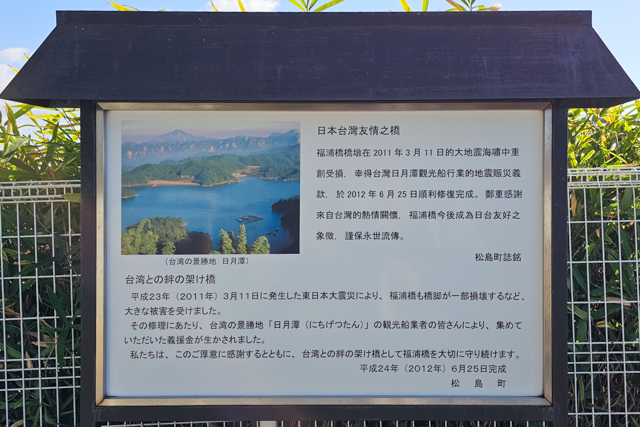
The bridge was damaged during the 2011 tsunami and later restored, with support from donations linked to Taiwan’s Sun Moon Lake tourism operators—an association now formally recognised as a symbol of Japan–Taiwan friendship.
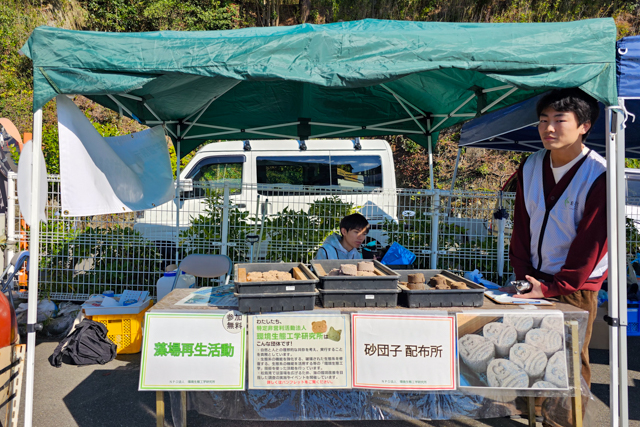
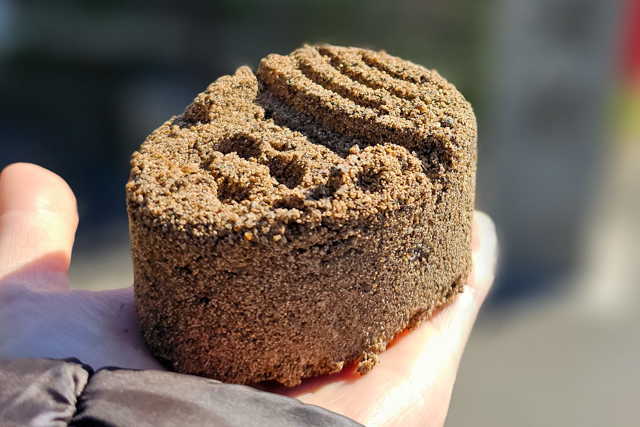
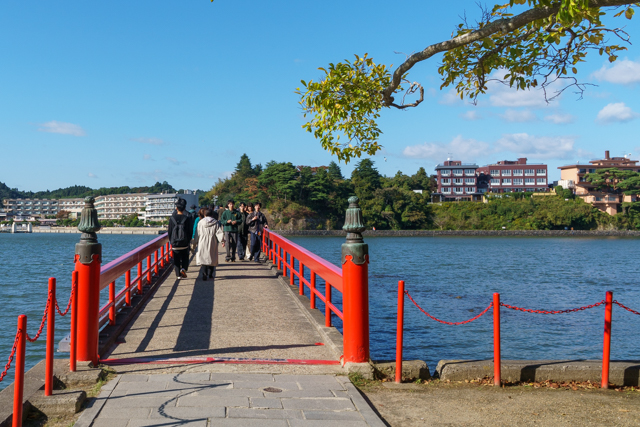
Fukuura Island
福浦島
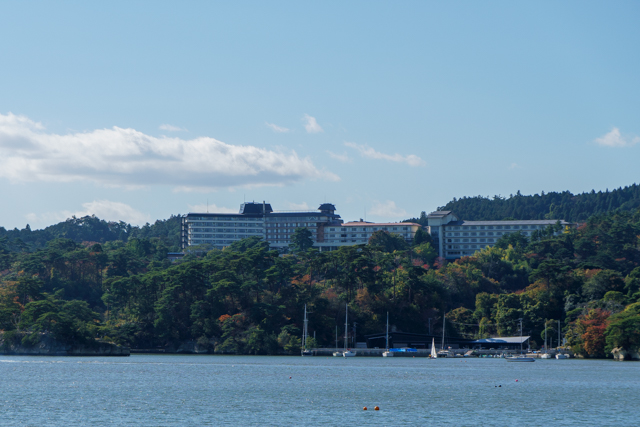
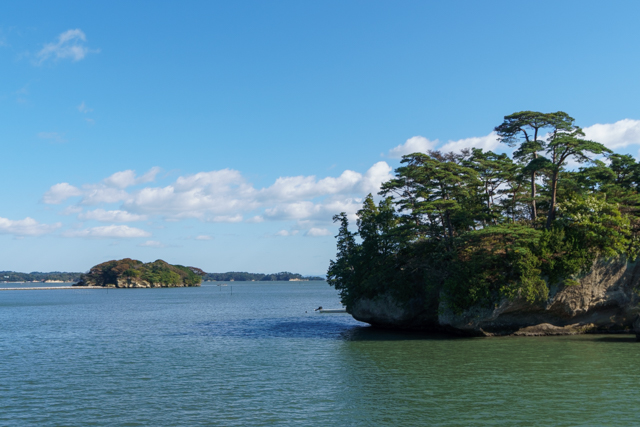
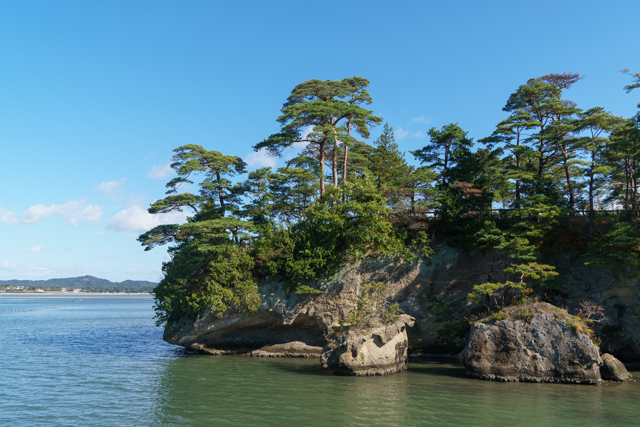
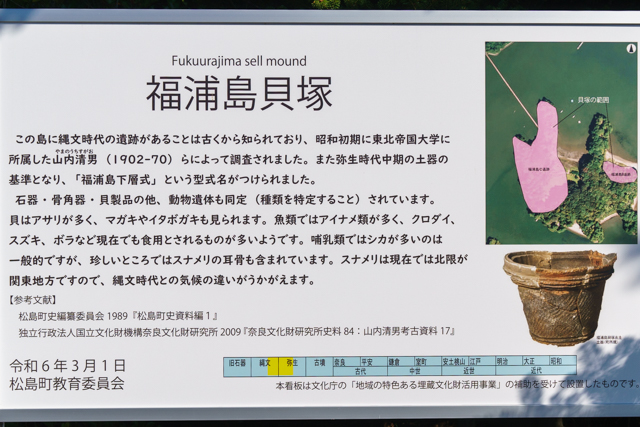
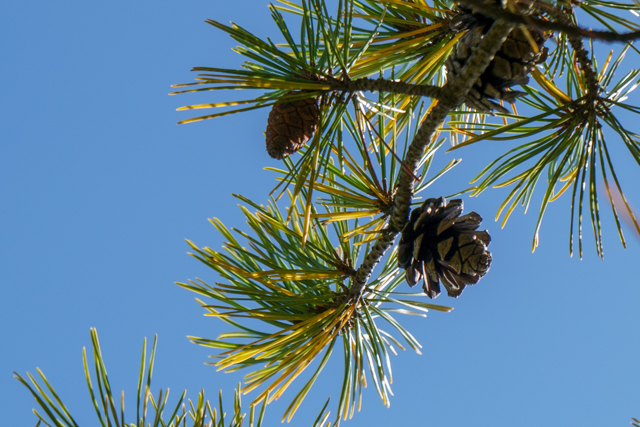
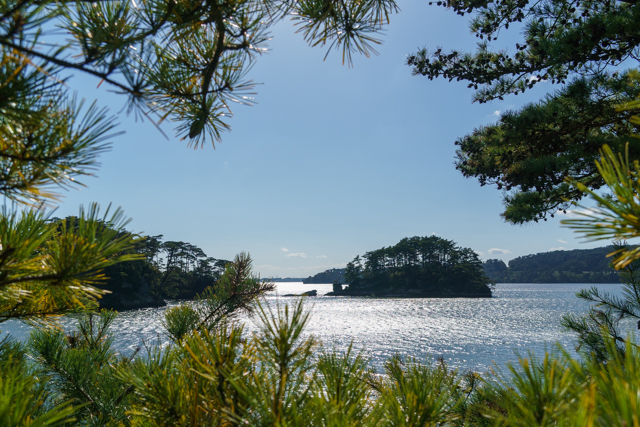
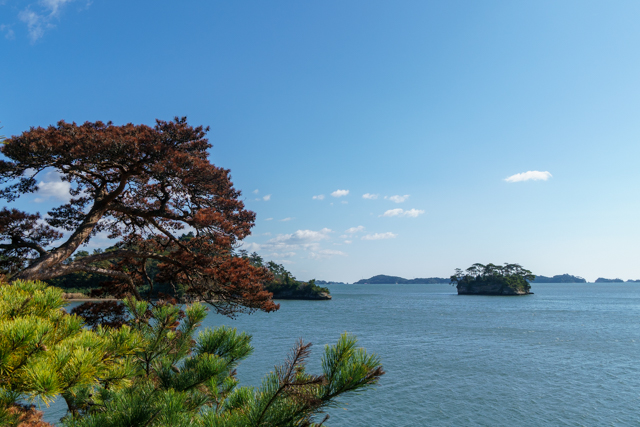
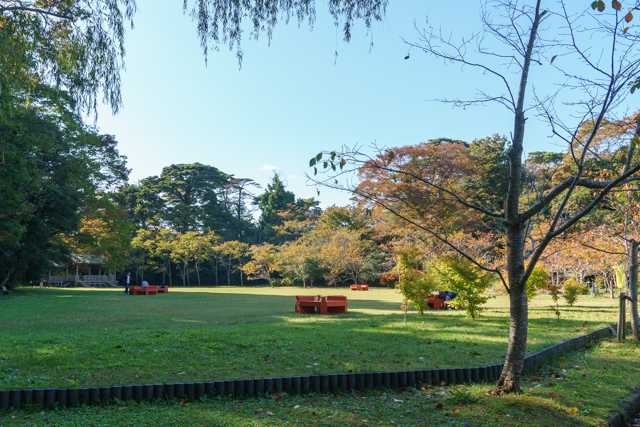
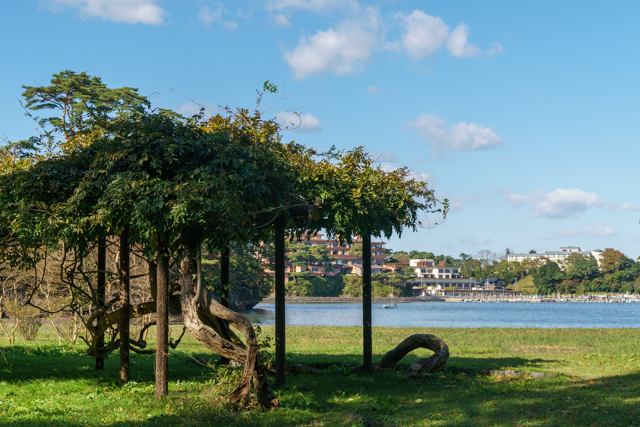
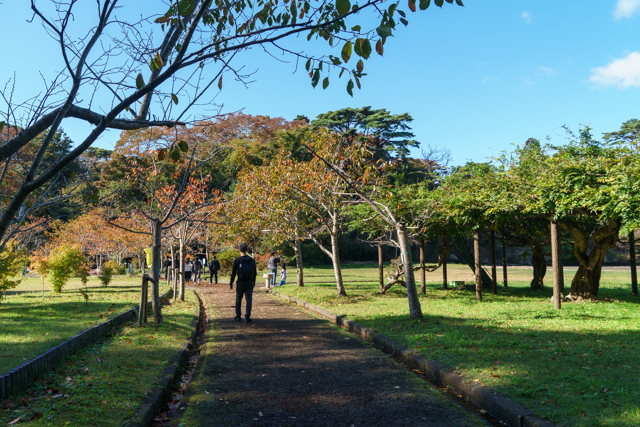
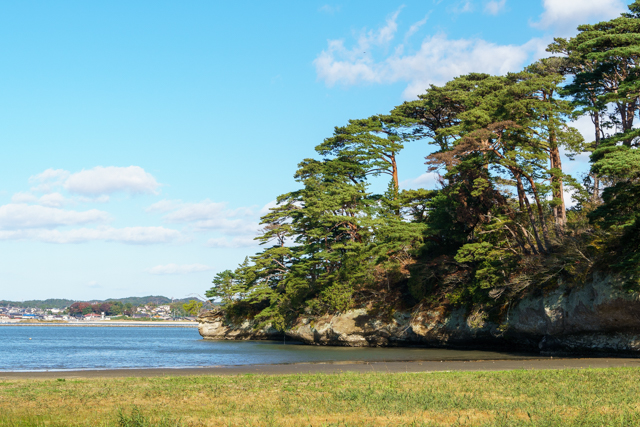
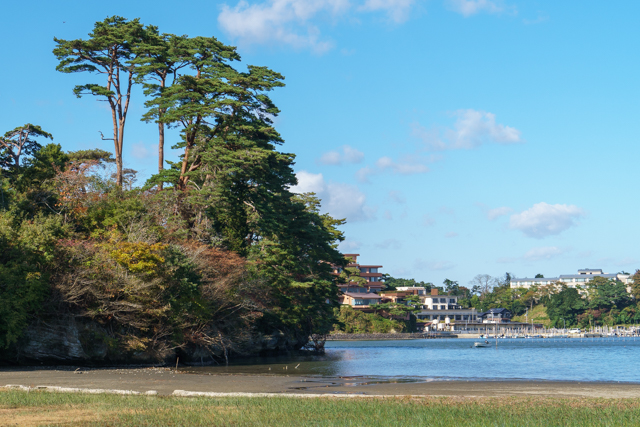
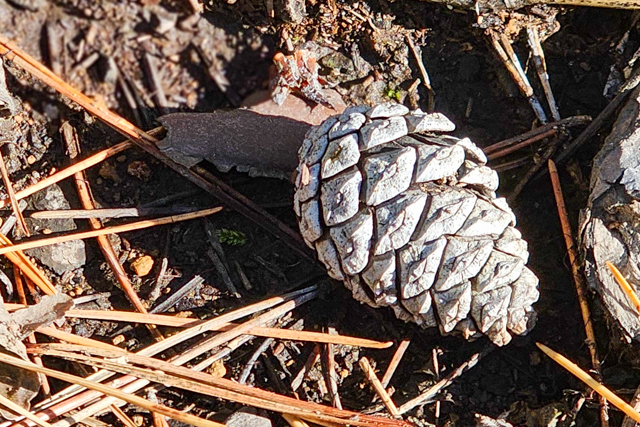
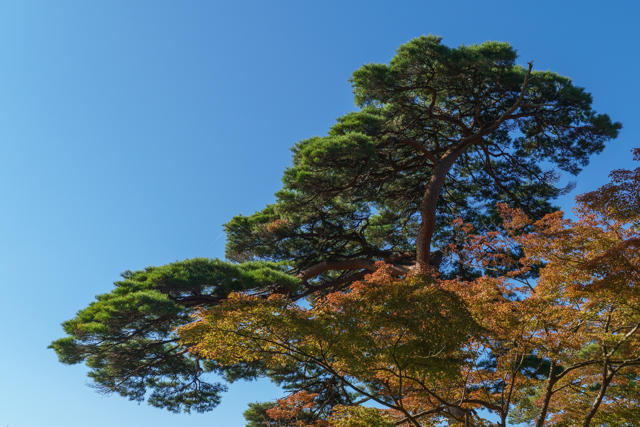
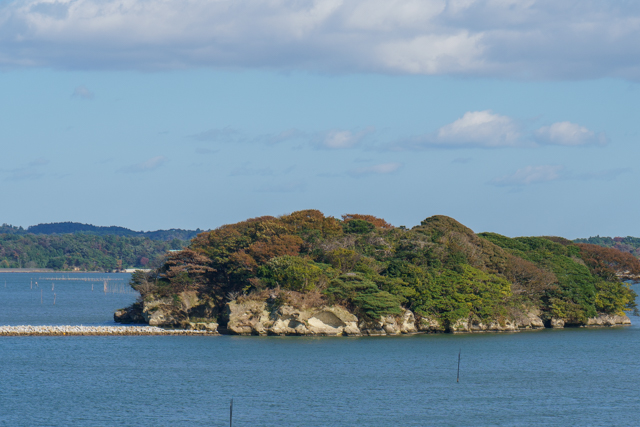
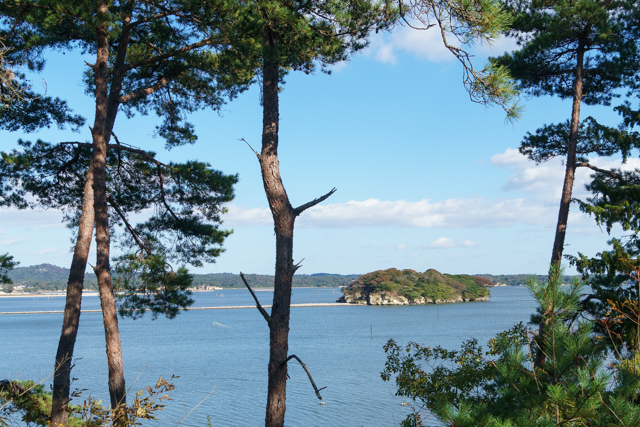
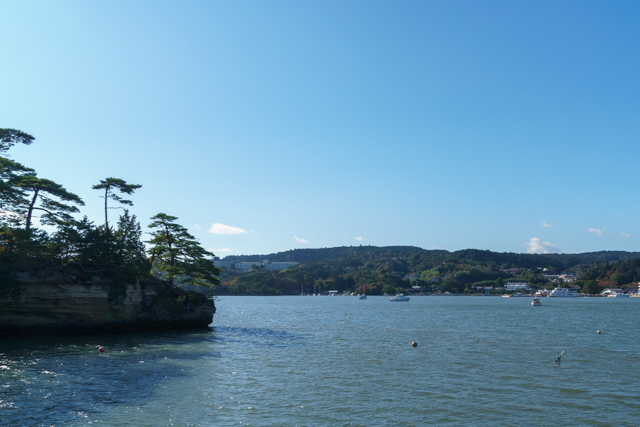
Fukuura Island (Fukuurajima) is one of the few pine-covered islands in Matsushima Bay that is accessible to the public. The island is reached via a 252 meter long, red painted bridge that costs 200 yen (round trip) to cross. The bridge was damaged by the tsunami of March 11, 2011 and had to undergo repair works.
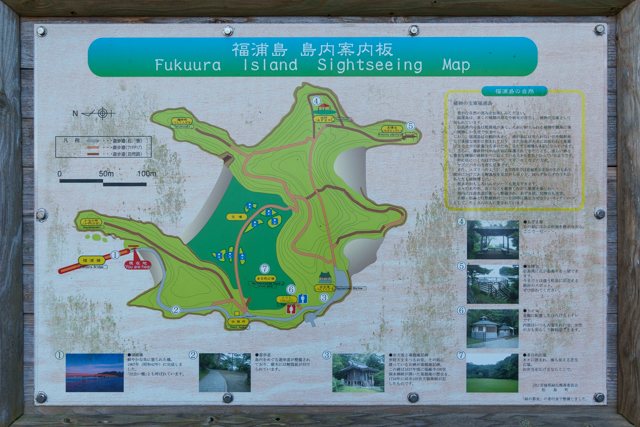
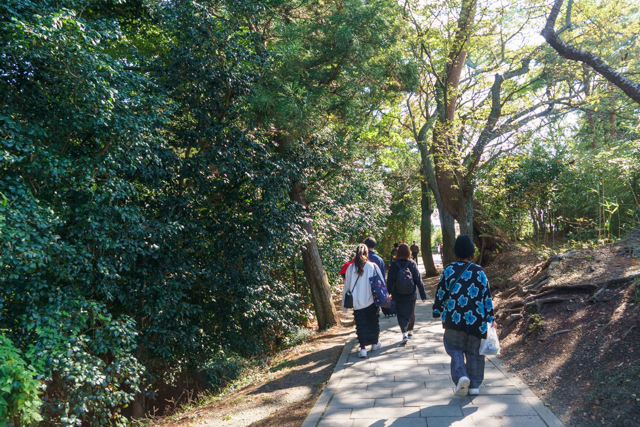
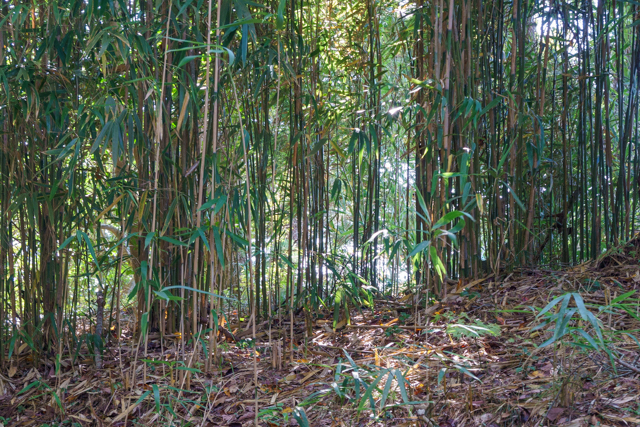
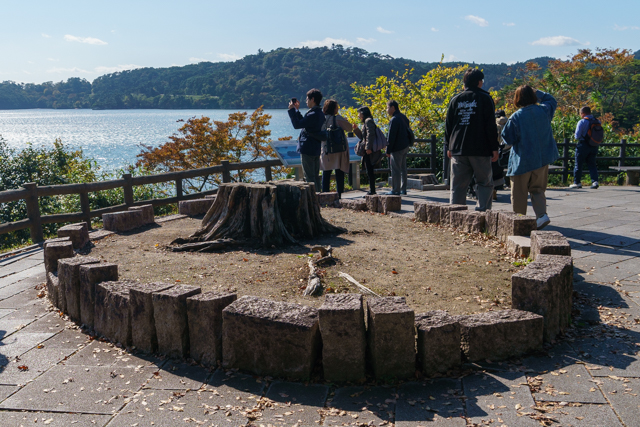
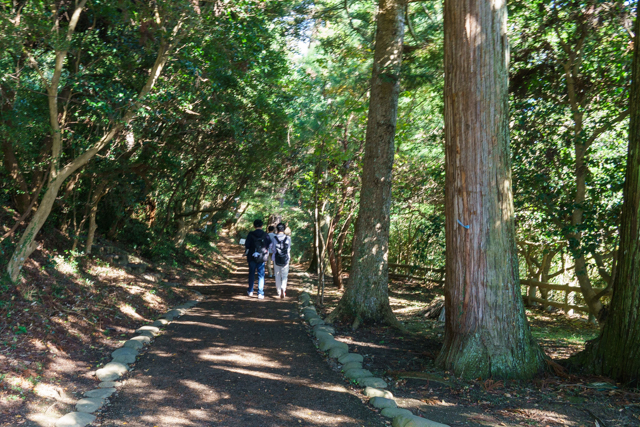
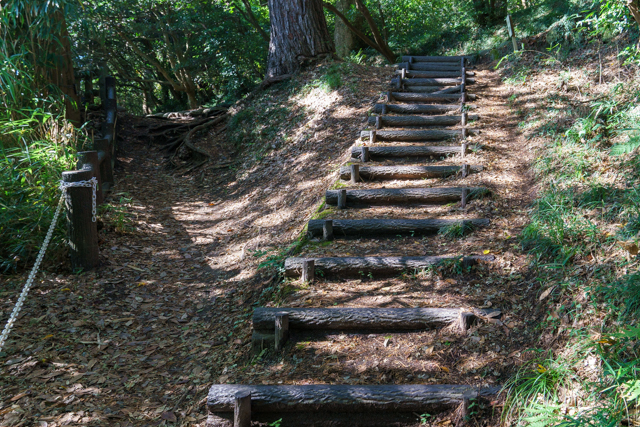
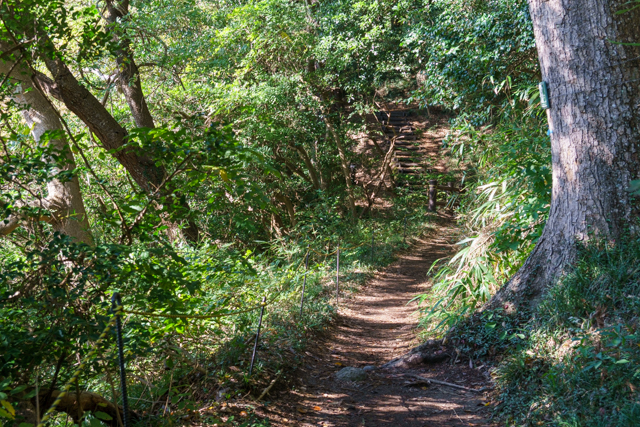
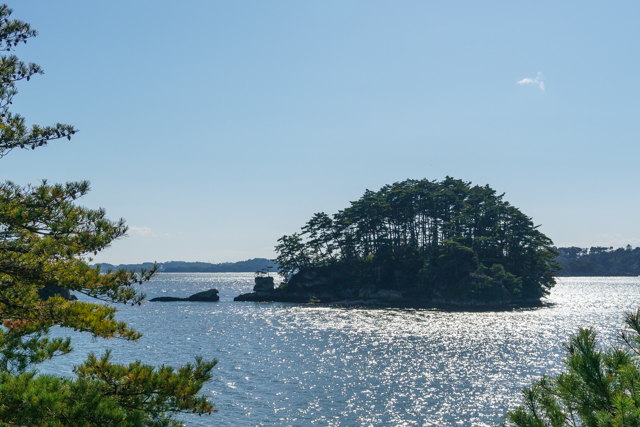
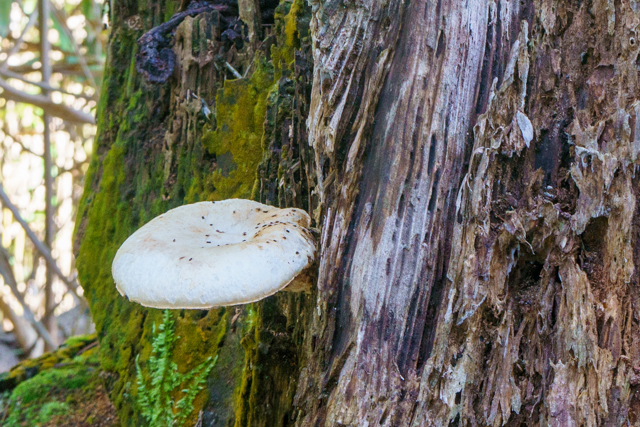
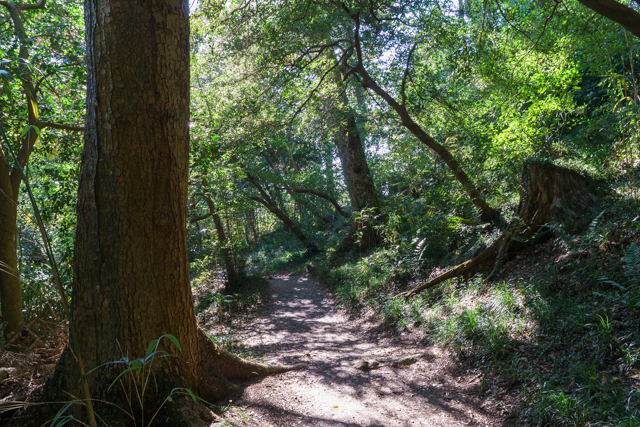
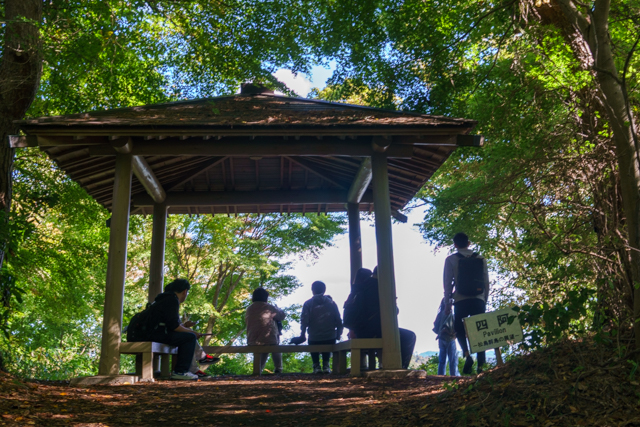
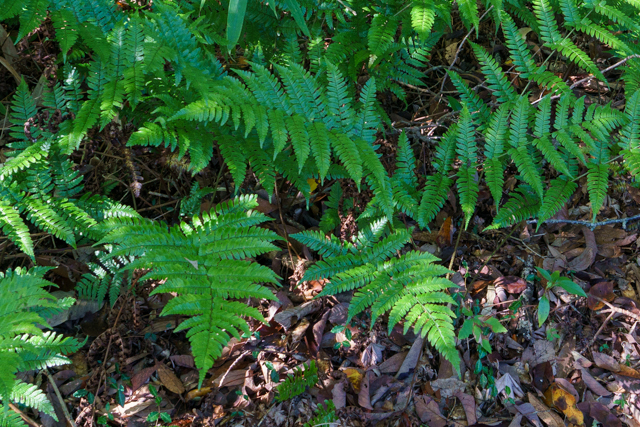
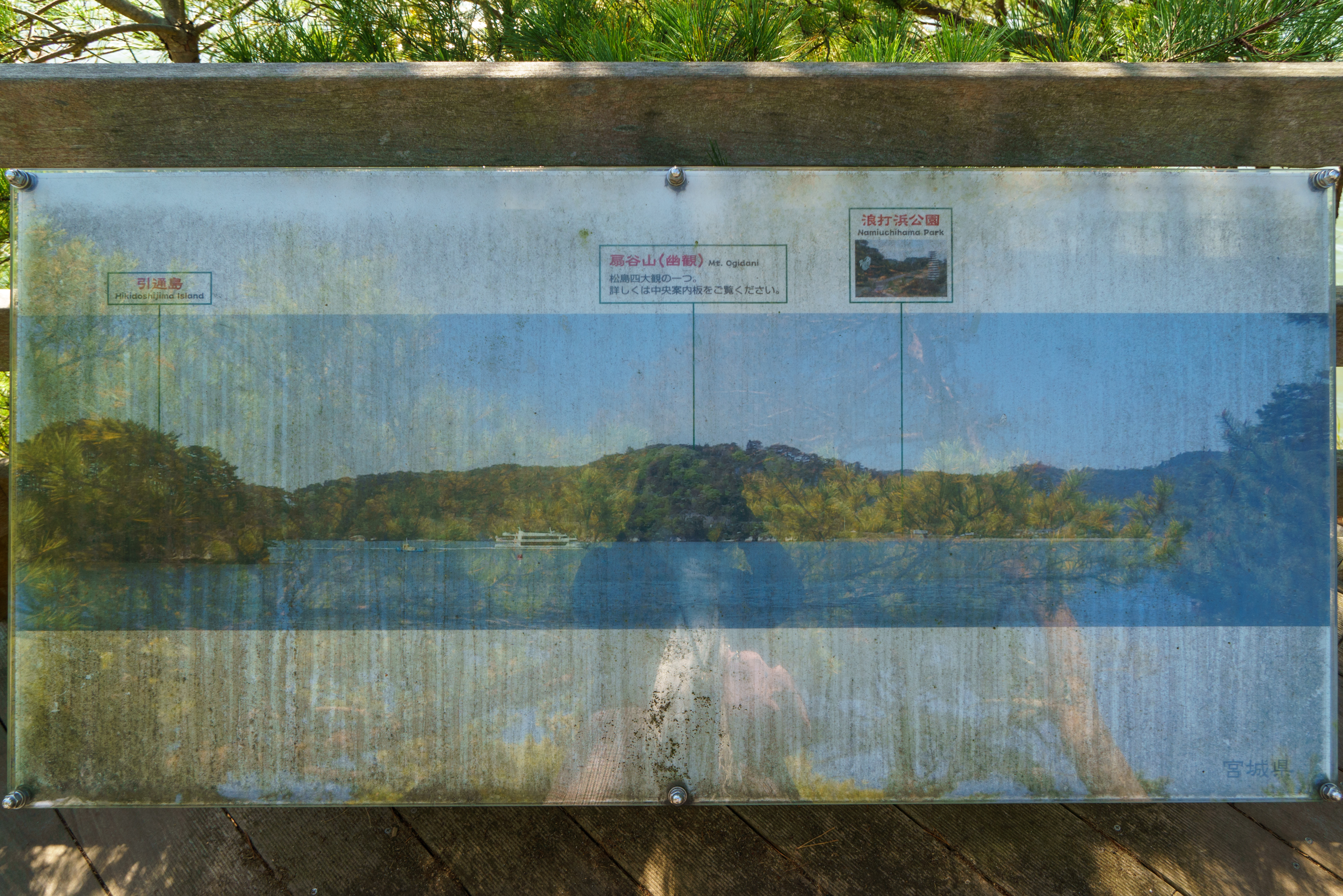
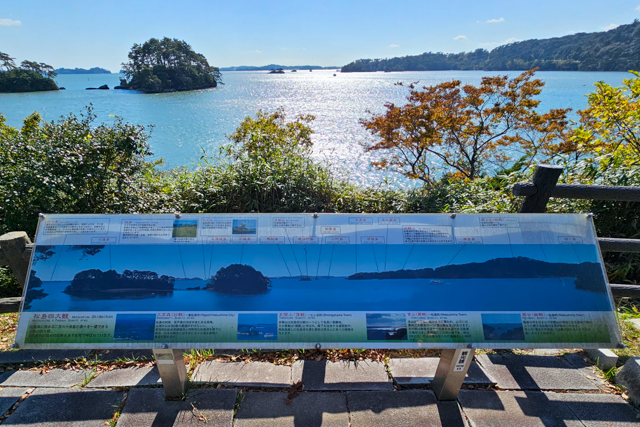
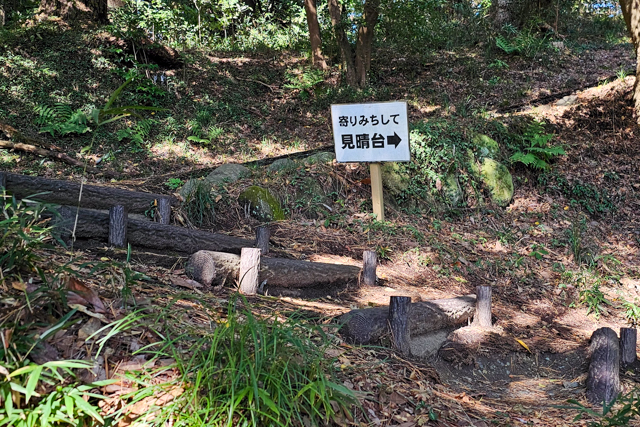
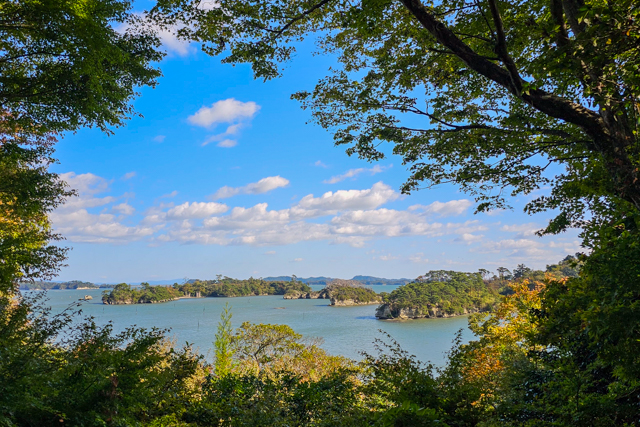
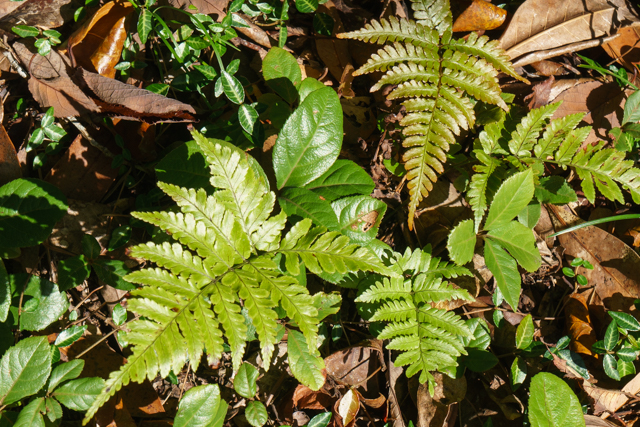
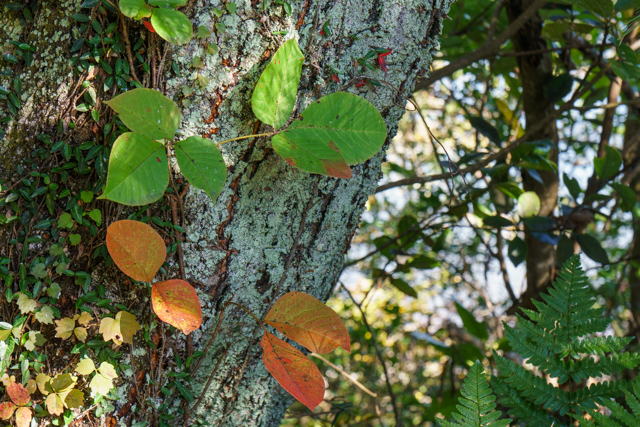
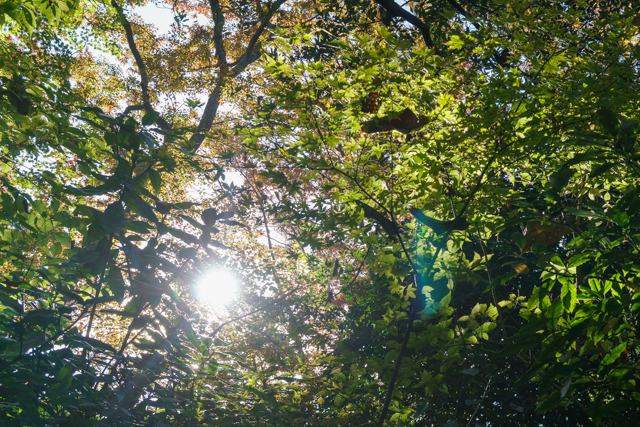
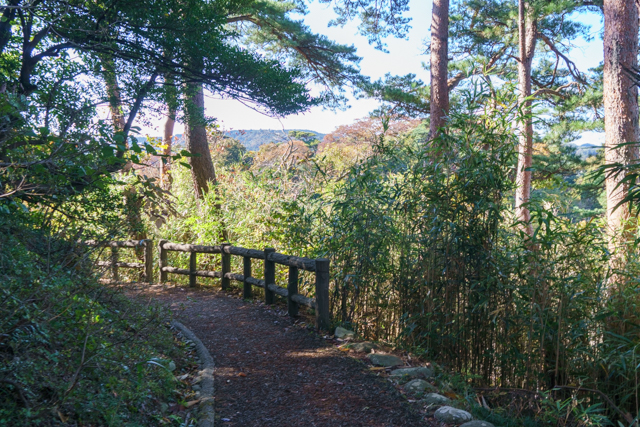
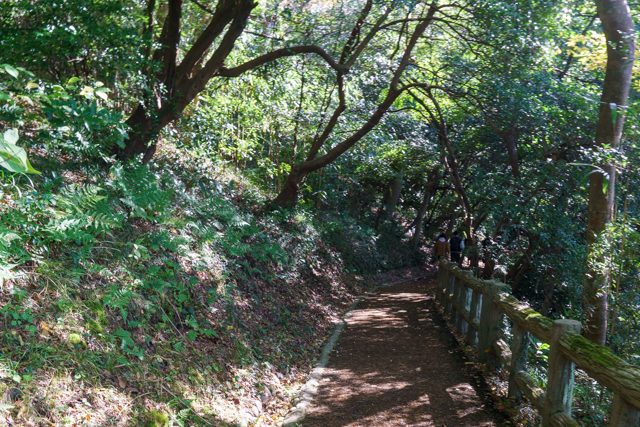
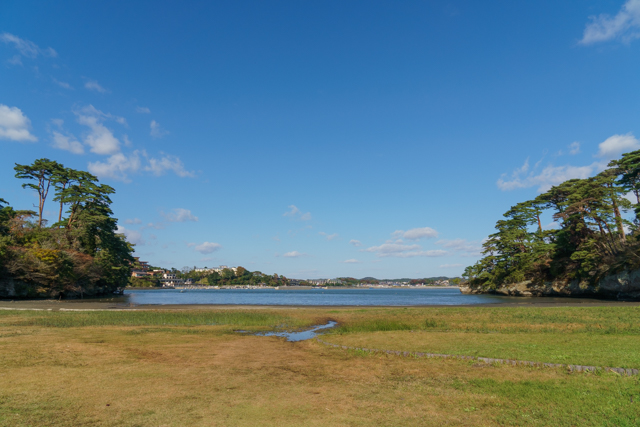
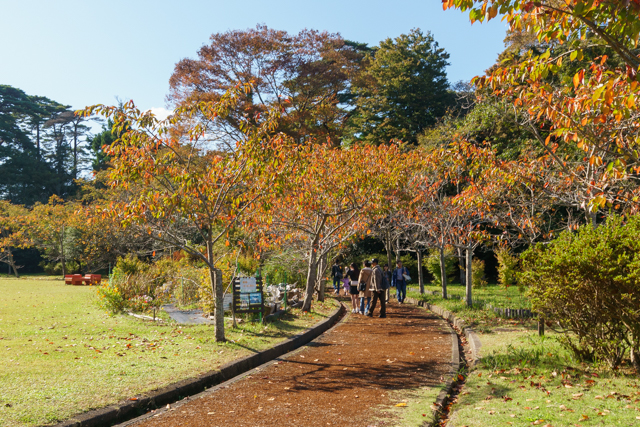
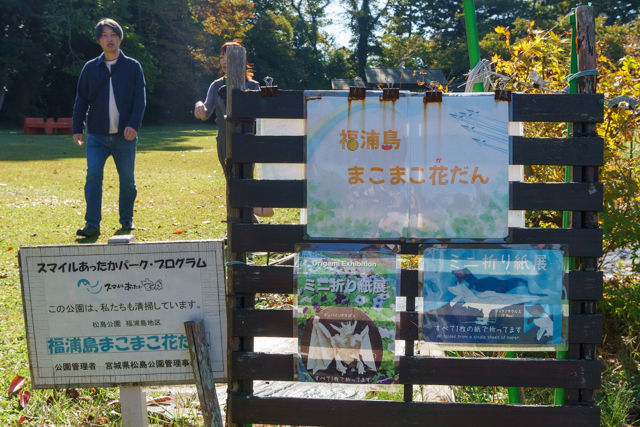
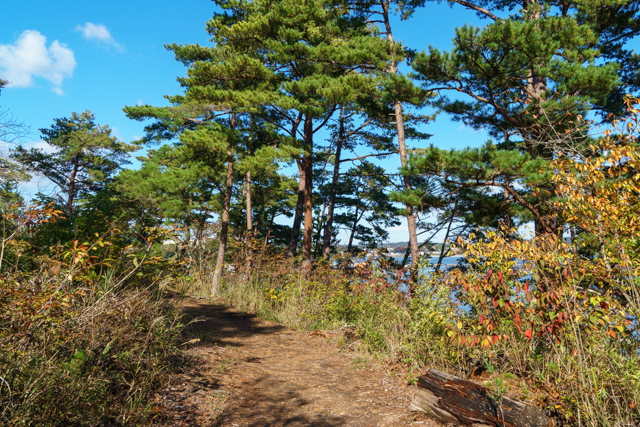
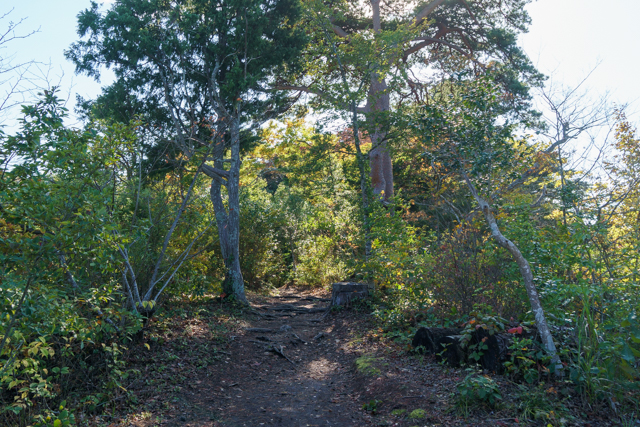
The island functions as a natural botanical garden, with over 300 plant species and a network of walking paths leading to elevated viewpoints across the bay. A full circuit takes approximately one hour at a steady pace, with intermittent clearings offering framed coastal views.
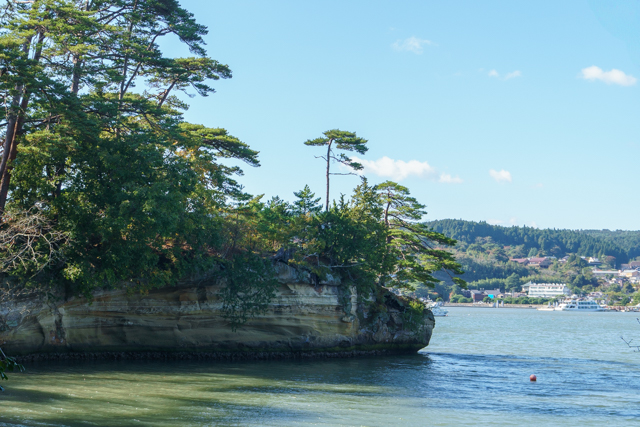
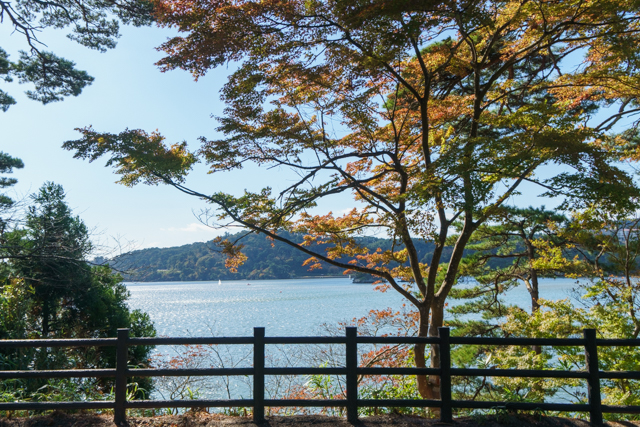
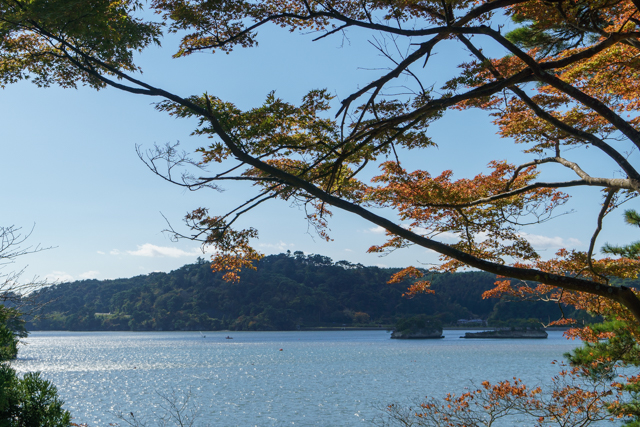
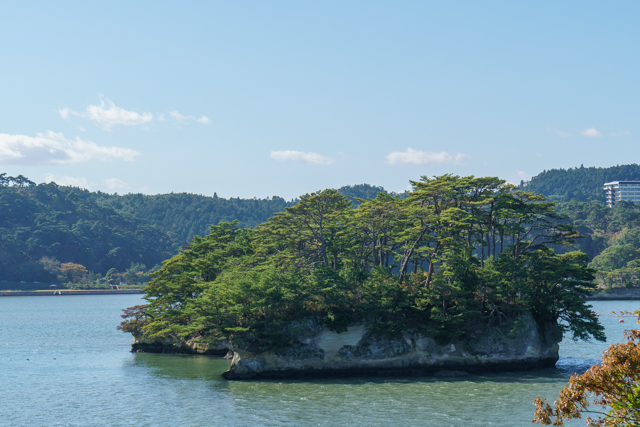
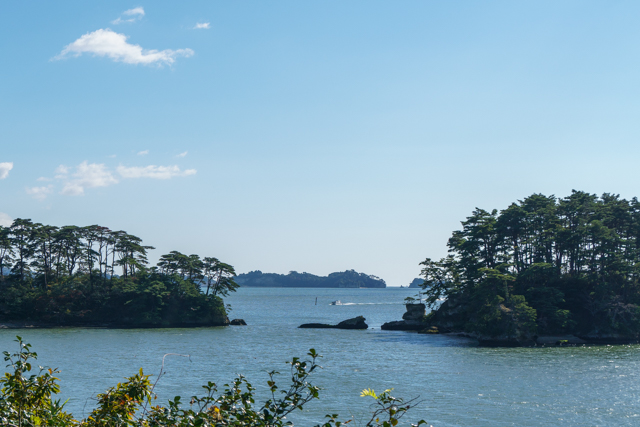
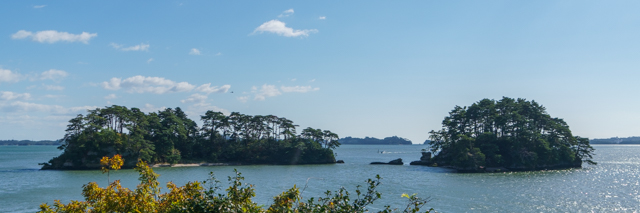
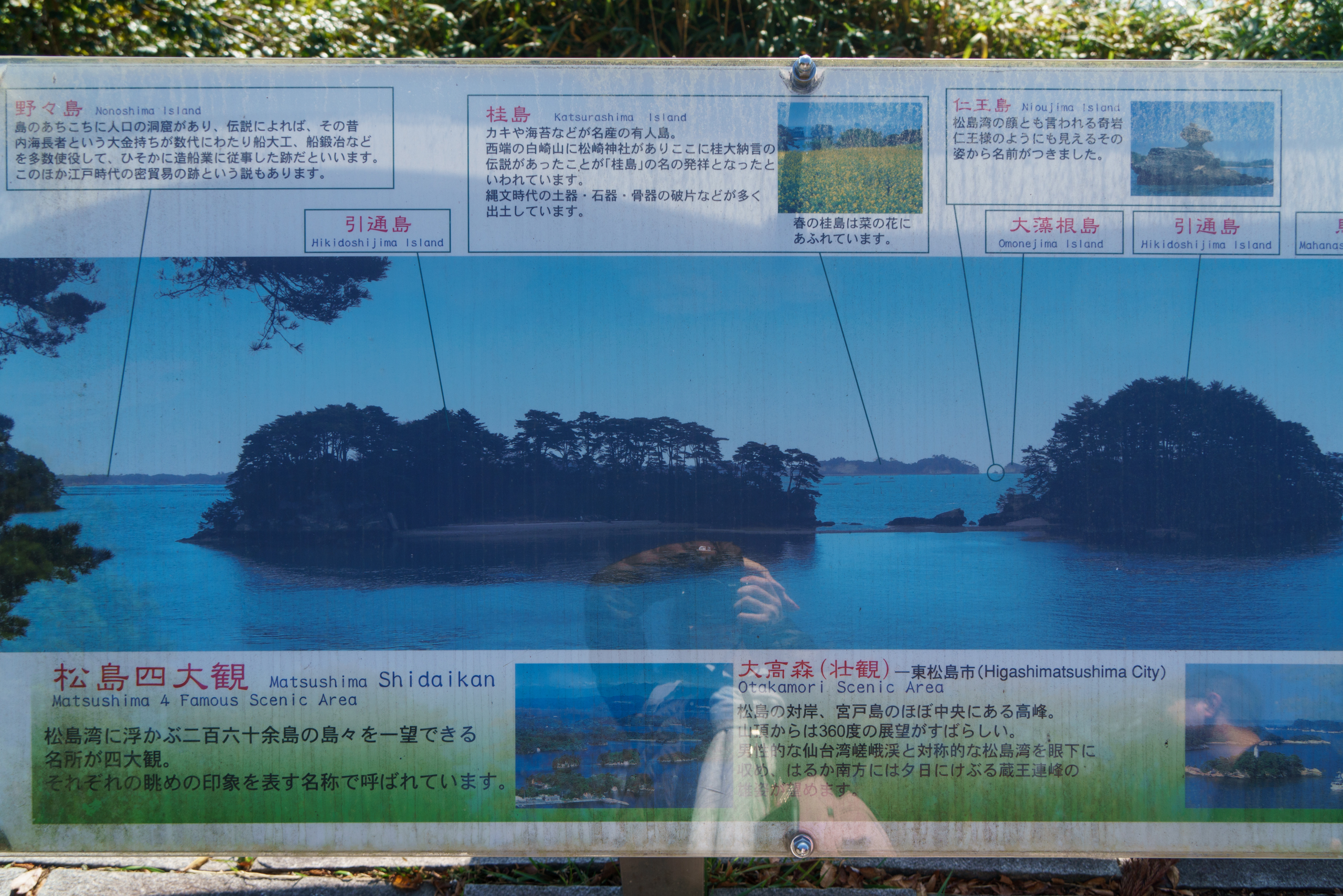
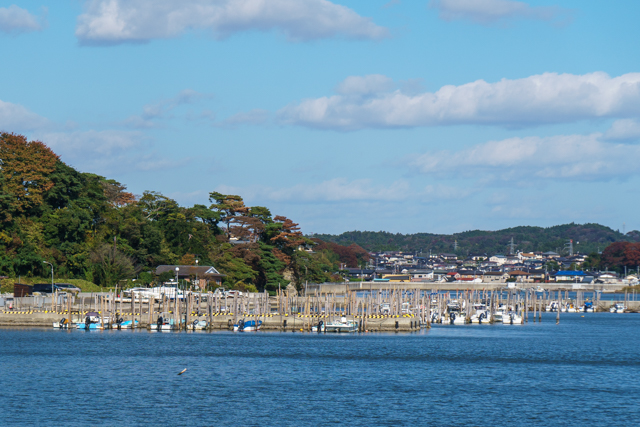
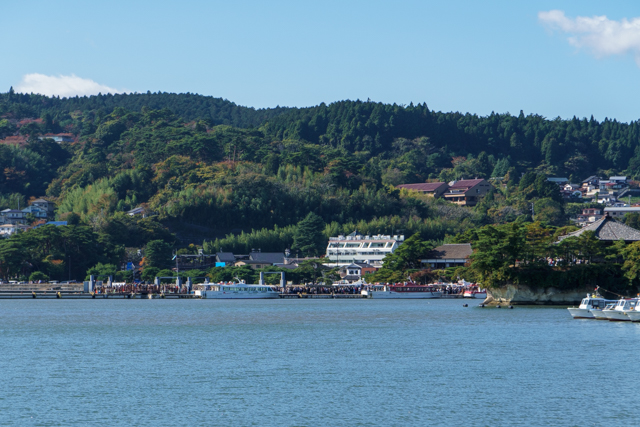
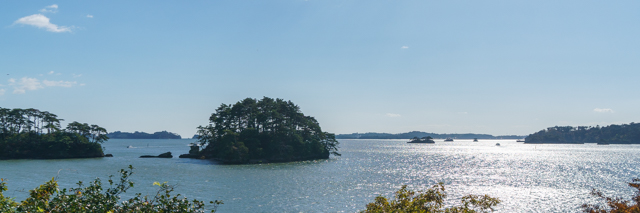
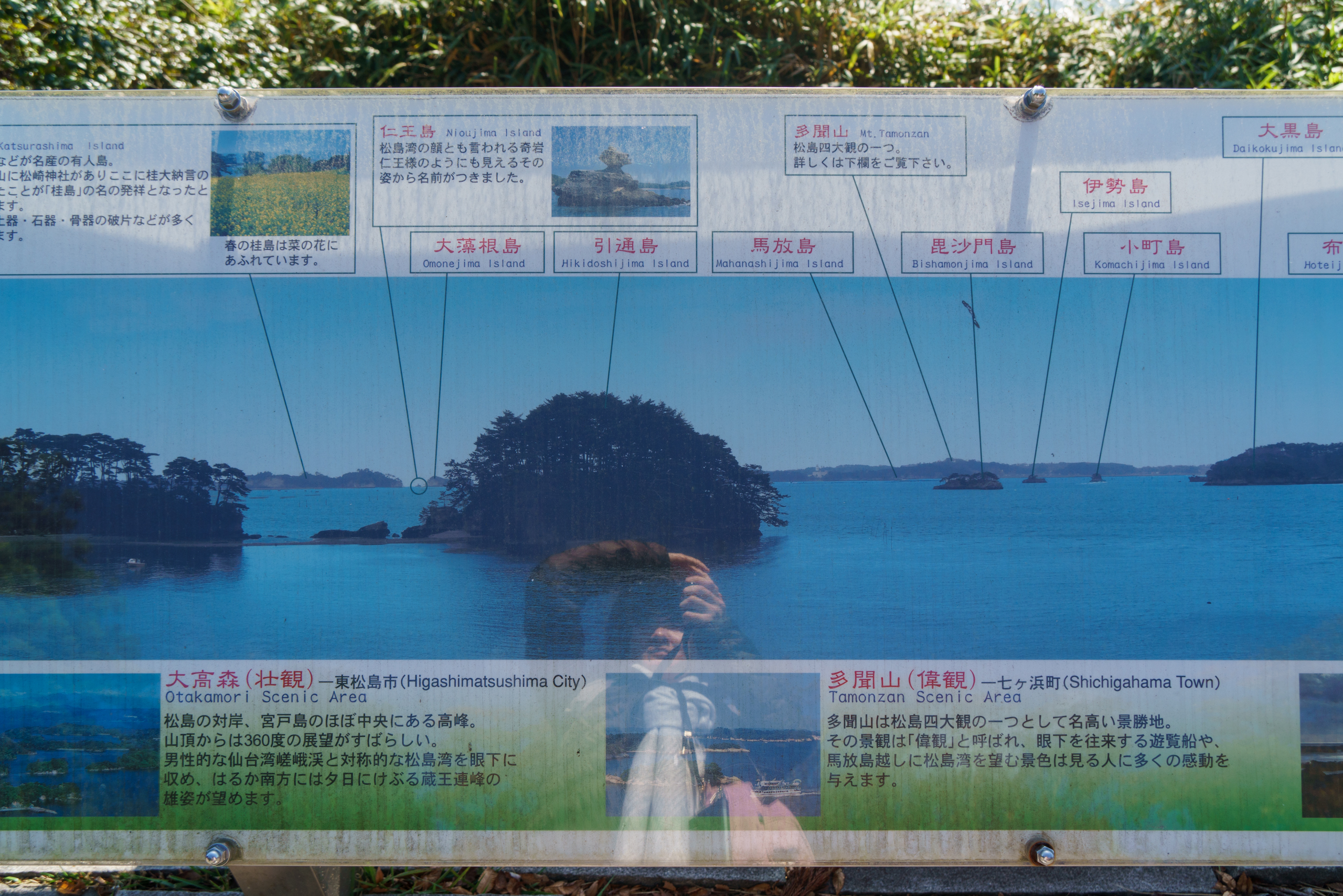
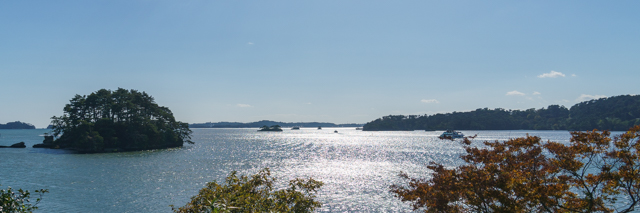
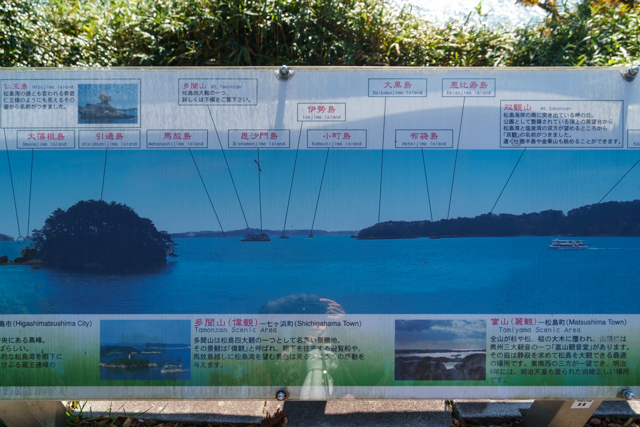
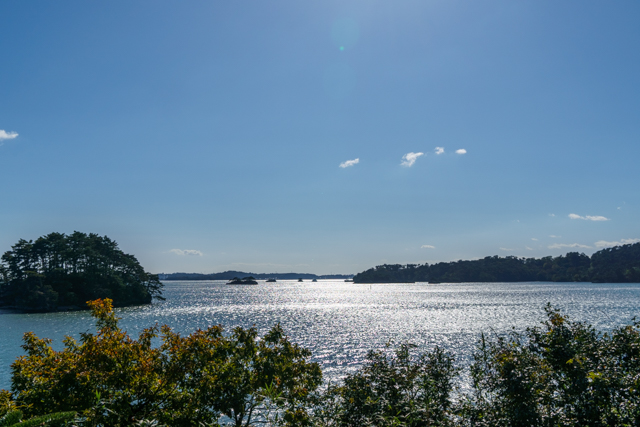
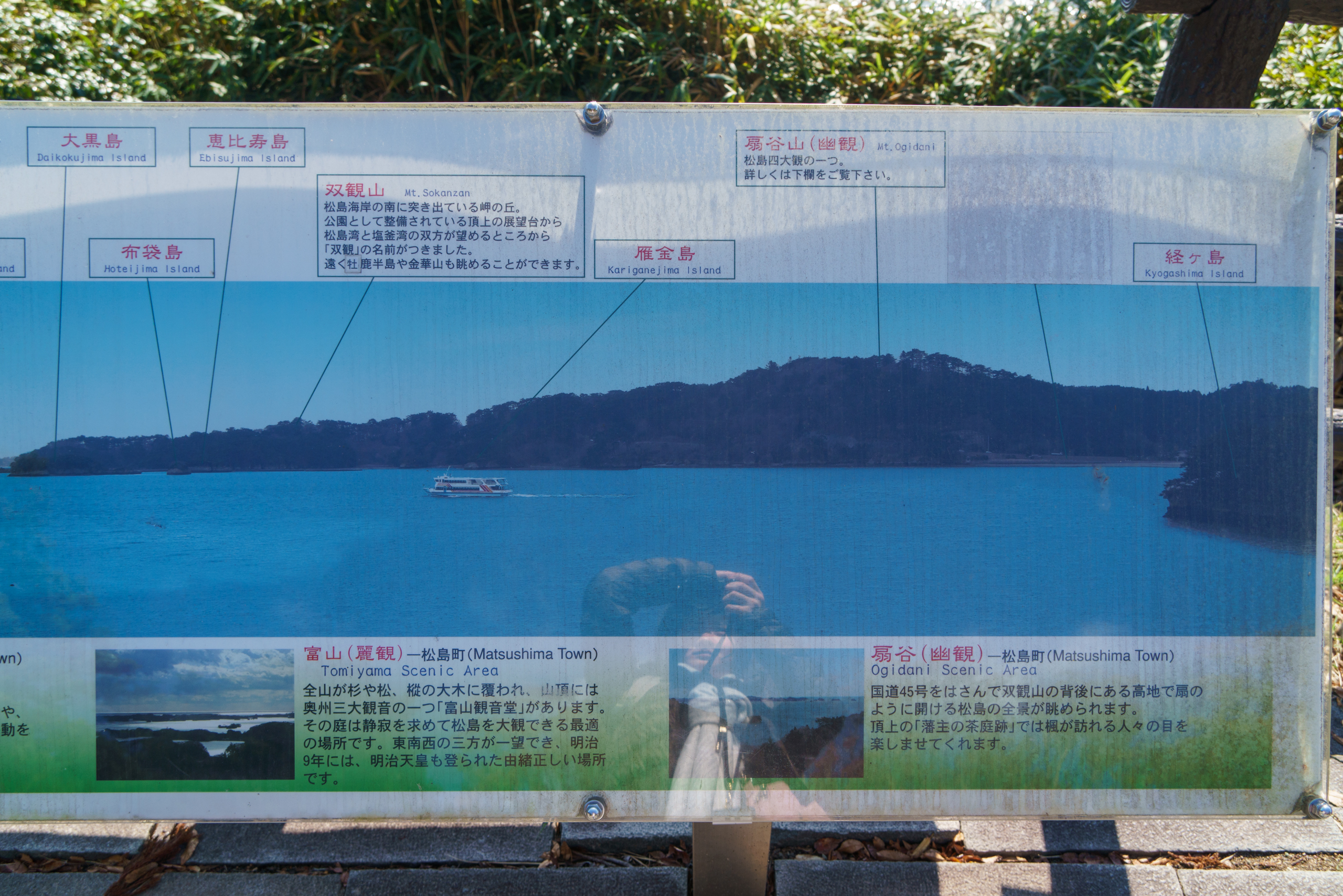
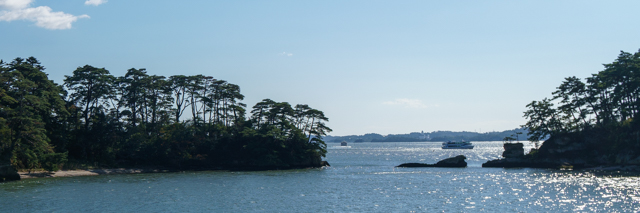
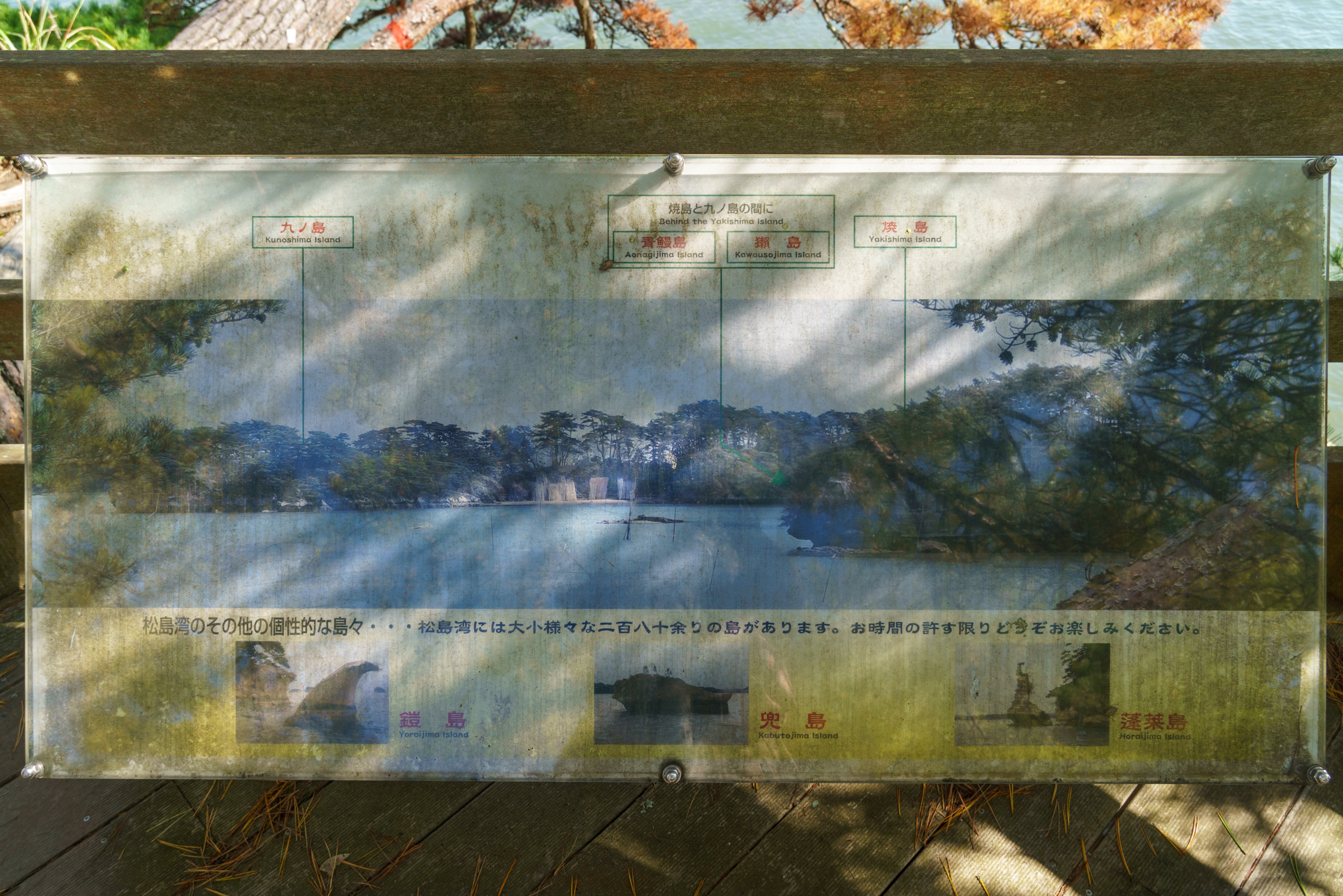
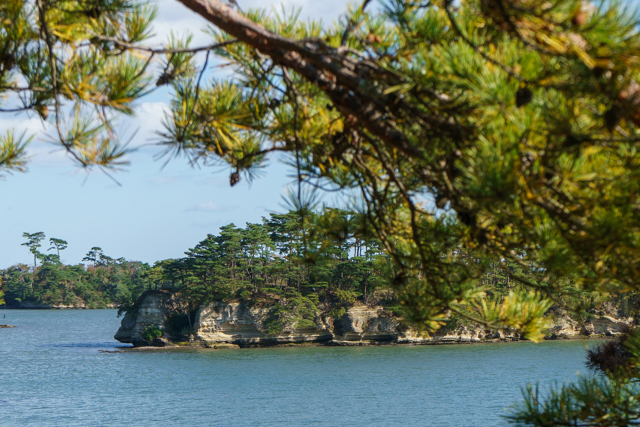
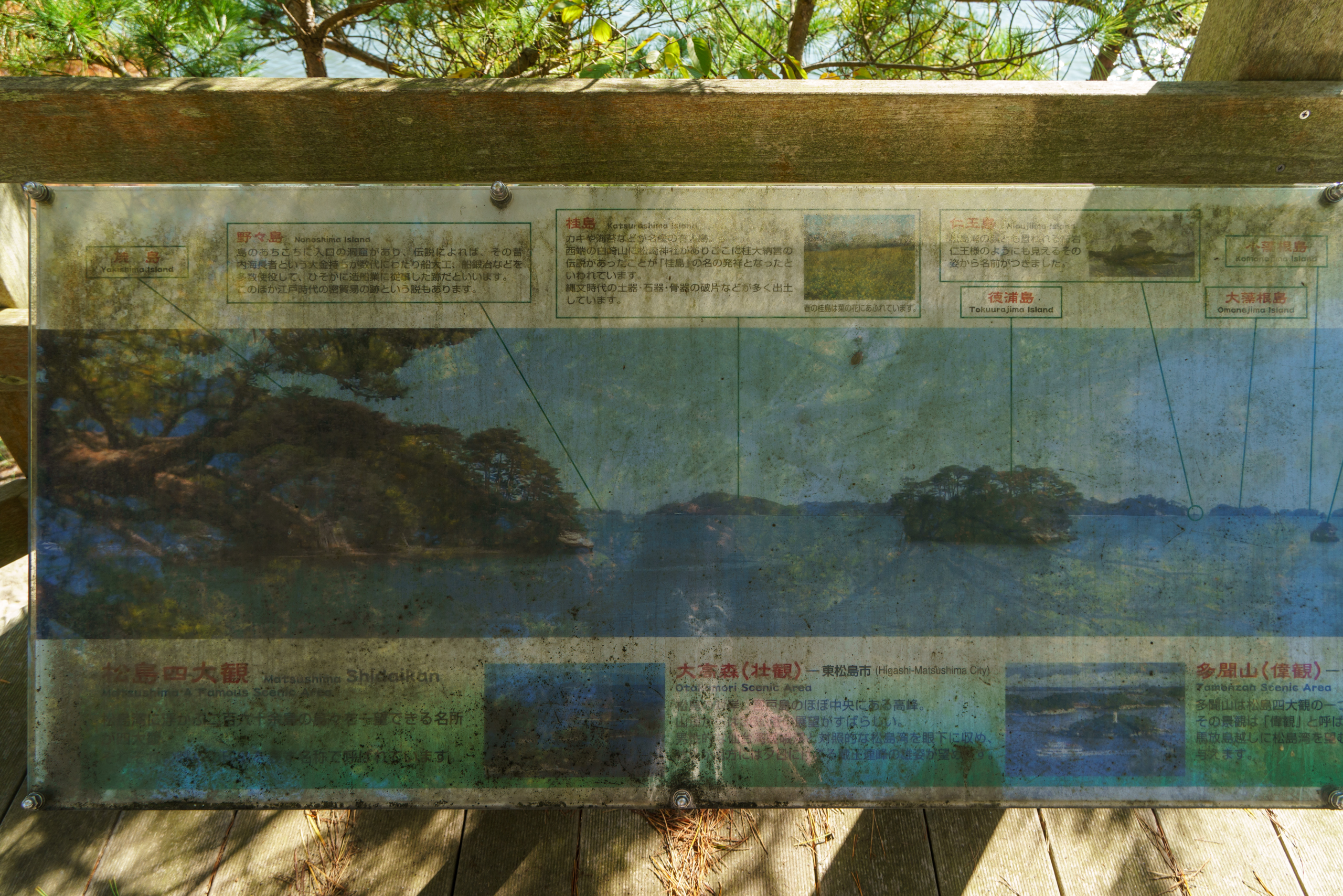
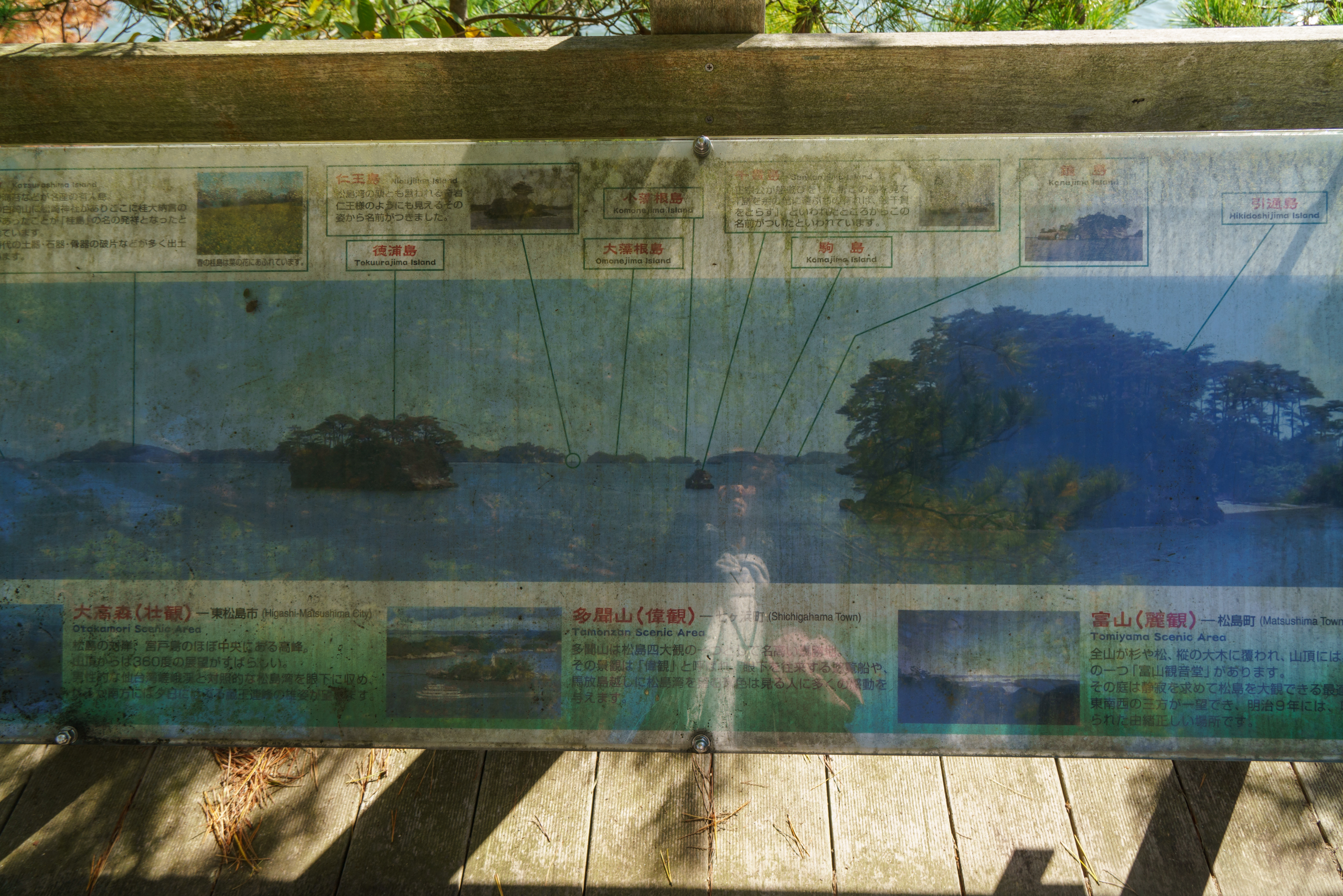
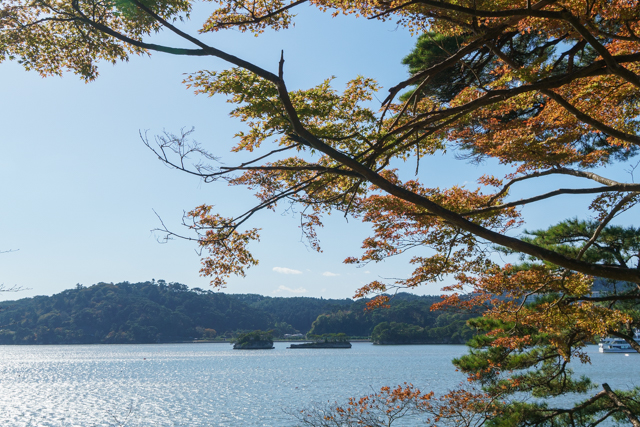
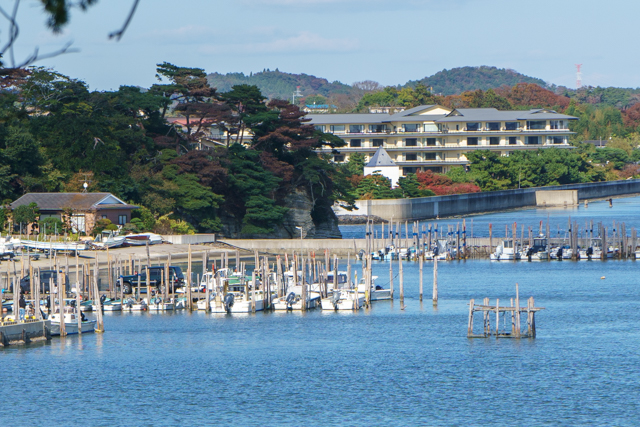
Hikidashijima (left and right) with Katsurashima and Nioujima Islands in between

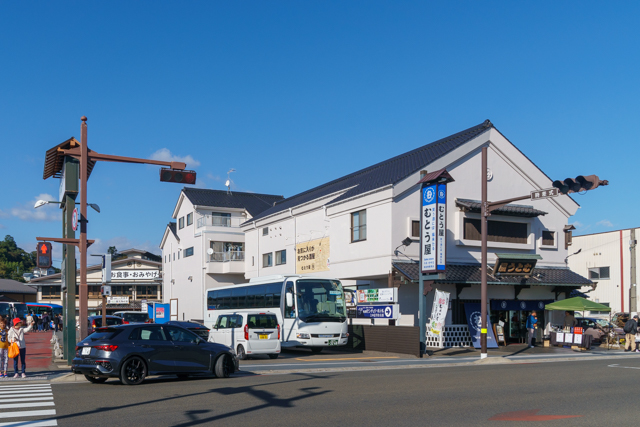
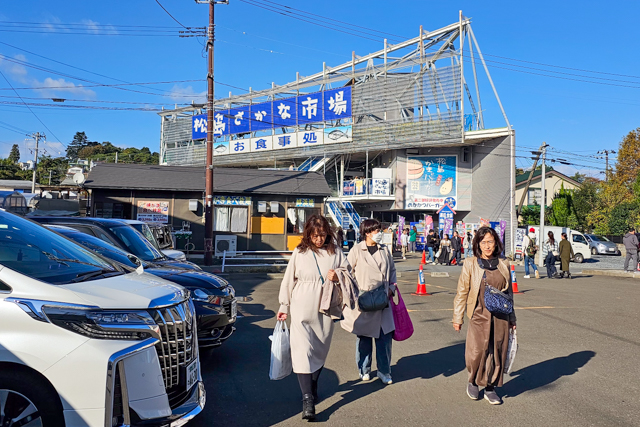
Mutouya
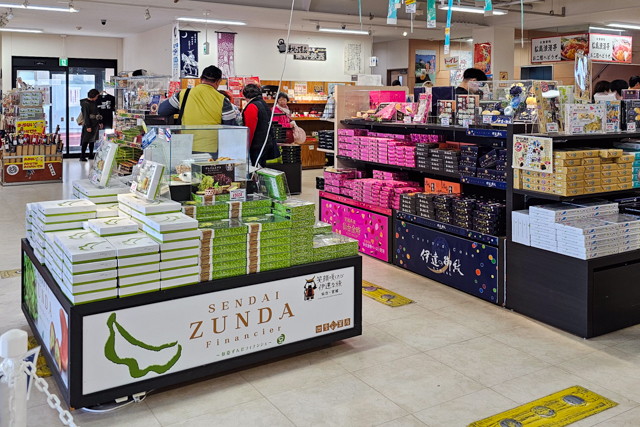
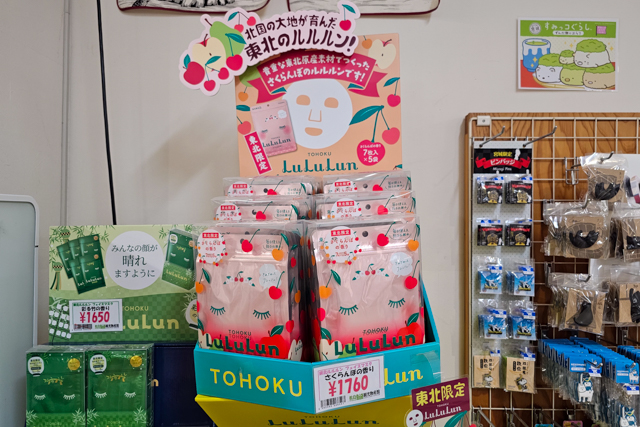
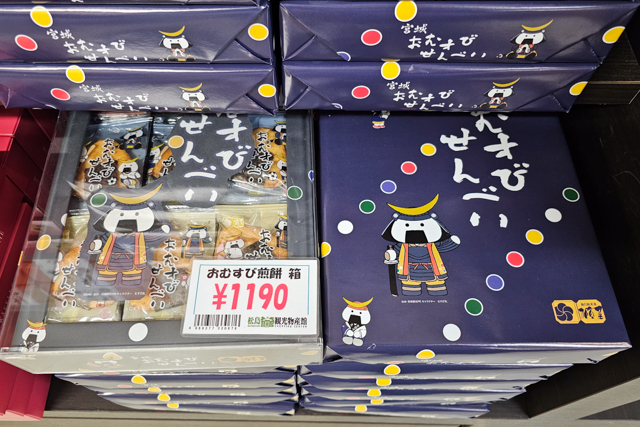
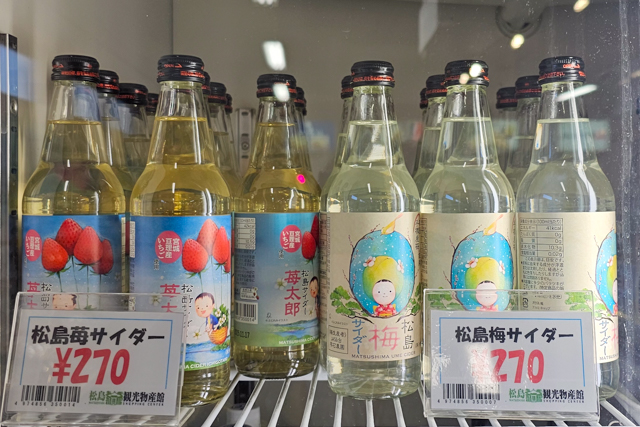
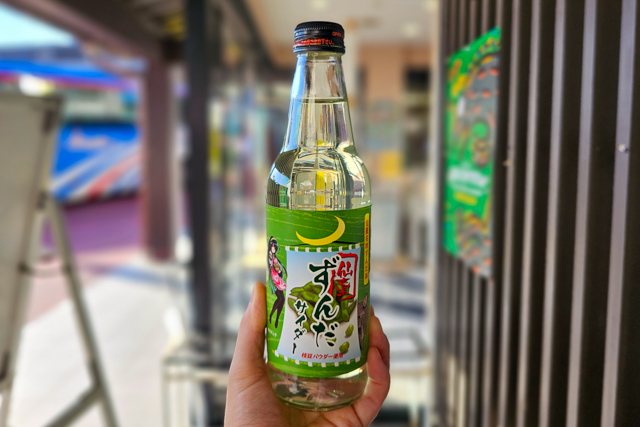
(See Tresbon Zunda Cider Review)
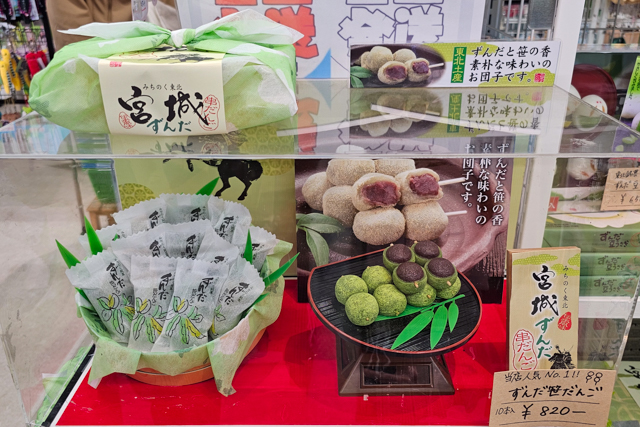
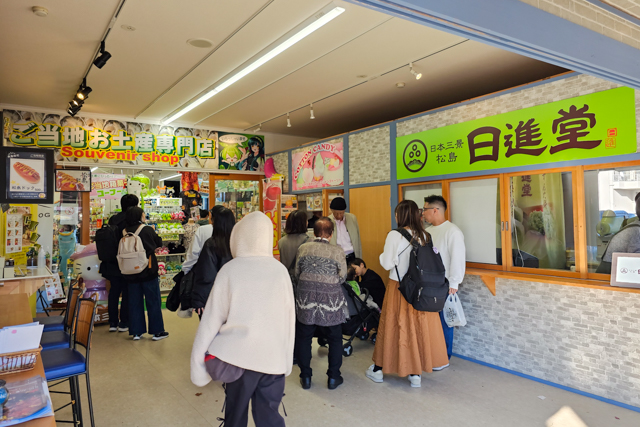
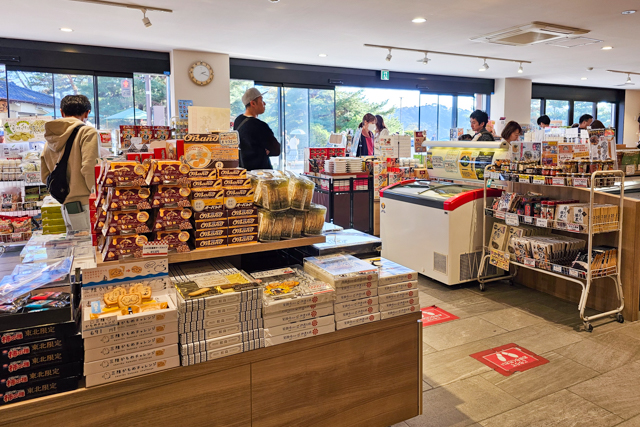
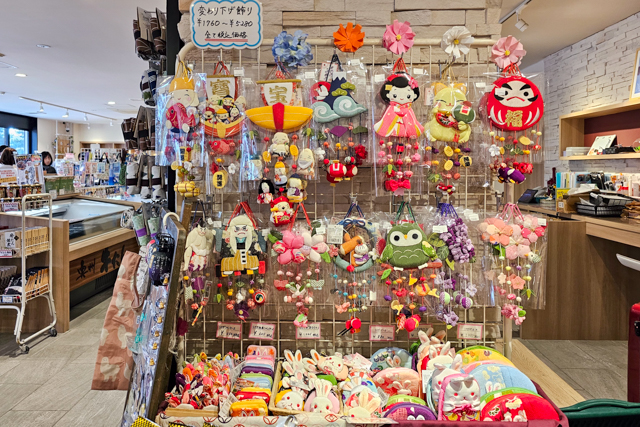
Zuiganji Temple
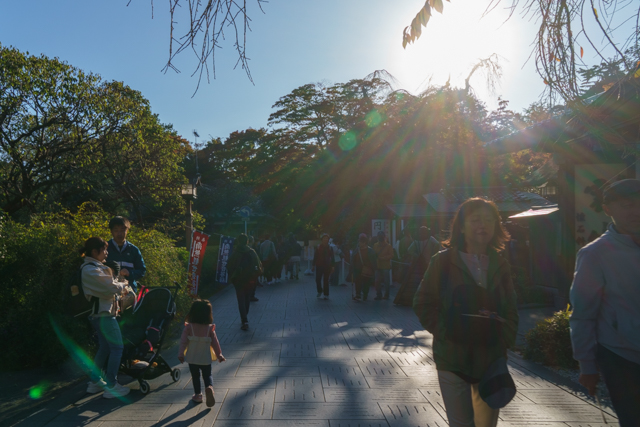
Zuiganji is one of the most prominent Zen temples in the Tōhoku region. Originally founded in 828 as a Tendai temple, it was later converted to Zen and restored in 1609 by Date Masamune as his family temple.
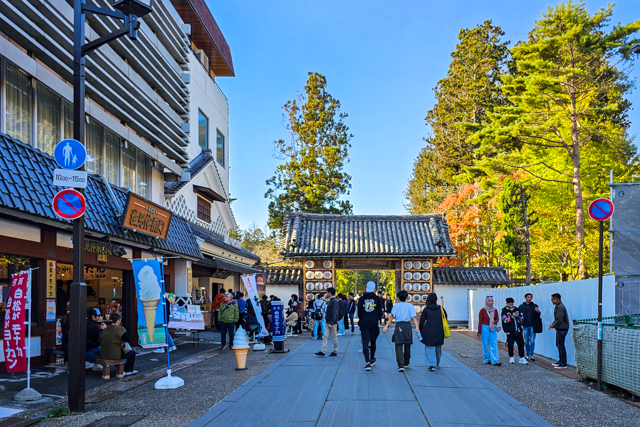
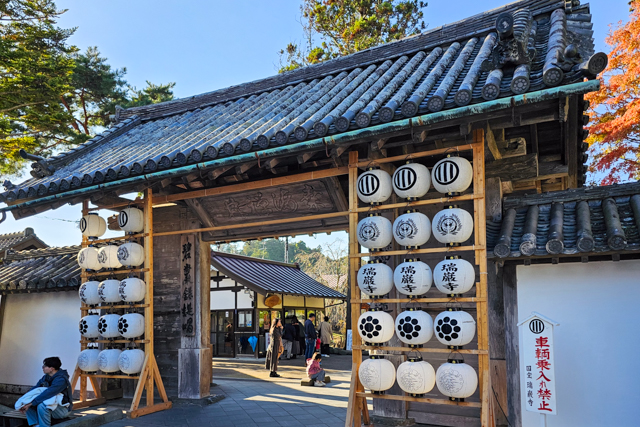
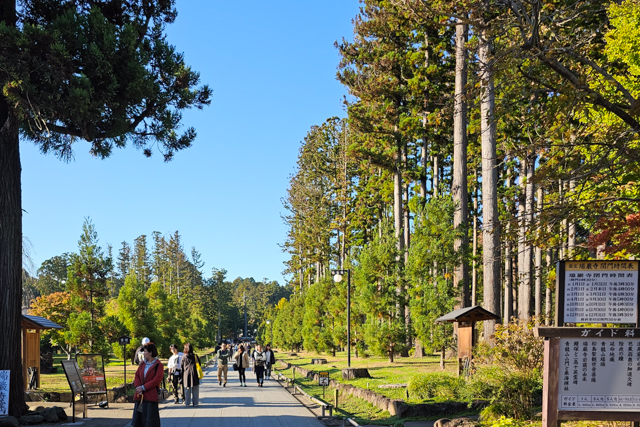
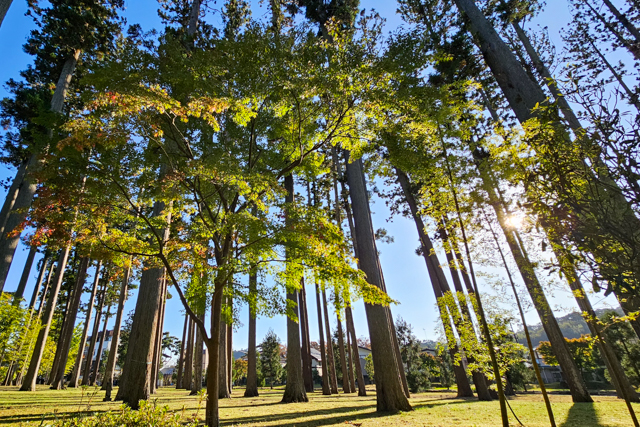
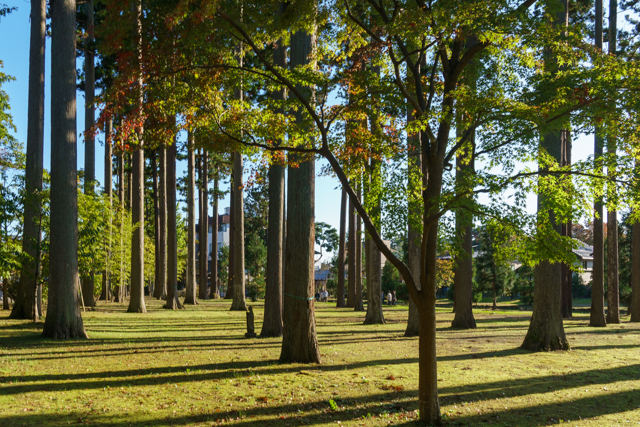
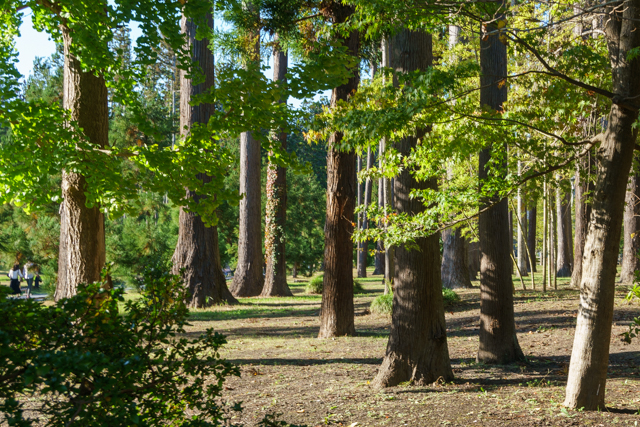
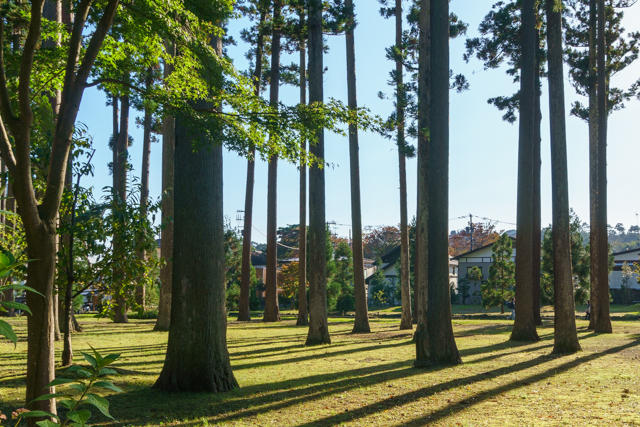
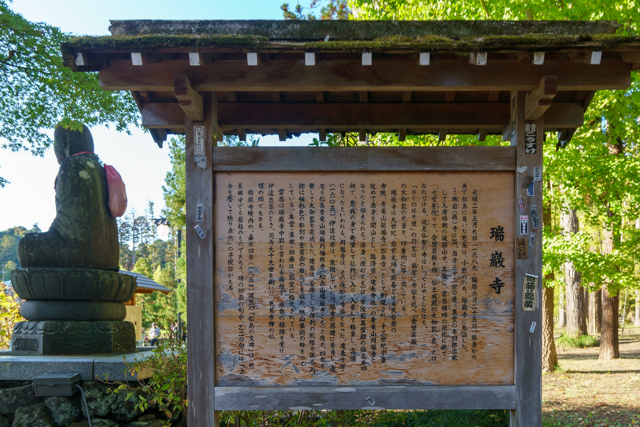
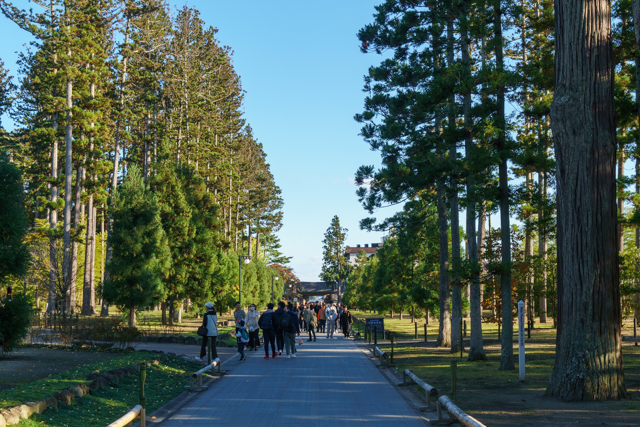
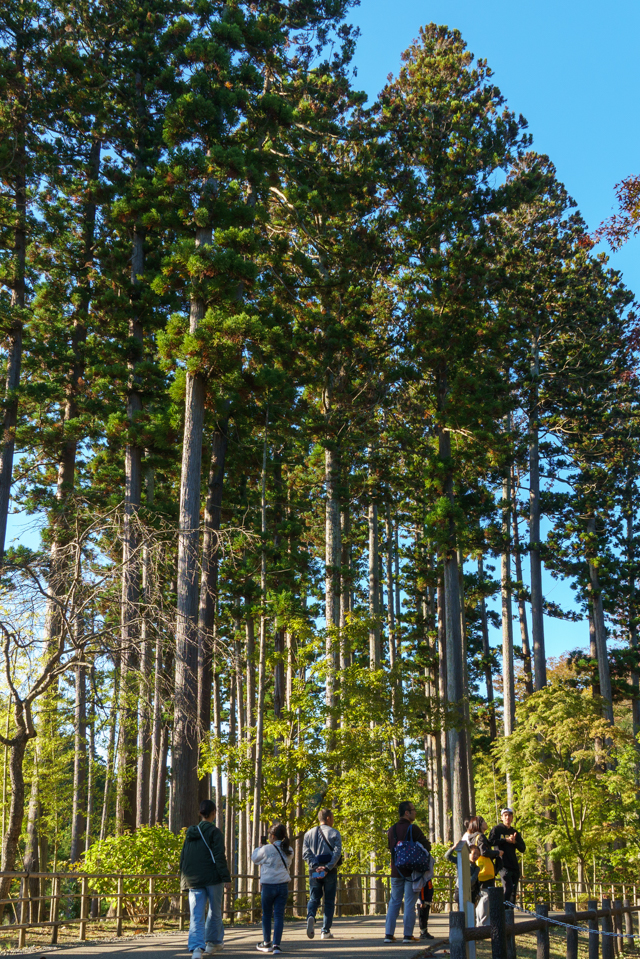
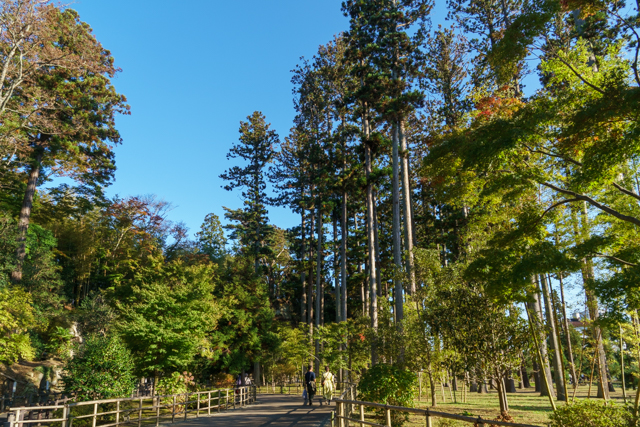
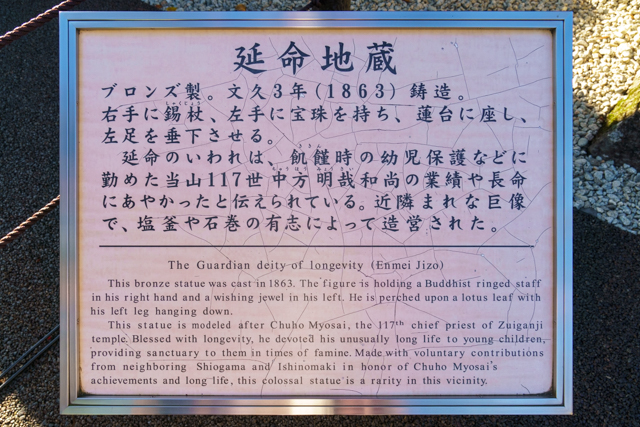
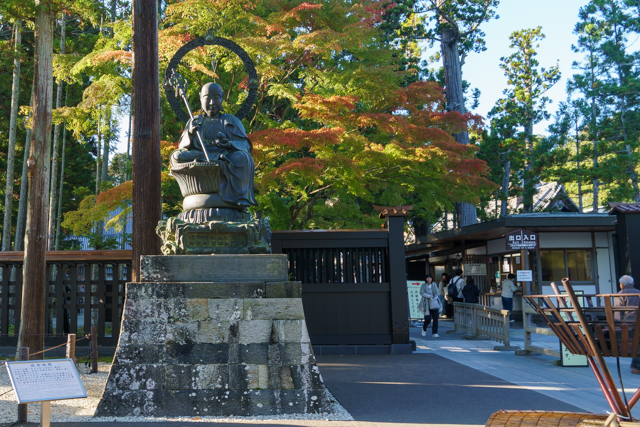
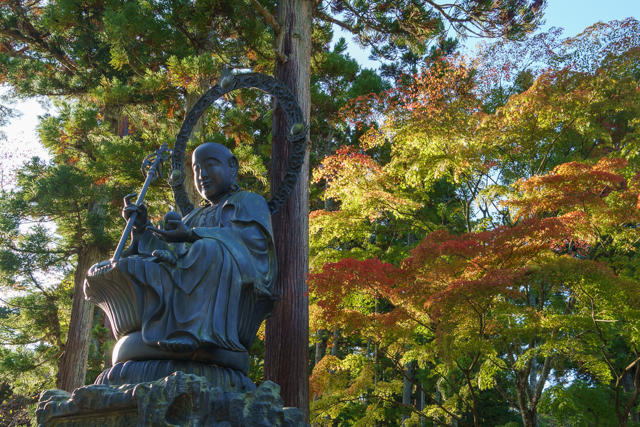
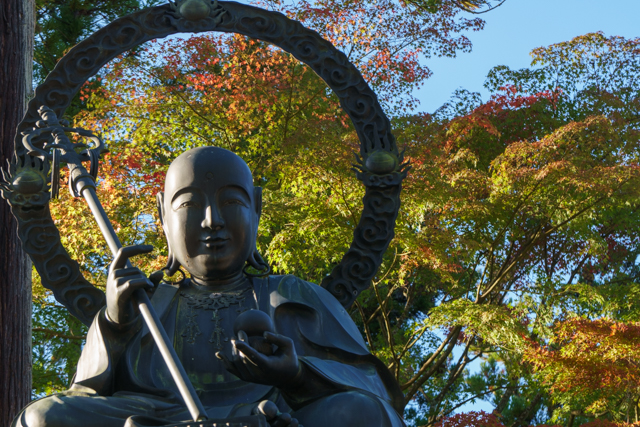
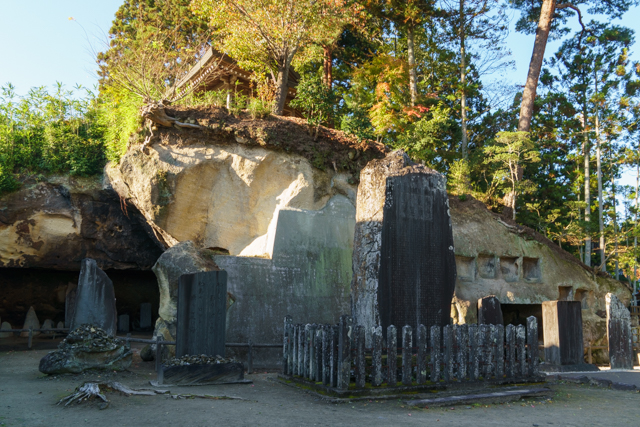
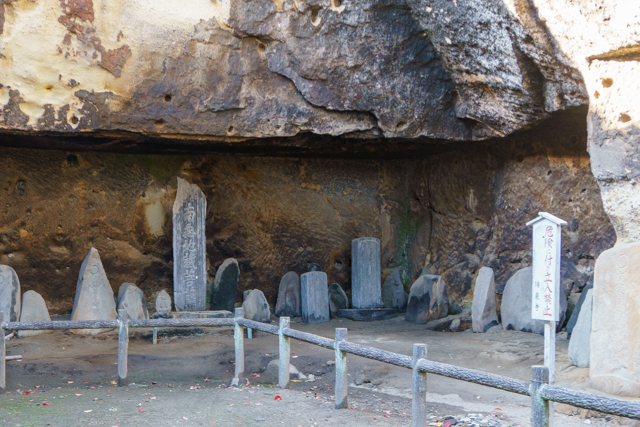
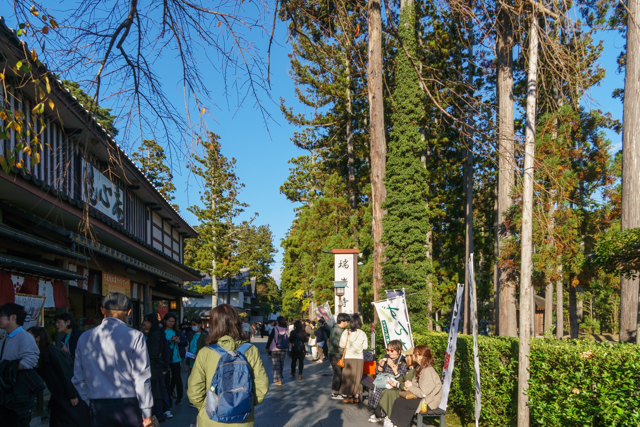
The approach is defined by a long, straight path lined with cedar trees, many of which were lost to salt damage following the 2011 tsunami. Along a side path, a series of caves—historically used for meditation—contain carved figures and memorial markers, including representations of Enmei Jizō, associated with longevity.
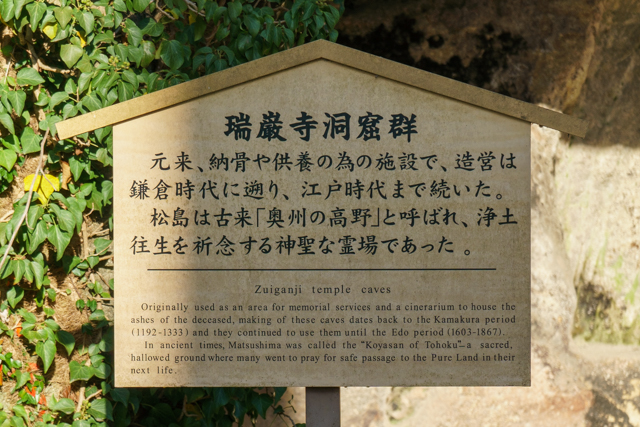
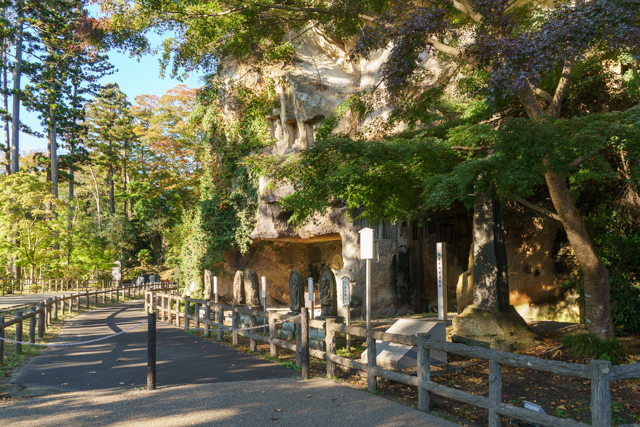
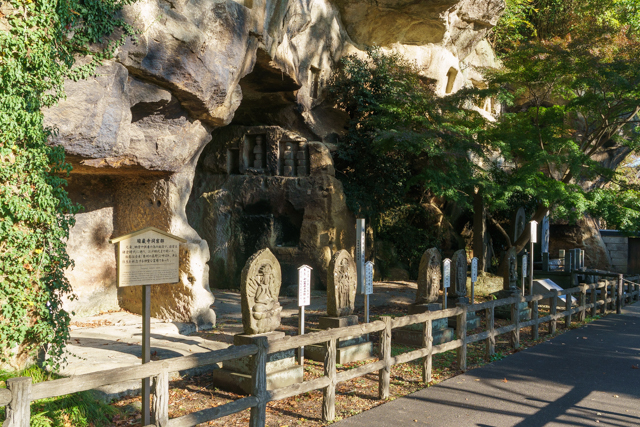
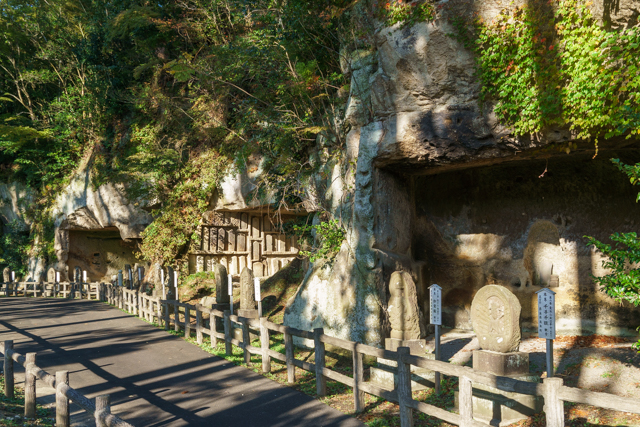
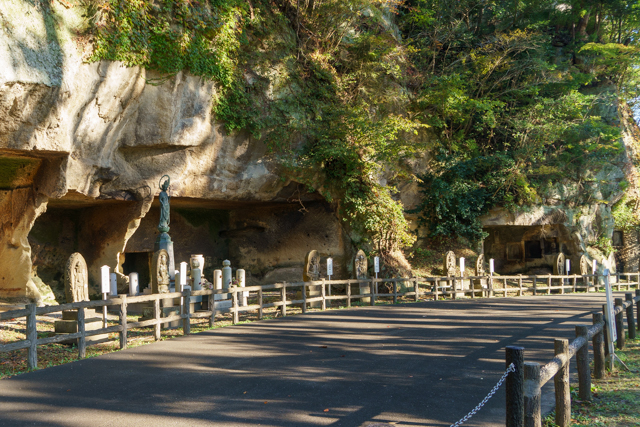
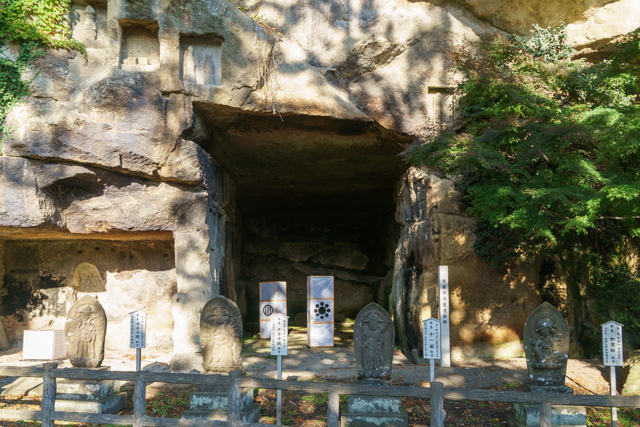
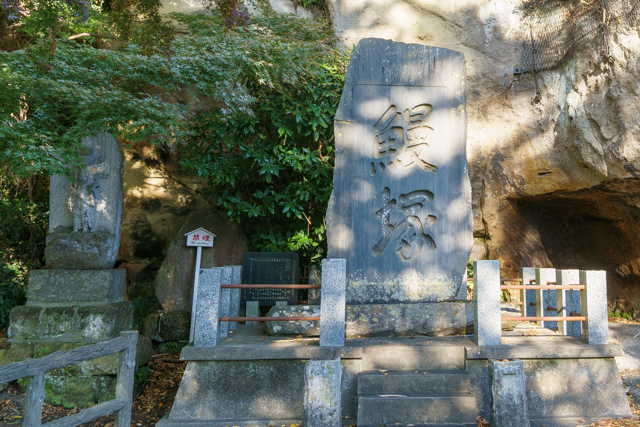
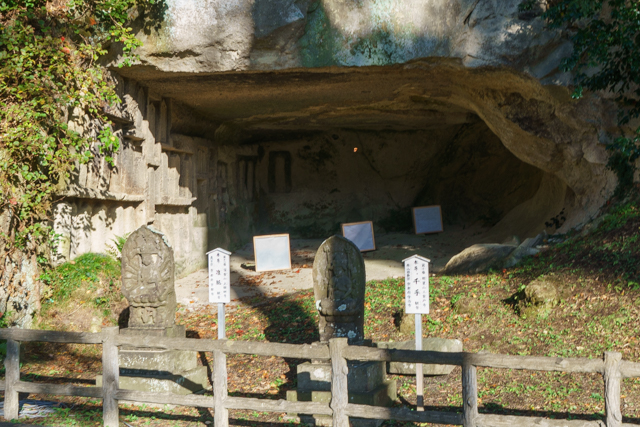
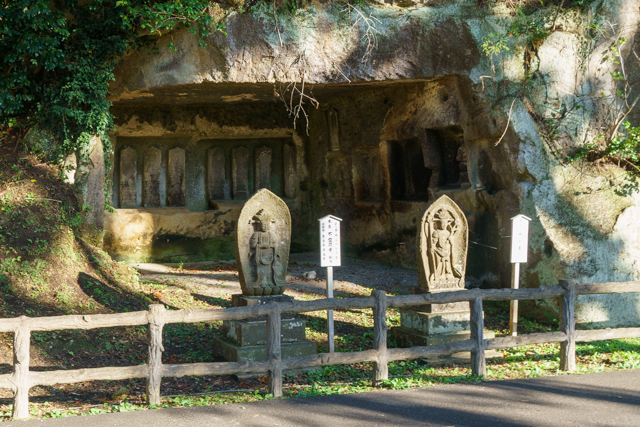
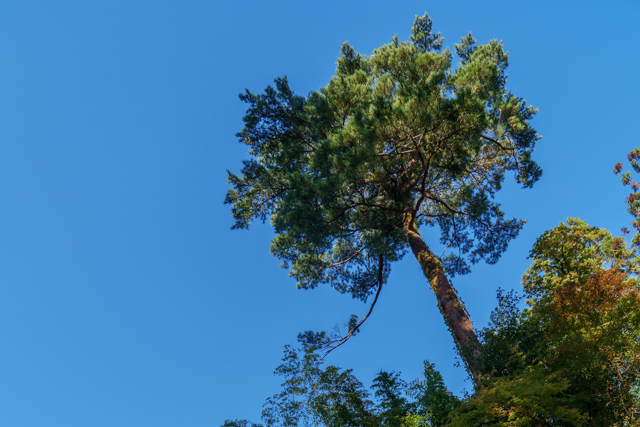
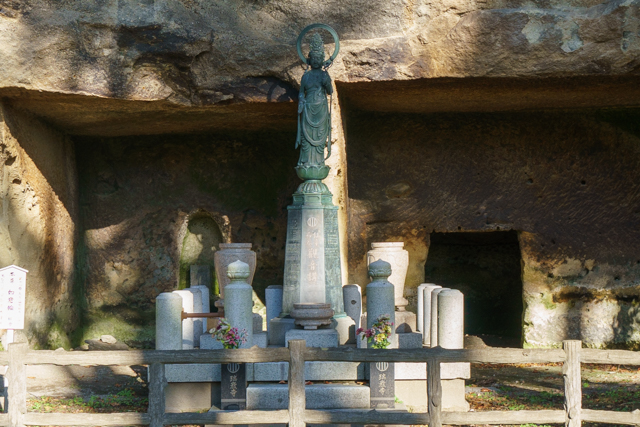
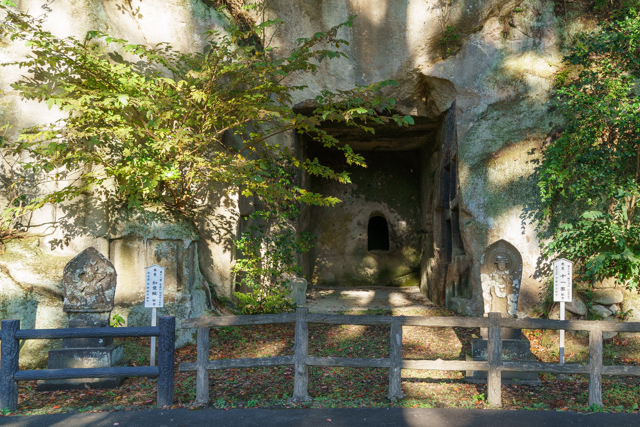
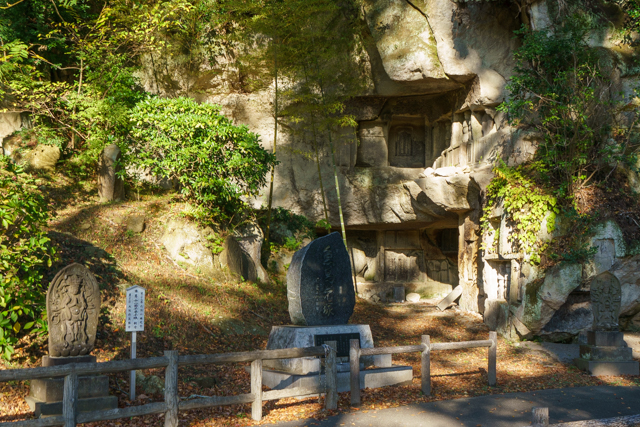
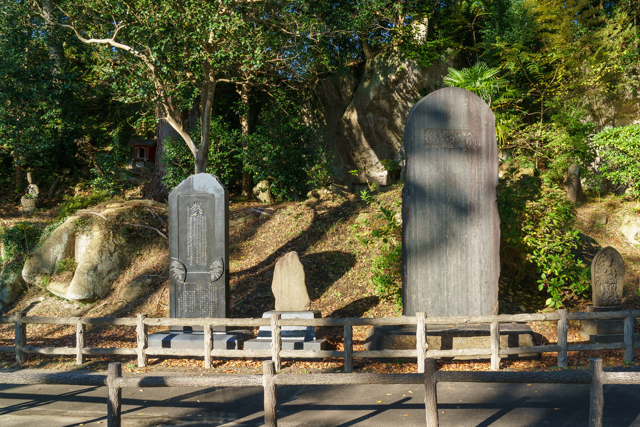
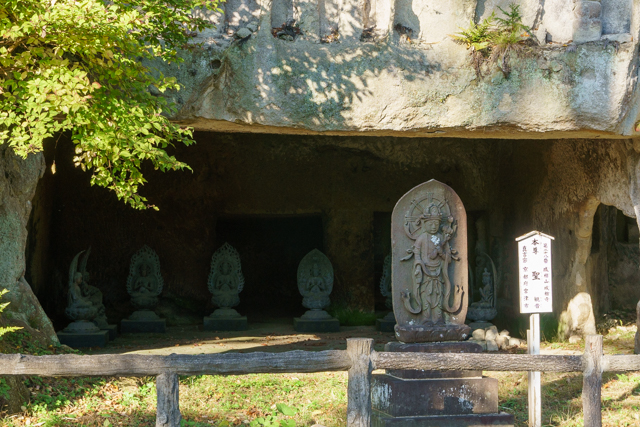
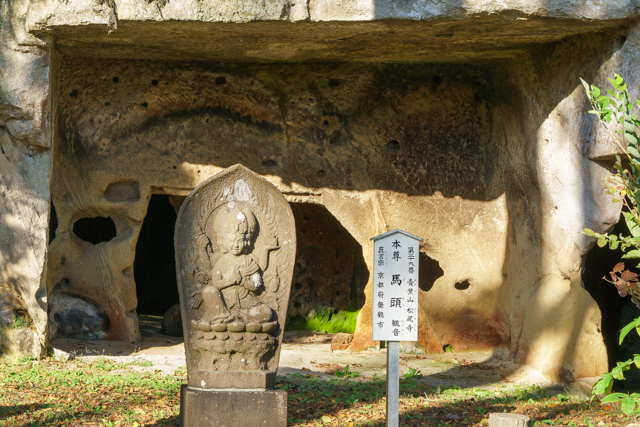
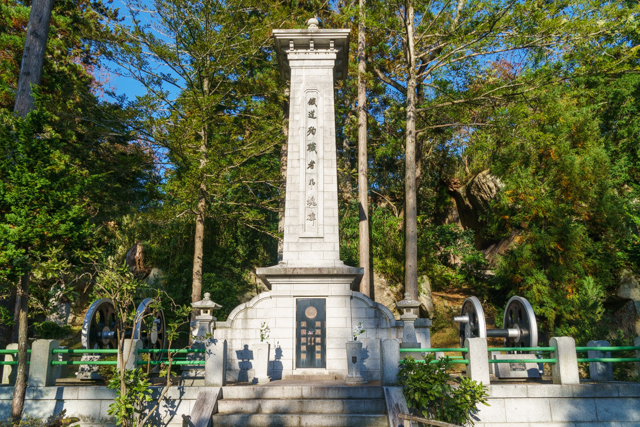
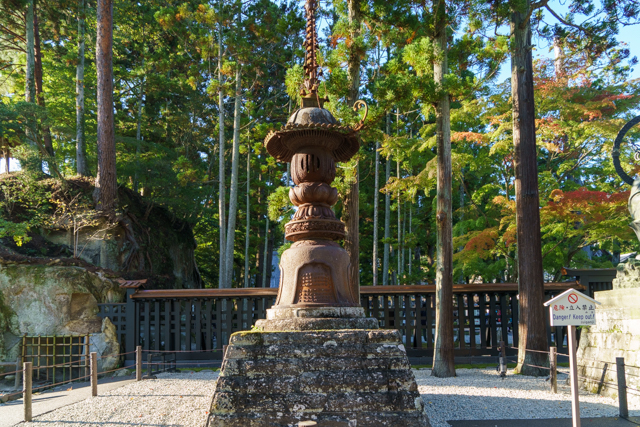
The Guardian deity of longeviy (Enmei Jizo)
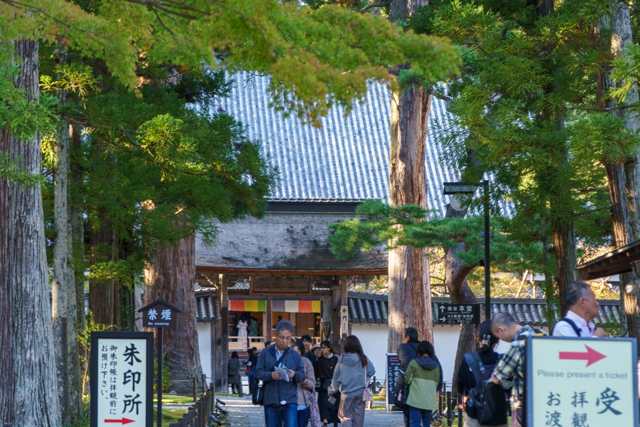
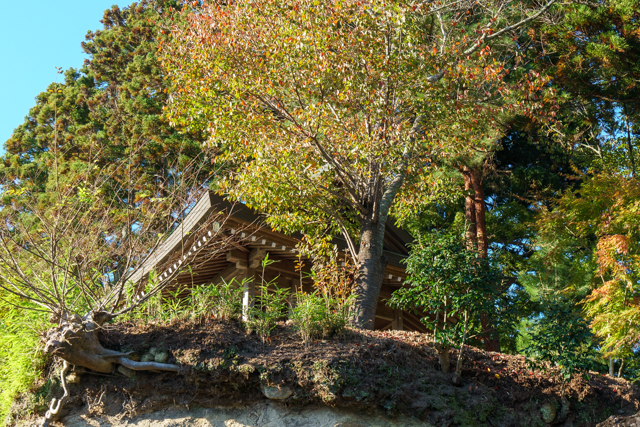
The main hall, known for its gilded interiors and painted fusuma, stands at the end of the approach.
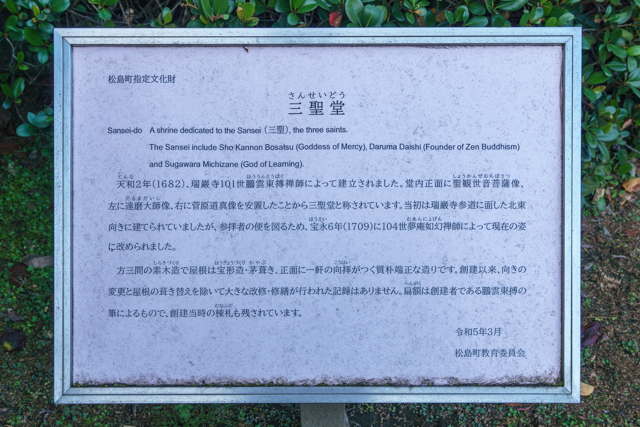
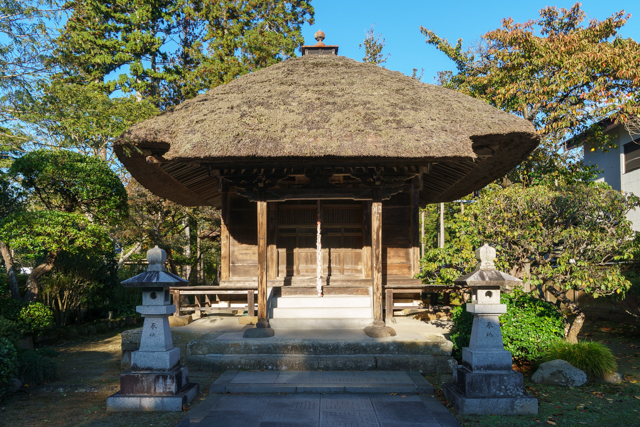
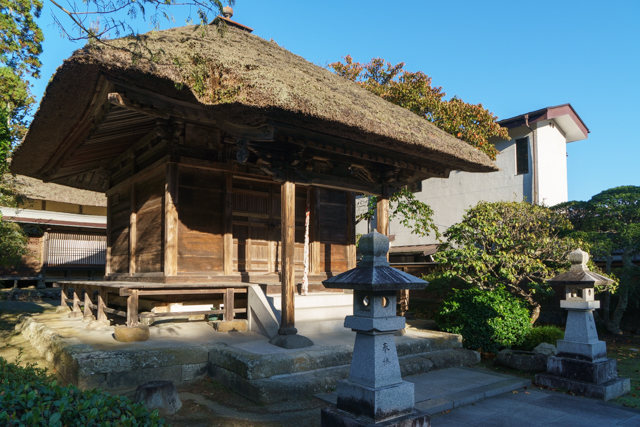
Sansei-do
Abe Kamaboko Matsushima
Teramachi Branch
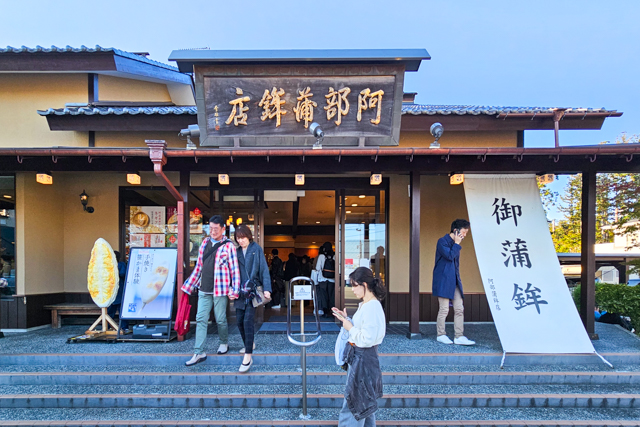
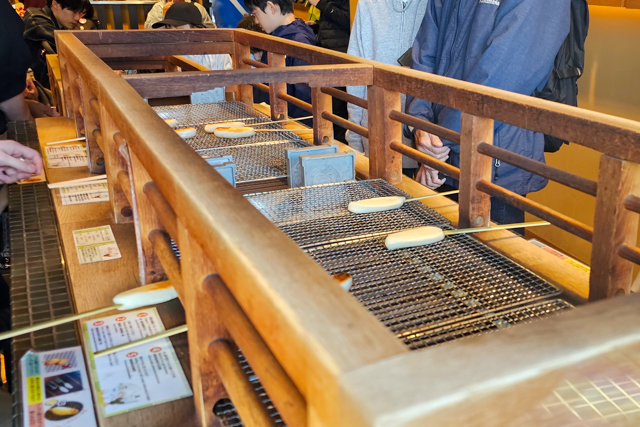
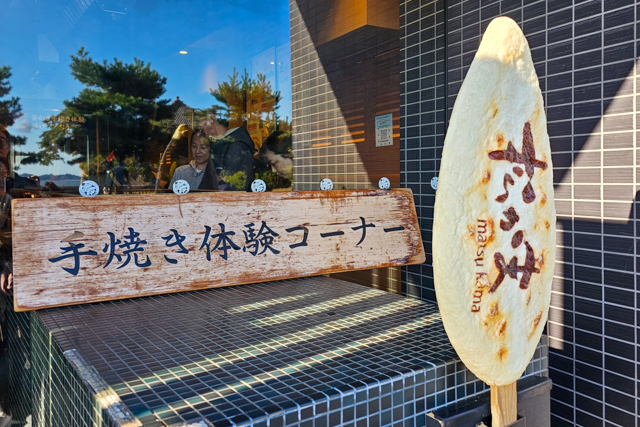
A self-grilled kamaboko experience was undertaken for ¥300.
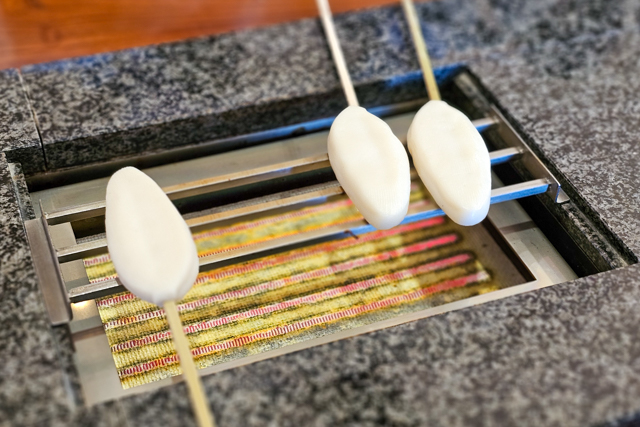
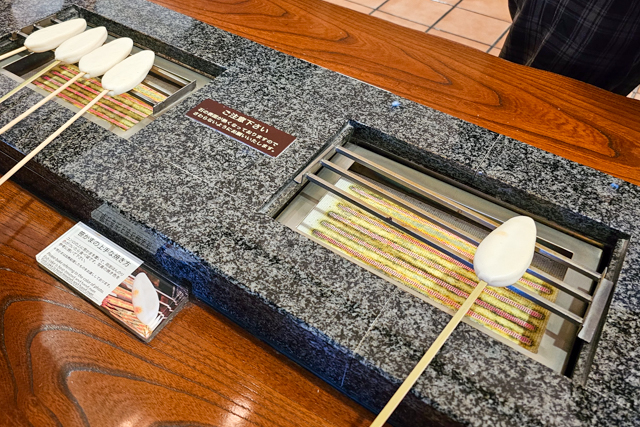
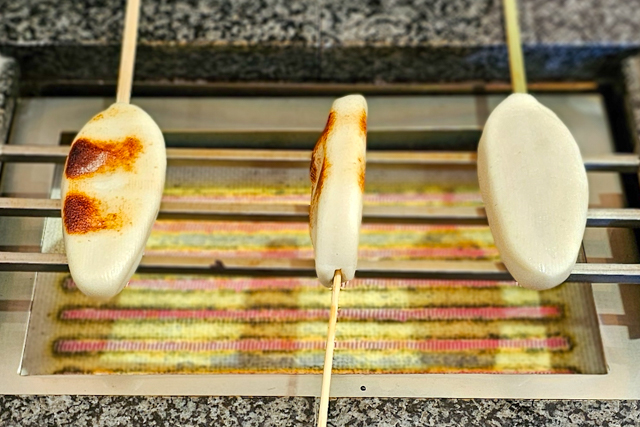
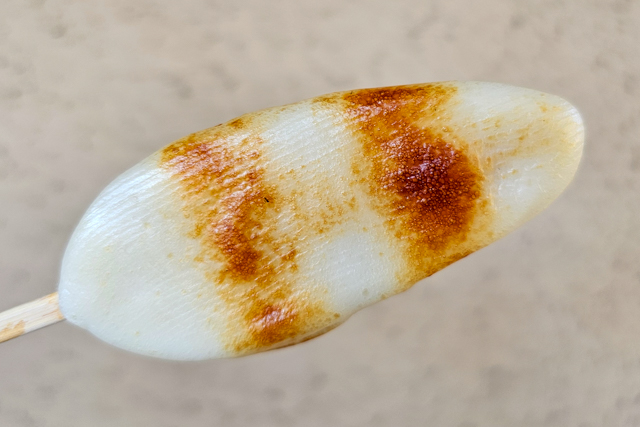
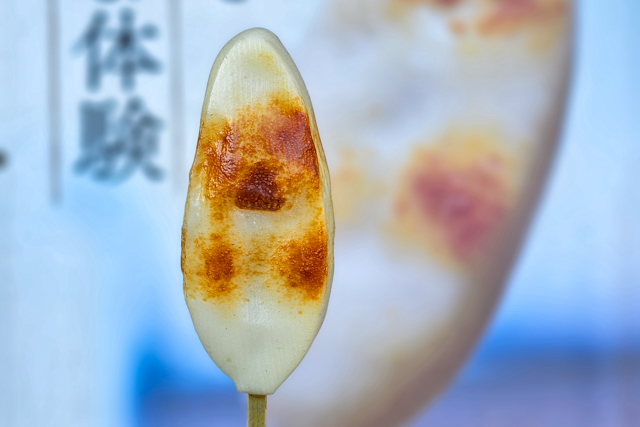
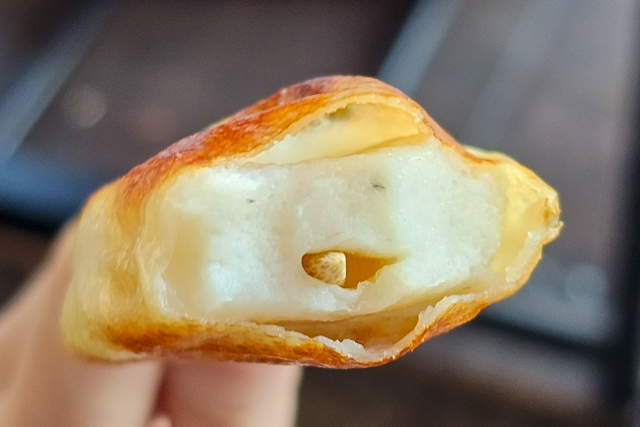
The fish cake required time over the heat, gradually expanding at the surface as it approached readiness.
Once cooked, the exterior developed a slight chew, while the interior remained soft, smooth, and lightly elastic. The flavour was mild and savoury, with a faint sulphuric note reminiscent of egg white, consistent with finely processed white fish paste. The shape references sasa (bamboo leaves), derived from the Date family crest.
Miyagi–Matsushima formed part of Day 4 of a 14-day journey through Japan’s Tōhoku region in 2024.