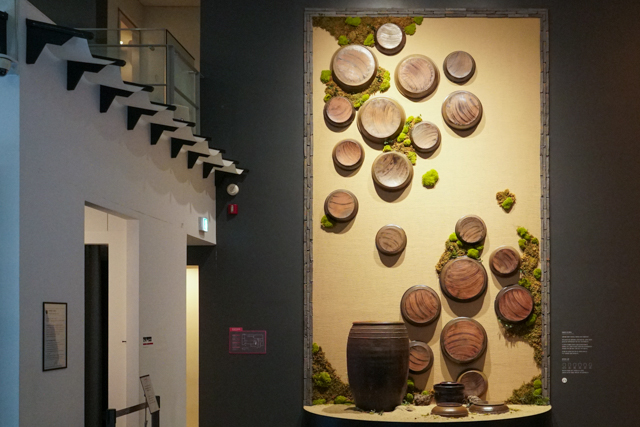
Our fifth day in South Korea saw us visiting more of Jongno-gu to explore the area around Insa-dong, including the Gongpyeong Historic Sites Museum, Haribo World and Museum Kimchikan.
Jung-gu
Namedaemun-ro
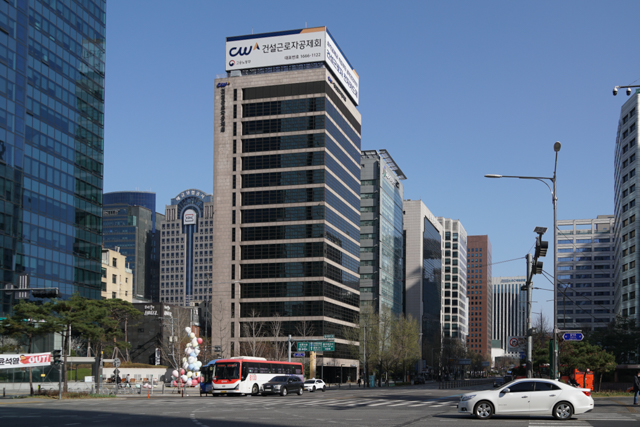
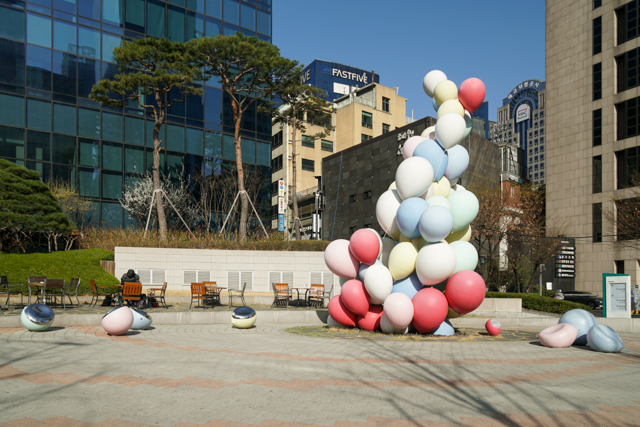
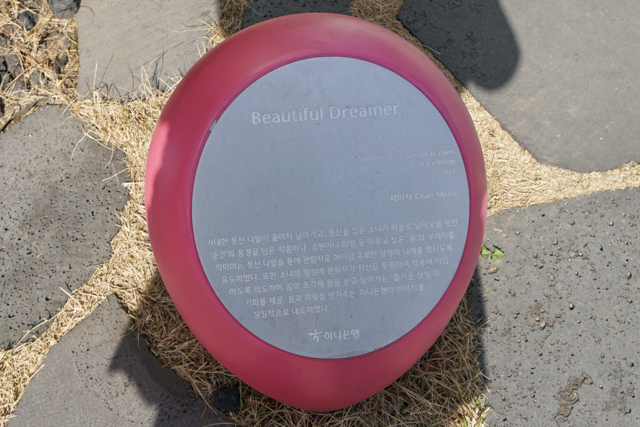
A short walk from our hotel was this public art sculpture called ‘Beautiful Dreamer’ by Chae Meeji featuring a girl (not photographed) with balloons created in 2017 in stainless steel and car paint. The faded colours suggest the sculpture has seen better days.
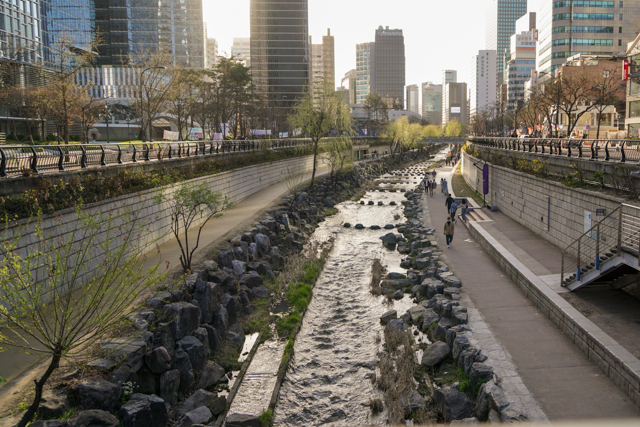
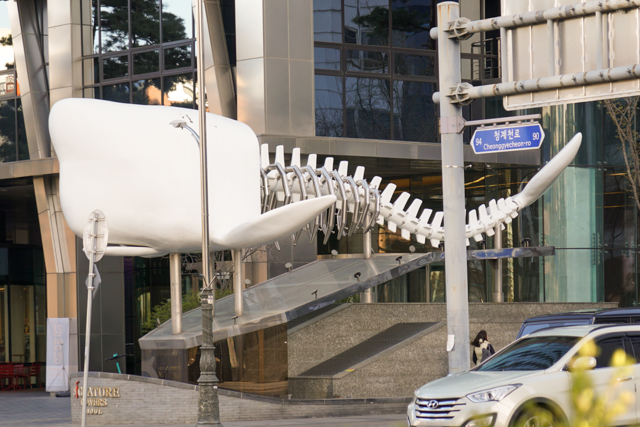
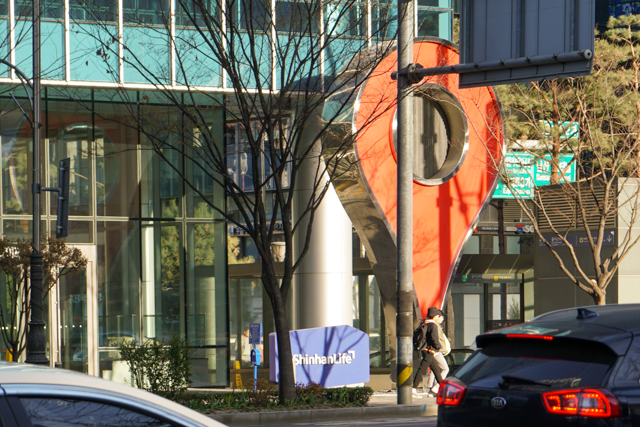
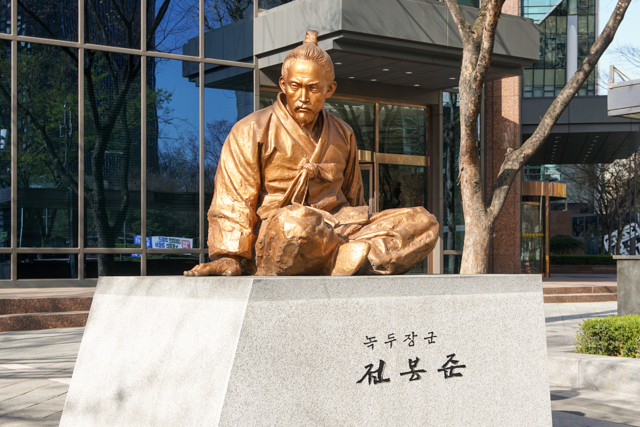
A statue of Jeon Bongjun sat diagonally opposite the intersection with Jongno Tower. Jeon Bonjun was a prominent leader of the Donghak Peasant Revolution against the country’s heavy taxation and extortion of property from people accused of unsubstantiated crimes. Due to his short physical stature, he was called ‘Nokdu Janggun‘ (lit. General mung bean).
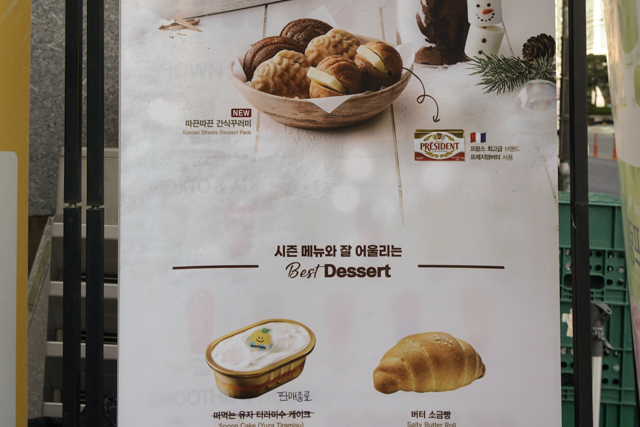
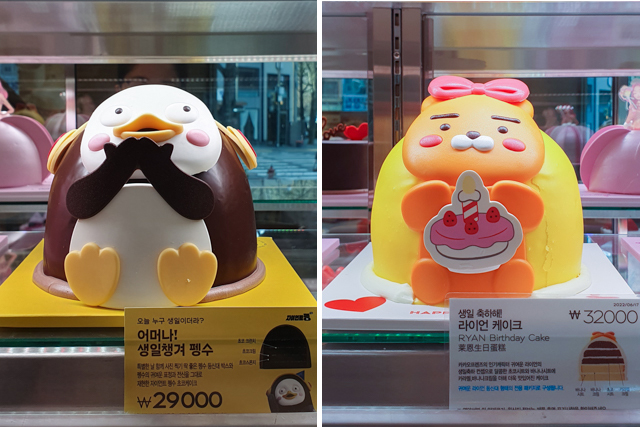
Outside a coffee shop chain, we spot a Yuzu Tiramisu, which was no longer available alas.
Jongno-gu
Paris Baguette Cafe
95 Sambong-ro, Gyeonji-dong, Jongno-gu, Seoul, South Korea
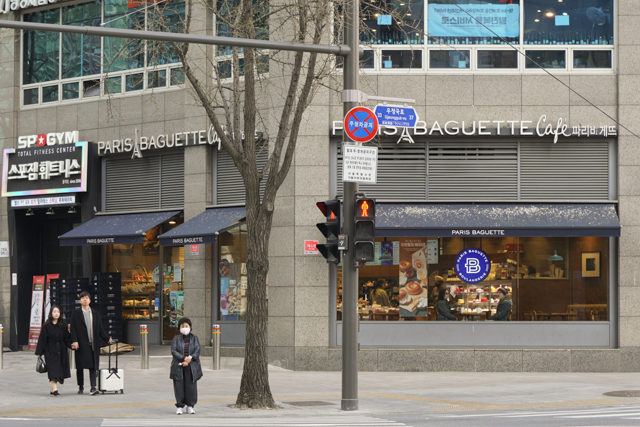
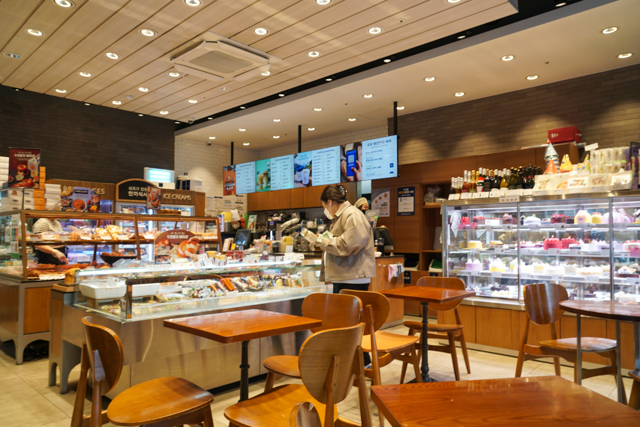
Instead, with most shops still closed on Sunday, we took a break inside Paris Baguette Cafe.
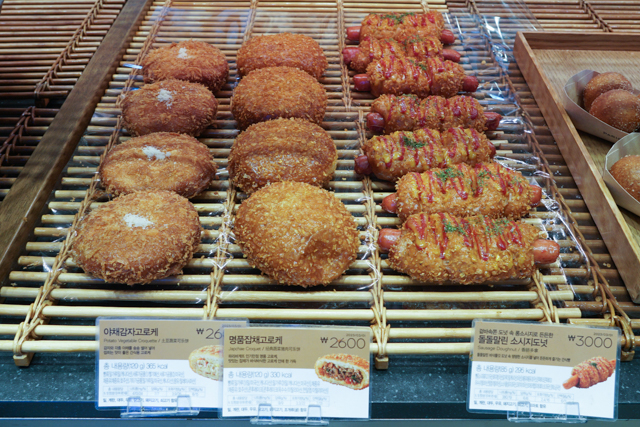
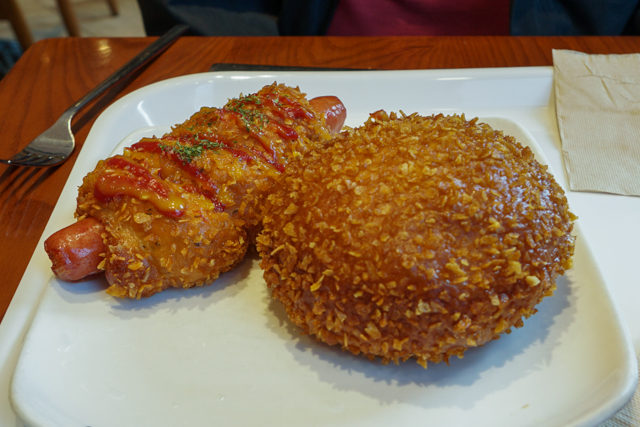
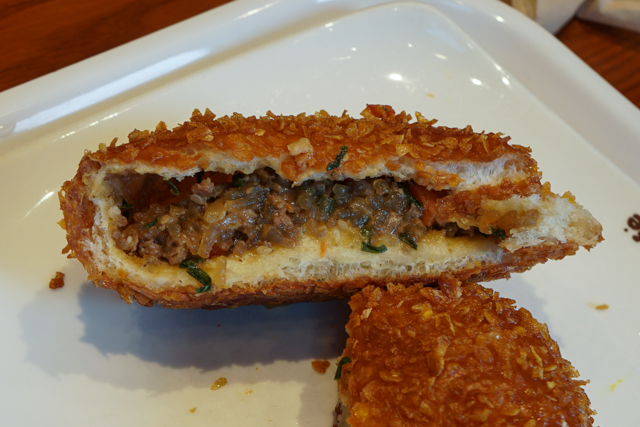
Sausage doughnut (3,000 won) and japchae doughnut (2,600 won).
The sausage doughnut was a revelation for us: unlike similar baked goods from Chinese bakeries that have a cheap frankfurter inside a sweet milk bun, this one featured a slightly smoky sausage while the bread was distinctly savoury. There was a very enjoyable contrast between the firmness of the sausage, the bread’s crisp exterior and the soft interior.
The japchae doughnut had a similarly crisp exterior and soft interior, which was in good ratio with the japchae interior. The japchae was lightly spiced with a good variety of textures from the noodles and vegetables.
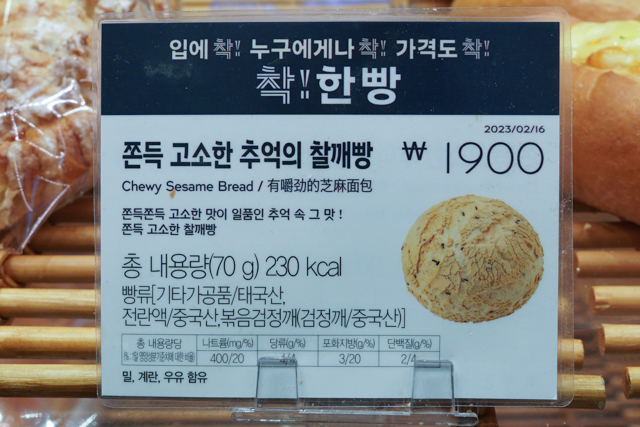
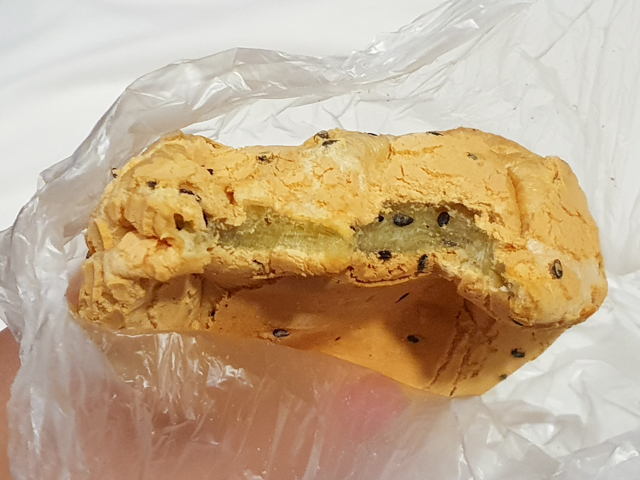
Chewy sesame bread (1,800). We picked up this bread for later, so it was a bit worse for wear after it was squashed at the bottom of our bag, but nonetheless, it was a great mochi-textured bread. It was crispy on the outside, while the inside was chewy without being dense. It also had a distinctly savoury flavour that was enhanced by the gentle crunch of the black sesame seeds.
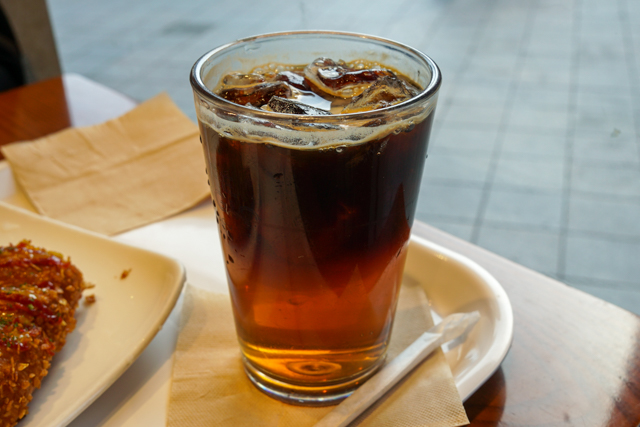
Peach iced tea with espresso. The bitterness of the espresso tempered the sweetness of the peach syrup. D thought it tasted like medicine, but not having grown up on peach medicine, it was enjoyable for me.
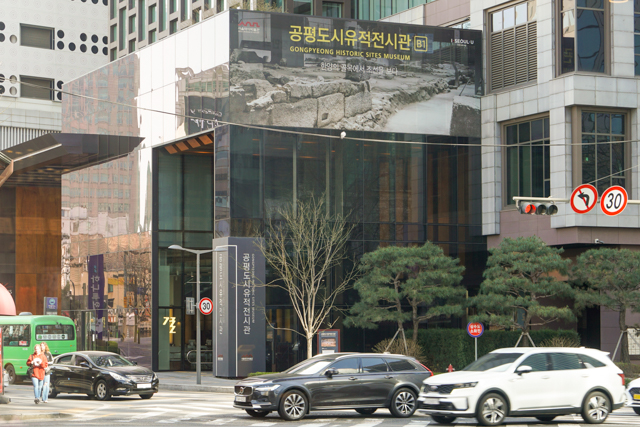
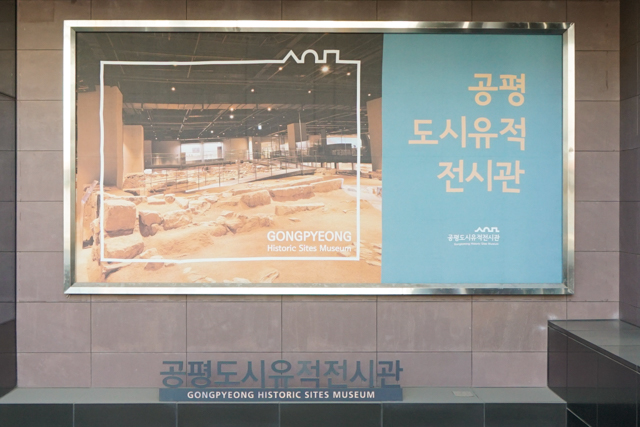
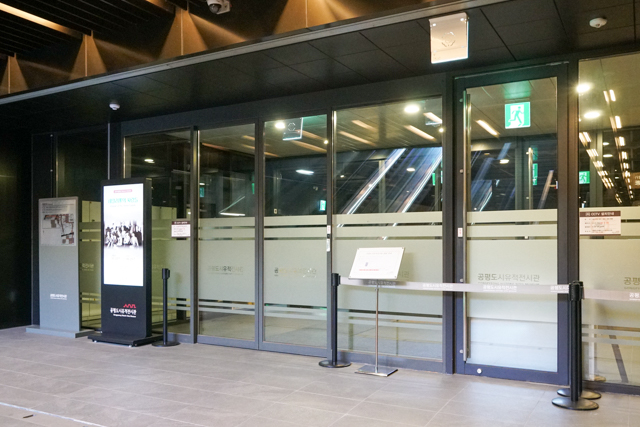
Gongpyeong Historic Sites Museum
공평도시유적전시관, 28-1 Insadong-gil, Jongno-gu, Seoul, South Korea
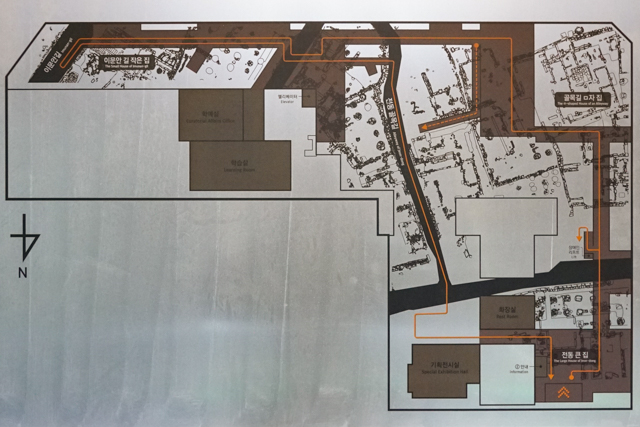
Coexistence of Development and Preservation
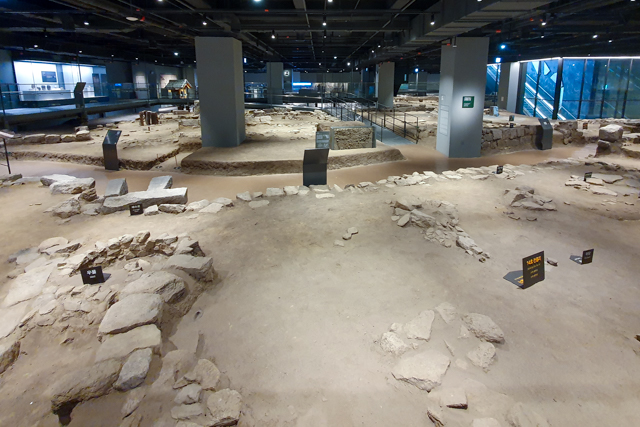
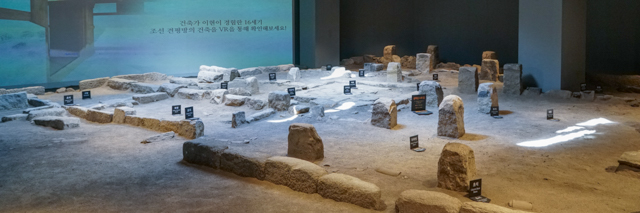
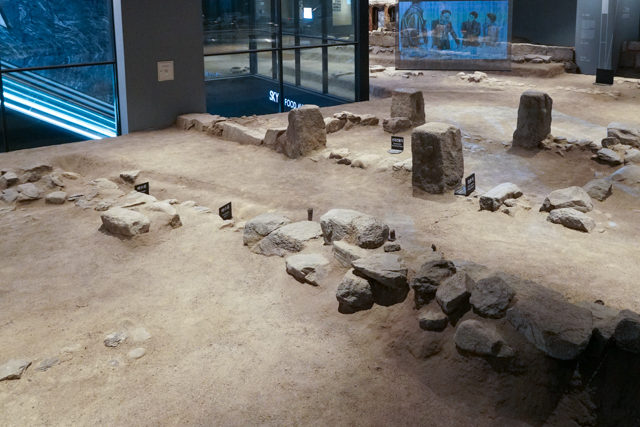
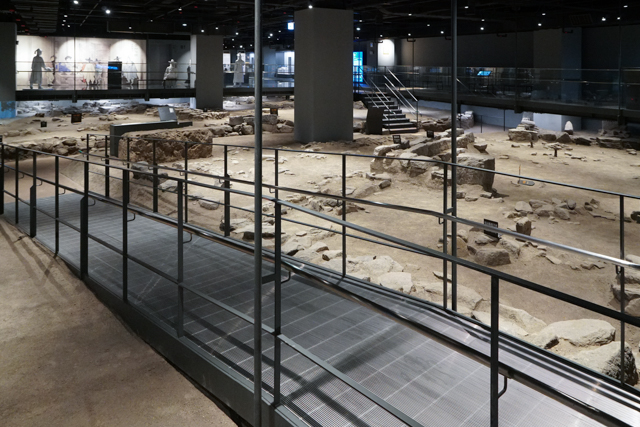
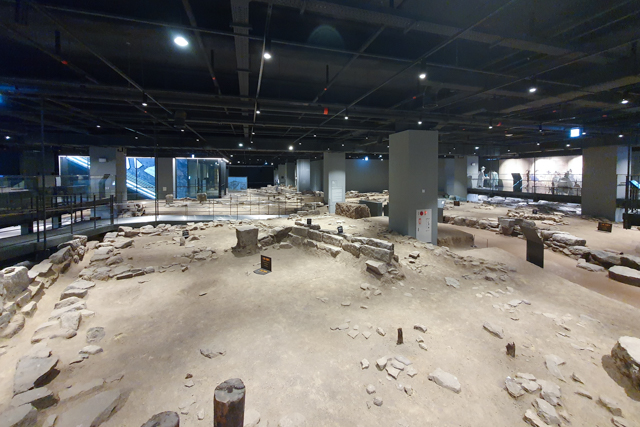
Total 19 zones of Gongpyeong-dong area were designated as ’Gongpyeong Urban Redevelopment Area’ in 1978. Until 2010, the redevelopment project was finished in six zones. During the 2014-15, Zone 1, 2, and 4 went through the archaeological field survey and formal excavation survey to investigate buried relics. From these attempts, four different occupation layers from the Joseon Dynasty period to Japanese colonial period were discovered with relics such as building sites and streets and various remains. The occupation layer of the 16th and 17th centuries remains the most intact, so it was chose to be relocated in the exhibit hall through a partial change in its layout during the reconstruction process. Gongpyeong Historic Sites Museum is the first case of a large-scale on-site museum where the excavated cultural heritages were exhibited with the principle of the fullest in-situ preservation.
The basic direction of the restored relics layout
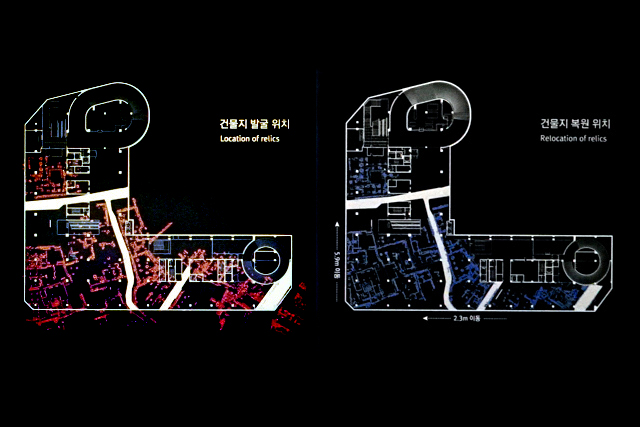
The alley located between the building sites of Zone, 1, 2 and 4 of Gongpyeong district has been found almost unchanged in their original axis and size since the early Joseon Dynasty. Also, by continuing to construct new buildings on the site where the buildings were demolished or burnt, the city center has been maintained. The relocation and restoration of the relics were carried out after the excavation survey for their thorough preservation. The collected remains were moved to a temporary repository for preservation work and moved back to the exhibition hall for an extensive restoration. However, some of the major building sites with critical preservation value expanded over the boundary of the exhibition hall’s underground floor or in part conflicted with the building’s facilities. Therefore, some relics had to be relocated either horizontally or vertically, but we prioritized the protection of the relics’ authenticity, considering their academic, preservatory, and utilizing aspects.
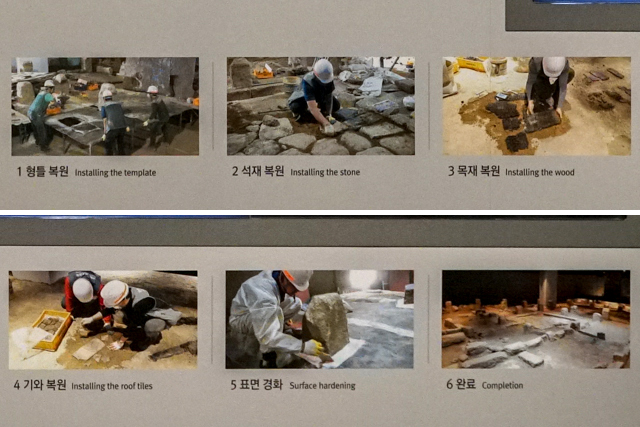
The restoration process of relics.
Selection of occupation layers to be restored
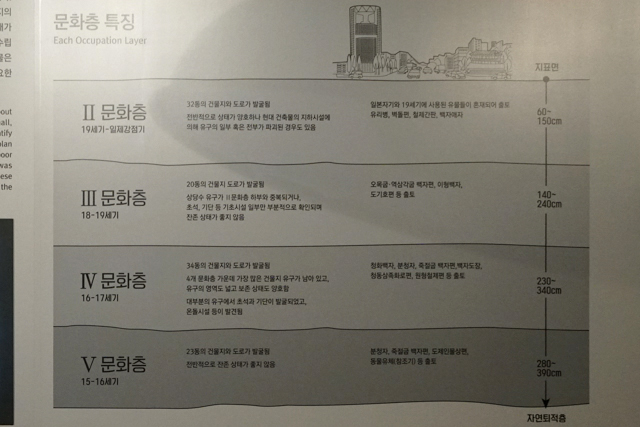
Six layers of Gongpyeong-dong sites were identified from the ground level to a depth of about 2.8 to 3.9 m. In particular, the occupation layer IV which was restored to the exhibition hall, contained relics of the 16th and 17th centuries and was highly worthy of preservation to identify structures and changes of the site. Based on these findings, it was decided that a restoration plan should focus on the occupation layer IV and the records would be kept for those layers with poor remaining conditions. Since occupation layer IV shows high academic values, it was determined to completely restore the site in the exhibition hall by relocating the relics. These excavated relics possess significant value in restoring the history, culture, and lifestyle of the Joseon Dynasty in a three-dimensional way.
Gongpyeong-dong Rules
Gongpyeong-dong area was where people from commoners to the royal family lived together in the Joseon Dynasty period (1392-1910), and its facilities such as Taehwagwun and Jongno YMCA were home for nationalist activities during the modern period. However, after liberation, this area as a city center was embroiled in turmoil due to excessive development activities. In 1978, its 19 districts were designated as an urban redevelopment area. Six of them went through the redevelopment project until 2010.
For Zone 1, 2, and 4, an archaeological field survey was carried out in 2010, and an excavation survey for buried cultural heritages was done in 2014-15. As a result, total of 108 building sites, streets, and about 1,000 artifacts were discovered. Their time period ranges from the early Joseon Dynasty period to the Japanese colonial period. As the only relic for dwelling sites of the Joseon Dynasty period (Specifically, from the 15th century to the 20th century), it was nicknamed ‘Pompeii of the Joseon Dynasty’, clearly showing the full account of Hanyang City. Also, there was a strong contention for its preservation.
Therefore, a number of expert meetings and deliberations regarding cultural heritages were held to discuss the extent of preservation and restoration. At first, only some parts of the excavated relics were to be exhibited as in the case of neighboring Cheongjin district. However, as a result of continuous efforts between the city of Seoul and developers to aim for coexisting development and preservation, it was decided to preserve whole excavations from Gongpyeong historic sites for the first time as large-scale urban relics.
Gongpyeong Historic Sites Museum allows an overall identification of the spatial context and urban structure of excavated relics by maintaining their historicity, placeness, and integrity. Also, this is a place for discovering the transformation process of an old Seoul.
In the meantime, large-scale urban development projects In Seoul have taken a passive approach to display only a part of the excavated relics inside the new buildings in consideration of business feasibility. However, Seoul City’s role In the development and preservation of the Gongpyeong district has been evaluated as a good example of a new urban development trend, where urban history and development can coexist. In this process, Seoul has established the ‘Gongpyeong-dong Rule (Premises and standards for the preservation of every excavated materials)’, in which development and preservation can coexist through securing private parties’ interests while following the basic preservation and protection principles of cultural heritages. This rule will be actively implemented in future preservation projects of urban relics.
- First, develop architectural design by considering the location of buried cultural heritages
- Second, encourage voluntary participation of developers by granting FAR incentives according to the size of preservation area of buried cultural heritages
- Third, suggest guidelines on the establishment of a historic sites museum and proceed through discussions with a city architect
- Fourth, preserved historic sites museum to be operated by Seoul Metropolitan City
From Excavation to Museum
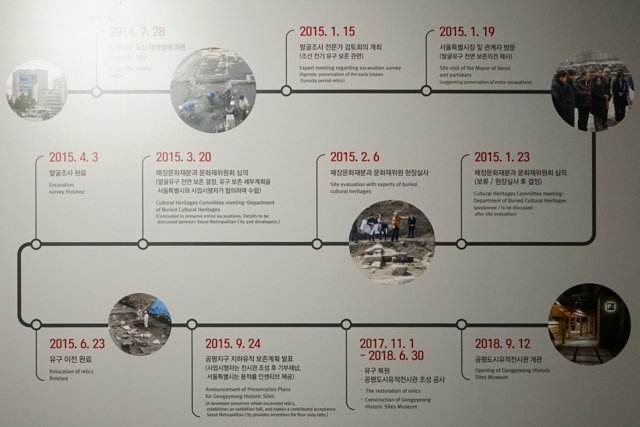
2014-4-28: Excavation survey began
2015-1-15: Expert meeting regarding excavation survey (agenda: preservation of early Joseon Dynasty period relics)
2015-1-19: Site visit of the Mayor of Seoul and partakers (suggesting preservation of entire excavations)
2015-1-23: Cultural Heritages Committee meeting – Department of Buried Cultural Heritages (postponed/to be discussed after site evaluation)
2015-2-6: Site evaluation with experts of buried cultural heritages
2015-3-20: Cultural Heritages Committee meeting – Department of Buried Cultural Heritages (concluded to preserve entire excavations. Details to be discussed between Seoul Metropolitan City and developers)
2015-4-3: Excavation survey finished
2015-6-23: Relocation of relics finished
2015-9-24: Announcment of preservation plans for Gongpyeong Historic Sites (a developer preserves whole excavated relics, establishes an exhibition hall, and makes a contributed acceptance. Seoul Metropolitan City provides incentives for floor area ratio)
2017-11-1 to 2018-6-30: The restoration of relics, construction of Gongpyeong Historic Sites Museum
2018-9-12: Opening of Gongpyeong Historic Sites Museum
Gyeonpyeong-bang of the Joseon Dynasty Period
Gongpyeong-dong sites belong to Gyeonpyeong-bang, which was the central district of Hanyang’s 8 administrative districts. It spanned over present Jongno 1-ga, 2-ga, Gyeongji-dong, Gongpyeong-dong, Insa-dong, and Cheongjin-dong areas. Gyeonpyeong-bang was the city centre of Joseon and a pivot of Sijeon market. To the west, this area was very close to royal palaces so that private residences of the royal family, such as Sunhwagung residence and Jukdonggung residence were located. Also, it was adjacent to Yukjo street with major government facilities such as Uigeumbu, a judicial agency, and Jeonuigam, a medical facility. Therefore, this city center, Gyeonpyeong-bang was where various facilities and classes of people were mixed.
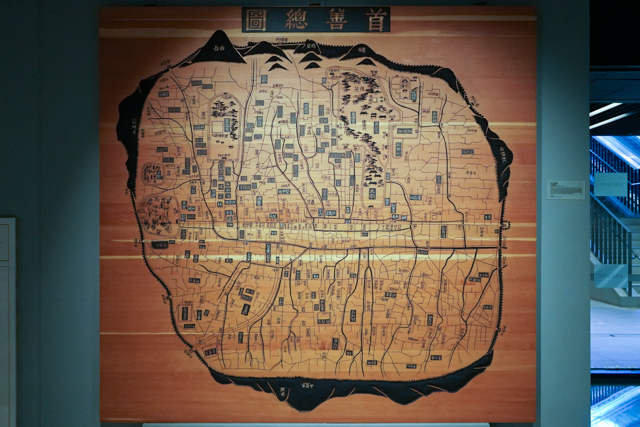
Where is Gyeonpyeong-bang?
The Joseon Dynasty’s capital, Hanyang was surrounded by mountains on all sides. To protect Hanyang from enemies, the fortress wall was built along the ridge of the mountains, and four large gates and four small gates were built for access. Jongmyo shrine and Sajik altar, palaces, and the main government offices were clustered inside the city wall. Near these facilities, a huge marketplace called Sijeon was developed. Gyeonpyeong-bang district, where Gongpyeong-dong sites are located today, was the northern part of the busiest street called Unjongga which was the most crowded city center. Therefore, it was always packed with people and goods.
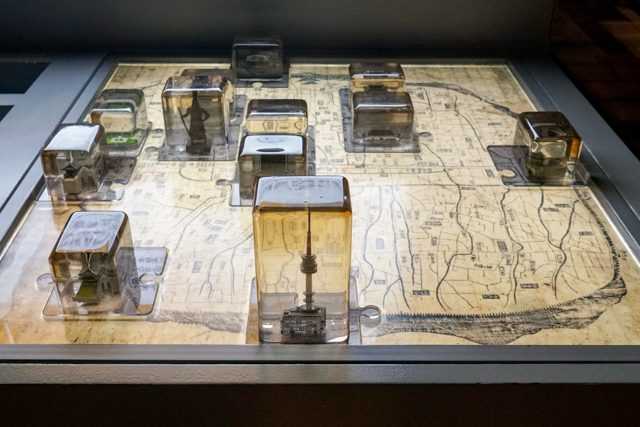
This was an interactive ‘puzzle’ on the old map of Hanyang. Completing it (by placing major buildings onto the map) revealed the Gyeonpyeong-bang district and where Gongpyeong-dong was located.
Large House of Jeon-dong (IV-1, 2, 3, 4)
Model of the Large House of Jeon-dong
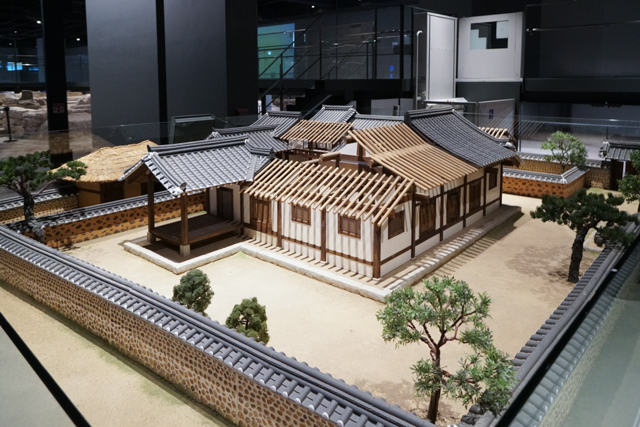
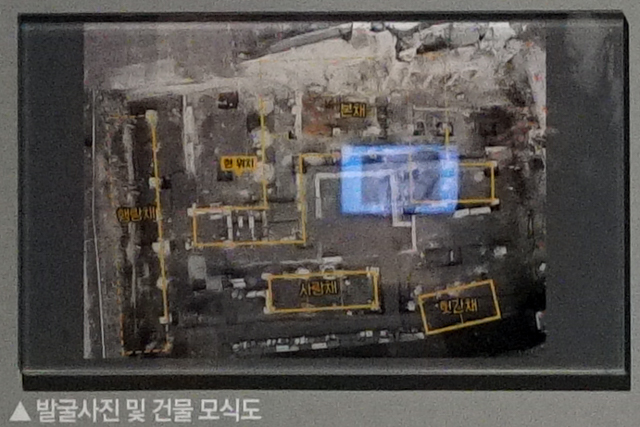
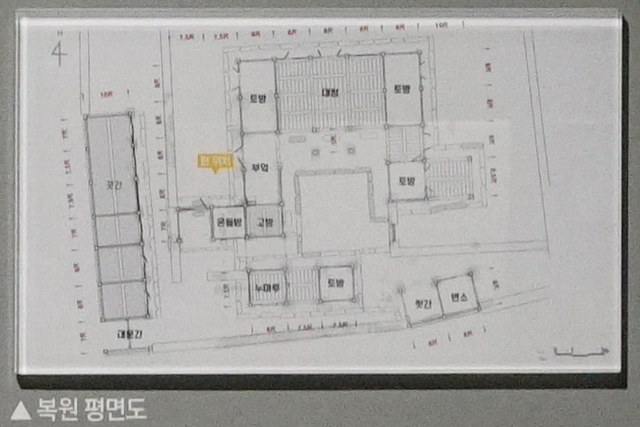
This is the largest building ruins of Gongpyeong-dong sites, so it is assumed that this was a supplementary building for governmental offices or a house for someone whose social rank was higher than the middle class. Foundation stones, compacting stones, and unique long column base stones were excavated. Four buildings are gathered in one building ruins. A main building seems to be ‘⊏’-shaped, and its width of the central part seems to be two and a half bays and the rest of the building to be one and a half bays. A detached house was located in the southwestern part of the main building, and the servants quarter was right by the big street to the west. A shed with a toilet was towards the southeastern part of the building ruins. Traces of Ondol or Maru that indicate the floor type were rarely excavated. However, some stones which could have been the Gudeul-On-dol-System were found in the main building ruins, so it is assumed to be an Ondol room.
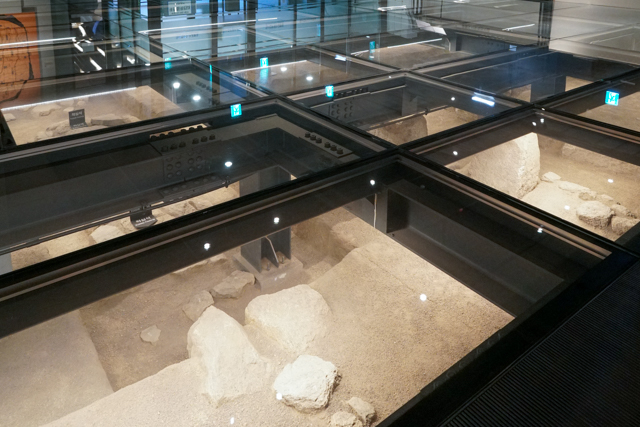
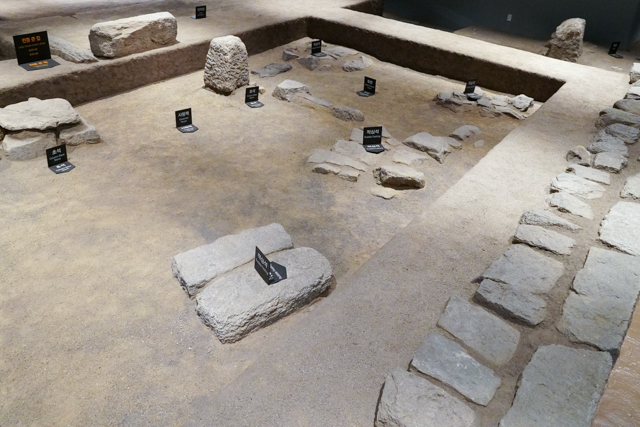
Column Base Stone
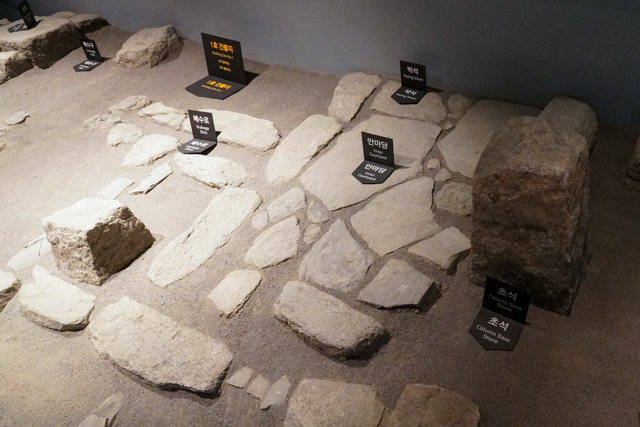
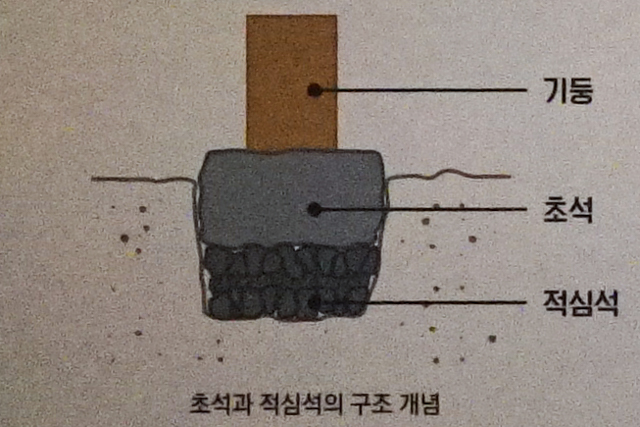
The column base stone protects wooden columns from the moisture on the ground and carries the weight of the building to the ground. When placing the column base stone, it is necessary to compact the ground with sand and pebbles. These pebbles stabilizing the ground are called Jeoksimseok. Even after the demolition of buildings, Jeoksimseok stones often remain at the site. Therefore, when excavating, the overall size and structure of the building can be estimated based on the column base stone and Jeoksimseok.
Building Site No 1 (IV-22)
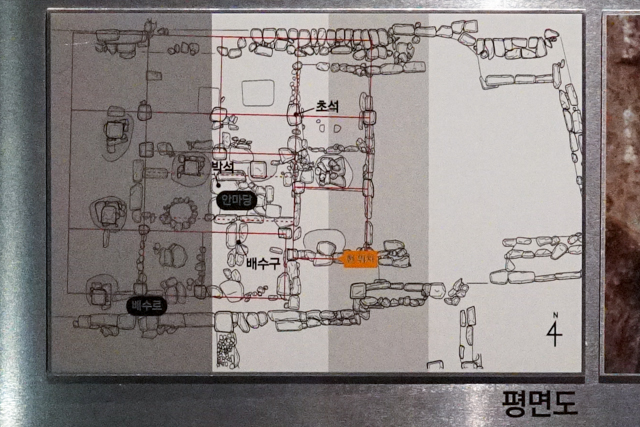
This is a ‘▭’-shaped house. Compacting stones, column base stones, and Gomaegi which becomes a foundation for walls were discovered. The small inner courtyard was 4.9 m by 1.1 m, and it had a flat stone pavement. To the southern (left) part, a drainage hole of 24 cm width was found. Three bays of the building’s eastern part, the stone pavement of the courtyard, and some parts of drainage are reconstructed.
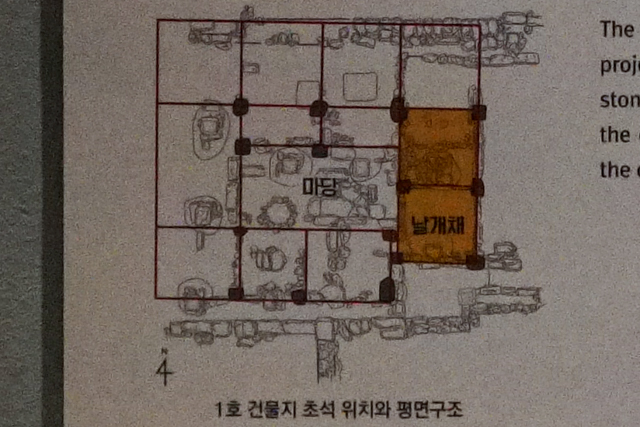
The west boundary of building site no.1 was located outside of [the] project site, but we could guess its floor plan based on the column base stones investigated. The building was a ▭-shaped house surrounding the courtyard, and two-bay wing of the east side was identified with the column base stones.
Building Site No 2 (IV-23)
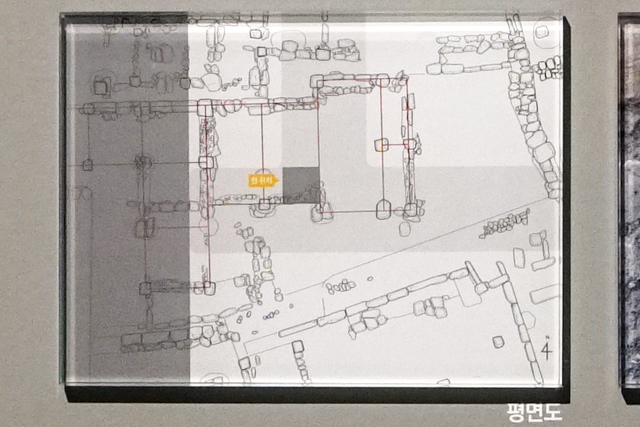
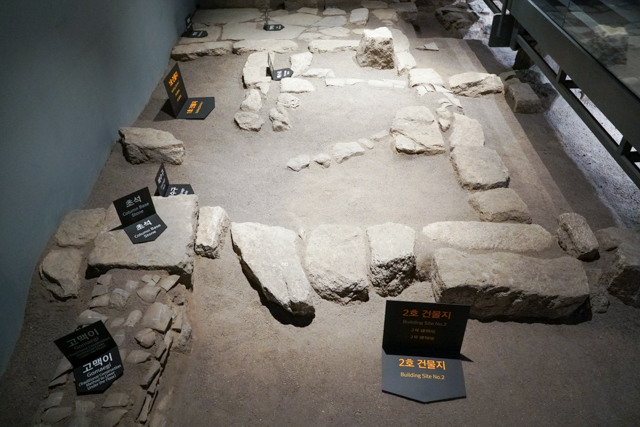
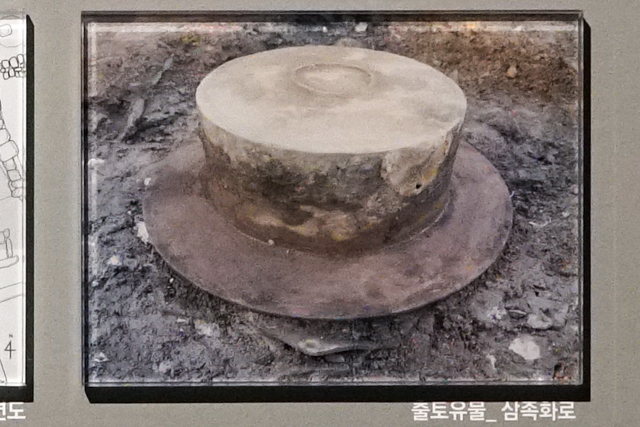
This house had a ‘┒’-shaped building with a ‘—’-shaped house attached to its eastern side. The ‘—’-shaped house has three and a half front bays by two side bays. Since the inner column bays were missing, it is presumed that users intentionally eliminated the columns for a wider open space. The western part of the ‘┒’-shaped house site expanded over the outside of new construction. At this house site, a bronze tripod brazier was excavated, but two legs were missing. The eastern part of the building was restored to the right and left of the deck.
Building Sites No 3 and 4 (IV-20-24)
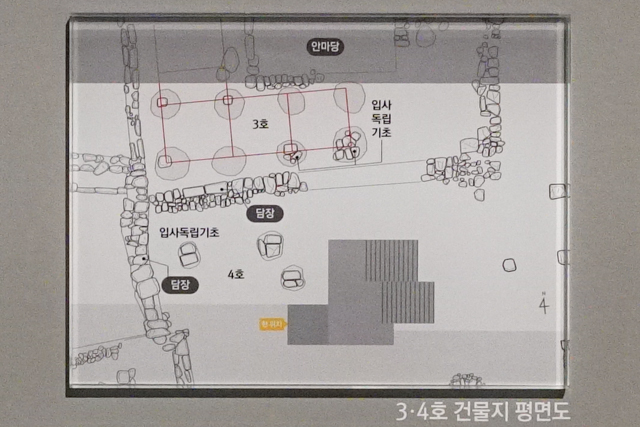
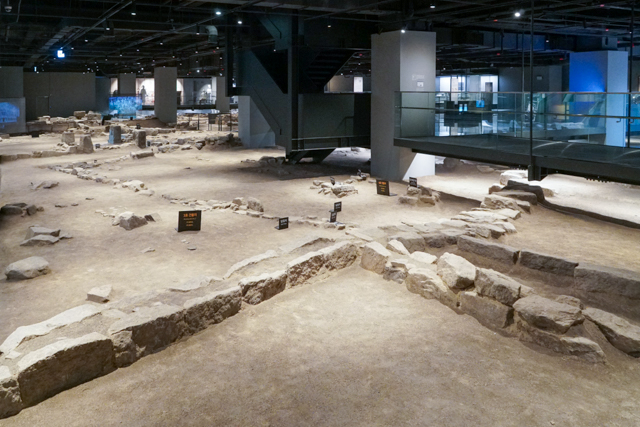
The building site No. 3 had two ‘┒’-shaped buildings facing each other to form a ‘▭’-shape. It had a courtyard of 5.1 m by 3.6 m. the cast-west direction and north-south direction respectively. Only a part of the surrounding walls and footings of the site’s southwestern side were restored due to the conflict with new construction.
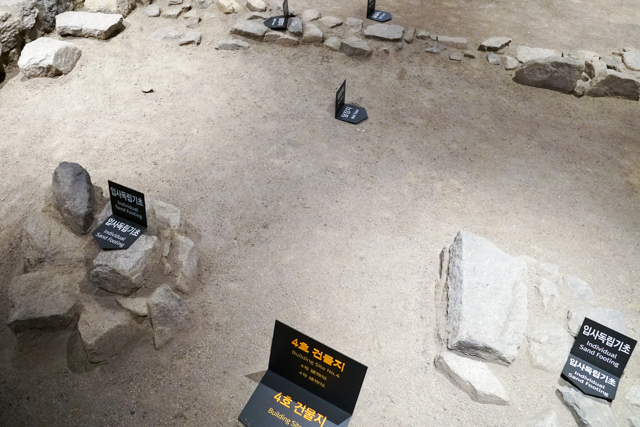
The building site No.4 was largely destroyed, leaving only three individual sand footings.
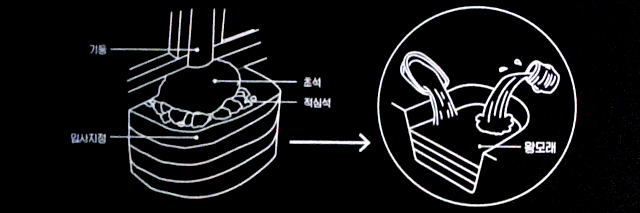
Ipsa-Jijeong (Sand Foundation)
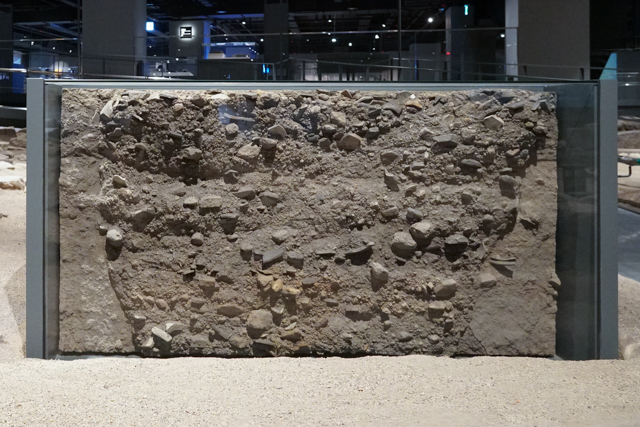
This foundation was excavated at the building site no 10 of Gongpyeong-dong sites. It strengthens the unstable ground to rect structures. Ipsa-jijeong is a type of construction methods in which workers dig a pit and tramp the ground by pouring water and sand in sequence to harden the foundation. This individual foundation is exhibited as it was excavated, showing the foundation construction method of early Joseon Dynasty period.
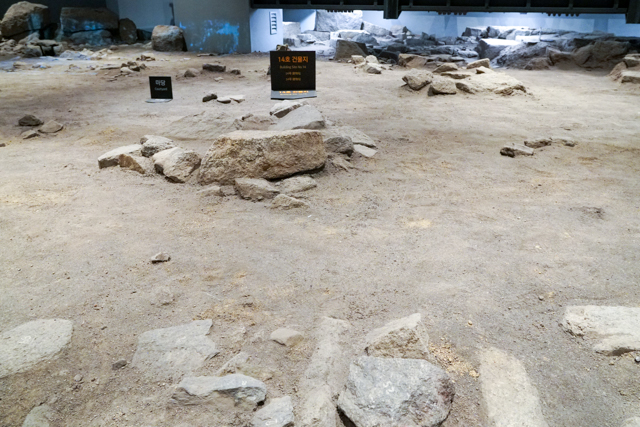
Building Site No 14 (IV-7)
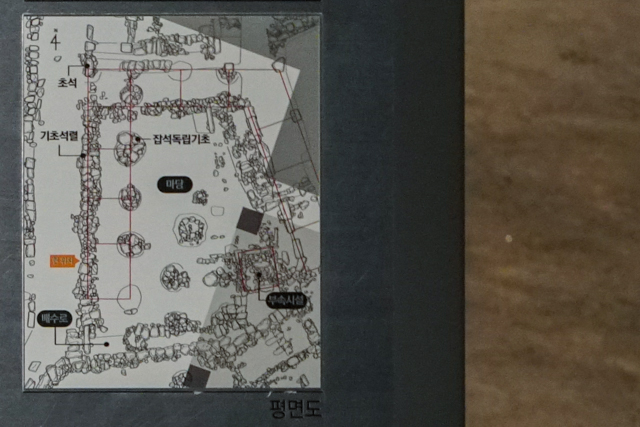
This building is ‘┒’-shaped but mostly destroyed. Along the northern and western boundaries of the site, individual sand footings were excavated. In the central part of the site, traces of surrounding walls were discovered. The foundation stones were formed in two parallel rows of rectangular stones of 38 to 72 cm in length. Wood piles were used as the foundation of modern buildings.
Building Site No 15 (IV-15)
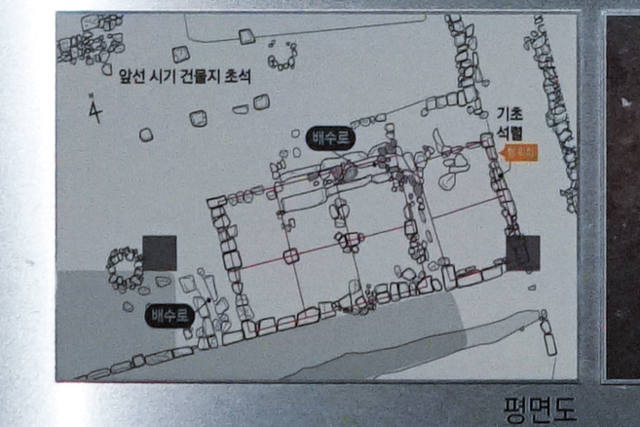
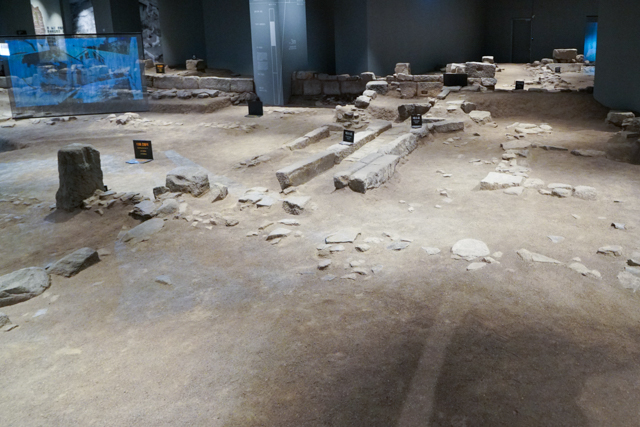
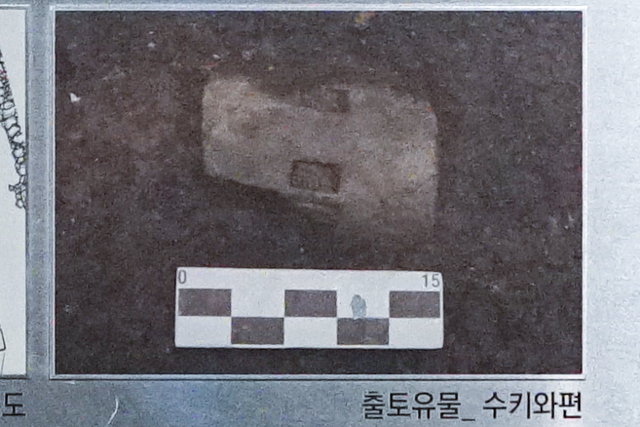
There is one building site for a ‘—’ shaped house of three front bays by two side bays. Then, to its eastern side, there is another building site for a house of two front bays and one side bay. Along the boundary of the site’s eastern side and the alleyway, a row of foundation stones for a building’s wall was identified. Also, there was a drainage the northern and western part. Outside fo the sites northwestern direction, excavated column base stones were restored.
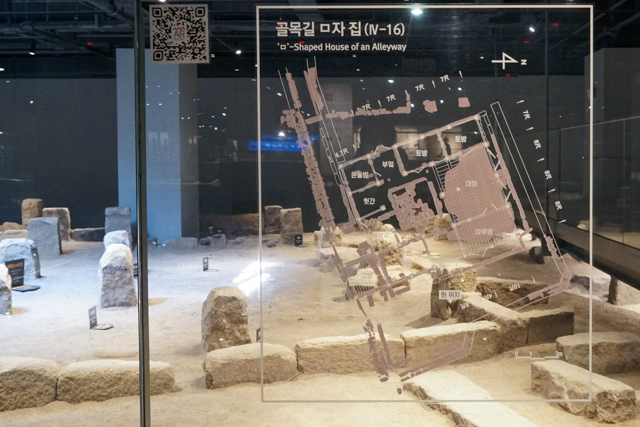
‘▭’-shaped House of an Alleyway (IV-16)
Building Site No 17 (IV-5)
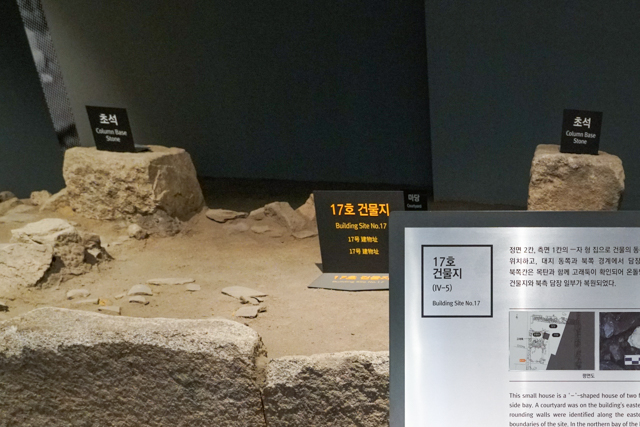
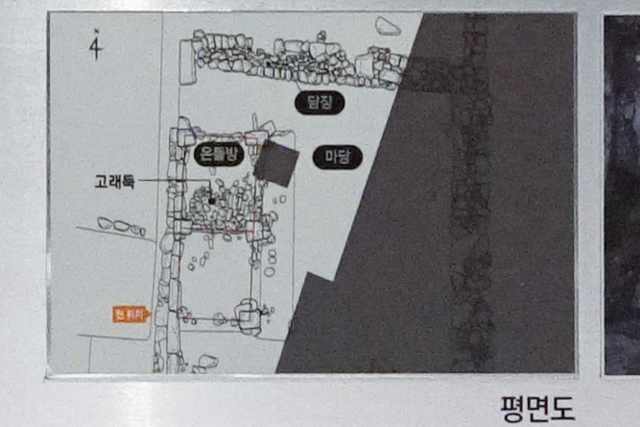
This small house is a ‘—’-shaped house of two front bays by one side bay. A courtyard was on the building’s eastern side, and surrounding walls were identified along the eastern and northern boundaries of the site. In the northern bay of the building, a funnel embankment with charcoals was identified so that it is presumed to be an ondol room. A building site and a part of northern-surrounding walls were reconstructed.
Small House at Imunan-gil
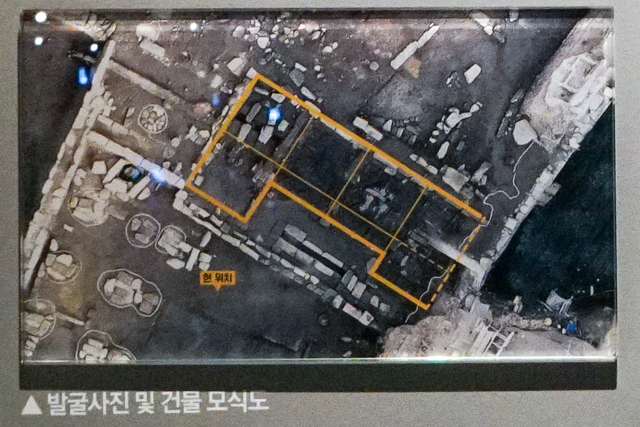
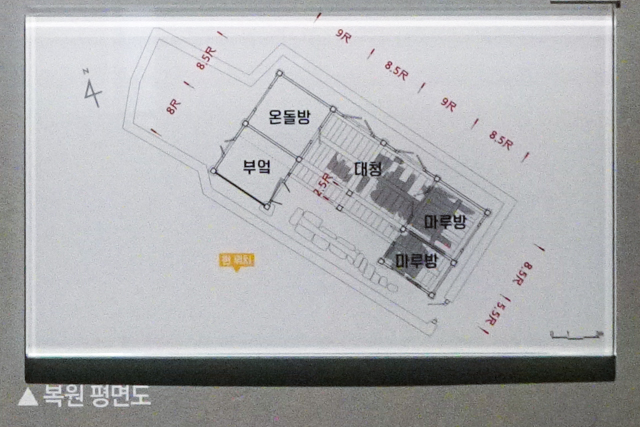
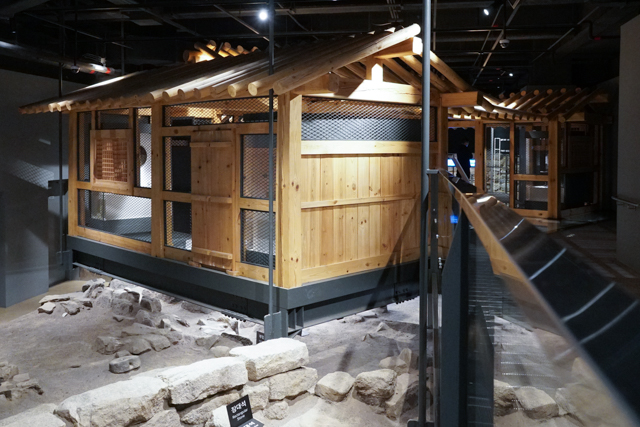
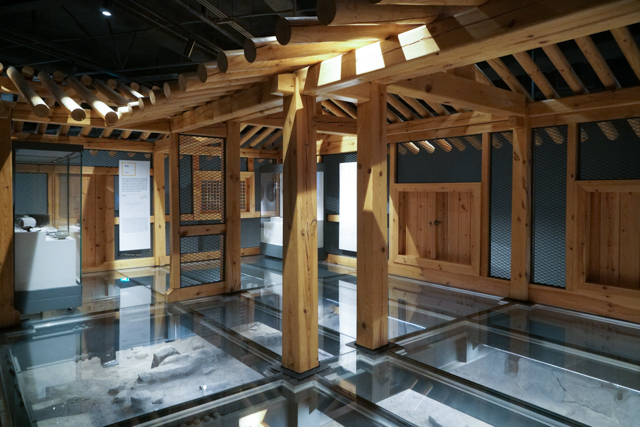
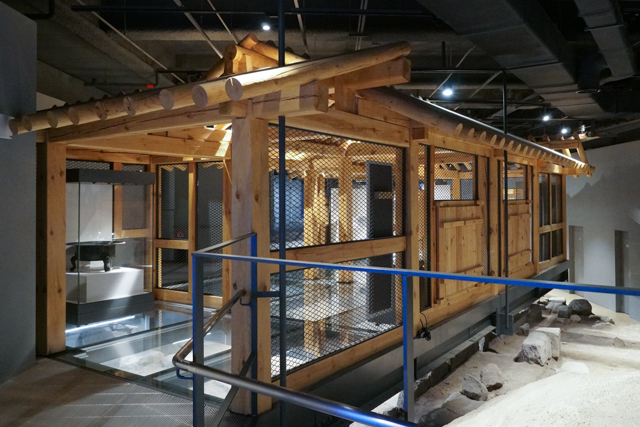
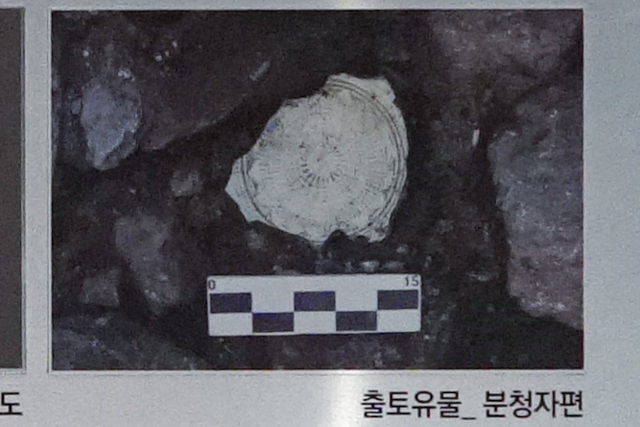
Small house at Imunan-gil is an exemplary case that shows the development process of Hanok during the early Joseon Dynasty period as its all floor types, including Ondol, Maru, and kitchen with furnace, are excavated. It is a small house of only 6 bays, but the size of wooden floor plates, the use of drainage system, column base stones, their connecting stones, and its position adjacent to the big street allow us assume its formalized style as a tiled roof house. The middle bay and right bay of the main wing are found to be Maru rooms as their Umulmaru, a traditional way of wooden flooring, was found. For the left bay, some parts of underground Ondol system were discovered. So, it seems to be an Ondol room, but the stones forming the tunnels are bigger and the interval of the tunnels is wider than those of the later Joseon Dynasty period. Its next bay is assumed to be a kitchen as we found the trace of a furnace.
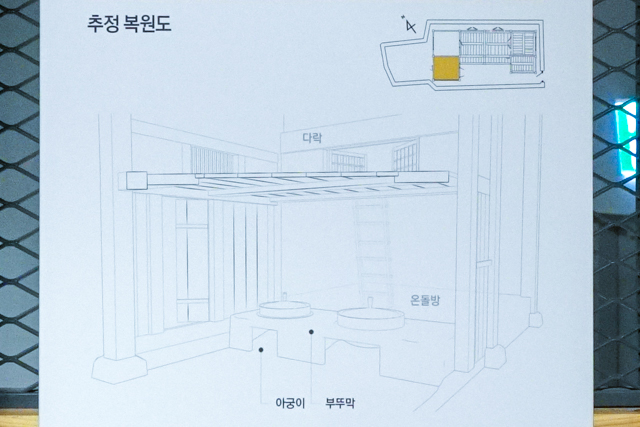
The kitchen is a place where fire and water are handled frequently. Either the original earthen floor was used as it was, or ashes were laid and tramped to harden the ground. The kitchen could be put anywhere in the building. However, since the mid-Joseon Dynasty when Ondol was first disseminated, people began to use a pot furnace which could be used for both Ondol and cooking. So, the kitchen became naturally attached to the main room. The kitchen was not only a cooking area, but also a storage area for dishes, pots, and groceries. The kitchen was an indoor space, but people used with their shoes on because it served as a passage connecting the front court and the rear yard of the house as well. Also, its door was often built as double wing door for convenience.
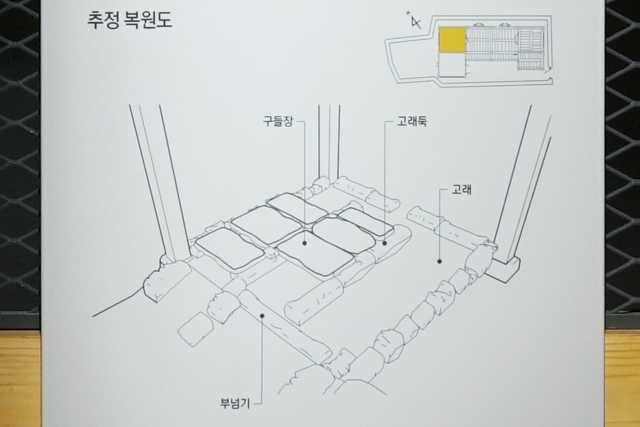
Ondol is a floor heating system that warms a room as hot air from a furnace passes through gudeul, an underground floor heating structure. The early Ondol was a partial Ondol with the gudeul installed only on some parts of a room. Then, the area with gudeul got bigger, and by the mid-Goryeo Dynasty period, all-floor Ondol with the outside furnace appeared. By the mid-Joseon Dynasty period, this kind of Ondol was widely disseminated. Due to Ondol, major changes in housing architecture took place as well. A sedentary lifestyle was settled, and the floor level was differentiated between the kitchen and rooms to allow the space for Ondol system below. Moreover, non-straight buildings such as ┒, ⊏, ▭-shaped houses were developed to let people move inside without taking off their shoes.
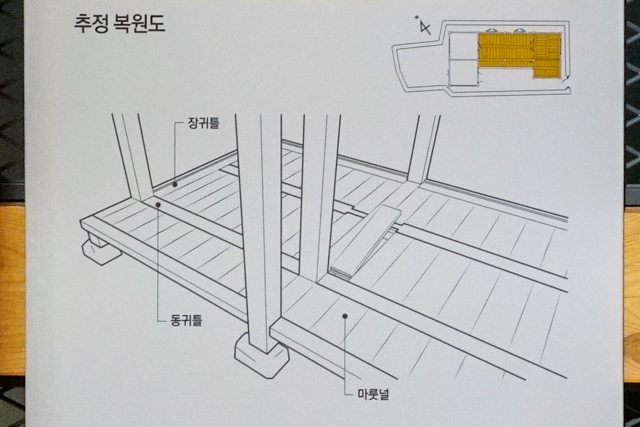
Maru indicates either a wooden door or space made of the wooden floor. Some types of maru include Jangmaru on which long pieces of wooden boards are laid side by side, and Umulmaru that is cross-shaped with short pieces of wooden boards. In Korean housing, maru has developed with unique meaning and function as it has been combined with Ondol rooms. Room of maru was especially cool and thus used as a major living place during summer. The large wooden floor in the centre of the house was called Daecheong-maru, which also hosted major family events, including a wedding ritual. Maru was also used as Numaru, a raised wooden floor, and an attic because its height could be adjusted freely. In addition, maru was laid on the floor of warehouse to avoid moisture. Prior to the widespread use of Ondol, various rooms in the house were composed of maru.
Alleyway of Jeon-dong
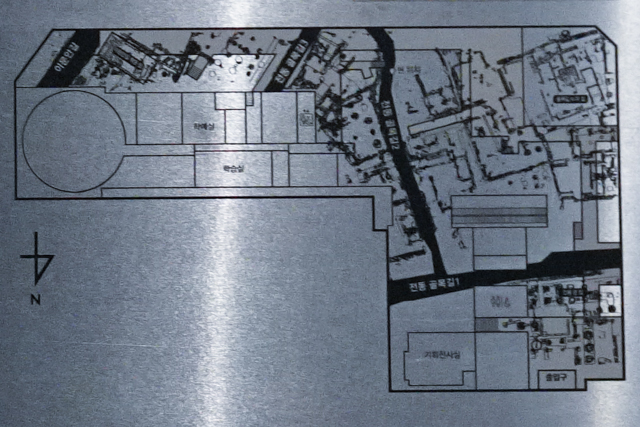
Three alleyways were discovered in Gongpyeong-dong sites. They are about 210 to 305 cm wide. During the excavation survey, traces of small roads diverged from these alleyways to connect neighboring houses were found. These small roads repetitively appeared and disappeared throughout the history from the early Joseon Dynasty to Japanese colonial period. However, three alleyways of Jeon-dong were excavated at the same position in all occupation layers.
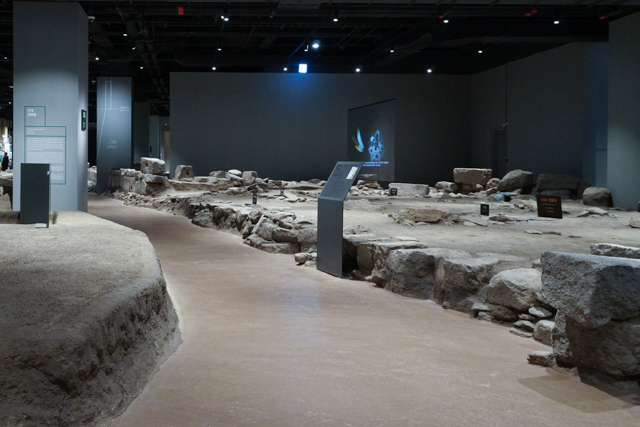
The ground level of Jeon-dong alleyway restored and exhibited here corresponds to the occupation layer IV which is from the 16th century to the 17th century. It was located at an altitude of 25.3 m at the time of excavation. However, since this museum is located on the first basement floor, it was restored at an altitude of 22.28 m which is lower than the actual excavated ground level. So, the excavated level and the exhibited level have a difference of about 3 m. Meanwhile, the ground level of modern Gongpyeong-dong during the 19th century to early 20th century was about 2 m higher than the 16th to 17th century’s ground level.
Transformation of Sijeon Street in Modern Gangpyeong-dong
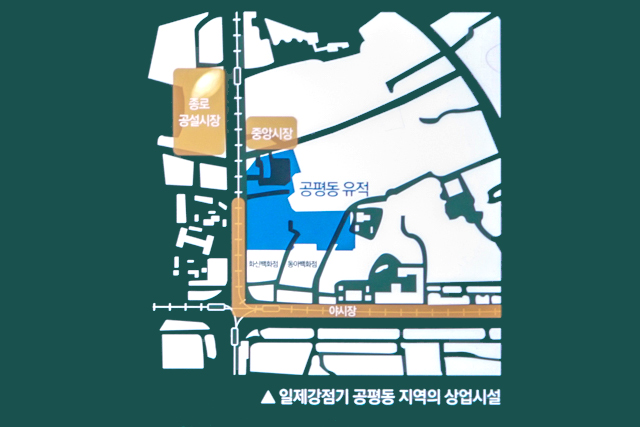
Although Sijeon street served as a city center and major marketplace of Seoul even during the modern era and after Japanese colonial period, its function and space were transformed gradually. In 1906, a private central market was established in 5 Gongpyeong-dong. flourishing until its demolition in 1918. Then, in a large site right across that area, a Jongno public market was established in the next year. From 1916, a night market was prosperous from Jonggak pavilion to Jongno-3-ga and present Ujeonggungno area. It was thriving until the shutdown in 1940 due to the wartime blackout policy. As modern markets appeared, commercial areas have expanded spatially. Also, areas previously sold agricultural and marine products and craftworks during the Joseon Dynasty period began to be occupied by stores selling industrial products such as fur, mosquito net, or cushions. Later, a new type of market like Hwashin and Dong-ah department stores appears in this area, too. People could buy a variety of products at one place now.
Modern Gongpyeong-dong
Gyeonpyeong-bang of the Joseon Dynasty was renamed Gongpyeong-dong as the administrative district was reorganized in 1914. In 1936, its name was changed to Gongpyeong-jeong, and after liberation, it became Gongpyeong-dong again in 1946. In this period, various modern facilities such as law office, architectural office, print shop, and public halls were newly established in the streets near Gongpyeong-dong sites. Also, a beef soup restaurant, tavern, prostitute bar. or geisha union were there for commoners. On Sijeon street adjacent to a wide boulevard, stores selling industrial products appeared more, and night markets, public markets, and department stores were established, changing the overall atmosphere of the Joseon Dynasty’s Sijeon (marketplace) area.
Building Process of the Joseon Dynasty
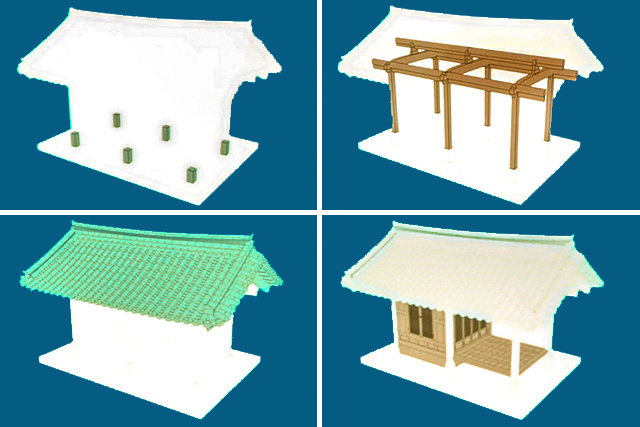

A landlord and a carpenter shall discuss the specific shape and size of the house and prepare artisans and necessary materials such as wood and stone. After the preparation, the ground-breaking ceremony is held to show courtesy to the god of the earth so that the construction can proceed smoothly. At the construction site, stoneworks for the foundation and column base are performed, while carpenters cut and trim wooden members at their workplace.
The trimmed wooden members are moved to the site and put together. First, a column is placed on the column base stone, and then, a roof structure is assembled. When the top purlin is put on, the overall framework is finished. On the day of the framework completion ceremony, a big feast is held to celebrate. A document containing the construction history and wish of the landlord is inserted into the top purlin, or similar contents are written directly on the bottom surface of the top purlin.
Following the completion of the framework, rafters are fixed perpendicularly with nails over the rows of upper purlins and lower purlins. When the roof frame is finished, it is covered with wooden plates to flatten the roof surface. Over the plates, foundation soil, pan tiles, and cover tiles are laid in order. These layers form the majority of the roof s weight which is transferred to the columns to firmly fix the whole building frame.
Next step is making walls and floors. The walls are made of lathwork filled with earth on both sides. The basic frame of windows and doors is done by carpenters on site, and actual doors are made by cabinetmakers separately. Then, finishing work is done for the floors, handrails, and ceilings, and gudeul is installed for Ondol.
Final step is oil coating with bean oil or perilla oil and wallpapering. Also, foundation stones and drainage systems are organized to prevent flooding and puddle. Surrounding walls are installed, and the platform for jars containing cooking ingredients is prepared. At the end of the entire process, guests are invited for the completion ceremony.
Roof Tiles and Bricks
Most of roof tiles excavated from Gongpyeong-dong sites are either pan tiles or cover tiles A few of end tiles were discovered as well Some roof tiles had inscriptions such as ‘管’, ‘別左’ , ‘黄’ and ‘申’. Royal Kiln in charge of making white porcelains for royal court and governing offices often inscribed such characters. So, it can be seen that these tiles were also produced by the royal roof tile maker.
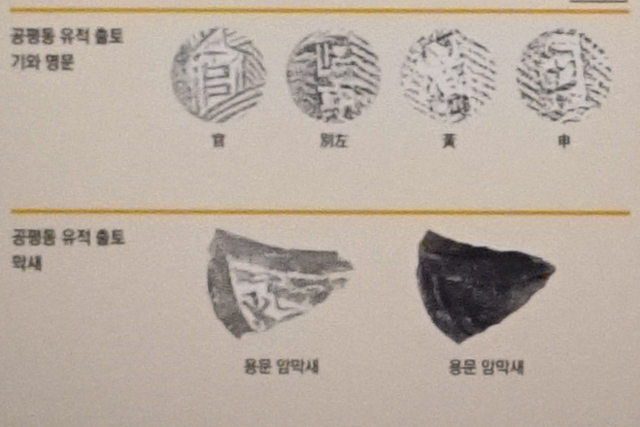
During the Joseon Dynasty period, end pan tiles and end cover tiles used for royal palaces had dragon and phoenix patterns. Some of those tiles were also excavated from Gongpyeong-dong sites since the site is near the royal palace and other relevant buildings. Other than roof tiles, various types of bricks were excavated. Most of them were square or rectangular-shaped. A few of them were in octagon shape with a circular hole in the center During the loseon Dynasty period, many types of bricks were produced according to their use
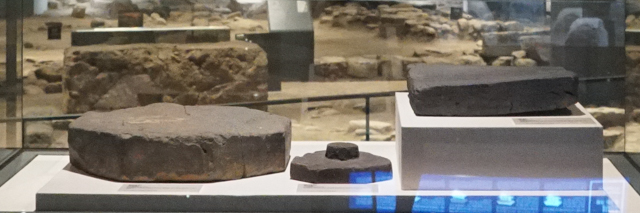
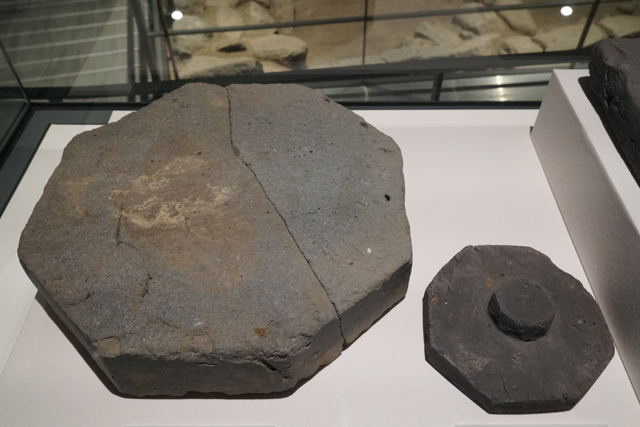
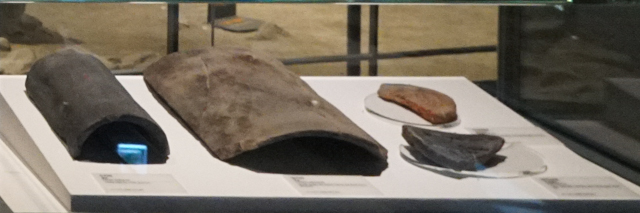
Giwa is the roof tile made of baked soil to cover the roof. In Korean traditional architecture, these roof tiles are divided into cover tiles and pan tiles. A pan tile, a tile with a concave center layered for creating a furrow, is made large and wide enough to form a surface. Pan tiles are placed tightly on the roof and cover tiles, shaped of a hollow cylinder cut in half, cover the gap between furrows made of pan tile rows.
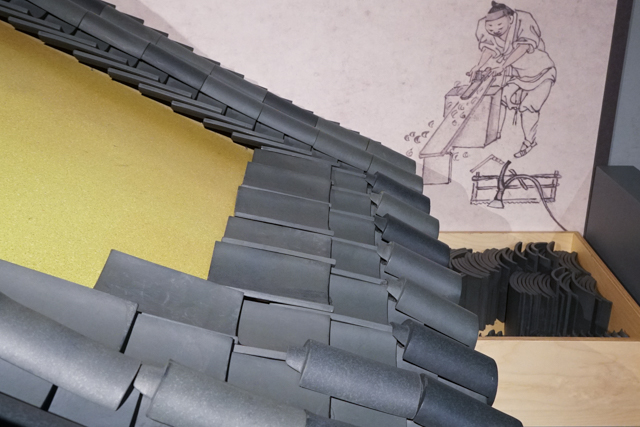
This was an interactive display teaching visitors how the roof tiles were placed.
- First arrange the pan tiles with the concave side facing up and overlap them from the bottom to the top of the roof.
- Each row parallel to each other should be tightly placed from side to side.
- Next, place the cover tiles with the convex side facing up to cover the gap between furrows made of pan tile rows from the bottom to the top.
Metal Fittings for Windows and Doors
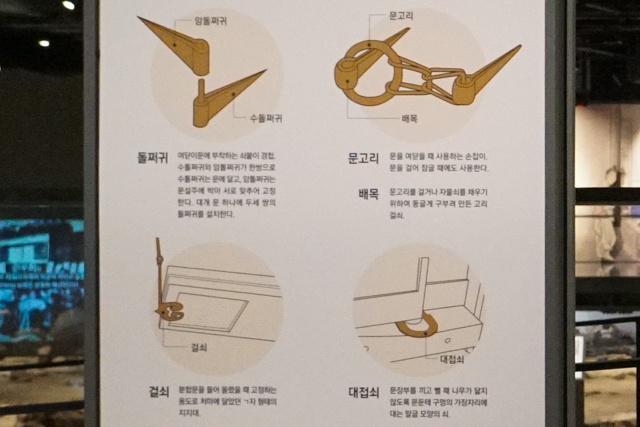
Various metal fittings excavated from Gongpyeong-dong sites were produced or used from the early Joseon Dynasty period to the modern era. Among them, there were many metal fittings for windows and doors used for buildings of the Joseon Dynasty period. They give clues for not only the style and function of windows and doors but also the opening and fixing methods.
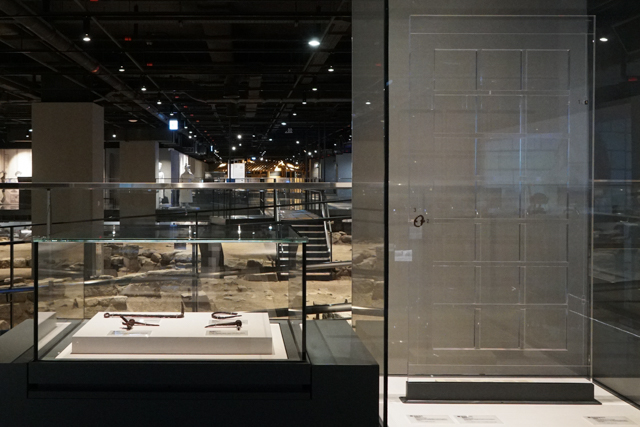
Jindangu
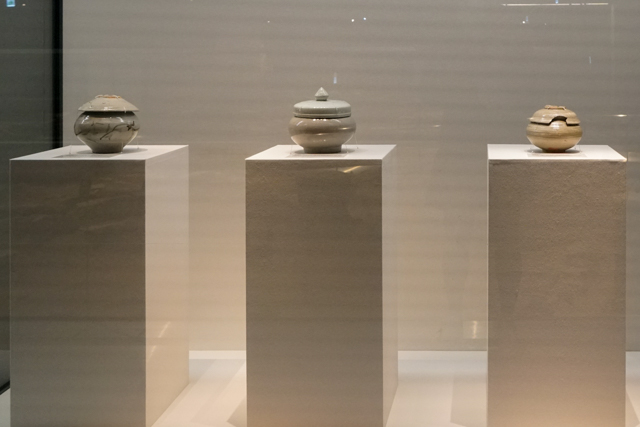
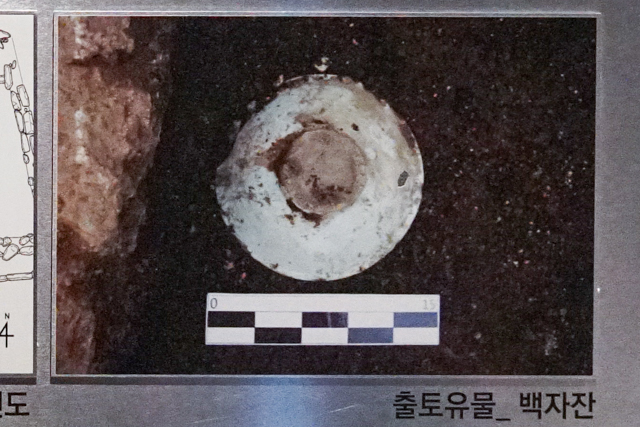
Jindangu is an item to be buried in the ground to pray for safety and prosperity to the earth or the god before the construction begins. In the Joseon Dynasty period, a pot with a lid was often used as jindangu. However, contents were not identified until now. For the pot, various materials such as pottery, grayish-blue-powdered celadon (Buncheong-ware), and white porcelain were used, and the lids were plates made of white porcelain and grayish-blue-powdered celadon, roof tiles or even flat stones. Some jindangu pieces were excavated from Gongpyeong-dong sites we well. While most of jindangu excavated from Jongno-area, including Cheongjin-dong, were of the early Joseon Dynasty period, one of jindangu excavations from Gongpyeong-dong sites was a white procelain pot with iron oxide painting made in the 17th century.
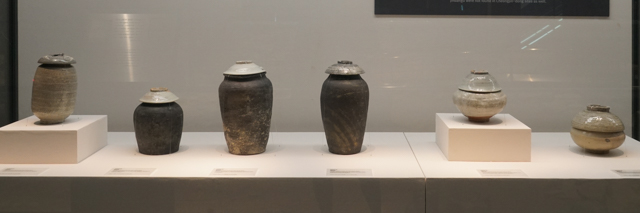
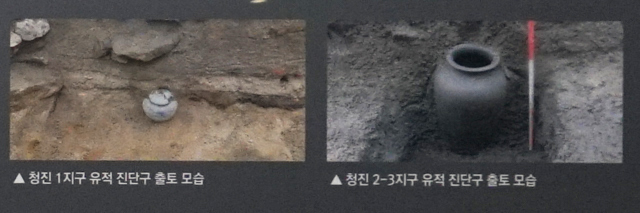
In Cheongjin-dong sites neighbouring Gongpyeong-dong, a number of jars were excavated under the building walls and the fence. These jars are presumed to be Jindangu. These jindangu sets consisted of grayish-blue-powdered celadons, white porcelain plates, bowls, roof tiles, and flat stones. However, in Gongpyeong-dong sites, both jars and lids were mostly made of white procelains in a set. The contents of jindangu were not found in Cheongjin-dong sites as well.
The most thriving marketplace of the Joseon Dynasty, Sijeon Street
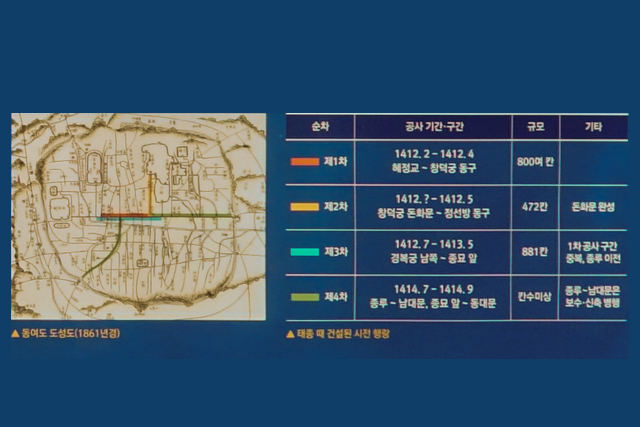
Development and change of Siljeon during the Joseon Dynasty
In Gyeonpyeong-bang district, Unjongga, a centre of Sijeon, was located during the Joseon Dynasty period. Gongpyeong-dong sites were the traces of buildings to the north of this city center. Sijeon arcade was established from February in 1412 to 1414 throughout many phases. The building for Sijeon arcade was constructed step by step according to the need for expansion, reaching a total of 2,000 bays in its heyday. In order to prevent chaotic commercial activities, the state built the store buildings and lent them to merchants. These buildings were called Haengnang of Sijeon, which meant Sijeon arcade. A number of arcades were built for various purposes in Hanyang at that time. Among them, one from Hyejeonggyo bridge to Jongmyo shrine and another from Jongno to Gwanggyo were used as Sijeon arcade. It corresponds to the present area of Jongno 1 -ga to 3-ga and Namdaemun-ro street. In 1472, Sijeon area was expanded as current Jongno 4-ga area was added. Haengnang buildings had been already there since 1414, and only those functions were switched into Sijeon. Almost all Haengnang of Sijeon were demolished during Japanese Invasion of 1592. Serious restoration process began in the early 17th century. In the early 18th century, goods traded in Sijeon were registered, a change that brought out the appearance of exclusive rights for certain merchants. By the 19th century, other stores and individual merchants joined the commercial market so commercial activities were vitalized in other areas than Sijeon as well.
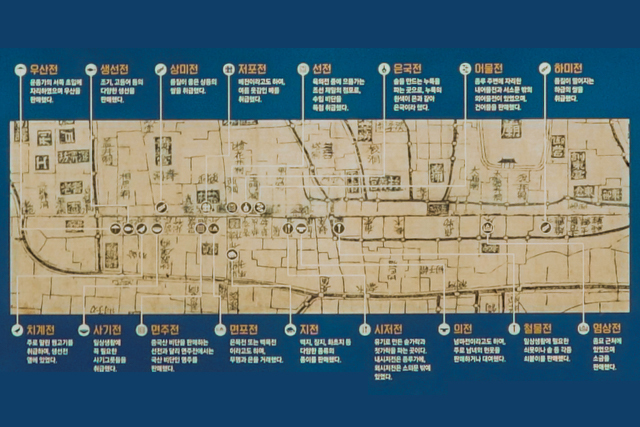
Types and Distribution of Goods
Sijeon played a role of selling household goods to citizens and procuring goods that the government needed. In addition, it also sold the remains of the goods that the government received as a form of tribute and some of the Items brought by a Chinese envoy. During this process, the types and Items of objects traded at Sijeon were Increasingly diverse. In the early stage, there were little difference In size and business among each of Sijeon, but gradually, Sijeon with strong economic and social status appeared. Among them, six types of Sijeon that sold silk, silk fabric, cotton, hemp cloth, paper, and fish were specially called as Yuguijeon. They were given the privilege of the government’s exclusive purchase and sales right of selected goods, along with the obligation of procuring the goods that government requested. Goods of Sijeon went through several steps of distribution. First of all, when regional wholesale merchants from Gaeseong or Uiju came with the goods, they passed the items to the middlemen in Hanyang. Then, these middlemen sold the items to Sijeon merchants. Sijeon merchants either sold the products directly to the consumers, or traded them to intermediary sellers. Intermediary sellers sold the goods to the consumers or peddlers.
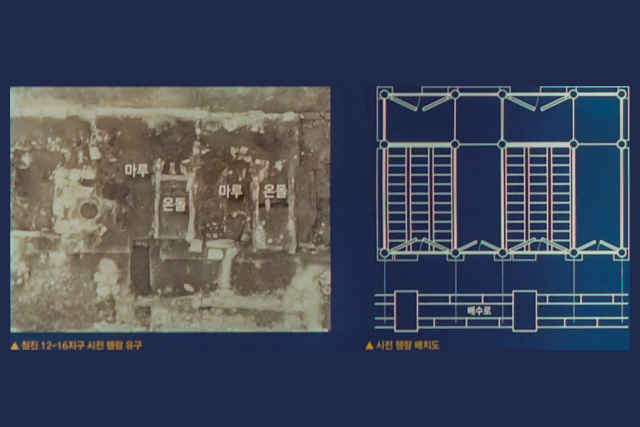
Merchant Organization and Structure
Each of large Sijeons, such as Yuguljeon, consisted of Do|ung, a merchant organization. This organization was in charge of procurement to the government and monopolized the right to sell goods. All the Sijeon merchants joined Dojung to become members and were entitled by strict screening. The joining process differed between those related by blood with original members and those not-related. In case of related people, when one becomes 15 years old, he came to work at Sijeon to learn about commercial activities and started preparing for the family business. However, non-related people were able to join through a voting system of the general committee In which If there were more than three objections, they were not allowed to join. Members who joined in midstream were oMIged to aMde by the rules and bear the expenses of repairs, condolences, and meetings. Sljeon building consisted of Haengnang where goods wore sold and Doga which served as the office and warehouse. Haengnang building was usually constructed with two stories of wooden structure with tiled roofs. Its first floor was used as a shop and the second floor as a warehouse for goods. The records of fire In 1840 depicts the loss of 133 bays of Jeopojeon (hemp clothing store), 50 bays of Jinsajeon (strap store), 120 bays of Sangjeon (general merchandise), and Ipjeon (silk store). Therefore, It Is estimated that the size of Yugulleon arcade used to be at least 100 bays and even small-slied Sijeon arcade to be at least 20 to 30 bays.
Various Commercial and Industrial Commodities
In the Gongpyeong-dong sites, a number of commercial and industrial commodities were discovered, demonstrating its location behind Sijeon, the marketplace of Hanyang. Among them, coinages took the most part; the majority of them were Sangpyeong Tongbo, coins used inside Hanyang since the second half of the 17th century.
On Sangpyeong Tongbo, some characters were inscribed, indicating where these coins were issued; some examples are Hojo, Hwanghae Gamyeong, Jinhyulcheong, Tongwiyeong, and Chongyungcheong. Furthermore, Qing dynasty coinage of China and Edo period coinage of Japan were excavated in Gongpyeong-dong sites while Vietnamese coinage was found in Cheongjin-dong sites. Therefore, it is presumed that coinages produced by many different agencies and even other countries were traded in Hanyang.
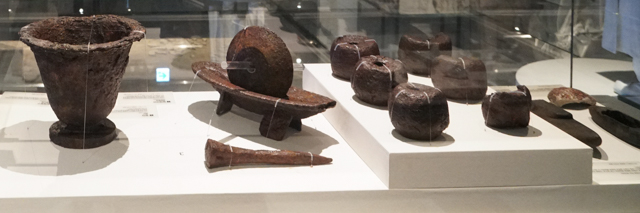
Meanwhile, various materials and tools regarding the production of Sijeon’s commodities were excavated. Among them, there were many circular iron pieces, which were raw materials of iron products as well as used as coinages. In Gongpyeong -dong 65, wheel-shaped pestles made of iron were discovered. They are wheelshaped metal pieces used with mortar to make powder. Other than those, iron chisels, an iron pendulum which was 20.7 cm in height and A.5 kg in weight, and a weaver s shuttle made of wood were also excavated.
Blue and White Porcelains Imported from China
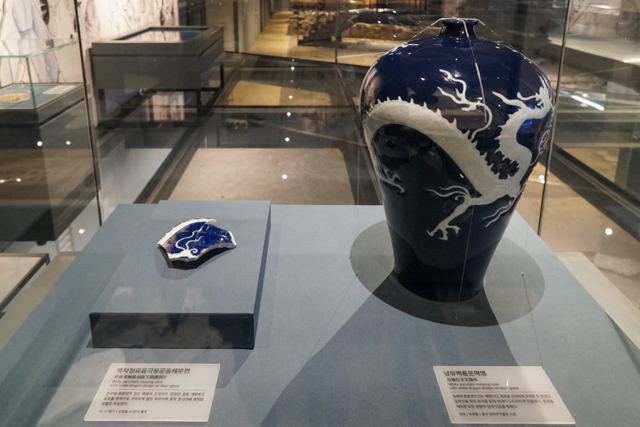
In Gongpyeong-dong sites, a number of blue and white porcelains imported from China were excavated. The Joseon Dynasty started to produce them in the mid 15th century. These porcelains which had blue patterns on white porcelains were very popular among people. However, cobalt pigments used for painting patterns were imported from China, contributing to expensive price of blue and white porcelains at that time. So, very few people were able to use white porcelains made in Joseon. The wealthy of Hanyang, who had difficulty in finding those made domestically, used Chinese ones instead. There were so many blue and white porcelains imported from China that the authorities banned the use of them to prohibit extravagance and indiscriminate consumption of Chinese products.
White procelain prunus vase with incised white dragon design on blue-glaze.
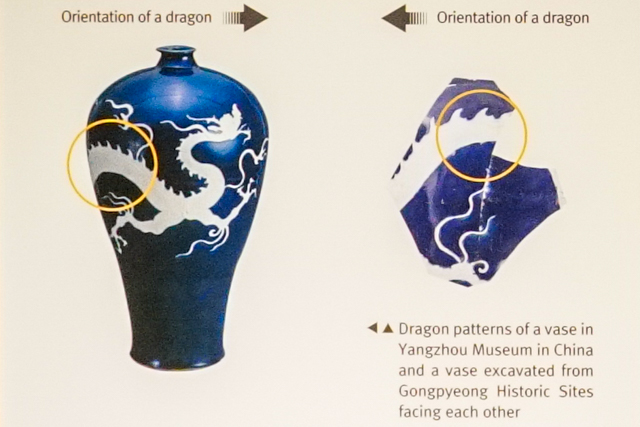
A shard of white porcelain prunus vase with white porcelain prunus vase with incised white dragon design on blue-glaze excavated from Gongpyeong-dong 45 is presumed to be a high-quality white porcelain produced during the Yuan Dynasty. All the parts except the dragon pattern on the outer surface were coated with blue glaze and a transparent glaze for final coating. In Korea, there have been no reports on the excavation of blue and white porcelain from the Yuan Dynasty until now. Especially blue-glazed prunus vase is very rare that similar artifacts are housed in the Summer Palace in Beijing, the Yangzhou museum in China, and the Guimet Museum in France. Excavated from Gongpyeong-dong sites is a very small fragment, but it is expected to demonstrate the porcelain trade between not only the Joseon Dynasty and the Ming Dynasty, but also the Goryeo Dynasty and the Yuan Dynasty
Daily Supplies
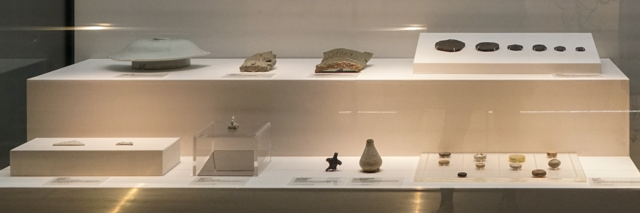
From Gongpyeong-dong sites, various types of artifacts assumed to be us by people of various social classes were excavated. The most common types were white porcelains, especially the ones without decorative patterns. Also, white porcelains with inlaid designs, celadons, greyish-blue-powdered celadons (Buncheong-ware) and black-glazed ware pieces were excavated. A white porcelain flat bottle and a jar lid seem to be produced by the royal kiln. For porcelains, a bowl is the most common type, but various goods such as traditional ornament, pots, stamps, chairs, and dolls were made with porcelain because it was easy to shape and became very hard after kiln firing. On the other hand, there are some artifacts whose functions are unknown. Circular coin-shaped earthenware pieces are excavated at various relic sites in Seoul. There are many assumptions about the function of these pieces, such as a marker for a board game or a token. But. nothing has been clearly revealed yet.
Ritual Utensils
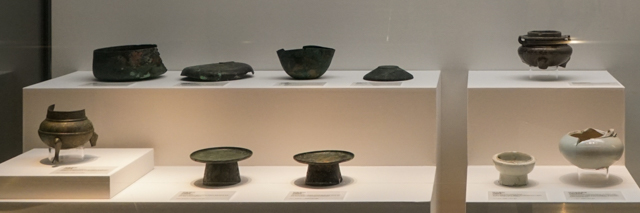
The largest amount of artifacts excavated from Gongpyeong-dong sites is ceramics. Ceramics are categorized into two types, that are porcelains and potteries depending on the type of soil and baking temperature. Various products were made of ceramics, but the most common form was dishware. Bowls, cups, or plates were usually made of porcelain whereas containers such as a jar for storing water and food were mainly made of pottery. In the Joseon Dynasty, the fermented food culture was popular. Therefore there was a high demand for pottery jars for fermenting various kinds of sauce and food, in addition, large quantities of jars in various sizes were produced to store diverse materials such as grain and salted seafood. There were kilns for making pottery in Mapo and Yongsan near the Han River, a circumstance that proves the high demand for pottery jars around the city. Pottery jars of the Joseon Dynasty had wide openings to enhance durability and practicality. Meanwhile, glazed pottery was widely used in the late Joseon Dynasty period.
Porcelain with inscription
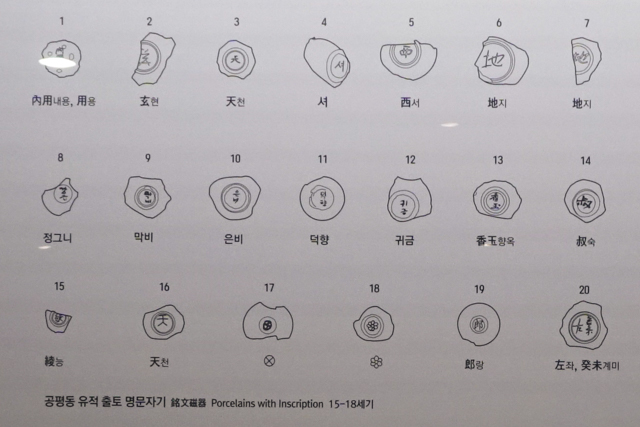
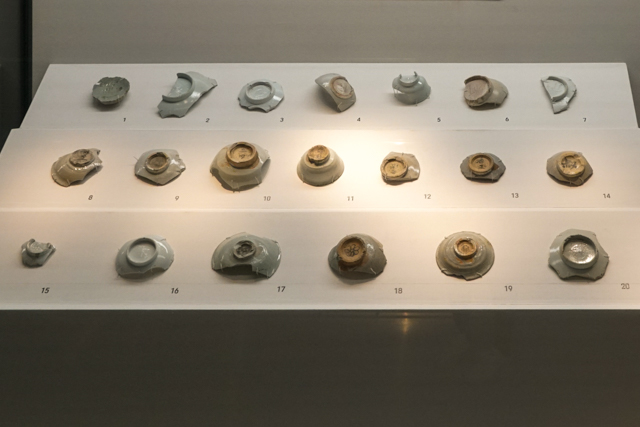
In Gongpyeong-dong sites, a number of inscribed greyish-blue-powdered white porcelains. and celadons were excavated. Inscriptions are characters or signs were inscribed on hard surfaces such as metal, stone, and ceramic. Inscription of greyish-blue-powdered porcelain implies the production site and where to be used: some examples include Naeseom, Naeja (内子), and Gyeongju (慶州). On the bottom part of white porcelains, inscriptions such as sky (天), earth (地), black (玄), yellow (黃), left (左), right (右) and special (別) were marked. These letters indicate that porcelains were produced by the royal kiln. Therefore, it can be seen that white porcelains made by the royal kiln were used in not only the royal court but also in surrounding areas of palaces. Sometimes, markings were written on the plates already in use. Many white porcelains excavated from Gongpyeong-dong sites had characters or signs on their bottoms written with black ink. Korean like Jyageun (쟈근), Makbi (막비), Eunbi (은비), Deokhyang (덕향), Gwigeum (귀금), and Makdeogi (막더기) were written. These are supposed to be the names of women. At that time, people borrowed dishware from neighbours or bowl rental shop which was a place for dish rentals when they had parties for family events. Therefore, inscriptions indicating ownership might have been necessary
Pottery
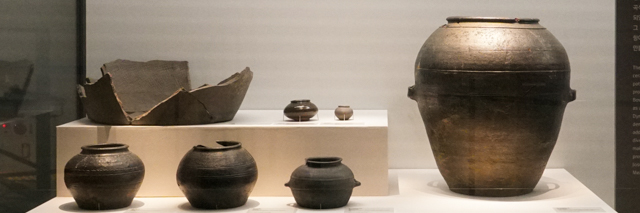
The largest amount of artifacts excavated from Gongpyeong-dong sites is ceramics. Ceramics are categorized into two types, that are porcelains and potteries depending on the type of soil and baking temperature. Various products were made of ceramics, but the most common form was dishware. Bowls, cups, or plates were usually made of porcelain whereas containers such as a jar for storing water and food were mainly made of pottery. In the Joseon Dynasty, the fermented food culture was popular. Therefore there was a high demand for pottery jars for fermenting various kinds of sauce and food, in addition, large quantities of jars in various sizes were produced to store diverse materials such as grain and salted seafood. There were kilns for making pottery in Mapo and Yongsan near the Han River, a circumstance that proves the high demand for pottery jars around the city. Pottery jars of the Joseon Dynasty had wide openings to enhance durability and practicality. Meanwhile, glazed pottery was widely used in the late Joseon Dynasty period.
Gongpyeong-dong street peoples
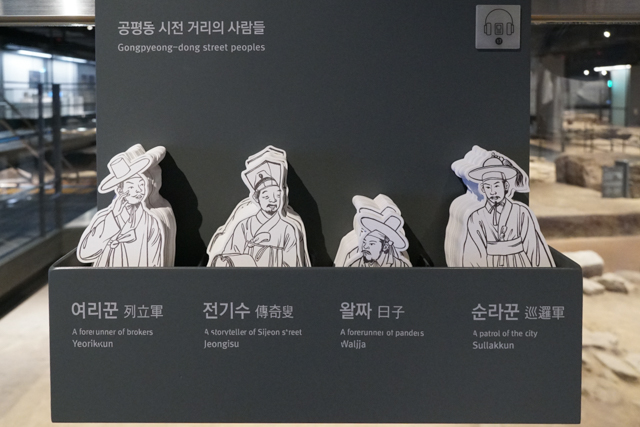
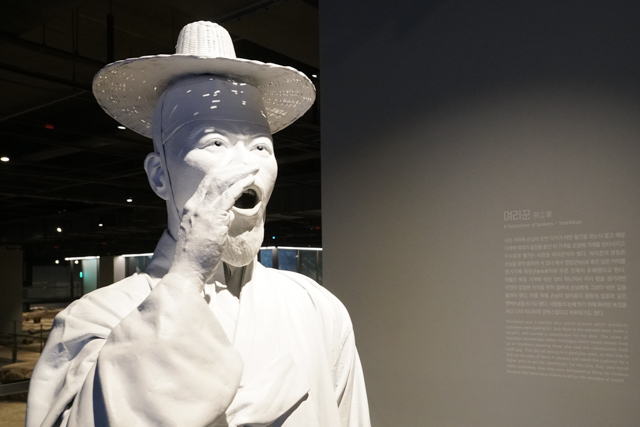
A forerunner of brokers – Yeorikkun
Yeorikkun was a person who asked around which products customers were looking for, took them to the relevant store, amde a bargain, and earned a commission for the deal. The name of Yeorikkun derived from either Yeollipgun which meant people lined up or Yeorikkun meaning those who took the commissions from profit gap. They did not belong to a particular store, so they had to find out the price of items in advance and ask the customer for a higher price to get the commission. For this trick, they used secret codes sometimes. Also they were demaned as being too frivolous because they wore fancy clothes to attract the attention of people.
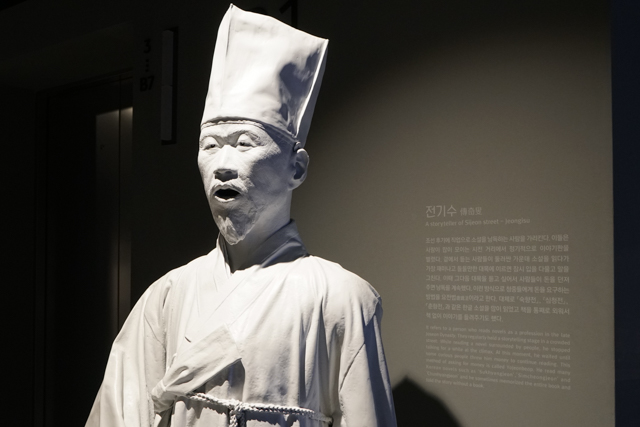
A storyteller of Sijeon street – Jeongisu
It refers to a person who reads novels as a profession in the late Joseon Dynasty. They regularly held a storytelling stage in a crowded street. While reading a novel surrounded by people, he stopped talking for a while at the climax. At this moment, he waited until some curious people threw him money to continue reading. This method of asking for money is called Yojeonbeop. He read many Korean novels such as ‘Sukhyangjeon’, ‘Simcheongjeon’ and ‘Chunhyangjeon’ and he sometimes memorized the entire book and told the story without a book.
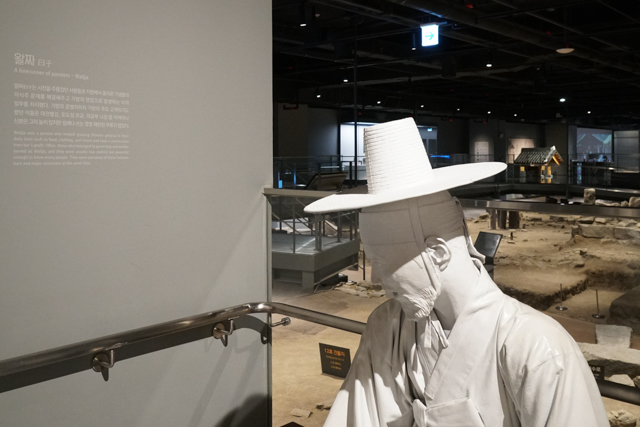
A forerunner of panders – Waljja
Waljja was a person who helped gisaeng (Korean geisha) in their daily lives such as food, clothing, and house and took a commission from bar’s profit. Often those who belonged to governing authorities served as Waljja, and they were usually low-ranked but powerful enough to know many people. They were operators of these hostess bars and major customers at the same time.
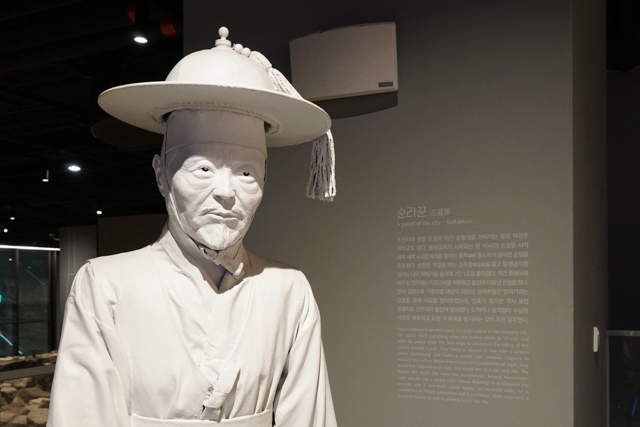
A patrol of the city – Sullakkun
Yagyeongkkun is another name of a night patrol in the Hanyang City. The police starts patrolling when the curfew starts at 10 pm and ends his patrol when the bell rings to announce the lifting of the curfew around 4 am. They move in groups of two with a lantern called Jojokdeung and make a sound with wooden clappers to indicate the curfew. When they encounter a pedestrian at night, they arrest him, regardless of rank, and throw the stick the next day. The deeper the night, the more the punishment. Among themselves, night patrols use a secret code named Malmagi to distinguish one another, and if one night patrol names an incorrect code, he is considered an illegal pedestrian and is punished. Their main task is to arrest thieves or and to prevent fire in the city.
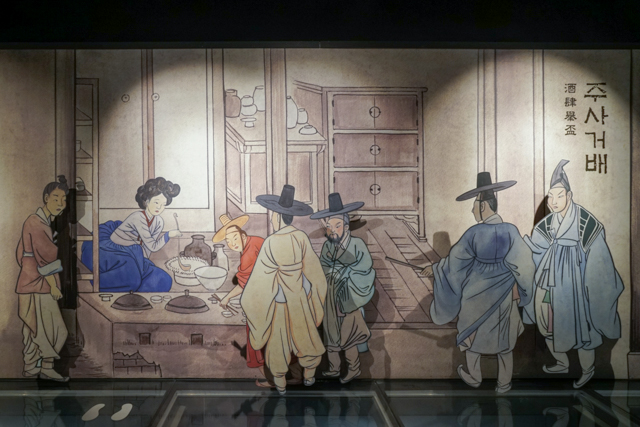
Drinking at a Bar. This is a painting of Yoon Bok Shin(1758-?), depicting a bar of the late Joseon Dynasty. There is a madam with braided updo hair in a blue skirt, an errand boy, a scholar in the gentleman’s gown of Korean traditional attire, a military official in a red attire and yellow traditional hat, and a junior official with a funnel in a sleeveless shawl. Among them, a military official and a junior official are called Waljja, which means a pander. A poem is added: “Toast to greet the bright moon, and hold a liquor jar to embrace the crisp wind.” Uigeumbu, the office of the junior official, was located in Cheongjin-dong area next to Gongpyeong-dong sites. From this painting, we can assume the urbanscape of this area during the Joseon Dynasty period, full of bars. In the Annals of King Jeongjo period, a number of bars in Hanyang are portrayed: “Alleyways are full of huge bars, and small pubs stand next to each other.” The main street of Jongno was occupied with shops of the marketplace called Sijeon, so bars were located in the backstreets like the neighbourhood of Gongpyeong-dong sites.
Remaining Tasks from Gongpyeong Buildings’ Traces
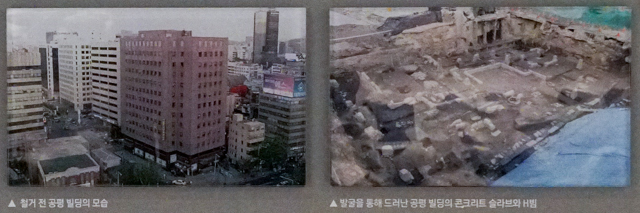
In 1978, the Gongpyeong-dong area was designated as ‘Gongpyeong Urban Redevelopment Area’ by Urban Development Act. Gongpyeong building, which was built on the northwest side of the Gongpyeong-dong sites, was constructed in 1981 with three basement floors and 13 ground floors. In the process. Taehwagwan was demolished and theGongpyeong building. Taehwa Building and Hanaro Building were built on the site in order. In 2014, the relics of the Joseon Dynasty period were found during the urban redevelopment project of Zone 1, 2, and 4. A research team was conducting the ground survey after the demolition of the Gongpyeong building. Concrete slabs and the H-beam of the Gongpyeong building were found to have destroyed the remains. The development-oriented tendency of the last century which only sought speed and convenience had severely damaged our history, and many layers accumulated under the ground. In the future, urban development projects across the nation, including Seoul, should no longer repeat the circumstances of the Gongpyeong building, and try to ensure harmony between the development and preservation of cultural heritage.
Map of Excavation Sites for Urban Relics
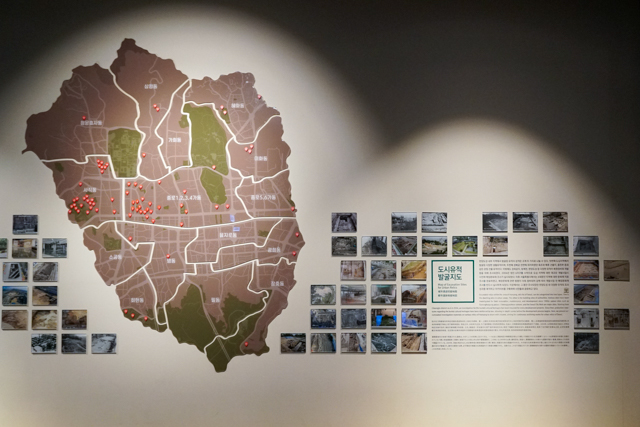
Excavated relics within the area of Hanyang. old city of Seoul, can be categorized into two types. One is the dwelling sites in urban areas. The other is the building sites of authorities. Various sites have been investigated for their restoration, maintenance and development since 1990s. Palace sites such as Gyeonghuggung palace, Cheonggyecheon stream, and the Seoul City Wall are major sites. Starting from Cheongjin district no.6 in 2004, an investigation for the buried cultural heritages has been required for every development projects. Since then, protection measures regarding the buried cultural heritages have been reinforced by law, allowing indepth survey before the development process begins. Here, we present accumulated investigation malenals on various relics of Hanyang to share with citizens aiming for continuous archiving works for urban relics of Seoul.
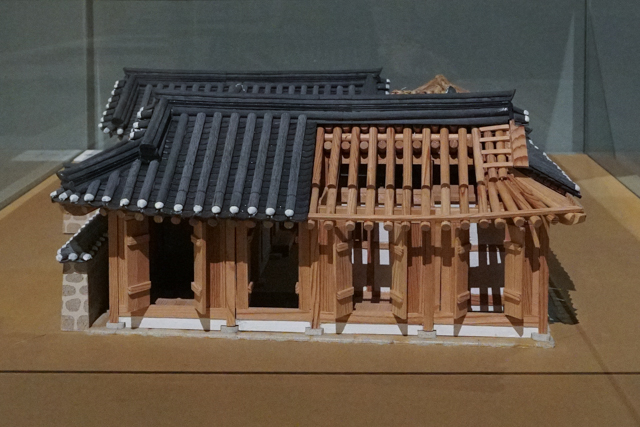
Model of a House in Jeon-dong Neighborhood
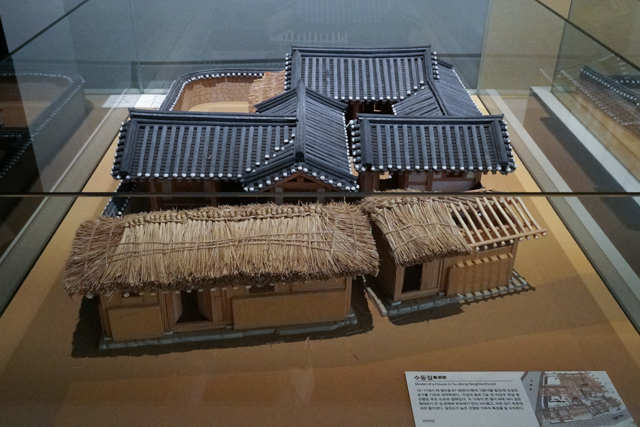
Model of a House in Su-dong Neighborhood
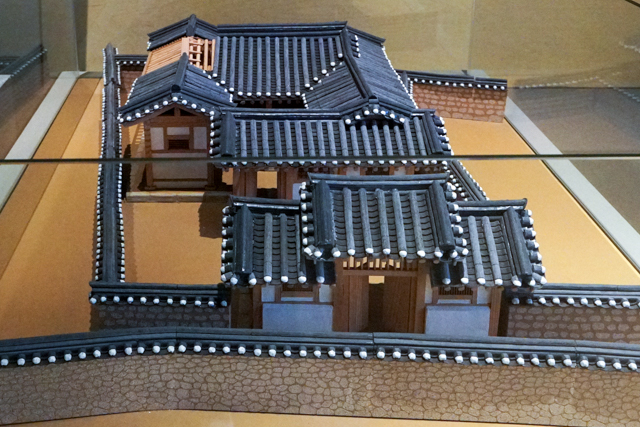
Model of a House in Geumbu-dong Neighborhood
Bean Brothers
Bean Brothers Gyeol, 26, Ujeongguk-ro, Jongno-gu, Seoul, South Korea
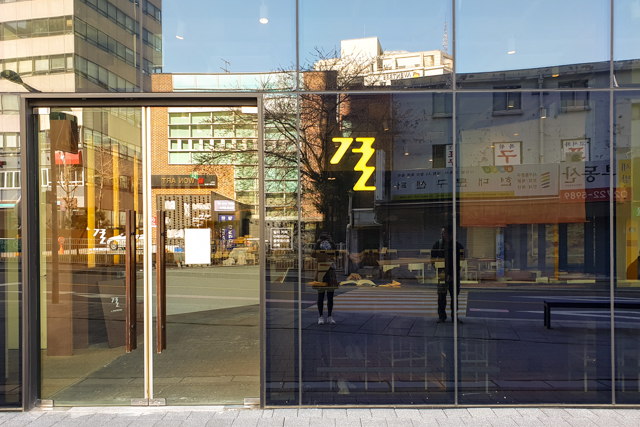
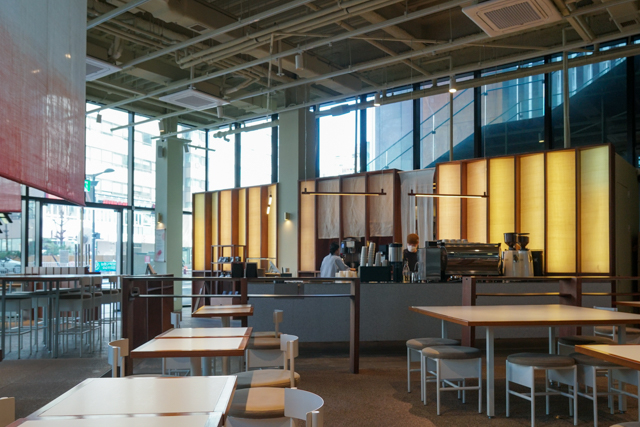
Bean Brothers began in 2009 as a brand offering an online subscription for specialty coffee before opening its first store in June 2014. We stumbled upon their store while visiting the Gongpyeong Historic Sites Museum which was located underneath the cafe.
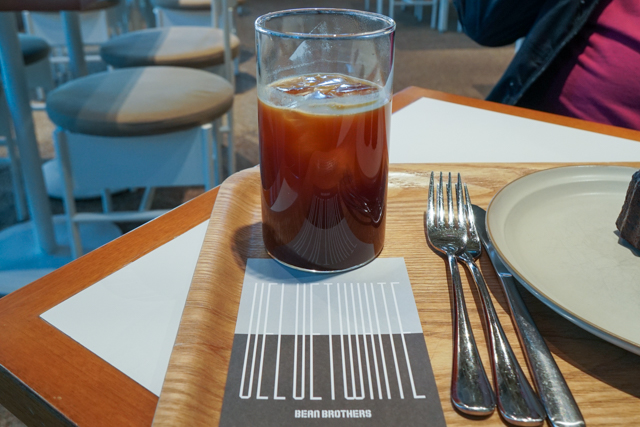
Velvet White Americano (5,000 won). A light roast, this one highlighted the fruity and floral notes of the coffee. I was seduced by the mention of ‘jasmine’ in the descriptor, which was indeed evident. However, we do prefer the flavour of darker roasts.
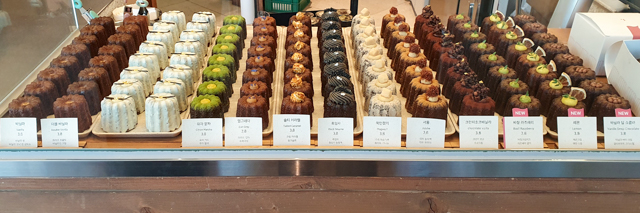
Their personalised coffees were enticing, but so was this enthralling display of picture-perfect canelé (3,800 won each).
We tried four of the canelé, and each had impeccable texture – the exterior was crunchy with a burnt caramelised crust, while the interior was beautifully rich, moist and custardy.
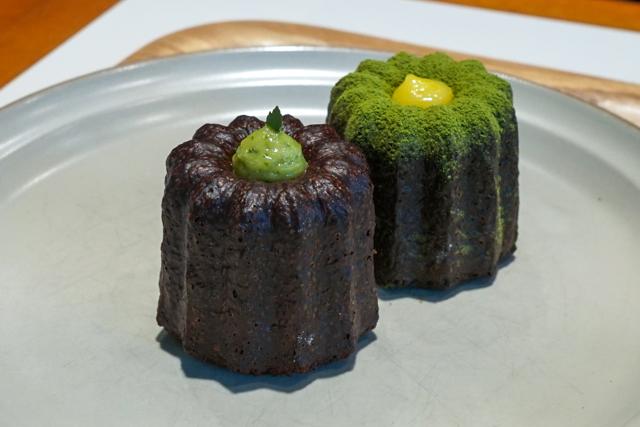
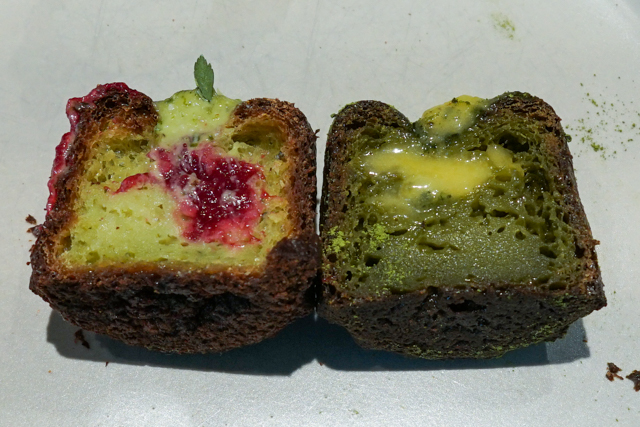
Basil and raspberry (left). This was a new flavour combination for us, and it worked remarkably well. We’re huge fans of basil and its gentle sweet spiciness paired well with the tart sweetness of the raspberry centre.
Yuzu and matcha (right). The matcha was bright with the bitter vegetal notes well balanced, while the yuzu added a touch of zesty floral quality for liveliness.
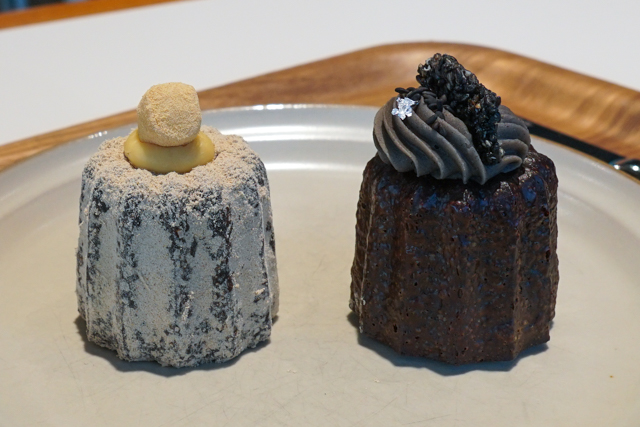
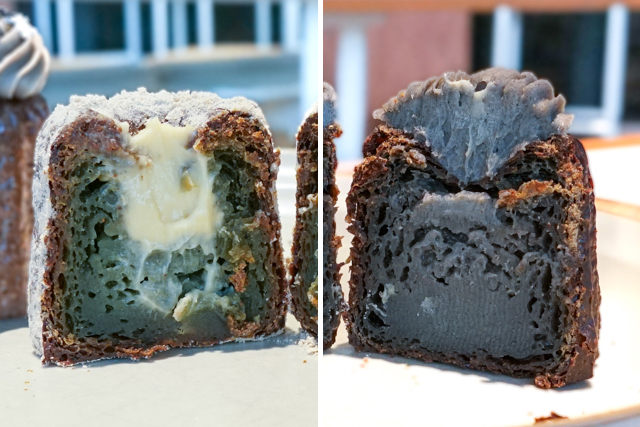
Mugwort and kinako (left). The mugwort lent a subtle herbaceous flavour without the grassiness of matcha, while the kinako added nuttiness.
Black sesame (right). The black sesame was richly flavoured, which was well emphasised in the caramelised crust. The addition of the black sesame buttercream left us in no doubt as to the presence of black sesame.
These canelés seemed to be supplied by a third-party, and it would be delightful to figure out who that supplied is!
Jogyesa (Jogye Temple)
조계사, 55 Ujeongguk-ro, Gyeonji-dong, Jongno-gu, Seoul, South Korea
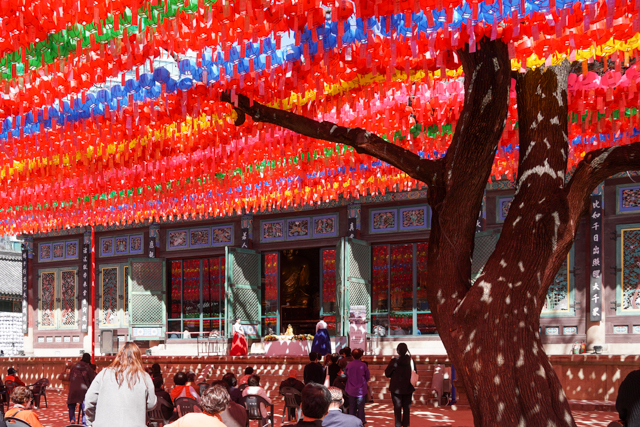
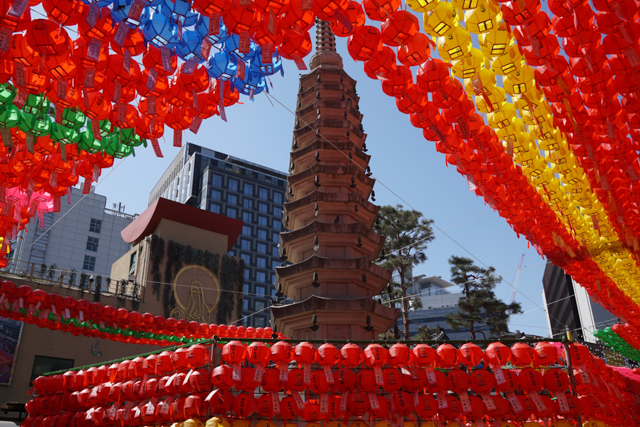
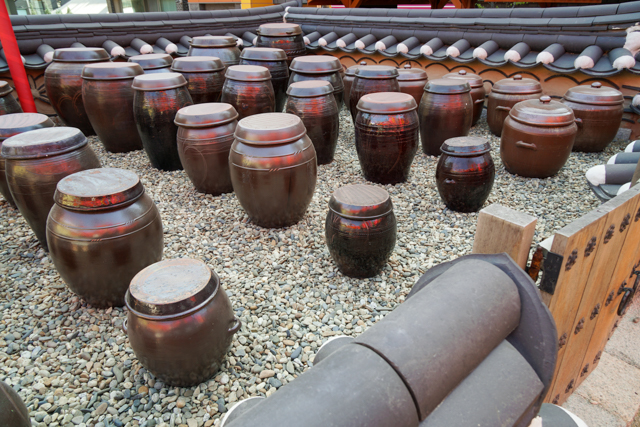
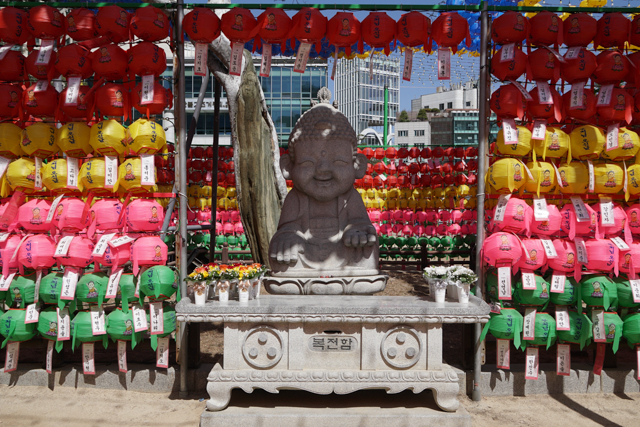
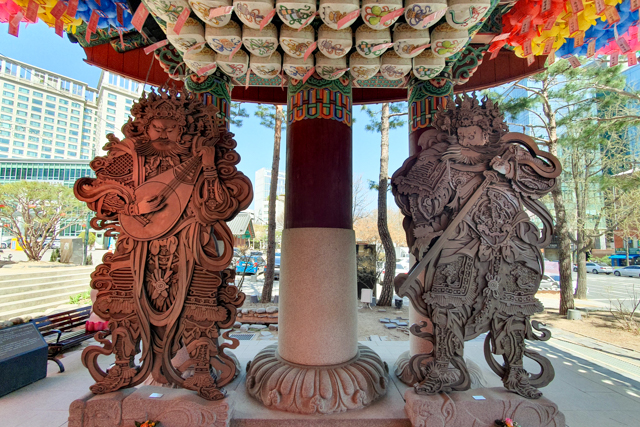
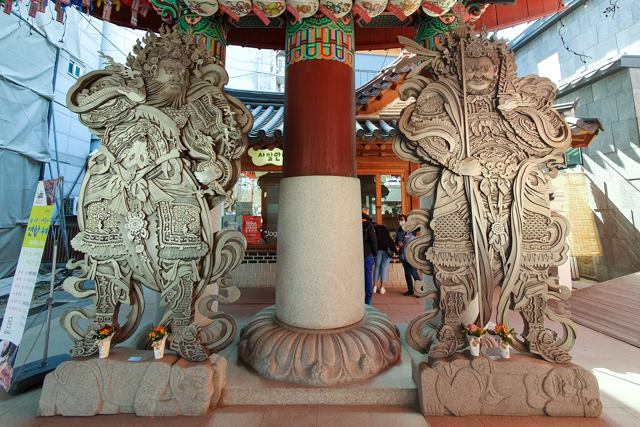
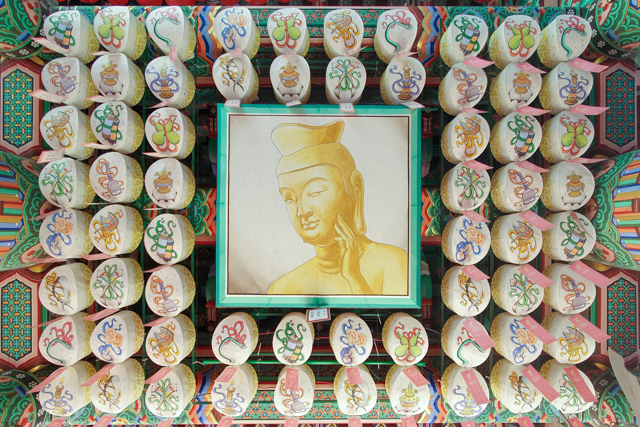
Jogyesa (Jogye Temple) is the chief temple of the Jogye Order of Korean Buddhism. The building dates back to the late 14th century and became the order’s chief temple in 1936. It thus plays a leading role in the current state of Seon Buddhism in South Korea. The temple was first established in 1395, at the dawn of the Joseon Dynasty; the modern temple was founded in 1910 and initially called “Gakhwangsa”. The name was changed to “Taegosa” during the period of Japanese rule, and then to the present name in 1954.
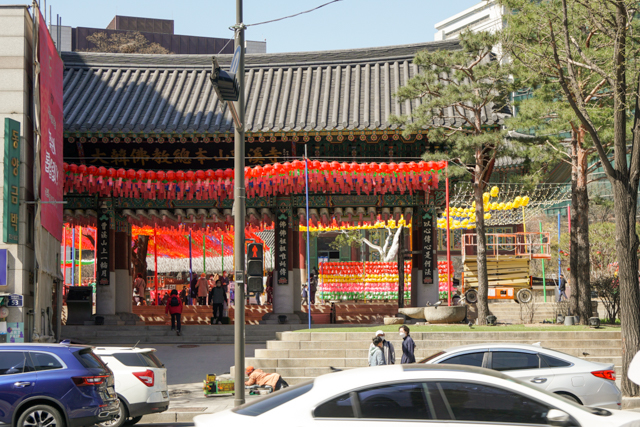
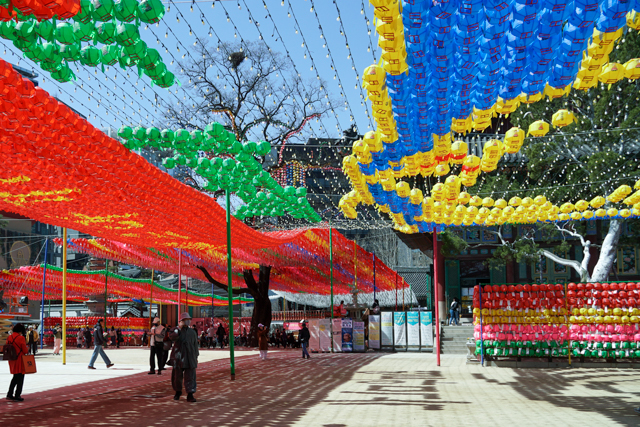
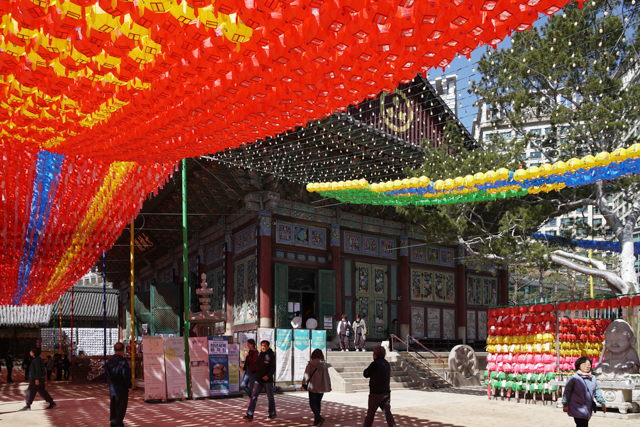
Natural monument No. 9, an ancient white pine tree, is located within the temple grounds (far right in the above photo)
Templestay Information Center
템플스테이 통합정보센터, 56 Ujeongguk-ro, Jongno-gu, Seoul, South Korea
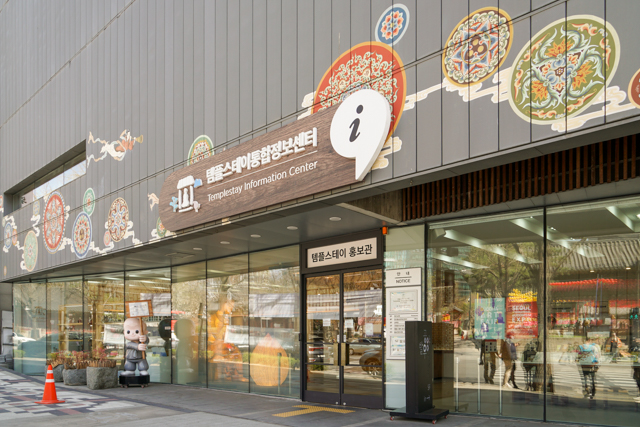
The Templestay Information Center is housed in a five-story building directly across the street from Jogyesa.
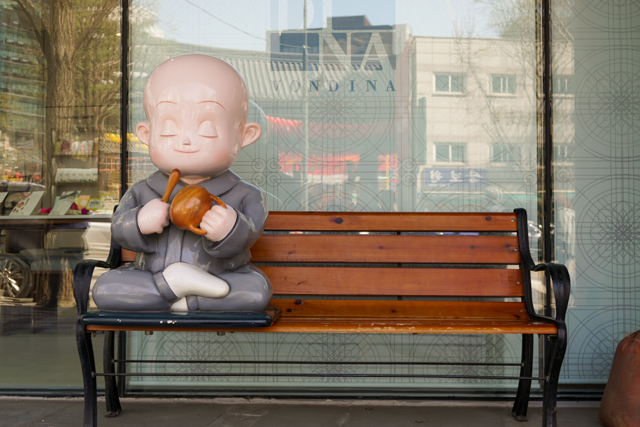
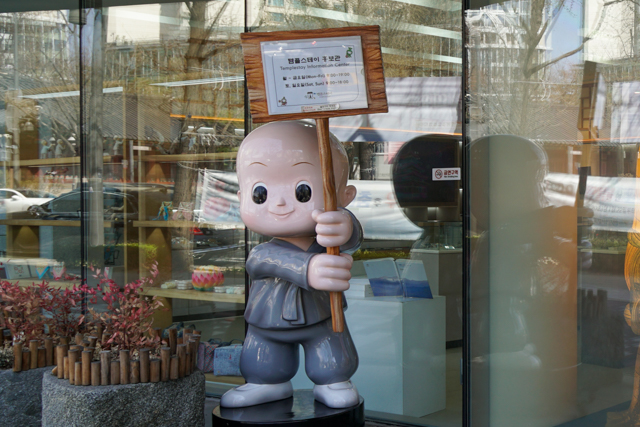
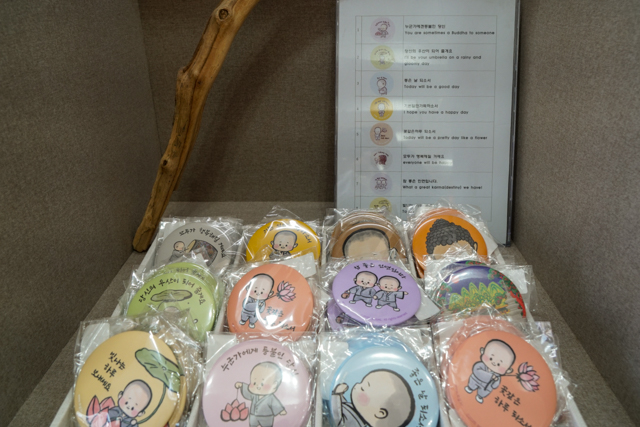
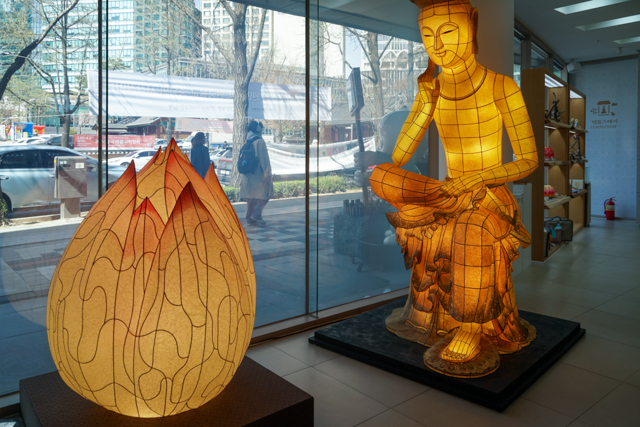
Haribo World
Insa Central Museum, B1 Annyeong Insadong, 49 Insadong-gil, Jongno-gu, Seoul, South Korea
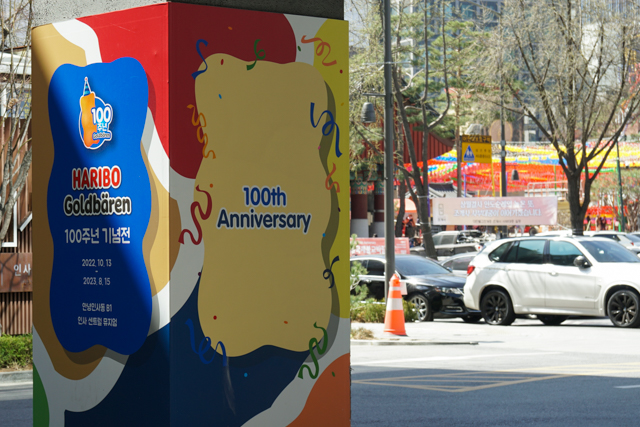
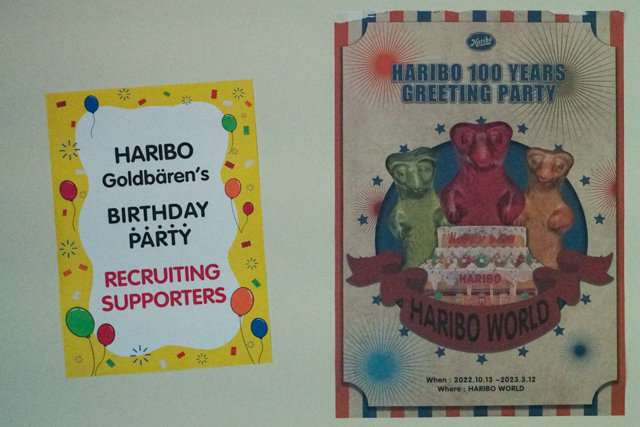
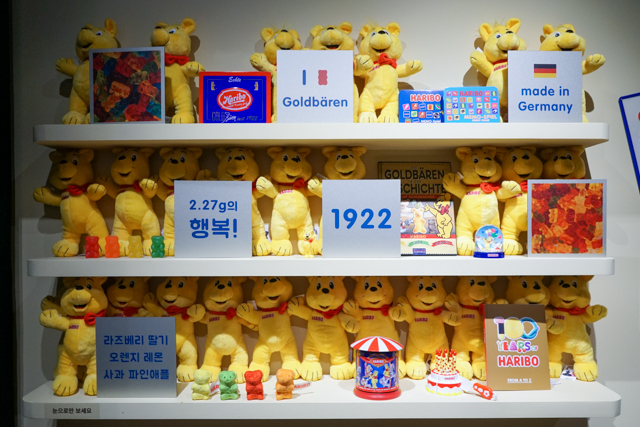
On our way to Insa-dong, we spotted this sign outside a hotel about Haribo’s 100th Anniversary. Being great fans of Haribo, we had to figure out what they decided to do in celebration.
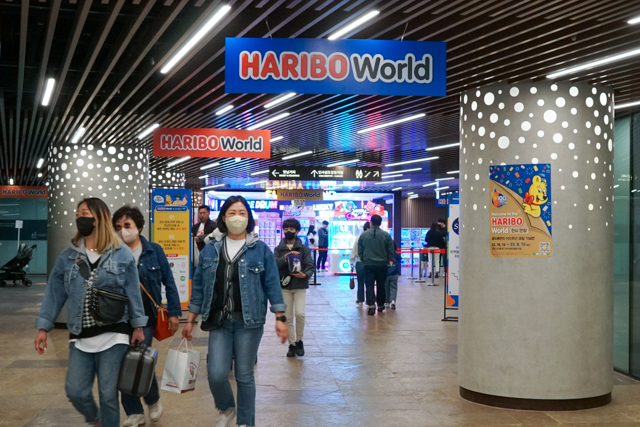
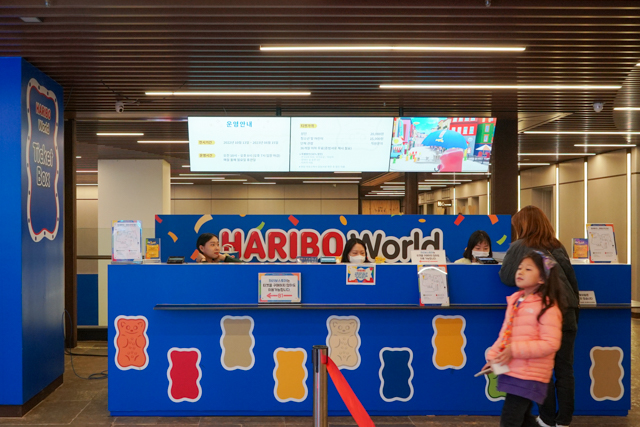
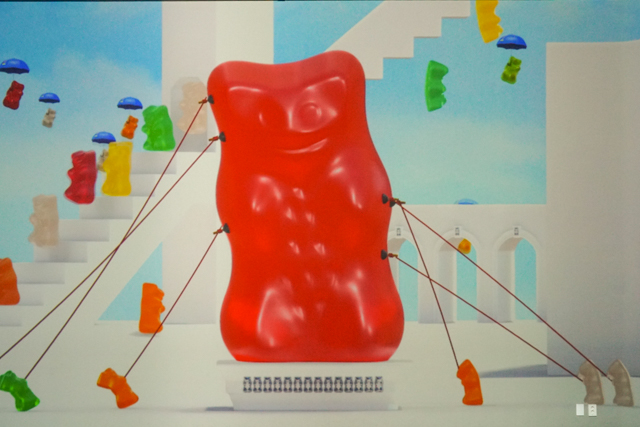
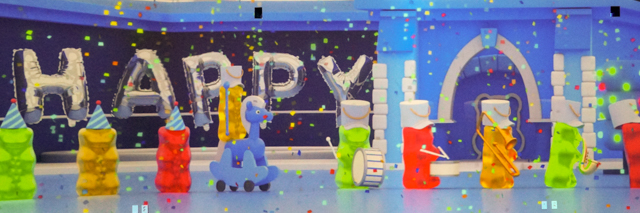
It turned out they were celebrating its 100th anniversary with a media art exhibition in Insa-dong, central Seoul. From 2016 to 2020, Haribo maintained first place in Korea’s gummy snacks market, followed by domestic brand Orion’s MyGummy, according to data by Nielson Korea.
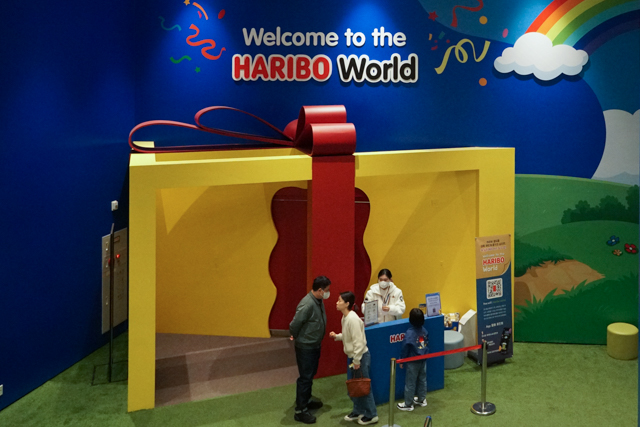
Tickets were 20,000 won for adults. The admission ticket included a mini bag of Haribo Gold Bears.

“Kids and grown ups love it so, the happy world of Haribo!”
Sweet and cute gummy beloved worldwide by many, Haribo.
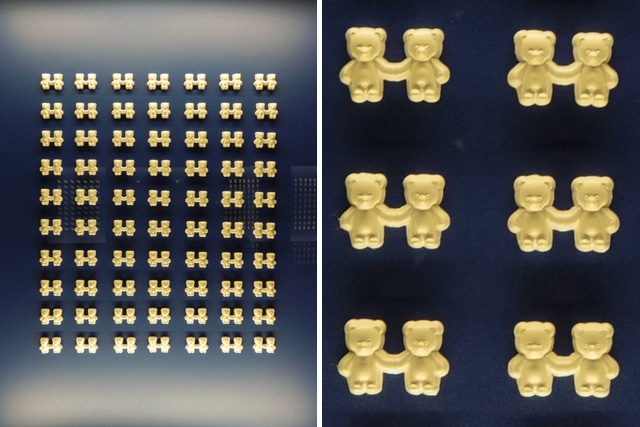
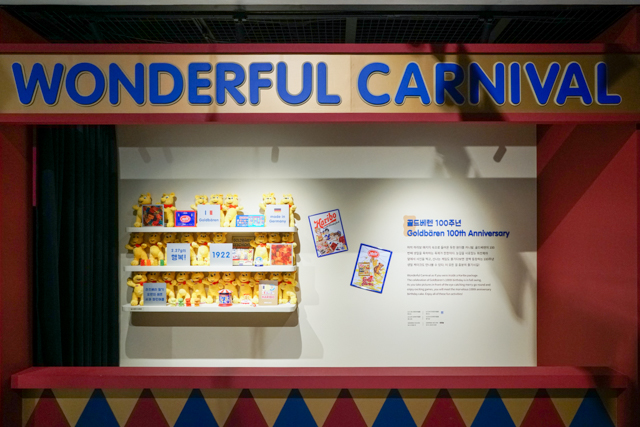
At the heart of Haribo’s long history is Goldbaren, who is celebrating its 100th anniversary this year.
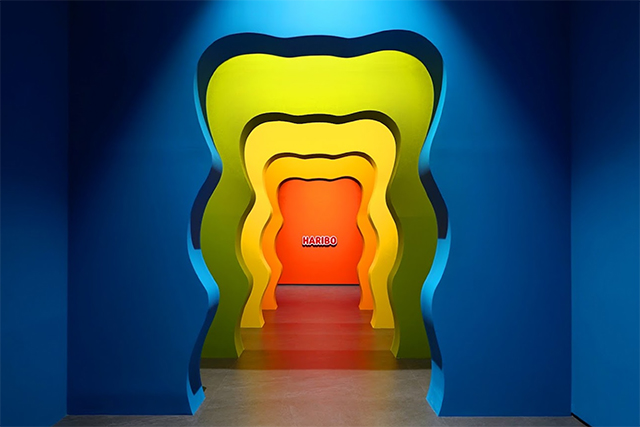
Now, here, we invite you to the Haribo world where imagination like a fairy tale unfolds! The Story that begins in Hariboian’s room presents a special experience through a variety of media-centred exhibits. Together with the childlike Goldbaren, children will develop their imagination and adults will remember their long-forgotten childhood.
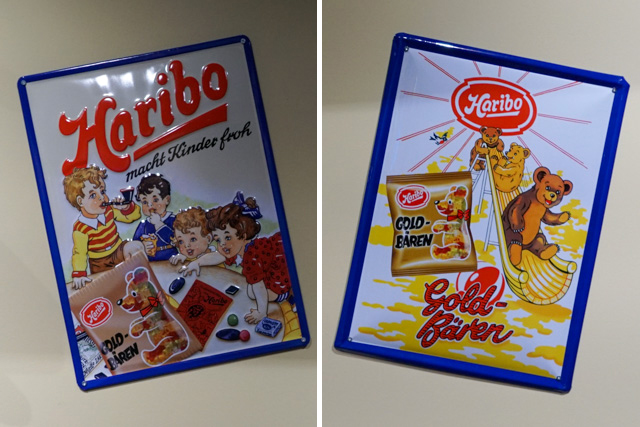
HARIBOian’s Room
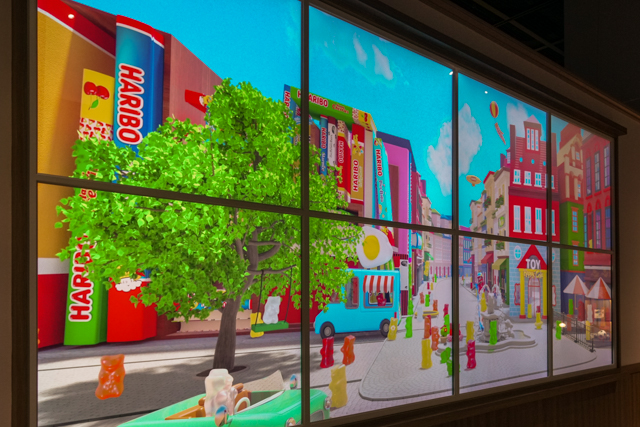
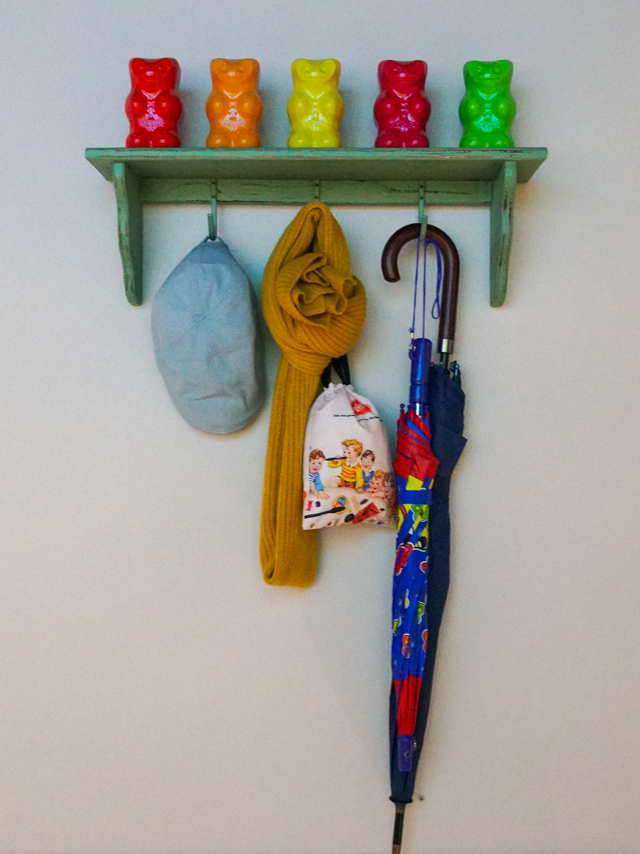
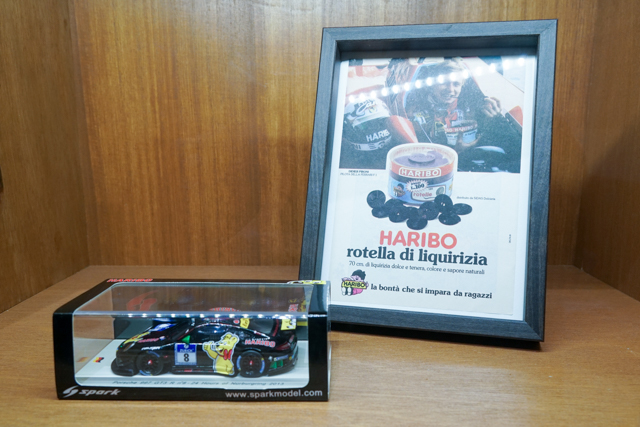
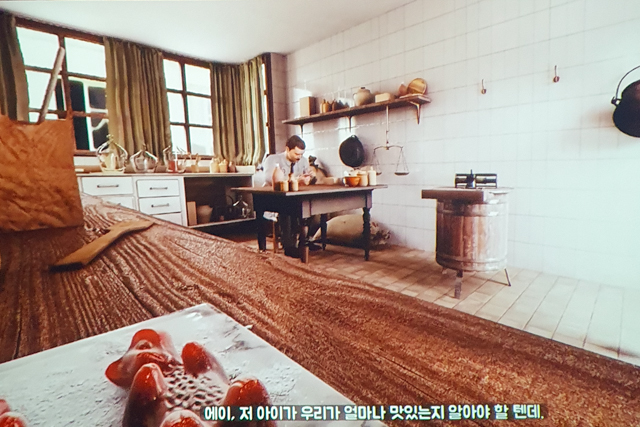
A place where it seems that someone has been staying until recently. This is the room of a so-called ‘HARIBOian’, a Haribo fan who collects Haribo goods. Various goods that show traces of time contain stories, and in them, there is a richness that goes beyond the sweetness of a bag of gummy.
Now, if you want to go to today’s destination, the HARIBO World, which you can see out the window, let’s go to the mysterious closet on one side of the room.
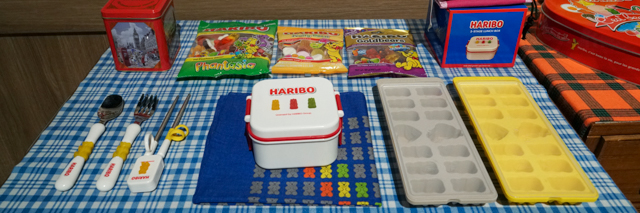
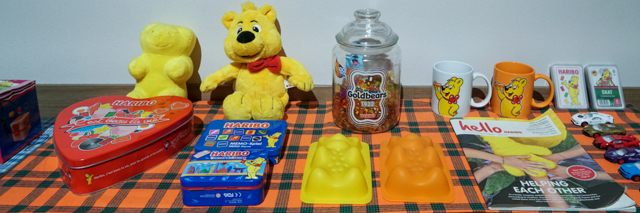
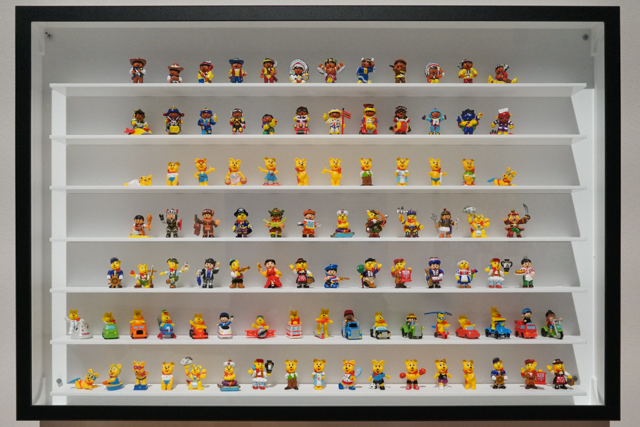
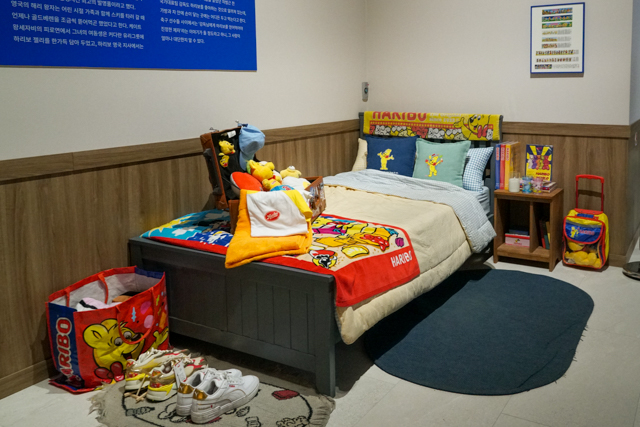
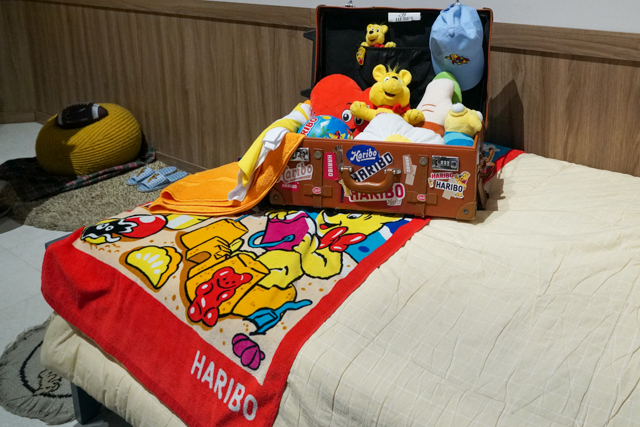
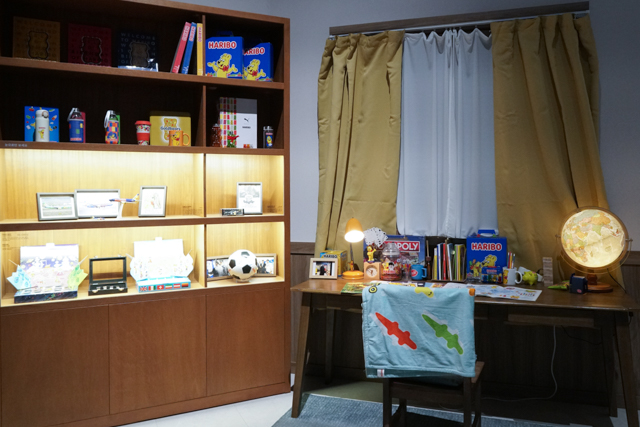
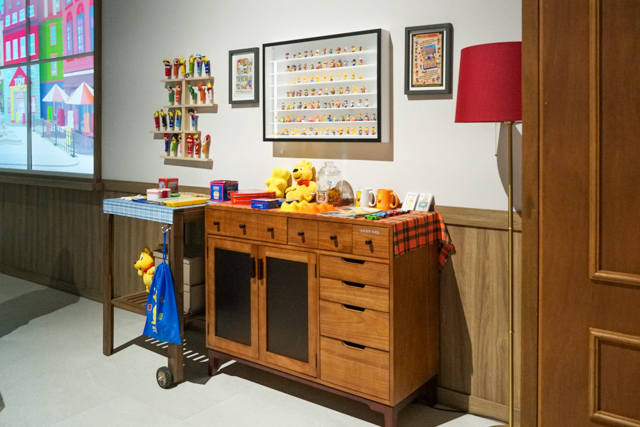


Now, if you want to go to today’s destination, the HARIBO World, which you can see out the window, let’s go to the mysterious closet on one side of the room.
Goldbaren’s Mirror
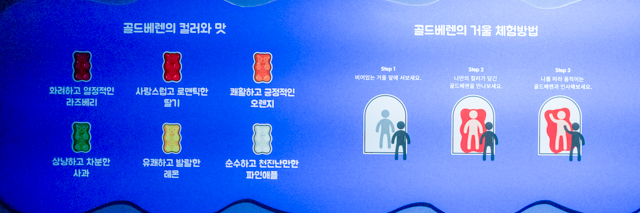
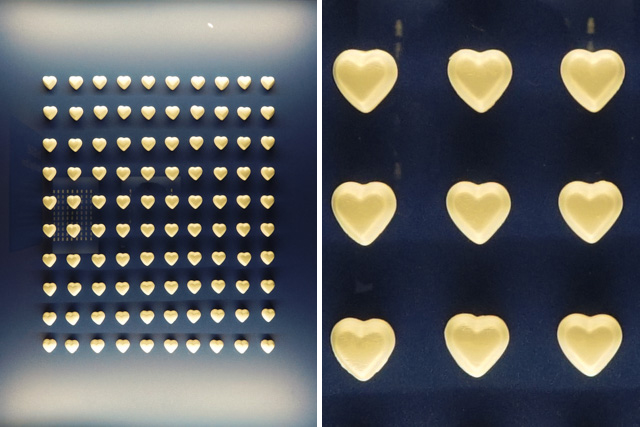
Here is a mystical mirror where you can see yourself transformed into a goldbar. Having a ‘gummy-like’ appearance and understanding the color of Goldbaren is the attitude we take on to go to the Haribo World.
Now, when everything is ready, shall we go on a full-fledged journey?
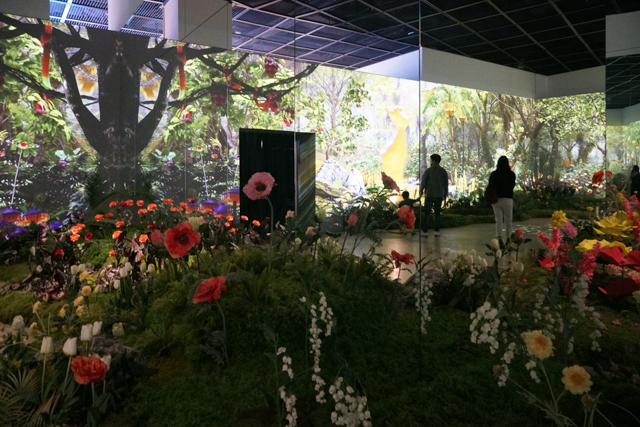
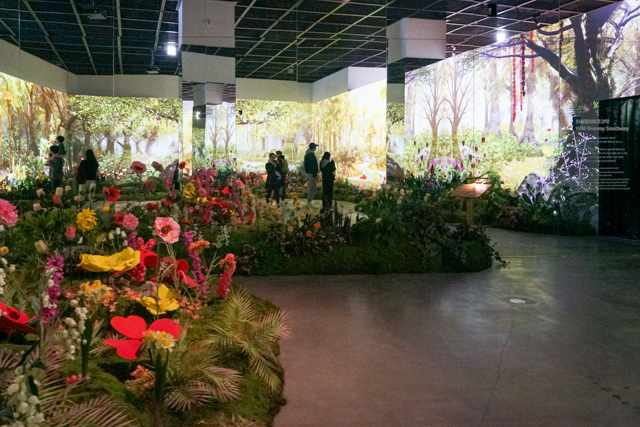
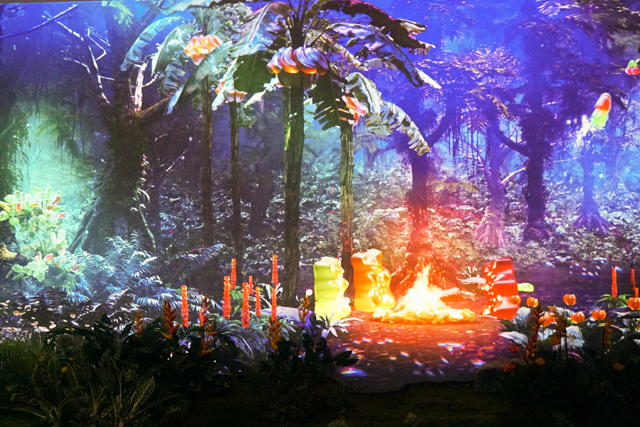
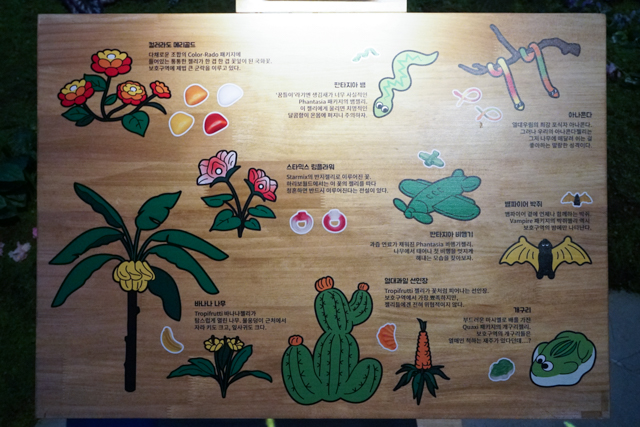
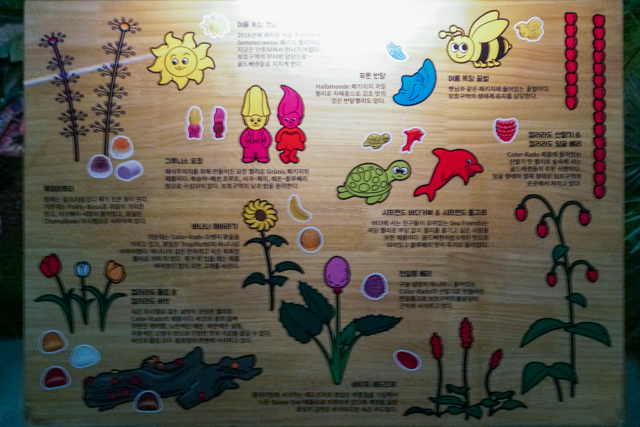
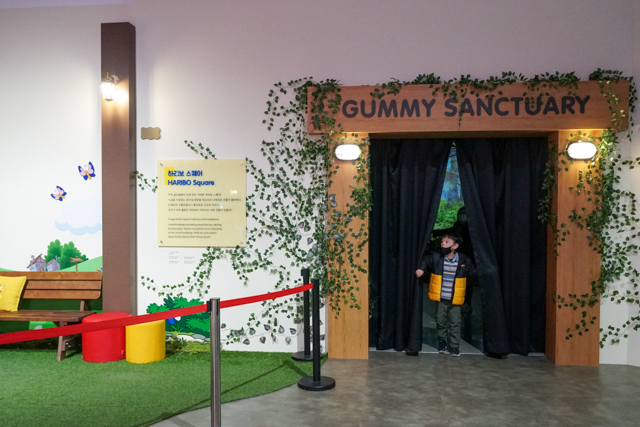
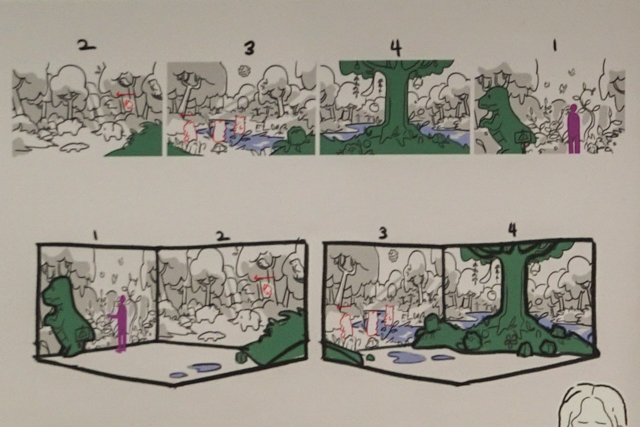
 Wild Gummy Sanctuary
 Wild Gummy Sanctuary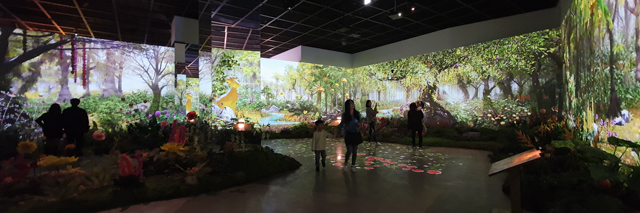
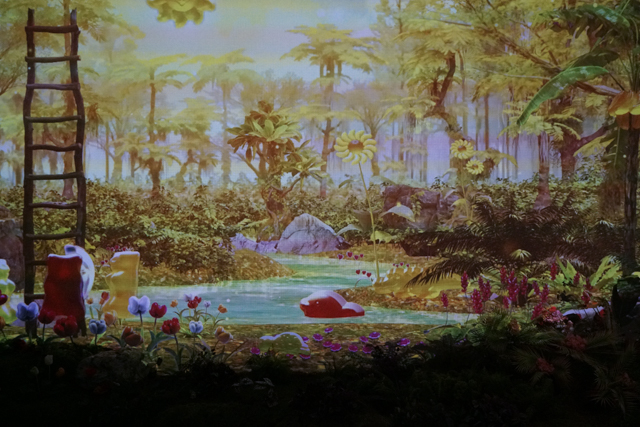
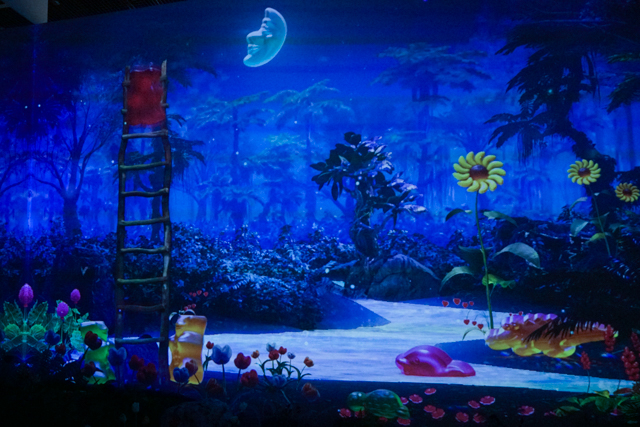
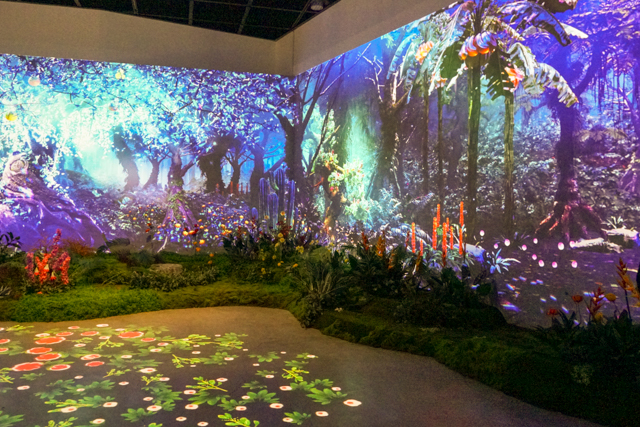
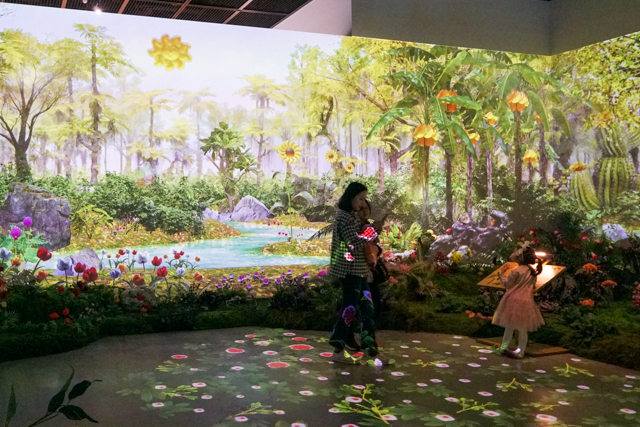
Haribo Gummy is born on a tree and grows in the forest?
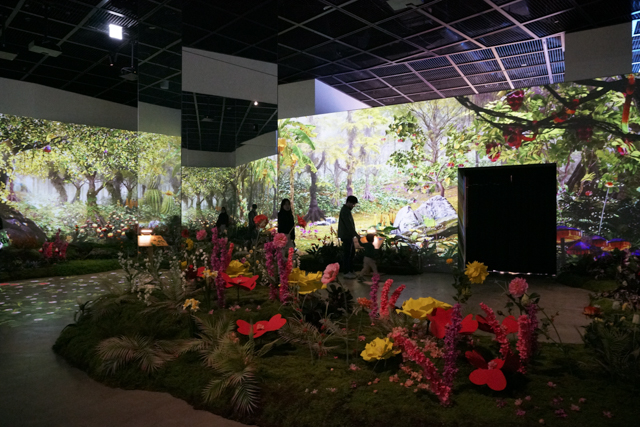
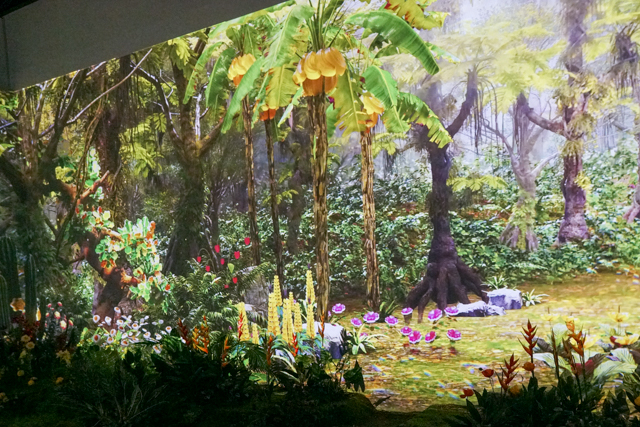
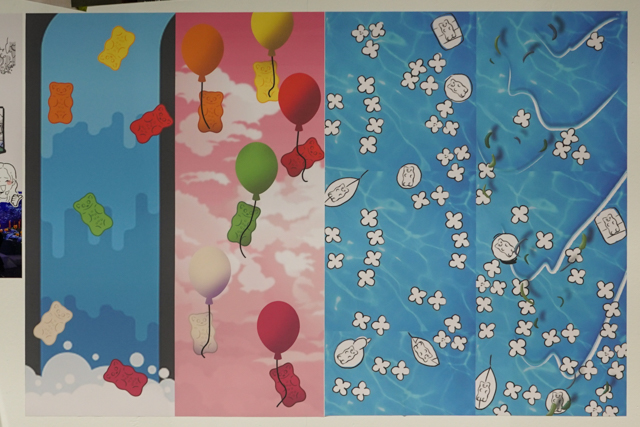
A forest where gummies form at the ends of branches and wild gummies live.’ Wild Gummy Conservation Area’.
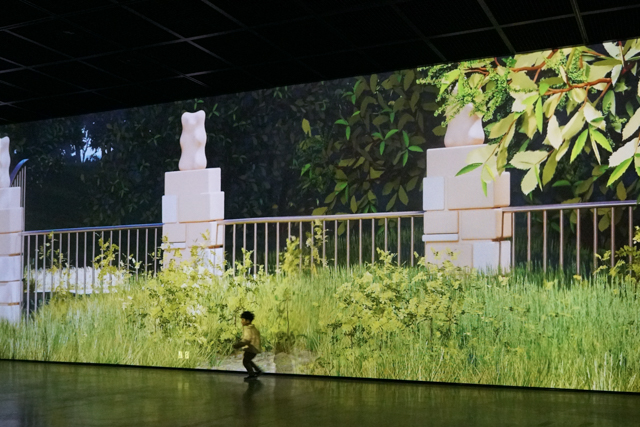
If you look into this mysterious and dense forest, you can get a glimpse of a fairy taile story set in day and night. A forest of gummies, like the world from your childhood imagination. Let’s explore this fantastic forest while ruminating over ‘childhood’ that Haribo has long regarded as an important value.
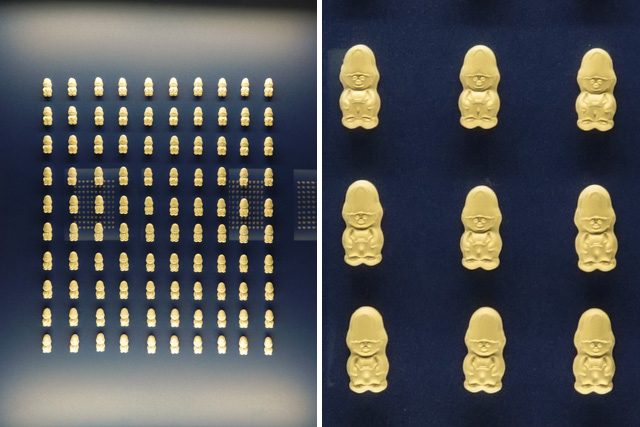
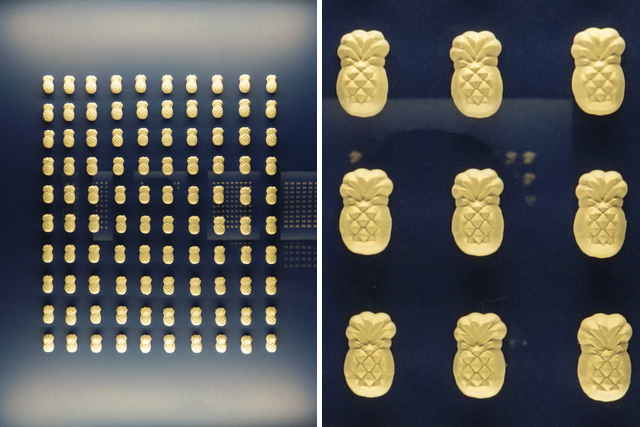
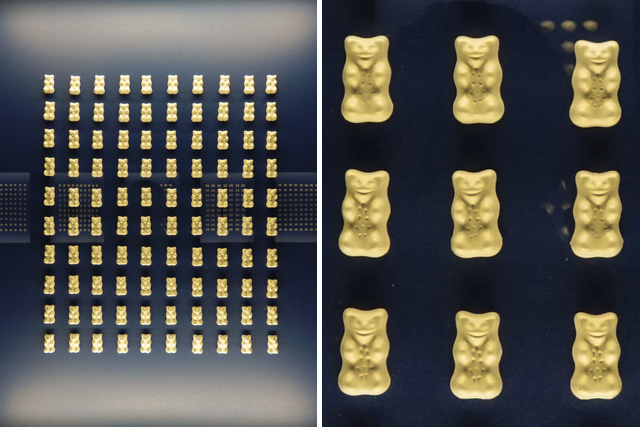
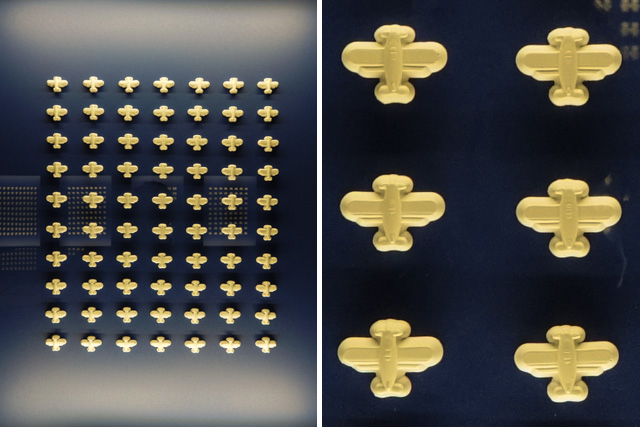
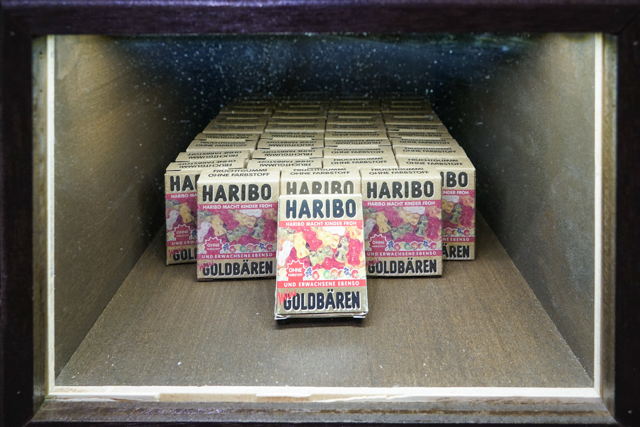
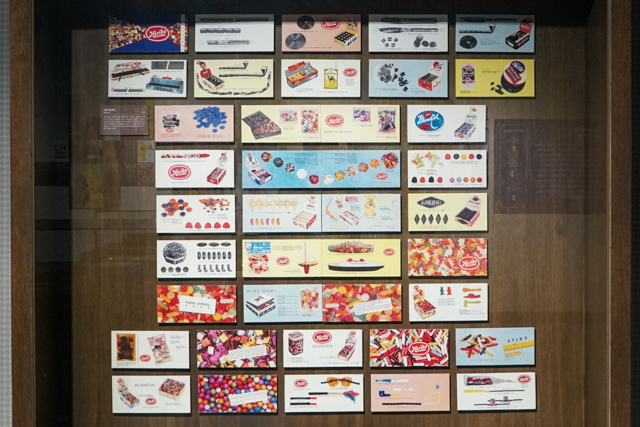
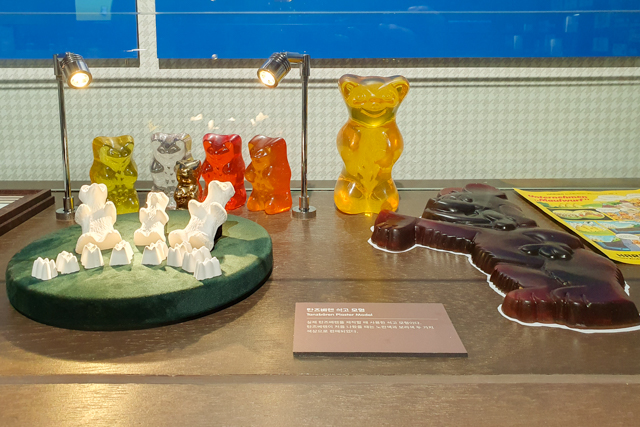
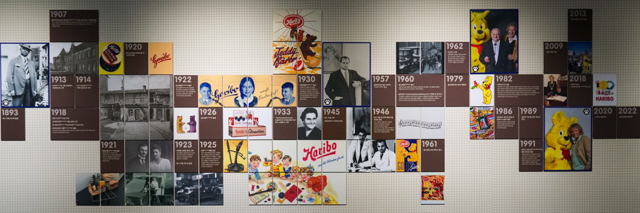
Hans Riegel Library
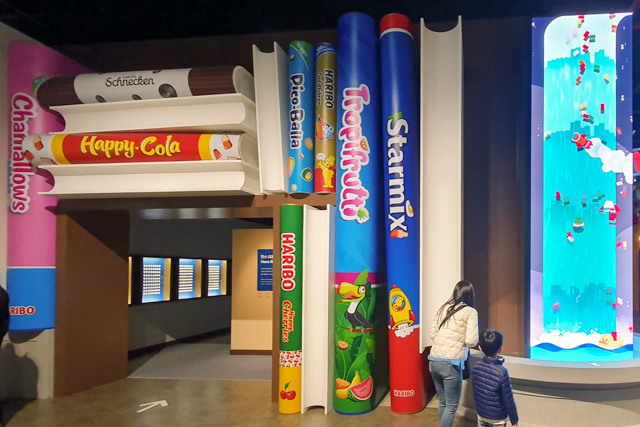
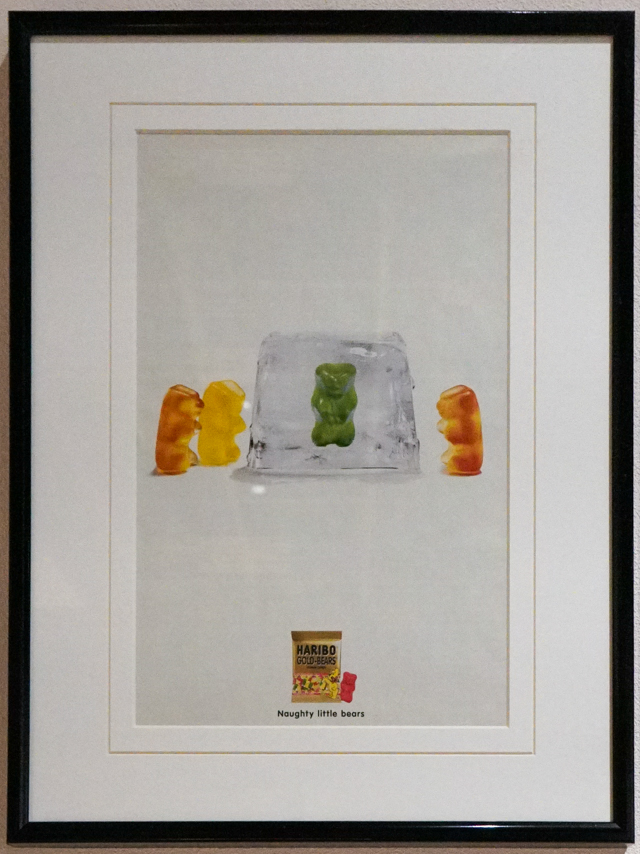
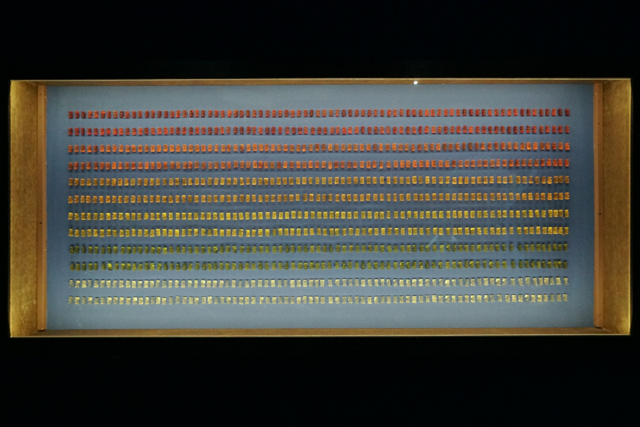
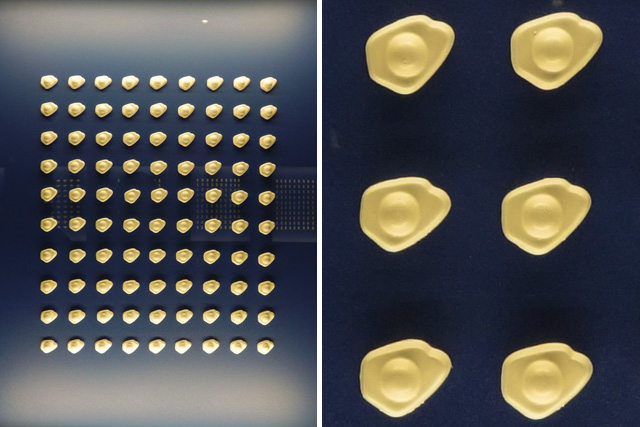
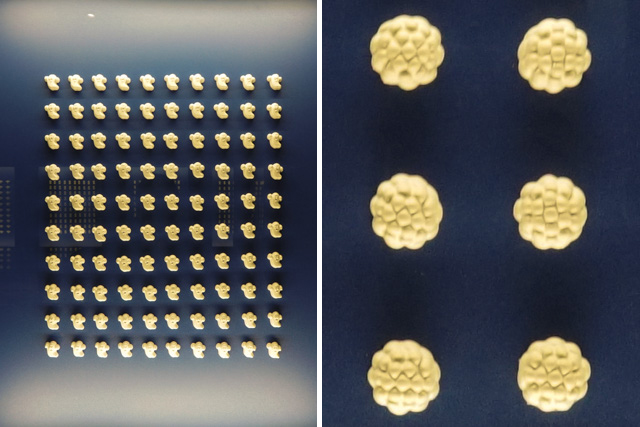
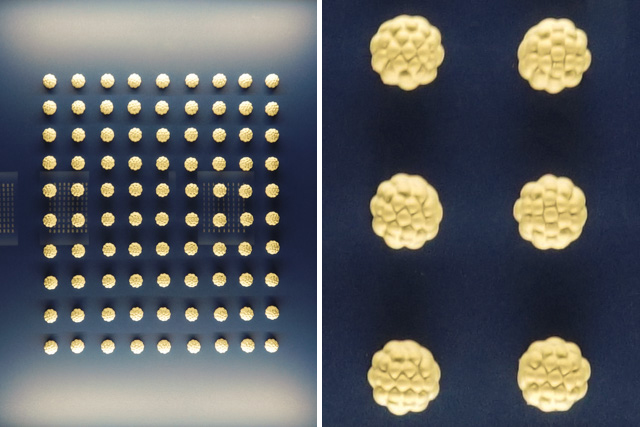
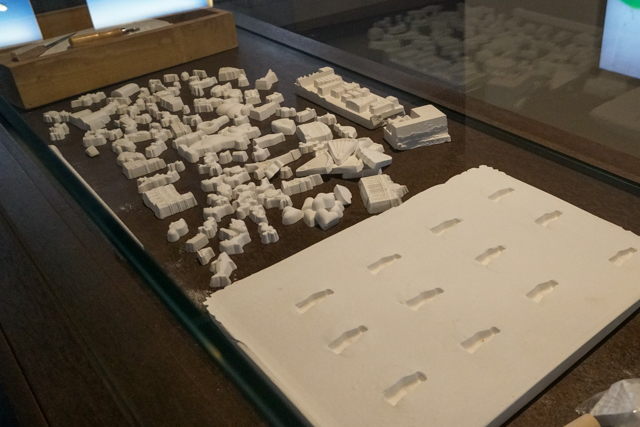
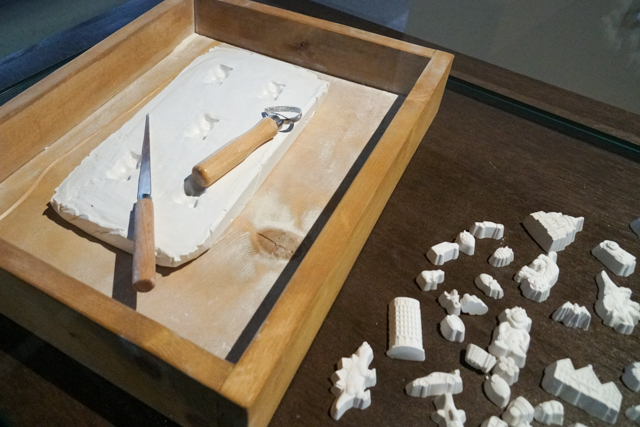
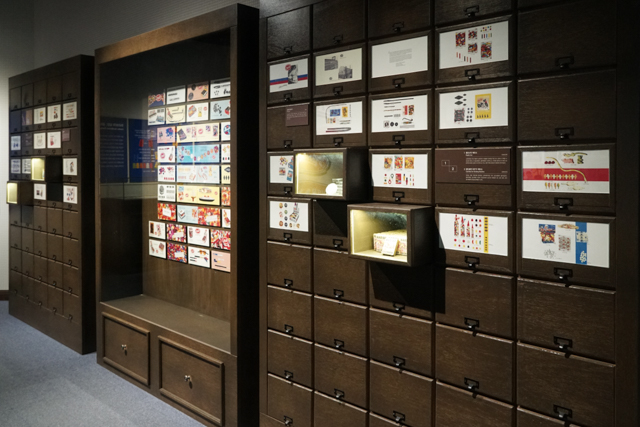
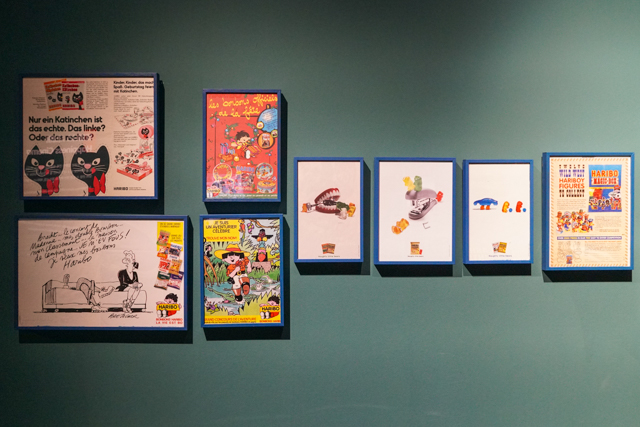
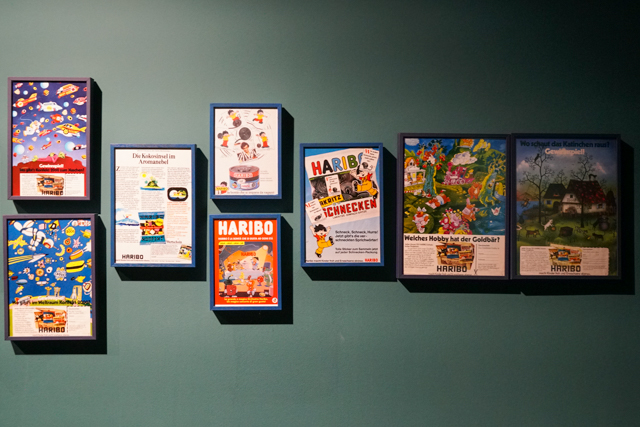
A library named after Hans Riegel, the founder of Haribo. The 100-year history from the brand’s birth to the present is unfolded through the archive. Let’s take a closer looka as if we were reading our favourite book.
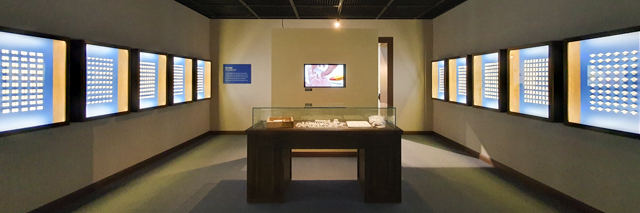
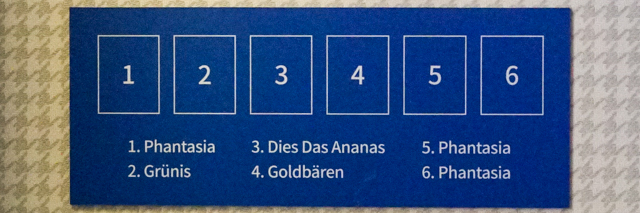
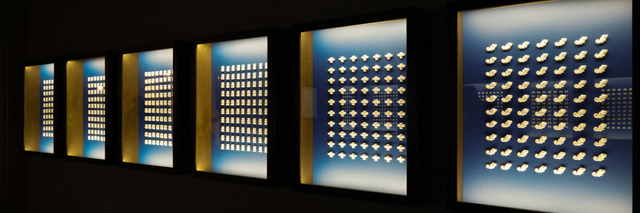
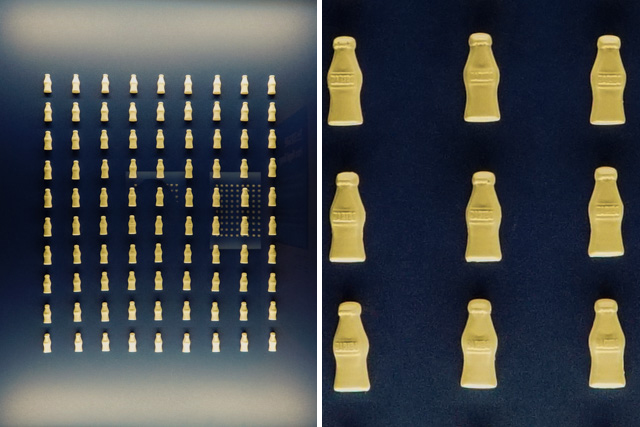
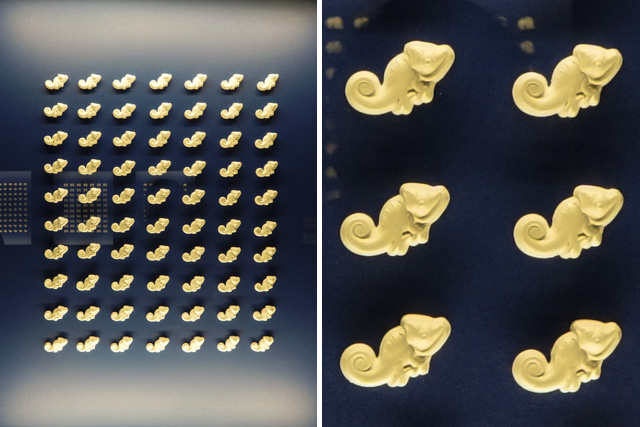
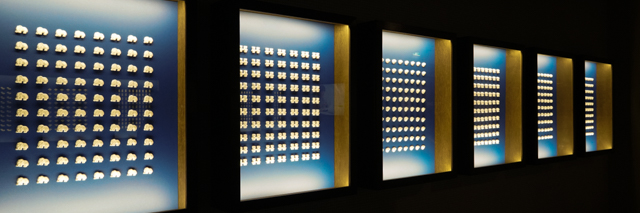
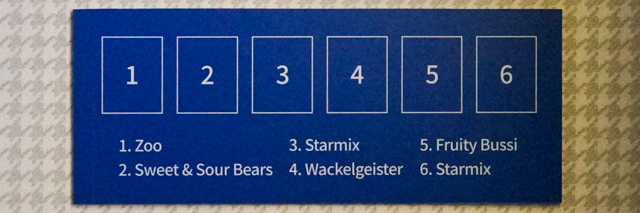
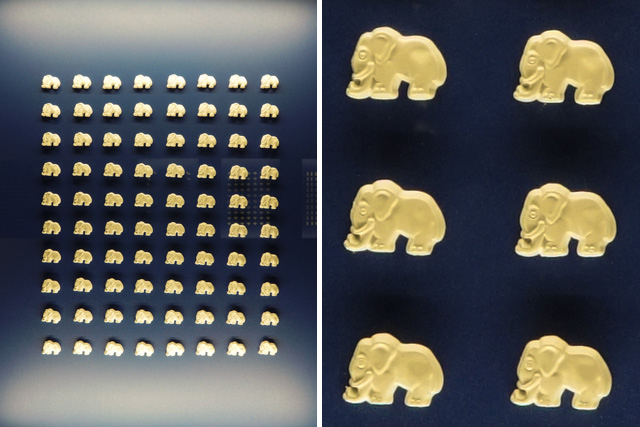
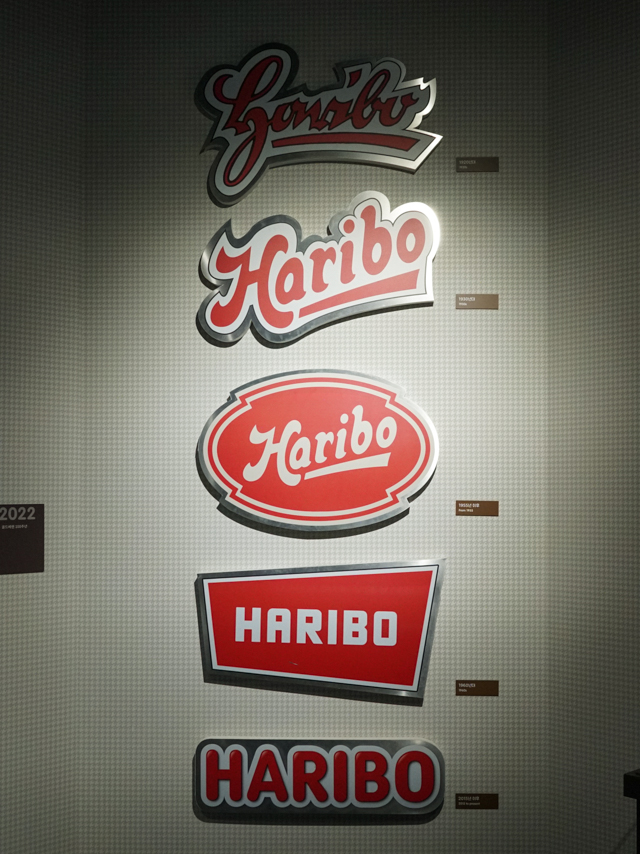
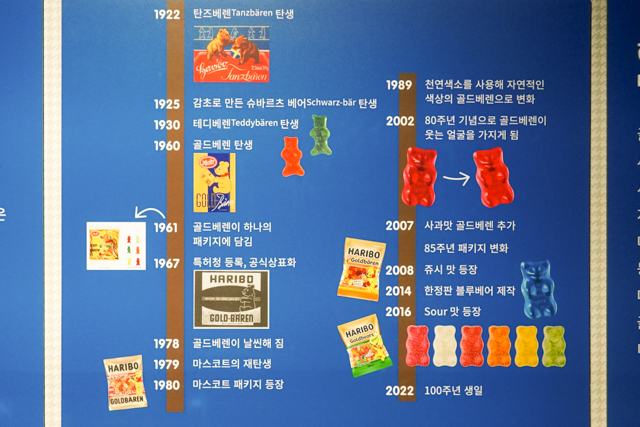
100th Avenue
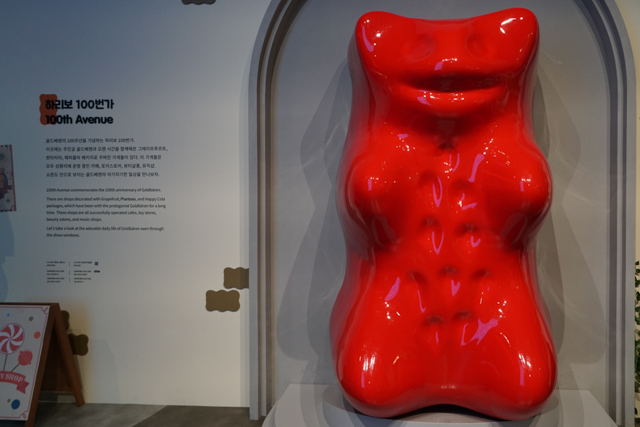
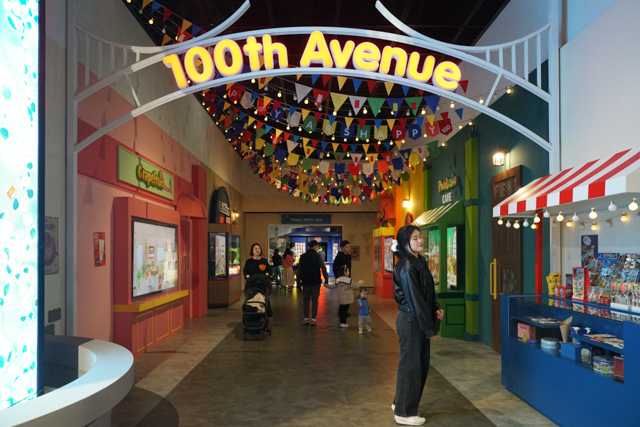
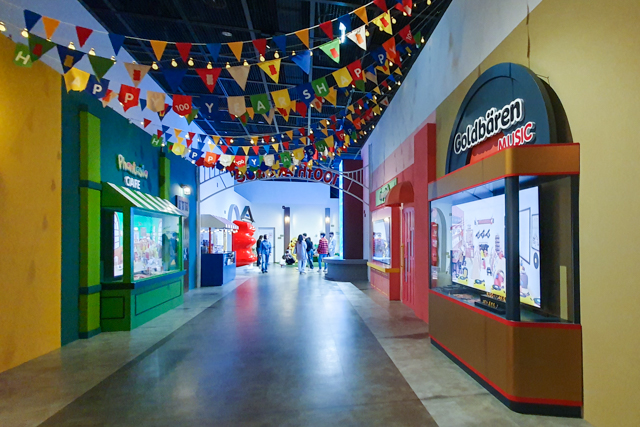

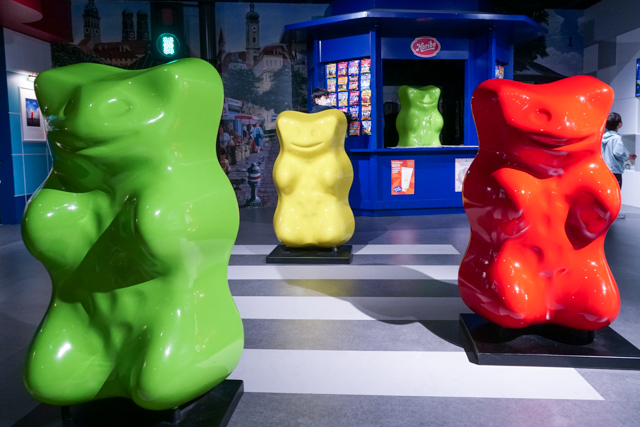
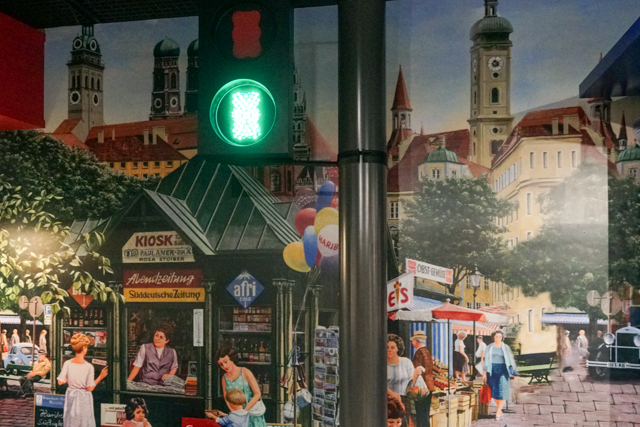
100th Avenue commemorates the 100th anniversary of Goldbaren.
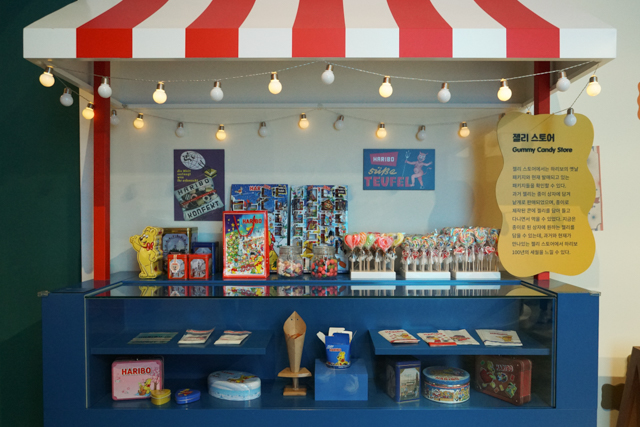
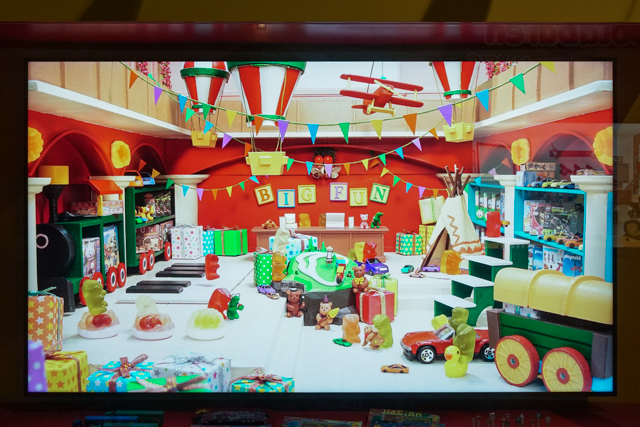
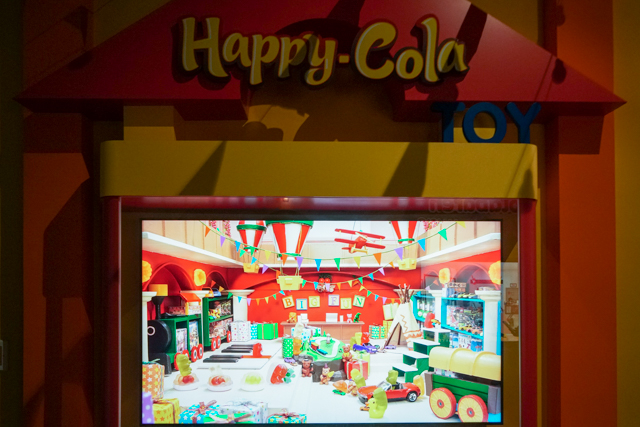
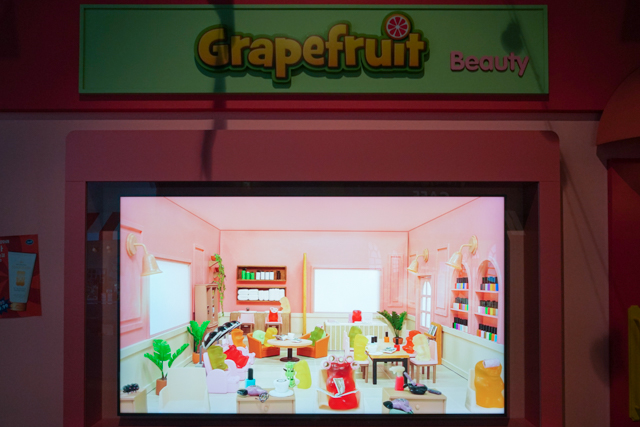
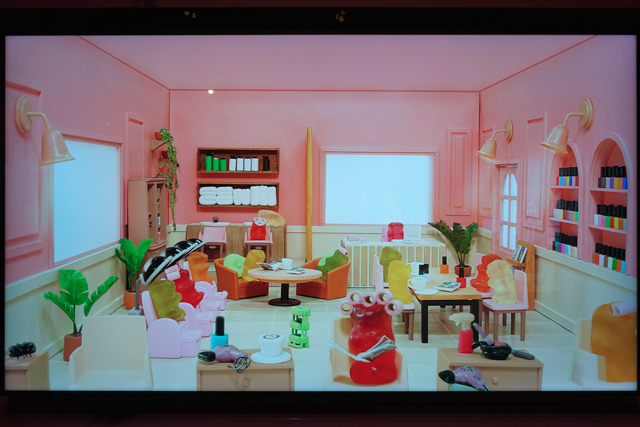
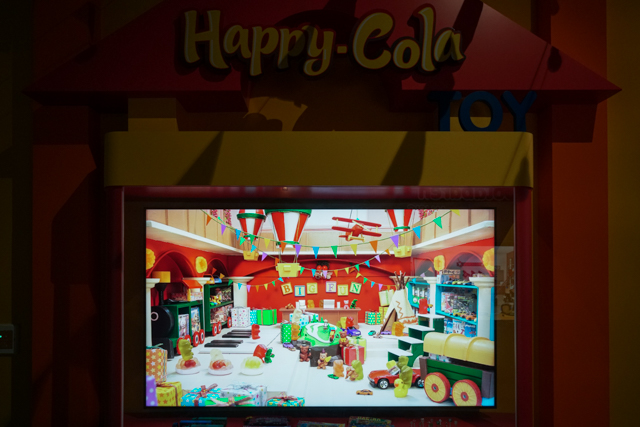
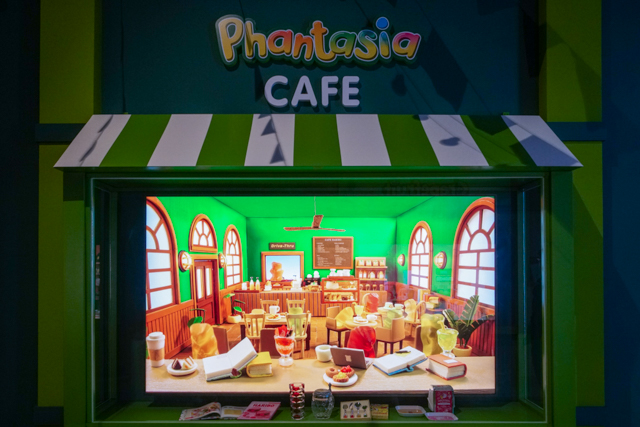
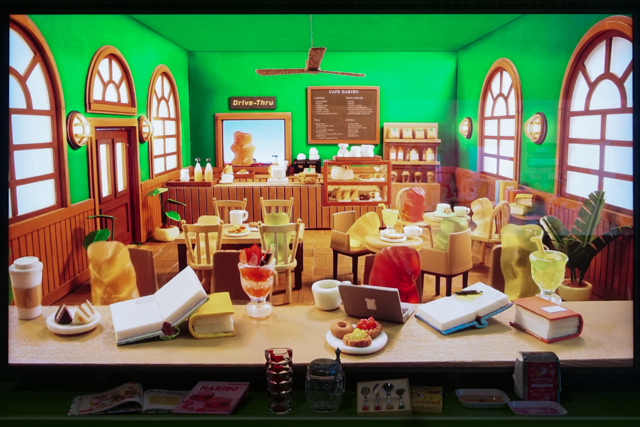
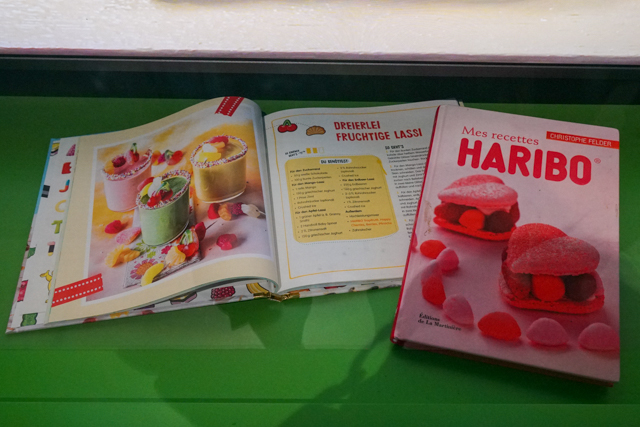
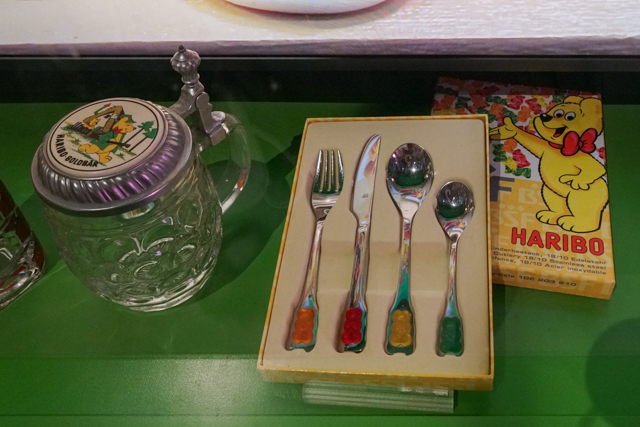
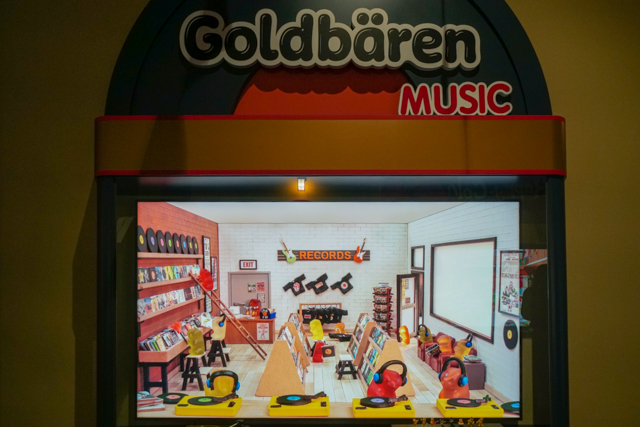
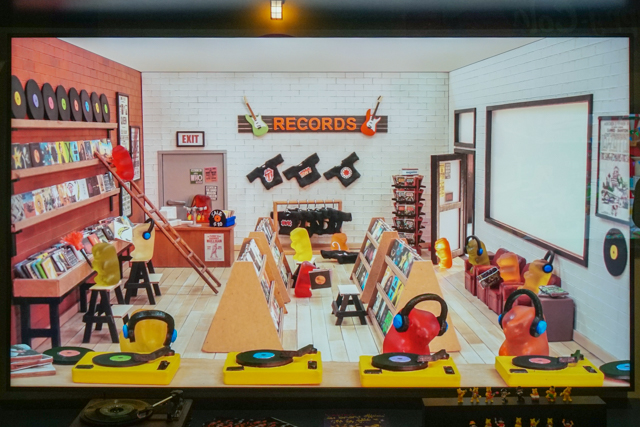
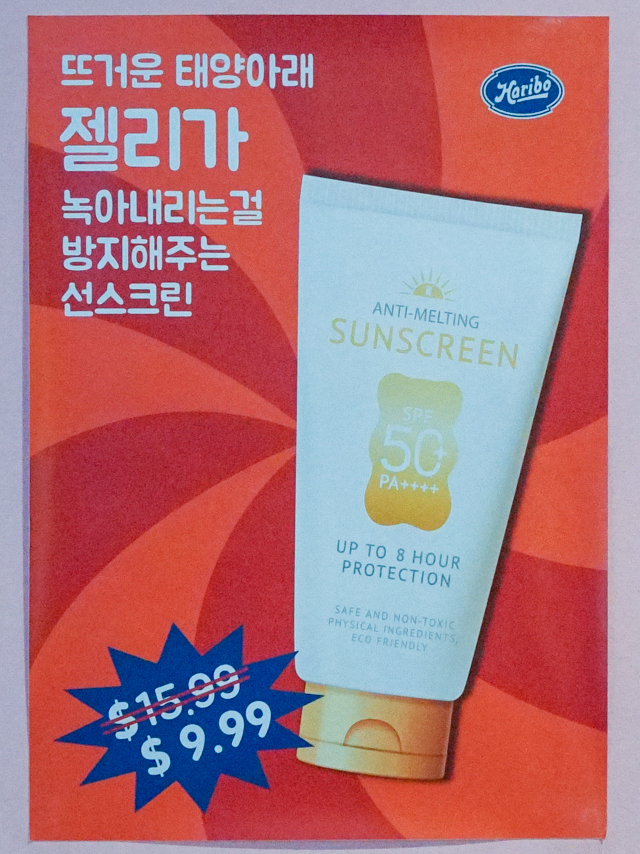
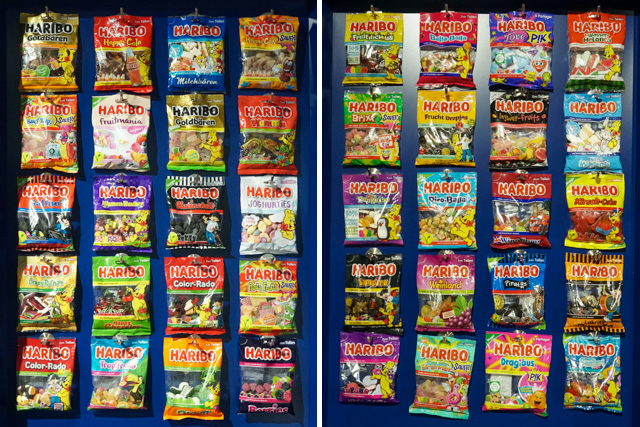
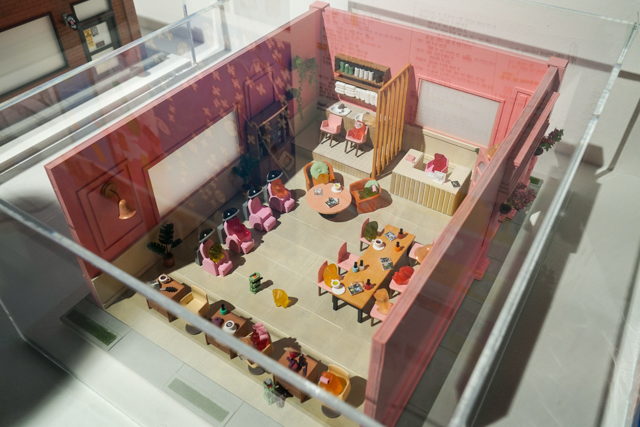
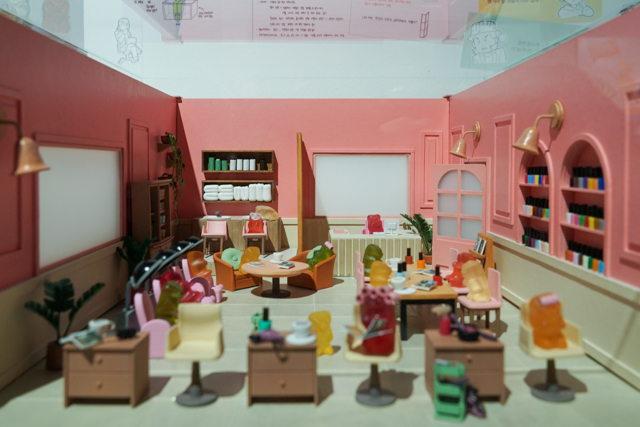
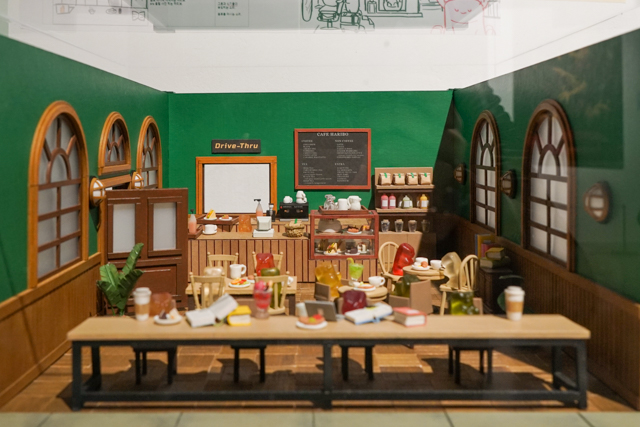
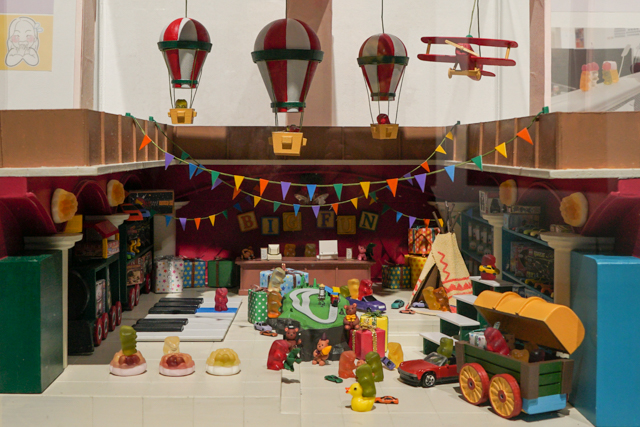
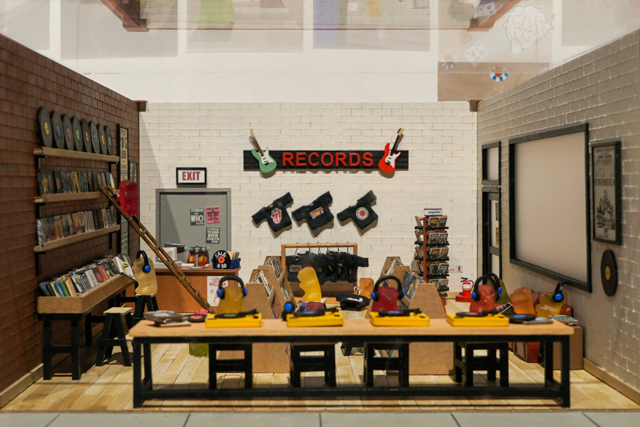
There are shops decorated with Grapefruit, Phantasia, and Happy Cola packages, which have been with the protagonist Goldbaren for a long time. These shops are all successfully operated cafes, toy stores, beauty salons, and music shops.
Let’s take a look at the adorable daily life of Goldbaren seen through the show windows.
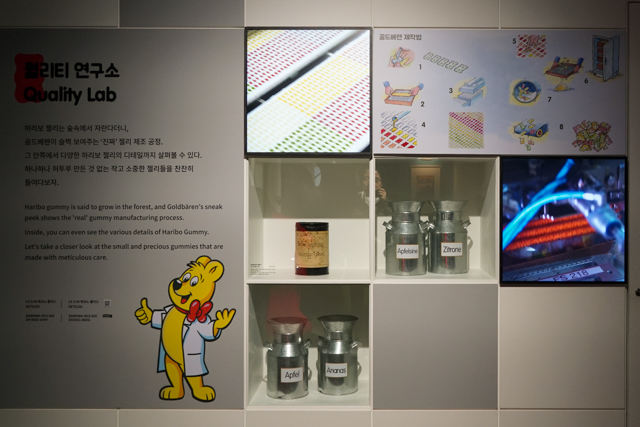
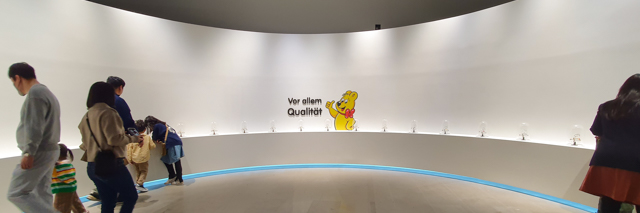
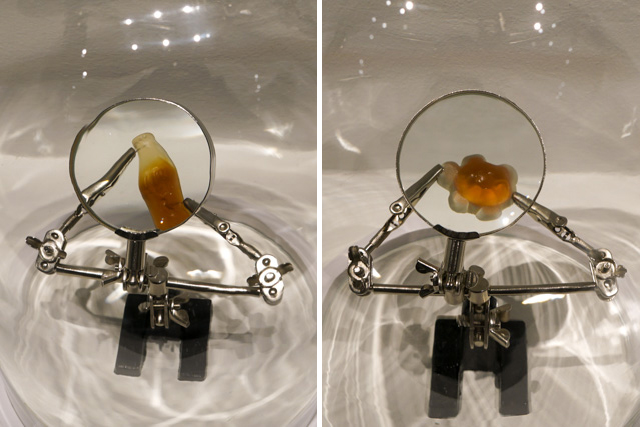
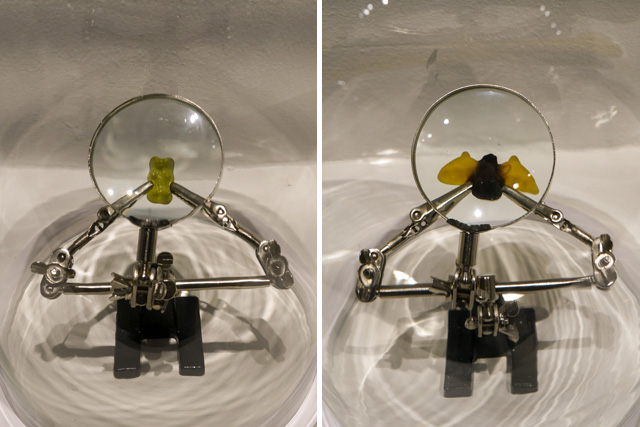
Quality Lab
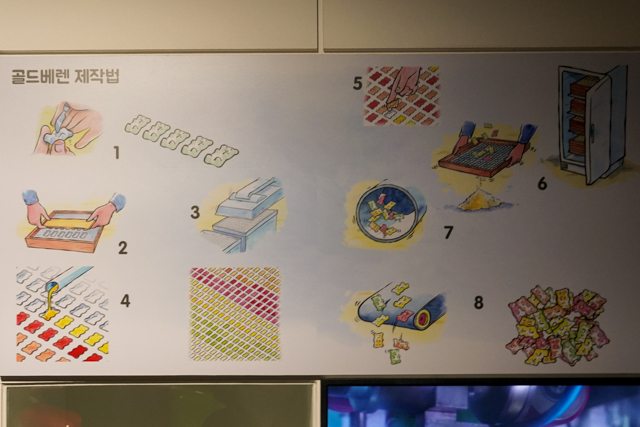
Haribo gummy is said to grow in the forest, and Goldbaren’s sneak peak shows the ‘real’ gummy manufacturing process.
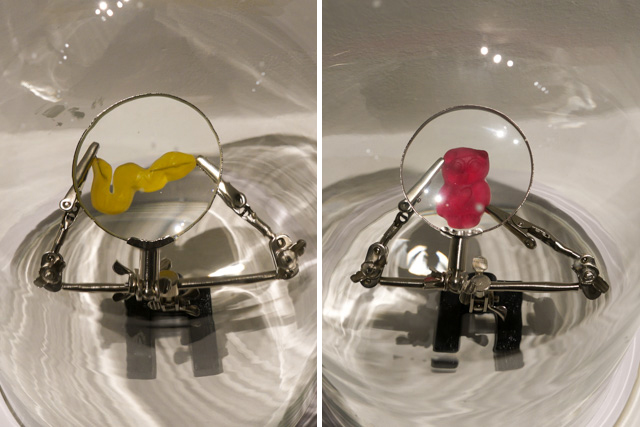
Inside, you can even see the various details of Haribo Gummy.
Let’s take a closer look at the small and precious gummies that are made with meticulous care.
Happiness Cinema
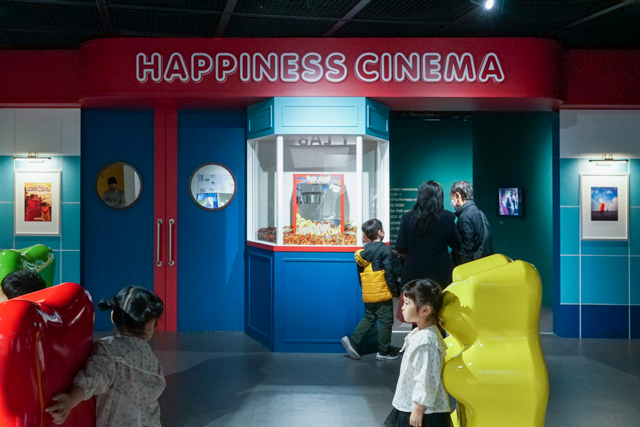
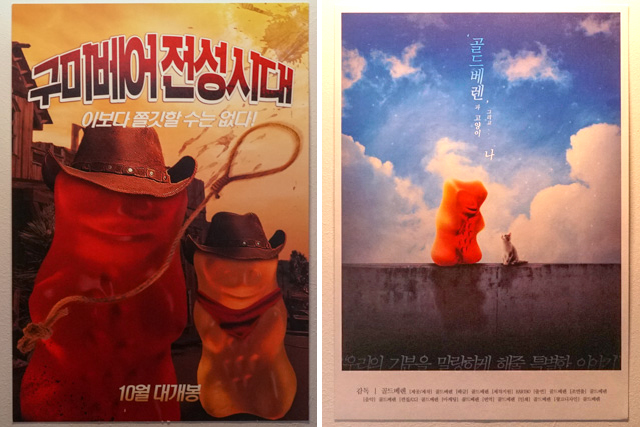
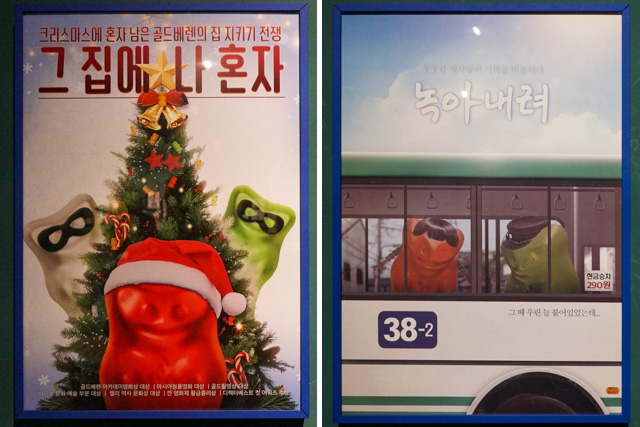
A happiness cinema with a lot of movies starring Goldbaren.
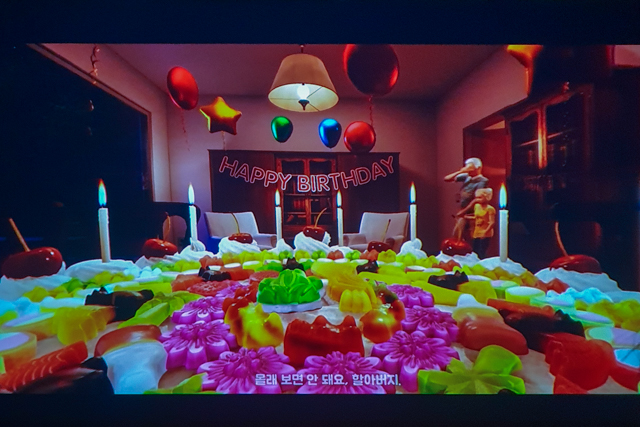
The Haribo Movie, which was only seen inside the Haribo headquarters, will be released for the first time.
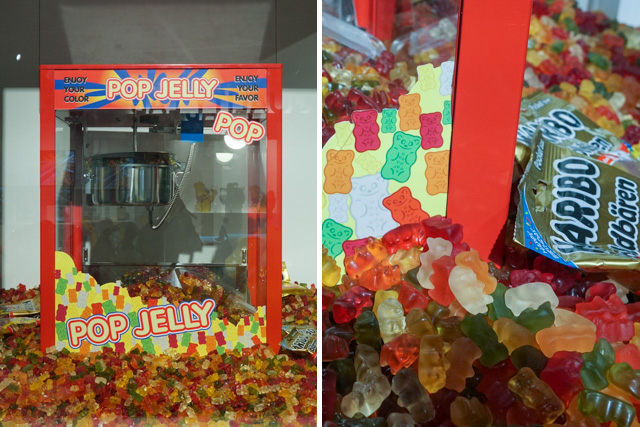
Bring Haribo Gummy instead of popcorn when watching a movie, and participate in the Happiness Cinema etiquette!
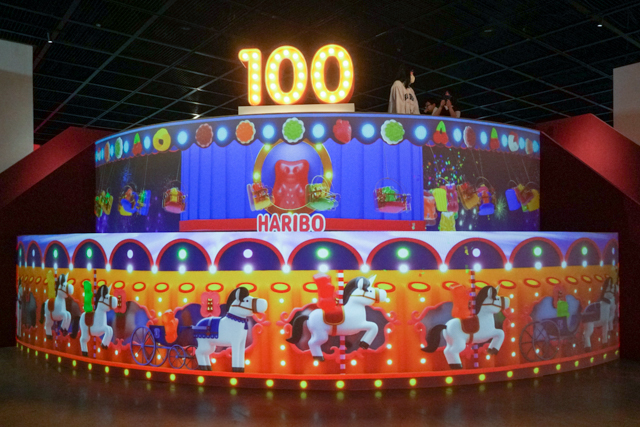
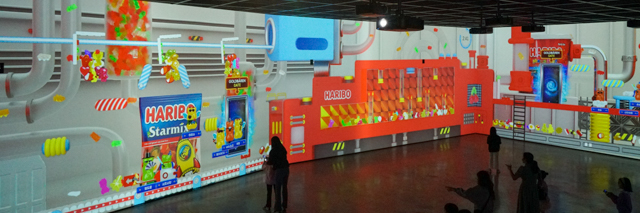
Wonderful Carnival
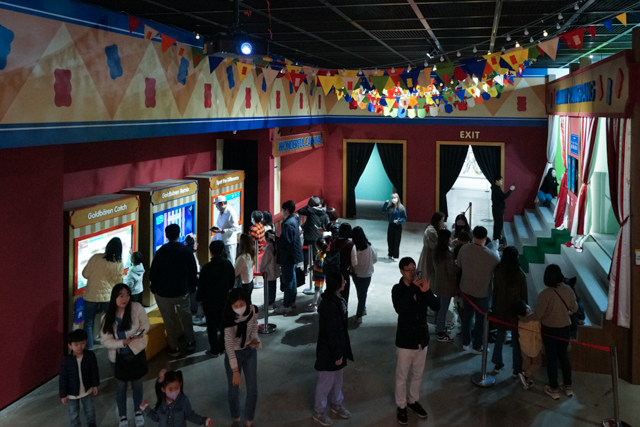


Mega Party Station


Goodbye, HARIBO Goldbaren
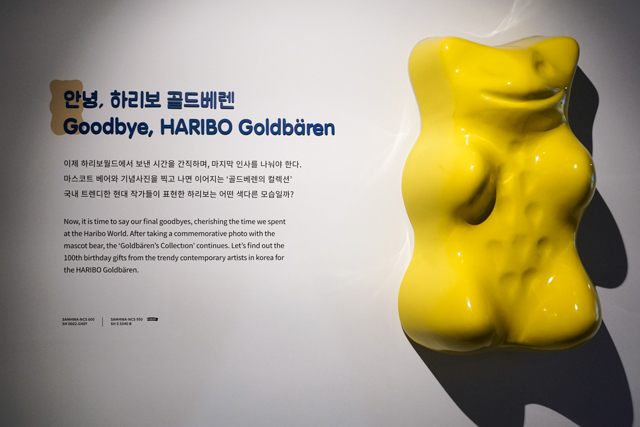
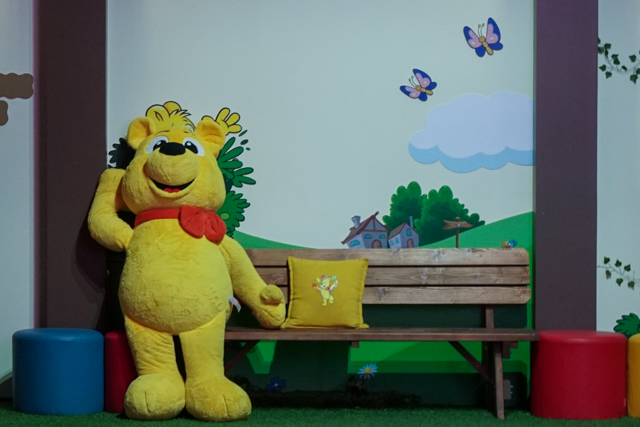
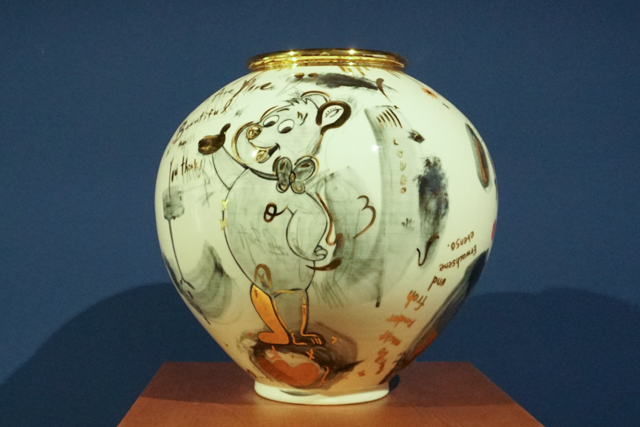
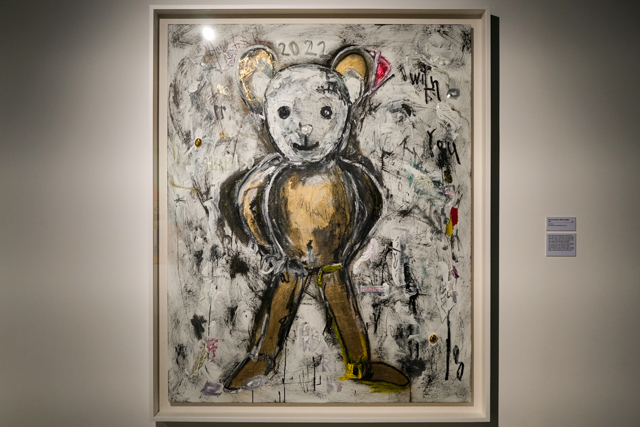
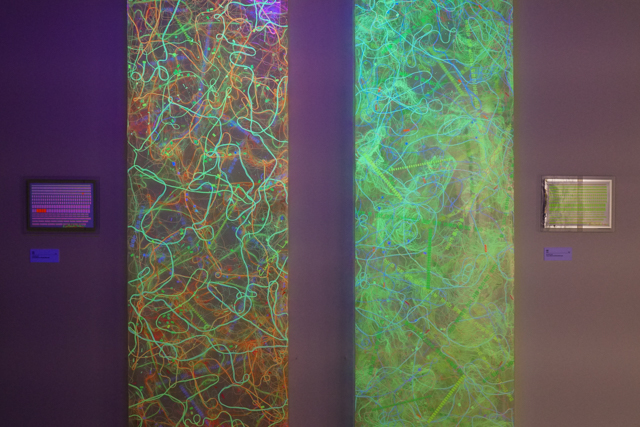
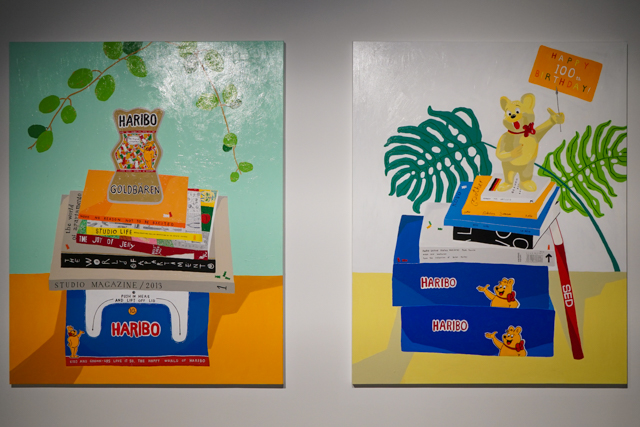
Now, it is time to say our final goodbyes, cherishing the time we spent at the Haribo World. After taking a commemorative photo with the mascot bear, the ‘Goldbaren’s Collection’ continues. Let’s find out the 100th birthday gifts from the trendy contemporary artists in Korea for the HARIBO Goldbaren.

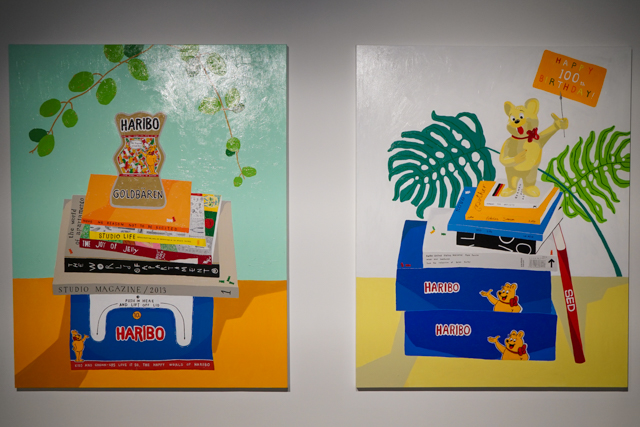
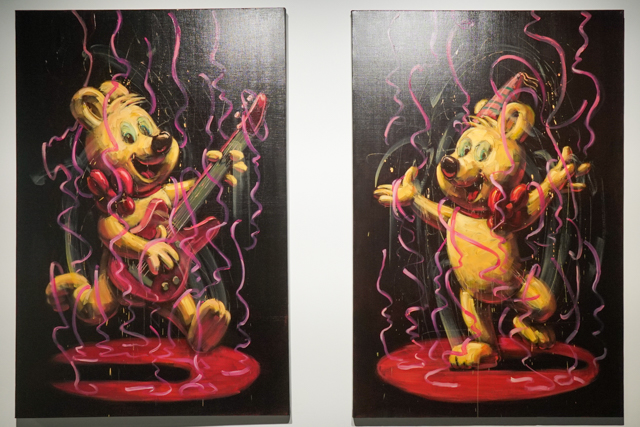
Development plans for HARIBO World
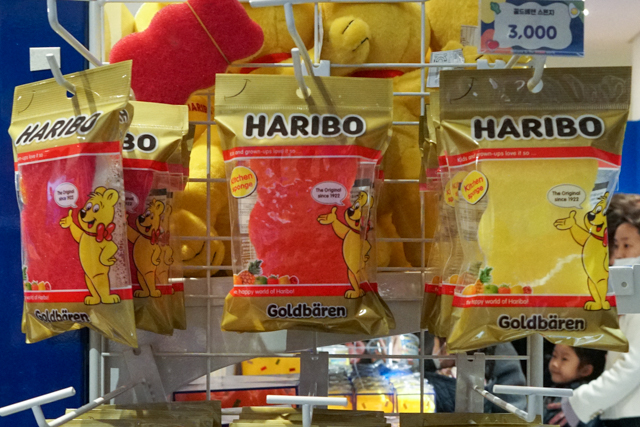
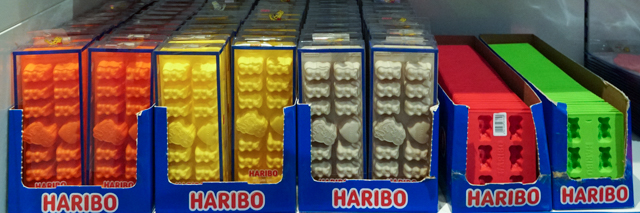
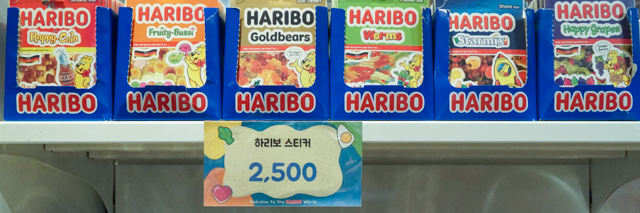
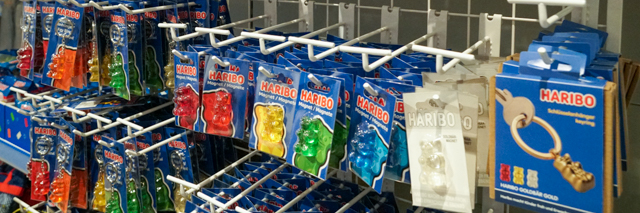
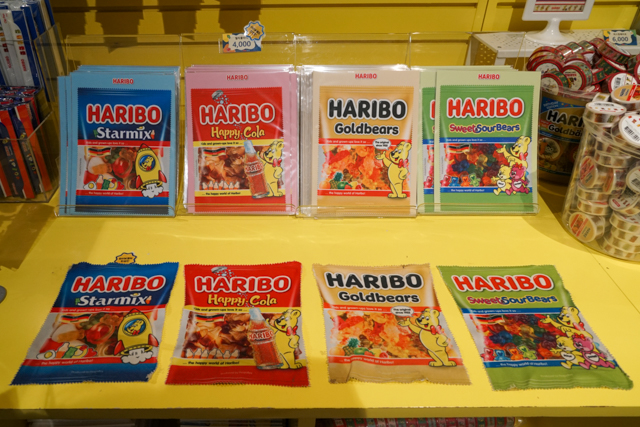
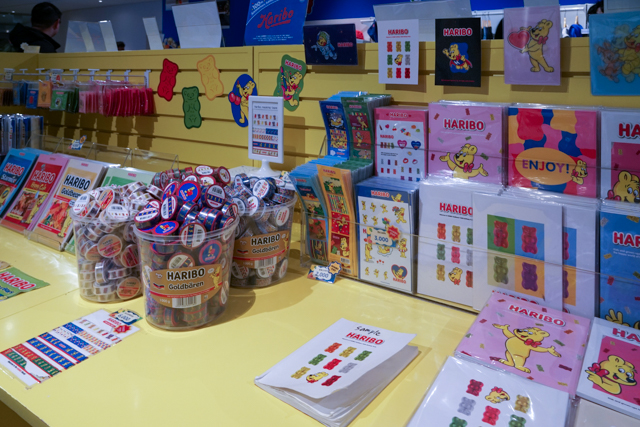
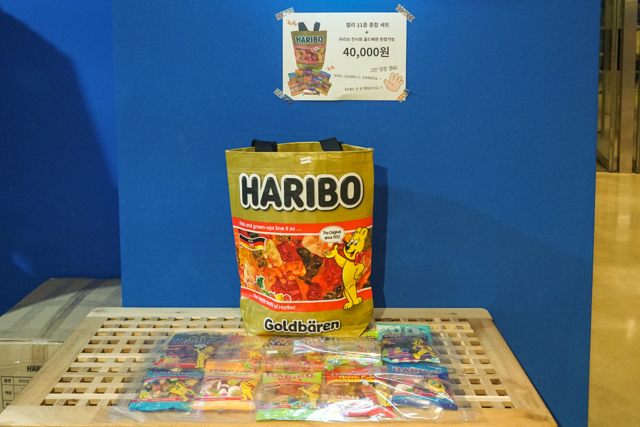
Gift Shop
PLAY Line Friends Insadong
Annyeong Insadong, 49 Insadong-gil, Jongno-gu, Seoul, South Korea
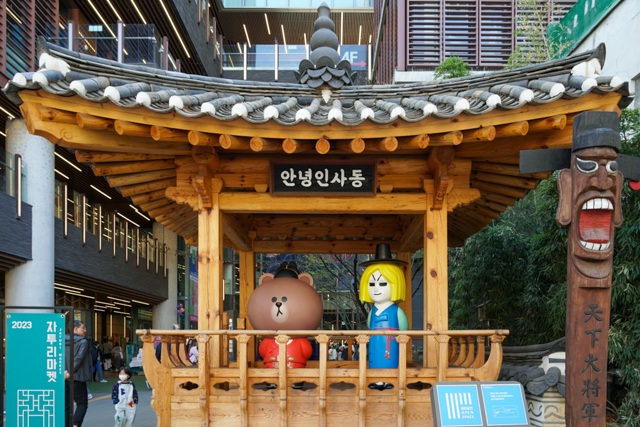
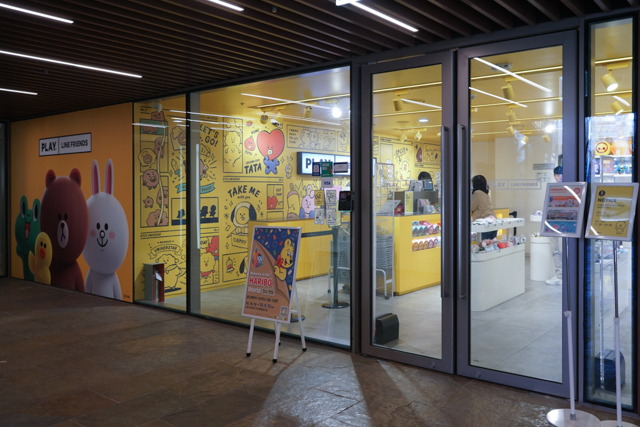
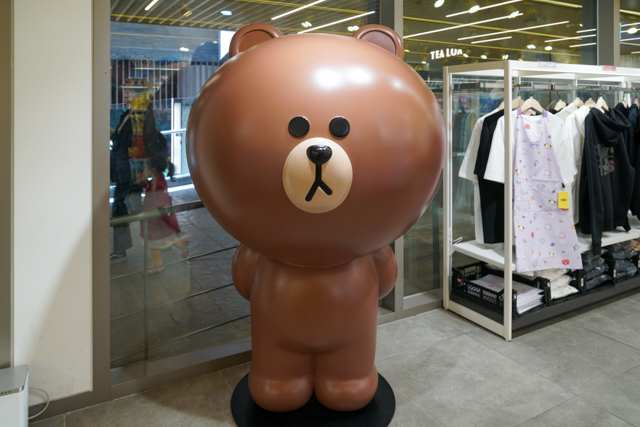
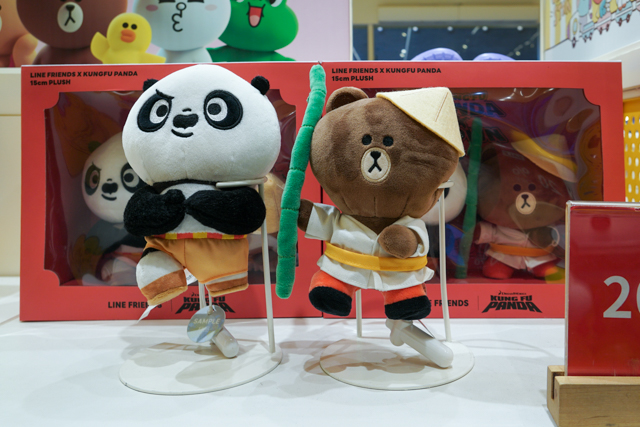

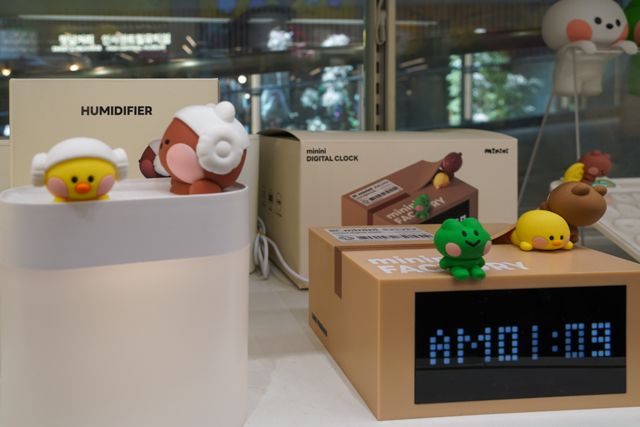
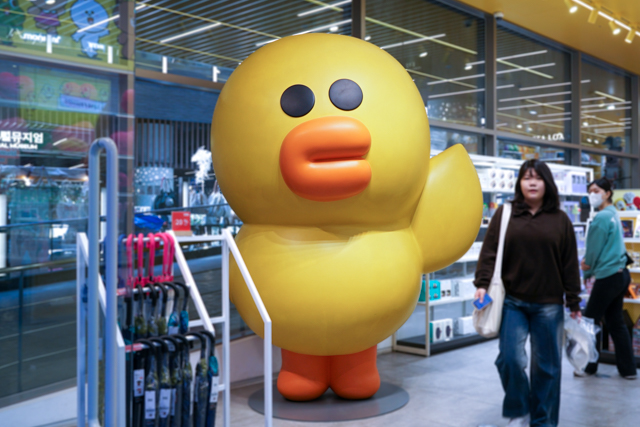
Annyeong Insadong
Annyeong Insadong, 49 Insadong-gil, Jongno-gu, Seoul, South Korea

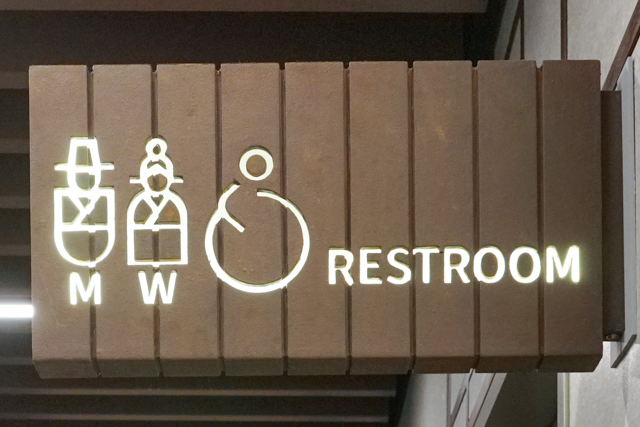
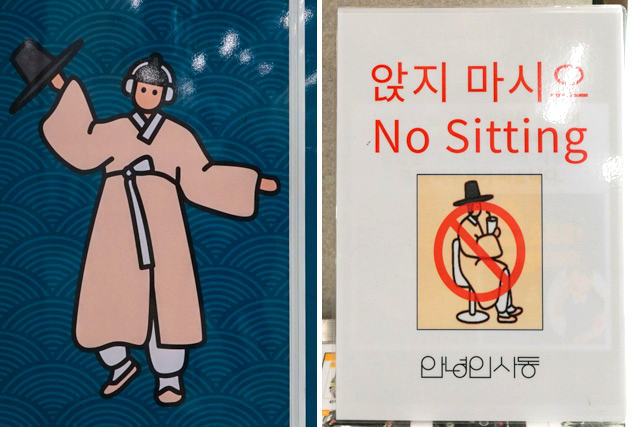
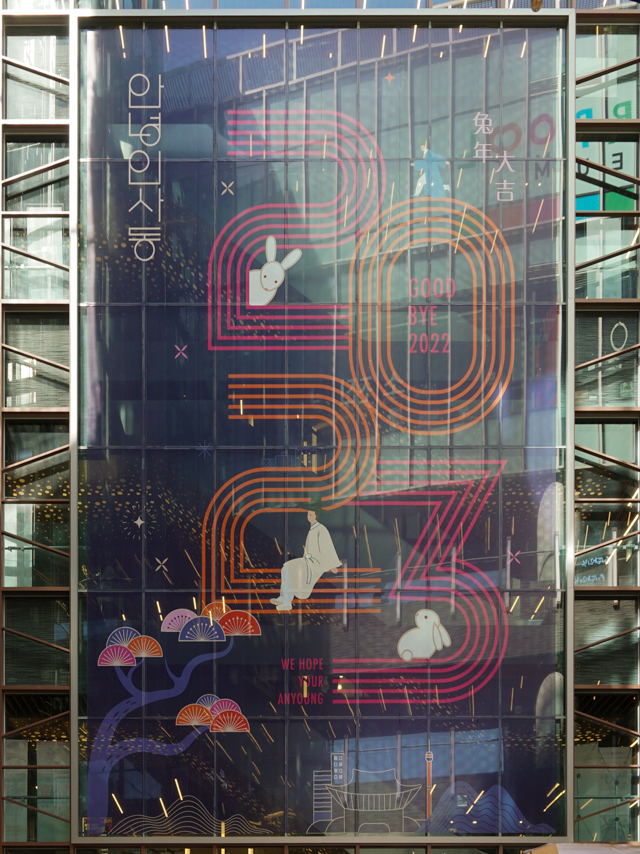
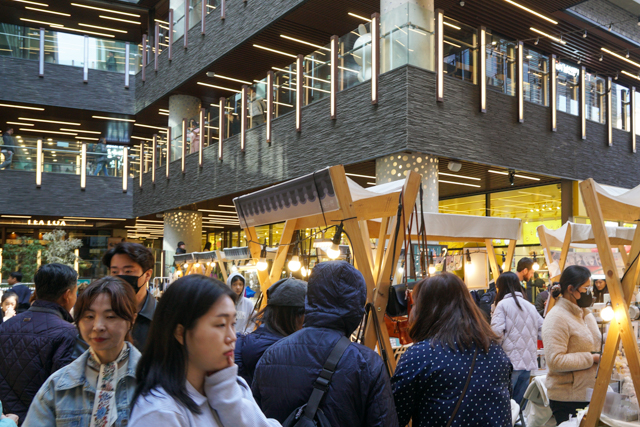
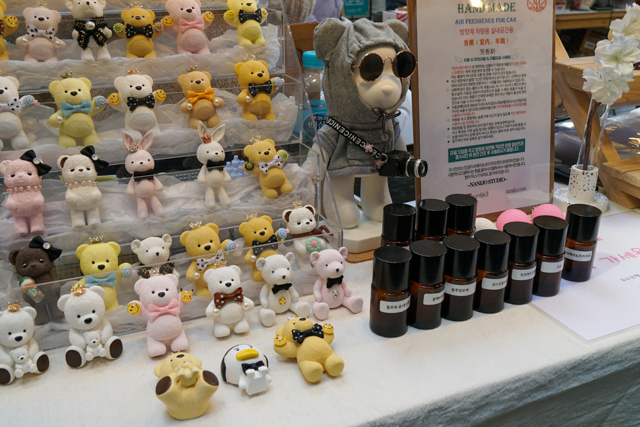
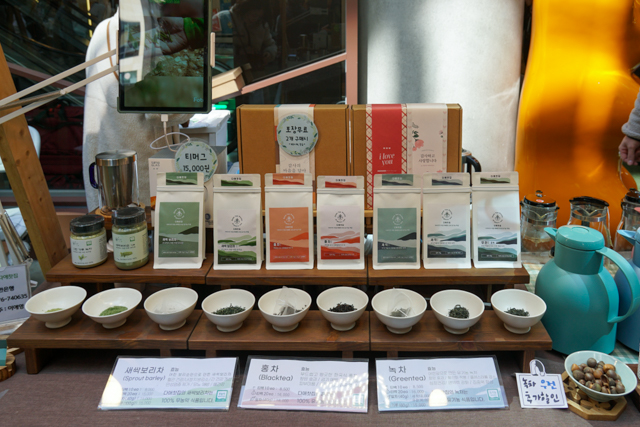
Guemokdang
금옥당 인사점, 1F Annyeong Insadong, 49 Insadong-gil, Jongno-gu, Seoul, South Korea
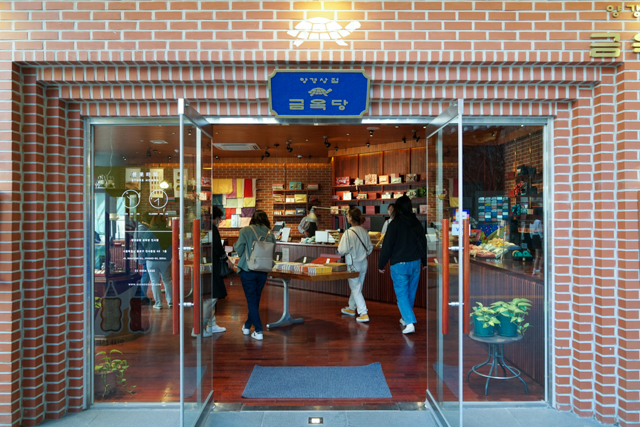
Geumokdang is a premium brand of fresh, hand-made yanggaeng, a type of jelly with bean paste.
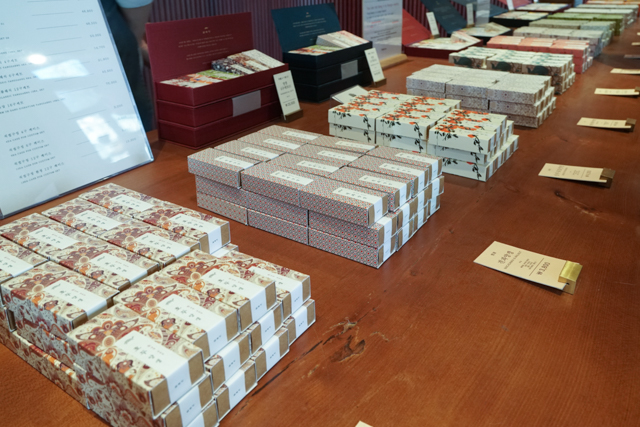
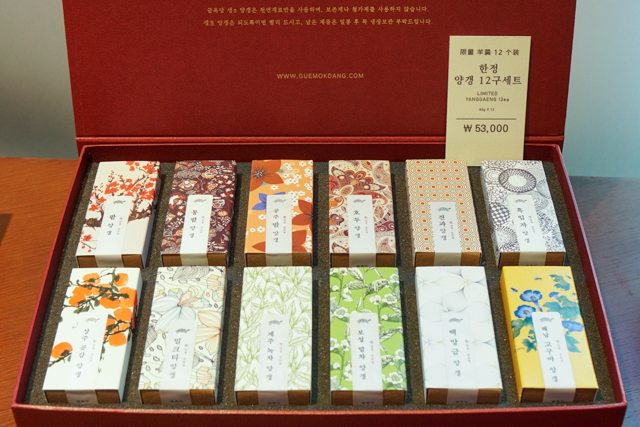
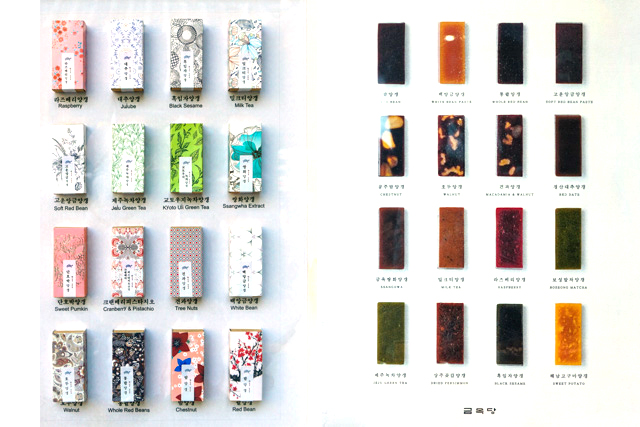
They sold jelly bars with a variety of plant-based flavours.
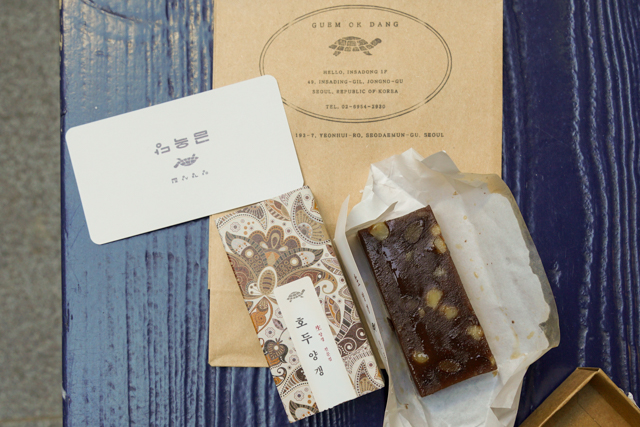
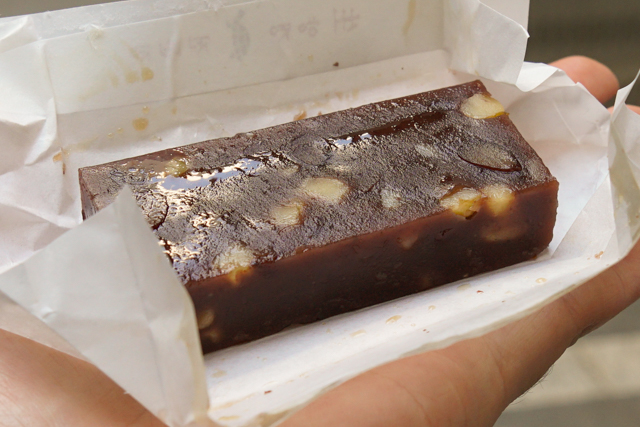
Walnut (3,000 won). This one had a red bean base with crushed walnuts throughout. Set with agar, the texture and flavour was essentially identical to Japanese yōkan. While the red bean flavour was there, the texture was thick and crumbly, accentuated only by the crunch of the walnuts.
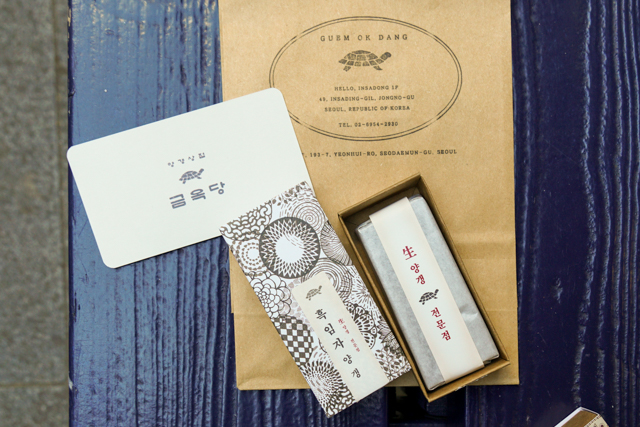
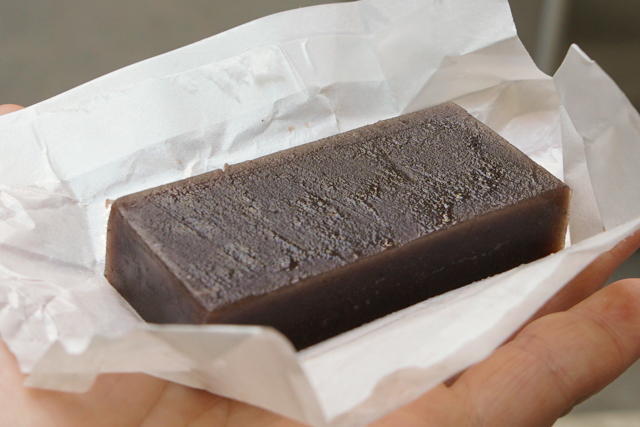
Black sesame (3,000 won). The black sesame here was blended into the red bean paste, so the yanggaeng had a uniformly thick and crumbly texture throughout. The black sesame came through as a prominent nuttiness and added depth to the warmer earthiness of the red bean.
Insadong Geujip
인사동 그집, 3 Insadong 12-gil, Jongno-gu, Seoul, South Korea
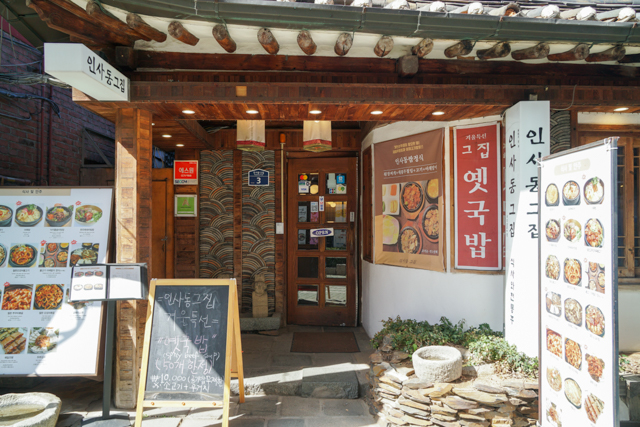
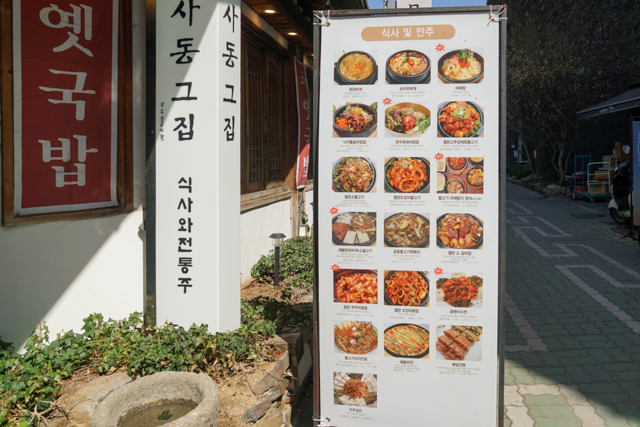
For lunch, we stopped by Insadong Guejip for a hearty Korean stew.
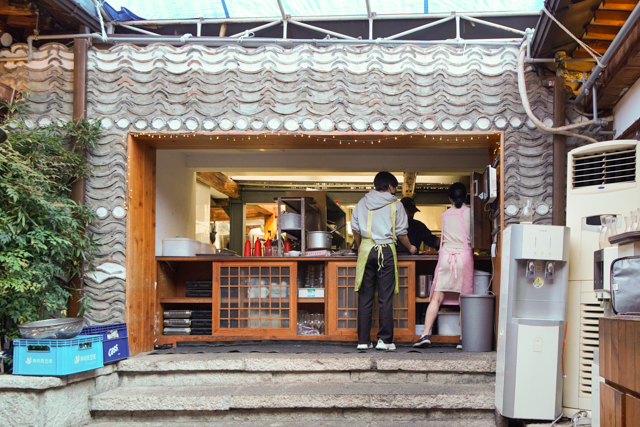
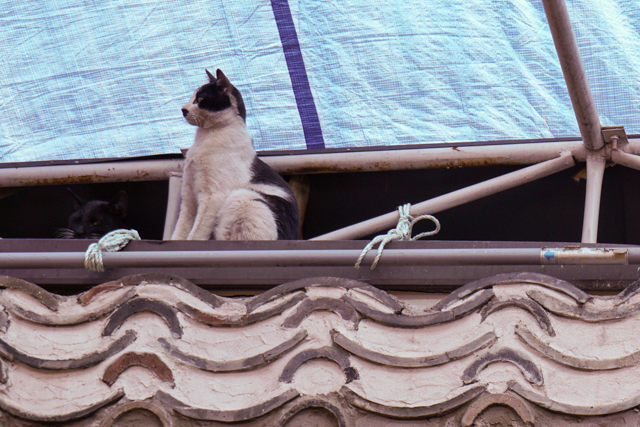
The restaurant is housed in an old hanok, so featured a central atrium that is usually open to the elements (but covered with a tarp for use here). We spotted a cat exploring the roof space mid-way through out meal.
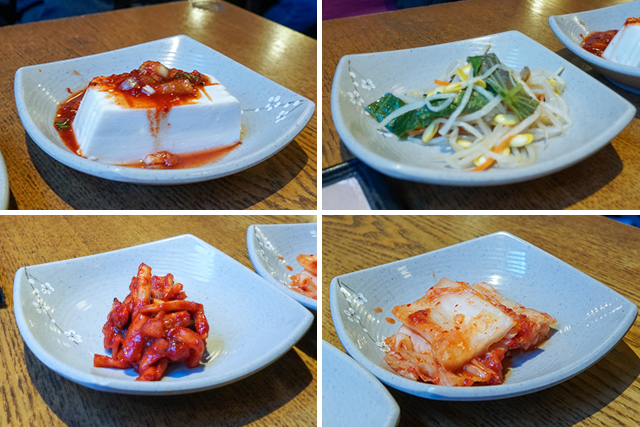
There was a variety of banchan. We weren’t huge fans of the tofu, but enjoyed the crispness of the kimchi vegetable on the bottom left (a sort of stem) as well as kimchi cabbage, and the bean sprouts with perilla.
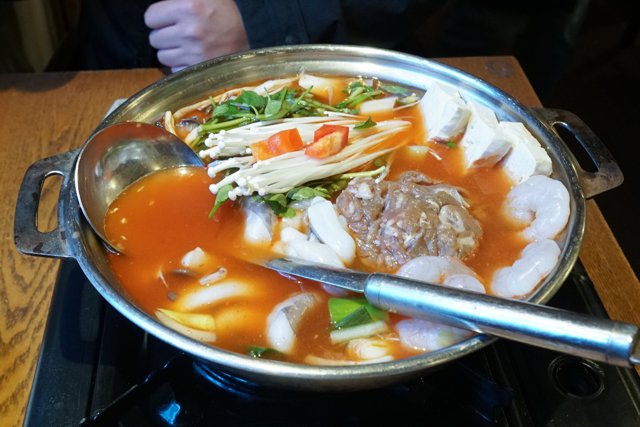
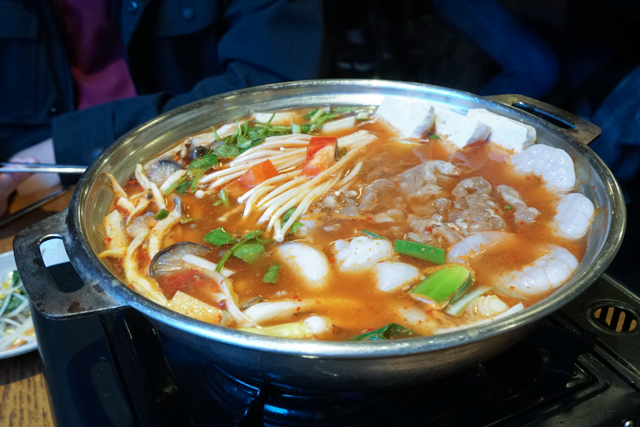
We ordered a pot stew with beef and octopus to share between the two of us. The octopus were tender, while the beef was flavourful. The additional ingredients brought welcome variety: the prawns were crisp, while the fish kept their shape, and there was a good variety of vegetables – enoki, shiitake, tofu, spring onions, and capsicum — that soaked up the lightly spicy soup. It was a hearty and filling meal suited to the cold and windy day outside.
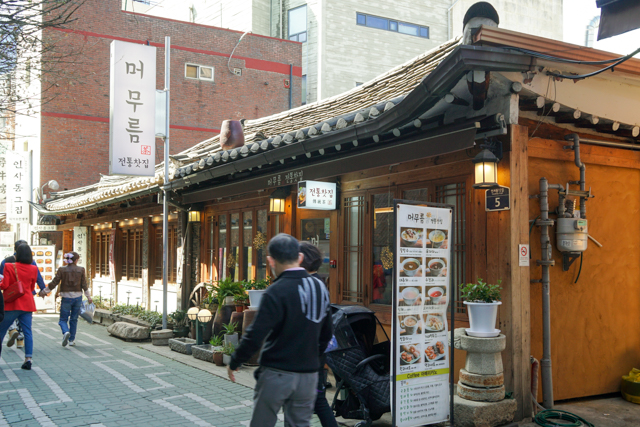
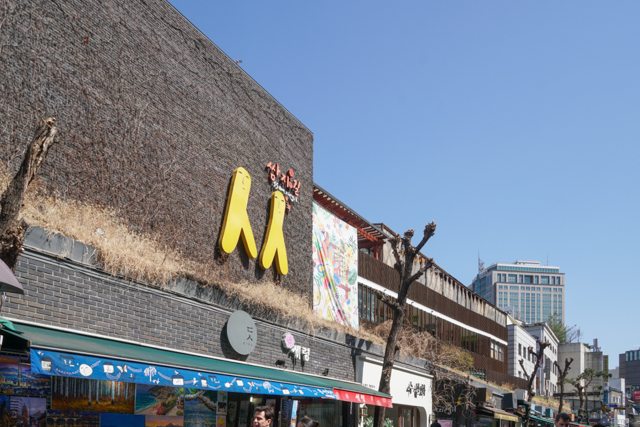
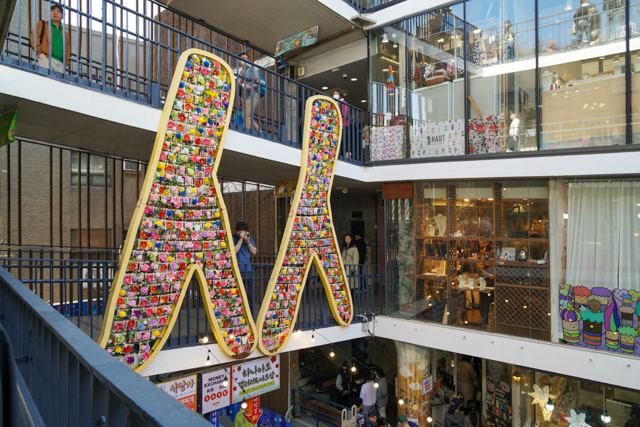
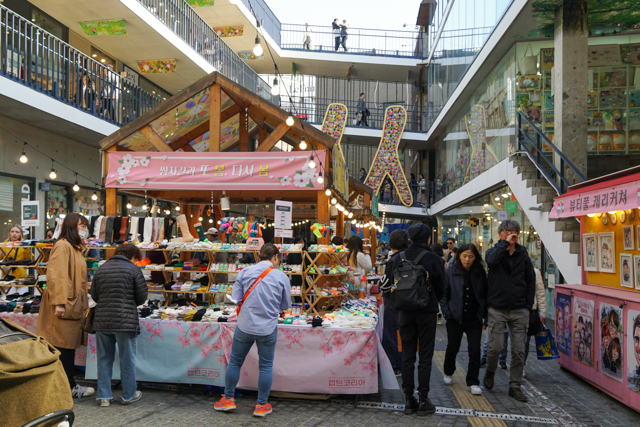
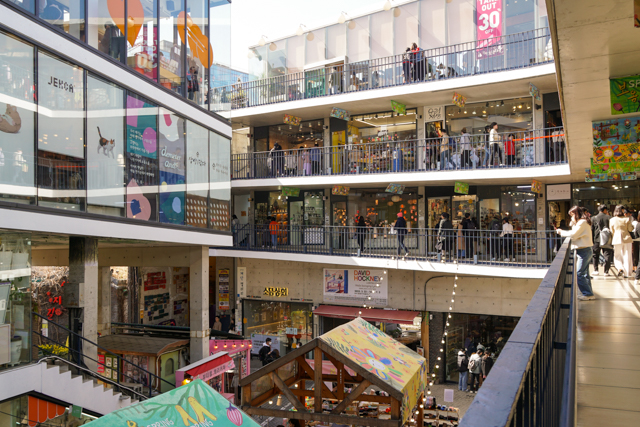
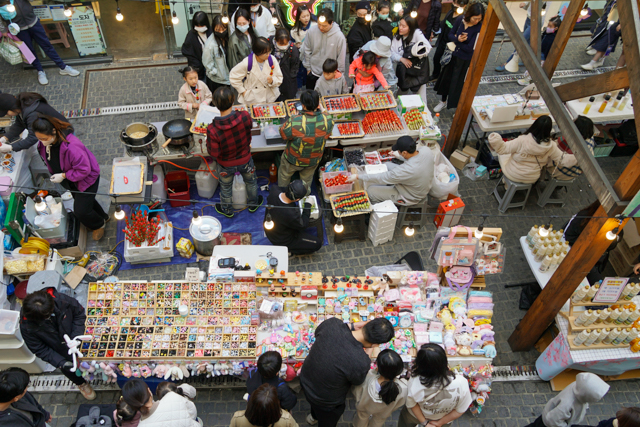
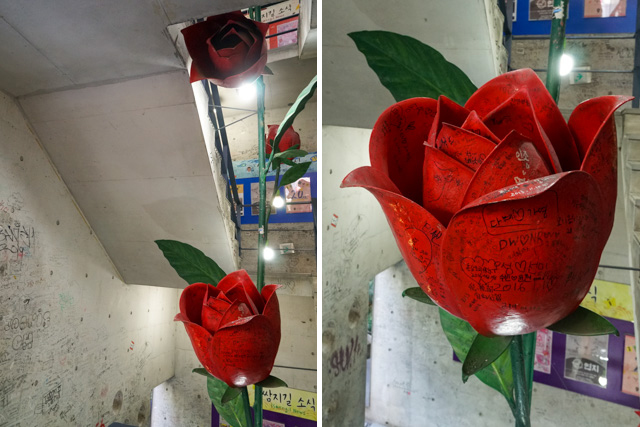
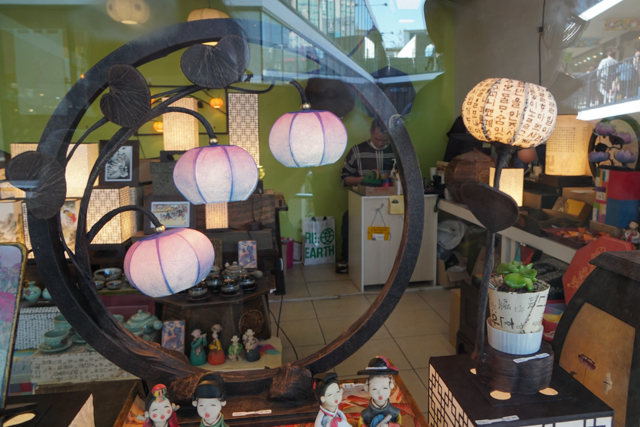
Ssamzigil
쌈지길, 44 Insadong-gil, Jongno-gu, Seoul, South Korea
Museum Kimchikan
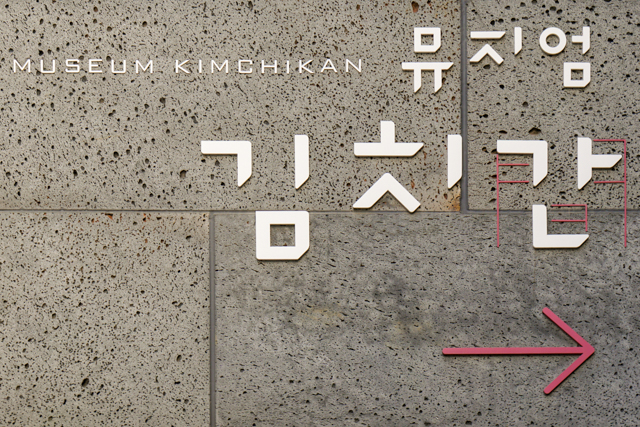
뮤지엄 김치간, 35-4 Insadong-gil, Jongno-gu, Seoul, South Korea
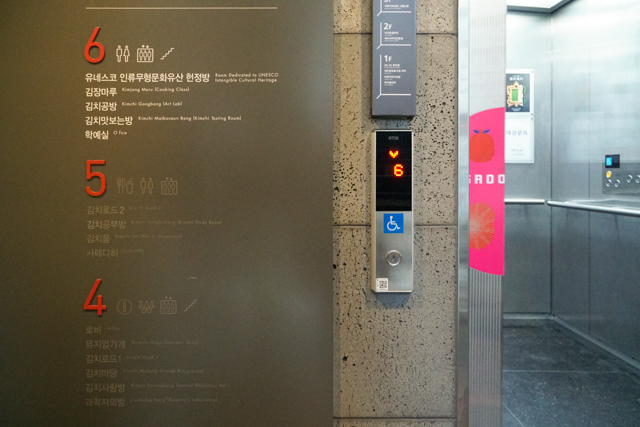
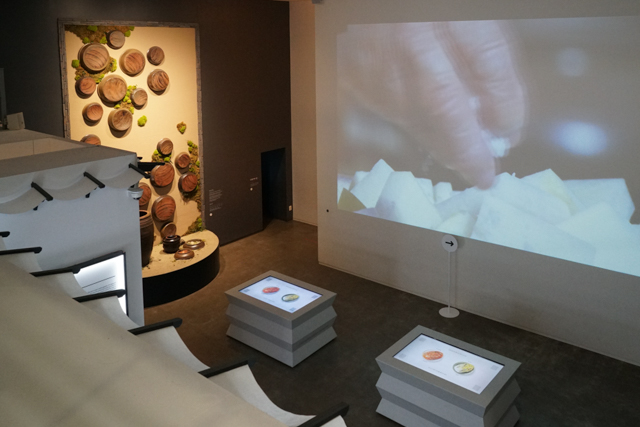
Kimchi Madang
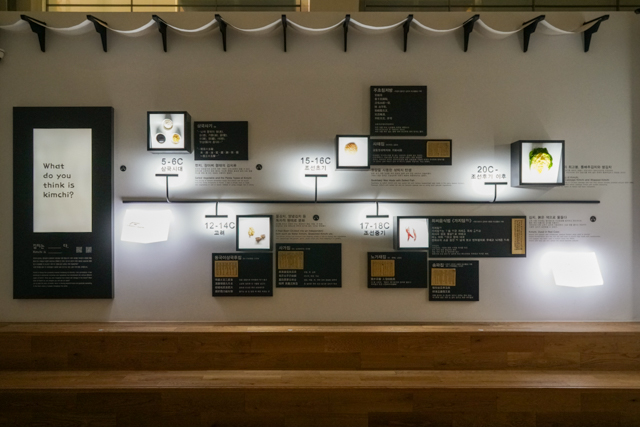
A timeline showing how kimchi began and how it has changed over time. Kimchi is a fermented food that induces lactic acid fermentation by mixing vegetables that have been brined in salt with a wide selection of seasonings. This is why kimchi itself is considered to be a very unique and authentic food culture in terms of its recipe in comparison to pickled foods and vegetables fermenting found in other countries such as China and Japan.
The Birth and Evolution of Kimchi
5-6 C, Three Kingdoms of Korea: Salted Vegetable and the Pickle Types of Kimchi. The record of Korean fermented foods and kimchi can be found from the Three Kingdoms of Korea. It was a simple style to soak raw vegetables in salt or sauce instead of using vinegar in China.
12-14 C, Goryeo, Korean Dynasty: It Had Been Dvided into an Independent form such as Water Kimichi, Seasoned Kimchi etc. The kimchi recipe had evolved from soaking simply in salt to mixing raw vegetables with seasonings like ginger, garlic, green onion, water and pepper, then keep it in pottery.
15-16 C, Early Joseon Dynasty: Seokbaji was Made with Salted Fish. Seokbaji (a radish kimchi with rare salted fish and various seasonings) was made in the early Joseon Dynasty. However, kimchi with salted fish did not become popular due using such upscale ingredients.
17-18 C, Mid-Joseon Dynasty: Kimchi, Dyed in Red Color. Before chilli pepper was introduced, pasque flowers were used to prevent hetero-fermention and the rich red red-color of kimchi was made with red chilli pepper. Chili pepper has been used in kimchi since the 1600s. Kimchi with less salt and salted fish would become popular.
20 C, Since the late Joseon Dynasty: The Top of Kimchi, Whole Cabbage Kimchi and Wrapped Kimchi. The growing of Chinese cabbage with half filled leaves became possible around 1850-1860, so the the current whole cabbage kimichi with stuffed seasoning into the layers of leaves had been completed.
The Chinese character Jeo (菹}, which means salted vegetable, first appeared in the Book of Odes, and Jeo (菹) and was used as the meaning of kimch. According to these reasons, some argue that without a doubt the origin ot kimchi was from China. However, the characteristics of Korean kimchi have huge differences from the salted vegetable food in Northeast Asian culture. Firstly, the condition of the salted vegetable is important as it has to be in the best condition in order to ferment well which is achieved by salting raw vegetables. Secondly, there is a follow-up fermentation process in a special container after mixing the salted vegetables with a unique seasoning. While fermenting, the various kinds of nutritional substances and functional material are increased and become richer. Thirdly, one can enjoy having both the vegetable ingredients and its juice together, in contrast with other styles ot pickles. Salted vegetable foods with one or two of the features above do exist in other cultures. However, having both properties makes Korean kimchi very unique and indigenous to Korea’s food culture.
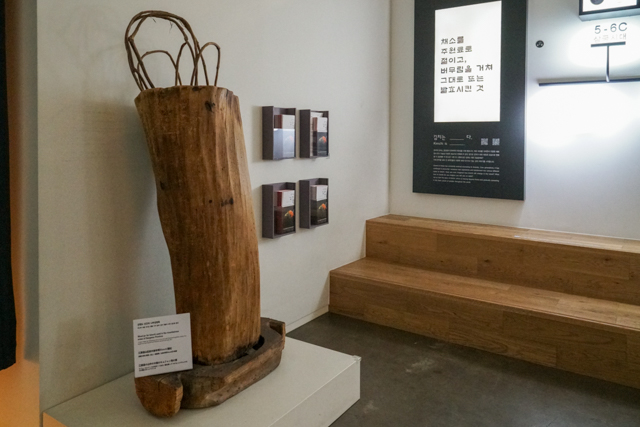
This was an pot for storing kimchi.
Kimchi Sarangbang
Looking at Kimchi through an Old Kitchen
The Museum Kimchikan, a place where people talk about the story of ‘kimchi and kimchi culture’ has arranged the <Being Connected via Kimchi> to celebrate the third anniversary of its reopening in 2018. This new type of exhibition combines photography, video, and hands-on experiences of kimchi culture to be shown at the Kimchi Sarangbang.
‘Cooking’ is a universal way to transform nature into culture. Moreover, food helps people rediscover places we used to pass by unconsciously as somewhere special through connecting and sharing culture.
This exhibition reviews ‘kimchi culture’ capturing it from traditional Korean kitchens, a special space inherited from our mothers. There are three main divided spaces to experience how kimchi has become popular and evolved in Korean food culture in a visual sense, through the sense of touch etc.
1. Butumak, the space where Korean food has become connected
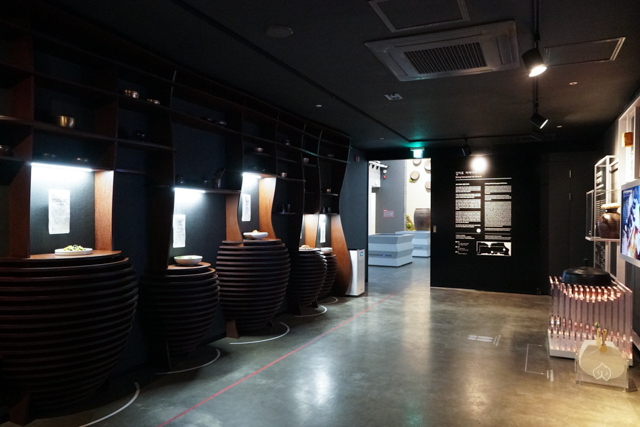
In the first space, you can see the developmental background of Korean fermented foods through the re-created butumak, which doubles as a cooking and heating tool.
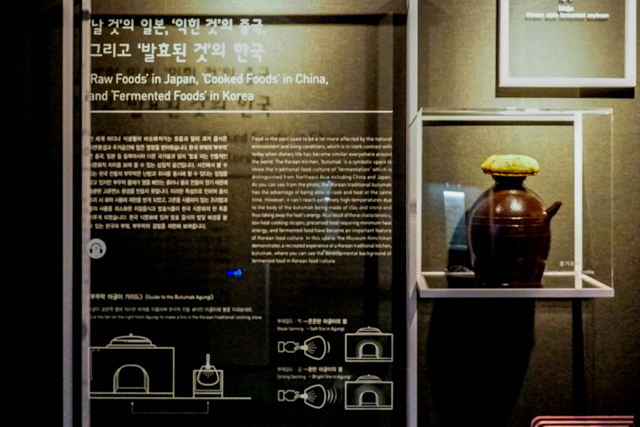
‘Raw Foods’ in Japan, ‘Cooked Foods’ in China, and ‘Fermented Foods’ in Korea
Food in the past used to be a lot more affected by the natural environment and living conditions, which is in stark contrast with today when dietary life has become similar everywhere around the world. The Korean kitchen, ‘butumak’ is a symbolic space to show the traditional food culture of ‘fermentation’ which is distinguished from Northeast Asia including China and Japan. As you can see from the photo the Korean butumak has the advantage of being able to cook and heat at the same time. However, it can’t reach extremely high temperatures due to the body of the butumak being made of clay and stone and thus taking away the heat’s energy. As a result of these characteristics, low heat cooking recipes, preserved food requiring minimum heat energy, and fermented food have become an important feature of Korean food culture. In this space, the Museum Kimchikan demonstrates a recreated experience of a Korean traditional kitchen, butumak, where you can see the developmental background of fermented food in Korean food culture.
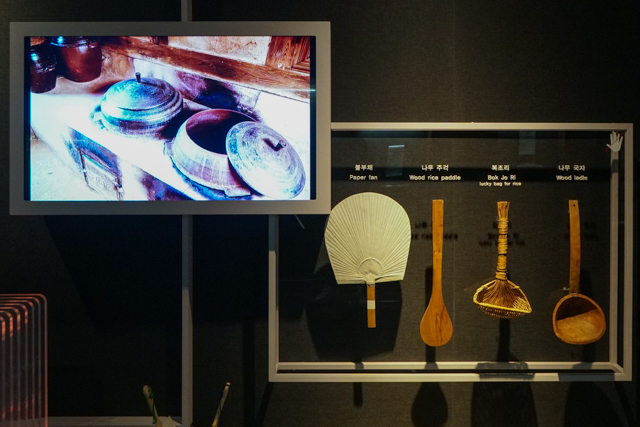
2. Chanmaru, the space where the culture of the table begins
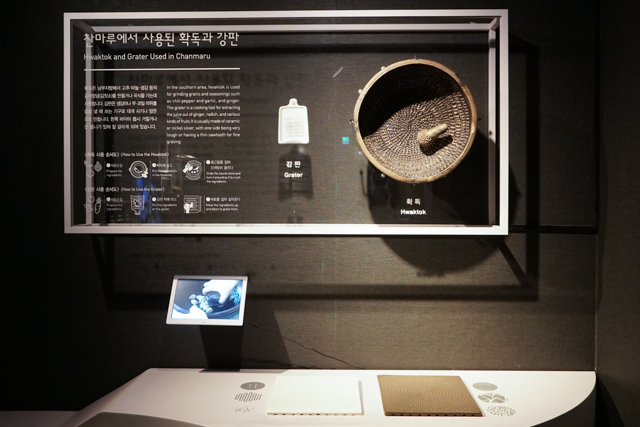
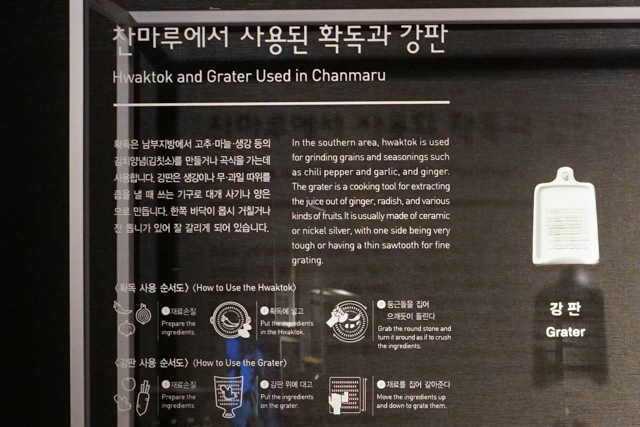
In the second space, you can find how the status and characteristics of kimchi are differentiated from other fermented foods. The interactive display will help you to understand how kimchi always has a place at the table throughout the year. In addition, in a hands-on experience you can learn how to use the hwaktok (an old grater shaped as a pot which is made of ceramic or stone) and a grater that is used while making kimchi.
The Flower of Korean Table, Kimchi
In Hansik, a typical Korean table setting is composed of plain cooked rice with seasoend side dishes that are served all at once and meant to be eaten together. Chanmaru is the space where Korean food culture begins because the cooking space for side dishes and light refreshments are necessary in the kitchen. Salt is essential to digesting rice which is a grain composed mainly of carbohydrates and is the dominant ingredients in food cultures such as Hansik. Kimchi had salty flavours like that of soybean paste and also spicy flavours as like those in chilli pepper paste. This is because it is made from salted vegetables made with similar seasonings incluyding salt, chilli powder, garlic etc. Also the liquid from kimchi is an excellent condiment, as it can be used for seasoning food instead of soy sauce. Therefore, kimchi is considered a well-developed and complex side dish with various tastes as opposed to soybean paste base side dishes. A wide range of different kinds of kimchi have been passed down due to its seasonal nature using vegetables from the garden at any time of year with all kinds of seasonings.
3. Chanjang, the space where the old records of kimchi have been kept
In the third space, you can see the regional and inherited forms of kimchi that have been handed down across generations.
Various kimchies Resemble Korean Kitchen
The Korean kitchen used to have much more varied spaces than what we can imagine today. According to Jeungbo sallim gyeongje* there are almost seventy seven Korean kitchen items such as pots, various sized bowls, soup bowls, small porcelain bowls, ceramic containers etc. Chanmaru and chanjang in the kitchen where stocked high with aged cooking tools and used to be a proud space boasting of a woman’s house keeping know-how. Kimchi used to be just as diverse as the kitchen in which it was made. Korea has been creating its own culture harmonizing with nature, terrain, weather, and environment. So too has kimchi with its own flavours from each region and each family been handed down across generations. You can see records of a variety of regional varieties of kimchi on the ceramics and the style of chanjang. *A Korean book on agriculture compiled by Jung-rimYu as revised and enlarged from the Sallim gyeongje written by Man-seon Hong (1643-1715)
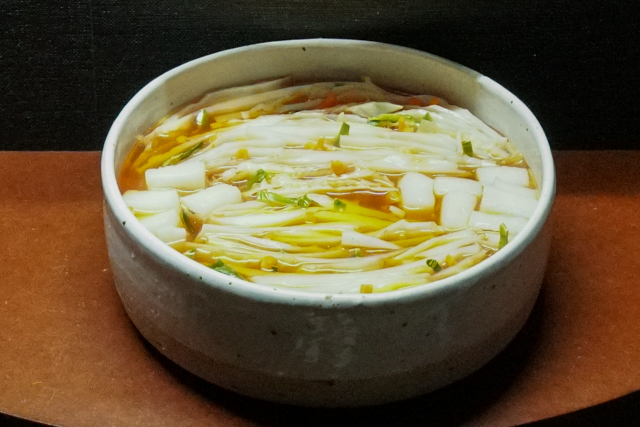
Bandongchimi is a whole nappa cabbage kimchi from the 19C-20C. It has a harmonious balance with its cabonated tecture and savory taste due to the making process by pouring the kimchi liquid separately before it is completely fermented. Therefore, it is recommended for older people who don’t have enough saliva.
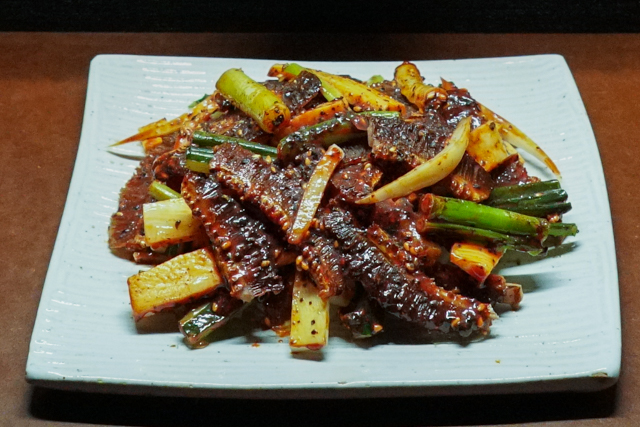
Seogeongi is a unique kimchi which has been made for a long time in Gangreung which is a pollark fishing district. Through the fermentation process over winter, one can enjoy the distinctive chewy texture and rich flavour from the salted fish sauce.
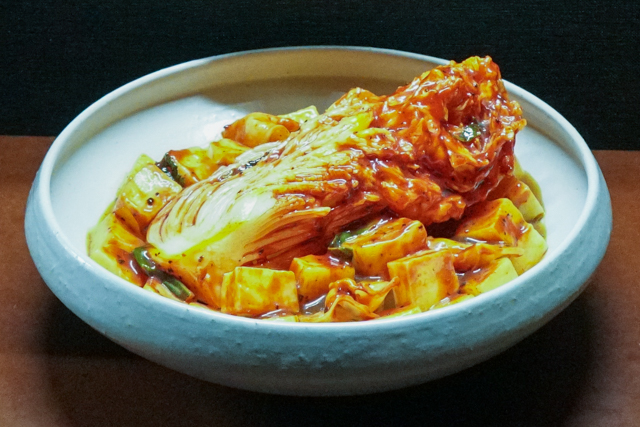
The Eunjin Song clam’s kaduki recipe is similar to that appearing in literature written in 19C-20C. The distinction of this kimchi is in its nutty flavour from the nappa cabbage.
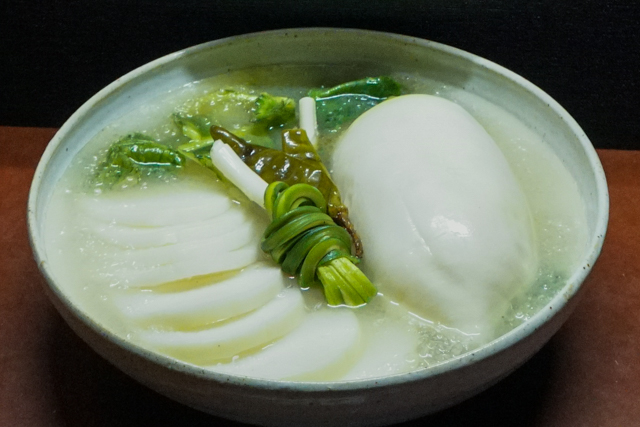
Donchimi has been developed from a basic type which is made from the whole salted radish to a variation which is made from various fruits and vegetables. Well fermented dongchimi contains a lot of oxygen and enzymes, and historically was used as a digestive medicine.
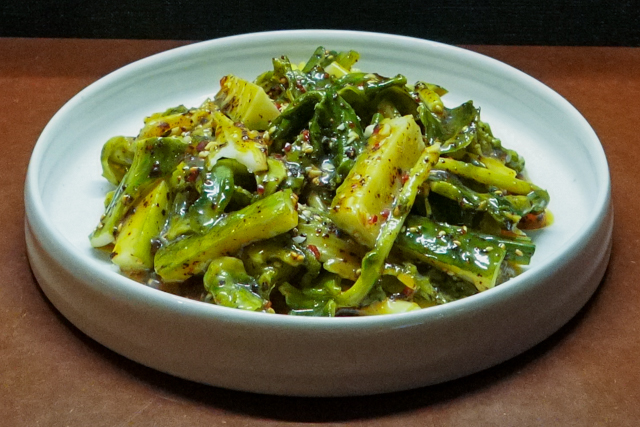
Yeolmu-Eolgari kimchi is a summer special kimchi which is made from winter grown cabbage, young radish or cucumbers that have a higher water content. It is perfect for stimulating one’s appetite in cases of exhaustion from the heat.
Jangdokdae view from the sky
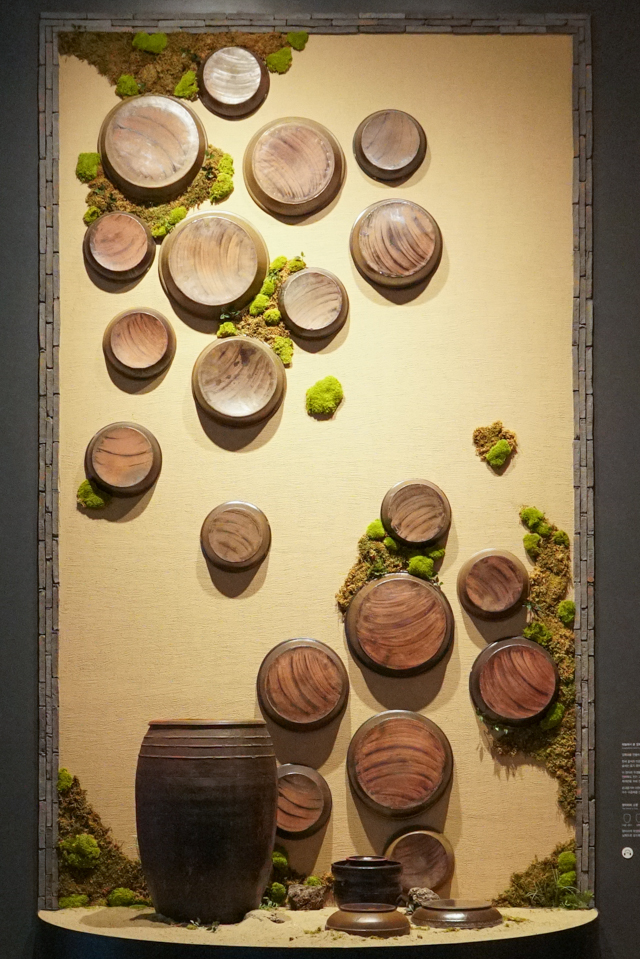
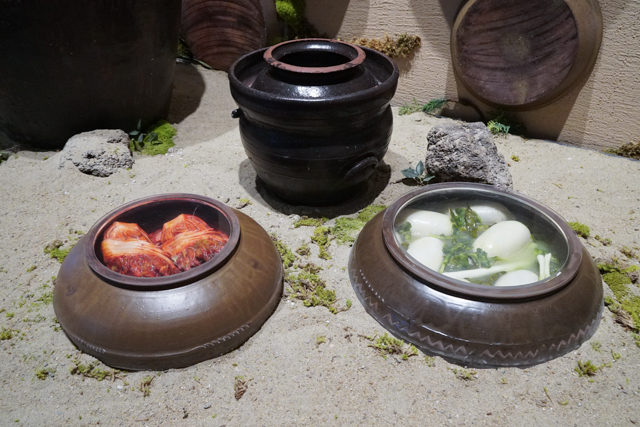
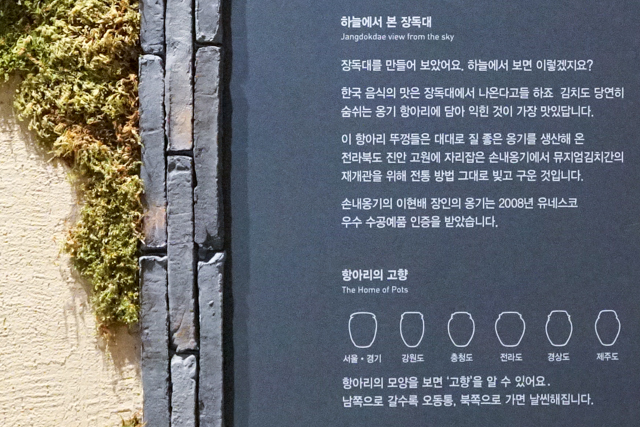
It is said that the flavours of Korean food come from onggi. Here, onggi refers to food containers that store fermented foods such as salted fish, kimchi, sauces, etc. When kimchi is store in onngi, the fine pores of onggi will help the fermentation of kimchi and retain its excellent taste. Each region has its own onggi shape based on its climate.
Scientist’s Room
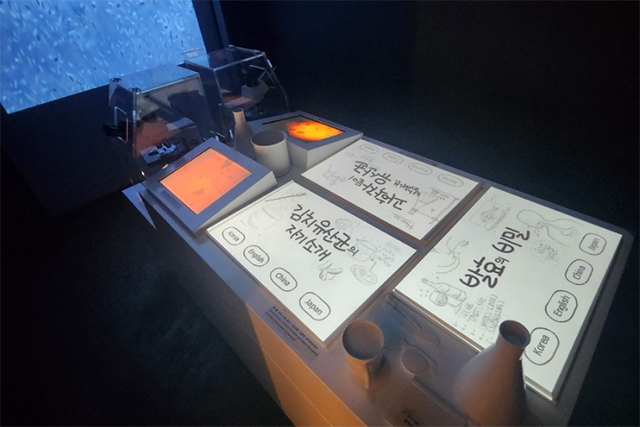
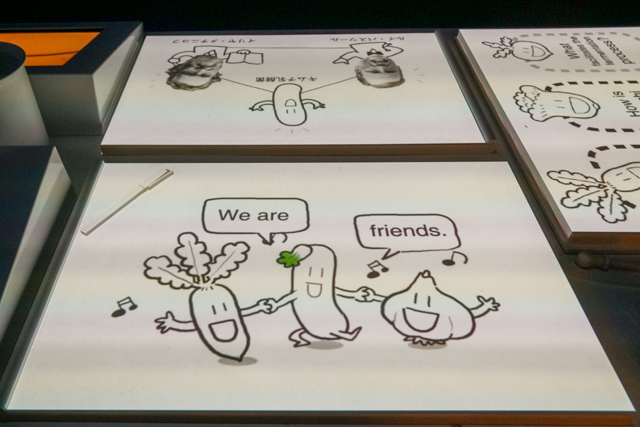
Kimchi lactic acid bateria.
Kimchi Road
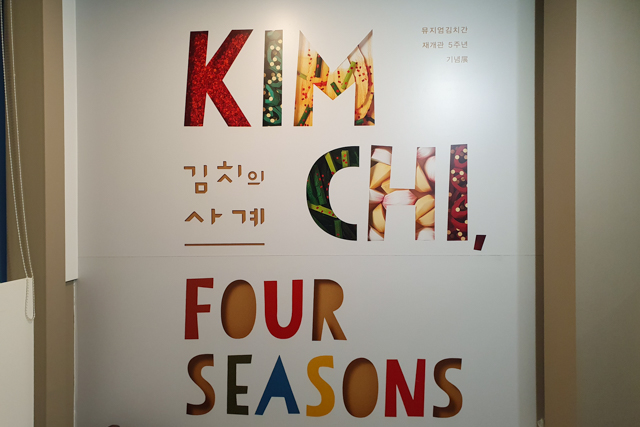
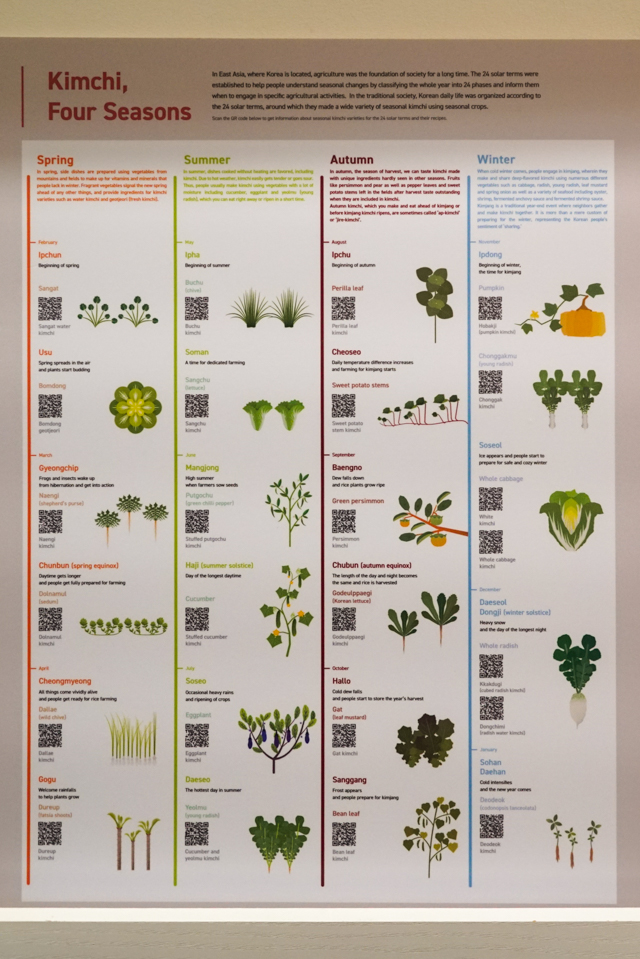
Four Seasons of Kimchi
Long and narrow exhibition hall walked us through the 24 solar turns in different colours and stories of kimchi surrounded by paper sculptures of kimchi.
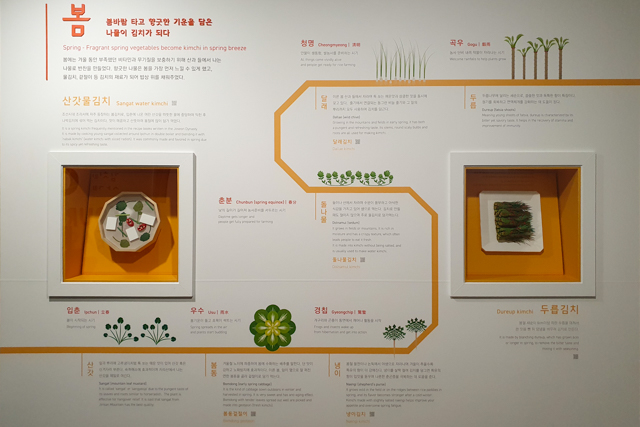
Spring – Fragrant spring vegetables become kimchi in the spring breeze
Ipchun- beginning of spring
- Sangat (mountain leaf mustard). It is called ‘sangat’ of ‘sangyeoja’ due to the pungent taste of its leaves and roots similar to horseradish. The plan is effective for hangover relief. It is said that sangat from Kinsan Mountain has the best quality. It is a spring kimchi frequently mentioned in the recipe books written in the Joseon Dynasty. It is made by cooking young sangat collected around Ipchun in double boiler and blending it with nabak kimchi (water kimchi with sliced radish). It was commonly made and favored in spring due to its spicy yet refreshing taste.
Usu – spring spreads in the air and plants start budding
- Bomdong (early spring cabbage). It is the kind of cabbage sown outdoors in winter and harvested in shrping. It is very sweet and has anti-aging effect. Bomdong with tender leaves spread out well are picked and made into geotjeon (fresh kimchi).
Gyeongchip – frogs and insects wake up from hibernation and get into action
- Naengi (shepherd’s purse). It grows wild in the held or in the ridges between rice paddies in spring, and its flavour becomes stronger after a cold winter. Kimchi made with slightly salted naengi helps improve your appetite and overcome spring fatigue.
- Dolnamul (sedum). It grows in fields or mountains. It is rich in moisture and has a crispy texture, which often leads people to eat it fresh. It is made into kimchi without being salted, and is usually used to make water kimchi.
Cheongmyeong – all things come vividly alive and people get reading for rice farming
- Dallae (wild chive). Growing in the mountains and fields in early spring, it has both a pungent and refreshing taste. Its stems, round scaly bulbs and roots are all used for making kimchi.
Gogu – welcome rainfulls to help plants grow
- Dureup (fatsia shoots). Meaning young shoots of fatsia, dureup is characterized by its bitter yet savory taste. It helps in the recovery of stamina and improvement of immunity. It is made by blanding dureup, which ahs grown 6 cm or longer in spring, to remove the bitter taste and mixing it with seasoning.
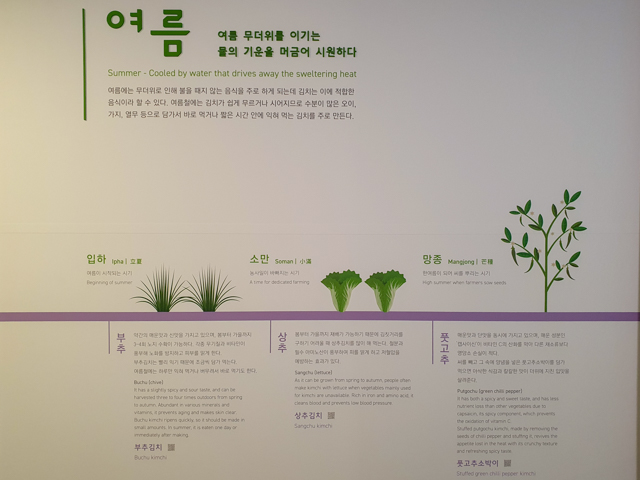
Summer – cooled by the water that drives away the sweltering heat
Ipha – beginning of summer
- Buchu (chive). It has a slightly spicy and sour taste, and can be harvested three to four times outdoors from spring to autumn. Abundant in various minerals and vitamins, it prevents aging and makes skin clear. Buchu kimchi ripens quickly, so it should be made in small amounts. In summer, it is eaten one day or immediately after making.
Soman – a time for dedicated farming
- Sangchu (lettuce). As it can be grown from spring to autumn, people often make kimchi with lettuce when vegetables mainly used for kimchi are unavailable. Rich in iron and amino acid, it cleans blood and prevents low blood pressure.
Mangjong – high summer when farmers sow seeds
- Putgochu (green chilli pepper). It has both a spicy and sweet taste, and has less nutrient loss than other vegetables due to capsaicin, its spicy component, which prevents the oxidation of vitamin C. Stuffed putgochu kimchi, made by removing the seeds of chilli pepper and stuffing it, revives the appetite lost in the heat with its crunchy texture and refreshing spicy taste
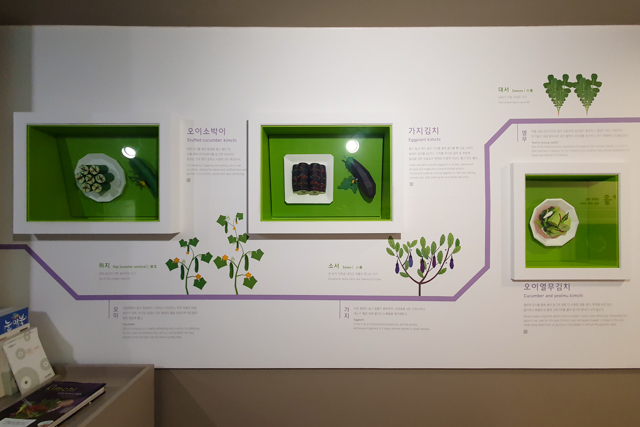
Haji – summer solstice – day of the longest daytime
- Cucumber. Rich in moisture, it is highly refreshing and crunchy. It is effective for skin care and moisturising, and its cooling effect can help prevent acne and heat rash by reducing body heat. Stuffed cucumber kimchi is made by chopping and making cuts in soft cucumber, salting the pieces and stuffing them with garnich. It is crunchy, savoury and very refreshing.
Seoseo – occasional heavy rains and ripening of crops
- Eggplant. It has a lot of mosture and potassium, and the purple anthrocynanin pigment in it helps remove wastes in blood vessels. Clean and dark-colored eggplant is chosen, salted and drained ande made into a kind of sutffed kimchi. The kimchi made by cutting eggplant in half and making slanted cuts both looks great and tastes delicious.
Daseo – the hottest day in summer
- Yeolmu (young radish). One of the favourite kimchi ingredients throughout the summer season, it is rich in fiber and low in calories. Its rich vitamins and minerals help prevent acidification of blood and recovery of stamina. Kimchi made using both yeolmu and cucumber is even more refreshing. Fermented fish sauce is not used for this type of kimchi, and red pepper powder is mixed in the juice made using wheat flour of glutinuus rice powder to remove the greenish taste.
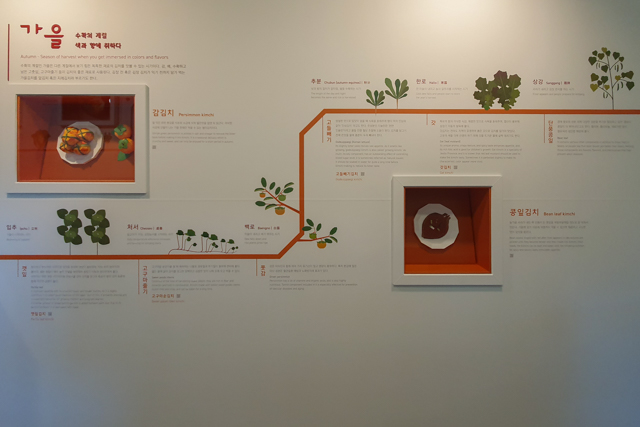
Autumn – Season of harvest when you get immersed in colors and flavours
Ipchu – beginning of autumn
- Perilla leaf. It improves appetite with its aromatic flavour and tender texture. as it is highly nutritious, it is called ‘good medicine on the table’. Rich in iron, it prevents anaemia and is especially beneficial for growing children and ….
- It is either pickled or
Cheoseo – daily temperature difference increases and farming for kimjang starts
- Sweet potato stems. Collected at the time of harvesting sweet potato, they are rich in fibre …. and minerals and help in constipation. Kimchi … tastes mild.
Baengno – Dew falls down and rice plants grow ripe
- Green persimmon. Persimmon has a lot of vitamins and organic acids, an dis also highly nutritious. Tannin component included in it is especially effective for prevention of vascular diabetes and aging. Unripe green persimmon is pickled in salt and vinegar to remove the bitter taste before making it into kimchi. It is a seasonal delicacy which is crunchy and sweet, and can only enjoyed for a short period in autumn.
Chubun (autumn equinox) – the length of the day and night becomes the same and rice is harvested
- Godeulppaegi (Korean lettuce). Its slightly bitter taste revives lost appetite. As it smells like ginseng, godeulppaegi kimchi is also called ‘ginseng kimchi’. As inulin, its key component, has an outstanding effect of controlling blood sugar level, it is sometimes referred as ‘natural insulin’. It should be soaked in water for quite a long time before kimchi-making to reduce its bitter taste.
Hallo – cold dew falls and people start to store the year’s harvest
- Gat (leaf mustard). Its unique aroma, crispy texture and spicy taste enhances appetite, and its rich folic acid is good for children’s growth. Gat kimchi is a specialty of Jeolla Province, and it is known that red leaf mustard should be used to make the kimchi tasty. Sometimes it is parboiled slightly to makes it characteristic color appear more vivid.
Sanggang – Frost appears and people prepare for kimjang
- Bean leaf. It contains various other components, in addition to bean’s functional components, so people say bean leaves are more nutritious than the beans. Among these such as components are flavone, flavonol, and pterocarpan that help prevent adult diseases. Bean leaves tinged with yellow after frost appears in late autumn are pickled until they become tender and then are rinsed and drained. The kimchi is made by preparing the seasoning using fermented fish sauce and other seasoning ingredients, applying some seasoning on each three or four leaves and ripening it. It takes a laborious and repetitive process to prepare the delicacy kimchi whose spicy and savory taste stimulates the appetite.
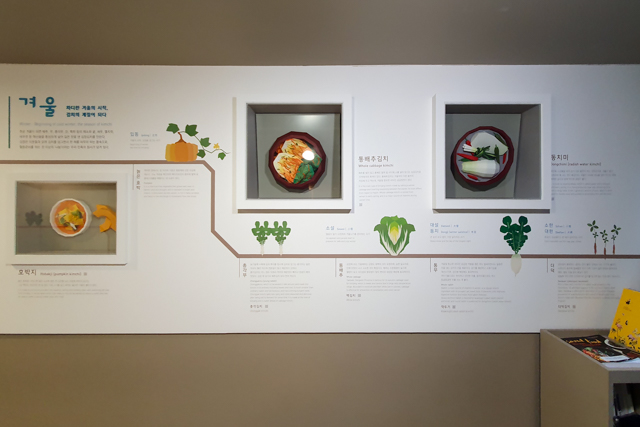
Winter – beginning of cold winter, the season of kimchi
Ipdong – beginning of winter, the time for kimchi
- Hokbaji (pumpkin). It is a chemical-free vegetable that grows well even in barren land and drought, and is resistent to blight and insects. It stimulates duretic action, is rich in beta carotene and hjelps in the discharge of cholesterol from the blood. Pumpkin kimchi is made by slicing old pumpkin into squares, salting and blending them with seasoning left over from kimjang. It can eaten either right away or may be fermented for about a month and then be used to make a special winter soup with meat.
- Chonggakmu (young radish). Chonggakmu, which is harvested in late autumn and made into kimchi in its entirety including leaves and root, is much smaller than ordinary radish and tarinaceous, and has a strong pungent taste. Chonggak kimchi gets less spicy and more seasoned and delicious after being left to ferment for some time. It is made at the time of kimjang and is eaten ahead of cabbage kimchi.
Soseol – ice appears and people start to prepare for safe and cozy winter
- Whole cabbage. Taebaek, Gangwon Province is famous for its autumn cabbage used for kimjang, which is sweet and savory due to large daily temperature range. Abundant in moisture and fiber while low in calories, cabbage is effective for prevention of constipation and colon cancer. It is the main type of kimjang kimchi made by salting a whole cabbage and inserting seasoning between the leaves. Its style differs from region to region. Whole cabbage kimchi is stored from winter to early spring, and is a major source of vitamins during winter time.
Daeseol, Dongji (winter solstice) – heavy snow and the day of the longest night
- Whole radish. Radish, a main source of vitamins in winter, is a regular kimchi ingredient with its pungent yet sweet taste. It prevents cold, improves digestive function and helps resist adult diseases. Heavy and firm radish is favored for kkadugi (cubed radish kimchi) and small and round radish is preferred for dongchimi (radish water kimchi). Donghimi is made by soaking whole radish in salted water and is enjoyed until early spring. It is characterized by clear and refreshing juice, which is not too salty, with a tangy taste.
Sohan, Daehan – cold intensifies and the new year copmes
- Deodeok (codonopsis lanceolata). Rich in fiber and crunchy, it is called ‘meat growing in the mountains.’ It has been used as an ingredient for numerous different dishes in Korea from the old days. Its abundant saponin content is the source of a slightly bitter taste. Deodeok is effective for alleviation of bronchial diseases, prevention of arteriosclerosis and control of blood sugar level. It is a crunchy and aromatic kimchi made by mixing salted deodeok with seasoning, julienned radish, and green onion. Kimchi made with deodeok from the mountains is especially fragrant.
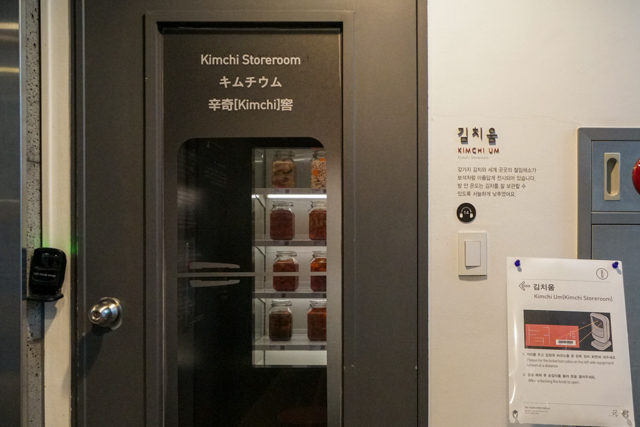
Kimchium (Kimchi Storeroom)
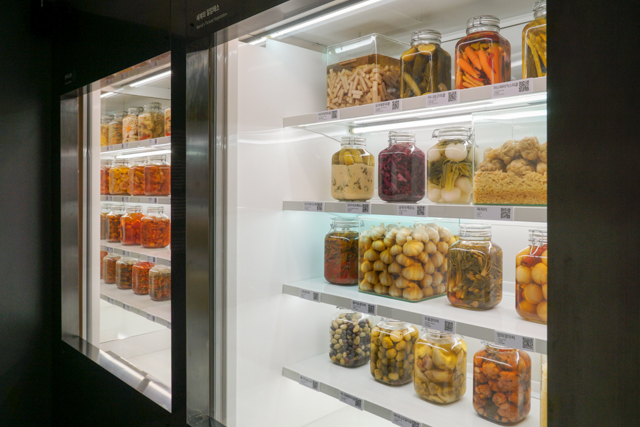
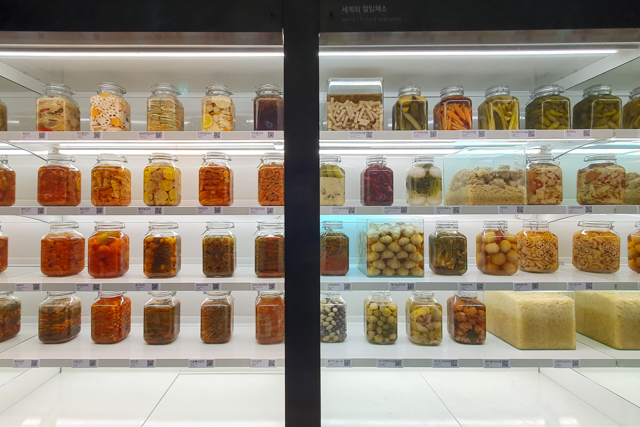
Numerous Varieties of Kimchi
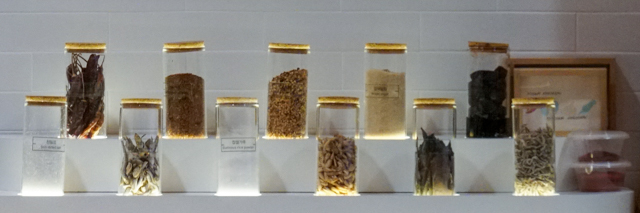
Actual kimchi samples are on exhibit in the cool temperature Kimchi Storeroom, or Kimchium. In the traditional Korean society, a kimchi storeroom was called Kimchium. Here, you can find a wide variety of seasonal kimchi. each made unique using different ingredients, including the whole cabbage kimchi that represents kimchi. The name of each variety of kimchi usually comes from its main ingredients. This modern-style kimchi storeroom is maintained at 1 to 5°C, a temperature range where the freshness of kimchi is preserved the best. Here, you can also look at pickled vegetables from other countries in addition to kimchi. You may be able to imagine their tastes while looking at the samples.
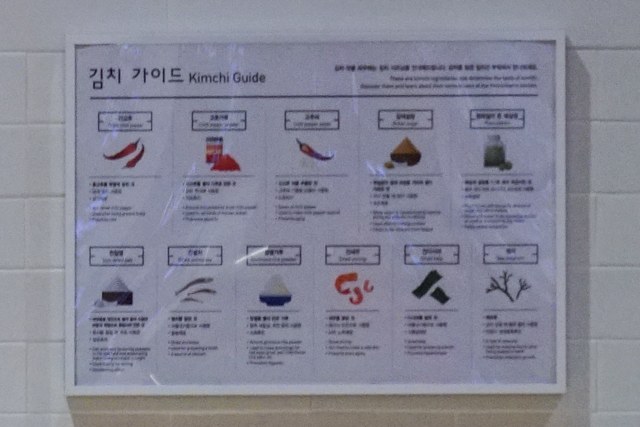
Each type of kimchi had a QR code that directed to a recipe for making that kimchi.
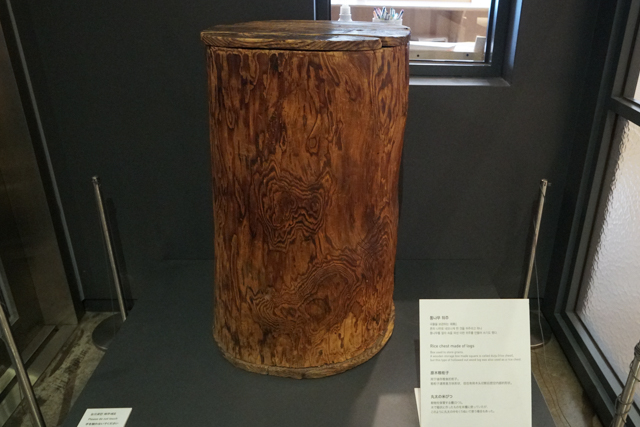
Rice chest made of logs. Box used to store grains. A wooden storage box made square is called duju (rice chest), but this type of followed out wood was also used as a rice chest.
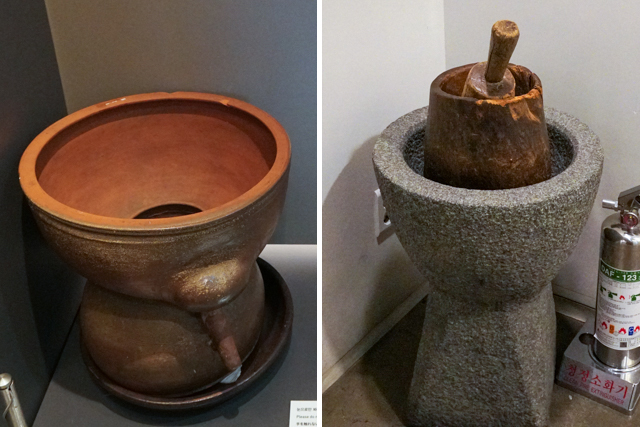
Left: Soju gori, an apparatus to distil soju from grain wine (a traditional Korean tool used for filtering liquor)
Right: Wood mortar, used to pound steamed rice into tteok (rice cake).
Room Dedicated to UNESCO Intangible Cultural Heritage
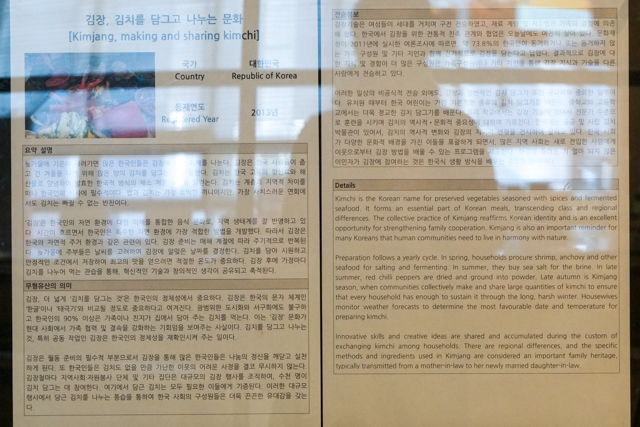
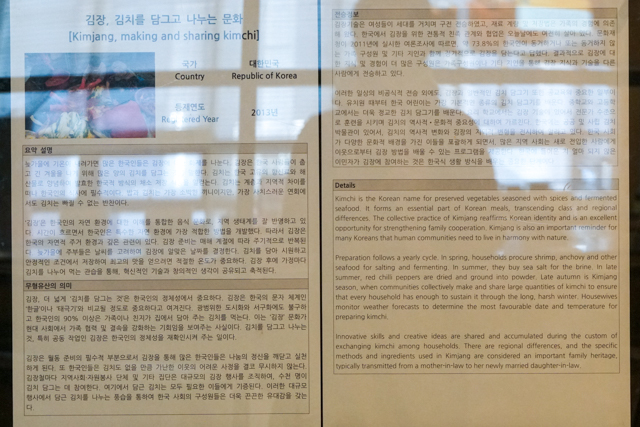
Kimchi was registered as UNESCO Intangible Cultural Heritage in 2013.
Kimjang, making and sharing kimchi
Kimchi is the Korean name for preserved vegetables seasoned with spices and fermented seafood. It forms an essential part of Korean meals, transcending class and regional differences. The collective practice of Kimjang reaffirms Korean identity and is an excellent opportunity for strengthening family cooperation. Kimjang is also an important reminder for many Koreans that human communities need to live in harmony with nature.
Preparation follows a yearly cycle. In spring, households procure shrimp, anchovy and other seafood for salting and fermenting. In summer, they buy sea salt for the brine. In late summer, red chilli peppers are dried and ground into powder. Late autumn is Kimjang season, when communities collectively make and share large quantities of kimchi to ensure that every household has enough to sustain it through the long, harsh winter. Housewives monitor weather forecasts to determine the most favourable date and temperature for preparing kimchi.
Innovative skills and creative ideas are shared and accumulated during the custom of exchanging kimchi among households. There are regional differences, and the specific methods and ingredients used in Kimjang are considered an important family heritage, typically transmitted from a mother-in-law to her newly married daughter-in-law.
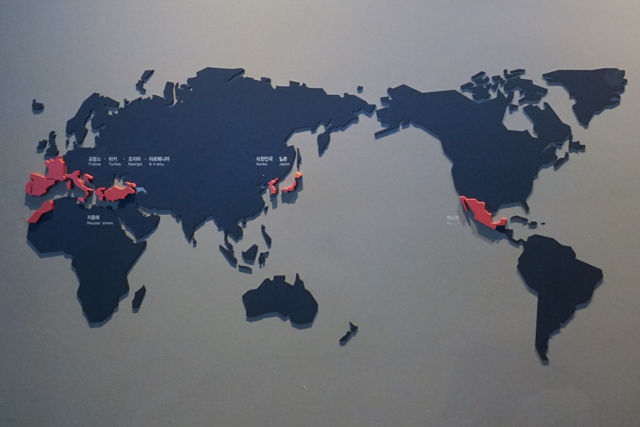
Kimchi is a Korean-style preserved vegetable dish that is fermented with special Korean spices and seafood. ‘Kimjang’ means making a lot of kimchi to overcome the long and cold winter. Koreans realize the Spirit of Sharing’ through kimjang (making kimchi). Making and sharing kimchi, especially kimjang, is a way of affirming one’s Korean identity.
Eight food cultures of the world listed as UNESCO Intangible Cultural Heritage, including kimchi and the kimjang culture, are displayed on multivision.
- 2010 Traditional Mexican cuisine – ancestral, ongoing community culture, the Michoacan paradigm
- 2010 Gastronomic meal of the French
- 2011 Turkey’s ceremonial Keshkek tradition
- 2013 Ancient Georgian traditional Qvevri wine-making method
- 2013 Mediterranean (Cyprus, Croatia, Spain, Greece, Italy, Morocco, Portugal) diet
- 2013 Kimjang, making and sharing of Kimchi
- 2013 Washoku, Japan’s traditional dietary cultures for the celebration of New Year
- 2014 Lavash, the traditional Armenian bread
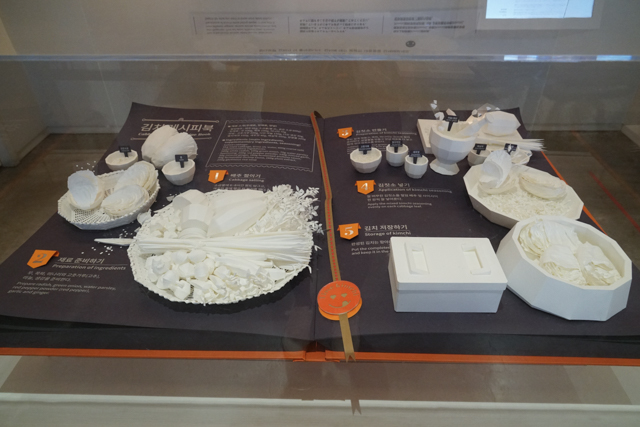
More papercraft showing the process of kimchi making.
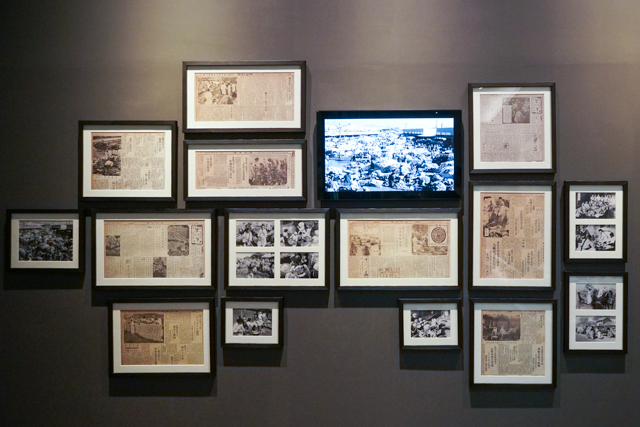
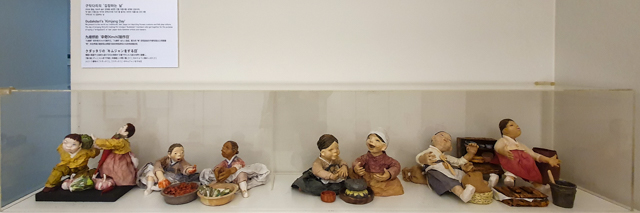
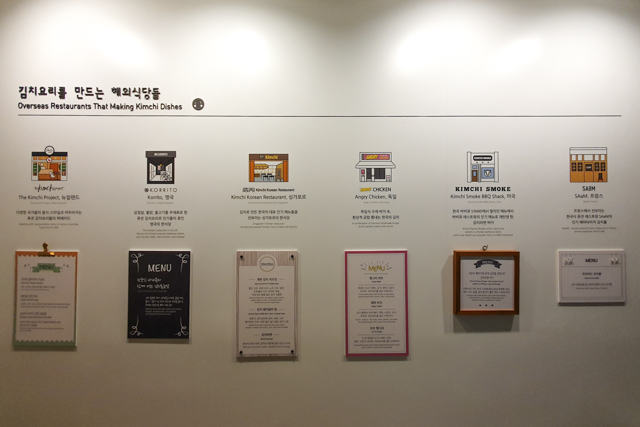
Select overseas restaurants that make kimchi dishes
Cooking Class
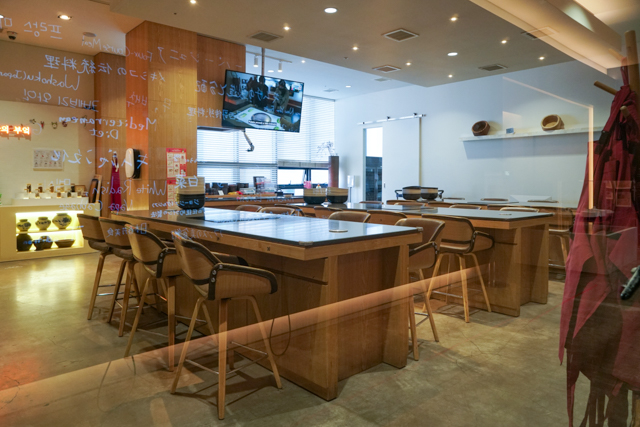
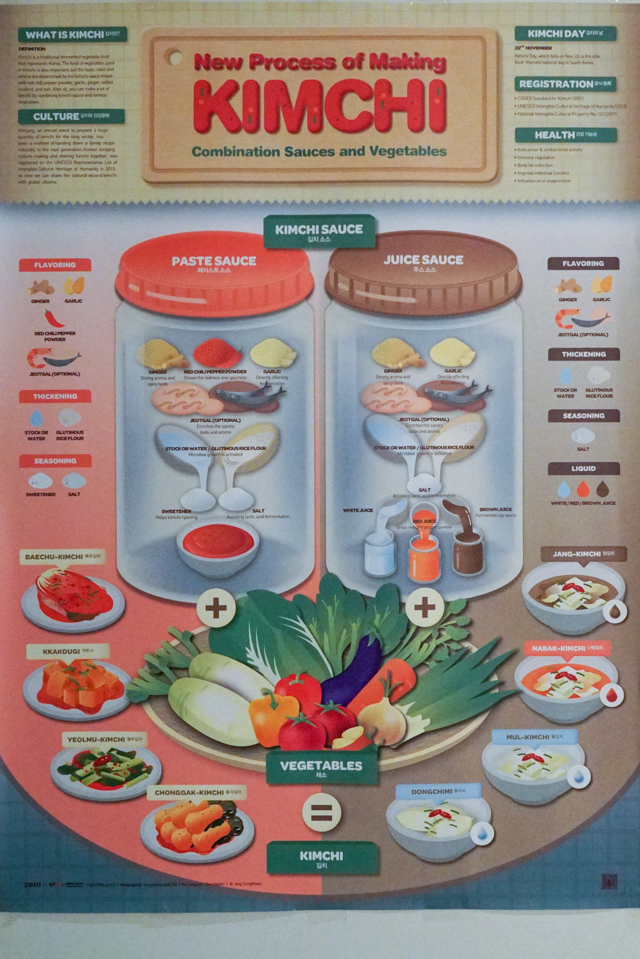
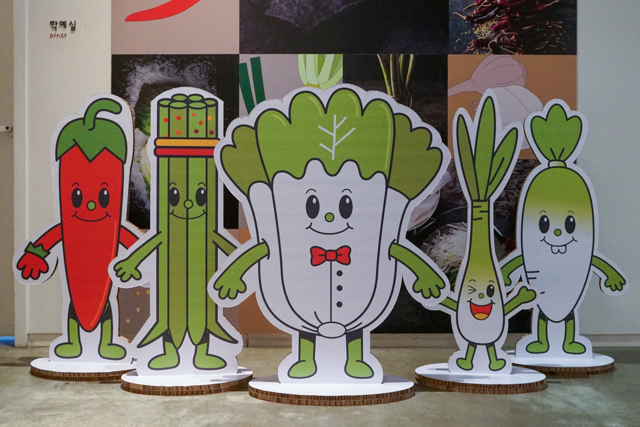
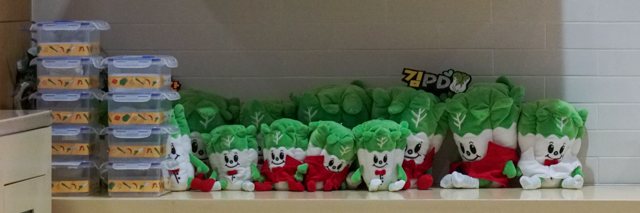
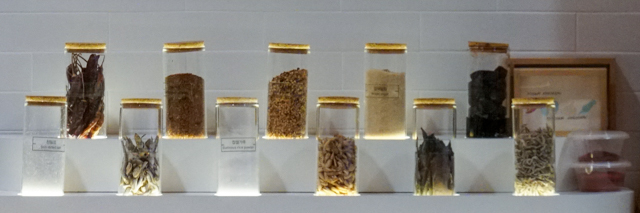
Kimchi Matboneun Bang (Kimchi Tasting Room)
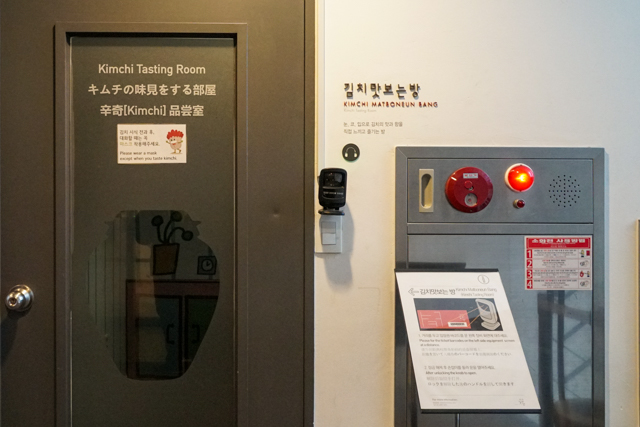
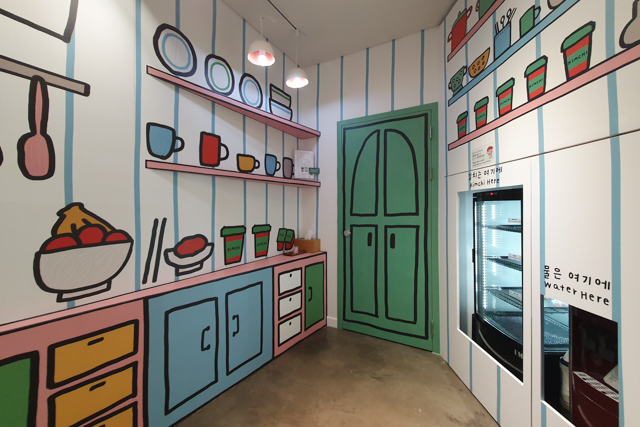
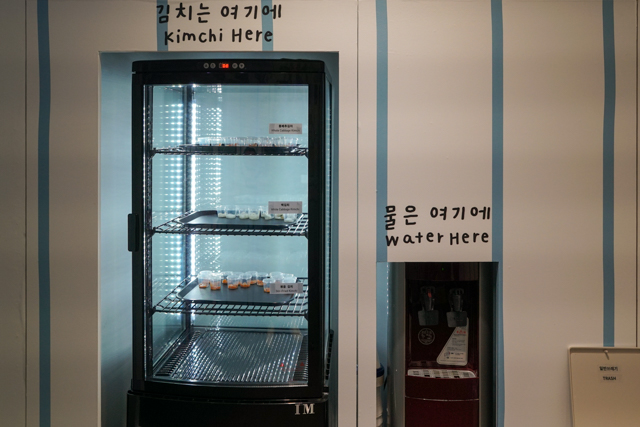
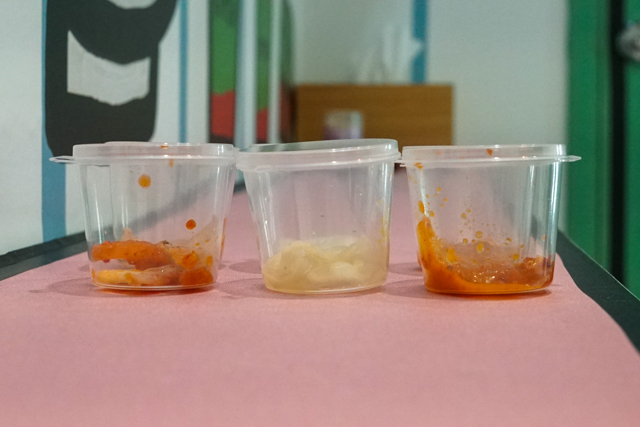
Left to right:
- Whole Cabbage Kimchi – this one had a savoury, lightly spiced flavour
- White Cabbage Kimchi – this one had a crisper, clear flavour
- Stir-Fried Kimchi – this one had the most flavour and was our preferred of the three.
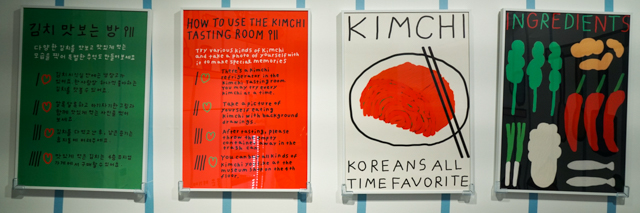
Museum Gage (Souvenir Shop)
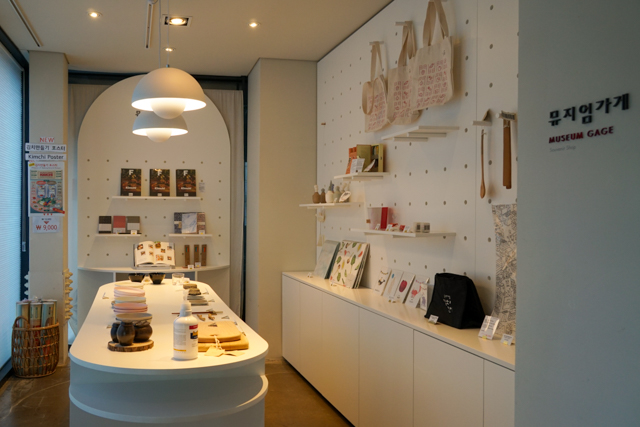
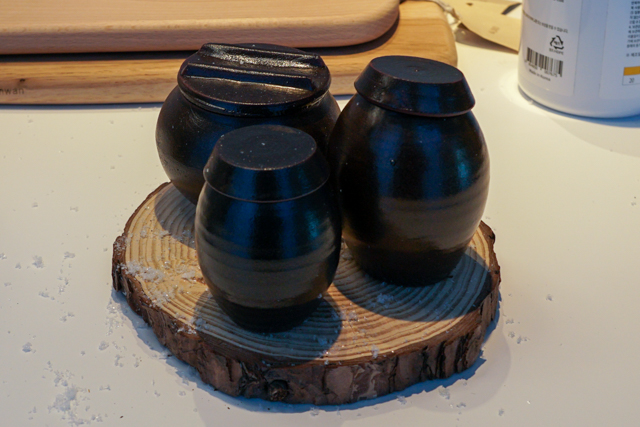
These mini onggi were salt and pepper containers.
Beautiful Tea Museum
아름다운차박물관, 19-11 Insadong-gil, Insa-dong, Jongno-gu, Seoul, South Korea
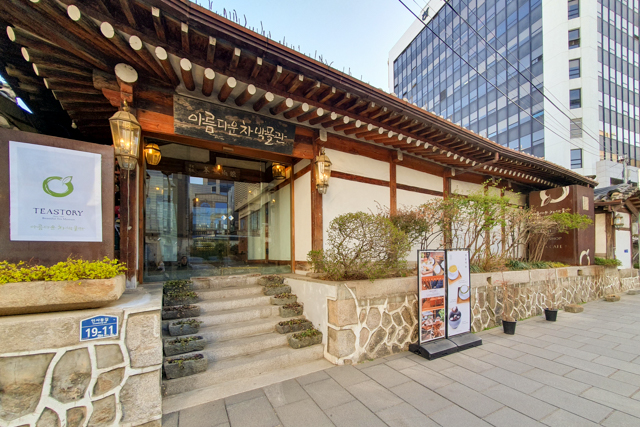
Someone should inform Koreans that using the word ‘museum’ to refer to a retail store whether a bakery (as in the case of the London Bagel Museum) or a tea house (as here) is misleading.
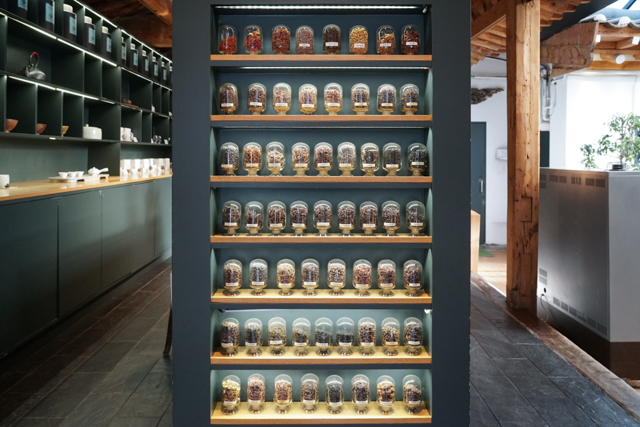
One can have a museum with a cafe attached (virtually all museums function as such), yet this singular display was one of the few vaguely ‘museum’-like sections of the store.
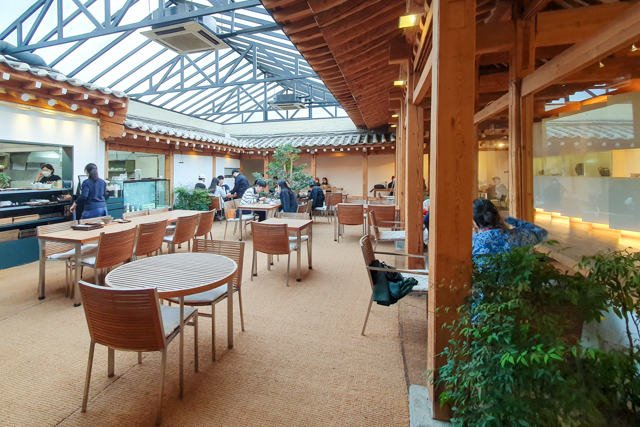
The display to the right of this photo did feature tea utensils, but there was no accompanying description or names to provide any meaningful knowledge.
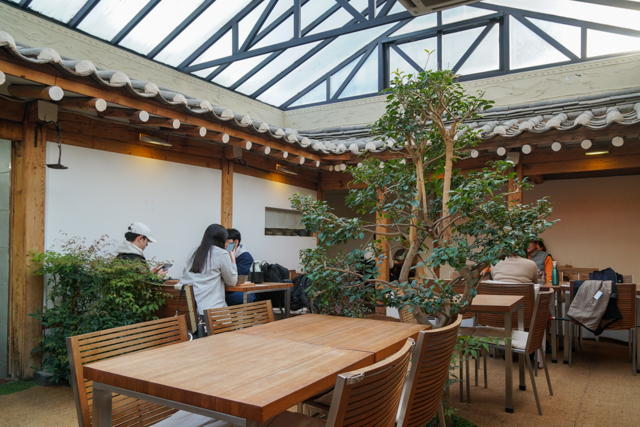
Nevertheless, it was a blessing in disguise because finally, after having quite given up due to the numerous long queues all weekend, we’d stumbled upon a tea house.
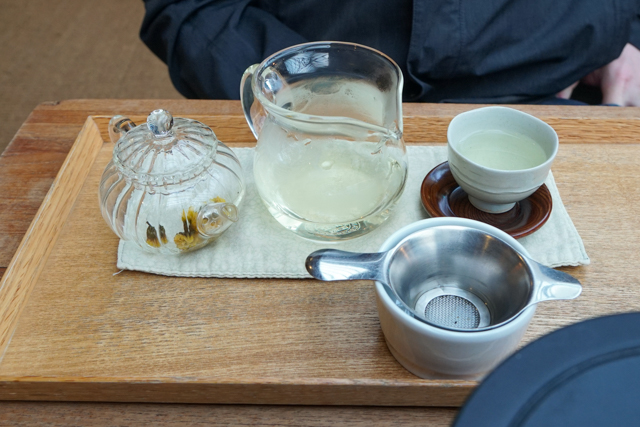
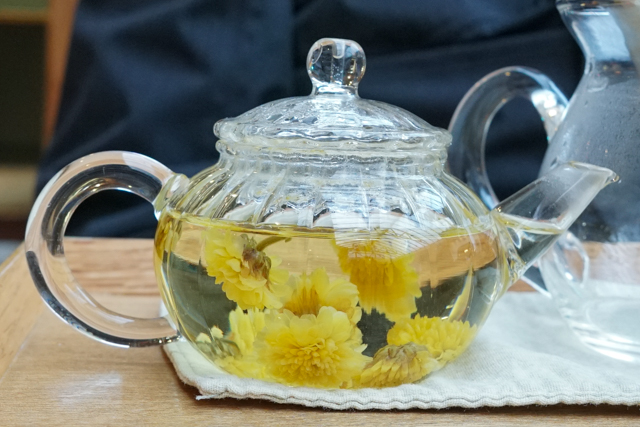
Chrysanthemum Tea. The ‘museum’ did not look kindly on photos of its menu, so from what we recall, it seemed Korean chrysanthemum tea was known for being milder than Chinese-style chrysanthemum tea. We did enjoy the delicate floral quality and gentle sweetness of the chrysanthemum blooms, which carried a natural sweetness without additional sweetener.
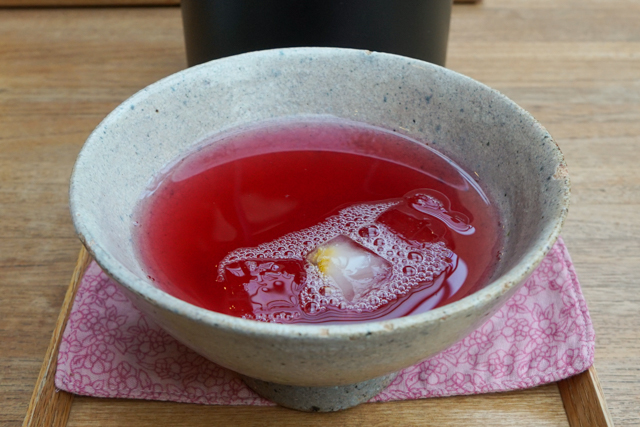
Omija Tea. Made from magnolia berries, this tea was a delicious revelation. It was bold with a refreshing sweet tartness and just a hint of bitterness. Omija means “five flavours”, which are sweetness, sourness, bitterness, saltiness, and pungency. It’s also commonly referred to as a Korean cherry and that is an apt descriptor, having the sweet tartness that recalls sakuranbo with pink peppercorns (like the Lupicia Sakurambo Vert) yet also its own distinct flavour. The chrysanthemum blossom in the ice cube was a beautiful touch.
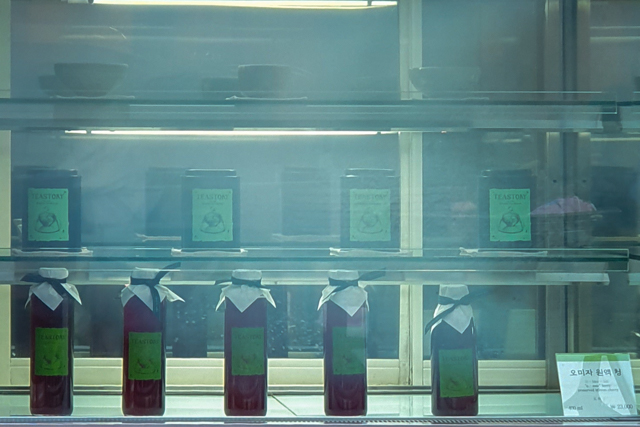
The store did sell its own omija concentrate, but the need for refrigeration meant we returned to Lotte Supermarket at Seoul Station to source a shelf-stable version.
Starbucks
스타벅스 인사점, 14 Insadong-gil, Jongno-gu, Seoul, South Korea
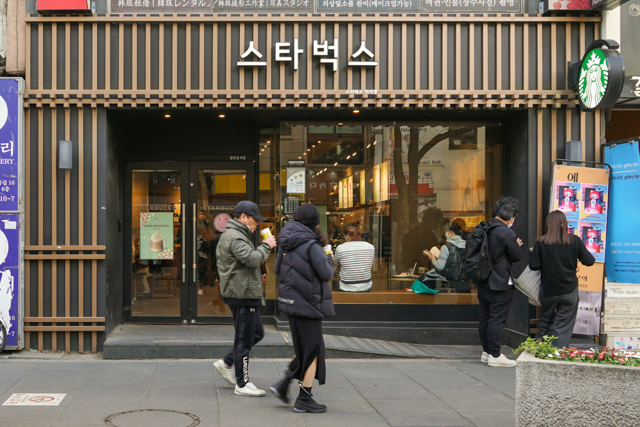
At Starbucks we picked up the two bearistas dressed in Hanbok. From Yongsan KTX Station, we’d also picked up a limited edition Ryan (of Kakao friends) wearing a walnut hat and holding a bag of hodugwaja. The happy cat was Choon-sik (of Kakao friends, and Ryan’s adopted stray cat) dressed to look like Ryan.
Insa-dong Street
Insadong-gil, Jongno-gu, Seoul, South Korea
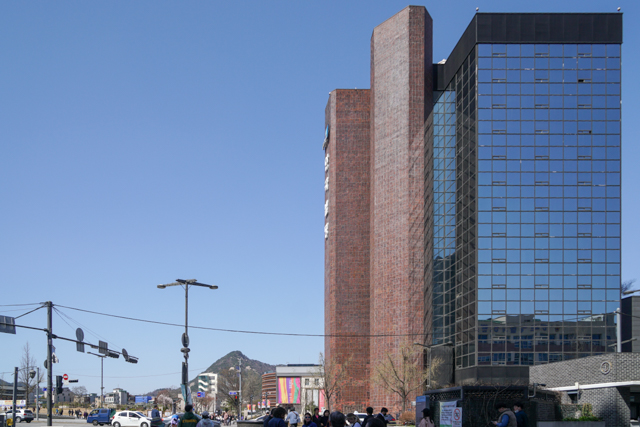
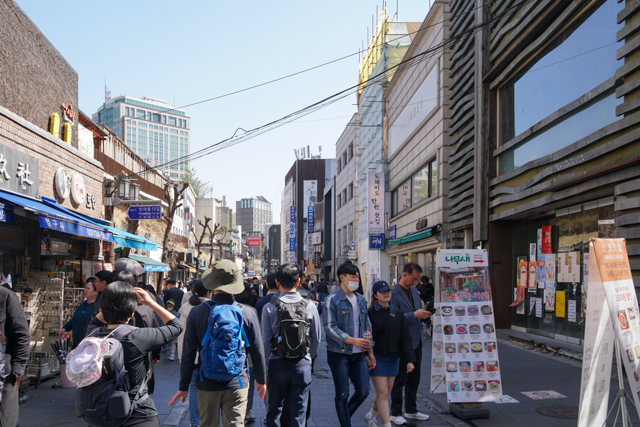
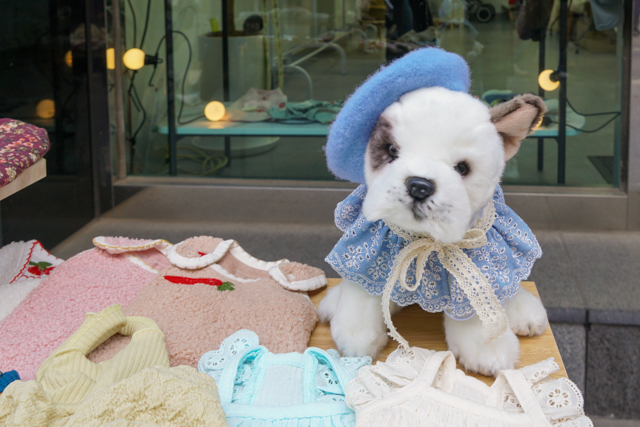
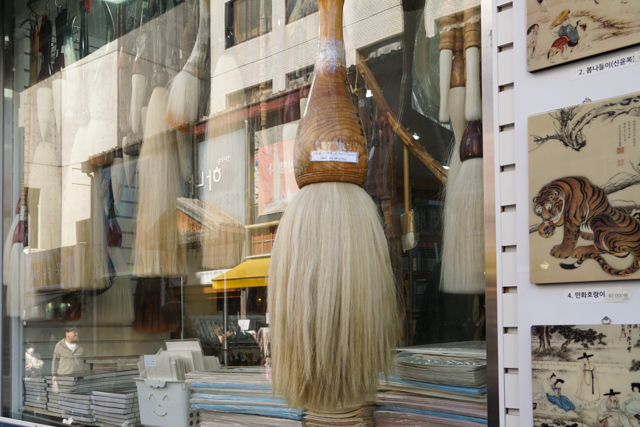
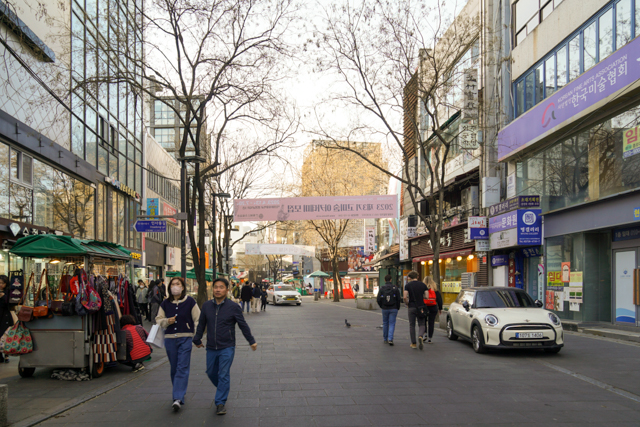
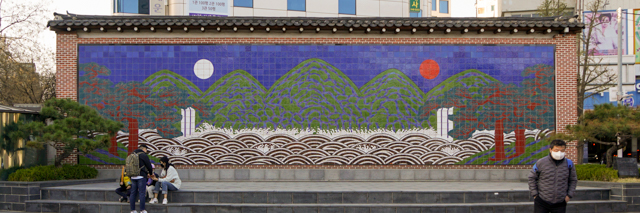
Jung-gu
Lotte Star Avenue
1F, Main Branch of LOTTE Department Store, 30 Eulji-ro, Sogong-dong, Jung-gu, Seoul, South Korea
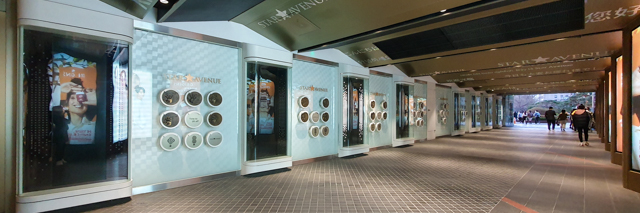
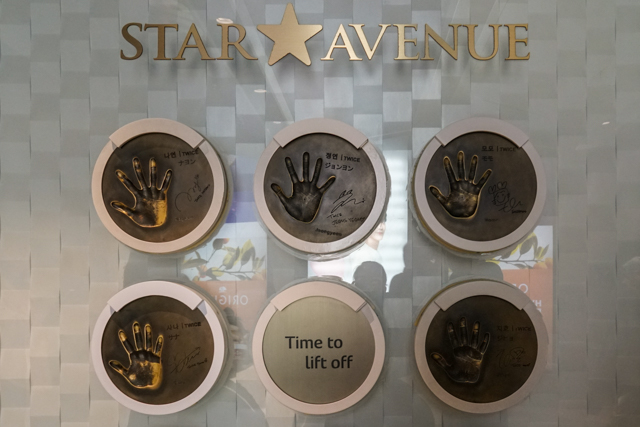
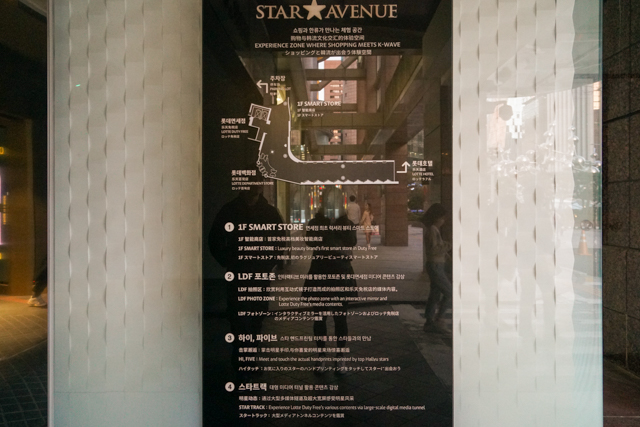
Star Avenue was very disappointing. There was nothing of what had been described previously and now functioned as a walkway.
Lego Store
2F, Young Plaza LOTTE Department Store, 30 Eulji-ro, Sogong-dong, Jung-gu, Seoul, South Korea
M-starshop
B1, Young Plaza LOTTE Department Store, 30 Eulji-ro, Sogong-dong, Jung-gu, Seoul, South Korea
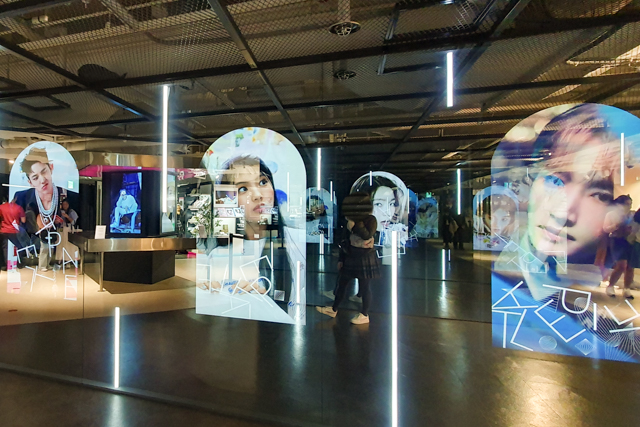
Pop Mart
B1, Young Plaza LOTTE Department Store, 30 Eulji-ro, Sogong-dong, Jung-gu, Seoul, South Korea
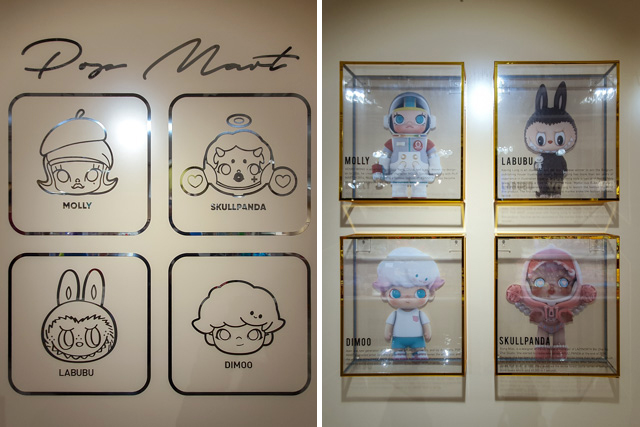
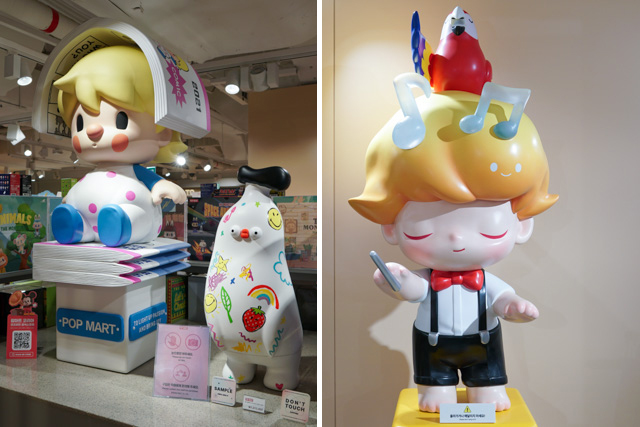


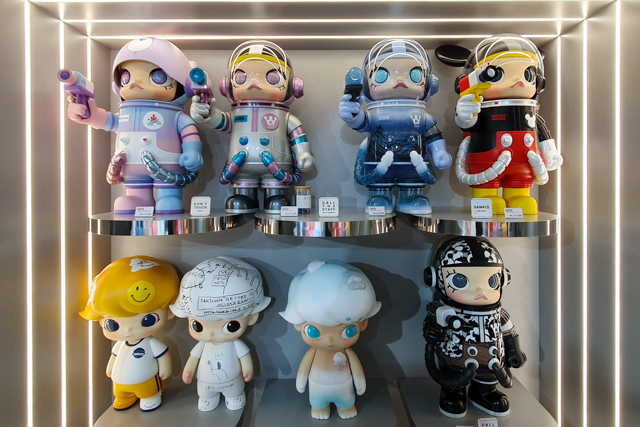
Lotteria
롯데리아 소공2호점, LOTTE Department Store Main Store, 81 Namdaemun-ro, Jung-gu, Seoul, South Korea
With Korea being the birthplace of Lotteria, which we’d previously encountered in Japan, we needed to see what the original was all about.
Whole Fried Chicken. It was fried fresh to order, so there was a 10-15 minute wait. The chicken was on the smaller side to be sure, but at 11,000 won, it was great value with crispy skin and a juicy interior.
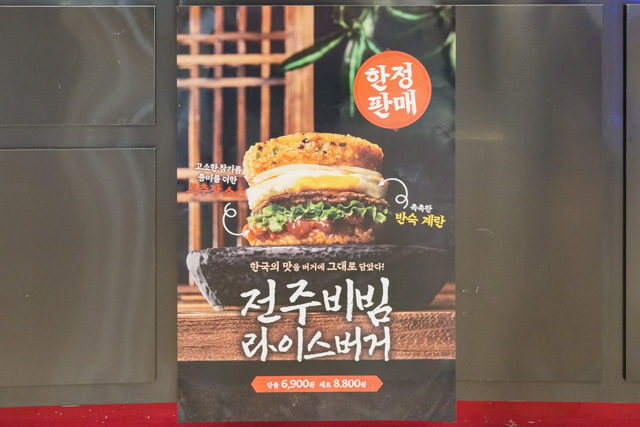
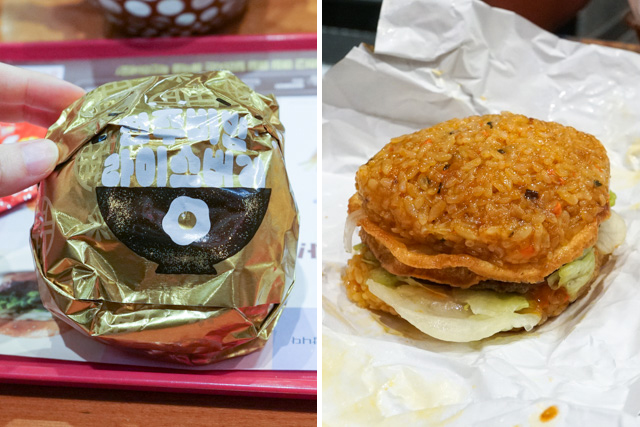
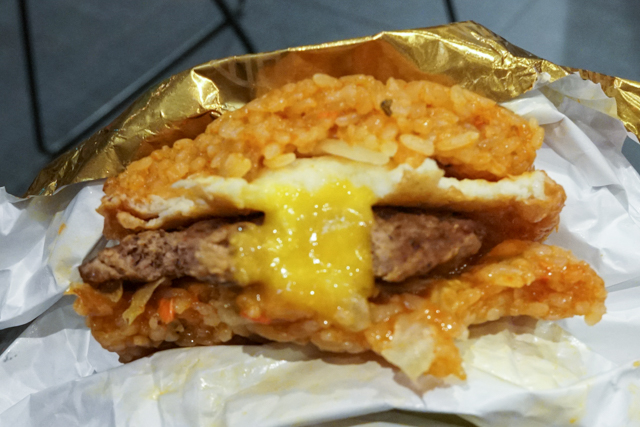
Bibimbap Burger. Continuing with my penchant for modern takes on Korean staple dishes, this was one that turned the bibimbap into a rice burger. Alas, it didn’t quite work: the rice was soft and not crispy so gave the burger no structural integrity, the beef patty was overcooked and lacked beef flavour, and the sauce from the vegetables made the rice soggy.
We finished the evening with some Lotte Jeju Mandarin Juice, a long-time favourite.
Seoul – Insa-dong was Day 5 of the South Korea 2023 trip. Day 6 saw us take a look around Seoul – Hongdae.