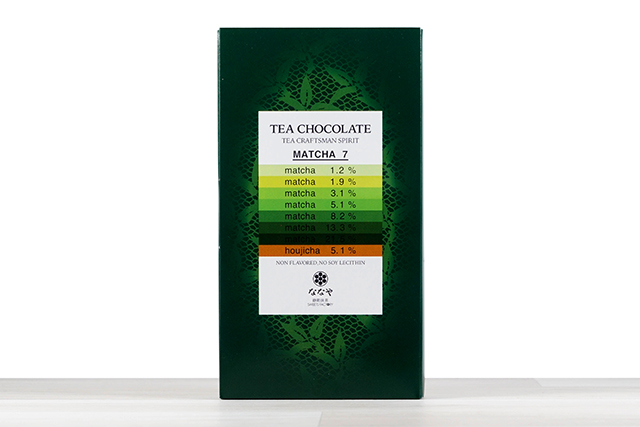
During our visit to Tōkyō in 2018, we visited the Suzukien x Nanaya gelato shop that’s a collaboration between the well-respected tea shop in Asakusa (Suzukien) and Murushichi Seicha in Shizuoka (the parent company behind Nanaya, based in one of Japan’s top tea-growing regions). The store’s specialty is tea-based gelato, including seven strengths of matcha gelato with No 7 said to be the strongest in the world.
Whilst there, we picked up a box of this Nanaya Tea Chocolate Matcha 7.
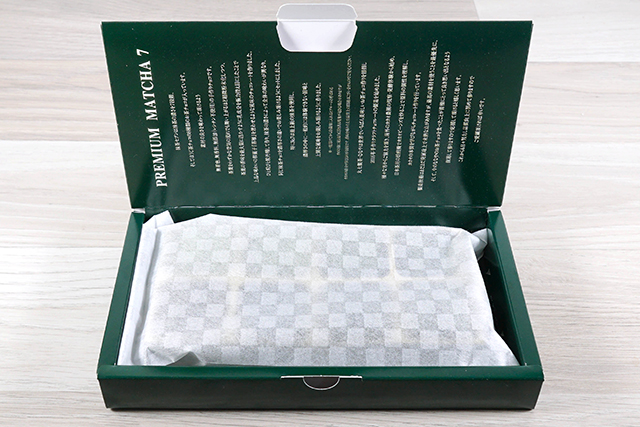
The box offers an assortment of green tea chocolates. This one uses milk as an ingredient whereas the other (not purchased) called just ‘Matcha 7’ does not (using only cocoa butter, sugar and tea).
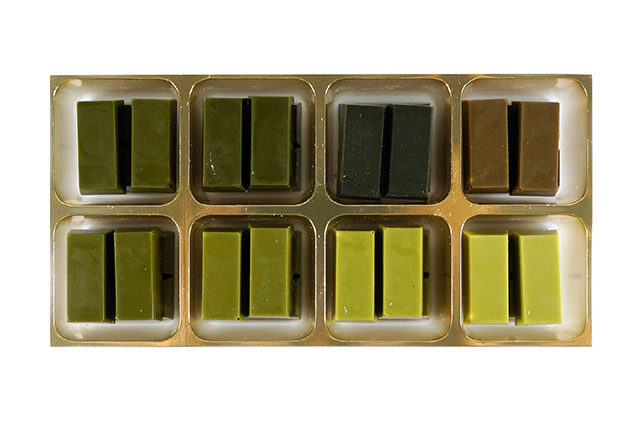
There are 7 types of matcha chocolate with an additional eighth hōjicha chocolate. The ‘7’ in the name comes from the ‘Shichi’ and ‘Nana’ parts of Marushichi and Nanaya, both of which translate to the number ‘7’.
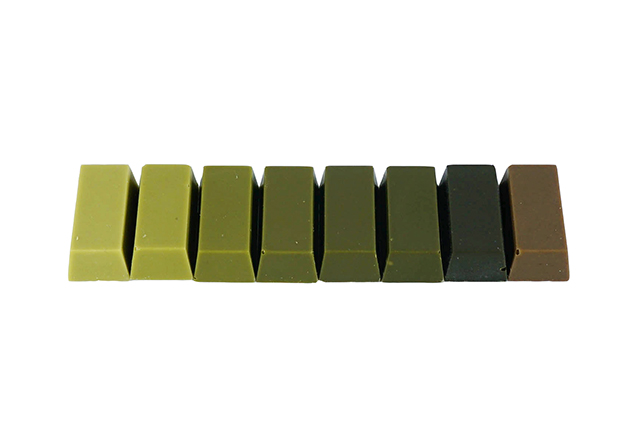
From left to right are the seven 7 types of matcha chocolate (1.2%, 1.9%, 3.1%, 5.1%, 8.2%, 13.3%, 29.1%) with the hōjicha chocolate (5.1%) at the far right.
There are 4 pieces of each flavour in the box. Each piece was around 3 x 1 x 1 cm in size.
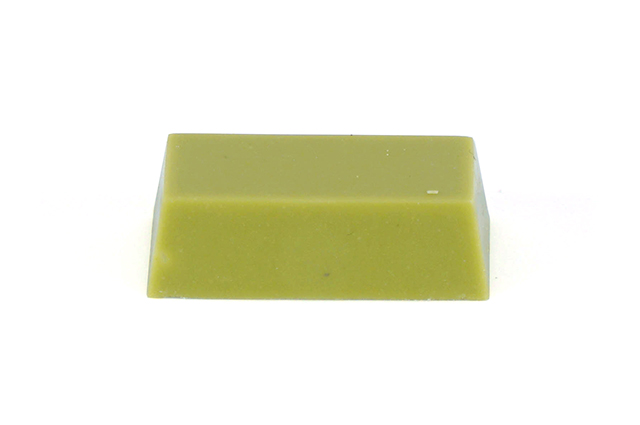
The 1.2% matcha chocolate is the lightest green of the assortment. It has a gentle white chocolate aroma with a very smooth and creamy mouthfeel. The matcha notes are very subtle and appear only as a hint in the body before the white chocolate notes dominate in the finish.
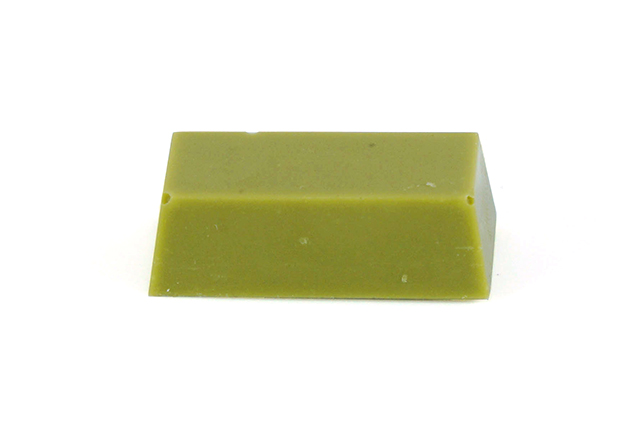
The 1.9% matcha chocolate is a shade darker and the usual vibrant green we expect from matcha flavoured white chocolates from Nestlé’s KitKats. The addition 0.7% makes all the difference to the presence of the matcha with a pleasant vegetal flavour with a subtle hint of bitterness coming through as the chocolate melts to the same smooth and creamy mouthfeel. The bitterness is very well restrained by the gentle dairy notes and sweetness of the white chocolate.
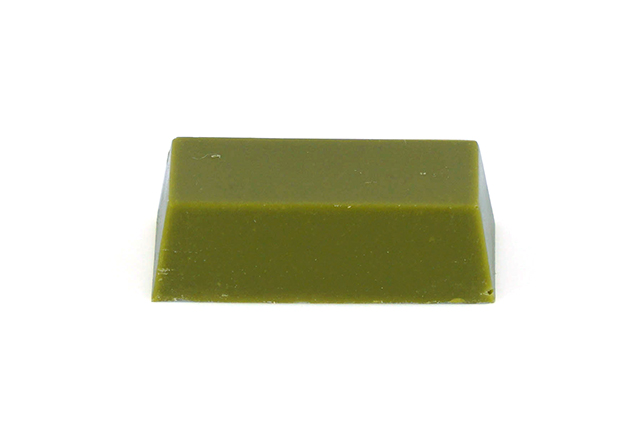
The 3.1% matcha chocolate is another shade darker with a gentle matcha aroma now evident on a close sniff. Gentle grassy notes not accompany the vegetal notes of the 1.9% matcha chocolate. While the bitterness is more pronounced, it’s still well restrained by the sweetness although the dairy flavour of the white chocolate begins to fade into the background.
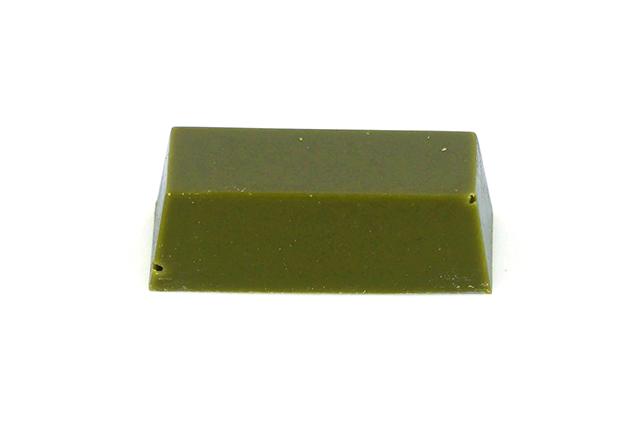
The 5.1% matcha chocolate is another shade darker with the grassy notes of the matcha becoming more prominent. The sweeter vegetal notes fade into the background. The bitterness of the matcha is pronounced at the head of each bite — although still far less bitter than strong, unsweetened matcha — but the tongue grows accustomed to as the chocolate melts on the tongue to the same smooth creamy consistency.
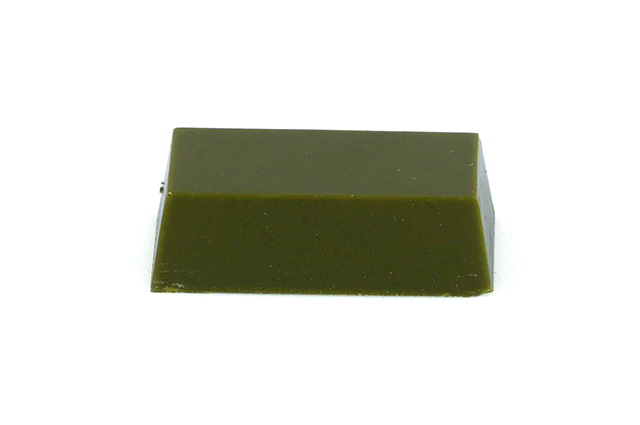
The 8.2% matcha chocolate is firmly in the dark green colour territory and the first of the chocolates to have a fragrant matcha aroma from a distance. The additional 3.1% adds a distinctly pleasant sweetness to the grassy flavour of the matcha that’s absent previously and came through before any of the bitterness in the body where it developed a marked mouth-puckering astringency that carries into the finish.
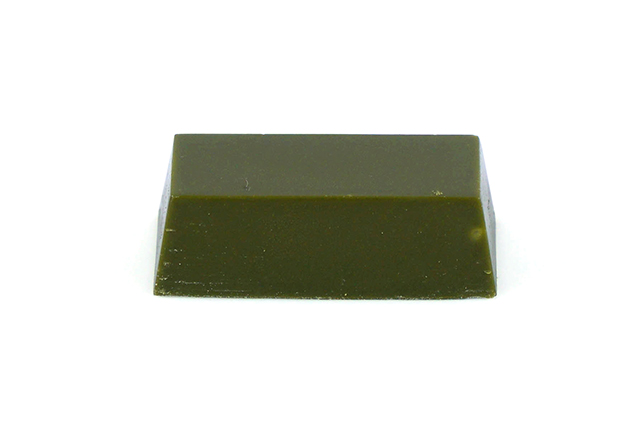
The 13.3% matcha chocolate is the darkest of the greens. It carries the same fragrant matcha aroma and sweet grassiness as the 8.2% but with a more prominent bitterness that’s much like eating sweetened matcha powder straight. The mouth-puckering astringency of the previous chocolate lingered long on the palate. With the same smooth and creamy mouthfeel as the previous chocolates, this is the last of the matcha chocolates that we find enjoyable.
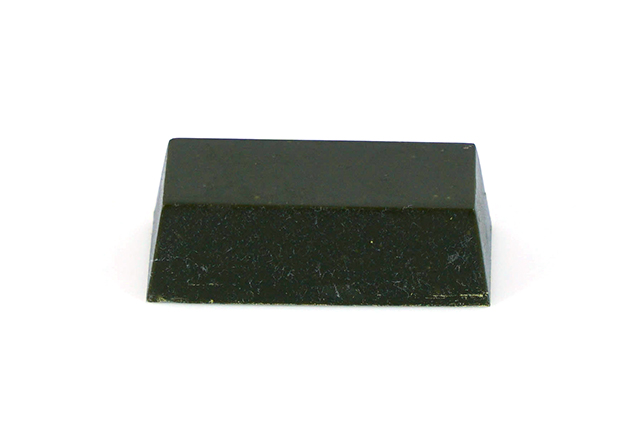
The 29.1% matcha chocolate contained as much matcha as can be added to chocolate while retaining its structural integrity. It’s such a dark green colour that it’s almost black. In contrast to the previous 6 chocolates, the bitterness of the chocolate is the first flavour to hit the palate and persisted throughout the bite even through the slight grassy hint in the body and the creamy smooth mouthfeel as it melts, leaving an unpleasant bitterness lingering in the aftertaste. It would seem they removed all the sweetness to make room for the matcha!
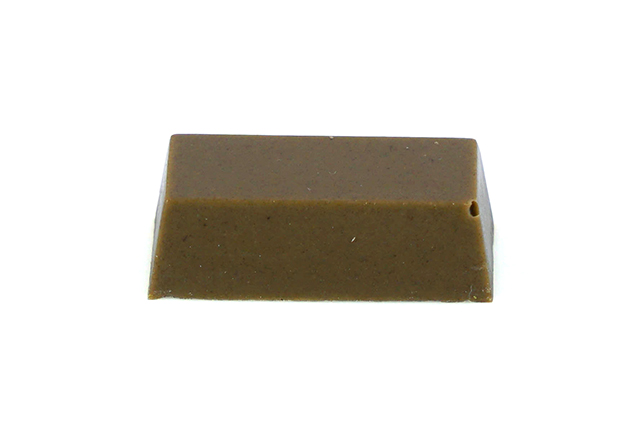
Finally, the 5.1% hōjicha chocolate finishes off the box with flair. It’s a medium brown colour — darker than milk chocolate but lighter than dark chocolate – with a fragrant hōjicha aroma that came through just as rich and strong on tasting. The chocolate melts to the same smooth and creamy mouthfeel, with a hint of dairy appearing just before the finish, leaving a gentle hōjicha aftertaste.
We enjoy the array of different matcha strengths yet it’s the hōjicha that leaves us wanting to return for more.
This Nanaya Tea Chocolate Matcha 7 contained 102 g or 4 x 8 flavours. It was produced in Japan and purchased in Tōkyō, Japan in 2018.