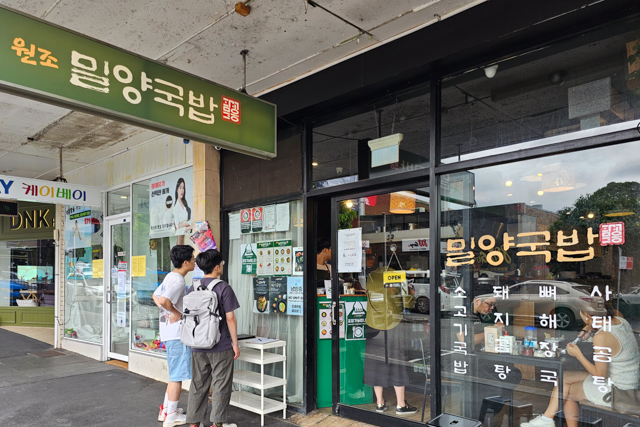
Miryang Gukbap is a Korean soup restaurant specialising in dishes from the south-east of South Korea.
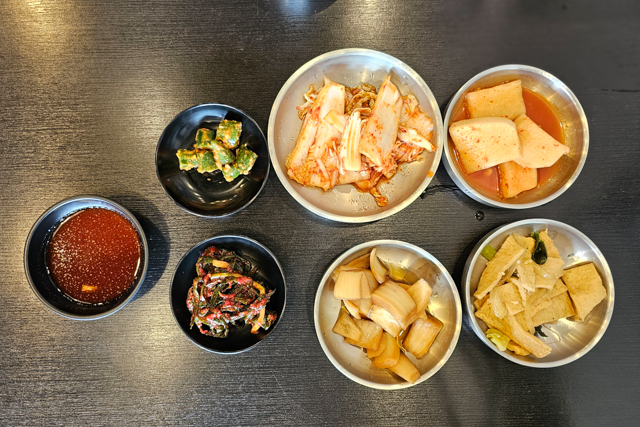
Side dishes (clockwise from left)
- A dipping sauce for jeon with a savoury base and a light spicy edge, likely incorporating fermented seafood notes.
- Fresh green chilli, very intense, with heat that builds quickly.
- Cabbage kimchi, lightly seasoned rather than fully fermented, crisp with mild heat.
- Radish kimchi, also lightly seasoned, very crunchy with a slight bitterness.
- Fish cake, soft and savoury, with a clean, balanced flavour.
- Pickled onions, providing acidity.
- Radish stems kimchi, spicier than the cabbage, with a more direct and assertive flavour.
The menu is relatively focused. Sōmen noodles are included with gomtang, and one complimentary serving can be requested with other soups. Rice is refillable. Salted shrimp and chilli seasoning are provided for adjustment to taste.
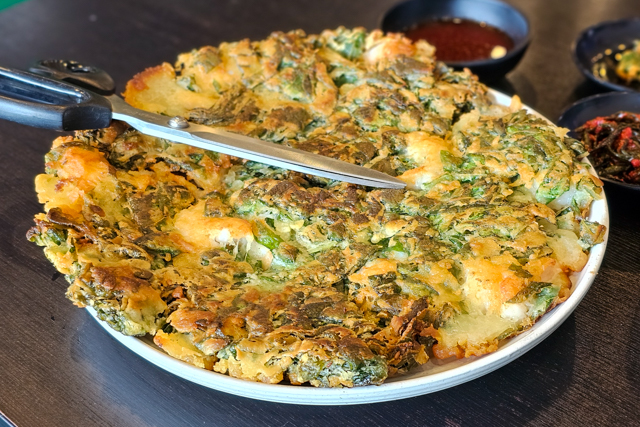
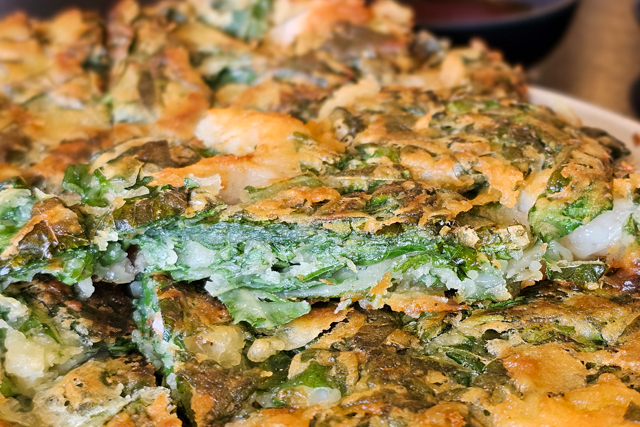
Shrimp Perilla Leaves Jeon ($25.00)
The jeon presented with crisp edges and a lighter, slightly softer centre. Perilla leaves were used generously, contributing a herbaceous note without becoming overly vegetal. Shrimp was present in moderate quantity, supporting rather than leading the flavour. The batter held structure without heaviness, allowing the ingredients to remain distinct.
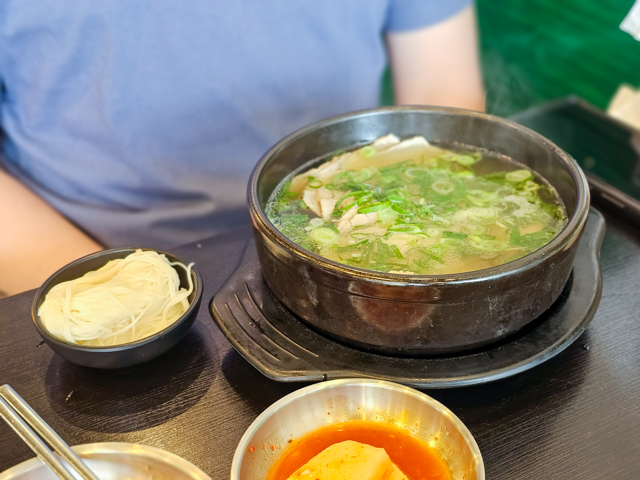
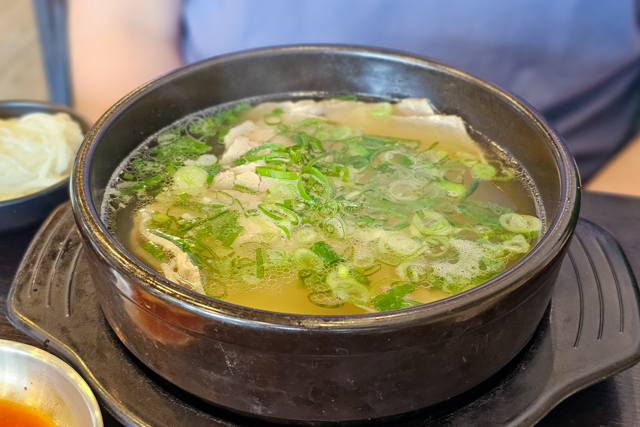
Miryang Pork Gomtang ($24.00, +$4.00 for large).
A clear pork broth with a strong, clean flavour. The soup carried depth without heaviness, avoiding the thicker, collagen-rich style sometimes seen in similar dishes. The pork pieces were tender and evenly distributed. The broth worked well with both the rice and the sōmen. The larger size added a substantial portion of pork, making it more filling.The broth was clear with a strong, clean pork flavour, carrying depth without the heavier, collagen-rich thickness seen in some styles. Pork pieces were tender and evenly distributed. The soup paired effectively with both rice and sōmen, maintaining clarity across additions. The larger portion increased the meat ratio, shifting the dish towards a more substantial format.
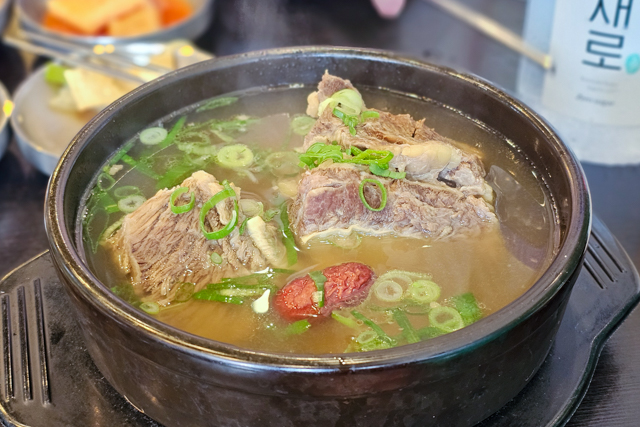
Beef Galbitang ($29.00)
The broth carried a deep, beef-forward profile with a clear structure. Large ribs were tender and broke apart easily, contributing both flavour and texture. Small dried shrimp added a subtle layer of complexity. The inclusion of large bones reinforced the traditional format, though it made access to the glass noodles less direct.
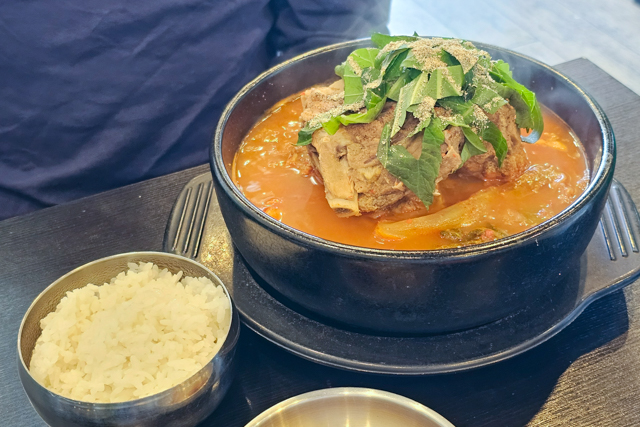
Spicy Pork Bone Stew ($26.00)
The stew presented with a rich pork broth that retained clarity rather than thickness. Pork ribs were abundant, with meat that separated easily from the bone, though eating required sustained handling. The broth carried a developed pork flavour with moderate spice, balanced enough to remain approachable. Potato added body, while perilla introduced a herbaceous note that cut through the richness. Preference, however, remains for the richer flavour and convenience of the pork slices in the gomtang.
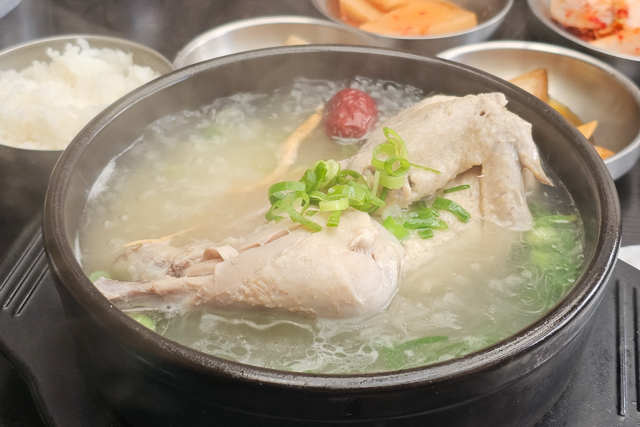
Half Chicken Ginseng Soup ($24.00) — half a chicken served in a clear ginseng broth, with glutinous rice stuffed inside the bird and a bowl of steamed rice on the side.
The chicken was exceptionally tender, with the meat separating easily from the bone. The broth carried a clean chicken flavour with a light body, providing a gentle base for seasoning at the table with salt, pepper and perilla powder. Through the mid-palate, the combination of chicken, ginseng, spring onion and rice created a cohesive and comforting profile. The glutinous rice absorbed the broth effectively, adding body and substance, while the ginseng contributed an earthy medicinal note that remained supportive rather than dominant.
The primary drawback was the presence of numerous bones, which made eating somewhat cumbersome unless the chicken was first deboned and returned to the broth. Once combined with both the glutinous rice and the accompanying steamed rice, however, the dish became considerably more satisfying. Light in body yet substantial in effect, it delivered the restorative character expected of the style without relying on heaviness.
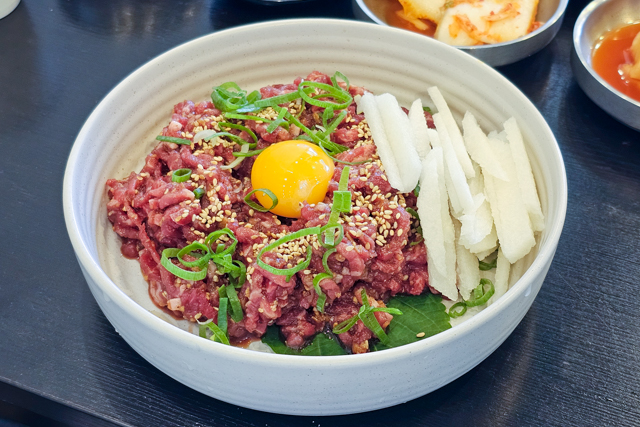
Raw Beef Tartare ($30.00)
The dish consisted of thinly sliced beef with egg yolk, sesame oil, sesame seeds, nashi pear, and perilla leaf. The beef was tender and clean, with no gristle. Egg yolk contributed a light creaminess, while sesame introduced a mild nuttiness. The nashi pear provided a sweet counterpoint, and the perilla leaf added a herbaceous contrast. Portion size was generous, with a balanced integration of elements.
NOTE: All previous dishes saw a price increase of $2.00 from July 2026.
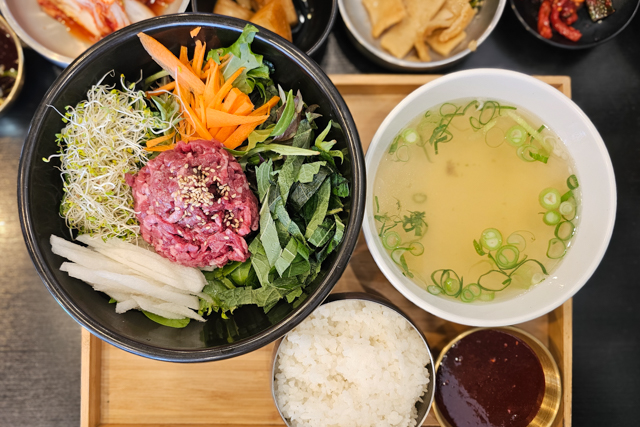
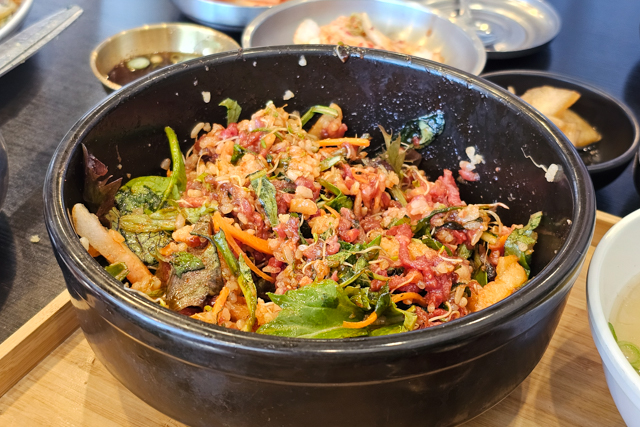
Yukhoe Bibimbap ($29.00)
New to the menu in mid-2026, the dish comprised beef tartare, mixed greens, perilla leaves, nashi pear and carrot over steamed rice, served with a portion of pork soup.
The beef was tender and savoury, while the mixed greens, perilla leaves, nashi pear and carrot introduced freshness and crunch, creating clear textural contrast against the softer components. The nashi pear also added restrained sweetness, while the perilla contributed a herbaceous note that lifted the meat. The components became more cohesive once combined with the accompanying gochujang. The full portion of sauce was needed, providing sufficient sweetness, heat and moisture to bring the rice and beef together without leaving the seasoning overly concentrated. Compared with the standalone raw beef tartare, the additional vegetables and rice gave the beef greater structural balance and turned the dish into a more complete meal.
The accompanying pork soup carried the same rich, clean pork flavour as the Pork Gomtang, providing a warm and savoury counterpoint to the bibimbap. Its depth also made the meal more substantial without competing with the tartare.
Overall, a more complete and balanced presentation of the beef tartare than the standalone serving, with the combination of rice, vegetables, gochujang and pork soup making it one of the more satisfying dishes from the menu.
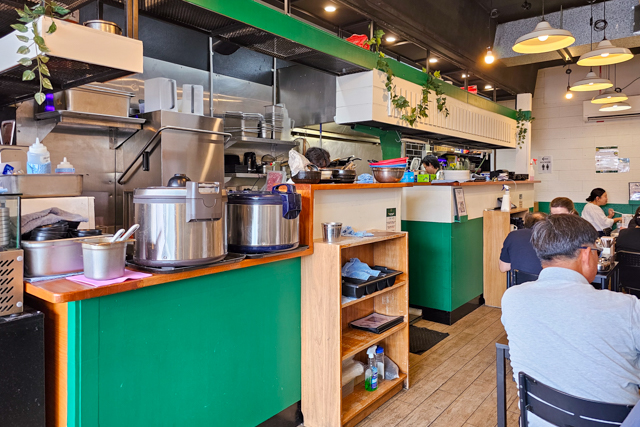
Overall, a soup-focused Korean venue defined by clear, well-structured broths and generous portions, supported by a functional and varied set of side dishes.
Miryang Gukbap is located at 104 Rowe St, Eastwood NSW 2122.