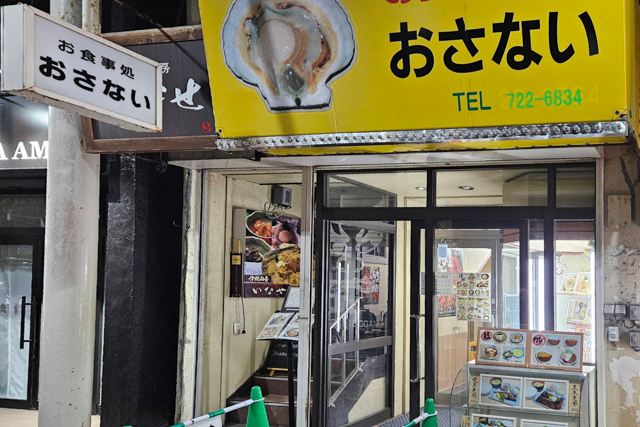
This is Osanai, a casual dining venue near Aomori Station focused on teishoku-style meals built around seafood, particularly scallops.
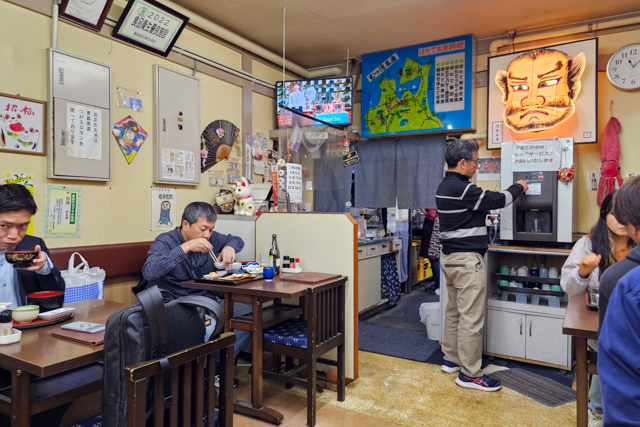
Having observed sustained queues on arrival, both lunch and dinner sittings were attended on the final day, positioning the visit within peak demand conditions rather than incidental traffic.
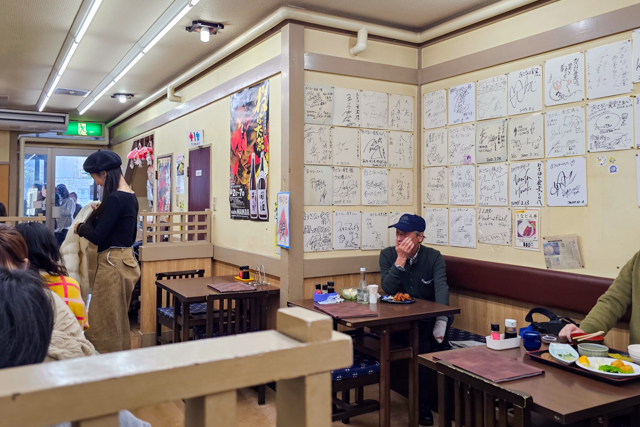
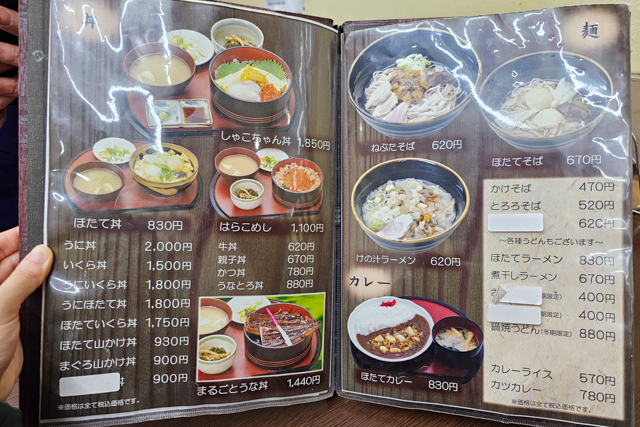
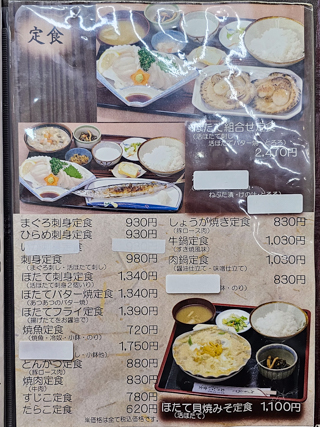
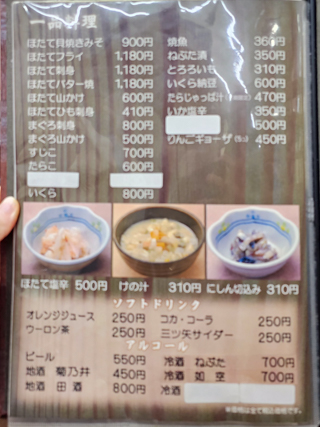
The menu centres on Hokkaidō-sourced seafood, structured into set meals with multiple small dishes that distribute flavour across contrast rather than concentration.
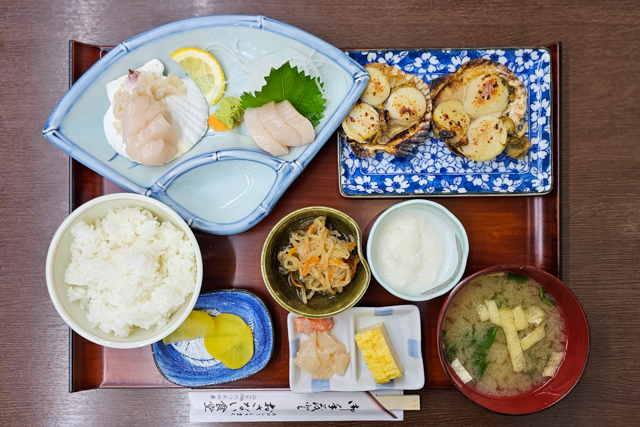
Hotate Kumiawase (Combination) Teishoku (¥2,470) — sashimi scallop, butter-yaki scallop, pickled scallop with pollack roe, tamagoyaki, kiriboshi daikon, tororo, takuan, miso soup, rice
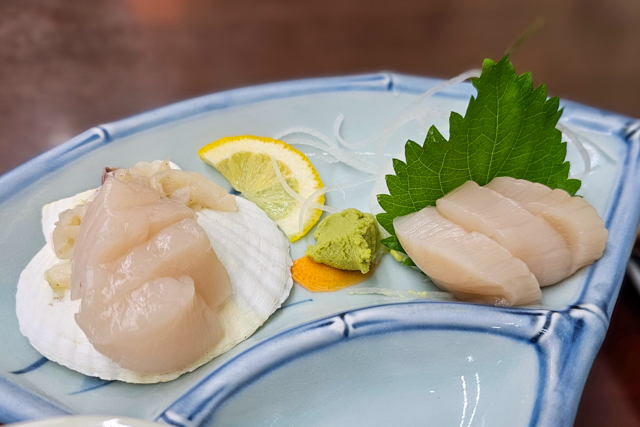
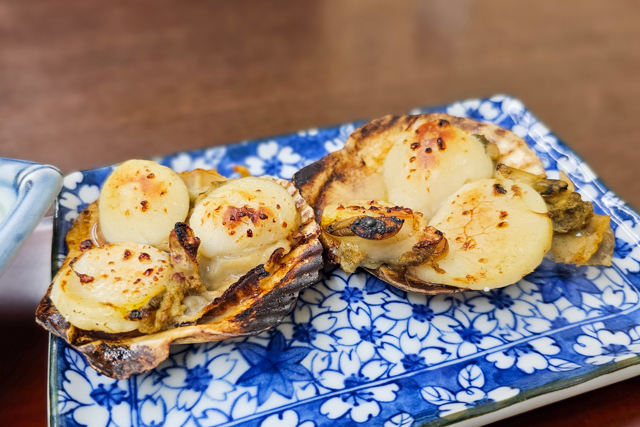
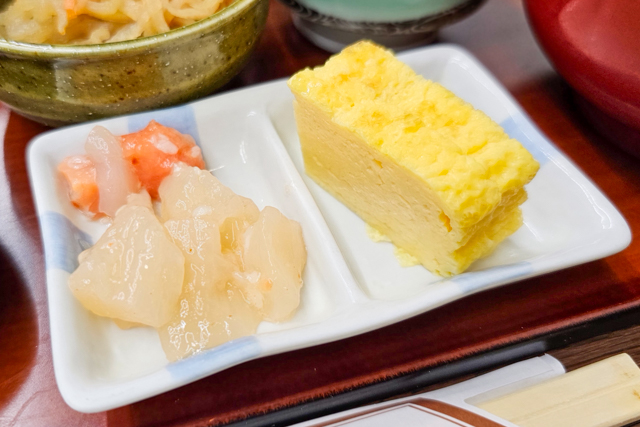
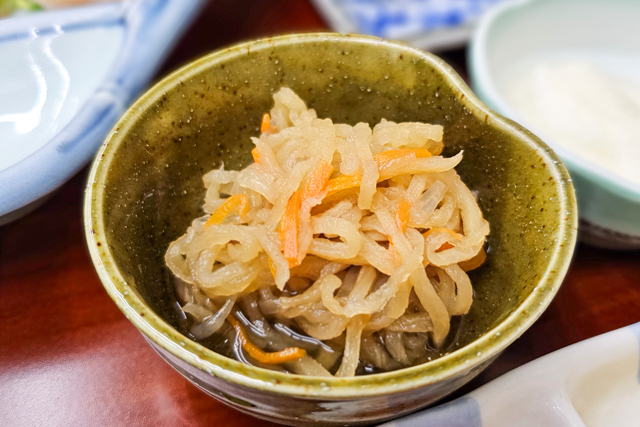
The dish came together as a multi-format scallop set, distributing the same ingredient across raw, cooked, and preserved states. A clean sweetness cane from the sashimi scallops, with a smooth, almost creamy bite. The butter-yaki scallops followed with a firmer structure and increased resistance, carrying a deeper umami profile through fat integration. The pickled scallop introduced chew and mild salinity, while the pollack roe added granular texture and a concentrated savoury note. Tamagoyaki provided a soft, slightly sweet counterpoint, while kiriboshi daikon contributed fibrous texture with a light soy-driven savouriness.
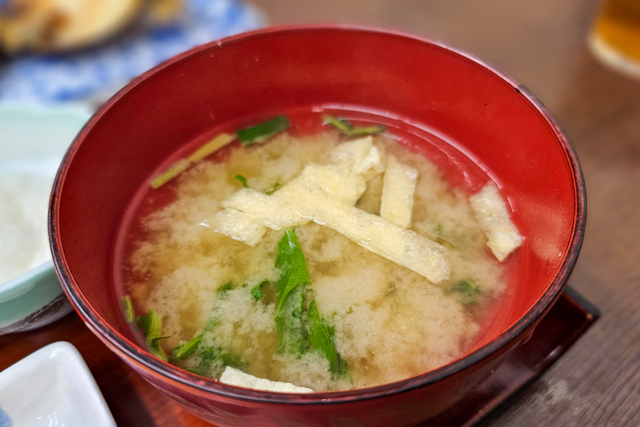
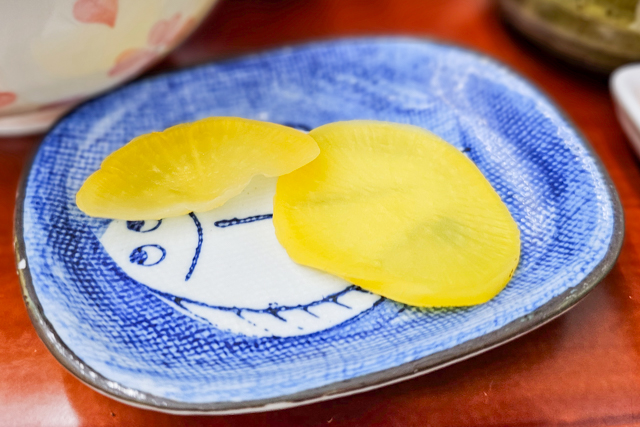
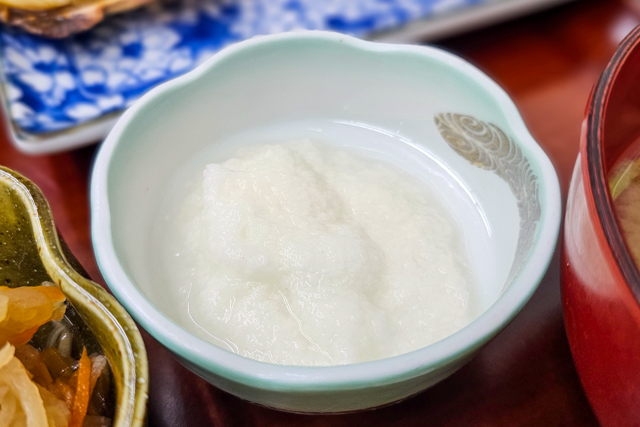
Miso soup came with a light body, containing greens and a subtle citrus lift that reset the palate between bites. Takuan introduced acidity and crunch. Tororo contributed viscosity with minimal flavour, closer to an egg white texture, integrating without disrupting.
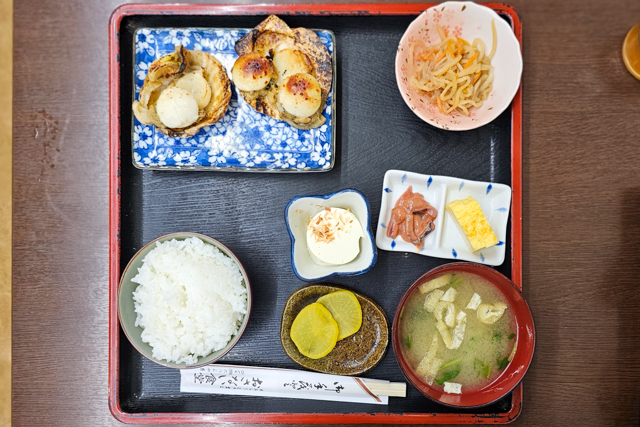
Hotate Butter Yaki Teishoku (¥1,340) — butter-yaki scallops, kiriboshi daikon, tofu, squid tentacles with spicy cod roe, tamagoyaki, takuan, miso soup, rice
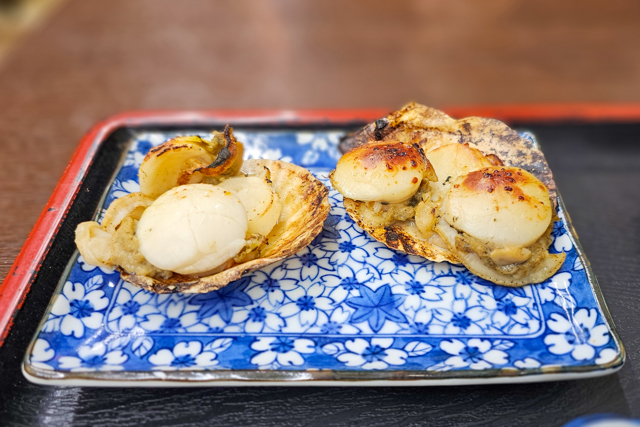
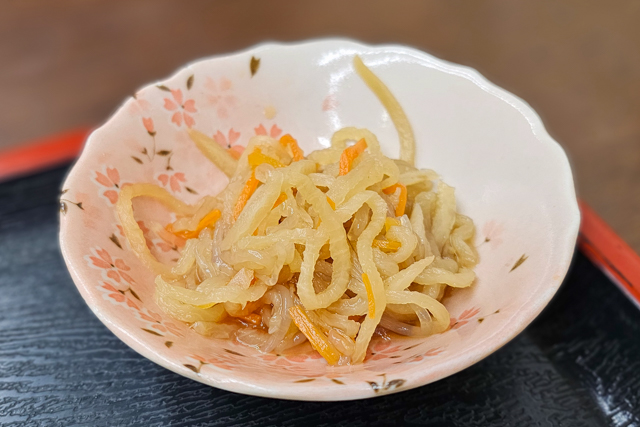
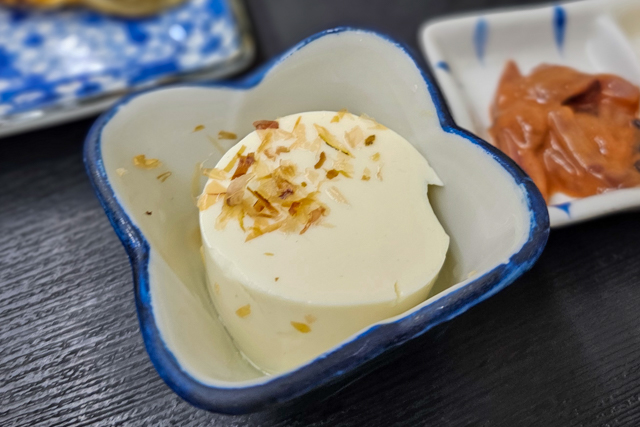
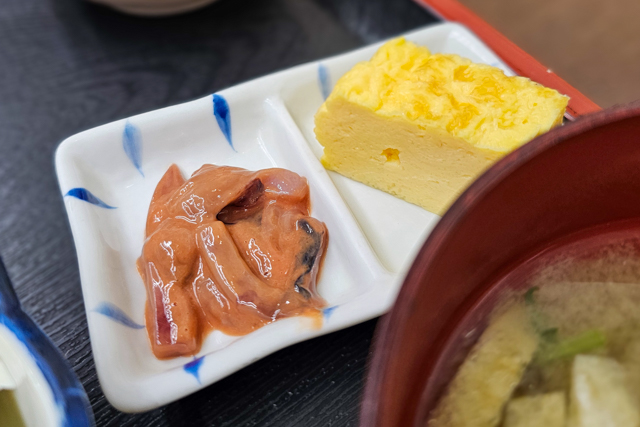
The dish came together as a reduced-format scallop set. The butter-yaki scallops retained their tender interior and lightly firm exterior, with fat carrying the umami. The tofu was smooth and lightly structured, with bonito adding a restrained savoury depth. Squid tentacles introduced chew and bounce, with cod roe providing a sharp, saline heat that cut through the otherwise mild set. Kiriboshi daikon and tamagoyaki repeated their earlier roles, maintaining consistency across sets. Finish carried a slightly heavier savoury weight due to the absence of raw scallop sweetness.
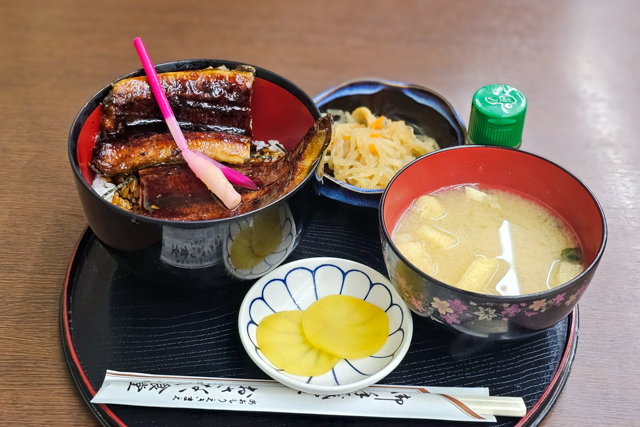
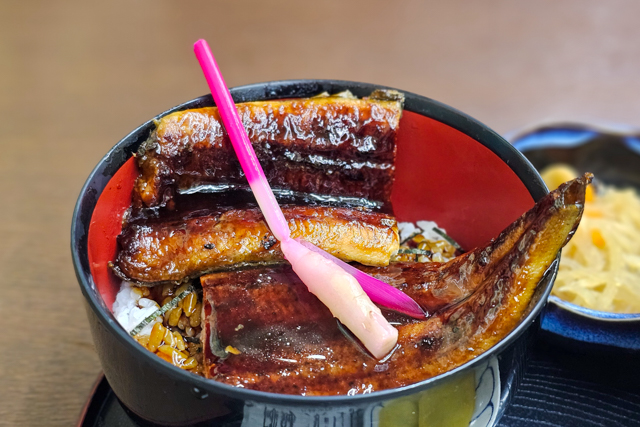
Marugoto Unagi Don (¥1,400) — kabayaki eel, rice, gari, kiriboshi daikon, takuan, miso soup
The dish delivered the expected sweet-savoury eel sauce over rice, with soft flesh, but lacking grilled smokiness and with a cooler centre. The sauce profile remained enjoyable, but without depth from charcoal grilling. Gari introduced crispness without the sharp heat of mature ginger, while shichimi and seaweed added mild complexity without fully compensating for the eel’s reduced intensity.
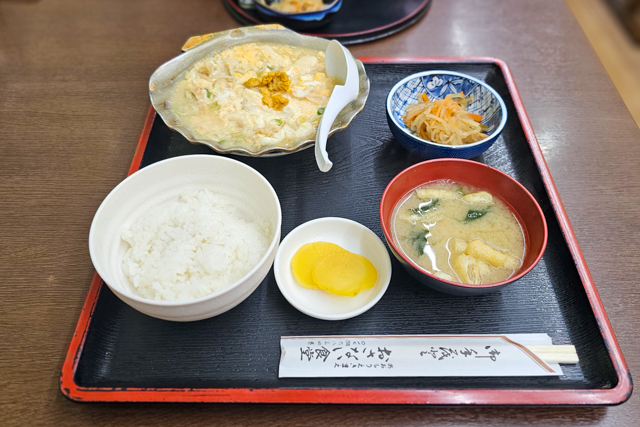
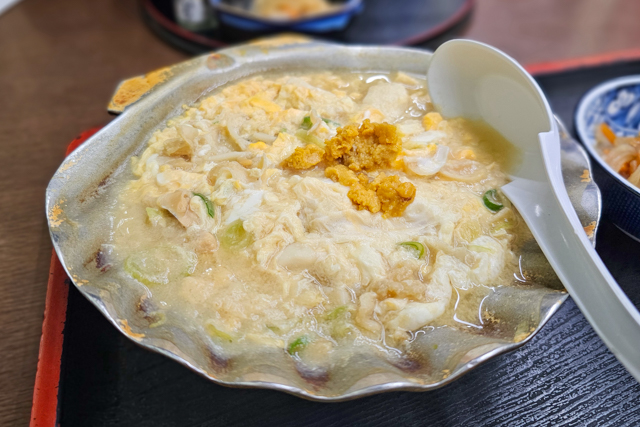
Hotategai-yaki Miso Teishoku (¥1,100) — scallop with egg-miso gravy, sea urchin
The dish came in a scallop-shaped pan, with scallop pieces bound in a thickened egg and miso base. The egg gravy delivered warmth and a soft, cohesive texture, with miso providing a rounded savoury base. The egg created a familiar donburi-like structure, comparable to oyakodon in texture. Sea urchin added intermittent richness, though not dominant. Scallops, however, presented increased chew relative to other dishes. Finish remained gentle and savoury, with a lingering miso note.
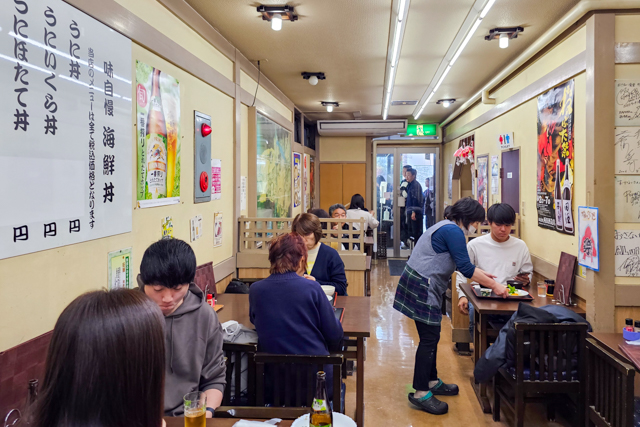
Overall, Osanaioffers teishoku-style dining defined by ingredient repetition across multiple preparations, with consistency strongest where scallops are handled in simpler formats (raw or lightly cooked), and weaker where execution relies on reheating or secondary handling.
Osanai is located at 1 Chome−1−17, Shinmachi, Aomori 030-0801, Japan.