This masterpost serves as a reference guide to the distinctive characteristics of fruits not covered in other posts. Many of these fruits have unique qualities that defy easy comparison, making it challenging to assign ratings for taste and texture.
Achacha
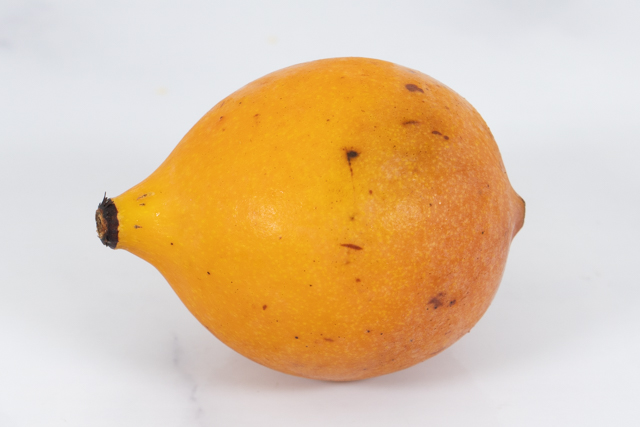
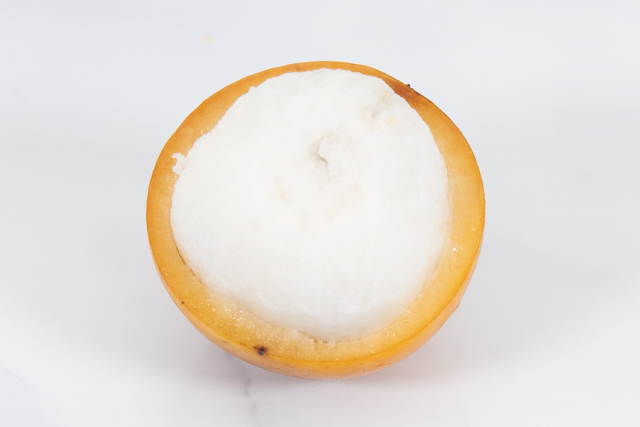
Appearance: Small, oval-shaped fruit with a bright orange skin, originating from the Bolivian Amazon.
Taste: The flesh carries a subtle aroma, reminiscent of both mangosteen and apple guava. The flavour evokes the soft, bittersweet centre of apple guava, with a mild acidity that intensifies near the seed, creating a layered, complex taste.
Texture: Soft and fleshy, with a delicate consistency that melts in the mouth.
Ambarella
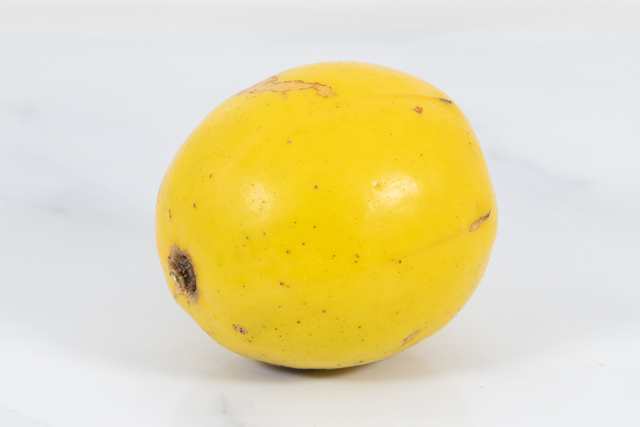
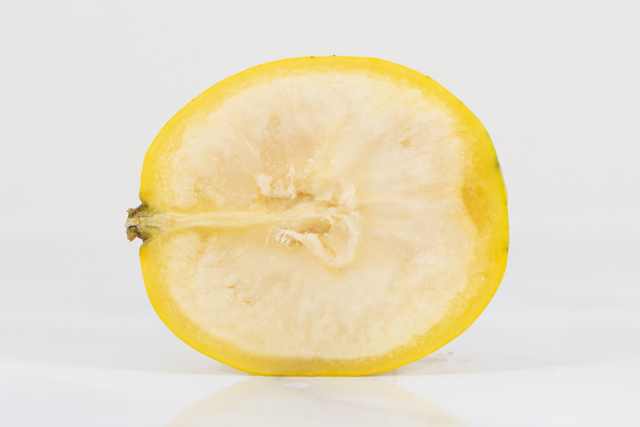
Appearance: Oval-shaped fruit with a green-yellow skin and a hard, fibrous pit. Commonly grown in tropical climates, including parts of Southeast Asia and the Pacific Islands.
Taste: Intensely sour with a strong bitterness and astringency. Not a fruit typically eaten raw due to its strong acidity.
Texture: Extremely firm and crunchy, with a texture similar to biting into a peach seed.
Bell Fruit
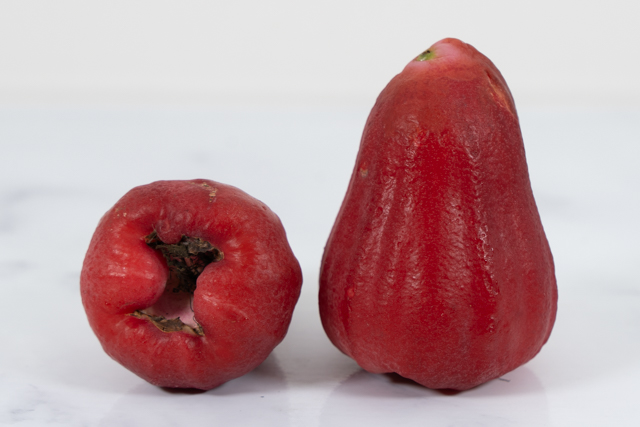
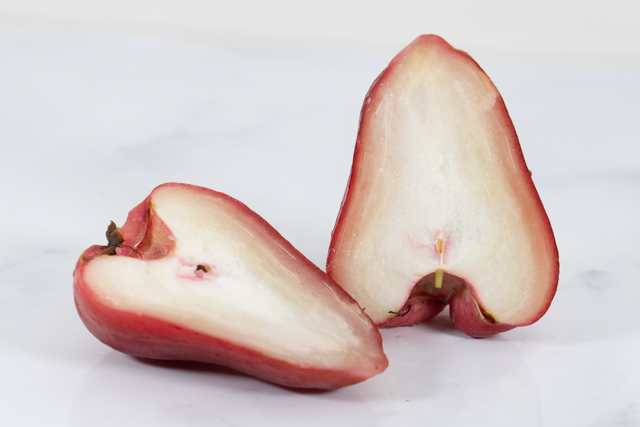
Appearance: Small, bell-shaped fruit with translucent pink or white skin. Native to Southeast Asia, it is also known as the Water Apple, Water Cherry, or Watery Rose-Apple.
Taste: Mild and watery, with a faint hint of watermelon. The sweetness is subtle, and the flavour is light.
Texture: Crisp and juicy, with a crunchy flesh. The skin is waxy, adding a slight astringency, and the texture recalls the crunch of a starfruit.
Cherimoya (Custard Apple)
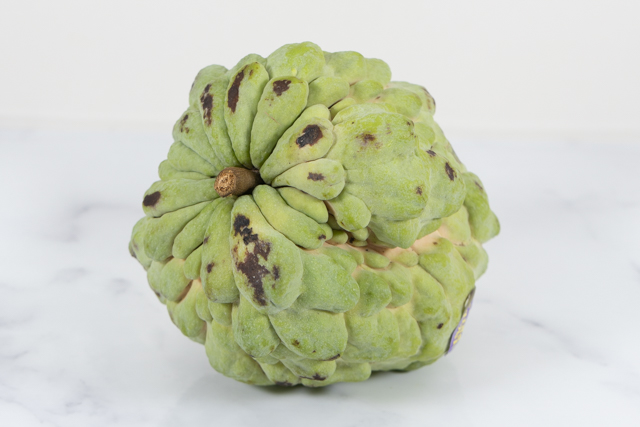
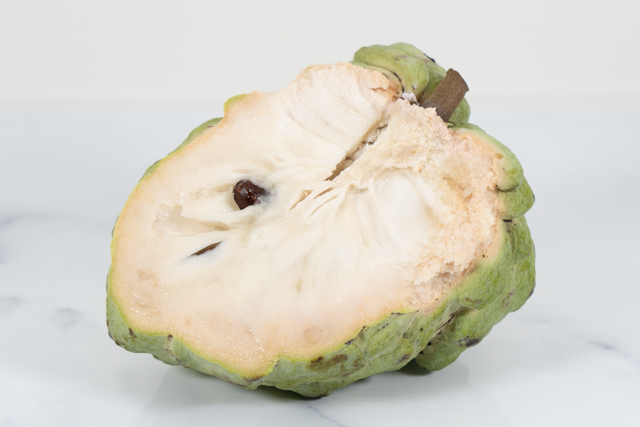
Appearance: Large, heart-shaped fruit with green, scaly skin. Native to South America, particularly the Andean valleys.
Taste: Delicate tropical flavour with mellow sweetness and subtle acidity, reminiscent of banana, pineapple, white peach, and strawberry. Compared to soursop, cherimoya is sweeter and less tangy, offering a creamier flavour profile.
Texture: When ripe, the flesh has a smooth, custard-like texture, yielding slightly to pressure.
Feijoa
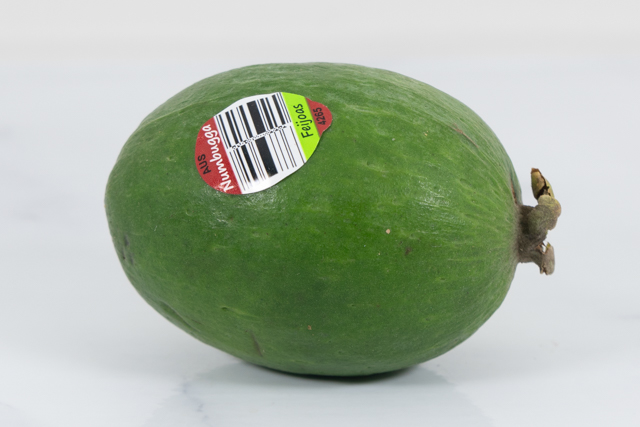
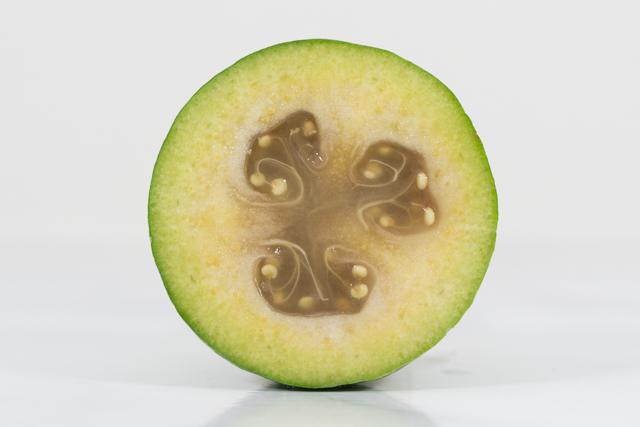
Appearance: Small, oval-shaped fruit with thick green skin, native to South America but commonly grown in New Zealand.
Taste: A floral, soapy citrus flavour with a minty finish. The centre is sweet and intensely soapy, while the outer flesh is more sour, balancing the unusual taste of the interior.
Texture: The flesh has a gritty, granular texture, similar to a ripe pear, with a jelly-like consistency in the centre.
Guava
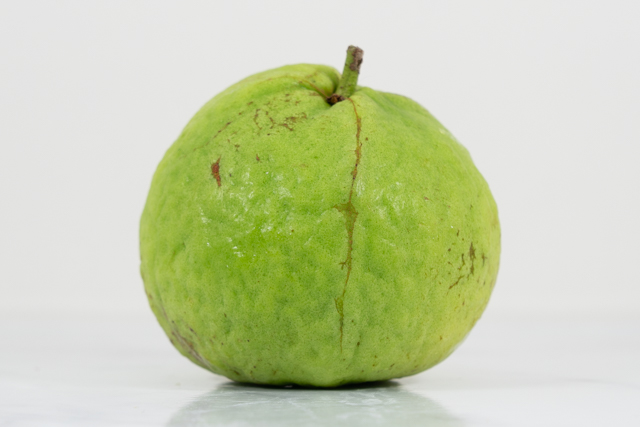
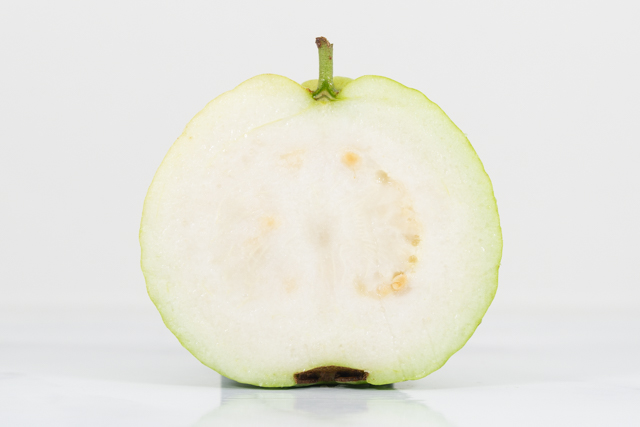
Appearance: Round or oval fruit with green skin that can turn yellow when ripe. Originates from tropical regions of the Americas.
Taste: Bright, floral, and herbal notes, especially concentrated in the skin. The sweetness increases towards the centre.
Texture: Crunchy near the edges, becoming softer towards the centre. The flesh contains numerous small, hard seeds that add a crunch when eaten.
Kiwano
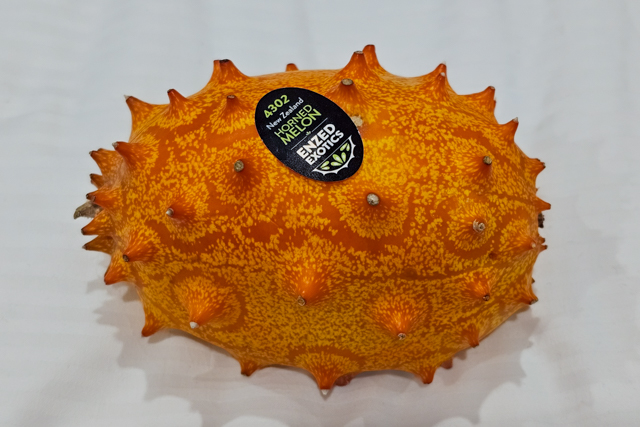
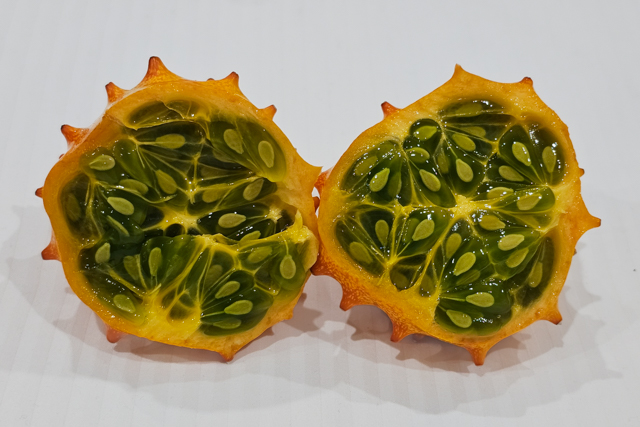
Appearance: An orange skin and lime-green, soft flesh.
Taste: The the mild, refreshing flavour of a cucumber. The experience was more notable for its unusual texture than for flavour intensity.
Texture: Gelatinous, seed-filled texture of the a passionfruit or the interior of a muskmelon.
Jujube
Ripe
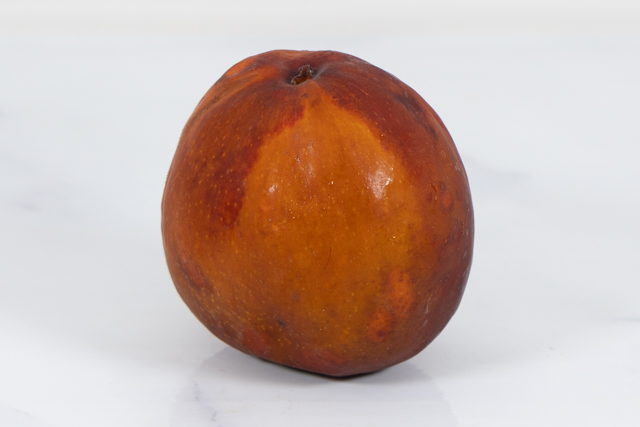
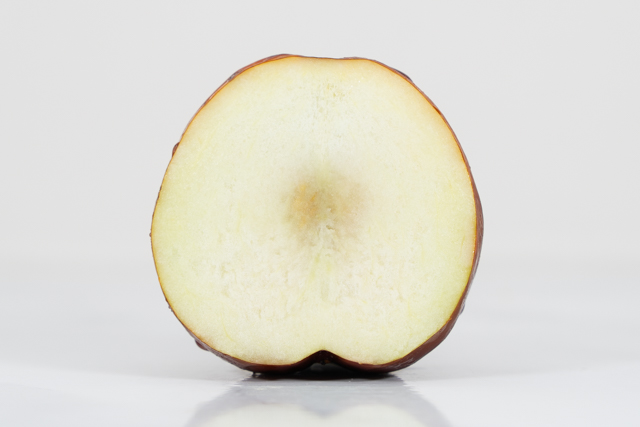
Appearance: Small, oval fruit with reddish-brown skin, often wrinkled when fully ripe. Native to China.
Taste: Mild, grassy aroma with a taste similar to an apple but with less acidity and juiciness.
Texture: Mealy and less crisp than an apple, with a dry mouthfeel. The centre contains a hard stone, much like a peach pit.
Underripe
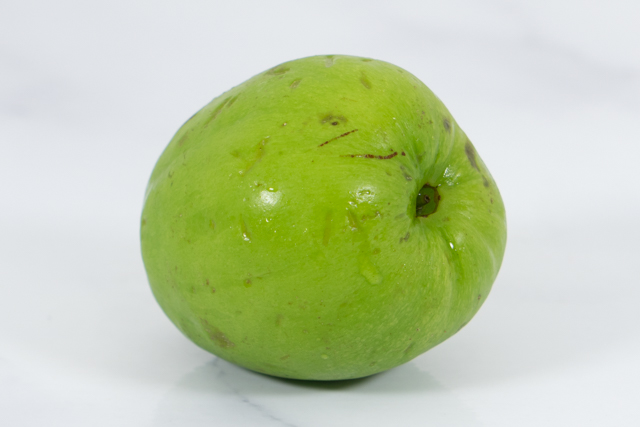
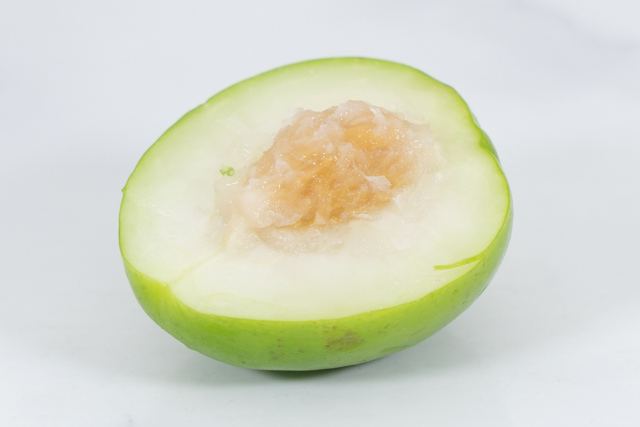
Appearance: Smooth, glossy, greenish-yellow skin, crisp white flesh when slightly underripe.
Taste: Pleasant apple-like aroma. The flesh is mildly sweet and sour when underripe, with a balance of acidity and sweetness.
Texture: Crisp and crunchy, similar to a fresh apple, but less juicy.
Lekima
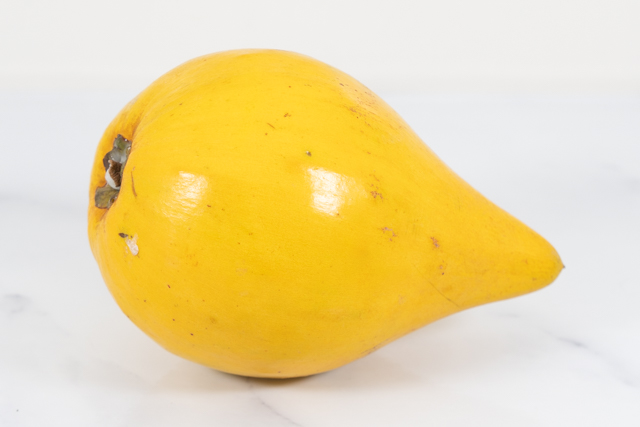
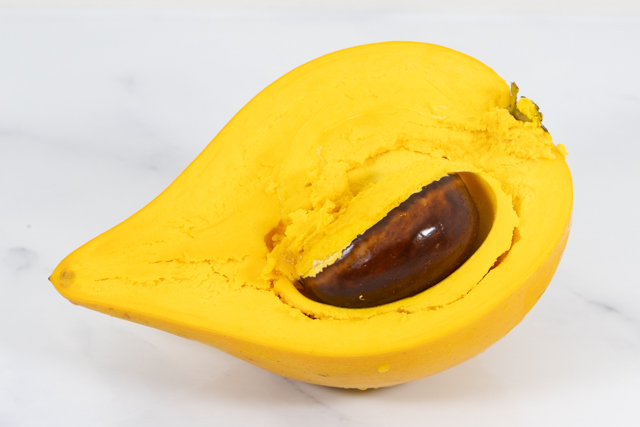
Appearance: Round, bright orange fruit with thick skin and three large seeds inside. Native to Southeast Asia.
Taste: Creamy and sweet, with a flavour similar to tropical sweet potato, accompanied by subtle savoury notes like cheese or durian.
Texture: Very starchy, with a dry, mealy interior akin to a baked sweet potato.
Longan
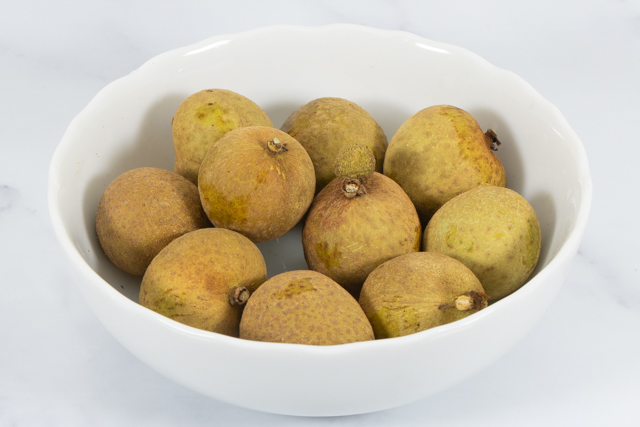
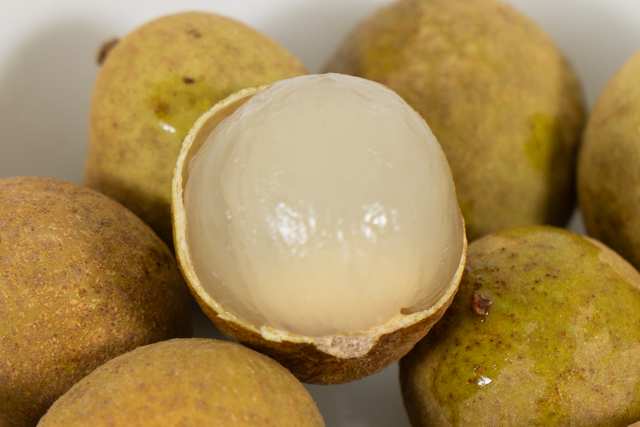
Appearance: Small, round fruit with a thin, brown shell, native to Southeast Asia.
Taste: Subtly sweet with a smoky undertone, less sweet than a lychee. The flavour is refreshing and slightly floral.
Texture: Similar to a lychee but less juicy, with a firmer, slightly drier flesh.
Mangosteen
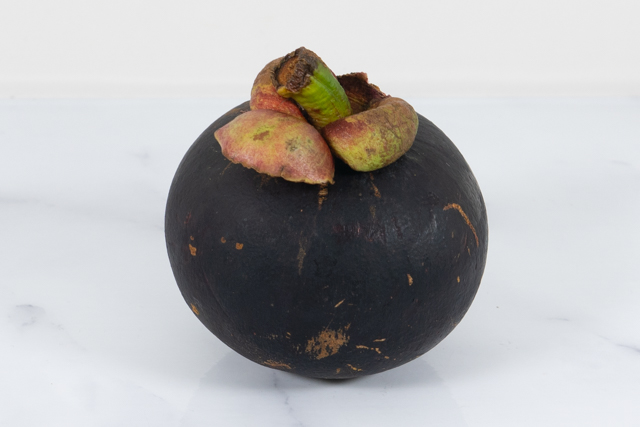
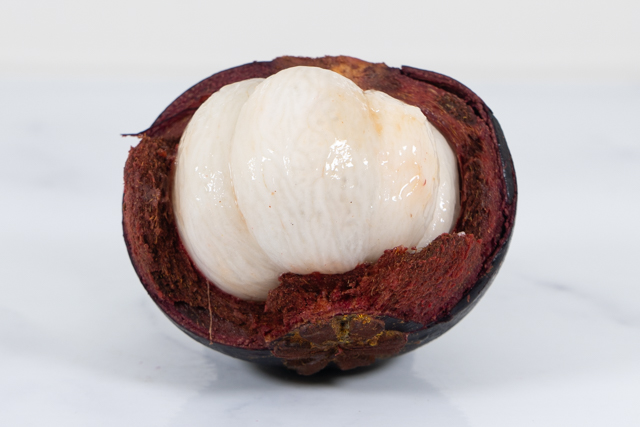
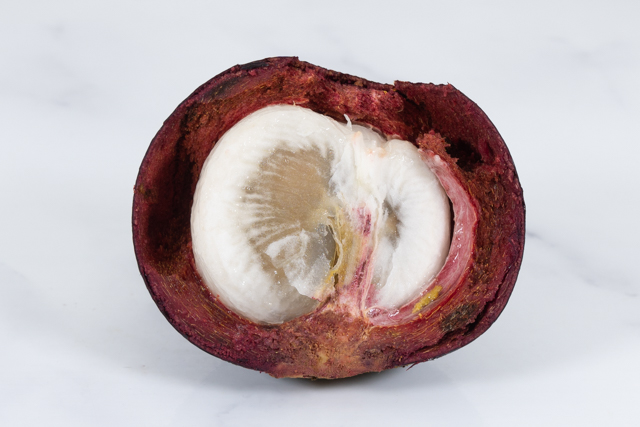
Appearance: Deep reddish-purple rind when ripe, enclosing segmented white flesh. Native to Southeast Asia.
Taste: A unique blend of sweet and tangy flavours, with hints of tropical pineapple and white peach, followed by a tangy finish reminiscent of soursop.
Texture: Soft, delicate flesh, with a smooth texture that resembles the vesicles of a mandarin, combined with the custard-like consistency of a soursop.
Persimmon (Sweet)
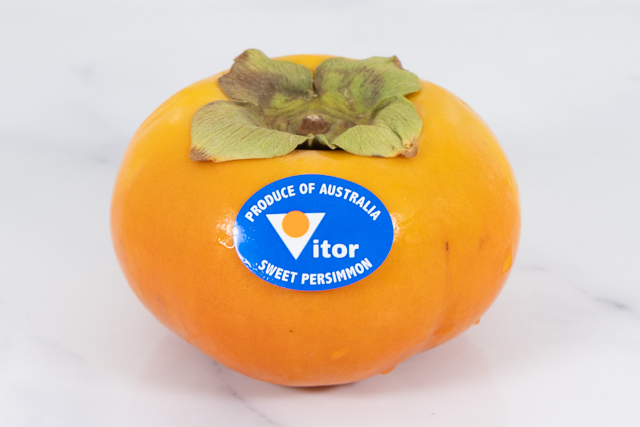
Appearance: Bright orange, round fruit, typically grown in East Asia.
Taste: Sweet, with a flavour reminiscent of mango but less sugary and with a hint of apricot.
Texture: Firm and fleshy when ripe, similar to an underripe mango, with a smooth and slightly chewy consistency.
Pitaya (Dragon Fruit)
White-fleshed
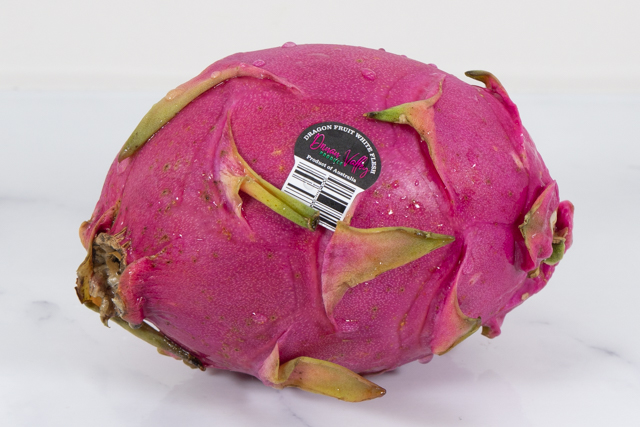
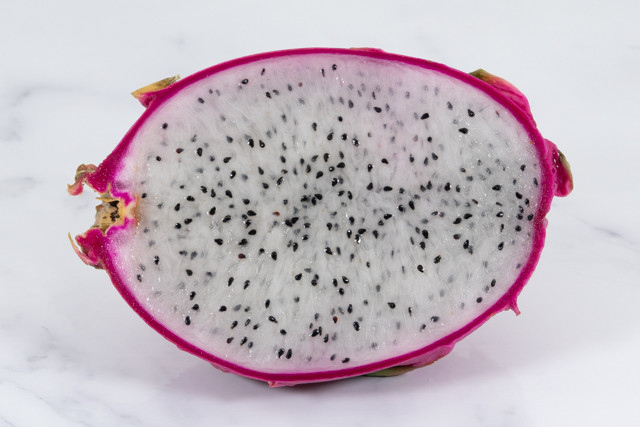
Appearance: Bright pink skin with white flesh and black seeds.
Taste: Mild, slightly sweet, with subtle melon-like flavours. The black seeds provide nutty undertones.
Texture: Soft and juicy, similar to kiwifruit, with small crunchy seeds.
Red Fleshed
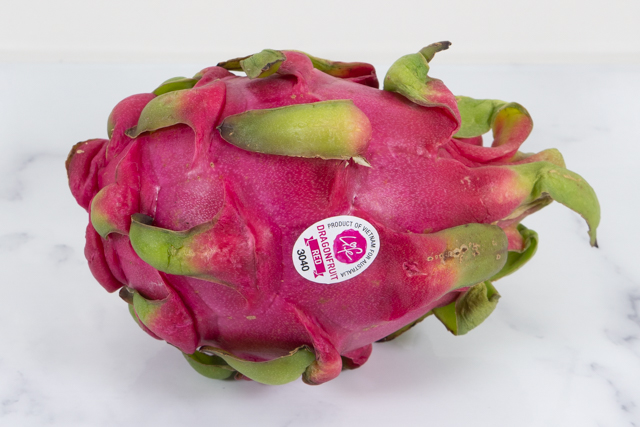
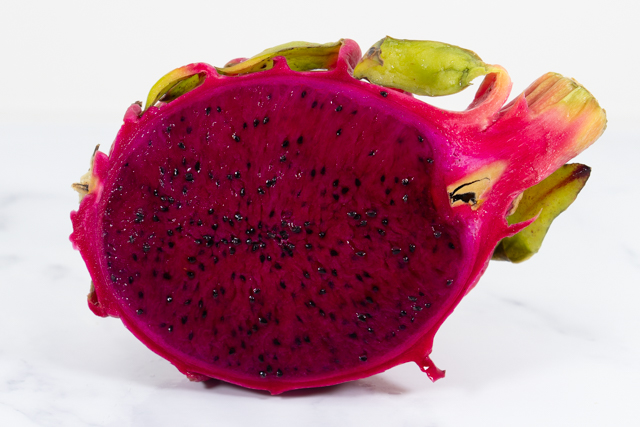
Appearance: Pink skin with vibrant red flesh and black seeds.
Taste: Sweeter and more floral than the white variety, with a gentle acidity that enhances its tropical flavour.
Texture: Soft and juicy, similar to the white-fleshed variety but with a richer taste.
Yellow skin
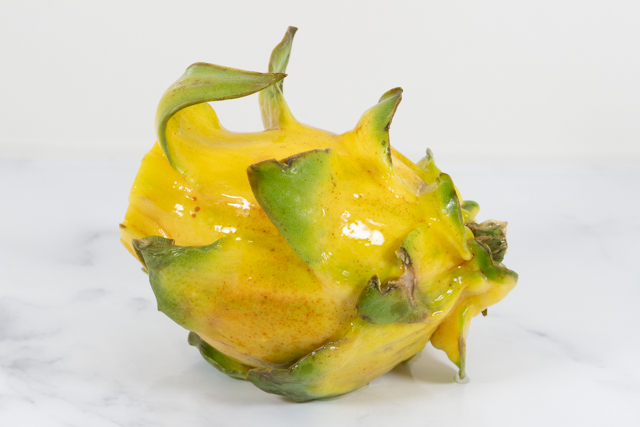
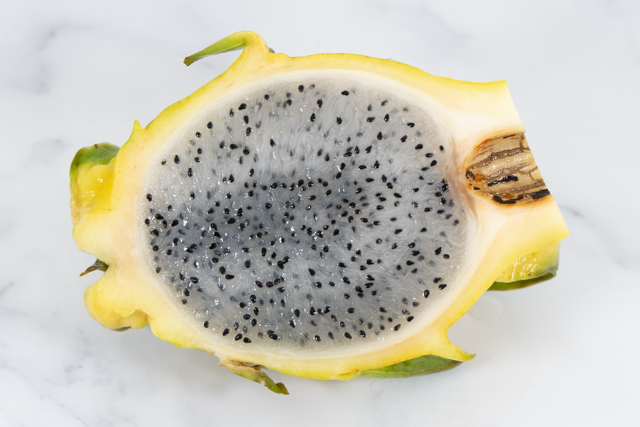
Appearance: Yellow skin with greyish-white flesh and black seeds.
Taste: The sweetest of the three varieties, with a bright, slightly acidic flavour and nutty undertones.
Texture: Similar to the other varieties but with a thicker skin.
Rambutan
Red
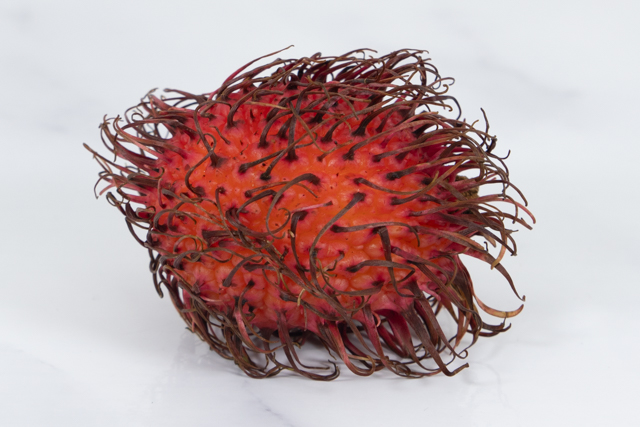
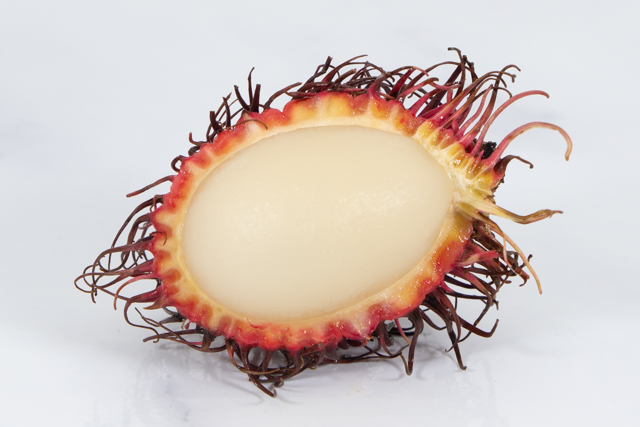
Appearance: Red, hairy exterior with translucent white flesh inside.
Taste: Sweet and floral, with very low acidity.
Texture: Crunchy, like a longan, with a slightly firmer bite.
Yellow
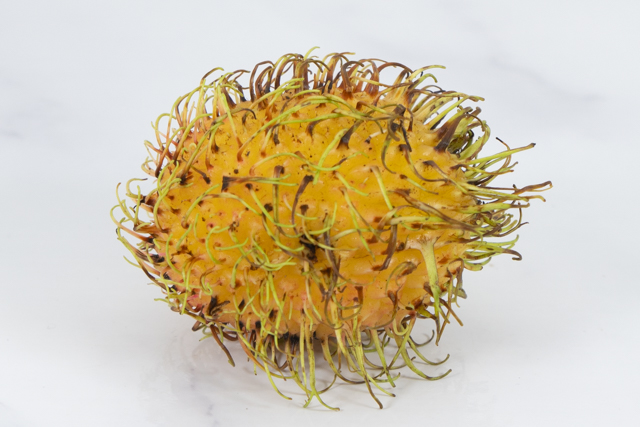
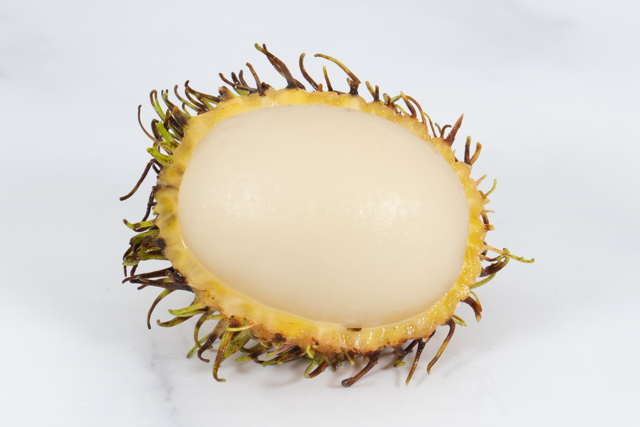
Appearance: Yellow, hairy exterior with translucent soft white flesh.
Taste: Slightly sweeter than the red variety, with a touch of sourness.
Texture: Softer, more lychee-like compared to the red rambutan.
Rambi (dau)
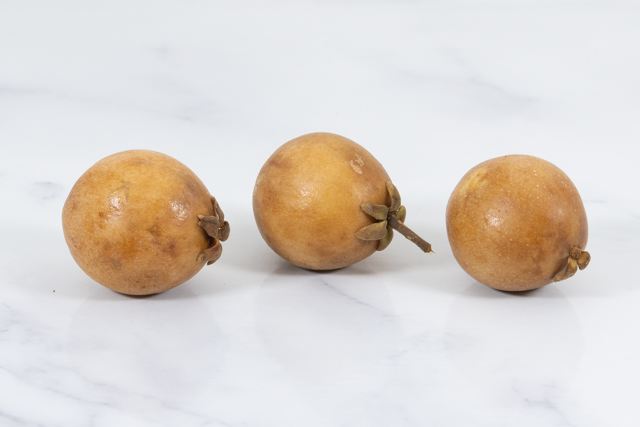
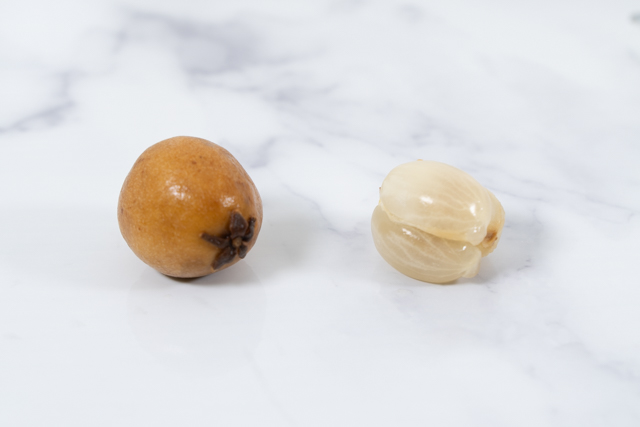
Appearance: Soft, leathery, dark yellow skin that encases three segments, each with its own seed.
Taste: Mild sweetness with a delicate sourness, with the flesh clinging tightly to the seed.
Texture: Soft and gelatinous, but without an overwhelming juiciness, offering a tender mouthfeel.
Tamarillo
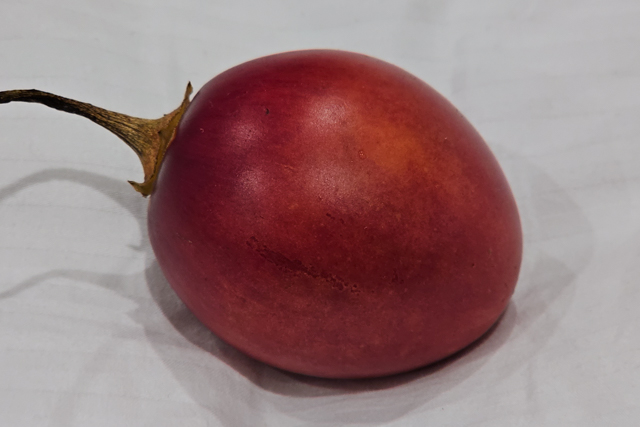
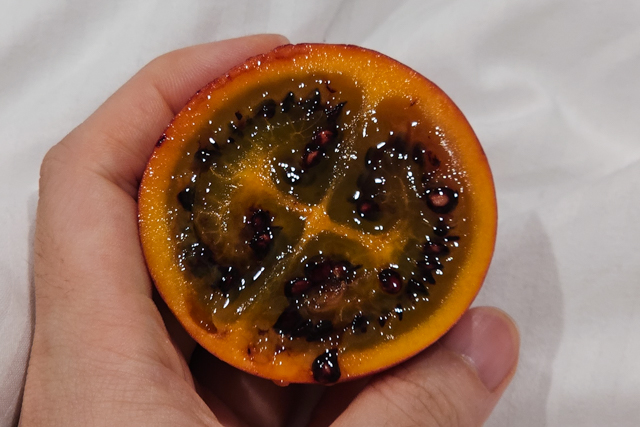
Appearance: Smooth red skin that encases a pulpy interior with small seeds.
Taste: Tangy, slightly savoury character of a tomato. The balance of acidity and umami gave it a distinctive profile unlike most sweet fruits.
Texture: Had the soft, pulpy texture of a passionfruit.