This masterpost is a reference guide for identifying various citrus varieties by their distinctive characteristics. When the specific variety is unknown, descriptions are based on appearance and physical traits.
To earn a 5.0 rating for taste, a citrus should balance zestiness, acidity, and sweetness while offering distinctive qualities, such as:
- Vibrant, concentrated flavour without being too sharp or diluted.
- Well-integrated sweetness that harmonises with natural acidity.
- Layered complexity, with evolving notes (e.g. sweetness followed by tartness or subtle bitterness).
- Unique undertones, such as floral, herbaceous, or spiced hints, while remaining distinctly citrus.
- A refreshing finish with no lingering aftertaste, maintaining a bright profile without becoming cloying.
To earn a 5.0 rating for texture, a citrus should have:
- Firm yet juicy segments that burst with minimal pressure.
- A delicate, easy-to-chew membrane that isn’t overly fibrous.
- Smooth, evenly distributed pulp that’s neither too coarse nor watery.
- A rind or pith that complements the fruit without being overly bitter or tough.
- A crisp, satisfying bite with minimal stringiness or seeds.
Yuzu
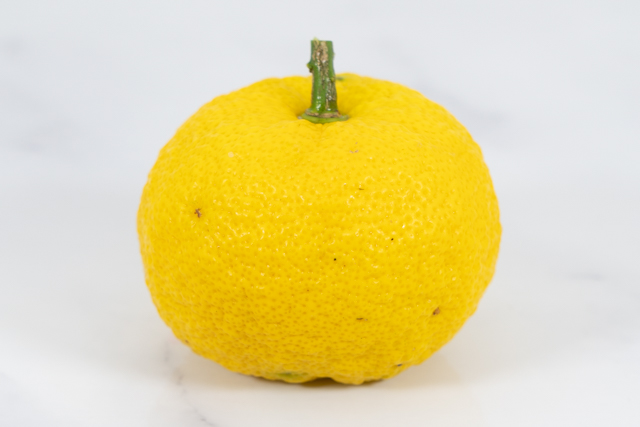
Appearance: A small, bumpy Japanese citrus fruit with a vibrant yellow-green rind.
- Taste: 5.0 – A complex flavor profile that blends tartness, sweetness, and floral notes, with excellent juiciness that enhances the overall flavour.
- Texture: 3.5 – Thick rind with abundant seeds and bitter pith, making it better suited for juicing or zesting rather than fresh consumption.
Sumo citrus
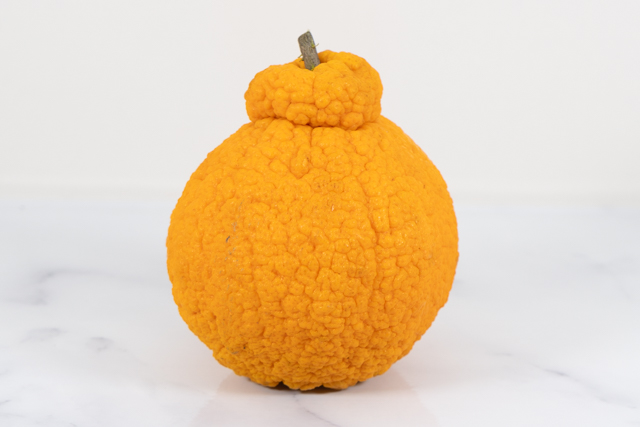
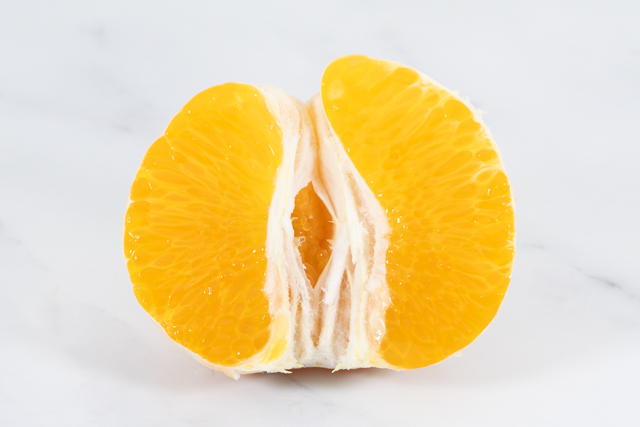
Appearance: A large, oblate Japanese citrus fruit with a loose, bumpy rind, known as dekopon in Japan and hallabong in Korea.
- Taste: 4.5 – Sweet like a mandarin with a hint of sharpness and acidity akin to a grapefruit but without bitterness. While sumo citrus (as known in the West) shows variation in the sweetness, dekopon in Japan and hallabong in Korea are more consistently balanced in flavour.
- Texture: 4.0 – Seedless with juicy segments that burst with gentle pressure. The membrane can sometimes be fibrous, slightly affecting enjoyment, though it’s easy to peel.
Cara Cara
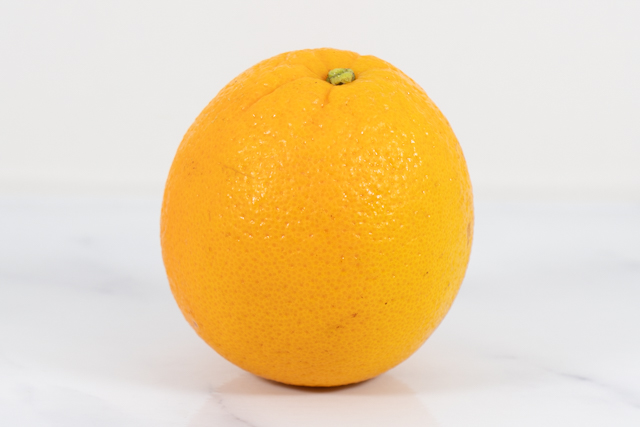
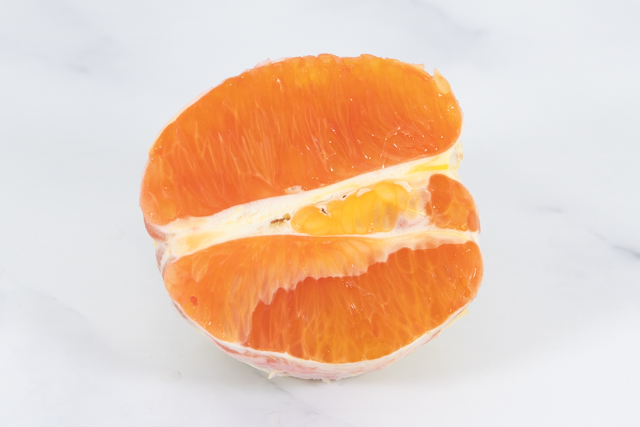
Appearance: A seedless navel orange with a distinctive pink flesh.
- Taste: 4.5 – Intensely sweet, with the flavour of a very sweet orange with subtle berry notes rather than a mandarin. The slightly tart acidity is well-integrated, balancing the sweetness.
- Texture: 4.0 – Seedless with tender, juicy segments that melt in the mouth. The thin membrane doesn’t disrupt the flesh’s enjoyment. Easy to peel.
Blood Orange
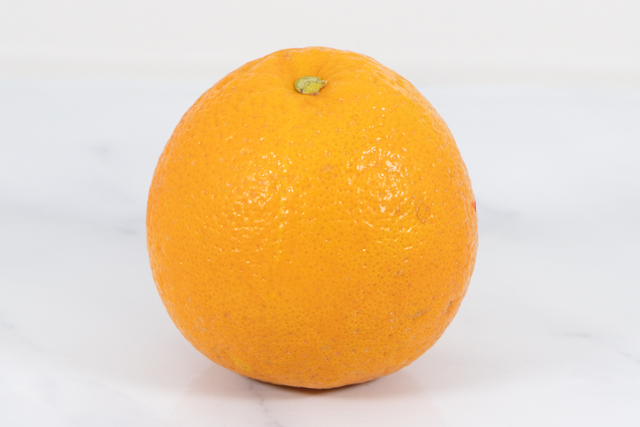
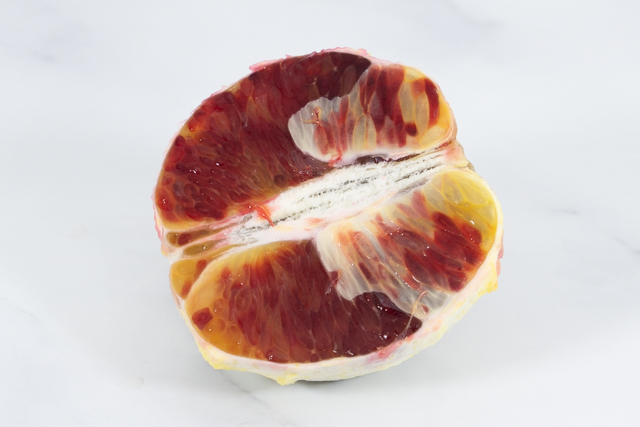
Appearance: A variety of orange with a deep red-orange flesh.
- Taste: 4.5 – Sweet, with a slighty tarter flavour than a Cara Cara, but less than an orange, with distinct hints of raspberry and cherry.
- Texture: 4.0 – Juicy segments, and thin membrane with minimal fibre, allowing for easy peeling and enjoyable texture.
Blood Orange Pomelo
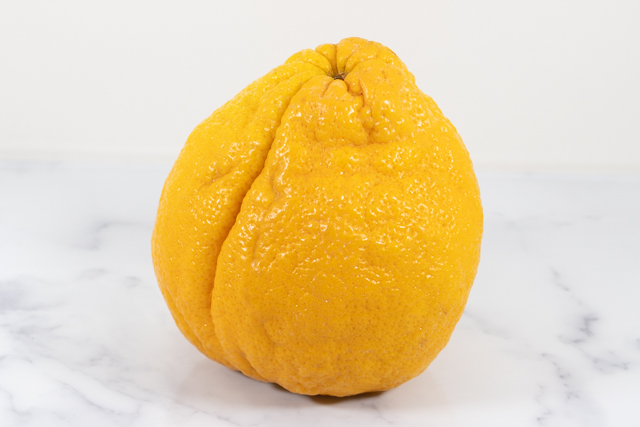
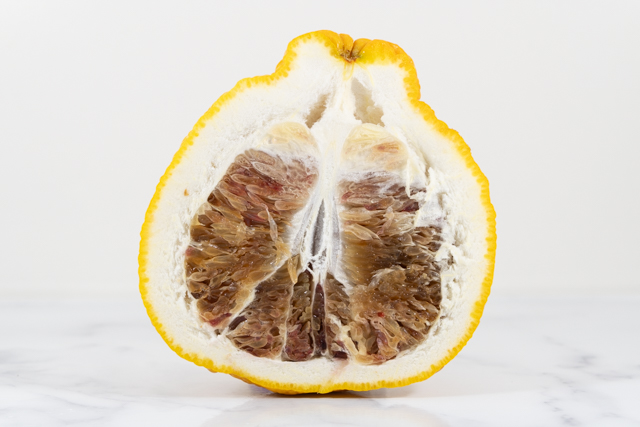
Appearance: A rare hybrid citrus fruit with a large, round shape, a thick, reddish-orange rind.
- Taste: 4.0 – Sweetness of a pomelo combined with the tangy raspberry-like notes of a blood orange.
- Texture: 2.5 – Seedless but somewhat dry, resembling a drier pomelo more than the juicier blood orange. Easy to peel.