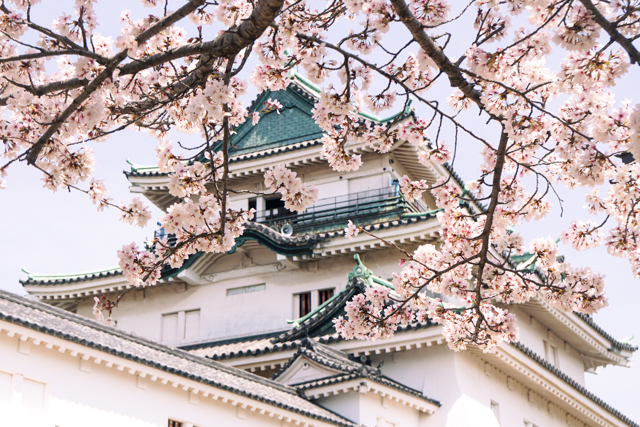
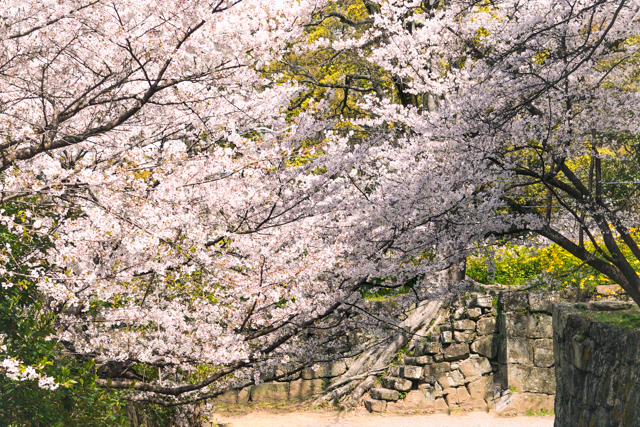
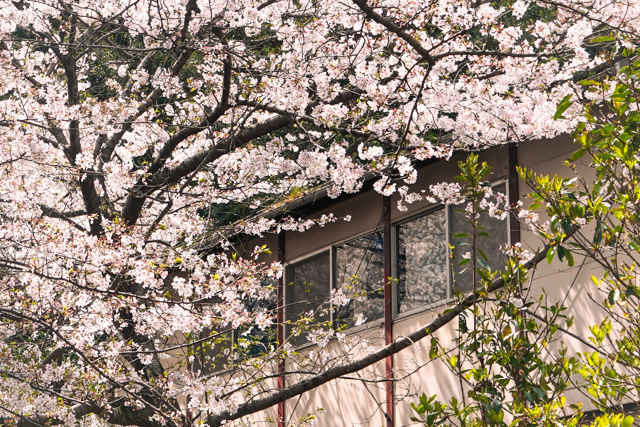
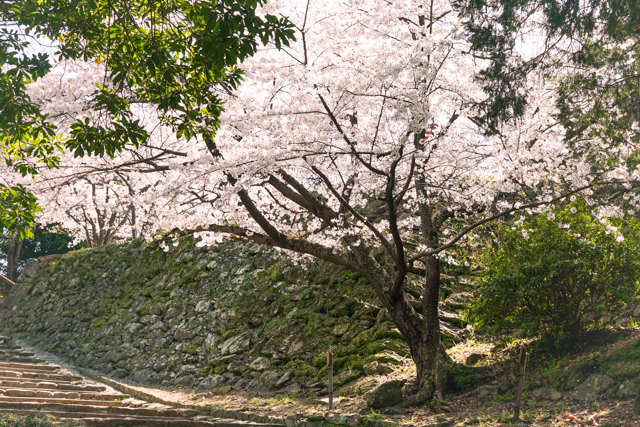
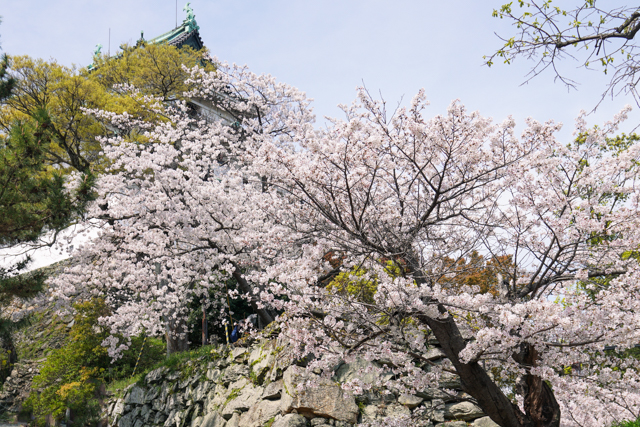
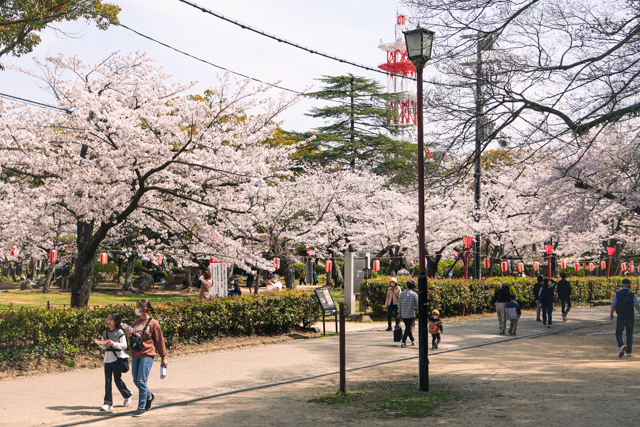
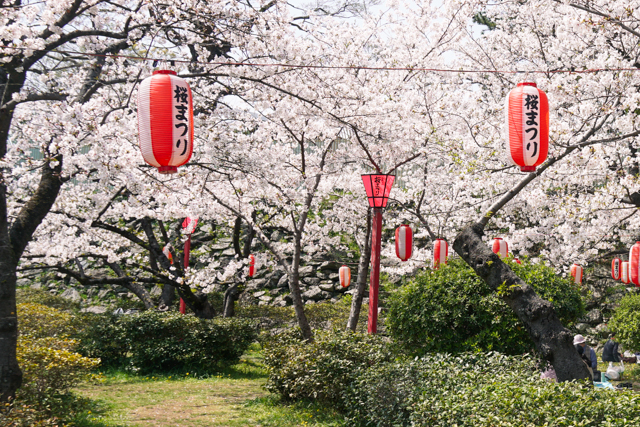
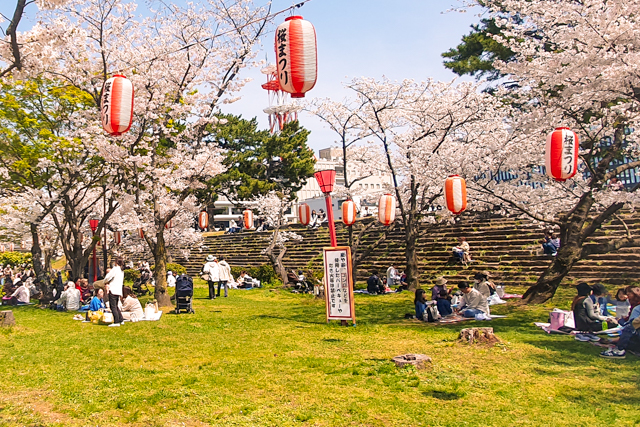
Our second day in Japan saw us visiting Wakayama Prefecture to see the cherry blossoms in peak bloom at Wakayama Castle and Kimiidera. Wakayama Prefecture is known for being Japan’s largest producer of the prized nankou ume amongst other fruits, so we had high hopes of being immersed in ume-flavoured products. Alas, we seemed to find more products in Ōsaka and Tōkyō using ume grown in Wakayama. Even so, we had a very gratifying day in Wakayama with the cherry blossoms.
Wakayama
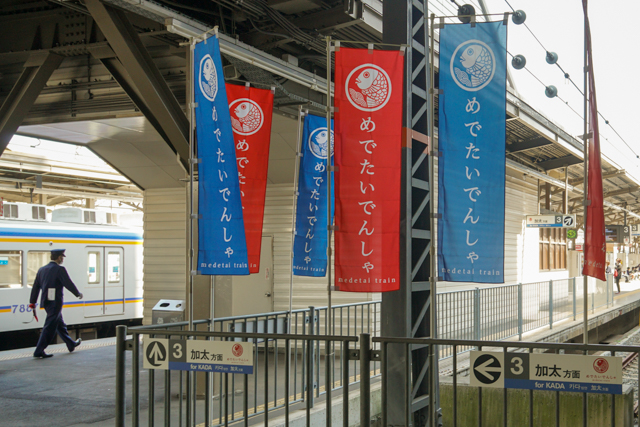
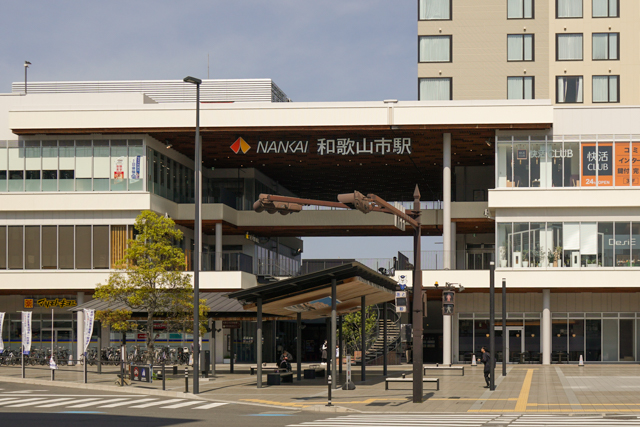
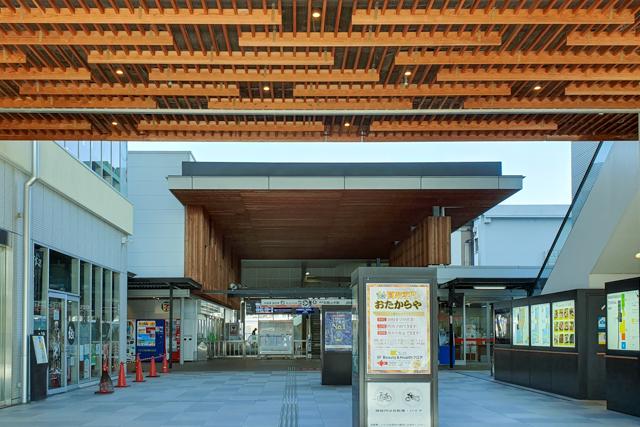
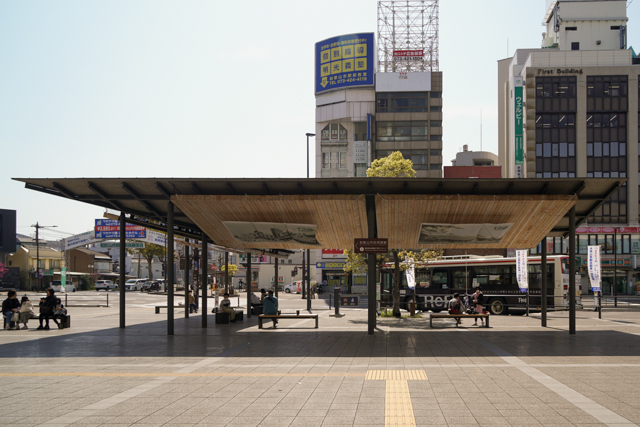
Nankai Wakayama-shi Station
7-Eleven
Nankai Wakayama Station, 3-6 Higashikuramaecho, Wakayama City, Wakayama, 640-8203, Japan
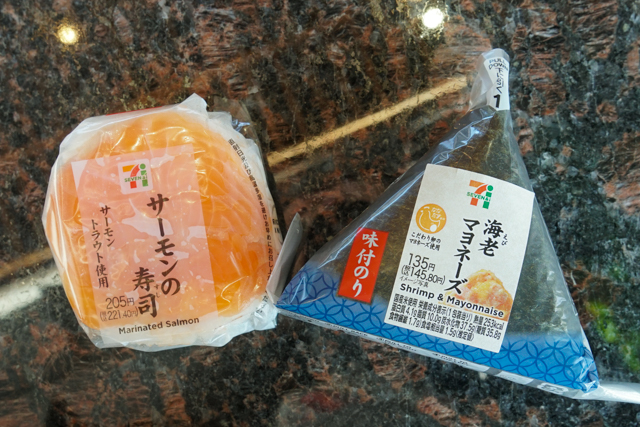
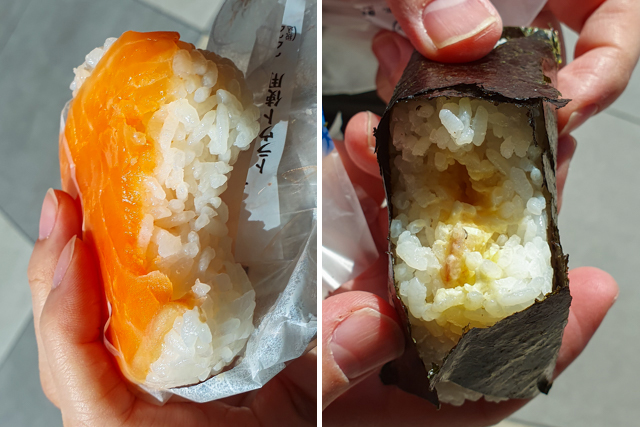
We spotted an ebi mayo onigiri (D’s favourite) for the first time at the 7-Eleven attached to the train station, so we decided on nigiri for a quick breakfast. I also picked up ‘marinated salmon’ sushi which was delicious. It tasted like smoked salmon on rice.
Rock Star Farms
ロックスターファームズ, 1F Ki:no Wakayama, 3-0 Higashikuramaecho, Wakayama, 640-8203, Japan
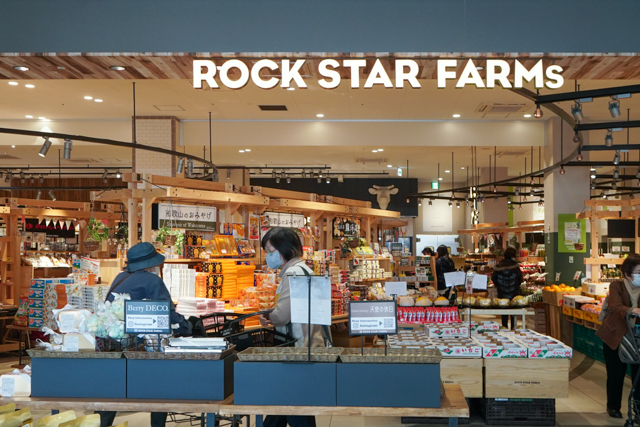
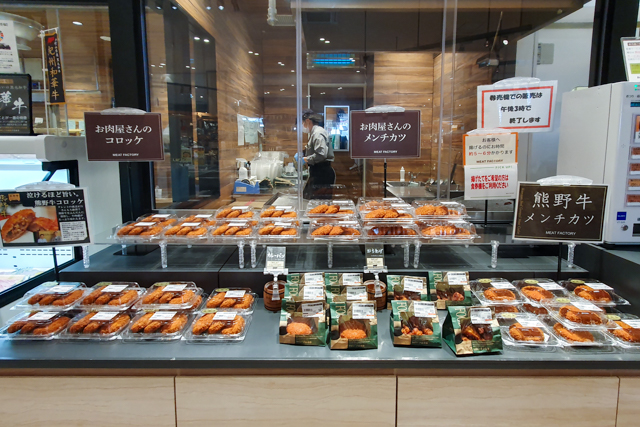
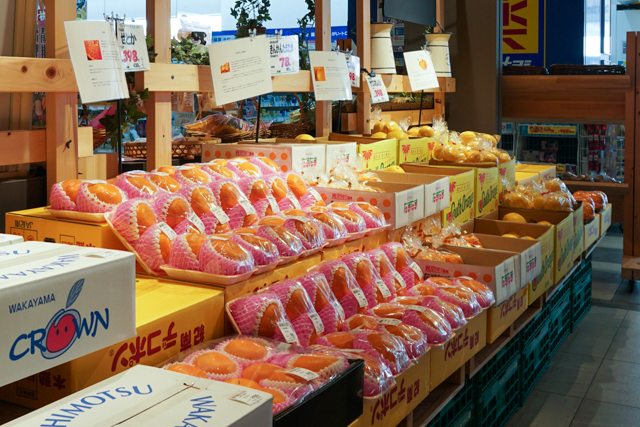
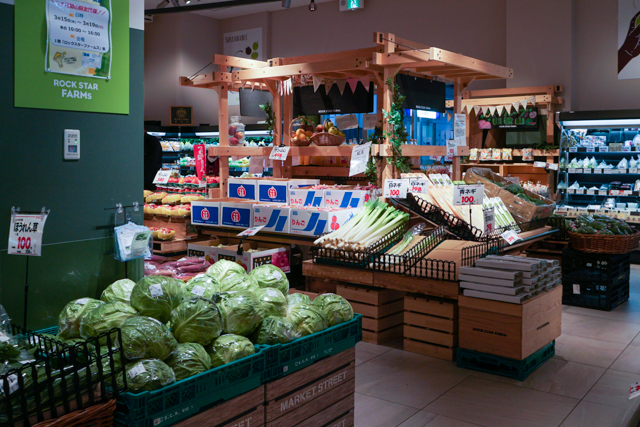
After on onigiri, we briefly explored the complex attached to the train station and discovered a supermarket specialising in locally sourced produce.
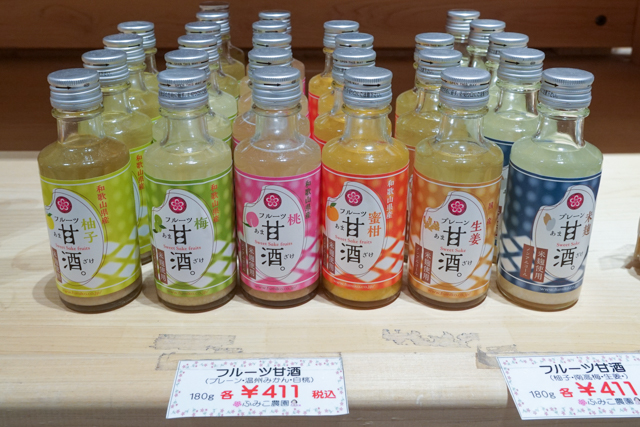
We would’ve liked to pick up this selection of fruity amazake but thought there’d be more opportunities to purchase it later in the day (there weren’t…so, next time, perhaps).
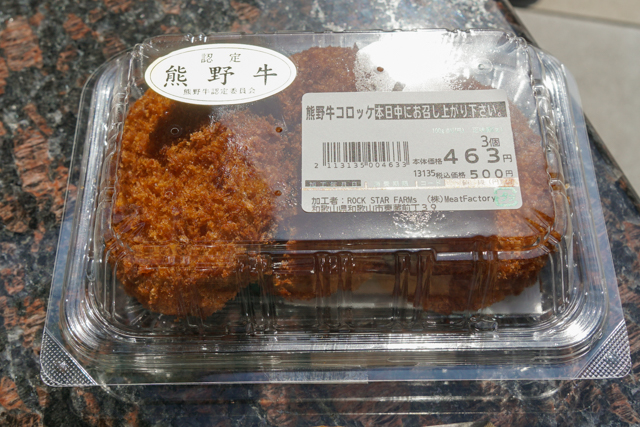
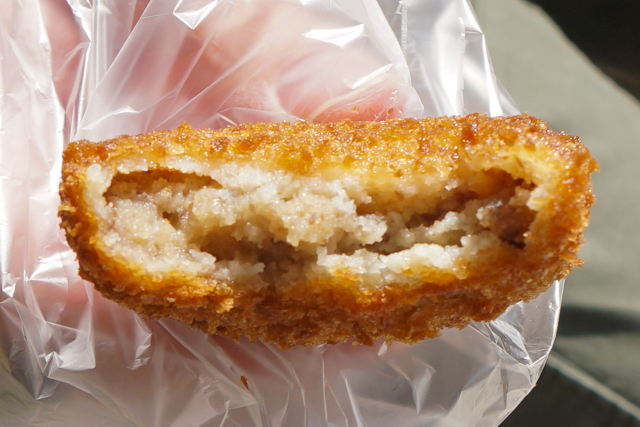
Instead, we picked up some hot food for a more substantial breakfast.
Kumano Beef Croquette (3 pieces for ¥500 inc tax). Kumanogyu is a premium brand of wagyu beef originating in the southern Kumano region of Wakayama. We thoroughly enjoyed these croquettes. The exterior was audibly crisp, while the interior was soft with whole pieces of beef that delivered a slightly sweet and satisfying meat flavour.
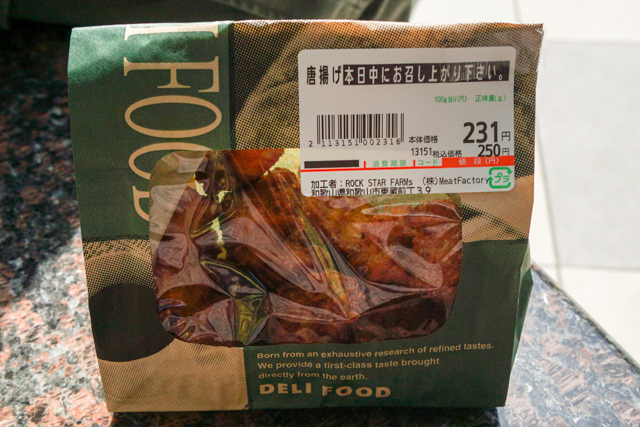
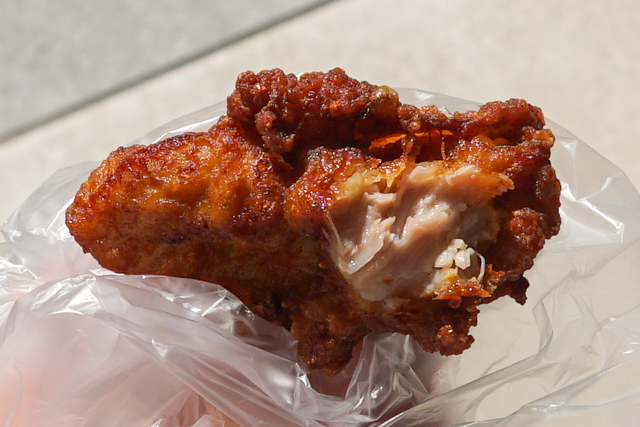
Karaage (100g, ¥250). This was similarly satisfying, with the crispy exterior hiding juicy and well-seasoned innards.
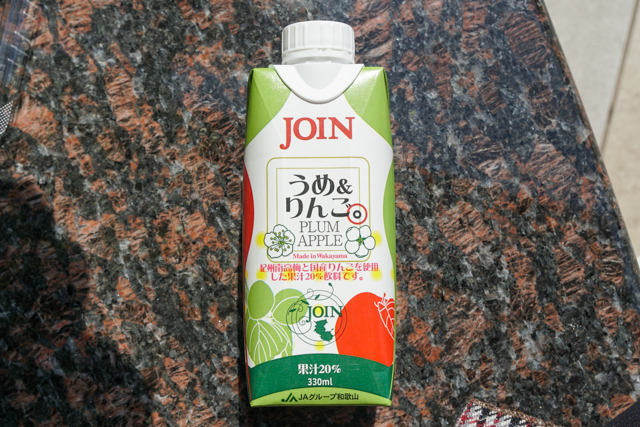
JOIN Plum & Apple. This one was only 20% juice and tasted more like a drink. The sweet-tart apricot notes added an enjoyable depth to the usual sweetness of apple juice. This was the most immediately satisfying of the juices in this brand that we picked up.
Chuo Dori
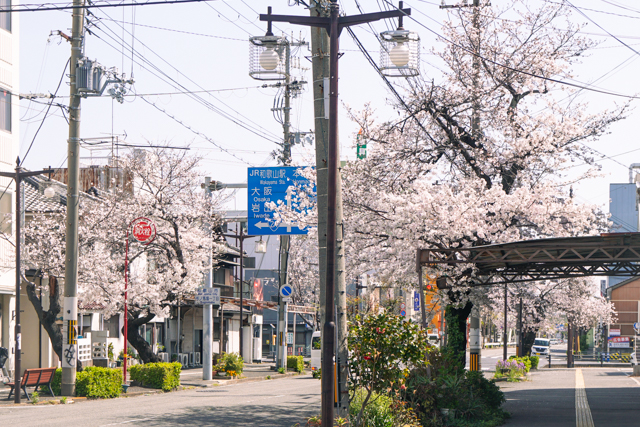
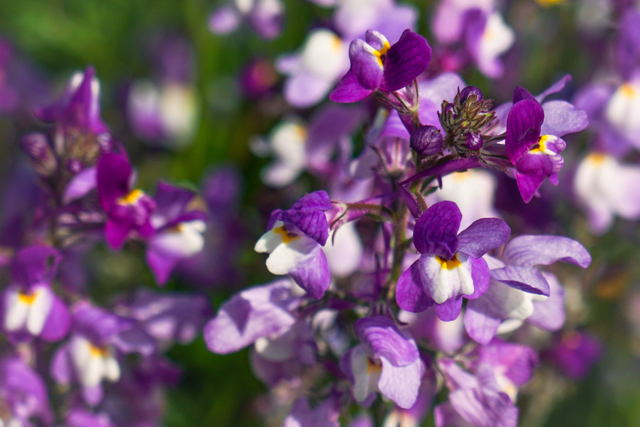
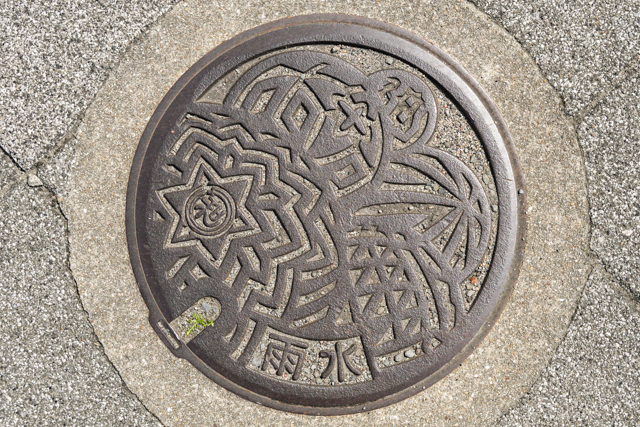
Wakayama Castle
和歌山城, 3 Ichibankco, Wakayama, 640-8146, Japan
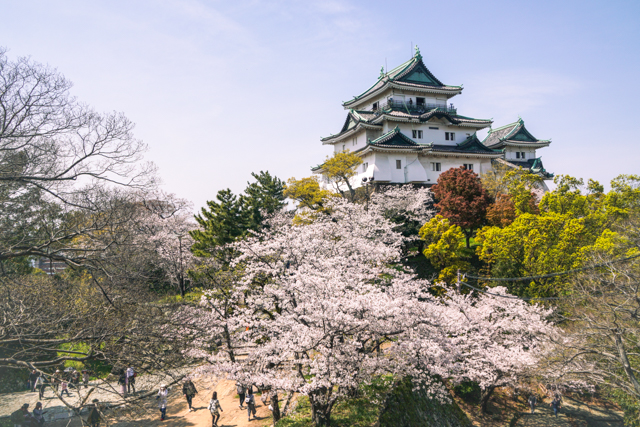
For most of the Edo Period, Wakayama Castle was the administrative centre of Kishū Domain, which was controlled by a cadet branch of the Tokugawa clan. Due to its size and status, Wakayama Castle was ranked as one of the most important castles under the Tokugawa shogunate. The castle was designated a National Historic Site in 1931, and its Nishi-no-Maru Garden was designated a National Place of Scenic Beauty in 1987.
Fukiage-Guchi Entrance
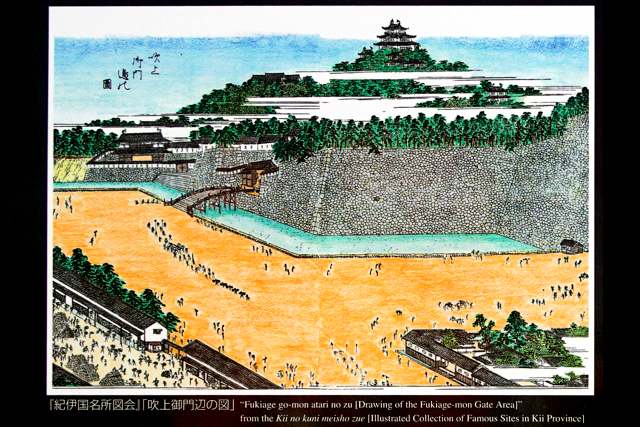
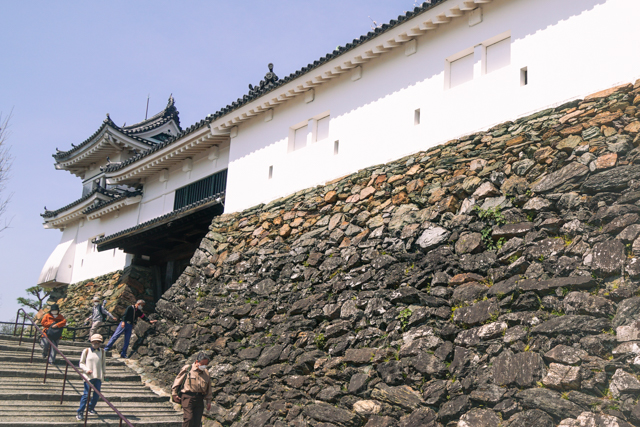
The Fukiage-guchi is the entrance into the northwest section of Wakayama Castle. The Fukiage- guchi was linked by a moat to the port at the mouth of the Kinokawa River. Stairs leading down from the entrance to the moat allowed ships to load and unload their cargo. The moat was also spanned by the Fukiage-bashi Bridge, which served as a loading entrance for goods. Across the bridge and through the Fukiage-mon Gate, a stone wall enclosure prevented potential enemies from easily penetrating into the interior of the castle. After exiting the enclosure, visitors would pass through either the Kanjo-mon Gate to the south or the Fukiage Daimon Gate to the east.
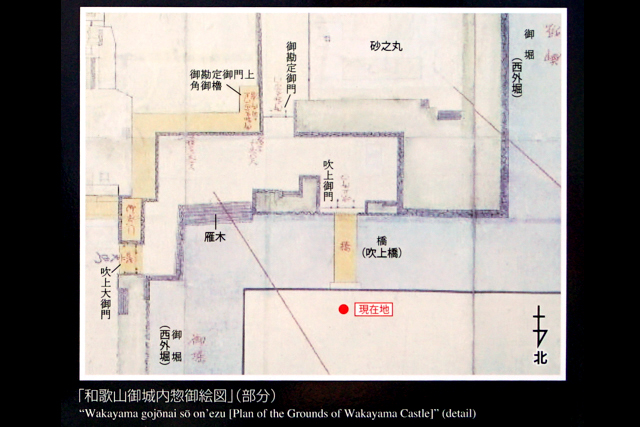
The section of the castle to the east of the Kanjō-mon Gate was laid out by the Asano clan, who were the lords of the castle from 1600 to 1619. The area on the western side was added by the Kishū-Tokugawa clan, who held the castle from 1619 onwards. However, the Fukiage-guchi has undergone major changes through the modern period, with the result that this area of the castle grounds least reflects the castle’s original form.
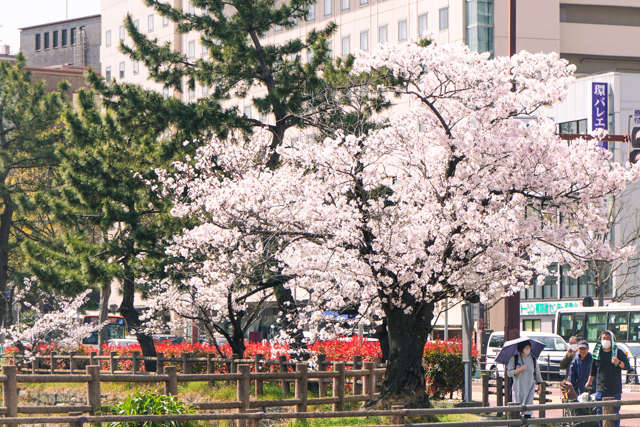
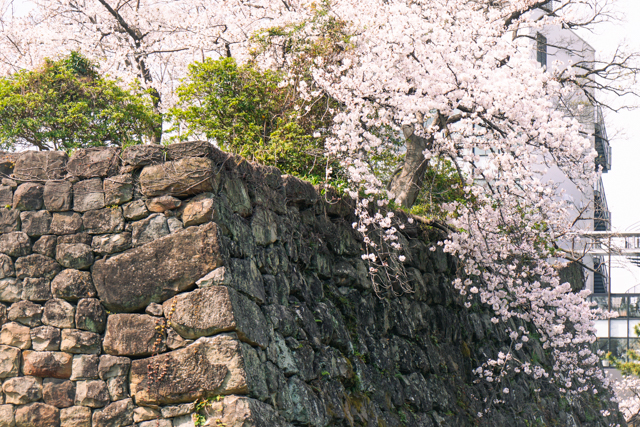
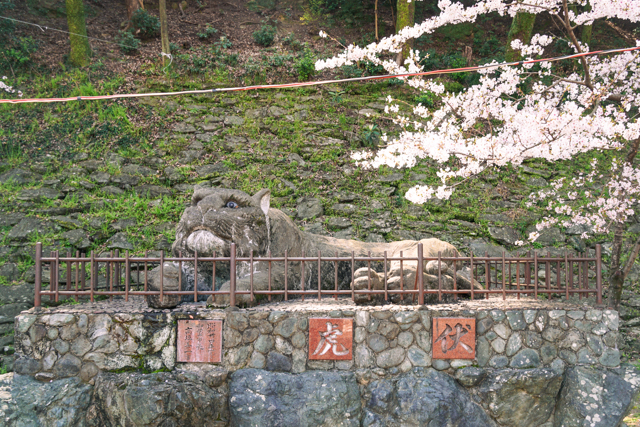
In 1585 Hideyoshi Hashiba, formerly known as Hideyoshi Toyotomi, subjugated Kishu and ordered his younger brother, Hidenaga, to oversee the construction of Wakayama Castle on Mt. Torafusu.
In 1600, after the Battle of Sekigahara, Yoshinaga Asano took over the castle and continued construction work. In 1619, Yorinobu, son of leyasu Tokugawa, came to the castle as the new feudal lord, bringing with him an income of 555,000 koku (unit of measurement: approx. 150kgs) of rice and performed major improvements on the castle walls. With its multiple interconnected towers, it served as a worthy home for the jheJCshu house, one of the three houses of the Tokugawa clan. The entire site is designated as a Historic Landmark, the Okaguchimon Cate as an Important Cultural Property, and the Nishinomaru Teien Garden is designated as a Place of Scenic Beauty.
Nishinomaru Teien Garden
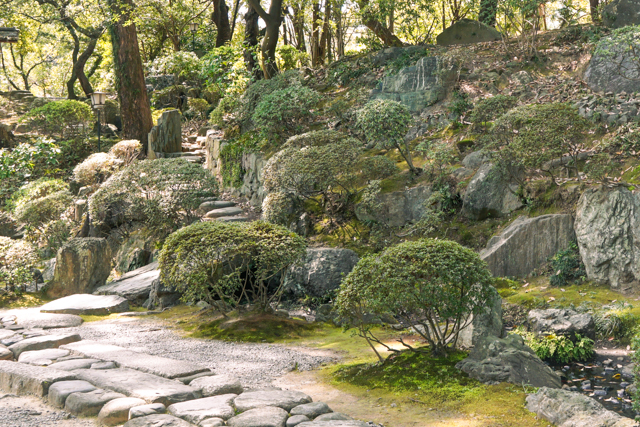
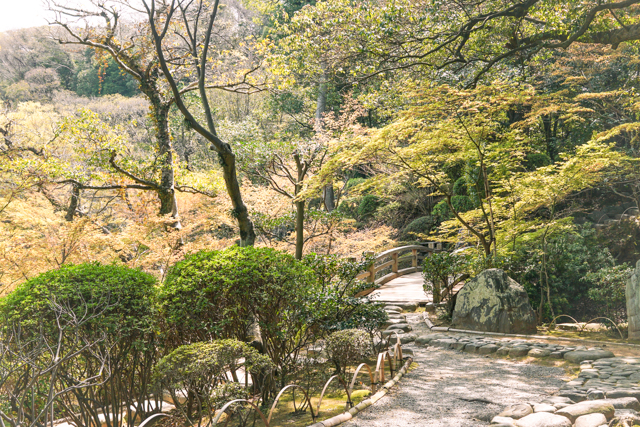
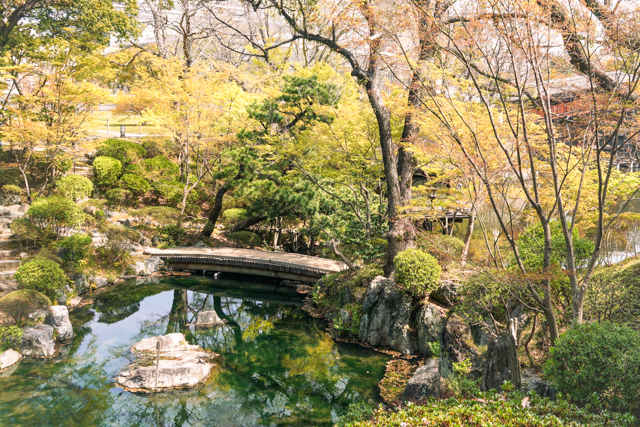
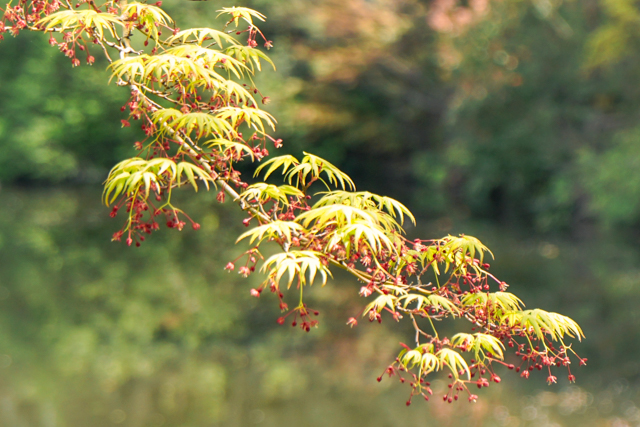
The Nishonomaru Teien Garden was an Edo-era garden with a pond and maple trees.
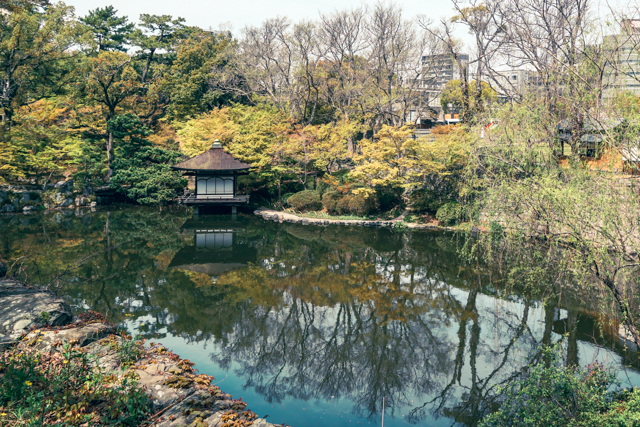
The En’gyo-kaku Pavillion was situated on the pond.
Tenshu-guruwa (Tower Bailey) and Tenshu-kaku (Tower Keep)
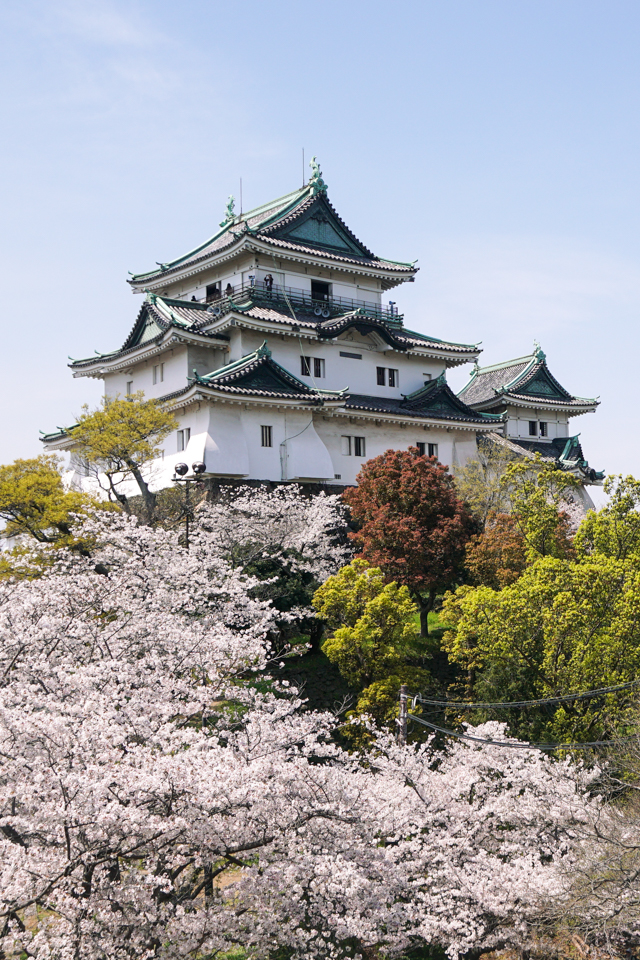
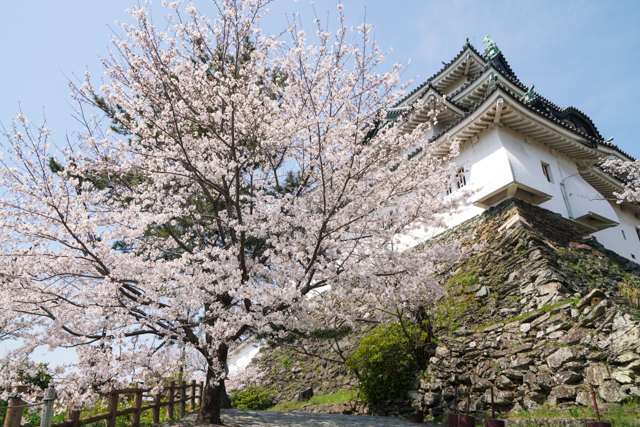
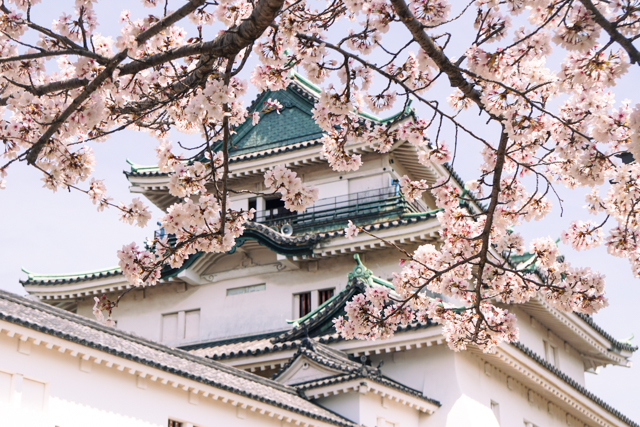
Wakayama Castle was originally built on the summit of Mt Torafusu by Toyotomi Hidenaga in 1585. One school of thought holds that the original keep (tenshu-kaku) was smaller than the current structure. Asano Yoshinaga. who became lord of the castle in 1600. erected a keep clad in black wooden panels that was closer to the current form. The castle keep consists of a three-story Great Tower (daitenshu) and a two-story Small Tower (shotenshu) with two tall corner turrets (yagura) for defense, all linked by single-story row houses (nagaya). Being constrained by the mountainous topology, the structure has taken an irregular form.
Although the black cladding on the lower keep was covered in white plaster in 1798. the keep burned down in 1846 after being struck by lightning. The fact that Wakayama Castle was owned by one of the three branch families of the Tokugawa clan earned it special privileges from the shogunate and the keep was rebuilt in more or less its original form in 1850. Although the tower keep was designated as a national treasure in 1935, it burned down as a result of a wartime air raid in 1945. Nevertheless, the keep was rebuilt once again in 1958 thanks to the efforts of local citizens.
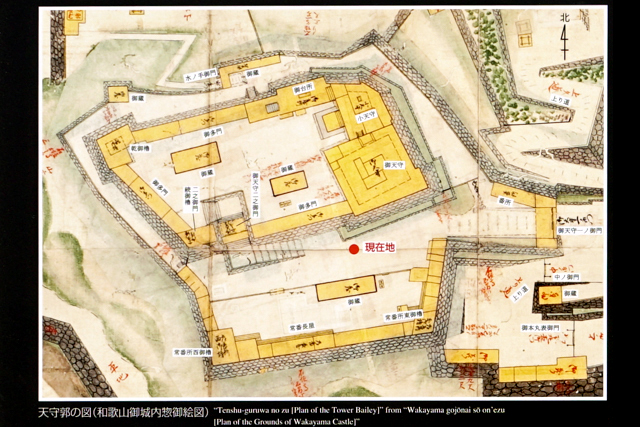
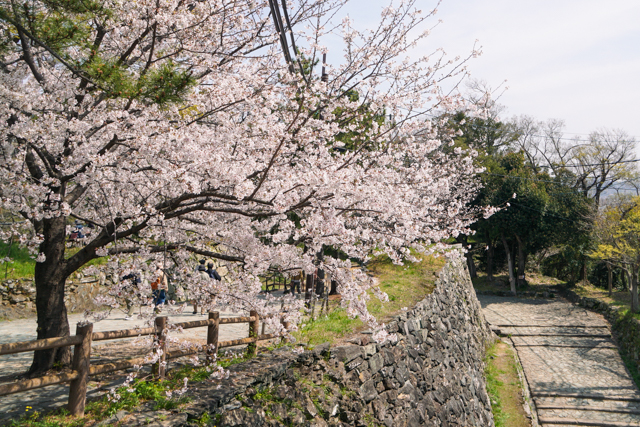
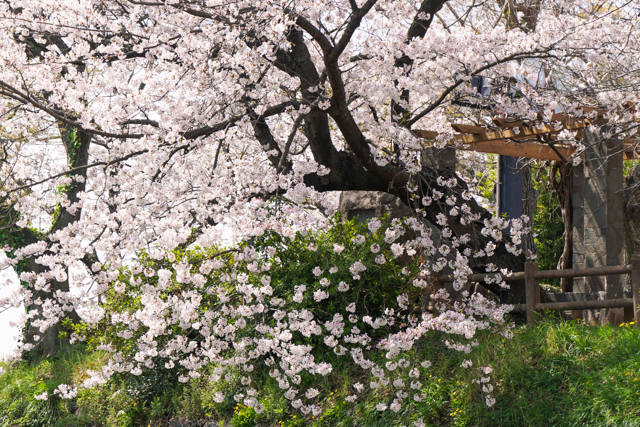
Ascent to the Keep
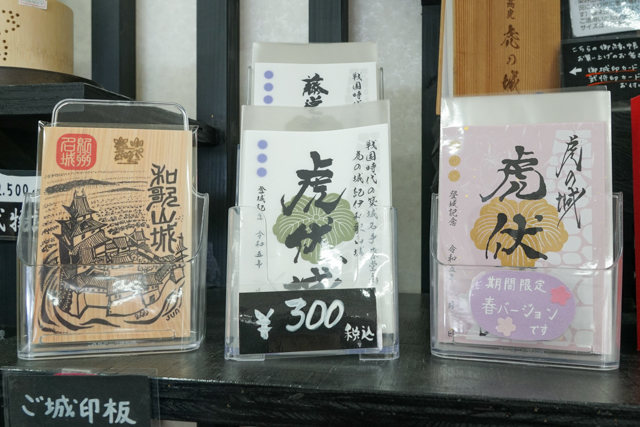
Gift shop
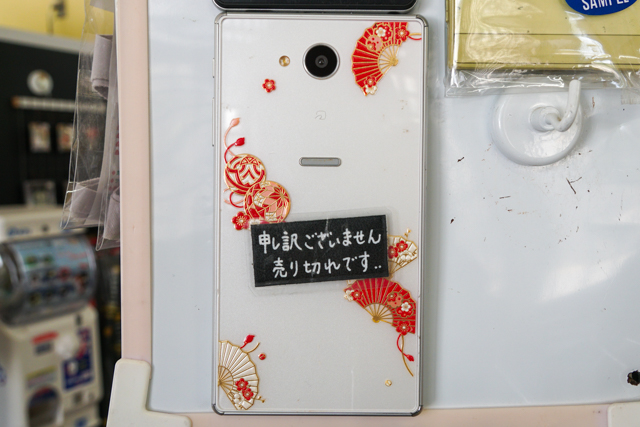
We spotted this beautiful phone case in the gift shop.
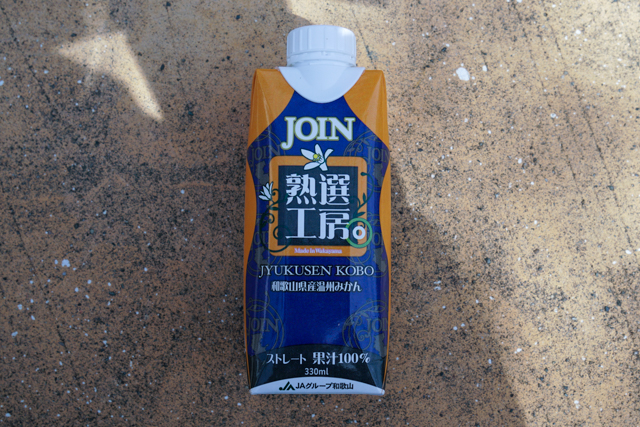
We took a break with this JOIN Jyukusen Kobo Mikan Juice. The 100% juice was not from concentrate and was extracted by piercing a hole in the mikan and sucking up the juice with a tube. This avoided extracting the bitterness from the skin and pith. The result was a deeply sweet mikan juice with a delicate balancing acidity.
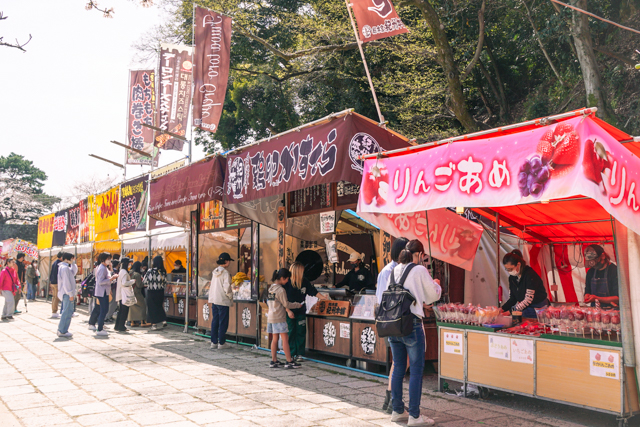
Sakura Matsuri
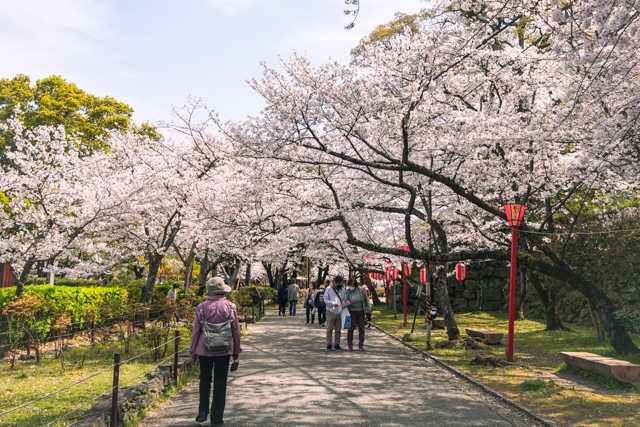
Former Ohmura Residence Nagaya-mon Gate
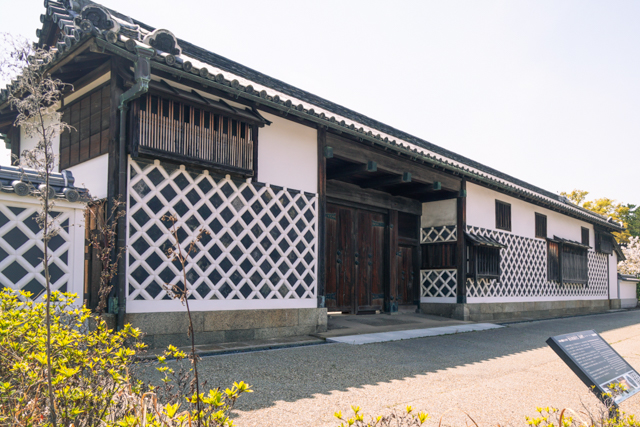
This nagaya-mon (literally meaning “long house gate”) belonged to the family of Ohmura Yahe-e. a Kishu domain samurai of the middle rank. Its architectural style suggests that it was built toward the end of the F.do period. The Chinese bellflower motif on decorative roof tiles depict the family crest (kamon).
Measuring approximately 23.2m in width and 4.7m in depth, with its tiled exterior wall in a black and white geometric design, the nagaya-mon features a stately appearance befitting a samurai residence.
Originally located to the west of Wakayama Castle in the district of Higashisakanoue-cho. the structure was relocated around 1897 to the district of Horidomehigashi, south of the castle, where until recently it was used as a private residence. Due to its value as a structure that exemplifies the feudal elegance of the castle town of Wakayama, it was relocated here to be preserved and passed on to future generations.
Walk to JR Wakayama
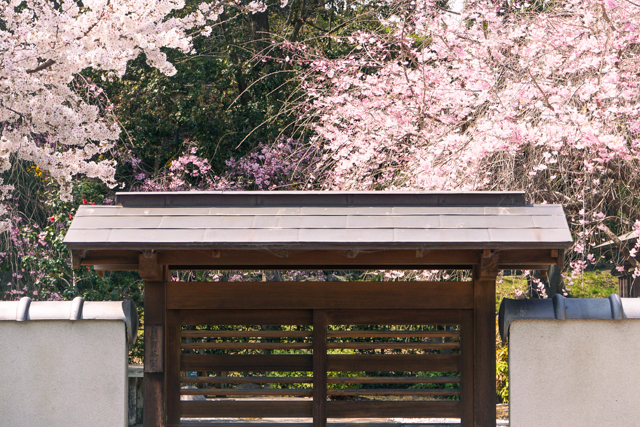
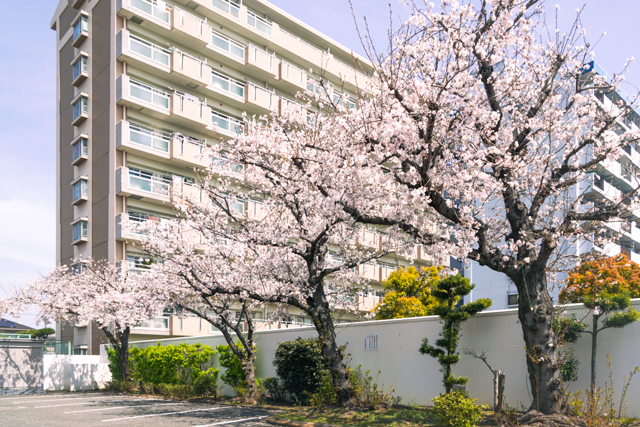
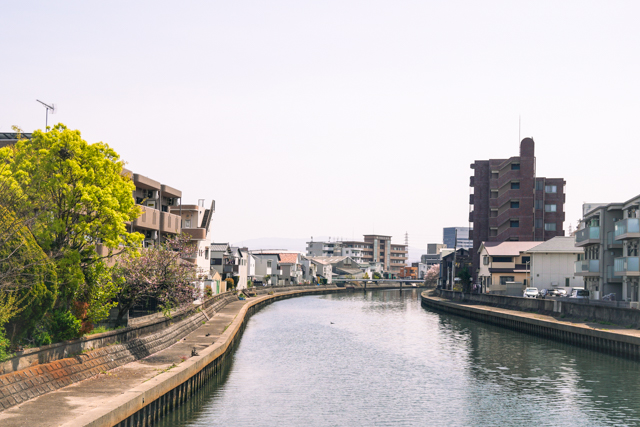
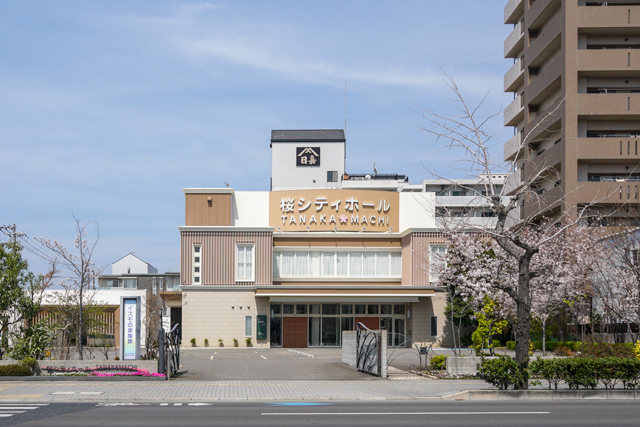
We got a little lost on our walk to JR Wakayama Station. But thankfully, we managed to pass by a koban where I put my Japanese comprehension skills to good use.
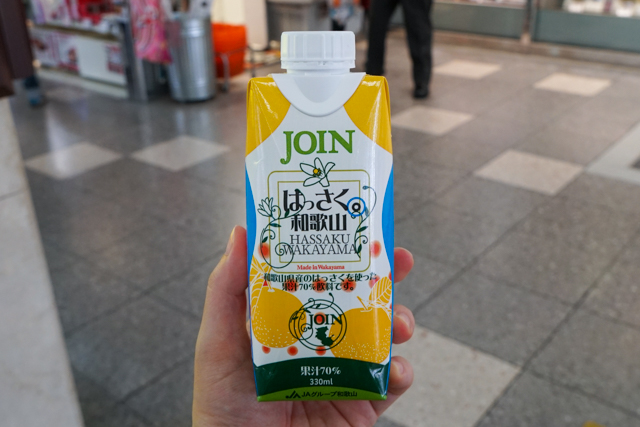
JOIN Hassaku Wakayama. This was 70% juice. It had a bright tartness — more so than an orange — with a slight hint of sweetness to avoid it being salivatingly sour.
Hitori Shabu Shabu Sanshichi
ひとりしゃぶしゃぶ さん志ち, B1F 和歌山MIO, 5 Chome-61 Misonocho, Wakayama, 640-8331, Japan
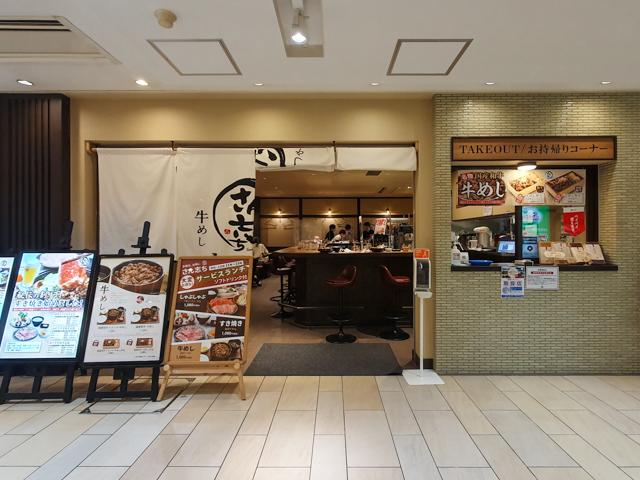
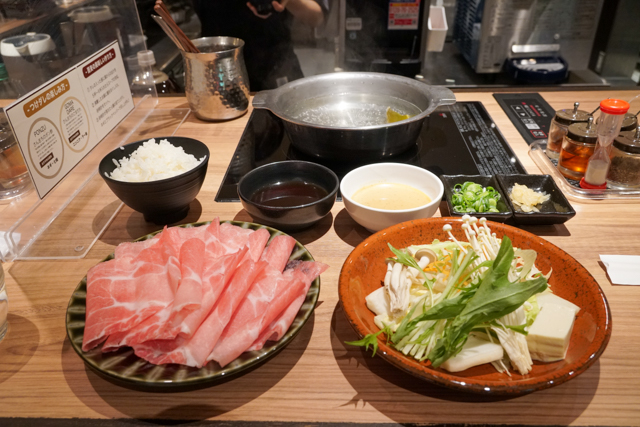
Gensen Buta no Shabu Shabu (120 g, ¥880; 150 g, ¥880; 200 g, ¥1,180)
I ordered the S size (120g) while D ordered the L size (200 g). The broth base consisted of boiling a piece of kombu. The slices of pork were sliced to order. They were tender and great carriers of the flavours in the ponzu and goma dare. The selection of side dishes was fresh, with mushrooms, cabbage as well as tofu. Overwell, this was a decent meal for the price but did not compare to the shabu shabu we’d enjoy a few days later
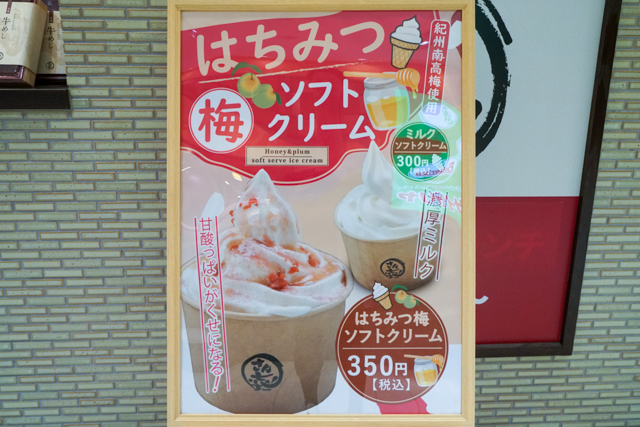
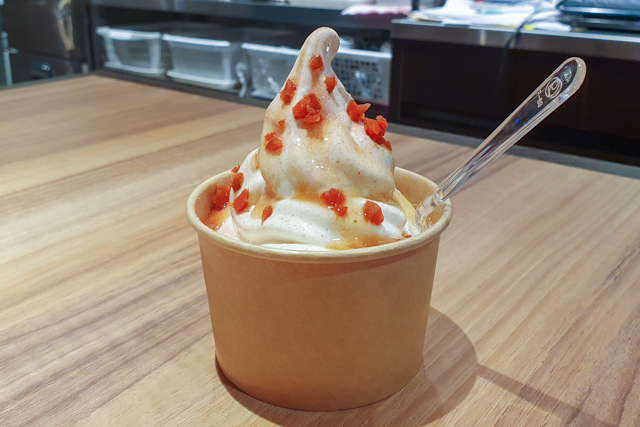
Hachimitsu Ume Soft Cream (¥350)
We ordered this dessert to finish our meal and to satisfy my craving for ume foods in Wakayama. The soft serve was creamy and smooth with a balanced vanilla flavour. The ume flavour came from the hachimitsu, which delivered the sweet-tartness of ume-flavoured drinks, as well as the small pieces of salted umeboshi, which balanced the sweetness surprisingly well and tasted far more enjoyable than our previous encounter with whole umeboshi on top of rice.
Shops
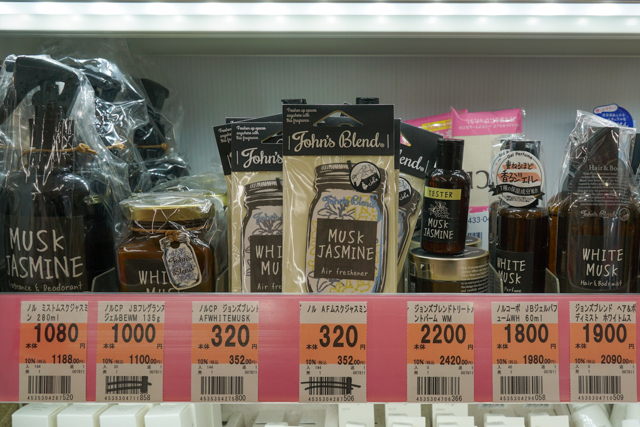
After lunch, we headed into the Daiso where we discovered that ‘musk jasmine’ is the scent we associate with Japanese hotels.
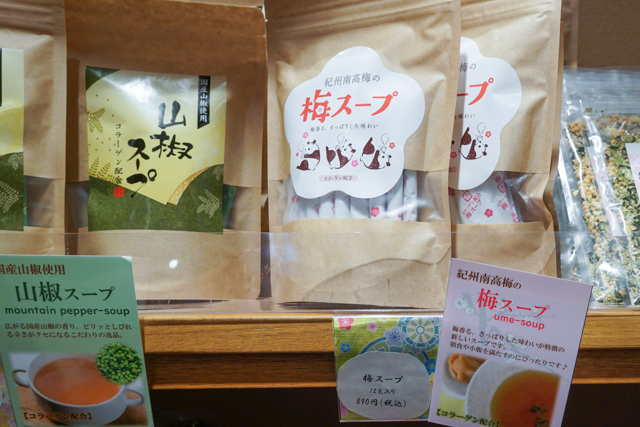
At the souvenir shop, we spot some ume soup and mountain pepper soup, as well as pick up some soy sauces (yuzu, ume and mikan) as well as some Kishu Kumano Wakayama Ebi Senbei Ume Shio before heading to Kimiidera.
Kimiidera Station
紀三井寺駅, Mikazura, Wakayama, 641-0011, Japan
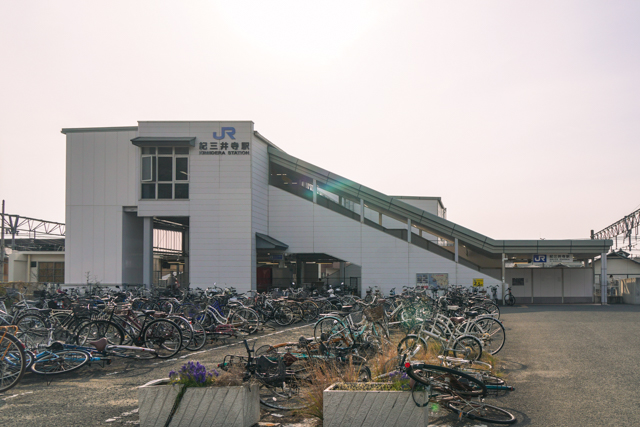
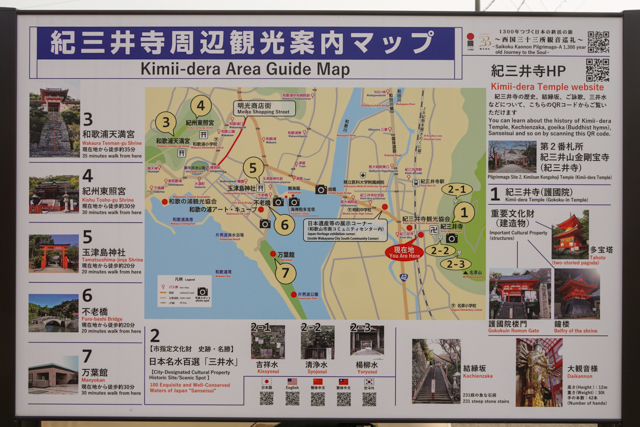
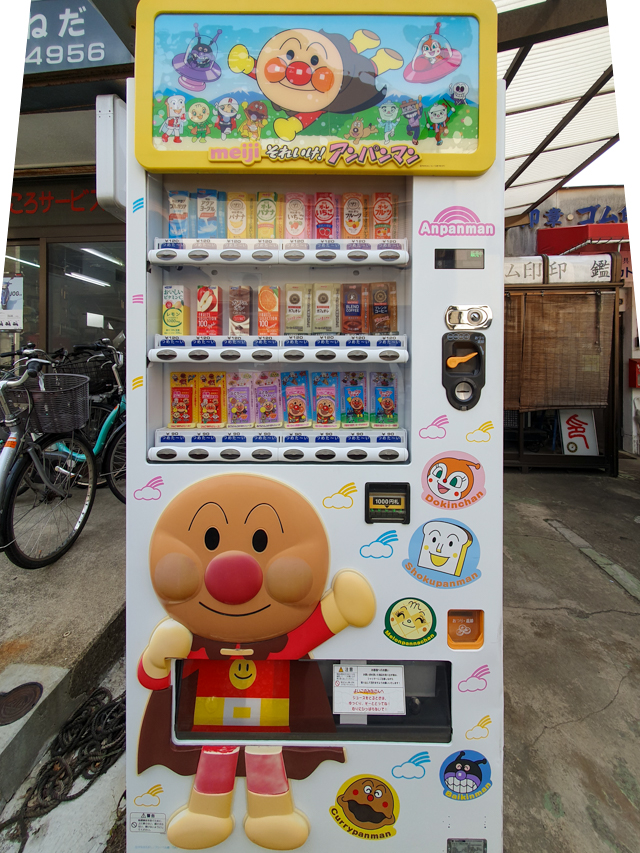
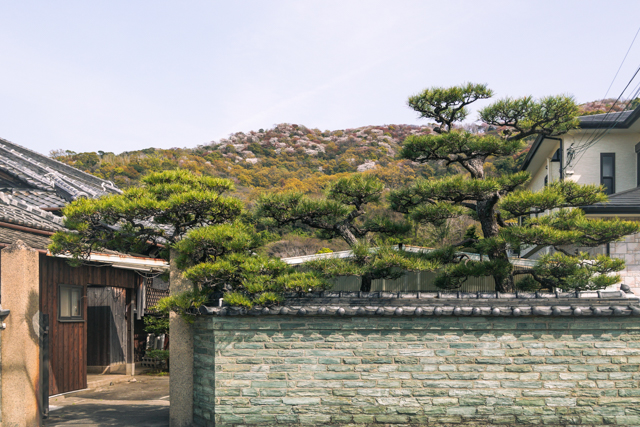
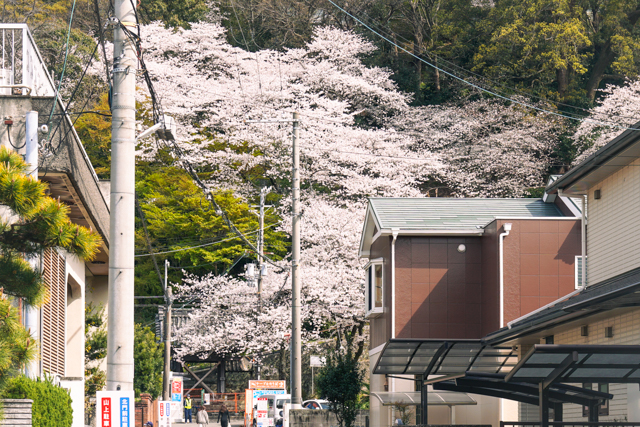
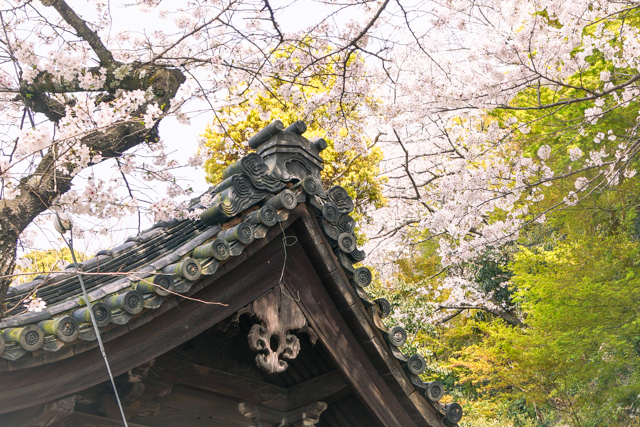
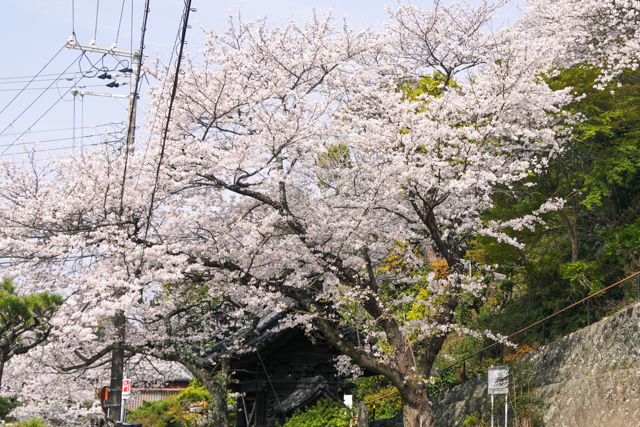
The temple was a 10-minute walk from the station.
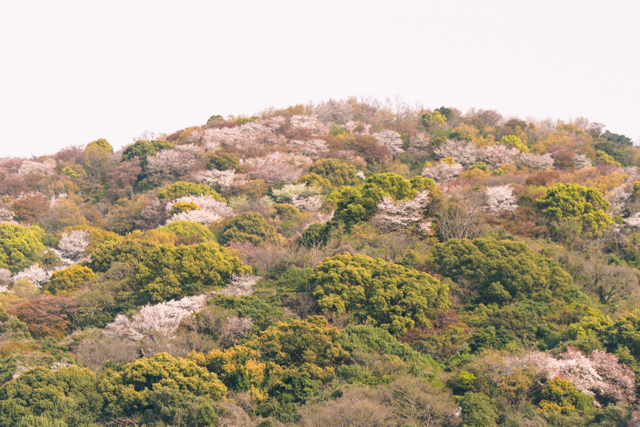
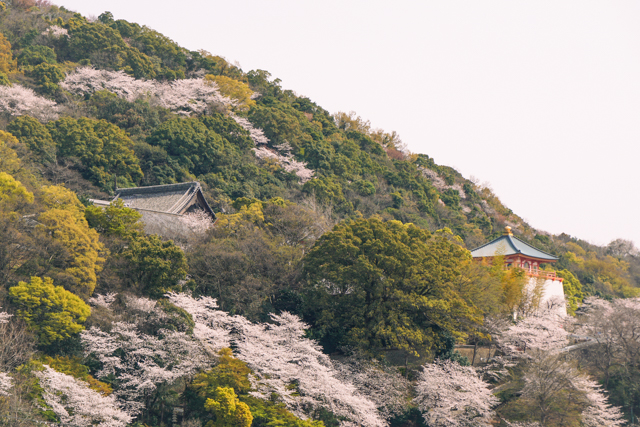
From the station, the temple was visible in the mountains from the platform. This made it an easy walk, although there was also a good amount of signage.
Kimiidera
紀三井寺, 1201 Kimiidera, Wakayama, 641-0012, Japan
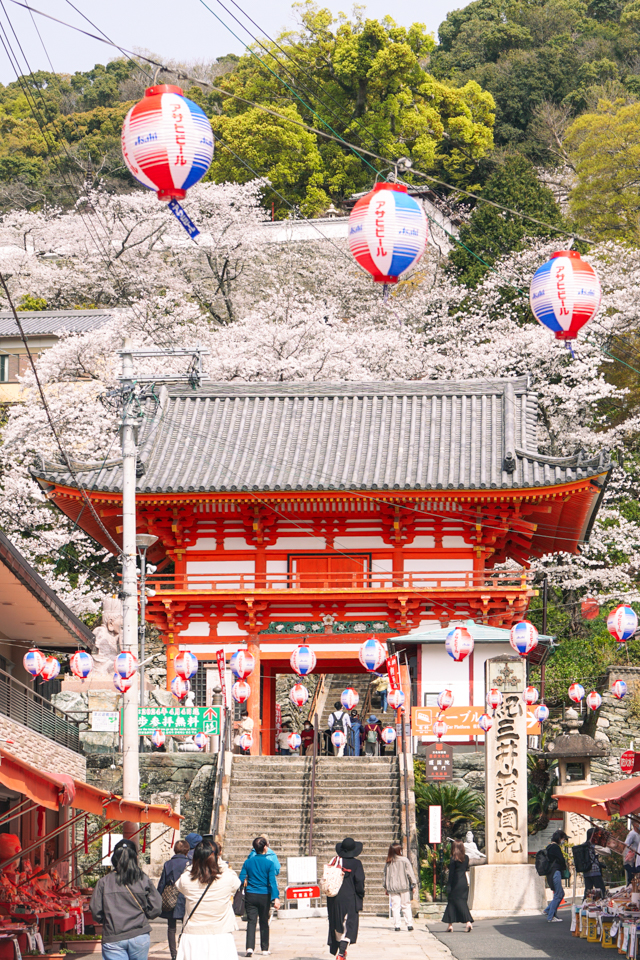
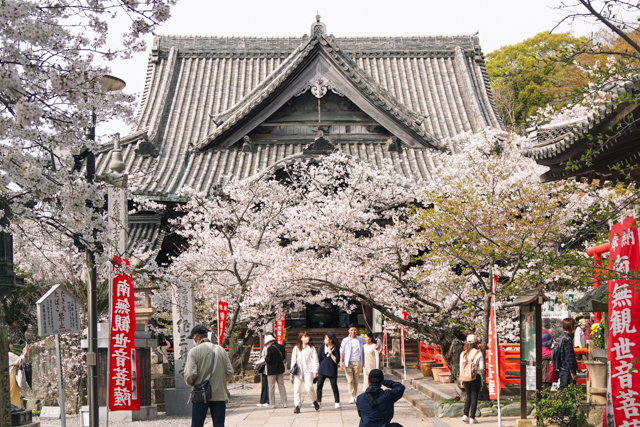
Kimiidera is a Buddhist temple known for clear spring waters, seasonal flowers & views over Wakayama Bay.
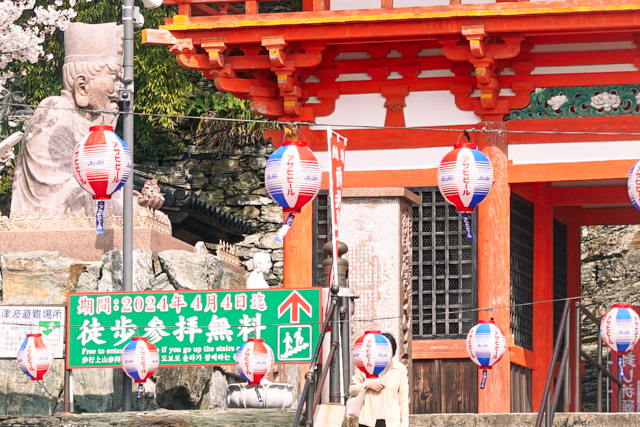
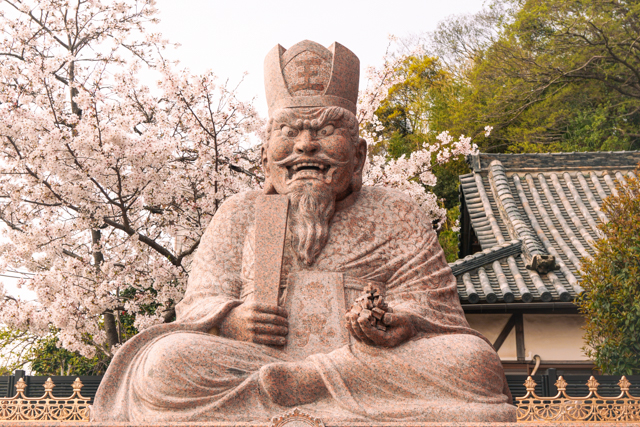
Until 4 April 2024, there was free entry to the temple if you chose the 231-step stairway over the cable car (¥200 one way), which opened in April 2022. The cable car traverses a distance of 170 steps.
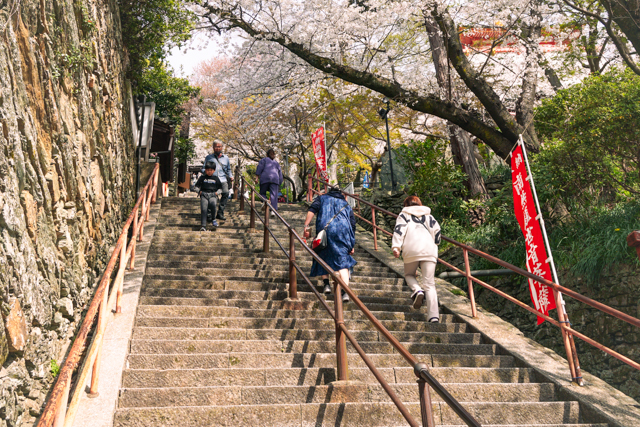
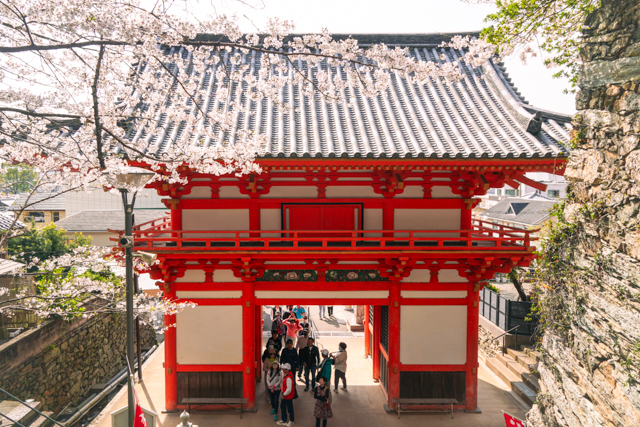
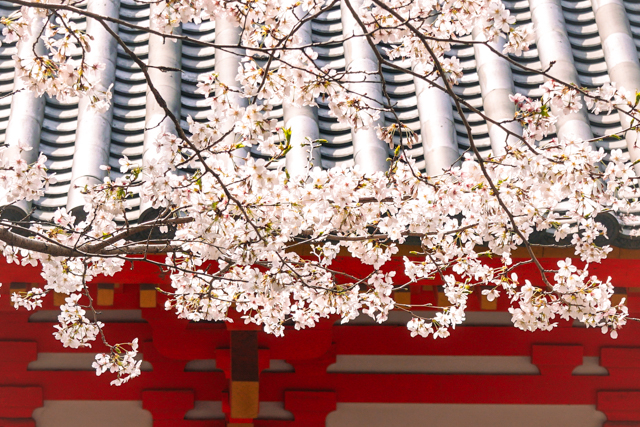
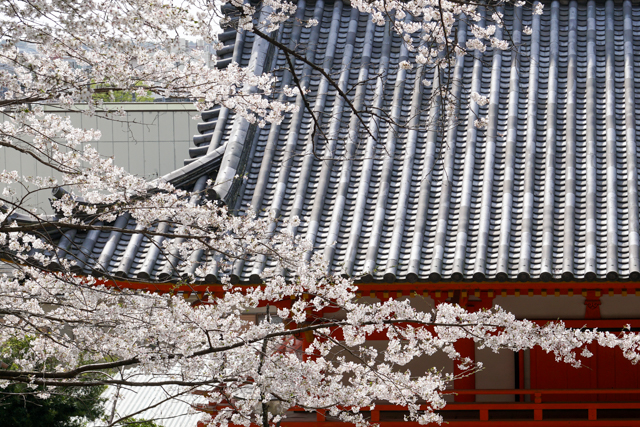
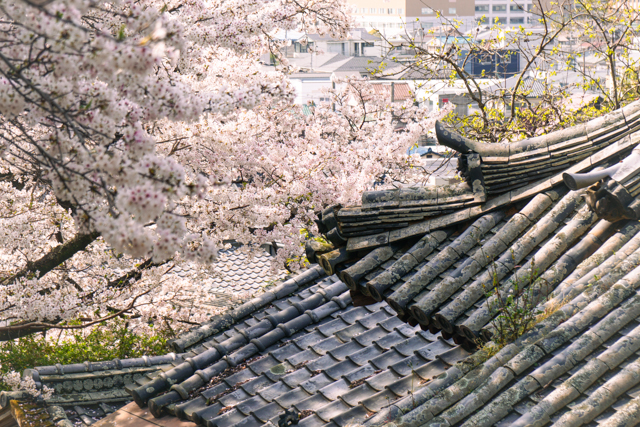
After hiking up Namsan in Seoul, hiking up the stairs of Kimiidera did not faze us.
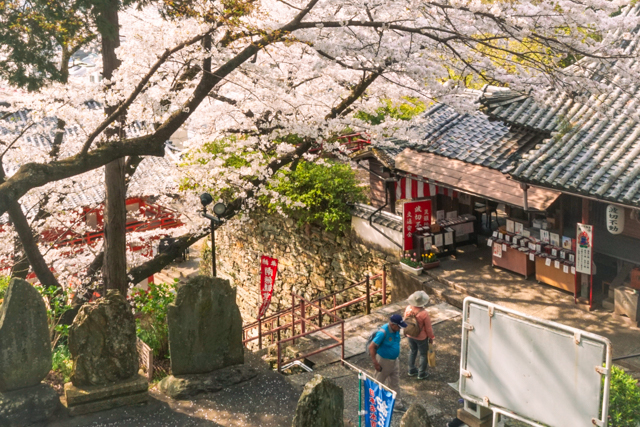
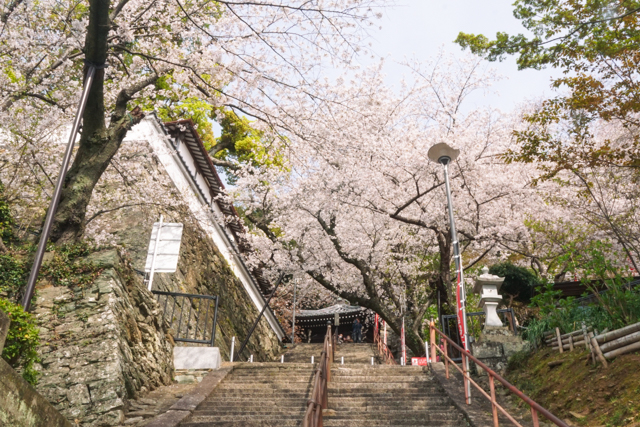
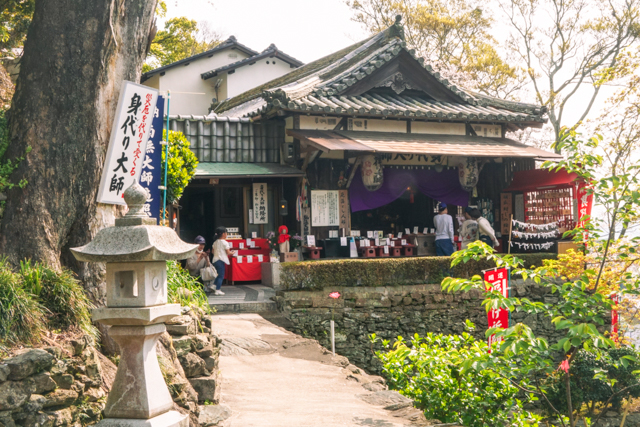
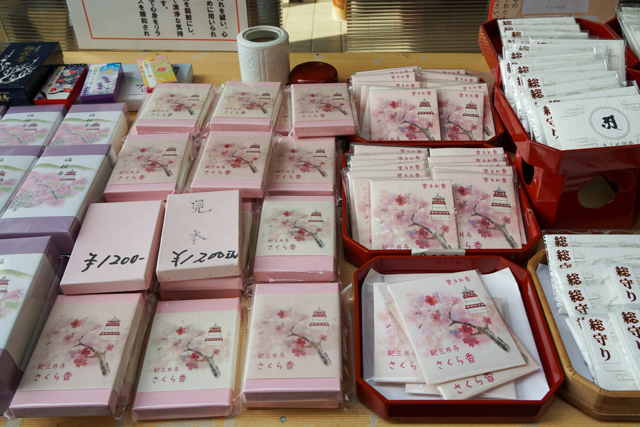
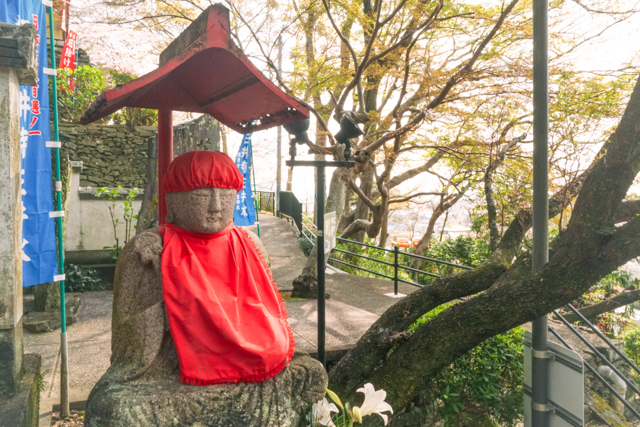
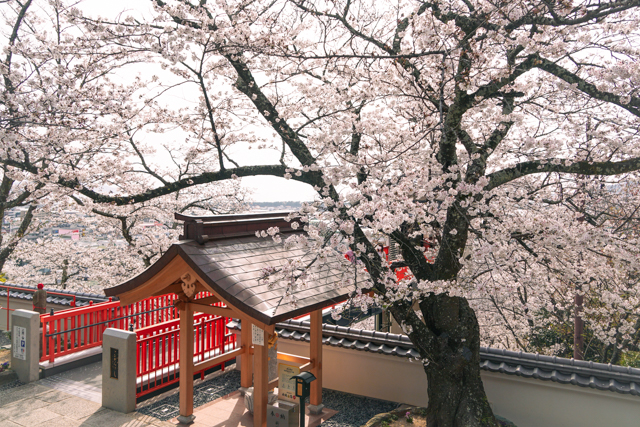
Between each set of stairs were various turn-off points, some leading to smaller shrines, omamori, car parks as well as the stopping point for the cable car:
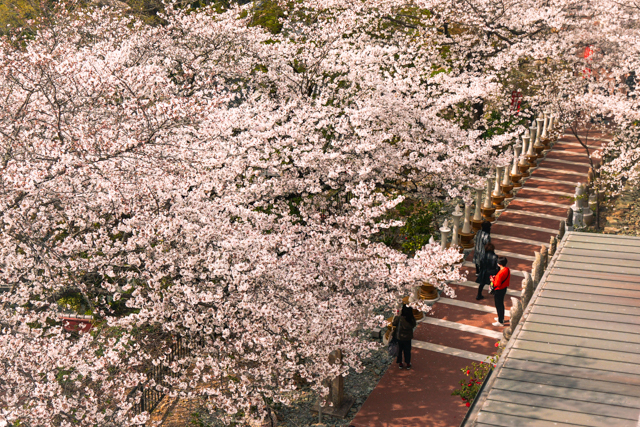
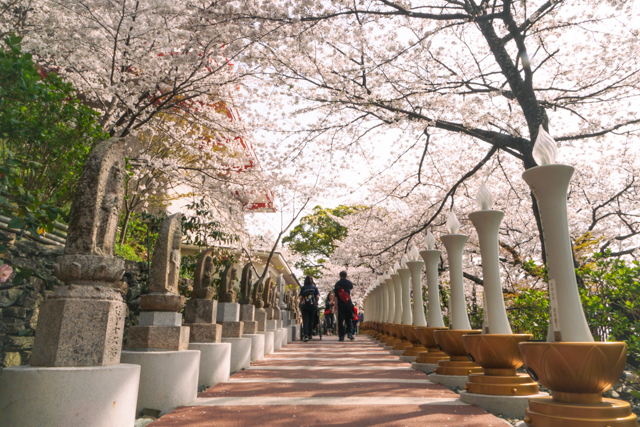
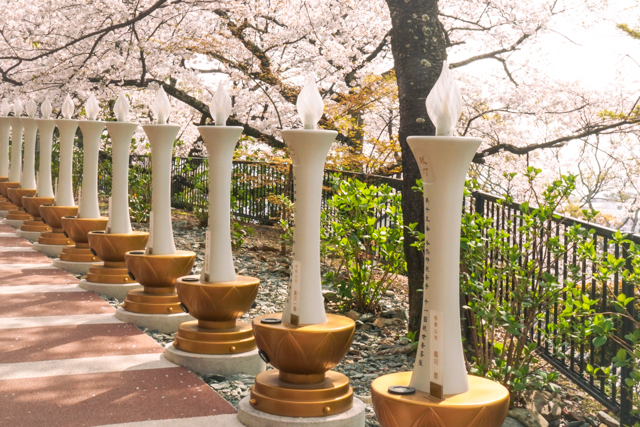
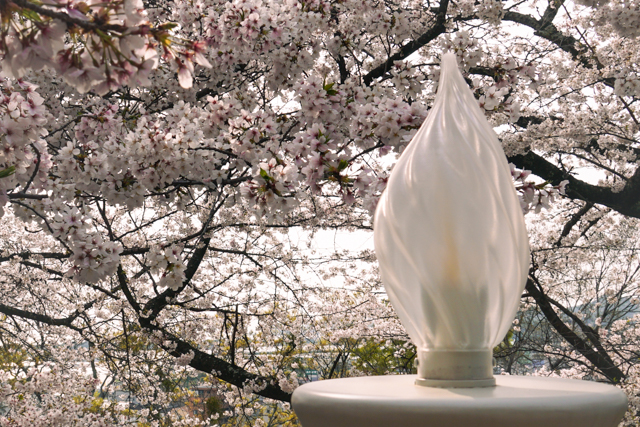
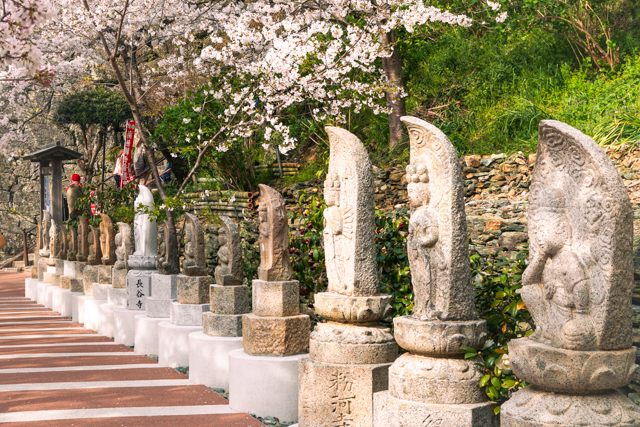
The cable car started at the gate at the foot of the mountain and ended just below the temple hall. This was the exit.
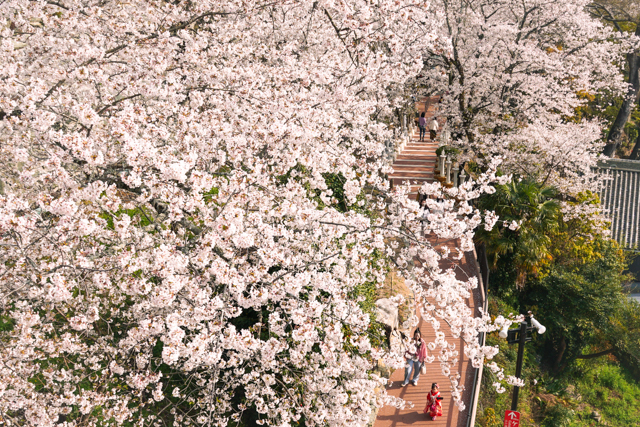
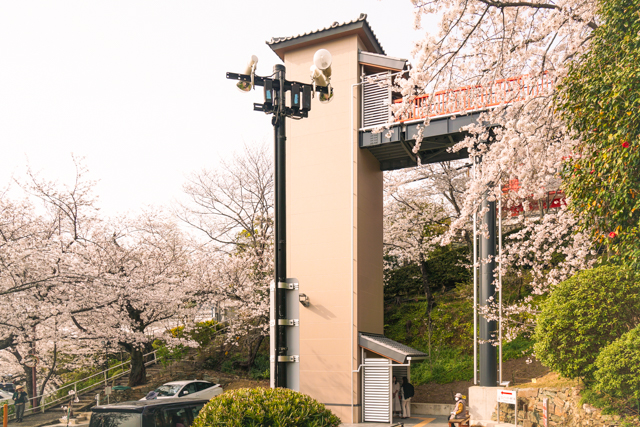
Another walkway took one to the elevator that would traverse the remaining 50 steps to the main temple complex.
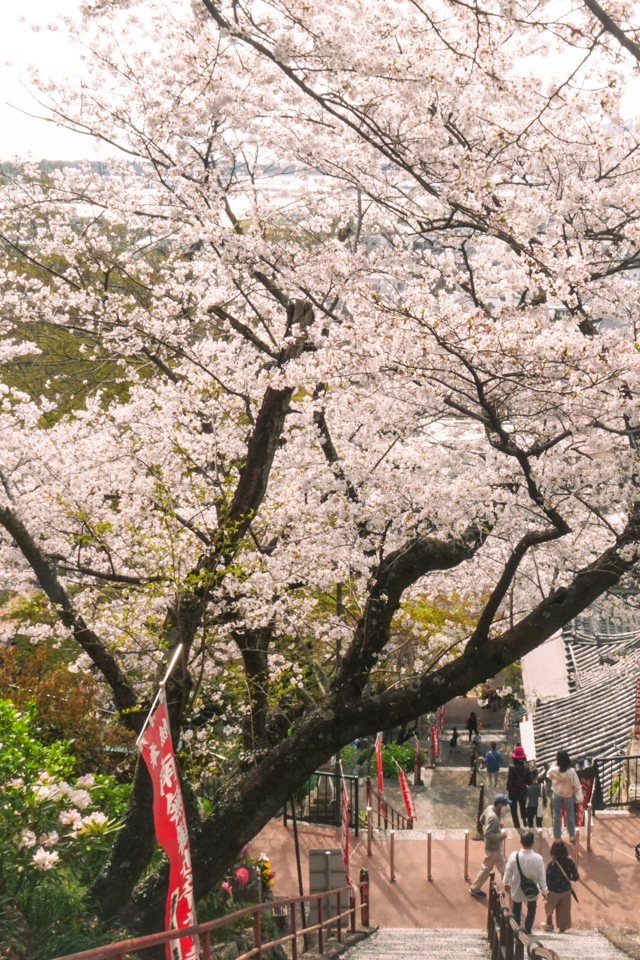
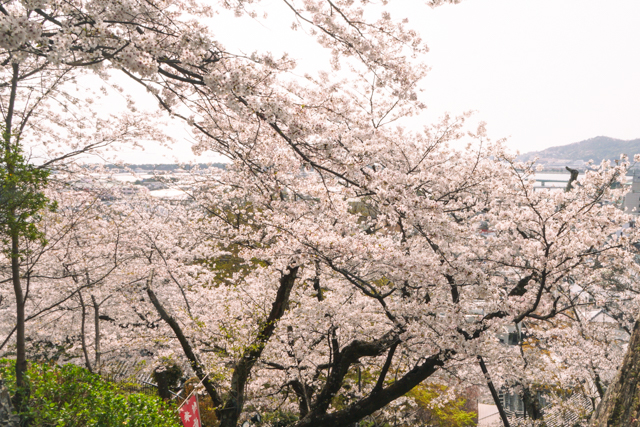
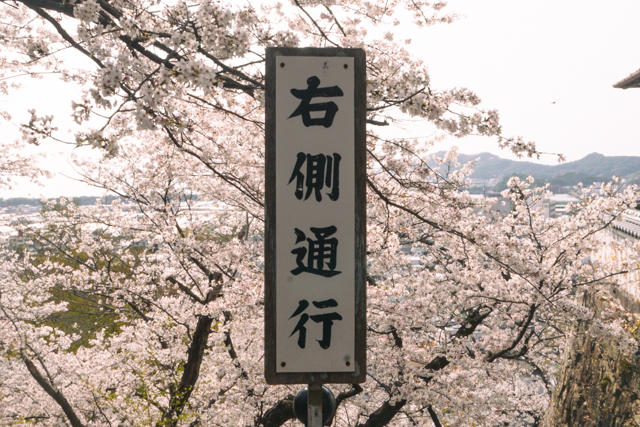
We took the stairs up and then took the lift down partway.
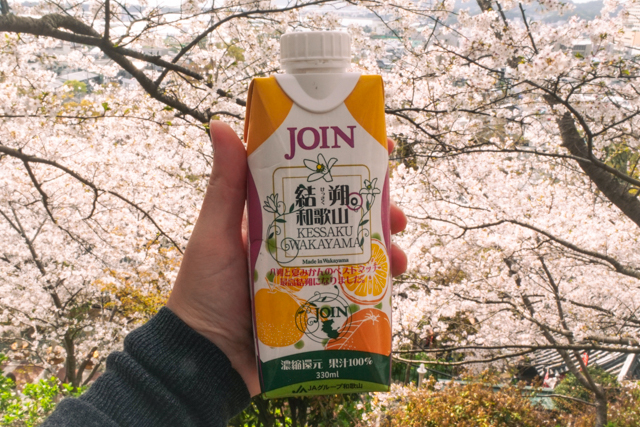
Once we’d scaled the 231 steps, we stopped for a break with some JOIN Kessaku Wakayama Juice. These mikan — commonly having more than 15 brix — delivered a fragrant mikan flavour with a deep sweetness and minimal acidity.
Temple Hall
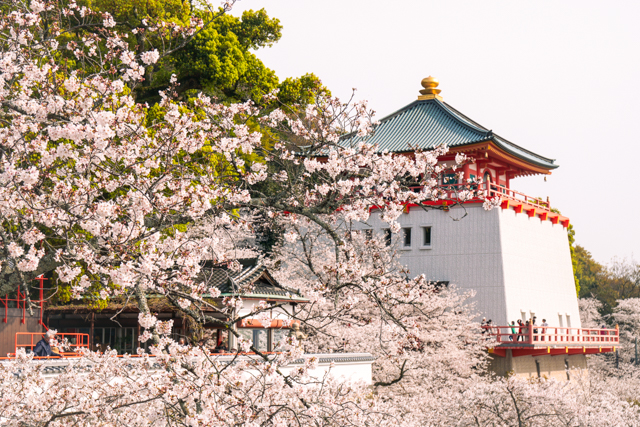
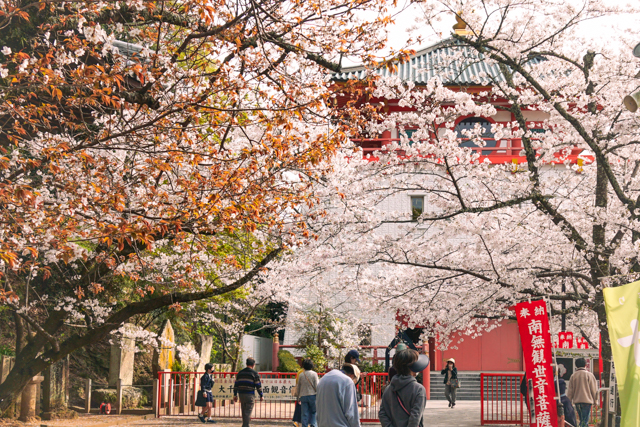
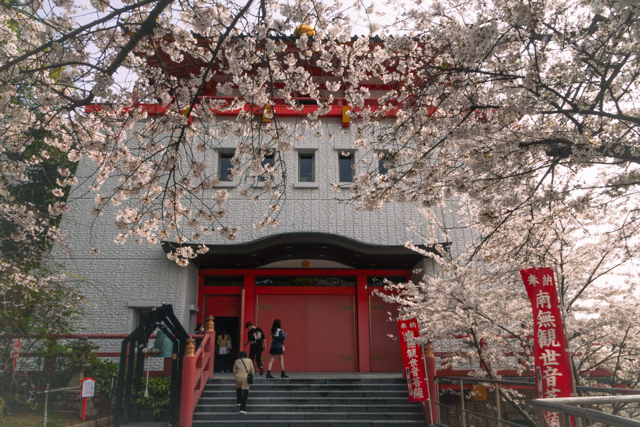
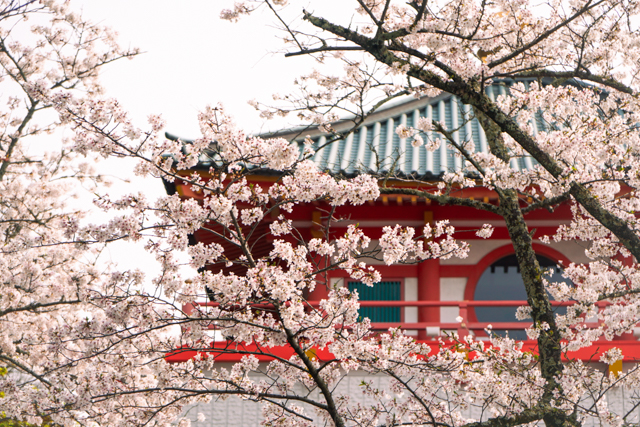
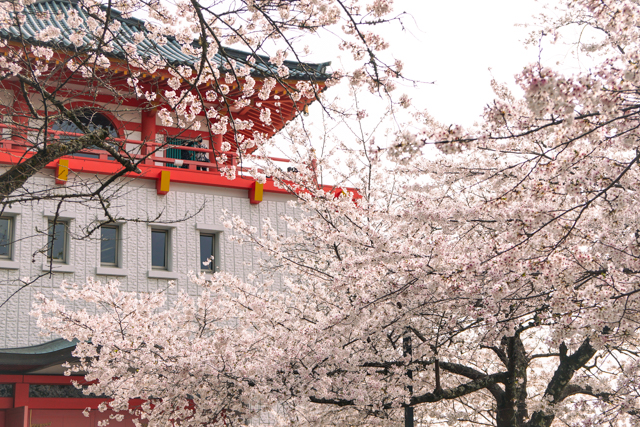
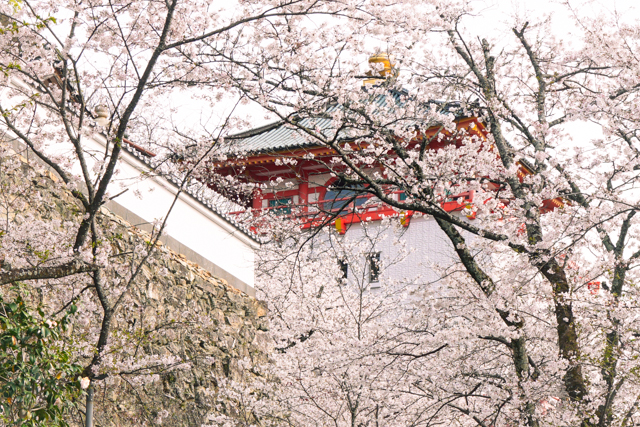
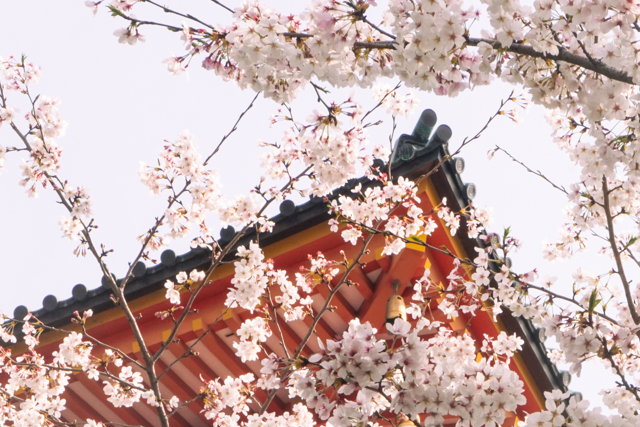
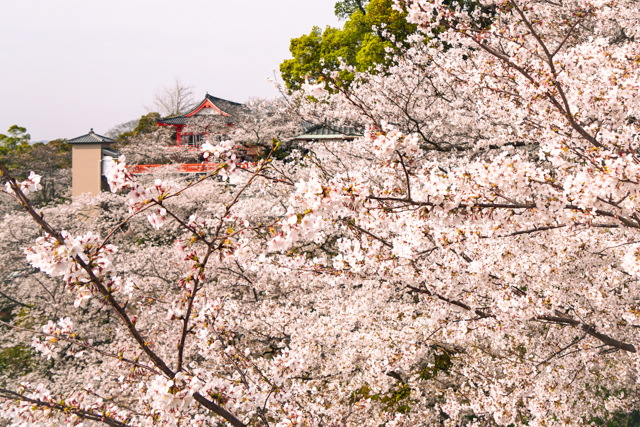
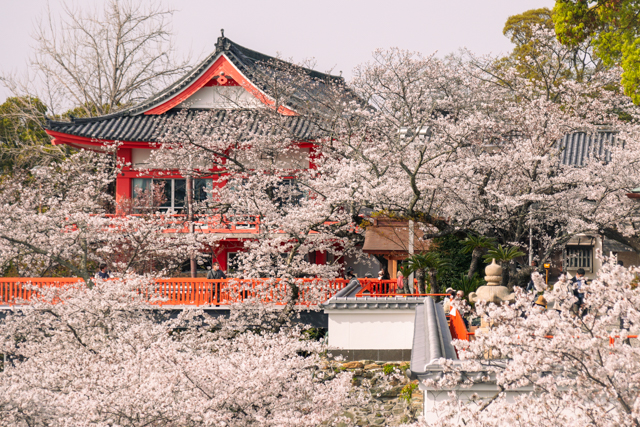
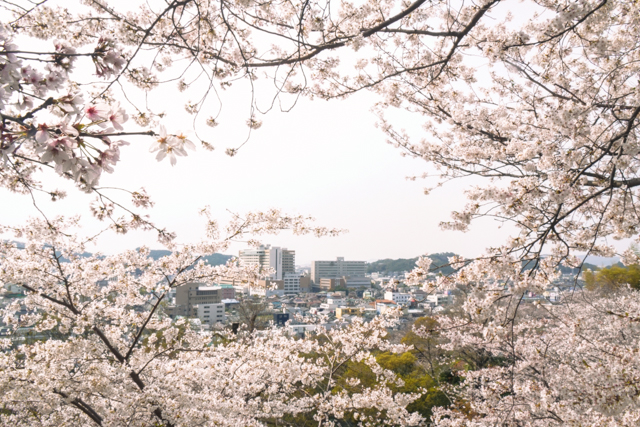
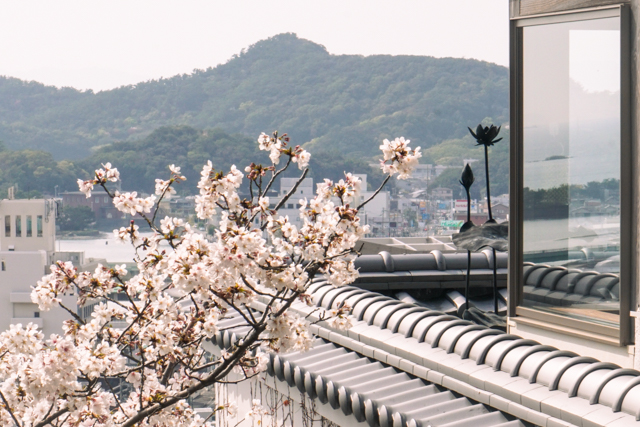
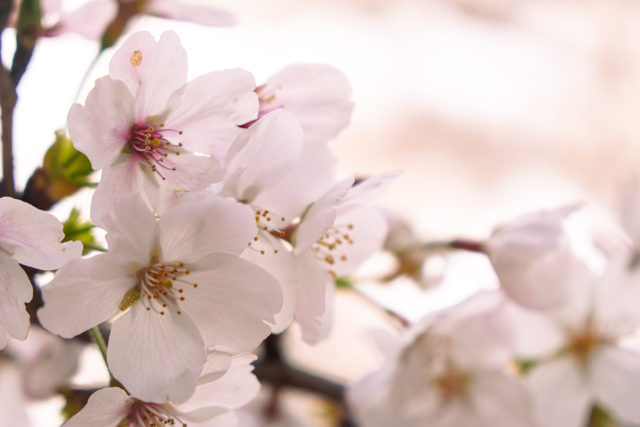
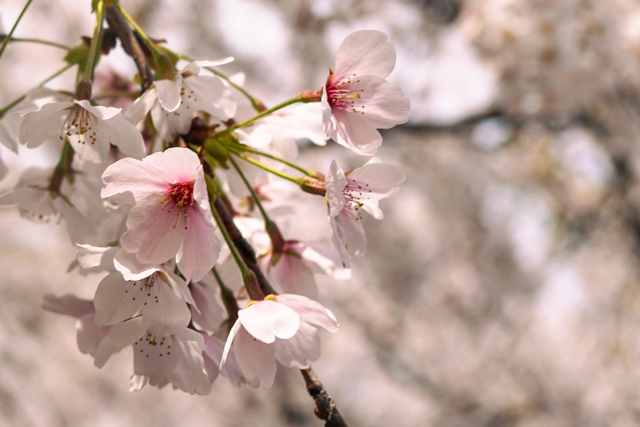
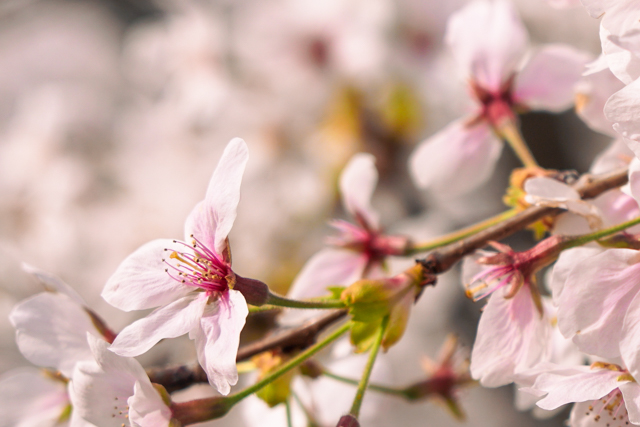
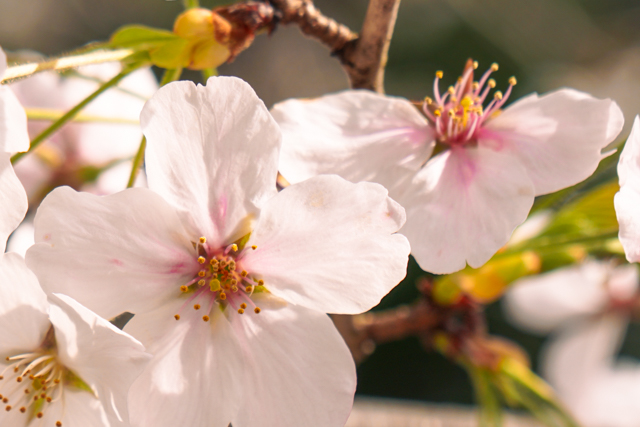
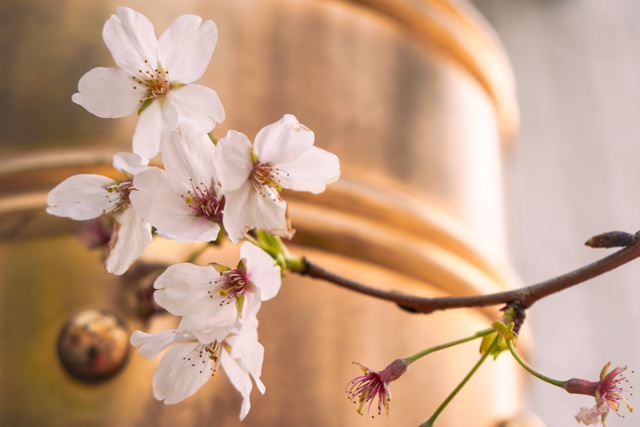
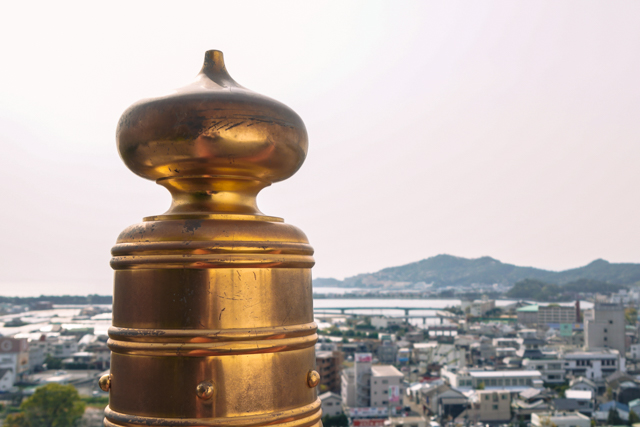
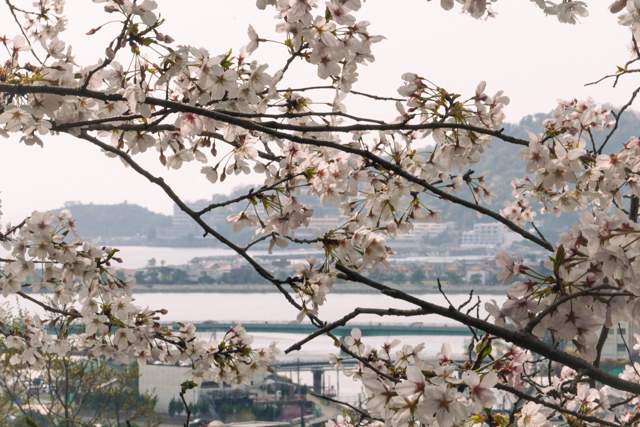
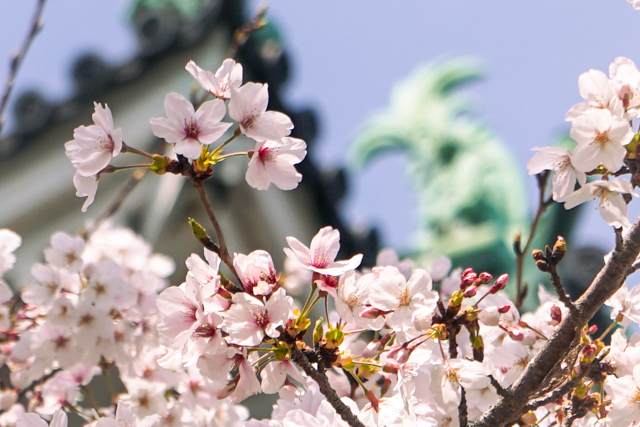
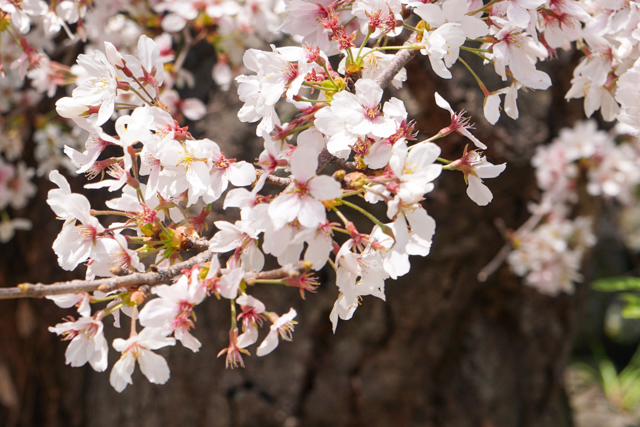
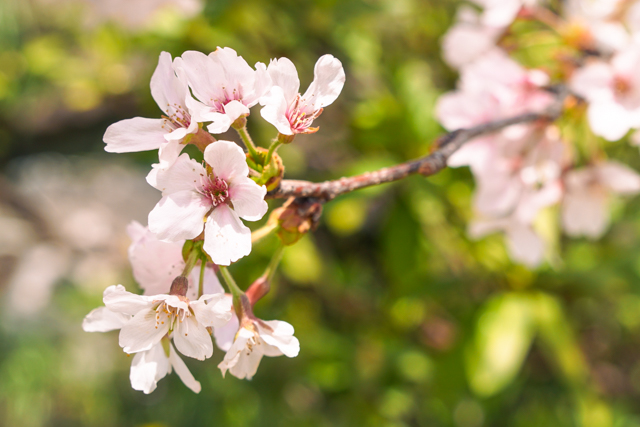
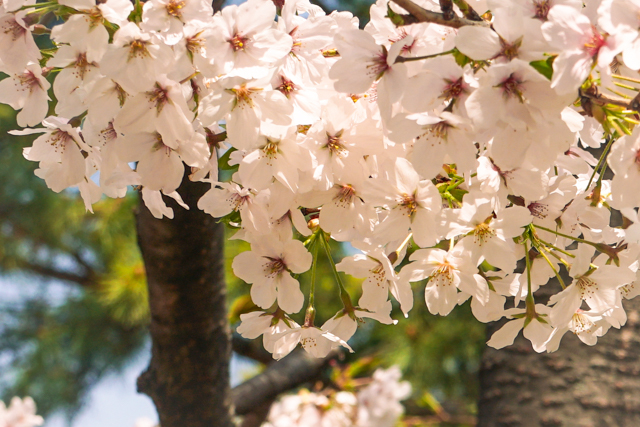
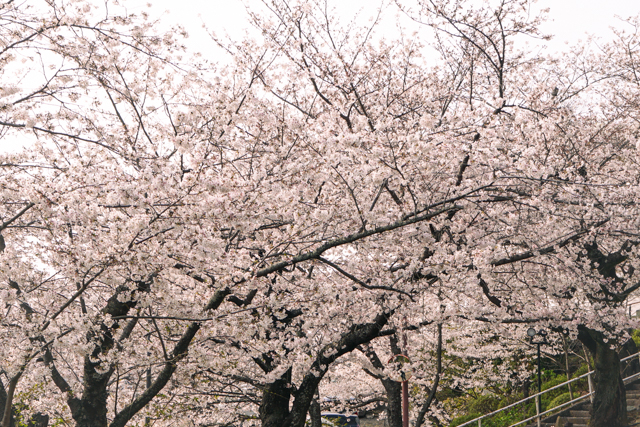
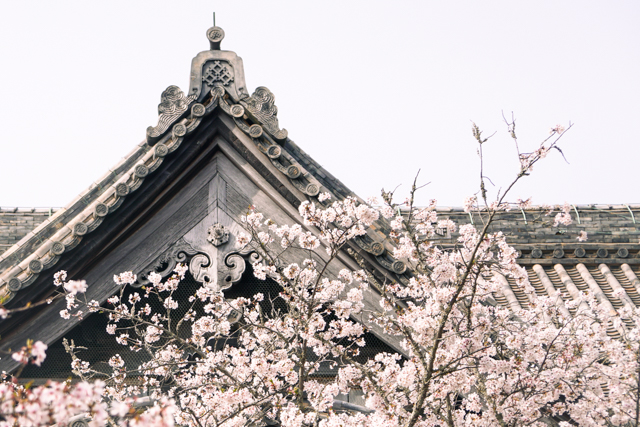
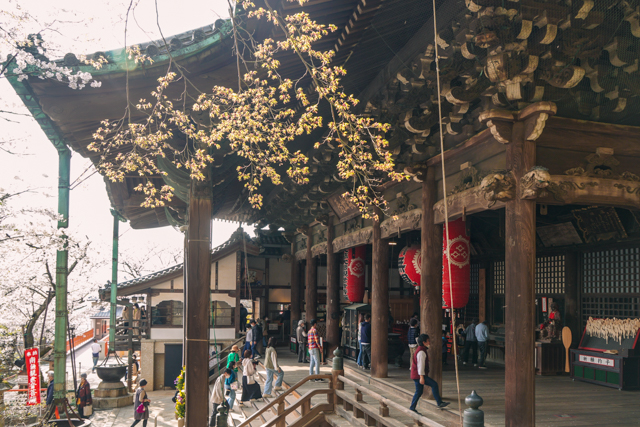
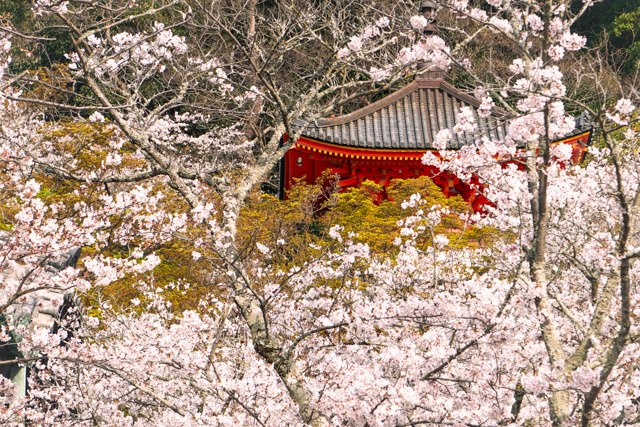
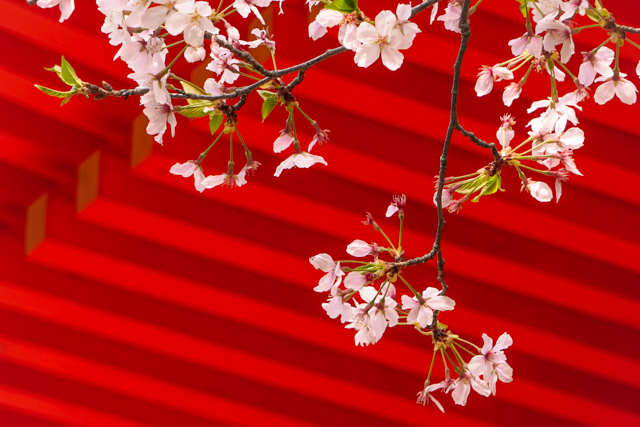
The hall had beautiful views over Wakayama Bay as well as the sea of cherry blossoms in mankai on the grounds of Kimiidera.
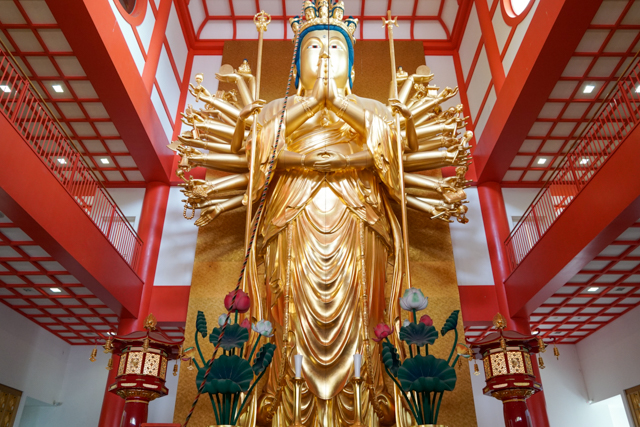
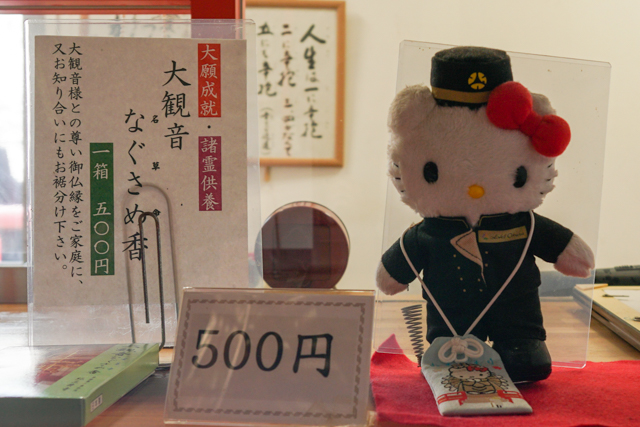
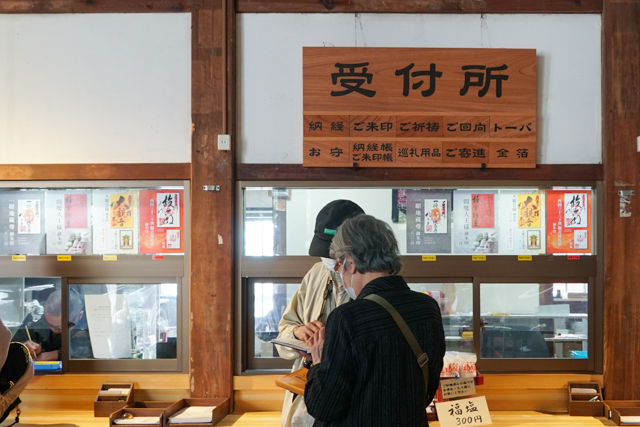
The temple hall housed the large Kannon Bodhisattva statue. Hello Kitty Bodhisattva charms were available for purchase.
Main Temple Complex
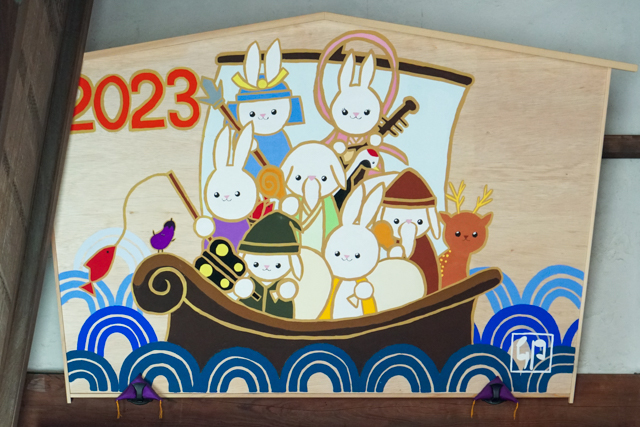
Shinto Shrine
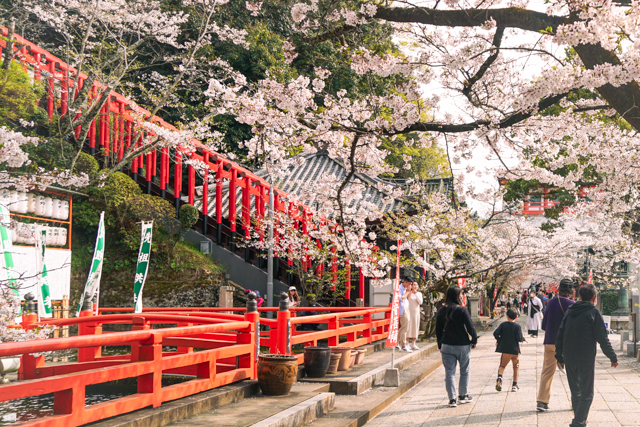
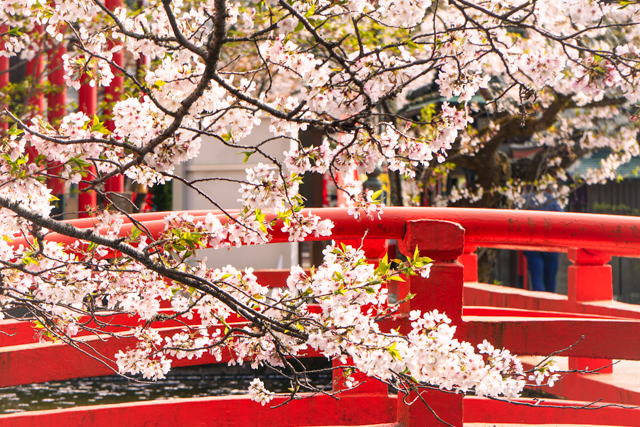
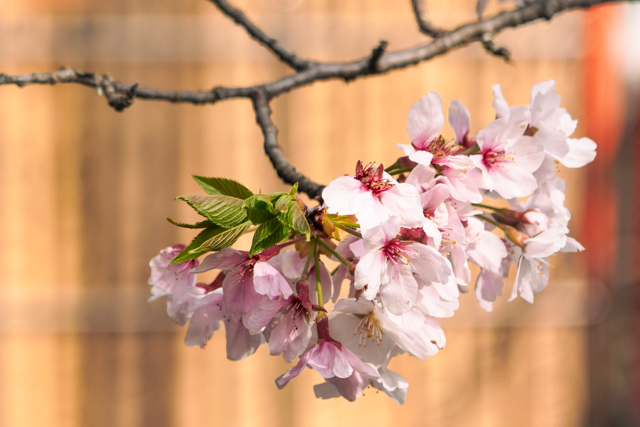
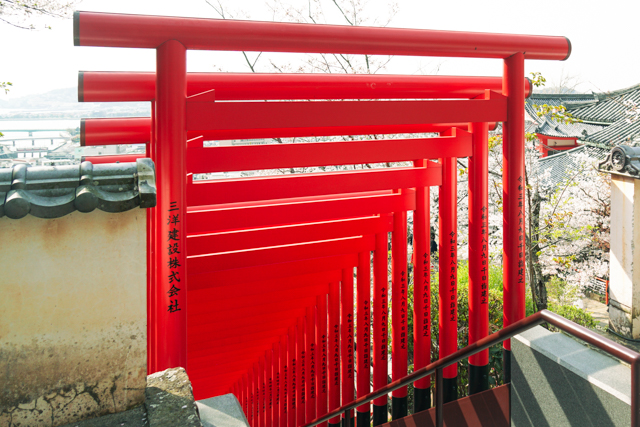
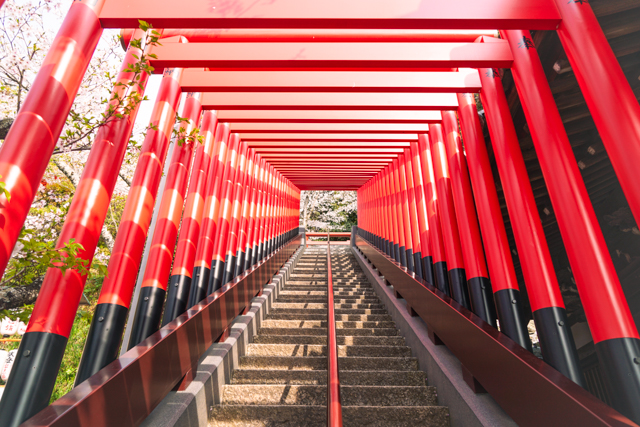
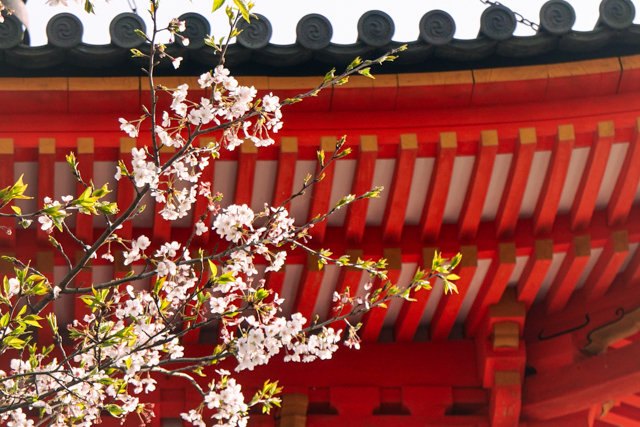
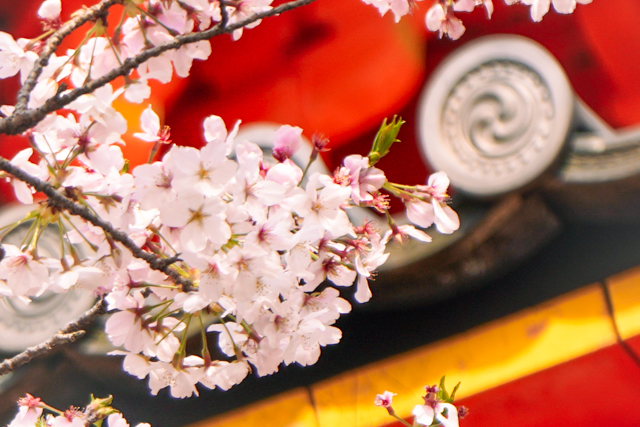
Kimii-dera Tahoto Pagoda
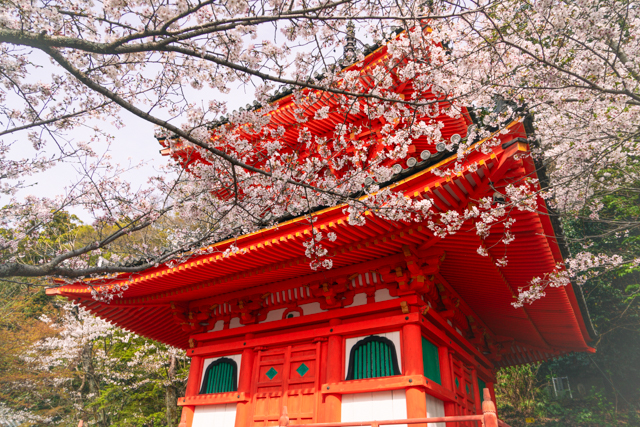
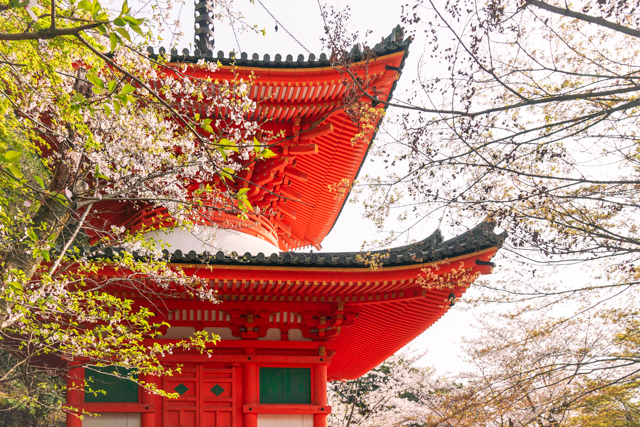
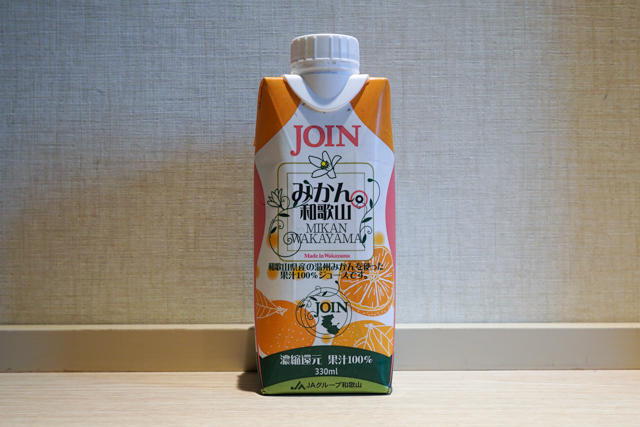
We also enjoy the last of the JOIN juices we picked up at the supermarket that morning. It contained 100% juice, with the mikan flavour coming through sweet with minimal acidity.
Kaizando
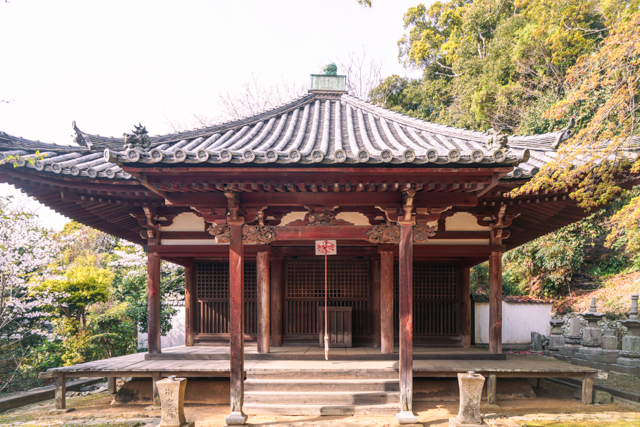
Saikoku Kannon Pilgrimage
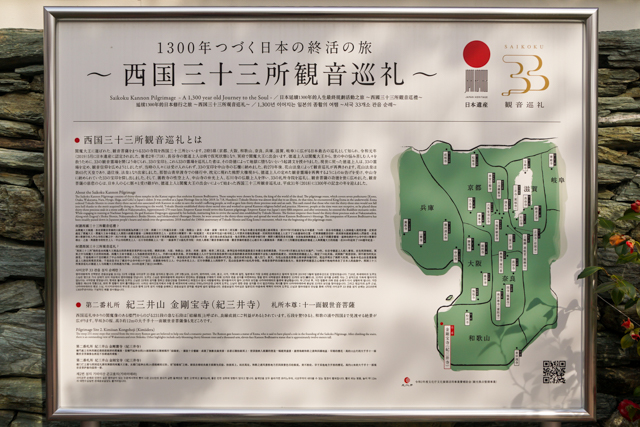
About the Saikoku Kannon Pilgrimage
The Saikoku Kannon Pilgrimage consists of thirty-three temples in the Kansai region that enshrine Kannon Bodhisattva. These temples were chosen by Enma, the king of the world of the dead. The pilgrimage route, which covers seven prefectures (Kyōto, Ōsaka, Wakayama, Nara Hyogo, Shiga, and Gifu) is Japan’s oldest. It was certified as a Japan Heritage Site in May 2019. In 718, Hasedera’s Tokudo Shonin was almost dead due to an illness. At that time, he encountered King Enma in the underworld. Enma ordered Tokudo Shonin to create thirty-three sacred sites associated with Kannon in order to save the world’s suffering people, as well as gave him thirty-three precious seals and an oath. This oath stated that those who visit the thirty-three sites would not fall into hell thanks to the merit acquired by doing so. Returning to the world, Tokudo Shonin established thirty-three sacred sites and worked to spread Kannon religious belief and practice. However, people at the time were not receptive, so he placed these thirty-three precious seals in a stone coffin at Nakayamadera. Approximately 270 years later, Emperor Kazan would revive this Kannon pilgrimage. Emperor Kazan was Japan’s sixty-fifth emperor, and after retirement, he entered the Buddhist monastic order. While engaging in training at Nachisan Seigantoji, the god Kumano Daigongen appeared by his bedside, instructing him to revive the sacred sites established by Tokudo Shonin. The former emperor then found the thirty-three precious seals at Nakayamadera. Along with Engyoji’s Shoku Shonin, Nakayamadera’s Benko Shonin, and Ishikawadera’s Butsugen Shonin, he went around to the thirty-three temples and spread the word about Kannon Bodhisatcva’s blessings. The compassion of Kannon Bodhisattva has been stcadily passed down in Japanese people’s hearts and minds over the generations. 2018 marked the 1300th anniversary of Tokudo Shonin and KingEnma’s encounter, which was the beginning of this pilgrimage route.
Ōsaka
Daiso
1F Ōsaka City Air Terminal (OCAT), 1 Chome-4-1, Minatomachi, Naniwa Ward, Ōsaka, 556-0017, Japan
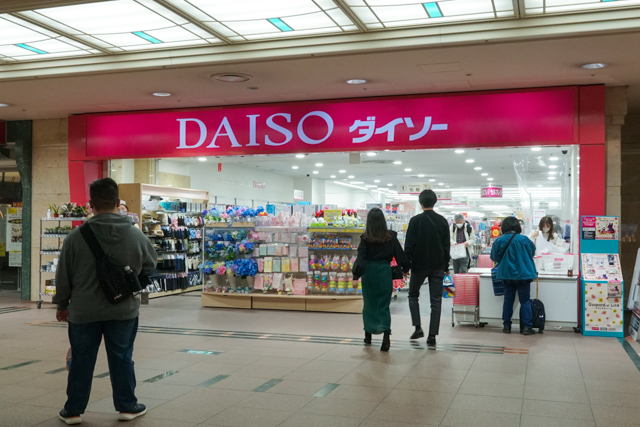
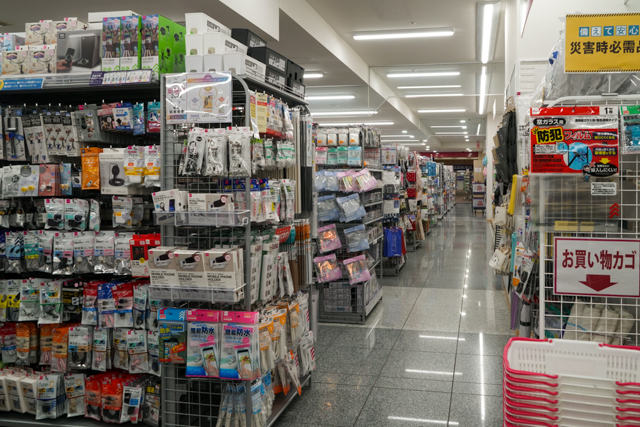
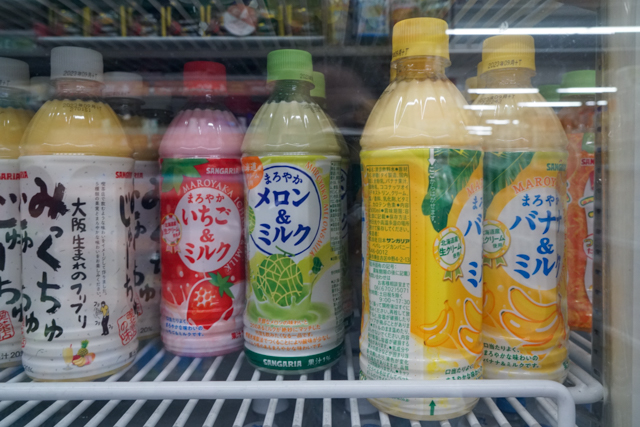
Fruit milks were becoming popular.
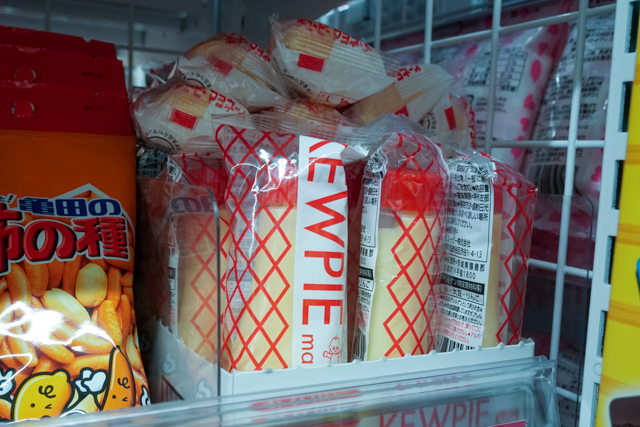
We found the cutest tiny 50 g bottle of Kewpie mayonnaise.
Yamaya
酒のやまや O-CAT店, 1F Ōsaka City Air Terminal (OCAT), 1 Chome-4-1, Minatomachi, Naniwa Ward, Ōsaka, 556-0017, Japan
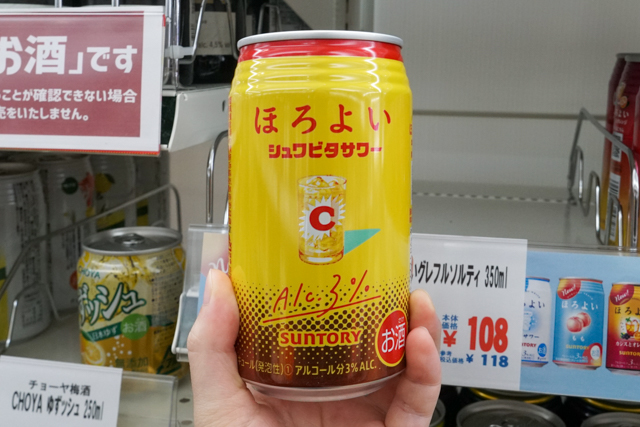
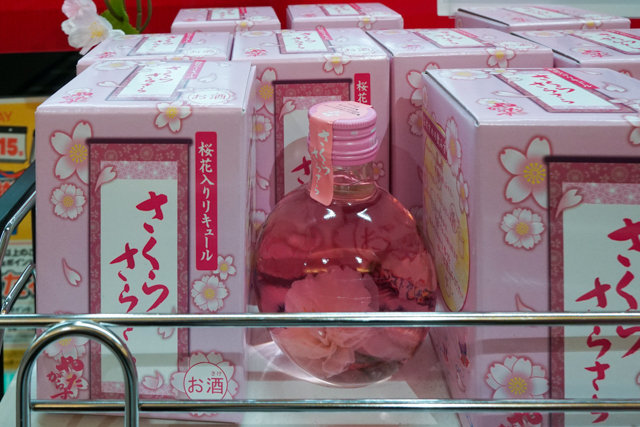
We popped into the liquor store near the Daiso after being drawn in by the bottle with sakura inside. We didn’t end up buying it but we did leave with a lot of senbei from their snack section.
Central Square Life
ライフ セントラルスクエアなんば店, Maruito Namba Building, 1 Chome-2-3 Minatomachi, Naniwa Ward, Ōsaka, 556-0017, Japan
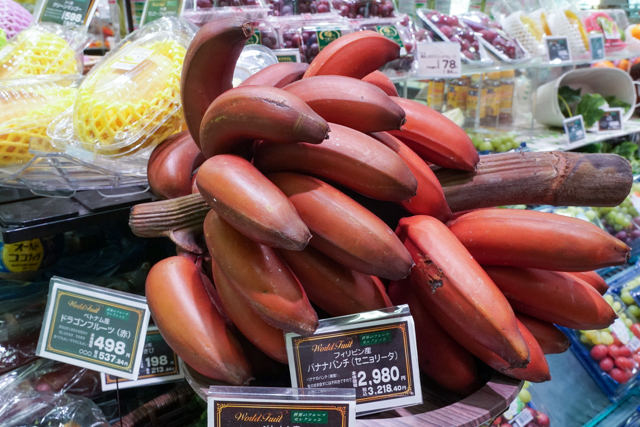
We checked out the exotic imported fruits available at the supermarket…
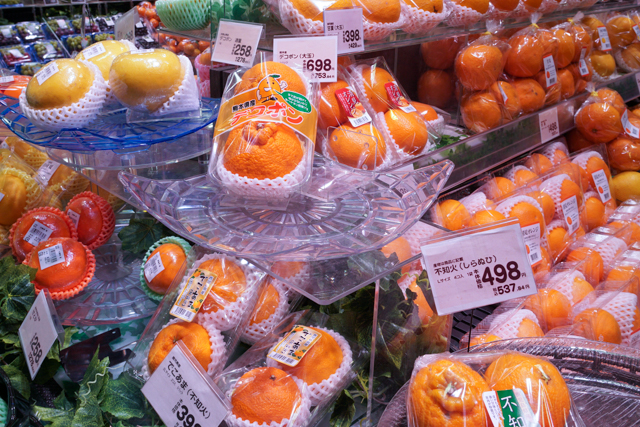
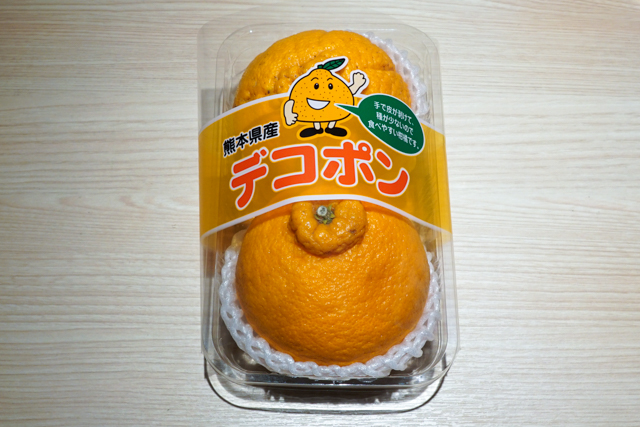
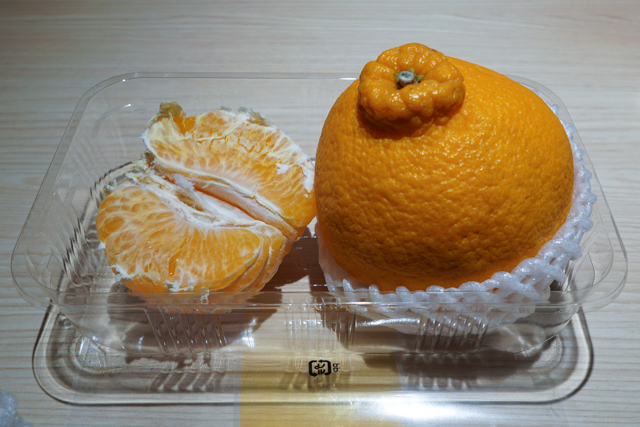
…and left with two of their premium dekopon (but still more affordable than their department store selection). They were big, juicy and delectably sweet and seedless.
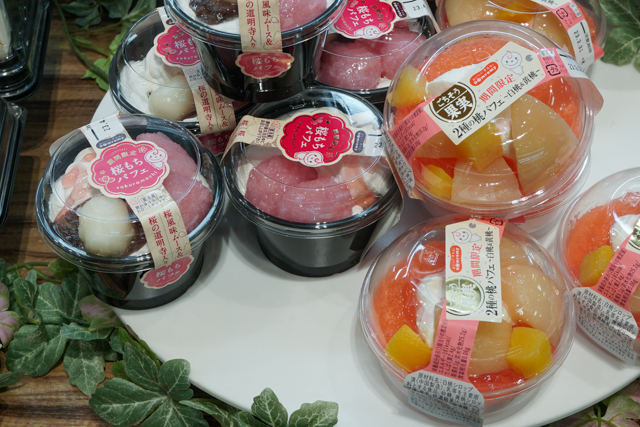
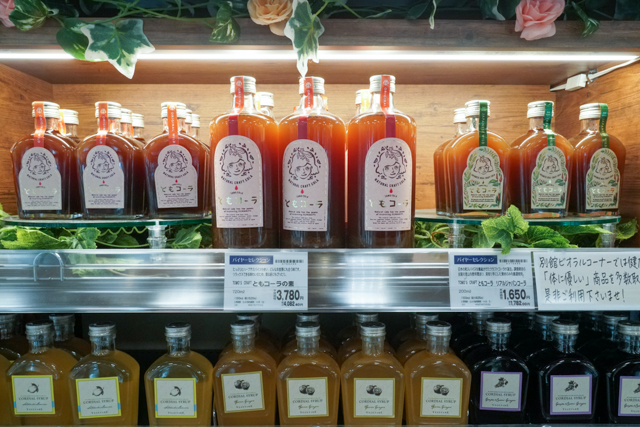
Craft cola and cola soda more generally was becoming popular.
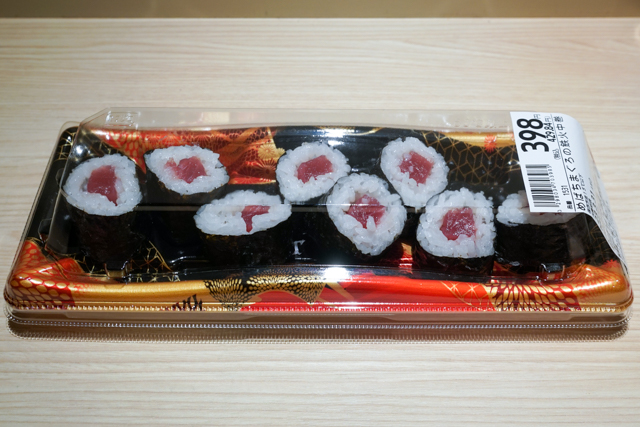
As a pre-dinner snack, I picked up some tuna makizushi. These bite-size morsels were incredibly satisfying.
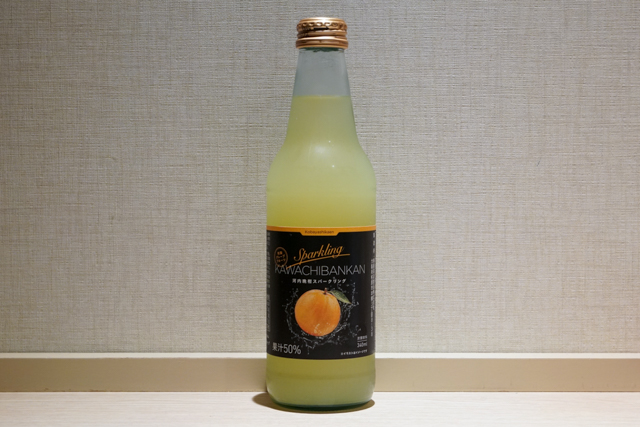
To accompany my makizushi, we tried the Kobayashi Ken Sparkling Kawachi Bankan. Kawachi Bankan is a rare type of citrus with a high sugar content of about 11%. The drink, which contained 50% fruit juice, captured the sweet and smooth juiciness of the citrus, with a slight acidity and hint of grapefruit-like bitterness in the finish. It was refreshing and enjoyable.
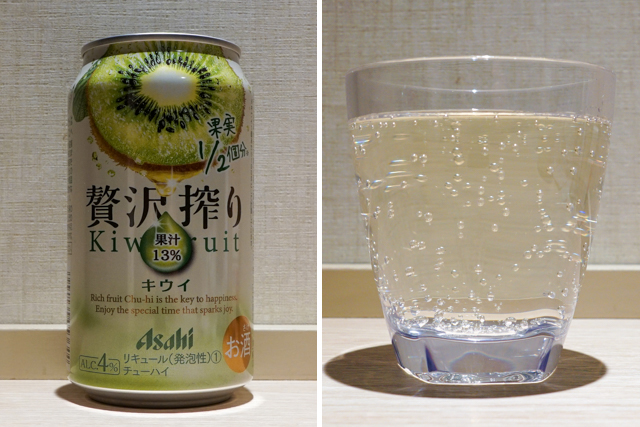
We also enjoyed the Asahi Zeitaku Shibori Chūhai Kiwi. It contained 13% kiwi juice from half a kiwi fruit. This chūhai tasted every bit as delicious as the description made it out to be. The flavour of kiwifruit was bright and fresh with a balanced sweetness and the most subtle hint of alcoholic bitterness in the background.
Shinpachi Shokudo
しんぱち食堂阪急梅田店, 1F Shimasada Building, 1 Chome−5−14, Shibata, Kita Ward, Ōsaka, 530-0012, Japan
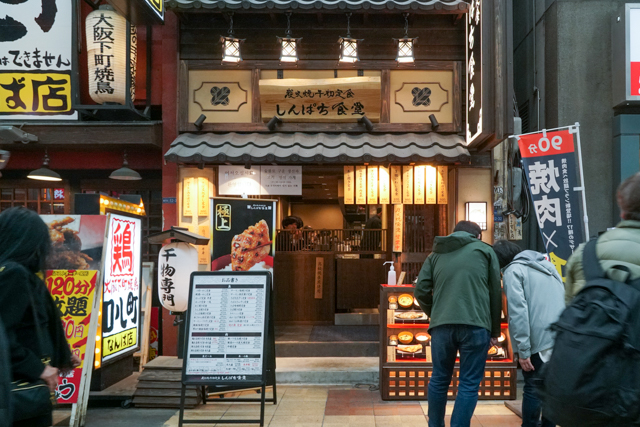
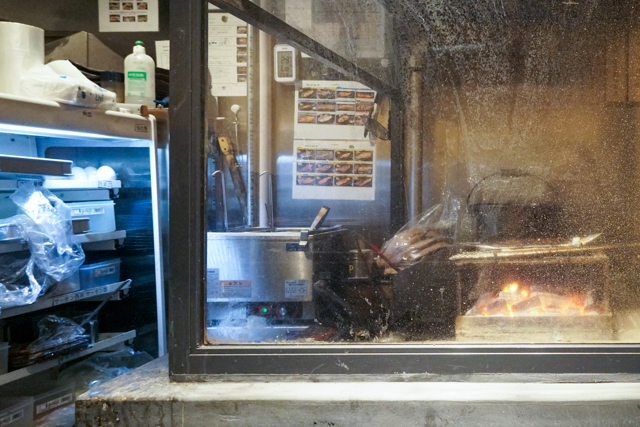
We love grilled fish, so it was an easy decision to have dinner at Shinpachi Shokudo. Our seats meant we had the pleasure of watching them grill the fish in front of us.
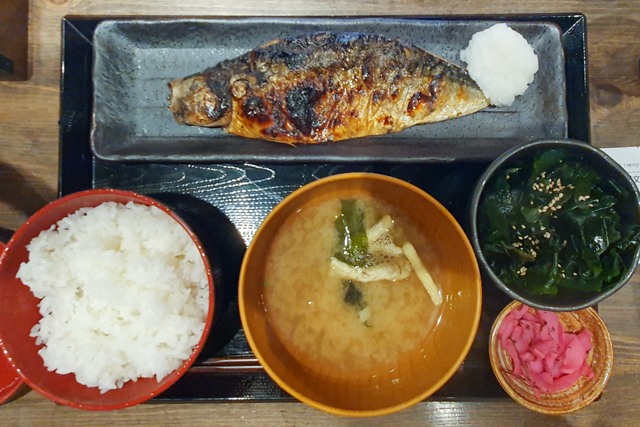
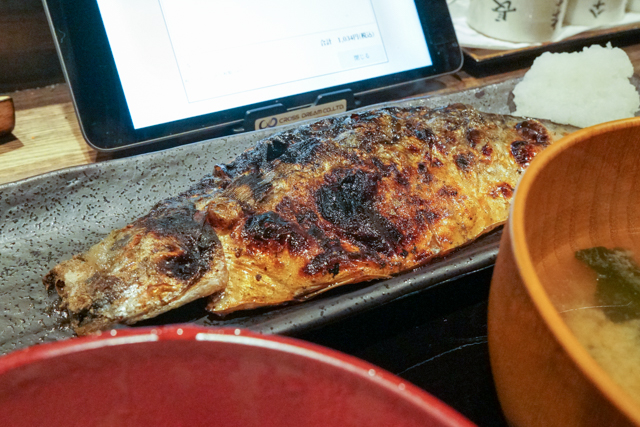
Saba Bunkaboshi Teishoku (dried mackerel set meal with rice, ¥946 inc tax) + wakame (with wasabi shōyu, ¥88).
This was their most popular menu item and for good reason. The mackerel had a rich savoury and oily fish flavour with a slight sweetness, while the flesh was moist, flaky and soft. The bones were not intrusive.
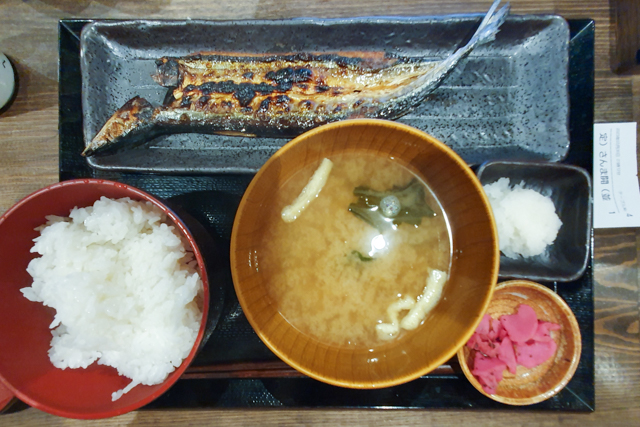
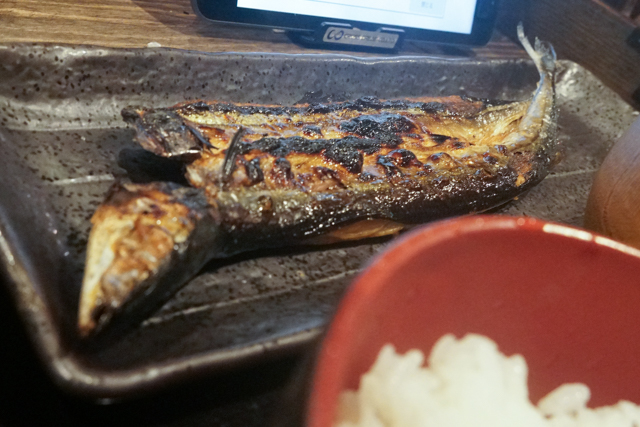
Sanma-biraki Teishoku (Pacific saury open set meal with rice, ¥803).
D found the Pacific saury had a lighter flavour than the fattier richness of the mackerel. He preferred the mackeral, but still found the meal delicious, with the flesh also moist, flaky and soft.
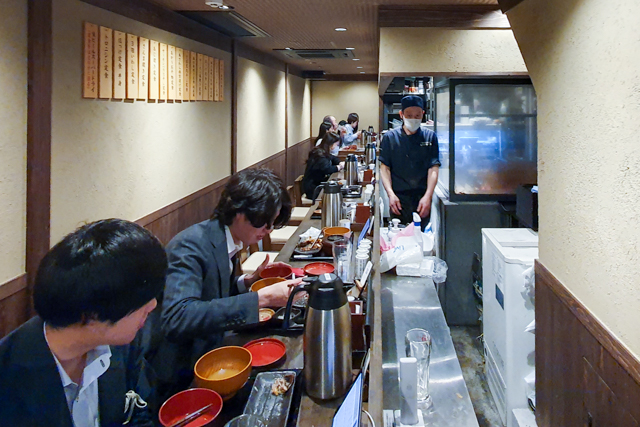
Overall, the meal from Shinpachi Shokudo was very satisfying, and we seriously considered returning for a second meal at the restaurant as soon as the next evening. With our bellies full, we turned in for the night.
Wakayama was Day 2 of 8 on the Japan 2023 trip. Day 3 saw us visiting Kyōto to enjoy more of the cherry blossoms in full bloom.