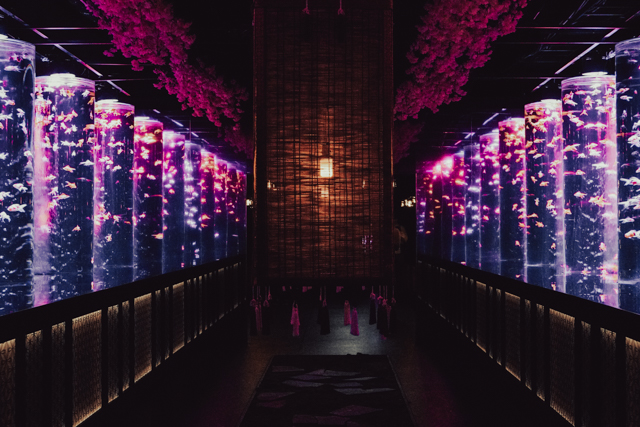
Our seventh day in Japan saw us exploring the areas of Ginza, Yurakucho, Kyobashi and Yaesu on foot, including Art Aquarium Museum, the numerous antenna stores in Tōkyō Kotsu Kaikan and the newly opened Tōkyō Midtown Yaesu.
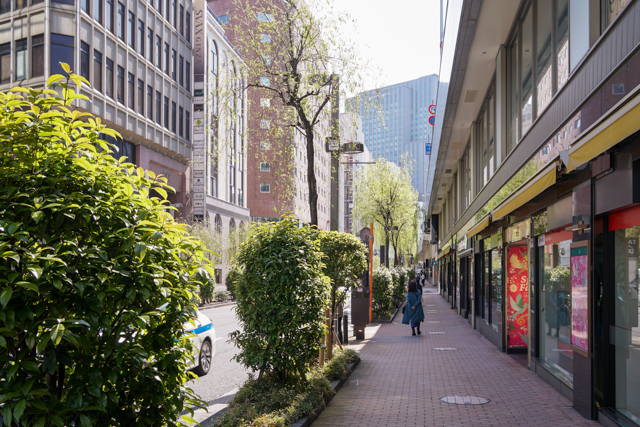
Ginza, Chuo City, Tōkyō
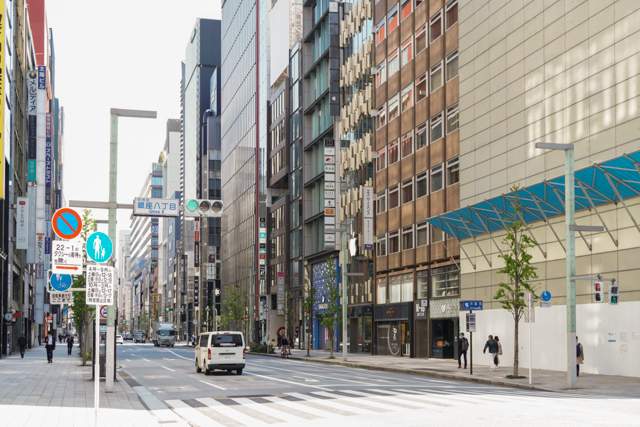
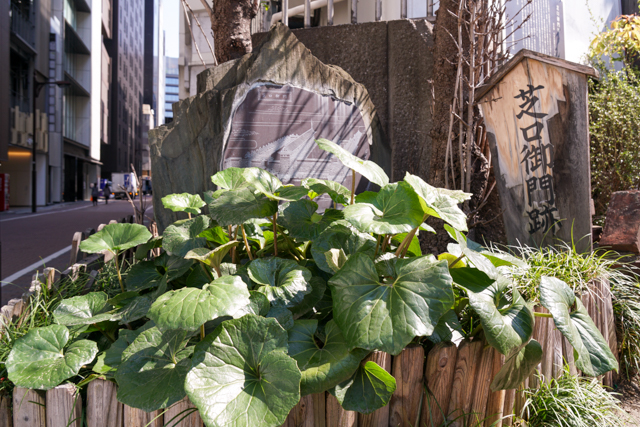
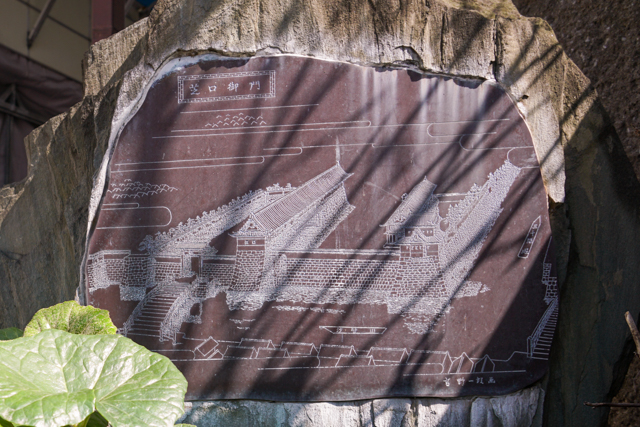
Niku no Hanamasa
肉のハナマサ 銀座店, B1F and 1F, In front of GINZA NINE 3, 8 Chome-10 Ginza, Chuo City, 104-0061 Tōkyō, Japan
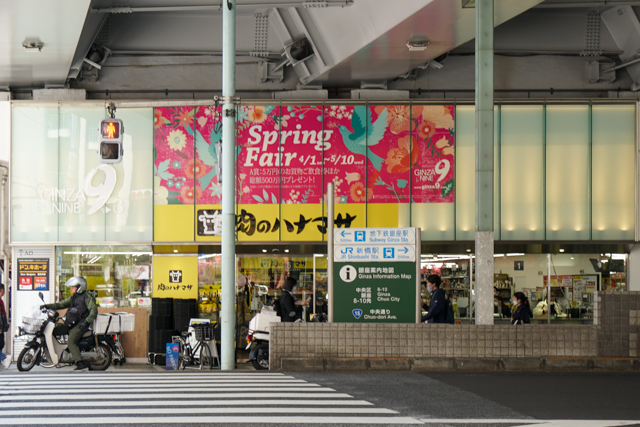
This supermarket under the train tracks in Ginza was one of the first places we visited in Japan during our first visit in 2011, so we were surprised to find it still there. It had undergone extensive renovation, of course.
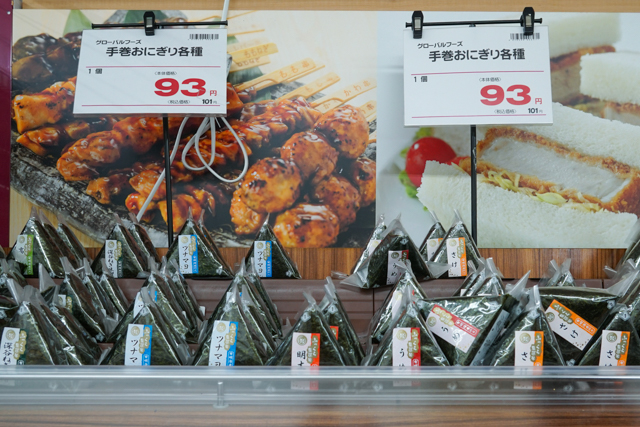
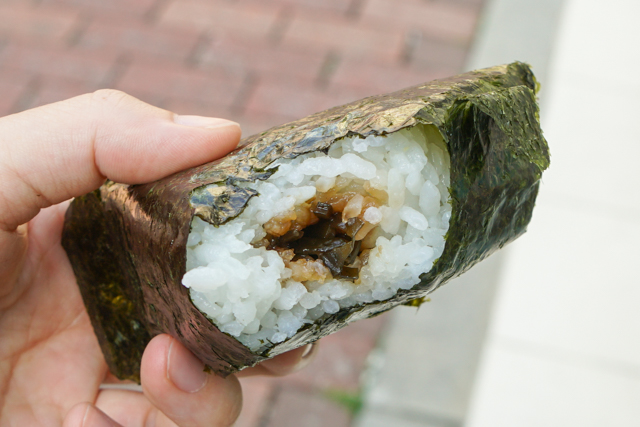
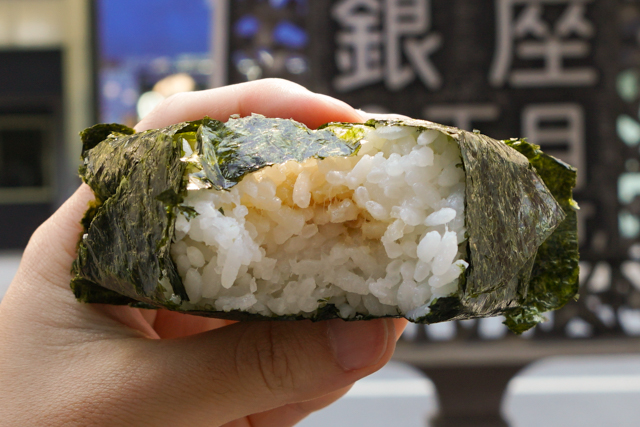
Over a decade on, we love to stop by supermarkets. We picked up a few onigiri for a quick breakfast. The crunchy seaweed around the kelp (above) and tuna mayonnaise (below) hit the spot.
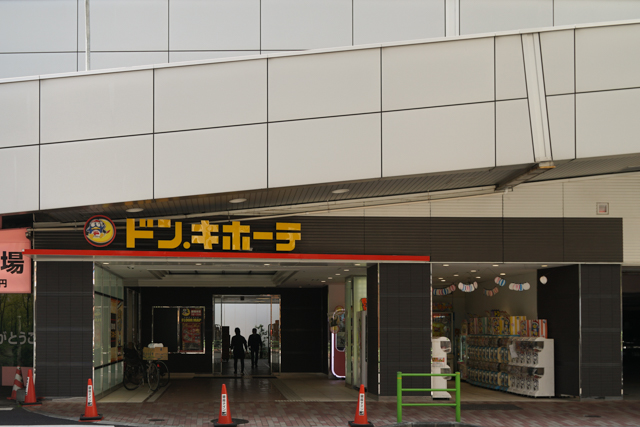
We stopped by the Don Quijote next store to browse before the rest of the shops opened around 11 AM.
Ginza Six
Ginza Six, 6 Chome-10-1 Ginza, Chuo City, Tōkyō 104-0061, Japan
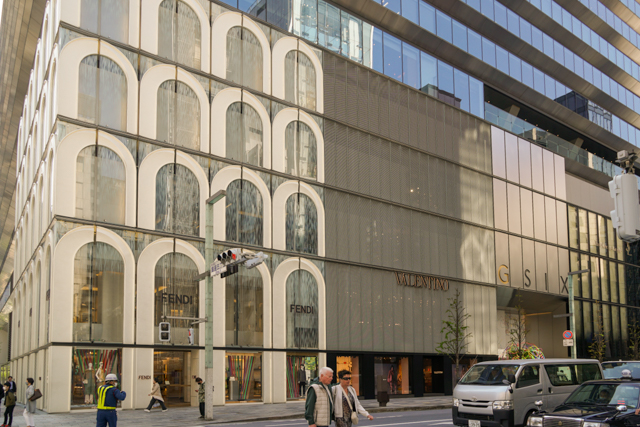
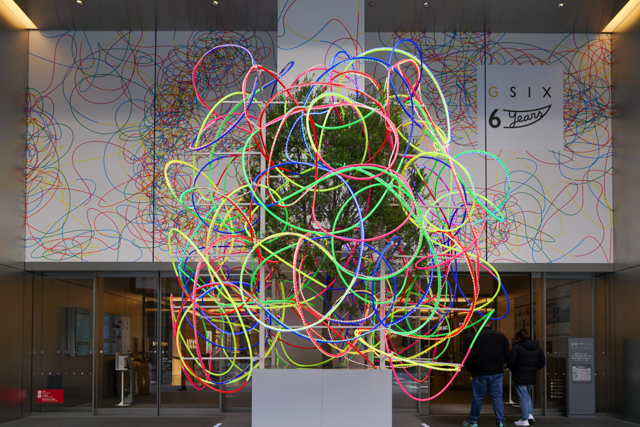
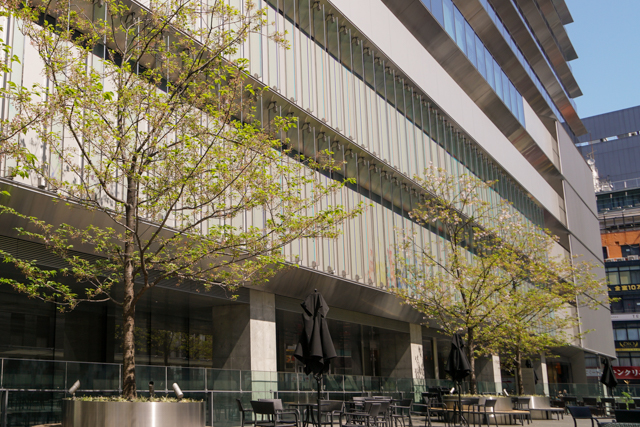
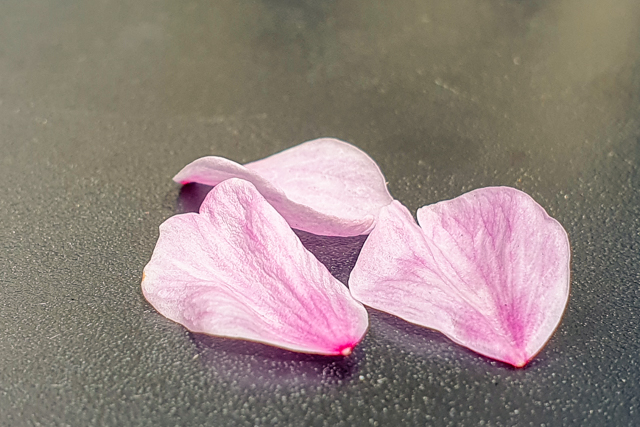
Ginza Six is a luxury shopping complex that opened in 2017. We soaked in the sun on the outdoor terrace, while we waited for Nakamura Tokichi, a teahouse located in Ginza Six, to open at 11 AM.
Nakamura Tokichi
中村藤吉本店, 4F GINZA SIX, 6 Chome−10−1, Ginza, Chuo City, 104-0061 Tōkyō, Japan
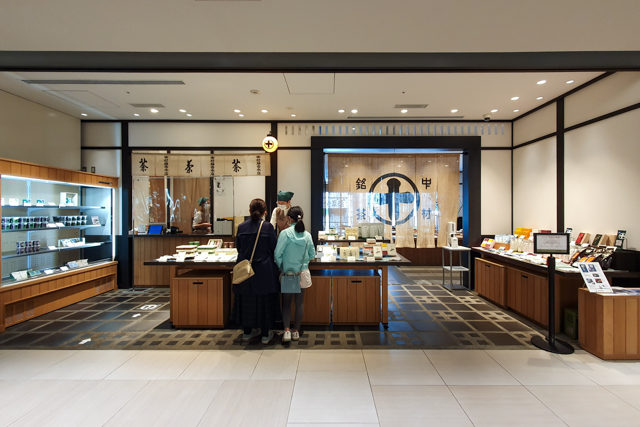
Nakamura Tokichi is a tea shop that opened in Uji in 1854. We visit its Ginza store, the only store located outside Kyōto Prefecture.
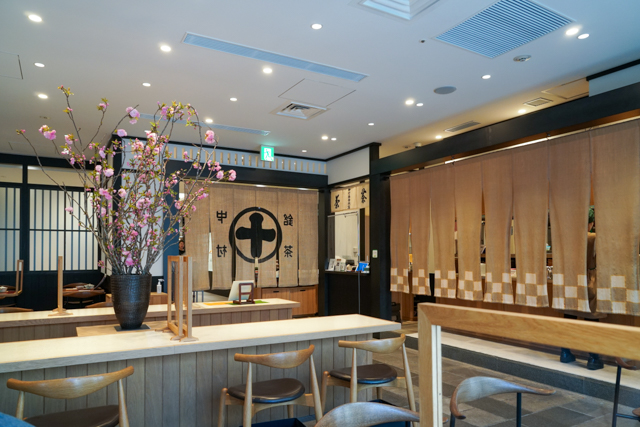
We’d previously attempted to visit their main store in Uji in 2015. The queue then was 4 hours long.
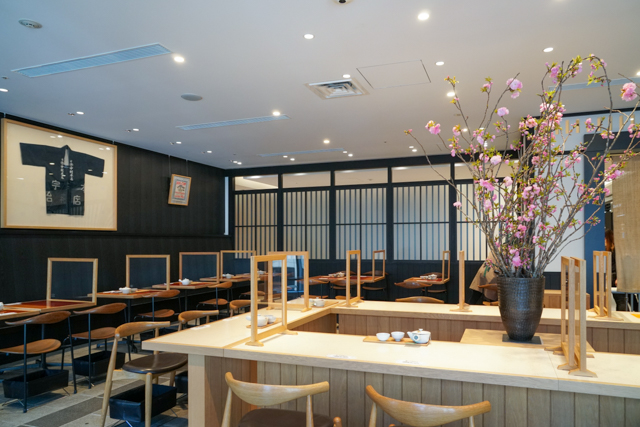
In contrast, we were the first customers of the day at their Ginza store, so we had the restaurant to ourselves for a good 20 minutes before other dine-in customers arrived.
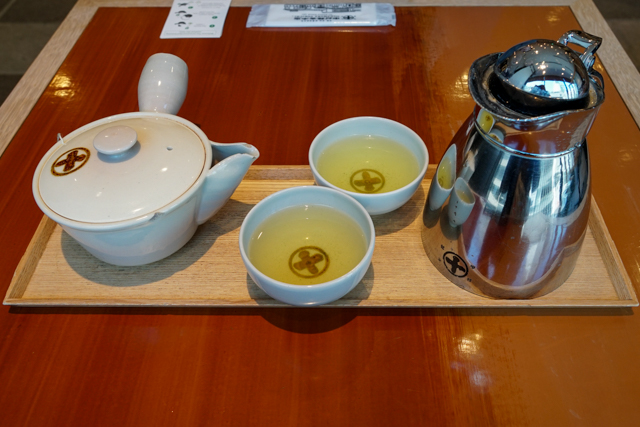
We enjoyed the complimentary tea while waiting for our order. The tea had a rich, savoury umami in the first steeping, which receded on subsequent steeps (about 3 steeps in total) as more grassy notes emerged.
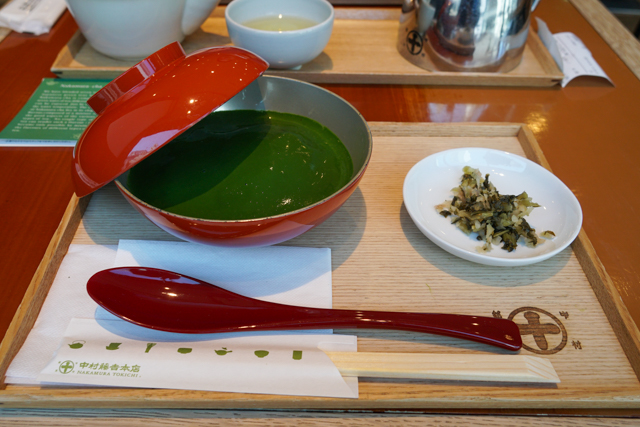
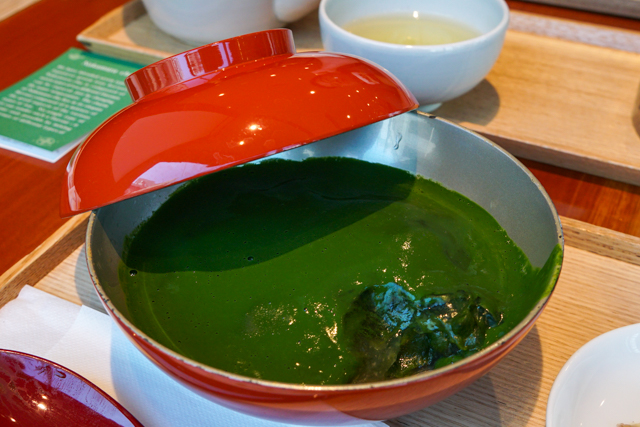
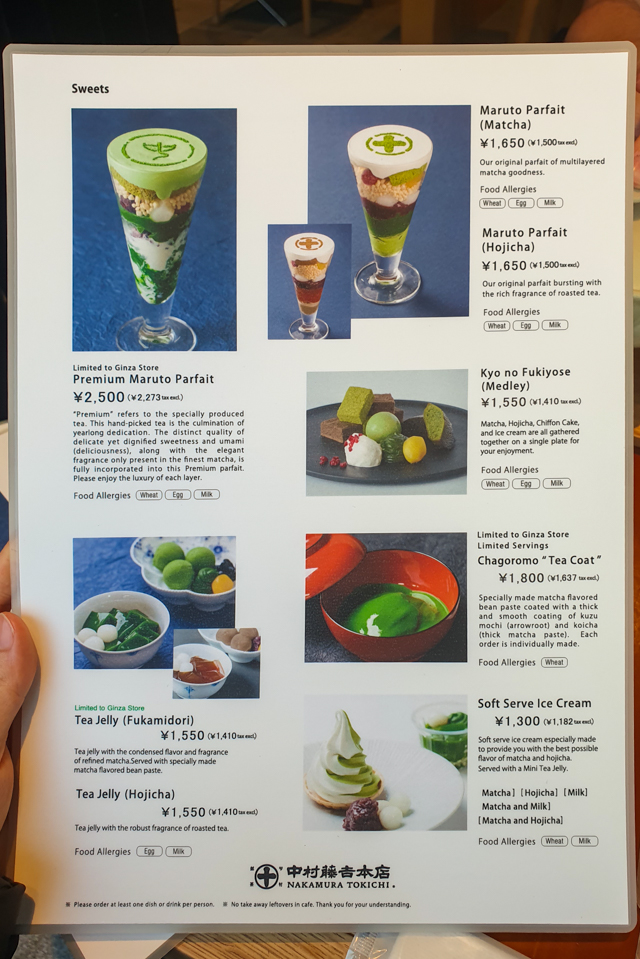
Chagoromo ‘Tea Coat’ (¥1,800 inc tax), specially made matcha flavoured bean paste coated with a thick and smooth coating of kudzu mochi (arrowroot) and koicha (thick matcha paste). Each order is individually made. Limited to Ginza store, limited servings.
The matcha had an incredibly vibrant flavour that persisted throughout each bite with a very astringent finish. The bitterness from the grassy matcha was notable yet well balanced by the gentle sweetness of the bean paste and the smooth coolness of the kudzu mochi, which did not have much flavour of its own. When the intensity became too much, we reset our palate with the savoury mustard greens. This was a new-to-us experience that we enjoyed, though not something we’d re-order before trying the other items on the menu.
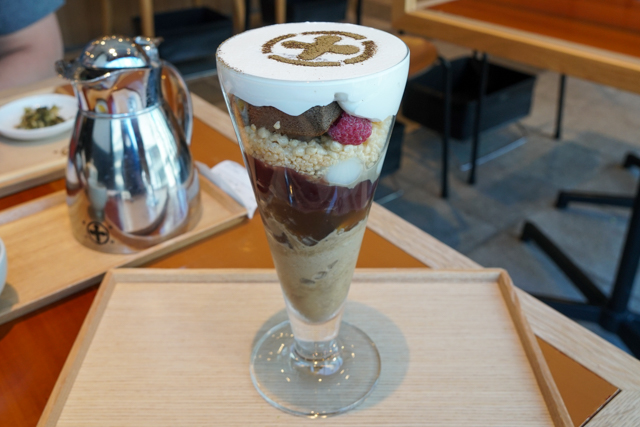
Maruto Parfait (Hōjicha) (¥1,650 inc tax). It consisted of layers of hōjicha soft serve, hōjicha jelly, popped millet, shiratama dango hōjicha baumkuchen, fresh raspberries, and whipped cream with their logo dusted in hōjicha powder.
We absolutely loved the variety of textures, temperatures and intensities of hōjicha flavour in this parfait. The parfait was unapologetic in its hōjicha flavour, without just enough popped millet and whipped cream to break up the flavour and provide textural variation. The texture of each element was distinct yet sufficiently malleable to be picked up in a single spoonful. This was an elegant parfait that celebrated hōjicha well.
Mitsukoshi Ginza
Mitsukoshi Ginza, 4 Chome-6-16, Ginza, Chuo City, 104-0061 Tōkyō, Japan
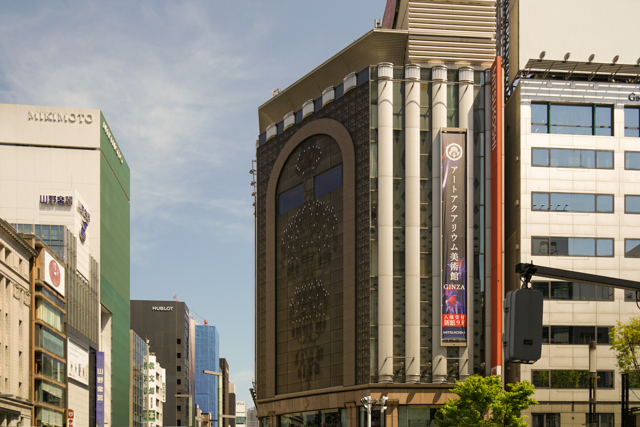
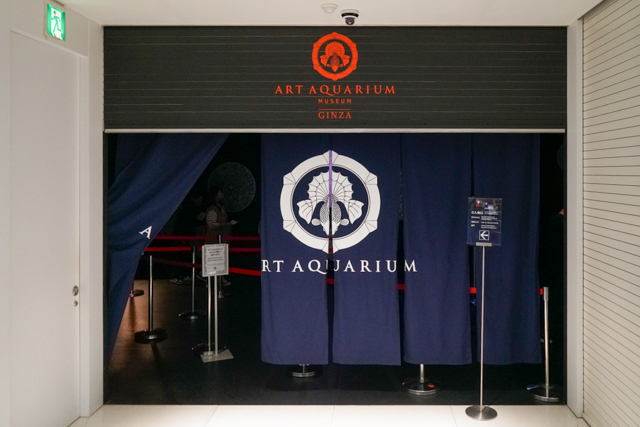
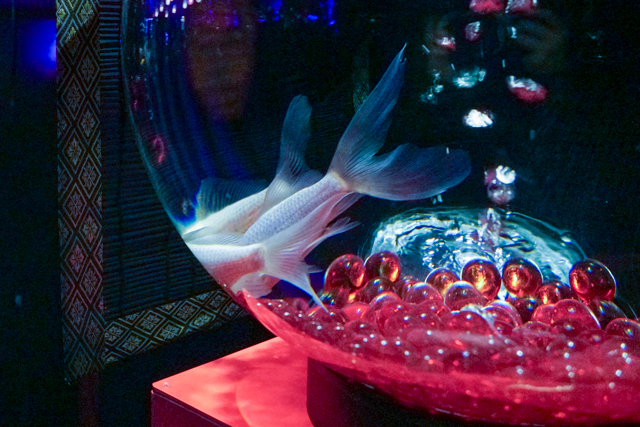
Art Aquarium Museum Ginza
アートアクアリウム美術館 GINZA, 1F Mitsukoshi Ginza Terrace, 4 Chome-6-16, Ginza, Chuo City, 104-0061 Tōkyō, Japan
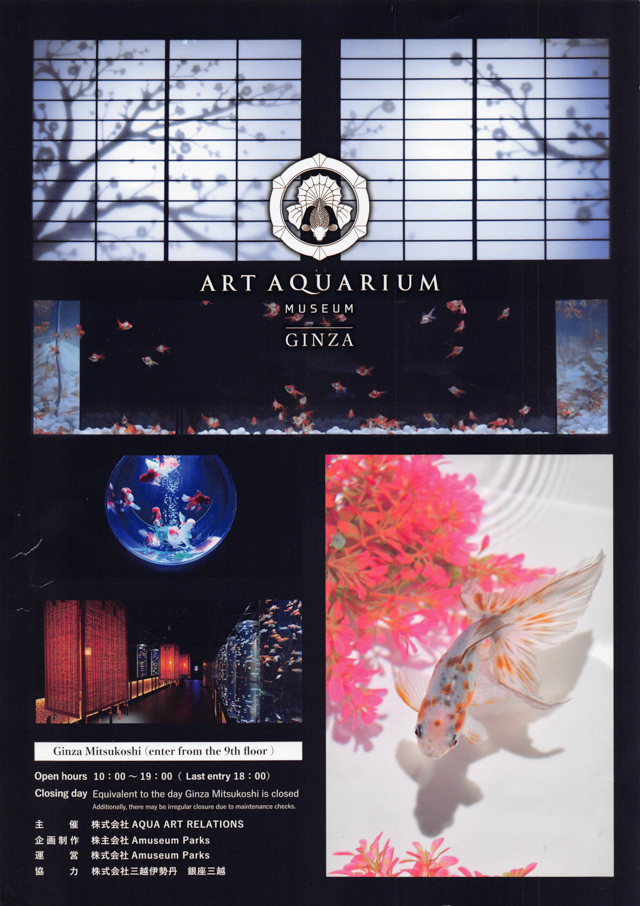
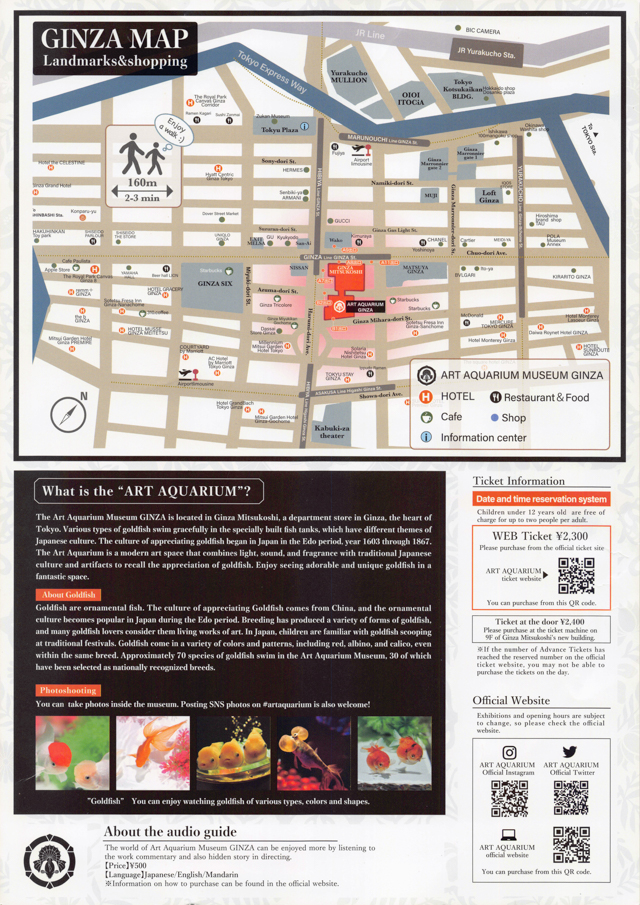
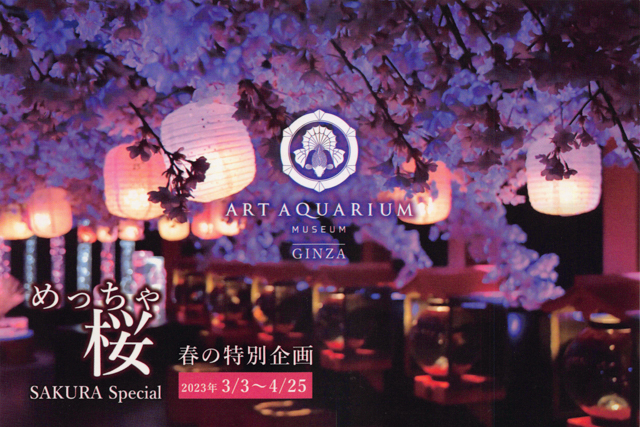
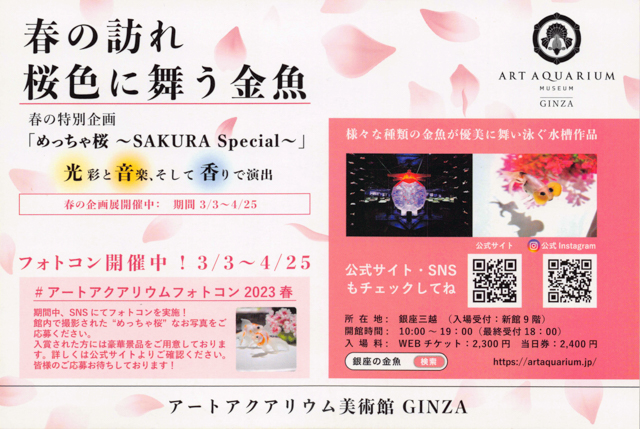
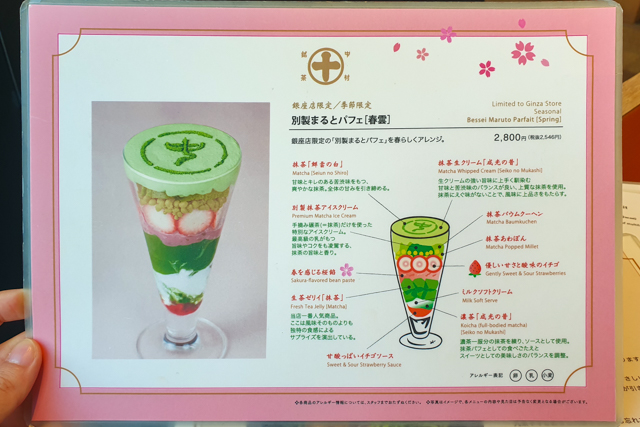
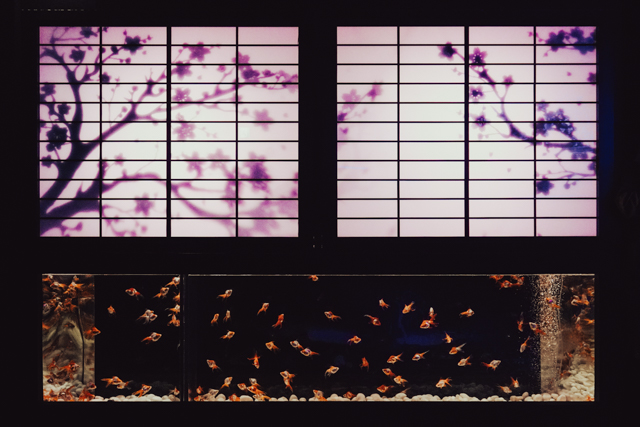
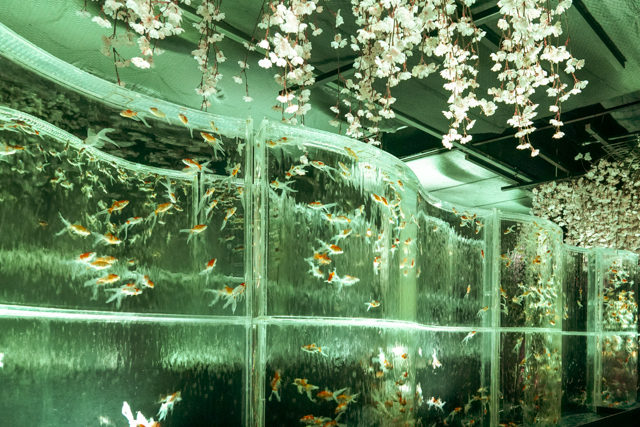
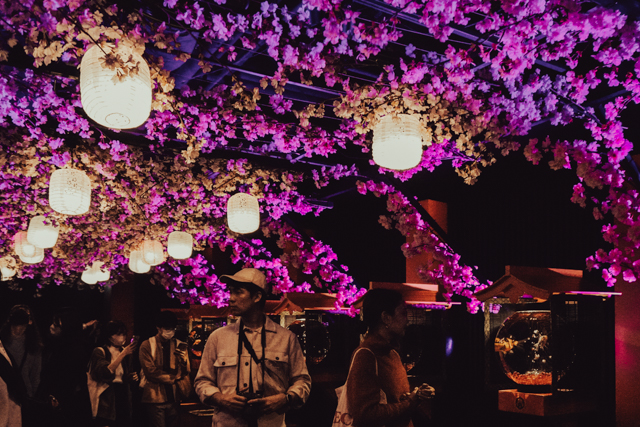
Our visit coincided with the Sakura Special that ran from 3 March to 25 April.
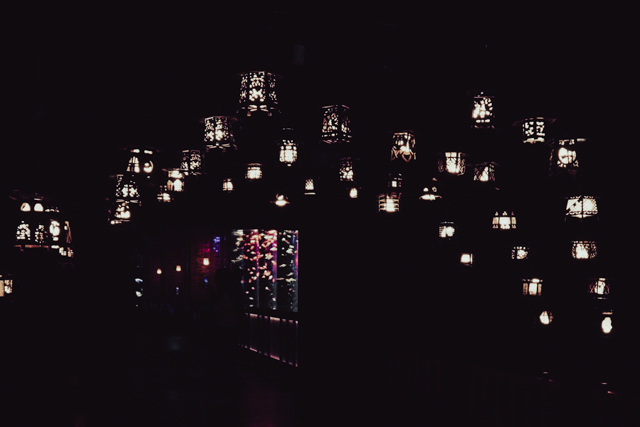
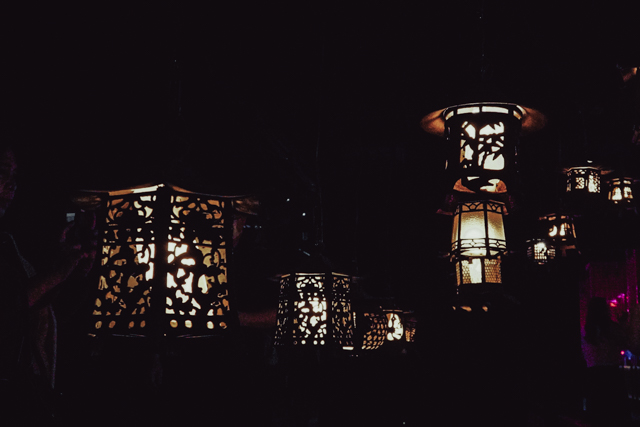
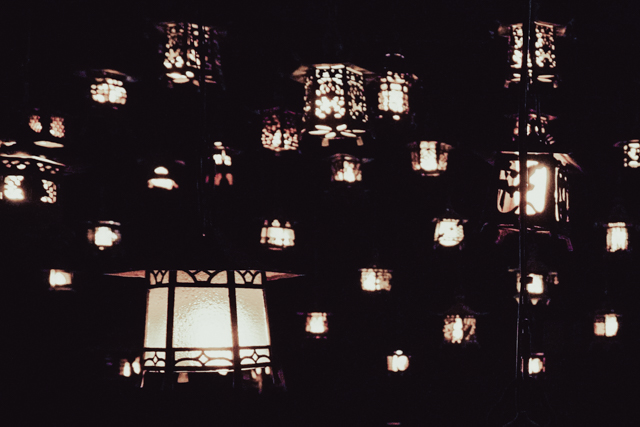
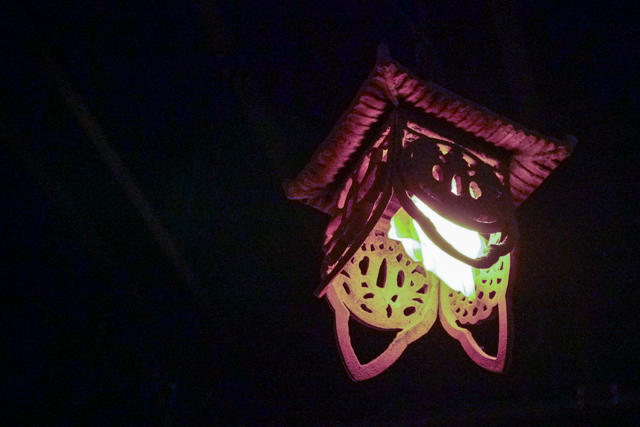
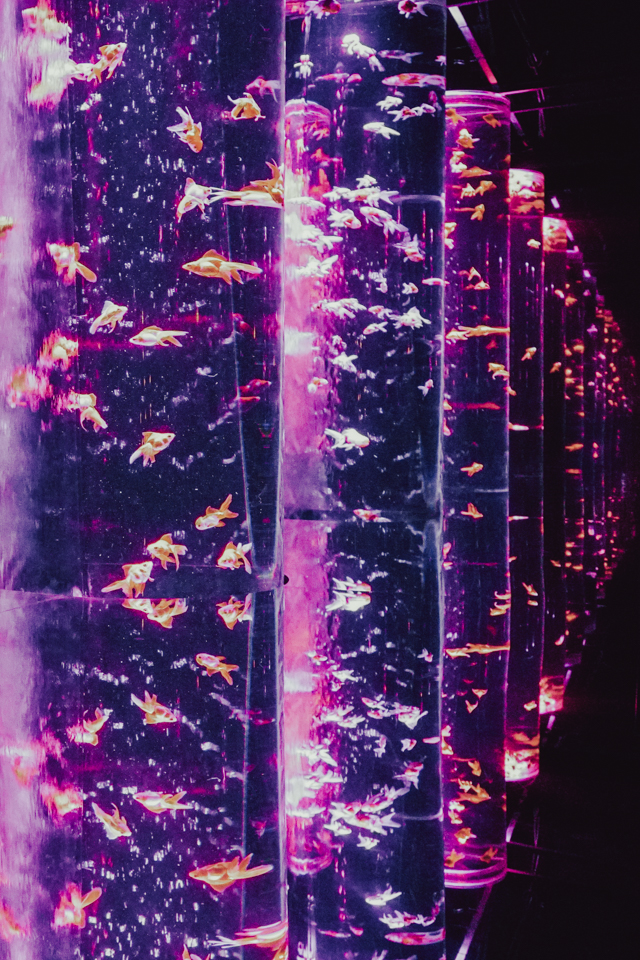
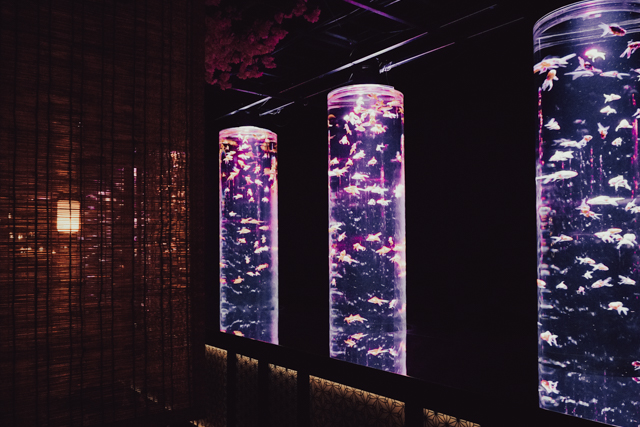
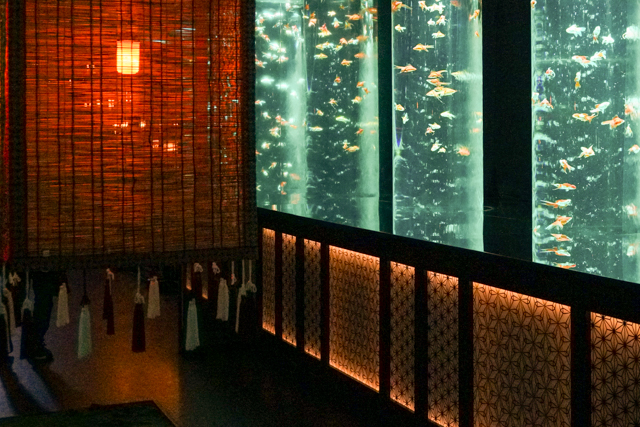
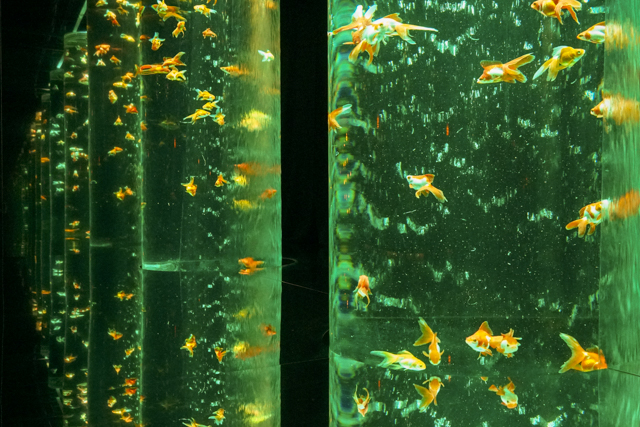
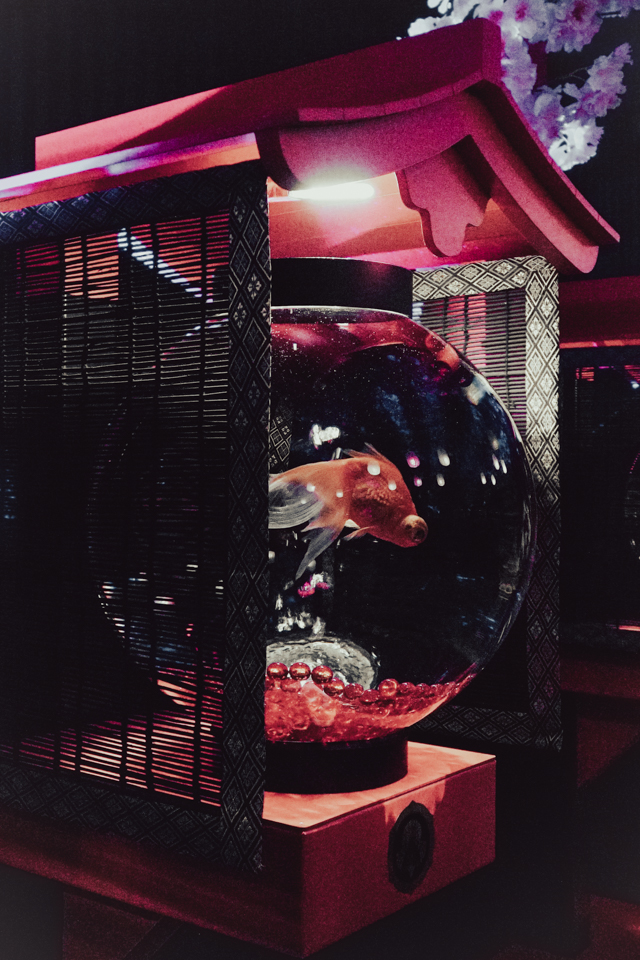
Goldfish Corridor
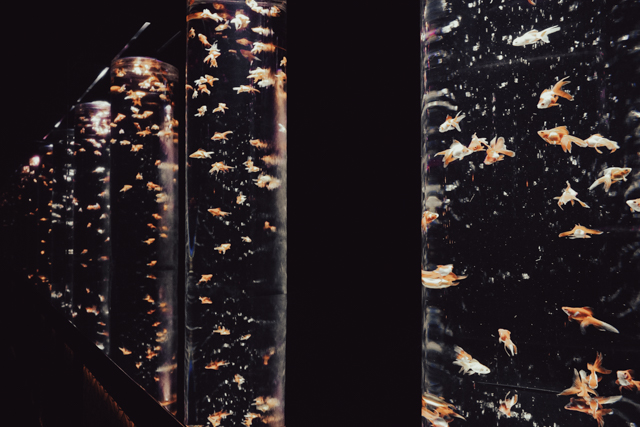
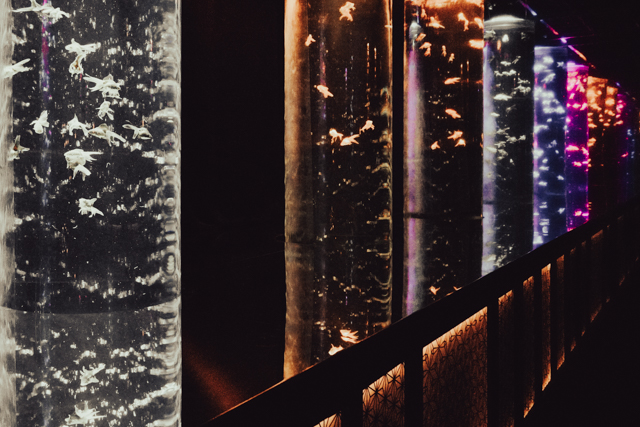
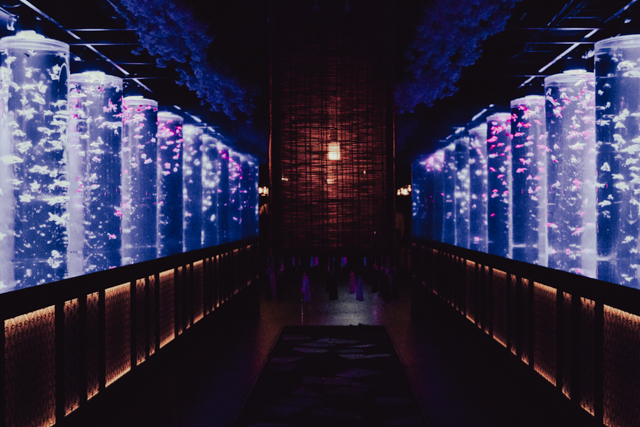
If you step into a row of goldfish columns, there is a space of infinity. If you look over the Japanese-patterned stand, you can also see the downward spatial spread. It is a space-shaped work that expresses the corridor that can be seen in [the architecture] of Japanese temples.
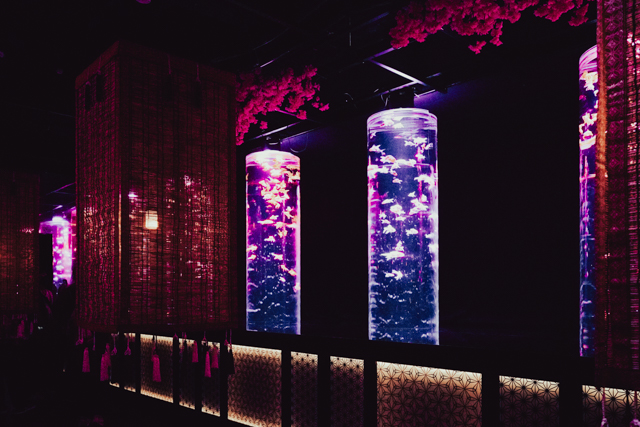
Goldfish Collection
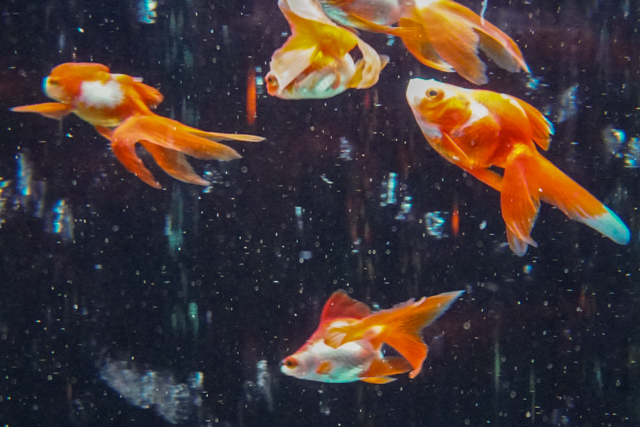
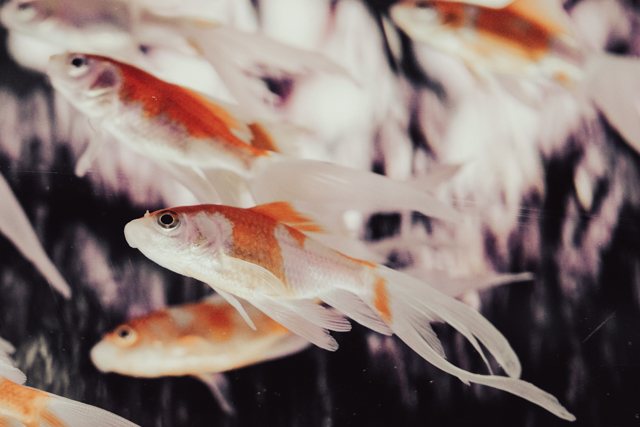
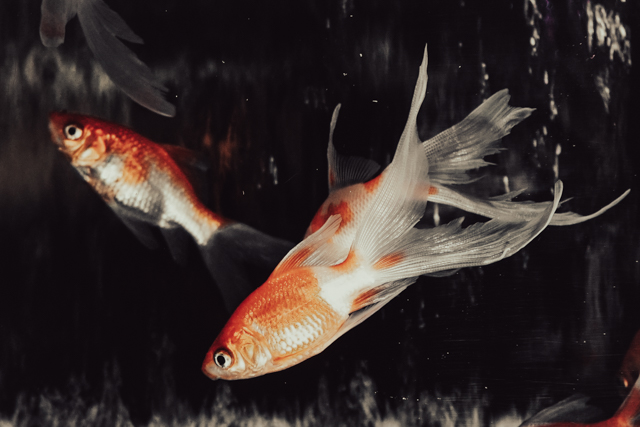
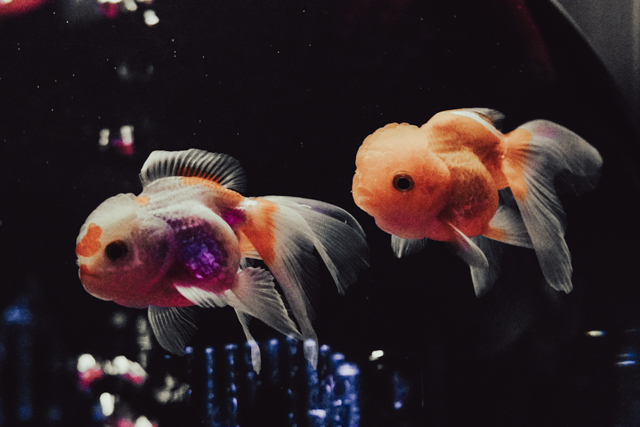
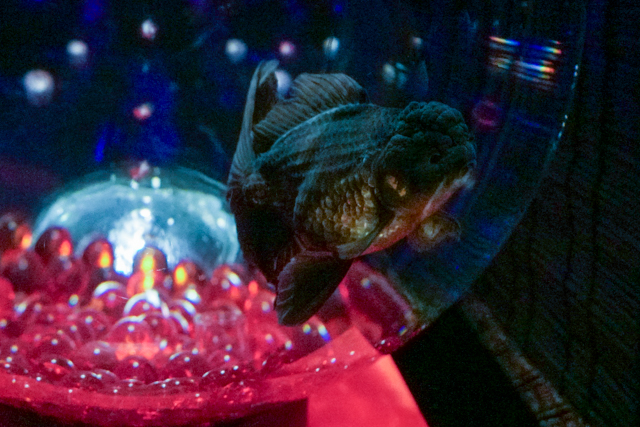
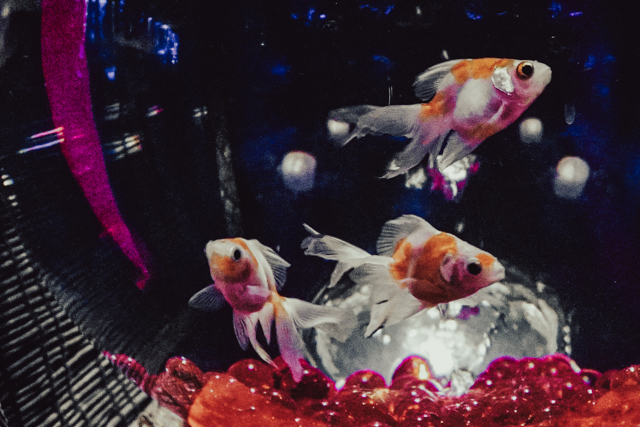
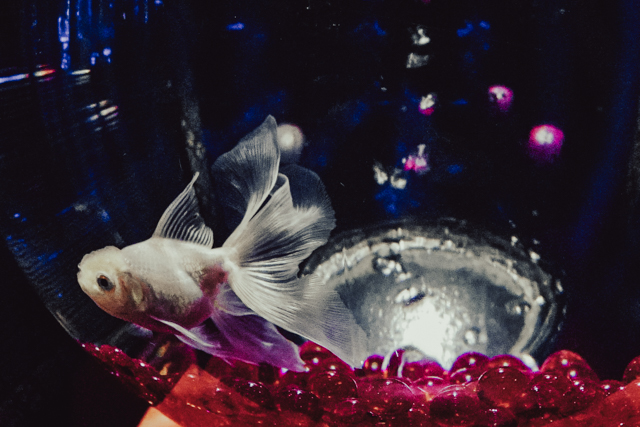
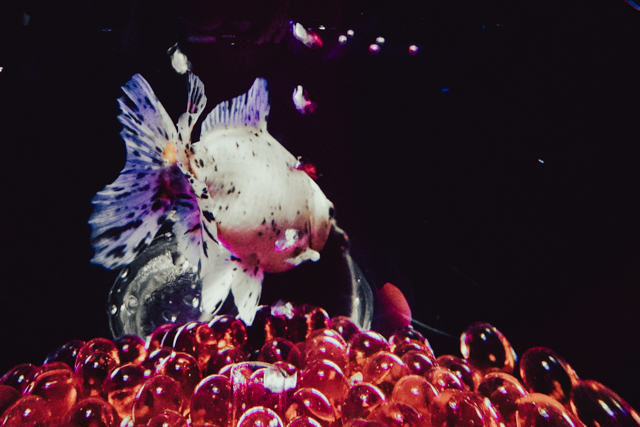
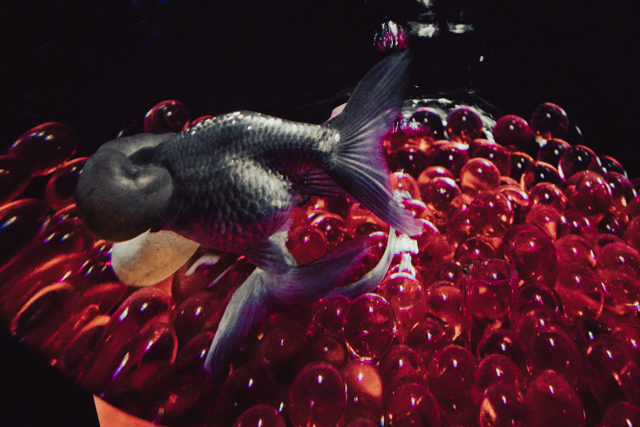
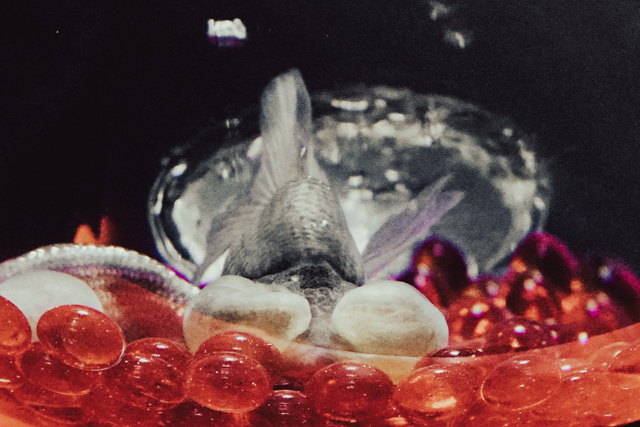
The exhibition focuses on breeds that are rarely seen, and each type is displayed like an art gallery. Along with the direction of the writing, the goldfish can be seen from various angles.
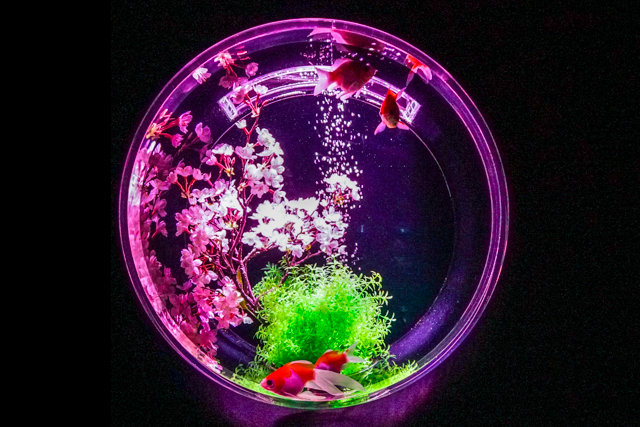
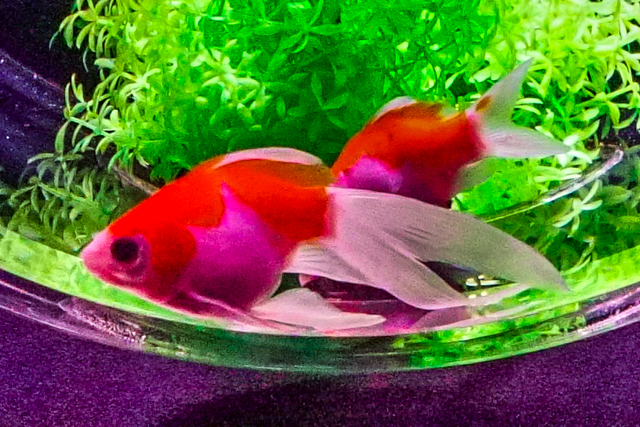
Sarasa Momiji Tamanishiki
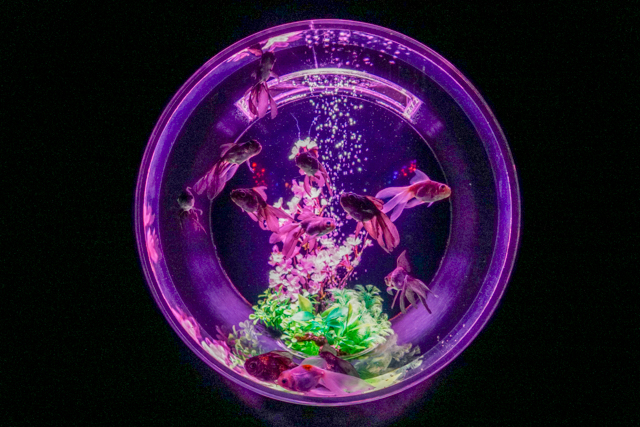
Blue Oranda
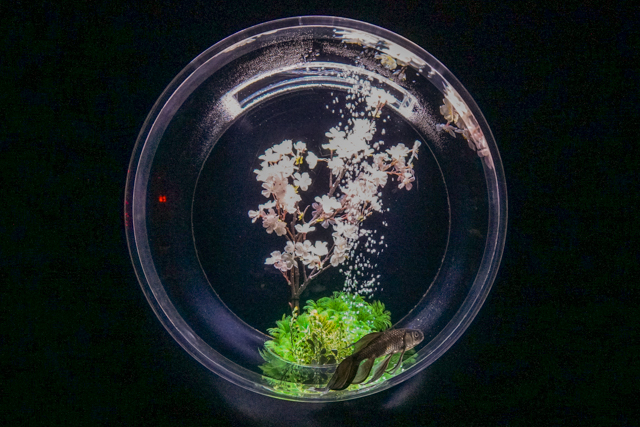
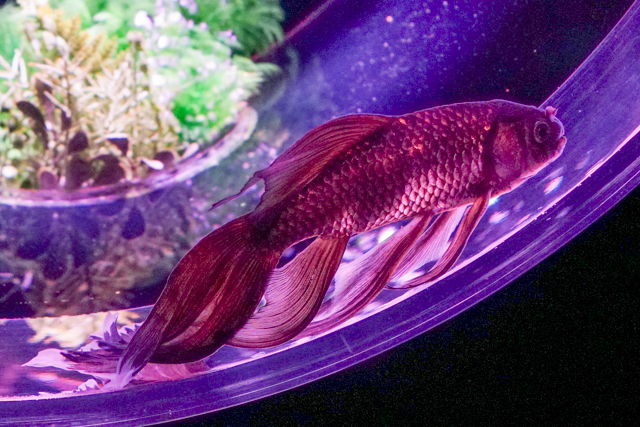
Tetsugyo
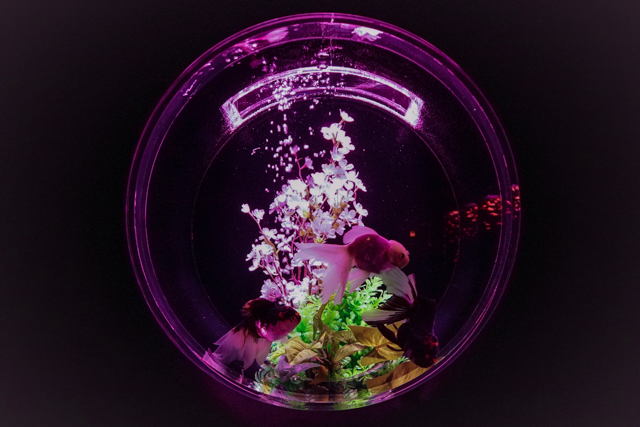
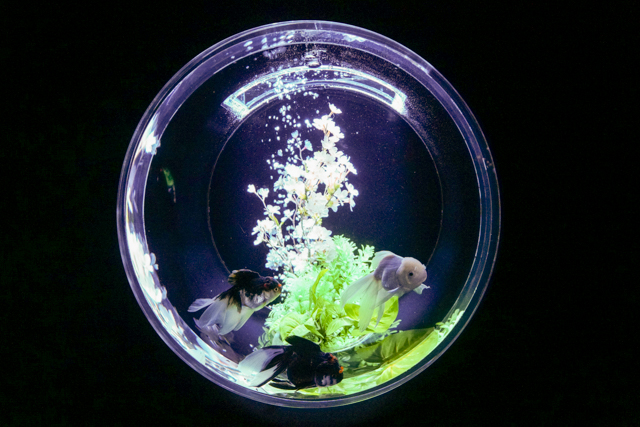
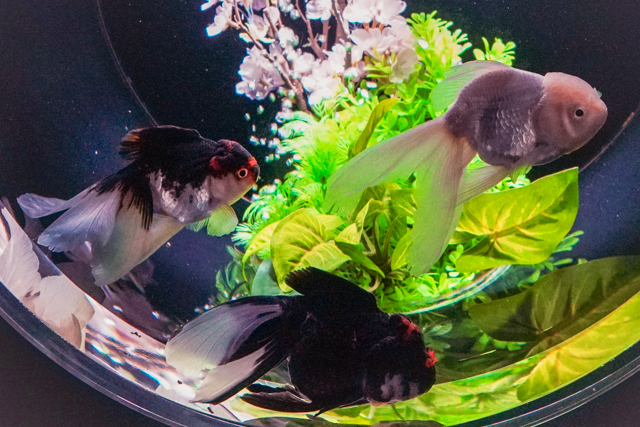
Black and white oranda
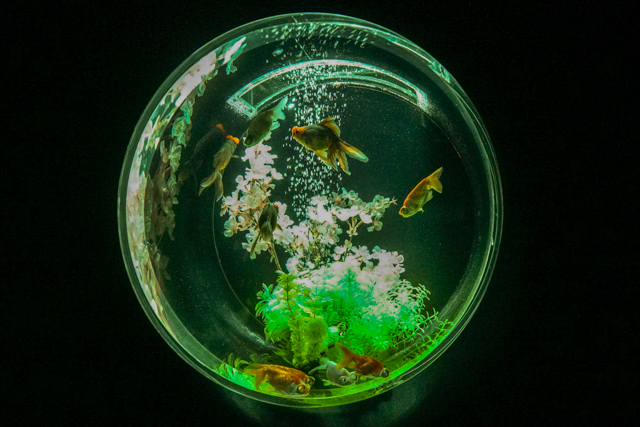
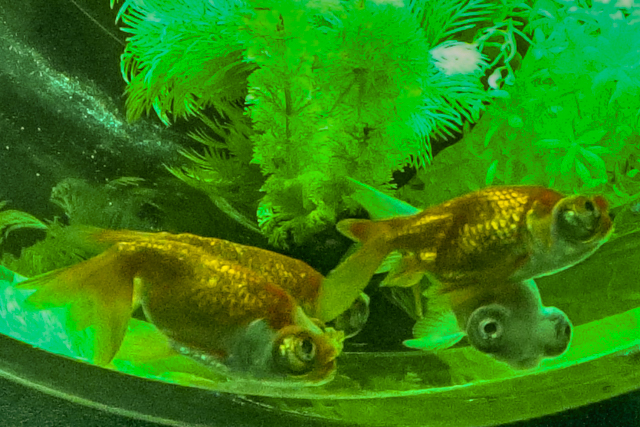
Pompom
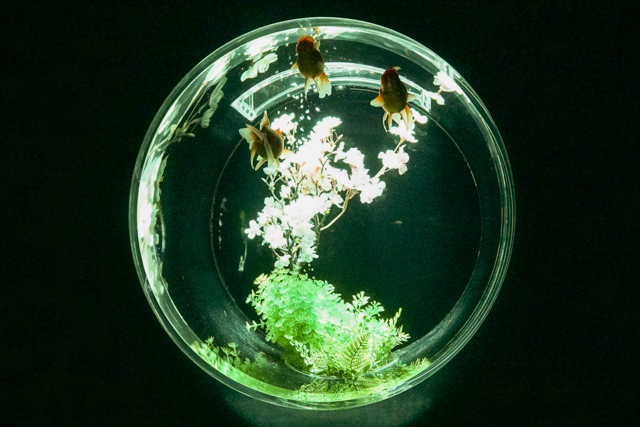
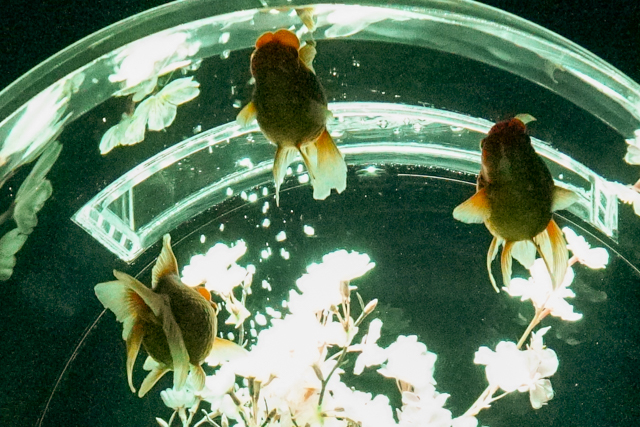
Crown Pearlscale
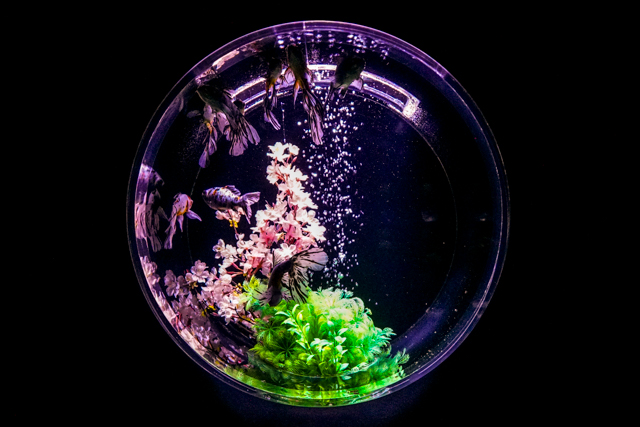
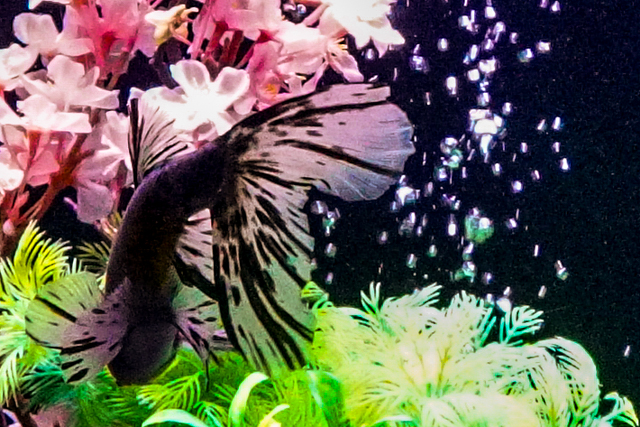
Bristol Shubunkin
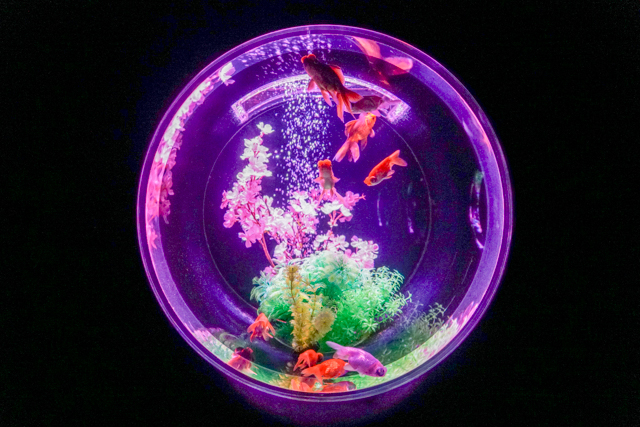
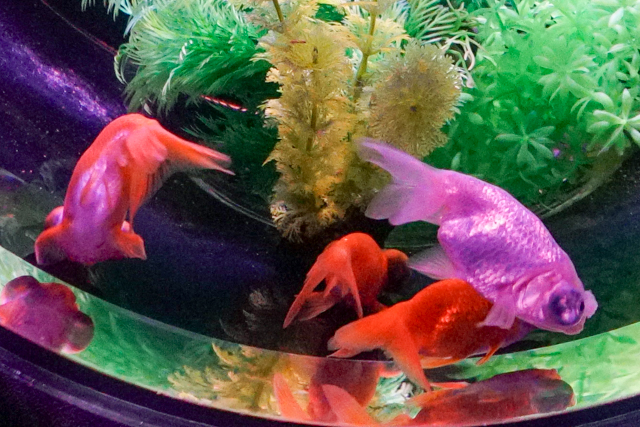
Kirakira Telescope Goldfish
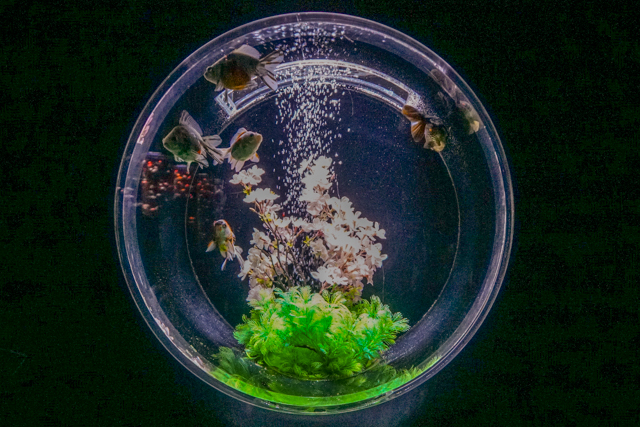
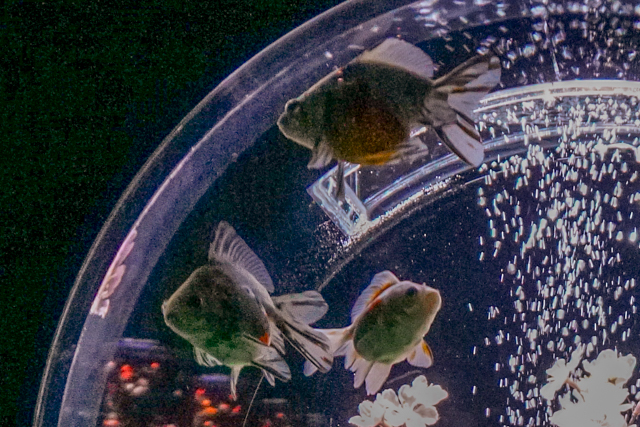
Short tail Tricolor Ryukin
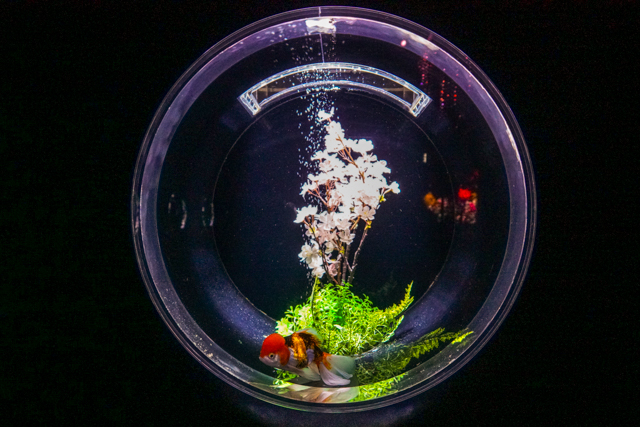
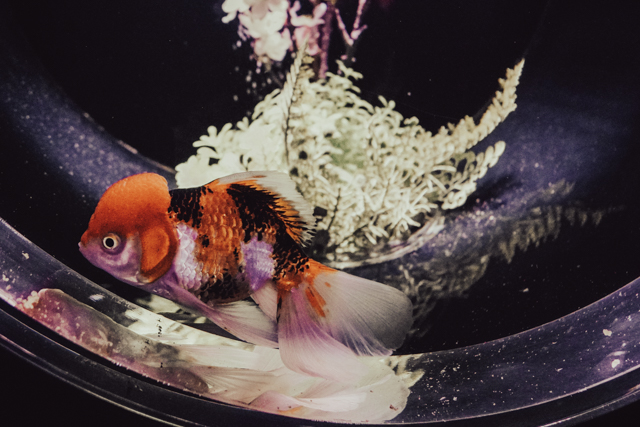
Oranda
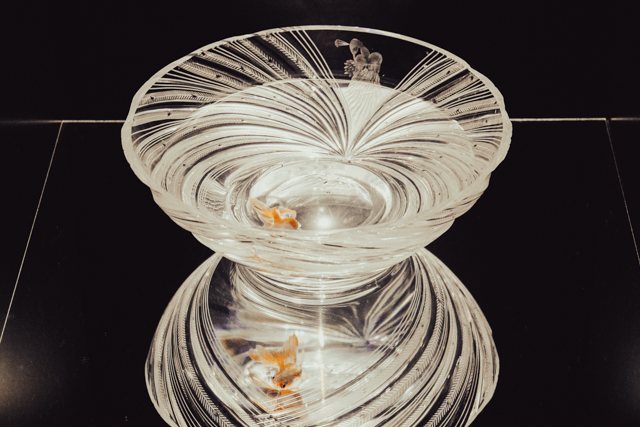
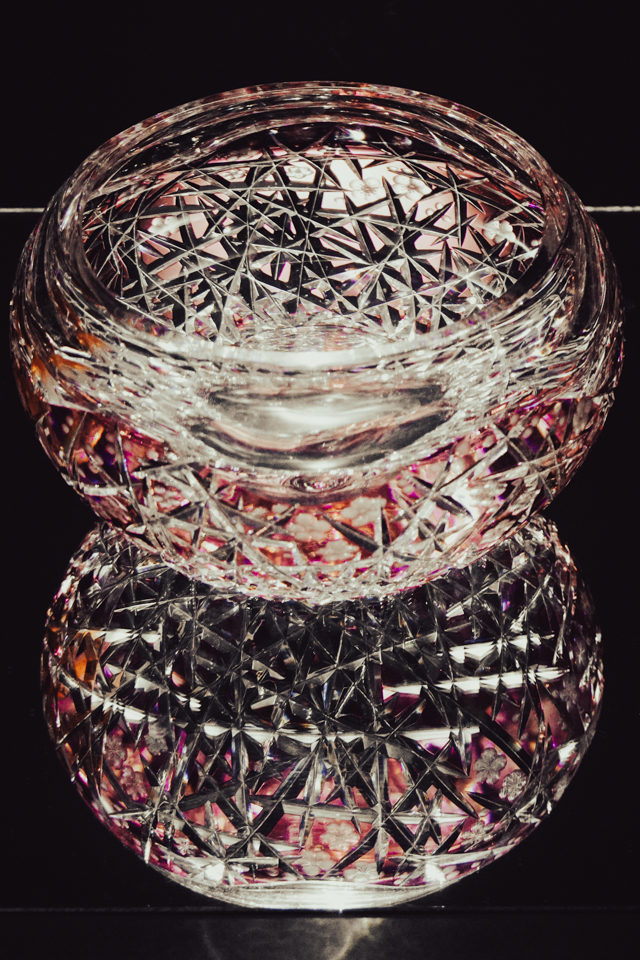
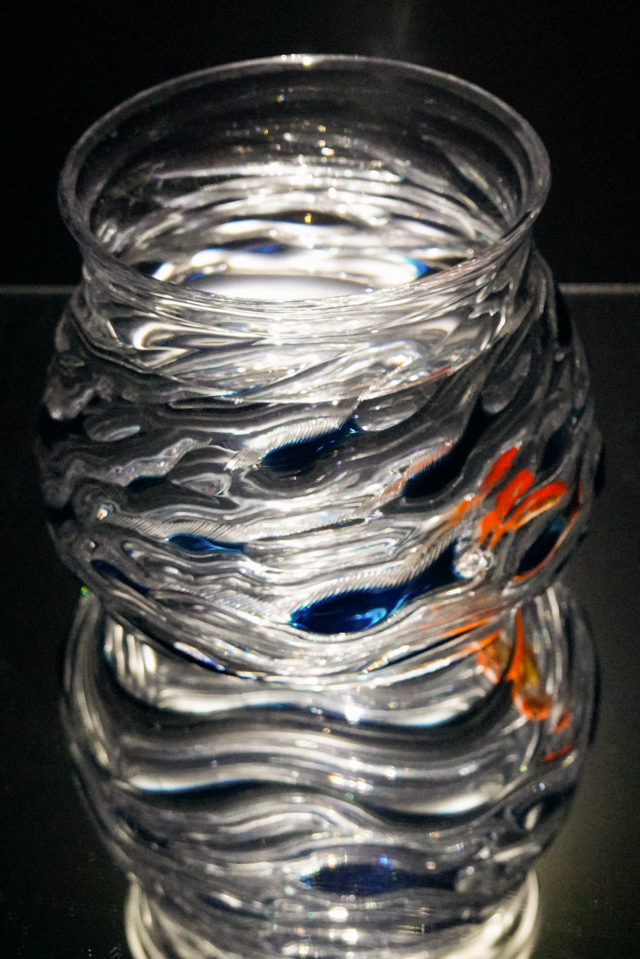
Goldfish Cabinet
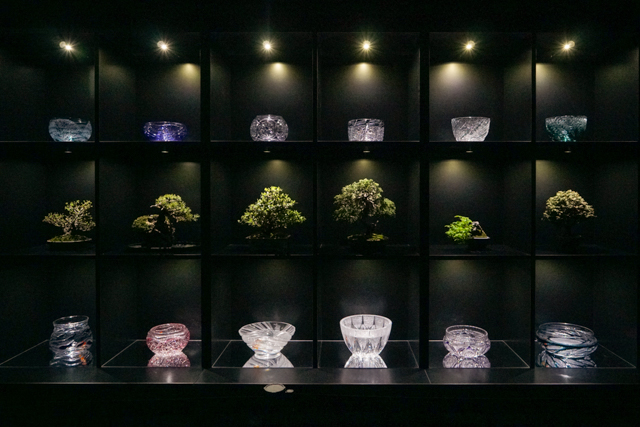
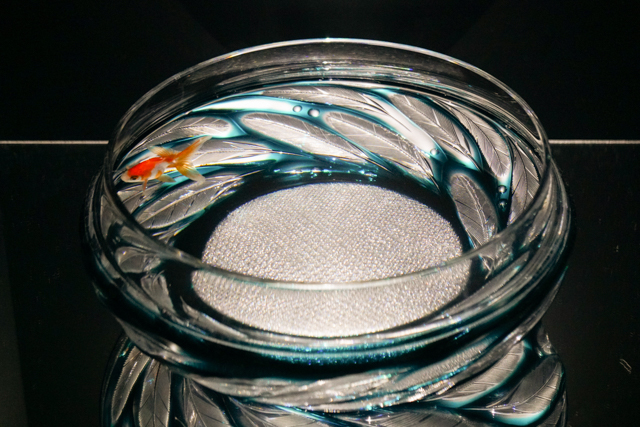
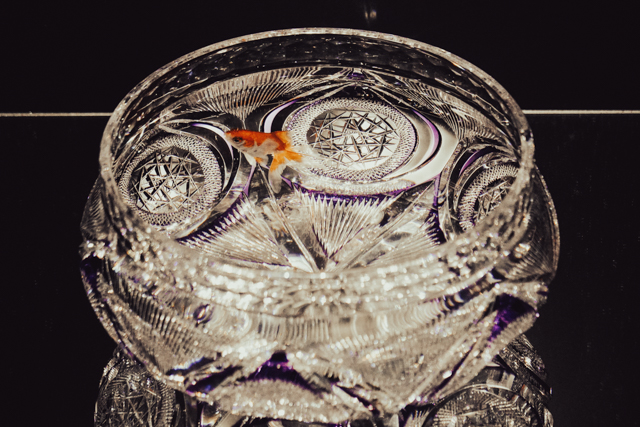
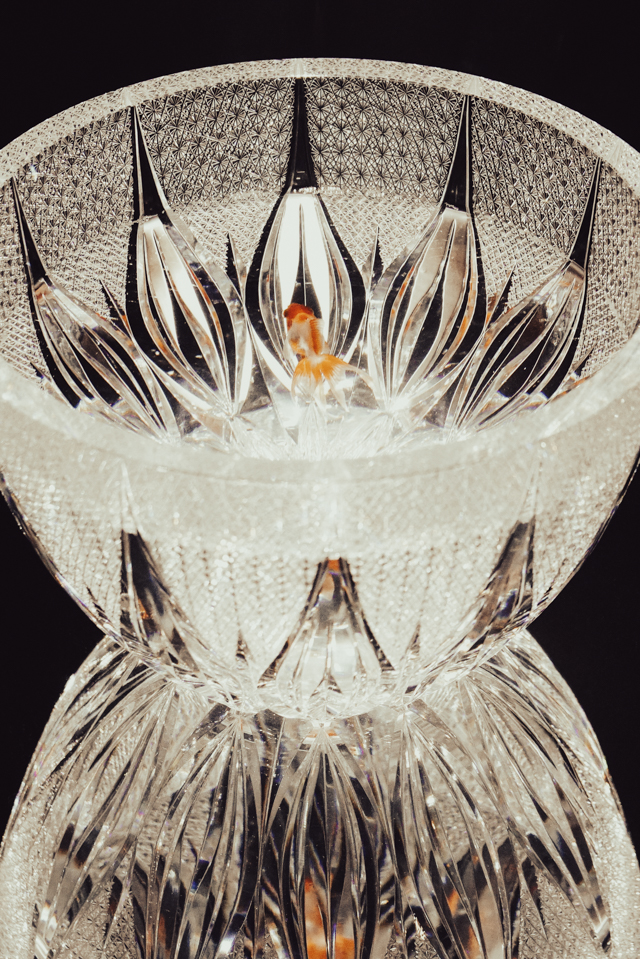
The shelf is decorated with Edo Kiriko. a traditional Japanese craft, with goldfish swimming inside, and bonsai, a Japanese traditional culture. We are exhibiting Edo Kiriko by Koshō Nemoto, and Bonsai by a bonsai artist, Masashi Hirao.
Goldfish Waterfall
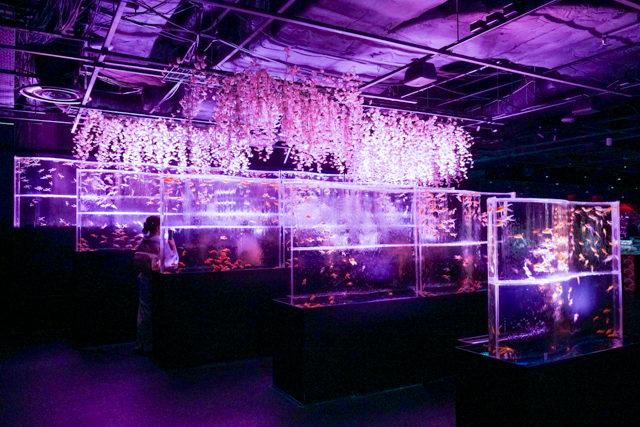
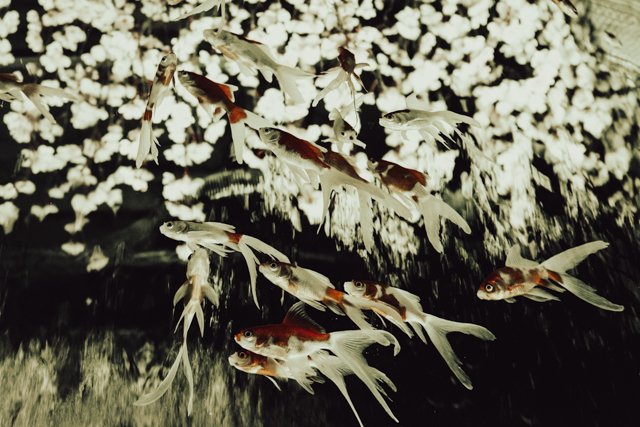
The multi-layered walls of water, rippling in the pale light. The quietly flowing water is the goldfish waterfall, and you can see the goldfish beautifully swimming in front of you when you go behind the flowing water.
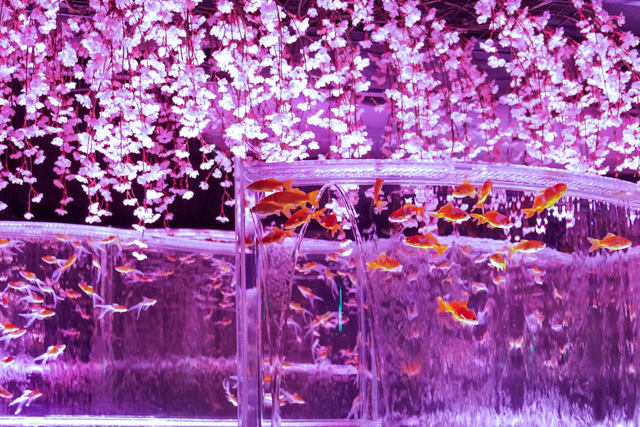
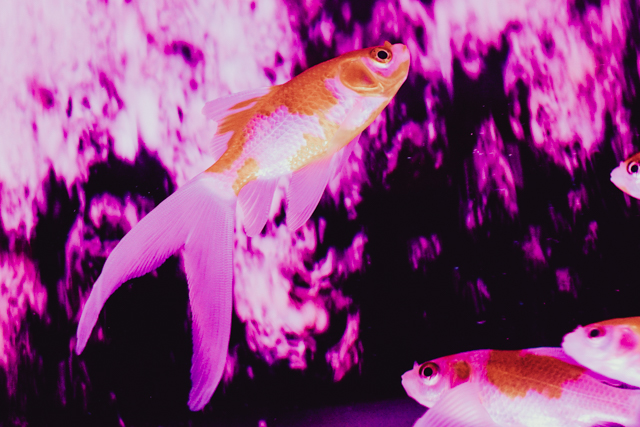
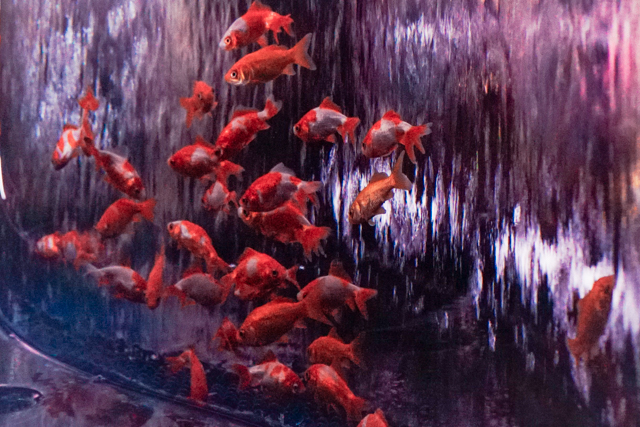
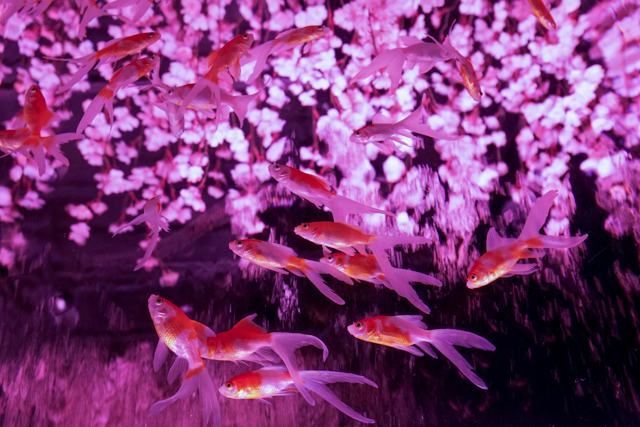
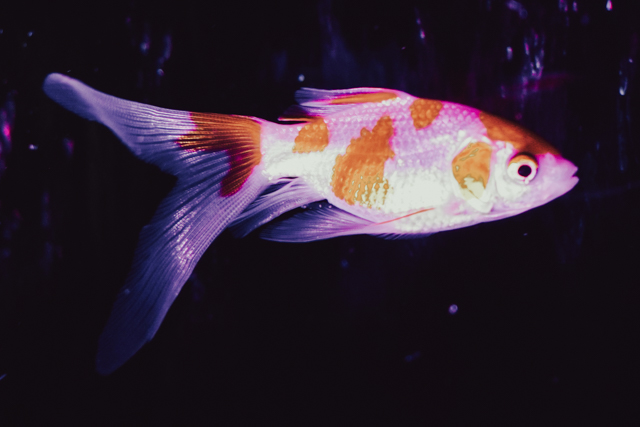
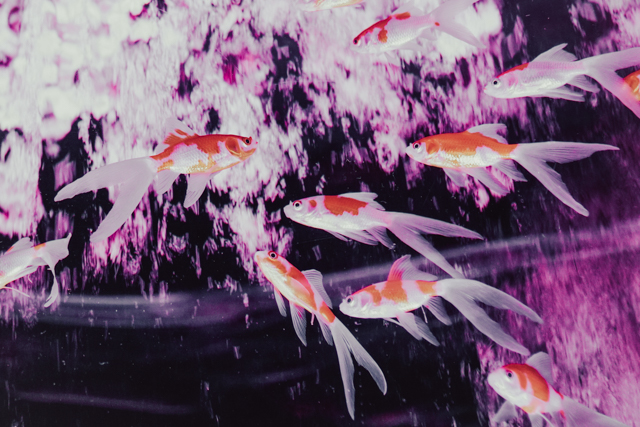
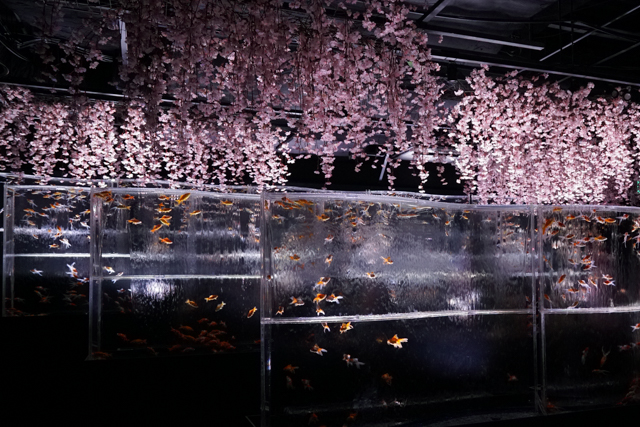
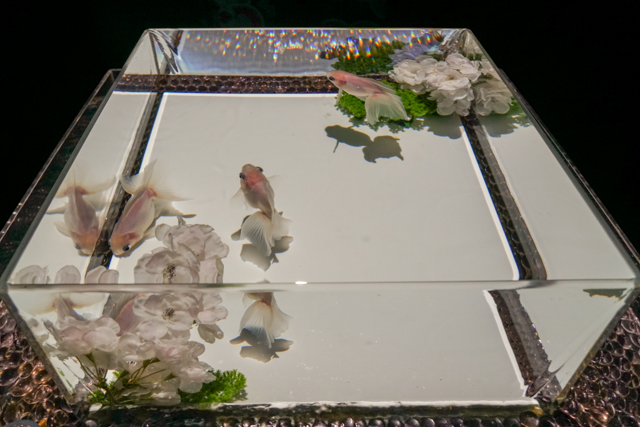
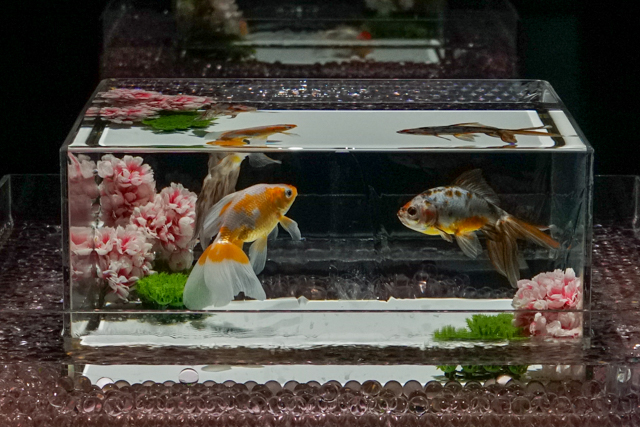
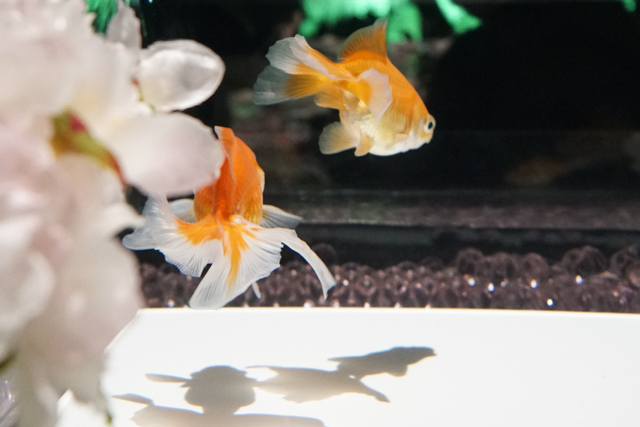
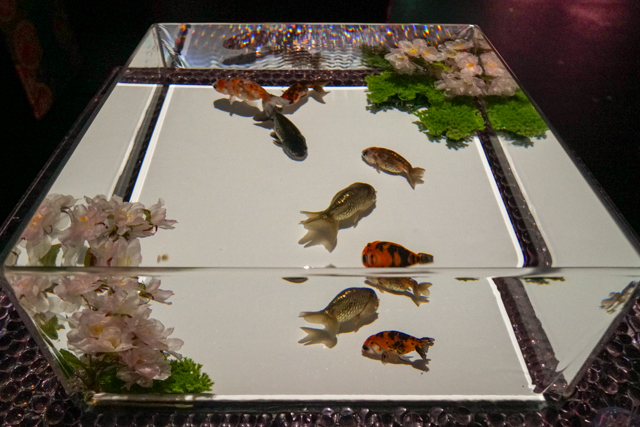
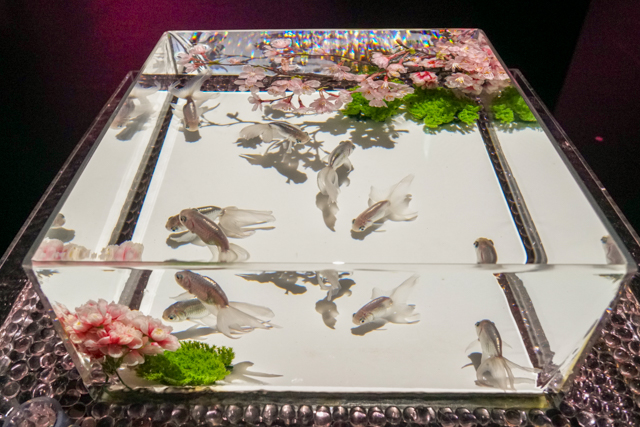
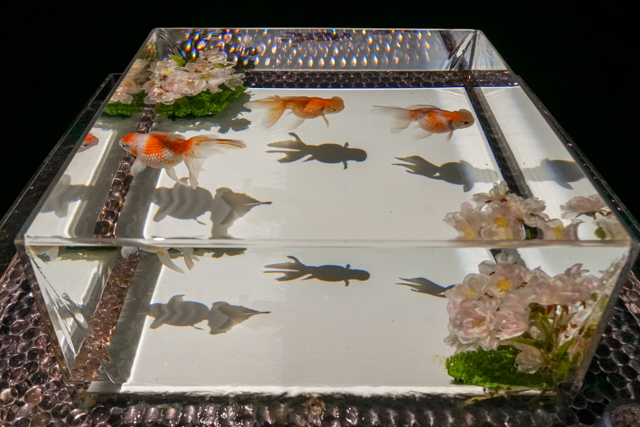
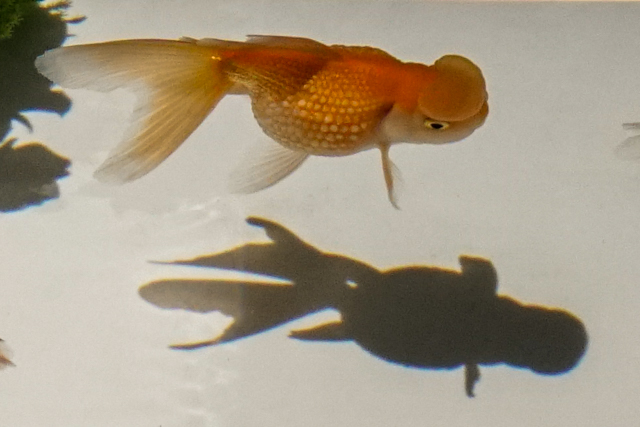
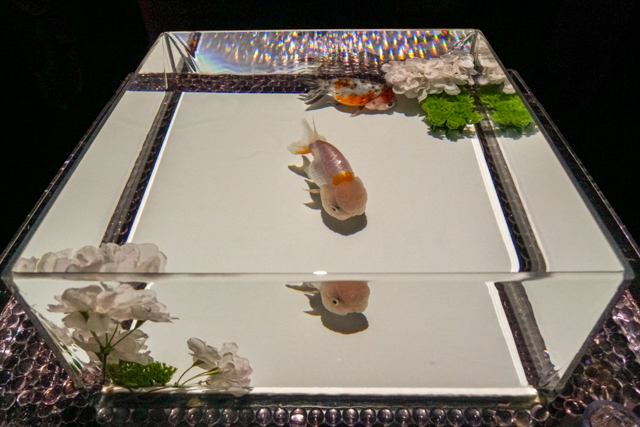
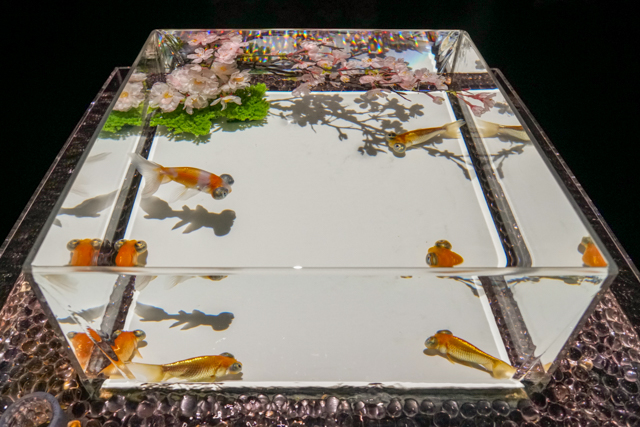
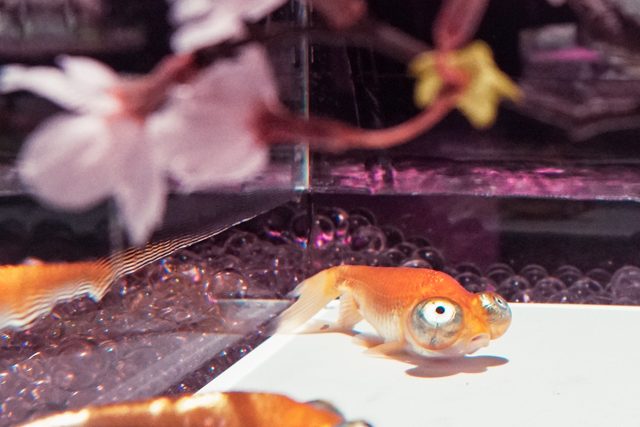
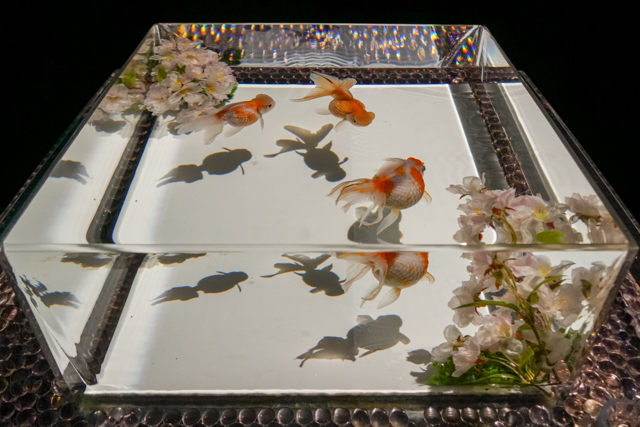
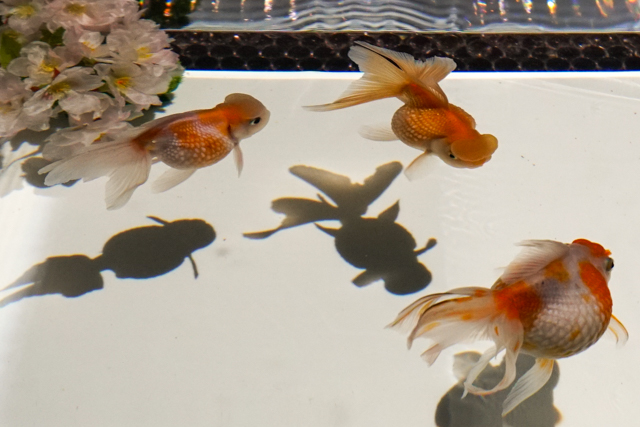
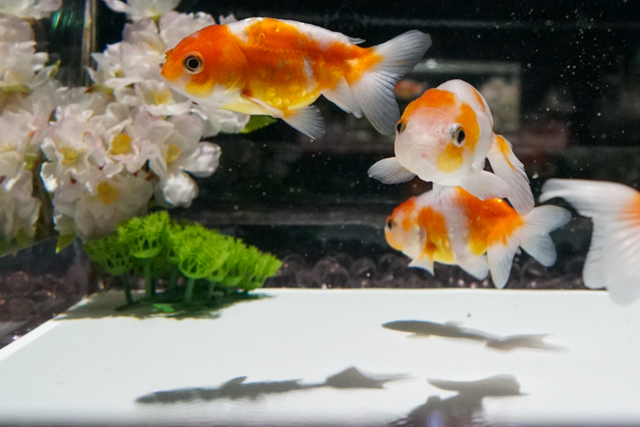
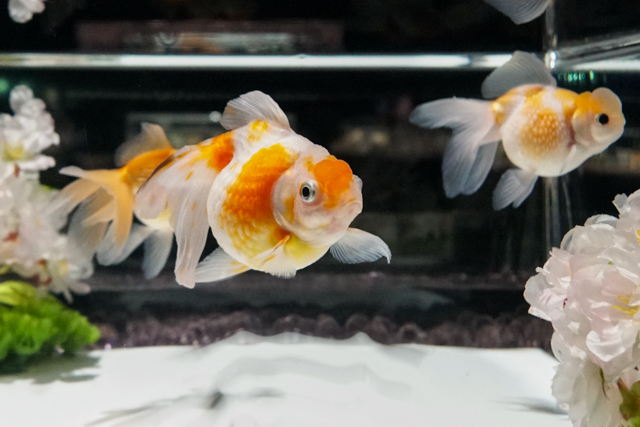
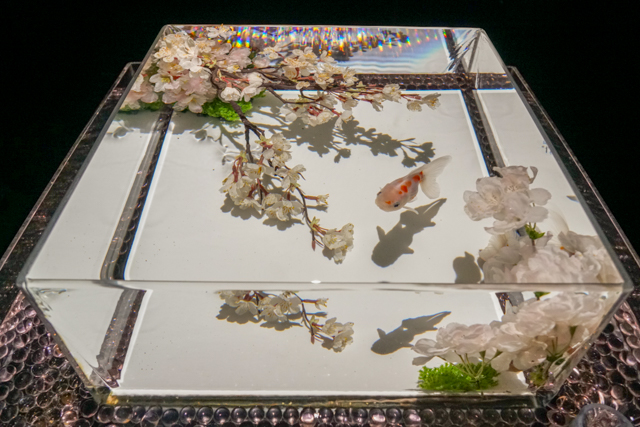
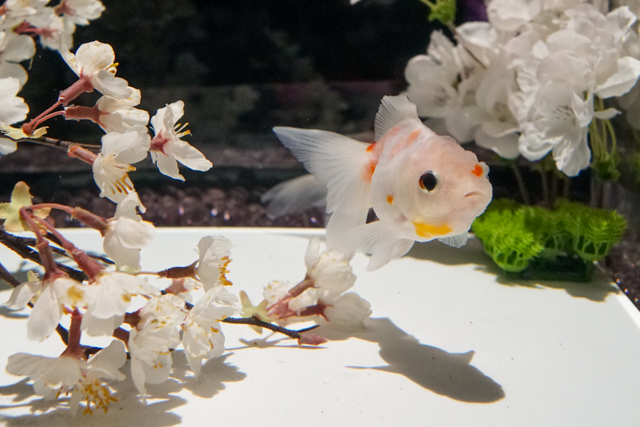
A Show of Kingyo (New Version)
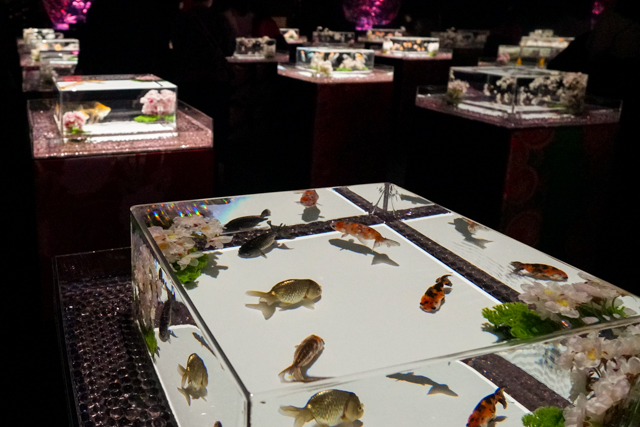
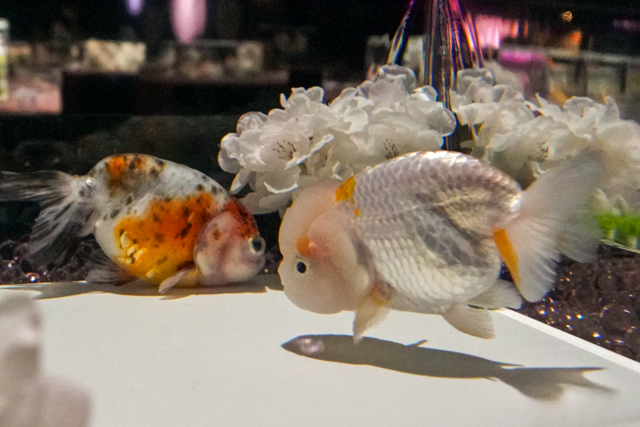
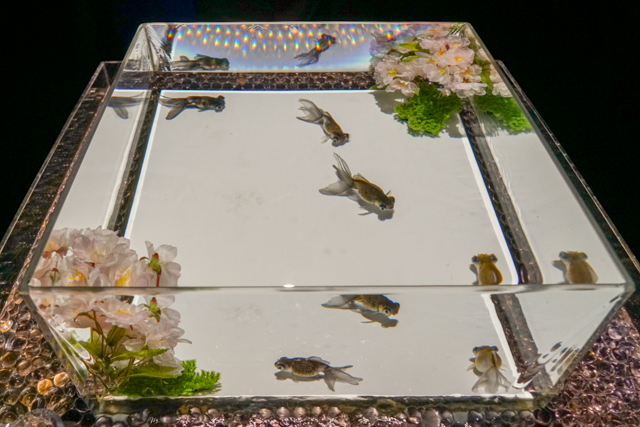
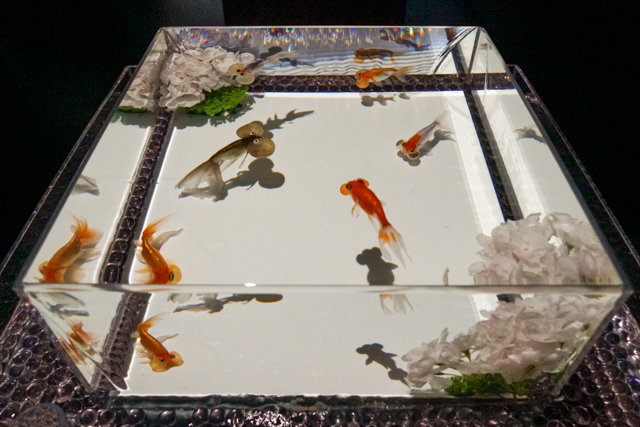
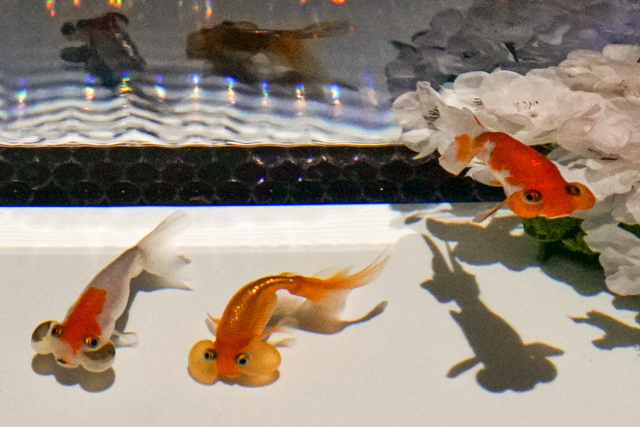
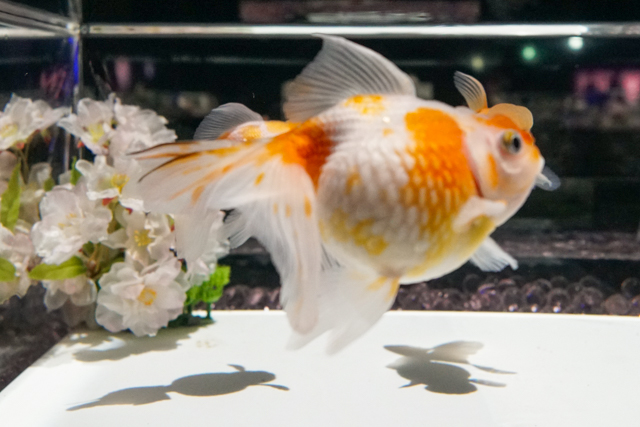
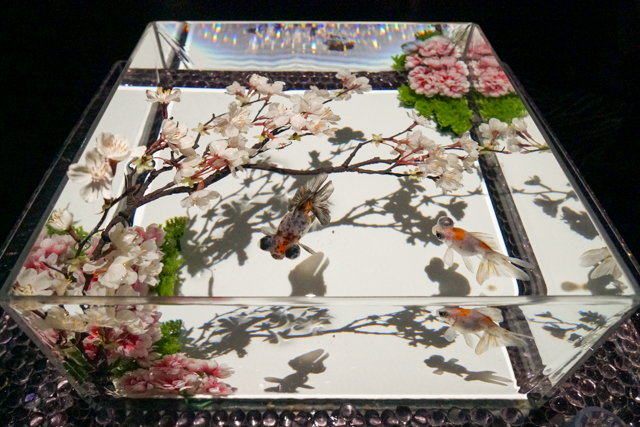
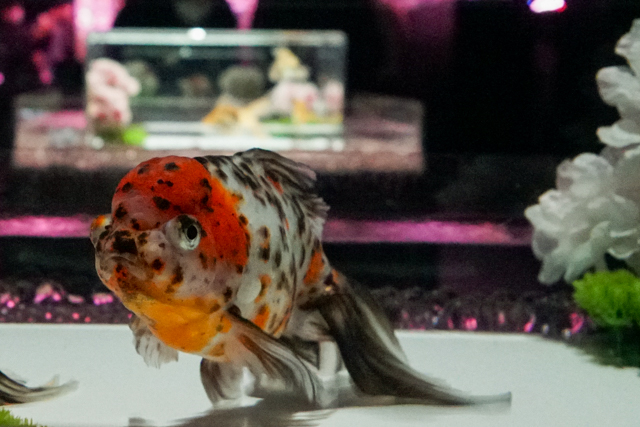
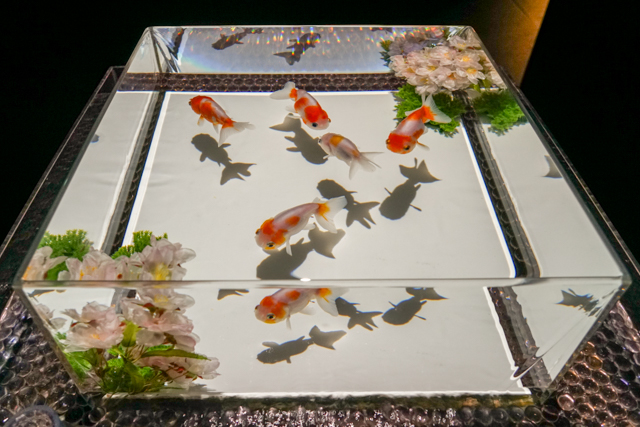
A goldfish swimming gracefully and leisurely in a short square aquarium. It is a work where you can enjoy the goldfish with its face visible to the surface of the water from above. Kimono obi (belt) is used for the side decoration. An eternal world is expanding where you can feel the infinite possibilities of goldfish.
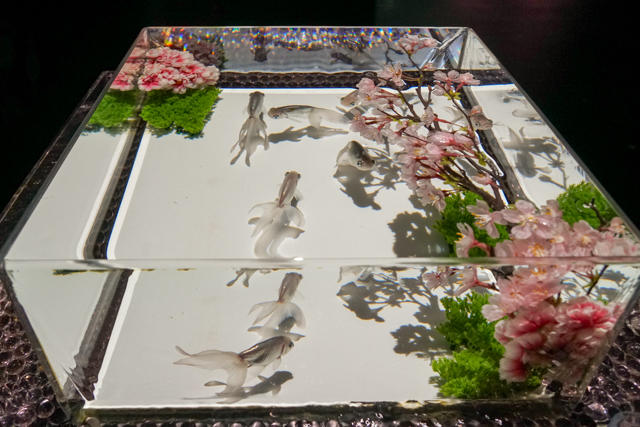
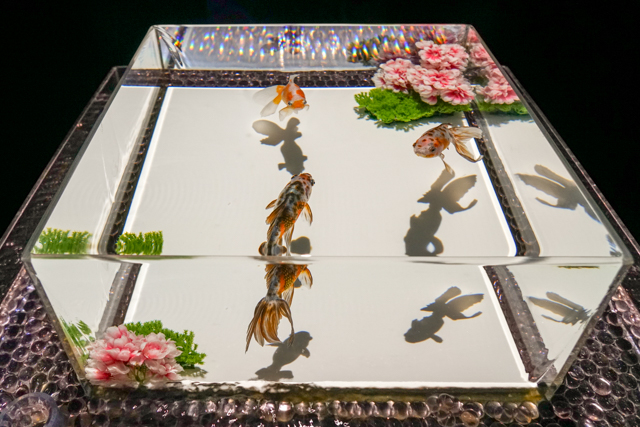
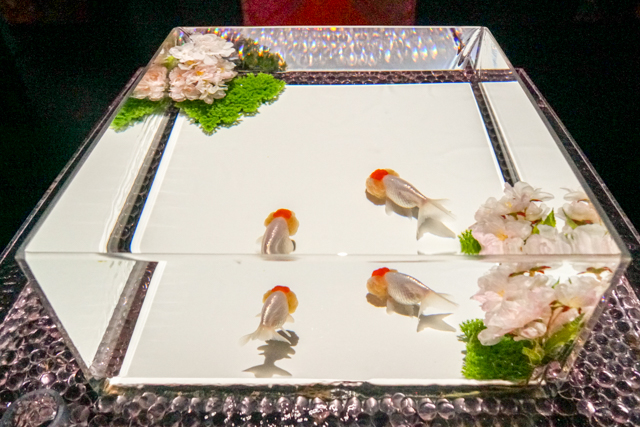
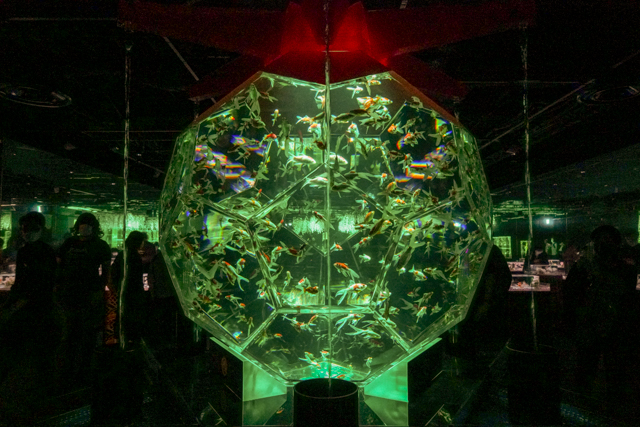
Origamirium
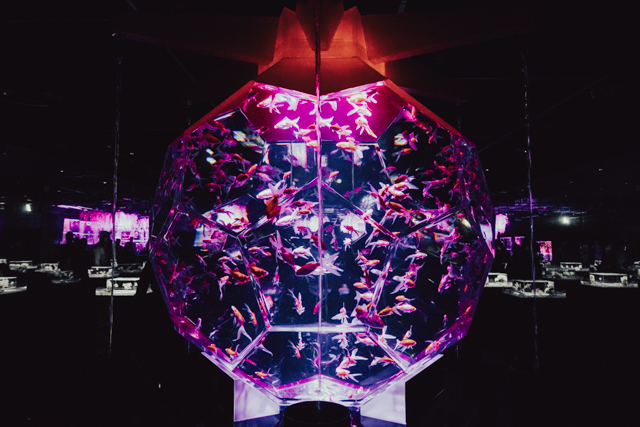
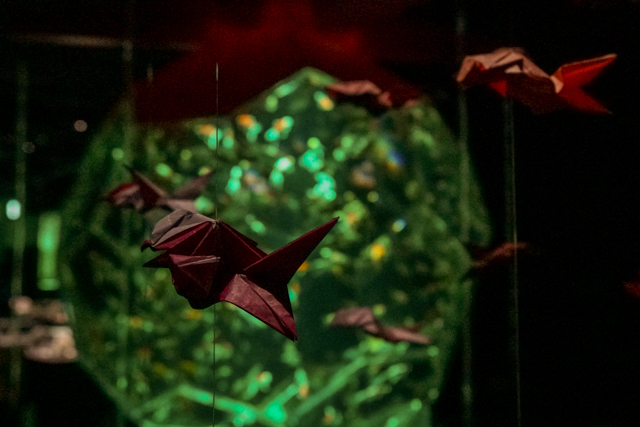
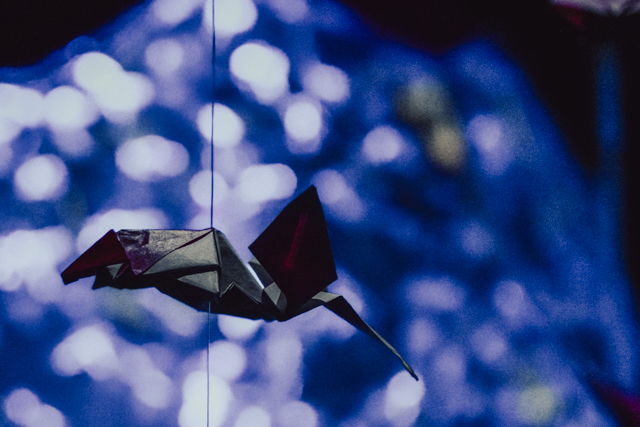
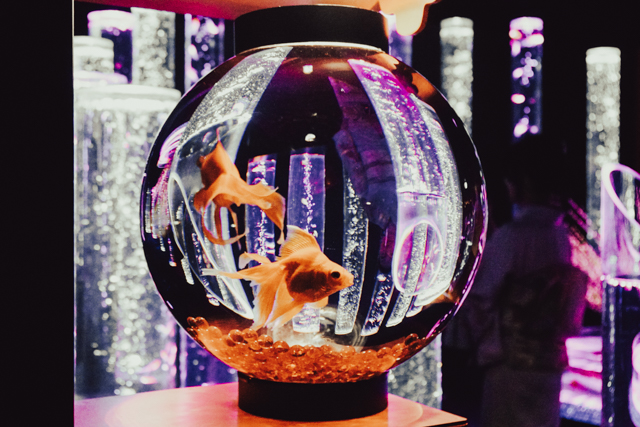
A huge fishbowl where many goldfish swim. This new work was created inspired by the beautiful Japanese tradition of origami. The goldfish that decorate the background are also folded with origami.
Chochinrium
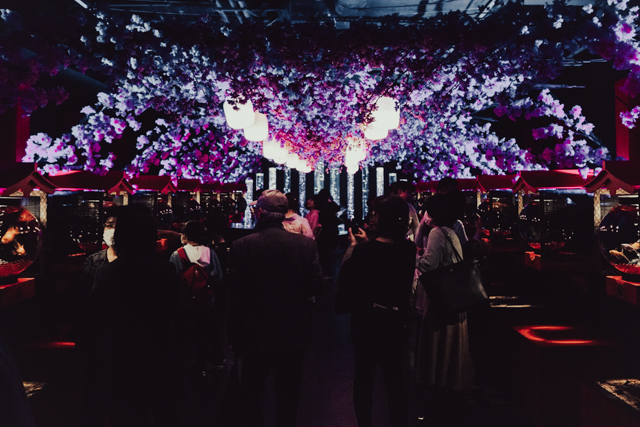
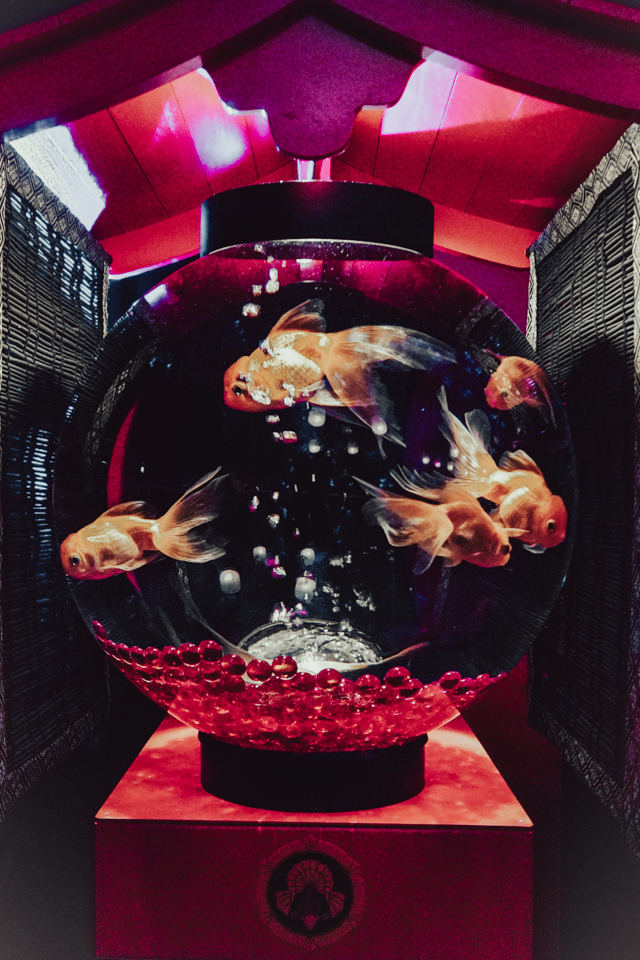
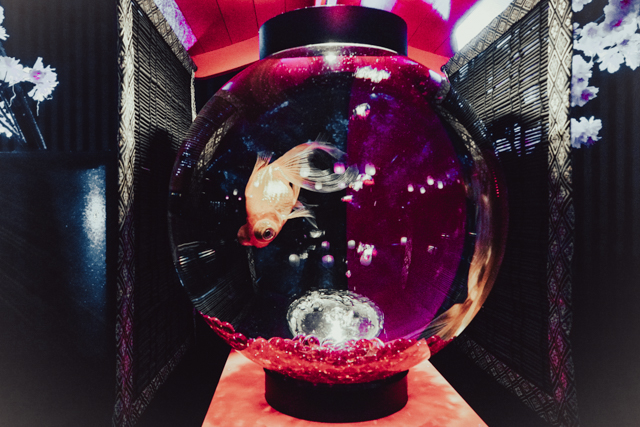
This work is based on the motif of “Matsuri Lantern,” traditional Japanese lighting. The sphere works as a magnifying glass and makes the goldfish look bigger. The extended lanterns in the quiet space remind us of the path after the Matsuri festival.
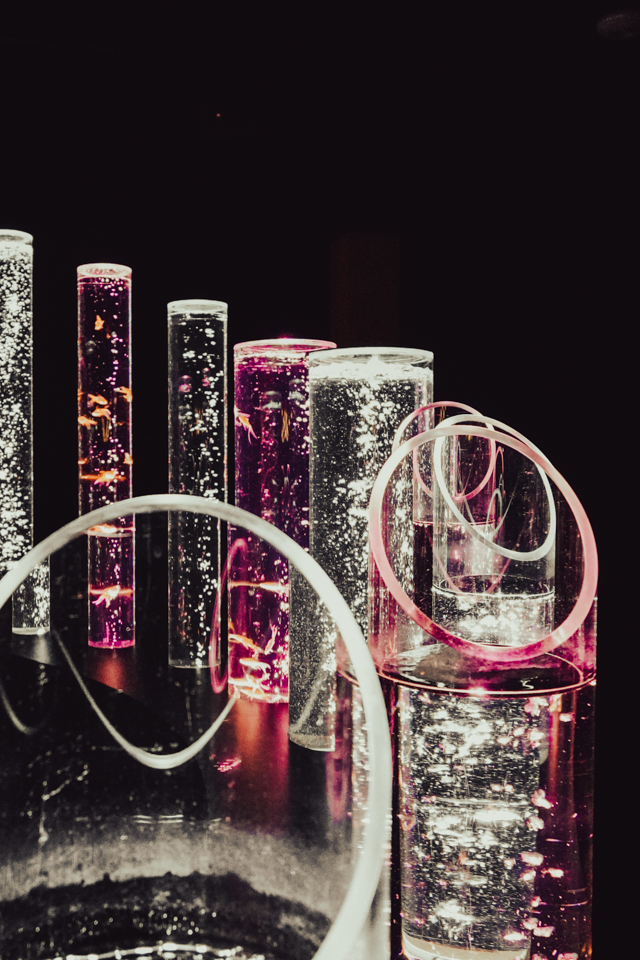
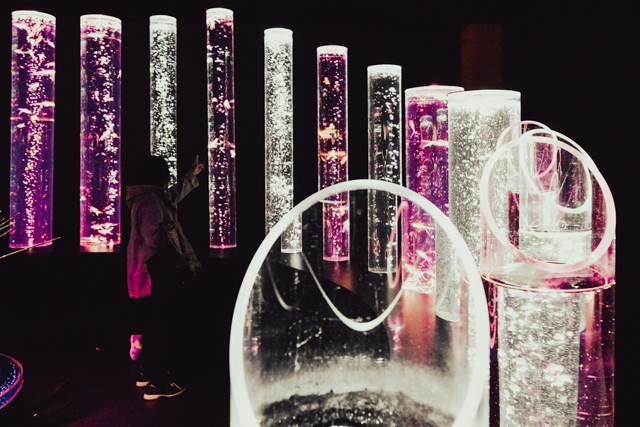
Goldfish Forest
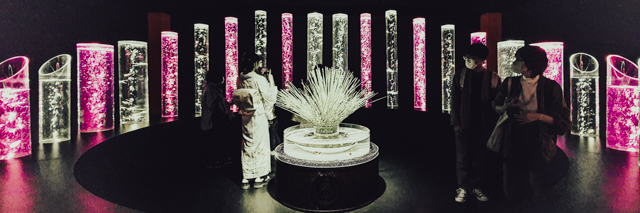
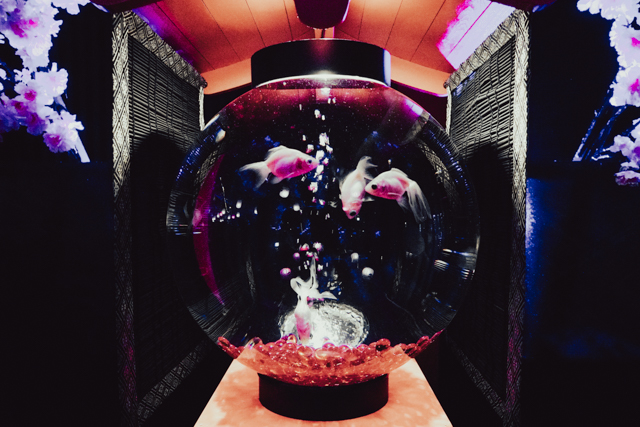
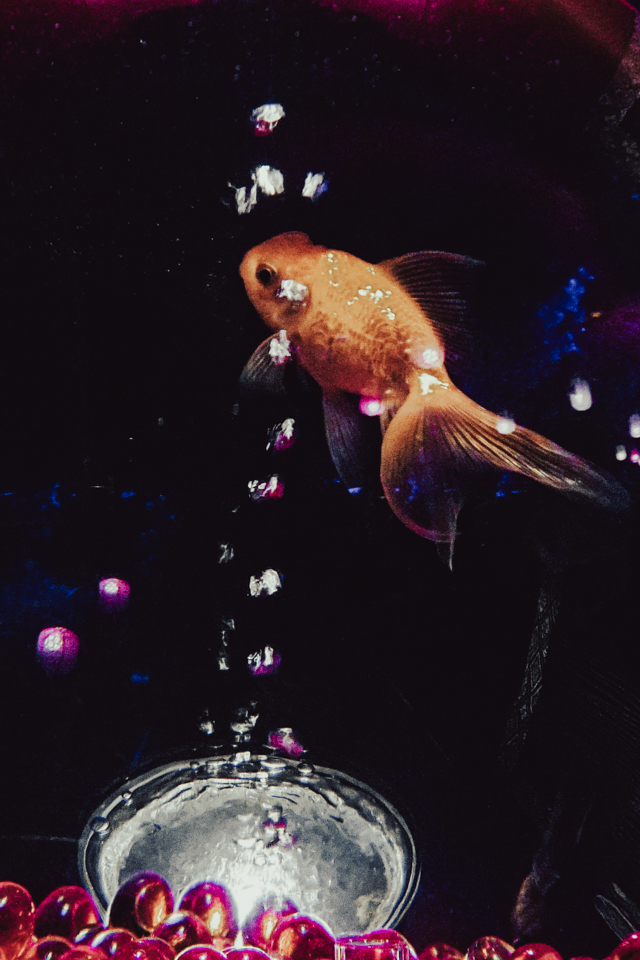
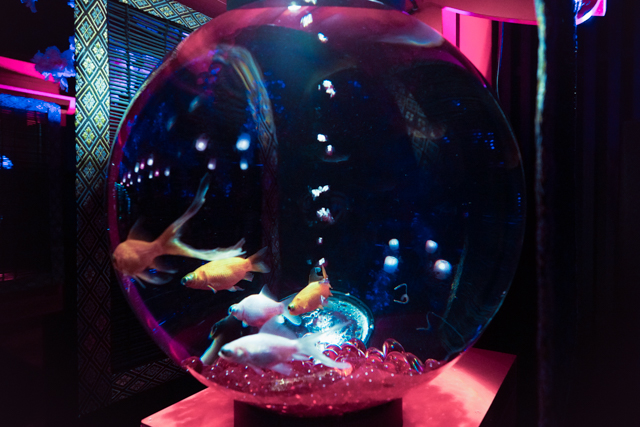
Countless goldfish are widely dancing inside the pillar water and bubbles of light are lined up all around. The silence makes us feel as if we are in a bamboo forest and the special area with beautiful goldfish in it, is wrapped in light.
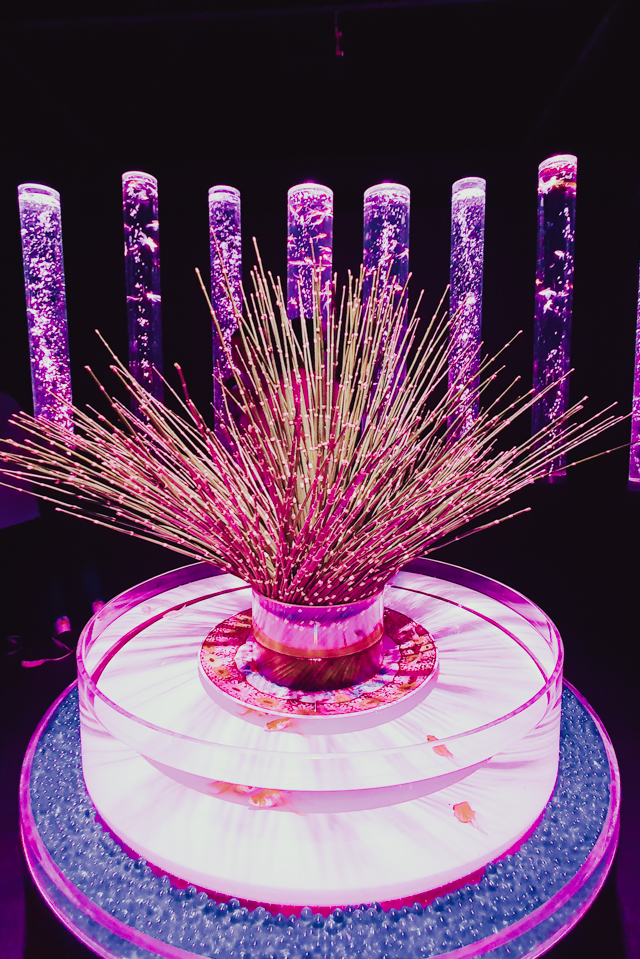
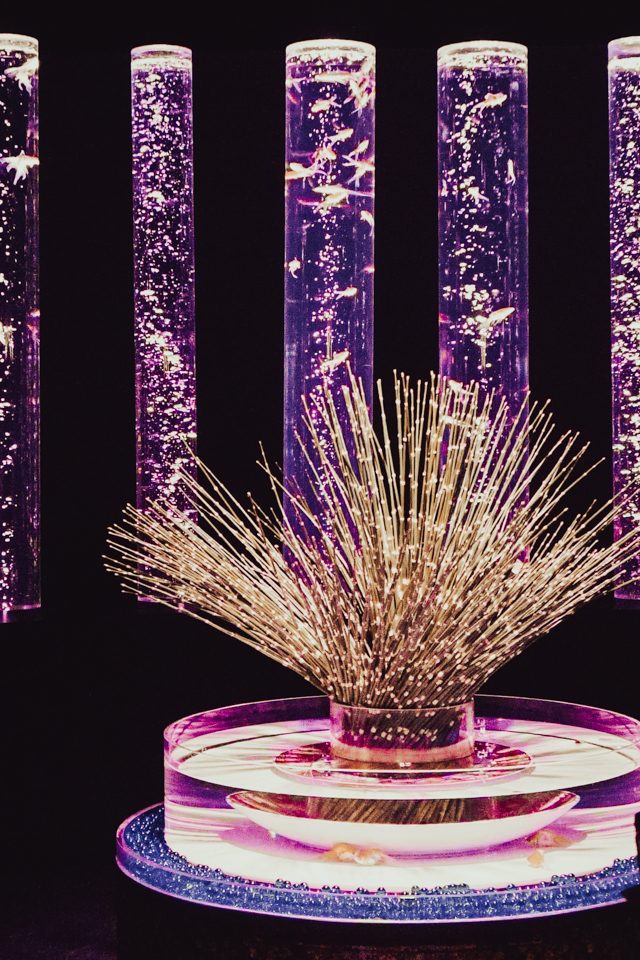
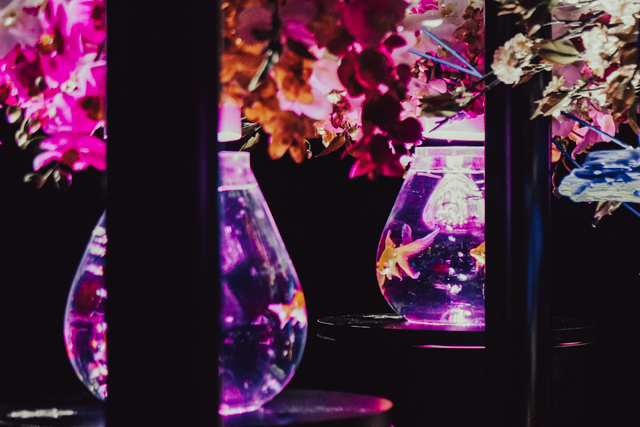
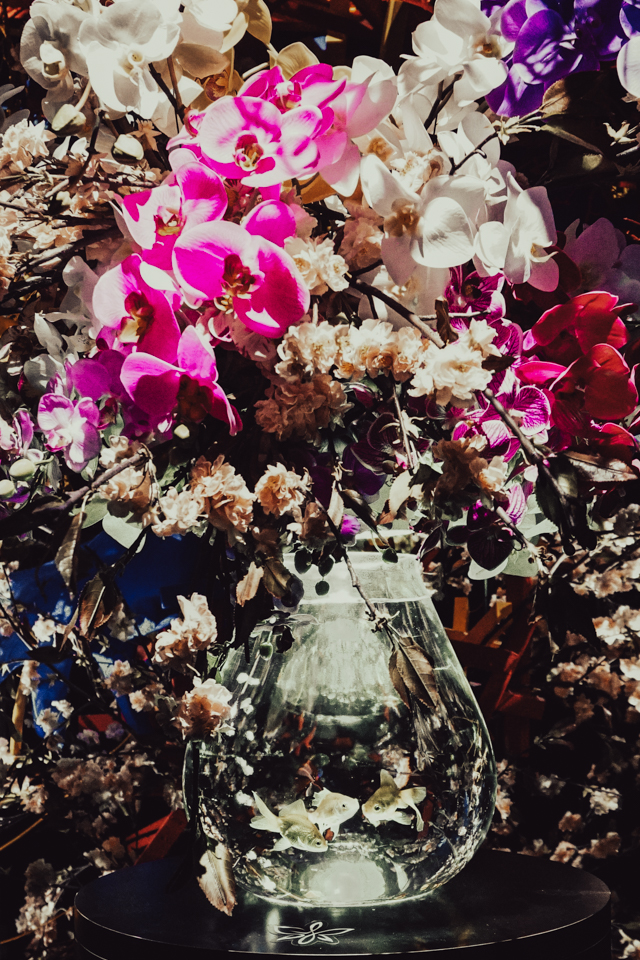
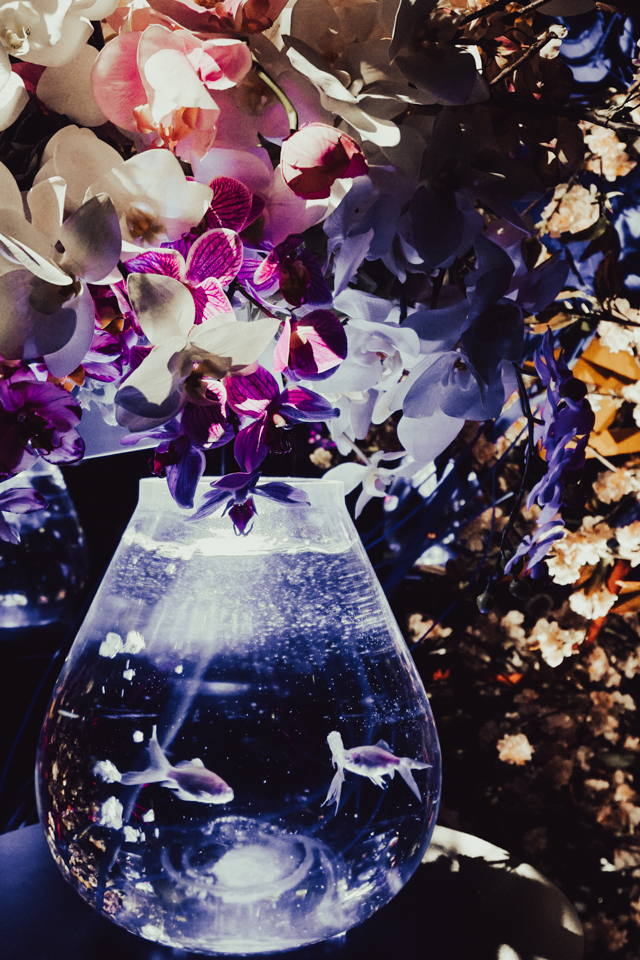
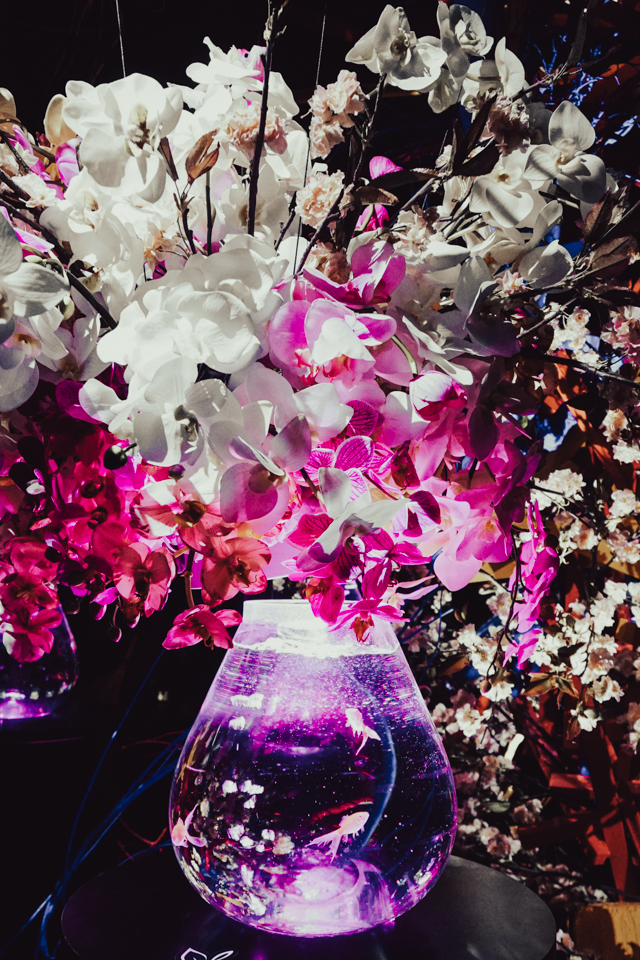
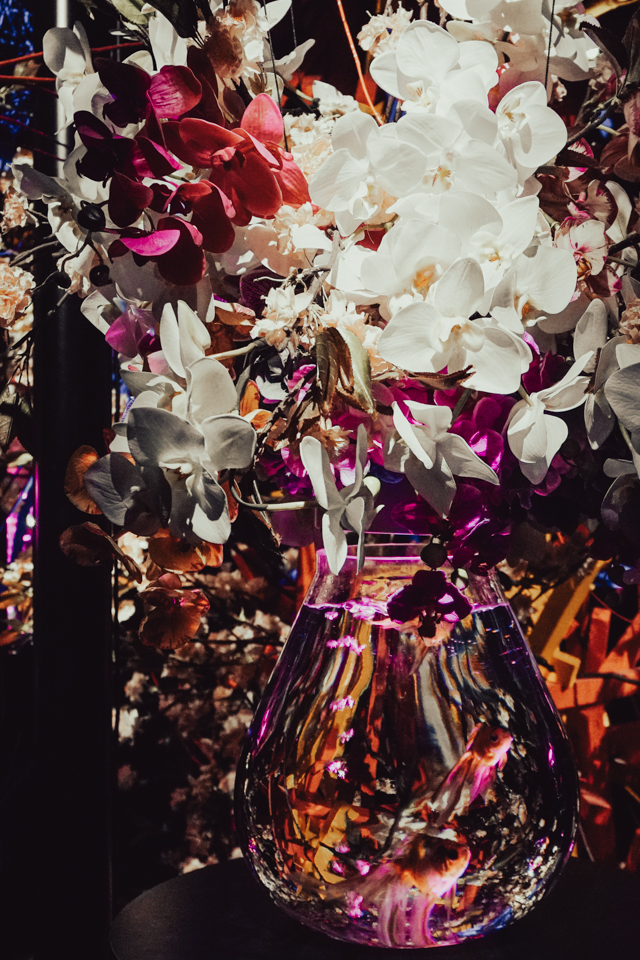
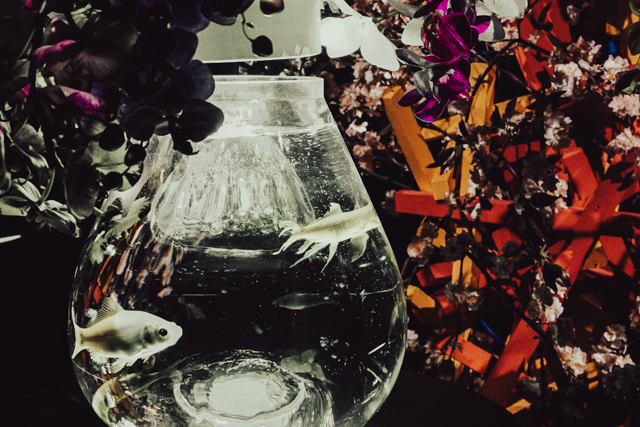
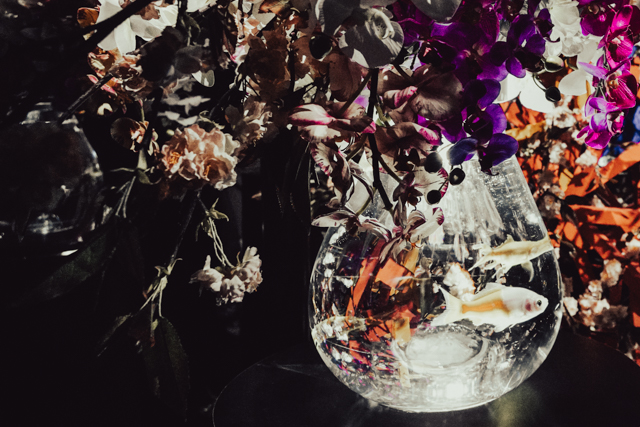
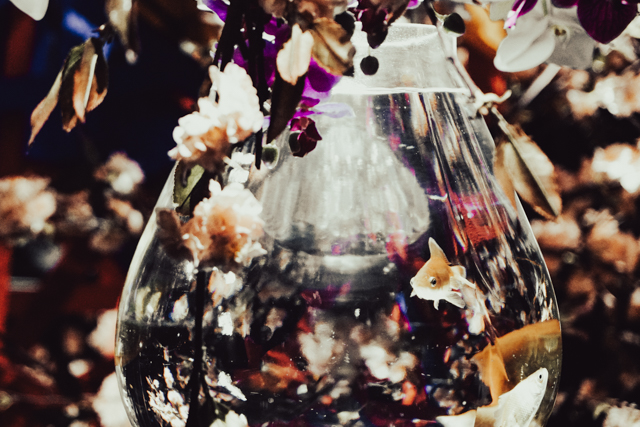
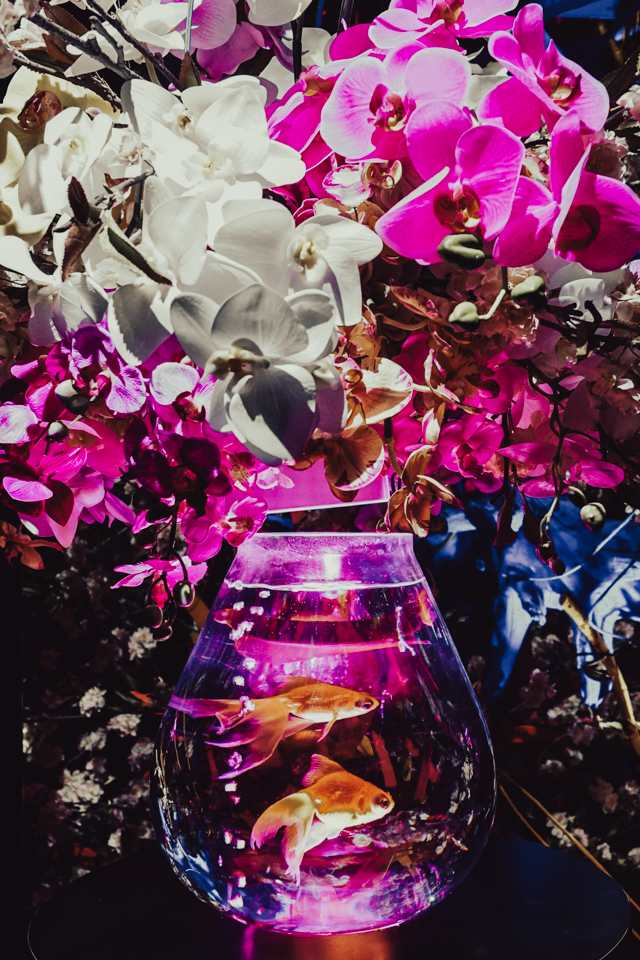
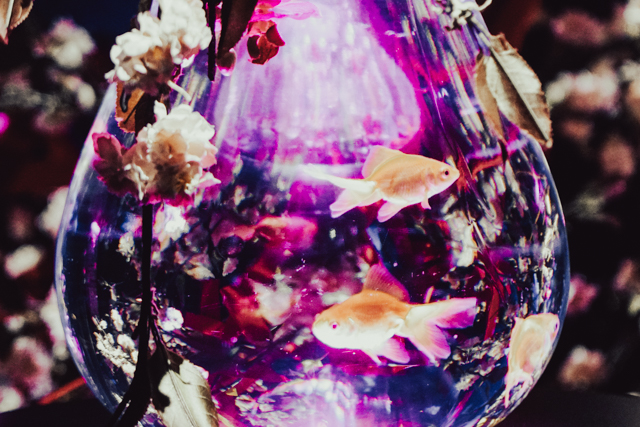
Flowerium
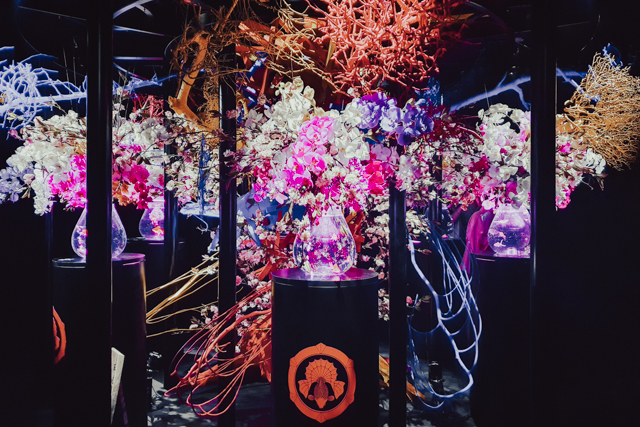
As the first attempt at an art aquarium, a collaboration project with Mr. Shogo Kariyazaki, a flower arrangement artist, has been created. By layering Ikebana (Japanese flower arrangement) and Goldfish, a world-class Japanese art, the pomposity is even standing out.
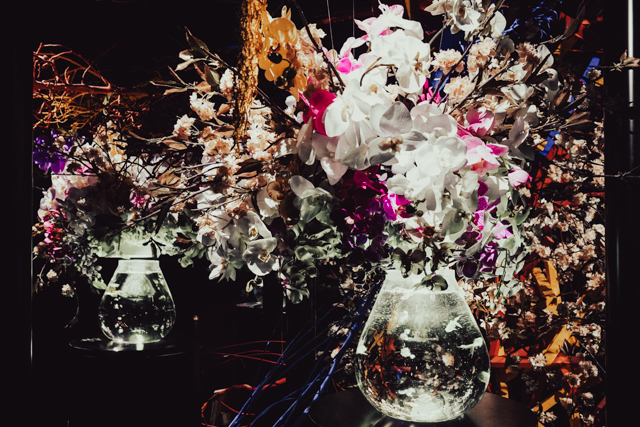
Art Gallery
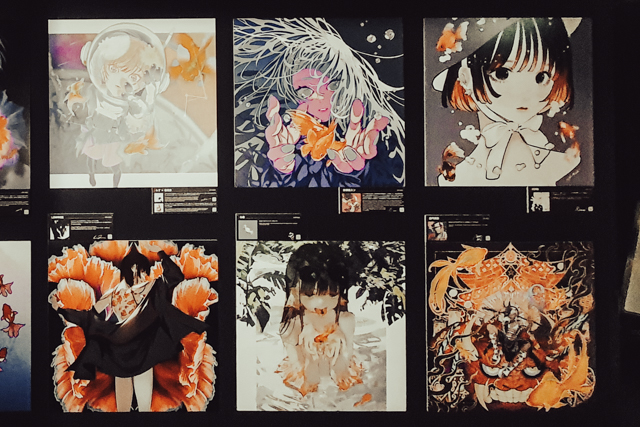
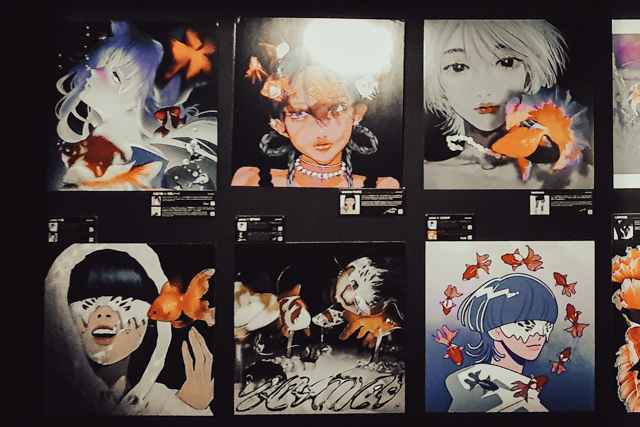
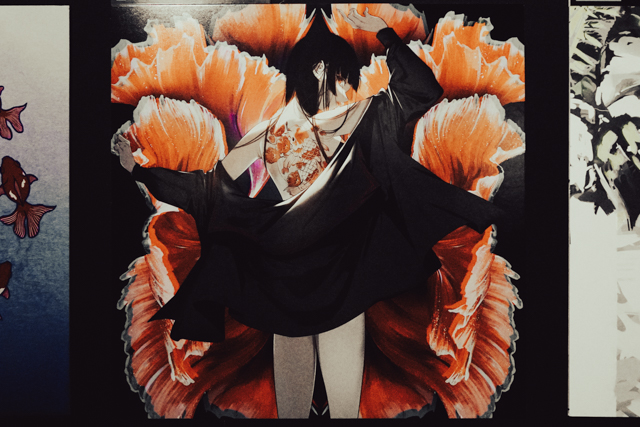
This last artwork was by LOWRISE.
LOWRISE: Active as an illustrator, mainly presenting works on the Internet. In addition to being selected as the key visual for the creators’ platform “MECRE”, LOWISE is in charge of illustrations for numerous books and music contests.
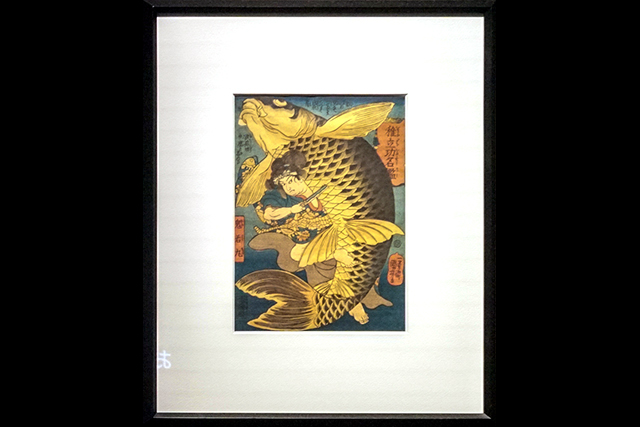
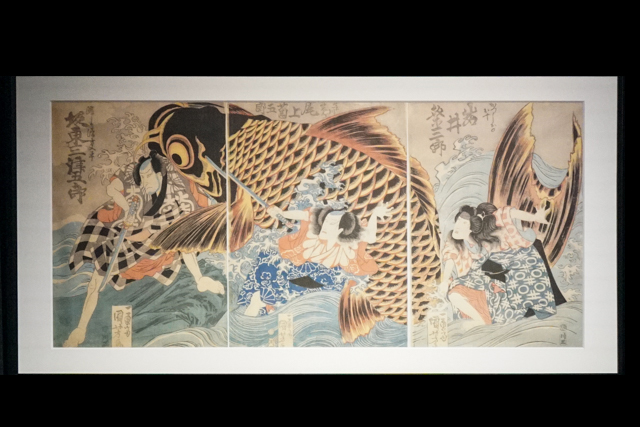
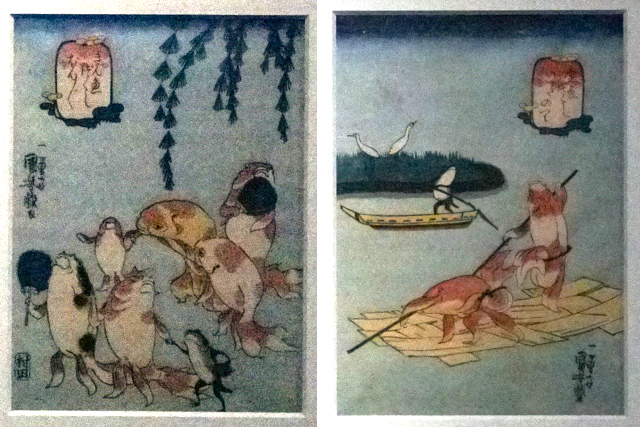
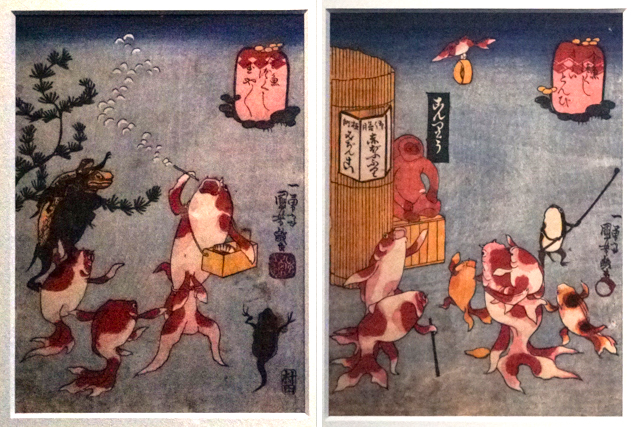
Ukiyoe by Kuniyoshi Utagawa
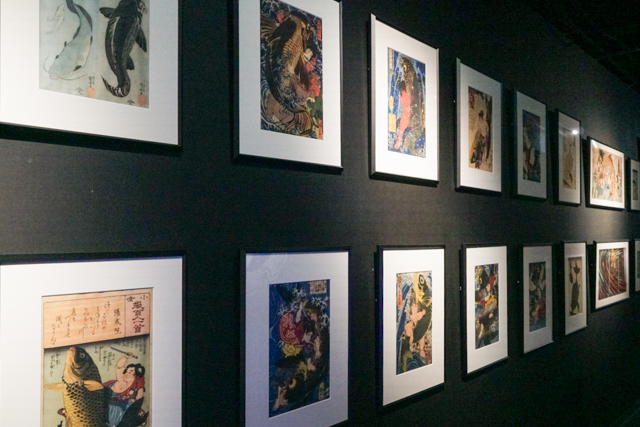
Kuniyoshi Utagawa was born in Nihonbashi, Edo, at the end of the Tokugawa Shogunate. He is an Ukiyoe artist who has produced a number of attractive works that do not stay in the frame of Ukiyoe, with its richness of images, novel design, extraordinary ideas, and a solid design ability.
Kuniyoshi’s charm lies in the ever-expanding world of imagination In terms of the ability to embody the dreams of stories and romance of adventures to the world, he represents an outstanding talent that no one can match, which he can be called an Edo graphic designer.
The material and genre are not only traditional paintings such as warrior paintings, actor paintings, beauty paintings, and landscape paintings, but also unique works in various fields such as witty and humorous caricatures, current affairs paintings, and children’s paintings are receiving a lot of attention and is highly regarded internationally by Ukiyoe fans as well as modern design officials and young generations.
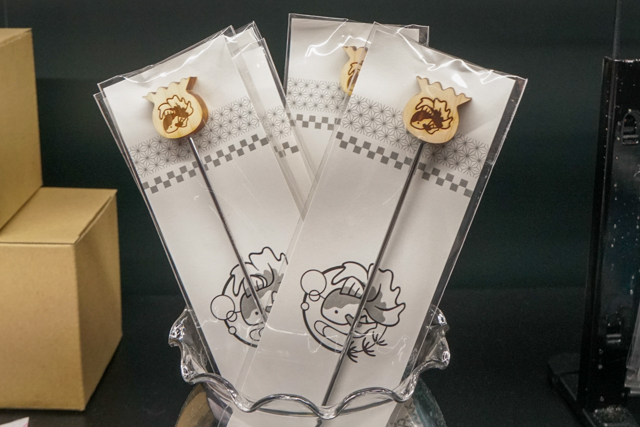
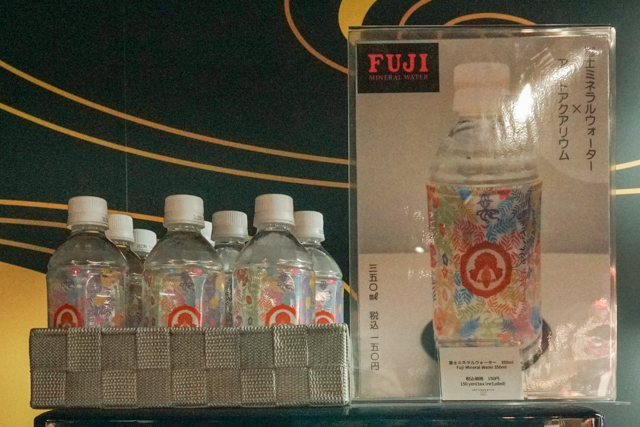
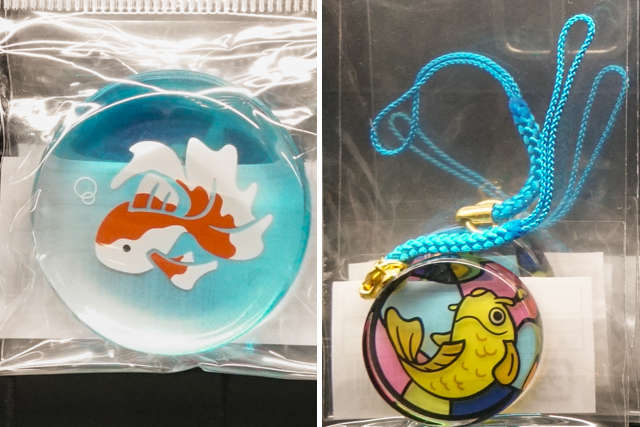
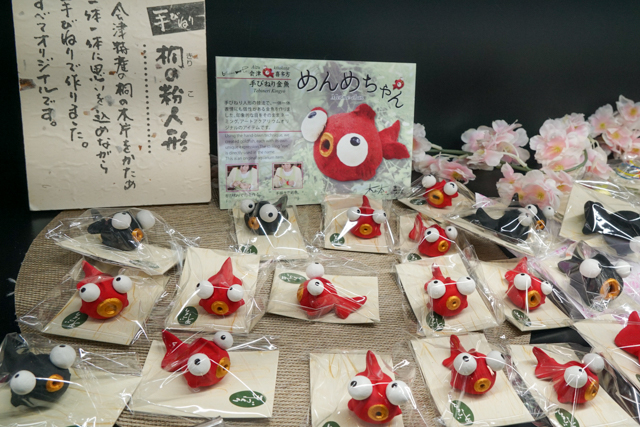
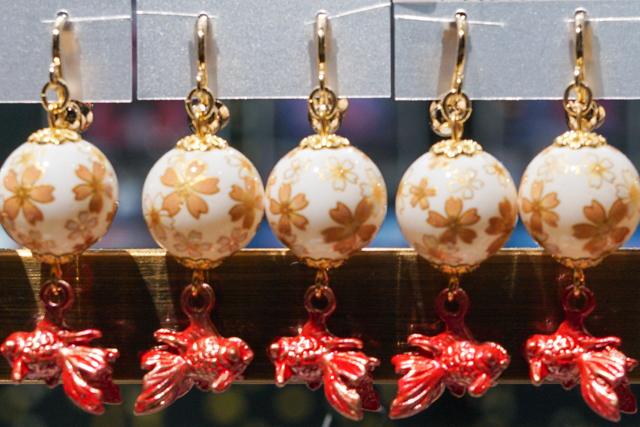
Gift Shop
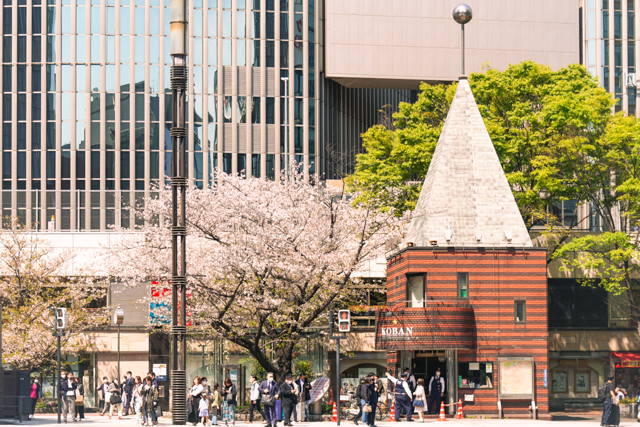
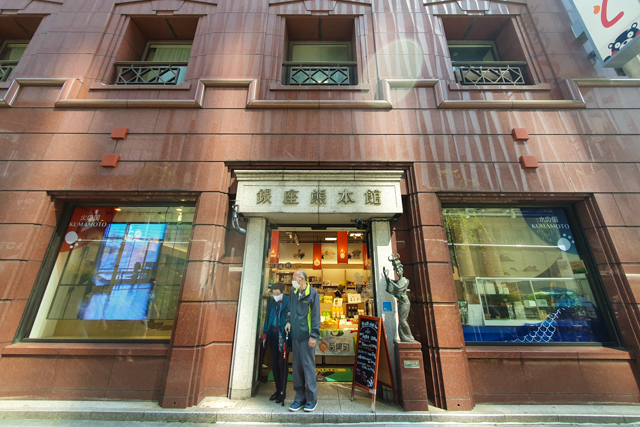
Ginza Kumamoto Kan
銀座熊本館(熊本県アンテナショップ), 1F Nichidō Fire & Kumamoto Prefecture Joint Building, 5 Chome-3-16 Ginza, Chuo City, Tōkyō 104-0061, Japan
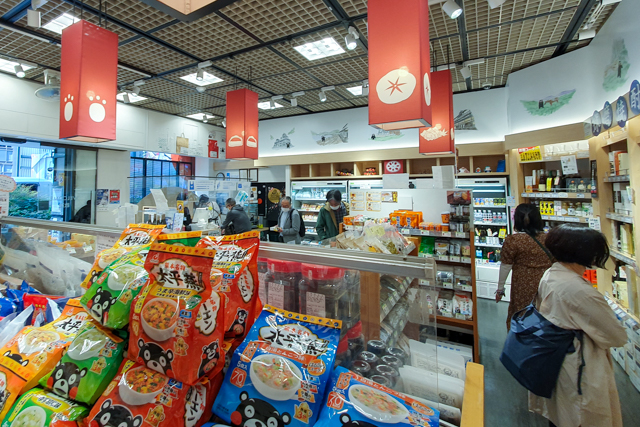
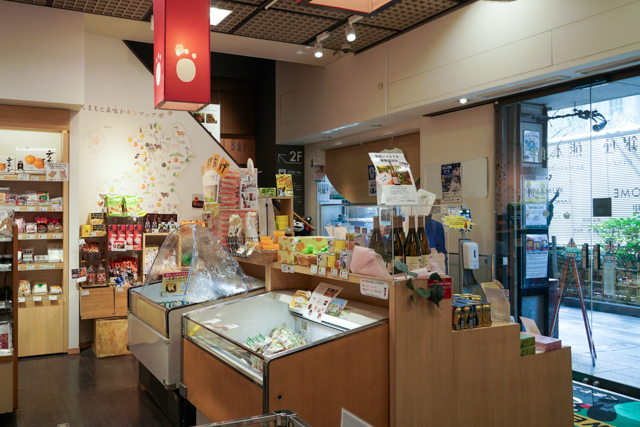
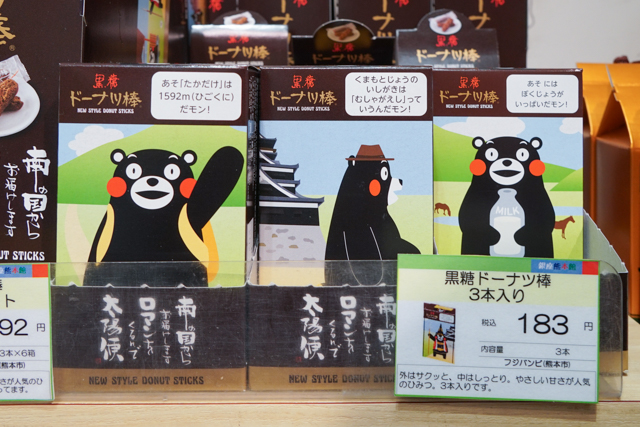
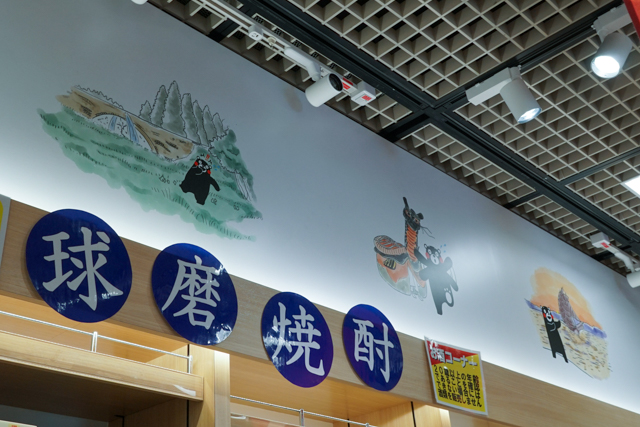
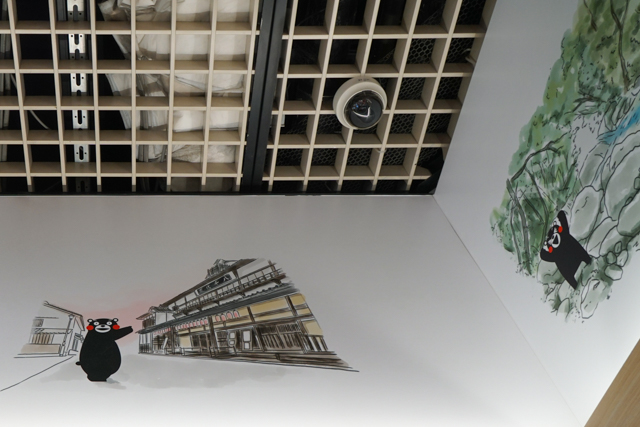
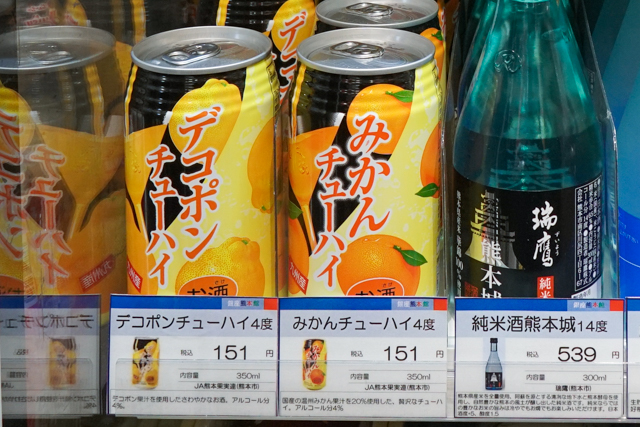
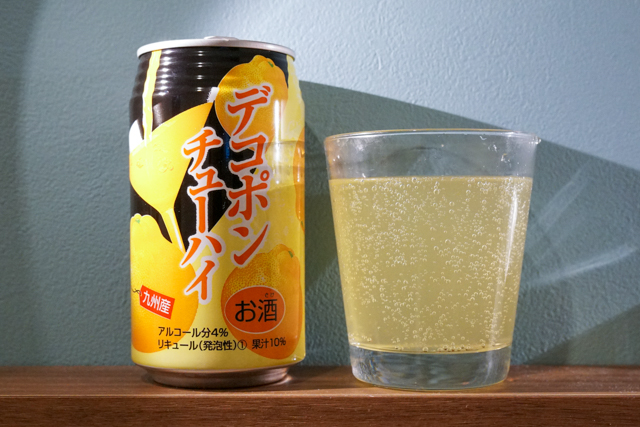
We picked up the Dekopon Chūhai from the JA Kumamoto Fruit Agricultural Cooperative Association. It contained 10% dekopon fruit juice from Kyūshū. It tasted much like a dekopon juice with a rich sweetness and just a hint of bitterness to remind us that it was alcoholic.
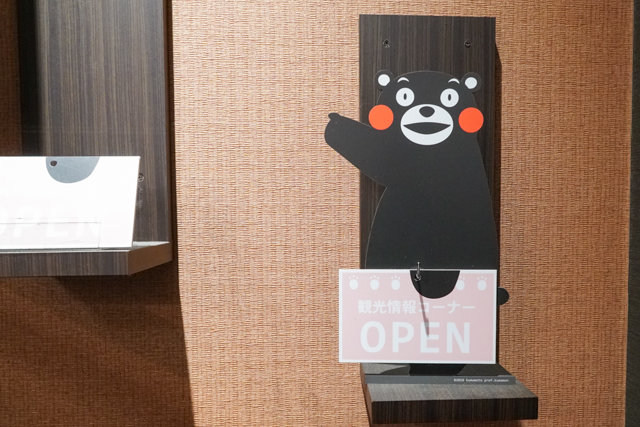
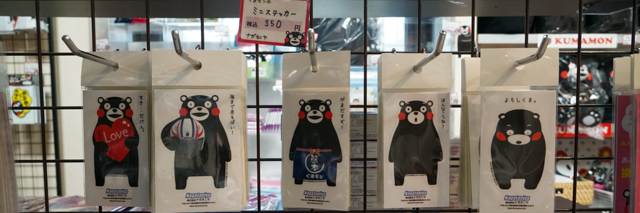
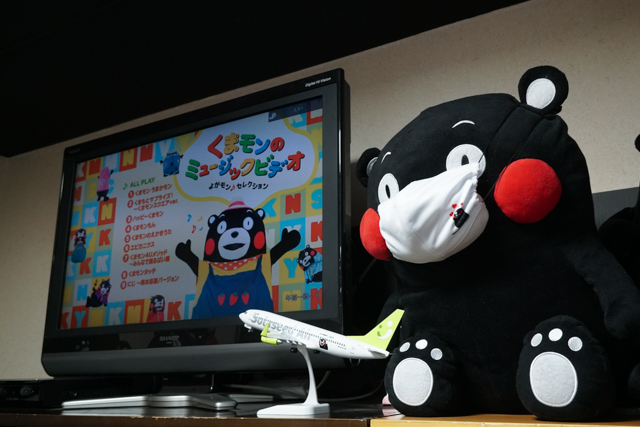
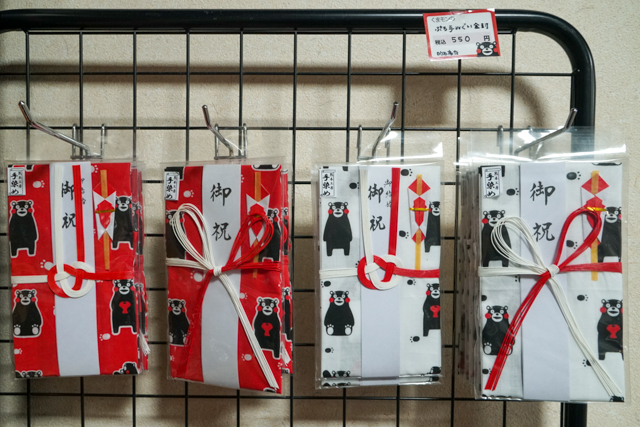
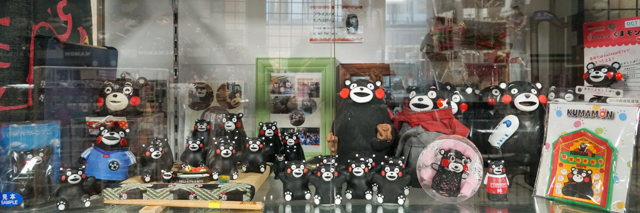
We headed upstairs to have a look at the Kumamon displays since our previous visit in 2018.
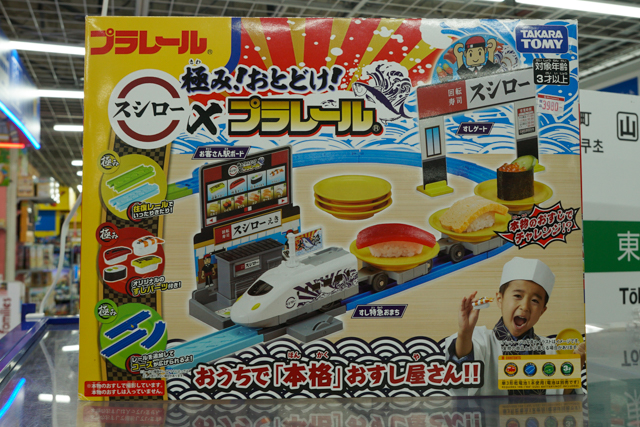
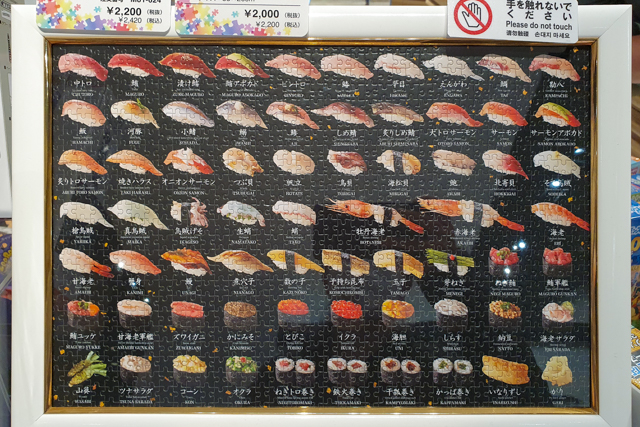
En route to Yurakucho, we spotted this neat sushi train set.
Yurakucho, Chiyoda City, Tōkyō
Tōkyō Kotsu Kaikan
東京交通会館, 2 Chome-10-1 Yurakucho, Chiyoda City, Tōkyō 100-0006, Japan
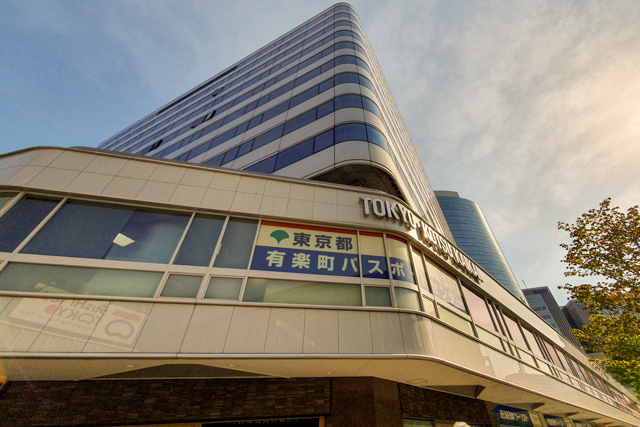
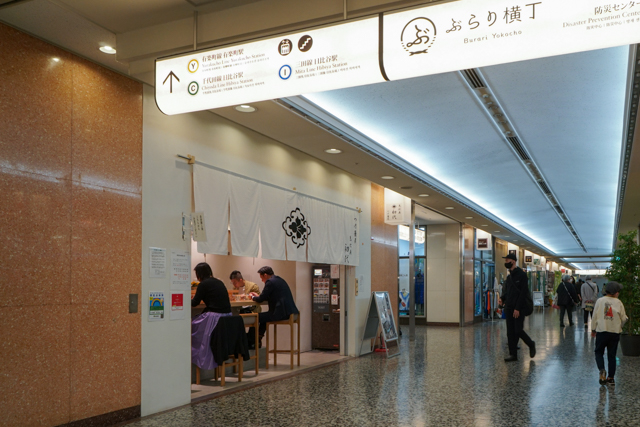
Tōkyō Kotsu Kaikan, located opposite Yurakucho Station is most famous for the ‘antenna shops’ on its lower floors. Antenna shops are retail stores that sell local goods from all over Japan, many of which are only available in that area. We were here to visit as many as we could.
Hokkaidō Dosanko Plaza
北海道どさんこプラザ 有楽町店, 1F Tōkyō Kotsu Kaikan, Japan, 2 Chome−10−1, Yurakucho, Chiyoda City, 100-0006 Tōkyō, Japan
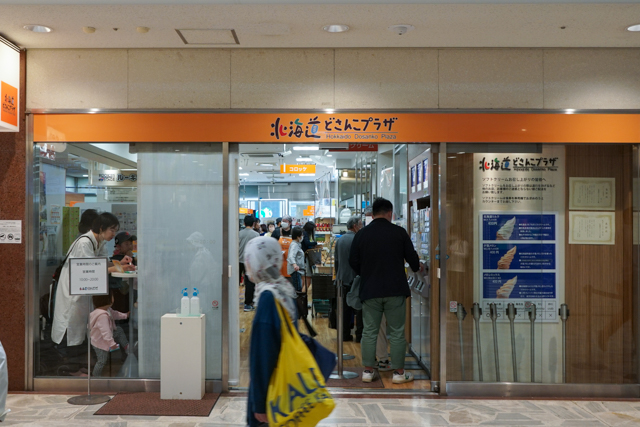
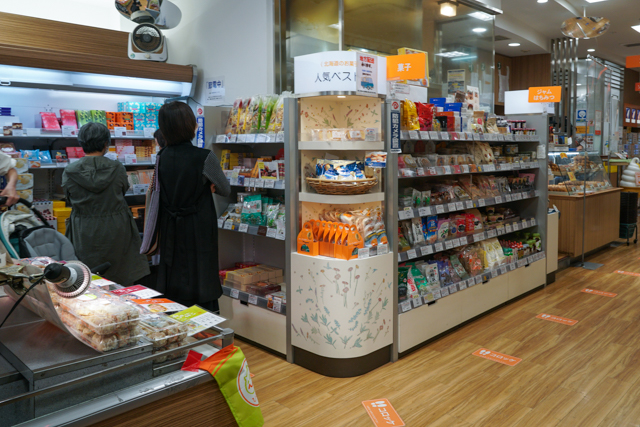
Hokkaidō Dosanko Plaza is the antenna store for Hokkaidō Prefecture with more than 1,200 items such as agricultural and marine products and popular sweets, as well as soft serve and croquettes.
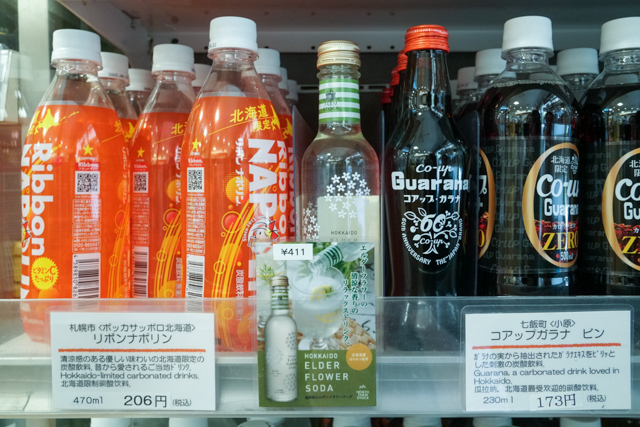
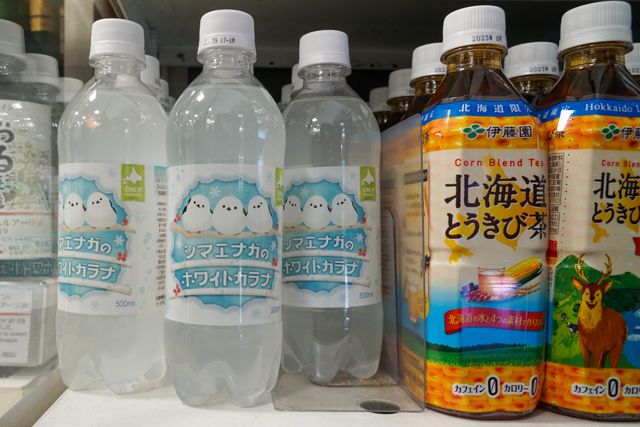
We picked up the Obara Co Shima Enaga White Guarana on the left. We’d previously enjoyed guarana flavoured drinks, separate from energy drinks, so were pleased to find the same tart and crisp flavour somewhere between an apple and a berry in this drink. It was very enjoyable with adorable packaging.
Yukiguni
雪國商店, 1F Tōkyō Kotsu Kaikan, Japan, 2 Chome−10−1, Yurakucho, Chiyoda City, 100-0006 Tōkyō, Japan
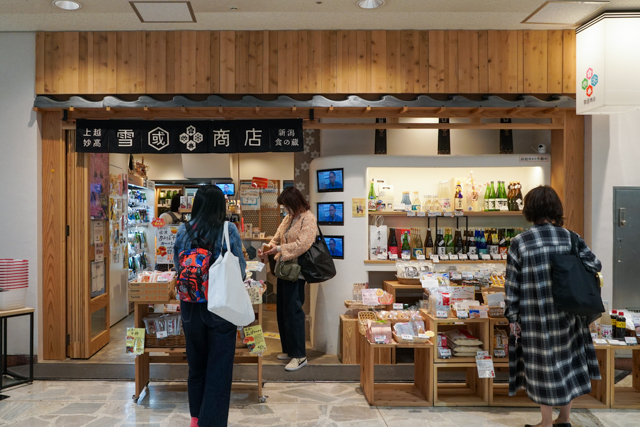
Yukiguni Shoten (literally, ‘Snow Country Store’) sells products from the Joetsu region of Niigata Prefecture, with the concept of “a traditional snow country storehouse”.
Ginza Washita Shop
銀座わしたショップ本店, Shop 20, 1F Tōkyō Kotsu Kaikan, Japan, 2 Chome−10−1, Yurakucho, Chiyoda City, 100-0006 Tōkyō, Japan
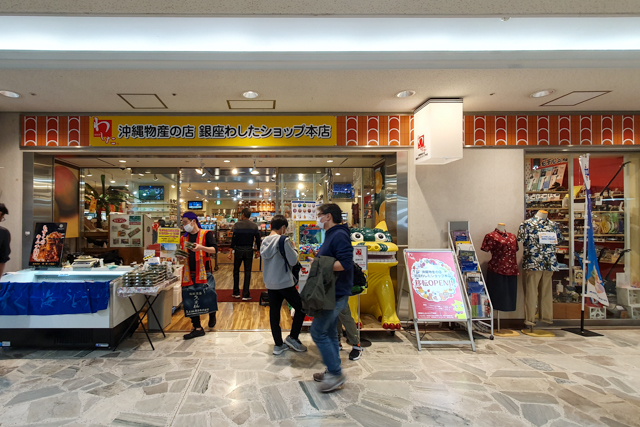
The Ginza Washita Shop is the antenna shop for Okinawa Prefecture. Washita means “we” in the Okinawan dialect. The store aimed to reproduce the “machigua (market)” for Okinawa’s products, sightseeing and culture.
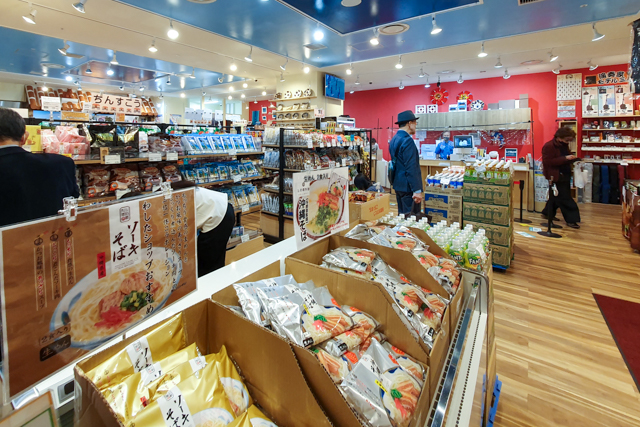
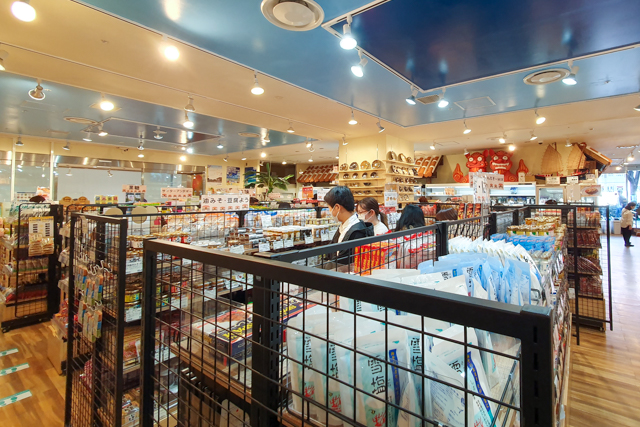
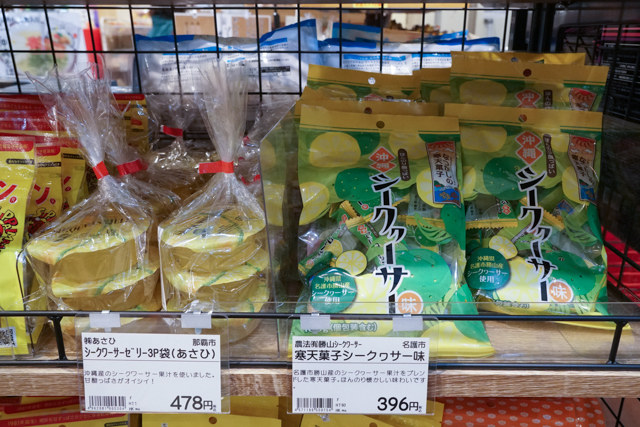
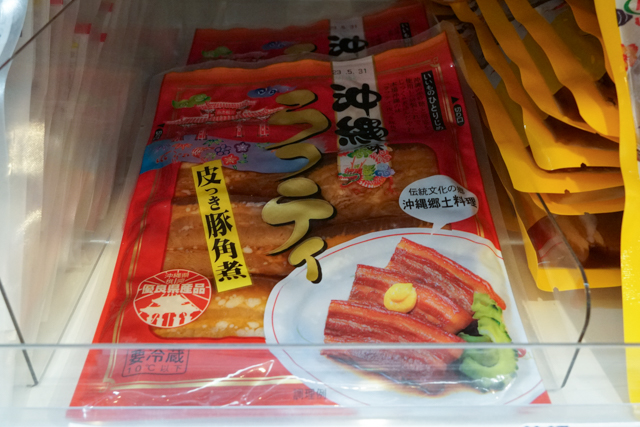
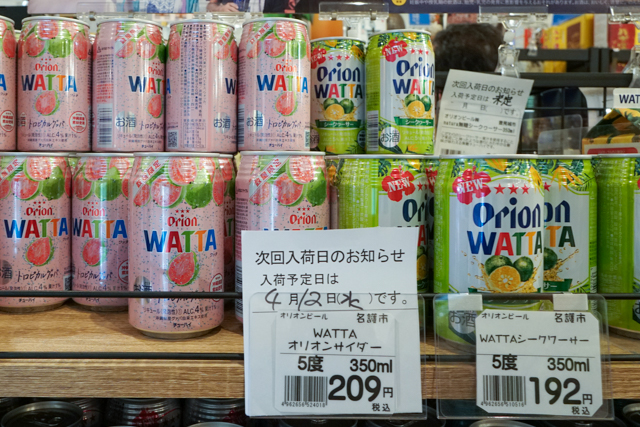
This antenna shop was easily the largest in the complex, stocking a huge variety of Okinawan goods. There was all manner of golden pineapple, shiikwaasa and guava goods.
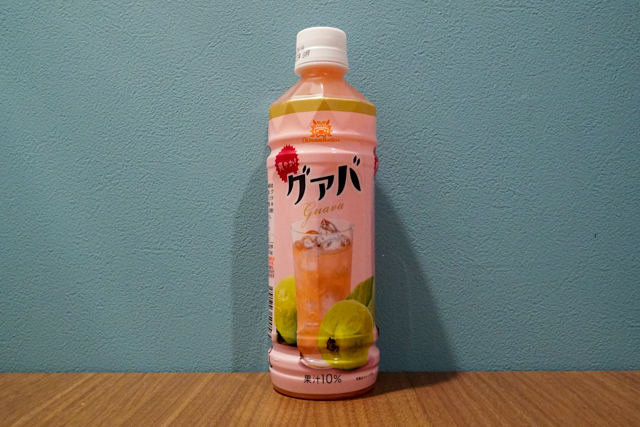
We picked up the Okinawa Bottlers Guava, which contained 10% guava juice from Okinawa. We thoroughly enjoyed the rich flavour of pink guava, which lent it a subtle viscosity without the grittiness or thickness of guava nectar in Australia, making it easy to drink.
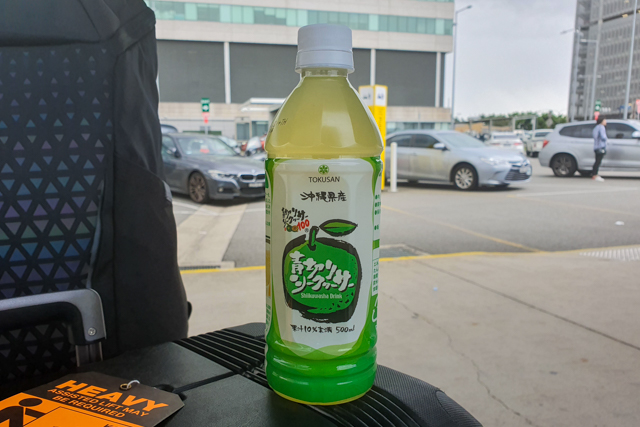
This is the Tokusan Aogiri Shiikuwāsā Drink. It contained 10% shiikuwāsā juice and was not carbonated. This gave it a bright shiikuwāsā flavour with bright lime-like acidity and restrained sweetness, both of which made it very refreshing after a long journey.
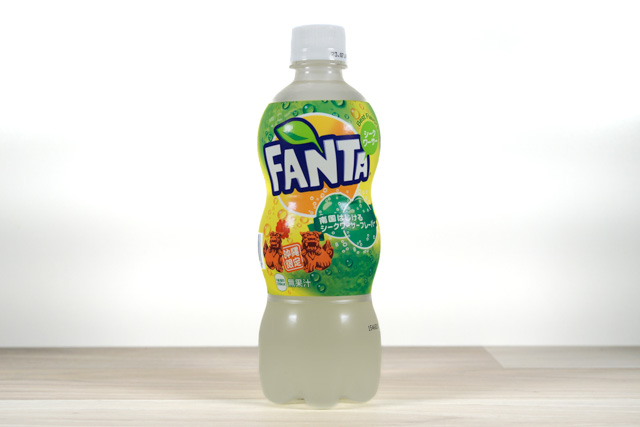
We took the Coca-Cola Fanta Okinawa Shiikuwāsā back with us for a full review. This one was artificially flavoured.
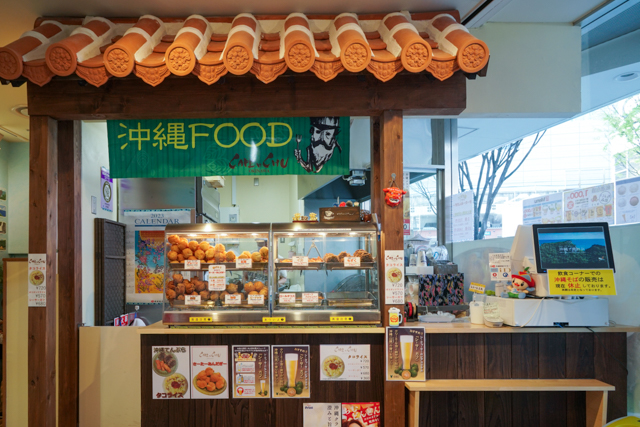
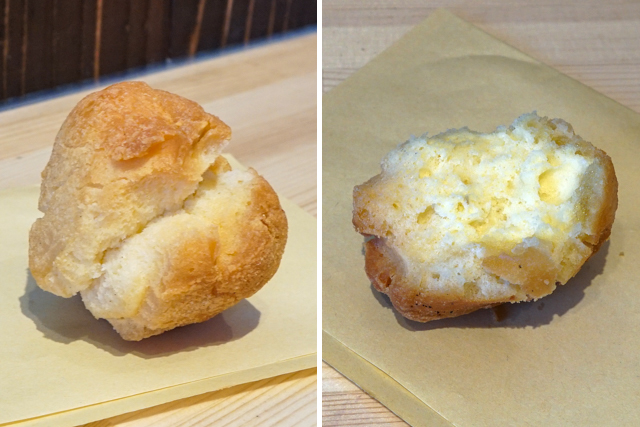
A corner at the back of the store sold sātā andāgī or Okinawan doughnuts, usually made by mixing flour, sugar and eggs into a ball and deep fried.
This is the Peanut Doughnut (¥150). It had the appearance of a choux, while being crispy on the outside while the inside had a fluffy and light crumb like a cake. All in all, was most comparable to a moist scone. We enjoyed the taste of the peanuts.
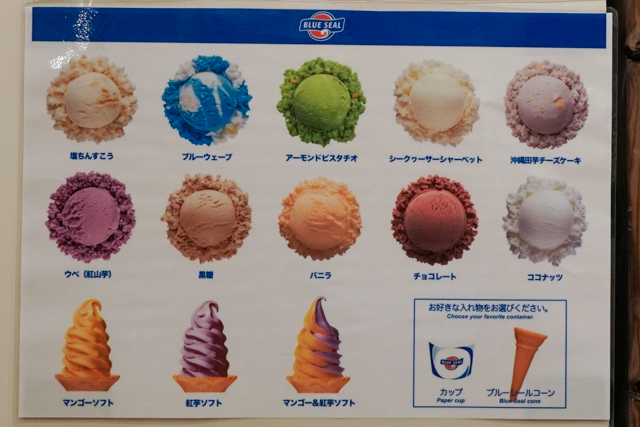
Blue Seal is a Japanese ice cream chain particularly prevalent in Okinawa with the slogan “Born in America, Raised in Okinawa”.
The United States military created the ice cream for American soldiers stationed in Okinawa after the close of World War II, to boost morale and give them a familiar taste of home. Its first factory opened in 1948 on a US base. The Blue Seal products were only offered to Americans until 1963, when the company began selling to the Okinawan public. Their flagship store in Naha also opened that year. Later on, the company transferred to local ownership and Okinawan flavours […] were introduced.
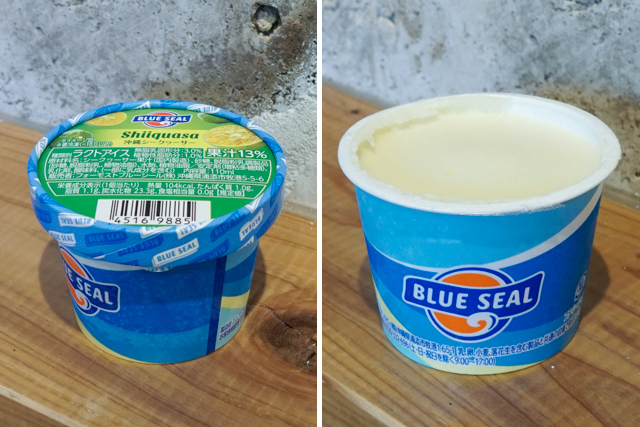
We could not resist trying the Blue Seal Shiiquasa, which contained 13% shiikuwāsā juice. It had a bright, tangy acidity like a lime, but also a balancing sweetness. Overall, it a flavour somewhere between mandarin and lime, and was immensely enjoyable.
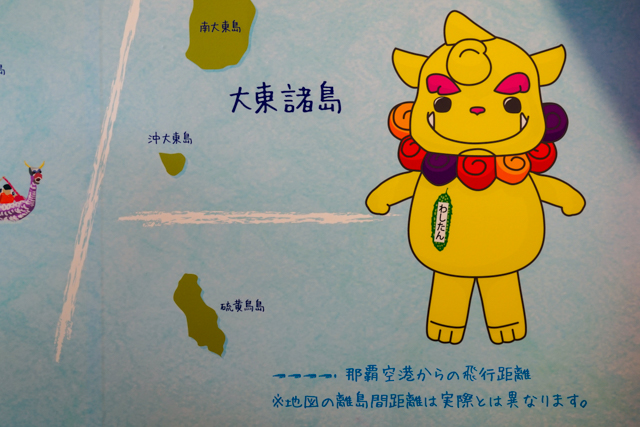
The Hakata
ザ・博多有楽町店, Shop 46, B1F Tōkyō Kotsu Kaikan, Japan, 2 Chome−10−1, Yurakucho, Chiyoda City, 100-0006 Tōkyō, Japan
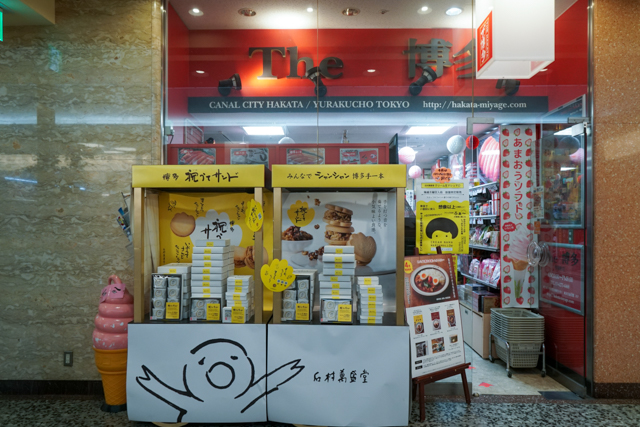
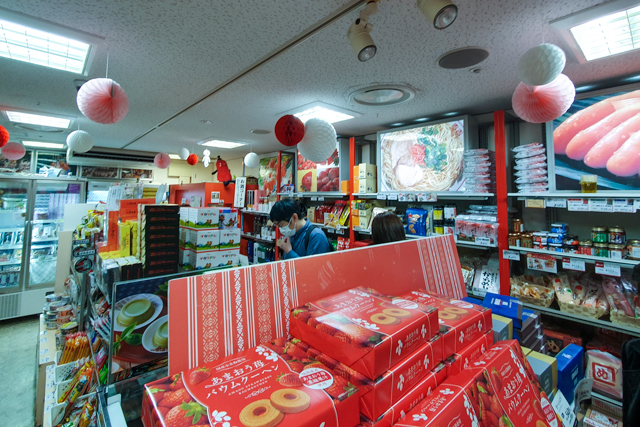
The satellite store for Fukuoka, the main items here were tonkotsu ramen, spicy mentaiko, and sweets made with Amaou strawberries.
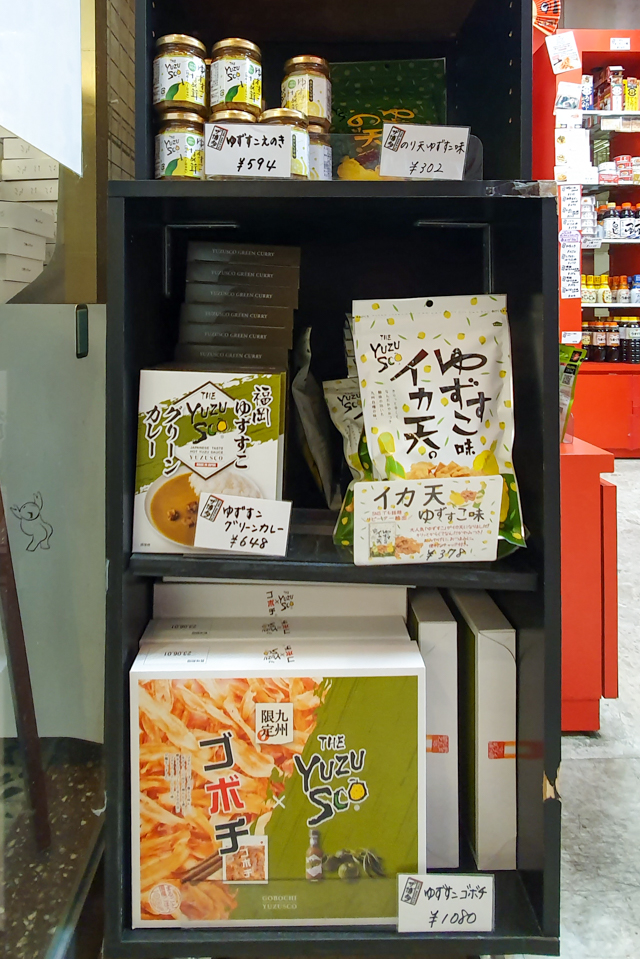
We’re fans of the Morita Yuzusco Bukkake Tsuyu, so were interested to discover other items in the range not available in Australia.
Ōita Antenna Shop Onsenza
おおいたアンテナショップ温泉座, Shop 30, B1F Tōkyō Kotsu Kaikan, Japan, 2 Chome−10−1, Yurakucho, Chiyoda City, 100-0006 Tōkyō, Japan
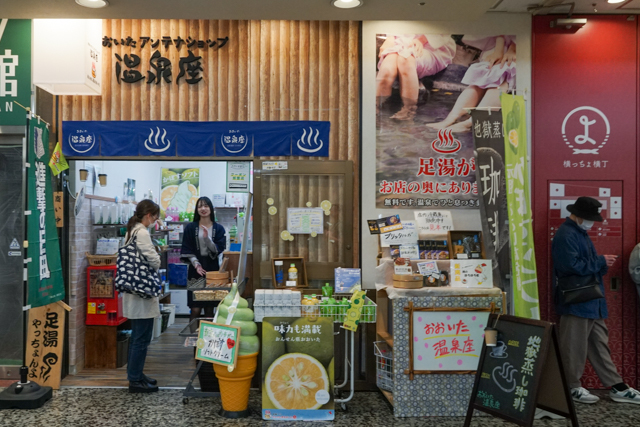
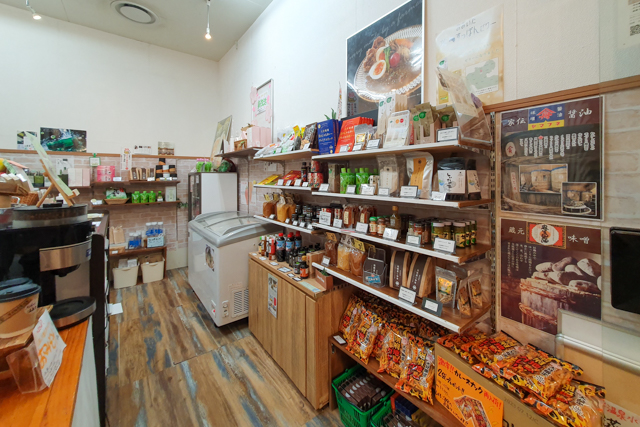
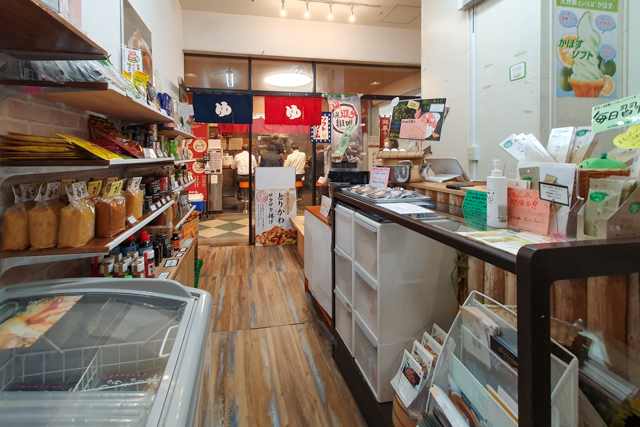
Ōita is Japan’s premier hot spring area, including Beppu. The antenna shop for Ōita Prefecture had a large selection of specialty products and bath additives derived from local products.
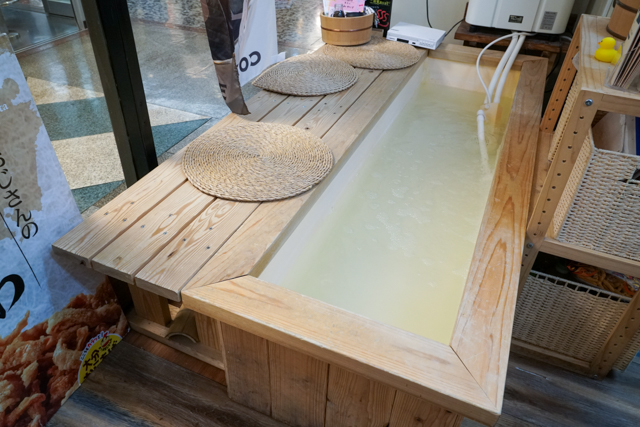
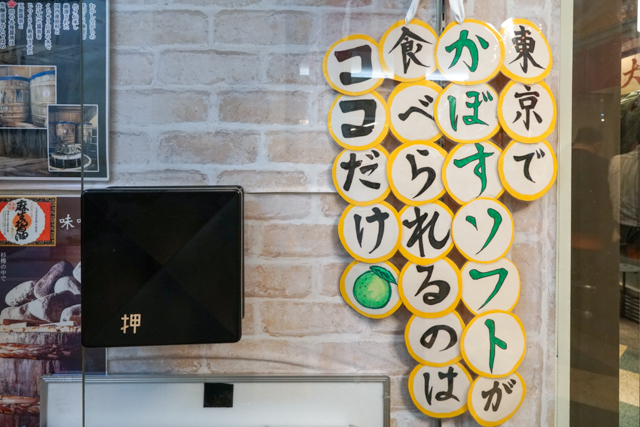
It also had a permanent free footbath as well as kabosu soft serve ice cream and jigoku-steamed eggs from Beppu’s onsen.
Japan Heritage Kitamaebune Marche
日本遺産北前船マルシェ, Shop 50, B1F Tōkyō Kotsu Kaikan, Japan, 2 Chome−10−1, Yurakucho, Chiyoda City, 100-0006 Tōkyō, Japan
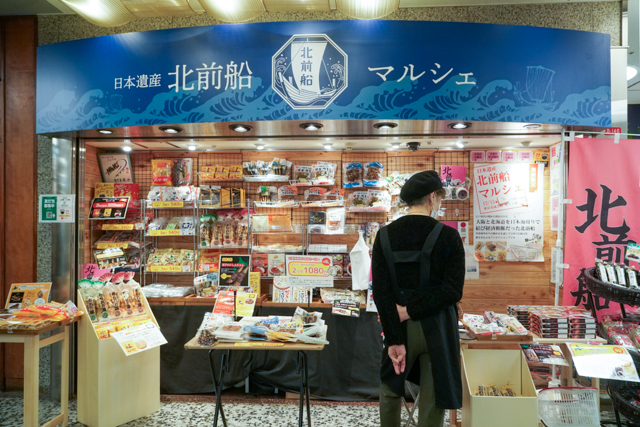
The ‘Japan Heritage Kitamaebune Marche’ antenna shop aims to convey Japanese traditional culture and history through products related to ports of call called “Kitamaebune”, which was an economic artery connecting Ōsaka and Hokkaidō around the Sea of Japan from the mid-Edo period to the 30s of the Meiji period. They have selected foods from 49 municipalities in 16 prefectures, which have been certified as wide-area Japan Heritage.
Wakayama Kishukan
わかやま紀州館, Shop 49, B1F Tōkyō Kotsu Kaikan, Japan, 2 Chome−10−1, Yurakucho, Chiyoda City, 100-0006 Tōkyō, Japan
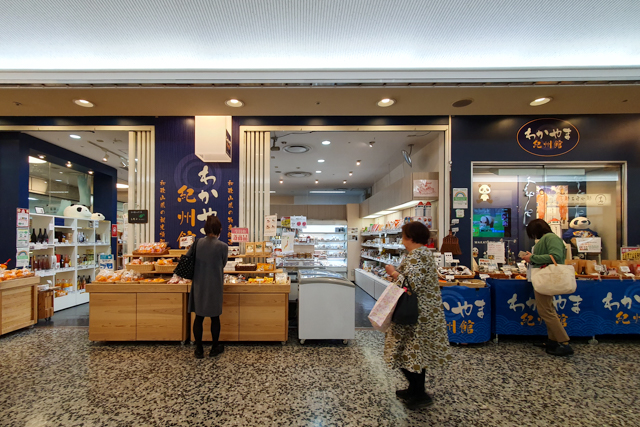
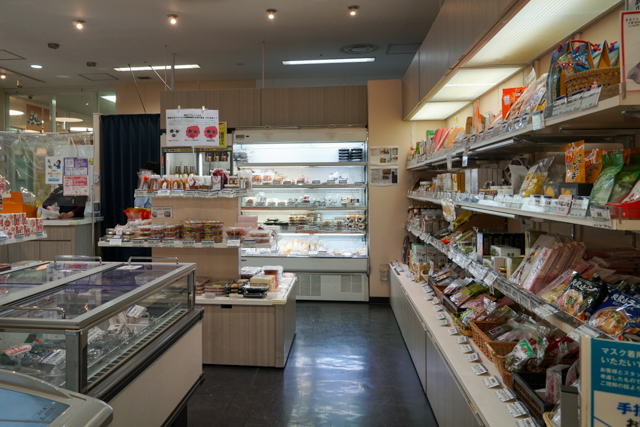
Wakayama Kishukan is an antenna shop for Wakayama Prefecture with specialty products including pickled plums, local sake, sushi and soy sauce, and products containing jabara and sansho peppers. There was also a section of the store dedicated to local tourism with pamphlets of Wakayama Prefecture’s famous sights and staff to provide sightseeing consultations.
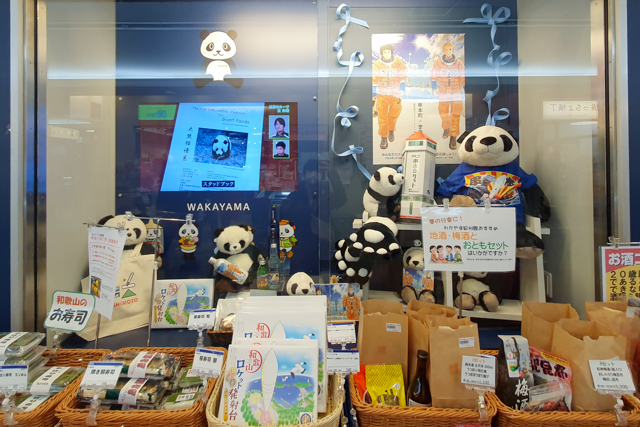
The town of Kushimoto in Wakayama Prefecture is also home to Space One’s SPACE PORT Kii, Asia’s first private rocket launch site. The town collaborated with Space Brothers, the popular manga turned anime and live-action series, to promote tourism for the region. A section of the store was dedicated to themed goods.
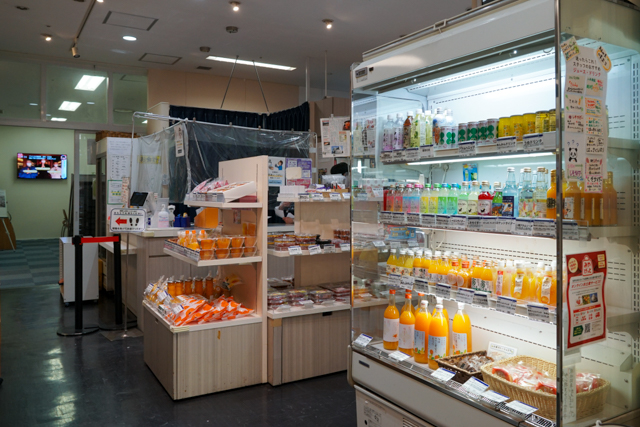
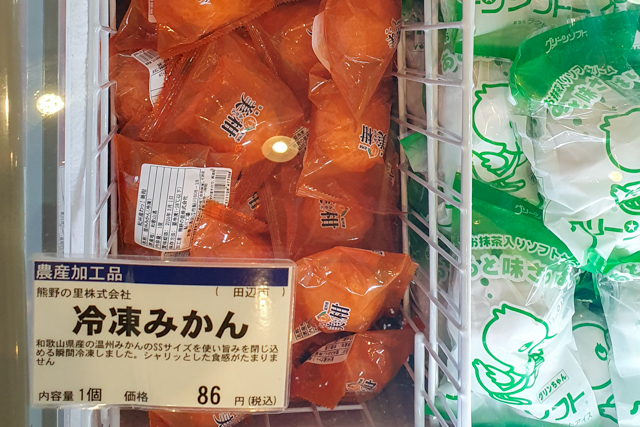
The prefecture is well known for its citrus, so along with juices and drinks, there were also frozen unshū mikan.
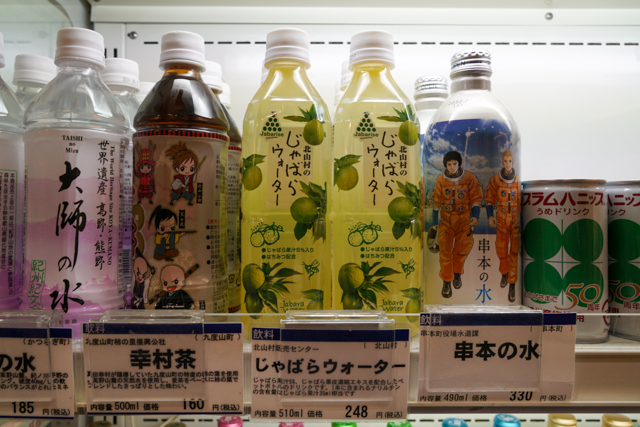
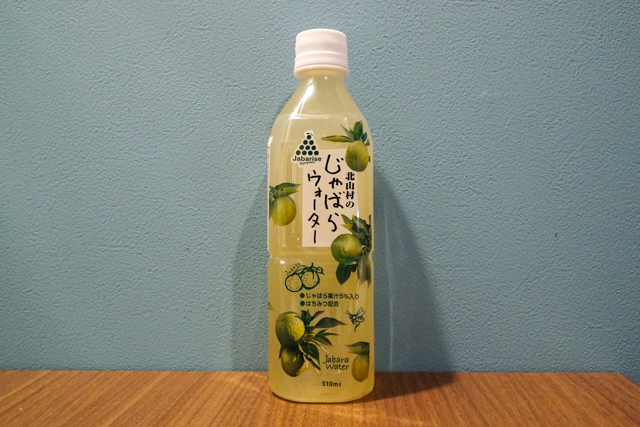
We picked up a few drinks. This is the Jabarise Jabara Water which contained 5% Jabara juice, as well as concentrated jabara peel extract and honey. Jabara is a fruit dervied from a cross of the yuzu with a pomelo-hybridized mandarin that arose naturally in Wakayama Prefecture. The drink had a mellow sweetness and refreshing aftertaste with subtle floral citrus notes.
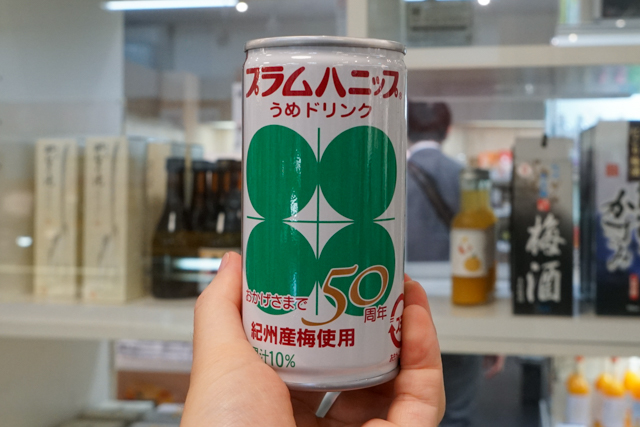
And this was the Plum Products Plum Honeyp Ume Drink, which contained 10% juice from kishu ume. The drink was uncarbonated and had a vibrant ume flavour, with the honey balancing the tartness of the ume with a deep sweetness.
Iki-iki Toyama-kan
いきいき富山館, Shop 9, B1F Tōkyō Kotsu Kaikan, Japan, 2 Chome−10−1, Yurakucho, Chiyoda City, 100-0006 Tōkyō, Japan
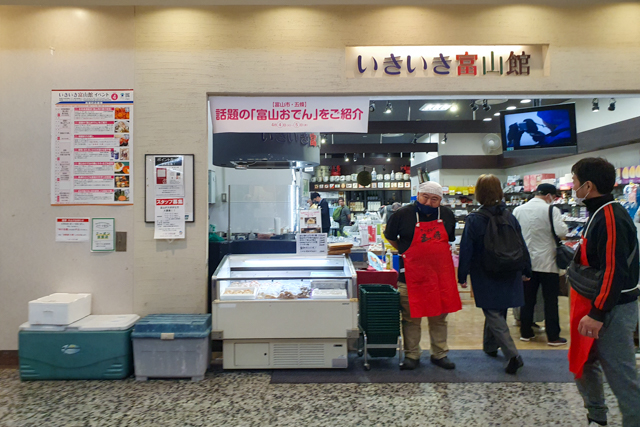
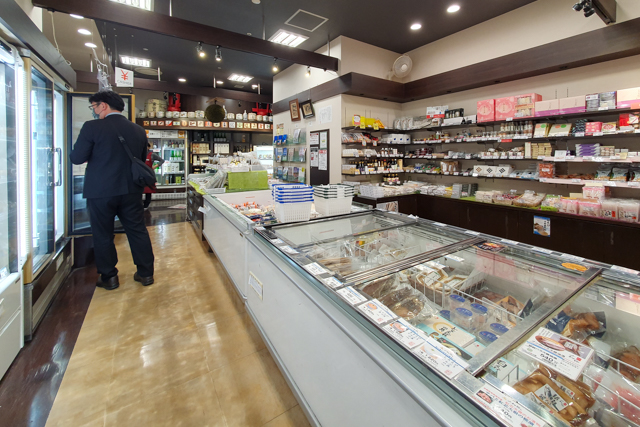
Iki-iki Toyama-kan is the antenna store for Toyama Prefecture, with 800 specialty items, including trout sushi.
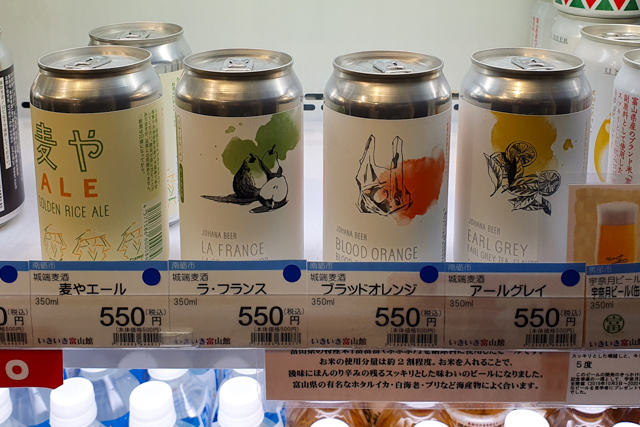
Kesennuma, Kuji, Fukushima Information Station Okaerikan
気仙沼,久慈,福島情報ステーション おかえり館, Shop 11, B1F Tōkyō Kotsu Kaikan, Japan, 2 Chome−10−1, Yurakucho, Chiyoda City, 100-0006 Tōkyō, Japan
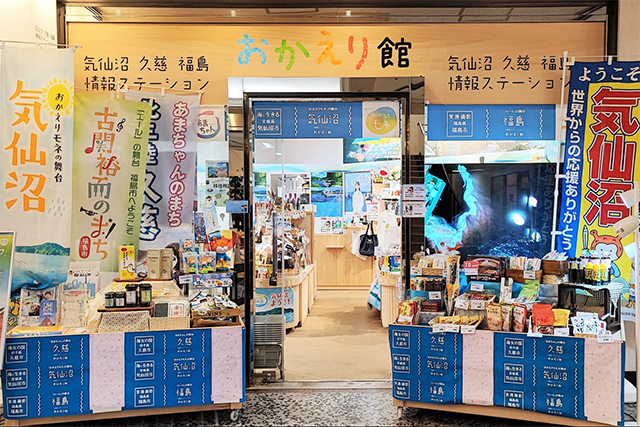
Okaerikan is the antenna store for the cities of Kesennuma, Kuji, and Fukushima in the Tōhoku region of Japan that has been the setting for NHK’s serial morning drama, Okaeri Monet since 1971. The Tōhoku region of Japan was also devastated by the Great Eastern Japan Earthquake in 2011, so the antenna shop serves as a space for purchasing goods related to the long-running drama, a postcard for tourism as well as a port of consultation for immigration and settlement in the region.
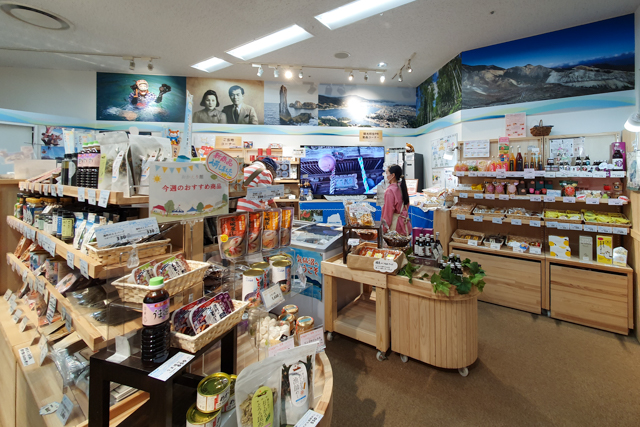
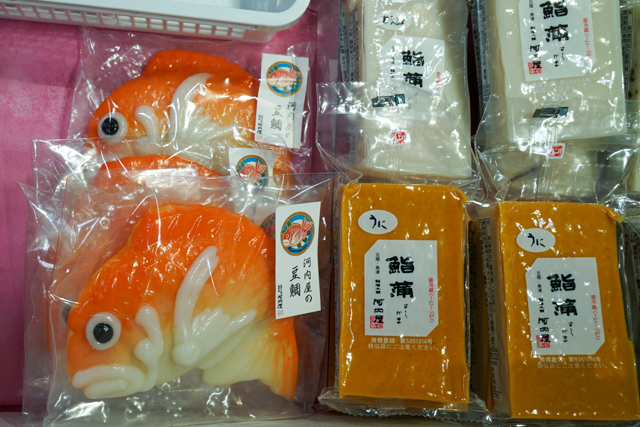
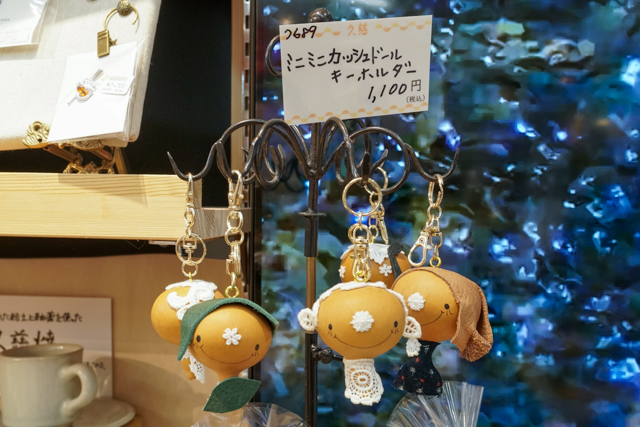
There are over 250 products, including special products selected from the three cities, as well as a coffee corner for local coffee.
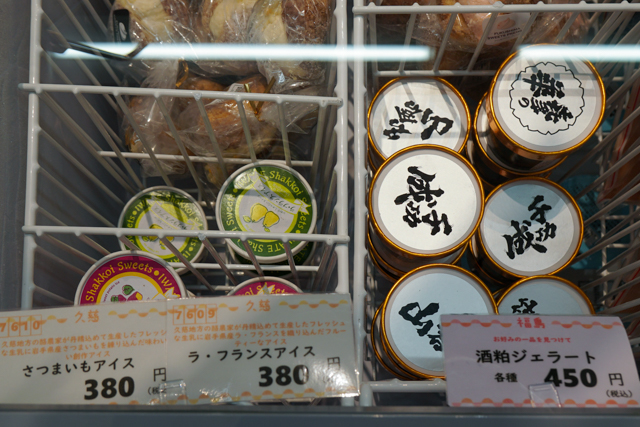
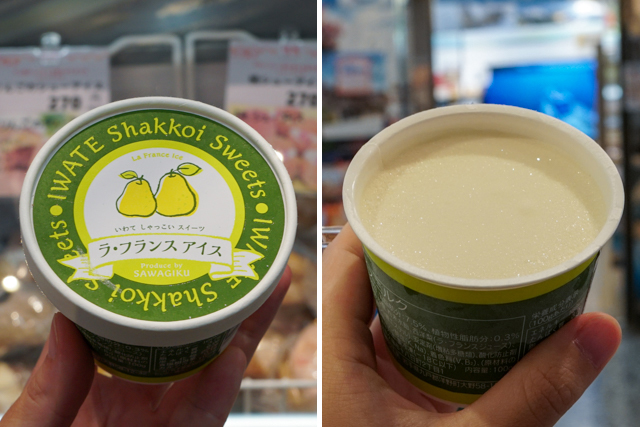
This is the Iwate Shakkoi Sweets La France Ice. It was made using milk from the Kuji region and La France pears from Iwate Prefecture. The ice cream had bright pear notes but the dairy flavour was overpowering and detracted from our enjoyment of the fruity pear flavour.
Korea Food Hall
韓国食品館, Shop 4, B1F Tōkyō Kotsu Kaikan, Japan, 2 Chome−10−1, Yurakucho, Chiyoda City, 100-0006 Tōkyō, Japan
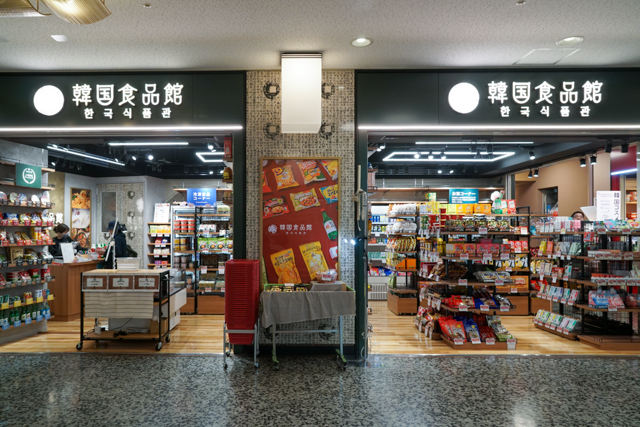
There was also a store for Korea’s seasonal sweets to popular classic foods.
Tokuda Liquor Store
徳田酒店, Shop 60, B1F Tōkyō Kotsu Kaikan, Japan, 2 Chome−10−1, Yurakucho, Chiyoda City, 100-0006 Tōkyō, Japan
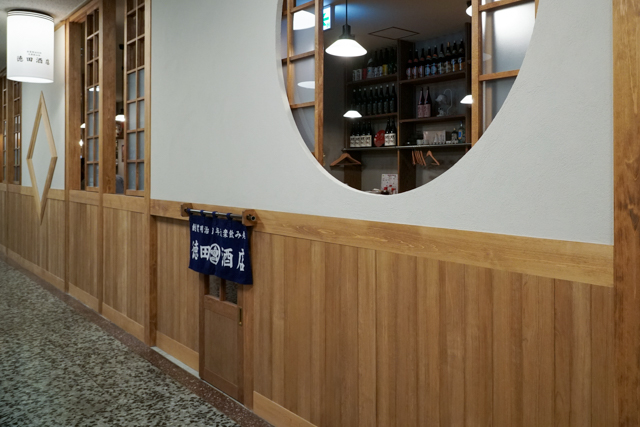
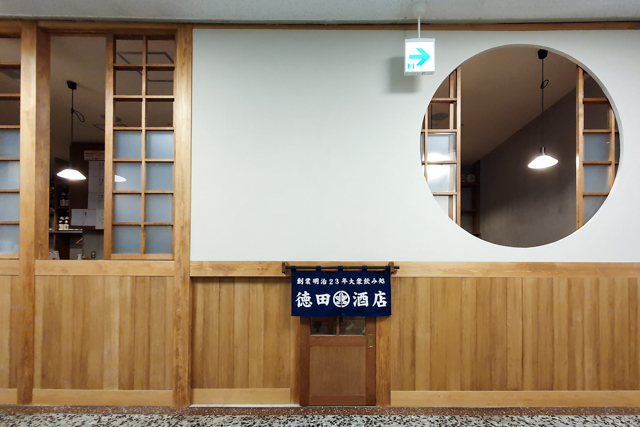
This functional miniature door on the side of this izakaya and liquor store amused us. We weren’t sure as to its purpose. Perhaps deliveries?
Kyobashi, Chuo City, Tōkyō
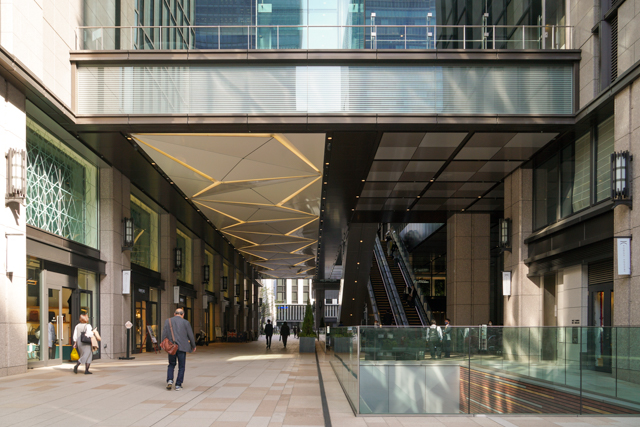
Kyobashi Edogrand
京橋エドグラン, 2 Chome-1 Kyobashi, Chuo City, 104-0031 Tōkyō, Japan
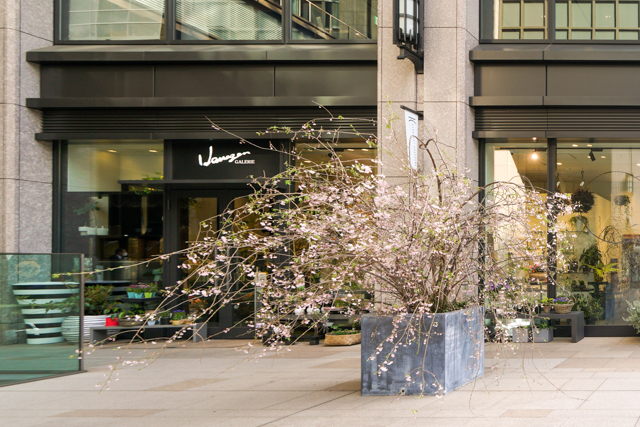
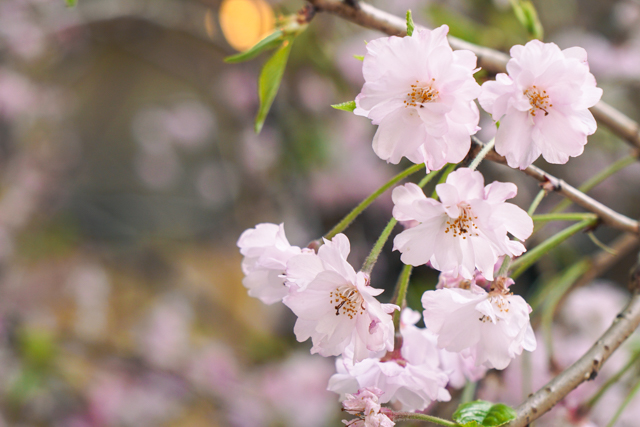
Curry House CoCo Ichibanya World
Curry House CoCo Ichibanya World, Shop B05 B1F Kyobashi Edogrand, 2 Chome-1 Kyobashi, Chuo City, 104-0031 Tōkyō, Japan
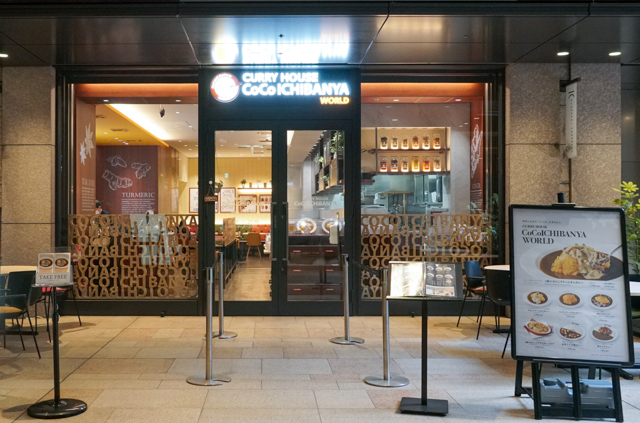
Opened in October of 2022, Curry House CoCo Ichibanya World “imports” the Japanese curry from the chain’s overseas branches that have been adapted to the tastes of the new country. All curries at this branch use a different roux from the regular stores in Japan, which use either a pork or beef-based curry roux. This store uses the plant-based roux that is shipped to its restaurants around the world.
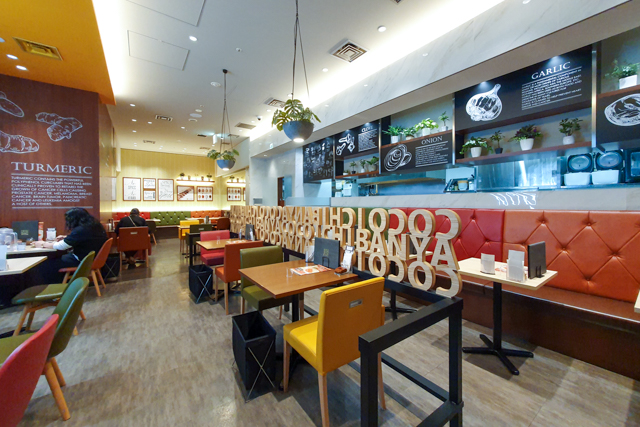
The restaurant was more stylish than the usual set-up with a counter facing an open kitchen. It was a touch more up-market, spacious and pricy, while the restaurant did not carry the fried oil aroma of its usual stores.
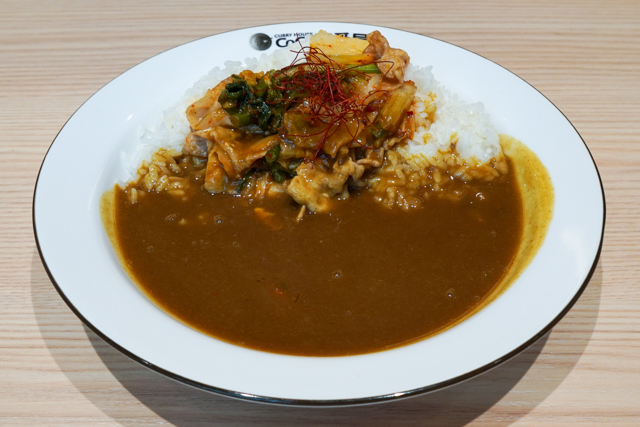
Pork and Kimchi Curry (¥930, regular spicy, inc tax)
D chose this dish with our recent trip to Korea still fresh in his mind. He enjoyed the unique depth that the kimchi brought to the curry, along with the freshness of the cabbage. The slices of pork soaked up the curry well, though he would’ve preferred a more generous portion.
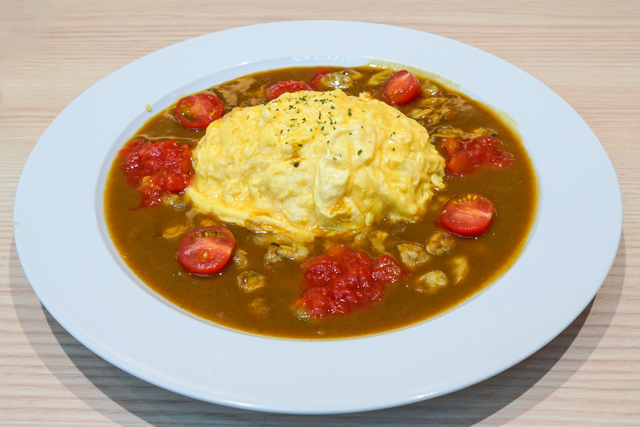
Tomato and Asari Clam Omelette Curry (¥1,180, regular spicy, -¥30 for S size rice, inc tax).
Apparently, rice omelette curry is an entry point for customers in the chain’s overseas markets, especially in countries where Japanese-style curry rice was foreign. The combination in this dish was one of the biggest hits overseas, and it was easy to see why. I’m such a fan of asari clams in my curry that I’ve ordered it as an additional topping on previous visits. Coupled with my penchant for the sweet tangy umami of tomatoes and silky fluffy eggs, this dish was a definite winner.
We enjoyed our visit, though we prefer the familiarity of the regular stores.
Yaesu, Chuo City, Tōkyō
Tōkyō Midtown Yaesu
Tōkyō Midtown Yaesu, 2-Chome-2-1 Yaesu, Chuo City, 104-0028 Tōkyō, Japan
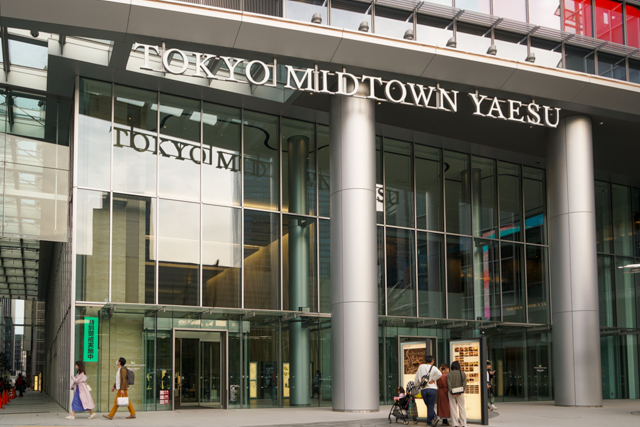
Tōkyō Midtown Yaesu opened in March 2023. Situated adjacent to Tōkyō Station, we were excited to explore this new complex, with one particular store in mind: Kakigōri Collection Baton.
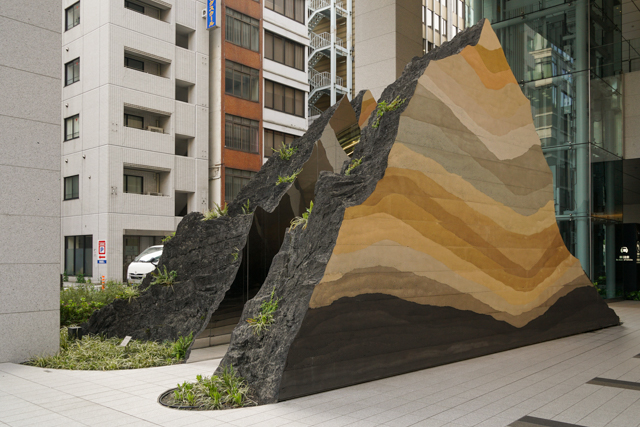
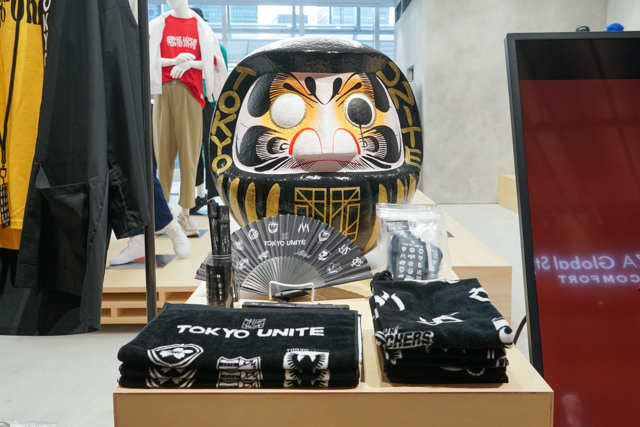
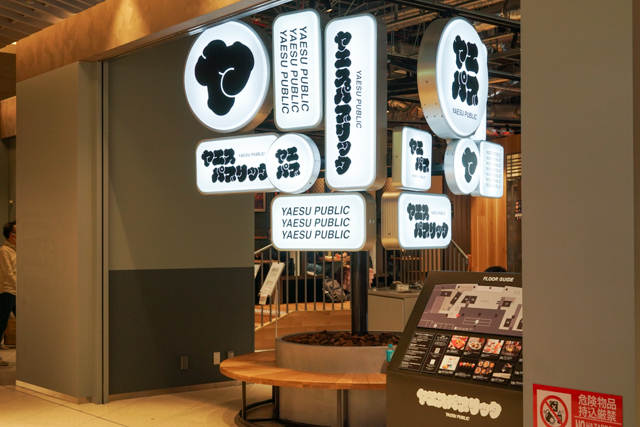
Kakigōri Collection Baton (Himitsudo)
1F Tōkyō Midtown Yaesu, 2-Chome-2-1 Yaesu, Chuo City, 104-0028 Tōkyō, Japan
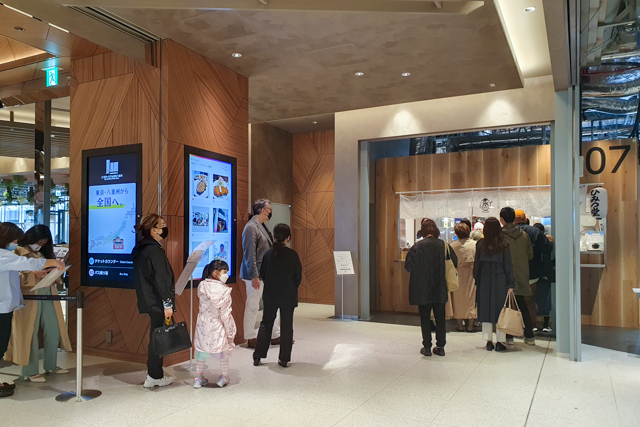
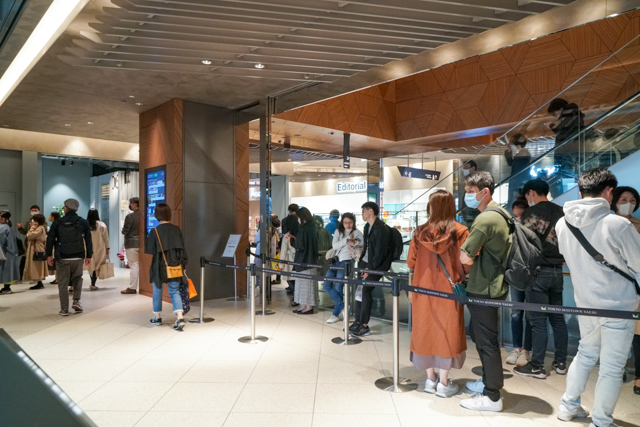
Situated in Yaesu Public, Kakigōri Collection Baton hosts kakigōri stores from different parts of the country for up to one month. For its opening month, which coincided with our visit, Tōkyō’s popular kakigōri shop, Himitsudo in Yanaka, took over the space. Himitsudo’s main store is known for being extremely popular, with customers allocated a numbered ticket for entry on its busiest days. It was no surprise that its pop-up location featured lengthy queues that made the nightly news segment (which further fueled its popularity).
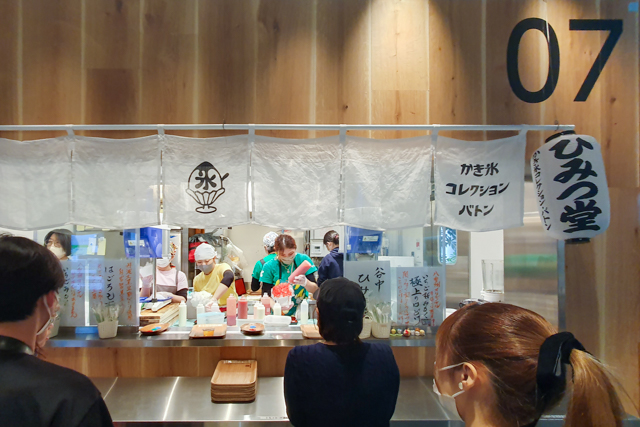
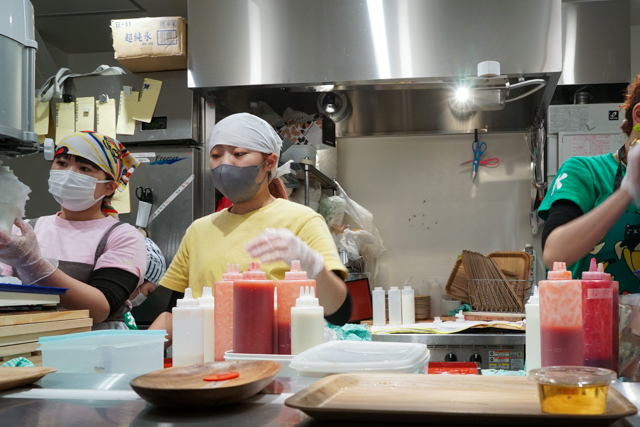
Himitsudo specialises in kakigōri shaved-ice desserts, prepared with a traditional handle-operated machine served with its main store featuring one of 132 ‘secret’ seasonal toppings (the selection changes daily), including unorthodox flavours such as pumpkin cream and mango-yogurt.
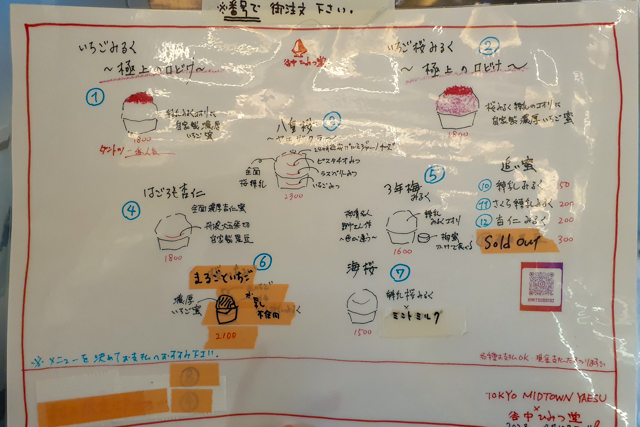
At the pop-up store, though, there were seven variations available including strawberry, sakura milk and ume.
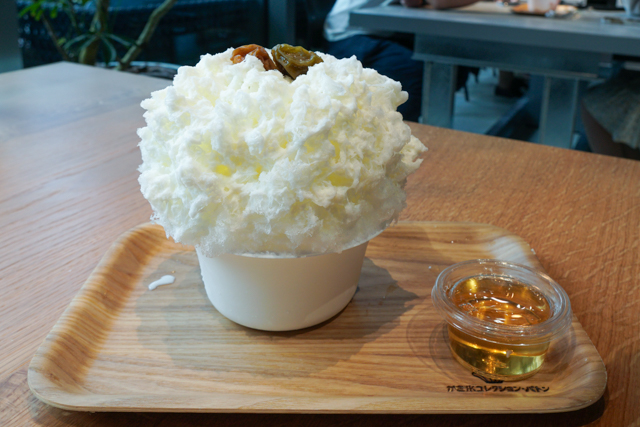
This is the 3-Year Umeshu Milk (¥1,600).
After the numerous ice creams and sweet drinks we’d consumed from Tōkyō Kotsu Kaikan we weren’t sure how much more sugar we could take in. But to our surprise, we made short work of the kakigōri. The shaved ice was light and fluffy, while the condensed milk added a subtle creamy sweetness that paired remarkably well with the sweet acidity of the umeshu without any bitterness. The two ume were the by-products of umeshu, so carried the sweet-tart apricot flavour with some added bitey texture. It was worth the queue!
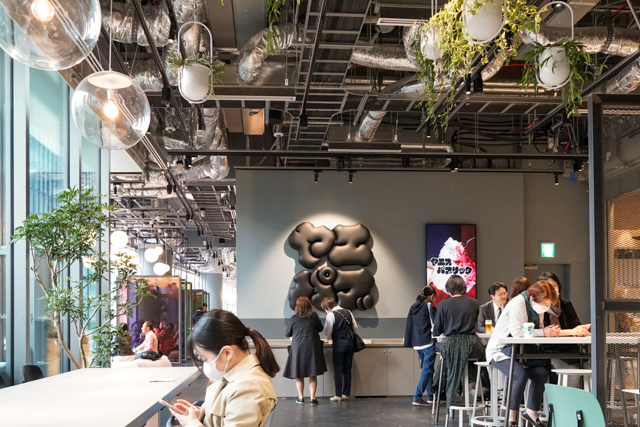
After receiving our order, we enjoyed the kakigōri after finding space in the communal seating similar to a food court.
HARIO Lampwork Factory
1F Tōkyō Midtown Yaesu, 2-Chome-2-1 Yaesu, Chuo City, 104-0028 Tōkyō, Japan
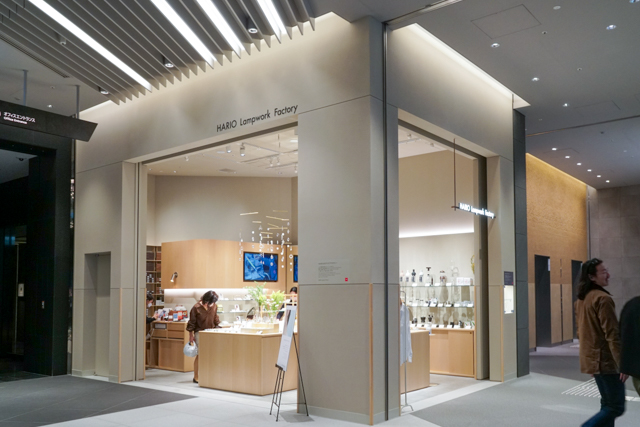
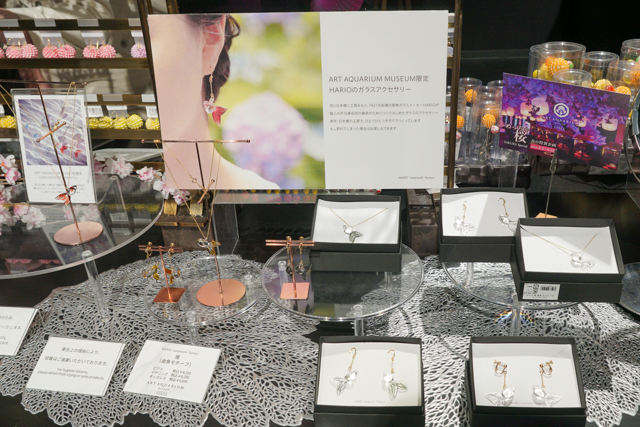
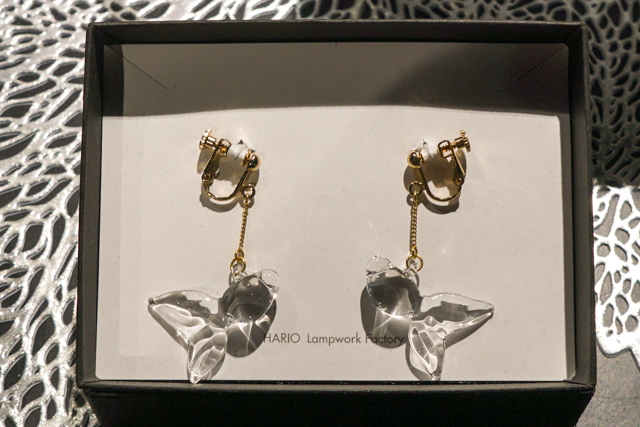
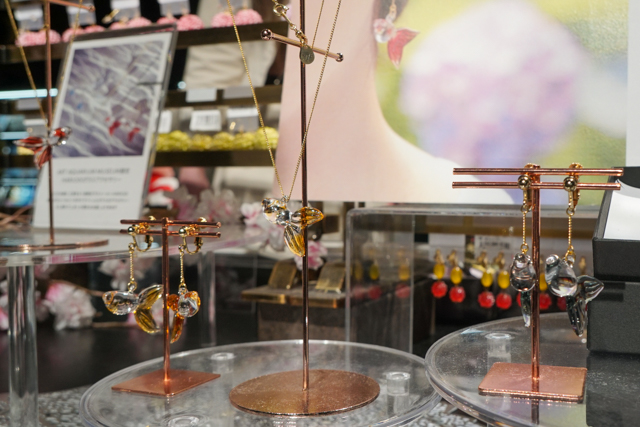
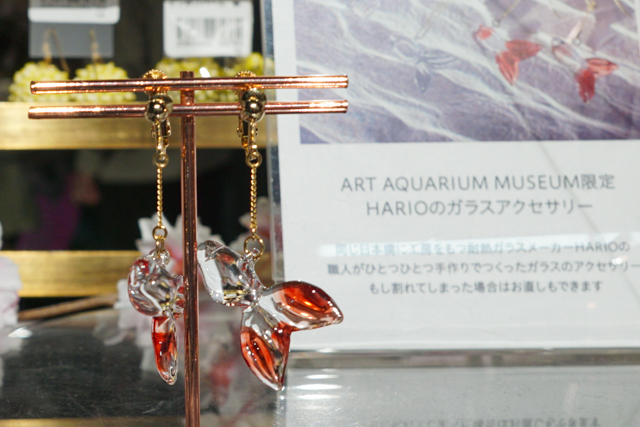
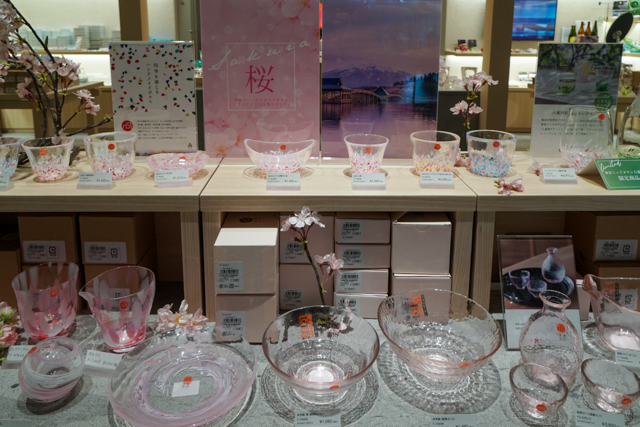
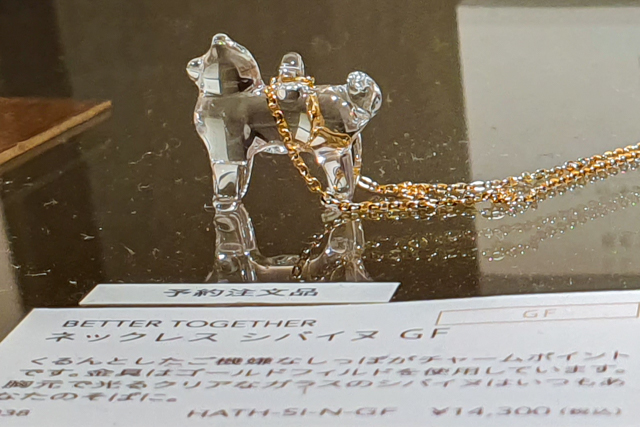
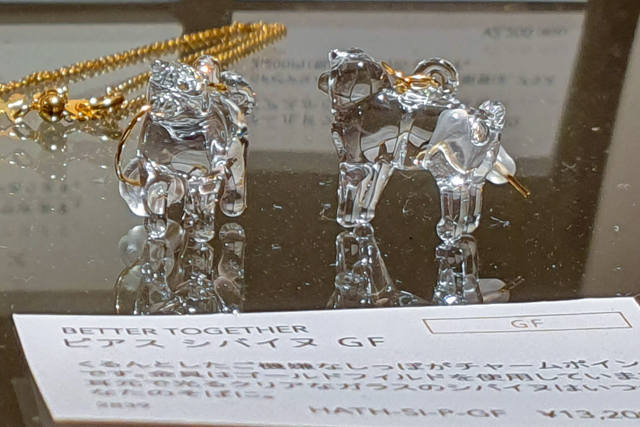
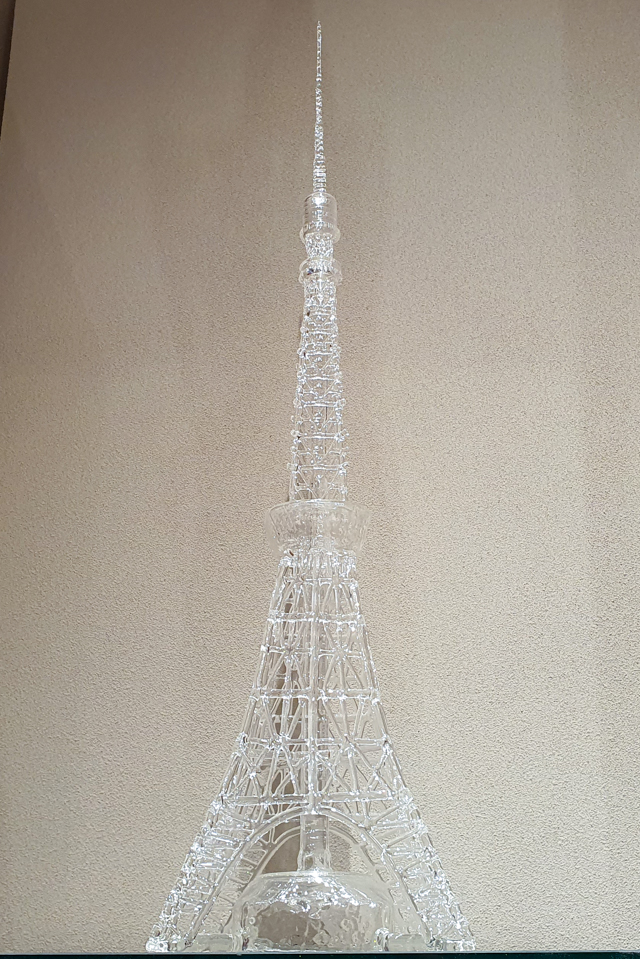
Hario is internationally renowned as a manufacturer of heat-resistant glass. Hario Lampwork Factory is a store operated by Hario, showcasing the accessories it created to preserve its traditional craftsmanship for future generations. Each item in the store is meticulously handmade at six workshops located throughout Japan, including one in the Nihonbashi district of Tōkyō.
SAKEICE Tōkyō Shop
SAKEICE Tōkyō Shop, 1F Yanmar Tōkyō Building, 2 Chome-1-1 Yaesu, Chuo City, 104-0028 Tōkyō, Japan
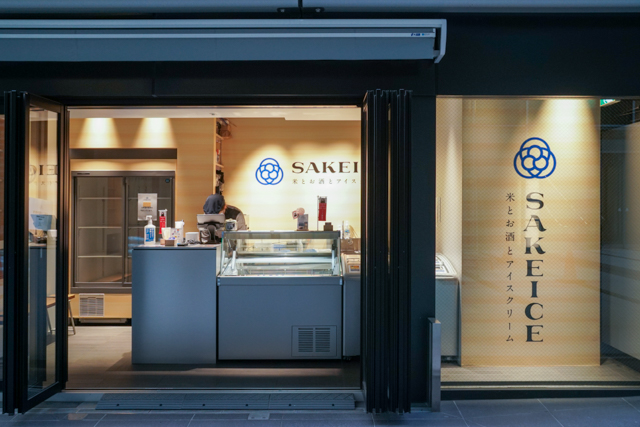
Opened in 2021, SAKEICE is a brand specialising in ice cream flavoured with sake.
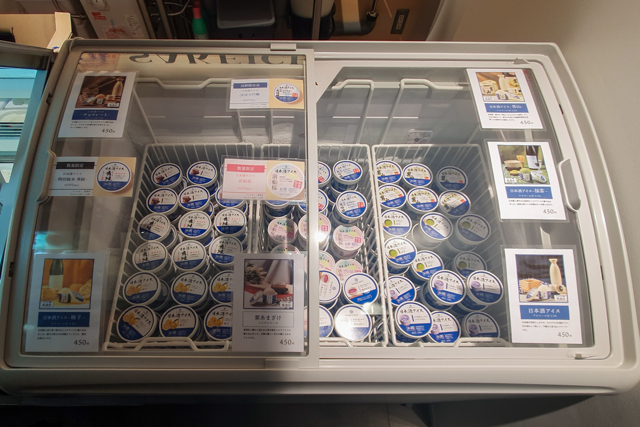
There are two types of sake ice cream available: 1) seasonal flavours scooped at the shop and formulated in collaboration with sake breweries around Japan (¥540 inc tax), and 2) permanent flavours formulated with sake from the Otokoyama brewery in Hokkaidō and available in mini tubs (¥450 inc tax).
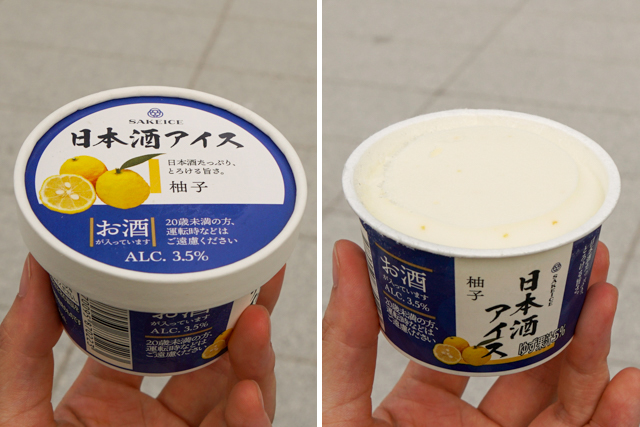
This is the SAKEICE Yuzu (¥450 inc tax). It had an alcohol content of 3.5%, and consisted on sake and yuzu blended into milk ice cream. It had a luxurious, creamy and smooth, texture and flavour that tasted exactly like yuzu sake. The dairy notes were subdued, allowing the subtle sweetness of the sake to come through with a hint of bitterness from the alcohol.
KOME-SHIN
米心, 1F Yanmar Tōkyō Building, 2 Chome-1-1 Yaesu, Chuo City, 104-0028 Tōkyō, Japan
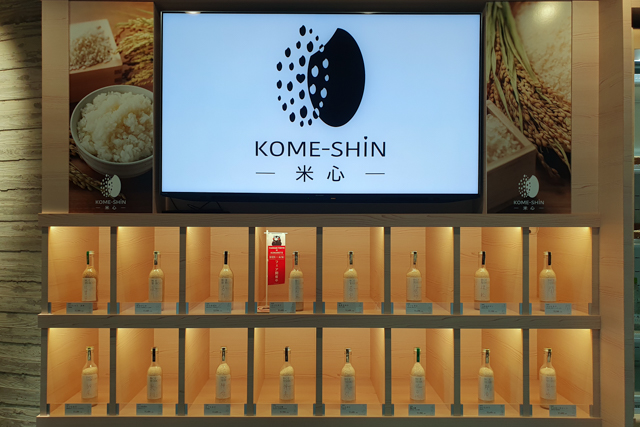
Next door to SAKEICE was KOME-SHIN, a store selling specialty rice and offering takeout rice dishes made from a myriad of rice varieties from all over Japan.
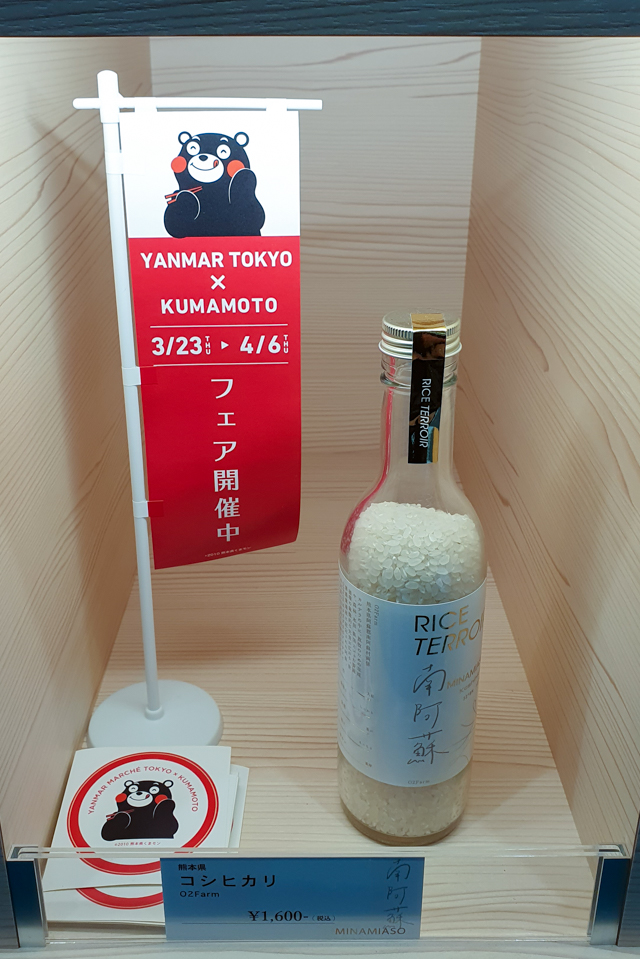
The brand ‘RICE TERROIR’, as in the bottle of rice from Kumamoto pictured above, celebrates the concept of ‘enjoying rice as you would wine’.
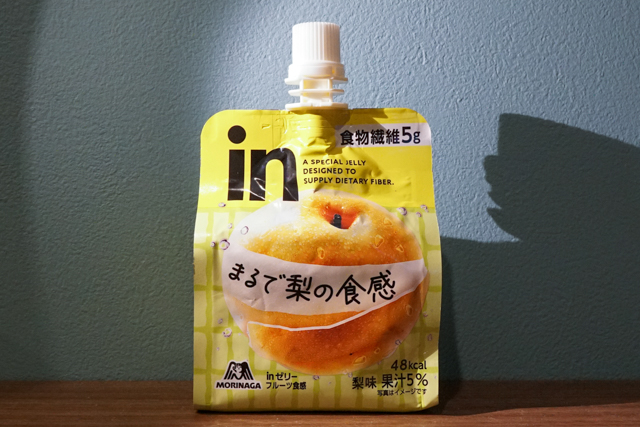
Back at the hotel, we consolidate our snacks and pack our suitcases in preparation for our return to Australia the next evening. Consolidating our snacks, of course, also involved eating a few, and this here was the Morinaga Marude Nashi no Shokkan. It contained 5% nashi juice, and while it did have the vibrant flavour of the fruit, the dietary fibre aspect was particularly offputting, tasting like they’d mixed psyllium husk with nashi juice.
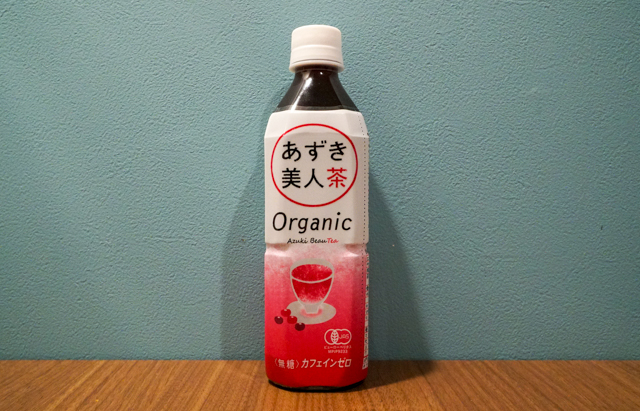
And finally, this was the Endo Seian Azuki Bijin Tea (or, punnily, Organic Azuki Beau Tea, in English). It was sugar-free with a strong azuki flavour that was mellow and refreshing with a natural sweetness coming from the bean itself. It tasted like a smooth shiruko.
Tōkyō – Ginza, Yurakucho, Kyobashi and Yaesu was Day 7 of 8 on the Japan 2023 trip. Day 8 saw us visiting TeamLab Planets and Ikebukuro in Tōkyō before boarding our flight to Sydney, Australia.