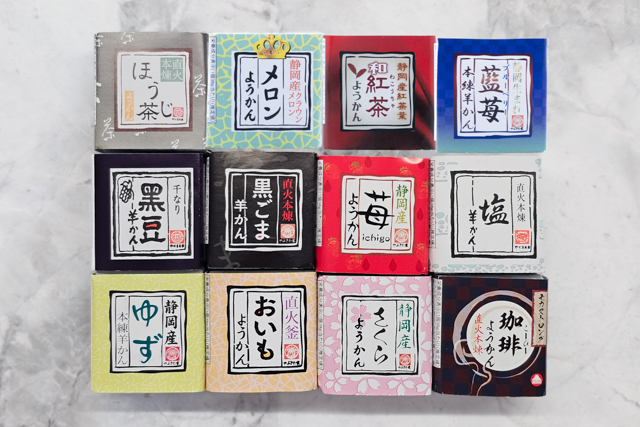
This is a selection of 12 Mochizuki Cha-ame Yōkan varieties. Yōkan is a traditional Japanese confection made by setting sweetened bean paste with agar, resulting in a firm, sliceable jelly with a smooth, dense texture. Depending on the base—typically red bean (azuki) or white/green bean—it can range from earthy and robust to lighter and more delicate, often serving as a measured, contemplative accompaniment to tea.
Hōjicha
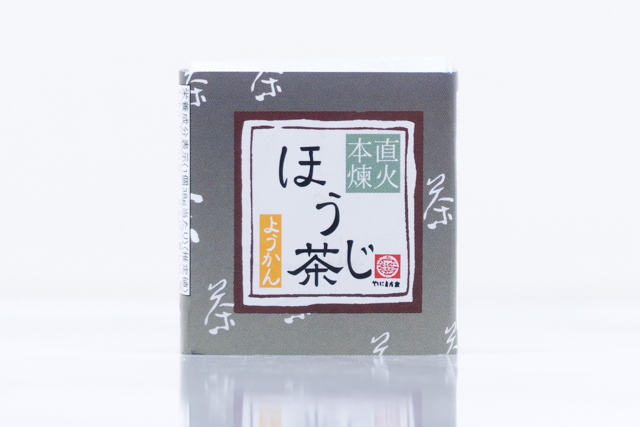
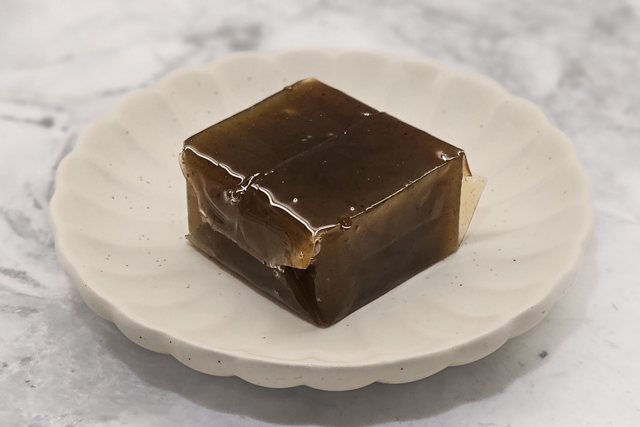
An opaque deep khaki-brown hue, with visible hōjicha leaves embedded into a green bean base. The roasted tea aroma was immediately evident. On tasting, the moderately sweet yōkan gave way to the fragrant bitterness of roasted tea, which cut cleanly through the bean sweetness. The interplay between caramelised roast notes and gentle sweetness was particularly compelling, creating an almost addictive balance.
Yuzu
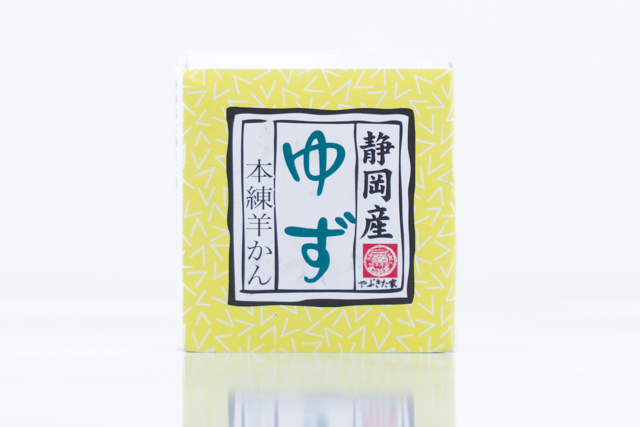
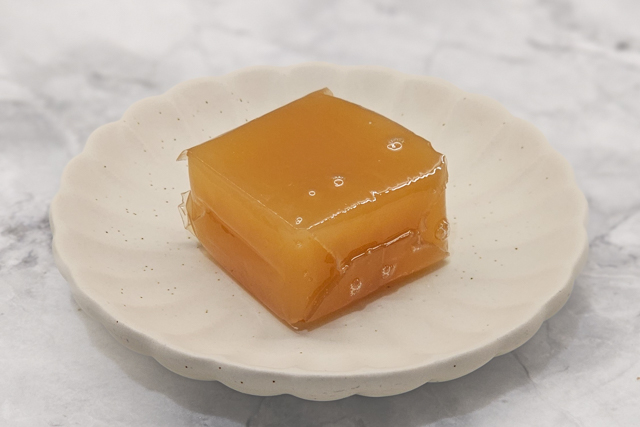
An opaque deep yellow-orange shade with fine flecks of yuzu zest, made using yuzu from Shizuoka Prefecture in a green bean base. The aroma was bright and citrus-led. The flavour delivered bold yuzu presence—floral, juicy, and vivid—tempered by the sweetness of the paste. The zest contributed subtle texture, and the overall effect felt refreshing, almost jelly-like in its lightness.
Blueberry
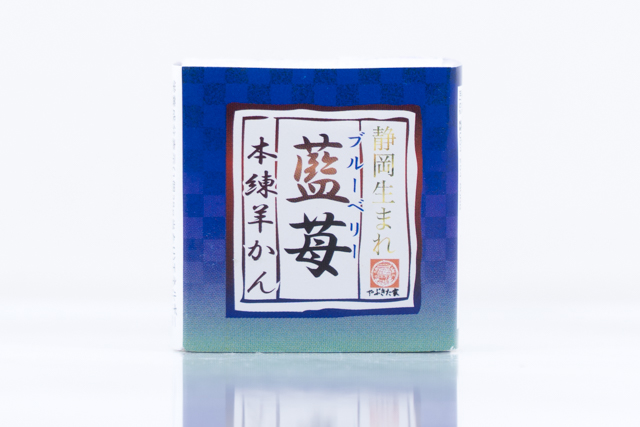
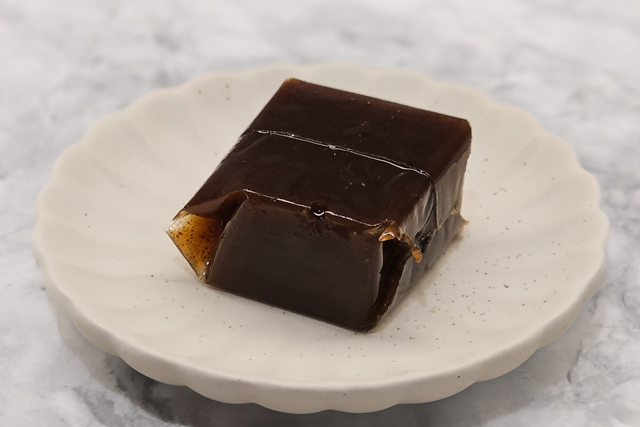
An opaque deep red-brown hue with visible blueberry pulp, set in a green bean base. The blueberry was dominant, offering fruity brightness that intensified as the yōkan rested on the tongue. The flavour read as fresh and ripe rather than confectionery. Natural sweetness and gentle acidity provided lift, while the pulp added pleasing texture. It paired especially well with tea and finished cleanly.
Black Sesame
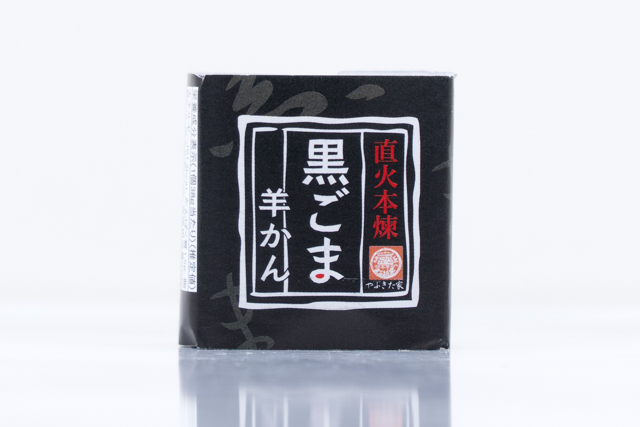
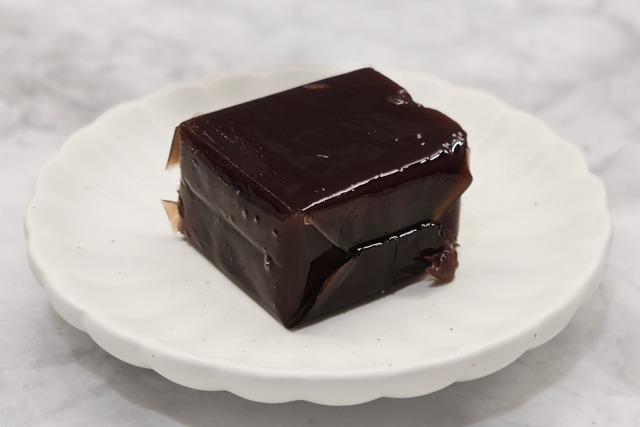
An opaque near-black hue in a red bean base. The mouthfeel was slightly textured, with the savoury depth of black sesame contrasting against the smooth sweetness of the bean paste. The nuttiness was fragrant and lingering, adding dimension and a subtle savoury edge that prevented the sweetness from becoming cloying.
Coffee
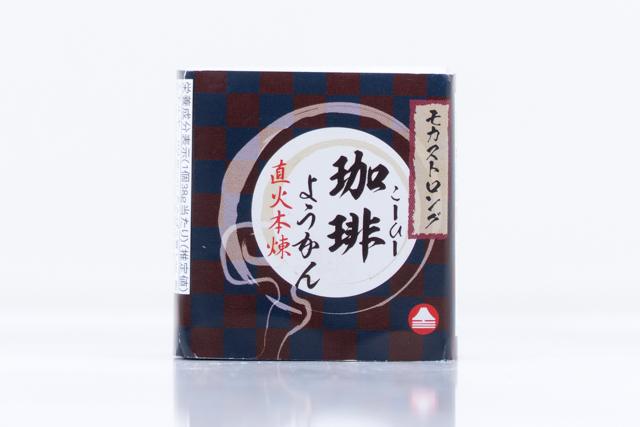
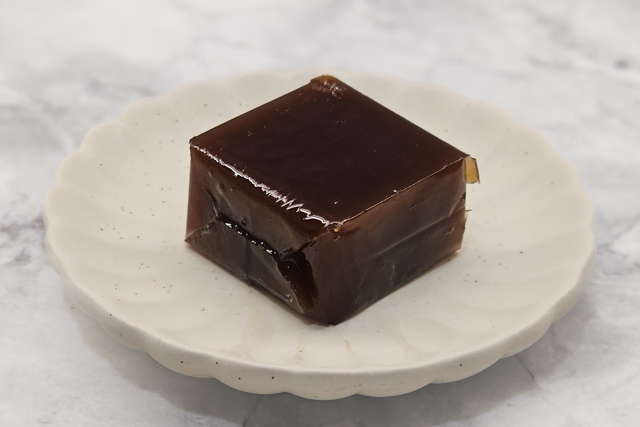
An opaque deep red-black tone with visible coffee particulates in a red bean base. The aroma was distinctly roasty. On tasting, the bitterness of coffee integrated seamlessly with the sweetness of the bean paste. The coffee flavour was bold yet allowed the earthy undertones of the red bean to remain perceptible. Roasted notes lingered into the aftertaste, giving structure and length.
Salt
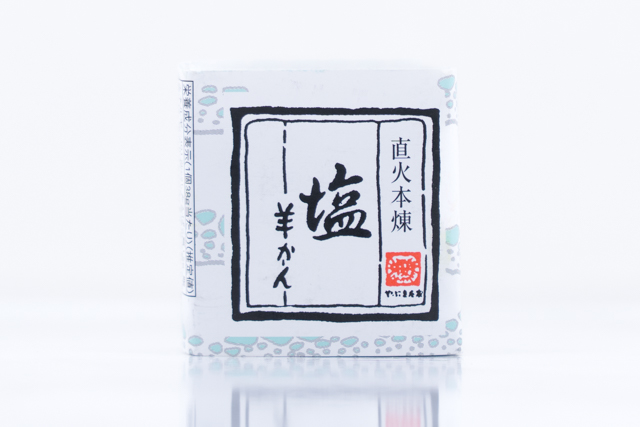
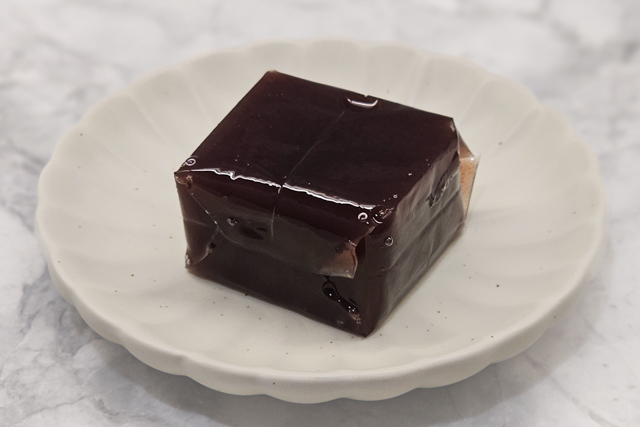
An opaque deep red hue in a red bean base. The salt was refined and judiciously applied, heightening the flavour of the beans while tempering their sweetness. The effect was surprisingly harmonious. Rather than tasting overtly salty, it sharpened the bean’s natural character and maintained the classic smooth texture. One of the more quietly impressive variations.
Sweet Potato
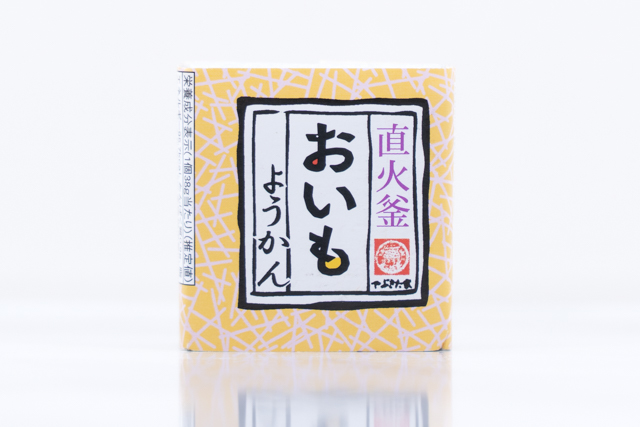
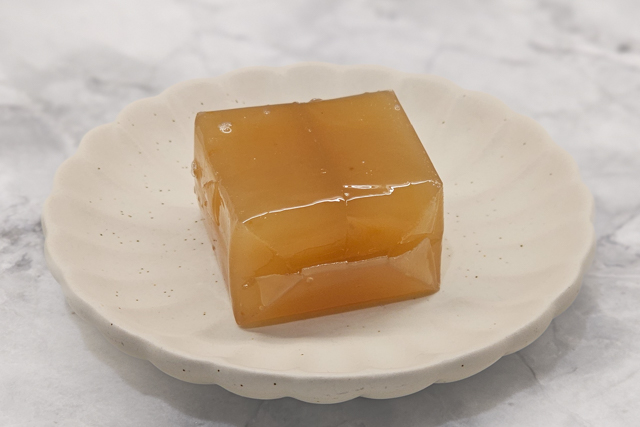
An opaque tan shade in a green bean base. Exceptionally smooth, with an earthy sweetness characteristic of sweet potato. The flavour was warm and comforting, gentle rather than assertive, evoking a slow, autumnal sweetness.
Japanese Black Tea
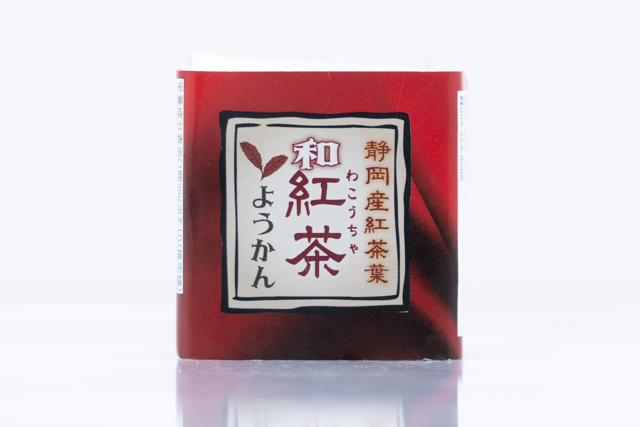
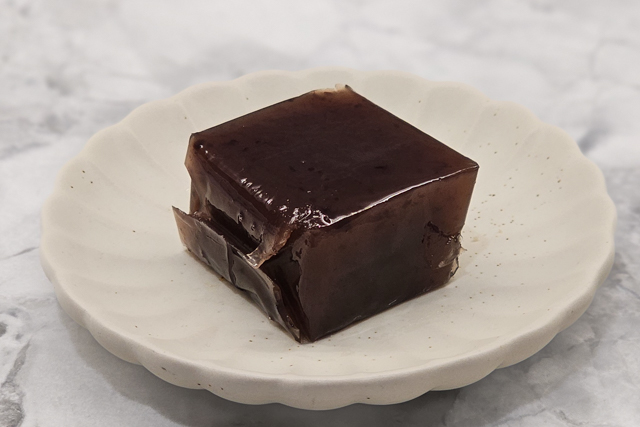
An opaque red-black hue in a red bean base, using black tea from Shizuoka Prefecture with leaves embedded into the paste. The tea’s bitterness aligned neatly with the sweetness of the yōkan. Fruity aromatics from the tea came through clearly, brightening the bean base. The black tea notes lingered, almost echoing the earthy sweetness of the red bean itself.
Black Bean
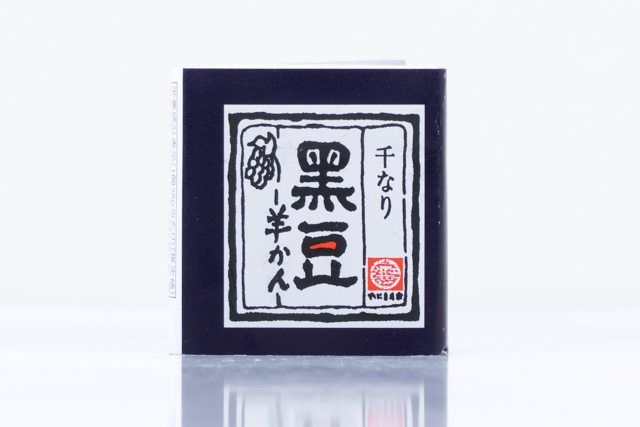
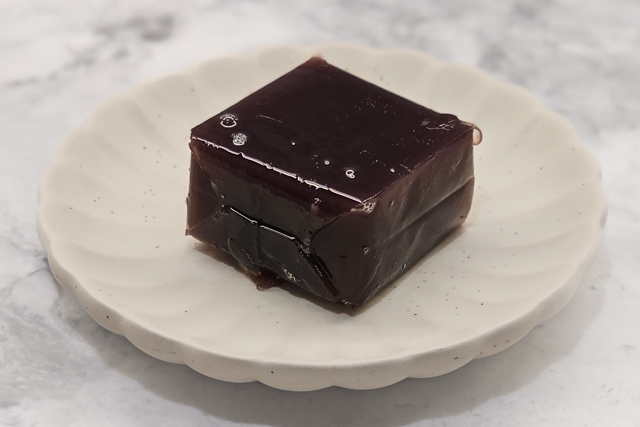
An opaque deep red-black hue in a red bean base, studded with whole black beans. The beans provided the most textural contrast among the range—soft yet distinct, creating pockets of relief from the surrounding sweetness. The flavour was nostalgic and grounding, with an earthy depth that felt particularly satisfying.
Strawberry
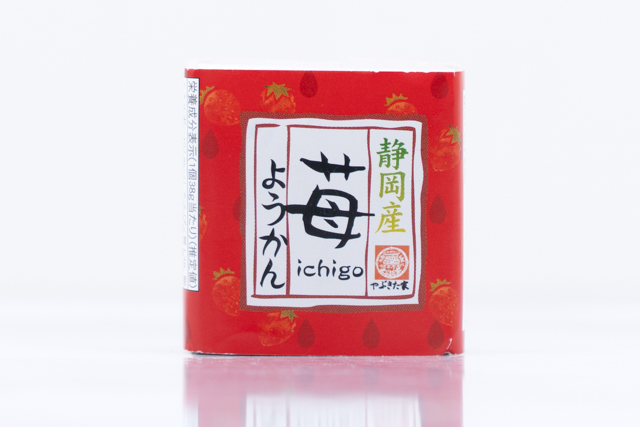
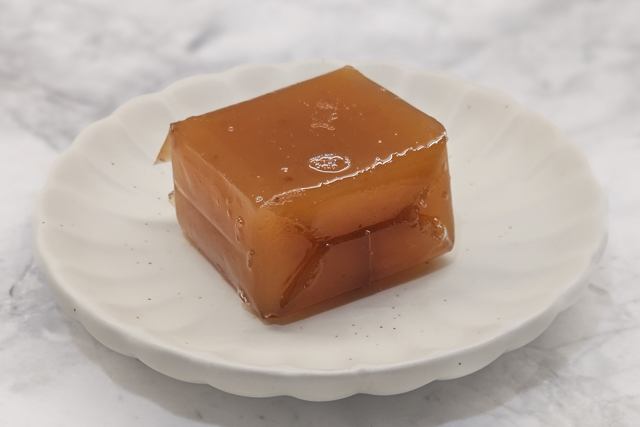
An opaque pink-orange tone with visible red flecks of strawberry pulp, in a green bean base using strawberries from Shizuoka Prefecture. Softer and less dense than the red bean-based varieties, it delivered a vibrant strawberry flavour reminiscent of ripe compote. The fruit’s natural acidity cut through the sweetness of the paste, resulting in a fruit-forward and lively profile.
Melon
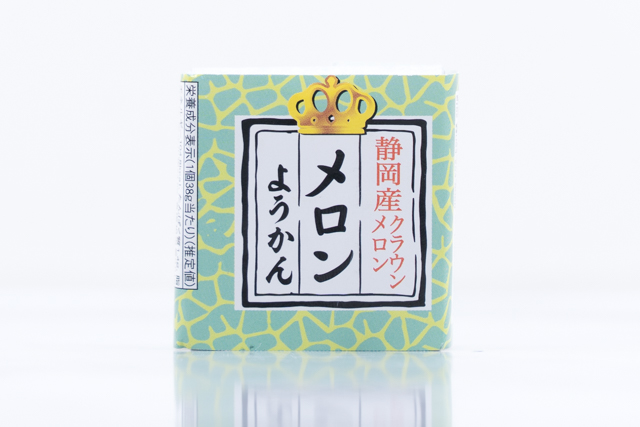
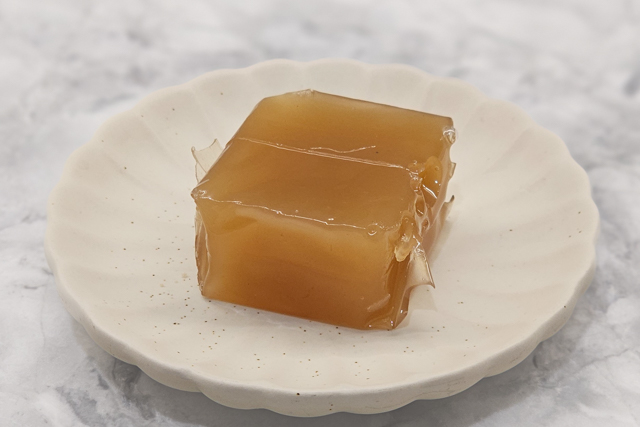
An opaque tan hue in a green bean base, using Crown Melon from Shizuoka Prefecture. The sweetness was gentle yet clearly defined. The melon flavour was fresh and ripe, capturing the aromatic quality of green melon without artificial overtones.
Sakura
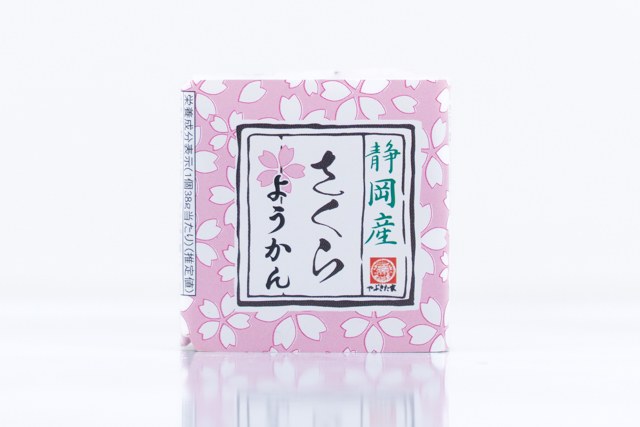
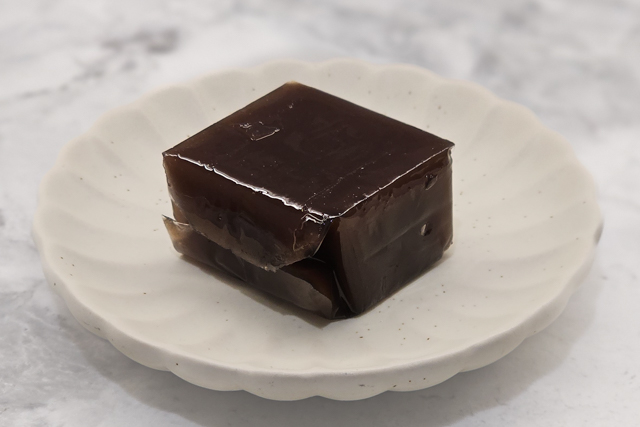
An opaque reddish-brown hue in a red bean base, incorporating sakura from Shizuoka Prefecture. The aroma of cherry blossom was pronounced upon opening. On tasting, the sweetness of the red bean was complemented by the distinctive savoury-floral note of sakura leaves. A subtle salinity enhanced the floral character and tempered the sweetness, resulting in a mellow, balanced finish.
Overall, this was an enjoyable and thoughtfully varied assortment, showcasing how yōkan can carry tea, nut, fruit, and floral inclusions with clarity. The balance of sweetness and bitterness was generally well judged, and the textural contrasts—particularly in the black bean and citrus-based varieties—added interest. Best appreciated alongside tea, where the measured sweetness and lingering aromatics can be properly observed.
These Mochizuki Cha-ame Yōkan contained 38 g each. They were produced in Japan and purchased in Sydney, Australia in 2026.