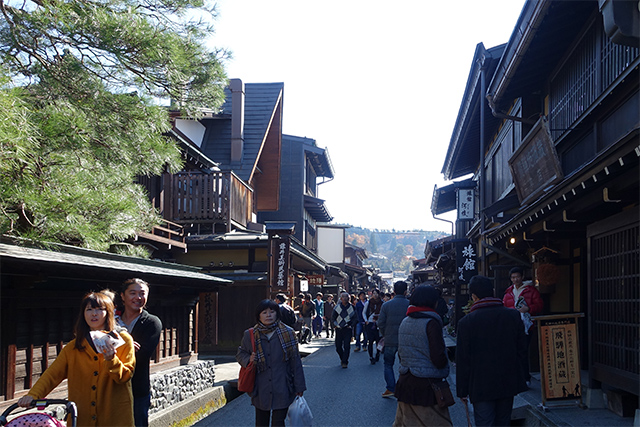
Takayama is 2.5 hours away from Nagoya City, so we wake up ridiculously bright and early to get to the Meitetsu Bus Centre by 7:15 AM.
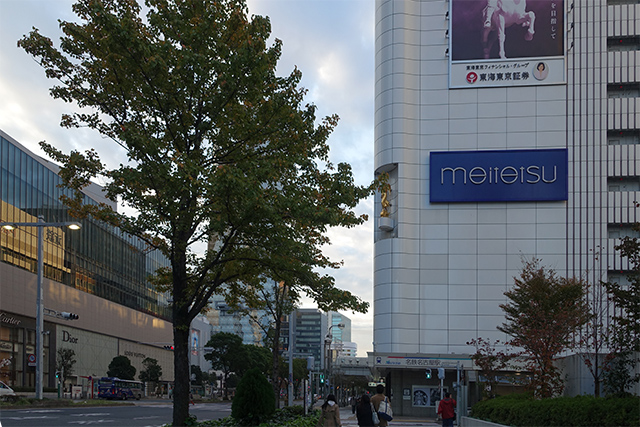
The sun is just starting to rise.
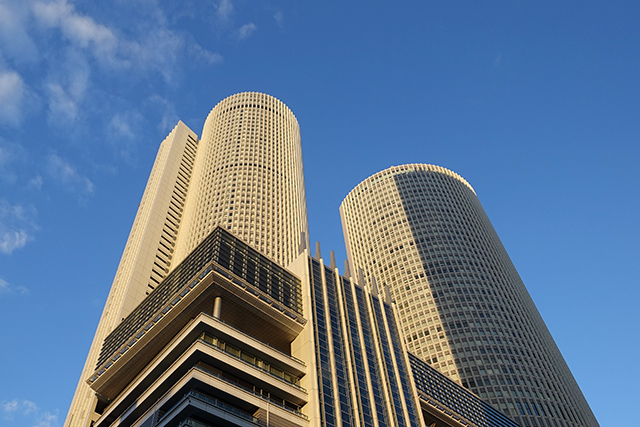
The skies are surprisingly bright for 7 AM in the morning during the last days of autumn.
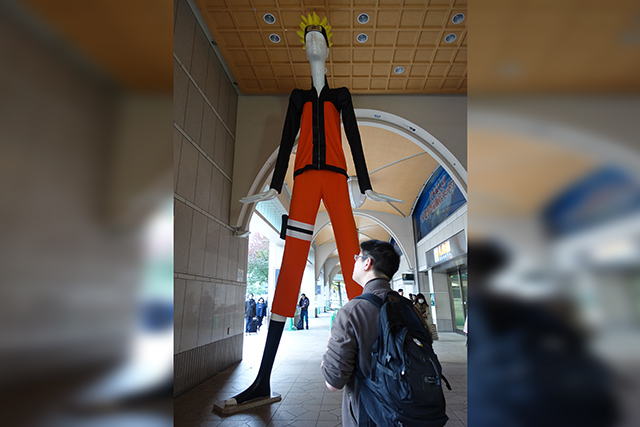
Outside the escalators to the Meitetsu Bus Centre is a giant figure of a super-skinny Naruto.
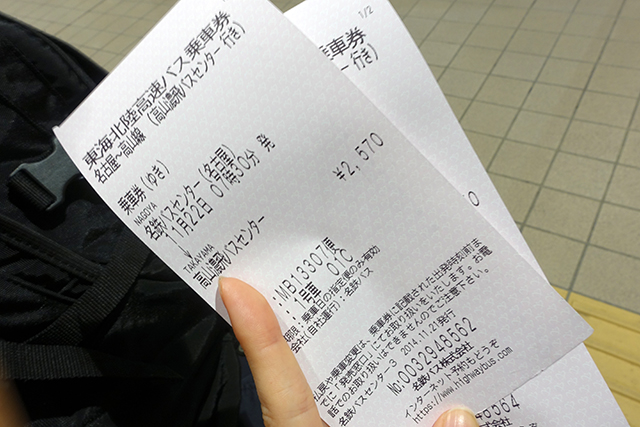
Whereas in Australia, you can count on a 7:30 AM bus to still be there at 7:35 AM, it never does to arrive right on time in Japan because they are unfailingly punctual. Trust me, they can do a lot in five minutes – in that time, a shinkansen can arrive at the train station, unload all the incoming passengers, clean and flip all the seats in all sixteen carriages, load all the outgoing passengers, and depart from the train station on time. It blows my mind.
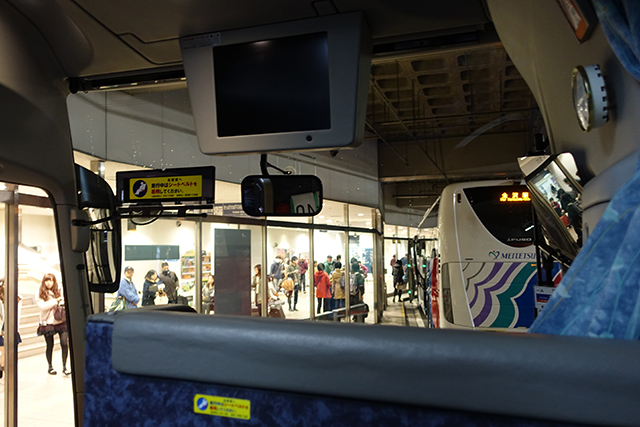
Highway bus is the most economical way to get to Takayama from Nagoya. The train takes about the same time, but is more than four times the cost.
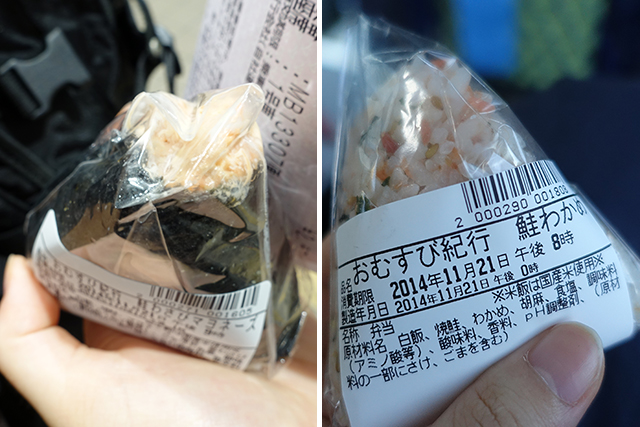
For breakfast, we have some onigiri we bought the previous day in Shin-Toyota. I had two salmon and seaweed ones (above, left), which D thought weren’t ‘faithful’ onigiri as they weren’t wrapped in seaweed. He opted for a seaweed wrapped one with salmon and mayo inside.
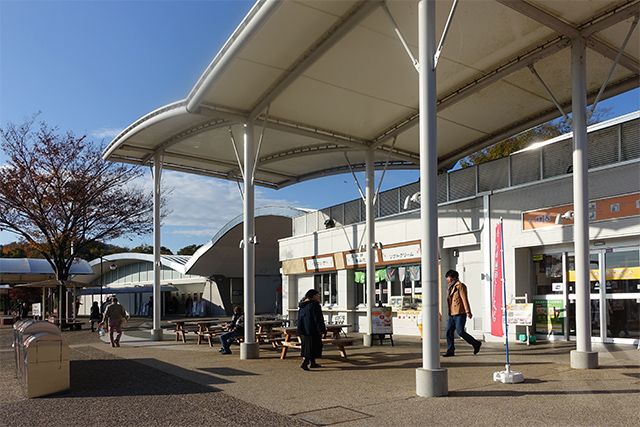
About 60 minutes into our trip, the bus made a stop for toilet breaks and an opportunity to pick up some snacks. If you ever watch ‘slice of life’ anime, the Japan depicted looks pretty much exactly like the one in Real Life. Yes, down to the highway bus break stops.
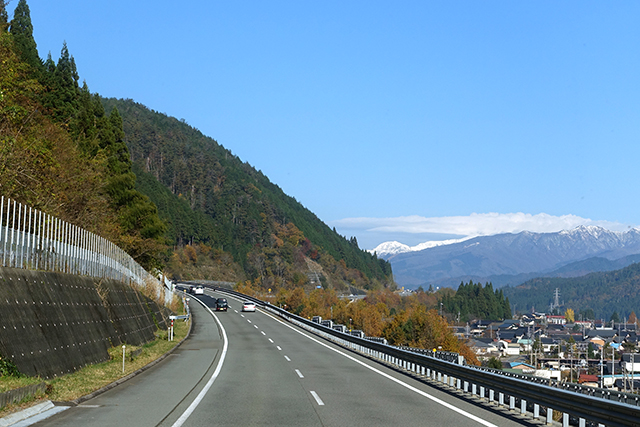
We pass Gujo on the way, which we’re visiting tomorrow, and shortly afterwards we’re greeted with a view of the Japanese Alps. Yes, there are perks to sitting in the front row of buses!
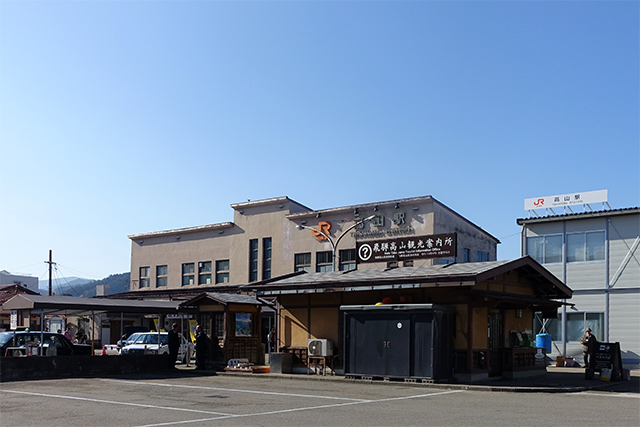
And 2.5 hours later, we’re there! It’s a very beautiful day with sunny blue skies.
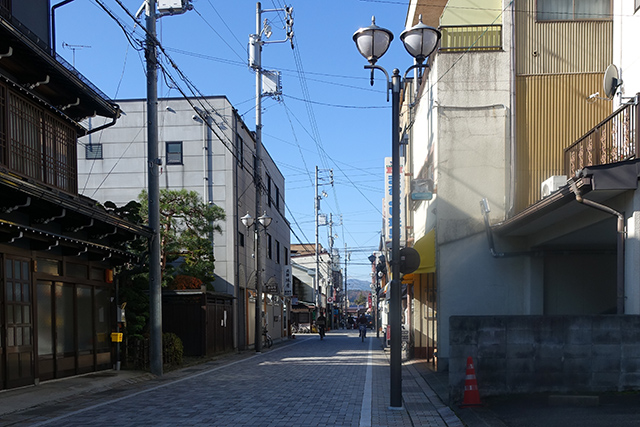
After we’ve sorted out how to get tickets to Hida no Sato for later in the afternoon, we head towards the Miyagawa Morning Market.
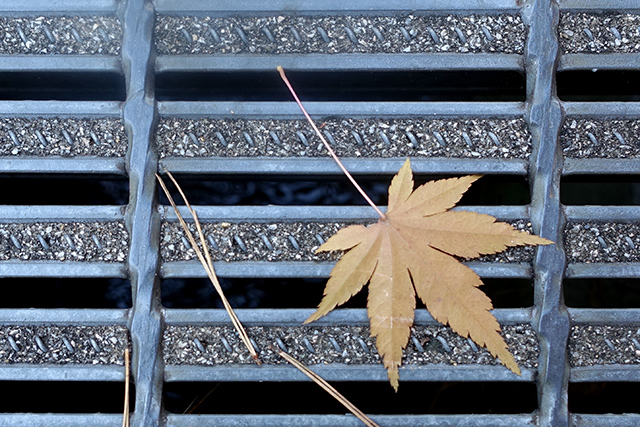
I love autumnal foliage.
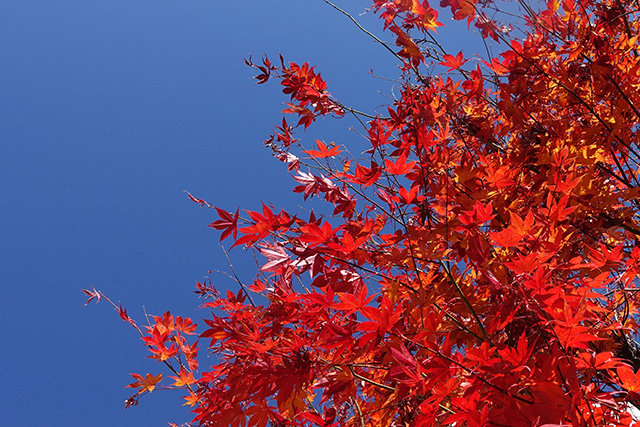
Red maple leaves are the prettiest.
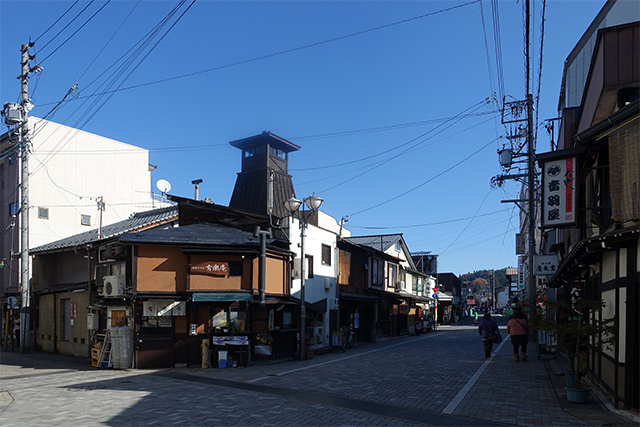
Many of the thoroughfares in Tayakama are paved.
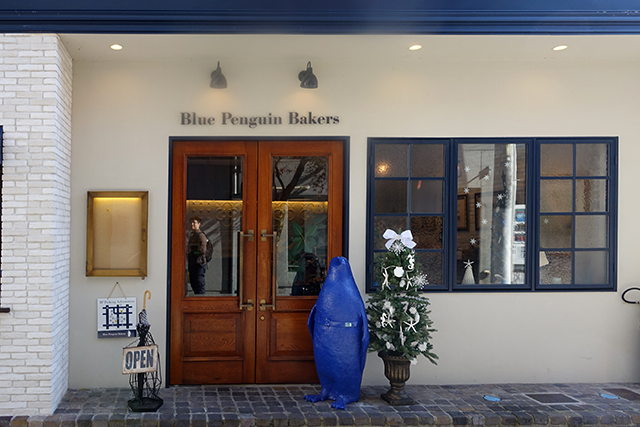
About half way there, we come across the coziest, quaintest bakery: Blue Penguin Bakers.
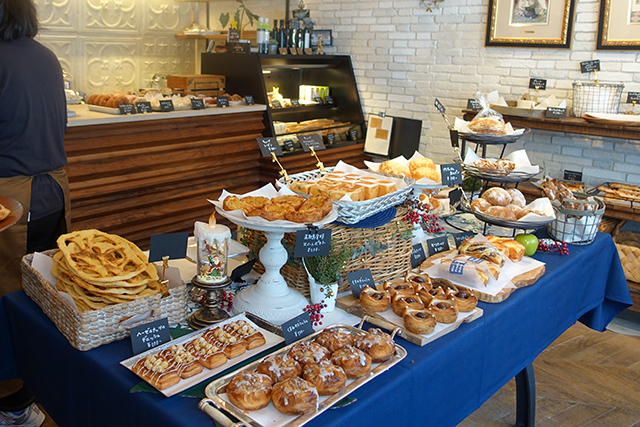
It’s the quaintest bakery ever, a Japanese take on a French style bakery.
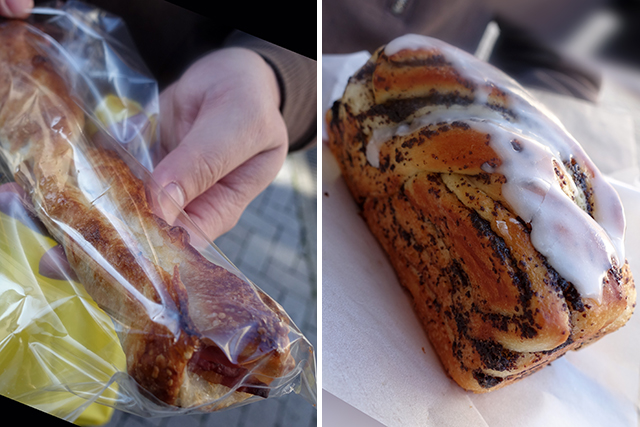
We stop for a ham and cheese twist, and a chocolate swirl twist/loaf. The items at this bakery are very well made and they taste all right too.
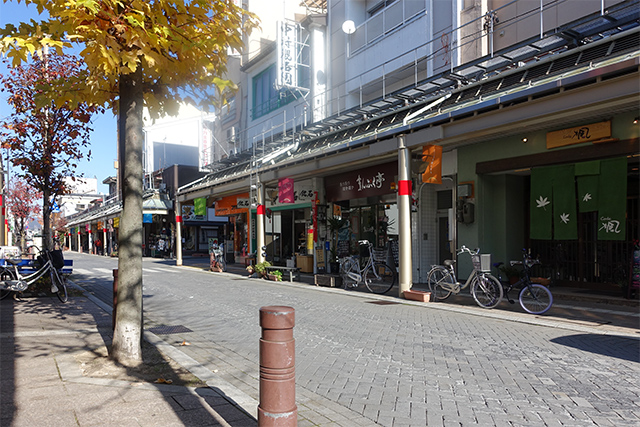
We make it to the main street.
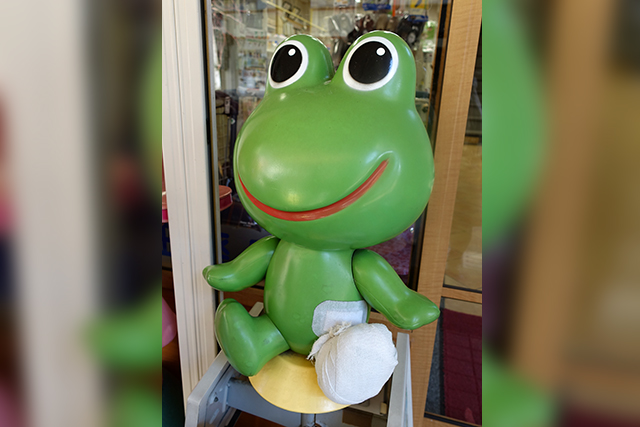
For the first time since arriving in Japan, we come across a pharmacy that actually sold more drugs than it did cosmetics. And it was guarded from a cute frog with a bandaged foot and tummy.
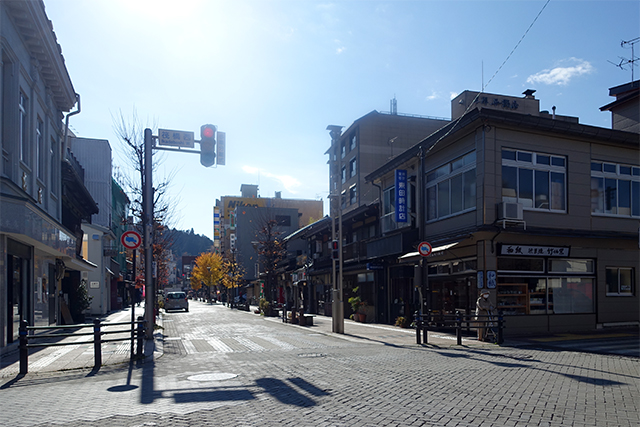
The sun is shining ridiculously bright, a day more akin to early than late autumn.
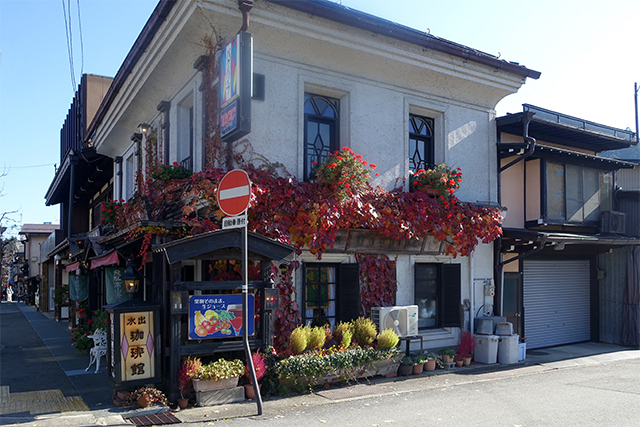
After passing this plant loving building, we reach the river.
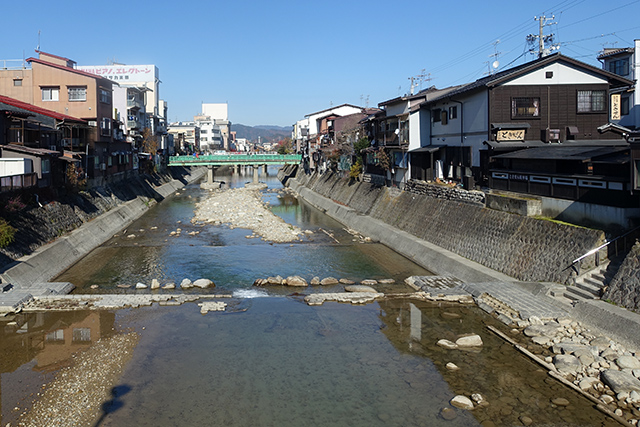
We cross over one of numerous bridges.
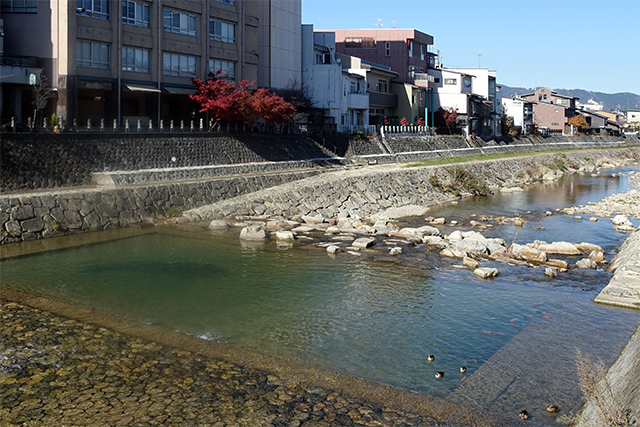
The water is crystal clear.
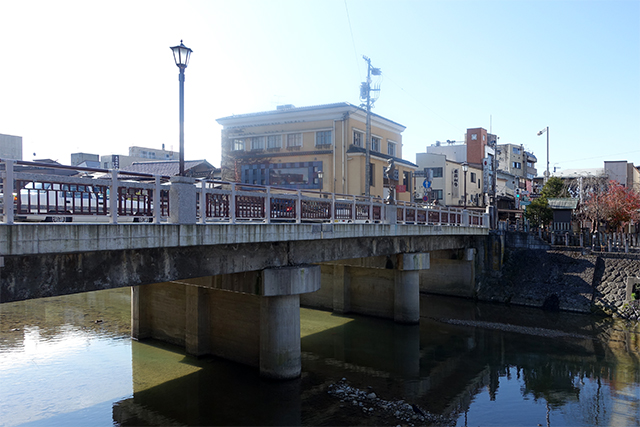
Not all the bridges accommodate pedestrians, but cars generally give way to the numerous tourists.
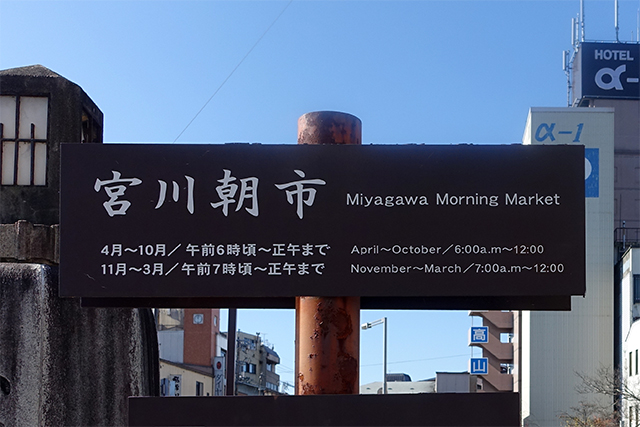
And we arrive at the Miyagawa Morning Market.
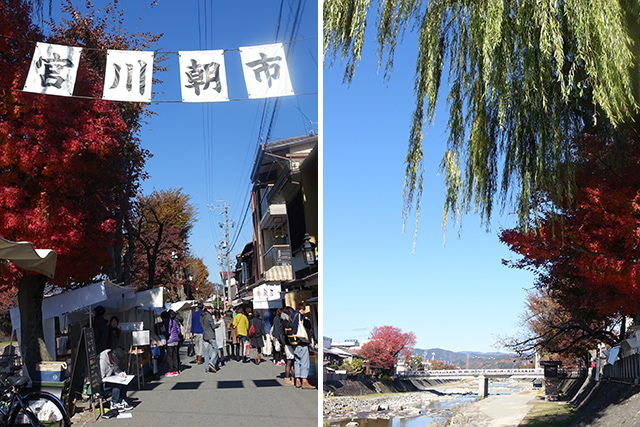
The markets run every morning of the year.
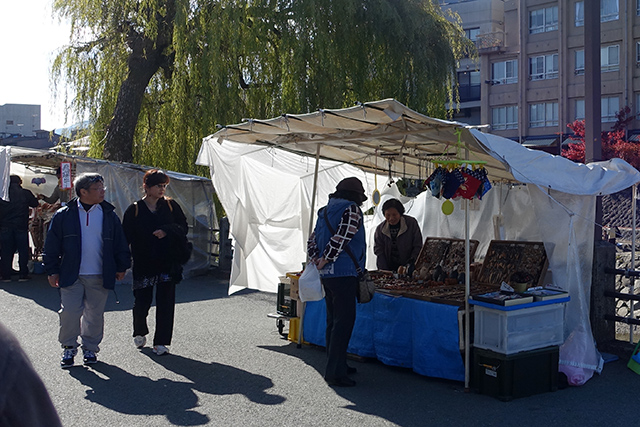
It’s lined with stalls selling tiny trinkets…
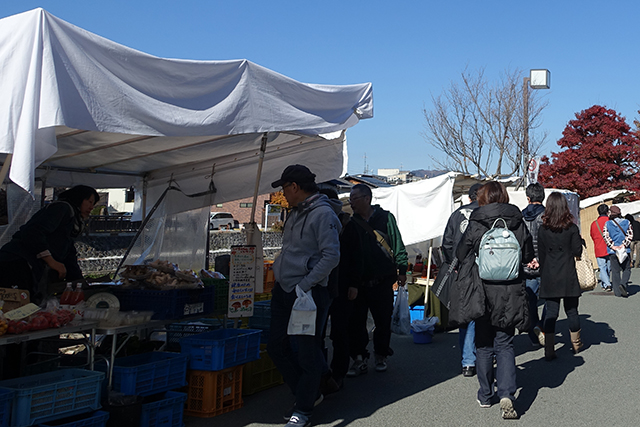
…while others sell fresh produce.
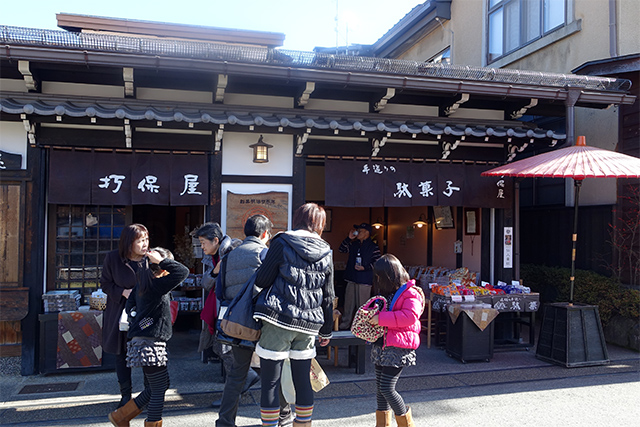
But people were mostly interested in the stores in the buildings lining the opposite side.
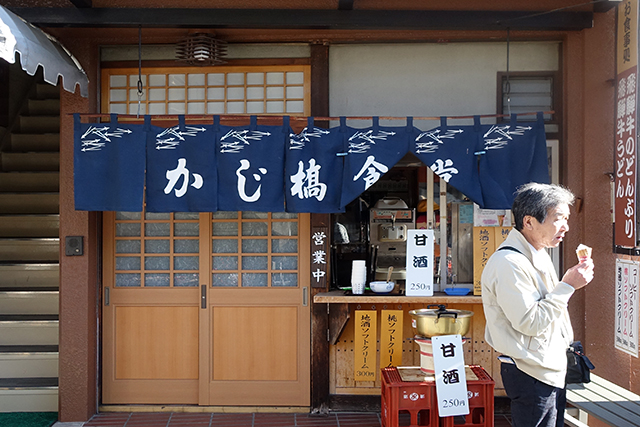
We come across a store selling sake flavoured soft serve, which is supremely novel, so of course we try one.
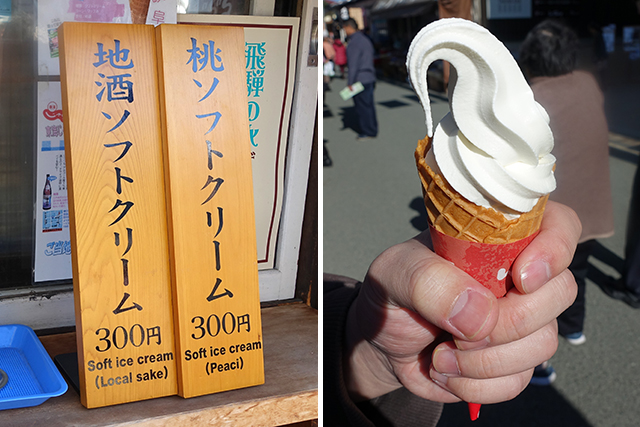
We didn’t come across it any other time in Japan, so lucky we did! The taste of sake is very subtle here, but I think it works better that way.
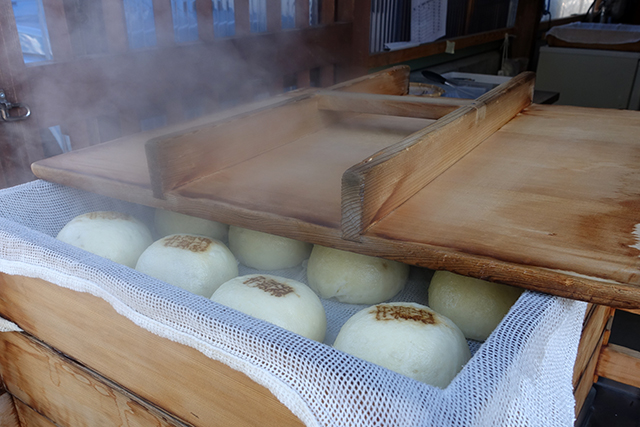
And next to it, is a store selling manjū (the remind me too much of char sui bao for me to ever really want to eat them), and then a store selling flavoured nuts. I love that stores in tourist districts offer samples of everything, and unlike Australia, don’t inflate the prices so ridiculously high. In fact, I often found that souvenirs cost the same in tourist districts and in more local areas.
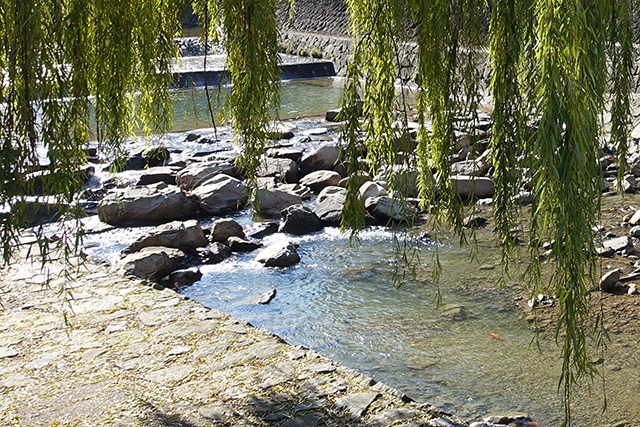
The morning market is set up along the rocky river. There are many large koi swimming around in it.
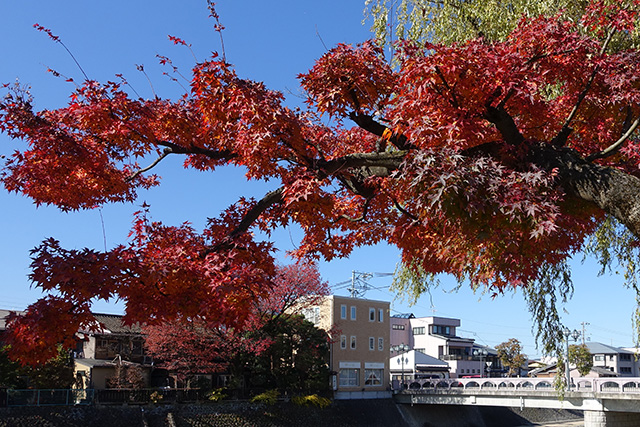
At the other end of the market, is another bridge designed in a different style.
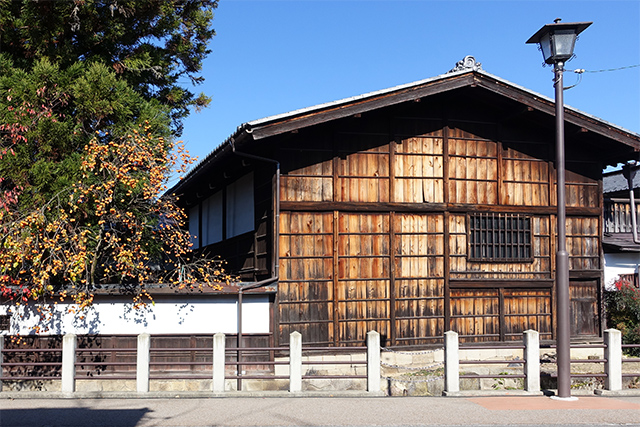
We bump into a liquor store on the corner. Just outside, is a large persimmon tree with a generous harvest of fruit.
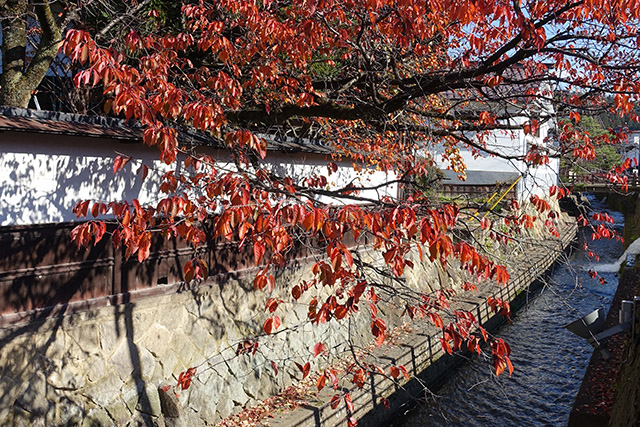
Smaller water ways run adjacent to the main river.
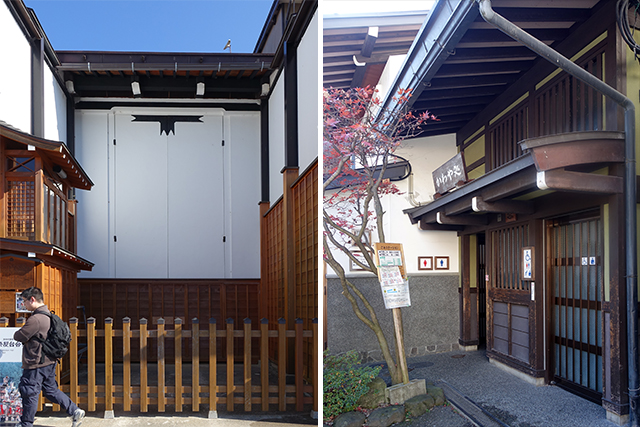
After the morning markets, we walk towards Takayama Old Town, but before walking past a ‘garage’ for a festival float (left) and a wooden public toilet.
Takayama Old Town is a beautifully preserved old Edo-period town lined with shops.
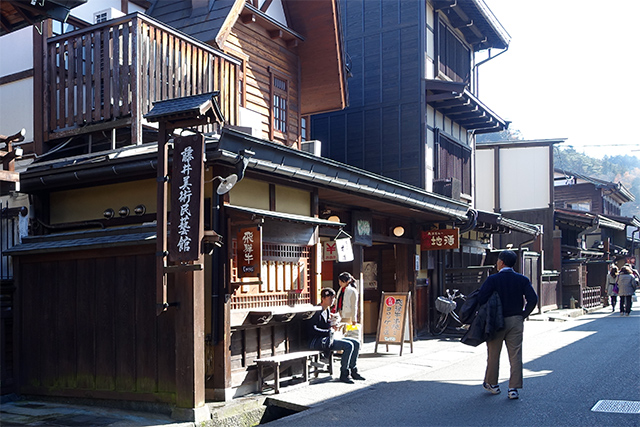
Many sell food, skewers of the local Hida beef, a type of wagyu.
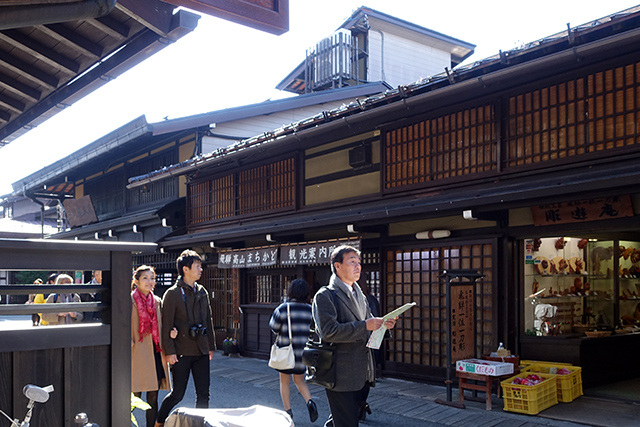
Others sell souvenirs carved in wood.
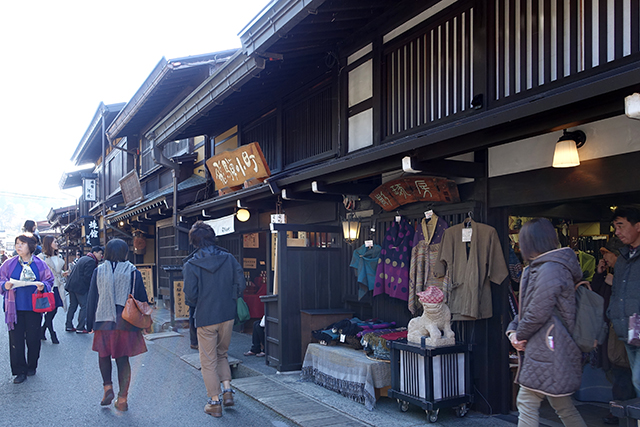
And still others sell clothing, rather modern goods in a traditional setting.
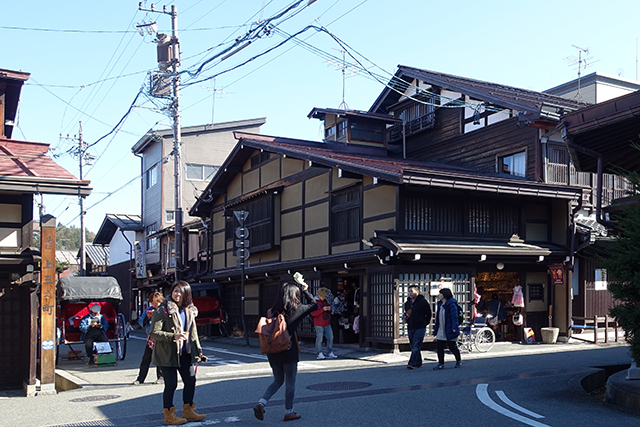
And men pulling rickshaws entice couples to take a ride with them around the city.
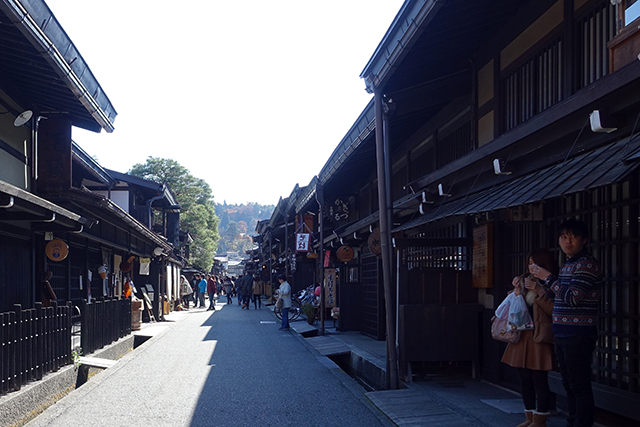
We would see Kawagoe near Tōkyō later, which is also an old Edo period town, but both are different in their traditional charm and appearance.
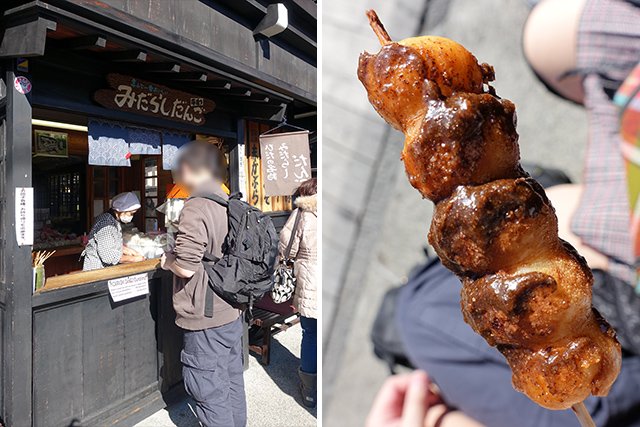
We indulge our curiosity for mitarashi dango. I prefer my dango sweeter and chewier (and less authentic!). These were rather bland, though, and the soy sauce glaze did not help. I have a hard time reconciling salty dango with my impression of dango as a ‘sweet’. So, we probably won’t try these again anytime soon.
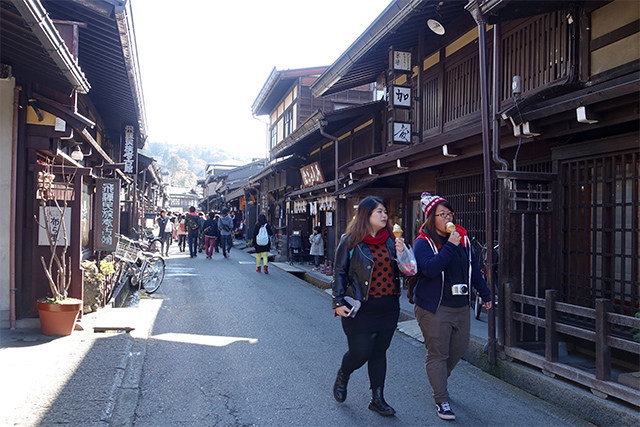
Walking through the streets, if it weren’t for the numerous other tourists, you’d believe you were transported to a previous time.
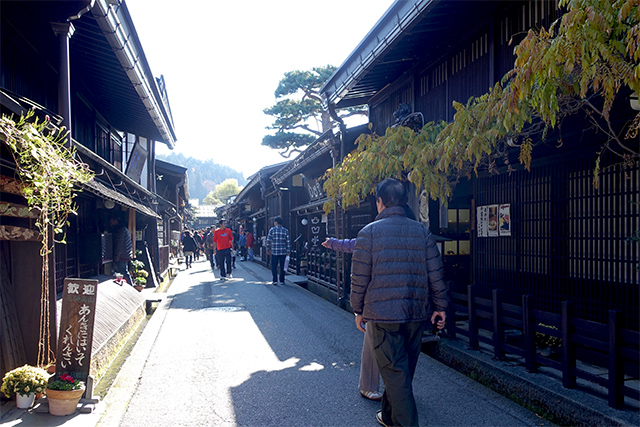
Some add a pop of colour to the otherwise brown frontages with fresh foliage.
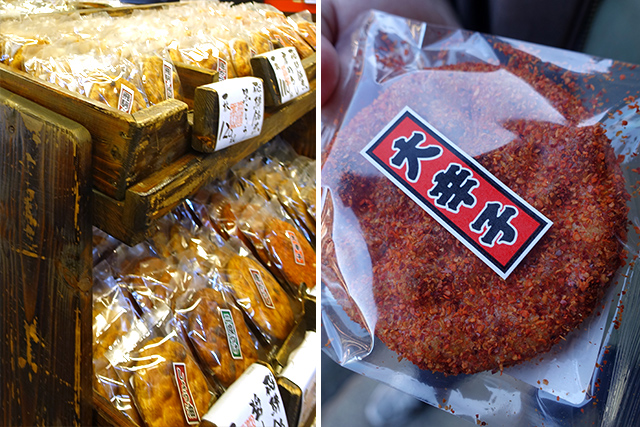
There’s a store selling senbei (rice crackers). They make some on the spot. D had been after something hot and spicy after his lukewarm experience with the Calbee chips from the previous day, so he gets this senbei lathered in shichimi (a Japanese spice mixture containing 7 ingredients). The spiciness of this senbei completely blows him away and leaves his mouth burning. He insists I have a nibble, and my rather sensitive tongue is left burning too!
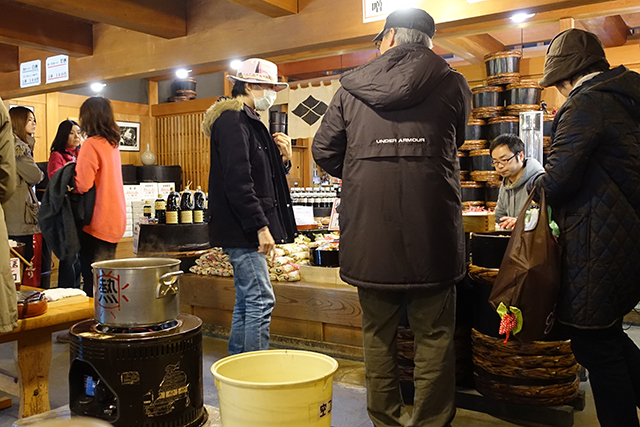
Further down, we find a store brewing soy sauce and miso paste. They give out samples of hot miso soup – I can imagine this store being a huge hit in the winter.
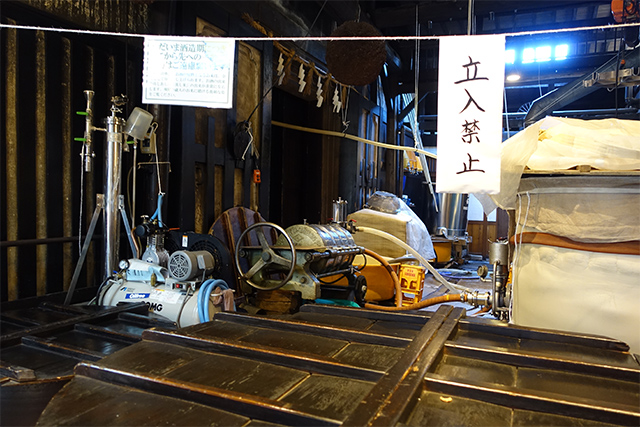
And then we find a store brewing sake. The store also offers sampling for a reasonable price.
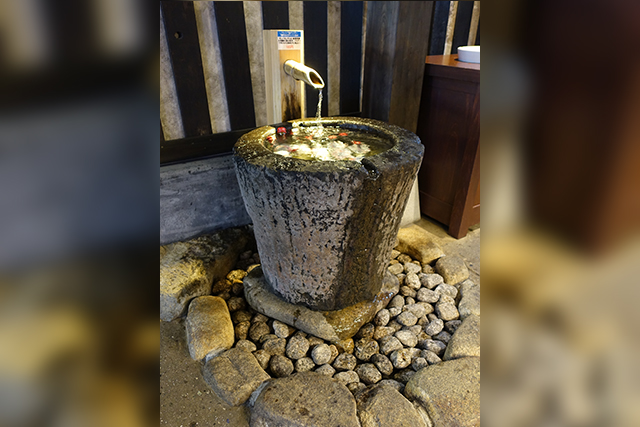
The sake store has a stone fountain.
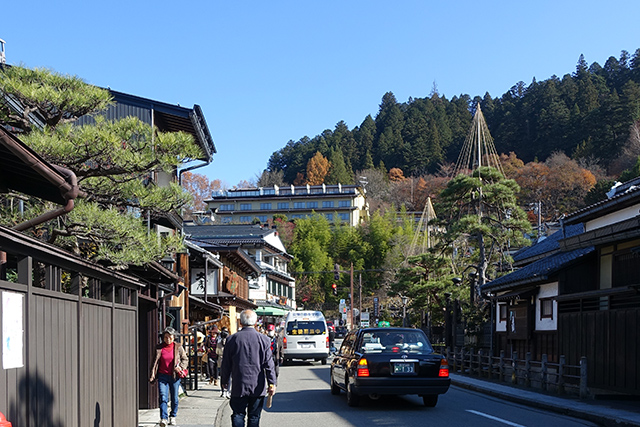
We walk back towards the train station in search for lunch.
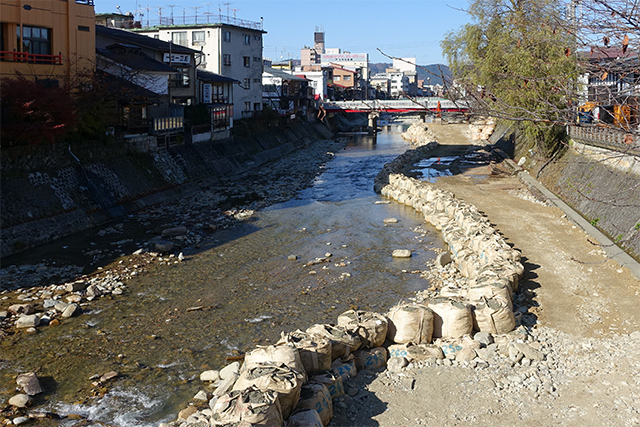
It’s a different bridge from the one we crossed earlier.
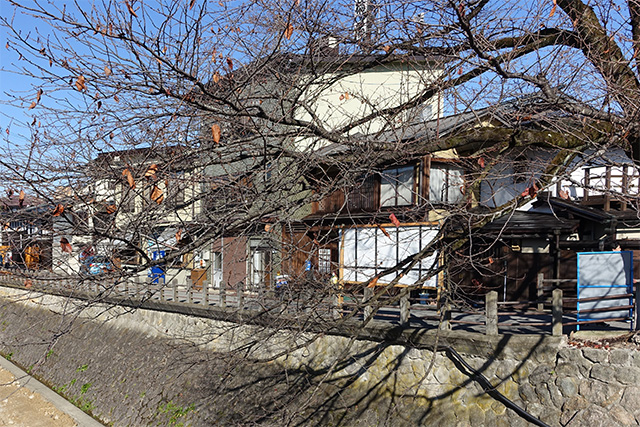
Some of the trees have felt the ongoing cold more than others, losing all their leaves early.
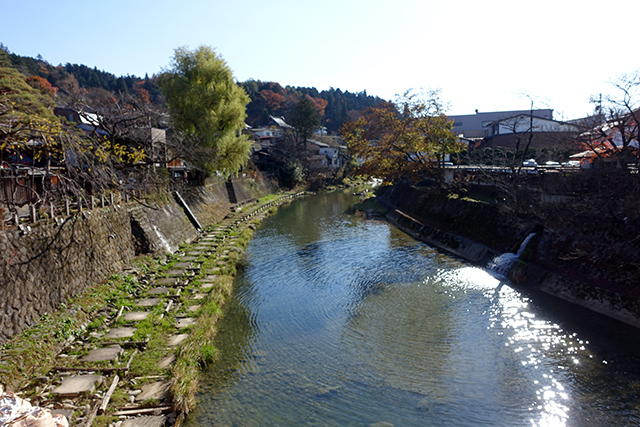
Such a beautiful view, less rocky than further down the river.
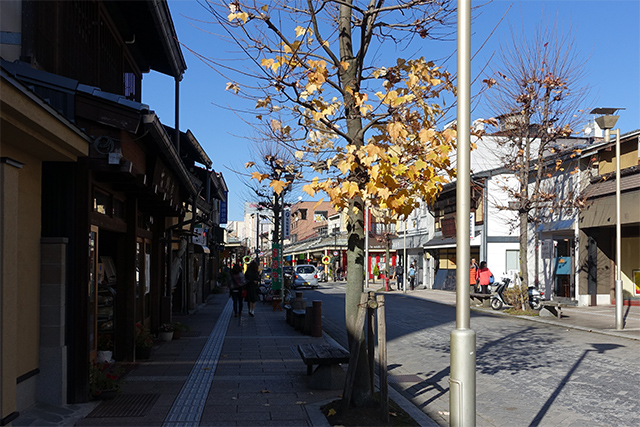
We have hida beef at a restaurant closer to the train station in mind.
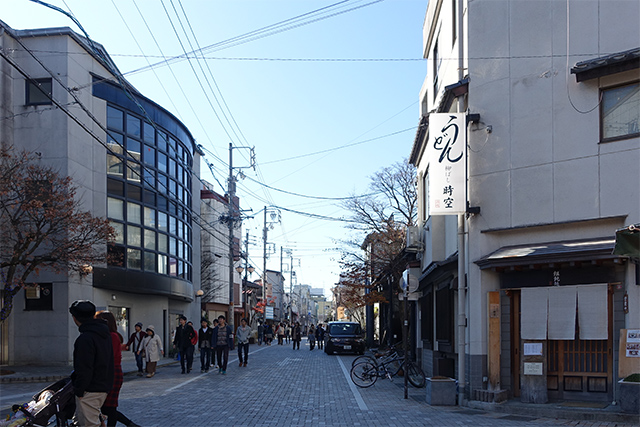
These modern buildings are a world away from Old Takayama.
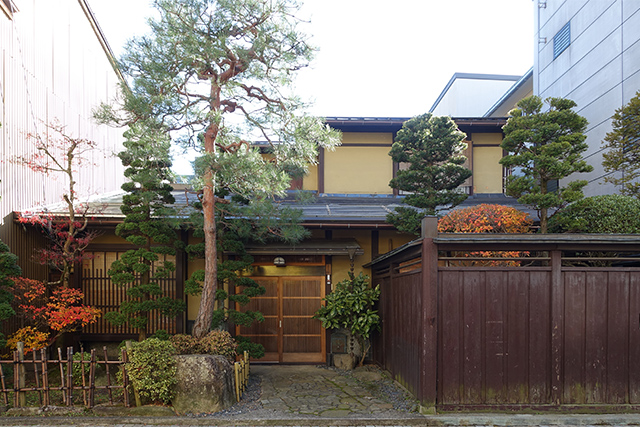
We pass by this beautifully manicured garden.
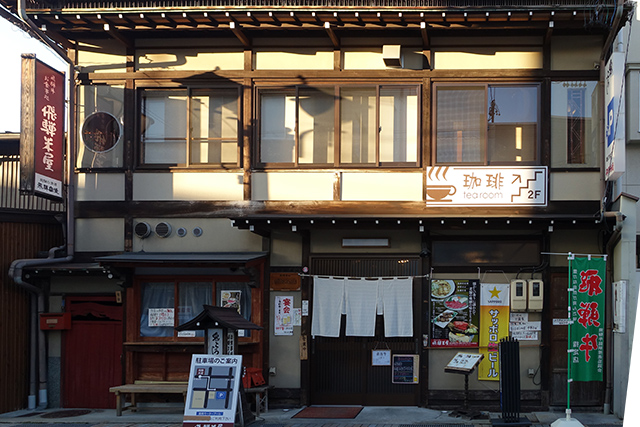
Hida beef is something to try in Takayama. It’s a wagyu right up there with kōbe, I’ve read. We had our sights set on a family-run restaurant, but being a national holiday they were closed. So we walk around and find another family-run restaurant that has Japanese seating as well as Western seating.
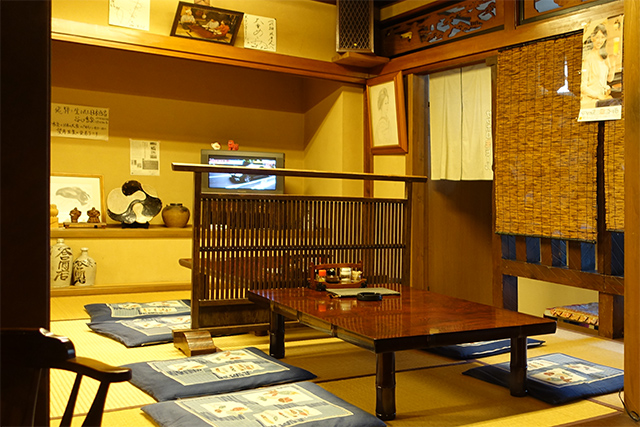
We get directed to the Western seating (as do other Japanese tourists).
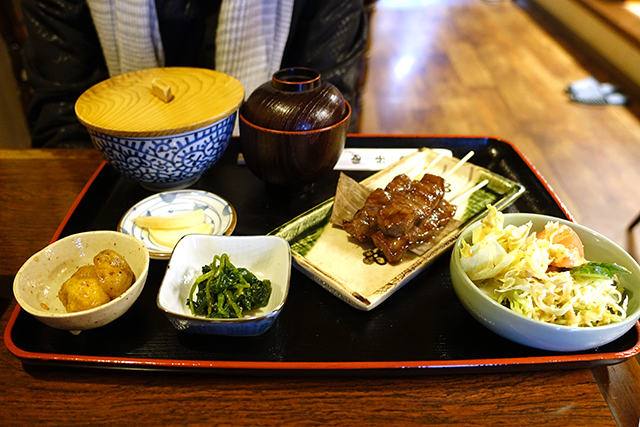
I ordered the hida beef kushiyaki teishoku (¥1,750).
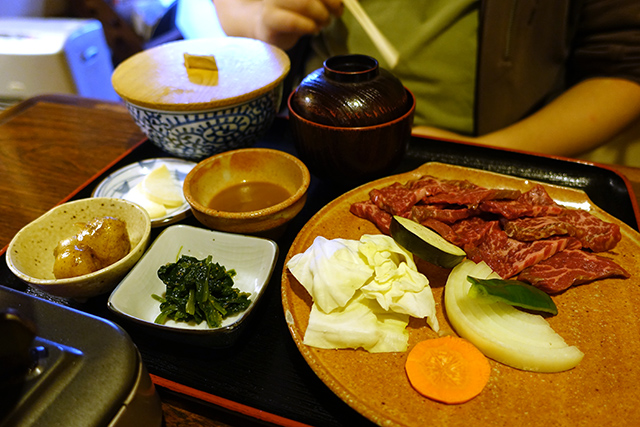
D ordered the hida beef yakiniku teishoku (¥2,220).
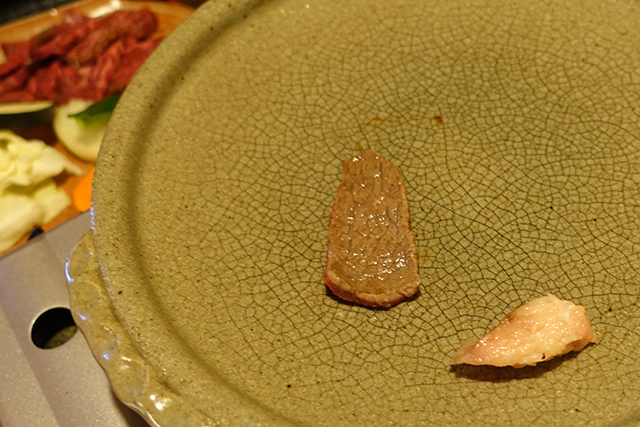
D got to cook his meat on a stove with a piece of cow fat (ah, how meta!), and the meat from both sets was delicious – very melt-in-your mouth juicy and tender. I would say it’s some of the best beef I’ve tasted.
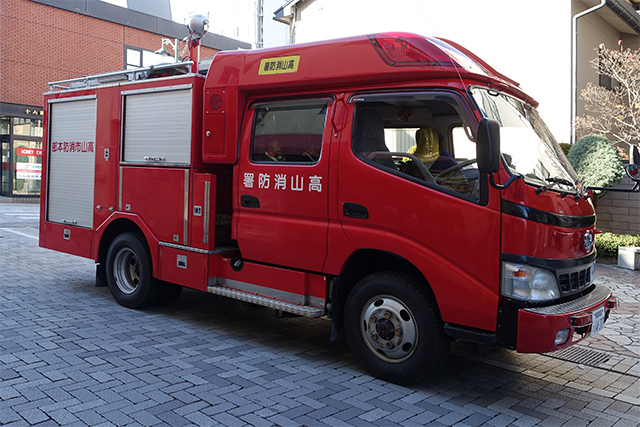
After lunch, we spot a fire engine…
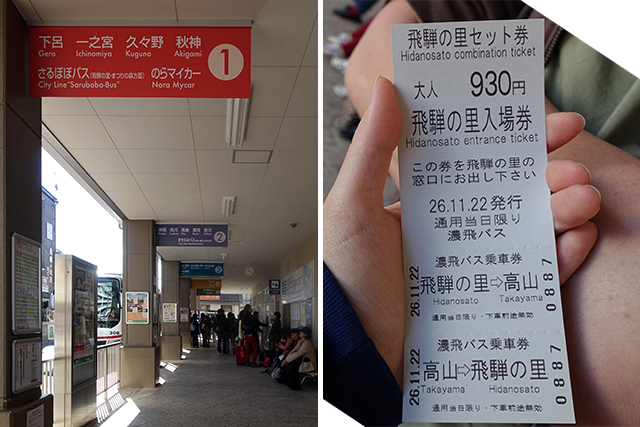
…before heading off to Hida no Sato by catching the Sarubobo Bus. Getting the combination bus ticket + Hida no Sato entry ticket together, gave an overall discount of a couple of hundred yen.
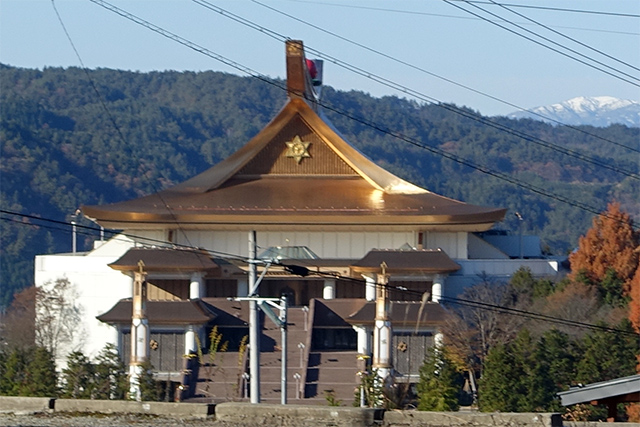
Across from the bus stop for Hida no Sato is the world headquarters for Sukyo Mahikari, a religion that aims to ‘foster the ability in people to develop a world of true peace by understanding and practicing light energy and the universal principles in all aspects of life’. It is a very opulent building, and easily identified by its gold roof.
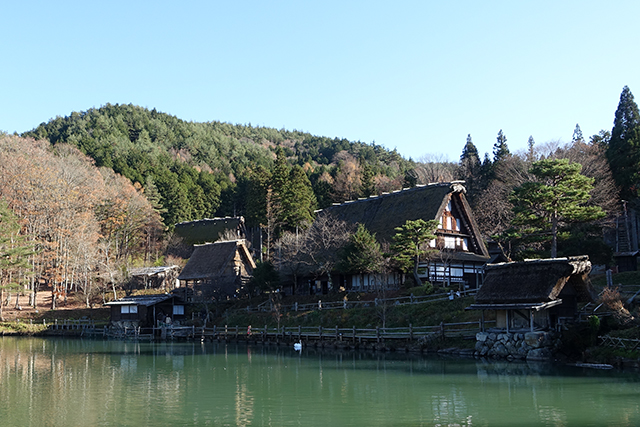
And Hida no Sato! This is, without a doubt, the defining view for Hida no Sato that is seen on any information (online or offline) of the place. And rightly so, because it is really quite breathtaking.
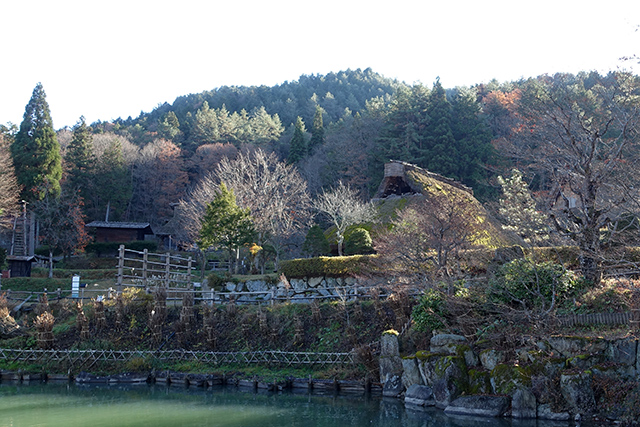
Hida no Sato is an open air museum exhibiting over 30 traditional houses from the Hida region.
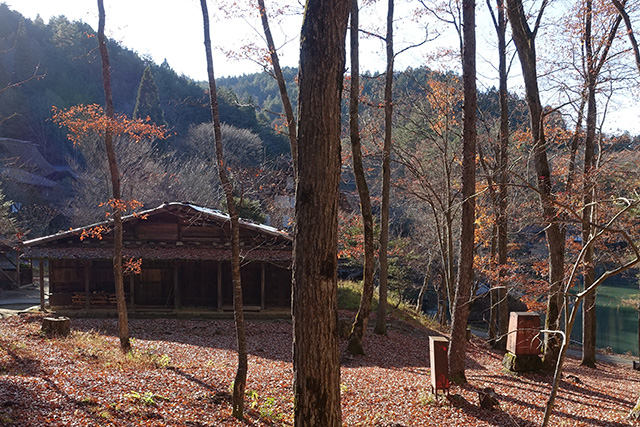
The central location of Takayama in Japan means that autumnal foliage is nearing its end due to the cooler temperatures.
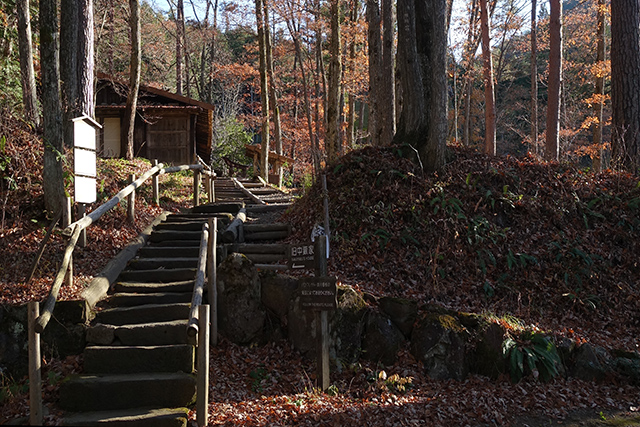
But that’s all right. There’s nothing like an autumnal sunset.
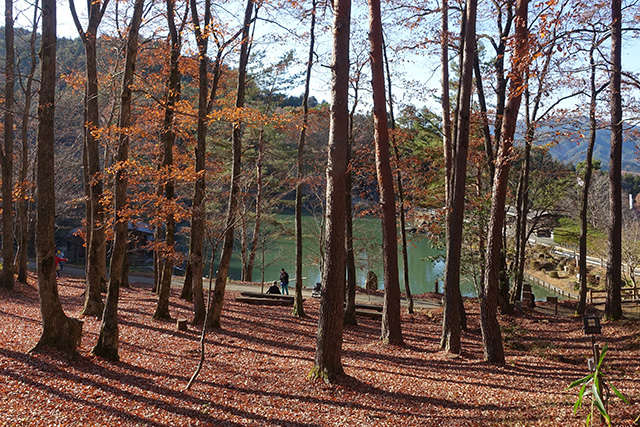
The sunlight is absolutely beautiful against the landscape.
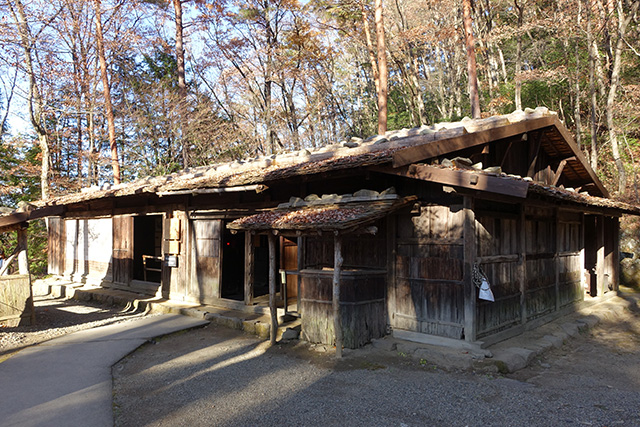
These buildings are very well kept. You can see the traditional building techniques up close.
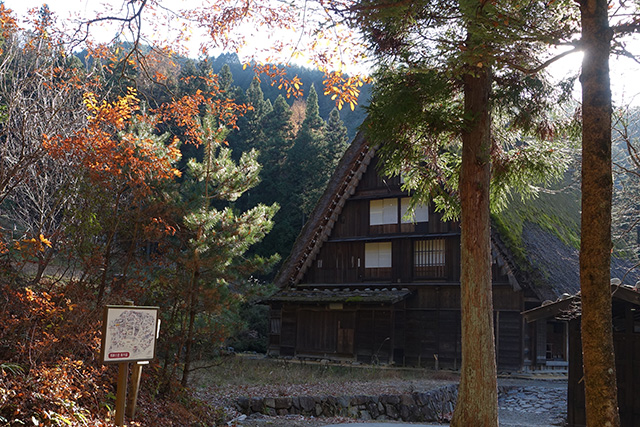
Many of the houses feature gassho style rooves that insulate against the heavy winter snow in the Hida region.
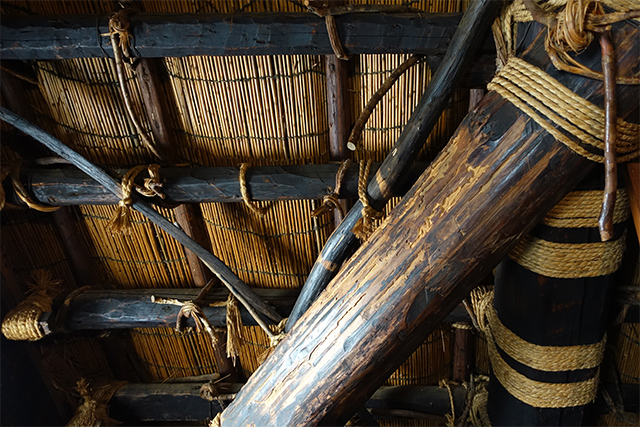
In some buildings, you can climb up into the ceiling to see how the gassho style rooves are constructed.
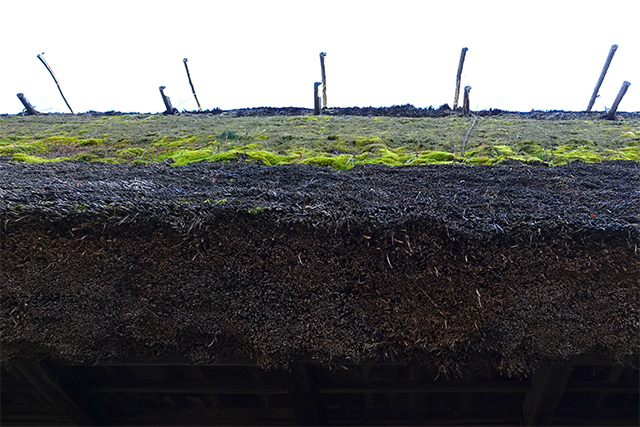
The rooves are very thick, but also highly flammable, and periodically reconstructed.
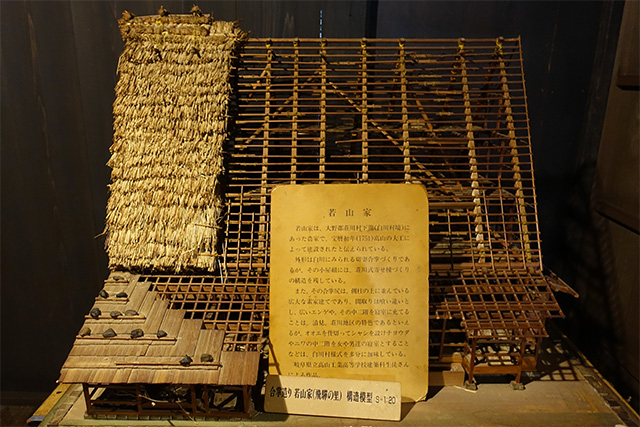
A cross-sectional scale model shows how they’re constructed.
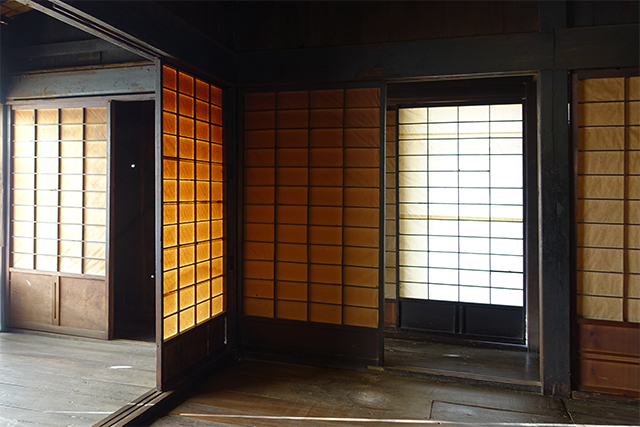
Most of the rooms are empty, but their sliding rice paper doors remain in tact.
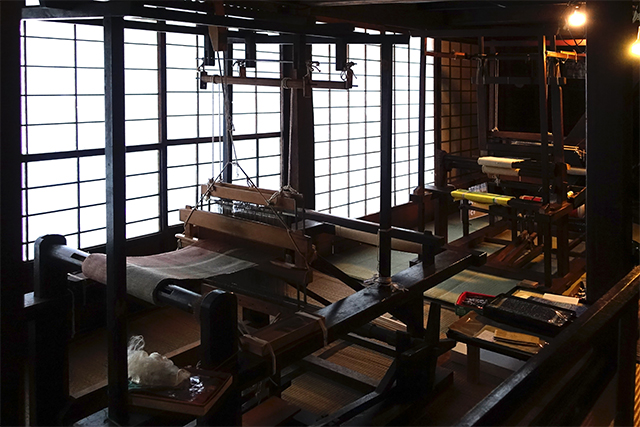
The museum also runs craft classes (such as weaving) throughout the day.
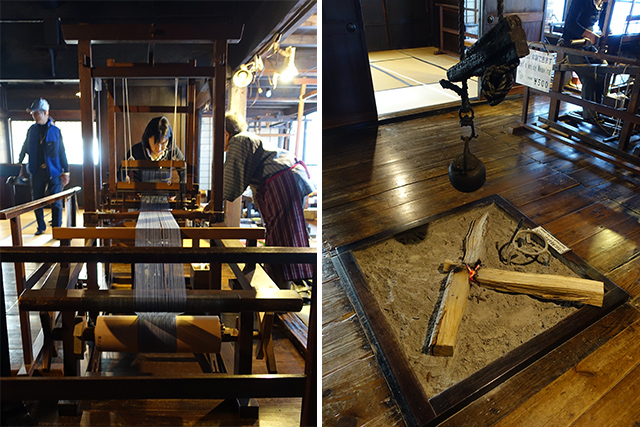 As in the earlier days, they keep the fire place burning to keep the wood from rotting.
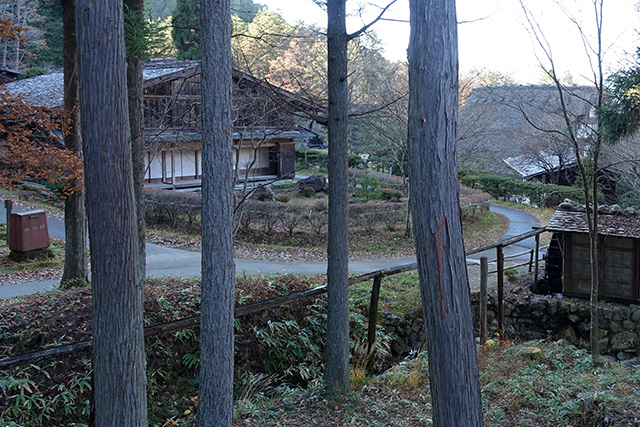
The sun sets pretty quickly, with the temperatures dropping dramatically.
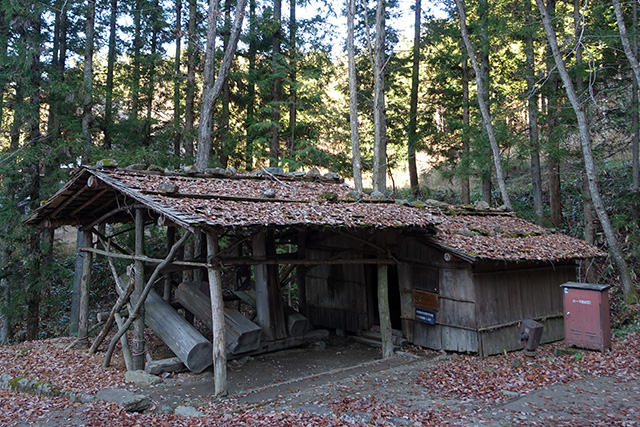
Many of these highly flammable structures have fire hydrants nearby.
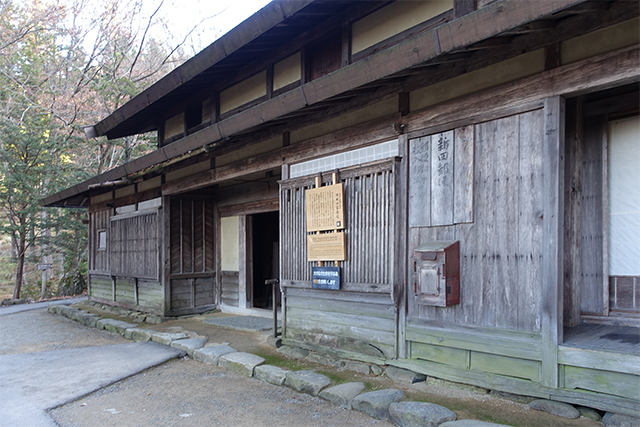
This is the Toguchi House.
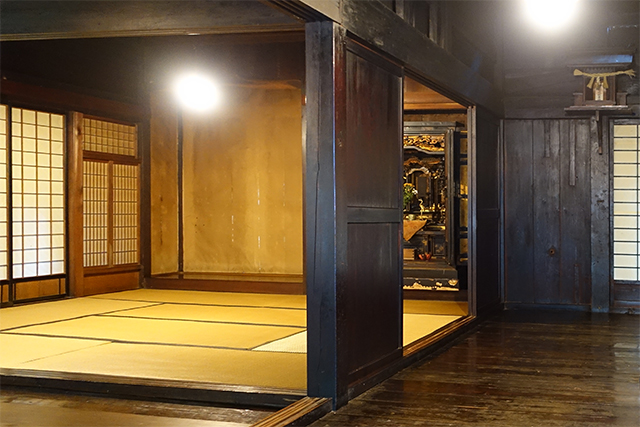
Some of its rooms have a shrine in the the corner of one of their rooms, like in some Japanese households.
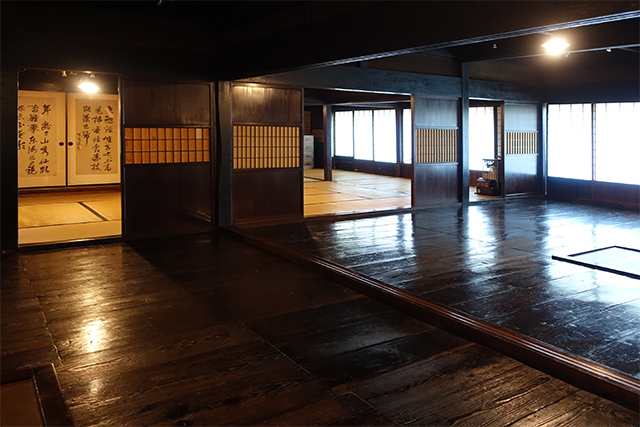
Some rooms are lined with tatami, while others are exposed polished hardwood.
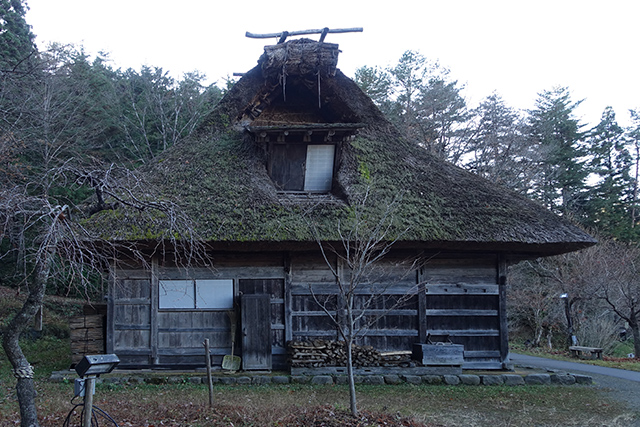
A pile of firewood sits behind the house, ready to be fed into the fire.
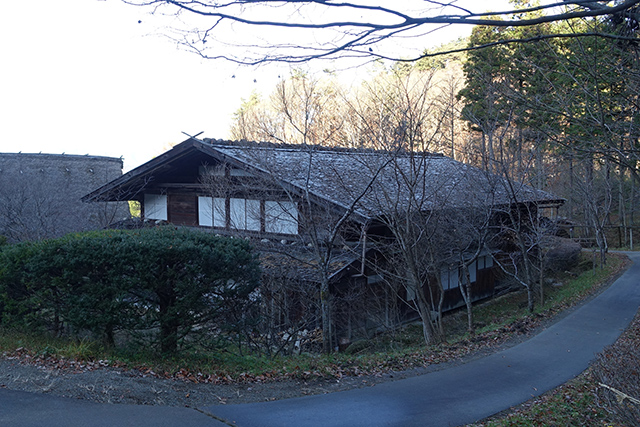
Other residences are constructed from more modern roofing techniques.
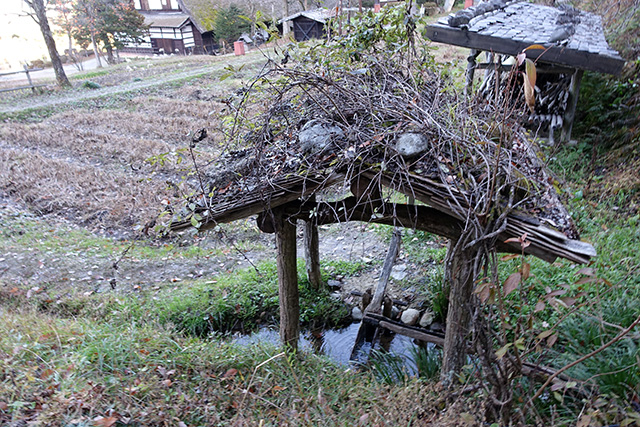
We come across a rather quaint shelter for a water feature.
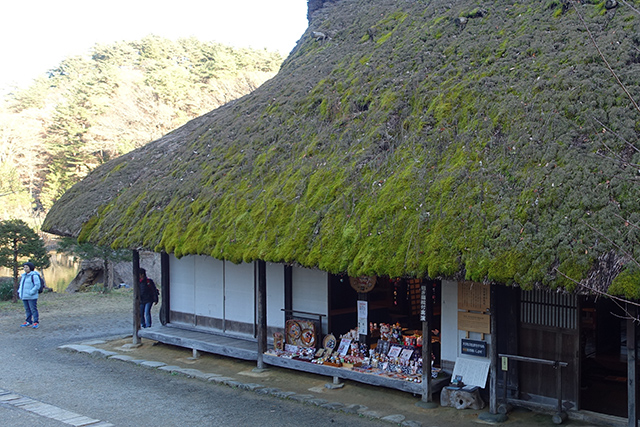
Back towards the lake, the gift shop has a rather spectacular roof.
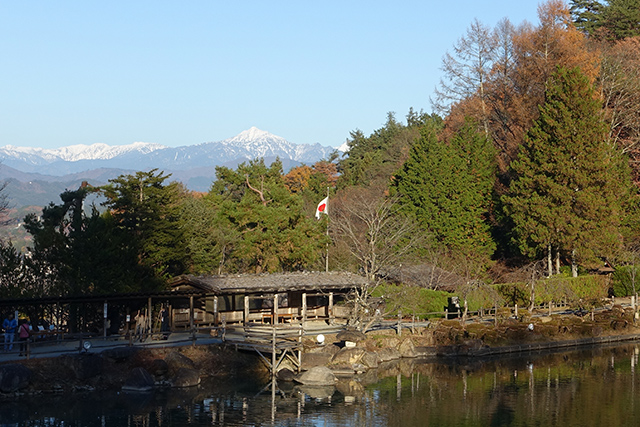
Looking across the pond, we see the Japanese Alps in the background.
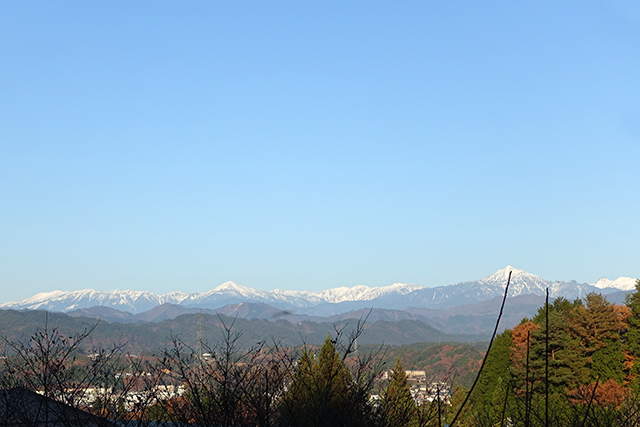
What a spectacular, unobstructed view of the Japanese Alps from Hida no Sato!
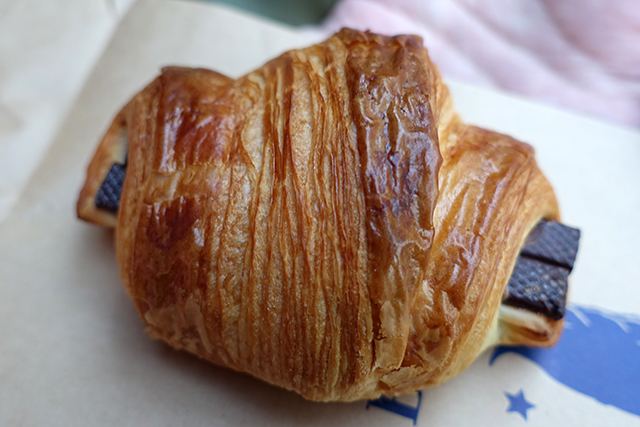
After we’d explored the town, we headed back for a chocolate croissant like pastry.
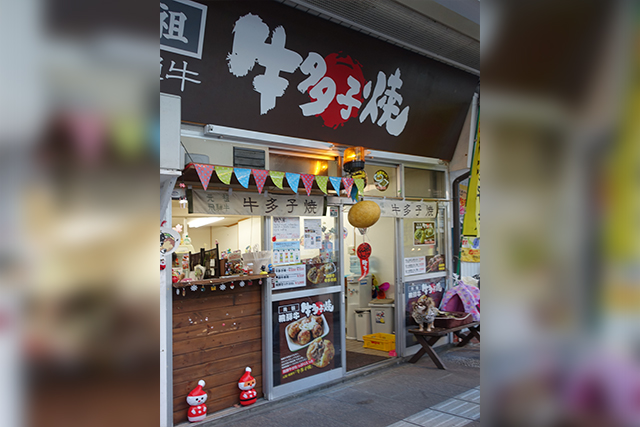
Back near Takayama Station, we head back to this store that sells gyuutama.
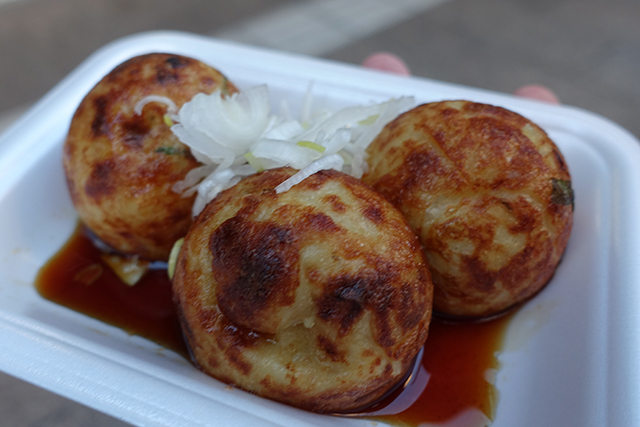
Earlier in the morning we’d seen these and thought they looked like takoyaki but with beef instead of octopus. They didn’t look to have any for sale then, and they still didn’t seem to when we headed back in the afternoon. We tried our luck anyway, and it turns out they have them premade behind the counter. The gyuutama were a lukewarm, alas. Lukewarm or not, though, we prefer takoyaki! These were rather doughy.
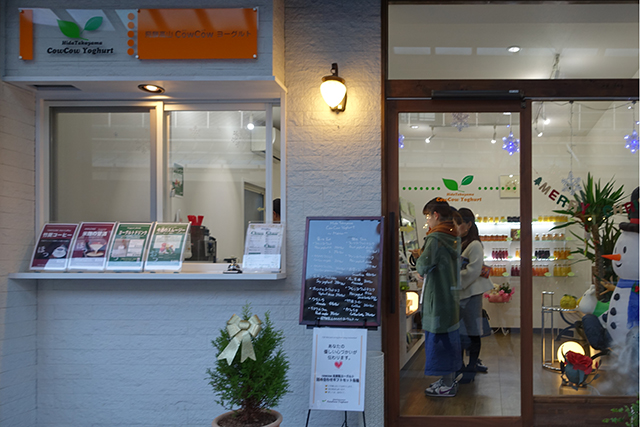
A couple of doors down, there’s a store selling warm amazake.
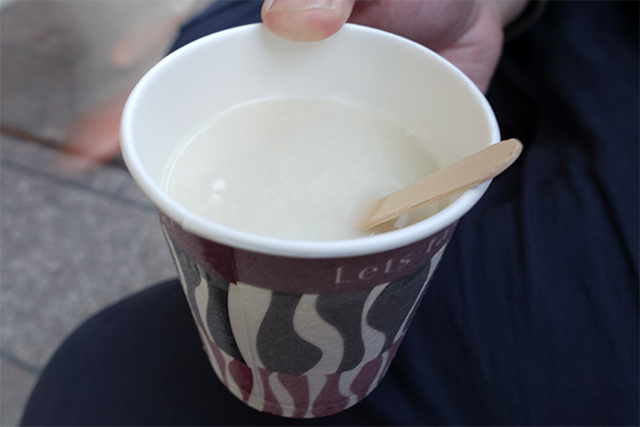
D’s always been curious about it, but this has to rate as one of the worst drinks we’ve had in Japan (but still better than the tofu from the previous day).
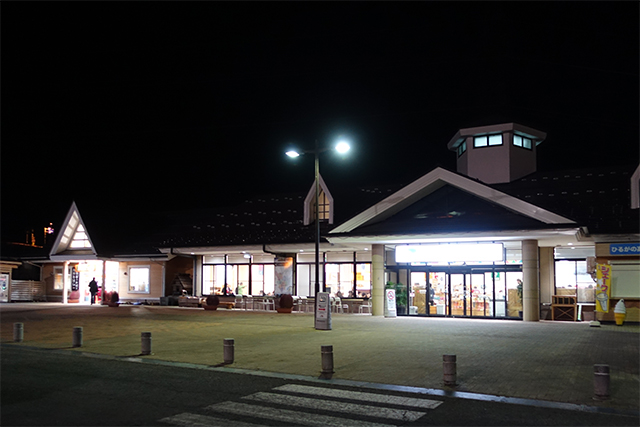
Back at the train station we have another hour before our bus at 5:30PM, so we settle into a cafe for a cafe au lait and an iced tea.
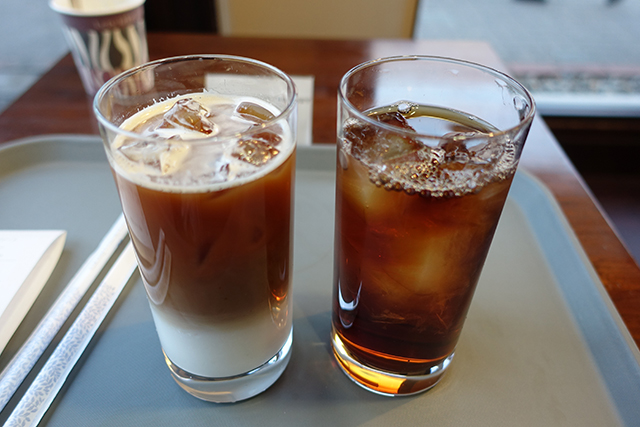
D’s cafe au lait was quite disappointing – it always is when they pour the coffee out of a jug, rather than make it using a coffee machine.
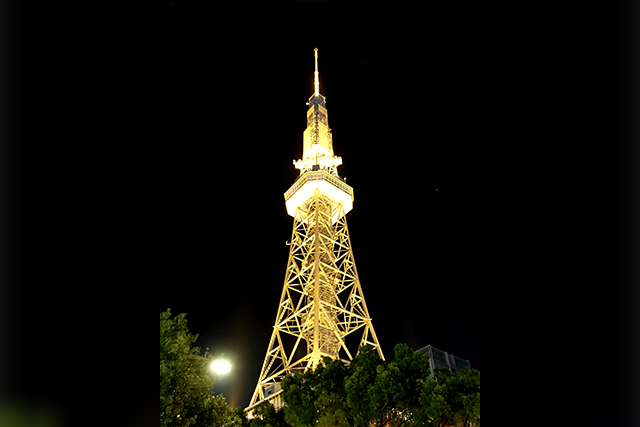
3 hours later (the return trip took longer because of traffic on a national holiday), we’re back at Sakae. This is a view of Nagoya TV Tower.
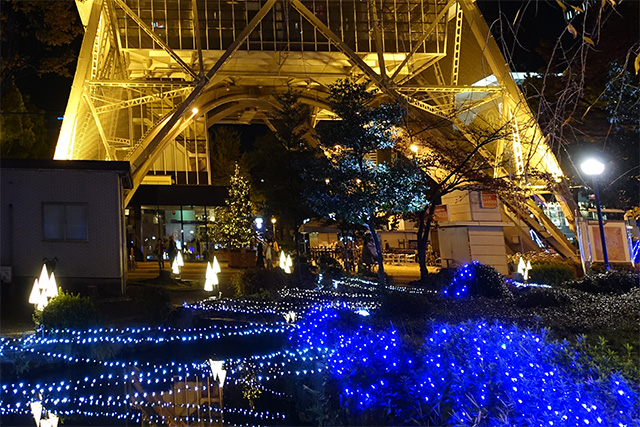
It’s located in the centre of Hisaya Oodori Park, which is decorated with Christmas lights.
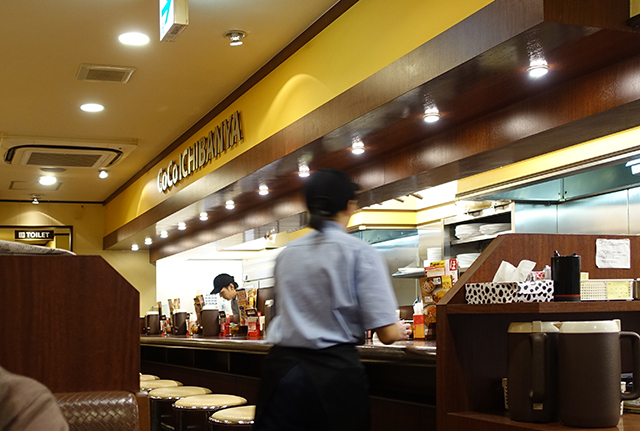
After an exhausting day, we tuck in to CoCo Ichibanya Curry House. This was to become one of our favourite places to eat!
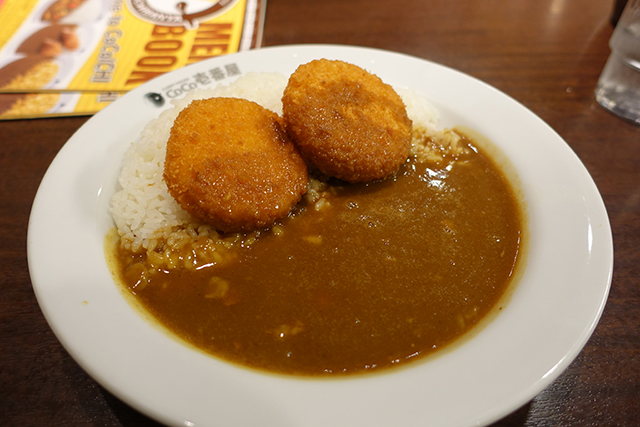
I ordered a cream crab croquette curry. These croquettes are some of the best I’ve had (so creamy!)
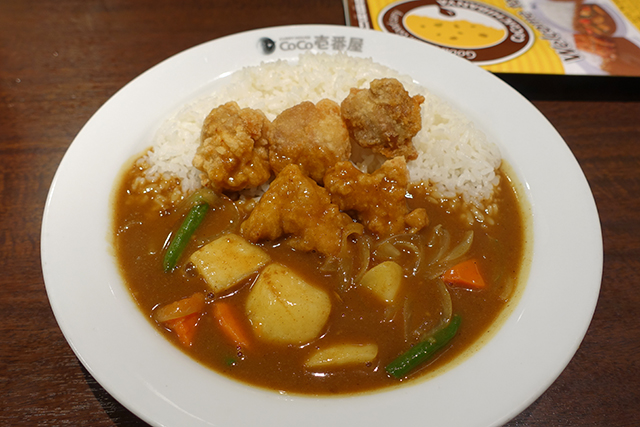
D ordered a fried pork and vegetable curry. The fried pork was deliciously juicy and tender. And potato in curry – need I say more? Yum!