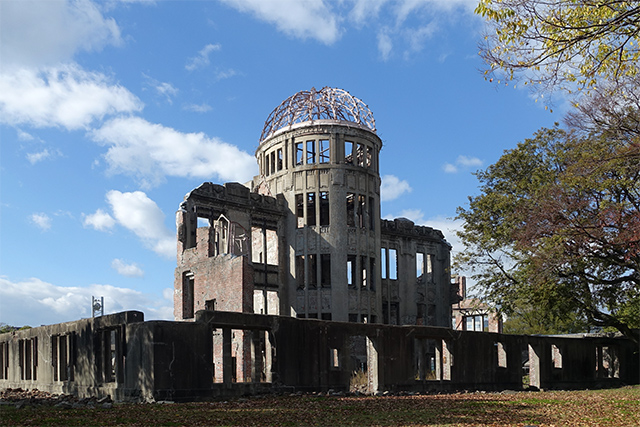
Hiroshima, undeniably, makes it mark as a tourist destination by having the unenviable distinction as the first city in history to be targeted by a nuclear weapon. The bomb obliterated nearly everything within a two kilometer radius on August 6, 1945. Predictions that the city would be uninhabitable proved false, and you would not have guessed such devastation occurred visiting Hiroshima today without visiting the Peace Memorial Park.
Our hotel is smack bang in the city centre, though, so we make some stops before ending up at the Peace Memorial Park.
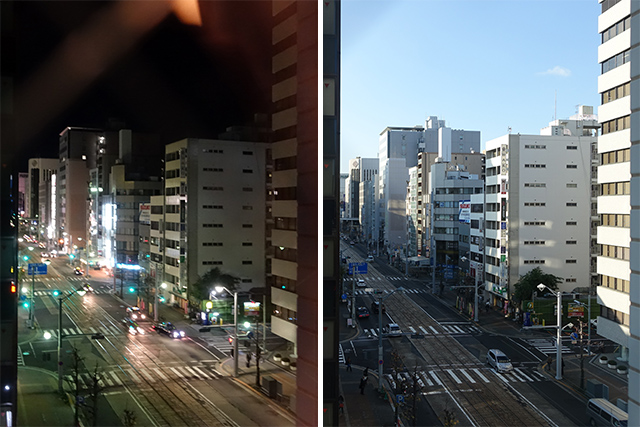
This is the view from our hotel window at night and during the day. We initially had plans to visit the Mazda museum, but we wake up far too late.
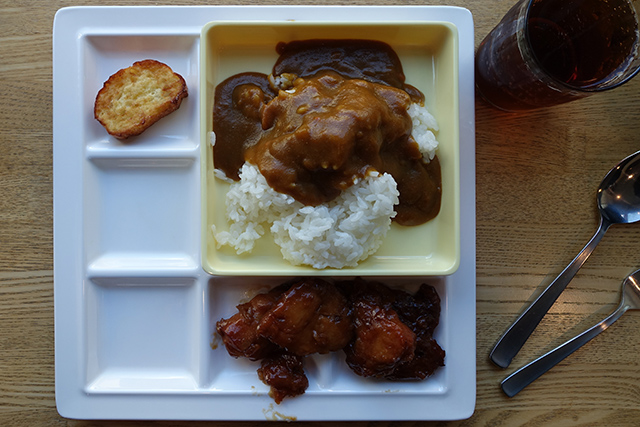
For breakfast this morning, we’ve stuck to the curry rice with a couple of pieces of super juicy and tender chicken thigh. And I think that’s a piece of unremarkable toasted brioche. D’s disappointed that there’s still a sign apologizing for the lack of hot dogs at the breakfast buffet, though.
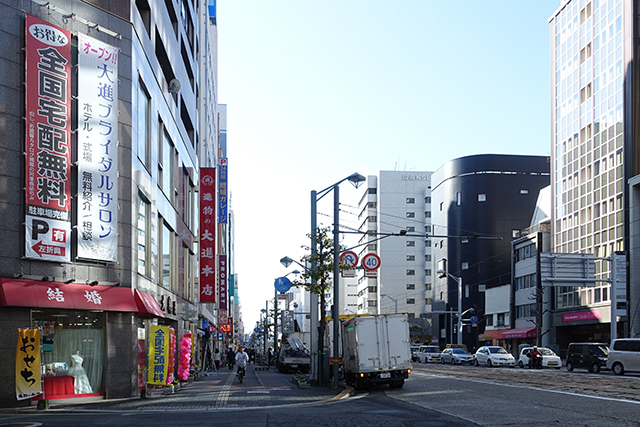
A short walk north of where we’re staying are a bunch of wedding apparel stores.
Hiroshima Castle
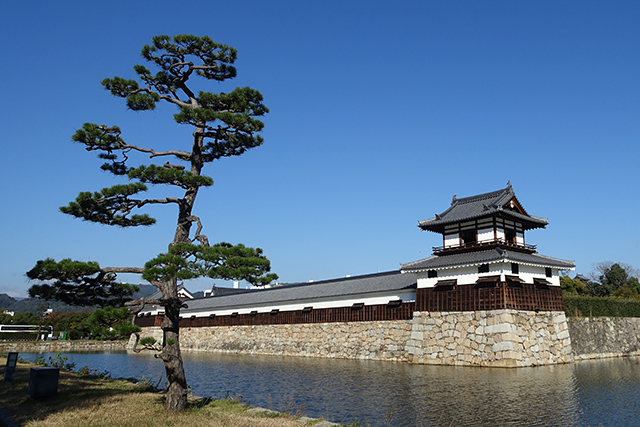
It’s not long before we reach the outer moat and the guard tower of Hiroshima Castle.
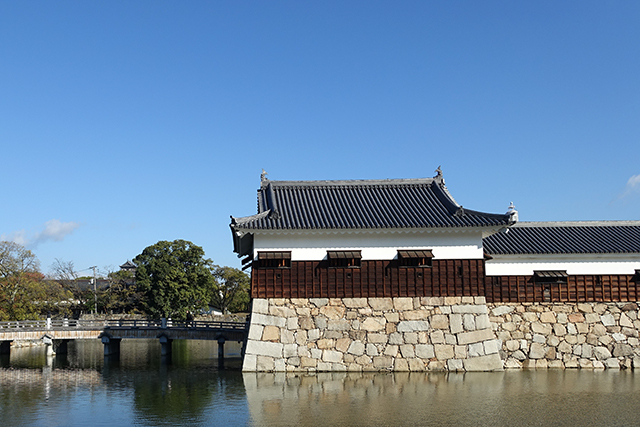
This is a side view of the entrance.
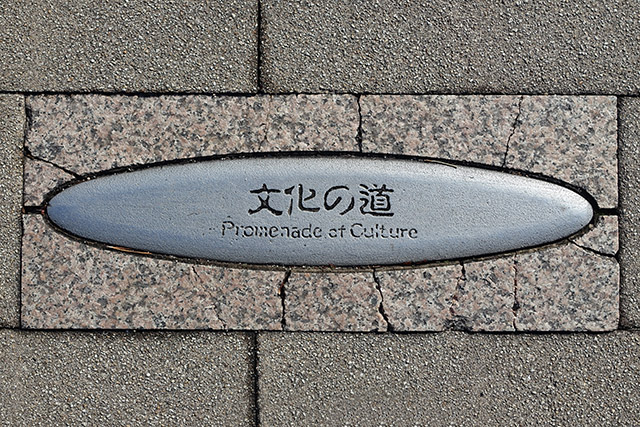
Main roads in Hiroshima have their name inset into the ground.
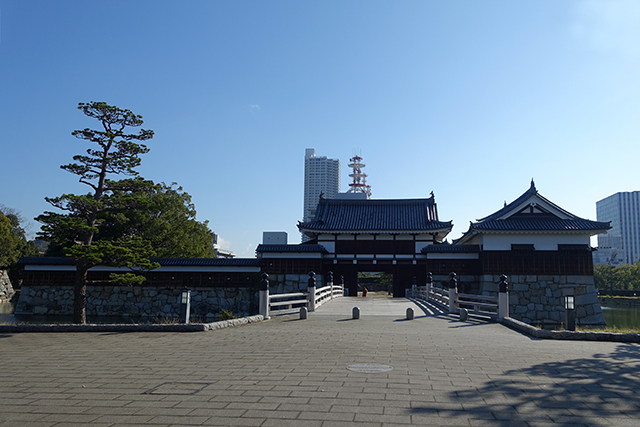
And a front view of the main entrance to the grounds of Hiroshima Castle.
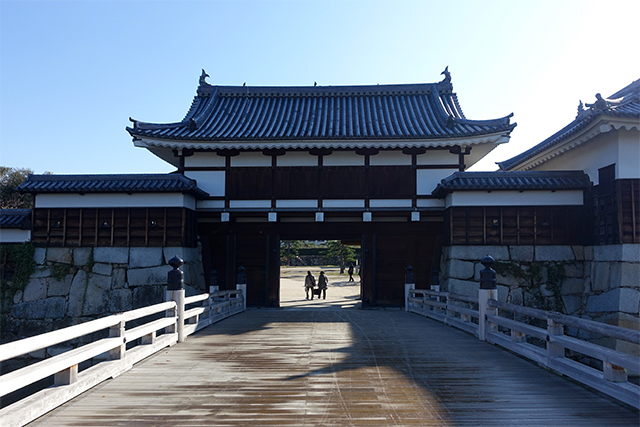
The first thing we notice is the distinct lack of tour groups crowding the grounds.
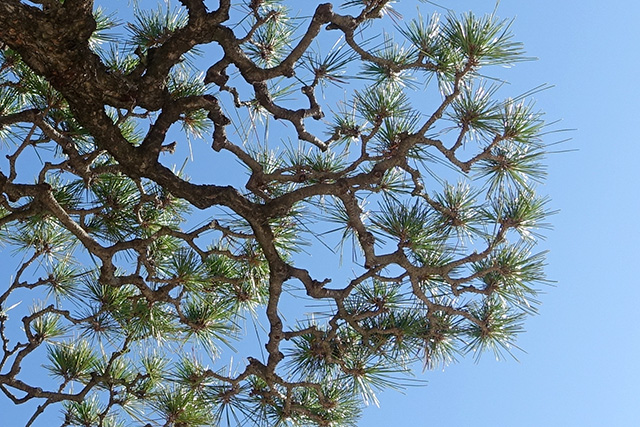
Isn’t it just a beautiful day?
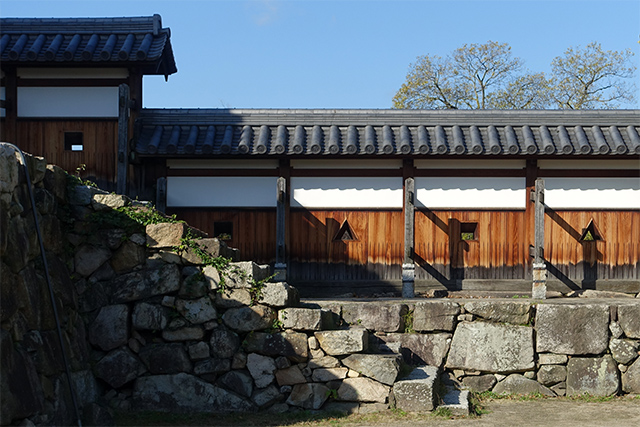
These were spaces in the walls, called sama, for firing at intruders.
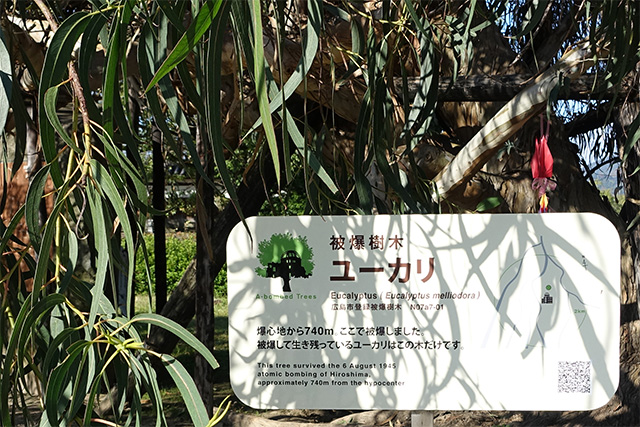
Fancy seeing a eucalyptus tree in Japan! This tree survived the bombing 740m from the hypocentre.
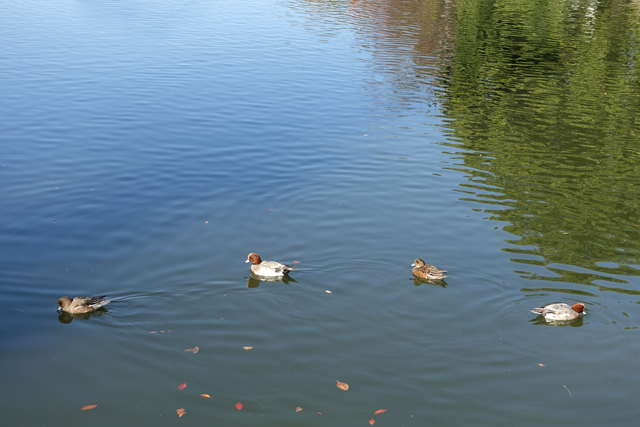
We see some ducks paddling in the inner moat.
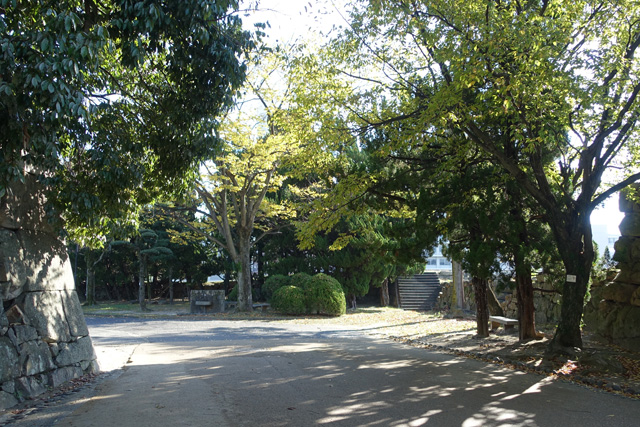
A typical castle gate consisted of two gates placed at a 90 degree angle to each other, creating a small inner yard that is heavily defended from all sides. Here, we approach the second gate.
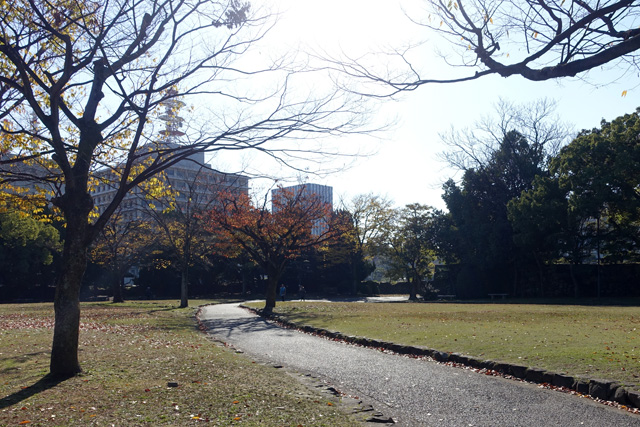
Kanazawa Castle is situated next to the Hiroshima High Court, which can be seen in the background, as well as a number of other government buildings.
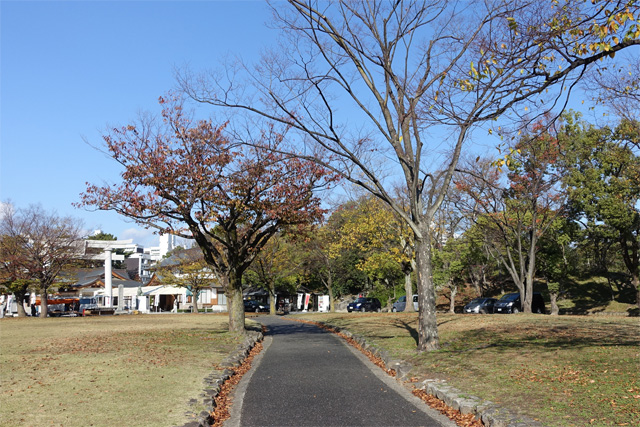
We’re walking towards Hiroshima Gokoku Jinja on the way to the main keep.
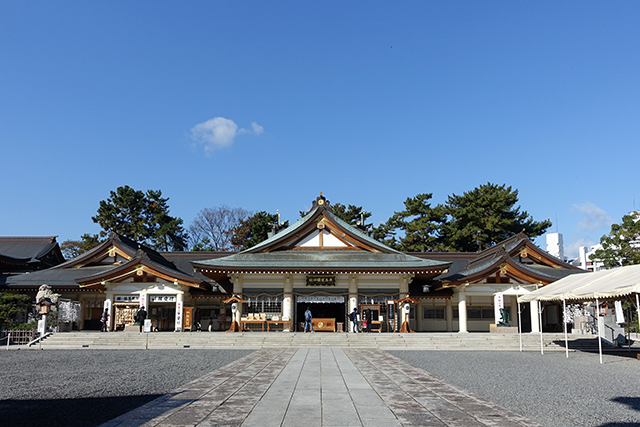
Hiroshima Gokoku Jinja is a Shinto shrine rebuilt within the confines of Hiroshima Castle in 1965 after its previous location was destroyed by the bombing.
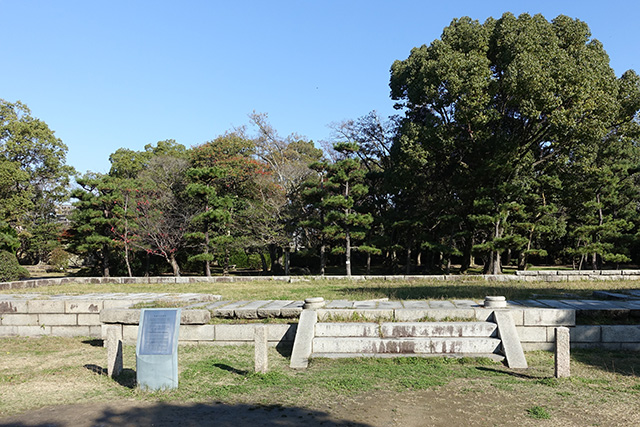
After the Meiji Restoration, Hiroshima Castle served as a military facility and the Imperial General Headquarters was based there. This is the foundation of one the outbuildings just a short walk from the castle’s main keep.
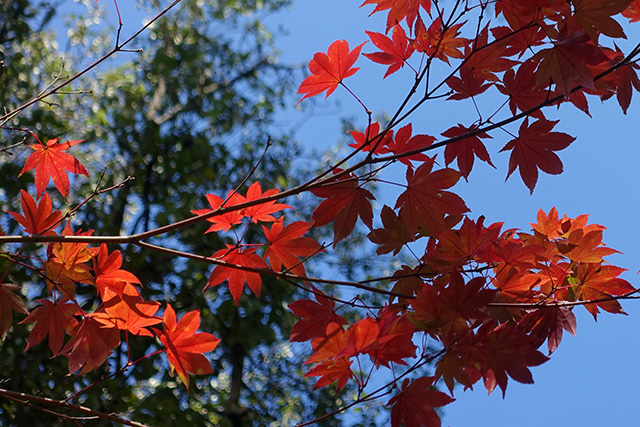
D knows better than anyone that I can never get enough of autumnal foliage!
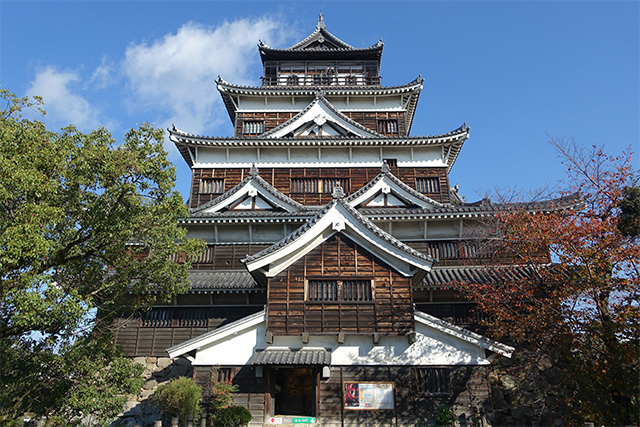
During the final months of World War II, Hiroshima Castle was made a legitimate military target after it served as the headquarters of a section of the army to deter the projected Allied invasion of the Japanese mainland. As a result, it was destroyed in the bombing. This is a reinforced concrete reconstruction completed in 1958.
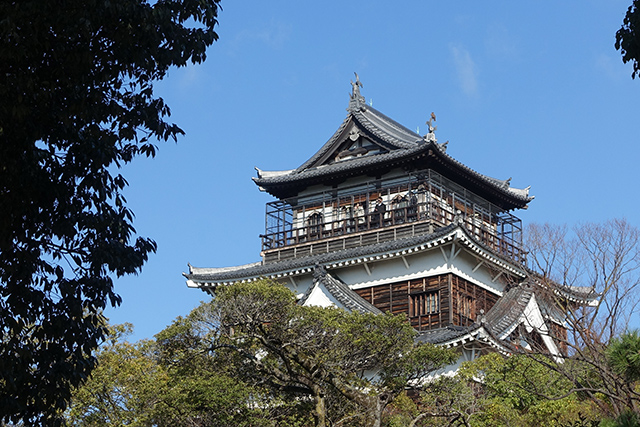
Funnily enough, Hiroshima Castle is probably the only castle we’ve seen that prohibits photography inside. We didn’t go in, though.
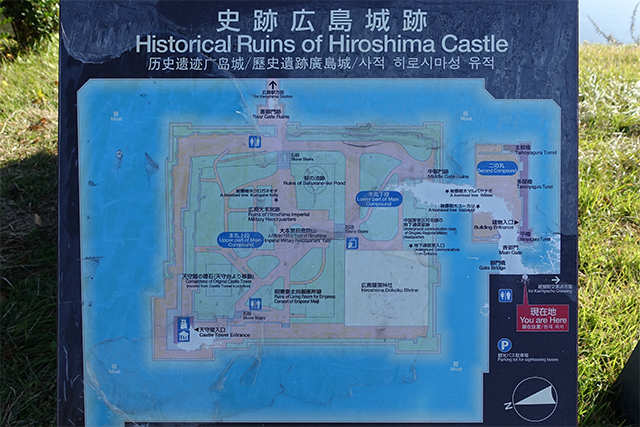
The upkeep of the castle grounds isn’t as meticulous as other castles we’ve been to, and it shows.
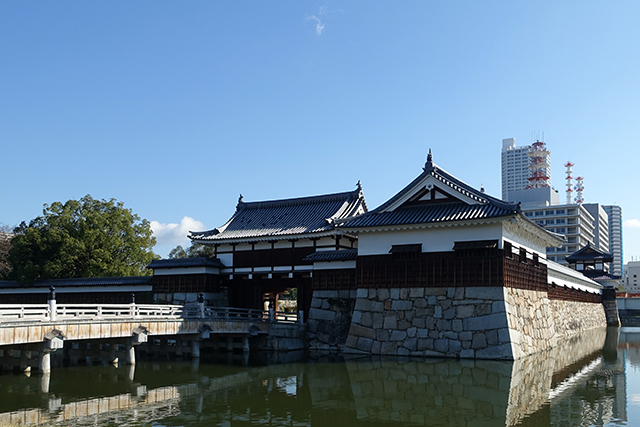
But! The buildings themselves look impeccably maintained. Entrance to the castle grounds is free, but admission fees apply to entering the main keep.
Rijo Dori
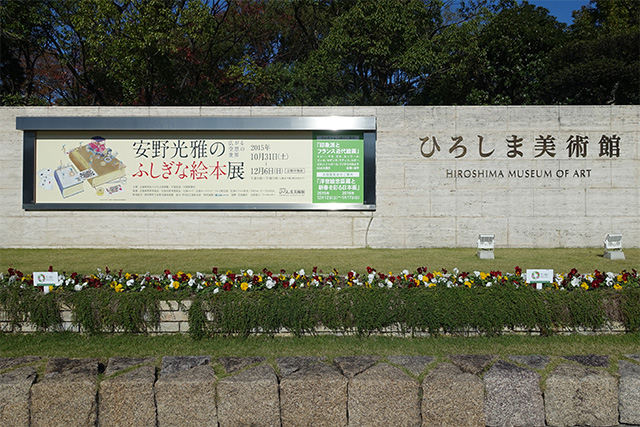
The Hiroshima Museum of Art is located opposite the castle grounds.
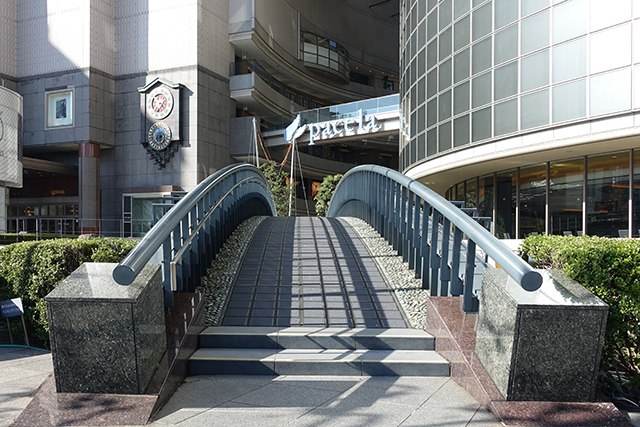
Paela is a rather upmarket shopping complex, but with awesome architectural details like this pedestrian bridge….
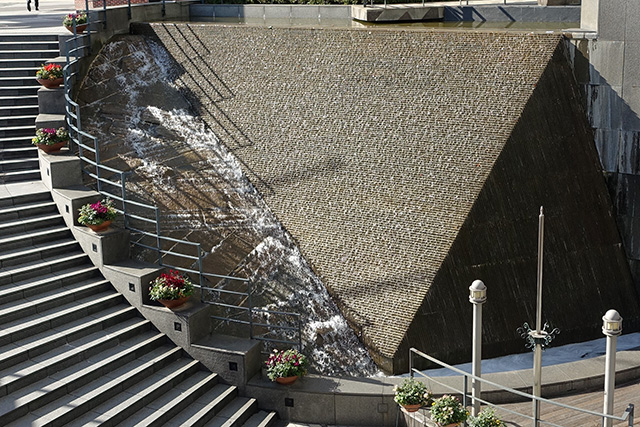
…that overlooks the staircase and water feature to the bottom floor.
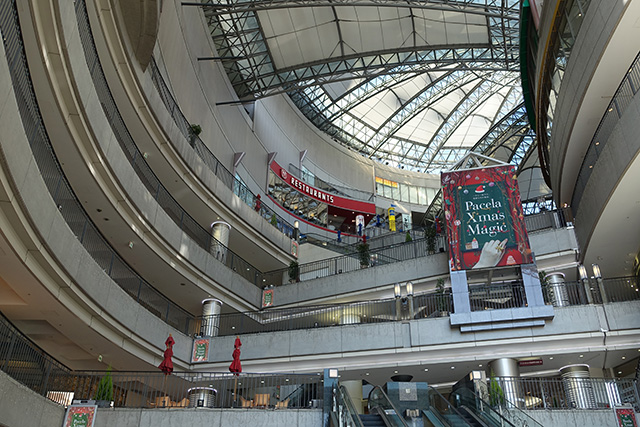
Each floor is a different shape and topped off with a glass ceiling.
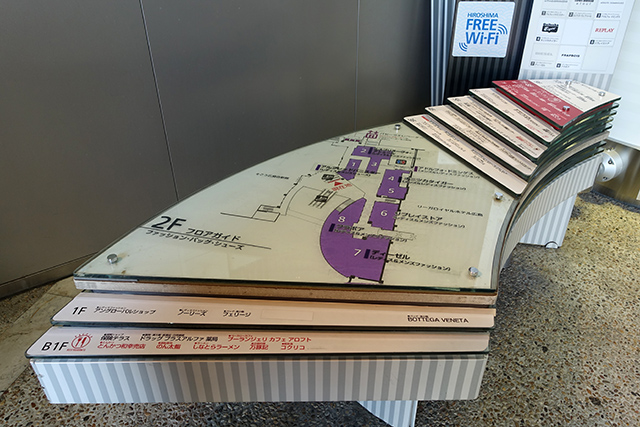
And what’s even more cool, is that the floor directory mimics the shape of each floor!
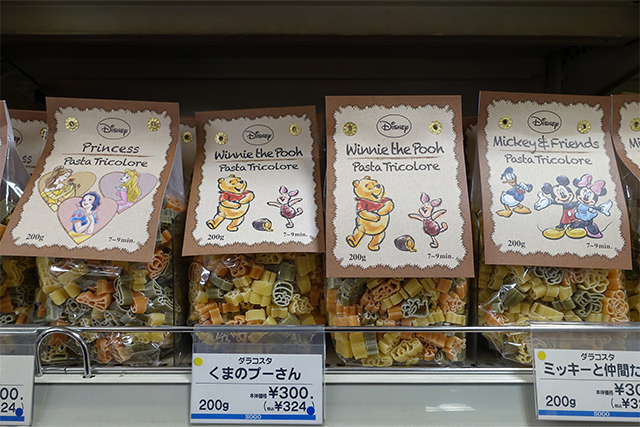
Further down the street, we hop into a basement supermarket and spot pasta in the shape of various Disney characters. Pooh Bear!
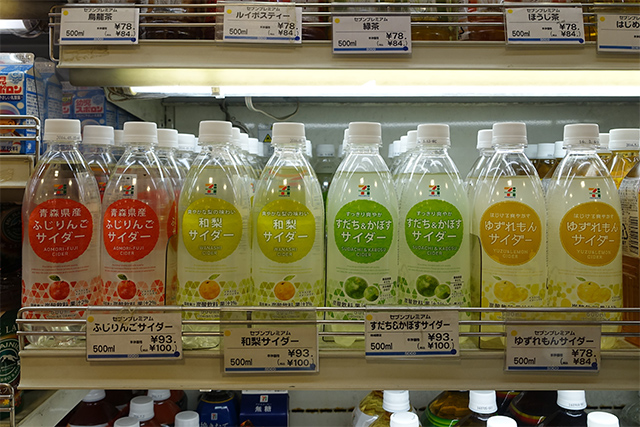
There’s also 7-Eleven drinks in delicious flavours – apple, nashi pear, sudachi/lime and yuzu/lemon. We earmark the nashi pear to try at another 7-Eleven but we don’t end up finding it again. We do try the sudachi and yuzu ones, though, and they were tasty!
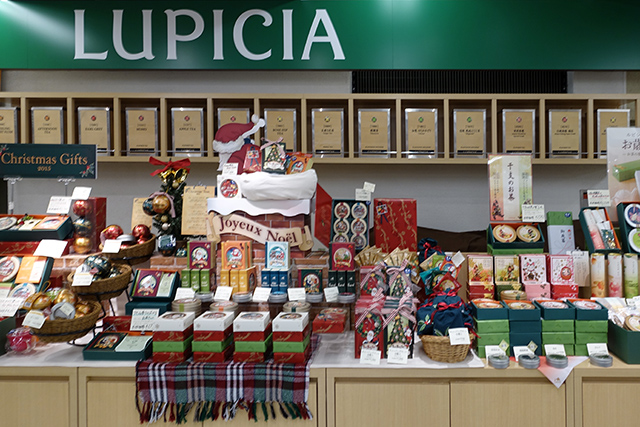
And of course, a Lupicia store! I always find something new I want, making them dangerous places for me. Here, it’s their region-limited setouchi lemon in a ridiculously pretty tin.
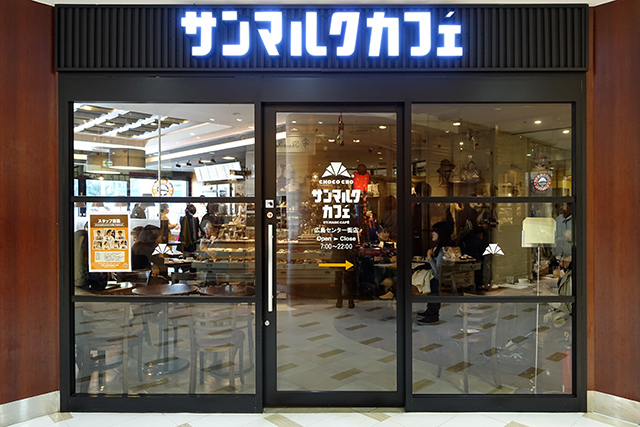
On the way out, we stop by Chococro for a late-morning snack to get us through until the afternoon.
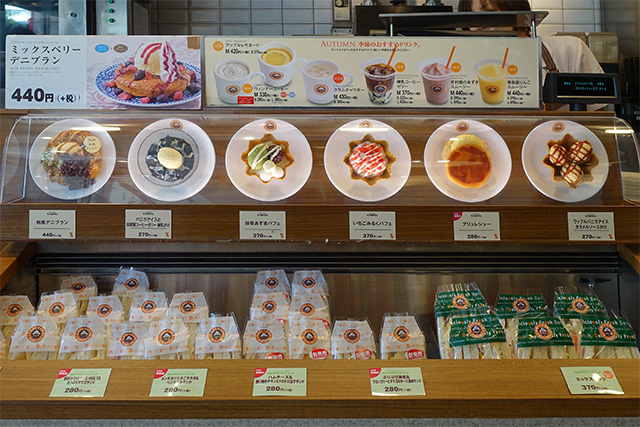
The dessert offer information at different Chococro branches vary. Here, they’re offering ice cream and waffles, whereas others offer parfaits and shaved ice.
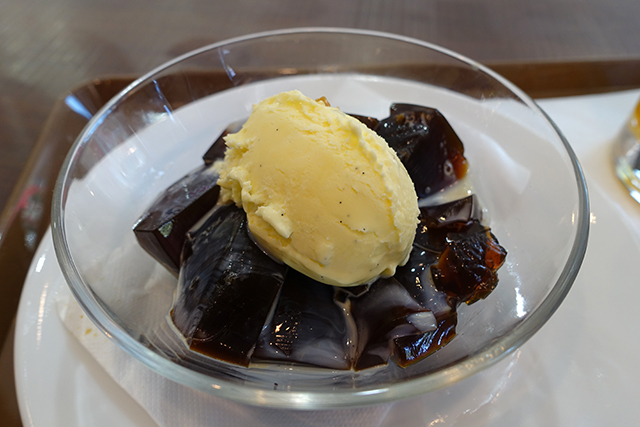
This time we try the coffee jelly and vanilla bean ice cream. The coffee jelly isn’t sweetened, which is expected, and the goes beautifully with the sweetness of the vanilla bean ice cream (you can see vanilla specks!). I have something like three spoons before turning back to find D’s cleaned the bowl!
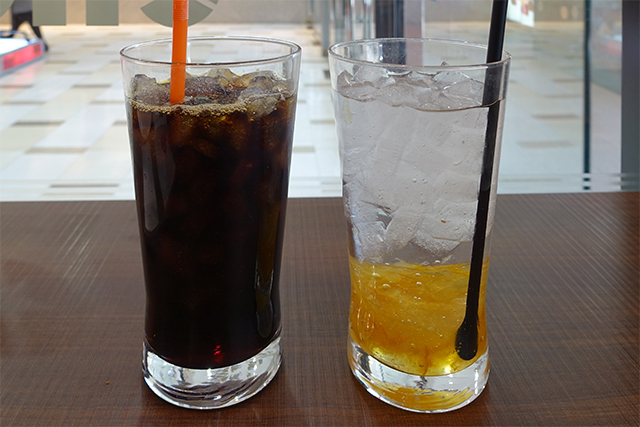
And of course, what’s now our standard drinks – D’s iced coffee and my yuzu cha. We take particular notice of the yuzu to water ratio so we can replicate it back home. Our next time, we’ll pay attention to the jar she gets the yuzu from.
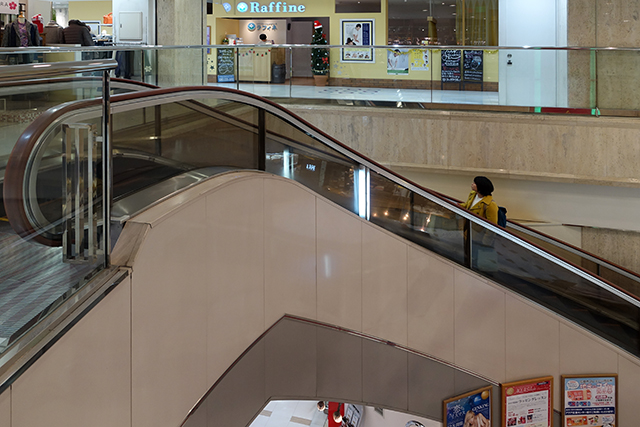
We head upstairs on a curved escalator. We find them endlessly fascinating.
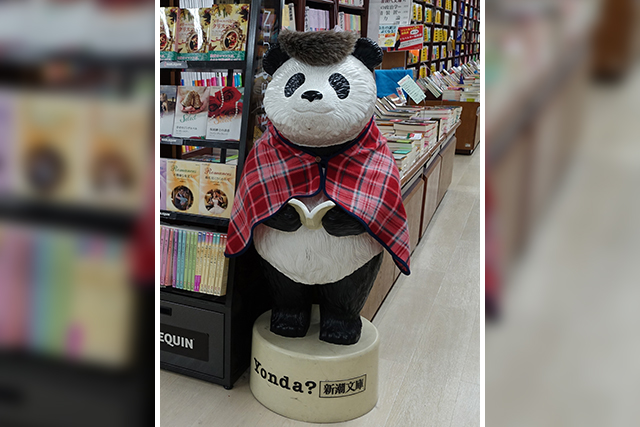
Quickly walking last the restaurant, we end up in a book store with this super cute panda who’s been wrapped up all snug for the winter.
We spend some time flipping through, and laughing at, a book that teaches English speakers all phrases you’d need to know to date in Japanese.
And if you’ve ever been in a Japanese shipping mall you’ll know that one complex often leads to a different one, so your surest way of getting back to street level, let alone being oriented on street level, is to leave the way you came. But even when you do that, somehow you still end up lost! So after retracing our steps twice we’re finally back on track to the Peace Memorial Park.
Peace Memorial Park
The A-Bomb Dome in the Peace Memorial Park is one of the few structures to have survived the bombing, which directly killed ~80,000 people, indirectly killed a further ~10-85,000 through injury and radiation, and destroyed ~70% of the city’s buildings, and severely damaged another 7%.
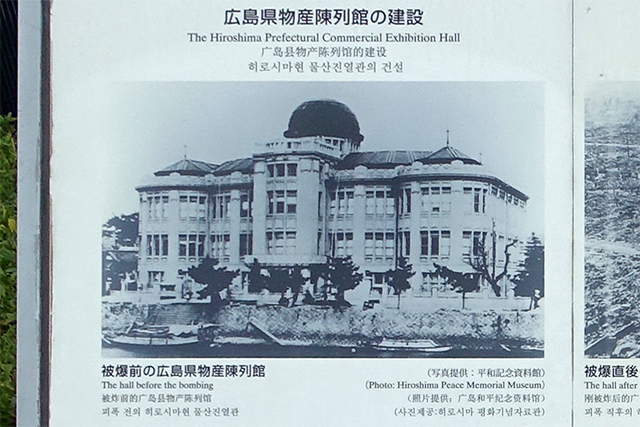
The A-Bomb Dome used to be the Hiroshima Prefectural Commercial Exhibition Hall, which was designed by Czech architect Jan Letzel.
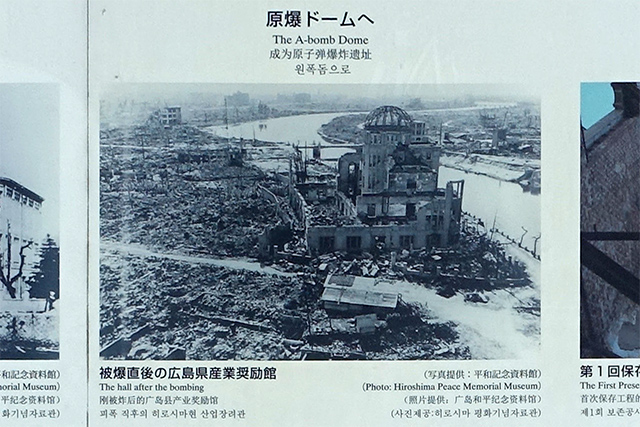
This is what the Hall looked like after the bombing. Its closeness to the hypocentre (160m) meant that the blast struck from almost directly above, so some of the centre walls remained standing, leaving enough of the building and iron frame to be recognisable as a dome.
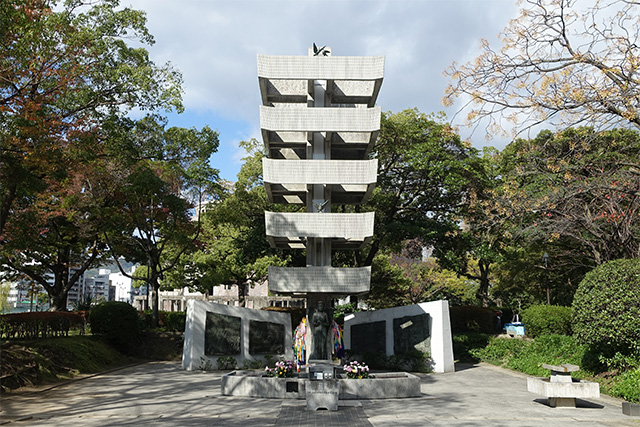
This is the Memorial Tower to the Mobilized Students. It commemorates the 6,300 students who were mobilised by the Japanese government to work in munitions factories or in the the construction of defensive works, and died from the bombing.
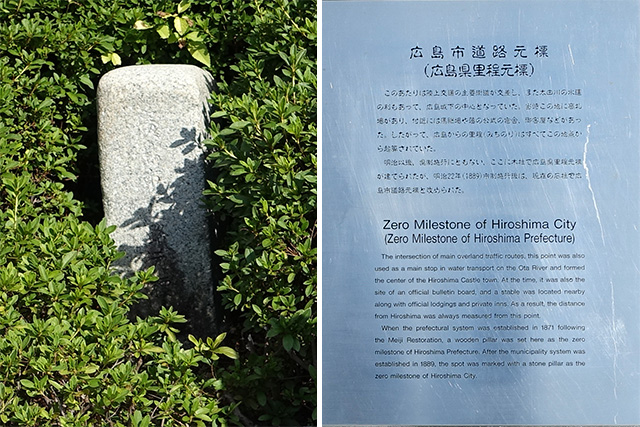
This is the zero milestone of Hiroshima City, and considered the centre of the city. The rock marking the spot survived the bombing. This is not the hypocentre of the bomb, which is above Shima Hospital, a short walk south-east of the Dome.
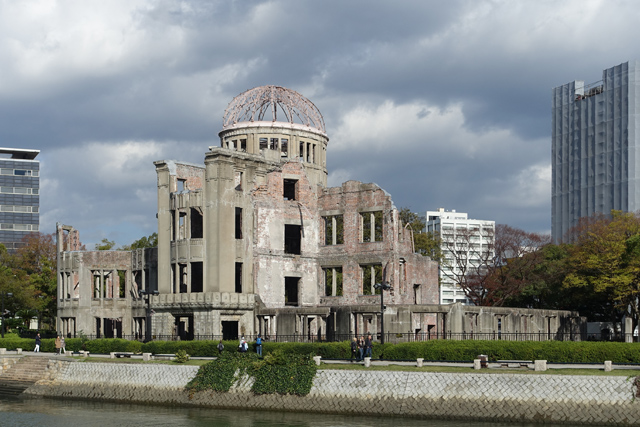
Here you can see the Dome set in the bank of the river.
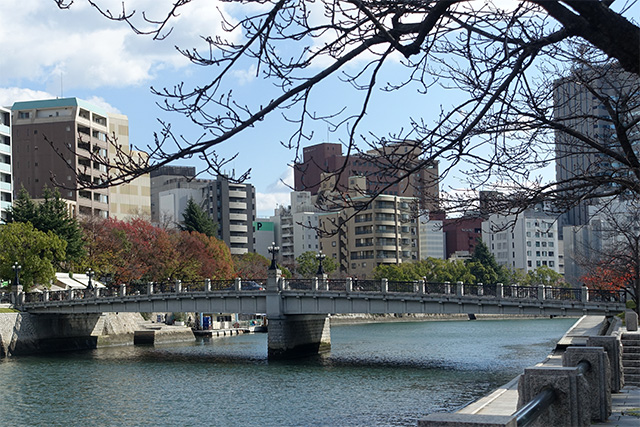
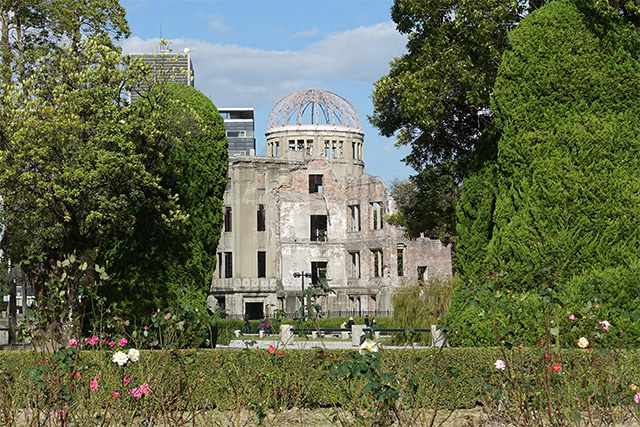
A rose garden sits on the opposite side of the river as the dome.
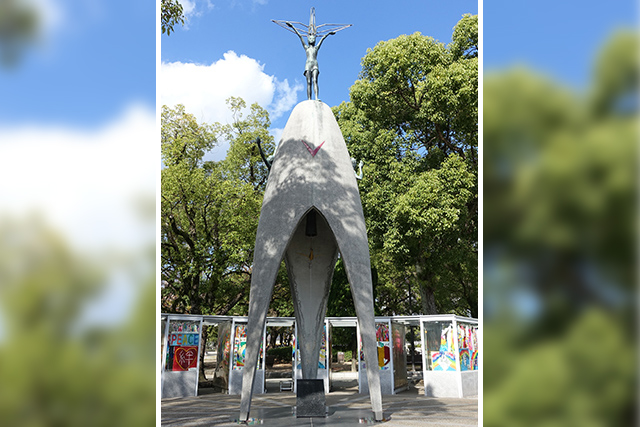
This is the Children’s Peace Monument, built in memory of all the children who died as a result of the bombing. It was initially inspired by Sadako Sasaski, a girl who was exposed to the radiation at the age of two and later died of leukaemia, most likely caused by the radiation from the bombing. Sadako believed that if she folded 1,000 paper cranes she would be cured. To this day, children from around the world fold cranes and send them to Hiroshima where they are placed near the sculpture.
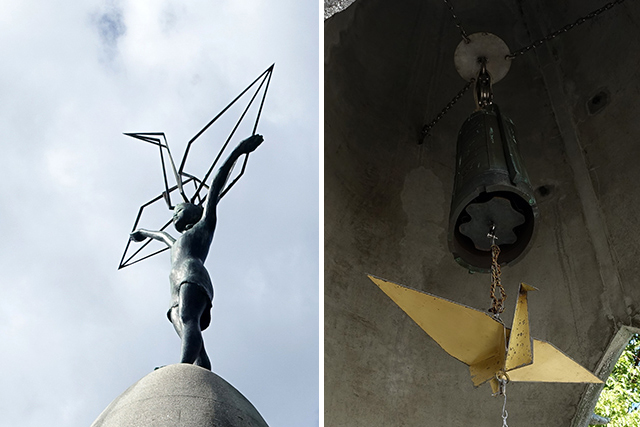
The sculpture shows a girl holding the wire frame of a paper crane standing atop, with a metal paper crane suspended from the bell within.
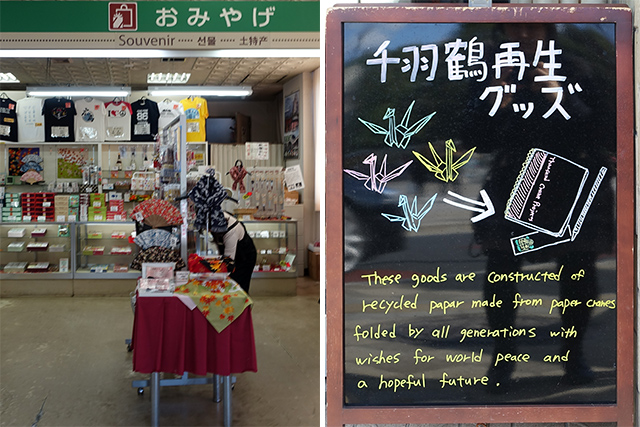
Another building that survived (but was gutted by) the bombing has been turned into a rest house for visitors. The paper products in the store are made from the paper cranes displayed at the Children’s Peace Monument.
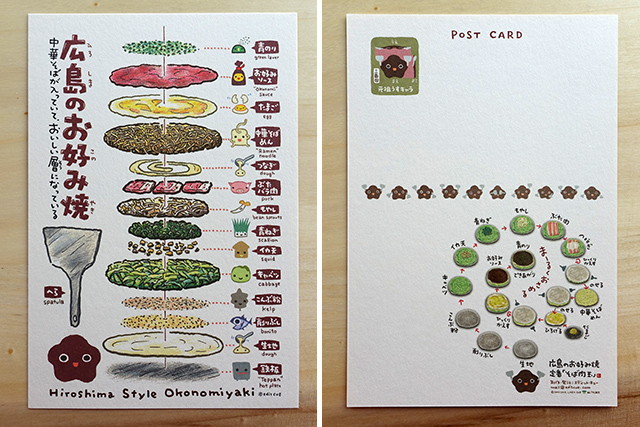
We spot this ridiculously cute postcard breaking down the components of Hiroshima style okonomiyaki. We seriously consider trying it, but we’re constantly put off by the copious amount of cabbage. So! We buy this postcard instead (made from the paper cranes).
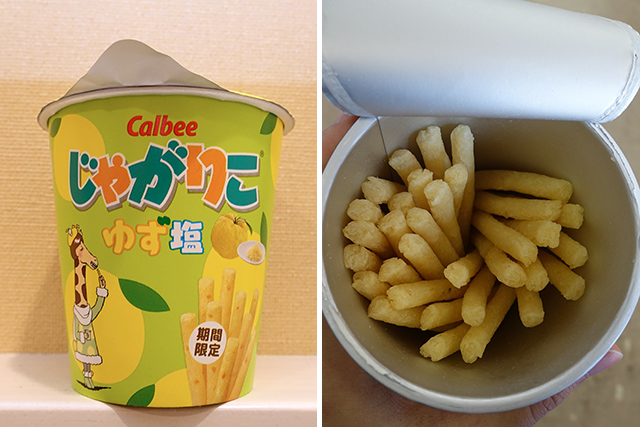
We also take the opportunity to eat some Calbee snacks while we rest. These were yuzu flavoured Jagarico, which are super crispy potato sticks with a pleasant kick of yuzu.
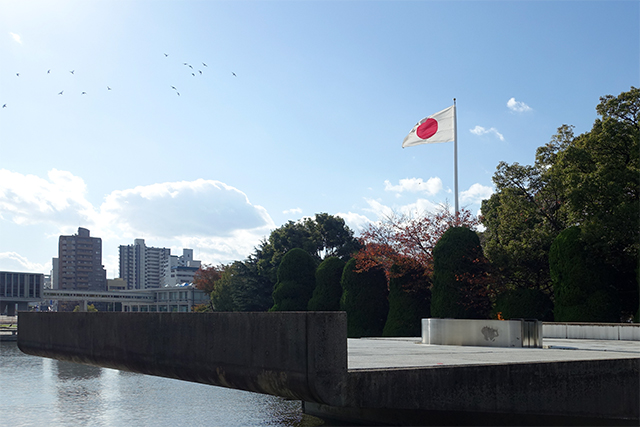
This is the Peace Flame. The flame has burned continuously since it was lit in 1964, and will remain lit until all nuclear bombs on the planet are destroyed and the planet is free from the threat of nuclear annihilation.
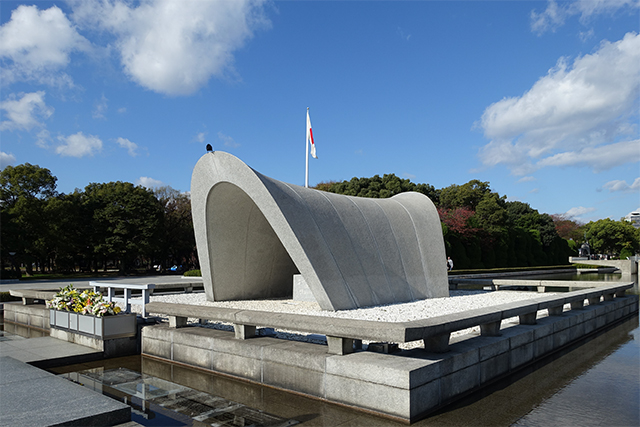
Set in the Hiroshima Pond of Peace, the Memorial Cenotaph sits at the centre of the park. The saddle shaped monument, which represents a shelter for the souls of the victims, covers a cenotaph holdings the names of all the people killed by the bomb.
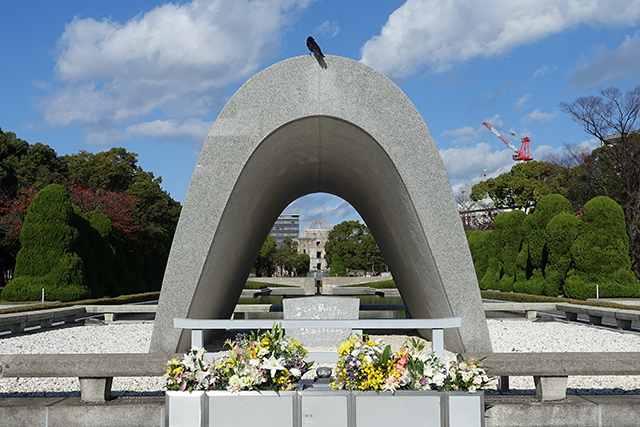
The Memorial Cenotaph is aligned to frame the Peace Flame and the A-Bomb Dome.
There are many, many more monuments to the victims of the bomb in the Park.
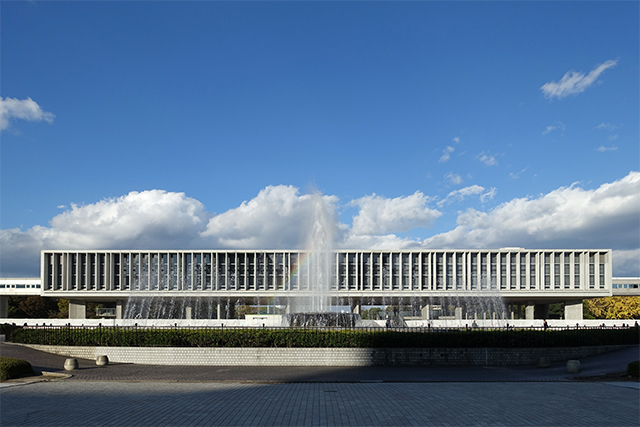
After walking through Peace Memorial Park from the north, we’re finally at the Peace Memorial Museum at the southern end of the park. The Fountain of Prayer sits in front.
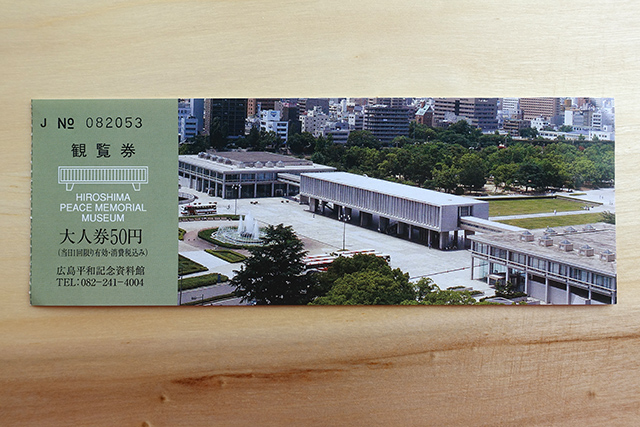
The Museum is dedicated to educating visitors about the bomb, so admission is nominal at Y50 and there are free lockers to store your bags while you visit.
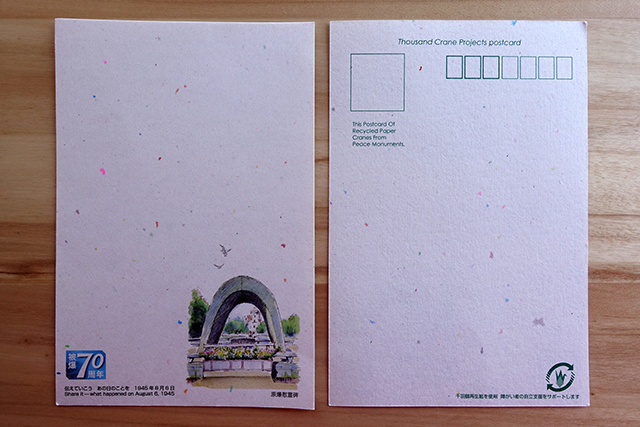
With the admission fee, you receive a complementary postcard also made from paper recycled from the paper cranes.
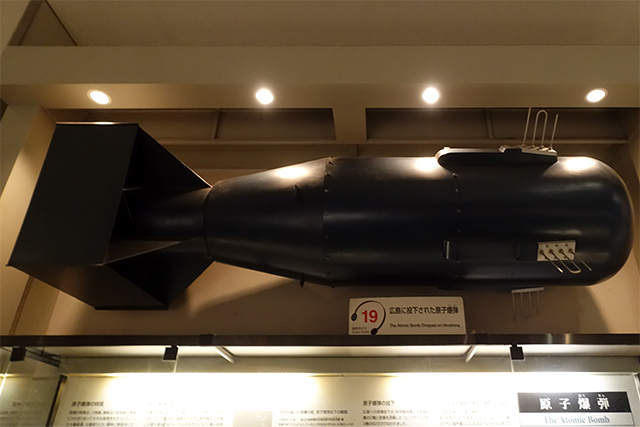
This is a replica of Little Boy, the name of the bomb.
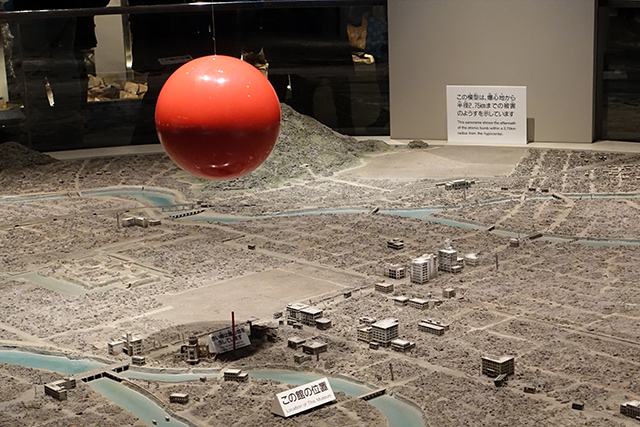
This model shows the location from which the bomb was dropped.
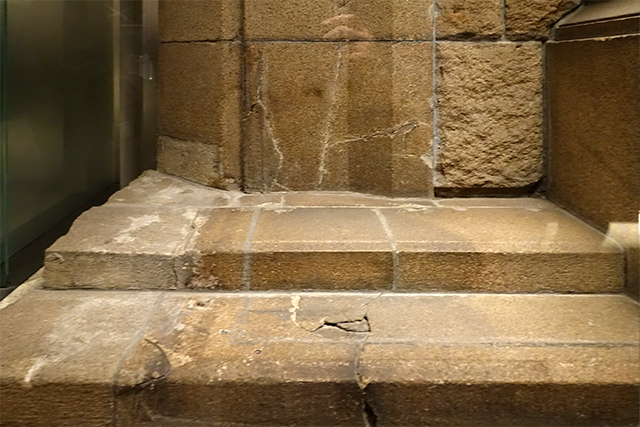
These were steps extracted from a bank showing a human shadow etched in stone. The explanation accompanying states, “A person sitting on the steps to the bank waiting for it to open was exposed to the flash from the atomic bomb explosion. Receiving the rays directly, the victim must have died on the spot from massive burns. The Surface of the surrounding stone steps was turned whitish by the intense hey rays. The place where the person was sitting became dark like a shadow.
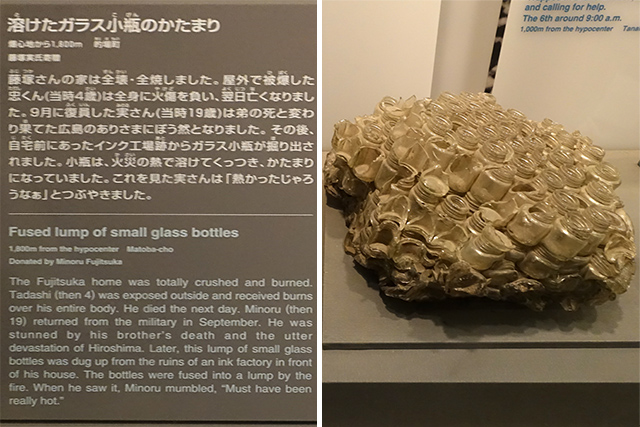
This fused lump of small glass bottles shows how hot it was at the time.
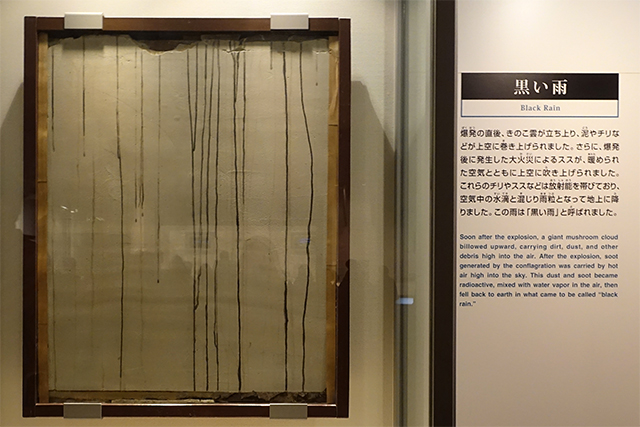
This is a section of a wall covered in black rain, or nuclear fallout.
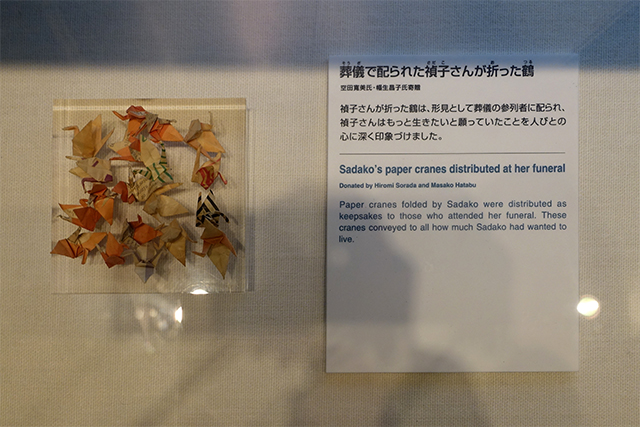
These were some of the cranes folded by Sadako Sasaki, in hopes of finding a cure.
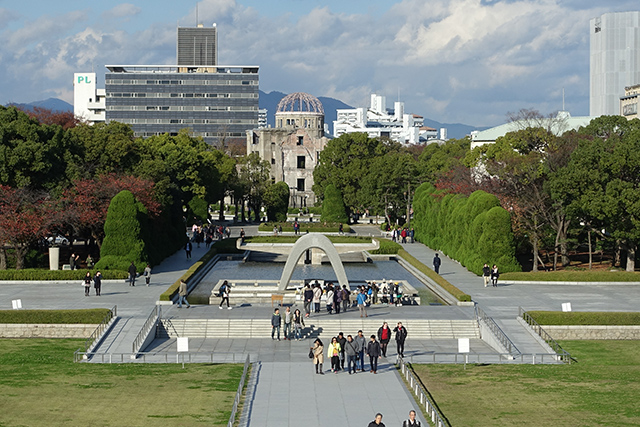
The Museum overlooks Peace Memorial Park.
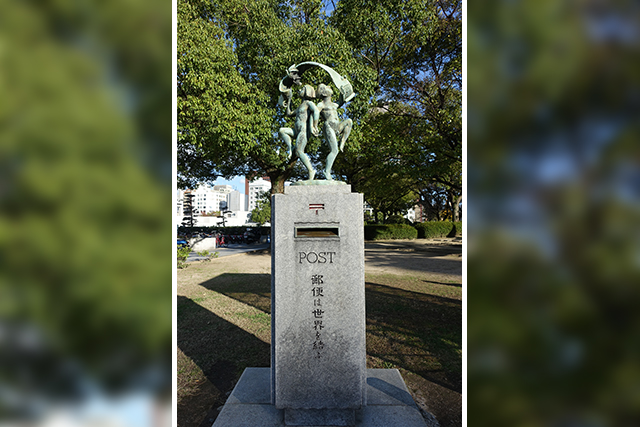
There’s a fancy looking post box – the two girls are holding a musical score while two birds flutter about.
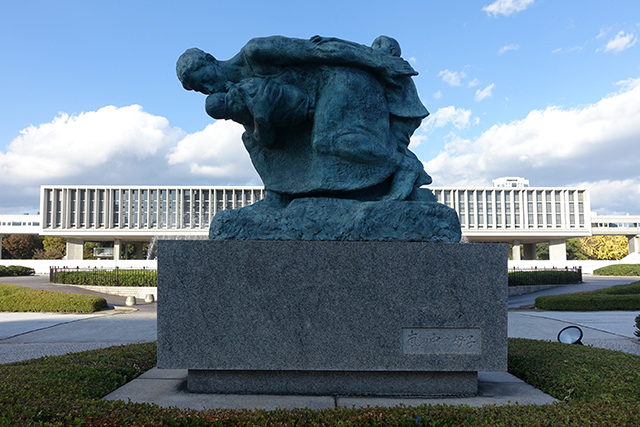
This is the Statue of Mother and Child in the Storm on the south side of the Museum.
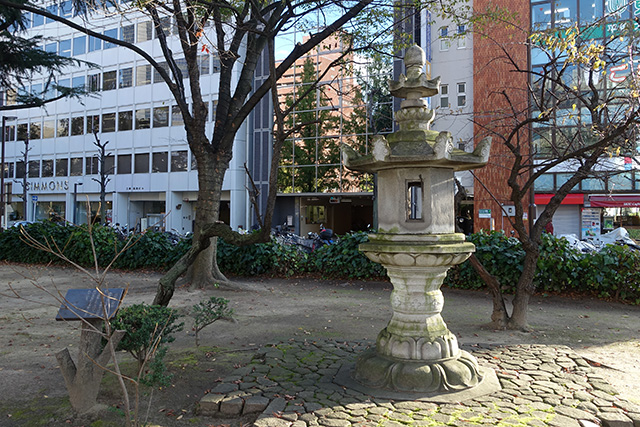
D and I initially had grand plans to eat Hiroshima style tsukemen (cold noodles dipped into a sauce spiced up with red pepper), but decide that the restaurant is too far away.
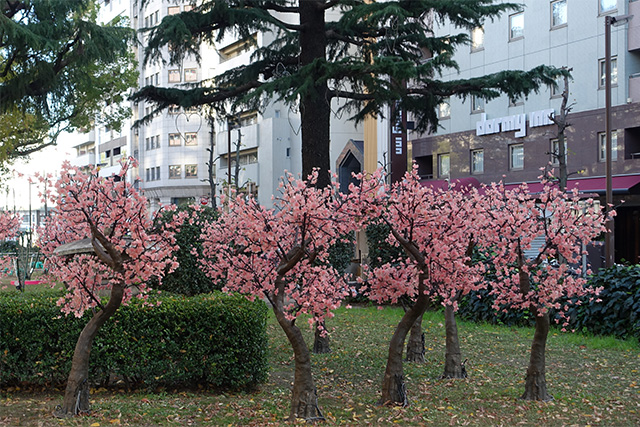
So, we make our way back down Heiwa Odori (where the Christmas illuminations are).
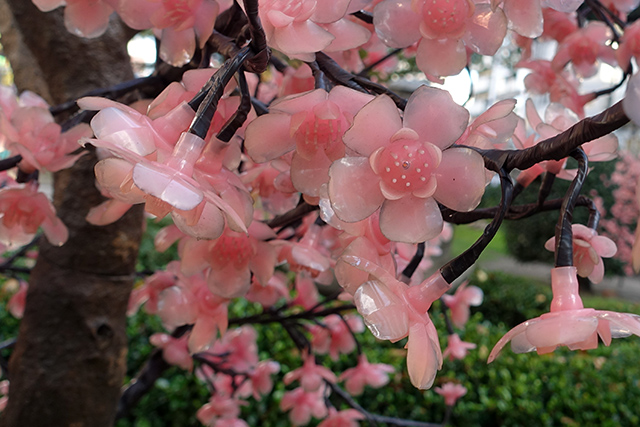
The sakura lights don’t look half as pretty in daylight.
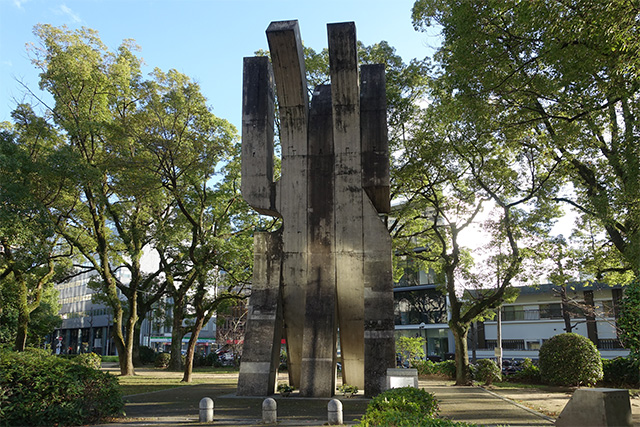
This is the Hiroshima Medical Doctors Association Monument. Health professionals were prohibited by the government from evacuating the city during the war. This is a monument to the doctors and staff who died as a result of the bombing or by exposure to radiation. The plaque explains that the “abstract work of hands expresses love and relief. The two doves between the fingers represent peace messengers. The folded hands represent prayers for the souls of the victims and a strong desire for world peace.” I’m really not sure where the doves are!
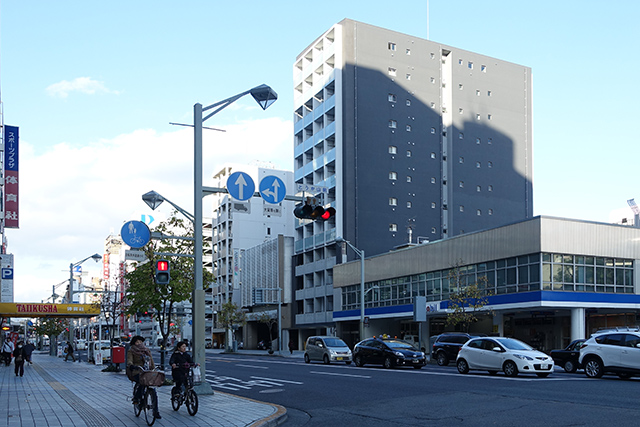
And…we’re back on the main shopping strip…
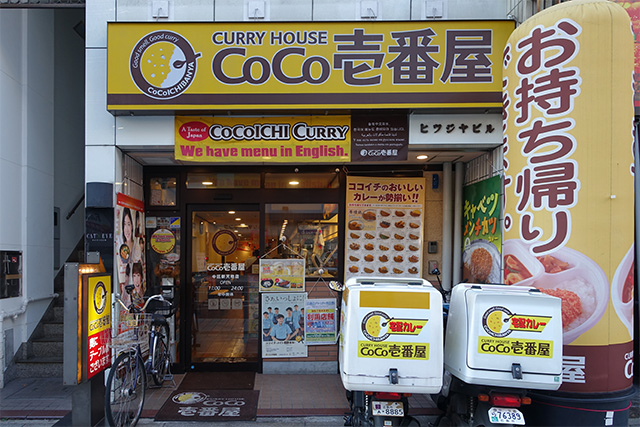
It’s been a long time since breakfast, so we go for a late lunch/early dinner at Coco Ichibanya Curry House, our favourite curry house.
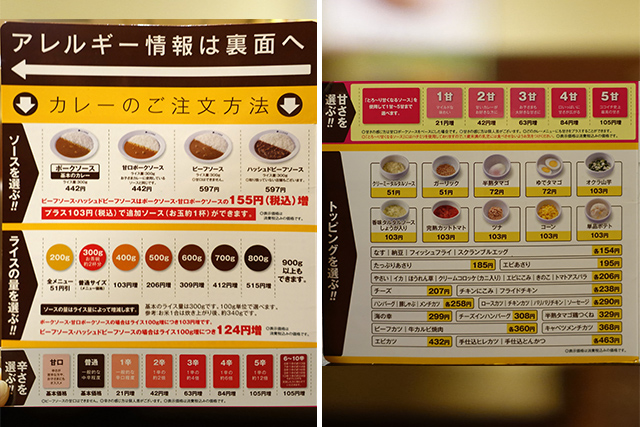
To order, you pick the innards that you want in your curry (from a menu of pictures) then for that dish you pick 1) the type of curry, 2) the amount of rice, 3) the spiciness of the curry, 4) the sweetness of the curry, and 5) the sides (if any).
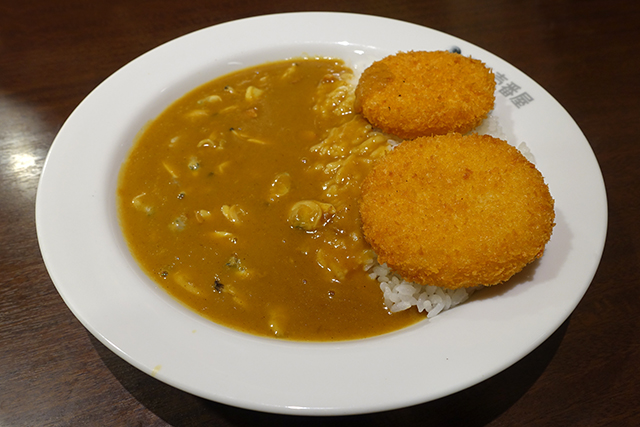
I get my absolute favourite cream crab croquette curry. I’ve not ordered any other dish on the menu (and we’ve eaten here enough times for that to be a bit weird). But! This time, I mix it up by adding asami clams. The menu says full of asami clams and that is exactly what you get – clams swimming in my curry with 2-3 for every bite, not just the 5-6 in total that you get at fancy restaurants and cafes in Australia. The croquettes are heavenly and the clams were tasty and grit-free. Yum!
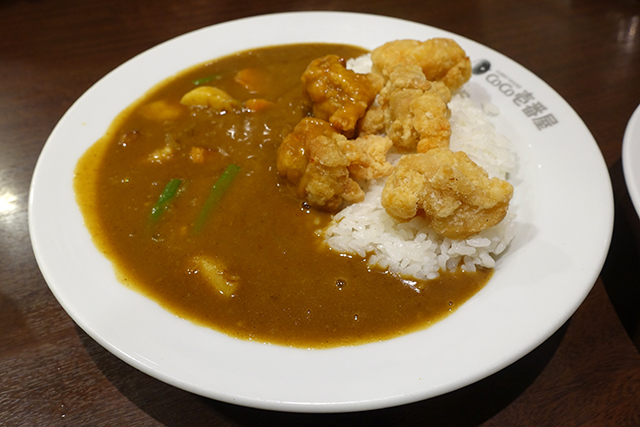
D gets his favourite fried chicken with vegetables. The fried chicken is just as we remember – crispy with mouth-watering tender innards – and I cannot resist appropriating some for my tummy.
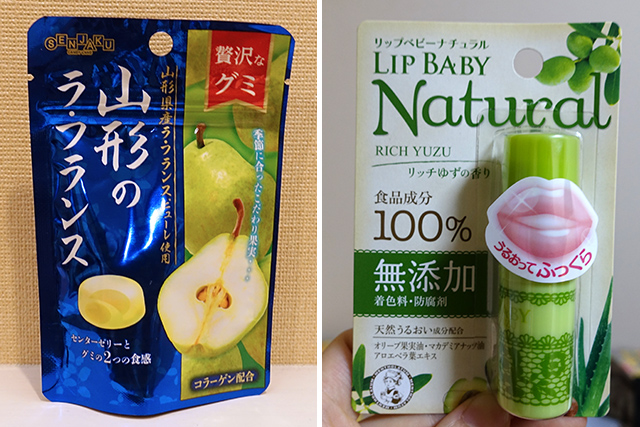
And of course, some snacks – these pear gummies are deliciously chewy on the outside with a soft centre. And (not a snack), yuzu flavoured lip balm – I’d been looking for one since our first taste of yuzu in Minoo, Ōsaka and I found it in DonQuixote!
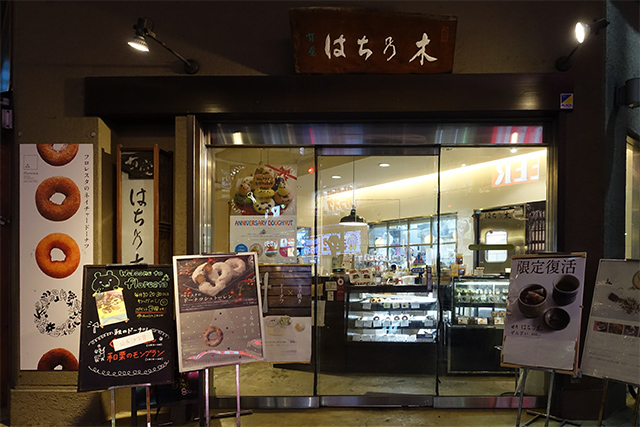
We’re heading back to the hotel to pick up our luggage and make our way to Okayama, but just before we do, we stop by Floresta Nature Donuts. This is the donut store that we eventually gave up finding after a thorough attempt in Ōsaka last trip, and D had noticed it the previous night. Initially, we’d planned to go to the one in Kyōto, but I jump at this one.
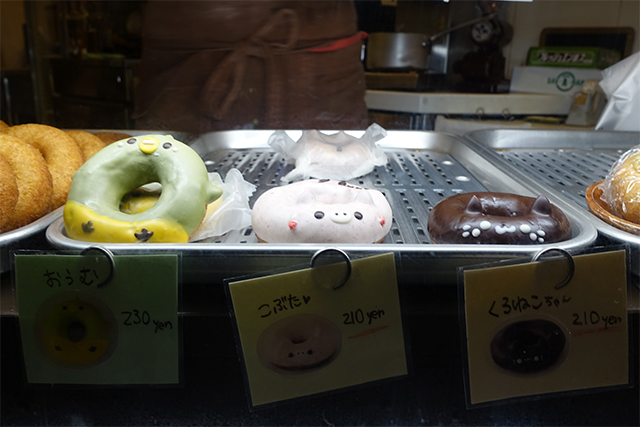
They sell animal donuts, which appeared all over Tumblr a couple of years ago. And lucky for me they have just a few left! I grab one of each to eat when we reach Okayama.
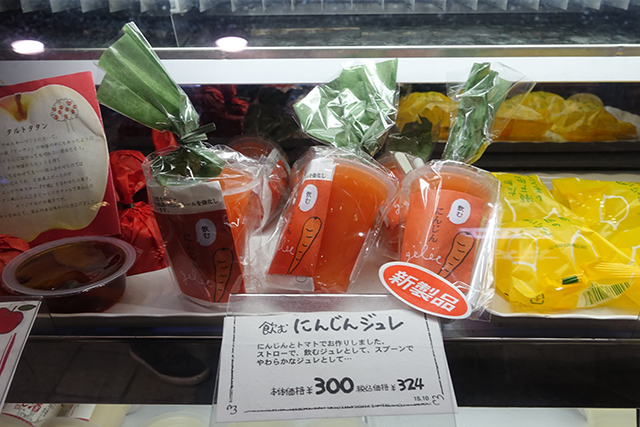
Another shop sells carrot juice in packaging that looks like carrot.
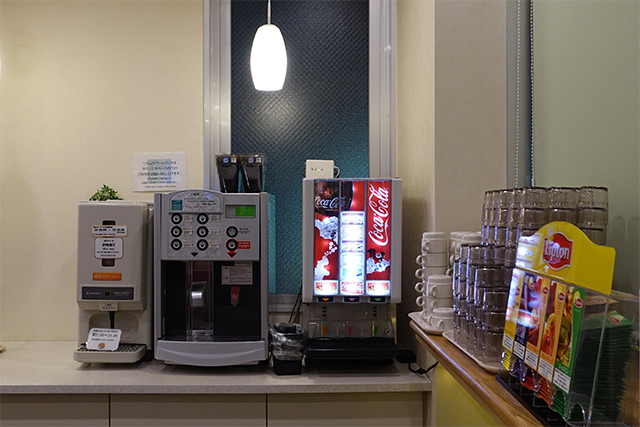
Back at our hotel, we sit in the lounge a bit and rehydrating at the free drink bar, before we head off to our shinkansen.
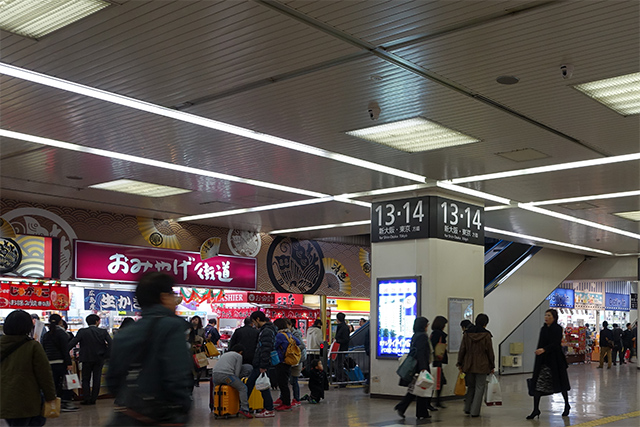
Shinkansen stations are always teeming with people.
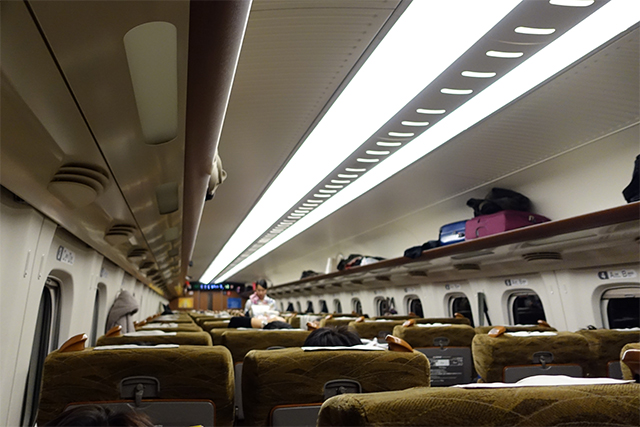
Our shinkansen trip between Hiroshima and Okayama is the most luxe we’ve ever traveled. You see, we only ever take the shinkansen with a big suitcase. The generous seat pitch means we can fit our suitcase with us at our seats, but that’s at the expense of leg room. This time, our reserved seats are at the very back of the car, so our luggage fits behind our seats, leaving us with all the leg room. The shinkansen seats are already comfortably plush, but it was amazing with leg room.
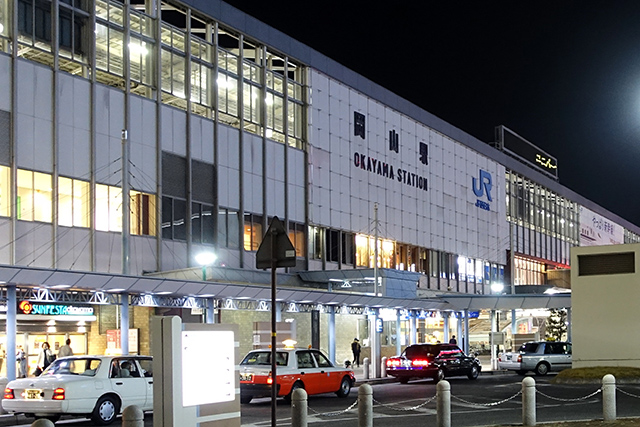
It’s late by the time we reach Okayama.
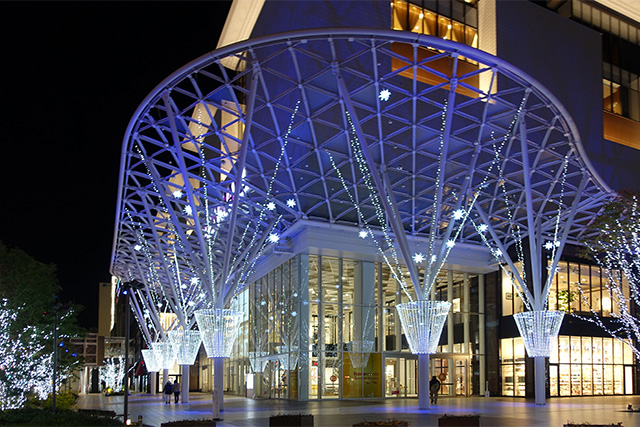
So late that the Aeon Mall has closed for the evening – shops close way earlier than we’re used to in Ōsaka and Tōkyō.
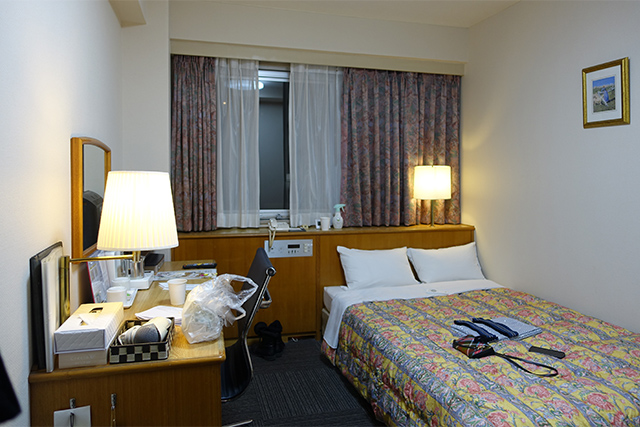
We’re the last people to check in at our hotel – the manager has only one key left. None of our hotel rooms compare to the room we had in Kanazawa, but that was far beyond our expectations.
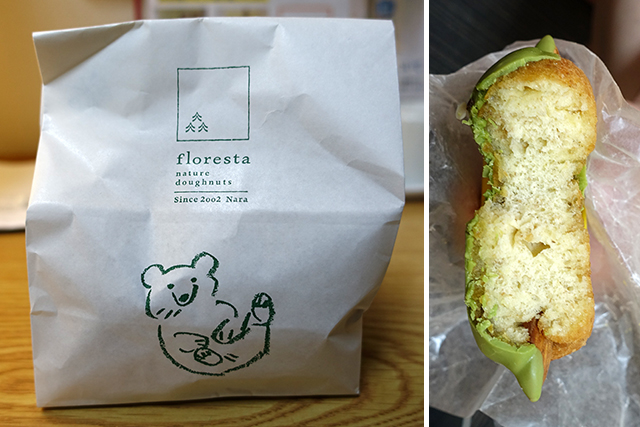
With the shops closed, we settle in for the night with our donuts. These donuts are baked, not fried, so they have a denser, less fluffy texture.
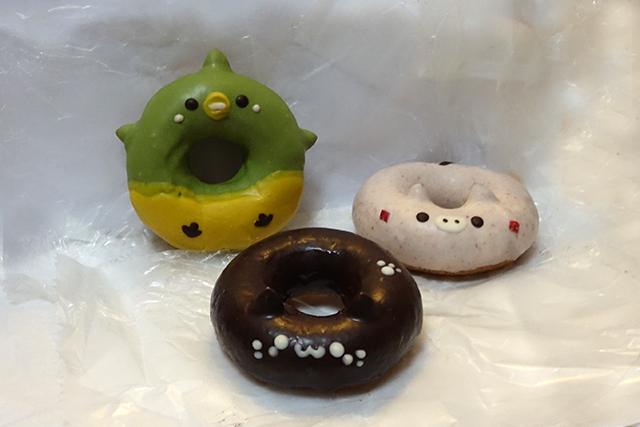
They are just too cute! I have some trouble eating such cuteness, but D has no such qualms. And he’s hungry to boot, so I let him have the first bite to soften the blow.
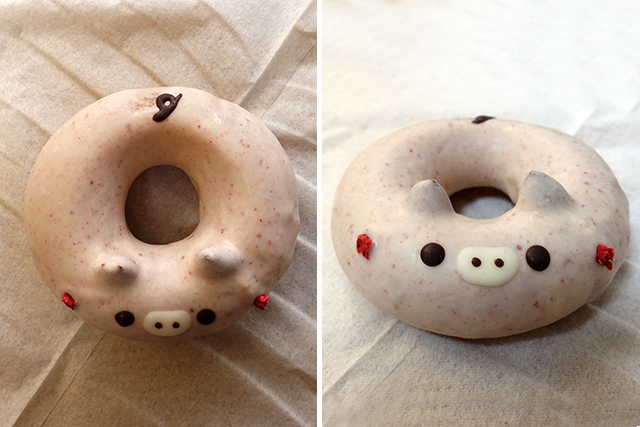
This is kobuta (pig) with almond ears and freeze dried strawberry cheeks. The frosting doesn’t taste much like strawberry, but it does melt to make the donut itself less dry.
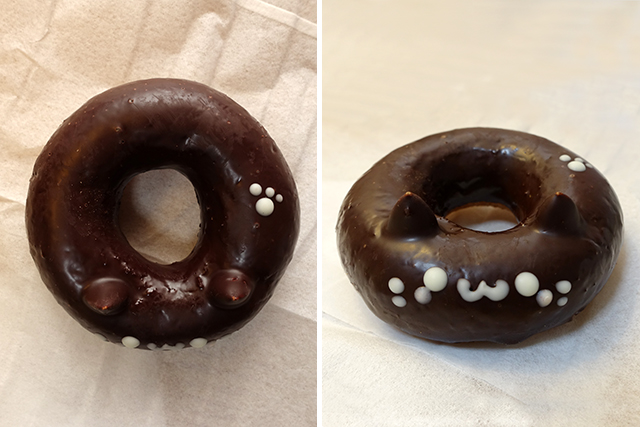
This is kuronekochan (black cat) with almond ears and chocolate frosting. This is the most flavoursome of the bunch as the frosting actually gave the donut flavour.
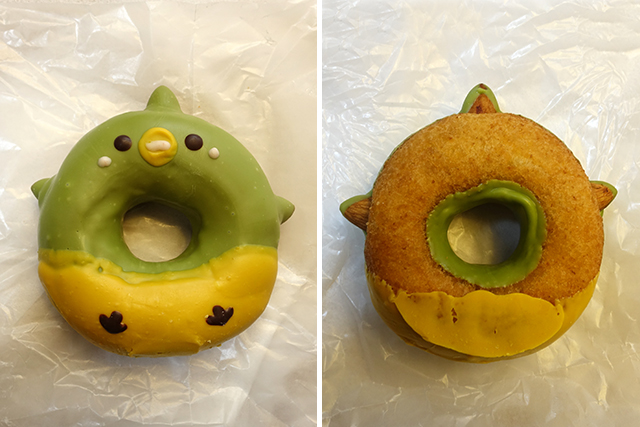
This is oomu (cockatoo) with almond ears and headcrest with yellow and green frosting. Amusingly, we’d initially thought this was a frog (it’s green, it’s a frog, we’re simple), which we’d later see in Kyōto. Like the pig, the frosting didn’t add much flavour, just moisture, to the donut.
They are hands down the cutest donuts ever. Filled with cute donuts, we’re off to bed!