Yokohama marks the last leg of our 2014 Japan trip. We didn’t intend to stay in Yokohama initially but plans changed along with our extended stay in Tōkyō. It’s a quick day trip to Tōkyō (45 min by express trains, but not shinkassen, and only about Y550 one way).
Sakuragicho
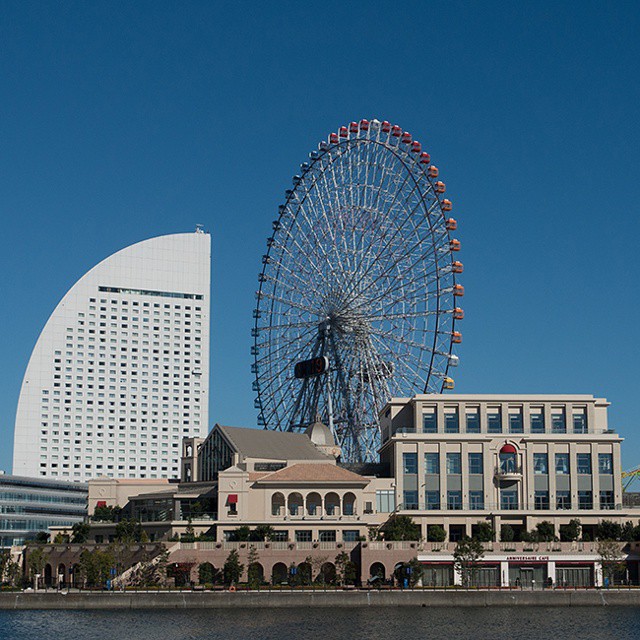
The weather clears up around Tōkyō the day we arrive in Yokohama. More precisely, the rain was replaced by a freezing cold front – the kind that brought wind that chills you to your bones. But that’s all right! We can put up with the cold – we love the cold! The beautiful weather without a cloud in the sky gave a flawless backdrop of blue skies to our Yokohama photos. Above you have the view of Minato Mirani with the iconic ferris wheel.
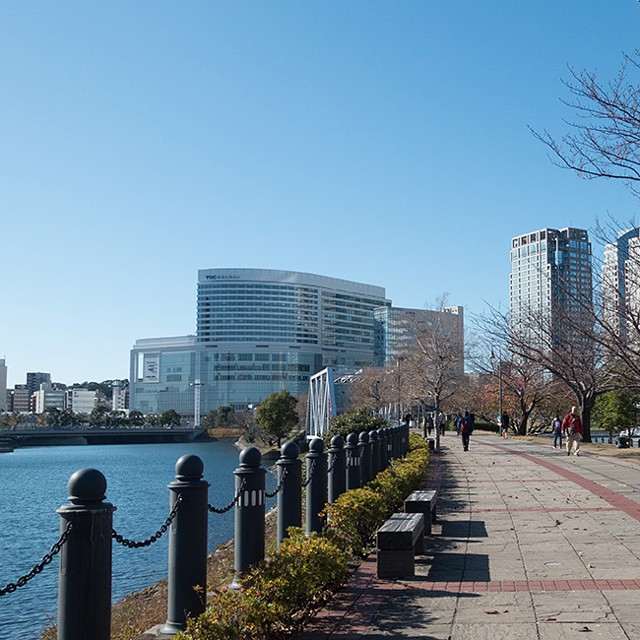
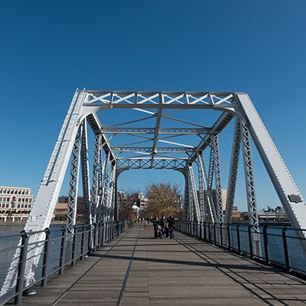

We walk across the bridge to reach the Minato Mirai area where the Cup Noodle Museum is. We’re based 2 minutes away from Sakuragicho Station.
Yokohama is a totally different creature to any of the major cities we’ve been to in Japan – Ōsaka, Nagoya, or Tōkyō. Ehat struck me most was the complete lack of people on the streets, and by that I mean whereas you can’t go anywhere in those cities without seeing someone else on the street within about 10 to 20 m of you, in Yokohama you could walk with your eyes closed (and I did for a bit because the wind chill was hurting my eyes!) and know you won’t bump into anyone. Why? Because there’s no one around! But it’s more than that, but I’ll get into that later.
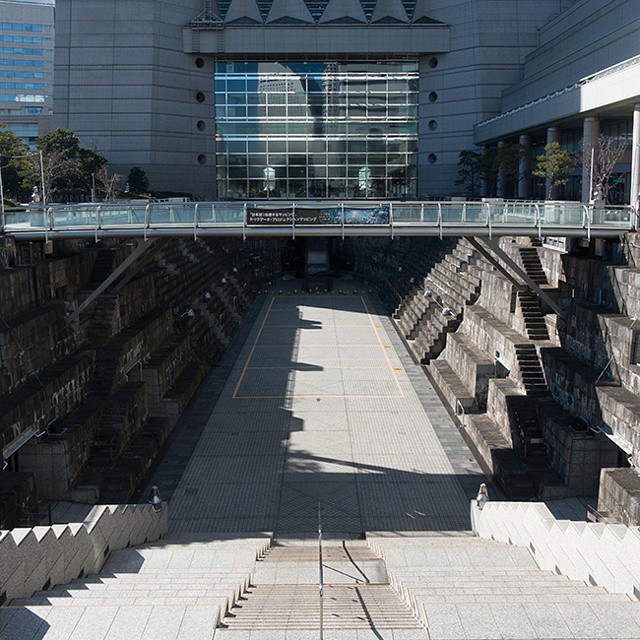
Half way through our walk we realise we’ve run out of cash because we forgot to visit the Seven Eleven near our Tōkyō hotel before leaving. So we detour to Queens Square to hunt down an ATM, which google tells us is at Minato Mirai Station.
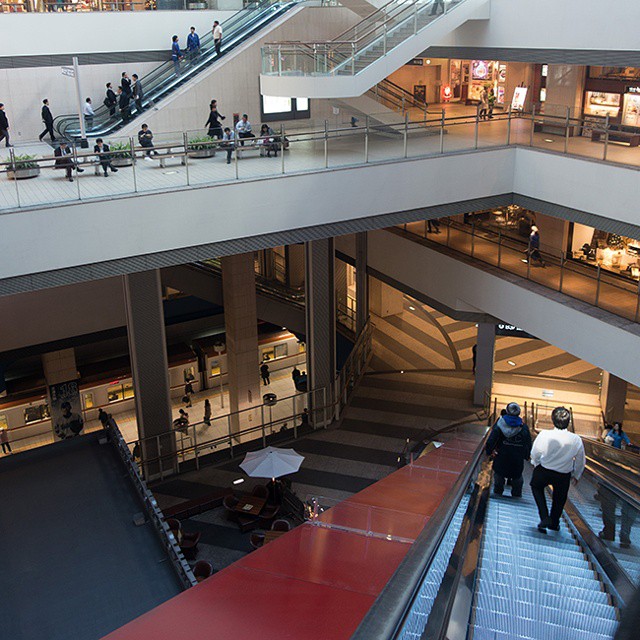
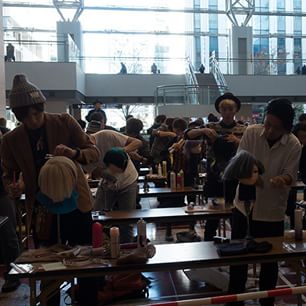
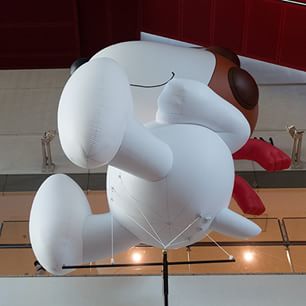
Google only knows that the ATM is in Minato Mirai station, which isn’t all that helpful when the station itself is huge (it’s at the far end of the station that’s rather deserted and above an escalator) . The station is located at the basement of Queens Square, and you can see the train tracks from within the shipping mall. While at Queens Square we come across what appeared to be a hairdressing competition where people style a wing of hair. There’s also a giant Snoopy suspended from the ceiling of the atrium.
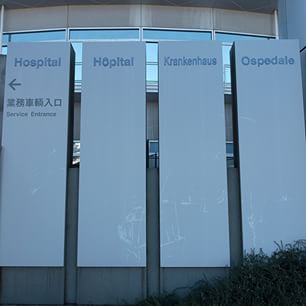
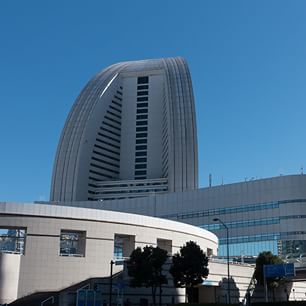
After making our way above ground, we head past a hospital with a sign keen to tell people it’s a hospital in multiple languages (ah, Krankenhaus in German!). Minato Mirai was built as a master planned development in the 1980s and you definitely feel it in its under futuristic vibe. It looks and feels like no other place we’ve been to in Japan.
Heading back towards the Cup Noodle Museum, we find out that in the midst of shuffling our itinerary around we’d forgot that it wasn’t open on Wednesdays. So another quick change of plans was in order.
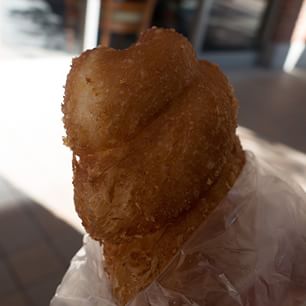
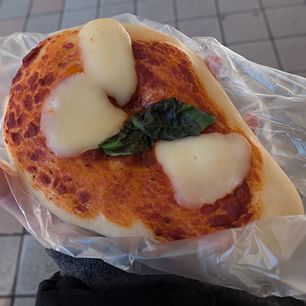
We head back to World Porters across the street from the Cup Noodle Museum to grab some quick breakfast from a bakery. D sticks to his trust curry pan while the globs of cheese and basil leaves of this tomato sauced bread draws me in – it was quite delicious too!
Shin Yokohama
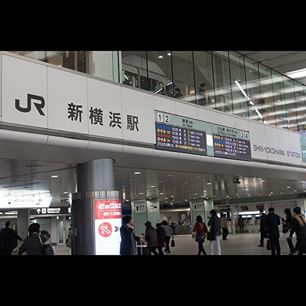
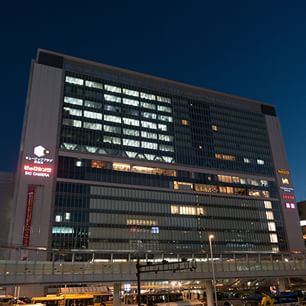
We postponed our exploration of Sakuragicho and Minato Mirai for the following day, and instead head to Shin Yokohama to explore that area before ending up at the Ramen museum for dinner.
While our first impression of Shin Yokohama wasn’t too promising after getting off a 1 platform station, things started looking up as we headed towards the shinkassen platforms with its accompanying abundance of shops both on the concourse and above the station. Shin Yokohama feels more like the Japan that we’re used to.
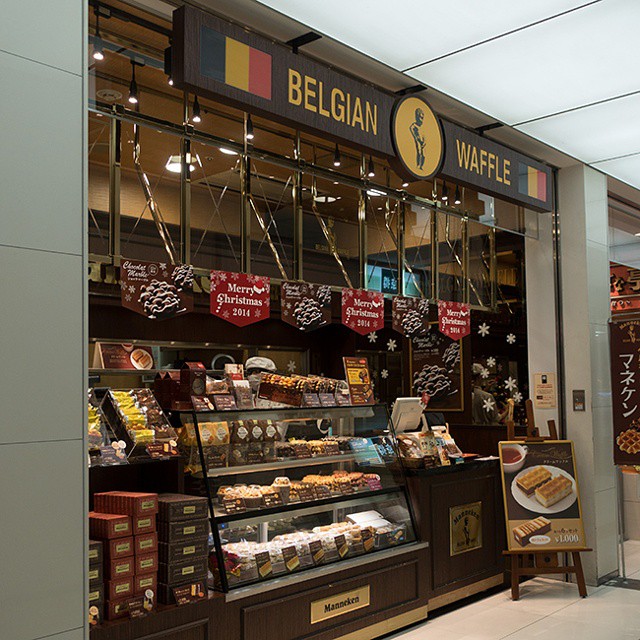
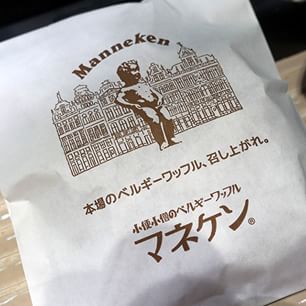
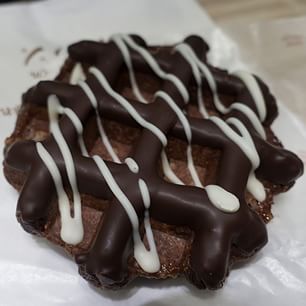
Our first food stop is Manneken, a Belgian waffle store on the concourse. We choose a chocolate waffle dipped in dark chocolate and drizzled with white chocolate. It tastes all right – waffles taste better hot.
We head towards an hallway that’s lined with food stores right up our alley.
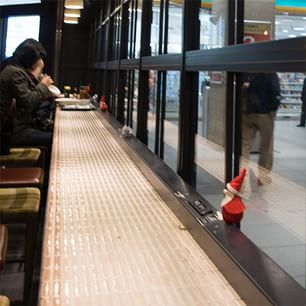
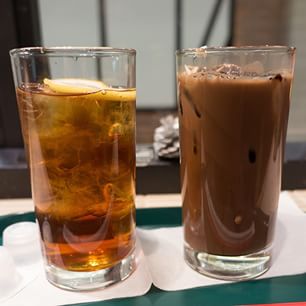
We stop by Cafe Pronto for a place to eat our waffle and for some much needed hydration. As usual I order an iced lemon tea while D sticks to his iced cafe au lait.
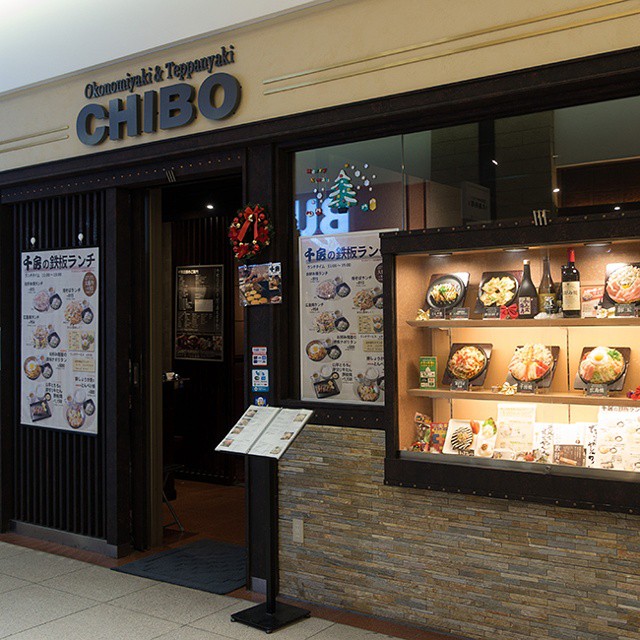
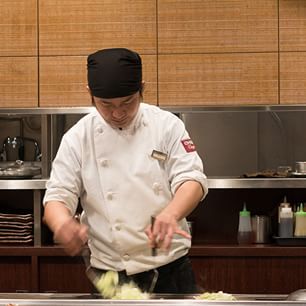
Our next stop is Chibo. We’d intended to have okonomiyaki in Ōsaka but never got around to it or when we did the queues were too long for our hungry stomachs. Chibo is one of those okonomiyaki places in Ōsaka with a constant queue. Lucky for us, they have a branch in Shin Yokohama! Yokohama is generally less crowded than we’re used to anyway (probably on par with Sydney, which is to say it’s not crowded at all) and it was past lunch hour so the restaurant was empty.
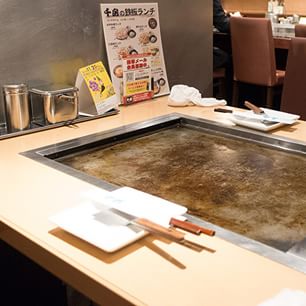
We’re pretty full from the earlier snacking so we ordered a seafood okonomiyaki to share between us (~1200). The hot plate where they cook the okonomiyaki faces the customers so if you ask for a bar seat you get to see your food as it’s prepared. We’re seated in a booth but the emptiness of the restaurant meant we still got a food view.

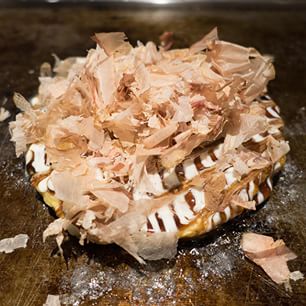
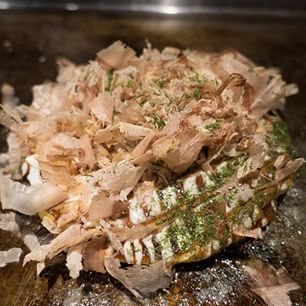
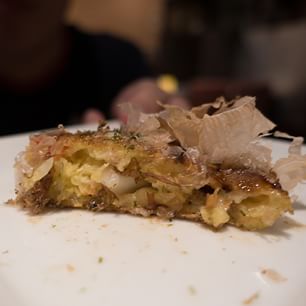
Once the okonomyaki is ready, it’s brought over to the hot plate at the centre of your table to be kept warm. You season it to your hearts content after they’ve done their magic with the okonomyaki sauce and mayonnaise. We love the bonito flakes and seaweed powder so loud up!
Really, okonomyaki tastes like a denser and flatter version of okonomyaki. We were really quite impressed with the okonomyaki – it was very generous with its prawns and octopus.
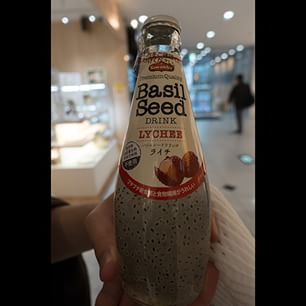
In a shopping mall near Shin Yokohama station, I find a pretty navy blue tote, and we finally try a basil seed drink (the drink that looks like tadpoles!). Basil seed has a slightly slimy texture that isn’t unpleasant. It’s rather tasteless though.
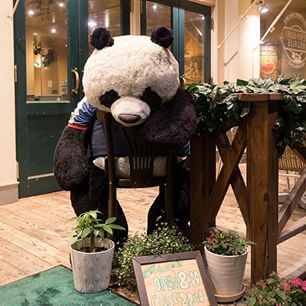
On the way to the Ramen Museum we spot a life size panda plush toy outside a wellness Burger cafe.
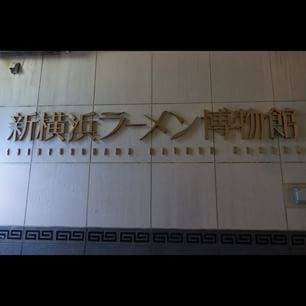
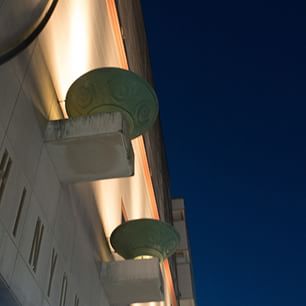
The narrowness of the streets in Japan and the darkness of the evening makes the Ramen Museum rather nondescript. But when you’re on the right street you’ll notice ramen bowls serving as lamp shades outside the building.
Admission to museum is Y350, which includes access to the souvenir/museum shop and the area with the ramen shops. Payment is required if you wish to order from any of the shops, although they do serve half portions so you can try more than one kind without getting full on one bowl.
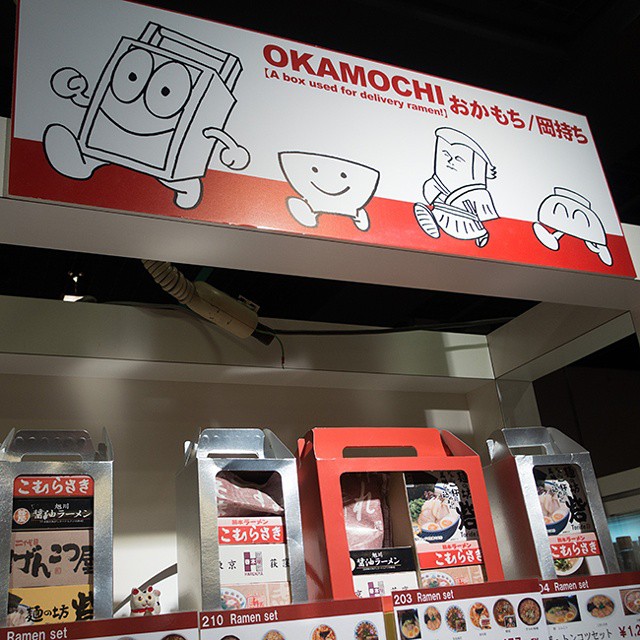
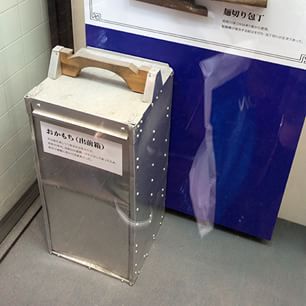
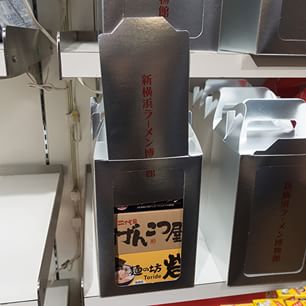
On the ground floor (or as the Japanese like to call the first floor) is the souvenir shop. They show and sell various equipment used in ramen making, selling, and eating like ladels, bowls and the okamochi. I found the okamochi particularly fascinating as they feature in anime. It’s how you get ramen delivered. I never quite understood why they had to deliver the noodles in the soup considering that makes it prone to spilling. It seems to make more sense to assemble them after delivery. But I guess that would slow the delivery person down.
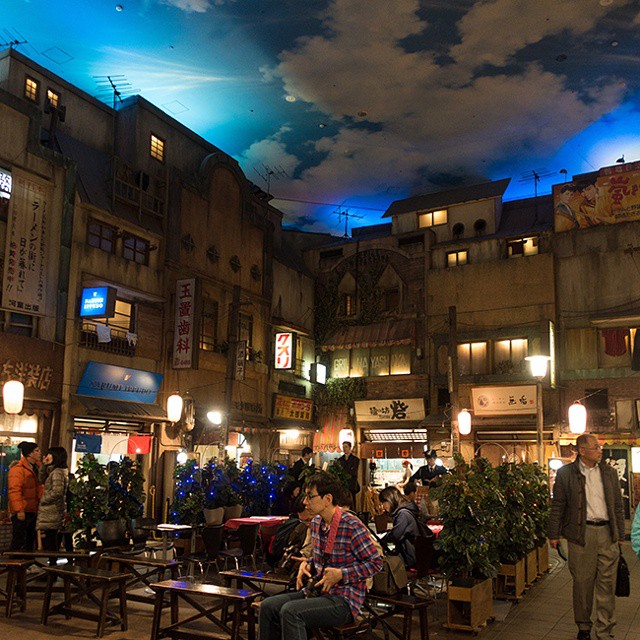
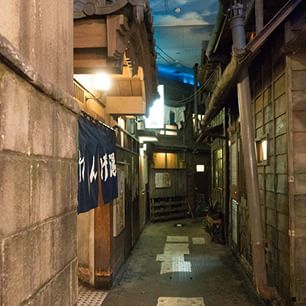
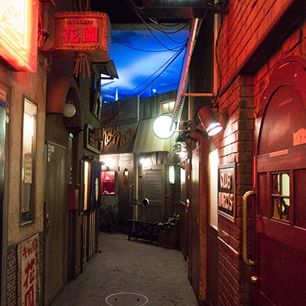
The central area of the museum (and the reason why people visit) is built to resemble Japan in the 1950s, the decade during which instant ramen was invented (and in this way links nicely with the Cup Noodle Museum in Minato Mirai). The main attractions are 9 ramen stores set amongst makeshift shop fronts of bars, bathhouses, housing, and clothing stores. The ramen stores each sell a different kind of ramen – the accompanying guide tells you the thickness of the noodles and the broth sold at each store so that you can make an informed decision about which place you want to eat at.
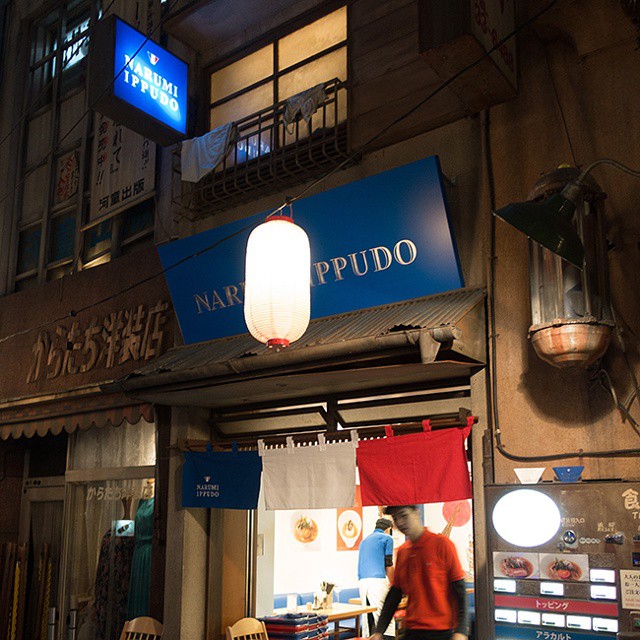
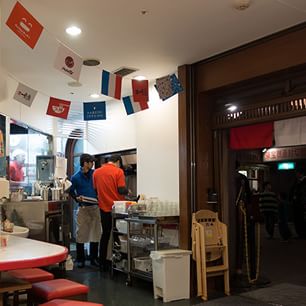
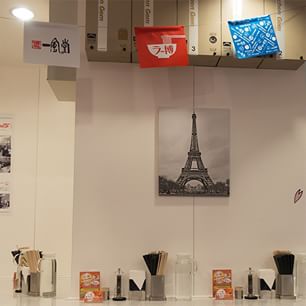
Our first pick was Narumi Ippudo, which opened only in the last few months. It serves the ramen that’s sold at Ippudo stores in France, so there’s a distinctly French twist to it.
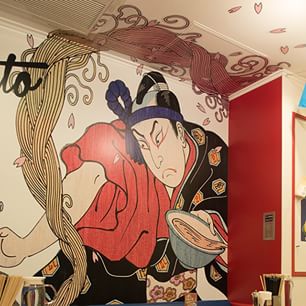
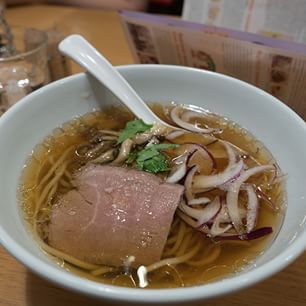
The noodles are served in a beautiful consume that was very moreish – the kind of broth that makes you want to drink it all instead of leaving it after eating the noodles. We ordered only half portions of this dish, which was unfortunate because it was the better of the two we tried. It’s not authentic ramen but easily the tastiest!
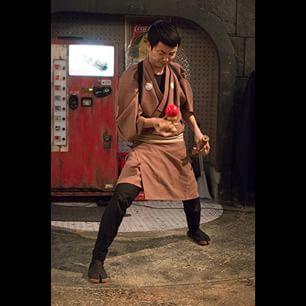
In between ramen samplings, a street performer sets up outside. He’s dressed up in ninja gear and entertains the audience with tricks done by catching the ball on the wooden hammer. Anyone who’s ever tried to do this will appreciate that it’s actually quite difficult to do once let alone when your body is in contorted positions!
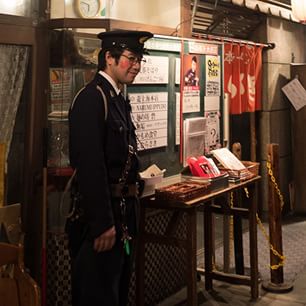
The staff are dressed as guards, but wear overly dramatic blush to liven the atmosphere.
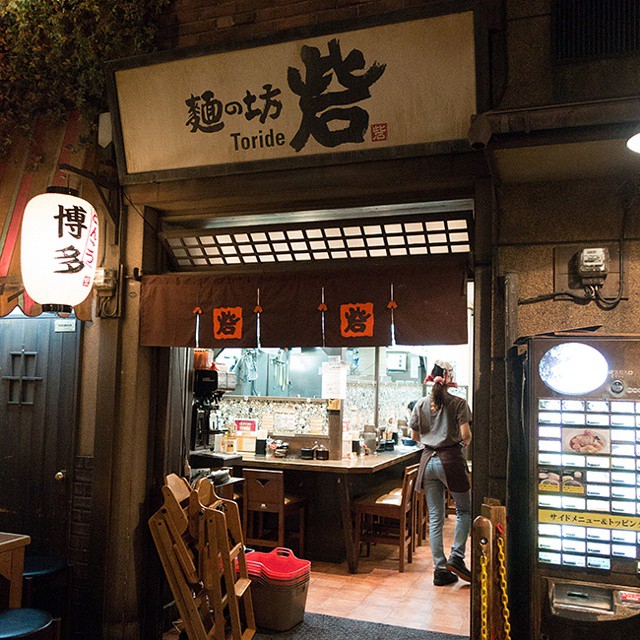
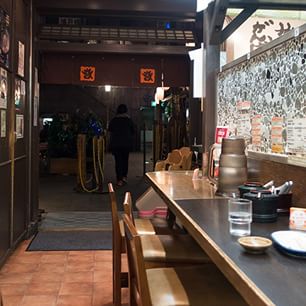
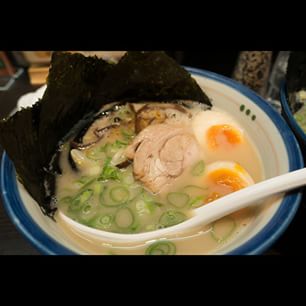
Our second serving is from Toride. The entrance to this store smelled a lot like pork bones, which was a little off putting, but we featured in anyway. We ordered full servings of this store’s dish as we wanted to fill up on dinner.
While Narumi Ippudo serves the clearest of soups, Toride is several degrees thicker. The ramen at Toride is definitely more Japanese and comes complete with the delicious soft boiled egg, seaweed (dried and fresh), bean sprouts, and of course a slice of pork. D quite liked the soup here too and drank some of it, but came down with an MSG headache of sorts afterwards.
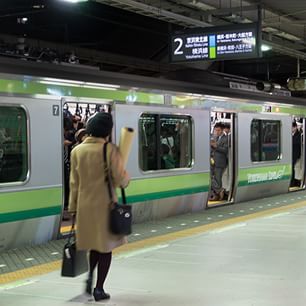
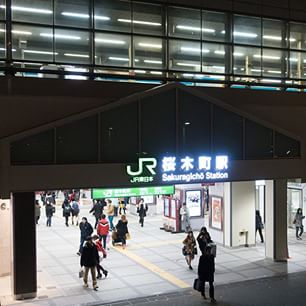
There’s a green loop line in Yokohama that we kept mistaking for the Yamanote line in Tōkyō. But that’s all right, most reasons stop at Sakuragicho, the oldest train station in Yokohama.
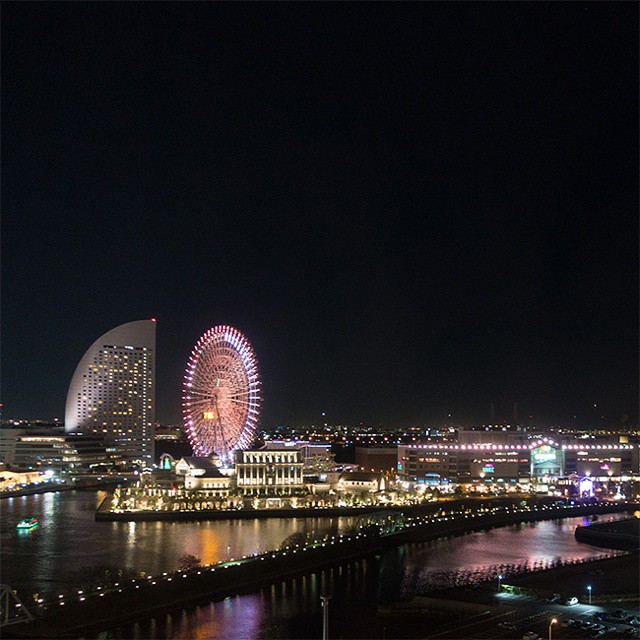
This is the amazing view of Tōkyō Bay view from our hotel room with the iconic ferris wheel you see as a backdrop to many anime scenes set in Yokohama.