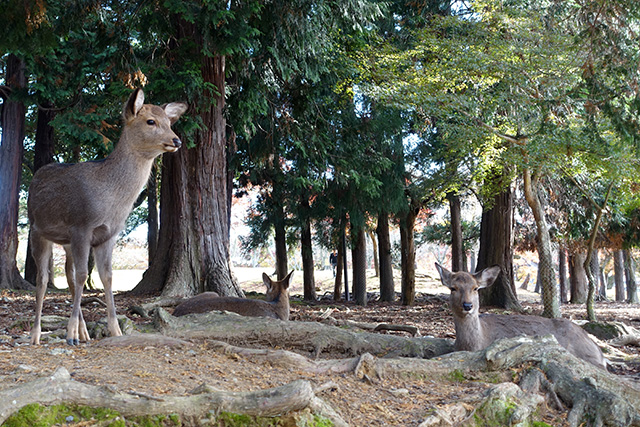
We never made the effort to visit Nara previously. Everyone on the internet raved about Nara, but nothing we read of what they saw or experienced in Nara excited us. It seemed like mostly temples – but there was Kyōto for that. And aggressive wild deer in the absence of anything exciting? Meh.
But with a day to spare in Ōsaka, we decided to give it a try because maybe Nara is something you just have to experience to understand. It’s only a short day trip from Ōsaka, so off we went.
Ōsaka
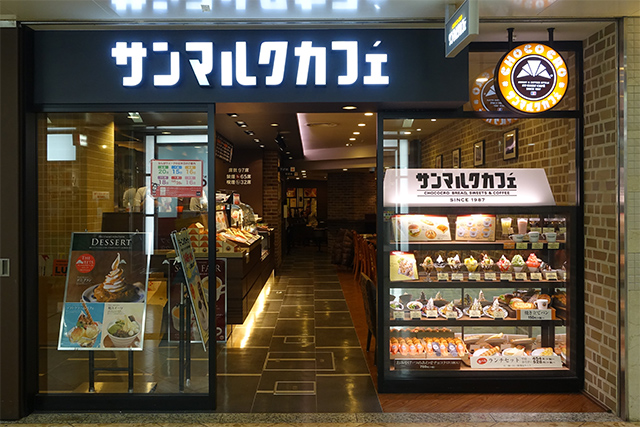
We dutifully make our way to Chococro for breakfast. This is our last proper day in Japan, and we’ll visit this chain twice more before departing.
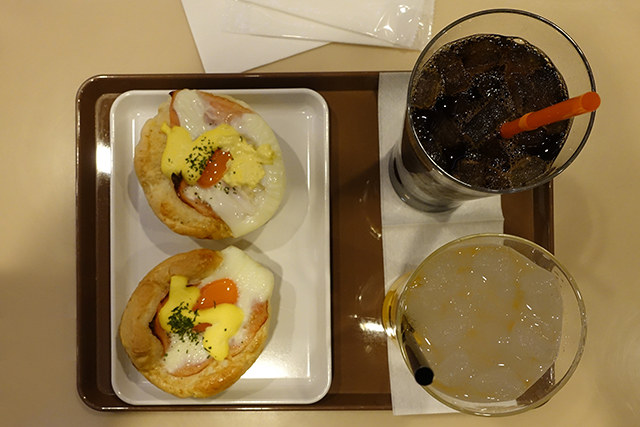
The hollandaise muffin has well and truly won its spot as our the super tasty breakfast we go for each morning. None of the eggs have runny yolk unlike our first ones in Umeda, but they’re still delicious!
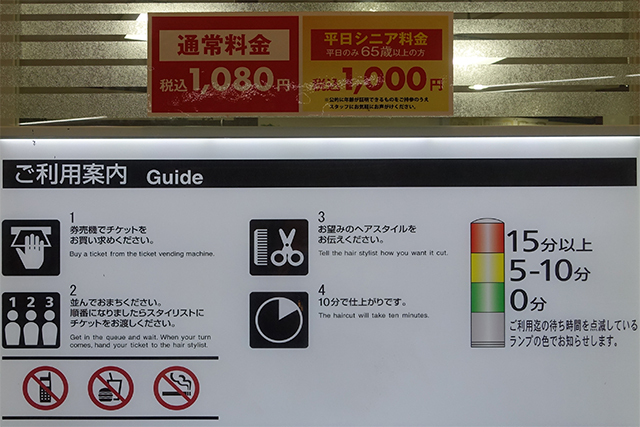
I love that we can always discover something new when we wander the streets in Japan. This morning we stumble upon a vending machine operated hair dresser. You buy your ticket, take a seat, and wait to be called for your haircut. The colours on the left of the photo correspond to a light outside the shop that indicates the waiting times. Now that’s a first!
Nara
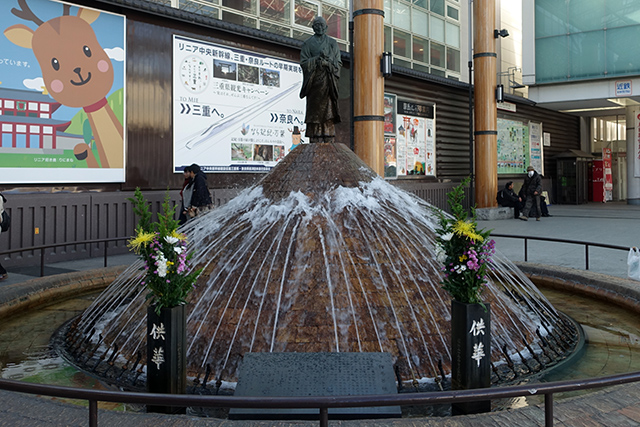
After breakfast, we catch our train to Nara. This is the water feature outside Kintetsu Nara Station.
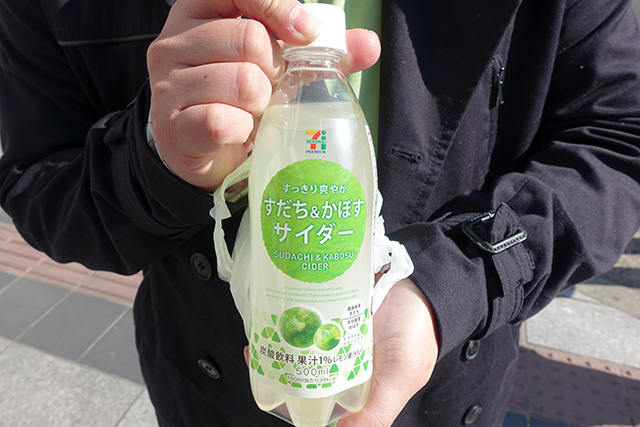
First stop is the 7-Eleven for a drink. They didn’t stock the nashi pear one that we spotted in Hiroshima but we do spot the sudachi and and kabosu cider, which sounds just as interesting. We like Japanese citruses!
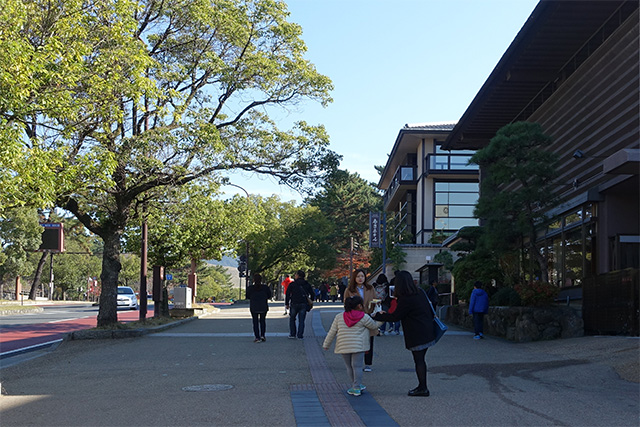
We walk along the edge of the Deer Park enroute to a manicured garden.
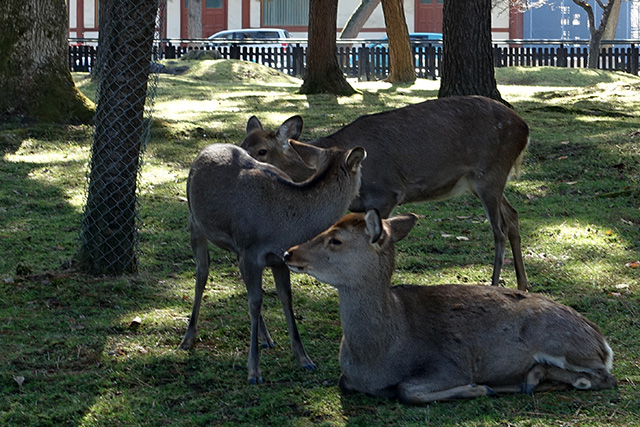
There are a deer everywhere in Nara, compared to Miyajima, and they’re not afraid of people.
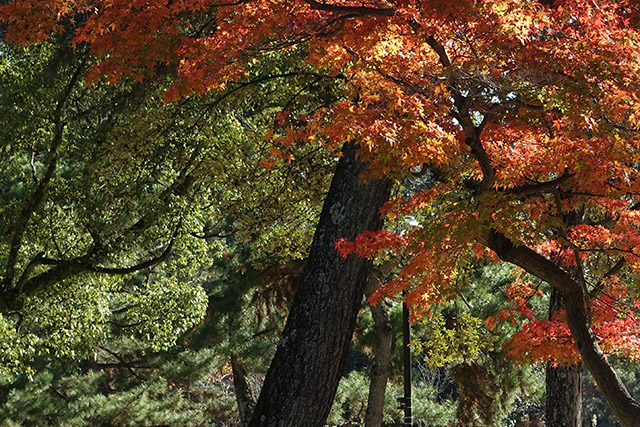
Attending am agricultural high school has done nothing to accustom me to animals, so I’m not too enthused. Instead I focus on the momiji.
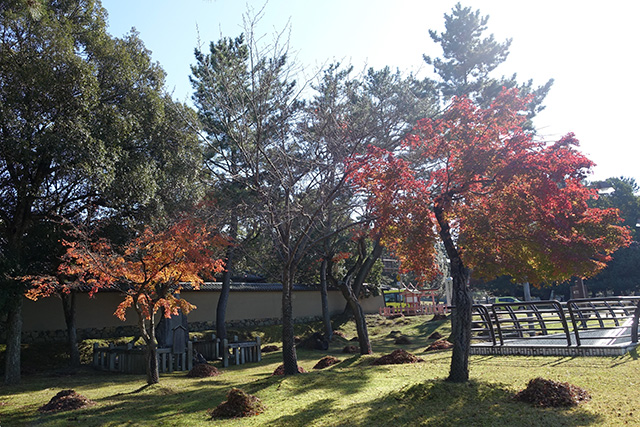
Gardeners rake the fallen leaves into piles (to be picked up later?)
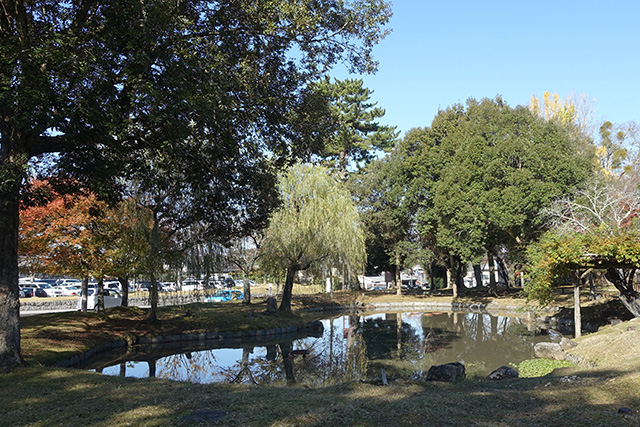
We see this rather unremarkable murky pond on a nearby map of the area on the way.
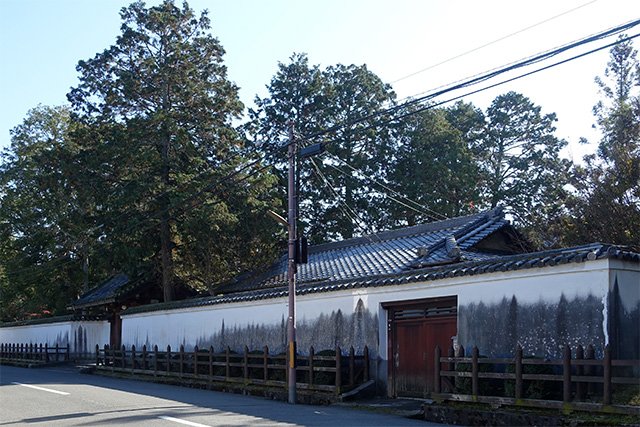
These residences have high walls surrounding them. Maximum privacy!
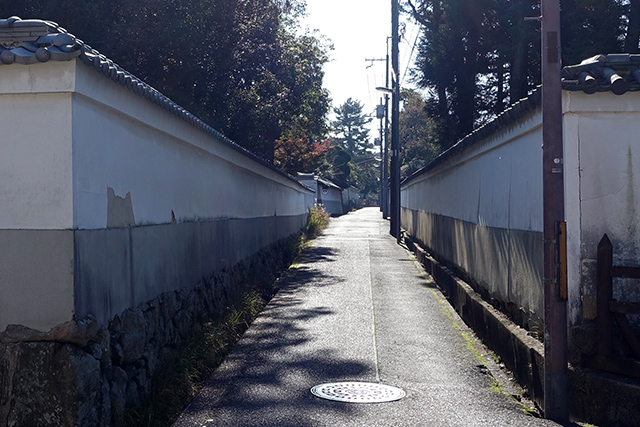
The road between each block is wide enough for just one car.
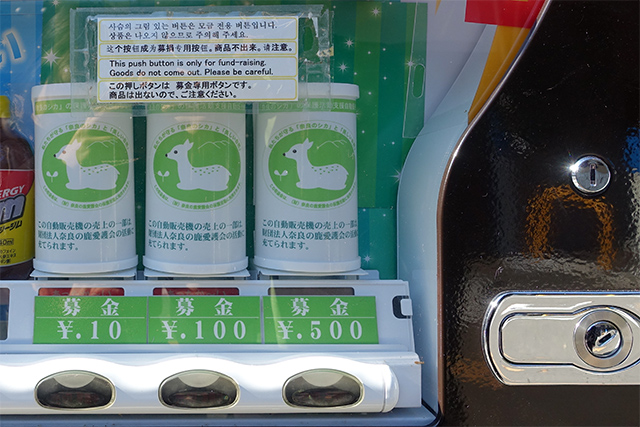
We come across a vending machine with three ‘cans’ featuring deers for Y10, Y100 and Y500. There must be some confusion from people thinking they’d get a deer souvenir from those buttons, as there’s a sign explaining that ‘This push button is only for fund-raising. Goods do not come out. Please be careful.’
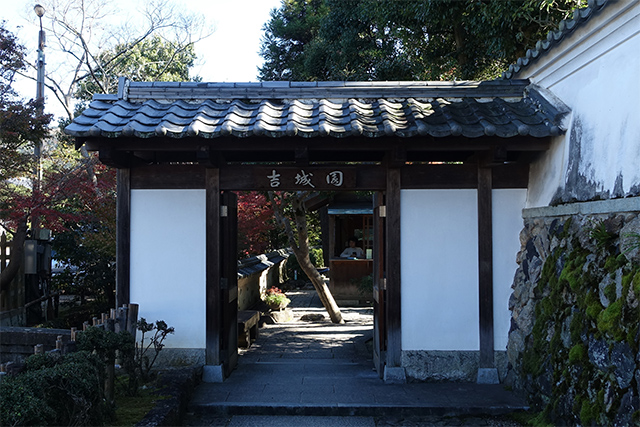
We’re here to visit Yoshikien Garden, a Japanese garden with free admission for international tourists, after participating in a short survey (what country are you from, does the free entry influence your decision to enter the garden, etc.) at the ticket counter.
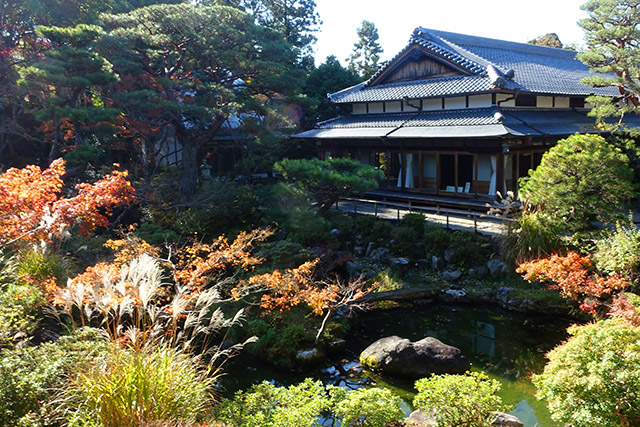
Yoshikien Garden consisted of three ‘regions’, each connected via a flight of stairs. This is the Pond Garden, the first region.
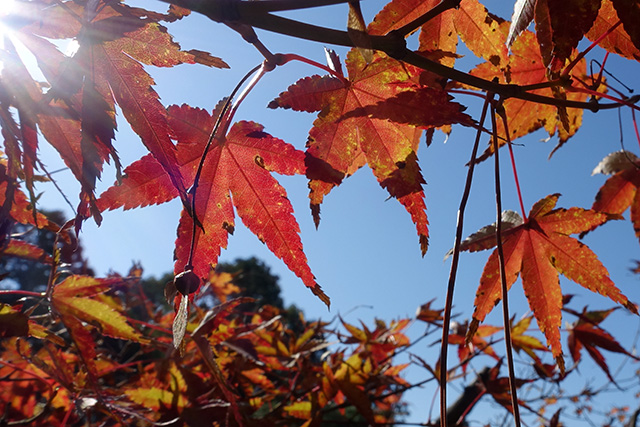
It’s a clear day, but also very warm.
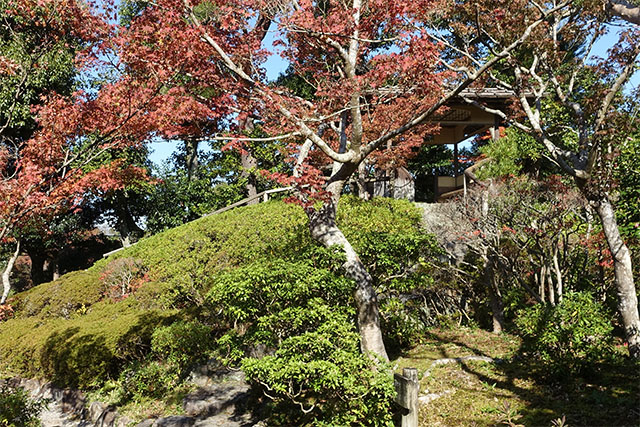
So we climb up another flight of stairs to the shaded resting place to enjoy the view of the pond.
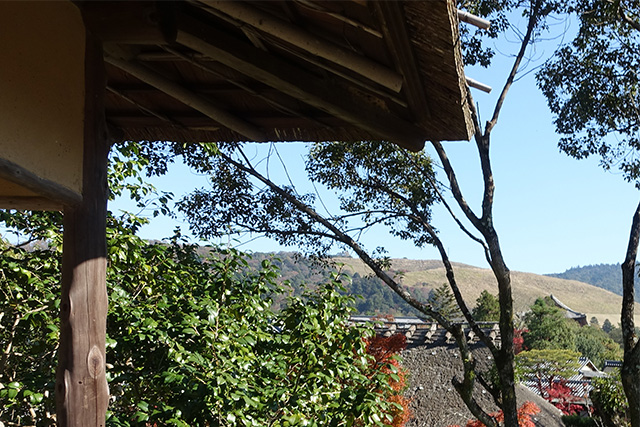
Looking the other way, we see the hills surrounding Nara in the distance.
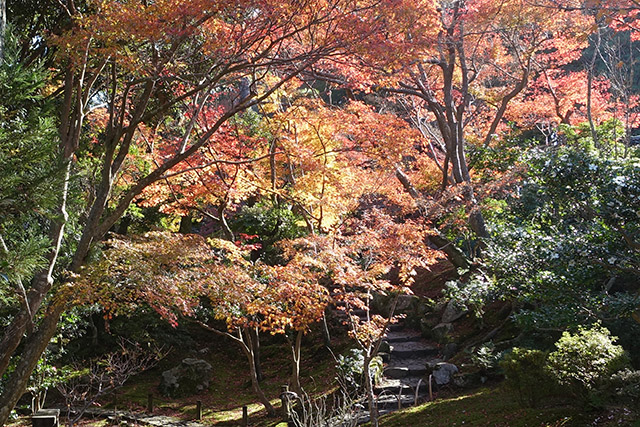
Another flight of stairs leads you from the Pond Garden to the Moss Garden.
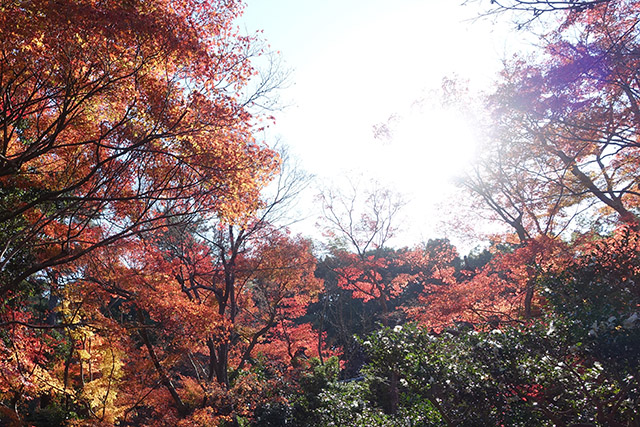
Autumnal foliage really comes to life under sunlight.
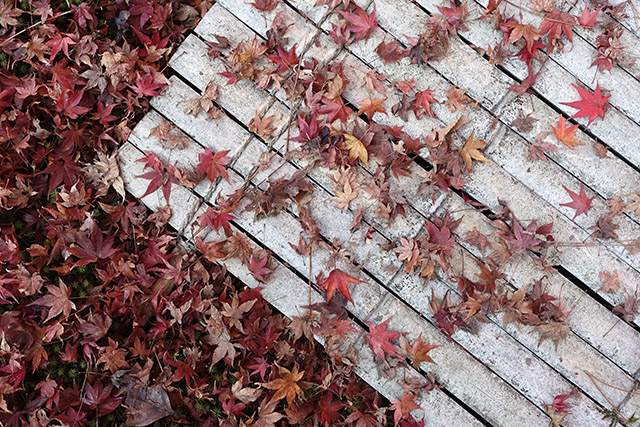
There’s nothing like a mossy carpet covered in maple leaves.
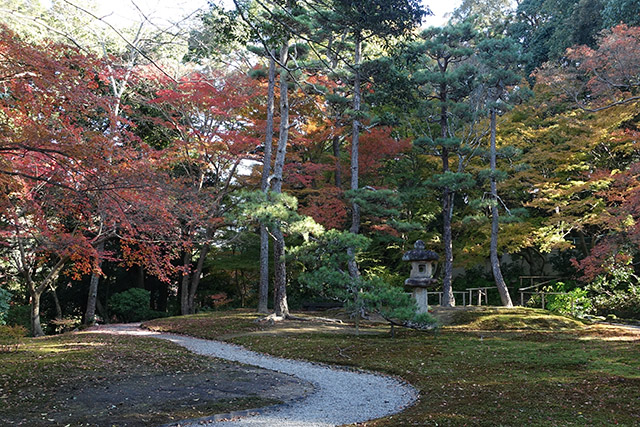
The moss garden is more open, surrounded by tall trees, and of course, covered in hair moss.
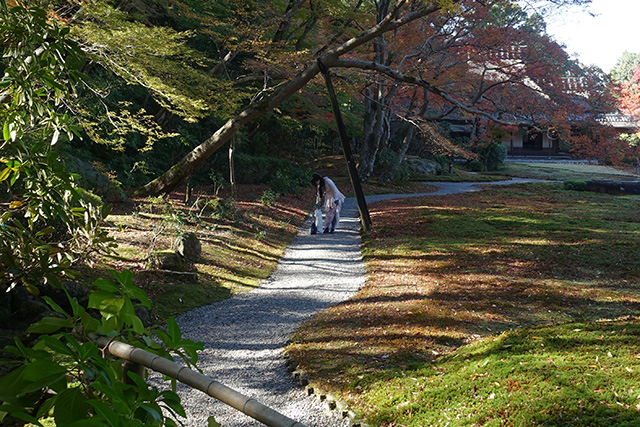
At the corner, near the Pond Garden is a tea house.
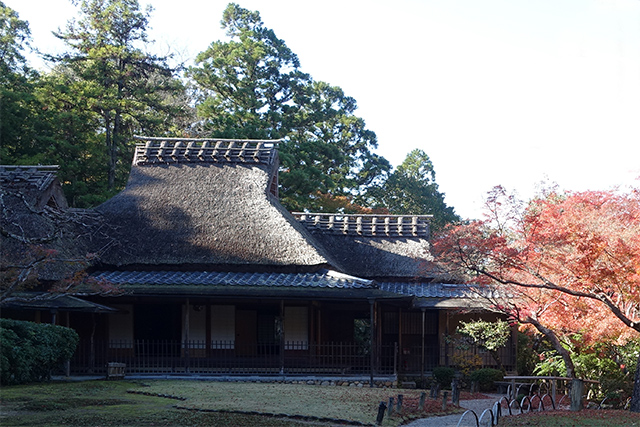
You’re not allowed inside, but you can view the many rooms from its perimeter.
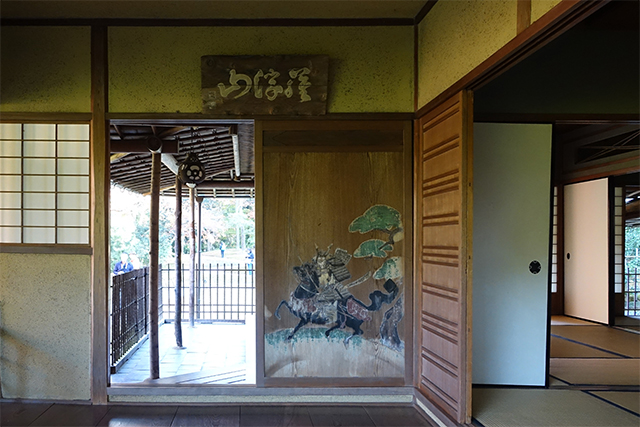
Paintings cover the doors, and tatami maps cover the floors. This is the view looking from the Pond Garden through the teahouse to the Moss Garden.
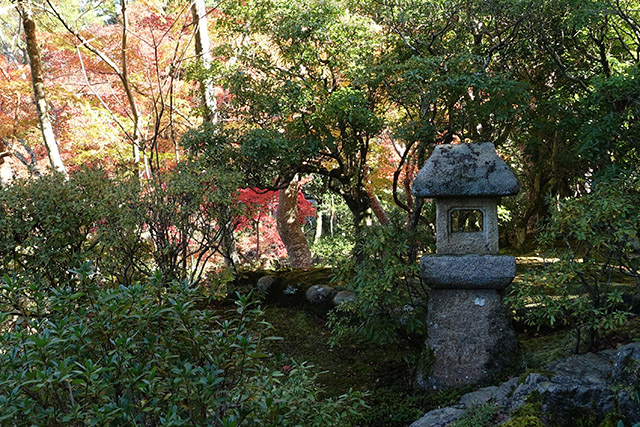
A stone lantern sits next to the tea house.
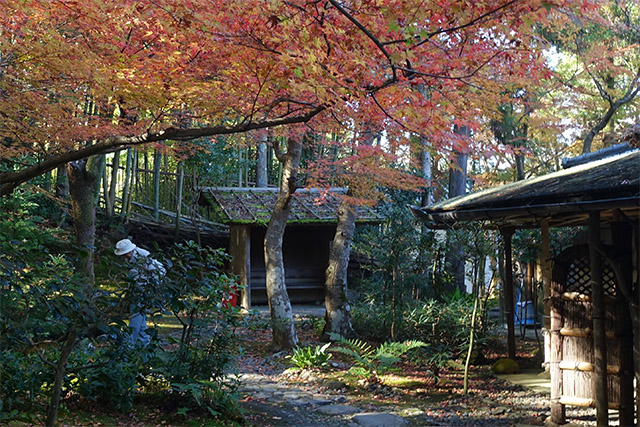
A stone pathway leads to behind the tea house.
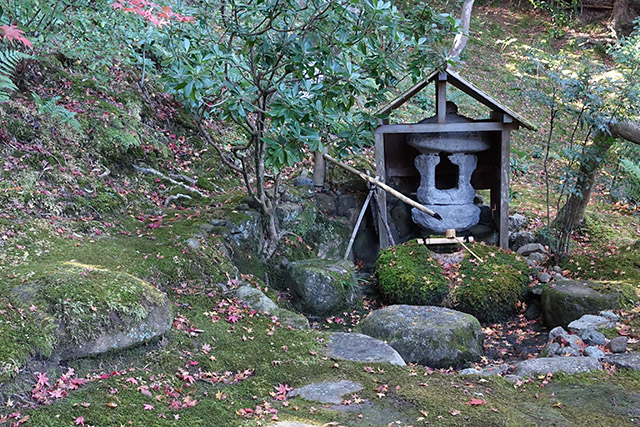
A water feature behind the tea house doesn’t seem to be much used.
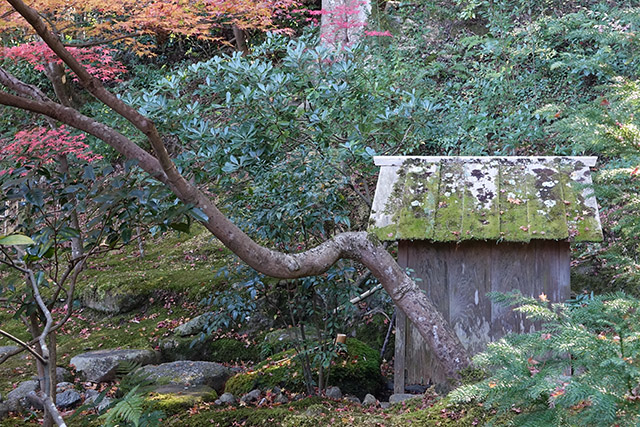
The water feature looks is under a mossy shelter.
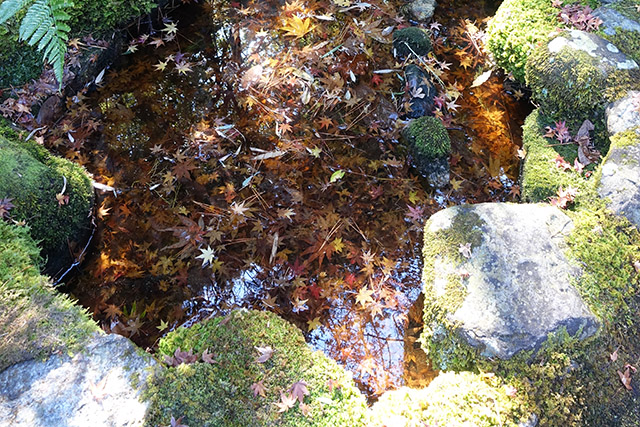
You can see maple leaves at different depths in the tiny pond behind the tea house…
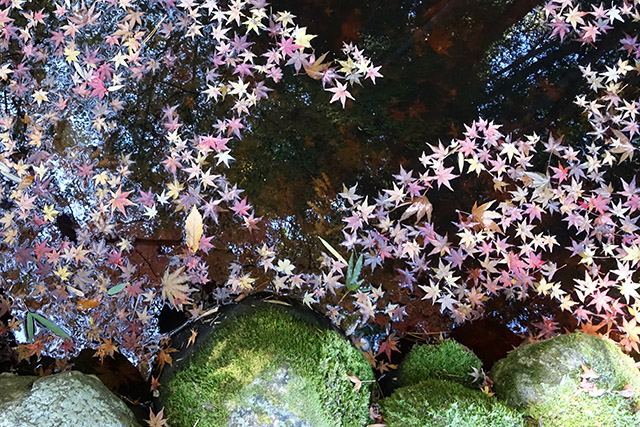
…but it’s also nice to see them float on the surface.
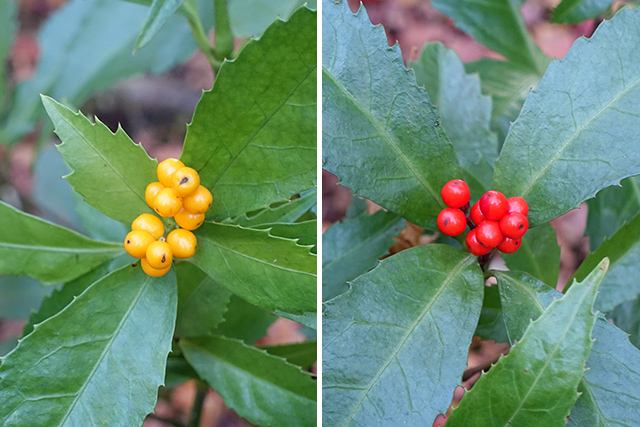
We spot some berries.
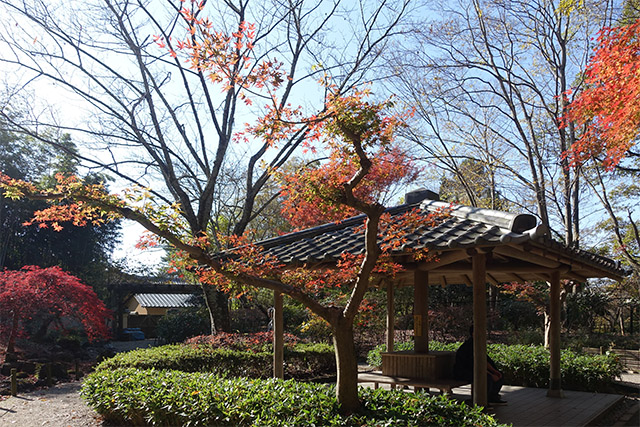
Up another flight of stairs at the far end of the Moss Garden is the Tea Ceremony Flower Garden where we take a short rest.
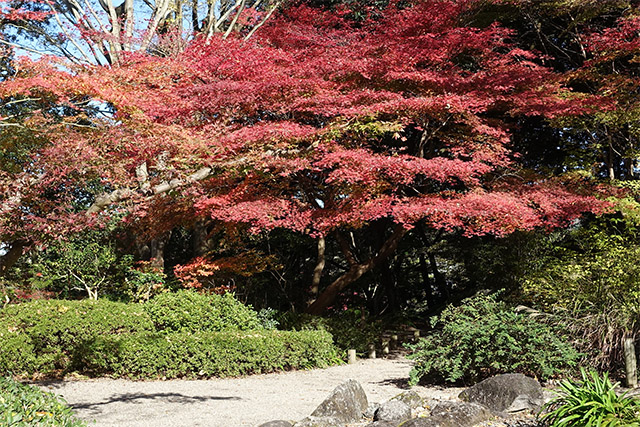
This garden showcases seasonal flowers…
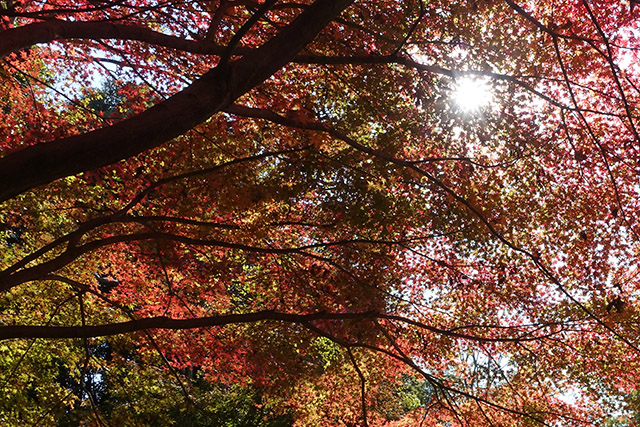
…but there weren’t all that many in early December
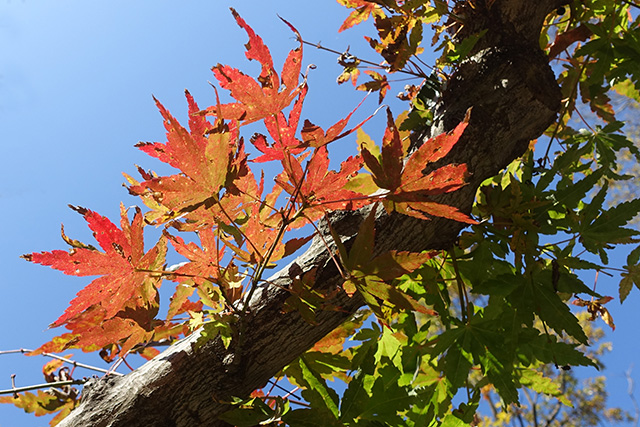
Given the unseasonably warm weather, I’d have thought there might be some more flowers.
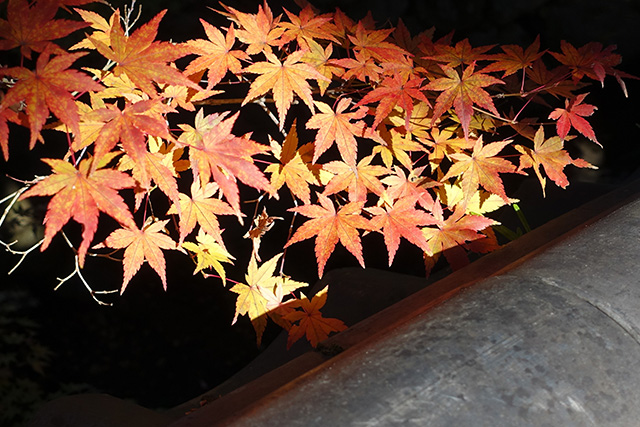
But that’s all right. Sun-dappled maple leaves make up for it. We’ll be back for sakura some day.
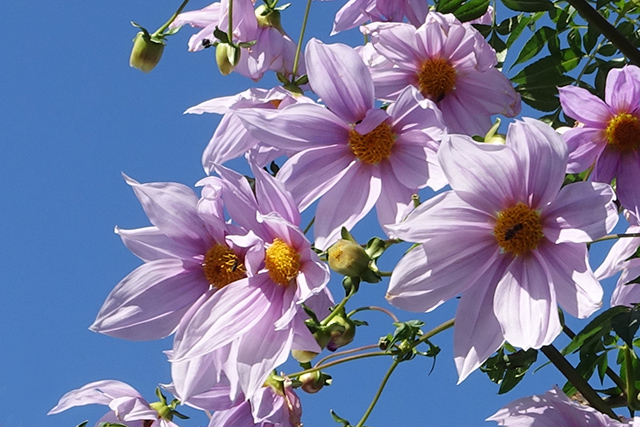
And a photo of some flowers we saw outside Yoshikien Garden, to remind you that I’ve wider interests than maple leaves.
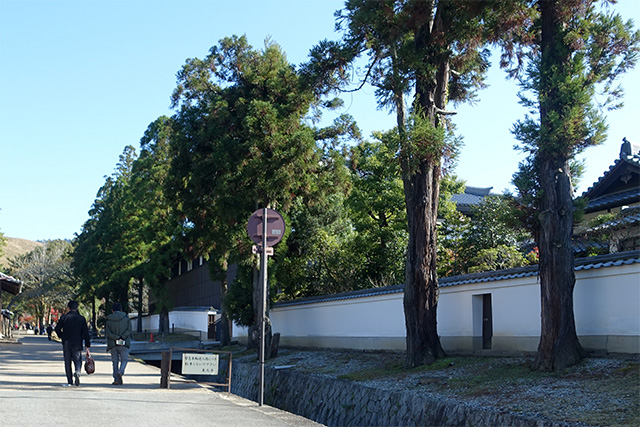
We’re walking towards Todaiji Temple.
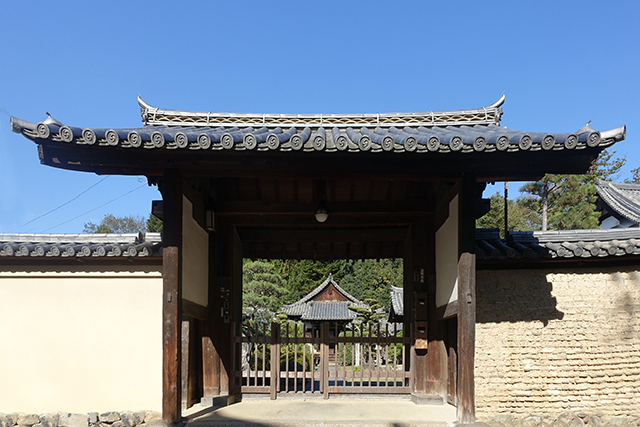
On the way, we pass by what looks like a private residence (or temple grounds).
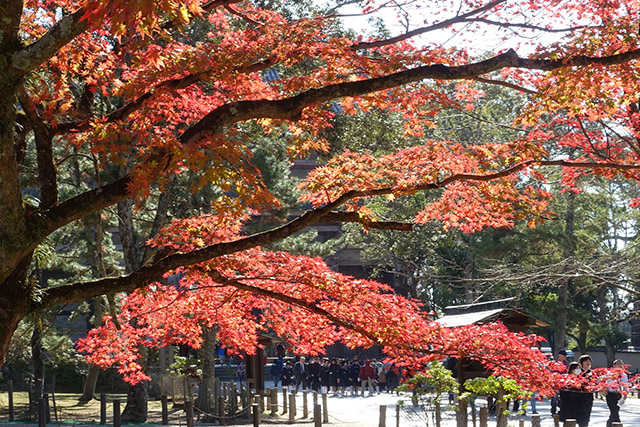
On the edge of Nara Park are some sun dappled trees.
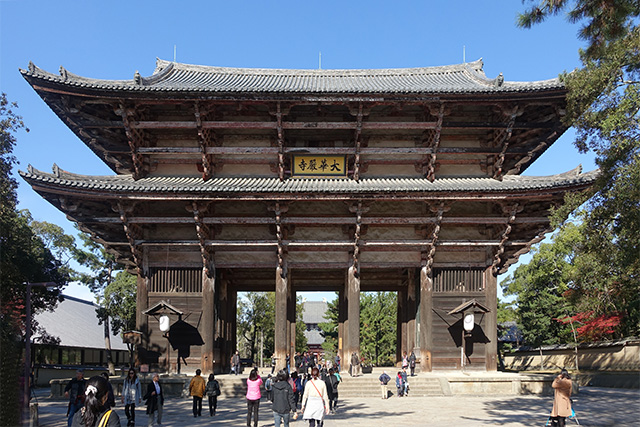
Along the approach to Todaiji stands the Nandaimon Gate, a large wooden gate.
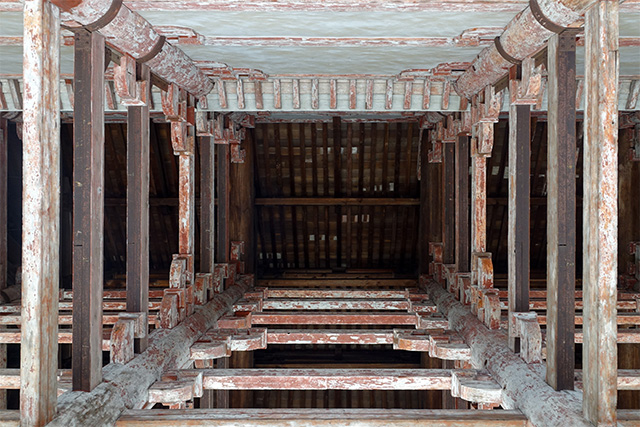
The paint has well and truly worn off the gate.
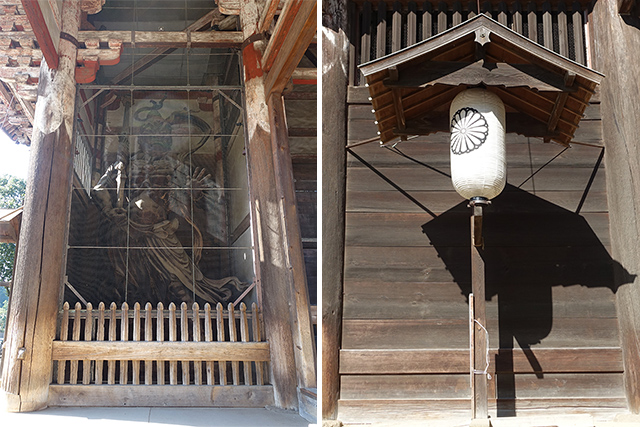
The gate is watched over by two fierce looking statues (the one of the left shown here) representing the Nio Guardian Kings.
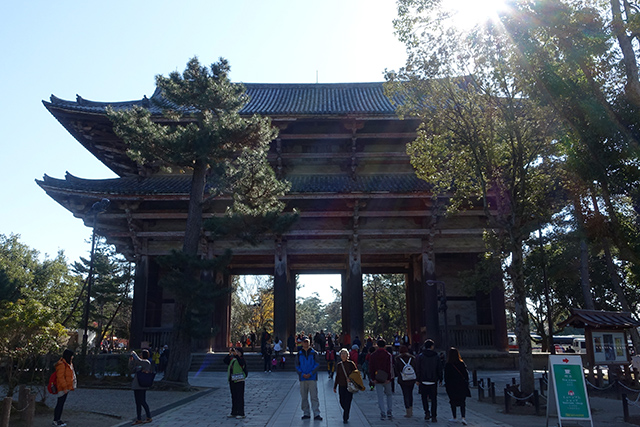
The back of the Nandaimon Gate is rather non descript.
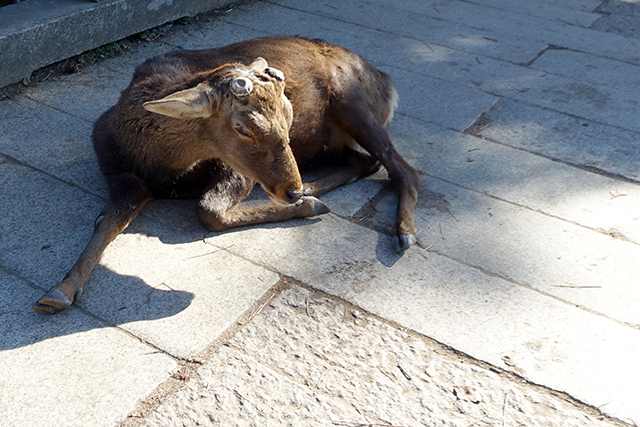
Deers lounge along the path. The vast majority of male Deers are dehorned.
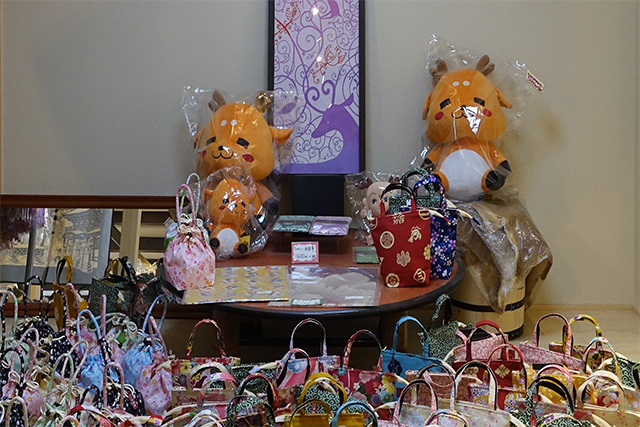
In front of the Nandaimon Gate are souvenir stores. Some deers have even wandered into some stores – we avoid the real deers, and instead head to another one selling cute plush toy deers.
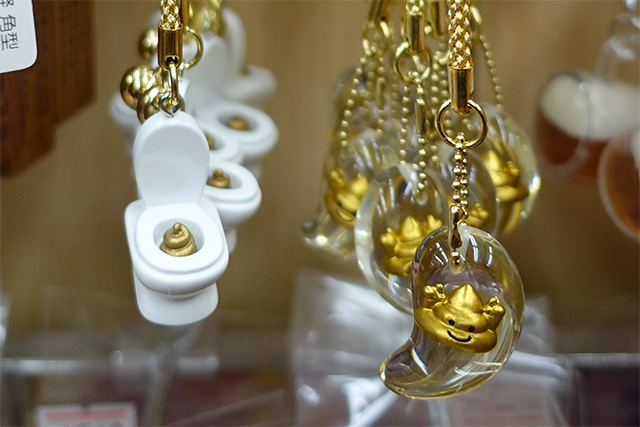
Many of the souvenir stores seem to sell trinkets with golden poo…
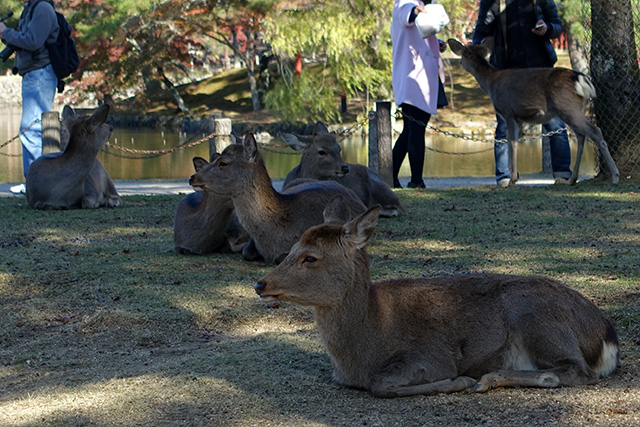
The approach to the temple is swarming with deer from the adjacent Nara Park. .
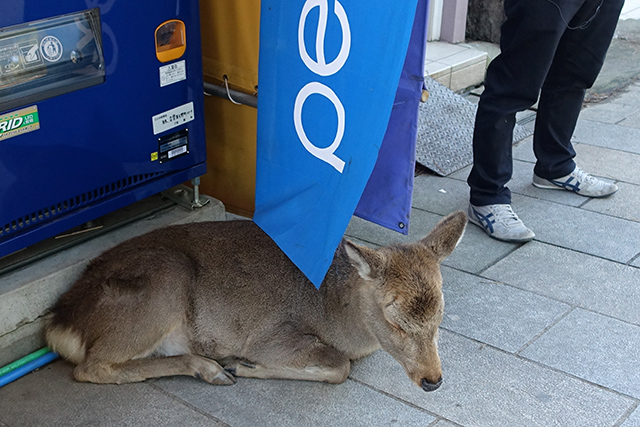
This deer found a cozy napping spot in front of a Pepsi vending machine.We’d walk past this deer three times, the first finding him sound asleep, the second groggily awake, and sound asleep again the last time.
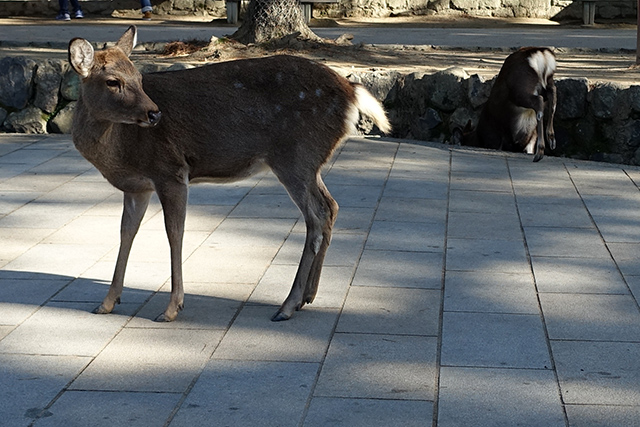
But most are begging for shika senbei (or climbing into a trench).
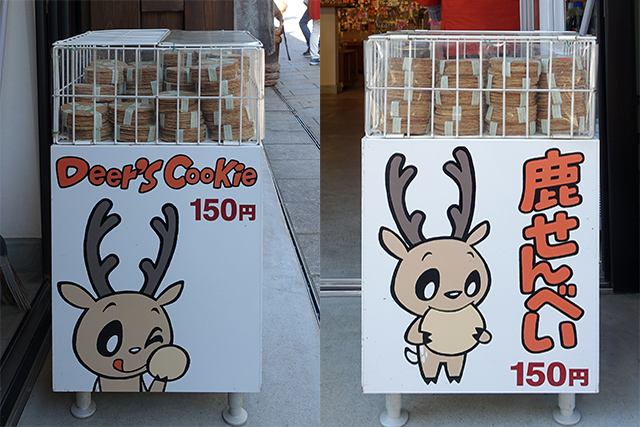
Shika senbei are special crackers for deer that are sold for 150 yen.
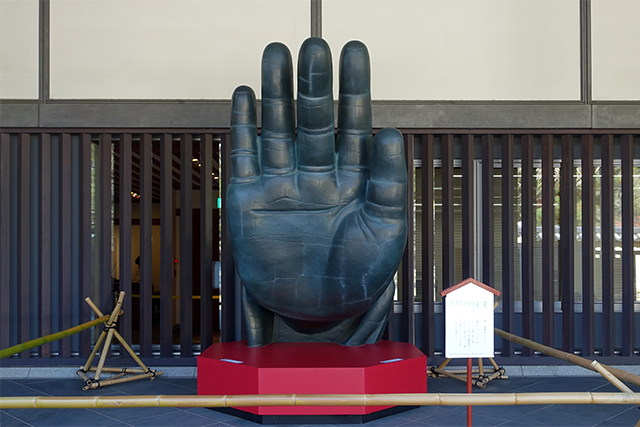
Next to the Nandaimon Gate is the Todaji Museum, exhibiting various treasures from the temple’s collection. Outside the museum is a life-size replica of the Daibutsu’s hand, which is supposed to be as tall as a human being, although it seems to be at least the height of a storey, at least!
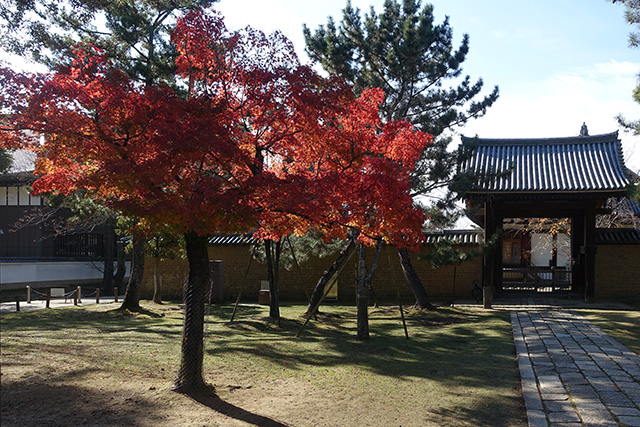
More pretty foliage on the approach to Daibustuden.
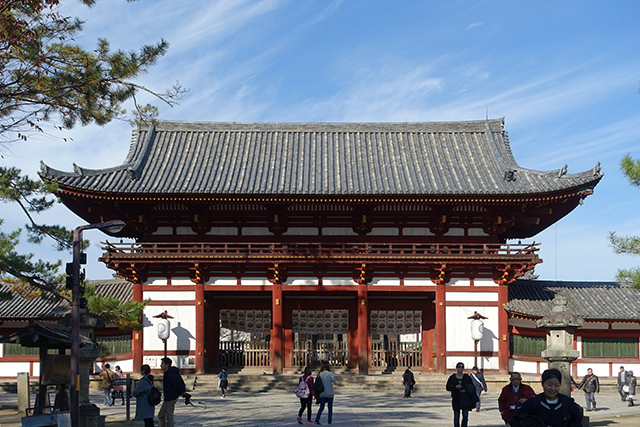
This gate fronts the Daibutsuden Hall.
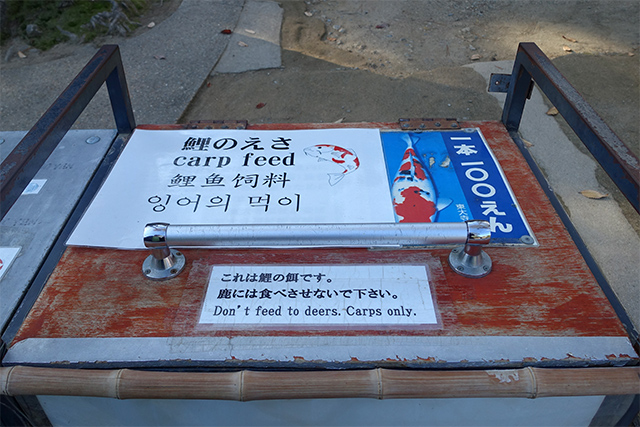
After seeing all the stands for deer crackers, we’re surprised to see one for carp feed.
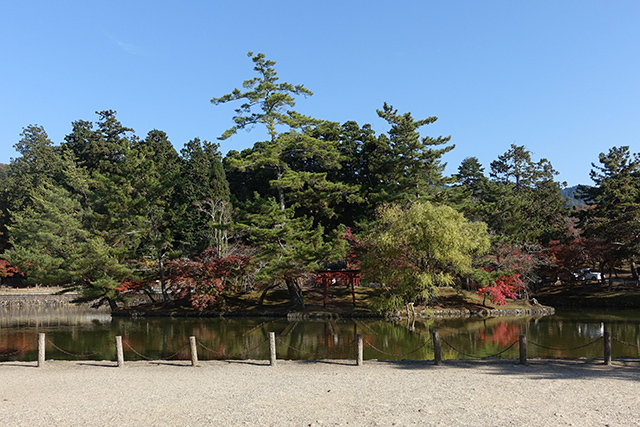
The carp feed stand is self-service to feed the carp in this pond.
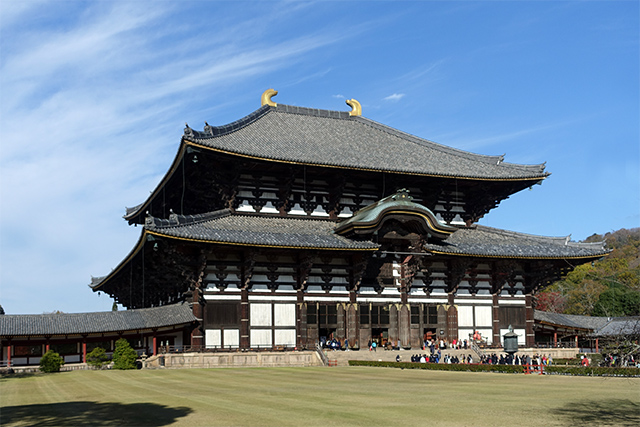
Todaiji’s main hall, the Daibutsuden (Big Buddha Hall) is the world’s largest wooden building.
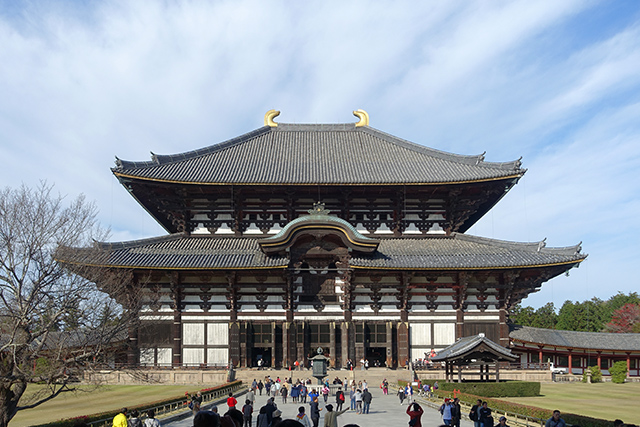
It’s the largest despite the fact that the present reconstruction of 1692 is only two thirds of the original temple hall’s size. We’re quite content with the expansive view behind the ticket office but before the ticket barrier – there’s some 50m between the two with just a waist high wooden fence. The building is really quite impressive and every bit as overwhelming in size as photos lead you to believe. Admission is Y1,000 if you’re interested in viewing the large Buddha and various other religious artefacts inside.
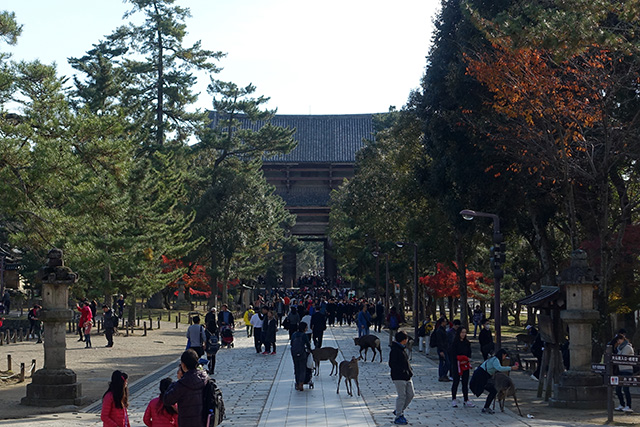
We see tour buses have unleashed lots of tourists as well as huge groups of school students.
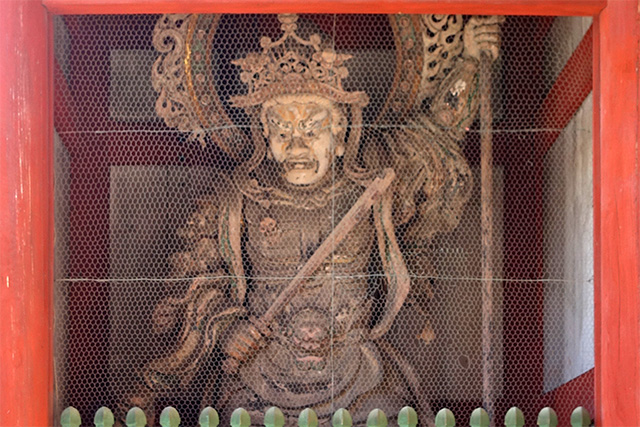
Another fierce statue guards either side of the gate.
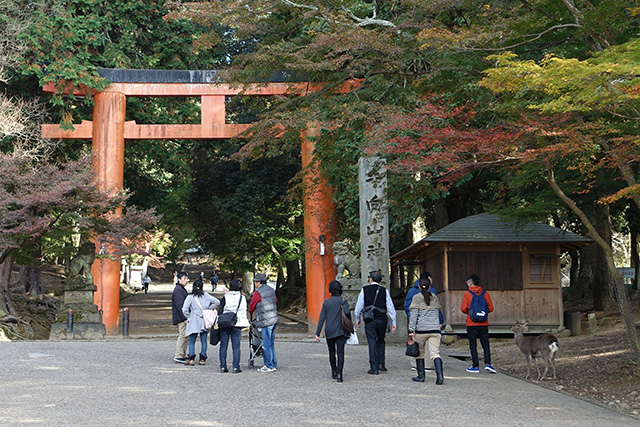
This tori gate leads through Nara Park to the mountainous areas. D and I briefly consider starting the walk, only to change our minds as it’s 2pm, we haven’t had lunch, sunset is at 4 pm and we’d really rather not be in the sticks when the sun goes down. Temples are temples are temples.
Deers are resting near the torii.
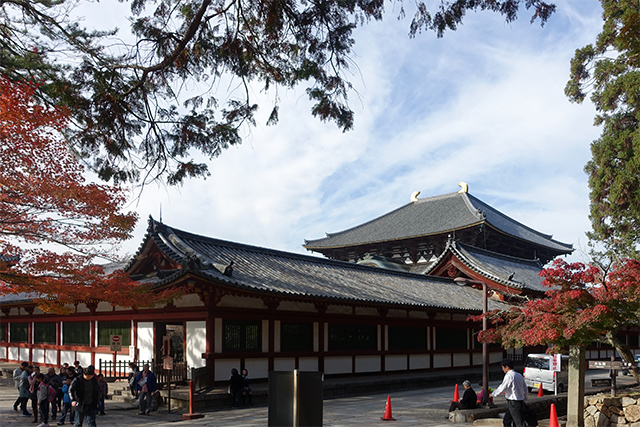
A covered walkway surrounds the Daibutsuden.
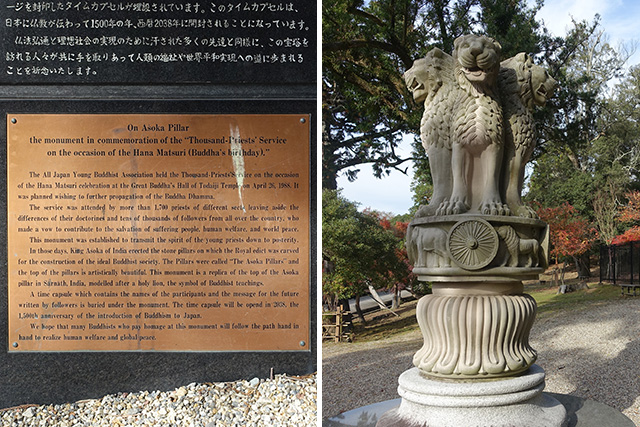
Next to the torii is the Asoka Pillar, a monument commemorating the ‘Thousand-Priests’ Service’ on Hana Matsuri (or Buddha’s Birthday) held at Todaiji Temple in 1988. The monument aims to ‘transmit the spirit of the young priests [who attended the service’ down to posterity’, so a time capsule containing their names and a message for the future written by followers is buried under the monument to be opened in 2038, the 1,500th anniversary of the introduction of Buddhism to Japan.
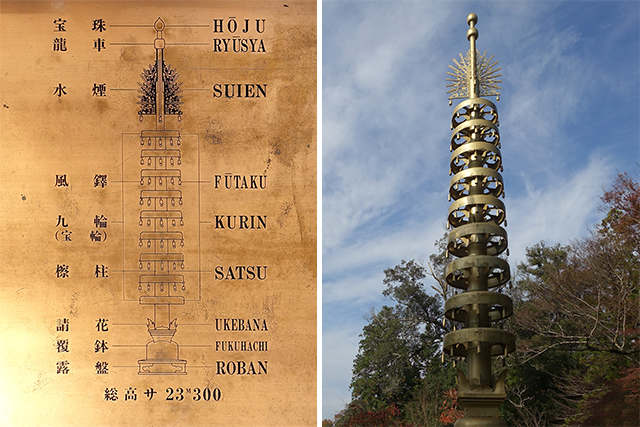
Behind the Asoka Pillar is the Sorin, which was relocated here after being exhibited at EXPO 70 above a seven-storied pagoda modelled on one once standing in the compound of Todaiji 1,200 years ago
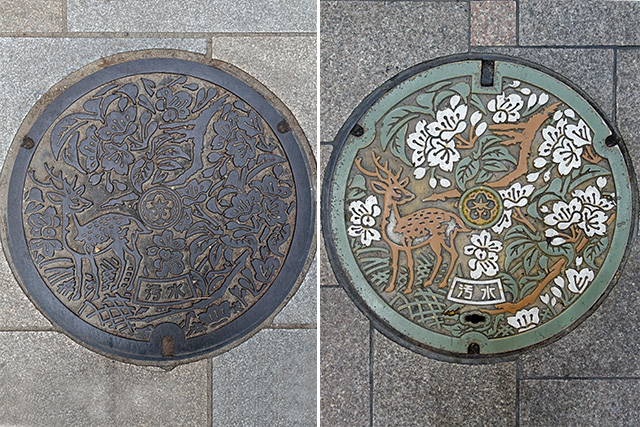
Fittingly, the man hole covers in Nara feature deer. I imagine most of them would be painted initially, with the colour eroding over time.
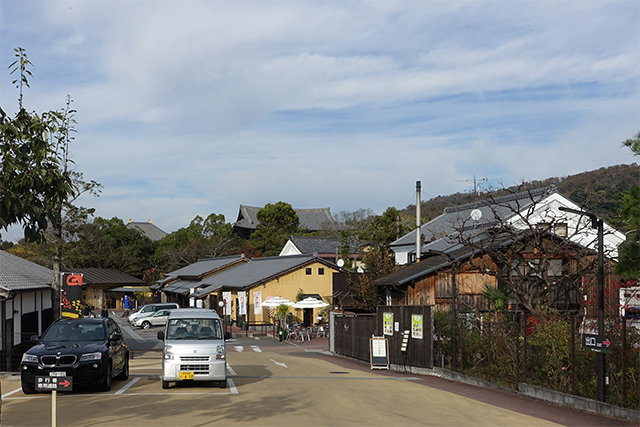
On our way back to the city centre, we stumble across this Tourist Information hub.
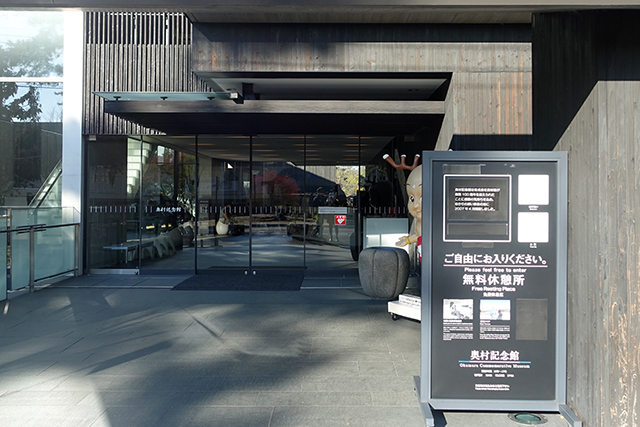
But the most interesting aspect is the Okumura Commemorative Museum, opened in 2007 to celebrate the centenary of Okumura Corporation.
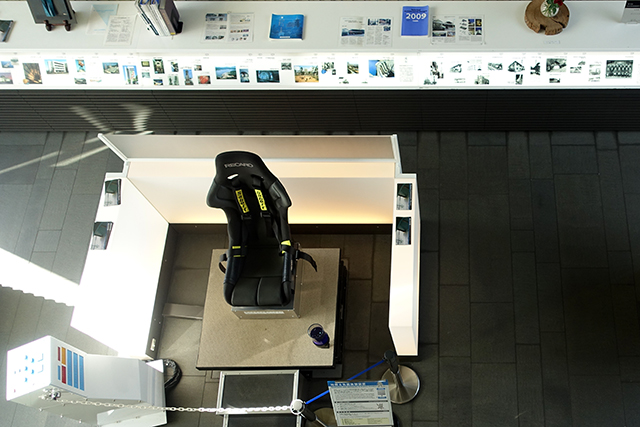
The interior showcases their history and technological developments. Strapped in this chair, you can experience the tremors of major earthquakes in history, as well as the same tremors in a seismically isolated building.
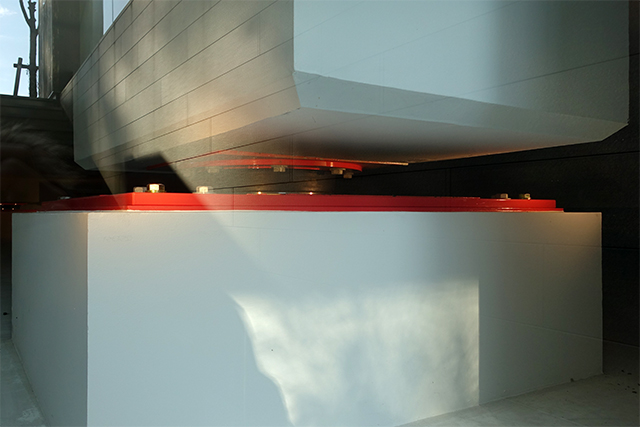
The building of the Museum itself uses the Okumura Corporation’s Seismic Isolation System, which you can see first hand through the exposed glass underneath the building.
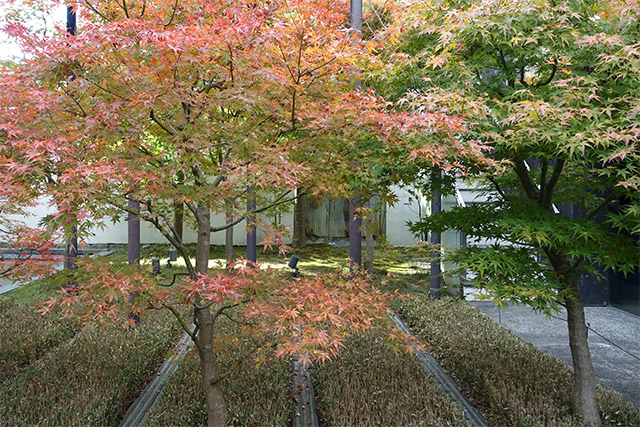
There’s a rather minimalist garden out the back of the building.
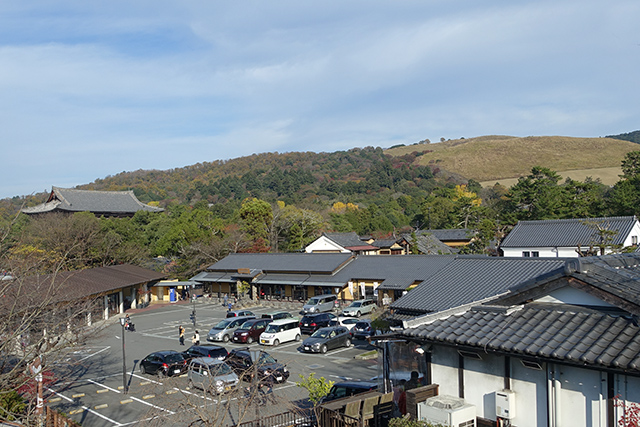
On the first floor of the building is a viewing platform with expansive views of the Nara skyline. Daibutsuden can be seen poking out of the trees on the left. An annual Buddhist festival sees the grassy mountain on the right set alight.
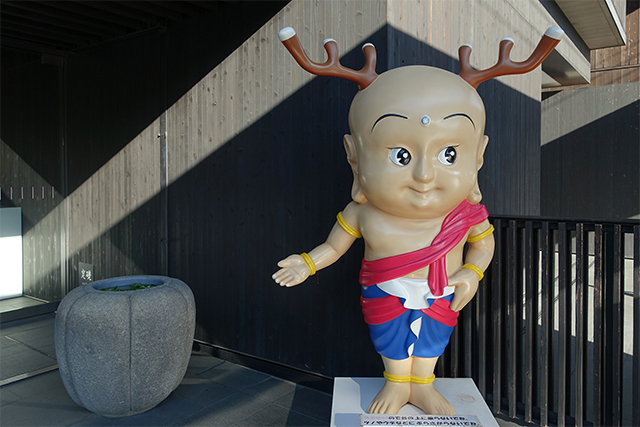
This is Nara’s local mascot welcoming you to the earthquake museum.. Ugly does not even begin to describe it.
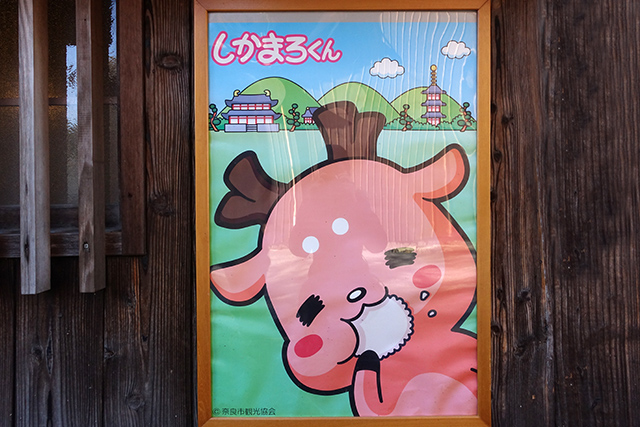
It boggles me why they couldn’t use this cute deer as their mascot instead. I mean, it appears everywhere around Nara. Maybe it came after the backlash from the ugly?
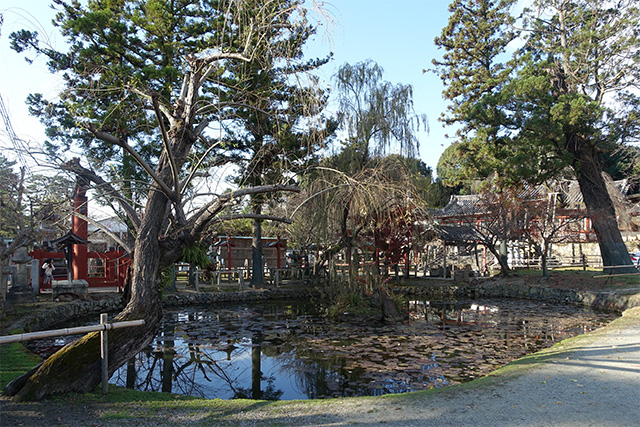
There’s a smaller shrine on the walk back to the city centre with this rather swampy pond.
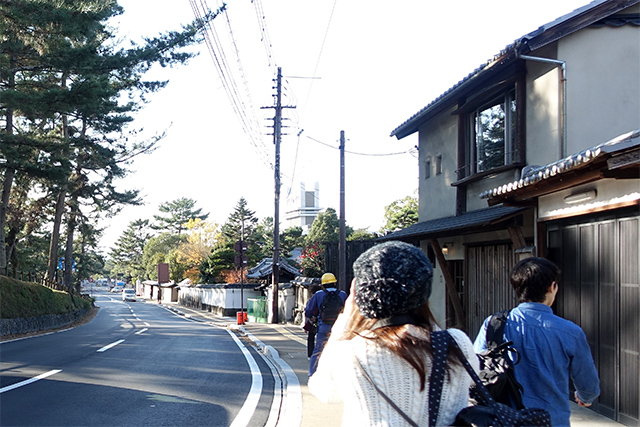
There are small cafes lining the street back to the city centre.
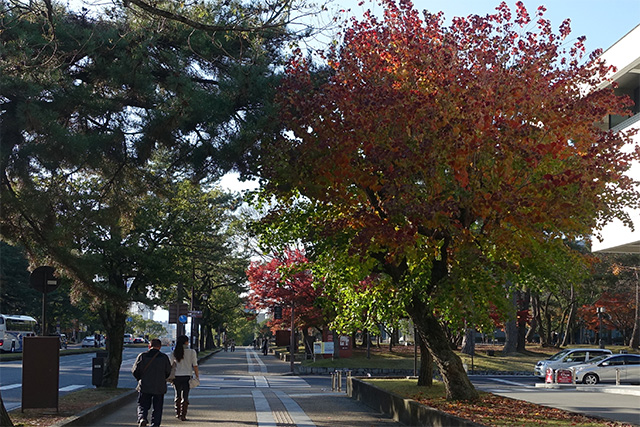
Nara Park borders one side of the main road while government buildings line the other.
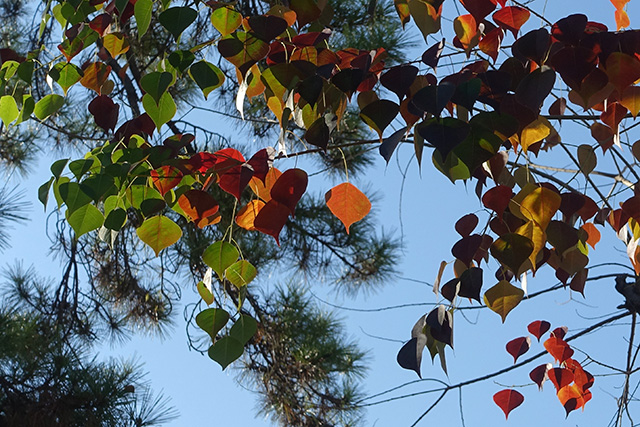
Gingkyo trees can be pretty too.
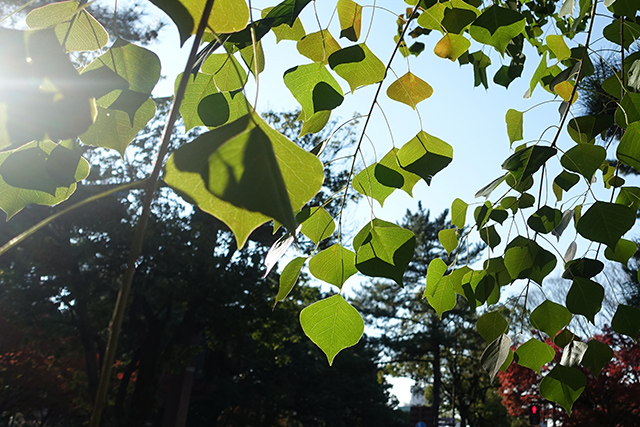
But their leaves don’t seem to be as consistent in their changing colours.
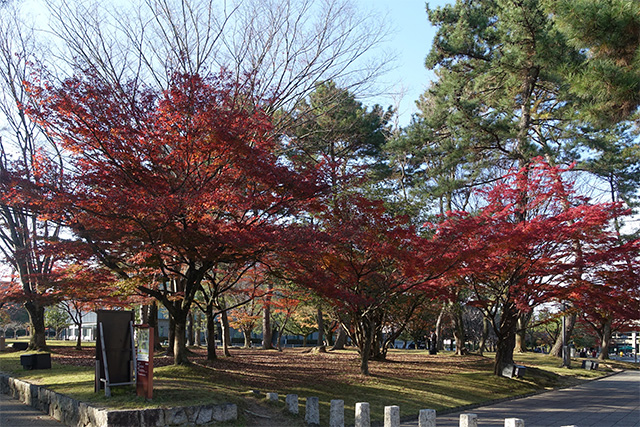
Further down the road is the Nara Bunka Kaikan, a cultural concert hall.
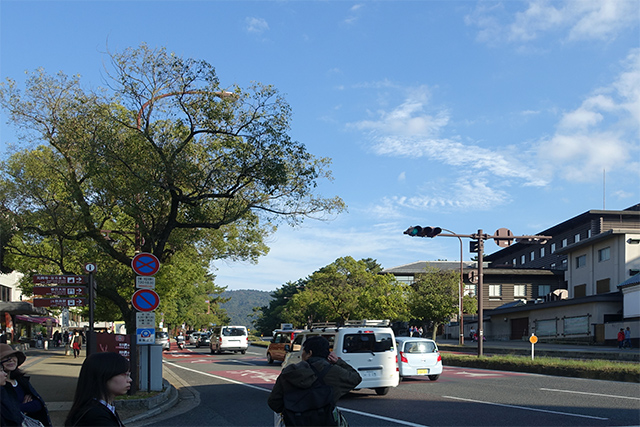
And starving, we’re finally back at the intersection opposite Kintetsu Nara Station.
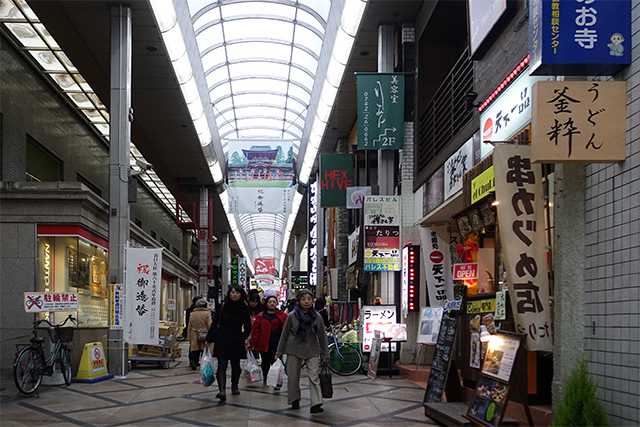
We have a quick look down the first length of the shopping arcade the types of food available.
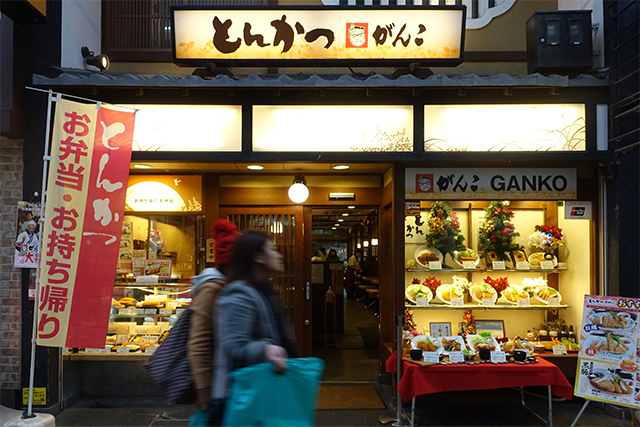
We decide to eat at Tonkatsu Ganko, which specialises in crumbed fried chicken (amongst other things).
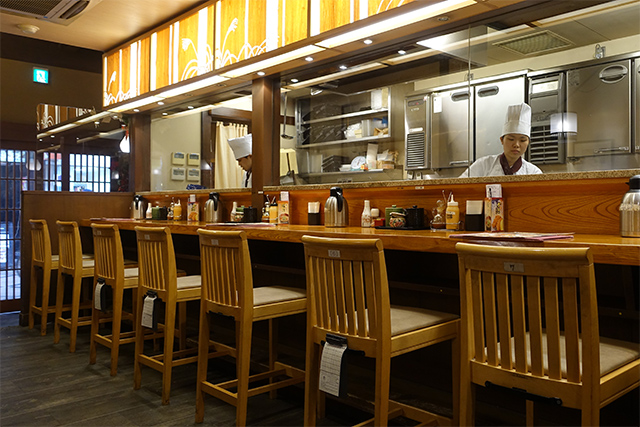
It’s past 3 so we’ve manage to miss to lunch rush. The shop is pretty accustomed to serving foreigners – they have menus in a English, Chinese and Korean.
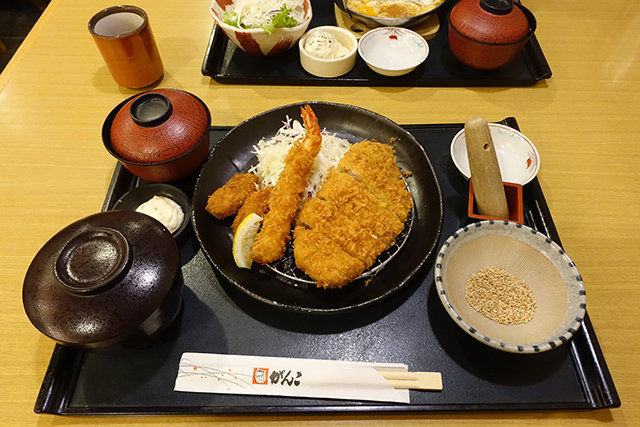
D orders a meal set with deep fried chicken, prawn and oysters. After being disappointed by the oysters at Miyajima, D wanted to try fried oysters to settle whether he actually liked oysters, once and for all. Turns out, he just doesn’t like oysters (and neither do I, they have a much too mushy mouthfeel). Oysters aside, the chicken and the prawn were delicious. The set also came with sesame seeds and a mini mortar and pestle, as well as free rice refills that D took advantage of.
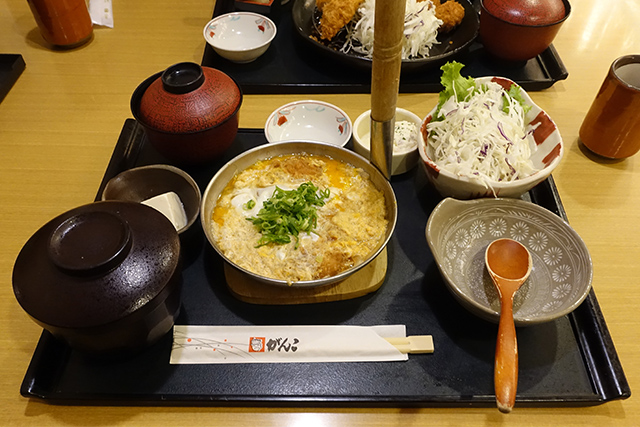
I try the chicken nanban, a rather homey sort of Japanese meal. Whereas, we typically get everything in one bowl, the rice and the chicken and egg are separate here. That’s perfect here, though, as it helps me control the sogginess of my rice. While tasty, it’s a rather wet nanban, and the crispy skin on the tonkatsu has softened entirely by the time I finish my meal.
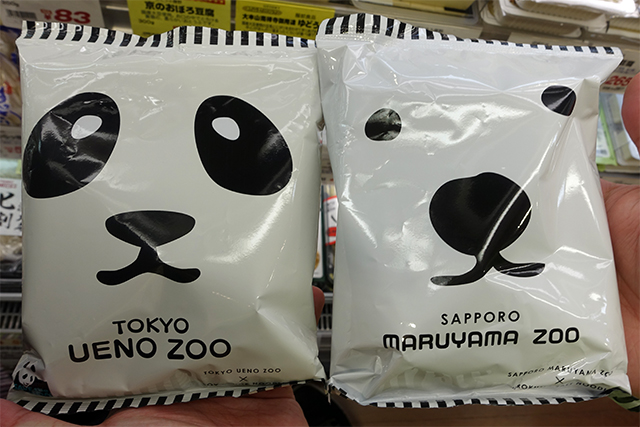
After lunch, we head across to the supermarket opposite, and find these cute instant noodle packets.
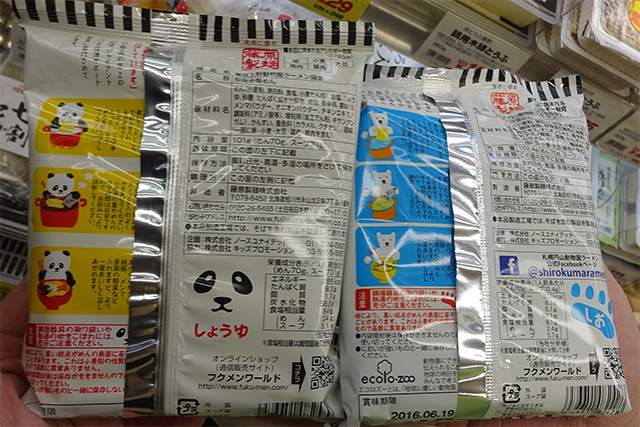
The instructions show a panda and a polar bear preparing the noodles.
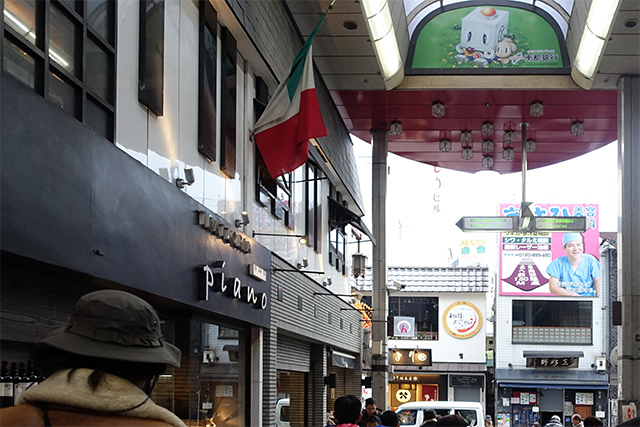
At the end of the first part of the shopping street, we stumble into a gift shop directly opposite.
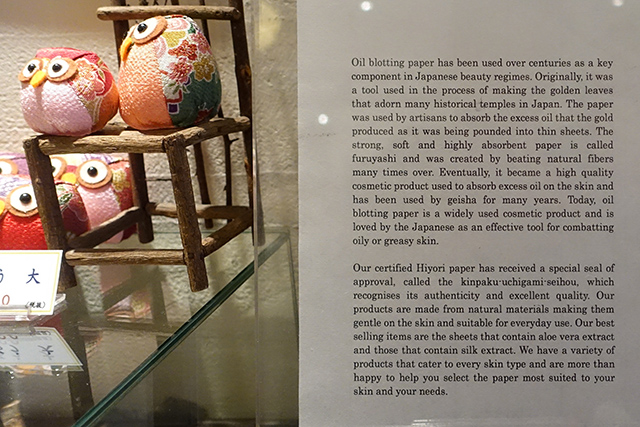
One of their biggest selling points is their certified hiyori oil blotting paper, which they sell for Y1,000 for 10 sheets. The history of oil blotting paper is quite interesting too.
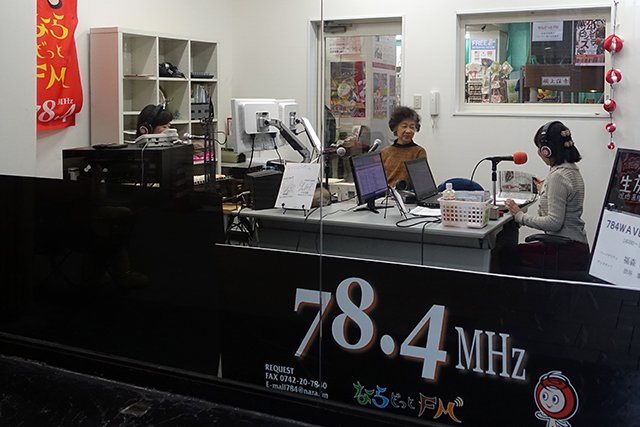
There’s a radio station broadcasting from a souvenir shop mid-way down the street.
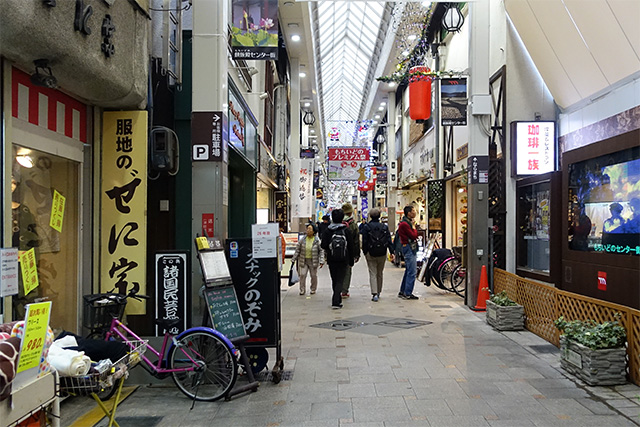
The shops aren’t all that interesting further down the arcade, although there is a section focusing on handmade crafts, like leather goods.
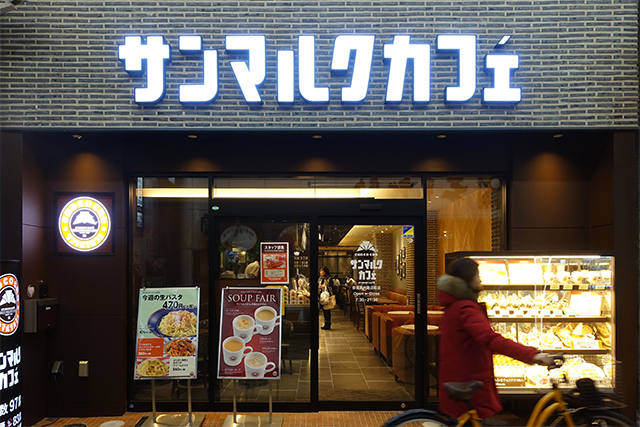
Before leaving Nara, we stop by Chococro for their green tea milk frappe.
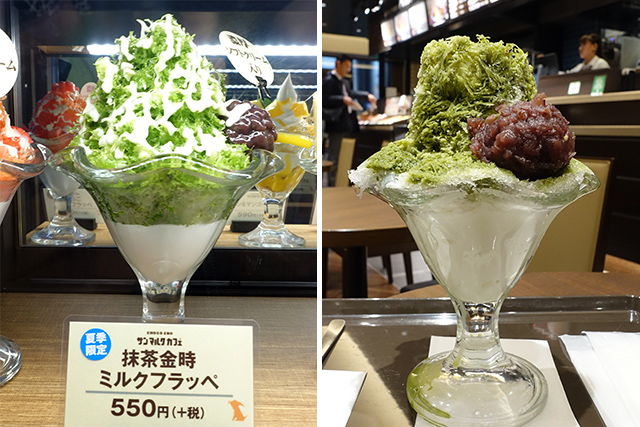
They call it a green tea milk frappe but it’s more a base of softserve covered with shaved ice that’s been drenched in green tea syrup and condensed milk with a scoop of azuki bean paste. It’s not quite shaved ice like what we had in Yokohama, but we like it. As with all shaved ice, the serving size is huge. On the left is the wax model, and on the right is the Real Thing.
Ōsaka
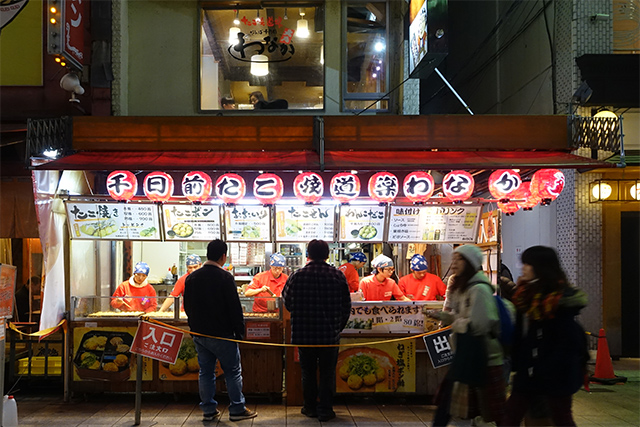
Back in Ōsaka, we make one last stop at Wanaka for takoyaki to tide us over until breakfast after our late lunch.
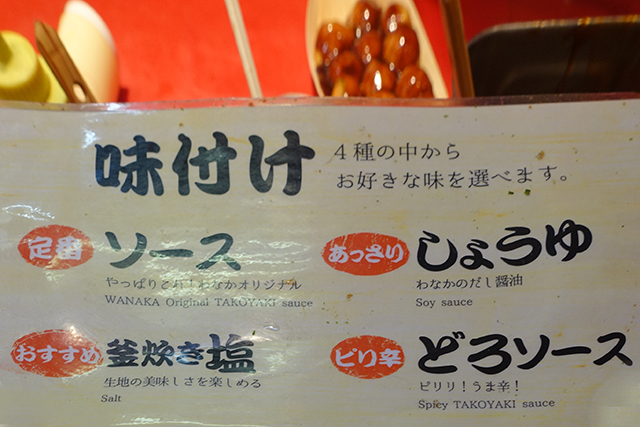
After visiting so many times, we discover that there are different flavours of sauce! We’ve always just had the Wanaka Original TAKOYAKI sauce.
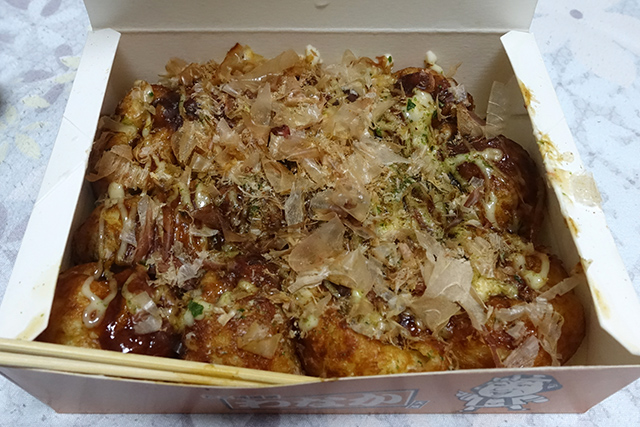
We hold onto them until we get back to our accommodation, but by then they’re a bit soggy and not piping hot like we’re used to. We’ve learnt for next time!
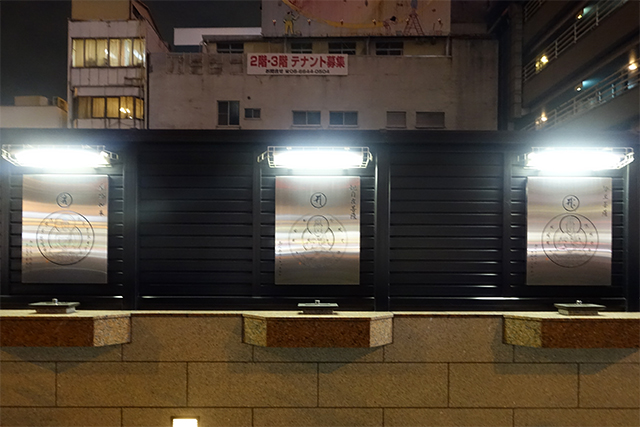
On the walk back, we stumble across these Buddhist shrines on the side of the road. It looks like it’s on the side of a construction site, but it’s much too established for that.
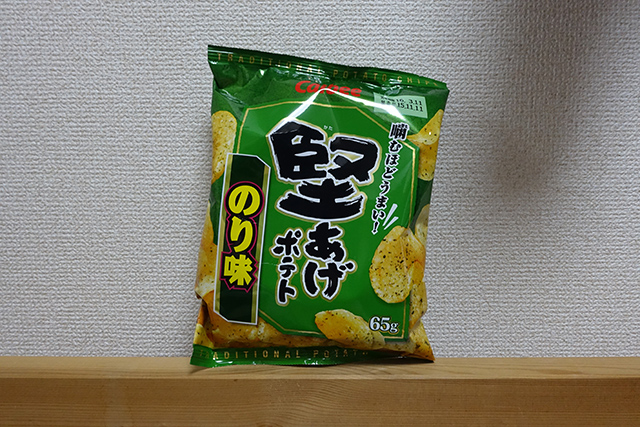
And to finish off, we try these seaweed flavoured Calbee chips while we frantically pack everything into our suitcases for our flight tomorrow.