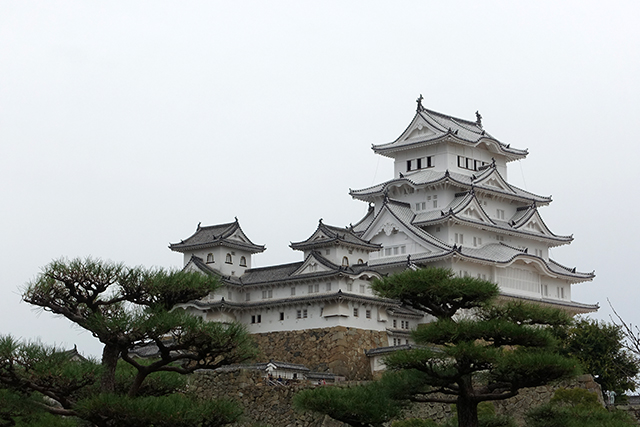
After two nights in Kanazawa, we’re ready to move to our next destination. With the price of accommodation skyrocketing in Hiroshima over the upcoming weekend, we head there mid-week, despite its considerable distance from Kanazawa. We make stops in between, though, in Kyōto and Himeji, so we don’t waste the day travelling at all.
Himeji Castle has been under an extensive period of renovation, and only just reopened to the public in full in May 2015. It’s considered Japan’s most spectacular castle for its imposing size and beauty and its well preserved, complex castle grounds. We’ve long wanted to visit!
Kanazawa
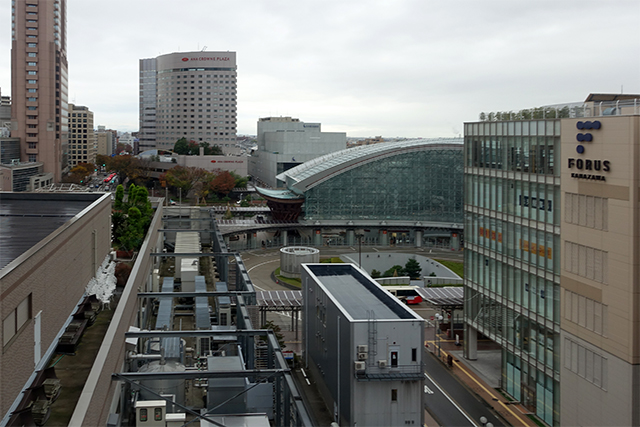
Looking out from our hotel window, the weather’s a bit drier than yesterday.
We’re going to miss the spaciousness of this hotel room!
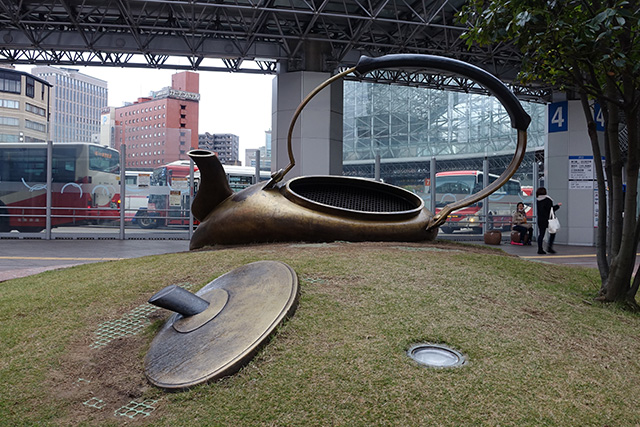
Outside JR Kanazawa Station is sculpture of a giant kettle into a small hill.
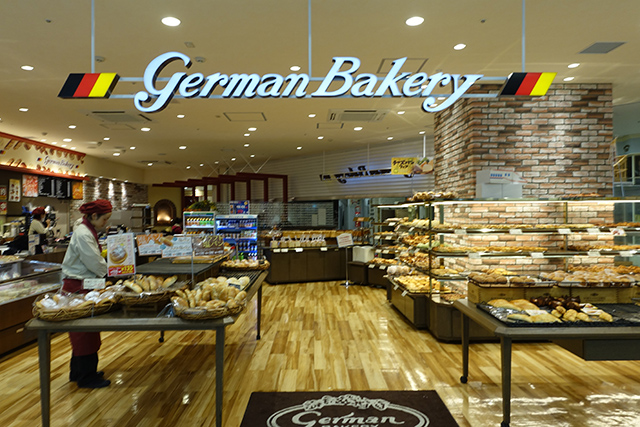
Before the two-hour long train ride to Kyōto, we stock up on baked goods to get us through the day at the German Bakery inside the station. We’re not big fans of ekibens.
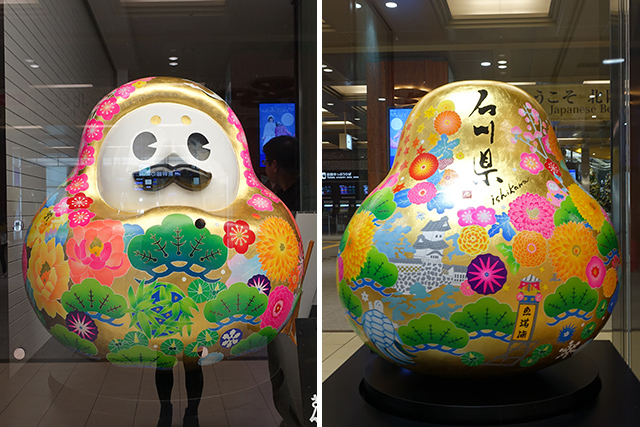
And with that, we bid goodbye to Kanazawa after seeing Hyakuman-san, the local mascot for Ishikawa Prefecture that looks like a daruma doll.
Kanazawa -> Kyōto
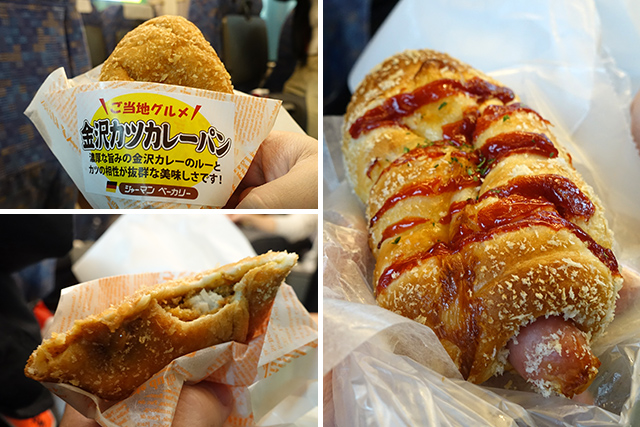
Back on the JR Thunderbird, we’re busy filling out stomachs with fresh baked goods. On the left is a katsu curry pan – a curry pan with deep fried chicken inside. On the right is a sausage pan drizzled with tomato/bbq sauce. They’re both quite tasty.
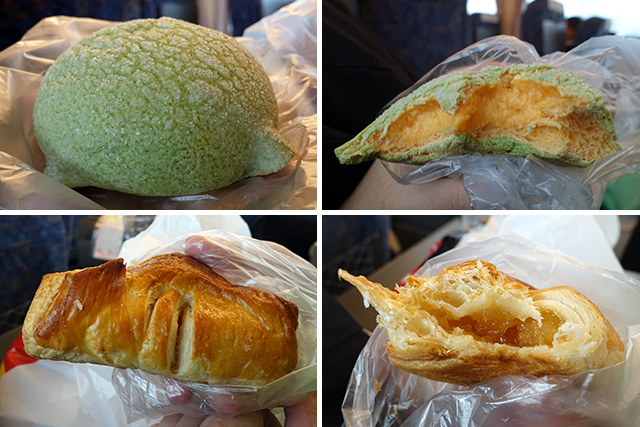
Whereas D sticks to safer food options, I’m always keen to try things that look a bit strange. Like the melon pan (top) that’s unlike another I’ve seen – it not only has the pattern of a melon, it’s coloured like a melon both inside and out, and tastes like melon. It is truly amazing. Below, we have an apple pie wrapped in layers of flakey pastry – the apple innards were delicious.
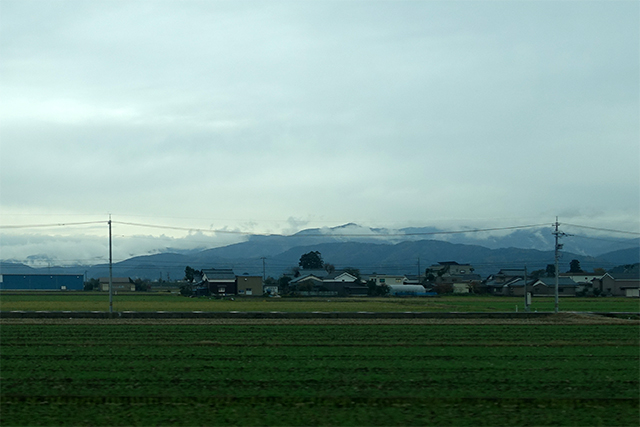
After filling our stomachs, D takes a nap while I watch the countryside whiz past.
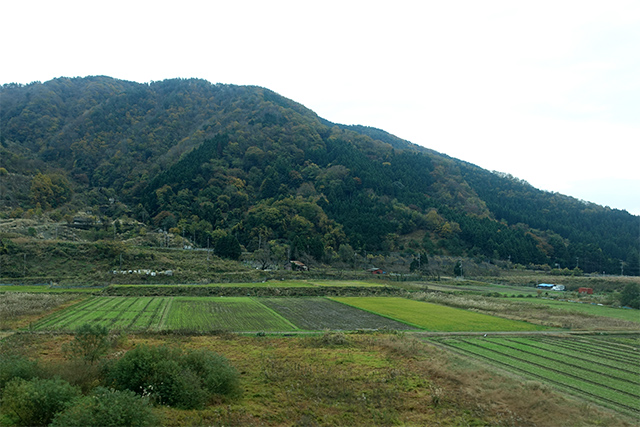
…and lots of fields.
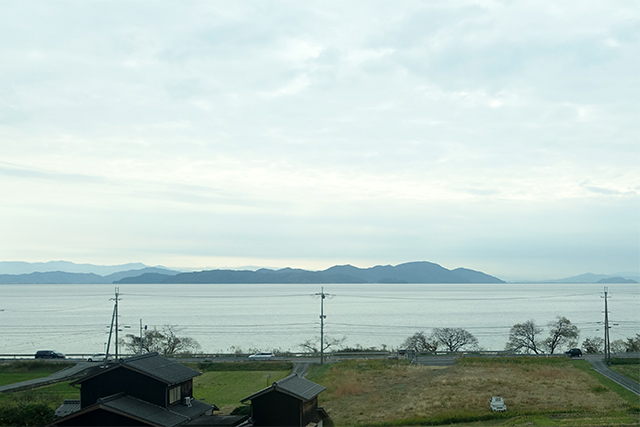
Sitting on the opposite side of the train gave us a view of Lake Biwa.
Kyōto
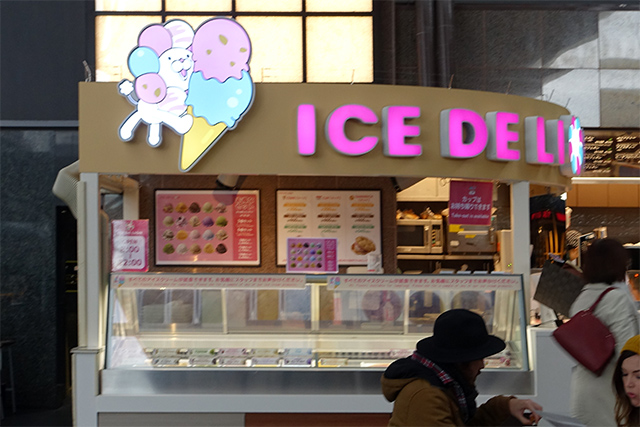
We’re changing trains at Kyōto Station, rather than Ōsaka Station, for no other reason than we’ve been the latter lots of times, but haven’t been to Kyōto Station since 2011. We take a look through the souvenir shops around the station before settling for some ice cream at Ice Deli.
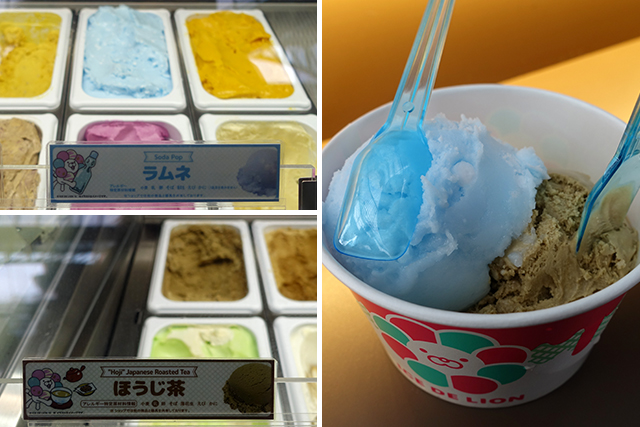
The shop assistant entices us with samples of all the flavours, and we end up getting a cup of ramune and hōjicha. The ramune has bits of fizzy ramune candy within, while the hōjicha has the pleasant roasted green tea flavour.
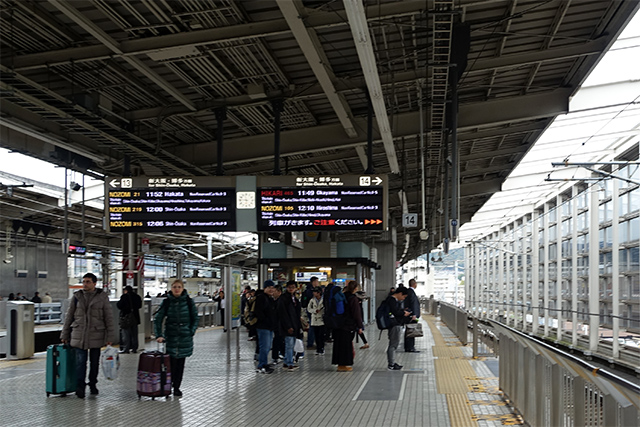
We people watch briefly before heading back to catch our shinkansen to Himeji.
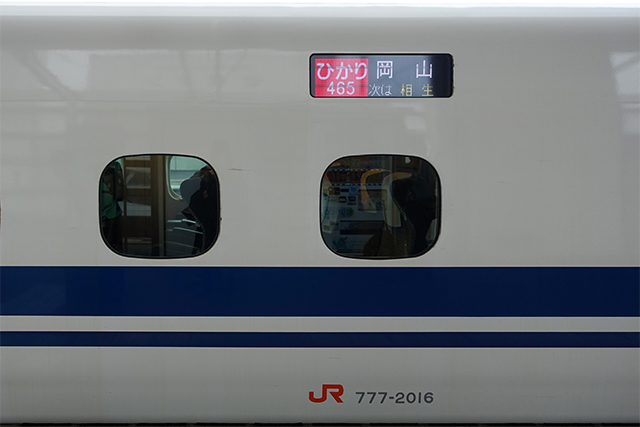
With our JR passes, we’ve reserved seats in advance, which makes our life so much less stressful. There’s no need to worry about arriving early to make sure we can snap up the rare two-seater (with Kyōto not being the originating station for the train).
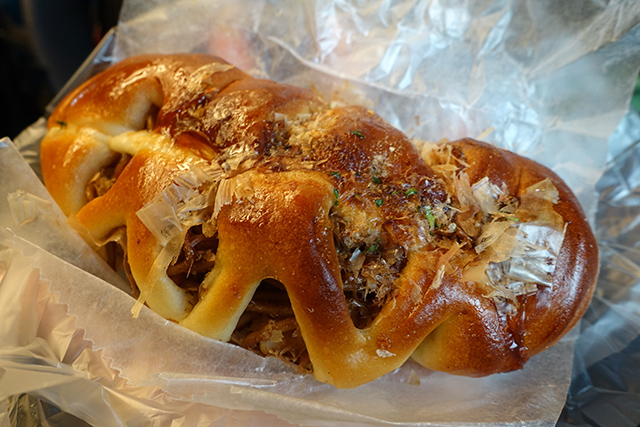
After trying out the yakisoba pan from the convenience store yesterday, we bought a proper one from the bakery earlier in the morning. This one has more flavour with bonito flavours and aonori. The noodle in bread concept continues to impress me by being better than I expect.
Himeji
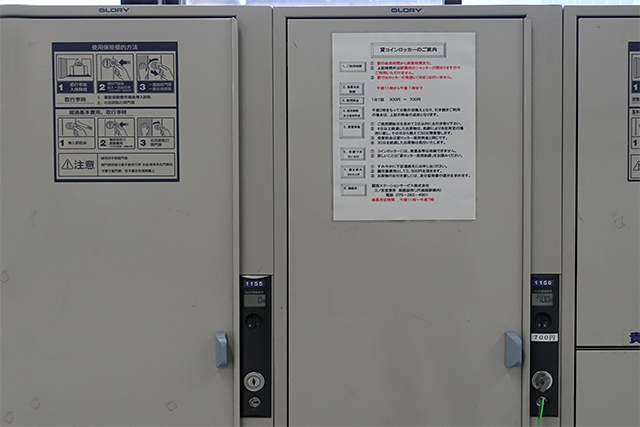
Where to store our luggage at Himeji Station while we visit Himeji Castle was always a worry for us – there aren’t all that many lockers that will fit a large suitcase, and Himeji Station also doesn’t have a counter to hold luggage. So, super relieved does not even begin to describe it, when we spot a couple emptying their luggage just as we arrive!
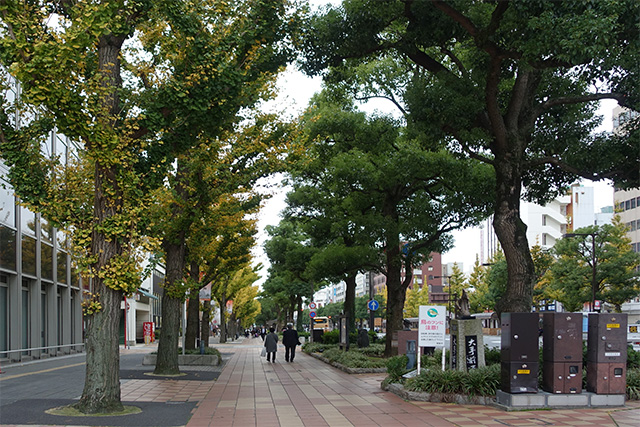
Himeji Castle is a 10 minute walk north of the station.
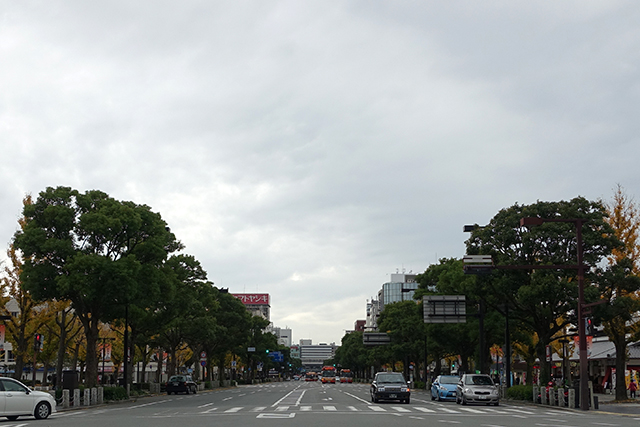
Both sides of the street are lined with evergreen and ginkgo trees.
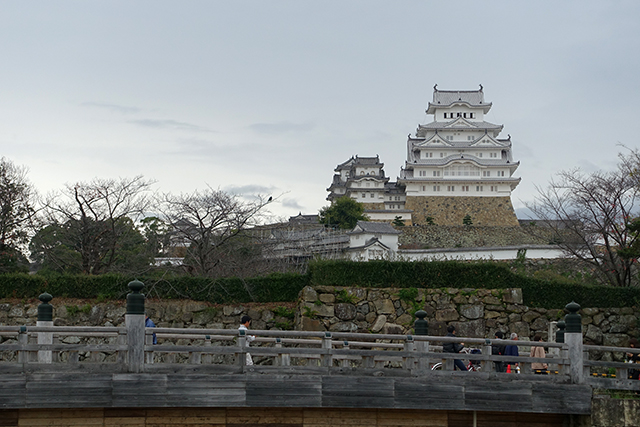
The main keep of Himeji castle is in full view from outside the castle grounds.
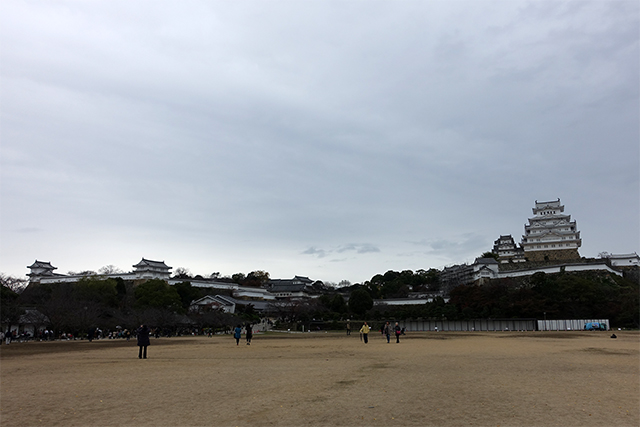
This is the third bailey of Himeji Castle. It’s rather barren in late autumn, but it’s a popular spot for viewing cherry blossoms during spring.
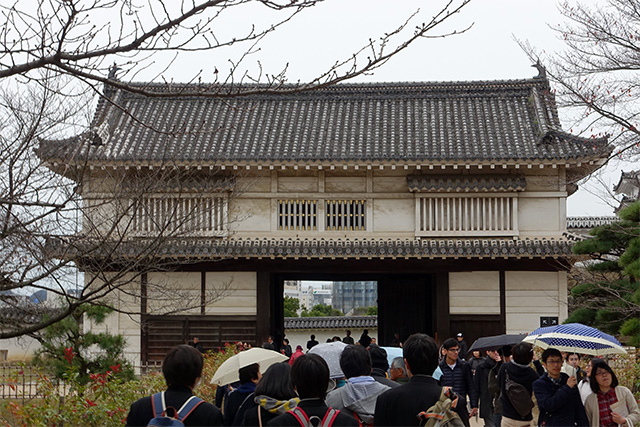
This is the Hishi Gate, which marks the entrance to the paid area of the castle grounds.
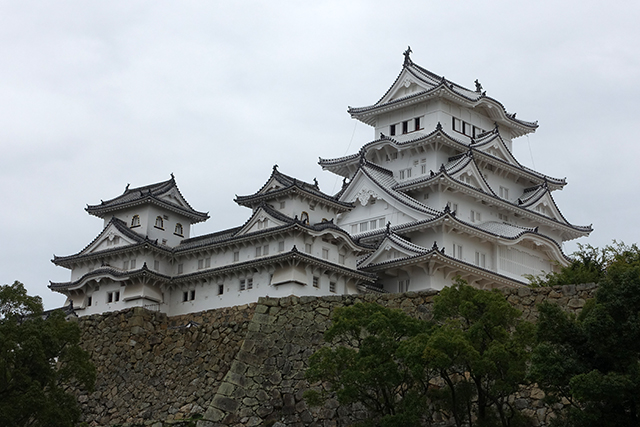
Himeji Castle is also known as White Heron Castle (Shirasagi-jo) due to its elegant, white appearance.
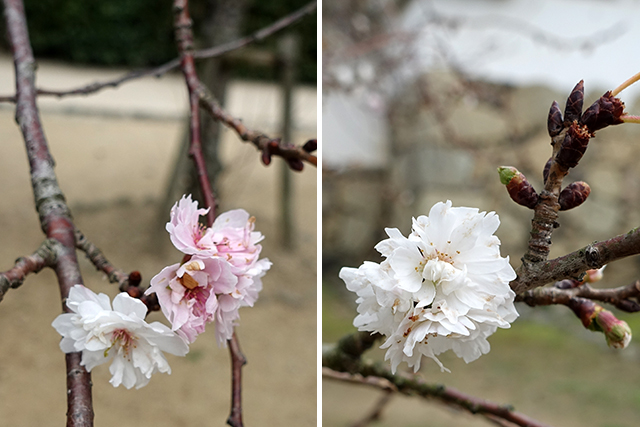
There are sakura blossoms lingering well past spring.
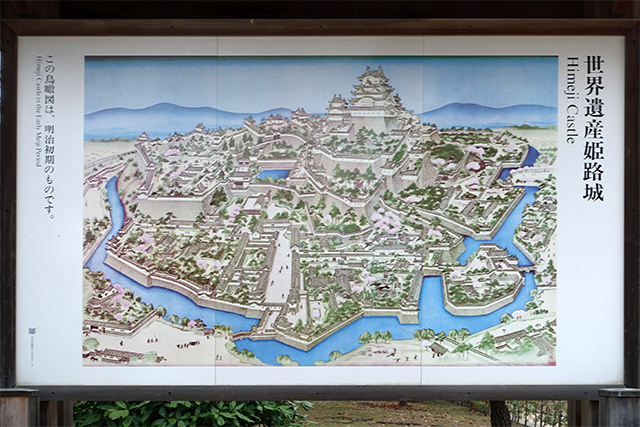
This is what the Himeji castle complex looked like in the early Meiji Period.
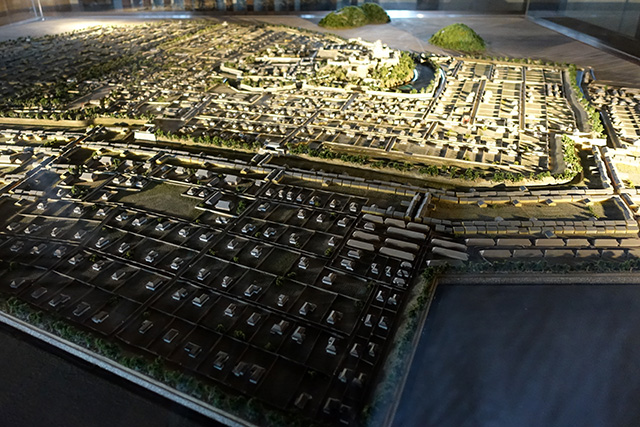
A reconstruction of the Himeji Castle town is on display in the main keep.
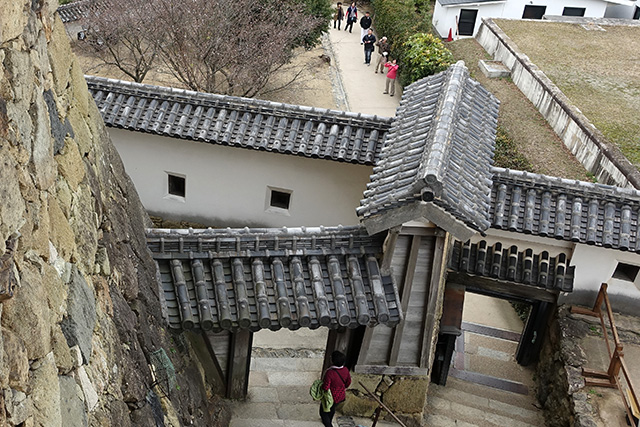
There are some rather low entrances to the castle. I’m rather short, and I just made it through without touching the foam lining the top of the gate.
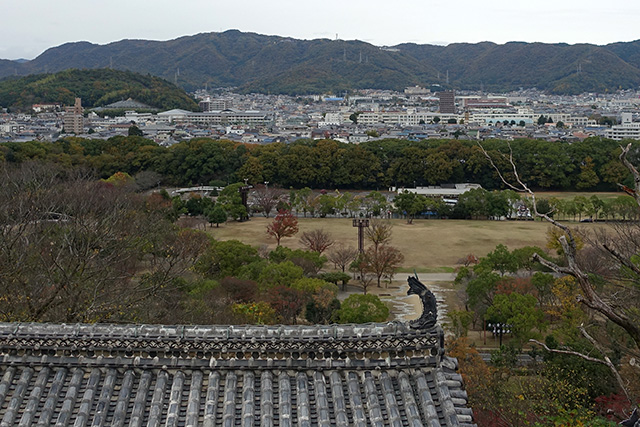
There are expansive views of Himeji from the windows as you ascend the main keep.
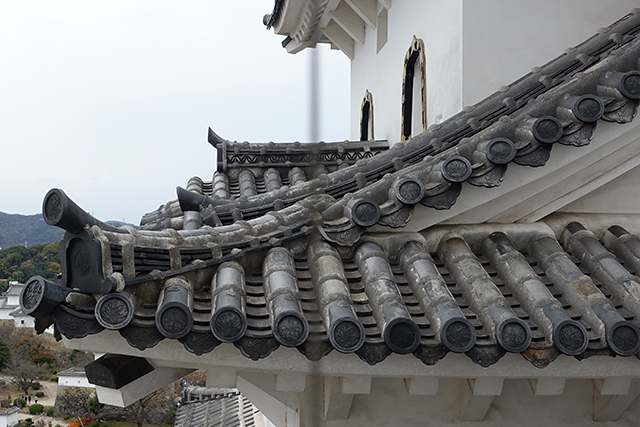
The imposing size of the castle gave you views of adjacent buildings from the main keep.
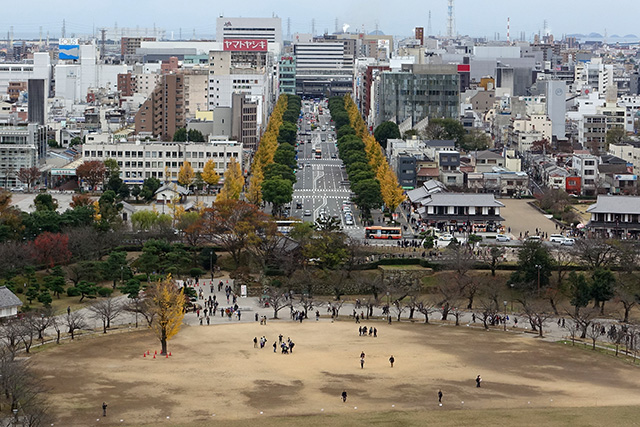
This is the view down the third bailey and the main street towards Himeji Station.
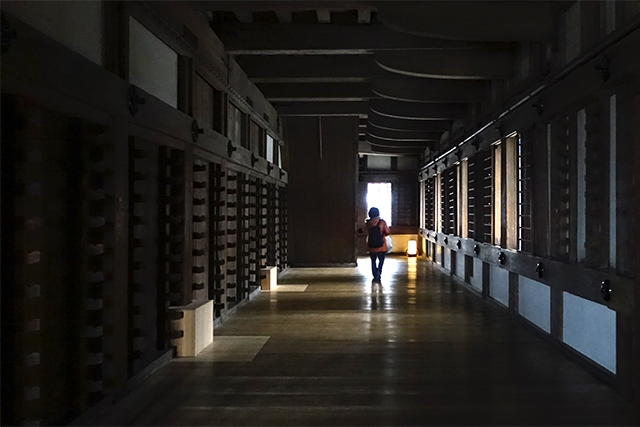
One particular aspect that disappointed with other castles visited in Japan, is that the interior architecture is hidden by exhibits showing the history of the area and the castle.
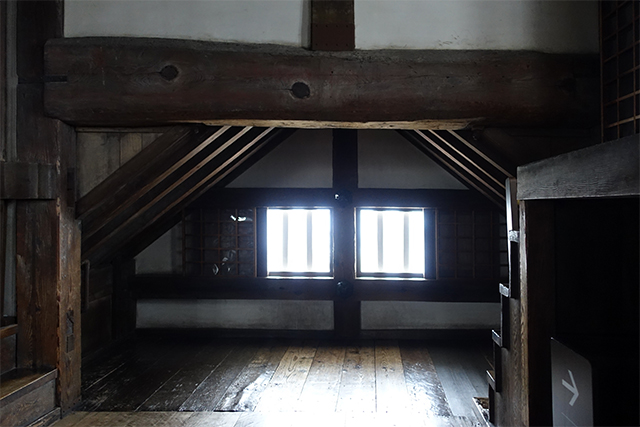
Himeji Castle is the exception with the main keep being entirely left empty.
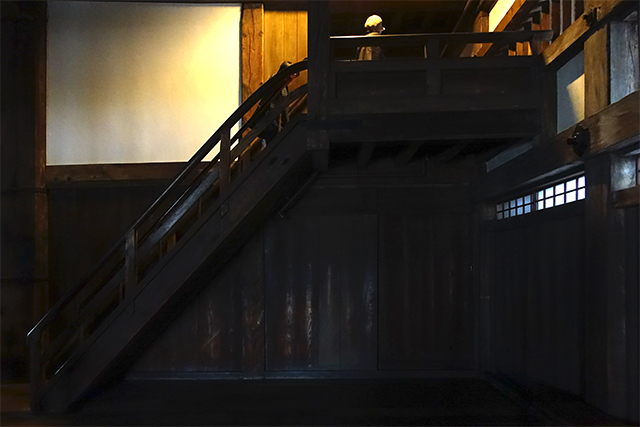
The stairs connecting each floor of the main keep are ridiculously steep with shallow tread. Yet, we see hoards of grannies visiting the castle!
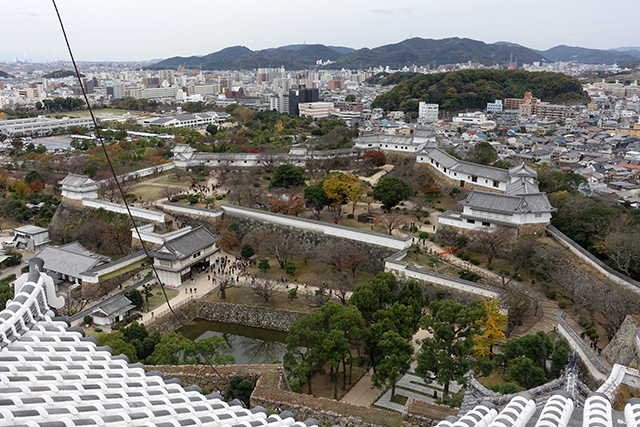
This is the view of the second bailey from the castle’s main keep. Visiting Himeji Castle is truly unlike any other for its well preserved, complex castle grounds. Unlike many castles in Japan, like Kanazawa Castle, it was never destroyed by war, earthquake or fire.
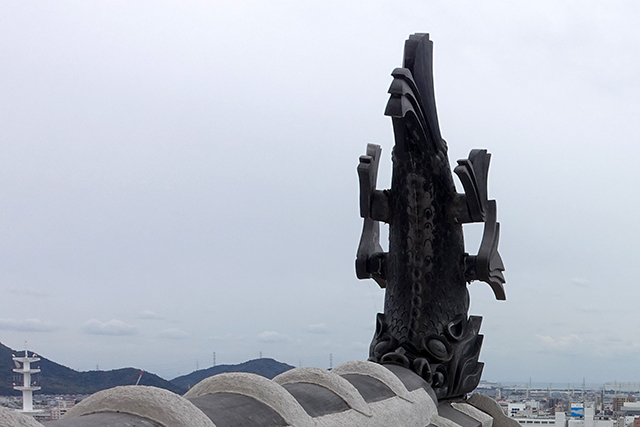
These sculptures of fish are said to protect the castle against fire.
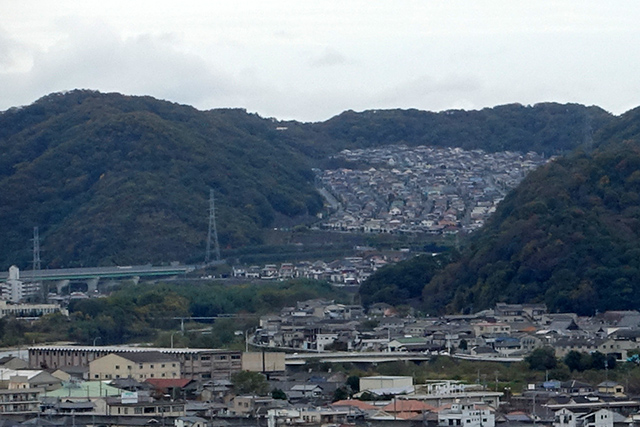
Far off in the distance, we spot this town nestled in the valley.
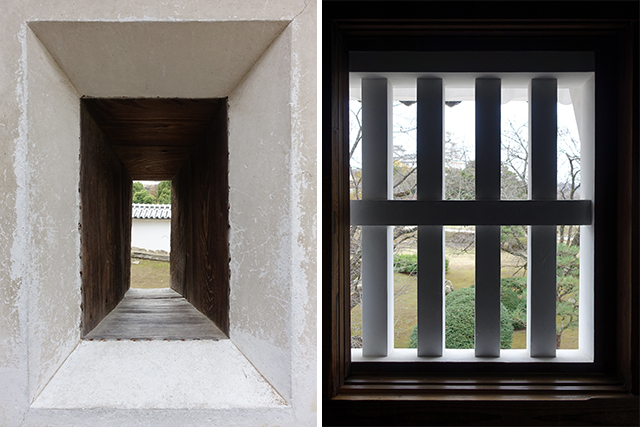
The castle has advanced defensive systems from the feudal period.
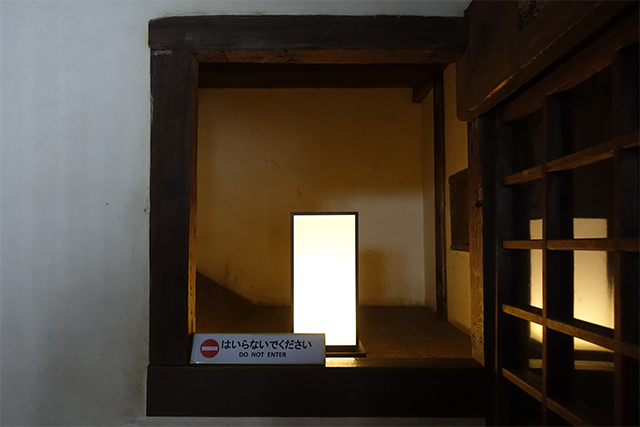
Soldiers would hide in this hole in the wall in wait of intruders.
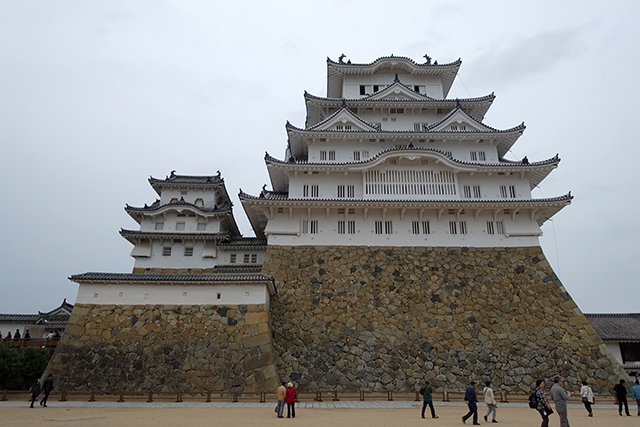
The main keep is breathtaking in size and beauty.
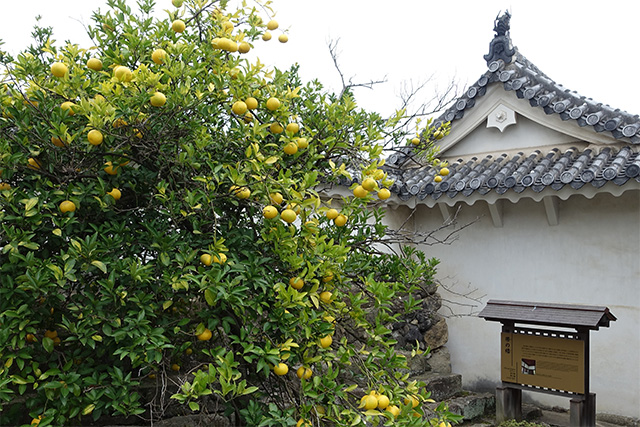
We spot this fruit tree on the grounds, thinking it might be a yuzu tree.
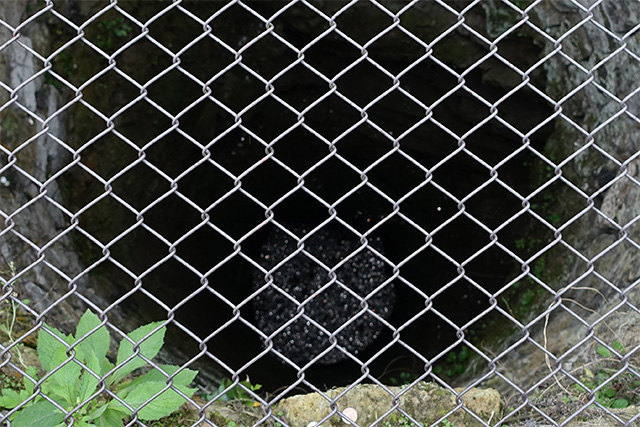
A well on the castle grounds is filled with coins from visitors wishing well.
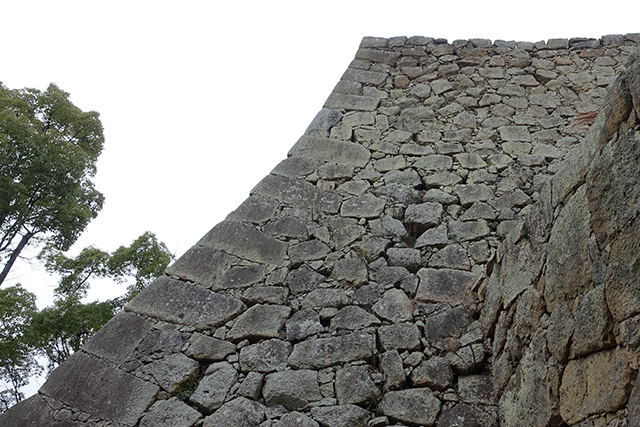
The stone walls of the castle have a fan curve – when seen from the side, the pitch of the corner of the high stone wall increases towards the top. “The higher a stone wall is, the greater the pressure on the stones inside, which can lead to the wall collapsing. To ensure that a wall can withstand such pressure, the pitch at the foot is comparatively gentle while the upper part is made with a steep pitch that is almost vertical, allegedly to prevent enemies from scaling it.”
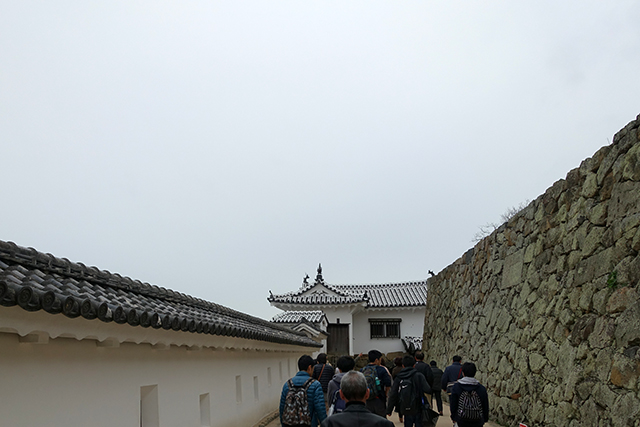
Leaving the main keep of the castle on an overcast day is quite a trippy experience. You see none of the cityscape and the colour of the overcast sky matches the white of the castle walls. Much like walking into a James Turrell artwork, this eliminates your sense of depth so that the sky appears as another ceiling directly above you. Yes, I am still an art geek.
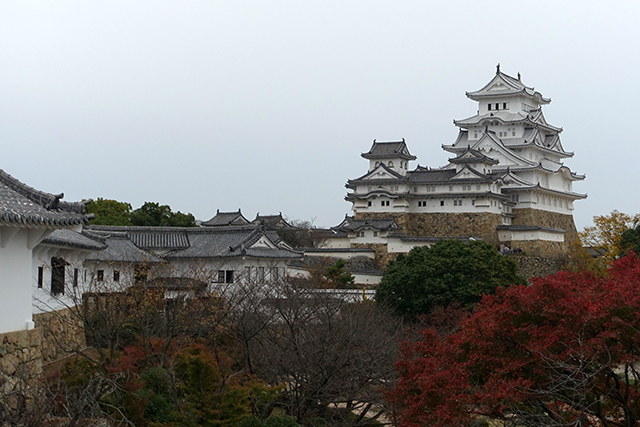
From the west bailey (Nishimaru), you can appreciate the complexity of the castle grounds.
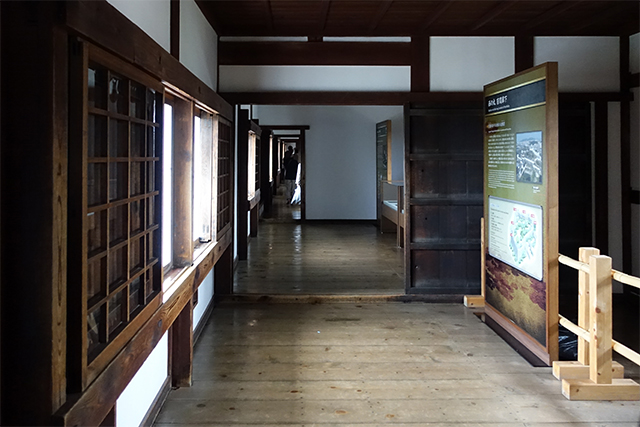
The west bailey is unfurnished and shows brief histories of its use throughout the years along its long 300m corridor. It once served as the residence of a princess.
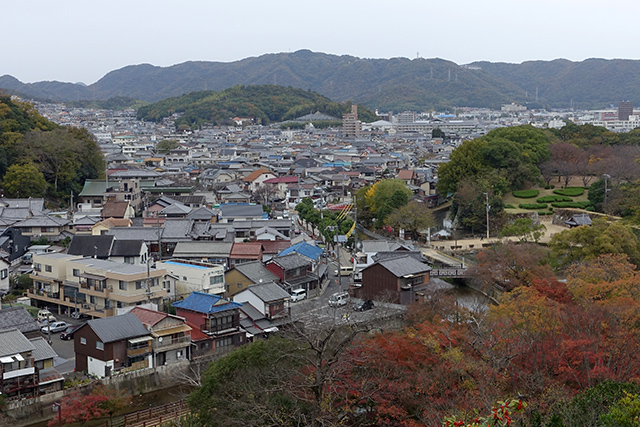
The west bailey provides a closer view of the cityscape around Himeji.
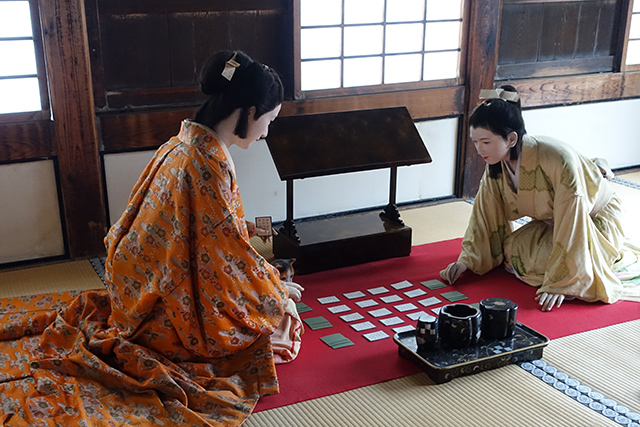
In one of the final rooms in the west bailey, we see mannequins playing the game Hyakunin Isshu karuta, a traditional Japanese card game where players try to find the last two lines of a poem after given the first three lines. D and I recognised this card game immediately, having seen the anime Chihayafuru. The characters play competitive karuta, where they develop the ability to identify a poem by its first one or two syllables. It’s an addictive anime!
If you ever only visit one castle in Japan, Himeji Castle should be the one. But perhaps I’ll reconsider after visiting Kumamoto and Matsumoto Castles, which are also considered premier castles. But even so, neither have Himeji Castle’s brilliant white exterior.
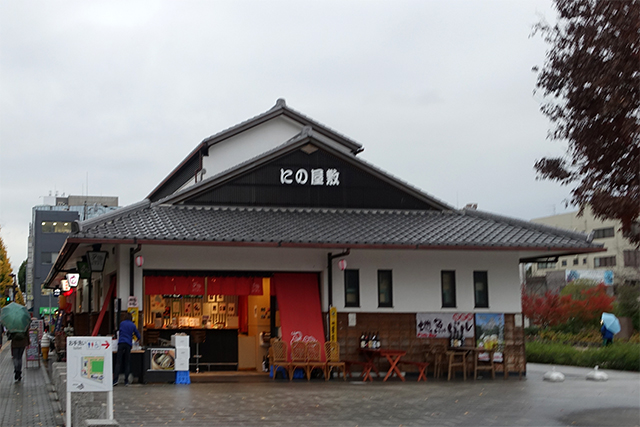
On the way back to the train station, we check out the shops on the opposite side of the street as when we came as the rain starts to pick up.
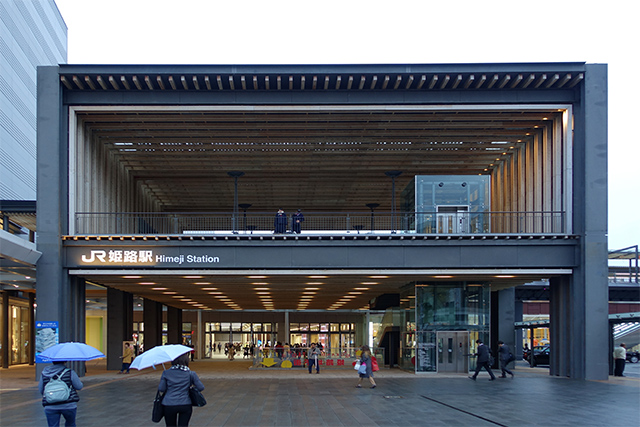
JR Himeji Station is fronted by this impressive and stylish metal and wooden structure.
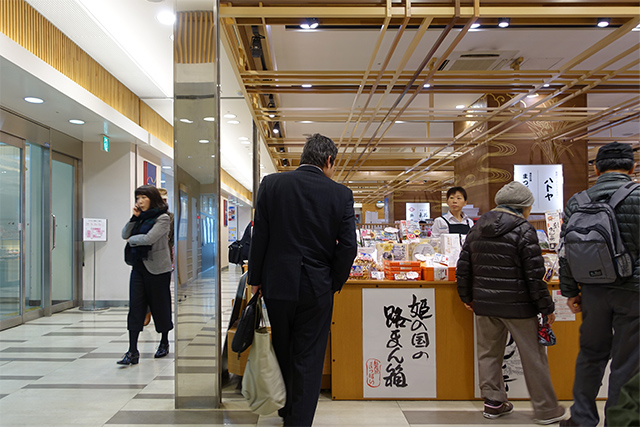
The next shinkansen bound for Hiroshima is booked out, so we make reservations for the next available one (1 hour away) and check out the shops inside Himeji Station.
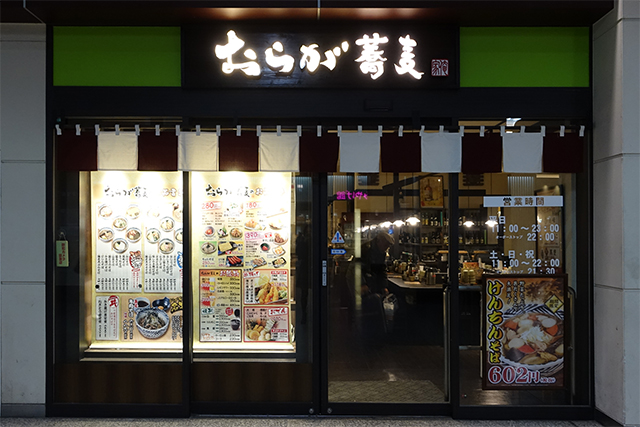
None of the shops really interest us, so we settle into Oraga Soba for an early dinner.
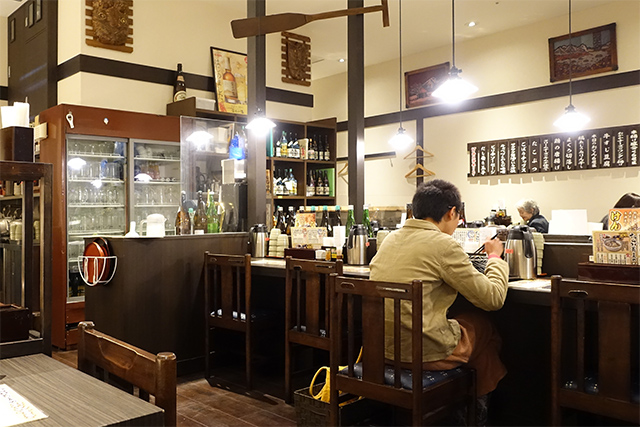
We go into the store having decided what we wanted from the wax models outside, only to be confused when the waitress gave us a menu that featured none of that. No worries, though, we go outside and take photographs of the wax models to show her and all is well. (It seems they assumed we were there for dinner, whereas we wanted their lunch service which was just about to finish.)
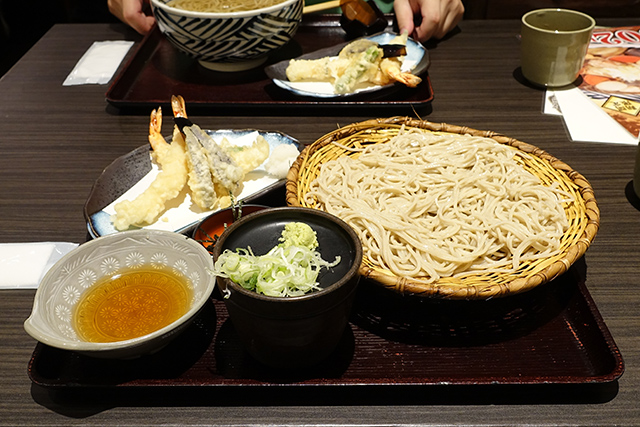
I order cold soba with tempura. Cold noodles always have an addictive bite to them. The tempura vegetables are crispy and light, although the prawns are little bit soggy. But nonetheless, tasty!
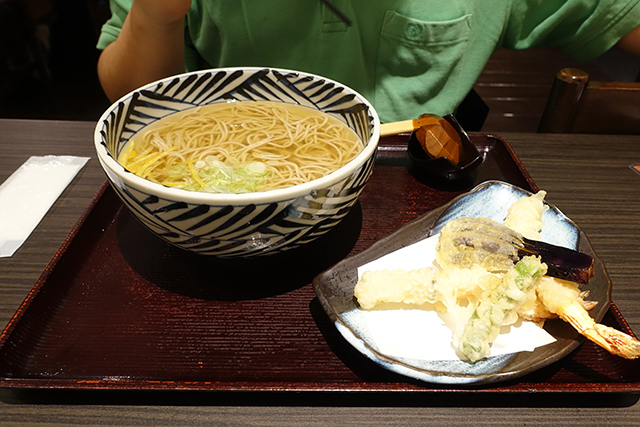
D orders the same meal with hot soba, and likes the soup so much he drinks some of it.
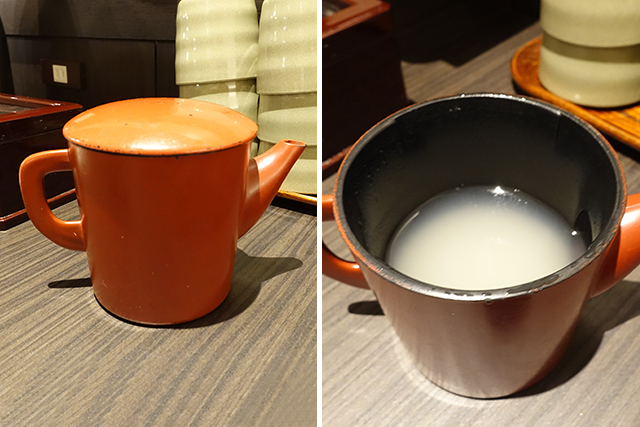
Mid-way through the meal, the waitress brought me this pot of white liquid that leaves D and I at a loss. What is it? What do we do with it? Do we drink it? We pour some out onto a saucer and it tastes like flour and water. And the only explanation we have for it, is that it’s for me to pour over the cold soba noodles to stop them from sticking.
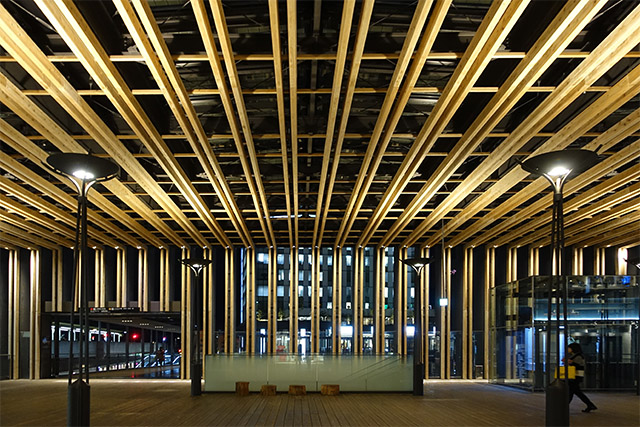
After dinner, we still have some time to spare before our train, so we head up to the second storey of the entrance to the station to check out the wooden structure. Isn’t it stylish?
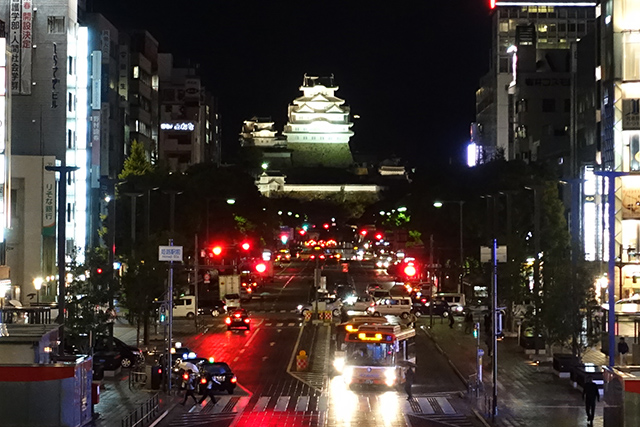
You can see down the main street directly to Himeji Castle, which is lit up at night.
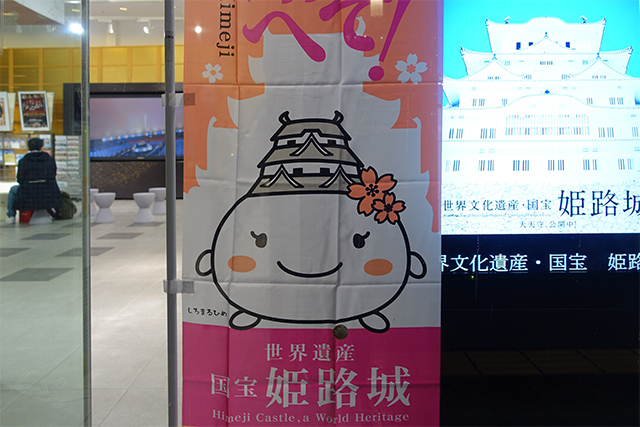
All the tourism paraphernalia feature Himeji Castle, which leads D and I to wonder if anyone ever visits Himeji for anything else.
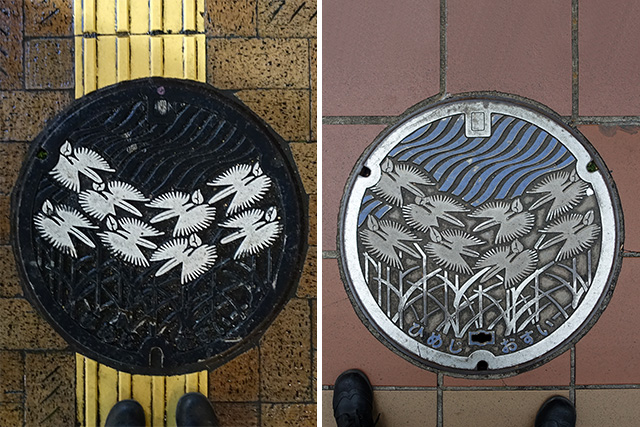
The man hole covers feature the white heron – another reference to the castle?
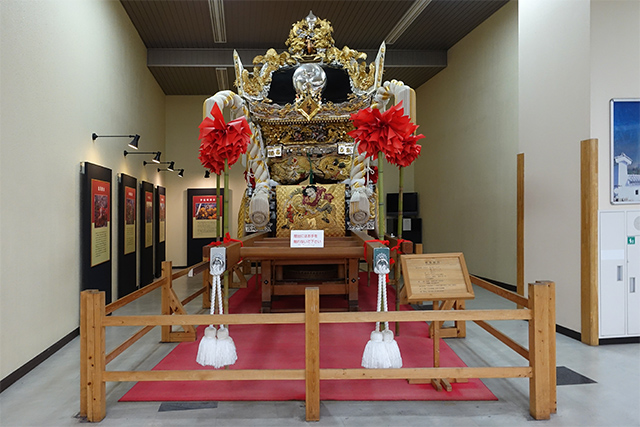
After retrieving our luggage, we wait in the shinkansen area to avoid the blistering cold on the platform. There’s a festival float on display.
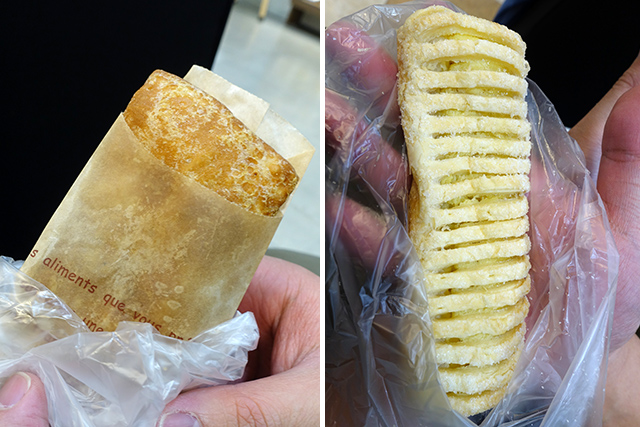
As an after dinner snack, we enjoy the rest of our pastries from this morning – an apple pie (left) and a lemon pastry (right). The apple tastes delicious like the one from earlier this morning. The lemon pastry has both a stripe of lemon cream and lemon curd, which are delightfully tangy.
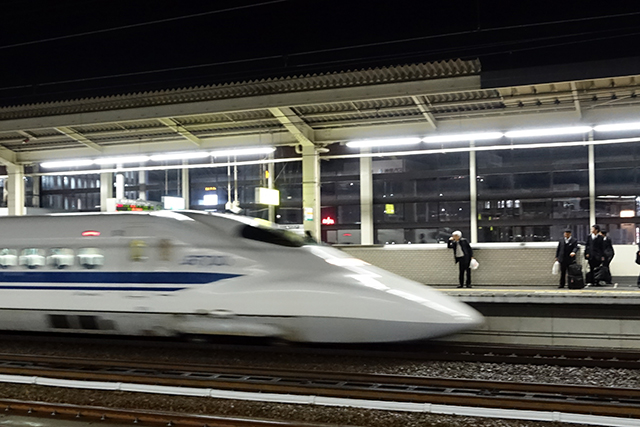
Shinkansens are beautifully streamlined.
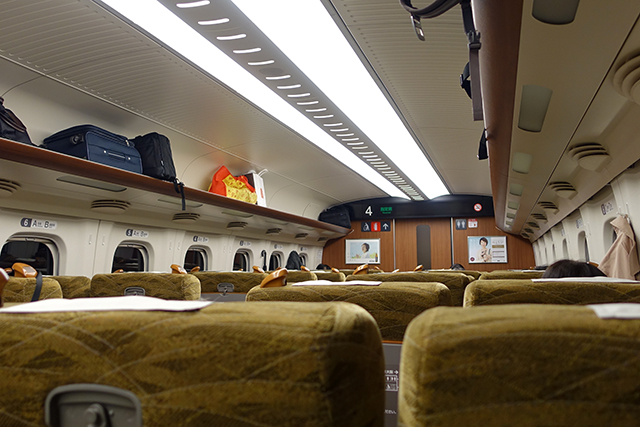
The inside of the Sakura trains have wide seats and great pitch. It is nothing like travelling in a CountryLink train in Australia.
Hiroshima
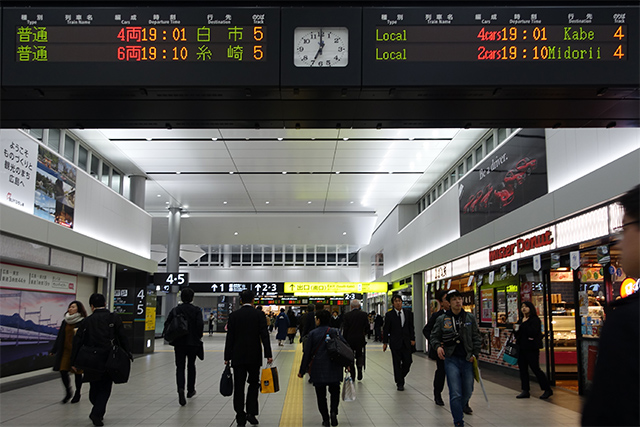
Remember what I said about major train stations in Japan looking like airports?
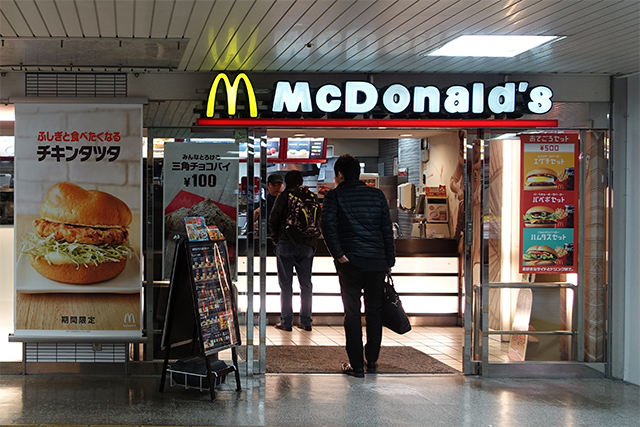
After reserving tickets for our trip to Okayama in two days, we stop by McDonald’s.
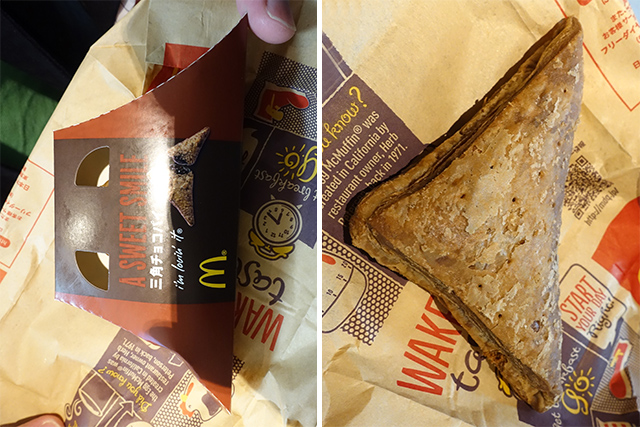
One year on and they still sell these chocopies. They’re layers of flakey pastry hide a hot fudgy chocolate centre. Yum!
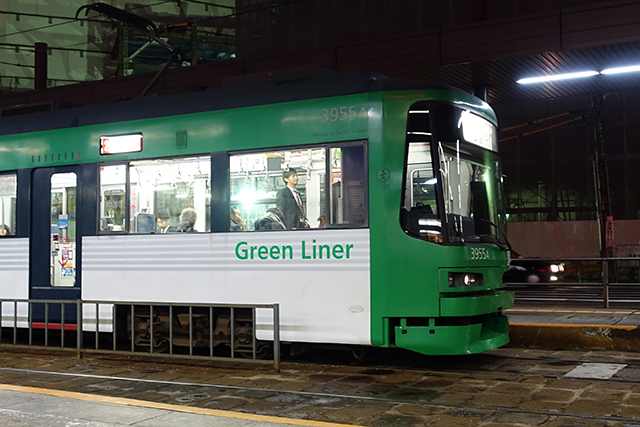
We’re used to subways and trains when getting around Japan, so catching the tram around town is new to us. They take IC cards but not the Suica (from Tōkyō) – an IOCCA or Pasmo (from Ōsaka) would’ve worked – so we pay using coins.
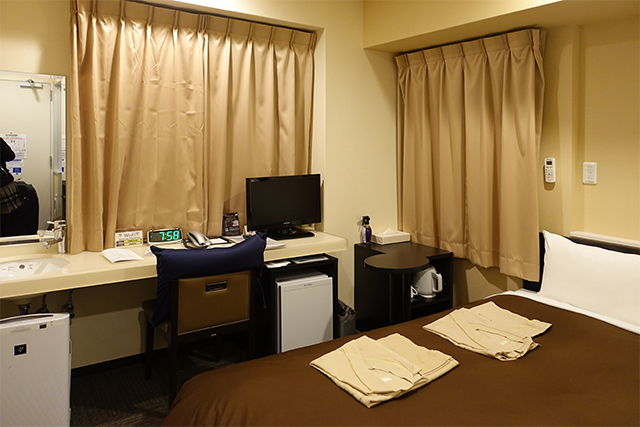
We’re quite pleased with our accommodation. This room in Hiroshima has a shower cubicle, i.e. not a bathtub with a shower curtain. It is quite liberating to shower without hitting your elbow on the wall or the shower curtain.
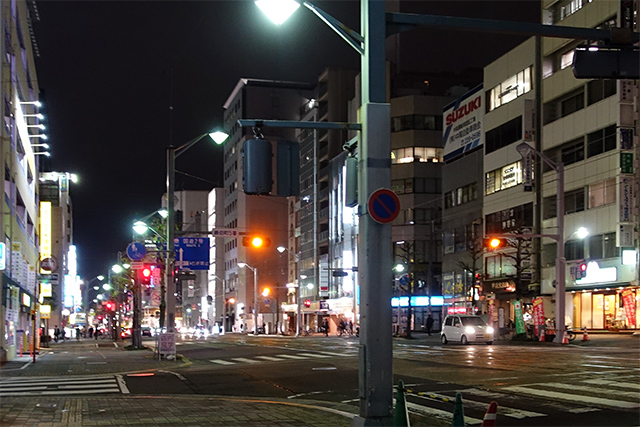
We’re still rested at 8pm from rests we got during the shinkansen trips, so we head back out to check out the Christmas illumination down Peace Boulevard.
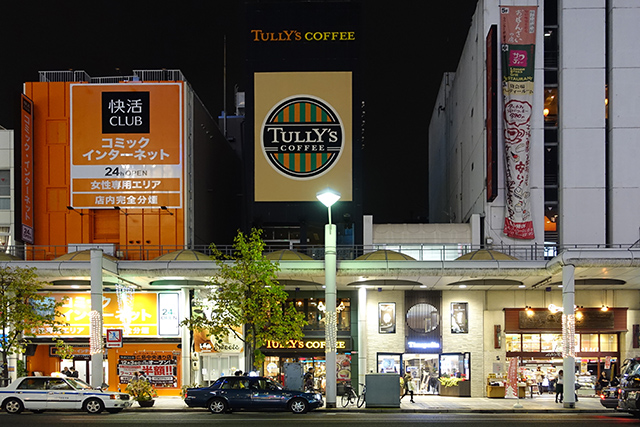
We walk through the main shopping street in downtown Hiroshima, a five minute walk from our hotel, to get to the Peace Boulevard.
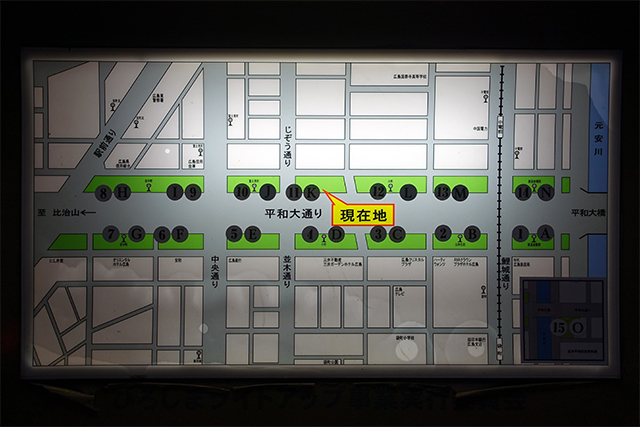
A 1 kilometer length of Peace Boulevard is lit up through to the Peace Memorial Museum.
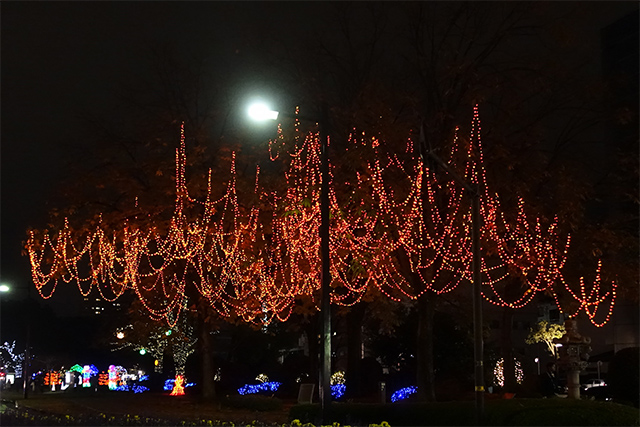
We see some maple trees lit up at night…
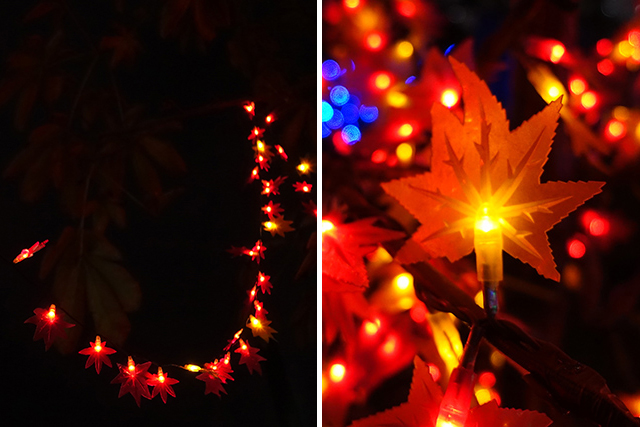
…with maple leaf lights!
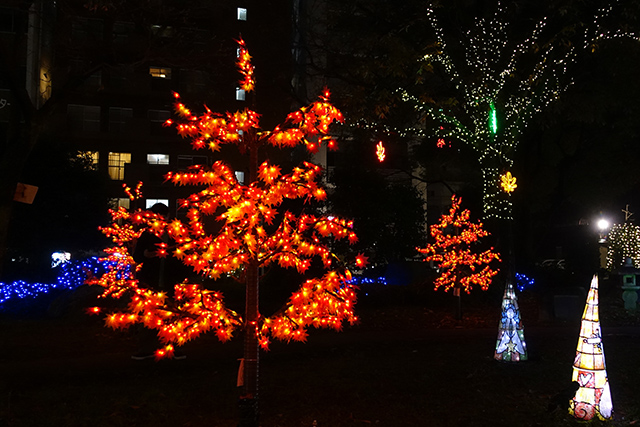
And some entirely plastic maple trees too.
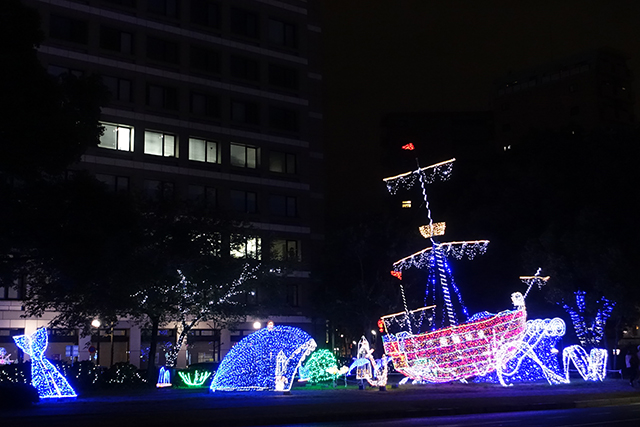
There’s a pirate ship that’s been attached by a whale…
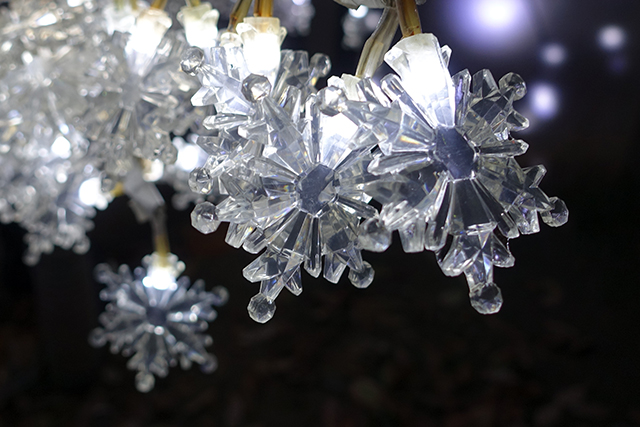
…and some snow flake lights across the street….
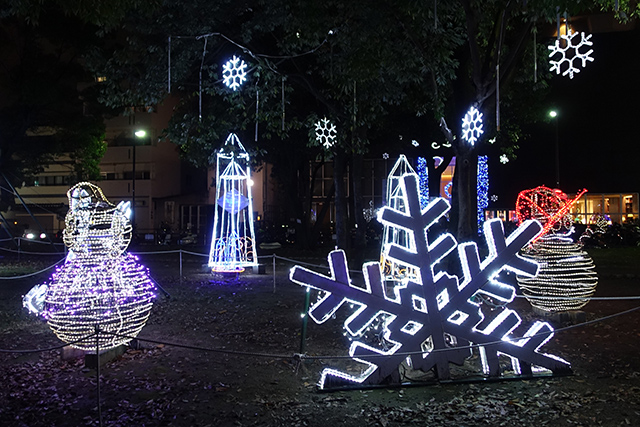
…along with a snow man and larger snow flakes.
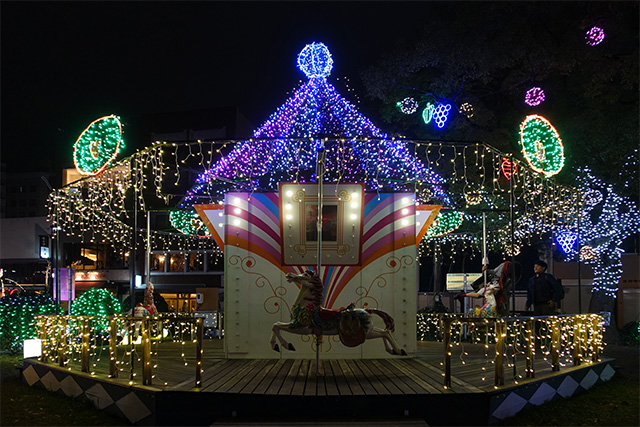
There’s a merry-go-round that lets you ride the horses but doesn’t spin.
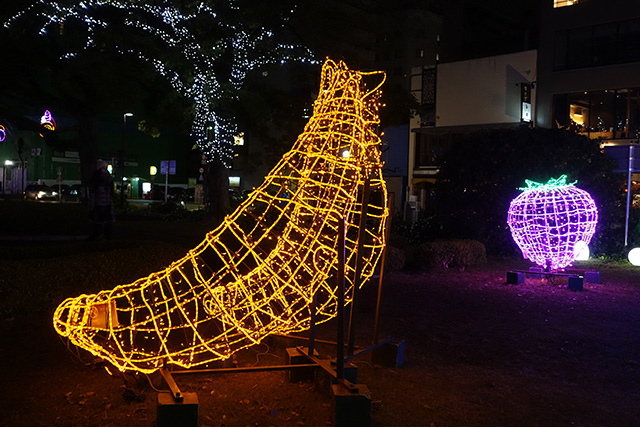
Giant fruit are made with lights. I’m not sure how this relates to Hiroshima or Christmas?
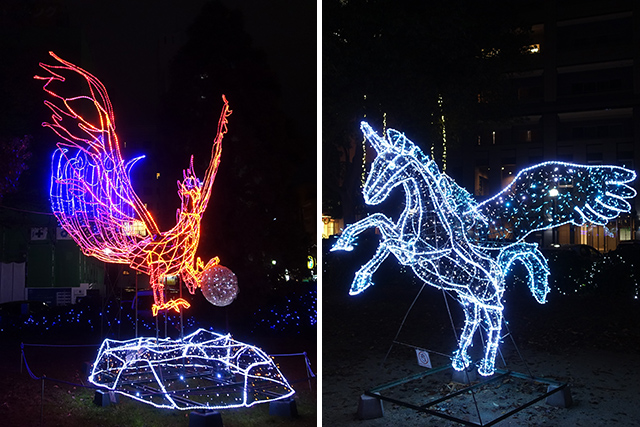
There’s a phoenix and pegasus with a horn/unicorn with wings…
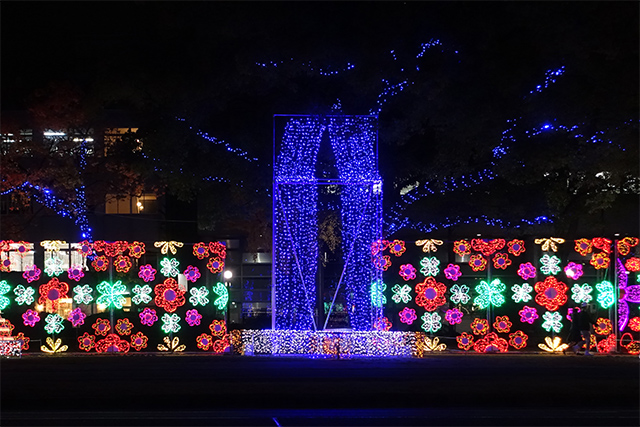
…and a floral walkway across the street.
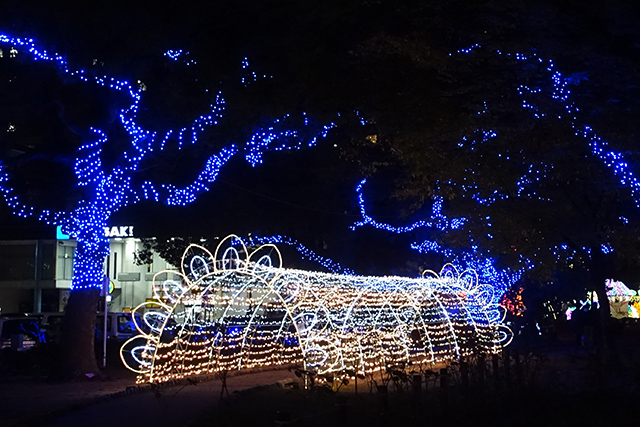
And a light tunnel…
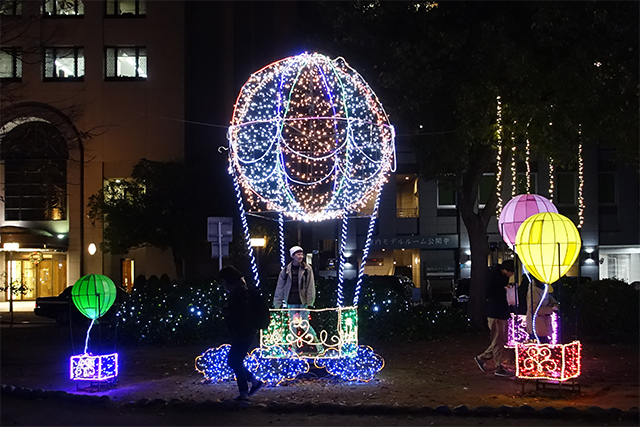
…as well as a few hot air balloons.
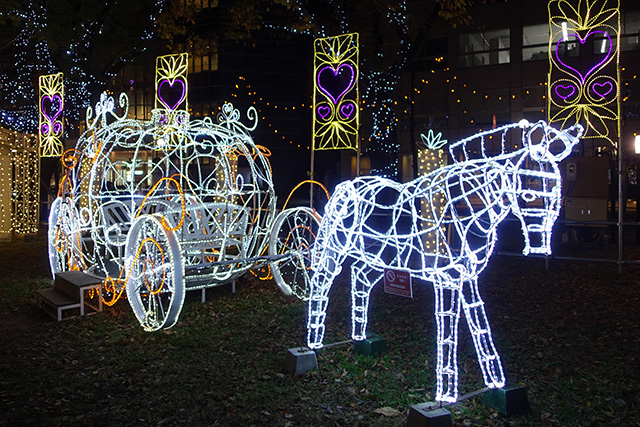
For the love birds, there’s a horse-drawn carriage.
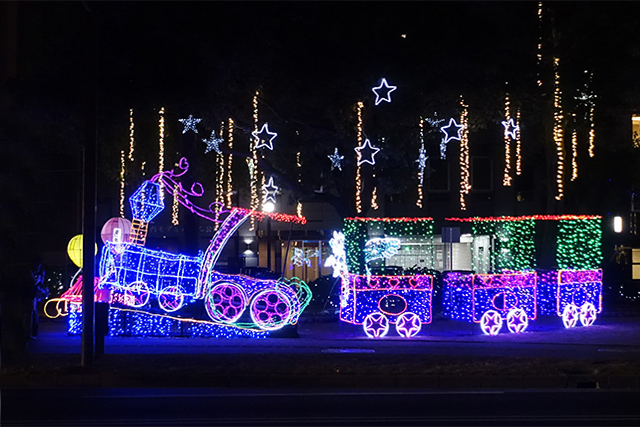
Or you can catch a train, if you fancy modern technology.
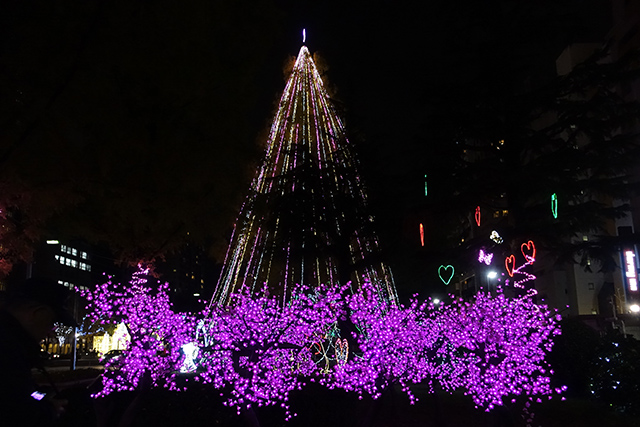
There’s a beautiful Christmas tree with sakura blossoms illuminating its base.
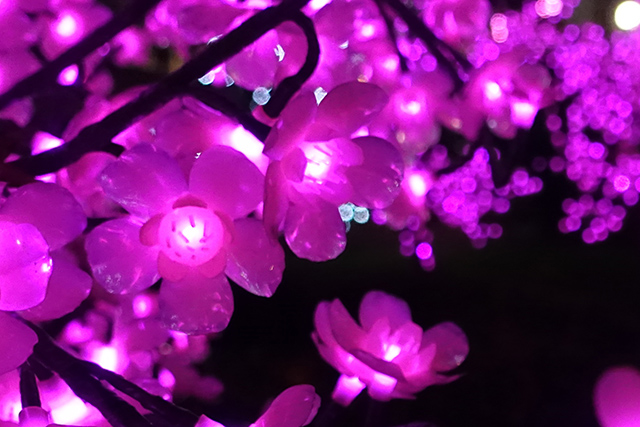
The sakura blossoms are pretty lights.
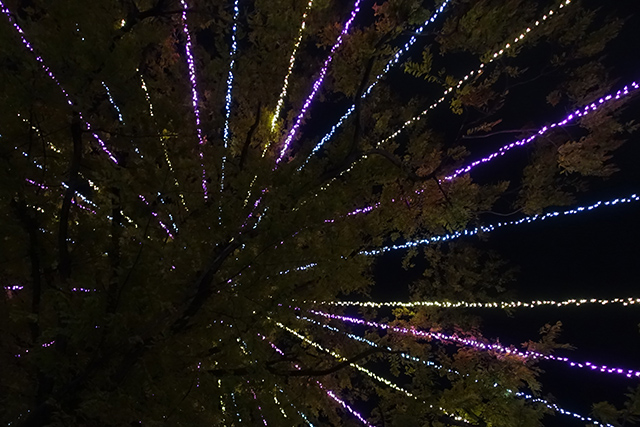
The Christmas tree is made from lights strung on a real tree.
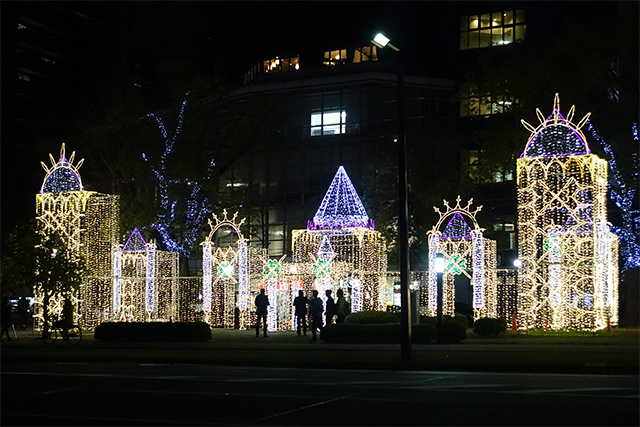
There’s a palace constructed from light.
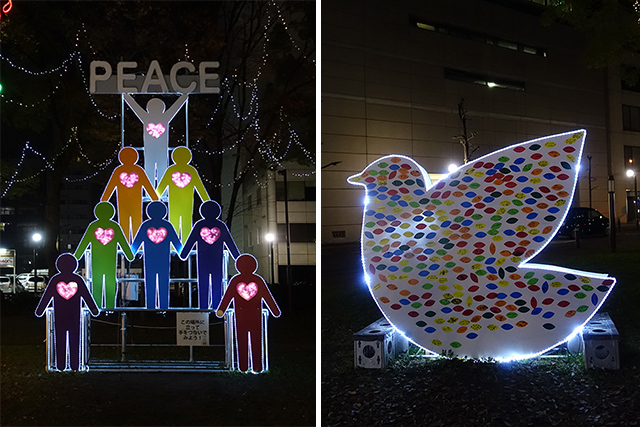
And a section dedicated to preserving peace in Hiroshima.
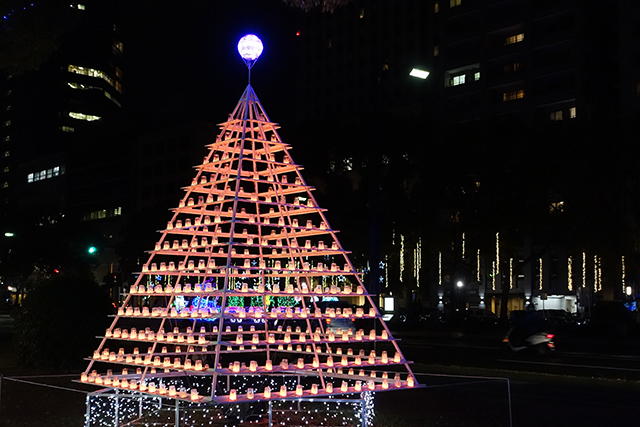
These candles light up a pyramid.
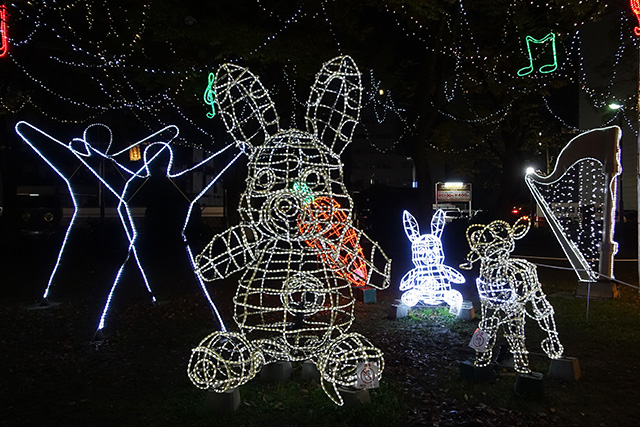
There’s a rabbit with a carrot admist the peace display.
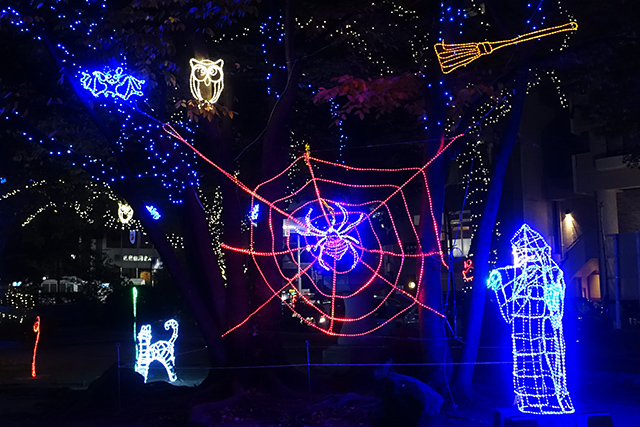
And just before we return to the maple display, there’s a section for Halloween.
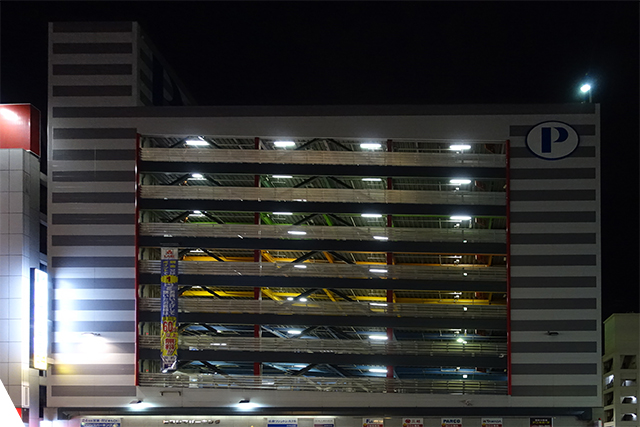
On the walk back to our hotel, we spot this multi-storey carpark with coloured rooves.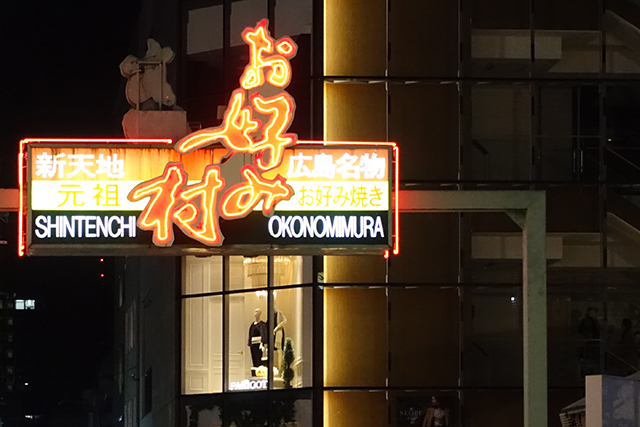
We stick our heads into Okonomimura, a complex famed for Hiroshima-style okonomiyaki. It’s late and the atmosphere is a bit dodgy, and we’re also not that keen on eating it (too much cabbage!), so we head back out…
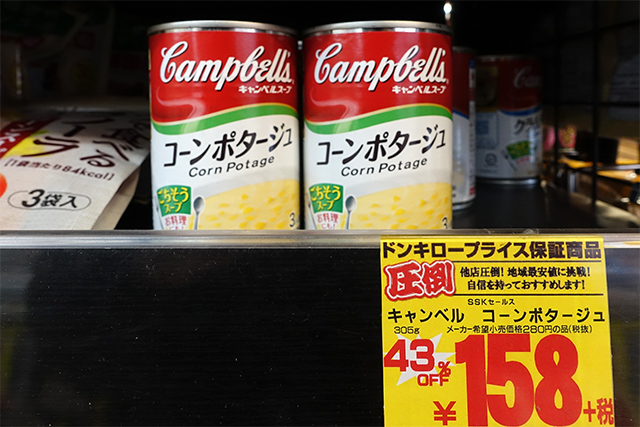
And straight into Don Quixote to check out their snacks. Corn potage is the ultimate comfort food. It’s also not quite like corn soup in Australia.
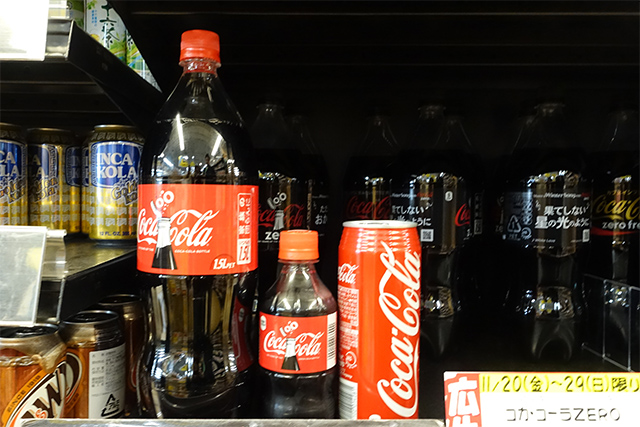
We spot a 250 mL bottle and 500 mL can of Coca-Cola.
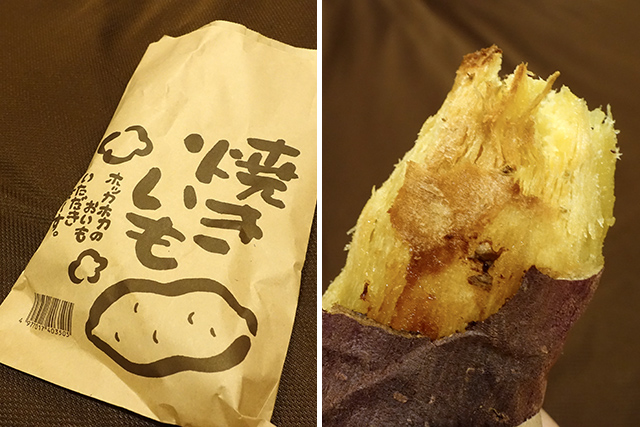
To finish the night off, I try a roasted sweet potato. It’s deliciously starchy, although more fibrous than the ones I’m used to in Australia.