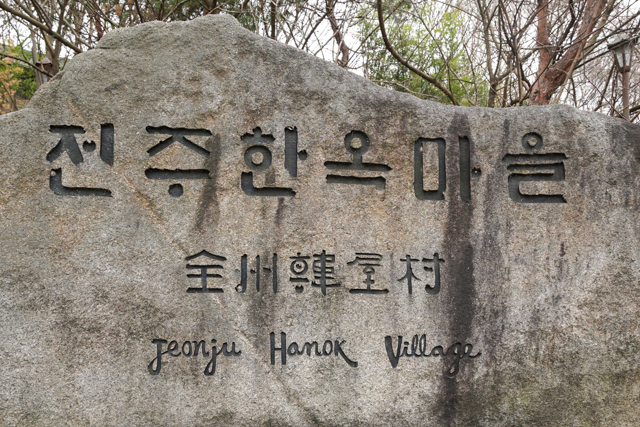
On our third day in South Korea, we took a day trip to the city of Jeonju, a city in the western province of Jeollabuk-do. Jeonju was regarded as the spiritual capital of the Joseon Dynasty. It is now home to Jeonju Hanok Village, an area containing over 800 traditional Korean houses called hanok, which strongly contrast with the modern city around it.
Seoul
Jung-gu
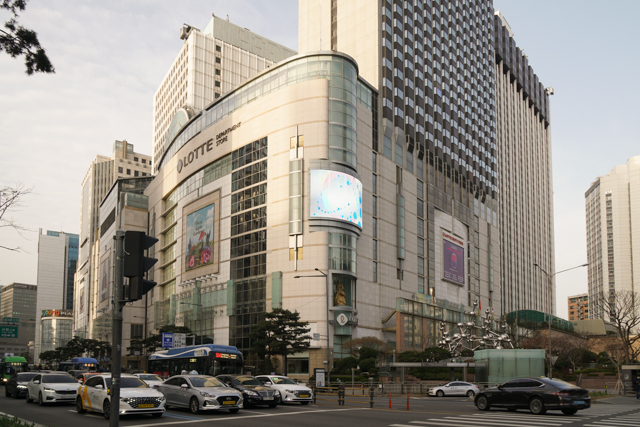
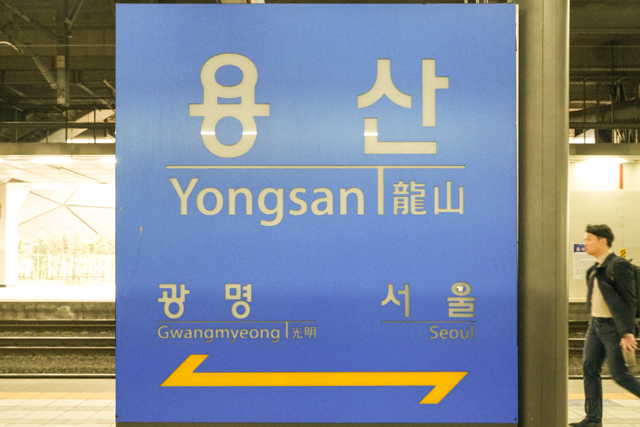
We woke up bright and early to walk to Jonggak Station, so we can catch the subway to Yongsan in time for our KTX Jeolla to Jeonju.
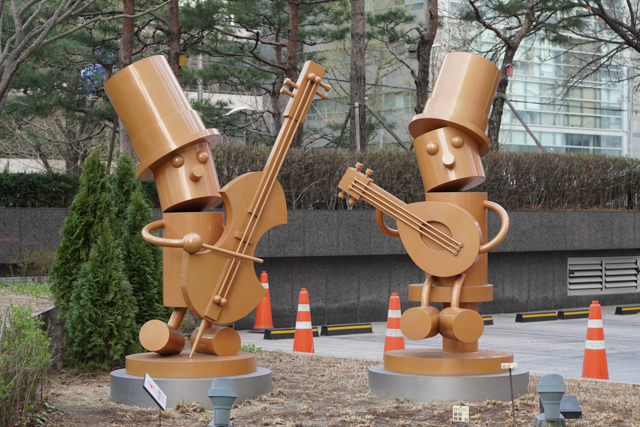
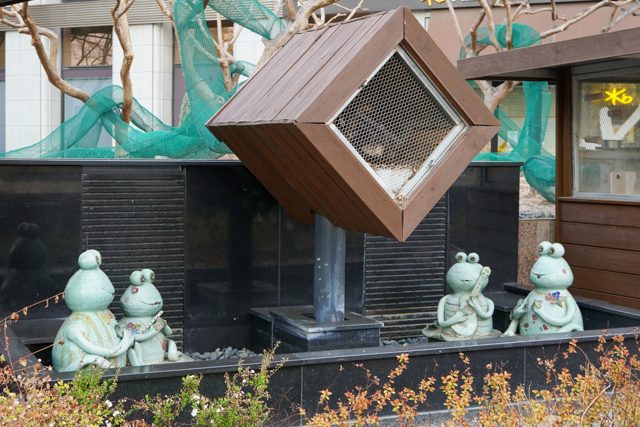
There was a mini park with habitats for small birds.
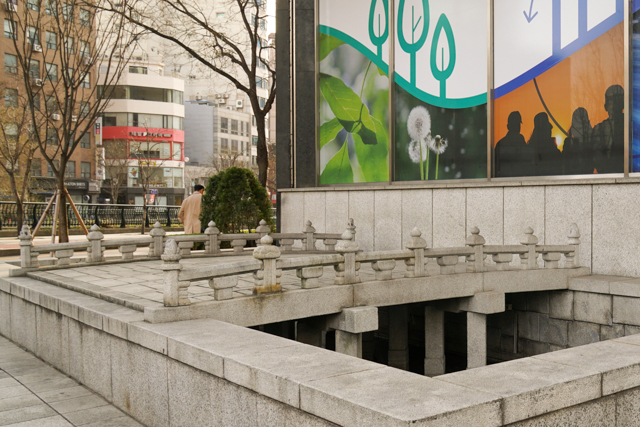
This bridge to nowhere was outside a bank near Cheonggyecheon Stream.
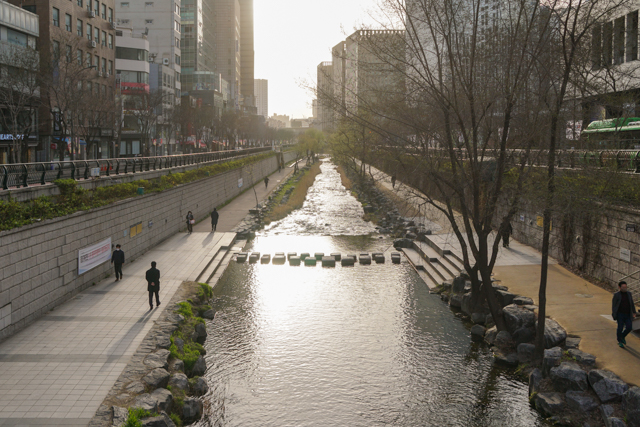
And we crossed the stream itself.
Yongsan-gu
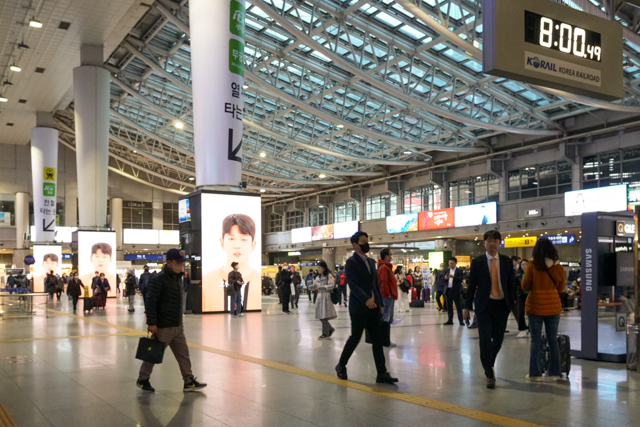
Yongsan Station
용산, Yongsan Station, 55 Hangang-dearo 23-gil, Hangangno 3(sam)-ga, Yongsan-gu, Seoul, South Korea.
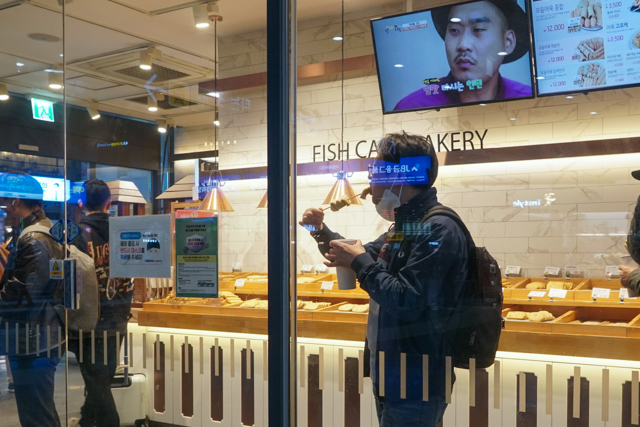
Koreans are serious about their fish cakes, and this one called itself a ‘fish cake bakery’, which had us excited thinking it was a regular bakery.
Papa Donas
파파도나스, 3F, Yongsan Station, 55 Hangang-dearo 23-gil, Hangangno 3(sam)-ga, Yongsan-gu, Seoul, South Korea.
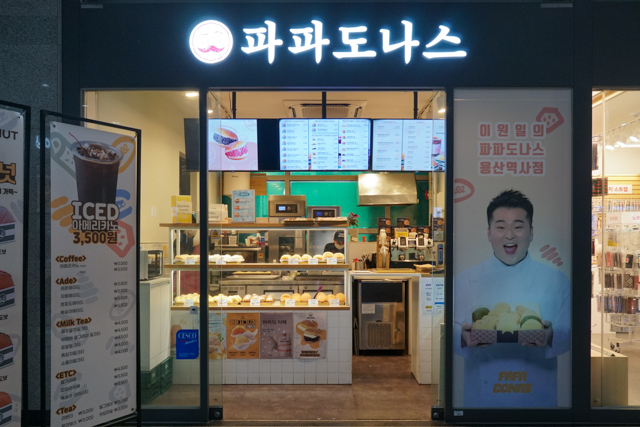
Papa Donas sells doughnuts with either a savoury or sweet twist.
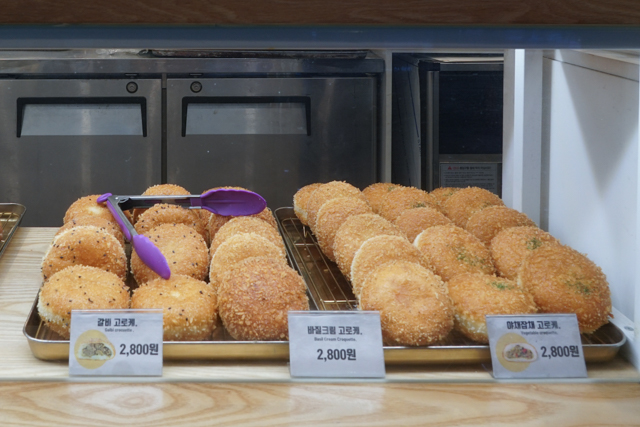
We were after something savoury for breakfast, so we picked up the galbi croquette and vegetable croquettes.
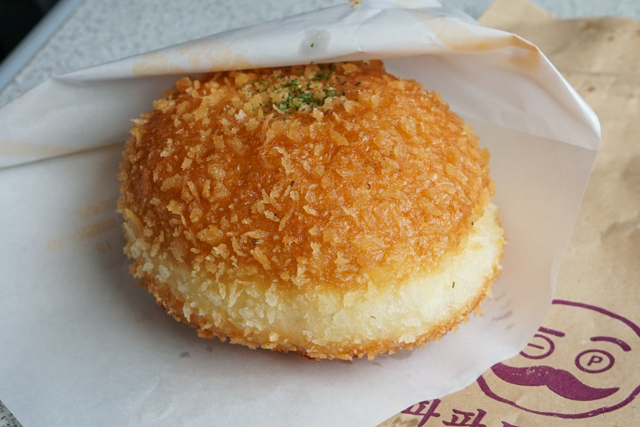
Vegetable Croquette (2,900 won).
There was a good variety of crunchy vegetables with some thick noodles, much like japchae, and a light chilli warmth. The bun itself had a crunchy exterior without too much dough.
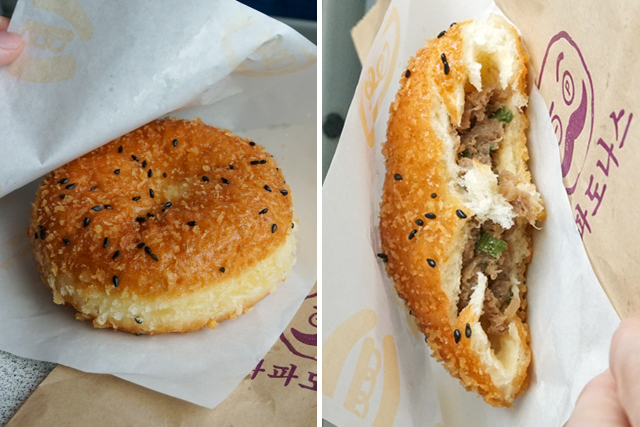
Galbi Croquette (2,900 won)
This one delivered a meaty flavour that was sweetened with caramelised onions. We enjoyed the flavours and textures of both croquettes.
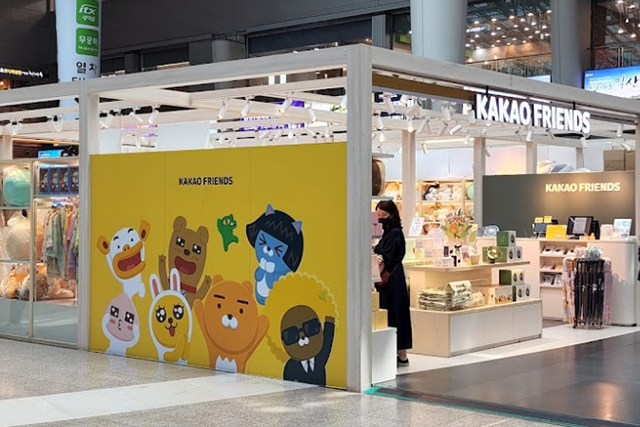
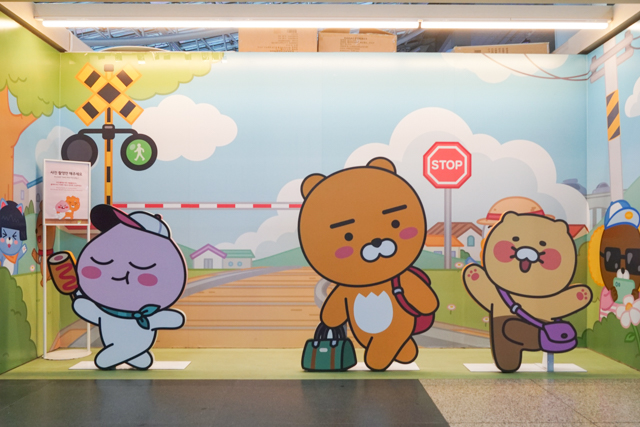
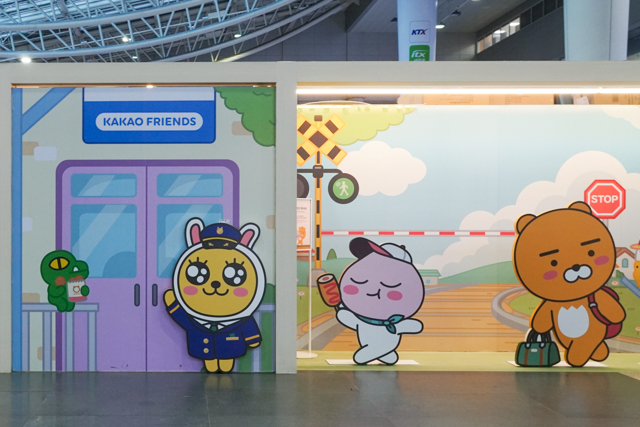
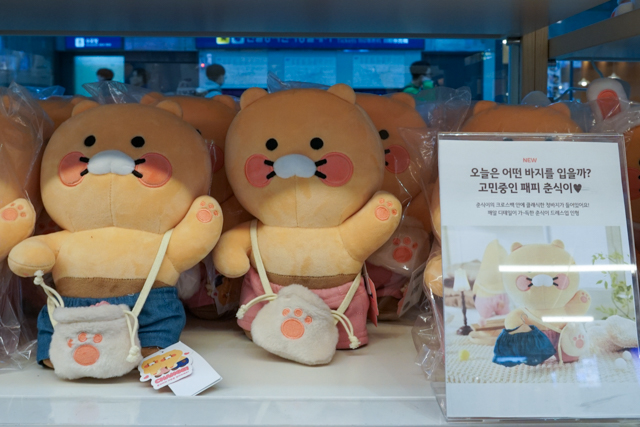
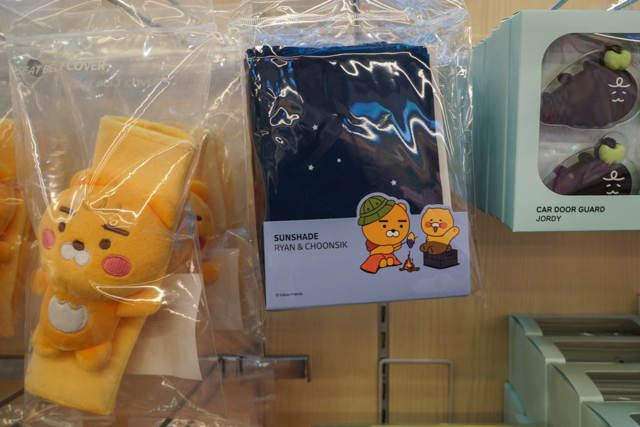
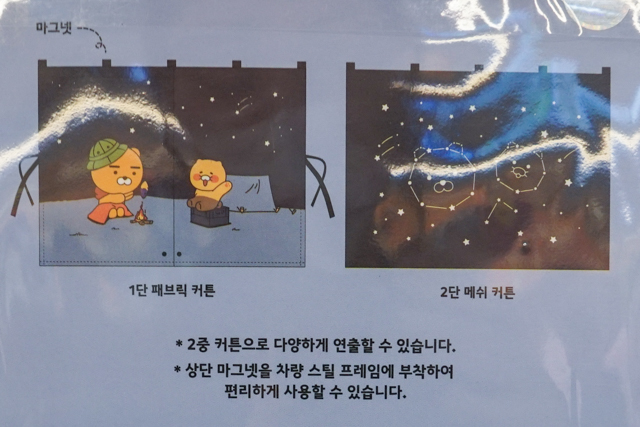
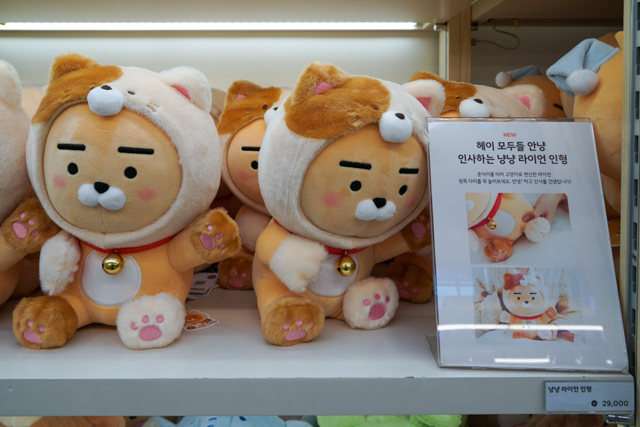
Kakao Friends
카카오 프렌즈 용산점, 3F, Yongsan Station, 55 Hangang-dearo 23-gil, Hangangno 3(sam)-ga, Yongsan-gu, Seoul, South Korea.
Cafe Mignon
카페 미뇽, 3F, Yongsan Station, 55 Hangang-dearo 23-gil, Hangangno 3(sam)-ga, Yongsan-gu, Seoul, South Korea
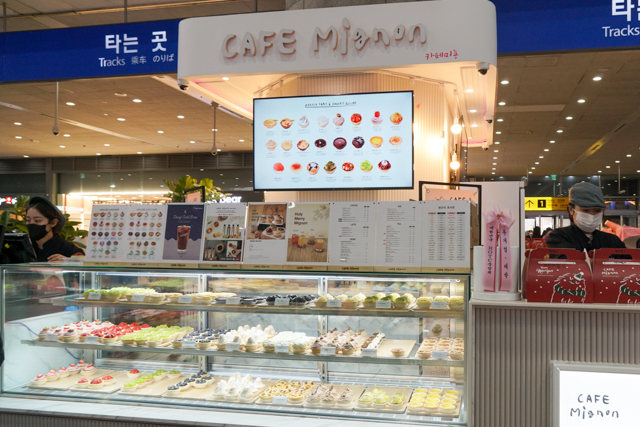
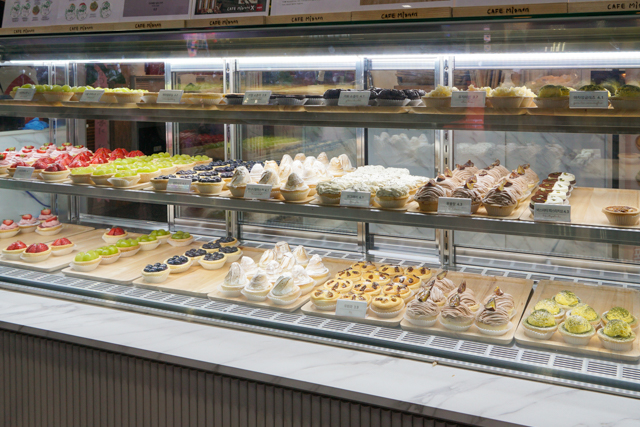
This store had a wide selection of pretty tarts available.
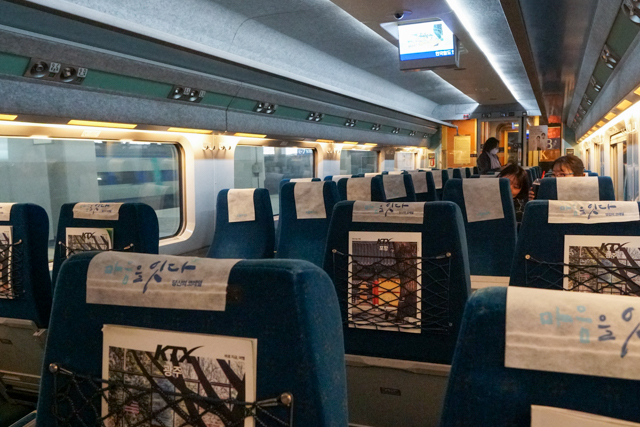
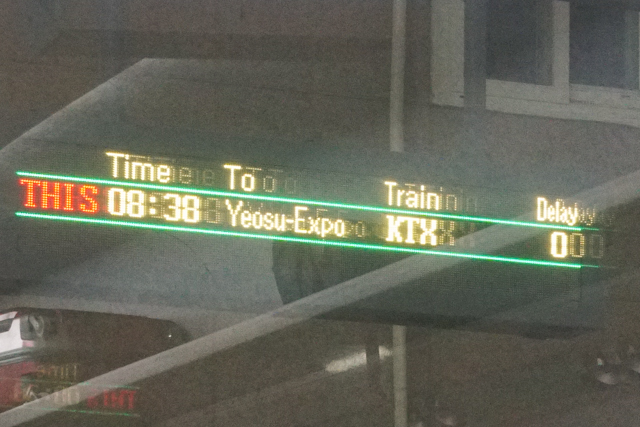
KTX Jeolla Yeosu Expo
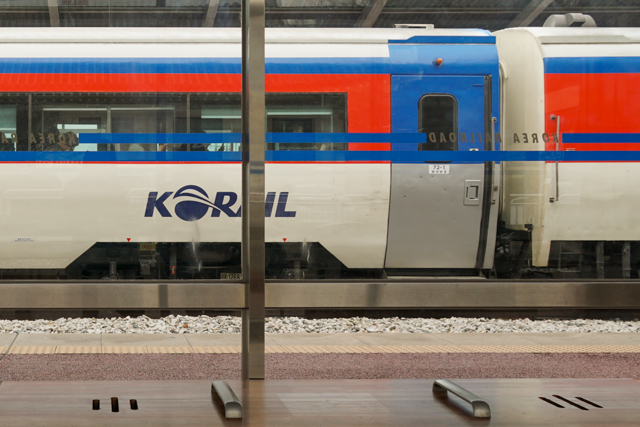
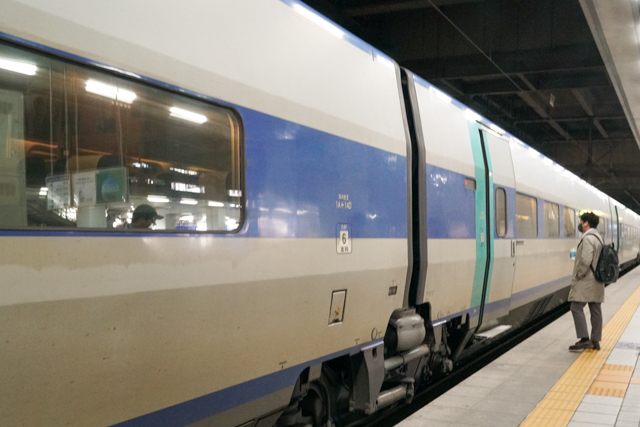
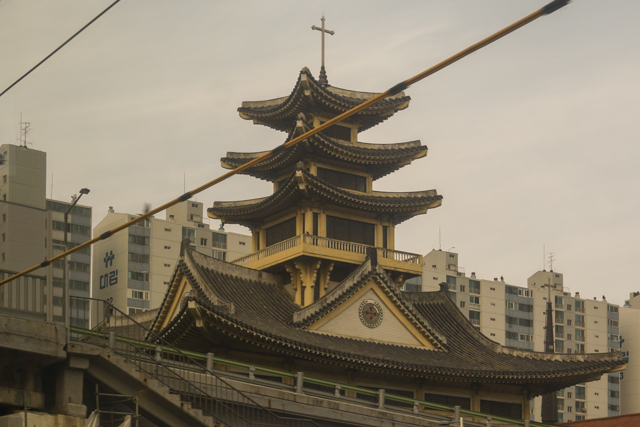
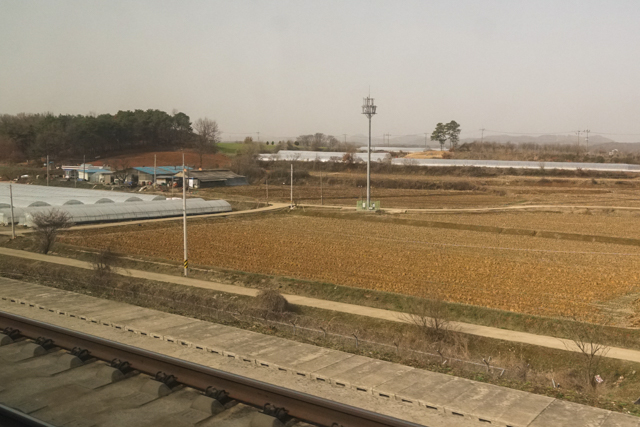
KTX is said to be Korea’s high-speed rail system and claims to be able to operate at up to 305 km/h. But the route between Yongsan and Jeonju seemed to operate at regular train speeds. At a distance of 190 km and a travel time of 1 hour and 48 minutes between Yongsan and Jeonju Stations, we were going at only 105 km/h. (By contrast, intercity trains in Australia operate at 160 km/h.) The cost of the ticket was about 37,000 won.
Jeonju, Jeollabuk-do
Jeonju is the capital and largest city of Jeollabuk-do located in southwest South Korea.
Jeonju Station
전주역, 680 Dongbu-daero, Jeonju-si, Jeollabuk-do, South Korea
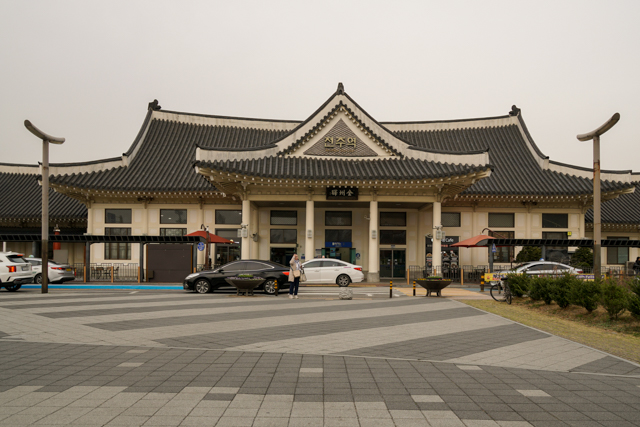
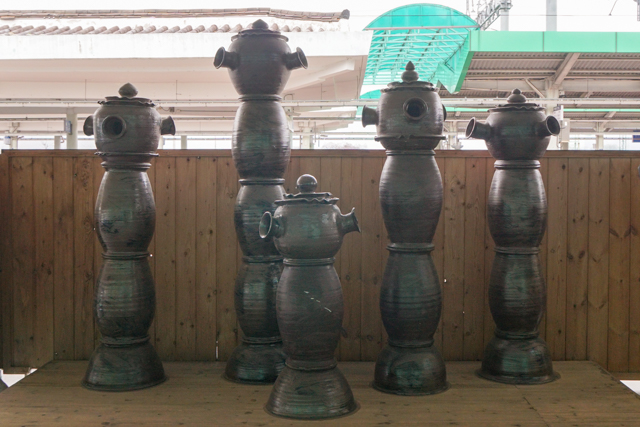
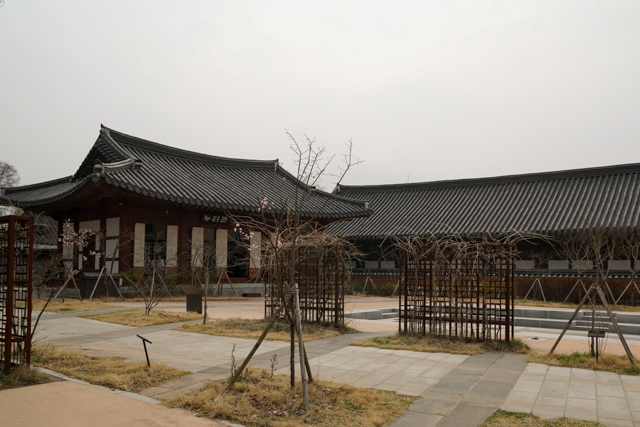
Jeonju Station is a station built in the traditional hanok style.
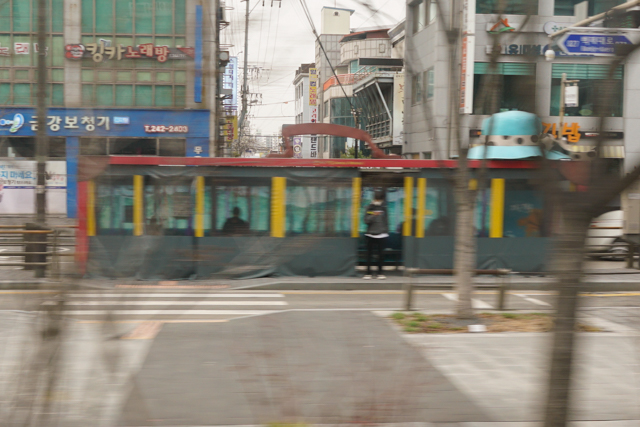
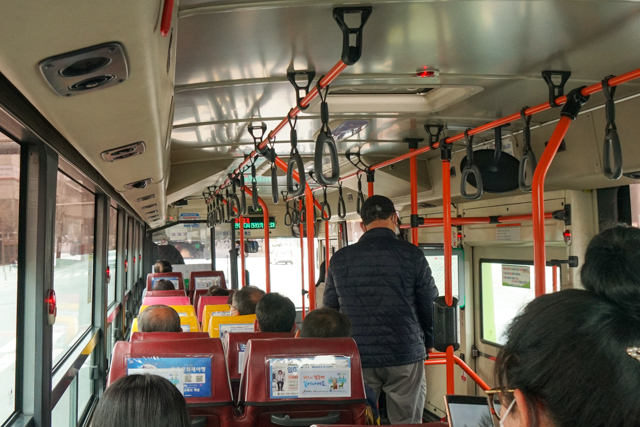
After arriving at Jeonju Station, we walked to the nearby bus stop (in the form of a suitcase with a hat on top) to catch the bus to the Hanok Village.
Jeonju Hanok Village
전주 한옥마을, 99 Girin-daero, Wansan-gu, Jeonju-si, Jeollabuk-do, South Korea
Jeonju Hanok Village is a village in the city of Jeonju. The village contains over 800 Korean traditional houses called hanok, which strongly contrast with the modern city around it. The village was designated as an International Slow City in 2010 in recognition of its relaxed pace of life where traditional culture and nature blend harmoniously.
Gyeonggijeon Shrine
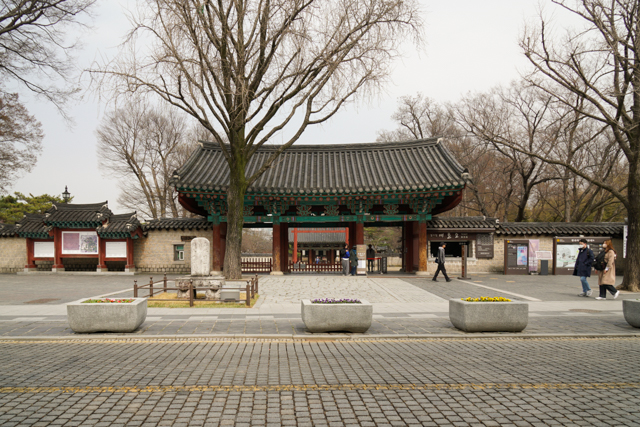
Gyeonggijeon Shrine is one of the first landmarks upon entering the village. Entry to the grounds, which we weren’t keen on, is permitted with a fee.
Gyeonggijeon Shrine was established in 1410 for the veneration of the founder of the Joseon dynasty (1392-1910), Yi Seong-gye (1335-1408), known posthumously as King Taejo (r. 1392-1398). Enshrined within its main hall is a portrait of King Taejo.
During the Joseon period, five portrait shrines were established for the veneration of King Taejo in historically significant locations across the country. These included |Jeonju the seat of the king’s dan), Yeongheung (the king’s birthplace), Pyeongyang (the capital of Goguryeo), Gyeongju (the capital of Silla), and Gaeseong (the capital of Goryeo). Among them, only this shrine in Jeonju remains. The shrine’s name, Gyeonggijeon, means “Hall of Celebrating the Basis (of the Dynasty),’ referring to how Jeonju, as the seat of the Yi Clan to which King Taejo belonged, became the ancestral seat of the country.
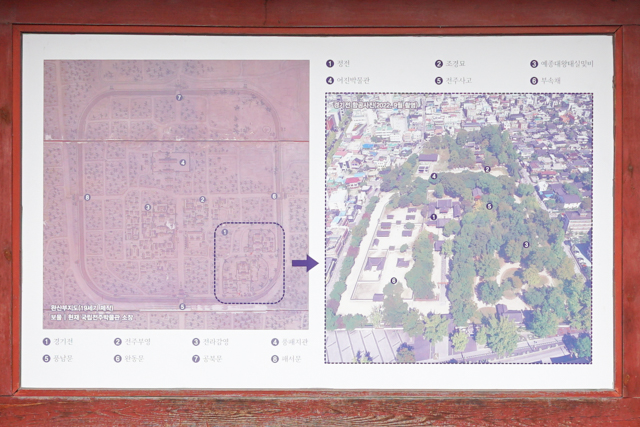
The shrine complex consists of a main hall in the center, an archive for storing historical records to the right, and auxiliary buildings, used for the preparation of veneration rituals, to the left. The entire complex was once destroyed during the Japanese invasion of 1597-1598. The shrine was rebuilt in 1614. On the site of the history archive, a detached shrine used to temporarily store the king’s portrait in unusual circumstances, was built in 1676. During the Japanese Occupation, all of the buildings in the complex apart from the main hall were demolished. The history archive and auxiliary buildings were built anew on their original sites in 1991 and 2004, respectively.
Located behind the Gyeonggijeon Shrine complex is the Royal Portrait Museum, where King Taejo’s portrait is stored, and Jogyeongmyo Shrine, dedicated to the founder of the Jeonju Yi Clan.
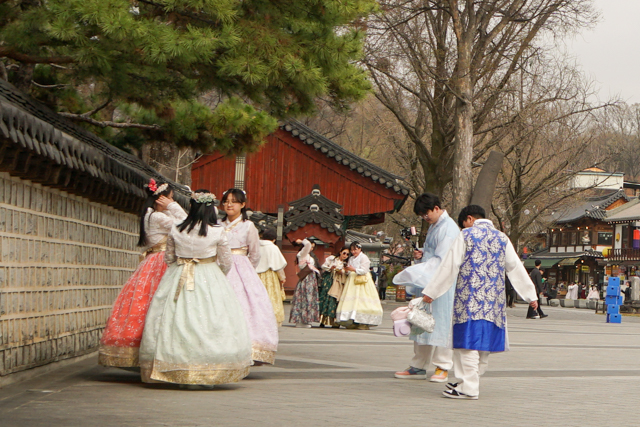
The area outside the shrine was a popular spot for congregating and photos.
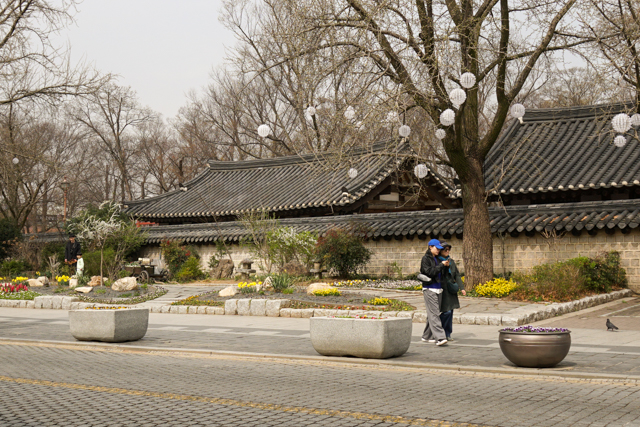
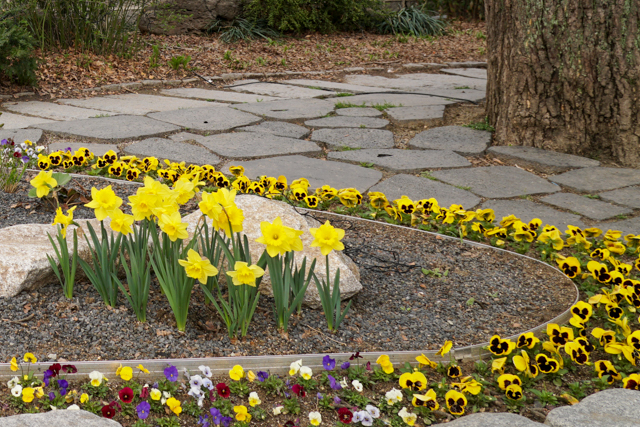
There was an abundance of pansies in the garden outside, along with a couple of stray cats.
Agijagi Village
아기자기빌리지, 271-5 Gyo-dong, 35 Taejo-ro, Wansan-gu, Jeonju-si, Jeollabuk-do
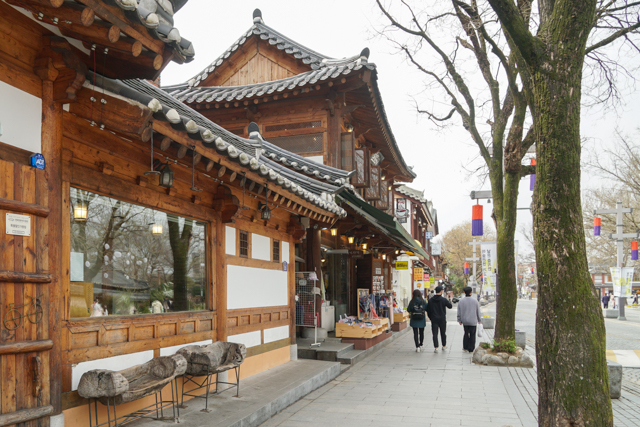
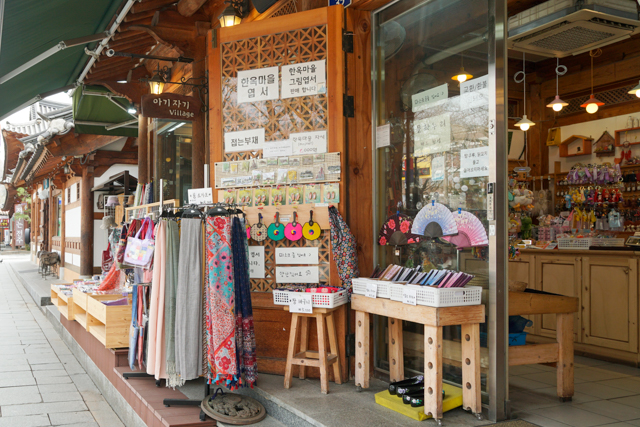
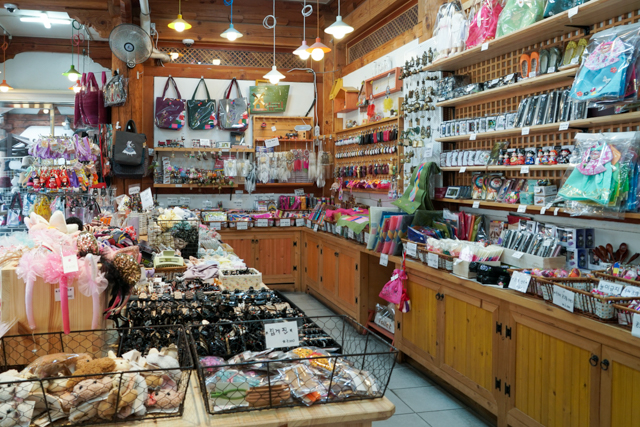
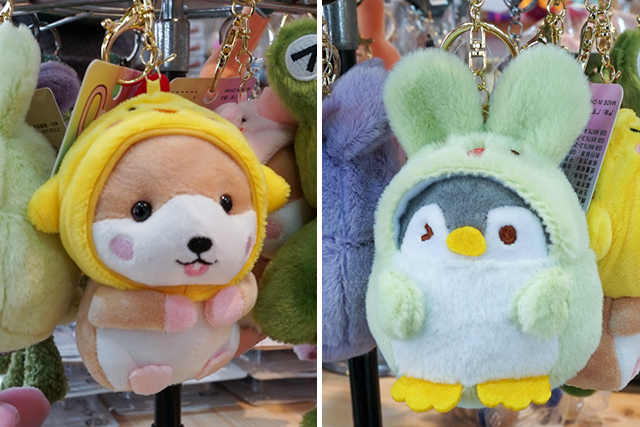
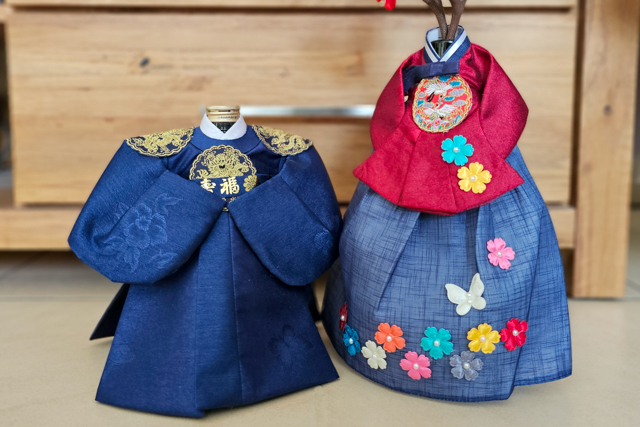
At Agijagi Village, we picked up these two hanbok bottle covers.
Jeonjulang Jejulang
전주랑 제주랑, 65-4 Jibeonpungnamdong 3-ga, 22-1 Taejo-ro, Wansan-gu, Jeonju-si, Jeollabuk-do, South Korea
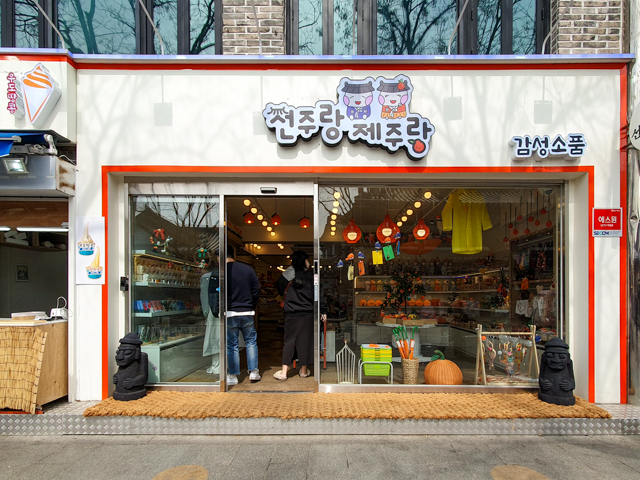
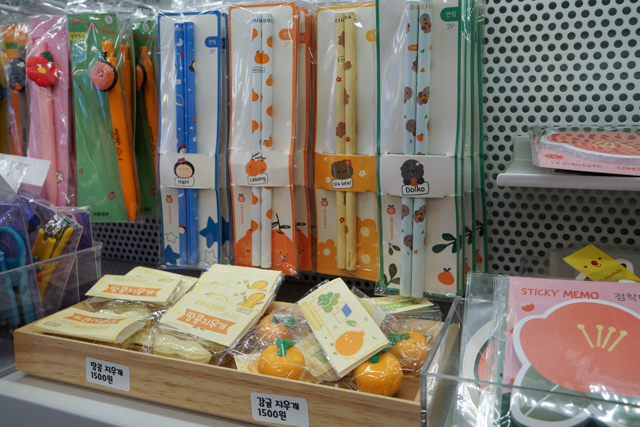
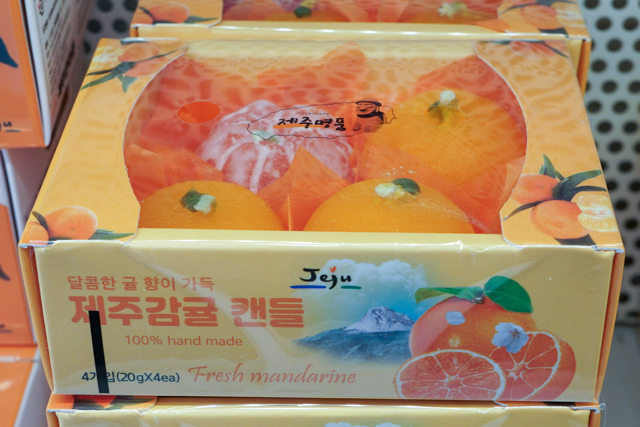
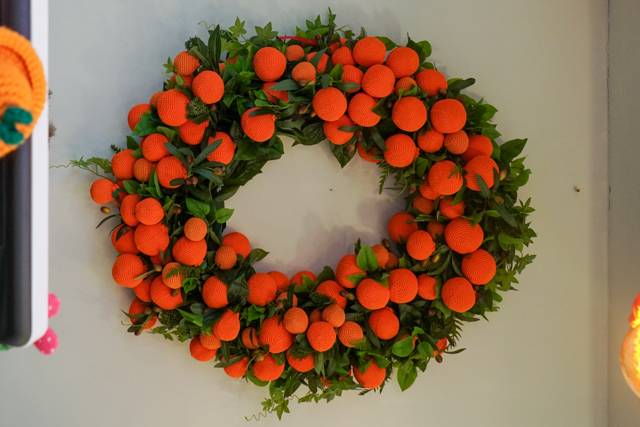
Jeonjulang Jejulang was one of the most interesting stores in Jeonju, a city that has a close history with Jeju-do. In the Joseon Dynasty, Jeonju governed the Jeolla-do area along with Jeju Island, which was considered the centre of administration.
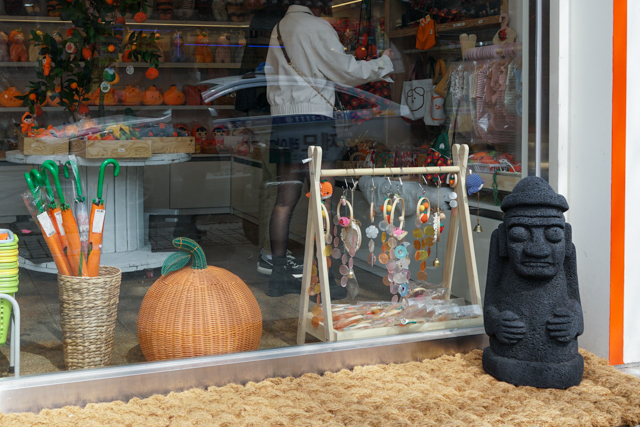
The store sold all sorts of goods from Jeju, while the shopfront next door had hallabong soft serve.
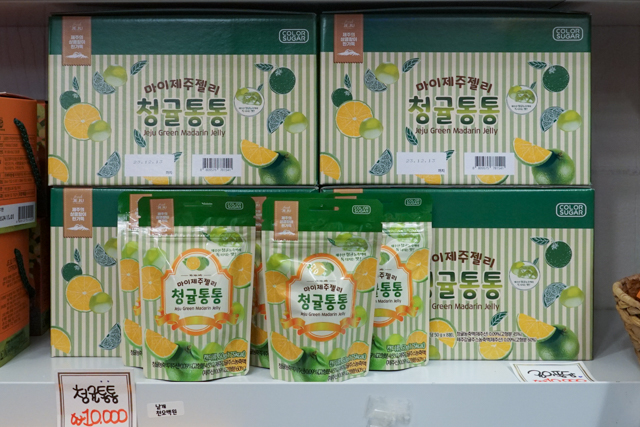
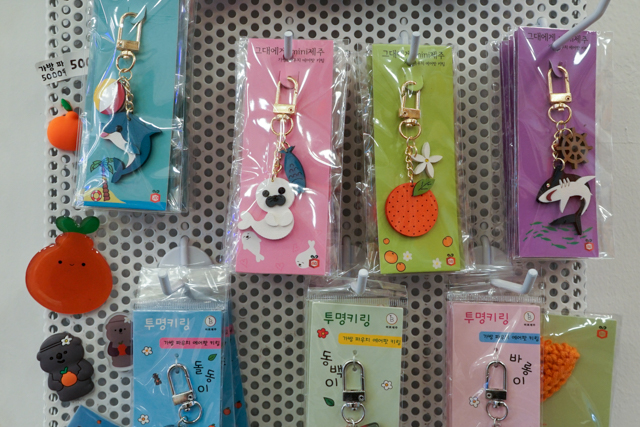
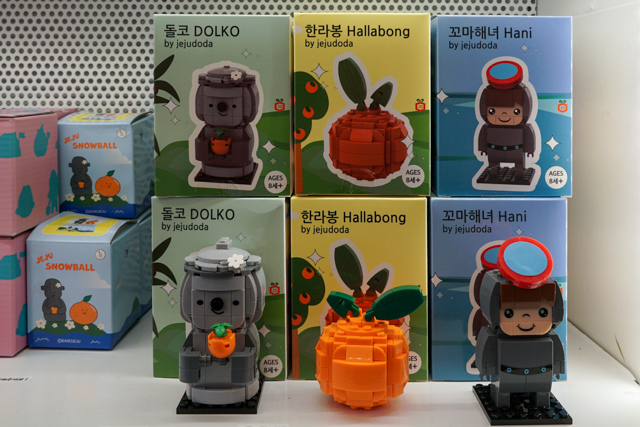
Eunhaeng-ro
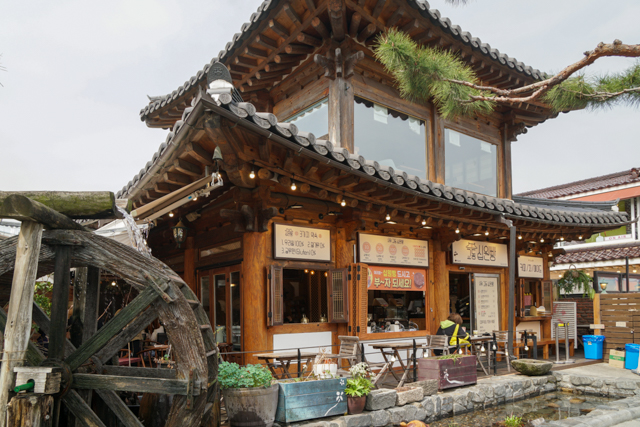
Pungnyeon Bakery
PNB 한옥마을점, 61-1 Eunhaeng-ro, Wansan-gu, Jeonju-si, Jeollabuk-do, South Korea
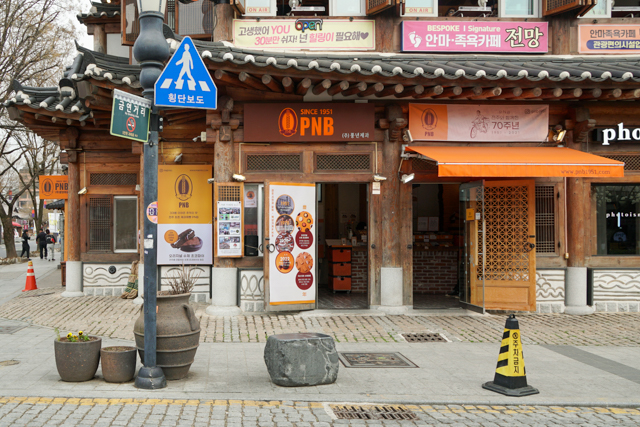
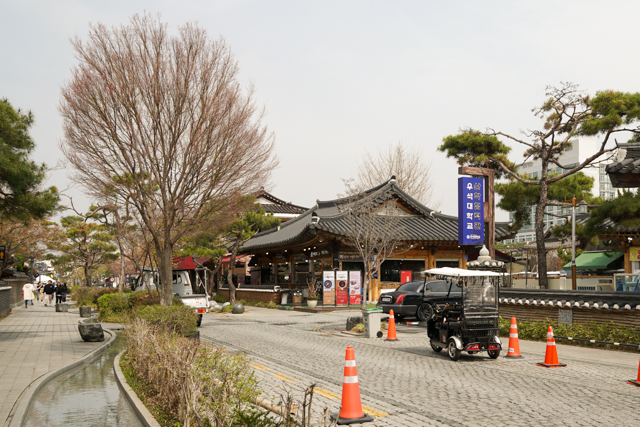
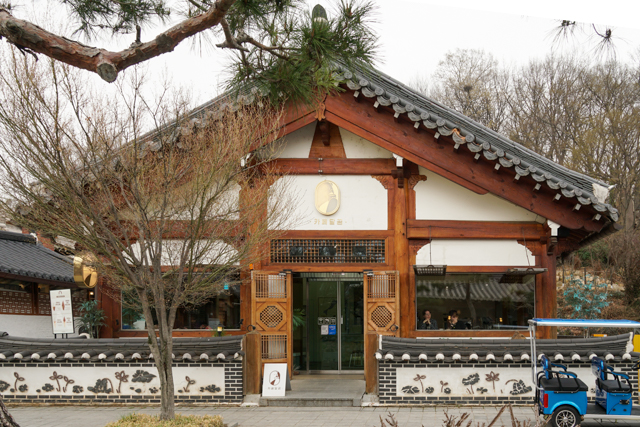
Jeonju Hanok Village is famous for choco pies, and PNB is one of the two biggest brands offering them. Choco pies consist of two small round layers of cake with marshmallow and jam filling and a chocolate coating.
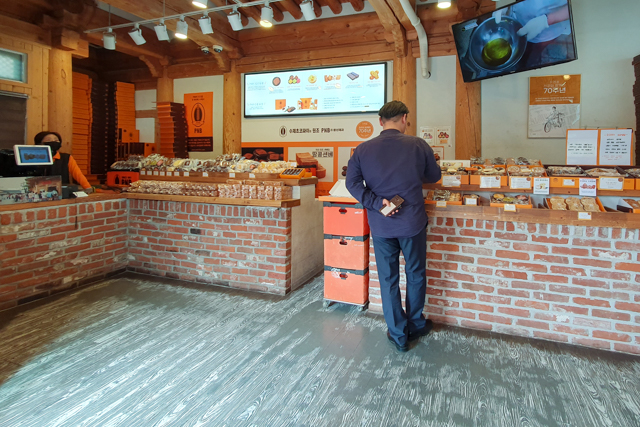
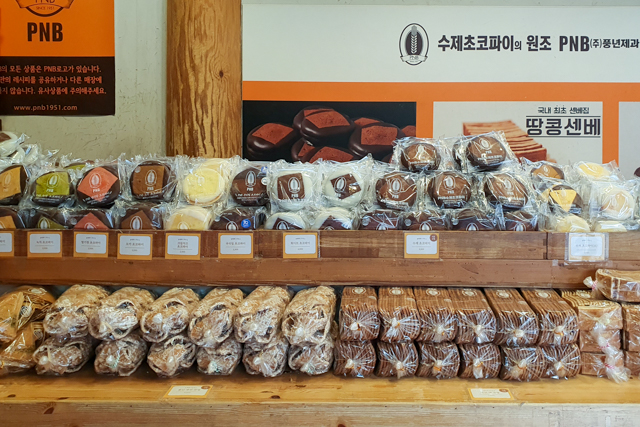
The choco pies came in a large variety of flavours, including chocolate, strawberry, matcha, and cream cheese.
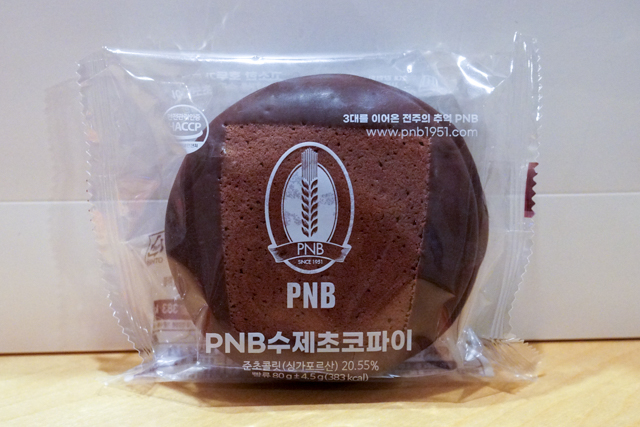
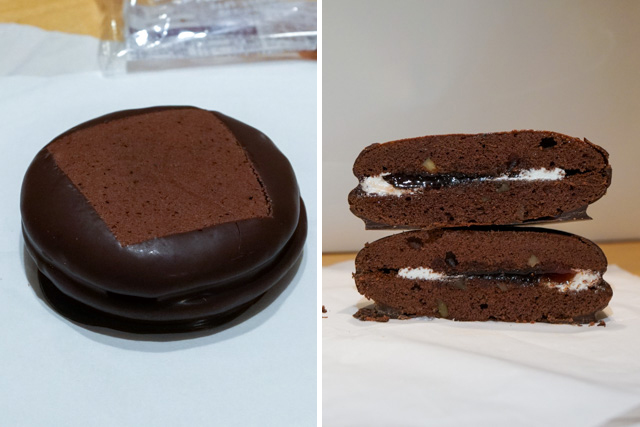
This is the PNB Homemade Choco Pie. It was the original flavour and featured two chocolate layers of cake studded with walnuts sandwiching a marshmallow and strawberry jam filling and was dipped in dark chocolate. Prior to this experience, our only encounter with choco pies was the mass-produced ones from Lotte, Crown and Orion, which weren’t particularly enjoyable due to their denseness. This one, however, was quite the opposite — the higher-quality ingredients were evident from the first bite. The cake was lighter, the walnuts added texture and nuttiness, and the jam delivered moisture with a hint of acidity to balance the sweetness. Critically, the ratio of the cake the cream and jam filling was higher, giving a balanced mouthfeel.
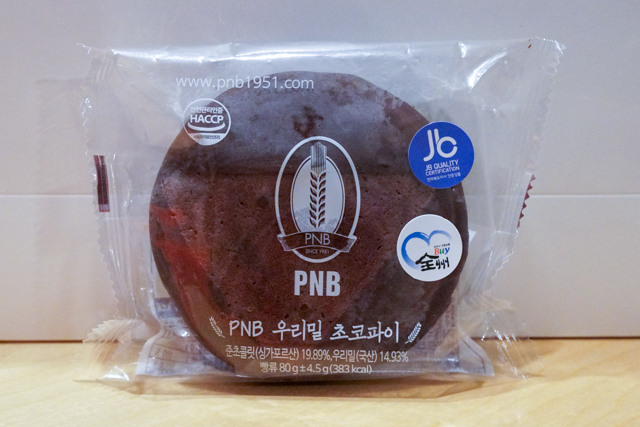
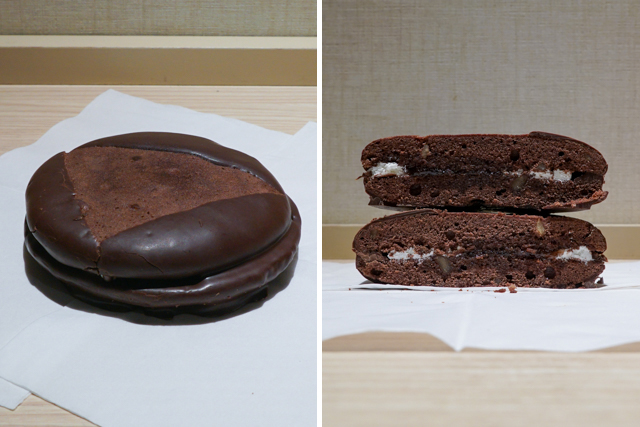
This is the PNB Korean Wheat Choco Pie, using wheat grown in Korea. Honestly, we couldn’t taste much of a difference between the two, although the appearance of the cake was slightly paler and a touch denser.
Choimyeonghee-gil
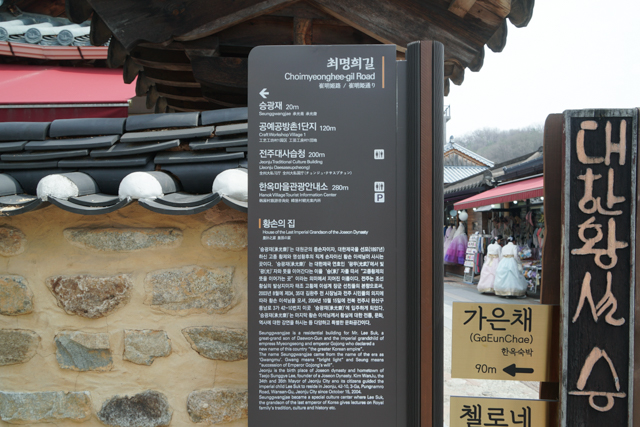
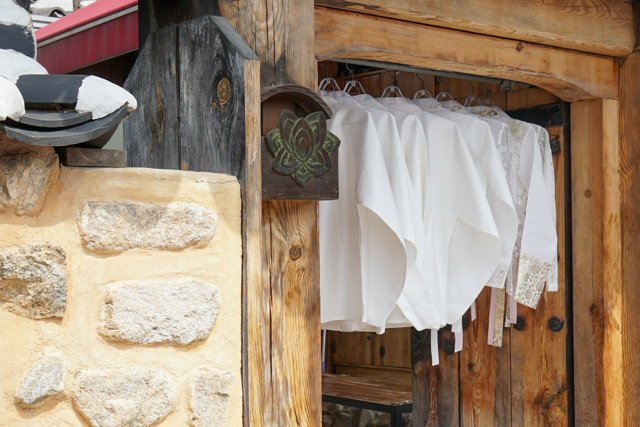
Seunggwangjae
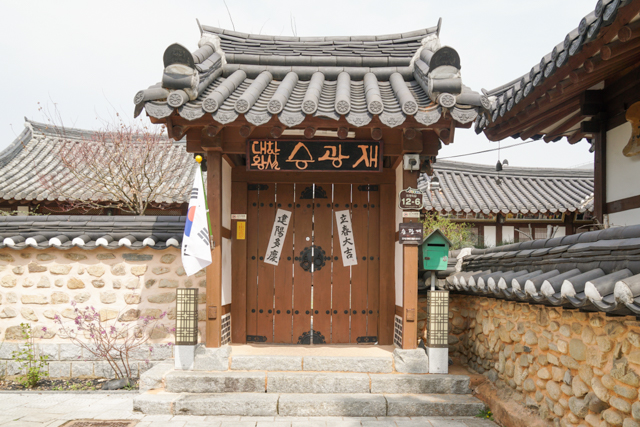
Seunggwangjae is the house of the last imperial grandson of the Joseon Dynasty
Seunggwangjae is a residential building for Mr Lee Suk, a great-grand son of Daewon-Gun and the imperial grandchild of express Myeongseong and emperor Gojong who declared a new name of this country ‘the greater Korean empire’.
The name Seunggwangjae came from the name of the era as ‘Gwangmu’. Gwang means ‘bright light’ and Seung means ‘succession of Emporor Gojong’s will’.
Jeonju is the birth place of Joseon dynastry and hometown of Taejo Sunggye Lee, founder of a Joseon Dynasty. Kim Wan Ju, the 34th and 35th Mayor of Jeonju City and its citizens guided the imperial child Lee Suk to reside in Jeonju, 42-1, 3-ga, Pungnamro Road, Wansan-Gu, Jeonju City since October 15, 2004.
Seunggwangjae became a special culture centre where Lee Suk, the grandson of the last emperor of Korea gives lectures on Royal family’s tradition, culture and history, etc.
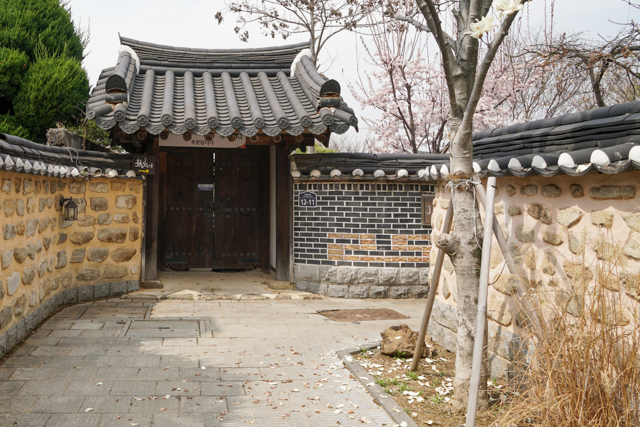
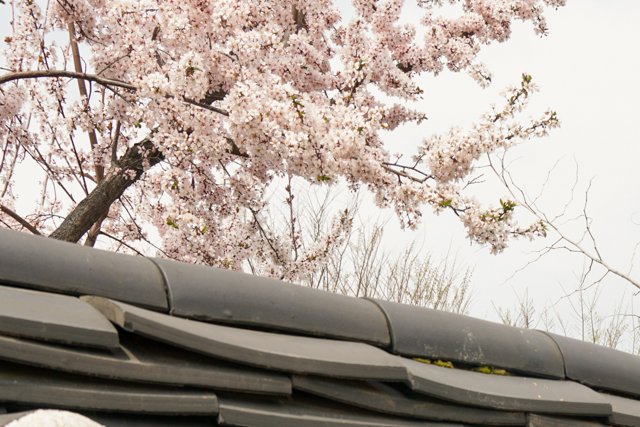
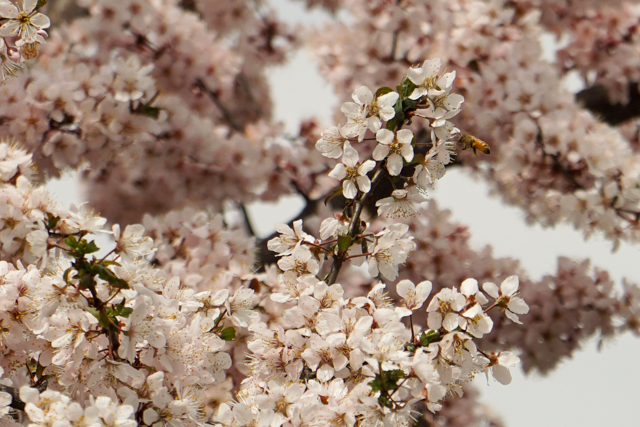
Back streets
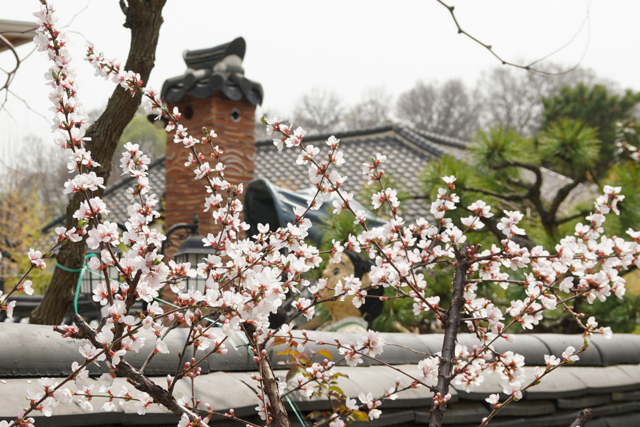
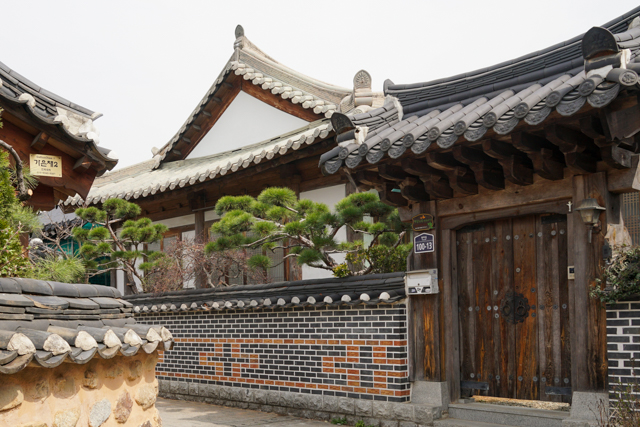
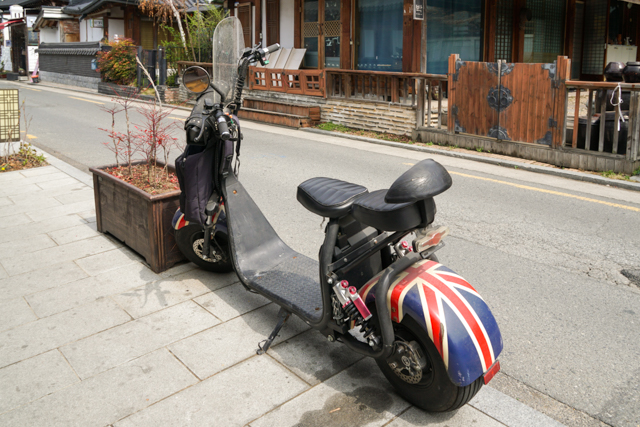
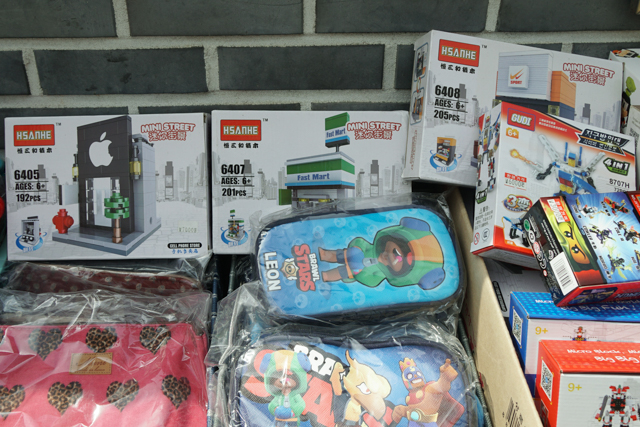
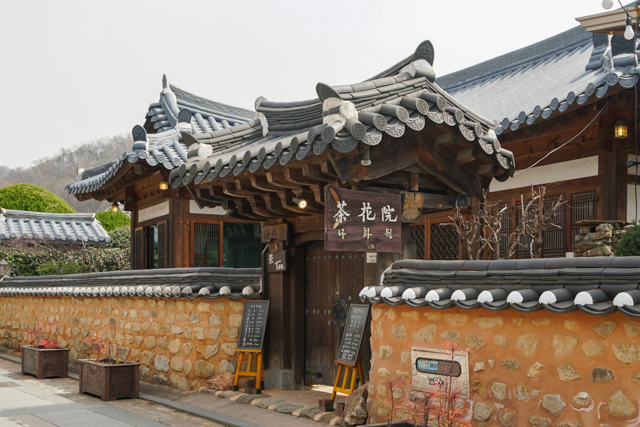
We were keen to stop by Dahwawon, to experience a Korean tea house. But, as with many places in Jeonju, it was closed despite being advertised as being a regular day for opening.
Jeonju Traditional Wine Museum
전주전통술박물관, 74 Hanji-gil, Wansan-gu, Jeonju-si, Jeollabuk-do, South Korea
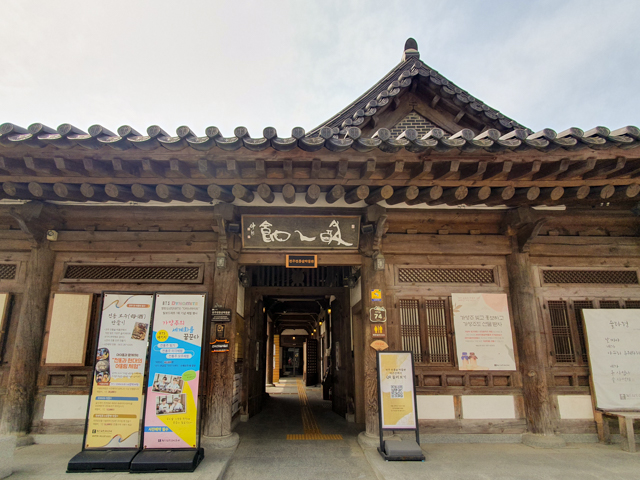
We eventually stopped by the Jeonju Traditional Wine Museum, which was partially open. It ‘is a space that revives the brewing tradition of gayangju (home-brewed liquor)’ through ‘exhibition, experience and education’.
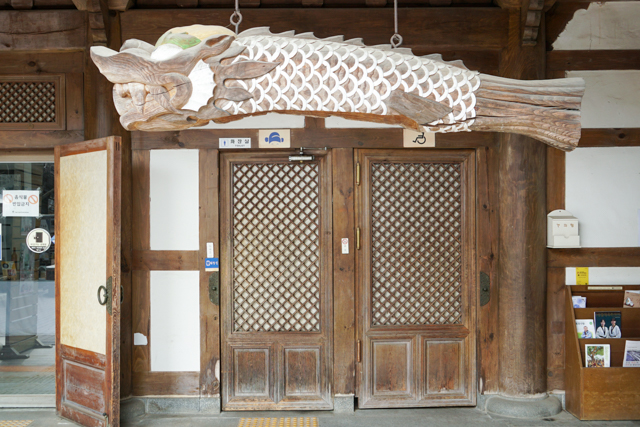
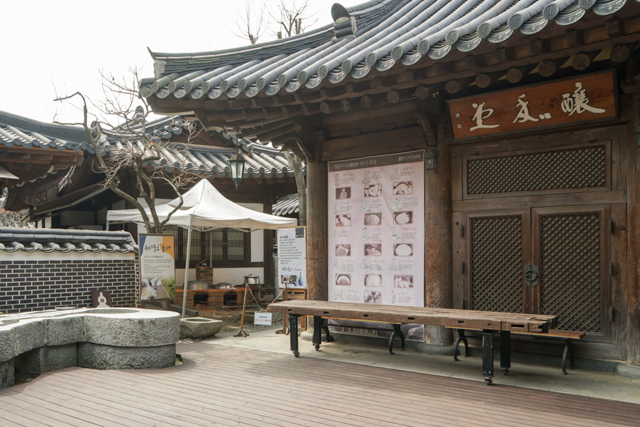
The exhibition space was very small, consisting of two rooms and a gift shop (that was closed during our visit).
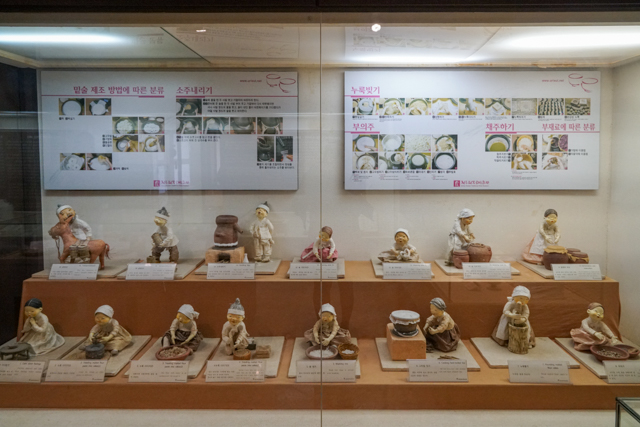
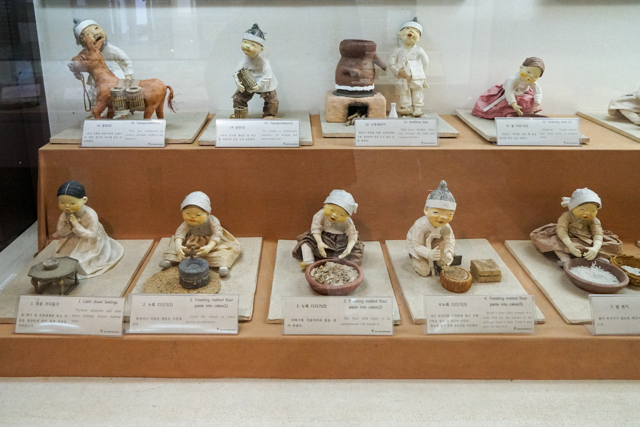
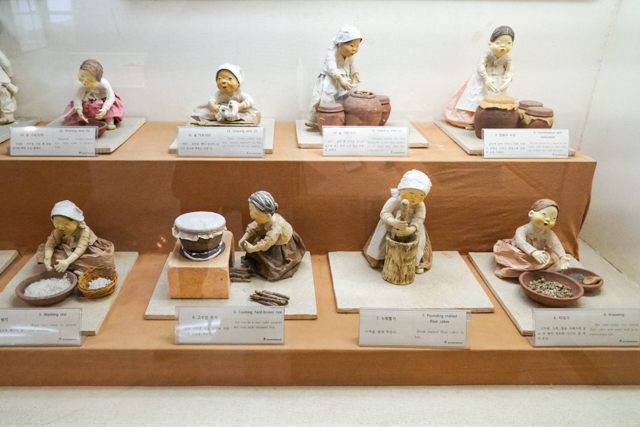
The process of home-brewing liquor, anticlockwise from bottom left:
- Calm down feelings: Perform ablutions and calm down feelings before making wine
- Treading malted flour paste into cakes (1): Grind the wheat and other grains in a millstone.
- Treading malted flour paste into cakes (2): Mix flour with water in an earthenware tub and knead it.
- Treading malted flour paste into cakes (3): Spread a loose fabric wrapper on a mould, then put the mixture in the mould and tread it hard. Tread it with feels for full force.
- Washing rice: Wash rice clean to prevent it from breaking.
- Cooking hard-boiled rice: Put rice in a rice-cake steamer and cook hard-steamed rice.
- Pounding malted flour cakes: Break malted flour cakes into bits.
- Kneading: Mix hard-boiled rice and malted flour cakes with water well in an earthenware tub.
- Fermentation and maturation. Put the mixture in a liquor jar and forbid other people to enter there, and ferment wine with devotion.
- Straining wine (1): Cheongju: refined rice wine, dipped out of rice wine strainers set in liquor jars after the wine is matured.
- Straining wine (2): Takju: Cream-coloured thick wine strained admixture of malt and steamed rice through strainers.
- Straining wine (3): Makgeolli: Cream-coloured wine added water to strained tajku.
- Distilling soju: High-proof distilled liquor from Cheongju and Takju with Sotjugori (distiller).
- Transportation (1): Use wooden or earthenware containers for keeping and transporting wine.
- Transportation (2): Wine was transported by oxcarts, carriages, donkeys and handcarts.
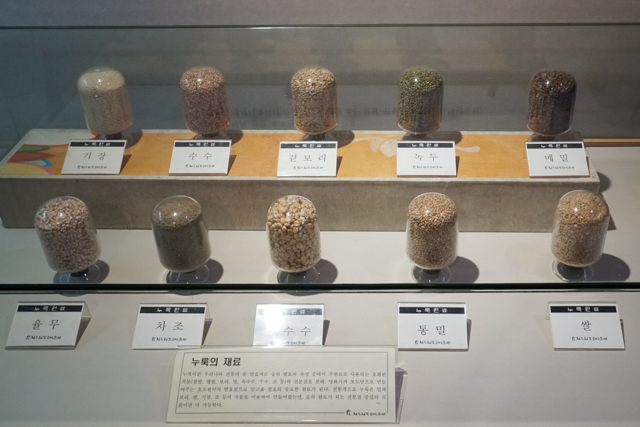
These were different types of grains used in the production of liquor.
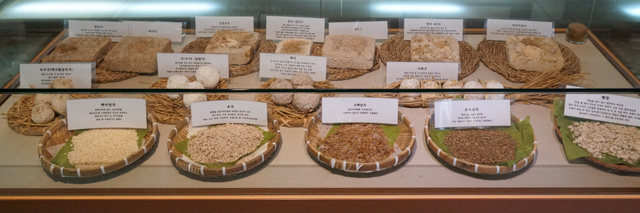
These were examples of malted flour cakes and washed rice grains.
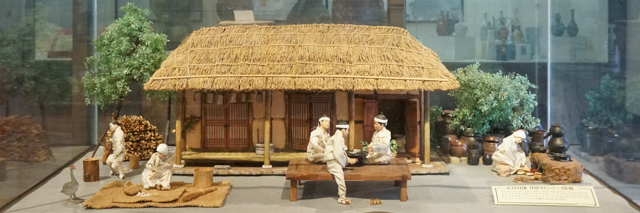
This scene depicted the home brewing process in a household.
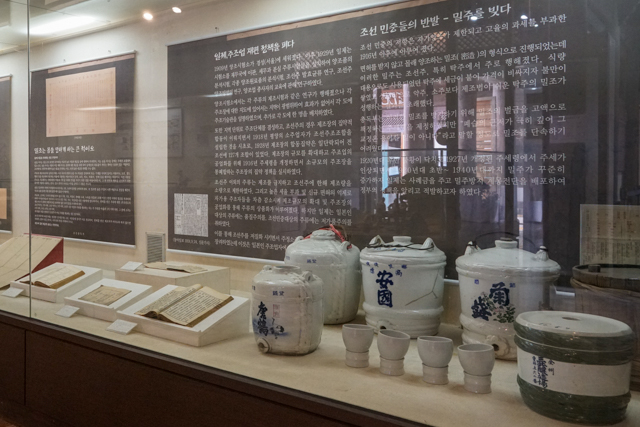
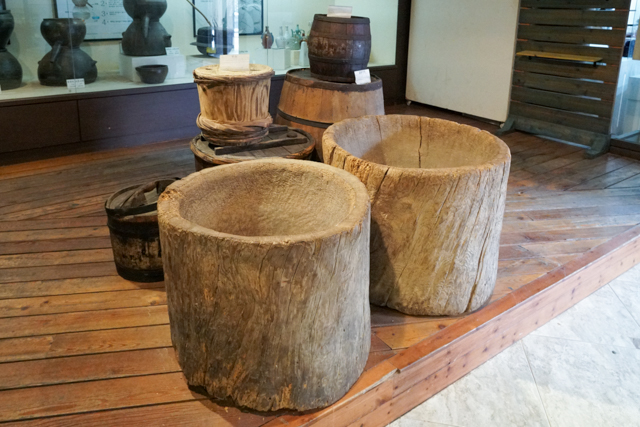
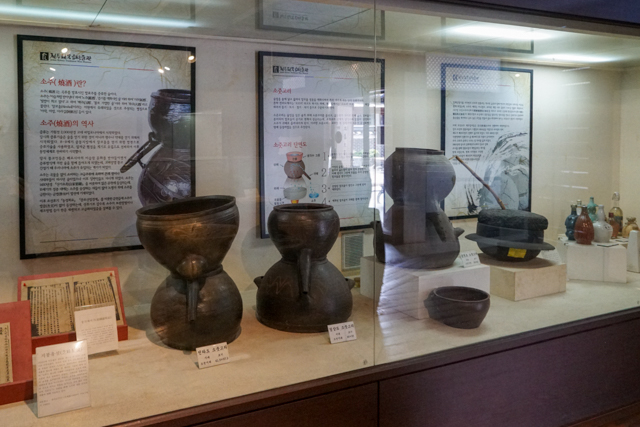
Various equipment used in liquor making was on display.
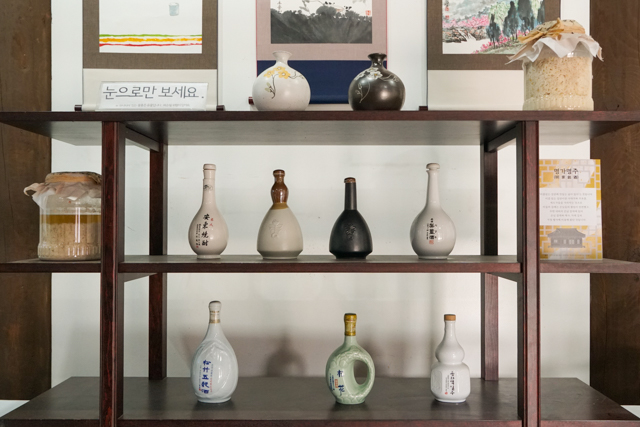
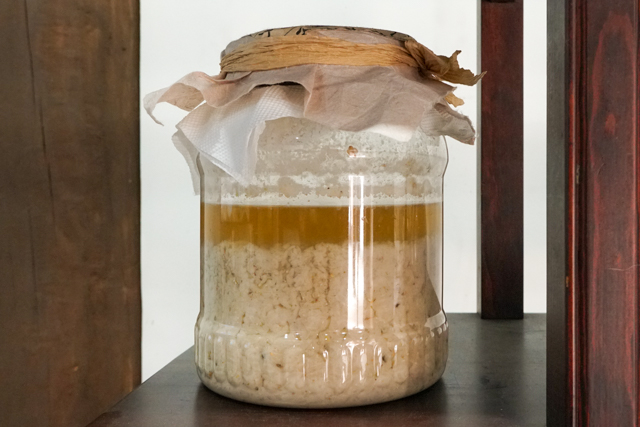
We saw examples of vessels for liquor as well as liquor at various stages of fermentation.
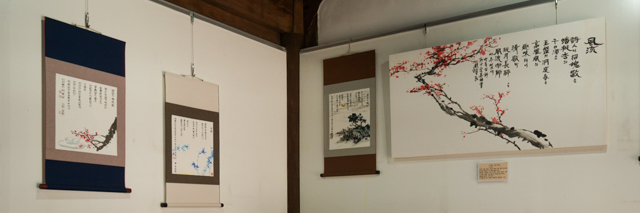
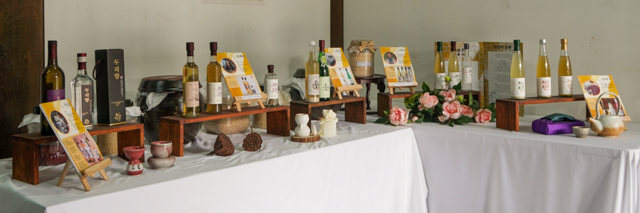
A selection of liquor was available for viewing (but the gift shop was closed).
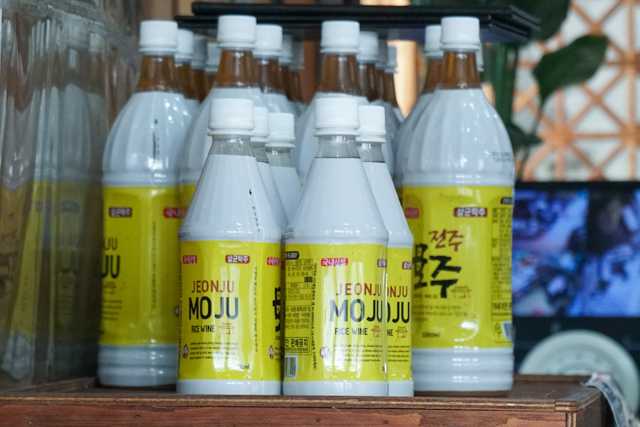
Everywhere in the village (other than the museum), we spotted bottles of Jeonju Moju on sale. It’s a low-alcohol drink based on makgeolli and brewed with herbs and spices, including cinnamon, ginger, jujube, ginseng, and licorice root. It sounded like traditional medicine, and its thick golden-brown colour did not entice us to try it. Funnily enough, we also did not see anyone else buying it; choco pies seemed to be the go-to souvenir.
Pungnamjeong
풍남정, 71-1, Jeon-dong, Wansan-gu, Jeonju-si, Jeollabuk-do, South Korea
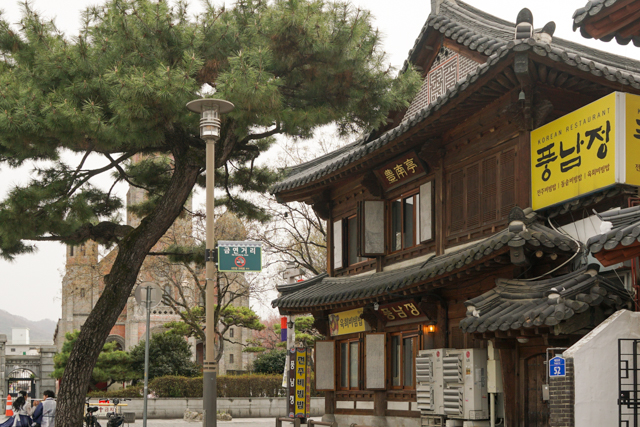
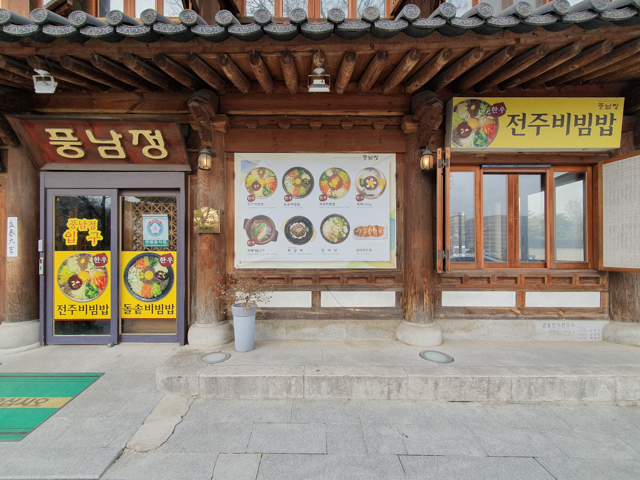
For lunch, we headed back to the start of Taejo-ro to try bibimbap at Pungnamjeong.
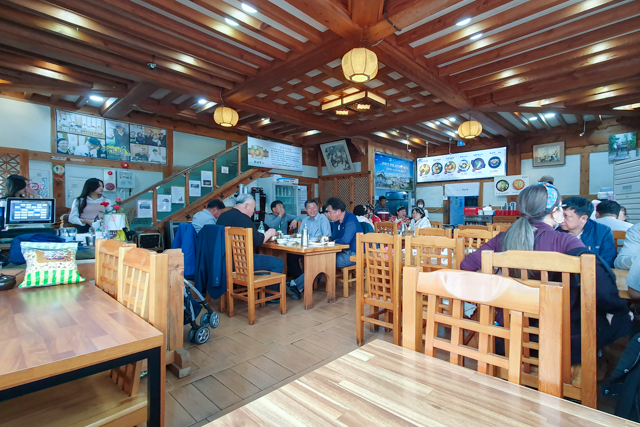
Jeonju is where one of Korea’s national dishes, bibimbap, had its start. The dish consists of rice with a variety of different colourful and nutritious toppings including beef, eggs, bean sprouts, red chillies, and more. Jeonju has an annual bibimbap festival in October to celebrate the dish.
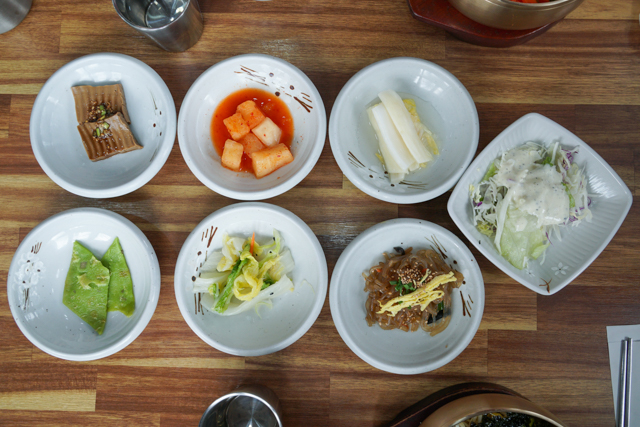
Side dishes: green jeon? Was interesting, acorn jelly was savoury with soy sauce flavour, one of the cabbages was watery but cut through the bold flavours of the bowl while the acidity of the other cut through the richness.
Clockwise from top left:
- Acorn jelly – this had the texture of tofu with a savoury soy sauce-like flavour.
- Kkakdugi – the radish was crunchy and the chilli quite mild.
- Cabbage – this was rather bland, tasting like brined cabbage.
- Cabbage/lettuce coleslaw – this was crunchy and fresh.
- Japchae – the noodles were chewy and savoury.
- Baek-kimchi (white kimchi) – this was lightly seasoned and mild yet very enjoyable.
- Green soybean pancake – this tasted like tofu skin.
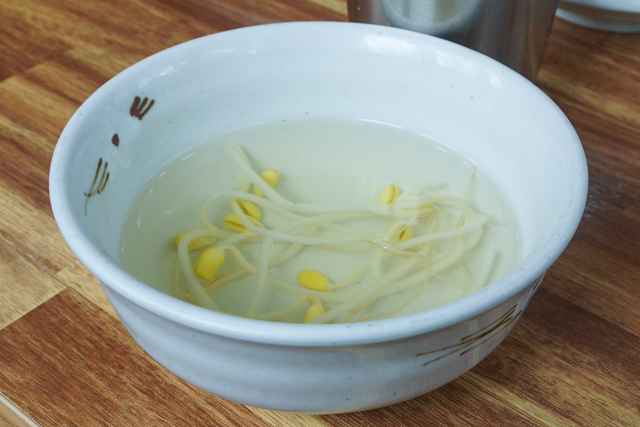
Jeonju is famous for its bean sprout soup, which we received as a side. It was light and clear, with a gentle savoury flavour.
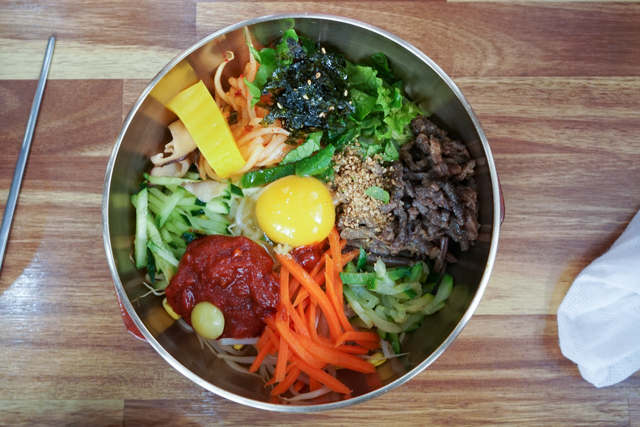
Finally, onto the bibimbap. This was D’s Jeonju Bibimbap (12,000). He enjoyed the variety of flavours and textures, the meaty umami notes that the mushrooms leant the otherwise vegetarian dish.
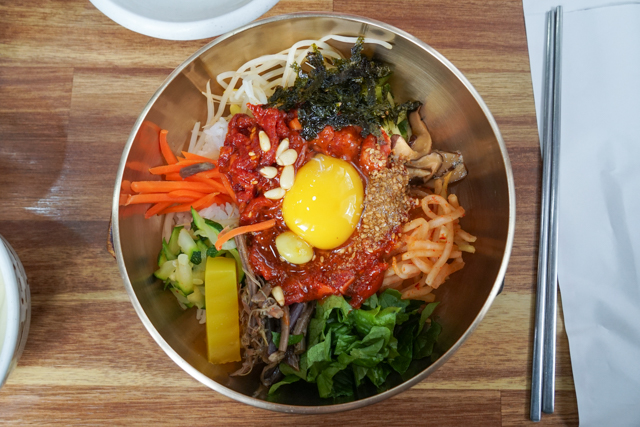
This was my Tartare Bibimbap (15,000 won). Raw beef is a weakness and here, it was enjoyable, although its texture and flavour were lost after mixing with the other components. Otherwise, the sauce delivered a pleasing warmth that was spicy without masking the flavour of the ingredients.
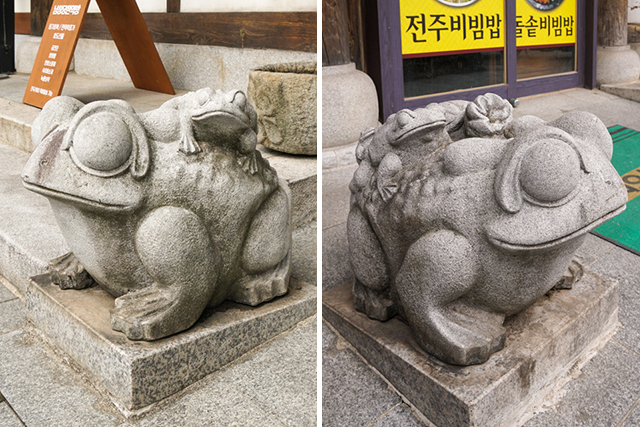
Jeonju Chocopie
전주수제초코파이 한옥마을본점, 271-5 Gyo-dong, Wansan-gu, Jeonju-si, Jeollabuk-do, South Korea
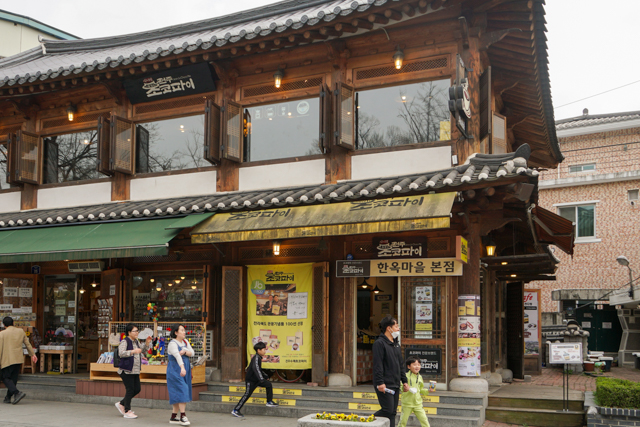
Jeonju Choco Pie is the second of the two main brands of choco pie in the village. Here, the variety was smaller, focusing on the regular chocolate version as well as blueberry and pumpkin.
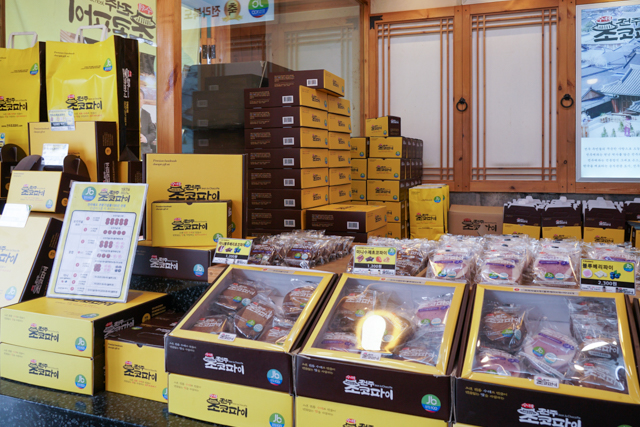
The ground floor was the shop, and we later discovered that the staircase at the back led to a cafe upstairs rather than a store room as we thought. As with many locations in Korea, signage could have been better.
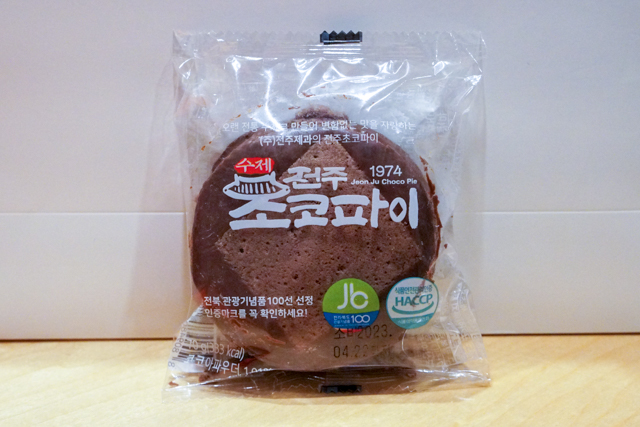
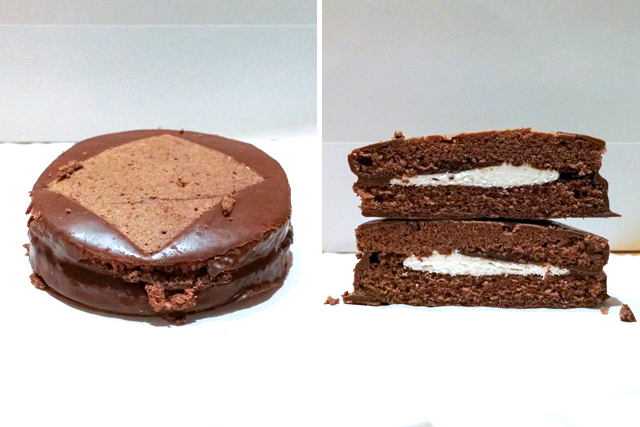
This is the Original Choco Pie, featuring chocolate cake sandwiching a marshmallow and jam centre. We preferred this company’s chocopies to PNB, due to the even lighter and fluffier cake component that dissolved in the mouth with a rich chocolate flavour. The thin layer of marshmallow and jam brought just enough sweetness and variety for balance.
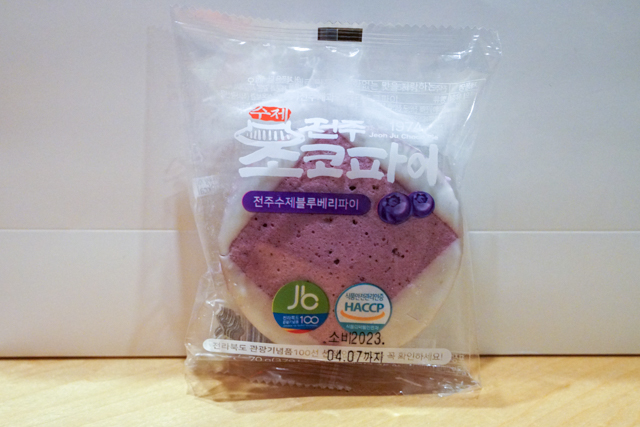
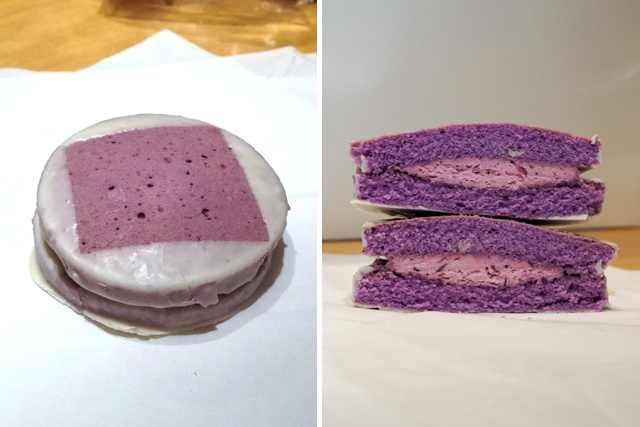
This is the Jeonju Homemade Blueberry Choco Pie featuring two blueberry cakes sandwiching a centre of blueberry cream and dipped in white chocolate. We were pleasantly surprised by the extent we enjoyed this choco pie. The blueberry flavour came through bright and natural, with balanced sweetness and acidity. The cake itself was a beautiful purple colour yet light and airy. We didn’t even mind the white chocolate, which we’re not always keen on.
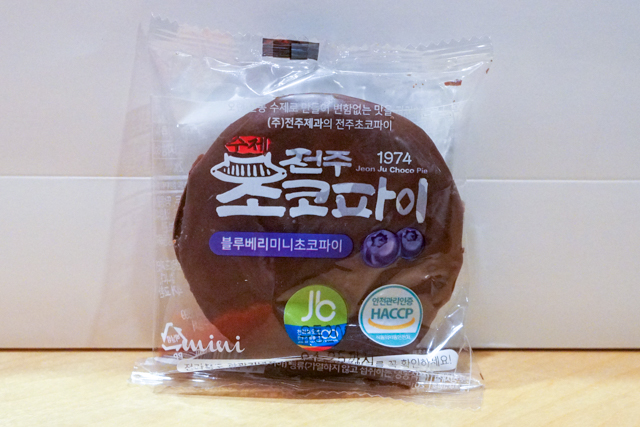
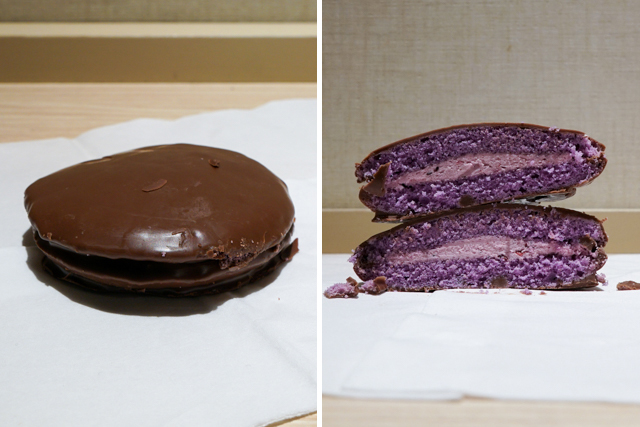
This Jeonju Mini Blueberry Choco Pie was a mini version of the previous pie covered in milk chocolate rather than white chocolate. We preferred this one as the darker chocolate added depth to the sweetness, making it our favourite of the five we picked up.
Jeonju Crafts Exhibition Hall
전주공예품전시관, 15 Taejo-ro, Wansan-gu, Jeonju-si, Jeollabuk-do, South Korea
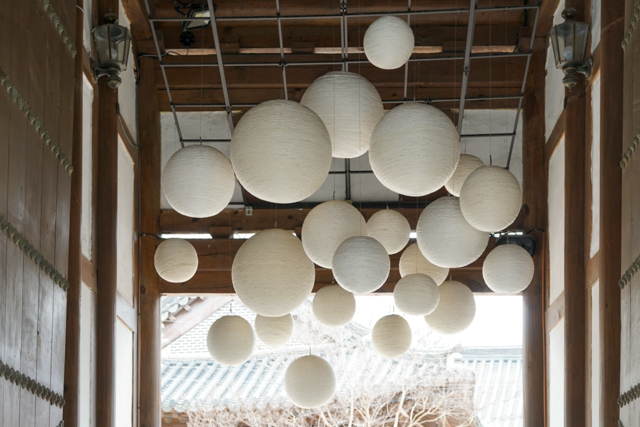
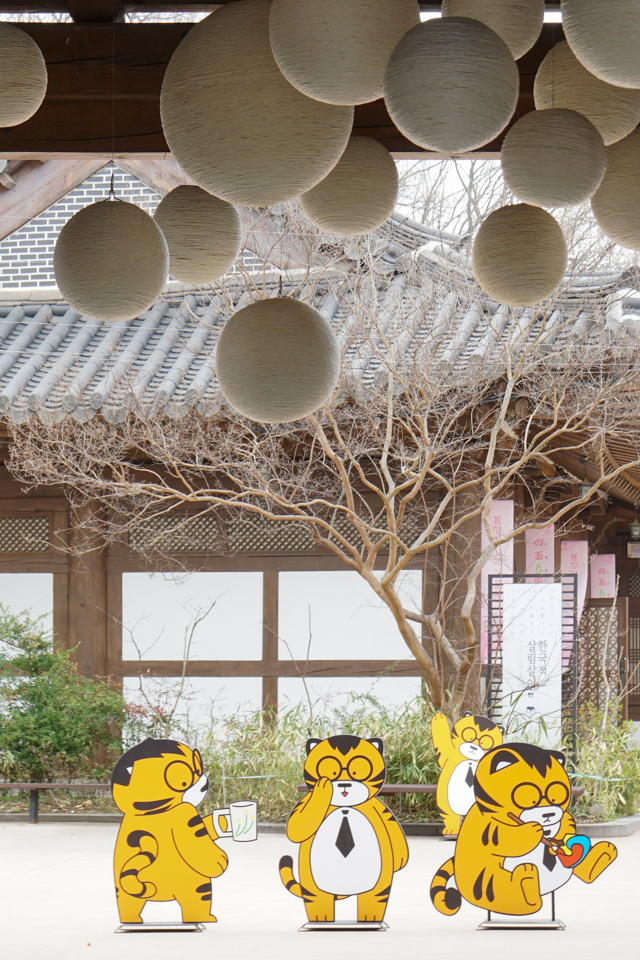
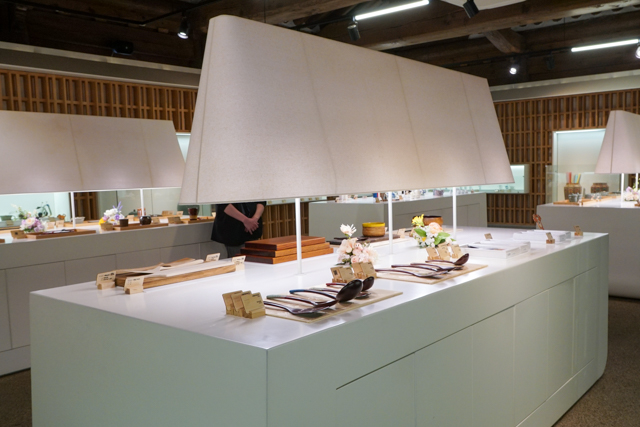
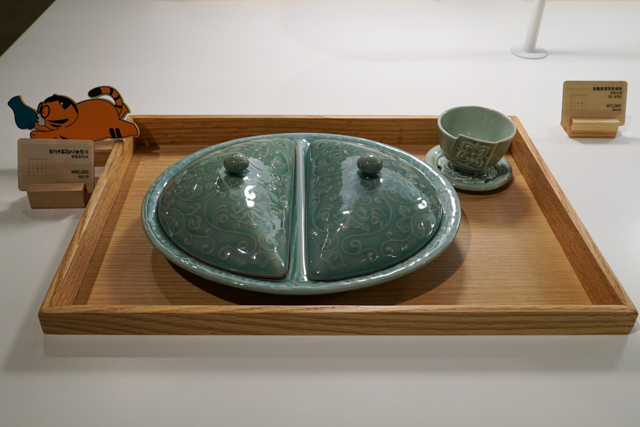
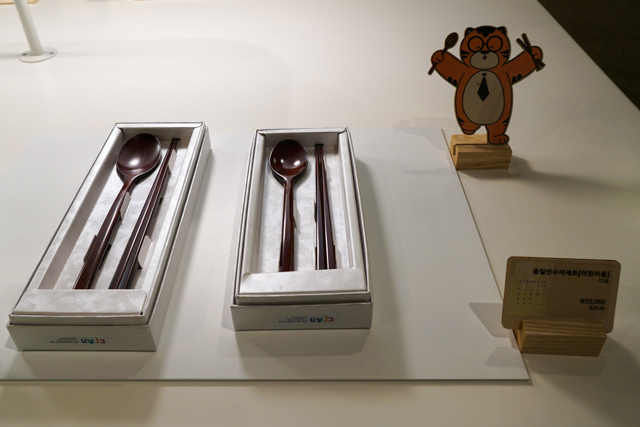
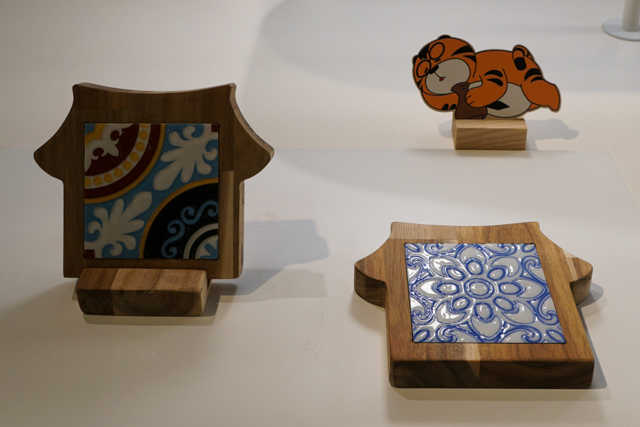
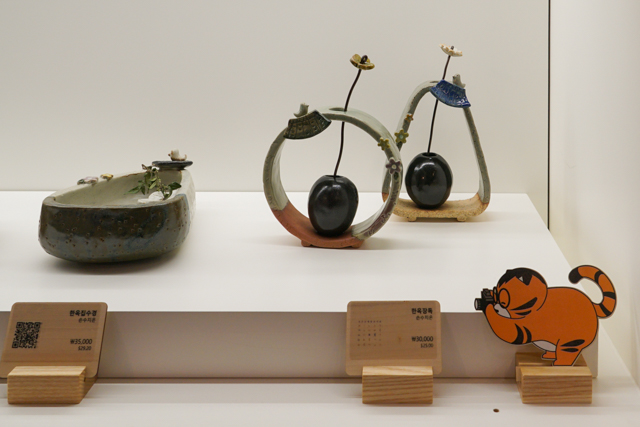
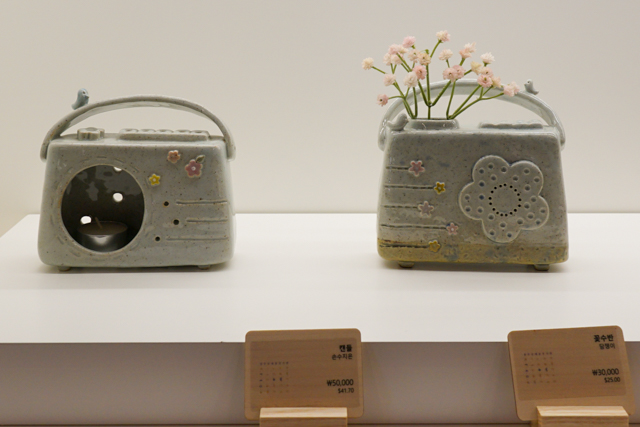
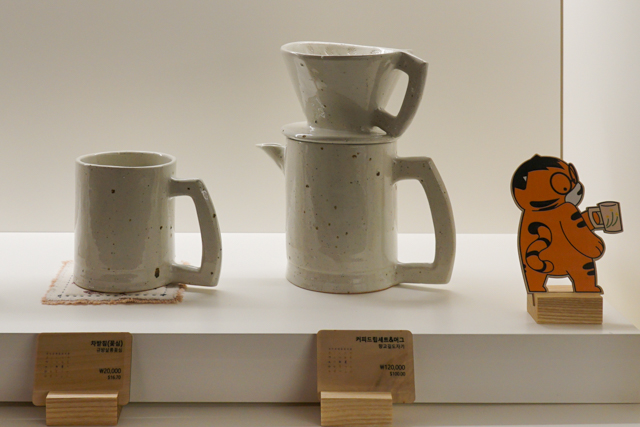
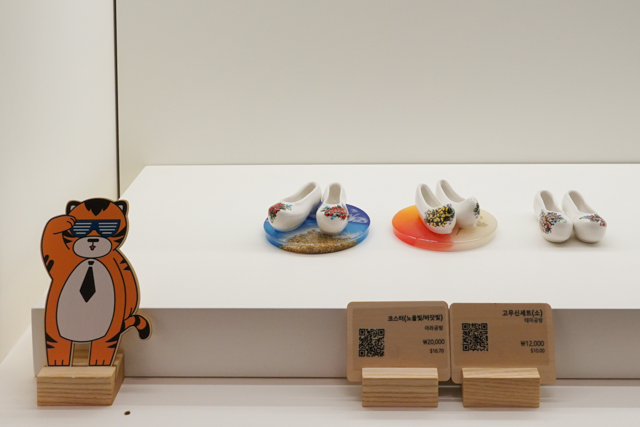
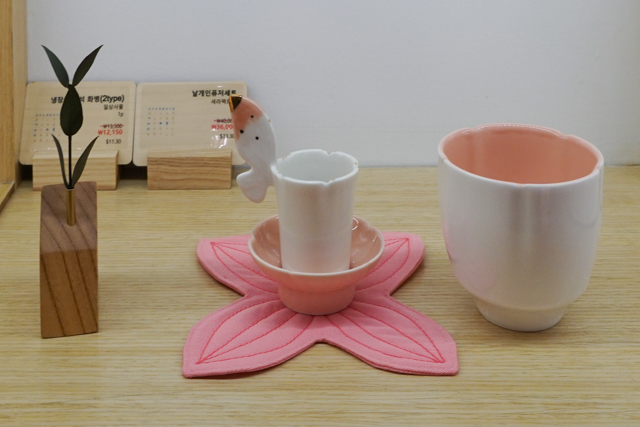
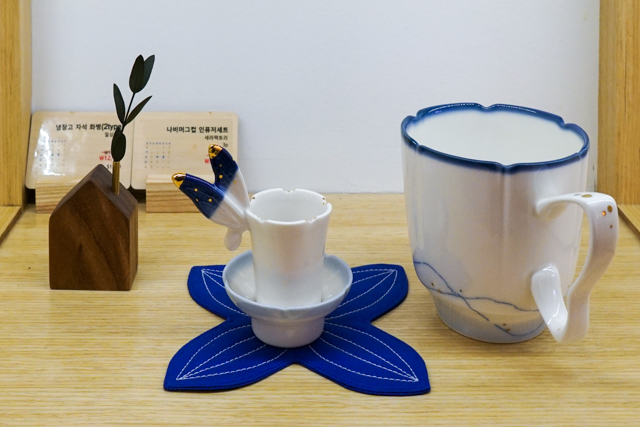
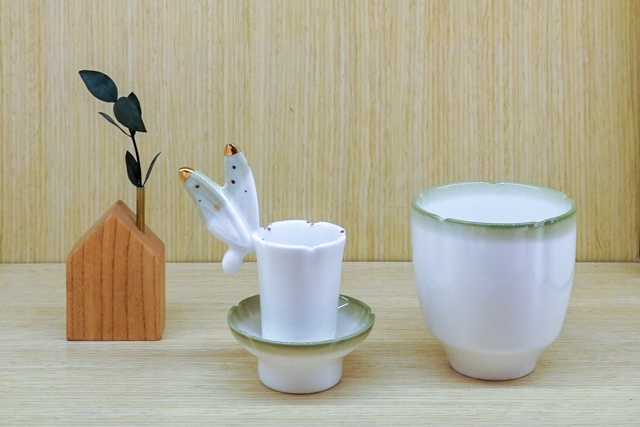
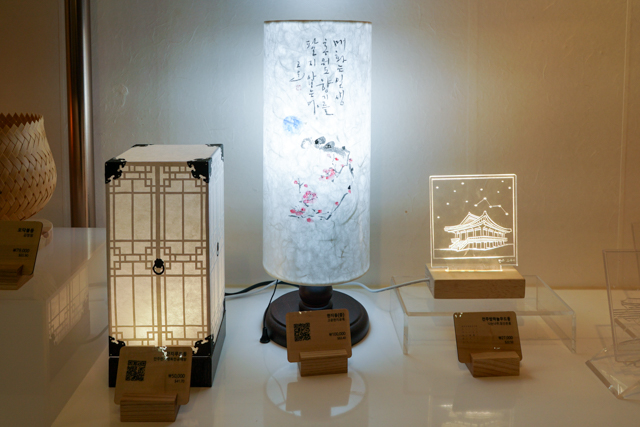
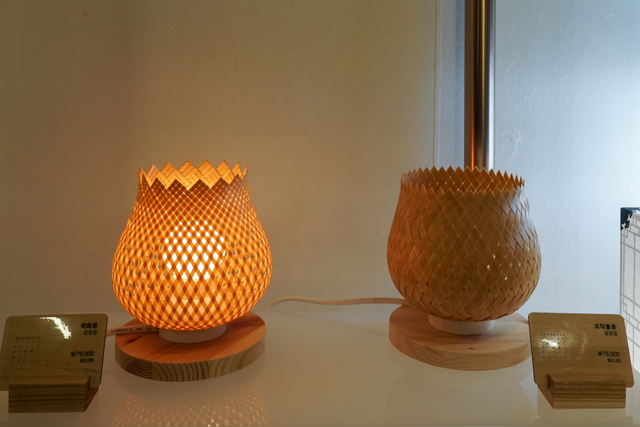
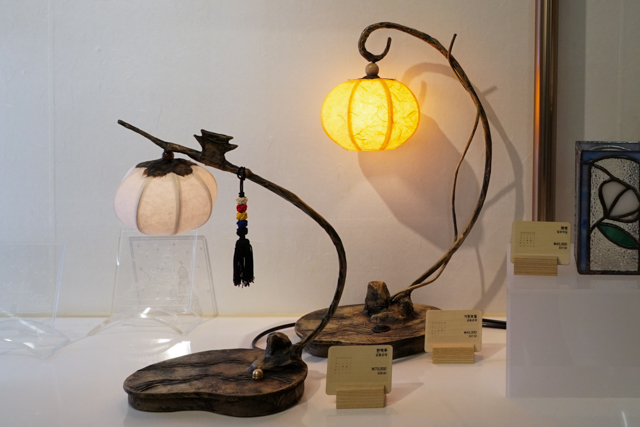
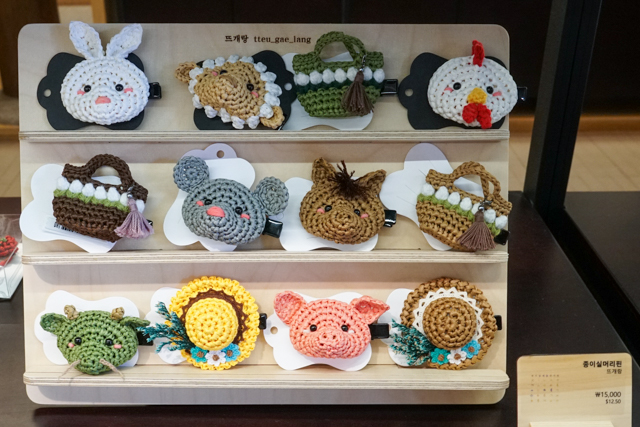
The Jeonju Crafts Exhibition Hall promotes the beauty of traditional Korean crafts. We view an exhibition of creative works from up-and-coming artists and designers.
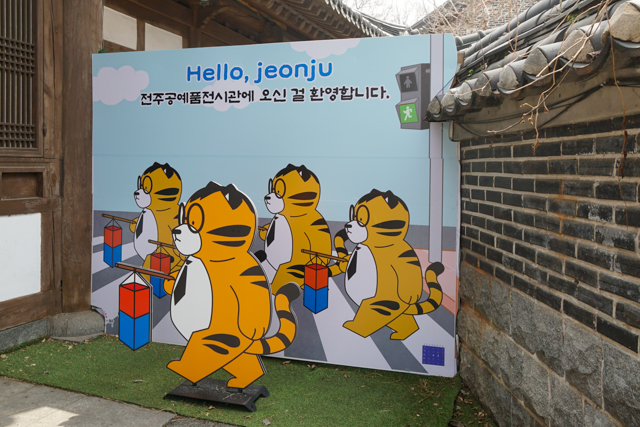
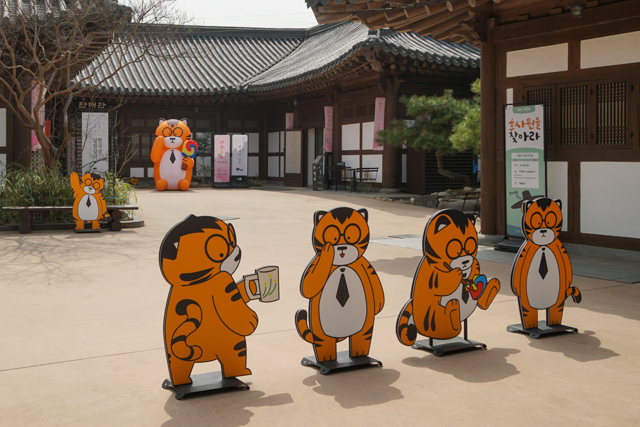
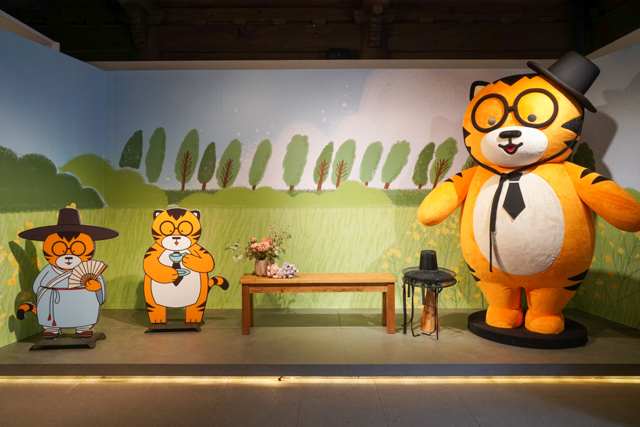
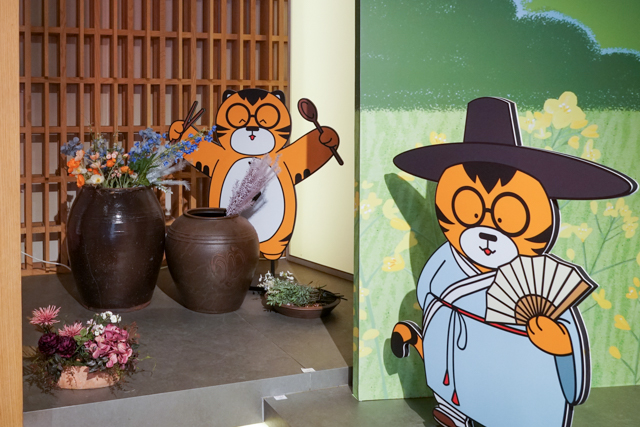
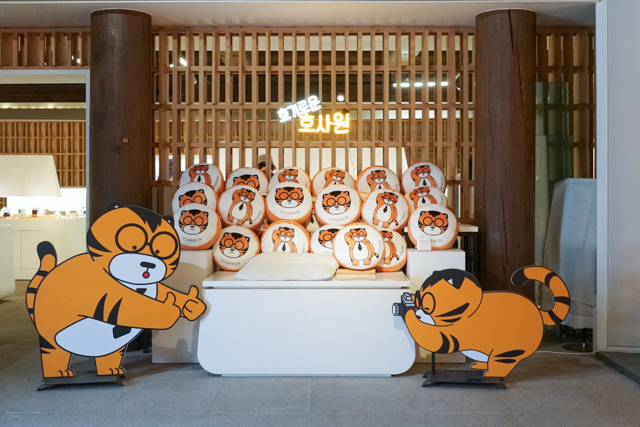
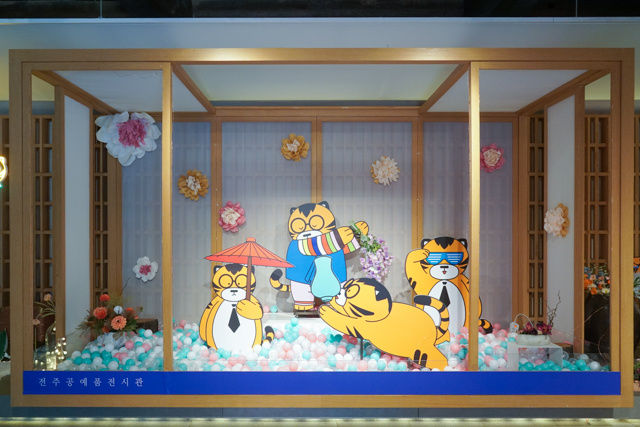
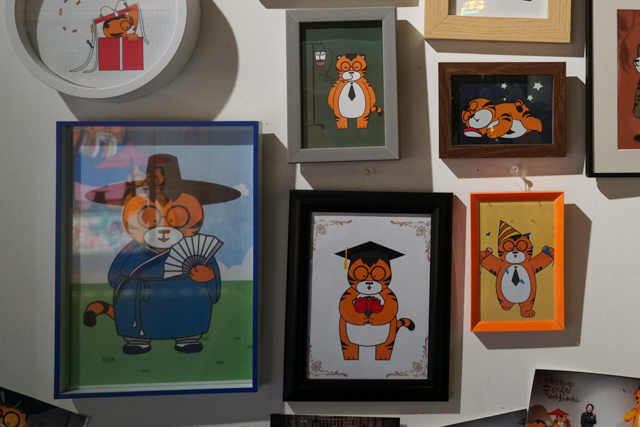
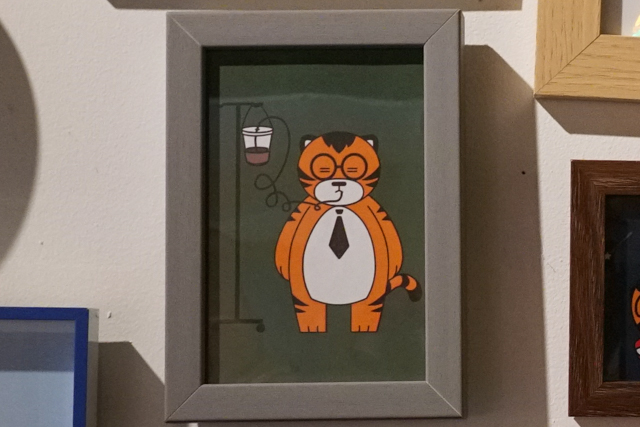
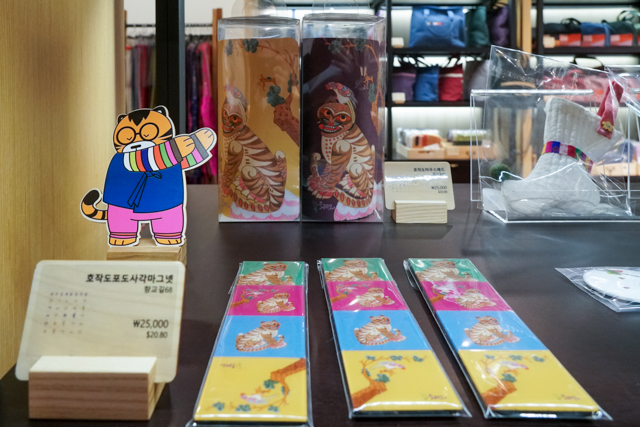
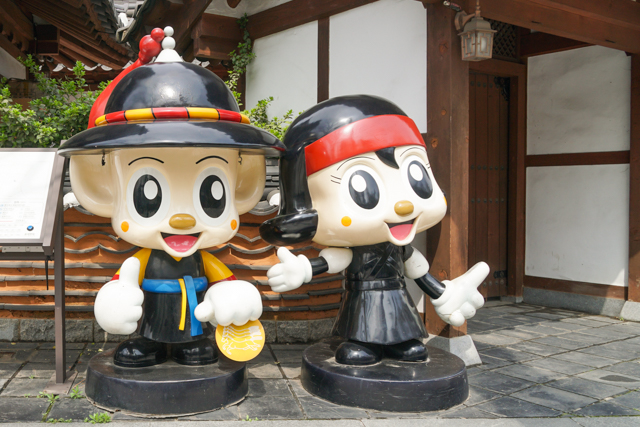
But not before we spend some time with their cute tiger mascot.
Gyodong Croquette
교동고로케, 266-3, Gyo-dong, Wansan-gu, Jeonju-si, Jeollabuk-do, South Korea
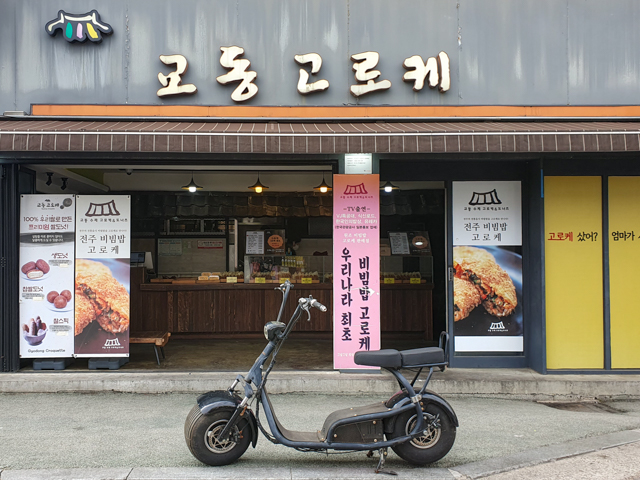
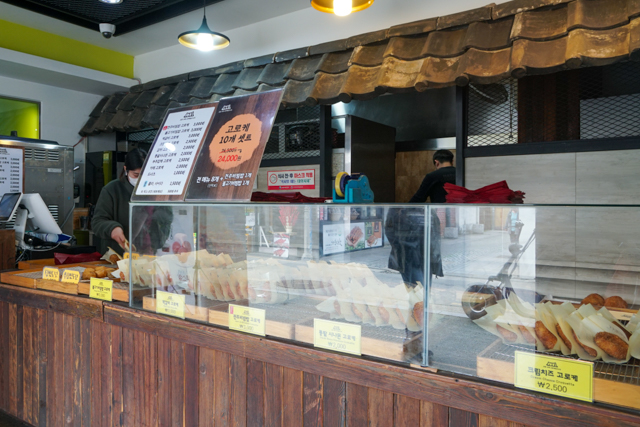
We stumbled upon Gyodong Croquette, which specialised in more of those doughnuts we had for breakfast.
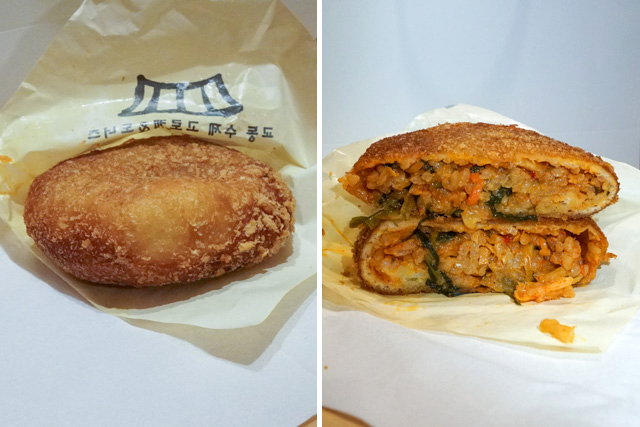
Jeonju Bibimbap Croquette (3,000 won). This was vegetarian, yet we enjoyed the flavourful combination of noodles with a variety of vegetables : vegetables and the manageable warmth of the chilli.
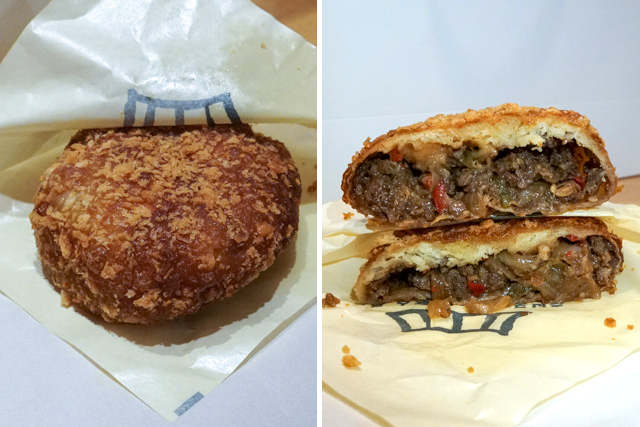
Tteokgalbi Bibimbap Croquette (3,000 won). In contrast to the previous croquette, the beef ribs gave this one an enjoyable, rich meaty flavour that was complemented by caramelised onions and flecks of chilli.
Babino
바비노, 88 Omokdae-gil, Jeonju-si, Jeollabuk-do, South Korea
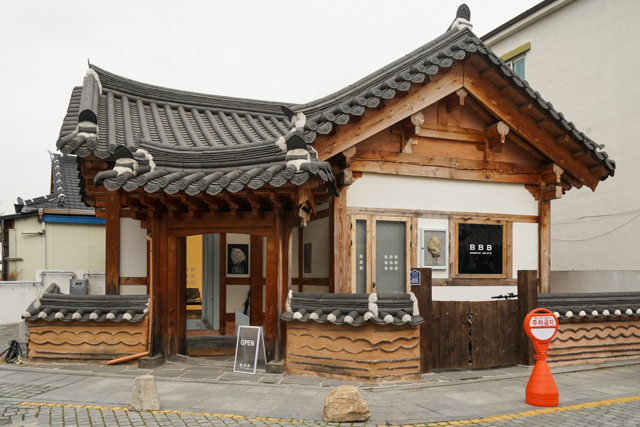
A minute or so down the road, Babino lured us in with the prospect of gelato.
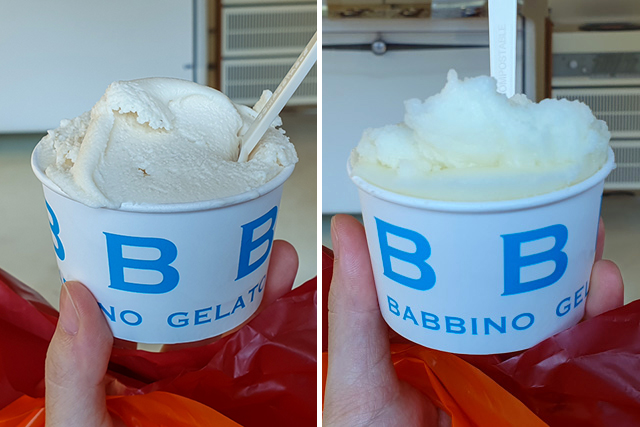
We ordered two scoops (6,000 per scoop):
- Peachy oolong (left): This was sweet and creamy. While the peach and oolong were both evident, it was less strong than the version from Ice Kirin Bar in Sydney.
- Yujya (right): This had a bright yuzu flavour, and was about as salivatingly sour as the best of the yuzu gelato we’ve enjoyed in Sydney and Japan.
Omokdae gil
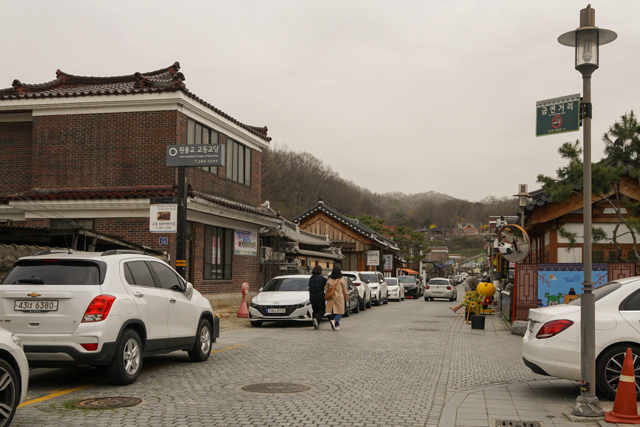
Turning the corner onto Omokdae-gil, we spot Jaman Mural Village at the end of the road. Just across and up the road from the Hanok Village, its walls are filled with murals from cartoon and anime characters, famous movie stars and beautiful flowers and landscapes.
Jeonju Matbaegi
82-12 Gyo-dong, Wansan-gu, Jeonju-si, Jeollabuk-do, South Korea
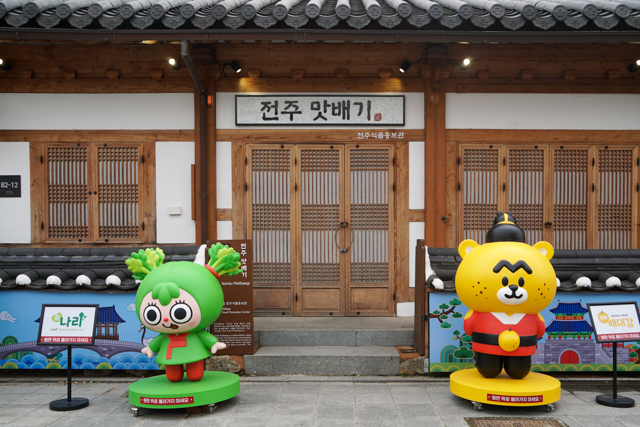
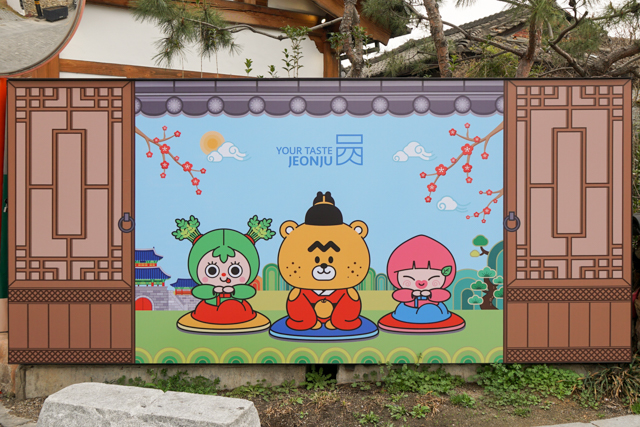
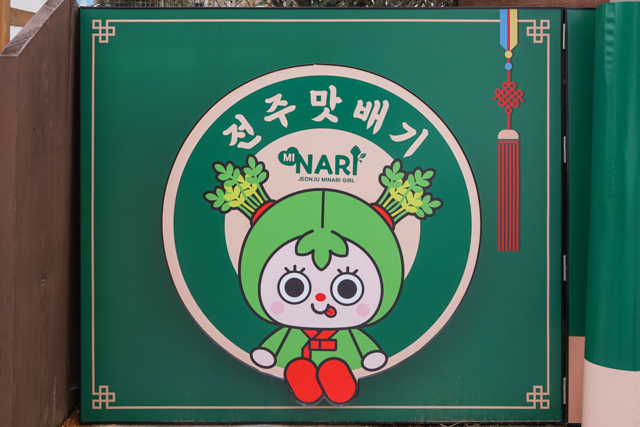
Jeonju Matbaegi is supposedly a small exhibition space to promote ‘The Taste of Jeonju’ where one can taste and try out foods made using agricultural resources grown in Jeonju. While they advertise to be open between 1000-1800, with a break time between 1200-1300, we stopped by at 1430 to find it closed. You’ve got to love places that are just closed randomly.
Taejo-ro
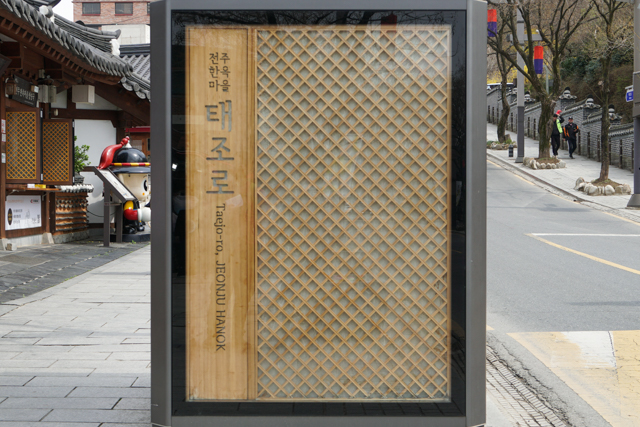
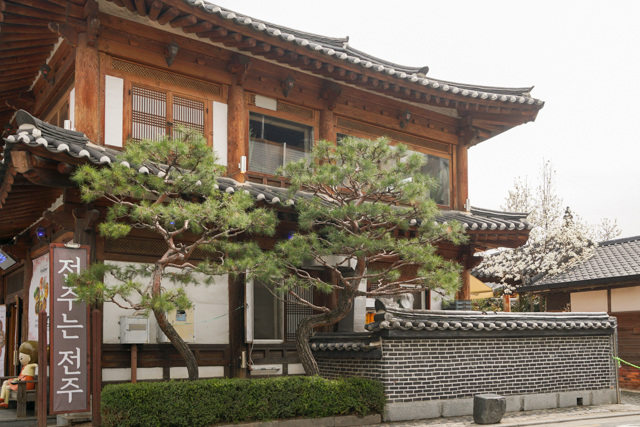
This was Hangukgwan, another popular bibiimbap store.
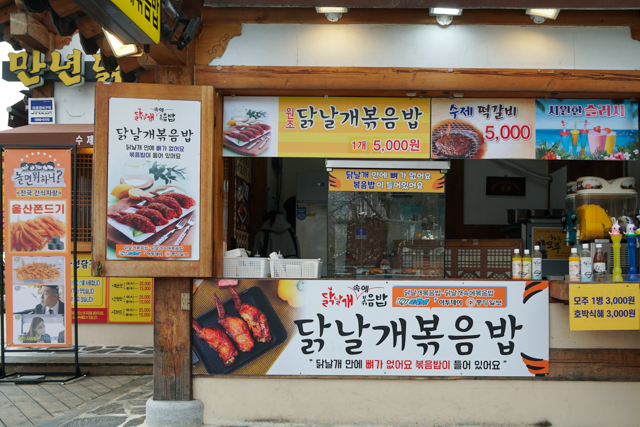
Babdag sold stuffed chicken wings.
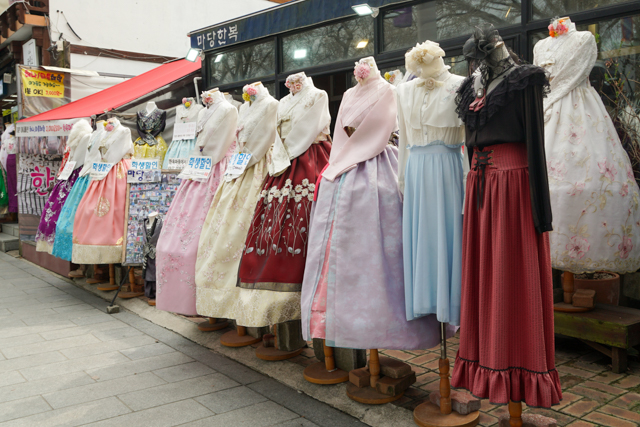
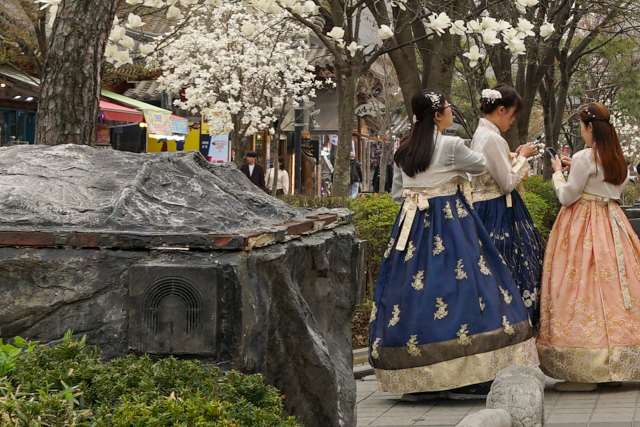
There was an abundance of hanbok rental stores.
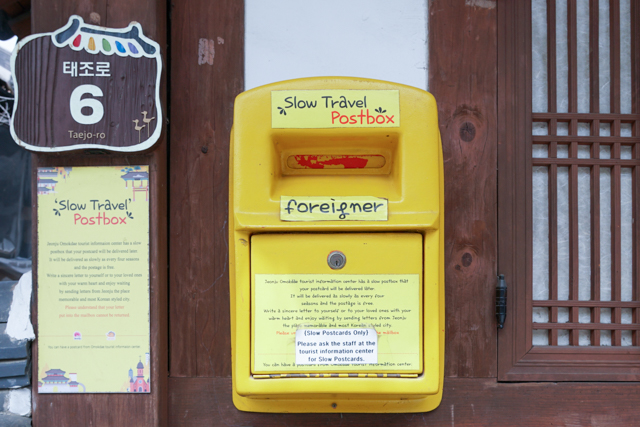
At the Tourist Information Centre, which unsurprisingly was also closed, this ‘Slow Travel Postbox’ encouraged visitors to pick up a postcard from the centre and then drop it into this box free of charge with the intent that after the tourist has returned to their home country, they will be pleasantly surprised by the postcard (whenever they chose to post it). Unfortunately, there was no where to find the postcards.
Hanok Village Rest Area
16-17 Pungnam-dong 3(sam)-ga, Wansan-gu, Jeonju-si, Jeollabuk-do, South Korea
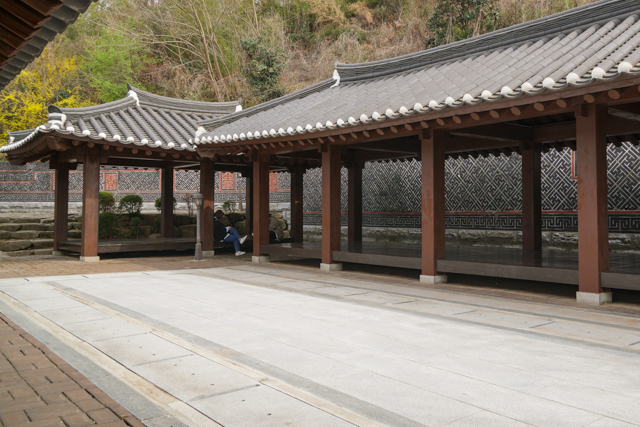
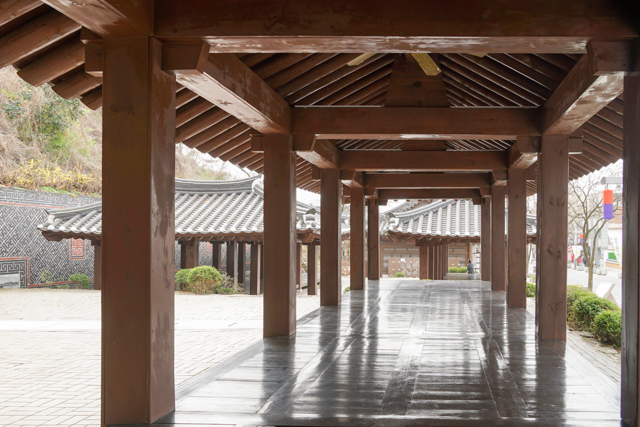
We stopped by the rest area at the base of Omokdae before making our way up the hill.
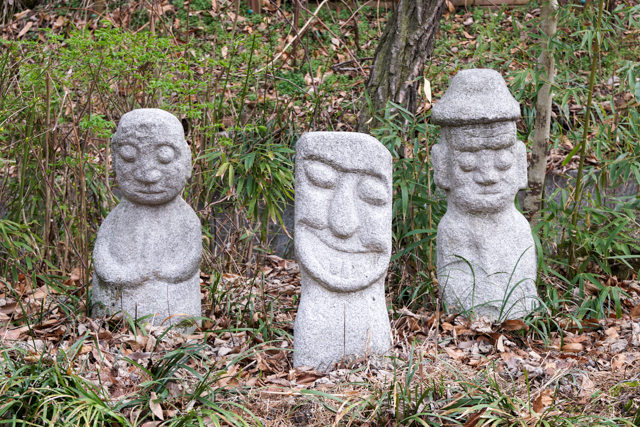
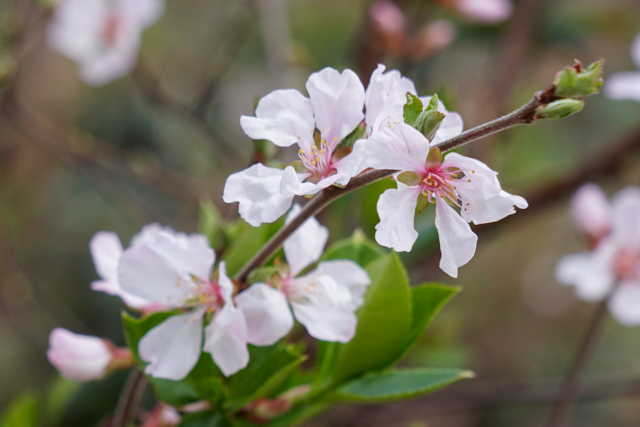
Omokdae Pavilion
오목대, 55 Girin-daero, Wansan-gu, Jeonju-si, Jeollabuk-do, South Korea
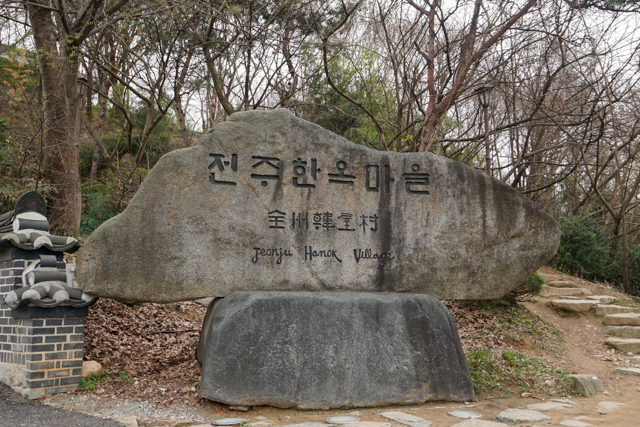
The wooden staircase near the Exhibition Center was out of commission, so the only way up was to circle around to climb the slope near the busy Girindae-ro. This is one of the main entrances to the village.
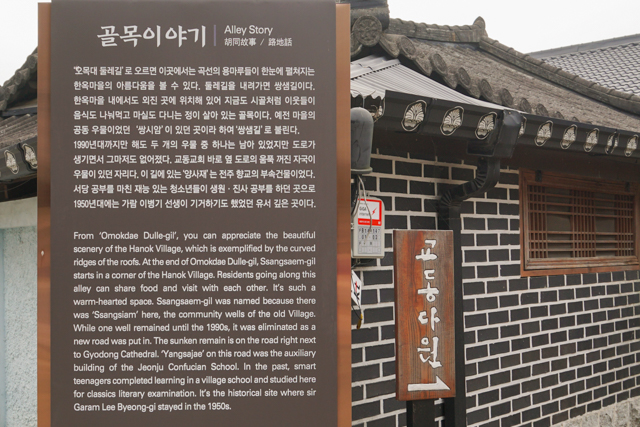
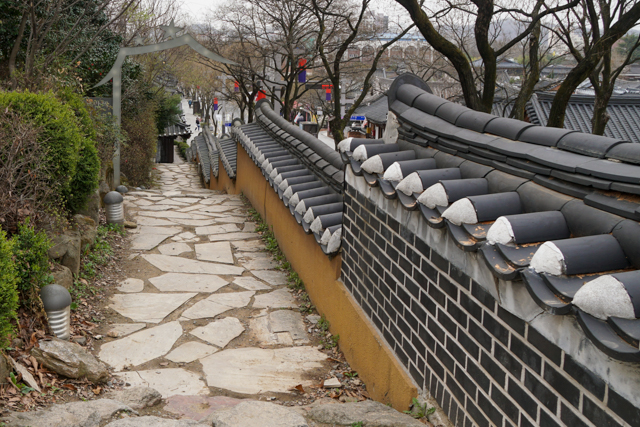
From ‘Omokdae Dulle-gil’, you can appreciate the beautiful scenery of the Hanok Village, which is exemplified by the curved ridges of the roofs. At the end of Omokdae Dulle-gil, Ssangsaem-gil starts in a corner of the Hanok Village. Residents going along this alley can share food and visit with each other. It’s such a warm-hearted space. Ssangsaem-gil was named because there was ‘Ssangsiam’ here, the community wells of the old Village. While one well remained until the 1990s, it was eliminated as a new road was put in. The sunken remain is on the road right next to Gyodong Cathedral. ‘Yangsajae’ on this road was the auxiliary building of the Jeonju Confucian School. In the past, smart teenagers completed learning in a village school and studied here for classics literary examination. It’s the historical site where sir Garam Lee Byeong-gi stayed in the 1950s.
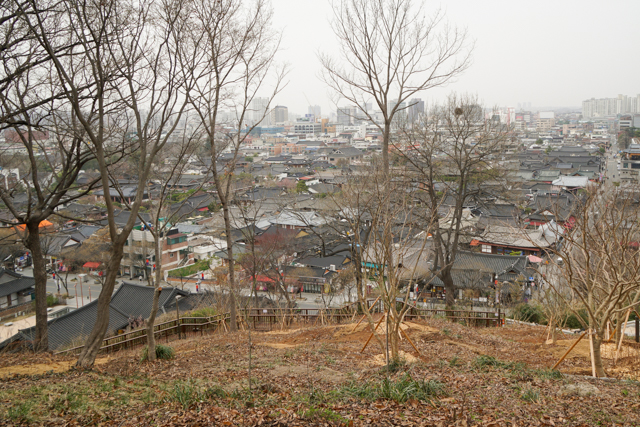
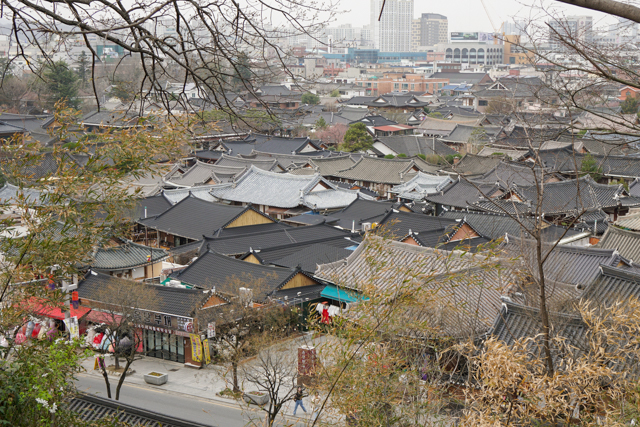
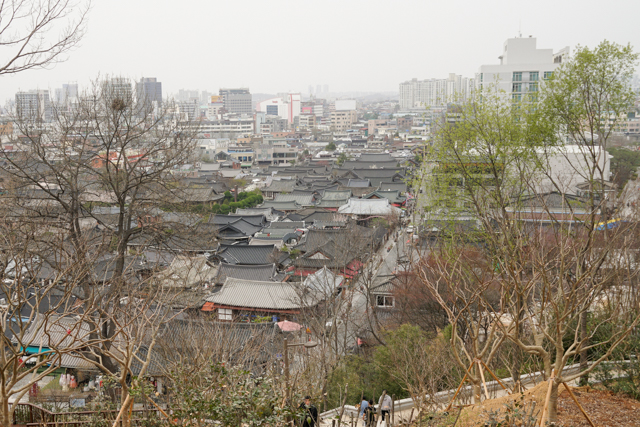
Here, we could view the village from above.
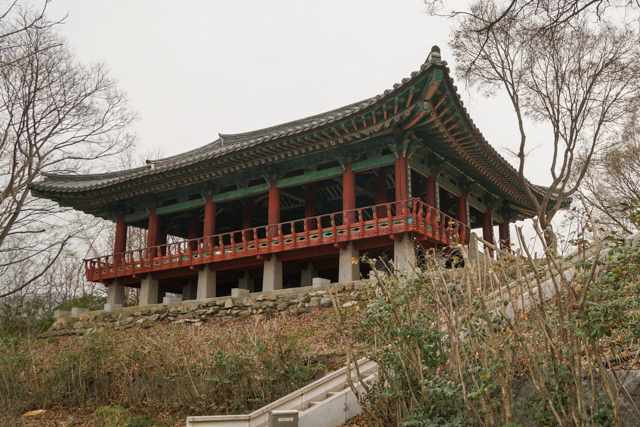
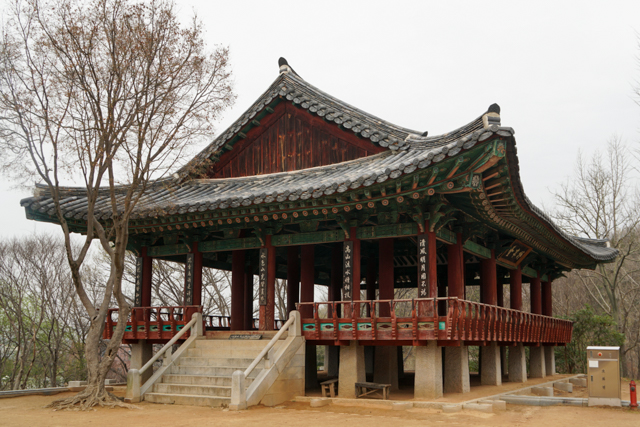
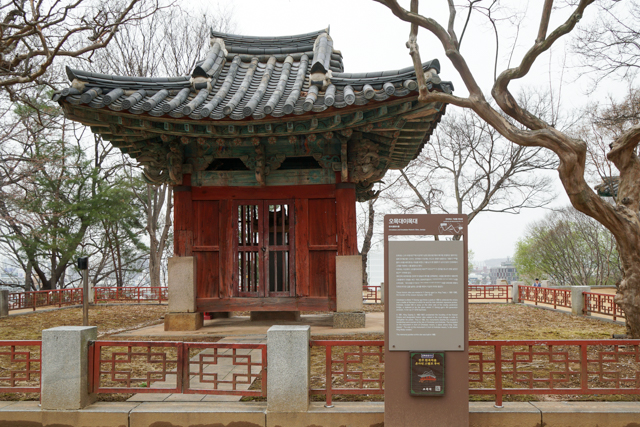
These historic sites are related to Yi Seong-gye (i.e. King Taep, r. 1392-1398), the founder of the Joseon dynasty (1392-1910). Omokdae is where Yi Seong-gye threw a party in 1380 to celebrate the victory over a battle at Narnwon in which he and his men defeated Japanese pirates. Imokdae, located 400 m away on the other side of the nearby pedestrian bridge, is believed to be the place where Yi Seong-gye’s 41h-generatton ancestor, Yi An-sa (?-1274) had lived.
In 1897, King Gojong (r. 1863-1907) proclaimed the foundng of the Korean Empire and designated historic sites related to the royal lineage in order to strengthen his power. Thus in 1900, two monuments bearing the emperor’s handwriting were erected at the site of Omokdae and Imokdae. The inscription on the monument in front of Omokdae means, ‘a place where King Taejo stayed’. The one on the monument in front of Imokdae means,’a site where King Mokjo resided’.
The memorial pavilion at the site was built in 1988.
Kakao Friends Jeonju Store
카카오프렌즈 전주한옥마을점, 74 Jeon-dong, Wansan-gu, Jeonju-si, Jeollabuk-do, South Korea
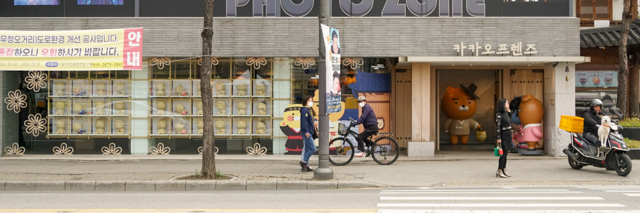
Kakao Friends is everywhere in Korea and they have a special store in Jeonju near the Jeondong Cathedral entrance to the Hanok Village.
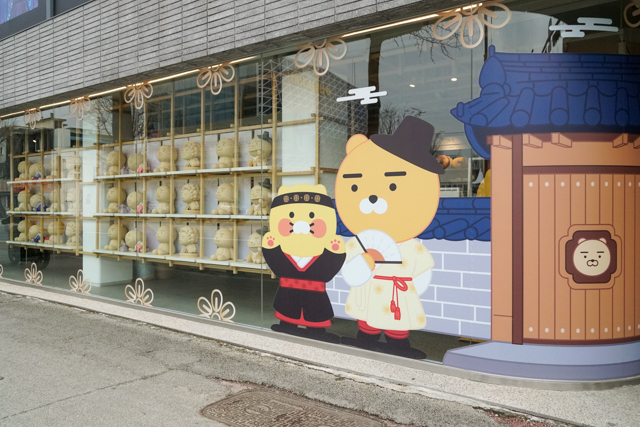
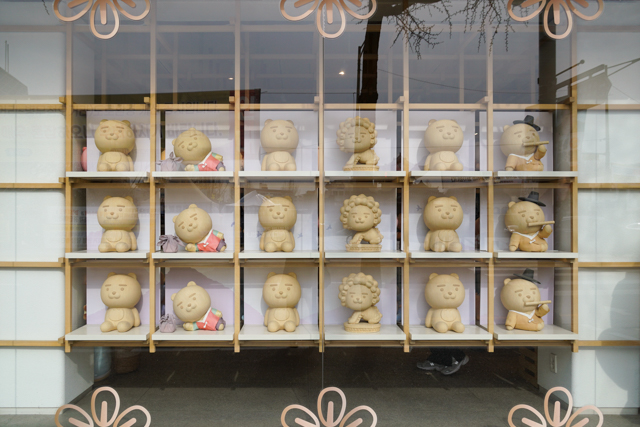
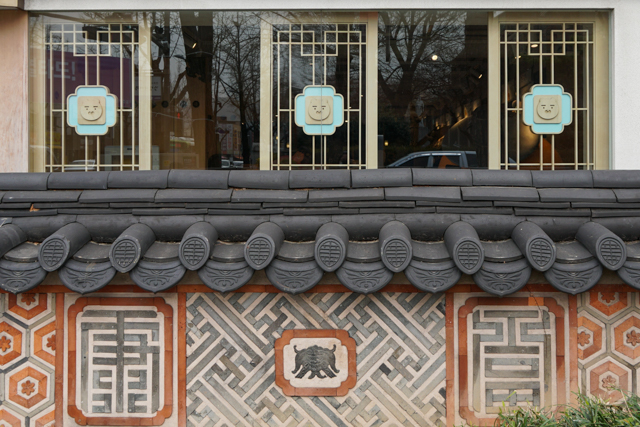
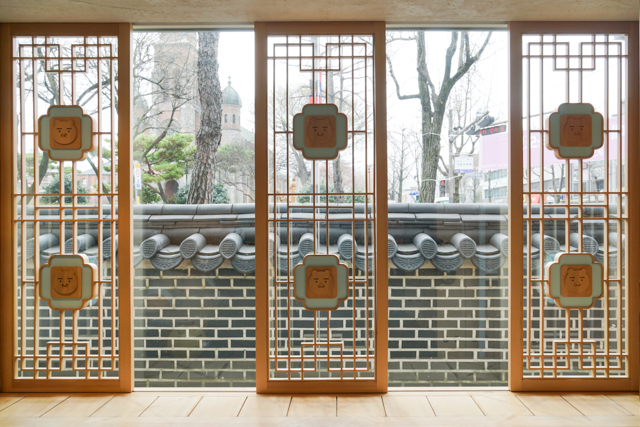
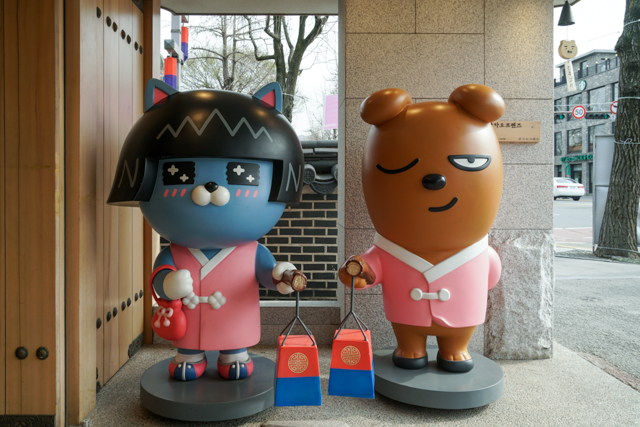
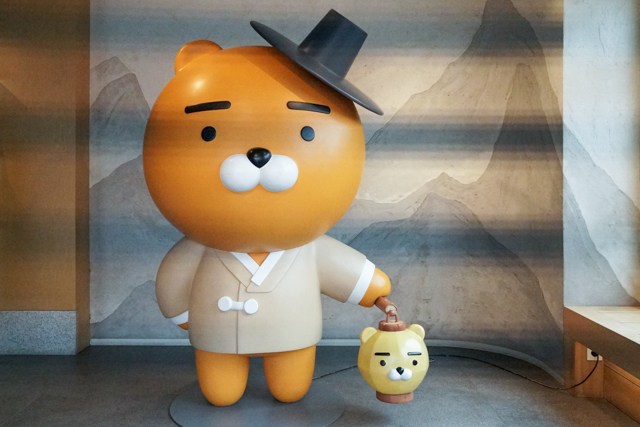
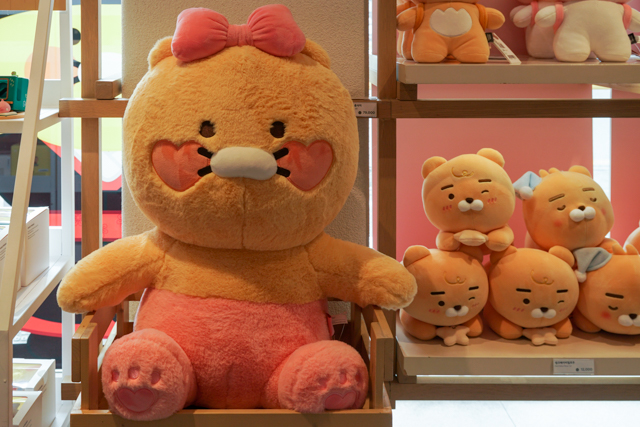
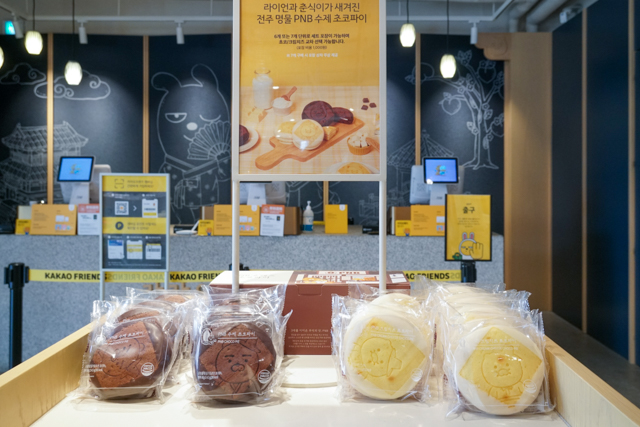
There were two limited edition PNB Choco Pies (chocolate and cream cheese) imprinted with Ryan and Choonsik available for purchase, along with a limited edition box.
Pungnammun Gate
풍남문, 1 Pungnammun 3-gil, Wansan-gu, Jeonju-si, Jeollabuk-do, South Korea
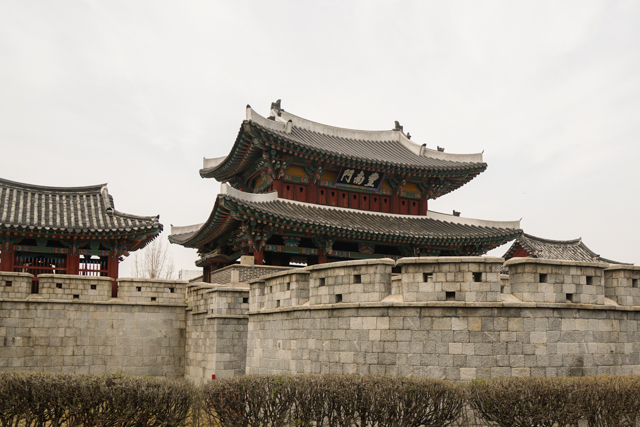
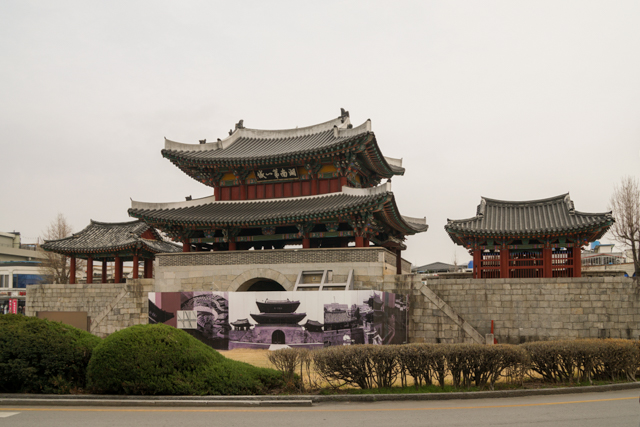
Pungnammun is the restored stone-and-wood remnant of Jeonju fortress walls. Now, it functioned as a giant traffic island.
Jeondong Cathedral
전동성당, 51 Taejo-ro, Wansan-gu, Jeonju-si, Jeollabuk-do, South Korea
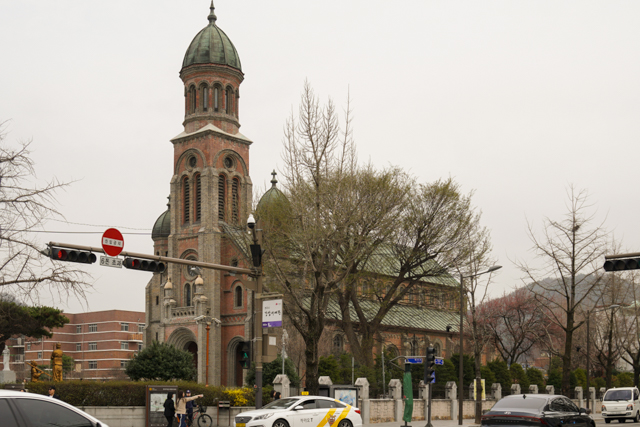
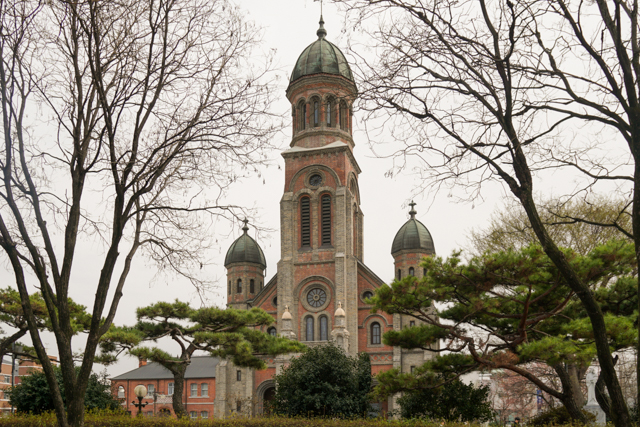
Jeondong Cathedral is an important Catholic Church in the Jeonju city centre.
Ediya Coffee
이디야커피 전주한옥마을점, 130-1 Paldal-ro Jeon-dong, Wansan-gu, Jeonju-si, Jeollabuk-do, South Korea
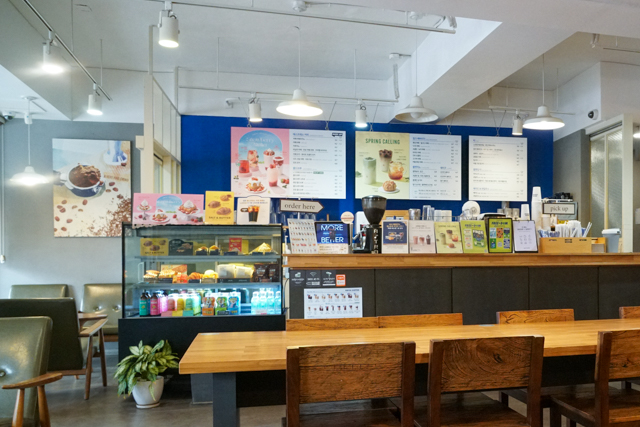
We stopped by an Ediya Coffee as we waited for the bus to take us back to Jeonju Station.
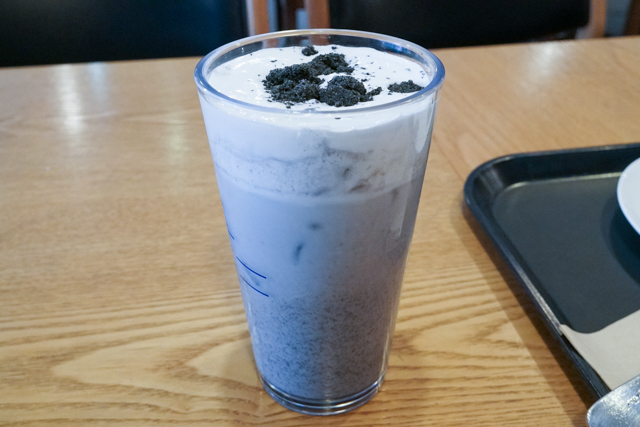
Black Sesame Cream Caffe Latte (4,700). It had an enjoyable black sesame flavour with a subtle grittiness from the powder, as well as pronounced sweetness. It was a far cry from the sesame latte we enjoyed from Yeonnam Bangagan at Seoul Station.
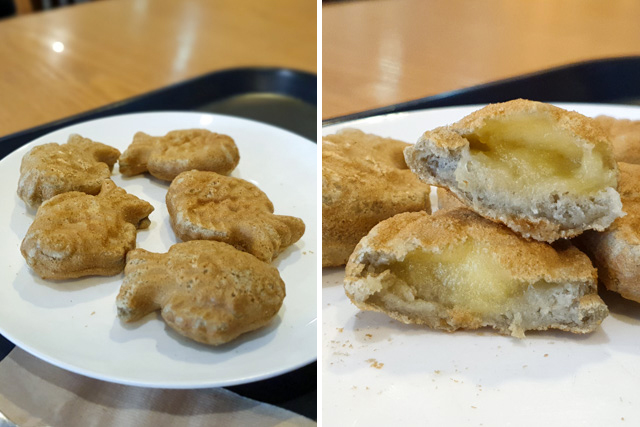
Black Sesame Bungeo-ppang (2,500 won, custard cream). Initially expecting a single piece, we were pleasantly surprised to discover there were five mini pieces instead. Each piece was crisp on the exterior with the black sesame that was embedded into the dough coming through on tasting. It had a pleasant nuttiness that complemented the sweetness of the smooth custard well.
Seoul
Jung-gu
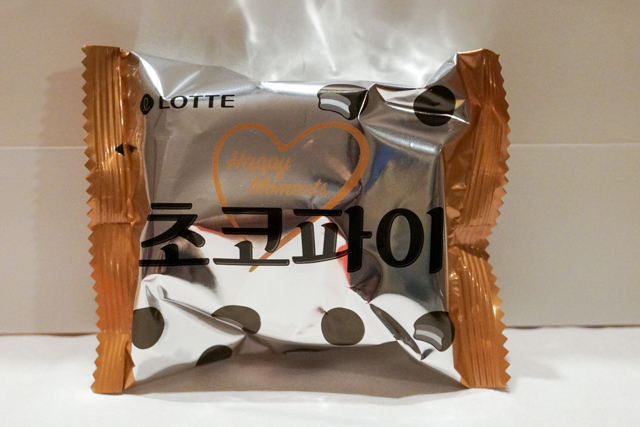
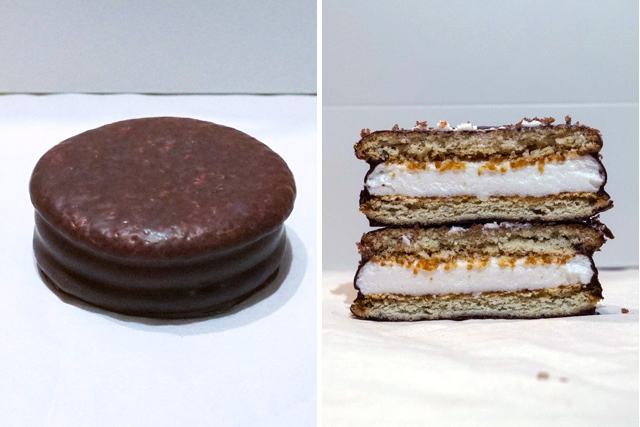
Back at our hotel in Seoul, we tried a Lotte Chocopie to remind ourselves of how it compared with the less mass-produced choco pies we’d tried from Jeonju. As we thought, the Lotte Chocopie was more structurally sound, with a denser, almost biscuit-like quality to the cake, while the layer of marshmallow was almost as thick as both the cake layers together. Critically, there was no jam layer to break up the sweetness.
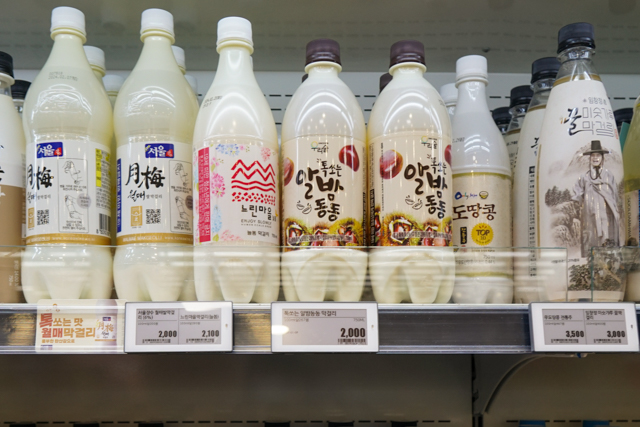
We also tried the Woorisool Chestnut Makgeolli that we picked up from the supermarket a few nights ago. It had a warm nutty flavour that recalled coffee and caramelised walnut, but the alcohol content was more evident than in the fruit-flavoured makgeolli that we’d tried.
Jeonju – Hanok Village was Day 3 of 6 in the South Korea 2023 trip. Day 4 saw us exploring more of Seoul – Bukchon Hanok Village, Changdeokgung and Gyeongbokgung Palaces and the National Folk Museum of Korea