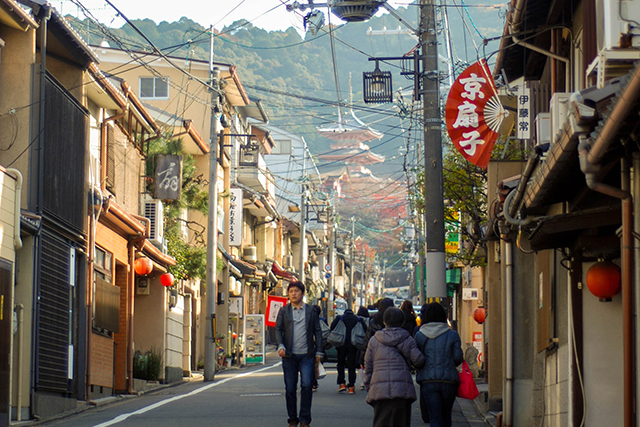
Kyōto — Southern Higashiyama
The main area of Southern Higashiyama stretches from Kiyomizu-dera in the south to Yasaka-jinja in the north, two areas linked by a wood-built quarter of narrow lanes that have preserd the look and feel of feudal-era Japan.
Kiyozmi-dera
清水寺, 1 Chome-294 Kiyomizu, Higashiyama Ward, Kyōto, 605-0862, Japan
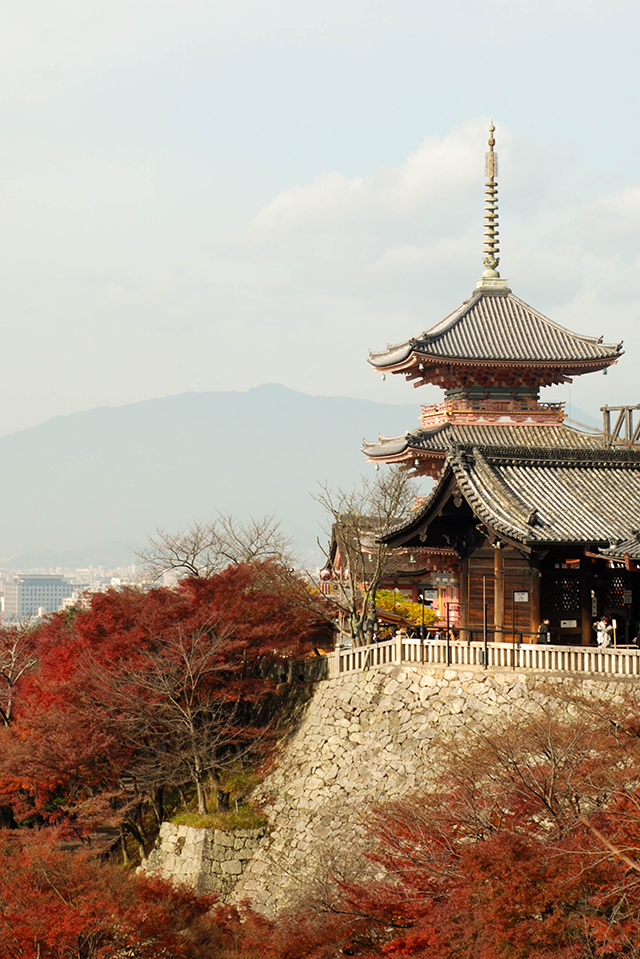
Kiyomizu-dera was founded in 780 on the site of the Otowa Waterfall in the wooded hills east of Kyōto and derives its name (pure water temple) from the fall’s pure waters.
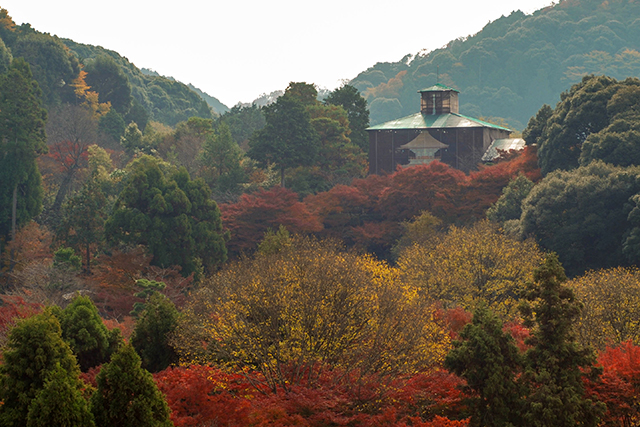
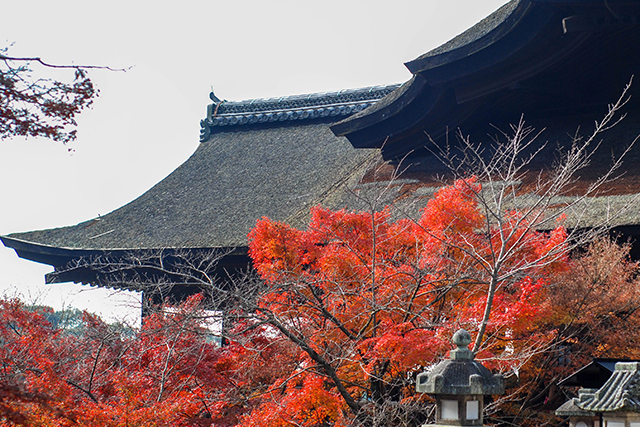
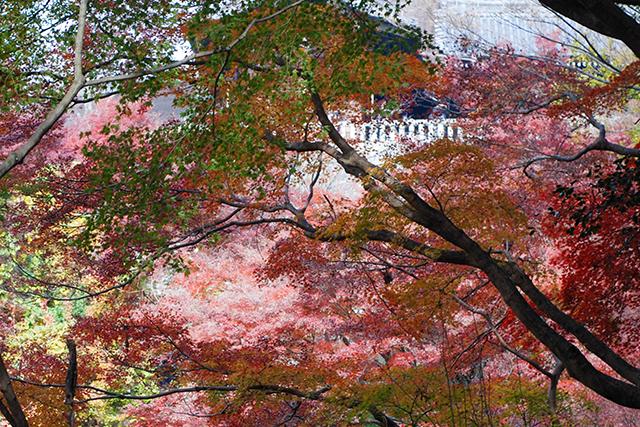
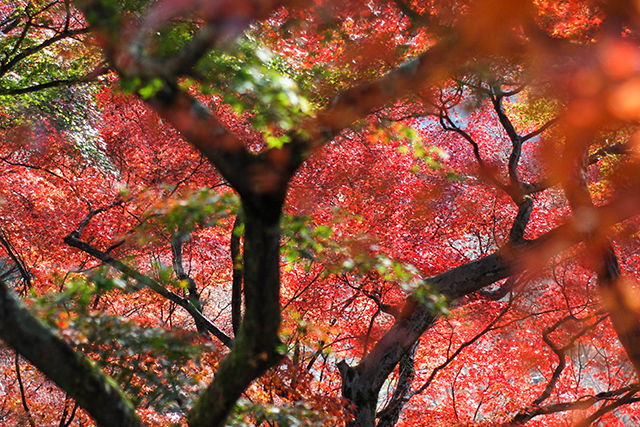
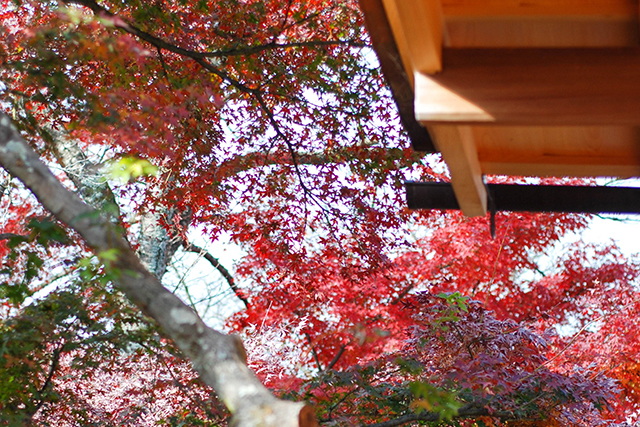
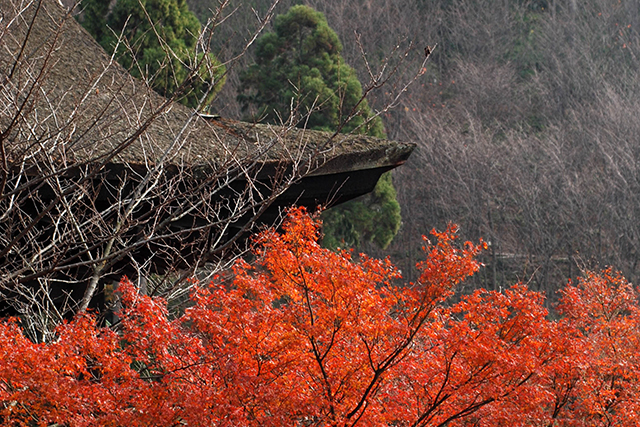
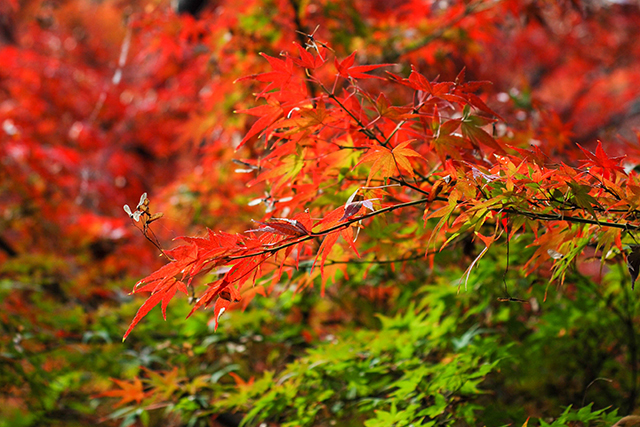
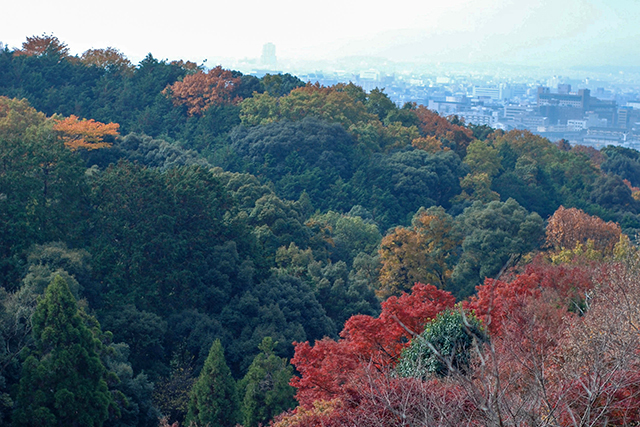
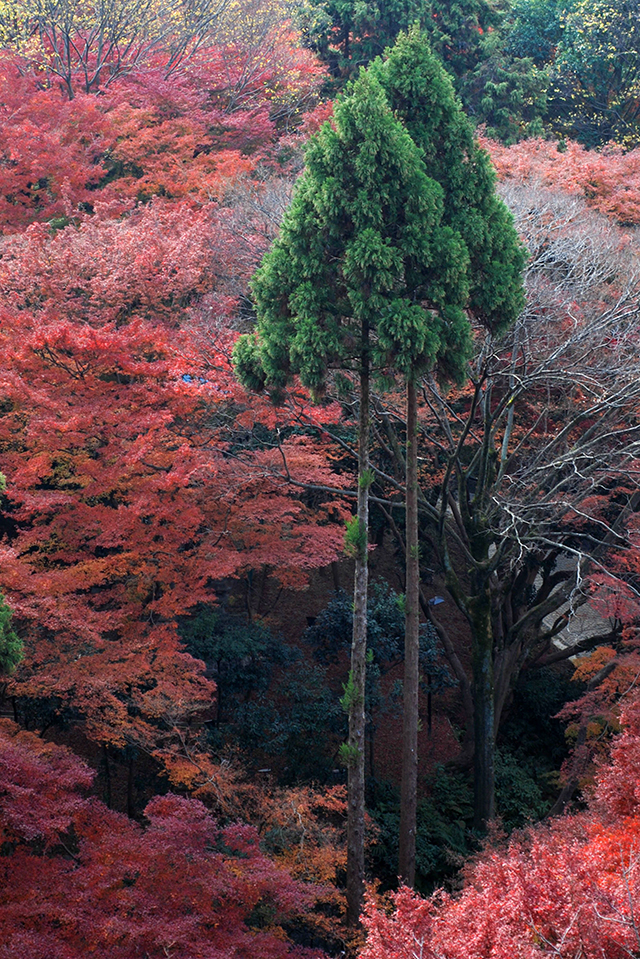
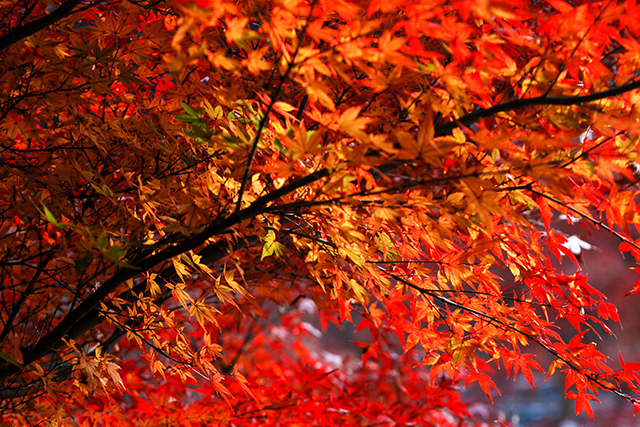
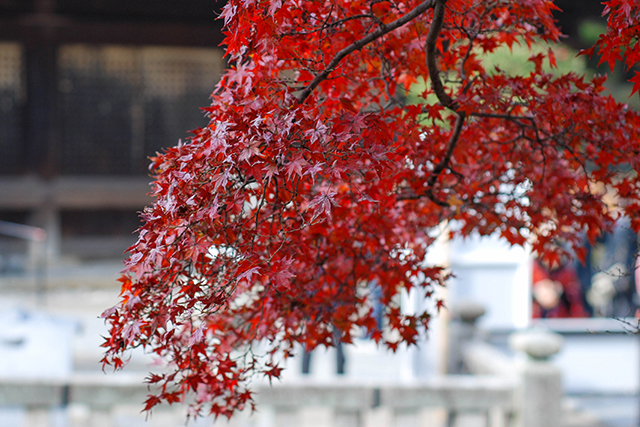
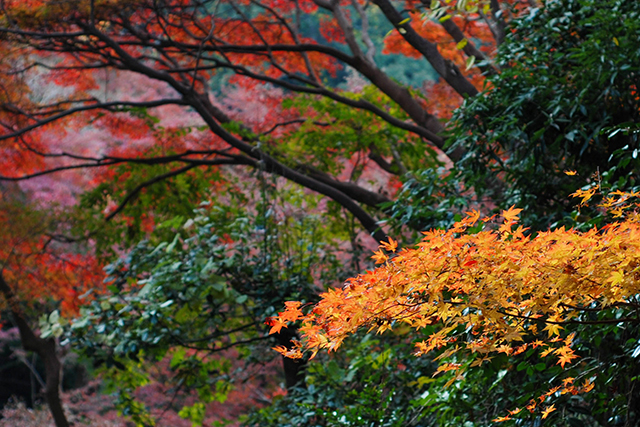
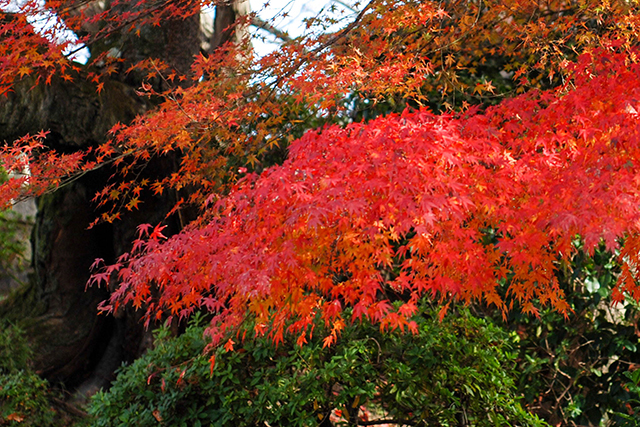
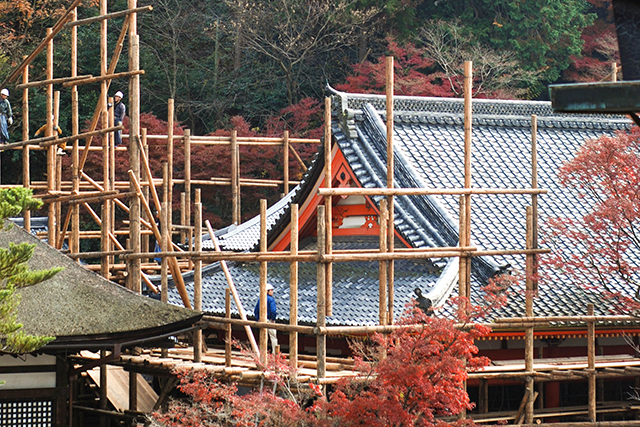
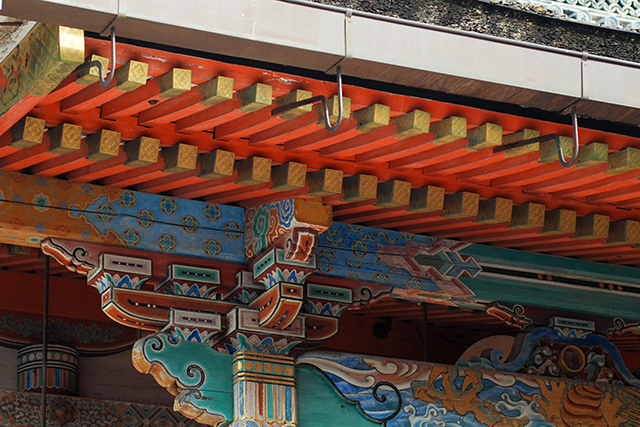
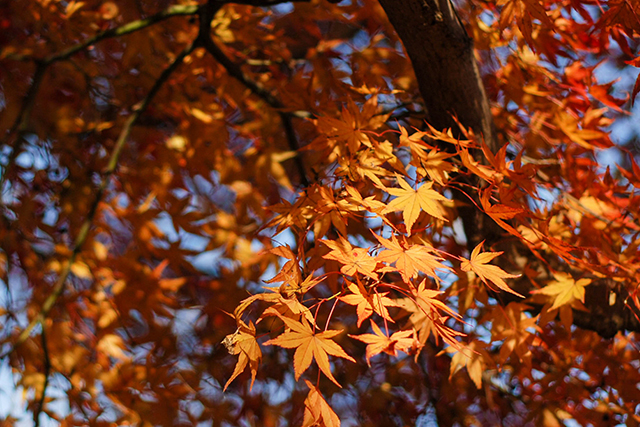
Kiyomizudera is best known for its wooden stage that juts out from its main hall (under renovation at the time), 13 meters above the hillside. The stage affords nice views of the numerous cherry and maple trees below that erupt in a sea of colour in spring and fall, as well as of the city of Kyōto in the distance. The main hall, which together with the stage was built without the use of nails, houses the temple’s primary object of worship, a small statue of the eleven-faced, thousand-armed Kannon.
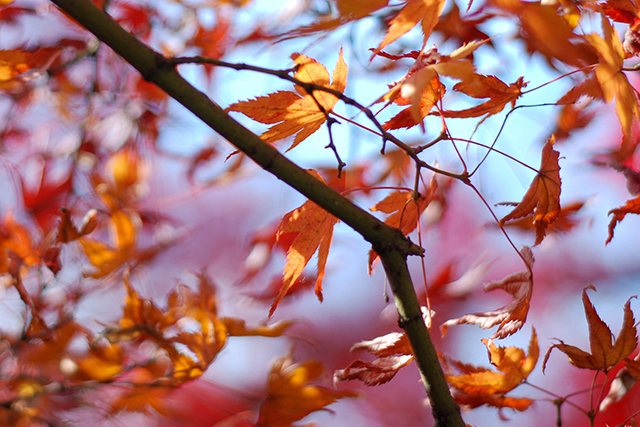
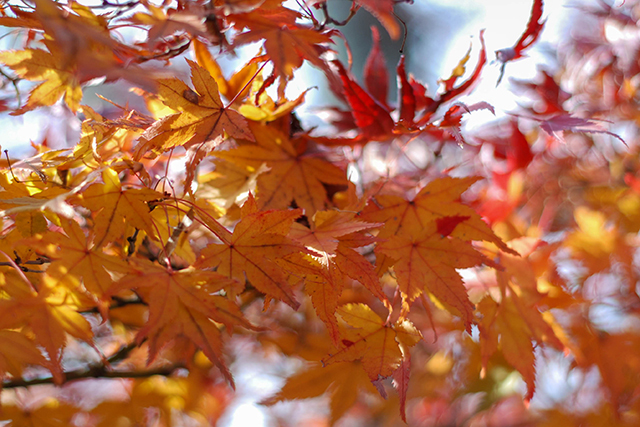
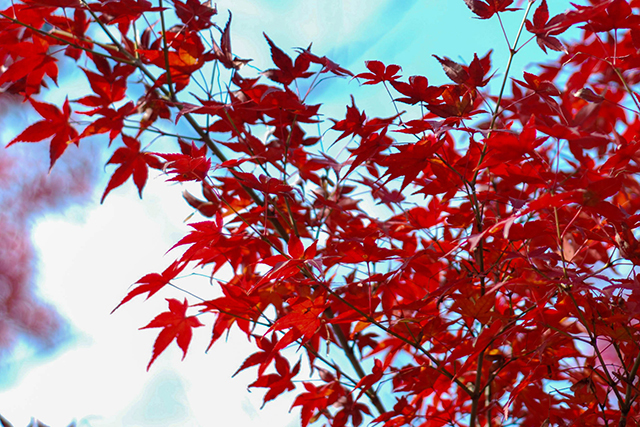
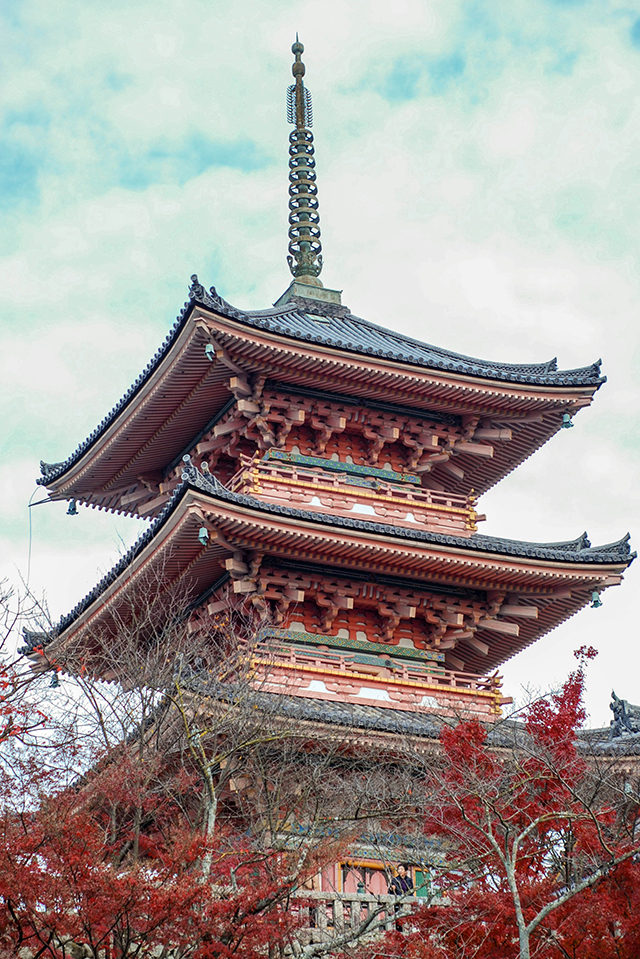
The three-storied Koyasu Pagoda stands among the trees at the far southern end of the temple grounds.
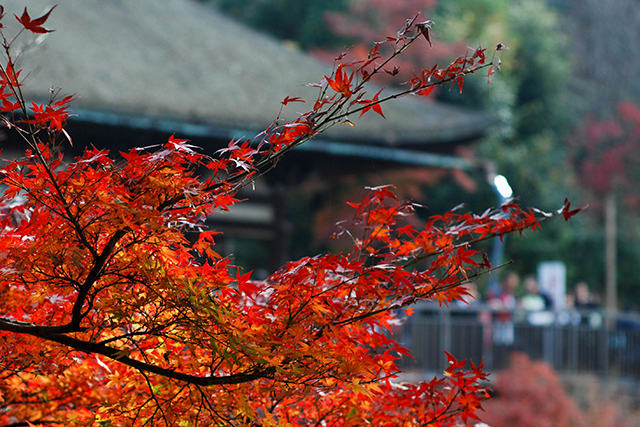
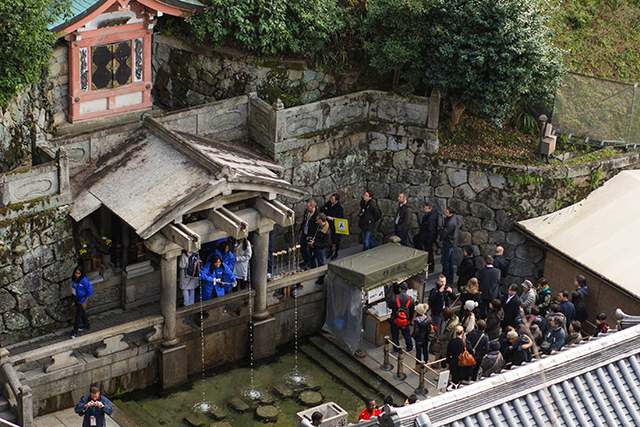
The Otowa Waterfall is located at the base of Kiyomizudera’s main hall. Its waters are divided into three separate streams, and visitors use cups attached to long poles to drink from them. Each stream’s water is said to have a different benefit, namely to cause longevity, success at school and a fortunate love life. However, drinking from all three streams is considered greedy. Behind Kiyomizudera’s main hall stands Jishu Shrine, a shrine dedicated to the deity of love and matchmaking.
Sanneizaka and Ninenzaka
産寧坂, Kiyomizu, Higashiyama Ward, Kyōto, 605-0862, Japan and 二寧坂, Kiyomizu, Higashiyama Ward, 605-0826, Japan
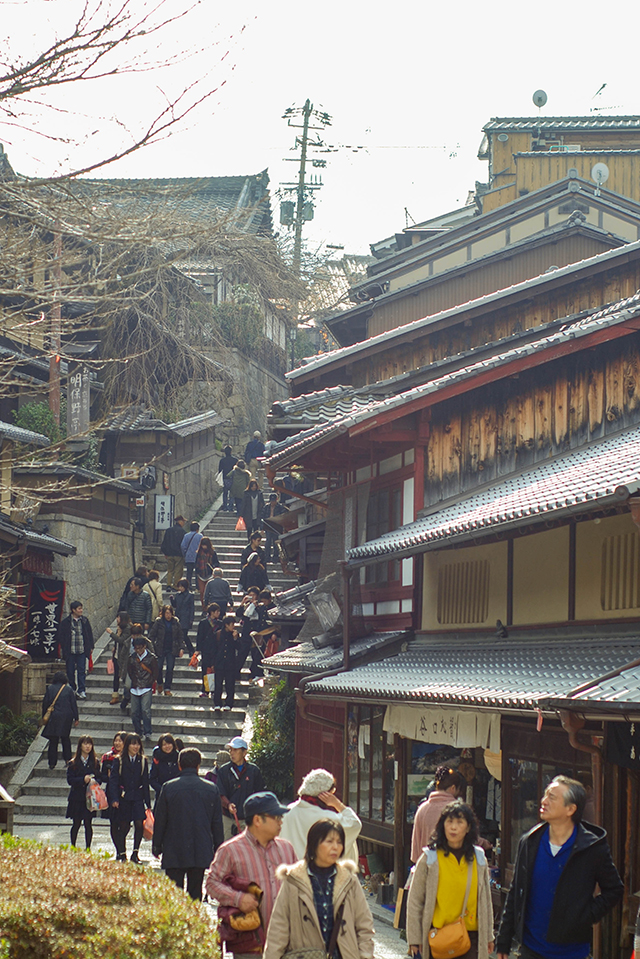
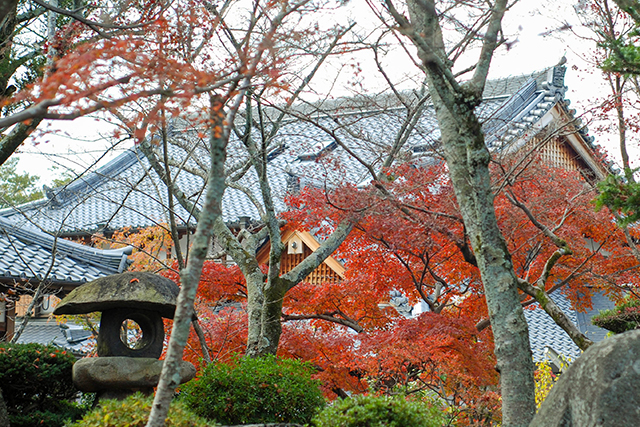
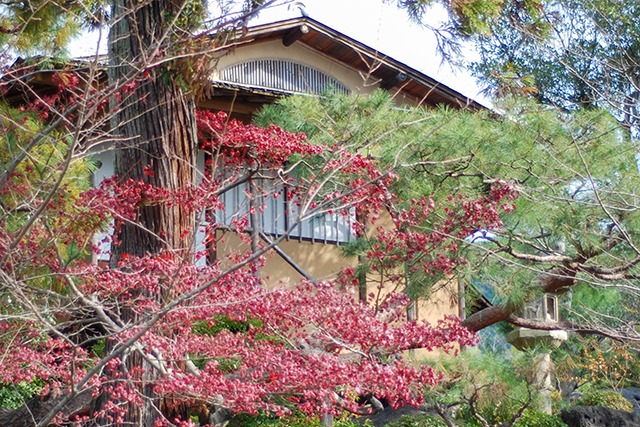
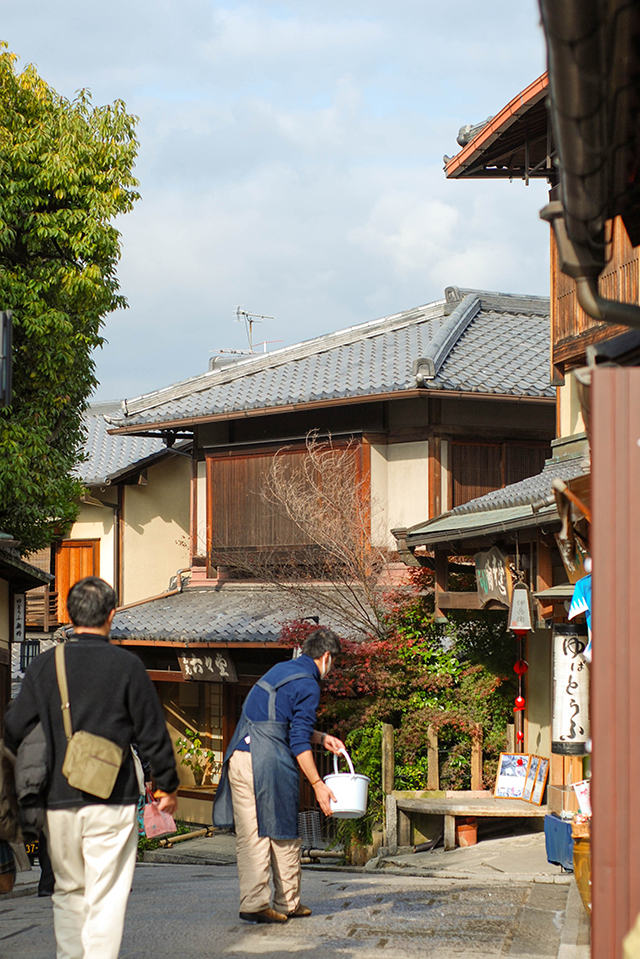
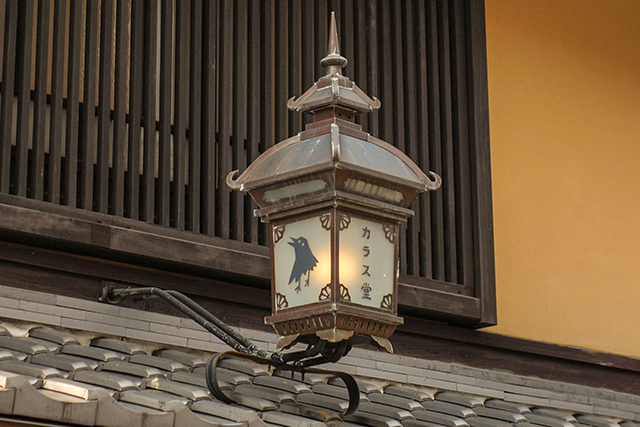
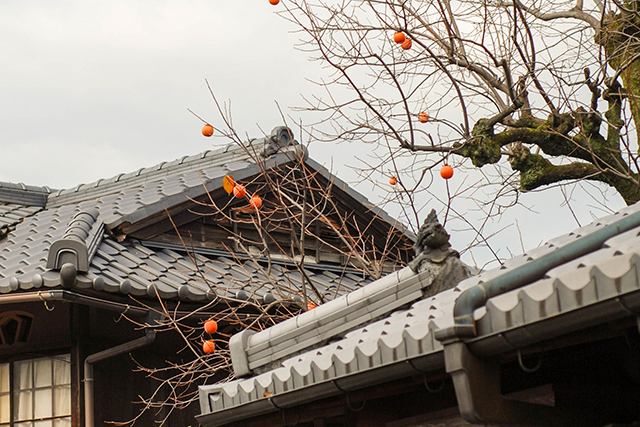
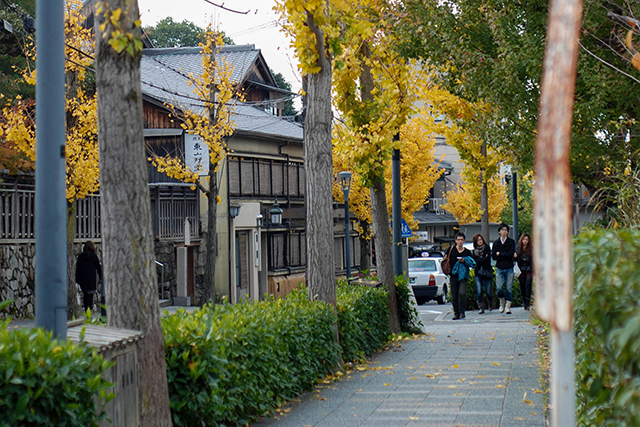
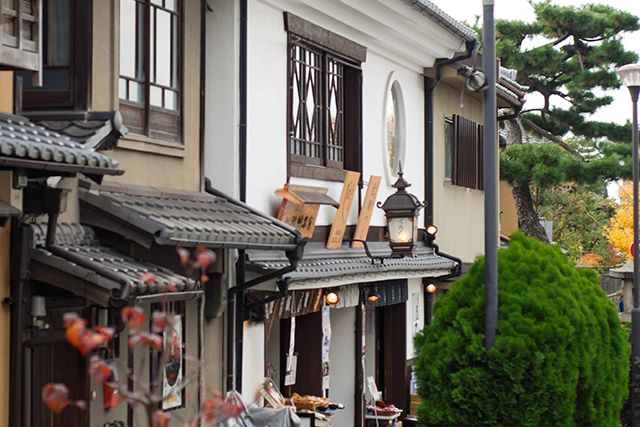
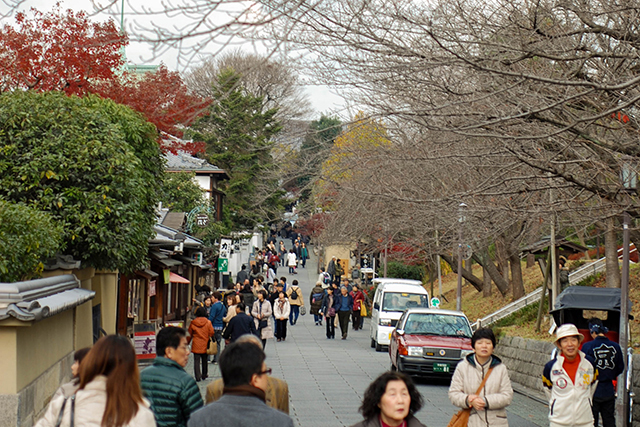
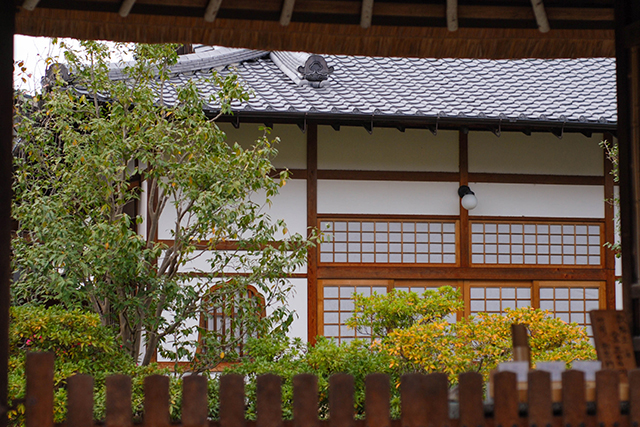
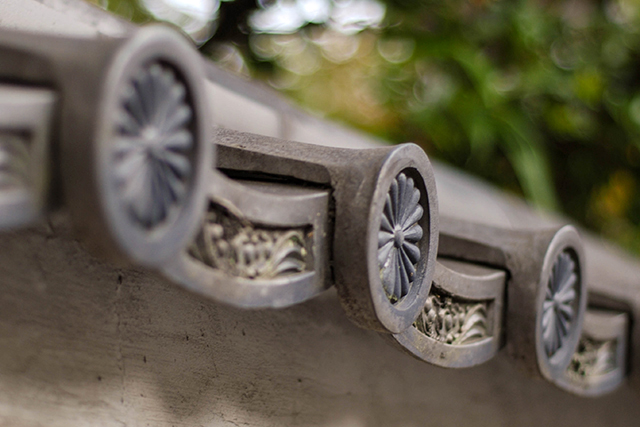
The Higashiyama District (東山) along the lower slopes of Kyōto’s eastern mountains is one of the city’s best-preserved historic districts with narrow lanes, wooden buildings and traditional merchant shops that invoke a feeling of the old capital city.
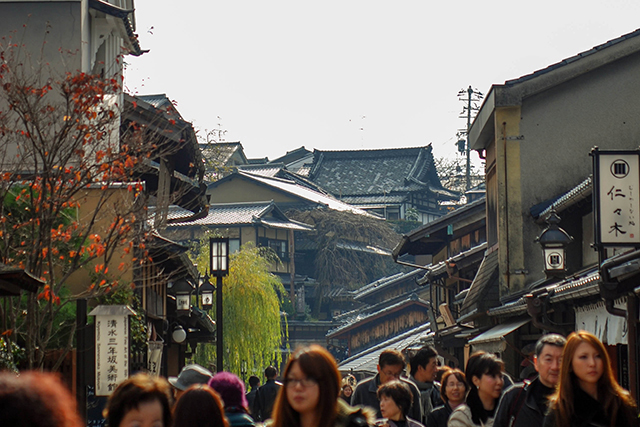
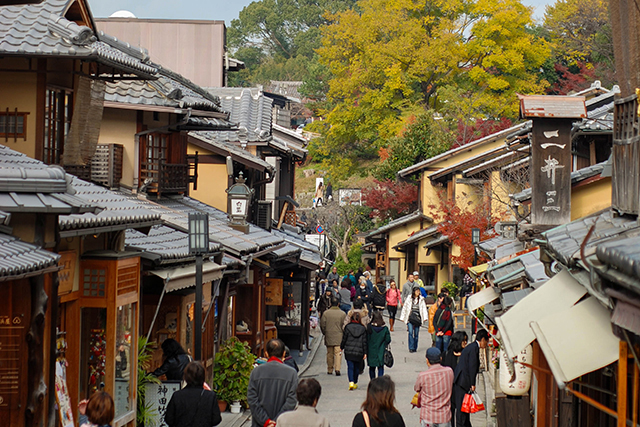
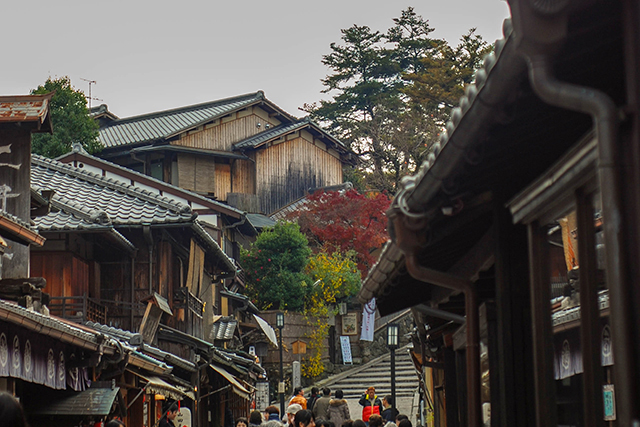
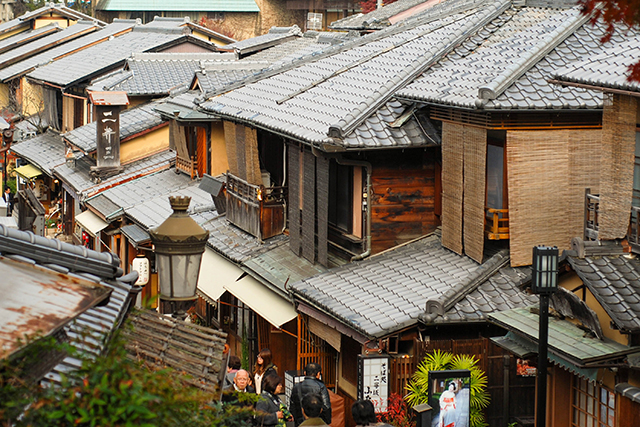
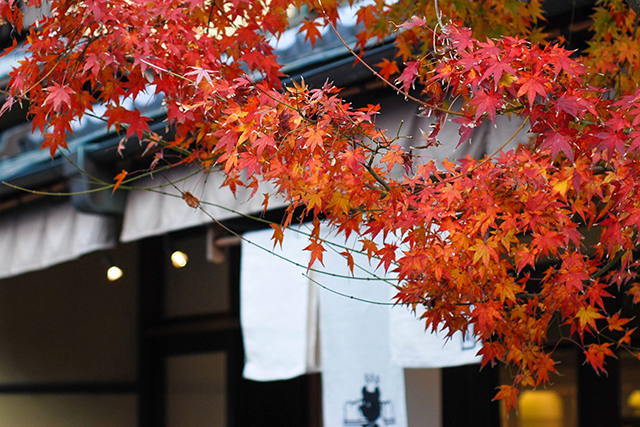
The streets in Higashiyama are lined by small shops, cafes and restaurants that retain their traditional design, although many have been renovated through the years, and they continue to serve customers today, selling local specialties such as Kiyomizu-yaki pottery, sweets, pickles, crafts and other souvenirs.
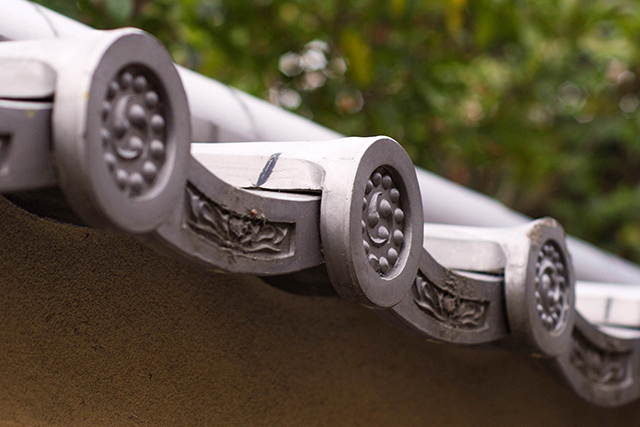
Kodai-ji
高台寺, 526 Shimokawaracho, Higashiyama Ward, Kyōto, 605-0825, Japan
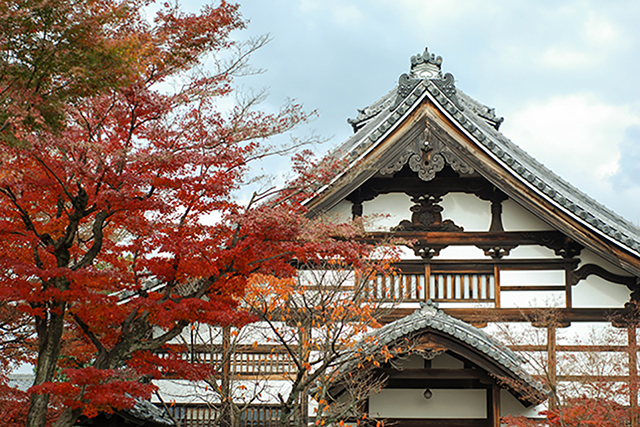
Kodaiji was established in 1606 in memory of Toyotomi Hideyoshi, one of Japan’s greatest historical figures, by Hideyoshi’s wife Nene who is also enshrined at the temple. Kodaiji belongs to the Rinzai sect of Zen Buddhism. Its main buildings were constructed in the lavish style of the era of Japan’s unification with the financial support of Hideyoshi’s successor Tokugawa Ieyasu. They feature richly decorated interiors and are surrounded by beautiful Zen gardens.
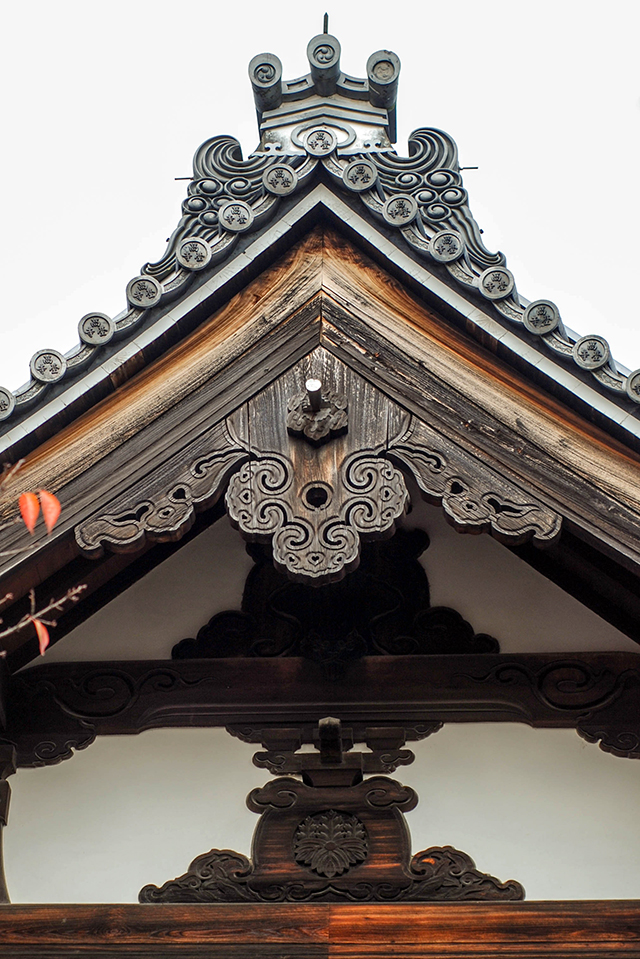
Visitors can enter Kodaiji’s main hall (Hojo), which was originally covered in lacquer and gold, but was rebuilt in a more modest style after it burned down in 1912. The building is surrounded on two sides by impressive gardens designed by leading contemporary masters. The gardens are lit up during special illumination shows in spring and autumn.
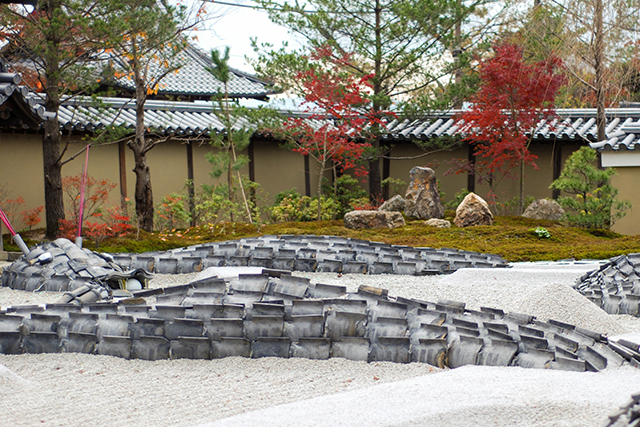
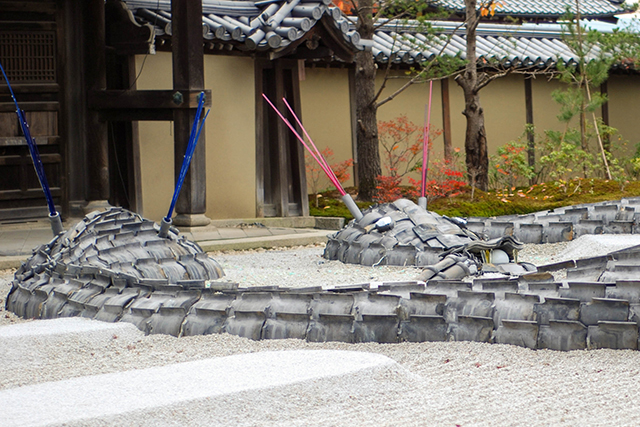
One of the gardens is a rock garden consisting of a large field of raked gravel meant to represent the vast ocean.
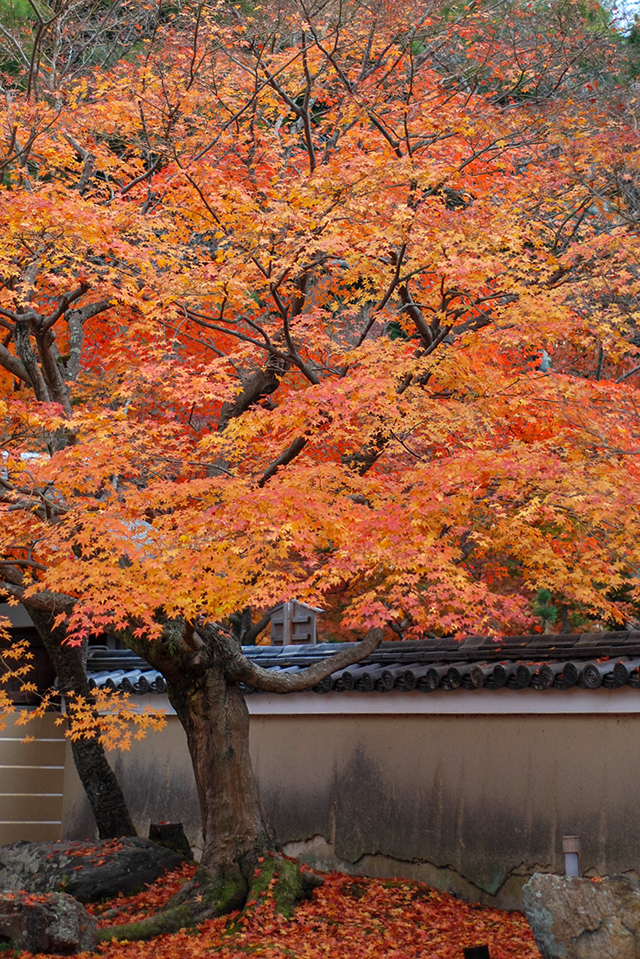
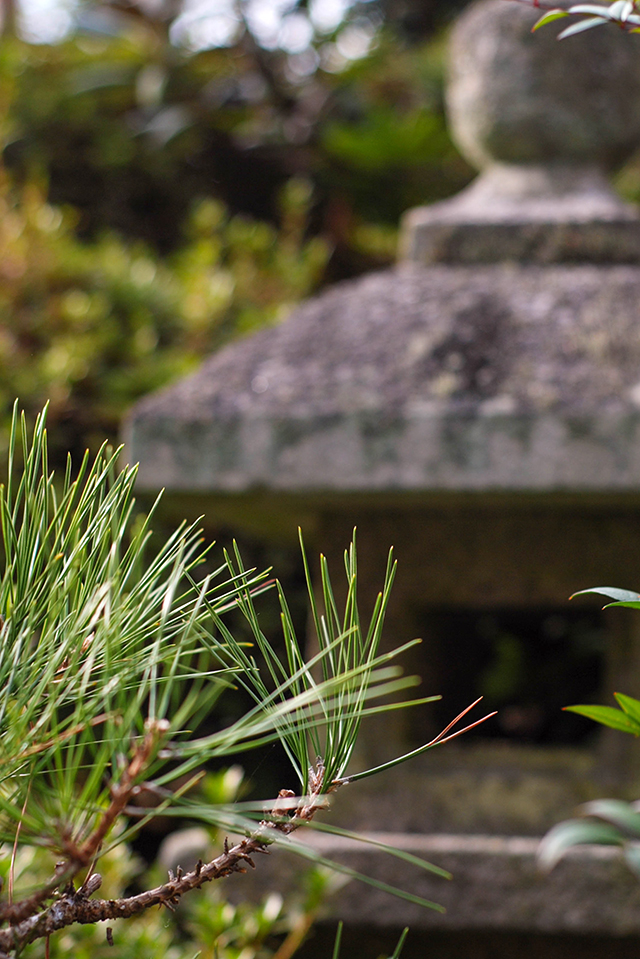
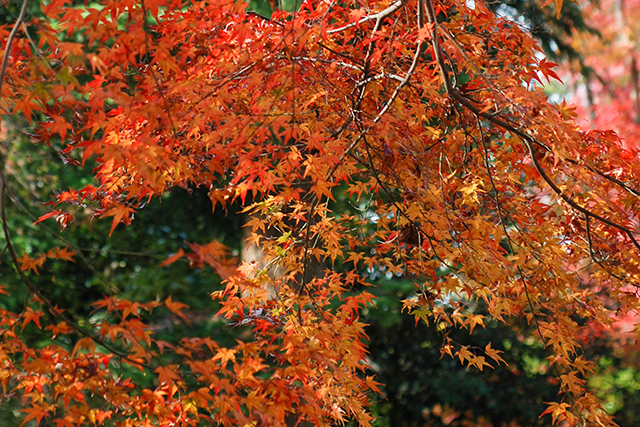
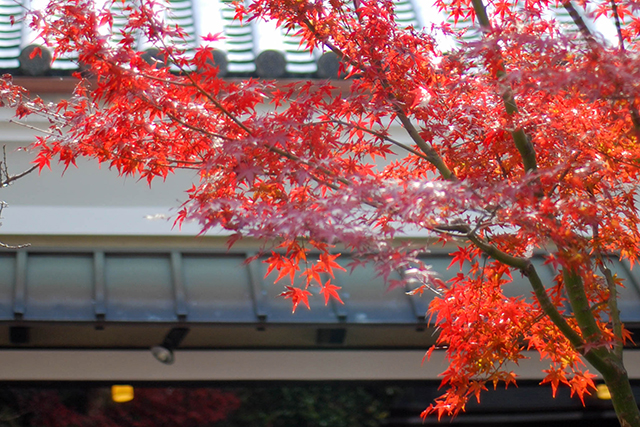
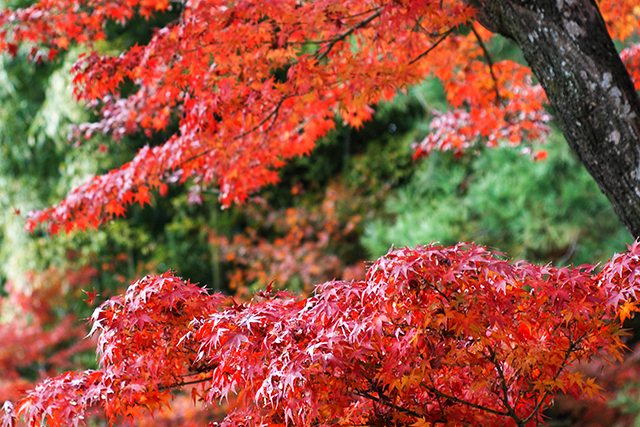
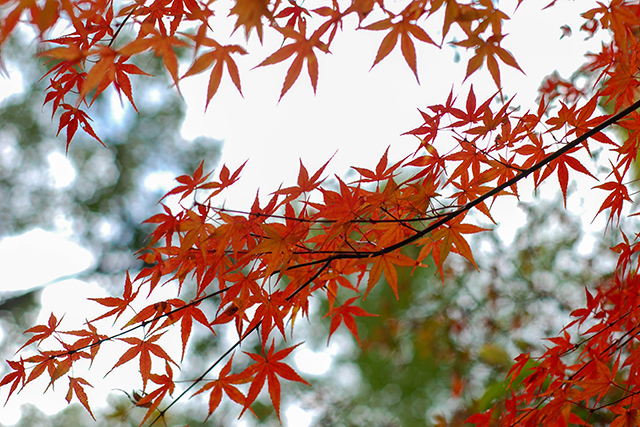
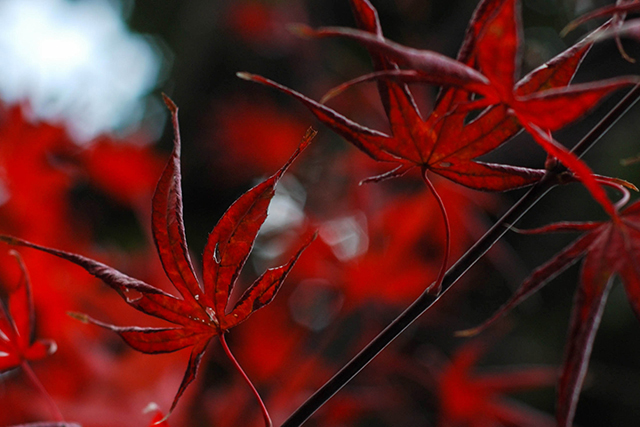
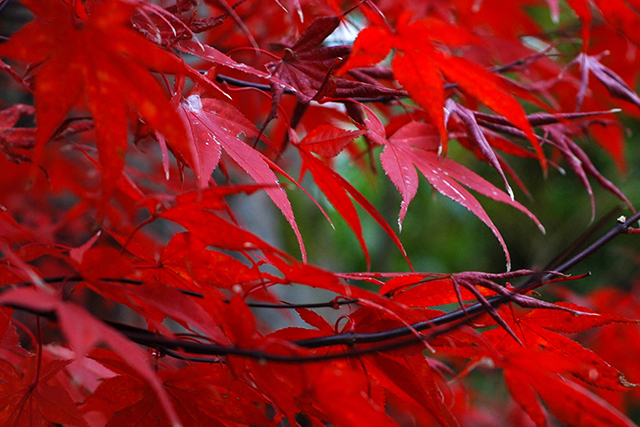
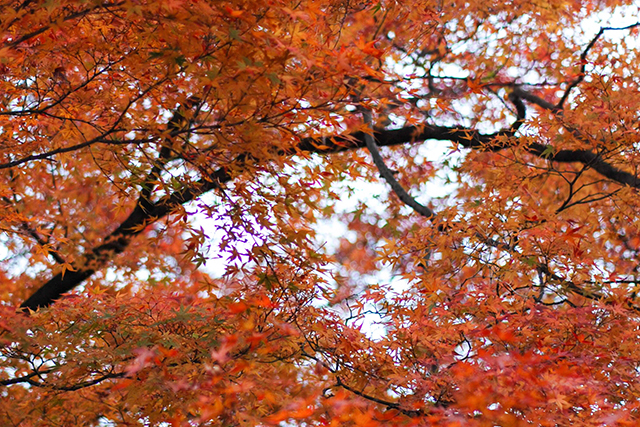
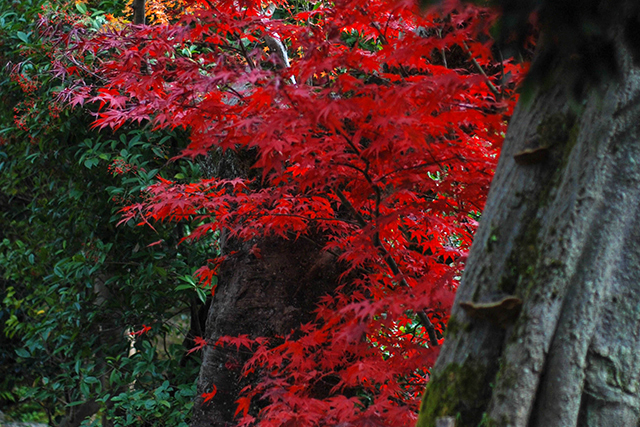
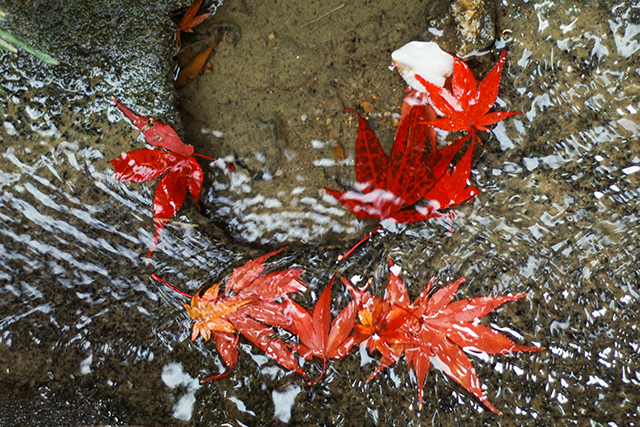
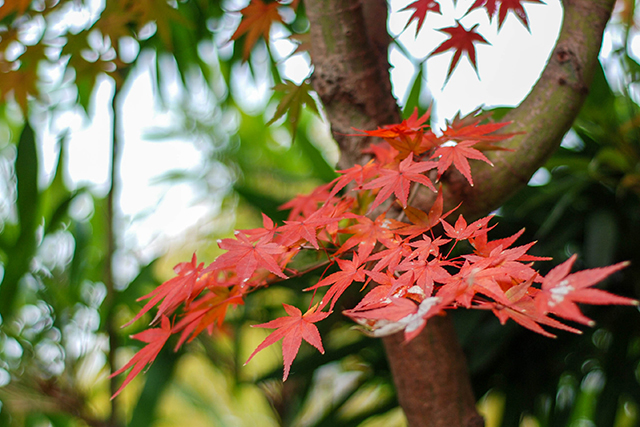
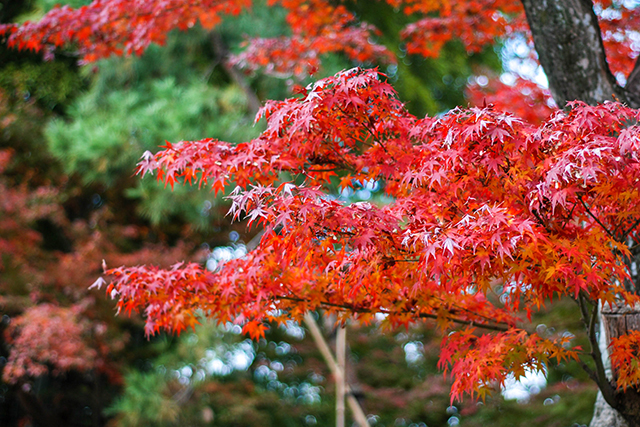
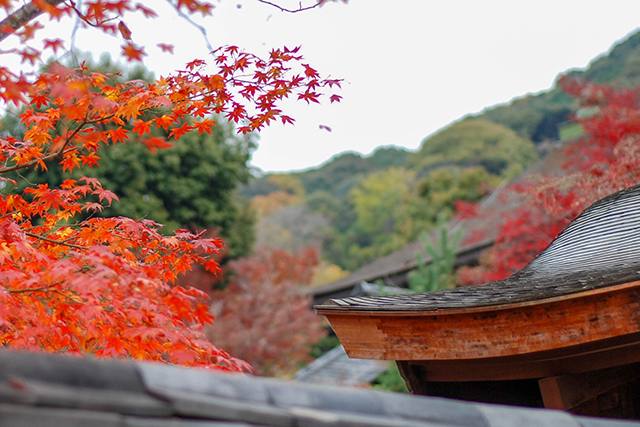
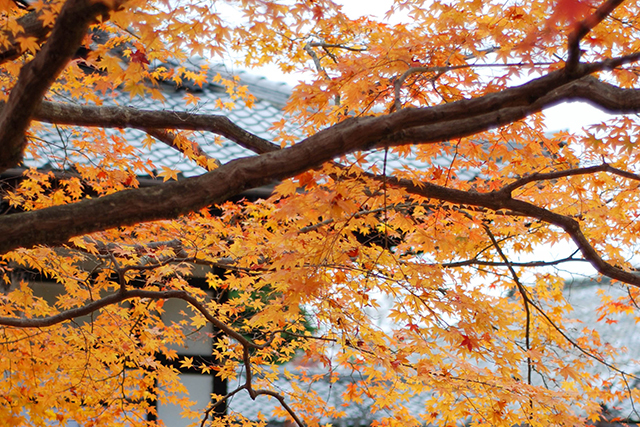
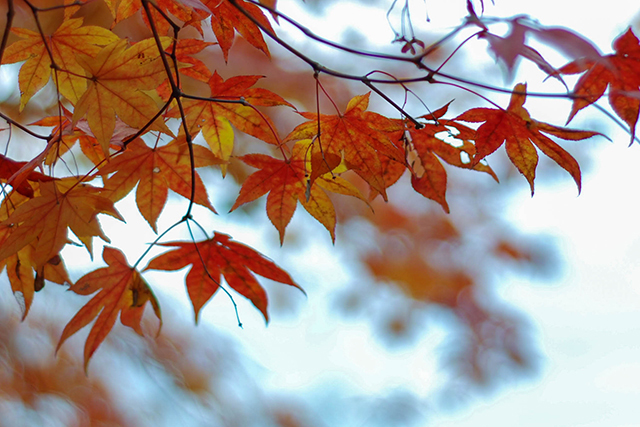
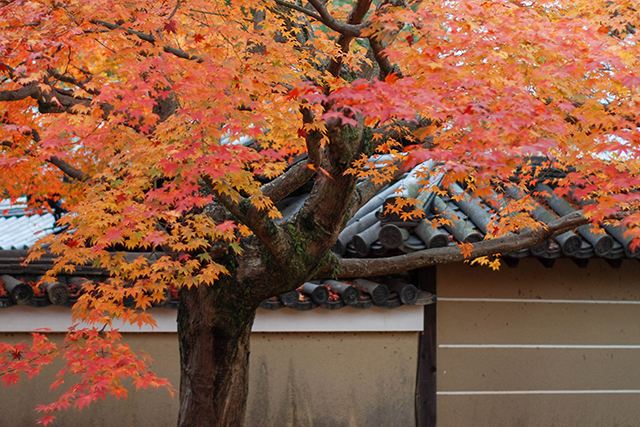
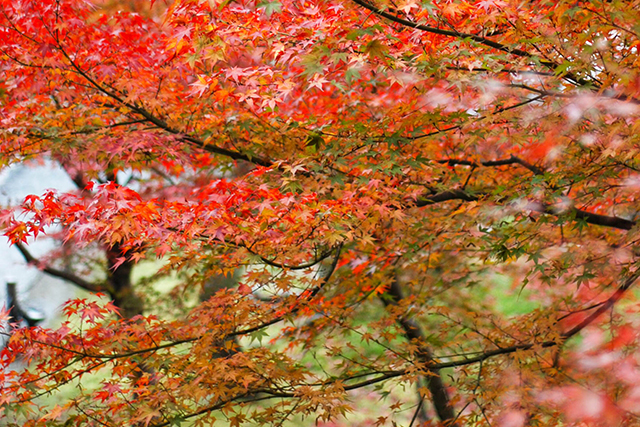
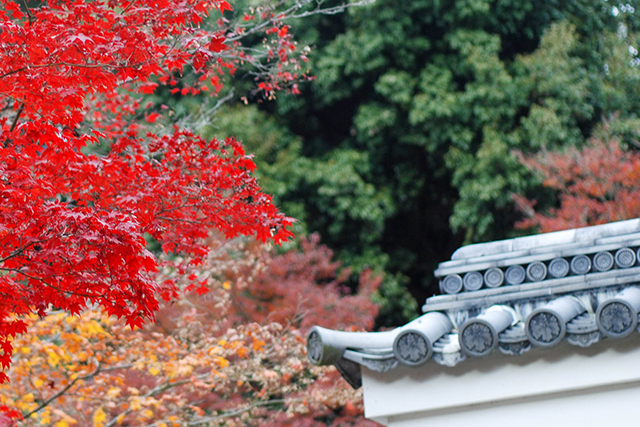
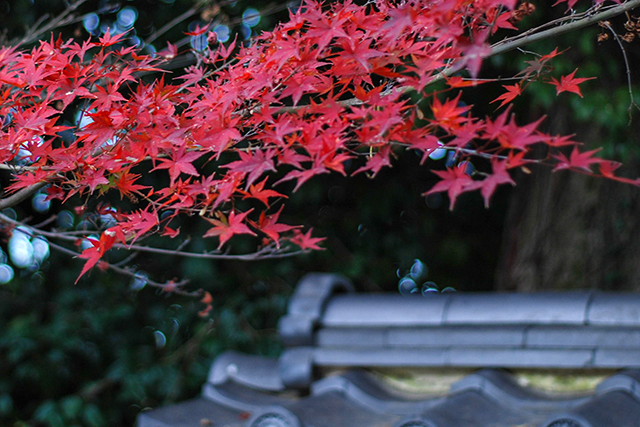
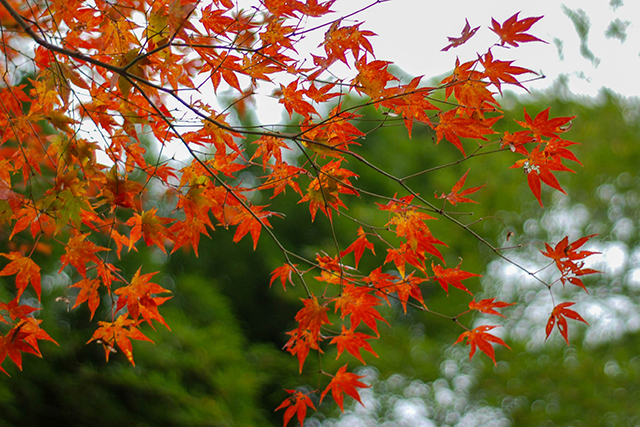
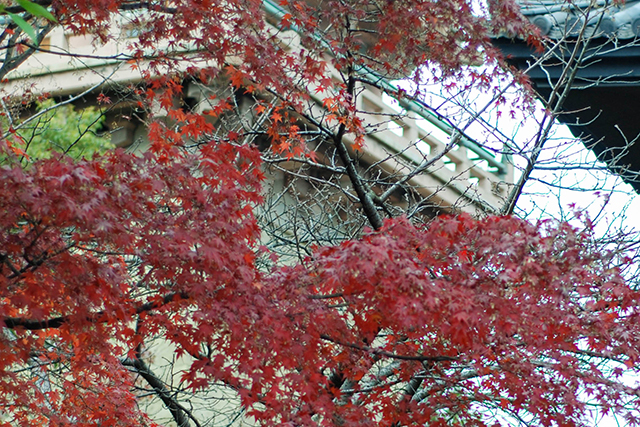
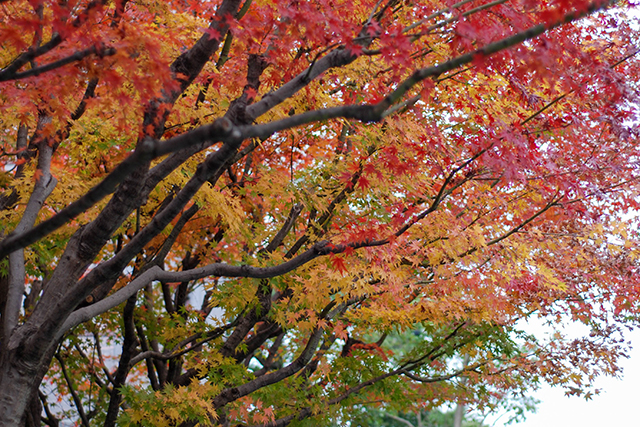
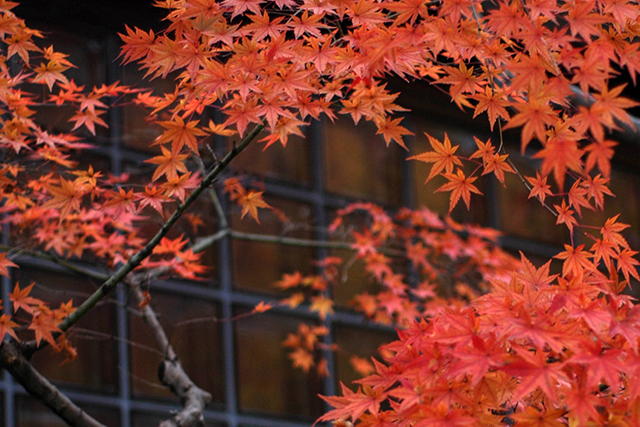
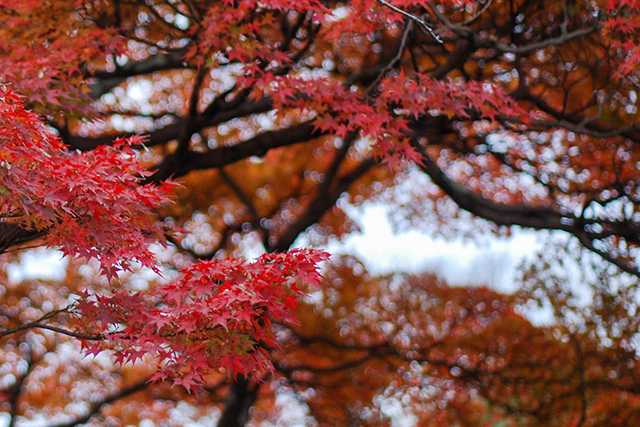
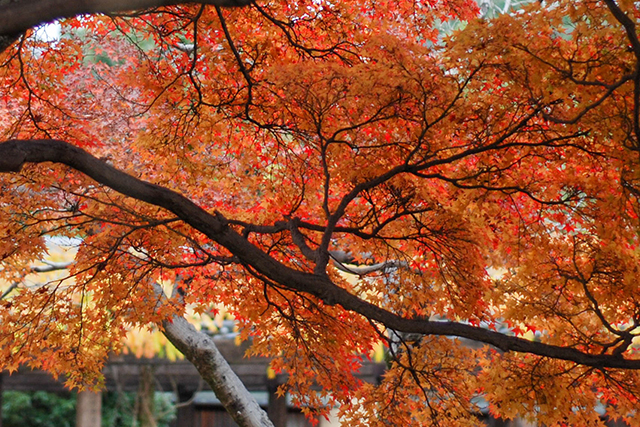
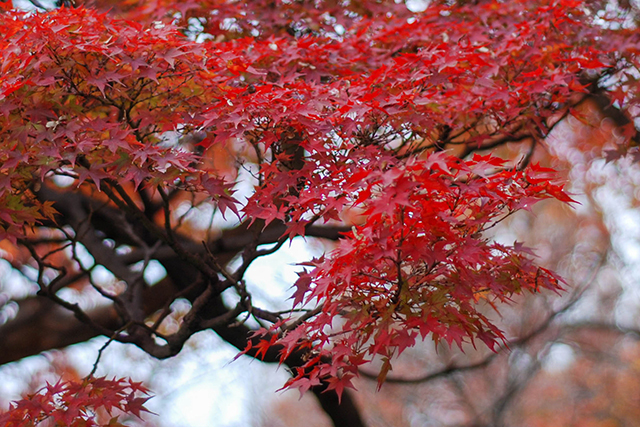
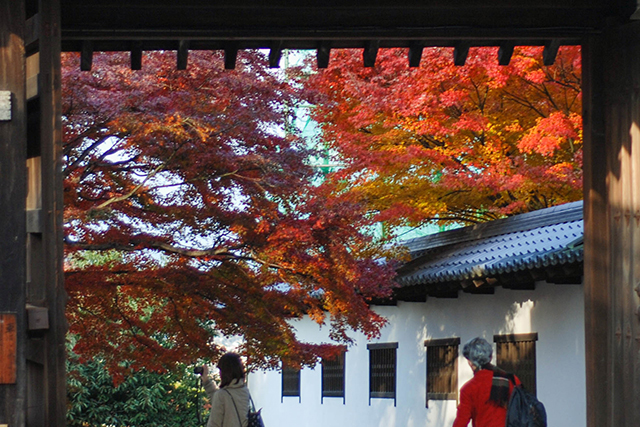
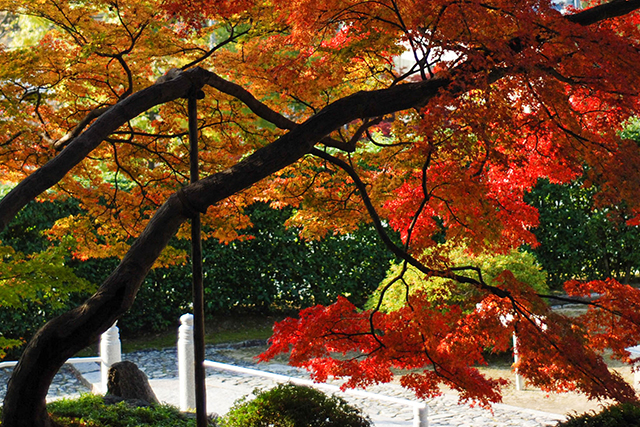
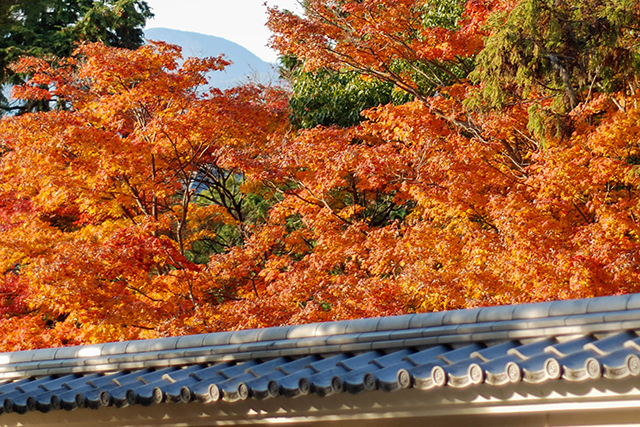
The other garden is an impressive tsukiyama-style garden featuring a pond, man-made hills, decorative rocks and beautiful pine and maple trees, the latter of which turn brilliant shades of red and orange during the autumn colour season.
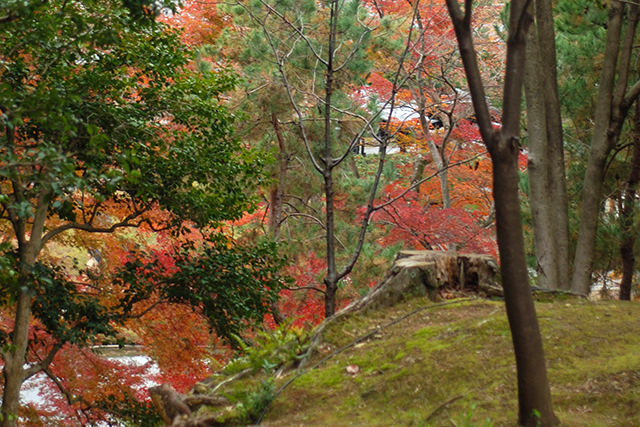
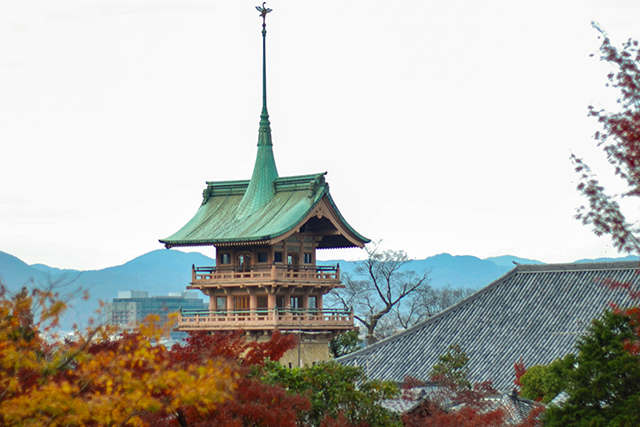
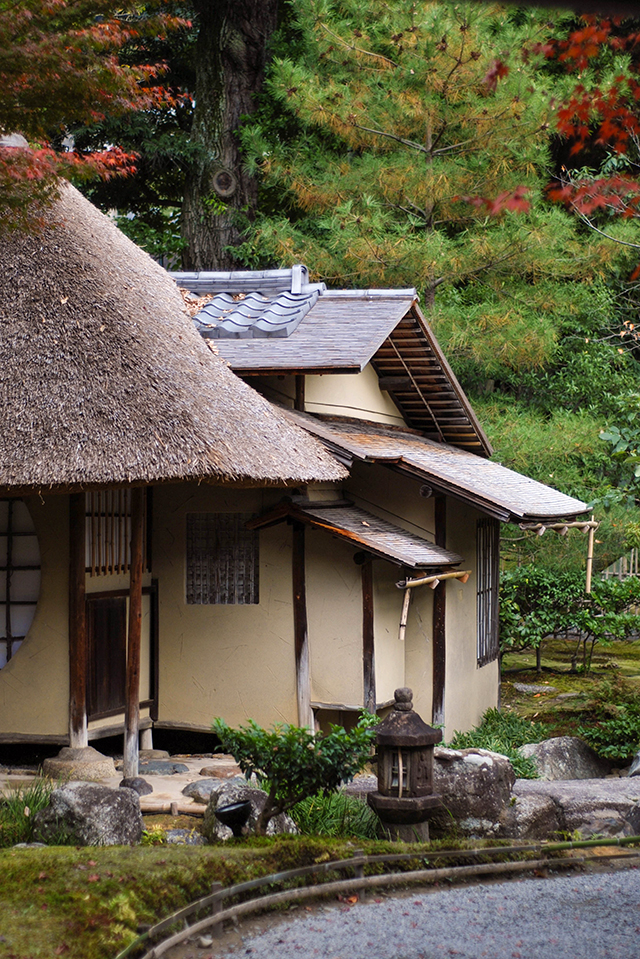
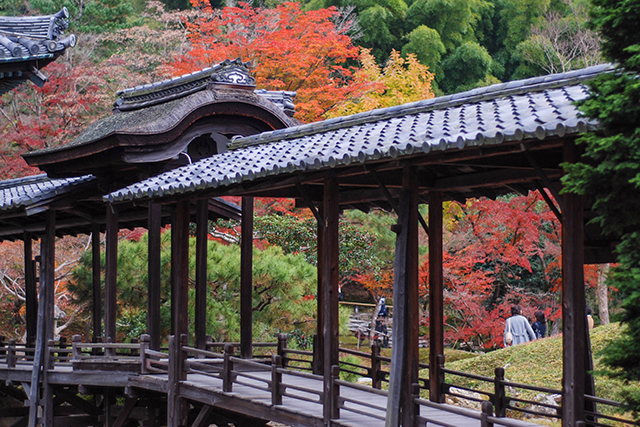
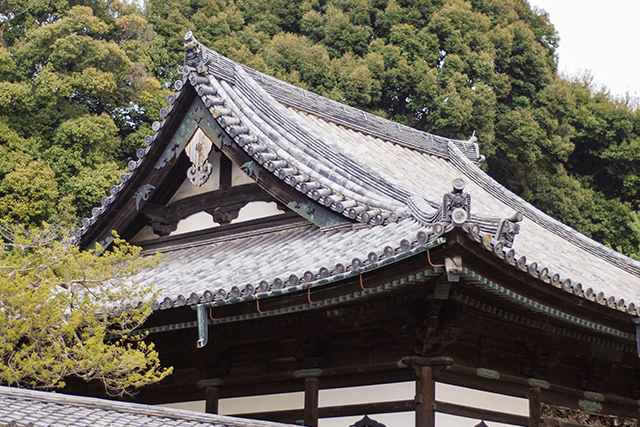
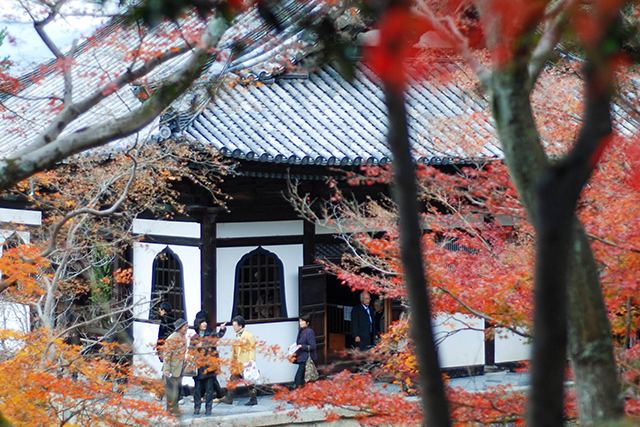
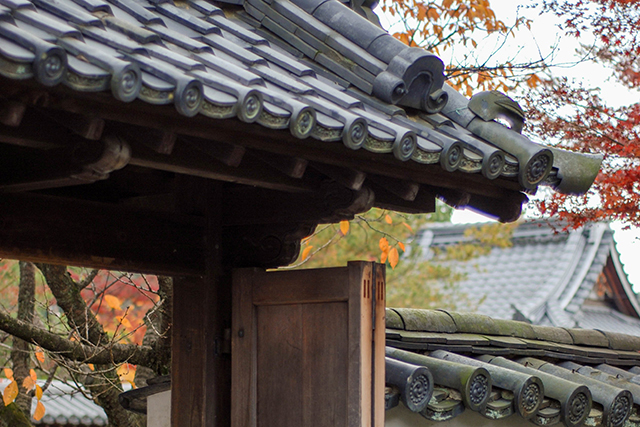
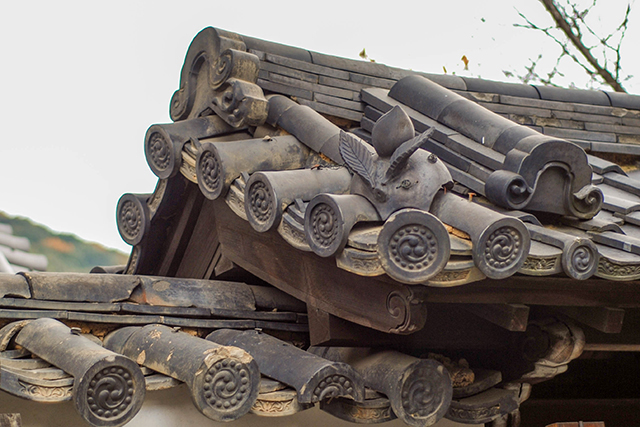
Within this garden stands the Kaizando (memorial hall) where Nene would pray for Hideyoshi and which now enshrines wooden images of both of them.
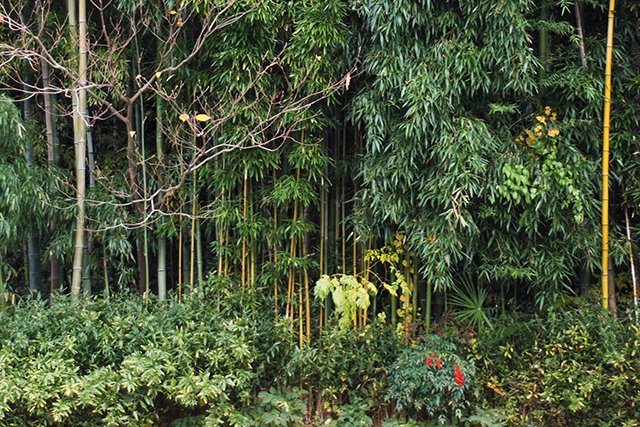
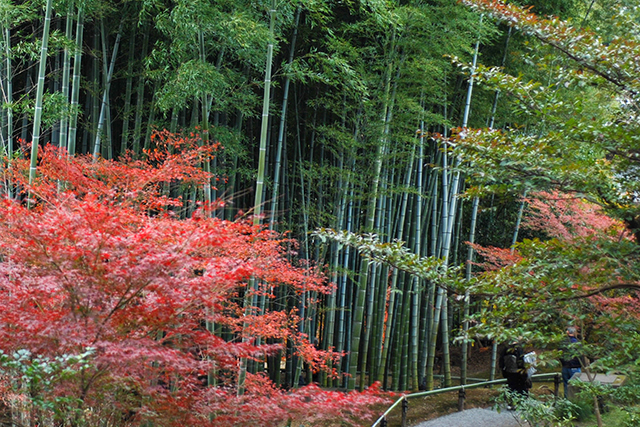
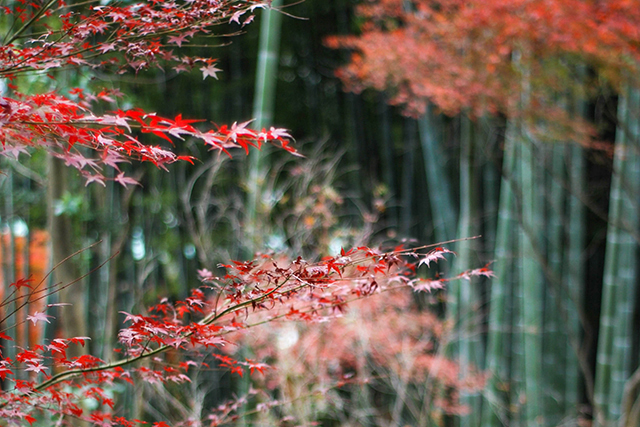
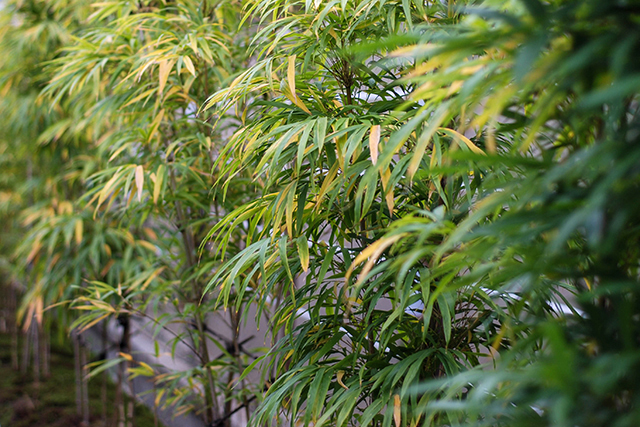
The return path to the temple buildings passes through a bamboo grove.
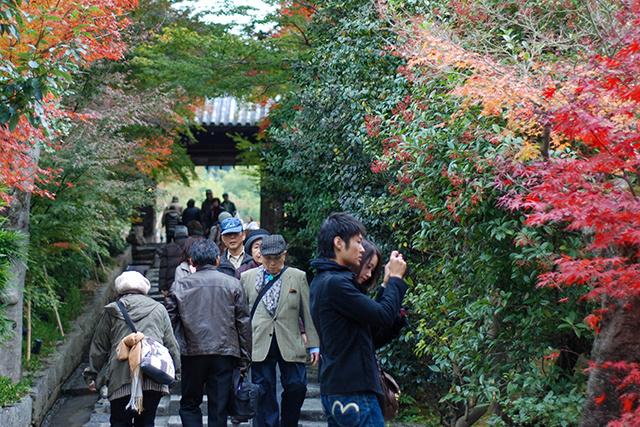
A series of steps, named Nene’s Path leads back down to the streets of the Higashiyama District.
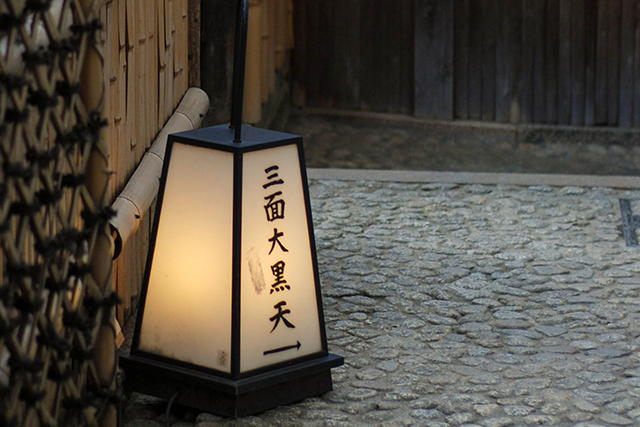
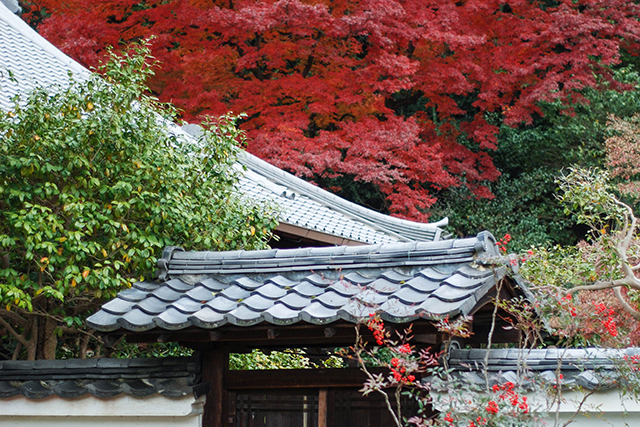
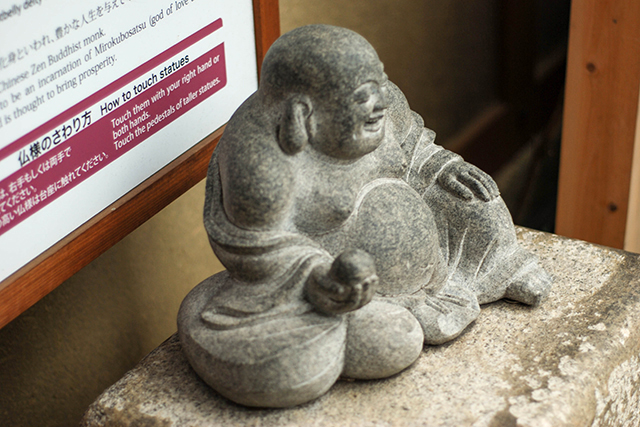
Across the street from Nene’s Path is a recently redeveloped area with some shops and cafes.
Yasaka Pagoda, Hokan-ji
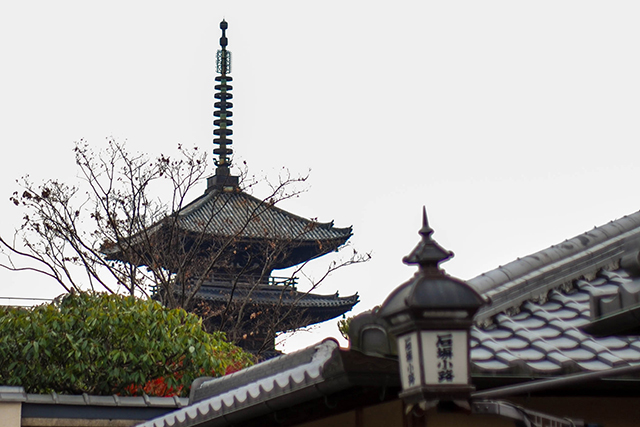
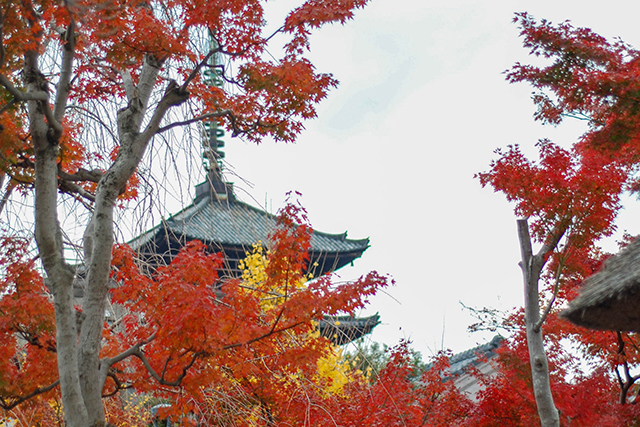
法観寺, 288 Kiyomizu Yasaka Uemachi, Higashiyama Ward, Kyōto, 605-0862, Japan Yasaka Pagoda, the last remnant of Hokanji Temple, is one of the most visible and recognizable landmarks in the Higashiyama District.
Maruyama Park
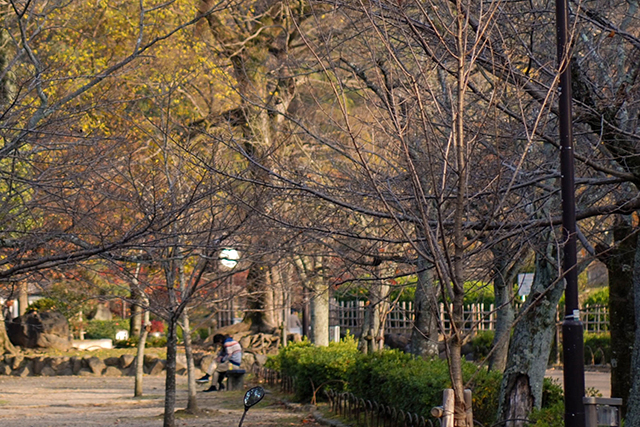
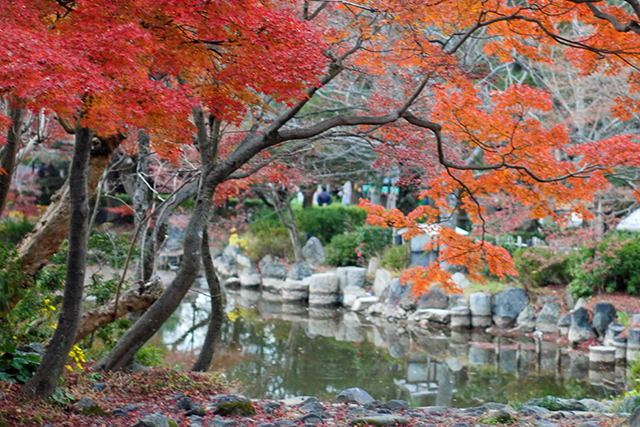
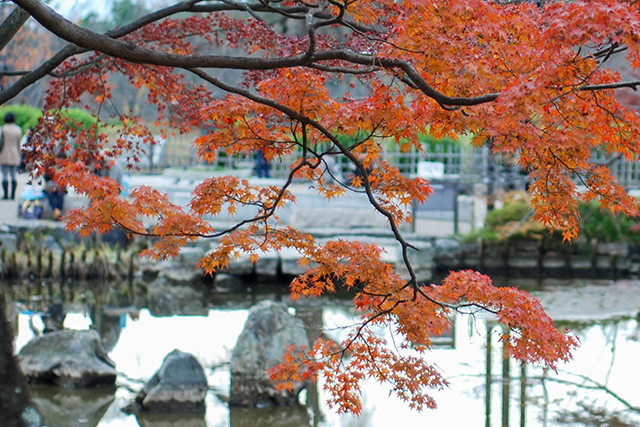
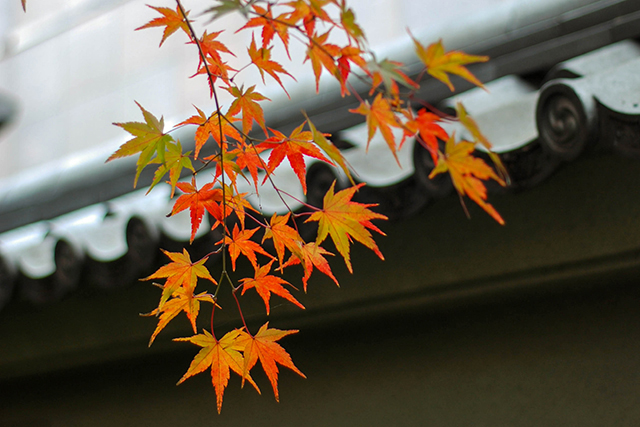
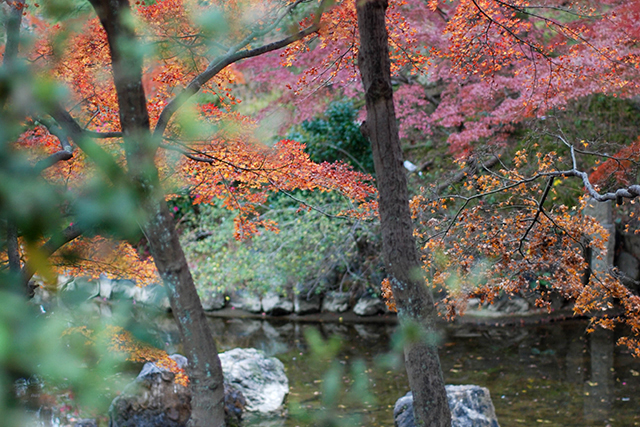
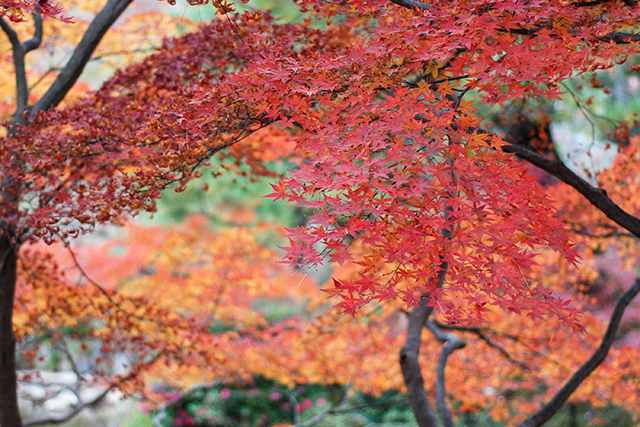
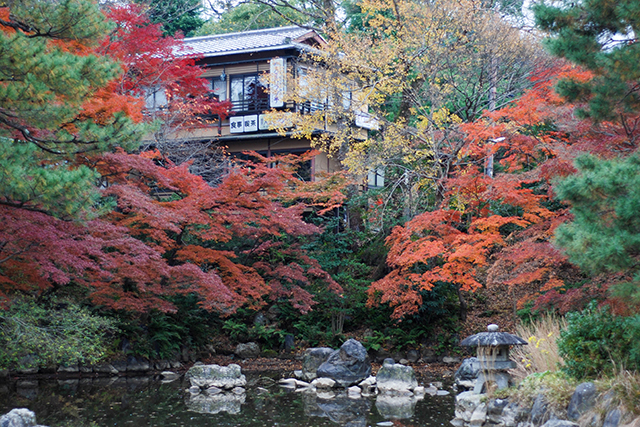
円山公園, Maruyamacho, Higashiyama Ward, Kyōto, 605-0071, Japan Maruyama Park is a public park next to Yasaka Shrine in the Higashiyama District.
Chionin
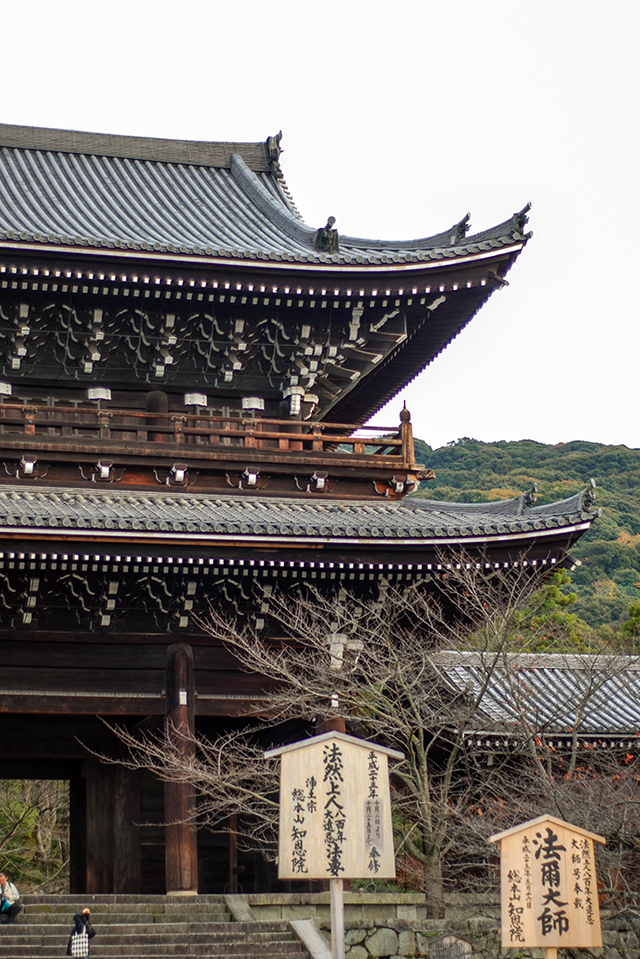
知恩院, 400 Rinkacho, Higashiyama Ward, Kyōto, 605-8686, Japan
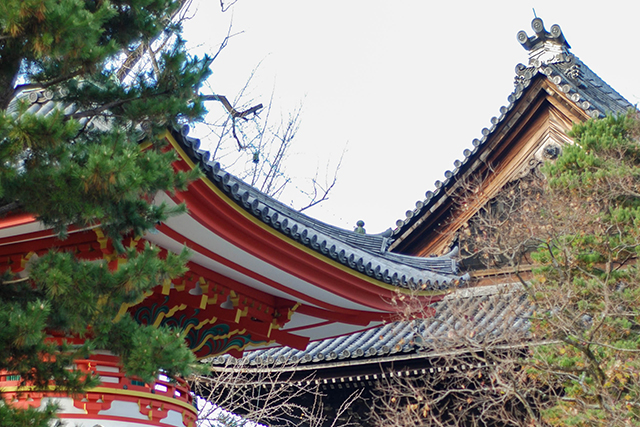
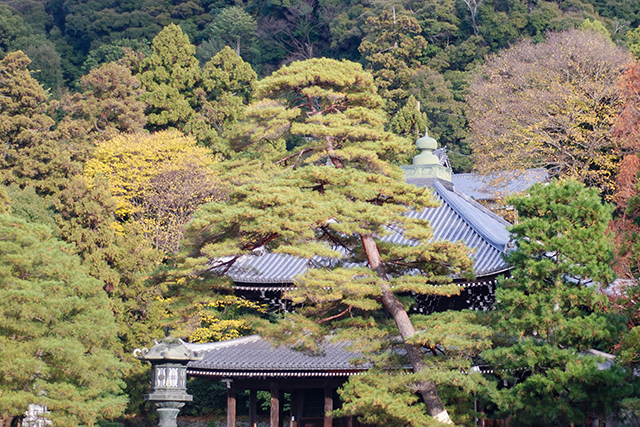
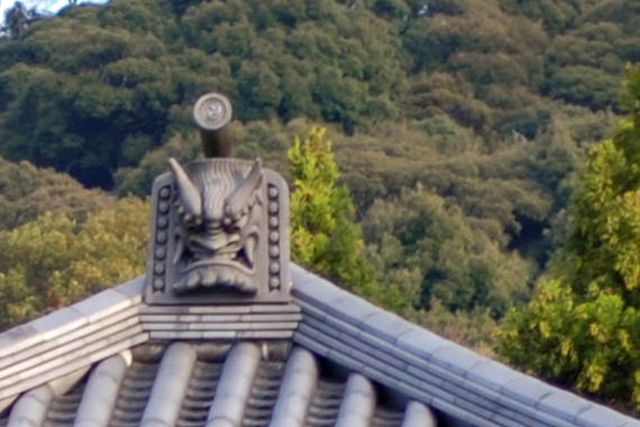
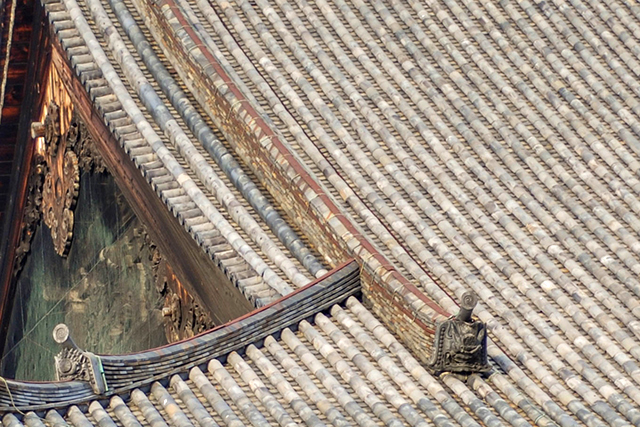
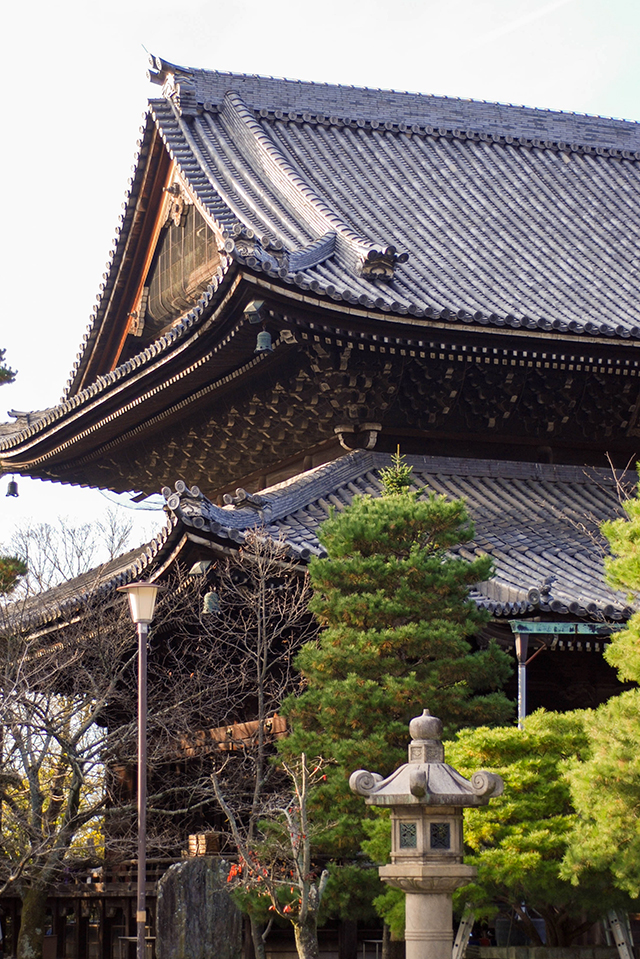
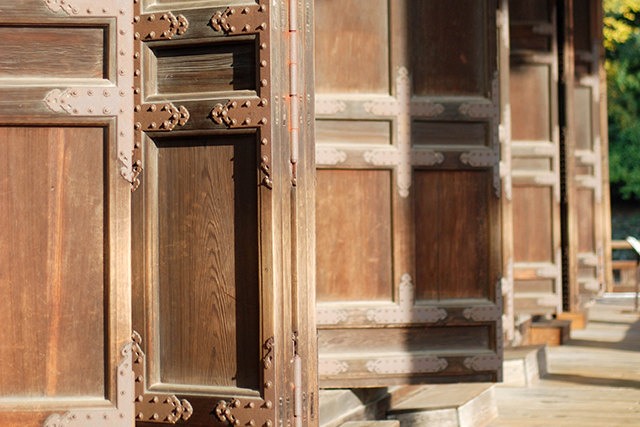
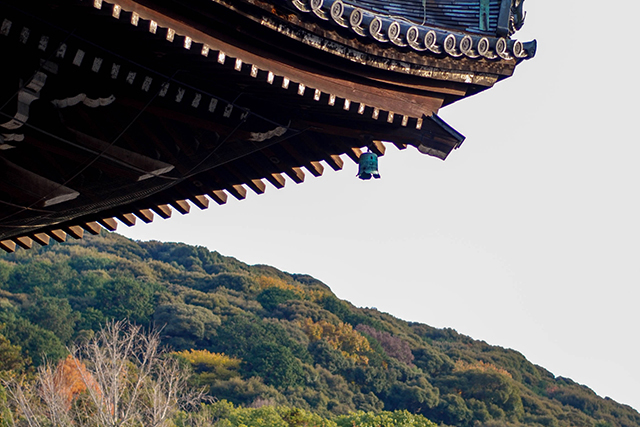
Chionin (知恩院) is the head temple of the Jodo sect of Japanese Buddhism.
Yasaka Shrine
八坂神社, 625 Gionmachi Kitagawa, Higashiyama Ward, Kyōto, 605-0073, Japan
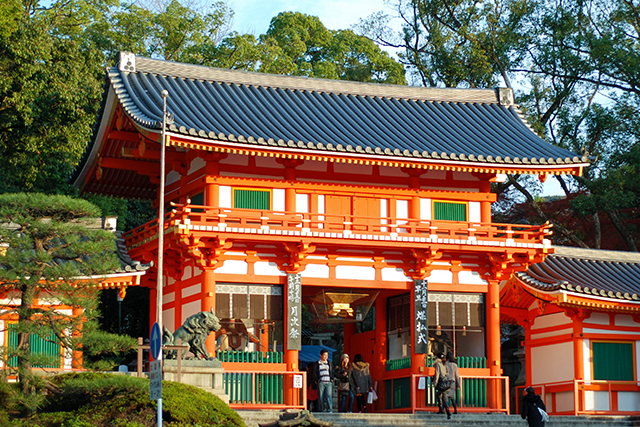
Yasaka Shrine, also known as Gion Shrine, was founded over 1350 years ago and is located between the popular Gion and Higashiyama districts.