On our first visit to Kyōto, we left having seen all the major (and some minor) temples and not much else. Indeed, we saw so many, most of them became a blur in our memories (but we have photos!). So, after skipping Kyōto in 2014, I’d managed to convince D this time around that there are indeed things other than temples in Kyōto, an easy 40 minute train trip from Ōsaka on a rapid train or in 15 minutes on the shinkansen for 2.5x the price.
We’re heading towards the last few days of our trip in Japan, and D and I have fallen into our habits of sleeping in. Running late, we find breakfast after arriving in Kyōto.
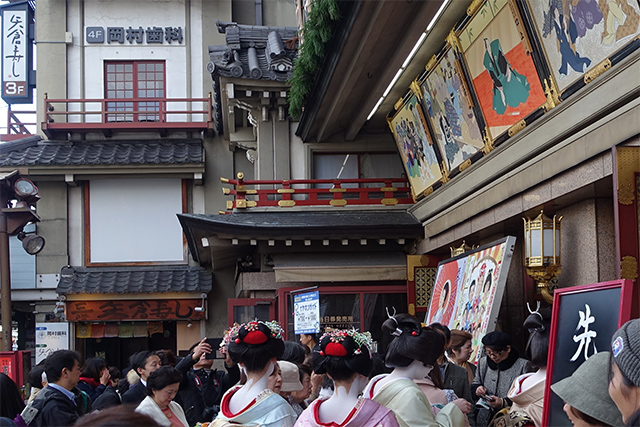
Heading out of the exit for Gion at Keihan Railway Gion-Shijo Station, we’re greeted by crowds.
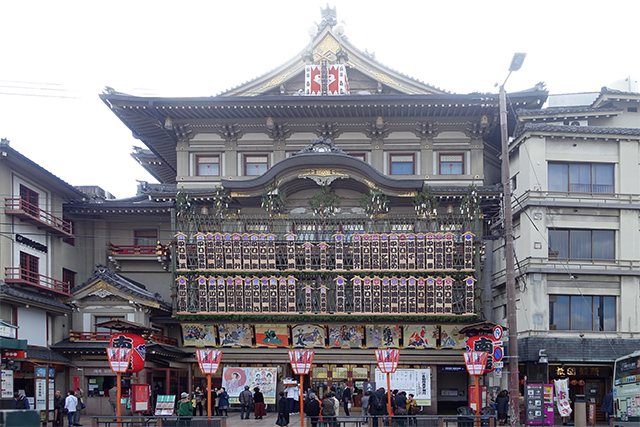
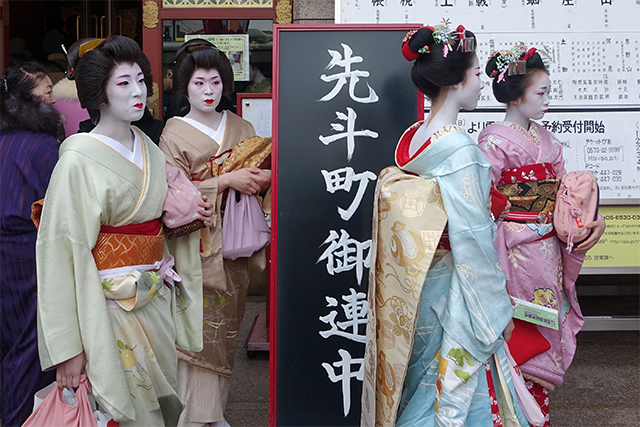
We find out it’s the geishas standing outside the Minamiza Kabuki theatre, allegedly the ‘best place in Japan to see kabuki’.
I join the large crowds wielding cameras – how often do we see geisha? People wearing kimonos, yes, but not geiko or maiko (the latter evidenced by the loosely hanging scarlet-fringed collar of the kimino, the stripes of bare skin exposed on their nape, and the wareshinobu hairstyle).
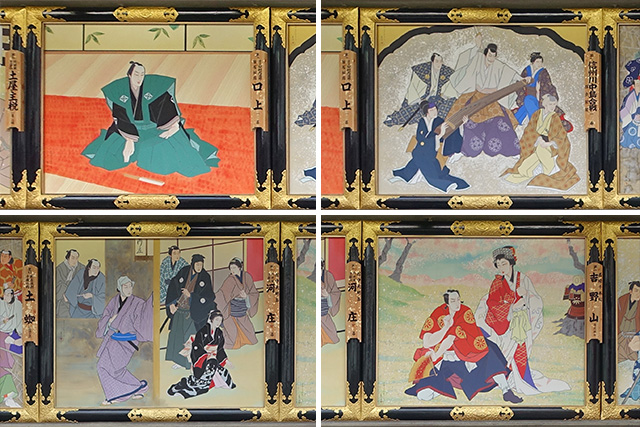
Above the entrance to the theatre are ukiyo-e prints (of kabuki actors?).
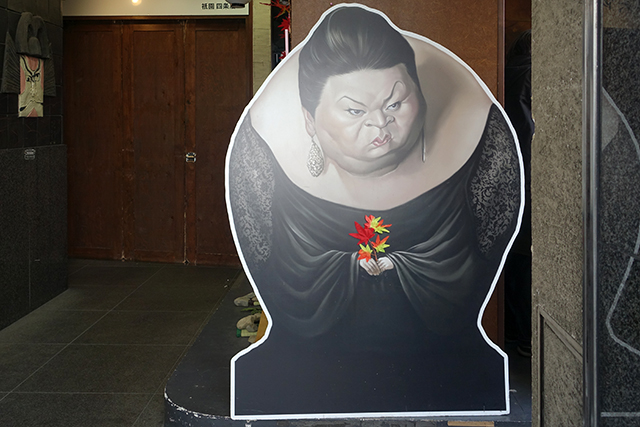
Having stumbled right into one of the most quintessentially Kyōto of experiences upon arrival, we continue down Shijo Avenue towards Hanami-koji Street. On the way we pass by a caricature of Matsuko Deluxe (a popular Japanese TV personality known for his cross-dressing stage persona) holding momiji. We first came across him in 2011, and it took us four years to figure out his name, through some Google-fu involving searching for the Japanese TV guide and then translating it into English one night while watching a TV show featuring him in our hotel room.
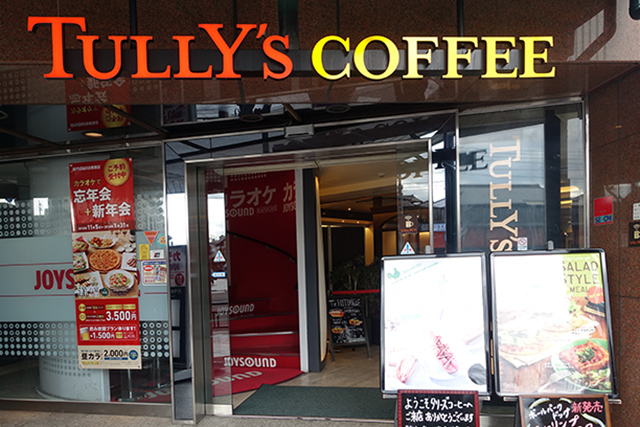
Before we hit Hanami-koji Street, we stumble into the grand opening of a pull candy store. We spoil our appetites with samples of azuki and yuzu candy, but can’t find either being sold as individual flavours. Instead, we head across the street into Tully’s Coffee for breakfast.
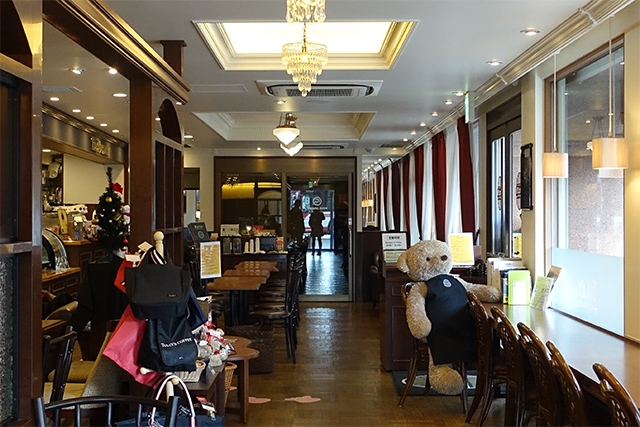
This Tully’s Coffee is decked out in dark wood and chandeliers, with a full English menu and staff speaking fluent English.
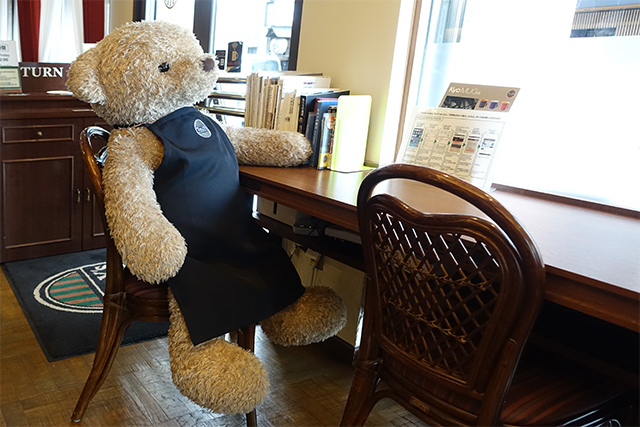
We have a breakfast companion! D and I join the Tully’s bear for breakfast and even flip through one of the picture books in front of him.
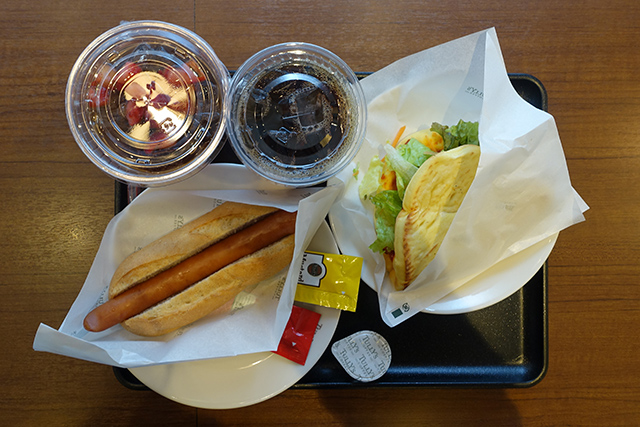
D has a hotdog with an iced coffee, while I have the salad pizza bacon and marina with a Cabernet & Strawberry Tea.
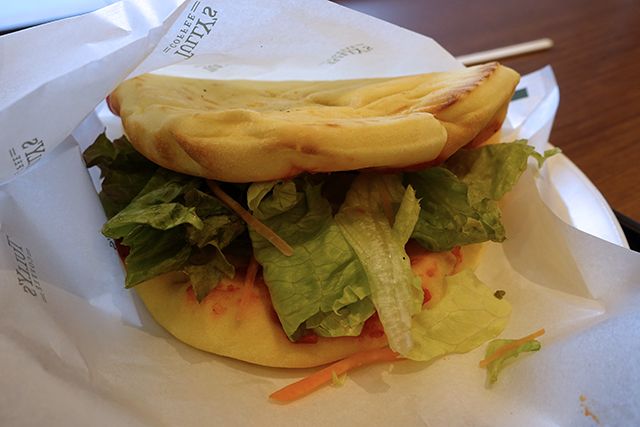
I thought the pizza would be too doughy but it was just right and the innards delicious – nothing like some cheese to bind everything together. The only thing missing from the salad of lettuce and carrots was some juicy tomatoes.
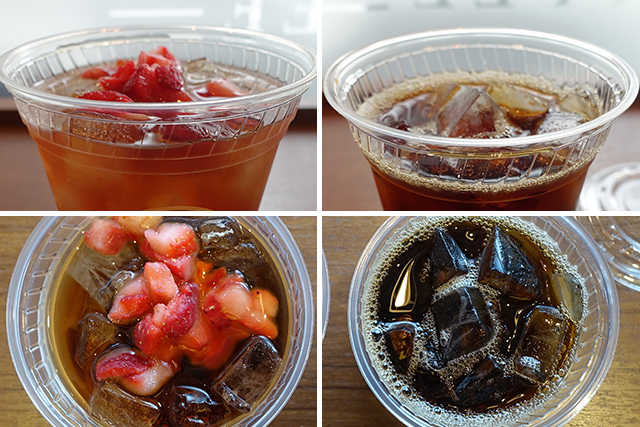
The Cabernet & Strawberry tea (left) is a black tea with 20% fruit juice from red wine grapes in Cabernet Sauvignon, topped with fresh strawberries. The grapes bring a mellow sweetness to the drink while the strawberries add punches of sweet and sour to the tea. Yum!
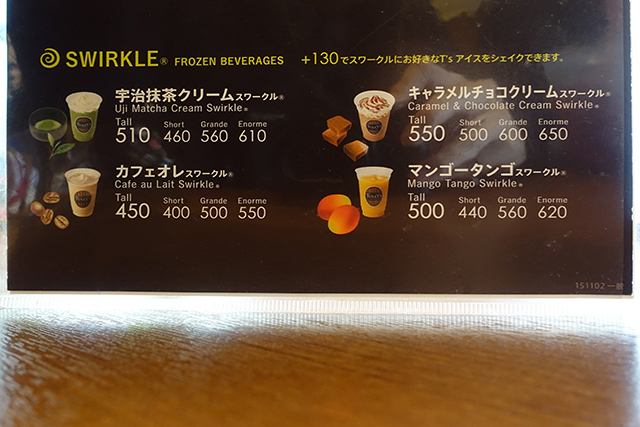
Having a closer look at their menu, it seems they call their ice blended drinks swirkles. Interesting choice of (non)word.
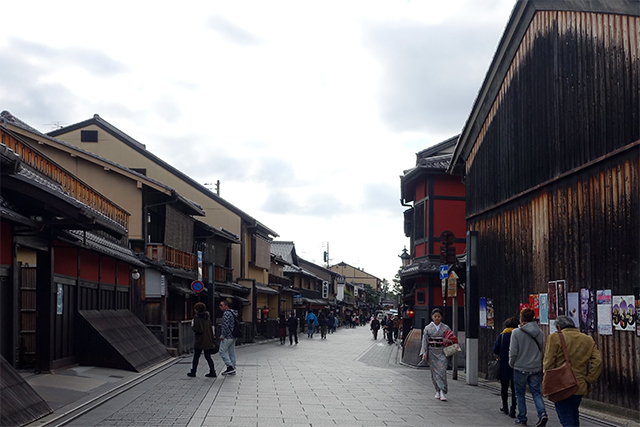
Freshly energised we head across to the Gion area around Hanami-koji Street.
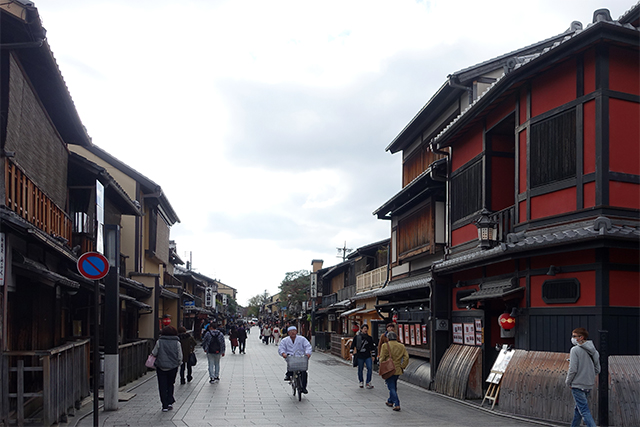
Gion is famous for its high concentration of traditional wooden machiya merchant houses, which are now filled with restaurants and chaya. There aren’t too many shops, though.
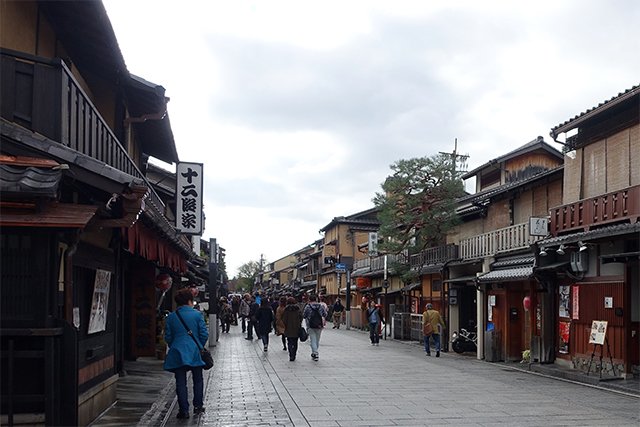
The houses in the district were built with narrow facades only five to six meters wide as property taxes were formerly based upon street frontage. Each house extends up to twenty meters in from the street, though.
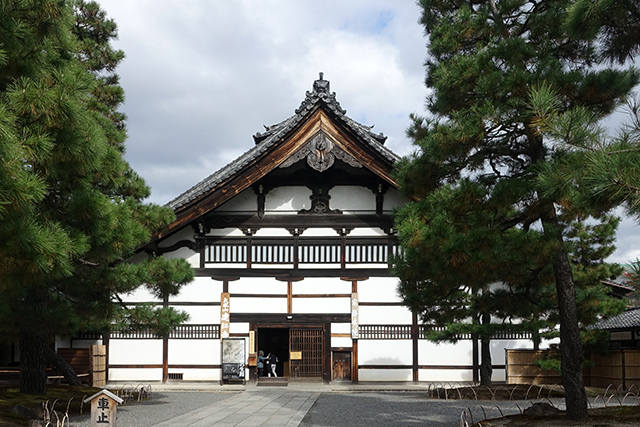
At the end of the Hanami-koji area is Kenninji Temple.
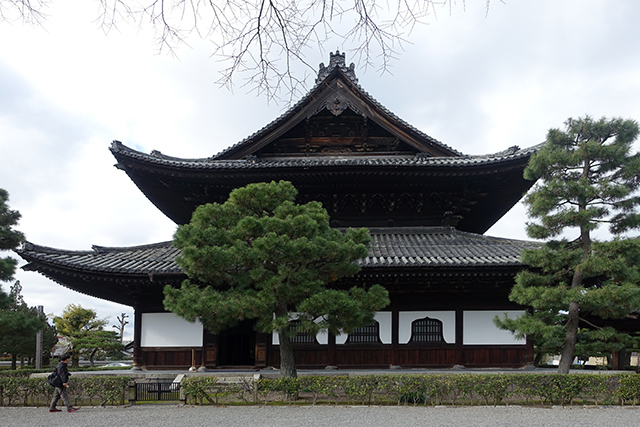
Kenninji Temple is considered to be one of the “five most important Zen temples of Kyōto”, and claims to be the oldest of the five.
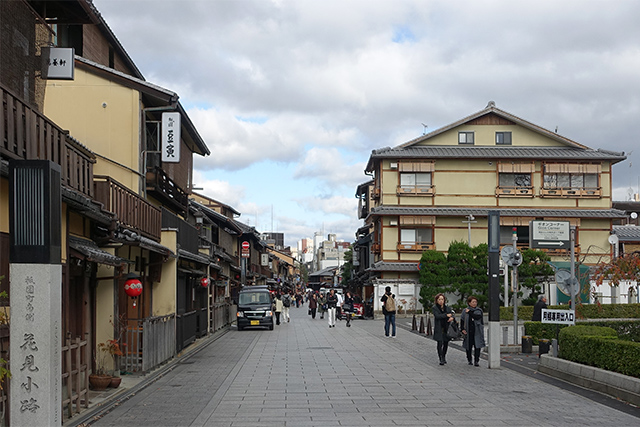
It’s not as charming as we’d imagined, though it’s probably more atmospheric at night when the geiko and maiko entertain.
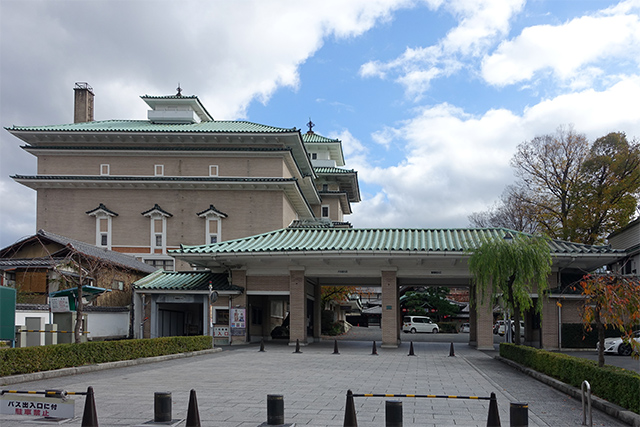
This is Kaburenjo Hall and Yasaka Hall (behind), both of which are blatantly geared towards international tourists. Maiko and geiko give presentations in the former, while the latter has one-hour crash courses in seven of Kyōto’s professional performing arts – kyogen classical comedy, kyomai dance, gagaku music, kōtō harp, bunraku puppet theater, the tea ceremony, and flower arrangement.
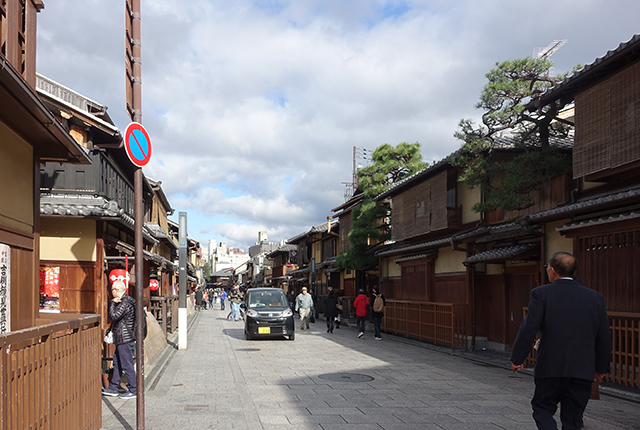
There aren’t too many shops along the street, so we’re through the area rather quick.
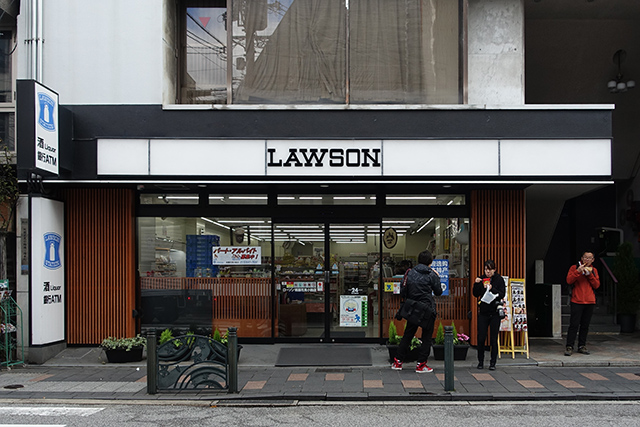
We pass by this rather fancy looking Lawson with its monochromatic and wooden palette.
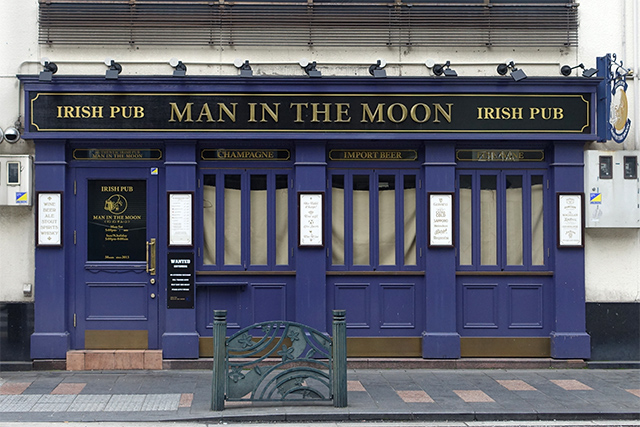
Opposite the Lawson we bump into an Irish Pub. Pretty ordinary, right?
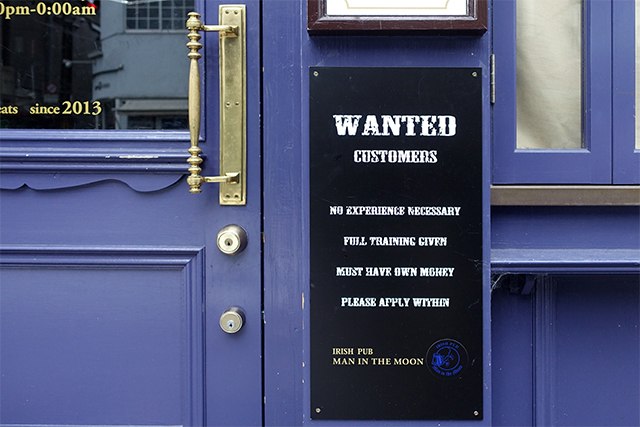
Except for their quirky sign inviting customers inside.
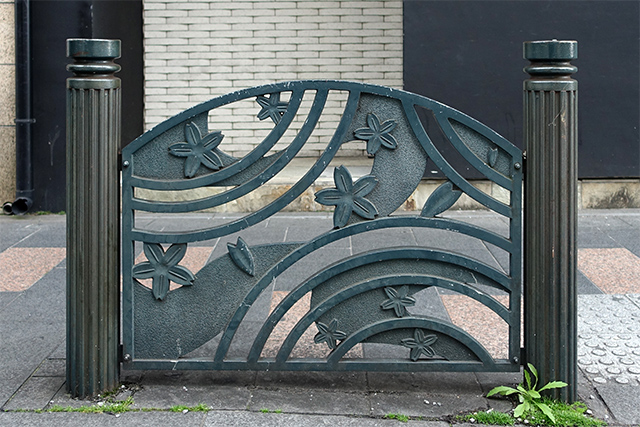
We see some sakura decorated fencing.
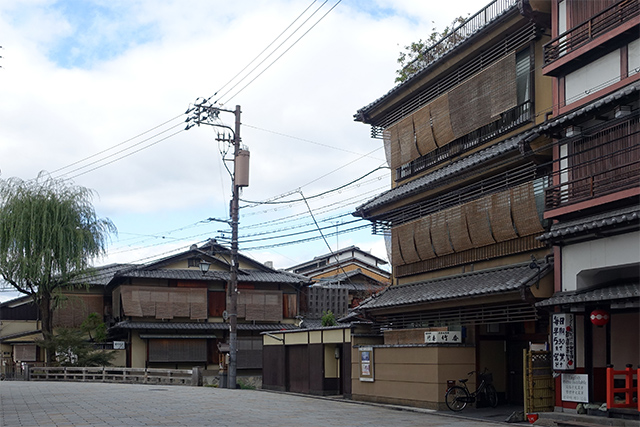
And after just a short walk, we’re at the Shirakawa area of Gion. It’s rather quiet.
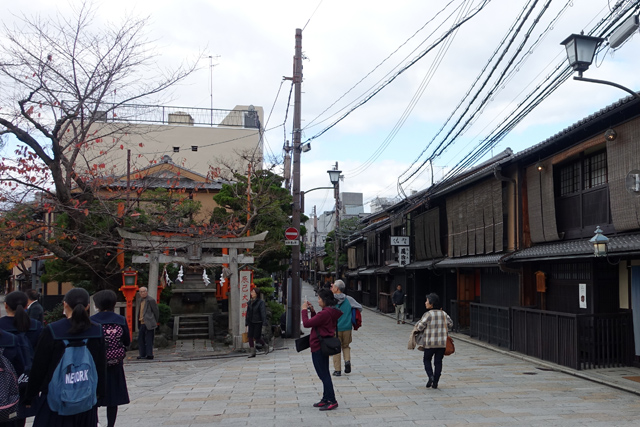
As you approach, the road forks out into a Y shape at the Shinto Shrine.
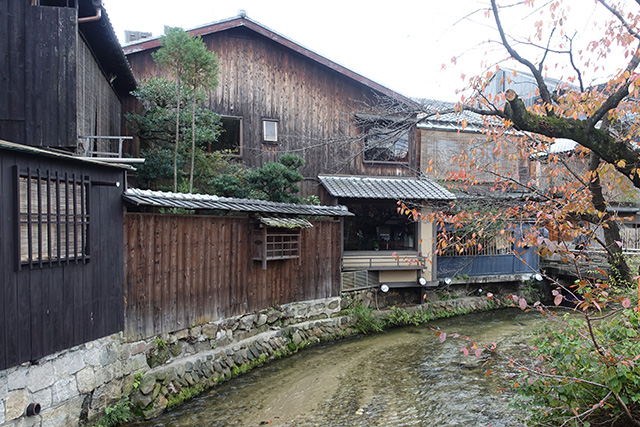
The left fork is the one that runs next to Shirakwa canal. We see ojisans with their foldup chairs painting the view.
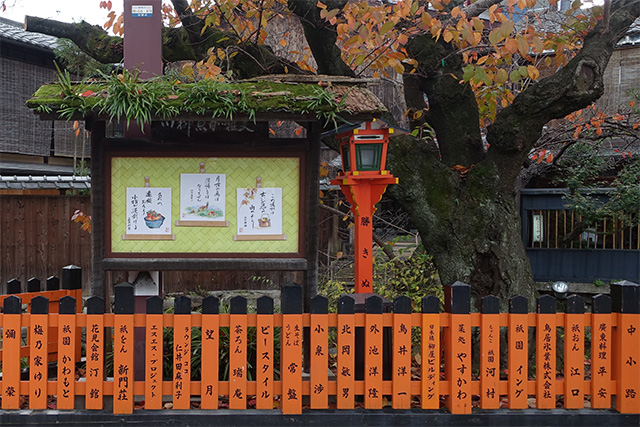
The area immediately left of the shrine has tamagaki (fence of the shrine) and a notice board.
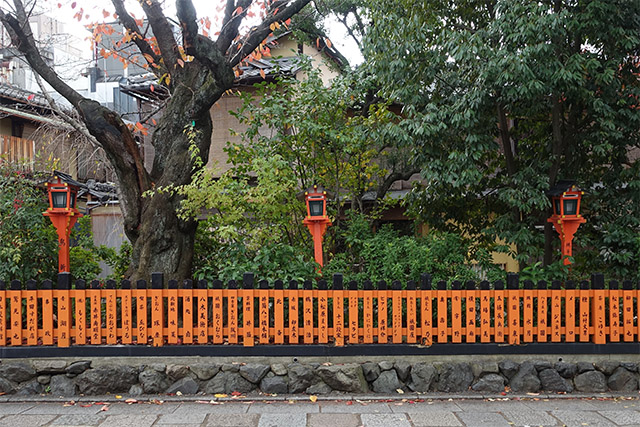
The tamagaki feature names of famous people who have visited the shrine.
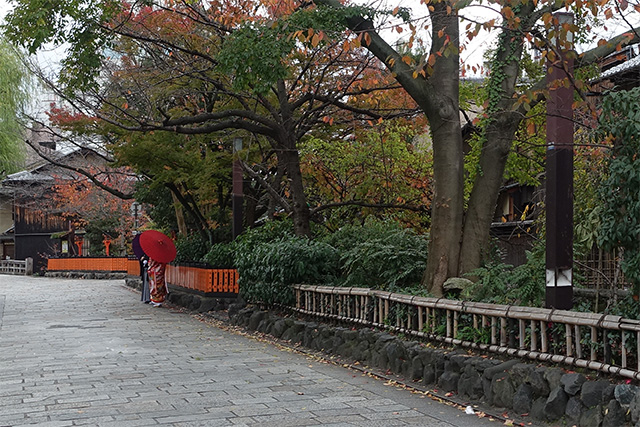
This geisha district is a lot quieter than the earlier one. Here, we see a couple donned in traditional dress, followed by a photographer taking photos of them.
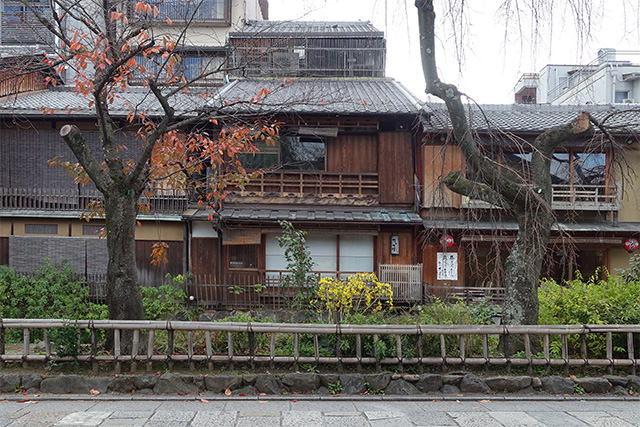
On the opposite side of the canal are shops and teahouses.
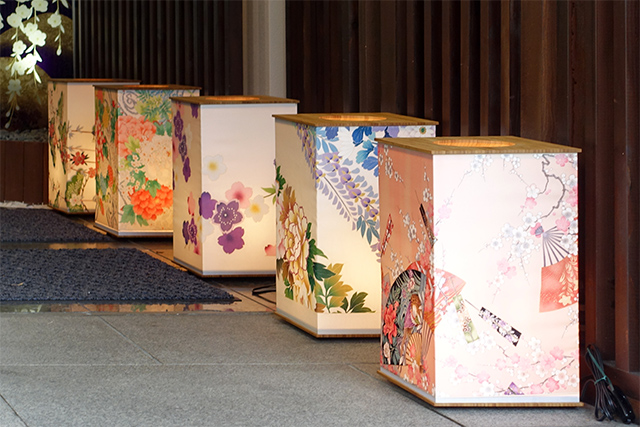
There’s an art gallery of sorts along the street with these pretty lanterns lining the entrance hall.
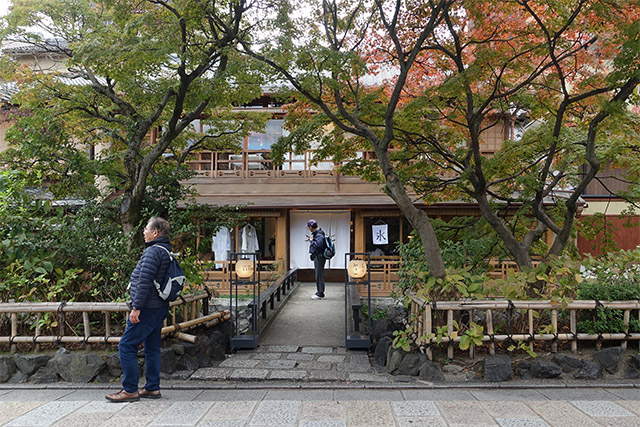
This tea house has a particularly beautiful entrance framed by maples.
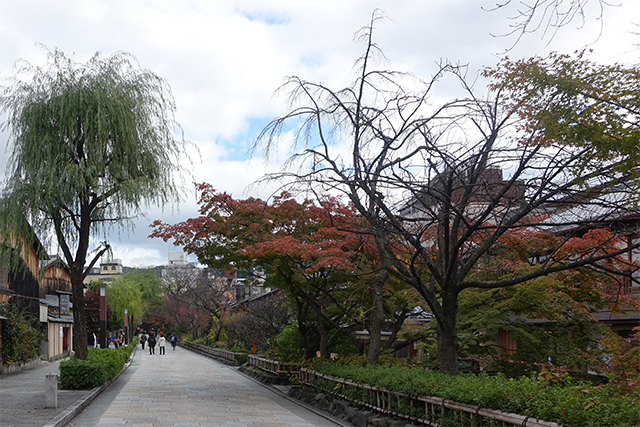
Shirakawa is Kyōto’s ‘most beautiful street’ lined with willows, maples and cherry blossoms.
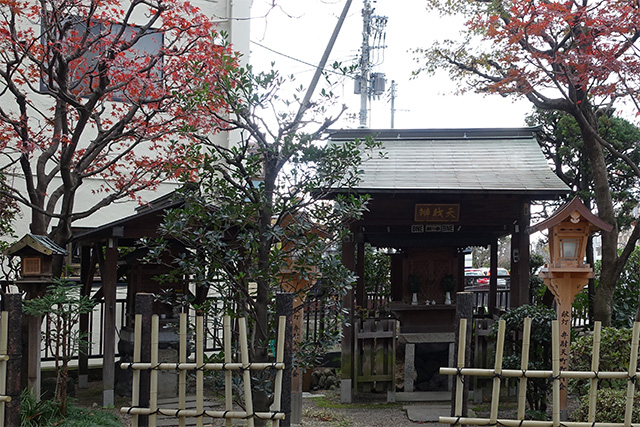
At the other end of the street we find a small shrine.
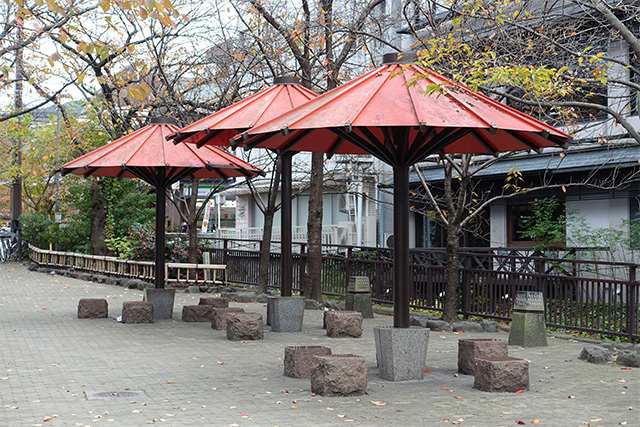
And some red umbrellas with makeshift stone seats.
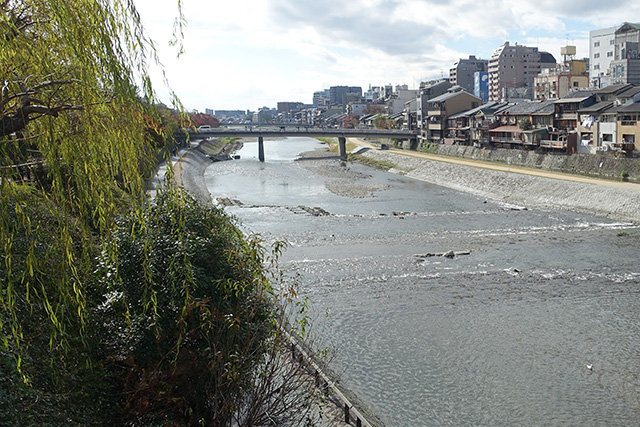
And with that, we cross to the west of the river.
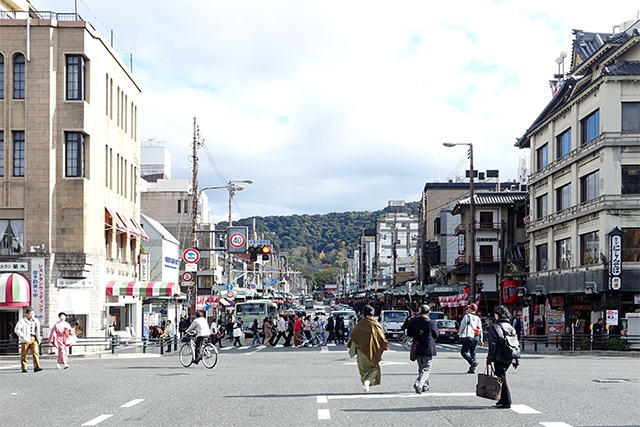
It’s a scramble crossing.
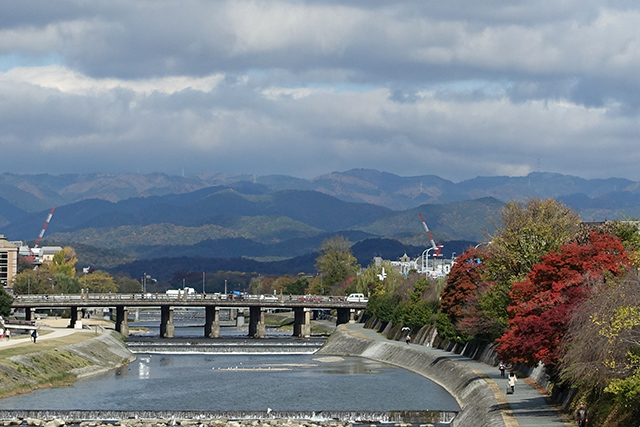
Australia is so vast that we don’t get the luxury of mountainscapes in the suburbs. We can see the Blue Mountains from Sydney but they’re much furth r away.
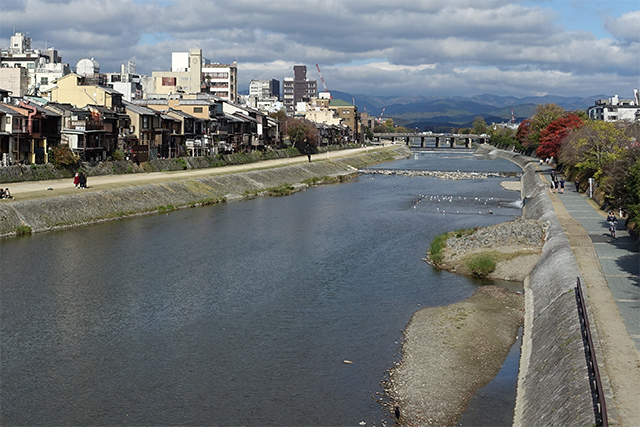
The west side of the river is much busier than the east.
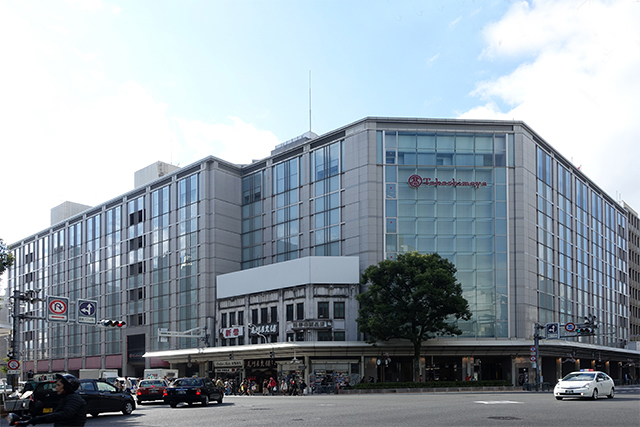
D and I idle around this intersection trying to connect to wifi to find a 7-Eleven with an ATM.
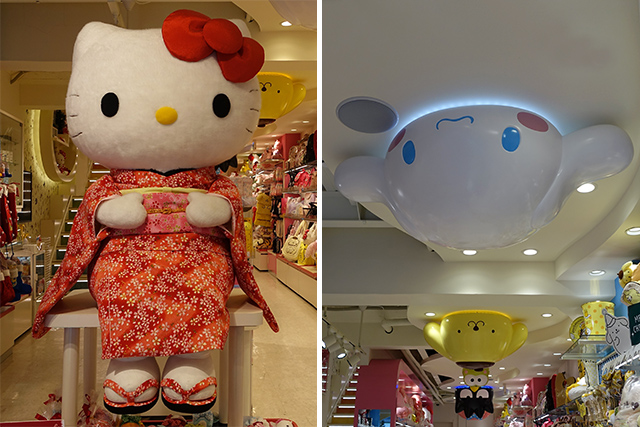
Walking towards Teramachi Street, we stumble into the Sanrio store to be greeted by a Hello Kitty in a kimono and various other characters hanging from the ceiling.
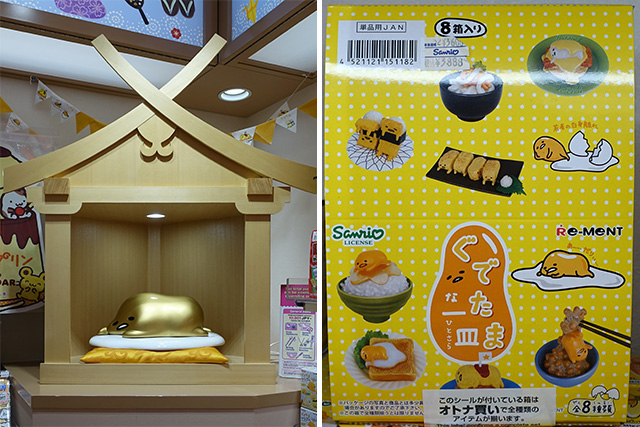
We find Gudetama, a lazy egg, rather endearing. There’s even a makeshift shrine to him in the store (not for sale).
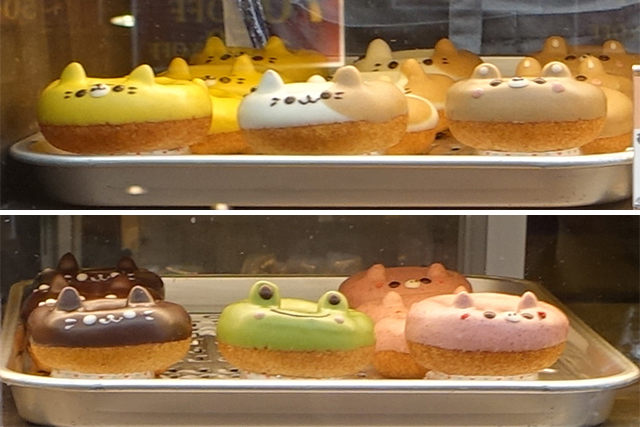
Passing by another Floresta Nature Doughnuts, we spot the frog and various bears that we’d missed in Hiroshima. Alas, they don’t taste as good as deep fried doughnuts.
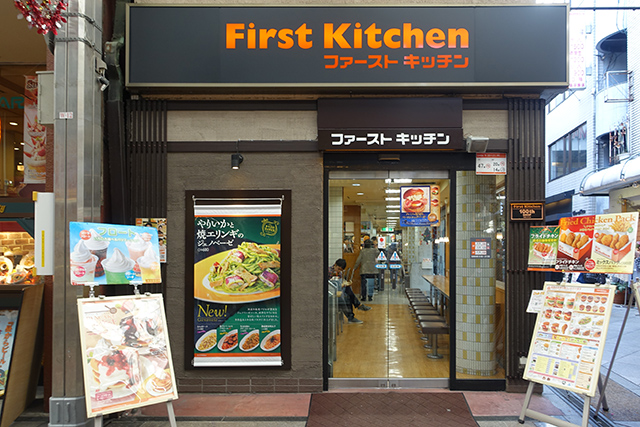
One of the things we’d tried last trip in Tōkyō that we were very keen to try again, was the corn pottage flavoured chips at First Kitchen. Throughout our trip, we were disappointed to not find any stores in western Japan. That is, until we reach Kyōto! This is the 1000th First Kitchen store in Japan.
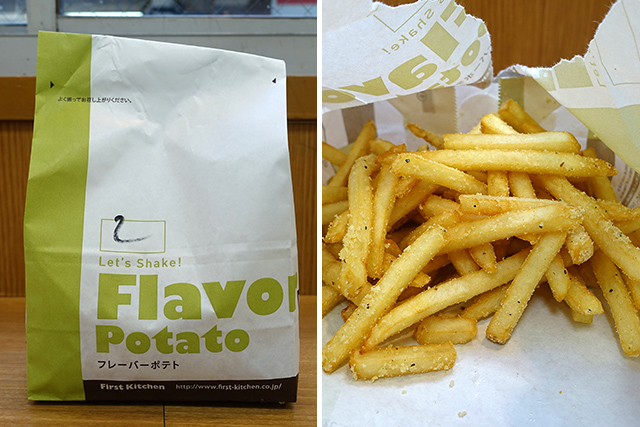
These corn pottage flavoured chips are delicious. Corn pottage is homey and chips are comforting carbs – there is nothing better. Now I just need a way to eat these more often without, you know… Travelling to particular areas of Japan.
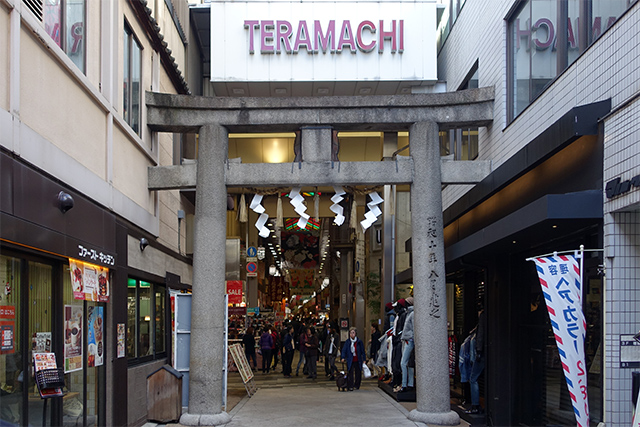
Outside First Kitchen is the entrance to Nishiki Market.
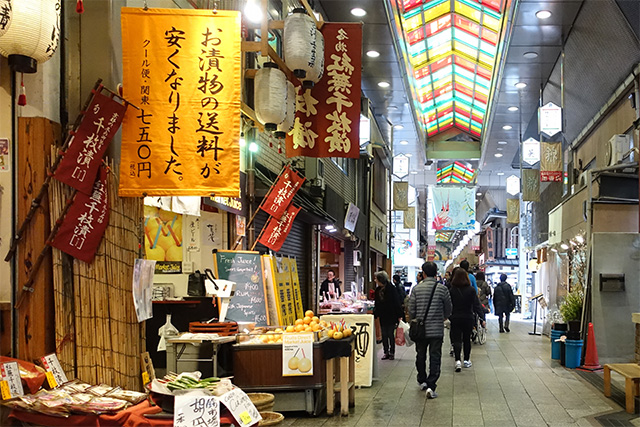
We make it about 50m down Nishiki Market before we take a detour to the 7-Eleven to visit the ATM and find a cheap drink as we’re super thirsty after the salty chips
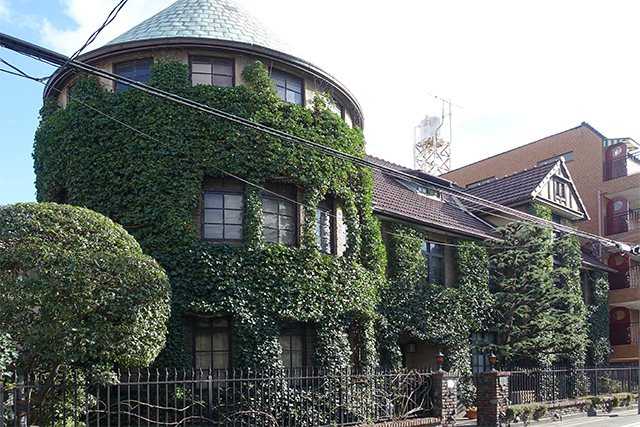
On a side street facing an elementary school is this Western-style building covered in vines.
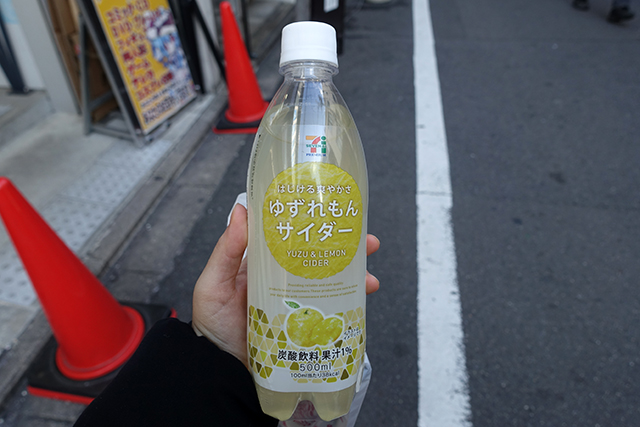
It’s not too far to the 7-Eleven, and we try the yuzu and lemon cider. Refreshing as always!
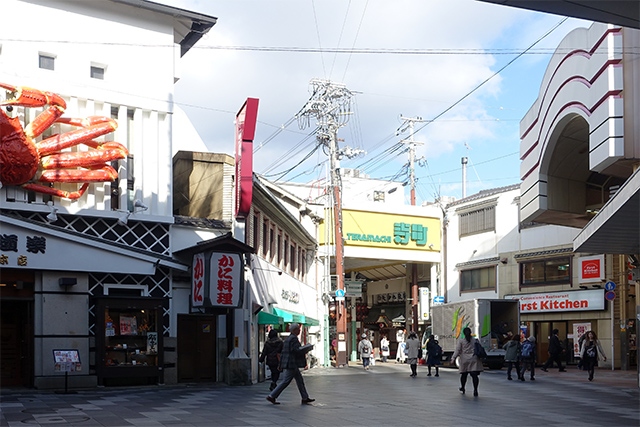
We take a detour back to Teramachi Street (we’ll head back to Nishiki Market later).
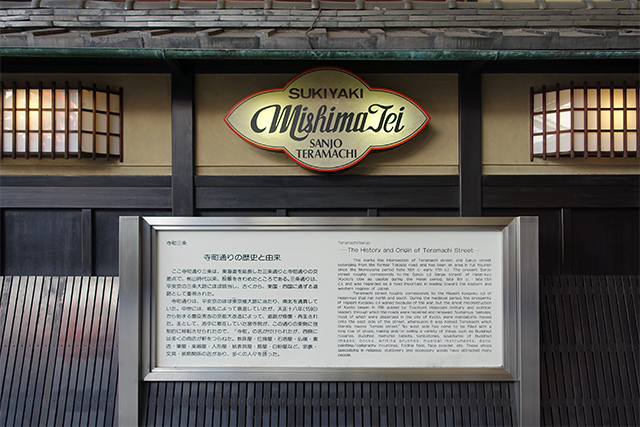
A sign outside this sukiyaki restaurant explains the history and origin of Teramachi Street.
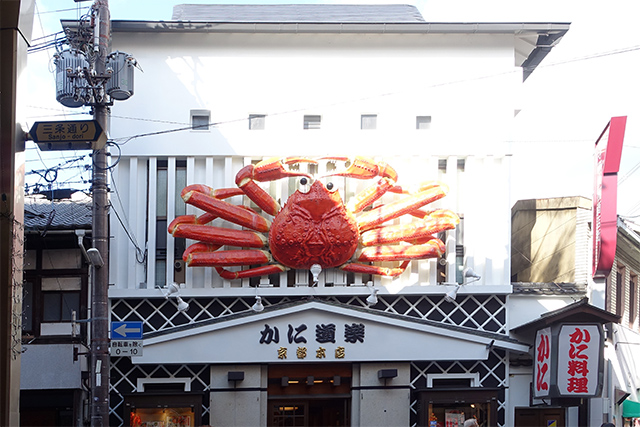
Opposite the plaque explaining Teramachi Street, there’s a restaurant serving crab.
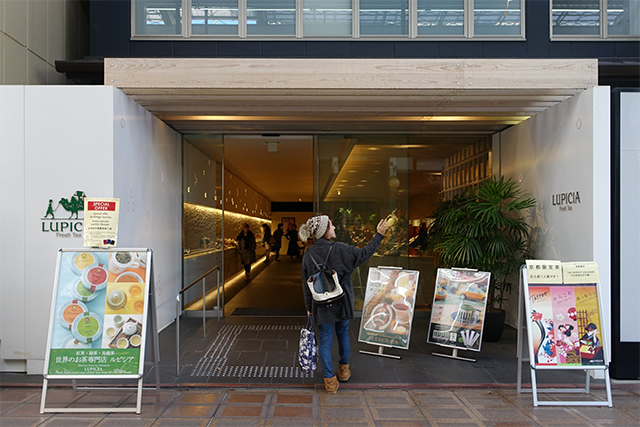
Round the corner, we stumble into the biggest Lupicia store we’ve seen. It has the entire collection available with samples for you to sniff. It is amazing. I wish I could just take this store home with me!
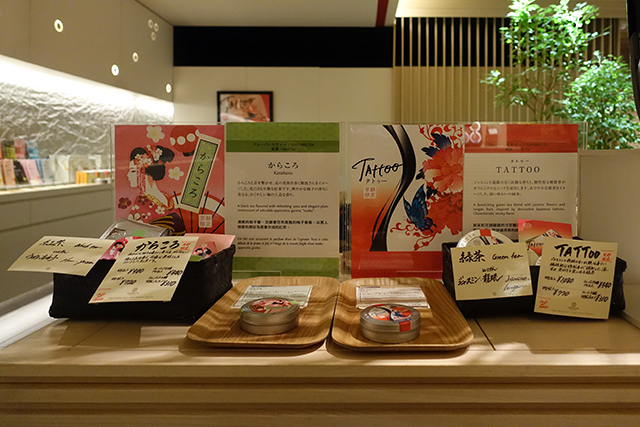
There are three teas available only in their Kyōto store: Karakuro (yuzu and plum green tea), Tattoo (longan jasmine black tea) and Houjicha and Cinnamon. Their Kyōto location is also the only store in Japan to offer tax-free shopping.
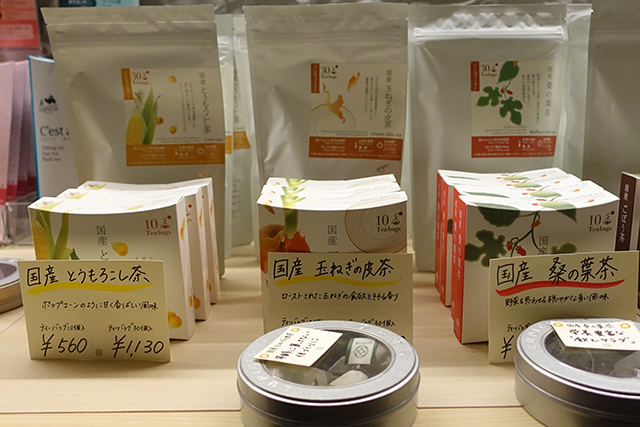
I’m keen on many teas at this Lupicia store, but not this onion peel tea.
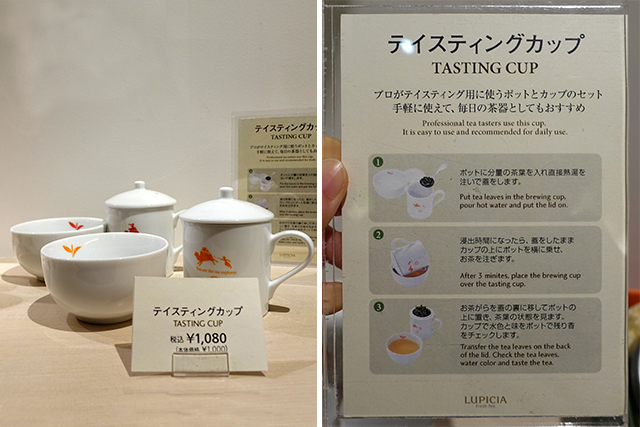
I’m tempted by this tasting cup set, but decide on the Hario One Cup Steeper instead.
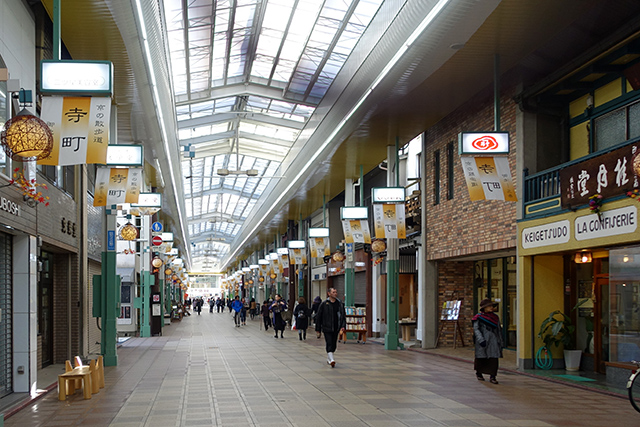
We make our way to the end of the covered Teramachi Street before turning back. There’s Ippodo a further walk down the street, but Lupicia is more my type of store.
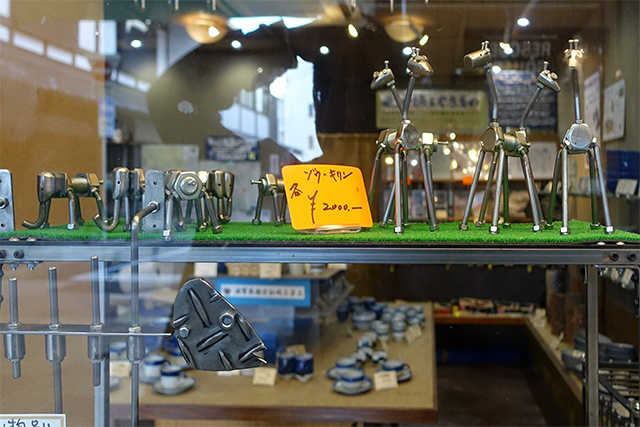
We spot a store selling toys made from mechanical parts.
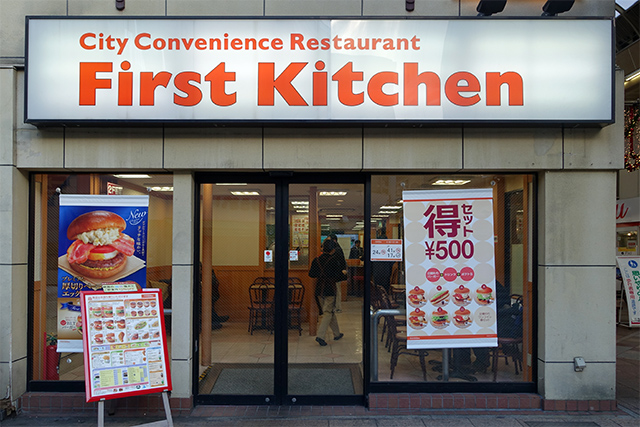
Chips haven’t satisfied our craving for First Kitchen so we’re back at the intersection of Teramachi and Sanjo Streets for lunch. They sell KitKats for Cafe here.
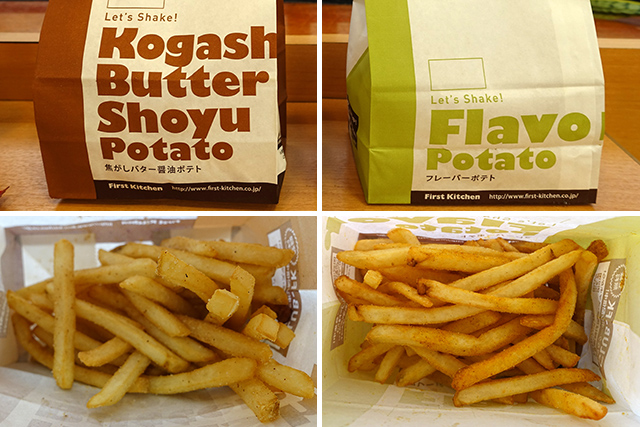
With our meal sets, we get the kogashi butter shōyu (soy sauce and butter) flavoured chips (left) and curry and cheese flavoured chips (right). The kogashi butter shōyu chips are addictively moreish, while the curry and cheese chips were more curry than cheese and tasted like the curry flavoured popcorn we had at Disneyland in 2014.
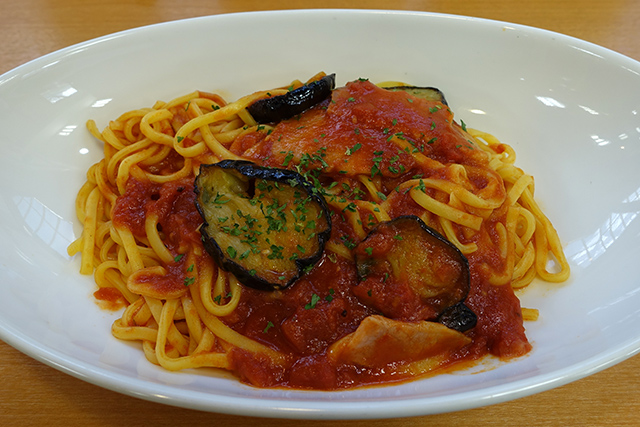
I have a tomato based spaghetti with eggplant and bacon. This was tasty – the eggplant was tender and firm and the bacon gave salty bursts of flavour. Yum!
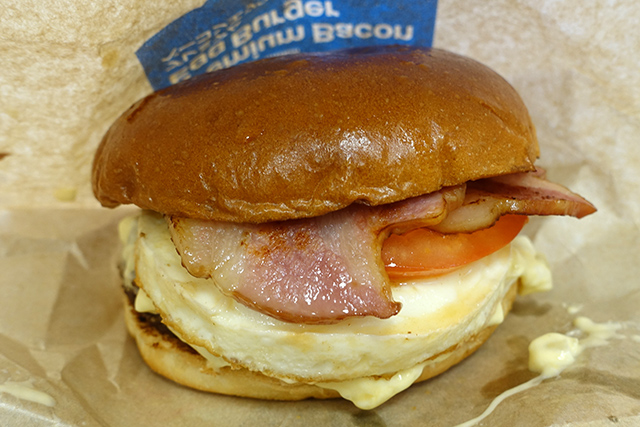
D tries their signature Premium Bacon and Egg Burger. He was very pleased with it, and I imagine it’d taste like a more awesome version. Of a bacon McMuffin.
All the meal sets come with a drink, and of course, being in Japan, we choose melon soda.
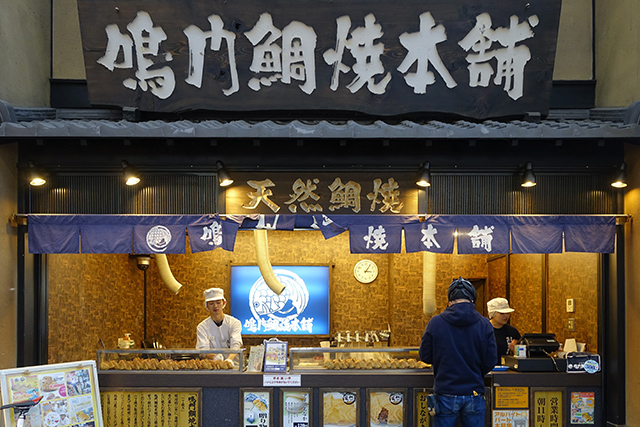
We spend the entire time we’re eating lunch on the second storey of First Kitchen watching this taiyaki store. The store is hugely popular with a constant stream of customers. What’s most fascinating, though, is watching the guy on the left work like a well oiled machine. The left cabinet is for custard filled taiyaki, while the right cabinet is for the traditional azuki bean filling.
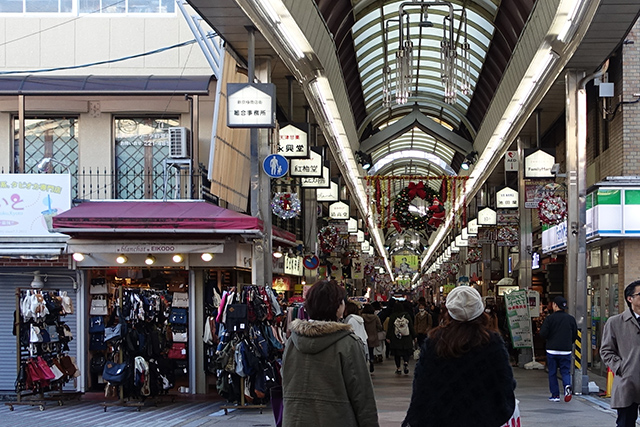
We back back down Shinkyogoku to Nishiki Market.
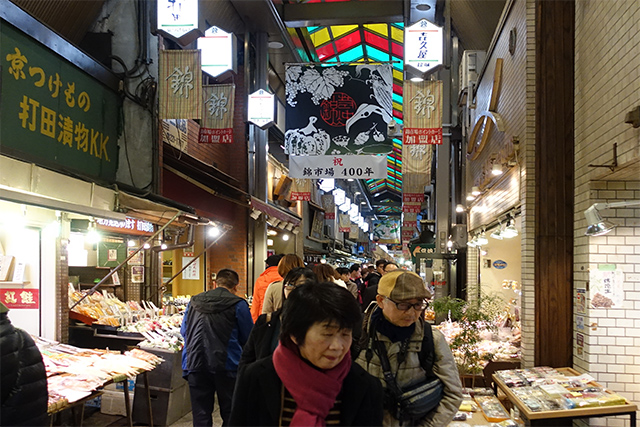
The market is teeming with people, just as it was this morning.
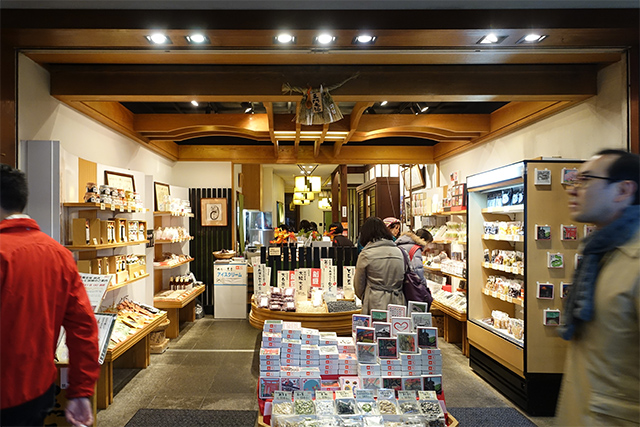
We pass by this seaweed store, which is rather unremarkable ….
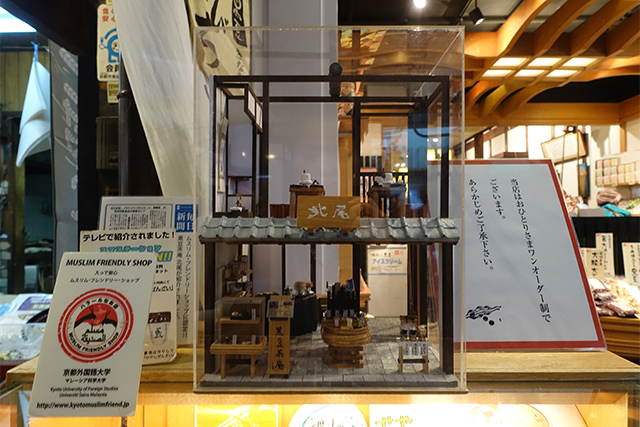
…except for the scale replica of their store, which is pretty true to life!
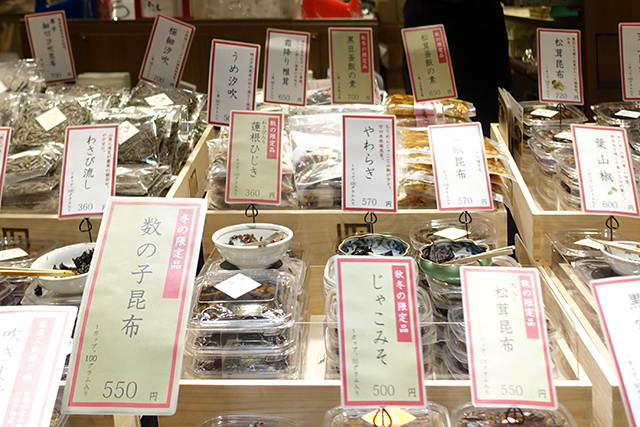
There are shops selling various pickled foods.
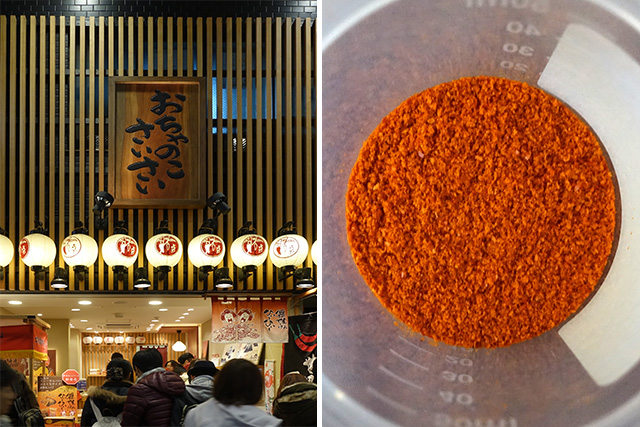
There’s a store near the end of Nishiki Market enticing customers with potato chips covered in chilli powder – the kind that sets your mouth on fire.
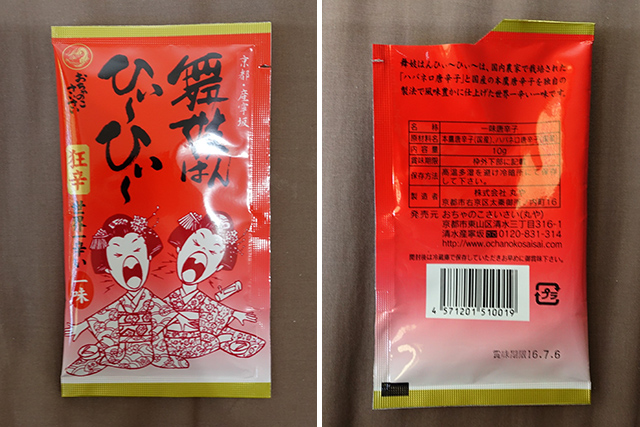
D buys some to sprinkle on his Pringles, as he’s forever disappointed that chilli flavoured chips are either too sweet or just warm.
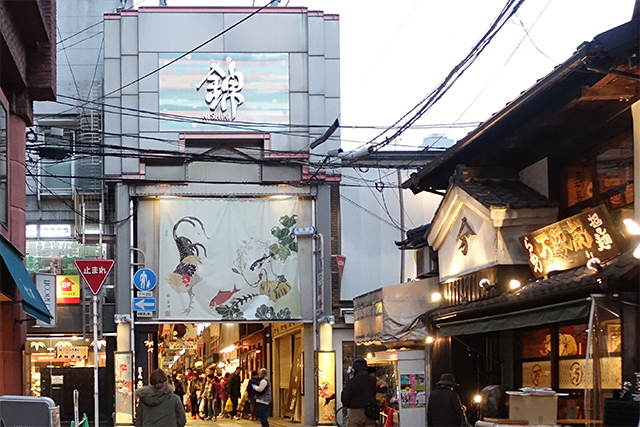
We reach the western end of Nishiki Market.
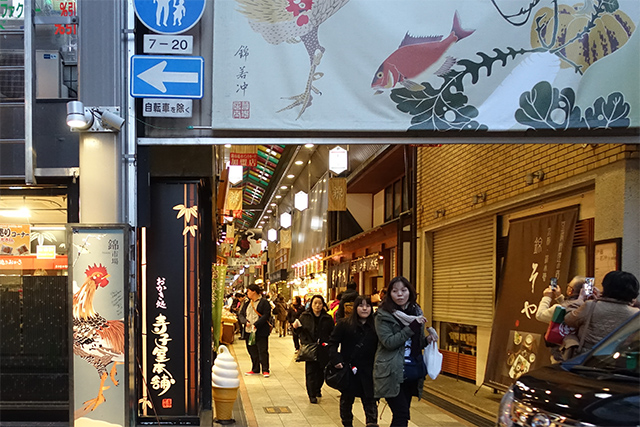
There are beautiful prints depicting various produce – a rooster, some fish, a pumpkin – hanging outside the western end.
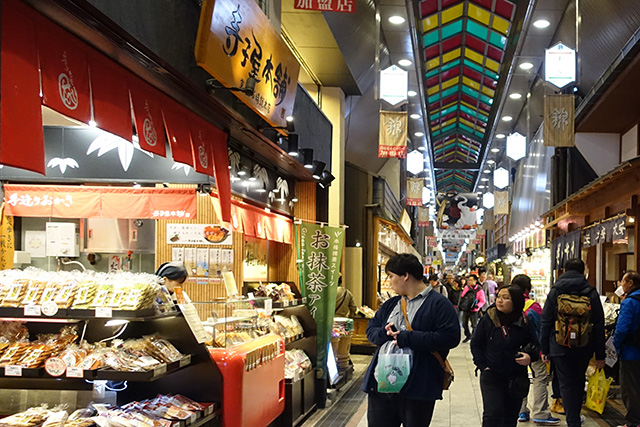
I’ve read that Nishiki Market, unlike the Ometocho Market in Kanazawa, is geared more towards tourists. You’d be unlikely to find locals doing their grocery shopping here.
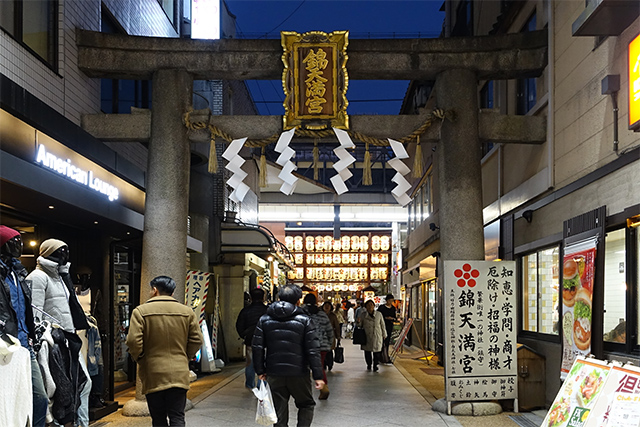
Back outside the market, we see one of the many shrines relocated from areas in Kyōto to the east side of Teramachi street (opposite the first First Kitchen we visited).
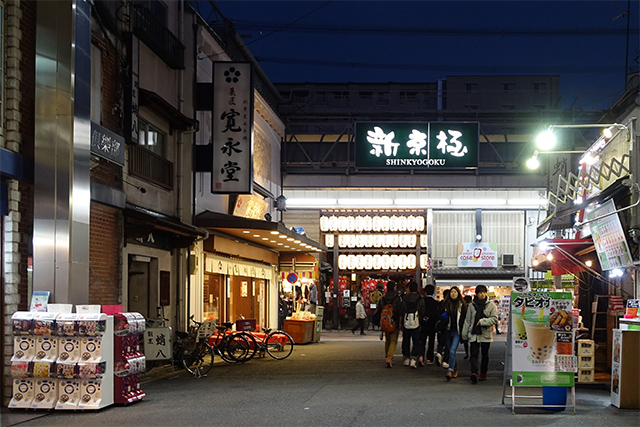
Further to the east, parallel to Teramachi Street is Shinkyogoku Street, a step down from the more ‘refined’ stores of Teramachi.
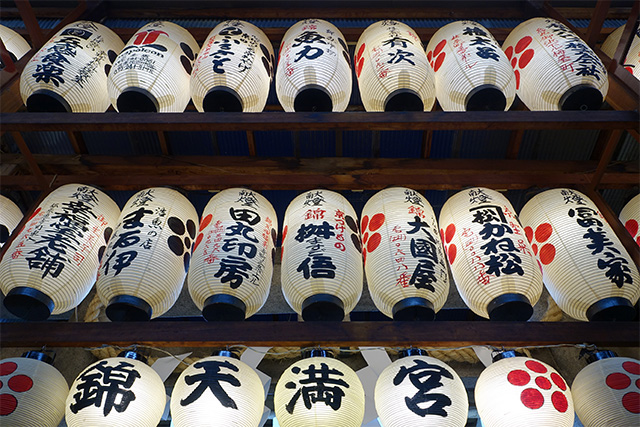
Dozens of paper lanterns are hung outside the shrine.
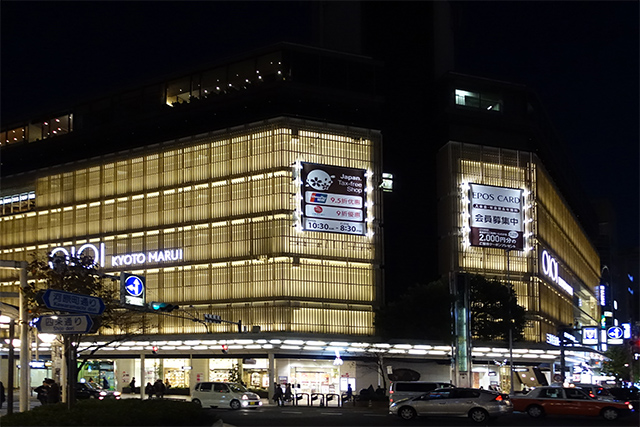
By now, it’s dark out. We had initial plans to visit the Kyōto Imperial Palace, but we opted to explore the shops instead. No regrets, though, as we saw parts of Tōkyō we’d not seen before.
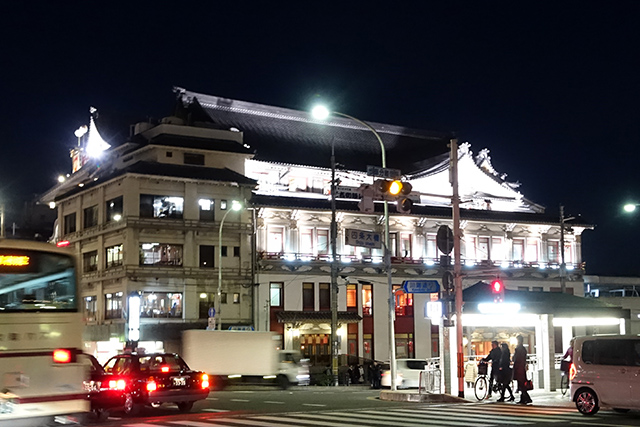
Walking back towards the Keihan Gion-Shijo train station, we see Minamiza Kabuki theatre lit up at night.
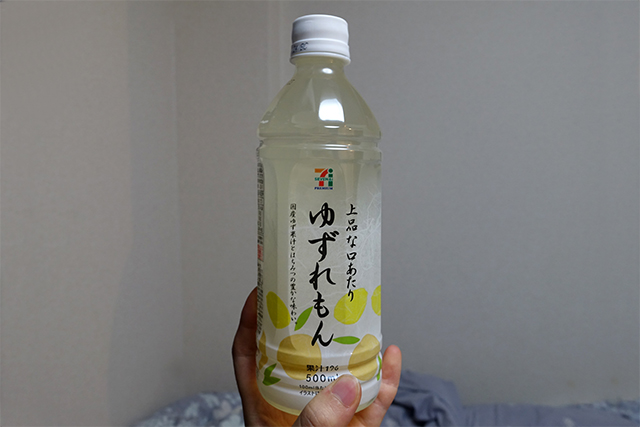
Back in Ōsaka, we visit the 7-Eleven outside one of the exits to Tanimachikyuchome Station and try out the yuzu lemon drink – we really cannot get enough of yuzu flavoured things!
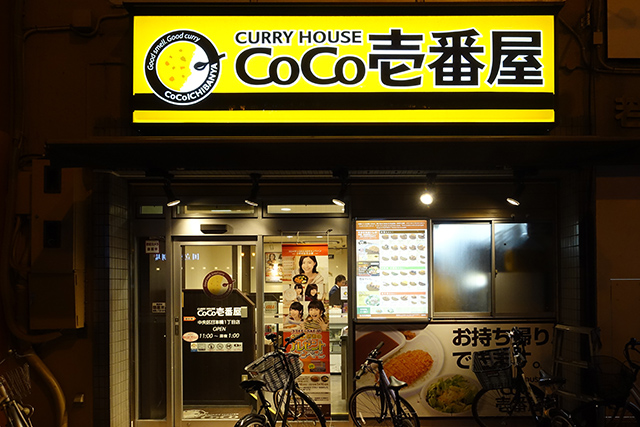
After a short rest, we head back out to the Coco Ichibanya Curry House near our accommodation.
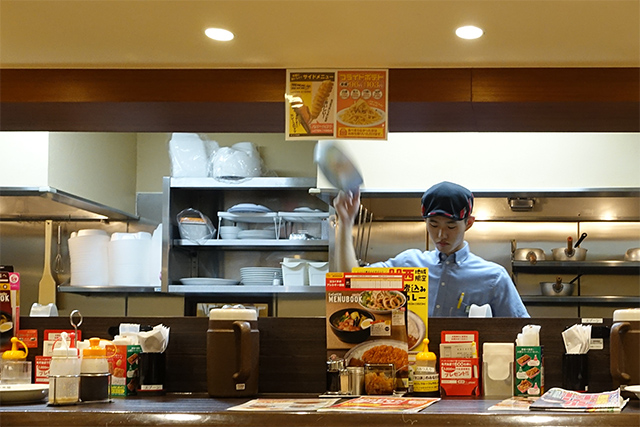
We’d spotted it during the first leg of our trip and intended to come back. It always blows our mind that their menu can be so ridiculously extensive and yet run by at most three staff members with speedy service.
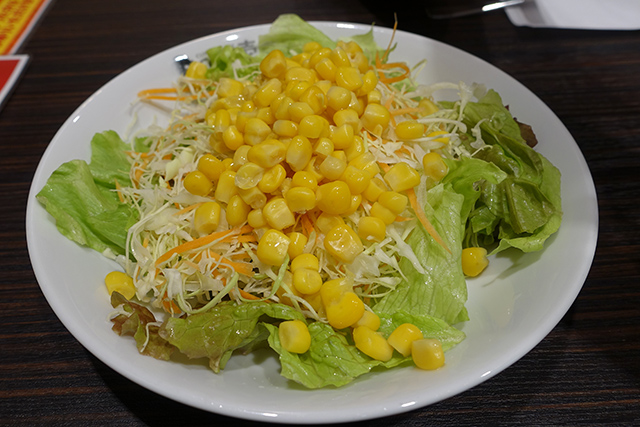
I convince D that he needs to eat some vegetables so we order a salad. I try to leave D a few corn kernels before inhaling the rest (I love corn!).
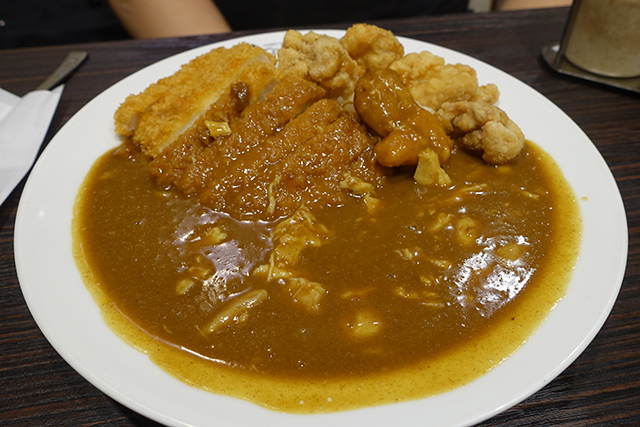
D orders the curry dish that comes with chicken cooked three ways – chicken pieces in the curry, katsu chicken, and karage. He loves his meat, and it’s deliciously juicy and tender here.
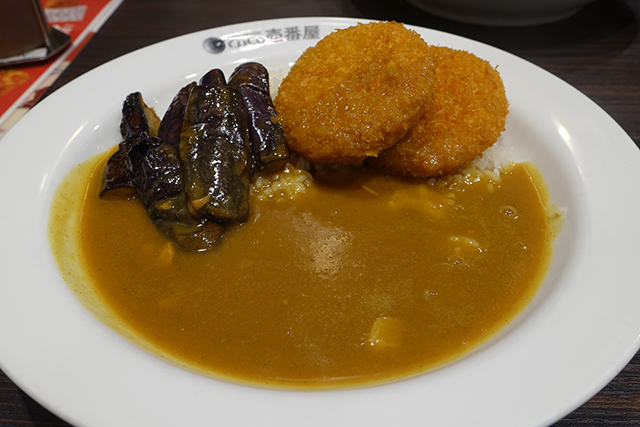
I stick to my favourite crab cream croquette, but this time I swap out the asami clams for eggplant. The croquettes never fail to impress, while the eggplant is a bit on the oily side, but still tasty nonetheless. Next time, I might get clams and eggplant with my crab cream croquettes! Yum!
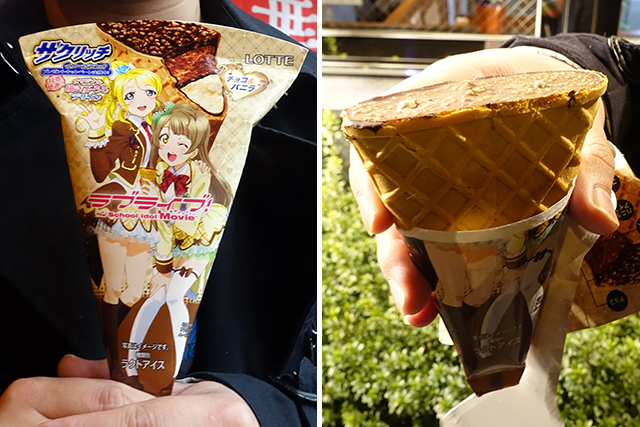
It’s really quite cold outside, so the perfect time for ice cream! So, to finish off the night, we head to Family Mart for this wafer cone. The ice cream tends to be a lot more icier in Japan than we’re used to in Australia, which is perfect for lactose intolerant people like me.