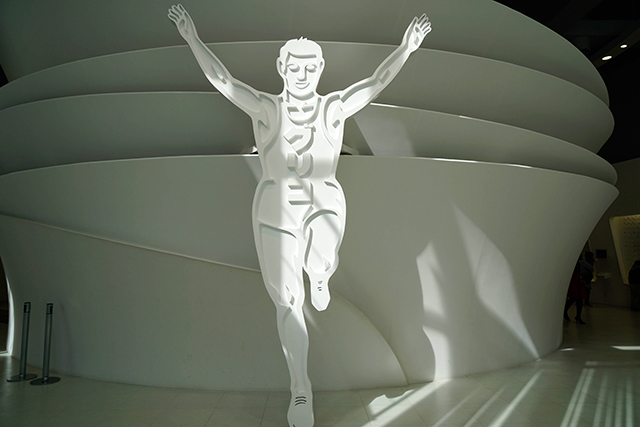
Glico’s Pocky and Pretz are perhaps only second to Nestlé’s KitKat in terms of my obsession with their variety of flavours the archive is any indication. And like many major corporations in Japan, they offer free tours of their facilities, so we make the visit to their factories at Glicopia East in Saitama before visiting the official Kumamoto satellite store in Ginza.
Tōkyō – Asakusa
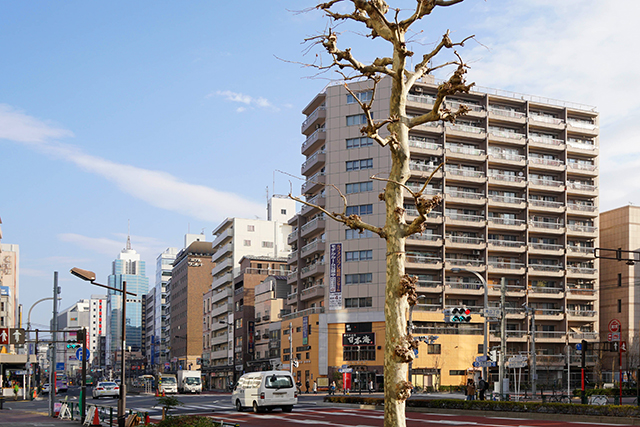
It’s a clear and bright winter’s morning. The air is super dry, but it’s fresh with none of the relentless smog we’ve been getting from hazard reduction burns around Sydney.
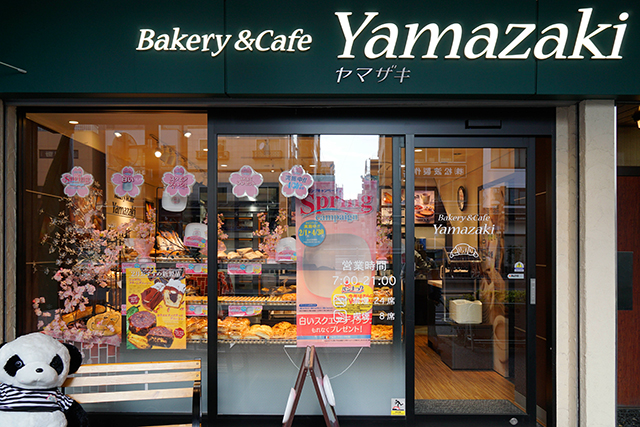
We stop by Yamazaki Bakery & Cafe near Tawaramachi Station before heading onto the metro.
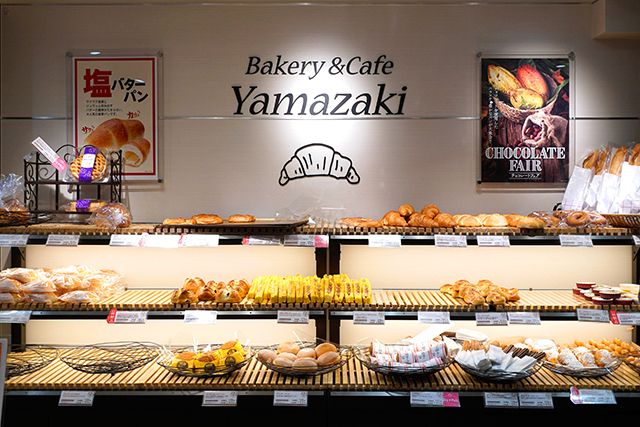
They offer a wide range of bread…
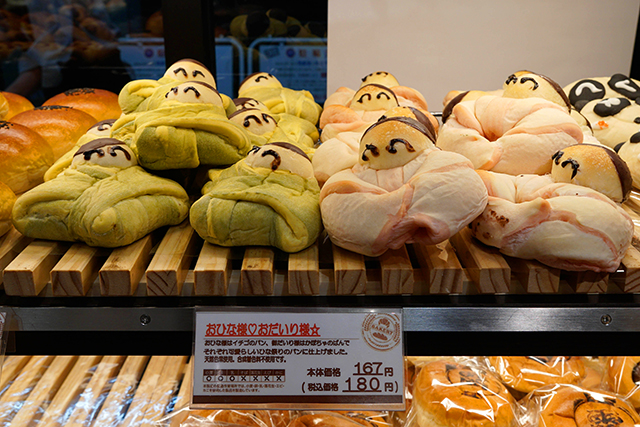
…including these matcha and azuki filled buns in time for hinamatsuri. We pick up curry pan and a sesame and red bean doughnut.
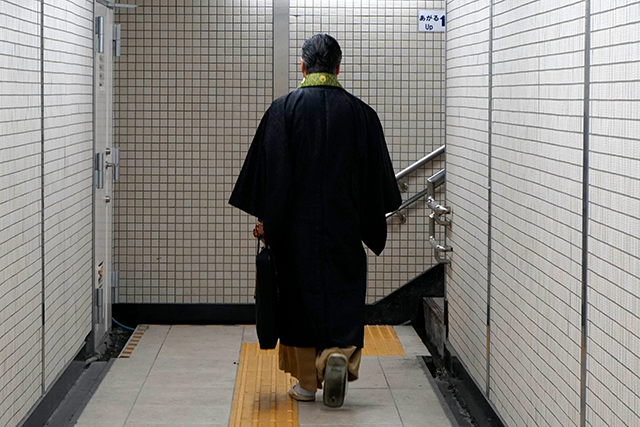
It’s a public holiday – National Foundation Day – and we wonder where this gentleman decked in traditional garb is heading towards as we walk through Tawaramachi Station.
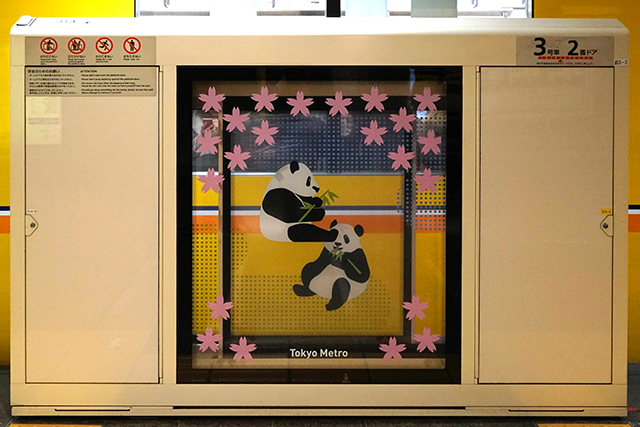
Many stations around Tōkyō are getting a facelift in time for the Olympics in 2020. The metro platforms at Ueno are now gated and feature pandas. Ueno is known for the pandas in its zoo.
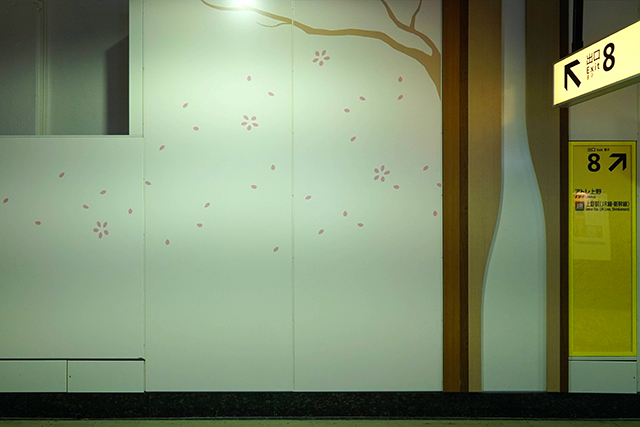
Walking through to the JR part of the station, the walls feature sakura tree motifs.
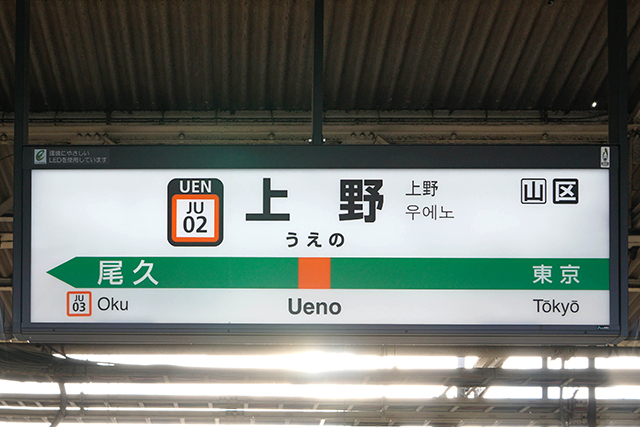
Since our last visit in 2015, the signs on the platform have been updated to include a numbering system involving the combination of two alphabet letters showing the railway line to which it belongs and a two-digit number, as well as the code and number of the station, enclosed in a box bearing the same colour as that of the train line.
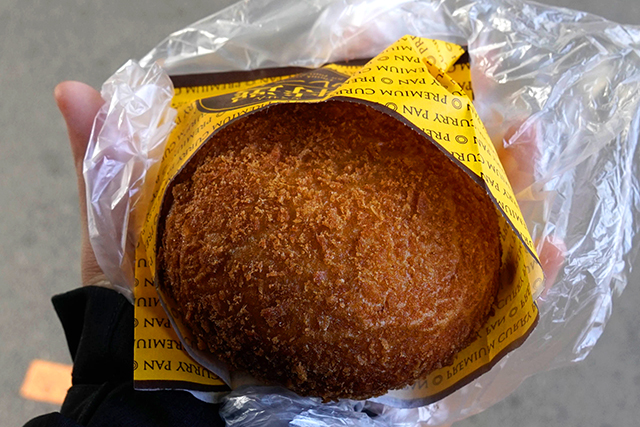
While we wait for the train, we quickly eat our breakfast. This is a Kari Kari Kare Donatsu (¥160).
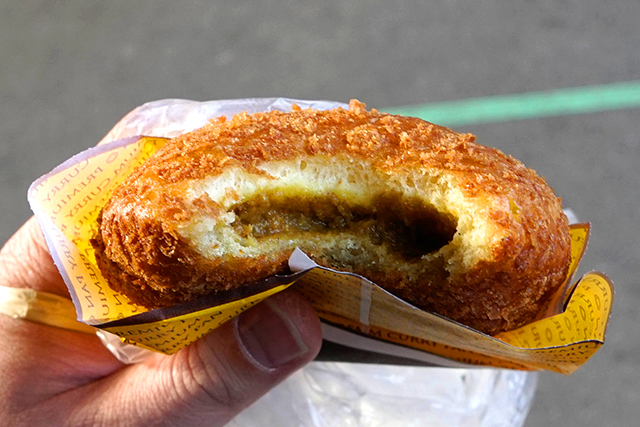
It’s pretty standard for a curry pan with a crispy outside that wasn’t at all oily.
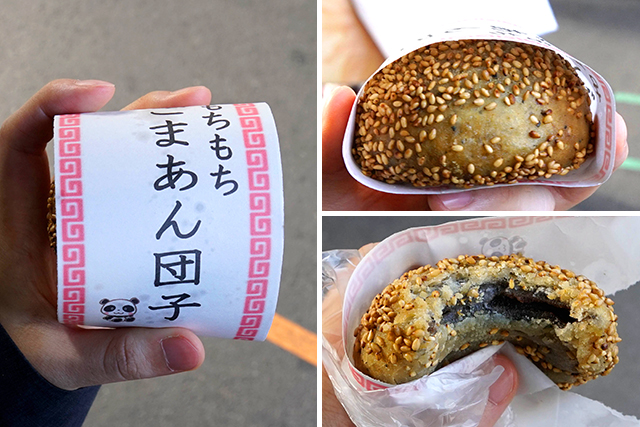
And this is a Goman Donatsu (¥140), essentially deep fried mochi with red bean paste centre and white sesame on the outside. It’s deliciously crispy and worth the ‘recommended product’ tag next to it on the shelf.
Saitama – Glicopia East
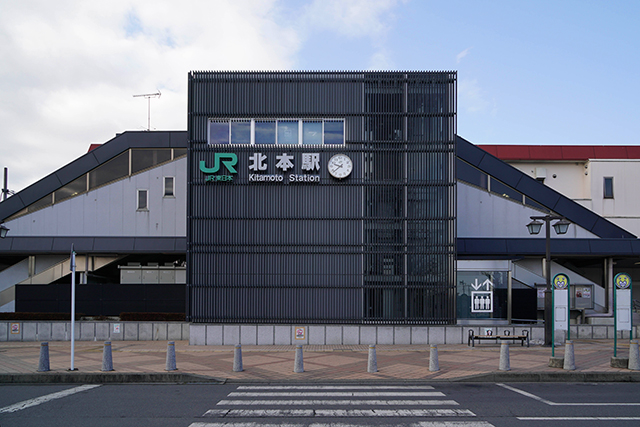
An hour later, we arrive at JR Kitamoto Station.
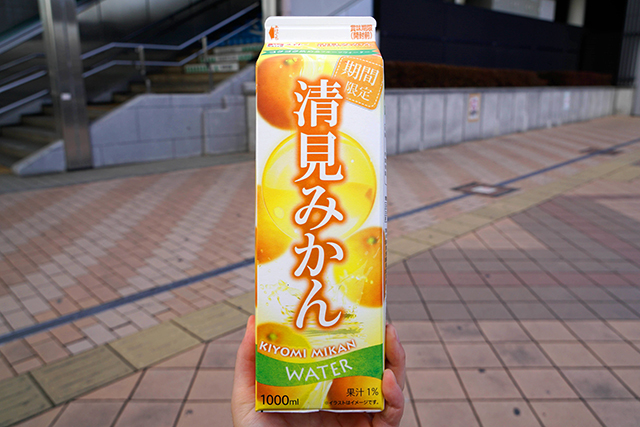
We stop by a conbini for a drink and find this Kiyomic Mikan Water. It’s refreshing and tastes like mandarin cordial.
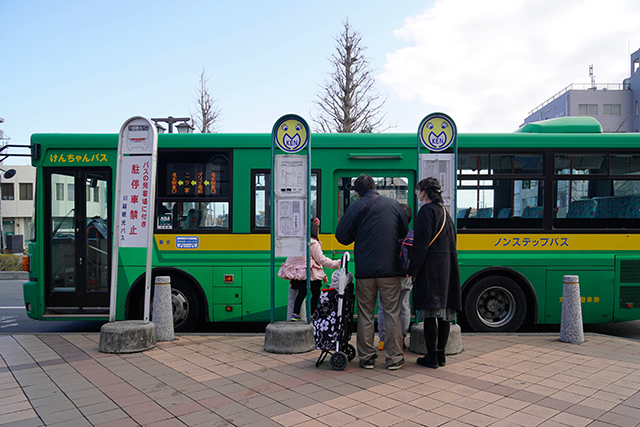
This is the Ken-chan bus to Glicopia. Similar looking buses for different routes start at the same bus stop, so we were careful to check with the bus driver.
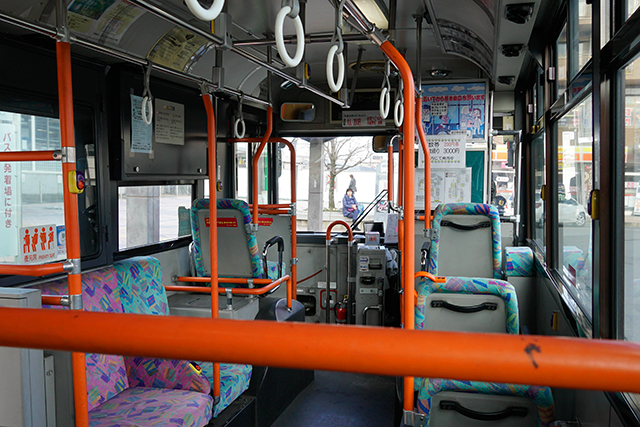
We’re early, so we encounter an earlier bus and the driver kindly directs us to the correct bus. Phew!
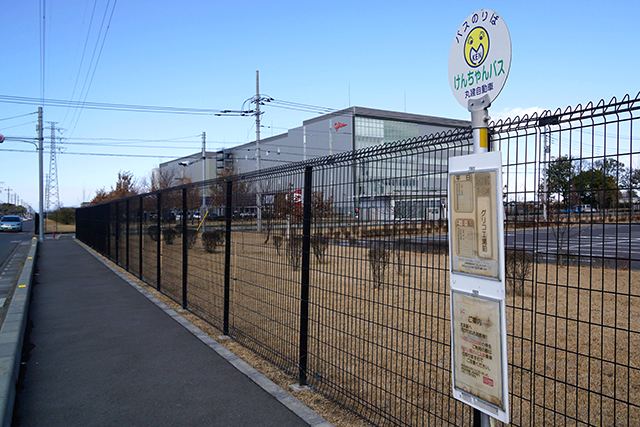
Luckily, there’s another family visiting the facilities, so getting off the bus is a breeze.
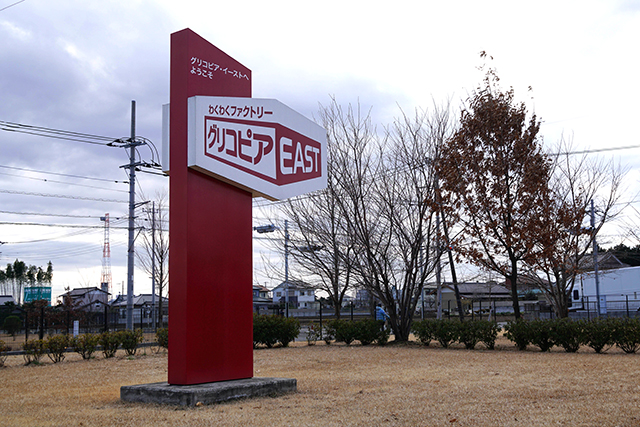
That said, the stops are announced (in Japanese) on the bus so it’s also possible to count the stops, as well as spot the massive facilities on your left before reaching the bus stop.
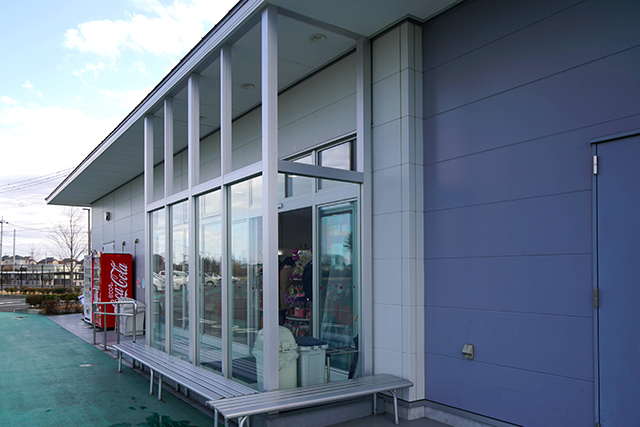
After checking in with reception, we’re directed to explore the gift shop and use the bathroom while we wait for the earlier group to finish their tour.
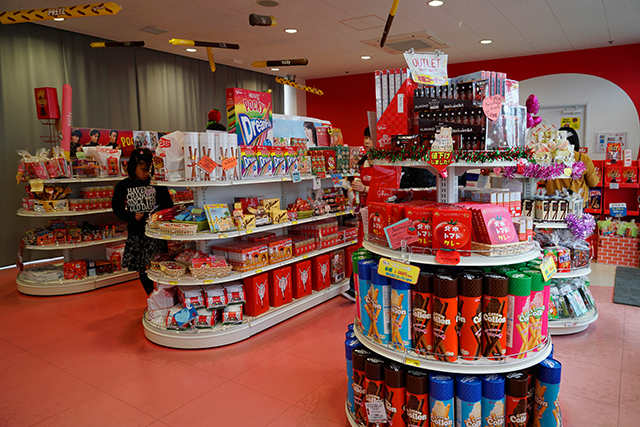
The gift shop sells a wide selection of Glico products aside from Pocky and Pretz (although there’s a lot of that too), including Collon and drinks.
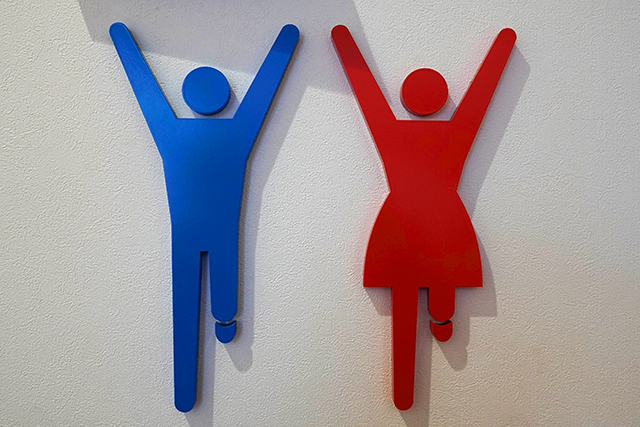
The unisex bathroom uses the famous pose of the Glico man.
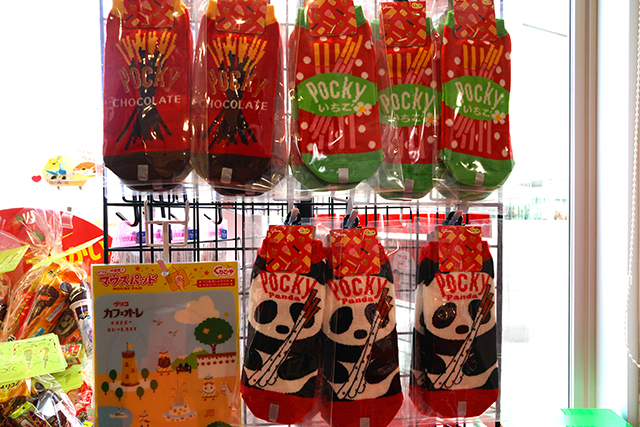
There are also Pocky socks!
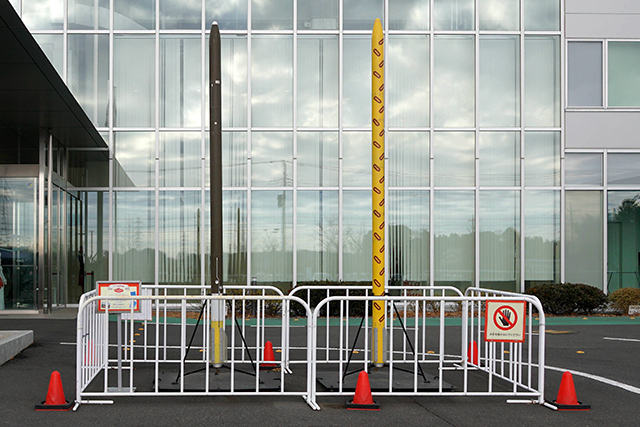
Outside the main entrance are the rockets that were launched as part of the Pocky Rocket Project.
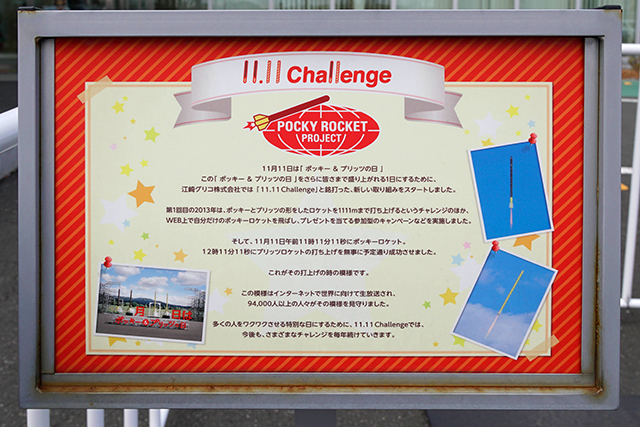
On 11 November 2013 at 11:11 am, Glico hired a team to launch Pocky and Pretz shaped rockets.
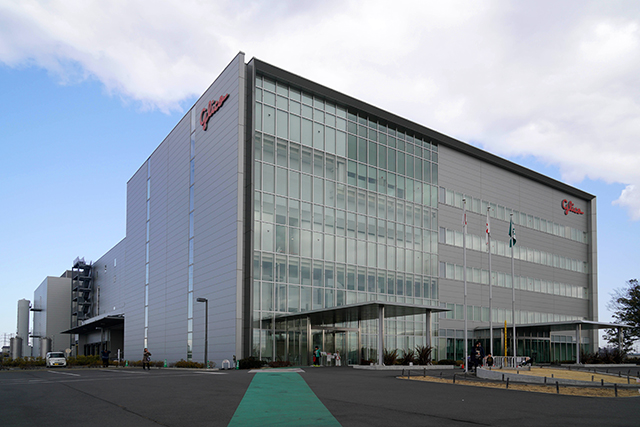
Before long, we head towards the building where Pocky and Pretz are made.
There’s no photography allowed within the facility itself. That said, the free tour is 70 minutes long and is composed of 4 parts:
- At the start, groups are ushered into a circular theatre. Films are shown in Japanese with English subtitles about ‘The Story of Ri-ichi Ezaki, the Founder of Glico’ and ‘How Chocolate is Made’. We discover that the name ‘Glico’ comes from the caramel that started the company. The candy contained glycogen extracted from oyster and was named ‘Glico’ a shortening of the word glycogen.
- Taking a lift, we reach the level where the delicious smells of baking and chocolate pervade: the production line for Pocky. We see the dough rolled out, cut into the Pocky shape, baked and then came through for cooling. The part where the biscuits are enrobed in chocolate is ‘top secret’, alas. 55,000 boxes of Pocky are made in the factory each day.
- Taking a lift, we go down one level to the production line for Pretz. Again, we see the dough rolled out, cut into the Pretz shape, baked, and came through for cooling. Thankfully, the part where the seasoning is dusted onto the Pretz isn’t top secret, so we see the numerous Pretz going through quality control, before being divided and boxed for shipping.
- The tour finishes with a quiz where the winner receives a free bag of Pretz and Pocky. The quiz is in Japanese but with a rudimentary understanding and a good eye for understanding pictures, it’s good fun. D and I managed the second highest score! The highest score went to a Japanese couple and the rest of the group were elementary school kids…
After the quiz, we come back down to the ground floor, where we’re given a quick rundown of Glico’s 50-year history.
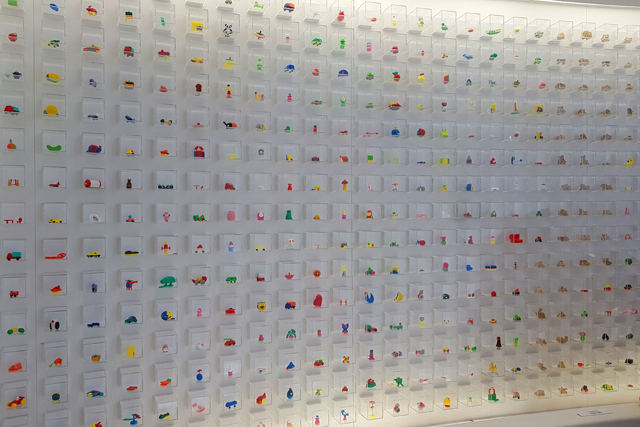
The main feature of the hall is the toys lining the walls.
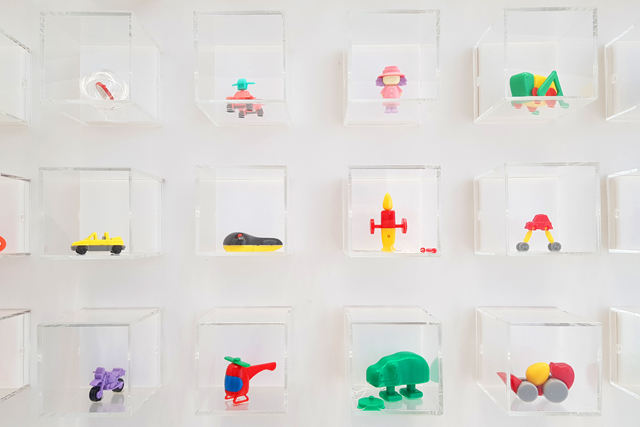
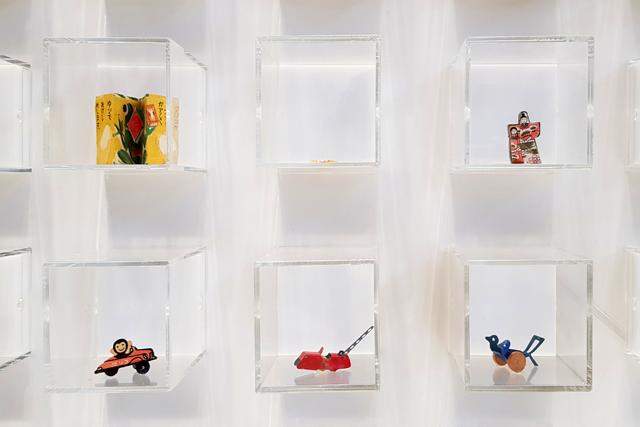
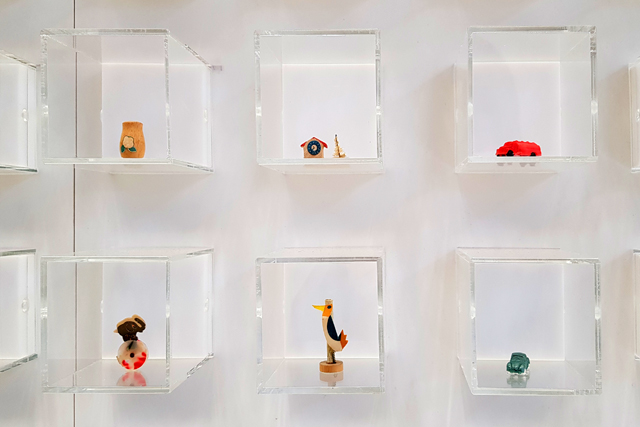
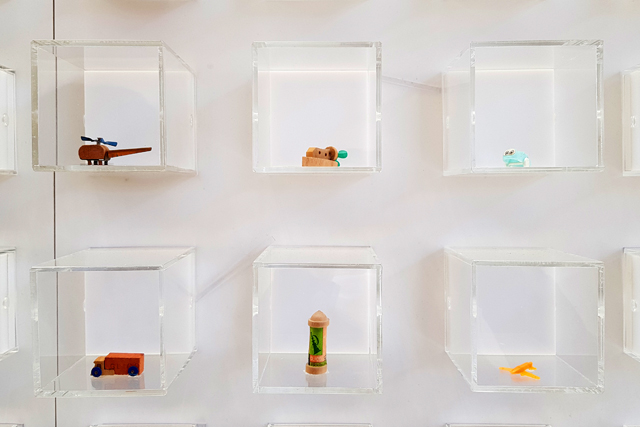
These were the miniature toys that were enclosed in the Glico caramel boxes. Each miniature toy is displayed in its own acrylic cube.
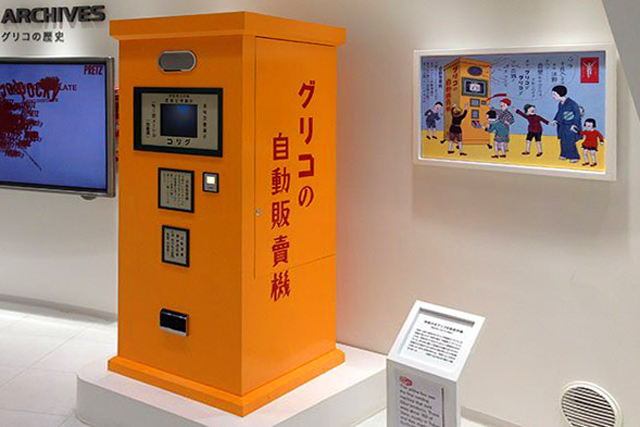
This here is a Glico vending machine for its caramel candy – each incorporating a film projector – installed in various Tōkyō department stores.
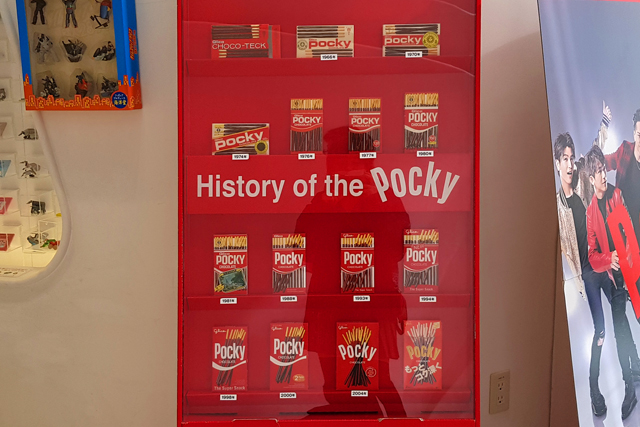
Another display shows the evolution of the Pocky packaging.
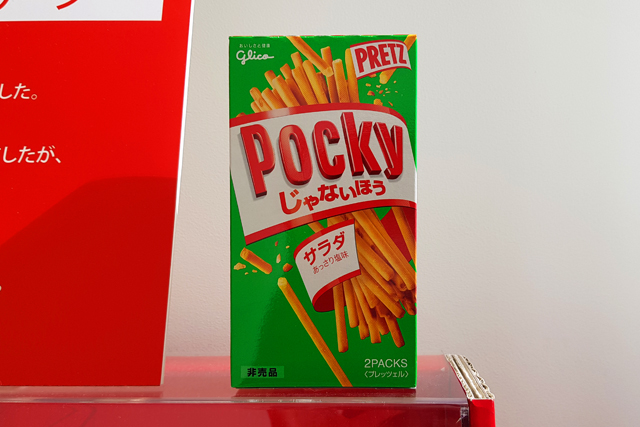
There’s something odd about this box…
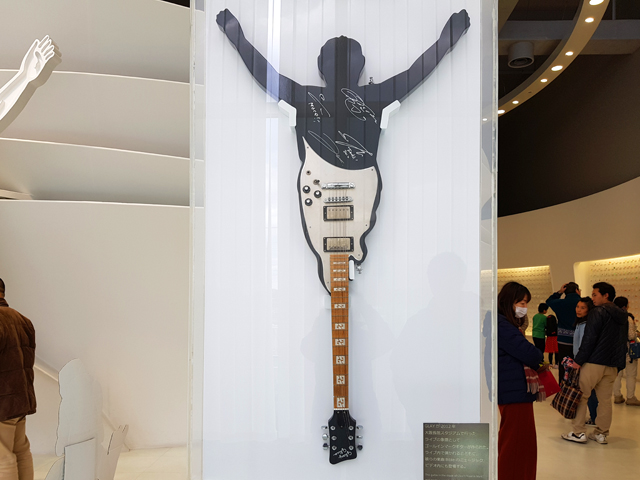
There’s also a guitar in the shape of the Glico man.
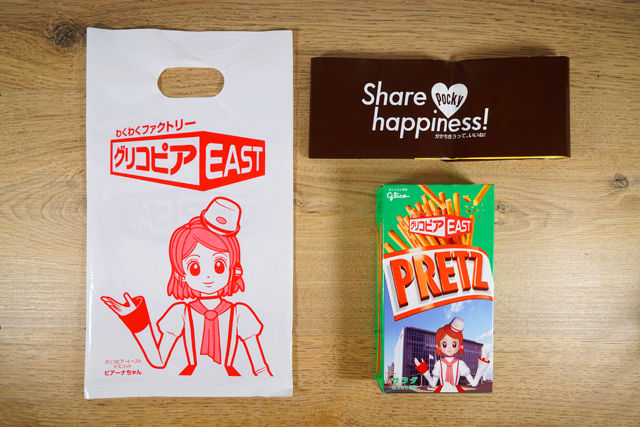
After the factory tour ends, each visitor receives a bag featuring the Glicopia East mascot, Piana Chan, as well as a box of freshly made and specially packaged Pretz and an inflatable giant Pocky stick.
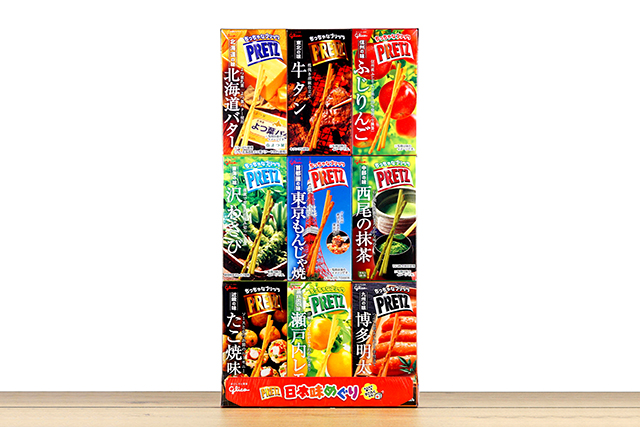
Before catching the bus, we pick up some Pretz from the gift store. This one gave a taste tour of Japan, featuring flavours unique to various prefectures.
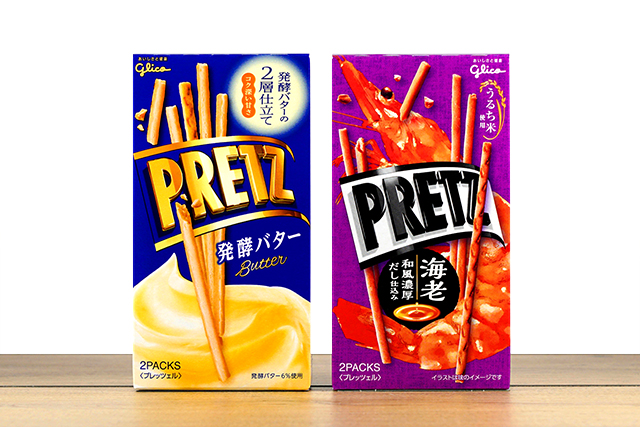
We also pick up some butter and shrimp Pretz.
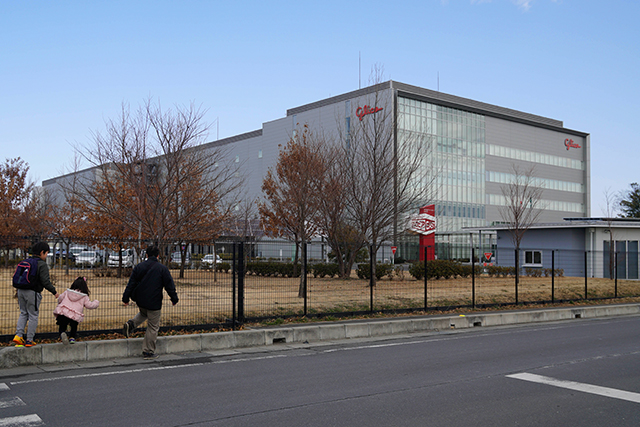
We enjoyed our time at Glicopia East. I had misgivings about whether we would, given that the tour is conducted entirely in Japanese, but it was worth it. A very rudimentary level Japanese is required, though, to understand the directions given by staff.
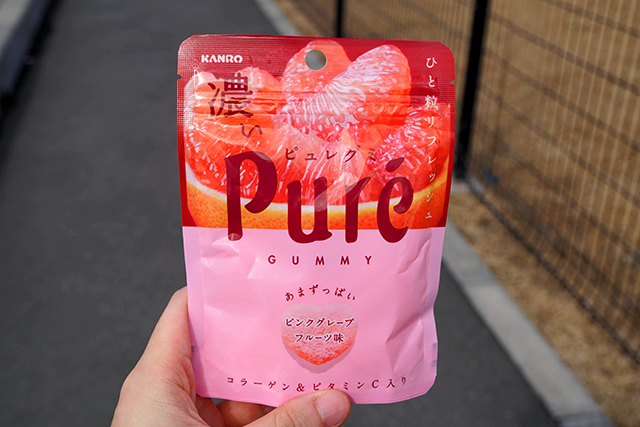
While we wait for the bus, we snack of these Kanro Pure gummies in grapefruit flavour. They have a good bounce and a punchy zestiness that’ll wake you up.
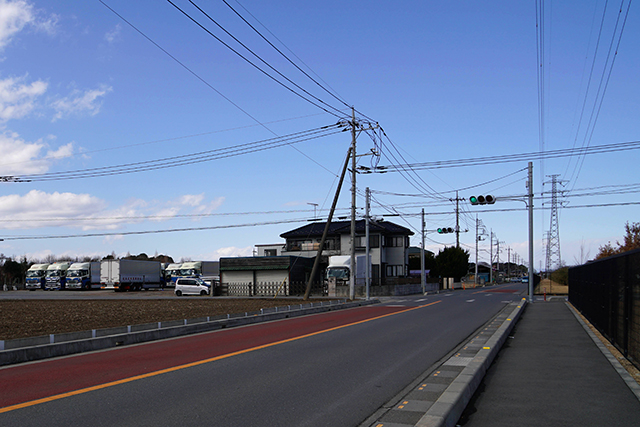
Much of the area around Glicopia East is industrial, so there’s not much to see.
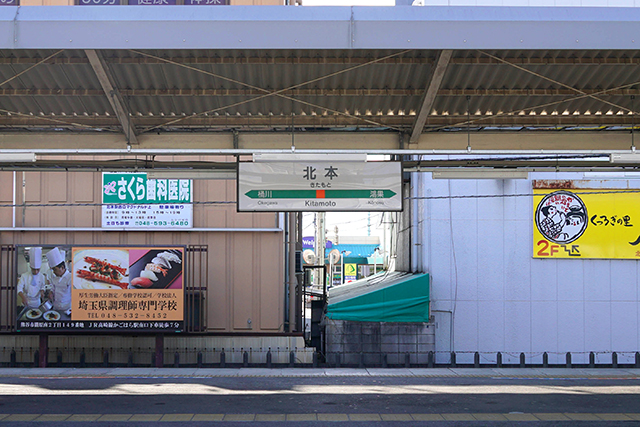
Before long, we’re back at Kitamoto Station en route to Tōkyō Station.
Tōkyō – Tōkyō Station
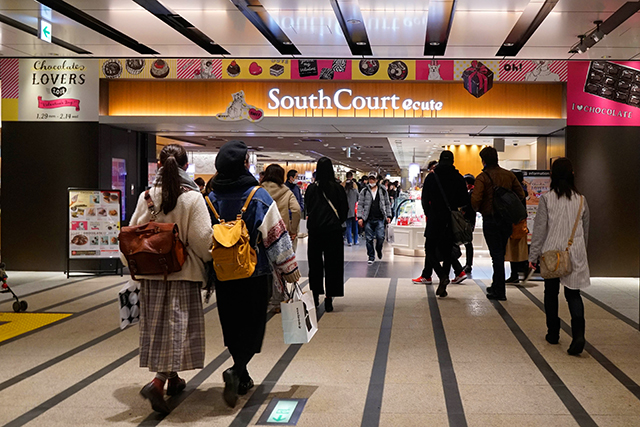
We’re rarely inside the station ticket gates at Tōkyō Station, so this time we take care to have a look at the three in-station (ekinaka) shopping areas before heading out. One of these wereas is South Court eCute.
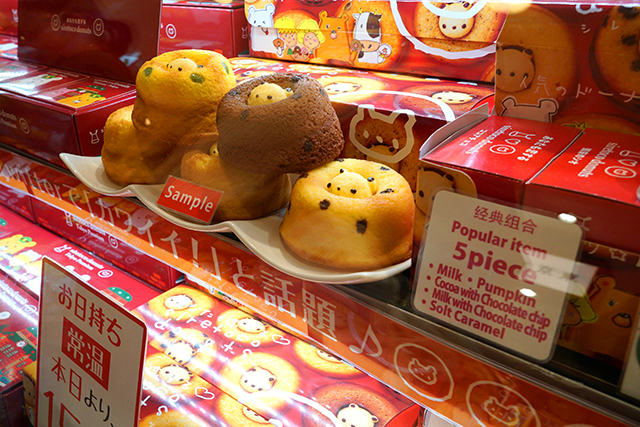
We stop by the Shiroteco Donuts there.
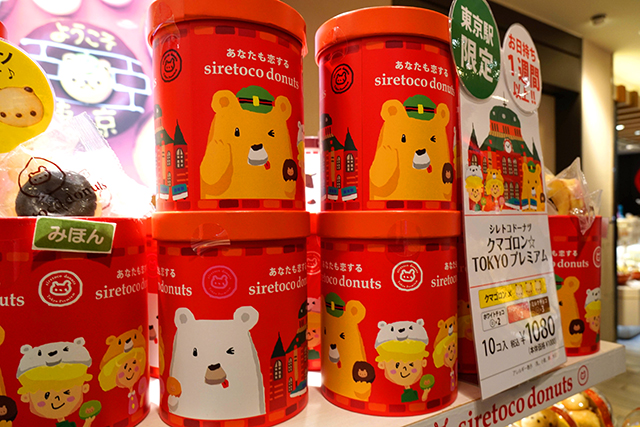
I cannot resist their cute Tōkyō Station limited donuts.
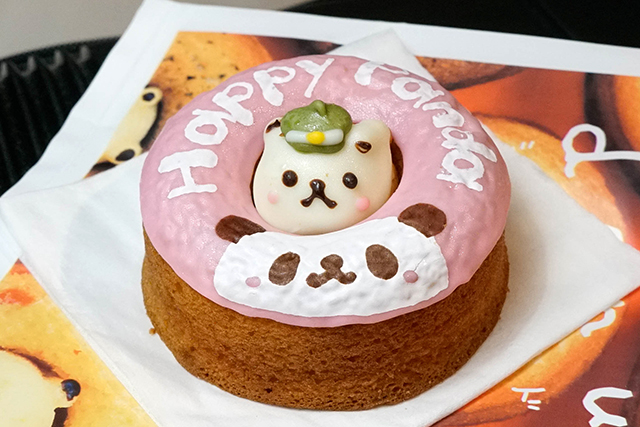
This one is called Happy Panda. Is the station master bear in the centre just adorable?
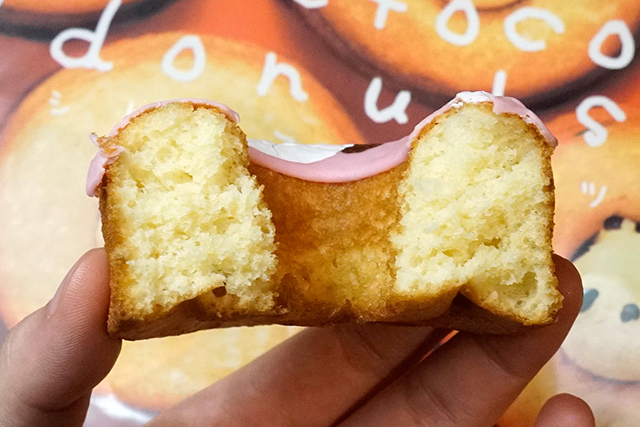
The doughnut is baked, not fried, and the innards are quite dense. The icing doesn’t add much flavour.
Tōkyō – Yurakucho
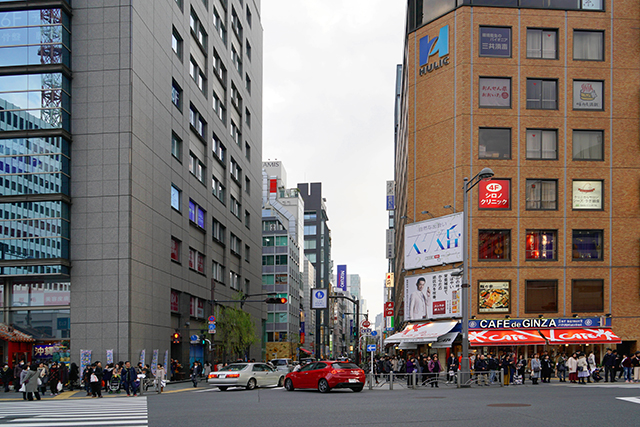
From Tōkyō Station, we walk south to Yurakucho to visit the flagship Muji store.
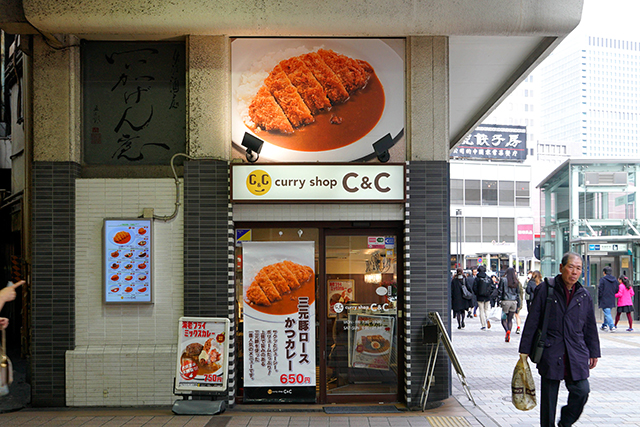
Before heading in, we stop by C & C Curry Shop for some lunch.
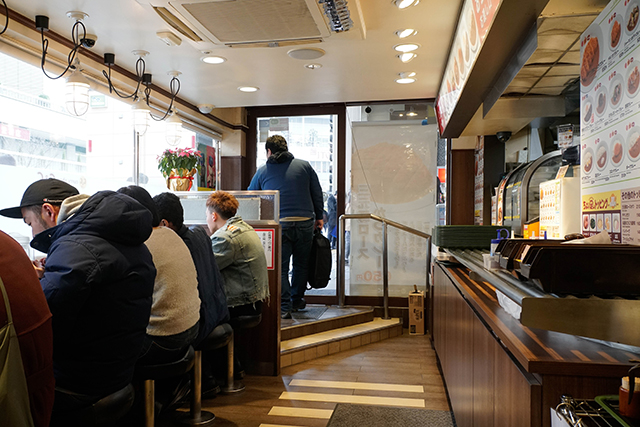
This place offers quick service and isn’t one particularly conducive to pointing at pictures on the menu. We quickly decipher the katakana and try our best to tell the staff member how spicy we want the curry.
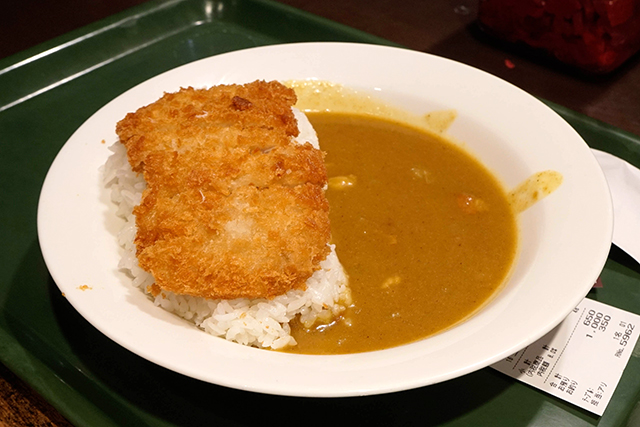
D orders a chicken katsu curry. It’s juicy and crispy, while the curry is pretty standard.
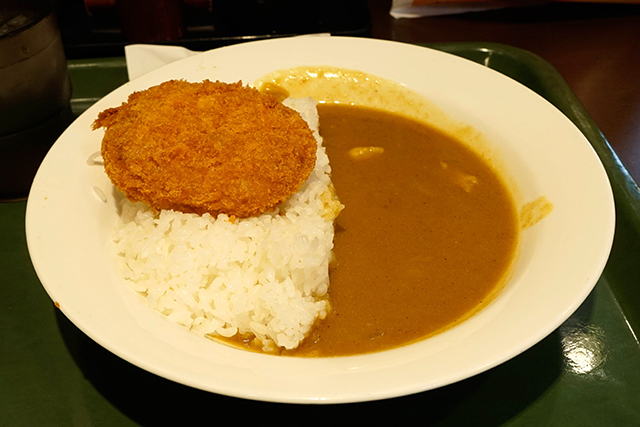
I get the croquette curry, which is tender with meat mince. The curry is hearty.
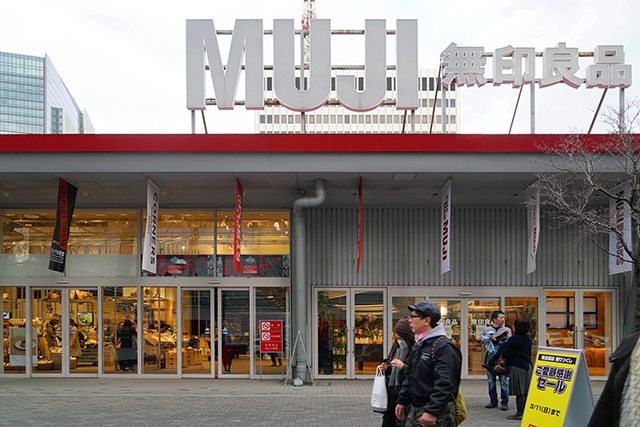
This is the flagship Muji store in Yurakucho. It’s the largest one in the world and stocks every single Muji product available on the market, along with the huge Muji house displayed in the atrium.
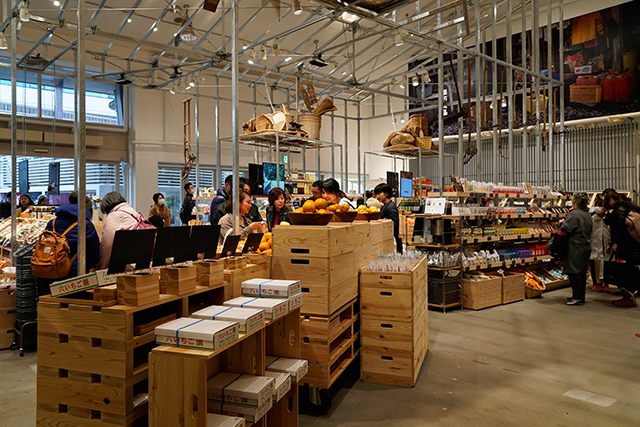
The store, since reopening in mid-2017, also includes a fresh produce market.
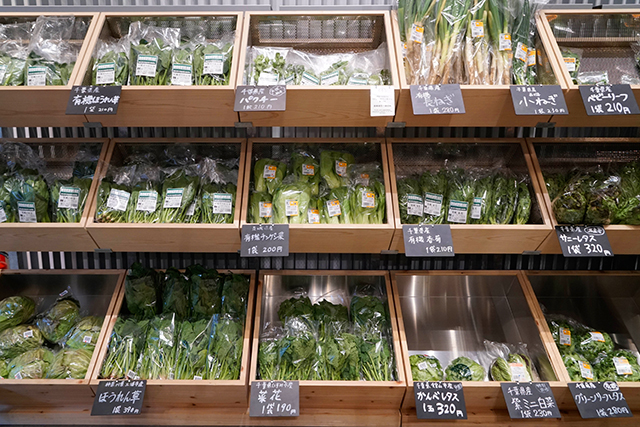
What’s special about this market is that the produce comes directly from (identified) farms that do not use chemical pesticides and fertilizers at all, or use them sparingly. We try different species of mikan.
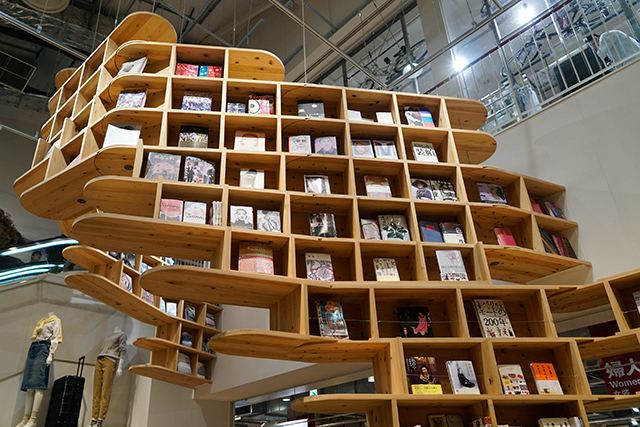
A stylish bookcase occupies the air space to the second floor.
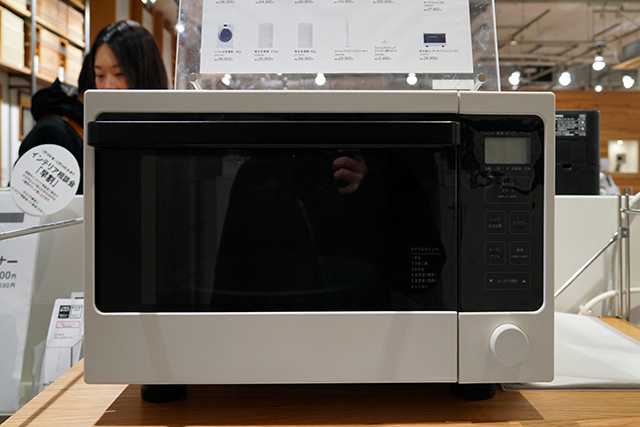
D and I are amused that Muji sells microwaves …
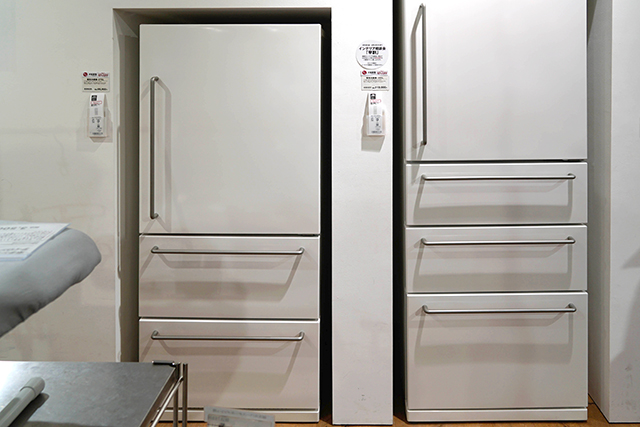
…as well as fridges. We wonder why IKEA sells appliances too when there are brands out there more focused on their production. That said, we’d probably have more faith in these ones than the ones from IKEA.
Tōkyō – Ginza
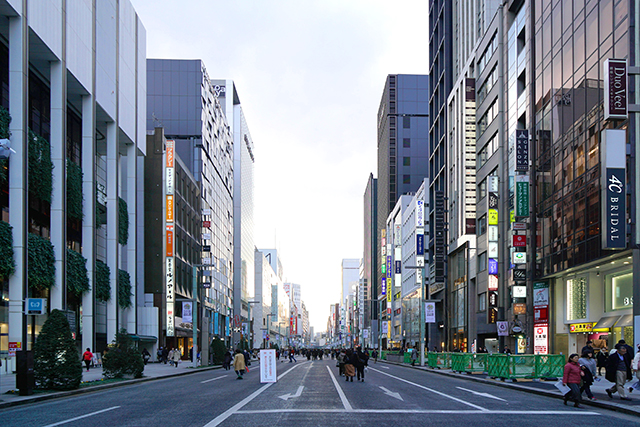
From Yurakucho, we make out way towards Ginza with one specific purpose: to visit Ginza Kumamotokan.
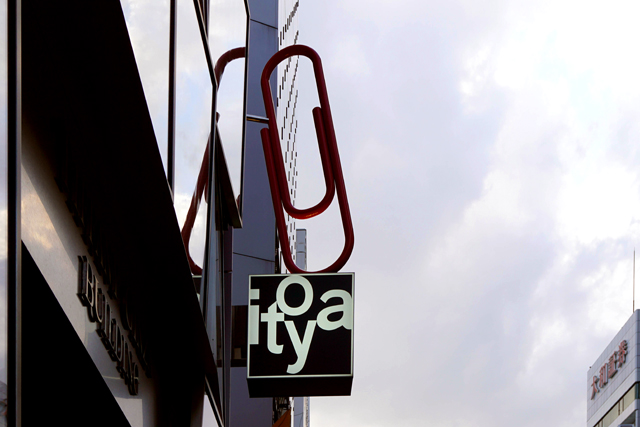
We walk around for a while trying to find it, annoyed that Google Maps has let us down by leading us to a location several blocks out.
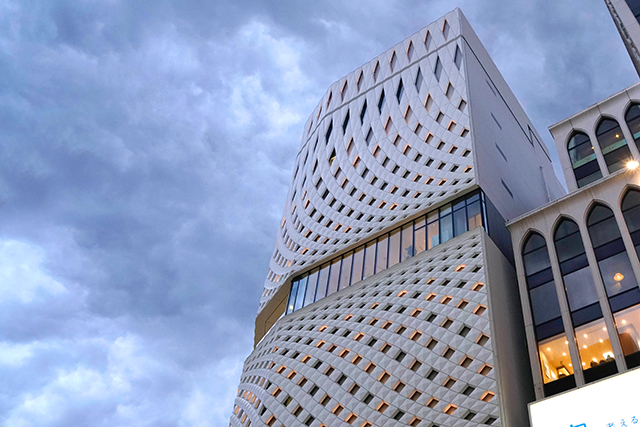
Walking past a department store, we’re thankful for free wifi.
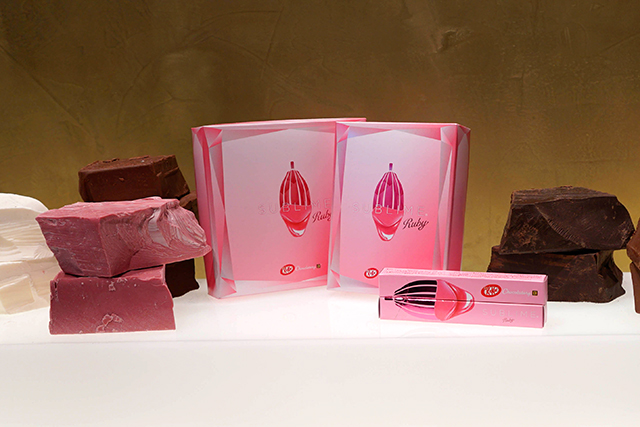
We even make it to the KitKat Chocolatory in Ginza selling Ruby chocolate, a new variety of chocolate developed by the Swiss chocolate maker Barry Callebaut in addition to bitter, milk, and white chocolates. The chocolate is more widely available now, but at the time it was available exclusively at a KitKat Chocolatory in Japan or Korea.
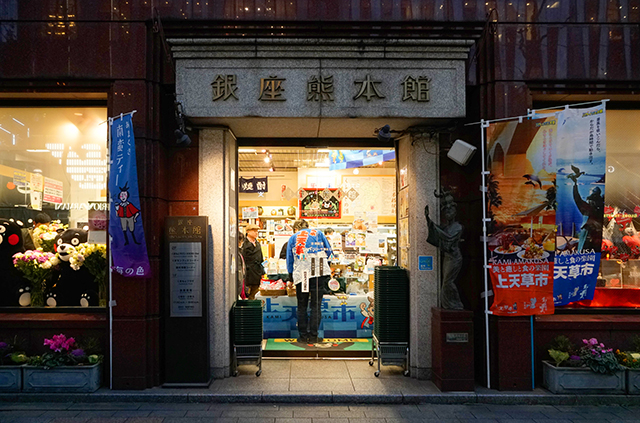
Just as the sun sets, we find ourselves outside Ginza Kumamoto Kan.
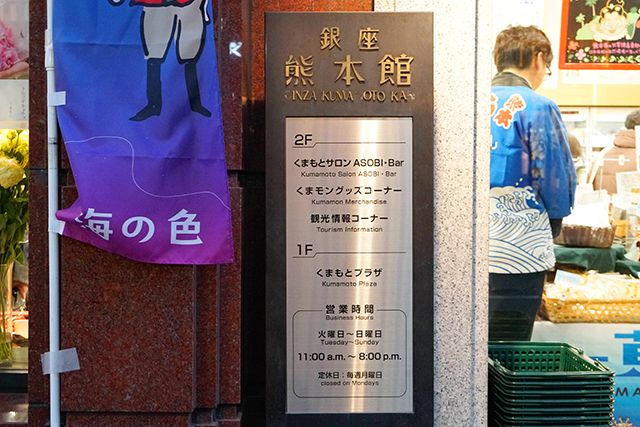
This is the official antenna shop for Kumamoto Prefecture.
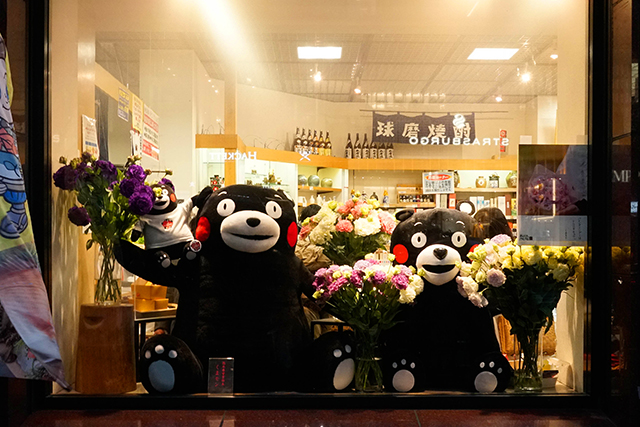
It’s difficult to miss this store with the huge Kumamon plush toys sitting in the window.
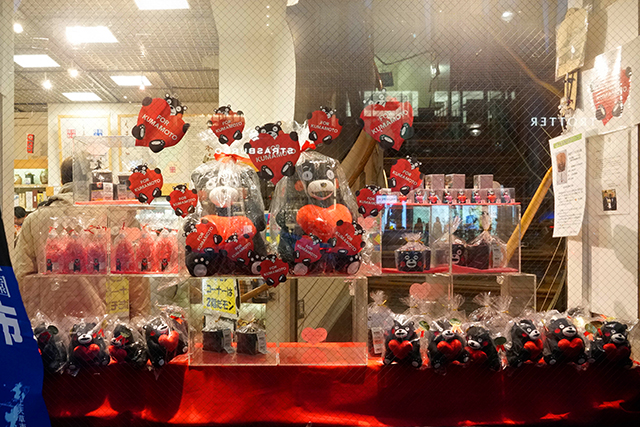
There’s an equally large display of ‘For Kumamoto’ plush toys in the right window.
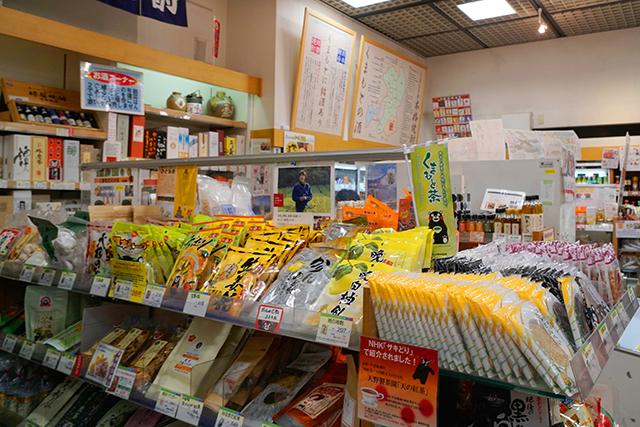
The ground/first floor featured Kumamoto Plaza, which stocks various food products from the prefecture, including fresh products, local sweets, and processed seafood.
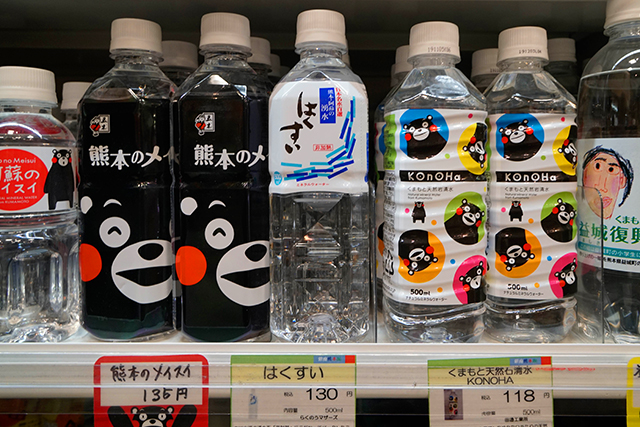
There’s drinking water…
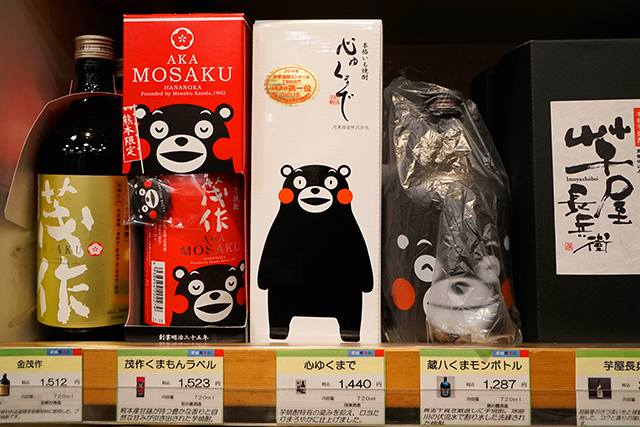
…as well as bottled alcohol…
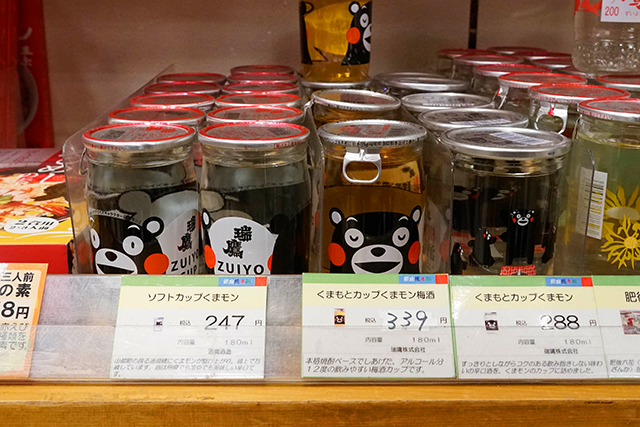
..and one cup sake.
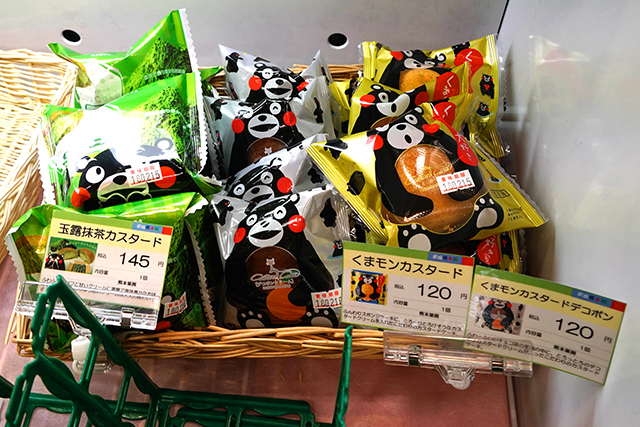
For those with a sweet tooth, there are original, dekopon and matcha custard pastries.
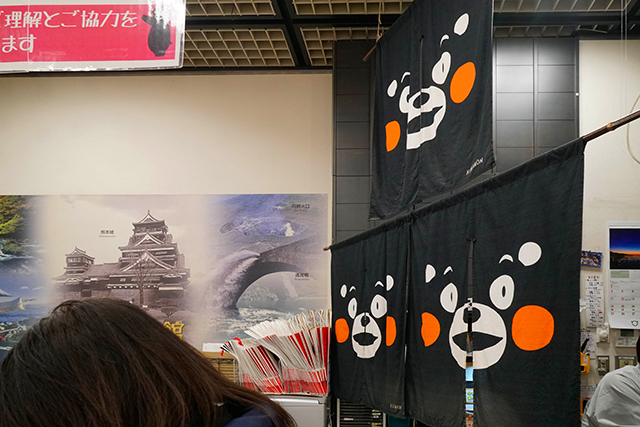
Kumamon featured everywhere in the store including the noren behind the counter.
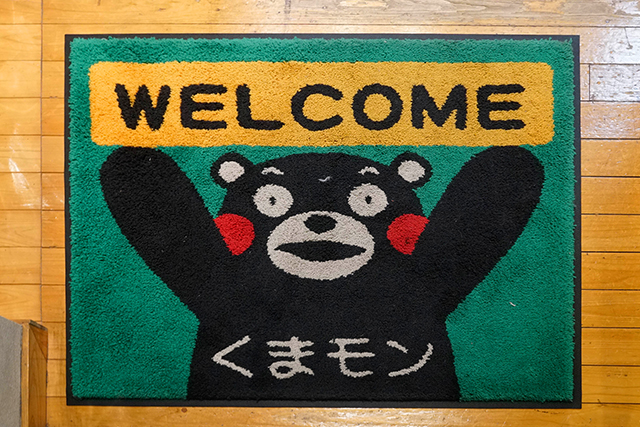
Upstairs on the second floor, we first encounter the Tourism Information Section.
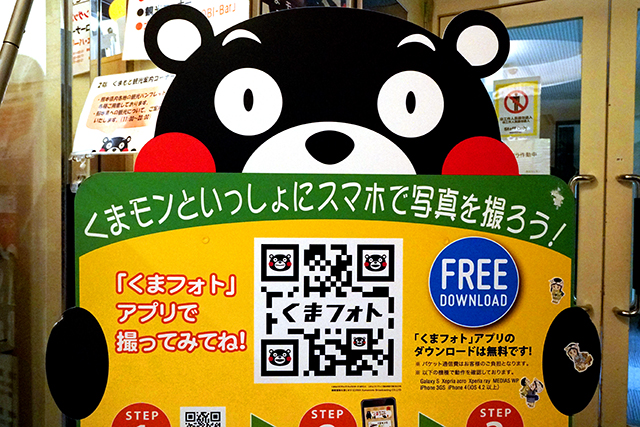
There are a huge number of pamphlets introducing aspects of Kumamoto.
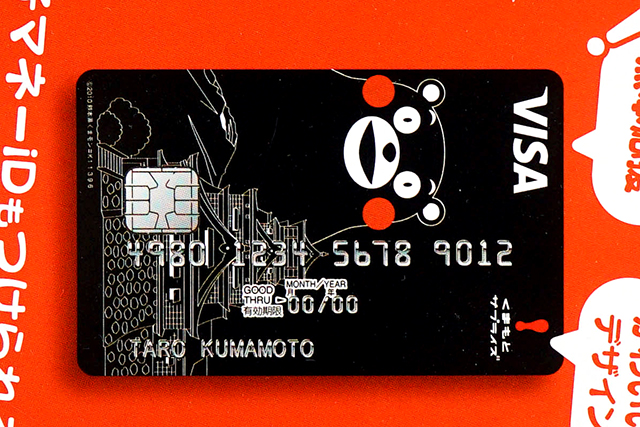
There’s even an application form for a credit card featuring Kumamon and Kumamoto Castle!
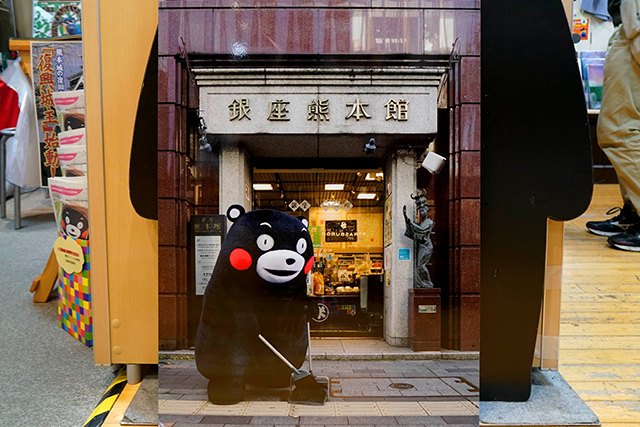
Kumamon takes good care of his shop, this photo suggests.
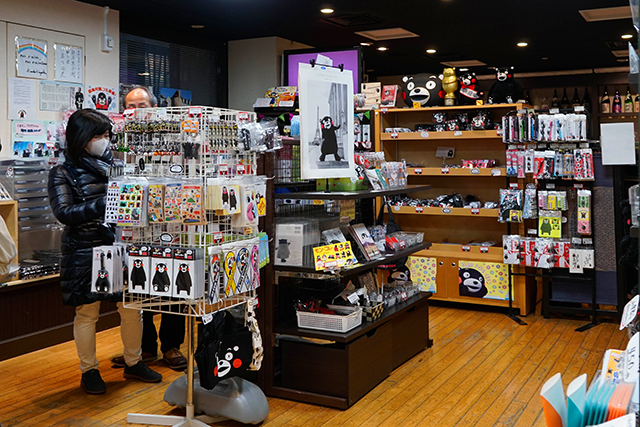
Next to the tourist information section is a dedicated area selling Kumamon merchandise.
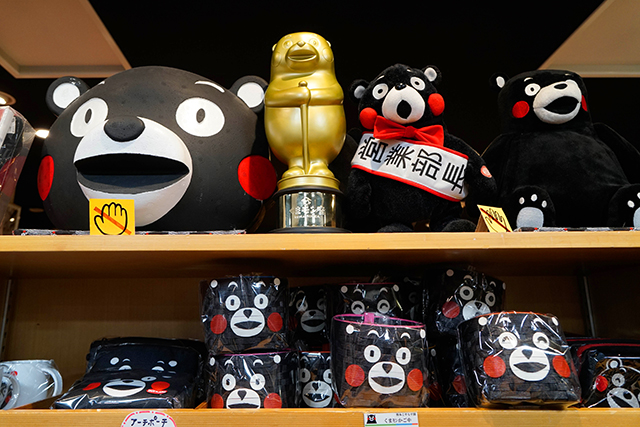
There’s plush toys, mugs, baskets, stickers, luggage tags, bath mats, figurines, tissue pockets… The list is endless.
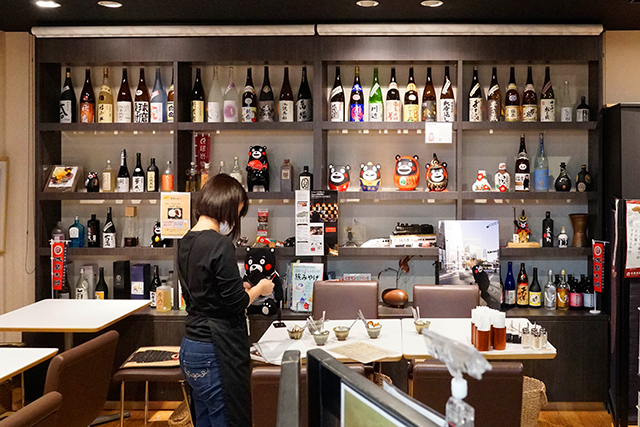
At the back of the floor is ASOBI Bar, which serves local Kumamoto dishes made with local and seasonal vegetables, more than 80 types of alcohol, and Kumamoto’s special sakana (dishes to go with alcohol).
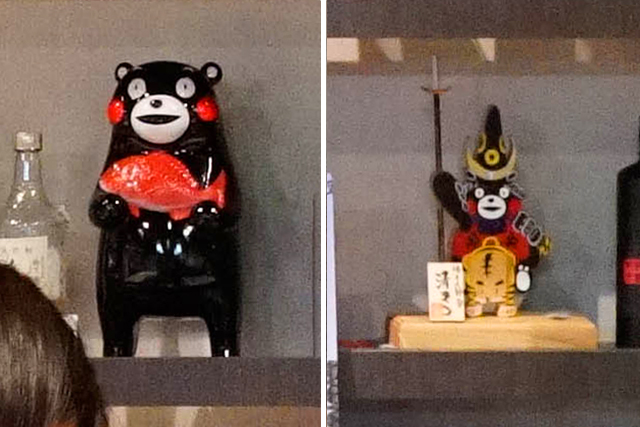
On the wall are figurines of Kumamon holding a red sea bream as well as donned in samurai gear. This store will delight any Kumamon fan.
Tōkyō – Asakusa
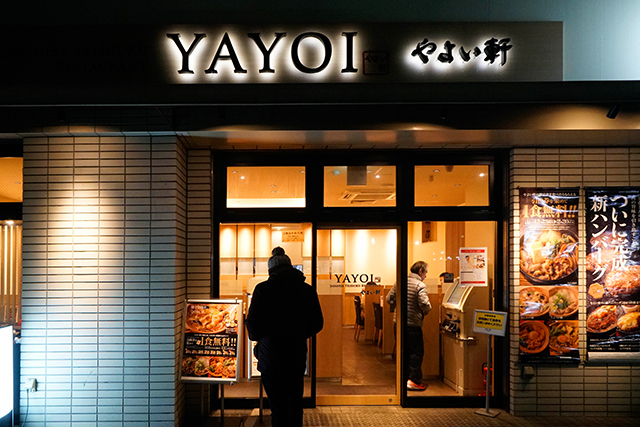
We head back to our hotel for a nap before heading across the street to Yayoi for a quick teishoku dinner.
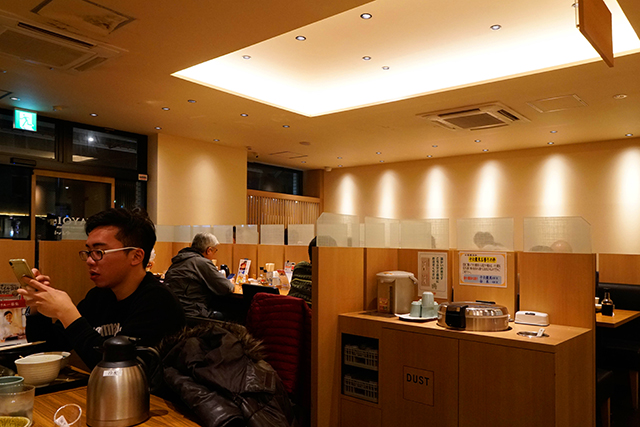
The restaurant is one of the most peaceful and quiet places – it’s moderately full with customers, but everyone’s either in quiet contemplation or talking quietly.
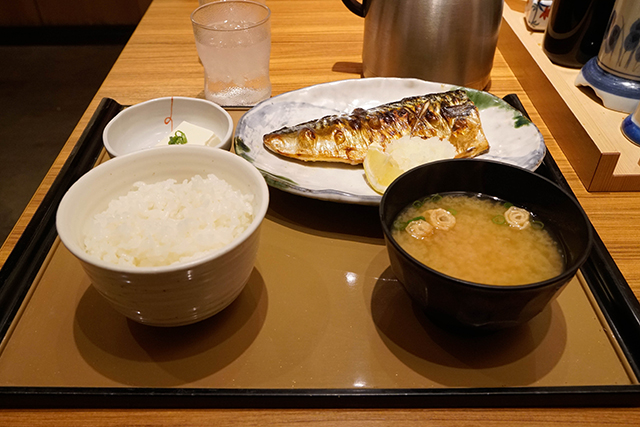
I have their Salt-Grilled Mackeral Teishoku, which is a steal at ¥630.
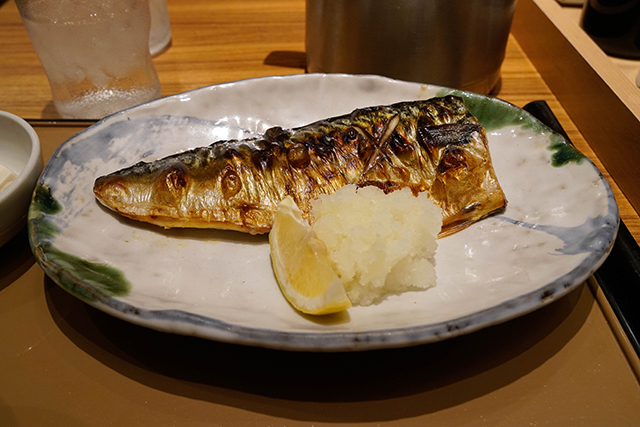
The fish is flaky and juicy, and easily one of my favourite meals at Yayoi for its simplicity and comfort.
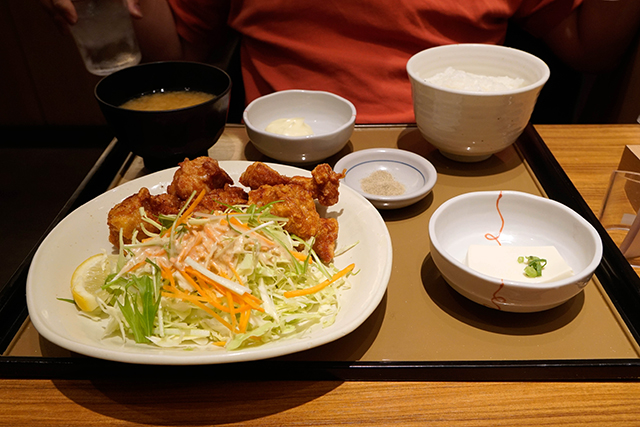
D gets the Deep-Fried Chicken Teishoku (¥720).
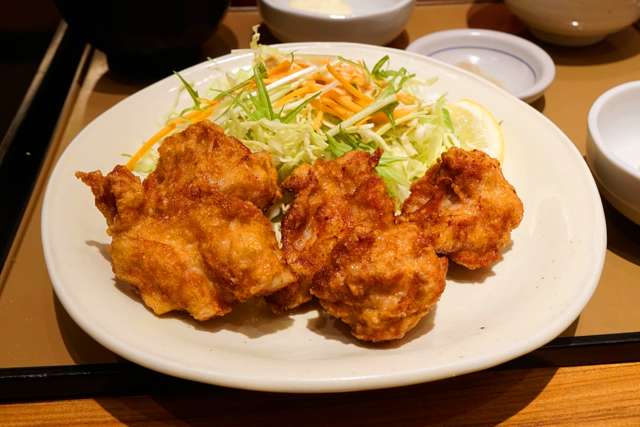
The Japanese really know how to do their karaage – it’s crispy on the outside and juicy on the inside, making it world’s apart from this same dish that I had in the Yayoi in Sydney.
With our bellies full of comforting food, we head back to our hotel to watch more of the Winter Olympics before heading to Umegaoka and Shibuya the following day.