The Sapporo Snow Festival is one of the largest and most distinctive winter events. It’s been held over seven days at the start of February every year since 1950 and people from all over Japan and abroad (and what seems like half of China) flock to the city in droves, booking out hotels at least six months in advance. We visit during the 69th Sapporo Snow Festival.
Sapporo – Nijo Market
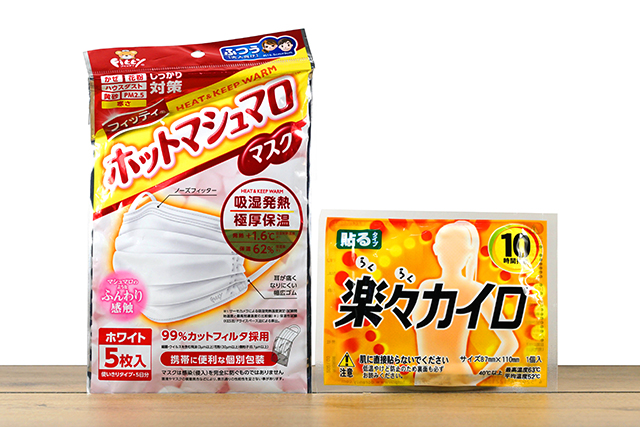
Before we visit the festival, we stop by 7-Eleven for face masks. It’s cold and facemasks help trap heat! People are also giving out handwarmers.
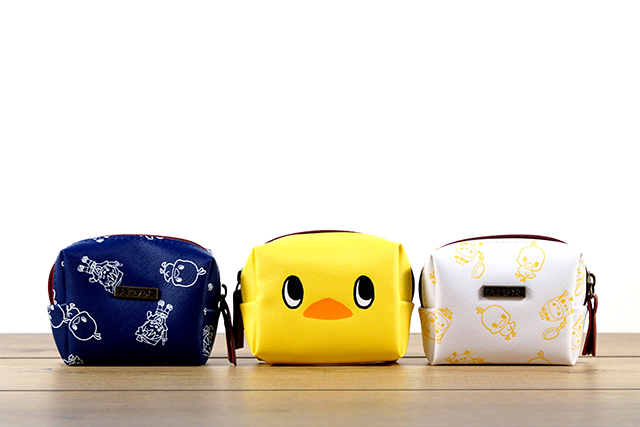
We also notice a promotion for cute coin pouches with every purchase of two Nissin products.
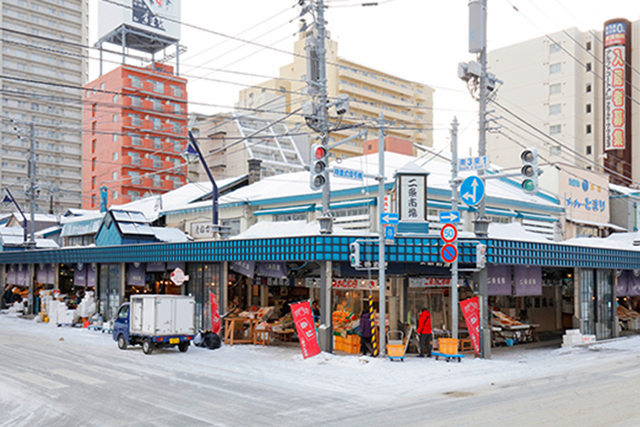
We take a look at, Nijo Market is a public market in central Sapporo that occupies about one city block.
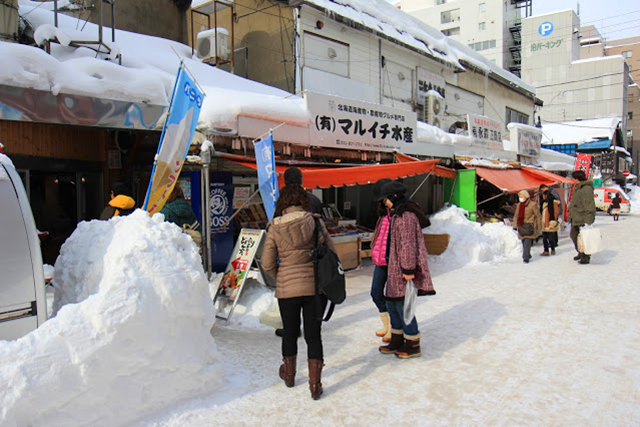
There’s fresh local produce and seafood such as crabs, salmon eggs, sea urchin and all sorts of fish.
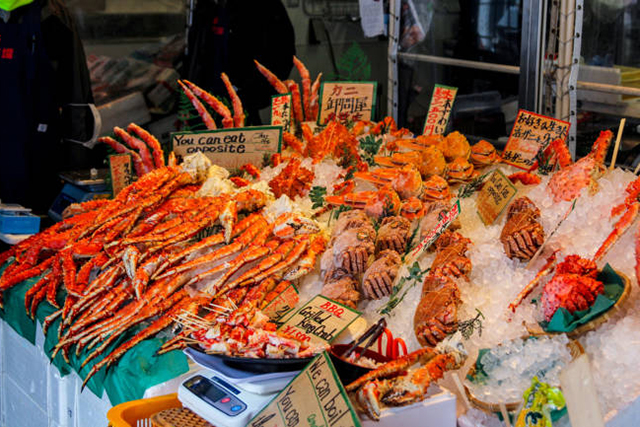
The stars are the crabs, which can be bought fresh and prepared across the road at the associated restaurant.
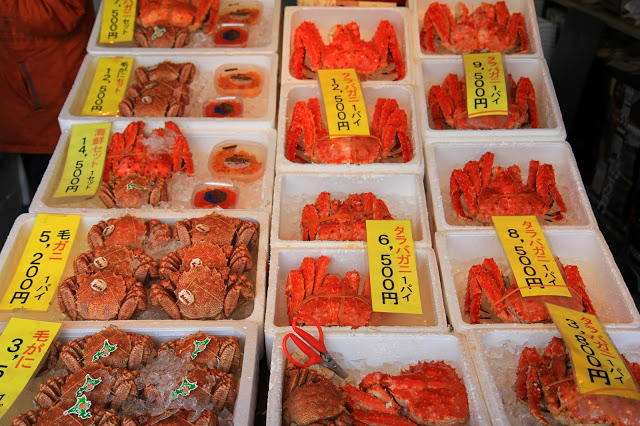
The crabs range in price from an ‘affordable’ ¥3,800 to upwards of ¥12,500.
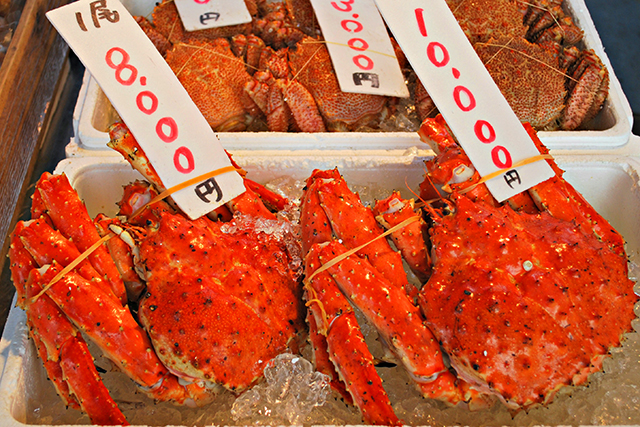
Their shells are an enticingly fresh red colour.
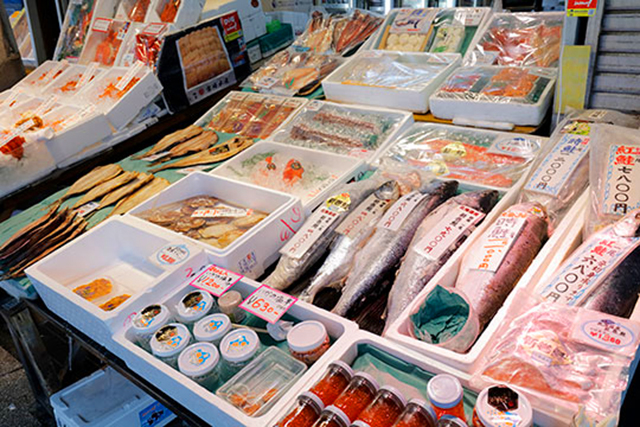
Various fresh and prepared fish are available. Coming from Australia where everything melts out of a freezer, we’re amused that there’s the fresh produce is already in an environment colder than our fridges at home.
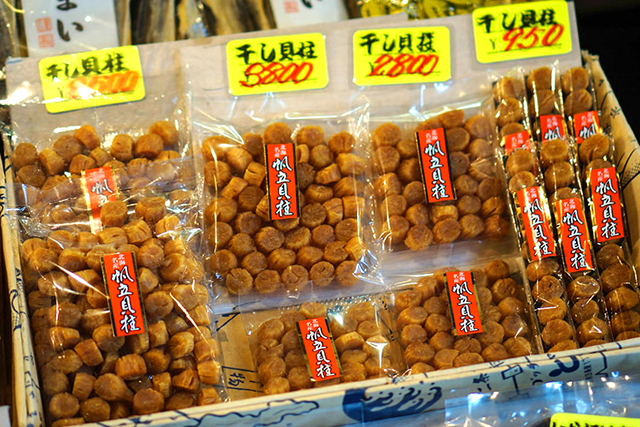
Hokkaidō is well known for its dried scallops.
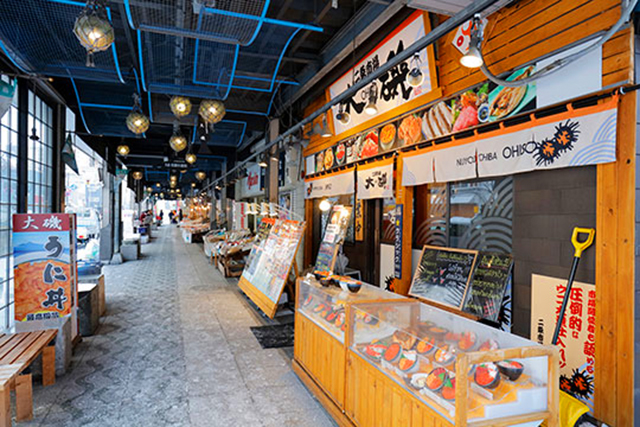
Many restaurants specialise in donburi topped with raw seafood.
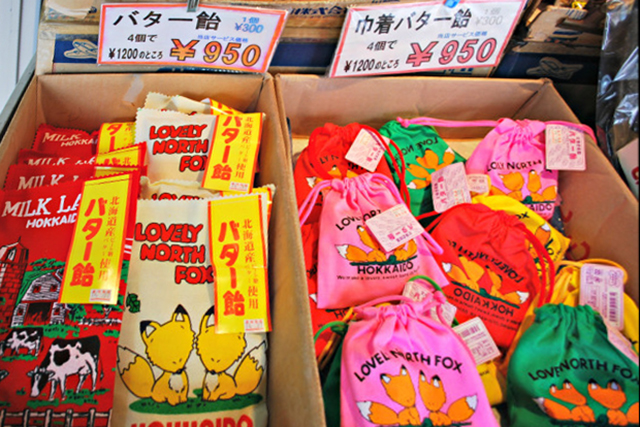
These were cute cloth packaged bags of butter candy using famous Hokkaidō milk.
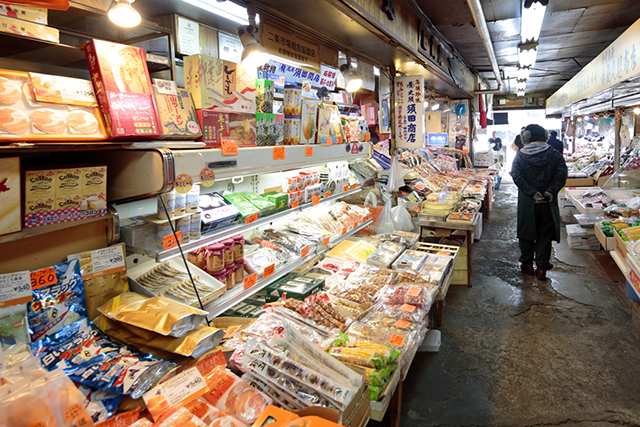
Walking around, we find stores selling packaged omiyage type products.
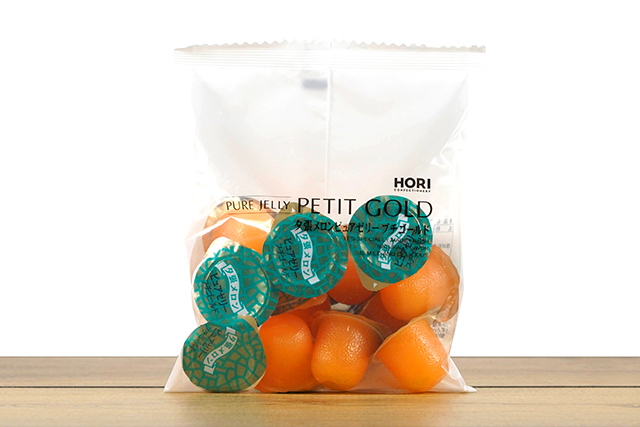
Hokkaidō is known for its rockmelon as well as sweet corn, so you’ll find they flavour numerous products. We pick up a bag of rockmelon jelly.
Sapporo – Tanukikoji Shopping Street
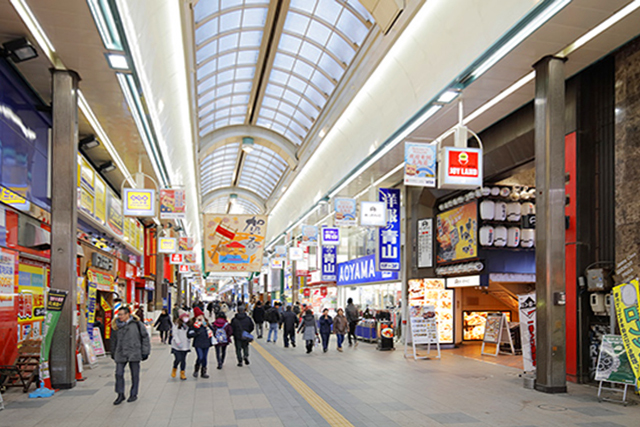
Nijo Market is one of the smallest markets we’ve visited, so we make our way through Tanukikoji Shopping Street before long. It’s cold and we’re on the lookout for breakfast.
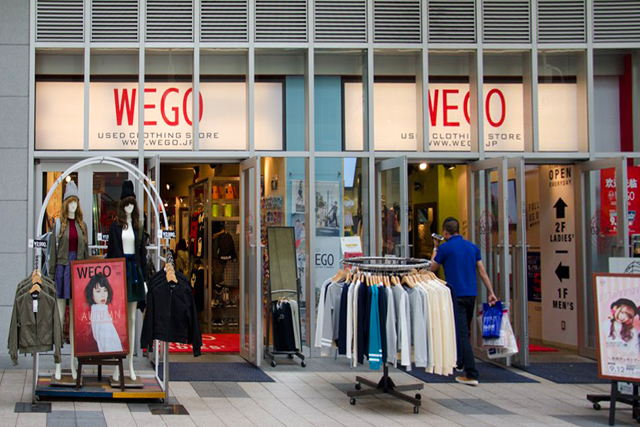
We end up getting distracted visiting a Wego, a budget clothing store that mixes used and new items. Turns out, I’m petite, but not petite enough for their clothes, alas.
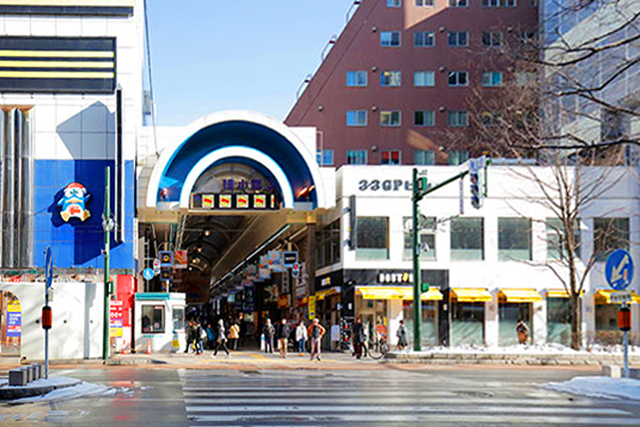
The cold doesn’t really whet our appetite, and with a developing sore throat, we head into the Daiso where D checks out their cold weather gear and and I pick up some yuzu flavoured things. Yuzu is yum.
Sapporo – Susukino
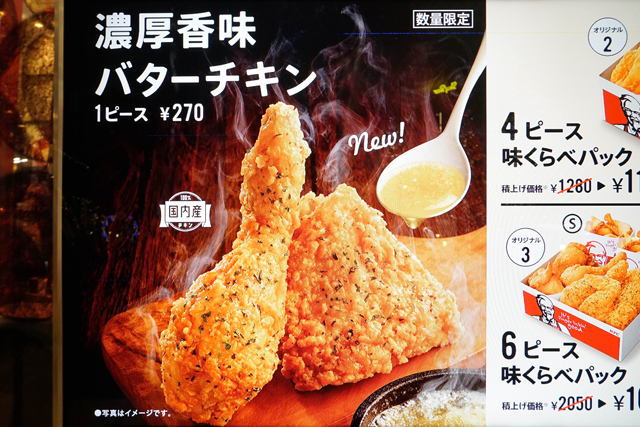
It’s almost midday, and we decide on KFC after seeing ads for ‘Rich Flavour Butter Chicken’.
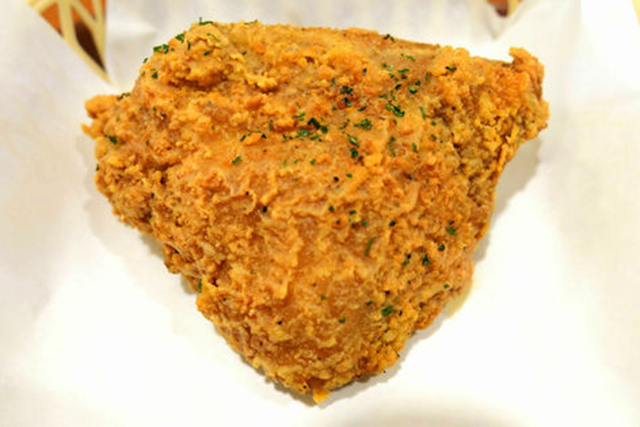
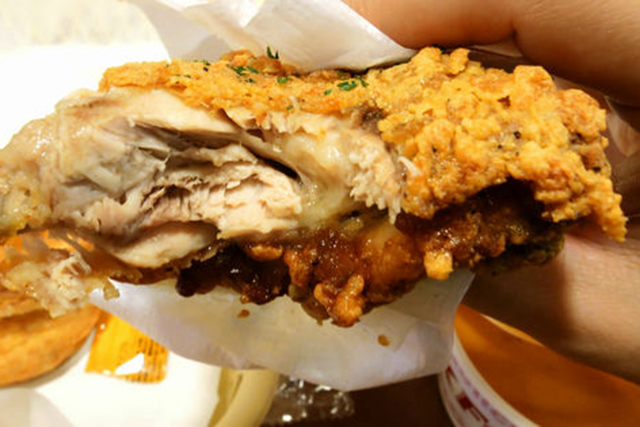
It is every bit as amazing as it sounds – deliciously rich in butter with a crispy skin. The innards were a tad dry compared to what we’re used to in Australia, but the batter made up for it.
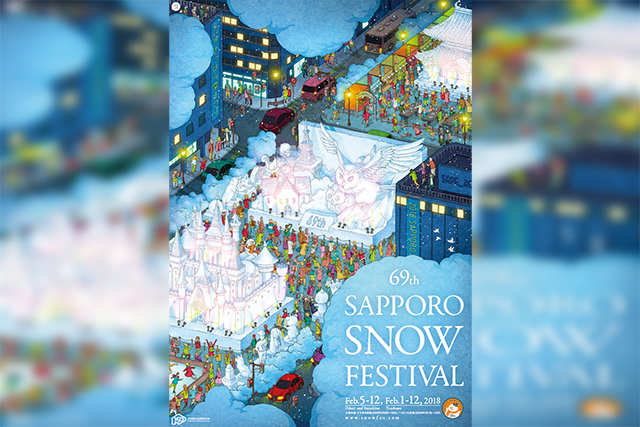
We briefly check out the Suskino site of the festival in daylight.
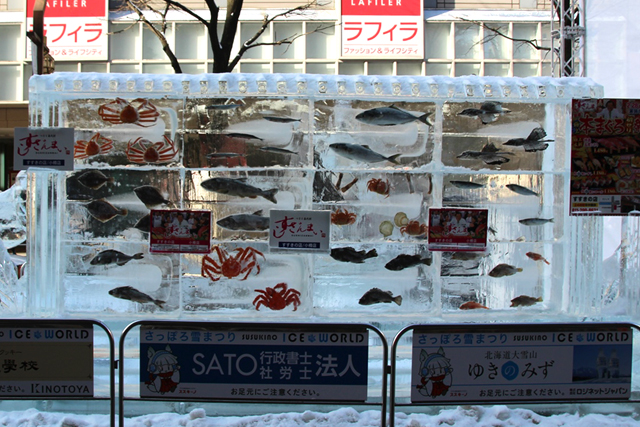
This here is the Sushi Zanmai contribution to the festival, with frozen fresh produce from crabs to fish and scallops frozen in blocks of ice. There’s an accompanying sign directing you to the restaurant nearby.
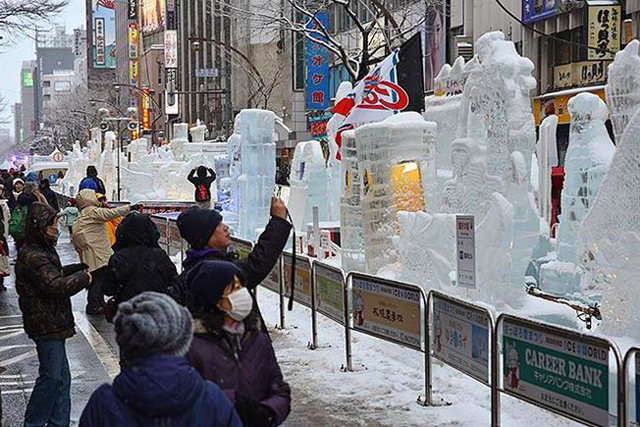
The Susukino site is not quite as spectacular as at night so we double back towards Odori Park.
Sapporo – Odori Park
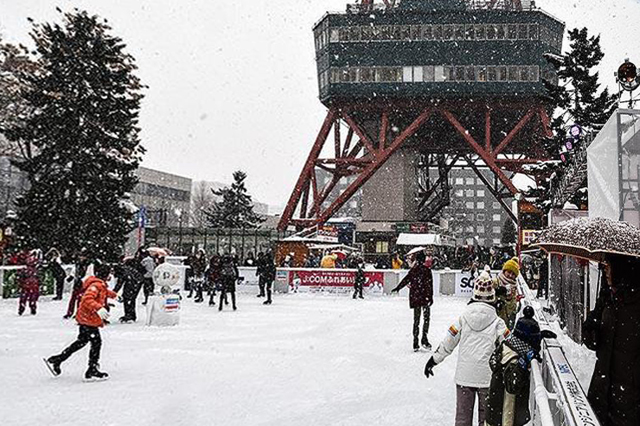
The 1.5 km Odori Park is the main site where you’ll find the enormous snow sculptures created by the Japan Self – Defense Force. At 1-chome is a skating rink at the base of the TV tower.
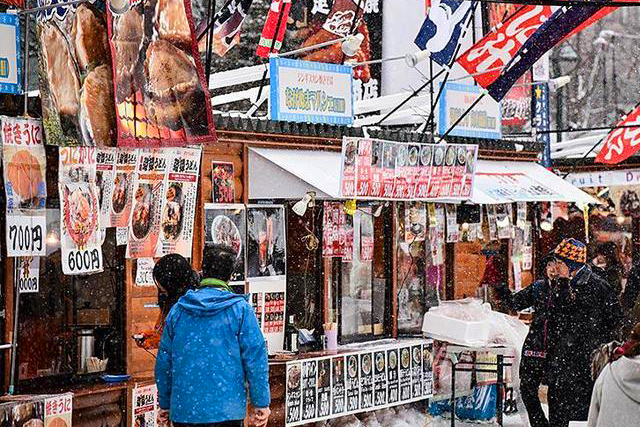
There are food stalls selling all sorts of Hokkaidō street food.
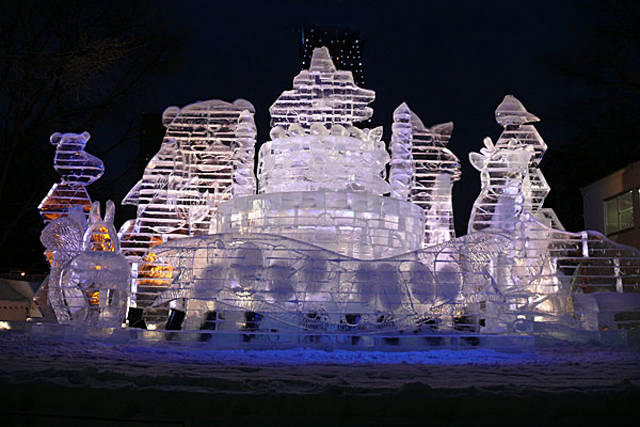
At 2-chome is a large ice sculpture called Happy Birthday! Hokkaidō. This is a birthday cake created from ice by Eri Fujishima to celebrate the 150-year anniversary of the naming of ‘Hokkaidō’. As Eri Fujishima is a pastry chef, this sculpture is sponsored by the Federation of Japan Confectionary.
Hokkaidō is a place with abundant nature inhabited by many wild animals. We wish to convey the image of a scene where the wildlife of Hokkaidō is celebrating this commemorative year around the cake. You can see the sponge part of the cake representing white birch while the second layer of the cake is decorated with the symbolic flower of Hokkaidō, Rugosa roses (or Japanese roses). You can also see an Ezo pika, a Hokkaidō squirrel, a brown bear, a salmon, a northern red fox, a Yezo shika deer, and a long-tailed bushtit around the cake.
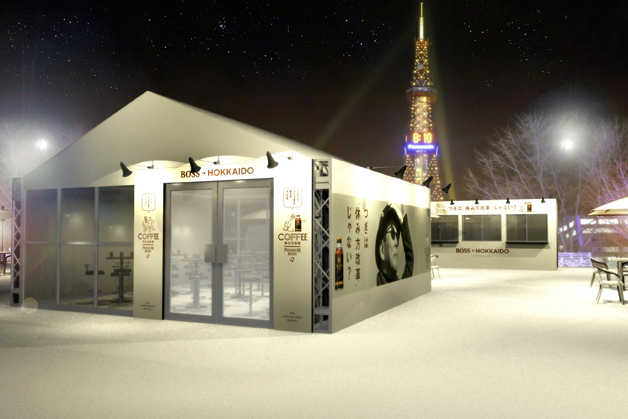
Nearby is a booth set up by Suntory for the Premium Boss campaign where visitors to the festival can choose the prize for their Premium Hokkaidō campaign to commemorate the 150 year anniversary of the naming of Hokkaidō. Upon entering the booth, you’re provided with a ping pong ball to place in the box in front of a photo depicting six iconic destinations in Hokkaidō. The destination that wins will be the prize for the campaign in March-April where Suntory provides the winner with a trip to that destination.
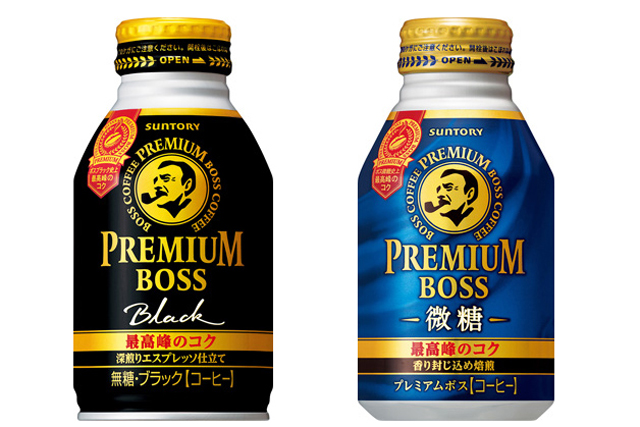
Upon voting, we’re provided with a voucher to redeem either a hot can of either Premium Boss Black or Premium Boss Fine Sugar. Black coffees in Japan are surprisingly palatable.
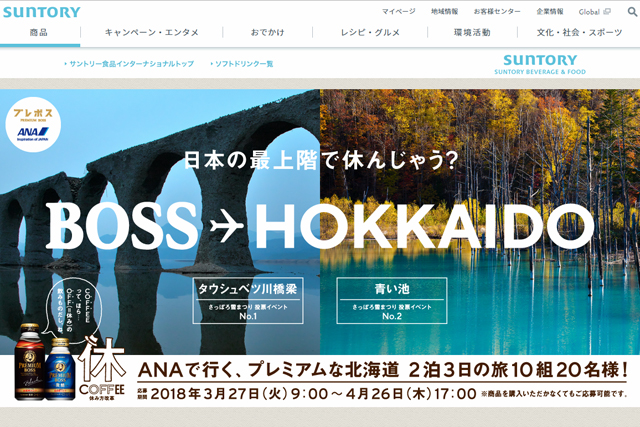
On returning, we discover that the two destinations that won were Taushubetsu Bridge in Kushiro and Blue Pond in Biei.
Taushubetsu Bridge is famous for being an ageing’ phantom bridge’ in man-made Lake Nukabira with its hydropower dam in Kamishihoro, Hokkaidō, and attracts tourists who want to view it while it is still intact, with its arches expected to collapse soon. It’s known as a ‘phantom bridge’ because it becomes completely submerged during summertime when the water level in the lake rises due to rainfall and melting snow and then reappears in wintertime when the level drops because of an increase in power generation.
The Blue Pond is located outside of Shirogane Onsen in Biei and so named for its deep blue colour resulting from natural minerals dissolved in the water. The pond is part of an erosion control system that was built to prevent damage to Biei in case of an eruption by nearby Mount Tokachidake.
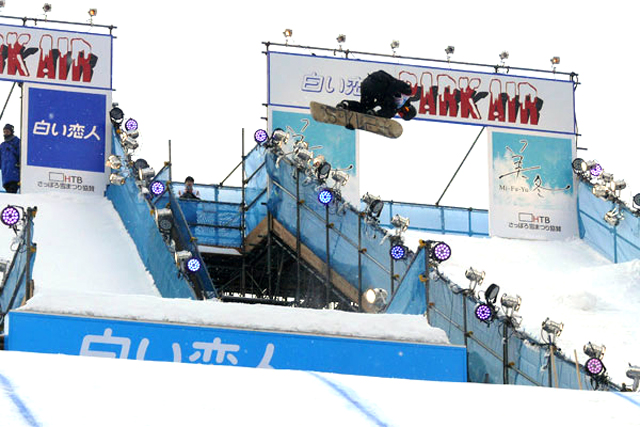
Shiroi Koibito PARK AIR is at 3-chome. We stay for a couple of minutes watching jumping sessions by amateur snowboarders and skiers. Professionals also feature, but we did not witness their jumps.
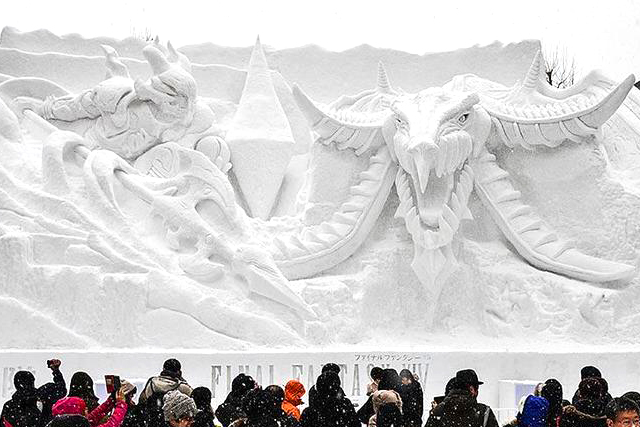
At 4-chome is STV Square with a large snow sculpture featuring a scene from Final Fantasy XIV ‘Battle of Winter Wonderland’. The sculpture was constructed by the Ground Self Defense Force: the First Snow Sculpture Producing Unit. The level of intricate detail involved in the craftsmanship is amazing to behold.
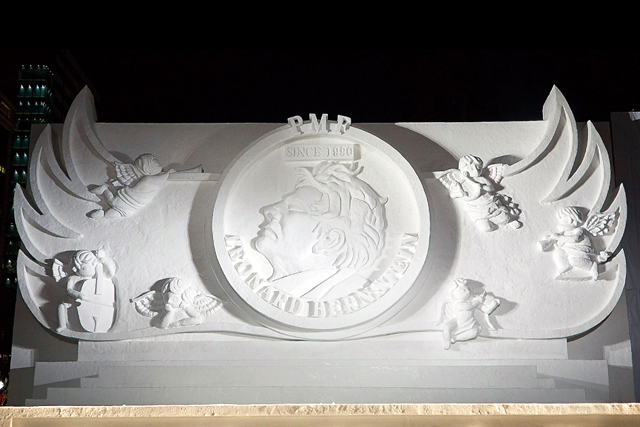
At 5-chome East is Hureai Art Square with a large snow sculpture called the Legacy of Bernstein, The Pacific Music Festival.
The Pacific Music Festival (PMF) is an international educational music festival, combined with an educational program featuring top musicians of the world as faculty, and fostering young musicians chosen through auditions from all parts of the globe. It is founded by the leading 20th century composer and conductor Leonard Bernstein who is known for his music featured in the musical, “West Side Story’. Since 1990, the PMF is held in every summer for one month in Sapporo. This year marks the 100th anniversary of Bernstein’s birth, and for this occasion, the snow sculpture with Bernstein motif will be made as one of the commemorative projects by the PMF Organizing Committee.
Events are held on the stage in front of the sculpture at night during the snow festival ‘to introduce Bernstein’s wish for world peace and the course the PMF has followed’. It was cold and we really dislike loud music so we pass this by.
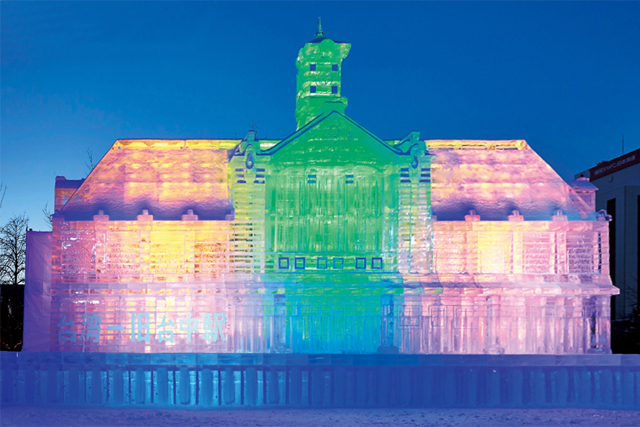
At 5-chome West is Mainichi Newspapers Ice Square with a large ice sculpture of Taichung Railway Station in Taiwan. It’s one of two large ice sculptures, which differs from the snow sculptures for their ‘transparent beauty’ particularly when lit up at night.
The Taichung Railway Station, originally built in 1917, is a historic red-brick building. Although the railway station was extended and rebuilt afterwards, the value placed on the historical and cultural significance of the Taichung Railway Station led to the announcement by the Ministry of Interior of Taiwan to preserve the station as a historic site in 1995. By 2005, the station building was restored to the original state, and played an important role in the life of the city as a transportation hub, a city landmark, and a gateway for arriving and departing number of guests. In October 2016, the elevation work began in the area and the new railway station was built to replace the old one. Today, the old railway station, besides being a charming city landmark, stands as a part of the station facilities where people can come and go.
The upside to starting the day late is that by the time you reach 12-chome, you can double back and see the sculptures lit up at night.
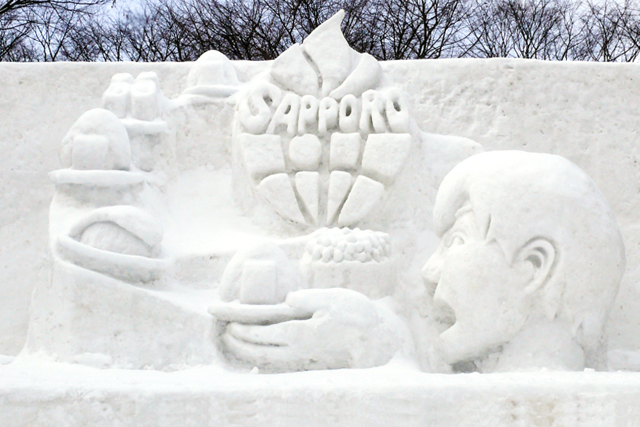
At 6-chome is Citizen’s Square with this sculpture being part of their campaign to bring the Winter Olympic Games to Sapporo. This sculpture is also part of ‘Onigiri Action’, which aims to bring onigiri made using Hokkaidō rice to those in need.
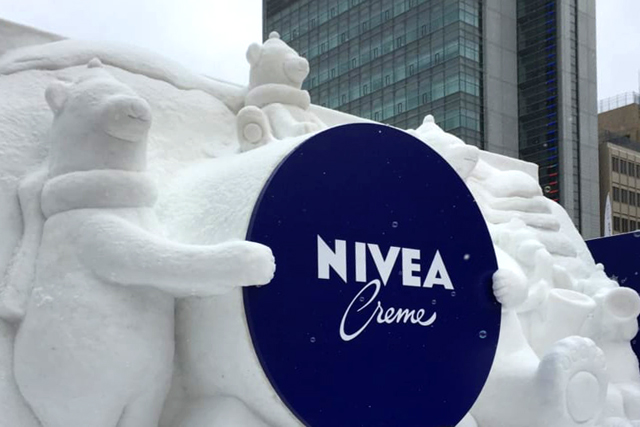
There’s a Nivea Creme stall where you can queue for a lucky dip. Prizes range from a consolation sample sachet to full-size products to plush toys.
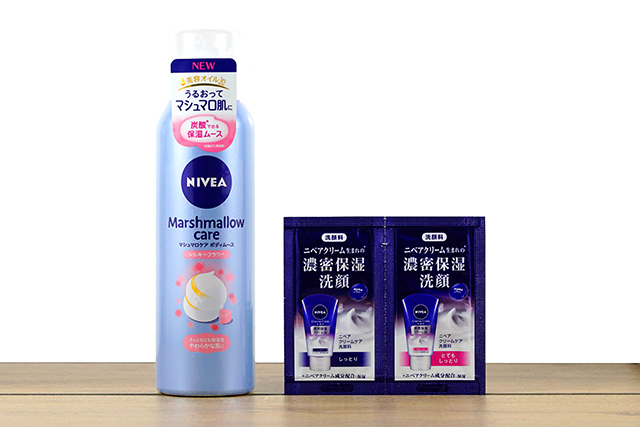
D gets luck with a full-size product.
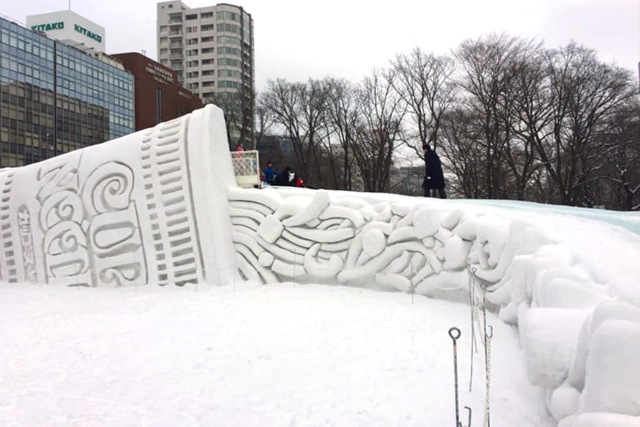 There’s a Nissin Cup Noodle snow sculpture behind a stall selling the cup noodles for consumption with hot water. The sculpture is a slide for children.
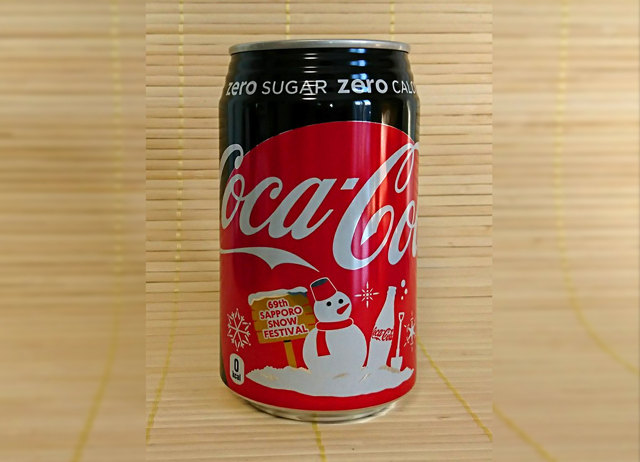
There’s a Coca-Cola stall selling limited edition merchandise for the 69th Sapporo Snow Festival…
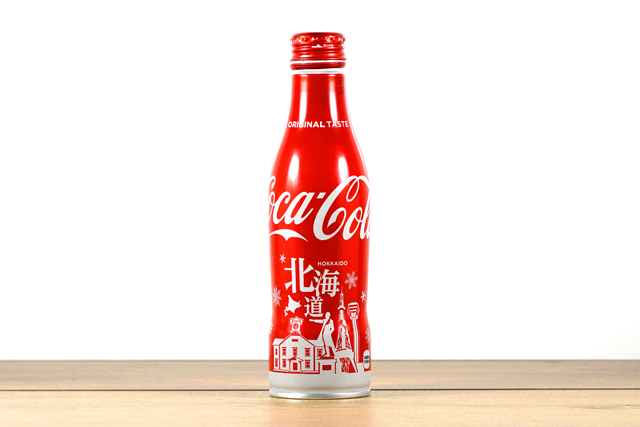
…as well as for Hokkaidō generally, which featured the famous clock and TV towers in central Sapporo.
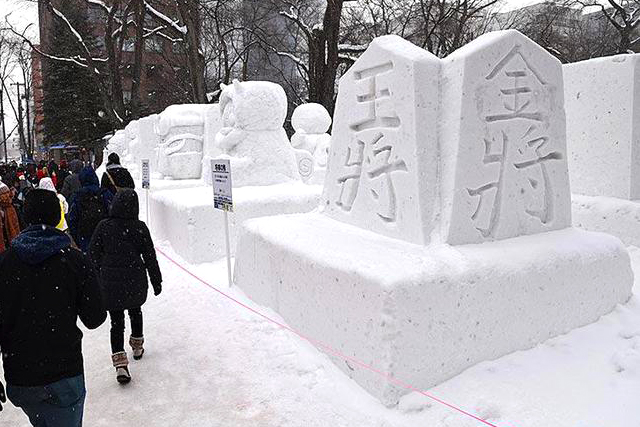
There’s a snow sculpture of four shogi pieces.
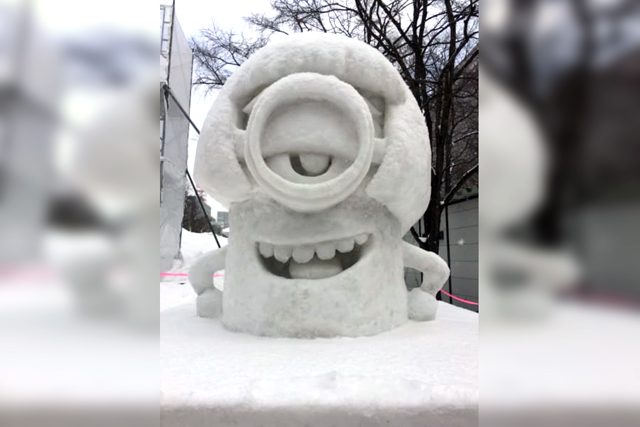
The Japanese really love their Minions. We see countless Minion snow sculptures.
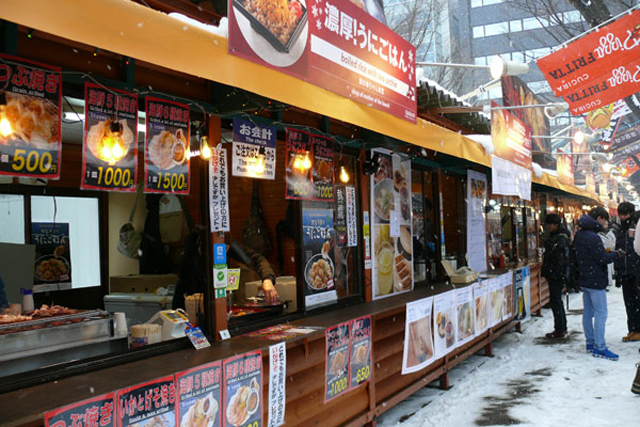
At the centre of 6-chome, surrounded by the sculptures is Hokkaidō Food Square where you can try a variety of local foods.
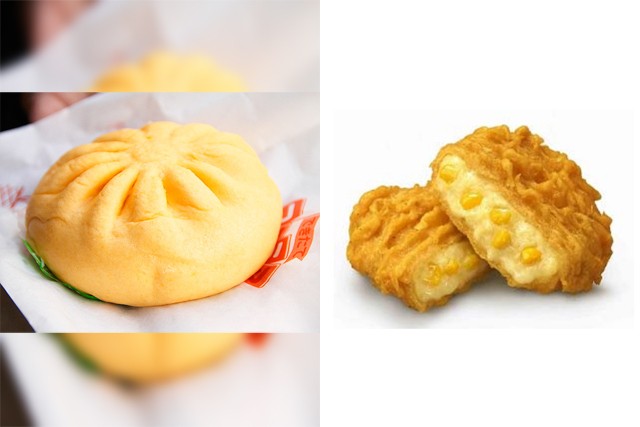
With my love for corn pottage, we pick up a corn pottage bao. Essentially, it looks like a pizza-man from 7-11 on the outside, with the inside filled with gooey and thick corn pottage like in the promotional photo for the corn pottage bites from KFC.
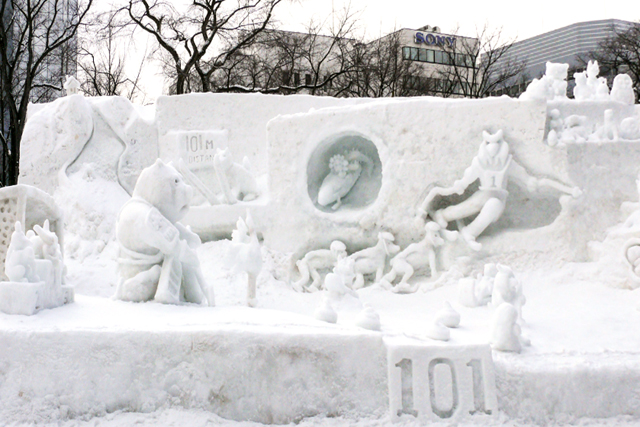
Enroute to 7-chome is this snow sculpture scene. I’m not sure it’s meant to be depict.
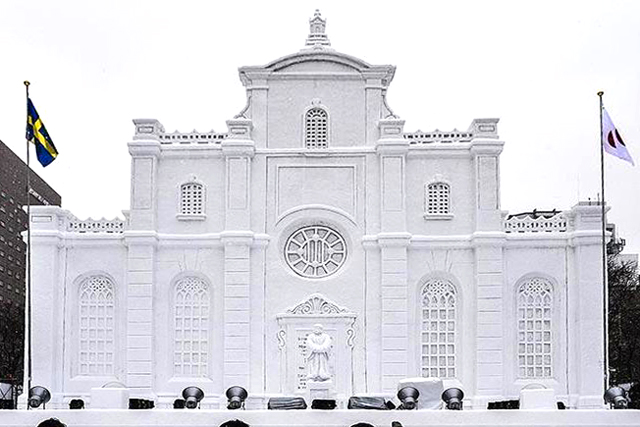
7-chome is HBC Sweden Square. The Square is used to ‘deepen international friendship and cultural exchange each year’ and this year Sweden was chosen ‘to celebrate the 150th anniversary since the establishment of diplomatic relations between Japan and Sweden’. This sculpture recreates Stockholm’s oldest cathedral at half-scale.
The Stockholm Cathedral was built in the thirteenth century in Gamla stan, the old town in central Stockholm. The cathedral has reached its present shape with the clock and the bell following a large-scale extension and refurbishment works in the fourteenth century onwards. It is a historic cathedral and frequently used for major events of the royal family including the King Carl XVI Gustaf’s wedding ceremony in 1976 and the wedding ceremony of Crown Princess Victoria in 2010. In every September, members of the royal family along with members of the parliament attend the service in this cathedral after the opening of the parliament. The statue at the centre of this snow sculpture is Olaus Petri (1493-1552), a theologian and a major contributor of the Protestant Reformation in Sweden who was buried beneath the pulpit in the cathedral.
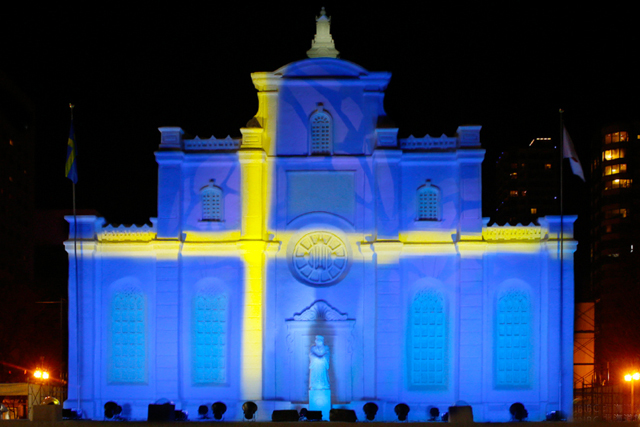
We see the sculpture lit up at night as we double back after reaching 12-chome.
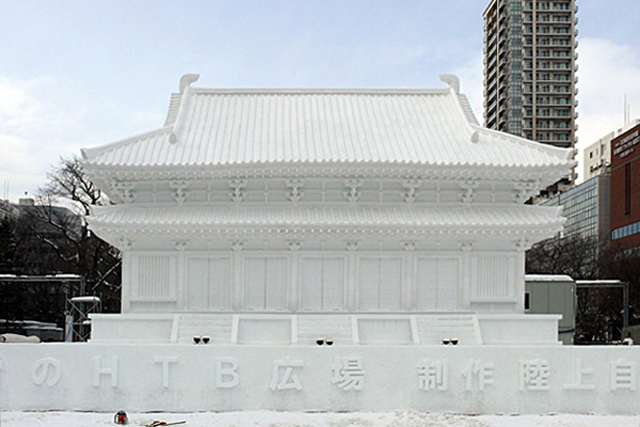
At 8-chome is Snow HTB Square with a large snow sculpture of “The Large Lecture Hall’ (or Daikōdō) of Yakushi-ji Temple, situated in Nara.
The lecture hall is a place where a number of novice Buddhist priests gather to devote themselves to their studies and discuss each other about various doctrines. Yakushi-ji Temple is an ancient Buddhist temple and also the headquarters of the Hossō school of Japanese Buddhism that was once one of the Seven Great Temples of Nanto. It was originally built in Fujiwara-kyō, Japan’s capital in the Asuka period. The construction of the temple began in 680, but it was disassembled after completion and moved to the present location in 718, following the move of the capital to Heijō-kyō. Yakushi-ji Temple fell victim to fire repeatedly and most buildings of complex except the East Pagoda (Tōtō), were destroyed […]. Thereafter, restoration of the lost buildings was not carried out for a very long time. In 1968, restoration work began at last from the fund raised through the “Kanjin Shakyō’ (fund raising by mean of hand-copying of Sutra). Subsequently, the Large Lecture Hall was restored in 2003 following the complete restoration of the Golden Hall, the West Pagoda and the Inner Gate.
Size of the restored “Large Lecture Hall of Yakushi-ji Temple’ is 41 meters wide, 20 meters in depth and 17 meters high. It is larger than the principal building of Yakushi-ji Temple, the Golden Hall, and truly symbolizes the majestic Buddhist temples of Hakuhō period.
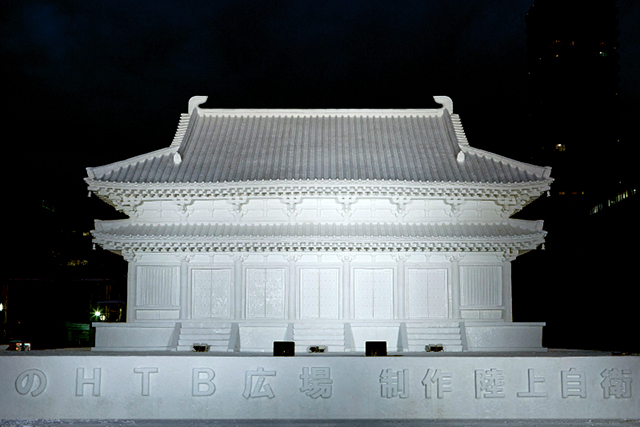
The sculpture is lit up at night, but we miss out on seeing it lit up with multicoloured lights.
A special technique called, “the ice block method’ is employed to make delicate snow parts to construct this large snow sculpture in detail. It is produced by HTB (Hokkaidō Television Broadcasting Co., Ltd.) in cooperation with the Ground Self Defense Force; Second Snow Sculpture Producing Unit. A total of 3,800 Self – Defense Force personnel will be working on this snow sculpture for 28 days from January 7 to February 3.
There’s a small hut located next to the sculpture showing videos of the members of the Ground Self Defense Force constructing the sculpture at various stages.
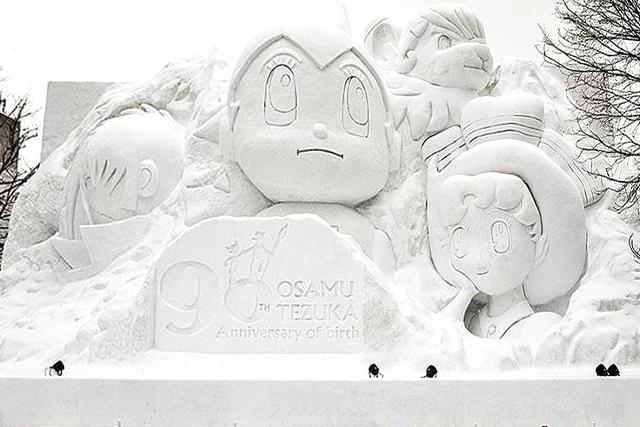
At 10-chome is UHB Family Land, with a large snow sculpture celebrating the 90th anniversary of Osamu Tezuka’s birth.
Osamu Tezuka (1928 –1989) laid the foundations of Japanese Manga culture by establishing what was known as “Story Manga’ through his pioneering and innovative expression methods. Year 2018 marks the 90th anniversary of his birth. Before his birthday on November 3, four of the renowned Tezuka’s characters make their appearance at the Odori site of Sapporo Snow Festival!
Here you can see; a gentle “Astro Boy’ who is in agony over an inner conflict as being an android; “Black Jack’, the genius surgeon without medical license; “Kimba the White Lion’ (or Jungle Emperor Leo) who grows to be an emperor of the jungle; and the young “Princess Sapphire’ who has to dress and behave like a young man to pretend that she is the prince.
Osamu Tezuka made more than 700 works in his life time. His works, filled with dreams and excitements, are still loved by many all over the world even 30 years after his death. Enjoy Tezuka Manga and the beginning of the anniversary year.
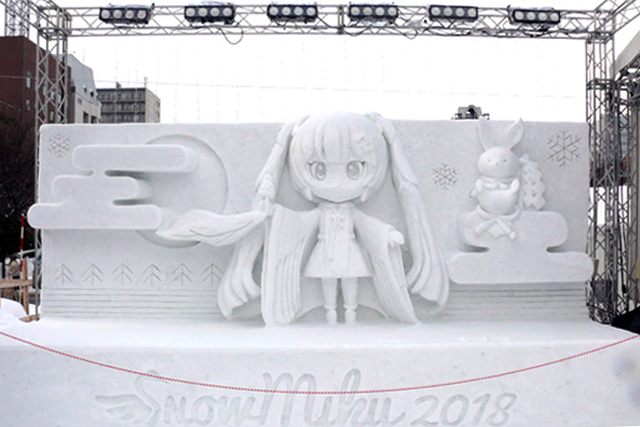
At 11-chome is a small snow sculpture of Snow Miku or Hatsune Miku, a Vocaloid voicebank, and a moe anthropomorphic 16-year-old girl with long, turquoise twintails who enlivens Hokkaidō. The theme for this year’s sculpture selected from an online competition was ‘the animal with the image of Hokkaidō snow’.
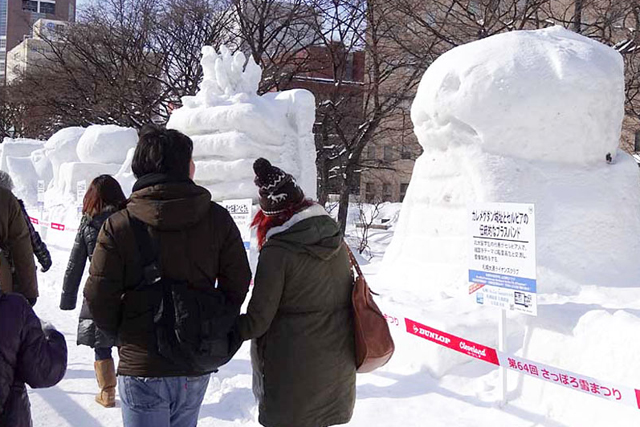
And finally, 12-chome featured another Citizen’s Square with snow sculptures made by citizens of Sapporo.
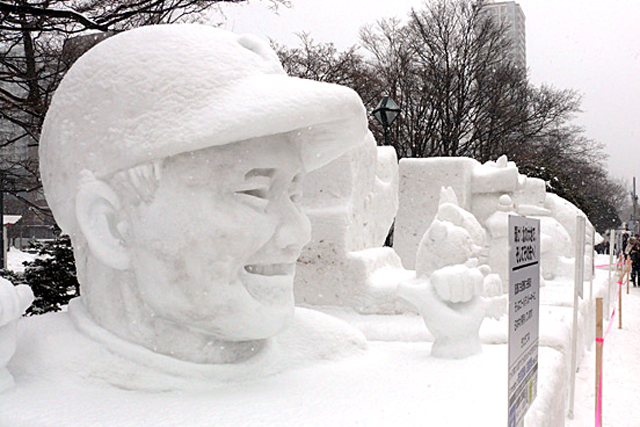
This is a bust of a famous baseball player.
Sapporo – Susukino Ice World
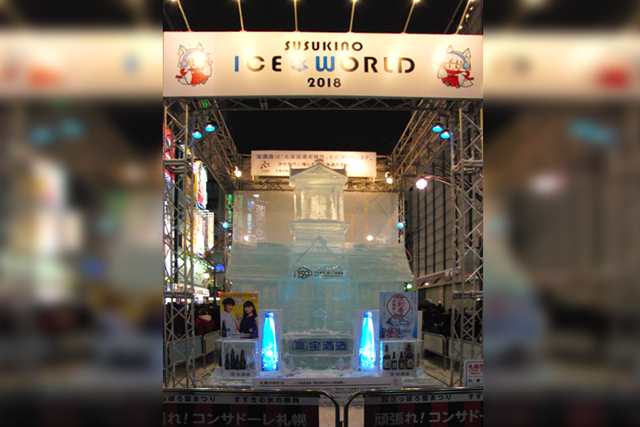
We head back to the Susukino site to view the ice sculptures again at Suskino Ice World. This one here at the entrance celebrates the 150th anniversary of the naming of Hokkaidō.
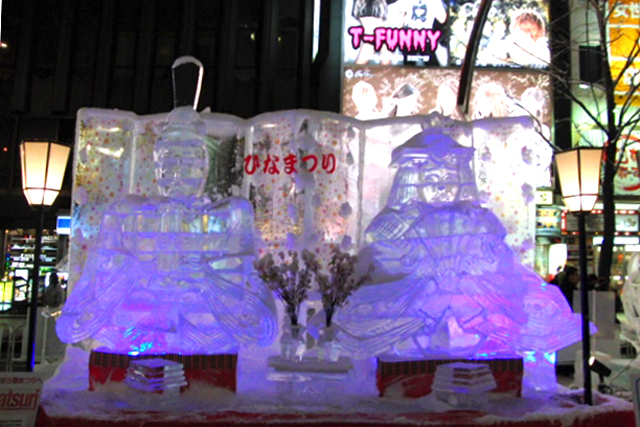
These ice sculptures of dolls anticipates hina matsuri or Girl’s Day in March.
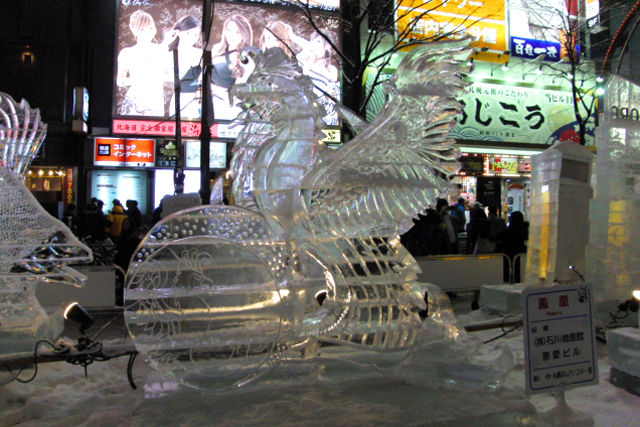
This is the first of two phoenix sculptures.
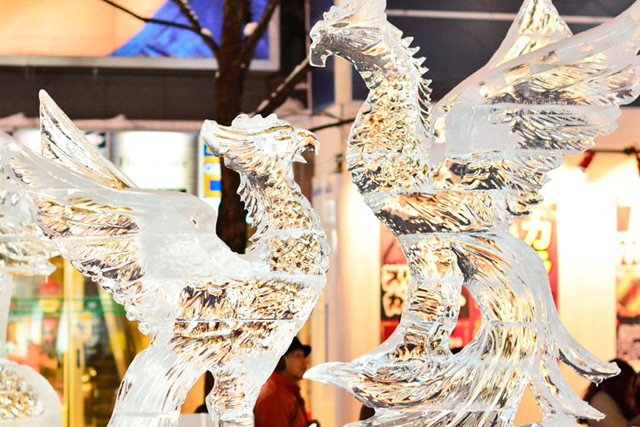
This one is more beautifully backlit from the shops.
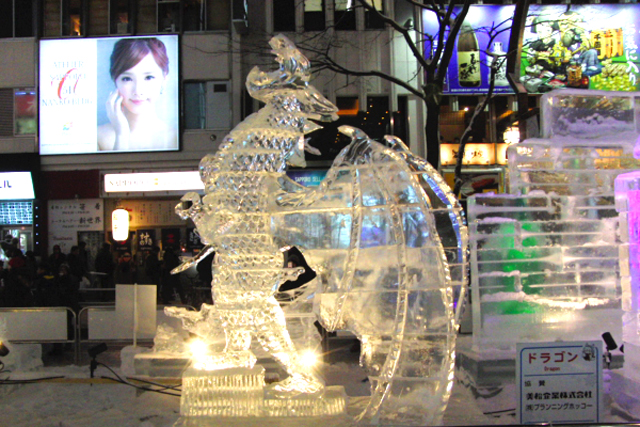
…and a dragon.
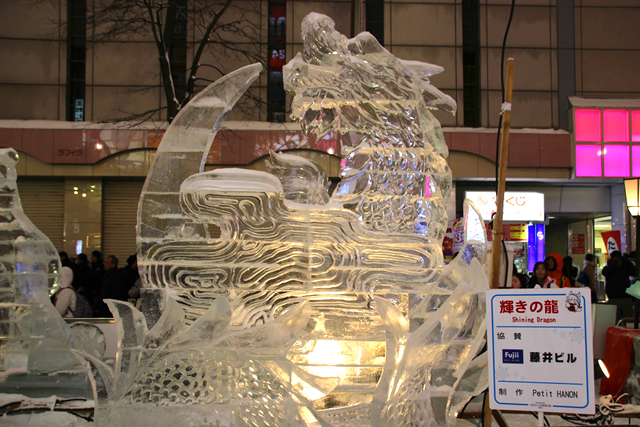
This is a more intricate ‘shining dragon’.
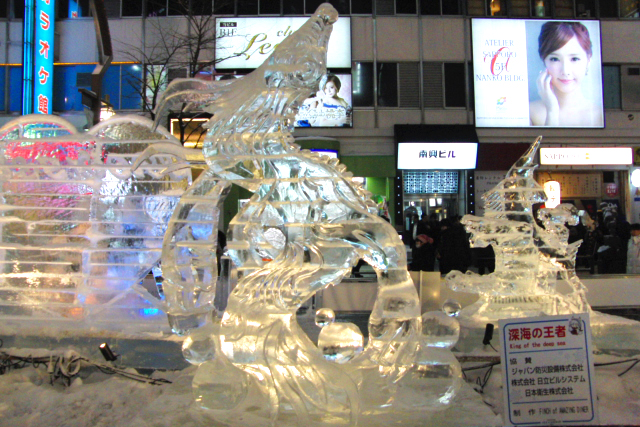
This one is called ‘king of the deep sea’.
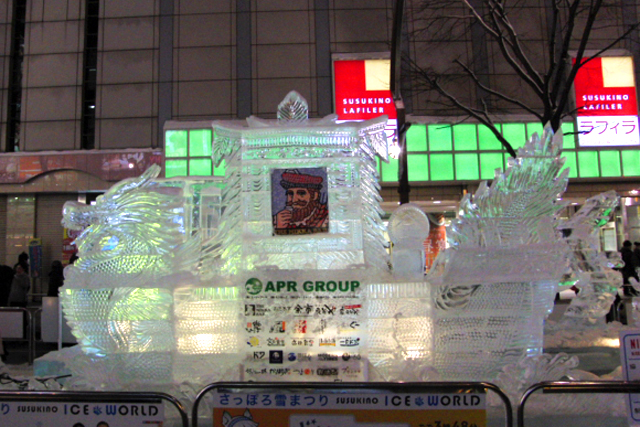
There’s also a ‘dragon boat’ advertising Nikka Whisky.
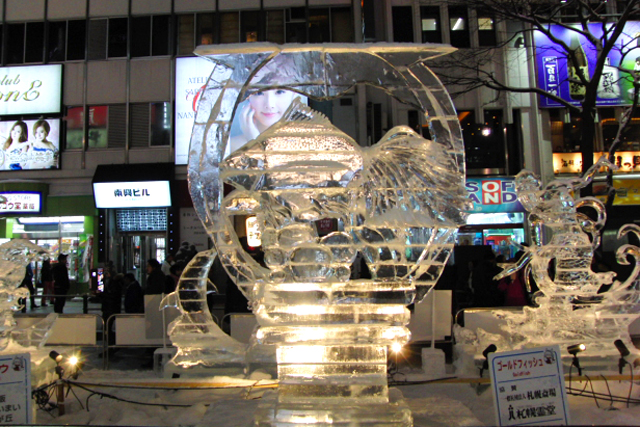
This is a huge goldfish in a bowl.
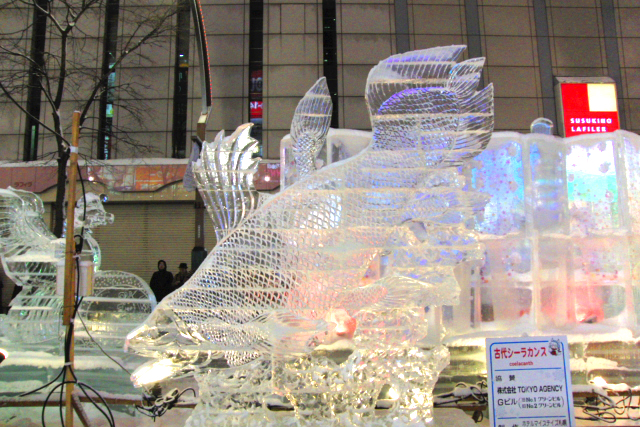
This is a coelacanth, which is a rare order of fish more closely related to lungfish, reptiles and mammals than to the common ray-finned fishes.
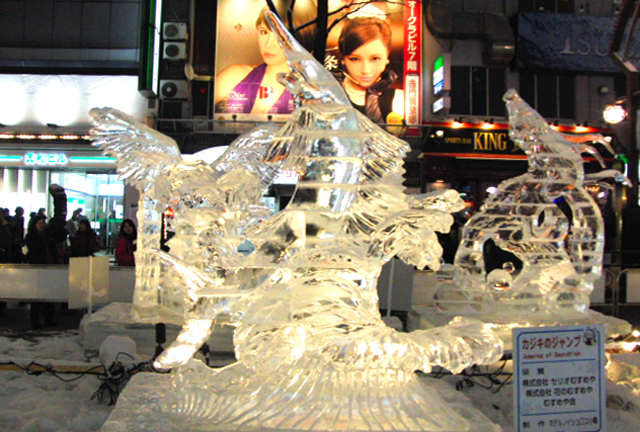
This is the ‘jumping of swordfish’.
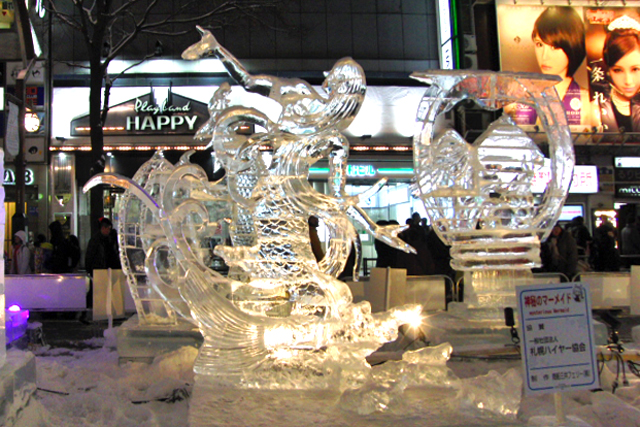
There’s a mermaid…
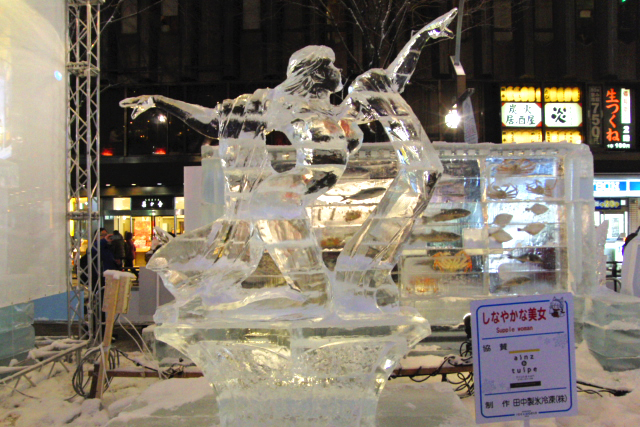
…a ‘beautiful supple woman’…
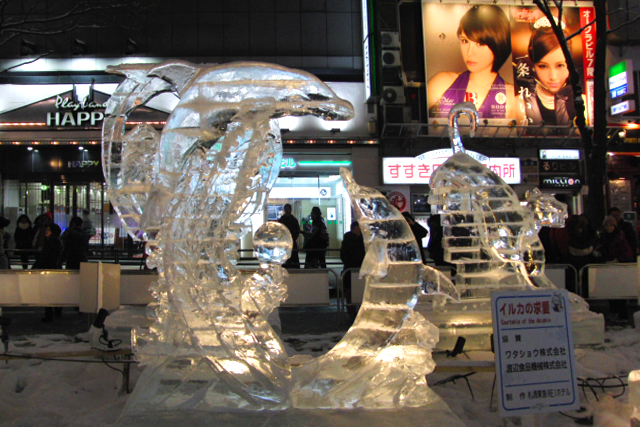
This one is named ‘courtship of the dolphin’.
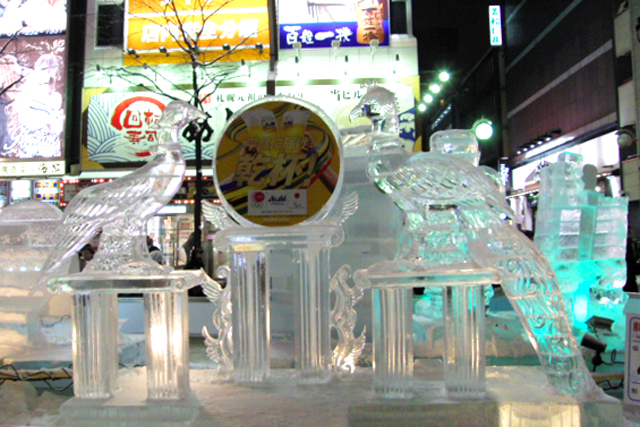
This pair of peacocks is from Asahi, sponsors of the Olympic Games.
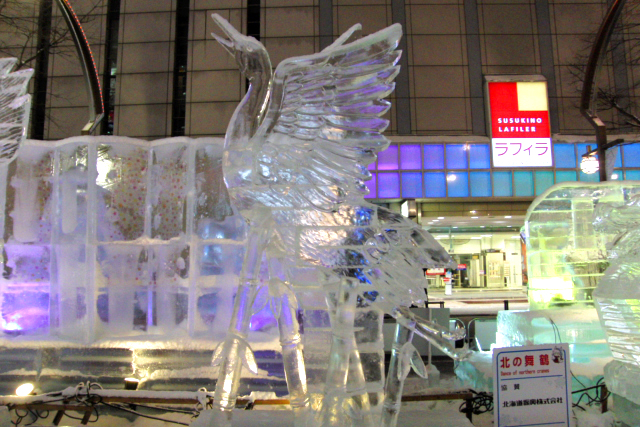
This is one of a ‘pair of northern cranes’.
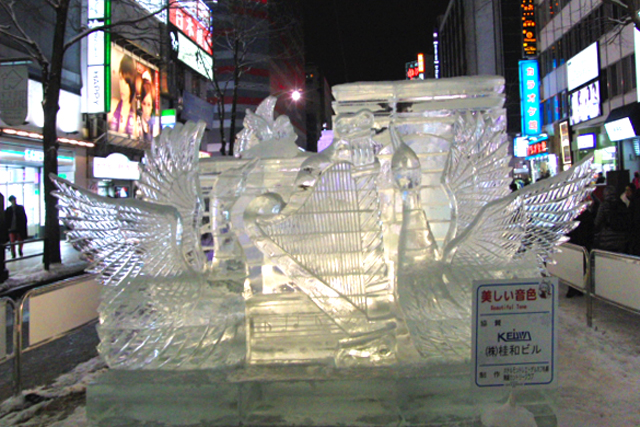
This one called ‘beautiful tone’ shows a pair of swans with a harp.
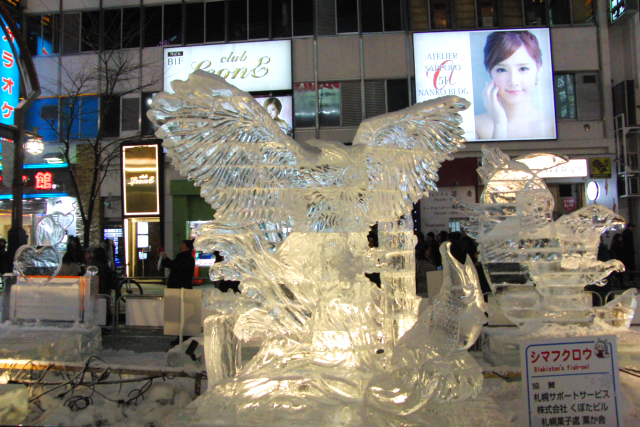
This is the Blakiston’s fish owl, which is ‘the largest living species of owl, a sub-group of eagle owls which specialize in hunting in riparian areas’.
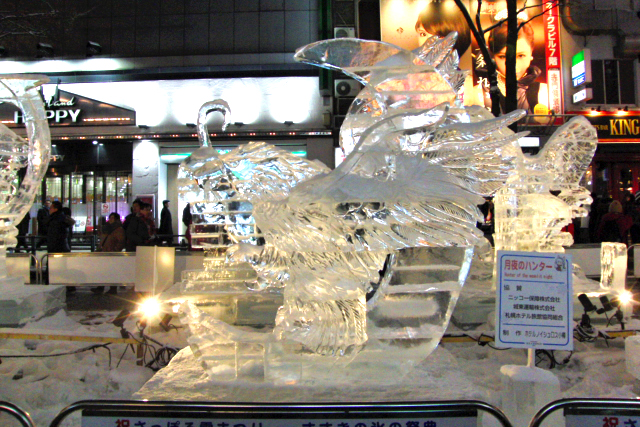
This is an eagle called ‘hunter of the moonlit night’.
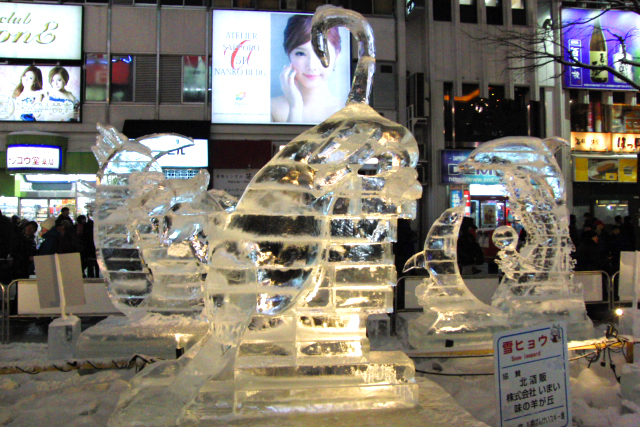
This is a snow leopard.
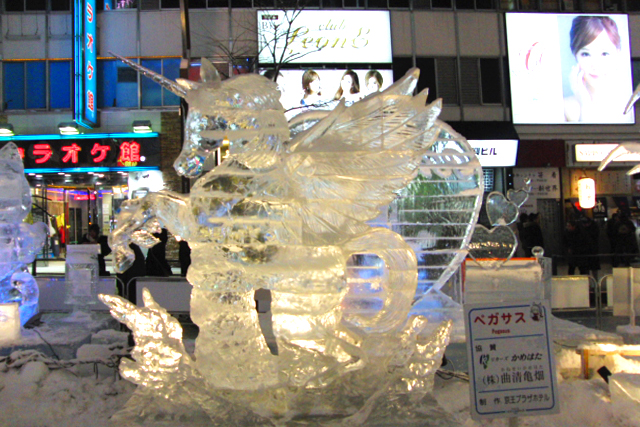
There’s also a pegasus.
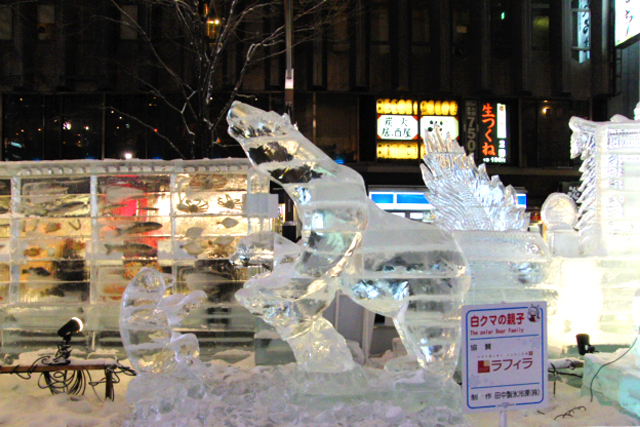
This is a polar bear family with two cubs playing with their parent. Cute!
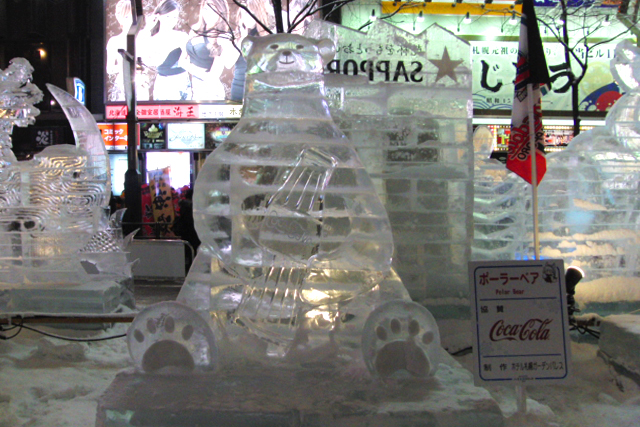
There’s also the Coca-Cola polar bear nearby.
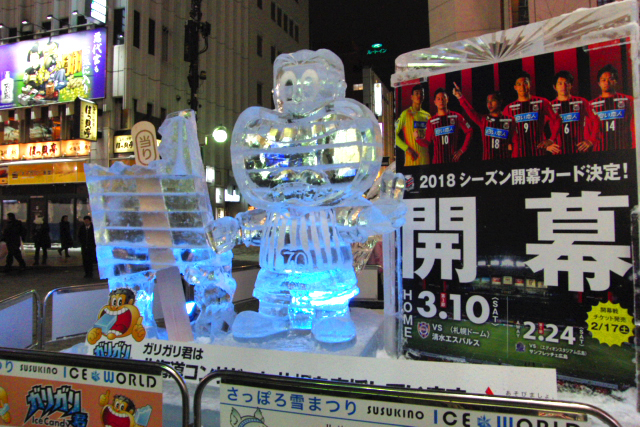
Gari Gari Kun is a popular ice cream/popsicle in Japan and he makes an appearance in ice form wearing the jersey for the home team.
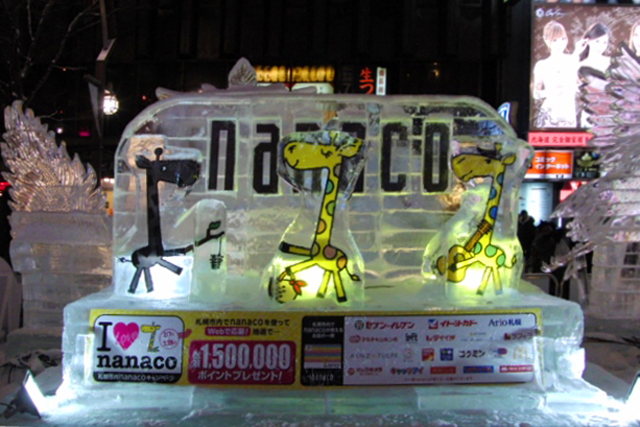
There’s one advertising Nanaco, a prepaid cash-rechargeable contactless electronic money card that can be used in 7-Eleven convenience stores, Denny’s restaurants, and Ito-Yokado merchandise stores, as well as some 7,000 other stores.
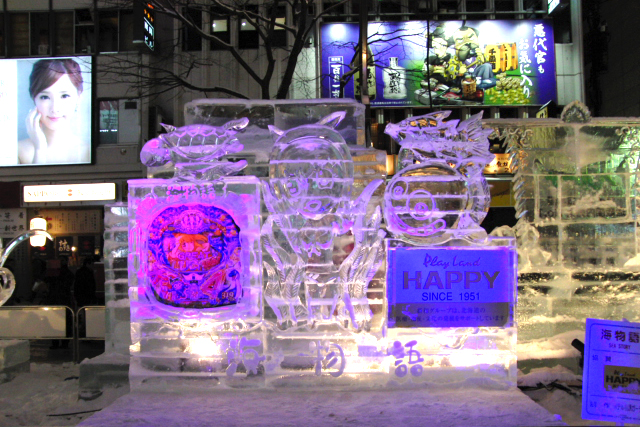
Playland Happy, a pachinko parlour, advertises using an ice sculpture.
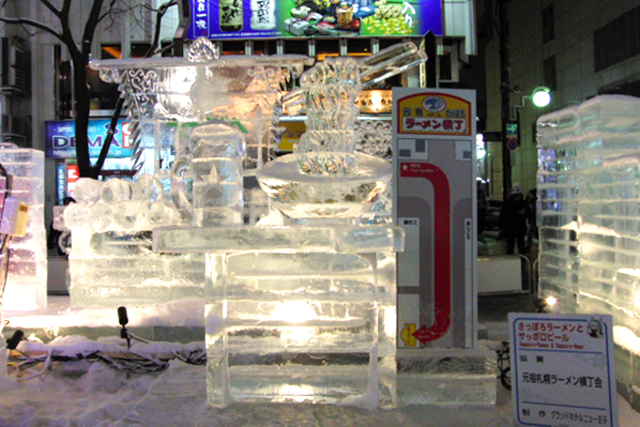
This one advertises a restaurant selling Sapporo ramen and Sapporo beer around the corner.
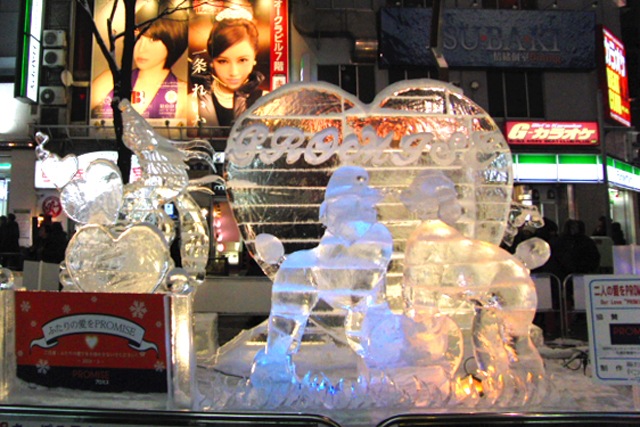
This one is called ‘Fur Love ‘PROMISE” and featured two dogs and several love hearts.
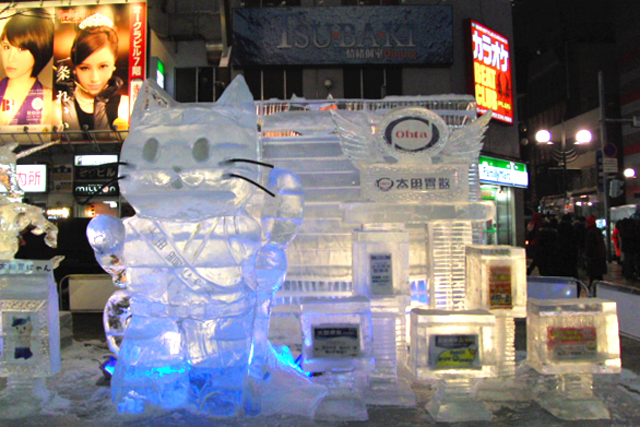
This ice sculpture with a cat holding a spoon is for Ohta. We’re not sure what they’re involved with.
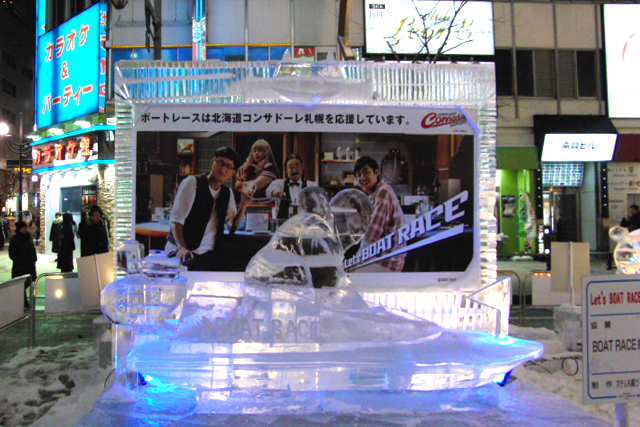
This one’s called ‘let’s boat race’.
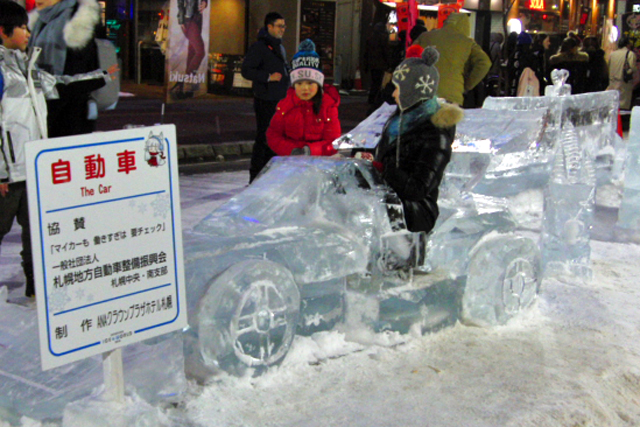
Towards the end of the road are simpler sculptures. This one’s a car that you can climb into.
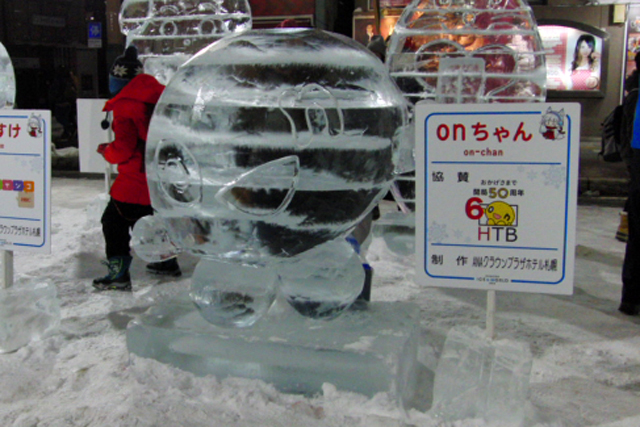
There’s also a line up of TV mascots. This is On Chan, a mascot for the Hokkaidō TV channel, HTB.
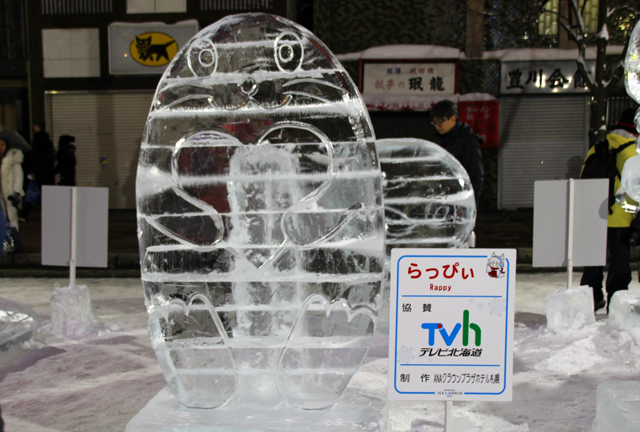
This is Rappy, a mascot for the Hokkaidō TV channel, TVh.
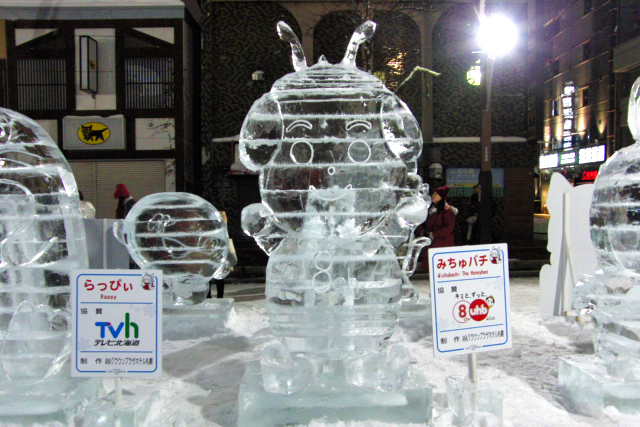
This is Michubachi, a mascot for the Hokkaidō TV Channel, UHB.
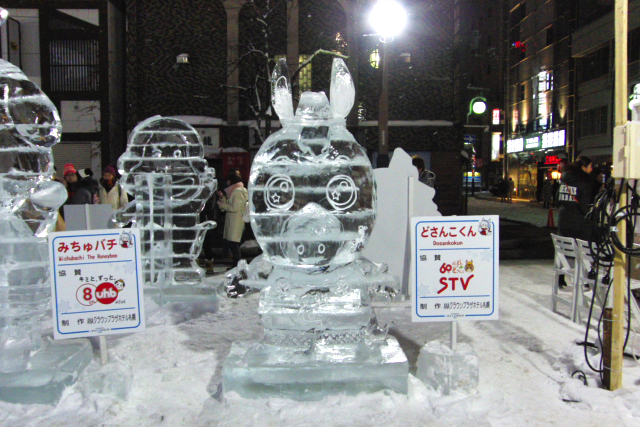
This is Dosanko kun, a mascot for the Hokkaidō TV Channel, STV.
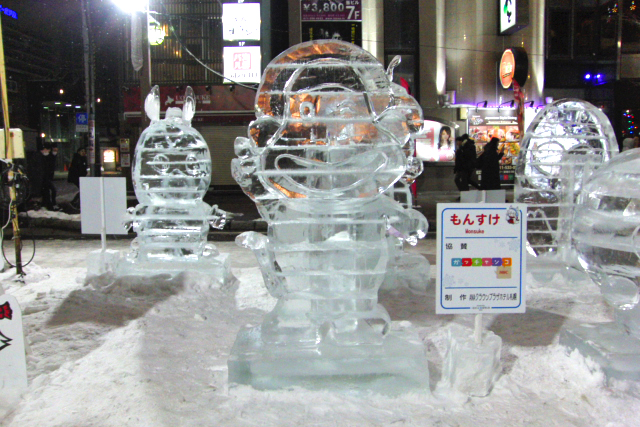
Finally, this is Monsuke, a mascot for Hokkaidō Broadcasting Co.
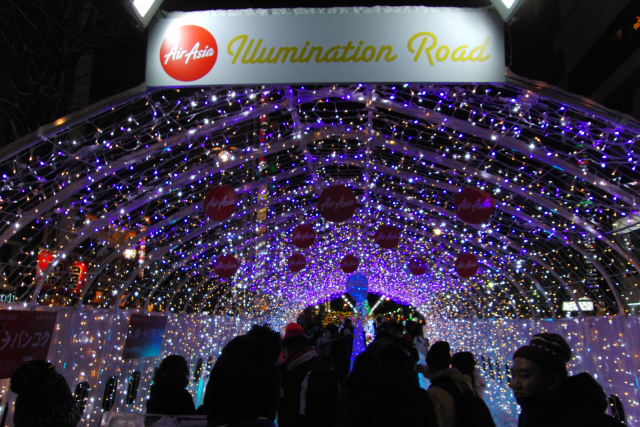
At the end of the strip is Air Asia’s Illumination Road.
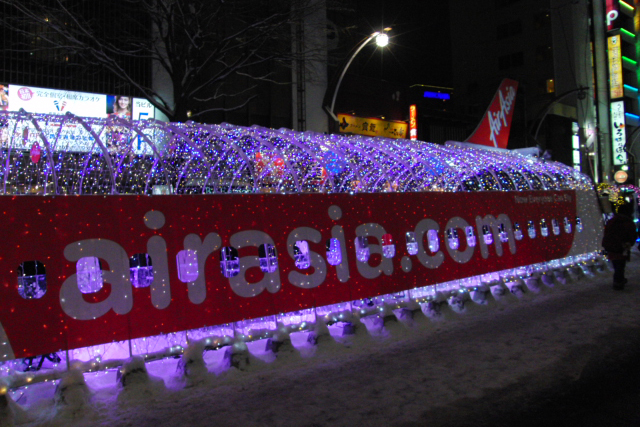
It’s not much of an ice sculpture but more of an illuminated tunnel resembling the fuselage of a plane.
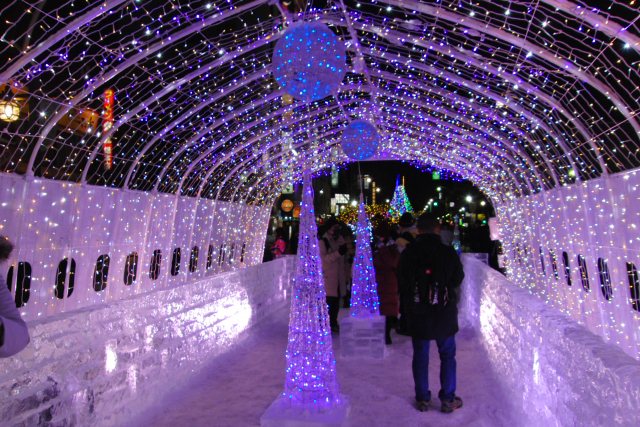
The base of the tunnel is built with ice bricks.
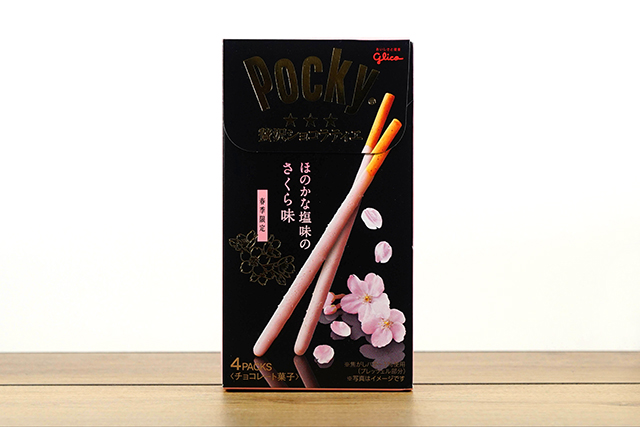
After a long day out in the cold, D and I head into the nearby Ito Yokado to check out the supermarket. We pick up some sushi to eat for dinner at our hotel (the upside to winter in Hokkaidō is that ‘room temperature’ is colder than your fridge) as well as these newly released Pocky, which I’d been on the lookout for since the start of our trip.
The following day, we brave even colder weather for a trip to Asahikawa in central Hokkaidō.