Our previous visits to Kōbe concentrated on its Nada District that’s famous for sake and located outside the city centre. This time, we head into central Kōbe to explore its Chinatown and shopping districts. Kōbe is half an hour from Ōsaka on the local JR train.
Ōsaka – Dojima
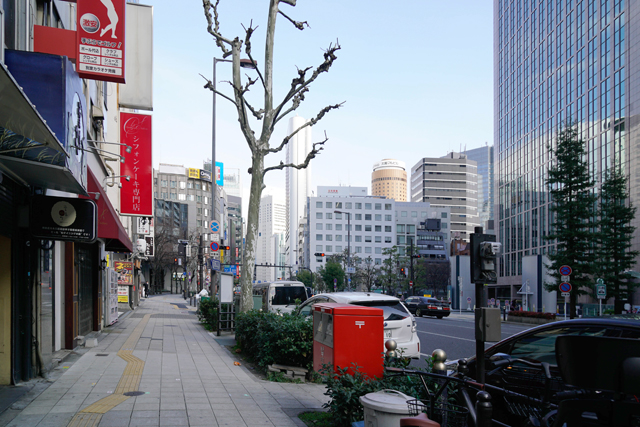
The location of our hotel means Ōsaka Station, which has connections to the JR lines to Kōbe and Kyōto, is a convenient walking distance without the need for subway to train transfers.
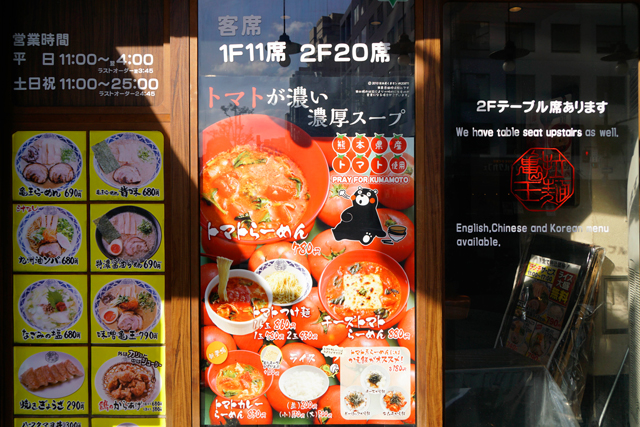
D spots this cute poster featuring two of my favourite things: tomatos and Kumamon.
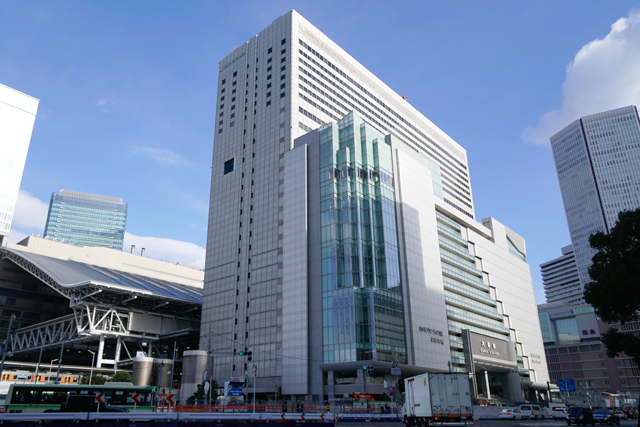
The skies have cleared up completely. It’s a beautiful morning.
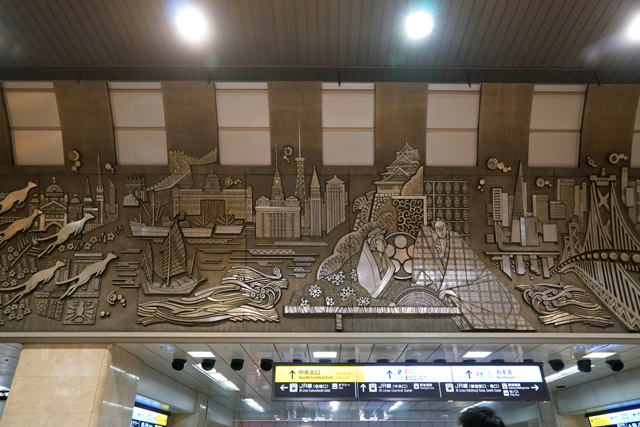
Look up inside Ōsaka Station and you’ll find icons from all over including Australia, China, and the US.
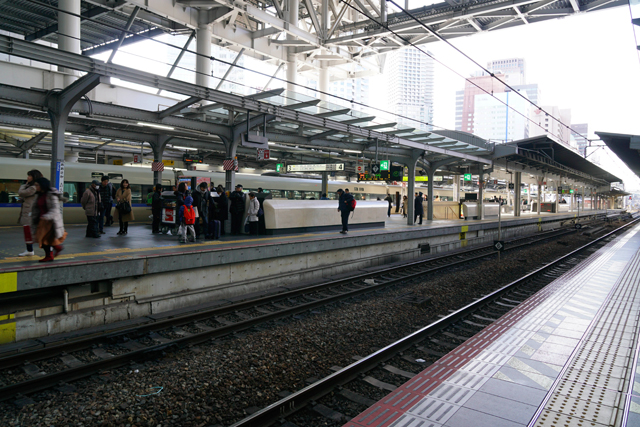
The sun may have come out but the platforms at Ōsaka Station are still a frosty wind tunnel.
Kōbe – Motomachi
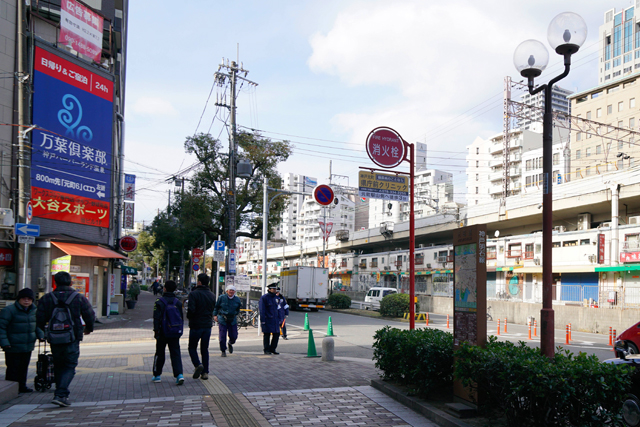
Motomachi Station is the closest access point to the Motomachi Shopping District in Kōbe.
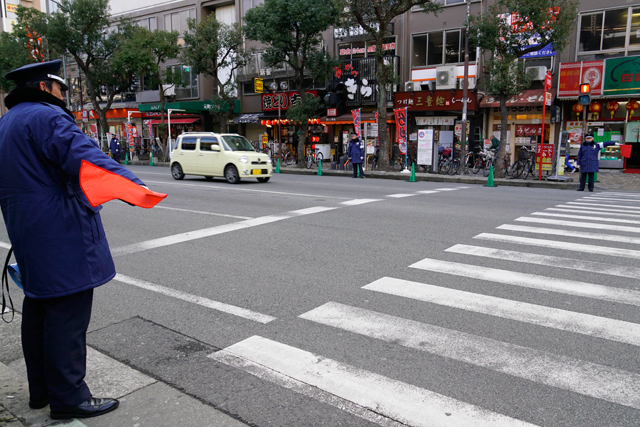
It’s a weekend and it’s not particularly busy but there are numerous traffic guards directing traffic.
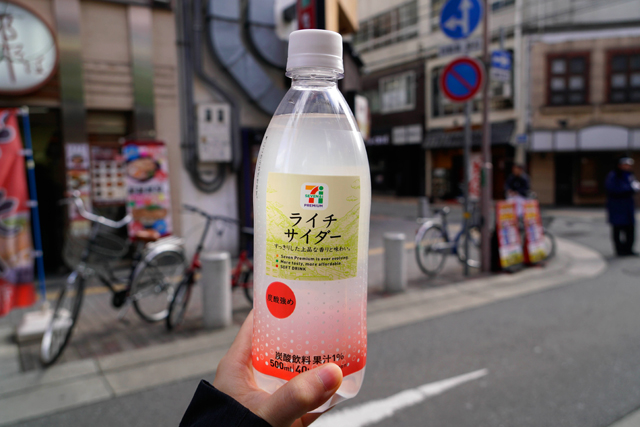
On the way, we stop by a 7-Eleven for a Lychee Cider, which has a pleasantly sweet floral lychee flavour although it’s not as strong as we’d like.
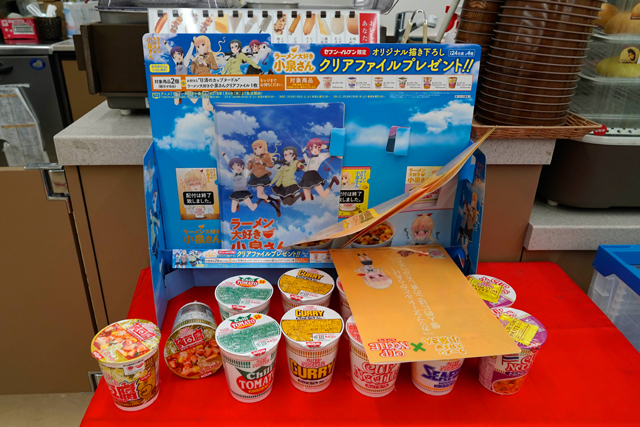
We also notice character goods from the (then currently airing) anime, Ramen Daisuke Koizumi-san. The folders are free with the purchase of Nissin Cup Noodles.
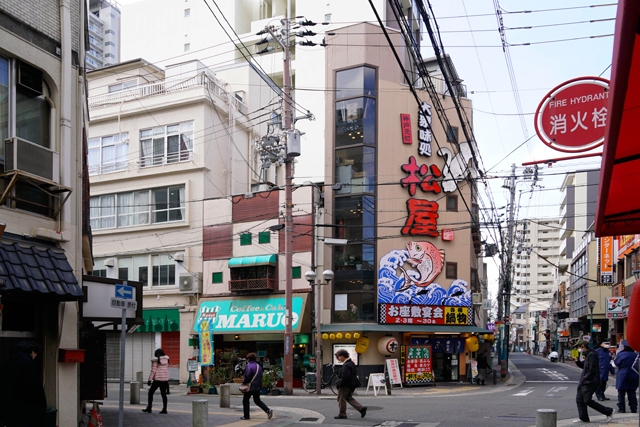
There’s a multi-storey restaurant serving seafood opposite the 7-Eleven.
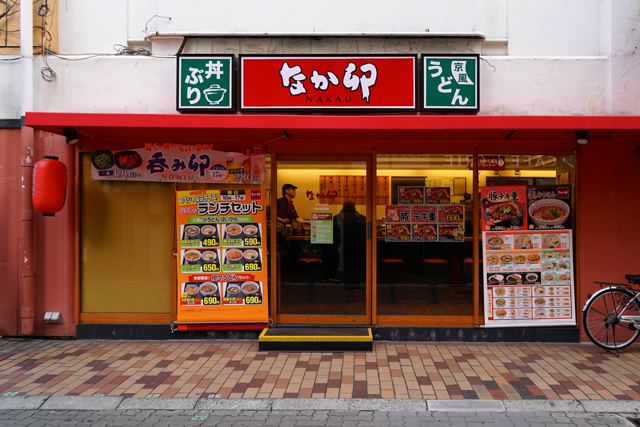
For breakfast, though, we turn to Nakau, a chain that serves donburi and udon vending-machine style.
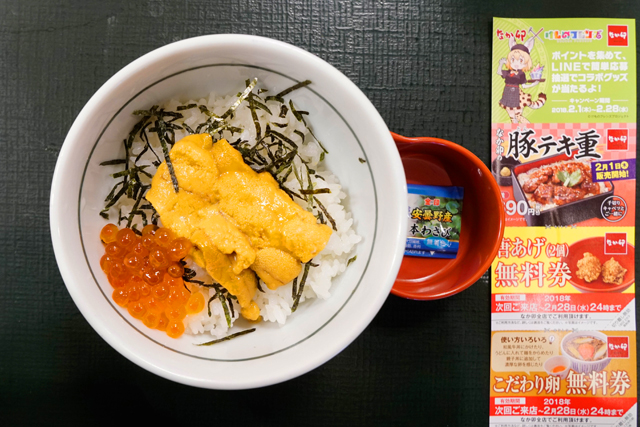
This is a Mini Unidon. The uni brought pops of savoury flavour along with the ikura that makes it an indulgent breakfast.
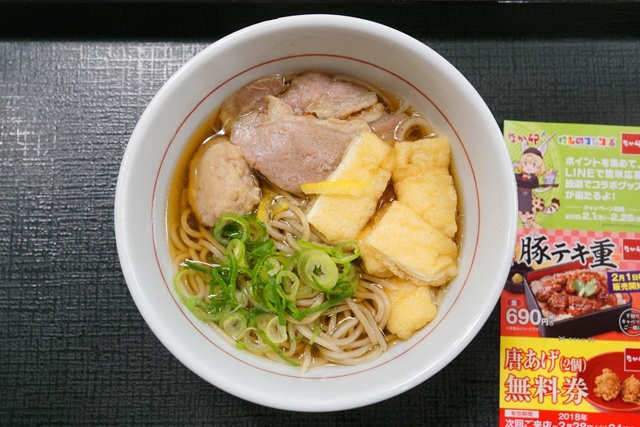
D opts for the Mini Duck Soba, with tender slices of duck and tofu. The duck is tender and juicy, although it reminds us of chicken.
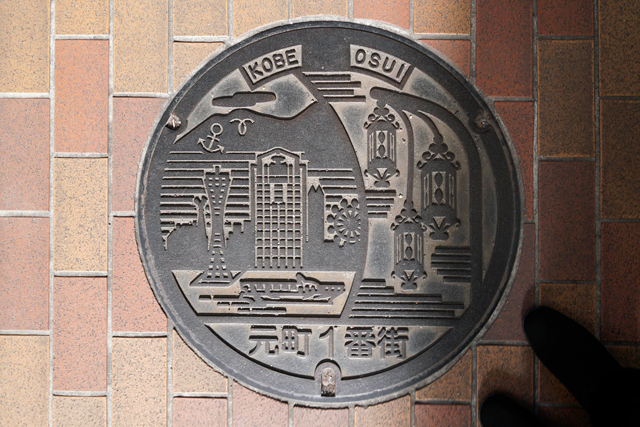
This is Kōbe’s distinct manhole cover.
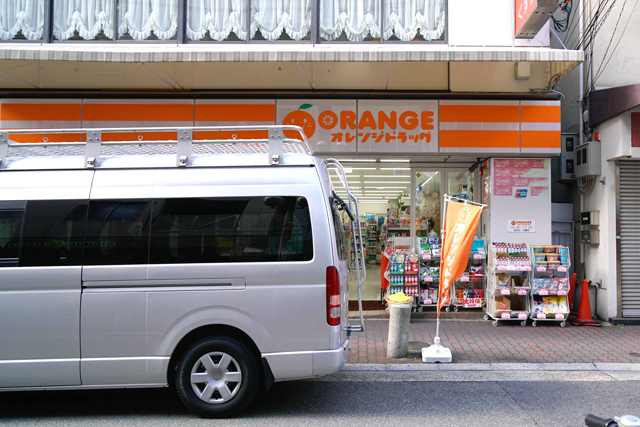
This pharmacy on a small street sold my favourite yuzu lip balm cheaper than the big chains. Win!
Kōbe – Nankinmachi
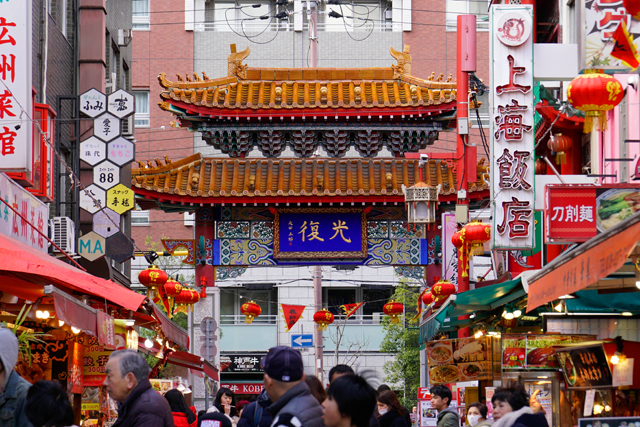
We’d walked through Motomachi (we’ll return later) to reach Nankinmachi, Kōbe’s Chinatown. The area is named after Nanjing, the former Chinese capital, and a centre of the Chinese community in the Kansai region much like how the Chinatown in Yokohama is for the Kantō region.
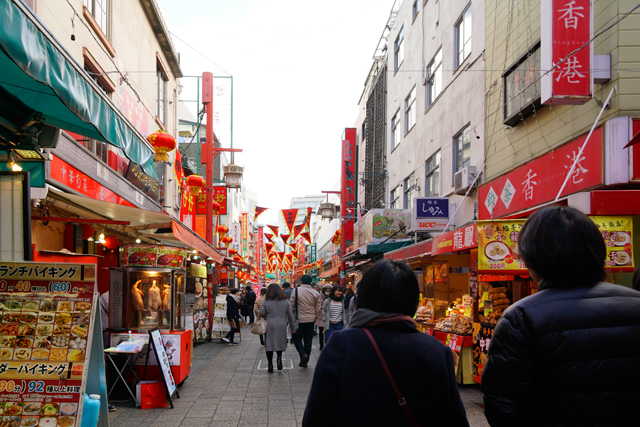
The Chinatown is rather compact, made up of two main streets running perpendicular to each other…
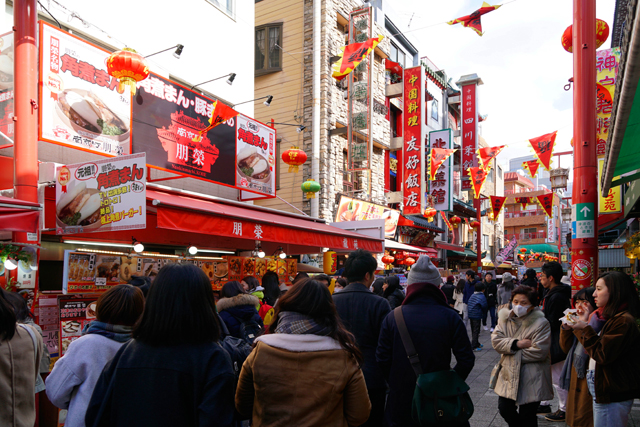
Being a long weekend, the place is teeming with people.
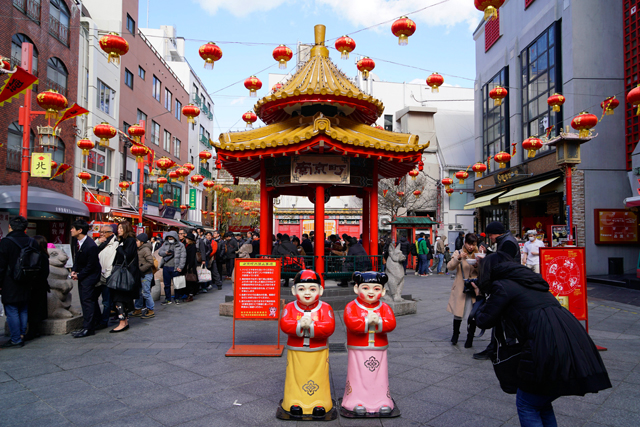
The two streets meet at a central plaza. The ridiculously long queue around the pagoda is for…
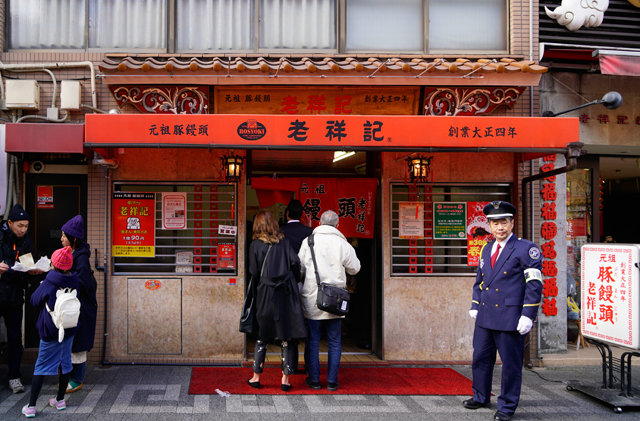
…this dumpling restaurant that has their own traffic guard to manage the customers.
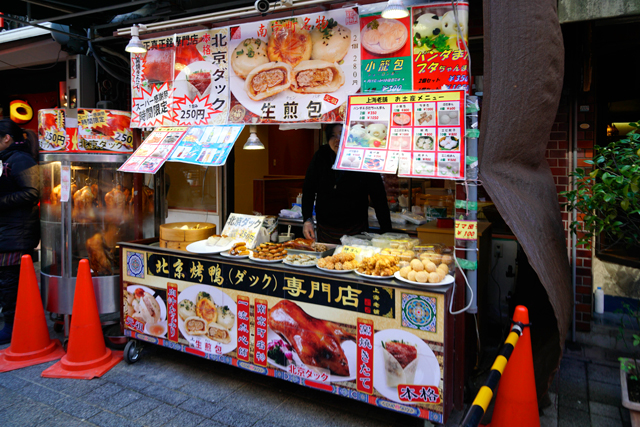
Outside the central plaza, both streets are packed with food stands selling steamed buns and Peking duck.
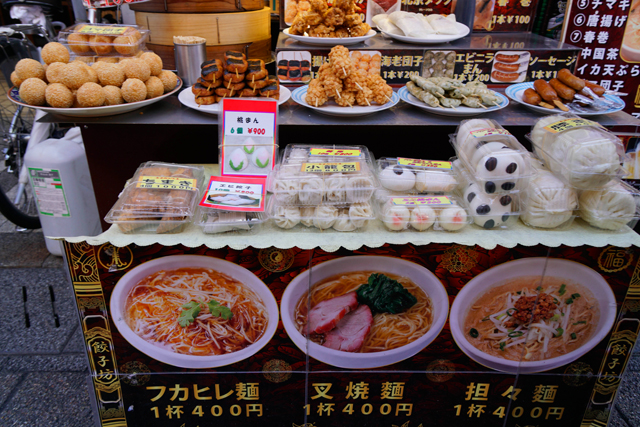
This one offers deep-fried dim sum as well as other items on skewers, and ramen.
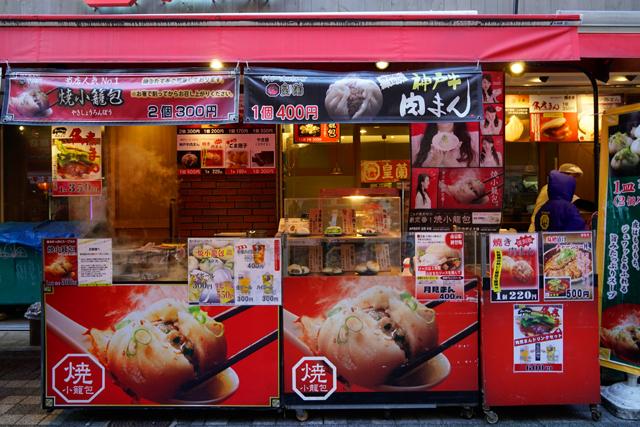
Many of the shops sell very similar items, many of which have been Japanized to a certain degree
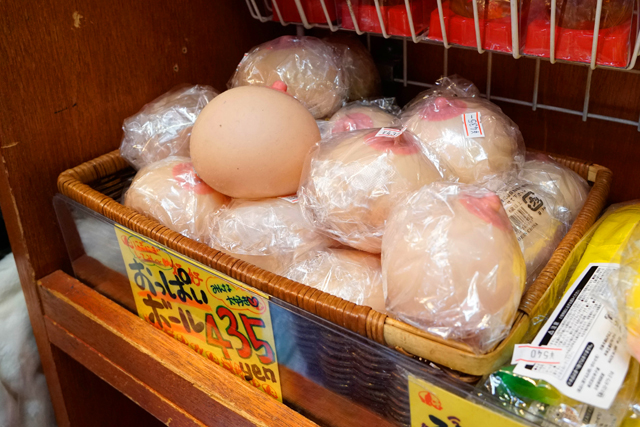
A few souvenir shops along the street stock some rather interesting items like oppai boru…
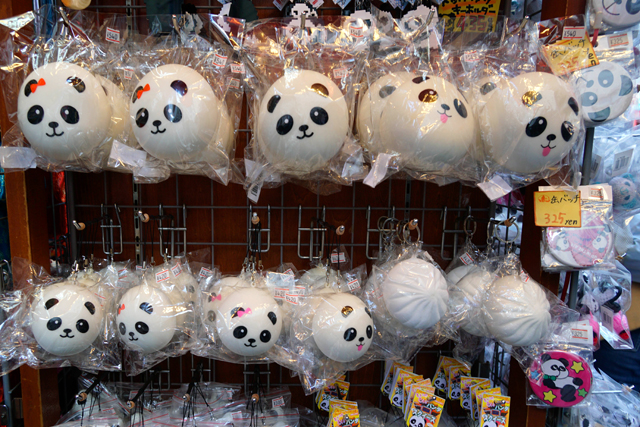
…as well as more tasteful panda manjū.
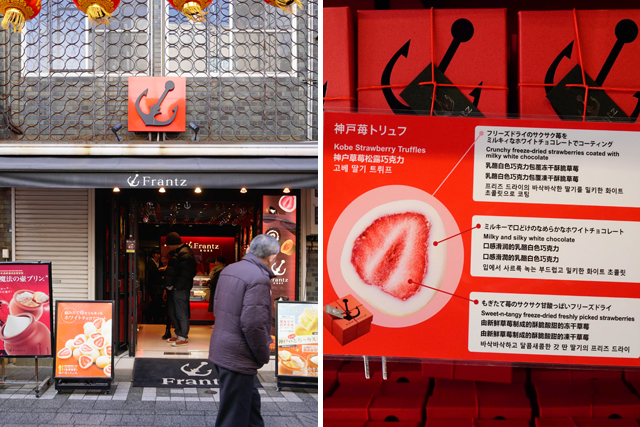
Frantz is a popular maker of chocolate coated freeze dried strawberries. They’re tasty but Muji makes cheaper versions.
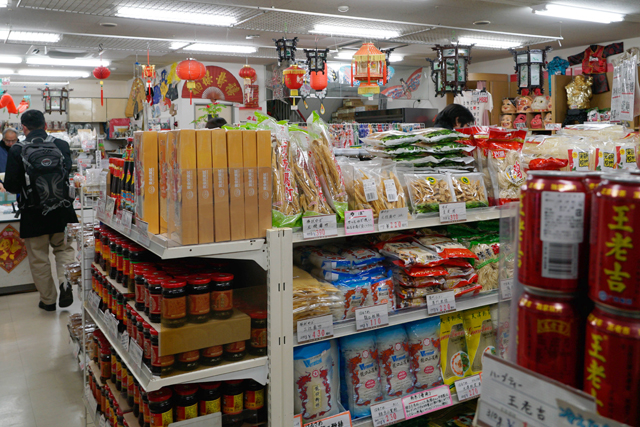
We pop into one of few Chinese groceries in Chinatown towards the end of the street. Living in Sydney, where Chinese grocery stores are very easy to come by, it’s amusing to see those same products in a more ‘exotic’ set up.
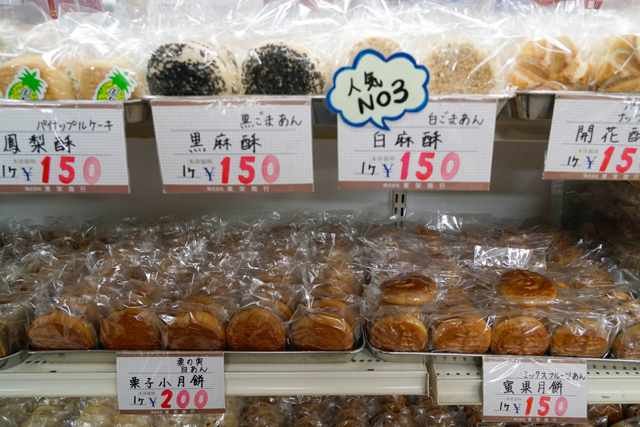
There are a number of Chinese baked goods available for purchase…
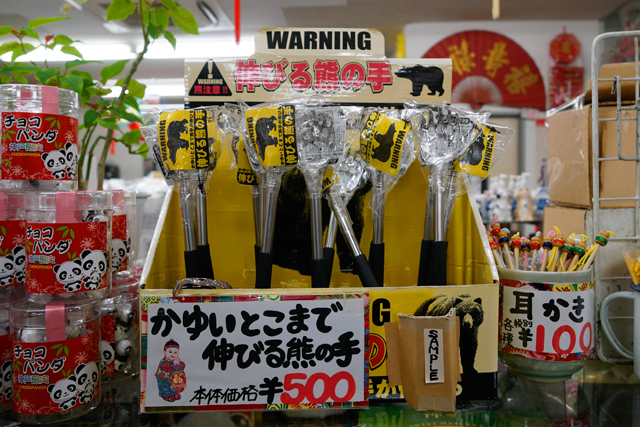
…as well as this novelty bear claw.
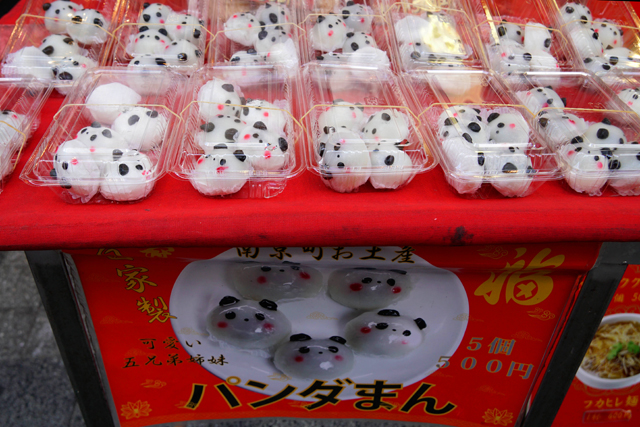
Back on the street, we spot these cute panda manjū.
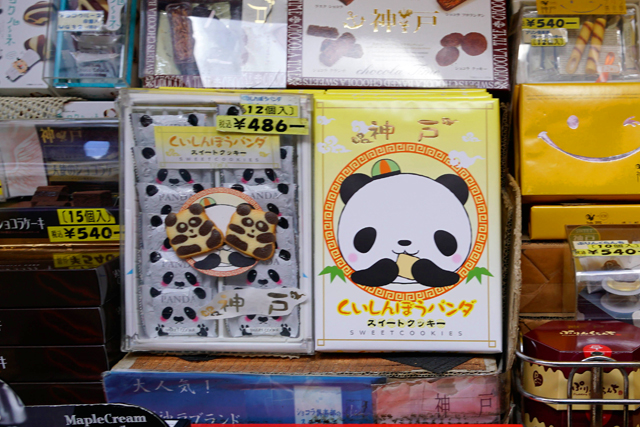
Pandas feature on products prominently in Chinatown, including these panda cookies.
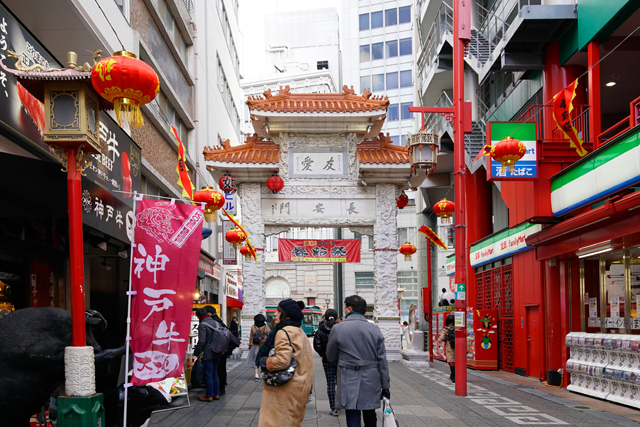
At the end of the road is a Family Mart painted red to fit in with the Chinatown aesthetic.
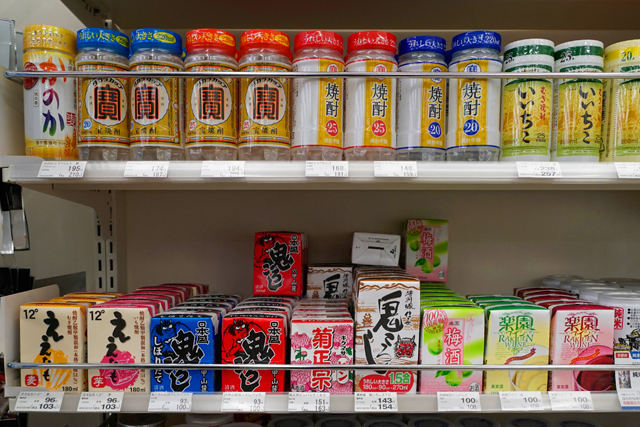
The inside is rather ordinary, though we do find these tetra packs of wine.
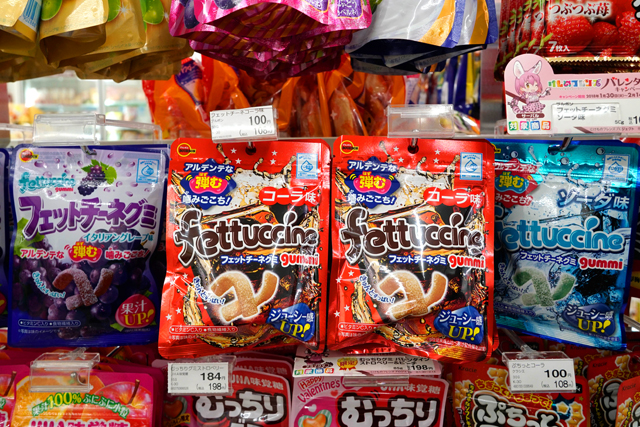
Fettuccine gummy candy seems to be popular in Japan at the moment. They’re long strips of gummy candy in your typical grape, cola and soda flavours.
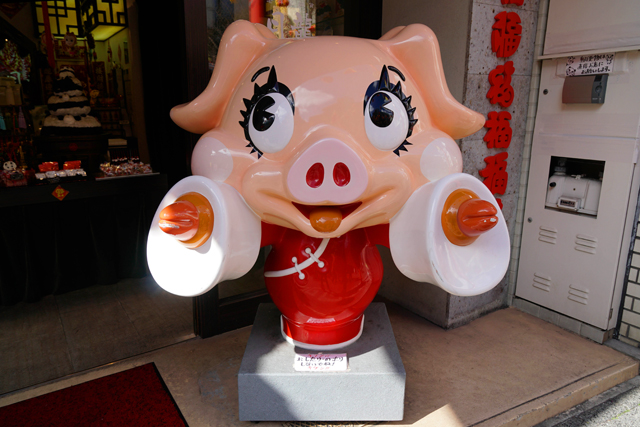
Opposite the Family Mart is a pork restaurant.
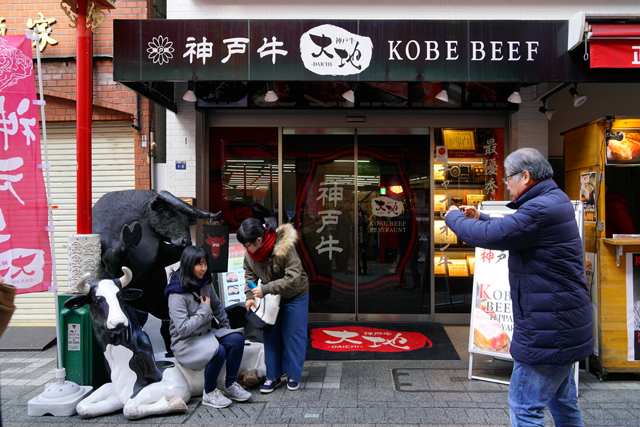
A few shops down is a restaurant specialising in Kōbe beef.
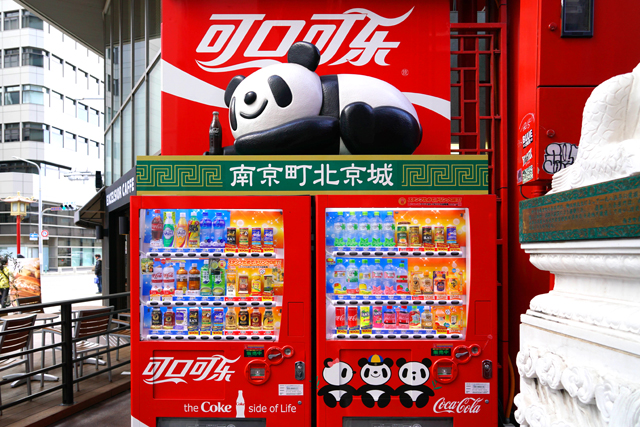
Outside the Family Mart is a panda-themed Coca-Cola vending machine.
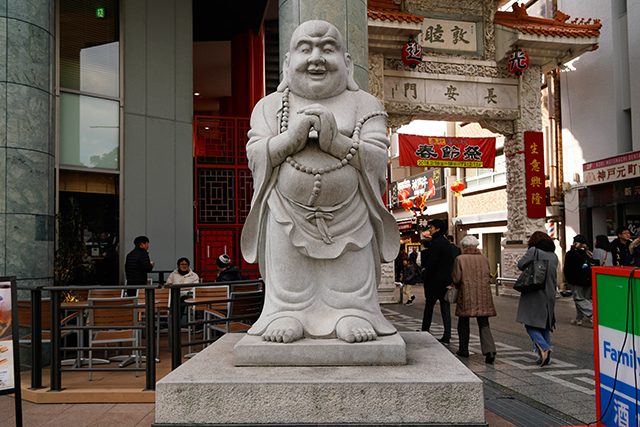
Having walked through Chinatown, we find a statue of Buddha gracing one of the entrances.
Kōbe – Motomachi
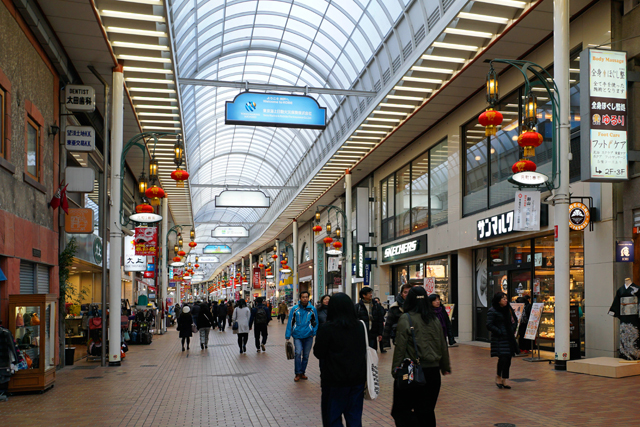
It’s a short walk back to the Motomachi Shopping Street where the laid-back yet modern atmosphere feels distinct to Kōbe.
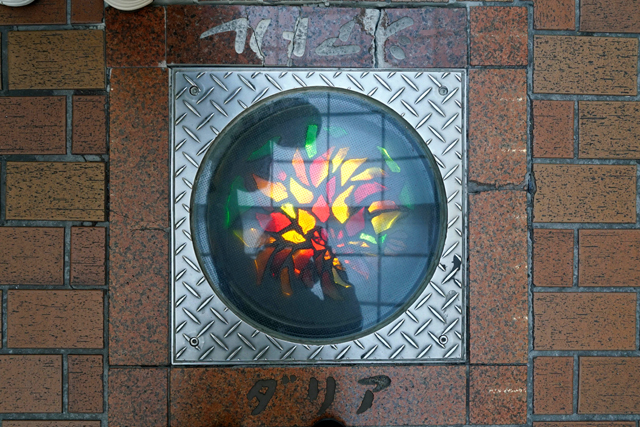
Pretty stained glass discs are embedded into the floor along the shopping street.
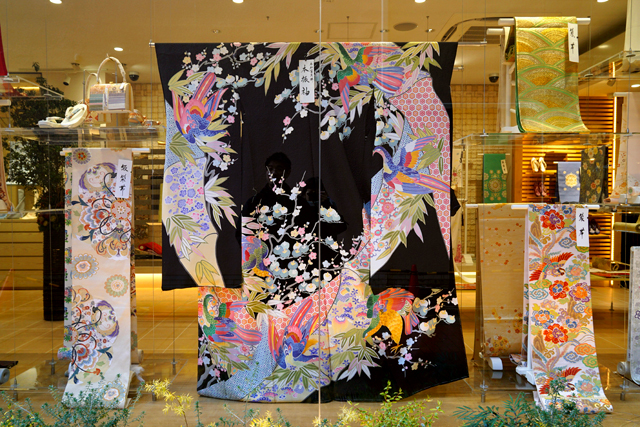
There are numerous shops along the arcade that sell kimono and obi, as well as their related accessories. We like this colourful one…
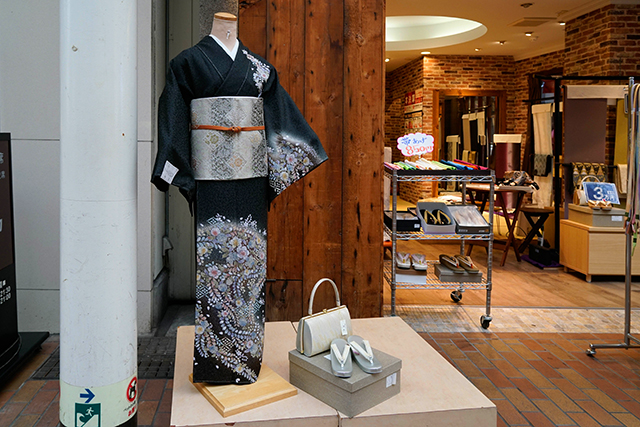
… But really love this understated black and silver one.
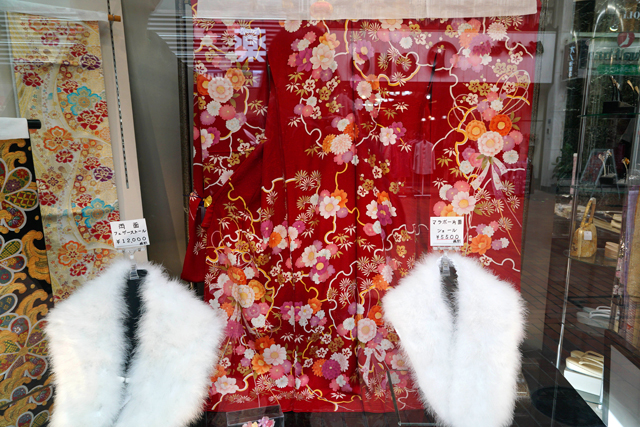
This is a bold red one with accompanyinf fur collar.
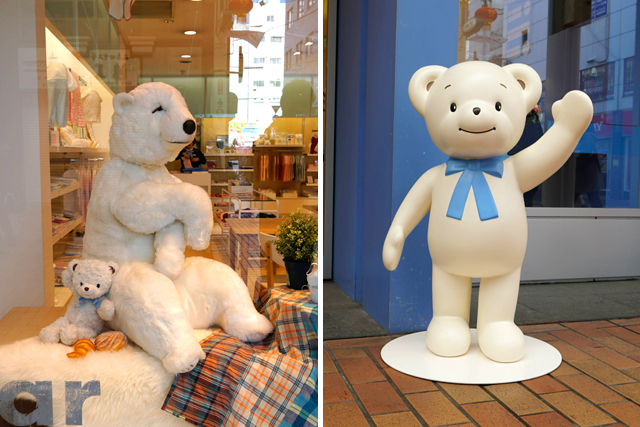
These cute bears welcome you into a shop selling clothing and furniture for babies and young children.
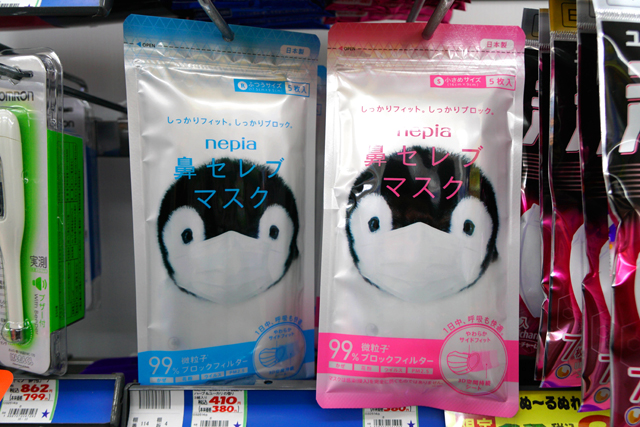
The cold wind makes us want face masks. We spot these ones with cute penguins on the packaging.
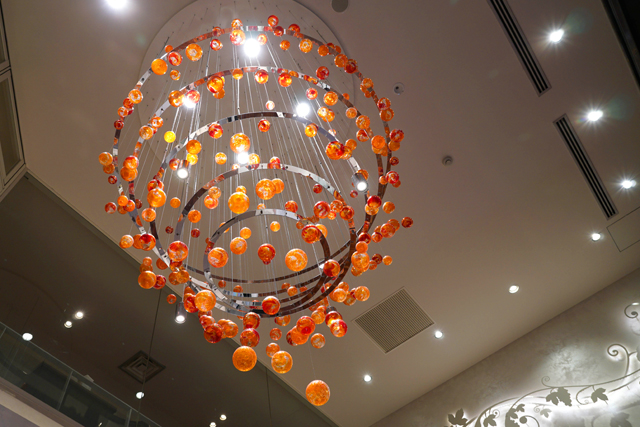
This is a light fixture inside Kōbe Fugetsudo.
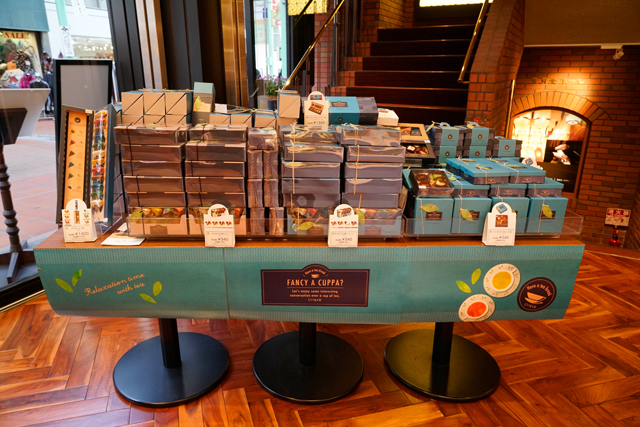
They’re known for their cakes and sweets. We pick up some of these chocolate wafers that come in fancy flavours like lychee.
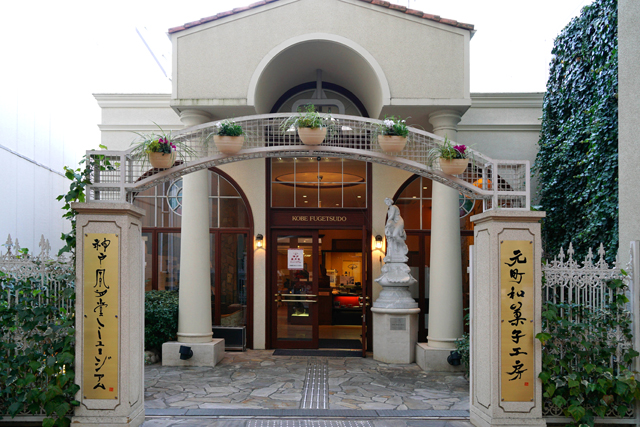
A few shops down, there’s a break in the Arcade. We’re pleasantly surprised to find the Kōbe Fugetsudo Museum, the museum for the actual shop front we visited just before.
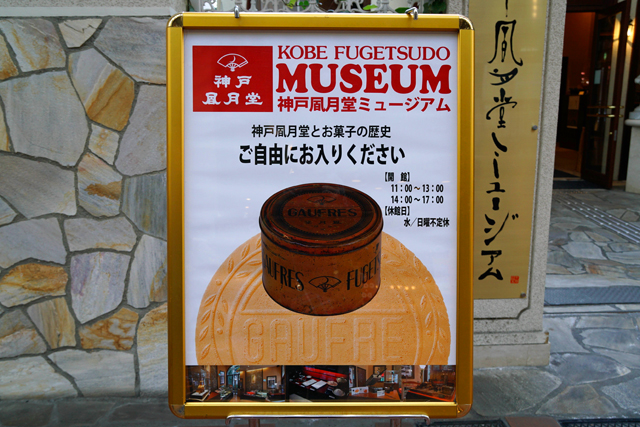
The place is quiet so while we contemplate whether to go in, a staff member props open the door and encourage us to enter.
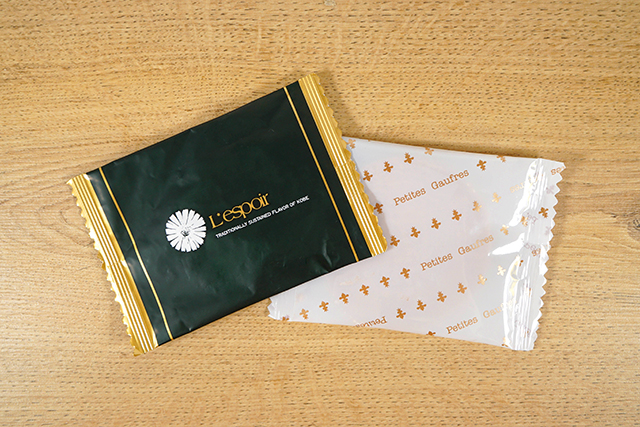
And we’re glad we did! The staff member watching the shop provides us with individually sealed samples of their products.
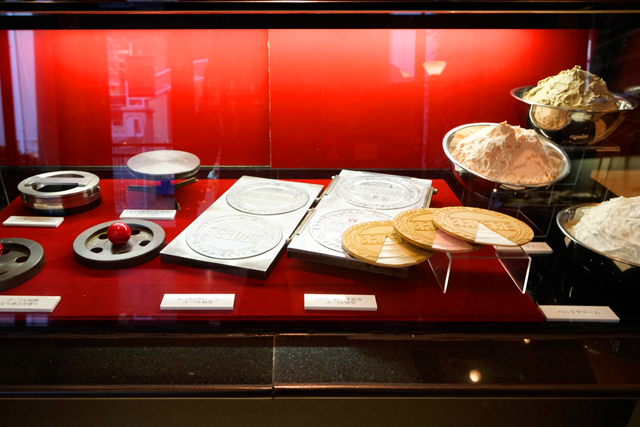
Like the Ueno Fugetsudo, they are popular for their gaufre, which are paper thin wafers sandwiching flavoured creams.
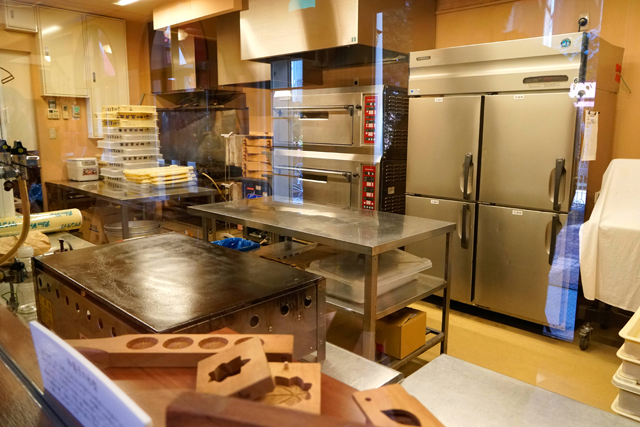
There’s a working kitchen within the museum. It wasn’t in production on the day (probably because it was a Sunday)…
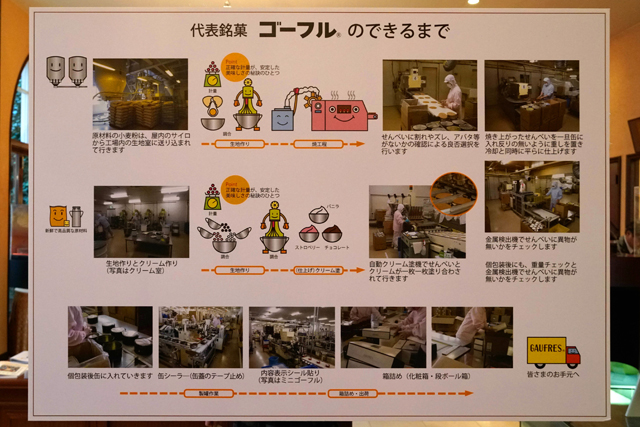
But this poster does explain the production process with photos.
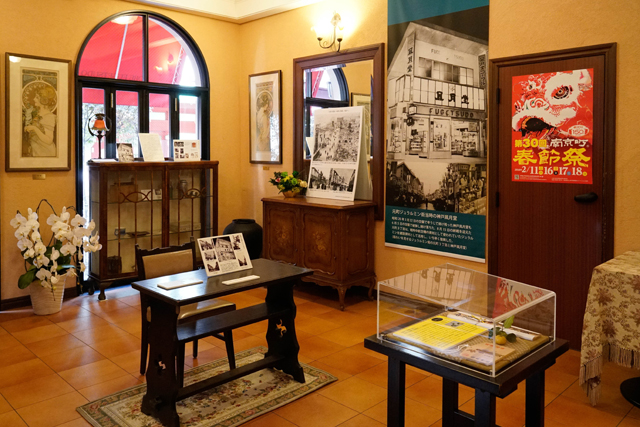
At the back of the (small) museum space are various photographs and objects from the company’s early history.
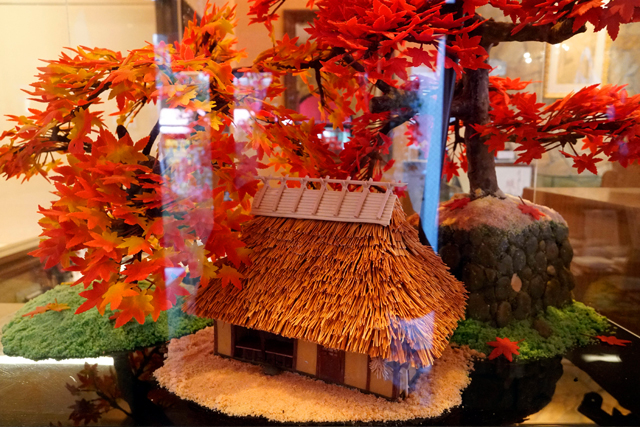
Another major focus of the museum is the showcase of works of sugar art. This one shoes a thatched roof hut during momiji season.
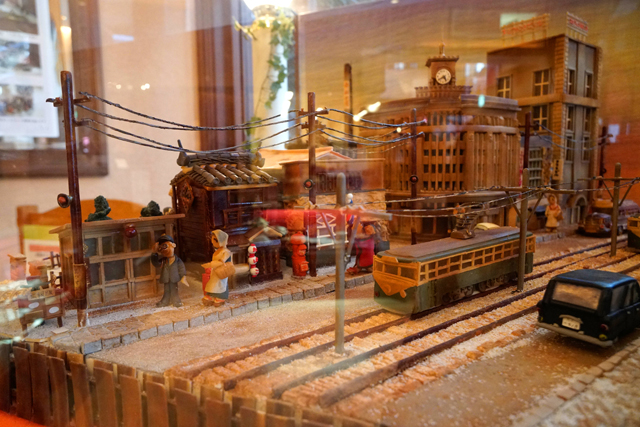
… While this one shows a town at the turn of the century with electric trams.
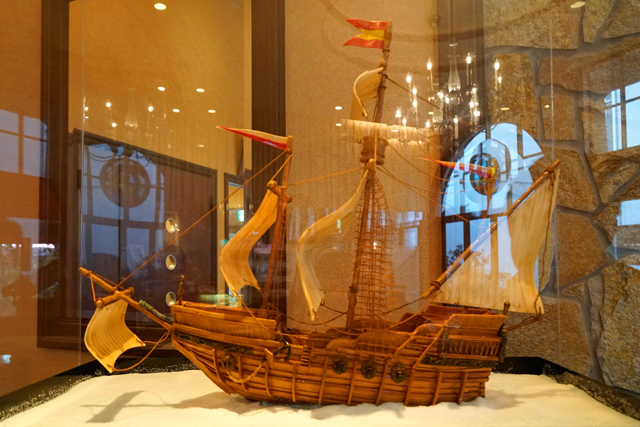
… And this one is a ship.
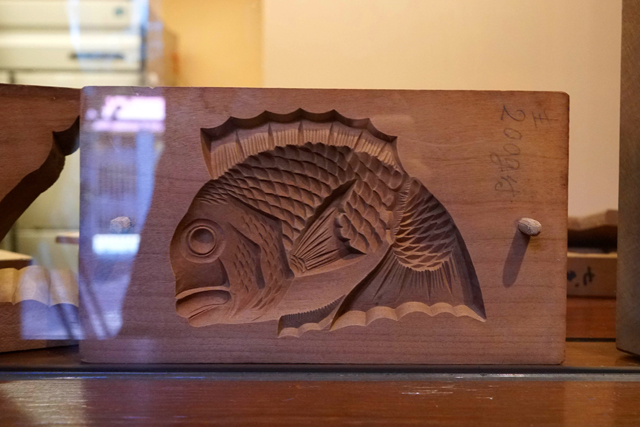
There are samples of the moulds used for various confectionery.
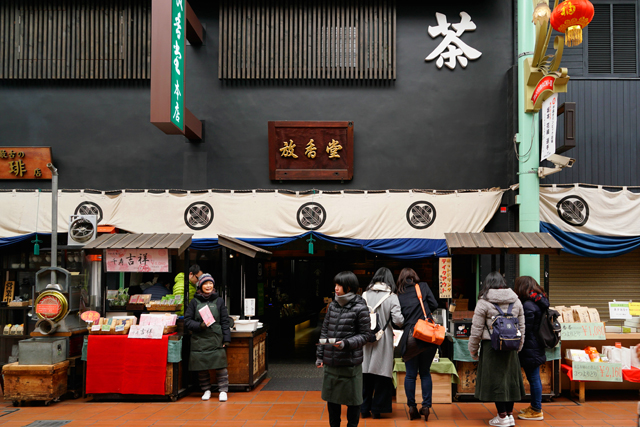
Coming out of the museum we catch a whiff of roasting houjicha, and chasing it, we find it coming from the Hokodo Tea Shop.
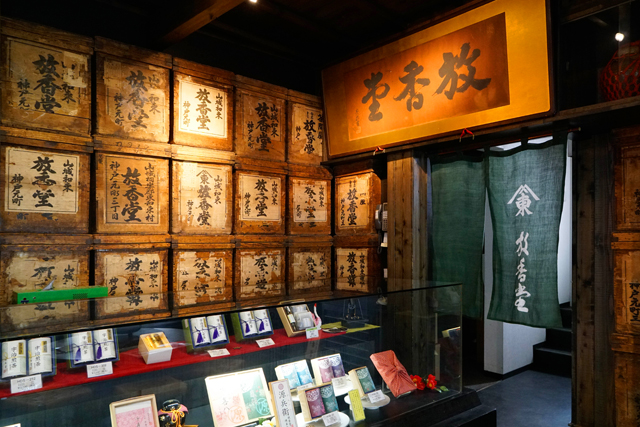
Its back wall is decorated with old boxes of tea.
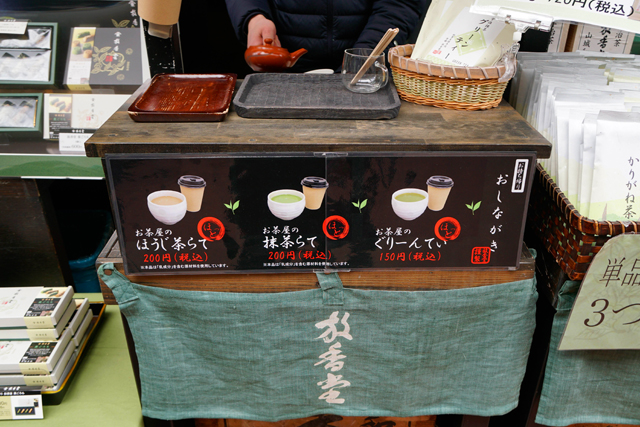
Out front, it offers hōjicha and matcha lattes for ¥200 and green tea for ¥150.
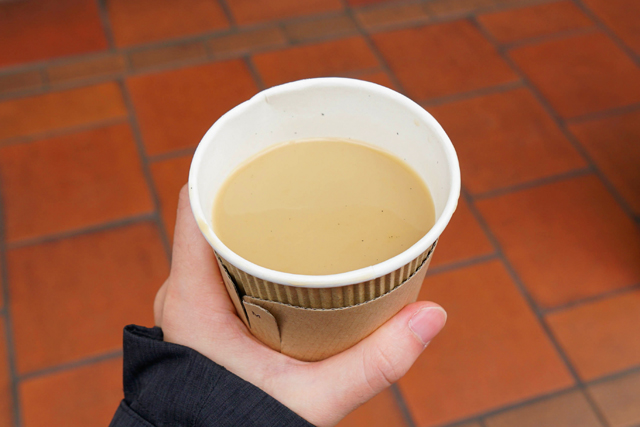
The hōjicha latte is made with hōjicha tea leaves steeped for 30 seconds to which milk powder is added. The resulting flavour was one that’s nutty and sweeter than what I’ve tried from Nana’s Green Tea and in Australia where powdered hōjicha (much like matcha) is used.
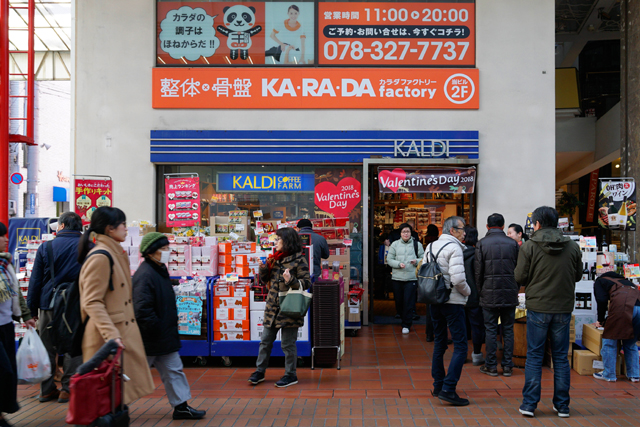
The lady offering free coffee outside Kaldi lures us in.
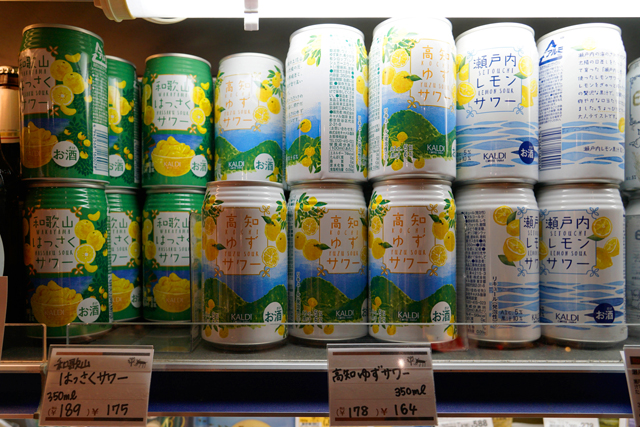
We know them mainly for selling imported western goods, but we find these cans of Wakayama Hassauku Sour, Kōchi Yuzu Sour and Setouchi Lemon Sour. Each region is famous for producing that particular kind of citrus.
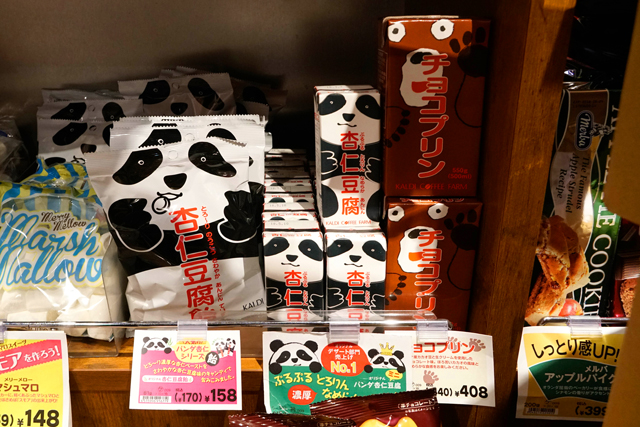
We spot cute bear and panda on packaging again.
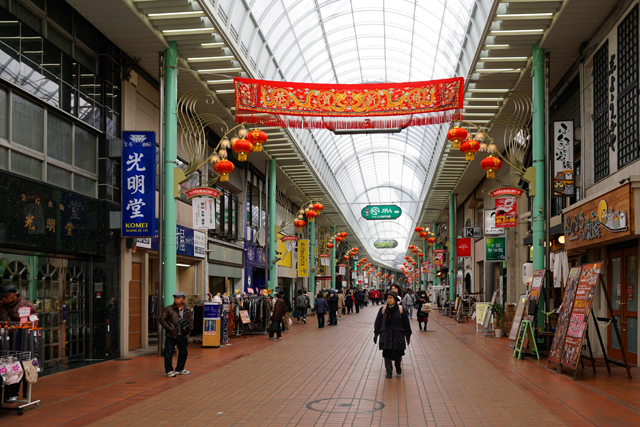
The area closest to Chinatown has decorations in anticipation for Lunar New Year, a week out.
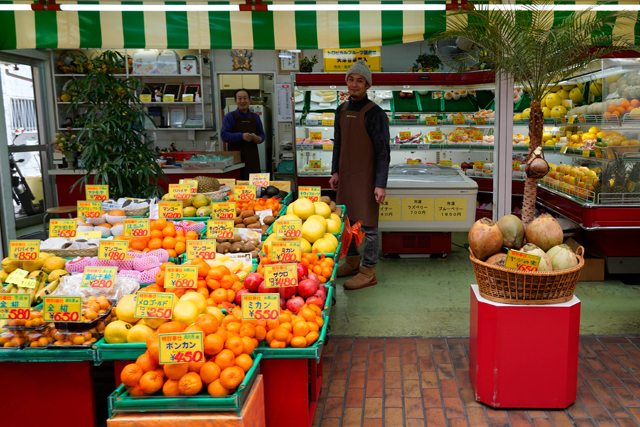
Fruit is somewhat of a precious commodity in Japan.
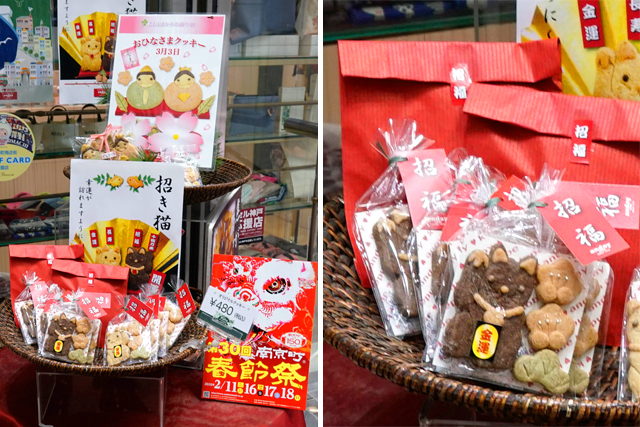
A bakery located up a set of stairs has cute cat biscuits as well as others in anticipation of hina matsuri in March.
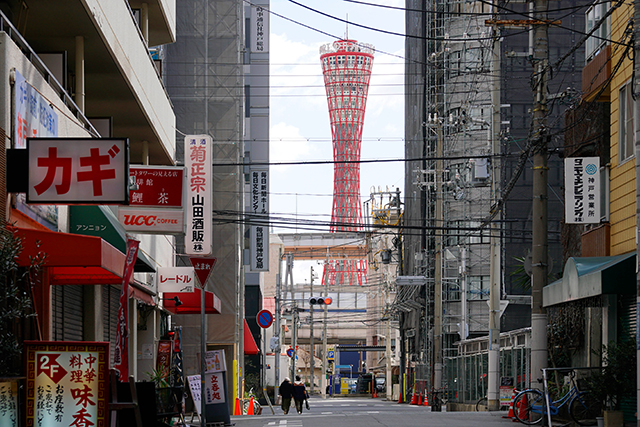
We near the end of Motomachi Shopping Street and so we use Kōbe Tower to help orient us to the City Loop Bus Stop we’re after.
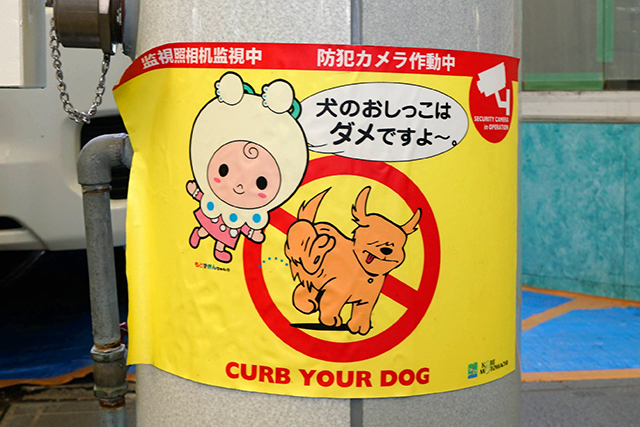
A sign asks dog owners to “curb” their dogs with the threat of being recorded CCTV acting as an incentive.
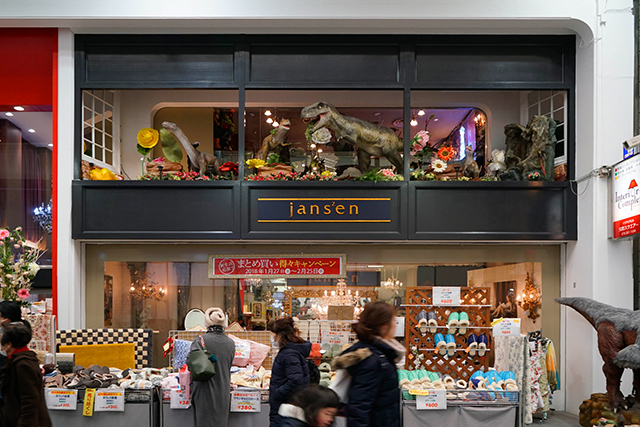
A homeware store is decorated with dinosaurs who roar and light up their eyes at regular at regular intervals.
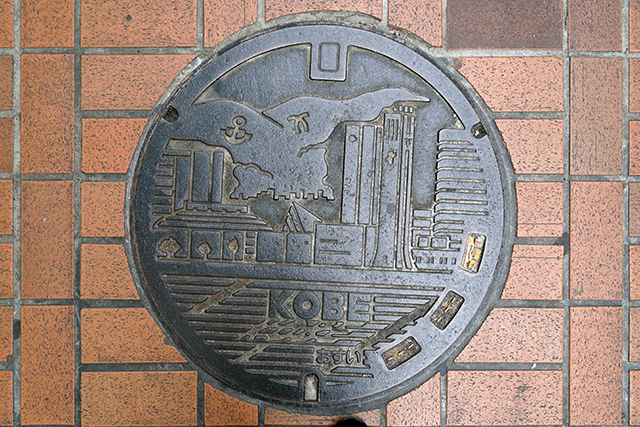
Different parts of Kōbe – even different areas of Motomachi – have different manhole covers.
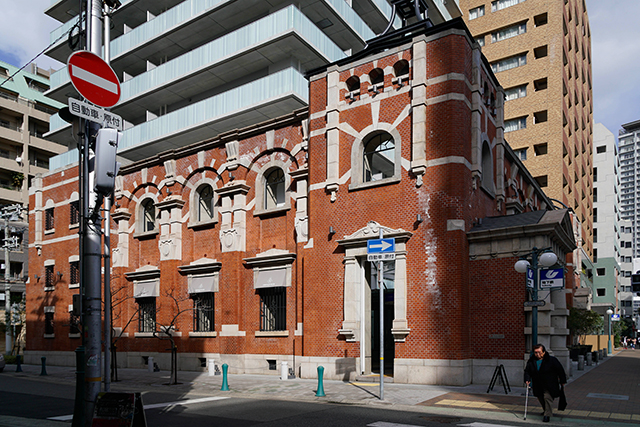
This building is the above ground entry to a subway entrance.
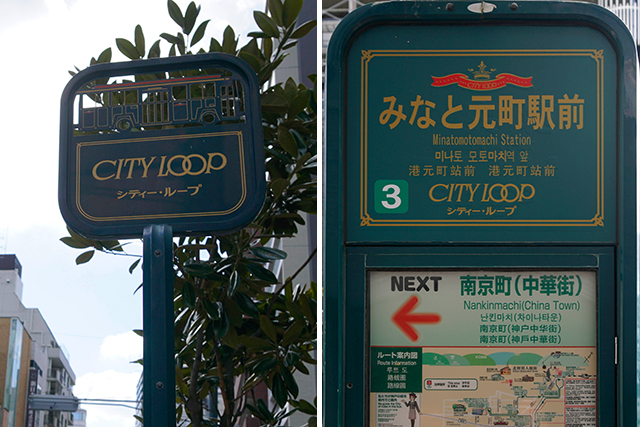
We manage to locate the bus stop to take us to the Kitano district, but the bus is late (!) so we decide to walk there instead.
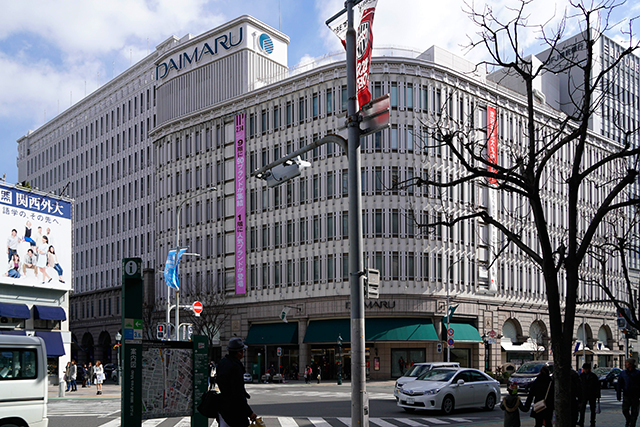
Back through Motomachi Shopping Street, we spot the huge Diamaru complex. Public toilets are difficult to come by in Japan – this is where department stores come in handy.
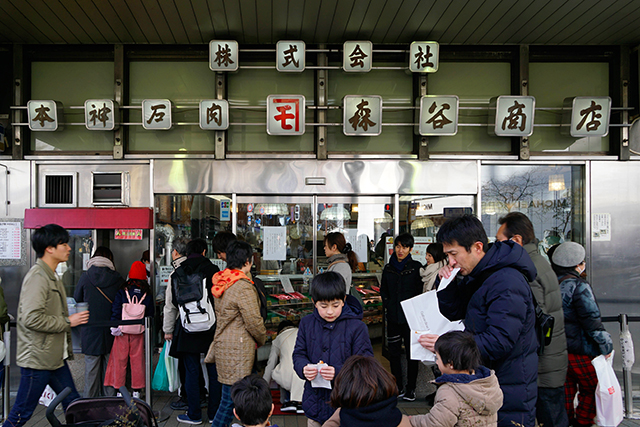
We stop by a butcher/deli called Moriya with a window selling croquettes. The queue for croquettes is long but the ship inside is empty!
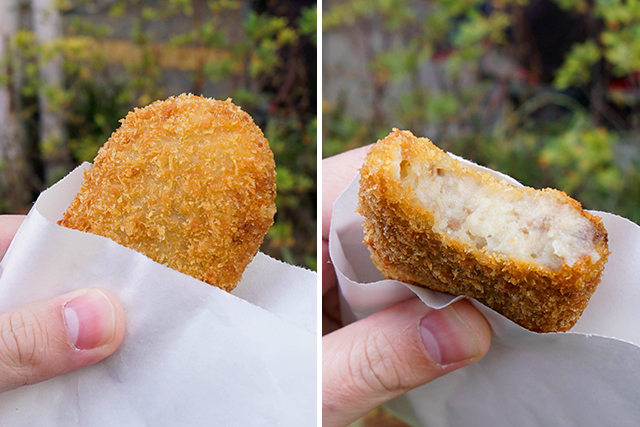
This is a potato and beef croquette. It comes out piping hot with good flavour.
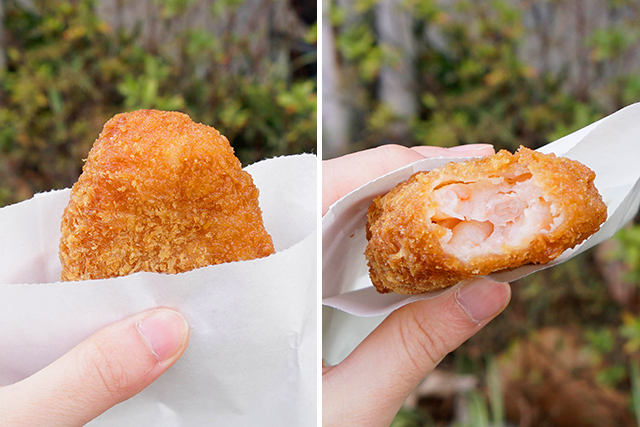
This is the ebi croquette. It’s packed with shrimp but alas is stone cold. It would’ve been delicious piping hot.
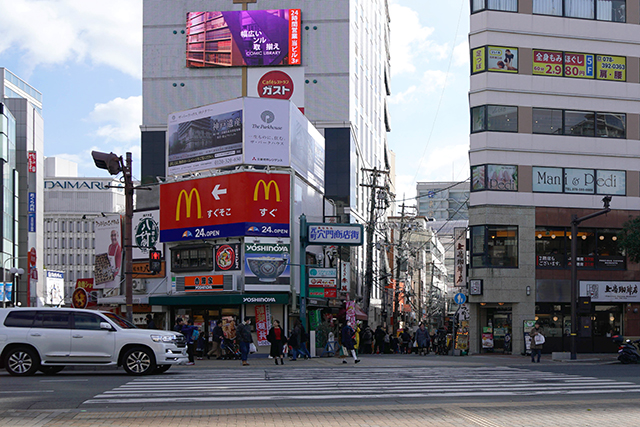
Kōbe – Kitano
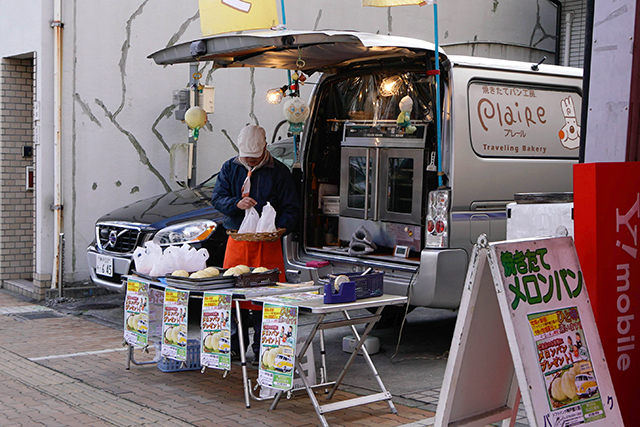
Kitano is located up a hill. On the way, we spot this gentleman selling fresh melon pan out of the back of his truck. It’s not a particularly busy area but we do spot a lady purchasing a few.
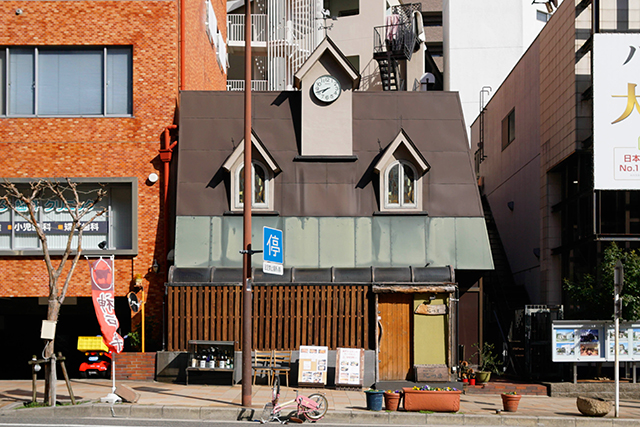
Kōbe is an interesting mix of different architecture, like this restaurant between two office buildings.
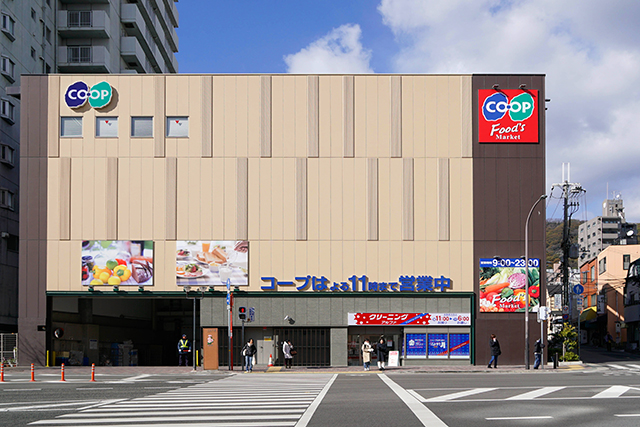
Across a major intersection midway up the hill, we visit this large supermarket.
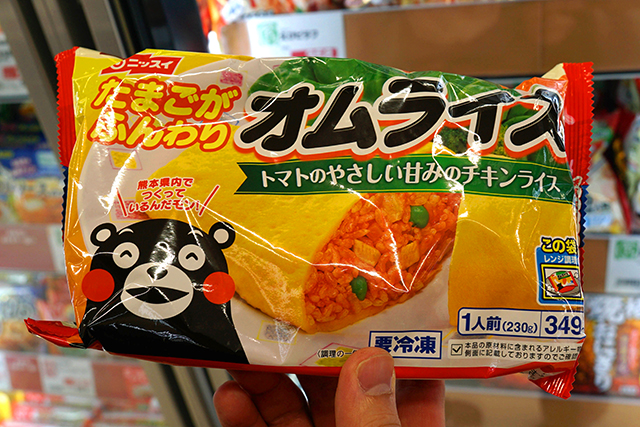
I’m obsessed with all things Kumamon and this is premade omurice available in the freezer.
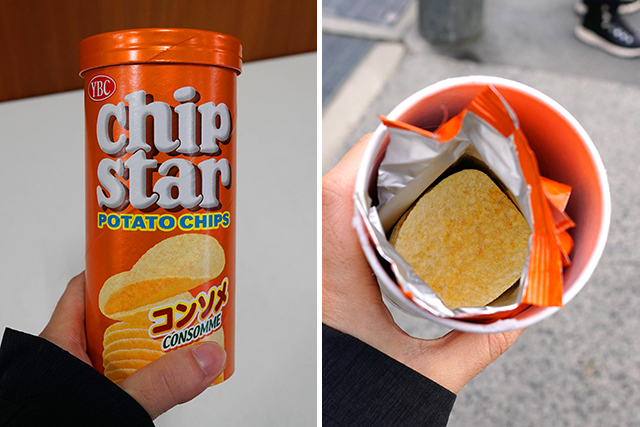
D picks up some consomme flavoured Chip Star potato chips. They have a pleasantly moreish savoury flavour.
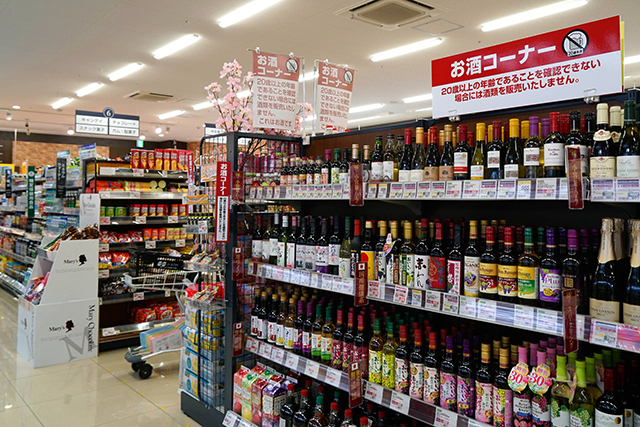
A sizeable alcohol section is located near the entry.
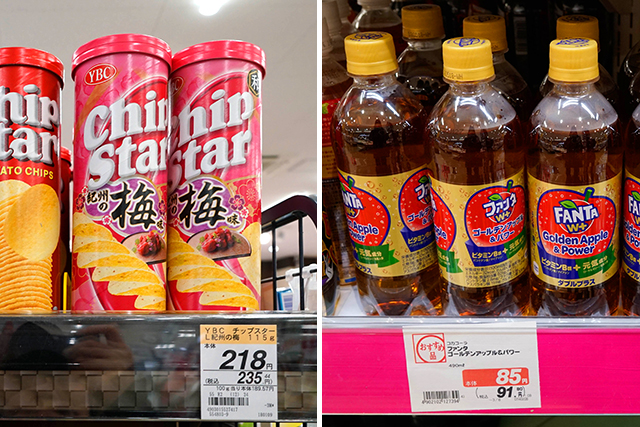
There’s umeboshi flavoured chip star in time for spring, as well as some Golden Apple and Power Fanta. We’re not sure what the latter is precisely, but perhaps it’s an energy drink?
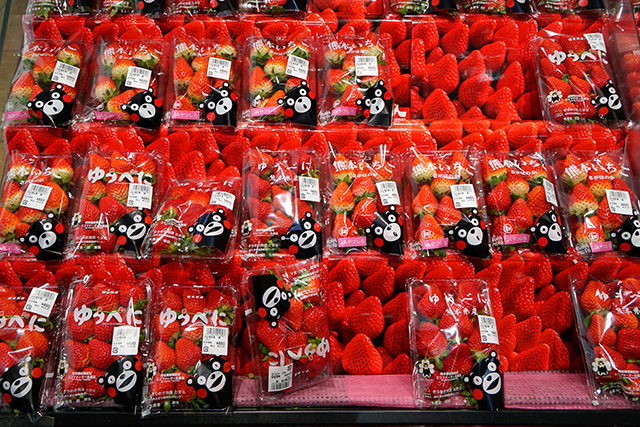
Strawberries from Kumamoto are popular
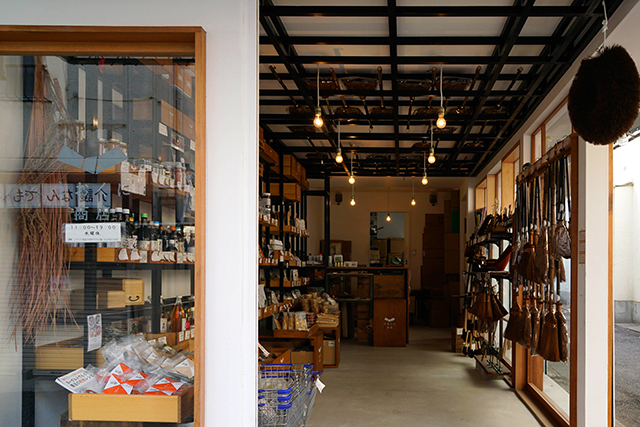
Next to the supermarket is a small store selling various organic items and straw brooms.
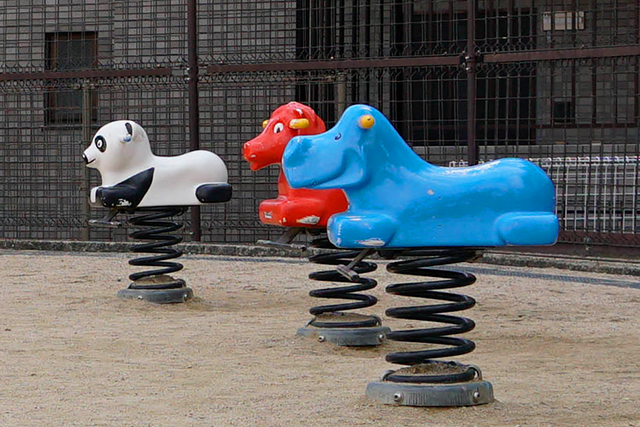
We walk past an elementary school with a playground that looks like it’s straight from an anime (of course, its anime that draws on Real Life).
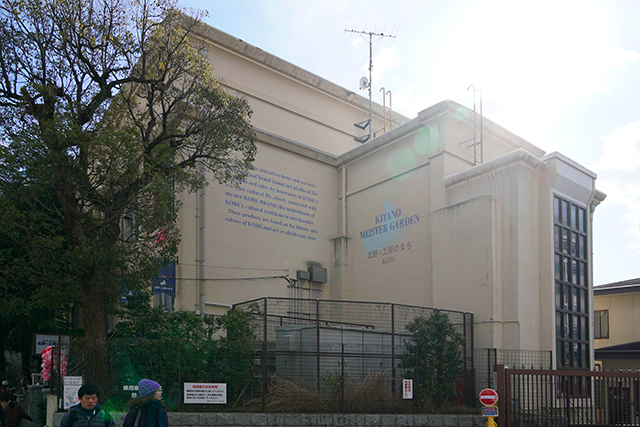
There are numerous tourist buses parked next to Kitano Meister Garden.
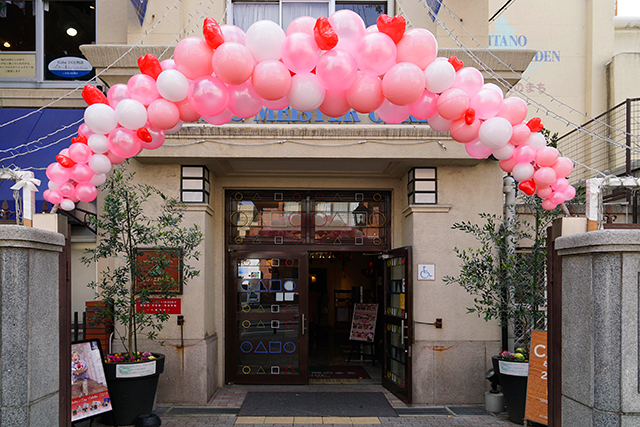
We’d assumed it was something with more greenery, but instead, we’re surprised to find …
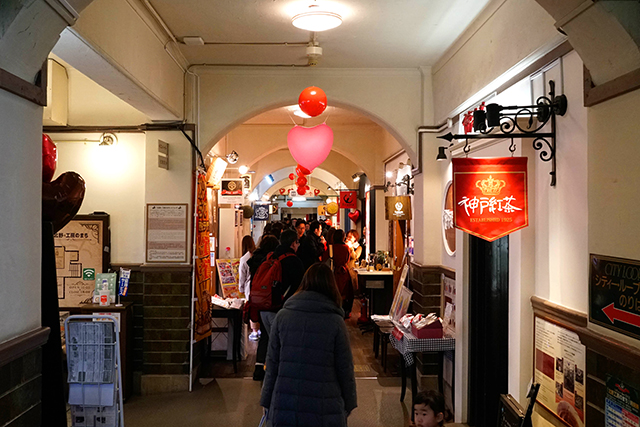
…a collection of small shops.
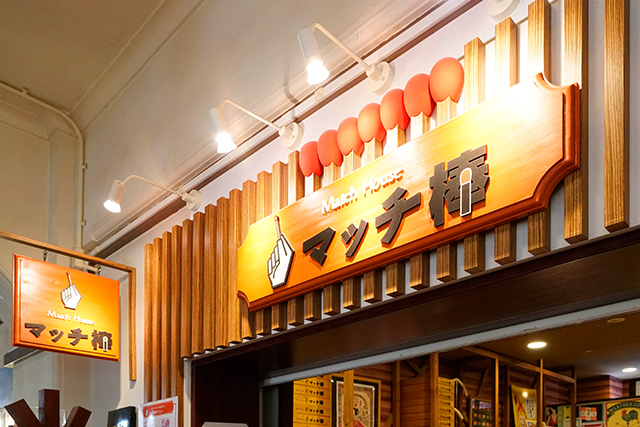
This is a shop specialising in matches.
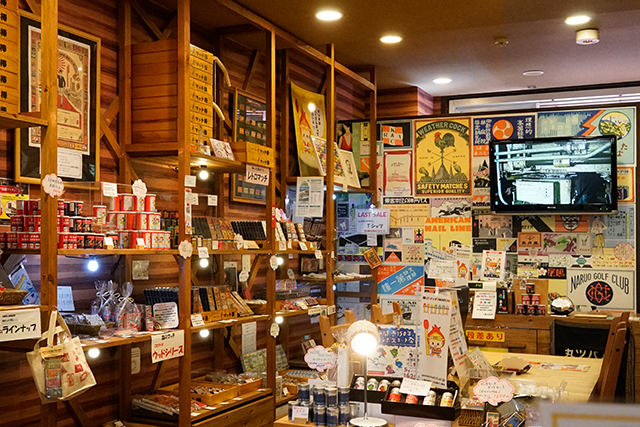
You can get all sorts of matches in different sizes and brands as well as various containers.
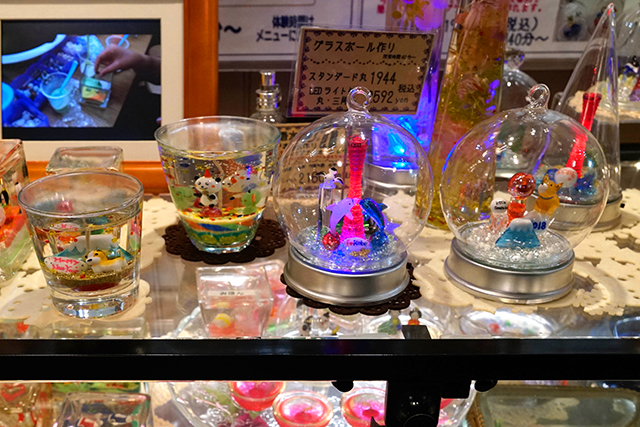
A few shops down is a shop selling snow globes.
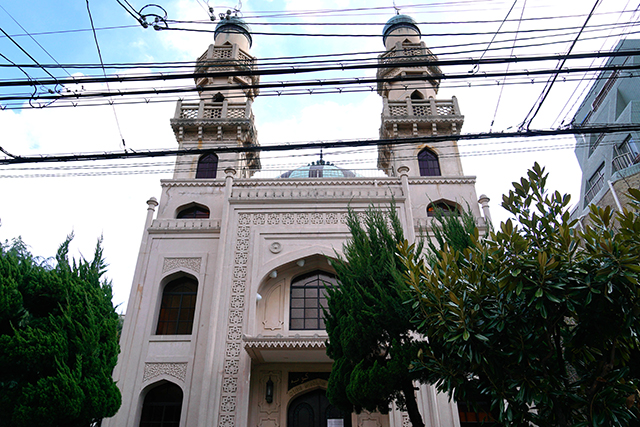
We’re in the Kitano area to visit a few bakeries. On the way, we pass a mosque.
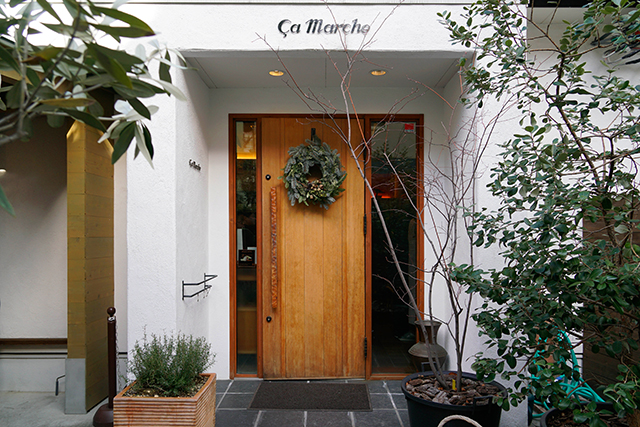
Ca Marche is the first of two bakeries.
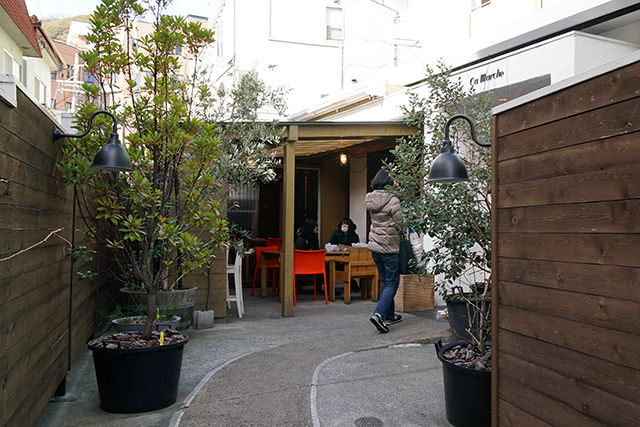
It’s tucked away behind at the back of a few shops, including a restaurant selling Indian curry with a gate and long path.
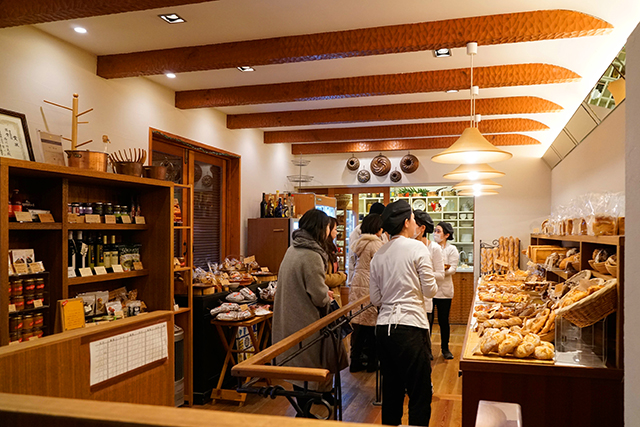
Knowing rudimentary Japanese is a must when visiting Ca Marche and not something that guidebooks seem to advise. The main space is separated by a railing, with the baked goods on one side with the staff members and the customers on the other who tell the staff which breads they want. So, you need to be able to read the labels, which are mostly in katakana, thankfully.
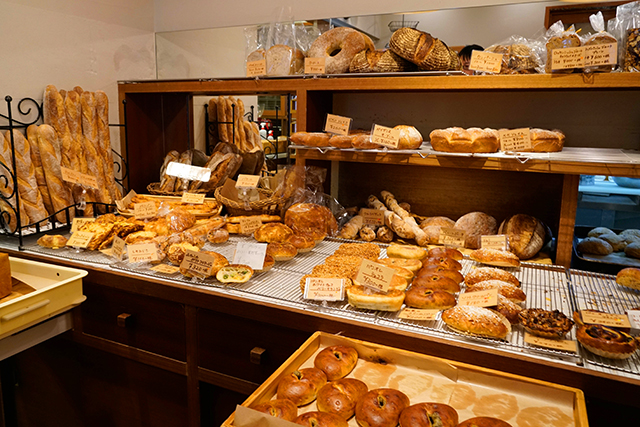
There’s a dizzying variety of bread, including a black tea pan (on the tray at the front of the above photo).
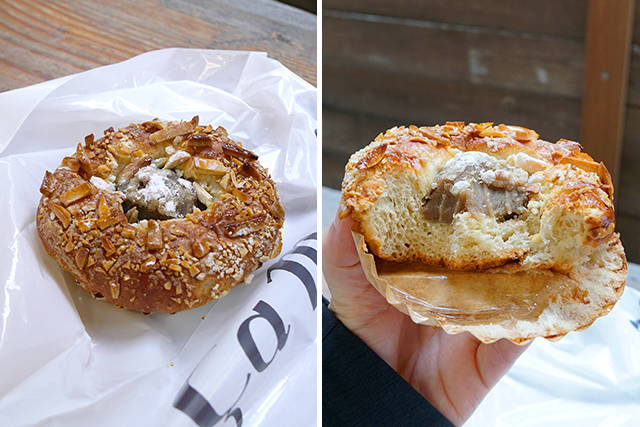
This is the coffee and maron almond pan. It has an enjoyable nuttiness from the crunchy toasted almonds and the smooth chestnut paste within, although the coffee flavour was not really noticeable.
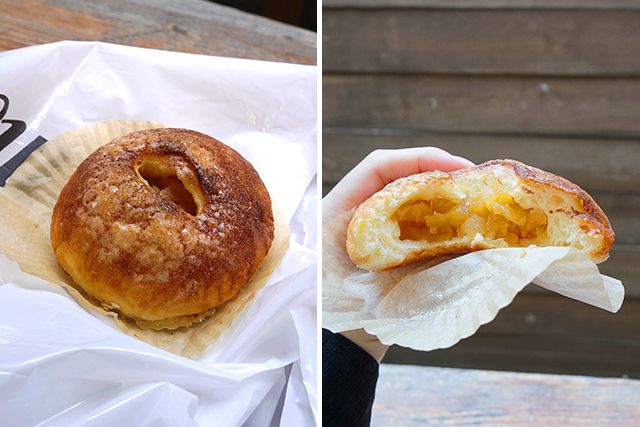
This is the apple jam pan with delicious cubes of caramelised apple. We could keep eating this!
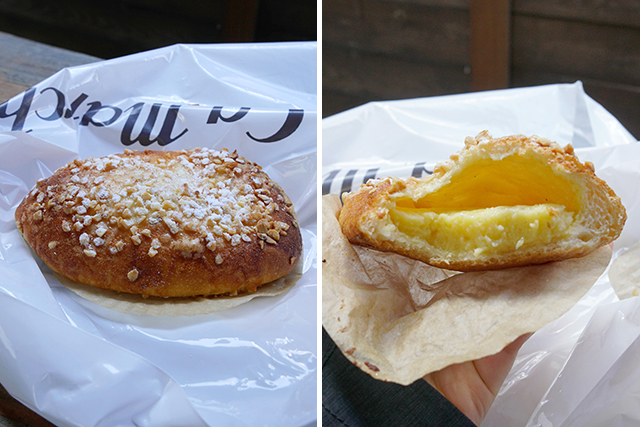
This is the cream pan we received even though we’d asked for a black tea pan. We weren’t too fussed and were happy with its pleasant melt-in-your-mouth vanilla custard and crispy sugar crystals.
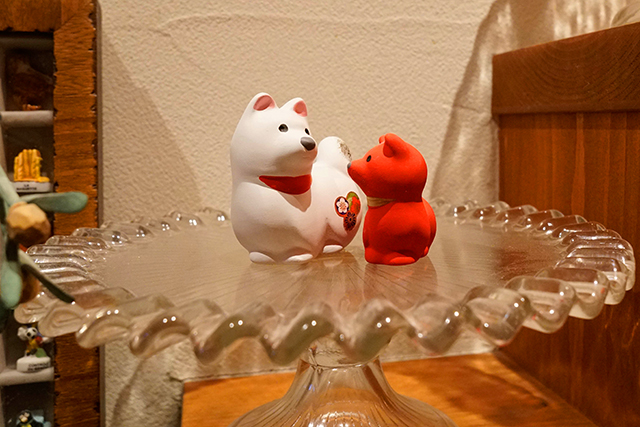
We find these cute porcelain dogs decorating the interior of Ca Marche.
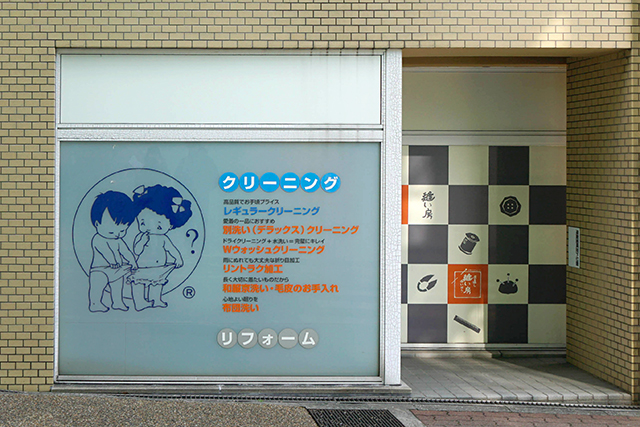
Enroute to our second bakery, we pass this odd illustration outside a medical clinic.
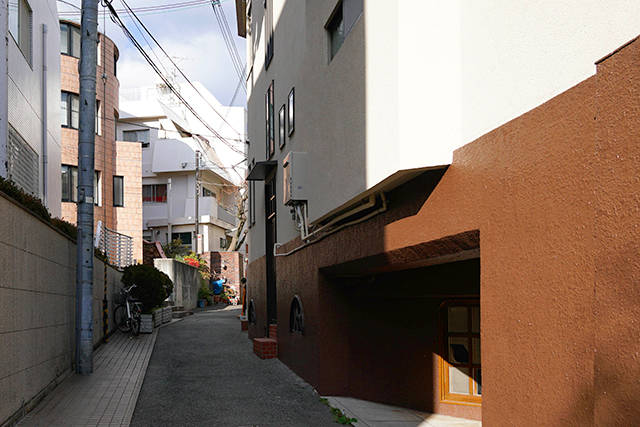
We seem to have no trouble going down quiet, narrow alleys in Japan even though we’d think twice in Australia.
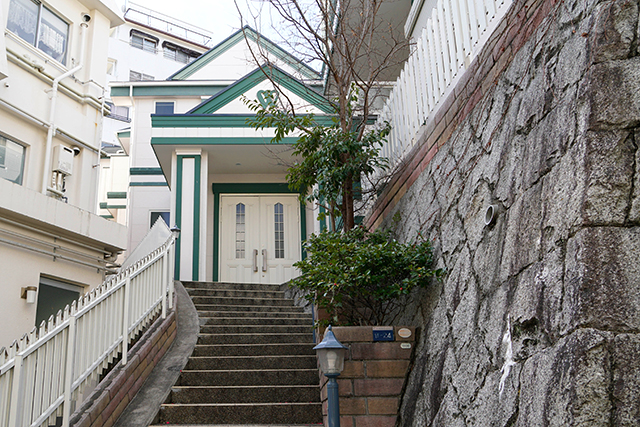
We see more of the interesting mix of modern architecture in hilly Kōbe.
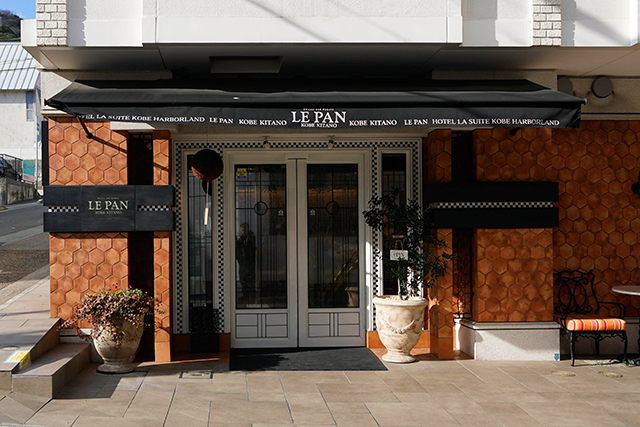
Le Pan is the second bakery, situated a short five-minute walk further up the hill from Ca Marche.
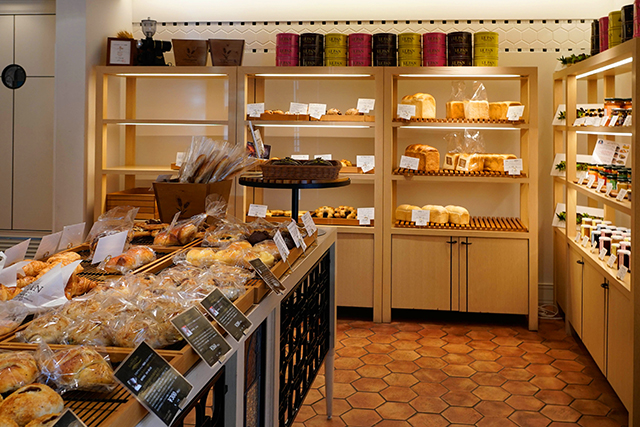
The variety is smaller, but here it’s self-serve.
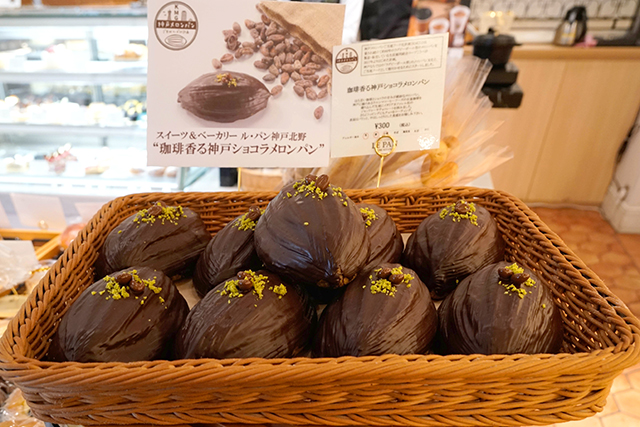
This is a coffee and chocolate melon pan in the shape of a cocoa bean. We’re full from the goodies at Ca Marche so we save this for tomorrow.
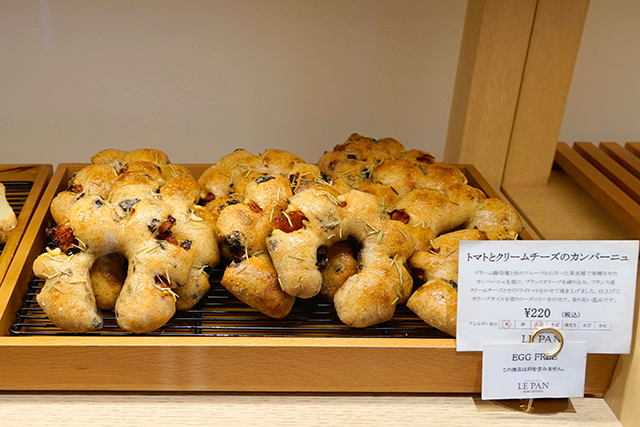
And this is the tomato and cream cheese pan. We also save this deliciousness for tomorrow.
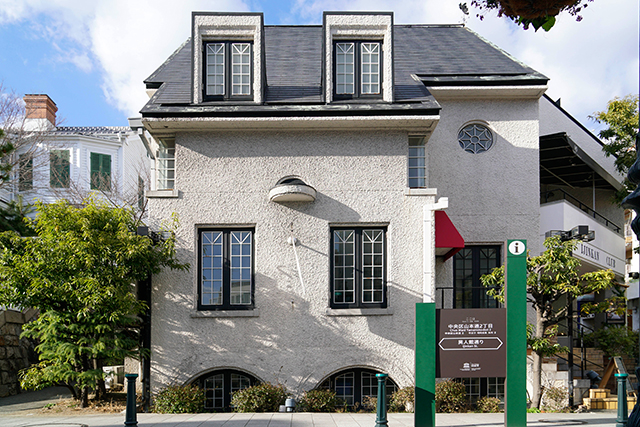
The atmosphere around Kitano is distinct from the rest of Japan with its smaller dwellings, perhaps as a result of being a port city and being rebuilt after earthquakes.
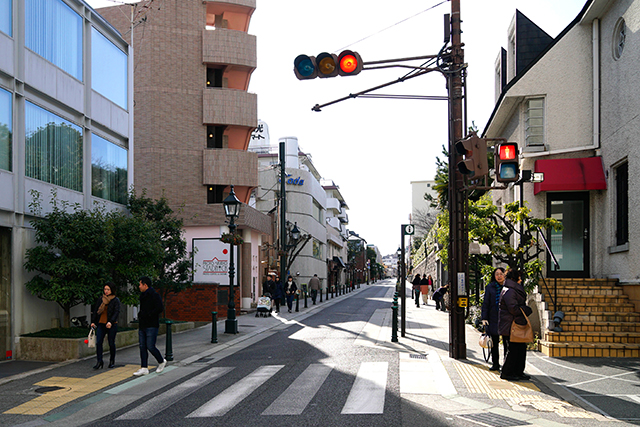
We’re walking towards the special Starbucks in Kōbe.
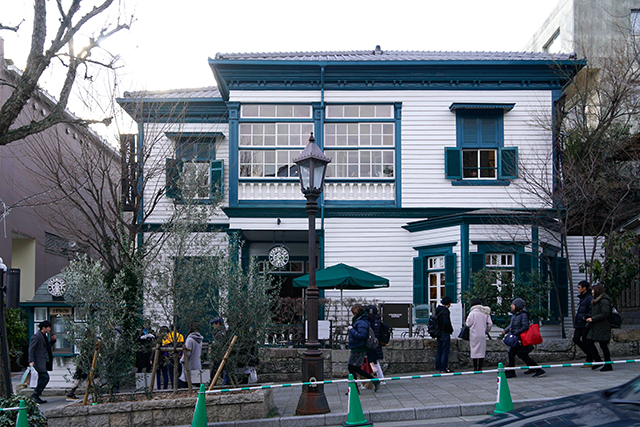
This Starbucks is situated in Kitano-monogatari Kan:
This two storey wooden house was built in 1907 (40th year of Meiji Period). This is a typical colonial-style architecture with oil-painted clapboard exterior wall build in Japanese ‘yosemune-zakuri’ – a rectangular building covered with a hipped roof of San-gawara (glazed ceramic tiles). The wooden-framed windows have shutters with bay windows for the 1st floor and oriel windows for the 2nd floor. The house has a balcony, a symbol of colonial-style at the southeast corner above the entrance.
The house was originally located in Kitano 1-chome before the Great Hanshin-Awaji Earthquake in 1995. Unfortunately, the building was hard hit by the earthquake and had to be torn down. Then American owner, Mr M J S decided to donate his building to Kōbe city. The city kept the materials of the building before it was rebuilt in this location.
This building is a precise reproduction based on the same architecture as the original although the orientation of the structure has been adjsusted in accordance with the configuration of the land. In addition, frames are reinforced with new materials and metal to meet with the current quake-resistance standard, which can be seen from the small window in the room.
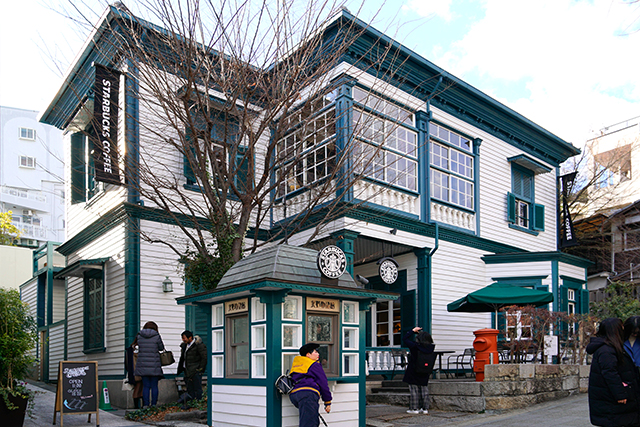
The queues snake around the interior to the counter at the back.
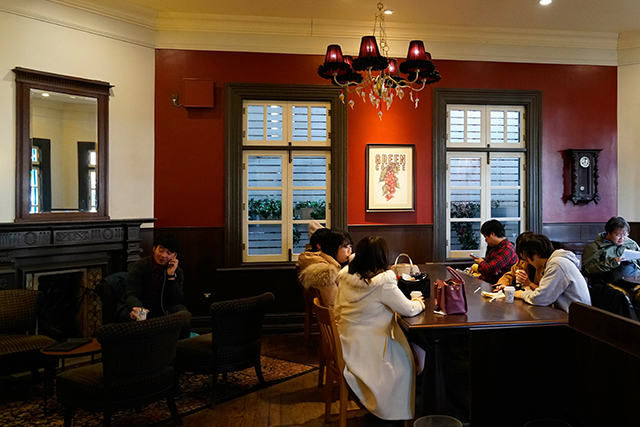
We avoid the question and just take a look around the ground floor before coming back out. The Starbucks is known for having Western style rooms for customers to enjoy their coffees.
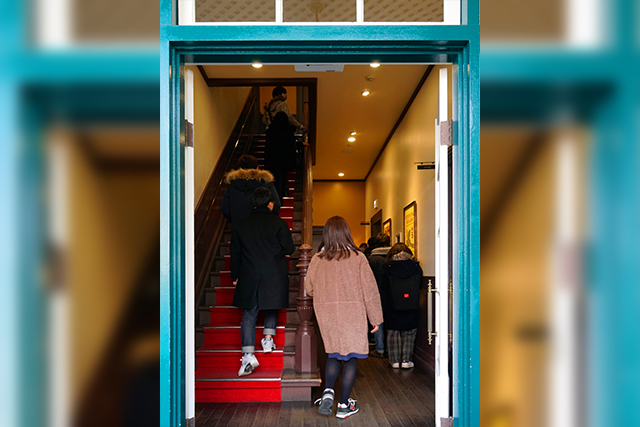
There’s an upstairs seating area as well.
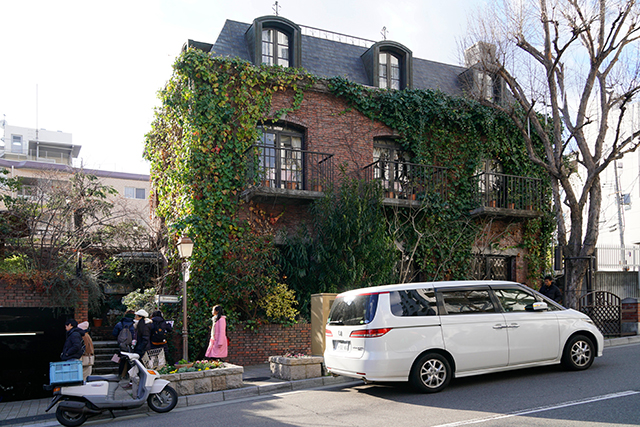
On the way back to Sannomiya, we pass more Western-style buildings draped in greenery.
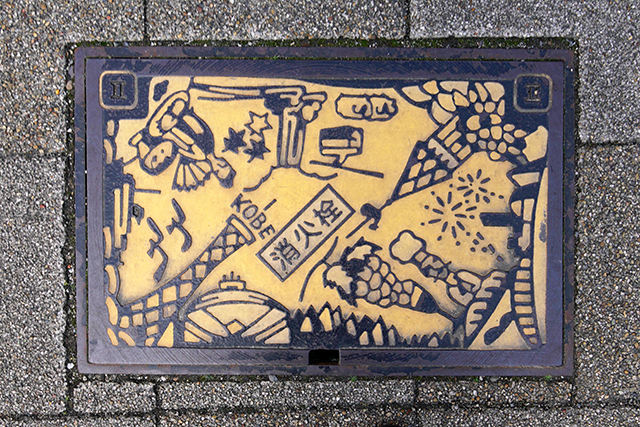
Even their fire hydrant covers are illustrated beautifully.
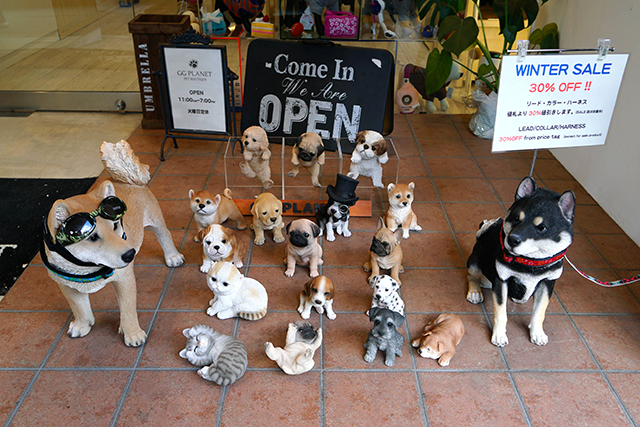
We pass by a store selling accessories for pets and find this cute display of (mostly) dog sculptures outside. We like the lazy the sprawled on the bottom right but D didn’t think they were for sale.
Kōbe – Sannomiya
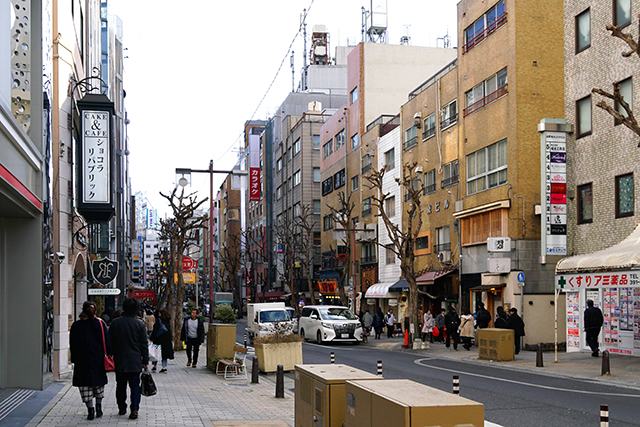
Sannomiya is more like the downtown Japan that we’re used to.
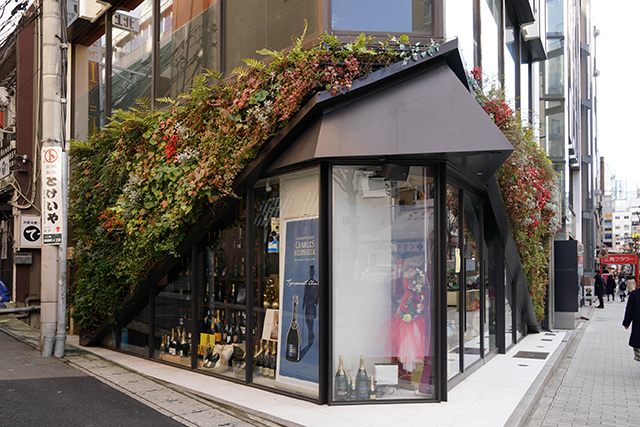
But they still seem to like decorating their buildings in plants. Pretty.
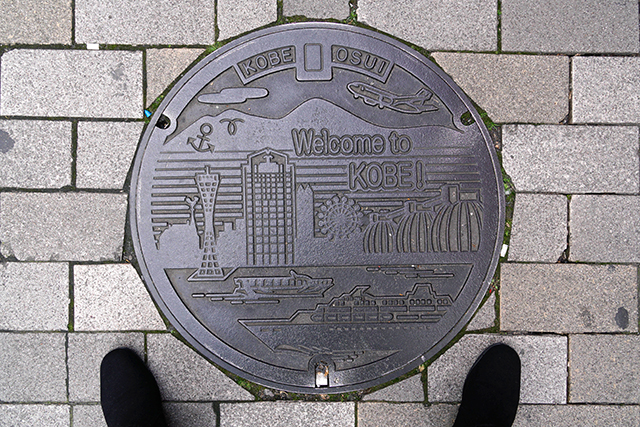
We encounter another different manhole cover near Sannomiya. I swear there are fewer designs in other cities!
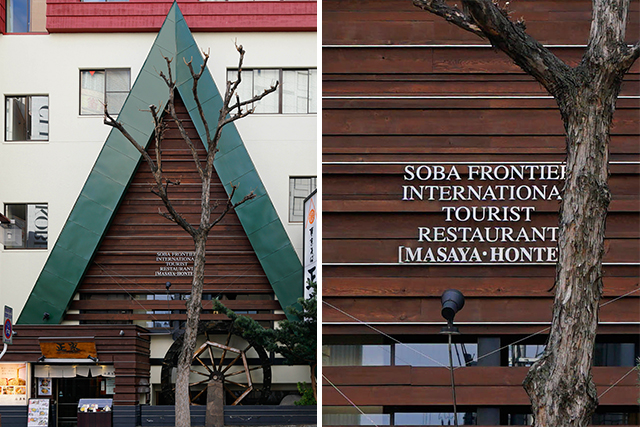
Passing by this ‘Soba Frontier International Tourist Restaurant’, I wonder to D why anyone would feel compelled to eat at such a place…
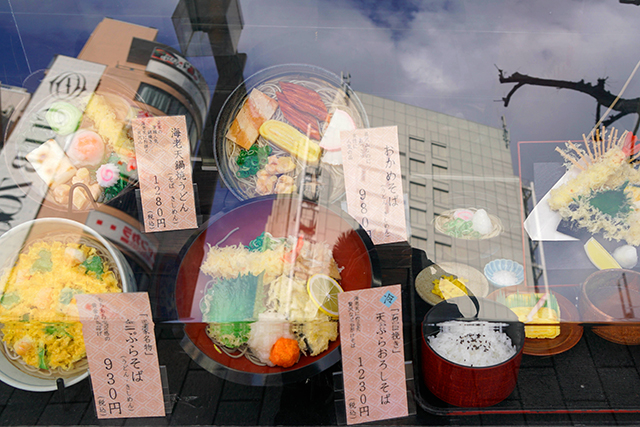
They serve your standard Japanese food, and to our surprise, it’s Japanese locals who stop by for a feed here. The food must be decent.
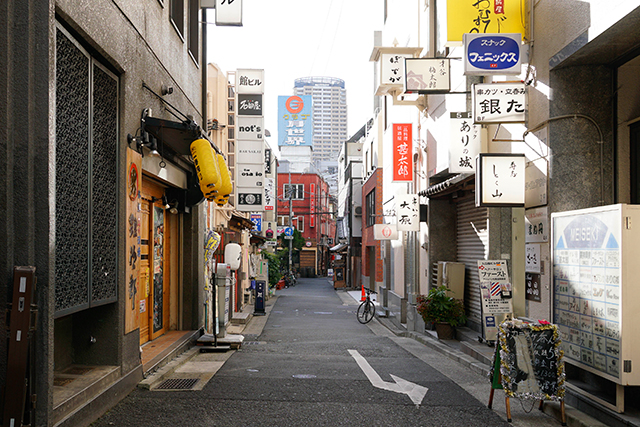
The streets are narrow tucking away izakaya and other small restaurants.
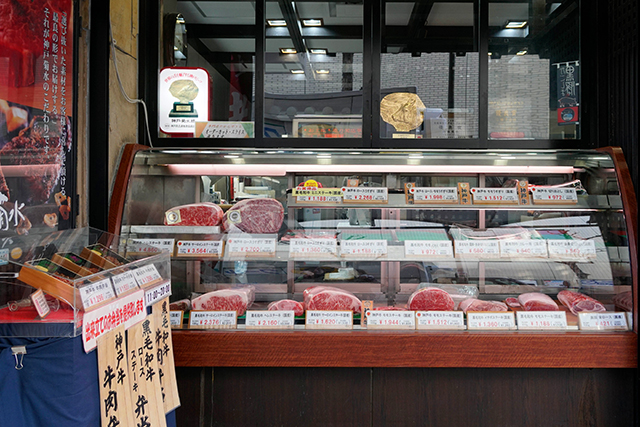
It seems like it’s the wrong time of the day to buy Kōbe beef as all the shops without a hot croquette section out front are quiet.
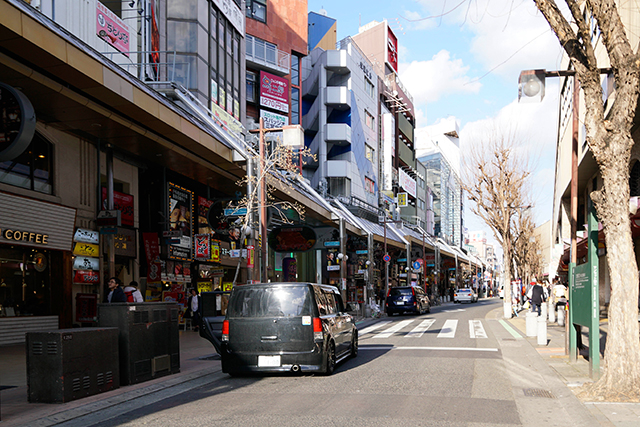
We’ve finally reached the area near Sannomiya station.
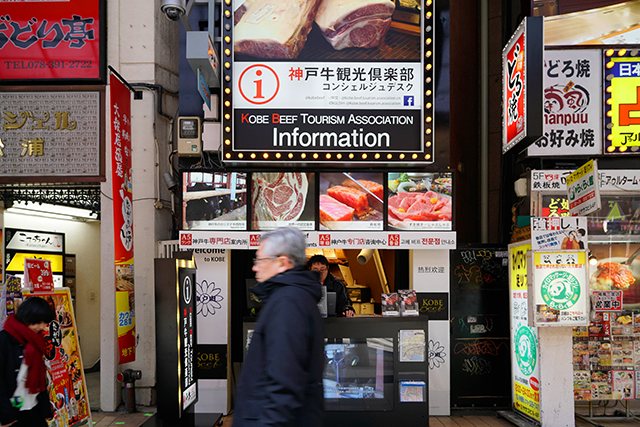
There’s an information stand for the Kōbe Beef Tourism Association. Perhaps they can tell you the best place to spend your money?
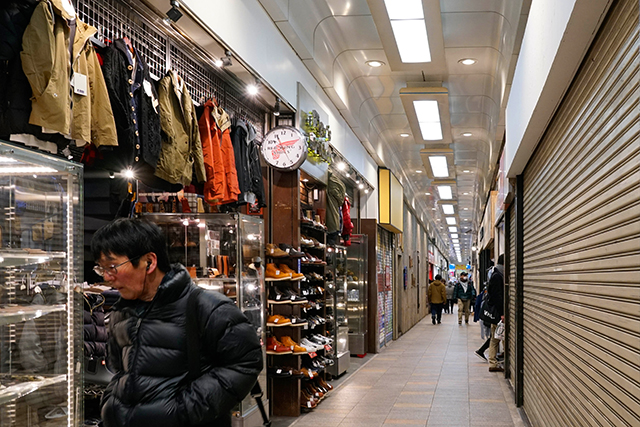
A long and narrow strip of shops runs along much of the length underneath the train tracks. Many of the shops are closed though.
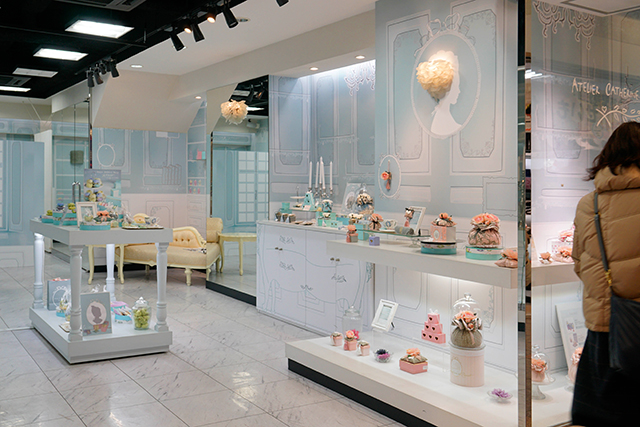
We pass a supremely feminine shop front with beautiful pastels and florals.
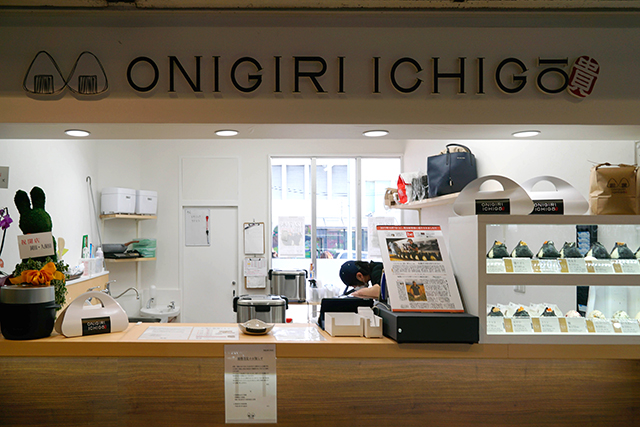
At another end is Onigiri Ichigō, a fancy shop selling onigiri with a bunch of different fillings.
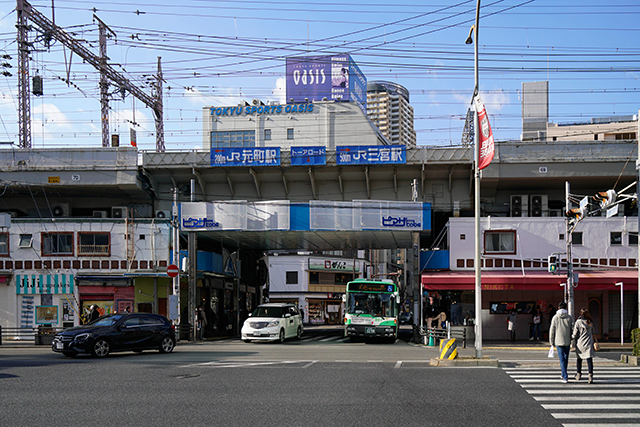
We leave the train track shops and cross the road…
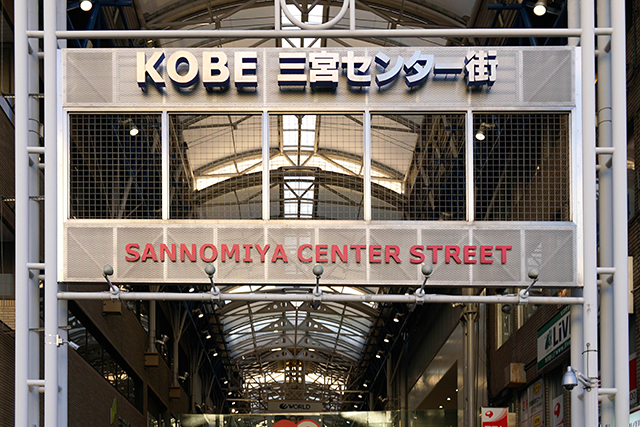
…into Sannomiya Centre Gai, which runs parallel to the train tracks.
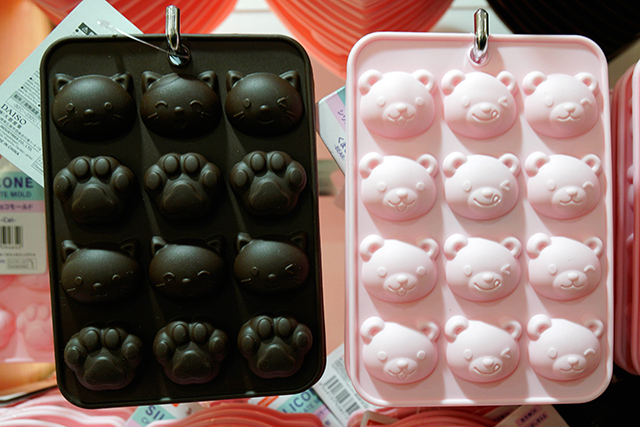
We pop into a Daiso intending to buy desiccant for my camera. We get distracted by these bear moulds displayed with Valentine’s Day goods.
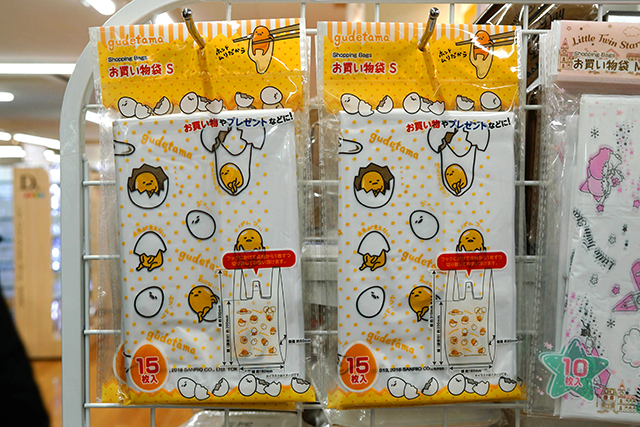
For the avid Gudetama fan, he graces these shopping bags.
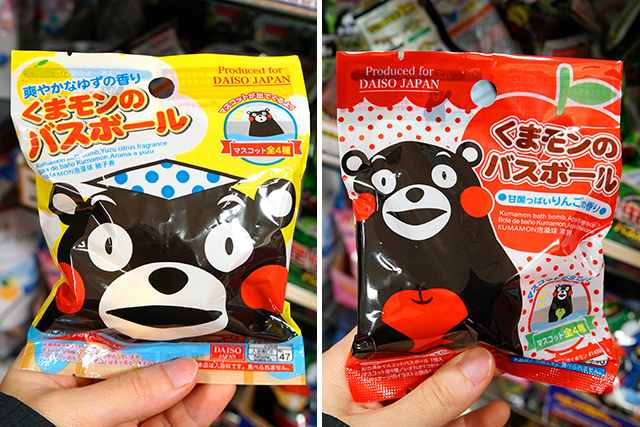
Kumamon is gracing yuzu and apple scented bath bombs.
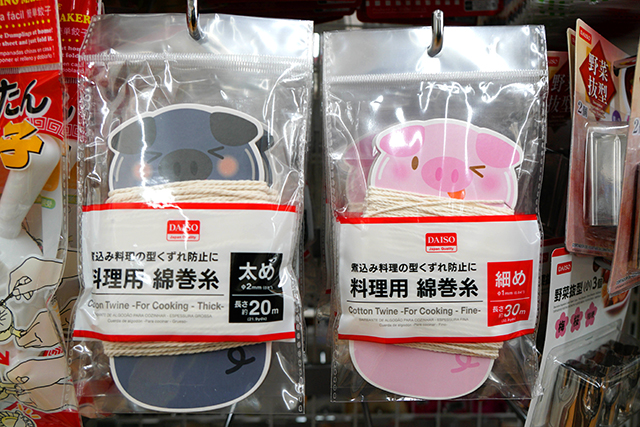
The packaging for cooking twine is too cute.
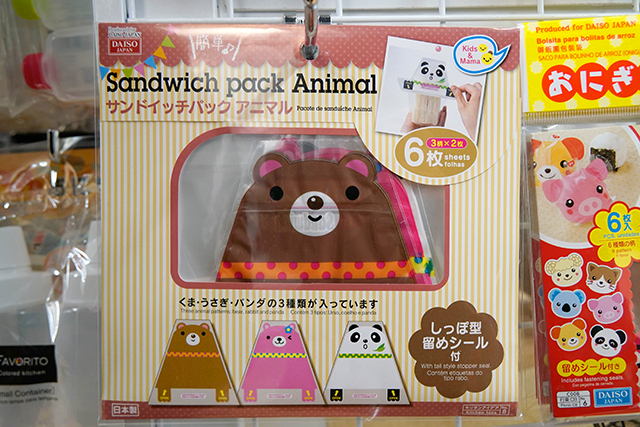
For the parents that enjoy dressing up their child’s lunch, there’s cute sandwich wrappers.
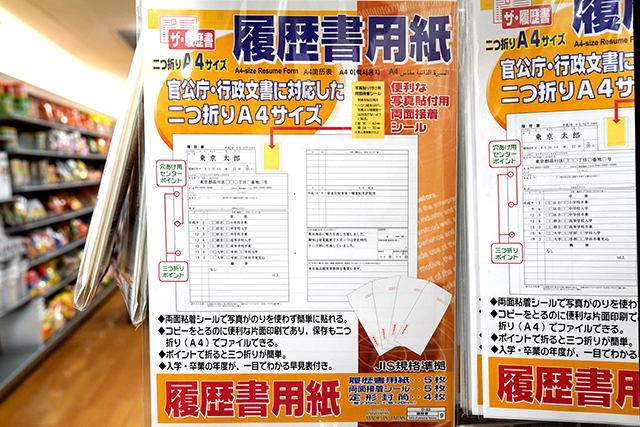
Now, here’s an item that’s undoubtedly distinct to the Daiso in Japan: a resume form!
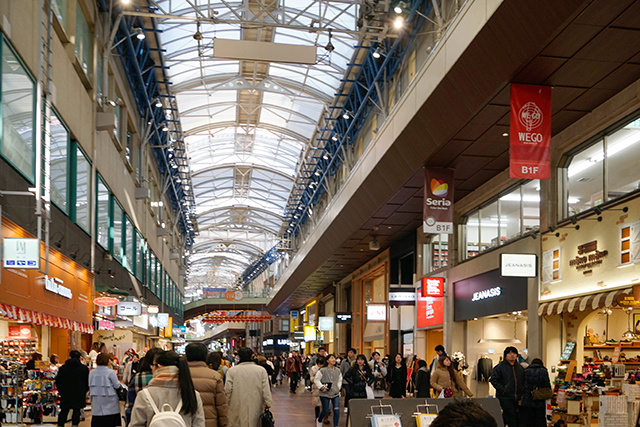
Since we’re heading to Hokkaidō the following day, I pop into tutu-anna to pick up some thick thermal stockings.
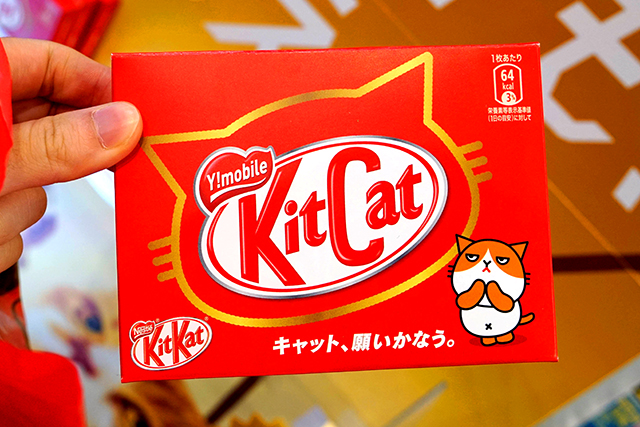
Y!mobile has spoofed KitKat with their cat mascot. The boxes of KitCat at its entrance are empty, alas.
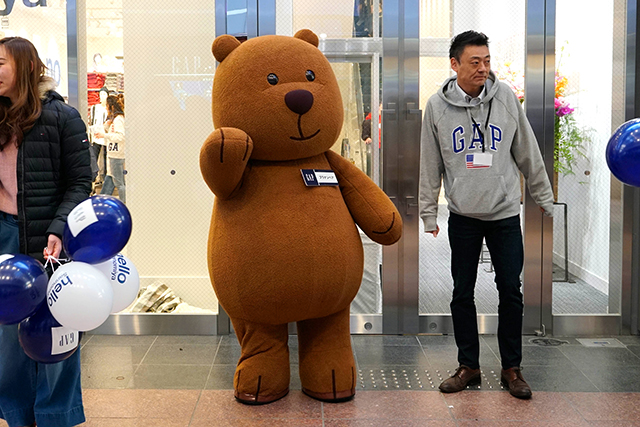
The GAP store is having its grand opening and celebrating with balloons and its bear mascot.
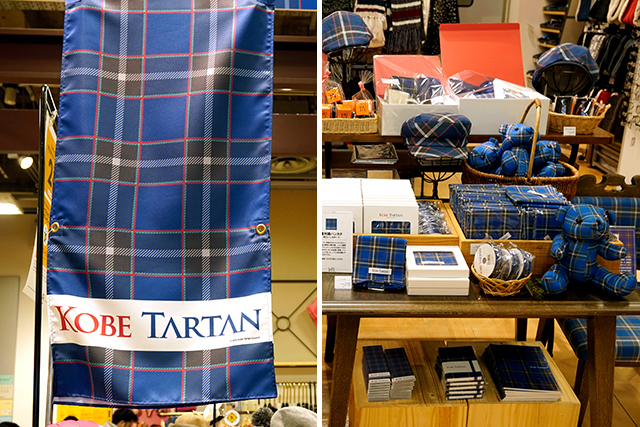
Popping into Loft, we discover the existence of Kōbe Tartan.
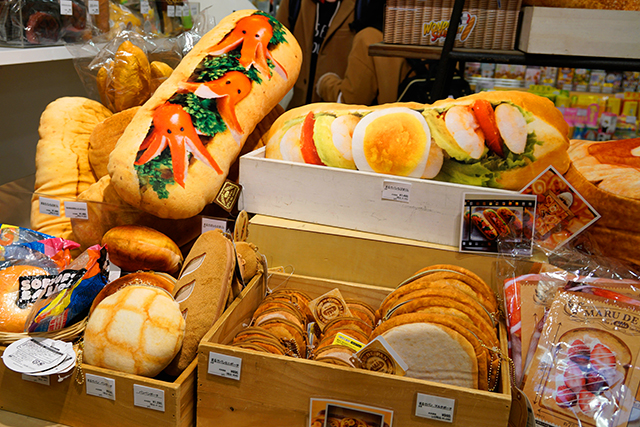
They’re also selling food shaped plush toys and pouches.
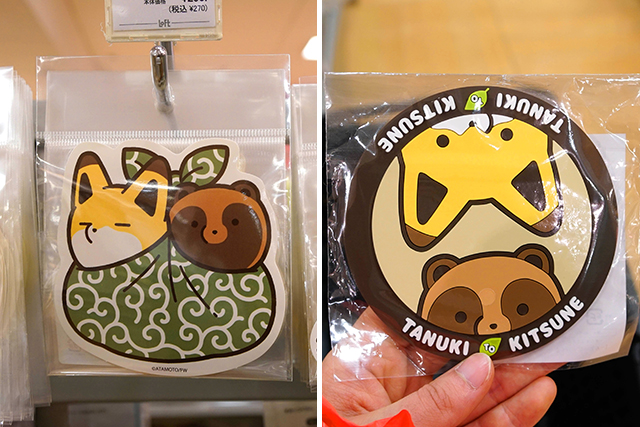
These characters, Tanuki and Kitsune have their own line of super cute products. The coaster on the right is around $10.00, though.
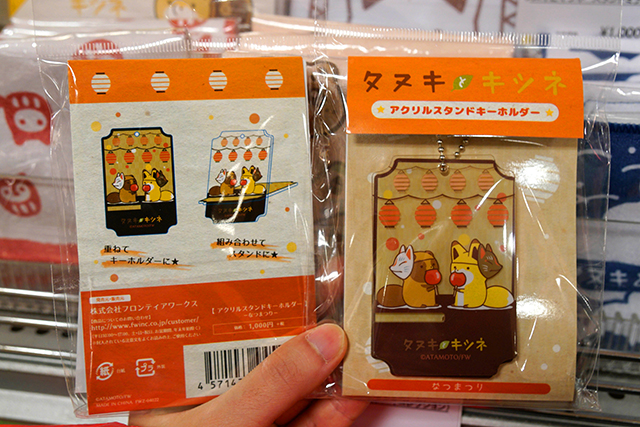
This is an ‘acrylic stand key holder’ for ¥1,000.
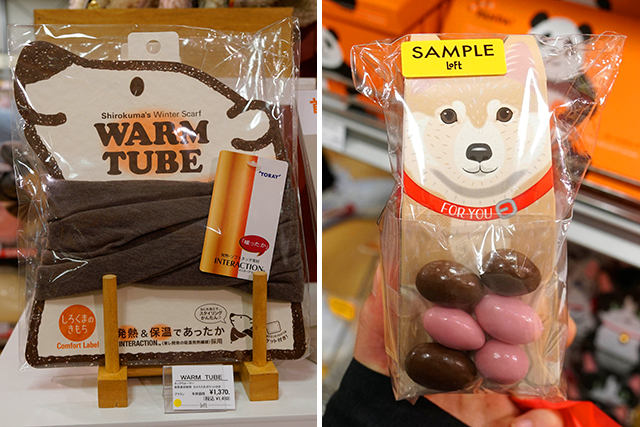
Even polar bear’s need to keep warm. And these boxes in the shape of a shiba inu contain 6 pieces of chocolate – they better be tasty!
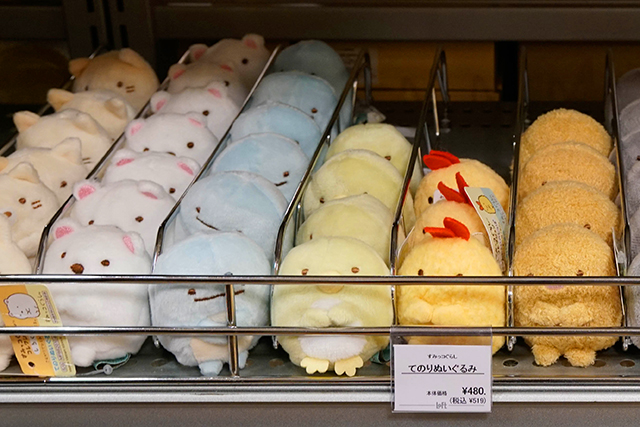
The fried ebi and the croquette of the right are super cute.
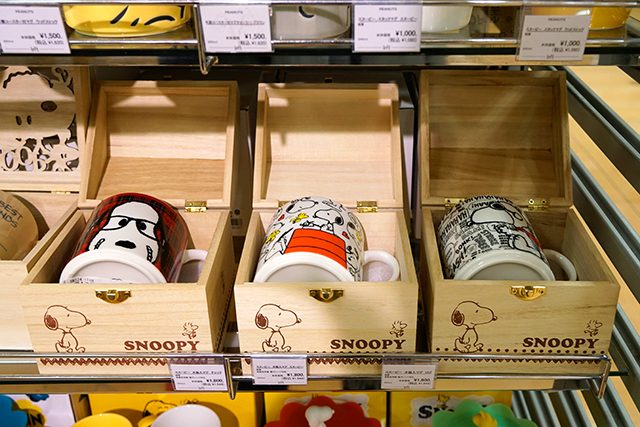
The wooden box is just as much a gift as the mug itself.
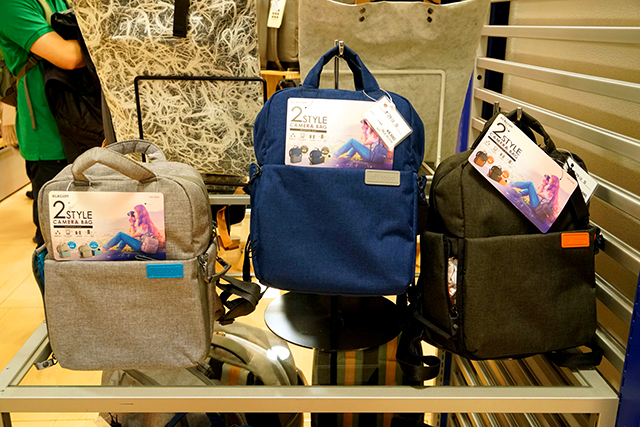
These camera bags are rather stylish.
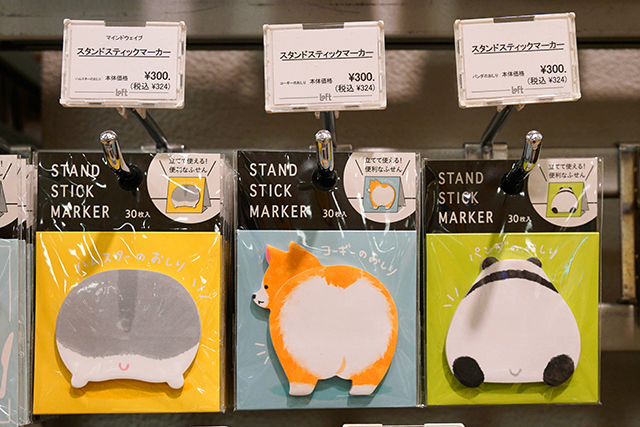
Shiba inus and pandas have cute fluffy bums and these ‘stand stick markers’ are a testament to that.
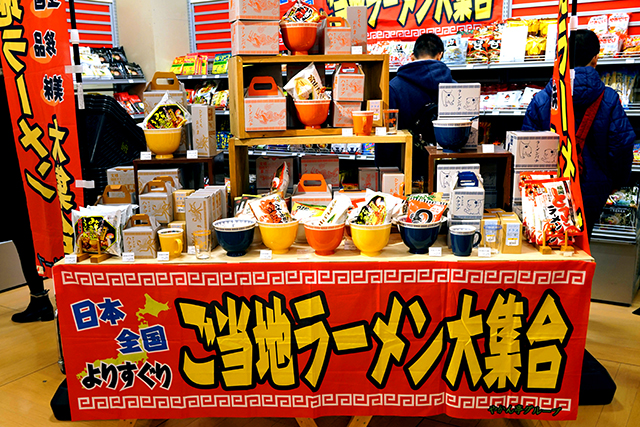
There’s a corner of the Loft offering single packs of ramen available locally from different regions around Japan.
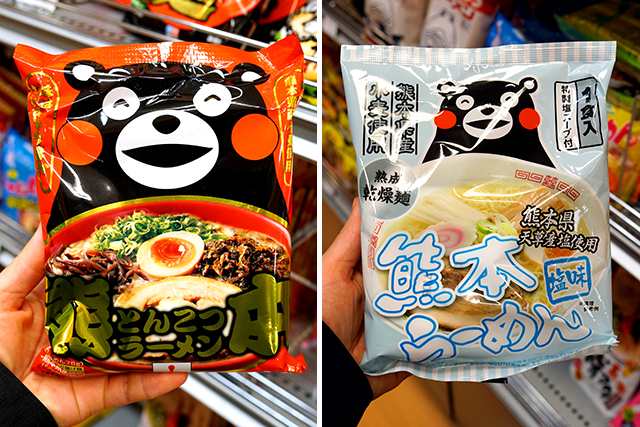
Of course, Kumamoto Prefecture has Kumamon on theirs. Each one is ~¥300.
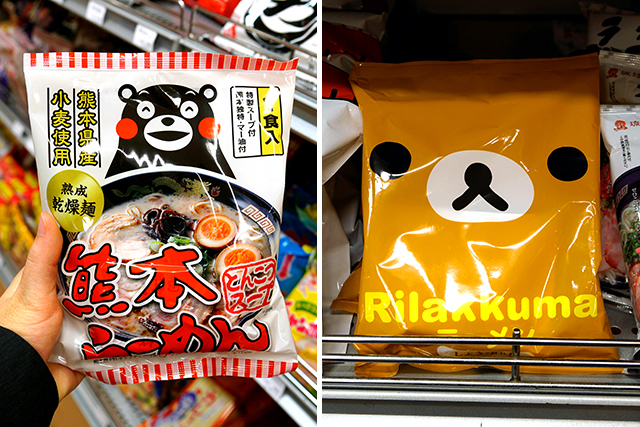
There are three from Kumamoto, and then there’s one with Rilakkuma – perhaps a lazy ramen like the bear?
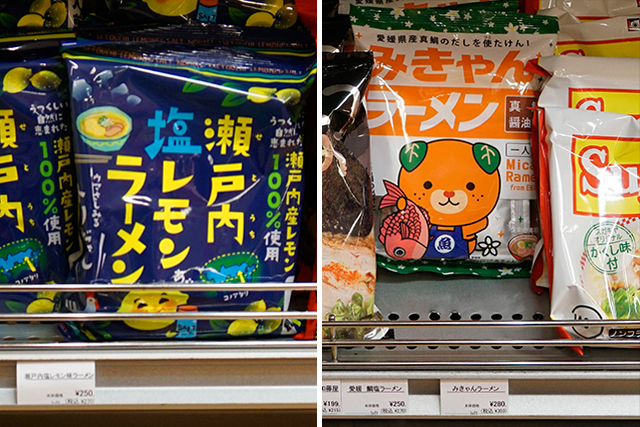
Setouchi has their lemon ramen, while Ehime has their mikan ramen. Both areas are known for those citrus fruits.
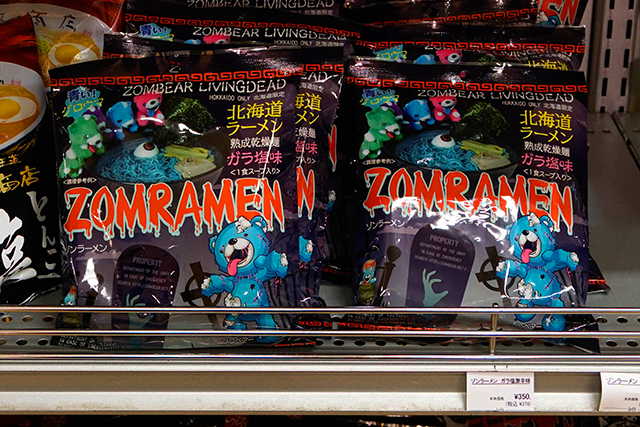
This one featured Zombear, the mascot for the prefecture Hokkaidō. Strangely enough, we don’t see much of him in Hokkaidō; we see more of the terrifying Melon-guma, the mascot for Yubari city in Hokkaidō.
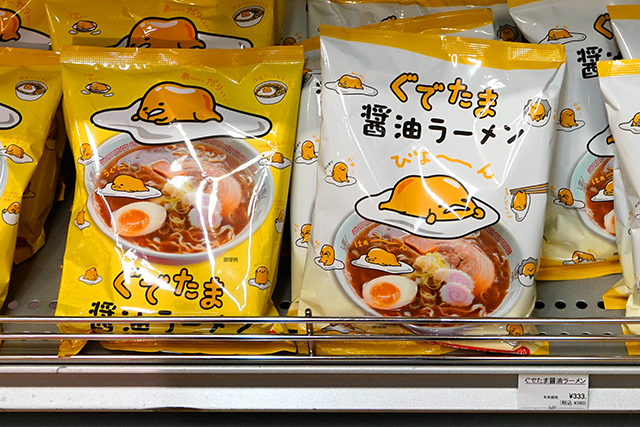
There’s Gudetama being the reluctant poster boy.
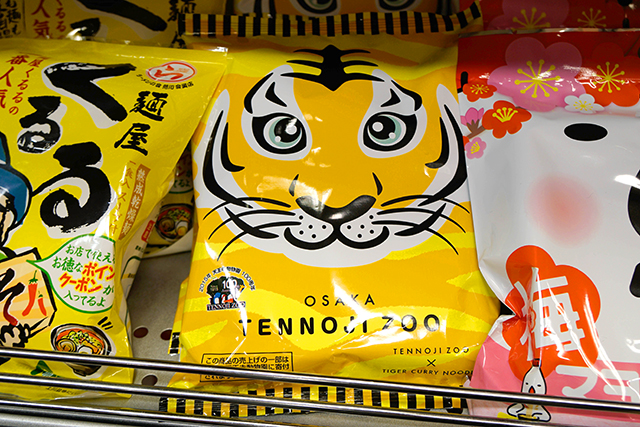
All the major zoos around Japan seem to release a ramen with a particular animal that ‘defines’ their zoo. This one is Tennoji Zoo in Ōsaka with its tiger theme.
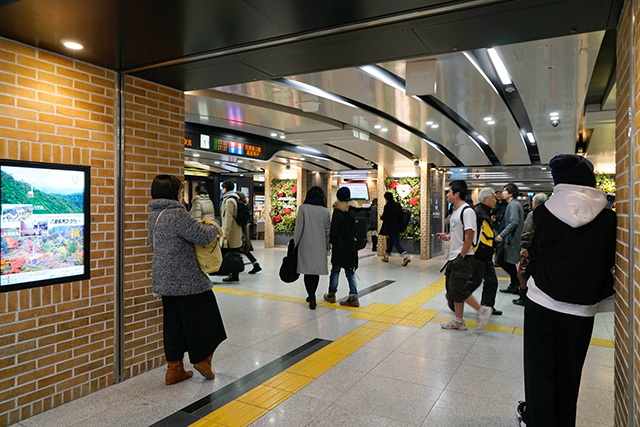
It’s cold and we like to go home early, so we make our way to the train station…
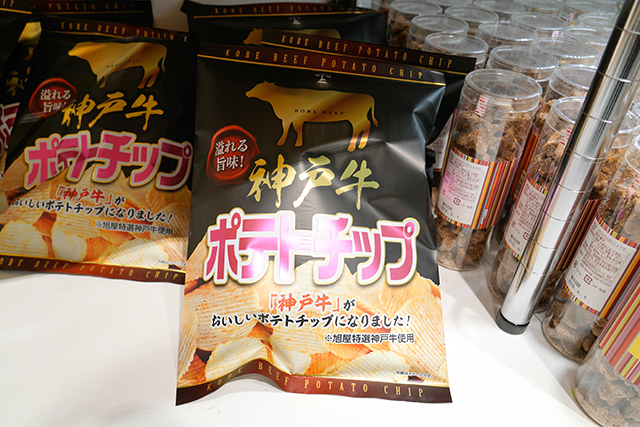
…but not before making a detour through the 7-Eleven and spotting these Kōbe beef flavoured potato chips.
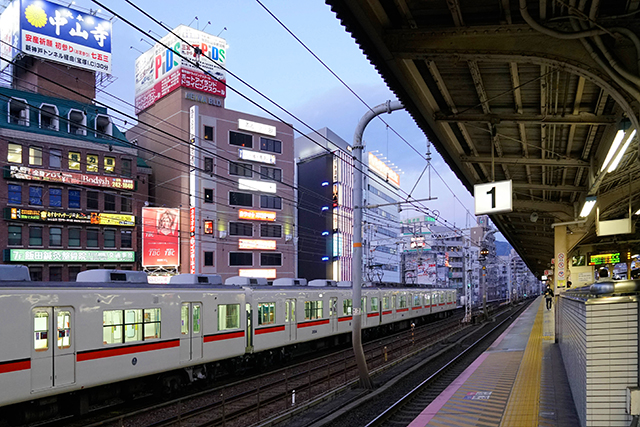
It’s still winter, really, so the sun goes down around 4 pm.
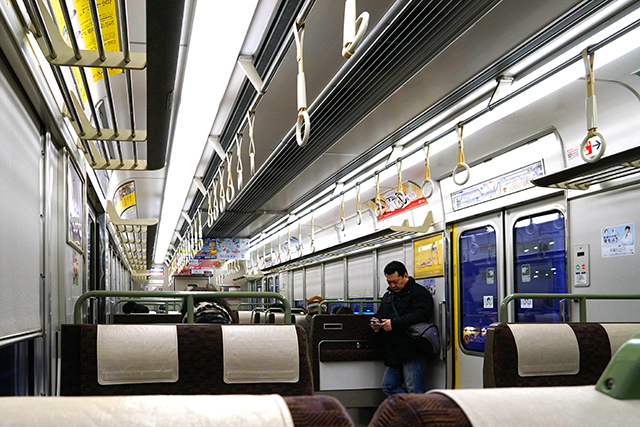
Trains in Japan have much more comfortable seats than the ones in Sydney.
Ōsaka – Umeda
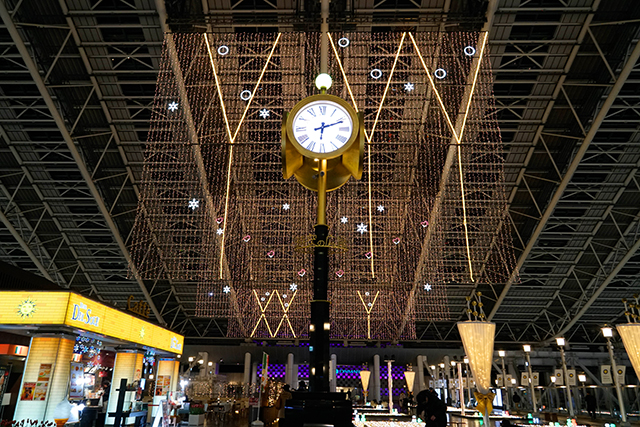
Back in Ōsaka, we make our routine visit up to the Toki no Hiroba (Time and Space Plaza), which is a bridge connecting the north and south buildings of Ōsaka Station.
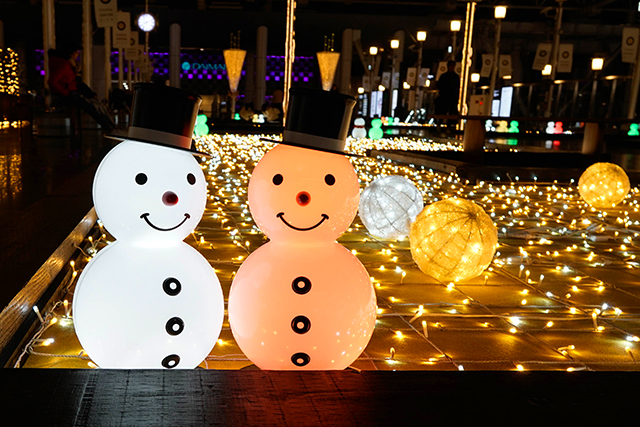
There’s always lights and snowmen when we visit, which is fitting because it’s super windy and cold up there!
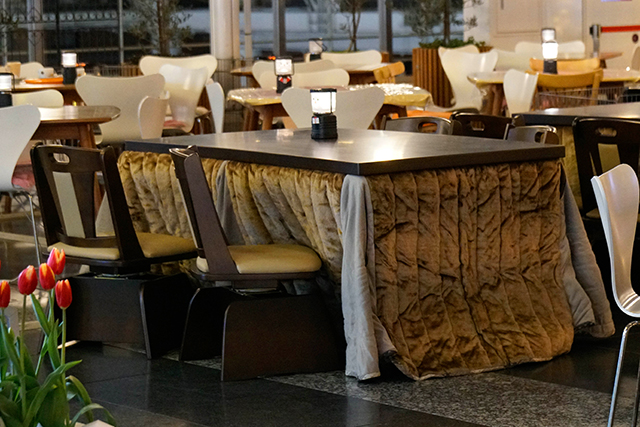
Even the restaurant has kotatsu for customers to stay cosy while dining.
Ōsaka – Dojima
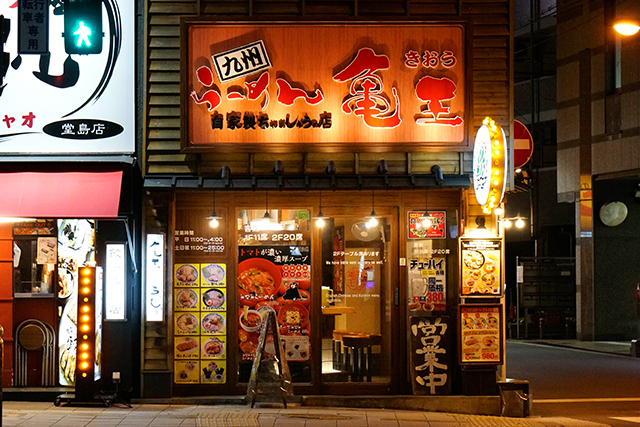
On the way home, we returned to Kyūshū Ramen Kio, the ramen restaurant with the Kumamon poster outside and specialises in Kyūshū-style ramen.
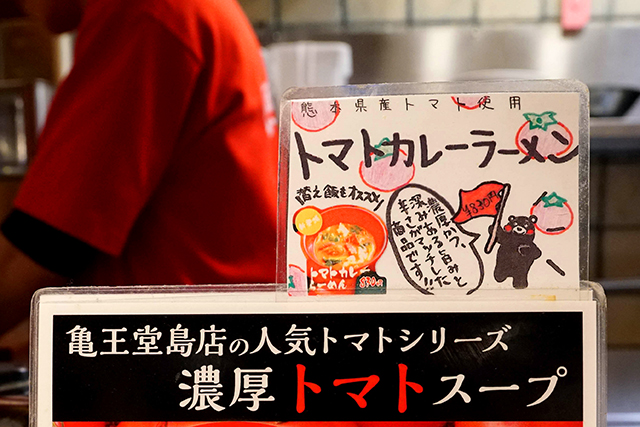
It’s my call for dinner, as D is still recovering from his stomach flu and my love for tomatoes and Kumamon has me interested in tomato ramen, which uses tomatoes from Kumamoto, a prefecture on Kyūshū.
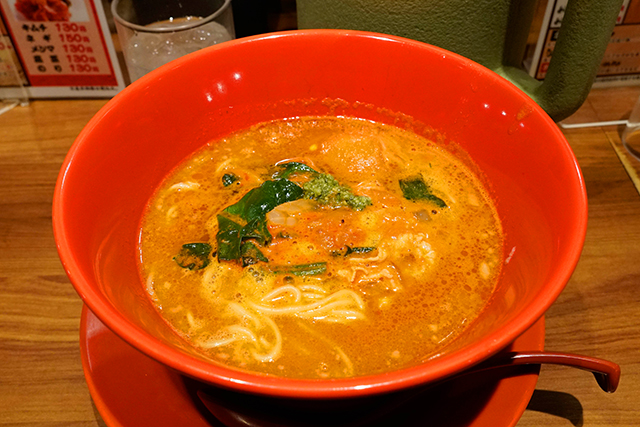
Tomato ramen is a winner, and hands down my absolute favourite type of ramen! It’s like spicy tomato soup with bits of beef and chunks of tomato. It’s immensely enjoyable and light, and one of the very few ramen I eat where I want to drink the soup after eating the noodles.
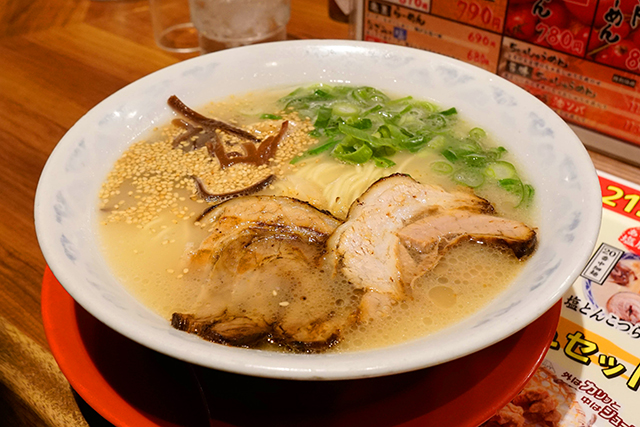
D’s goes for their house Kio Ramen, which uses noodles from Hakata and has a rich tonkotsu broth characteristic of the region. D gets food envy for my delicious tomato ramen.
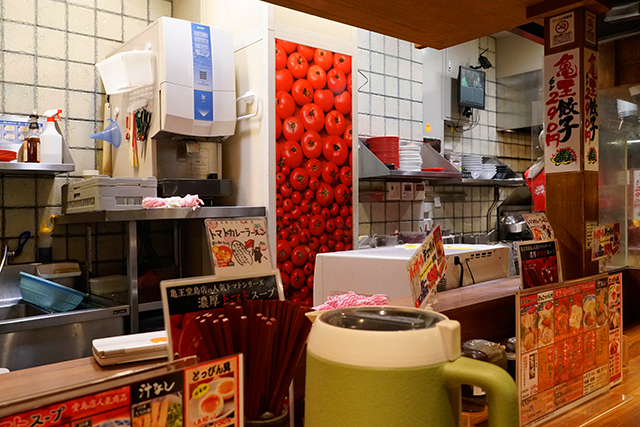
Winter in Japan makes the tomato ramen extra hearty as we roll back to our hotel to get ready for our flight to Sapporo, Hokkaidō the following day.