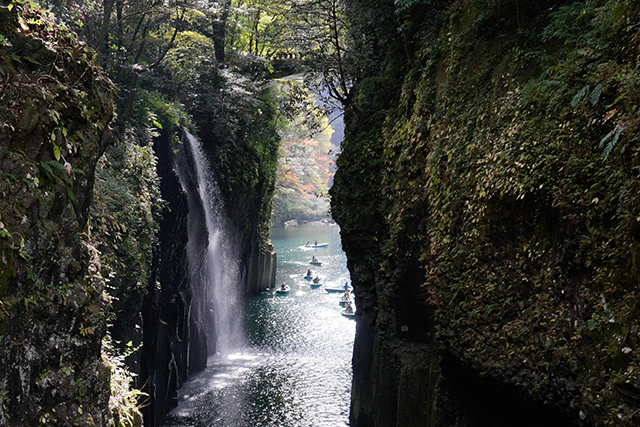
Takachiho is a small town situated in the northernmost part of Miyazaki Prefecture. Its most famous attraction is Takachiho Gorge, a narrow chasm cut through by Gokase River, which formed over time from lava from Mount Aso. Access to the town of Takachiho with public transport is bus only, with an 80-minute ride operating hourly from Nobeoka Station.
Nobeoka
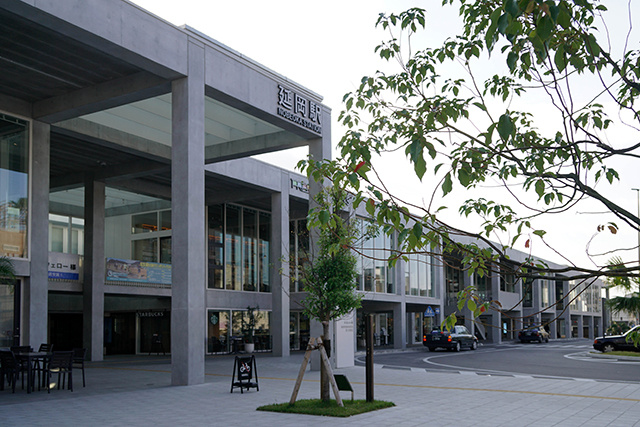
We wake up bright and early to catch the 8:45 am bus to arrive at Takachiho Bus Centre by 10:22 am.
Nobeoka Bus Centre
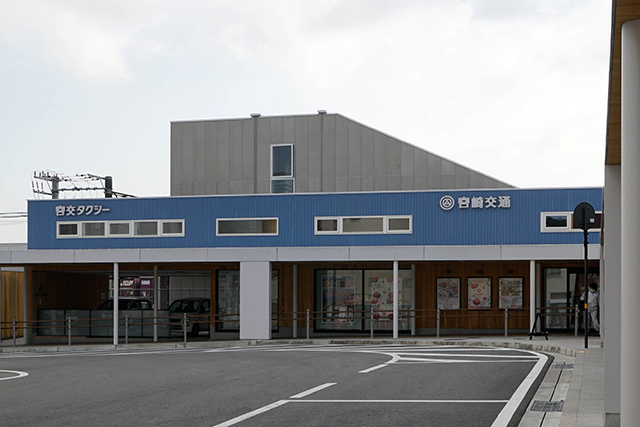
The Nobeoka Bus Center is located next to JR Nobeoka Station with the staff at the desk speaking English and providing bus timetables and area maps to visitors.
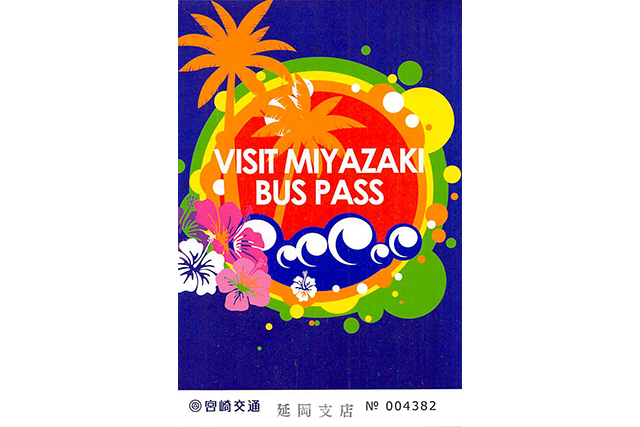
We purchase a Miyazaki Bus Day Pass for ¥1,500, which covered the return trip that would otherwise be ¥3,580 (¥1,790 one way). The bus stop is Stop #1 and located outside the bus centre. This is an ordinary bus that does not take reservations or have space for luggage.
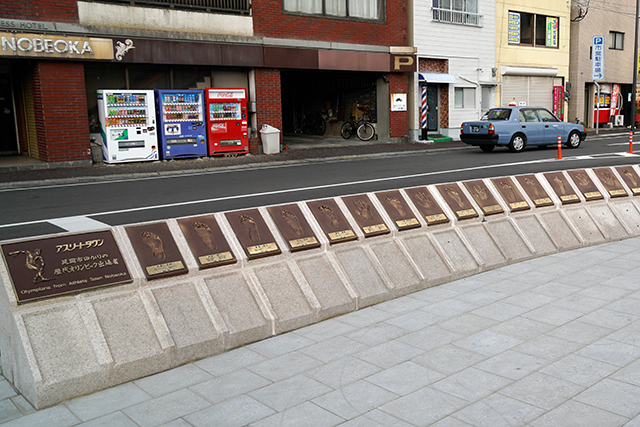
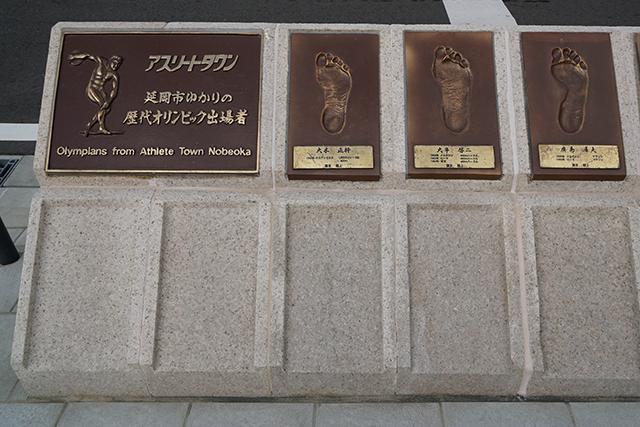
Opposite the station is a monument dedicated to the Olympians from Nobeoka.
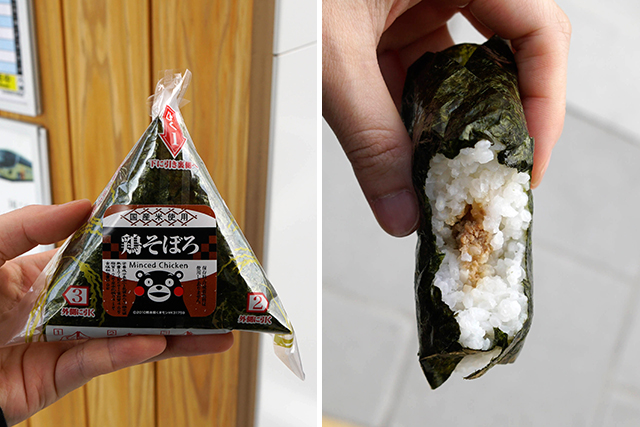
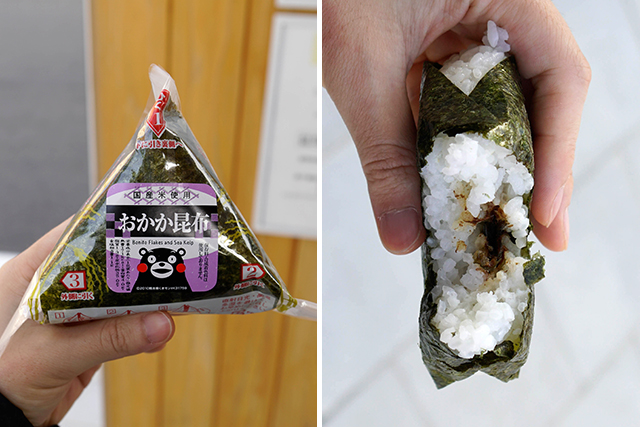
While we wait for the bus to arrive, we have a quick breakfast of Kumamon onigiri from the supermarket the previous evening. They’re both decent as far as onigiri go.
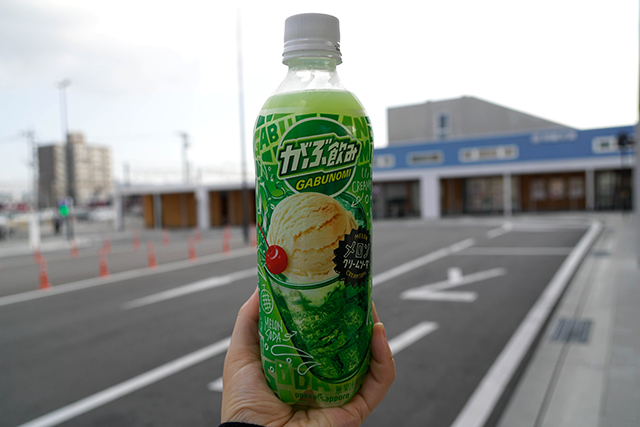
And we enjoy this trip’s Pokka Sapporo Gabunom Melon Cream Soda with our breakfast. It’s a cloudy green colour as it contained condensed milk to give it a creamy flavour. Its artificial melon flavour was unique to Japan, although it is far from our favourite.
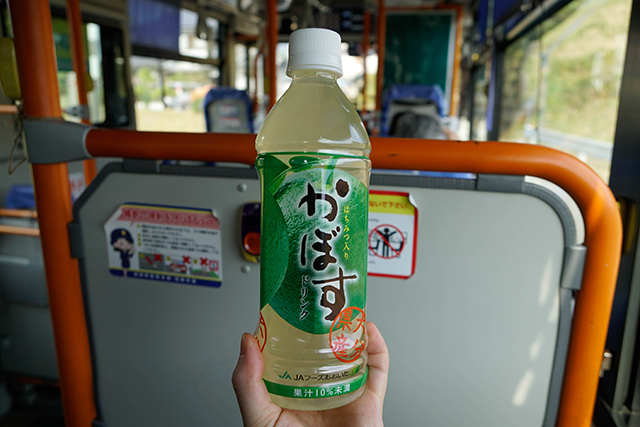
We also have another Kabosu Drink containing 10% kabosu juice from Ōita. It has an enjoyable balance of sweet and tart kabosu flavour, although we’re still the biggest fans of the kabonade that we enjoyed on the Yufuin no Mori.
Takachiho
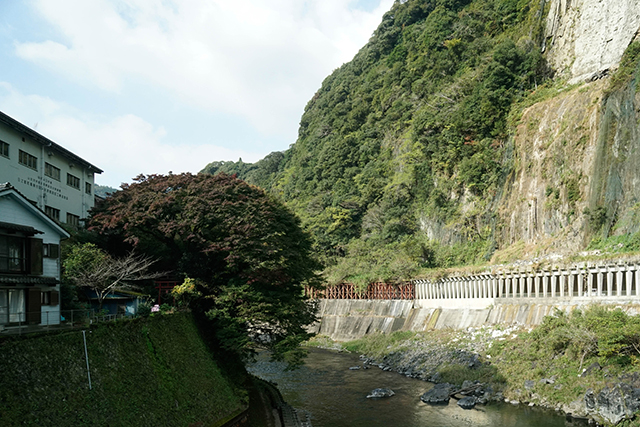
Takachiho is located in a remote part of northern Miyazaki.
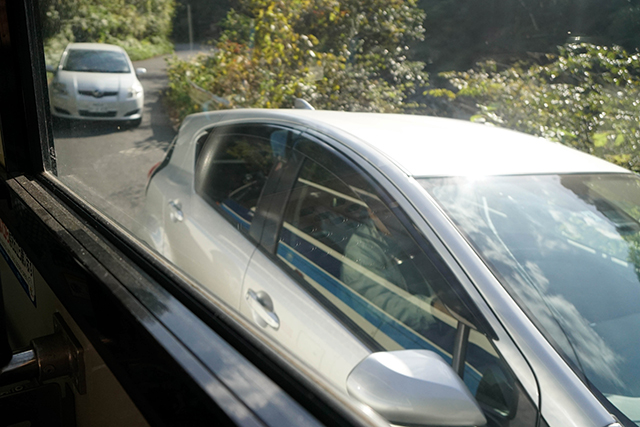
The bus winds around narrow single vehicle roads on the edge of the mountain next to a river for about an hour after leaving the city of Nobeoka.
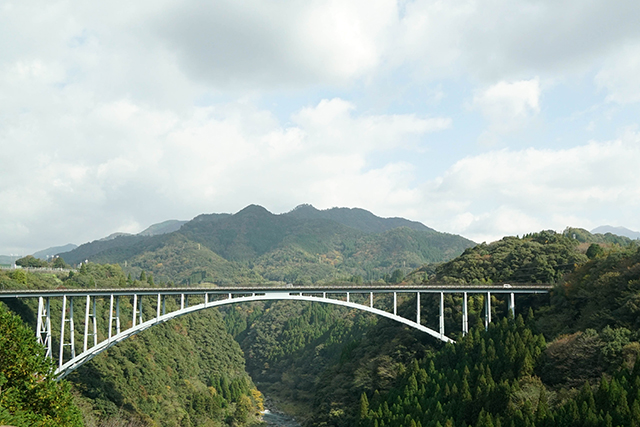
The rolling hills and lush scenery of inland Kyūshū is breathtakingly beautiful.
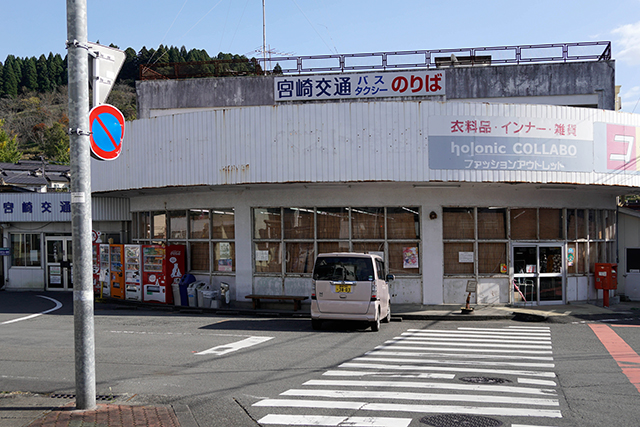
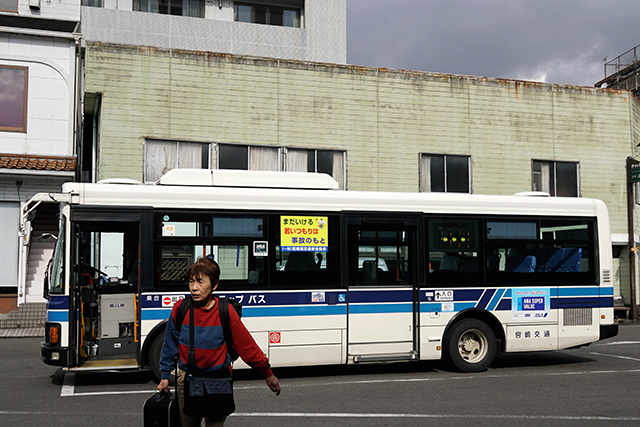
After a long, winding and somewhat bumpy eighty minutes, we arrive at Takachiho Bus Centre, one of the more basic bus centres we’ve encountered in Japan.
Takachiho Tourism Association Information Centre
まちなか観光案内所(高千穂町観光協会), 802-3 Mitai, Takachiho, Nishiusuki District, Miyazaki 882-1101, Japan
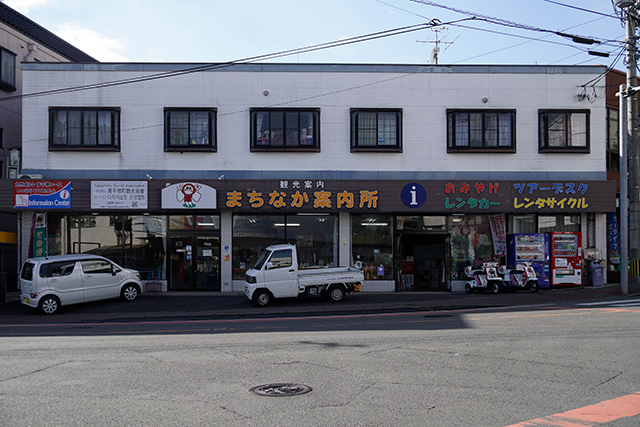
Across the road, is the Takachiho Tourism Association Information Centre. We pop in to find a group of elderly Japanese about to commence some sort of craft class held by the centre.
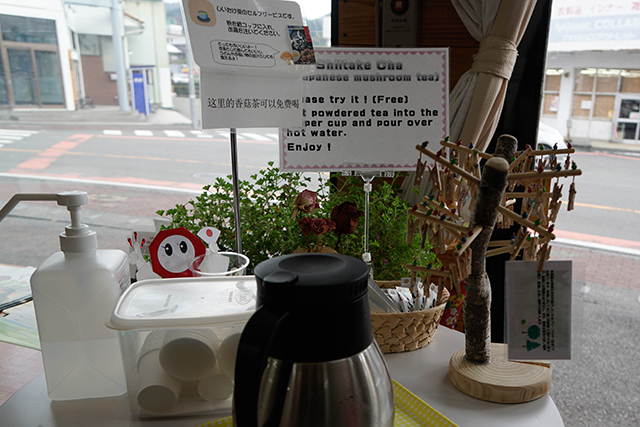
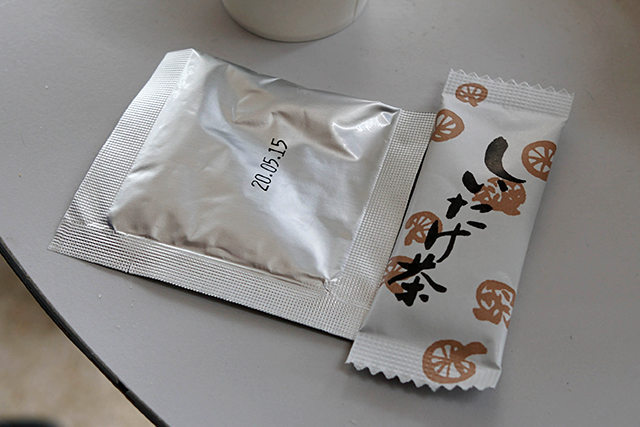
There’s a table offering tastings of shiitake cha.
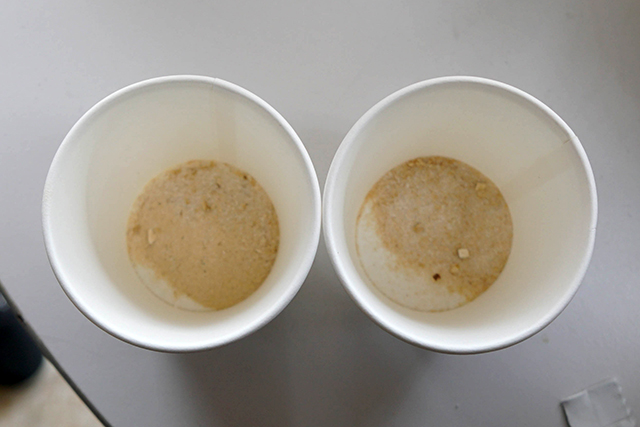
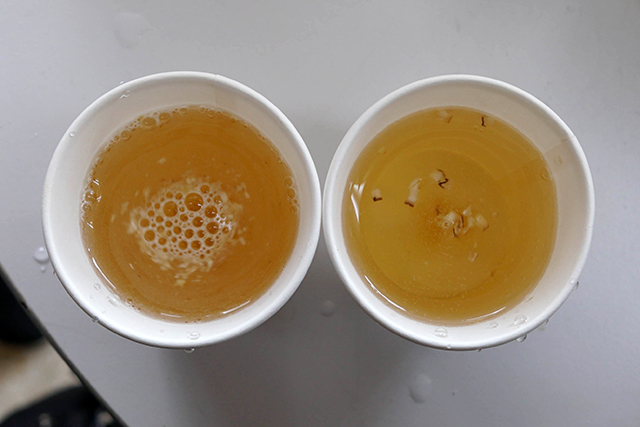
Shiitake cha is less of a tea and more of a broth made from powdered shiitake (mushrooms) that has a rich umami flavour.
Kodono Dori
Kodono Dori, Mitai, Takachiho, Nishiusuki-gun, Miyazaki 882-1101, Japan
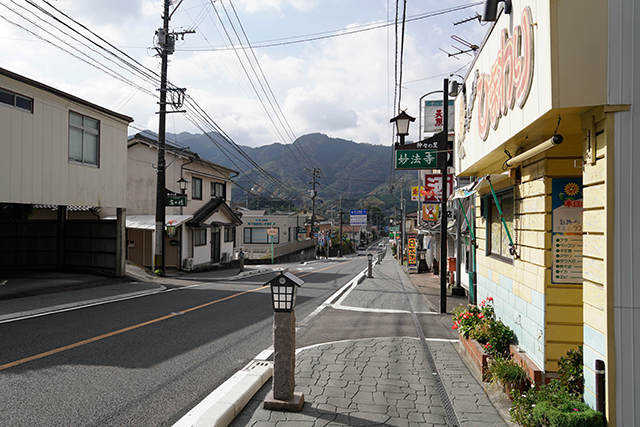
The gorge is 2 km from the bus centre. Infrequent buses run on weekends and national holidays, so being a weekday we make our way there on foot.
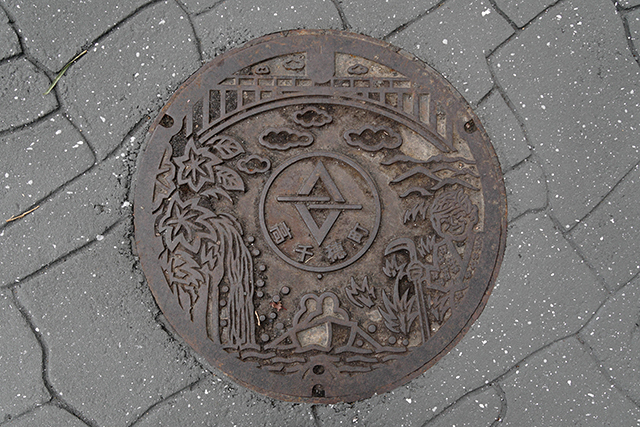
Fittingly, the manhole covers in Takachiho feature the gorge.
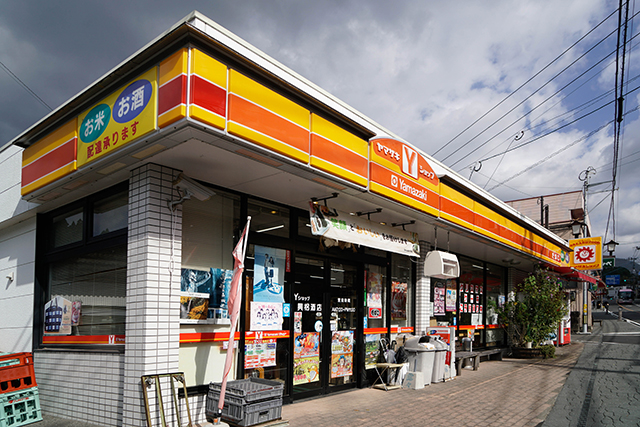
We stop by a Daily Yamazaki for some YBC Chip Star to snack on later in the day. There’s also a rest area inside the store, which allows me to put on an extra layer as Takachiho is quite a few degrees chillier than Nobeoka.
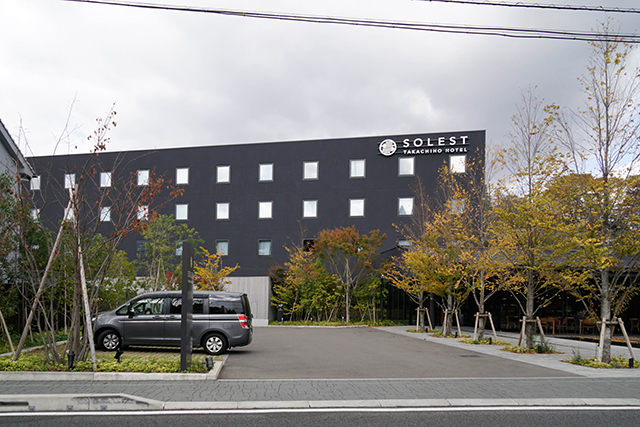
We can only imagine the elegance of this hotel. Looking it up later, we discover rooms that are contemporary, yet elegant in its nod to traditional Japanese design. The rooms are also twice as expensive as we’re willing to pay, though.
Takachiho Shrine
高千穂神社, 1037 Mitai, Takachiho, Nishiusuki District, Miyazaki 882-1101, Japan
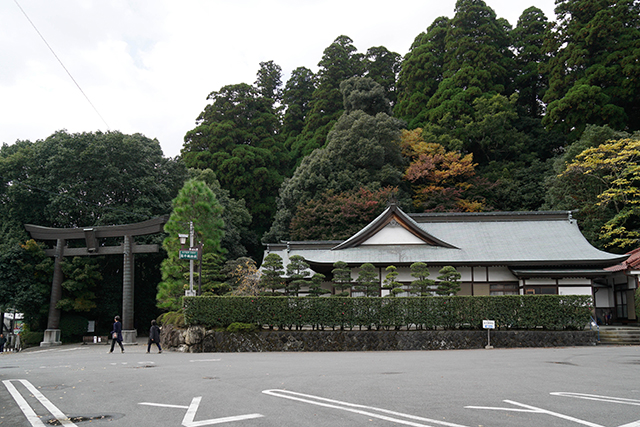
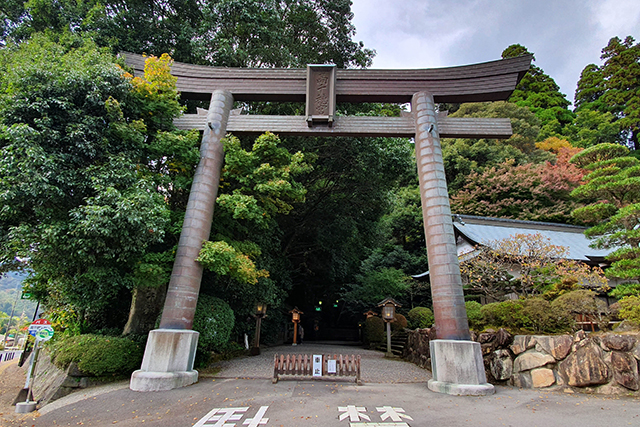
Takachiho Shrine is located at the western end of the town centre, about a 10-15 minute walk from the bus centre.
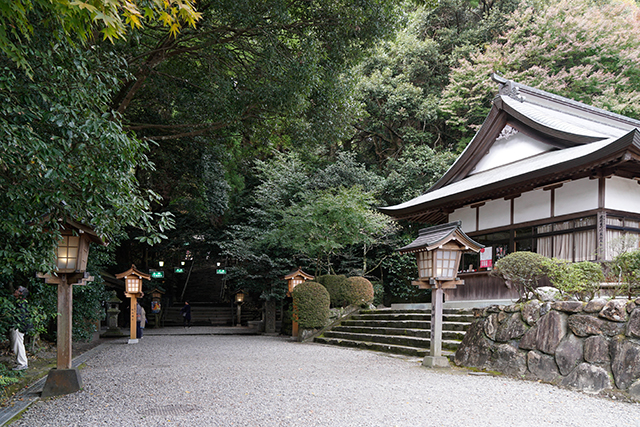
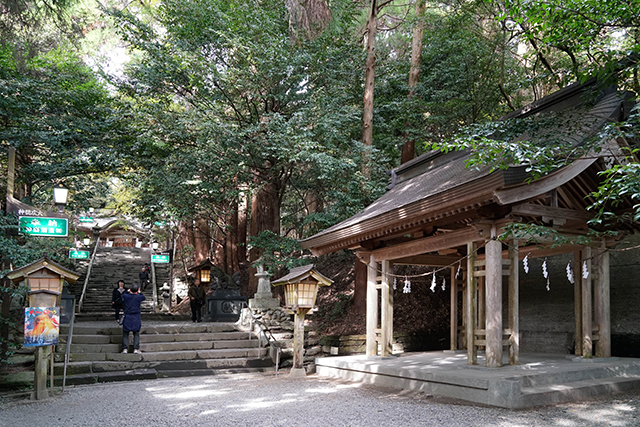
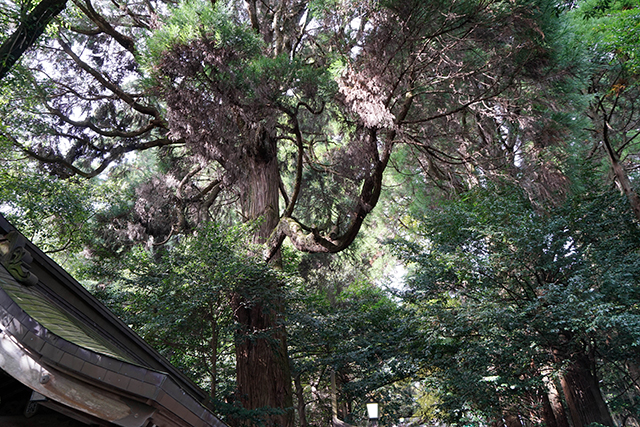
The shrine is nestled in a grove of tall cedars, with the dappled light coming through the leaves giving the space a calm and peaceful atmosphere that’s far removed from the hustle and bustle of shrines closer to Japanese cities. The nondescript, unpainted buildings blend in naturally with the surrounding trees.
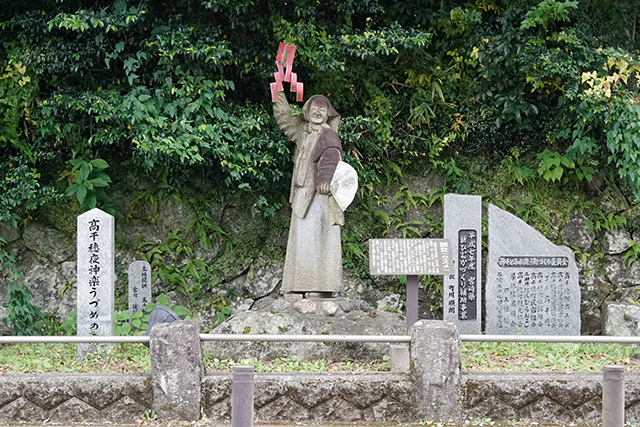
Takachiho Gorge
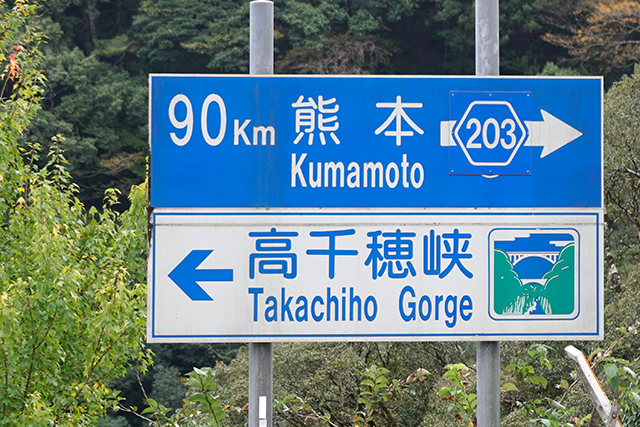
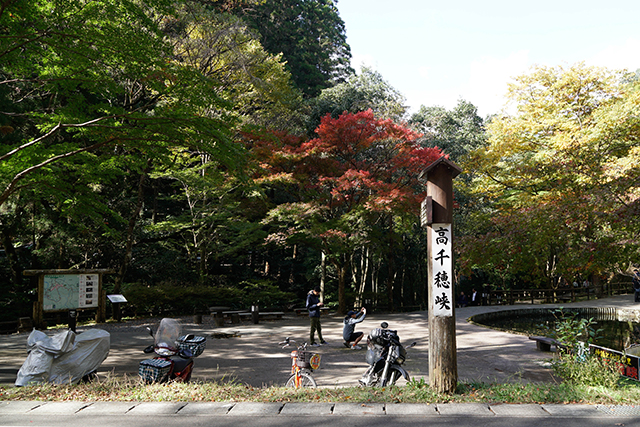
After a 30 minute walk from the Takachiho Bus Centre, we see our signs for Takachiho Gorge.
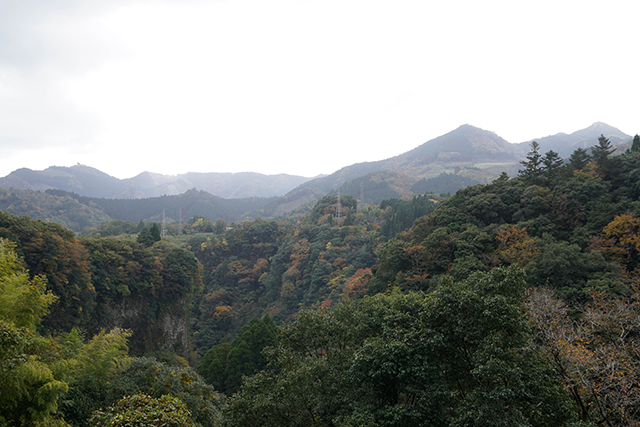
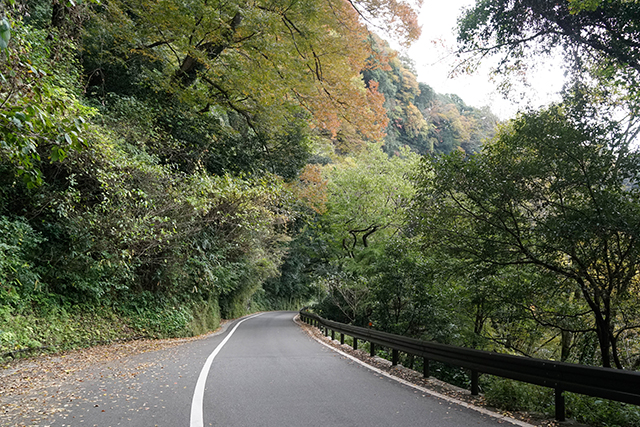
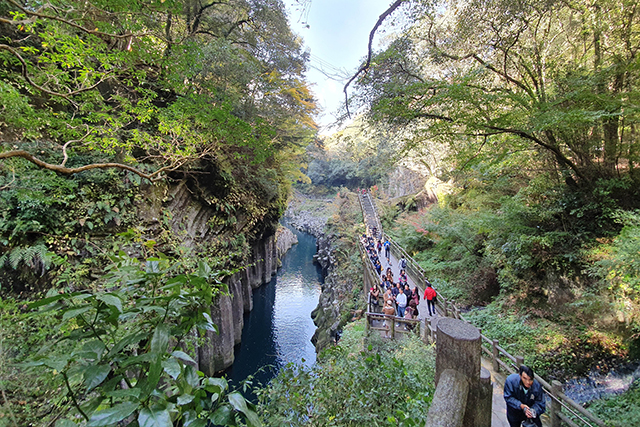
The panoramic view across the lush mountains with their leaves changing colour during autumn is breathtaking.
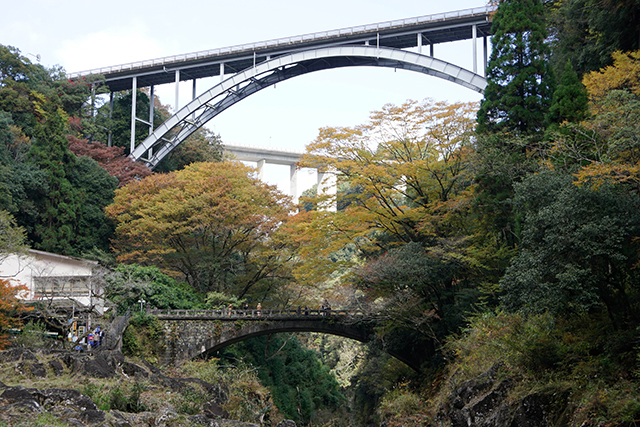
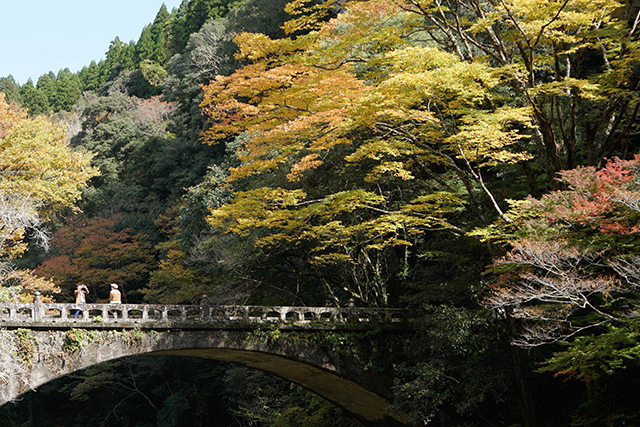
There are three arched bridges over Takachiho Gorge: Shinbashi (stone bridge), Takachiho Ohashi (Steel bridge), and Shinto Takachiho Ohashi (concrete bridge).
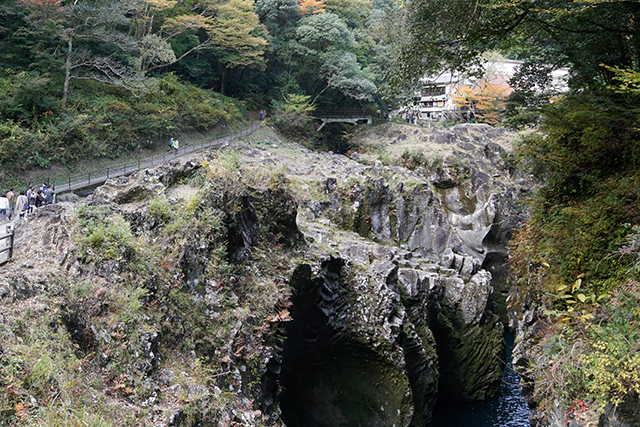
Takachiho Gorge was formed by four eruptions of Mt Aso (270 thousand, 140 thousand, 120 thousand and 90 thousand years ago). There’s a 1 km walking path along the river.
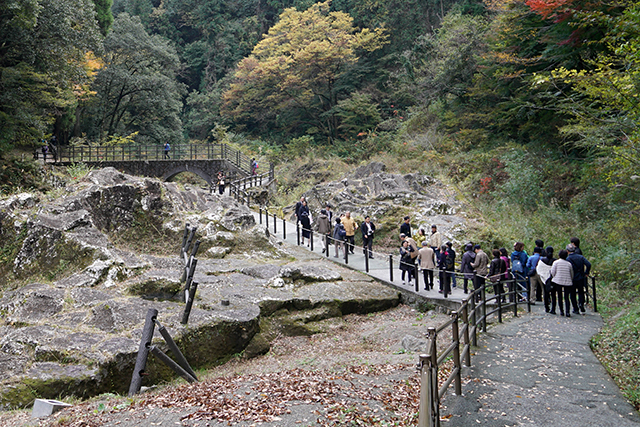
Early on, there’s a section of the path that was destroyed by the Kumamoto 2016 earthquakes.
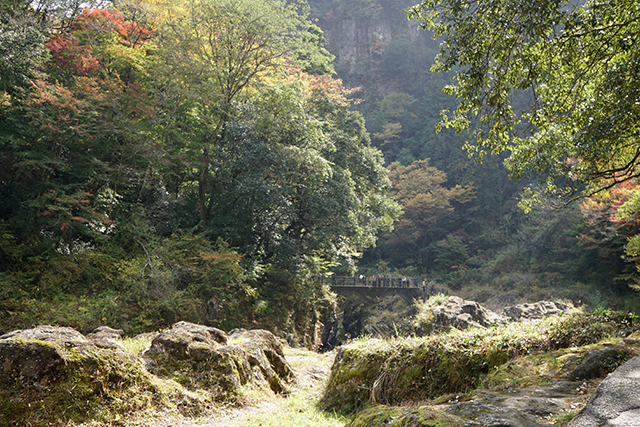
The path takes us over Yaritobi-bashi Bridge.
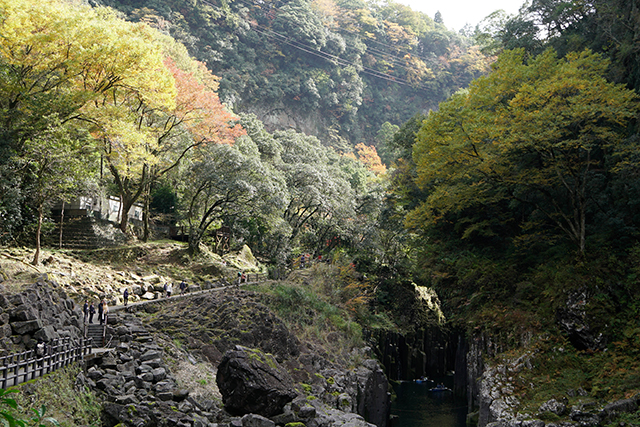
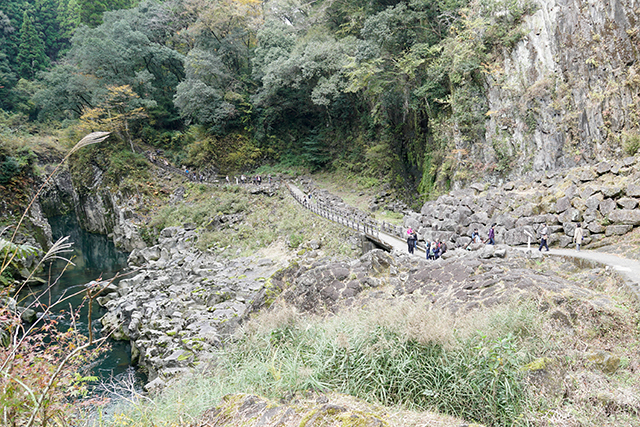
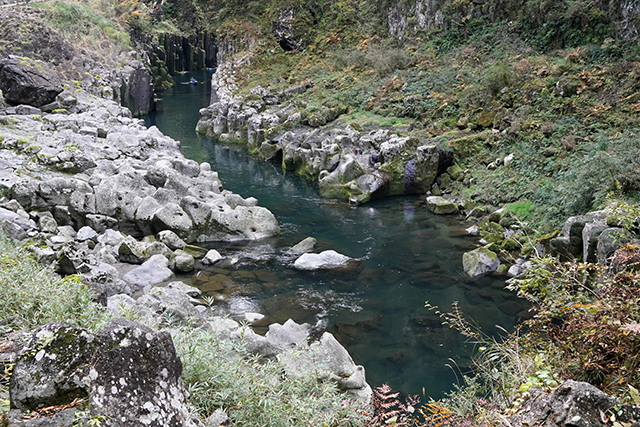
The average height of the gorge is 80 m and the highest point is 100 m. The walking path takes us through some amazing scenery.
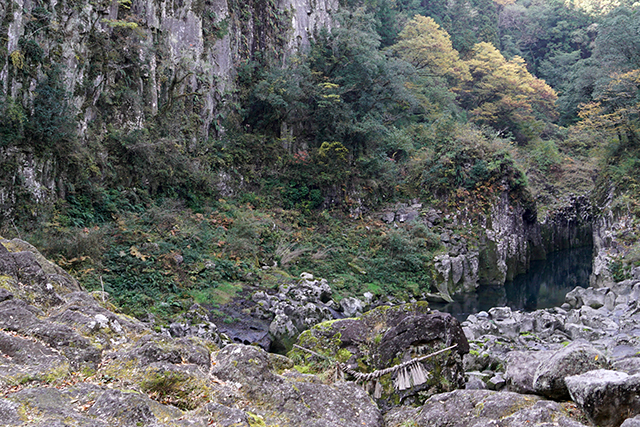
This 70 m high cliff is called Sennin-no-Byoubuiwa Cliff. Legend has it that only hermits with divine strength have the ability to climb. In front of the cliff face, we see Kihachi-no-Chikaraishi Rock, a 200-tonne rock that was thrown by the god Kihachi to demonstrate his power and challenge the deity that ruled Takachiho.
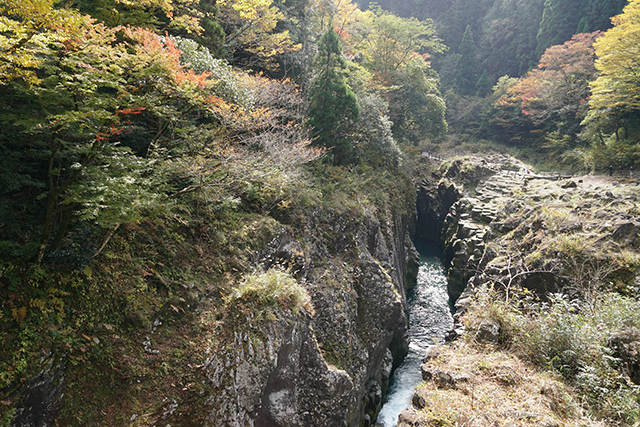
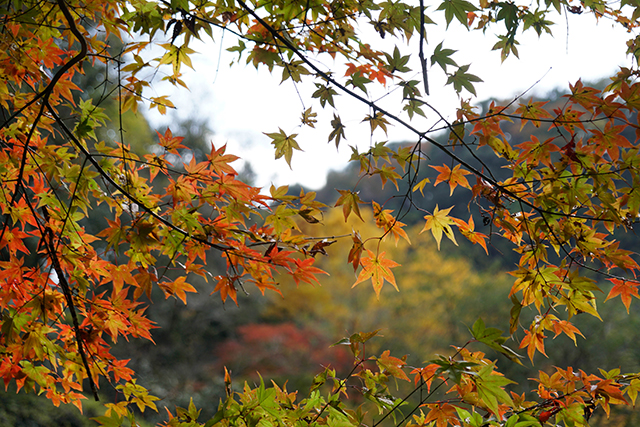
Every way we turn, there are pockets of dappled sunlight and rushing streams. It’s a very calming atmosphere.
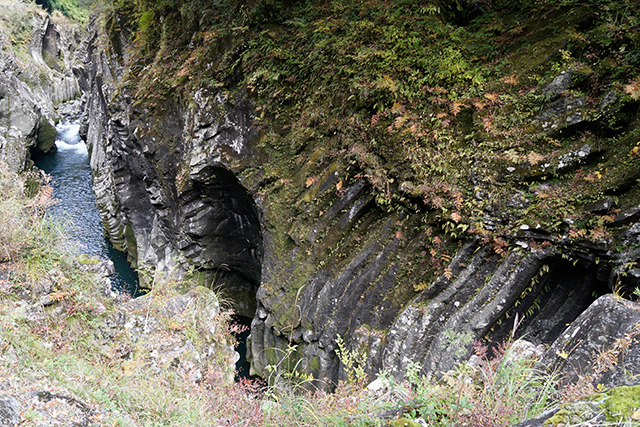
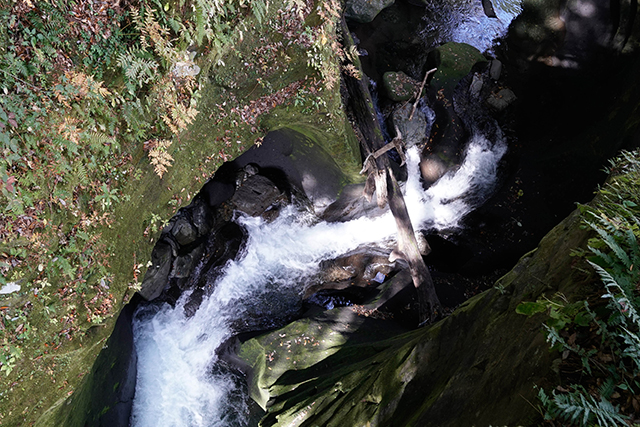
Along the path, there are numerous potholes made by the energy of flowing water and small stones.
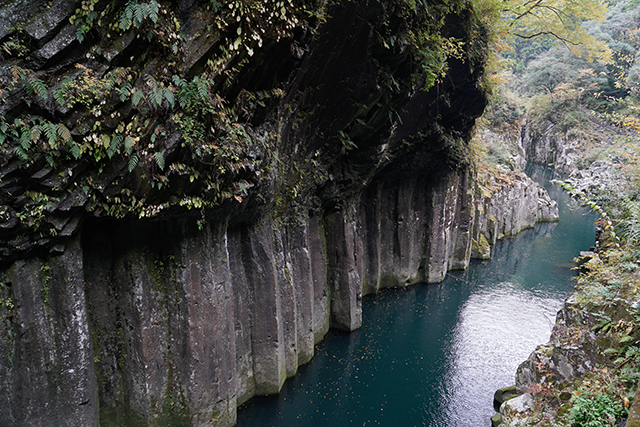
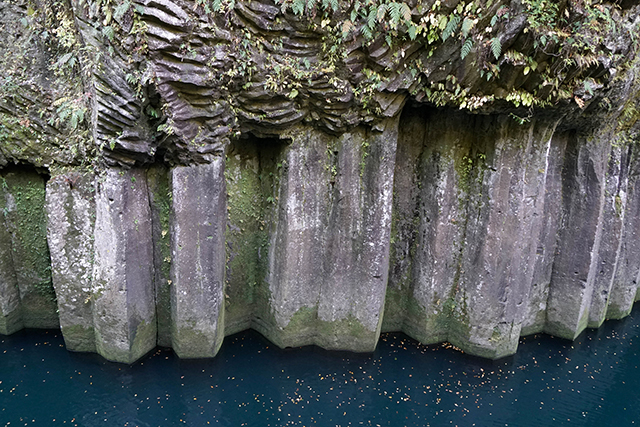
The gorge is a narrow chasm cut through the rock by the Gokase River with the sheer cliffs lining the gorge made of slow forming volcanic basalt columns that are said to resemble the scales of a dragon where the stone twisted and flowed as it formed.
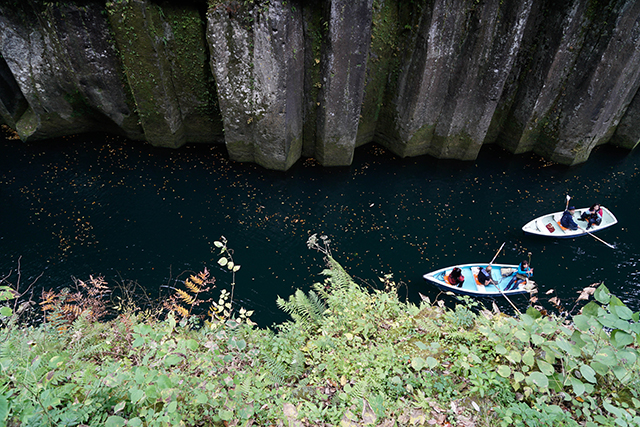
Visitors can rent boats to enjoy a close-up view of the gorge.
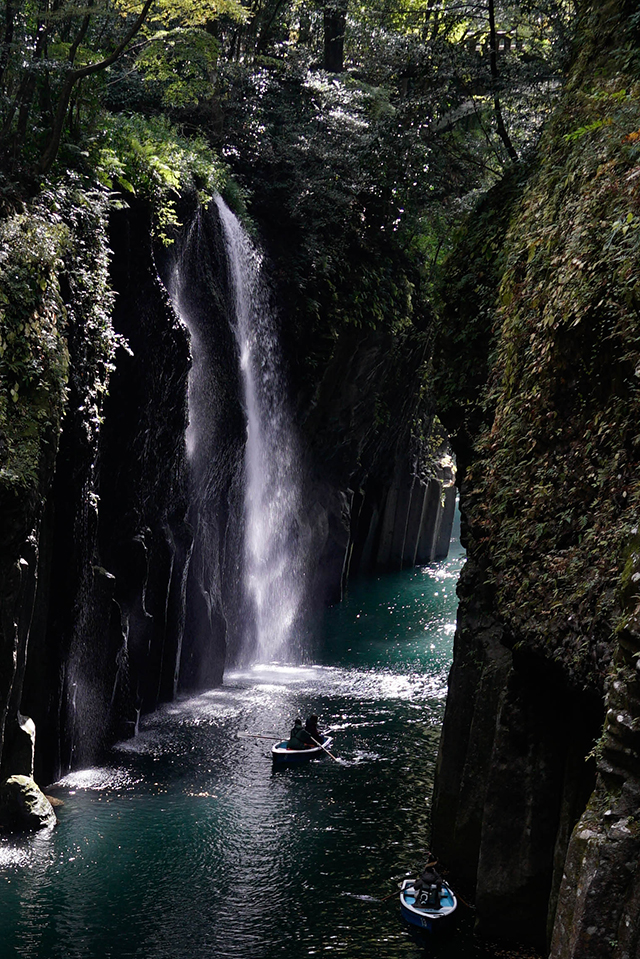
The most sought after view, though, is Manai Waterfall. At 17 m in height, it is spectacular with its setting against the volcanic grey cliffs, the dense greenery and the jewel-toned Gokase River. It is considered one of the 100 most beautiful waterfalls in Japan.
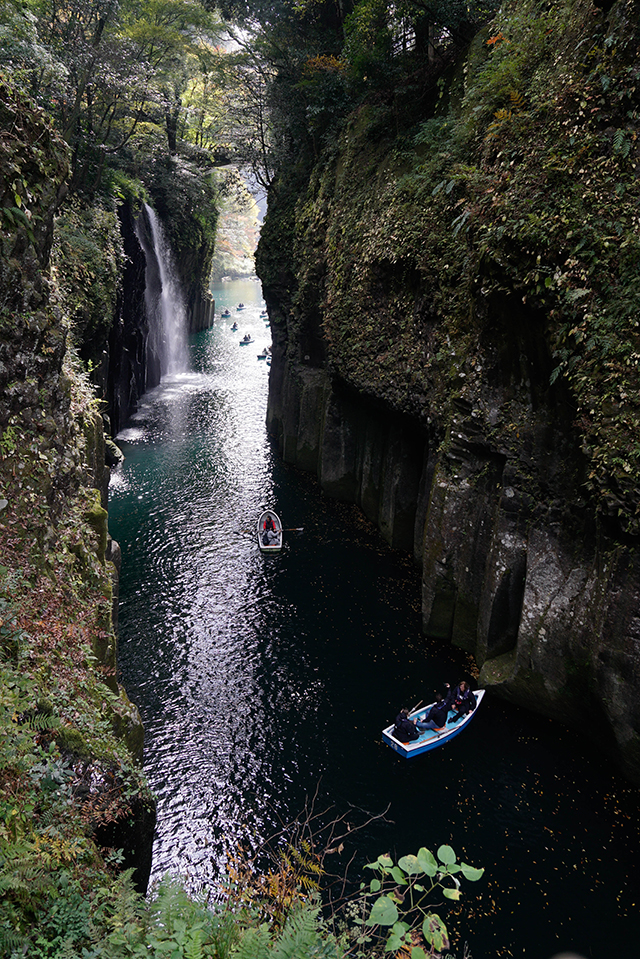
The gorge was designated as a natural monument in 1934 and as part of the Sobo-Katamuki Quasi-National Park in 1965.
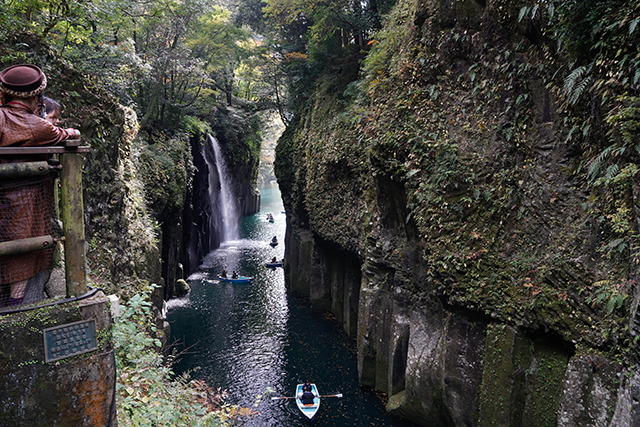
I first encountered this gorge many years ago when N came across a photo of it and flippantly remarked that the remote beauty of this gorge would be perfect for a small overseas wedding.
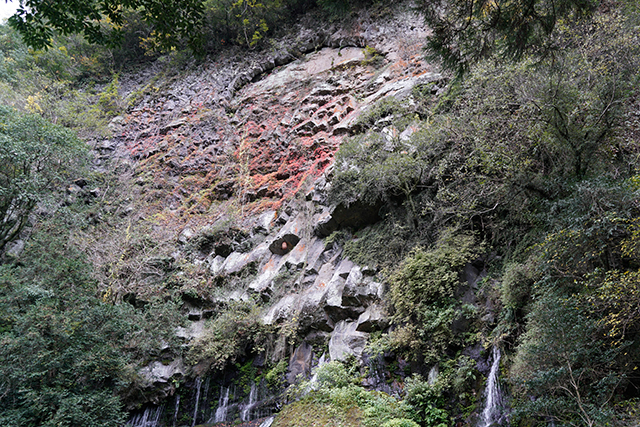
Here, we see Tamatare Waterfall. Tsuki-gata, which means ‘moon-shaped’ is above.
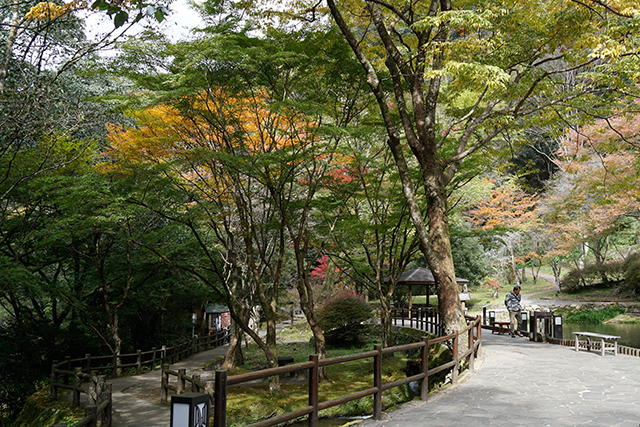
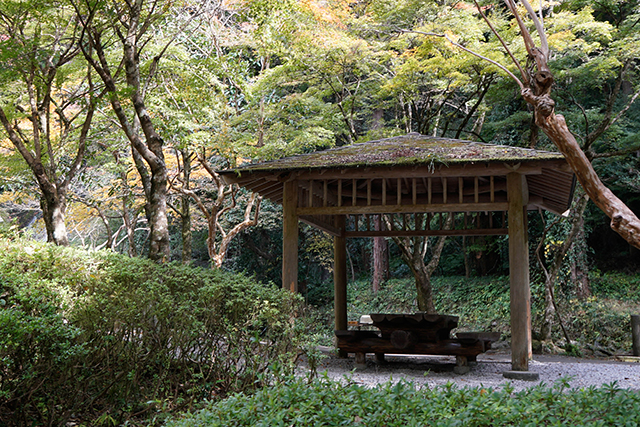
There’s also ample seating for people to enjoy the atmosphere. We take a moment to rest.
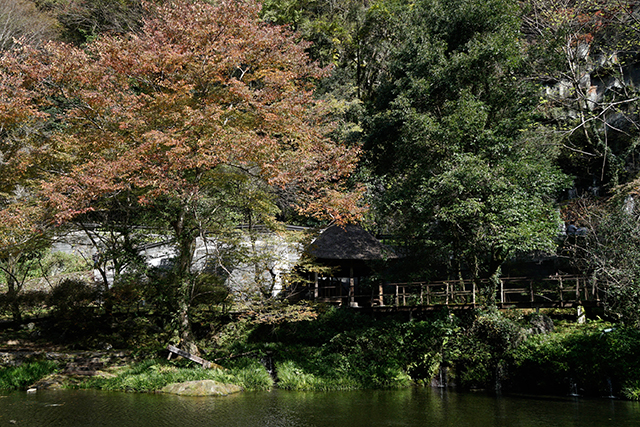
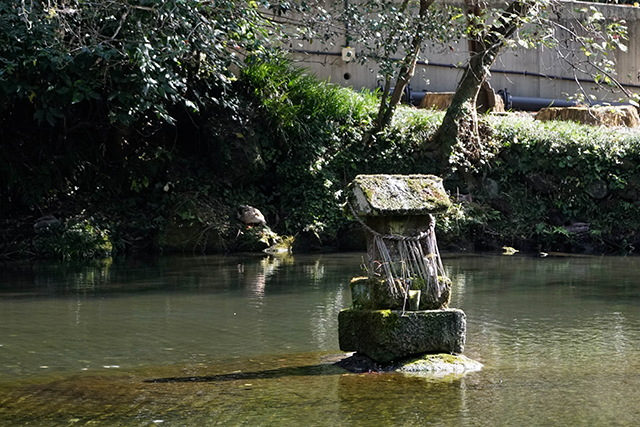
Nearby is Onokoro-ike Bridge and Onokoro-jima Island. The island was said to be the first island created by the gods, and once included a sanctuary guarded by the sacred bird, Unotori. During the Takachiho Shrine’s Spring Festival, this place is purified by carrying a portable shrine around the island three times.
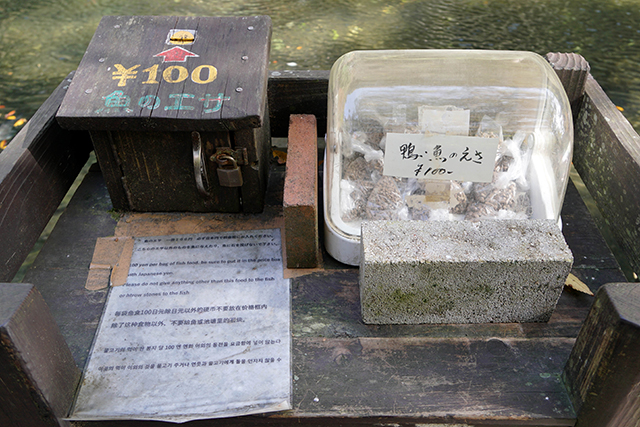
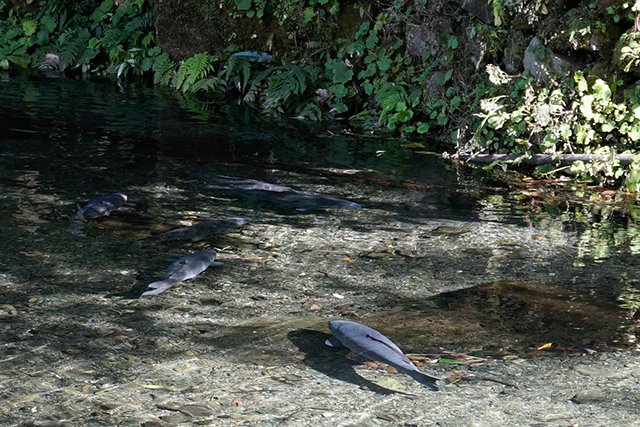
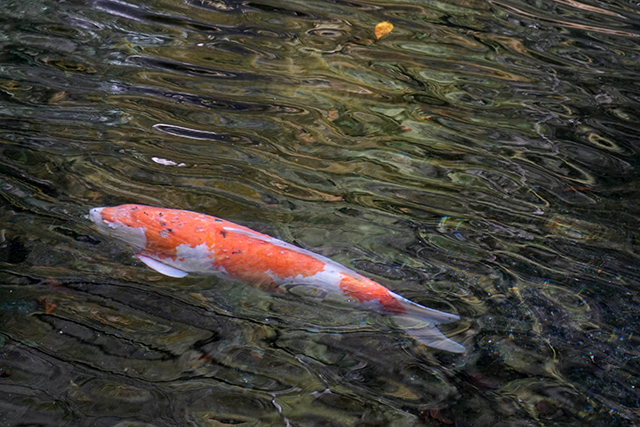
Visitors can purchase fish food for ¥100 to feed the fish in the pond.
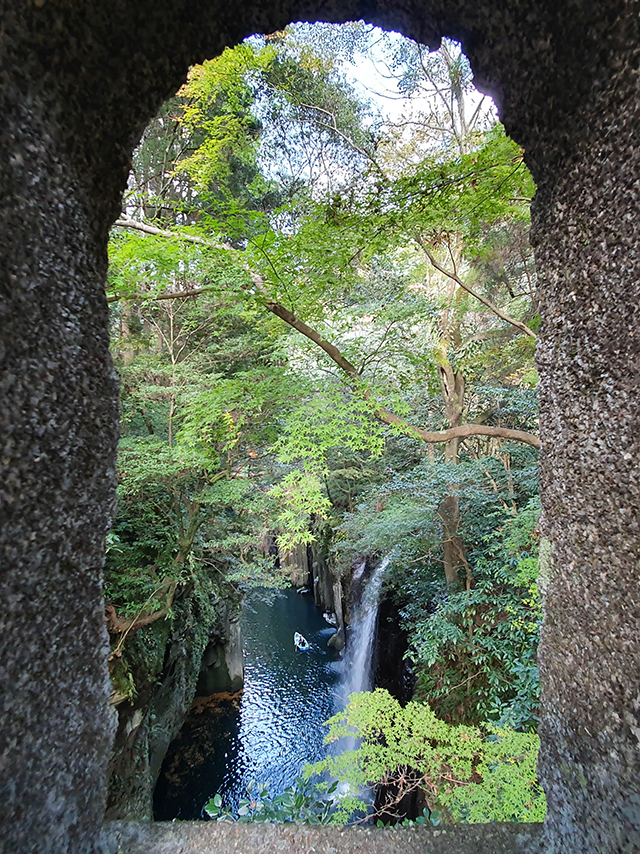
En route to the souvenir shops, we cross over Mi-hashi Bridge, which gave a view of the Manai Waterfall from the opposing side.
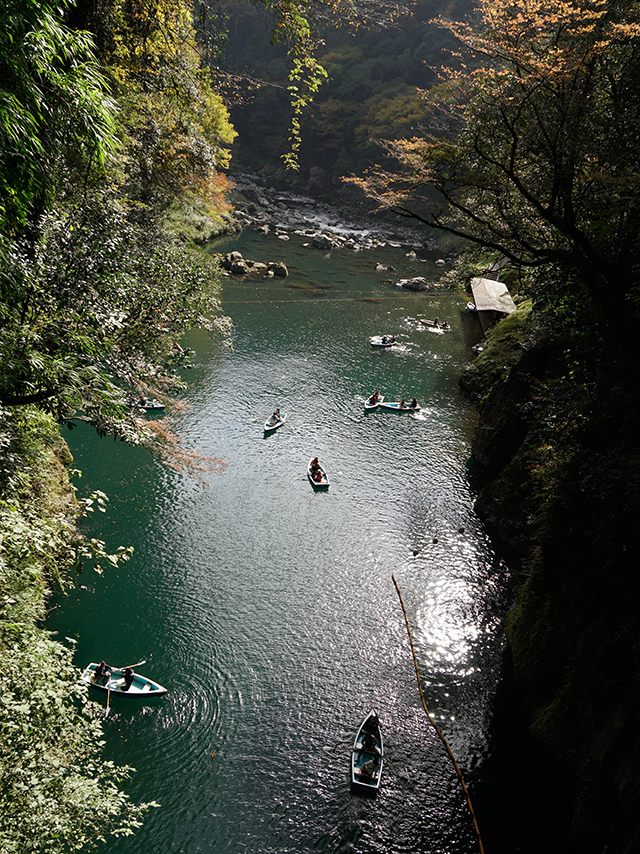
The Boat Rental Service is located on the opposite side of the bridge to the waterfall.
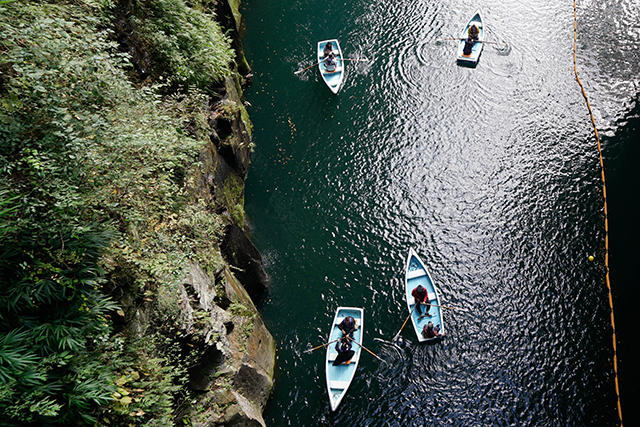
The fare is ¥2,000 for thirty minutes.
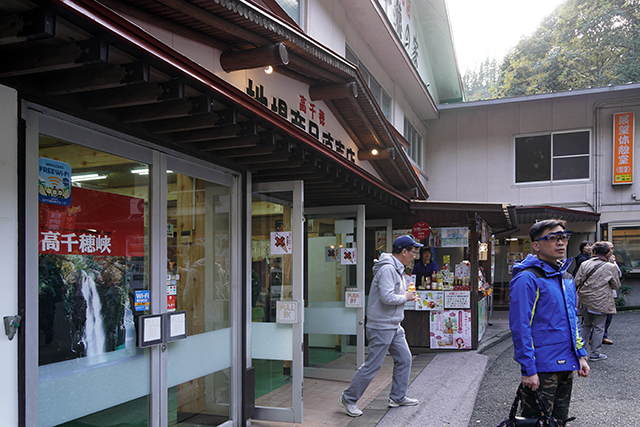
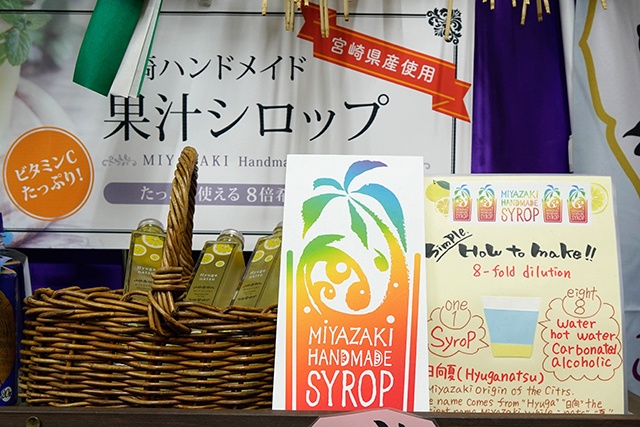
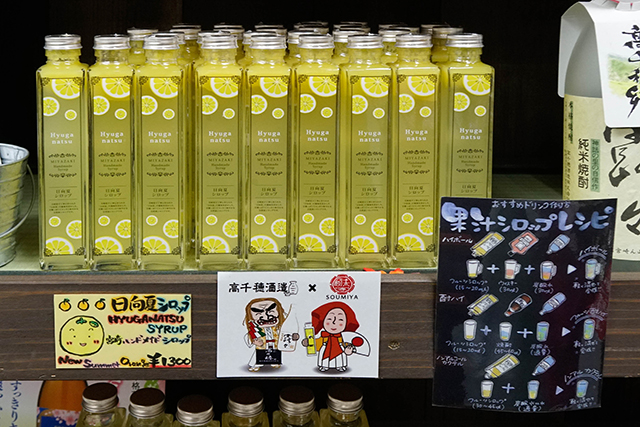
At the omiyage store, we try samples of hyūganatsu liqueur and syrup. We found the alcohol too bitter for our taste but picked up the syrup (post forthcoming). Nearby is also a freshwater aquarium.
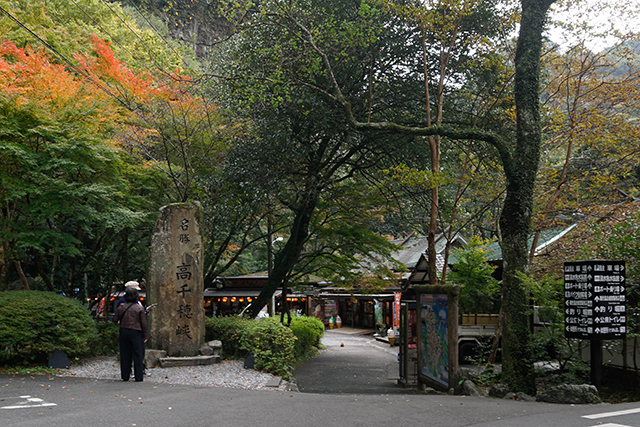
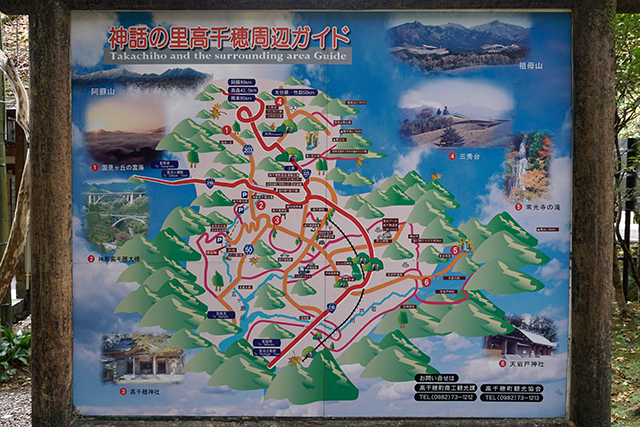
Back at the entrance, we make our way to the souvenir and food shops…
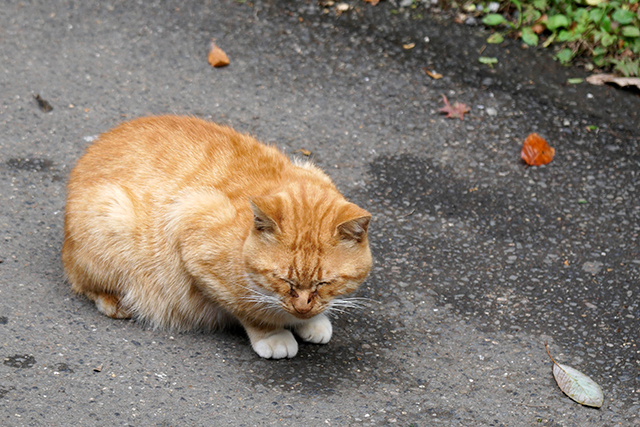
…but not before meeting some stray cats (which seem pretty common on Kyūshū).
Nagashi Somen Chiho-no-ie
千穂の家 元祖流しそうめん, 62-1 Mukoyama, Takachiho, Nishiusuki District, Miyazaki 882-1103, Japan
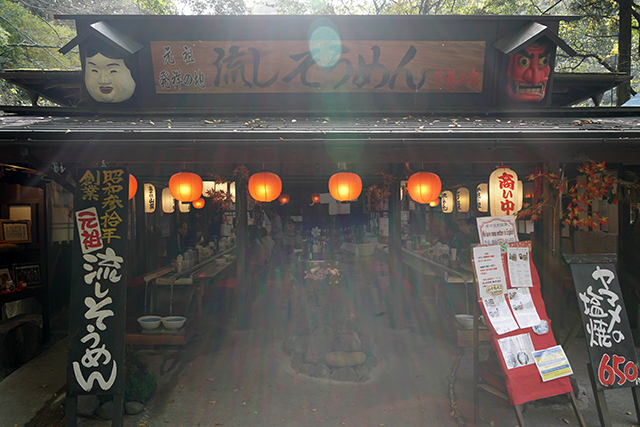
Takachiho is also the creator of nagashi soumen.
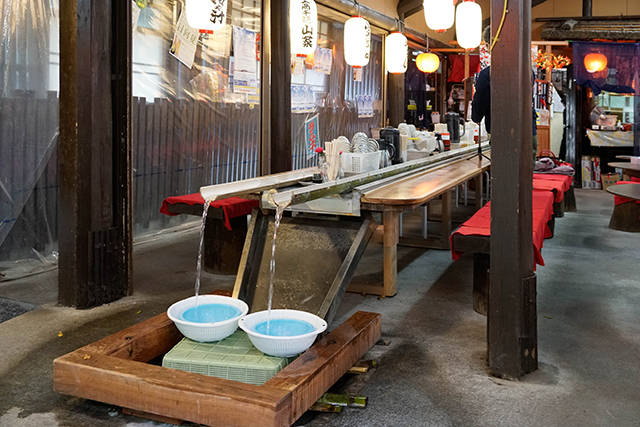
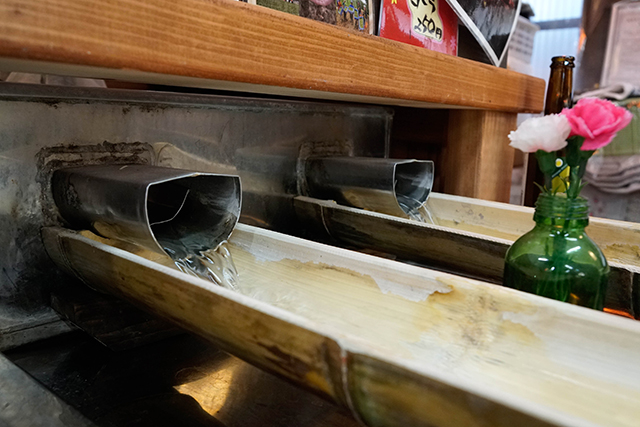
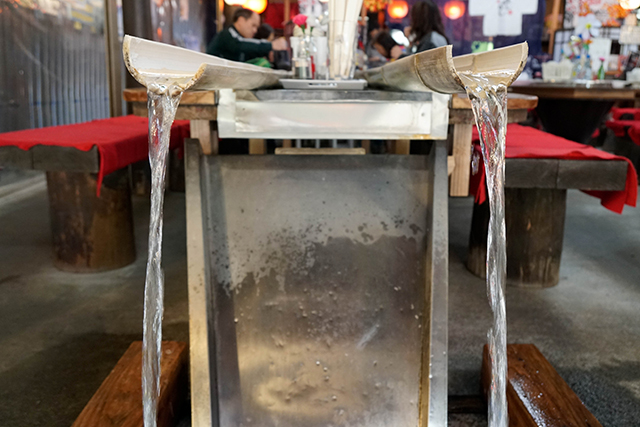
Nagashi soumen (¥500, one serving) are thin wheat noodles that are enjoyed flowing down a bamboo chute with ice-cold water. Mouthful-sized portions of the noodles are then chased down the length and scooped out of the fast-flowing water. The activity is popular in summer but in Takachiho, it is available up to the end of November.
For non-Japanese speaking tourists who have never participated in nagashi soumen, there’s not much warning as to when the noodles will start appearing. That said, and with hindsight, the noodles appear very shortly after we’re given a small pot of dipping sauce. They were released from behind a screen tiny portion by portion, flowing down the length of a piece of bamboo before dropping off the end of the table into a colander over a drain. After missing our first portion, we managed to catch the rest and were presented with the noodles we missed.
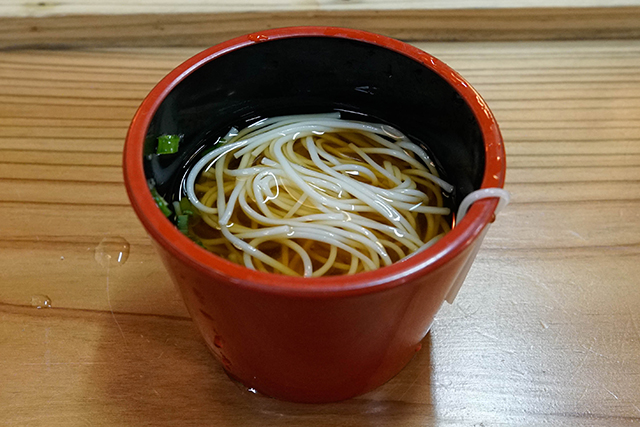
The noodles are served with a dipping sauce and chives. The taste is much the same as ordering cold soba or udon with the only difference being the thinner noodles and the minuscule portion sizes. Nonetheless, nagashi soumen was a tasty and enjoyable experience.
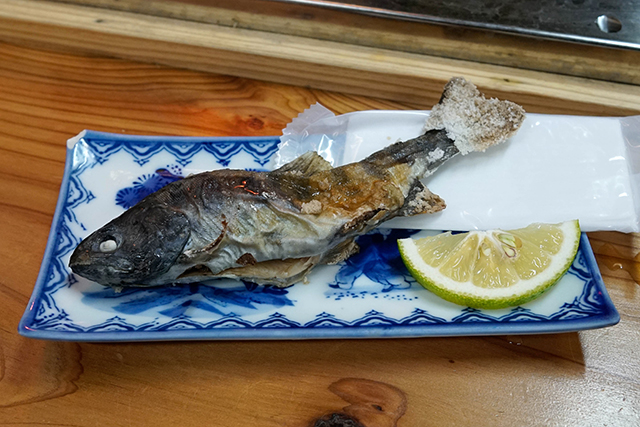
To go with our noodles we enjoyed a salt-baked fish (¥600) with a slice of kabosu, which was tasty if a tad too salty.
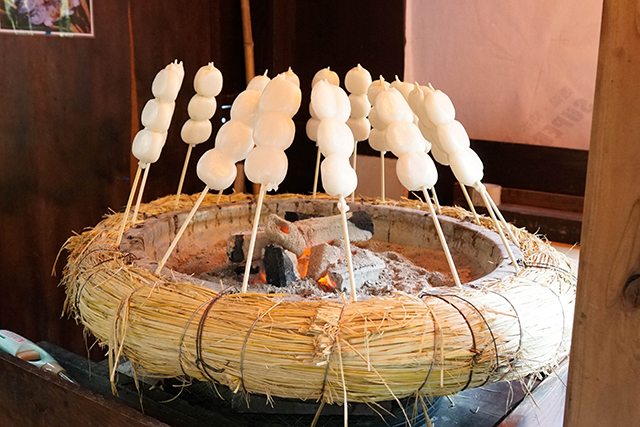
Outside the restaurant is dango grilled over charcoal.
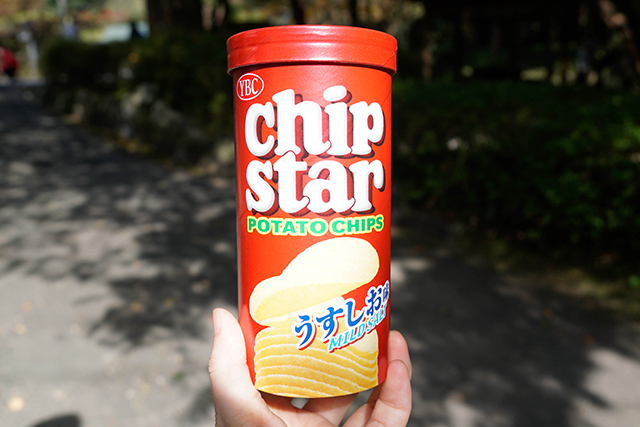
D snacks on some YBC Chip Star Potato Chips in Mild Salt flavour to supplement our small lunch.
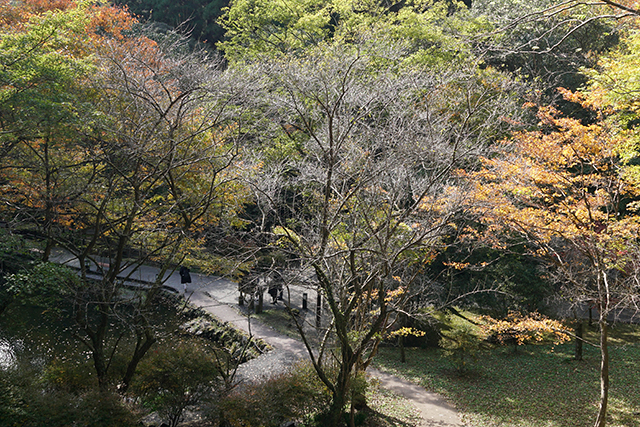
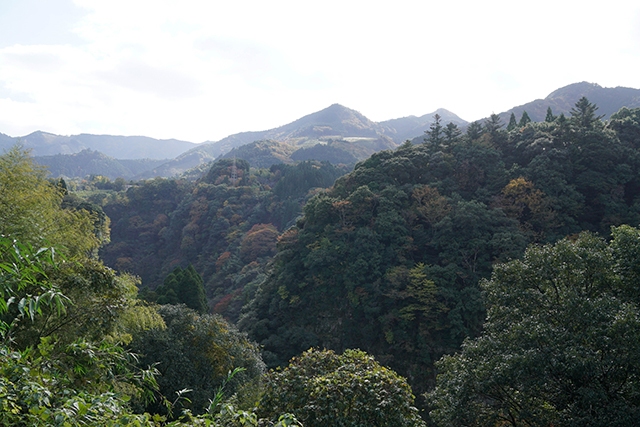
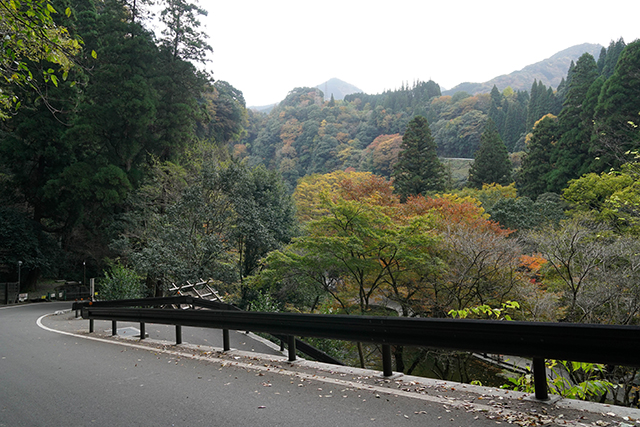
After lunch, we trek back up the mountain. The path is steep and there’s no footpath but the route is safe enough if we stay alert and stick to the side of the road.
Sweets Shop Maeda
前田菓子舗本店, 1026-12 Mitai, Takachiho, Nishiusuki District, Miyazaki 882-1101, Japan
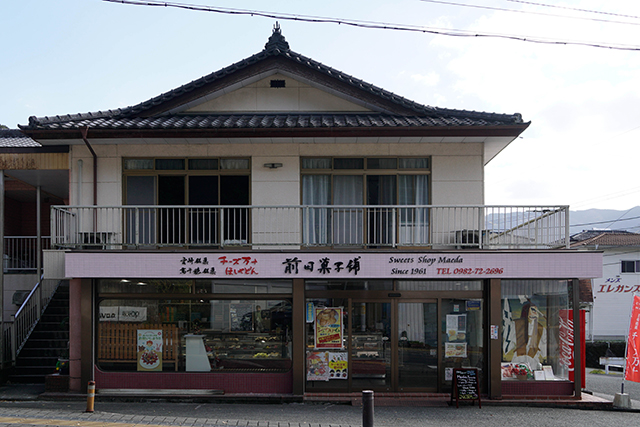
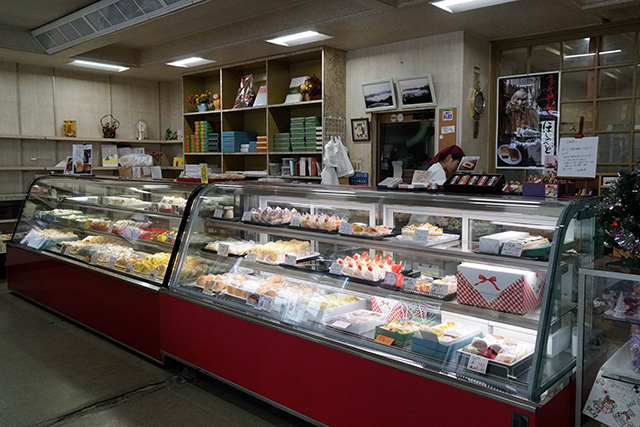
We spotted this cake shop on the way to the gorge with a friendly sign along the lines of ‘Welcome! We don’t speak English, but we will try our best!’. It’s a family-run shop, and the lady serving us was just as friendly as the sign promised.
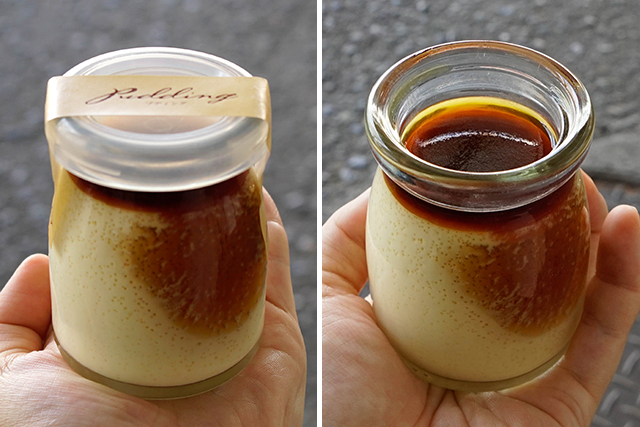
This cute Pudding (¥250) had a very firm overcooked texture but just as good eggy flavour with dark jelly-like caramel. It had none of the wobbly quality of a usual Japanese pudding, but we enjoyed its flavour.
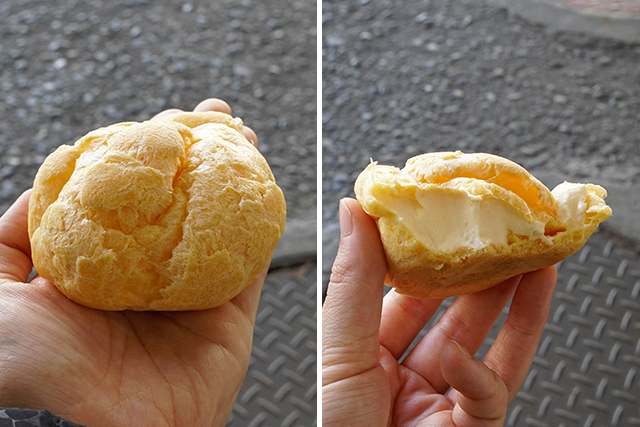
This is the Choux Cream (¥100), which had a simple flavour. The pastry wasn’t crunchy but had sufficient bite with the gently sweetened cream.
Kodono Dori
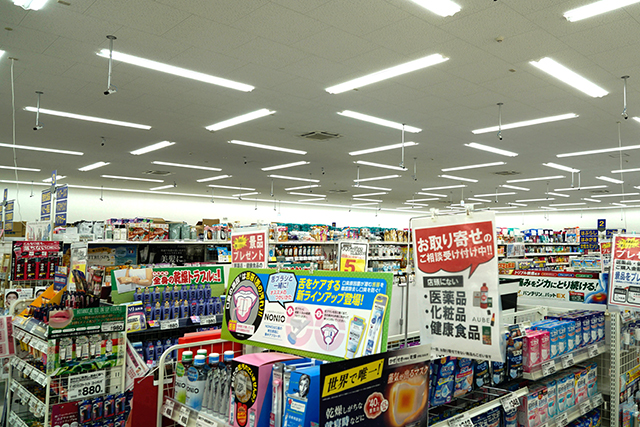
Throughout the week, we’d spotted large stores called Cosmo Drug Store in Kyūshū and by now were very curious about how a drug store could take up floor areas larger than the suburban supermarkets in Sydney. Surely, it must just be a supermarket, right? Turns out, though, this one opposite Takachiho Shrine is exactly like a typical city drug store that’s been scaled up dramatically. The vast majority of the products are indeed things you’d expect in a typical drug store except for the freezer section for frozen foods. There is an endless variety to be had here. We pick up a few snacks and drinks for a quiet afternoon at our hotel.
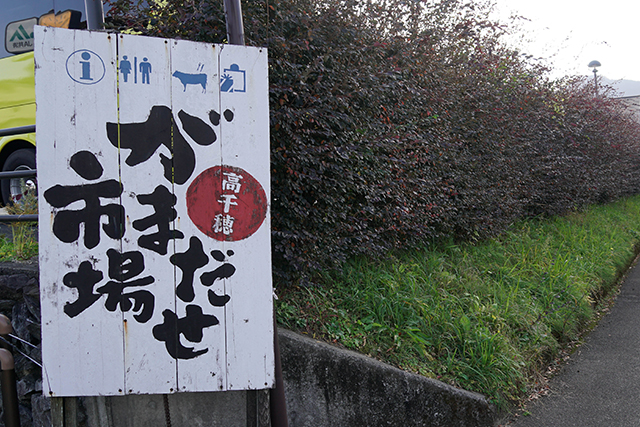
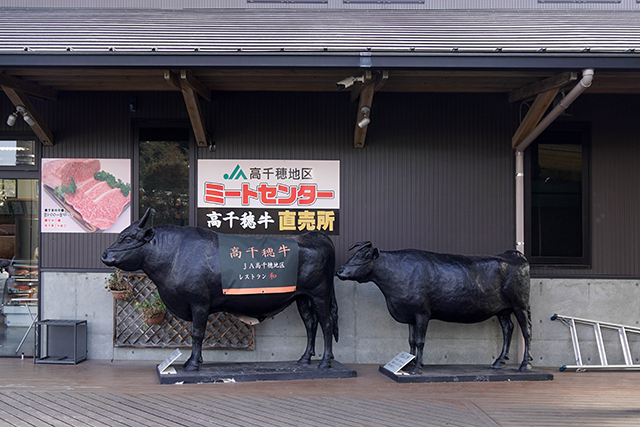
A short distance uphill is Gamadase Market. There’s a restaurant specialising in Takachiho beef.
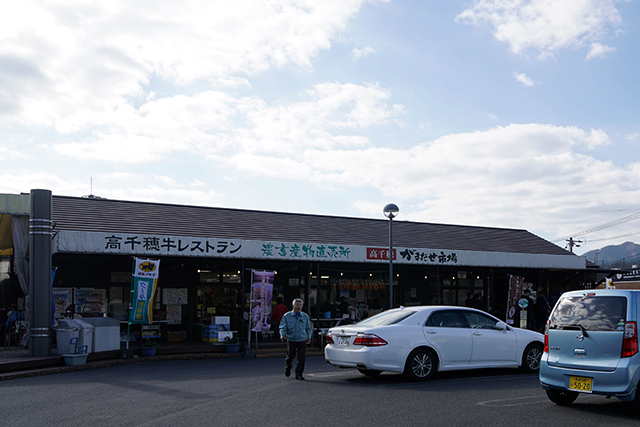
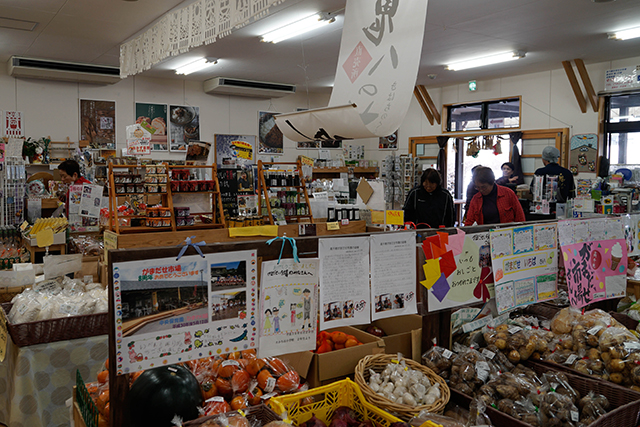
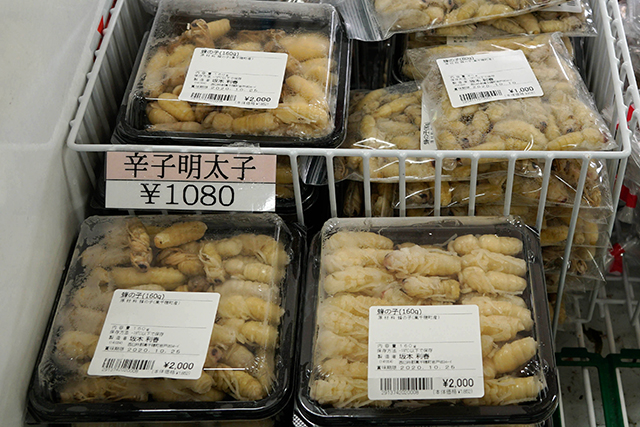
Across the carpark is a store selling local produce from fruit and vegetables to great big, fat insects. Yum.
Nobeoka
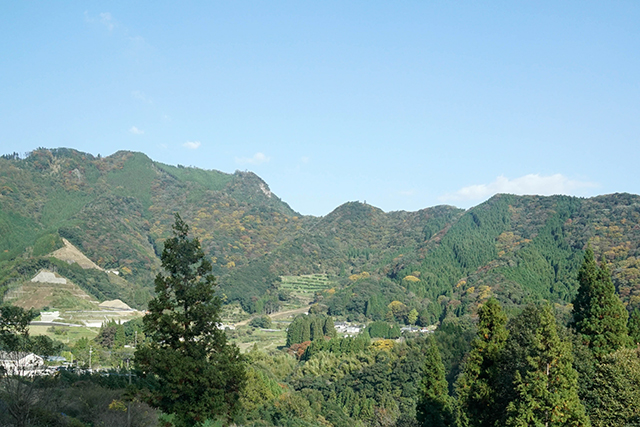
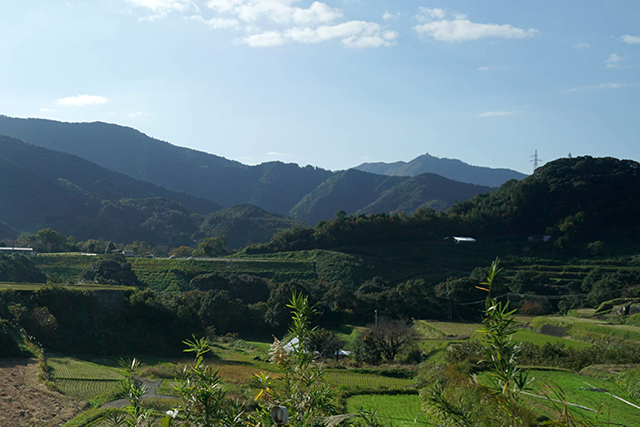
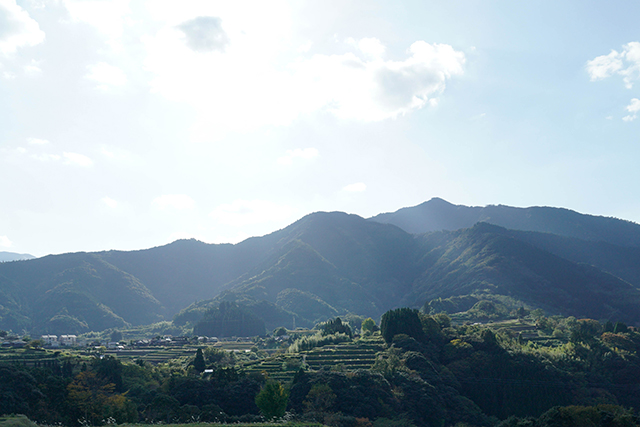
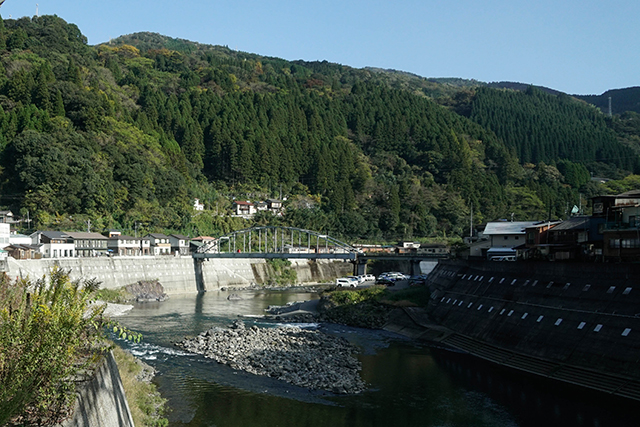
The bus ride back to Nobeoka is another 90 minutes, but it’s just another chance to enjoy the truly stunning landscapes of Kyūshū. While Takachiho is remote and accessible with public transportation only by bus, the commute is not difficult and the experience is well worth it.
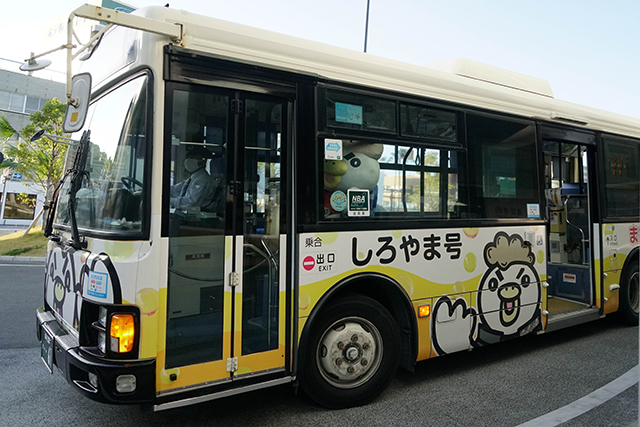
Back at Nobeoka Station, we spot Chikinan Bancho on the side of a local bus and in the front seat behind the driver. He’s the delinquent chicken mascot for Nobeoka City, which is well known for its chicken and do a mean version of it as we’d find out at dinner.
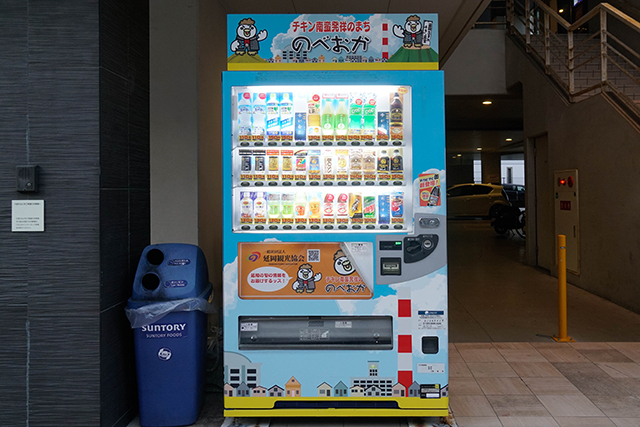
He appears on vending machines around the city too.
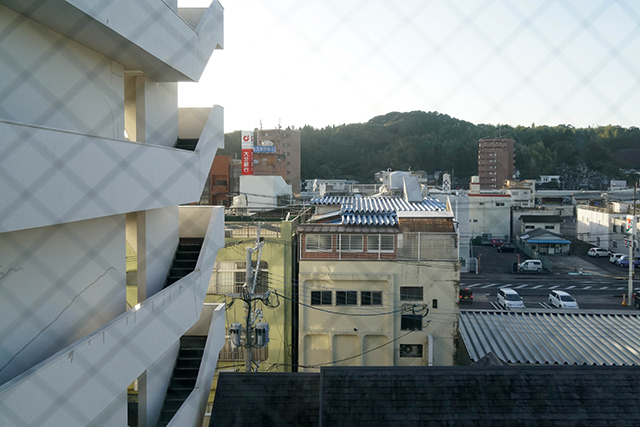
We have a quiet afternoon in the hotel to recover from some of the travel fatigue accumulated from the earlier part of our trip.
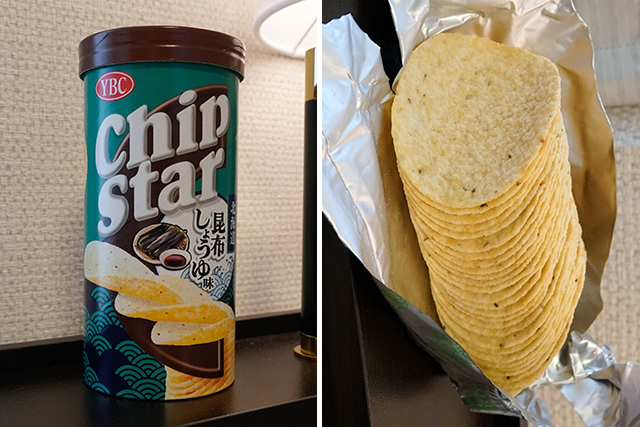
We have this YBC Chip Star in wakame shōyu flavour and enjoy its prominent umami, although it wasn’t as moreish as the nori shio.
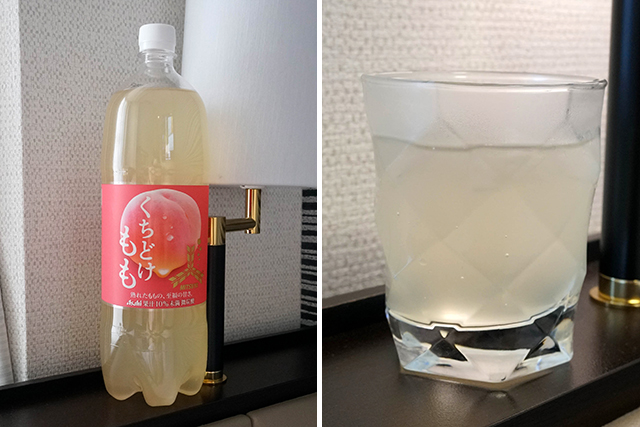
We enjoy this Asahi Mitsuya Kuchidoke Momo. It’s is made from peach purée to give it its ripe, juicy melt in the mouth flavour that’s refreshing and immensely enjoyable with a balanced sweetness.
Nao Chan
直ちゃん, 9-3 Sakaemachi, Nobeoka, Miyazaki 882-0054, Japan
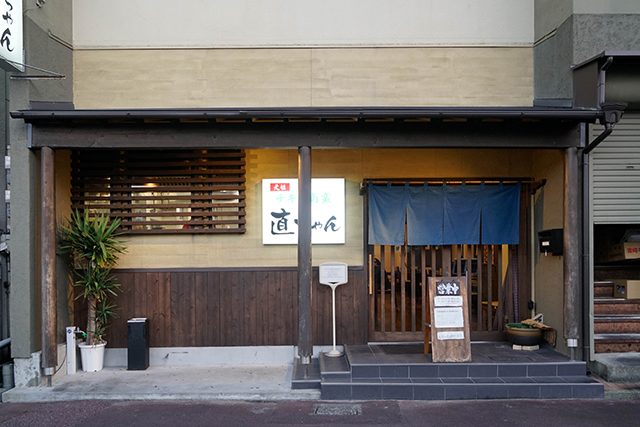
Chicken namban is a local specialty of Miyazaki Prefecture, Nao Chan is famous for being the shop that invented the dish.
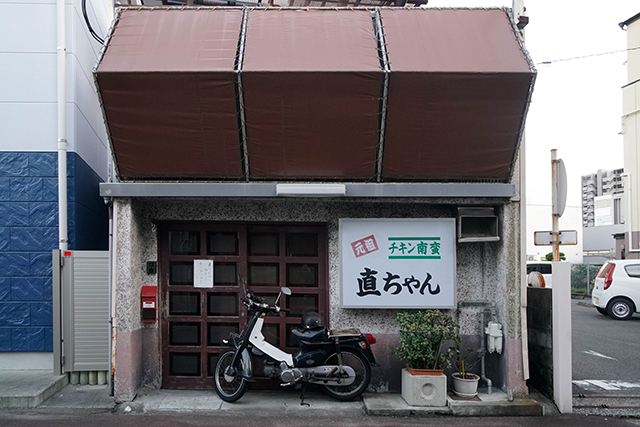
We prematurely disappointed ourselves thinking this residential building with two parking spots opposite it was the actual restaurant, but closed. Luckily, we walked further down the road and found it just opened for dinner.
There are only three items on the menu at Nao Chan: a chicken namban set, a grilled chicken thigh set, and a seared Hyuga chicken tataki set.
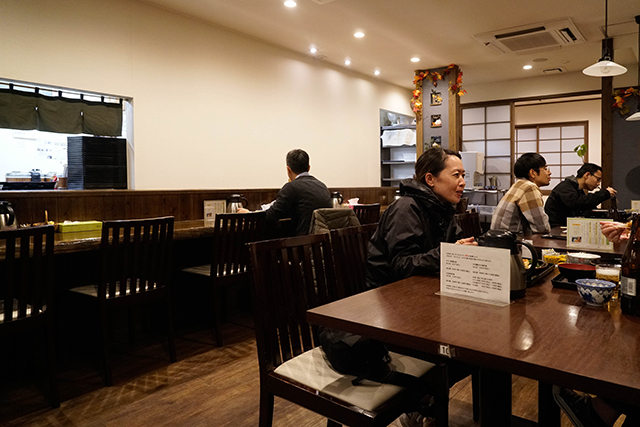
We’re one of the first customers of the evening, but the restaurant quite quickly fills up with numerous takeaway orders being prepared.
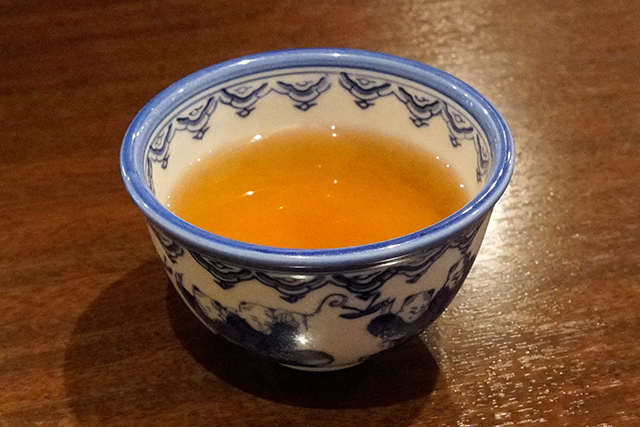
We’re greeted with complimentary hōjicha.
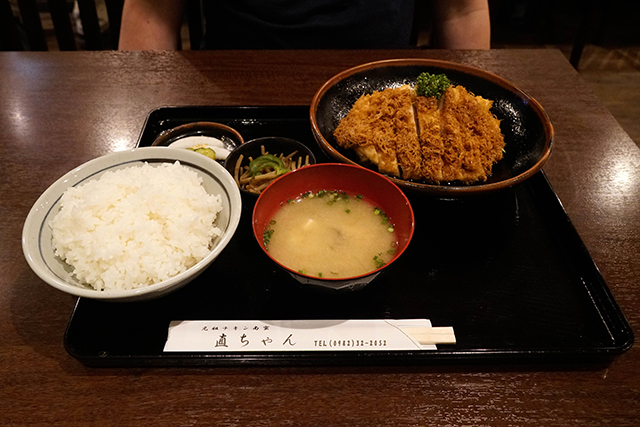
This is the famous Chicken Namban Set (¥900 +tax). Small broiler chicken breast meat is used to give it its signature soft and juicy flavour after being dipped into egg and deep-fried to create a fluffy and crisp batter, which then absorbs the sauce made from exact portions of vinegar, soy sauce and sugar.
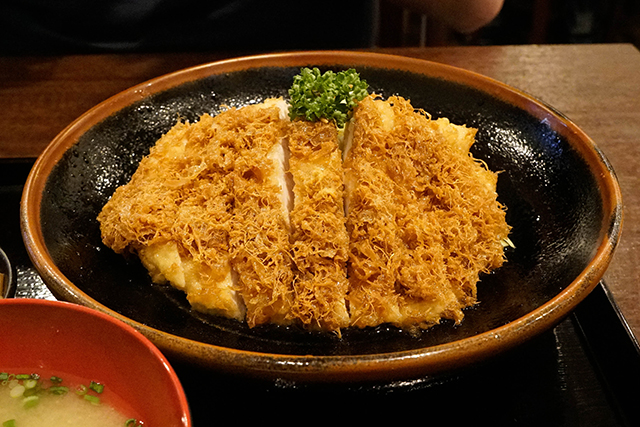
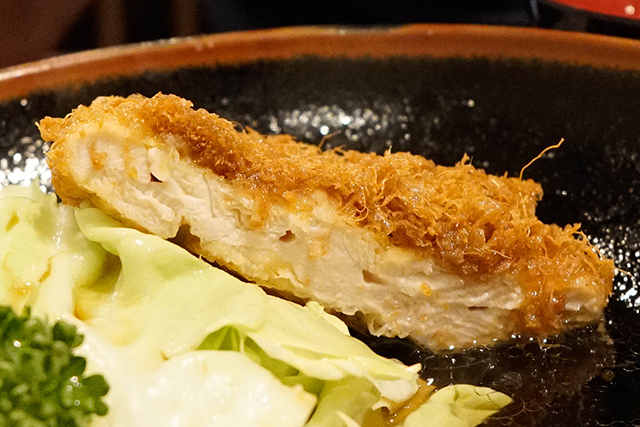
Expecting something more akin to a katsu batter, we were pleasantly surprised by this dish. The meat was tender and moist, while the fluffy ‘batter’ on top was like a shredded fibre of some sort that did a good job in carrying the tangy sauce that kept us going back for another bite.
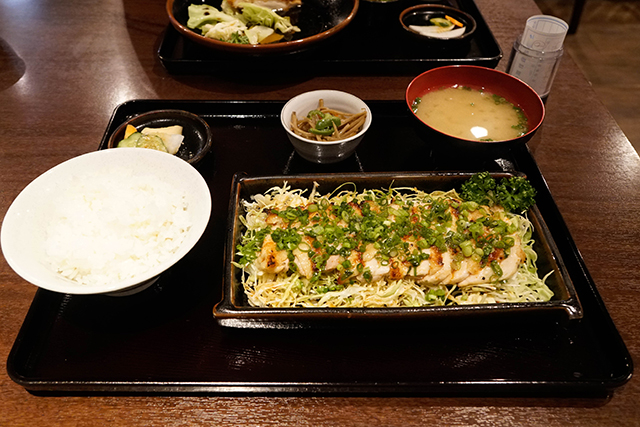
Not wanting to order two of the same dish, we also try the Seared Hyuga Chicken Tataki Set (¥1,000 +tax)
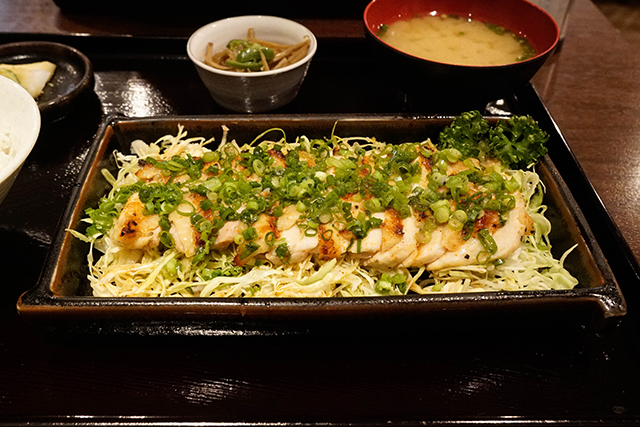
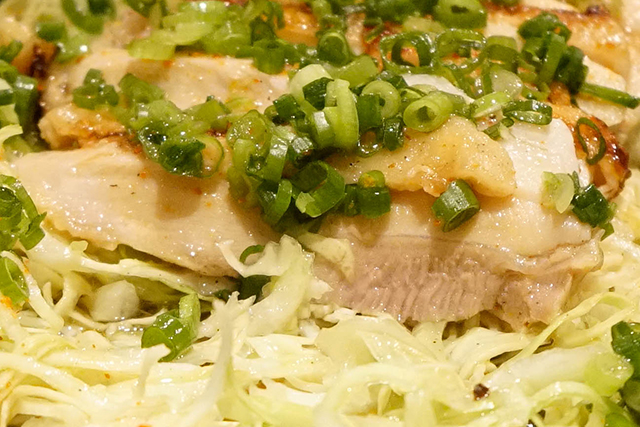
We were floored by the toe-curling deliciousness of the chicken in this dish and surprised that it was less popular than the namban. It is, quite simply, the tastiest chicken we’ve ever eaten — the meat is juicy and tender with a moreish smokiness, but it’s the tangy sauce that brought it all together. D and I vehemently dislike shallots in general, but the combination of flavours in this dish so complemented each other that we preferred to eat the chicken with the shallots.
We leave the restaurant satisfied and a little sad we didn’t have the chance to try the remaining third dish.
APA Hotel
アパホテル 宮崎延岡駅前, 2 Chome-41-2 Saiwaimachi, Nobeoka, Miyazaki 882-0053, Japan
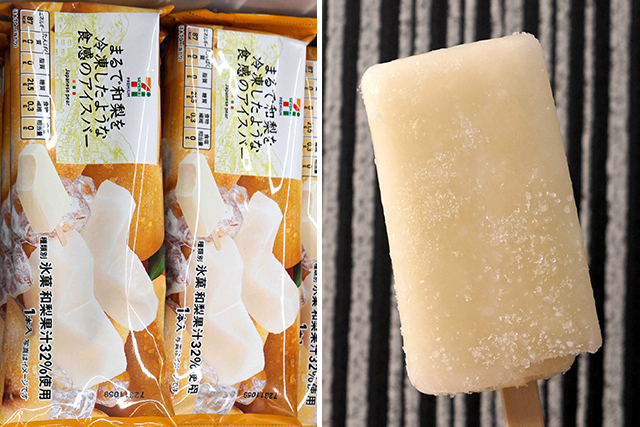
Before heading back to the hotel, we visit 7-Eleven for their ATM and end up leaving with some snacks for the evening. This is a 7-Eleven Premium Ice Bar made to have the texture and flavour of frozen nashi pear. Containing 32% nashi, the nashi flavour was just as bright as in the fresh fruit with the thicker sorbet texture with bits of the fruit giving it a good bite.
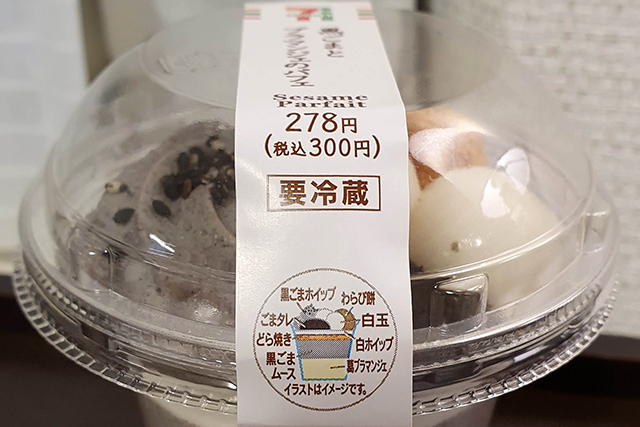
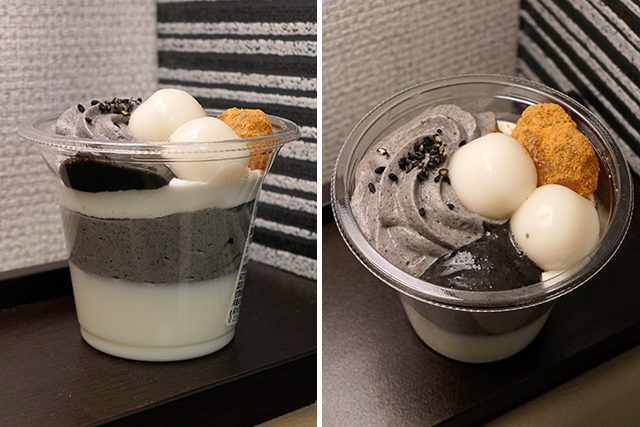
This is a 7-Eleven Sesame Parfait (¥300 including tax), which contained a base of blancmange (almond milk jelly), black sesame mousse, a layer of dorayaki and plain whipped cream before topped with black sesame whipped cream, warabi mochi, dango, and black sesame paste. This is a very elaborate dessert and it certainly tastes more expensive than one would expect for ¥300. The black sesame flavour was front and centre, with the numerous textures and variations on flavours and colours working well together.
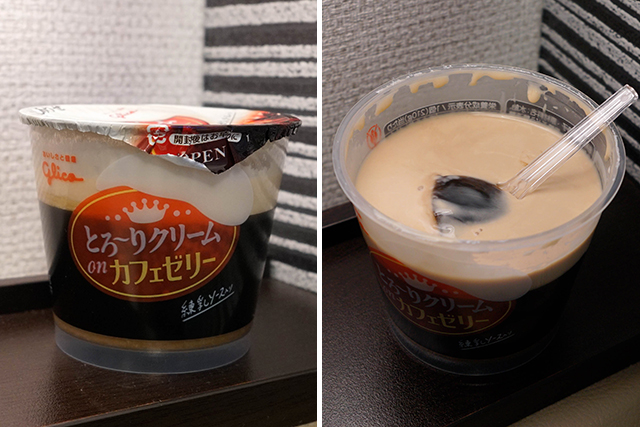
And because there’s no such thing as too much dessert, this is Glico Torōri Cream on Coffee Jelly. We thoroughly enjoyed the boldness of the coffee jelly that shone through the creamy dairy on top.
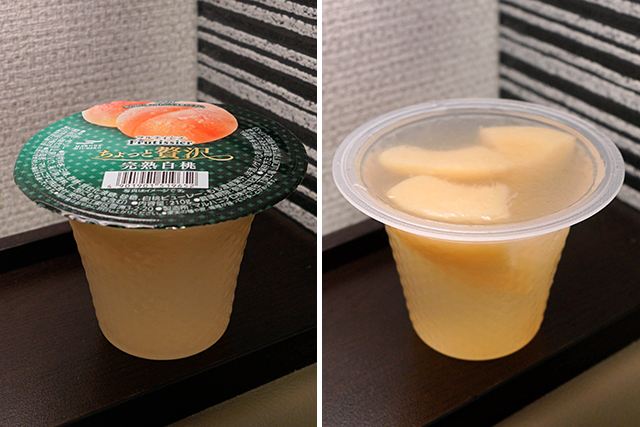
And finally, we have a Maruhanichiro Fruitissier Fruit Jelly in white peach. The white peaches in Japan have a firm bite that we particularly enjoy and can only find in Golden Peaches in Australia, so we’re delighted by the generous chunks inside this sweet jelly.
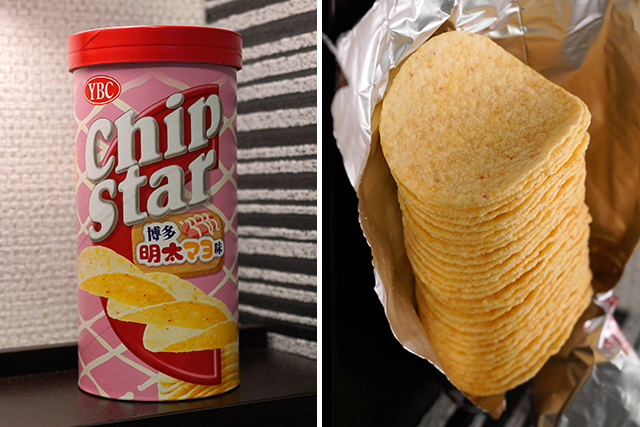
To counter the sweetness on our palates, this is the YBC Chip Star in Hakata Mentai Mayo flavour. These have a prominent salty, marine flavour that’s cut through with the tangy hint of mayonnaise. We’re not particular fans of mentaiko and we prefer the other flavours to this one.
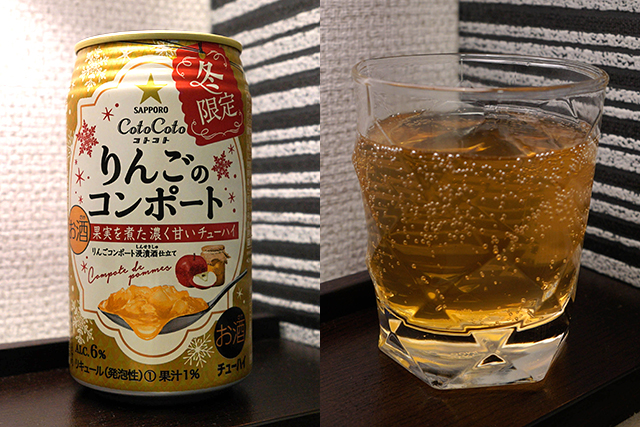
To finish the night we have this Sapporo Coto Ringo no Compote, which contained 1% apple purée for a very sweet stewed honey apple flavour that came through even with the alcohol in the background. We’d have enjoyed diluting this with some soda water for some extra bubbles. Overall, the flavours in this chūhai were very strong but the strength of the honey apple countered well.
Takachiho and Nobeoka were Day 8 of 15 in this Japan 2019 trip around Kyūshū. Day 9 saw us visiting Nichinan and Miyazaki.