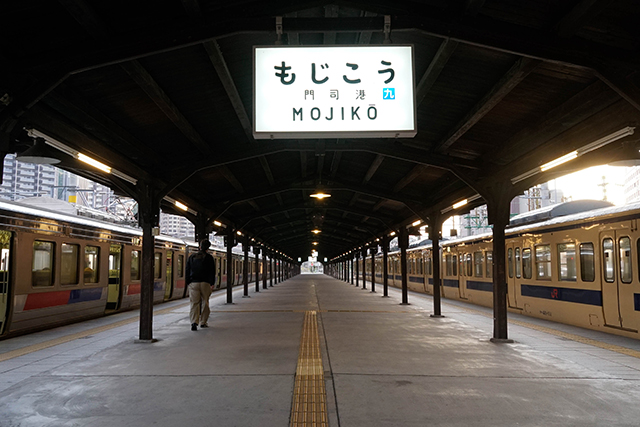
Mojikō, or Moji Port, served as a prominent international trading port between Japan and the West from the late 19th century. In recent years, its preserved Western-style buildings from the Meiji and Taisho periods continue to draw visitors. The port is located in Moji, a ward of the city of Kitakyūshū in Fukuoka Prefecture, and faces the city of Shimonoseki across the Kanmon Straits between the islands Honshū and Kyūshū.
So, on day 5 of our Japan 2019 trip around Kyūshū, we visit both Moji Port as well as cross back onto Honshū to enjoy Shimonoseki.
Fukuoka
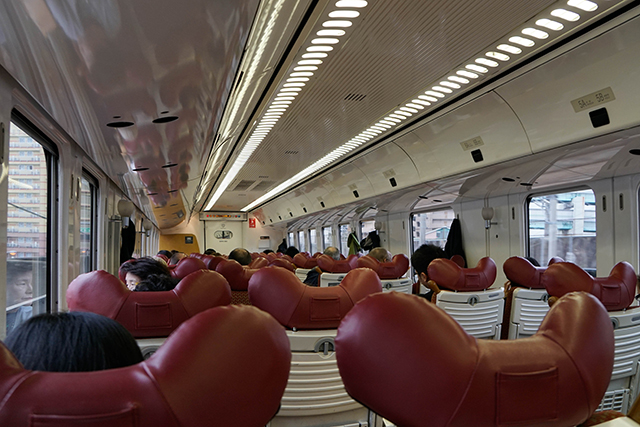
Hakata is connected to Mojiko Station by limited express train via the JR Sonic-Nichirin and JR Kagoshima lines in a little over an hour.
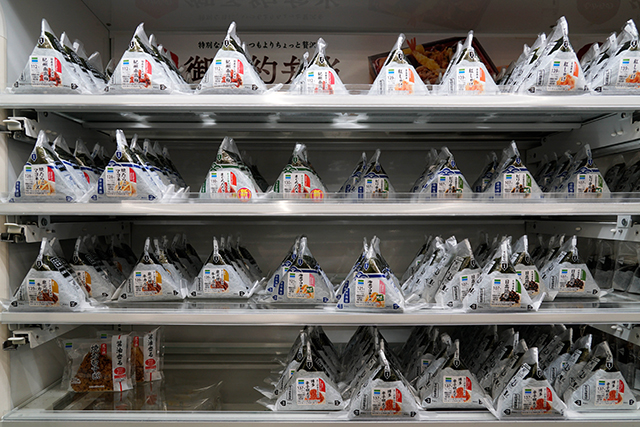
Before our train departs, we pop into the FamilyMart for some onigiri.
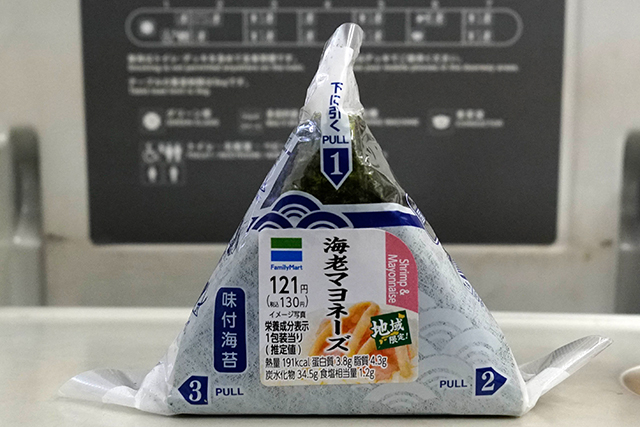
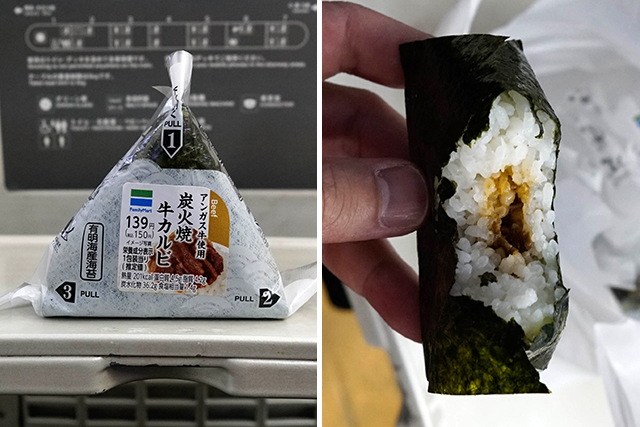
D sticks to his favourite Shrimp & Mayonnaise and branches out with the Beef, which he found to be more like a beef flavoured sauce without much meaty texture other than the rice.
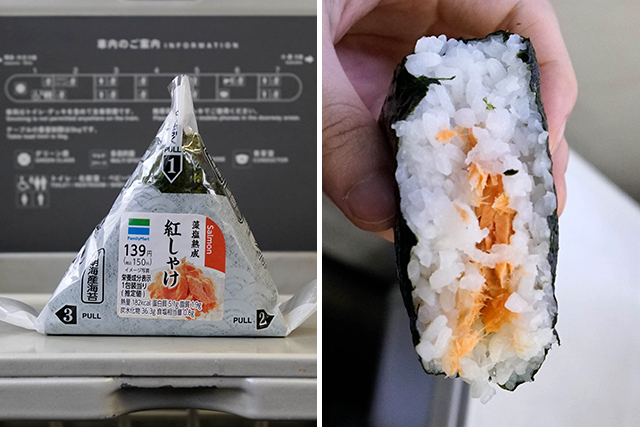
The Salmon is packed with flaky salmon although it’s just a tad too salty for me.
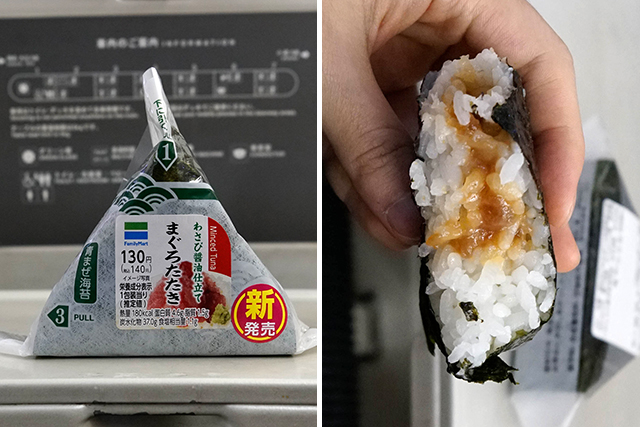
This Minced Tuna, though, is easily my favourite onigiri. It looks like a sauce, but it had a bright tuna flavour with just enough of a hint of wasabi.
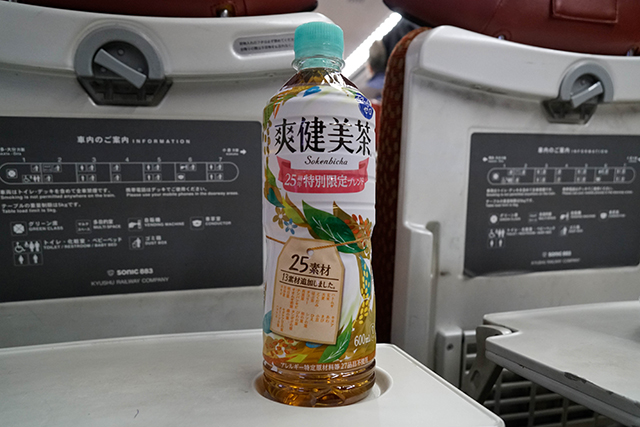
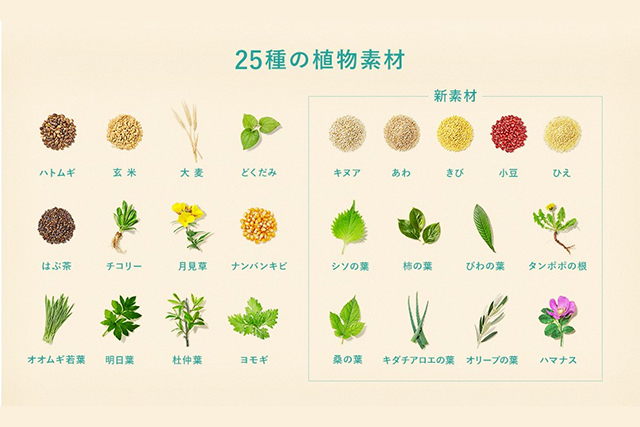
To wash our breakfast down, we have this Sokenbicha. It’s a tea blended with 25 natural botanicals and tastes similar to the Minami Aso Tea House 24 Tea.
Moji, Kitakyūshū
JR Mojikō Station
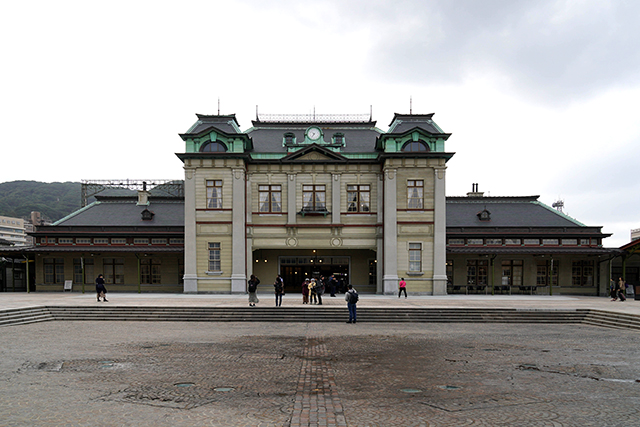
JR Mojikō Station is a replica of Rome’s Termini Station. The building was completed in 1914 under the supervision of the German engineer Hermann Rumschöttel and is the first station building designated as an important cultural property by the Japanese government.
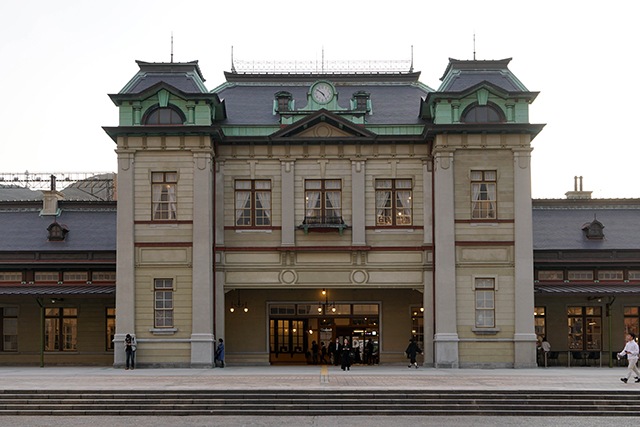
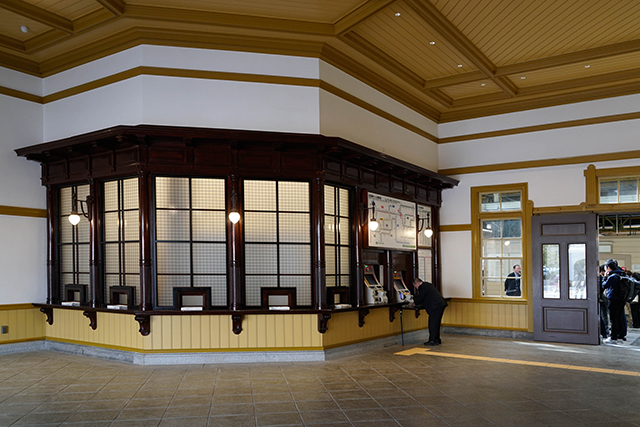
The station underwent renovations from 2012-2018 to reconstruct its Taisho Period appearance with its pale yellow walls and ceiling. A Starbucks occupies the space of the original Third Class Waiting Room of the station (right side of the station).
At the time the station was first cosntructed, the train cars were divided between 1st, 2nd and 3rd class cars. Previously there was a waiting room exclusively for 3rd class passengers. In contrast with the former 1st and 2nd class passenger waiting room, the decor was made from cedar and coated using paint, giving it a completely different atmosphere.
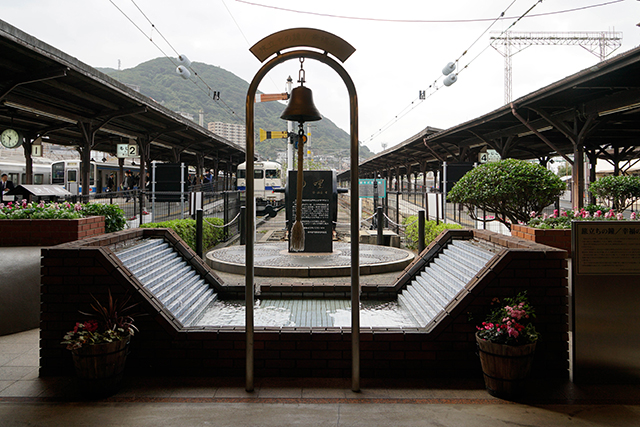
Kanmonkyo Bridge (Moji side)
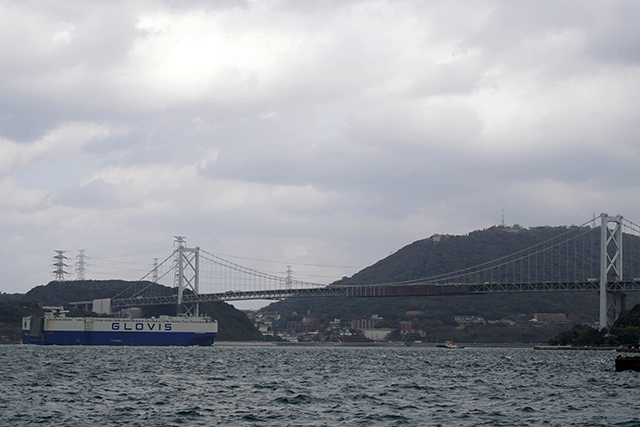
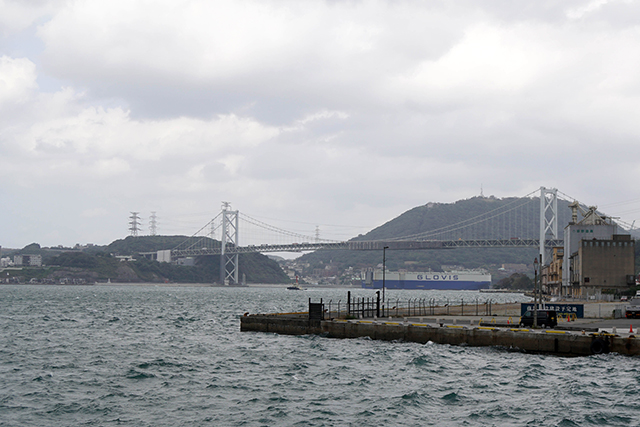
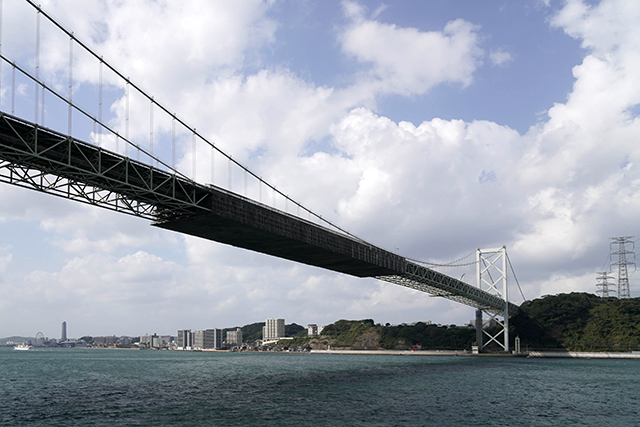
There’s a cargo ship making its way under the Kammonkyo Bridge and our initial distorted perspective that suggested the ship would just clear the bridge surprises us when it clears it with plenty of height.
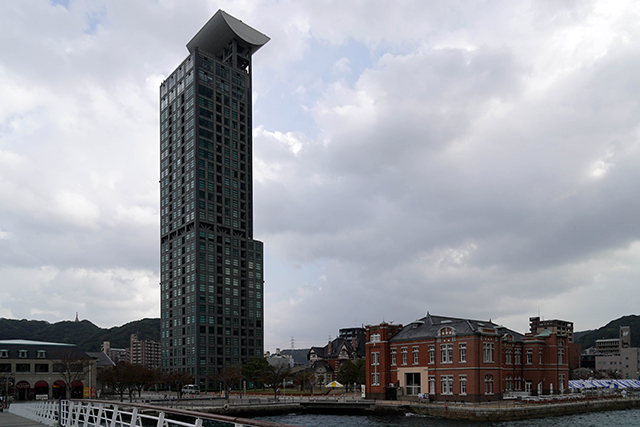
It’s a ridiculously windy and overcast morning that threatens to rain at any moment. This Mojiko Retro Tower.
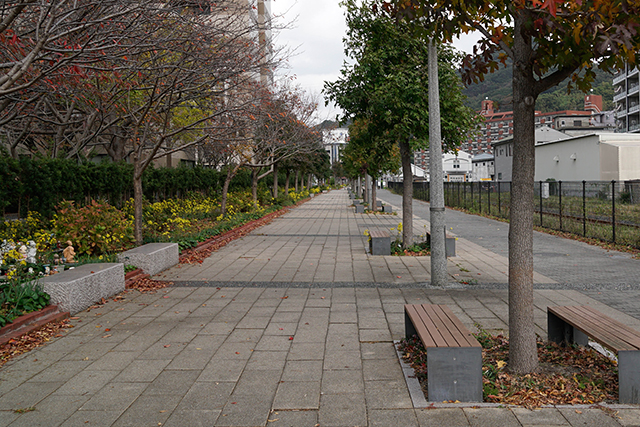
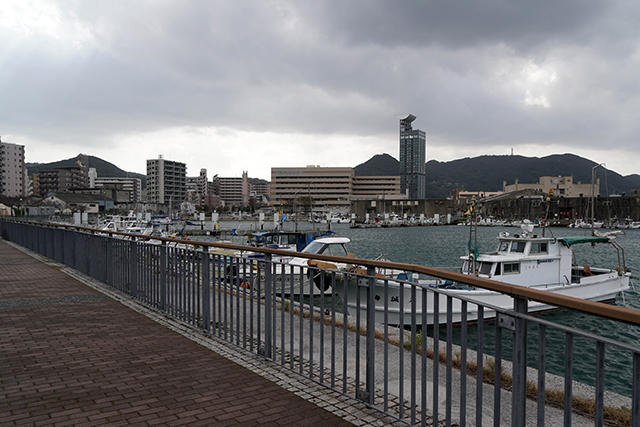
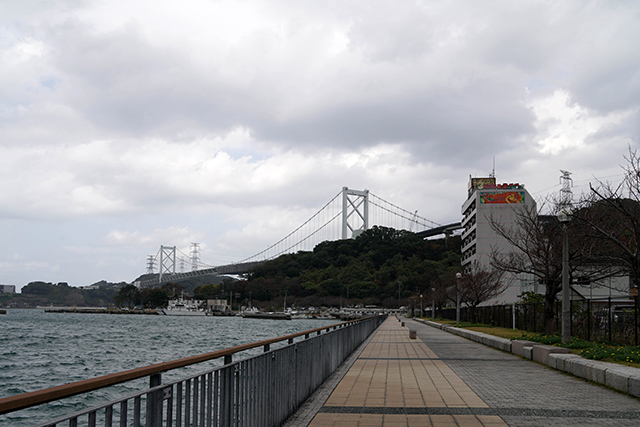
Before exploring Mojiko we make the trek to cross the Kanmon Straits via the Kanmon Pedestrian Tunnel to visit Shimonoseki. There are numerous fishing boats on the pier.
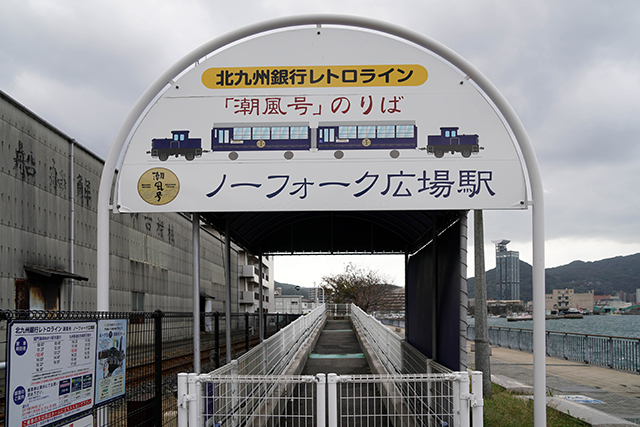
The quaint Mojiko Retro Kanko Line Shiokaze Train is a converted goods branch line that connected the mainline with a small port on the other side of the headland that closed in 2005. The converted line doesn’t run on weekdays, so we made the 1.5 km walk from Mojiko Station to Norfolk Park Station. From this last stop, the entrance to the Kanmon Pedestrian Tunnel on the Moji side is another 850 m.
Mekari Park
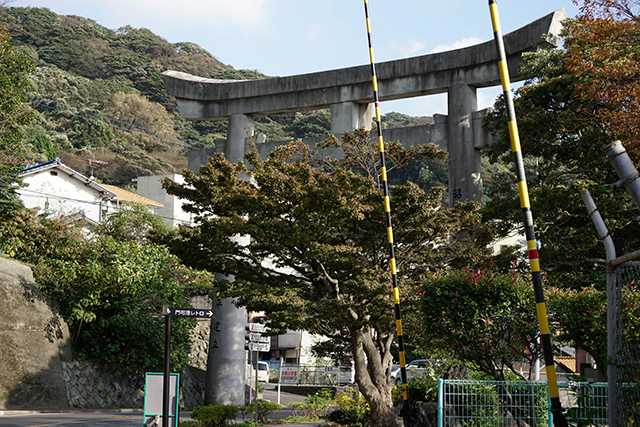
A torii gate marks one of the entrances to Mekari Shrine, which is located close to the entrance to the pedestrian tunnel.
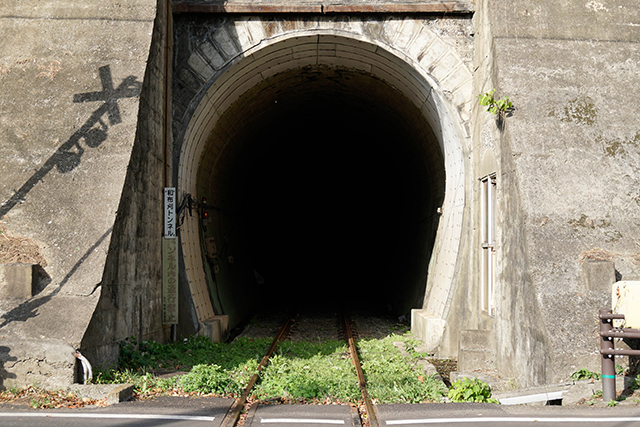
When the train is running, this tunnel gave visitors a light show as it makes its way to Mekari Park.
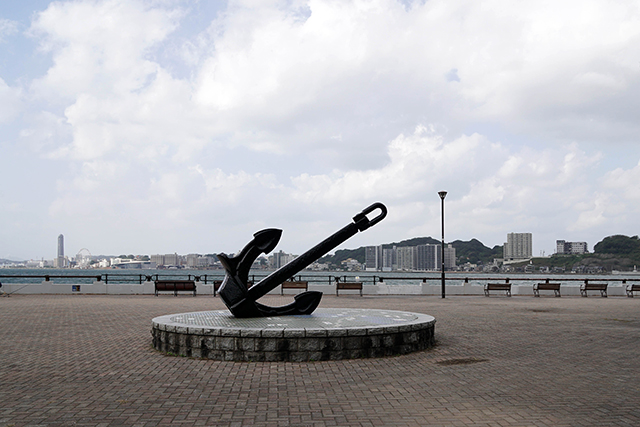
Walking around the edge of Mekari Park we pass by Norfolk Park, which was opened in 1986 to celebrate Moji’s sister city relationship with Norfolk, a harbour town with a prominent commercial port located in southeastern Virginia in the USA. A plaque explains how the relationship came about:
In February 1958, the Honolulu Maru, a freighter on her maiden voyage to New York, made a a call at Moji Port. A locally crafted doll, Kazashi Ningyo, was presented to the ship’s captain as a gift from Moji City. After docking at Norfolk Port, an article about the beautiful Kazashi Ningyo doll and Moji City featured in a local newspaper. In response to the citizens’ interest in Moji City, the Norfolk mayor gave a replica of Norfolk’s Royal Mace and a message to the captain of the Honolulu Maru to bring back to Moji City. On July 14 1959, a sister city relationship was formalized between the two cities. That relationship has continued on with Kitakyushu City, which was formed after the merger of the five cities of Moji, Kokura, Wakamatsu, Yahata, and Tobata in 1963.
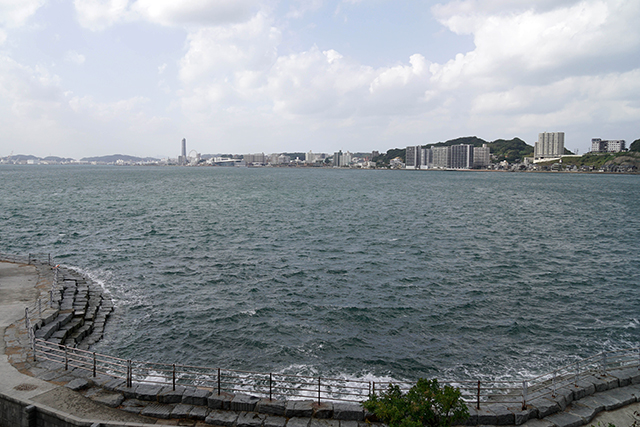
The park is a popular location for people sketching the Kanmon Straits with an ideal view of the ships and the bridge. We saw numerous people, young and old, with their sketchbooks braving the huge waves that sprayed salty water onto the Mekari Tide-viewing Promenade (above) all morning.
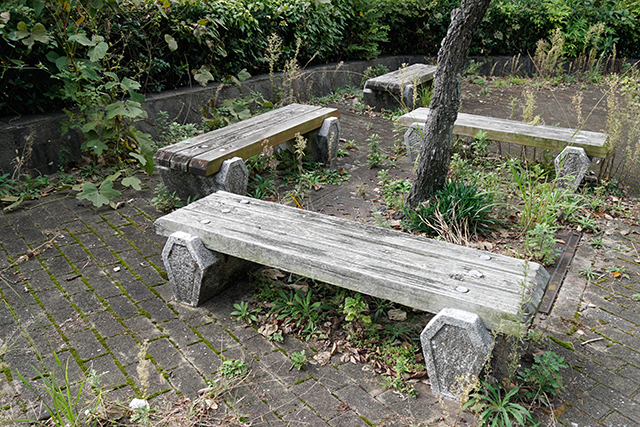
There are these benches propped up on coffin-shaped stones.
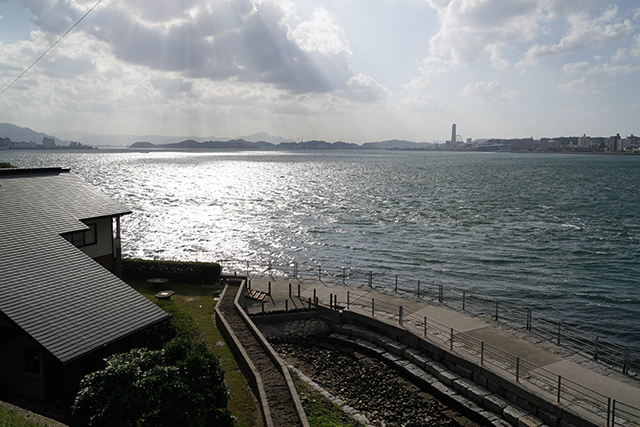
On the left is someone’s house, facing right onto the Kanmon Straits. What a view! But also, imagine all the corrosion from the saltwater.
Kanmon Pedestrian Tunnel
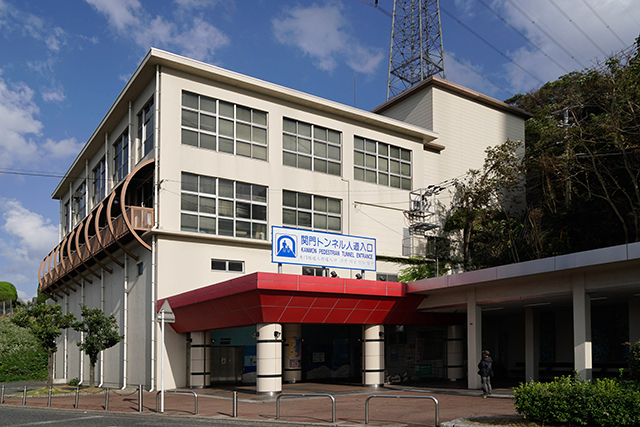
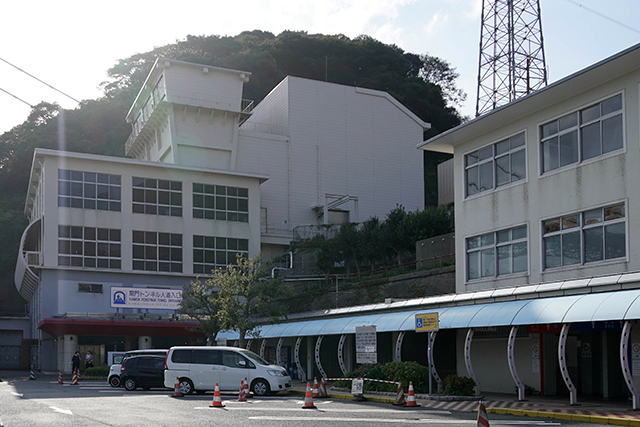
The Kanmon Pedestrian Tunnel was constructed in 1958 and connects Moji in Fukuoka prefecture on Kyūshū with Shimonoseki in Yamaguchi prefecture on Honshu. This is the entrance on the Moji side.
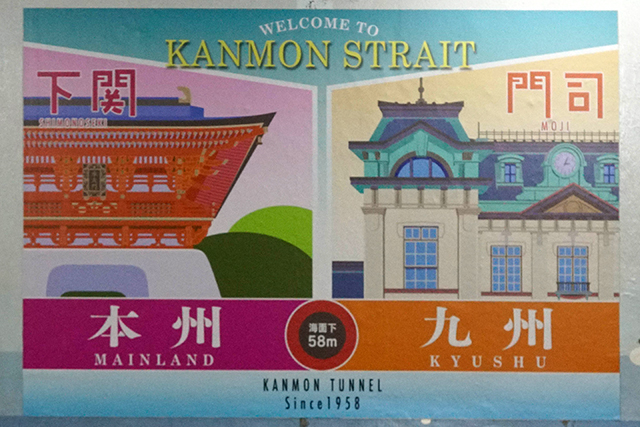
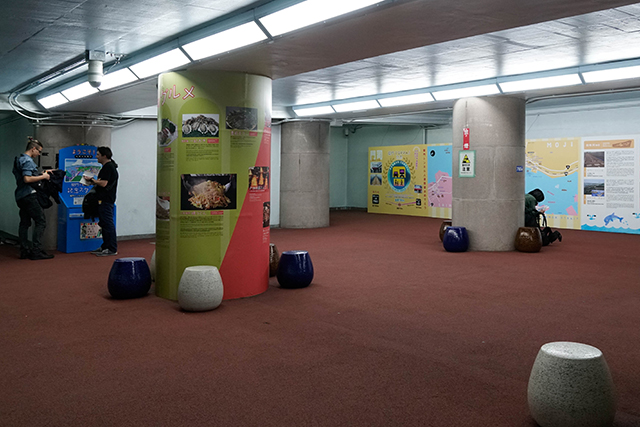
From the Moji side, we catch an elevator 60 m beneath sea level. In the elevator lobby is information about the surrounding sites in Moji as well as Shimonoseki.
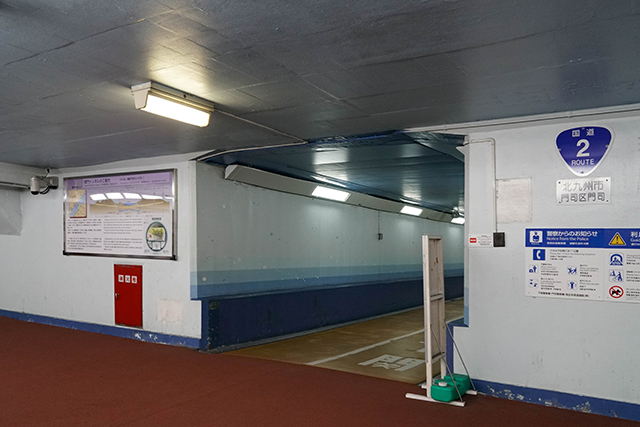
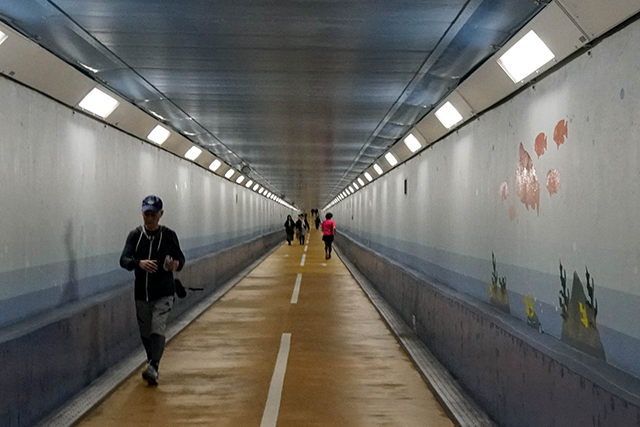
The tunnel is a 780 m long pedestrian-use undersea tunnel with two ‘levels’. The ‘upper’ level is used for vehicles, while the lower tunnel is for pedestrians.
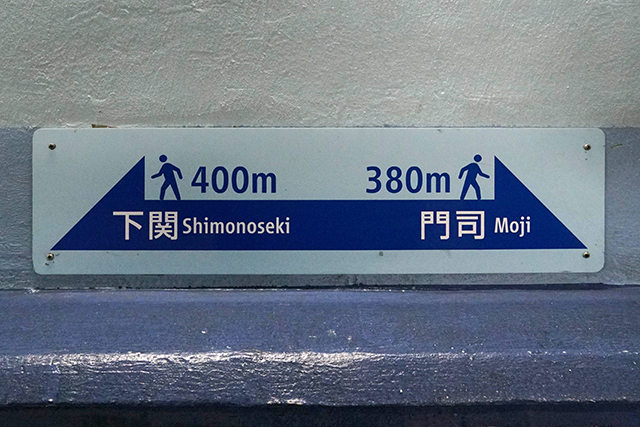
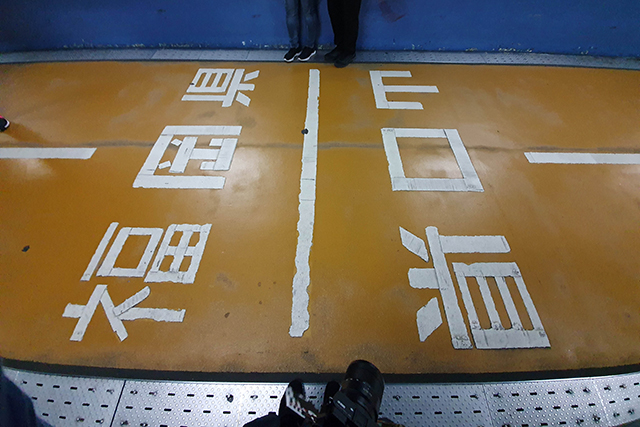
Halfway through the tunnel is a marker for the Fukuoka-Yamaguchi prefectural boundary — the tunnel is famous for being a rare example of an undersea prefectural boundary.
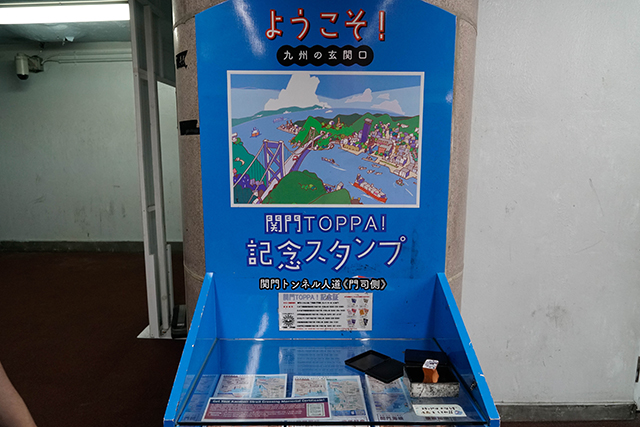
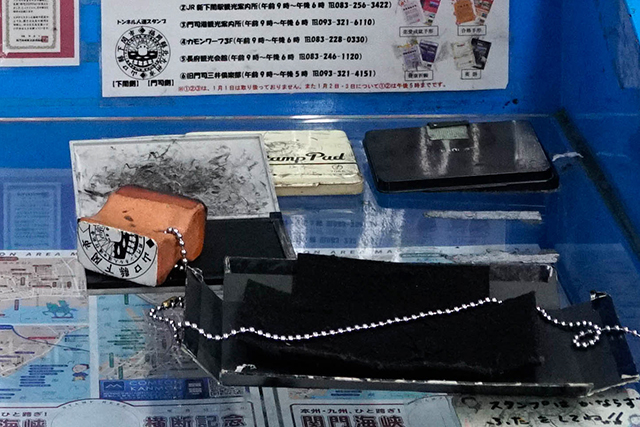
In the elevator lobbies on both sides of the pedestrian tunnel, there are two commemorative stamps — two halves that make one picture.
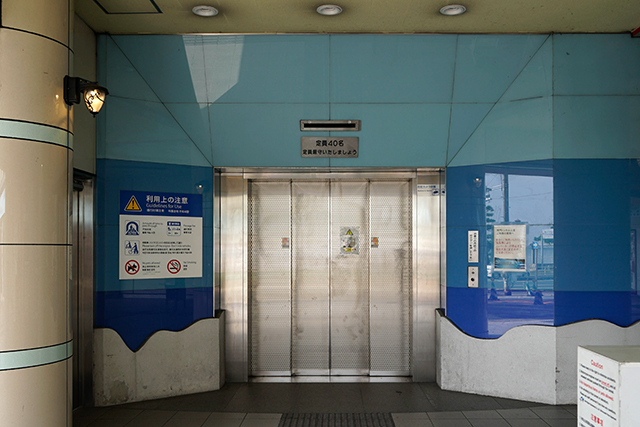
This is the elevator to the Kanmon Pedestrian Tunnel Entrance on the Shimonoseki side.
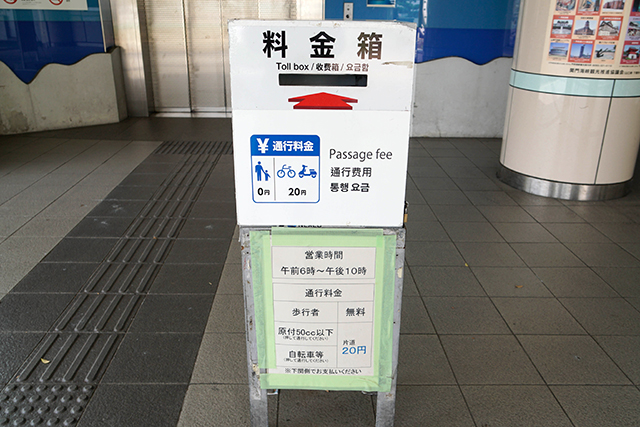
Passage through the tunnel is free for pedestrians and a nominal ¥20 for bicycles and motor bicycles.
Shimonoseki
Mimosusogawa Park
みもすそ川公園, 1 Mimosusogawacho, Shimonoseki, Yamaguchi 751-0813, Japan
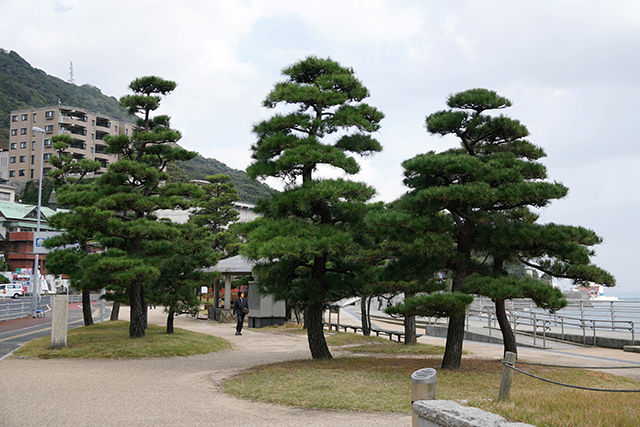
Mimosusogawa Park is across the road from the Kanmon Tunnel Entrance.
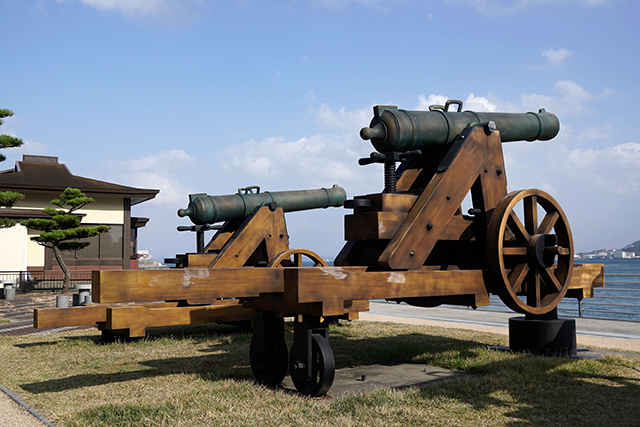
The park featured a gun battery used to fire at foreign fleets in battles during the final days of the Edo period, as well as full-scale replicas of cannons called Choshu Cannons that are aimed at the Kanmon Strait in front of it.
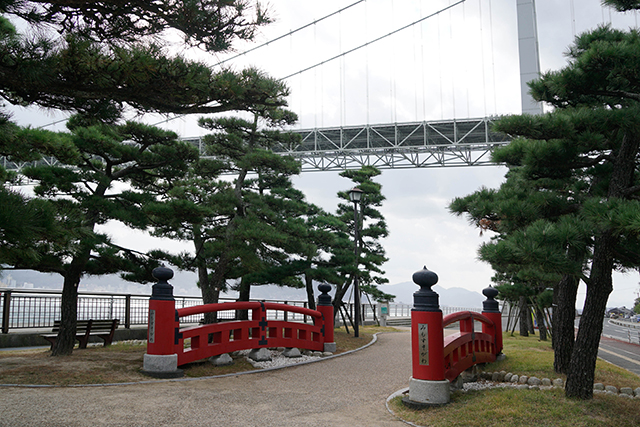
The park offers an expansive view of the Kanmon Straits with the bridge in the background.
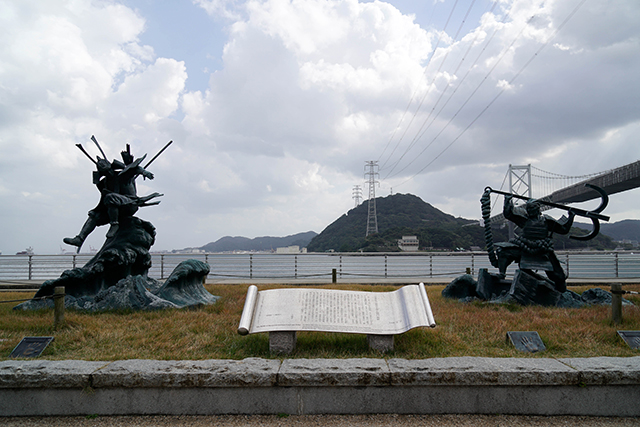
These sculptures depict The Battle of Dannoura between Genji and Heike —
On March 24 1185, two samurai clans fought a deciding sea battle at this place, Dannoura. Minamoto-no-Yoshitsune of the Genji clan was victorious that day and Tairo-no-Tomomori of the Heike Clan was defeated and committed suicide by diving into the sea. These two statutes have been made the likeness of these two famous samurai leaders.
Kanmonkyo Bridge (Shimonoseki side)
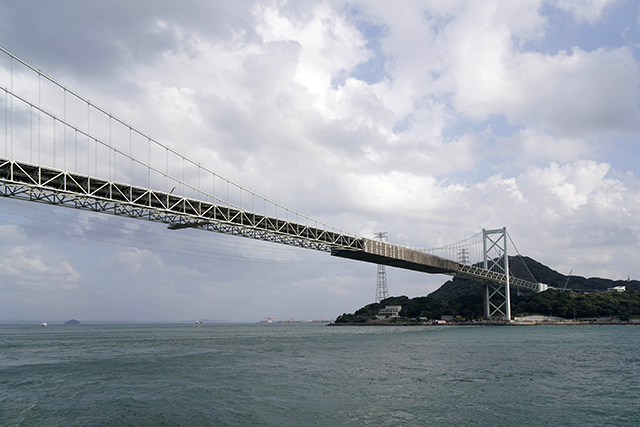
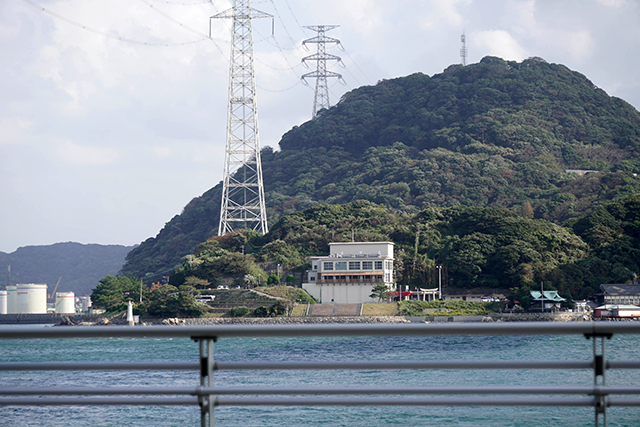
We head back towards the Kanmonkyo Bridge and spot Mekari Park on Moji side along with the torii gate at Mekari Shrine near the entrance to the Kanmon Pedestrian Tunnel Entrance.
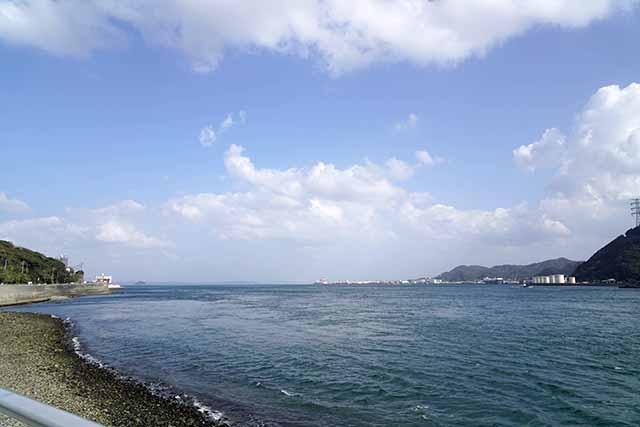
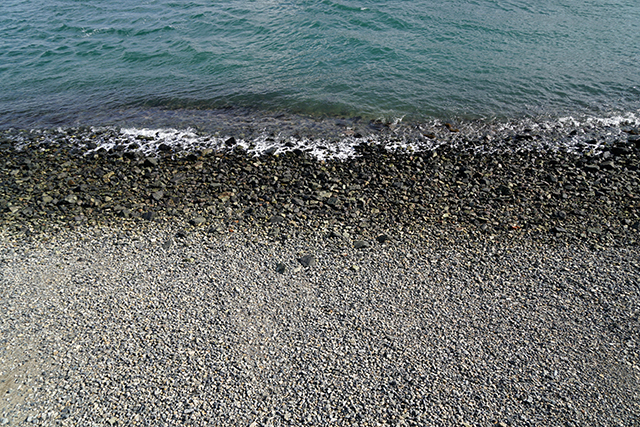
Tateishi Inari Daimyojin
立石稲荷大明神, 6-6 Dannouracho, Shimonoseki, Yamaguchi 751-0814, Japan
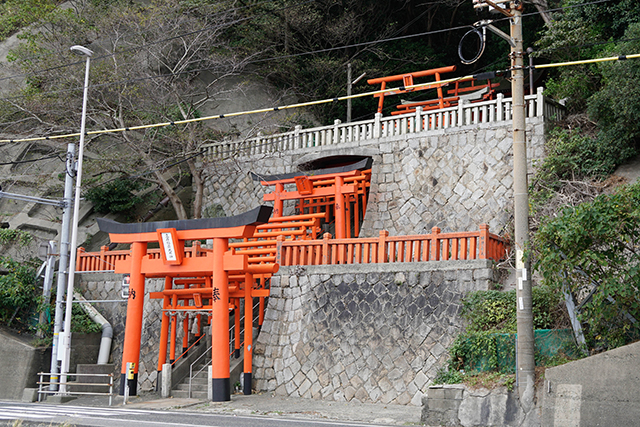
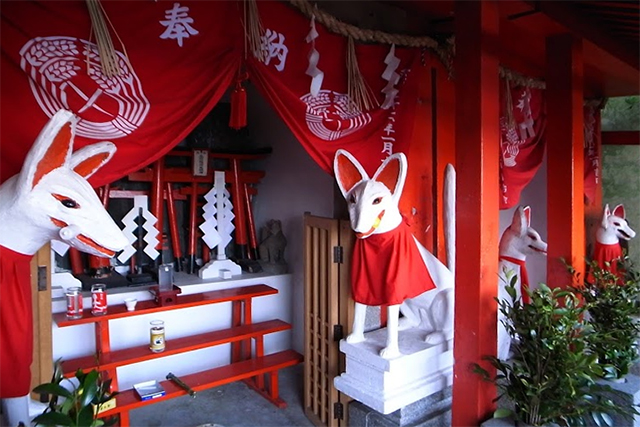
By the side of a very busy road is Tateishi Inari Daimyojin, a Shinto shrine built into the side of the mountain. There’s no traffic light, only a pedestrian crossing, to access the shrine.
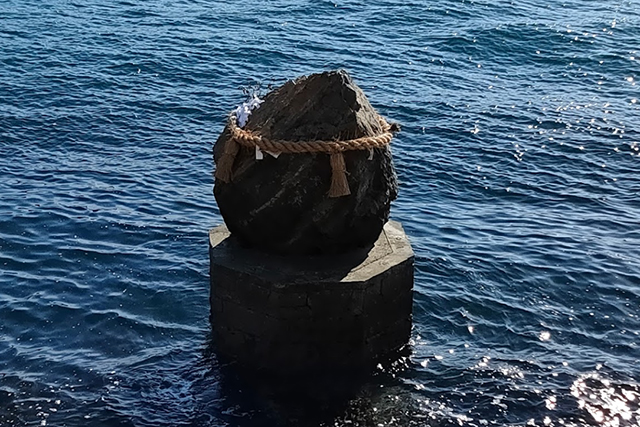
Directly facing the shrine is a rock in Dannoura Bay.
Akama Shrine
赤間神宮, 4-1, Amidaiji-chō, Shimonoseki, Yamaguchi, 750-0003, Japan
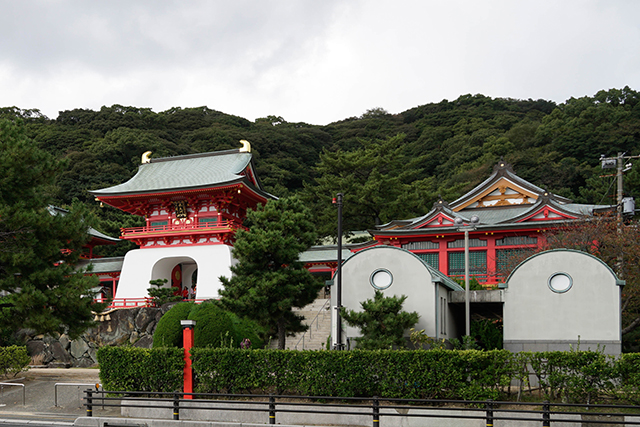
Situated between the centre of Shimonoseki and the tourist restaurants of Karato is Akama Shrine, a Shinto shrine dedicated to Antoku, a Japanese emperor who died as a child in the Battle of Dannoura that occurred nearby in 1185.
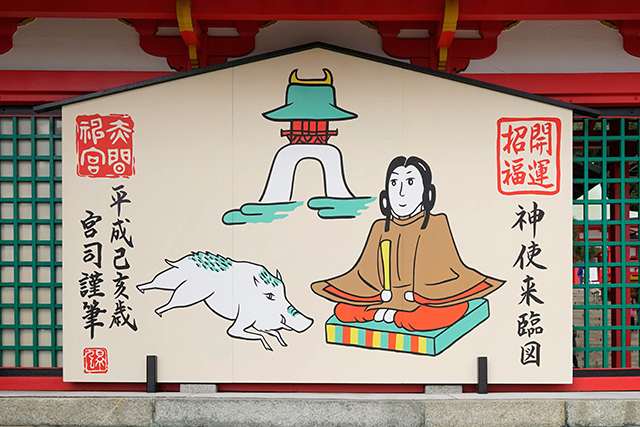
There’s an oversized ema facing one going up the stairs to the main gate.
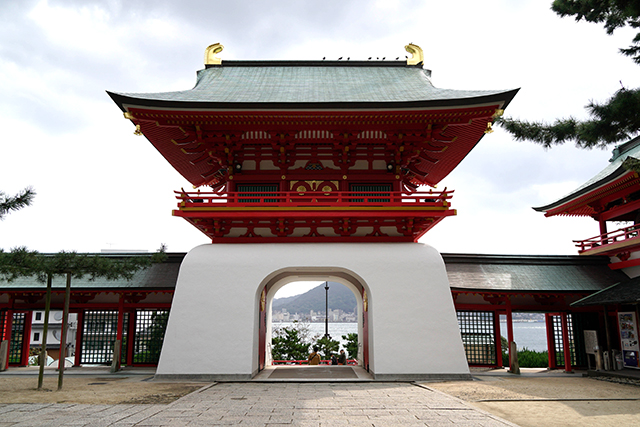
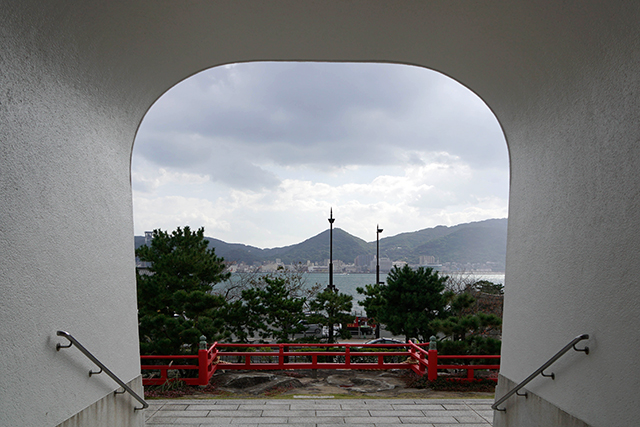
It’s situated on the waterfront of the Kanmon Strait. This is Suitenmon, the main gate of the shrine.
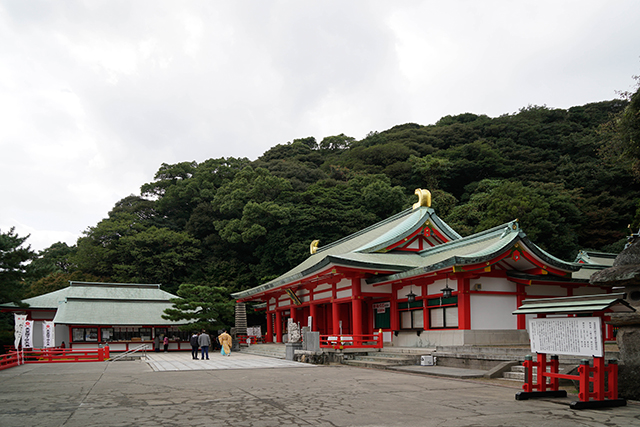
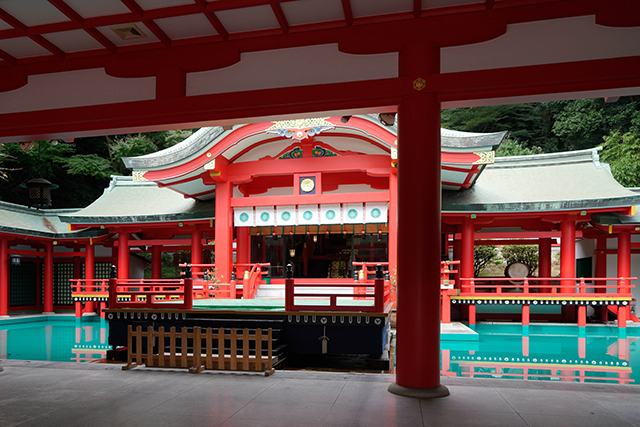
The main hall, which also houses the treasure museum containing valuable items related to the Heike, has a central pool in a striking blue colour.
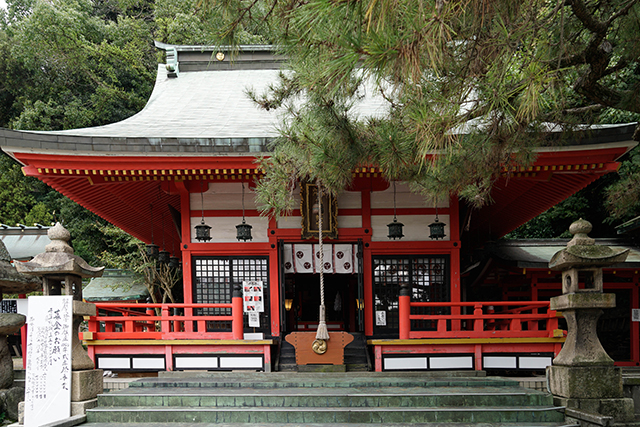
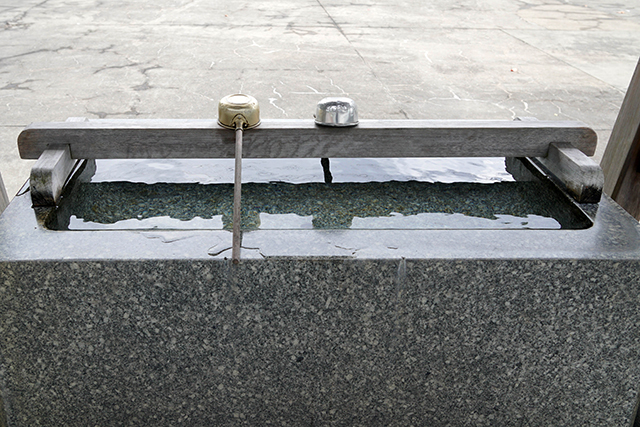
There is, of course, an offering hall, as well as a purification fountain.
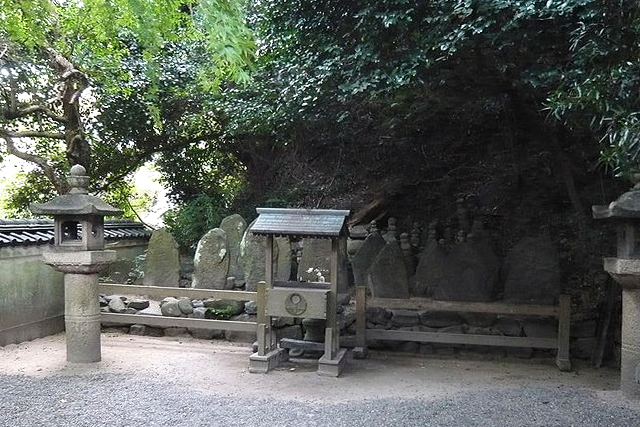
These stones are the graves of the defeated Taira clan called Nanamori-zuka.
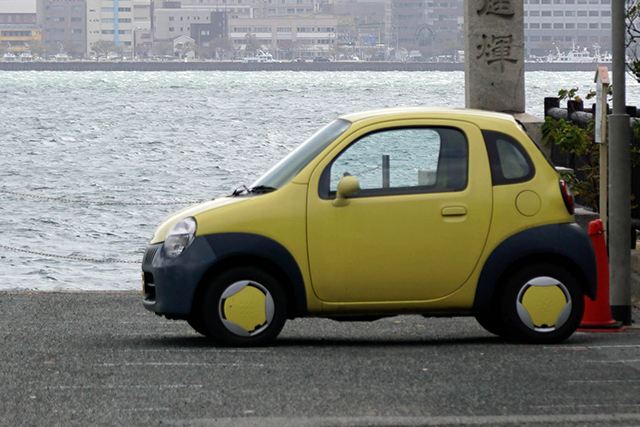
Across the road, there’s a carpark for those visiting the shrine and there’s the tiniest car parked there…
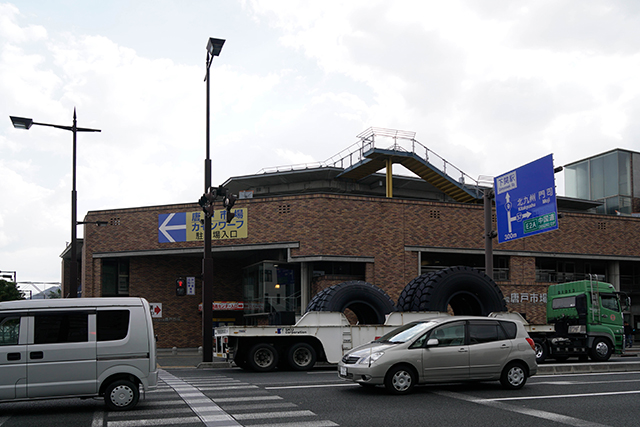
…while some of the hugest tyres we’ve ever seen drive on by.
Karato Market
唐戸市場, 5-50 Karatocho, Shimonoseki, Yamaguchi 750-0005, Japan
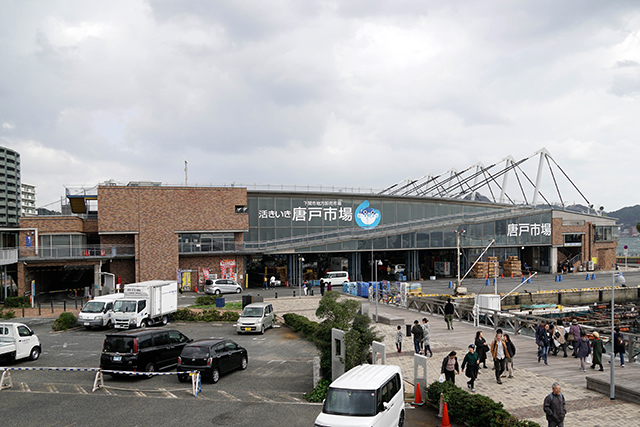
Karato Market is a large fish market famous for its fugu or blowfish.
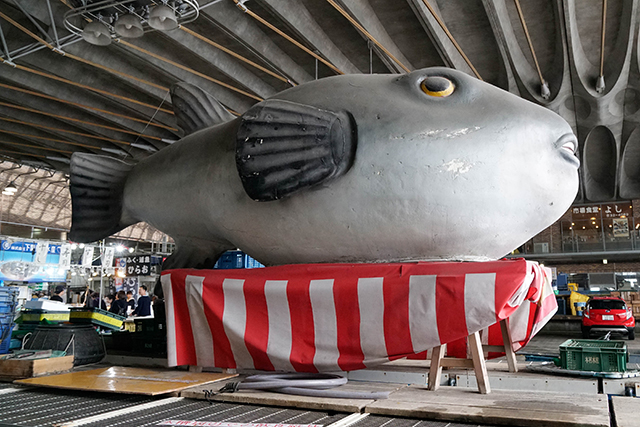
There’s a large sculpture of the fugu on display.
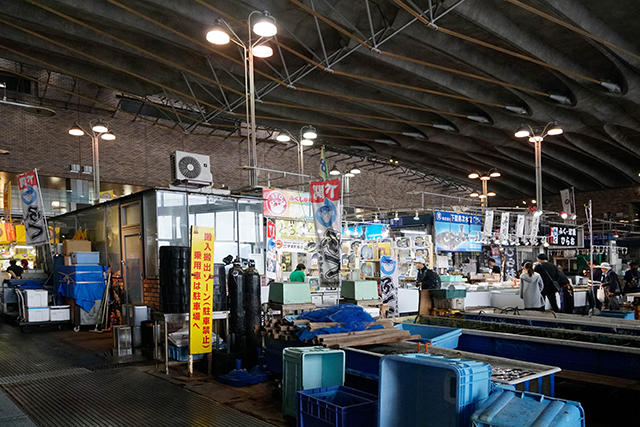
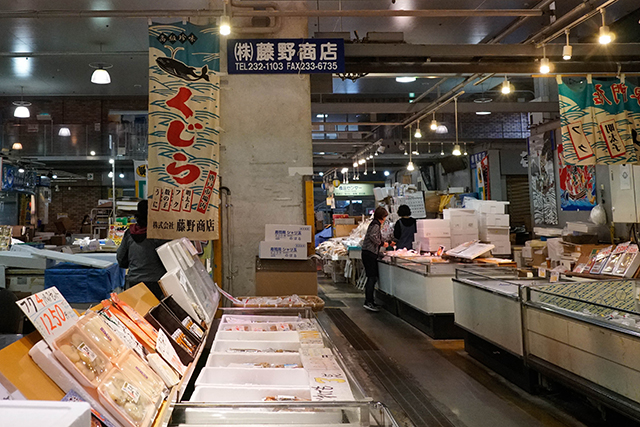
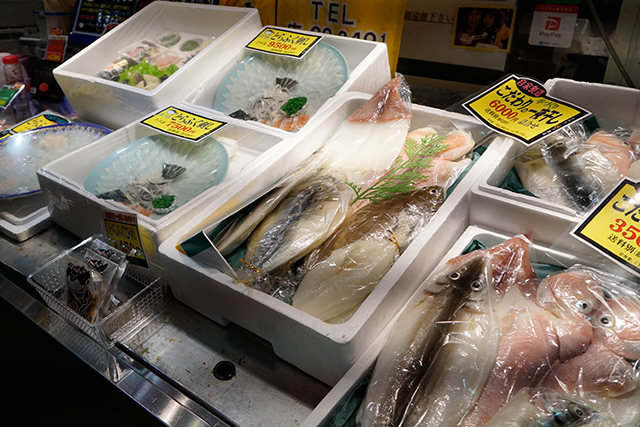
There’s plenty of fresh fugu sashimi available, along with other fish, including sea bream and young yellowtail. The market has a unique sales system whereby local fishermen directly sell the fish they have caught.
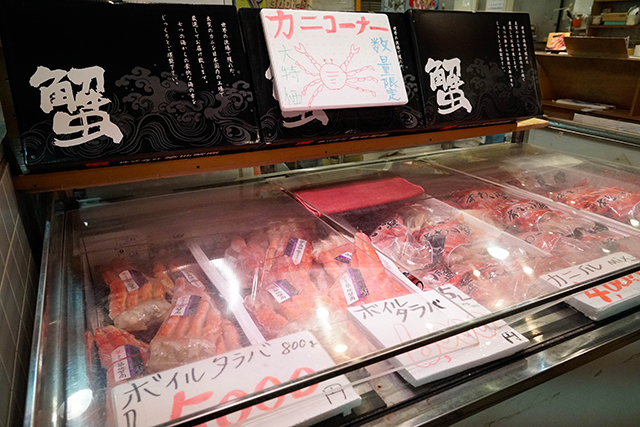
…as well as crabs, of course!
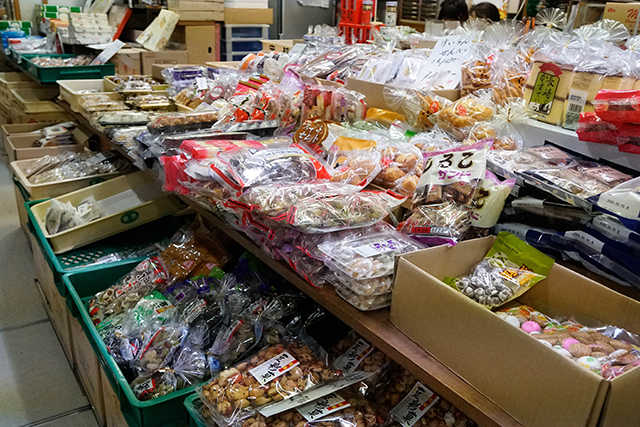
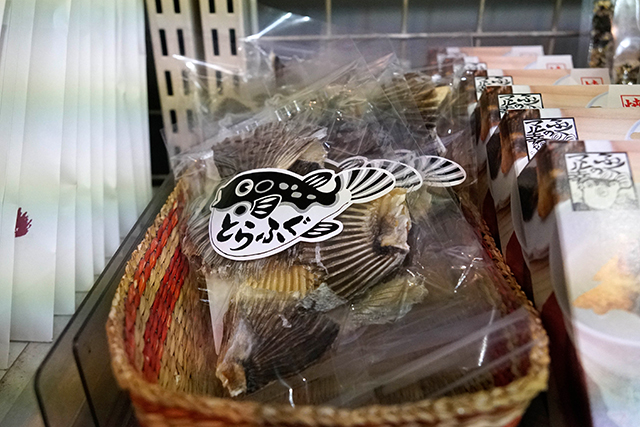
There’s also a separate area for dry, packaged fish products including dried fugu tail.
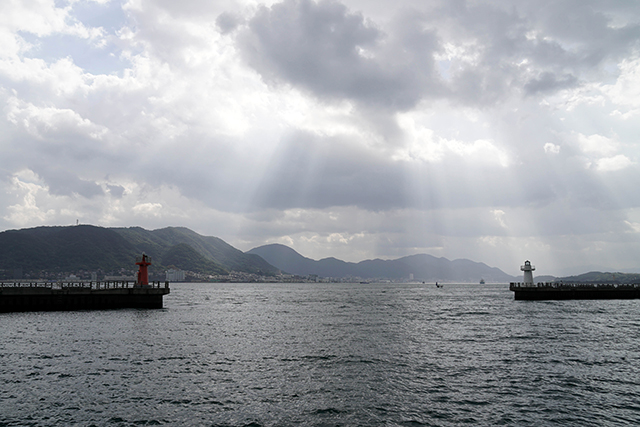
The sun breaks through as we make out way out of the market.
Kanmon Wharf
カモンワーフ, 6-1 Karatocho, Shimonoseki, Yamaguchi 750-0005, Japan
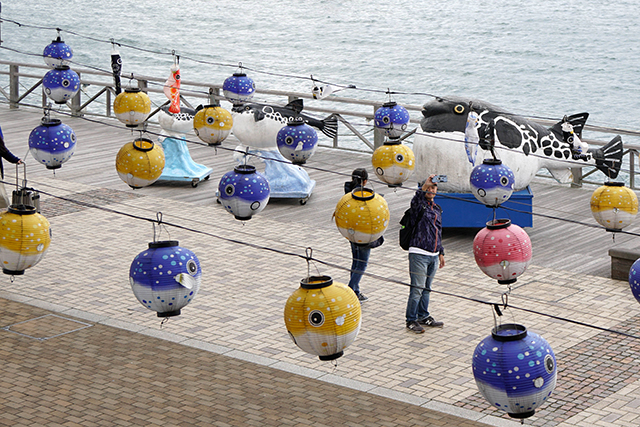
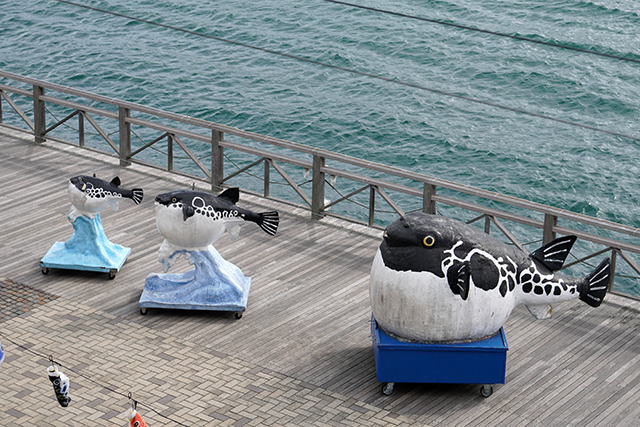
A short walk from the fish market is Kanmon Wharf, a seaside shopping mall with restaurants serving fugu as well as your typical souvenir shops. There’s an abundance of fugu themed decorations around Shimonoseki…
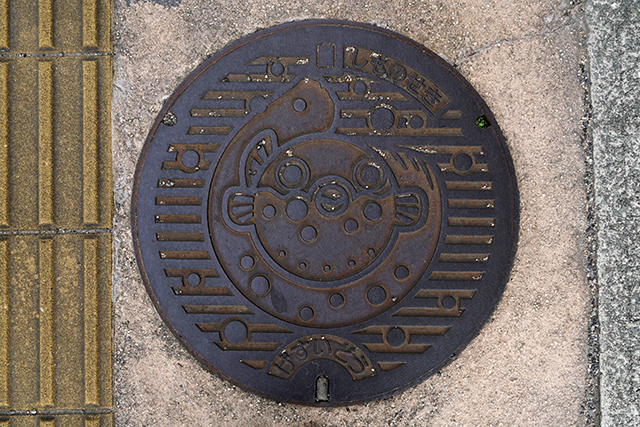
…and that includes the manhole covers for the city.
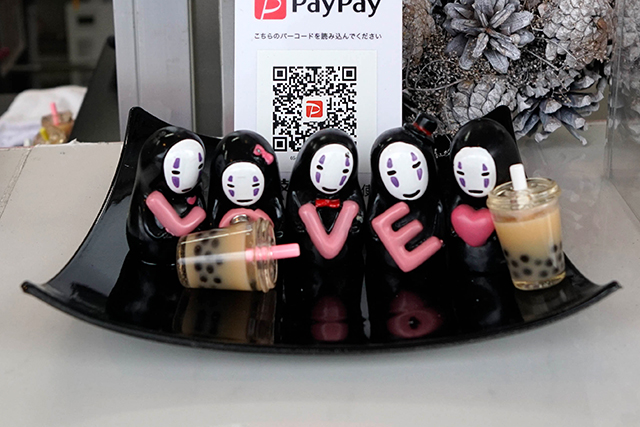
Outside a bubble tea shop, we spot this cute display featuring Kaonashi from Spirited Away.
Karatoya
旬彩炙りダイニング からと屋, 2F, 6-1 Karatocho, Shimonoseki, Yamaguchi, 750-0005, Japan
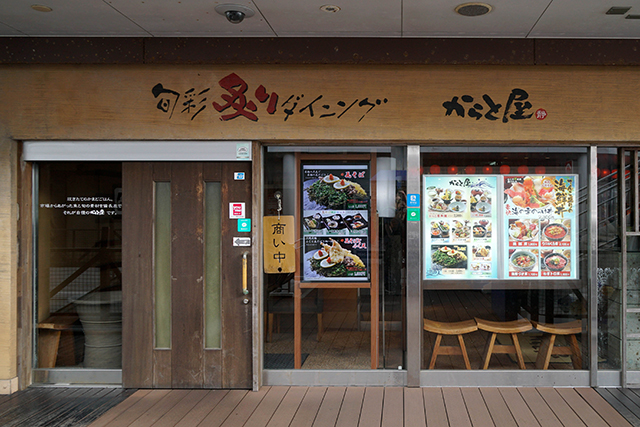
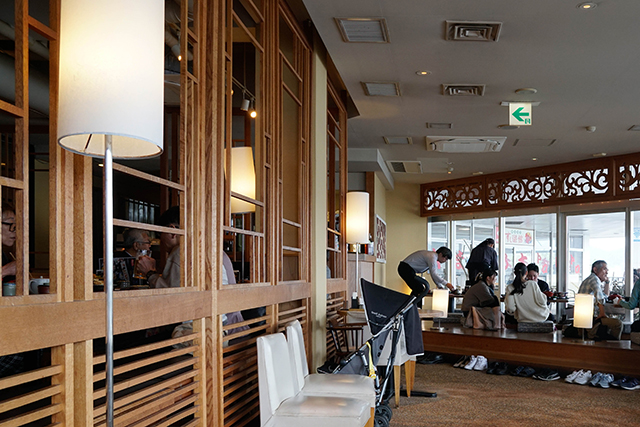
We make a round of the restaurants before deciding on Karatoya, which sources fresh fish from Karato Market.
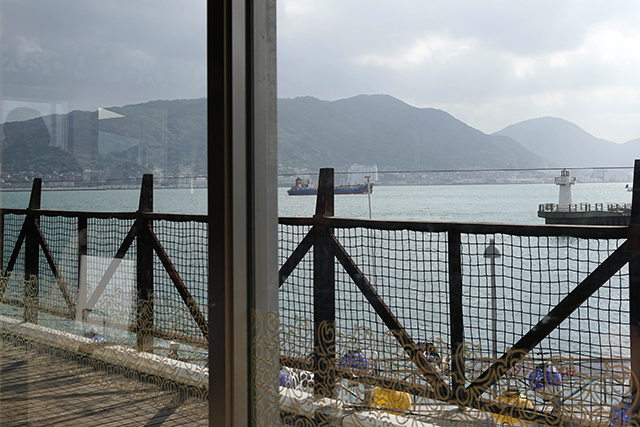
The window seats overlook the Kanmon Strait towards Moji.
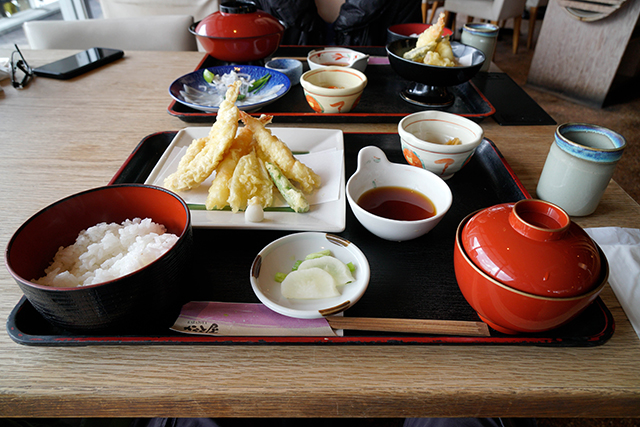
This is the Tempura Set (¥1,280, +tax) with 1 piece of fugu, two prawns, kisu, and vegetables.
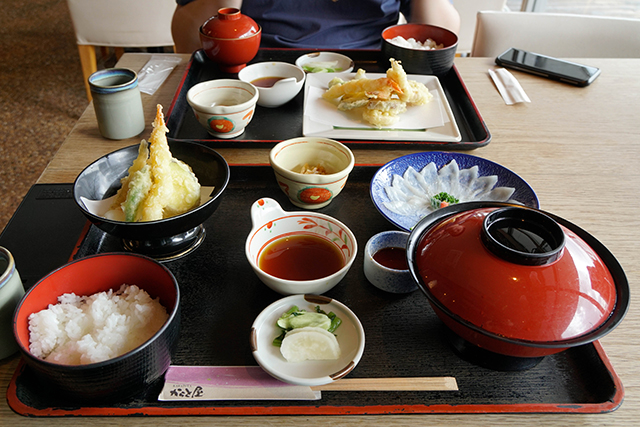
This is the Fugu Sashimi Set (¥1,800, +tax) with fugu sashimi, tempura prawns and vegetables, soup and rice.
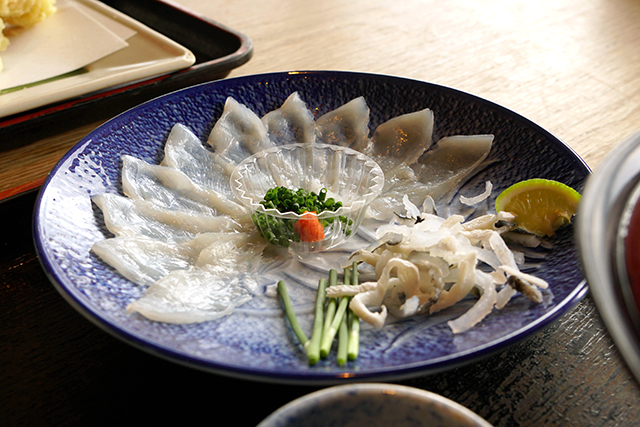
The fugu sashimi has a slight tongue-numbing sensation when eaten in succession, but had a very mellow flavour on its own. Rather, it’s mostly the crunchy, chewy texture that distinguishes it from other fish and becomes enjoyable when dipped in ponzu.
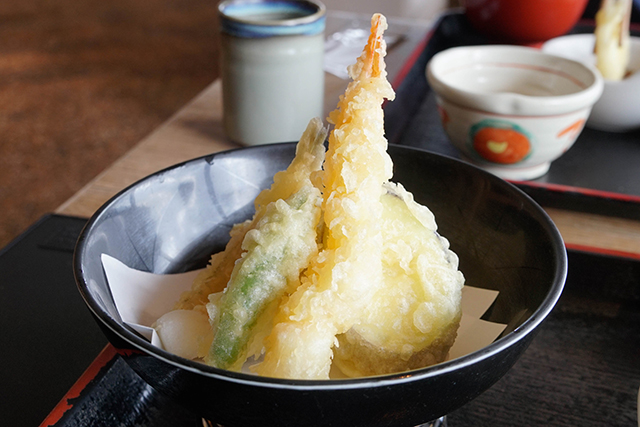
The tempura for both dishes is light and crisp, with the freshness of the ingredients shining through. Cooked, the tempura fugu tastes much like any other white fish.
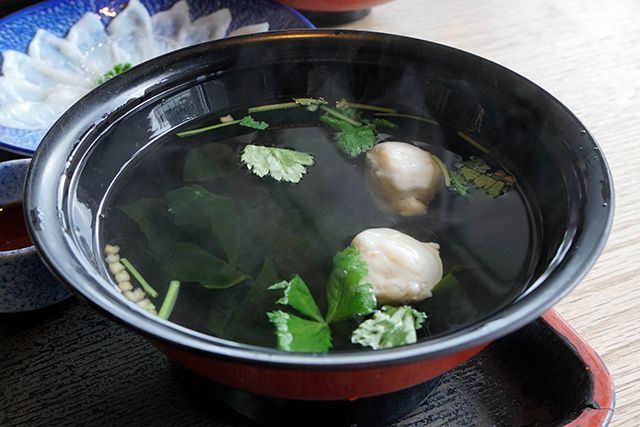
We both enjoy the clear broth accompanying the meal, which has a crisp, clean flavour from the yuzu along with wakame and tender fish balls.
Hinoyama Ropeway
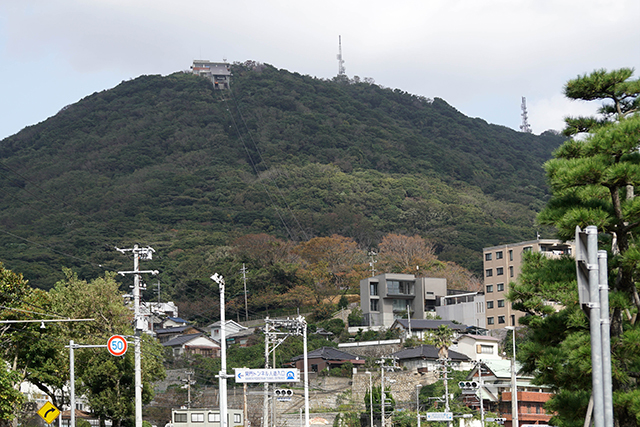
After lunch, we walk back towards the Kanmonkyo Bridge intending to ride the Hinoyama Ropeway.
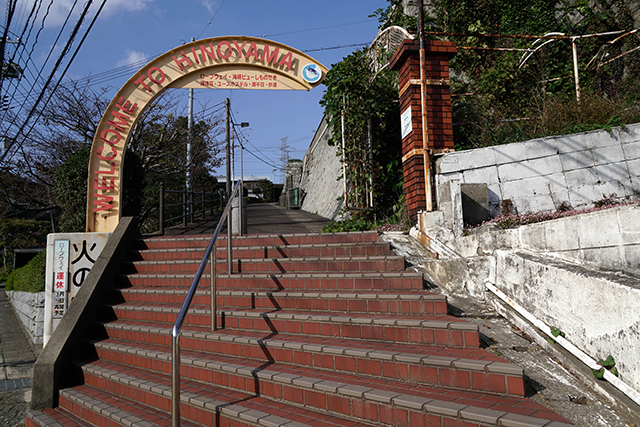
The Hinoyama Ropeway is supposed to take visitors to the top of Mt Hino where there is a park with a panoramic view of the Seto Inland Sea and the Sea of Japan, and a night view that is recognized as a Japan Night View Heritage.
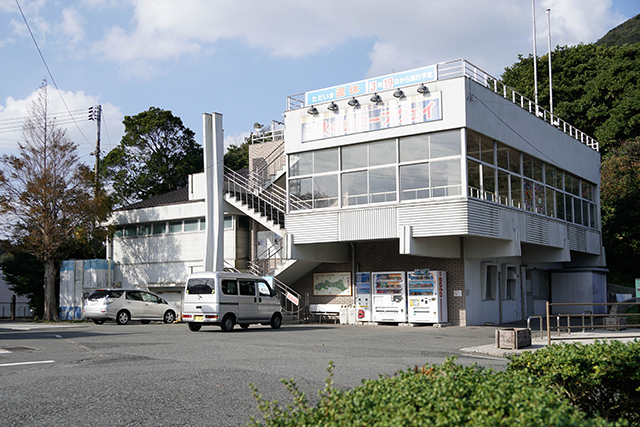
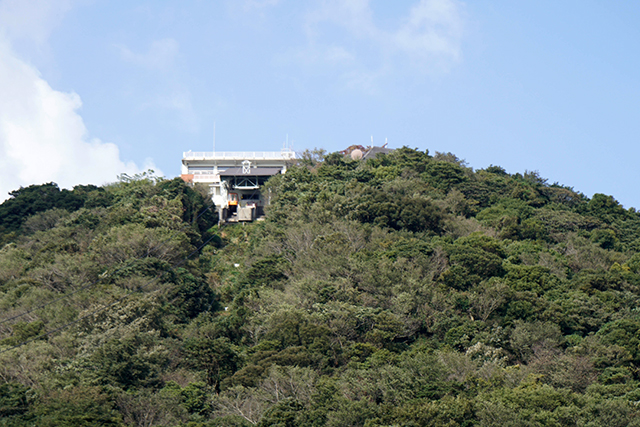
We were super disappointed to find the ropeway closed when we visited especially having found no information online that it was closed for any period other than Tuesdays and Wednesdays. After returning to Australia, an extensive search online on Japanese websites found one(!!!) website that noted it was open for operation only from 15 March to 10 November 2019. It stopped running one day before!
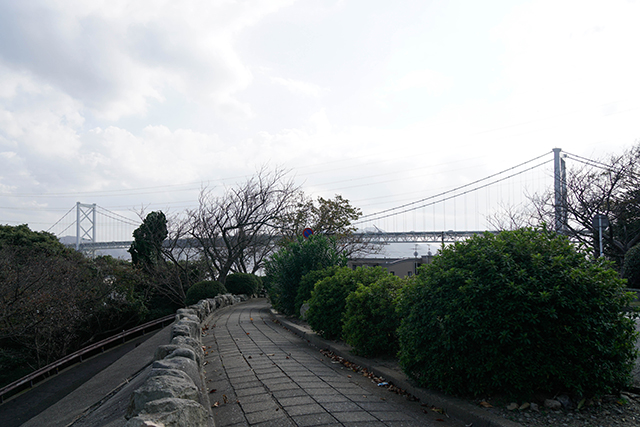
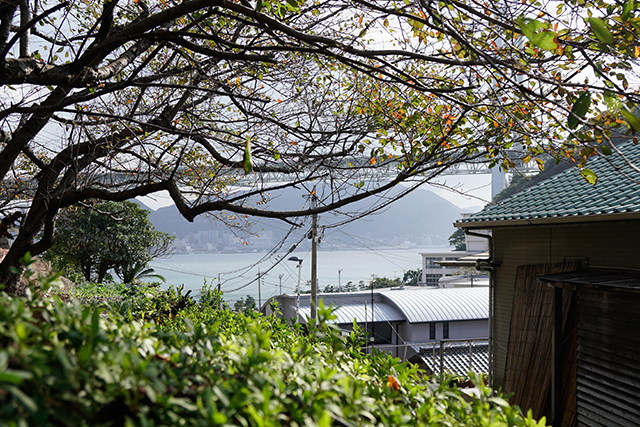
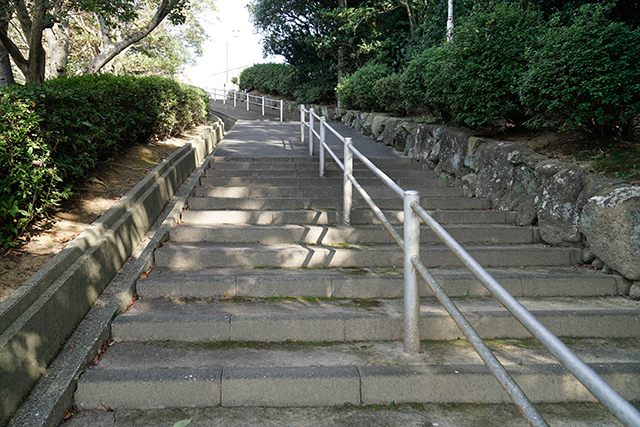
Dejected and frustrated, we took in the view of the Kanmonkyo Bridge from the elevated height as we made our way back down.
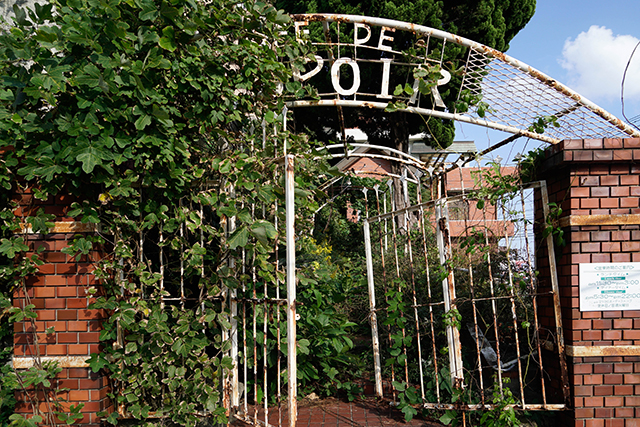
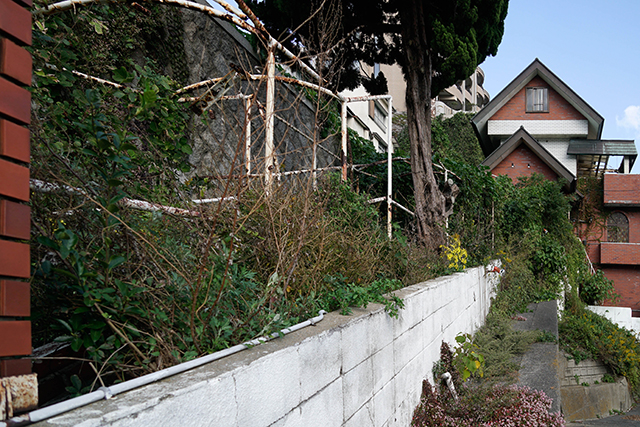
That said, all of the shops and restaurants around the base of Hinoyama Park is in a state of neglect and disrepair, with this French restaurant being a prime example.
Moji, Kitakyūshū
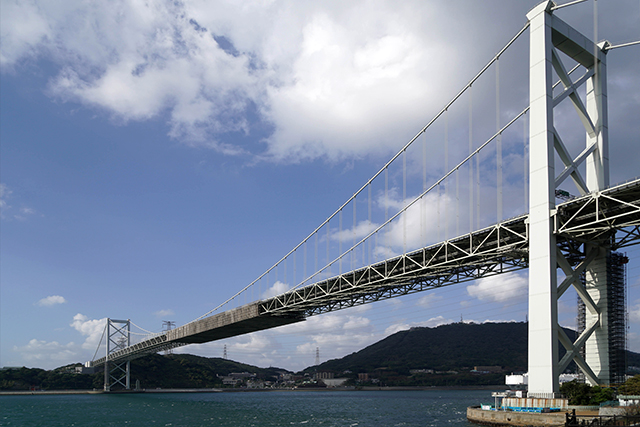
With that, we make our way back onto Kyūshū through the Kanmon Strait Pedestrian Tunnel.
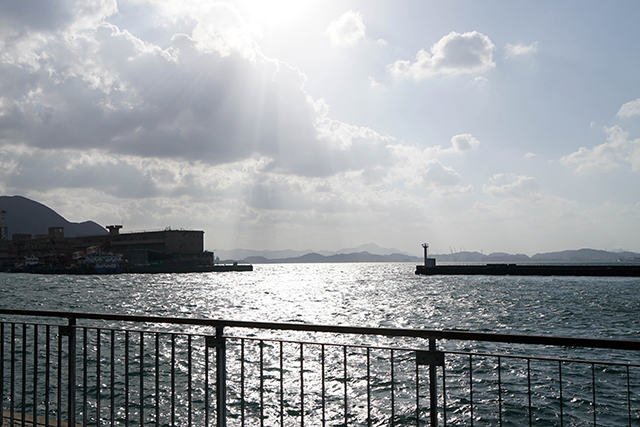
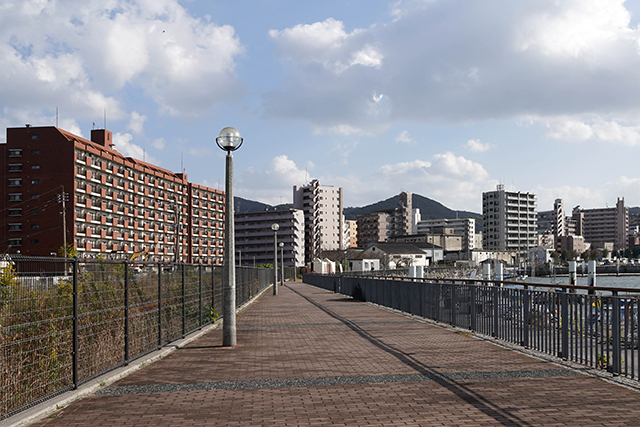
The sun has broken through the clouds properly, bringing a much less dreary atmosphere to Moji.
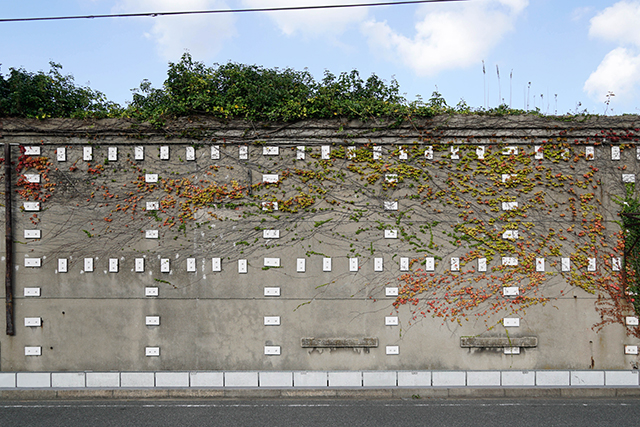
I took a picture of this wall with autumnal vines growing across it, thinking it was the external wall to a museum of some sort. Turned out, it was just a green wall that hides a large carpark. I guess it keeps the visual amenity of the town.
Mojiko Retro District
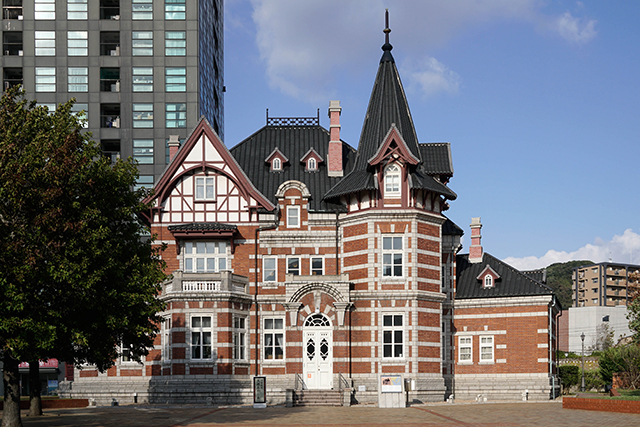
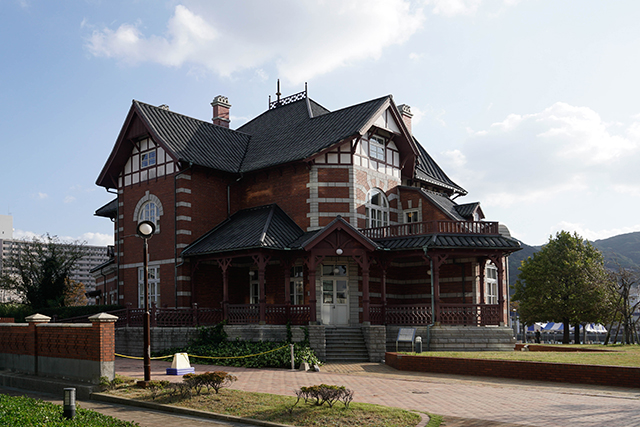
This is the Kitakyushu Commemorative Library Of International Friendship, which was constructed in 1994 to celebrate the 15th anniversary of the friendship agreement between Moji and the city of Dailan in China. It is a reproduction of a railway and steamboat company’s building constructed in Dalian by the Russian Empire in 1902. It featured tiled outer walls with a contrast between brown and white, and details such as a chimney and gables on the roof.
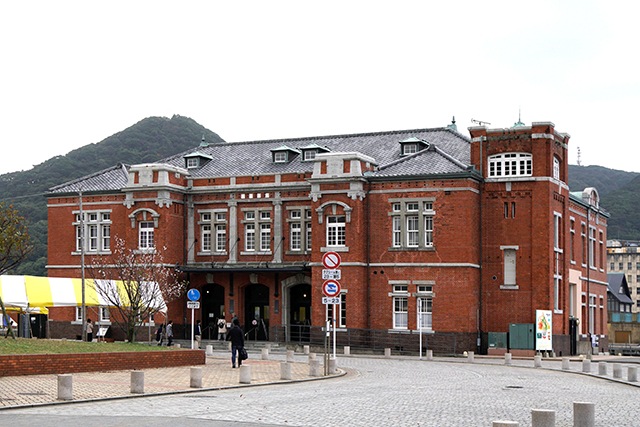
This is the Former Moji Customs Office, which was constructed in 1912 and used as a customs house until 1927, before being repaired and restored in 1994 into the current Neo-Renaissance-style modern building.
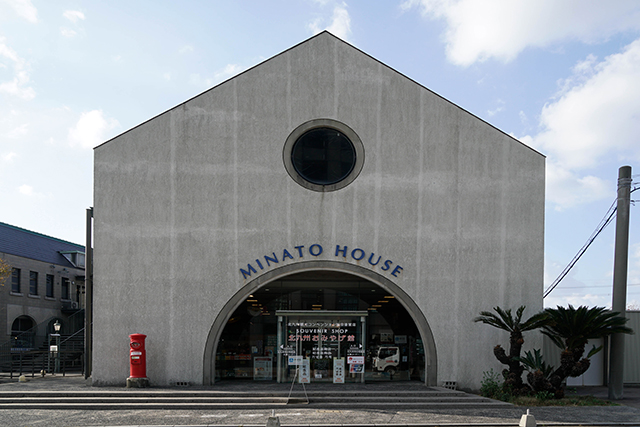
Minato House houses a local specialty products hall along with more typical omiyage.
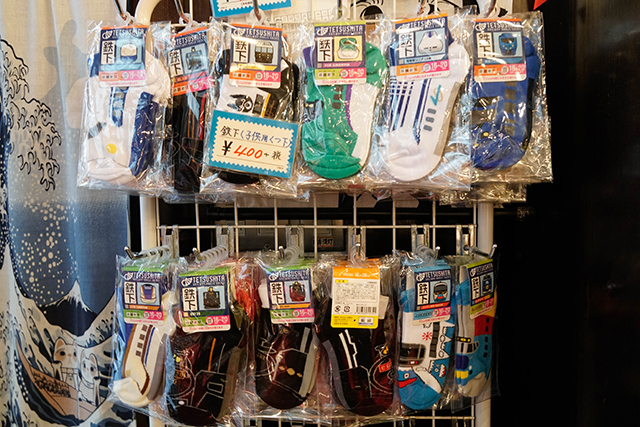
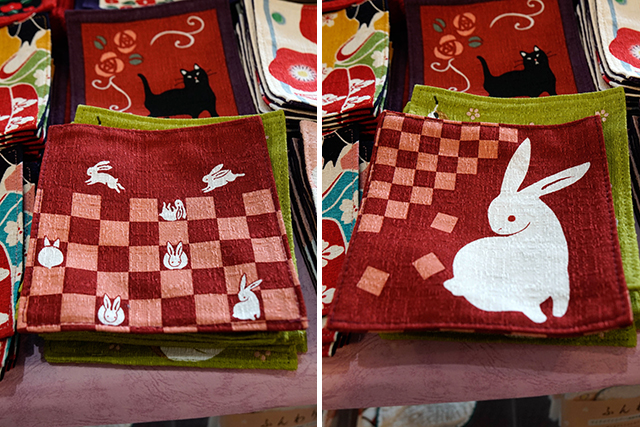
We find cute train-themed socks as well as rabbit coasters.
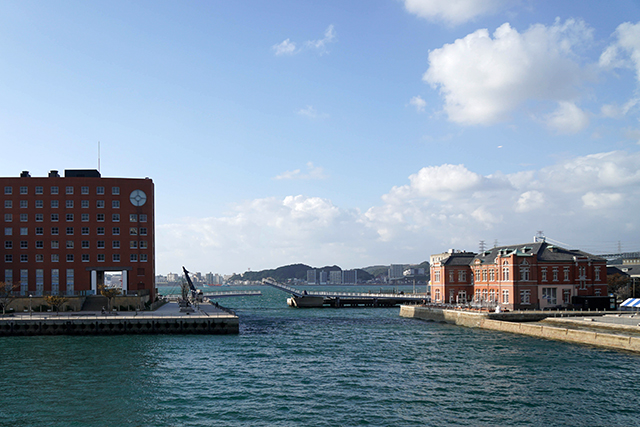
On the left is the former Mojiko Hotel, which was designed by renowned architect Aldo Rossi (Pritzker Architecture Prize 1990) and opened in 1998. On the right is the Former Moji Customs Office we saw previously.
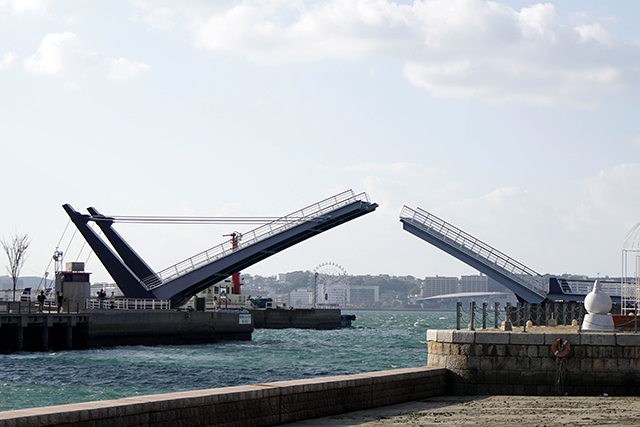
Between the two buildings is Blue Wing Moji, and is one of the longest pedestrian drawbridges in the world at 108 m. The bridge is raised at an angle of 60° to the water surface six times a day.
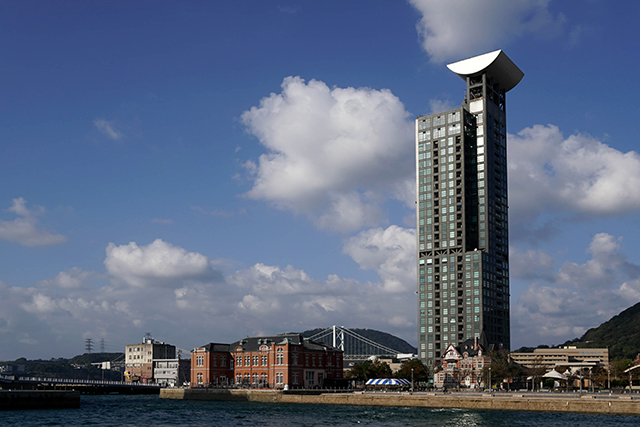
On the right is Mojiko Retro Tower, which has an observation room located 103 meters above ground that’s said to provide good views of the port and the city of Shimonoseki across the Kanmon Straits.
Kaikyo Plaza
海峡プラザ, 5-1 Minatomachi, Moji Ward, Kitakyushu, Fukuoka 801-0852, Japan
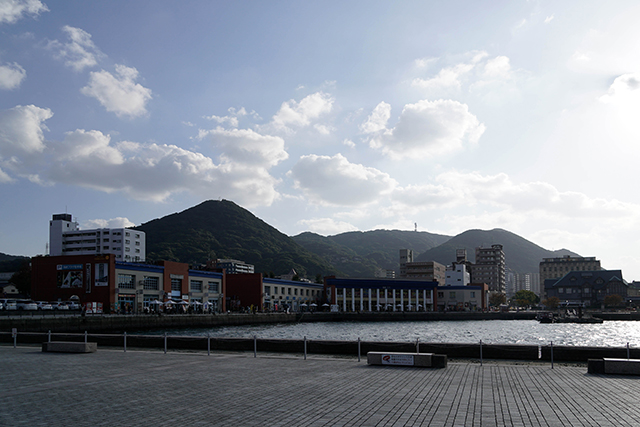
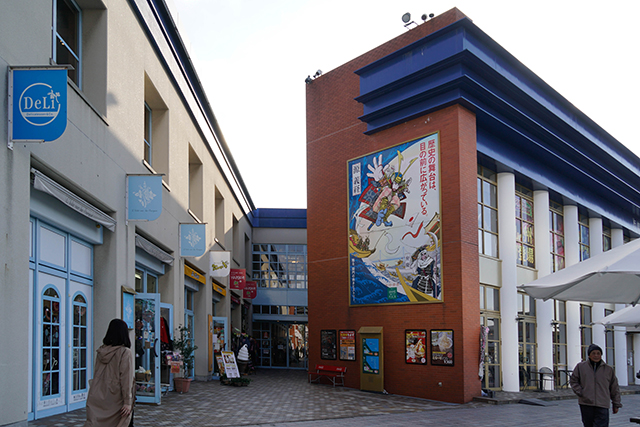
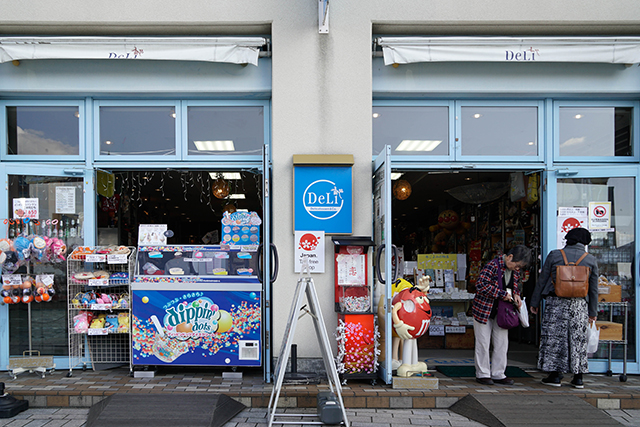
Nearby is Kaikyo Plaza, a shopping facility where souvenirs and local produce are on sale. There are numerous banana products, which are a specialty of Moji Port as it traditionally handled imported bananas from Southeast Asia.
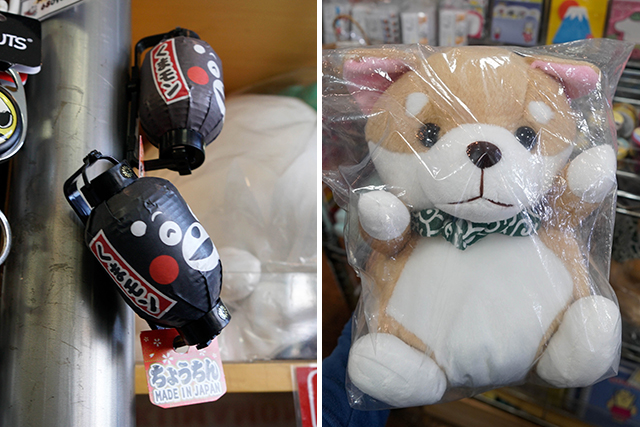
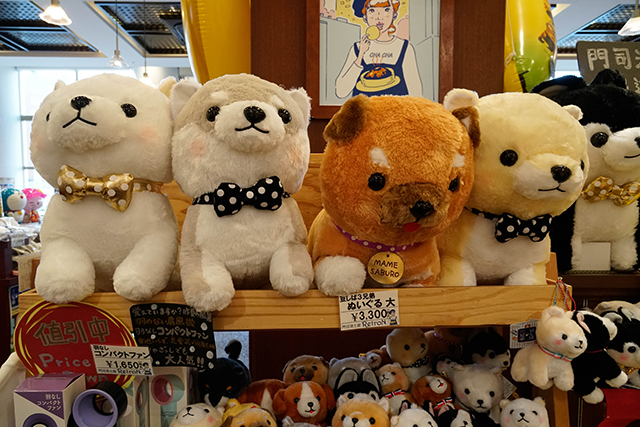
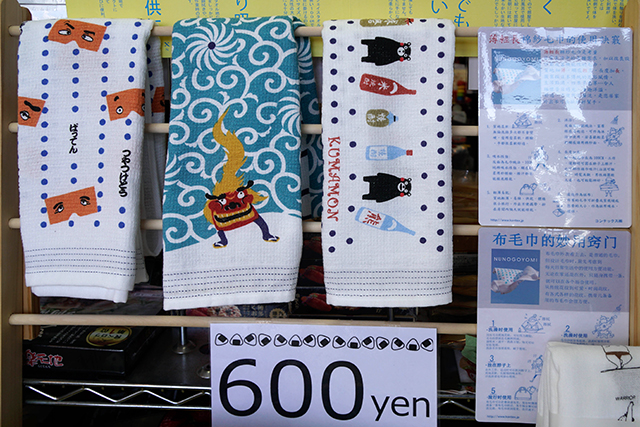
There’s also cute dog plush toys along with onsen towels.
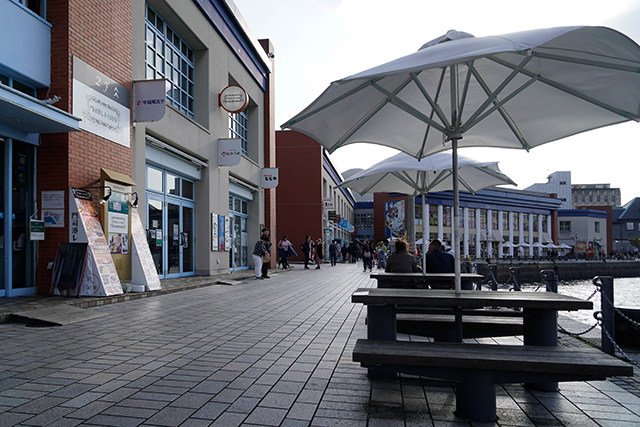
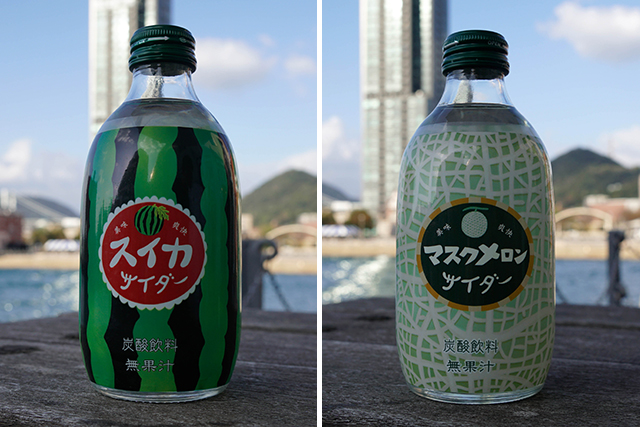
We take a break at one of the benches to enjoy the view with a drink. On the left is a Watermelon Cider (¥108), which had a pleasant, albeit artificial, watermelon flavour. On the right is a Musk Melon Cider (¥108), which had a brighter and more natural melon flavour that we preferred.
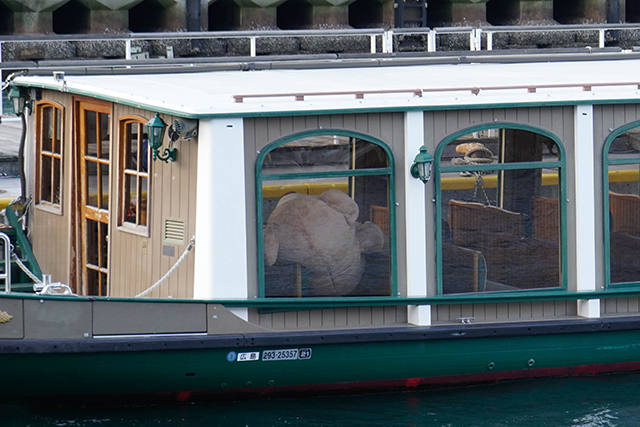
On the water is a boat with a giant teddy bear napping inside.
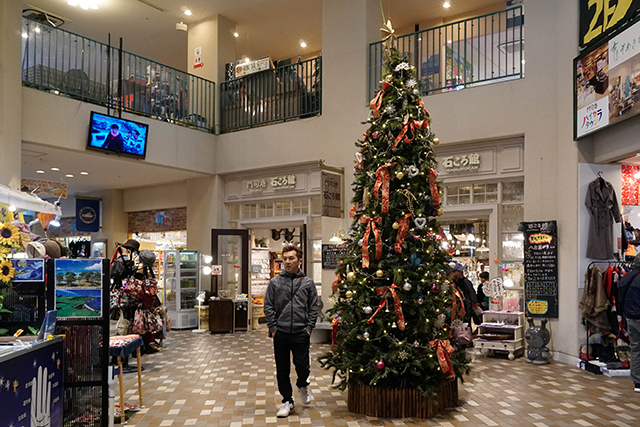
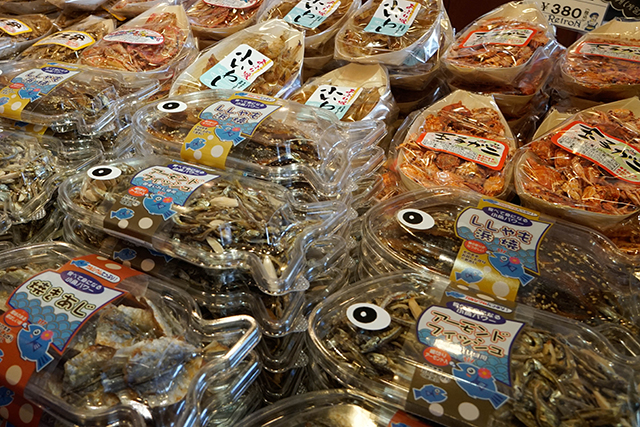
Inside Plaza are numerous other souvenir shops selling snacks.
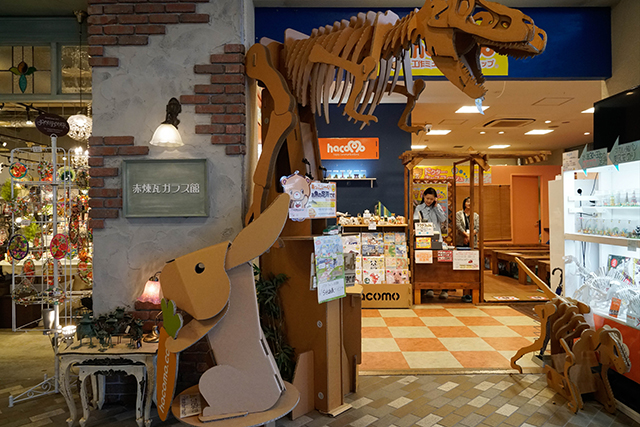
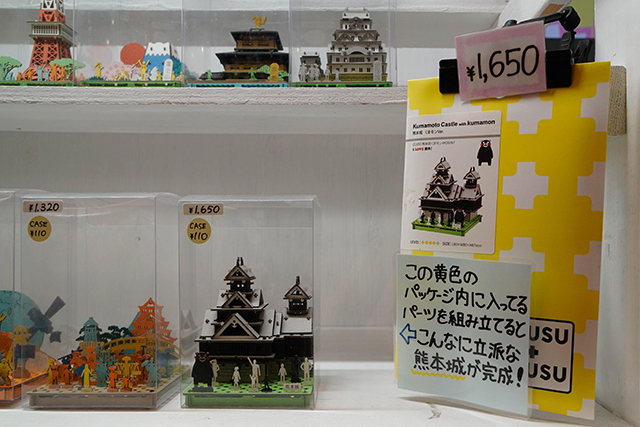
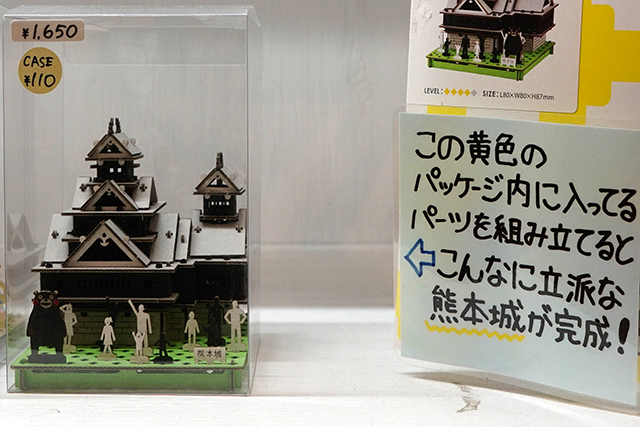
This shop featured paper sculptures featuring iconic Japanese landmarks including Tōkyō Tower, Mt Fuji and Kumamoto Castle. Alas, the Kumamoto Castle with Kumamon was out of stock.
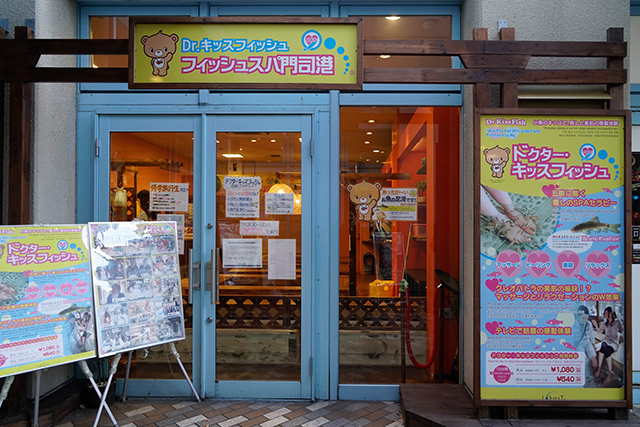
There’s a shop dedicated to the experience of having kisu fish nibble at the dead skin on your feet. It’s a ¥1,080 for 15 minutes.
Curry & Sweets Dolce
Curry & Sweets Dolce, 6-12 Minatomachi, Moji Ward, Kitakyushu, Fukuoka 801-0852, Japan
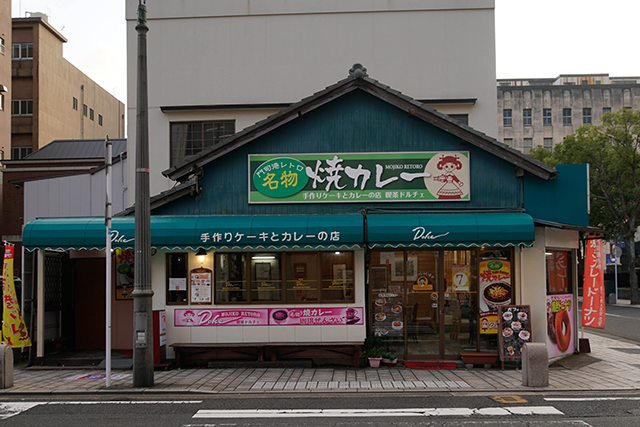
Yaki Curry — curry with rice topped with cheese and/or egg and then baked in the oven — is a specialty dish of Mojiko that began in the 50s and 60s when a local restaurant owner stuck a leftover curry in the oven for more texture. There are numerous varieties around Mojiko, and we chose to eat at Curry & Sweets Dolce.
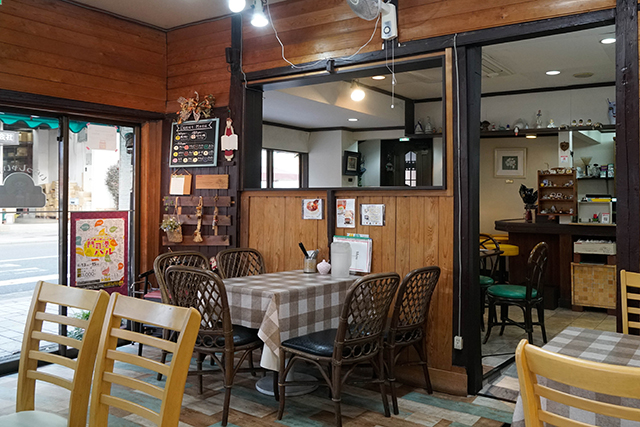
The restaurant is a quaint, family-owned restaurant.
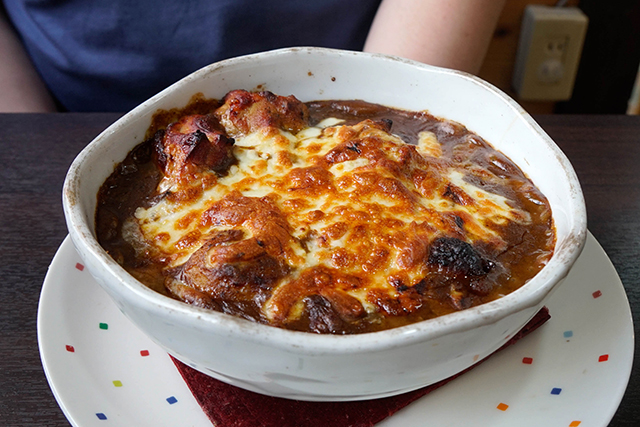
This is D’s Chicken Yaki Curry (¥1,130, including tax). The baked curry came out piping hot with a crunchy top from the cheese that rounded out the flavour of the healthy spice of the curry along with the oozy soft boiled egg. The chicken wasn’t deep-fried as D expected, but it was grilled and juicy nonetheless.
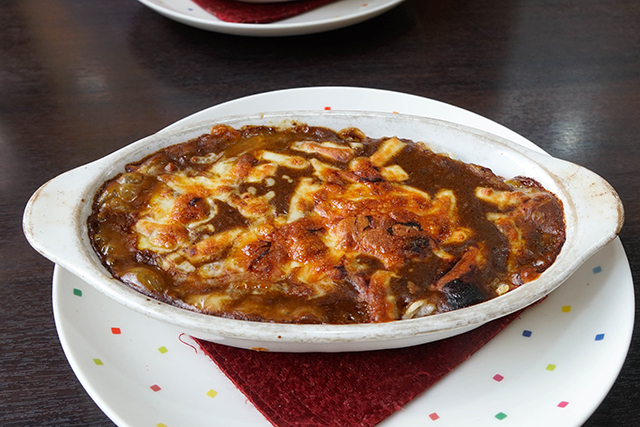
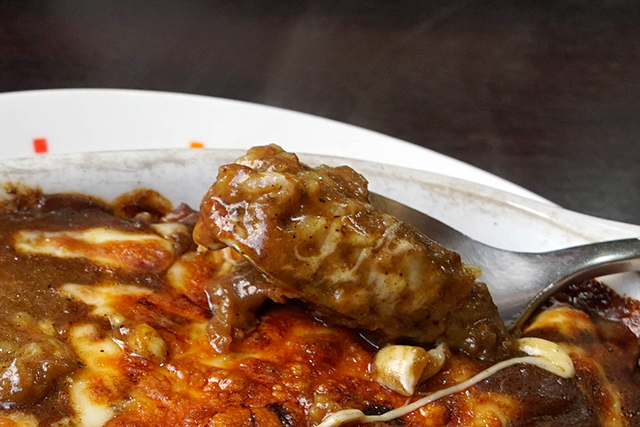
This is my Half Size Baked Curry & Cake Set (¥1,350, including tax) which comes with a cake and drink but no egg in the curry. As with D’s, I found the curry was piping hot and pleasantly spiced with a lingering heat that went well with the more mellowing notes of the cheese.
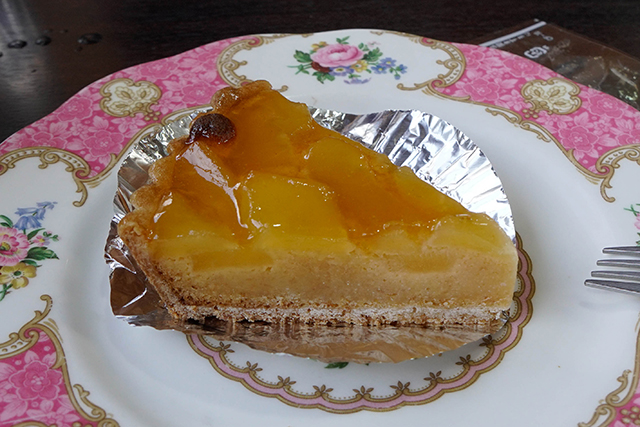
This is my choice of an Apple Tart, which had stewed apples on top of an almond paste base. Overall, the tart was too dense for my liking, but the overall flavour was enjoyable with a balanced sweetness and acidity in the apples.
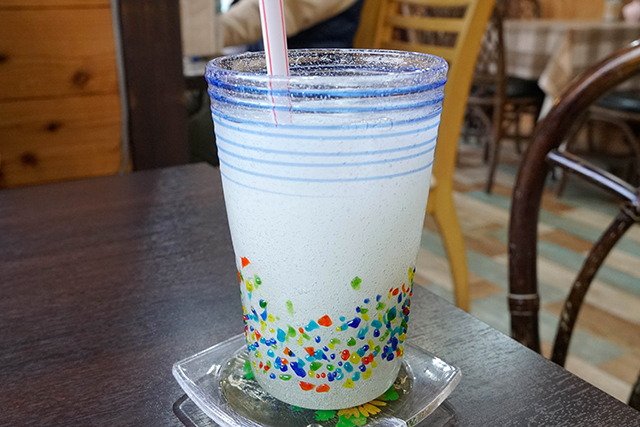
And for the drink in the meal set, I chose the Calpis.
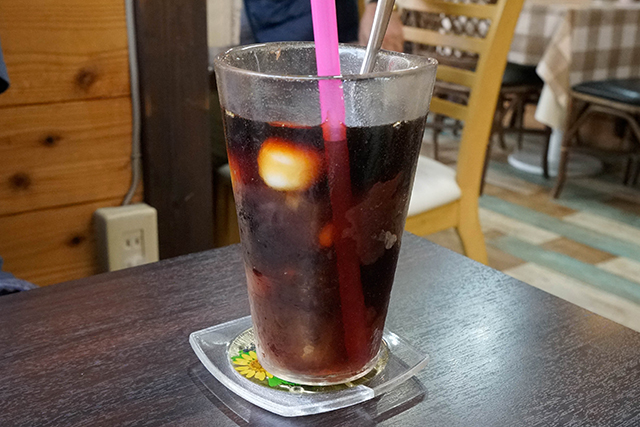
The choice of drinks for the set meal doesn’t capture the more interesting drinks on their menus, such as this Iced Coffee Zenzai (¥560, including tax), which is essentially coffee with azuki and dango. We were delighted by how well the sweetness of the red bean balanced the natural bitterness of the coffee while adding texture along with the chewy dango. Honestly, we’re surprised we’ve not seen this available elsewhere.
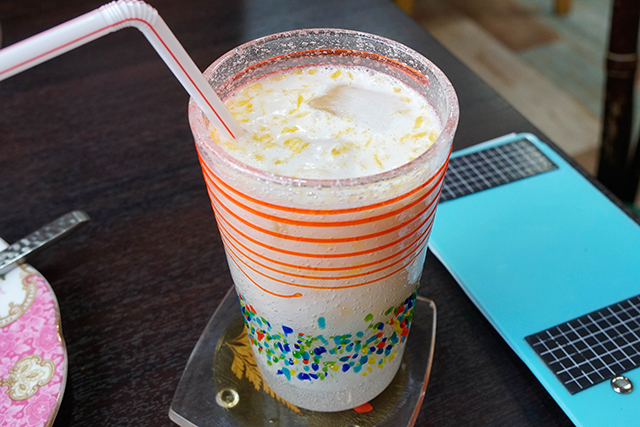
And the drinks only get better with this Amazake Dekopon (¥600, including tax). It has a very enjoyable fruitiness with the sweetness from the whole dekopon endocarp that burst with juicy flavour on popping. We’re fans of the amazake when it’s iced, as the natural thickness of the amazake creates a smoothie-like texture without the addition of dairy or blended as a frappe.
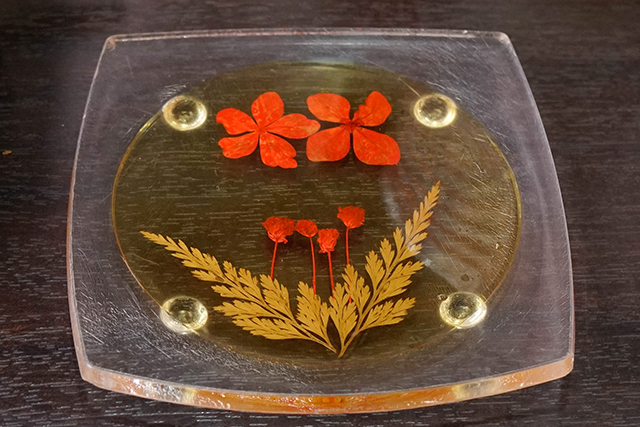
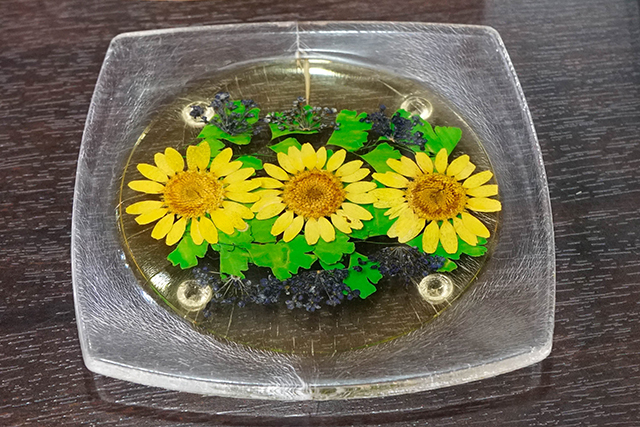
The coasters at the restaurant feature pressed (real) flowers inside the resin.
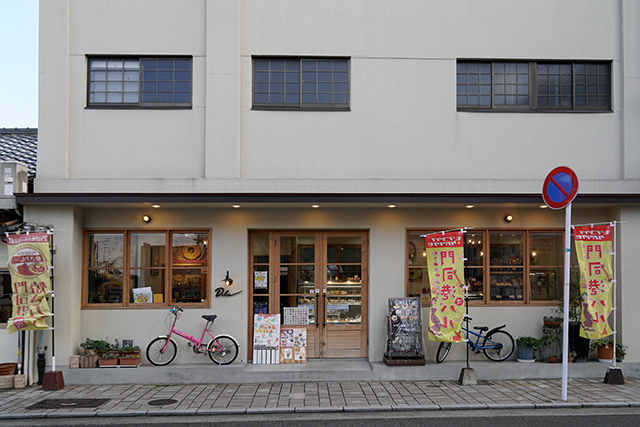
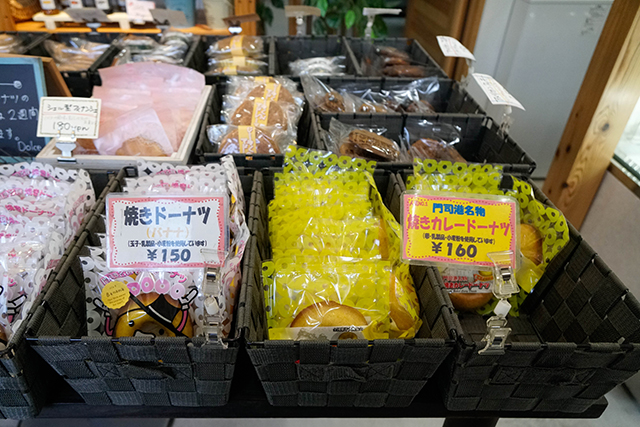
Attached to the restaurant is a bakery from which the cake in the menu set was chosen. There’s also doughnuts available in various flavours.
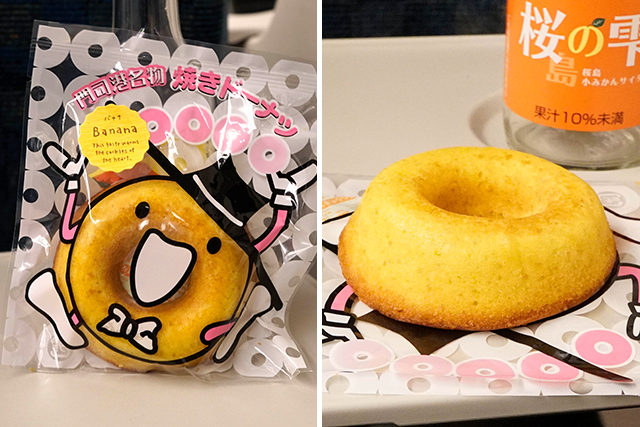
We picked up a Dolce Banana Baked Donut (¥160), which had a pronounced sweetness along with a prominent banana flavour. The texture was rather firm and rather dry, which made the heaviness of the flavours less enjoyable.
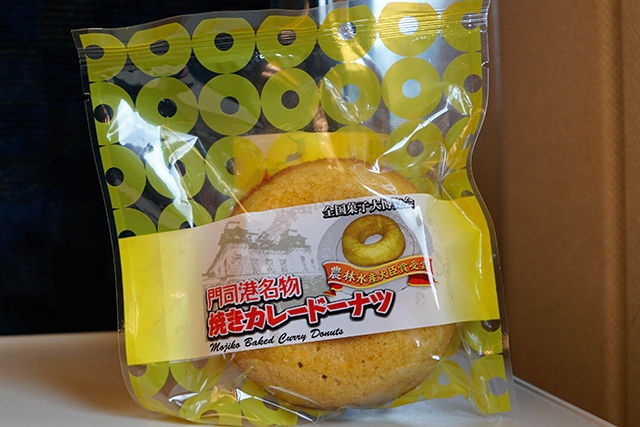
And finally, this is the Dolce Baked Curry Donut (¥160). This doughnut surprised us in a bad way as it was very sweet like a dessert rather than savoury as we expected. That aside, the curry flavour was fragrant, while the texture was surprisingly less dense than we’d expected. Still, we would not recommend this one.
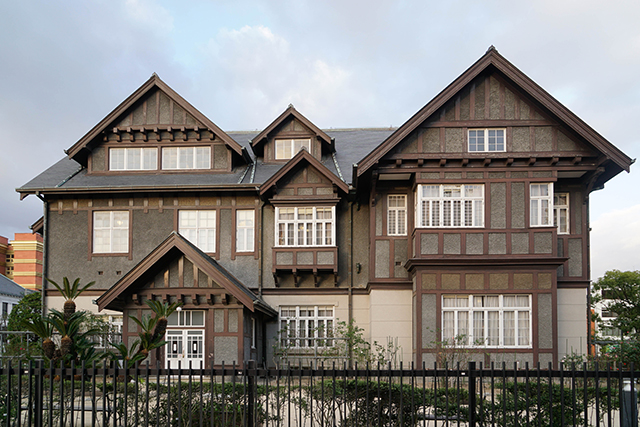
On our way back to the train station, we pass by the Former Moji Mitsu Club, which was constructed in 1921 as a reception and accommodation facility of Mitsui & Co Ltd, Japan’s first general trading company. The building is famous for Albert Einstein’s praise of its beauty when he stayed there during his visit to Japan in 1922.
Kokura, Kitakyūshū
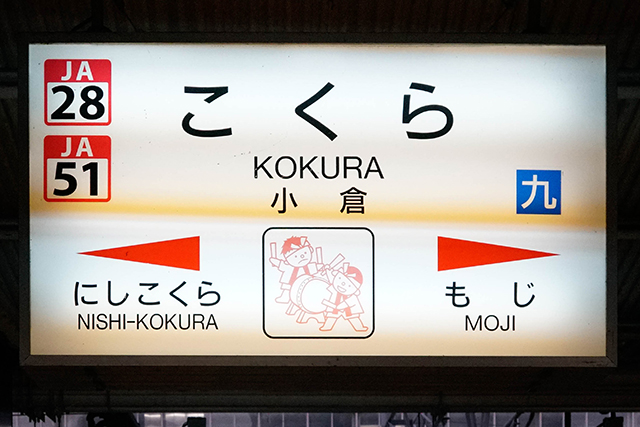
Heading back on the train, we need to change trains at Kokura so make a brief stop for some shopping.
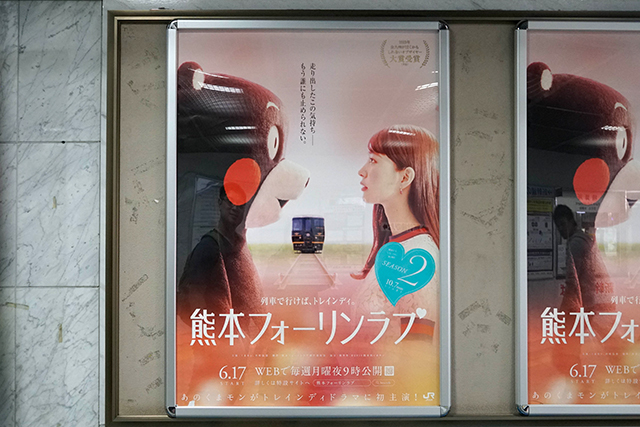
We see posters for this Kumamto Fall In Love, a web drama series produced by JR Kyūshū and Kumamoto Prefecture, but I can’t seem to access it from Australia, which is a pity.
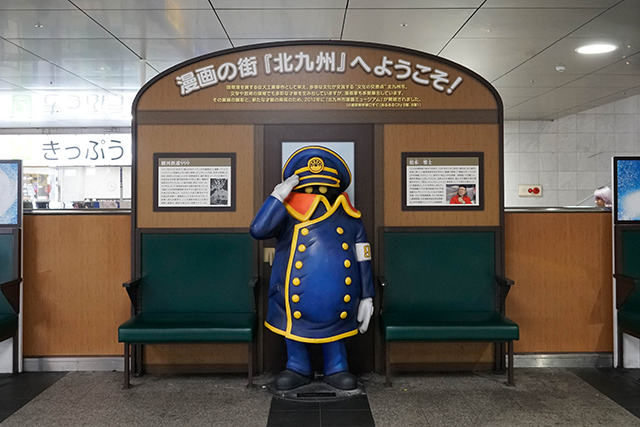
Kokura is also where the Museum of the Manga is located, so at Kokura Station, there are numerous sculptures related to manga. This here is the Conductor on Galaxy Railways from the popular manga Galaxy Express 999. He’s an alien with an invisible body; only his eyes can be seen while he is wearing his conductor uniform.
Red Cabbage
レッドキャベツ 小倉駅店, アミュキッチン内, 1 Chome−1−1, Asano, Kokurakita, Kitakyushu, Fukuoka, 802-0001, Japan
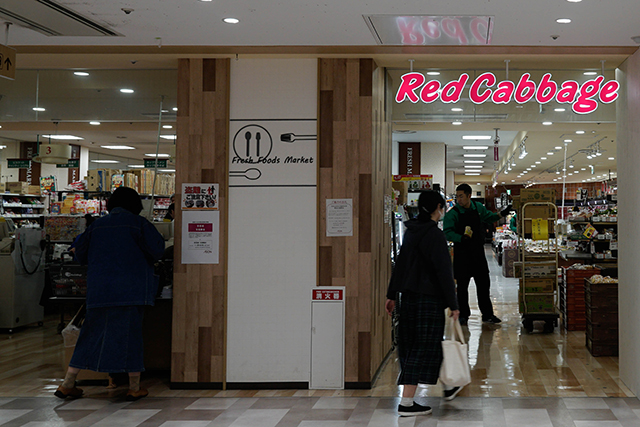
We’ve been quite impressed with the supermarkets this trip, with the smaller population of Kyūshū meaning that even supermarkets in the main cities are ‘suburban’ to carry more than the basics.
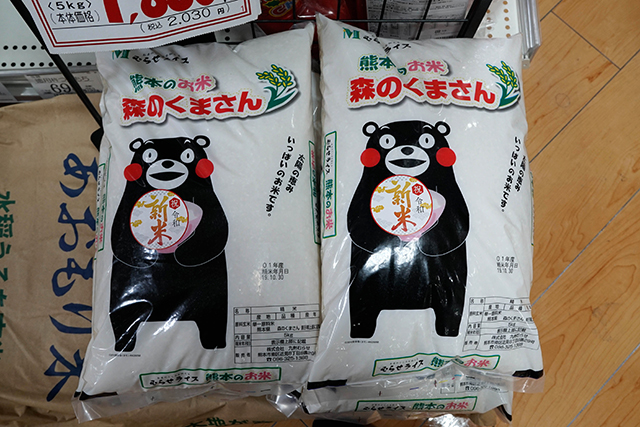
There’s some Kumamoto grown riced endorsed by Kumamon.
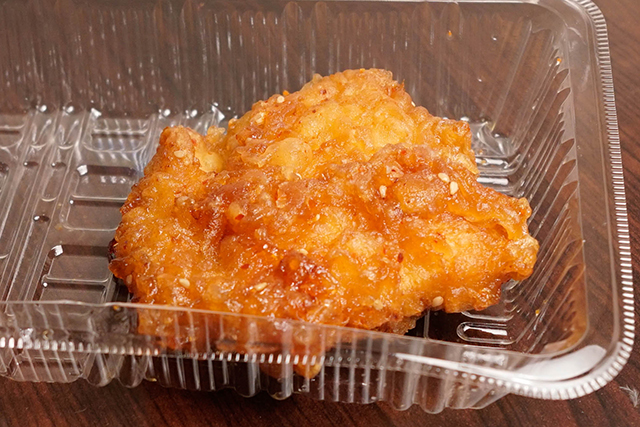
D picks up some sweet chilli fried chicken, which he enjoys heated up from the microwave at the supermarket. It’s nothing amazing, but enough to satisfy his daily craving for fried chicken.
Fukuoka
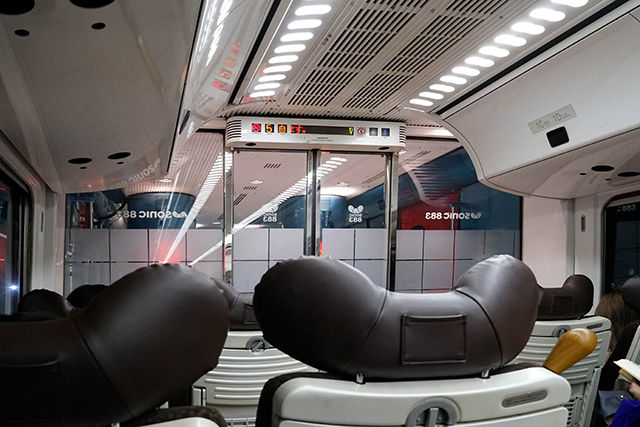
The trains servicing the route between Kokura and Hakata look much more worn than the ones elsewhere around Kyūshū.
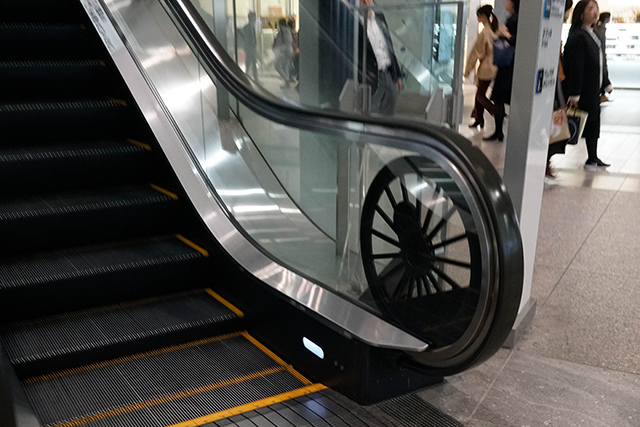
Back at Hakata Station, we notice this wheel feature inside the escalator.
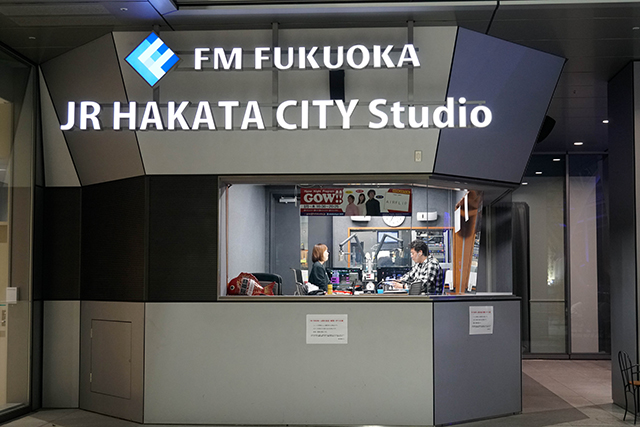
Heading up to the second floor, there’s the JR Hakata City Studio for the local radio station FM Fukuoka.
Pao Crepe Milk
パオクレープミルク 博多マルイ店, 博多マルイ, 9-1, Hakataekichuogai, Hakata, 812-0012, Japan
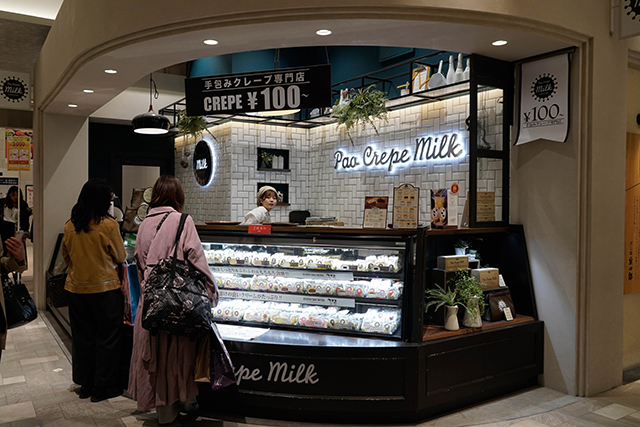
On our way home, we’re drawn to the ¥108 (including tax) crepes at Pao Crepe Milk. How could we resist at such prices?!
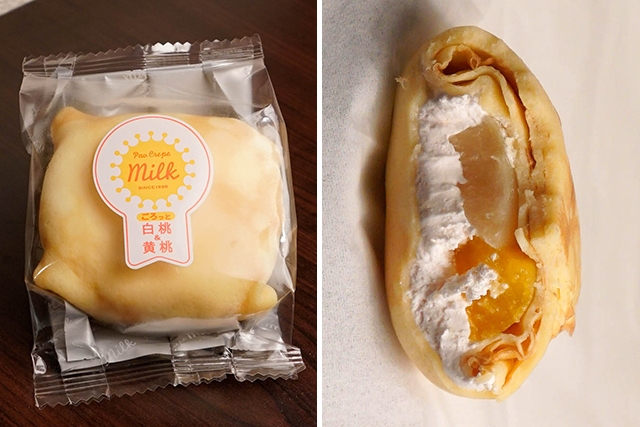
This is the White and Yellow Peach with a peach cream and fresh white peach and yellow peach. It had an initial cream cheese aroma but was overpowered by the enjoyable sweetness and firm crunch of the white peach contrasted well with the softness of the yellow peach.
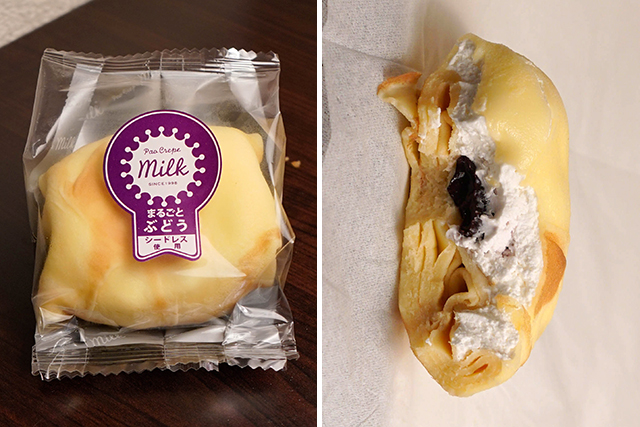
This is the Whole Grape (Seedless) with cream and fresh crape. The cream here tasted like margarine, which was odd and offputting, while the grape didn’t have the bright fruitiness we were expecting and added only textural relief.
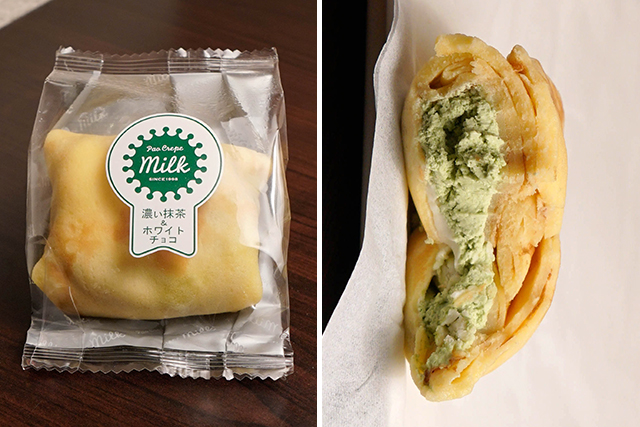
This is the Dark Taste Matcha & White Chocolate with dark green tea cream, white chocolate and a milk cream paste. This one had the most enjoyable aroma of the ones so far as the matcha masked the dairy notes both in smell and taste, while the white chocolate added crunch that contrasted with the softness of the cream.
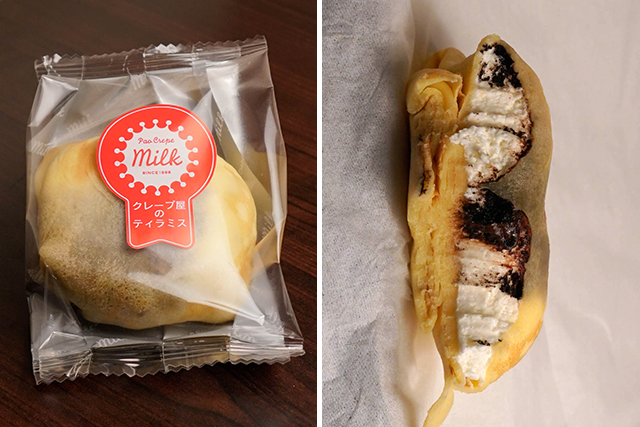
This is the Tiramisu with cheese cream and crunchy cocoa biscuit. This one had a bold cocoa flavour that we enjoyed initially, but was promptly overwhelmed by the cream cheese.
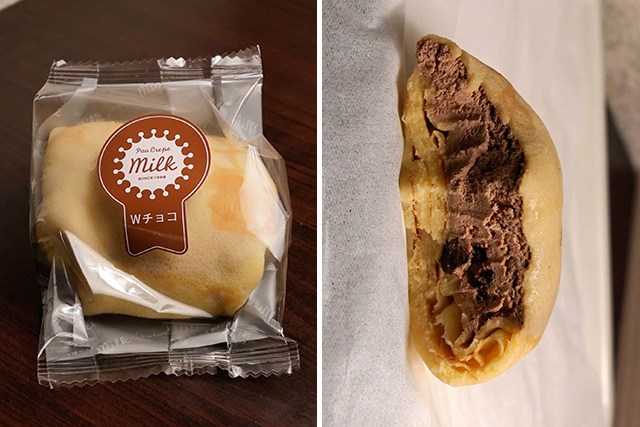
This is the Double Chocolate with chocolate cream and chocolate chip. We enjoyed the bold chocolate flavour in the cream that’s punctuated by the crunch of the chocolate chip.
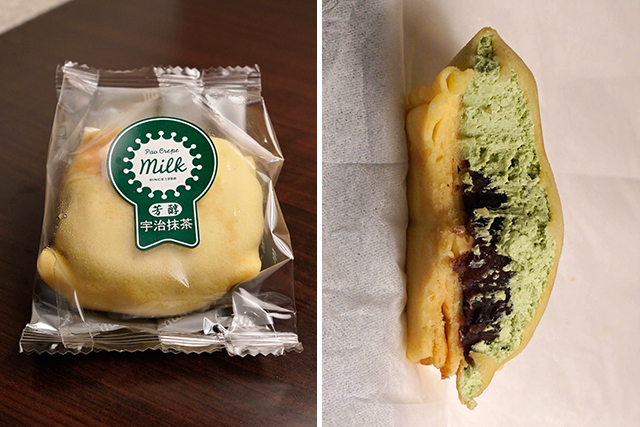
This is the Rich Uji Matcha with Uji matcha cream and mashed sweet bean paste. This is a classic pairing and the gentle sweetness and natural nuttiness of the red bean complements the matcha flavour much better than the richer white chocolate.
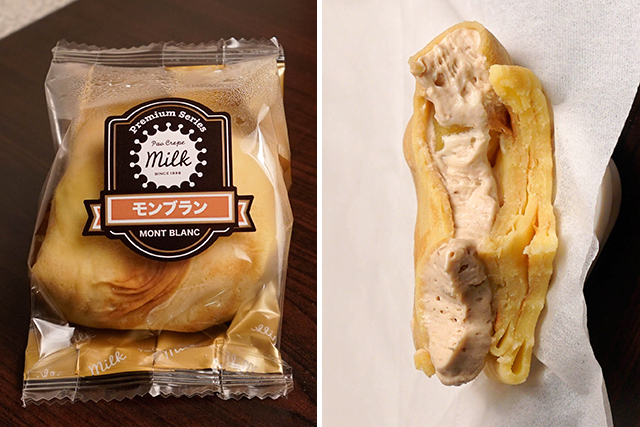
Finally, this Mont Blanc was part of their Premium series for ¥162 (including tax). It had a chestnut cream with a whole chestnut and is easily my favourite with the cream having a warm nuttiness from the chestnut before the whole chestnut itself brought a more intense flavour and contrasting texture.
Hotel Sunlike Fukuoka
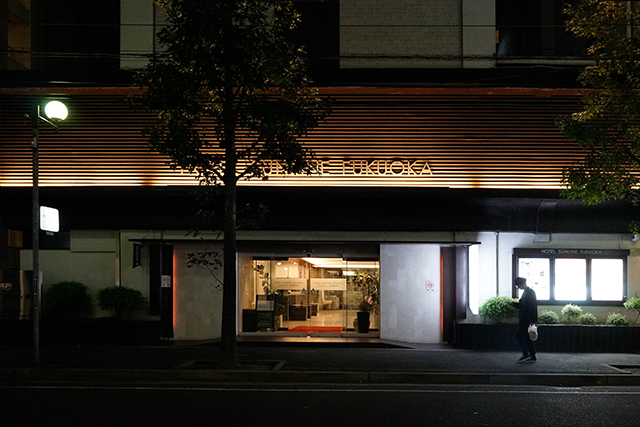
Back at our hotel, we enjoyed the crepes purchased from Pao Crepe Milk with a few chu hai from the Kirin Travelling Hyoketsu series.
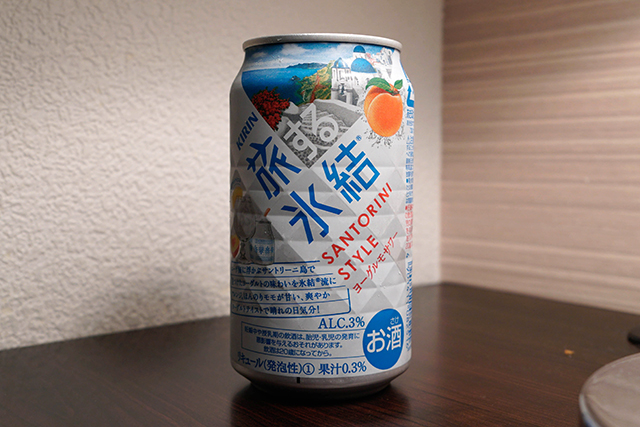
This is the Santorini Style Yougurumo Sour, described as capturing the taste of peaches and yoghurt found on Santorini. Upon tasting, the flavour very much recalled a peach flavoured Calpis, with the brightness of the peach flavour and the sweetness making it very easy to drink.
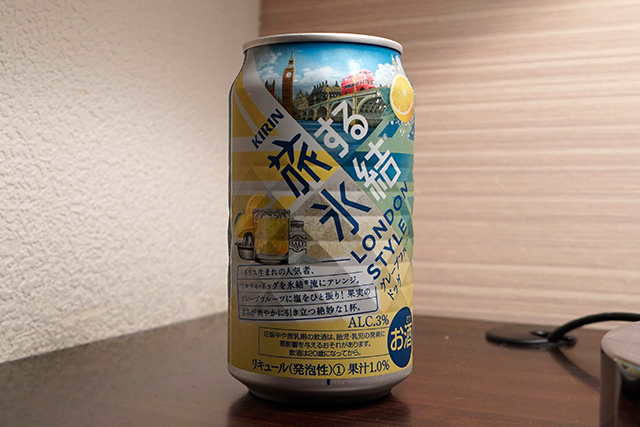
This is the London Style Grapefruit Dog, inspired by the popular British cocktail that is the salty dog. Upon tasting, the drink delivered an enjoyable zesty grapefruit flavour with restrained bitterness and an enjoyable sweetness ahead of a dry finish.
Moji and Shimonoseki were Day 5 of 15 in this Japan 2019 trip around Kyūshū. Day 6 saw us visiting Yufuin.