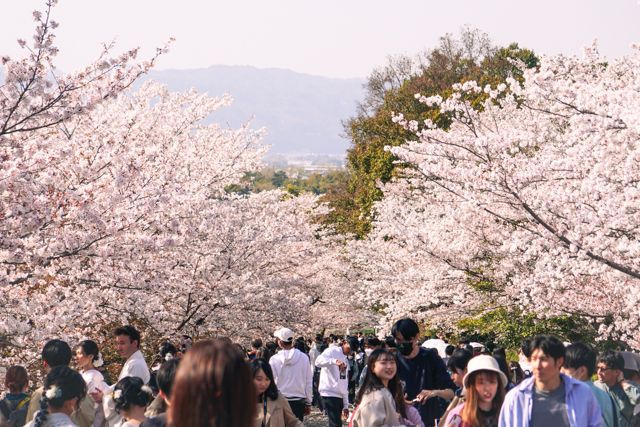
Our third day in Japan saw us visiting Kyōto to enjoy the cherry blossoms in full bloom in the Sakyo and Higashiyama Wards. We’d previously visited this area during our trip in the autumn of 2011 (1, 2). Kyōto was our last day in the Kansai region for this trip. Viewing the cherry blossoms at peak bloom was everything we’d dreamed of being able to experience. We could not have asked for more perfect timing.
Kyōto
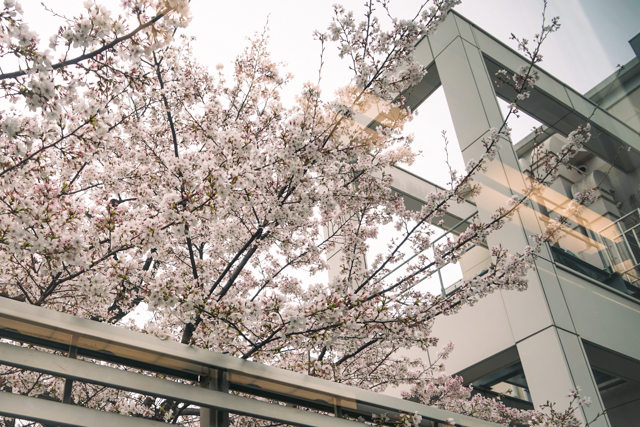
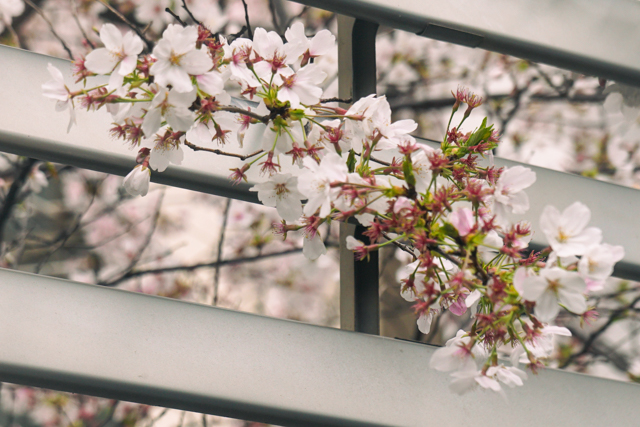
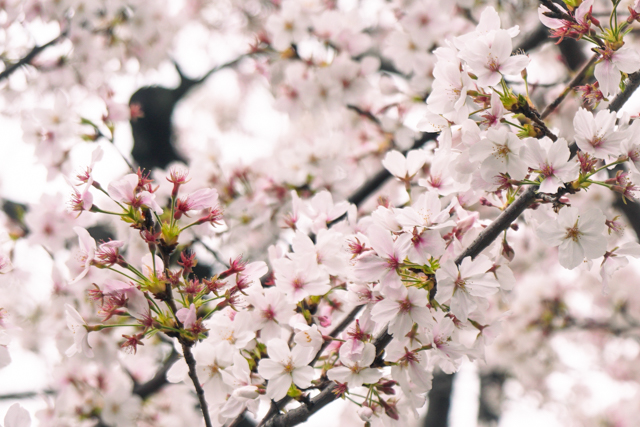
Sakyo Ward
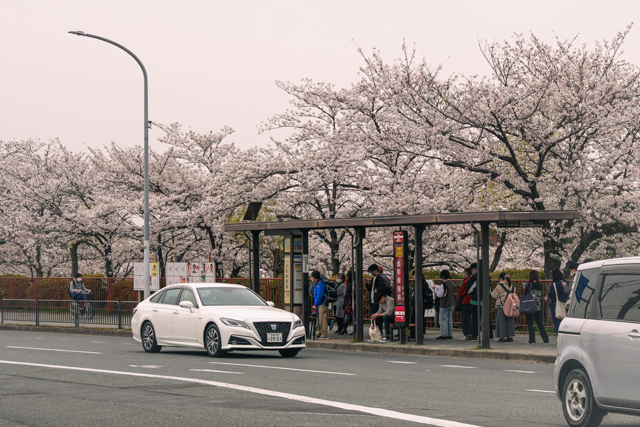
To reach Higashiyama from Ōsaka, we took the limited express train to Demachiyanagi Station from which we caught a bus to Ginkakujimichi where the Tetsugaku no Michi began.
Kanemaru Kajitsu Shōten
金丸果実商店, 45 Jodoji Higashidacho, Sakyo Ward, Kyōto, 606-8411, Japan
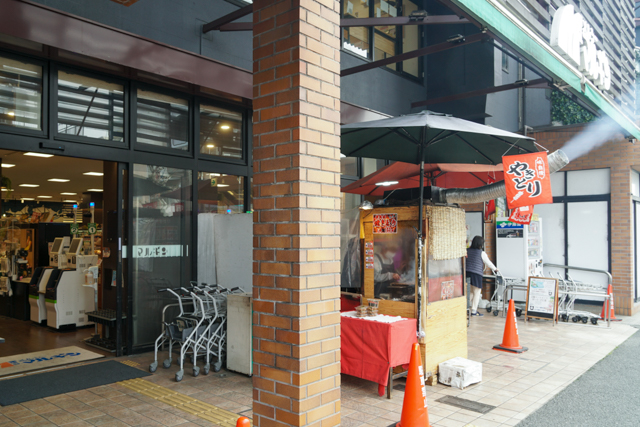
Directly outside the bus stop was a neighbourhood supermarket filling the street with the aroma of freshly baked sweet potato.
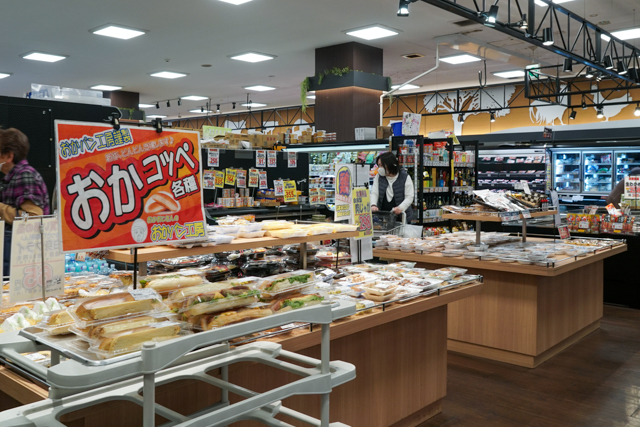
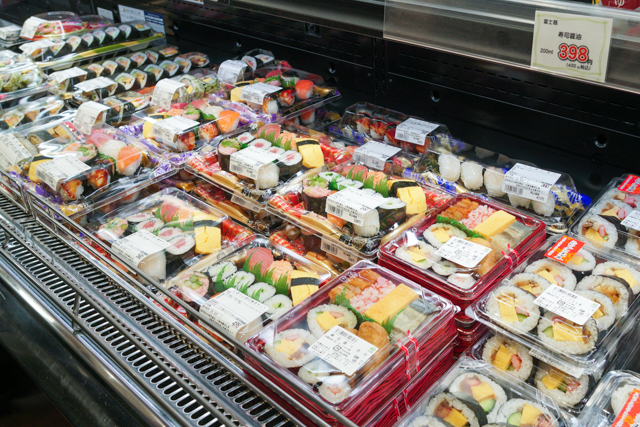
We promptly entered to find something delicious for brunch. We were not disappointed!
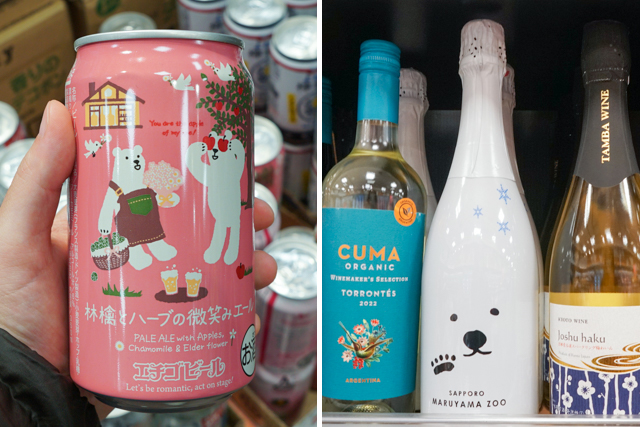
There was cute packaging in the alcohol section.
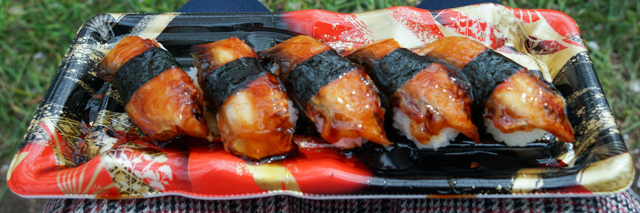
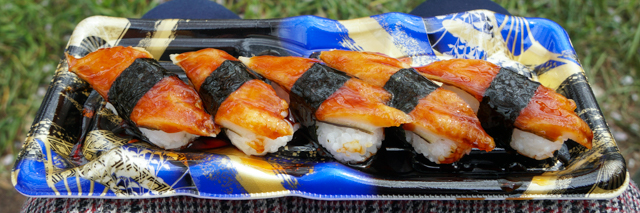
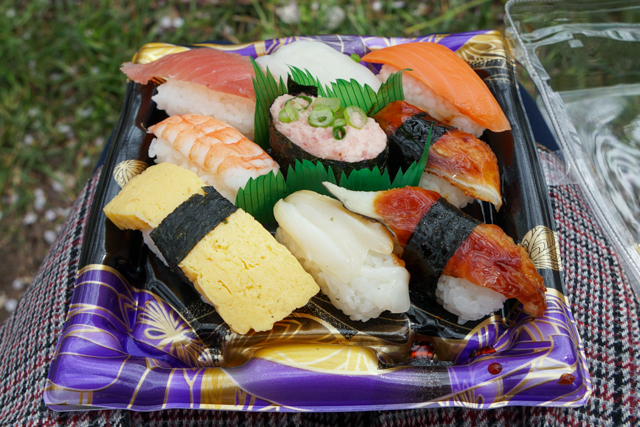
We left with various types of nigiri:
- Top: Unagi nigiri (¥498)
- Middle: Anago nigiri (¥398)
- Bottom: Nigiri selection (¥580)
We enjoyed all three immensely. The unagi (freshwater eel) had a richer flavour with a firmer mouthfeel than the anago (saltwater eel), which was soft and sweeter.
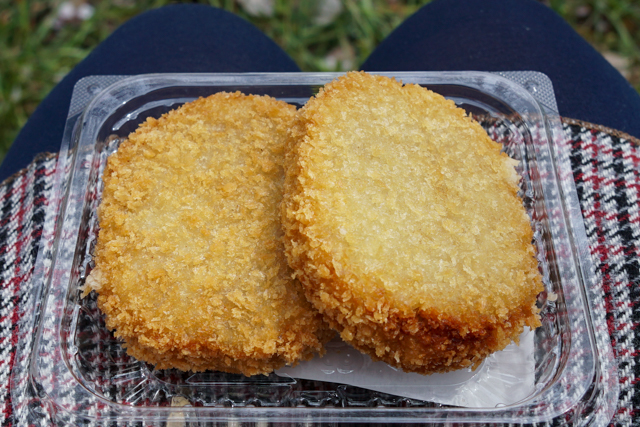
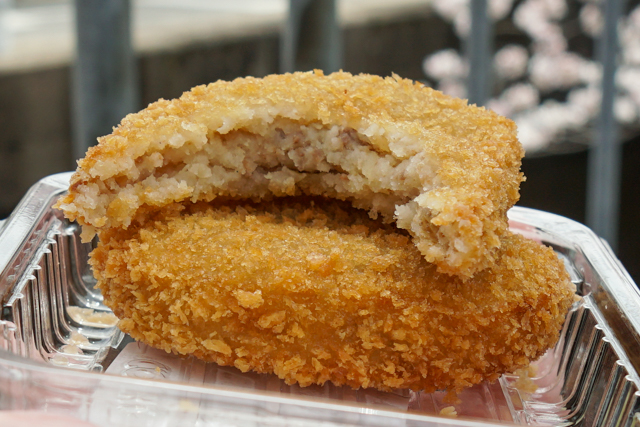
The mix of beef mince and mashed potato in the croquette were also delicious.
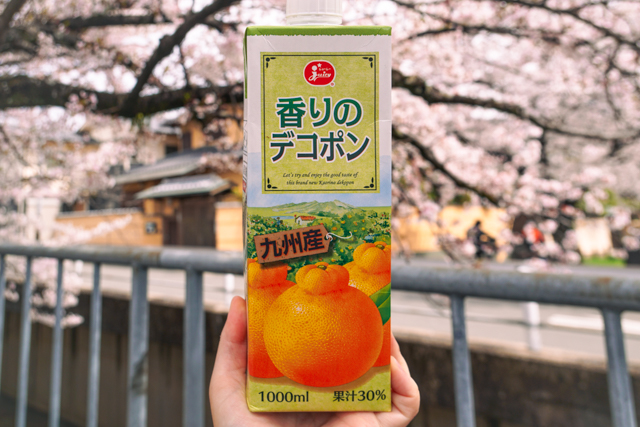
To wash it down we had the Kaori no Dekopon from Kyūshū, which contained 30% juice. We love dekopon and had enjoyed this drink before during a previous trip to Kumamoto. It remained refreshing and enjoyable.
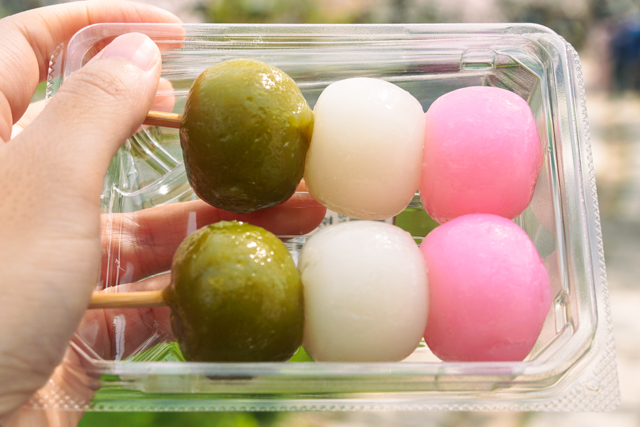
And to get into the spirit of hanami, we had some hanami dango (¥260). These were too soft and sweet for our tastes.
Tetsugaku no Michi
哲学の道, Sakyo Ward, Kyōto, Japan
Jodoji Bridge to Ginkakujimaecho
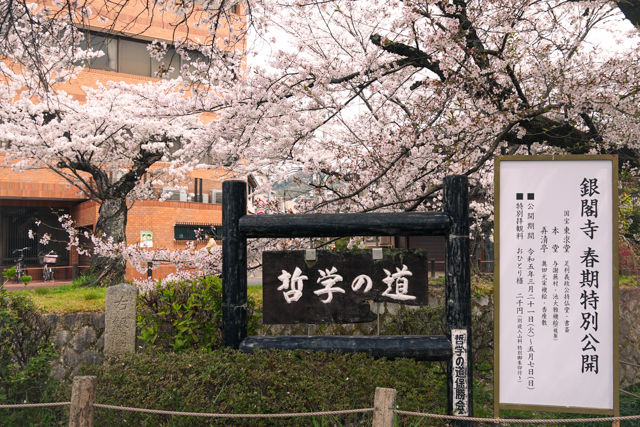
Tetsugaku no Michi (Philosopher’s Walk)
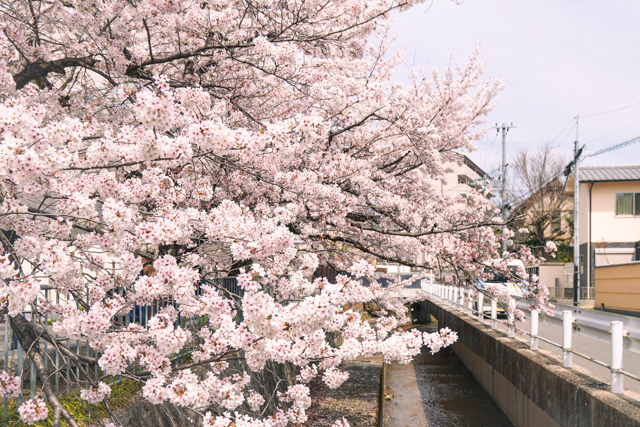
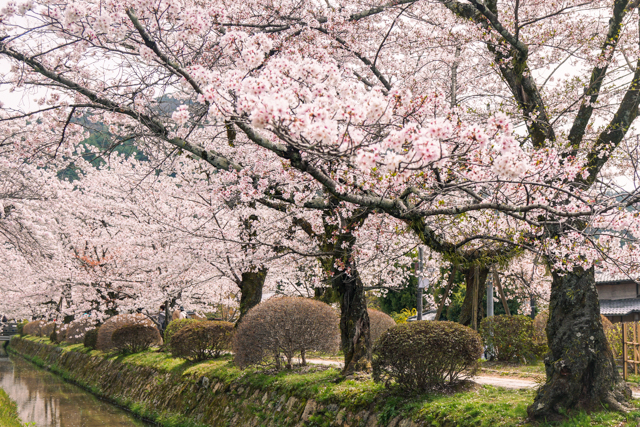
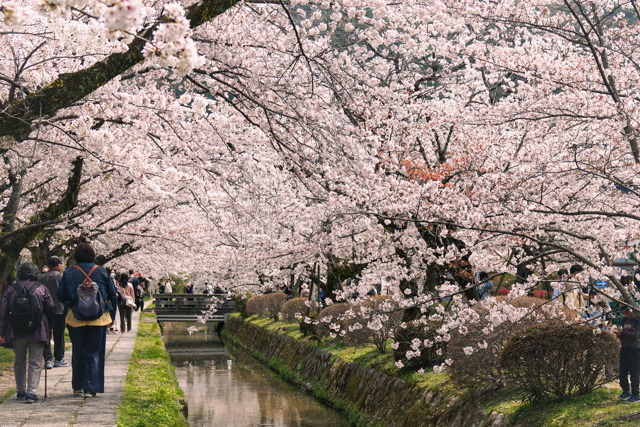
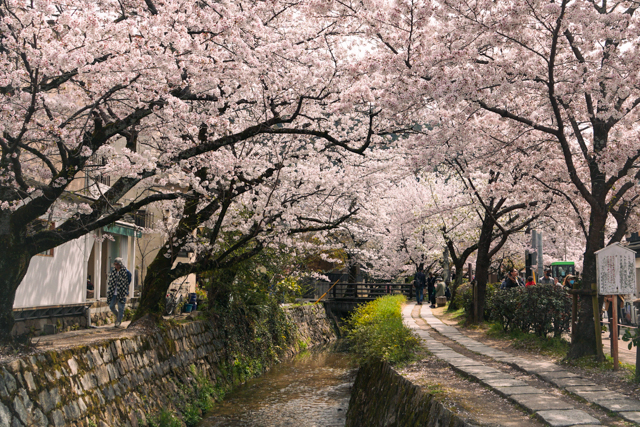
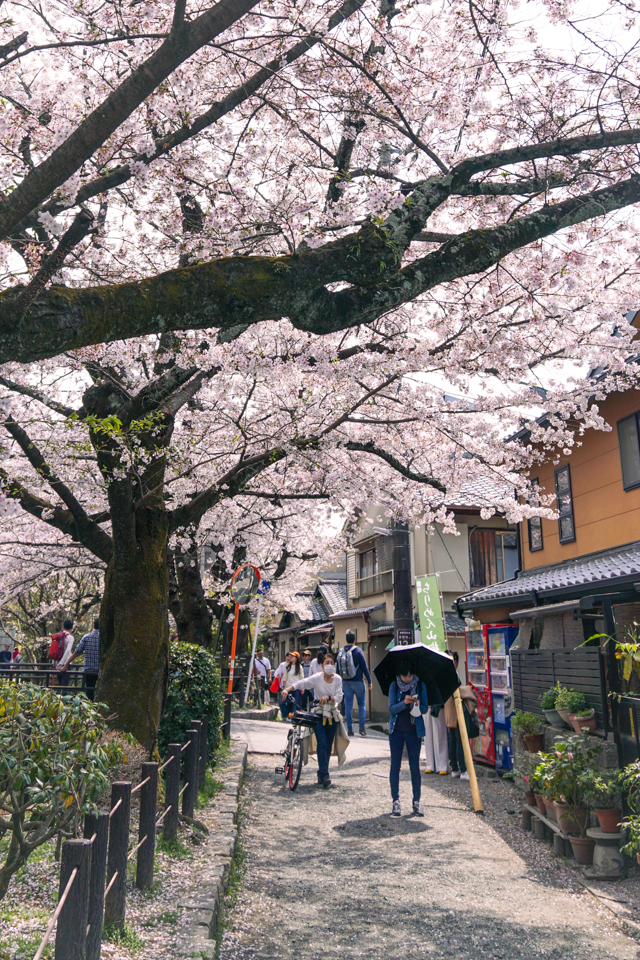
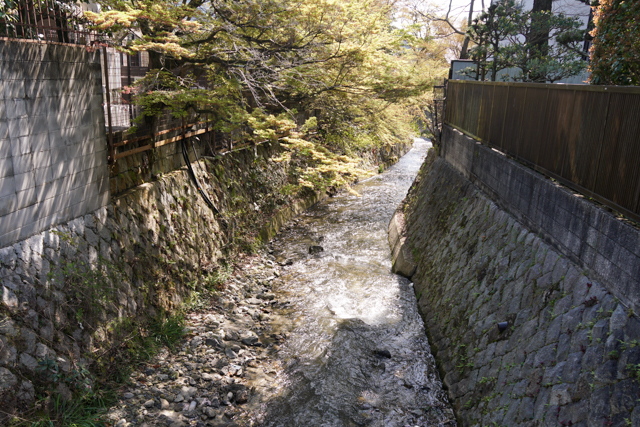
The passage was completed in 1890 at the foot of the Higashiyama Mountain Range and was extended in 1912. The walking trail runs alongside the cherry tree lined Lake Biwa Canal. (Around 1.8 km from the Nyakuoji Bridge to the Jodoji Bridge.) There are famous temples and shrines nearhy such as the World Heritage Ginkaku-ji Temple with a pleasant historical and cultural atmosphere.
In 1968, with the enthusiasm of local residents, Kyōto City completed the passage as a walking trail.
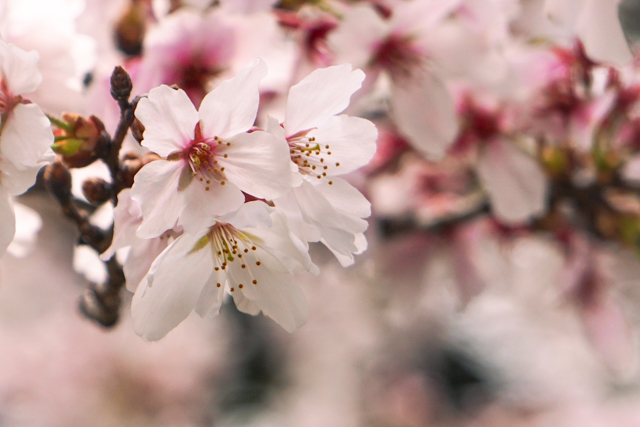
Since then, residents and the Kyōto City Water Supply and Sewage Bureau have worked on the maintenance of the trail and it is a relaxing place for people living in Kyōto as well as for tourists with cherry blossoms in spring, fireflies in summer, colored leaves in autumn and a snowy scenery in winter.
In 1986, Philosopher’s Walk was chosen for the 100 Best Japanese Roads.
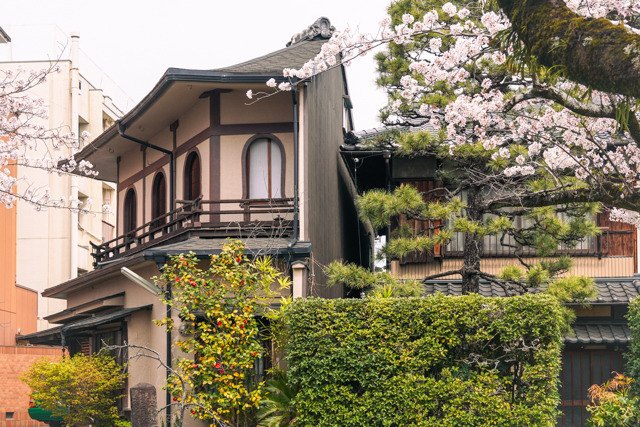
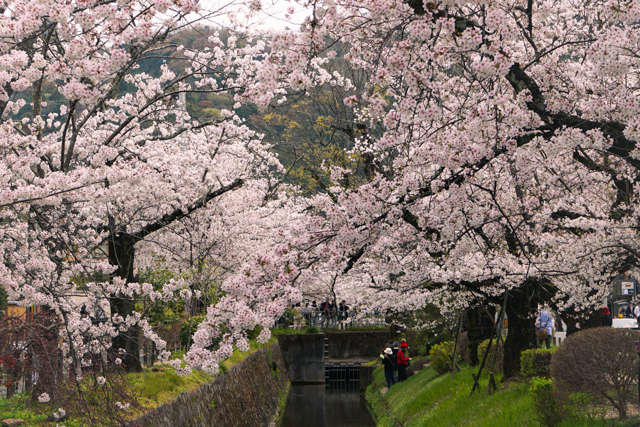
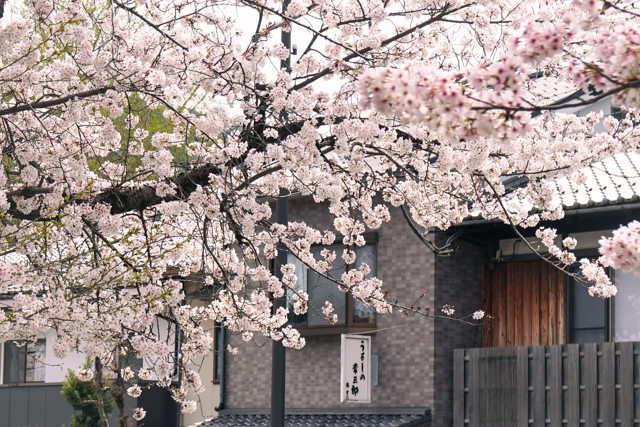
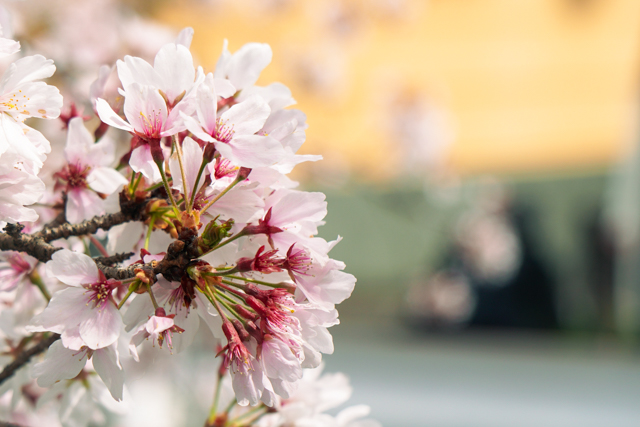
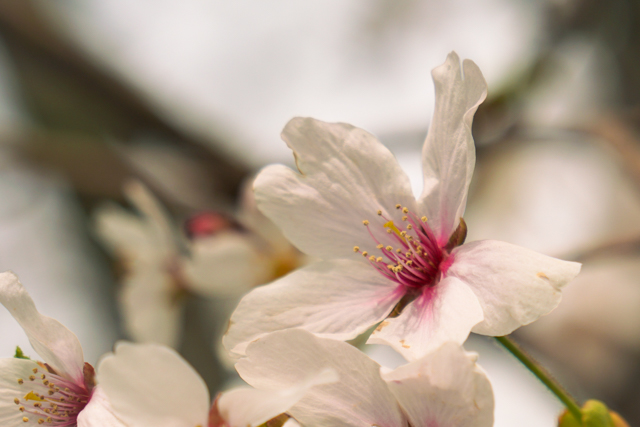
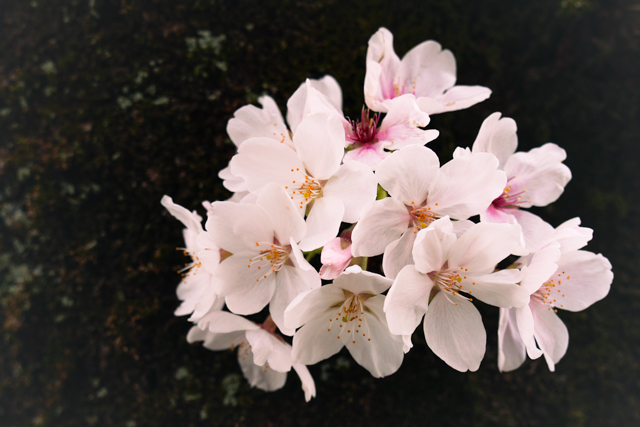
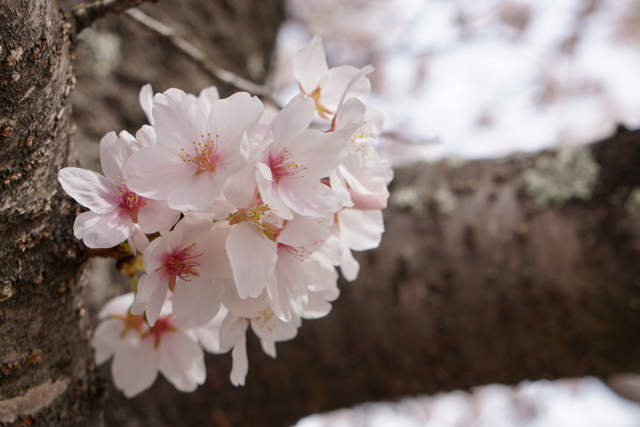
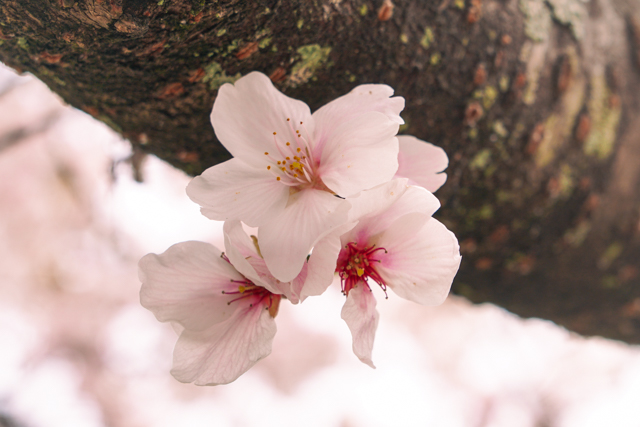
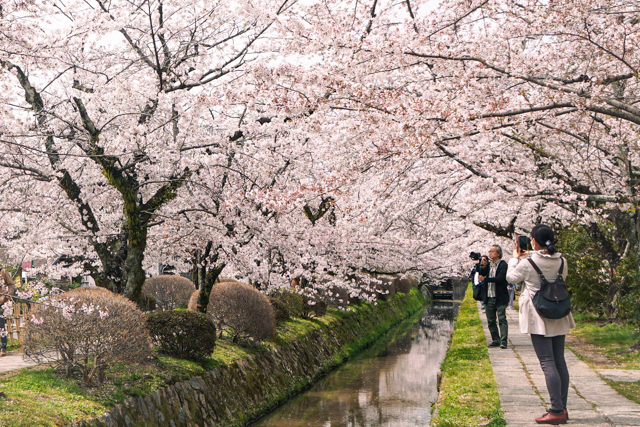
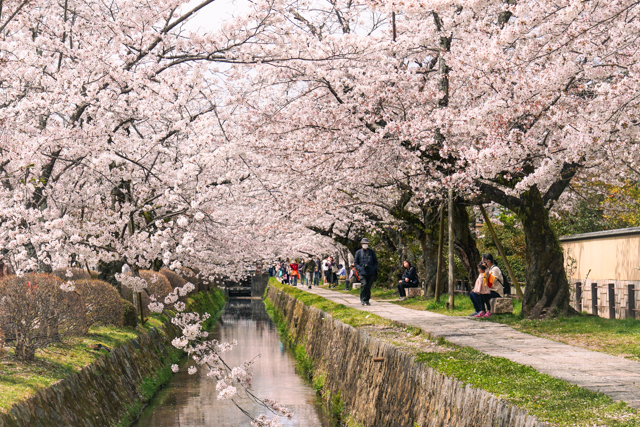
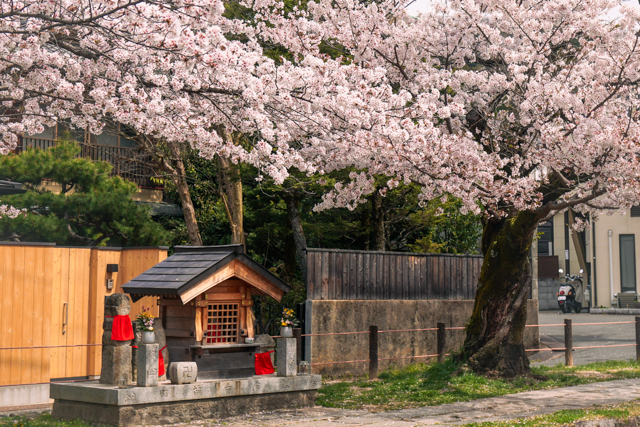
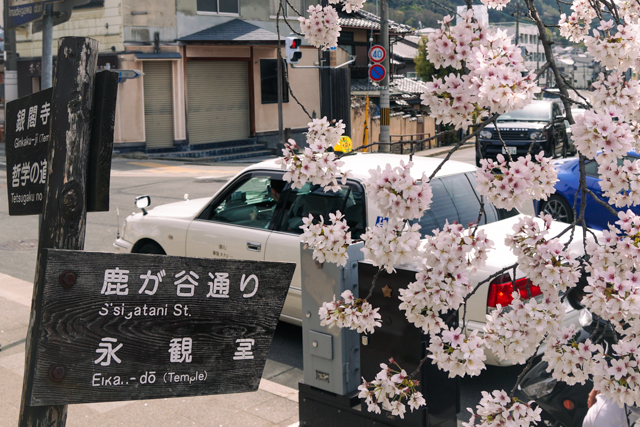
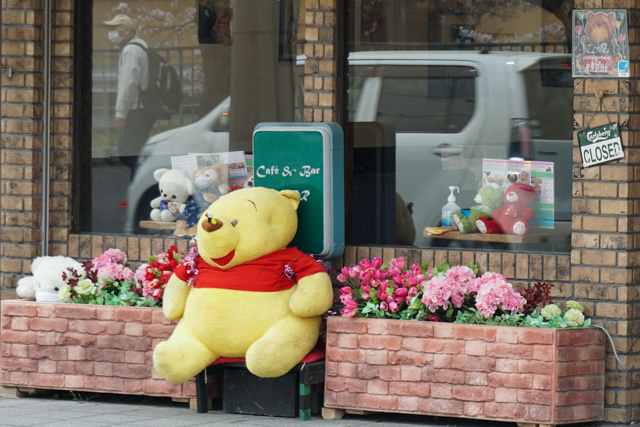
Ginkakujimaecho
銀閣寺前町, Sakyo Ward, Kyōto, 606-8407, Japan
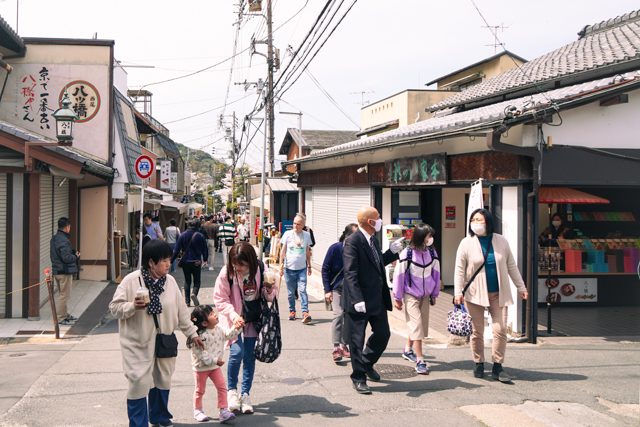
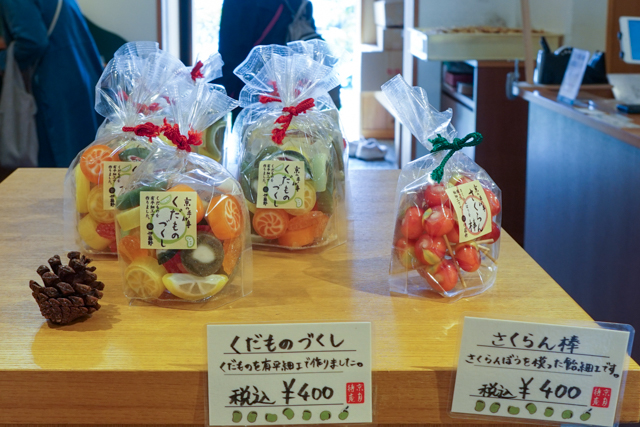
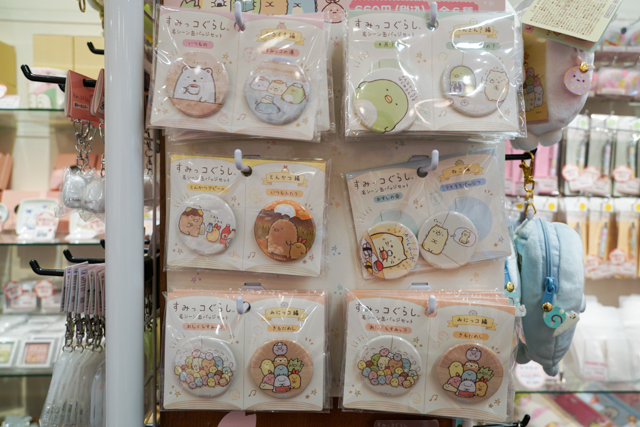
We made a short detour to explore the shops along the approach to Ginkakuji (Silver Pavillion).
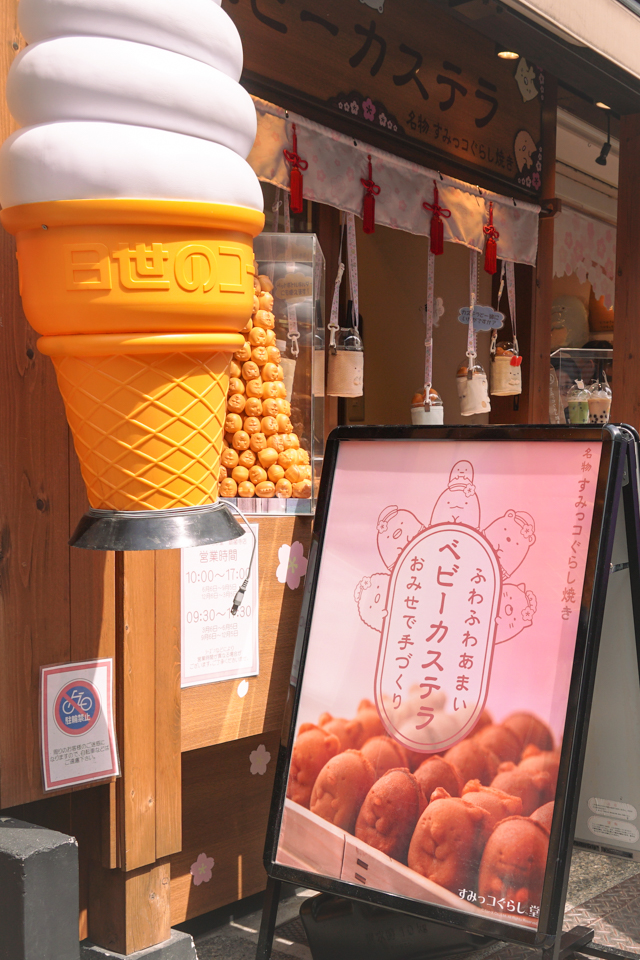
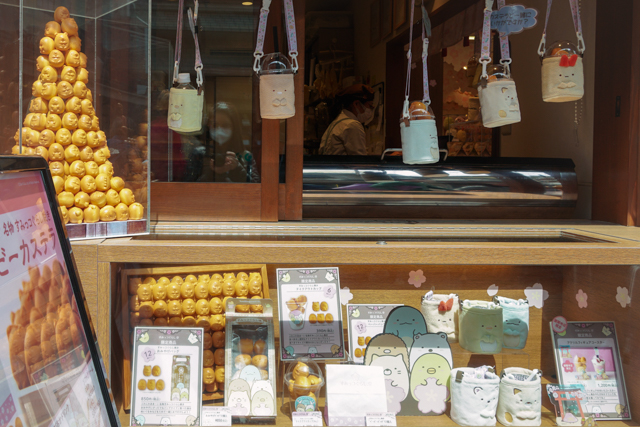
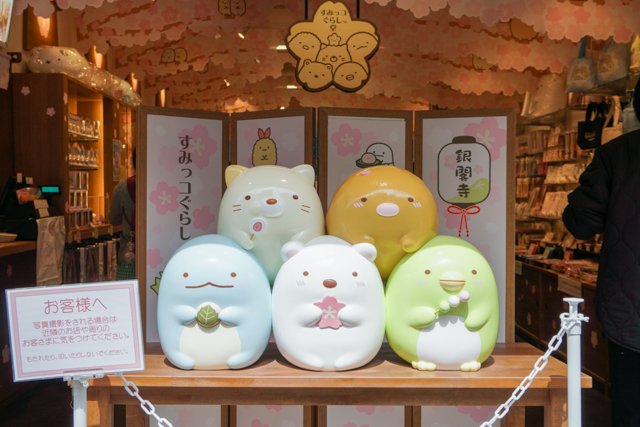
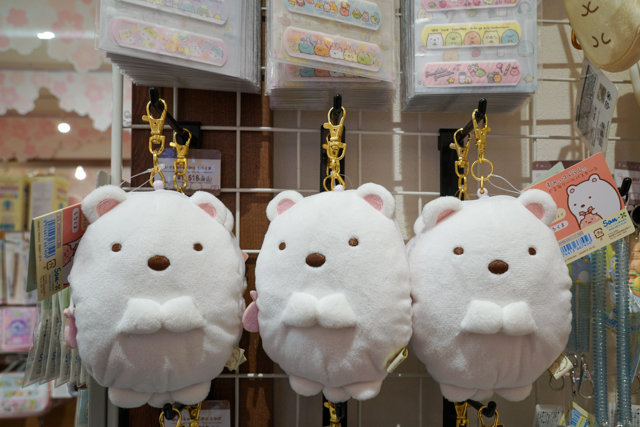
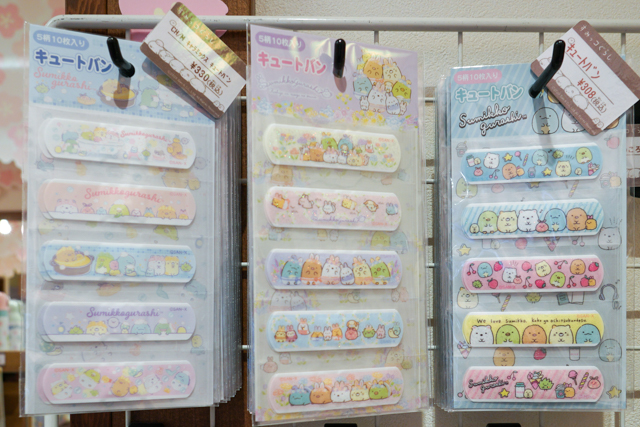
Sumikko Gurashi
すみっコぐらし堂 銀閣寺店, 15-7 Ginkakujimaecho, Sakyo Ward, Kyōto, 606-8407, Japan
Kanmidokoro Kamakura
甘味処鎌倉 京都銀閣寺前店, 14-8 Ginkakujimaecho, Sakyo Ward, Kyōto, 606-8407, Japan
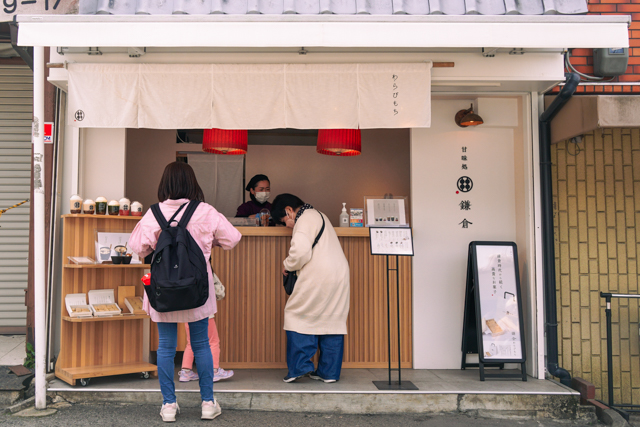
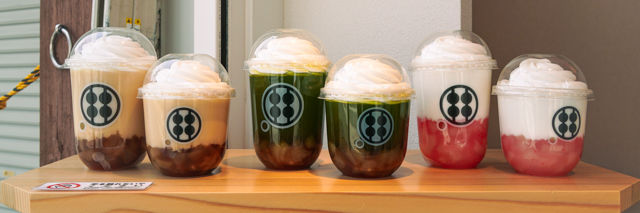
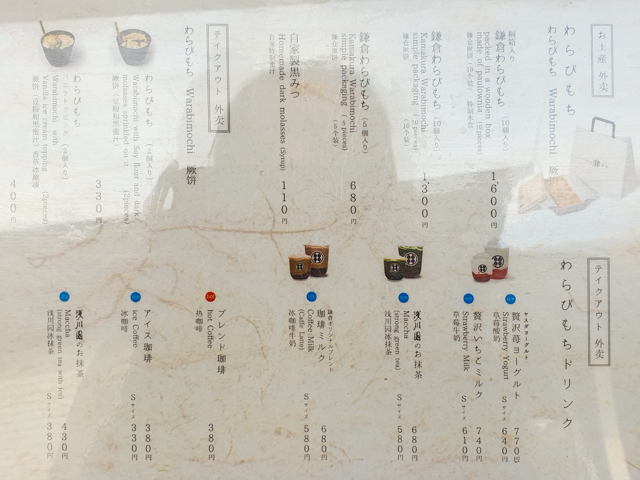
Kanmidokoro Kamakura is a confectionery shop specialising in warabi mochi from Kamakura. It has shops all over Japan, and we stumbled across the one outside Ginkakuji.
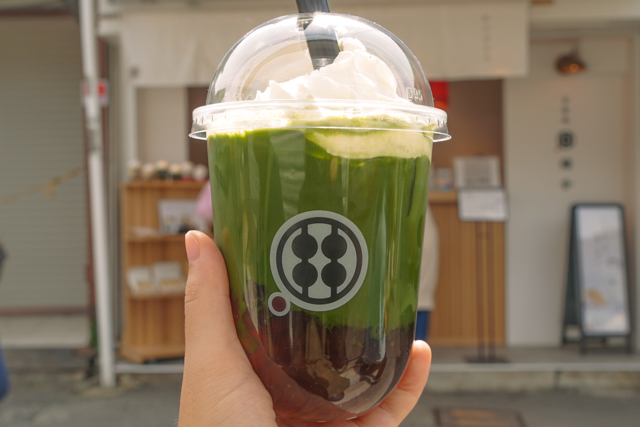
Asakawa-en no Matcha (large, ¥680 inc tax). This featured warabi mochi, topped with strong matcha and whipped cream.
This was one of the best drinks we’ve enjoyed anywhere. The warabimochi was delightfully soft and bouncy and elevated the drinking experience. The matcha was bold with a creamy mouthfeel and bright grassiness that was softened by the cream as well as the balanced sweetness of the drink.
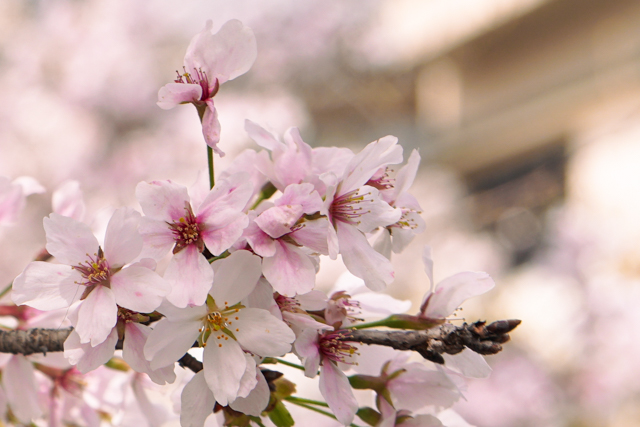
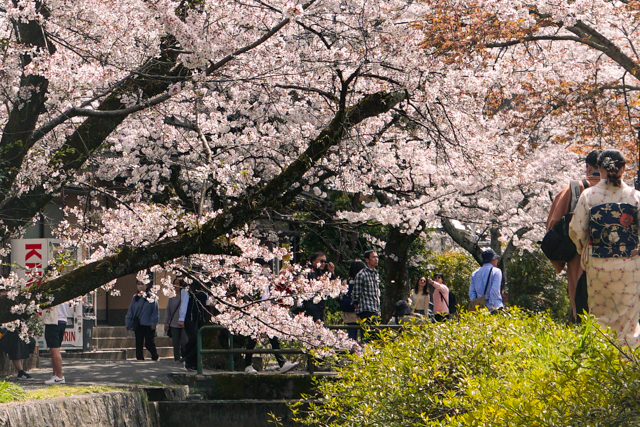
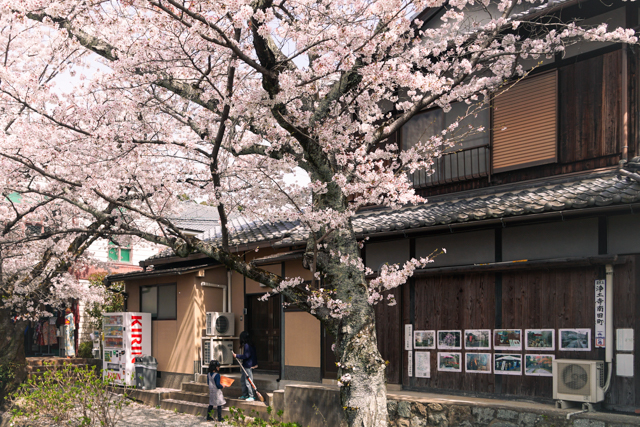
Tetsugaku no Michi
Ginkakujimaecho to Mirokuin
哲学の道, Sakyo Ward, Kyōto, Japan
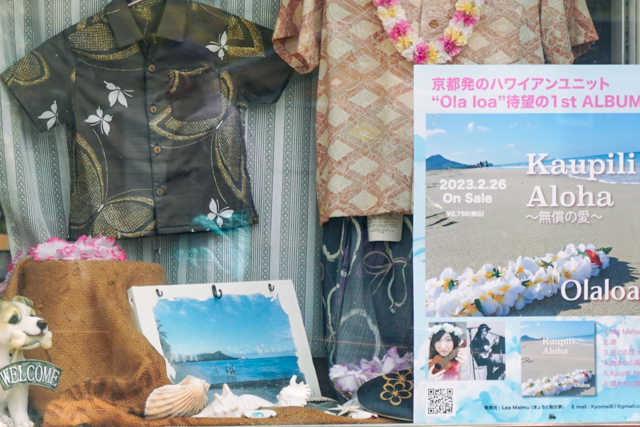
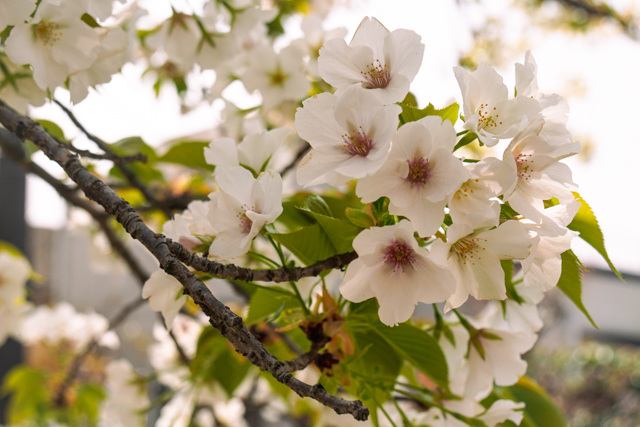
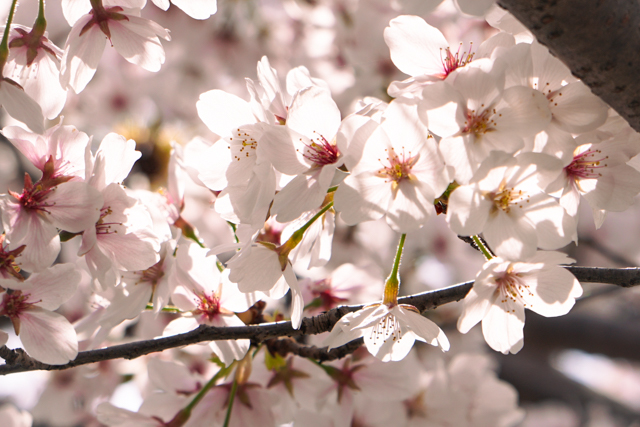
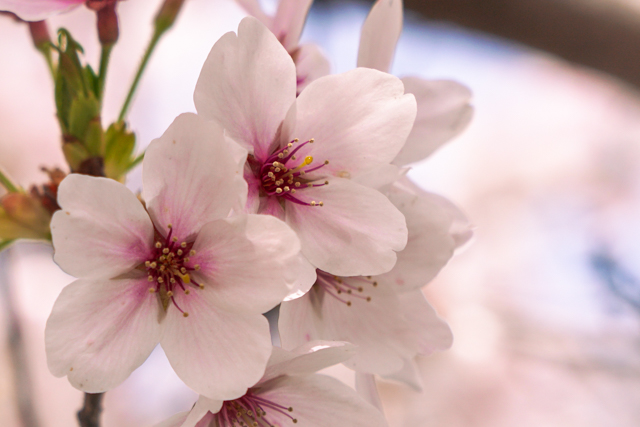
Mirokuin
弥勒院, 29 Jodoji Minamidacho, Sakyo Ward, Kyōto, 606-8403, Japan
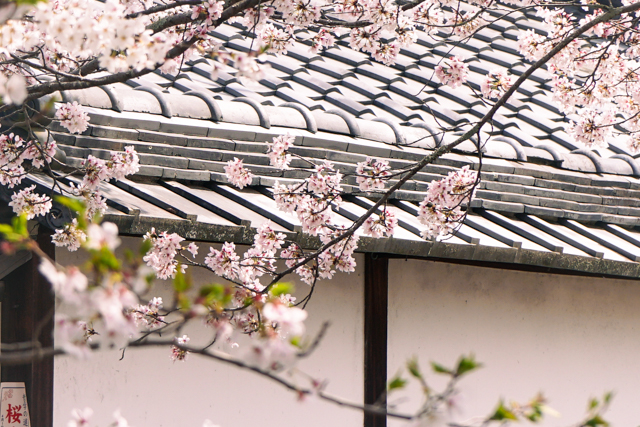
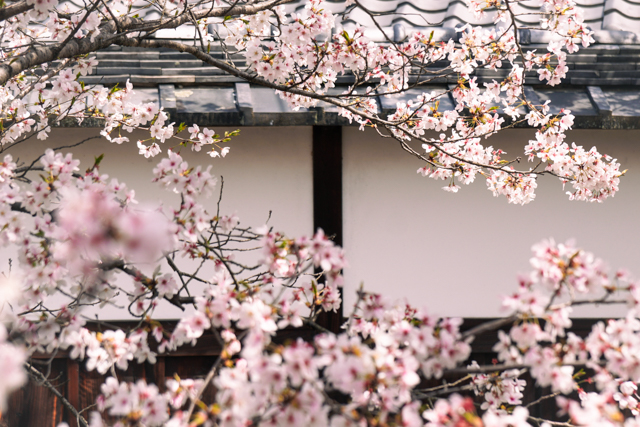
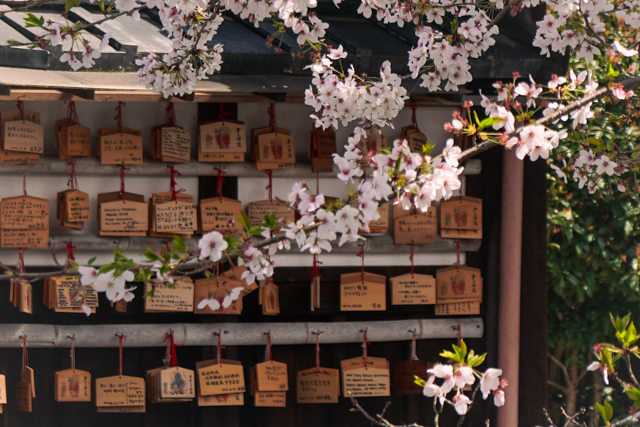
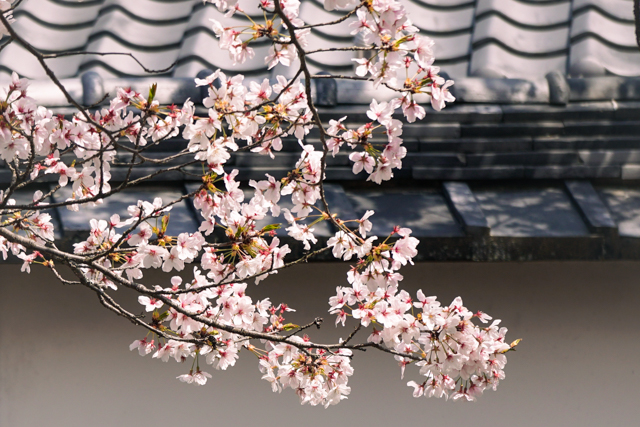
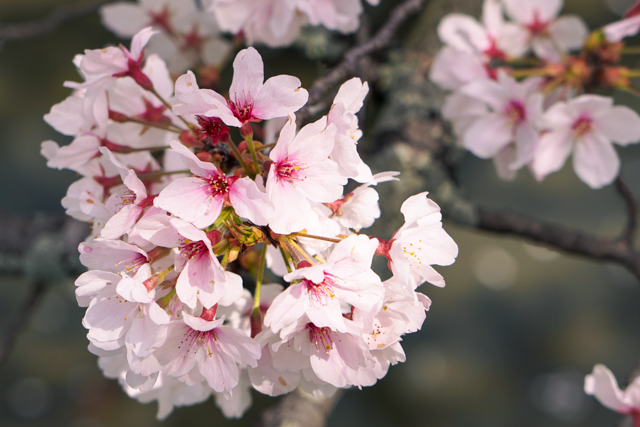
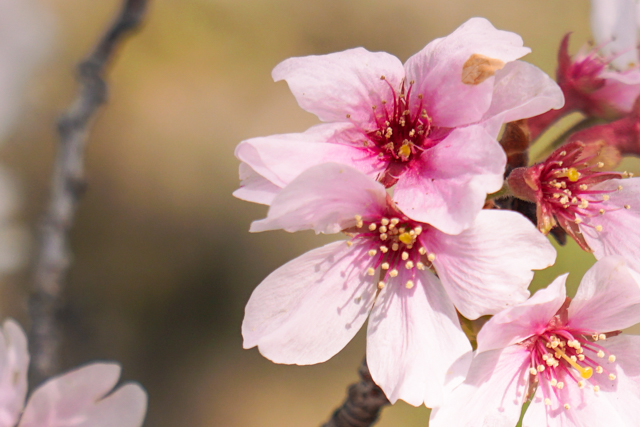
Mirokuin is a small Buddhist temple.
Mirokuin to Ōtoyo Shrine
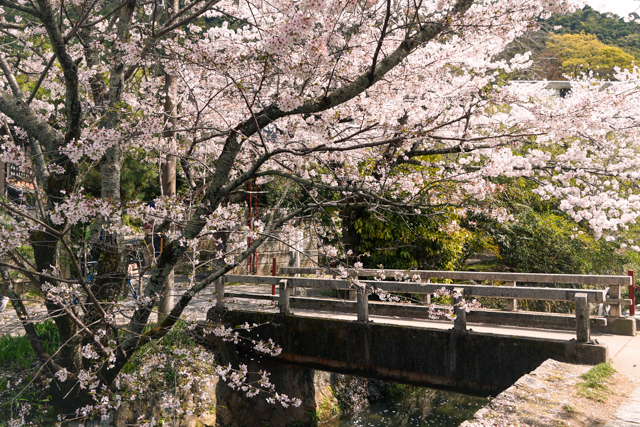
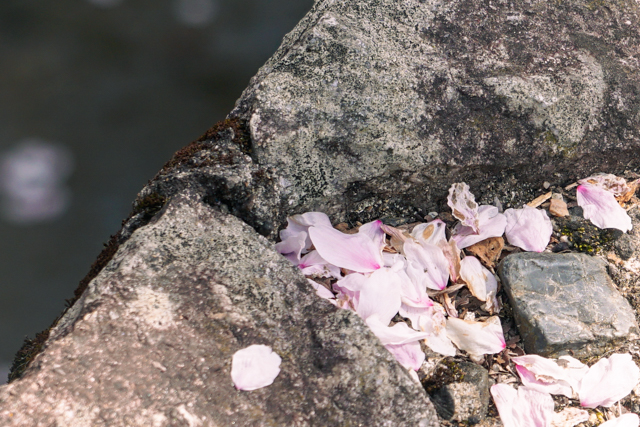
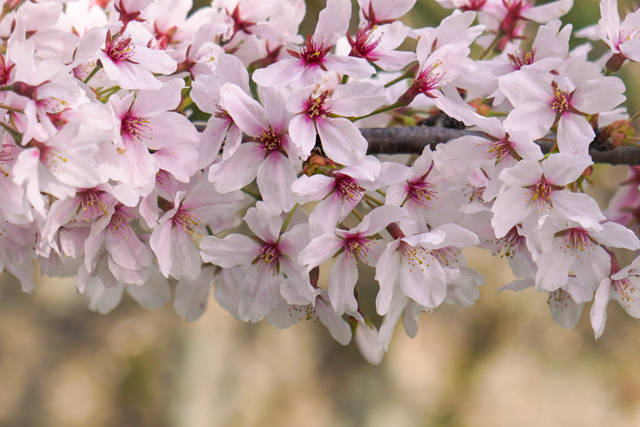
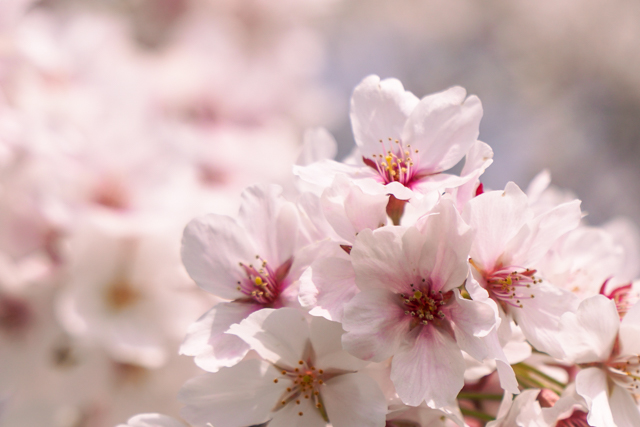
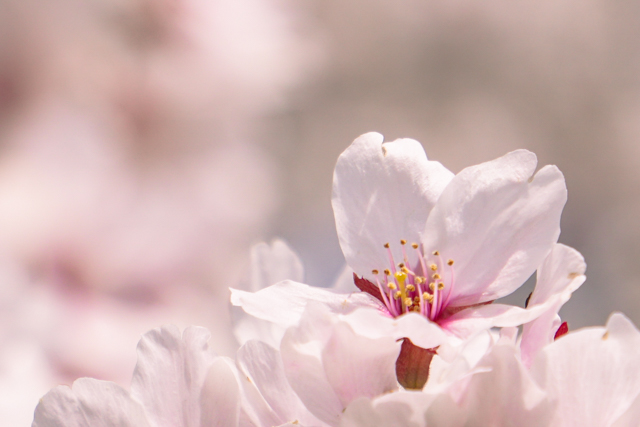
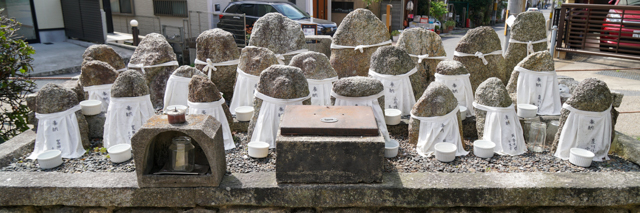
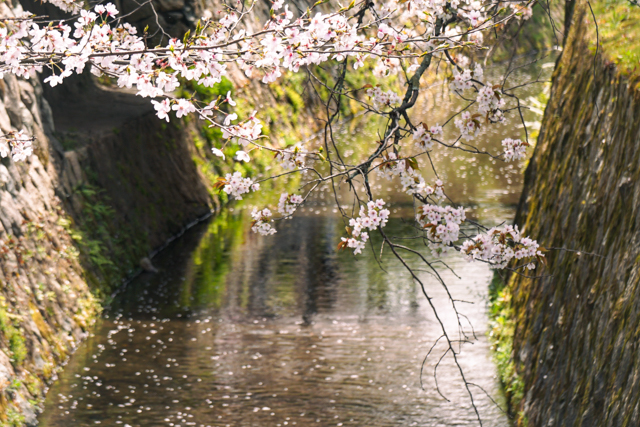
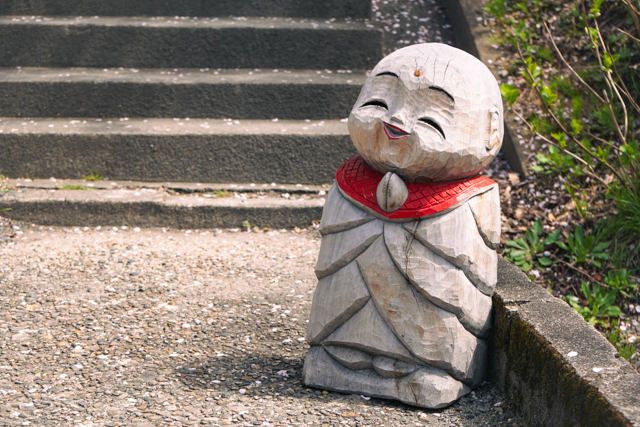
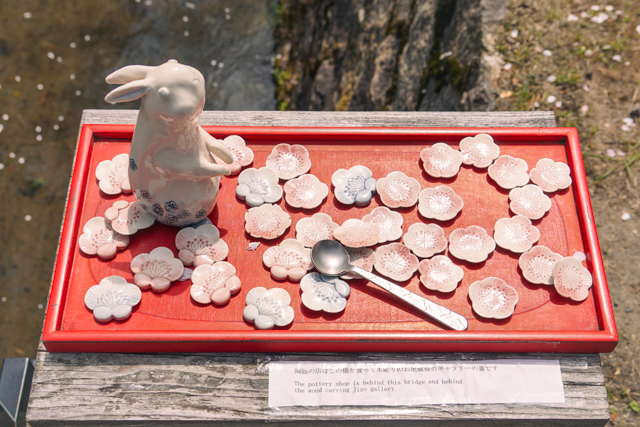
The bridge outside the pottery shop, Hanahasai, featured small pottery items and a jizo statue directing customers to the store.
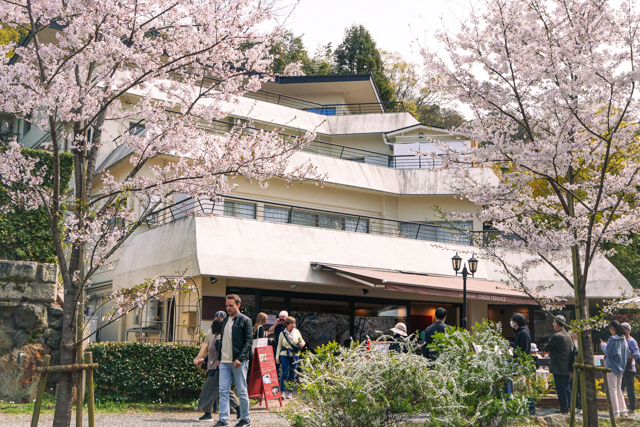
The restaurant, Green Terrace, was bustling with customers.
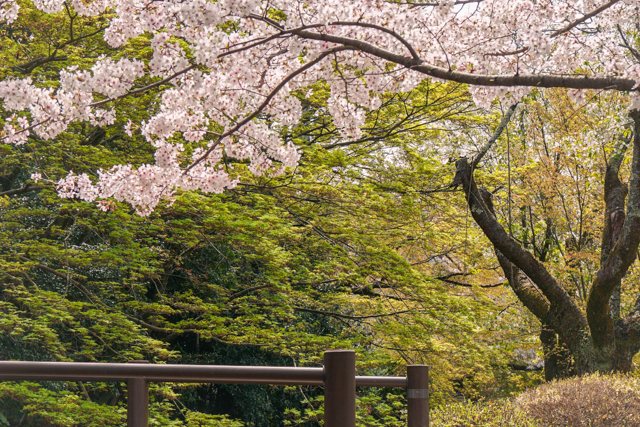
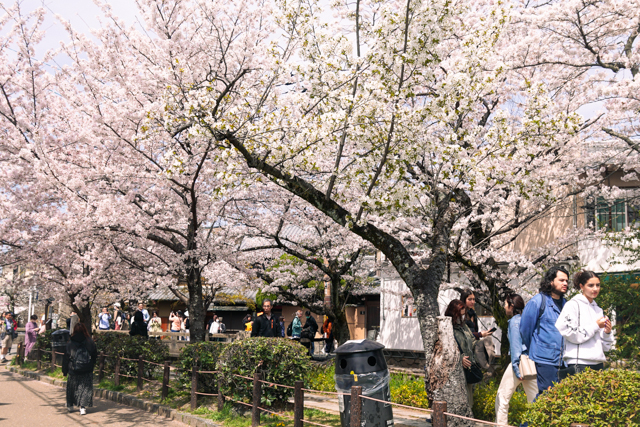
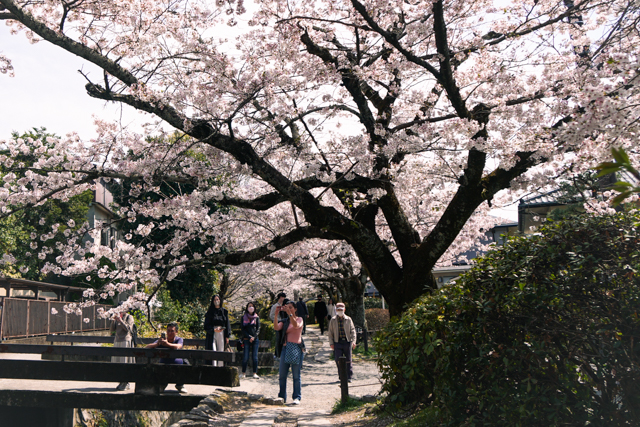
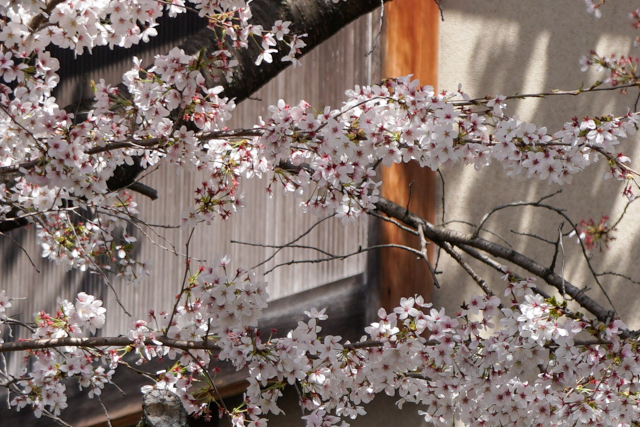
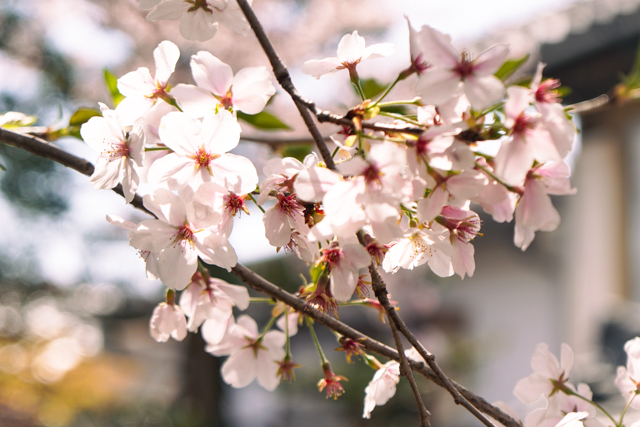
This tree was near Nishida Kitaro’s Poem Stone.
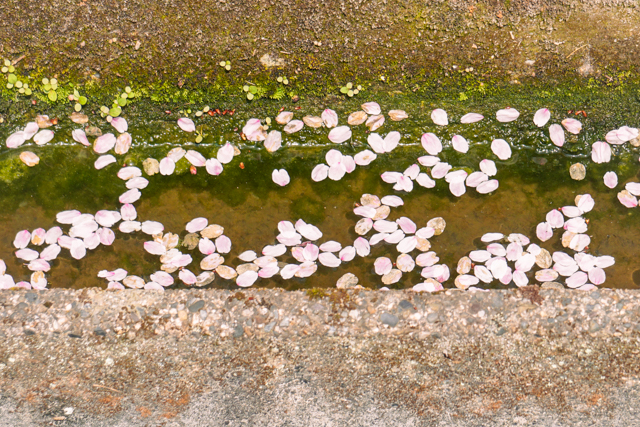
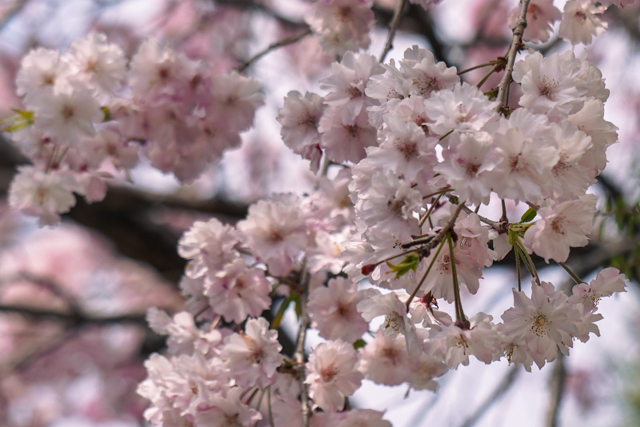
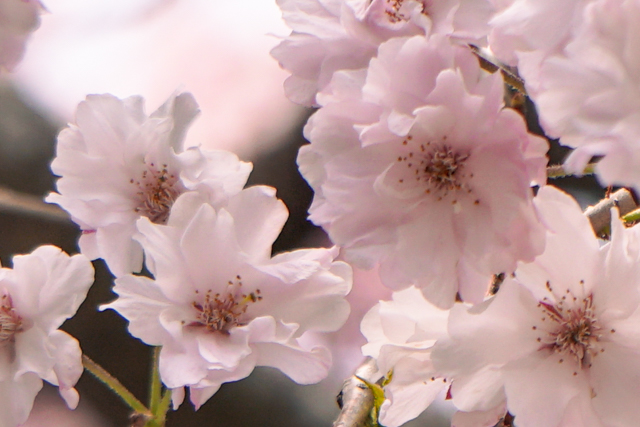
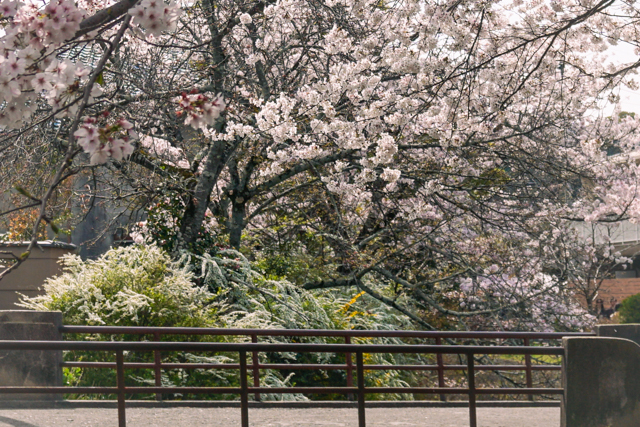
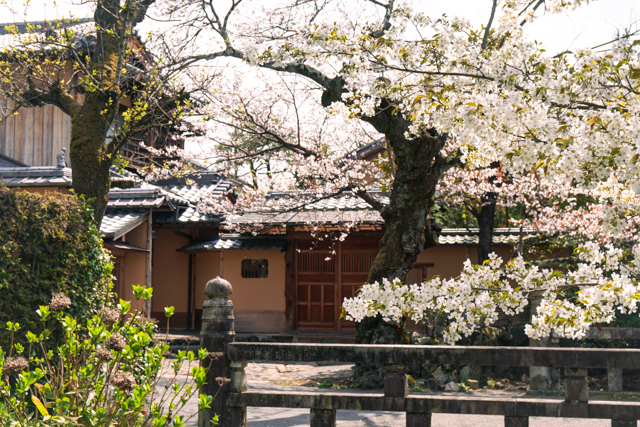
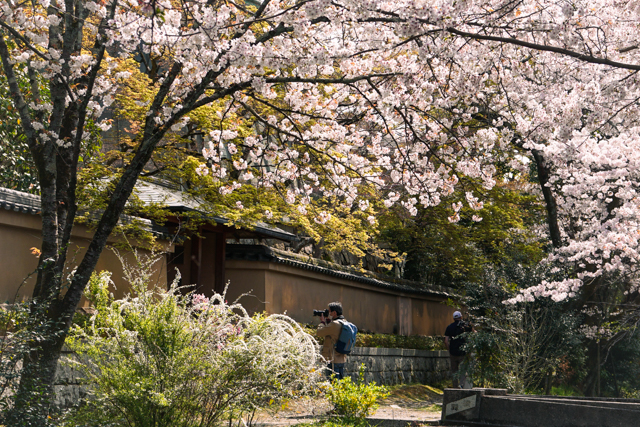
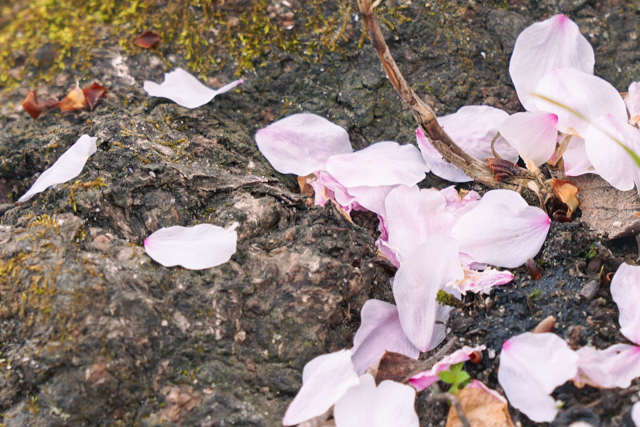
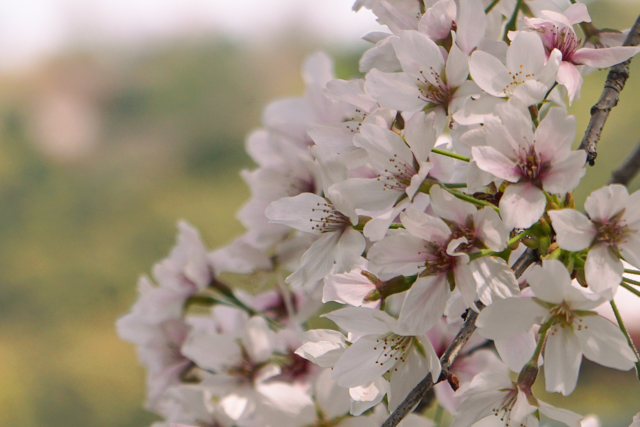
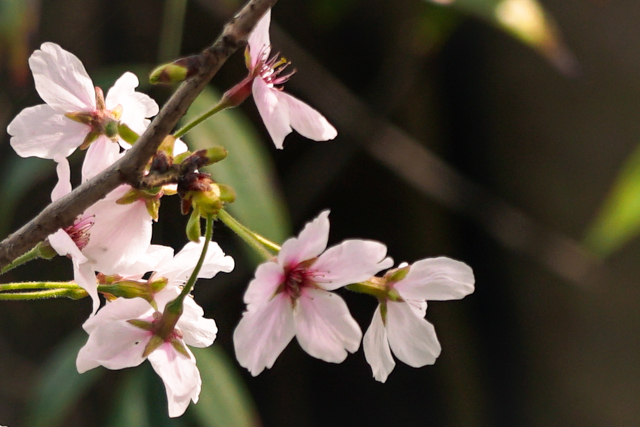
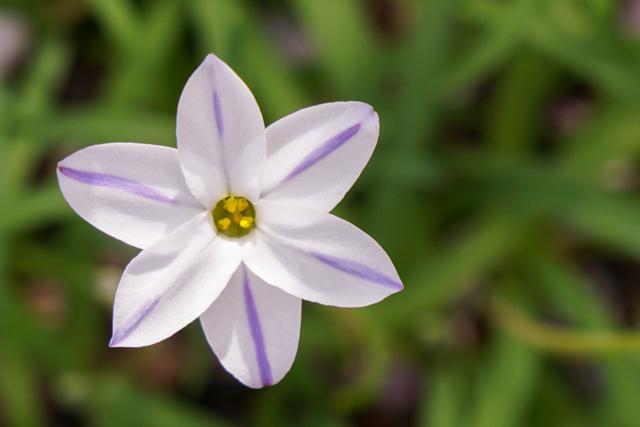
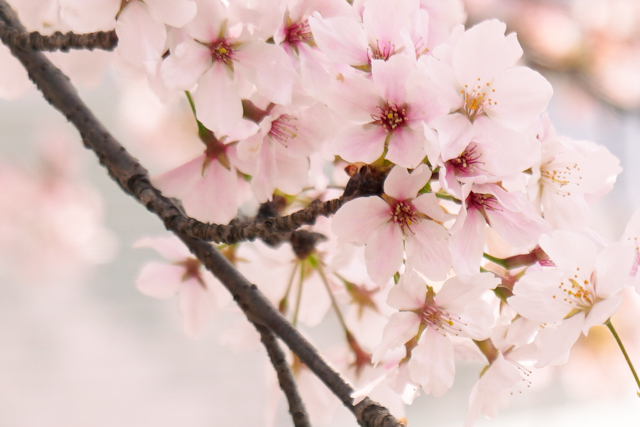
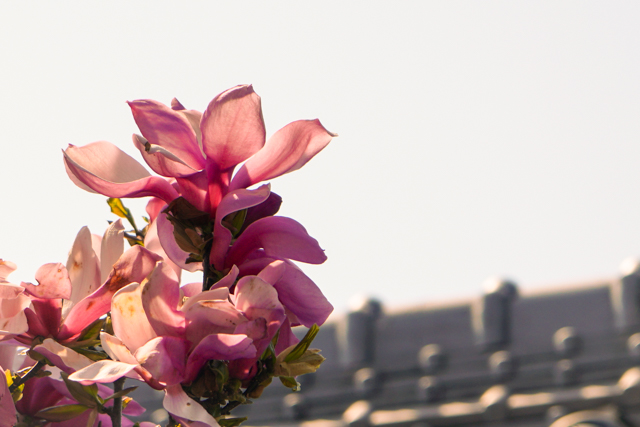
We spotted some pretty flowers other than sakura along the way.
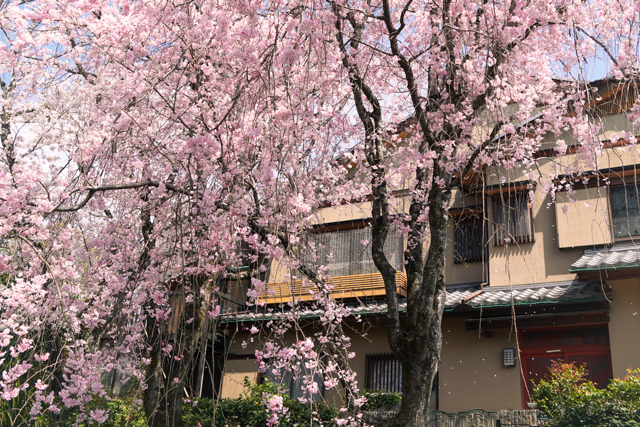
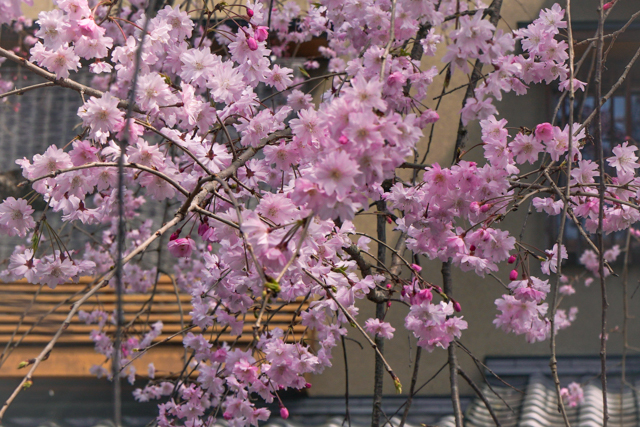
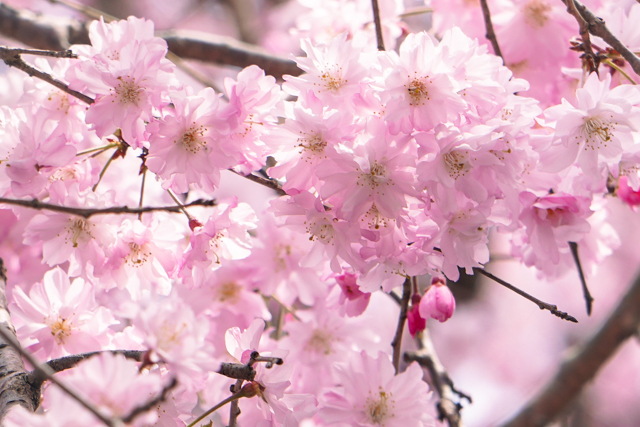
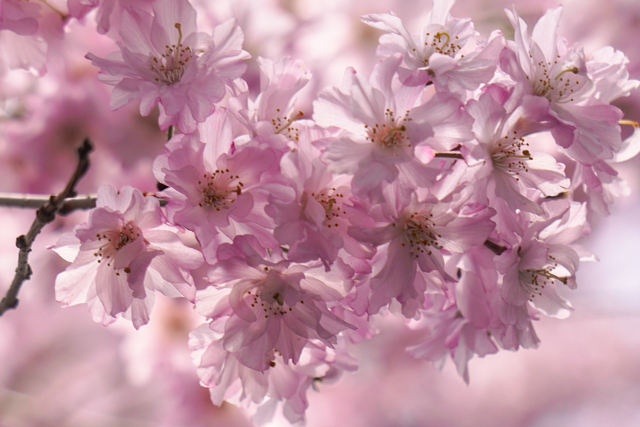
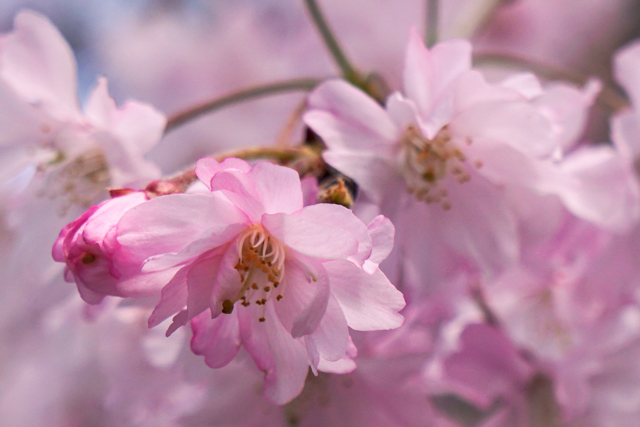
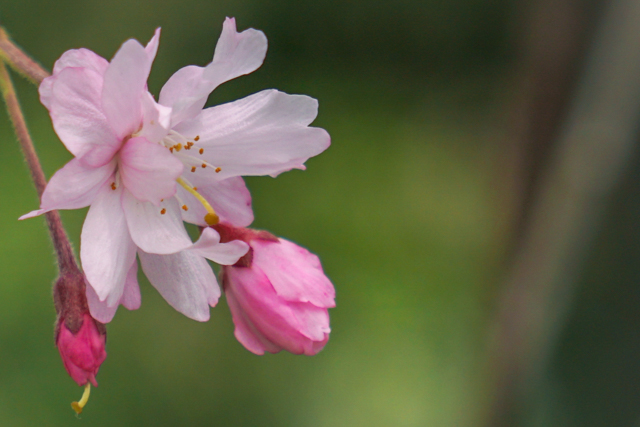
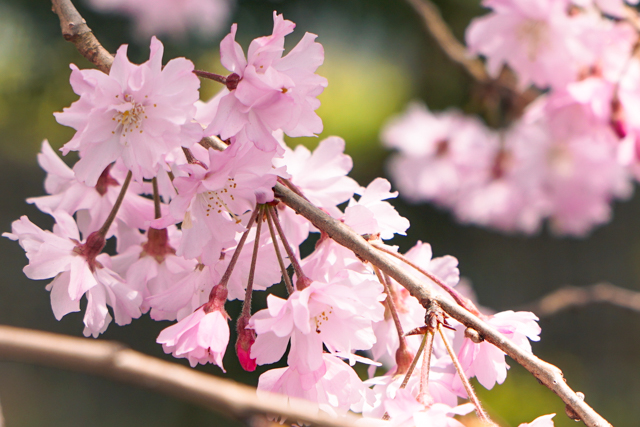
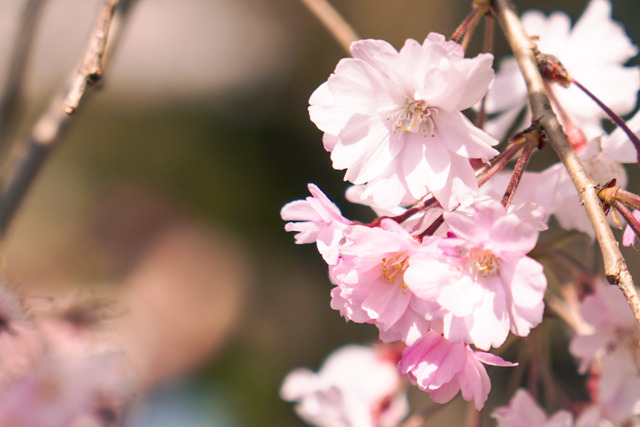
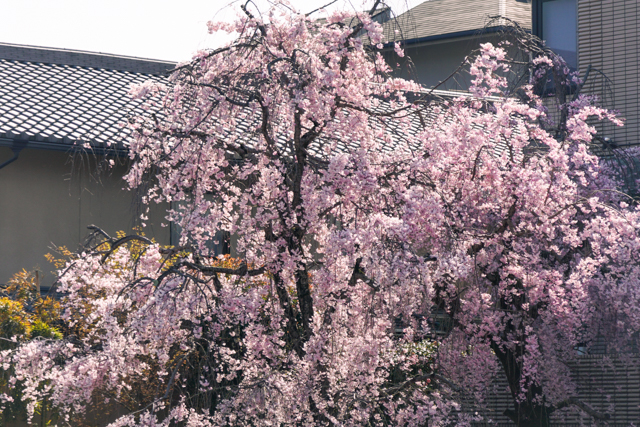
Amongst all the Somei Yoshino, we were lucky to find a yaeshidarezakura (Weeping Cherry) with beautiful drooping branches.
Ōtoyo Shrine
大豊神社, 1 Shishigatani Kamimiyanomaecho, Sakyo Ward, Kyōto, 606-8423, Japan
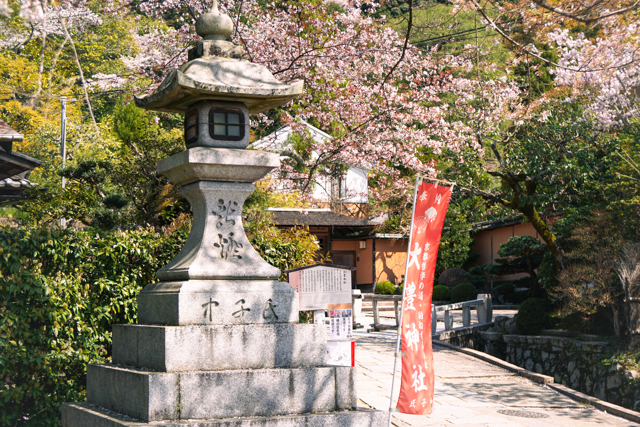
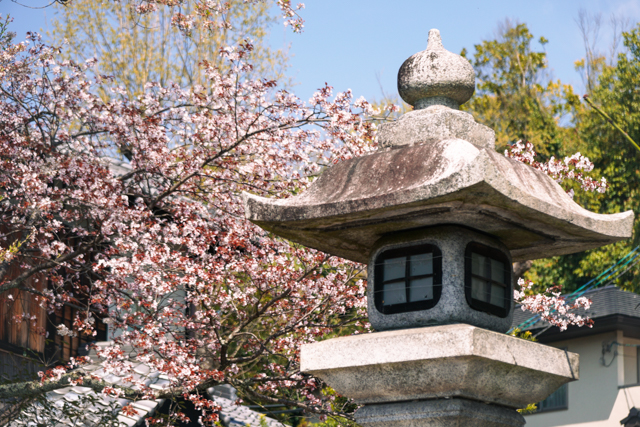
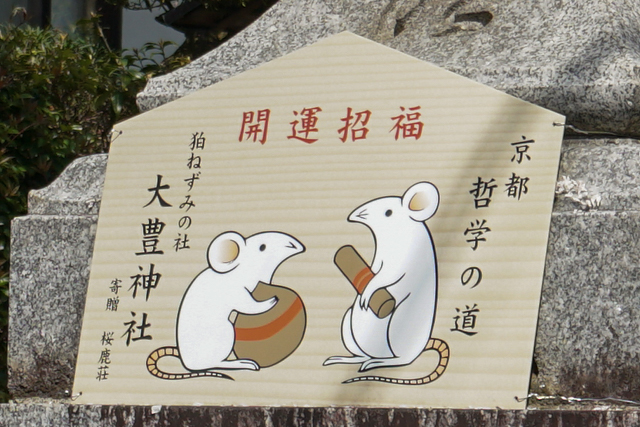
Ōtoyo Shrine is a Shinto shrine known for its animal statues, including 2 stone mice guarding the entrance.
Ōtoyo Shrine to Nyakuoji Bridge
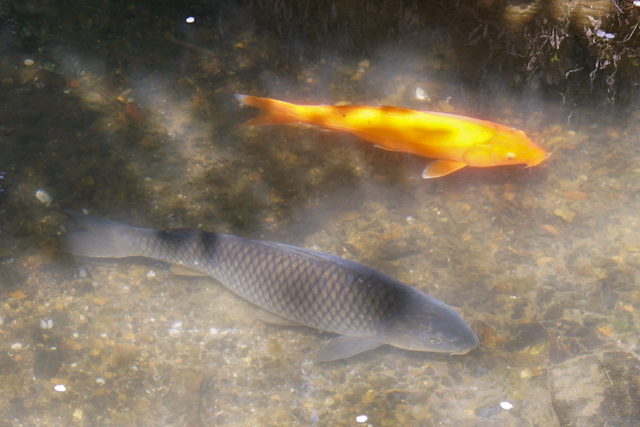
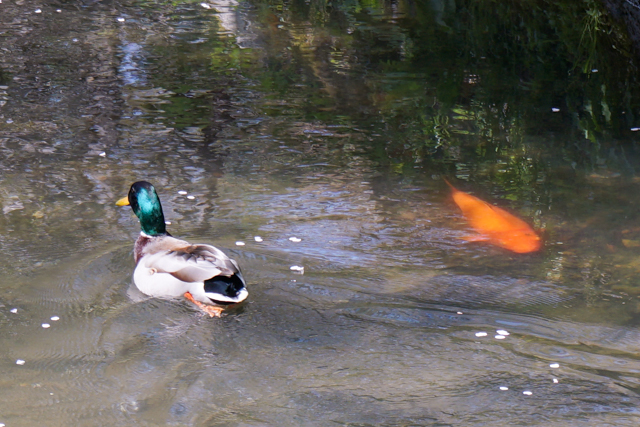
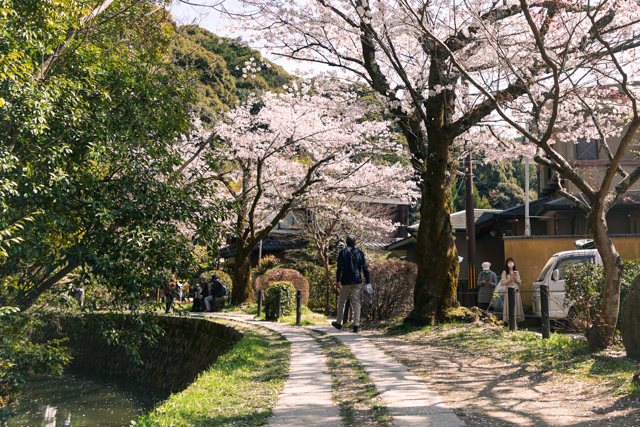
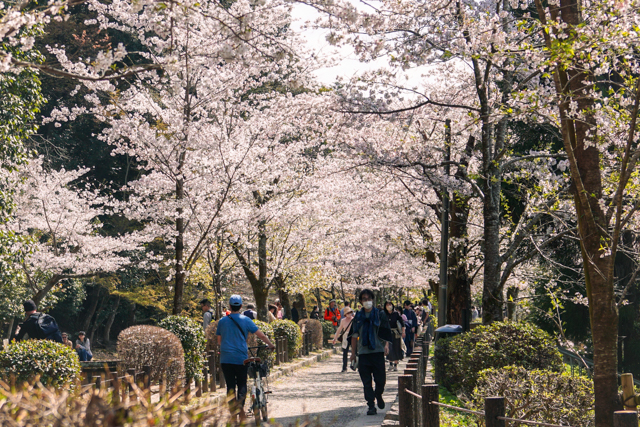
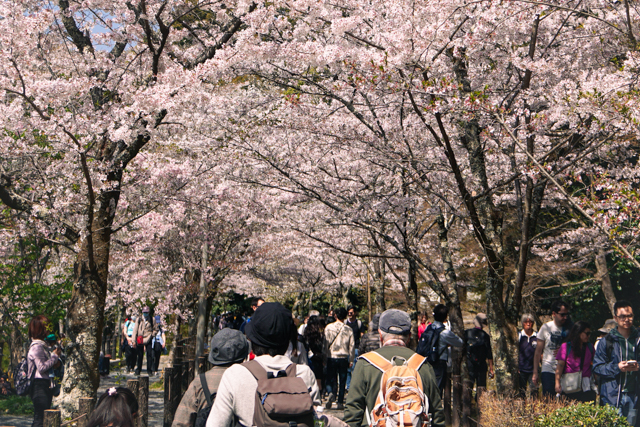
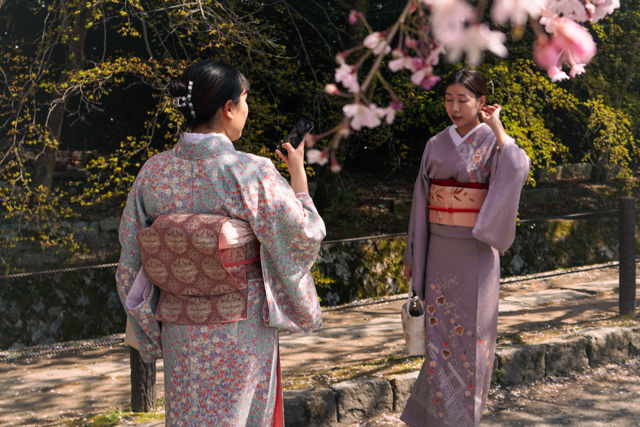
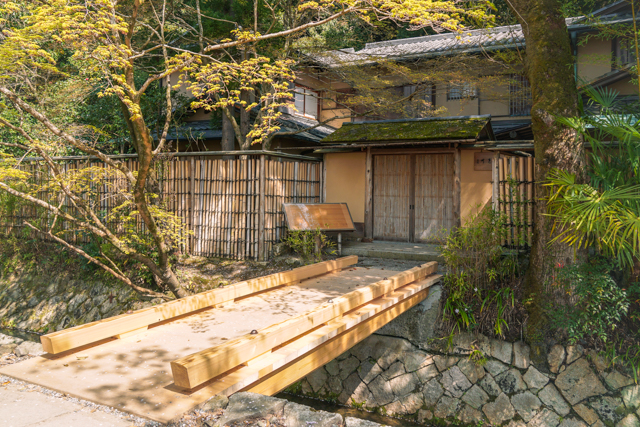
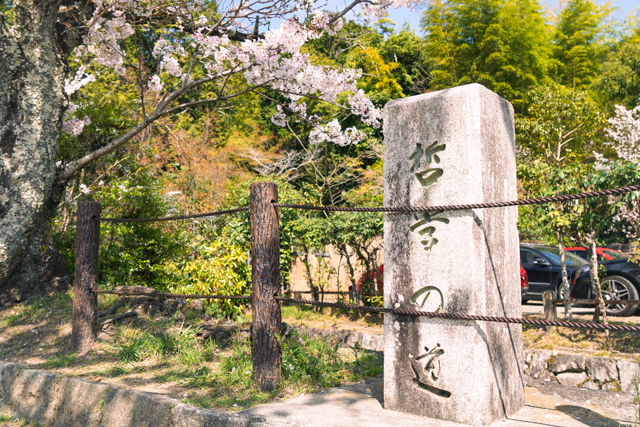
And with that, we were at the beginning of what is considered the beginning of the Testugaku no Michi. From there we made our way through some side streets towards Heian-jingū.
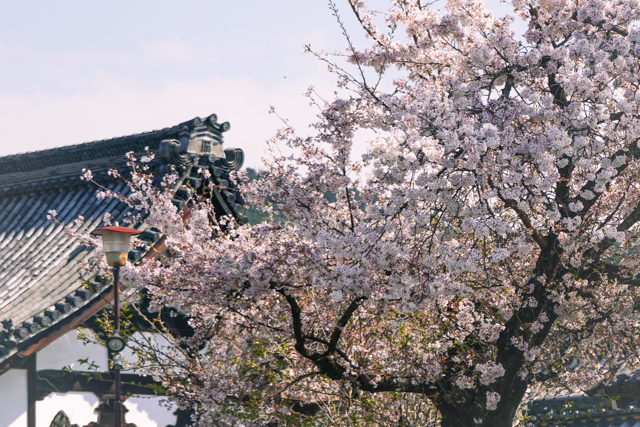
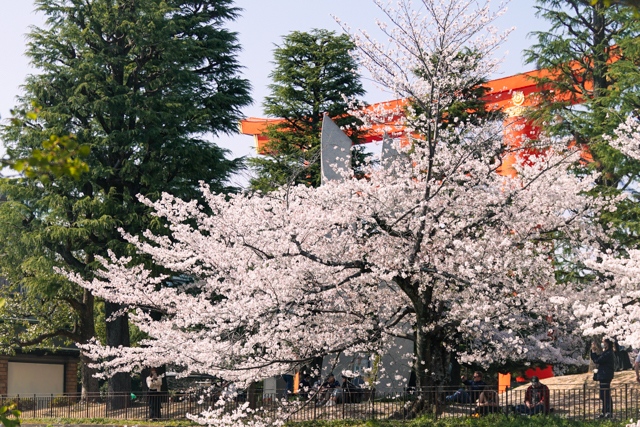
Heian-jingū
平安神宮, 97 Okazaki Nishitennocho, Sakyo Ward, Kyōto, 606-8341, Japan
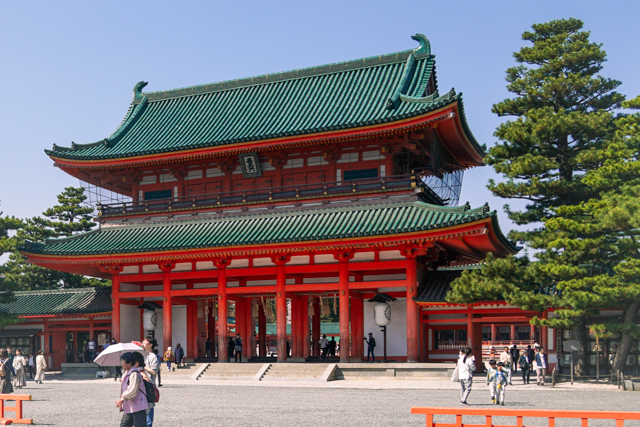
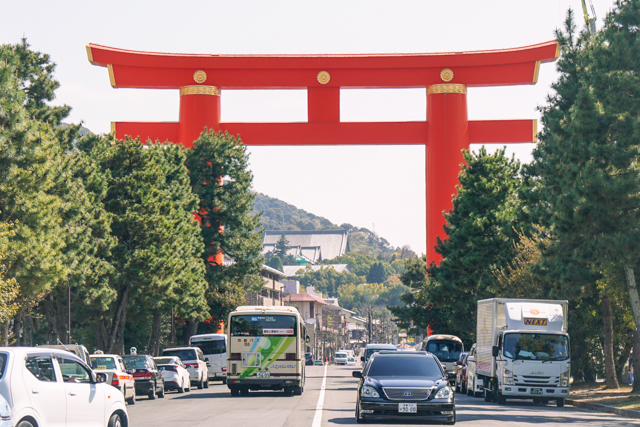
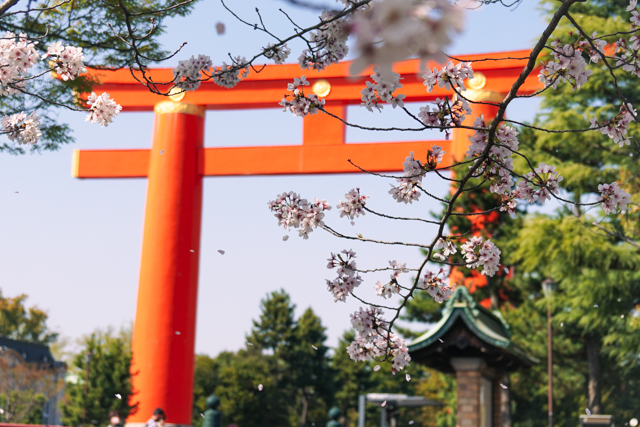
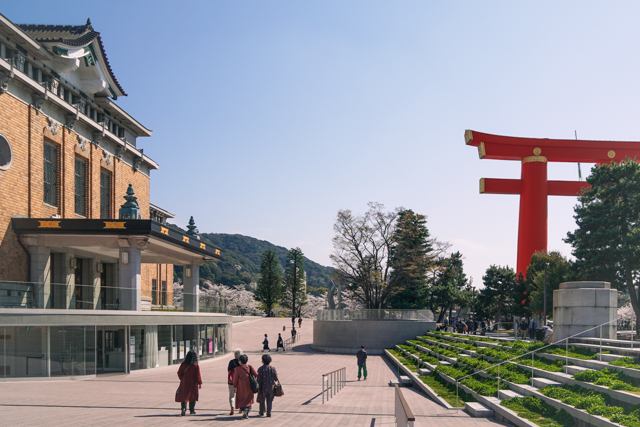
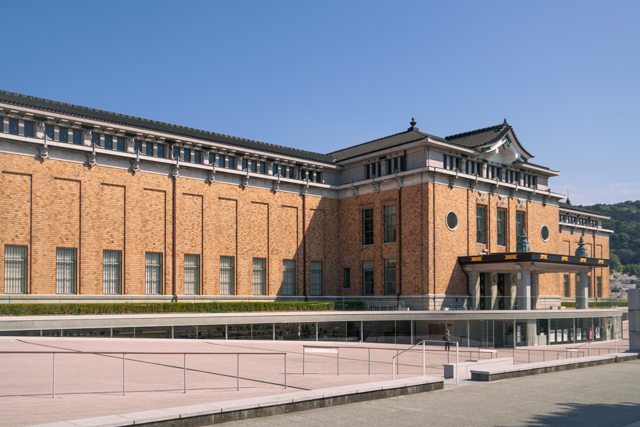
Kyōto City KYOCERA Museum of Art
京都市京セラ美術館, 124 Okazaki Enshojicho, Sakyo Ward, Kyōto, 606-8344, Japan
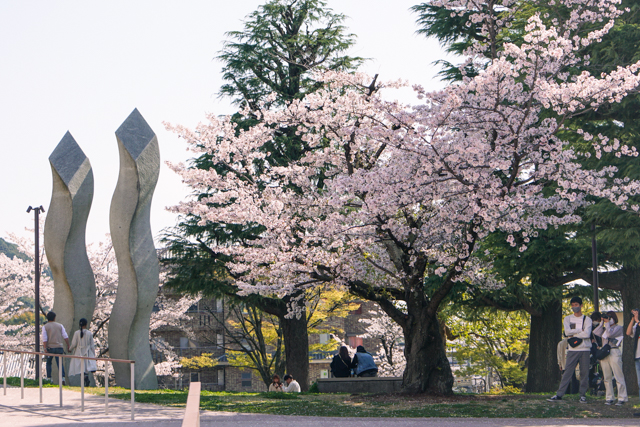
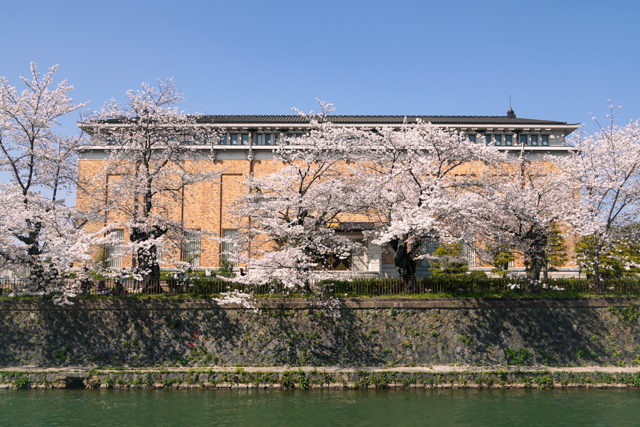
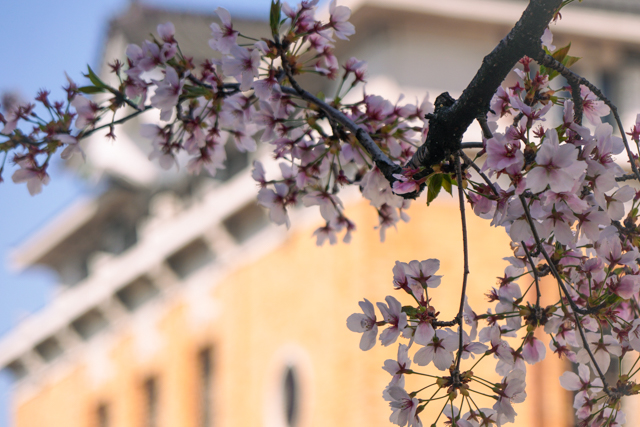
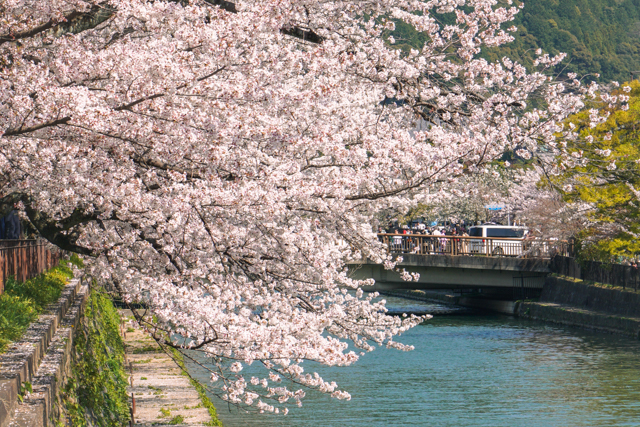
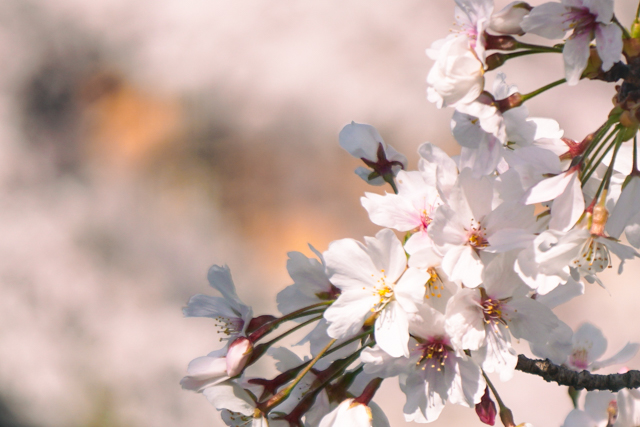
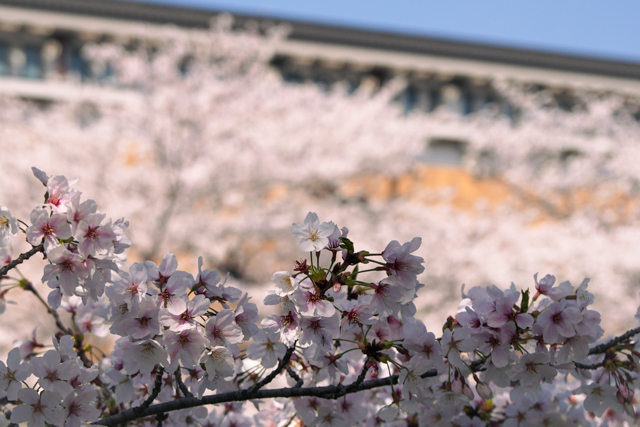
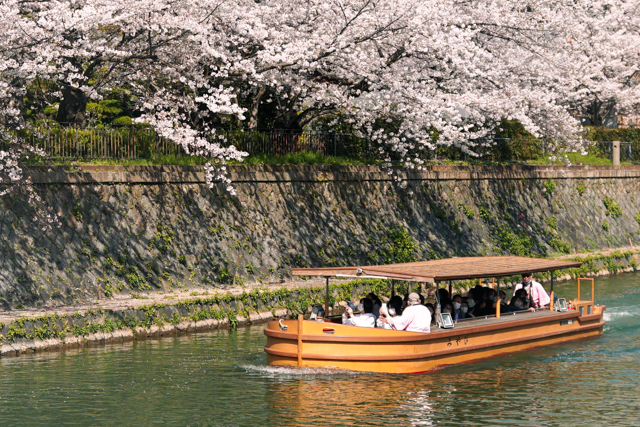
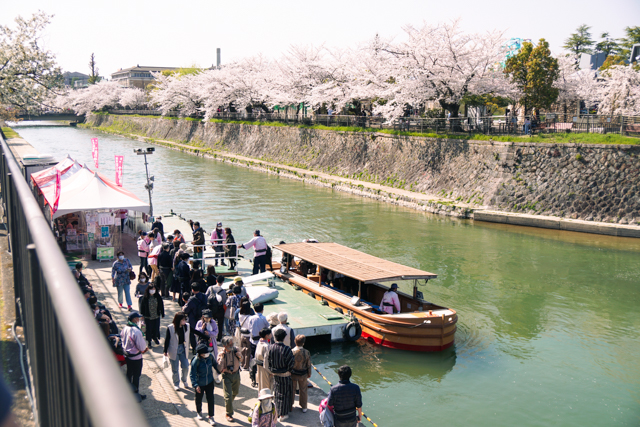
Across the river, we could see Kyōto City Zoo.
Hourandou
峯嵐堂 平安神宮店, 140-5 Okazaki Enshojicho, Sakyo Ward, Kyōto, 606-8344, Japan
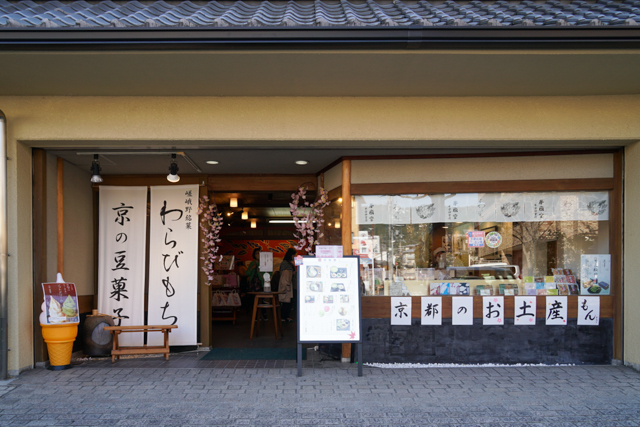
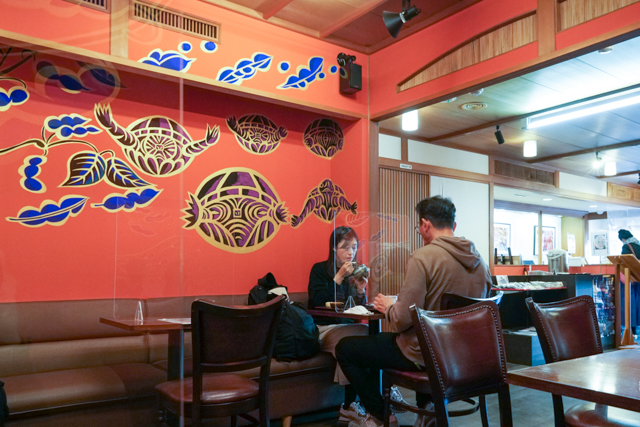
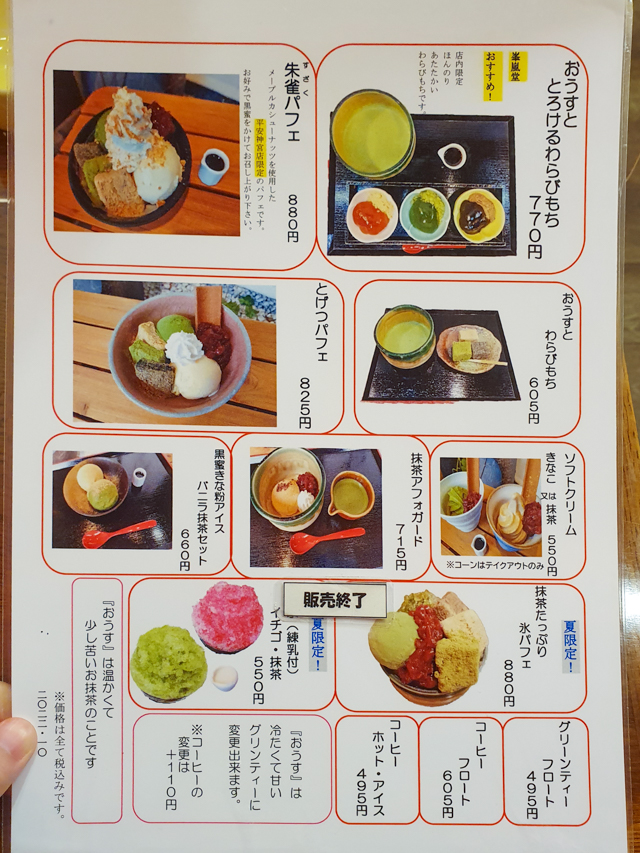
After enjoying our earlier warabimochi drink so much we were keen to visit a warabi mochi cafe, so stopped by Hourandou.
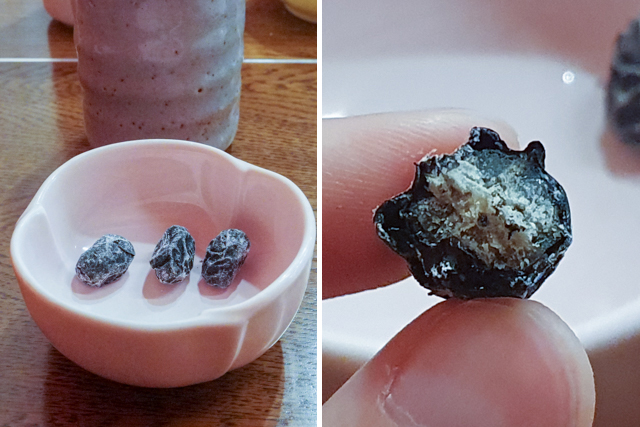
These were complementary candied black soybeans. They were chewy and moreish with a gentle sweetness.
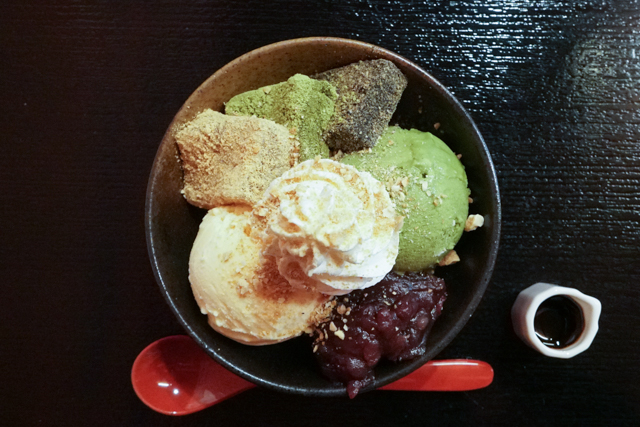
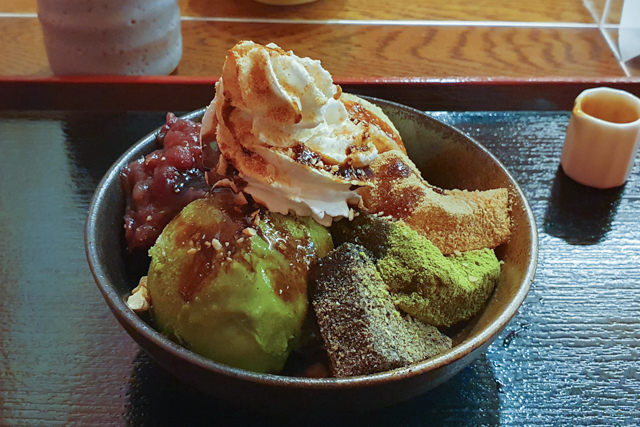
Suzaku Parfait (¥880). It parfait was available only at the Heian Jinju Shrine store. It featured scoops of matcha and kinako ice cream, with red bean paste, as well as three pieces of warabimochi in black sesame, matcha and hōjicha flavour. The dessert was topped with whipped cream, maple cashew nuts and kuromitsu.
We thoroughly enjoyed the variety of textures and flavours in this parfait. The warabimochi had the same delectable soft bounce as the drink in the morning, while the various flavours were delicious, with our favourite being the black sesame.
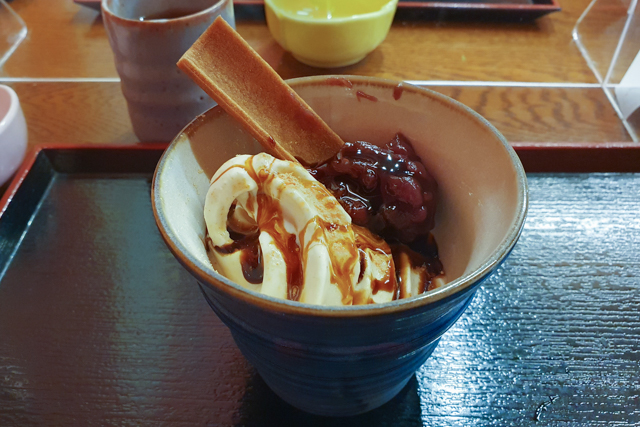
Kinako Soft Cream (¥550). It featured kinako soft serve with red bean paste, yatsuhashi and kuromitsu.
The soft serve was smooth and creamy with a rich nutty kinako flavour.
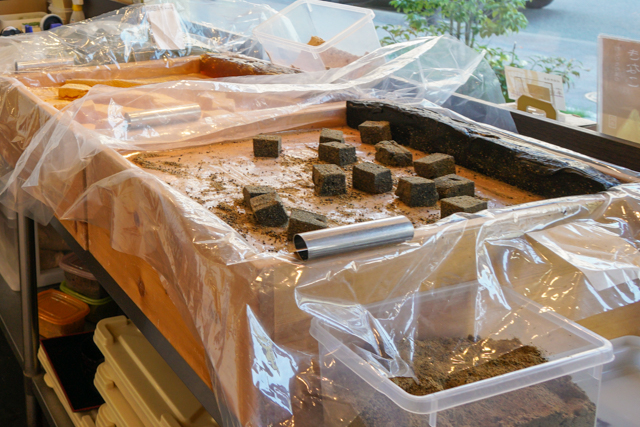
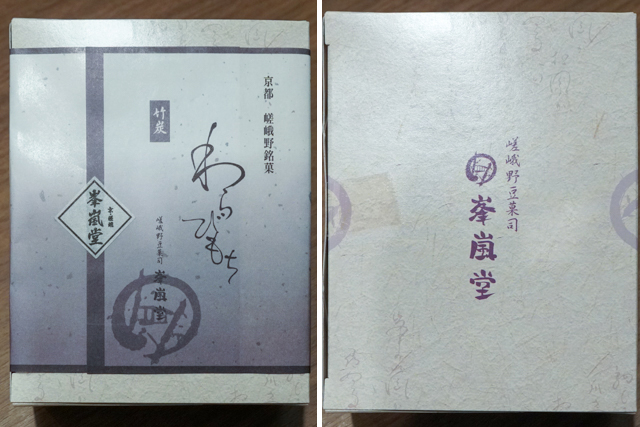
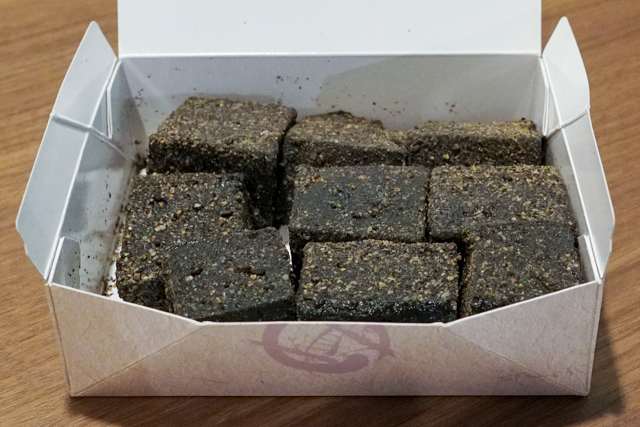
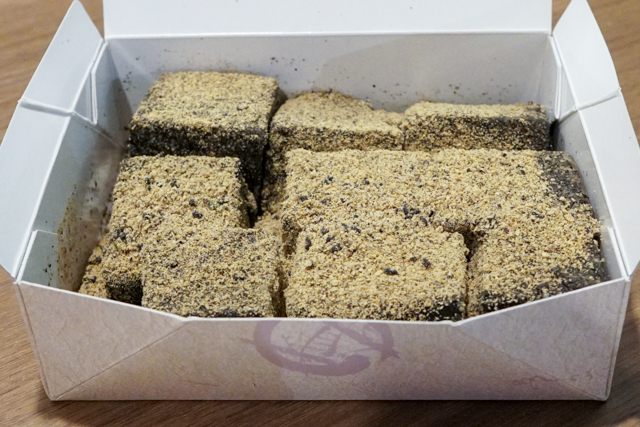
Indeed, we loved it so much that we purchased a box of the black sesame warabimochi for eating later in the hotel. It was every bit as delicious, with its rich black sesame flavour and bouncy melt-in-the-mouth quality.
Higashiyama Ward
Keage Incline
蹴上インクライン, 339 Higashikomonozacho, Higashiyama Ward, Kyōto, 606-8435, Japan
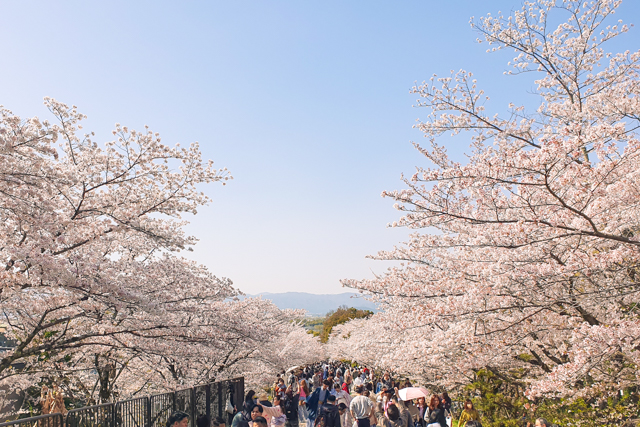
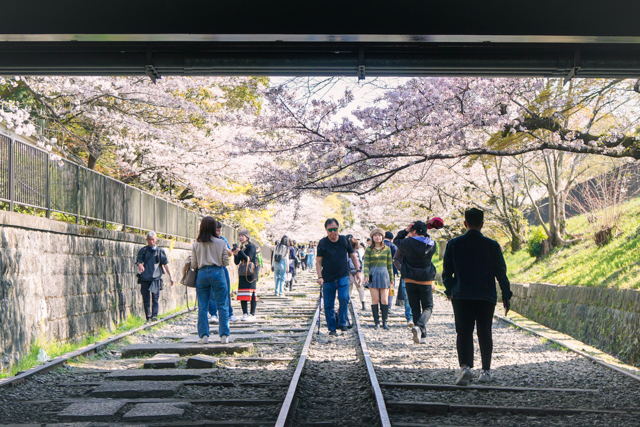
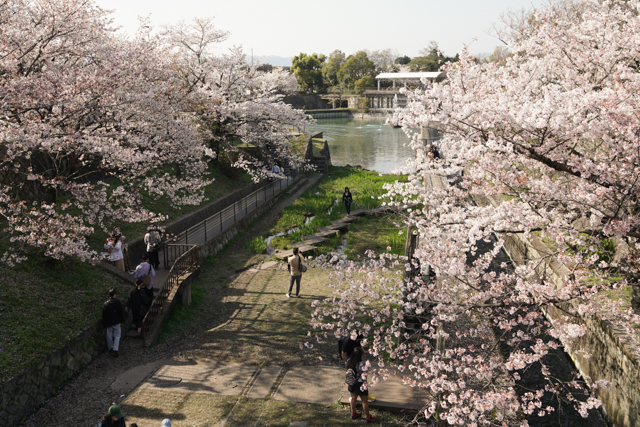
Keage Incline is a former railway track known for clusters of picturesque cherry blossoms lining a 582-meter slope.
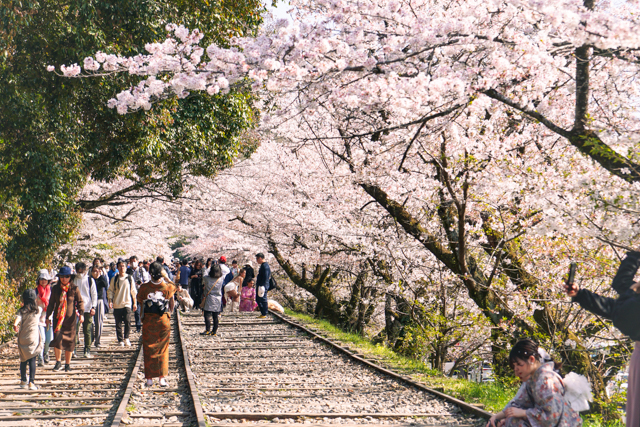
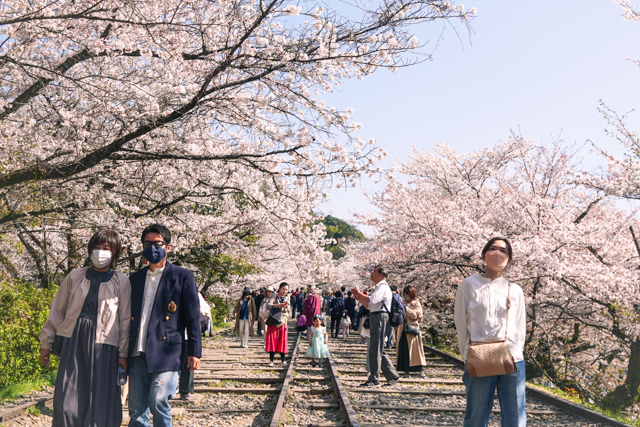
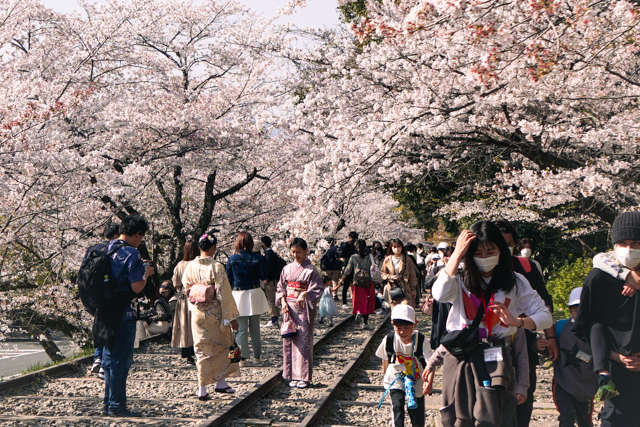
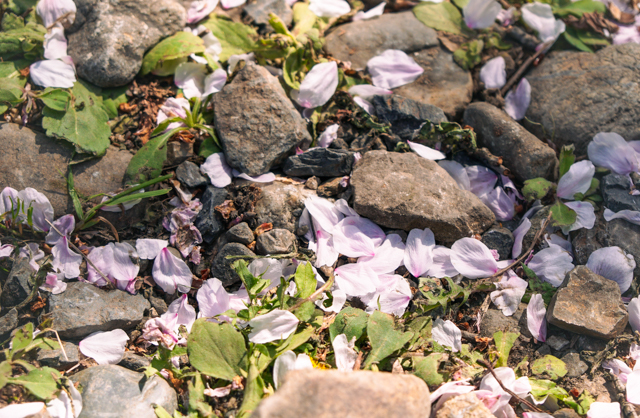
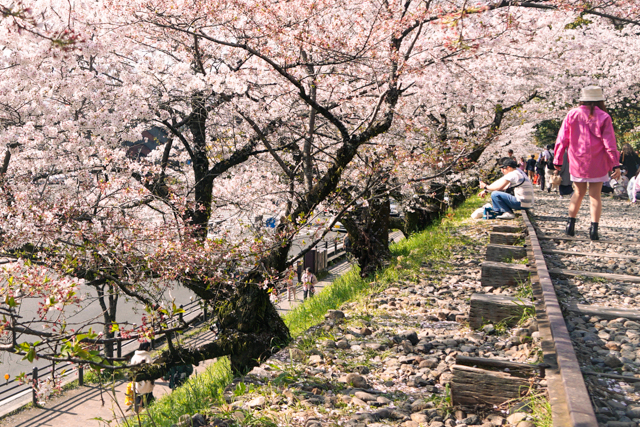
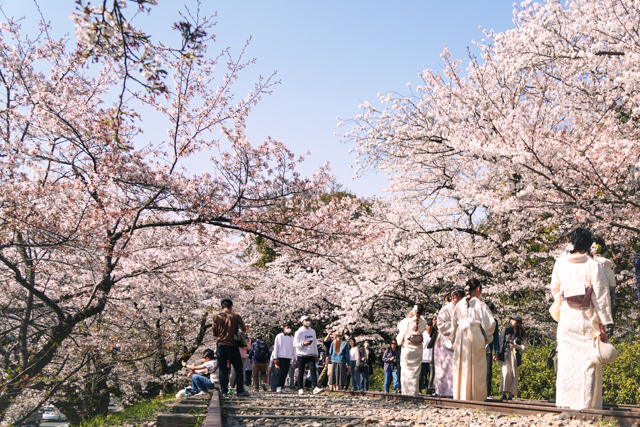
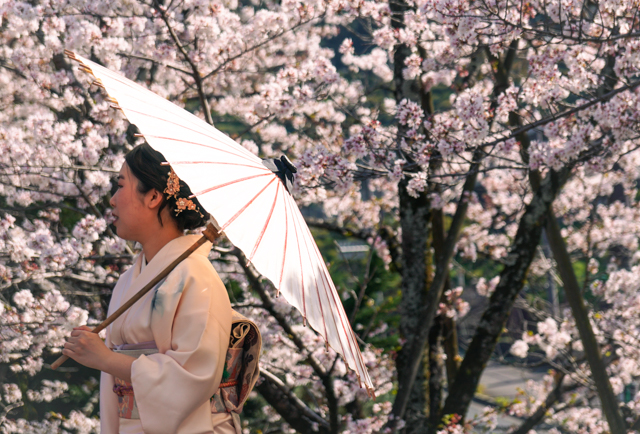
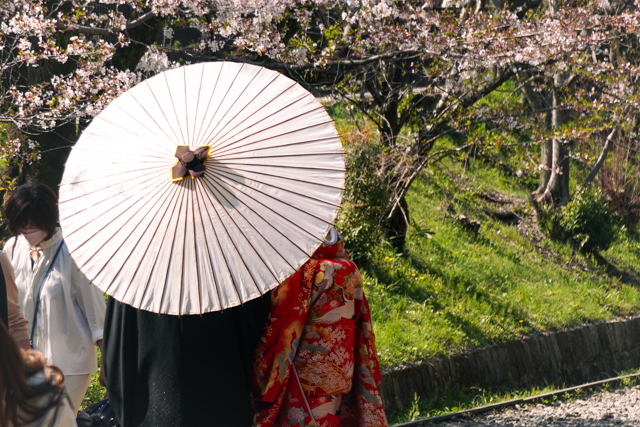
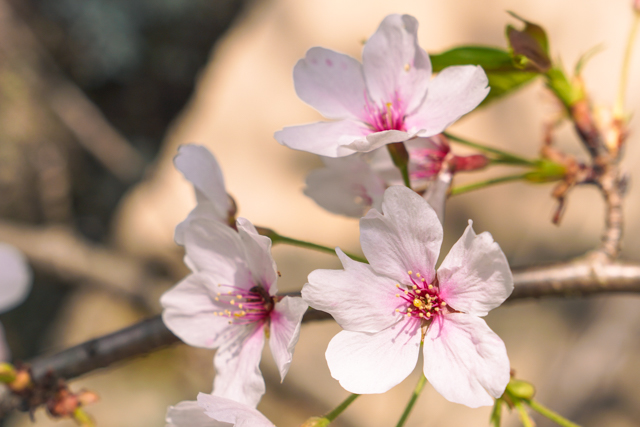
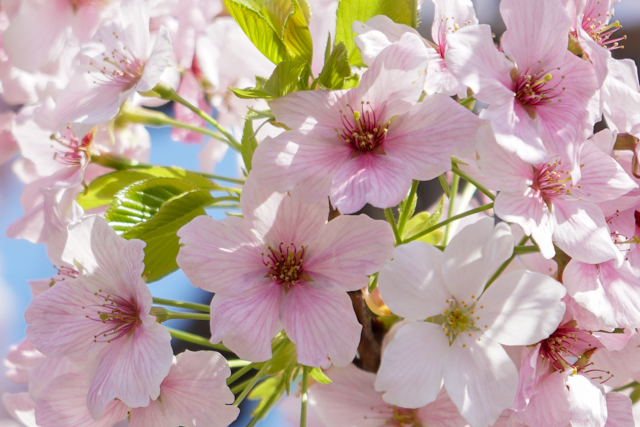
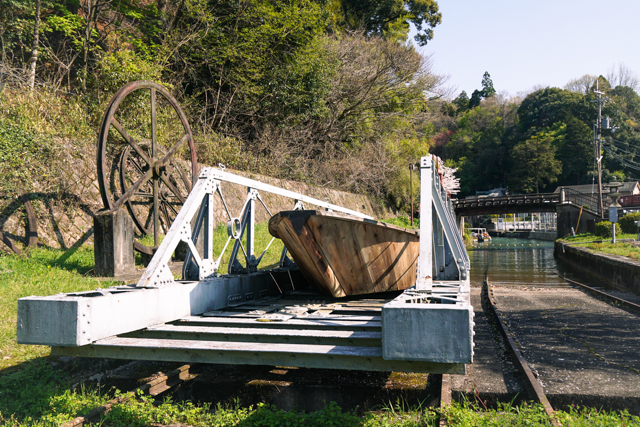
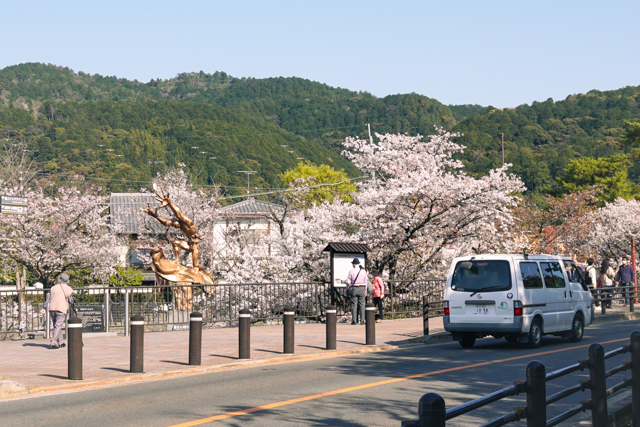
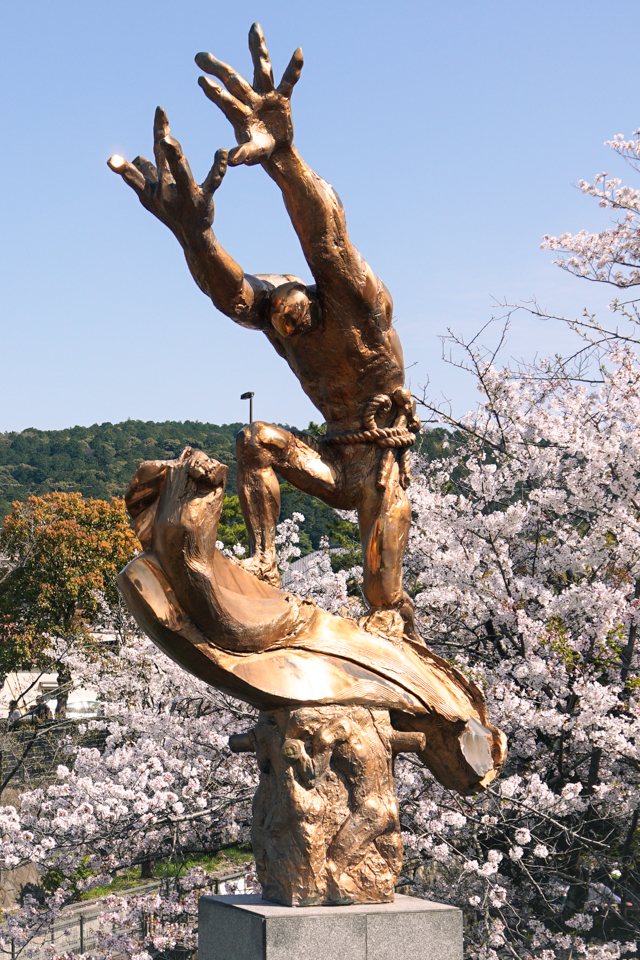
Walking back towards Heian Shrine, was the ‘Huge Shine’ statue’.
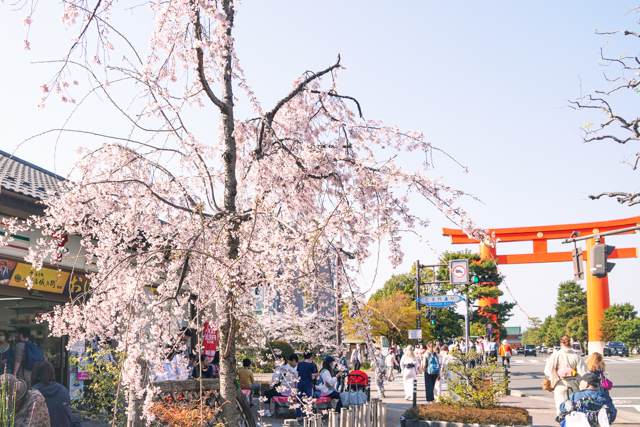
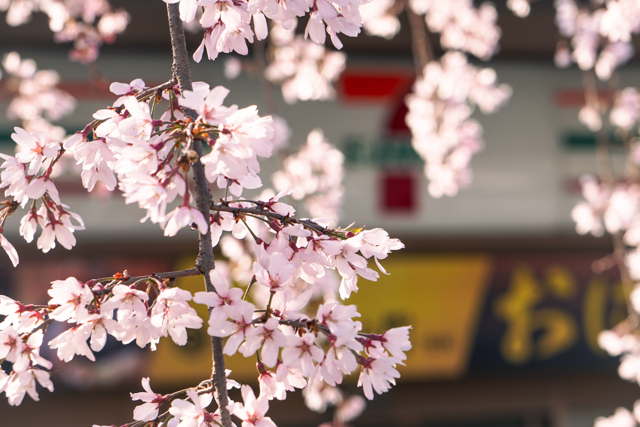
We passed by a busy 7-Eleven with a weeping sakura out front.
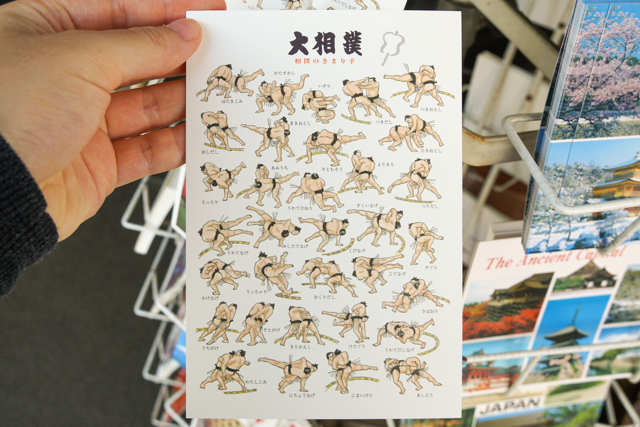
And picked up a postcard with various sumo moves.
Kyojurakuan
京寿楽庵 京都本店, 374-5 Horiikecho, Higashiyama Ward, Kyōto, 605-0038, Japan
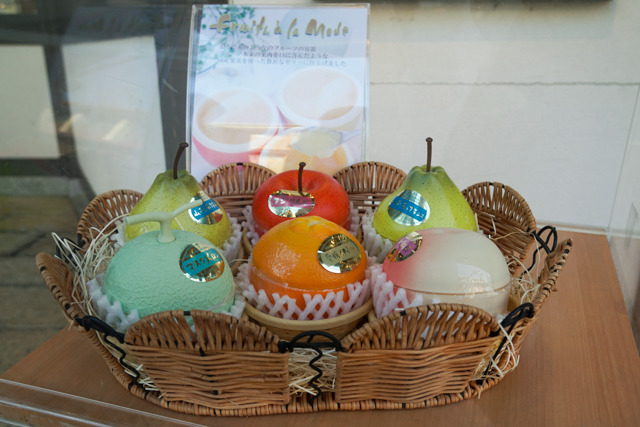
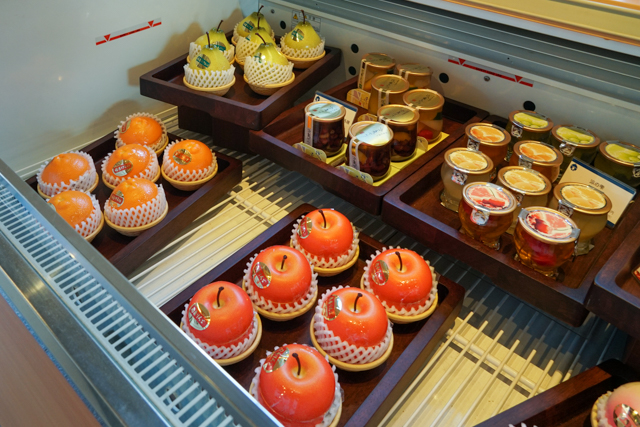
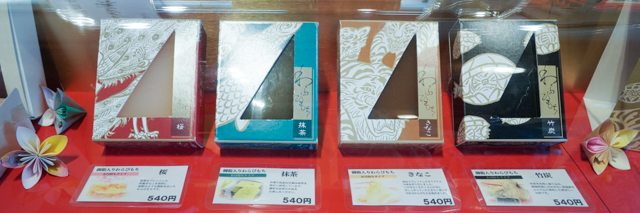
These beautifully packaged fruit jellies lured us into the store (4 for ¥1,512 or 8 for ¥2,808). Our previous dessert stop satiated us so we had to pass, alas.
Awataguchi Aokusu no Niwa
粟田口あおくすの庭, Awadaguchi Sanjobocho, Higashiyama Ward, Kyōto, 605-0035, Japan
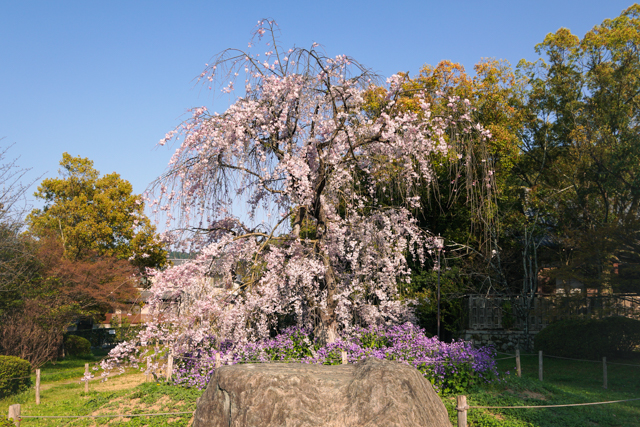
There was a beautiful singular weeping cherry in Awataguchi Aokusu no Niwa.
Shoren-in
青蓮院, 69-1 Awadaguchi Sanjobocho, Higashiyama Ward, Kyōto, 605-0035, Japan
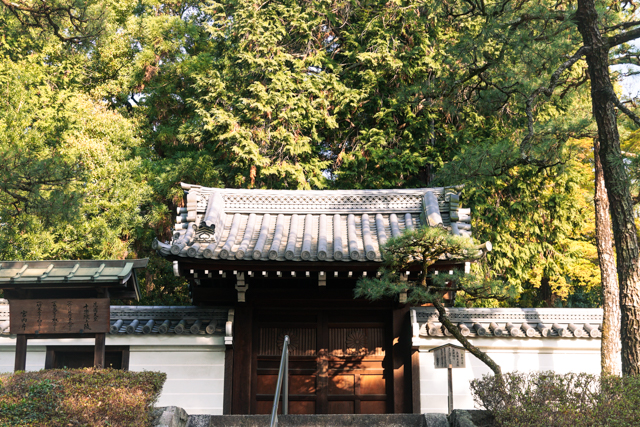
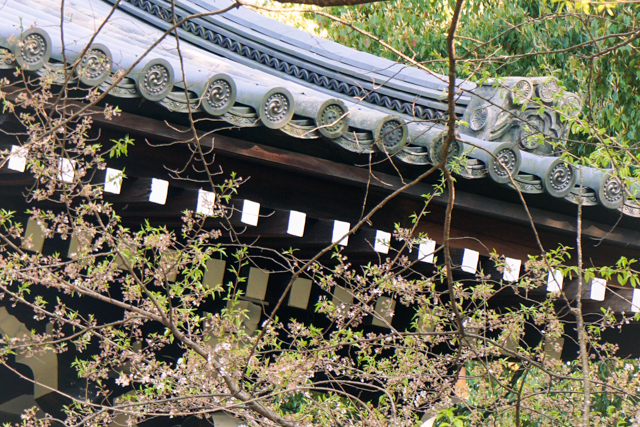
We walked past Shoren-in.
Chion-in
知恩院, 400 Rinkacho, Higashiyama Ward, Kyōto, 605-8686, Japan
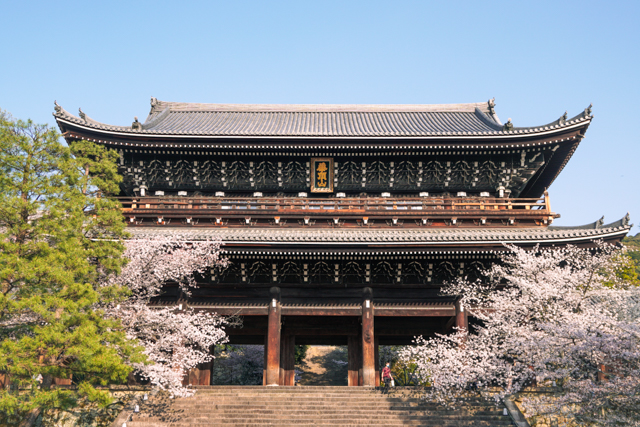
Expansive 17th-century temple headquarters of Jodo Shu Buddhism with gardens, events & services.
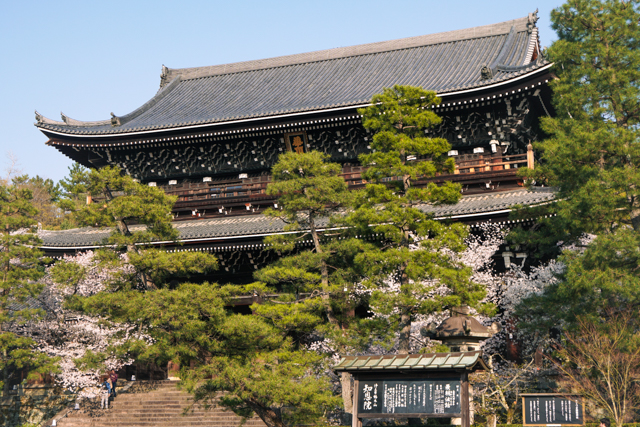
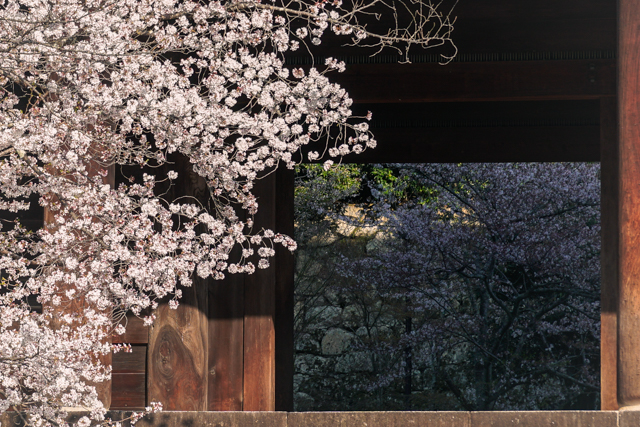
Chion-in was looking spectacular with its cherry blossoms. Since our initial visit in 2011, it seemed to have started charging for access.
Maruyama Park
円山公園, Maruyamacho, Higashiyama Ward, Kyōto, 605-0071, Japan
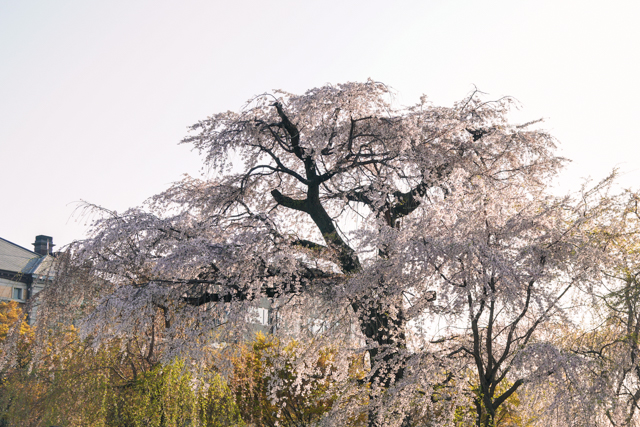
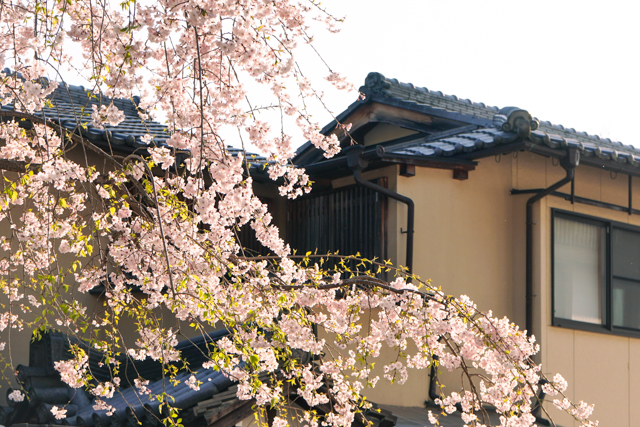
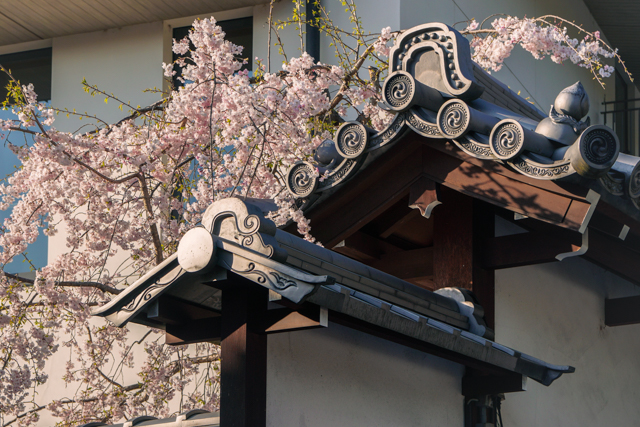
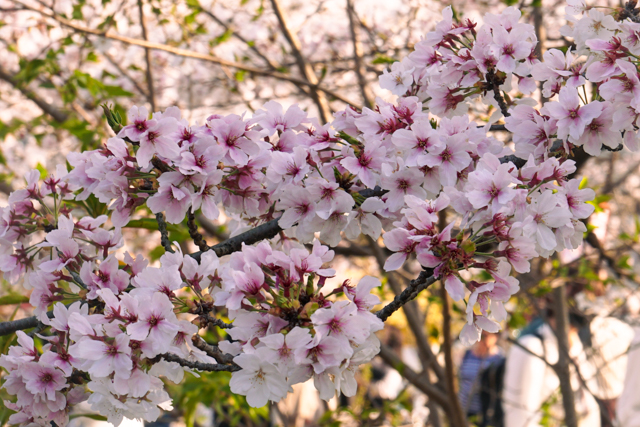
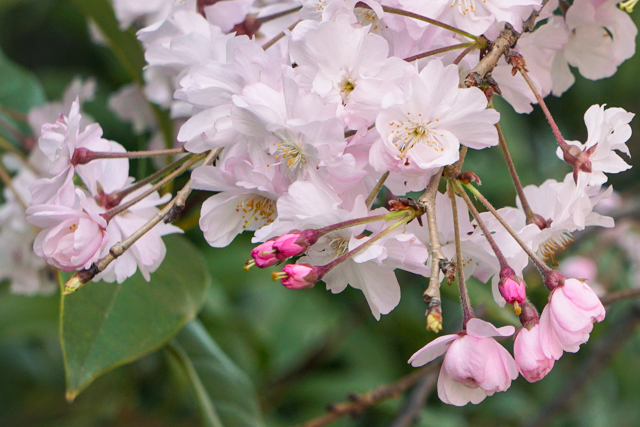
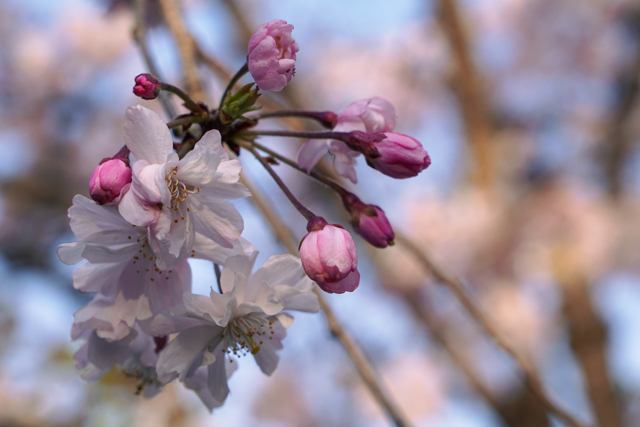
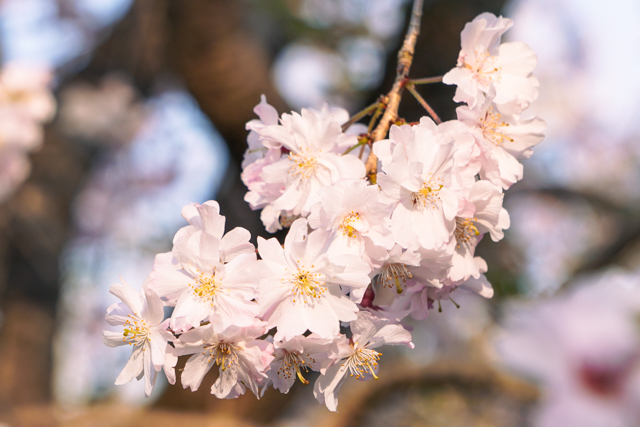
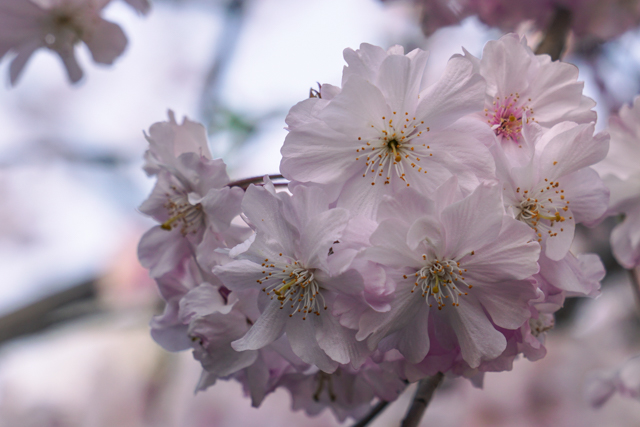
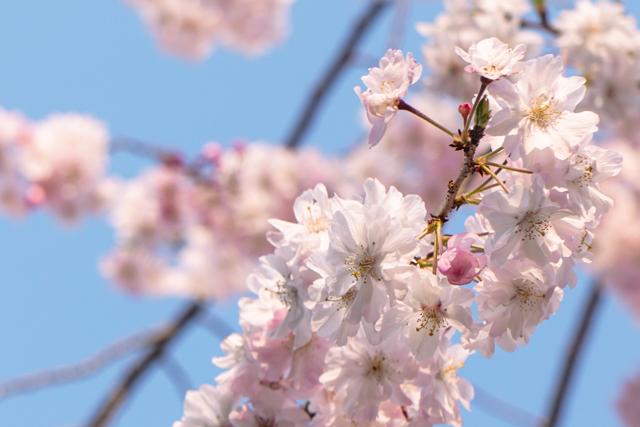
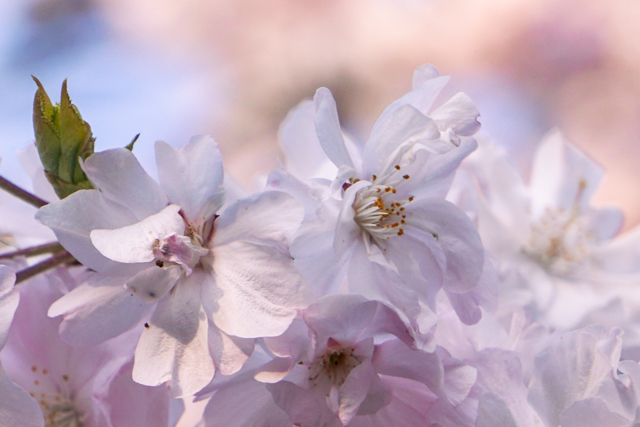
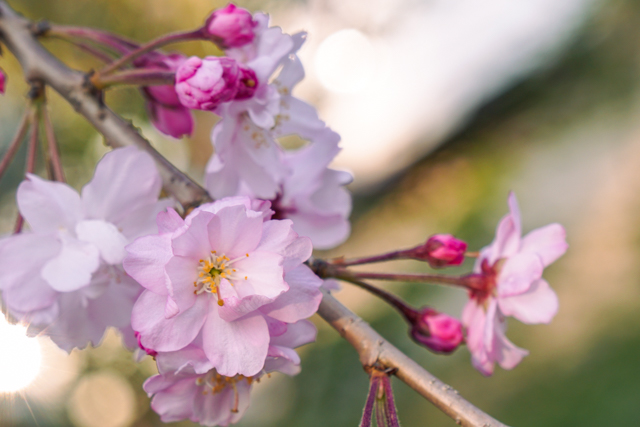
And with that, we finally made it to Maruyama Park.
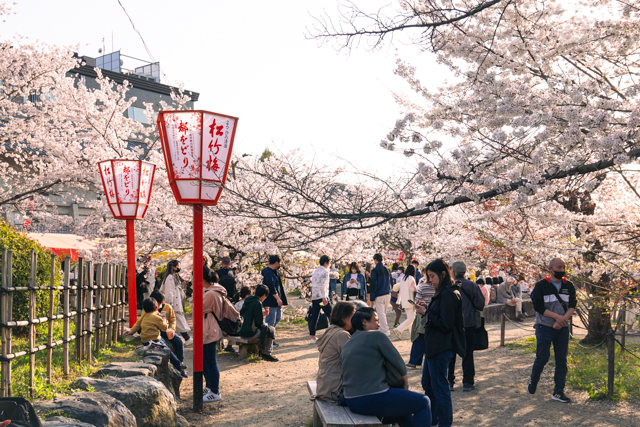
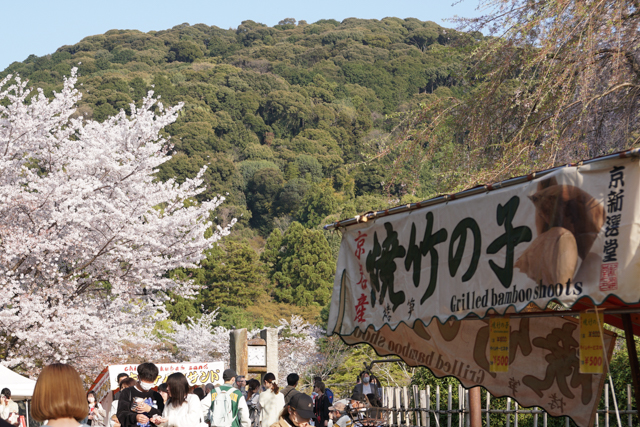
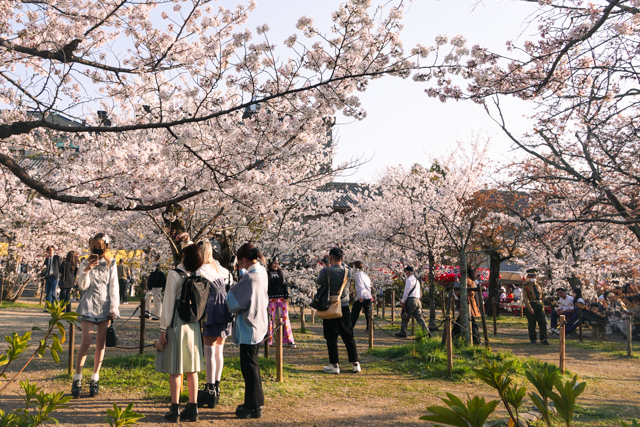
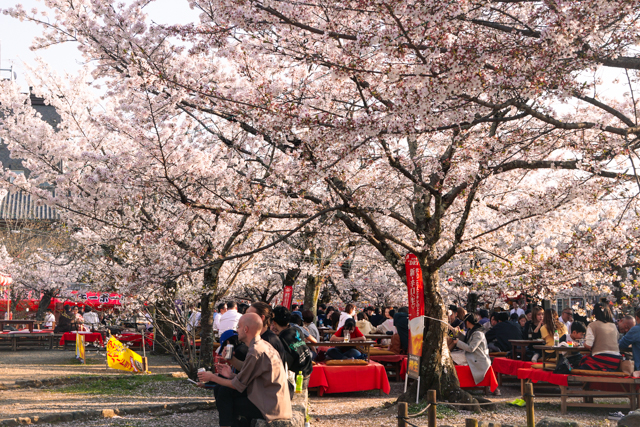
A sakura matsuri was happening.
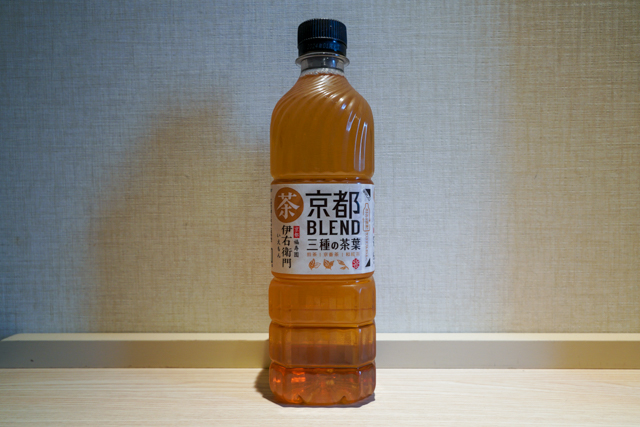
We took a break with this Suntory Iyemon Kyōto Blend with three types of tea leaves: roasted green tea, kyo-bancha, and black tea. It was deeply roasted aromatic tea with a light refreshing flavour.
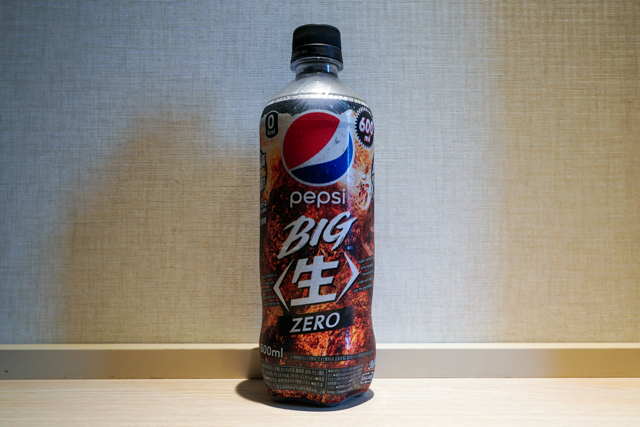
D tried the Pepsi Big Nama Blend Zero, which was Pepsi’s answer to the burgeoning craft cola market in Japan. It blended cola with spices through a non-heating process. This gave the drink a unique but refreshing taste with more depth than a regular cola.
Yasaka Jinja
八坂神社, 625 Gionmachi Kitagawa, Higashiyama Ward, Kyōto, 605-0073, Japan
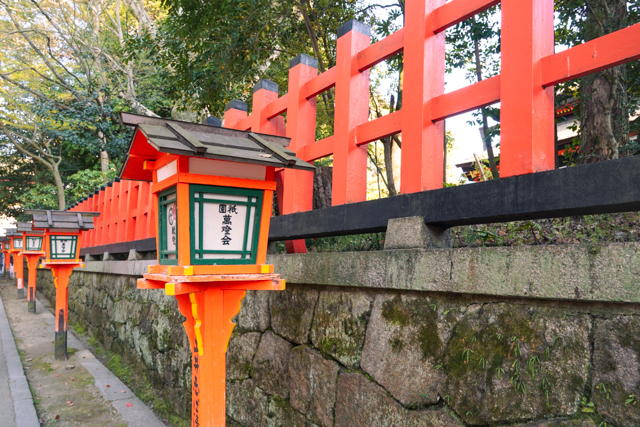
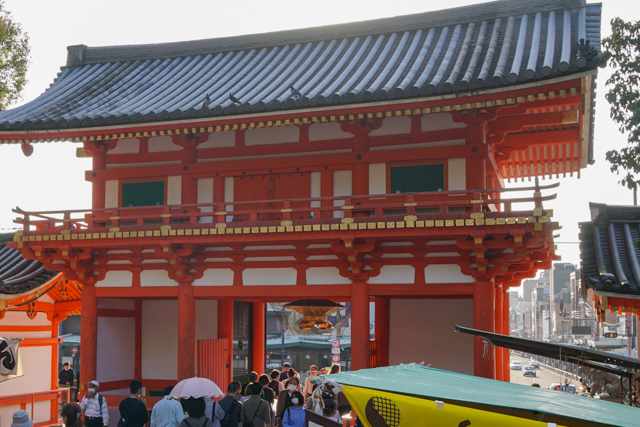
We walked through Yasaka Jinja to get back to Gion.
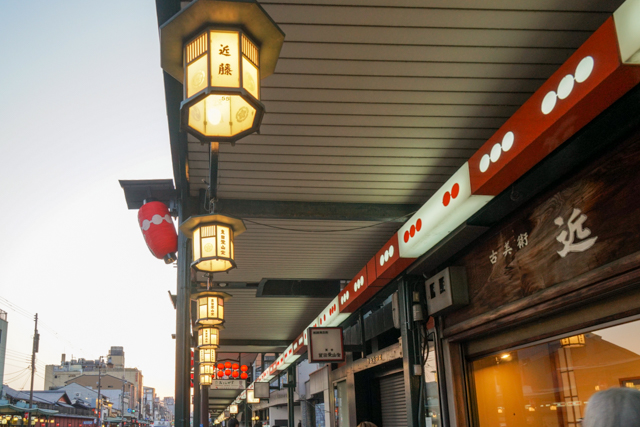
Shijo-dori
四条通, Higashiyama Ward, Kyōto, 605-0074, Japan.
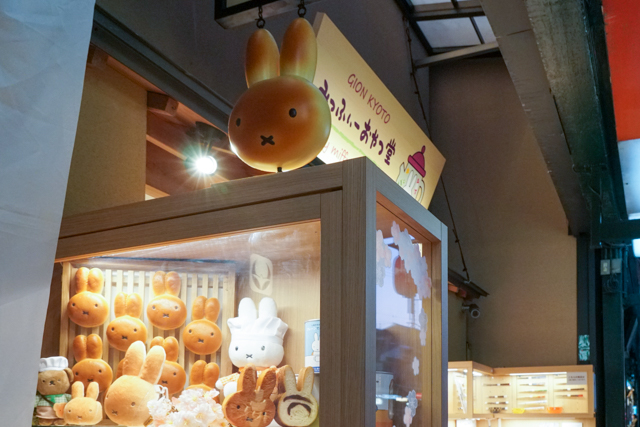
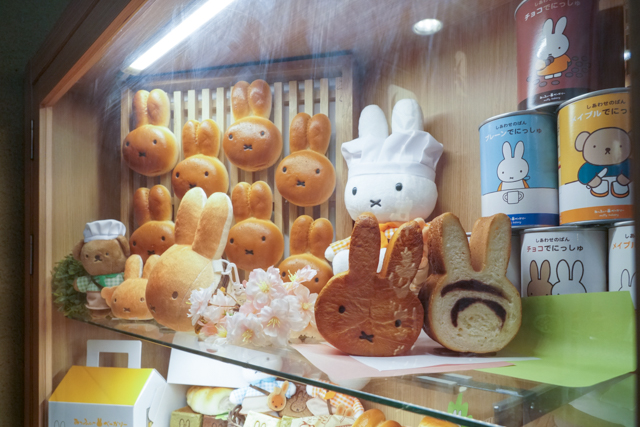
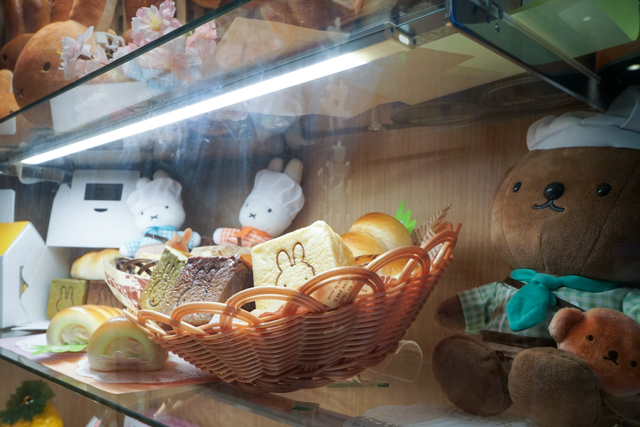
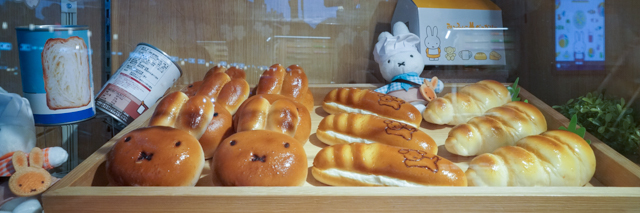
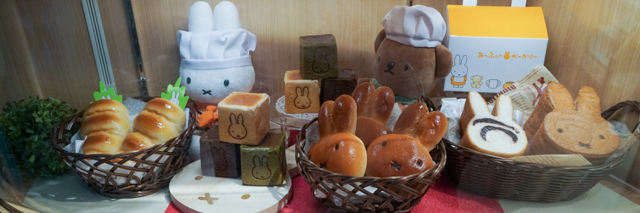
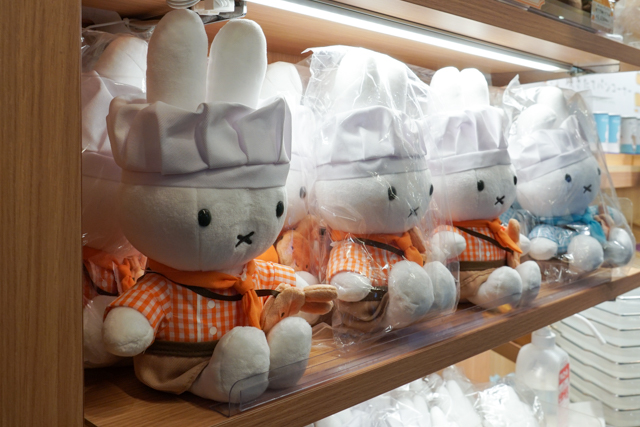
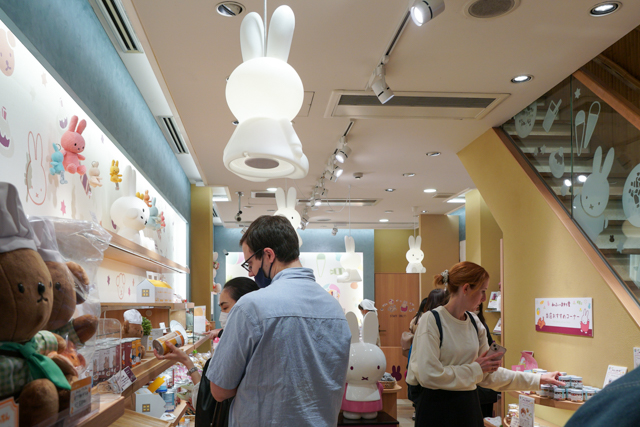
Miffy’s Oyatsu-do by Miffy’s Kitchen Gion
みっふぃーおやつ堂 祇園店 by みっふぃーきっちん, 572-2 Gionmachi Minamigawa, Higashiyama Ward, Kyōto, 605-0074, Japan
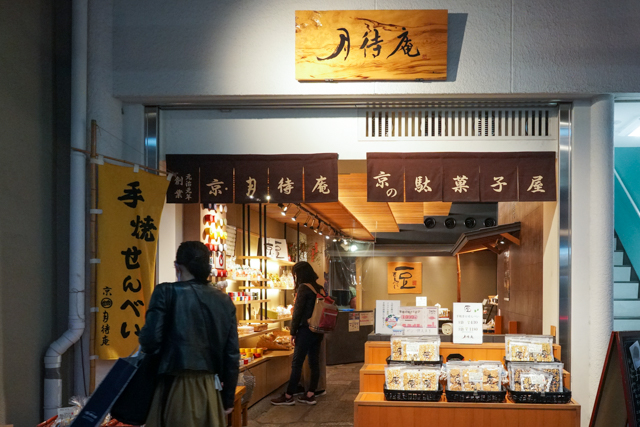
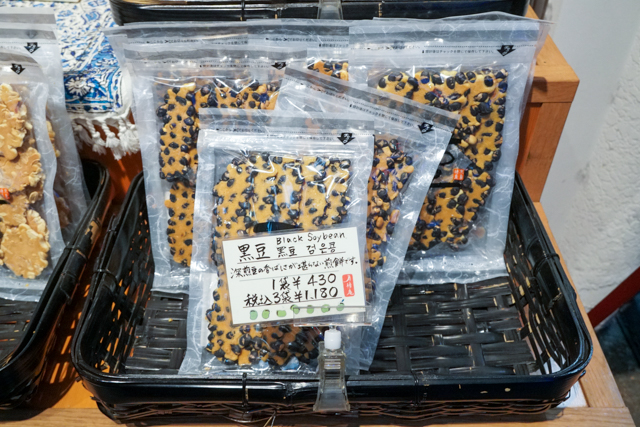
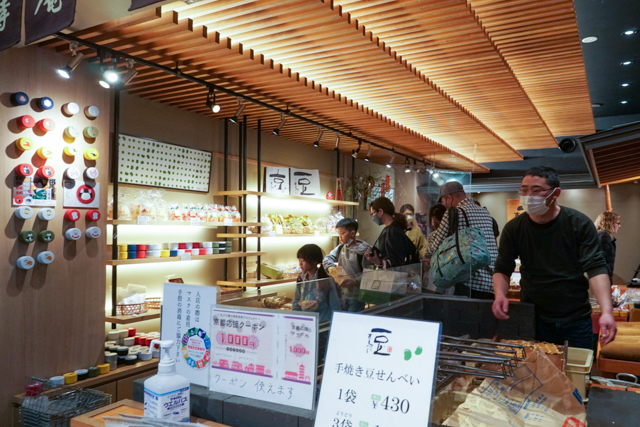
Tsukimachian
月待庵 祇園店, 585-4 Gionmachi Minamigawa, Higashiyama Ward, Kyōto, 605-0074, Japan
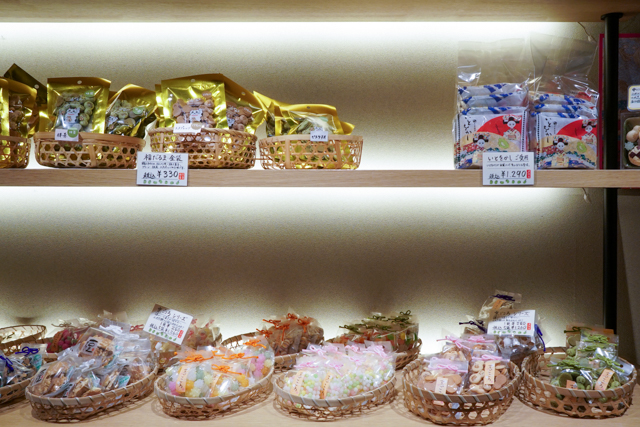
Tsujiri
辻利 京都祇園店, 215 Nakanocho, Kyōto, 605-0074, Japan
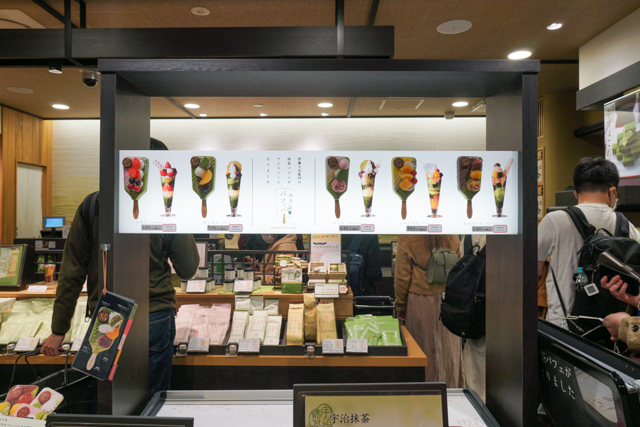
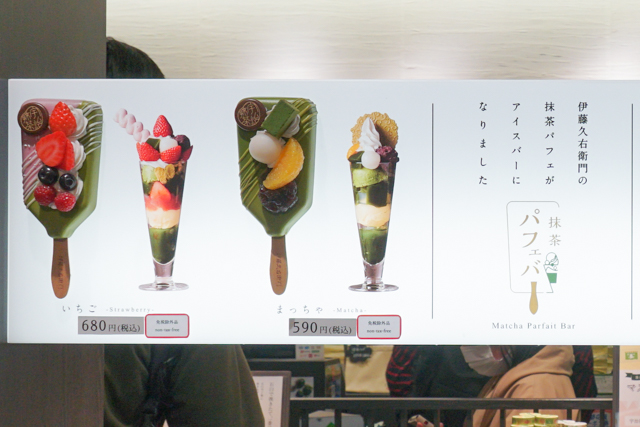
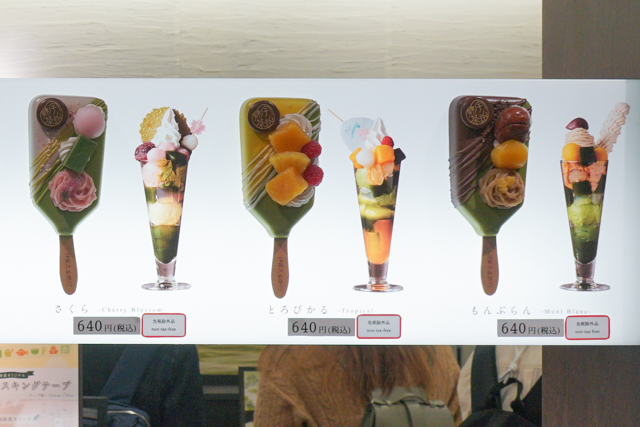
Hokusai Graphic
京都祇園北斎グラフィック, 1F 261 OKI Bureau, Nakanocho, Higashiyama Ward, Kyōto, 605-0075, Japan
Gion Duck Rice🦆🍚
1F Gion First Building, 281-1 Gionmachi Kitagawa, Higashiyama Ward, Kyōto, 605-0073, Japan
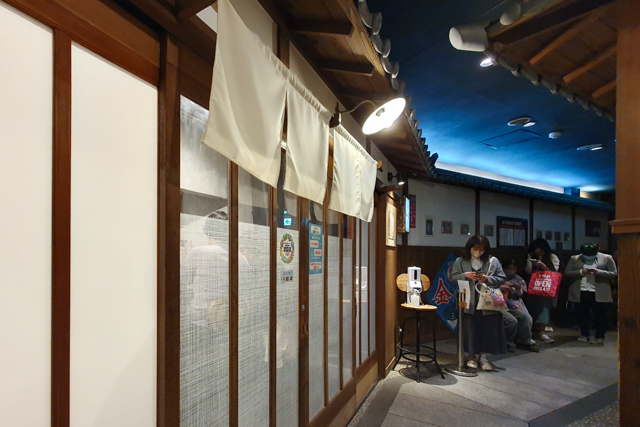
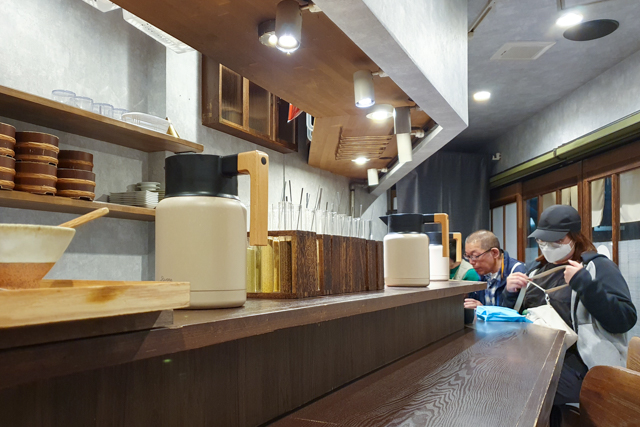
For dinner, we stayed in Kyōto and queued for about half an hour for Gion Duck Rice🦆🍚 to open at 5 PM. At about 4:50 PM, the chef came out to take orders from the queue outside the restaurant (we were second in line, after another local couple). At 5 PM, the first group of customers was brought into the restaurant and had their meal explained to them. The chef then prepared the meals for the subsequent group, before they were brought into the restaurant. There was about 10 minutes between each group.
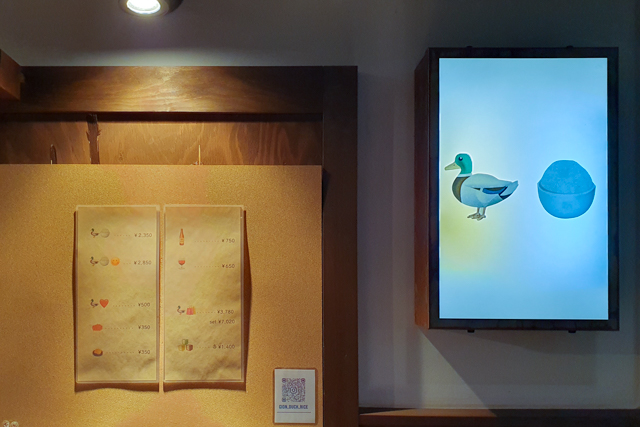
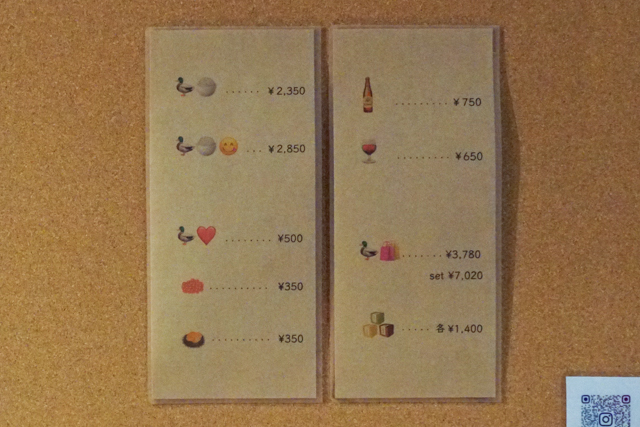
The restaurant’s name and menu are signified using only emoji and numbers for pricing.
The price of each meal allows guests to choose between breast or leg meat as well as small, medium or large rice:
- 🦆🍚 is standard duck rice.
- 🦆🍚😋 is standard duck rice + sea urchin and fish roe.
We ordered one of each.
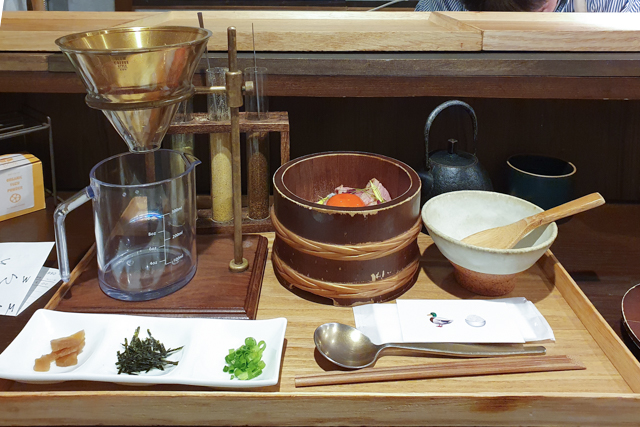
🦆🍚 with duck breast and a small rice portion (¥2,350, inc tax).
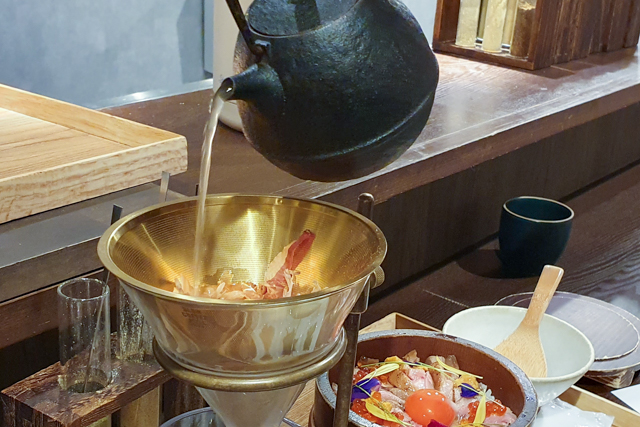
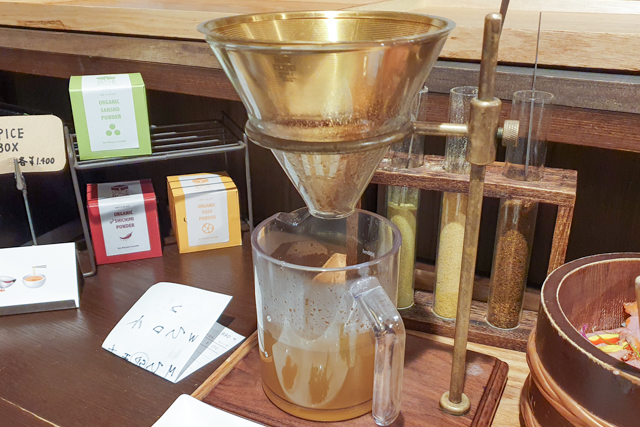
The meal was a chazuke type dish with some theatre involved on the part of the customer. The teapot contained dashi that needed to be poured over the katsuobushi to create the final broth.
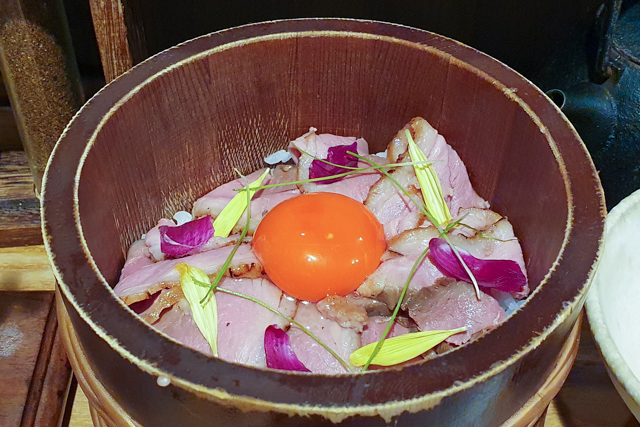
The bowl of rice with the duck meat was presented meticulously.
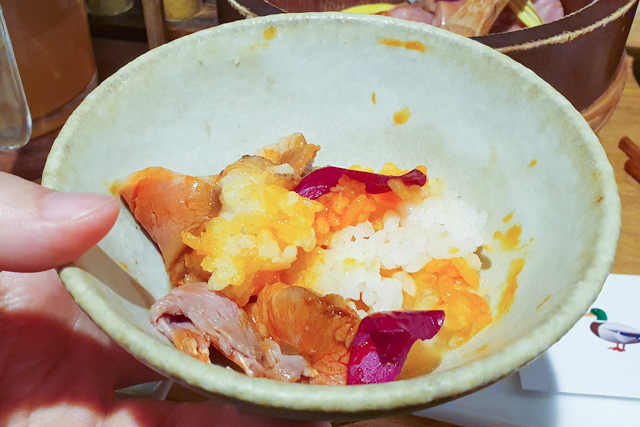
Upon tasting, the duck breast was cooked perfectly, tender and flavourful, while the egg yolk added richness that was balanced by the umami-rich broth.
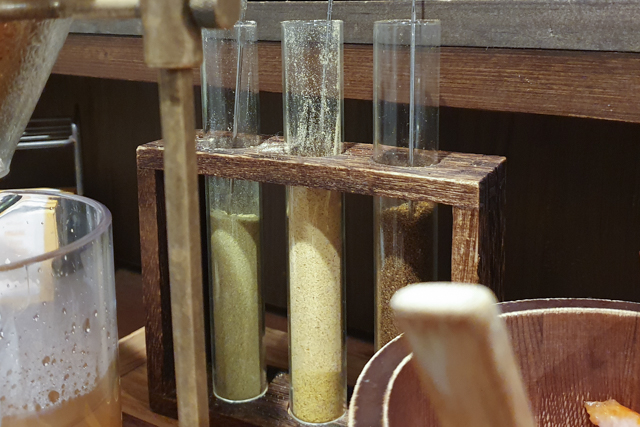
We were also encouraged to experiment with various spices to change the flavour of each bite (left to right):
- organic sansho powder (a slight numbing sharpness, usually accompanying hitsumabushi)
- organic shichimi powder (a delightful mix of chilli heat, tangy citrus and earthy seaweed).
- organic yuzu powder (a bold tangy and floral citrus flavour).
We enjoyed all the spices, with yuzu being our favourite.
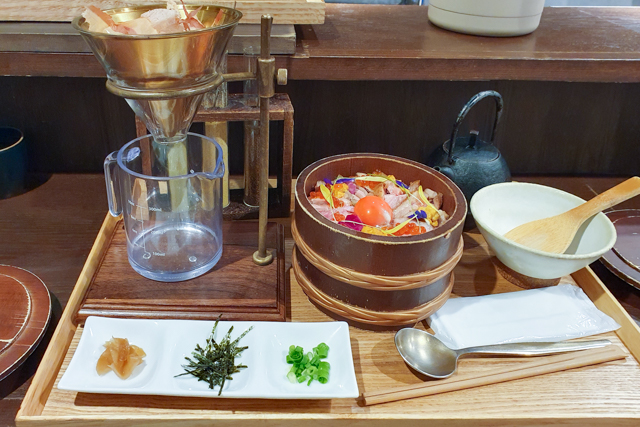
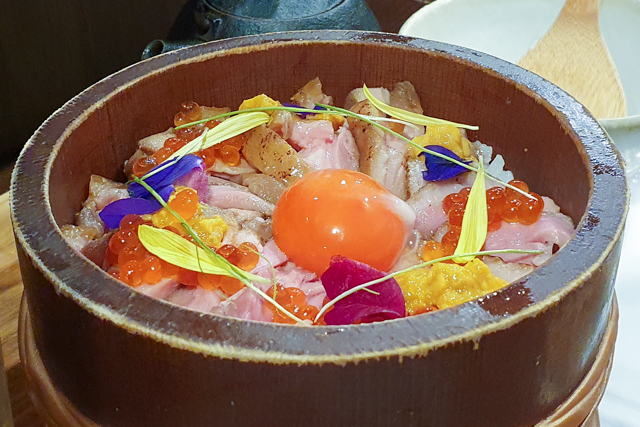
🦆🍚😋 with duck leg. The addition of the sea urchin and fish roe added deep oceanic umami to the dish.
All in all, Gion Duck Rice 🦆🍚 was a worthy experience with tasty and thoughtful food.
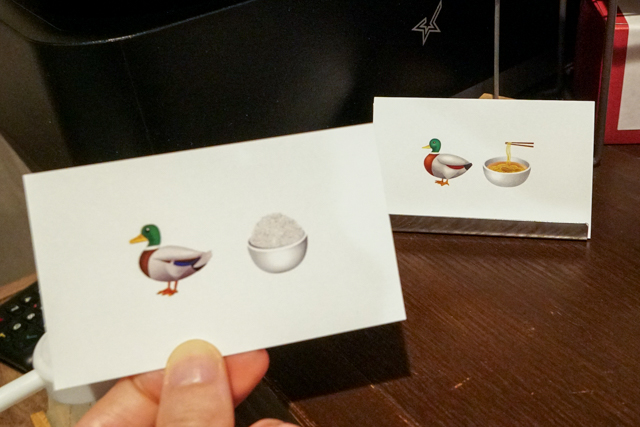
They also have a sister store called Gion Duck Noodles 🦆🍜, which we would be keen to visit.
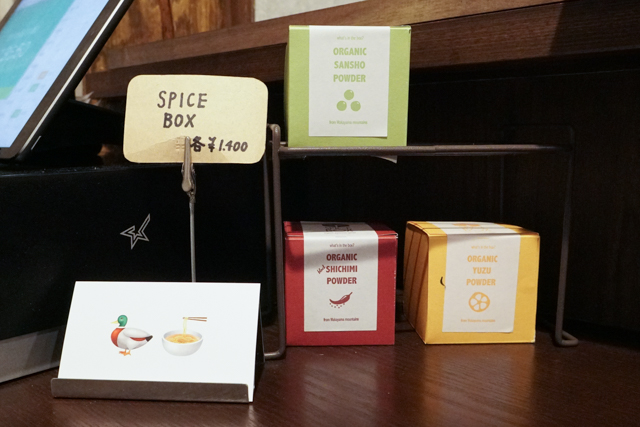
The spices were available for purchase from the counter.
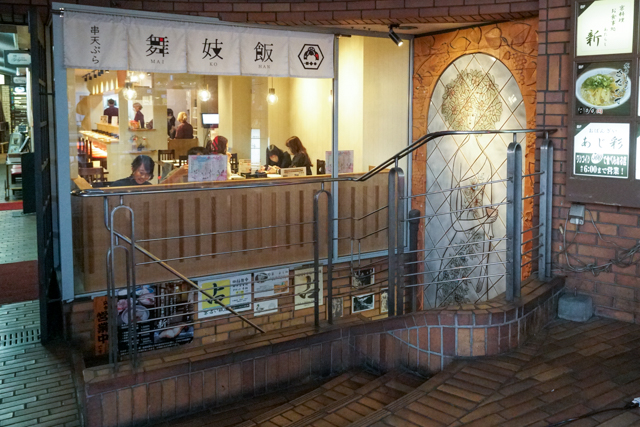
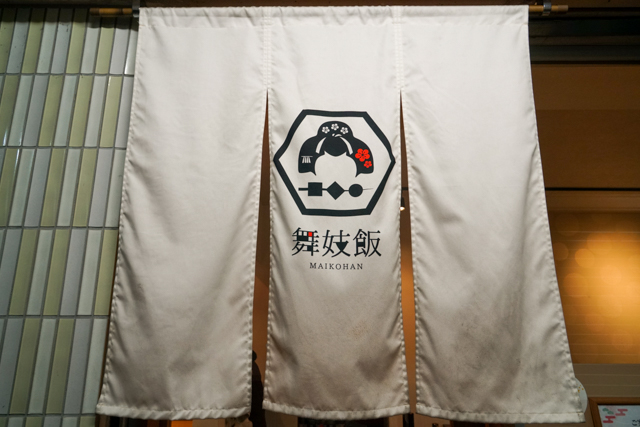
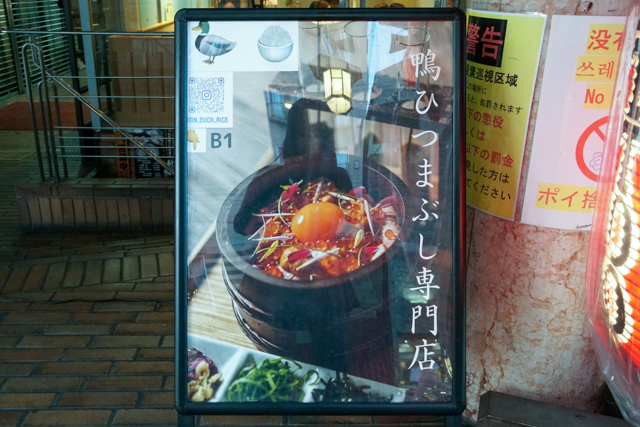
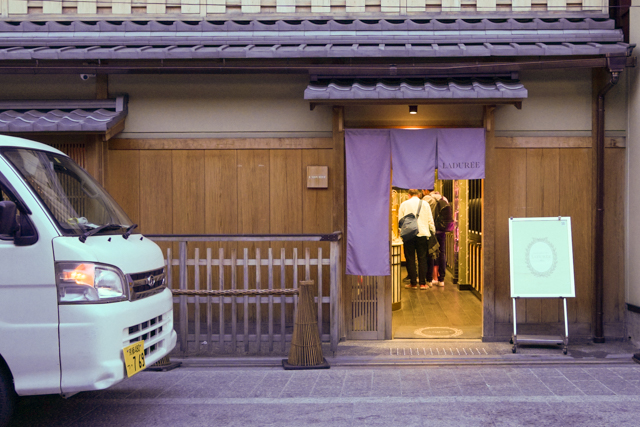
Gion Duck Rice 🦆🍚 was located in the basement down these stairs in front of a restaurant called Maikohan. Their speciality was sophisticated one-bite-sized tempura that ‘even a petite mouth of maiko can handle’.
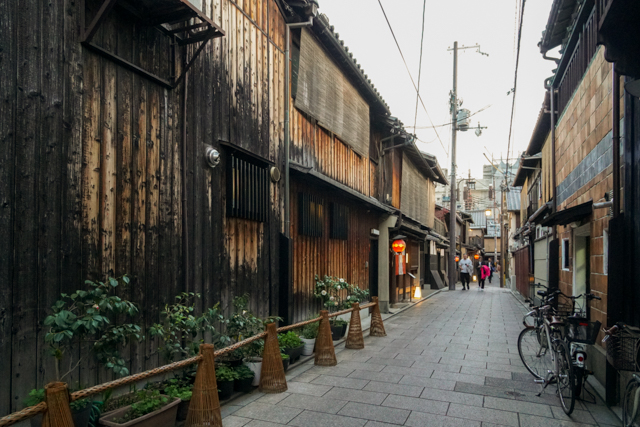
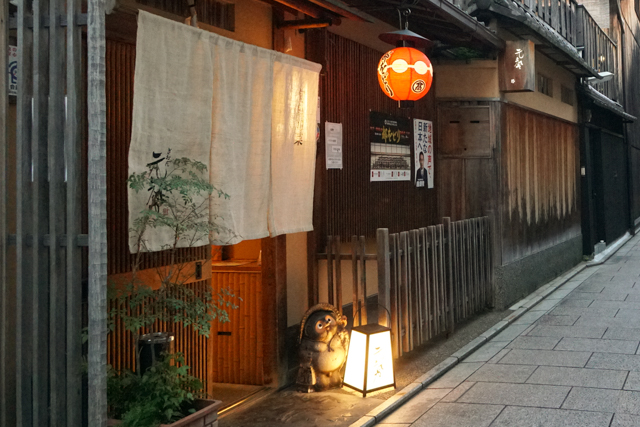
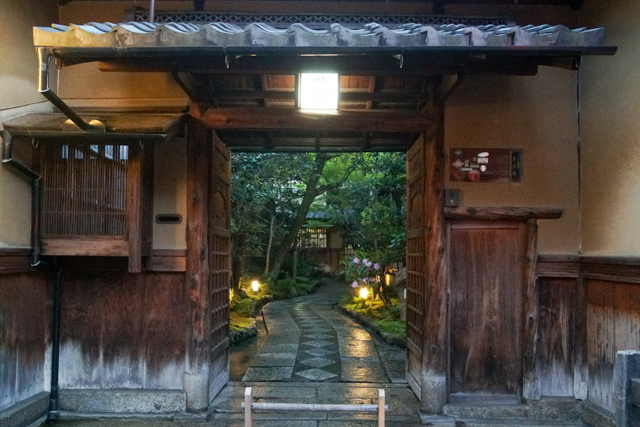
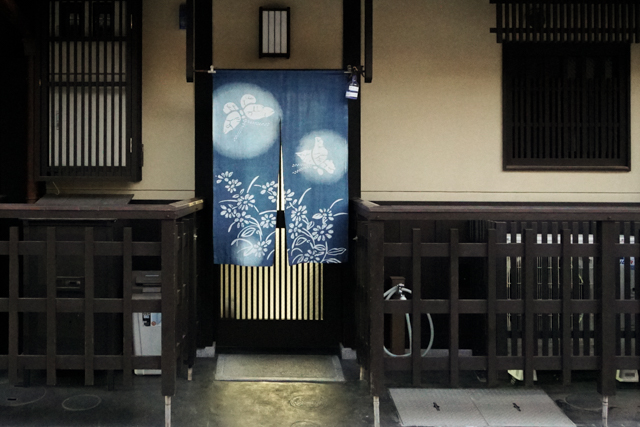
Hanamijoki Street
花見小路, Gionmachi Minamigawa, Kyōto, 600-8340, Japan
Ōsaka
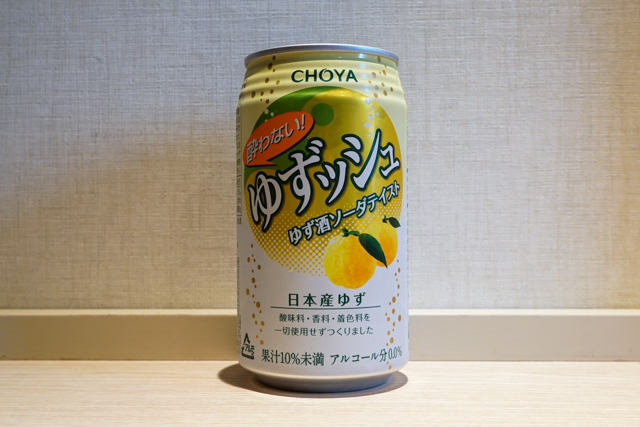
Back at our hotel in Ōsaka, we finish the evening with a few drinks.
This Choya Yuzushu Soda Taste was non-alcoholic and contained at least 10% juice with moderate carbonation. We continued to enjoy its intensely bright floral and sour yuzu flavour — all the best parts of a yuzushu without the alcohol.
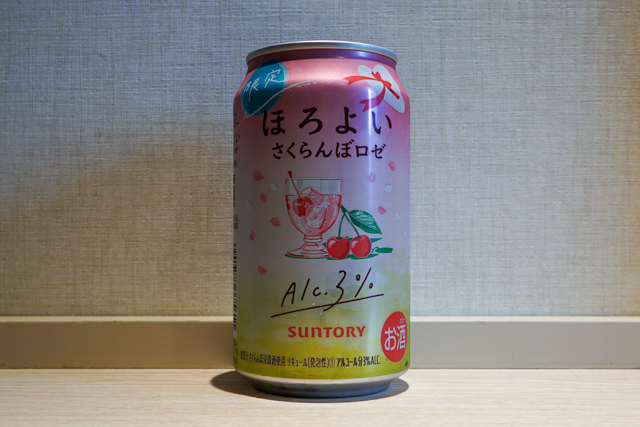
We also enjoyed this Horoyoi Sakuranbo Rosé Chūhai. Containing 2% alcohol, it was a seasonal flavour to remind people of the arrival of spring. The chūhai captured the delicious sweet and sour taste of cherries with a slight accent of wine in the finish yet without any bitterness. We enjoyed this flavour immensely.
Kyōto was our last day in the Kansai region for this trip. Viewing the cherry blossoms at peak bloom was everything we’d dreamed of being able to experience. We could not have asked for more perfect timing.
Kyōto was Day 3 of 8 on the Japan 2023 trip. Day 4 saw us transiting to Tōkyō and visiting Ueno and Asakusa.