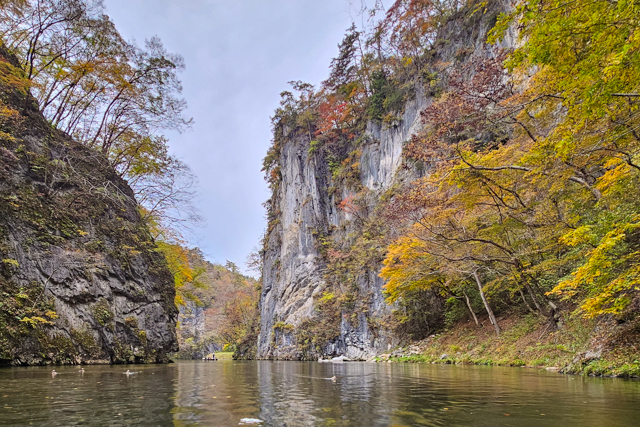
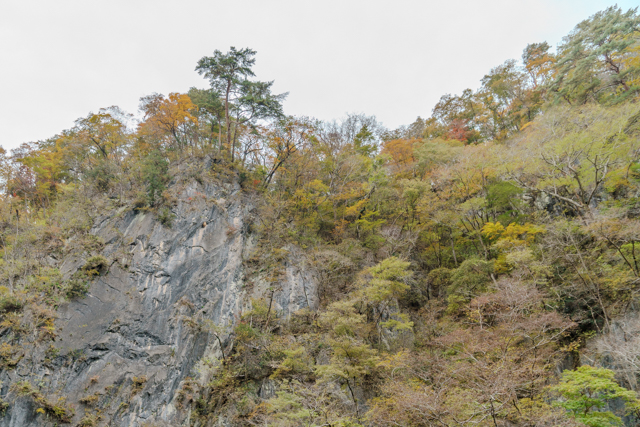
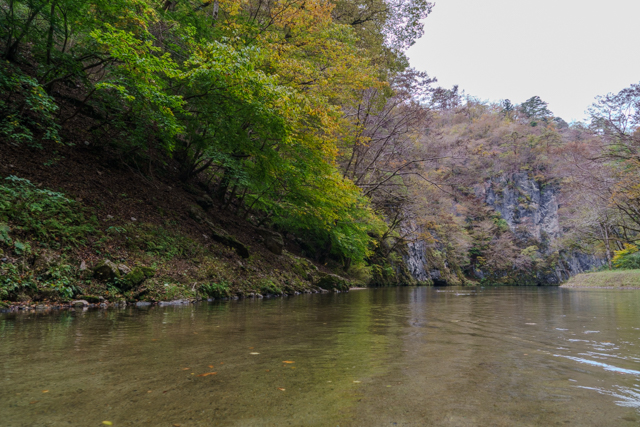
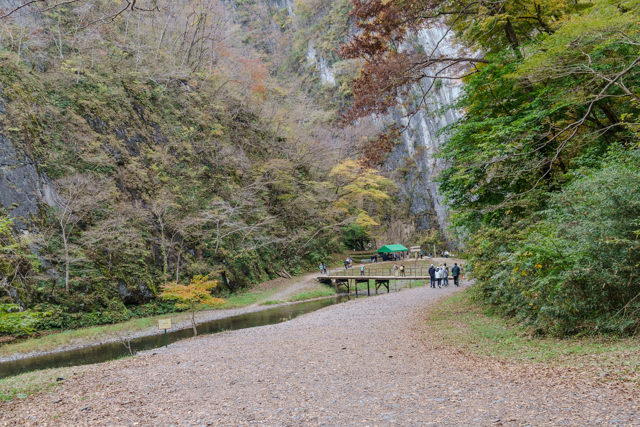
Geibikei is a ravine carved by the Satetsu River in Ichinoseki, Iwate Prefecture. It has held the status of National Place of Scenic Beauty and Natural Monument since 1923, and in 1927 it was selected as one of the 100 Landscapes of Japan. Its cliffs, river mists, and seasonal shifts create a landscape that feels both intimate and monumental.
Sendai → Ichinoseki
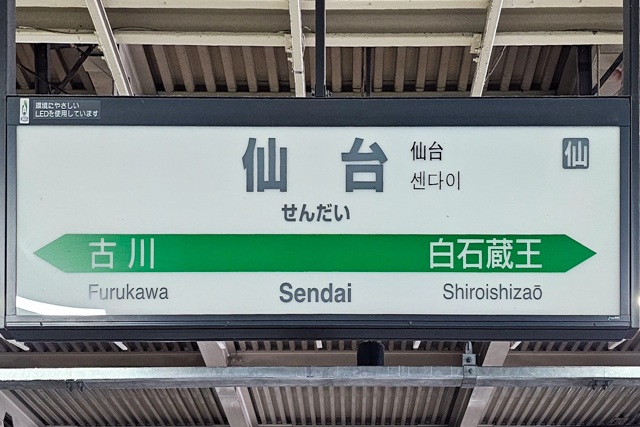
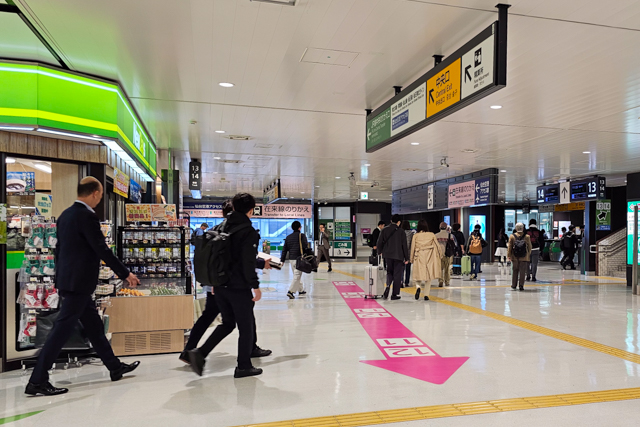
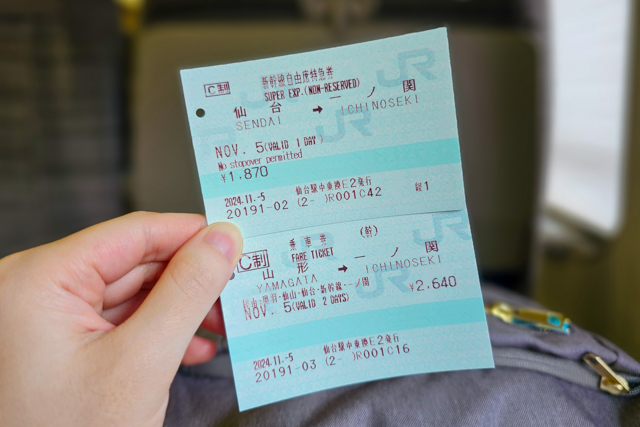
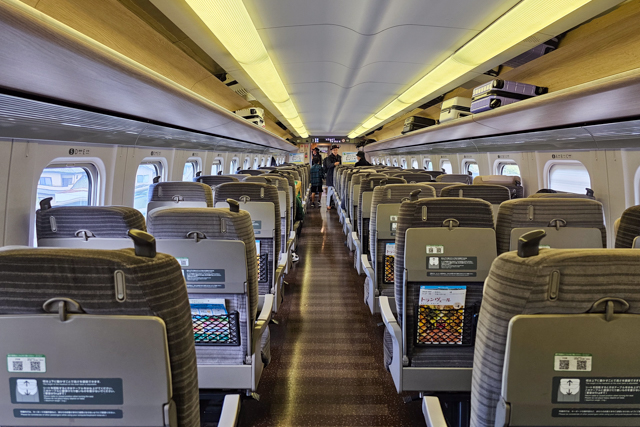
After returning to Sendai from Yamagata, the transfer onto the regular shinkansen northwards offered only a brief ride, but enough time to reflect on the gradual shift from urban Miyagi to the quieter pace of rural Iwate.
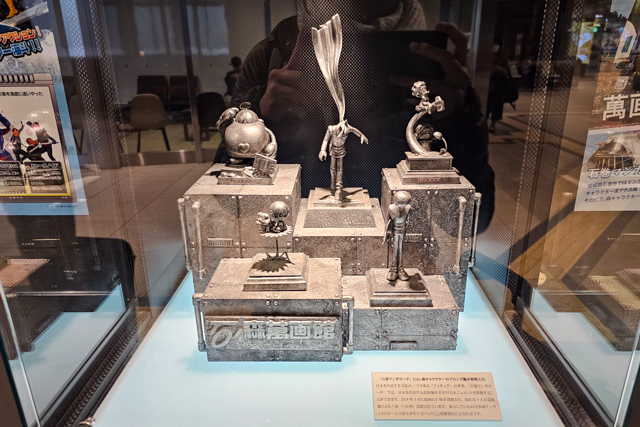
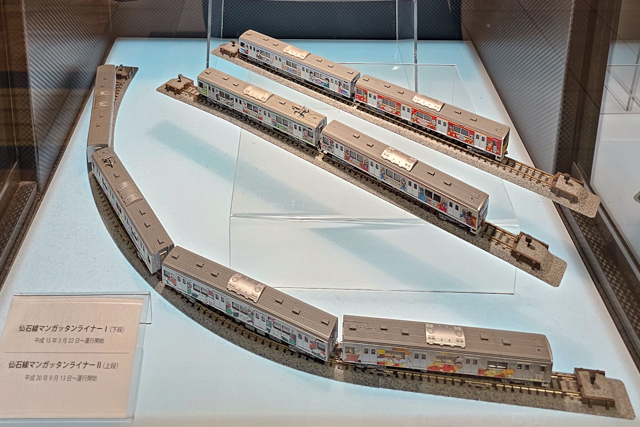
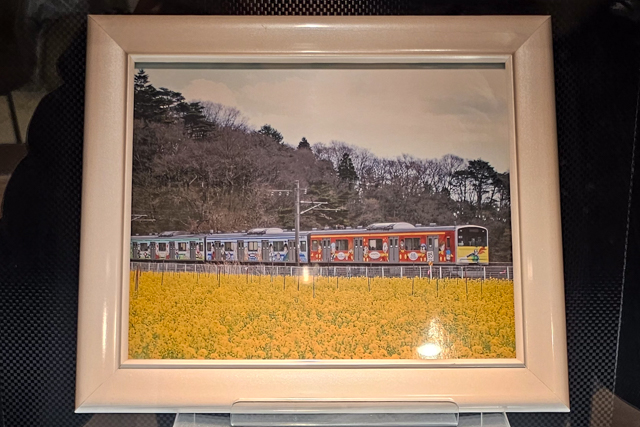
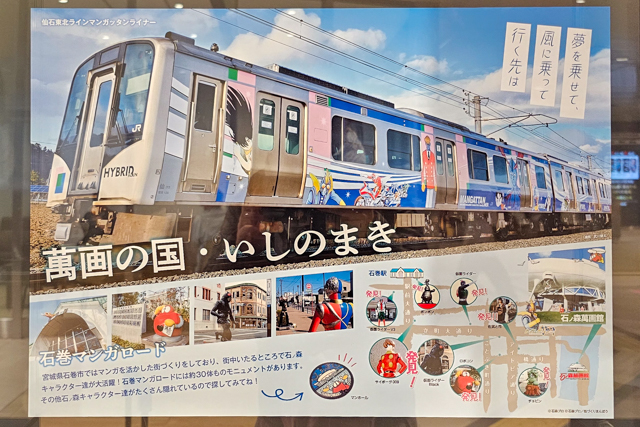
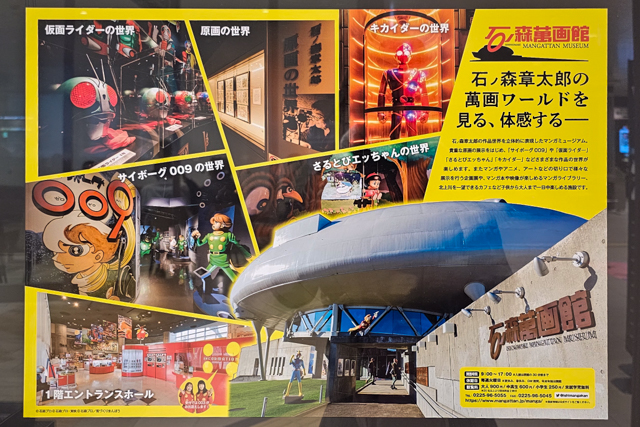
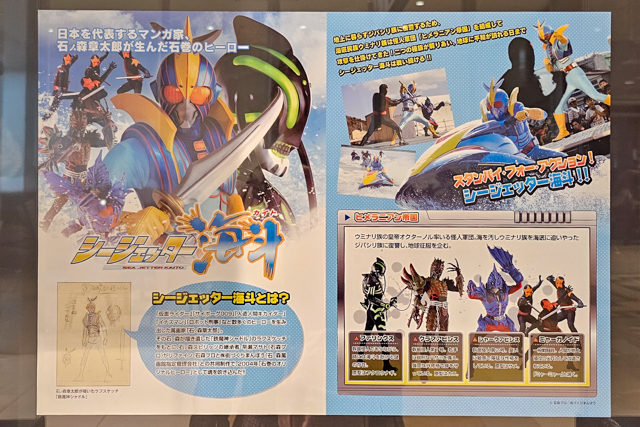
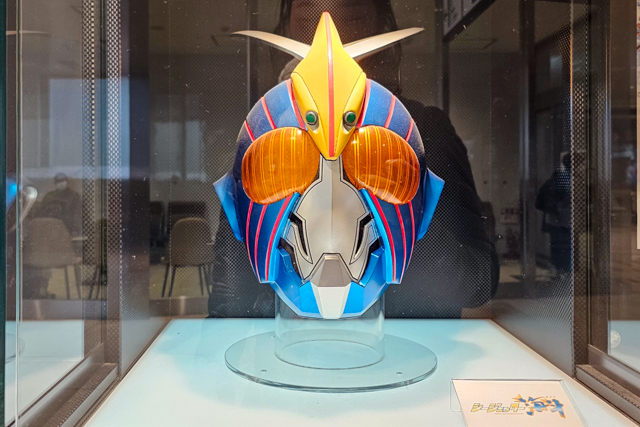
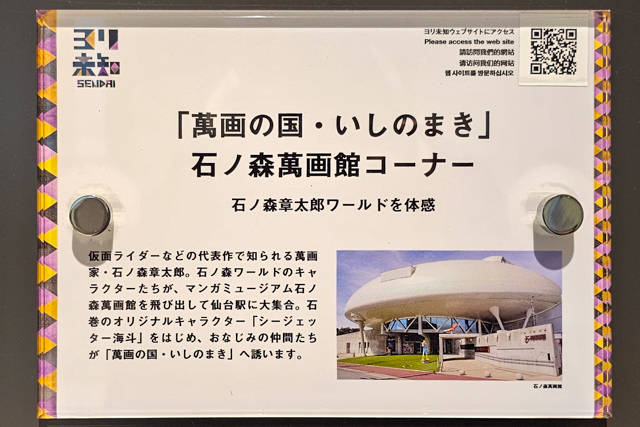
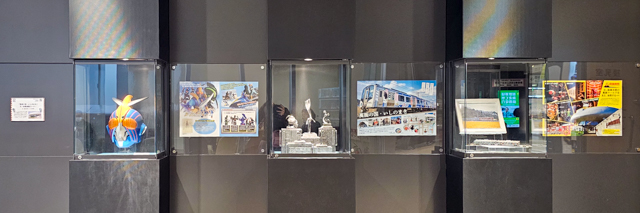
The transfer corridor in Sendai Station included a display dedicated to the Ishinomori Manga Museum in Ishinomaki. The material highlighted the life and work of Ishinomori Shōtarō (1938–1998), a central figure in modern manga whose creations—Cyborg 009, Kamen Rider, and many others—shaped the development of super-powered and transforming hero genres. His influence endures through regular television and film adaptations.
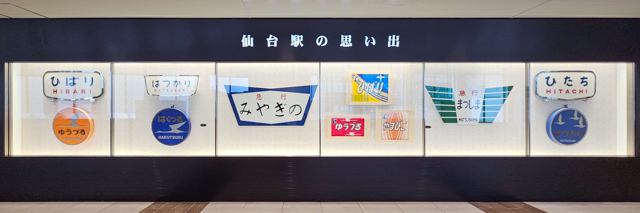
Further along, older corporate logos from the Sanriku region appeared, including the early Hitachi mark. The name “Hitachi” itself traces to the former Hitachi Province, now part of Ibaraki Prefecture.
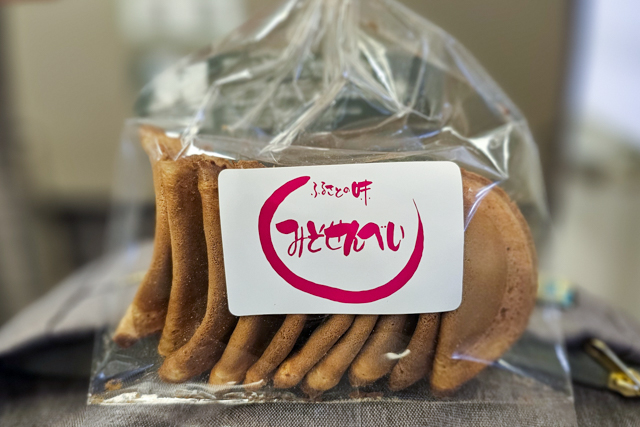
Given the short journey, we opened the Beniya Miso Senbei picked up in Fukushima, a light snack for the ride north.
Ichinoseki
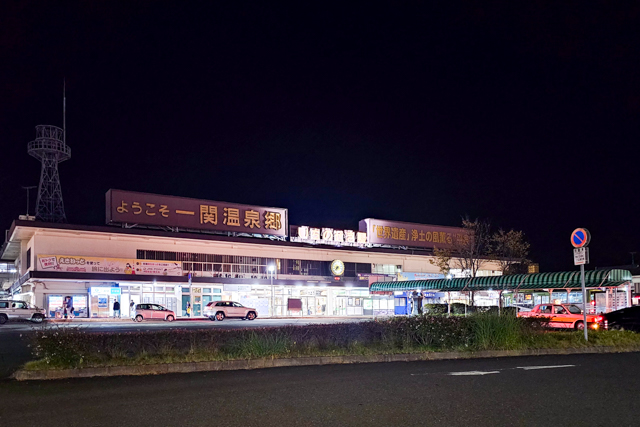
JR Ichinoseki
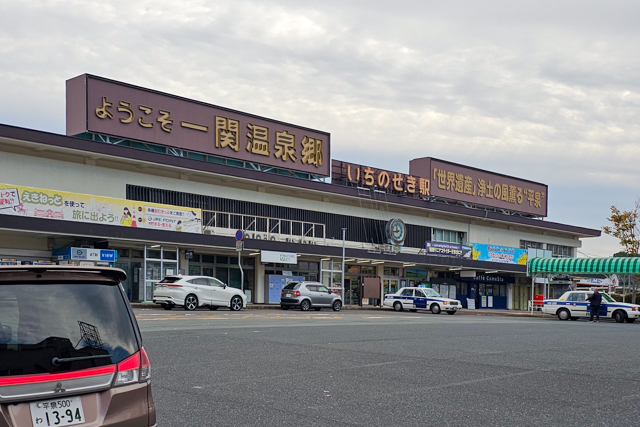
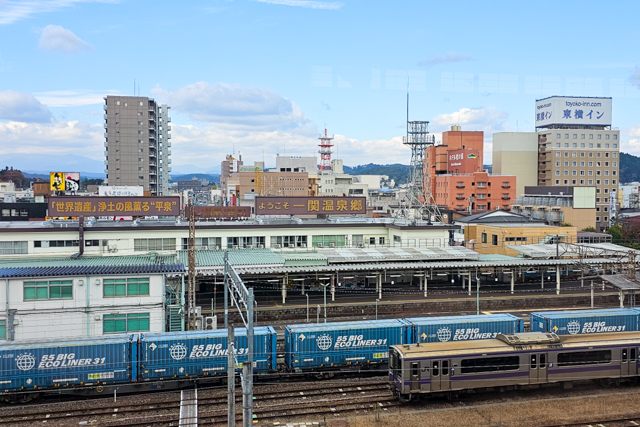
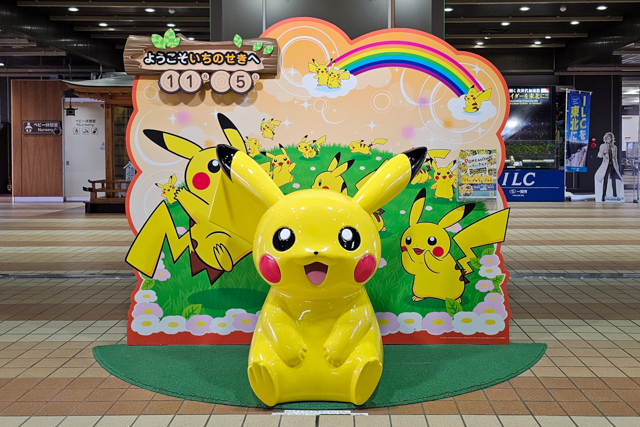
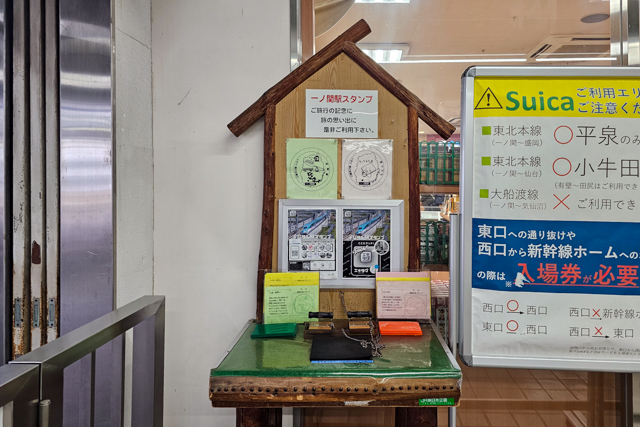
As with many major shinkansen stops, the station concourse immediately introduced key elements of local culture.
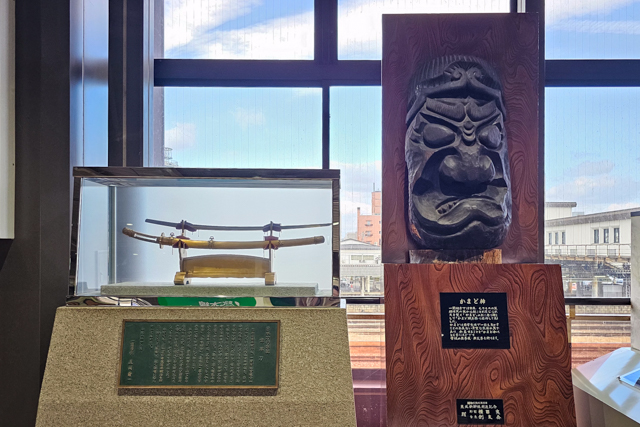
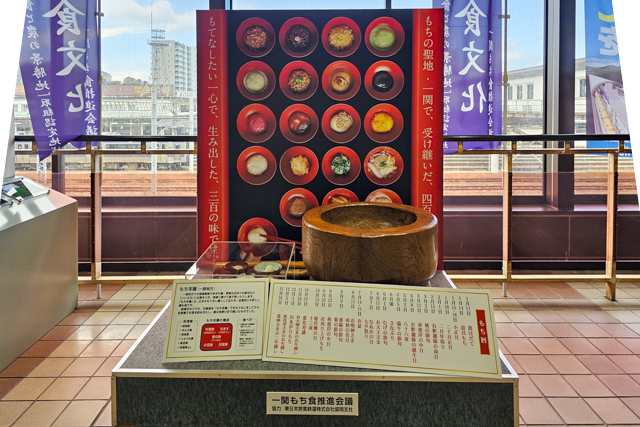
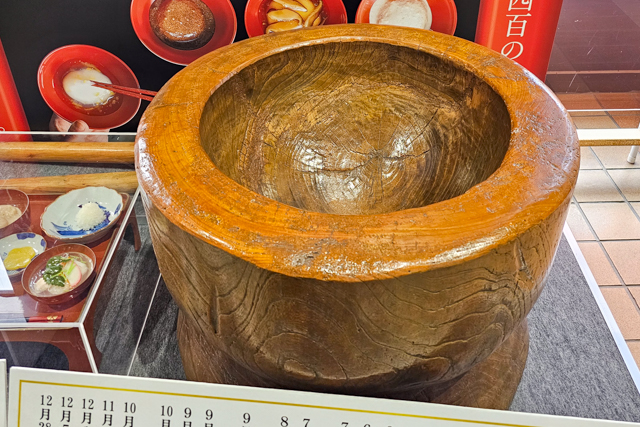
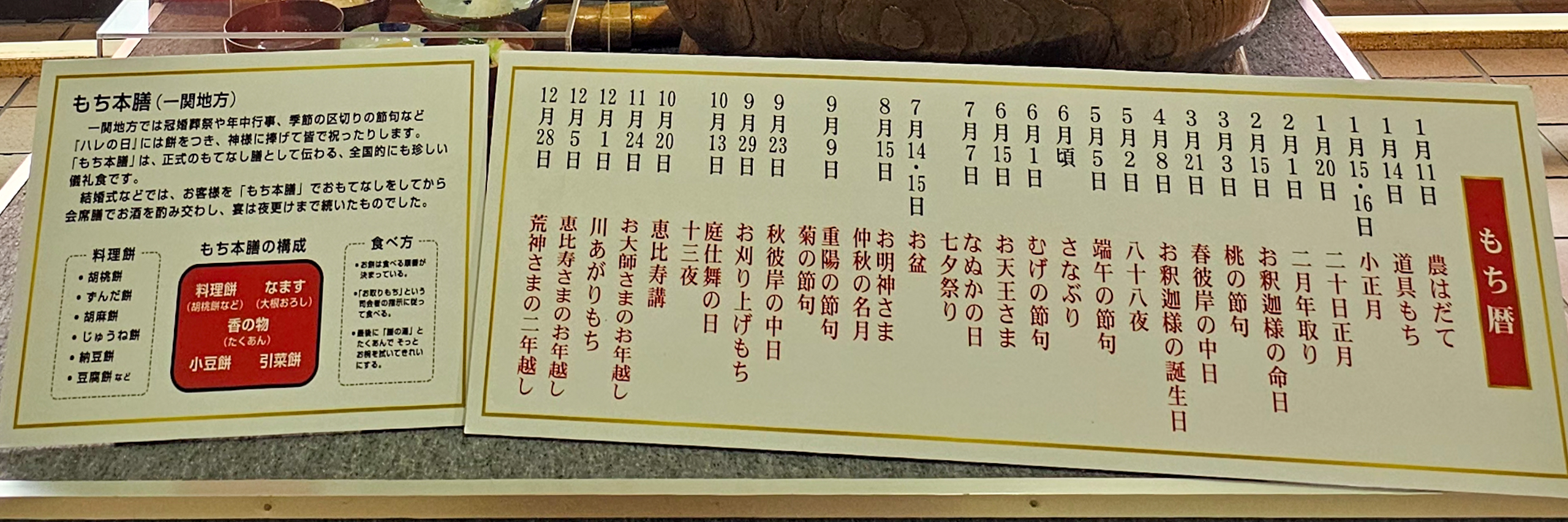
A prominent exhibit explained the regional tradition of Mochi Honzen, a ceremonial hospitality meal centred on rice cakes. In the Ichinoseki region, mochi is tied to rituals, annual observances, and festive gatherings. Families pound rice cakes for offerings and celebrations, and on occasions such as weddings, guests were historically served a formal mochi meal before moving on to a banquet that continued late into the night.
Beneath the display sat a “mochi calendar”, noting all the days throughout the year on which mochi is customarily eaten.
Hiraizumi and the Golden Hall
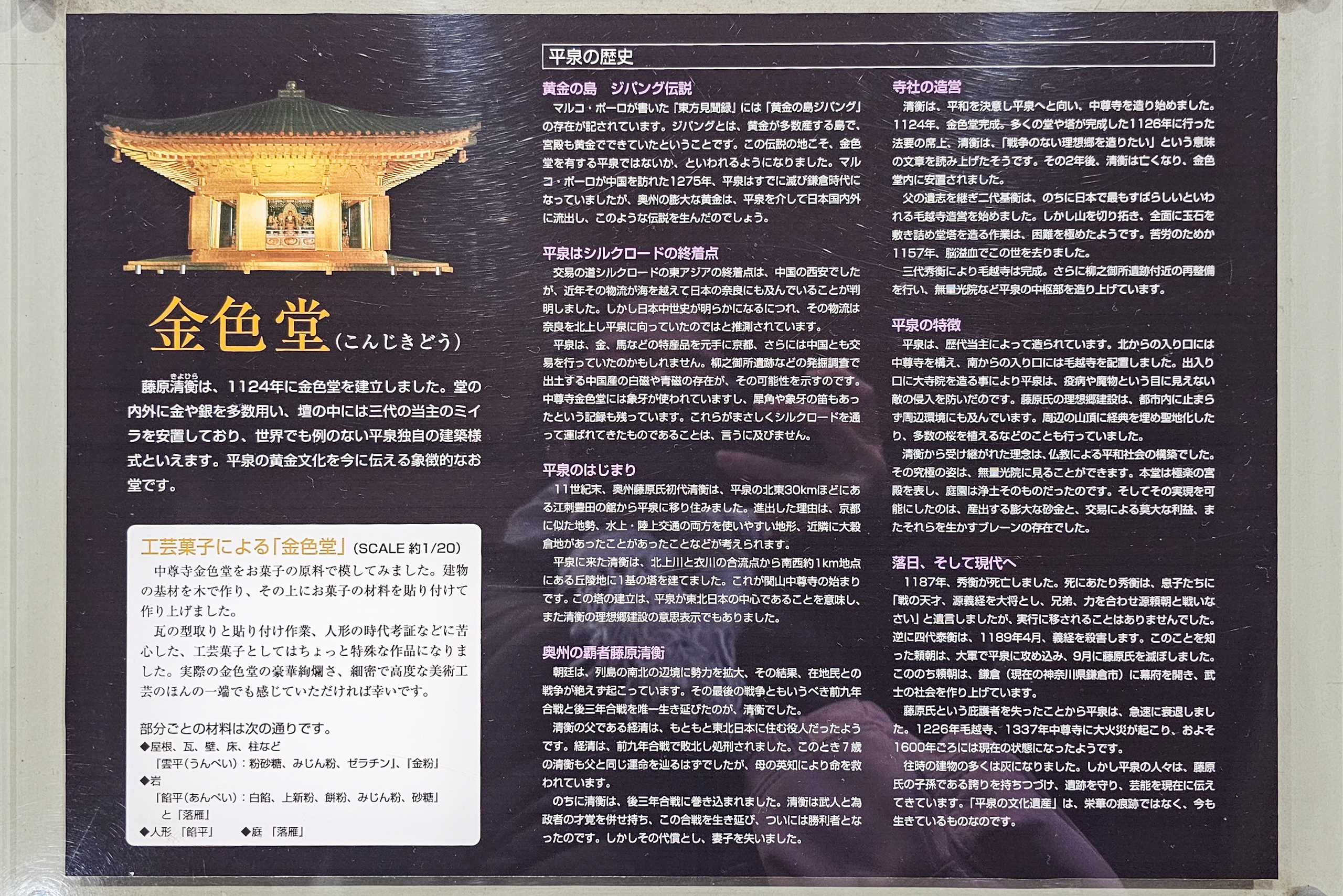
The station material included detailed historical panels outlining the rise and fall of Hiraizumi, located just to the north.
The Konjikidō
Fujiwara no Kiyohira constructed the Konjikidō at Chūson-ji in 1124. Clad inside and out in gold and silver, it enshrines the mummified remains of three generations of Fujiwara leaders. The hall represents a unique architectural expression of Hiraizumi’s golden culture and remains unmatched elsewhere.
The “Golden Island” Legend
Marco Polo’s Travels described “Zipangu”, a golden island producing vast quantities of gold. Later speculation linked this legend to Hiraizumi. By the time Polo reached China in 1275, Hiraizumi had fallen, but gold from the region had already circulated abroad through earlier trade routes, likely feeding the myth.
Hiraizumi and the Silk Road
While Xi’an has long been considered the Silk Road’s eastern terminus, emerging research suggests maritime routes extended trade into Japan. Earlier views placed Nara as the endpoint, but evidence increasingly indicates that trade likely flowed northward to Hiraizumi. Imported Chinese porcelain, celadon, ivory, and other exotic materials discovered at local archaeological sites support this. The Golden Hall itself used ivory, rhinoceros horn, and rare imported items, all of which would have arrived via Silk Road networks.
The Rise of Hiraizumi
At the end of the 11th century, Kiyohira relocated from Esashi to Hiraizumi. He chose the location for its resemblance to Kyōto’s geography, favourable transport routes, and proximity to major granaries. A pagoda built on a hill near the confluence of the Kitakami and Kinugawa Rivers marked the foundation of Chūson-ji and the beginning of his vision for an ideal northern capital.
Kiyohira’s Path
His life was marked by conflict: his father Tsunekiyo was executed after the Former Nine Years’ War, and Kiyohira narrowly escaped the same fate due to his mother’s intervention. He later survived the Later Three Years’ War, demonstrating both political acuity and military skill.
After losing his wife and children during these conflicts, he committed himself to building a peaceful society through Buddhist principles, a vision expressed fully in the creation of Chūson-ji.
Successors and Expansion
Motohira, the second Fujiwara head, began work on Mōtsū-ji—once said to be the grandest temple in Japan—though he died in 1157 before its completion. Hidehira, the third head, finished Mōtsū-ji, redeveloped the Yanagi-no-Goshō area, and constructed Muryōkō-in Temple, whose layout symbolised the Pure Land made manifest.
Cultural Design
Hiraizumi was intentionally structured: Chūson-ji to the north, Mōtsū-ji to the south, and sacred mountains encircling the settlement. Large temples served as spiritual barriers against misfortune. Sutras were buried on mountain peaks, and cherry trees were planted to shape a harmonious environment.
Decline
Hidehira died in 1187. His successor Yasuhira later killed Minamoto no Yoshitsune, violating Hidehira’s instruction to protect him. In response, Minamoto no Yoritomo invaded in 1189, extinguishing the Fujiwara clan.
Subsequent fires in 1226 and 1337 destroyed major temple complexes, and by around 1600 Hiraizumi had settled into its present scale. Nevertheless, local communities preserved traditions, ruins, and performance arts, keeping Hiraizumi’s heritage alive.
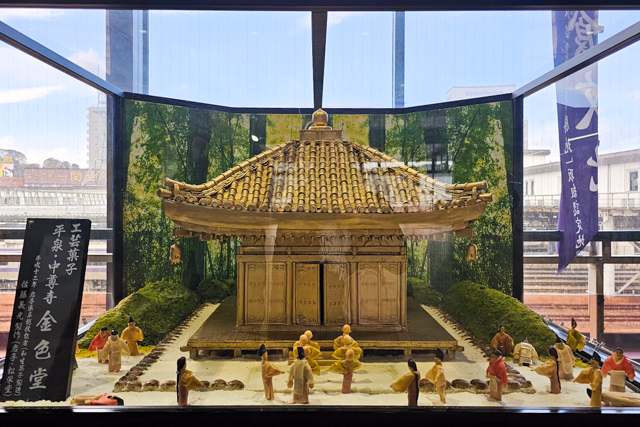
Confectionery Konjikidō
A display recreated the Konjikidō at 1:20 scale using traditional sweets techniques. Wooden framing was covered with confectionery components such as unpei, anpei, and rakugan, shaped and applied with precision. The piece required extensive moulding work and research into period details to capture the hall’s gilded character.
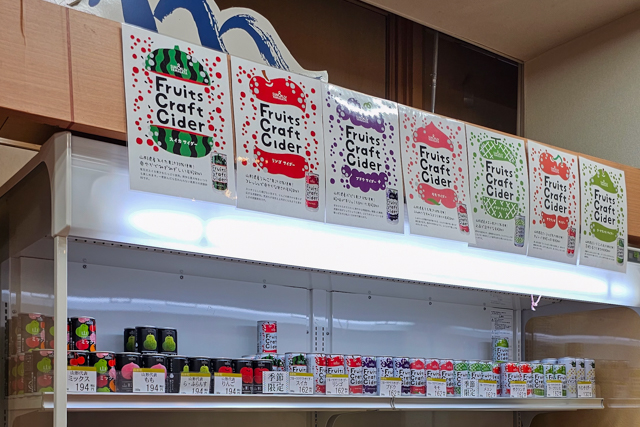
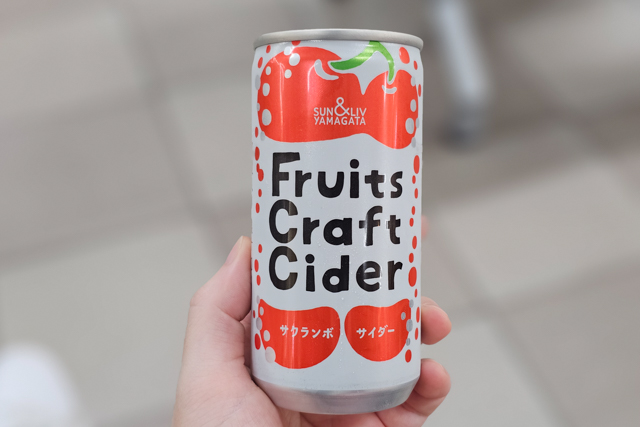
See Sun&Liv Yamagata Fruits Craft Cider Sakuranbo.
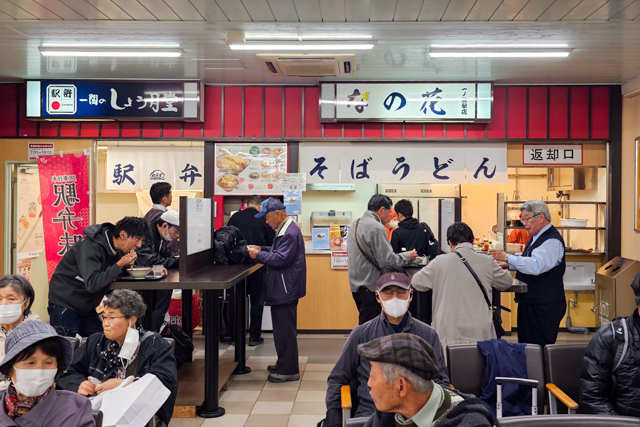
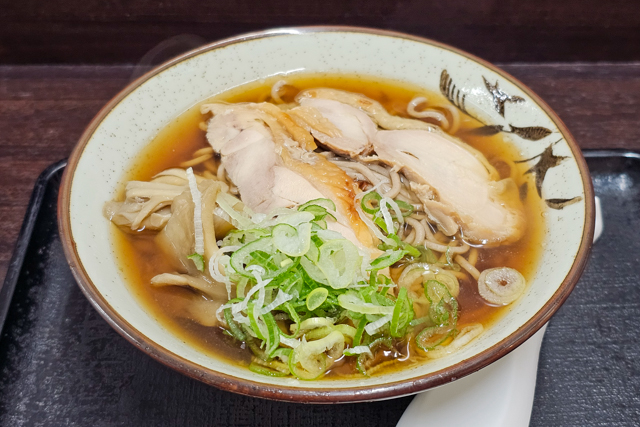
Na no Hana
なの花 一ノ関駅店, 67 Ekimae, Ichinoseki, Iwate 021-0867, Japan
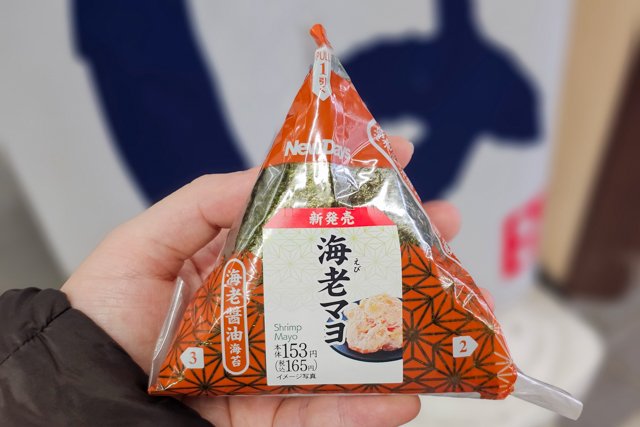
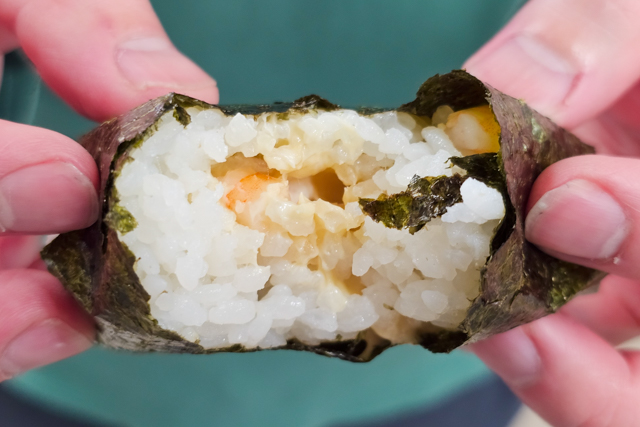
The ebi mayo onigiri from New Day had plenty of shrimp filling all the way to the top, with just the right amount of mayo.
Geibikei
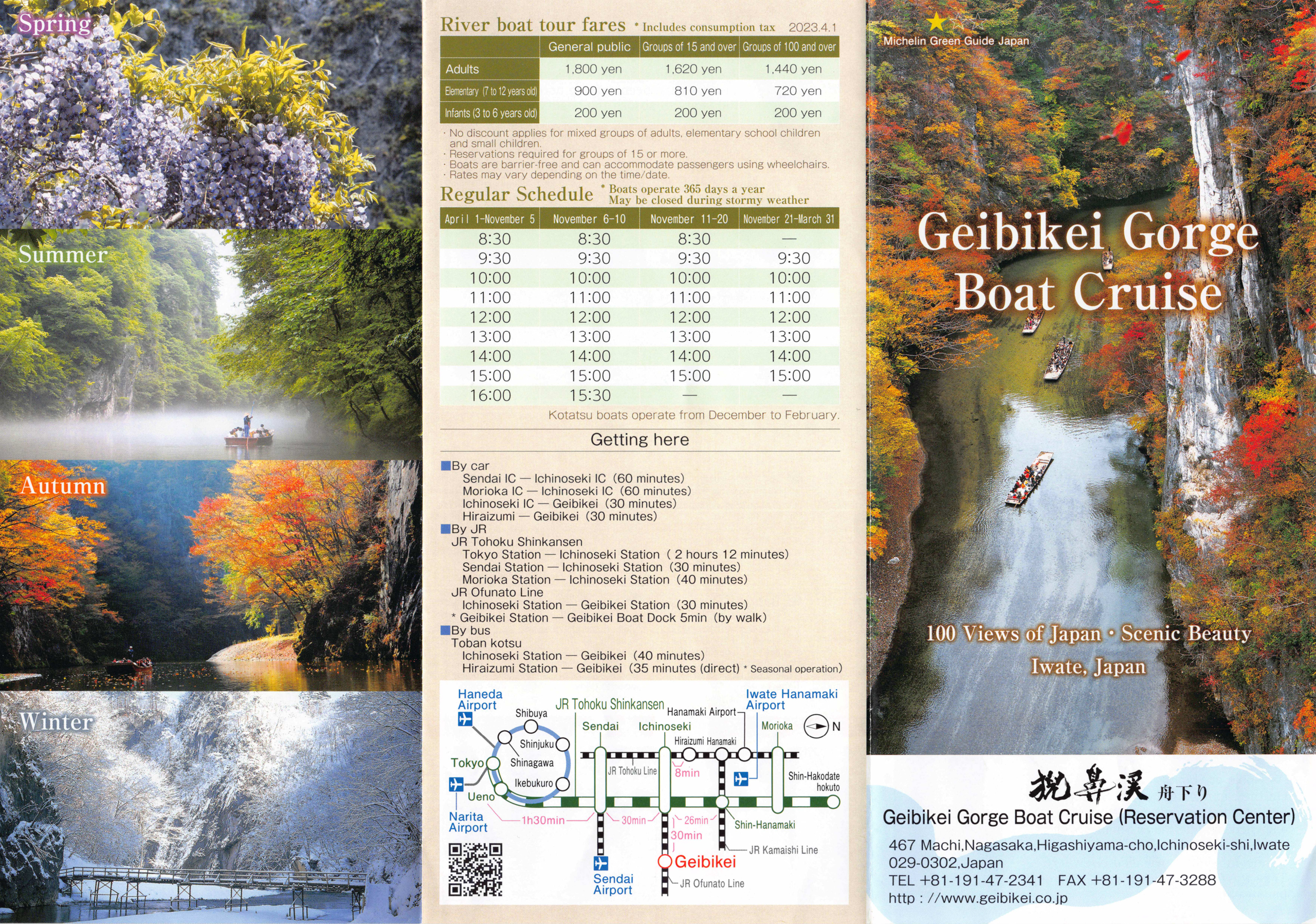
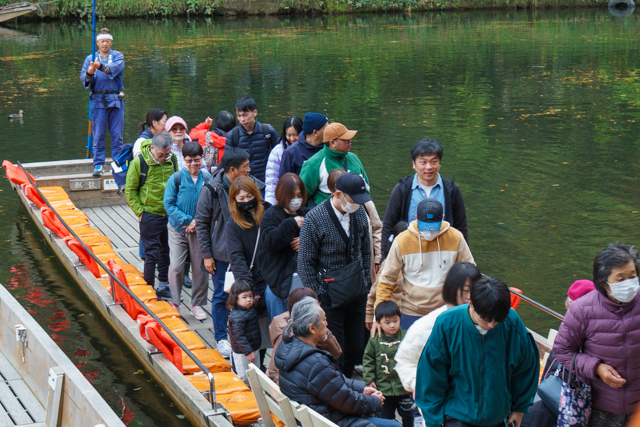
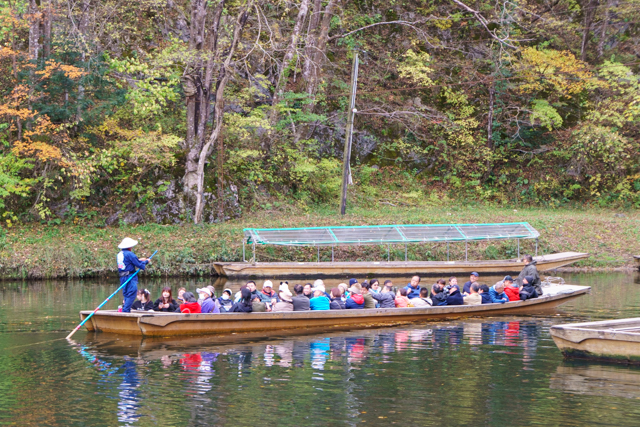
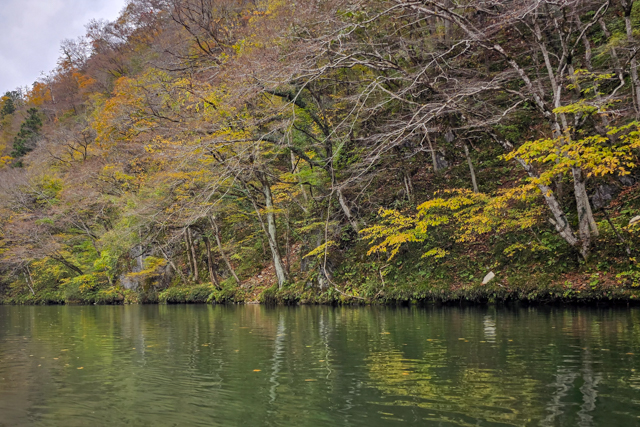
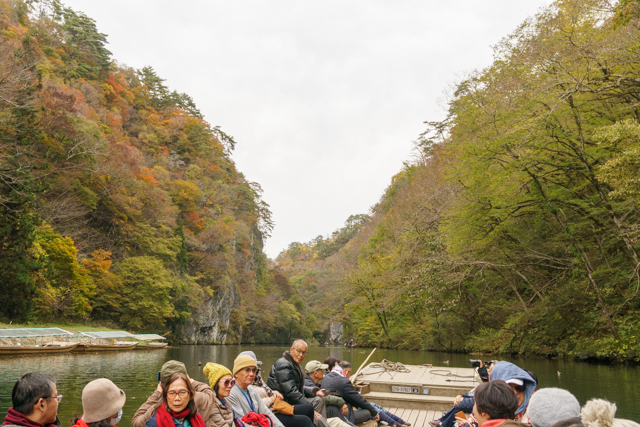
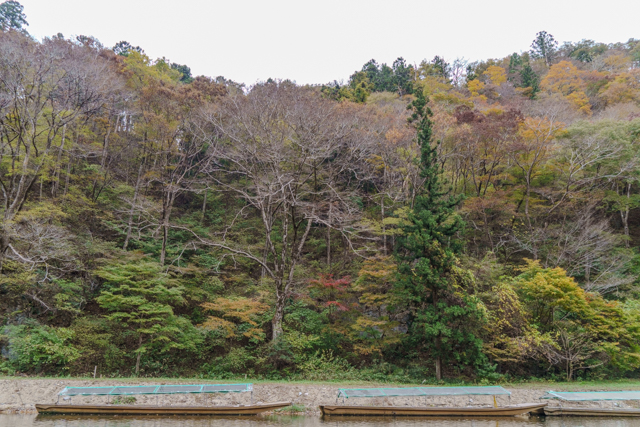
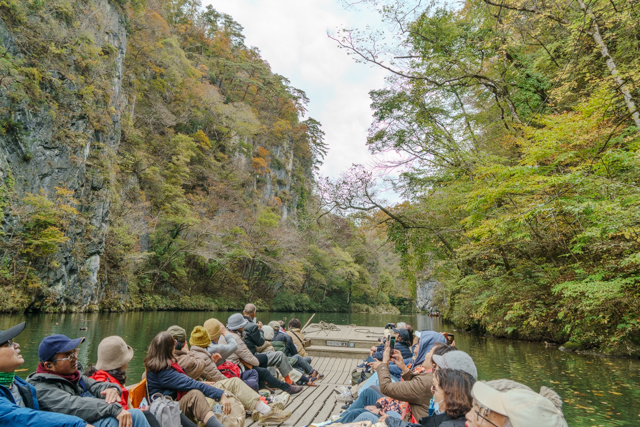
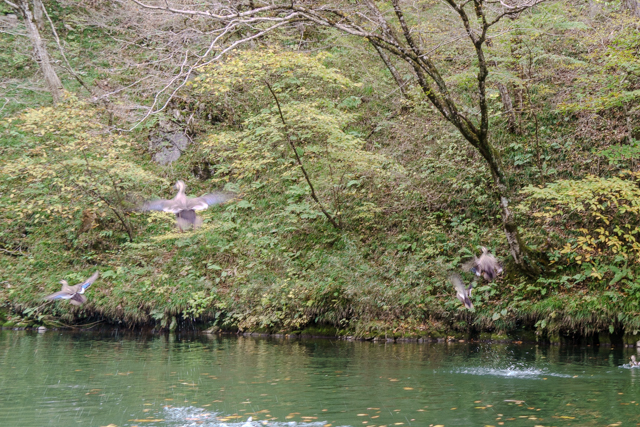
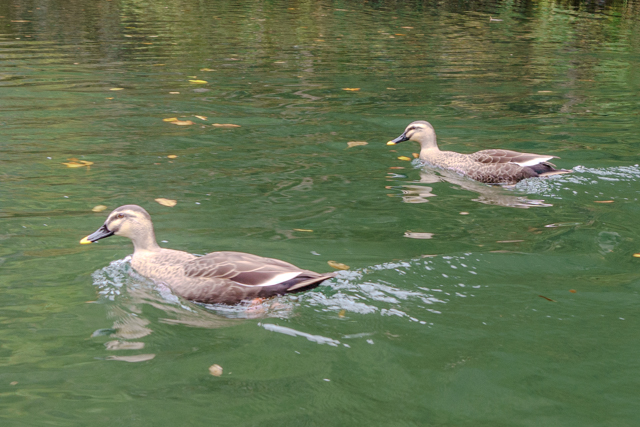
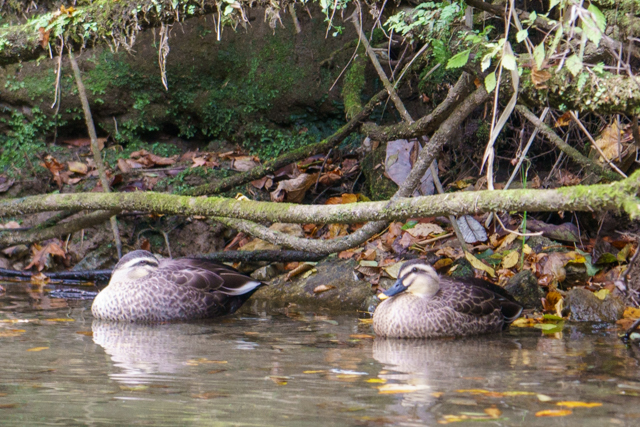
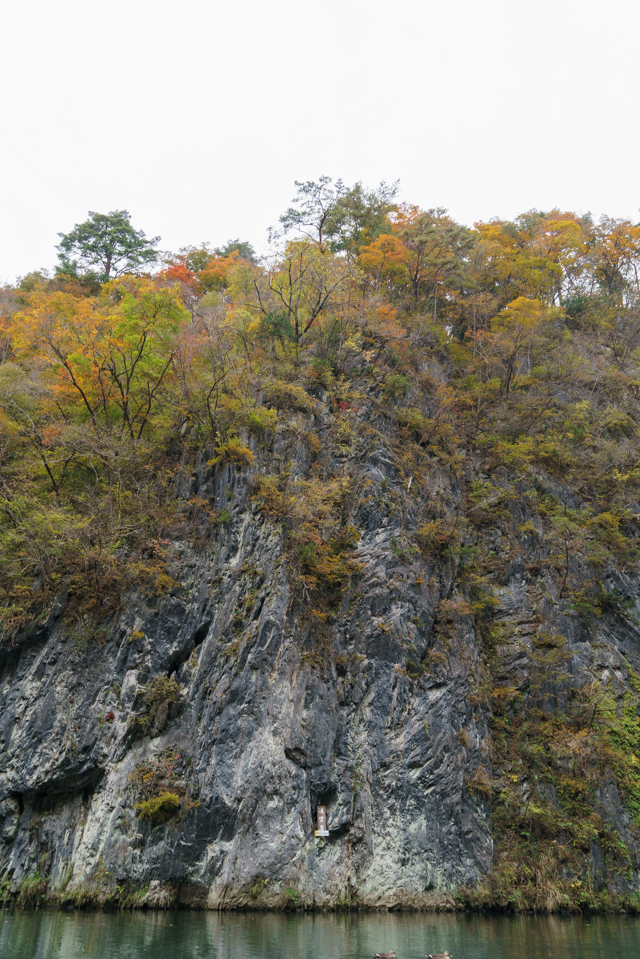
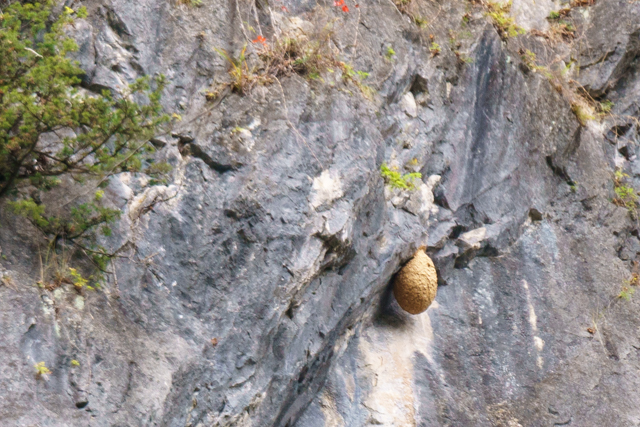
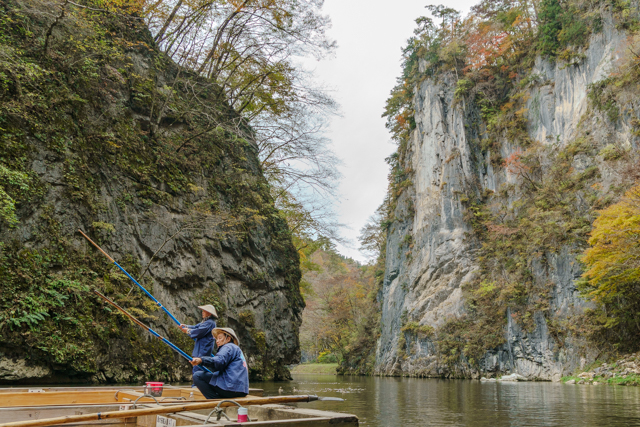
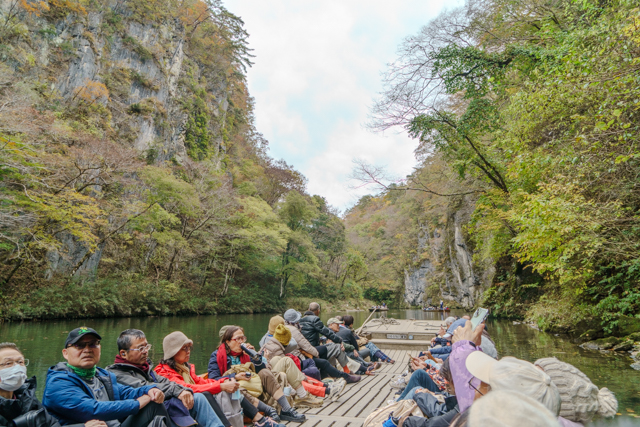
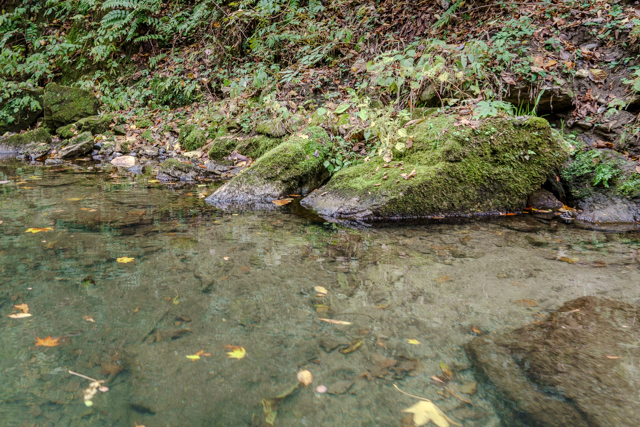
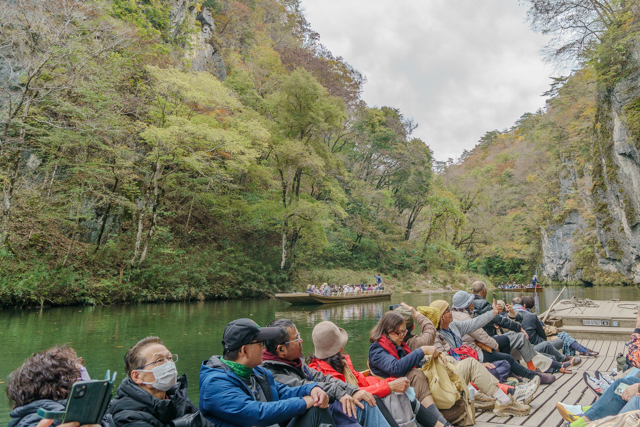
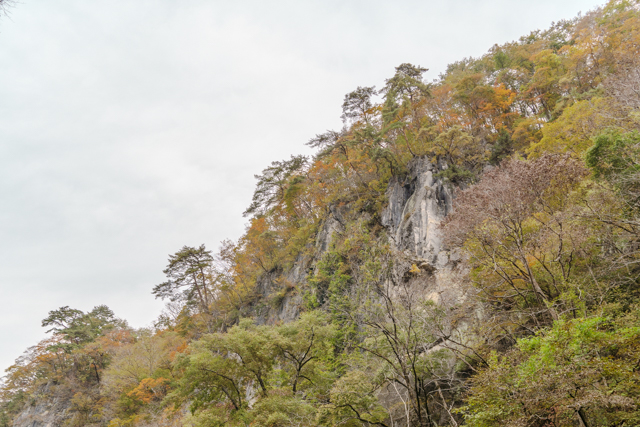
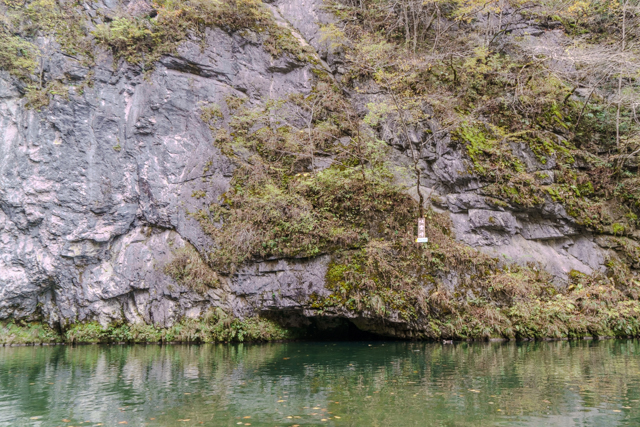
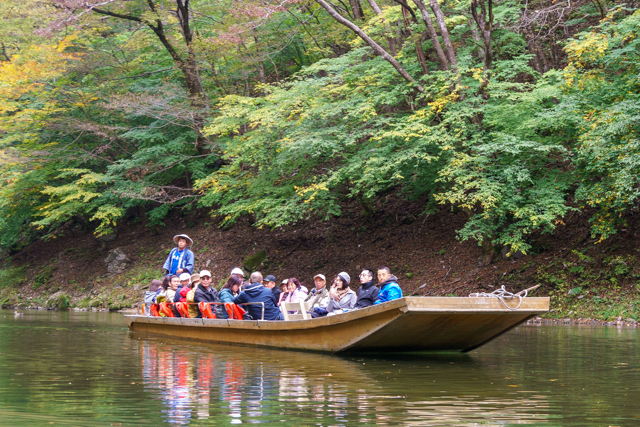
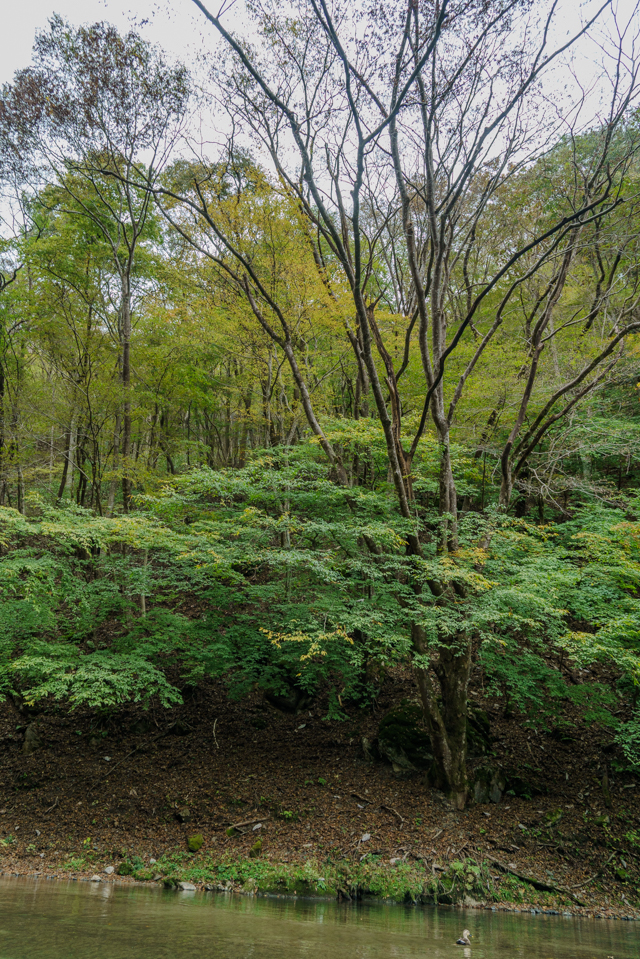
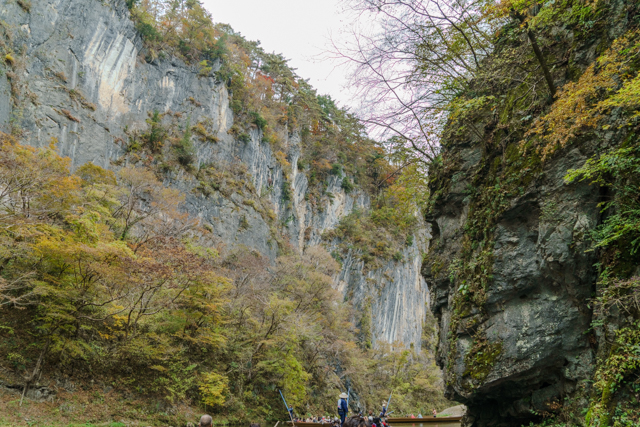
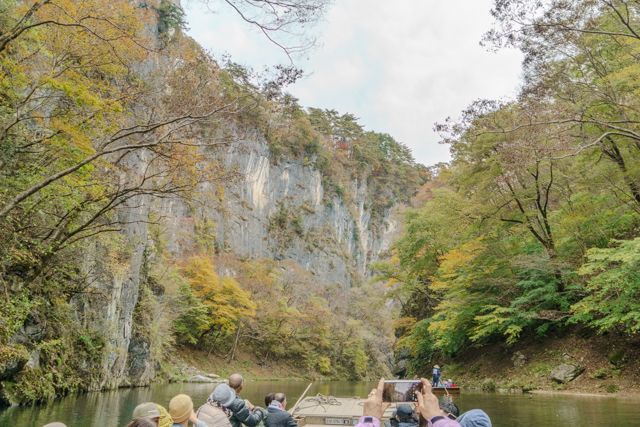
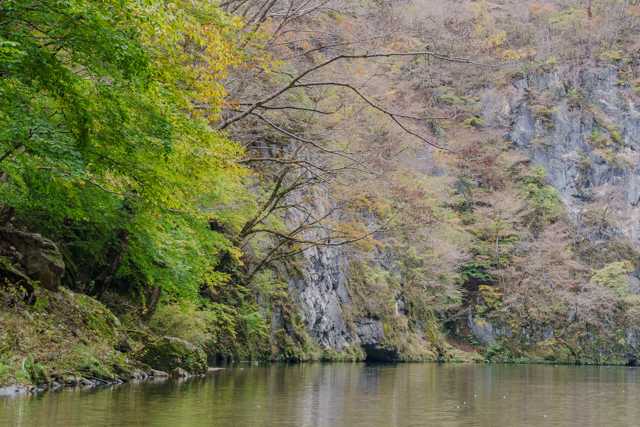
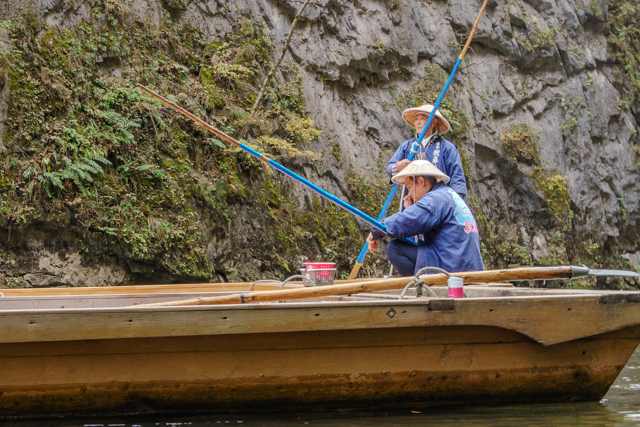
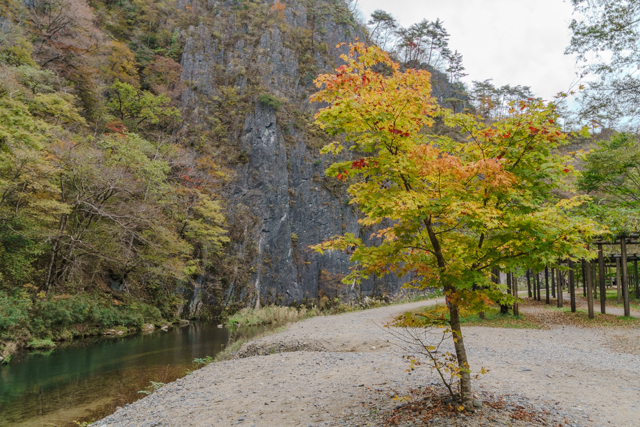
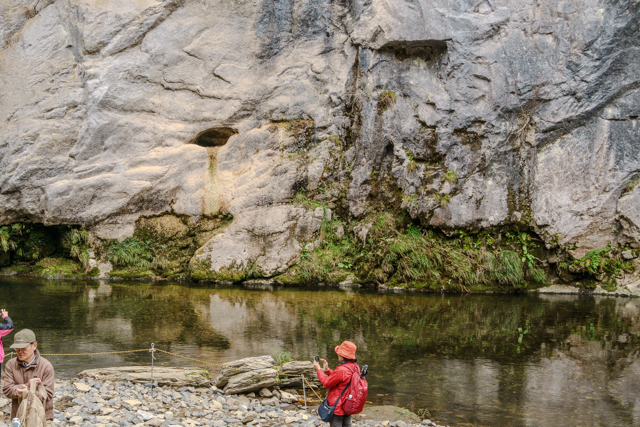
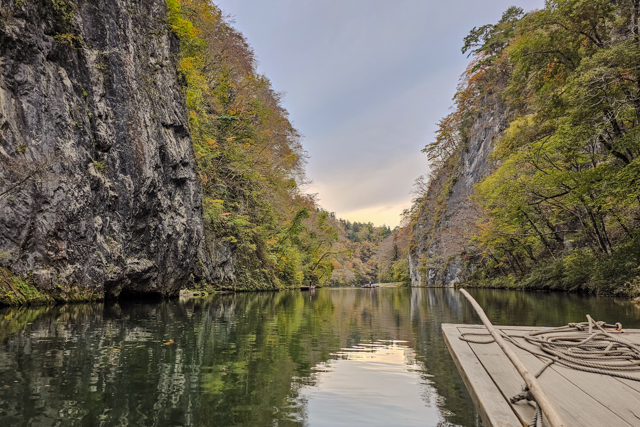
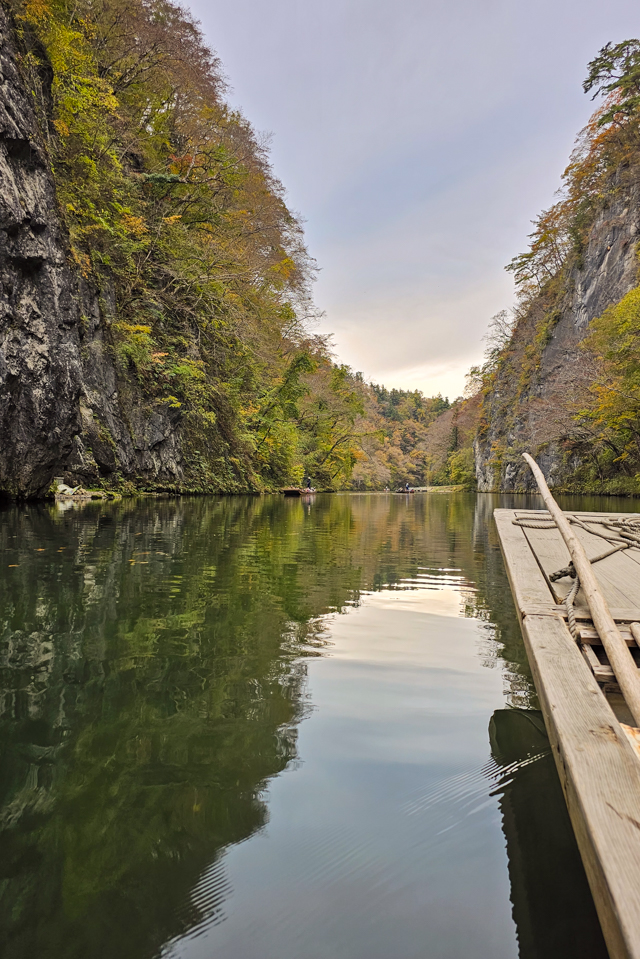
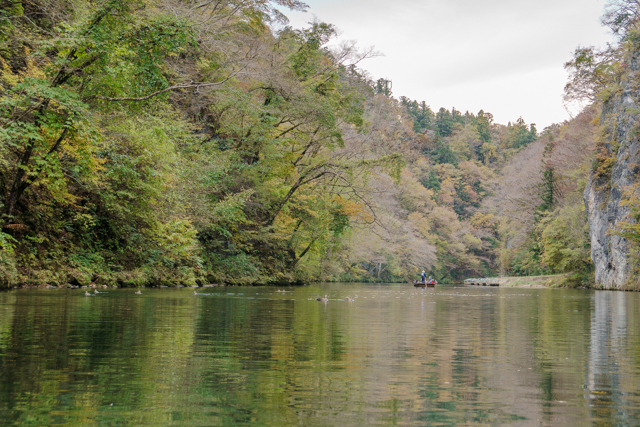
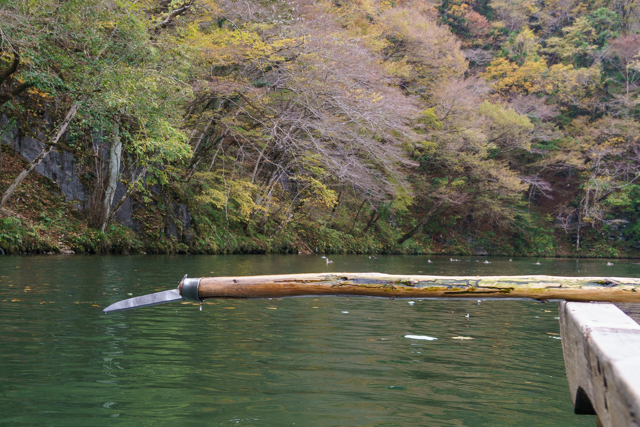
Geibikei’s ravine is lined with named rock formations, springs, and caves, each carrying a story or visual association. The boat journey moves through a sequence of river turns where cliffs rise vertically, mists drift across the water, and the landscape reveals itself in fragments.
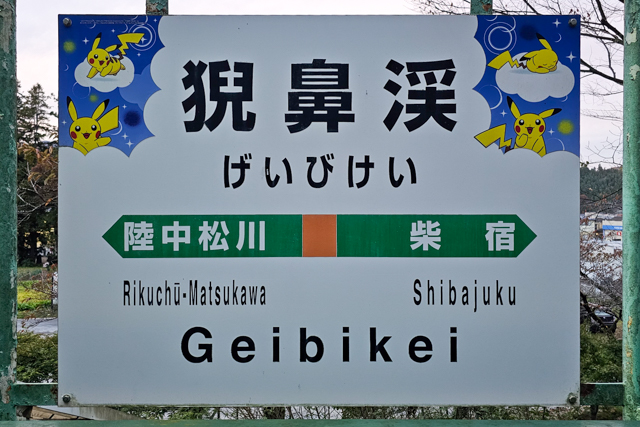
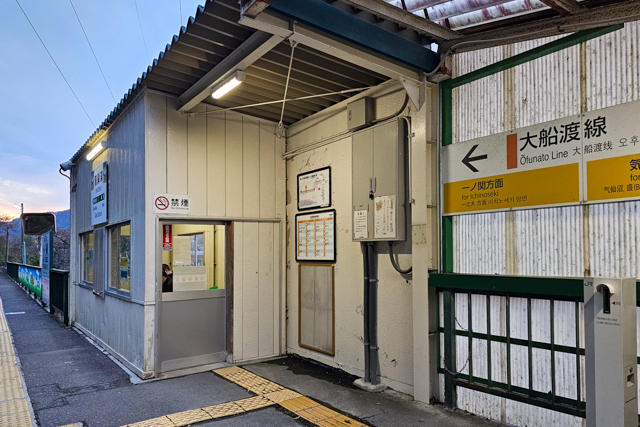
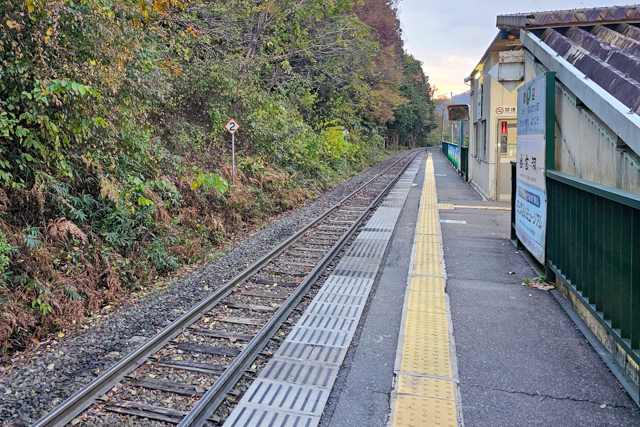
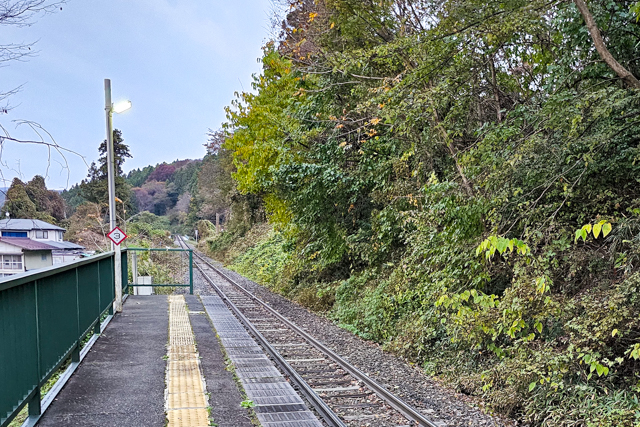
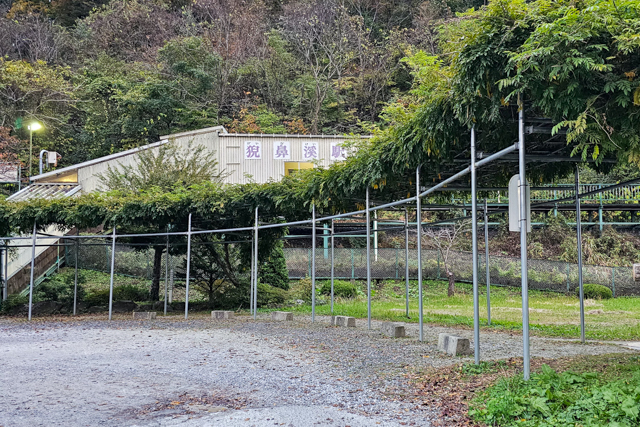
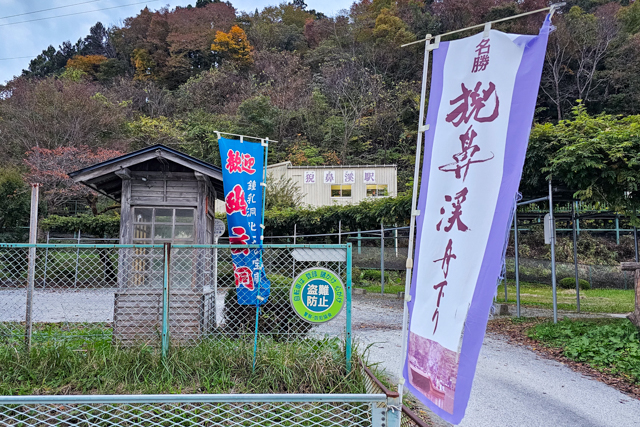
The gorge is a short walk from Geibikei Station on the JR Ofunato Line (30 minutes, every 1-2 hours).
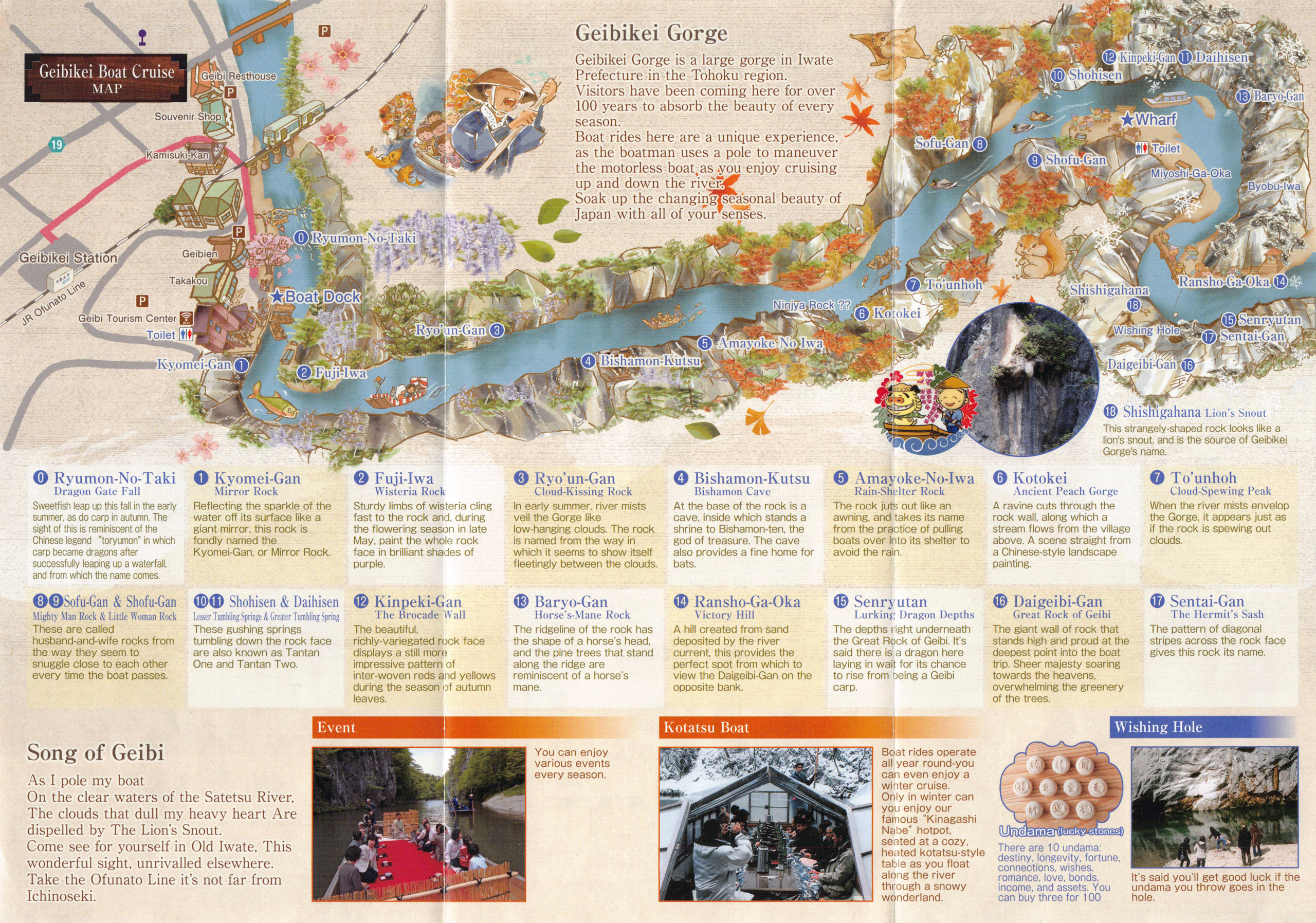
0 Ryūmon-no-Taki | Dragon Gate Fall
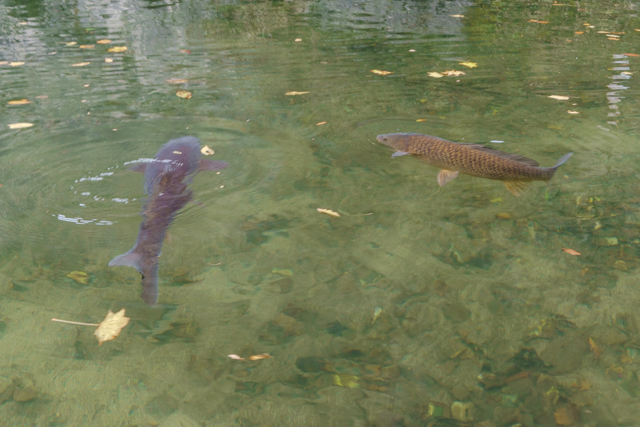
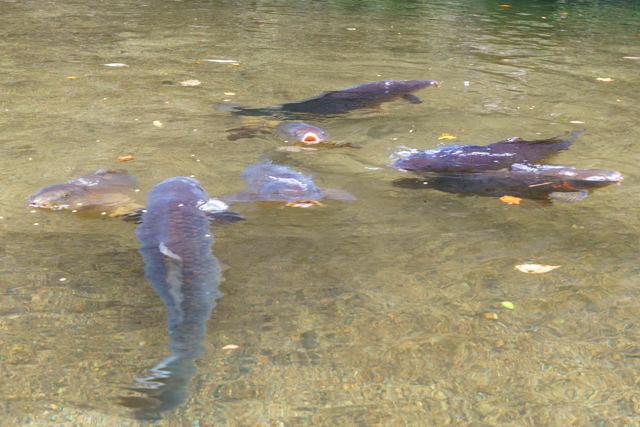
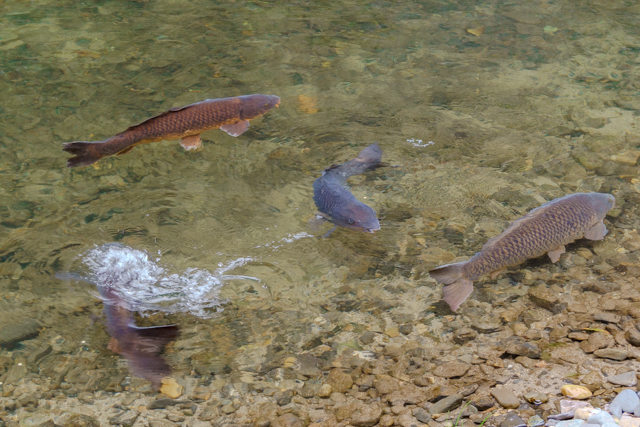
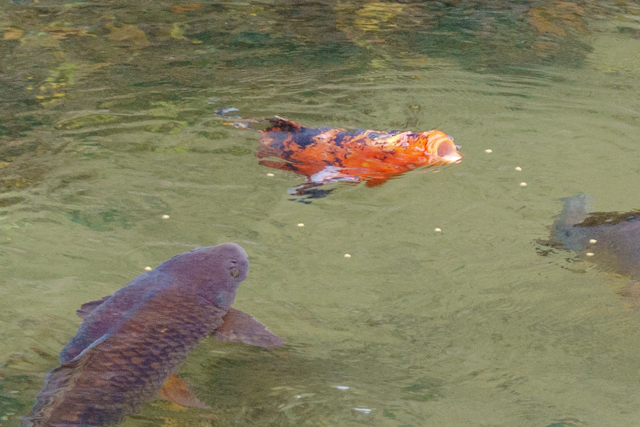
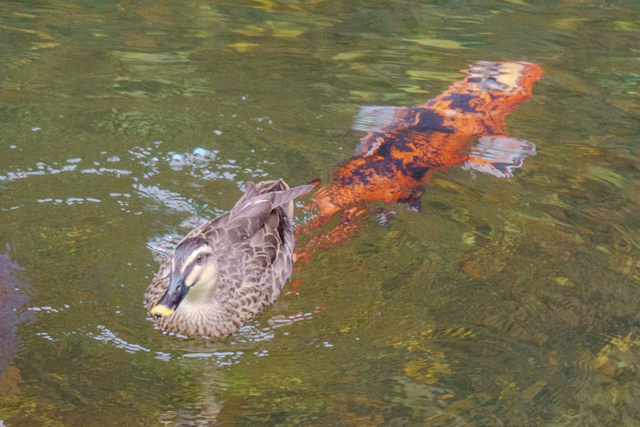
Sweetfish leap here in early summer and carp in autumn. The scene recalls the Chinese legend of tōryūmon, in which carp transform into dragons after overcoming a waterfall.
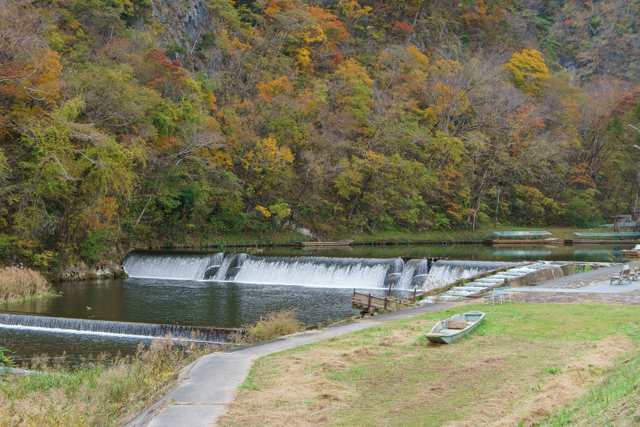
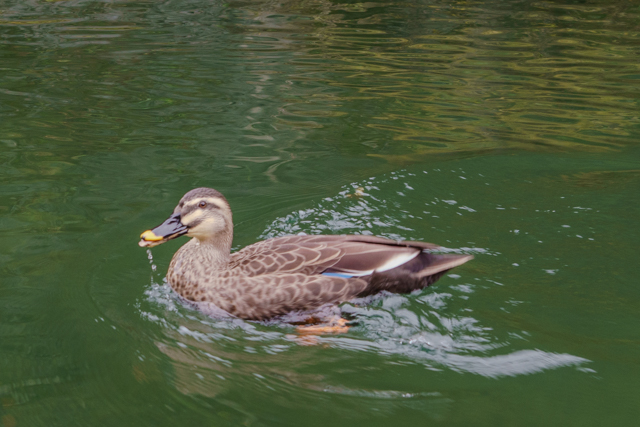
Geibien
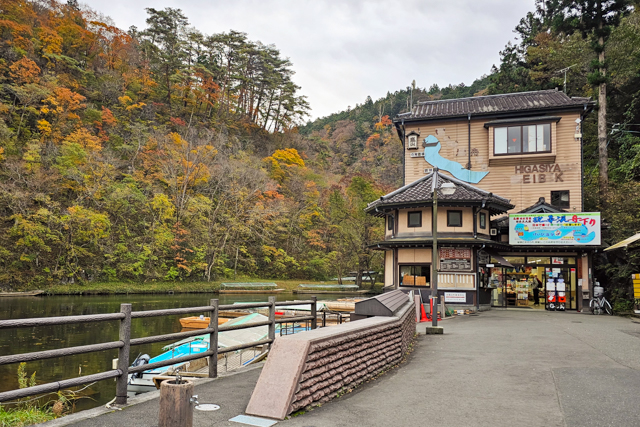
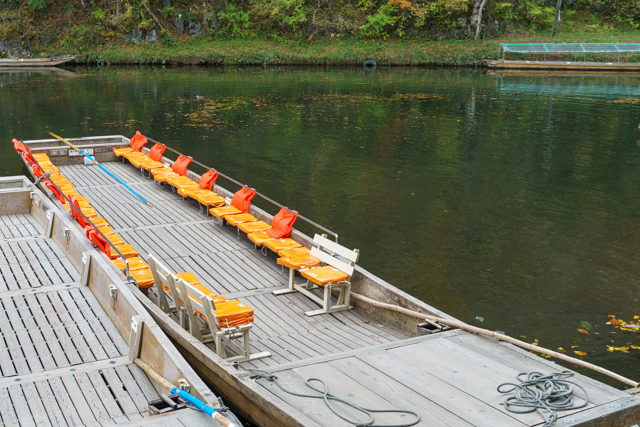
Takakou & Boat Dock
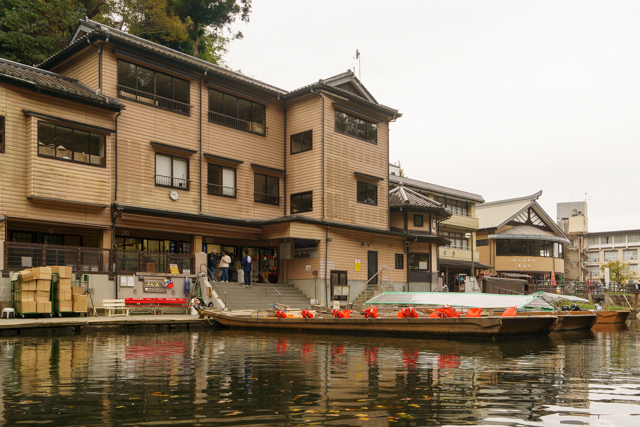
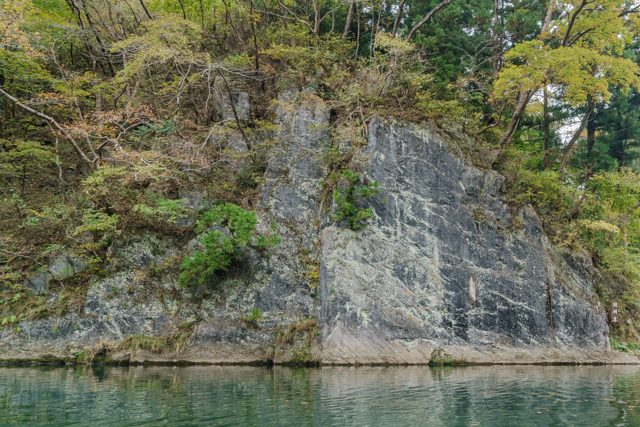
1 Kyōmei-Gan | Mirror Rock
The polished surface reflects the shifting light on the water, creating mirror-like glints.
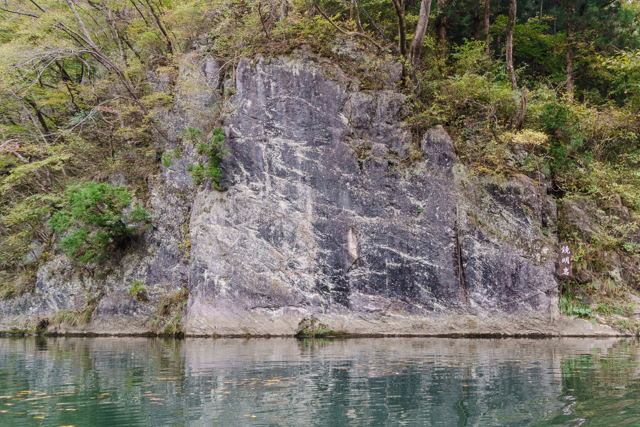
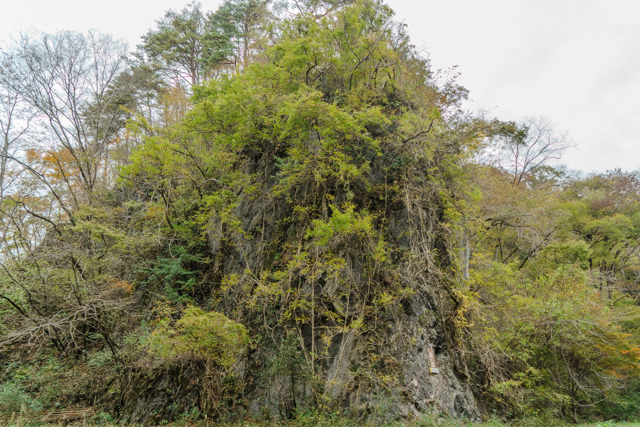
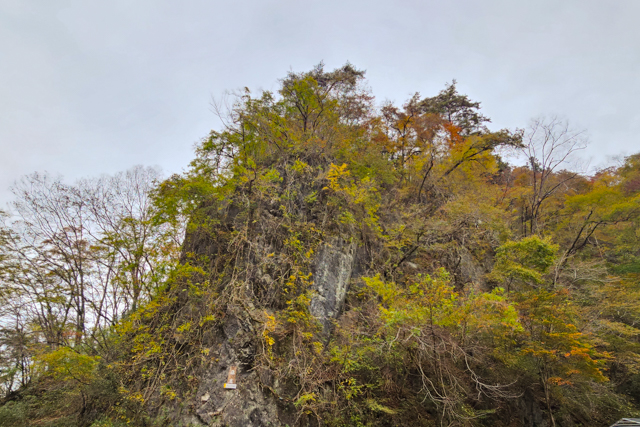
2 Fuji-Iwa | Wisteria Rock
Wisteria vines cling to the cliff. In late May the entire rock face turns a vivid purple.
3 Ryō’un-Gan | Cloud-Kissing Rock
River mists create the impression that the rock intermittently emerges from drifting clouds.
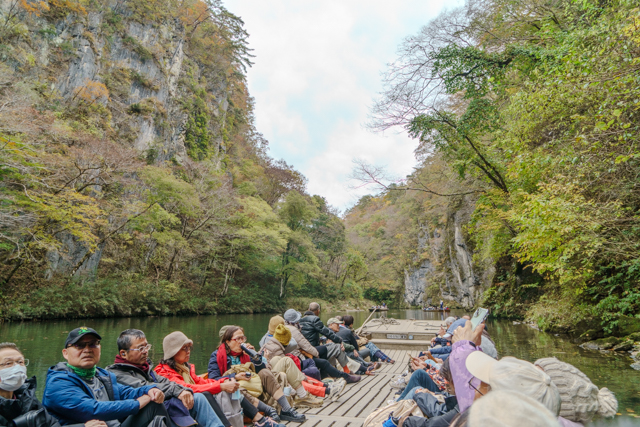
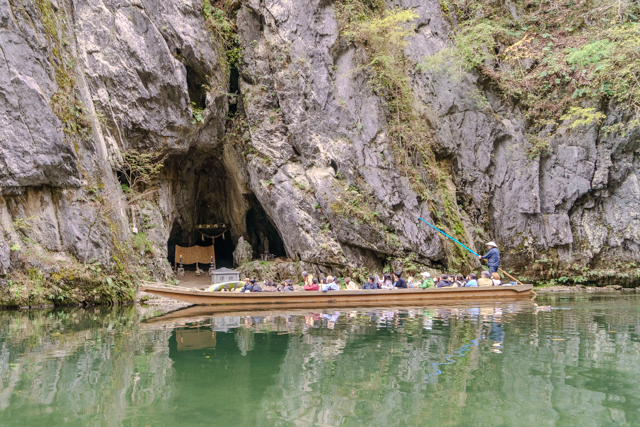
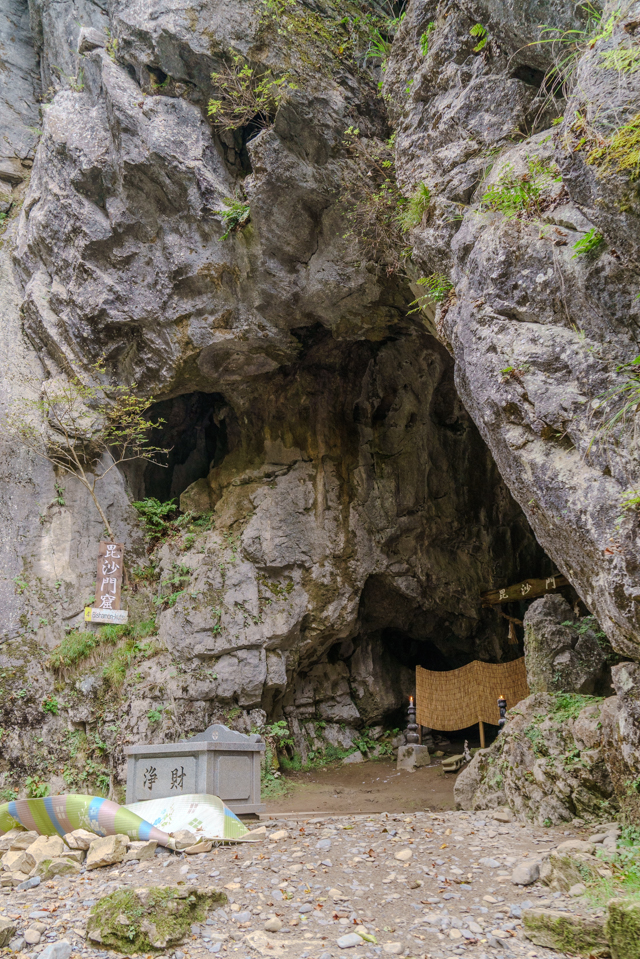
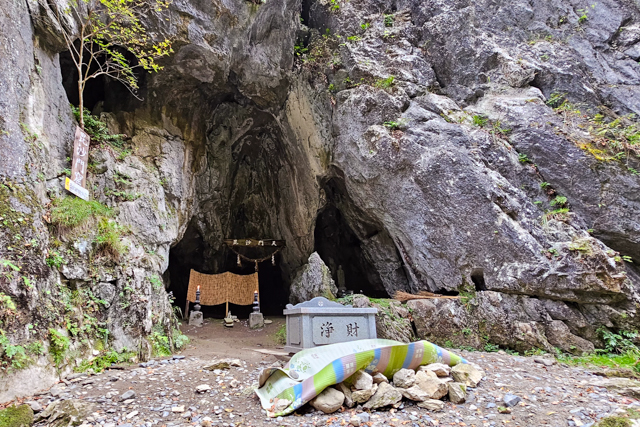
4 Bishamon-Kutsu | Bishamon Cave
A cave housing a shrine to Bishamon-ten. Bats roost deep inside.
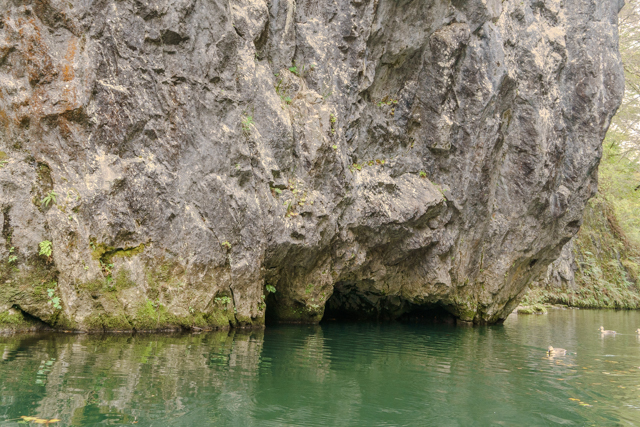
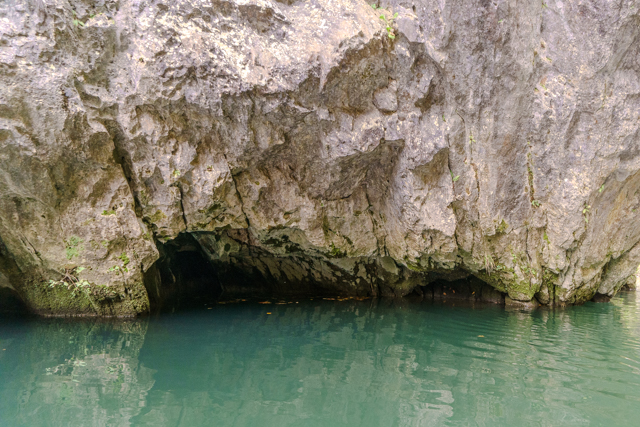
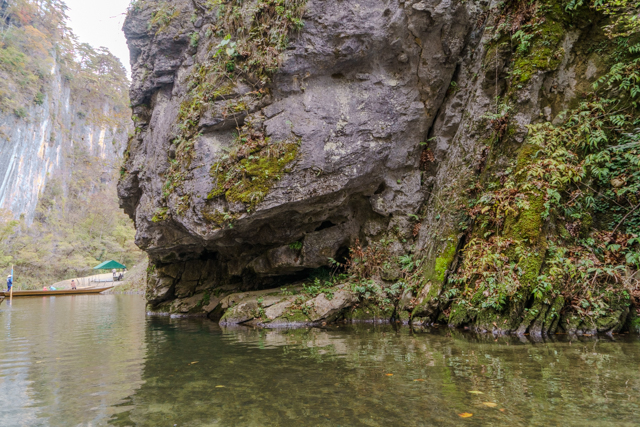
5 Amayoke-no-Iwa | Rain Shelter Rock
The overhang resembles an awning. Boatmen traditionally sheltered here during sudden rain.
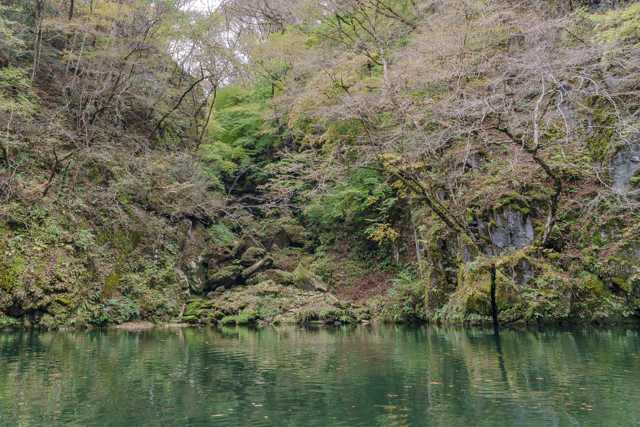
6 Kotokei | Ancient Peach Gorge
A narrow ravine with a stream descending from a village above. The scene evokes classical Chinese landscape paintings.
7 Tō’unhō | Cloud-Spewing Peak
When fog rises, the rock appears to emit clouds.
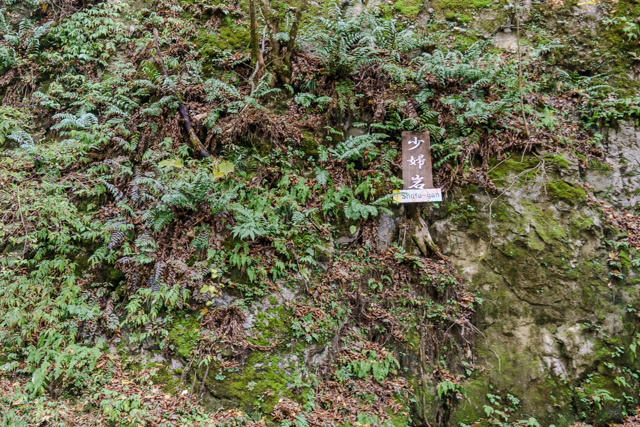
8 & 9 Sofu-Gan & Shōfu-Gan | Husband-and-Wife Rocks
The paired formations lean together as though conferring each time the boat glides past.
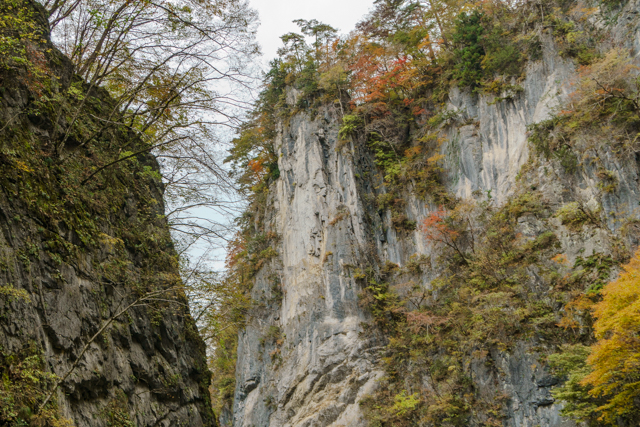
10 & 11 Shōhisen & Daïhisen | Lesser and Greater Tumbling Springs
Twin springs cascading down the cliff.
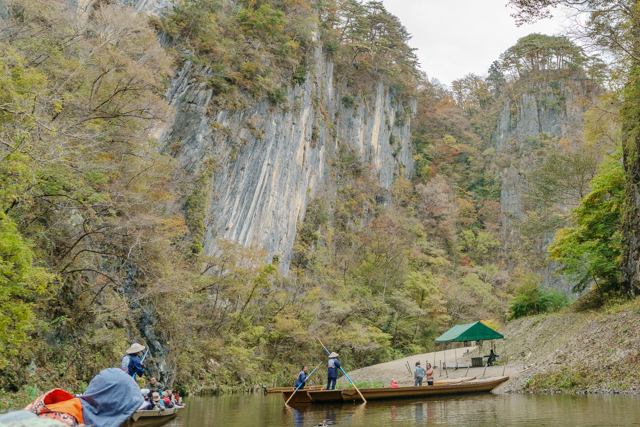
Wharf
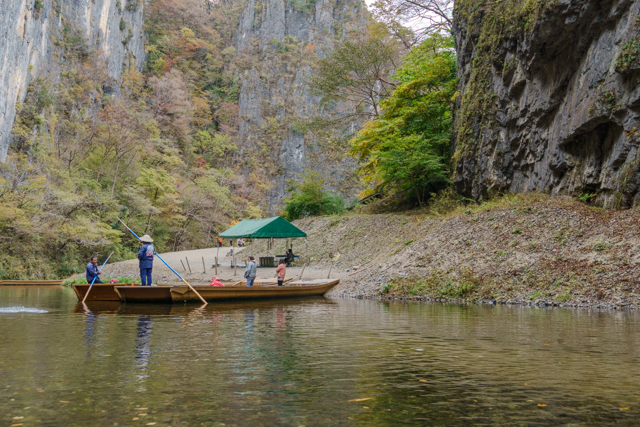
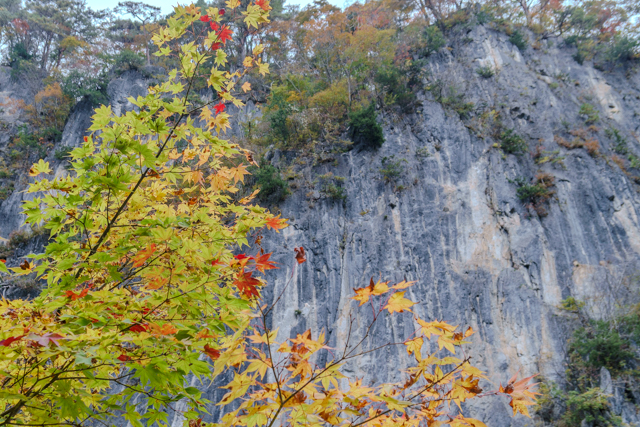
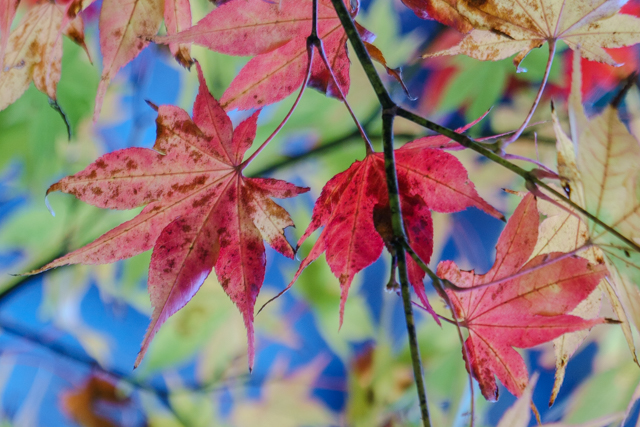
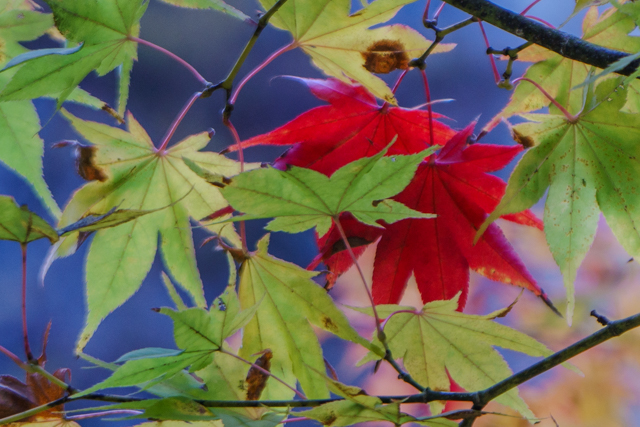
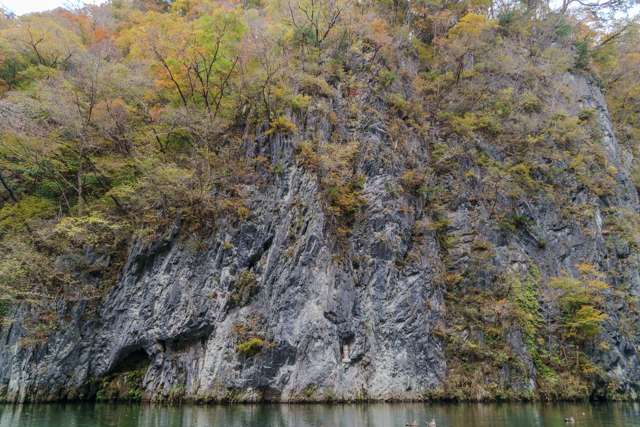
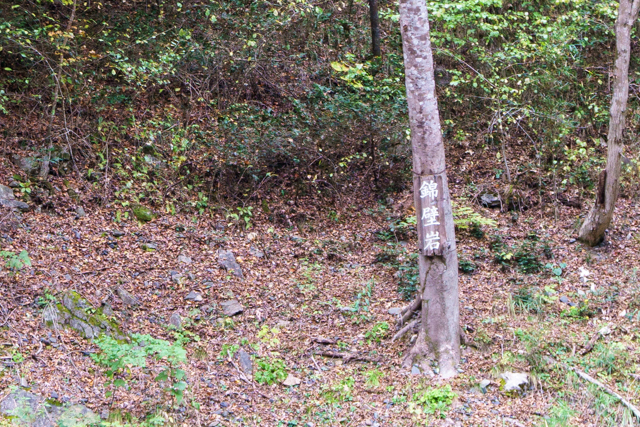
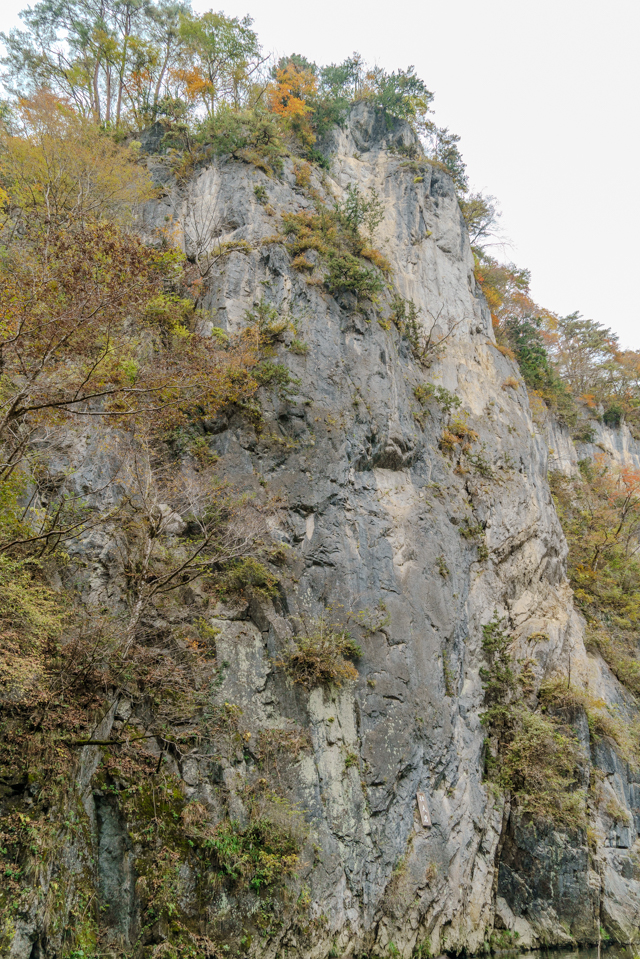
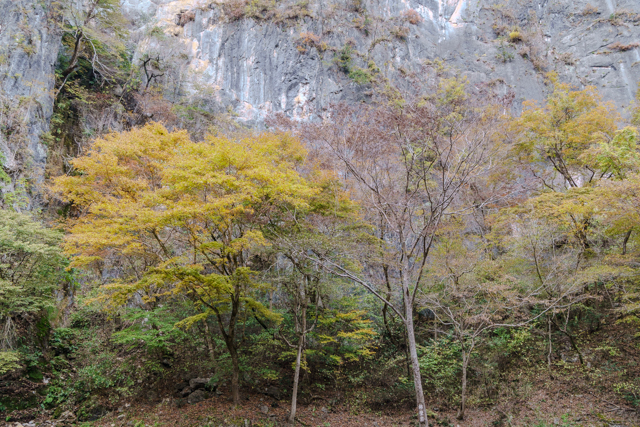
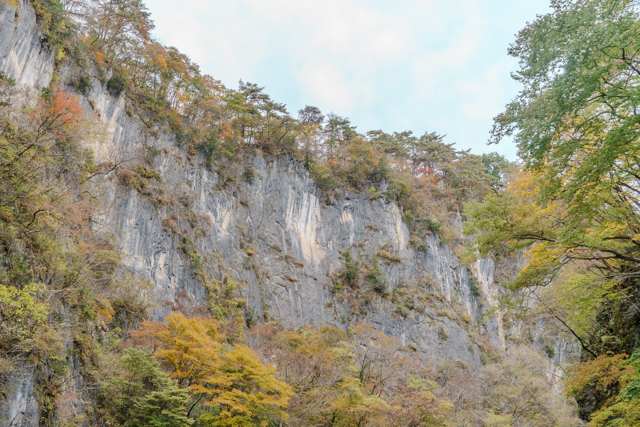
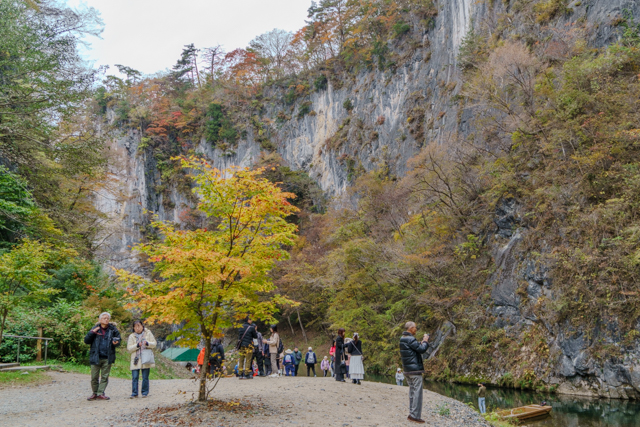
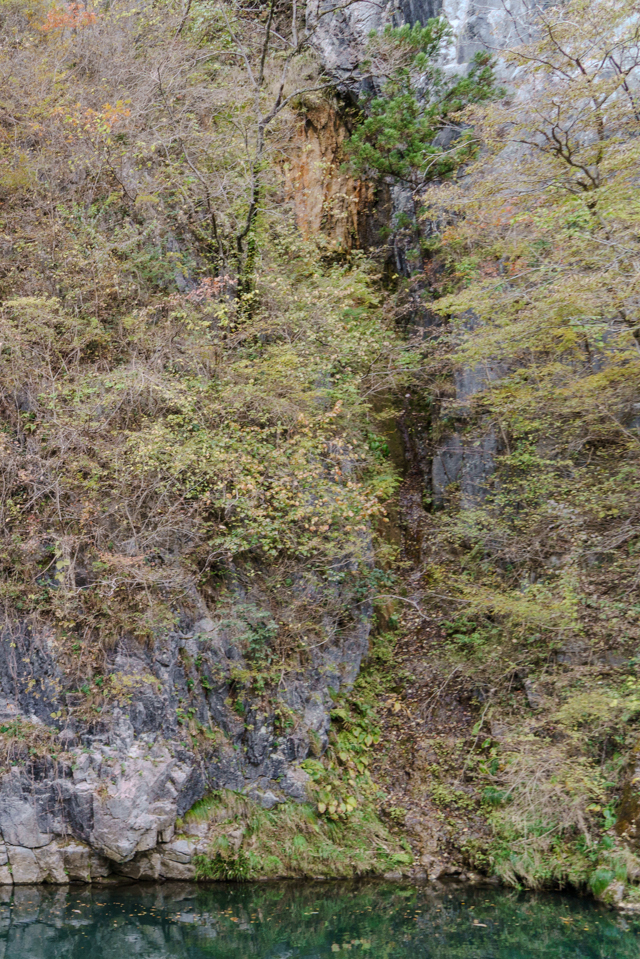
12 Kinpeki-Gan | Brocade Wall
A richly variegated rock face that becomes especially striking during autumn foliage.
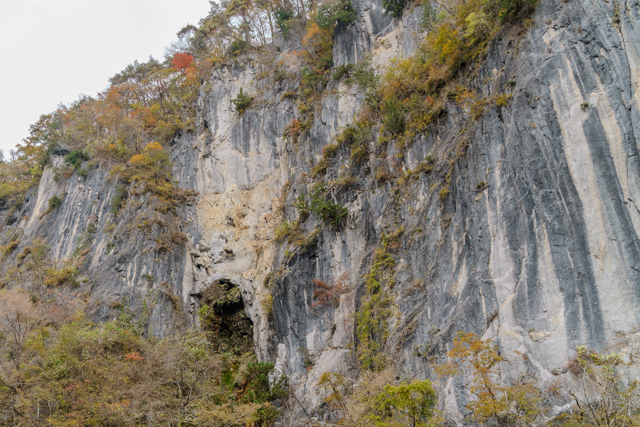
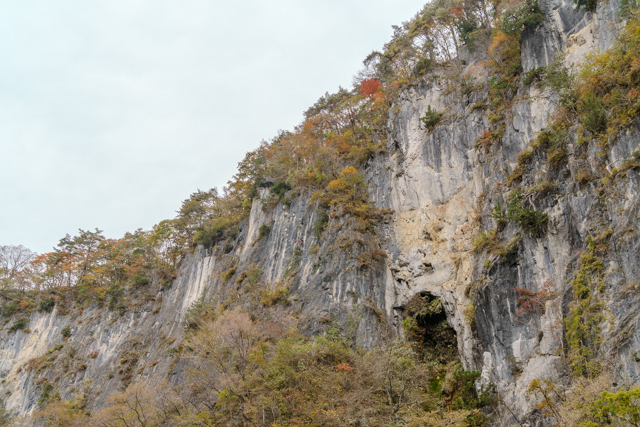
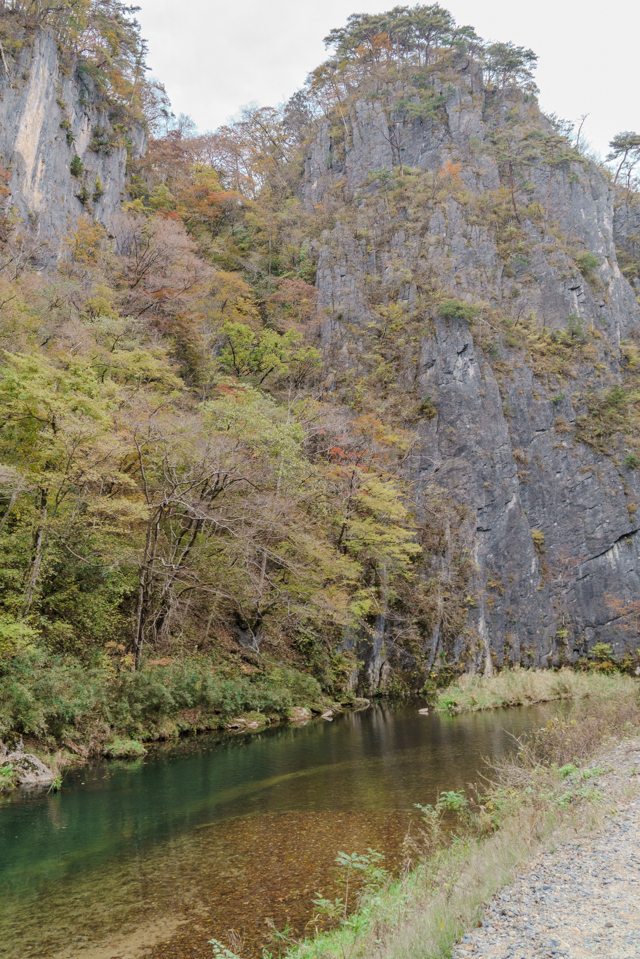
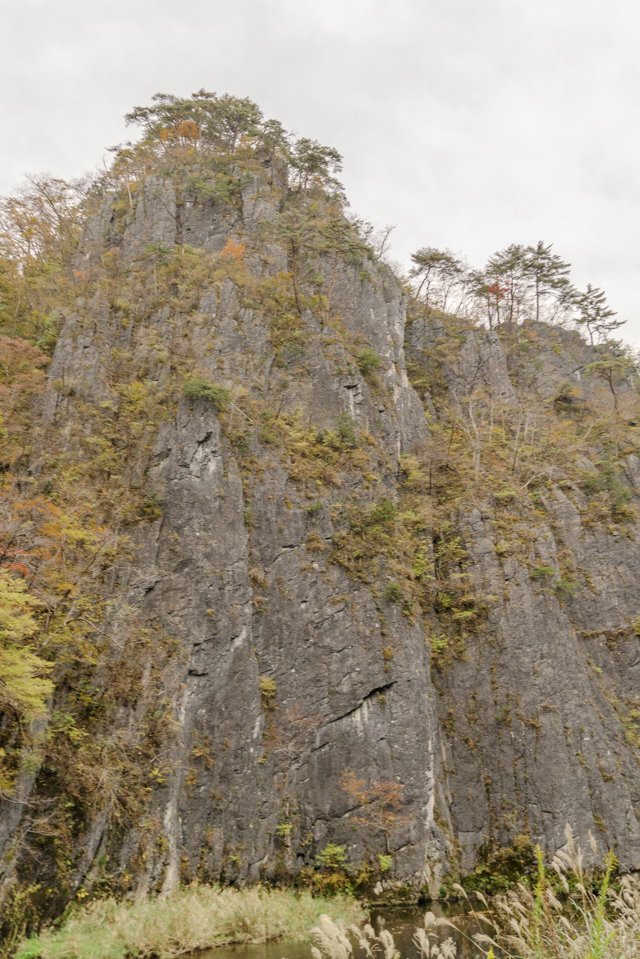
13 Baryō-Gan | Horse’s Mane Rock
The rocky ridge and windswept pines resemble the mane of a horse.
Miyoshi-ga-Oka
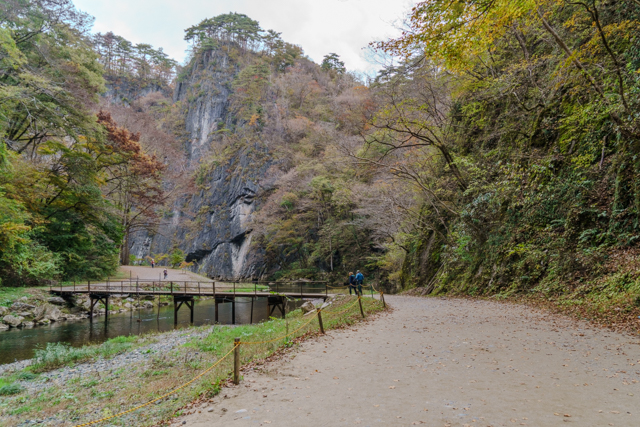
Byobu-Iwa
Ransho-Ga-Oka | Victory Hill
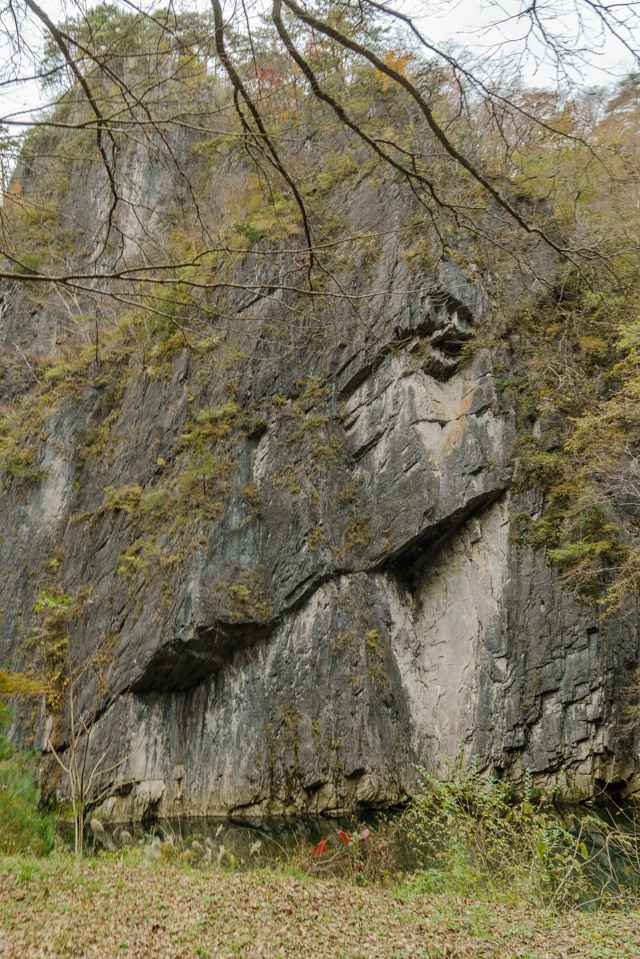
A hill created from sand deposited by the river current, this provides the perfect spot from which to view Daigeibi-Gan on the opposite bank.
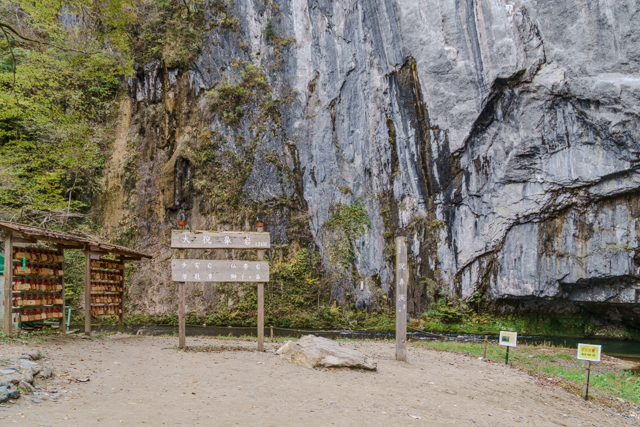
15 Senryū-tan | Lurking Dragon Depths
A deep pocket of water beneath the Great Rock, said to harbour a dragon awaiting its ascent.
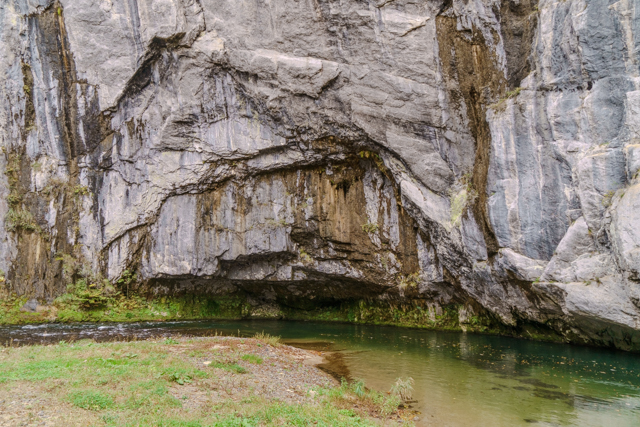
16 Daïgeibi-Gan | Great Rock of Geibi
The most imposing formation in the ravine, rising almost sheer and dominating the inner gorge.
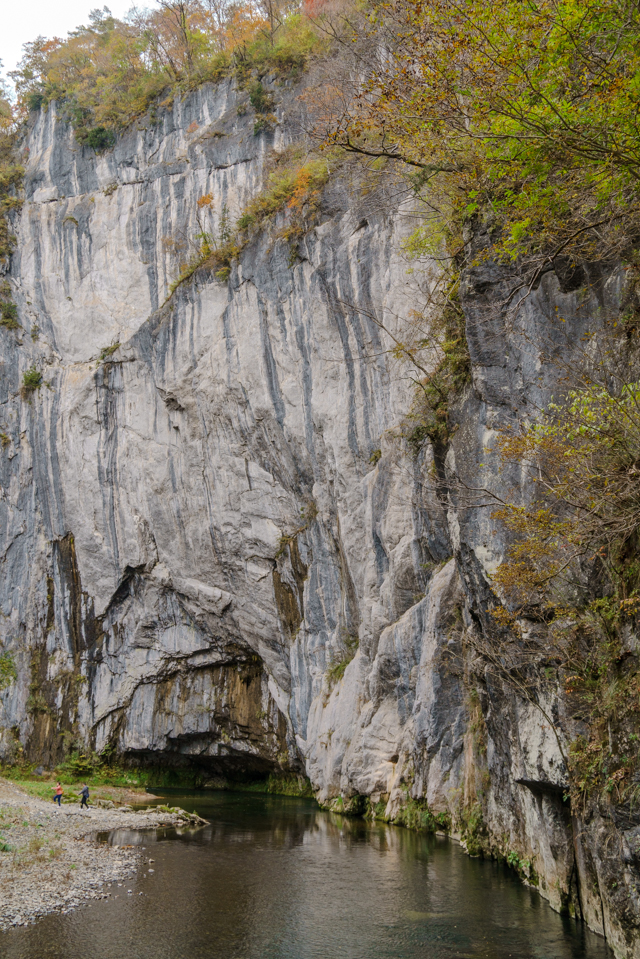
17 Sentai-Gan | Hermit’s Sash
Diagonal striations across the rock suggest the sash of a sage.
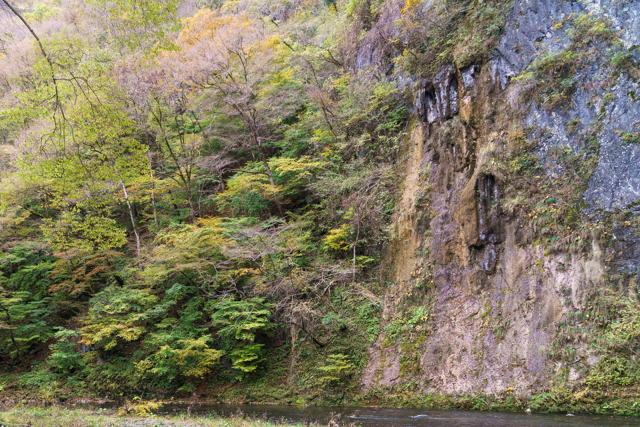
18 Shishigahana | Lion’s Snout
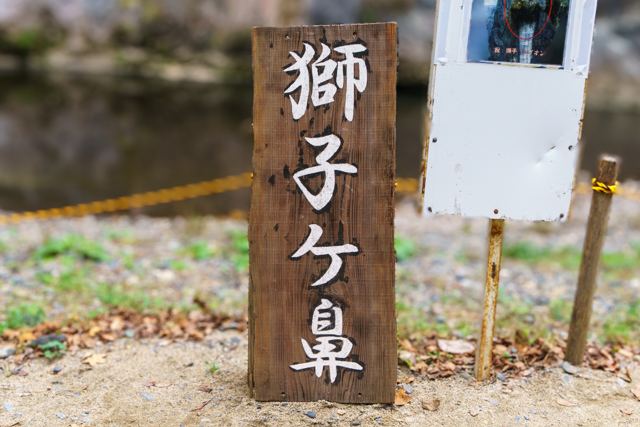
A distinct outcrop resembling a lion’s nose, and the formation from which Geibikei takes its name.
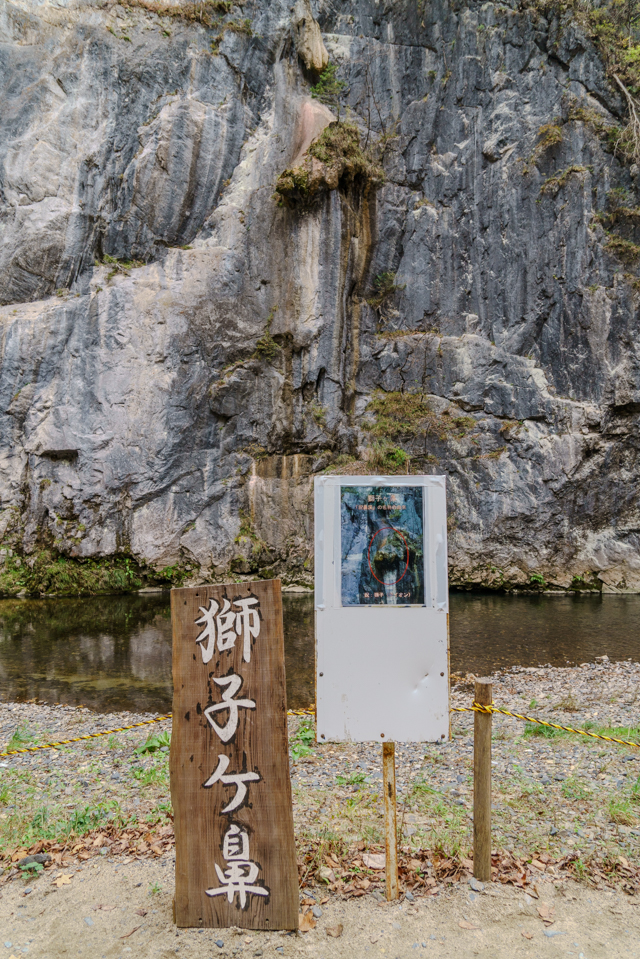
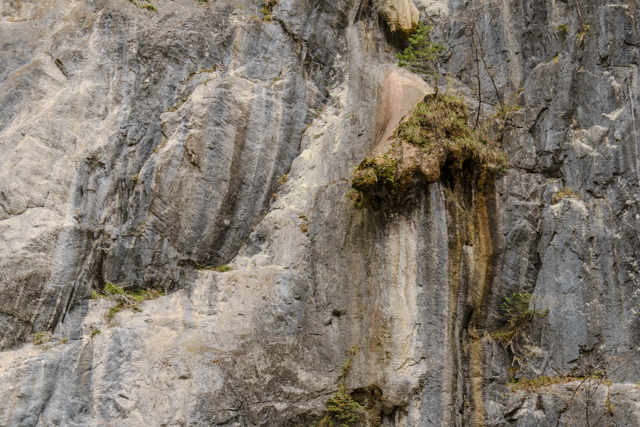
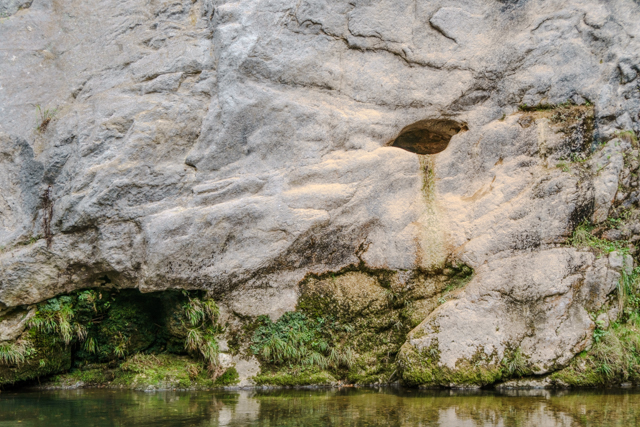
Wishing Hole
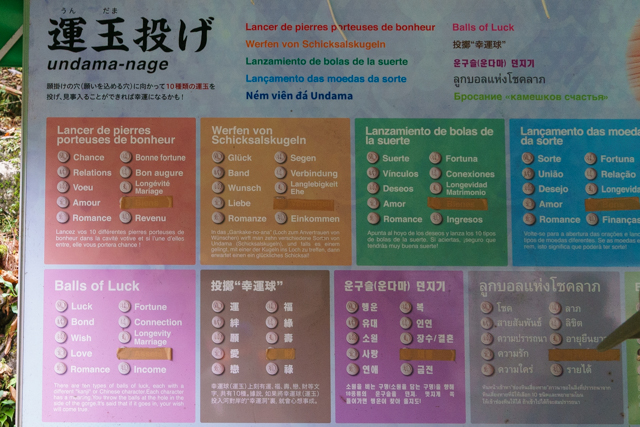
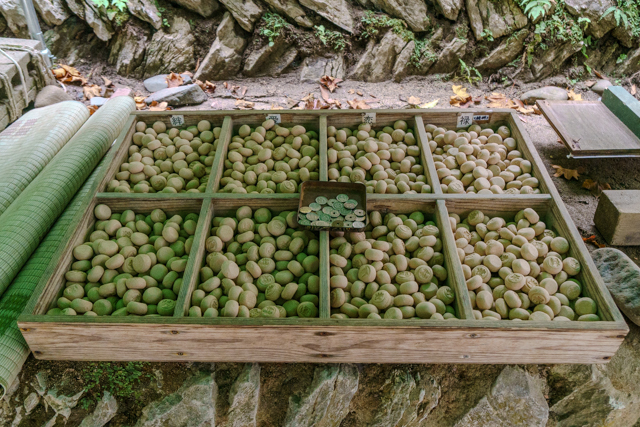
Visitors toss undama—small lucky stones—towards a hole in the cliff. Each stone type represents a different blessing (destiny, longevity, fortune, connections, romance, love, bonds, income, assets). Three stones cost ¥100.
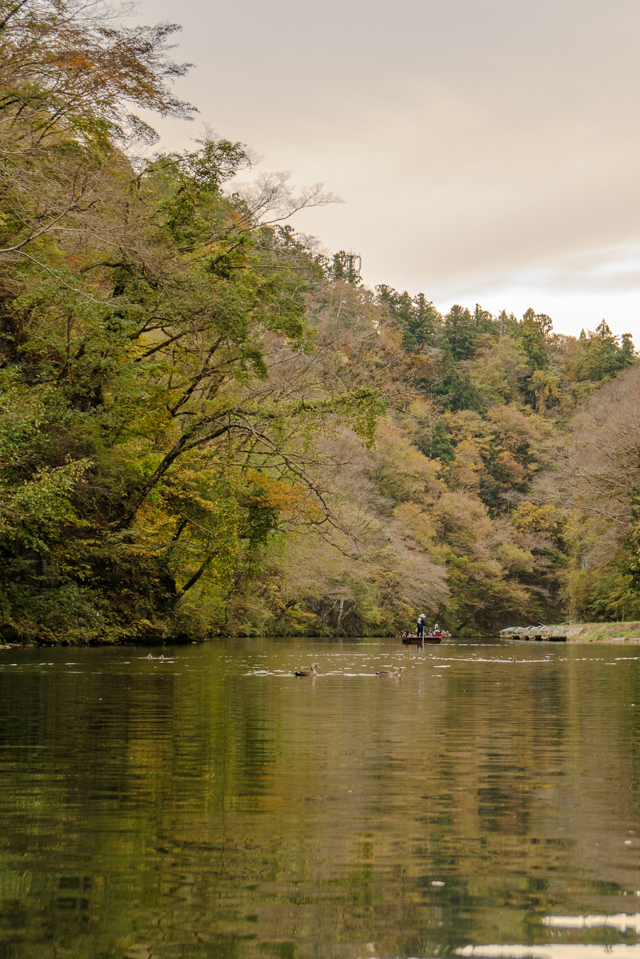
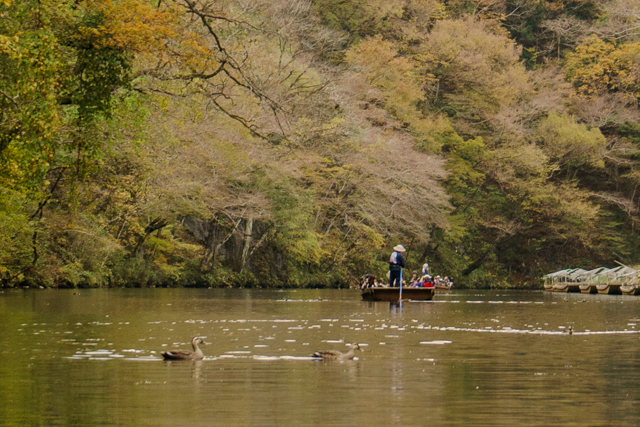
Song of Geibi
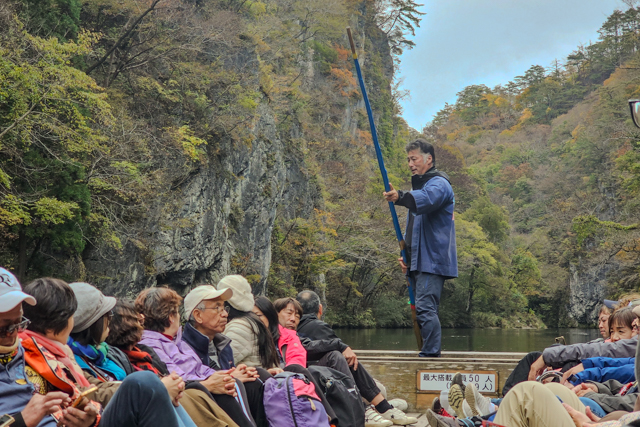
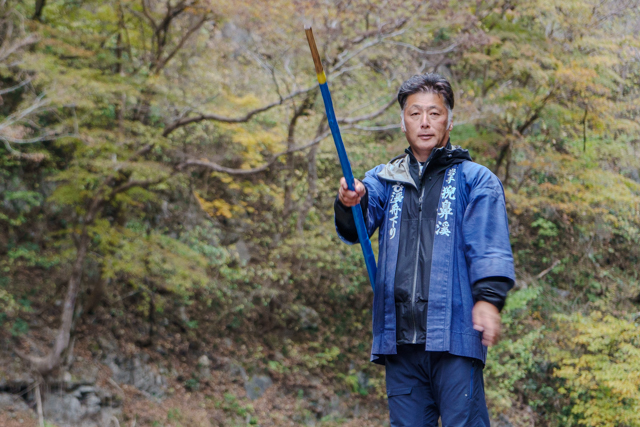
On the return trip from the inner gorge, the boat captain sings the Song of Geibi:
As I pole my boat On the clear waters of the Satetsu River, The clouds that weigh upon a heavy heart Are dispelled by the Lion’s Snout. Come see for yourself in old Iwate, This sight found nowhere else. Take the Ōfunato Line — not far from Ichinoseki.
The song forms a gentle closing note to the journey, carried across the quiet of the ravine.
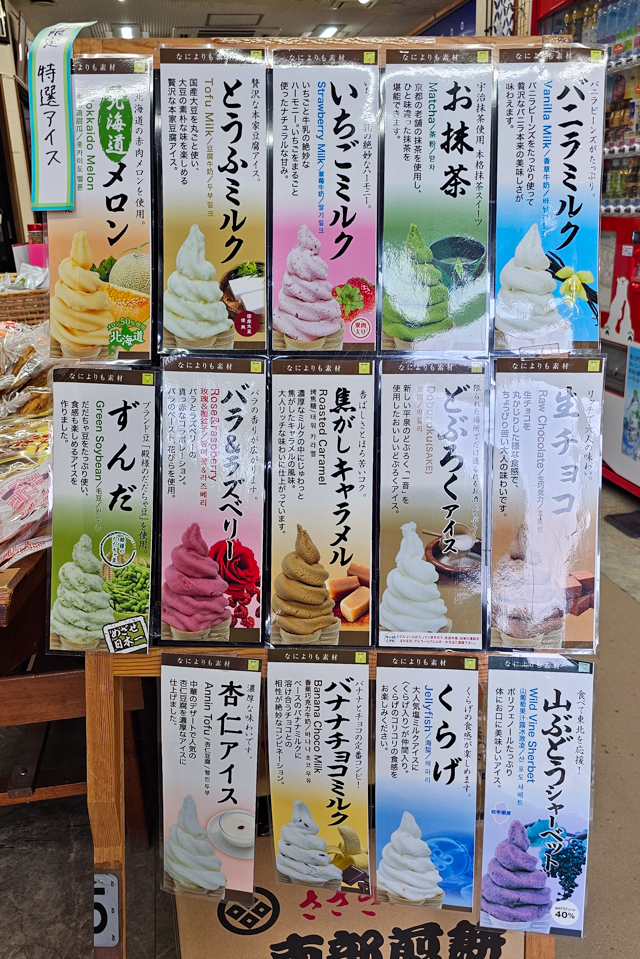
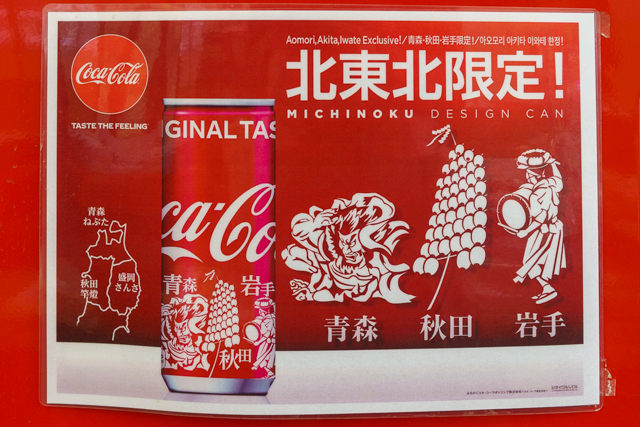
Genbei | Souvenir Store
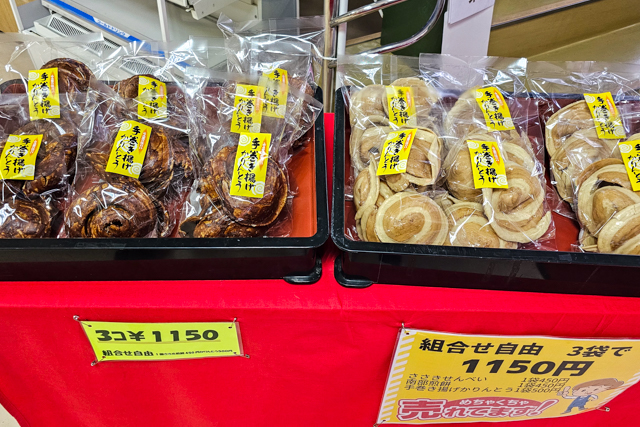
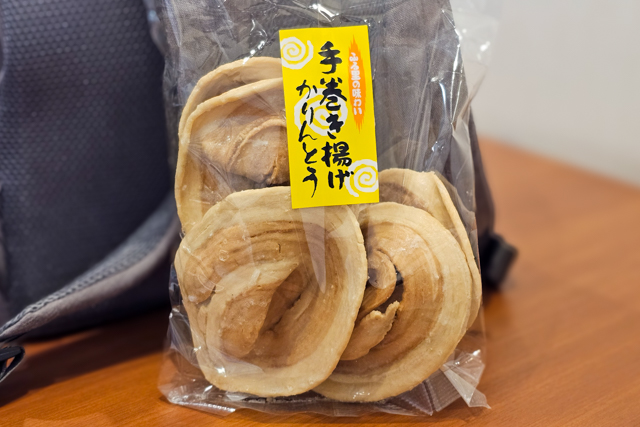
See Katō Temakiage Karintō (White).
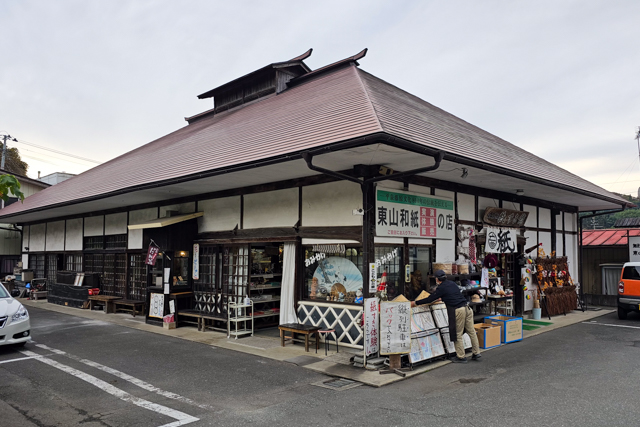
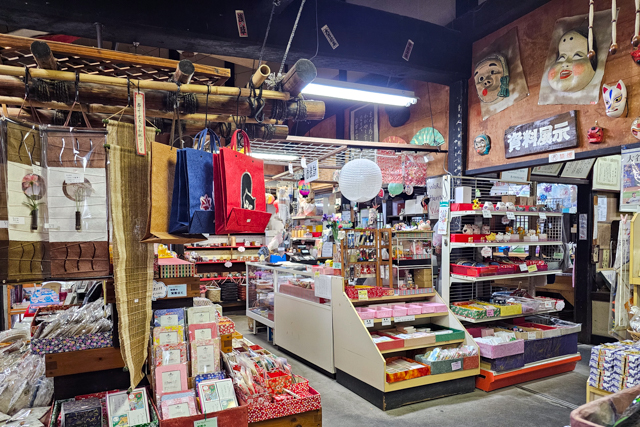
Kamisukikan
紙すき館, Machi-390 Higashiyamacho Nagasaka, Ichinoseki City, Iwate 029-0302, Japan
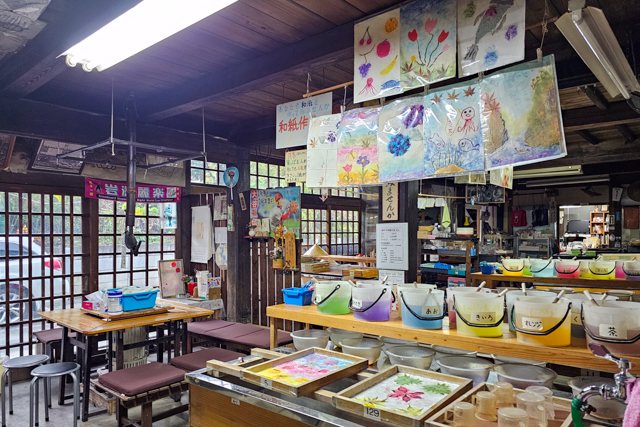
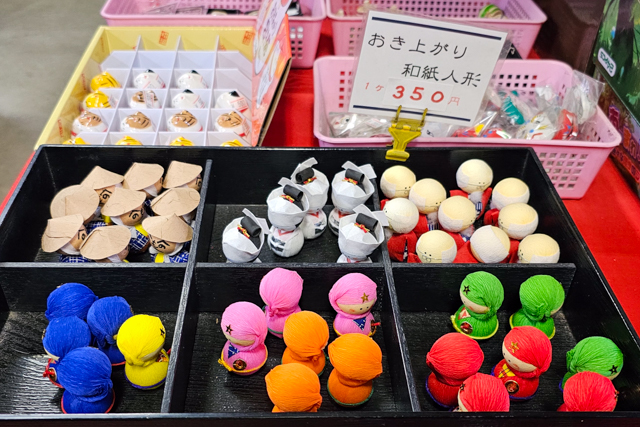
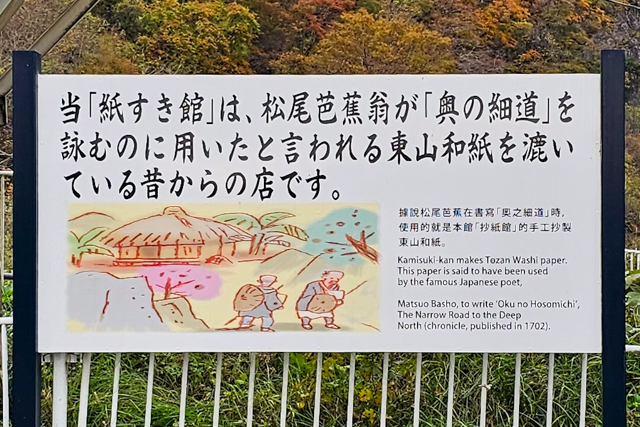
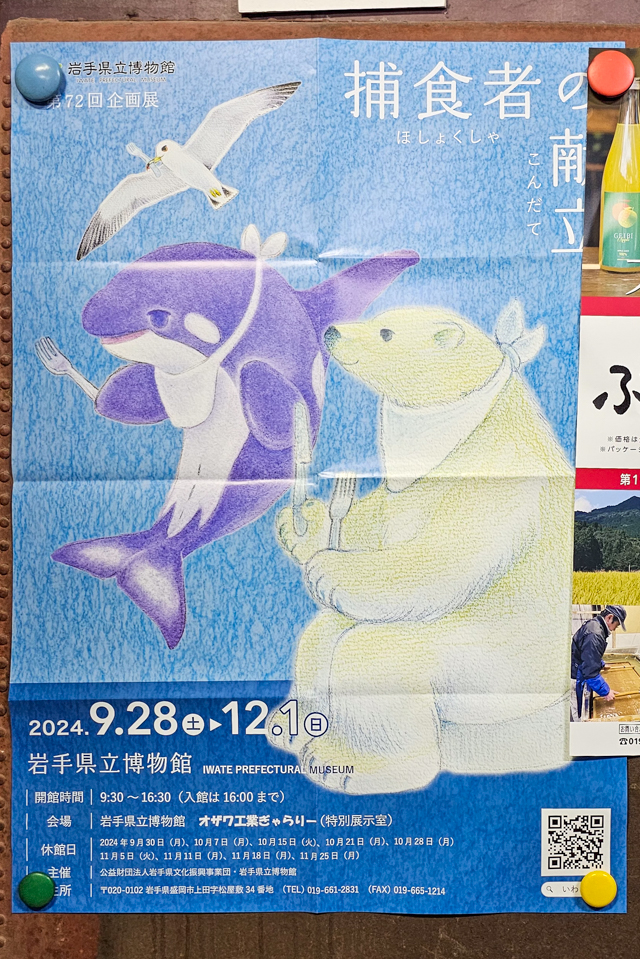
FamilyMart
ファミリーマート 一関東山店, Machi-417 Higashiyamacho Nagasaka, Ichinoseki, Iwate 029-0302, Japan
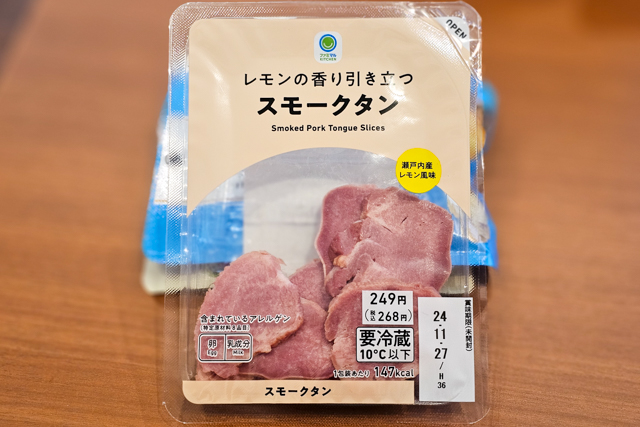
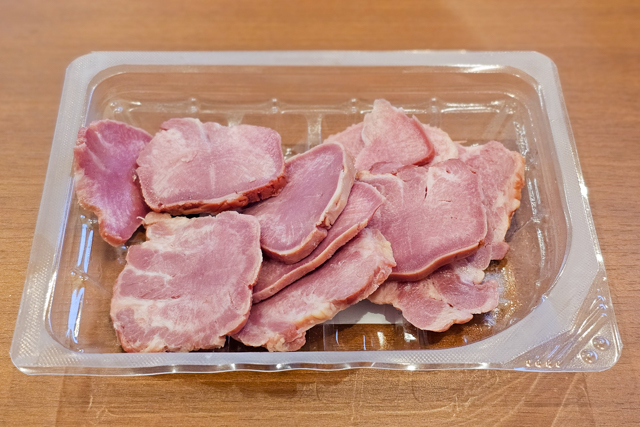
Smoked pork tongue had a cured-meat profile though lacked the firm bounce typical of tongue.
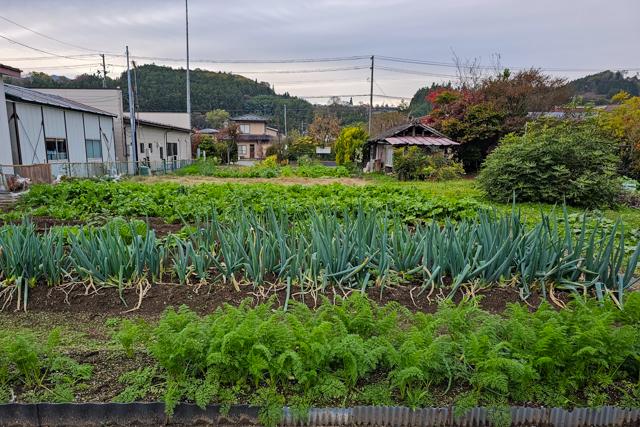
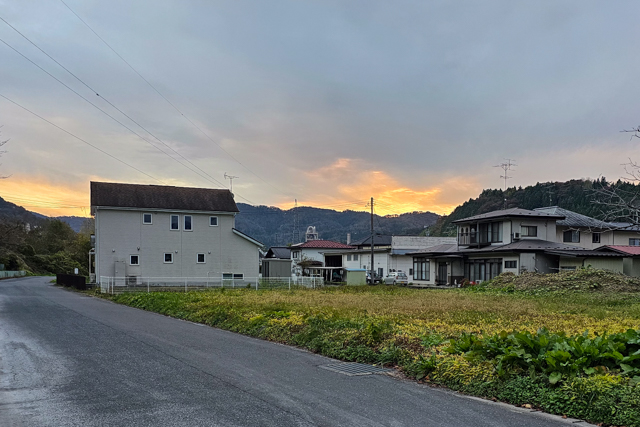
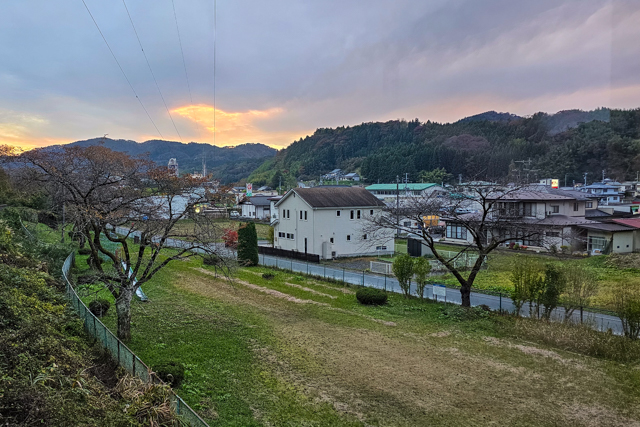
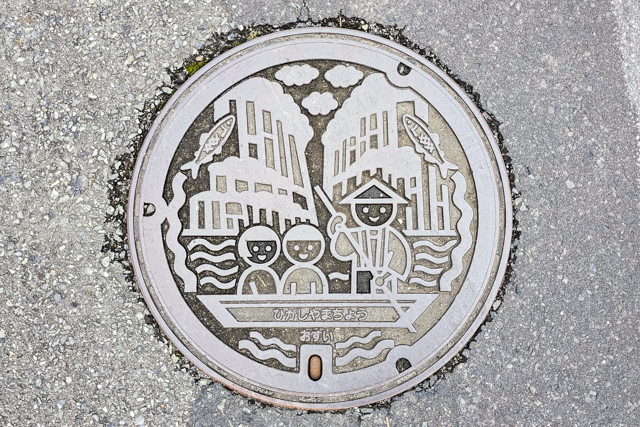
A town-wide loudspeaker played music at 5 pm, as we returned to the station.
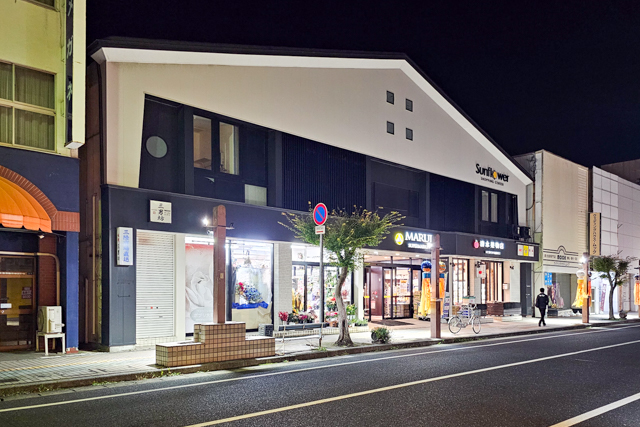
Marue Super
Marue, 2-54, Omachi, Ichinoseki City, Iwate 021-0881 Japan
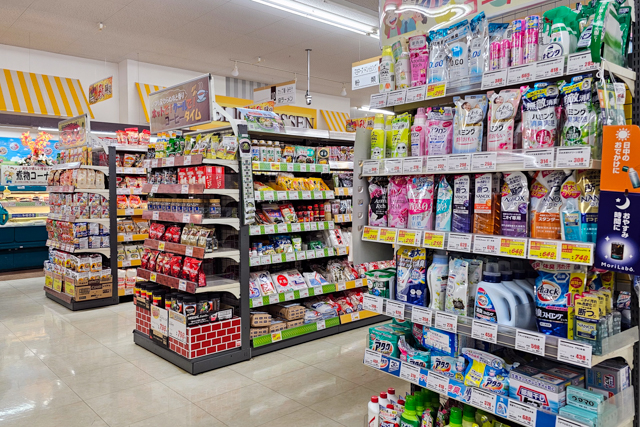
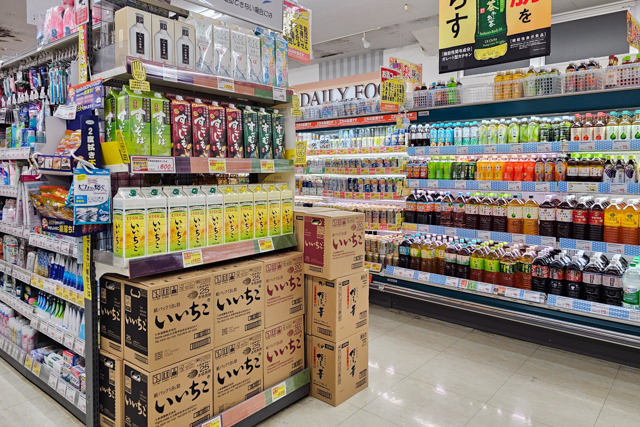
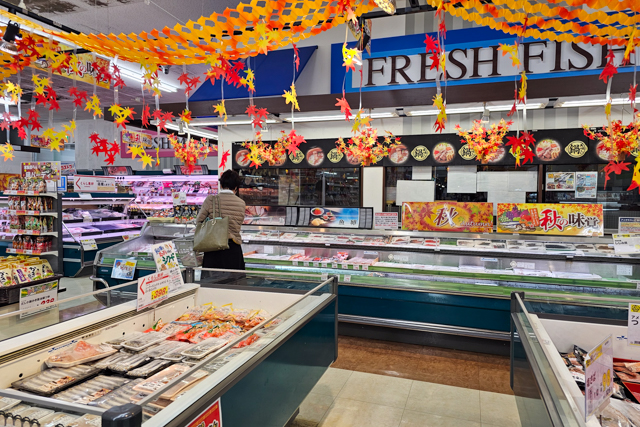
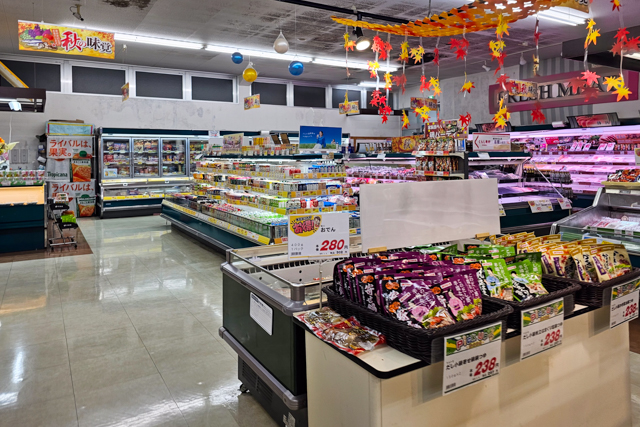
The prepared foods section provided a straightforward but enjoyable selection:
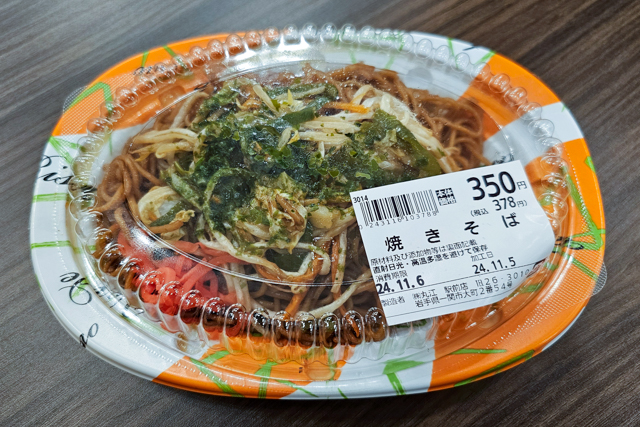
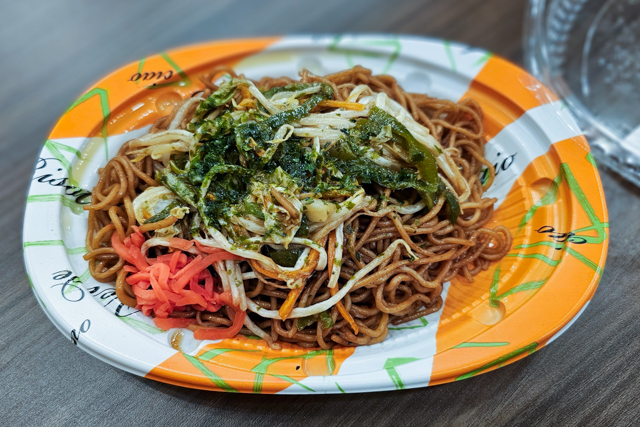
Yakisoba with good flavour and a decent noodle texture despite the absence of meat.
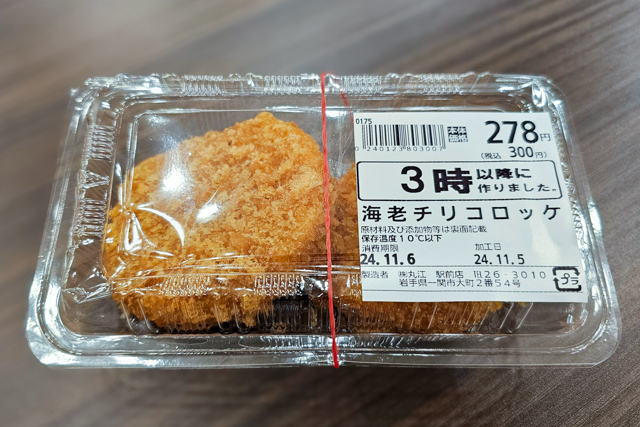
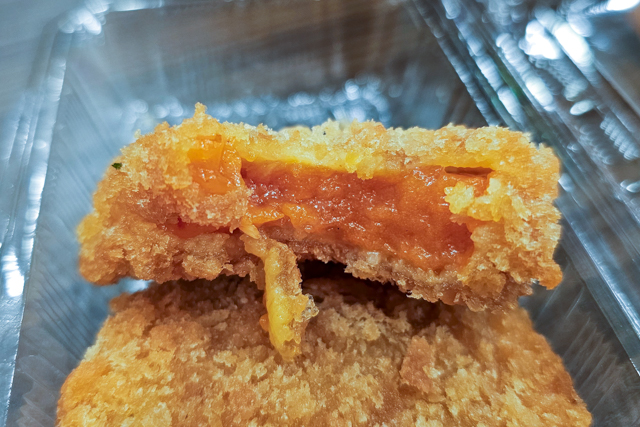
Ebi chilli croquette with small prawns in a mild chilli cream.
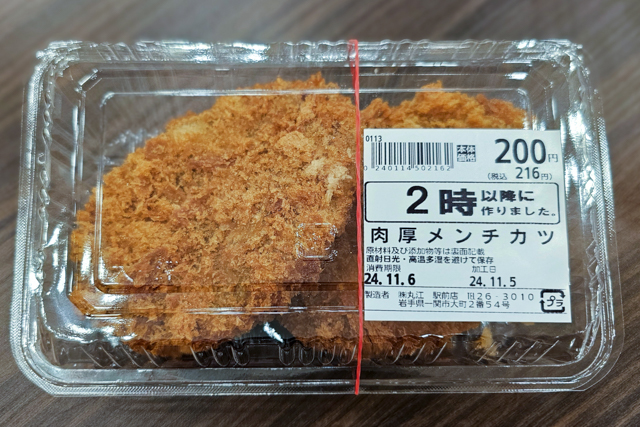
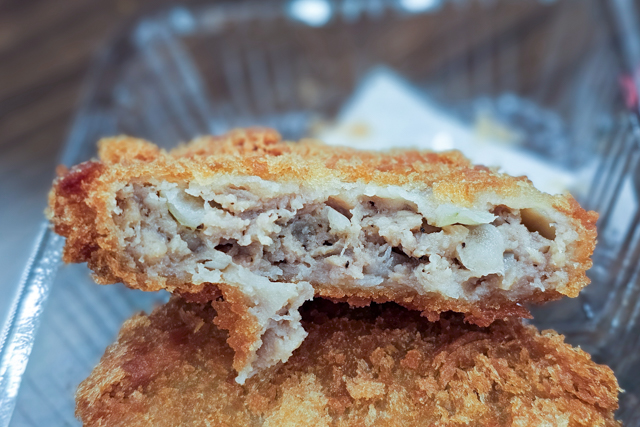
Menchi katsu with mince and onion, seasoned well.
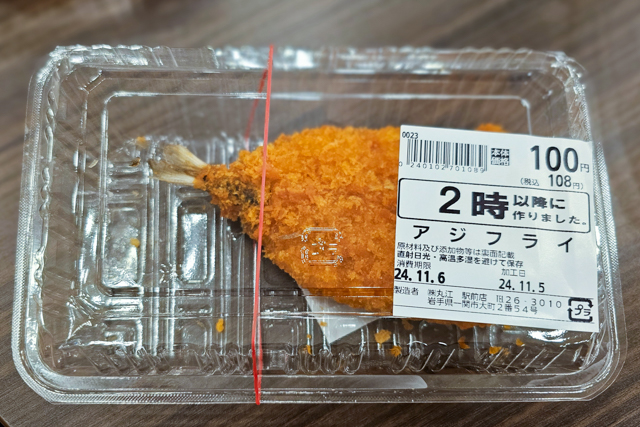
Aji fry that held its crunch even when cold.
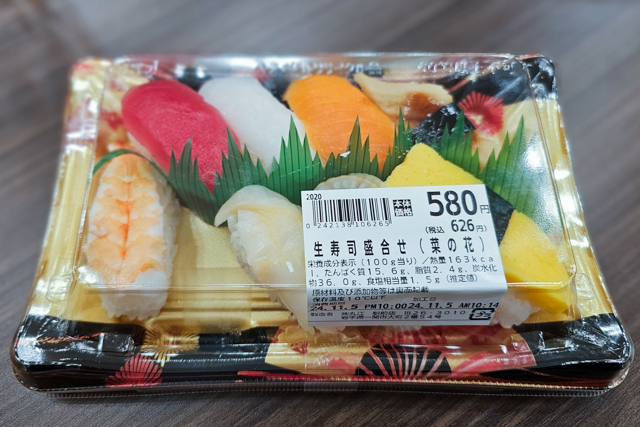
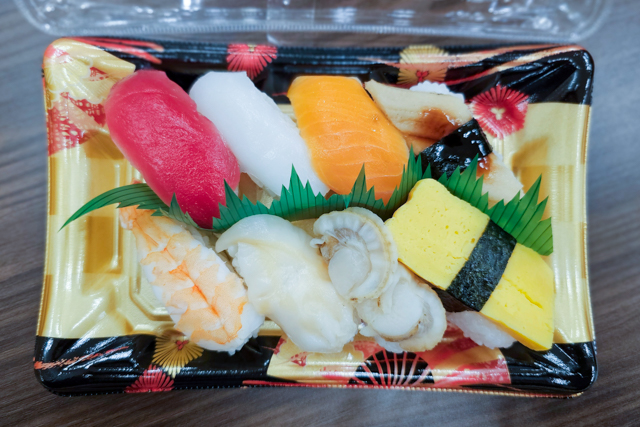
Sushi of a standard quality, though the clam offered an interesting variation.
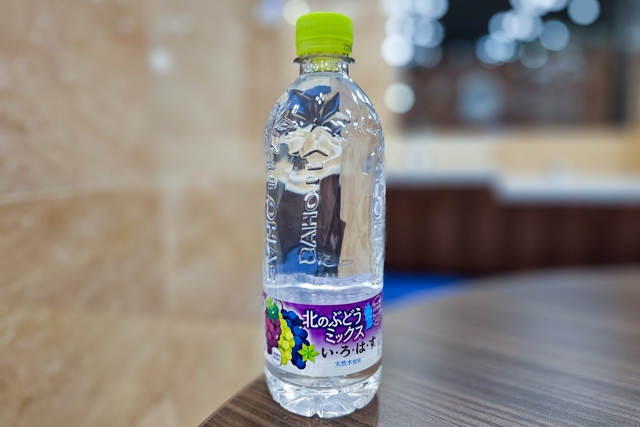
See Coca-Cola I LOHAS Northern Grape Mix.
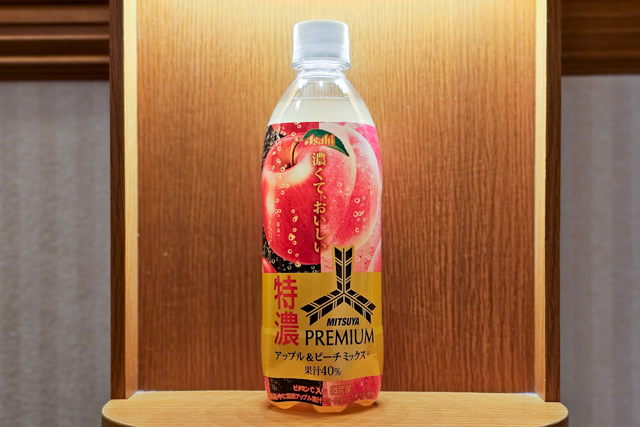
See Asahi Mitsuya Premium Apple & Peach Mix.
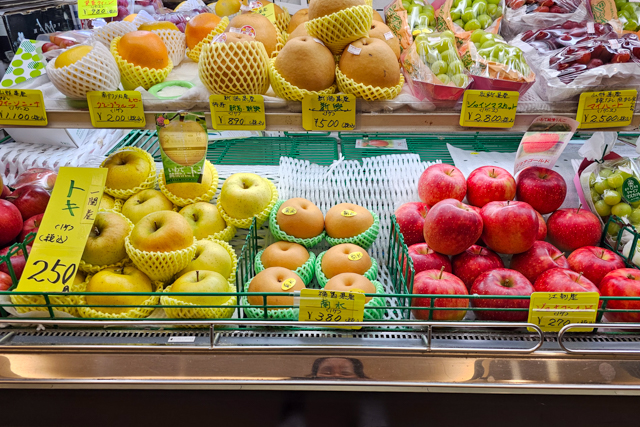
Shimizu Kudamono Mise
清水果物店, in F2 Marue, 2-54, Omachi, Ichinoseki City, Iwate 021-0881 Japan
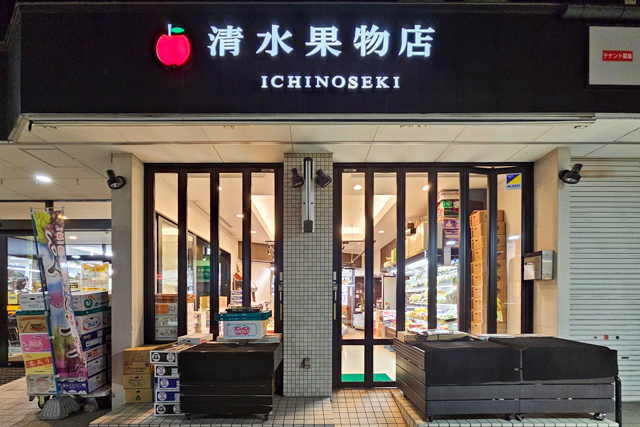
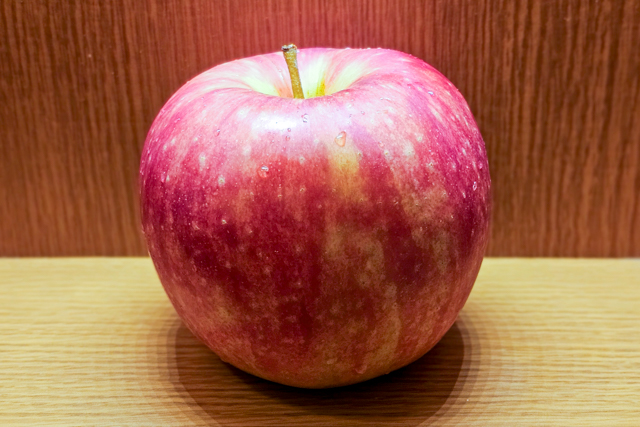
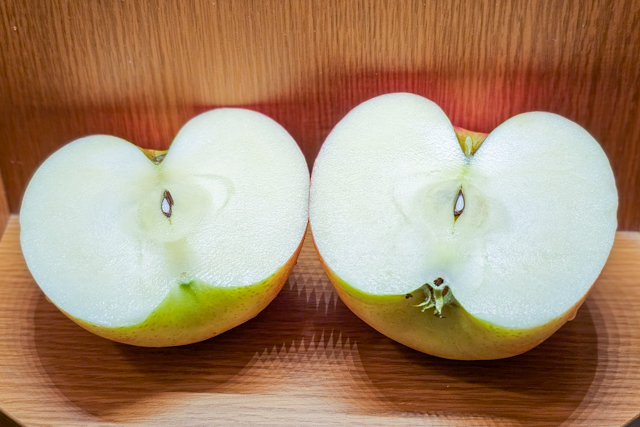
Jonagold: Sweet and mealy with no acidity but good flavour.
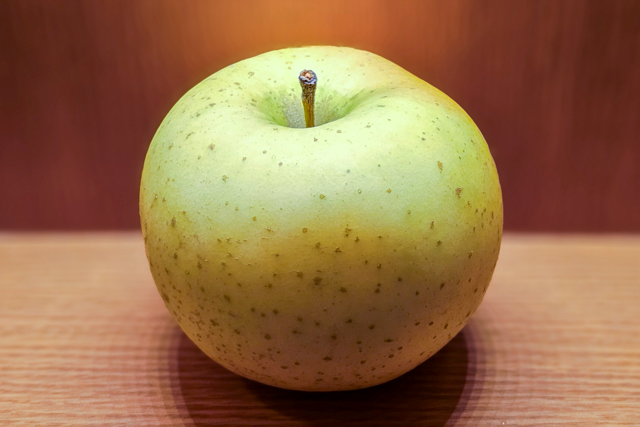
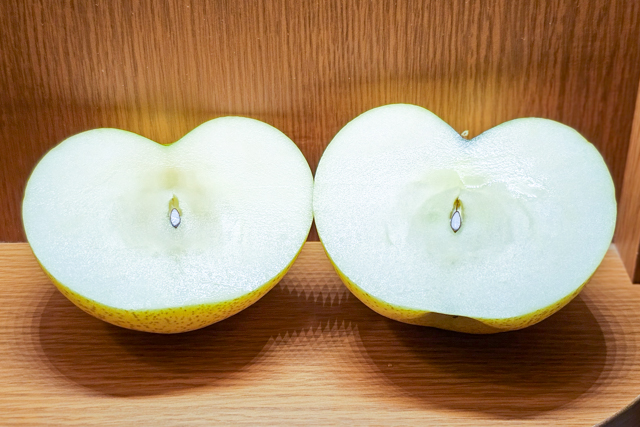
Toki: Crisp and sweet, again without acidity.
Ichinoseki–Geibikei formed part of Day 6 of 14-day journey through Japan’s Tōhoku region in 2024.