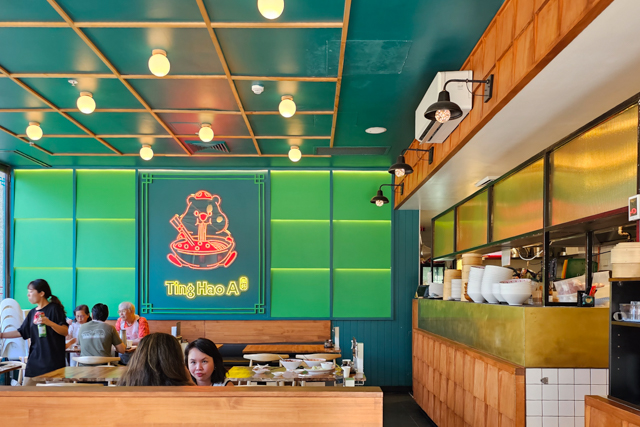
This is Ting Hao A, a Chinese–Korean-style venue centred on black bean–based dishes and set meals.
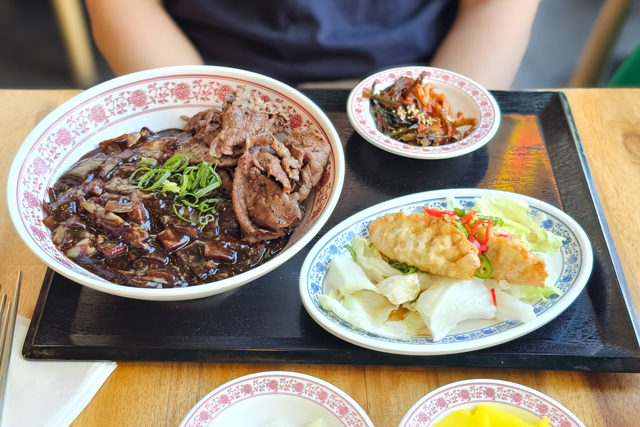
Wagyu Jjajangmyeon Set Meal ($30.00) — Black Bean Noodles with Wagyu Beef (includes pork), Deep-Fried Dumplings with Yuzu Sauce, Green Onion Kimchi
The noodles carried a soft, springy elasticity, holding structure while remaining easy to bite through. The black bean sauce was well balanced, delivering savoury depth without excess salt, and notably carried a light wok hei, more pronounced on the slices of wagyu. Onion was used generously but remained mild, contributing texture rather than sharpness. The use of sliced meat, rather than minced, gave clearer presence and variation across bites. The dish held together cleanly from start to finish, with the sauce evenly coating without pooling or heaviness.
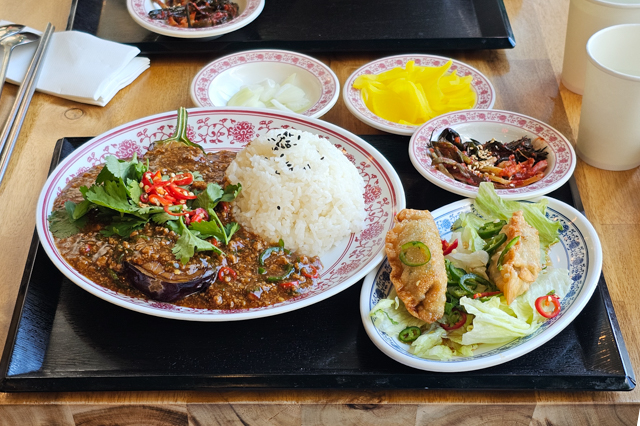
Eggplant with Blackbean Sauce Set Meal ($27.00) — fried eggplant with black bean and minced pork sauce, yuzu deep-fried dumplings, and green onion kimchi
This leaned more towards a soft, sauce-forward structure. The eggplant was tender to the point of yielding with minimal pressure, absorbing the sauce while retaining shape. The sauce itself carried a similar savoury base, with visible minced pork and a controlled level of seasoning. Chilli heat from both green and red chilli was present but manageable, building gradually without overwhelming. Coriander introduced a herbaceous lift that sharpened the otherwise rich profile. The overall structure remained cohesive, with the eggplant and sauce integrating into a consistent texture.
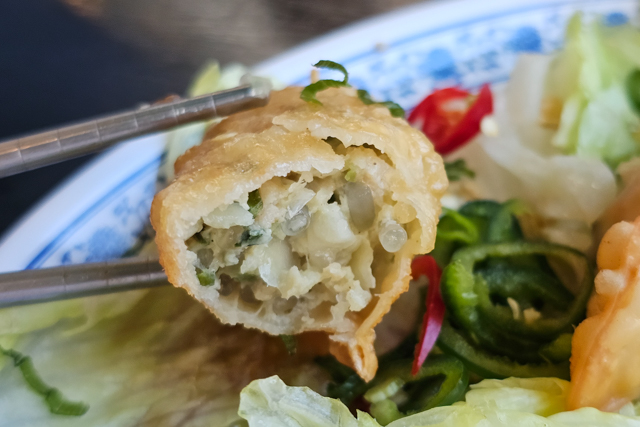
Across both sets, the mandu were filled with glass noodles and pork, showing a crisp exterior where dry and a softened chew where the yuzu sauce had soaked in. The sauce carried a pronounced heat, with a sweet-tang note from the yuzu providing contrast. The green onion kimchi acted as a counterpoint, offering freshness and a mild heat that reset the palate between bites of the richer black bean dishes.
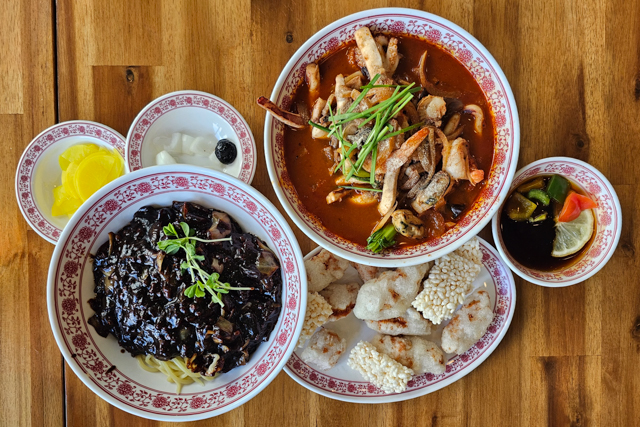
Lunch A Set ($58.00; cash only)
Tang Su Yuk (mini) and a choice of two bowls of either Jjajangmyeon or Spicy Seafood Jjambbong.
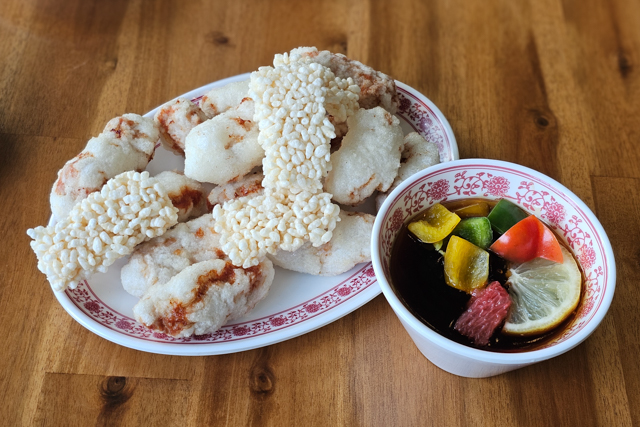
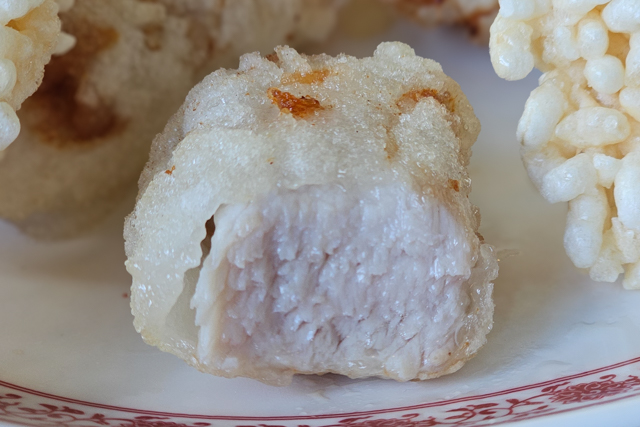
Tang Su Yuk (included in Set A; usually $22.00 for mini)
The pork was cut into generous chunks, allowing the meat itself to remain the focal point despite the substantial coating. The tapioca-based batter delivered a soft crunch rather than a brittle crispness, with a slight chew developing as it absorbed the sauce. Through the mid-palate, the sweet-and-sour sauce coated the pork evenly. Thick and glossy, it carried an almost molasses-like consistency, with visible capsicum and grapefruit adding subtle complexity and preventing the sweetness from becoming one-dimensional. The accompanying rice crackers provided a contrasting hard crunch that highlighted the softer texture of the battered pork. The finish carried lingering sweetness and savoury pork notes, with the generous meat content ensuring the dish remained satisfying rather than batter-heavy.
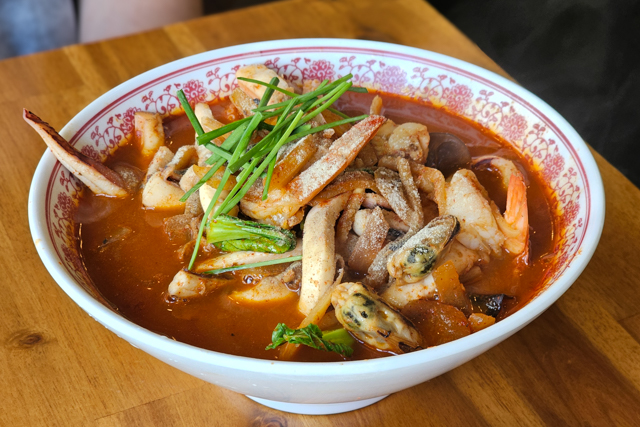
Jjambbong (included in Set A; usually $25.00)
This proved to be the standout dish of the set. Initial contact delivered a deeply savoury seafood broth layered with pronounced wok hei. Unlike many versions where spice dominates the profile, the broth here carried genuine depth and complexity, much of which appeared to stem from the use of charred onions incorporated into the soup base. Through the mid-palate, the breadth of seafood became apparent. Octopus, squid, mussels, scallops and prawns were all present in meaningful quantities, contributing both flavour and textural variation. The noodles absorbed the broth effectively while maintaining their structure, allowing the smoky seafood profile to permeate each bite. The finish remained rich and lingering, with wok character and seafood sweetness persisting long after the final mouthful. Among the strongest examples of jjambbong encountered, avoiding the common pitfall of tasting like little more than spicy instant noodle broth paired with defrosted seafood.
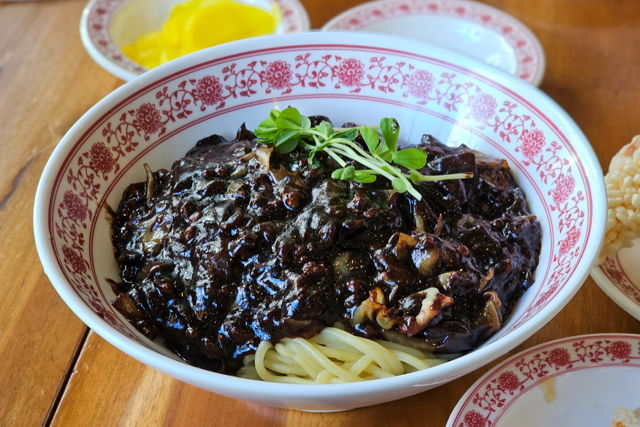
Jjajang Myeon (included in Set A; usually $21.00)
Compared with the Wagyu version ordered earlier, this iteration displayed less wok character and lacked the additional depth provided by the seared beef.
The noodles retained the same soft elasticity and satisfying bite, while the black bean sauce remained well balanced and evenly distributed. Savoury without excessive saltiness, the sauce coated the noodles effectively and maintained consistency throughout the bowl.
While less distinctive than either the Wagyu Jjajangmyeon or the Jjambbong, it remained a competent and enjoyable example of the dish.
The Lunch A Set demonstrated the kitchen’s strengths effectively, pairing a generously portioned Tang Su Yuk with two substantial noodle dishes. While the Jjajangmyeon showcased the venue’s balanced black bean sauces, the Jjambbong stood out for its unusually developed broth, pronounced wok character and generous seafood selection, elevating the set beyond the value-driven format it initially appears to be.
Overall, a casual Chinese–Korean venue defined by balanced black bean sauces, clear wok character, and consistent textural control across dishes.
Ting Hao A is located at Shop 2, 38c Albert Ave, Chatswood NSW 2067.