Yedam Tteok specializes in Korean traditional rice cakes, predominantly crafted into precise square shapes. While we aren’t avid tteok enthusiasts, having previously sampled various options at Siroo Rice Cake Cafe, we remained open to giving them another chance when presented as gifts, such as these from Yedam Tteok. A box containing 12 pieces costs approximately $20.00.
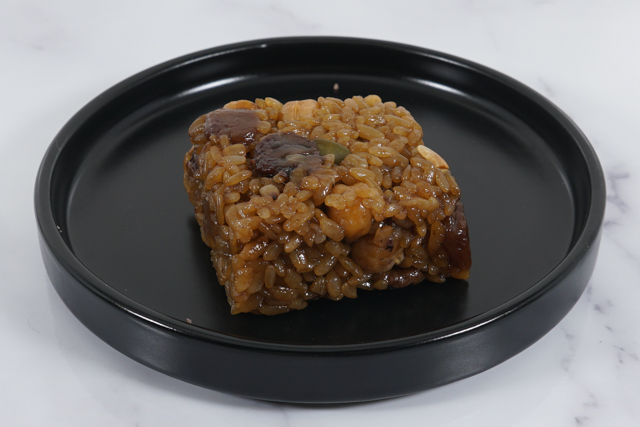
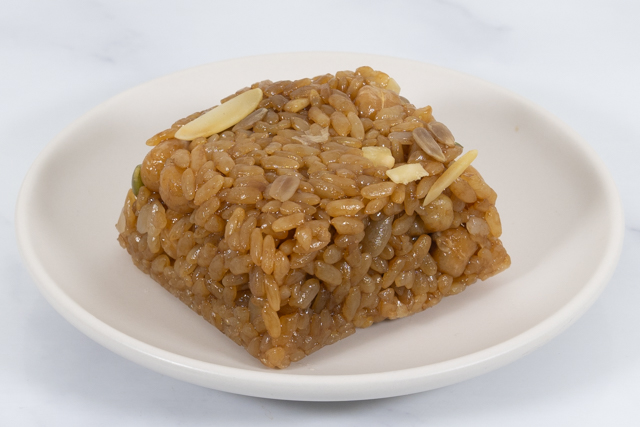
Yaksik. This was made from glutinous rice, chickpeas, pumpkin seeds, sunflower seeds, currants, water, brown sugar, salt, chestnuts, walnuts, pine nuts, and almonds.
This tteok offered a diverse range of flavours and textures, with each bite bringing an enjoyable blend of sweetness, nuttiness, and a hint of savoury notes. While the overall experience was satisfying, the whole rice grains were slightly firm. Incorporating a softer, chewier grain to complement the nutty crunch would better align with our preferences.
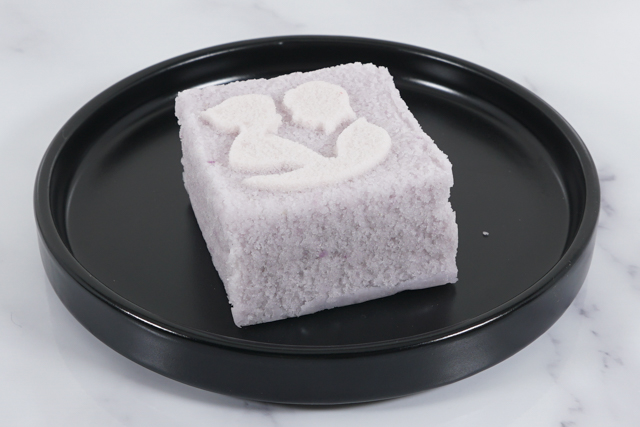
Gyeolhonseolgi, or Snow White. This was made from rice flour, sugar and salt.
Seolgi is characterized by its white colour, symbolizing purity and holiness. It holds significance during notable events like weddings and a newborn’s 100th day after birth. However, its taste matched its appearance: a dry, compact crumb with minimal flavour.
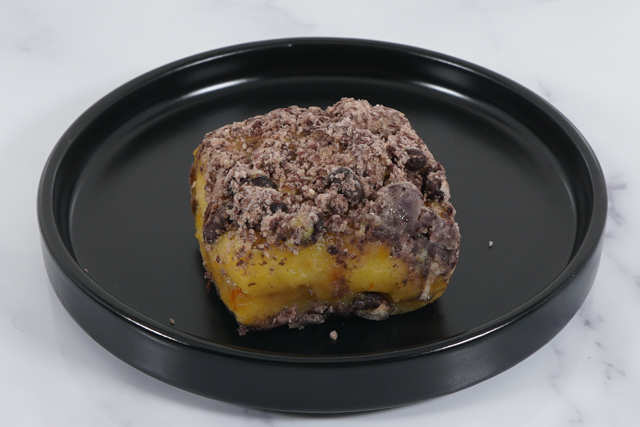
Red Bean Siru-tteok. This was tteok made from rice, azuki beans, pumpkin, water, brown sugar and salt, and traditionally steamed in a siru (earthenware steaming vessel).
This variant had an appealing texture that resembled the softness of mochi. The incorporation of shredded pumpkin, evident as orange specks within the yellow centre, contributed a delicate savoury sweetness that harmonized with the nutty flavour of the red bean atop. With each bite, its flavours grew on us to our surprise.
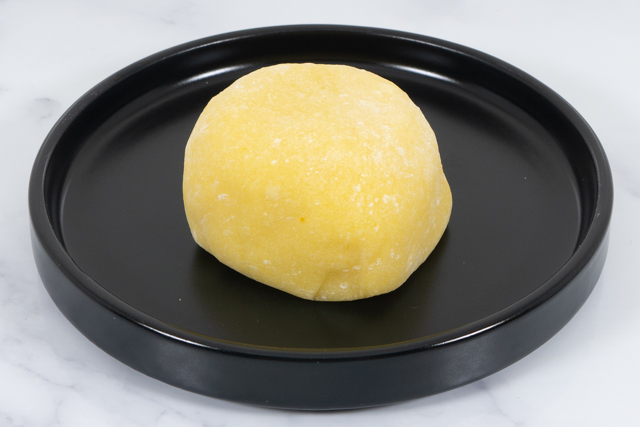
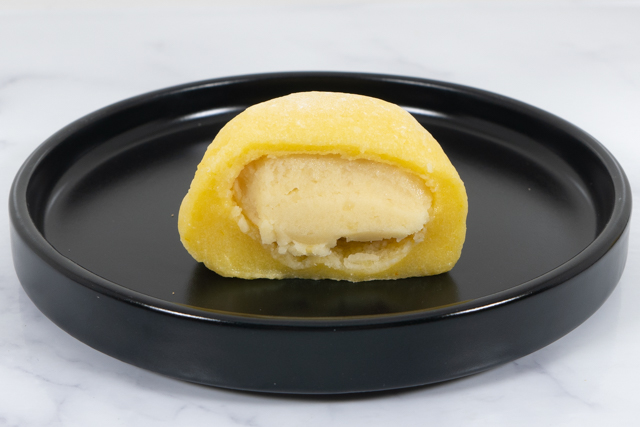
Yuzu Mochi. This was white bean paste flavoured with yuzu wrapped in glutinous rice.
The mochi layer was unexpectedly savoury and excessively thick, measuring up to 2 cm in some areas. On a more positive note, the yuzu-flavoured white bean paste centre had a smoother texture and a distinct yuzu flavour, reminiscent of commonly available yuja marmalade. Unfortunately, the overpowering presence of the mochi ultimately detracted from the overall taste.
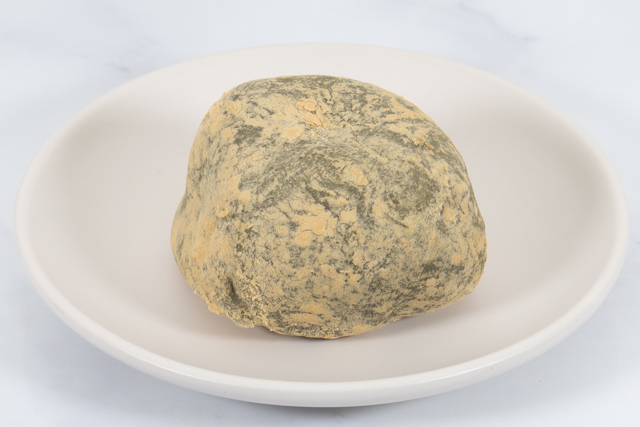
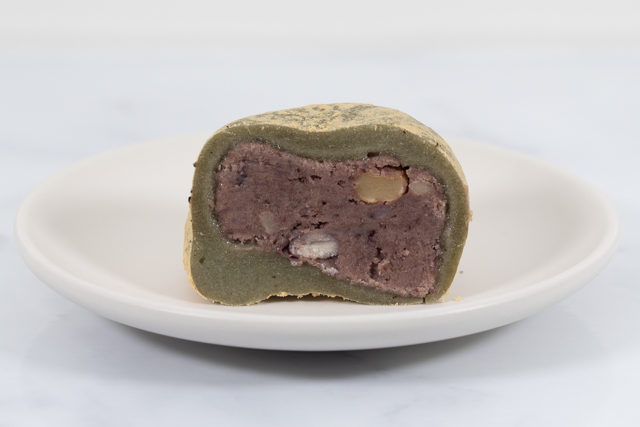
Soy Bean Omegi. This featured a smooth azuki and white bean paste mixed with walnuts and some whole azuki beans, surrounded by mugwort tteok and coated in soybean flour.
The mugwort gave the mochi a slight grassy, herbal hint, while the mochi itself was soft and stretchy. The red bean paste was sweet and crumbly, punctuated by the crunch of walnuts and other beans. However, the flavour became rather one-note after a while.
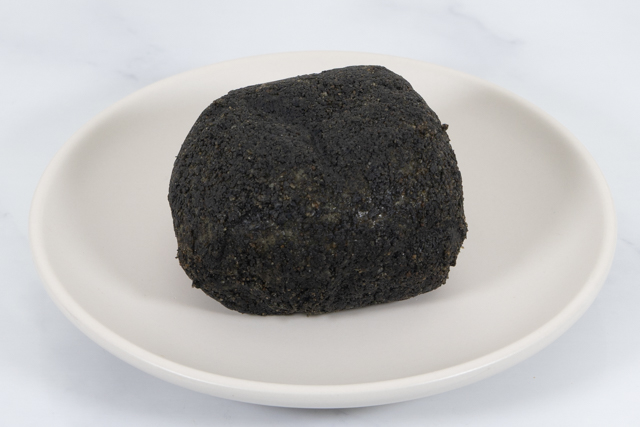
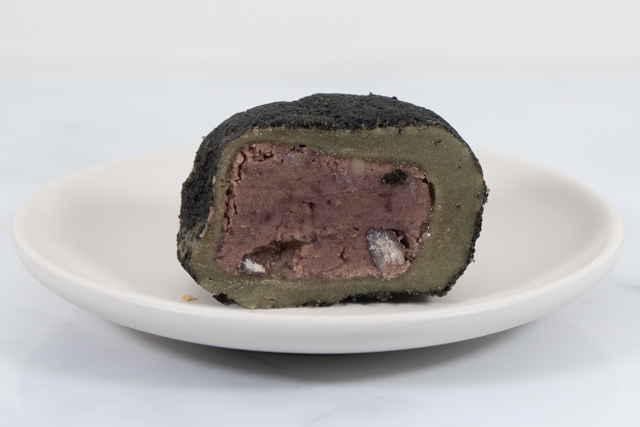
Black Bean Omegi. This featured a smooth azuki and white bean paste mixed with walnuts and some whole azuki beans, surrounded by mugwort tteok and coated in ground black sesame.
The black sesame powder provided a richer, nuttier flavour that complemented the mugwort and red bean, adding depth to the overall taste. As with the previous version, we appreciated the addition of walnuts in the red bean paste. However, a chunkier red bean filling would have been a welcome improvement.
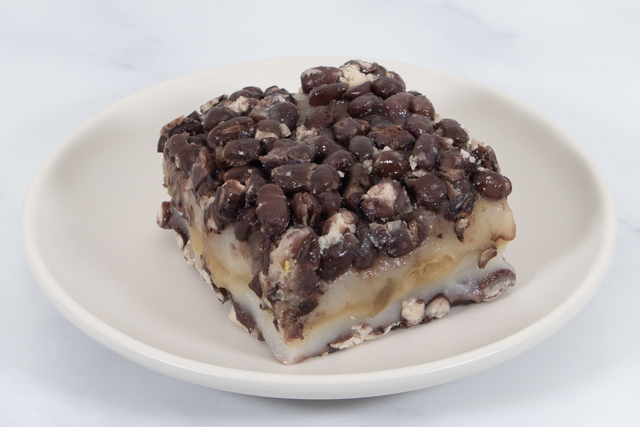
Red Bean Steamed Sticky Tteok. This tteok featured two layers of sticky rice cake sandwiching a paste with sunflower seeds, green peas, and cinnamon.
The chunky red bean provided plenty of texture, complemented by the nuttiness of the sweet centre. While the green peas were a surprising addition, the overall flavour profile was similar to other tteok, with the main distinction being the bitier textures from the red bean.
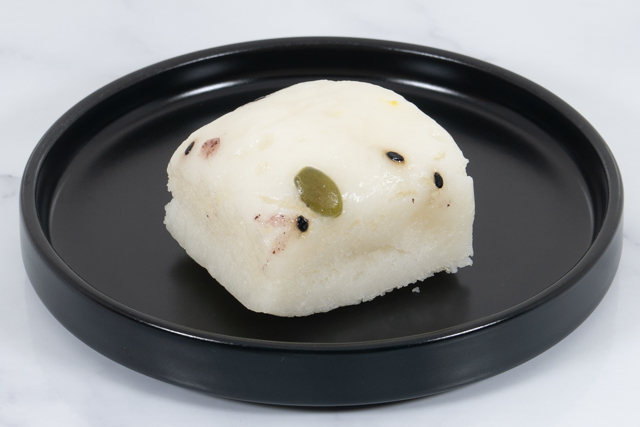
Raised Tteok (jeungpyeon). This was a fermented and steamed rice cake made with rice, water, rice wine, and yeast, and topped with pumpkin seeds, sultanas, and black sesame seeds.
Its sweet-sour aroma and taste closely resembled white sugar cake, a Chinese pastry made from a fermented batter of rice flour, white sugar, water, and a leavening agent. While moist and soft, it was denser and less fluffy than the Chinese version, making it less satisfying to eat.
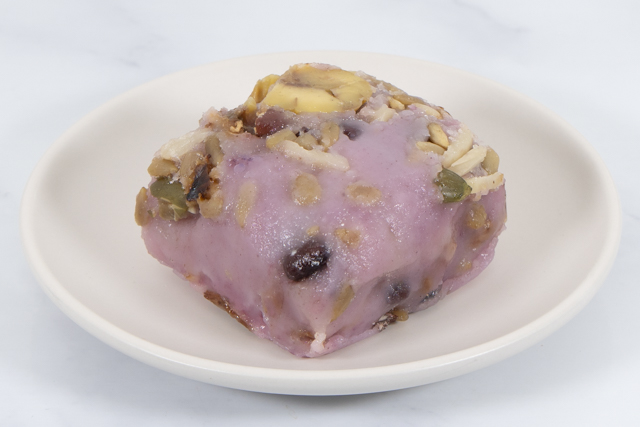
Purple Sweet Potato Tteok. This was a sweet potato flavoured tteok mixed with various nuts including sunflower seeds, raisins, pumpkin seeds, azuki beans, and chestnuts.
The inclusion of the wide variety of nuts and seeds made every bite a slight variation on the previous in terms of nuttiness and textures. The sweet potato added a subtle sweetness but was not distinctly identifiable as a flavour or texture.
Overall, tteok continue to hold more of a curious appeal for us rather than becoming a sought-after delicacy.
Yedam Tteok is located at 745 Canterbury Rd, Belmore NSW 2192.