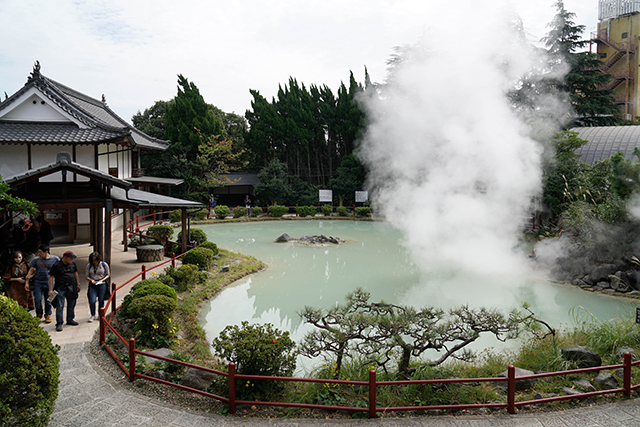
While Yufuin is nestled surrounded by the mountains, Beppu is situated between the sea and the mountains and famous for its onsen. In addition to onsens for bathing, there are the ‘hells’ of Beppu that are eight onsens for viewing rather than bathing.
Beppu
Beppu Station
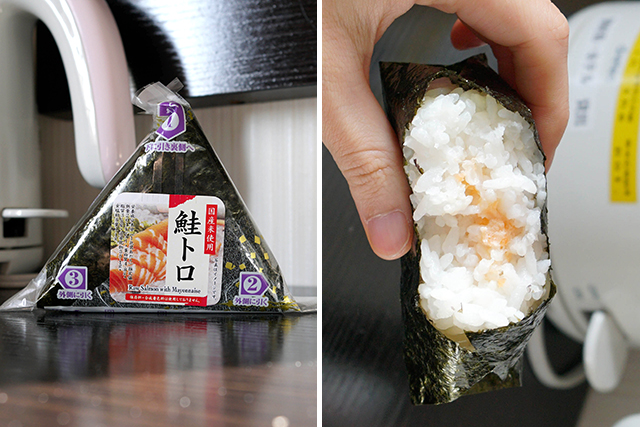
Before checking out of our hotel and starting our way to the hells, we enjoy a quick breakfast of onigiri that we picked up from the supermarket in Ōita the previous evening. I enjoy this onigiri featuring raw salmon with mayonnaise. The salmon is minced with an overly generous amount of rice that throws off the balance somewhat, but decent nonetheless.
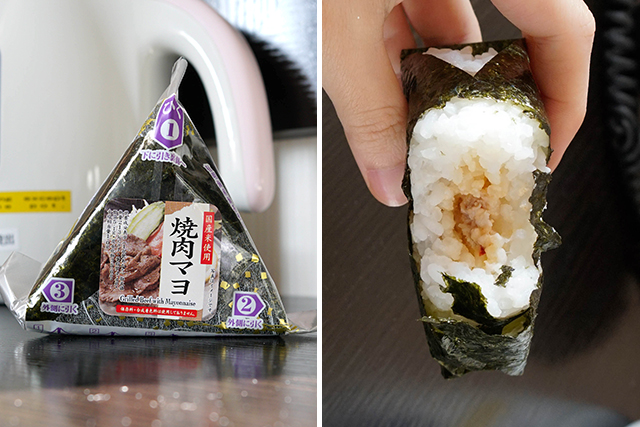
This is the onigiri filled with grilled beef and mayonnaise. D enjoys the beefy flavour, which has more texture than the salmon as its not quite so minced.
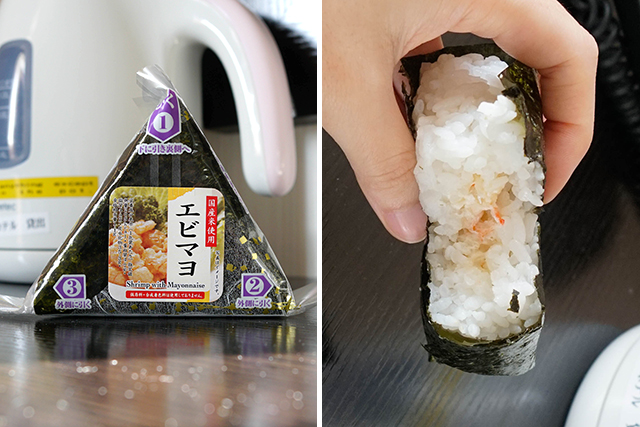
Onigiri – salmon mayo was not bad. Salmon was minced tho. So there was quite a bit of rice.
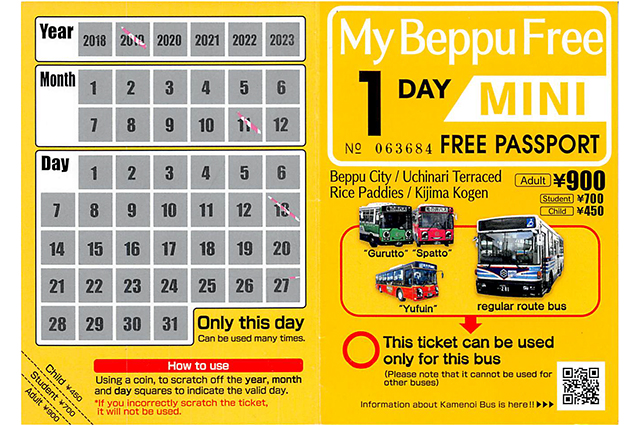
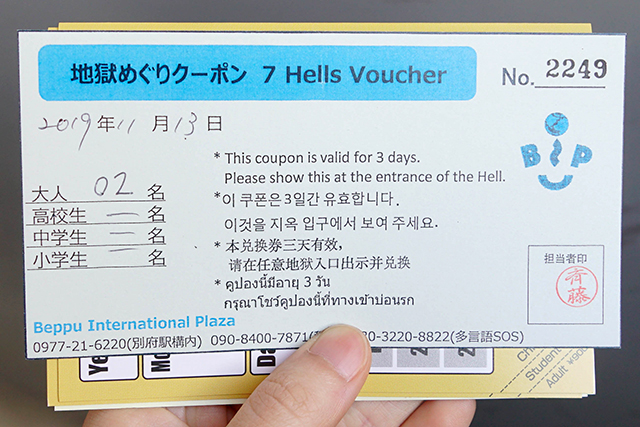
At Beppu Station, we visit the Beppu International Plaza (a tourist information centre) to purchase an unlimited bus ticket (¥900 for one day) and an exchange pass for a combination ticket to seven of the hells.
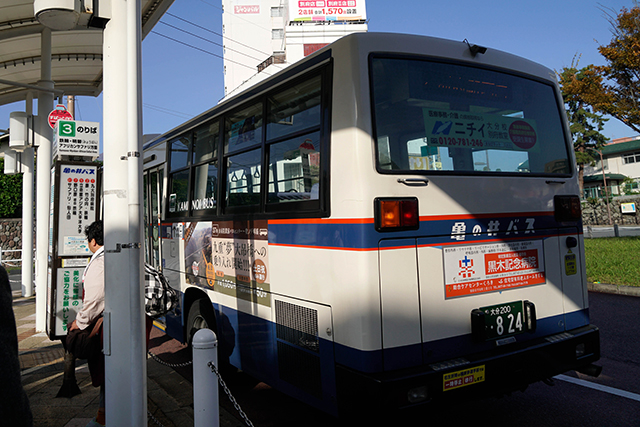
The staff at the International Plaza speak English and provide us with a bus timetable as she talks us through the logistics of the bus routes. We start our tour of the hells in the Kannawa District, which is 15 minutes away from Beppu Station by bus.
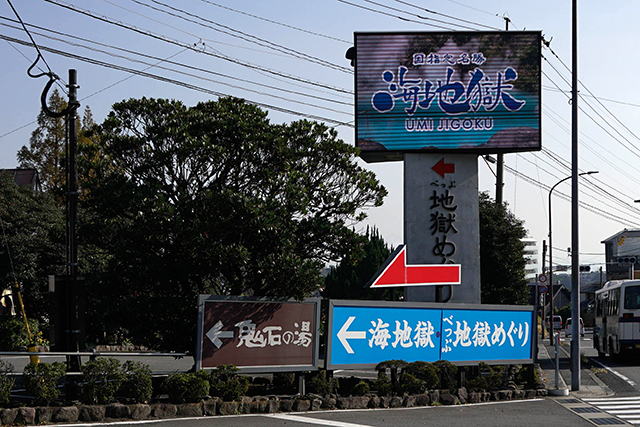
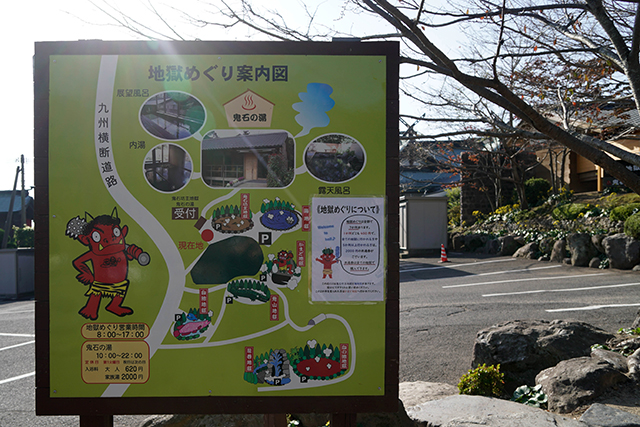
Six of the hells are located in the Kannawa district, with three of them situated next to each other near the Umi-jigoku-mae Bus Stop and the other three a short walk away. Alighting the bus, we’re glad to see signs directing us to the first cluster of shrines.
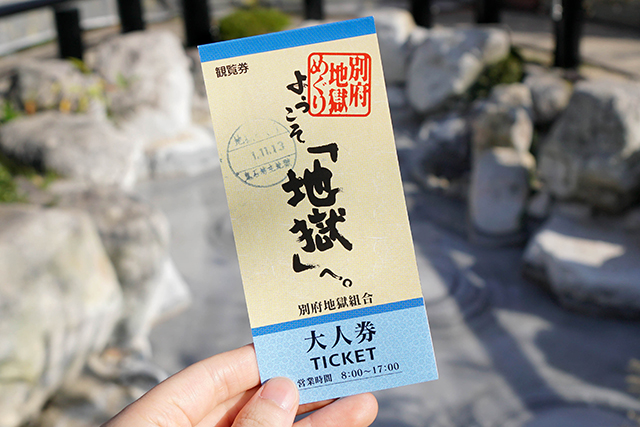
At the entrance to the first hell, we exchange the piece of paper for our coupon book.
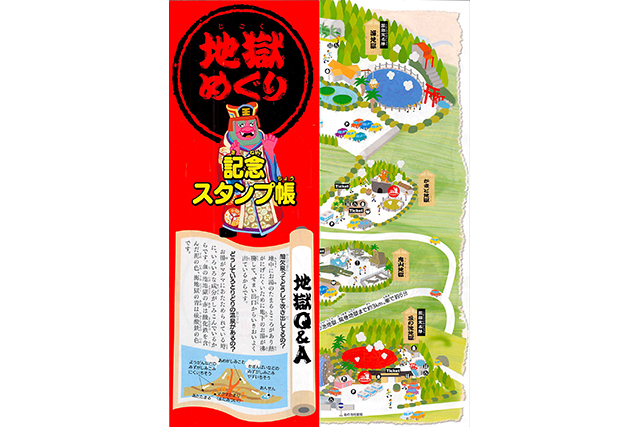
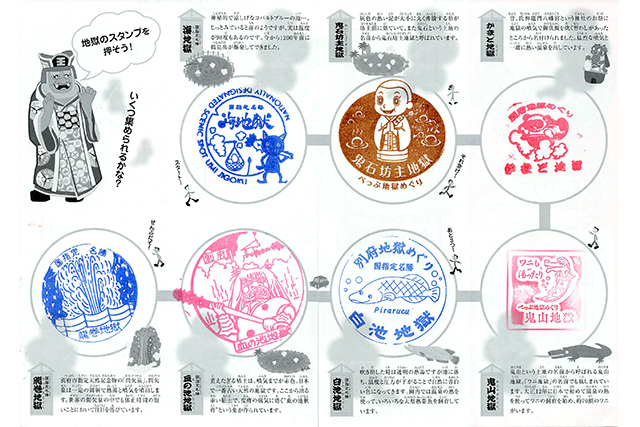 Tourists are encouraged to engage in a stamp rally through all the hells.
Umi Jigoku
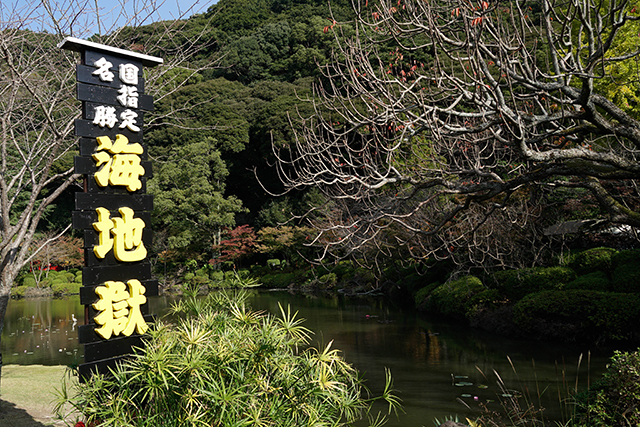
海地獄, 559-1 Kannawa, Beppu, Ōita 874-0000, Japan
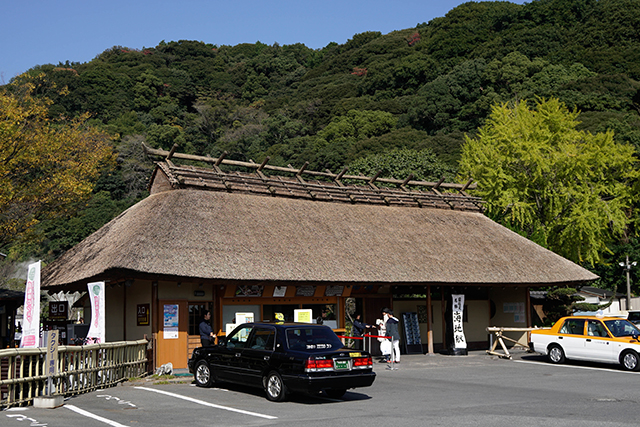
Umi Jigoku (or Sea Hell) with its thatched roof Nagayamon Gate is the recommended as the first hell to visit as it was the hell that started it all:
In 1910, founder Yoshihiko Senju appointed Noritsuna Utsunomiya (Ōita Prrfeetural Assembly member of the House of Representatives) as the administrator of Umi Jigoku, set up tourist facilities! and started collecting an admission fee of one-fiftieth of a yen. This marked the start of Jigoku Meguri (hell tours) becoming a full-fledged tourist attraction. However, there wasn’t a road around ail of the Jigoku hot springs at the time, and you could probably count on one hand t e number of daily tourists who came to see them. In 1923, it was decided that the army would be carrying out some major military drill. A group led by Kohei Yamada, member of Beppu city assembly, took this as an opportunity to strongly urge the national government to build a road for the army to pass through, and they obliged. After the military drills, this became the road for the Jigoku Meguri, and many tourists started visiting. Touring Umi Jigoku and the other Jigoku hot springs subsequently became one of the mainstays of Beppu tourism. During all this, Kumahachi Aburaya, often called the father of Beppu tourism, came up with the idea for the first sightseeing bus and female bus guides in Japan in 1928, and got the Jigoku Meguri Sightseeing Bus firmly established. The idea of a tourist bus with a guide on board may seem like nothing out of ordinary these days, but this practice originated in Beppu.
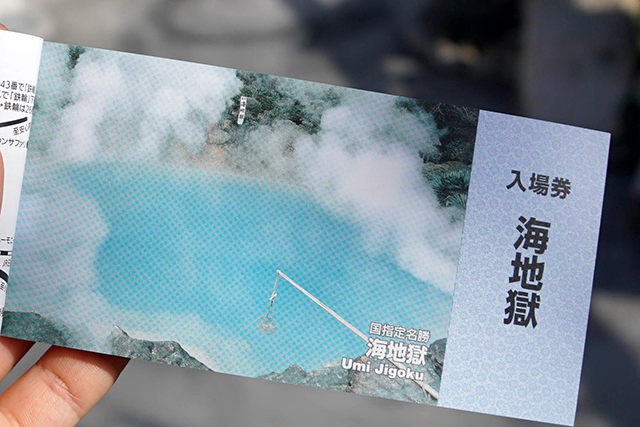
We present this page of our coupon book at the entrance where the right side of the page is torn off.
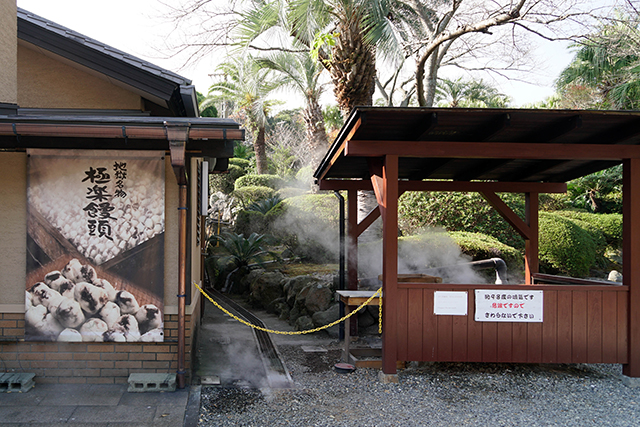
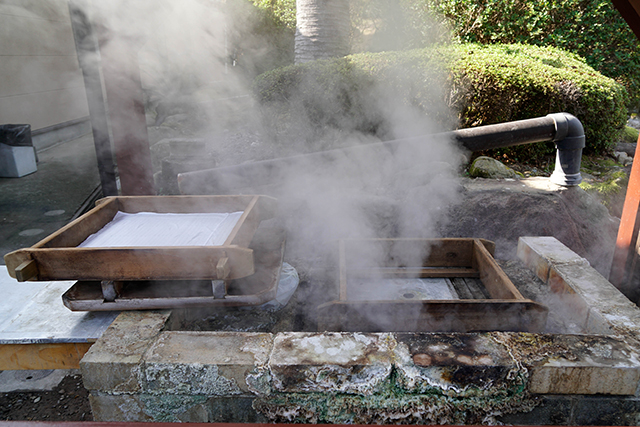
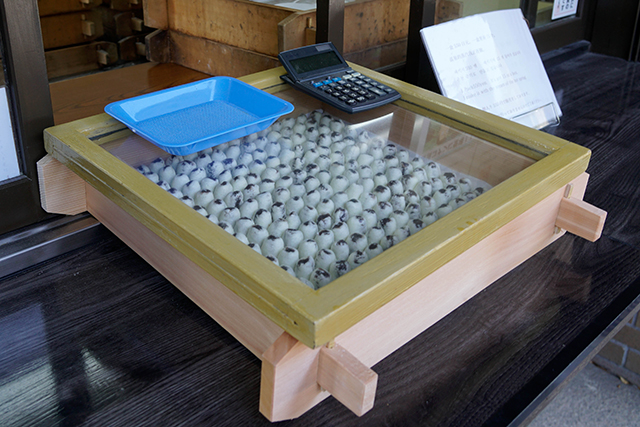
On entering the grounds, there’s a store selling gokuraku manjū, which are steamed in the steam of the Jigoku hot springs. They’re sweet and come in bite-size pieces.
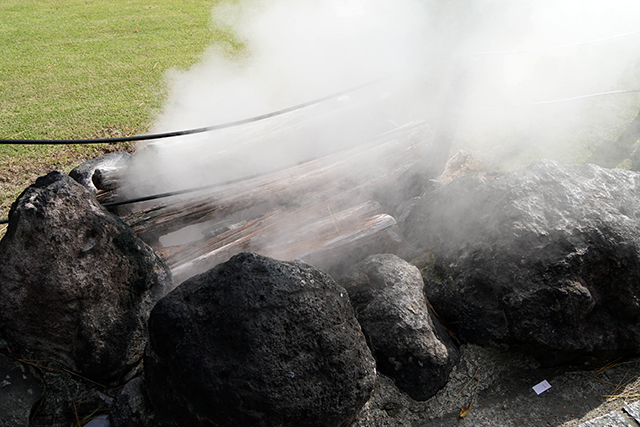
There are steam vents situated all over Beppu.
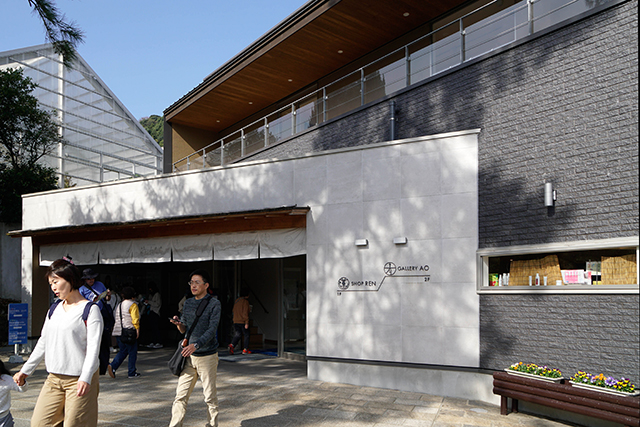
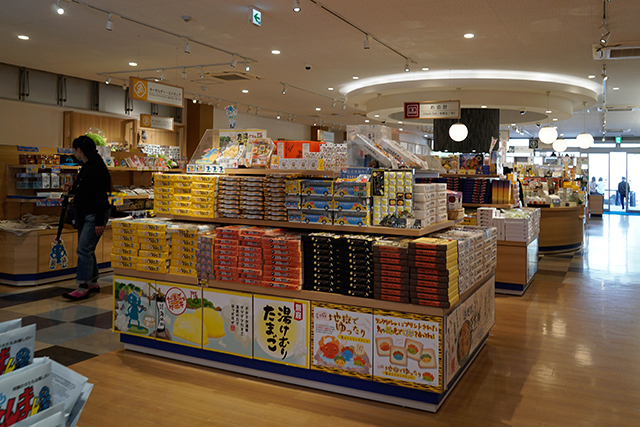
To get to the Umi Jigoku, we walk through a building housing a gift shop and art gallery.
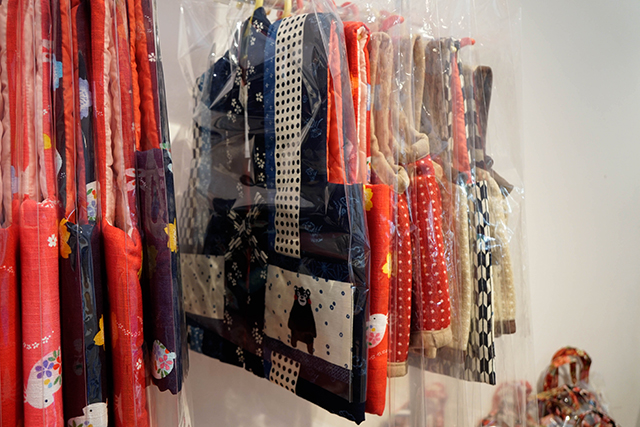
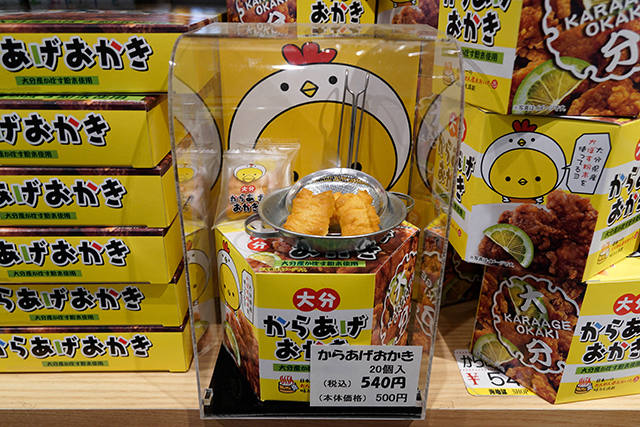
There are mini jackets and karaage flavoured rice crackers.
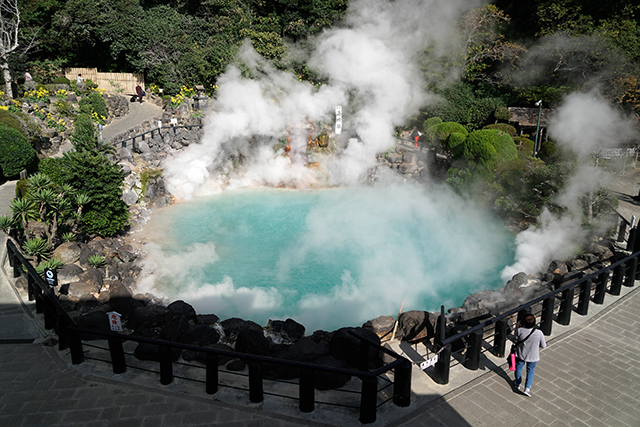
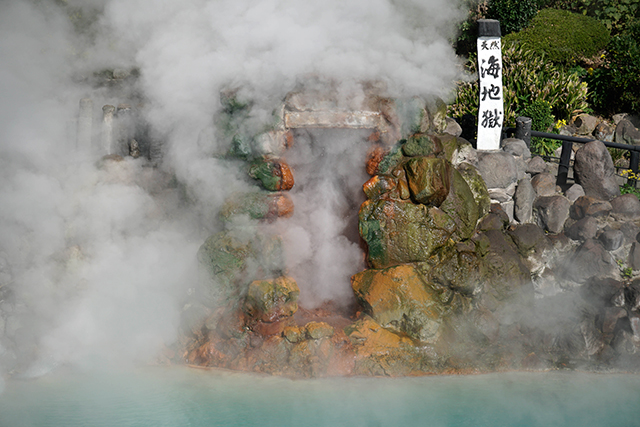
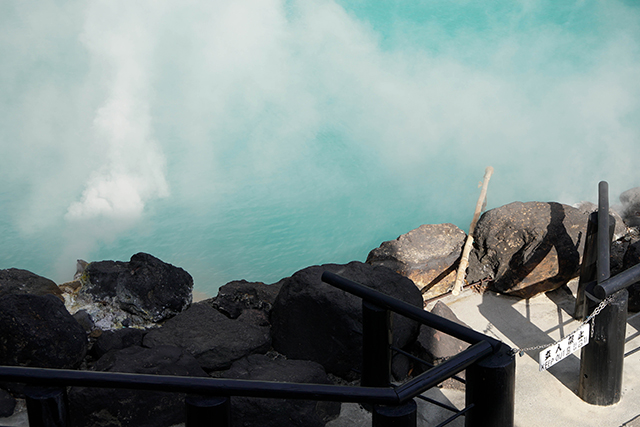
And we finally get to Umi Jigoku. Its name translates to ‘Sea Hell’ and was evident from its mystical cool cobalt blue colour that recalled a cool, crystal clear sea. The water is 98ºC and contained radium iron sulphate and is 200 m deep to the spring source.
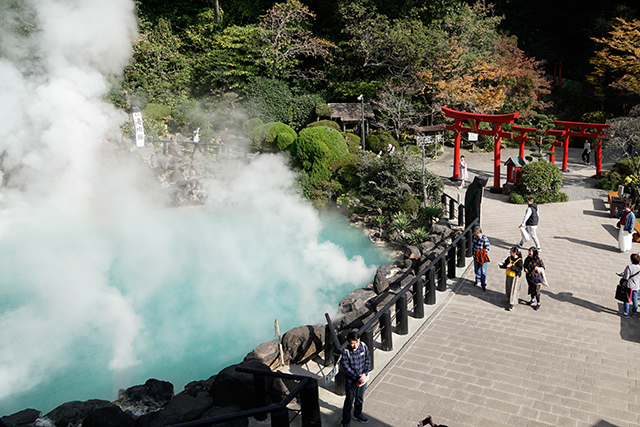
The hell was created 1,200 years ago after the volcanic explosion of Mt Tsurumi and corresponds to a site labelled ‘Kuberi-no-Yu in the Bungo Topography. It is one of four hells in Beppu that is a designated as National Site of Scenic Beauty.
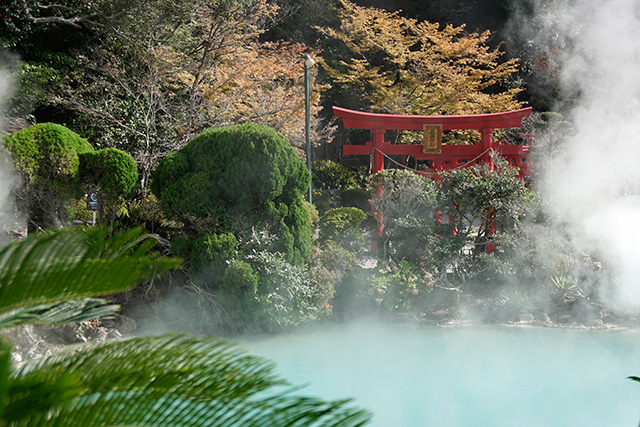
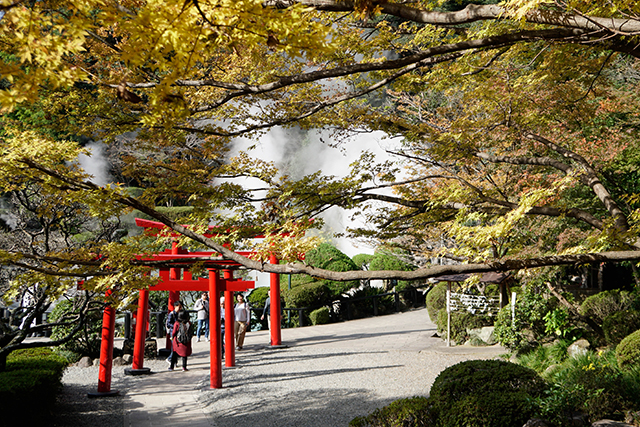
The leaves of the maple and gingko trees create an atmospheric red and yellow backdrop to the steaming hot springs. Hakuryu Inari Okami Shrine and its row of red torii gates are located by the mountains that look down upon the cobalt blue hot springs.
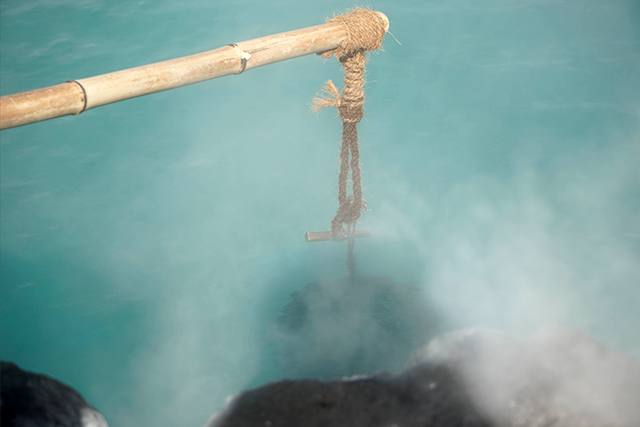
The gift shop sells onsen eggs that are quite literally cooked in the onsen.
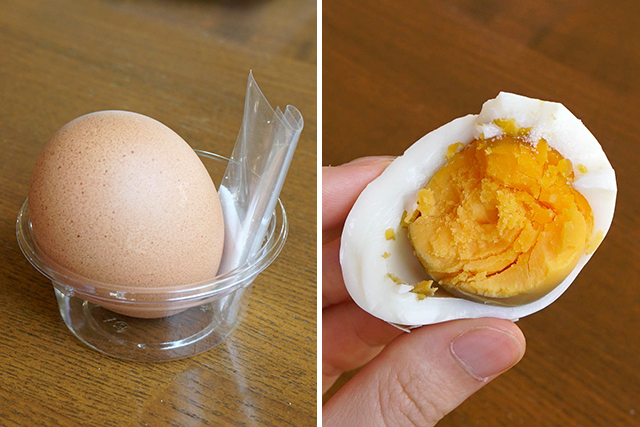
Perhaps one of the cheapest foods available at a tourist destination, the onsen eggs are ¥100 each and comes with a small packet of salt. Hardboiled eggs may not sound exciting, but we’re delighted to discover the moreish flavour that just a pinch of salt adds to a hard-boiled egg.
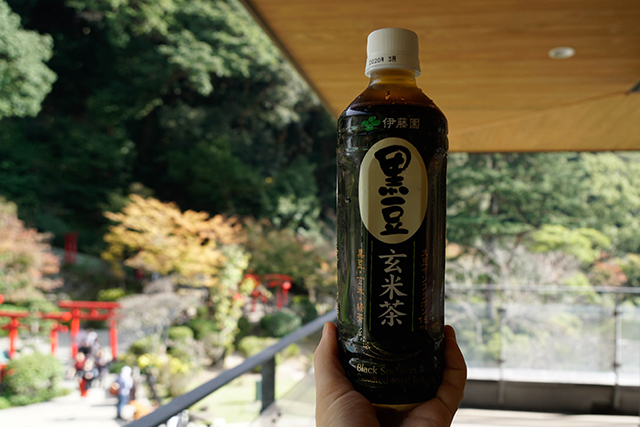
We enjoy the view of the onsen from the second storey of the building, which has benches outside the art gallery facing outwards. This Itoen Black Soybean Rice Tea had an enjoyable black soybean flavour, despite lacking the natural sweetness, which was replaced with a hint of bitterness.
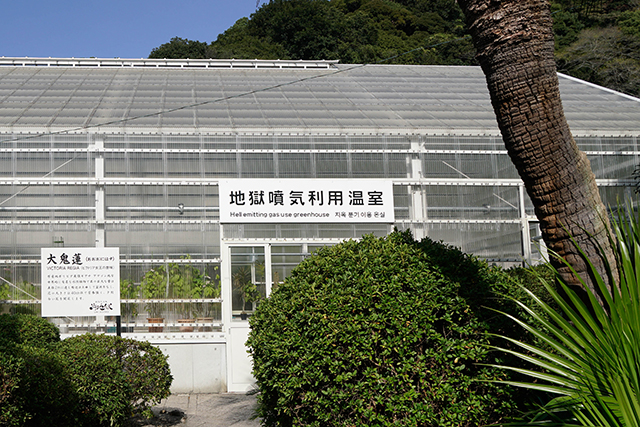
On the grounds of Umi Jigoku outside of the gift store is a Hell Emitting Gas Use Greenhouse.
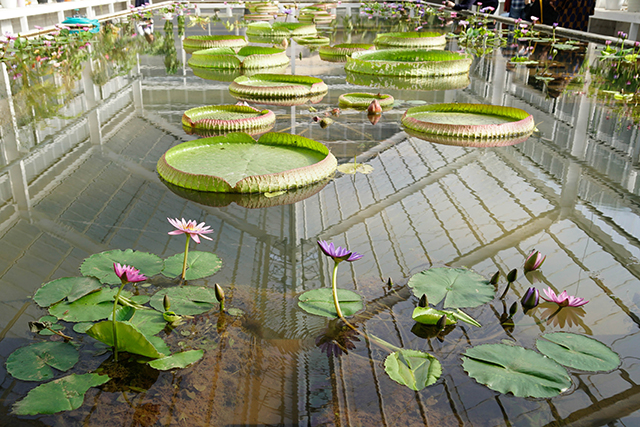
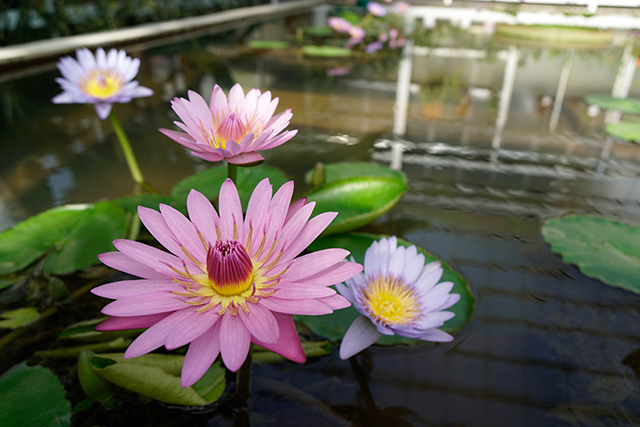
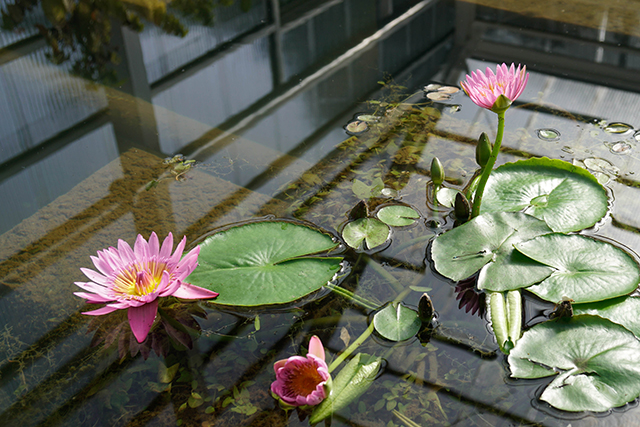
The warm environment created by the onsen provides an ideal environment for growing Victoria amazonica, the largest of the Nymphaeaceae family of water lilies. The water lilies can withstand weights of around 20 kg and kids are encouraged to climb on top of the water lily pads every during the Obon festival in August.
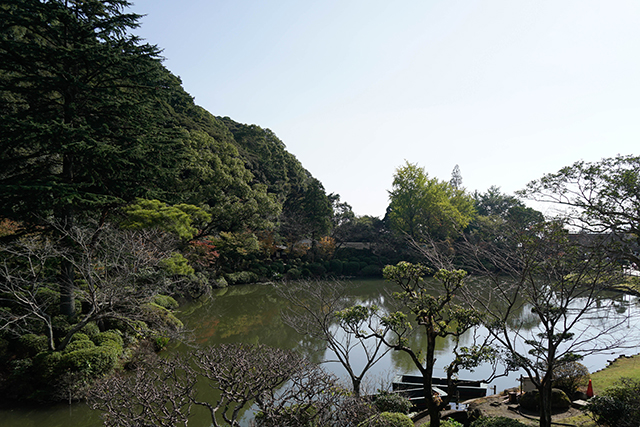
These water lilies come into bloom in the garden’s pond during the warmer months of the year from July to October.
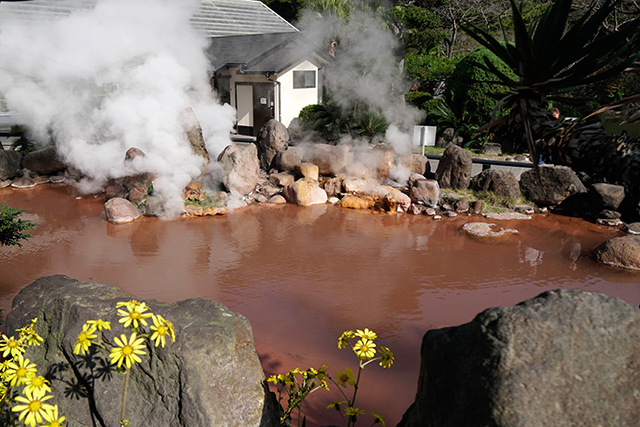
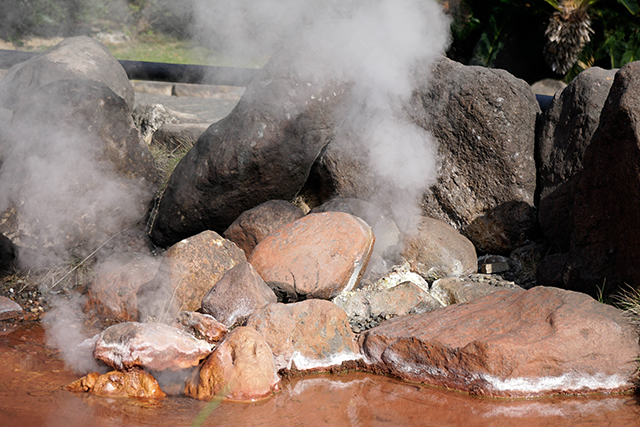
On the same garden grounds is Akaike Jigoku. The red ochre colour comes from the red clay in the water.
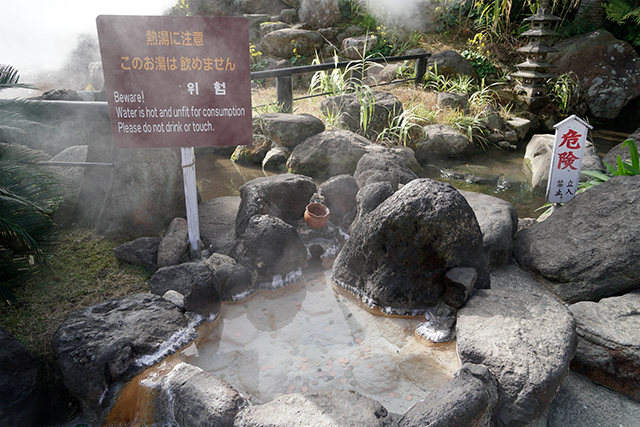
There are numerous signs warning people not to drink or touch the hot water.
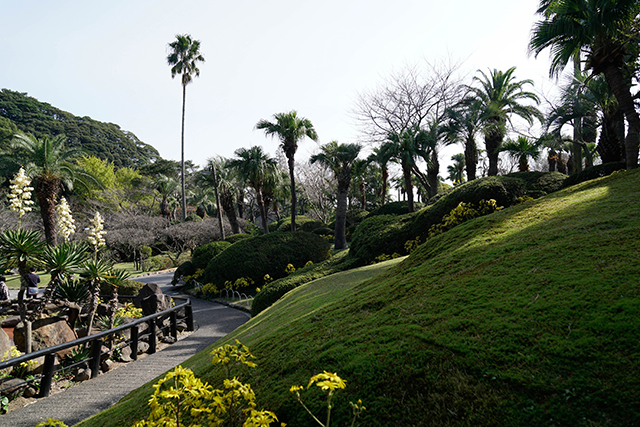
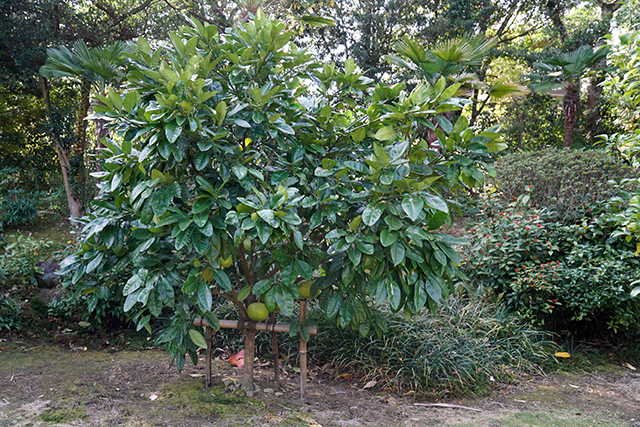
The palm trees in the garden transport us to a tropical climate with pomelo trees also scattered around.
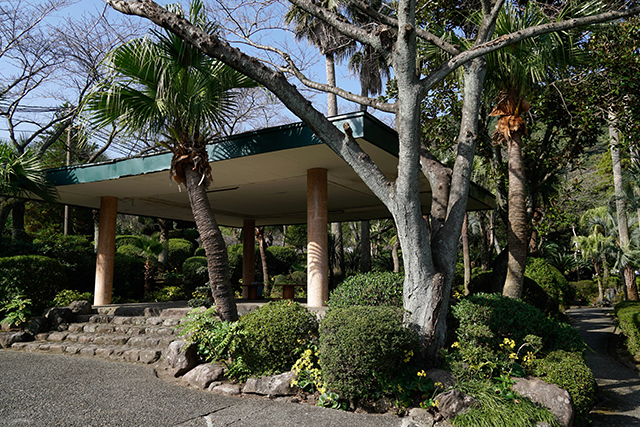
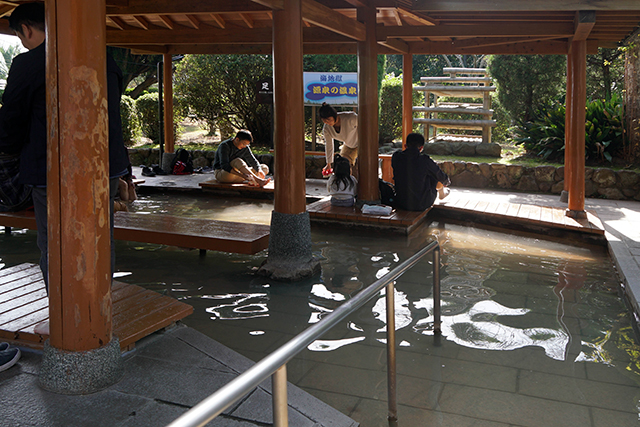
Finally, there is a free foot bath with water sourced entirely from the onsen.
Oniishibouzu Jigoku
鬼石坊主地獄, 559-1 Kannawa, Beppu, Ōita 874-0000, Japan
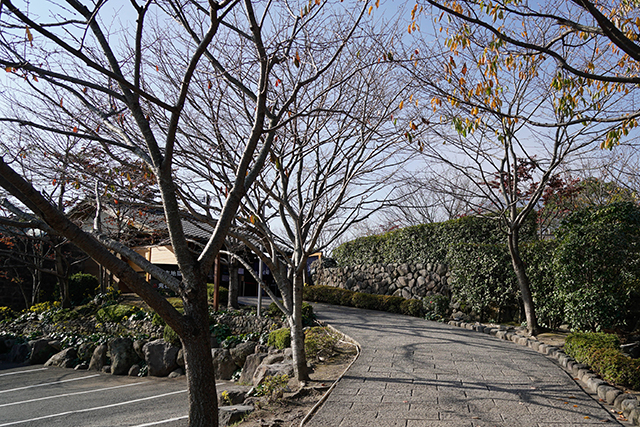
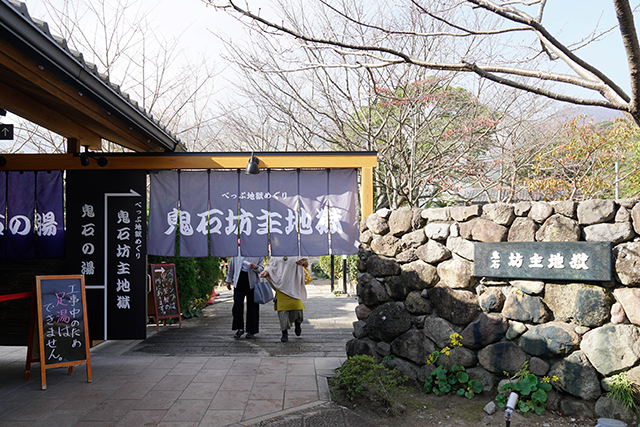
Oniishibozu Jigoku (or Oniishi Shaven Head Hell) is located a short walk next door to Umi Jigoku.
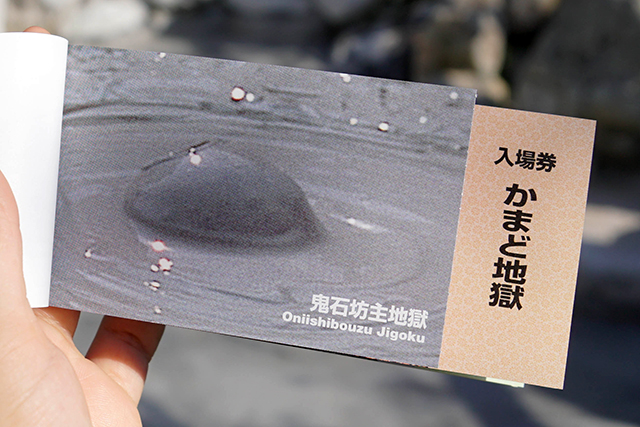
The hell is named after the area, Oniishi, and because the large and small bubbles of hot grey mud that boil up at the onsen look like the shaven heads of monks.
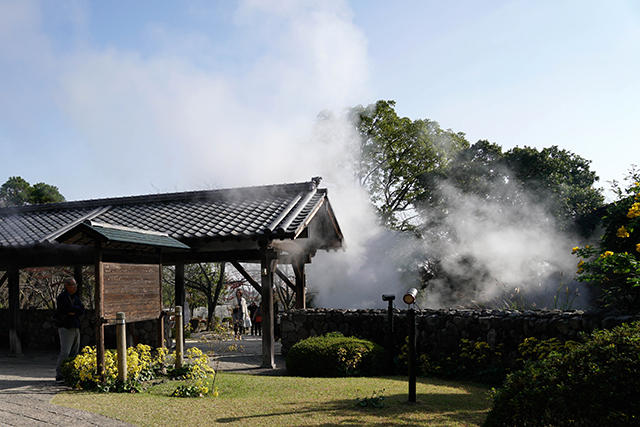
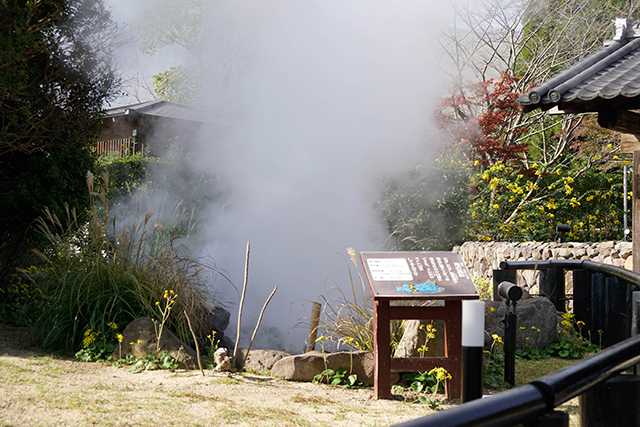
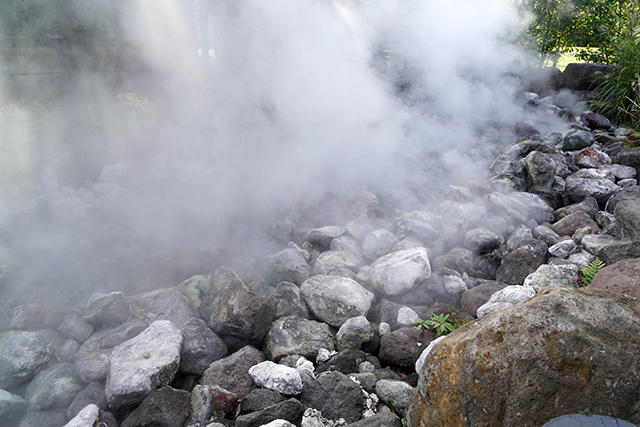
A sign explains that the onsen has water at 100°C and generates 2530 kg of steam per hour, while the sound levels are 98 dB.
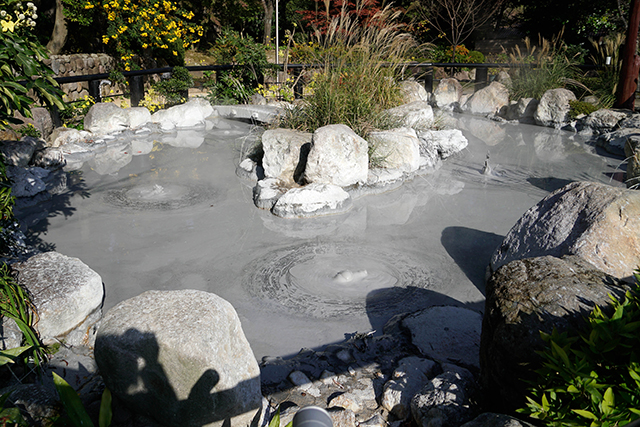
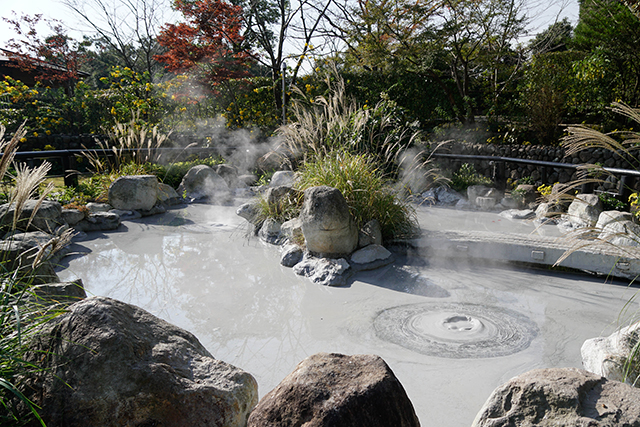
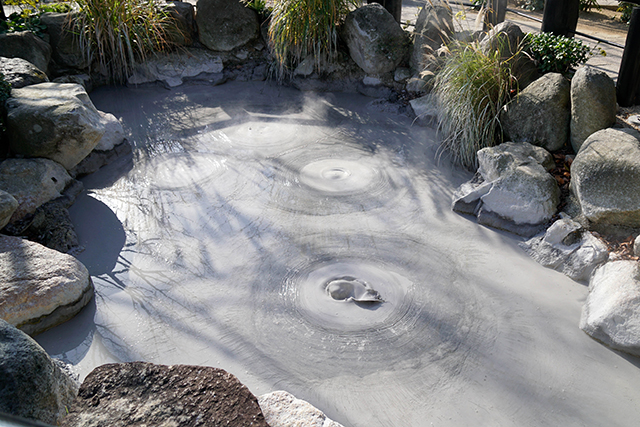
There several enclosed pools dotted around the garden.
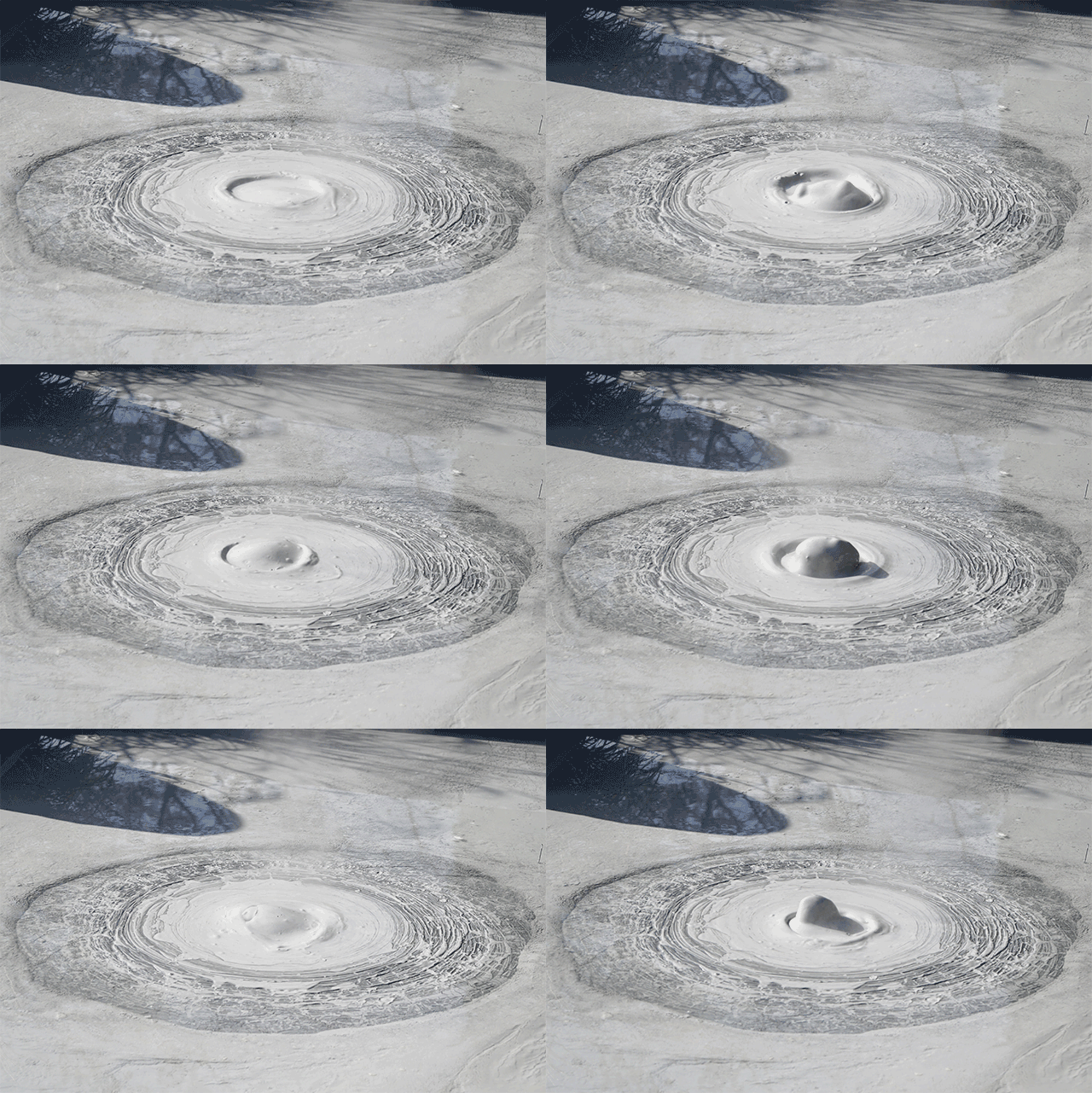
This boiling mud pool contained sodium and monochloride and does indeed look like the shaven head of a monk. There is also a free footbath at this hell, but it was closed for maintenance at the time.
Yama Jigoku
山地獄, 559-6 Kannawa, Beppu, Ōita, 874-0045, Japan
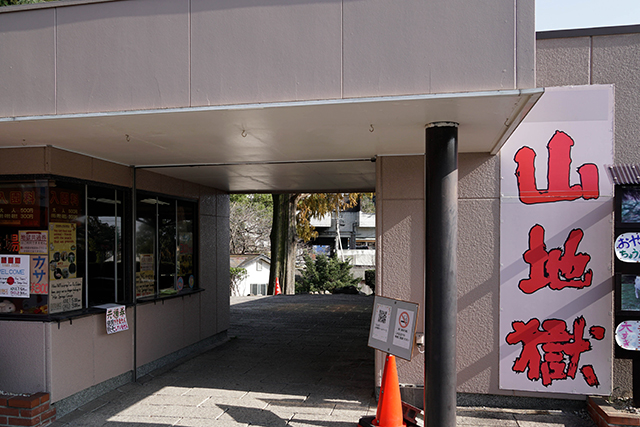
Yama Jigoku (or Mountain Hell) is a short walk down the road and not one of the hells included in the seven designated in the Jigoku Meguri. Indeed, the staff seemed to actively discourage visitors if their response to the curious group of Thai tourists we walked past was any indication.
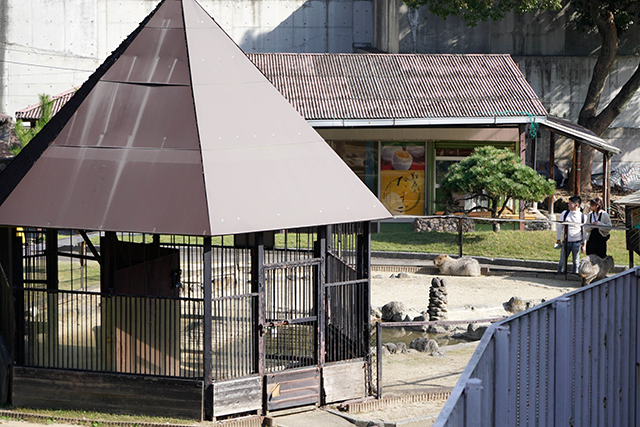
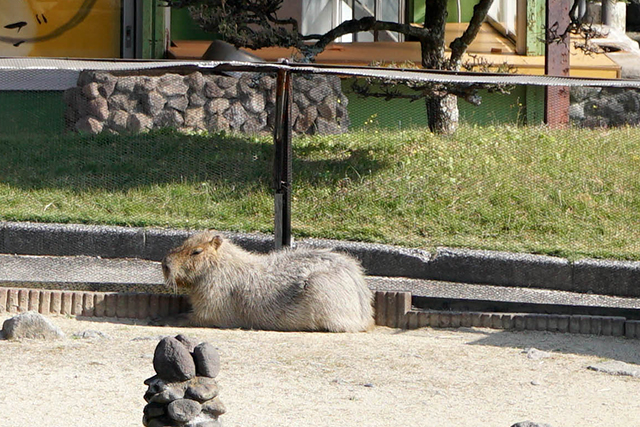
Nevertheless, the hell is named for the steam actively spewing among the rocks of the mountain, which provide a warm environment for breeding various animals. There are various animals, with the capybara being one of the most popular.
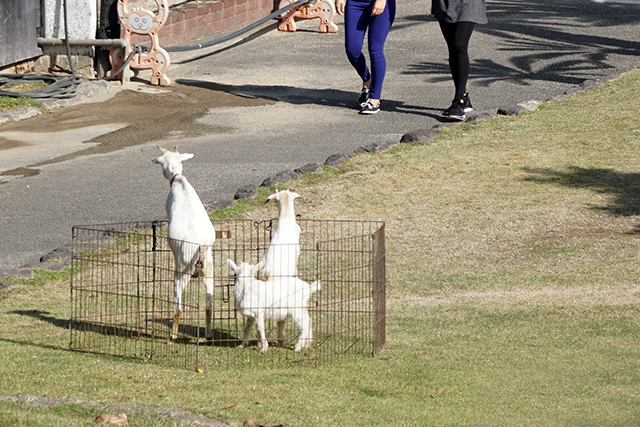
There’s something questionable about how some of the animals are kept, for example, these three goats.
Kamado Jigoku
かまど地獄, 621 Kannawa, Beppu, Ōita, 874-0840, Japan
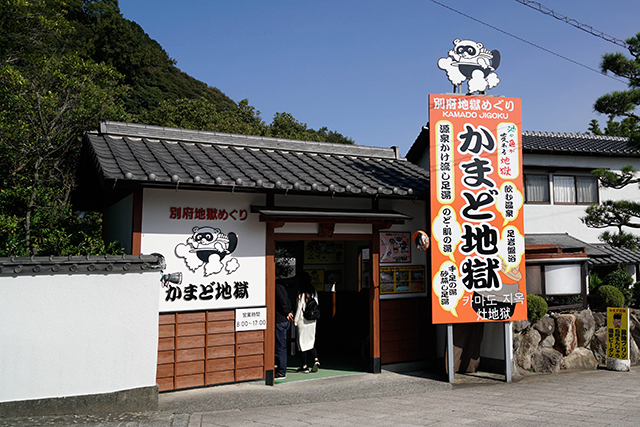
About a 5 minute further down is Kamado Jigoku, the third of the hells that are part of the Jigoku Meguri. This is the western entrance.
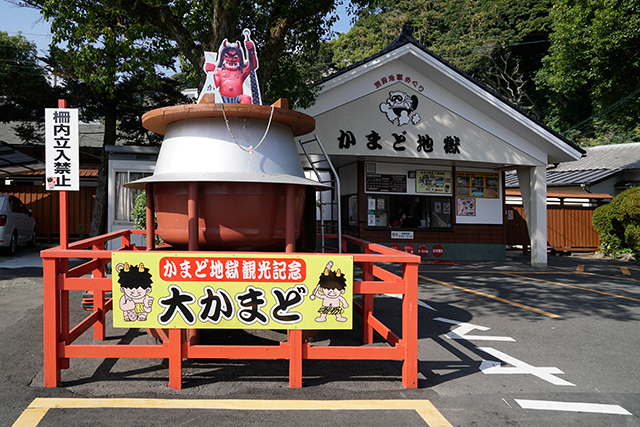
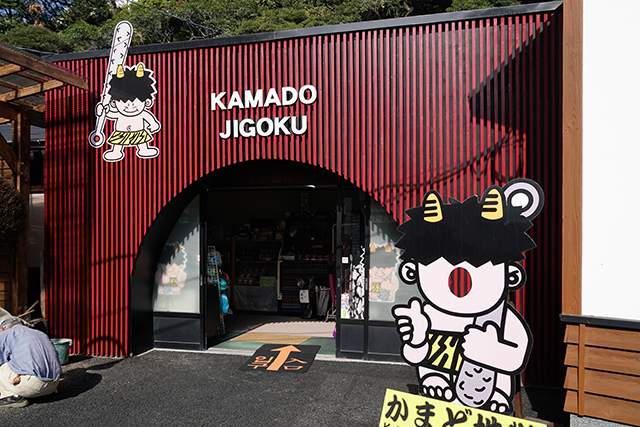
This is the eastern entrance from which we exited.
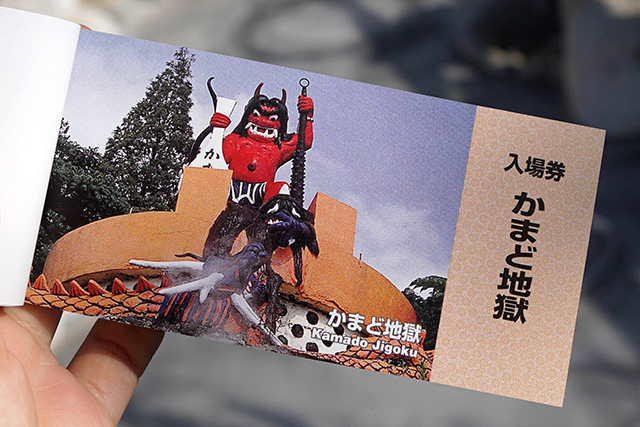
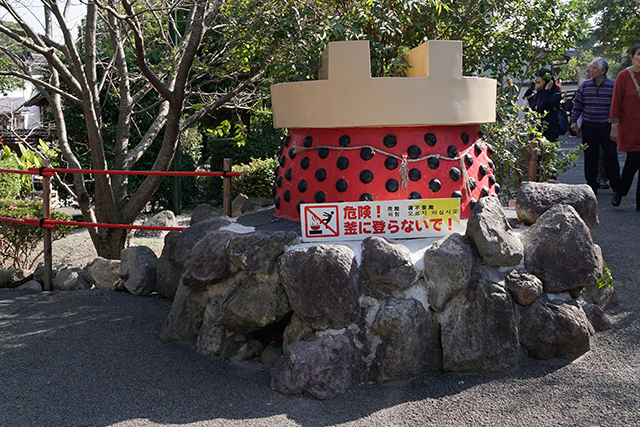
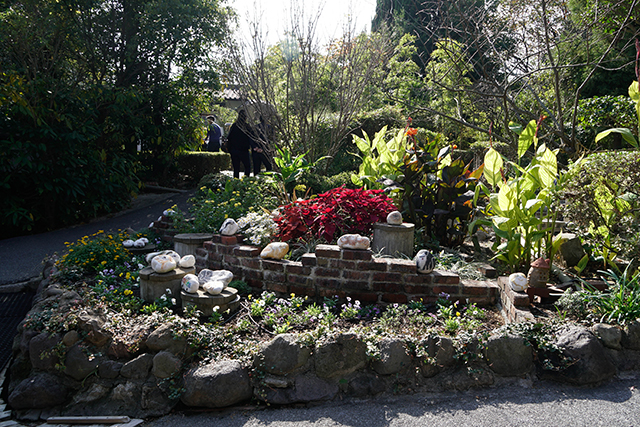
Kamado Jigoku (Cooking Pot Hell) gains its name from the ancient Japanese custom of using the fumarolic gas discharged at 90ºC to steam rice as an offering to the ujigami (guardian god) for the Kamado Hachimangu Shrine Festival. The hell is divided into six ‘districts’.
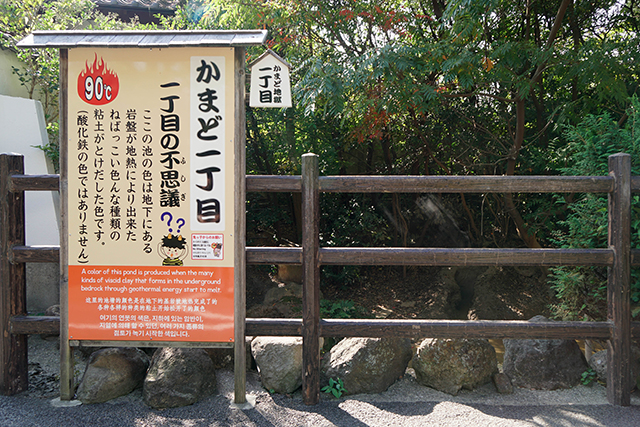
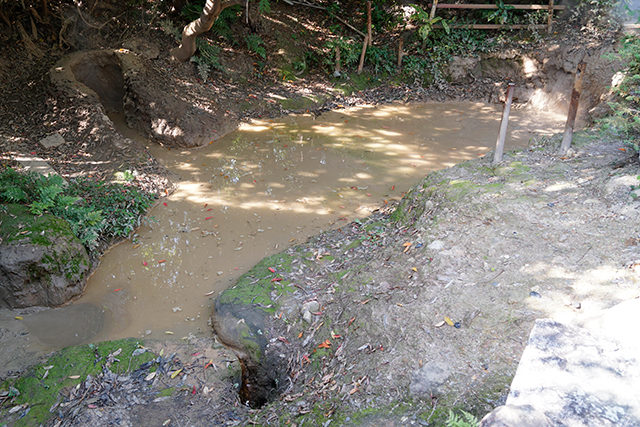
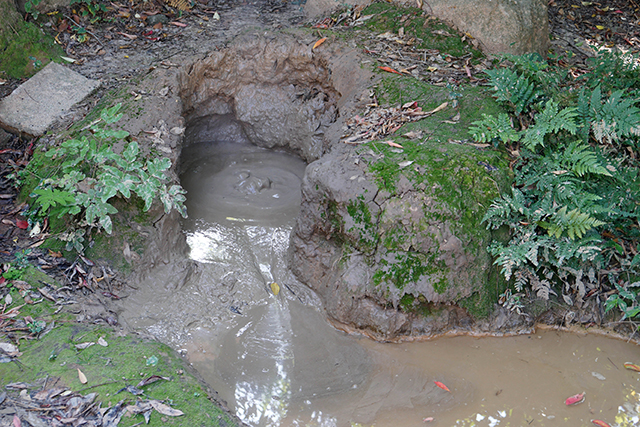
This is the first district, which shows a pool of bubbling mud with a temperature of 90ºC. The colour of the pond is produced when the many kinds of viscid clay that forms in the underground bedrock through geothermal energy start to melt.
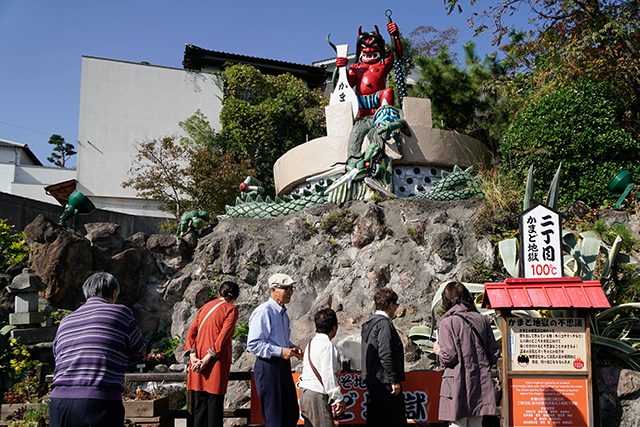
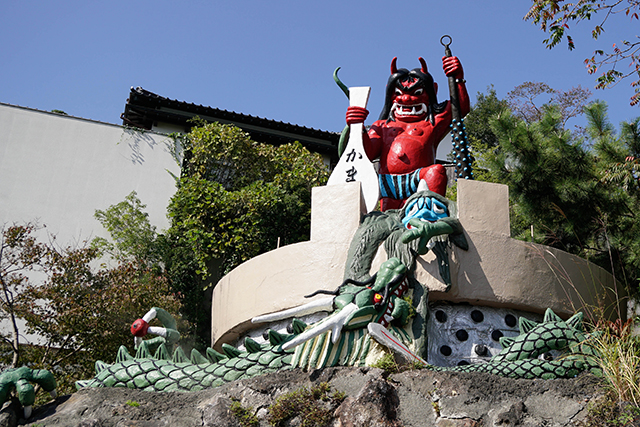
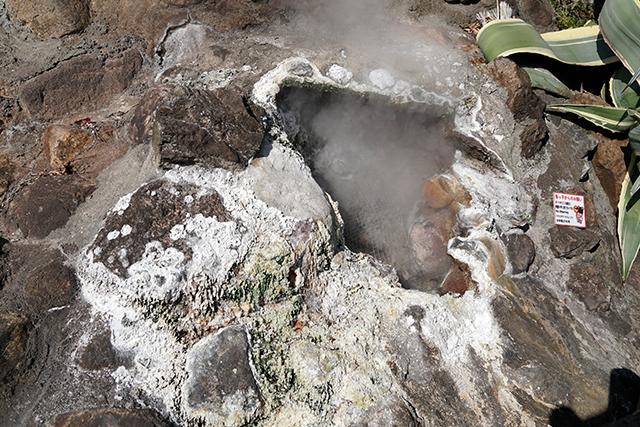
This is the second district featuring an oni standing atop a kamado with a rice paddle and his kanabō. The temperature of the water here is 100ºC. Lighting a match and blowing strongly over the lighted tip towards the steam creates a reaction that increases the amount of steam coming off the water.
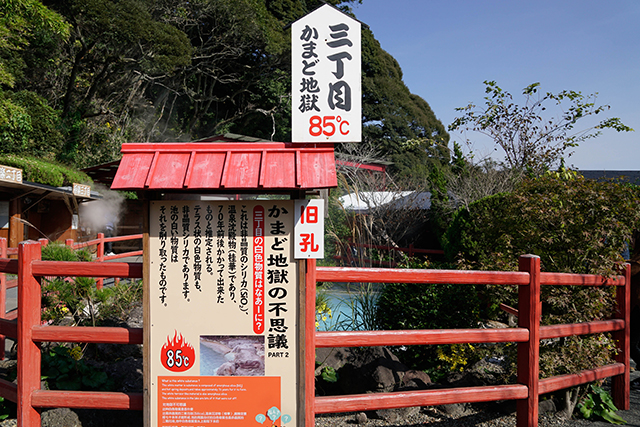
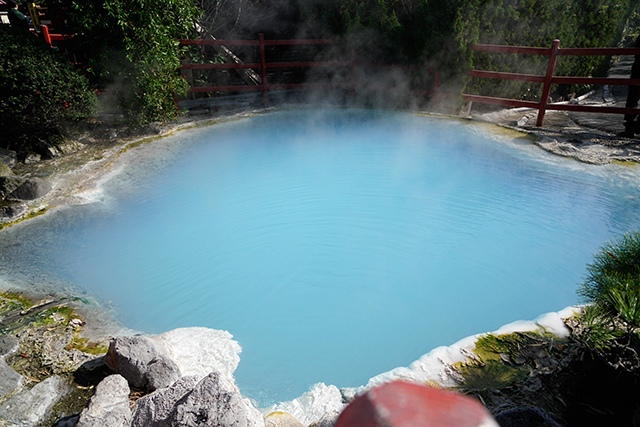
This is the third district, with the edges of the pond covered in a white substance composed of amorphous silica and hot spring deposits that take approximately seventy years to form. The white terrace-like material is also amorphous silica, while the white substance in the lake is the bits that have fallen off. The water temperature here is 85ºC.
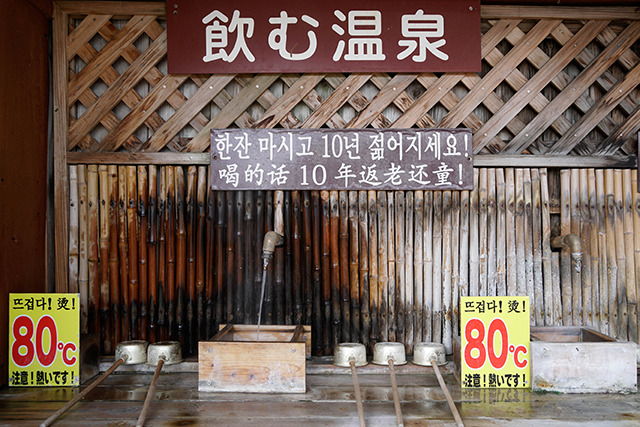
Here, the water from the hot springs is safe for consumption at a temperature of 80ºC.
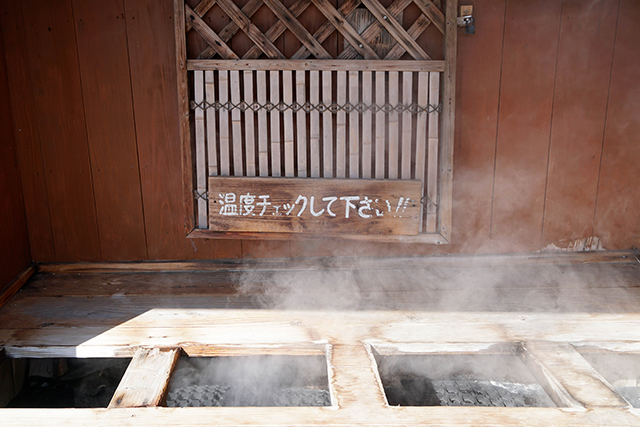
Here, visitors are encouraged the feel the temperature of the steam themselves.
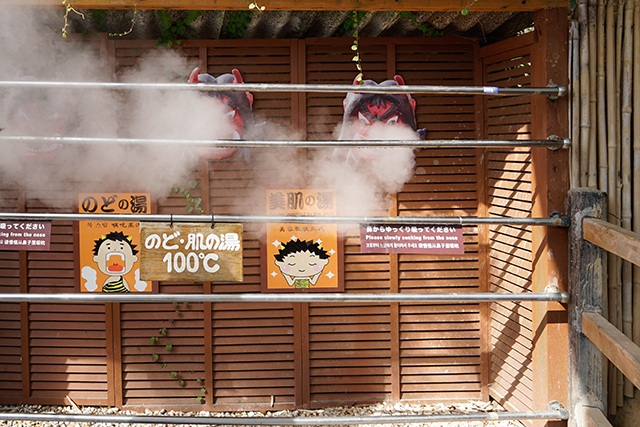
And further along,
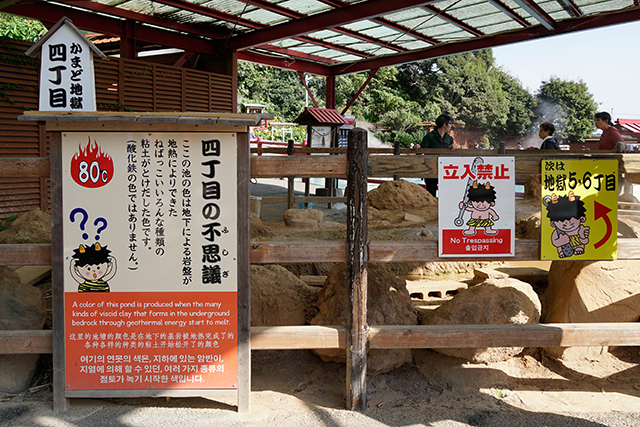
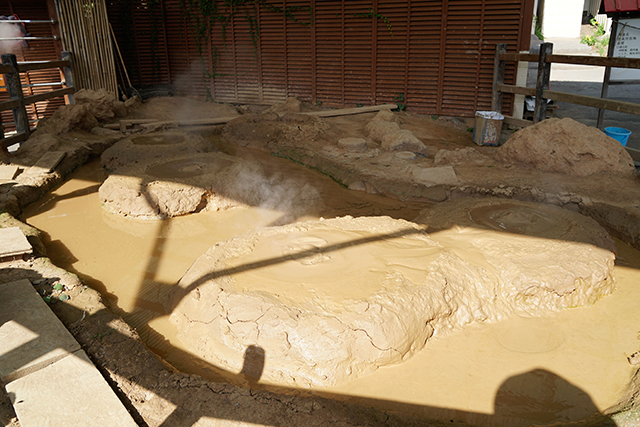
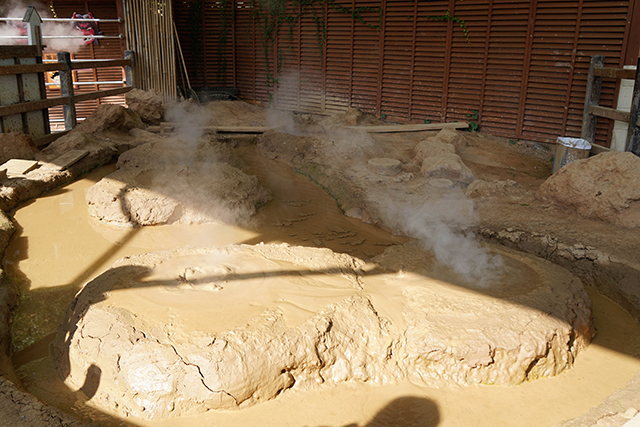
This is the fourth district, which featured more boiling pools of mud, this time at a temperature of 80ºC. Again, the colour comes from the many kinds of viscid clay that forms in the underground bedrock that starts to melt with geothermal energy. As with all the other hells, the steam produced increases with the application of a lit match.
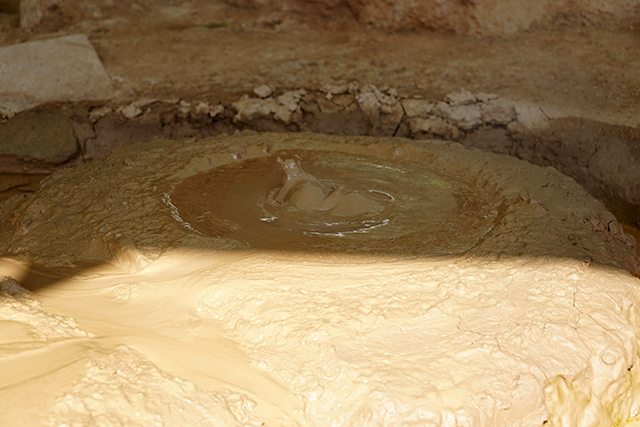
Unlike the ponds at Oniishibozu Jigoku, the more viscous liquid here means they’re less like the shaven heads of monks.
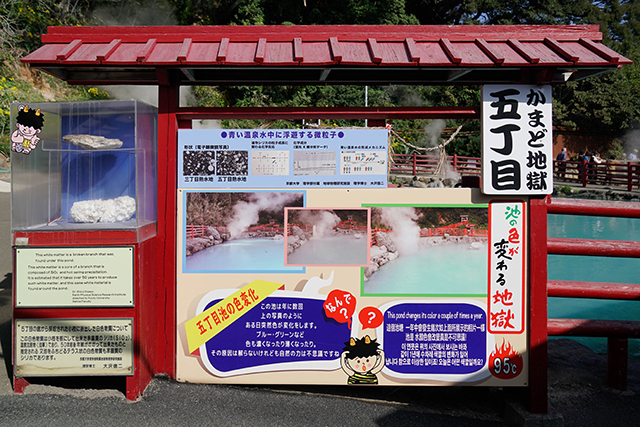
This 5th district is similar to the 3rd district, but this one shows a broken branch of the amorphous silica found at the bottom of the pond. The colour of the pond changes colour throughout the year.
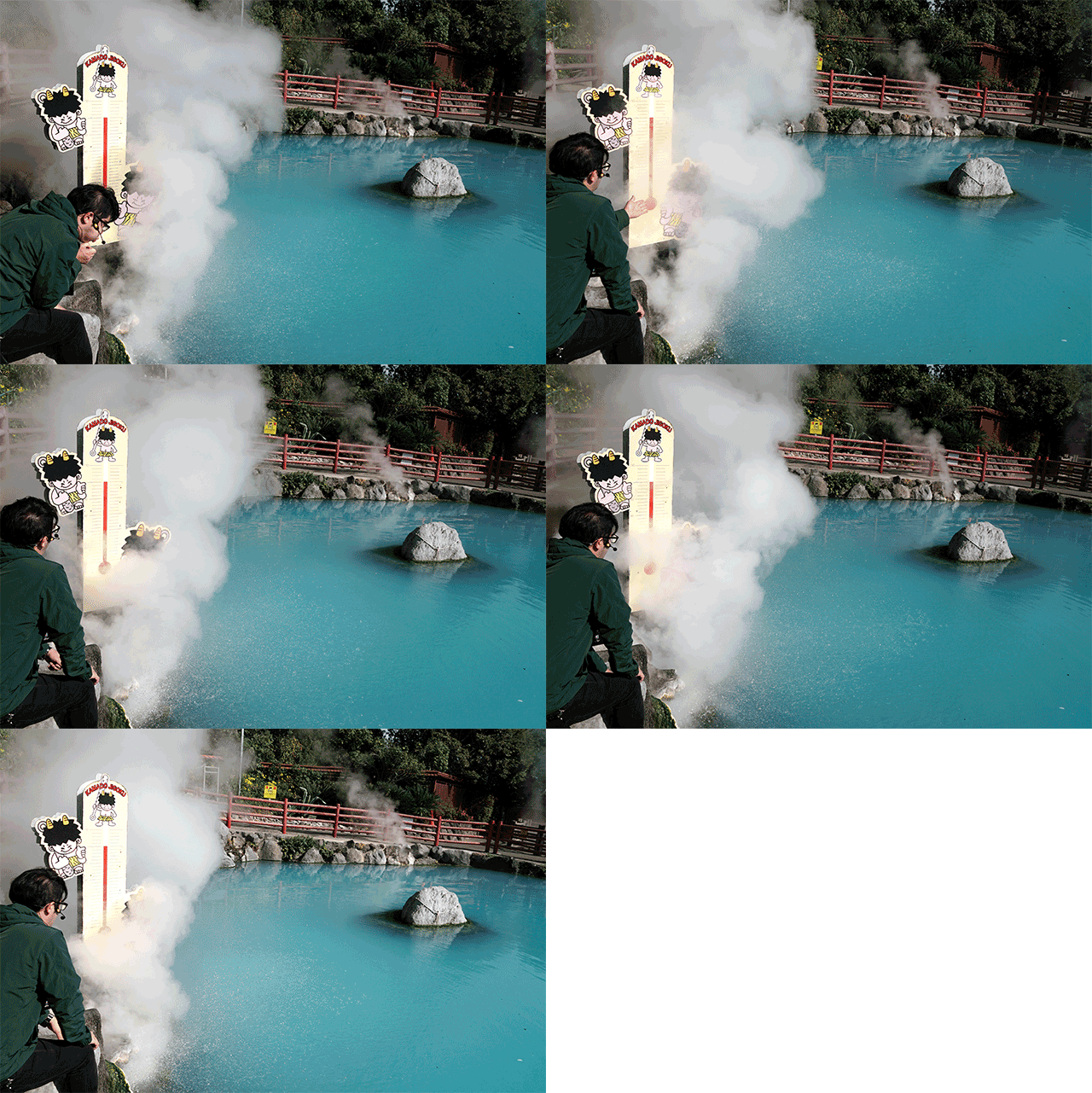
Staff are on hand at Kamado Jigoku to give explanations of each hell and demonstrate the effect of a live flame on the steam production. The explanations are in Japanese, but it’s easy enough to understand.
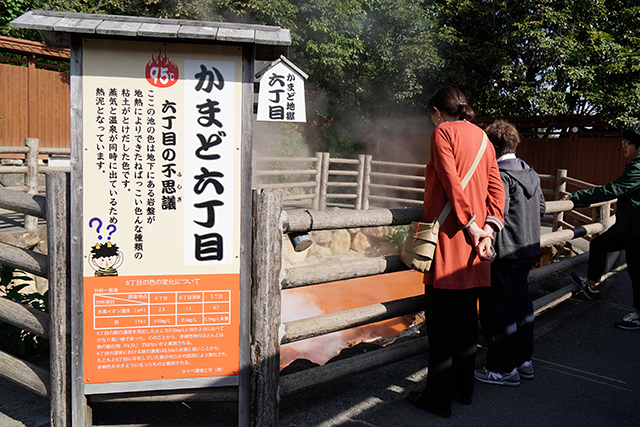
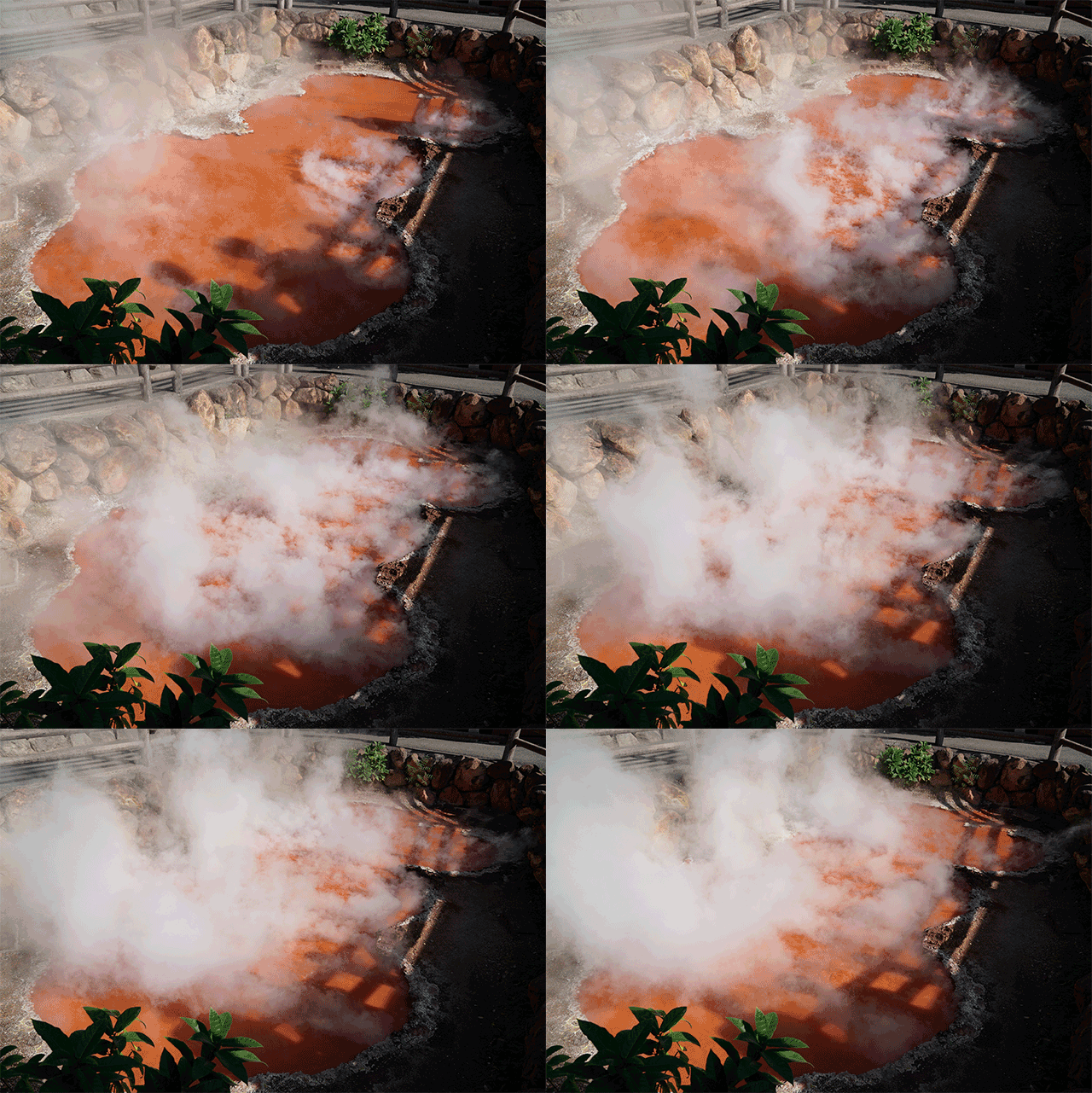
This is the sixth district. The sign explains that the spike in iron concentration when the water transits through 6-chome (pH 2.3, 510 mg of Fe/L) in comparison to the levels at its source in 6-chome (pH 7.5 with 0.5 mg of Fe/L) and 5-chome (pH 6.7 with 10.5 mg of Fe/L).
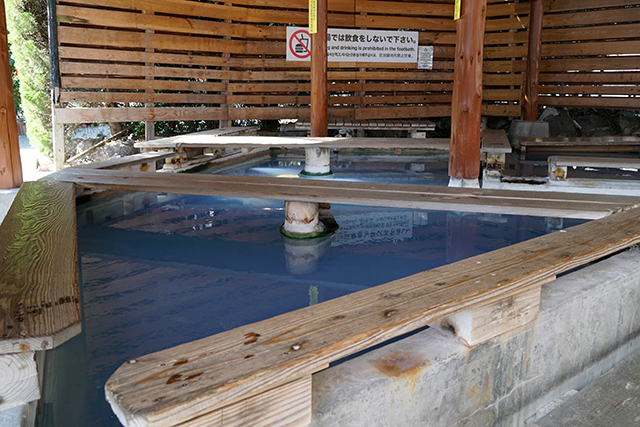
This hell also has a free footbath opposite the store selling onsen themed food.
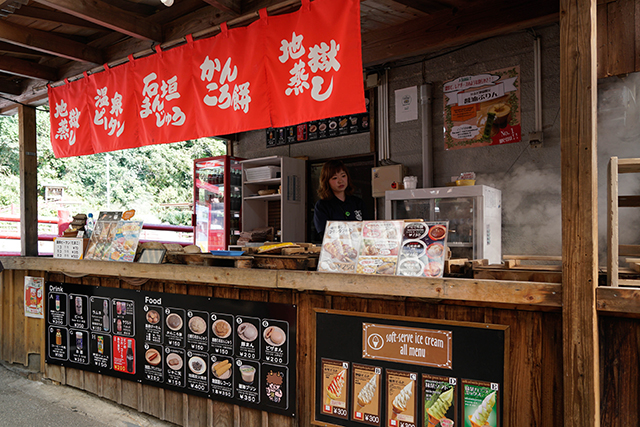
There are all kinds of snacks available including your stable soft serve ice cream, as well as buns, eggs and puddings cooked using the steam from the onsen.
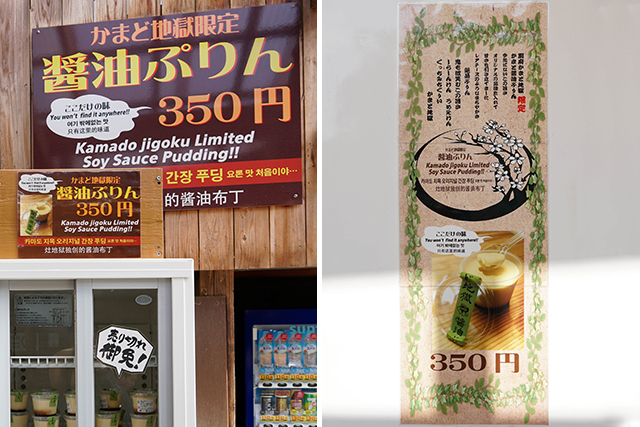
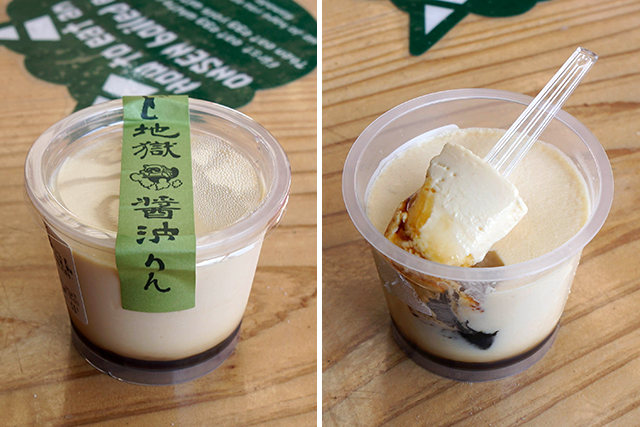
We try the Kamado Jigoku Limited Soy Sauce Pudding (¥350), which had a smooth and silky texture with the darkness of the soy sauce caramel cutting through the sweetness of the pudding most enjoyably.
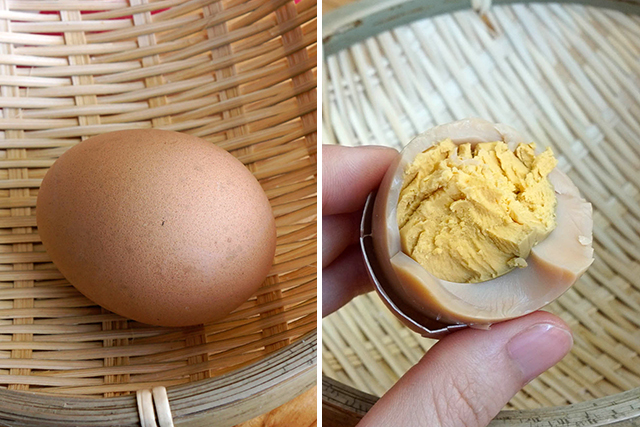
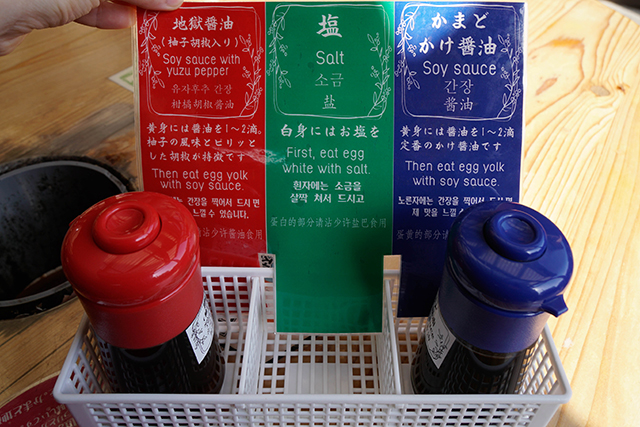
Perhaps from the high concentrations of iron in the water, the onsen eggs at Kamado Jigoku take on a pale brown colour and had something additional to the plain egg flavour, much like boiled eggs braised in soy sauce. Following the instructions provided for best enjoying the egg by eating the egg white with salt, then the egg yolk with soy sauce, we discovered yet more delicious ways to better enjoy hard-boiled eggs.
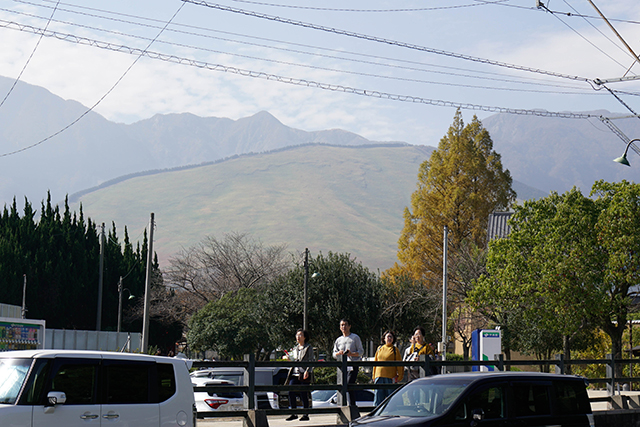
Oniyama Jigoku
鬼山地獄, 625 Kannawa, Beppu, Ōita, 874-0045, Japan
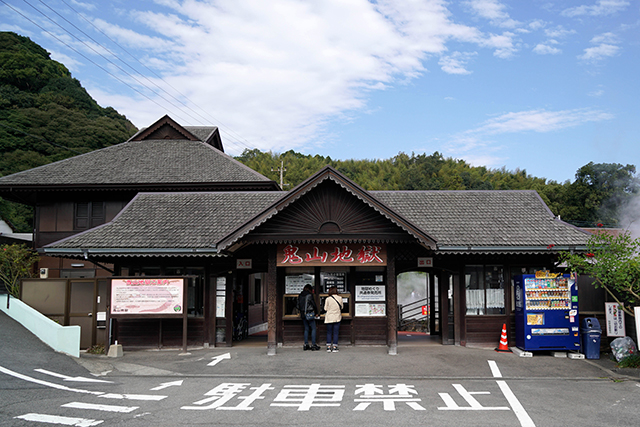
Oniyama Jigoku (or Oni Mountain Hell) is another few minutes walk east.
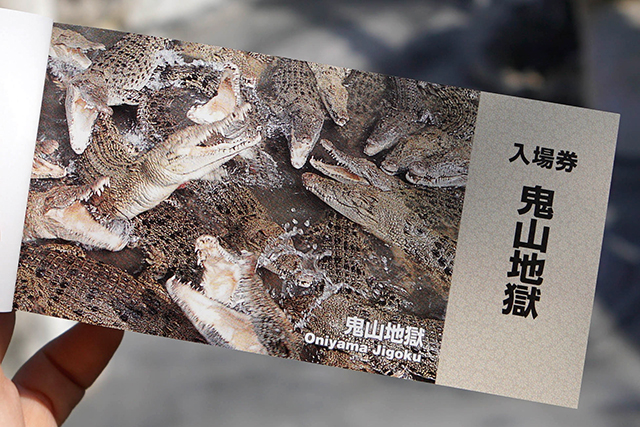
This hell is named after the Oniyama district in which it is found and is also known as Wani Jigoku (Crocodile hell).
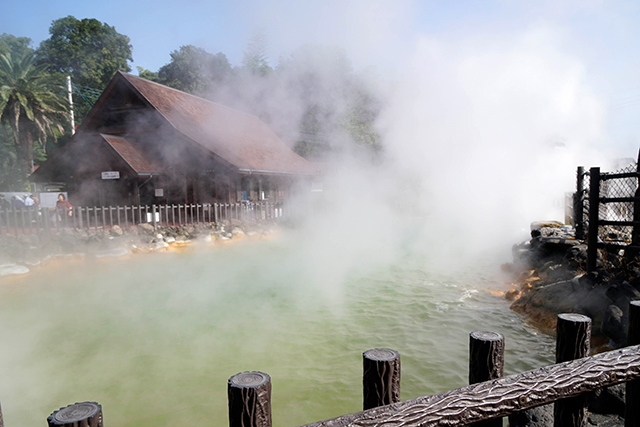
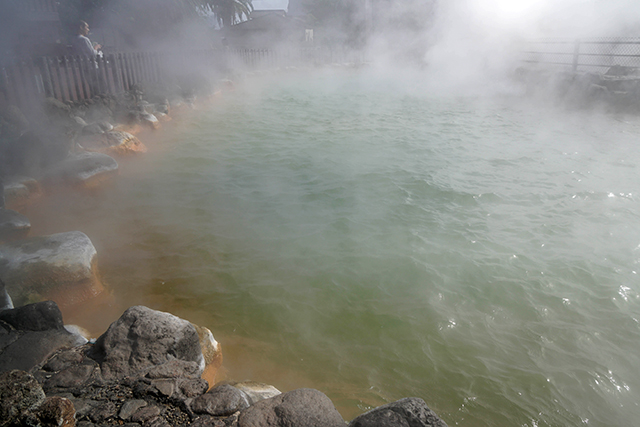
The force of the steam is so strong at Oniyama Jigoku that about one and a half train cars can be pulled by its pressure. The temperature of the water here is 99.1ºC
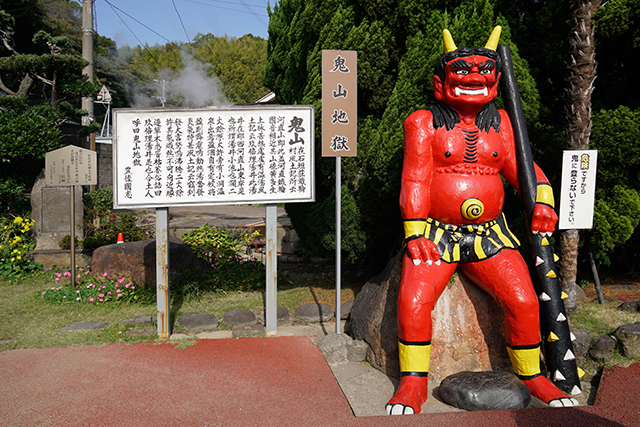
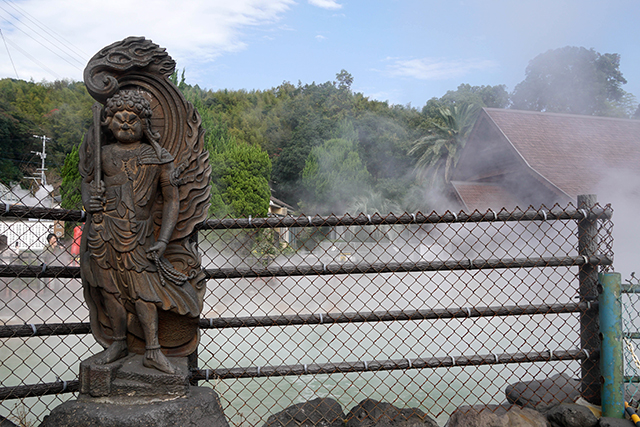
There’s plenty of oni imagery around the hell.
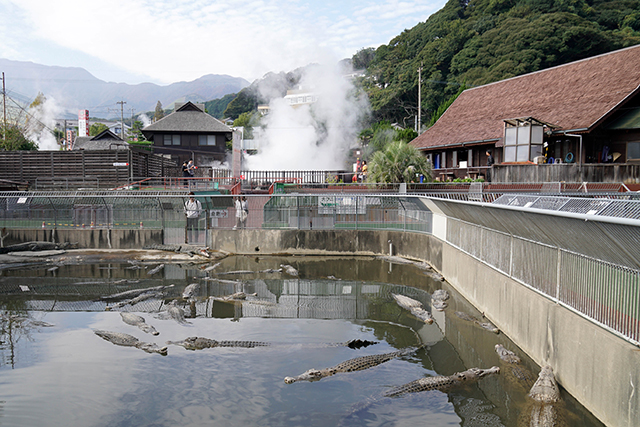
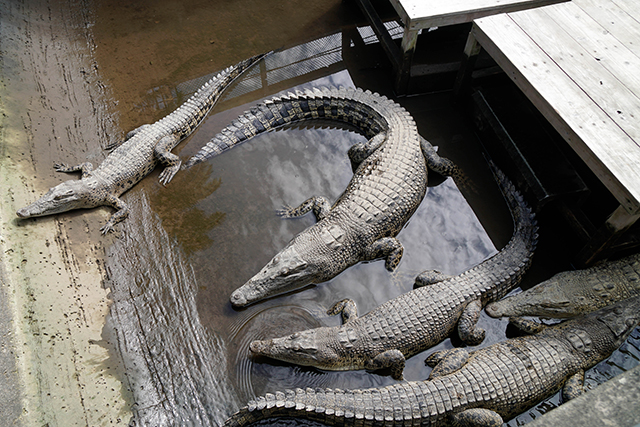
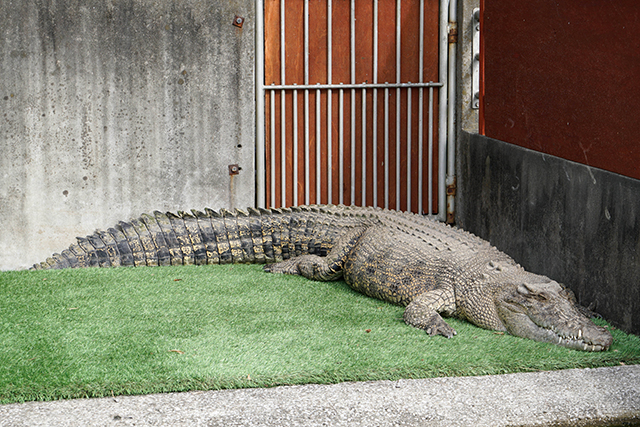
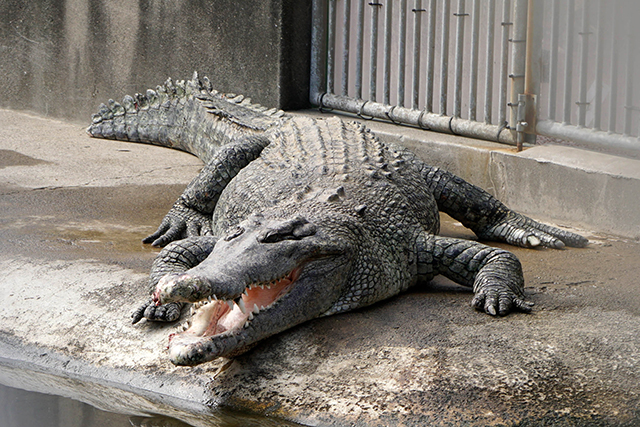
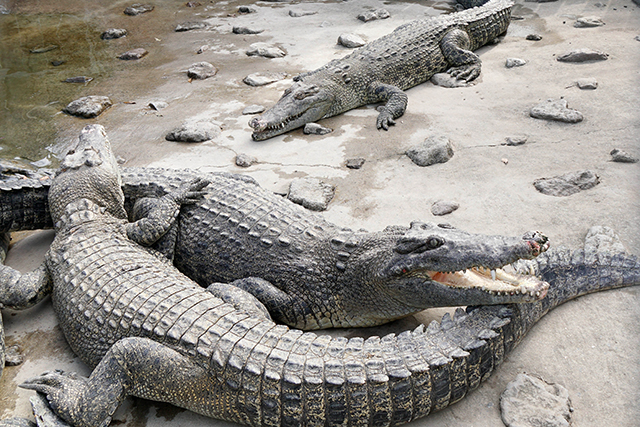
Crocodiles were first bred here in 1923 using the hot spring’s warmth, and today the bask kept here is roughly 100-strong. The heat provides ideal conditions for breeding crocodiles.
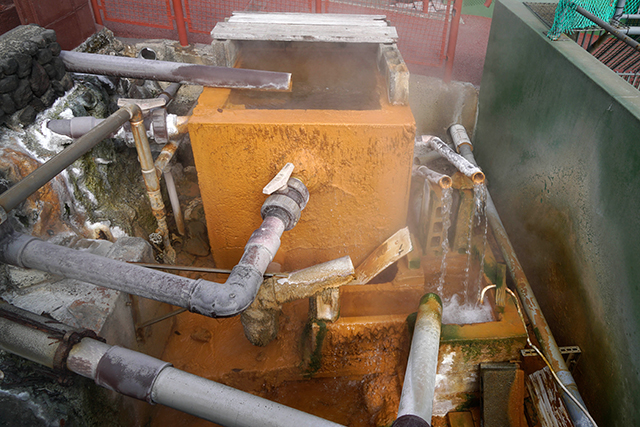
This system of pipes distributes the hot water from the onsen, cooling it down before it reaches the crocodiles.
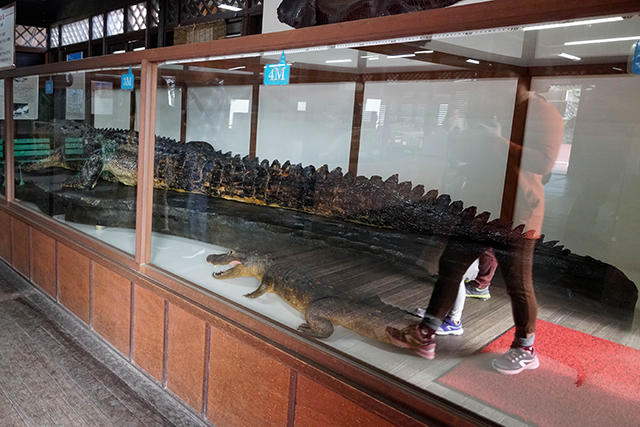
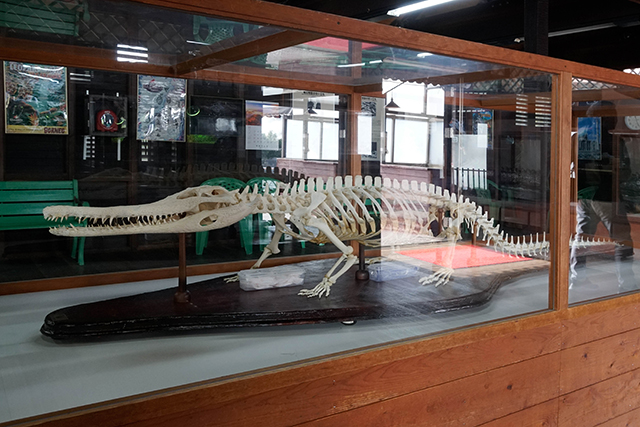
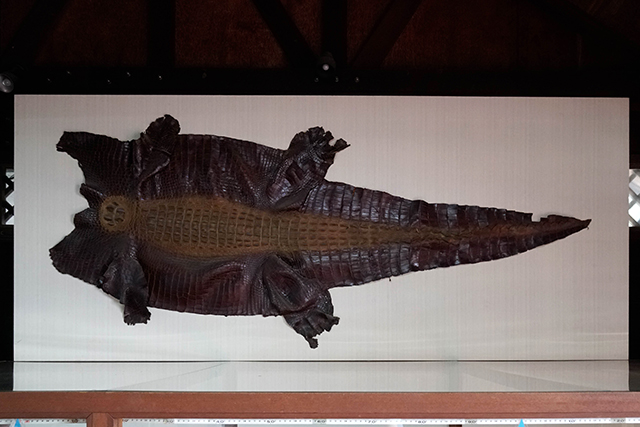
There’s a room displaying a taxidermied crocodile that’s some 5 m in length, as well as the skeleton of a crocodile and its leather skin.
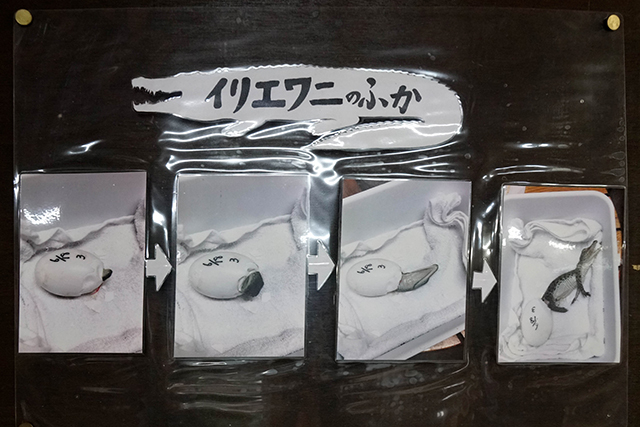
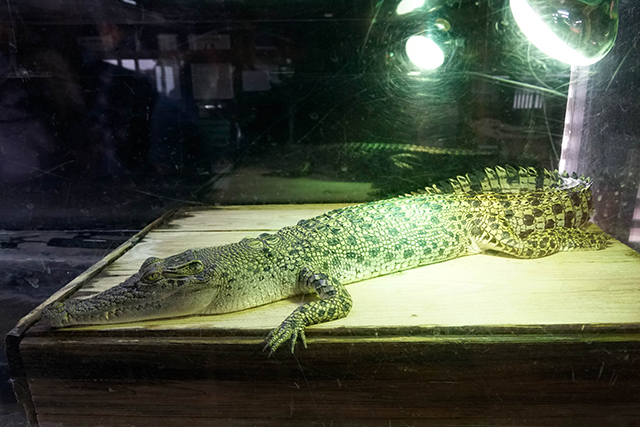
Another corner has a baby crocodile under a heat lamp with photographs documenting its hatching.
Miyukizaka Street
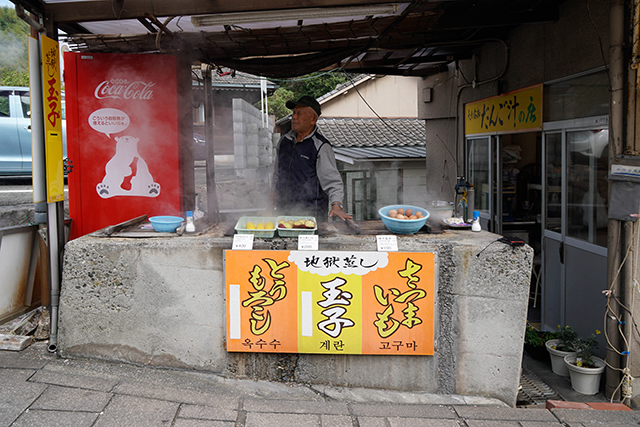
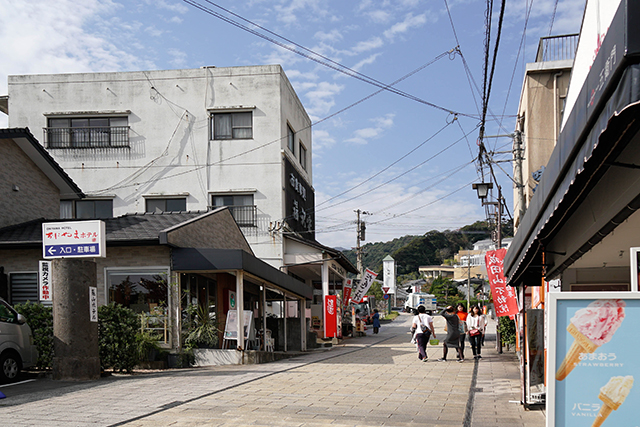
Back on Miyukizaka Street, an elderly gentleman is offering steamed corn, sweet potato and eggs cooked using the underground steam.
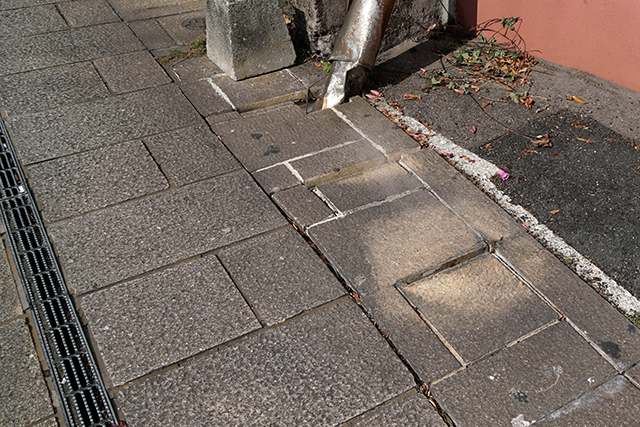
Further along, we see steam rising through openings in the footpath.
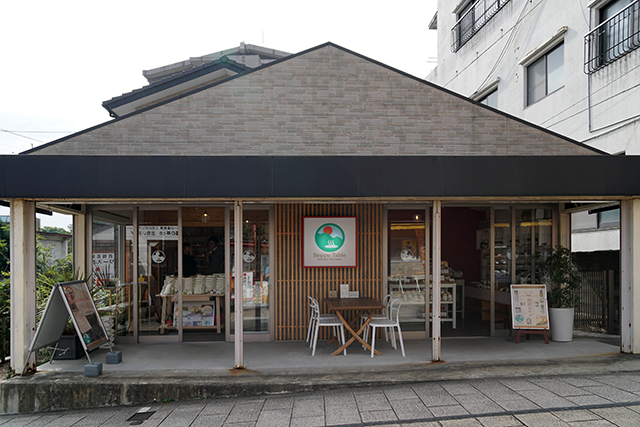
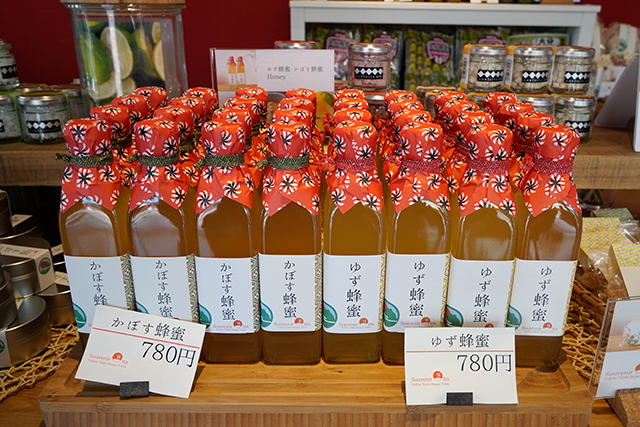
Across the road, we stop by Beppu Table, which specialises in products originating from Beppu. We pick up some kabosu honey and kabosu green tea.
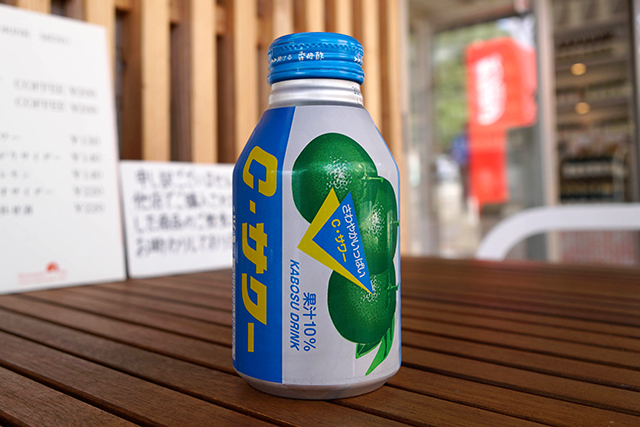
We also pick up this C Sour Kabosu Drink, which contained 10% kabosu juice. The drink had a dry taste without much sweetness but has zesty kabosu flavour.
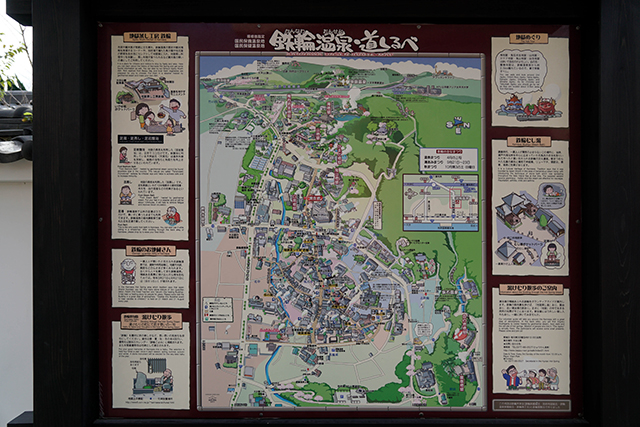
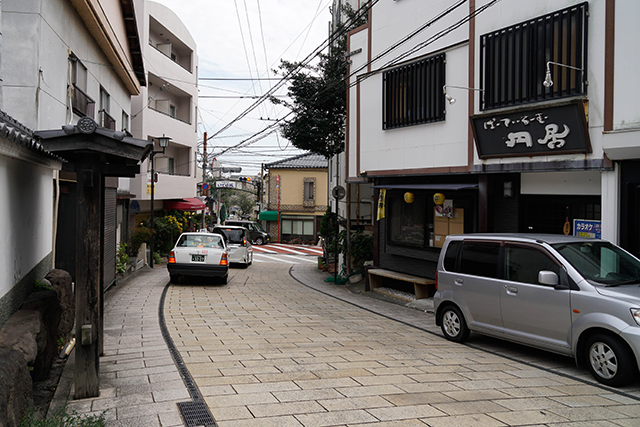
As part of the Jigoku Meguri, signage is abundant around the Kannawa area.
Shiraike Jigoku
白池地獄, 278 Kannawa, Beppu, Ōita 874-0000, Japan
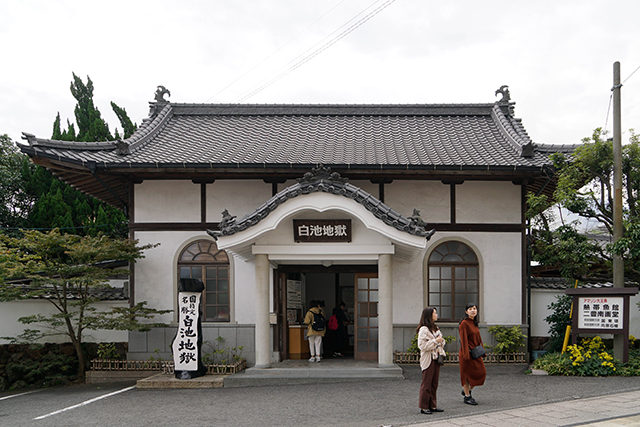
Shiraike Jigoku (or White Pond Hell) is the last of the hells located in the Kannawa District and a further 5 or so minutes down the road from the previous.
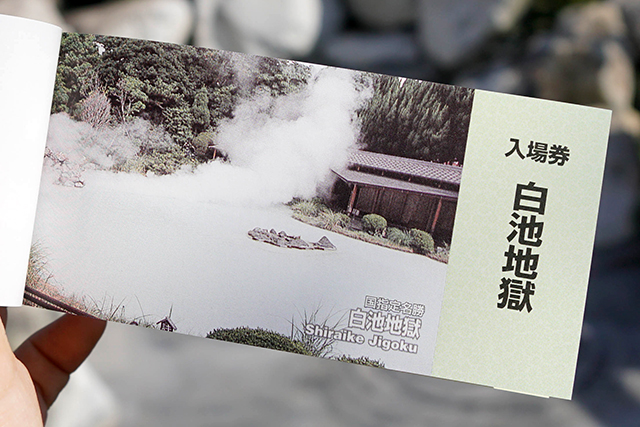
As the name suggests, Shiraike Jigoku featured a pond of hot, milky water. It’s another of the four onsens in Beppu that have been designated as national places of scenic beauty.
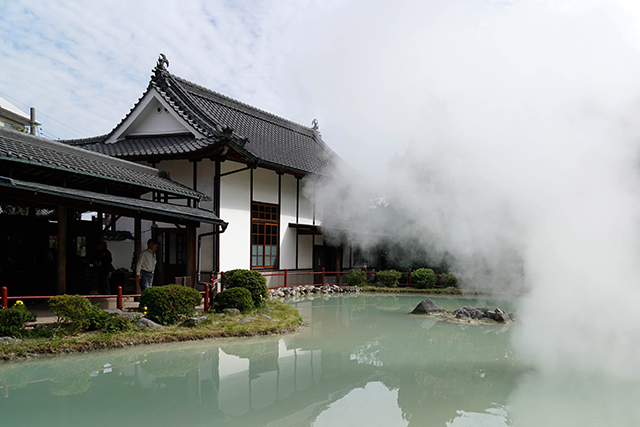
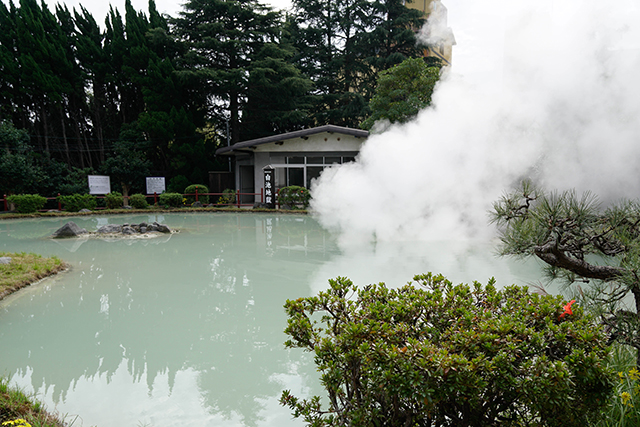
The Shiraike Jigoku is so-called because the colourless water that spouts from the ground naturally turns a bluish-white due to the temperature and pressure drop when it joins the pond waters.
There are elevated areas to enjoy a more expansive view of the hell below.
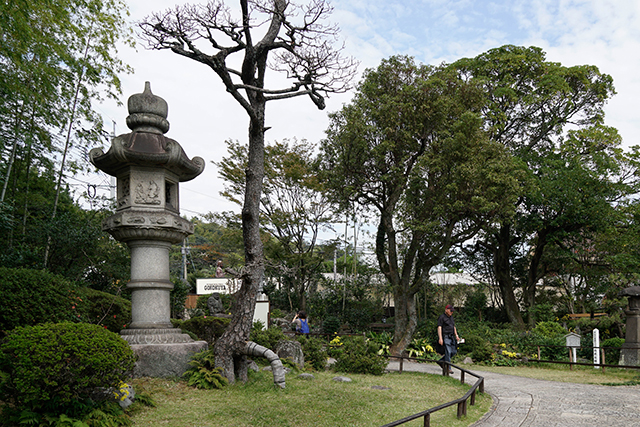
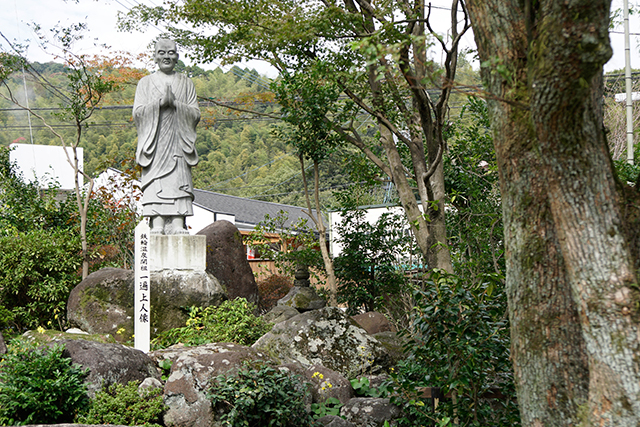
The pond is surrounded by a small garden.
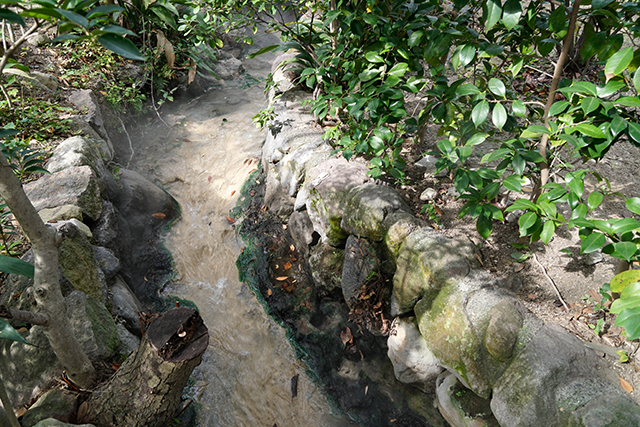
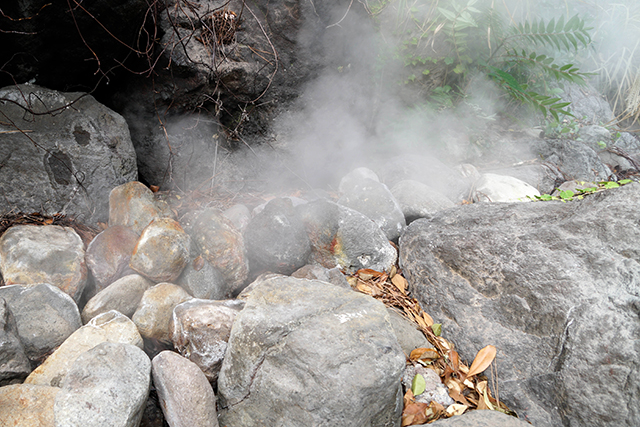
A stream rushes through between the rocks, while steam rises through other parts.
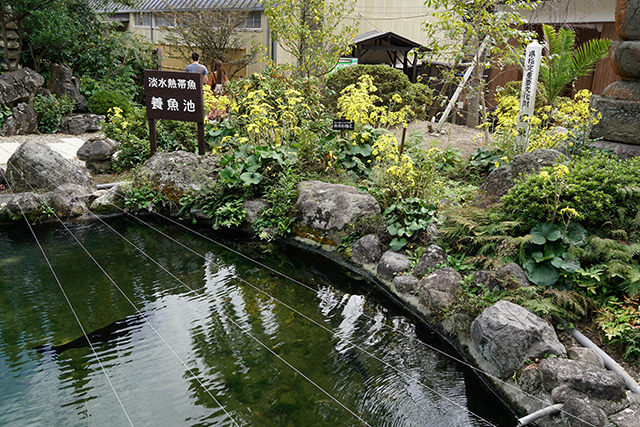
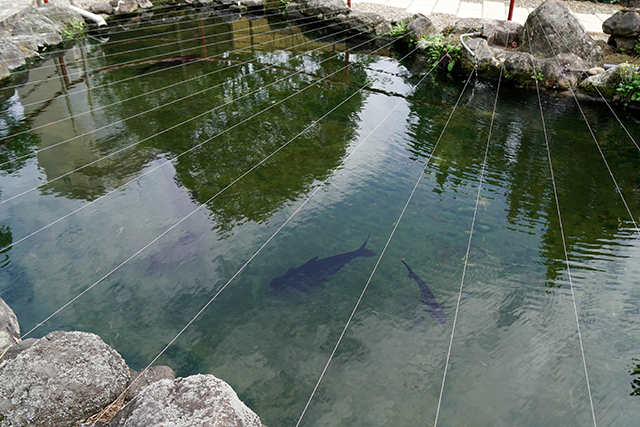
A variety of large-sized tropical fish is kept on the grounds, warmed by its waters.
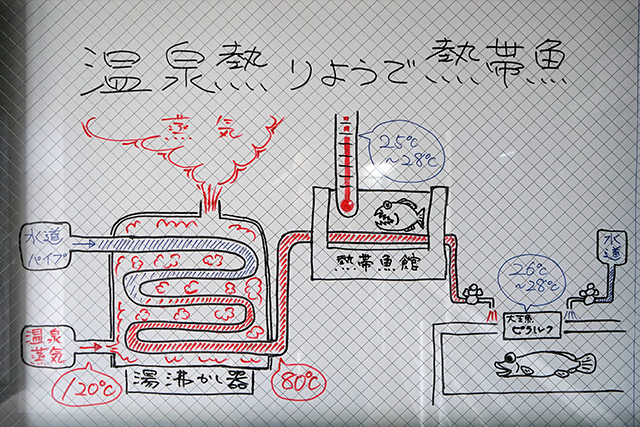
The water contained sodium chloride and boric acid and has a temperature of 95ºC that is cooled along the way before it reaches the fish.
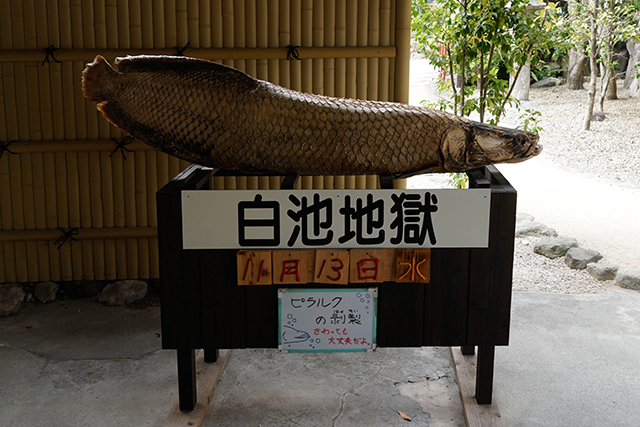
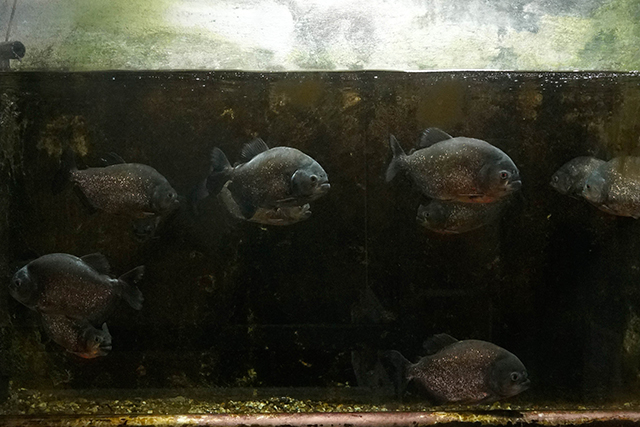
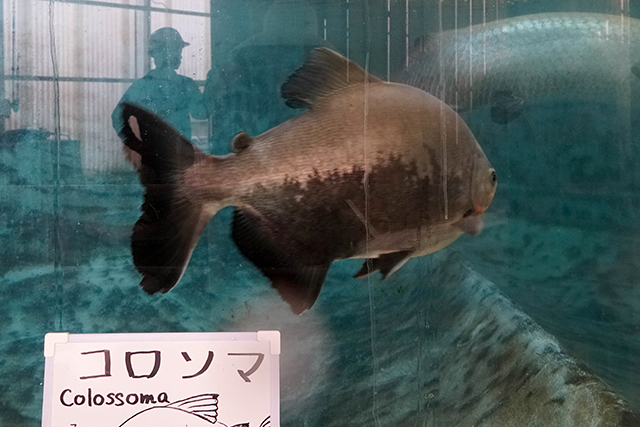
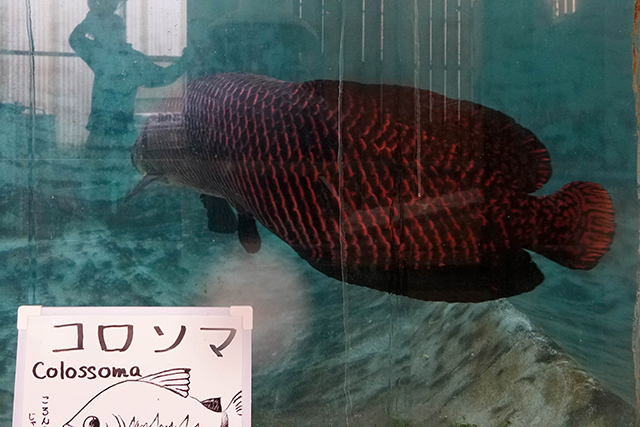
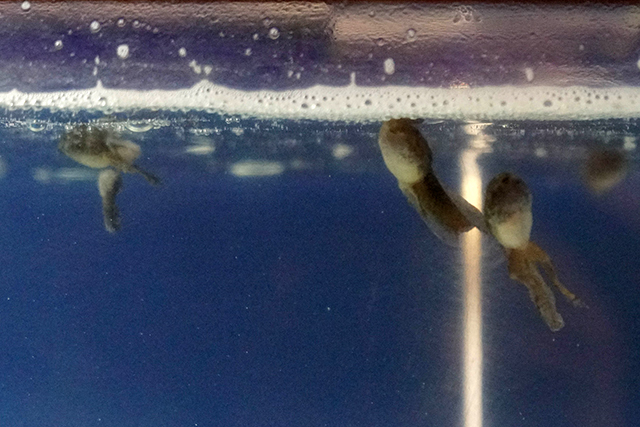
In addition to the fish in the outdoor pond, there’s a small run-down aquarium in two of the buildings around the pond.
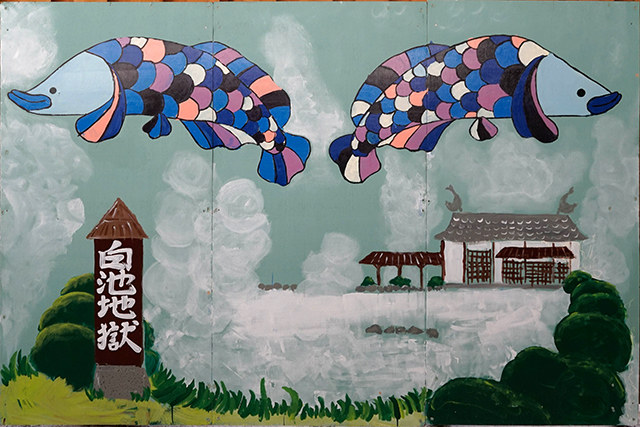
There’s a mural featuring the hell and its accompanying fish…
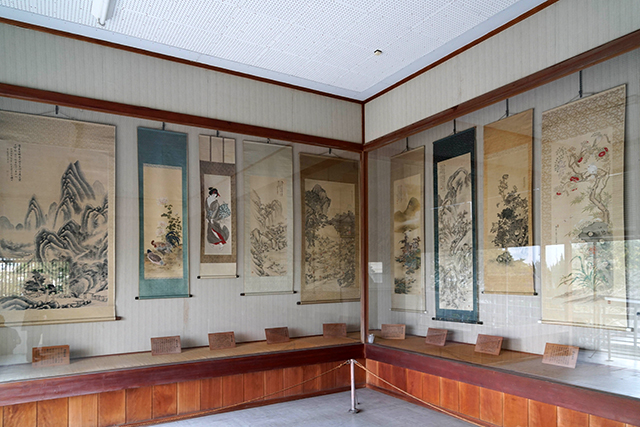
… as well as several scrolls hanging up in the second storey of the aquarium.
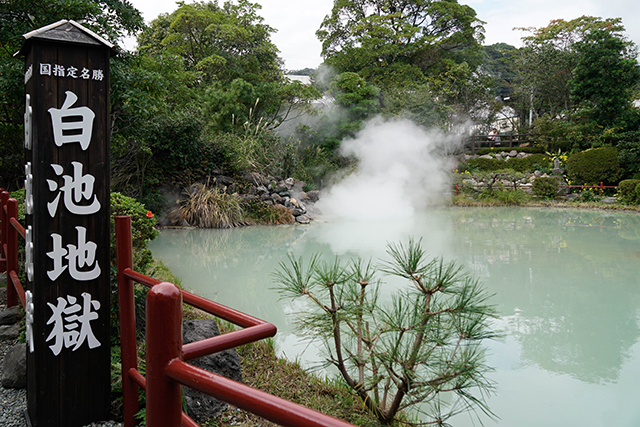
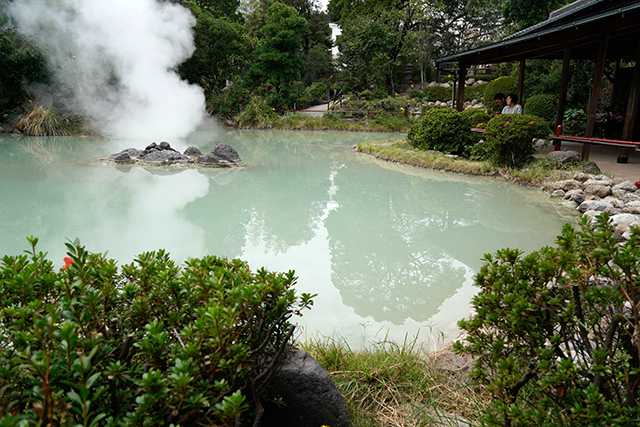
And having looked at the aquarium, we circle back to the original entrance to finish the view of the hell.
Jigoku Mushi Kōbō Steam Cooking Centre
地獄蒸し工房鉄輪, 風呂本, Beppu, Ōita, 874-0044, Japan
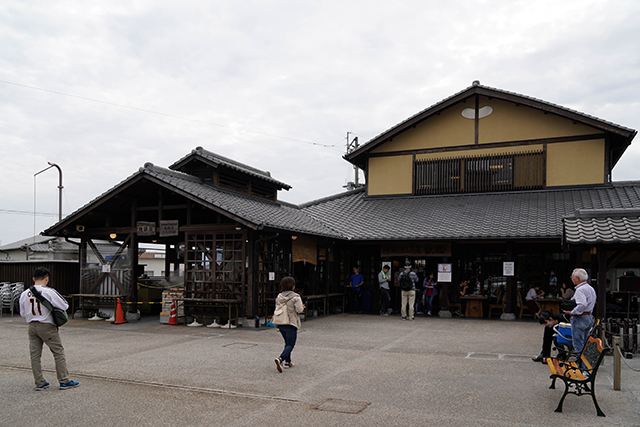
A short walk from Shiraike Jigoku is Jigoku Mushi Kōbō Steam Cooking Centre.
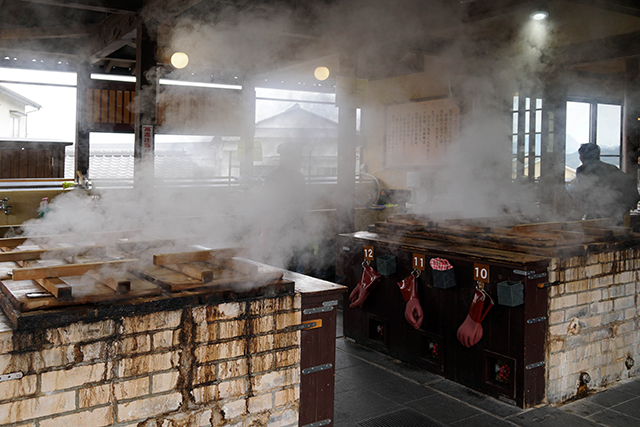
Here, visitors can cook food themselves in the powerful onsen steam.
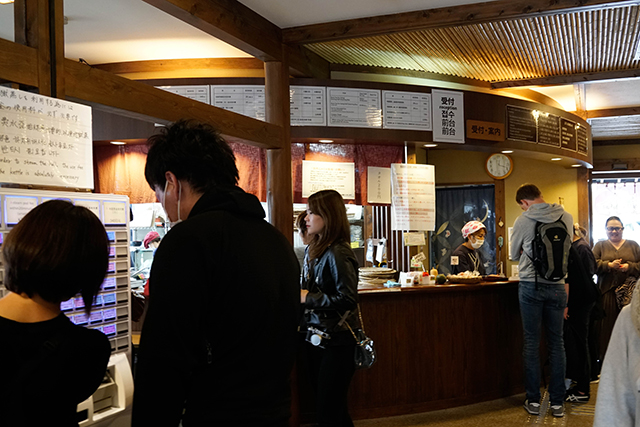
There’s an extensive variety of fish and vegetables available for purchase and subsequent cooking, but the queues are long and D and I aren’t fans of steamed food so after a quick look around we move onto the Shibaseki District for the remaining two hells.
Kannawa Bus Terminal
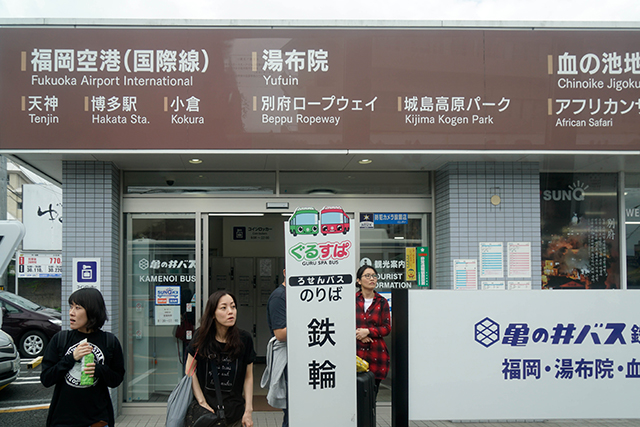
The remaining two hells are located in the Shibaseki district, which is a 6-minute bus ride away or 2.5 km on foot.
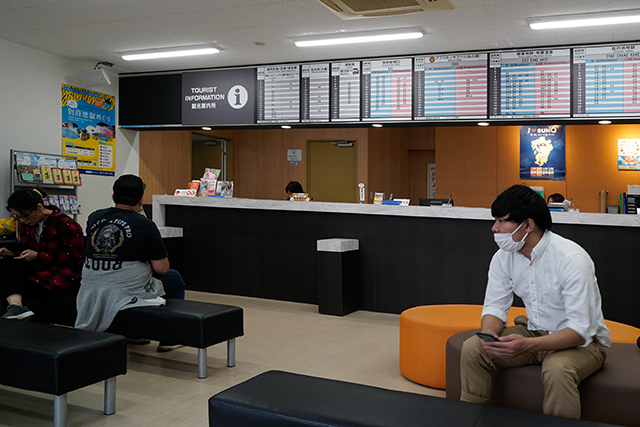
The bus runs every 30 minutes, so we rest for a bit inside the terminal before the next arrival. The staff announce the arrival of the bus in the waiting room.
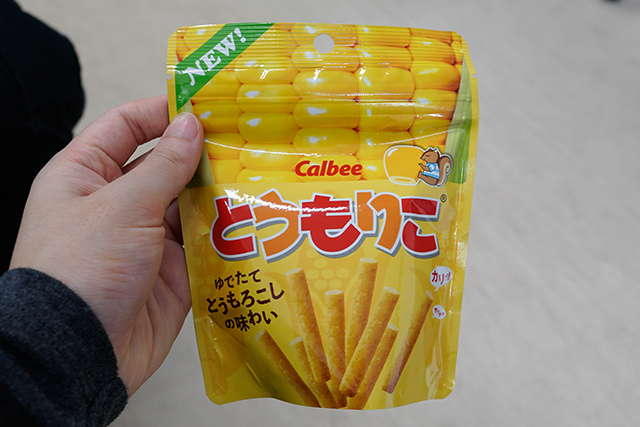
We have a quick snack with this Calbee Toumoriko, which promise the flavour of freshly boiled corn. Upon tasting, they’re much like Calbee Jagariko with the same firm crunch, while the sweet and juicy flavour of fresh corn kernels came through and recalled a fresh creamed corn.
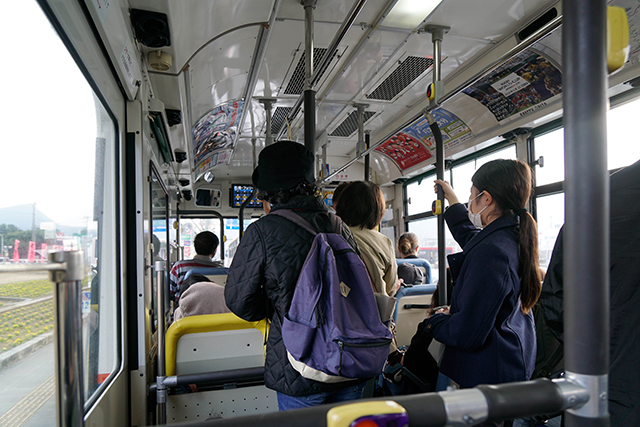
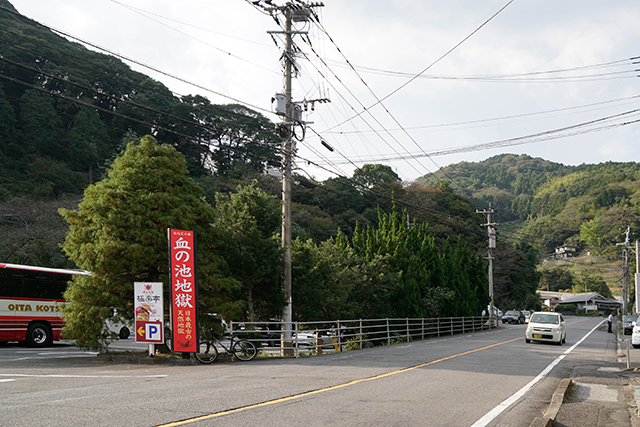
The bus goes by some residential areas before heading down a mountain.
Gokurakutei
お食事処 極楽亭, 780 Noda, Beppu, Ōita 874-0016, Japan
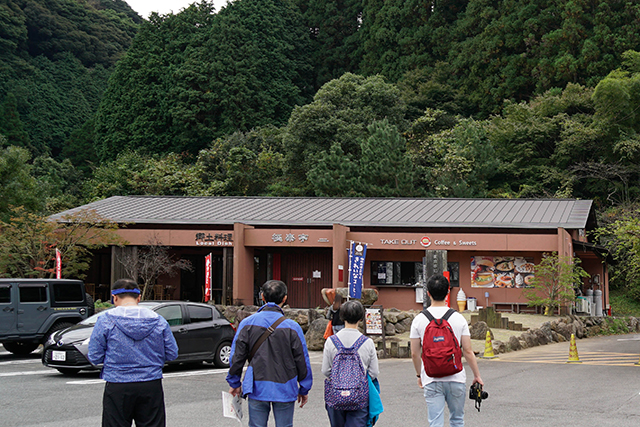
The bus stop is located opposite Chinoike Jigoku, one of two hells in the Shibaseki area. Before heading to the hell, we make our way to Gokurakutei for a quick bite.
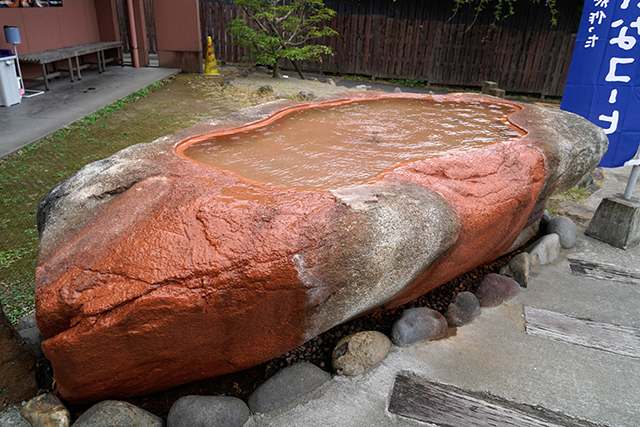
The water feature at the front of the restaurant gave us a taste of what’s to come at Chinoike Jigoku.
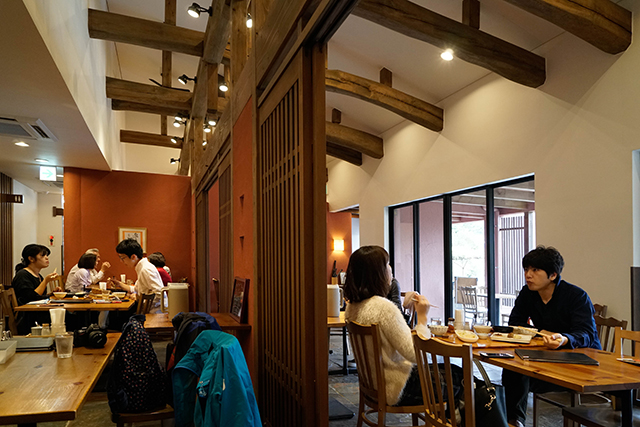
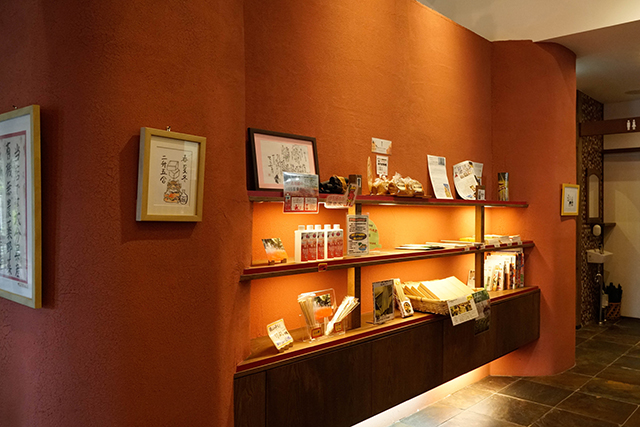
The interior of the restaurant follows on with the iron ochre colour of the nearby jigoku.
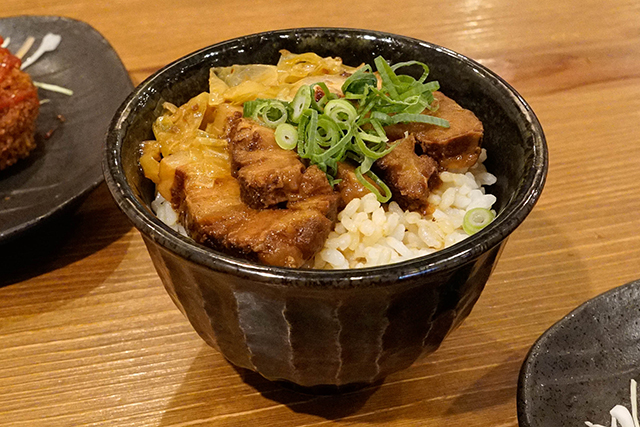
This their mini buta kakuni don (¥450 +tax), which tastes like a decent broiled pork belly, although the meat was a touch on the dry, overcooked side.
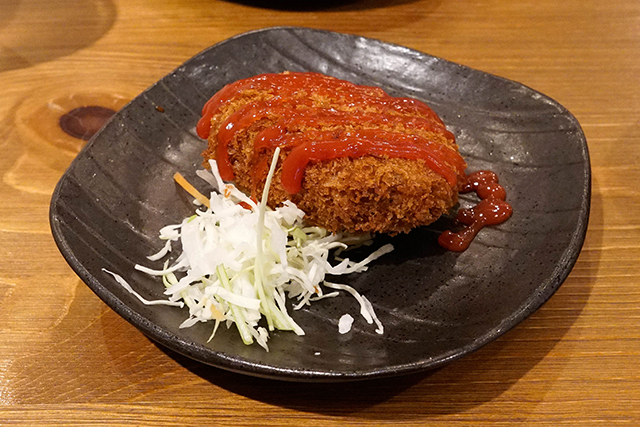
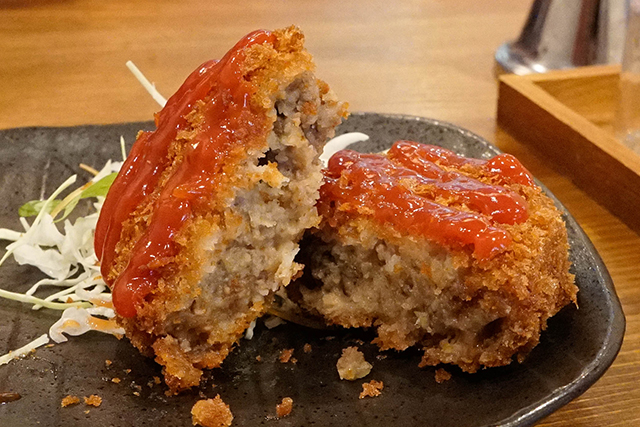
This is their beef croquette (¥300). We ordered three of these and enjoyed the crispness of the exterior which was not at all oily and contrasted well with the softness of the mashed potato and beef mince inside.
Chinoike Jigoku
血の池地獄, 778 Noda, Beppu, Ōita 874-0016, Japan
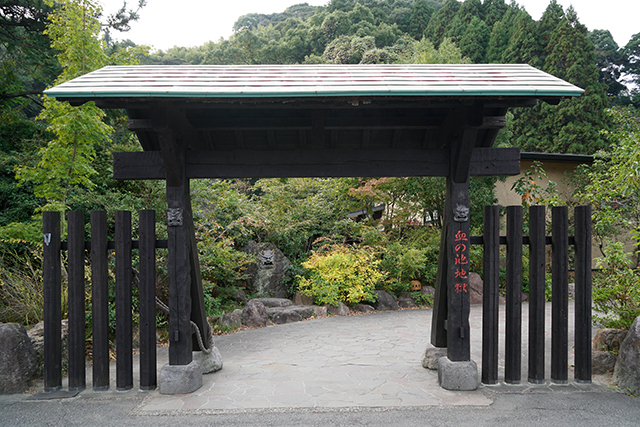
After lunch, we head over to Chinoike Jigoku (Blood Pond Hell) next door.
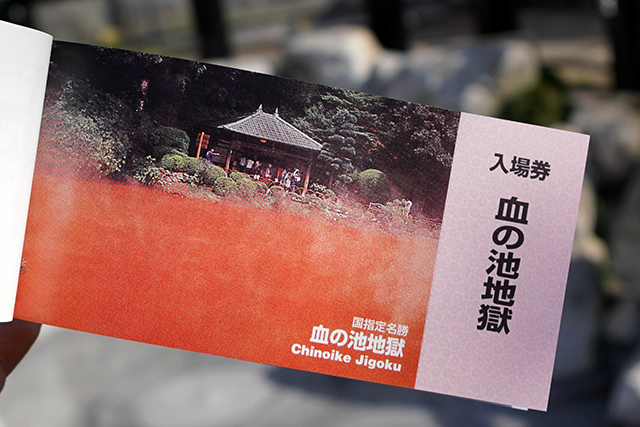
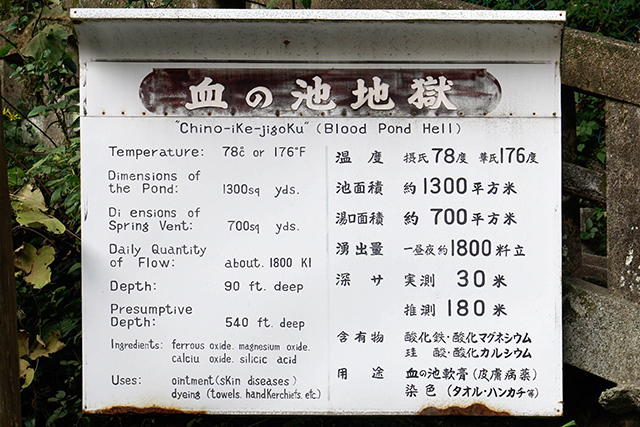
Chinoike Jigoku is the oldest natural hell in Japan and noted the Bungo Topography as ‘Akayusen’. It’s another of the four hells in Beppu that have been designated as a national place of scenic beauty.
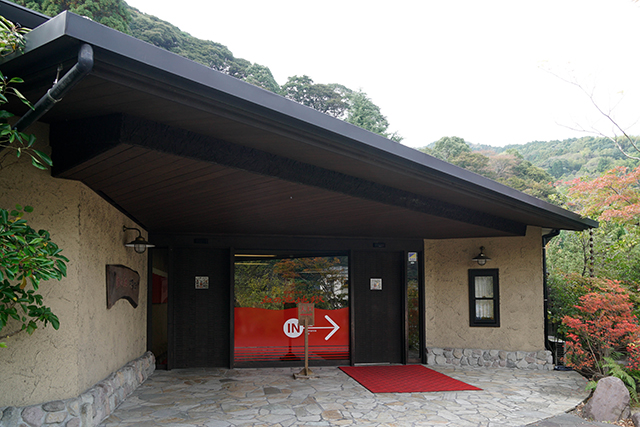
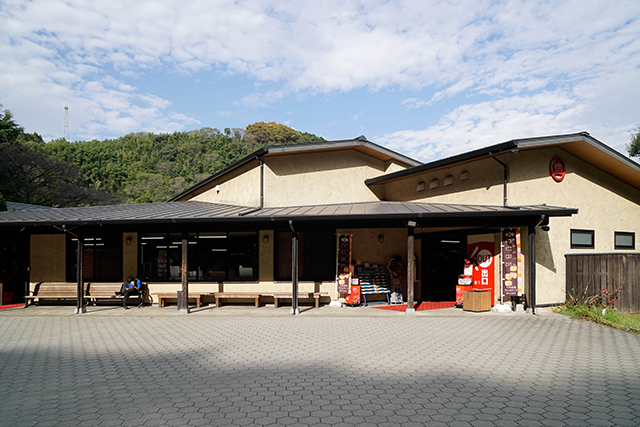
Entry is via a sizeable souvenir shop selling all kinds of specialty goods from Ōita and Beppu.
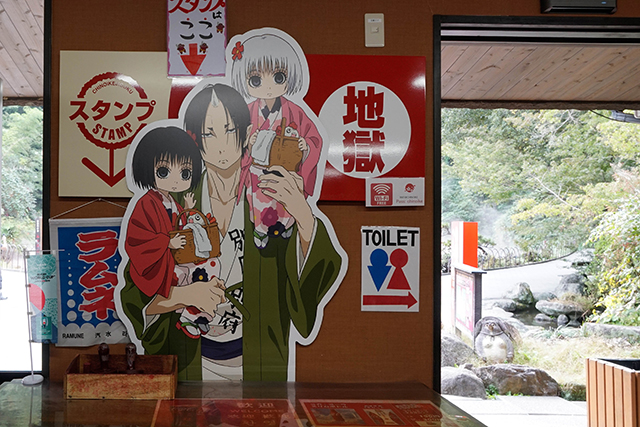
Inside we find the first reference to Hoozuki no Reitetsu, one of our all-time favourite anime series that revolves a demon who works for the King and Head Judge of Hell. Unfortunately, there’s no merchandise to be found.
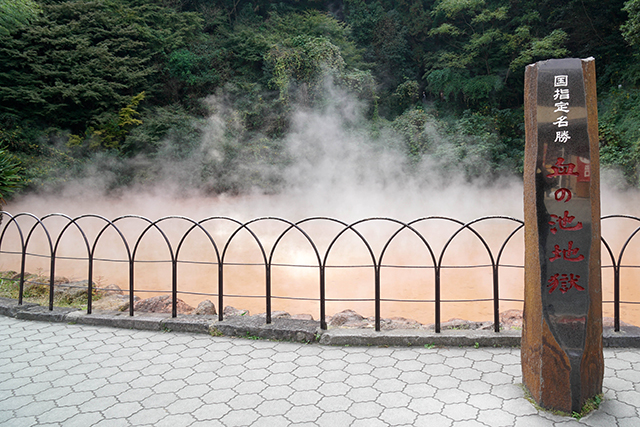
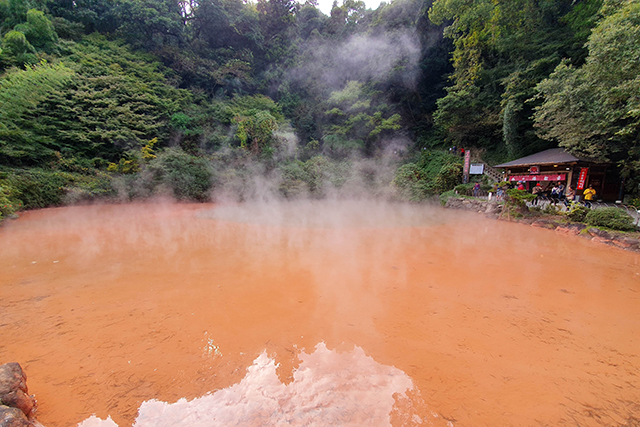
The pond lies beyond the souvenir shop
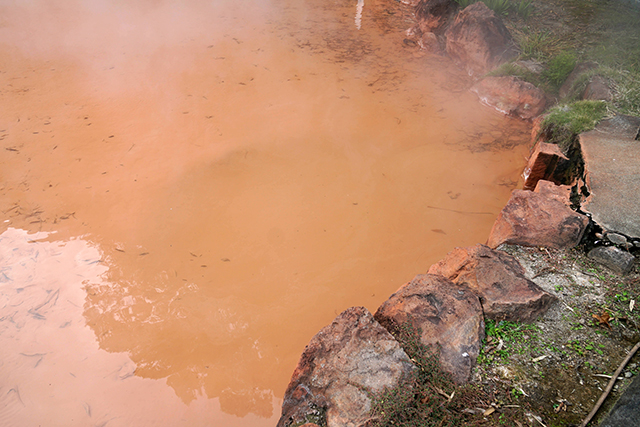
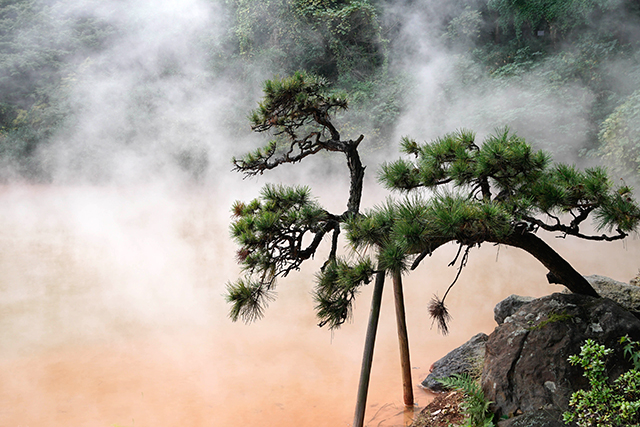
Hot red clay containing iron oxide and magnesium oxide in the stratum undergoes a spontaneous chemical reaction under high temperature and high pressure underground before accumulating and erupting to dye the pond red.
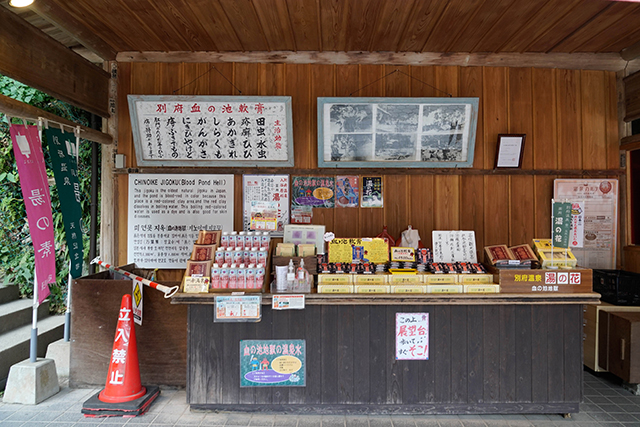
There’s a stall selling Chinoike ointment, which is made from the red clay produced at the pond and touted as being effective for skin diseases.
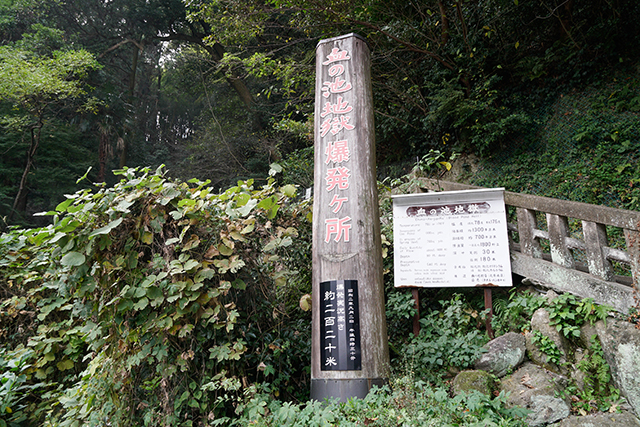
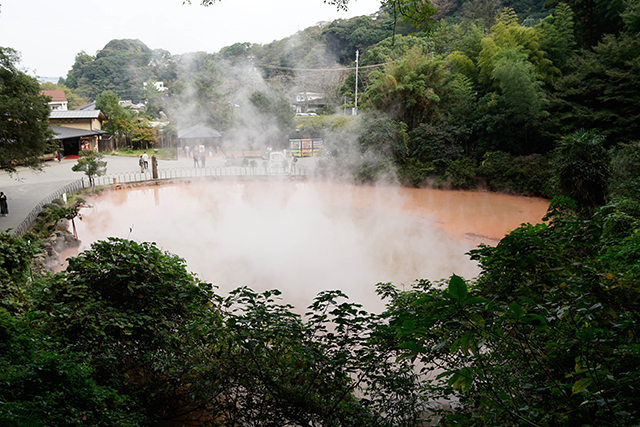
A small staircase rises behind the pond to give viewers a more panoramic view of the pond.
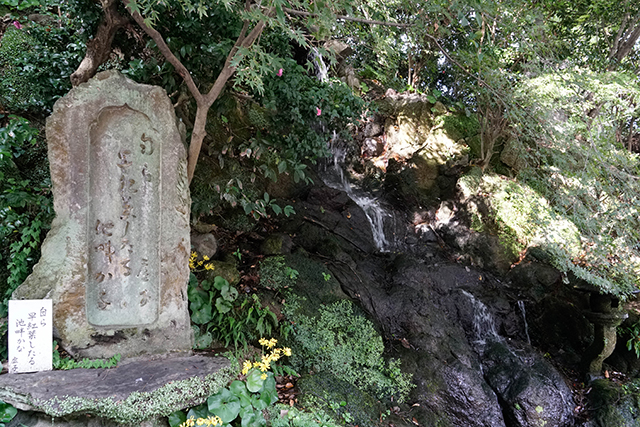
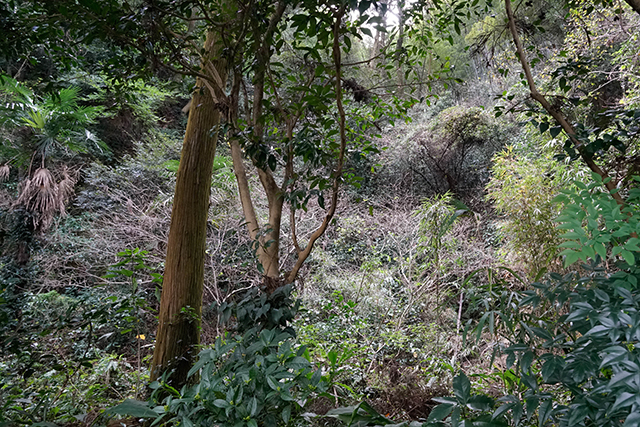
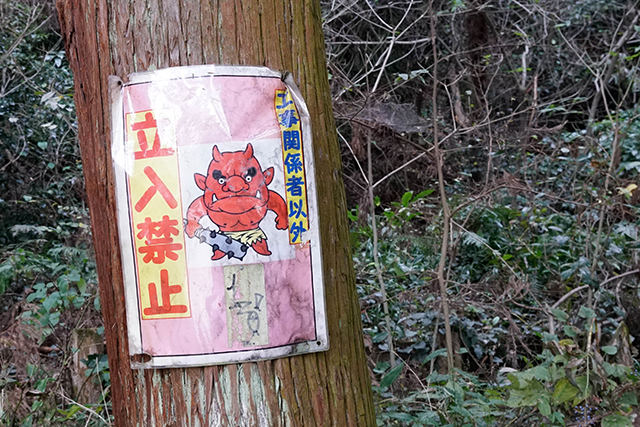
The staircase backs up onto an untamed forest and is dotted with small stone sculptures as well as warnings to keep out of the forest on account of the oni.
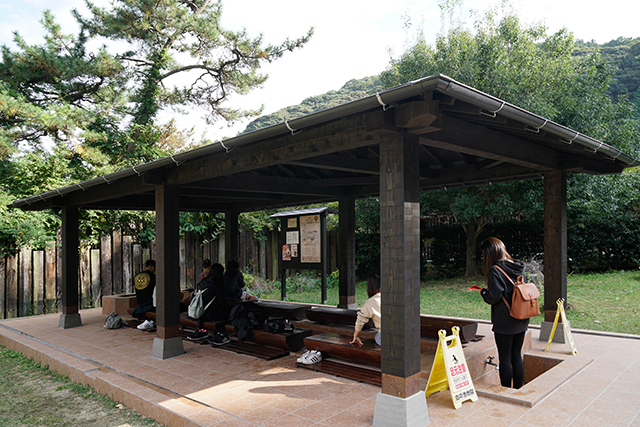
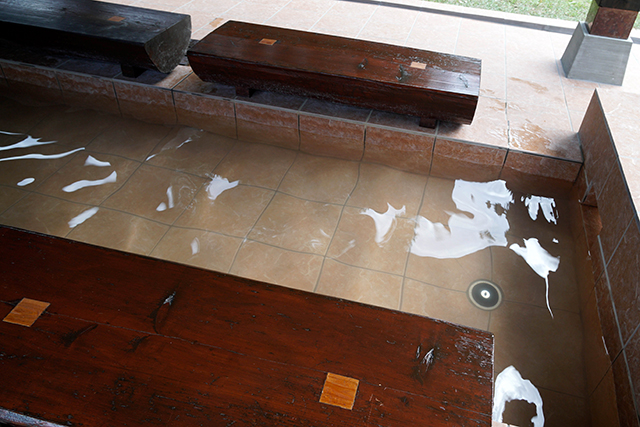
With this being the last of the hells with a free foot bath, I push aside any uneasiness about soaking in what could essentially be a simmering pool of foot disease (I was fine, I contracted nothing!). It was relaxing as expected.
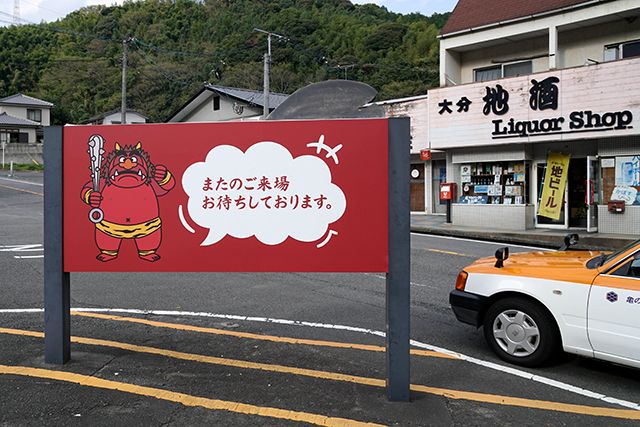
Tatsumaki Jigoku
龍巻地獄, 782 Noda, Beppu, Ōita 874-0016, Japan
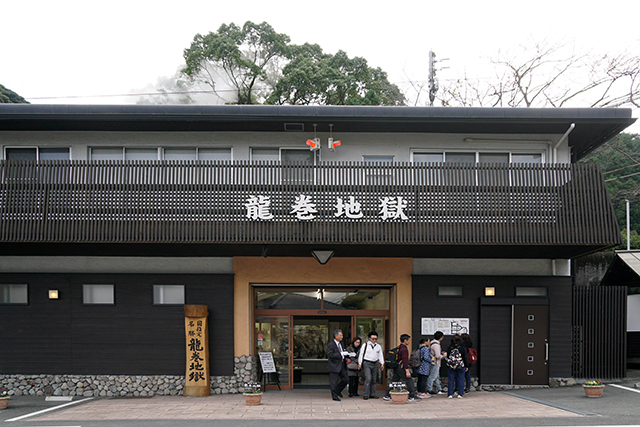
Finally, we make our way to the final hell, Tatsumaki Jigoku. It’s a 2-minute walk down the road from Chinoike Jigoku.
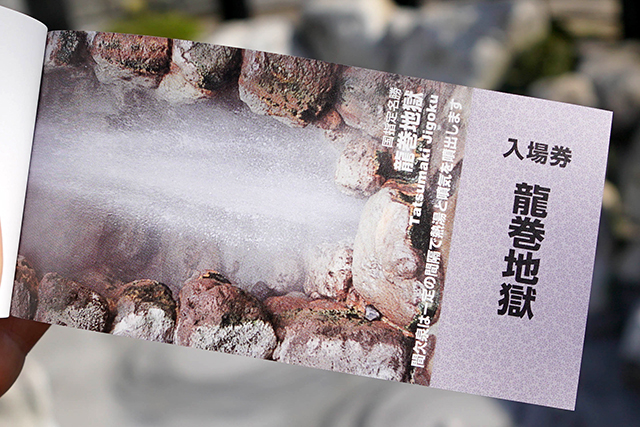
Unlike the other six hells, Tatsumaki Jigoku is a geyser. In addition to being a national place of scenic beauty, it is also designated as a natural monument in Beppu City.
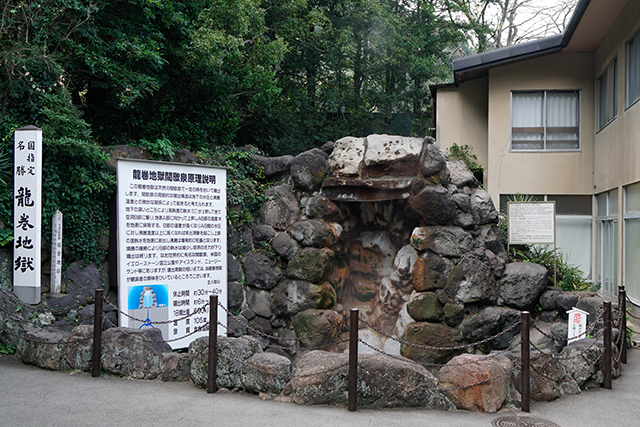
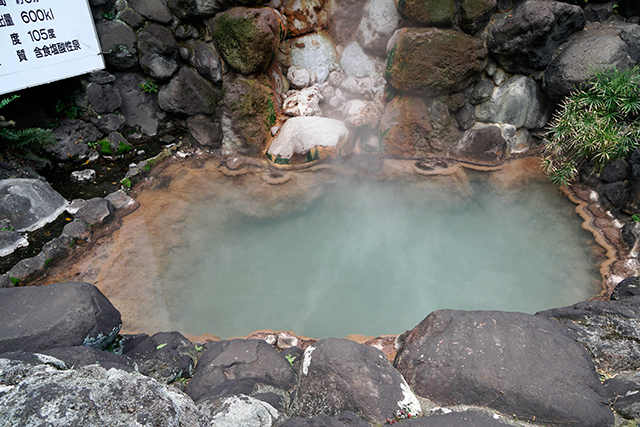
Geysers are a type of hot spring that spouts out boiling water and steam at intervals. The geyser here is particularly remarkable among the world’s geysers for its short intervals (30-40 minutes) between spouts.
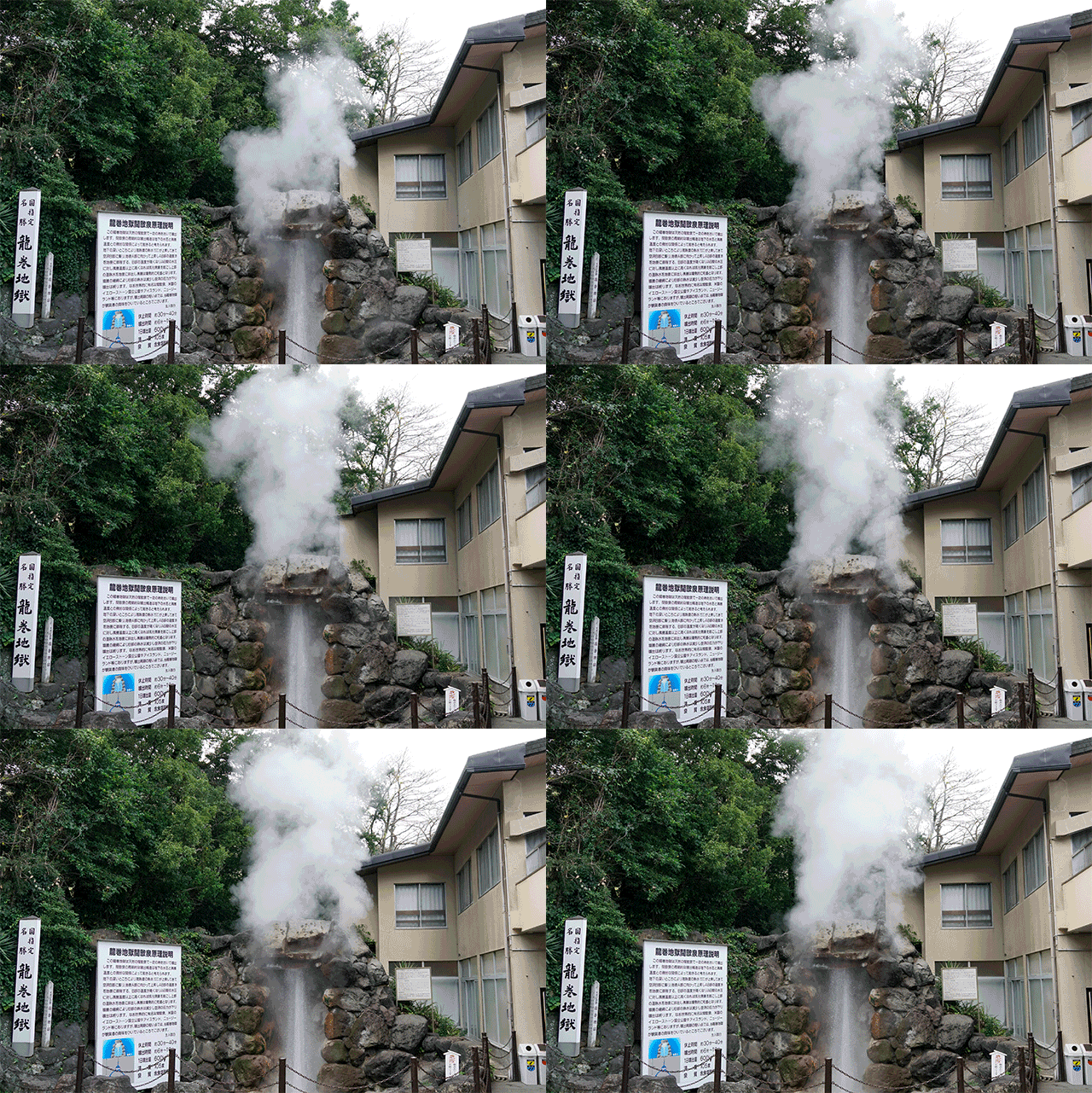
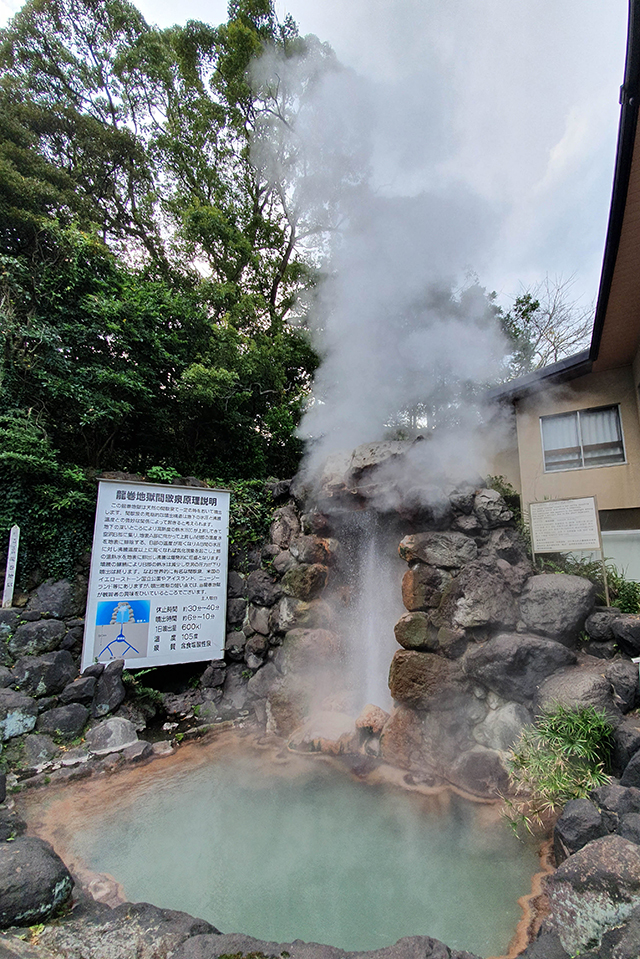
Entry, is again, through the souvenir shop, but this one featured free wifi and benches for visitors to rest while waiting for the next spout.
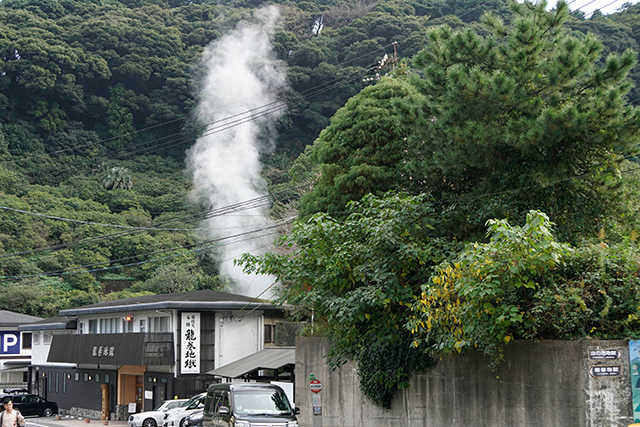
The height of the geyser can be seen from outside Tatsumaki Jigoku.
Marumiya Store
マルミヤストア別府駅店, 11-7 Ekimaecho, Beppu, Ōita 874-0935, Japan
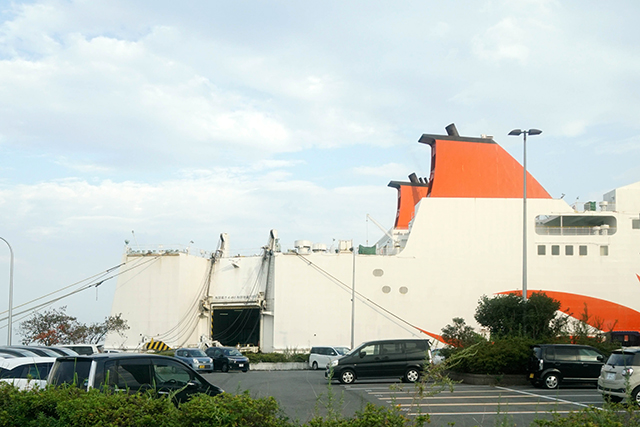
We pass by a cargo ship on the bus en route to Beppu Station.
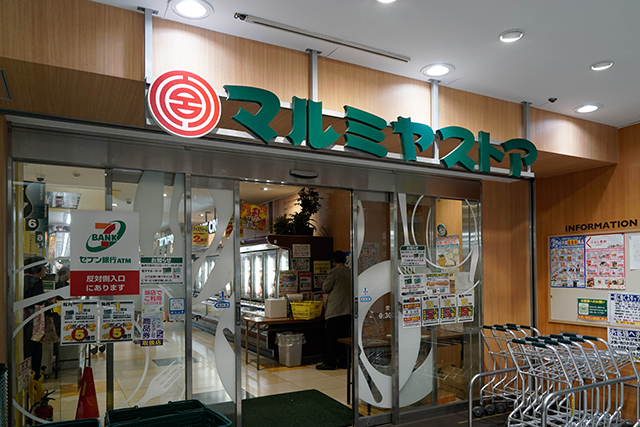
At Beppu Station, we visit the Marumiya Store to pick up some groceries. We love supermarkets.
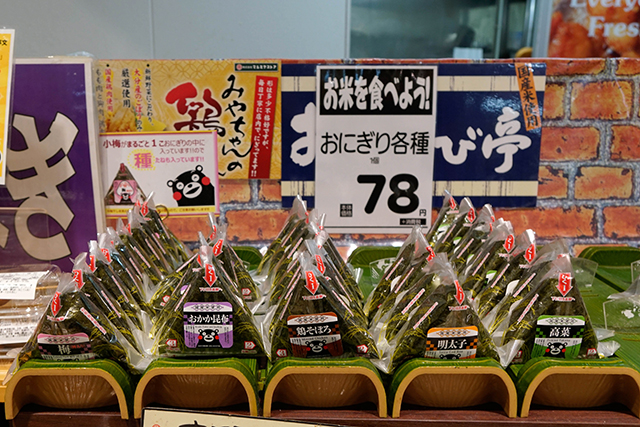
We spot Kumamon on some very affordable onigiri, so couldn’t possibly pass it up the opportunity to stock up for breakfast the following day.
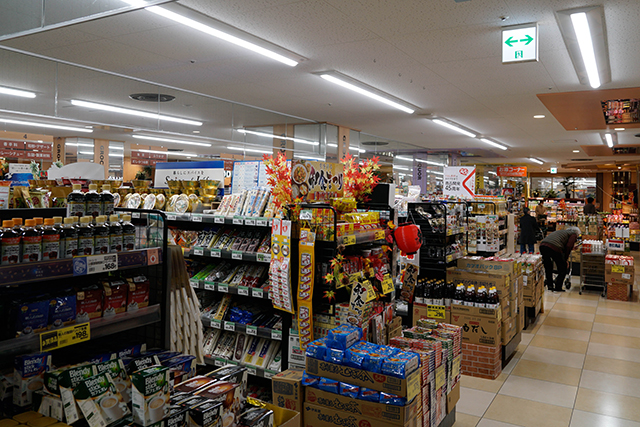
The supermarket is extensive, as with all the supermarkets we visited in Kyūshū.
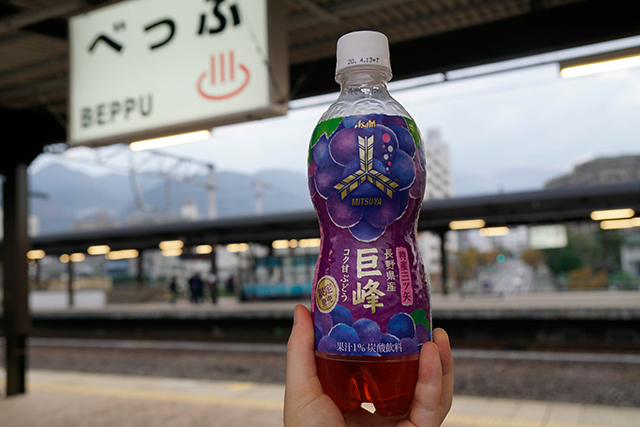
This Asahi Mitsuya Budō uses grapes from Nagano Prefecture and contained 1% grape juice. It’s lightly effervescent and we enjoy the fragrant grape flavour, which as a balanced sweetness and acidity.
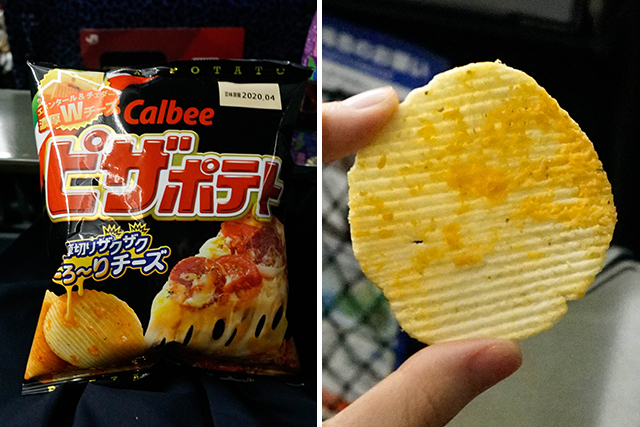
For a snack, these were the Calbee Pizza Potato. I eat these almost every time we visit Japan and enjoy the visible seasoning from the pepperoni and double cheese and promised on the packaging. That said, they were cheesier than I remember…
JR Intercity Limited Express
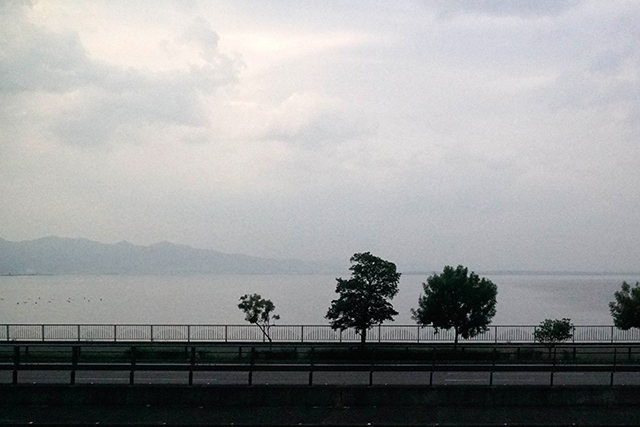
From Beppu, we make our way to Nobeoka in the evening. Having finished using our North Kyūshū JR Pass, it’s another two days before we commence using our South Kyūshū JR Pass (to achieve best ‘bang for our buck’), so we purchase nimai kippu (discounted tickets when purchasing for two people) for this trip.
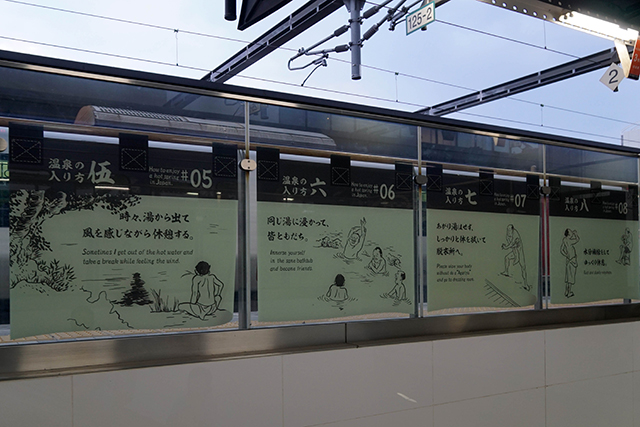
We transfer trains at Ōita for our connecting train to Nobeoka.
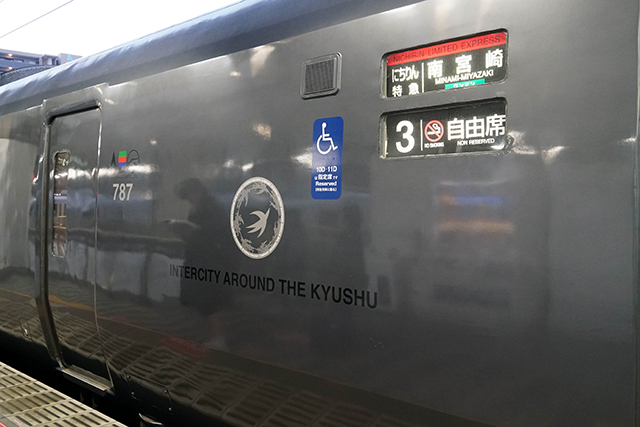
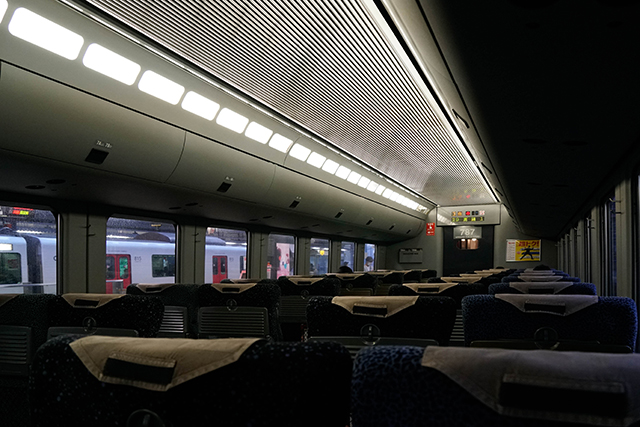
From Ōita, it’s a two hour trip by intercity limited express to Nobeoka. It’s a quiet trip in the evening with no train guards checking tickets unlike the trains operating during the day. With a lengthy journey, I was pleased to discover that the toilet on the trains was so spacious and warmly lit to be oddly inviting without the slightest smell of being in the same suction toilets in an aeroplane.
Nobeoka
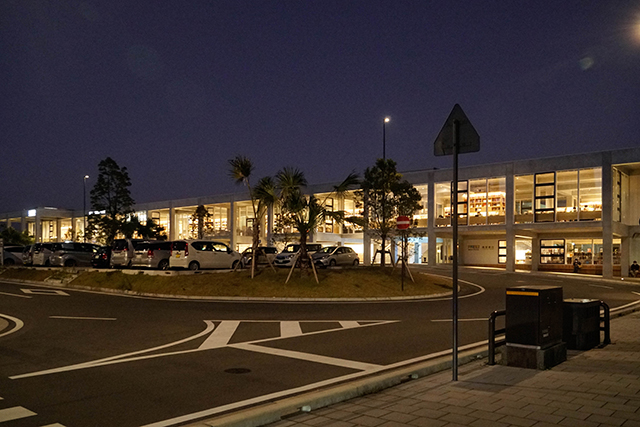
By the time we reach Nobeoka, it’s about 7 pm. Nobeoka is a small city located in the north of Miyazaki Prefecture. It’s not much of a tourist destination itself but is a convenient middle point for visiting the famous Takachiho Gorge.
Joyfull
Joyfull, 2 Chome-88 Saiwaimachi, Nobeoka, Miyazaki 882-0053, Japan
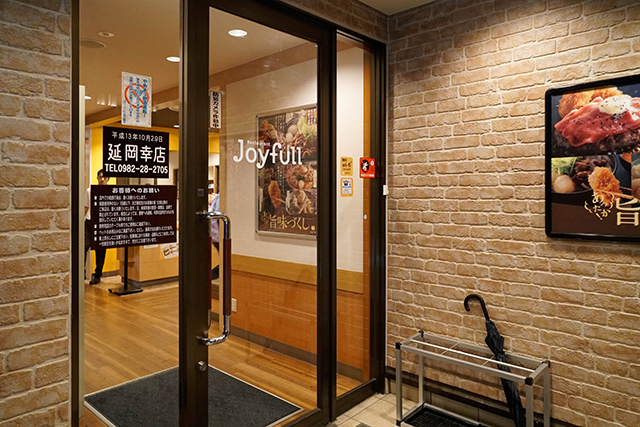
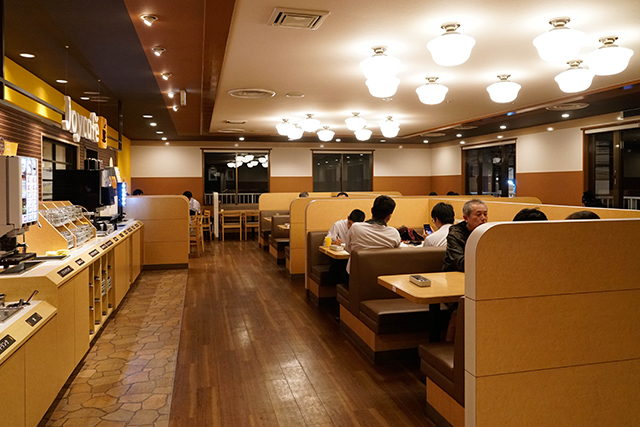
We made a brief attempt to look for Naochan, which closed at 7:45 pm, but we were too tired to explore so stopped at Joyfull instead. Joyfull is a family restaurant with stores throughout Kyūshū.
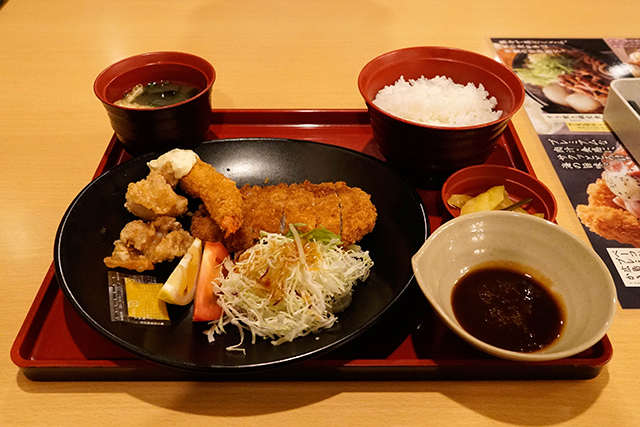
We’re both up for some comfort food. D’s version is fried food and this is Variety Fry Teishoku (¥799 +tax) hits just the right spot with its crunch for a good price.
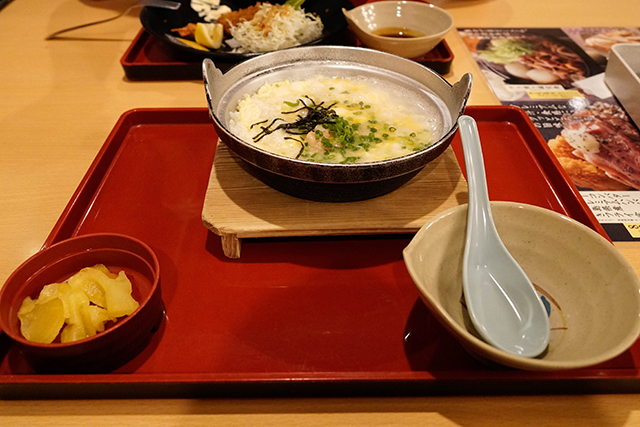
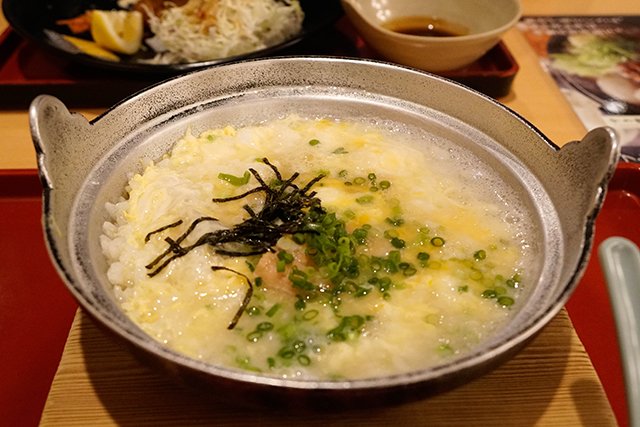
With a bit of a sniffly nose, my kind of comfort food is more conventional in the form of this egg and salmon zosui (¥599 plus tax). Zosui is a dish where rice is cooked in soup with a variety of toppings — here, with egg, salmon and seaweed. It’s similar to Chinese congee, but the rice grains remain intact for a less mushy and more textural mouthfeel. The salmon here added a mellow savoury flavour to an otherwise very clean palate. It is quite simply the perfect comfort food for feeling under the weather.
APA Hotel
アパホテル 宮崎延岡駅前, 2 Chome-41-2 Saiwaimachi, Nobeoka, Miyazaki 882-0053, Japan
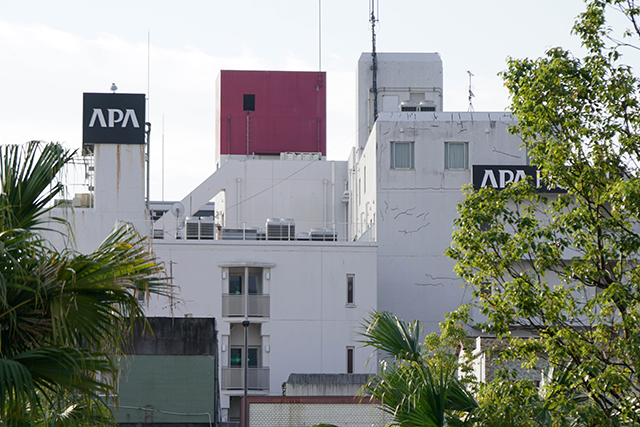
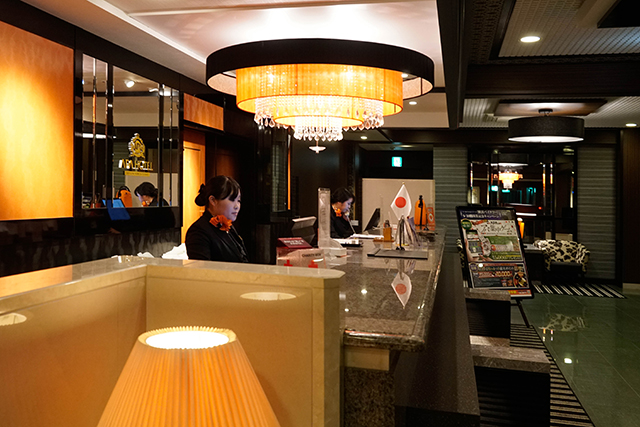
Being such a small city, we stay in APA Hotel, which is situated just 2 minutes from Nobeoka Station.
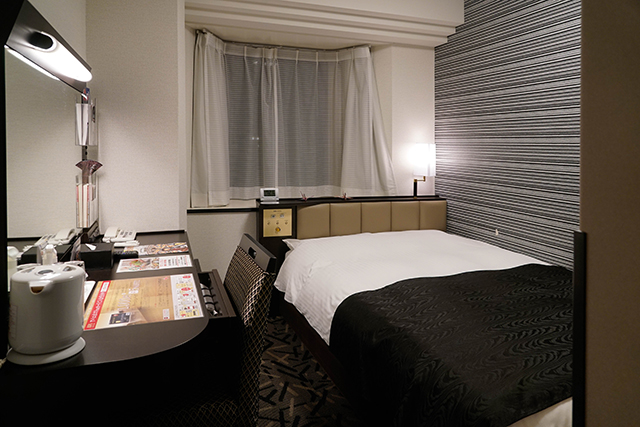
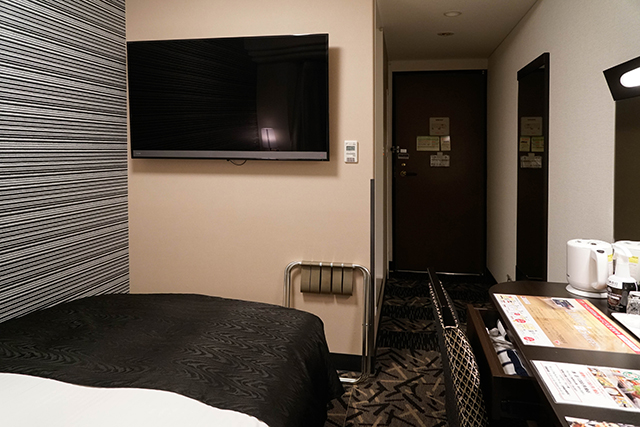
D and I had been curious about the APA Hotel chain since our last stay in a rundown hotel in Ōsaka were situated next to a much fancier looking APA Hotel. And Nobeoka is where we finally found out that the interior of both the common areas and private rooms in the hotel are modern and updated. We enjoyed the fluffy doona but were disappointed by the sagging springs of the mattress and the flatness of the pillow. As for amenities, we enjoyed the ice machine for our drinks and the washer/dryer for cleaning our clothes.
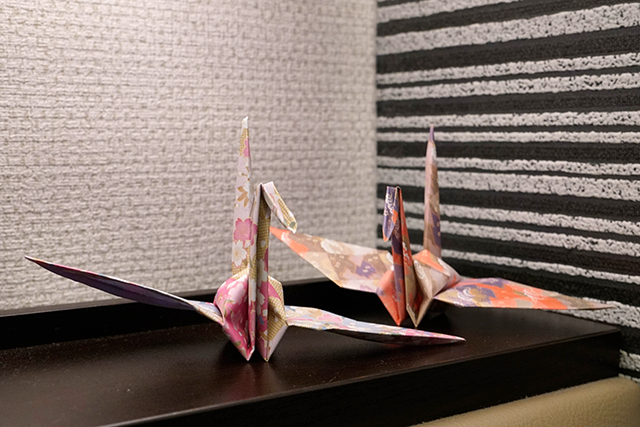
Each room welcomes visitors with two origami cranes.
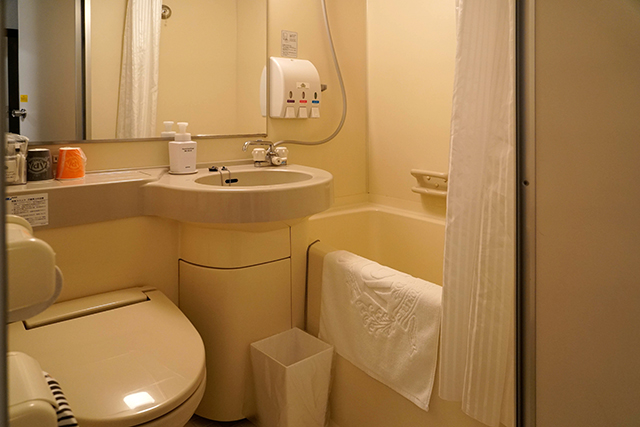
The bathroom, though, is the same closet-sized prefabricated units in the same cream colour.
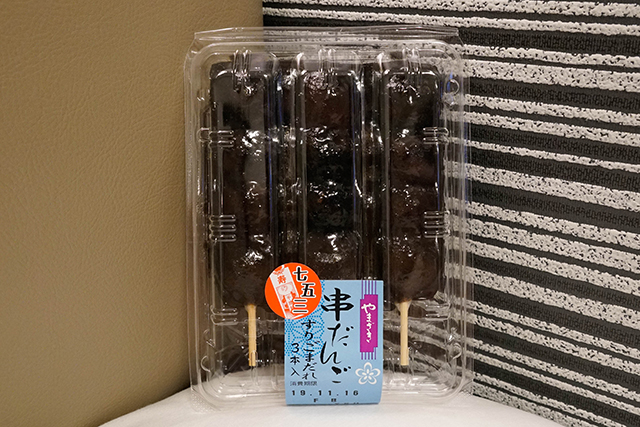
For our midnight snacks, we picked up this pack of dango coated with ground black sesame for ¥100 at the supermarket in Beppu. They were made for Shichi-Go-San Festival. Unfortunately, the black sesame flavour was unexpectedly and unpleasantly savoury.
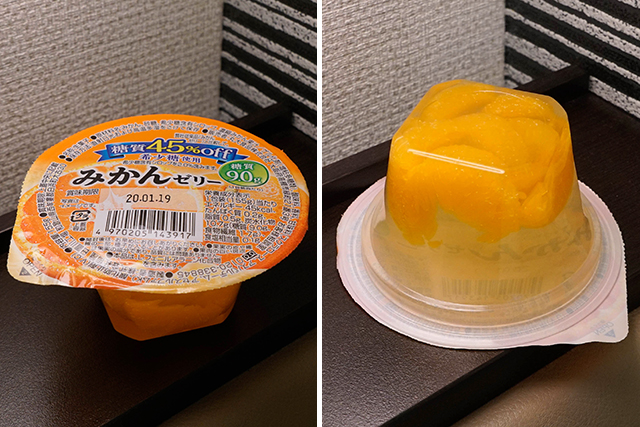
This is a Mikan Jelly with peeled mandarin segments. We enjoy the sweet smoothness of the jelly that contrasted well with the more textured and punchy segments.
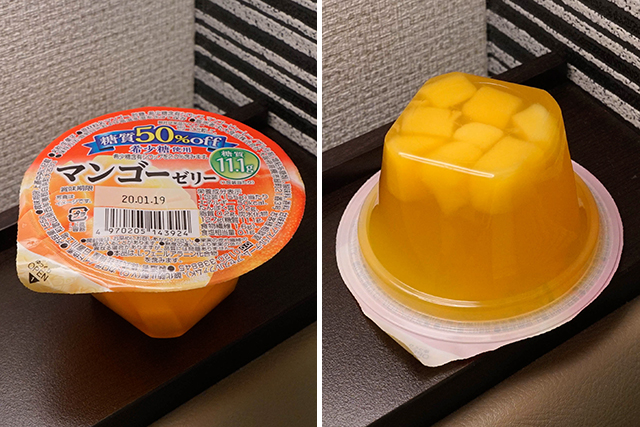
This is the Mango Jelly with diced cubes of mango. The jelly is similarly smooth with a mellow sweetness, while the cubes of mango are firmer with a richer sweetness.
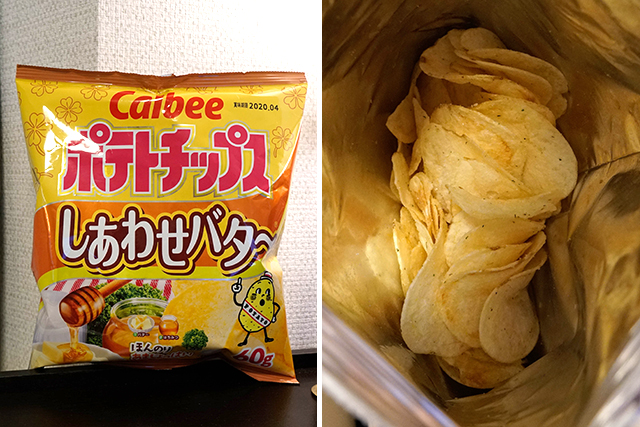
To counter the sweetness we have these Calbee Potato Chips in honey butter flavour. The honey delivered a deep sweetness that creates a richly flavoured chip together with the butter.
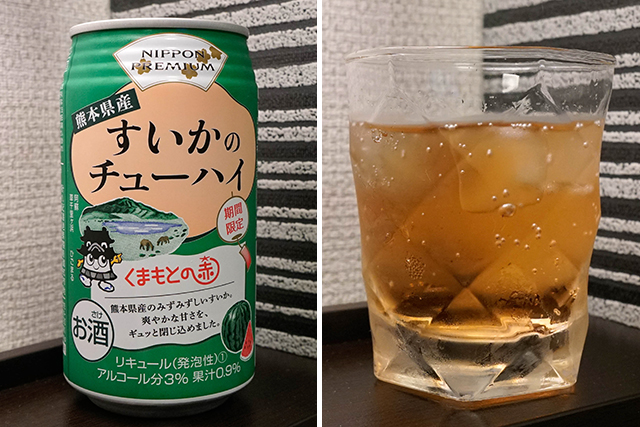
To finish the evening, this Nippon Premium Watermelon Chūhai is our first or two drinks, containing 0.9% watermelon juice from Kumamoto and 3% alcohol. The ‘Kumamoto no Aka’ product is part of a series of chūhai that promotes local revitalisation, with this one donating a portion of sales to Kumamoto Prefecture.
The drink was a clear red-brown colour with a fruity watermelon aroma. Served chilled, the characteristic sweetness of watermelon came through with a rich flavour of fresh watermelon while also capturing the slightly thin mouthfeel of watermelon juice.
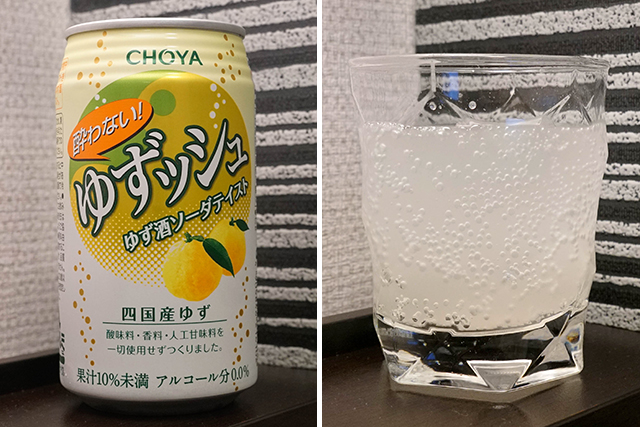
And finally, this is the Choya Yuzushu with 10% yuzu juice and no alcohol. We’re huge fans of this drink, which has a bright and zesty yuzu flavour that delivered on the uplifting and refreshing tartness of the fruit with just the right balance of sweetness.
Beppu was Day 7 of 15 in this Japan 2019 trip around Kyūshū. Day 8 saw us visiting Takachiho.