We enjoy arriving and departing Japan via Ōsaka, partly because it’s convenient but mostly because we like to bookend our trip with eating in downtown Ōsaka. After all, as the popular Japanese saying goes: Tōkyō people ruin themselves by overspending on fine footwear, Kyōto people on fine clothing, and Ōsaka people on fine food. Indeed, the literal meaning of the kuidaore is ‘to eat oneself bankrupt’ and describes Ōsaka people’s obsession with food. So, we leave Tōkyō behind us and catch our first shinkansen of this trip back to Ōsaka.
Tōkyō – Asakusa
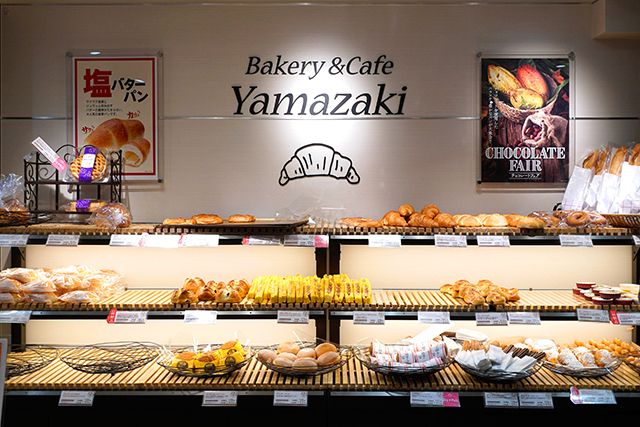
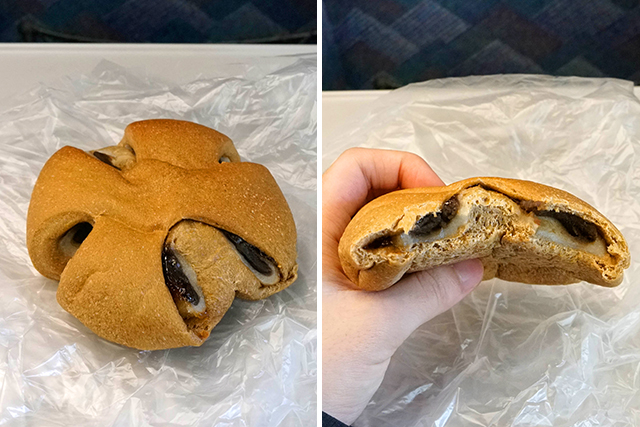
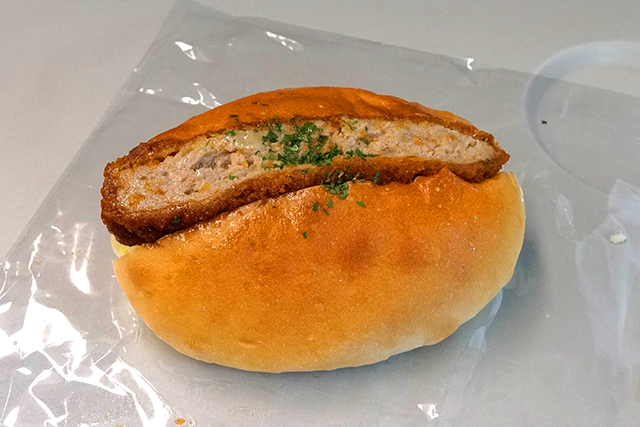
Before heading to the station, we make one last stop at Yamazaki Bakery & Cafe for a quick bite. I get the Hōjicha An Pan (¥150) again (a hōjicha flavoured bun with a filling of hōjicha and kuromitsu jam wrapped in mochi), while D eats something more hearty with a Koppe (Mench Katsu) (¥150), a breaded and deep-fried ground meat patty sandwich, which is deliciously moreish – crispy on the outside with hearty innards.
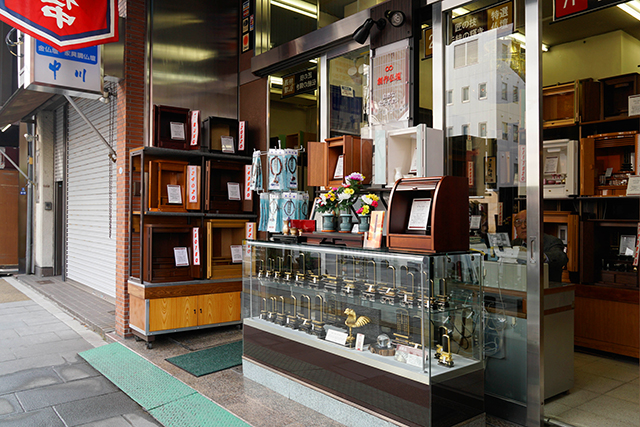
With breakfast in tow, we head towards the one exit to Tawaramachi Station that has lift access. Having experienced the pain of lugging suitcases up and down stairs on previous trips, we’d learned to locate the accessible exit at stations prior to our departure. This is a shop selling shrines on the way.
Tōkyō to Ōsaka
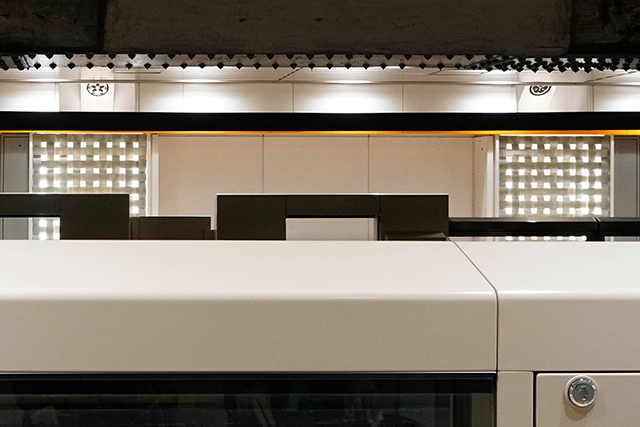
In the short week we were in Japan, the renovations at Tawaramachi Metro Station are complete and the boards that covered up much of the walls have been removed. We now see motifs drawn from the station’s vicinity of Asakusa decorating the walls.
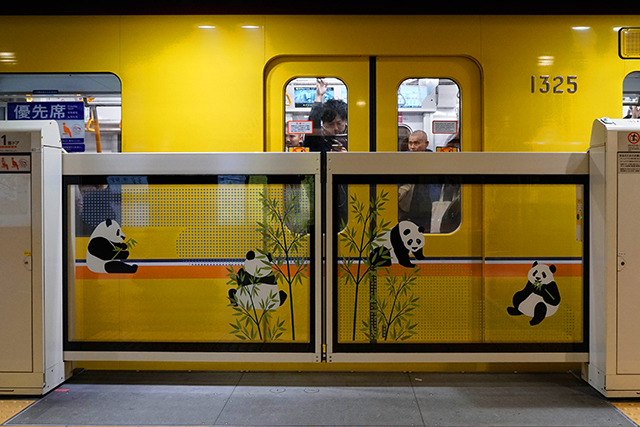
We get off at Ueno and meet the pandas on the barriers.
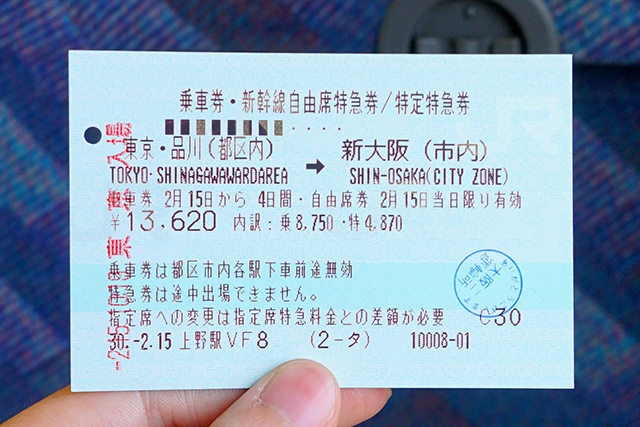
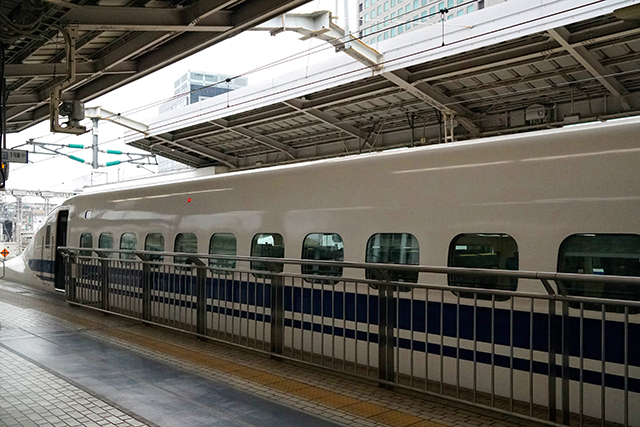
With our ticket in tow, we catch the local train from Ueno to Tōkyō Station before waiting for our shinkansen.
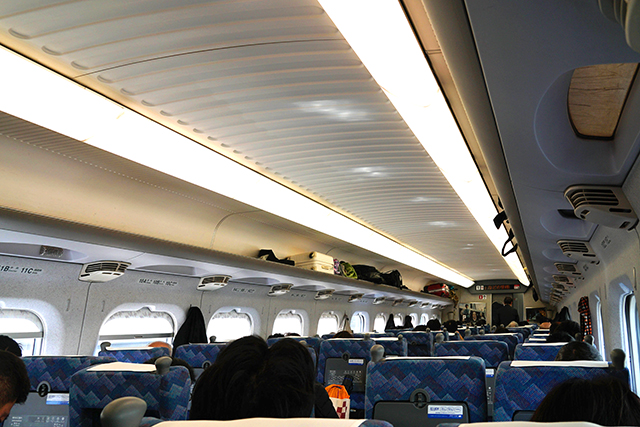
We avoid catching the next shinkansen out of Tōkyō Station (they come every ten minutes) so we can join the start of the queue and claim one of the pairs of seats in the last row with extra room for our large suitcases.
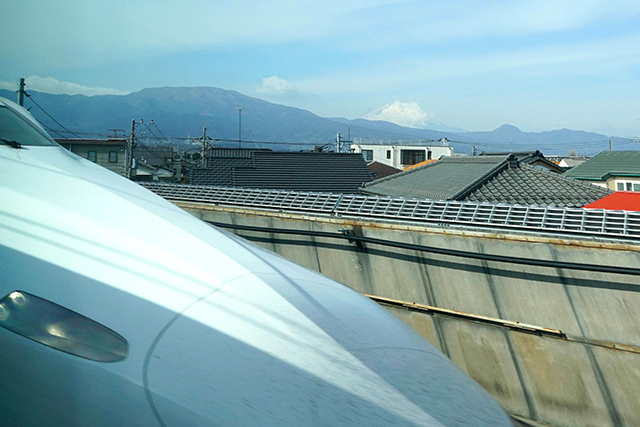
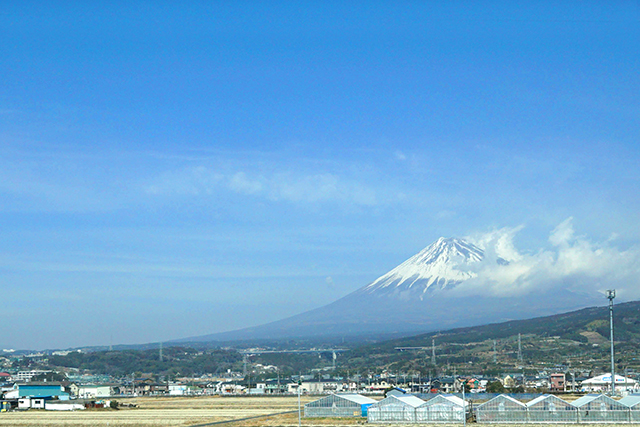
Travelling from Tōkyō to Ōsaka, sitting on the right side of the shinkansen gave you views of Mt Fuji. This is our first glimpse before a shinkansen coming in the opposite direction zooms past.
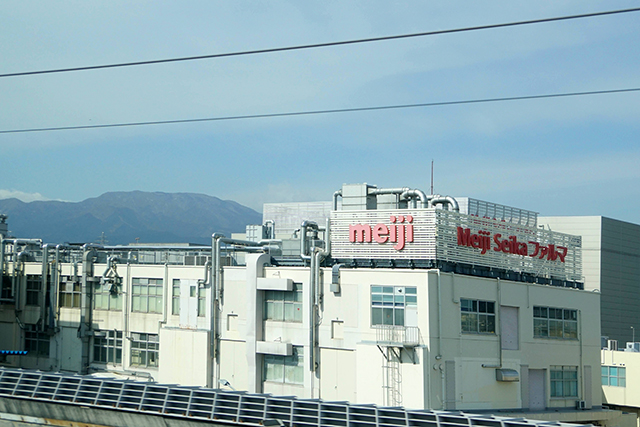
There’s the Meiji Seika factory shortly after.
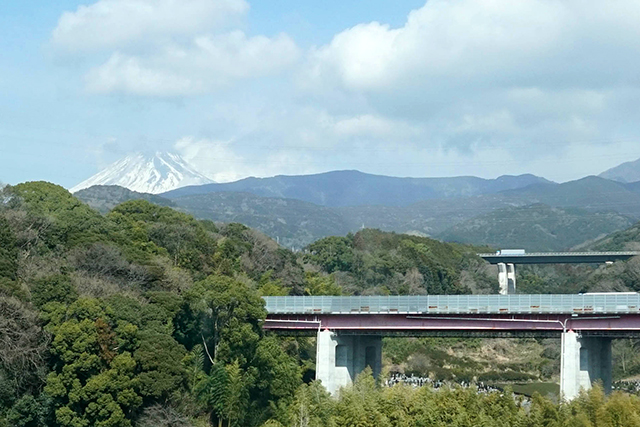
We lose sight of Mt Fuji for a while before comes back out from behind the clouds.
We pass by large farming communities – what a view to wake up to every day.
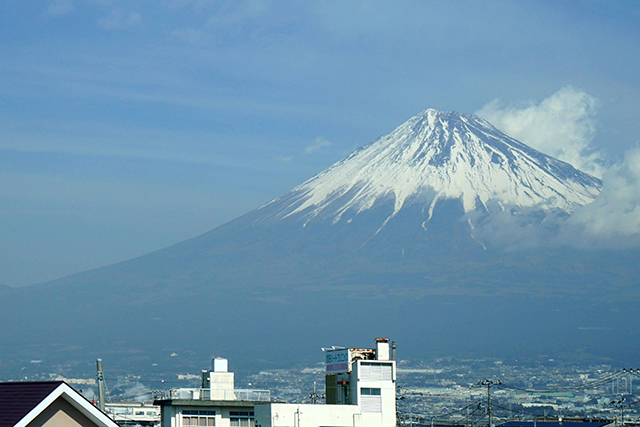
Eventually the cloud clears and we get a good view of the summit.
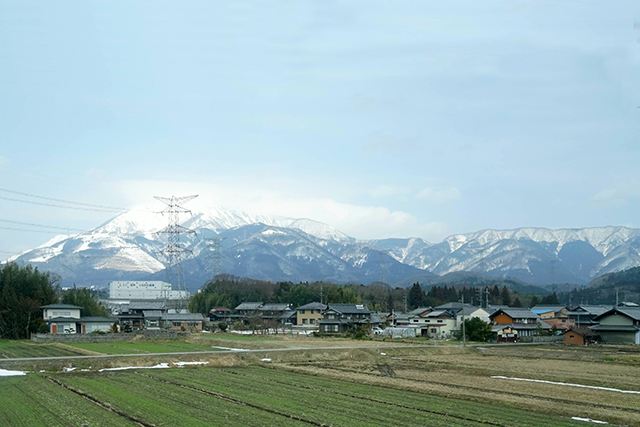
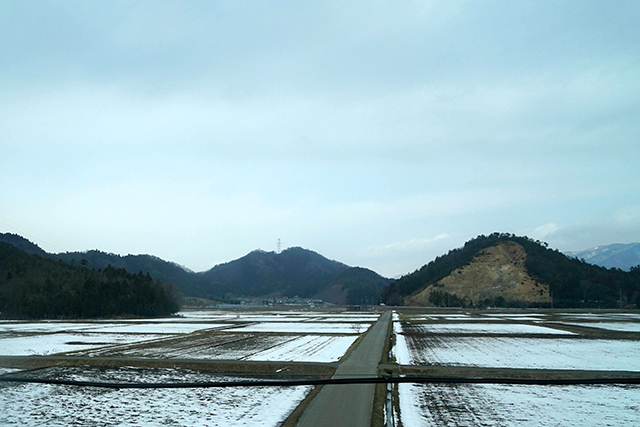
Closer to Ōsaka we see areas still receiving snowfall.
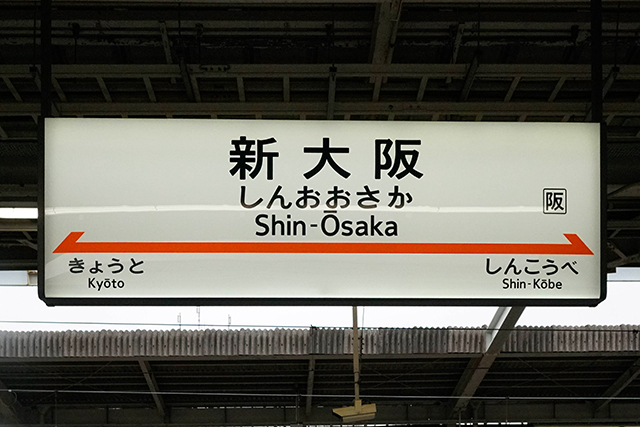
And before long, we arrive at Shin-Ōsaka. We change to the subway to make our way to Namba to drop off our luggage.
Ōsaka – Namba
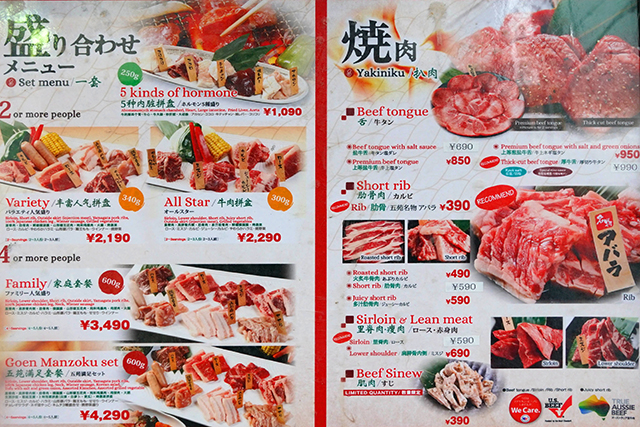
Heading out for some food, we pass by a yakiniku place. We’re amused they call offal ‘5 kinds of hormone’ in the set menu.
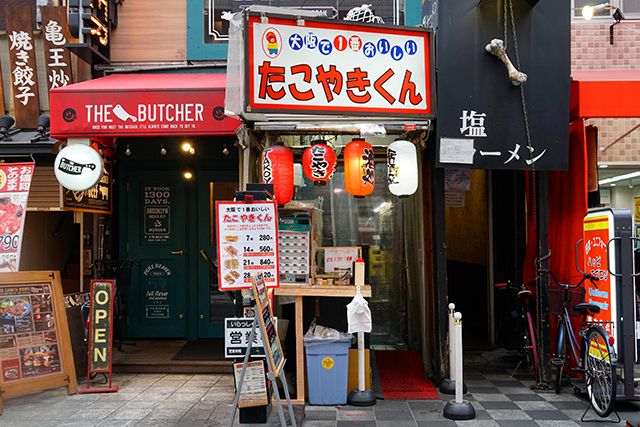
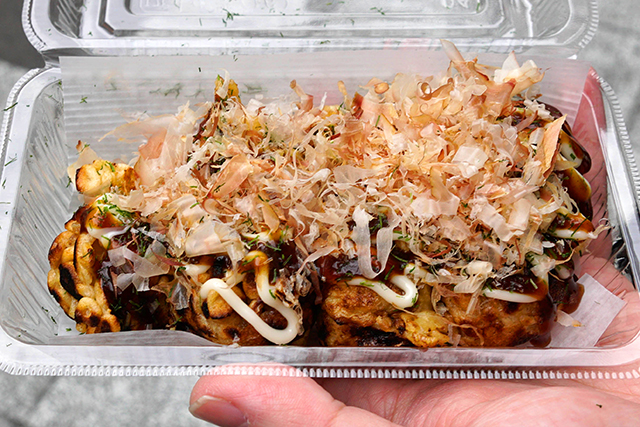
Further along, D spots a couple of school girls at this takoyaki stand called Takoyaki Kun and he’s amazed at how cheap the takoyaki are: 7 pieces for ¥290! The actual takoyaki pieces are a bit odd and lumpy as if they’ve been made with poorly mixed batter. At ¥290, though we’re not particularly bothered, though we do have to add the mayonnaise, aonori and bonito flakes ourselves.
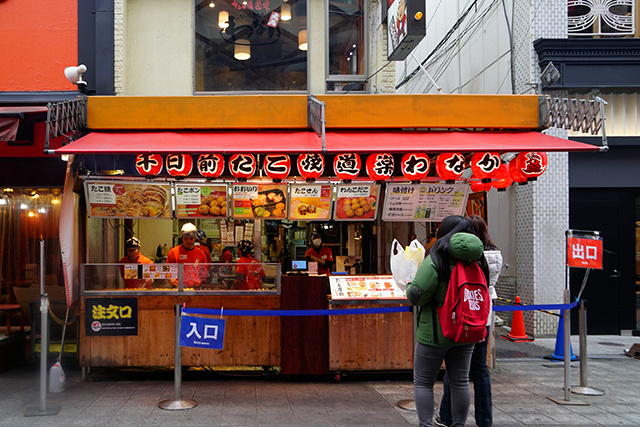
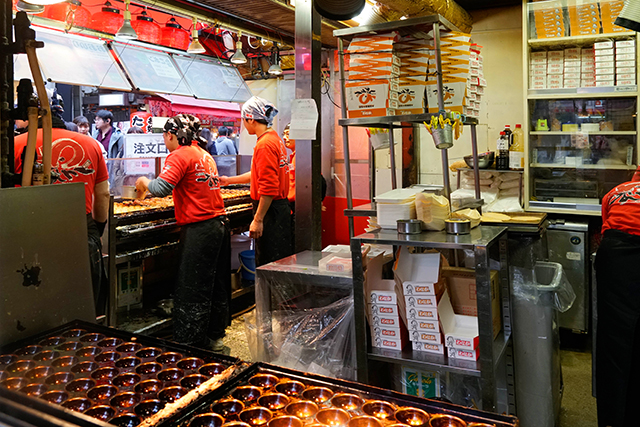
That’s especially so because our favourite takoyaki shop is just 20 m around the corner: Takoyaki Doraku Wanaka.
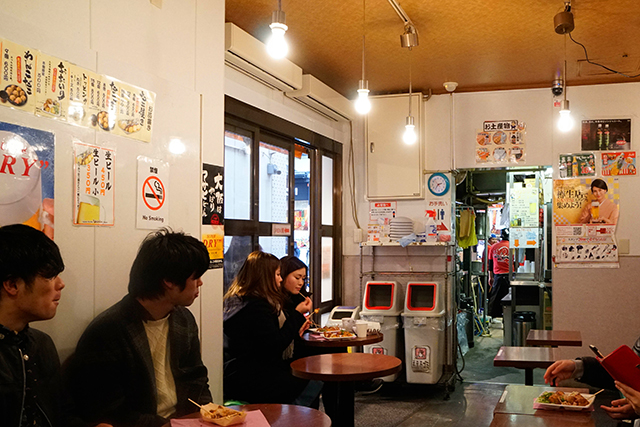
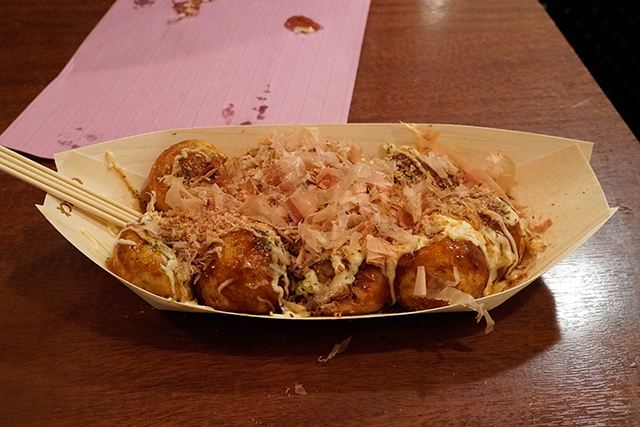
We’ve been here many times, but this time we decide to head around the back to the eat-in section to enjoy our takoyaki (8 for ¥500). They’re every bit as good as we remember – piping hot on the inside with a good serving of octopus leg. They have the perfect balance of flavour.
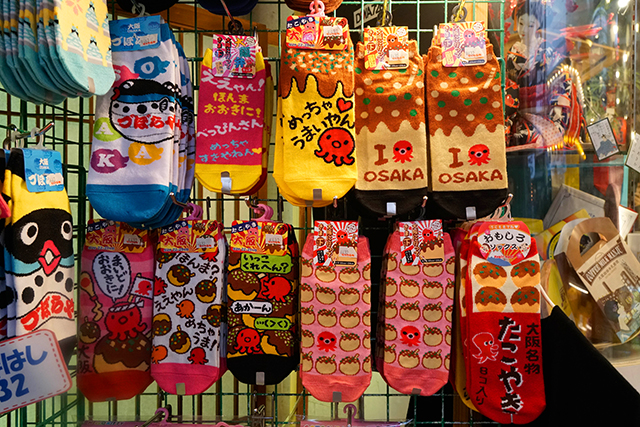
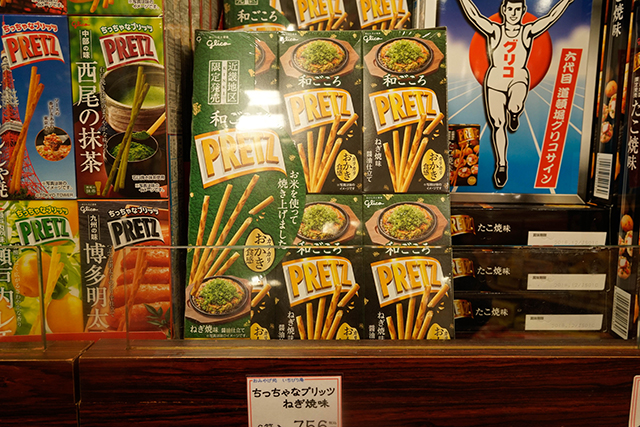
With our tummies packed with takoyaki we head into an omiyage store and spot these cute takoyaki themed socks. There’s also spring onion flavoured Pretz.
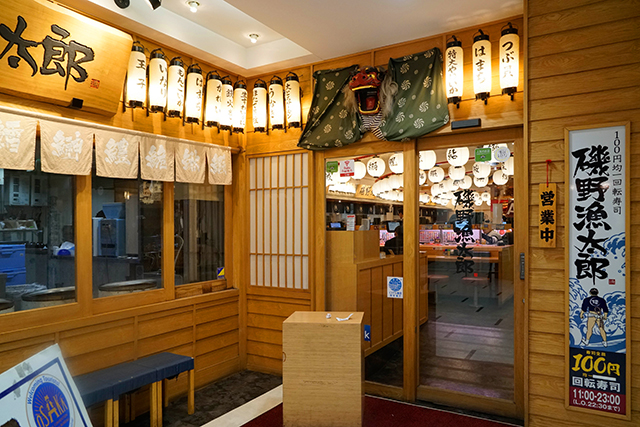
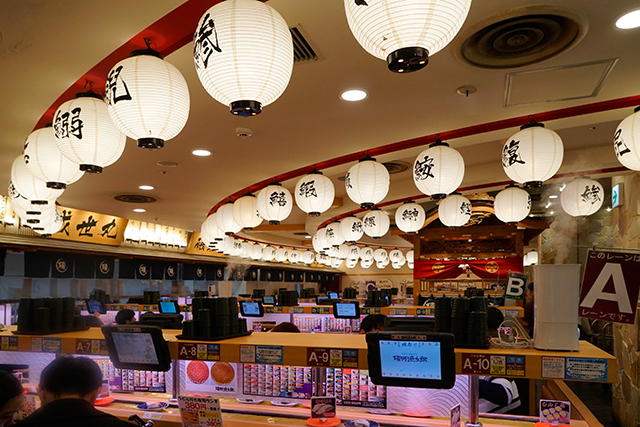
Before long we’re at another favourite of ours: Isono Ryoutarou, a conveyor belt sushi restaurant best known for their very reasonably priced plates of sushi at ¥108.
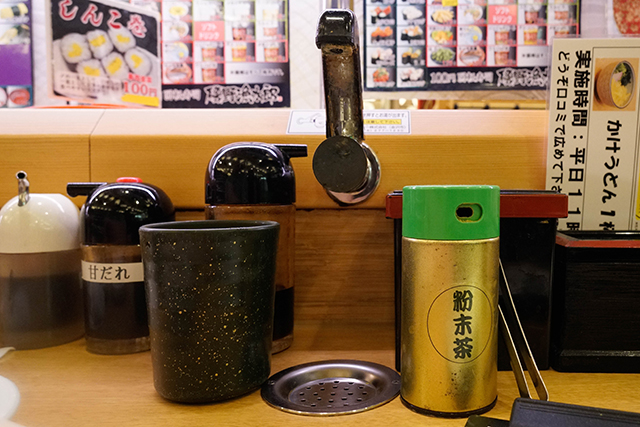
We visit here every time we’re in Japan and like most sushi train restaurants, the matcha is self-serve. Grab a cup from above you, add some matcha into the cup and then top with hot water from the tap.
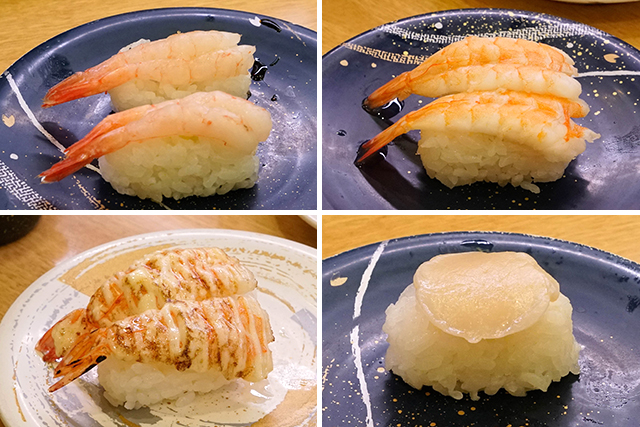
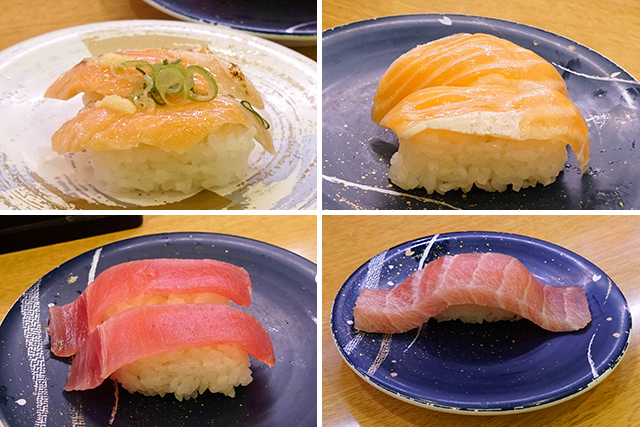
We try shrimp three ways: fresh, cooked and seared; fresh scallops; salmon two ways: fresh and seared; and tuna two ways: standard and tokujo (extremely fatty tuna).
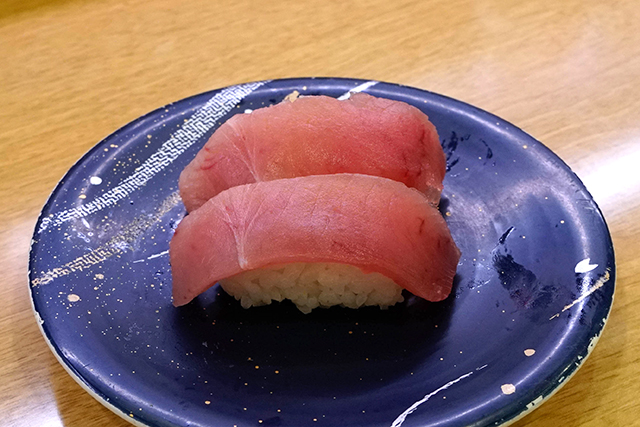
We also try fresh albacore, which looks like a duller coloured tuna and tastes similar.
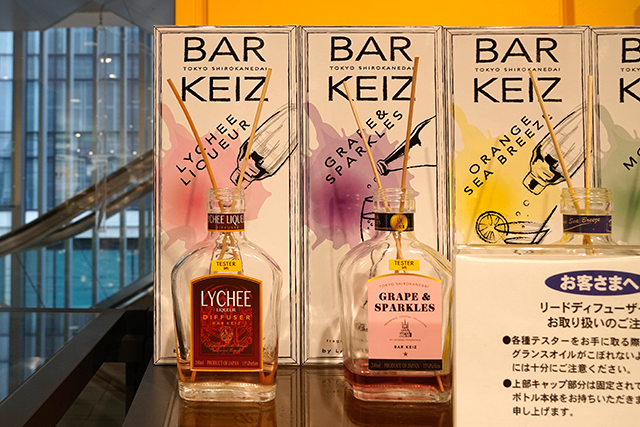
After lunch, we browse Loft. They have a line for room diffusers inspired by various alcohol. We’re a fan of the Lychee Liqueur one.
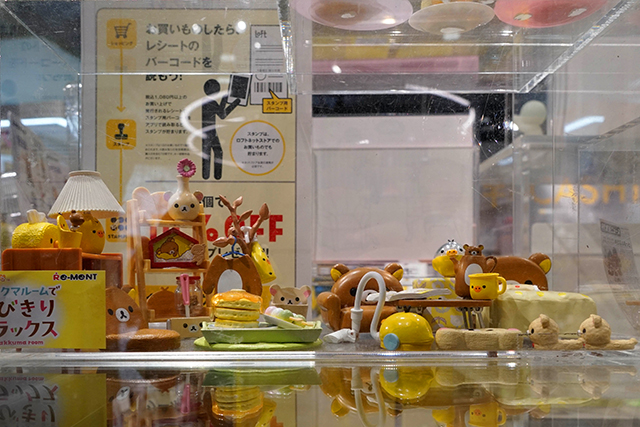
These Rilakkuma sets are super cute…
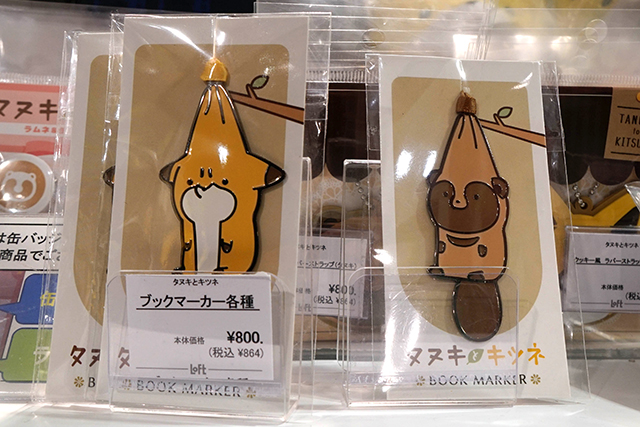
…as are these bookmarks. If only they weren’t so easy to misplace!
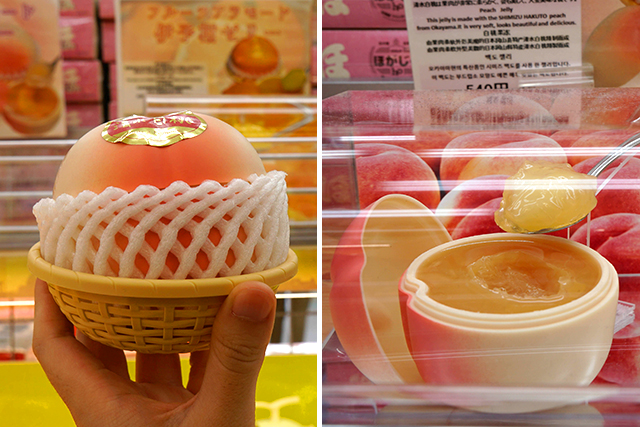
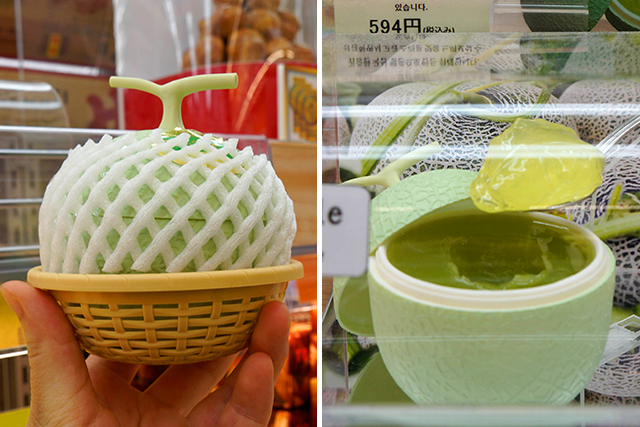
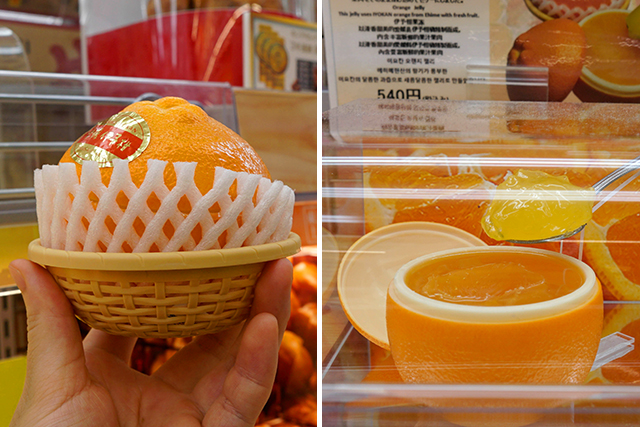
Heading over to Bic Camera en route to the Can Do ¥100 shop above it, we spot these cute jelly cups at a local food fair section for ¥540-594 + tax.
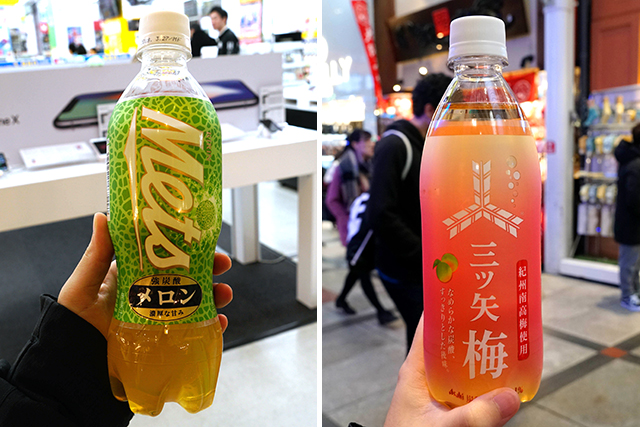
We leave the Can Do with melon flavoured Mets and plum flavoured Mitsuya Cider. The Mets is less artificial than the bright green melon soda you see around Japan, while the Mitsuya Cider has the delightful sweet/tart flavour of Japanese plums before they’re pickled.
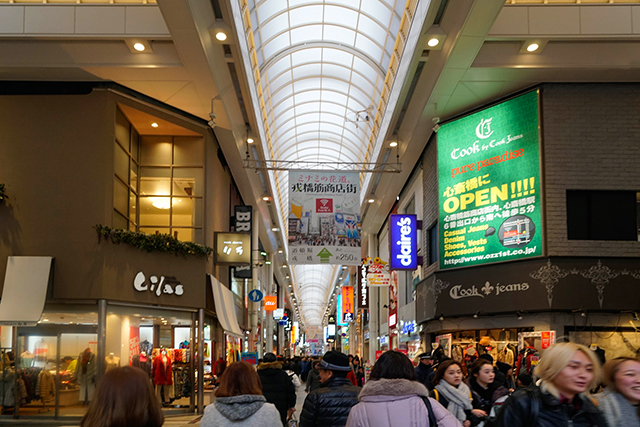
With hydration sorted out, we head down Shinsaibashi to check out the shops.
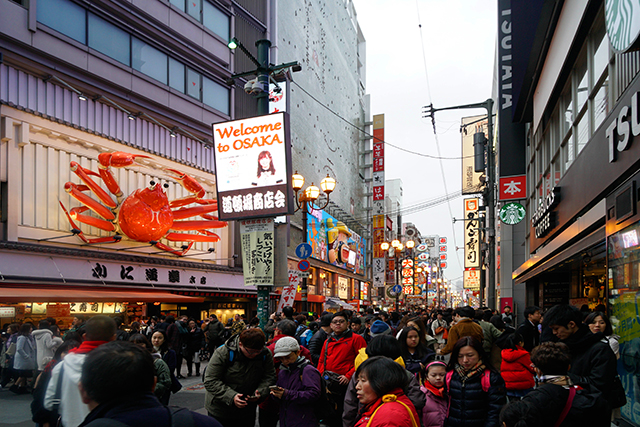
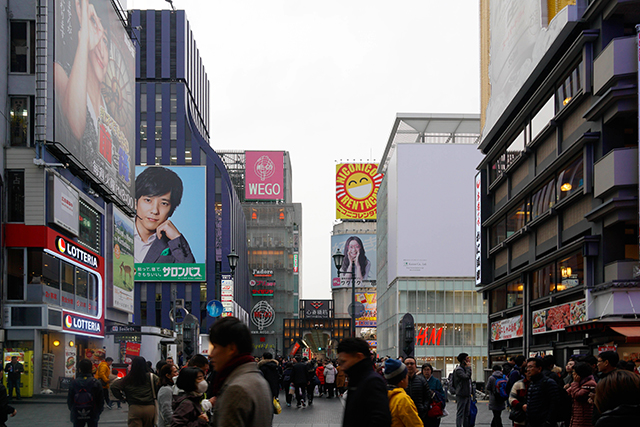
Before long we’re at Dotonbori. We head into Starbucks in the hopes of trying their new sakura drink as well as gaining access to their bathroom but the queues are insane as is the seating area above. A kind Australian overhears us talking about needing the bathroom and gave us his receipt with the passcode.
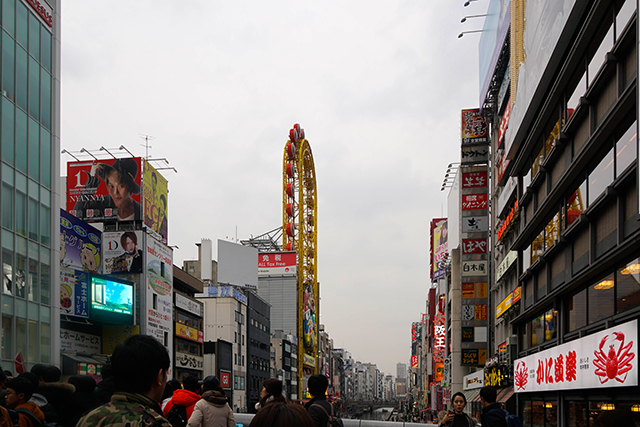
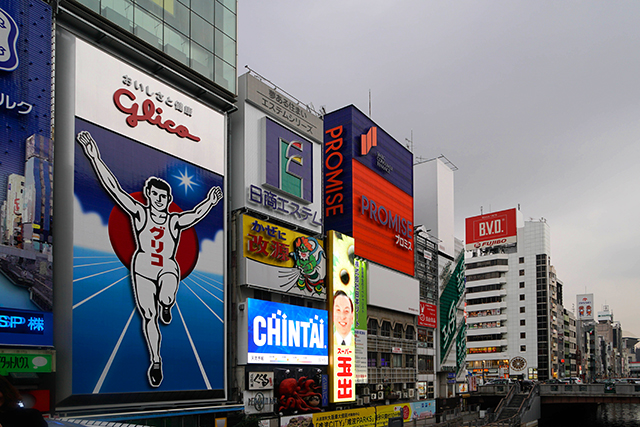
Crossing over Dotonbori we spot the ferris wheel above the Don Quixote as the Glico Man sign. Is there a more iconic reminder of Ōsaka?
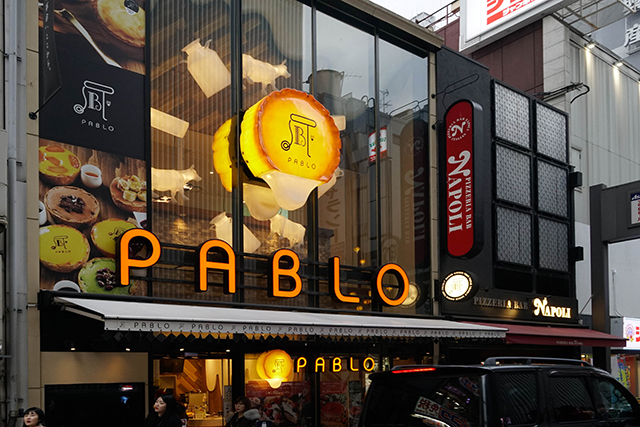
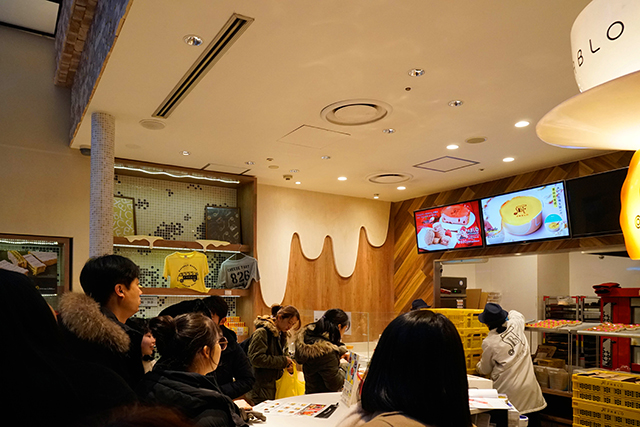
I’m not much of a cheesecake fan but thought I’d give the cheesecakes at Pablo a try in Japan rather than the new one that just opened in Sydney. The queues both for takeaway and eating in are ridiculous.
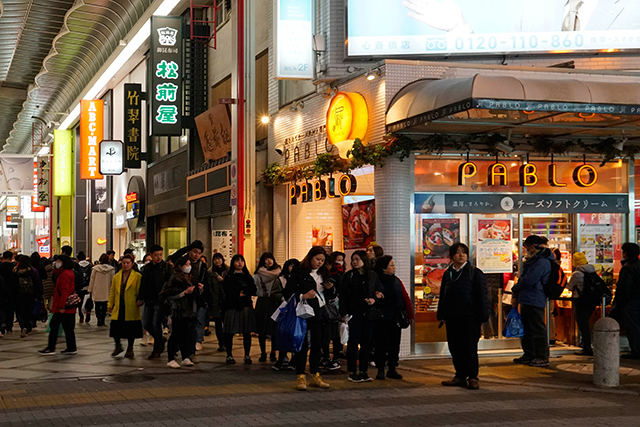
We pass by a smaller branch further along the shopping street, but I’ve lost interest by then.
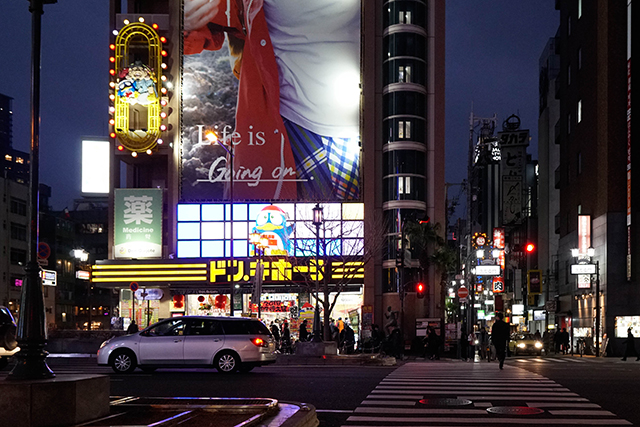
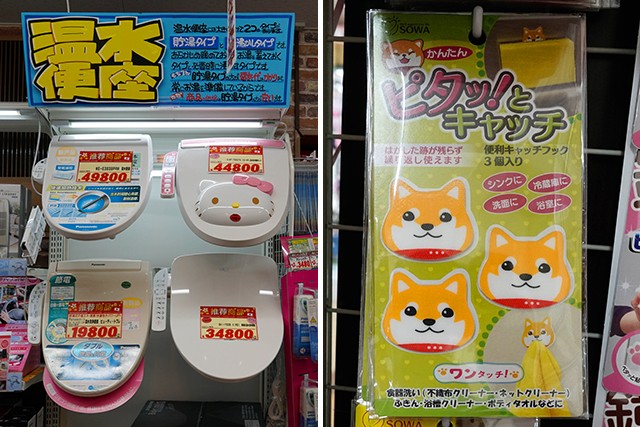
Instead, we head back to the multistorey Don Quixote near Dotonbori that used to be a giant shoe store. They have Hello Kitty bidets and cute shiba inu velcro-like stickers for holding towels and sponges to a surface. We’re at Don Quixote to buy a smaller size of the shiba inu plush toy we spotted in Asakusa, Tōkyō. They’re out of stock, alas.
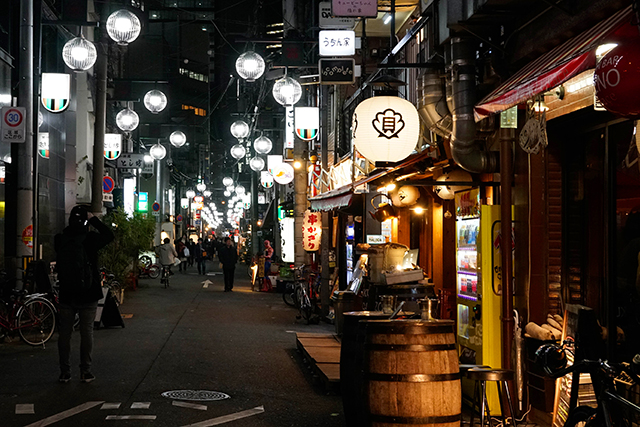
Instead, we head towards out favourite supermarket near Namba, passing some side streets line with cute bars.
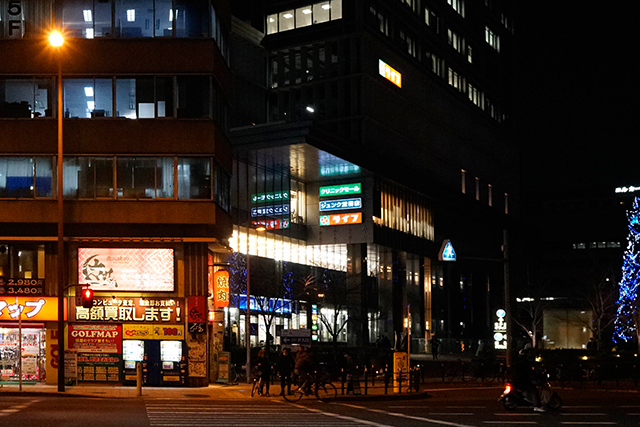
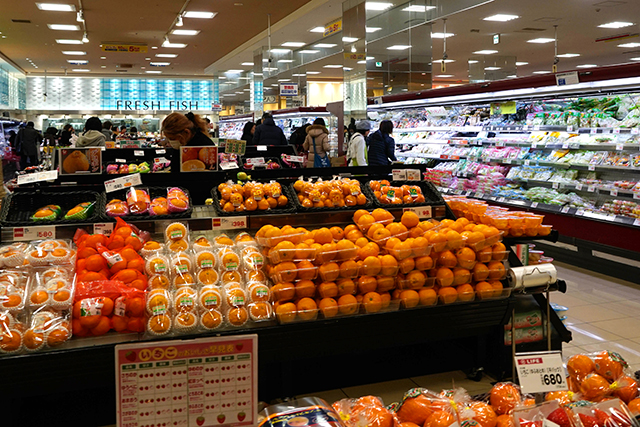
We’re at Life Supermarket to pick up some groceries to take back home with us to Australia.
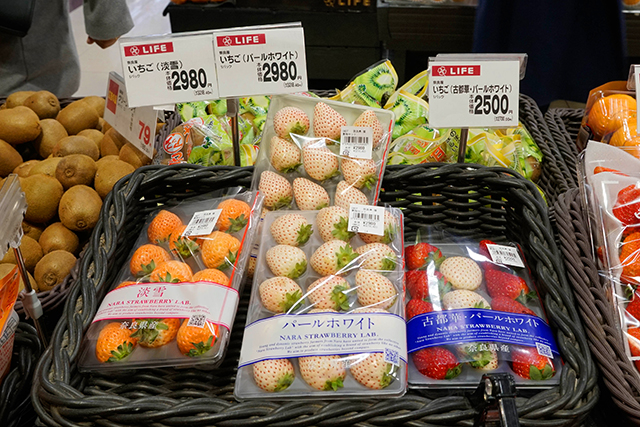
They have some pristine and experience strawberries from Nara.
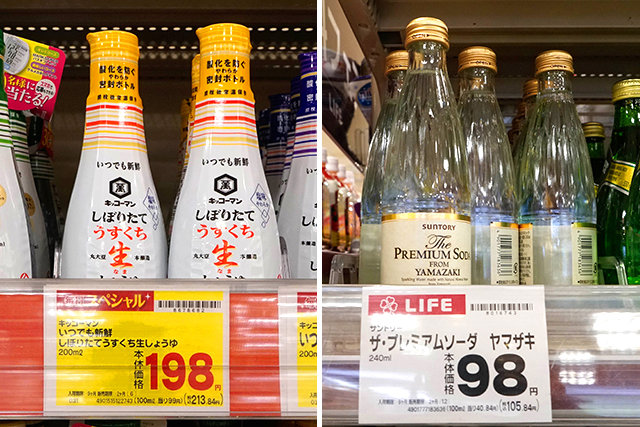
We also find the bottles of light soy sauce and sparkling water that we were gifted at the Kikkoman Soy Sauce Museum and the Suntory Yamazaki Whisky Distillery.
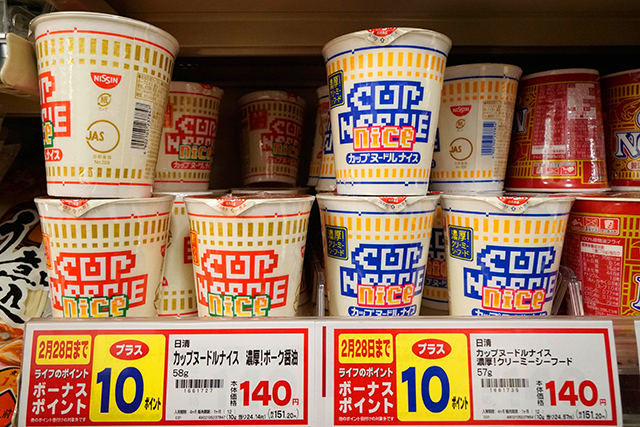
There’s a 8-bit edition of Nissin Cup Noodles.
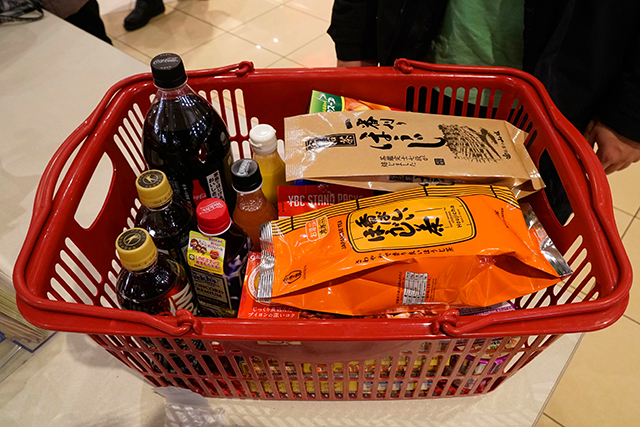
We are speechless with admiration at the way the lady at the cash register reordered our basket!
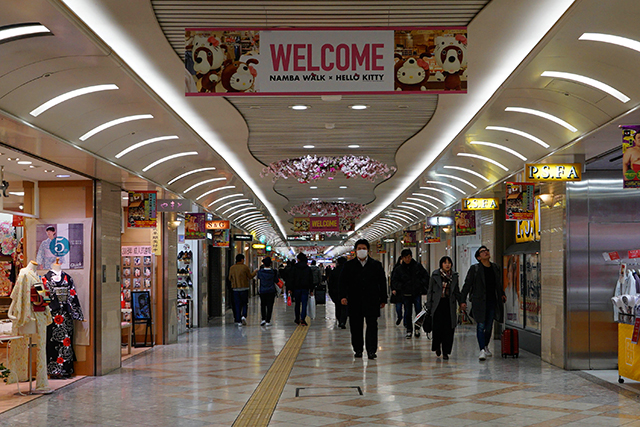
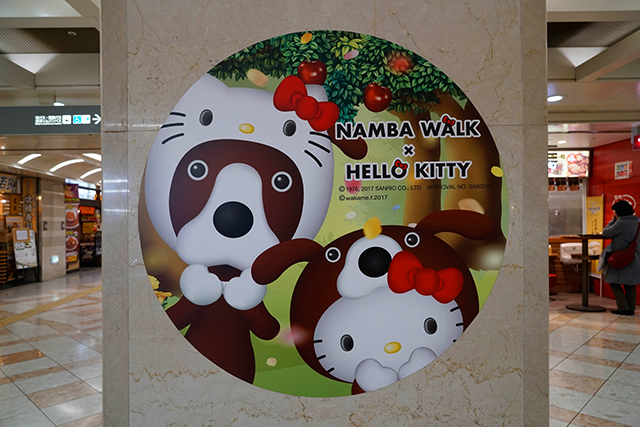
We walk back through Namba Walk to our hotel to avoid freezing ourselves in the cold.
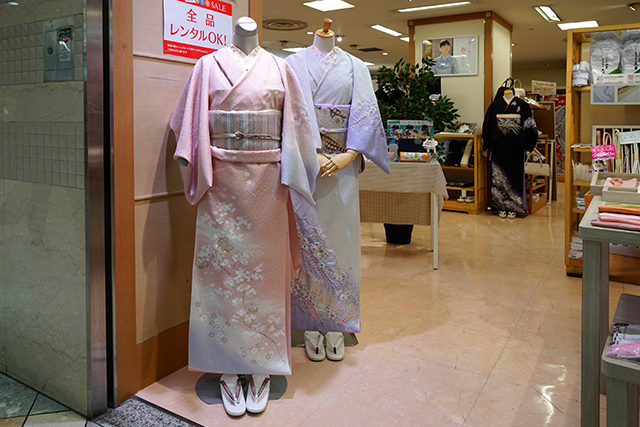
These kimono are so feminine and delicate.
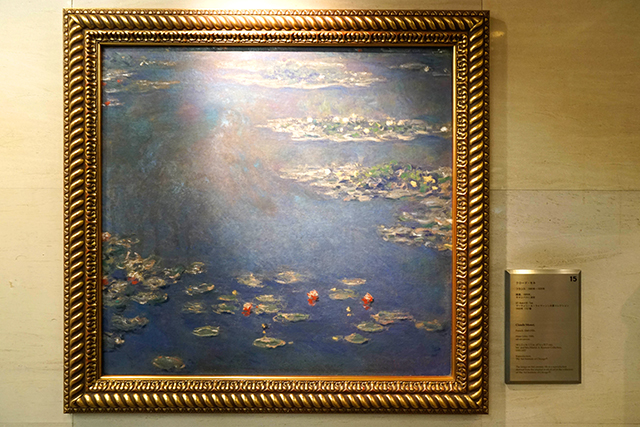
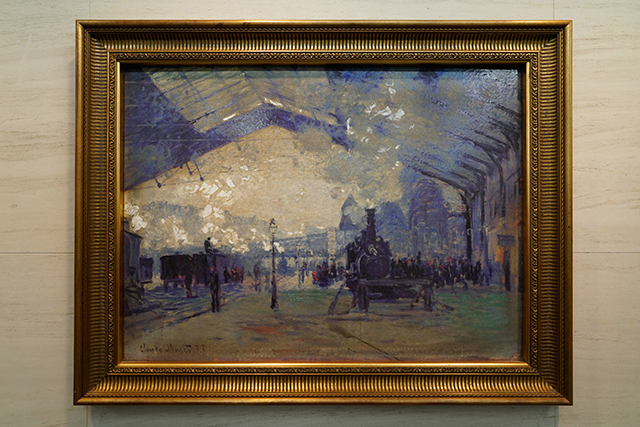
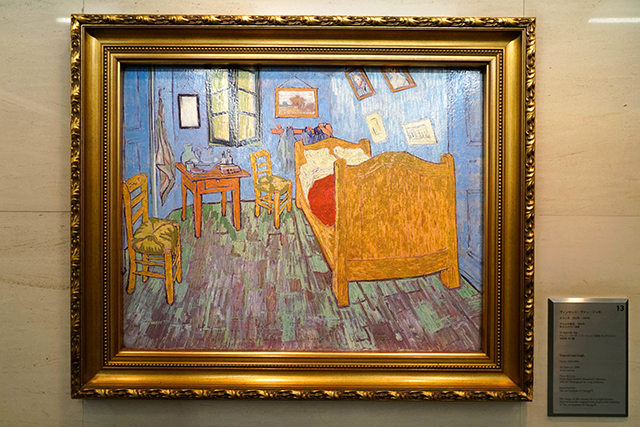
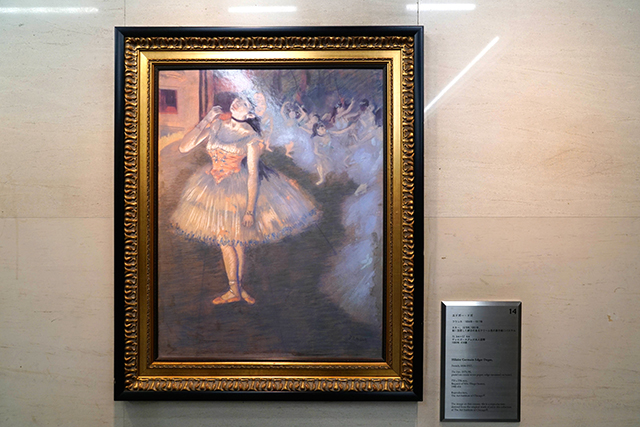
A segment of the walk featured prints of paintings by various Impressionist and Post-Impressionist artists.
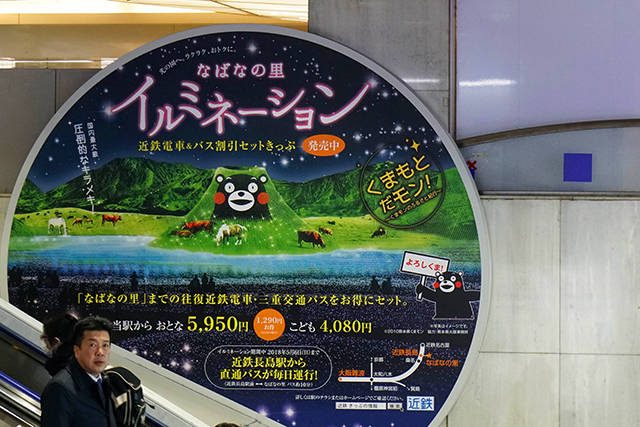
There’s an advertisement for an illumination event in Kumamoto.
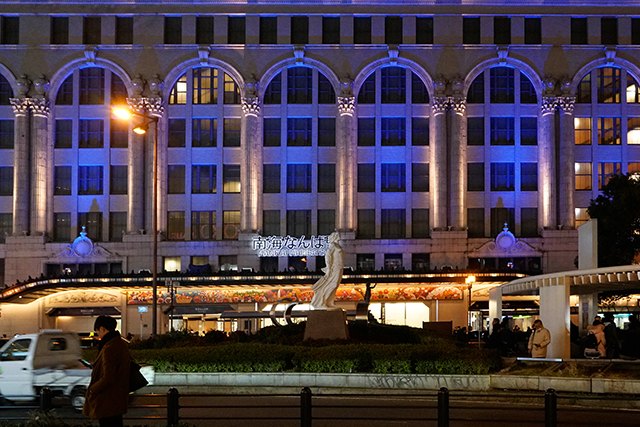
Before long, we head back up to ground level to get a better sense of our location. This is the main building of Nankai Namba Station.
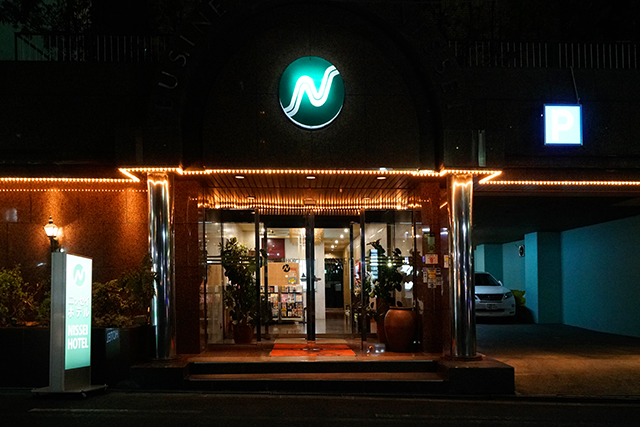
We check into our room at Hotel Nissei.
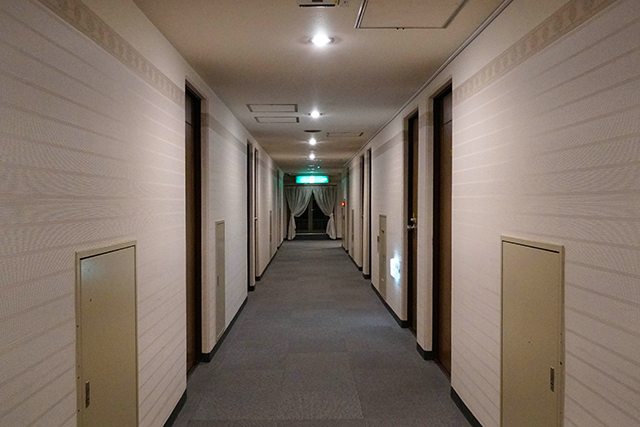
It’s a business hotel that’s very conveniently located just a few minutes from Namba Station, and our favourite takoyaki and sushi train restaurants.
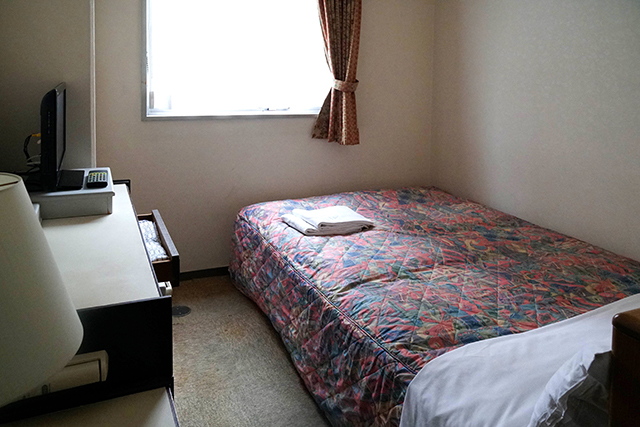
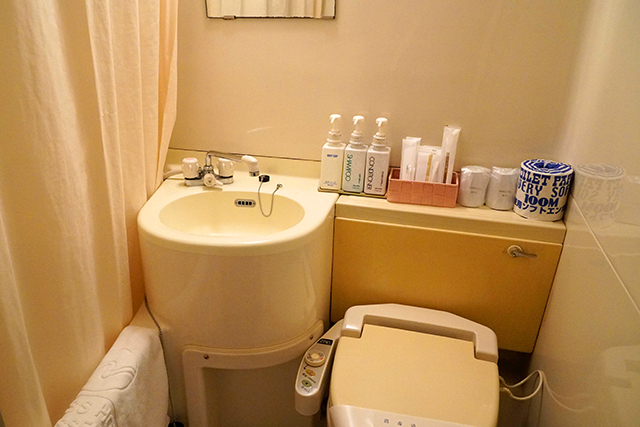
The convenience of location aside, though, the hotel is very basic and the least comfortable out of the four hotels we stayed at this trip, and the second least comfortable on any trip (the other being worse simply because the smoking floors weren’t well separated). The bedding is clean as is the bathroom, but the carpet and furniture are very tired and very long overdue for a refurbishment.
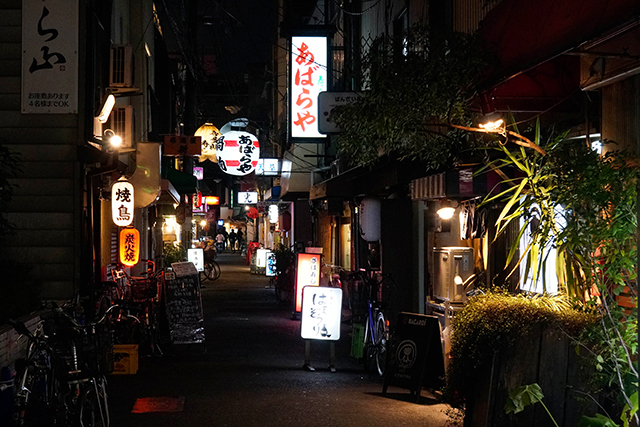
After settling in, we head back down to the street for some dinner.
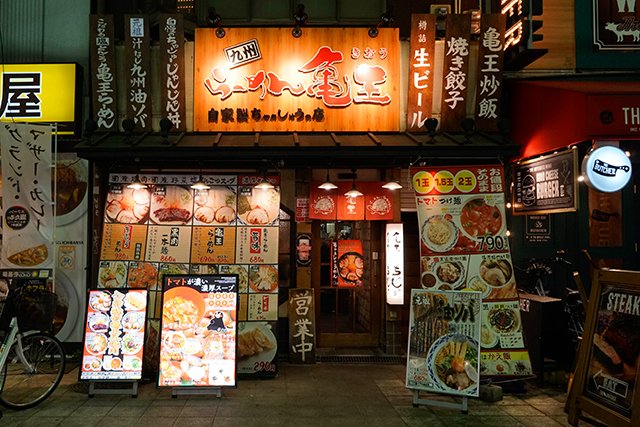
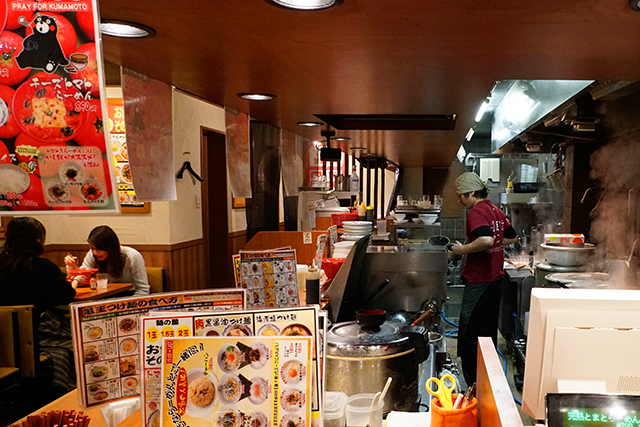
We had every intention to visit Coco Ichibanya Curry House, but this restaurant right next door to it stops us in our tracks.
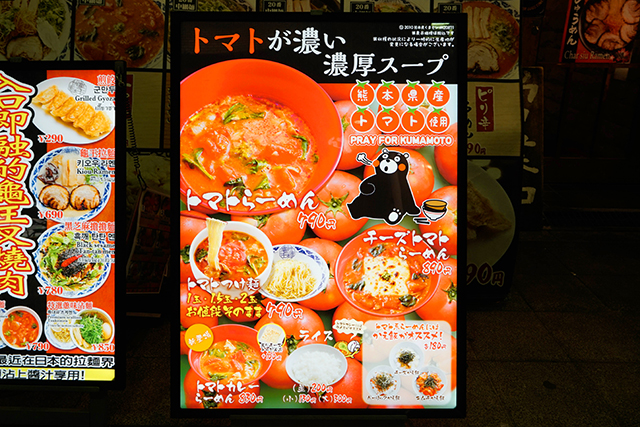
It’s none other than another branch of Kyūshū Ramen Kio, the ramen restaurant with the Kumamon poster outside and specialises in Kyūshū-style ramen that we’d encountered during the first part of our trip in Ōsaka.
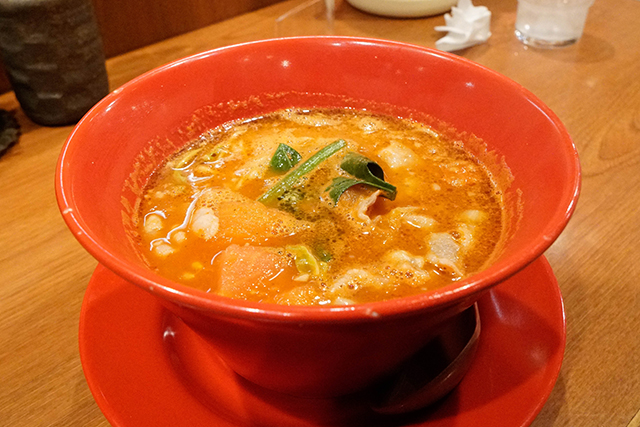
D orders the signature Tomato Ramen (¥790) for which the restaurant is known and that I enjoyed thoroughly before.
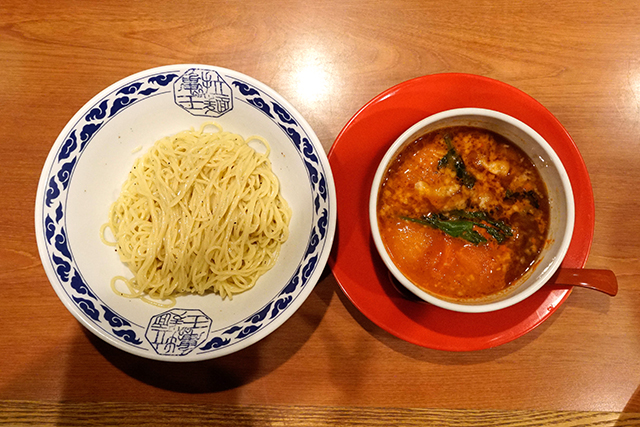
I branch out with the Tomato Tsukemen (¥790).
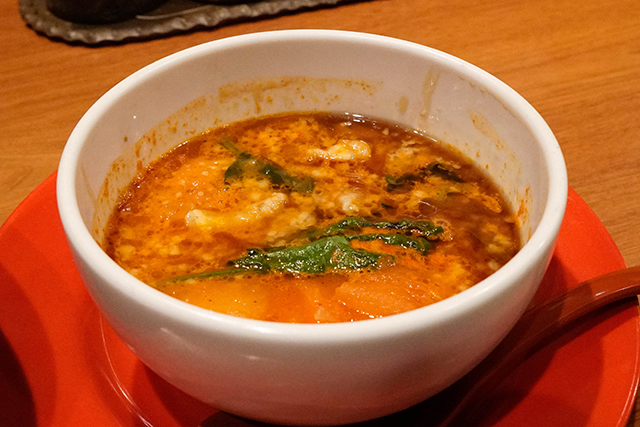
The broth comes in a piping hot bowl and is a concentrated version of the tomato soup of their standard tomato ramen. It’s much richer with a stronger flavour and less conducive to sipping.
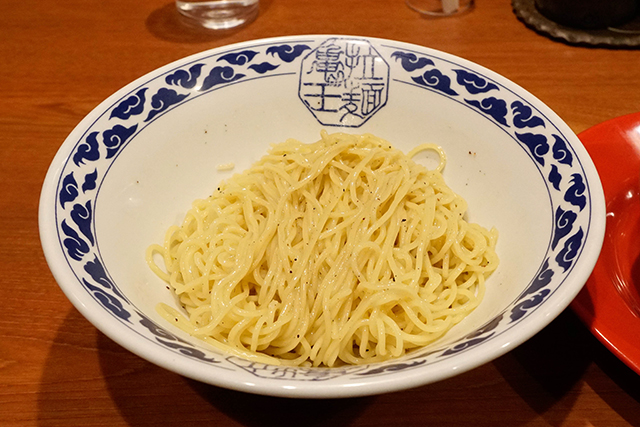
The noodles cold with a firm texture giving a good bounce on the teeth and carrying the broth well.
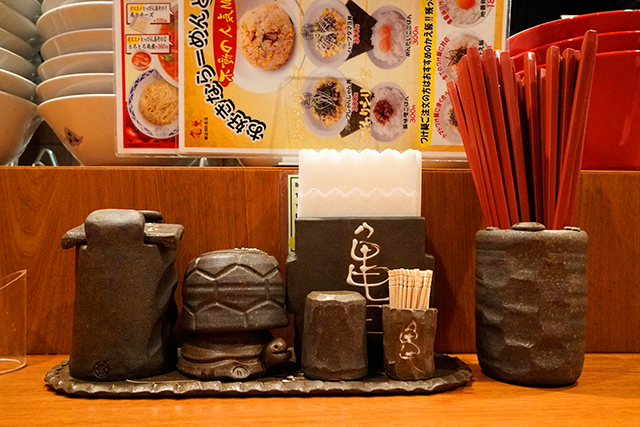
The restaurant has cute containers at each table.
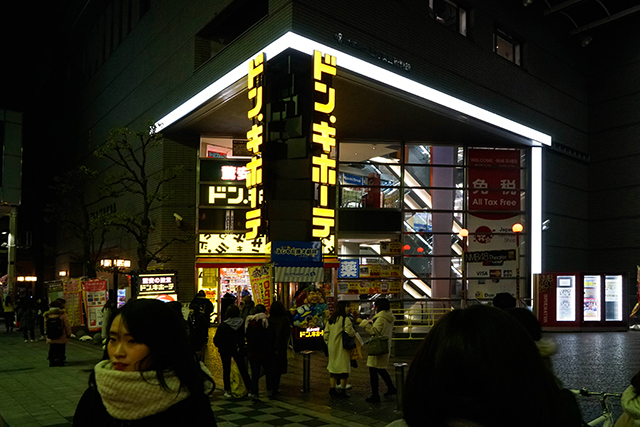
After dinner, we head over to the Don Quixote near our hotel (3 minutes walk). We’re sad to see that the Junkudo, a huge book shop, that used to occupy the space has been replaced by the Don Quixote, but it did carry the shiba inu plush toy I was after!
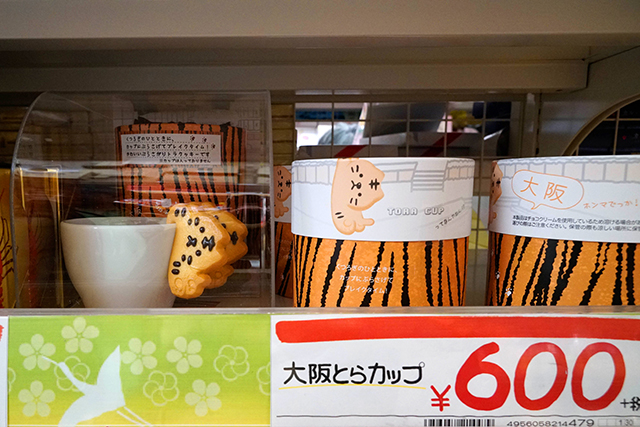
They also have these cute tiger shaped biscuits for hanging off the side of your mug.
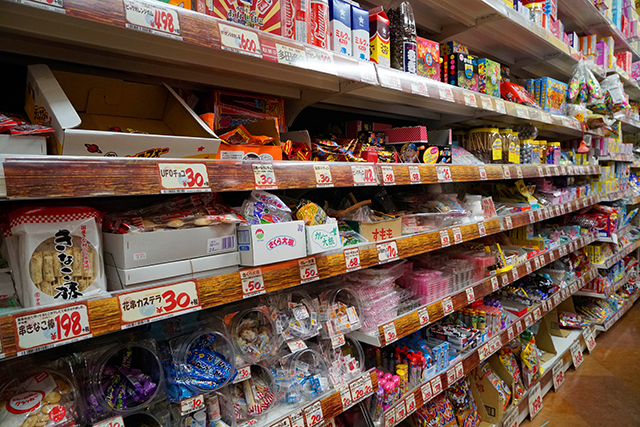
There’s also a large selection of dagashi on the bottom floor.
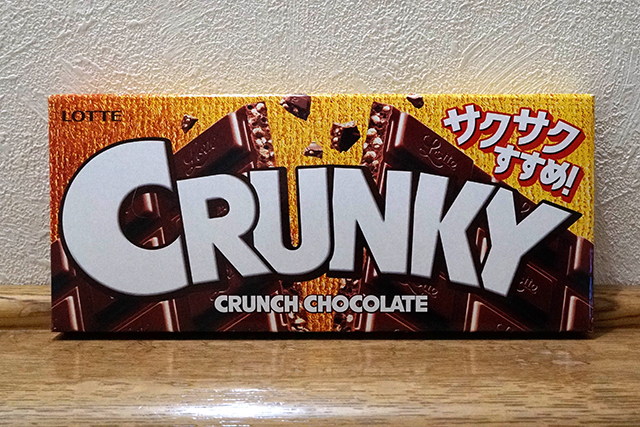
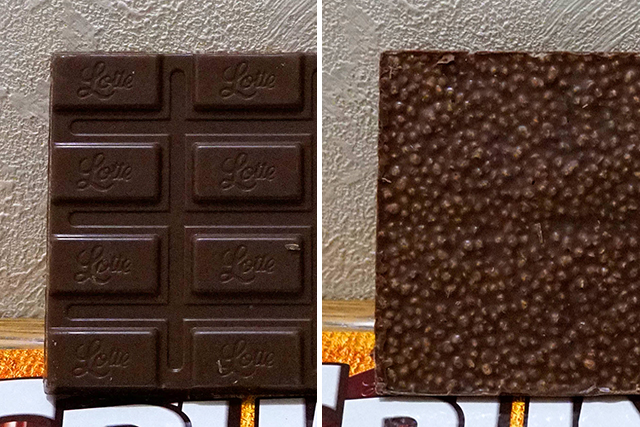
We pick up some Crunky Crunch Chocolate. It’s similar to a Nestlé Crunch Milk Chocolate bars – it’s a chocolate bar filled with malt puffs that give a good crunch. The bars are thin, giving it the extra crunch.
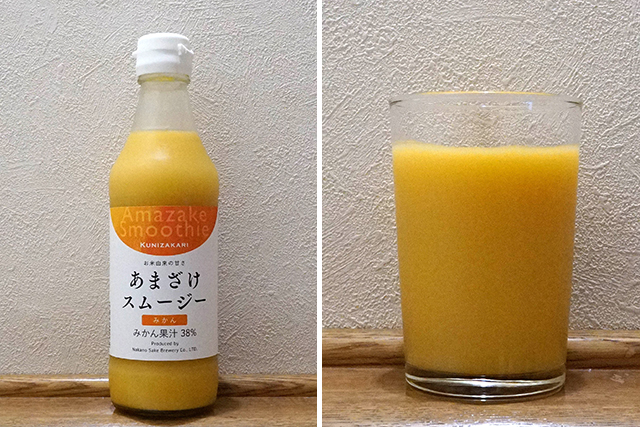
We have the Mikan Amazake Smoothie we picked up from the supermarket earlier. The amazake is an opaque orange colour like a smoothie with a subtle nose that recalled sake lees. Consumed chilled, the mikan flavour came through with a mellow sweetness at the start of each sip with a roundness of flavour in the background from the amazake and developed to a brighter and more lively flavour in the body as the notes of the amazake recedes. The flavour of the sake lees returns in the finish and lingered long on the palate due to the thick texture of the drink. We enjoyed this amazake smoothie more than we expected with the sweetness of the mikan making it easy to drink.
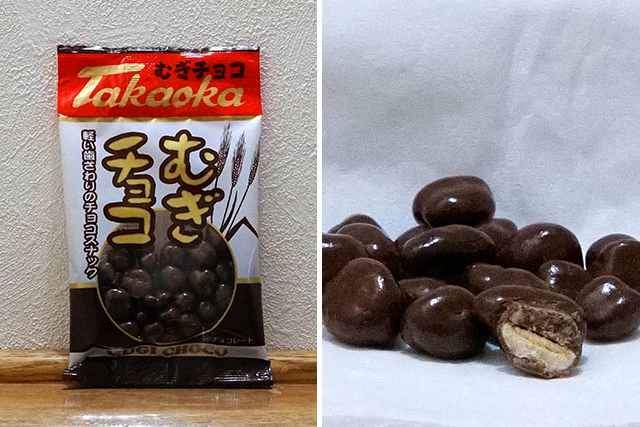
Later on, we try these Takaoka Mugi Choco, barley puffs covered in dark chocolate. They’re quite delicious, recalling chocolate coated coffee beans but with less of a prominent crunch and a more subtle flavour.
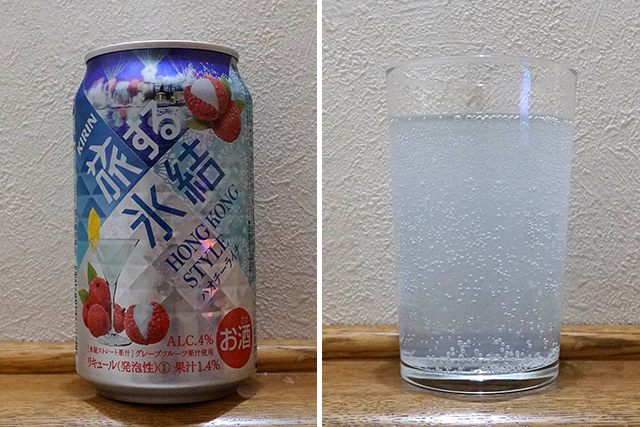
We finish the night with this Kirin Traveling Hyoketsu Haochi Lychee chu-hi, which is said to be inspired by the blue drink often enjoyed while looking out at Hong Kong’s nighttime urban lights. This is a limited edition released on July 18 2017. The chu hi is a semi-opaque pale blue colour with a prominent lychee aroma. Served chilled, the fragrant and floral lychee notes came through brightly in the flavour, recalling a good lychee flavoured soda with a slightly bitter aftertaste.