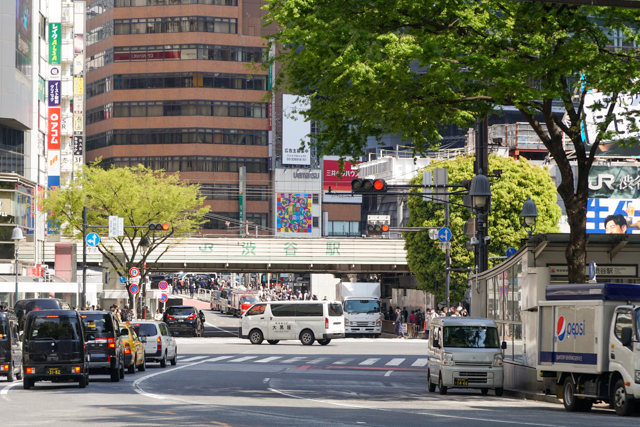
Our sixth day in Japan saw us staying in Tōkyō and visiting the area around Shibuya to dine in at Kumachan Onsen, a bear-themed shabu shabu restaurant, and the bakeries along the walk to Omotesando and Harajuku.
Shibuya, Shibuya City, Tōkyō
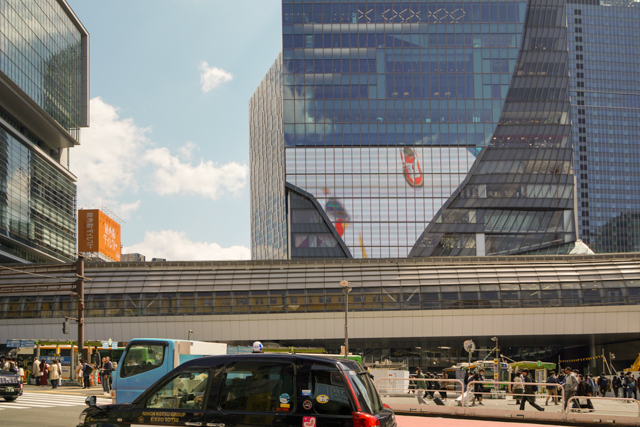
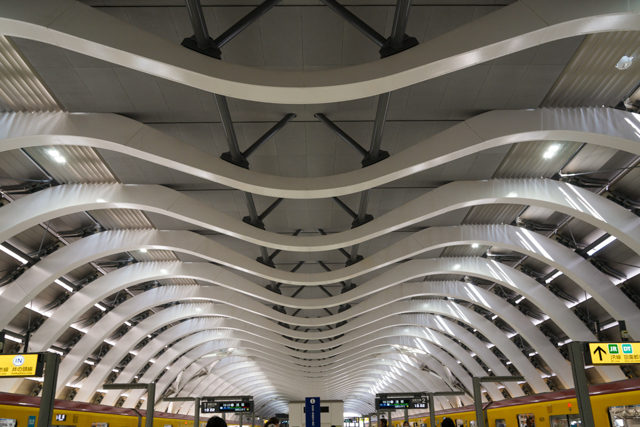
The Shibuya district underwent large-scale redevelopment in recent years ahead of what was to be the 2020 Tōkyō Olympics, with a number of major new buildings erected. The Ginza Line’s Shibuya station, which was newly built and opened in 2020, is built on a slight incline with signs on the platform warning passengers to keep a hold of their luggage so they don’t roll down the platform.
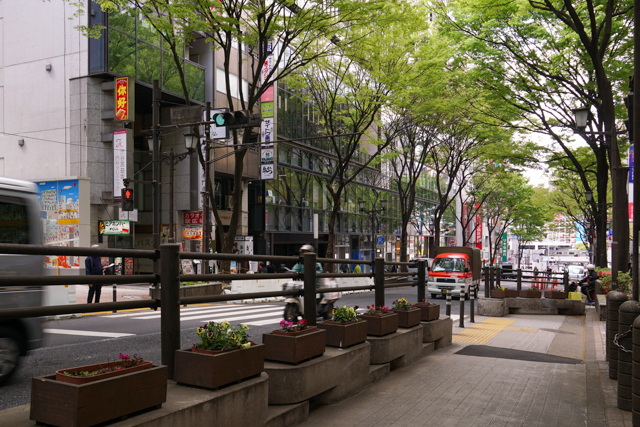
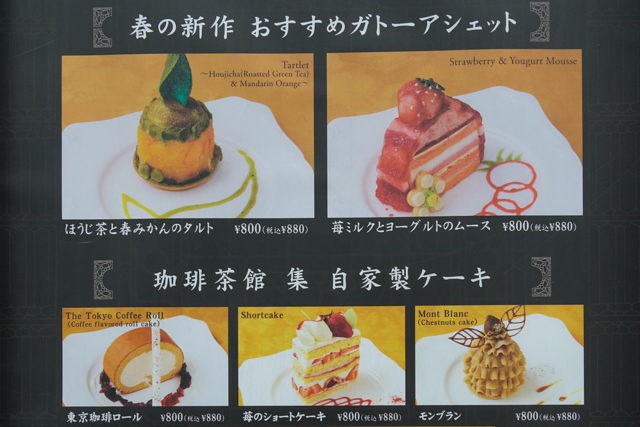
We walk past a cafe with a tasty cake menu for spring.
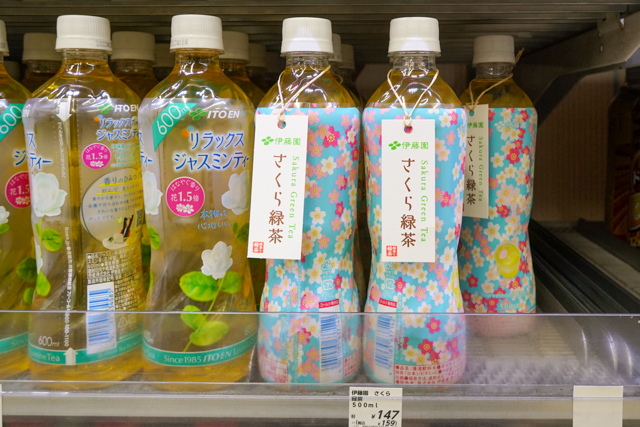
We also popped into the nearby Lawson to check out their drinks selection.
Kumachan Onsen
北海道めんこい鍋くまちゃん温泉渋谷宮益坂, 2F 1 Chome-8-10 Shibuya, Shibuya City, Tōkyō 150-0002, Japan
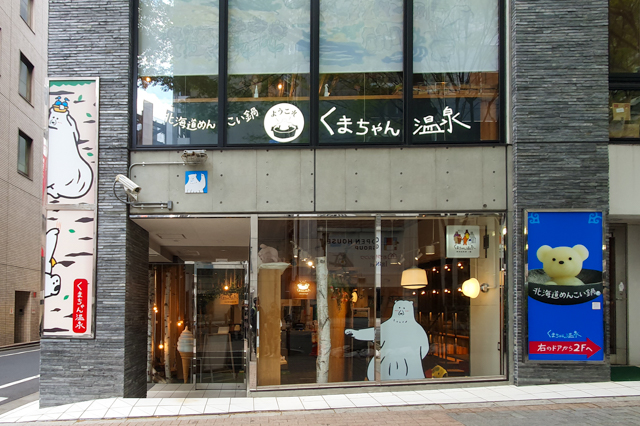
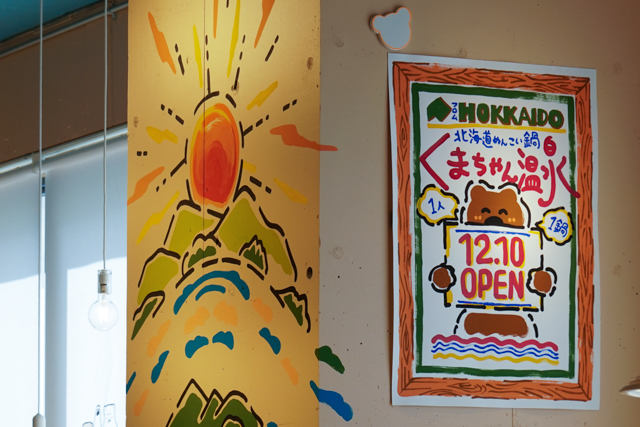
Kumachan Onsen was the chief reason for our visit to Shibuya. Opened in December 2021, this restaurant is the first in Tōkyō to serve Hokkaidō’s famous ‘teddy bear hotpot’.
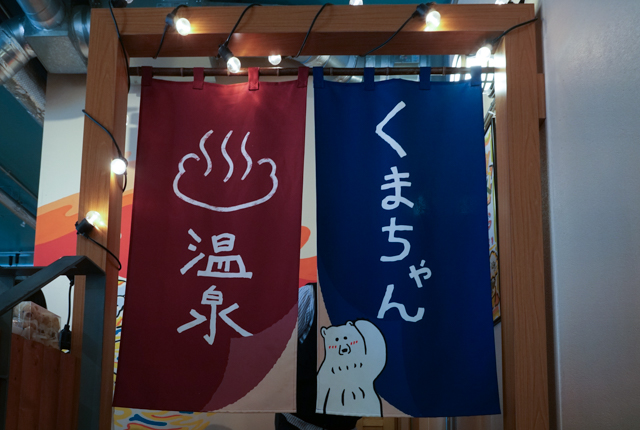
The restaurant is situated on the second floor (with the first floor being home to Oyasumi Dokoro, a bear-themed dessert parlour operated by the same company).
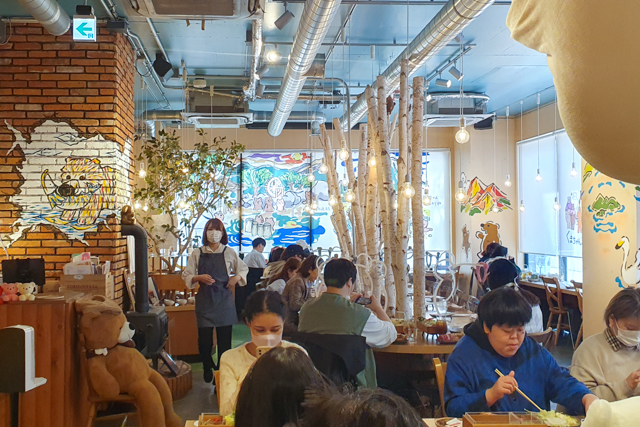
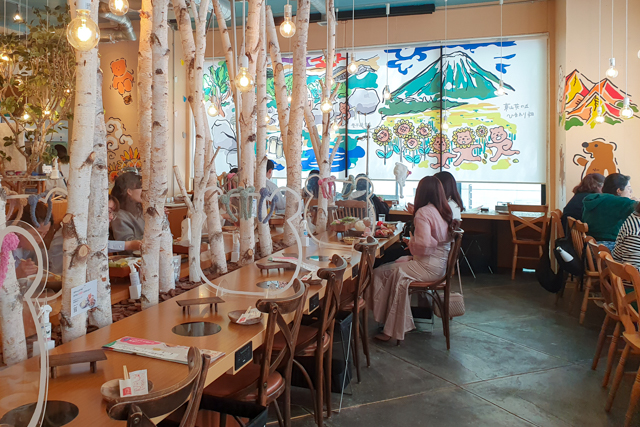
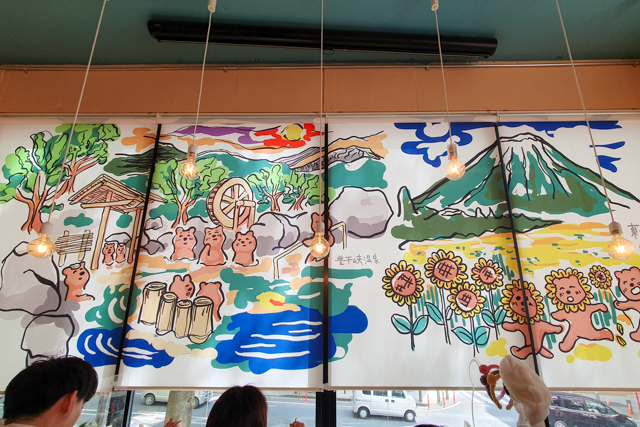
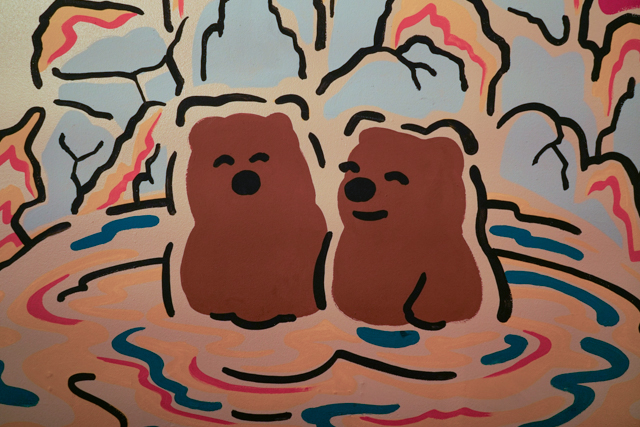
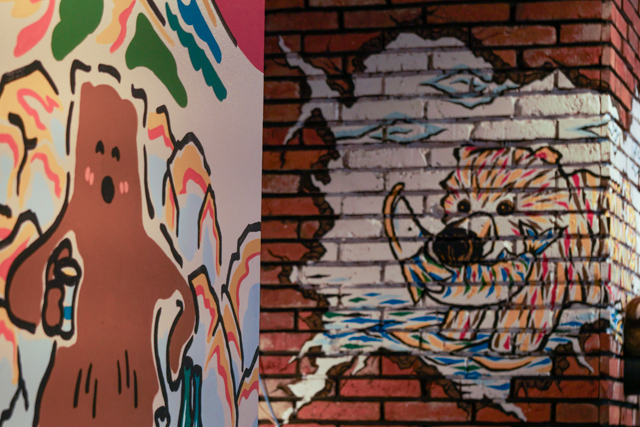
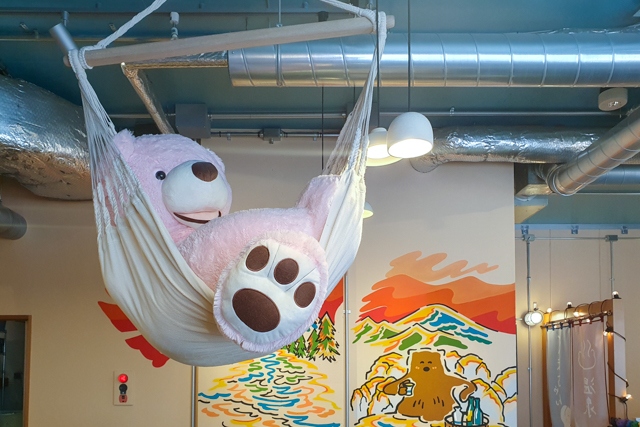
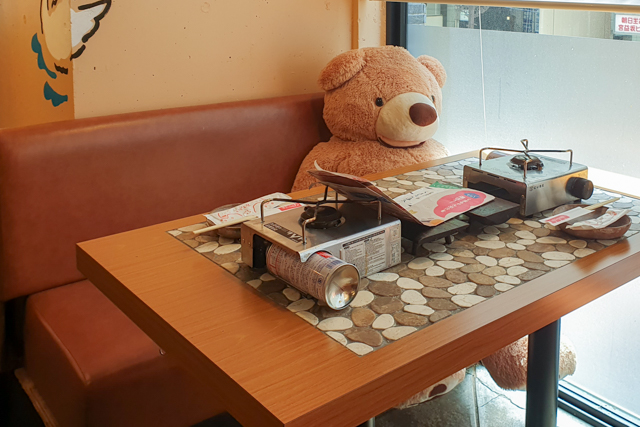
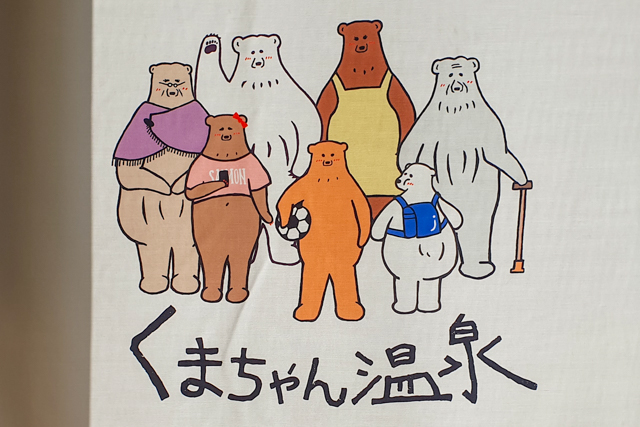
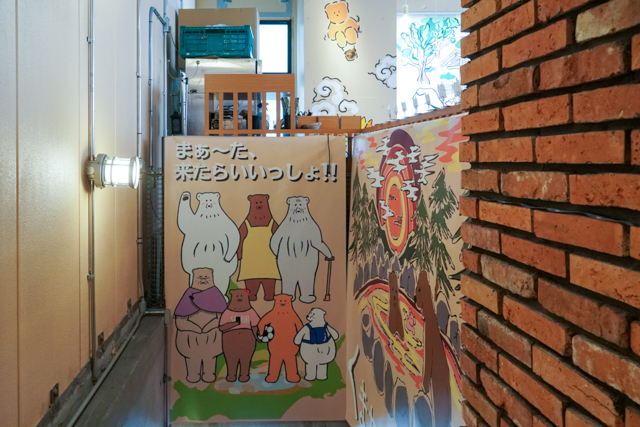
The walls were adorned with illustrations of bears enjoying onsen, while large bears occupied some of the tables and roof space in the restaurant.
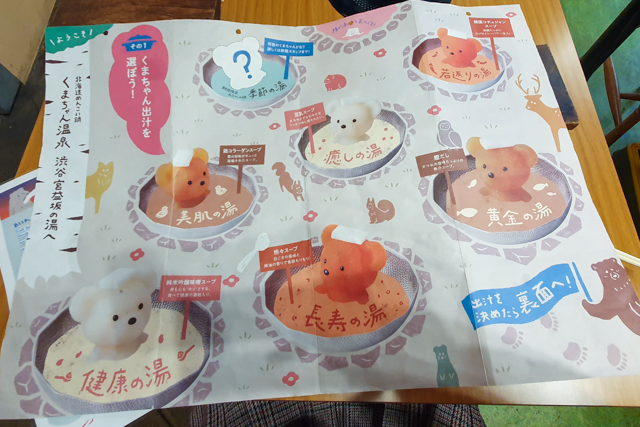
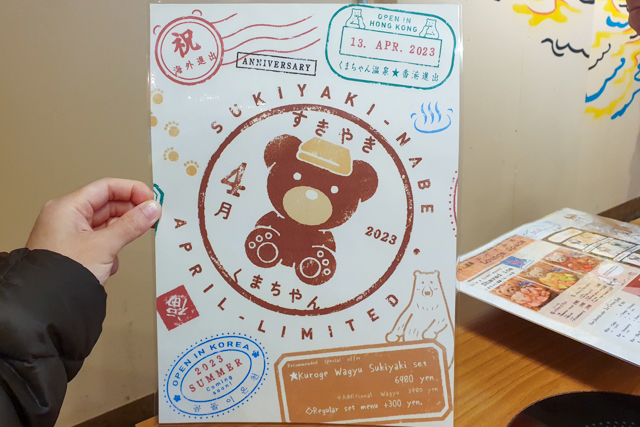
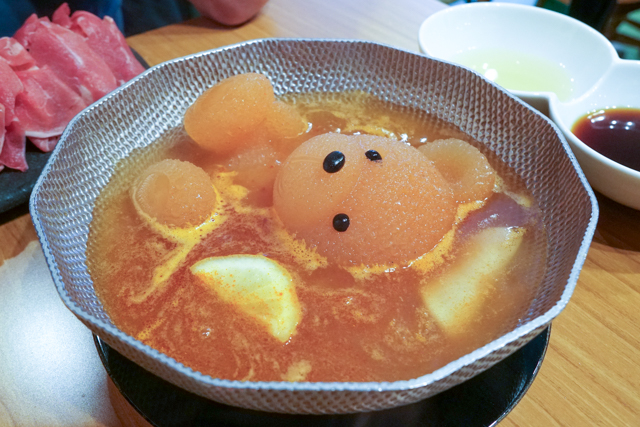
Instead of a typical pot of hot broth, the meals here came with a teddy bear-shaped aspic that turned into broth when heated, giving the image of a bear taking a warm bath.
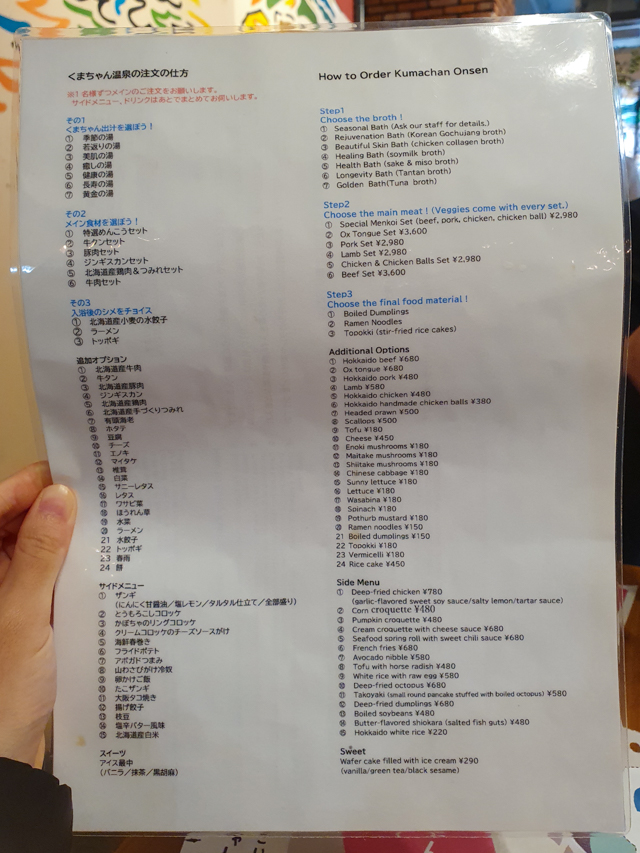
Step 1: Choose the broth
- Seasonal bath (sukiyaki broth at the time of our visit in April 2023)
- Rejuvenation bath (Korean gochujan broth)
- Beautiful skin bath (chicken collagen broth)
- Healing bath (soy milk broth)
- Health bath (sake and miso broth)
- Longevity bath (tan tan broth)
- Golden bath (skipjack tuna broth)
Step 2: Choose the main meat (veggies come with every set)
- Special menkoi set (beef, pork chicken, chicken ball) ¥2,980
- Ox tongue set ¥3,600
- Pork set ¥2,980
- Lamb set ¥2,980
- Chicken and chicken balls set ¥2,980
- Beef set ¥3,600
Step 3: Choose the final food material
- Boiled dumplings
- Ramen noodles
- Topokki (stir-fried rice cakes)
Additional Options
- Hokkaidō beef ¥680
- Ox tongue ¥680
- Hokkaidō pork ¥480
- Lamb ¥580
- Hokkaidō chicken ¥480
- Hokkaidō handmade chicken balls ¥380
- Headed prawn ¥500
- Scallops ¥500
- Tofu ¥180
- Cheese ¥450
- Enoki mushrooms ¥180
- Maitake mushrooms ¥180
- Shiitake mushrooms ¥180
- Chinese cabbage ¥180
- Sunny lettuce ¥180
- Lettuce ¥180
- Wasabina ¥180
- Spinach ¥180
- Pothurb mustard ¥180
- Ramen noodles ¥150
- Boiled dumplings ¥150
- Topokki ¥180
- Vermicelli ¥180
- Rice cake ¥450
Side Menu
- Deep-fried chicken ¥780 (garlic-flavored sweet soy sauce/salty lemon/tartar sauce)
- Corn croquette ¥480
- Pumpkin croquette ¥480
- Cream croquette with cheese sauce ¥680
- Seafood spring roll with sweet chilli sauce ¥680
- French fries ¥680
- Avocado nibble ¥580
- Tofu with horse radish ¥480
- White rice with raw egg ¥580
- Deep-fried octopus ¥680
- Takoyaki (small round pancake stuffed with boiled octopus) ¥580
- Deep-fried dumplings ¥680
- Boiled soybeans ¥480
- Butter-flavored shiokara (salted fish guts) ¥480
- Hokkaidō white rice ¥220
Sweet
- Wafer cake filled with ice cream ¥290 (vanilla/green tea/black sesame)
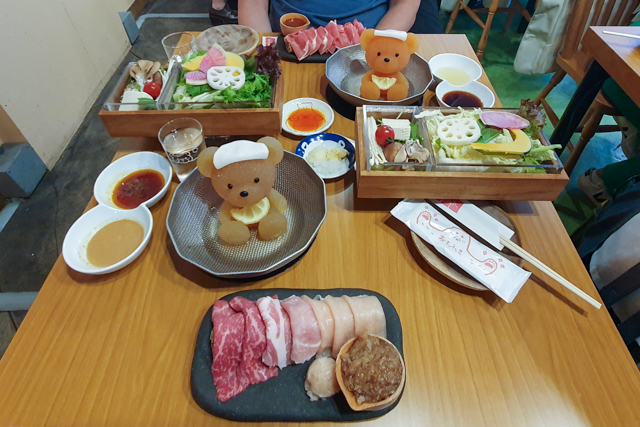
Each seating is 90 minutes. We made out reservations through Google.
What is shabu shabu?
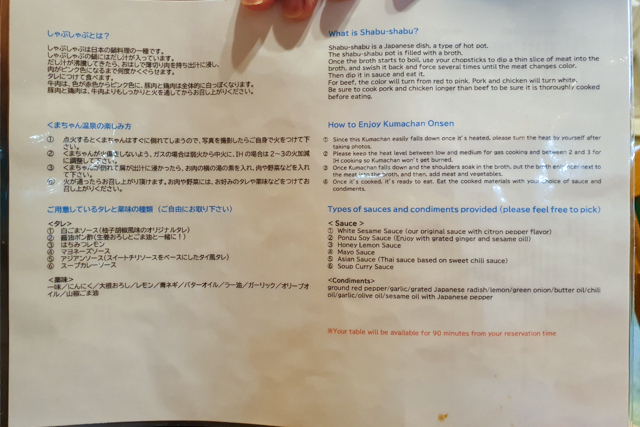
Shabu shabu is a Japanese dish, a type of hot pot. The shabu shabu pot is filled with a broth. Once the broth starts to boil, use your chopsticks to dip a thin slice of meat into the broth, and swish it back and forth several times until the meat changes color. Then dip it in sauce and eat it. For beef, th color will turn red to pink. Pork and chicken will turn white. Be sure to cook pork and chicken longer than beef to be sure it is thoroughly cooked before eating.
How to enjoy Kumachan Onsen
- Since this Kumachan easily falls down once it’s heated, please turn the heat by yourself after taking photos.
- Please keep the heat level between low and medium for gas cooking and between 2 and 3 for IH cooking so Kumachan won’t get burned.
- Once Kumachan falls down and the shoulders soak in the broth, put the broth enhancer next to the meat into the broth, and then, add meat and vegetables.
- Once it’s cooked, it’s ready to eat. Eat the cooked materials with your choice of sauce and condiments.
Types of sauces and condiments provided
Sauce
- White sesame sauce (our original sauce with citron pepper flavour)
- Ponzu soy sauce (enjoy with grated ginger and sesame oil)
- Honey lemon sauce
- Mayo sauce
- Asian sauce (Thai sauce based on sweet chilli sauce)
- Soup curry sauce
Condiments
- ground red pepper, garlic, grated Japanese radish, lemon green onion, butter oil, chilli oil, garlic, olive oil, sesame oil with Japanese pepper
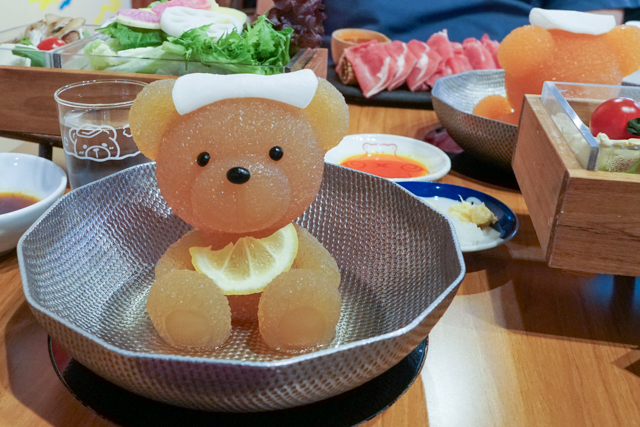
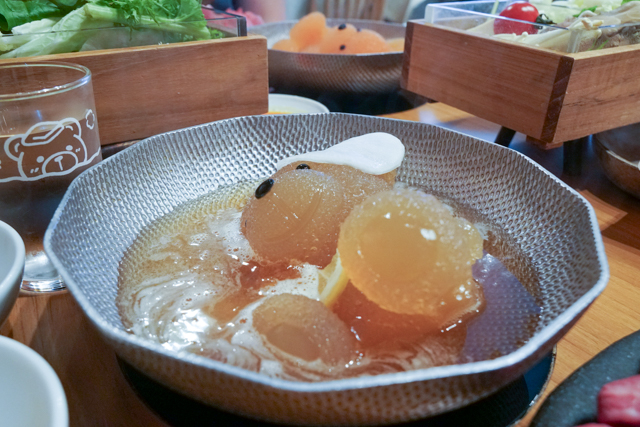
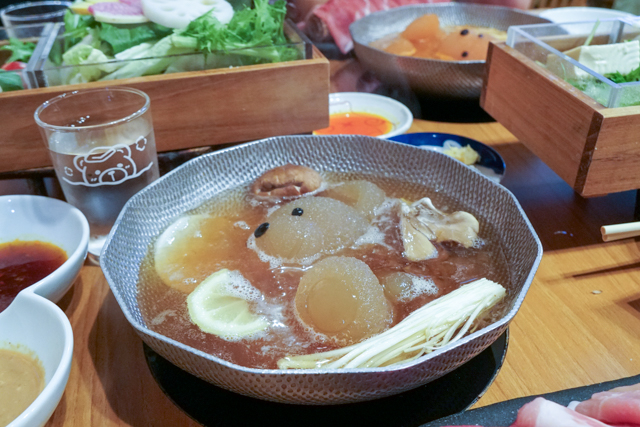
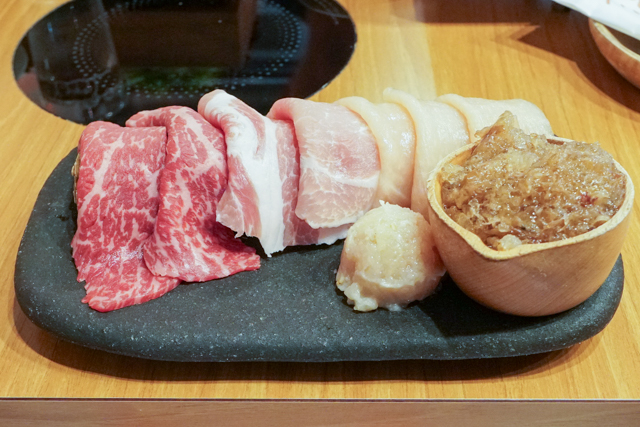
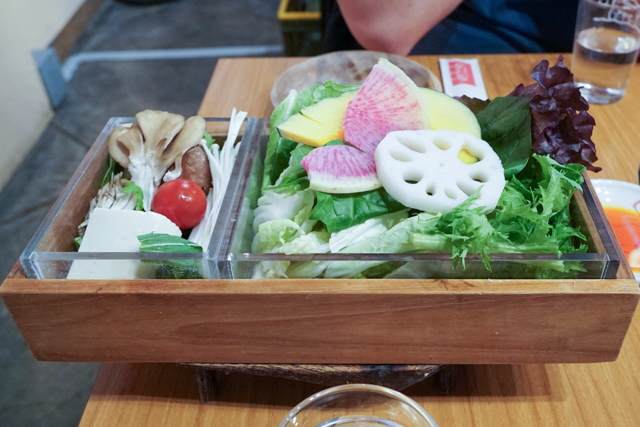
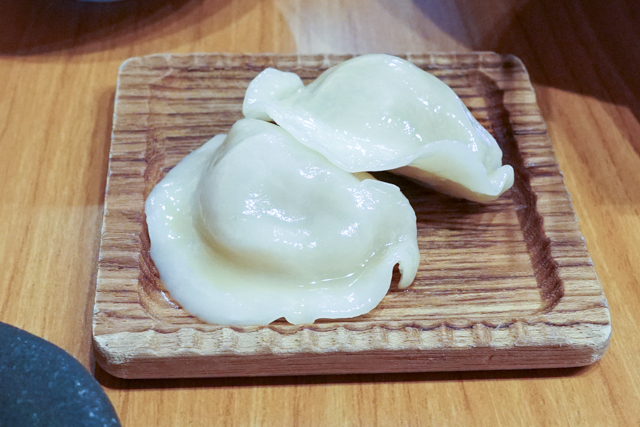
This was the bear in the Golden Bath (katsuobushi or skipjack tuna broth), with the special menkoi meat set and a side of dumplings (¥2,980).
The katsuobushi broth had a deep umami and smoky and slightly oceanic savoury flavour that soaked into the meats and vegetables without overpowering. The meat was tender and fresh, although we would’ve enjoyed a few more slices of meat, while the vegetables were crisp with a generous variety.
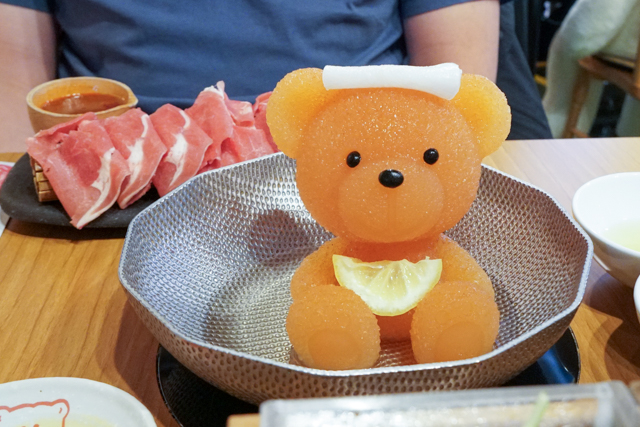
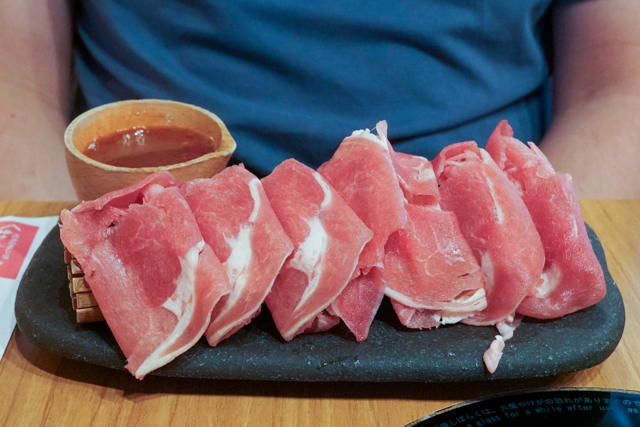
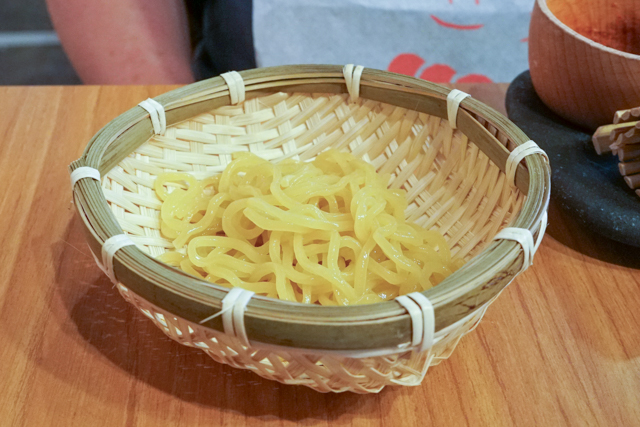
This is the Rejuvenation Bath (Korean Gochujang broth), with lamb and a side of ramen (¥2,980).
The gochujang broth was a bit spicy, with a complex and deeply savoury flavour with a subtle sweetness from the fermented sauce base. The slices of lamb were tender without being overly gamey, and D enjoyed the pairing with the spiciness of the broth.
For both pots of broth, the amount of liquid was sufficient for the 90-minute seating. By the end, the soup was evidently thickening, but it was manageable and indeed helped adhere the flavour to the ingredients.
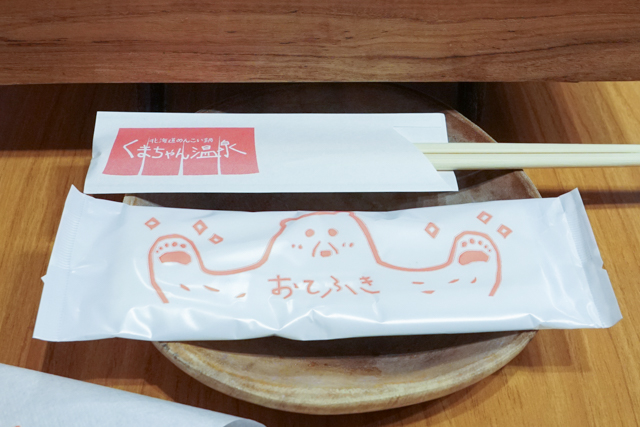
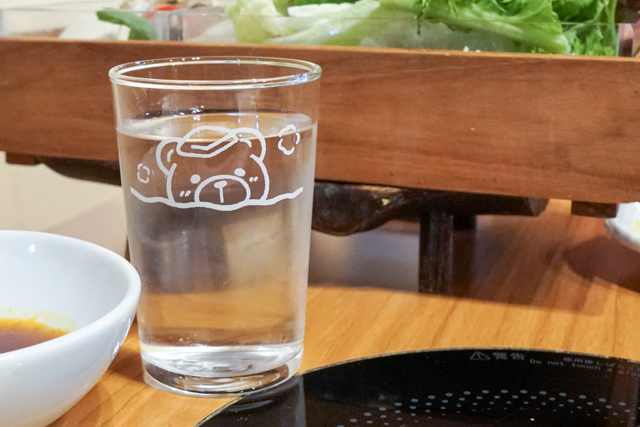
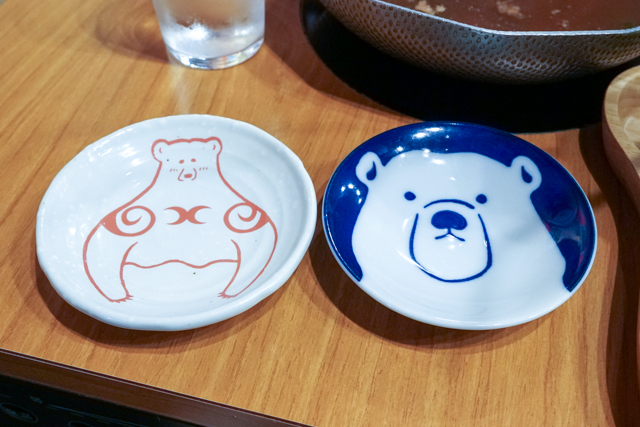
Bears feature everywhere in the store in a functional, tasteful and elegant way.
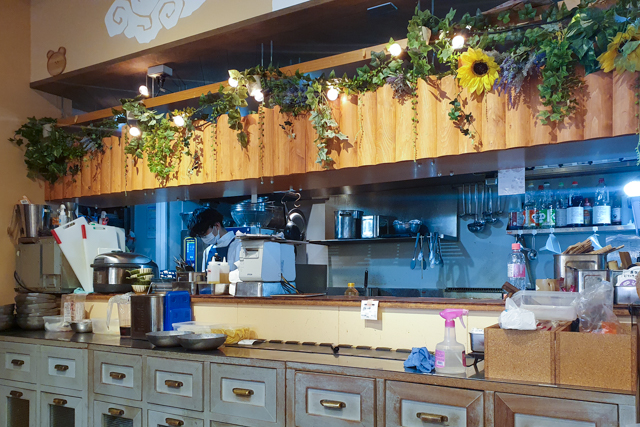
The kitchen is located at one end of the restaurant…
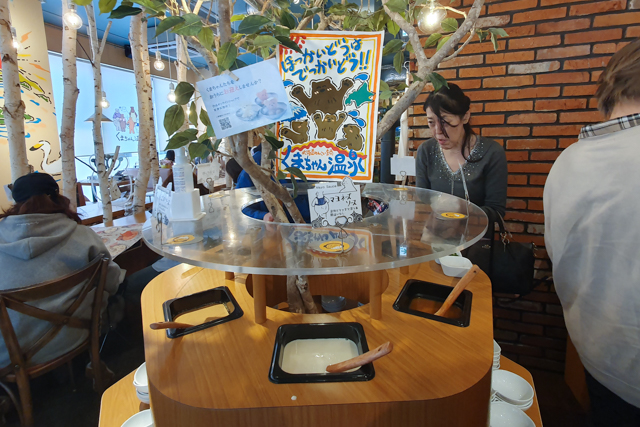
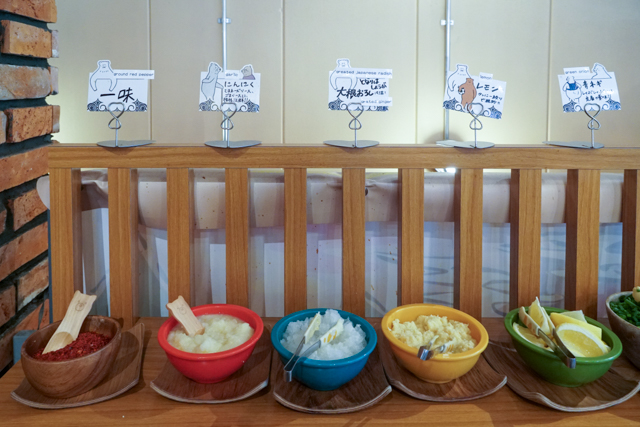
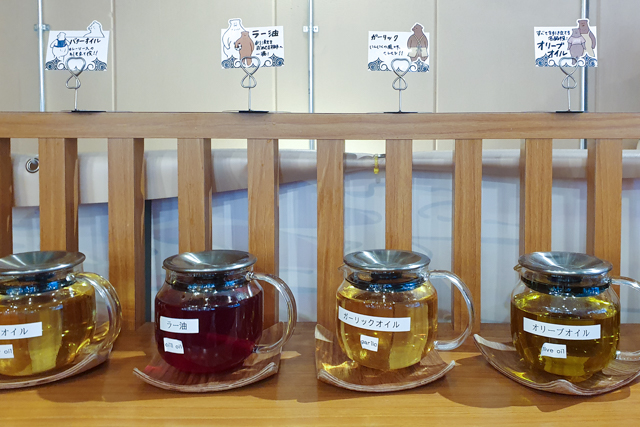
…while the wide selection of sauces and condiments are at the other end.
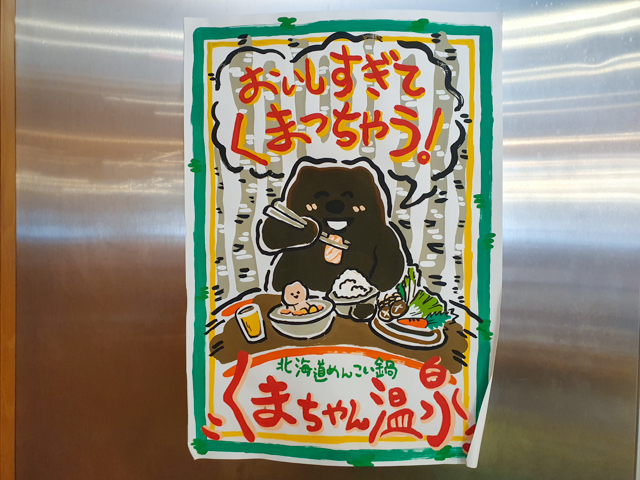
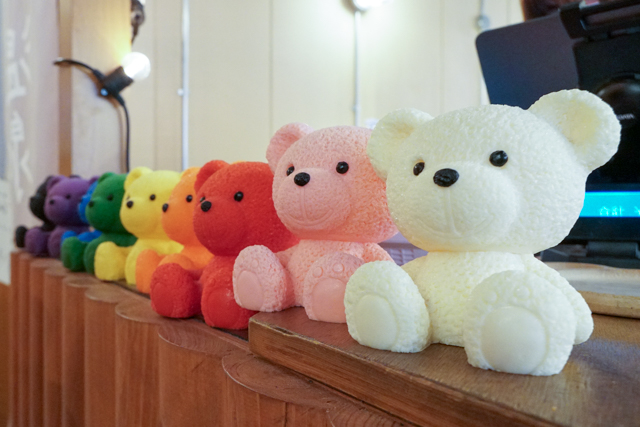
There was a row of bears cast from the mould in every colour lining the front of the cash register.
We went to Kumachan Onsen with the expectation that it would be a fun ‘bear’ experience. And it definitely was! Yet, the food was also thoughtful and flavourful with fresh, quality ingredients. So, while we paid a premium for the fun ‘bear’ experience, it was worth it. We left satisfied and eager to explore new shabu shabu restuarants.
Oyasumi-dokoro
お休み所渋谷宮益坂, 1F 1 Chome-8-10 Shibuya, Shibuya City, Tōkyō 150-0002, Japan
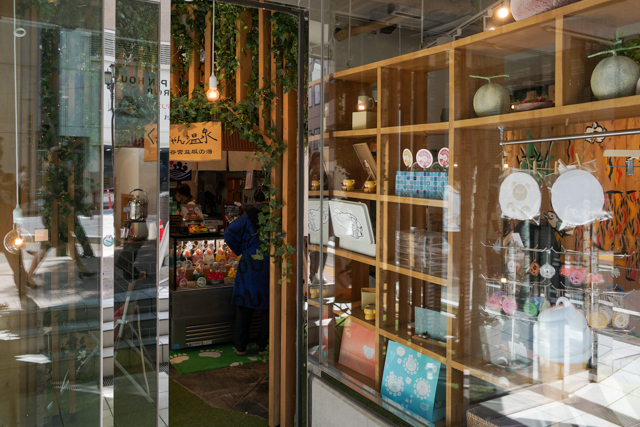
Oyasumi Dokoro is the sweets and desserts cafe operated by the same team behind Kumachan Onsen.
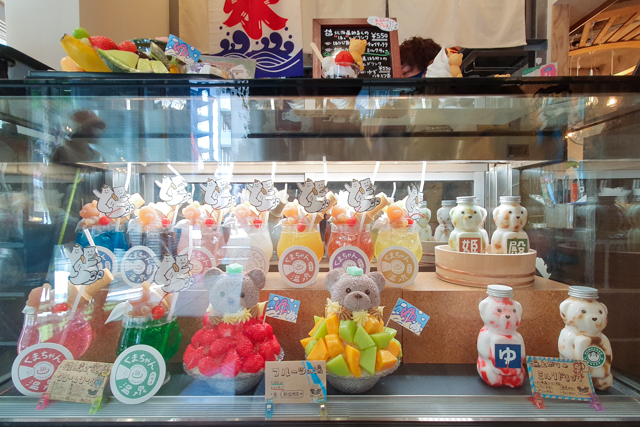
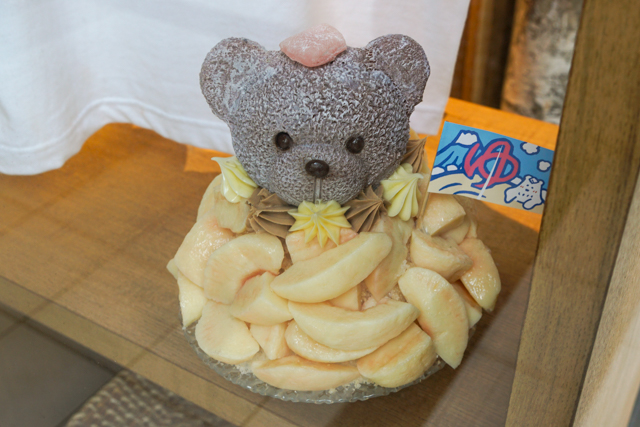
Their signature item is a kakigōri shaved ice dessert made to look like a cuddly teddy bear soaking in a hot spring bath. There is either melon or strawberry flavour as well as a seasonal peach flavour, and it comes with fresh fruit, syrup, a coconut-flavoured sauce, as well as peanut cream and shiratama dango, with soft-serve ice cream and granola hidden inside the mound of shaved ice.
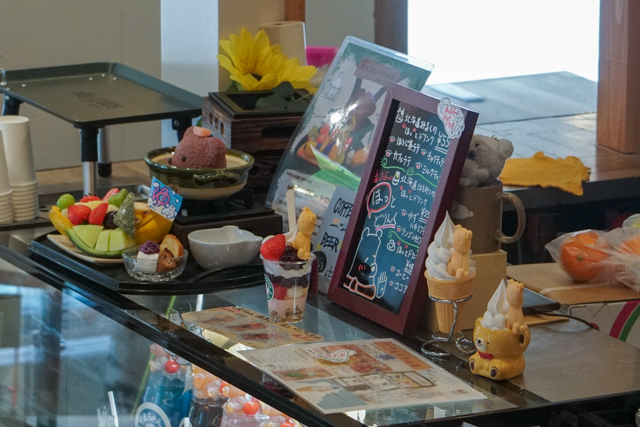
They also have soft-serve ice cream on its own, which is made from Hokkaidō milk and served in a cute teddy bear cup and topped with a bear-shaped monaka wafer (¥490).
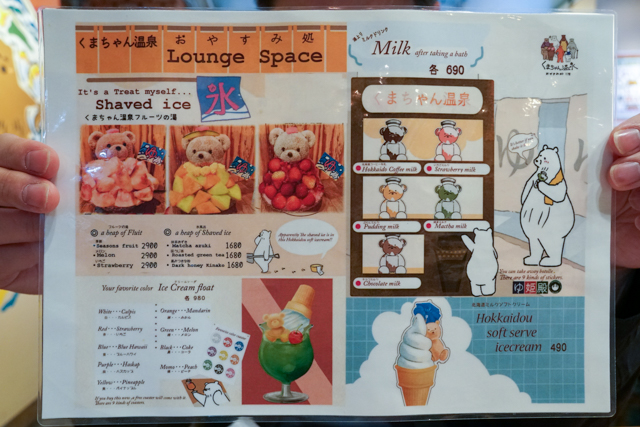
This space operates without reservations, unlike the restaurant. However, as customers of the restaurant, we could order items from the menu and brought upstairs at the end of our meal. For those running short on the 90-minute reservation time, or to simply enjoy the atmosphere of the store downstairs, it would be preferable to order separately.
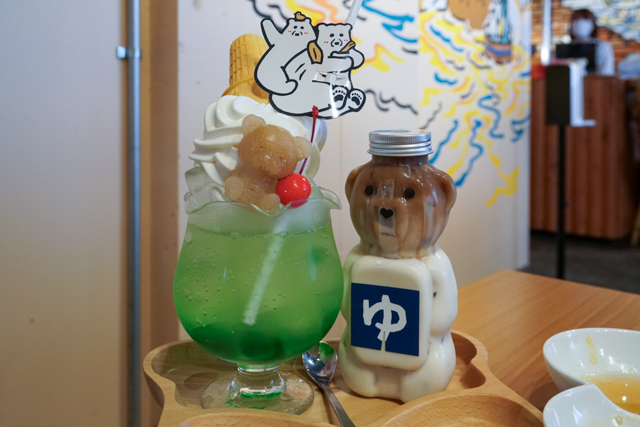
Special Melon Soda (¥980). The melon soda was topped with chunky ice, atop which sat a generous serving of Hokkaidō soft serve, a wafer cone, a glace cherry as well as a bear-shaped ice cube made from very dilute cola (for colour rather than flavour). This was a generously sized drink, with the ice cream having the signature creamy richness of Hokkaidō milk.
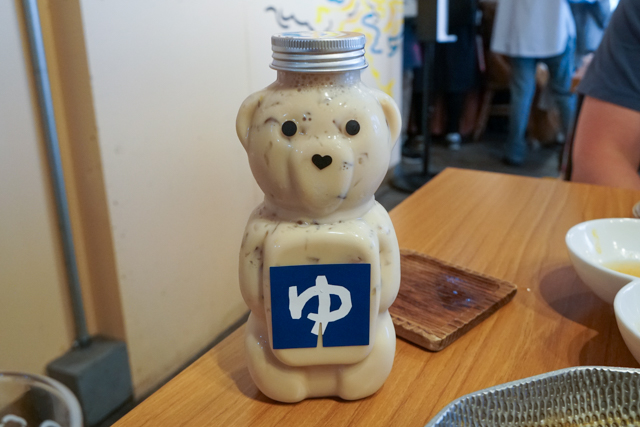
Kuma Coffee Milk (¥690). We enjoyed the rich coffee flavour paired with the creamy Hokkaidō milk. It was delicious and the perfect end to the meal. The bear-shaped bottle came with a noren apron — the curtain that can be found usually outside the gendered sections at an onsen.
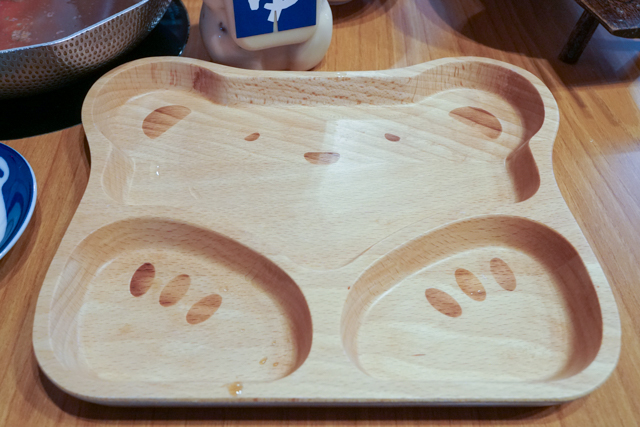
And it was delivered on a cute bear plate.
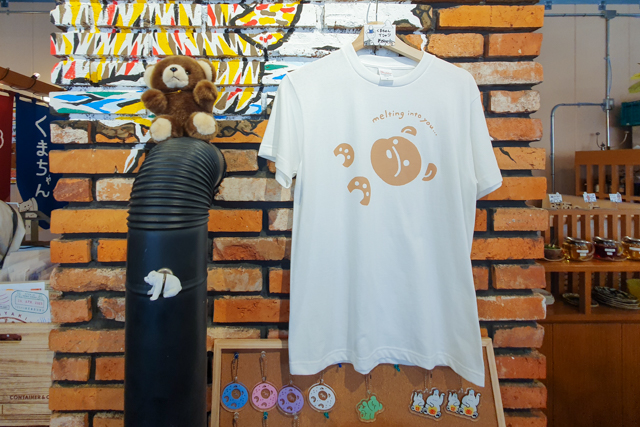
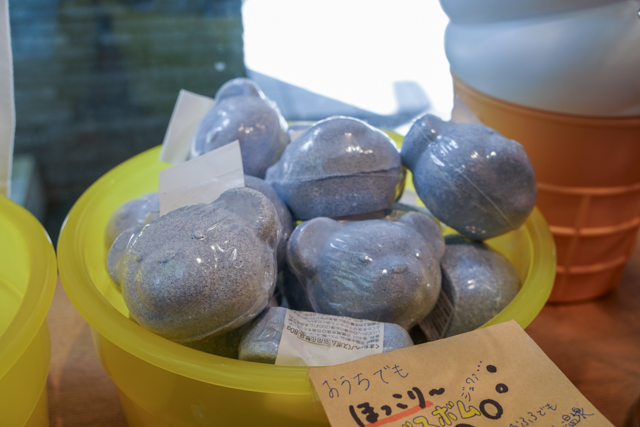
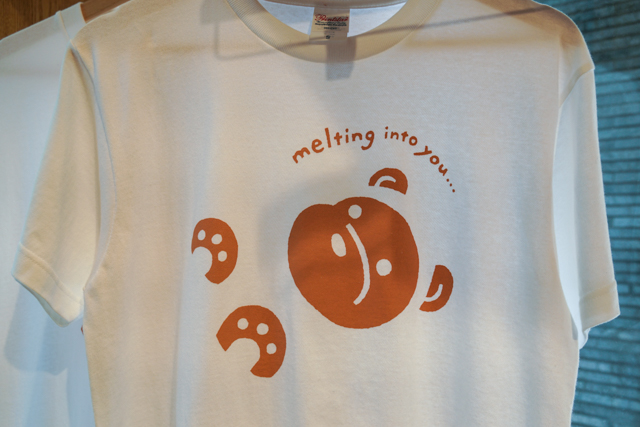
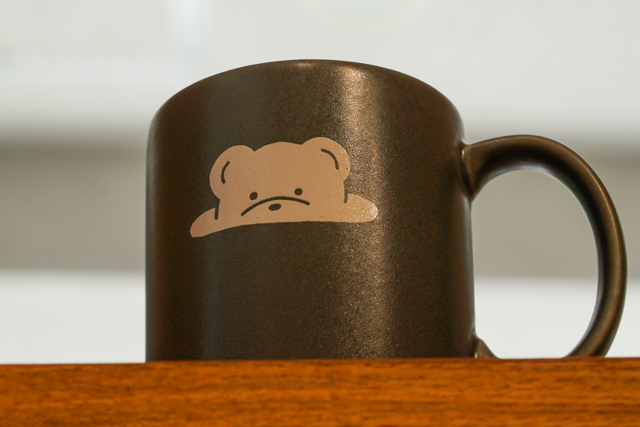
It wouldn’t be a destination restaurant without its own merchandise. We were keen on this cup but it didn’t seem to be for sale.
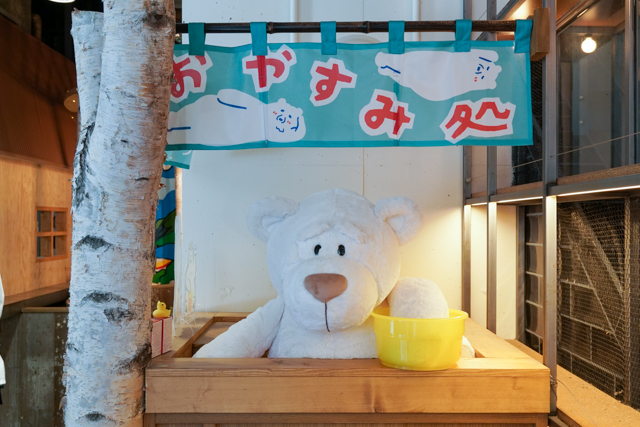
Elsewhere the space is decorated with bear imagery as well as a bear in a hinoki onsen.
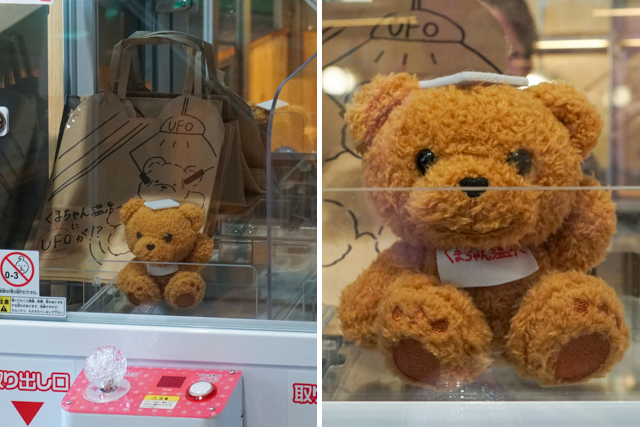
There was also a singular bear inside the crane machine. Was it a certain win?
Shibuya Streets
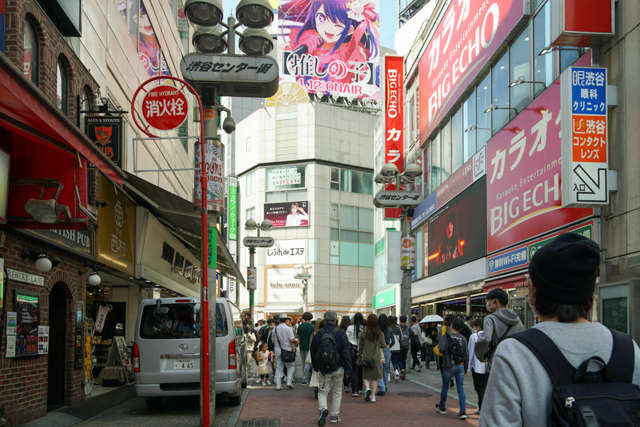
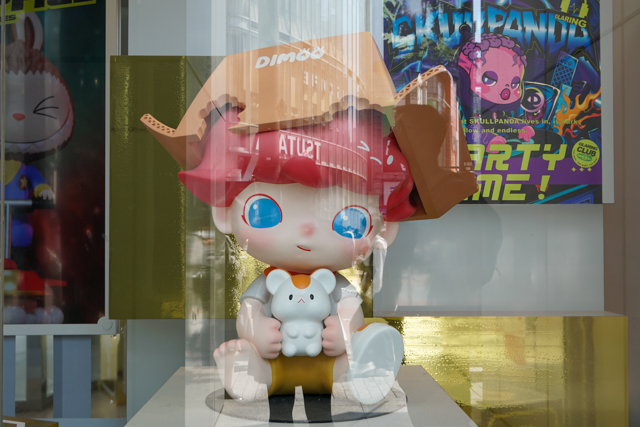
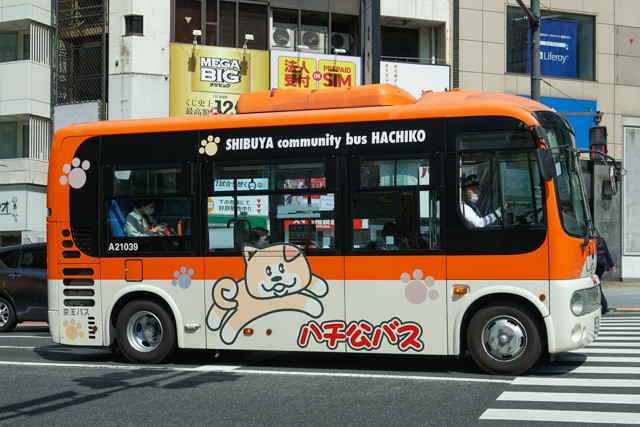
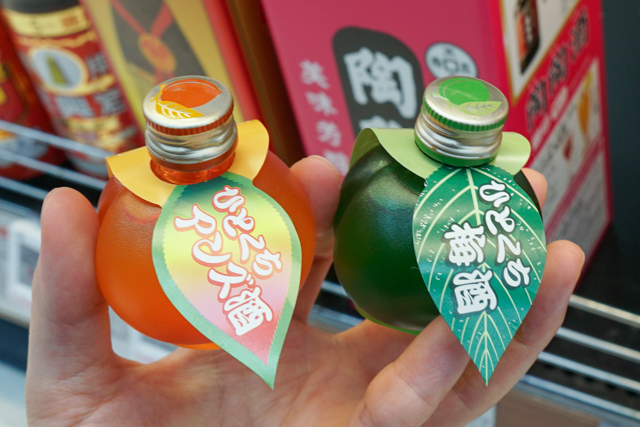
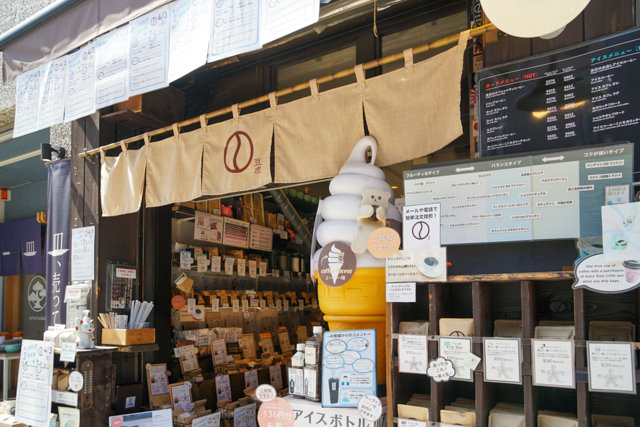
This was a specialty coffee shop en route to Omotesando.
i’m donut?
1’m donut?, 2 Chome-9-1 Shibuya, Shibuya City, Tōkyō 150-0002, Japan
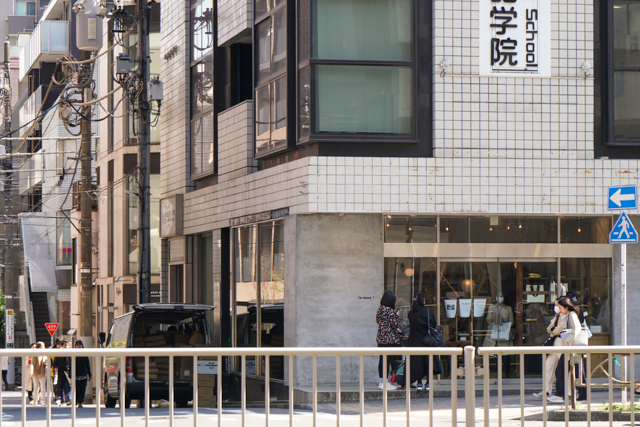
We had plans to stop by i’m donut? but the long queue and it being on the other side of the road with no immediate crossing in sight dissuaded us…
Aoyama, Minato City, Tōkyō
Kinokuniya International
紀ノ国屋インターナショナル, B1F AO Building, 3 Chome-11-7, Kita-Aoyama, Minato City, 107-0061 Tōkyō, Japan
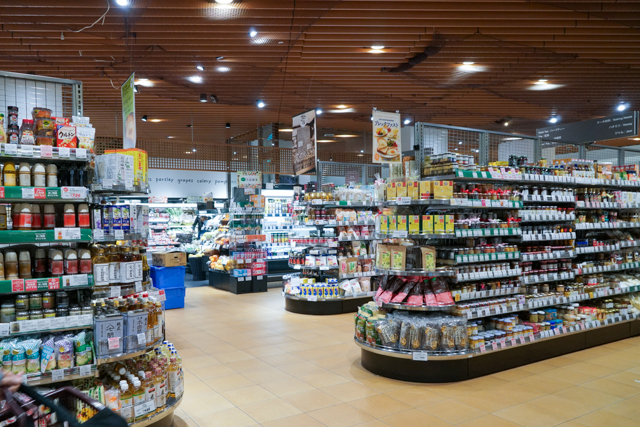
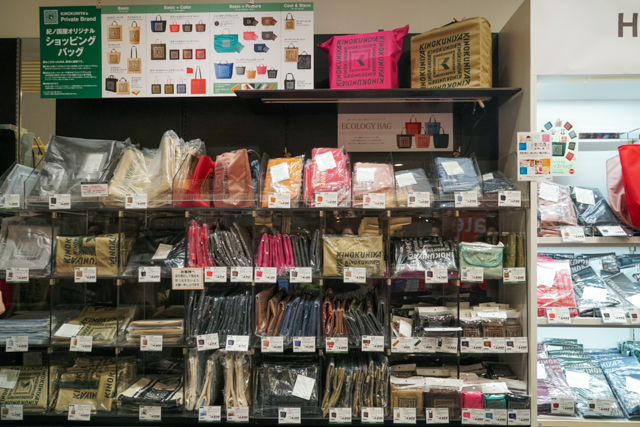
…as we got distracted by Kinokuniya International.
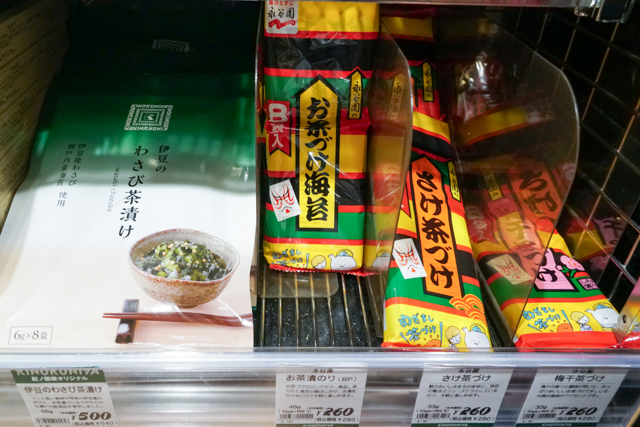
We pick up a variety of chazuke options.
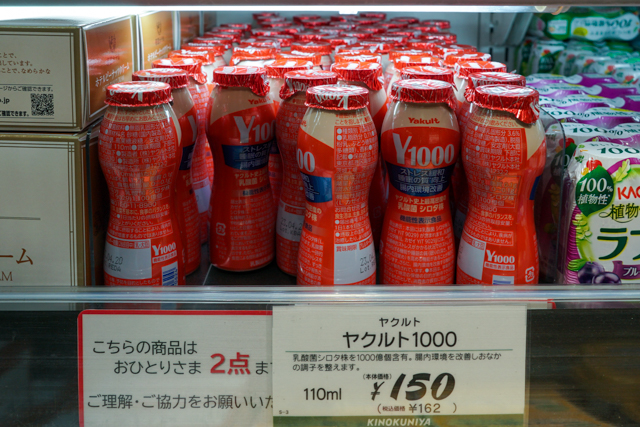
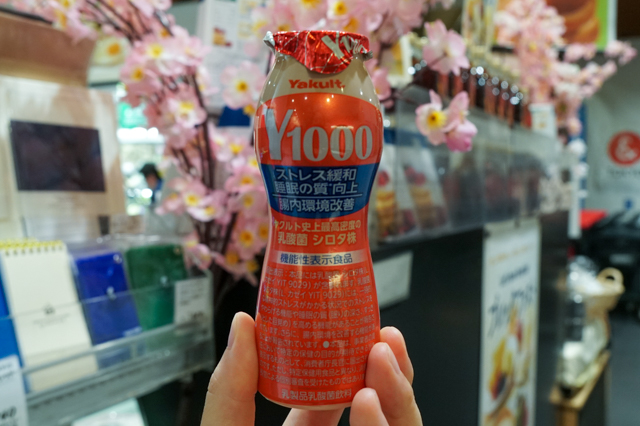
And managed to locate Yakult Y1000, the drink that took Japan by storm from mid-2022 onwards due to its touted benefits for relieving stress and improving sleep quality. It contains 100 billion Lactobacillus casei strain shirota per 100 ml bottle, the highest concentration in any product in Yakult’s history. Hence, the store limited sales of the beverage to two units per person.
Despite the high concentration of probiotics, the drink tasted much like regular Yakult. I did have a great night’s sleep that night, to the extent that we tried to find more bottles of it at stores near our hotel, but weren’t successful. Ironically, our hotel was situated next to the Yakult distribution offices in Shinbashi but there was no vending machine for their products outside the store!
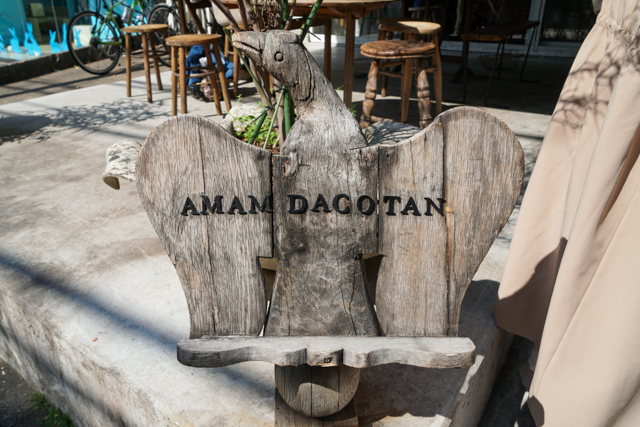
Amam Dacotan
アマムダコタン表参道店, 3 Chome-7-6 Kita-Aoyama, Minato City, Tōkyō 107-0061, Japan
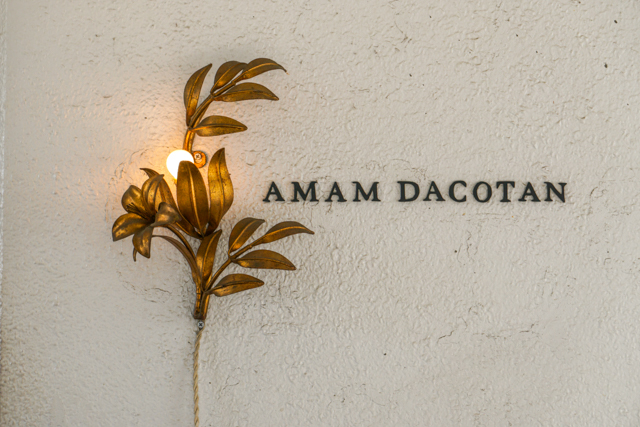
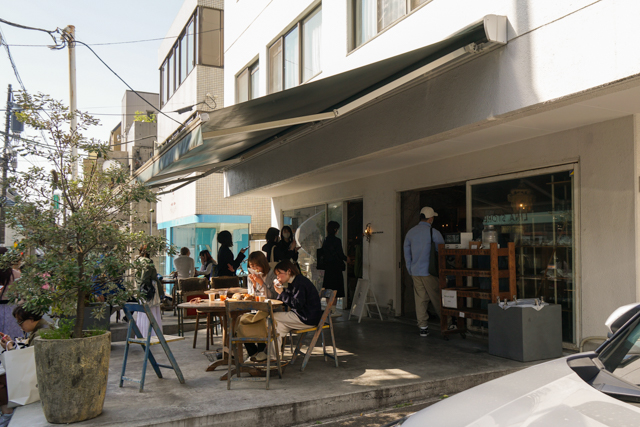
The space in our stomachs that we saved by passing by i’m donut? left plenty of room for the pastries at the Fukuoka-born Amam Dacotan in Omotesando. It’s an immensely popular bakery that first made a name for itself during Japan’s maritozzo boom, which saw the shop turn out beautiful renditions of the Italian pastry filled with fresh cream and a myriad of toppings.
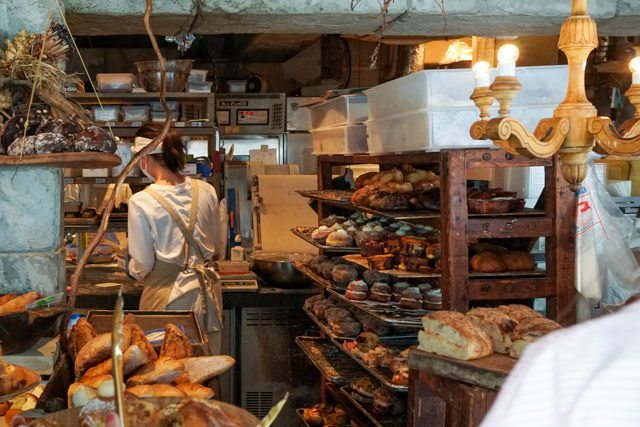
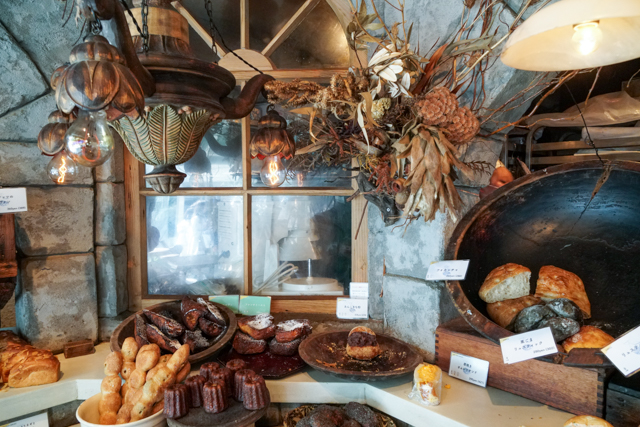
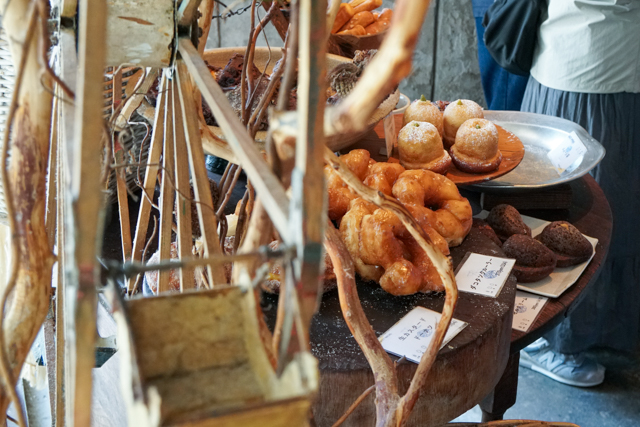
The interior of Amam Dacotan is a rustic-chic space with cobblestone floors, European antique furniture and dried flowers hanging from the walls and ceiling.
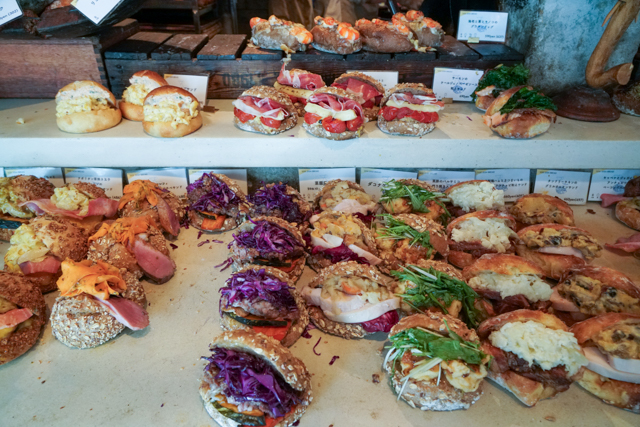
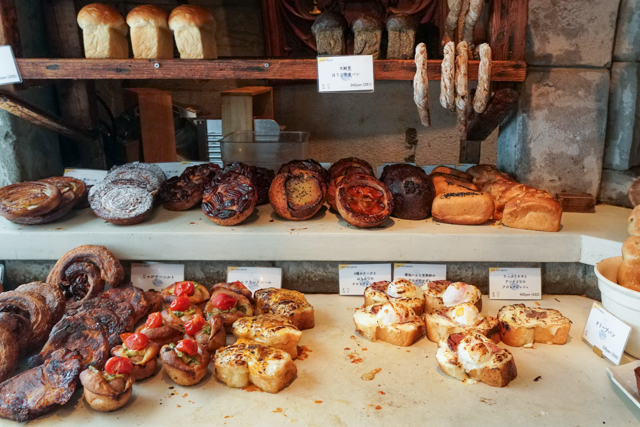
The Omotesando location offers more than 140 varieties of freshly baked sweet and savoury goods every day. New items come out throughout the day and even as we were queuing.
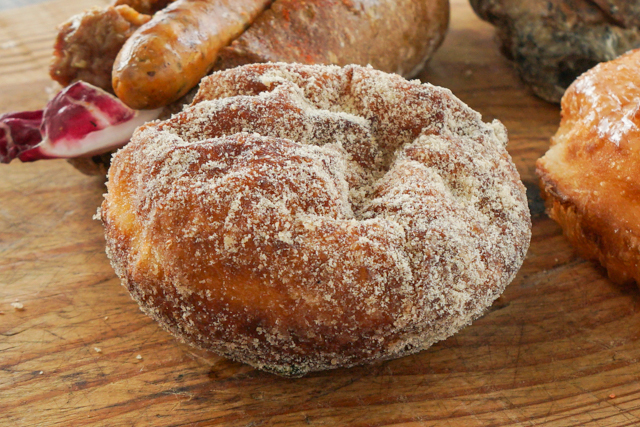
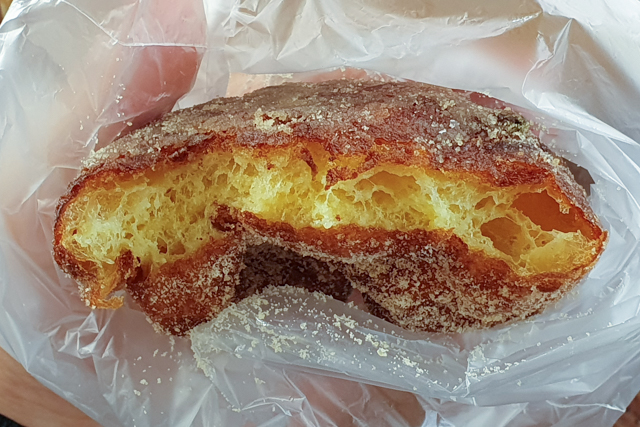
Nama Donut (¥259 inc tax)
Nama doughnuts (also the specialty of i’m donut?) are known for being pillowy soft and chewy, and this one was no exception, with the added crunch of the sugar on the exterior.
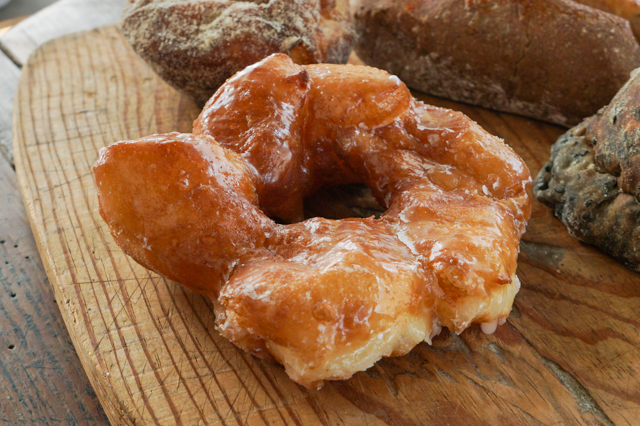
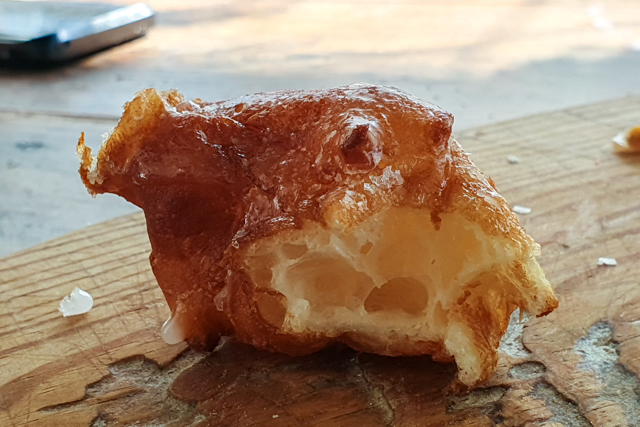
Dacotan Crueller (¥334 inc tax).
This was like a Krispy Kreme Original, but better — with a crispier, nubbier exterior to complement a softer and lighter interior. This doughnut and the previous doughnut were so delicious, I could inhale any number of them with ease.
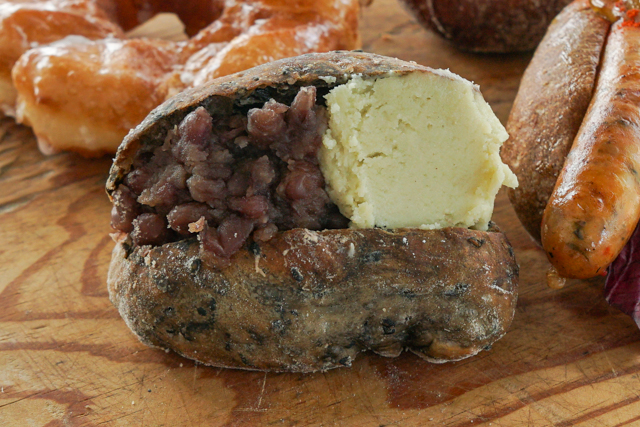
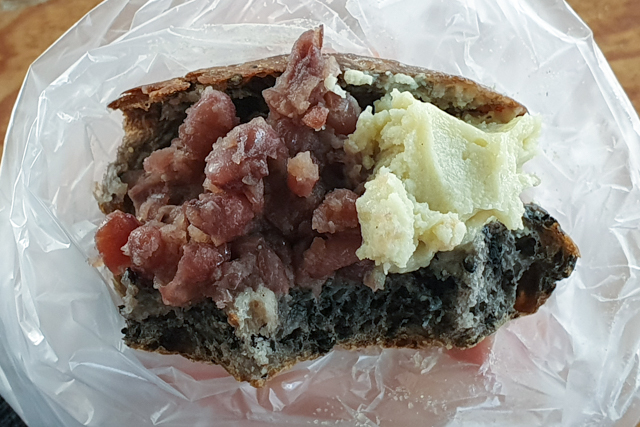
Black Sesame Rustic with Red Bean and Pistachio Condensed Milk (¥356 inc tax)
Part of the ‘rustic’ series, the bread component was crunchy and chewy and complimented the gentle sweetness of the chunky red bean as well as the smooth, creamy and slightly savoury paste of pistachio condensed milk. We enjoyed the three types of nuttiness and textures that came through in this pastry.
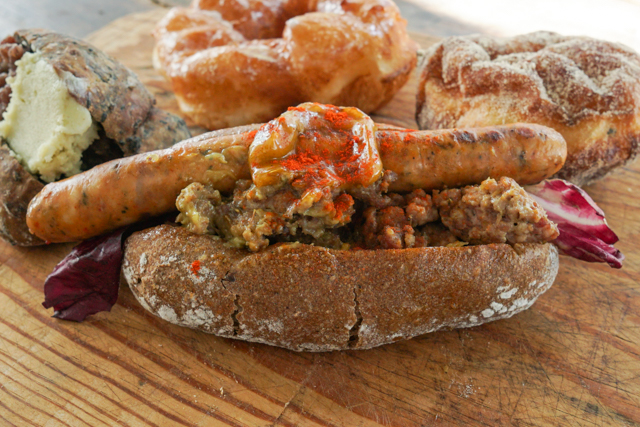
Chorizo Keema Dog (¥551 inc tax). This was a keema curry with coarsely ground meat, topped with housemade chorizo, dusted in cayenne pepper, all sandwiched in their sourdough. It has a stimulating taste that will satisfy even those with a spicy taste.
The chorizo was juicy and flavourful with spices, with an enjoyable heat that was accentuated by the cayenne. The keema curry brought an additional dimension of spice, and texture that contrasted the firmer chorizo. The radicchio added a fresh crispness, while the sourdough itself had an enjoyable chewiness.
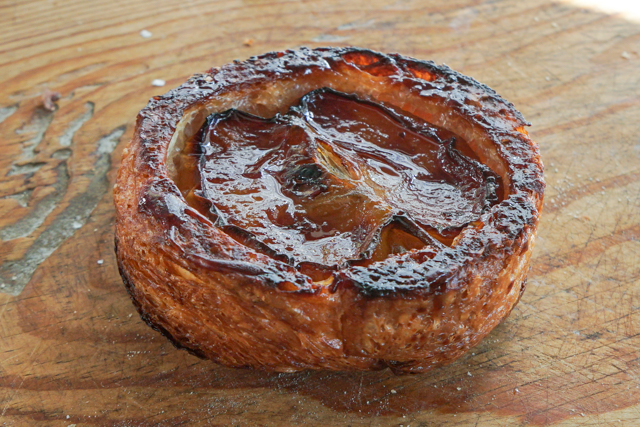
Apple Tart (¥421 inc tax).
The laminated pastry was light and flaky while the top had a crisp caramelised crust. The apple retained some bite and was generously thick.
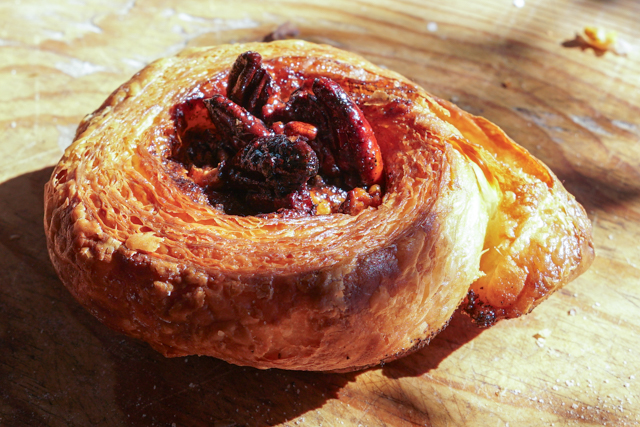
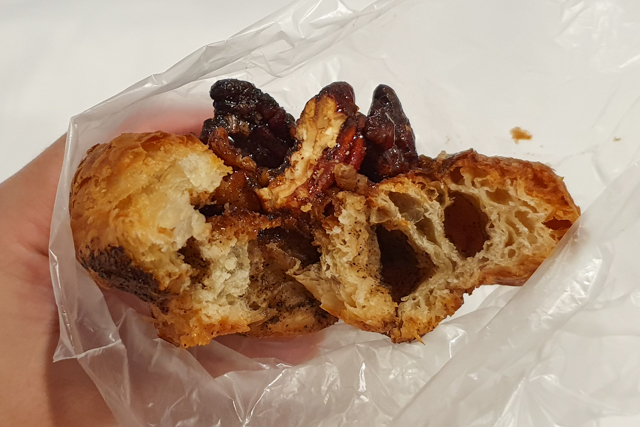
Caramel Nuts Espresso Danish Roll (¥421 inc tax)
The caramel nuts with just the slightest hint of coffee to balance the sweetness, worked remarkably well. Our only lament was the pastry itself was a touch dry and could’ve been more buttery and tender.
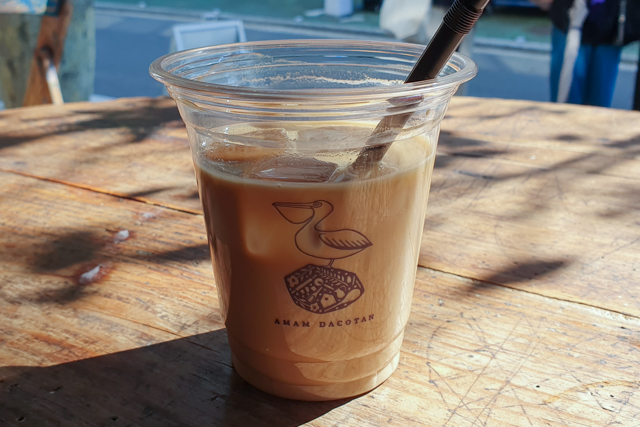
Iced Latte (¥640 inc tax)
Most people opt for takeaway orders at Amam Dacotan, but there is an outdoor terrace as well to enjoy the pastries on the spot. This required an additional 2% tax for dining-in (Japan-wide) and the purchase of a drink per person. The iced latte was rather ordinary and pricey.
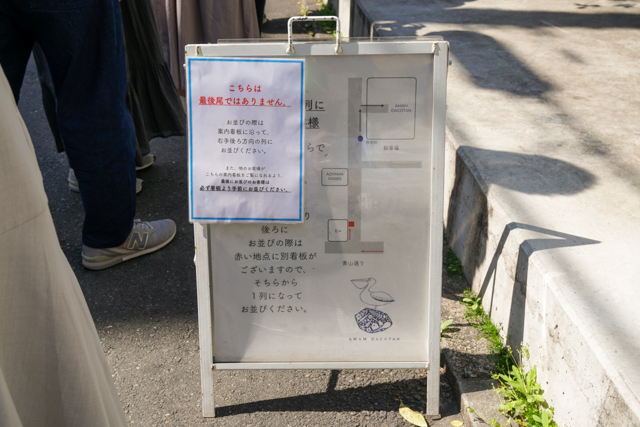
The popular bakery is known for its super long queues even on weekdays. By the time we left, the queue had reached impressive lengths requiring the sign in place for queue control to avoid disrupting traffic.
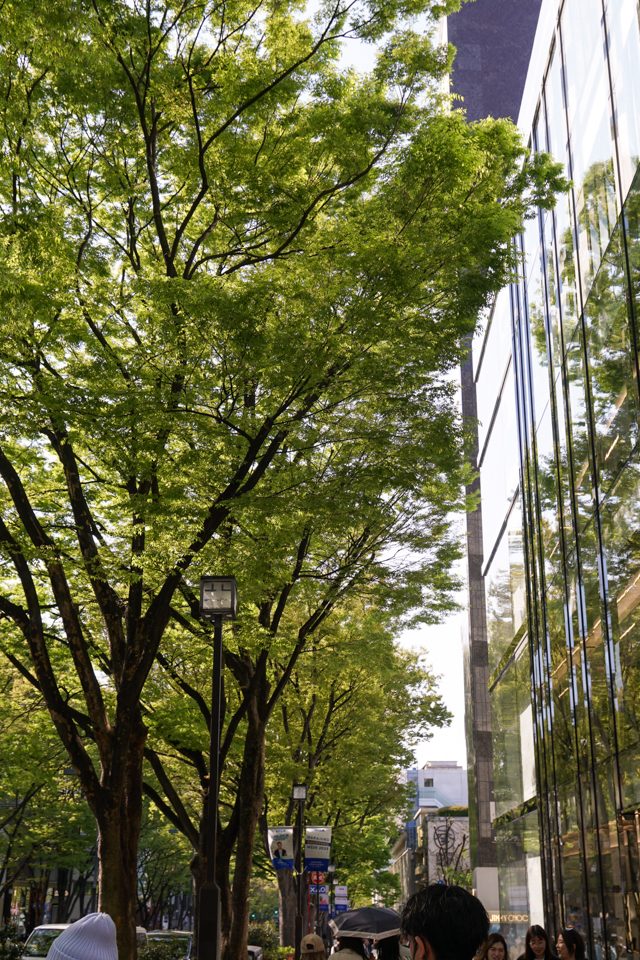
Jingumae, Shibuya City, Tōkyō
Omotesando Niigatakan N’ESPACE
Higashi Izumi Harajuku Building, 4-Chome-11-7, Jingumae, Shibuya City, Tōkyō 150-0001, Japan
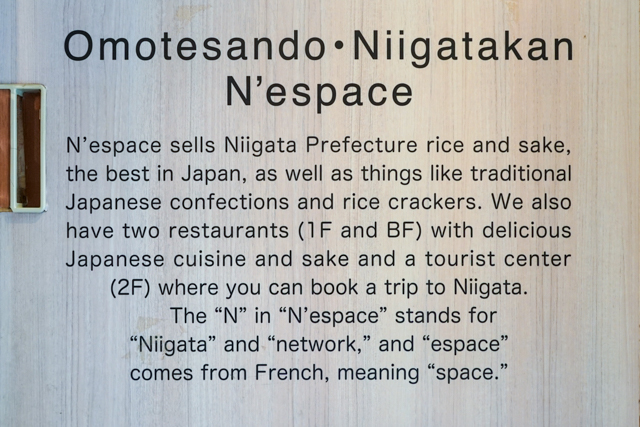
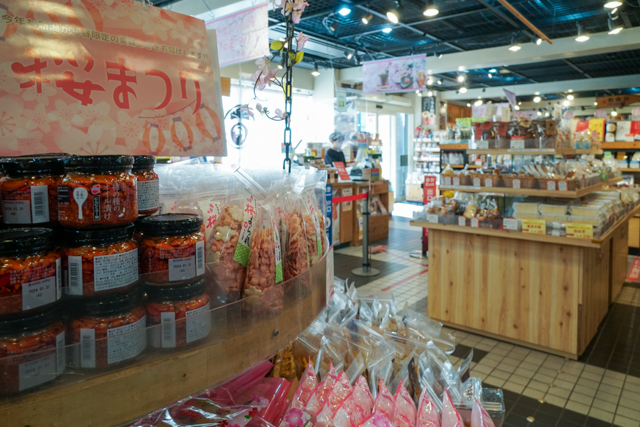
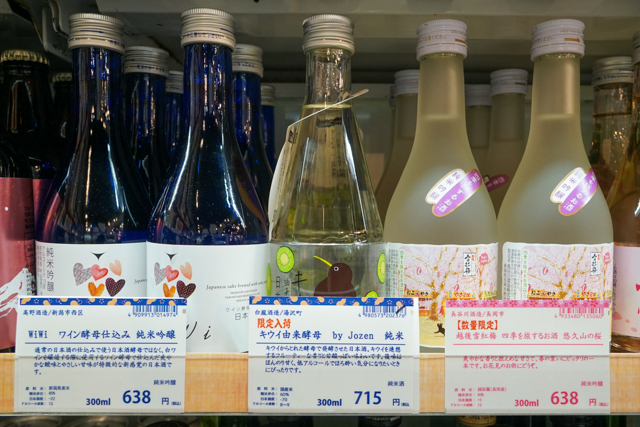
Walking down Omotesando, we stumbled on the satellite store for Niigata.
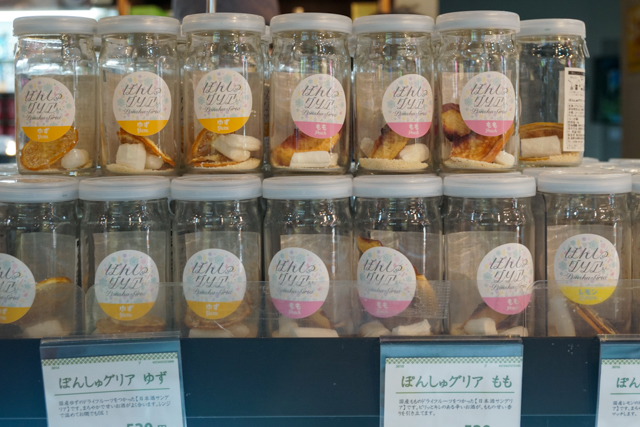
These little glass jars contained slices of dried fruit (yuzu, peach, lemon) and cubes of sugar. Adding sake would give one’s drink a fruity transformation.
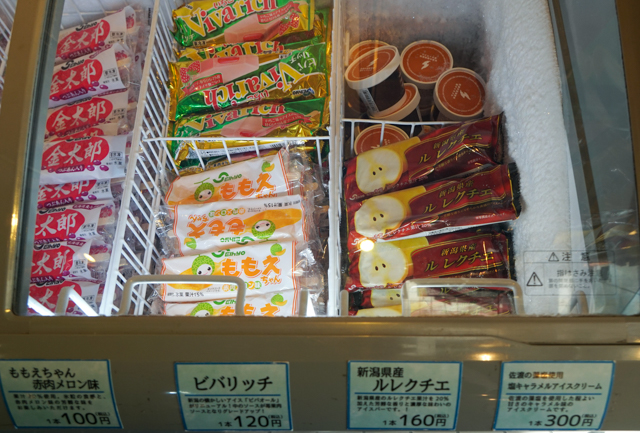
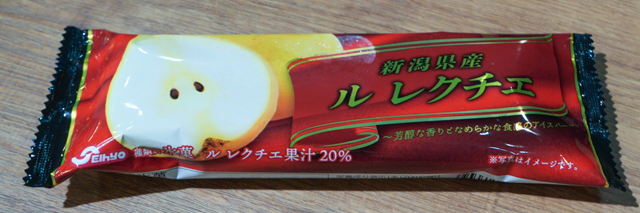
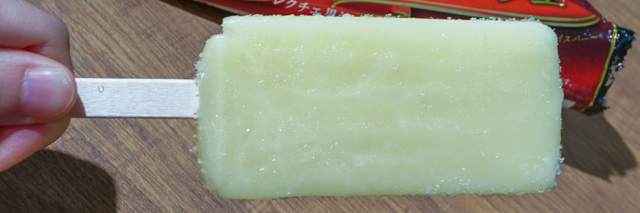
In the freezer section, we spotted the Eihyo Niigata Prefecture Le Lectier ice block, which contained 20% juice from Le Leceiter pears. It was delicious, with a fragrant and rich Le Lectier pear flavour a well as a smooth and creamy texture.
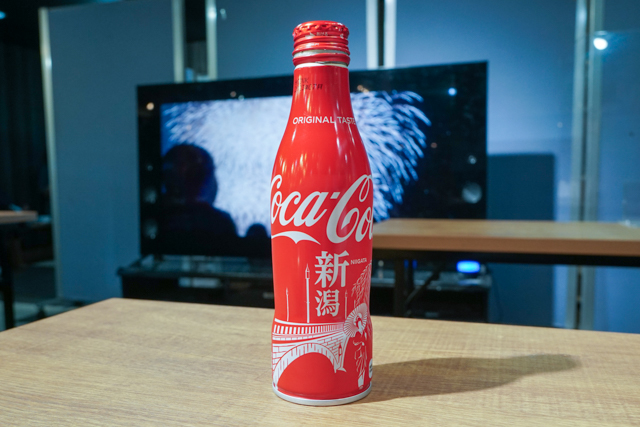
We also picked up this Niigata Prefecture edition of the aluminium Coca-Cola bottles.
Galaxy Harajuku
Harajuku Treasure Estate Building, 1-Chome-8-9, Jingumae, Shibuya City, Tōkyō 150-0001, Japan
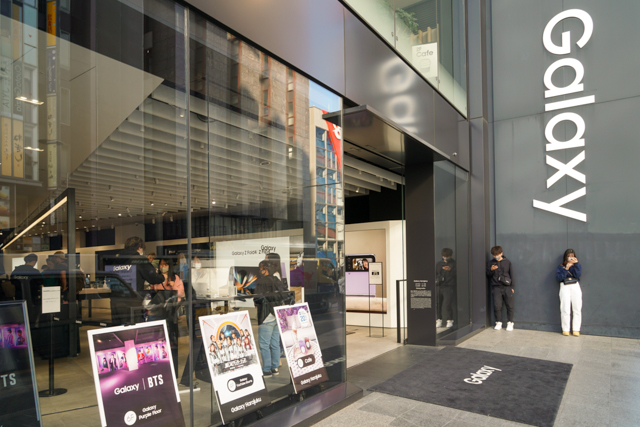
We were hoping to visit the teamLab ‘Catching and Collecting in the Sea of Life’ exhibition at the Samsung Galaxy Harajuku store, but they were closed for maintenance, sadly.
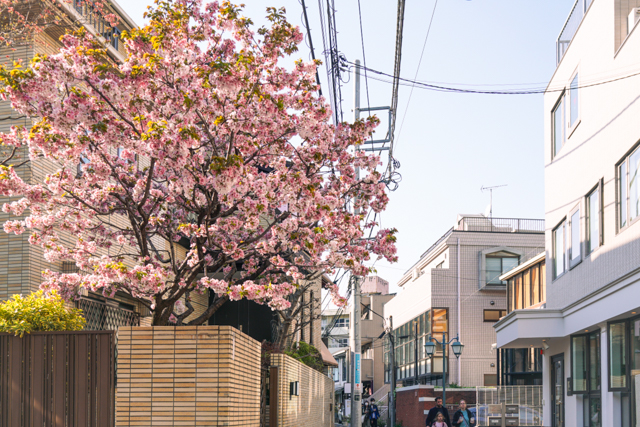
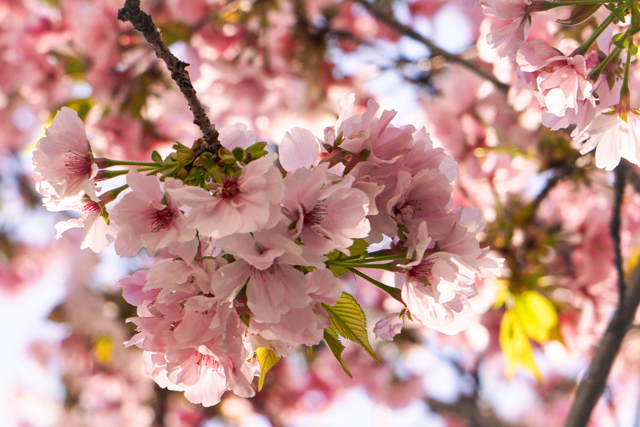
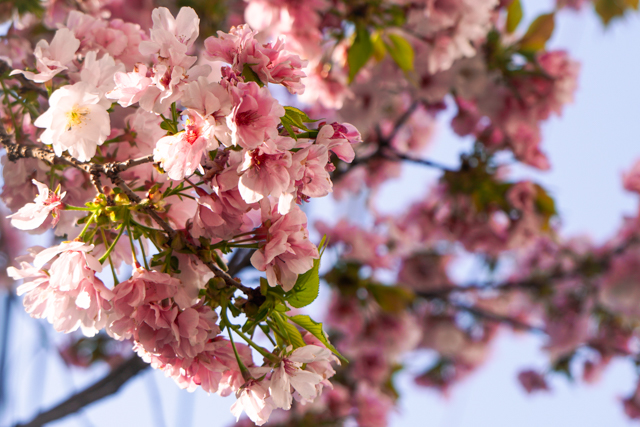
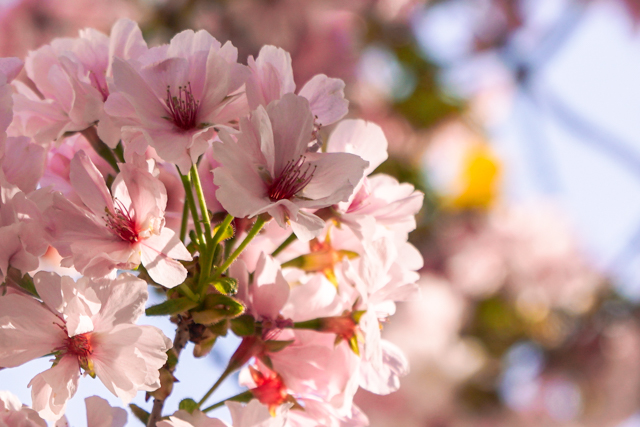
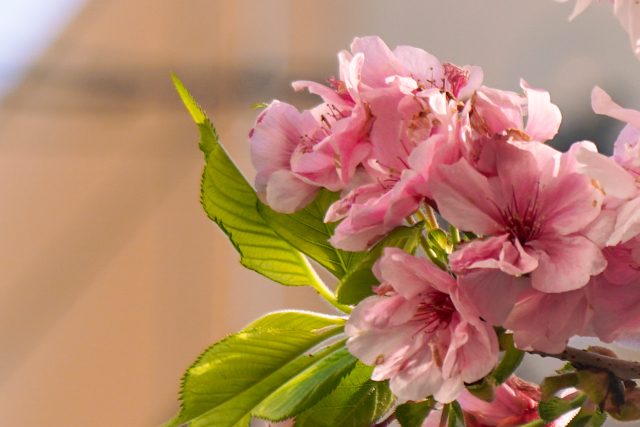
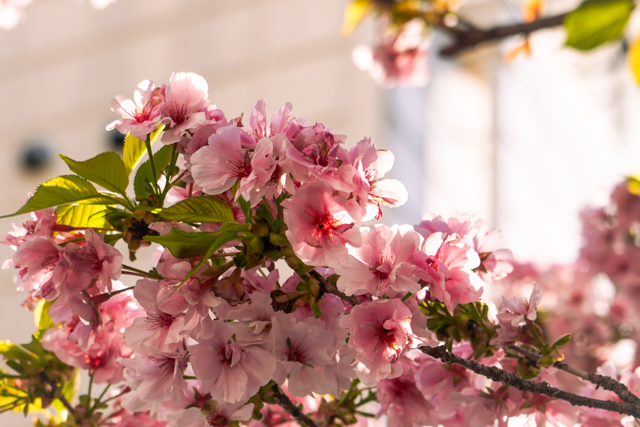
Taking a detour to Takeshita Street, we chanced upon a late-blooming cherry blossom.
Noemie
NOEMIE 原宿竹下通り店, 1F Wharf Harajuku, 1 Chome-9-1, Jingumae, Shibuya City, Tōkyō 150-0001, Japan
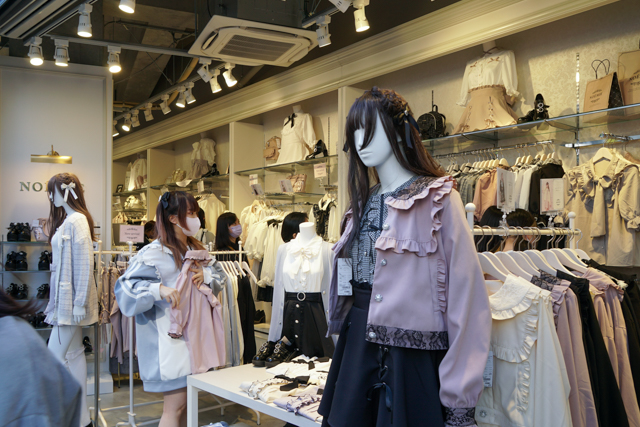
Noemie was located at the junction turning off to Takeshita Street. We stopped by for some impromptu shppping.
Takeshita Dori
1 Chome Jingumae, Shibuya City, Tōkyō 150-0001, Japan
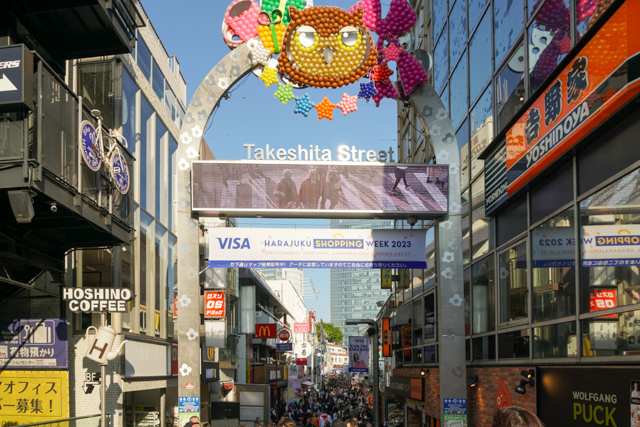
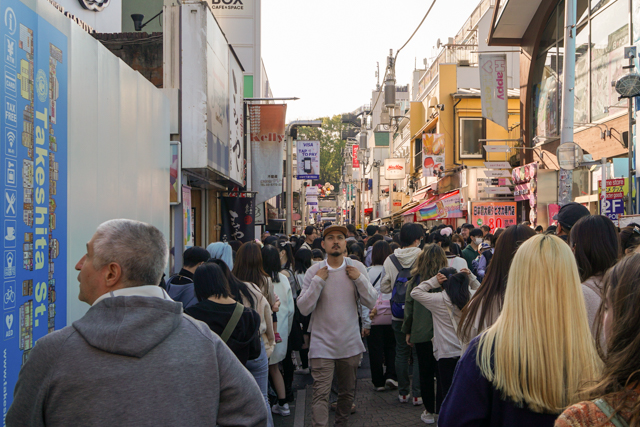
Takeshita Street was as packed as ever…
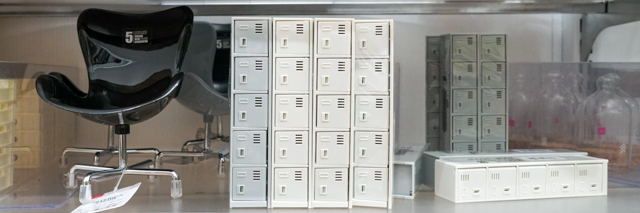
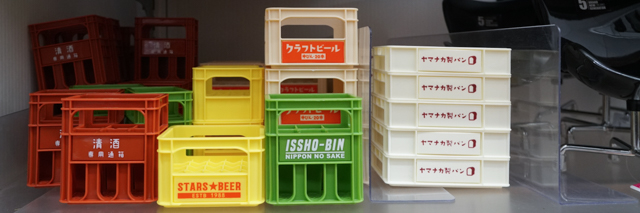
We ducked into the Daiso for some relief.
Shinbashi, Minato City, Tōkyō
Unatoto
名代 宇奈とと 新橋店, 3 Chome-16-19 Shinbashi, Minato City, Tōkyō 105-0004, Japan
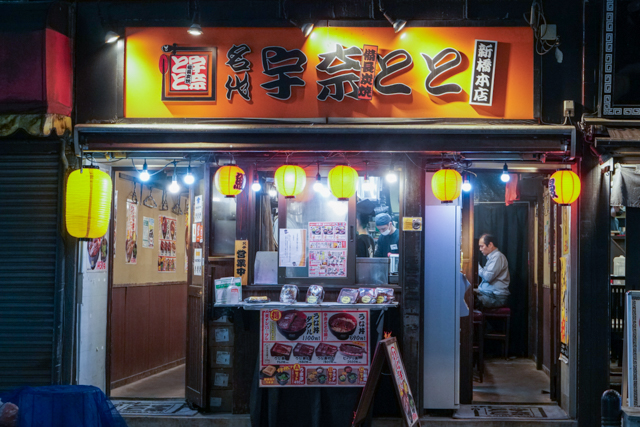
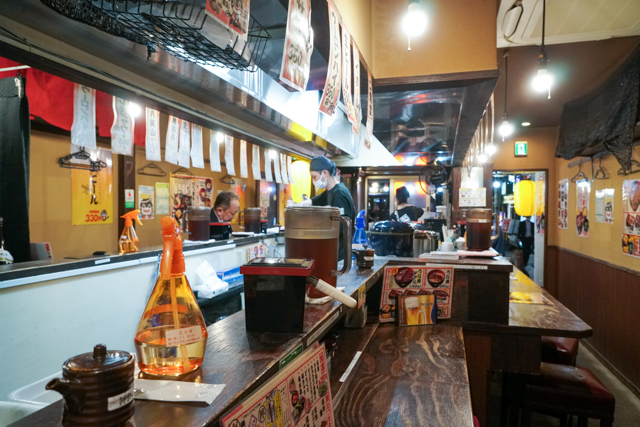
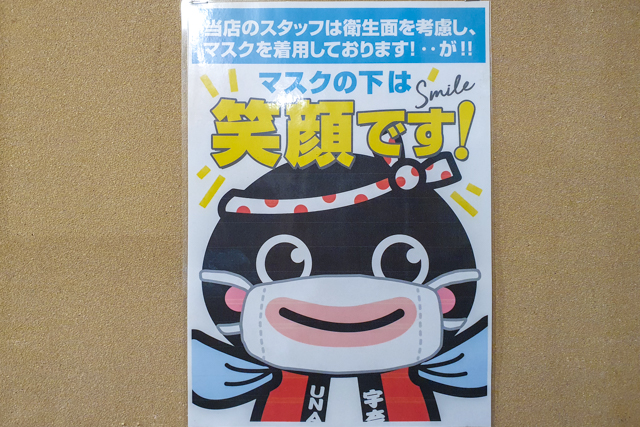
After resting in the hotel, we headed back out to the area around Shinbashi Station to visit Unatoto, a branch of our favourite unagi restaurant that we’ve made a point to revisit on every trip to Japan.
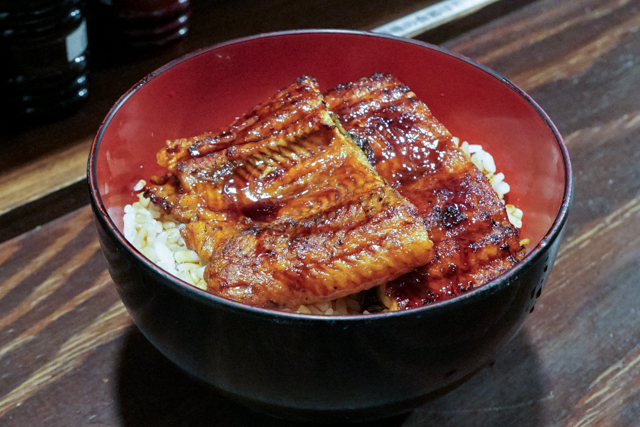
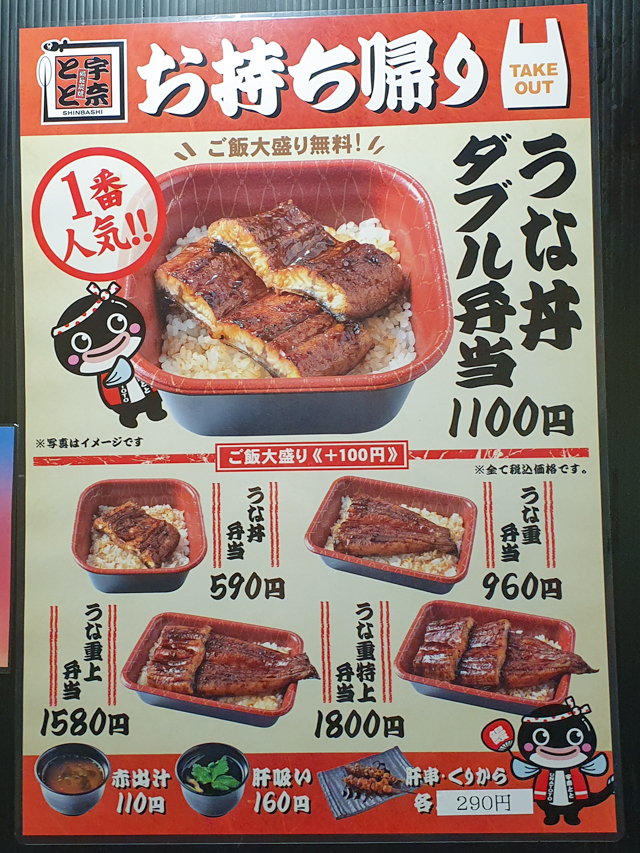
Unagi Don Double (¥1,100). The eel was grilled to smoky, caramelised perfection and paired beautifully with the rice. We can always count on a satisfying and reasonably priced unagi meal at Unatoto.
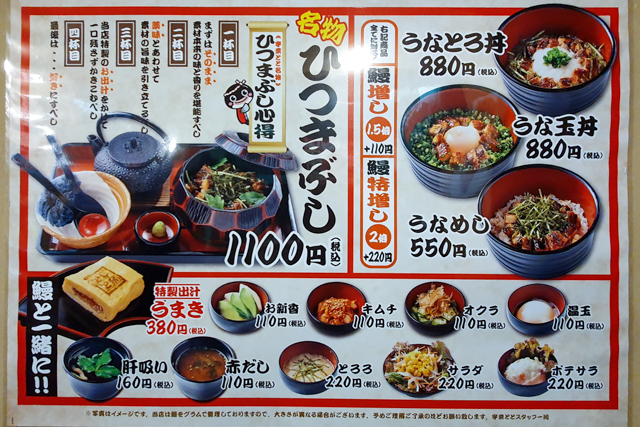
We even spotted new additions to the menu that prompted us to promptly make plans to return before the end of our trip.
Okashi no Machioka
おかしのまちおか 新橋店, 3 Chome-16-2 Shinbashi, Minato City, Tōkyō 105-0004, Japan
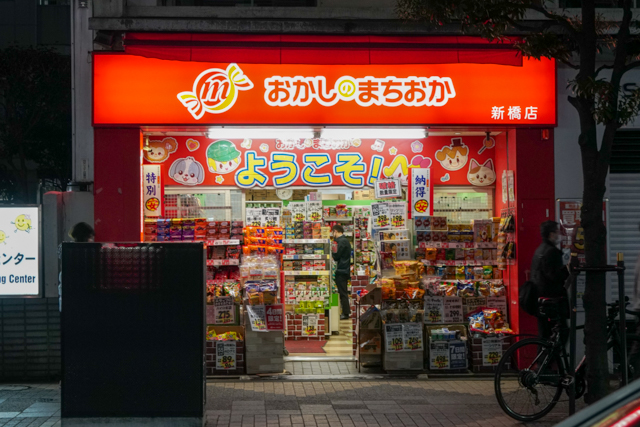
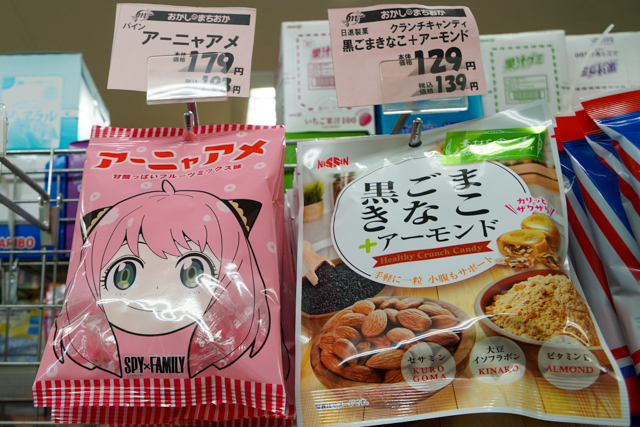
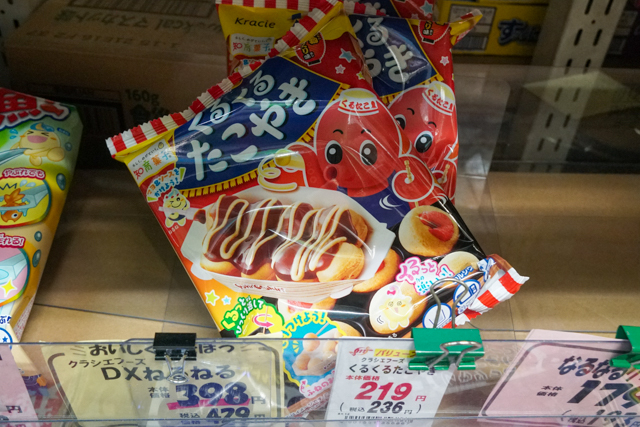
Nearby we explored a confectionery and snack store…
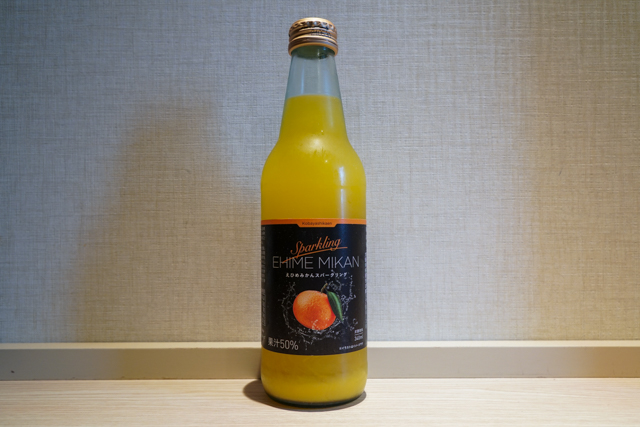
…before finishing the evening with some Kobayashi Ken Sparkling Ehime Mika, which contained 50% mikan juice and was lightly effervescent. We enjoyed the sweet citrus flavour with minimal bitterness, much like the fruit itself.
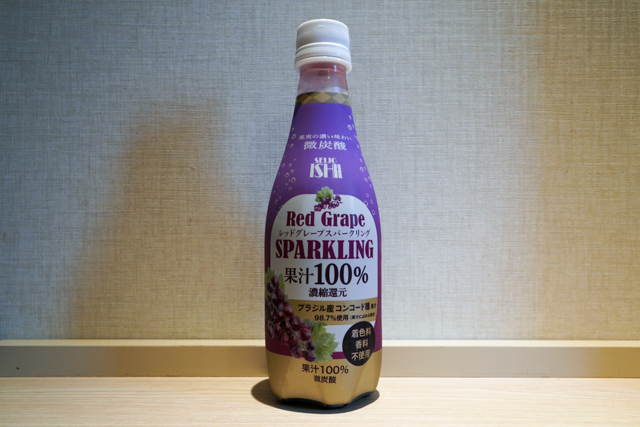
The Seijo Ishi Red Grape Sparkling, which contained 100% fruit juice, of which 98.7% was from Concorde grapes was also a winner. It captured the grape’s tangy sweetness with its aromatic hint of muskiness.
Tōkyō – Shibuya and Omotesando was Day 6 of 8 on the Japan 2023 trip. Day 7 saw us visiting the Art Aquarium and the areas of Ginza and Yaesu in Tōkyō.