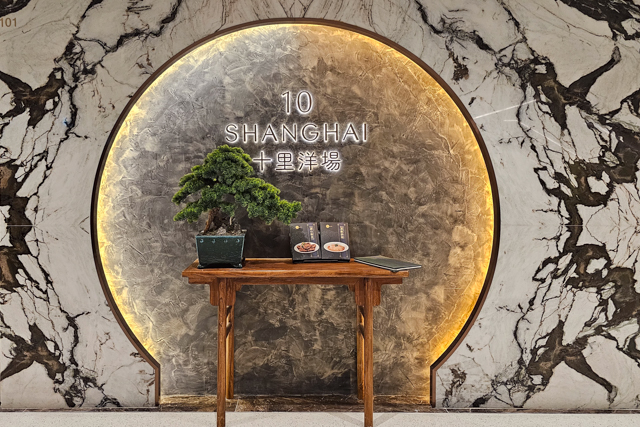
10 Shanghai is a restaurant specialising in Huaiyang flavours. Huiyang cuisine is considered to be one of the Four Great Traditions that dominate the culinary heritage of China, along with Cantonese cuisine, Shandong cuisine and Sichuan cuisine.
Huaiyang cuisine is characterized by basing each dish on its main ingredient; the way that ingredient is cut is pivotal to its cooking and its final taste. The cuisine is also known for employing Chinkiang vinegar, which is produced in the Jiangsu region. Huaiyang cuisine tends to have a slightly sweet side to it and is almost never spicy, in contrast to some cuisines of China (like Sichuan or Hunan). Pork, chicken, and freshwater aquatic products serve as the protein base in most dishes, which are usually more meticulous and light.
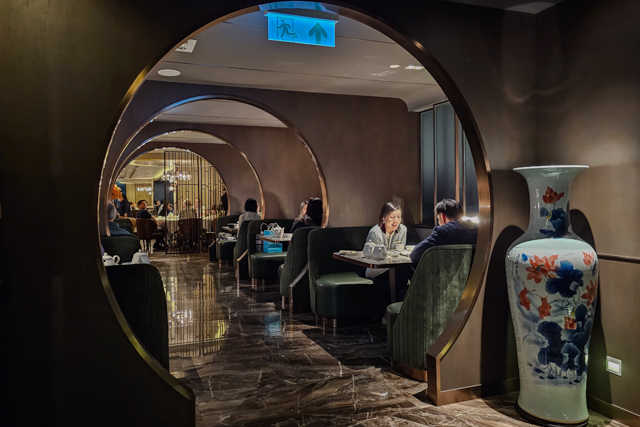
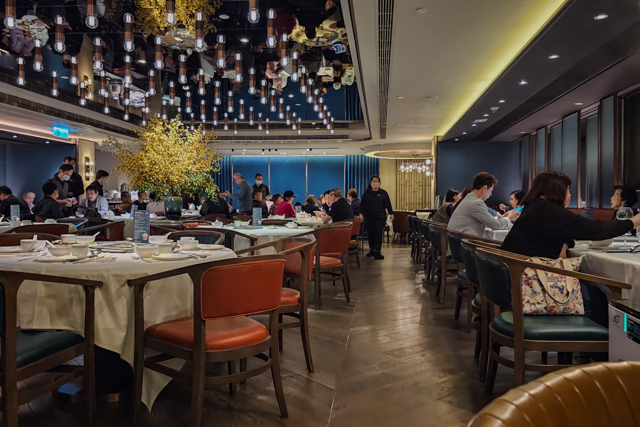
Inspired by the classical Chinese moon gate, the stylish modern interiors harks back to the glamour of the Shanghainese golden era. Sometimes, songstresses in qipao perform retro tunes from the 30s and 40s.
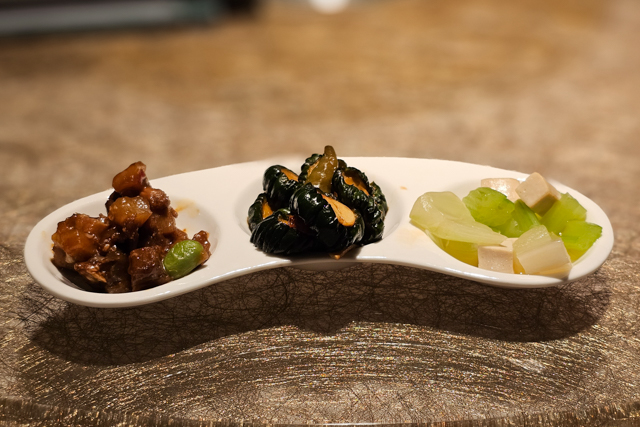
Shredded Pig Ears in Spicy Sauce (left, complimentary): The cubes of pig ears provided a chewy texture that allowed the spicy sauce to gradually spread its flarouful yet subtly spicy heat across the palate.
Cucumber with Garlic Soy Sauce (centre, complimentary): The cucumber offered an intense crunch, which was thoroughly enjoyable, complemented by the sauce that provided a balanced savoury quality.
Celtuce and Tofu (right, complimentary): Celtuce, a new vegetable for us not commonly found in Australia, had a fresh crispness that contrasted with the softness of the tofu cubes, creating a pleasing textural interplay.
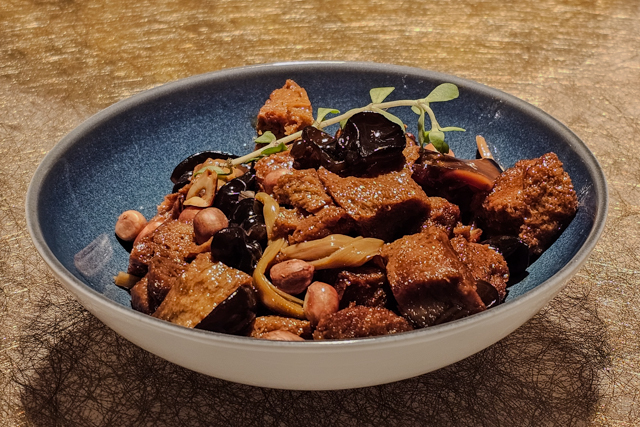
Roasted Bran Dough with Peanuts & Black Fungus (78 HKD/15.6 AUD)
The spongy bran dough absorbed the savoury sauce, imparting its own warm, roasted notes, while contrasting the gentle crunch of the black fungus and the more audibly intense crunch of the nutty peanuts.
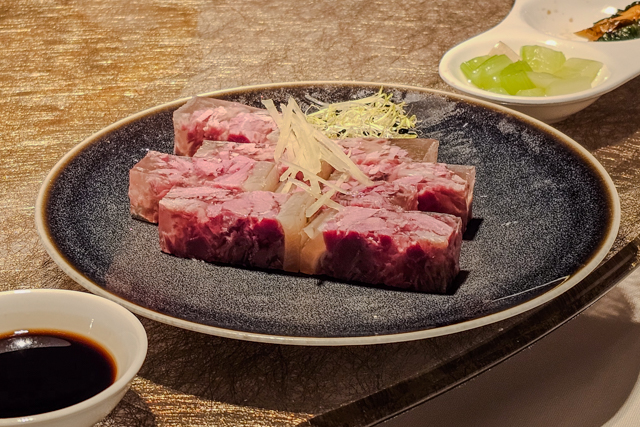
Jiangsu Style Pork Trotter Aspic (108 HKD/21.6 AUD)
Served chilled, the aspic delivered a crisp mouthfeel, establishing a contrast with the denser yet tender and flavourful pork meat. The pork featured hints of star anise, ginger, and various spices, complemented by a subtle note of vinegar.
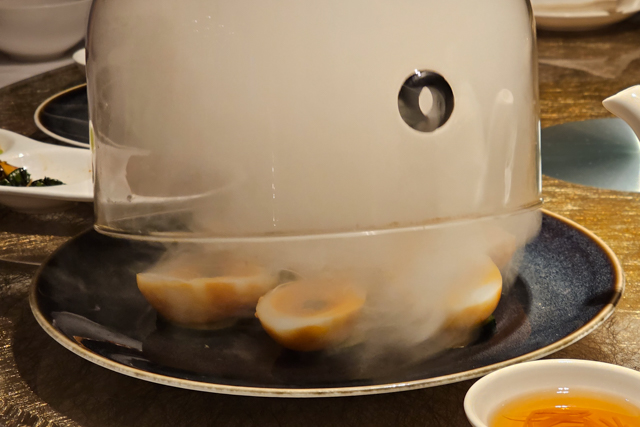
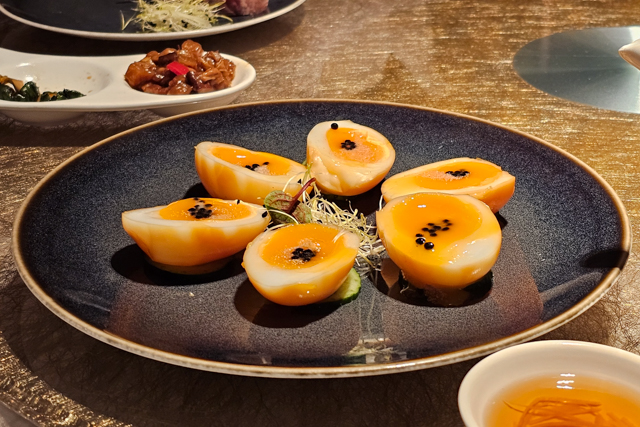
Smoked Soft-boiled Egg with Black Truffle Pearls (2 pcs for 68 HKD/13.6 AUD)
Presented theatrically and unveiled at the table for maximum smokiness, these eggs delivered an undeniable smoky essence in every bite. The rich, squishy, and oozy soft-boiled eggs were significantly enhanced by the smokiness, and the addition of black truffle pearls intensified the umami created by the smoke.
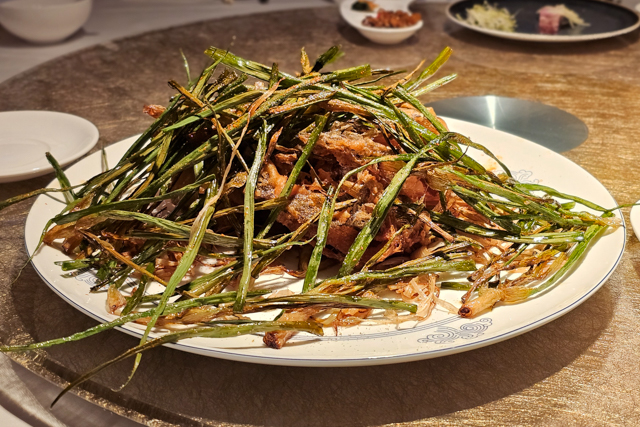
Deep-fried Fish Head with Scallion Oil (488 HKD/97.6 AUD)
This dish celebrated the fish head exceptionally, providing a remarkable crunch in the bones while preserving the briny umami flavor of the flesh. Contrary to being greasy, the scallion oil infused a delightful and light aroma that proved incredibly delicious, even for D and me, who are not typically fans of scallions.
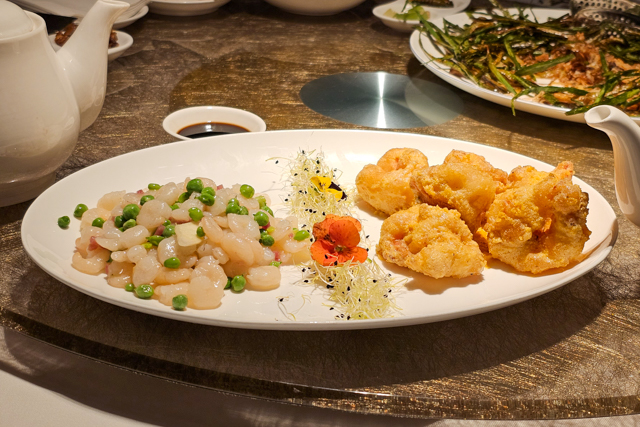
Wok tossed Jiangsu River Shrimps with Honey Peas & Jinhua Ham (left, 258 HKD/51.6 AUD) and Wok fried prawns with salty egg yolk (right, 298 HKD/59.6 AUD)
The shrimps were plump, offering a gentle sweetness that harmonized with the burst of the peas and the rich savoriness of the ham. In the second dish, the prawns were similarly plump and juicy, but the addition of salty egg yolk introduced the customary grainy savory quality, which we’re not fond of. We favoured the fresher and more straightforward preparation of the shrimps.
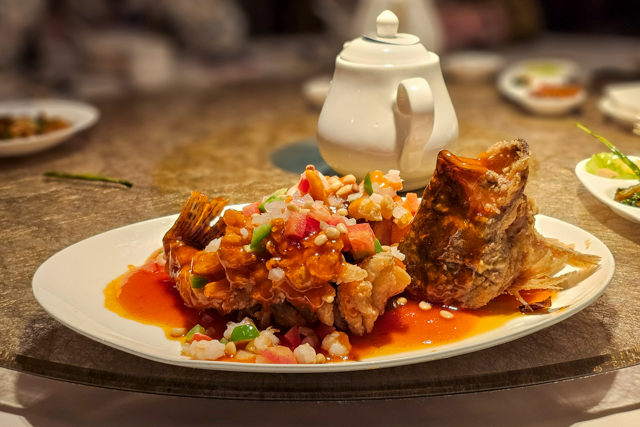
Deep-fried Sweet and Sour Mandarin Fish with Pine Nuts (368 HKD/73.6 AUD)
Sweet and sour is a tried-and-true flavor combination, and we thoroughly enjoyed its interplay with the freshness of this tomato-based sauce, complemented by the crunch of the pine nuts. The addition of red and green capsicum provided visual interest. The fish was fried to perfection—crispy on the outside, and the flesh was incredibly juicy. It was served already divided into single portions.
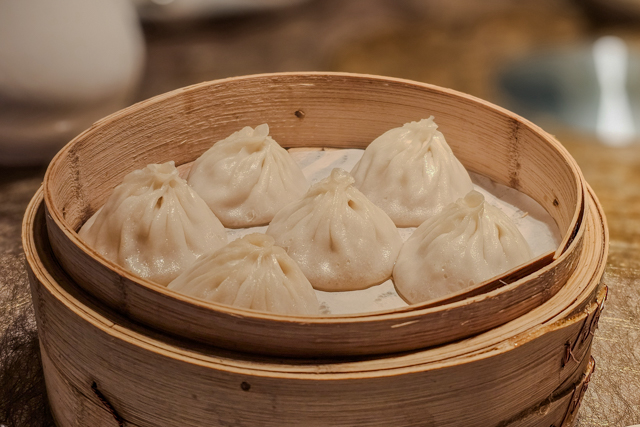
Signature Steamed Xiao Long Bao (5 pcs for 78 HKD/15.6 AUD)
Before this, my preferred xiao long bao came from Din Tai Fung, and these were undeniably comparable in every aspect—from the thin skin to the flavorful broth and the tender pork filling.
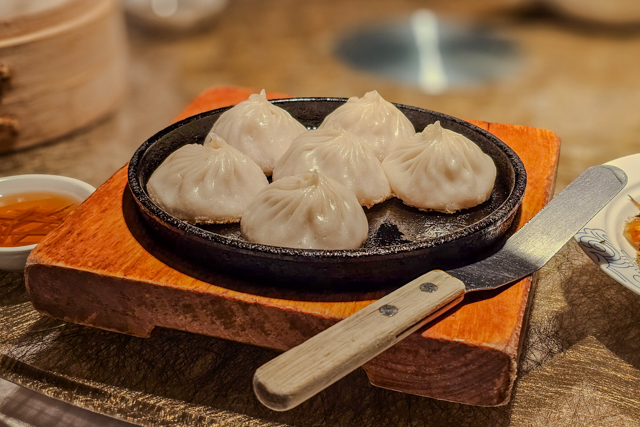
Pan-fried Xiao Long Bao (4pcs for 68 HKD/13.6 AUD)
The pan-fried variation was a novelty for us, adding an enjoyable crisp base to the dumplings. The subtle notes from the fried base added an extra layer of depth to the flavor of the dumpling. These were indeed a winner.
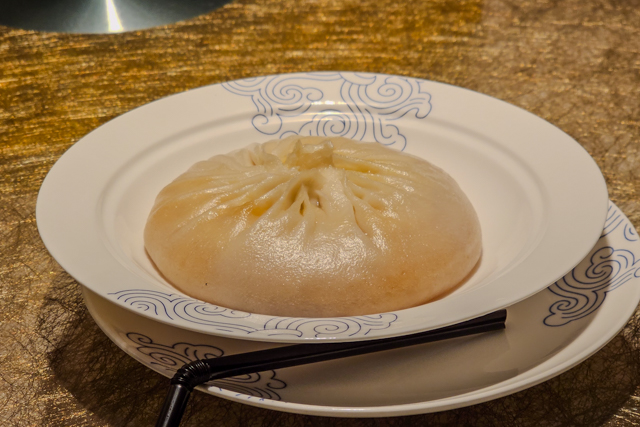
Signature Steamed Xiao Long Bao with Hairy Crab Roe (1 piece for 59.5 HKD/11.9 AUD)
This unique colossal xiao long bao incorporated hairy crab roe into the typical pork filling. The initial enjoyment involved sipping the broth within using the provided straw before consuming the dumpling skin and filling. The addition of hairy crab roe introduced a marine, briny umami to the pork filling, enhancing its delectable depth while maintaining a light and easy-to-eat quality.
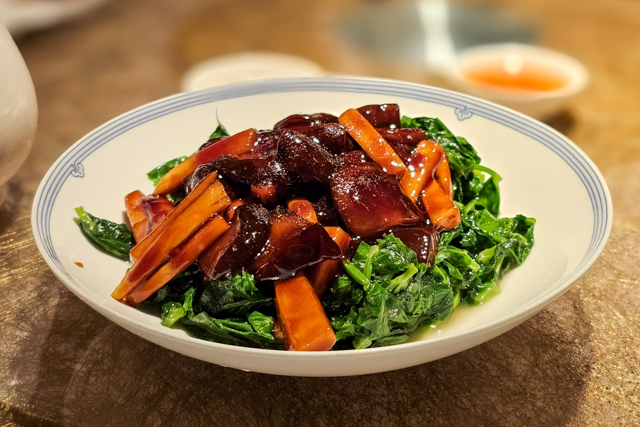
Baby Vegetable with Matsutake in Chicken Broth (128 HKD/25.6 AUD)
The greens were tender and young, offering a mild sweetness. Their softness provided a nice contrast with the crunch of the mushroom stems and the smoother bite of the mushroom heads. However, the sauce in the mushrooms had a slightly heavy hand with the shaoxing wine, resulting in an overly salty quality.
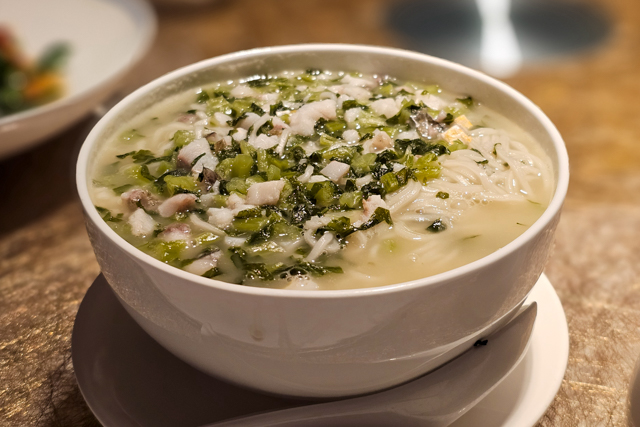
Stewed Noodles with Yellow Croaker & Pickled Cabbage (88 HKD/17.6 AUD)
The broth had a light mouthfeel but a profound oceanic sweetness, while the fish flesh and pickled cabbage were cut into evenly sized pieces, making them easy to pick up with the noodles. The noodles were smooth and slippery, yet they absorbed the broth remarkably well.
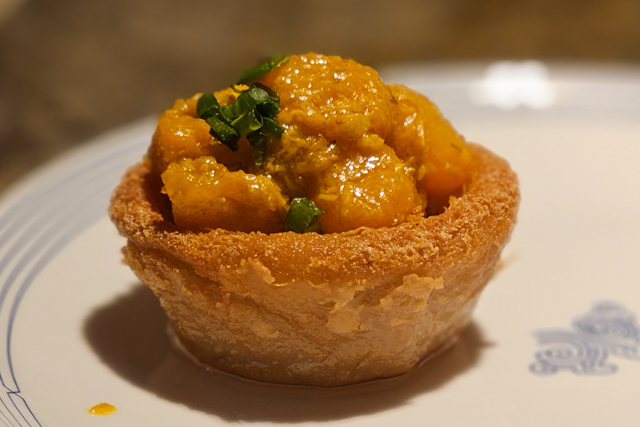
Crispy Taro Pastry with Hairy Crab Roe and Shrimp (1 piece for 64 HKD/16 AUD)
This pastry captured a profound umami from the hairy crab roe and a fresh sweetness from the shrimp. However, we were not fond of the grainy texture of the taro pastry — simimilar to the woo kok dim sum — which melted into a somewhat mushy consistency on the palate.
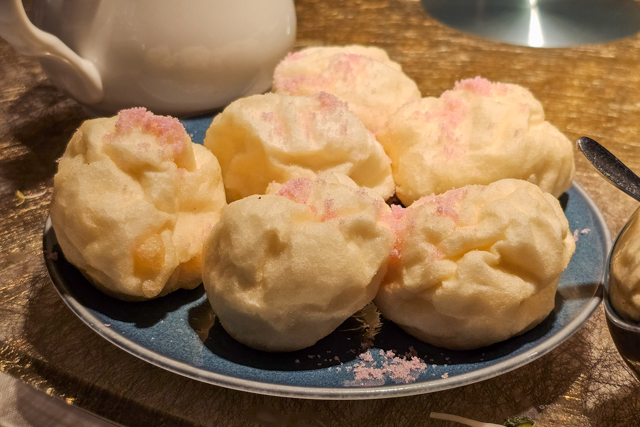
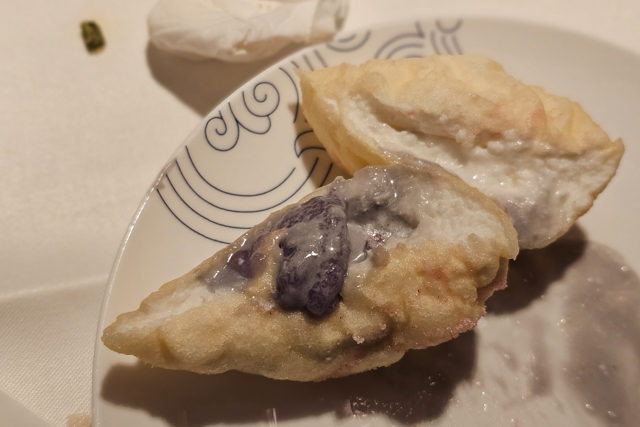
Deep-fried Souffle with Taro Ice-Cream (4 pcs for 88 AUD, 17.6 AUD)
This dessert resembled a cloud, with the exterior delicately fried to create a meringue-like cloud encasing the purple-colored taro ice cream, which surprisingly had a somewhat stretchy texture reminiscent of mochi. This was an enjoyable dessert with a well-balanced sweetness and a variety of textures.
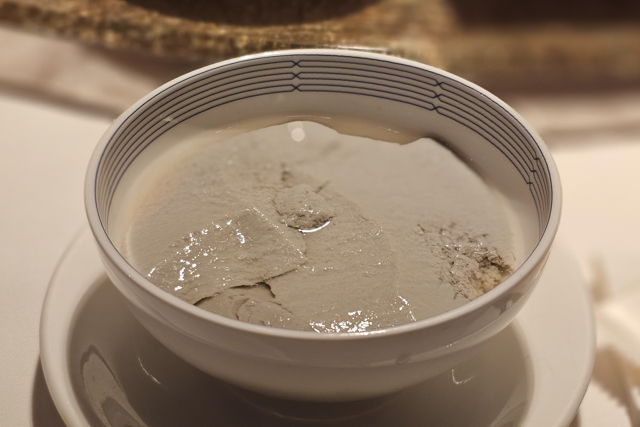
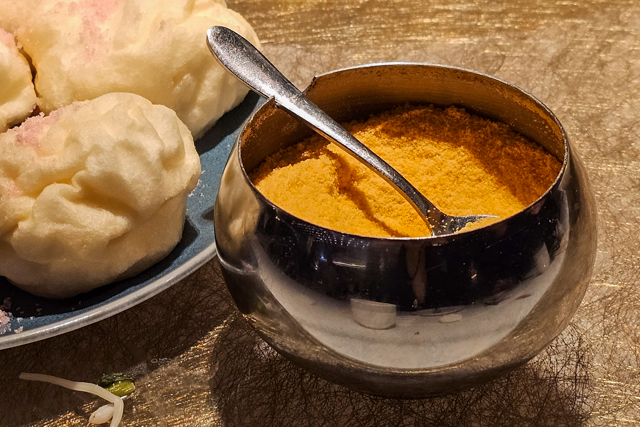
Black Soybean Tofu Pudding (hot, 4 servings for 88 HKD/17.6 AUD)
The soybean pudding was exceptionally smooth and silky, boasting a rich nuttiness and subtle sweetness derived from the black soybeans. It proved incredibly easy to consume, and those favouring more sweetness or ginger could enhance the experience with a light sprinkle of ginger red sugar for a touch of sweetness and spice.
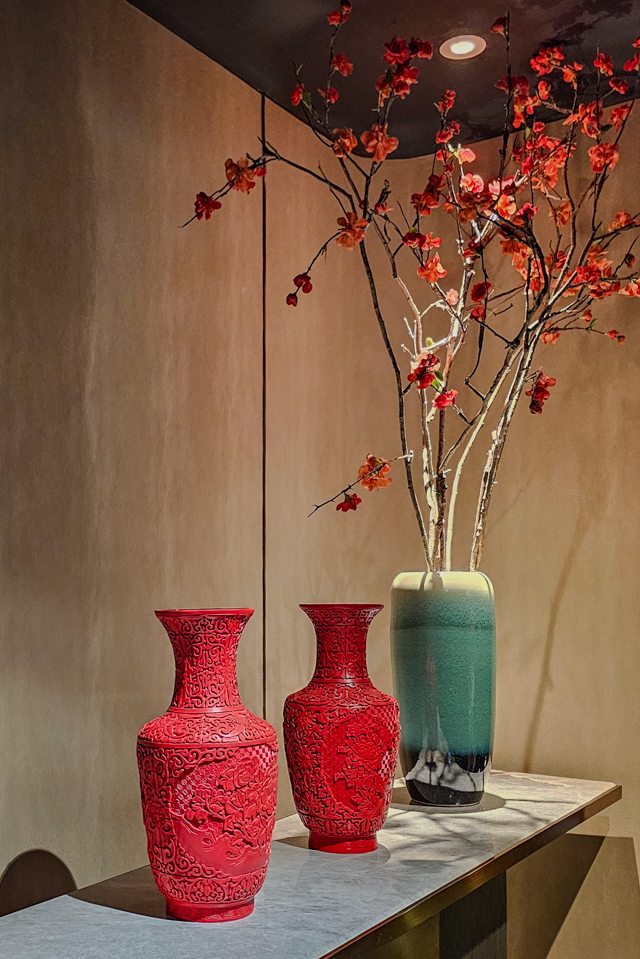
In general, we were delighted by stylish atmosphere and the attentive execution of Huiyang cuisine at 10 Shanghai, making it easily one of the more memorable restaurant experiences in Hong Kong.
10 Shanghai is located at Shop 101, Lee Garden Two, 28 Yun Ping Road, Causeway Bay, Hong Kong.