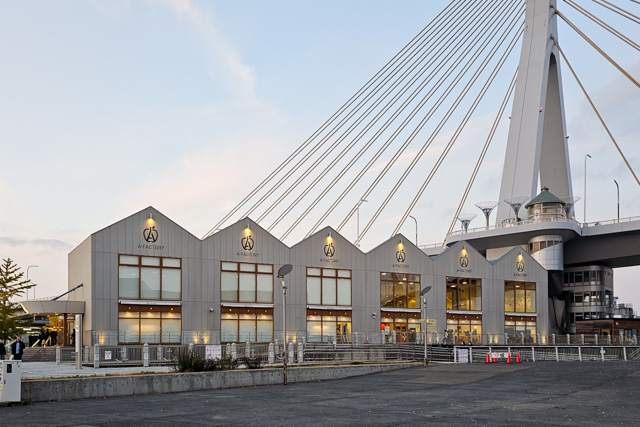
Aomori’s city centre is compact and walkable, anchored around the station with a mix of covered arcades, department stores, and civic spaces. Its coastal position is always perceptible, with the harbour, ferry terminals, and cultural sites sitting within close proximity. This post follows our exploration of the area.
AUGA Fish Market
中市商店, 1 Chome-3-7 Shinmachi, Aomori, 030-0801, Japan
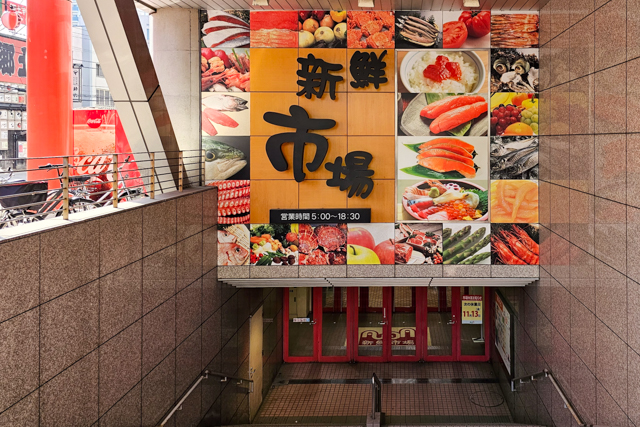
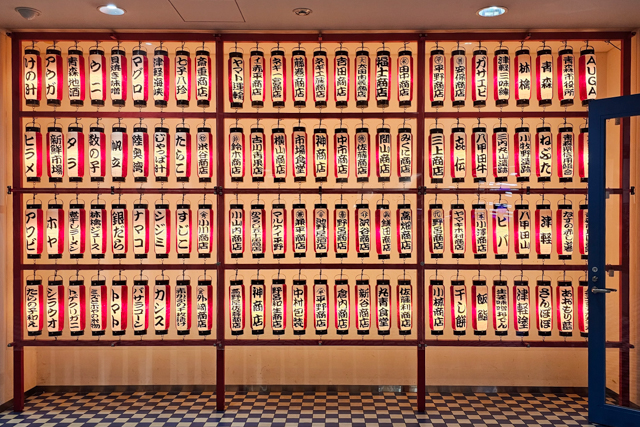
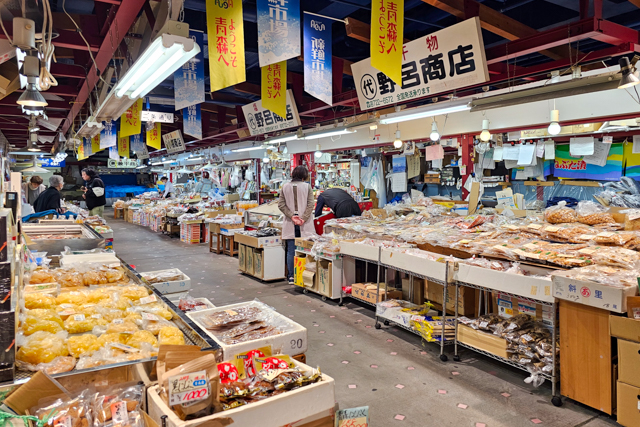
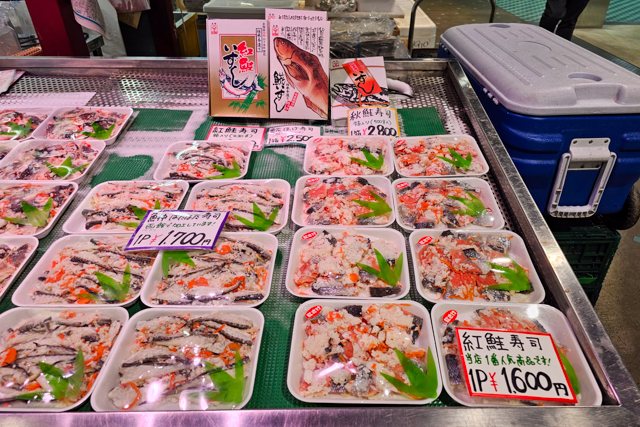
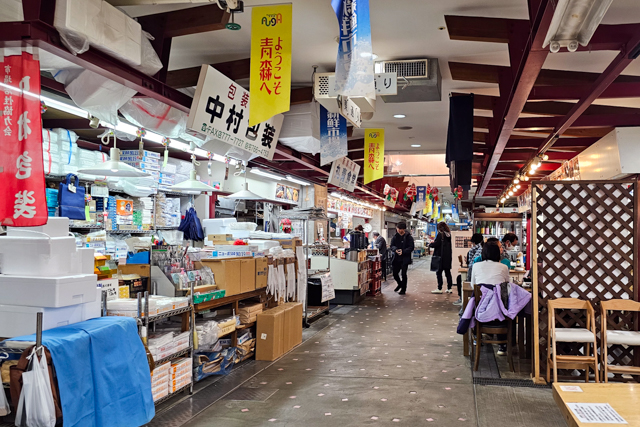
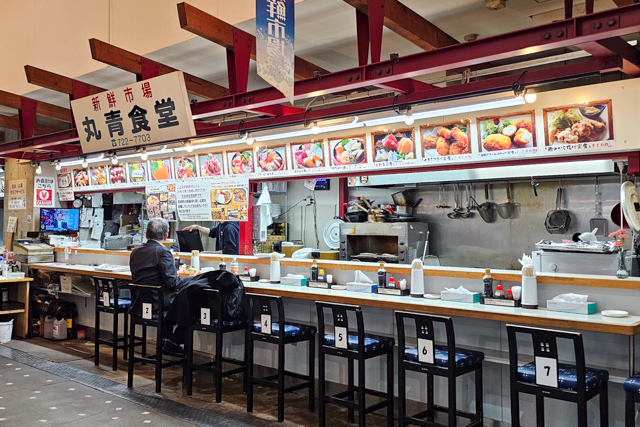
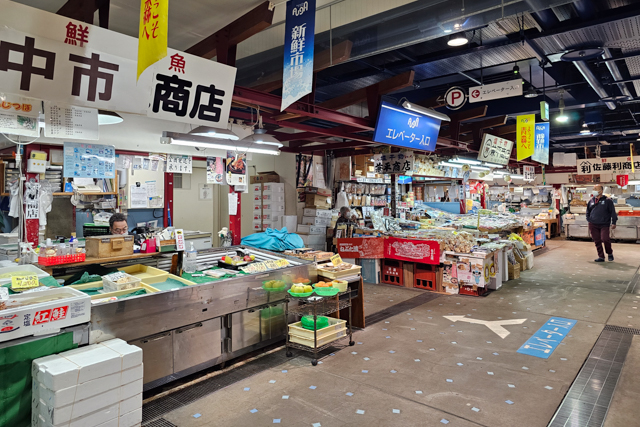
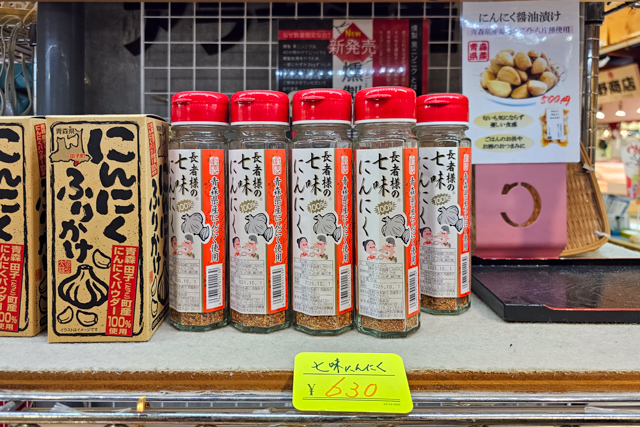
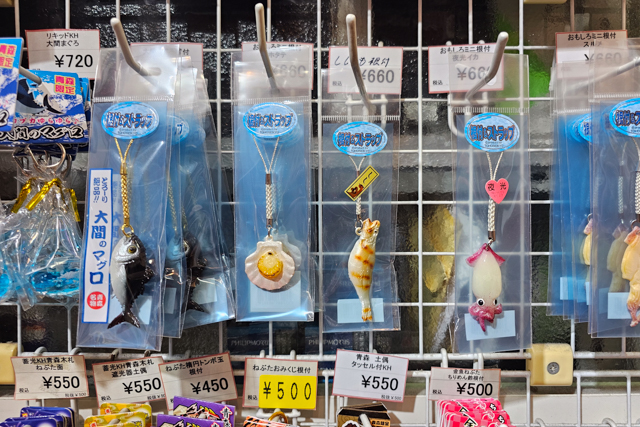
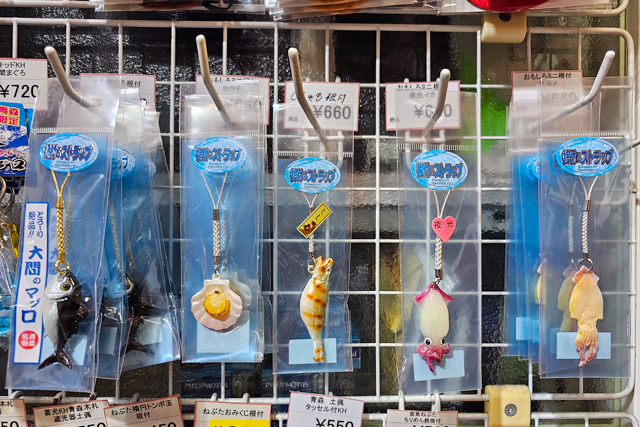
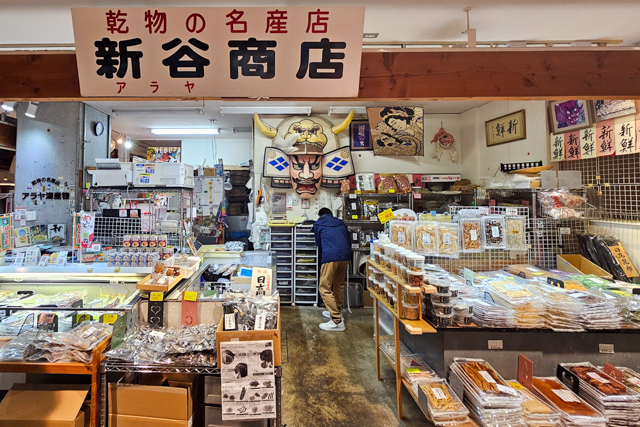
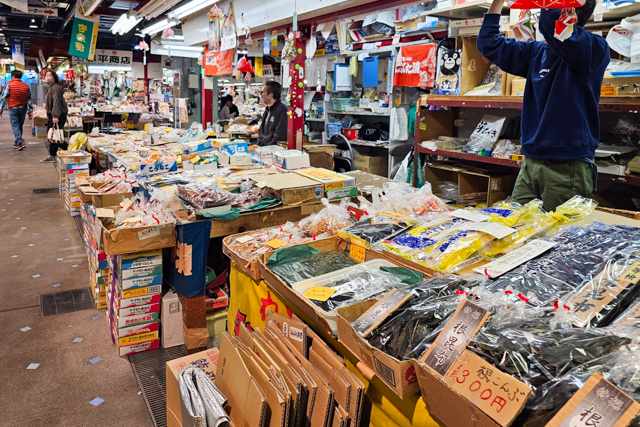
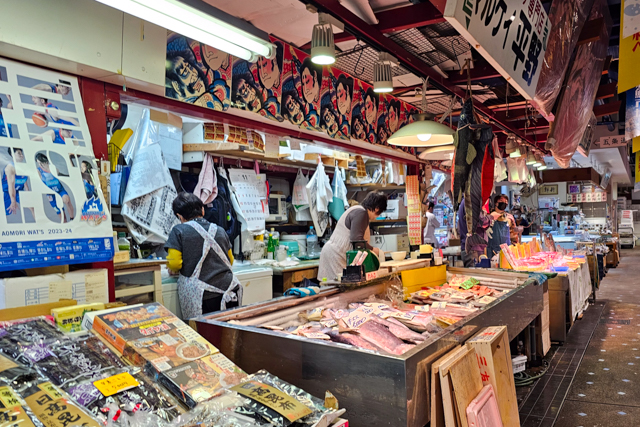
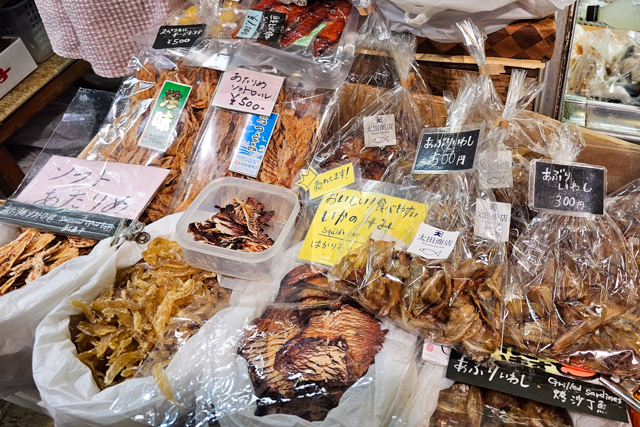
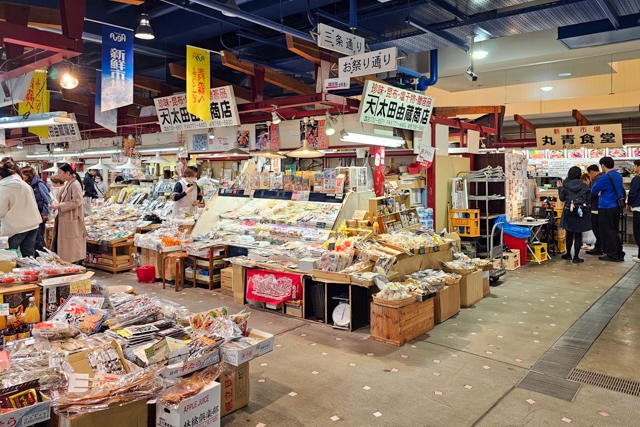
Auga Fish Market operates as a basement-level market, under the city hall, combining fresh seafood vendors with small eateries. The space is dense and functional, with a strong emphasis on immediacy—seafood prepared and consumed within the same setting.
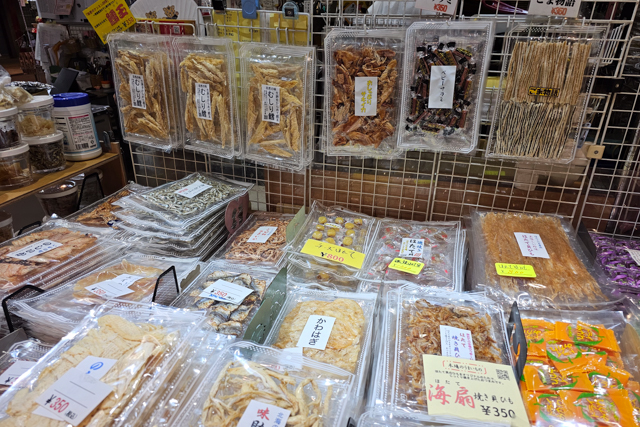
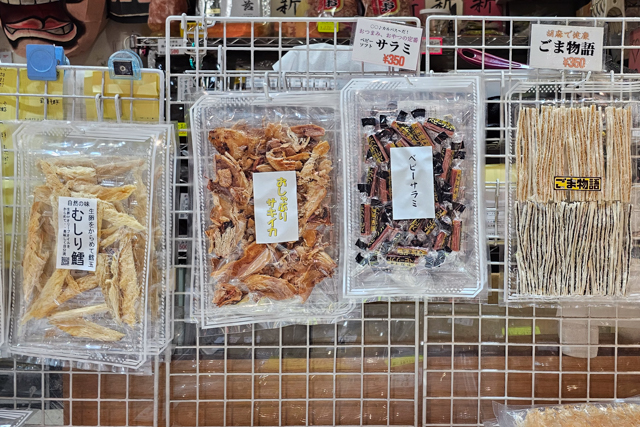
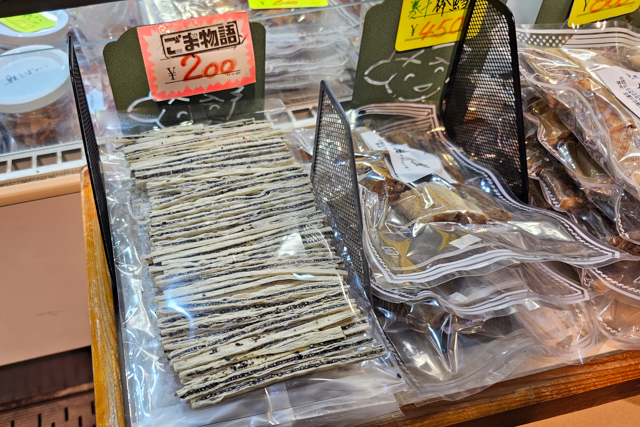
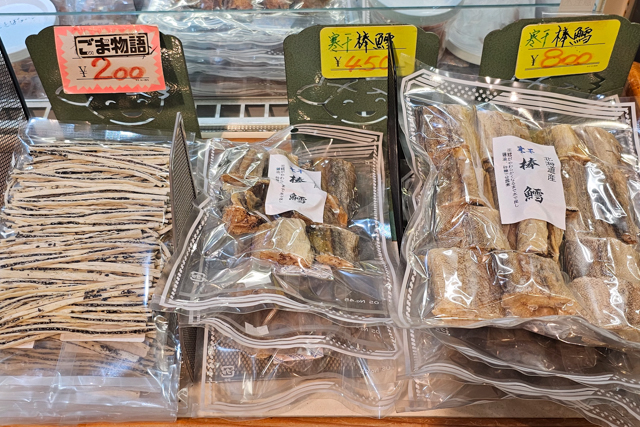
Review: Araya Seafood Goma Monogatari
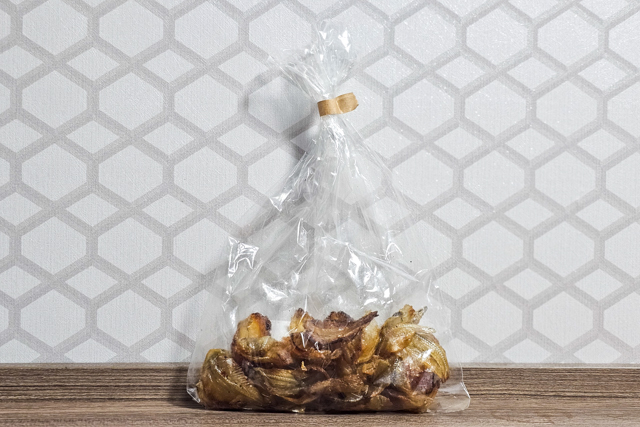
Review: Ota Yūzō Grilled Sardines
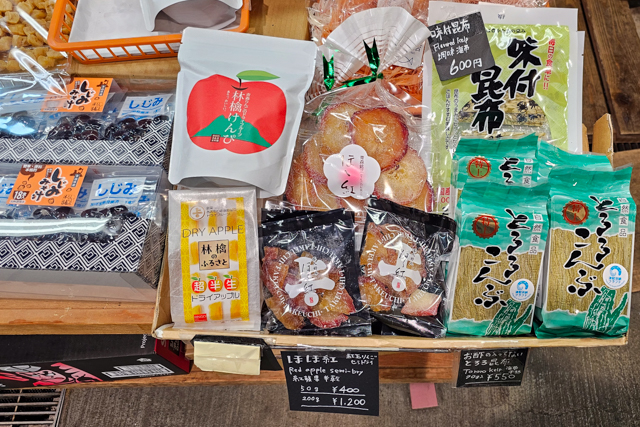
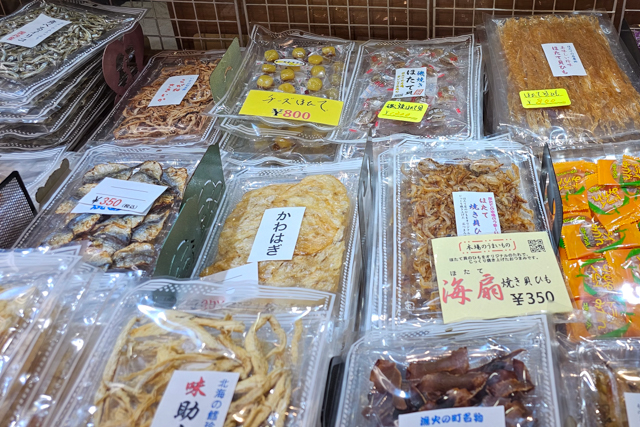
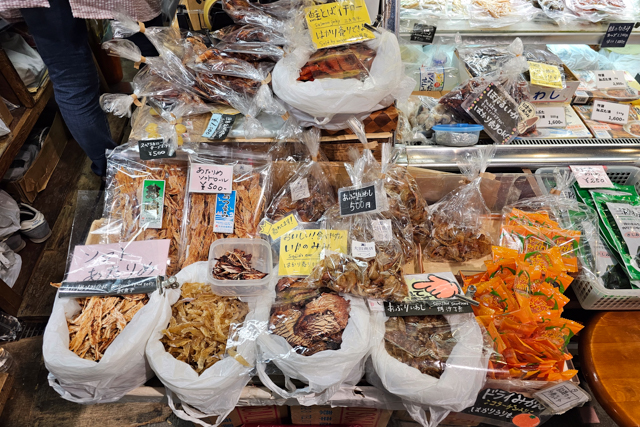
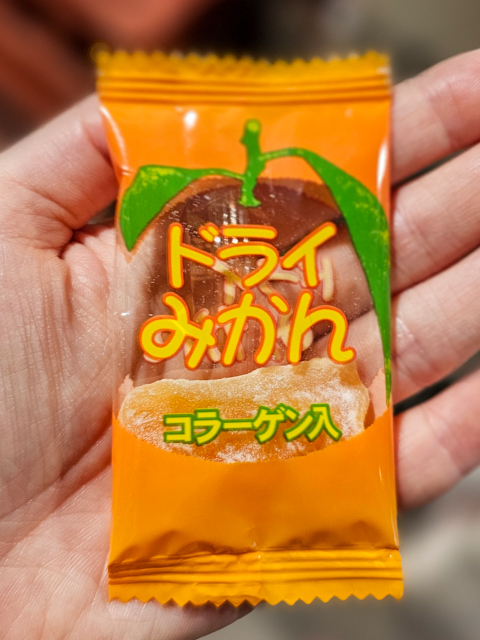
Osanai
1 Chome−1−17, Shinmachi, Aomori 030-0801, Japan
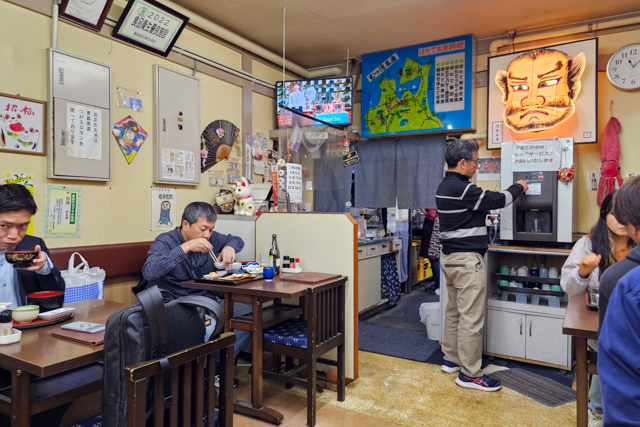
Review: Osanai, Aomori
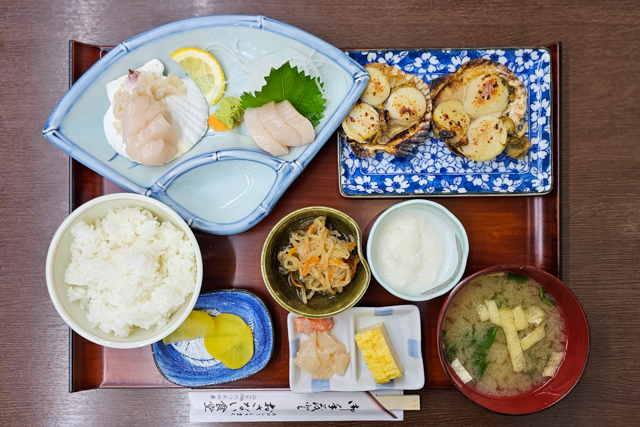
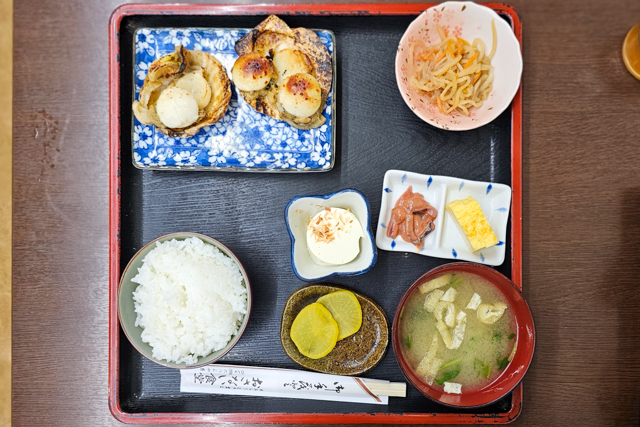
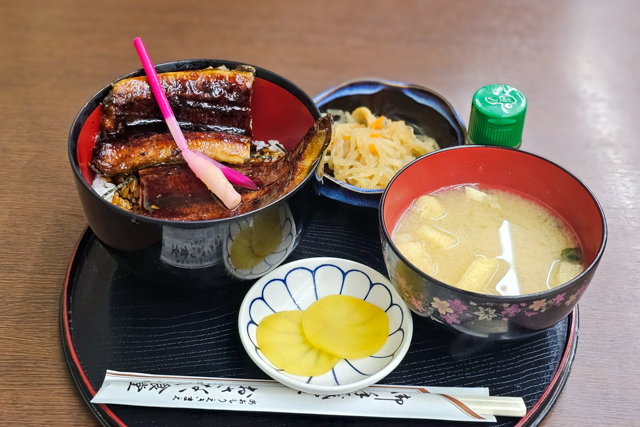
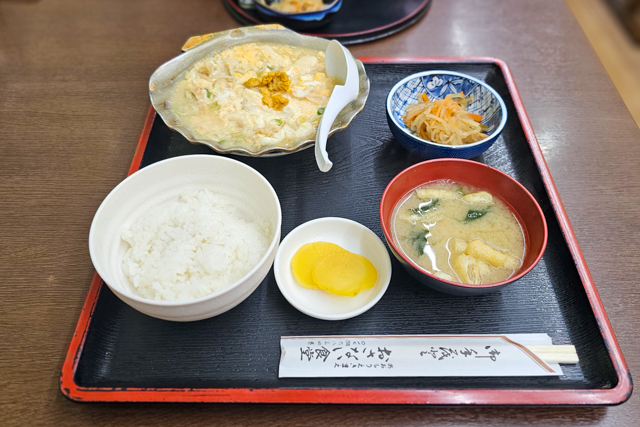
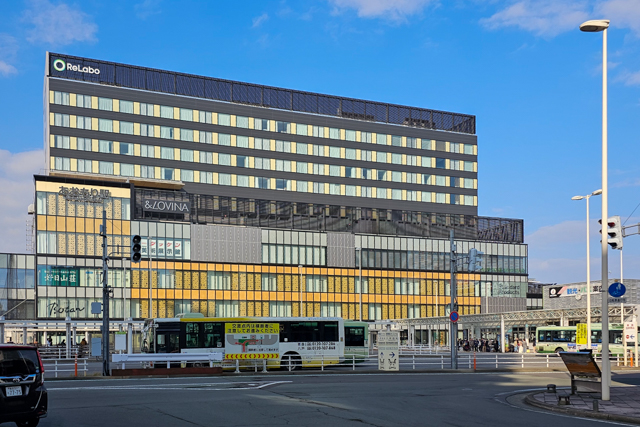
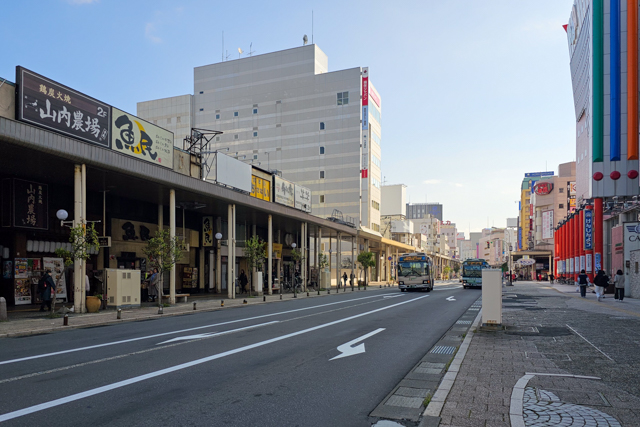
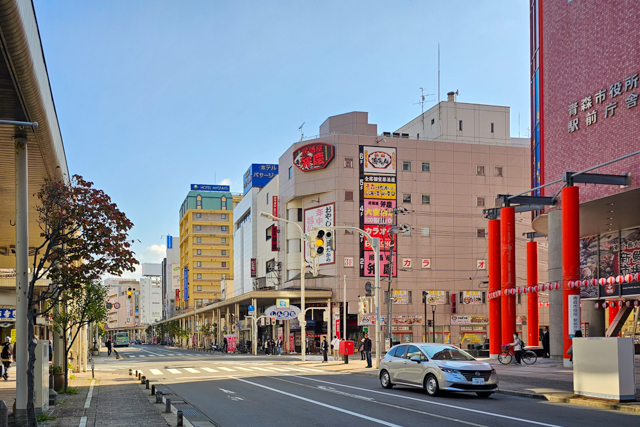
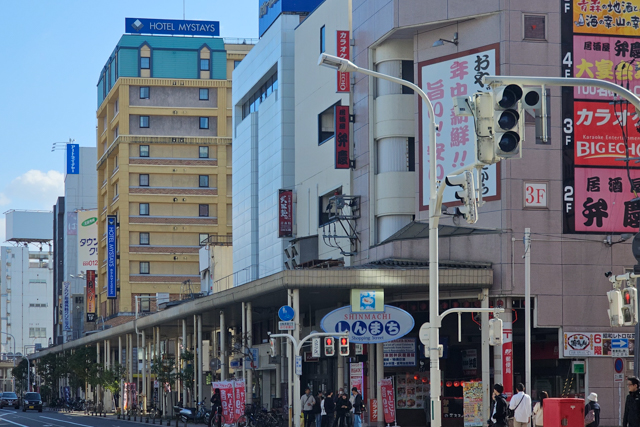
Streetscape
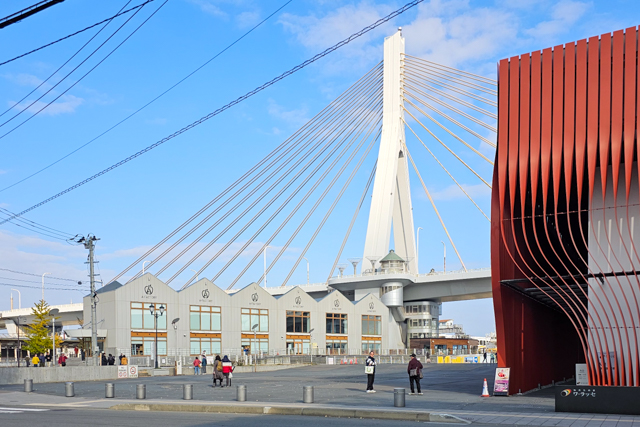
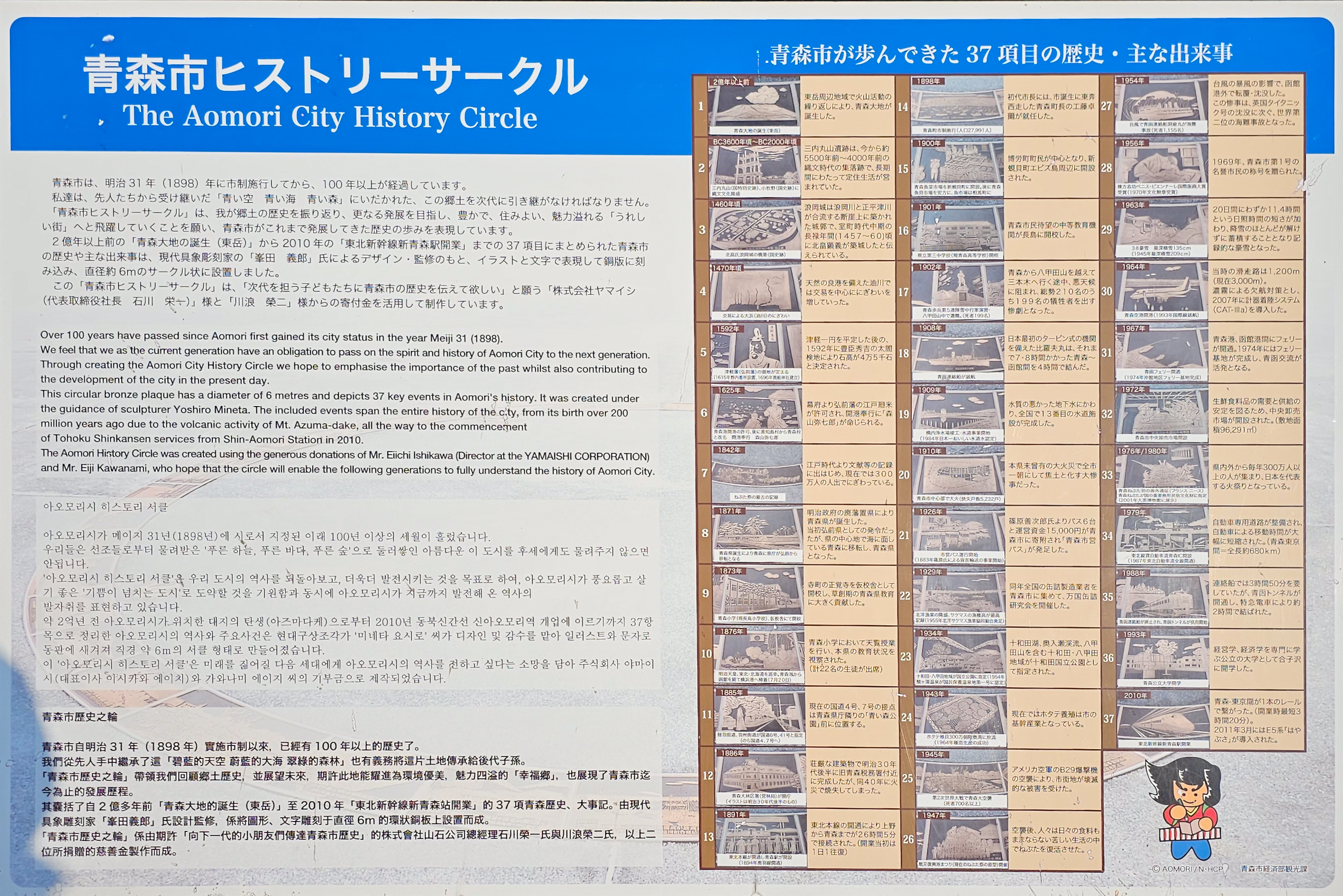
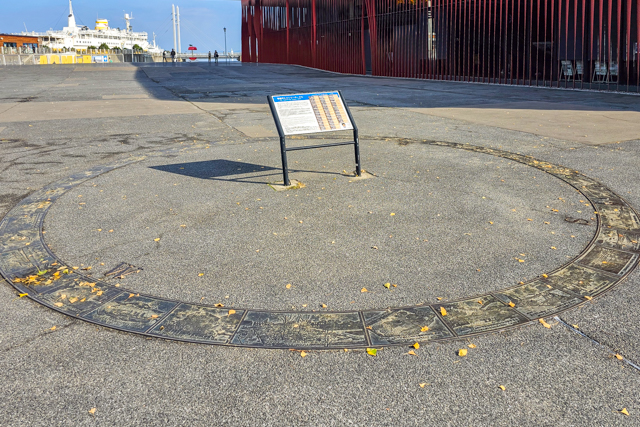
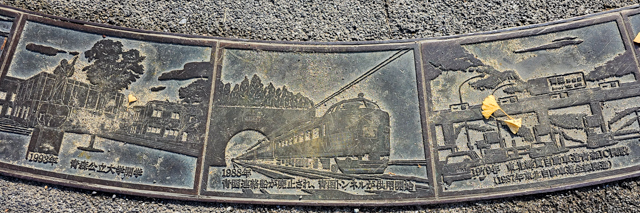
Seikan Train Ferry Memorial Ship Hakkōda-maru
青函連絡船メモリアルシップ八甲田丸, 1 Chome-4-112−15 地先 Yanakawa, Aomori, 038-0012, Japan
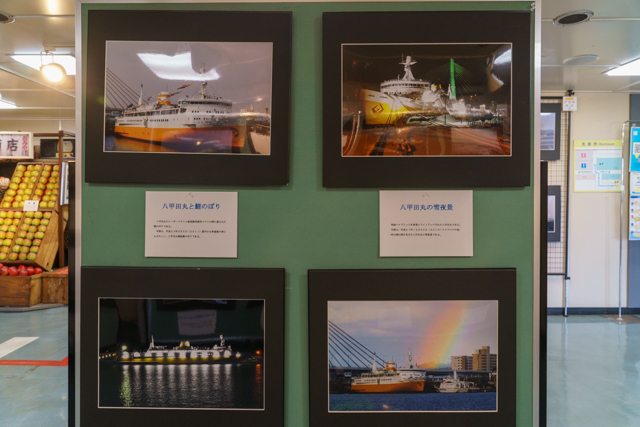
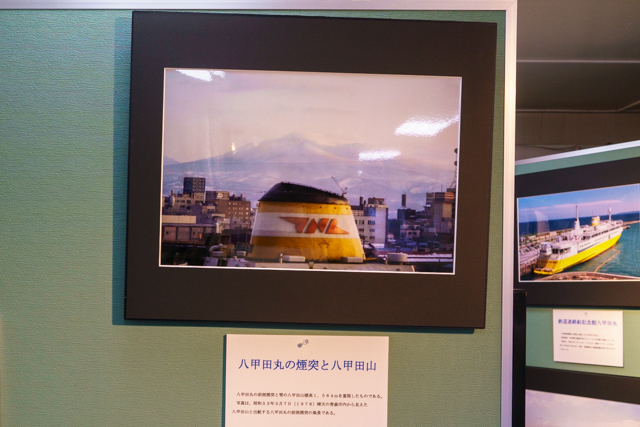
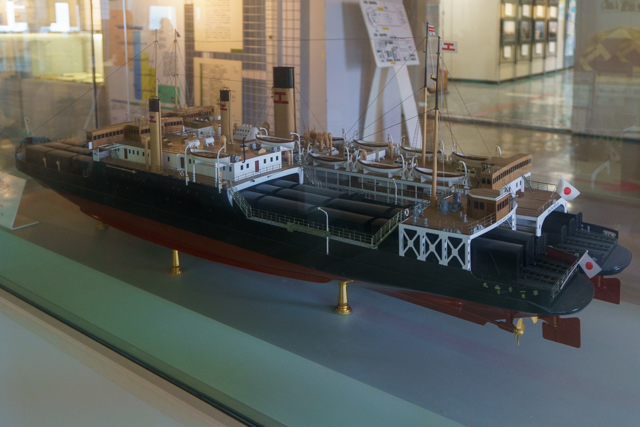
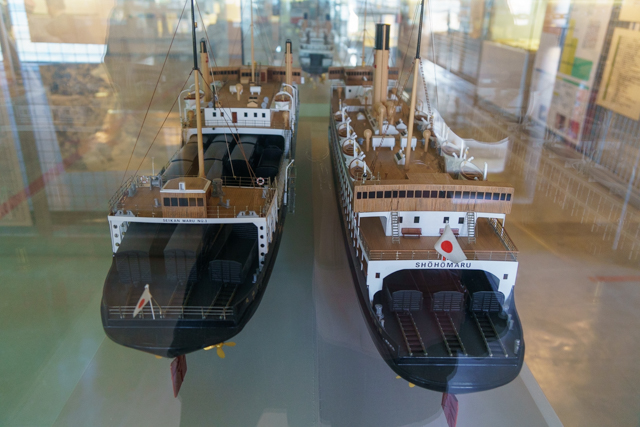
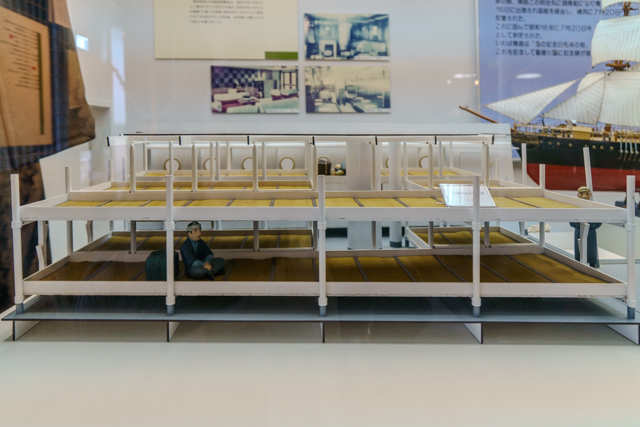
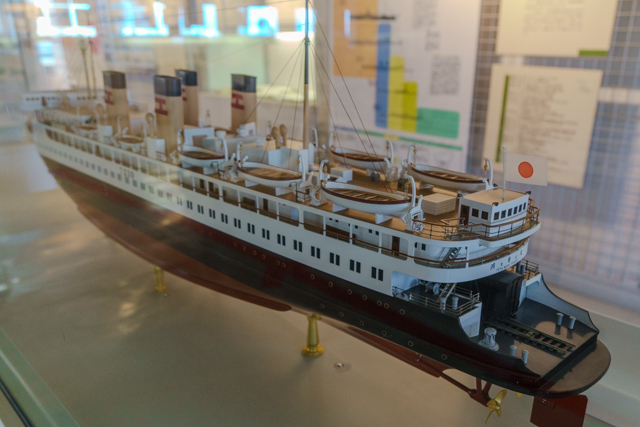
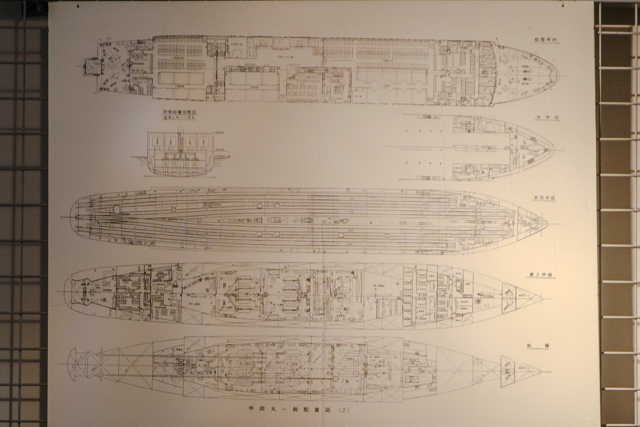
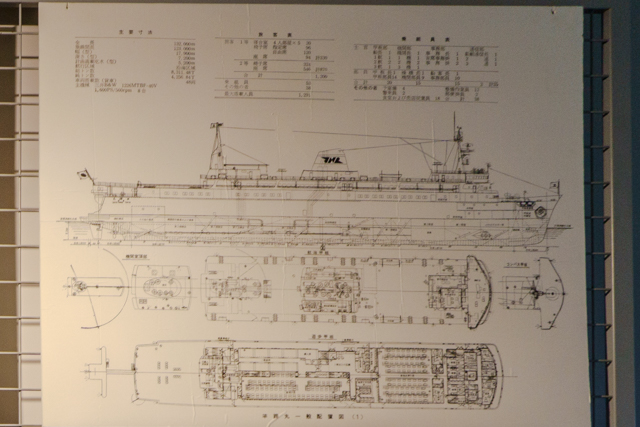
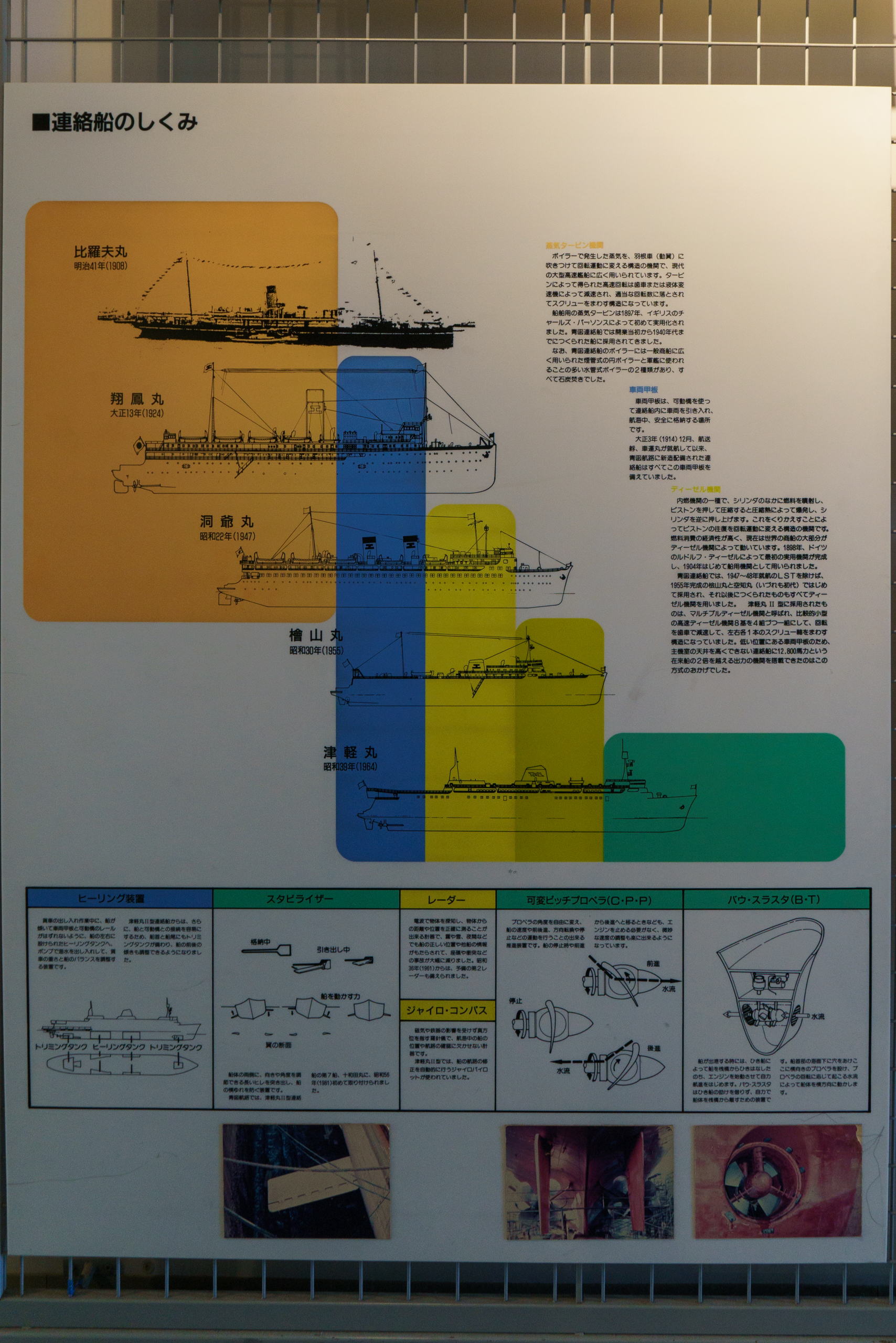
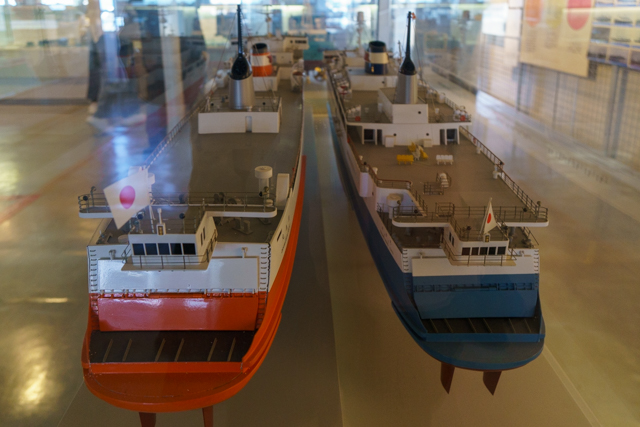
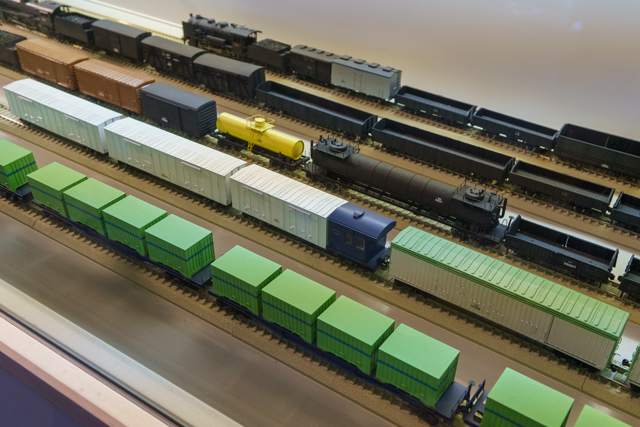
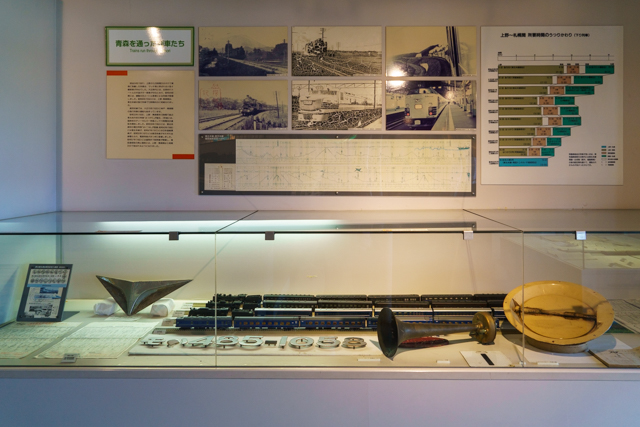
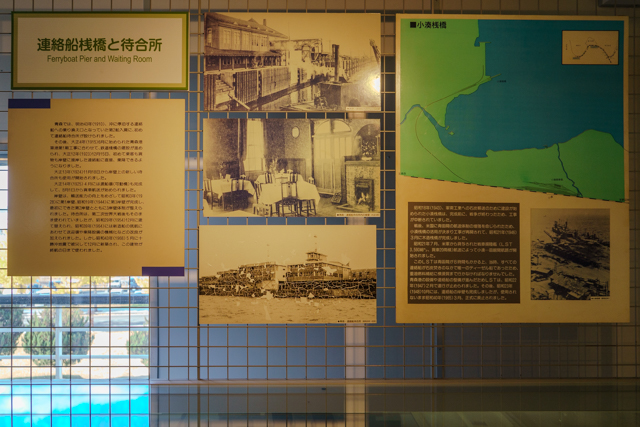
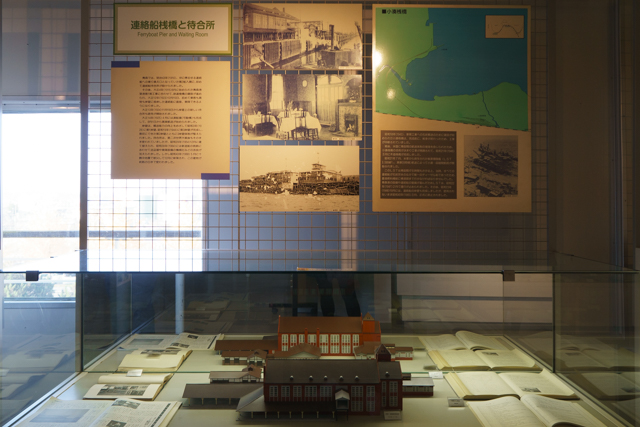
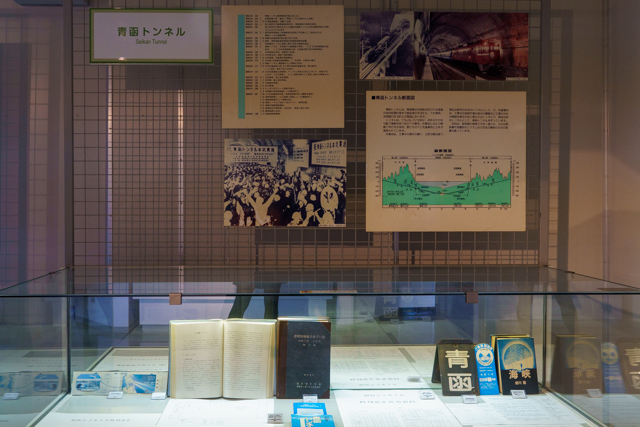
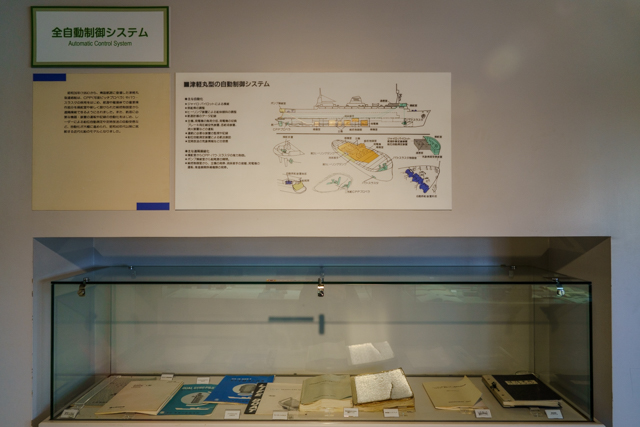
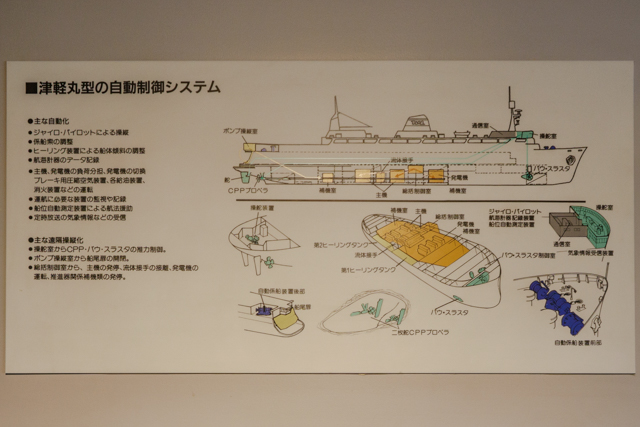
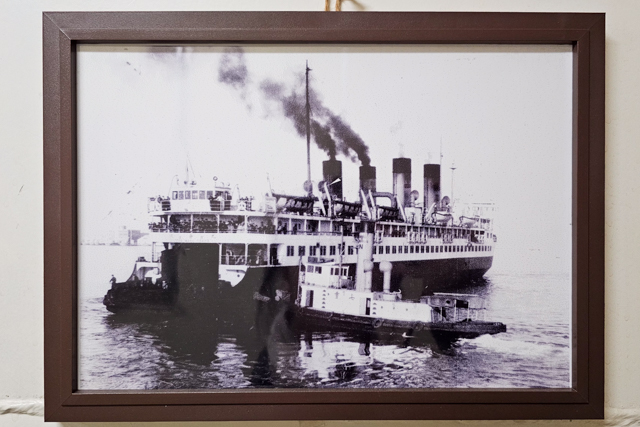
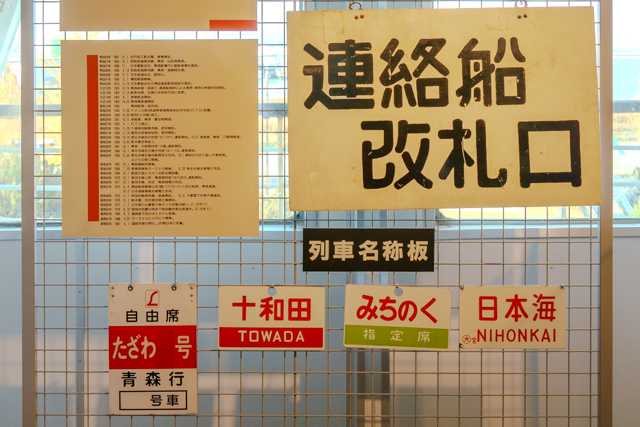
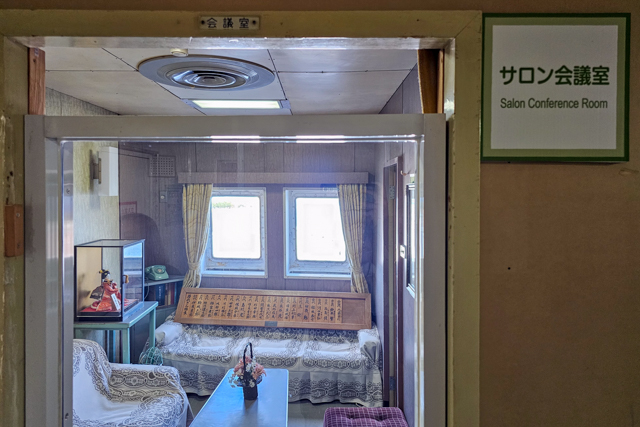
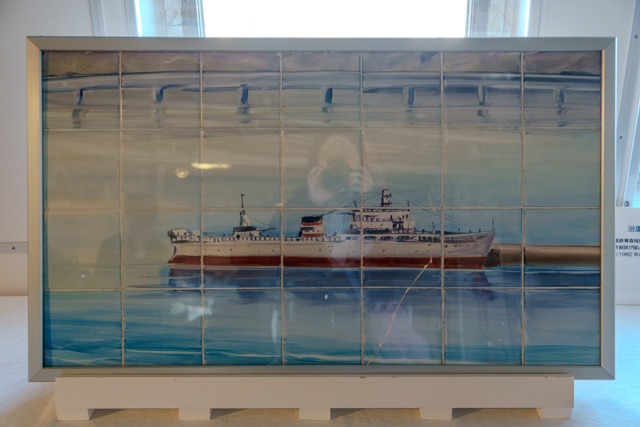
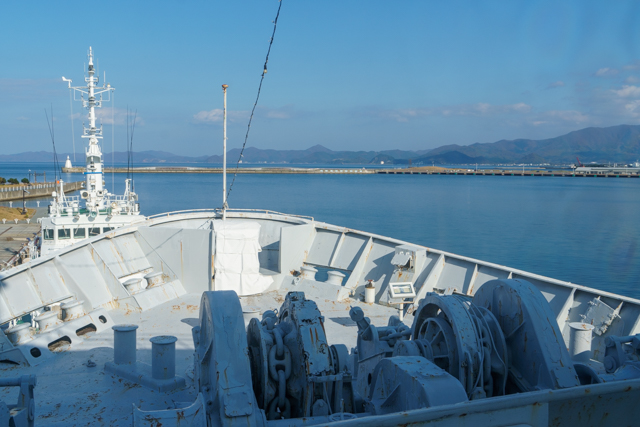
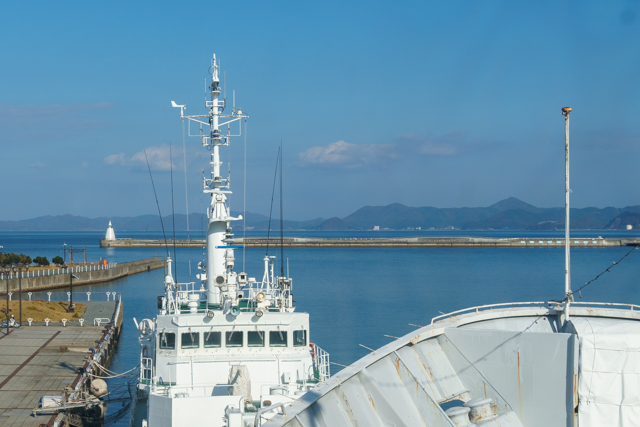
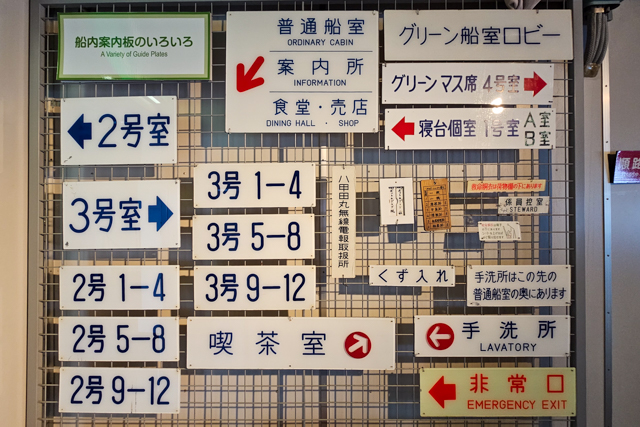
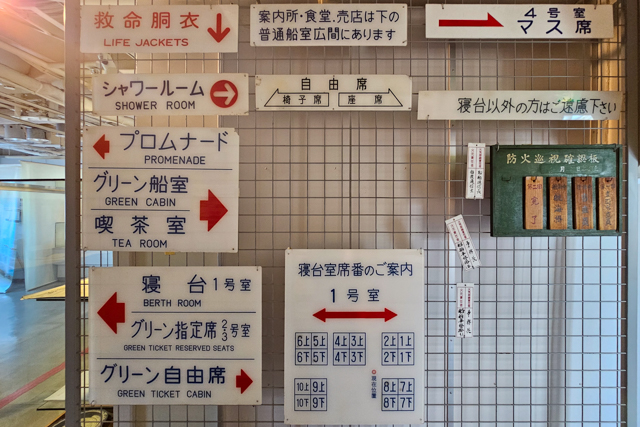
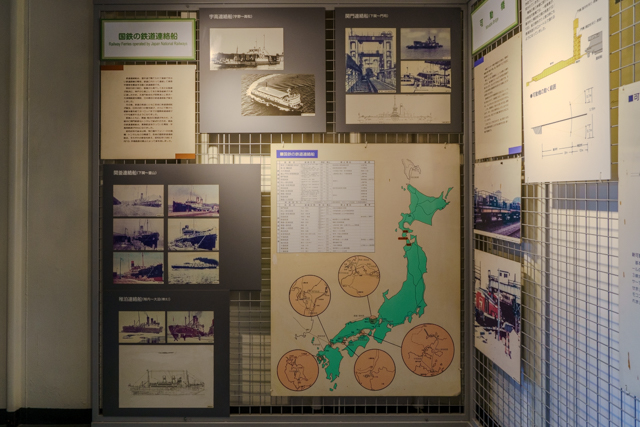
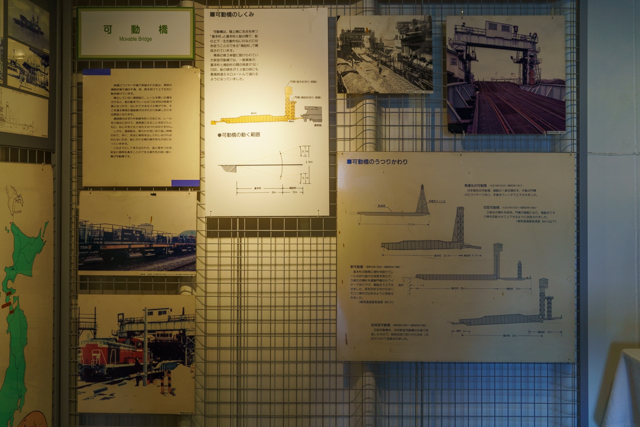
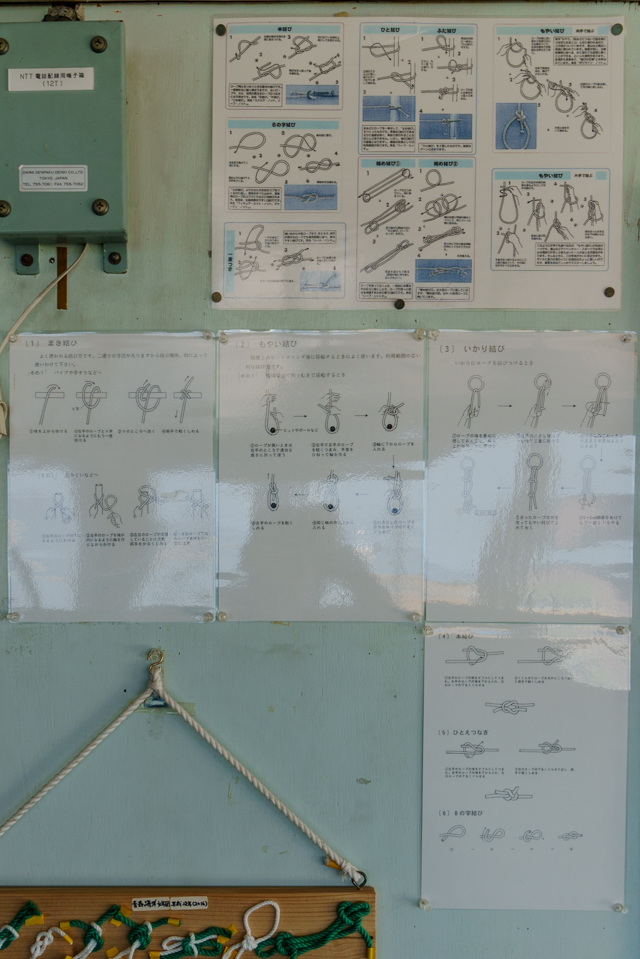
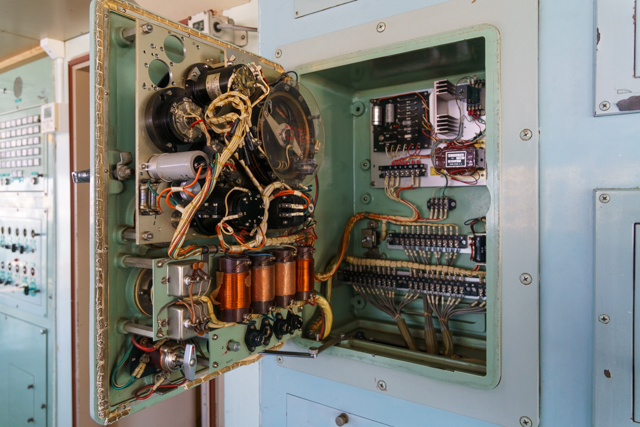
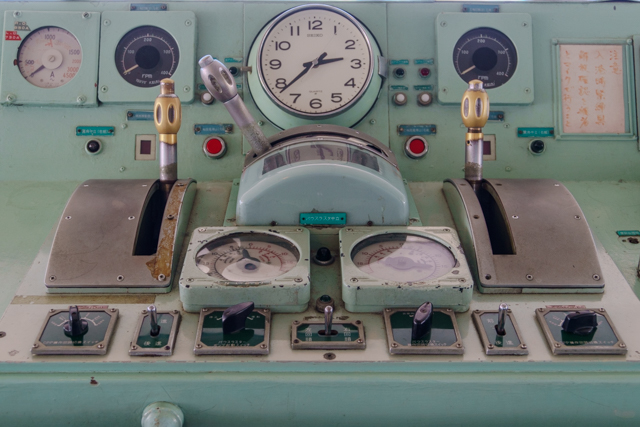
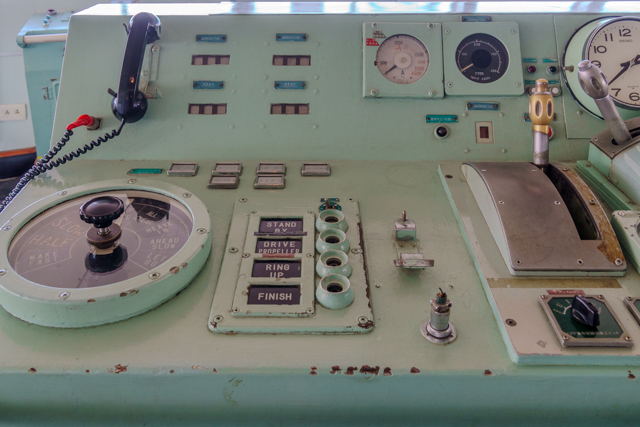
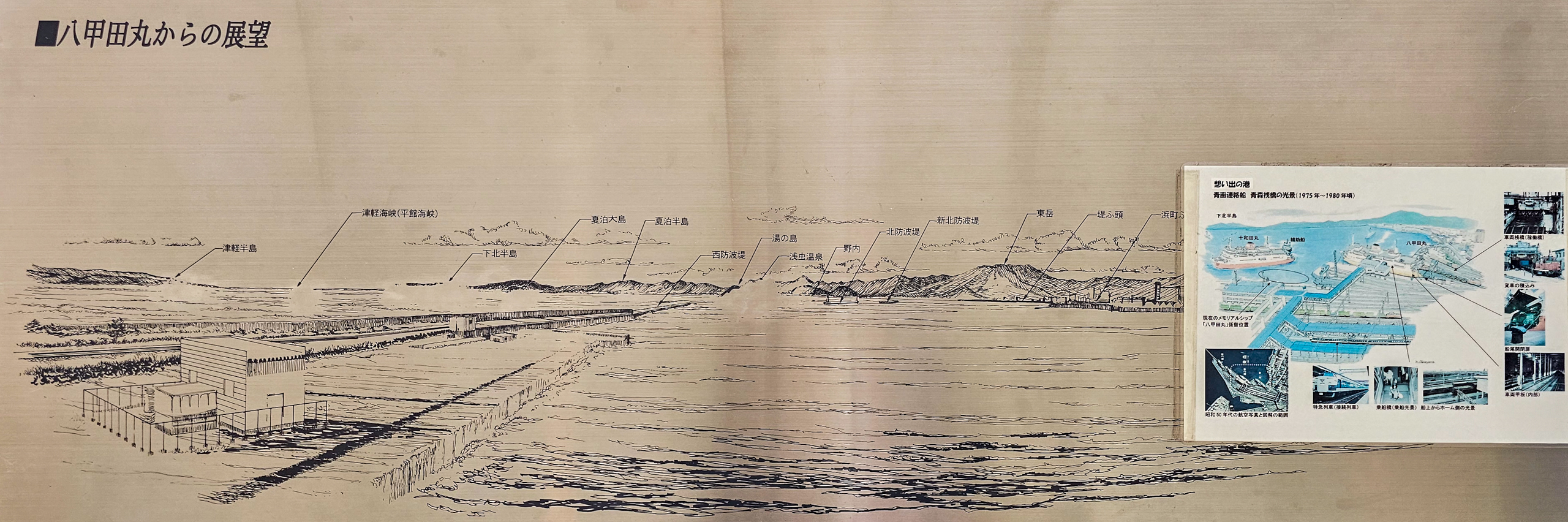
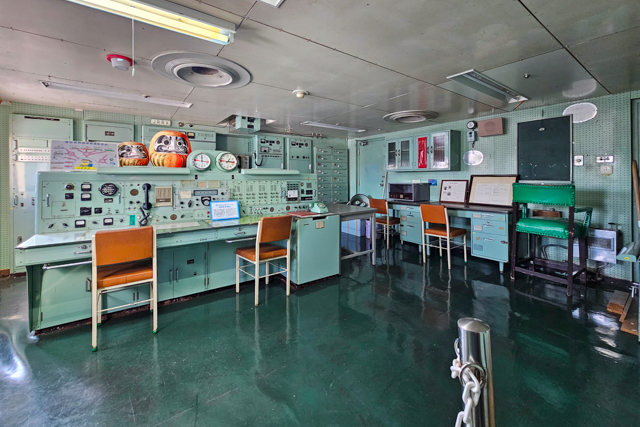
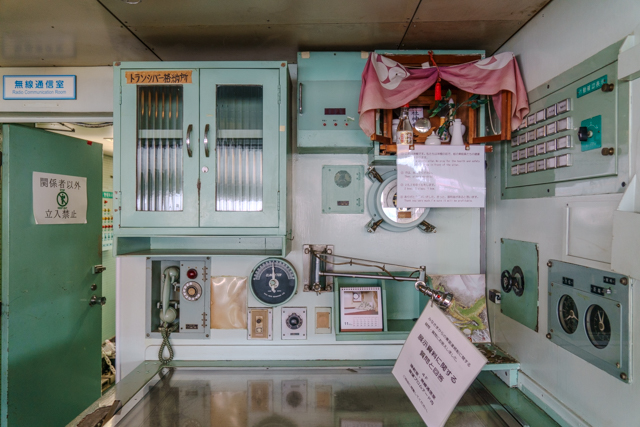
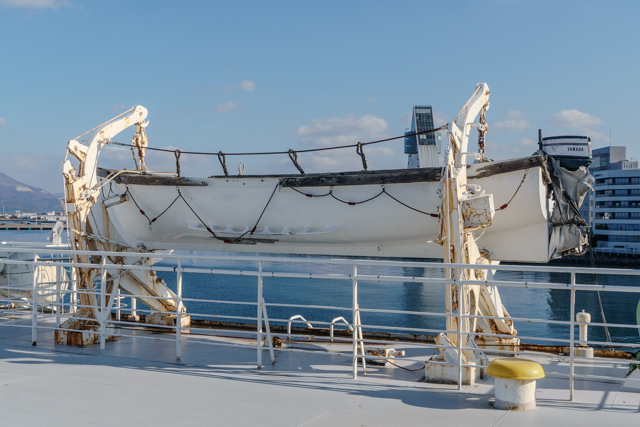
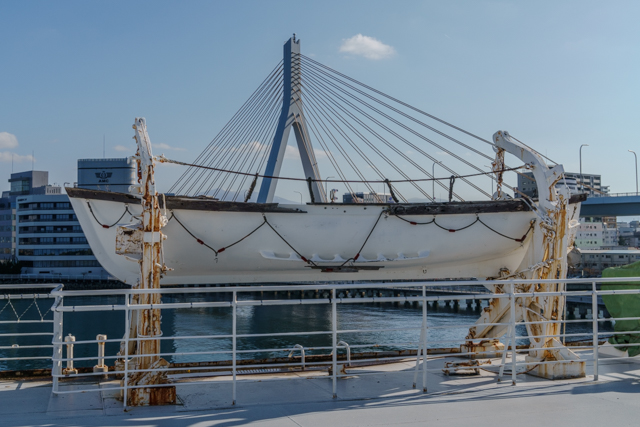
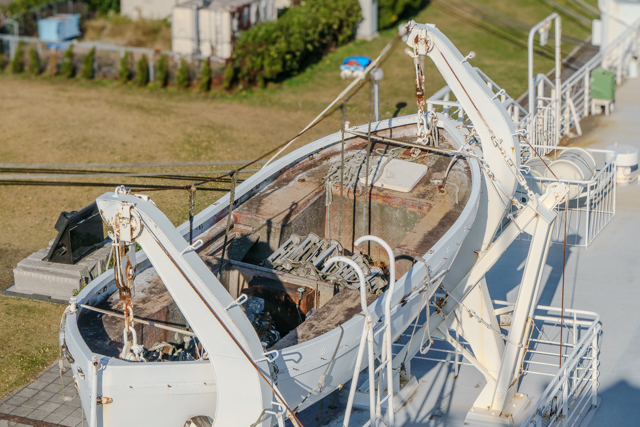
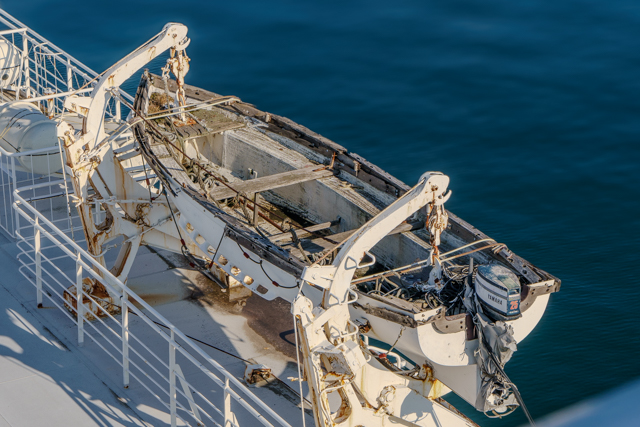
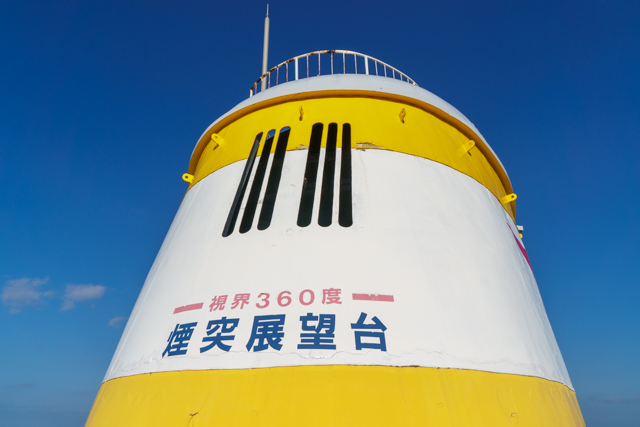
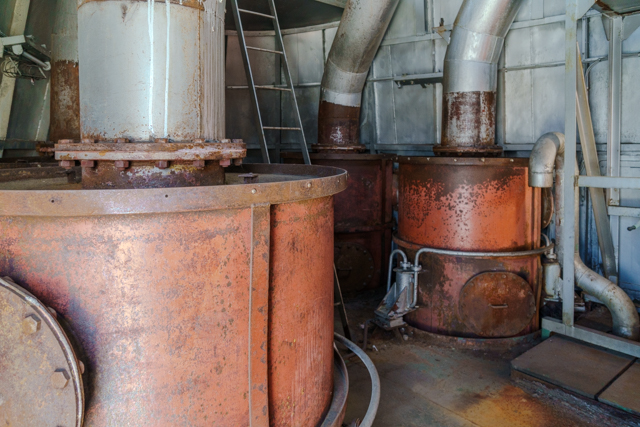
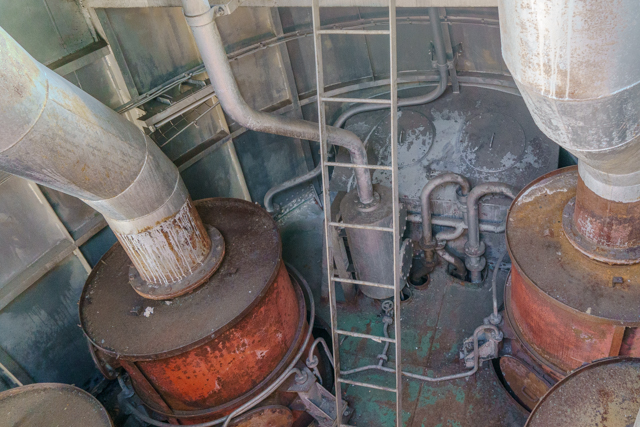
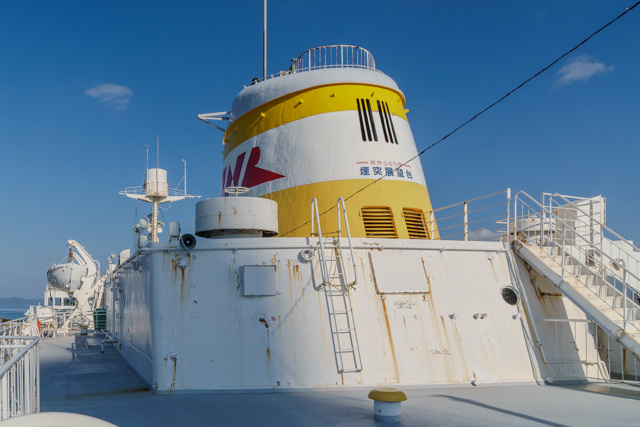
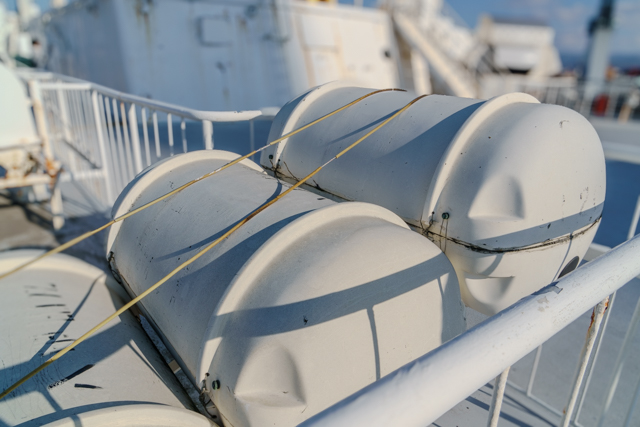
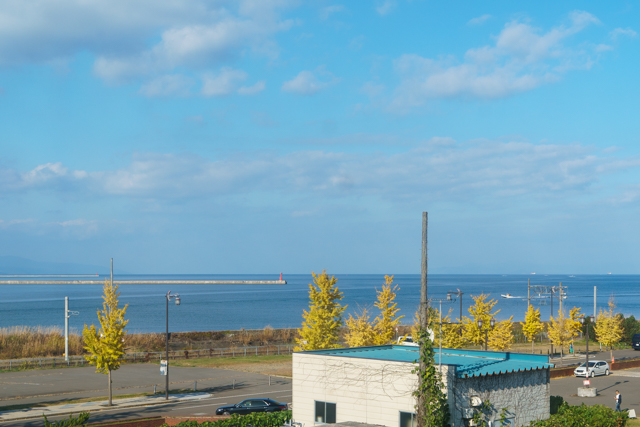
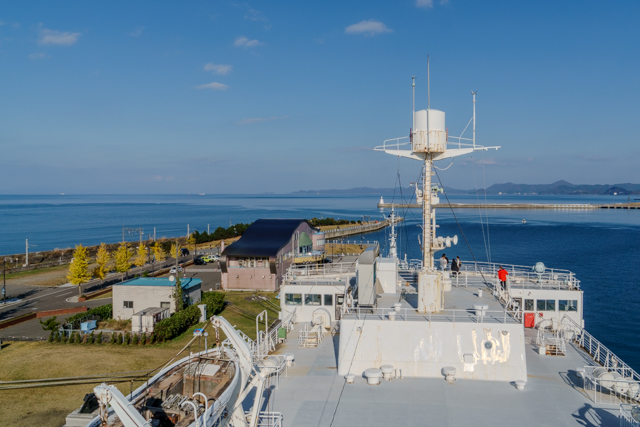
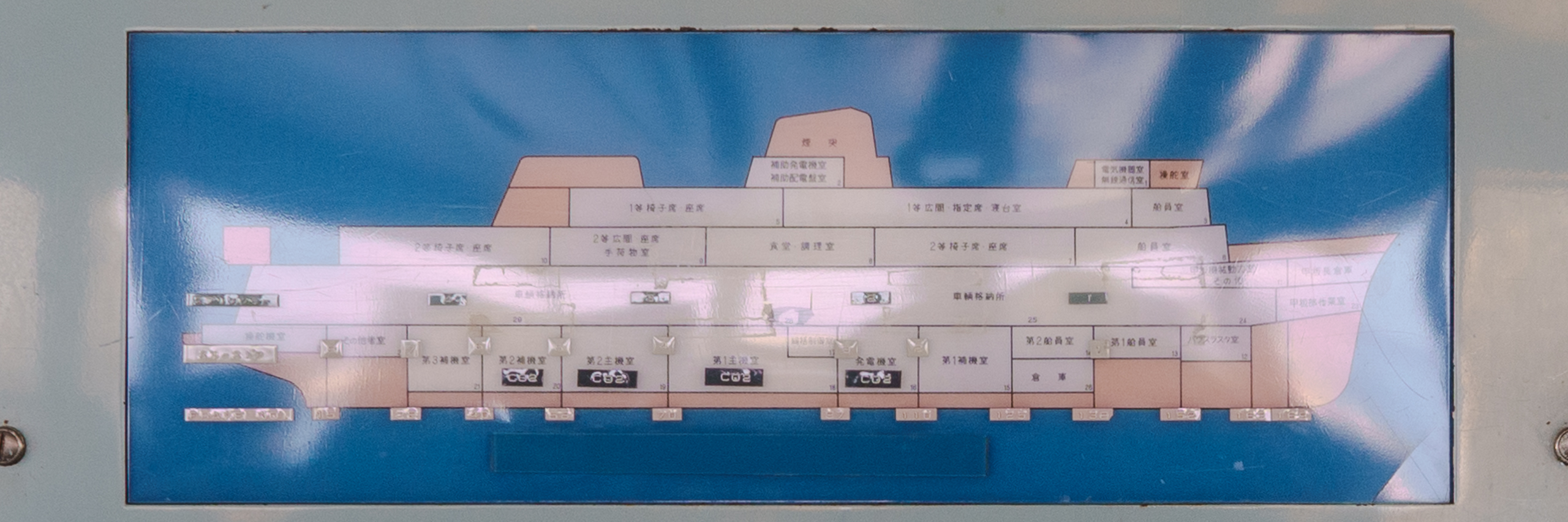
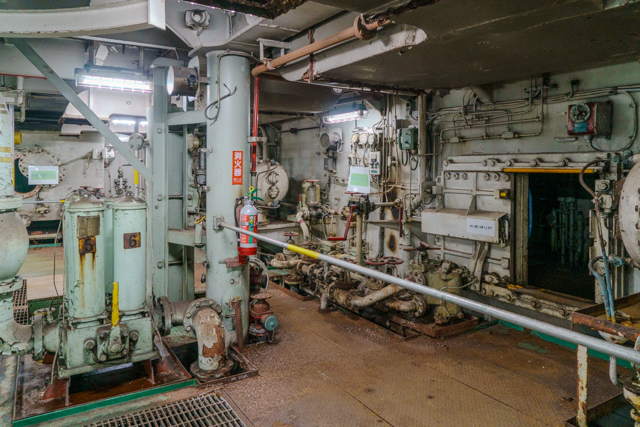
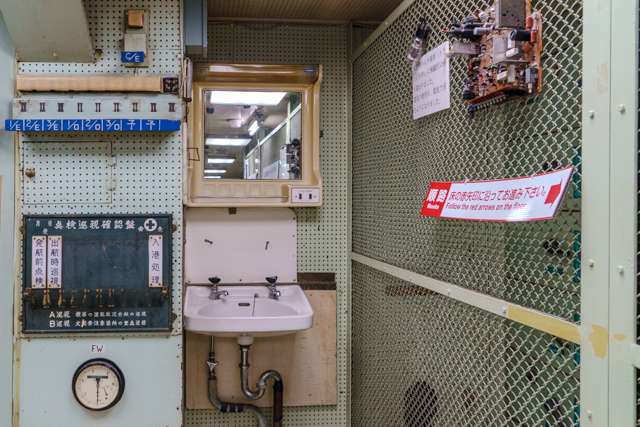
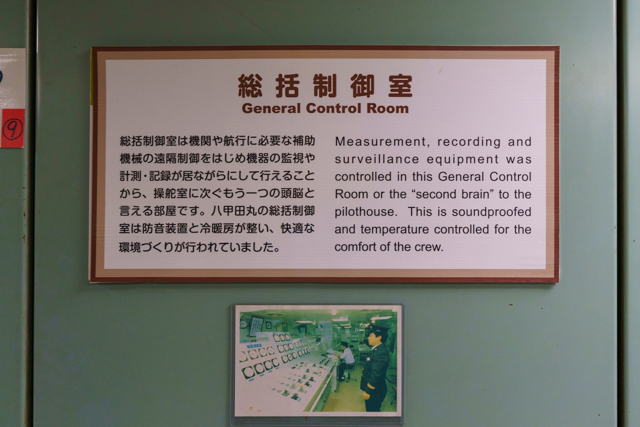
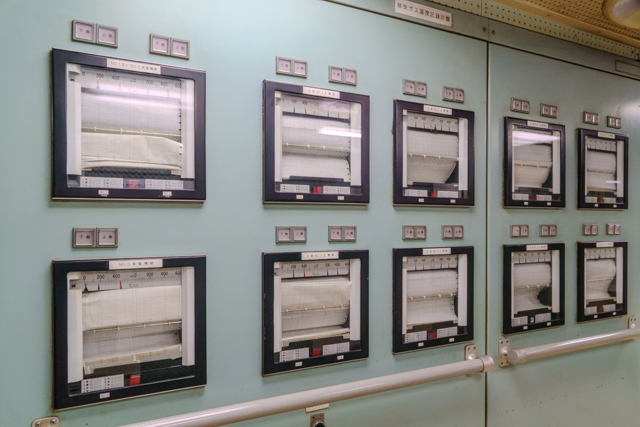
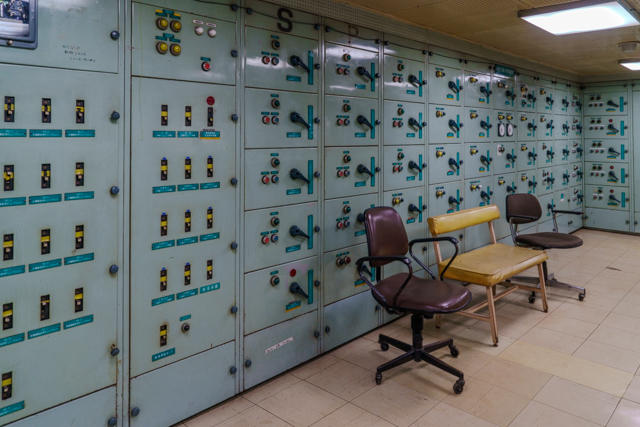
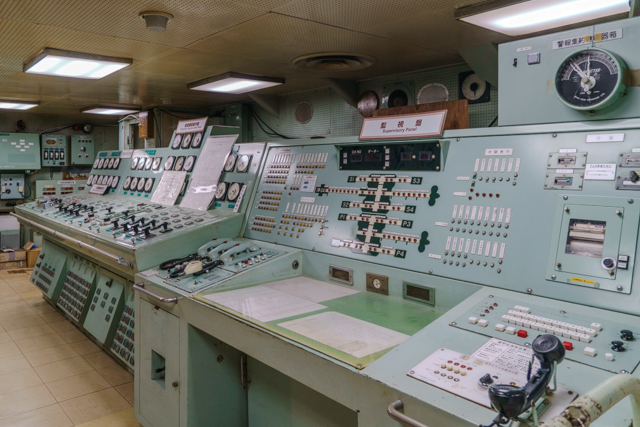
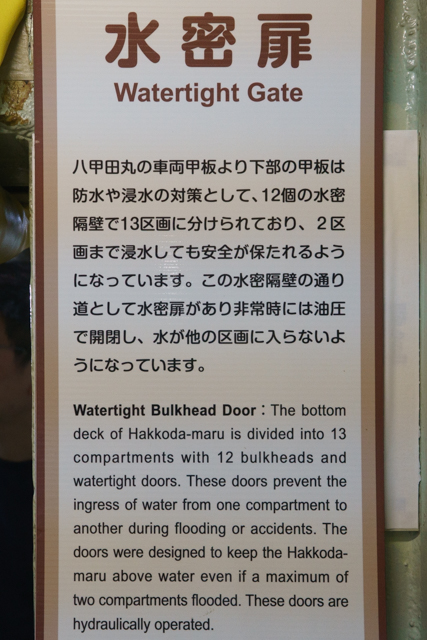
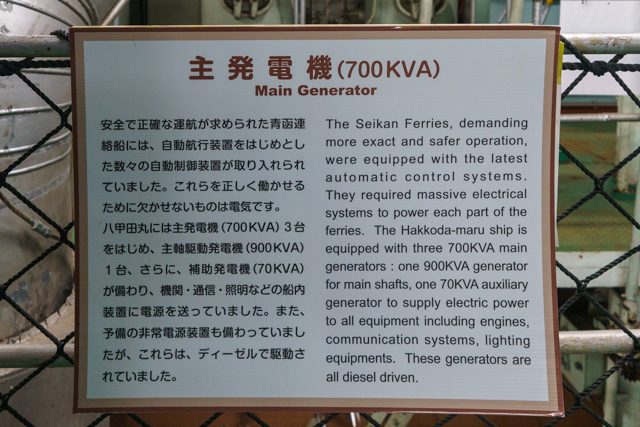
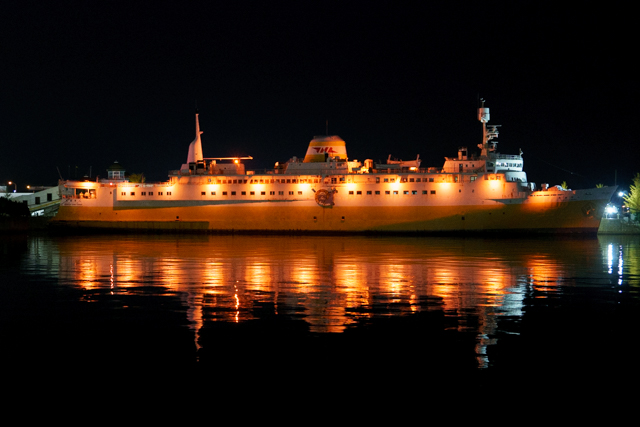
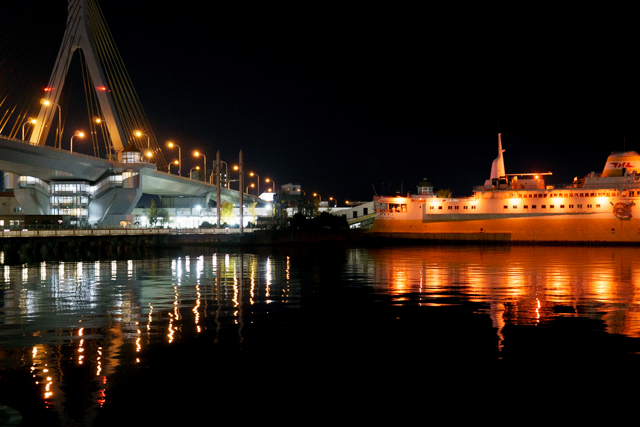
The Hakkōdamaru is a preserved former Seikan ferry, now functioning as a museum documenting the rail-ferry connection between Honshū and Hokkaidō before the Seikan Tunnel. Its interior retains much of the original structure, allowing movement through passenger decks, cargo areas, and operational spaces.
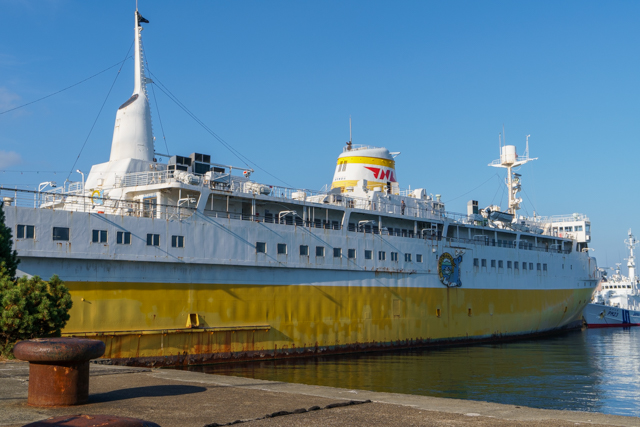
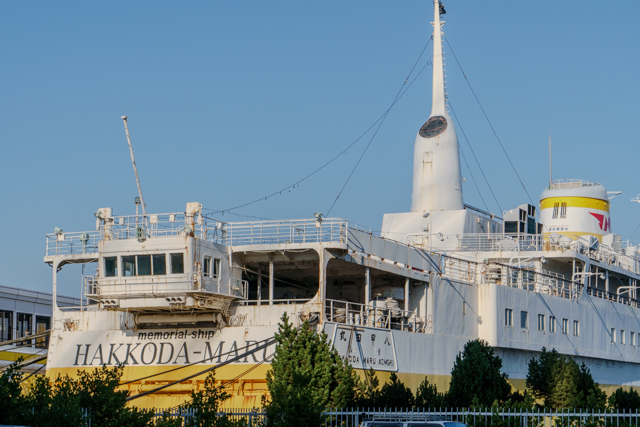
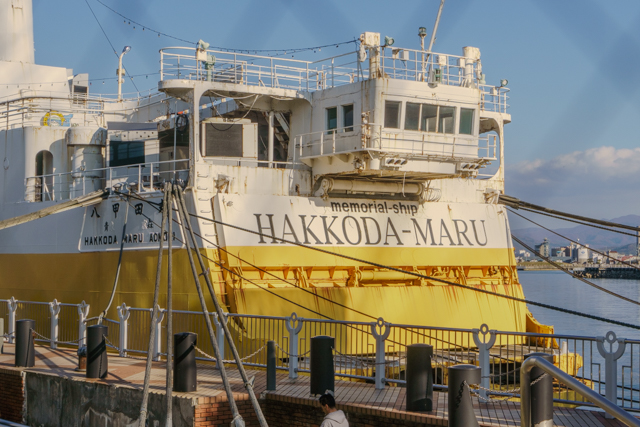
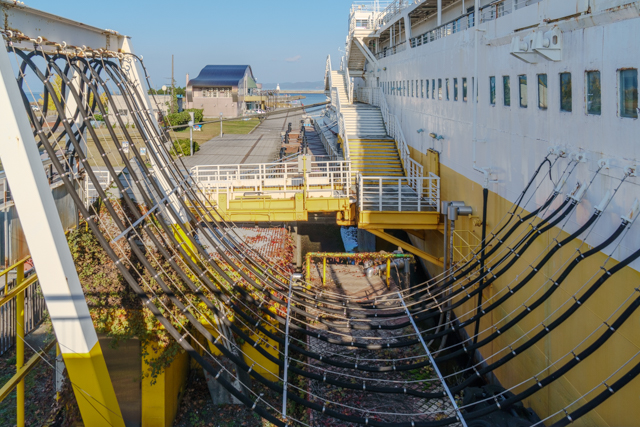
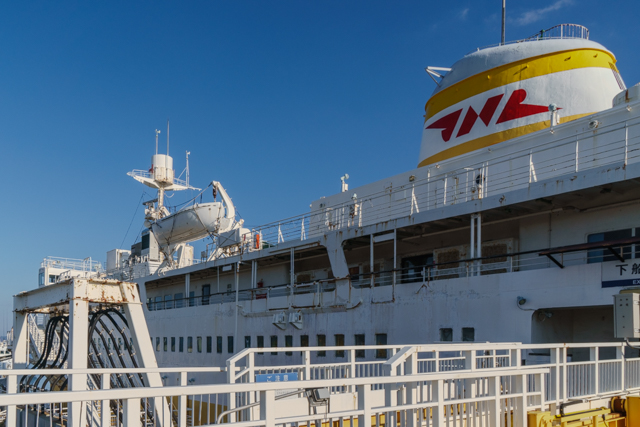
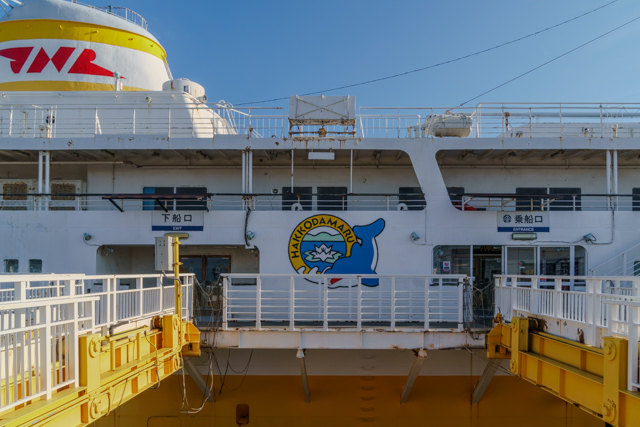
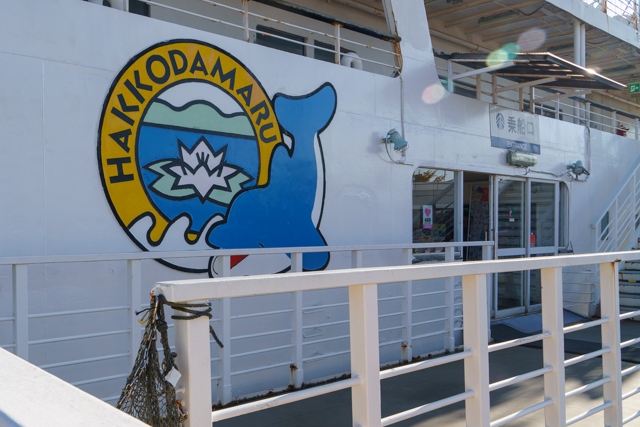
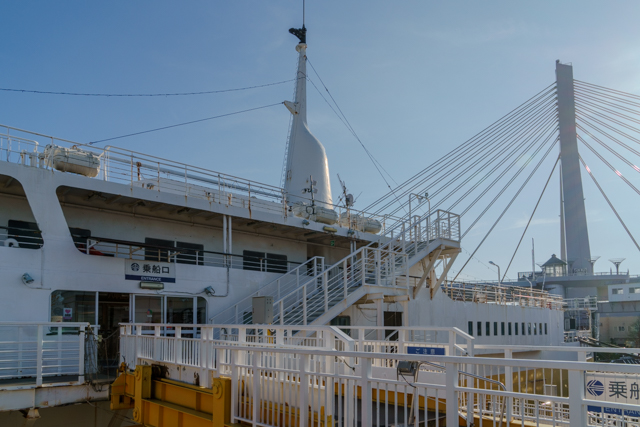
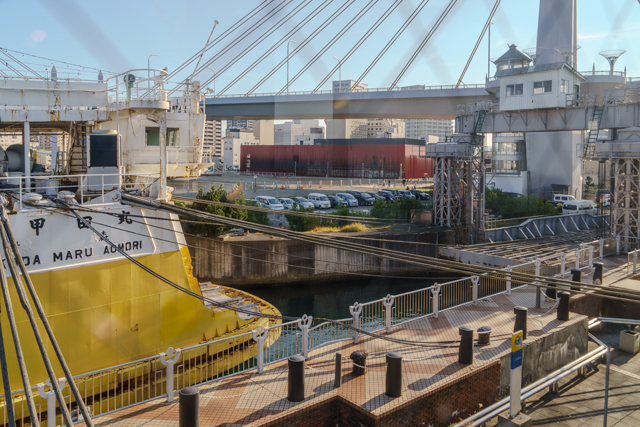
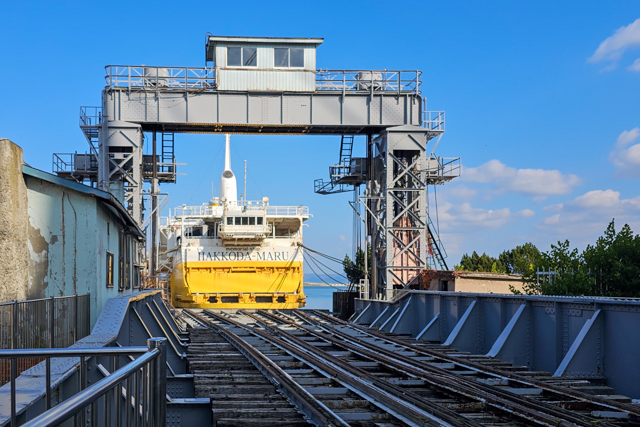
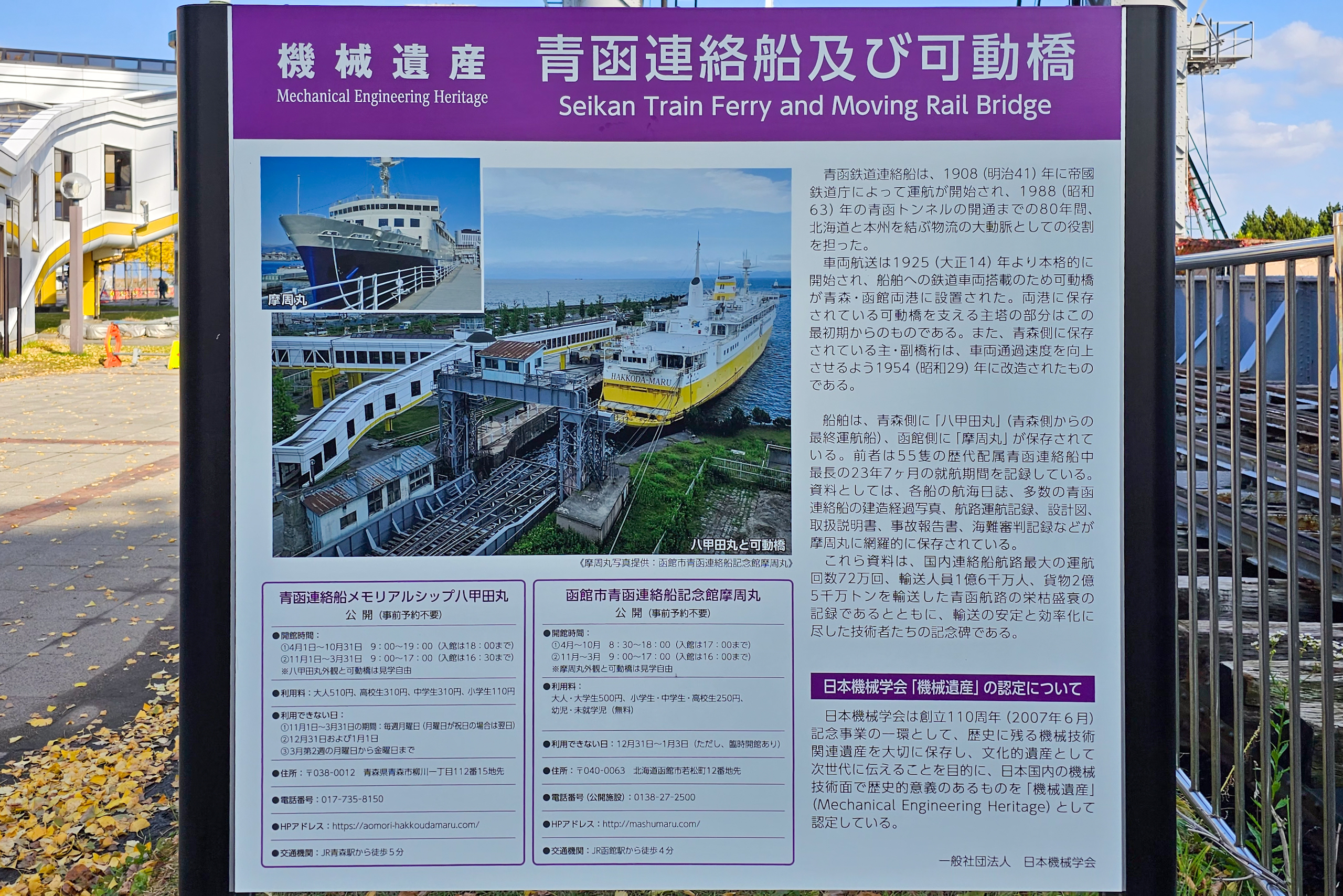
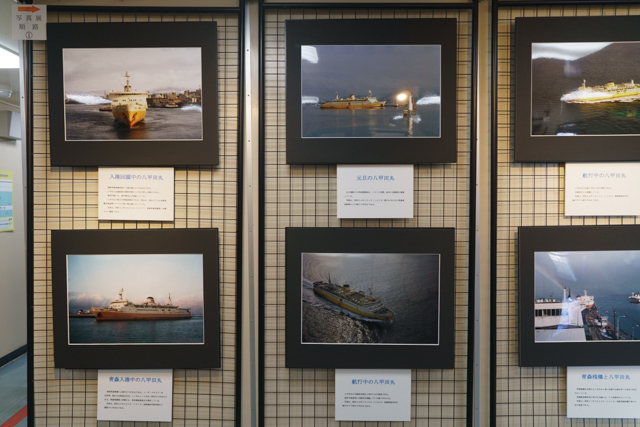
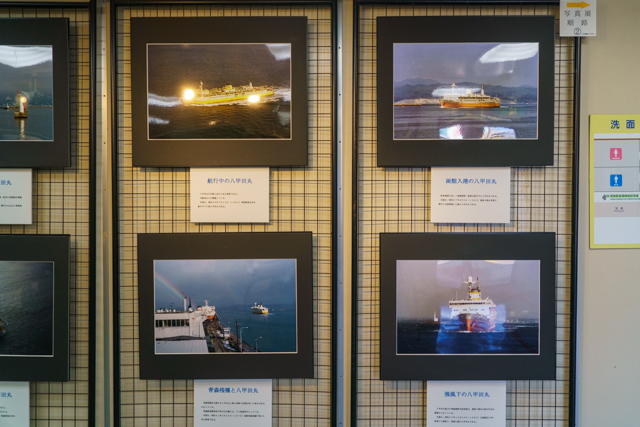
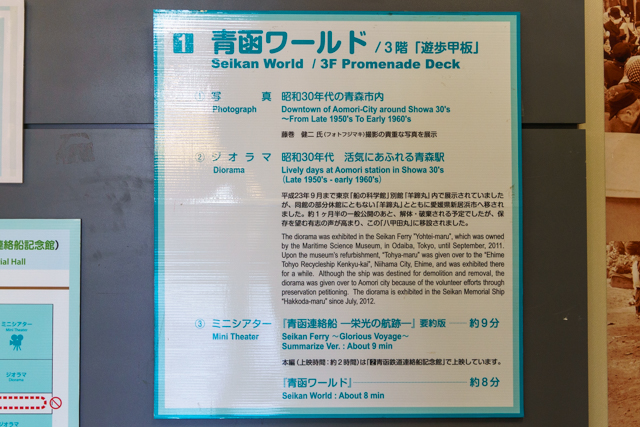
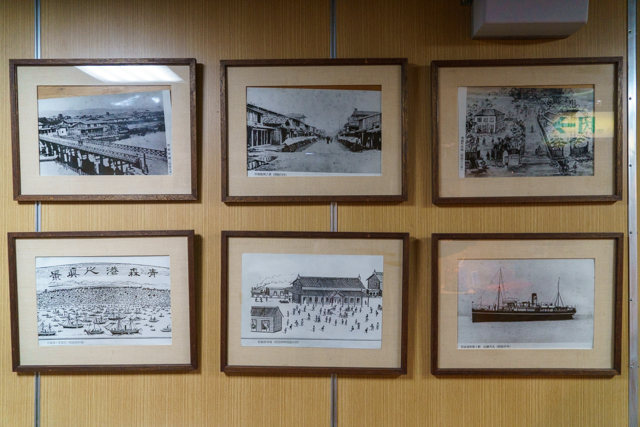
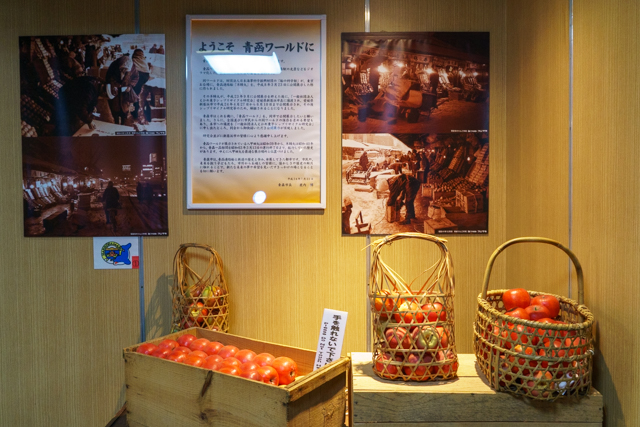
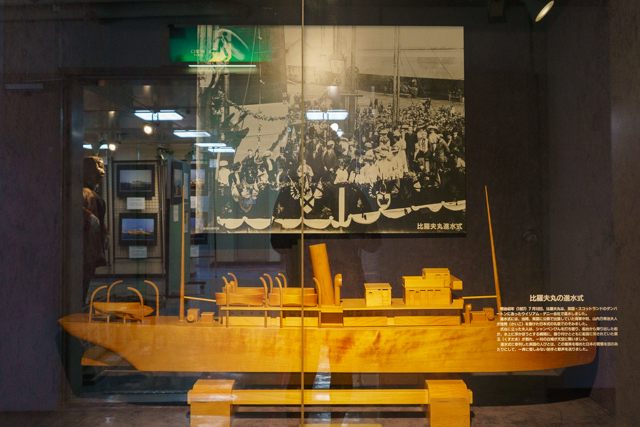
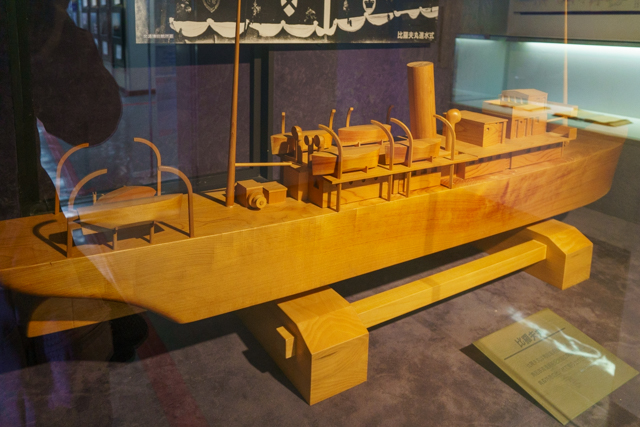
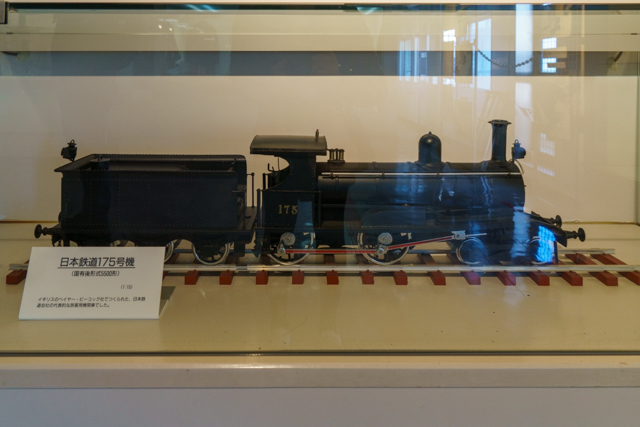
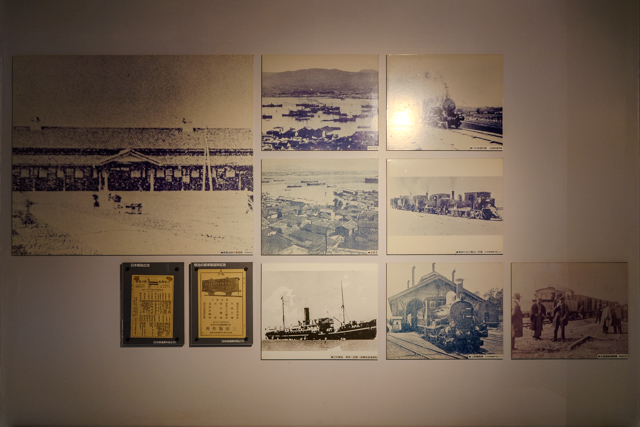
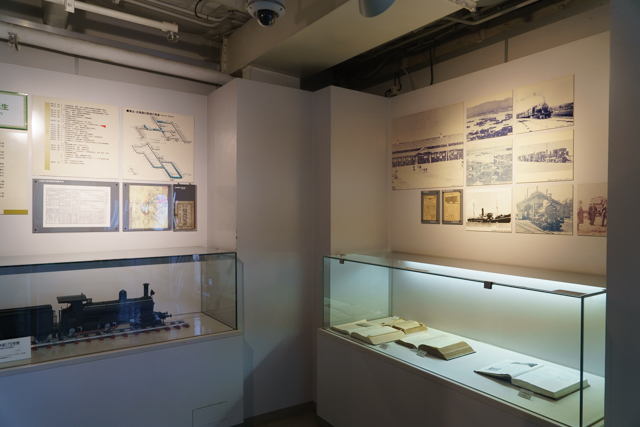
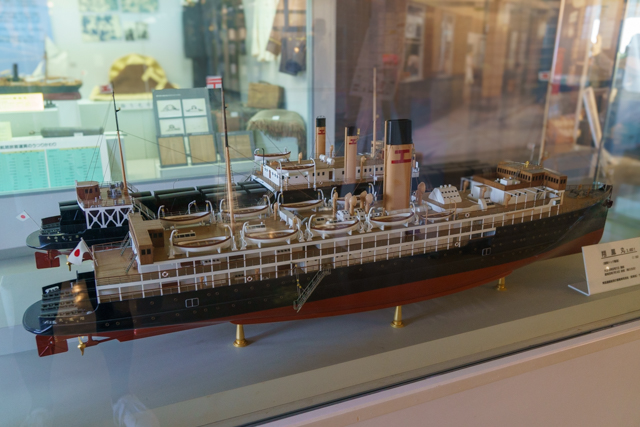
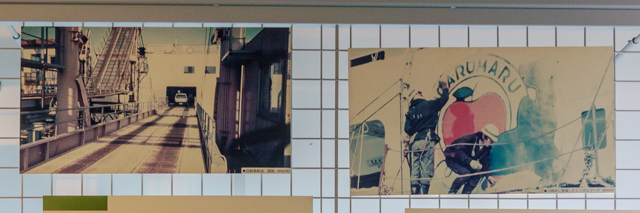
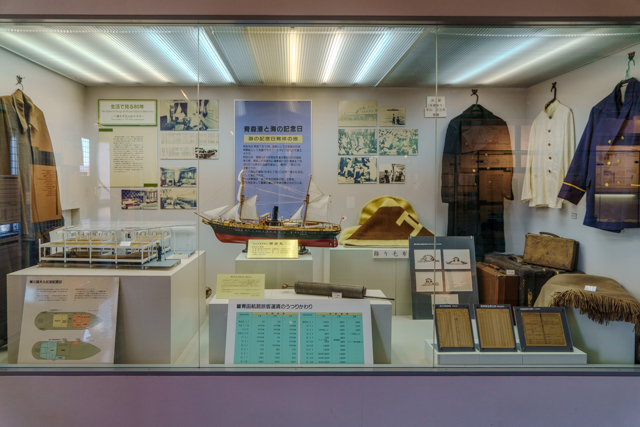
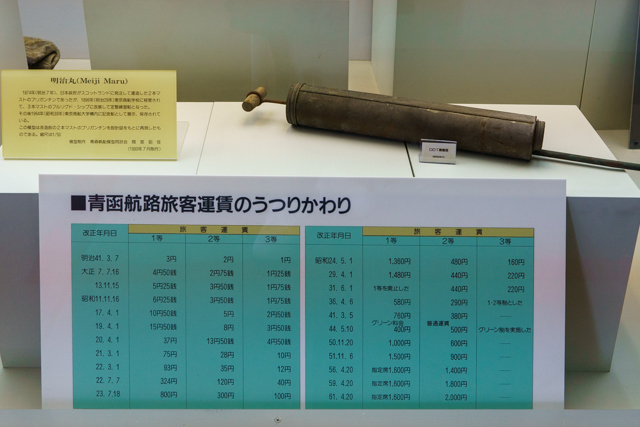
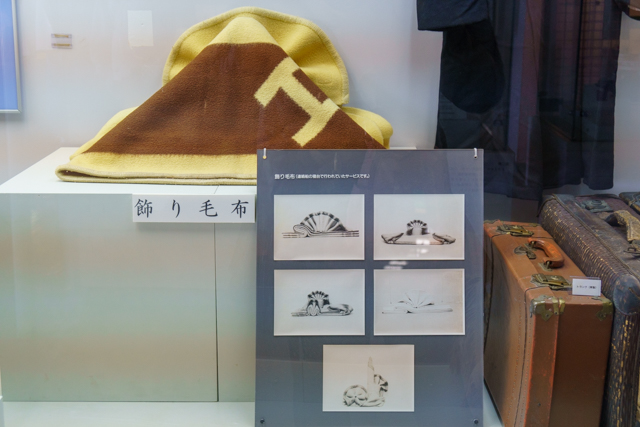
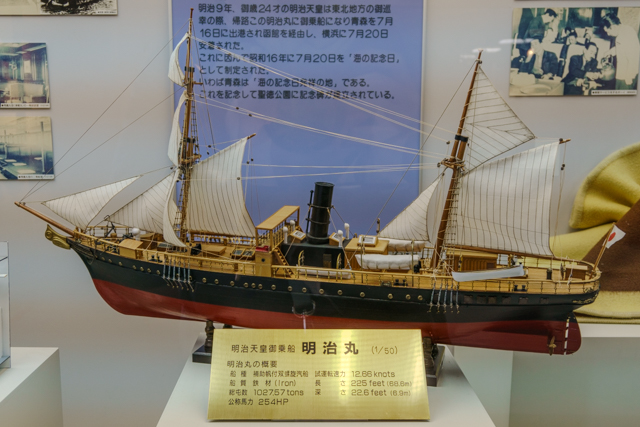
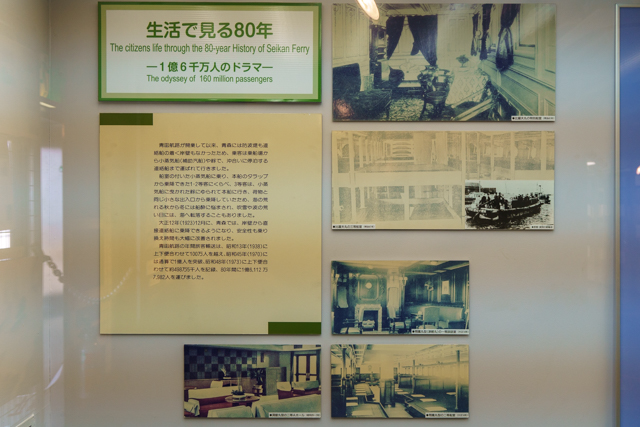
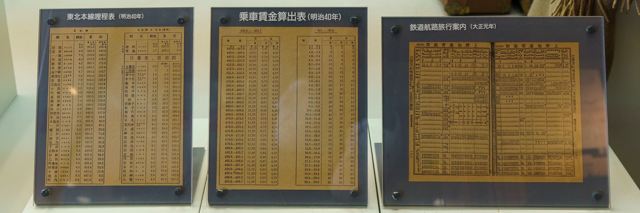
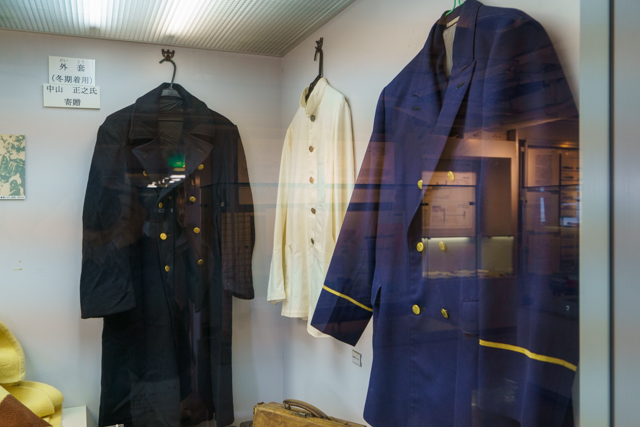
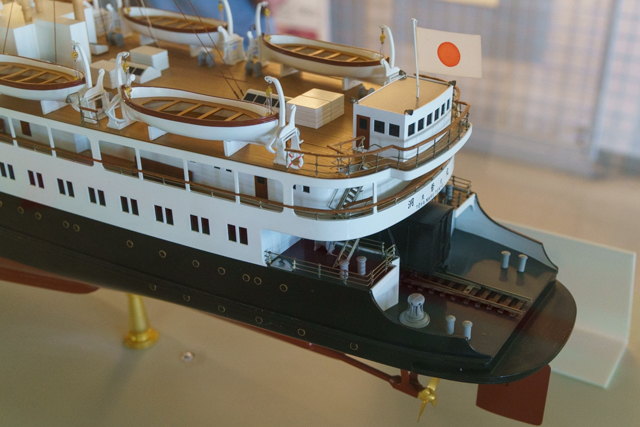
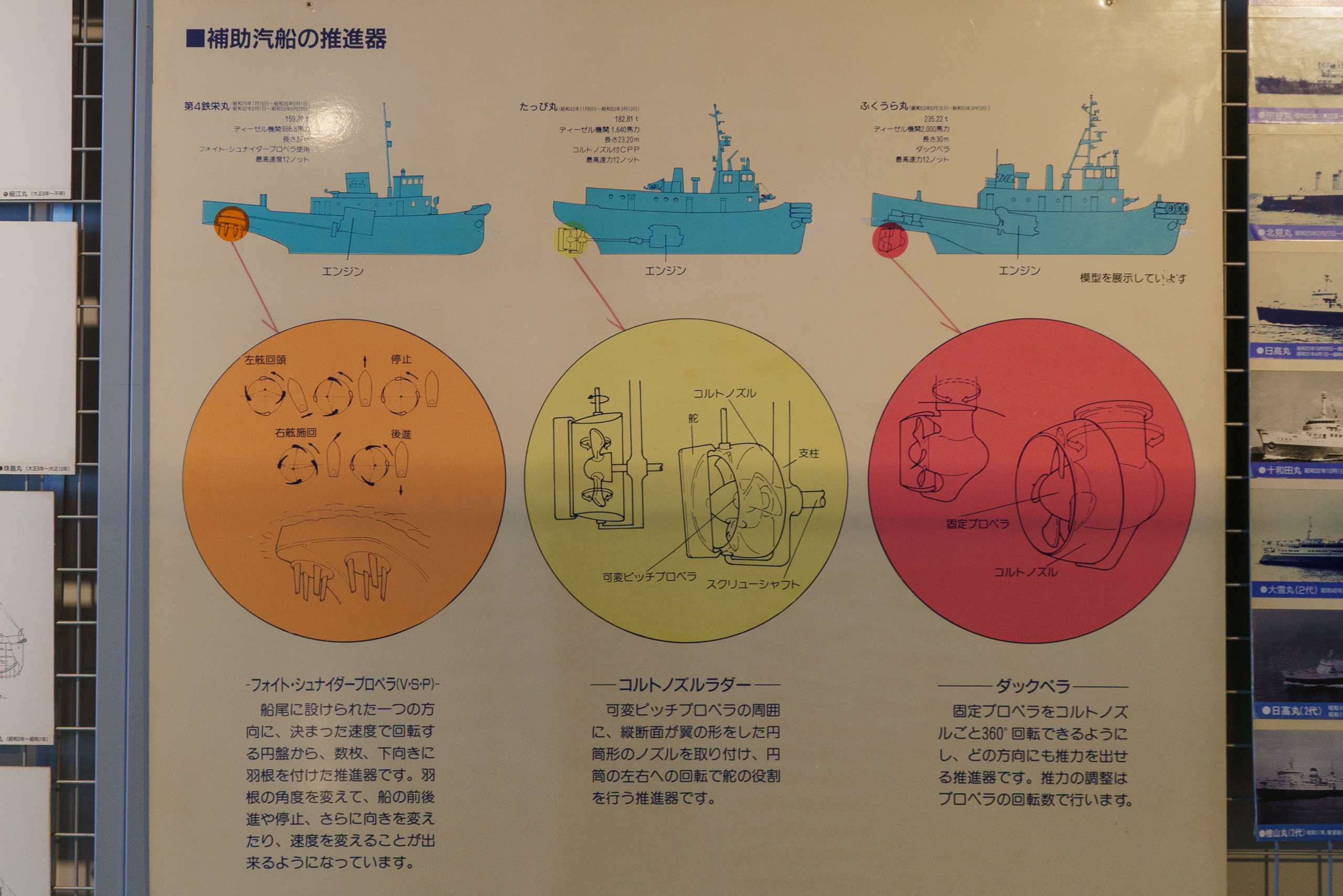
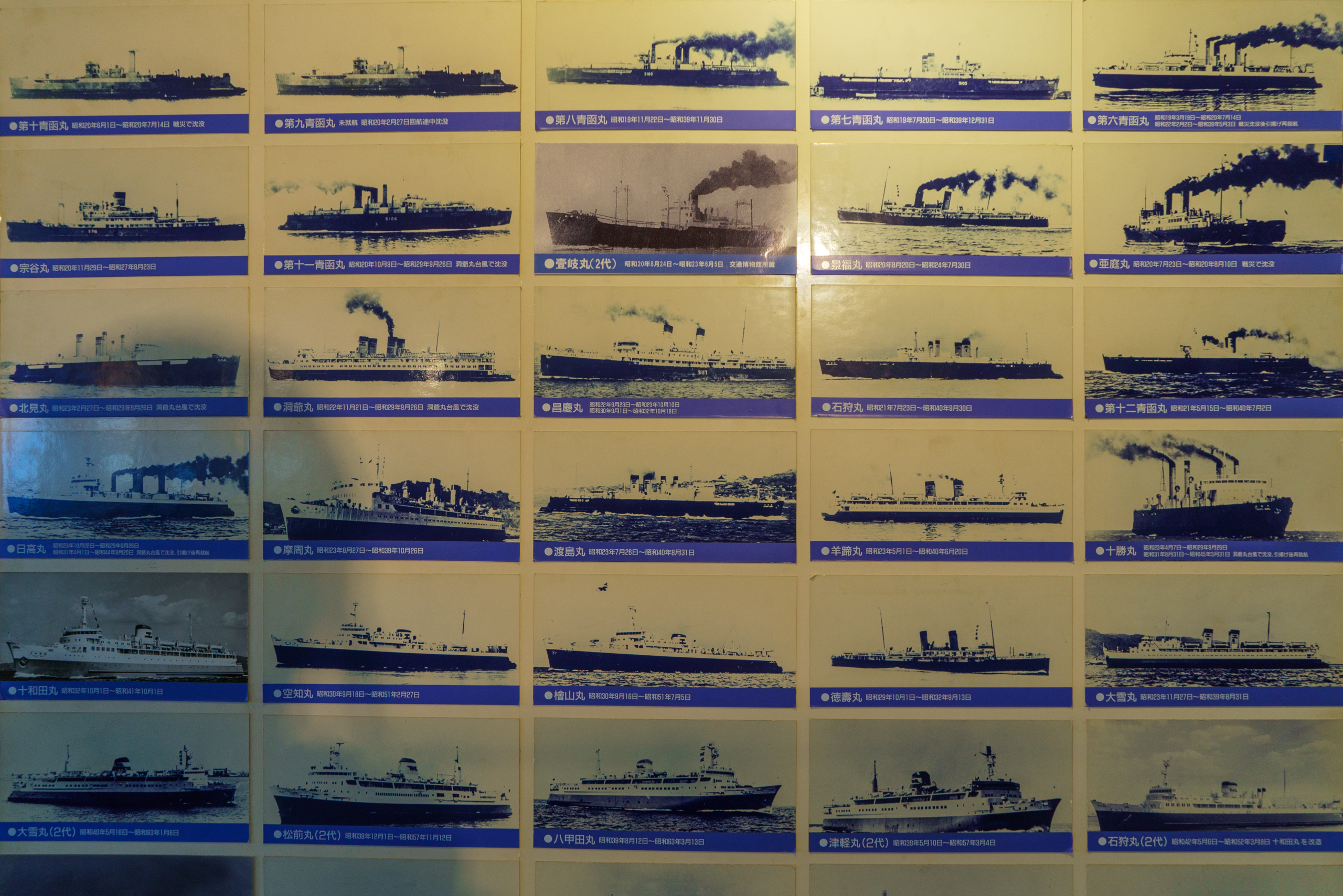
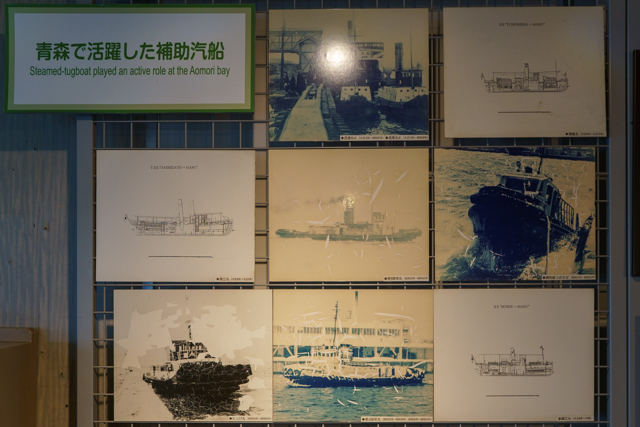
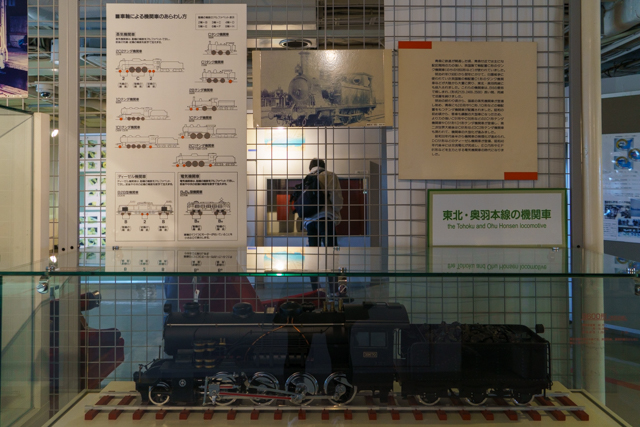
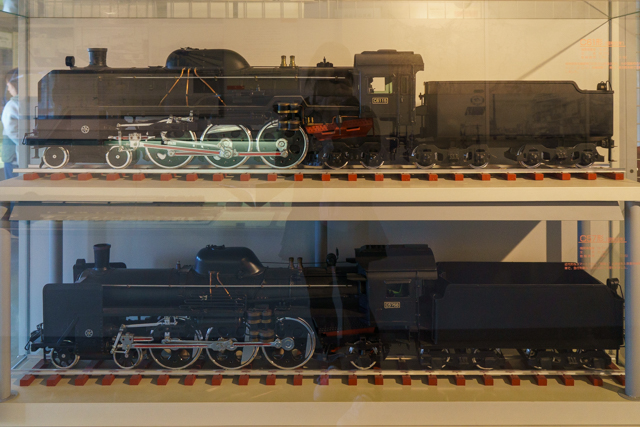
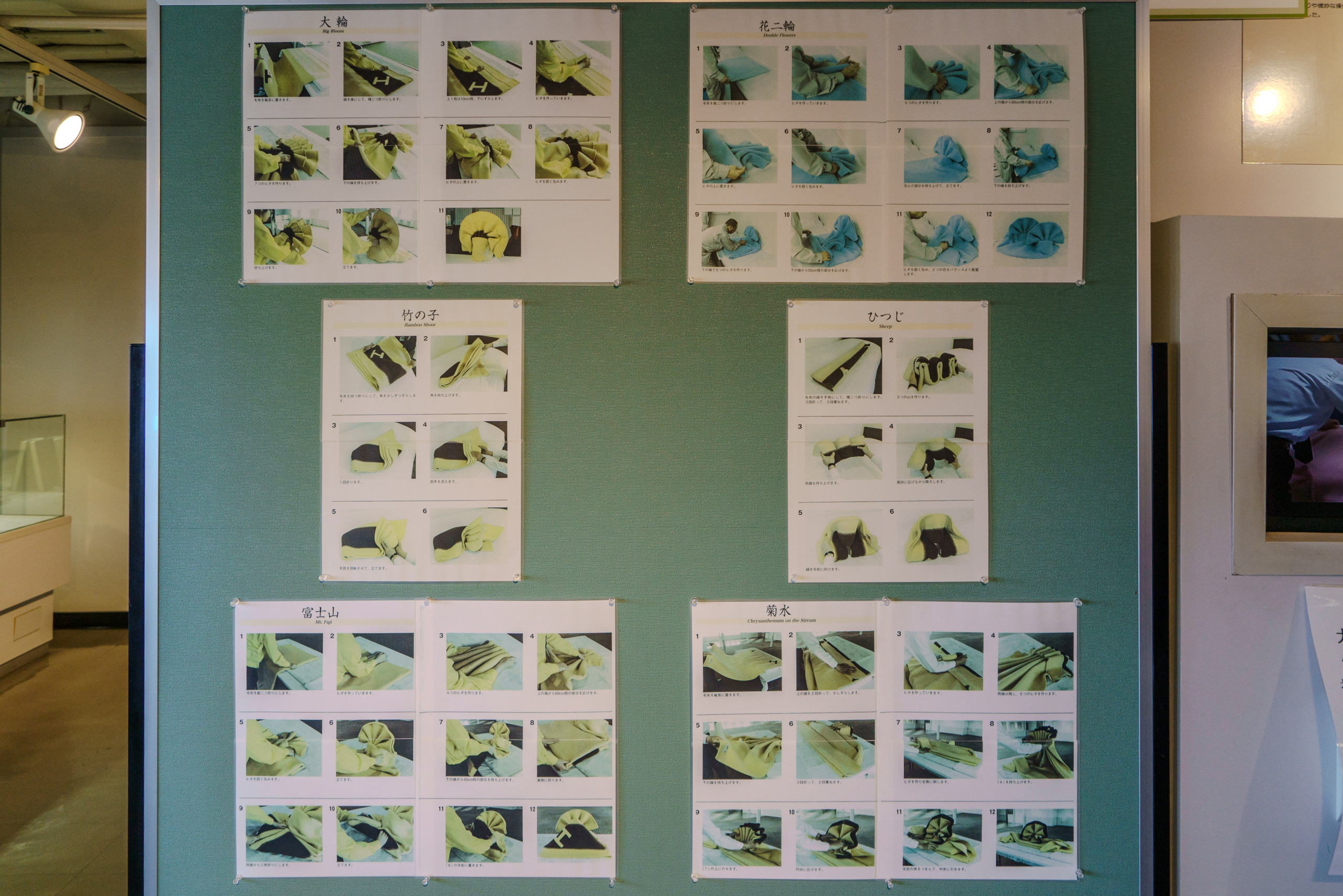
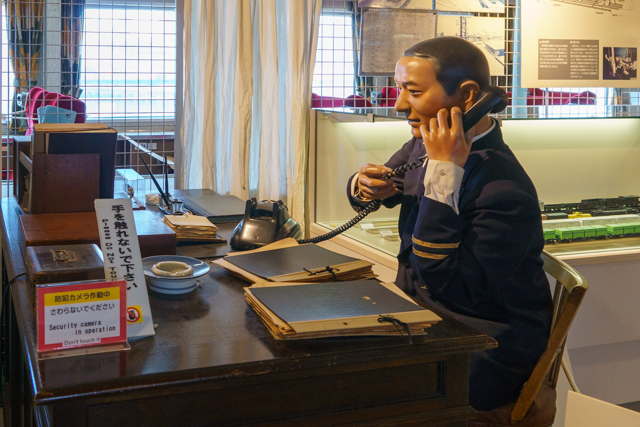
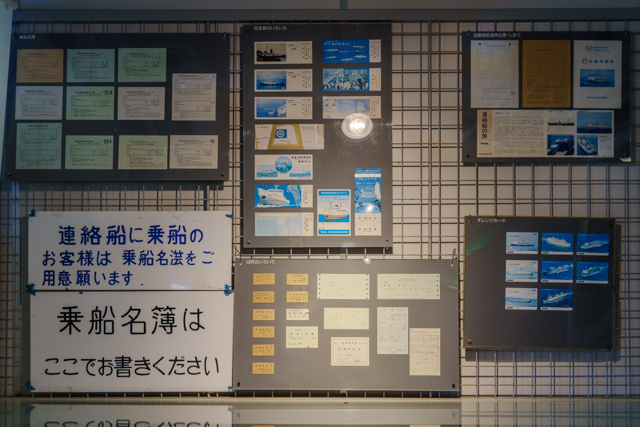
Much of the Hakkodamaru is open to the public, and a self-guided tour leads through the ship. Visitors start on the promenade deck, which has been converted into a museum exhibiting a variety of photo displays and life size dioramas that describe the people and culture of Aomori Port. Several other rooms house model ships and items related to the ferry service.
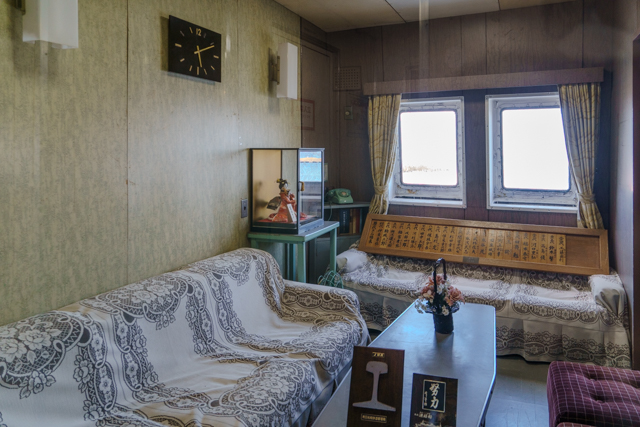
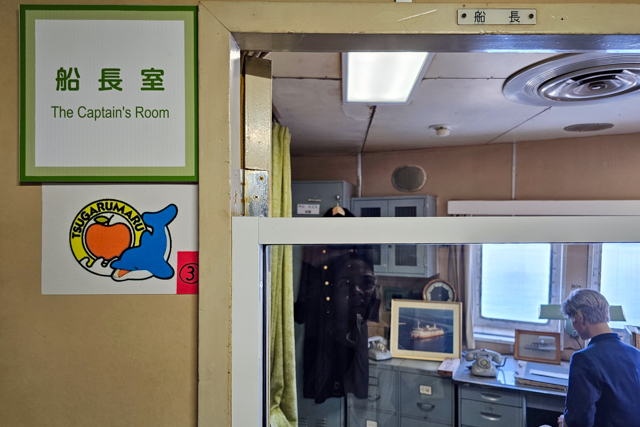
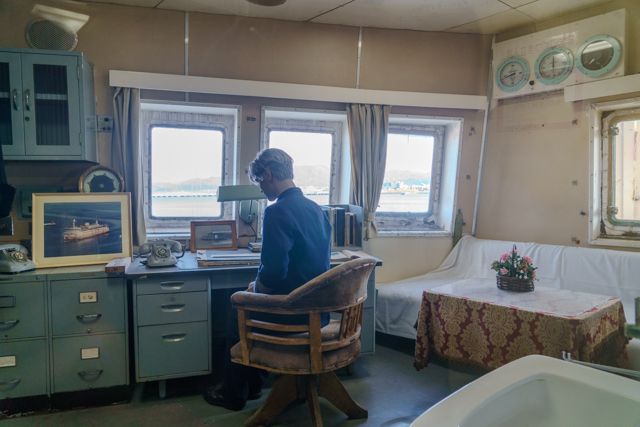
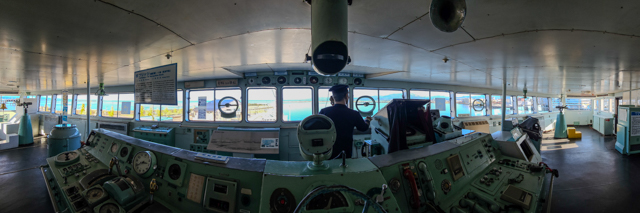
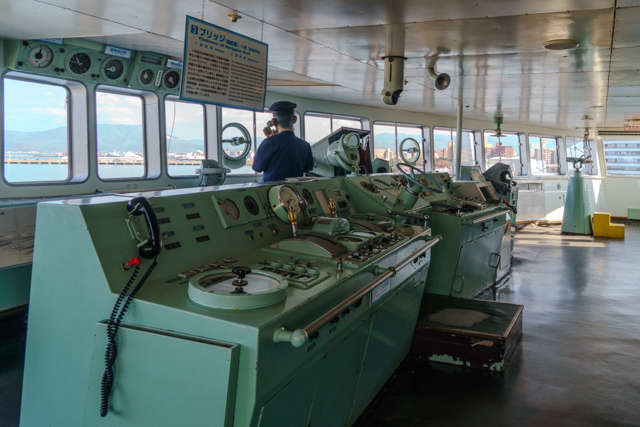
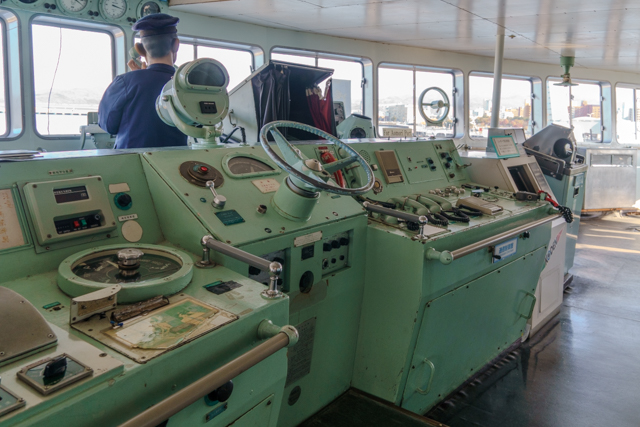
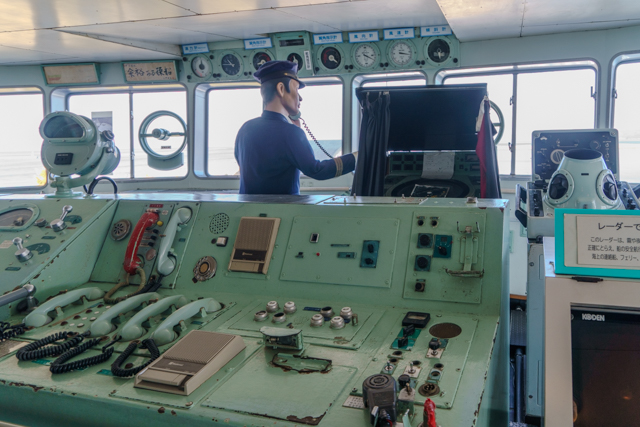
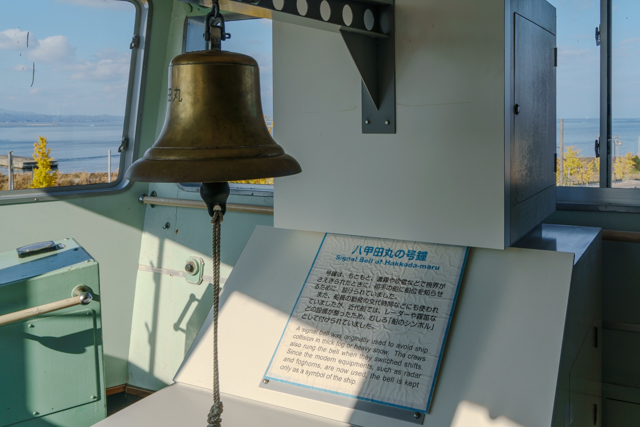
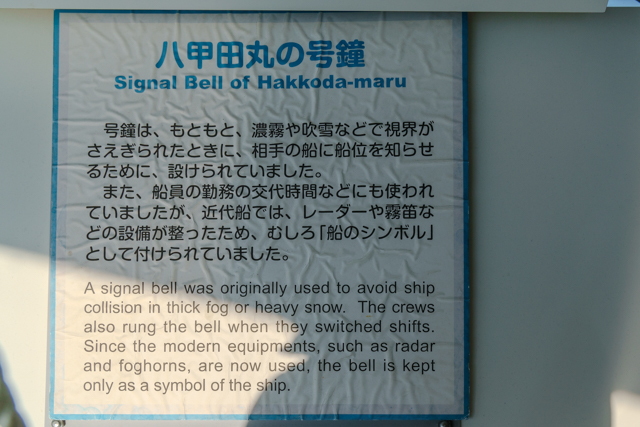
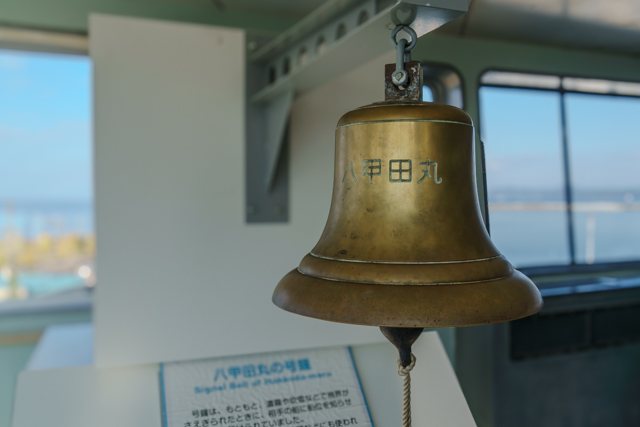
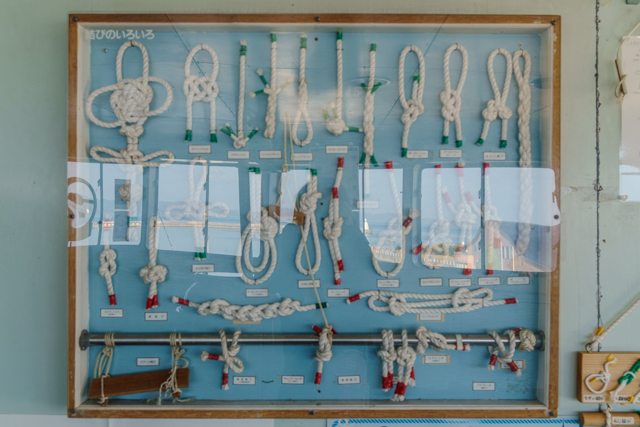
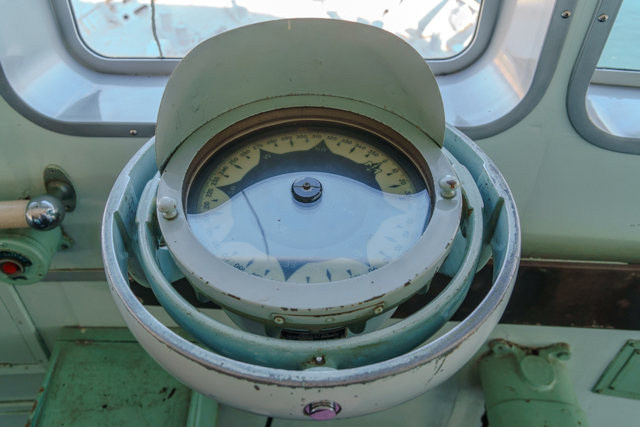
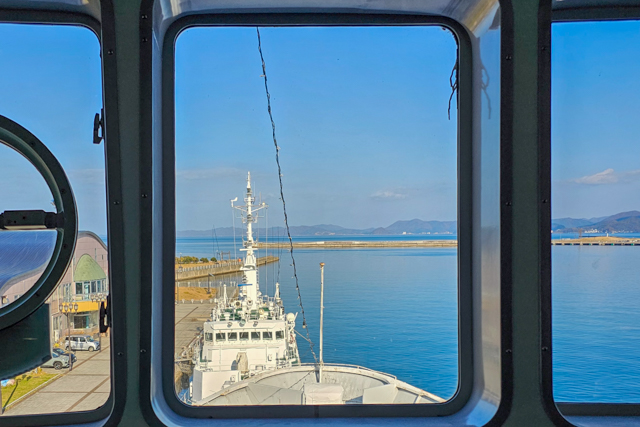
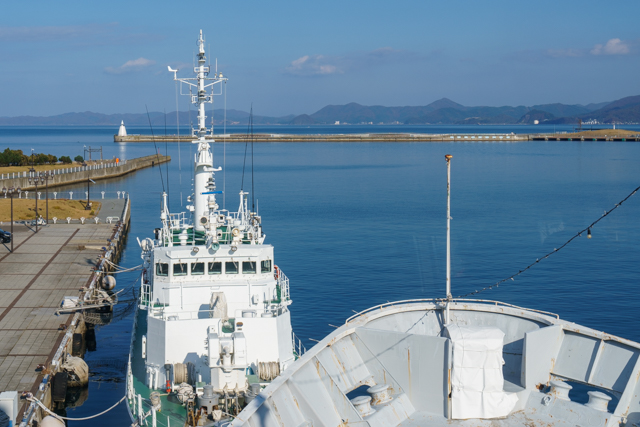
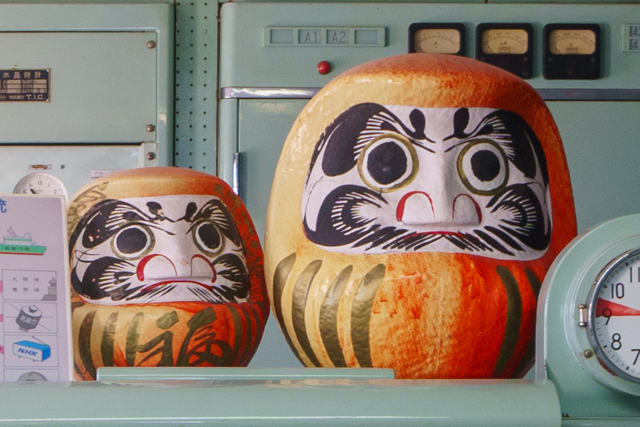
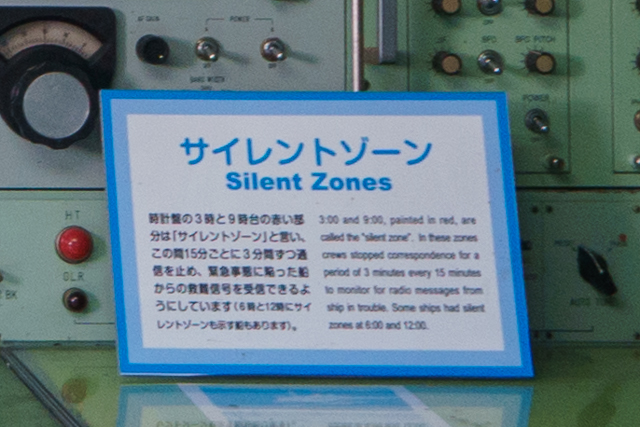
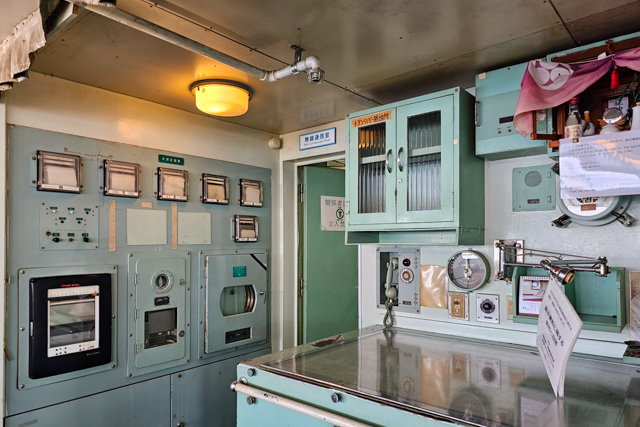
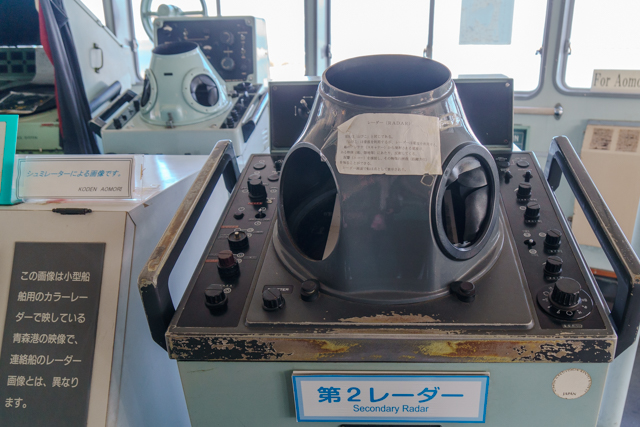
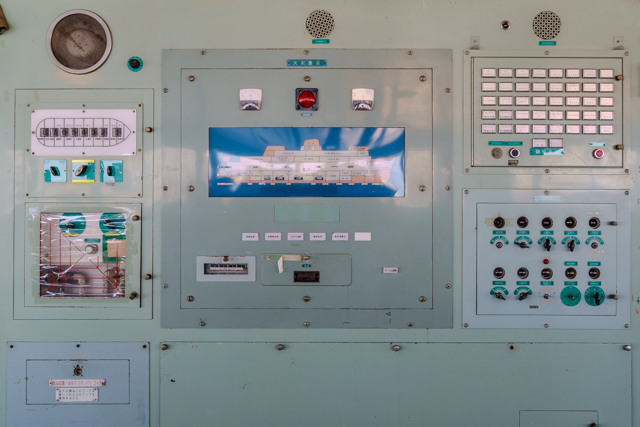
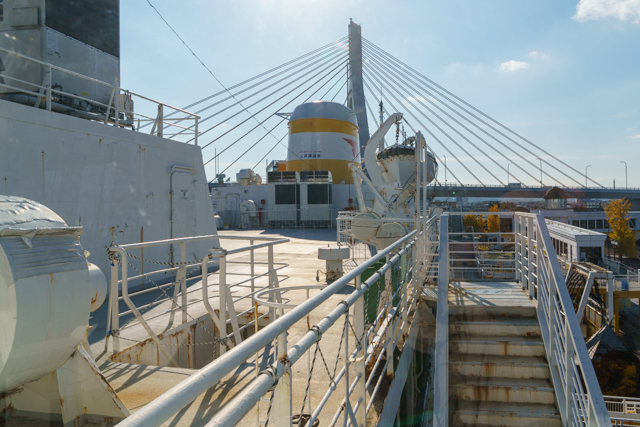
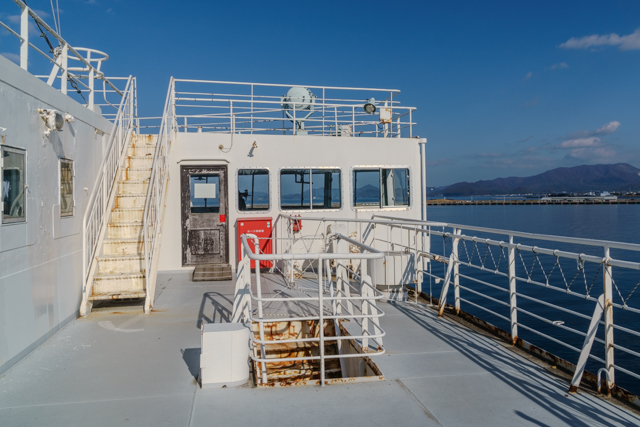
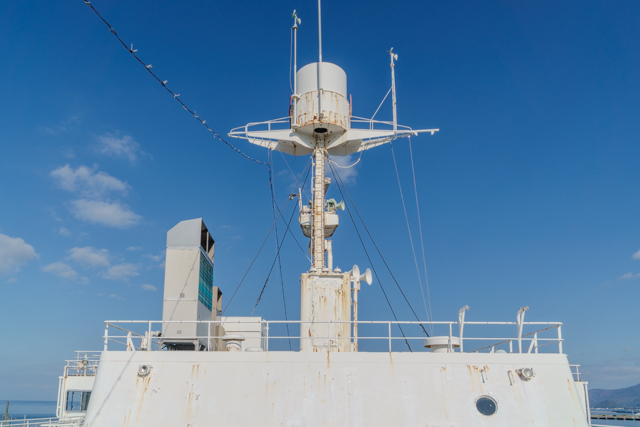
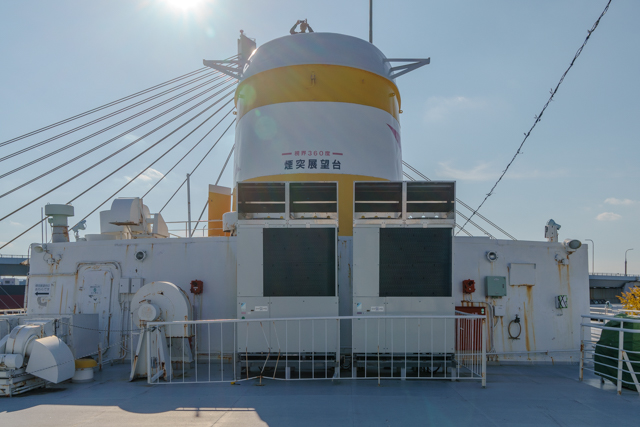
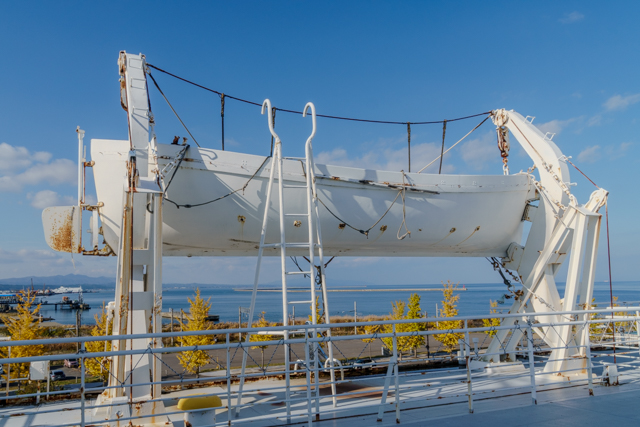
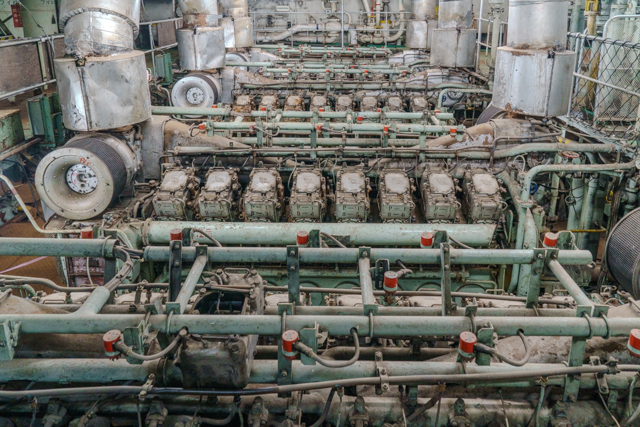
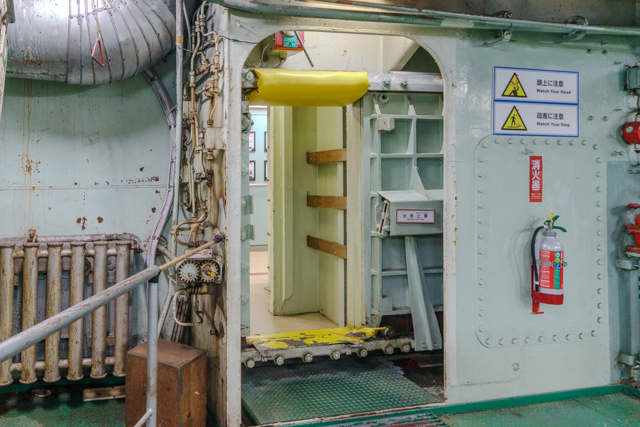
Visitors can also see preserved cabins, enter the bridge, explore the open top deck, and then descend into the lower bowels of the ship to explore the engine room.
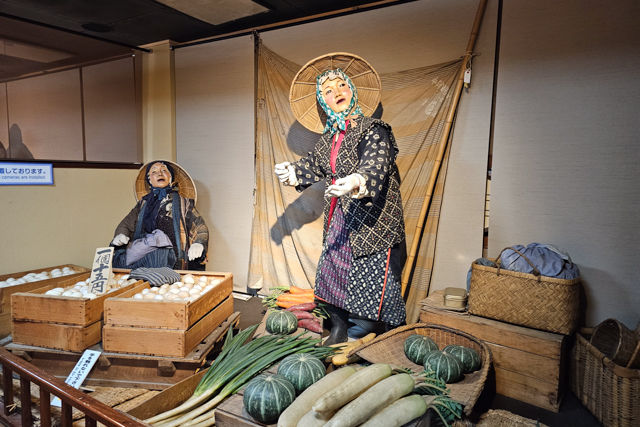
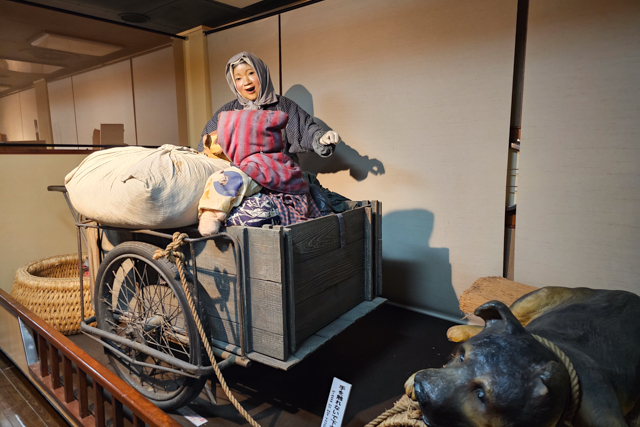
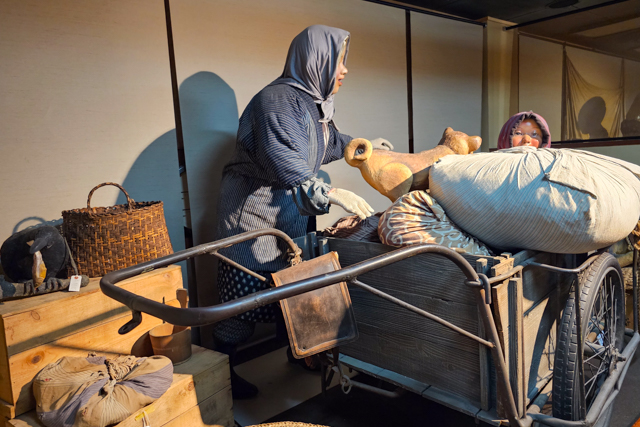
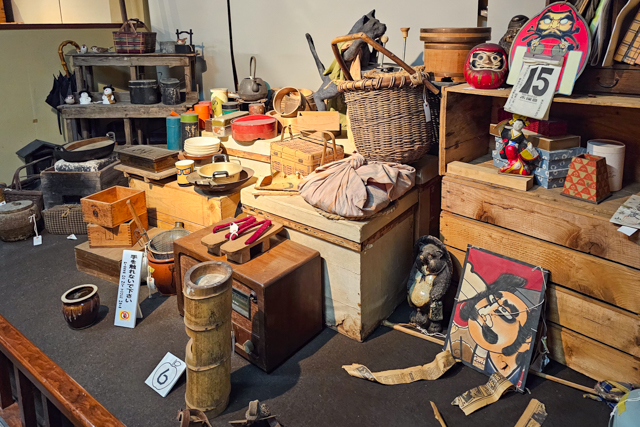
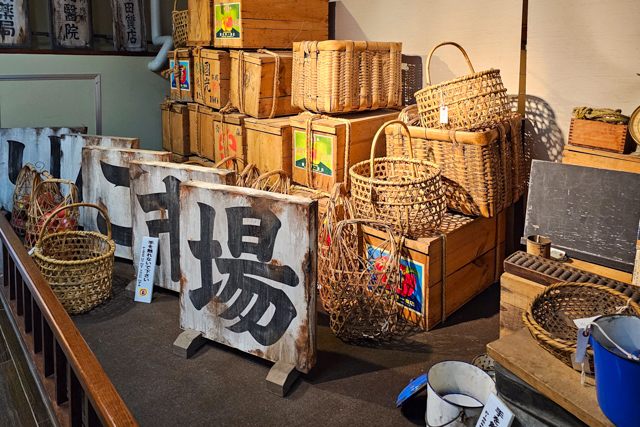
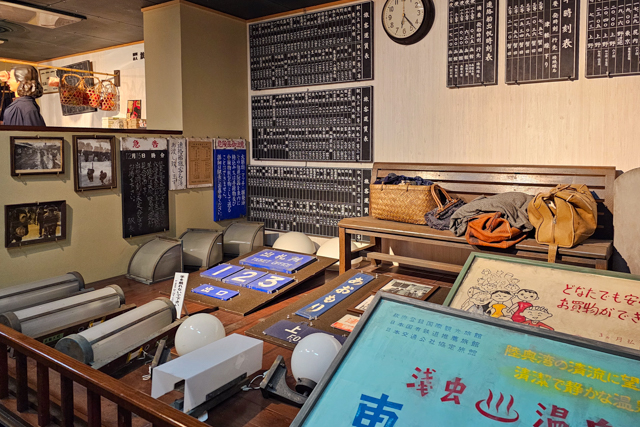
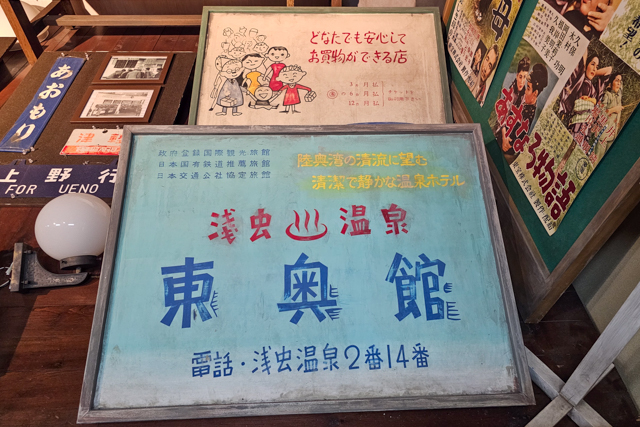
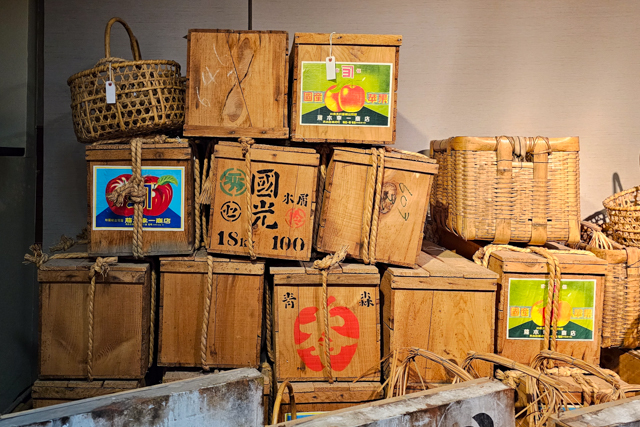
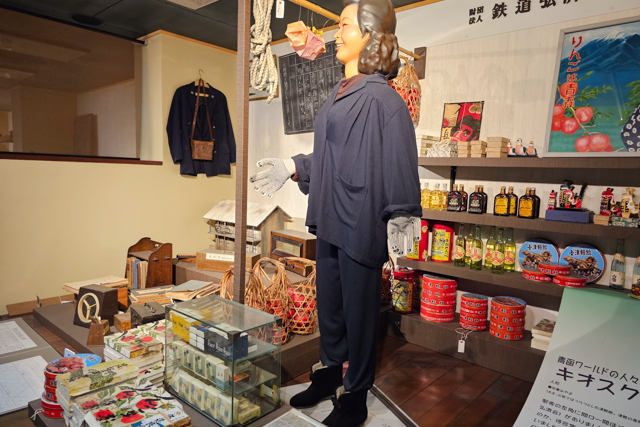
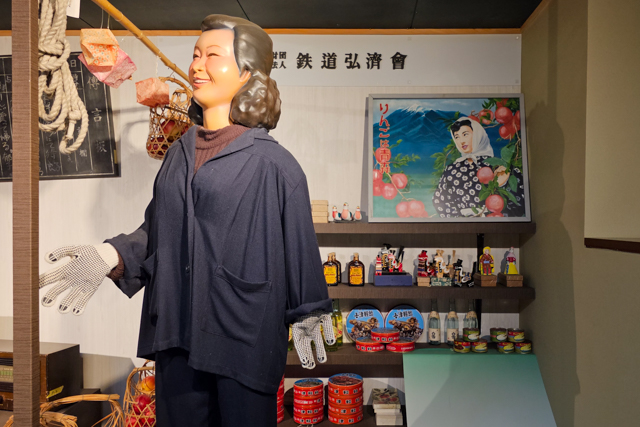
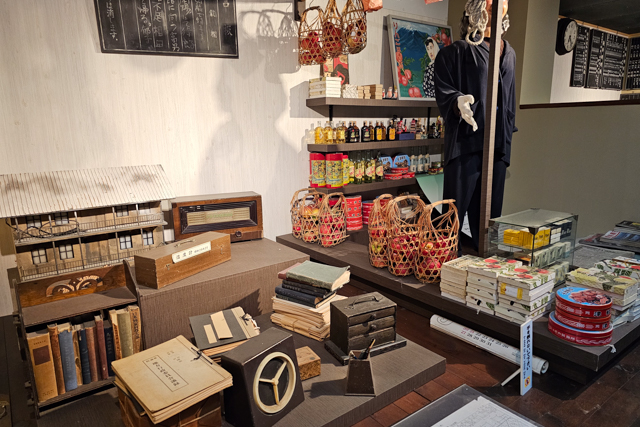
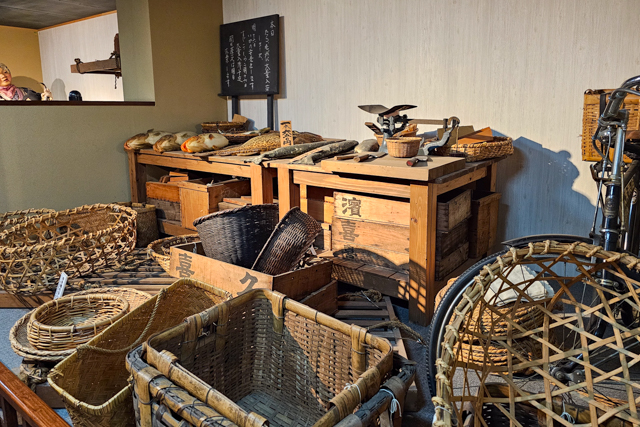
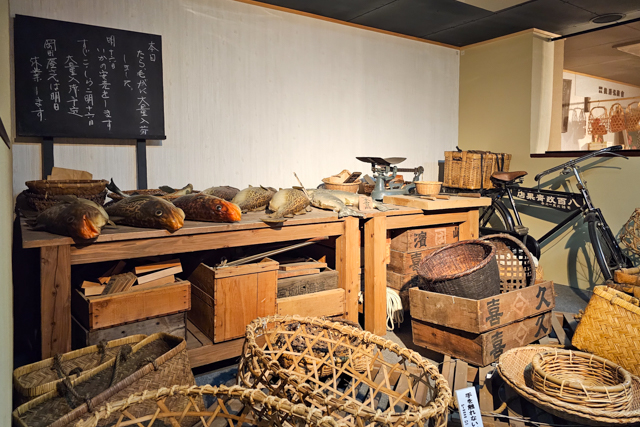
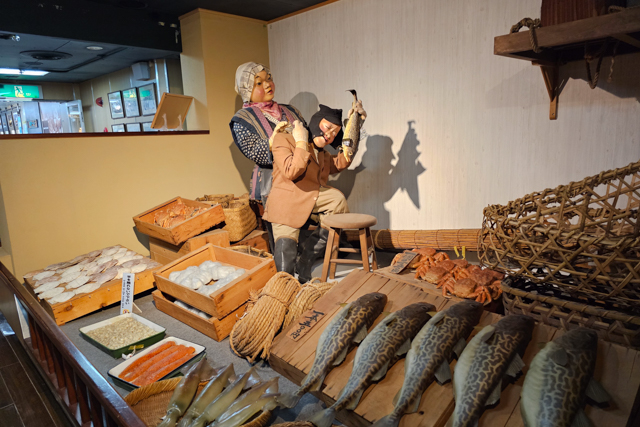
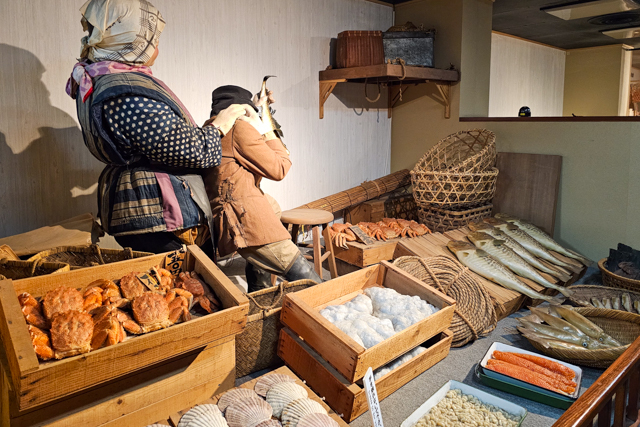
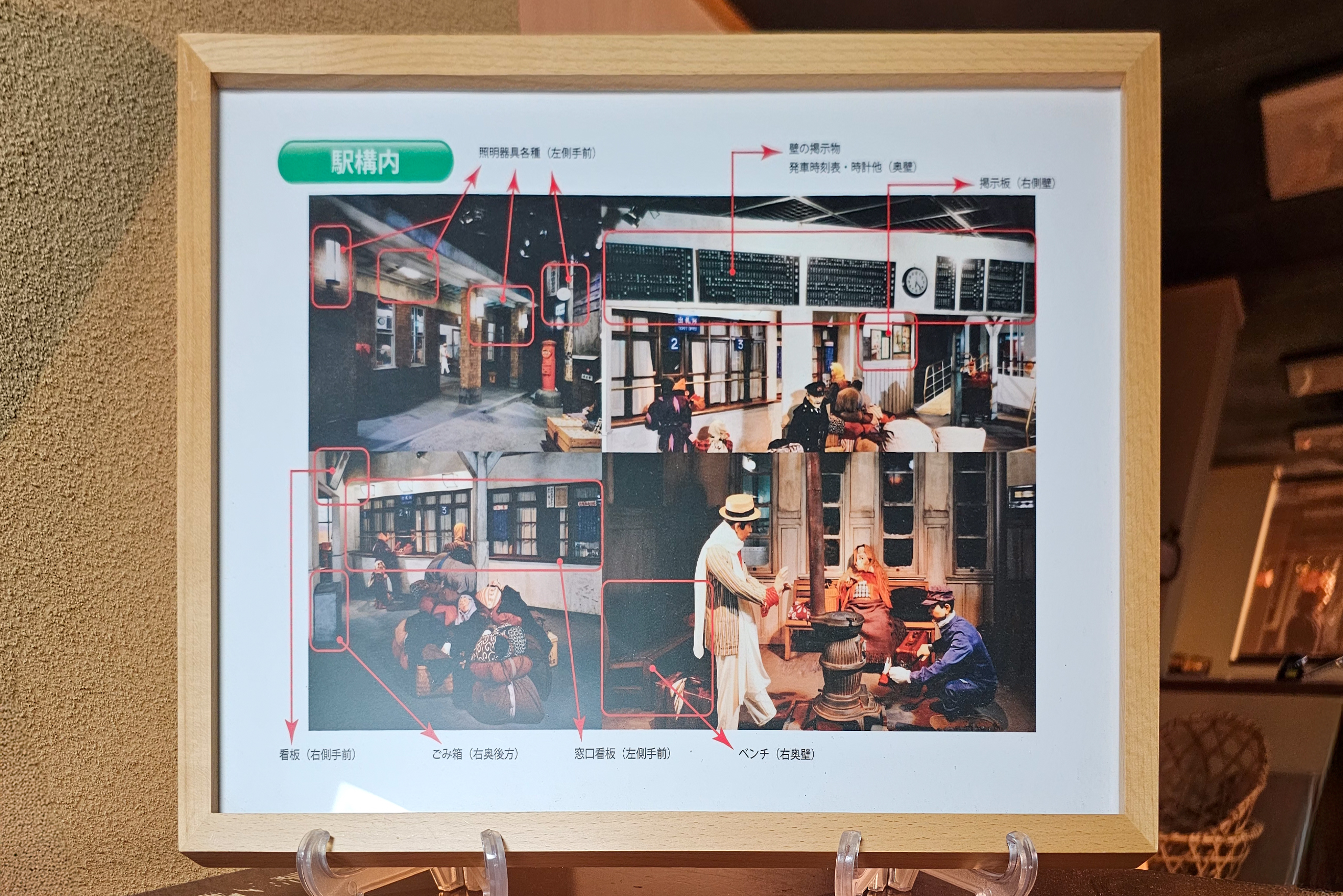
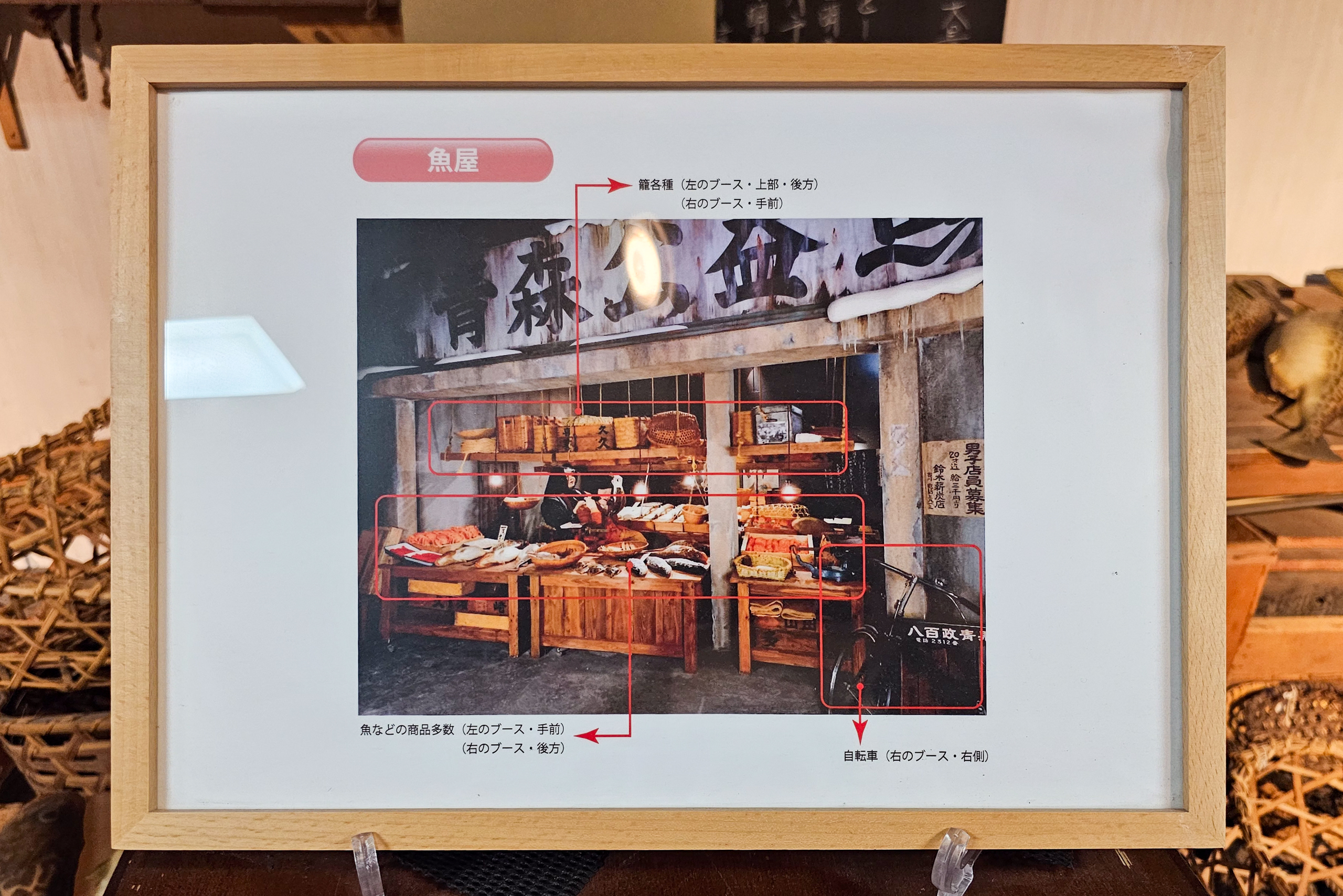
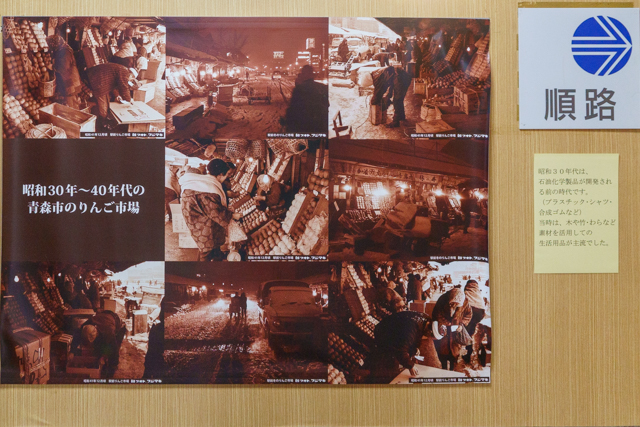
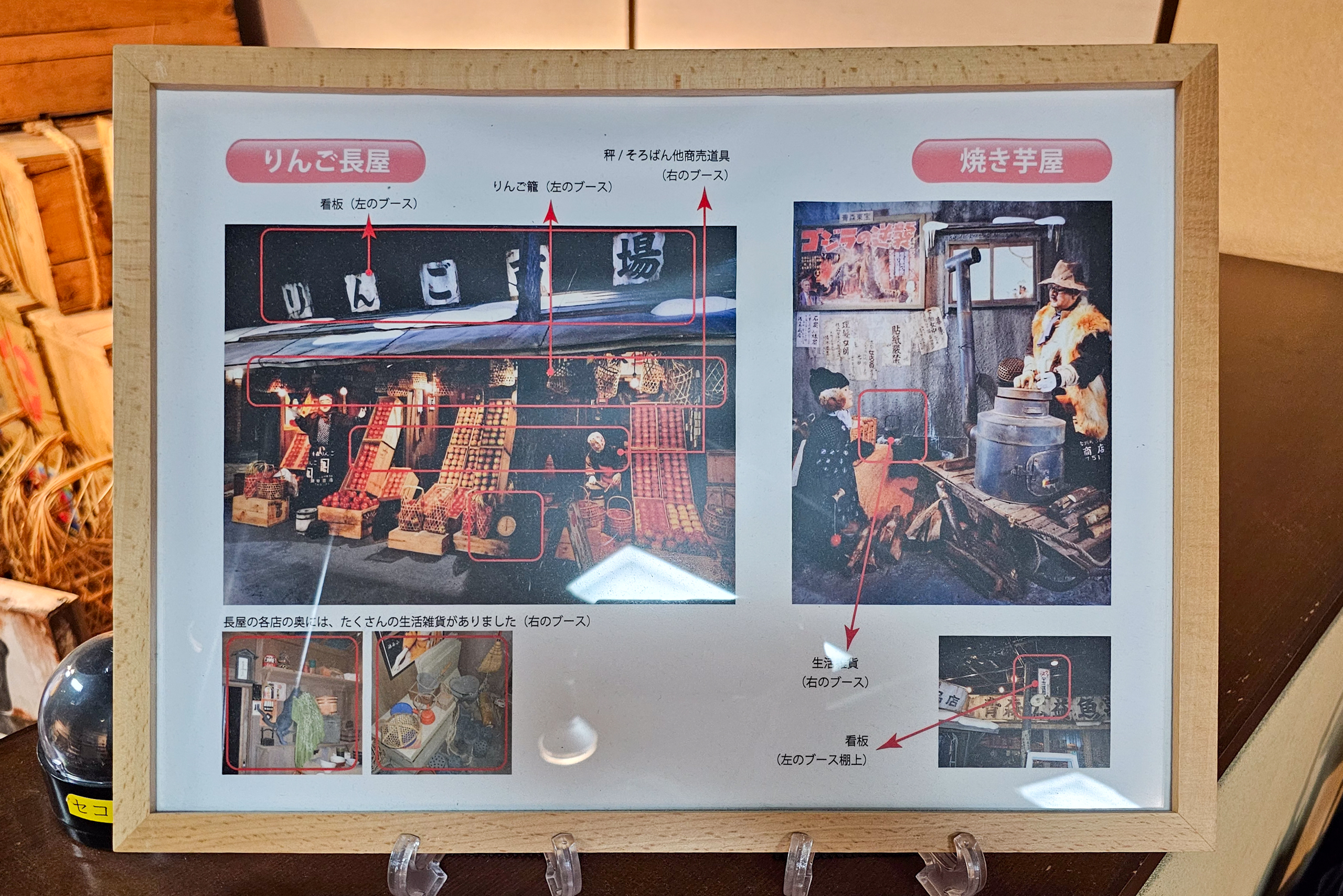
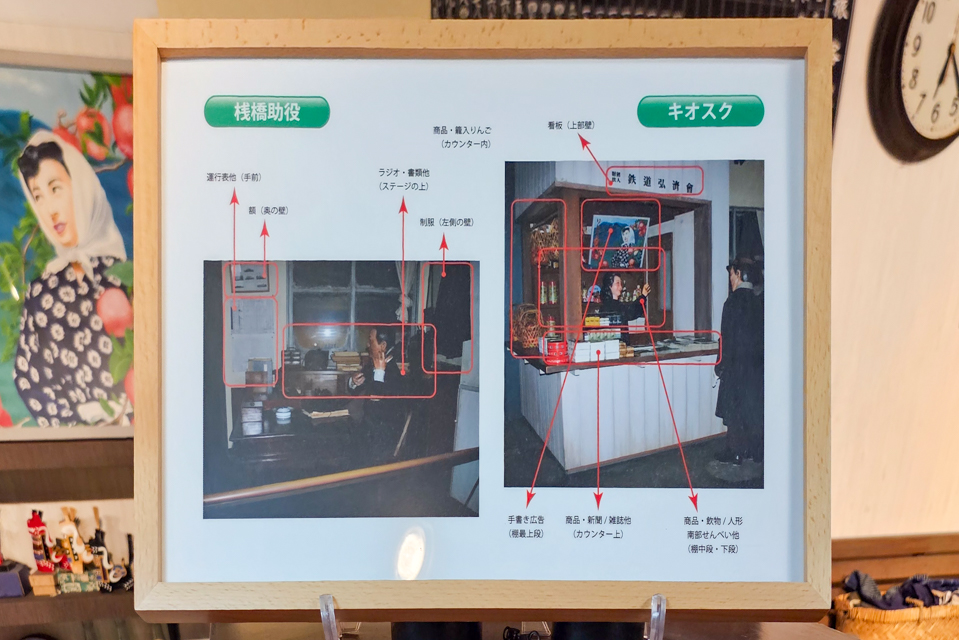
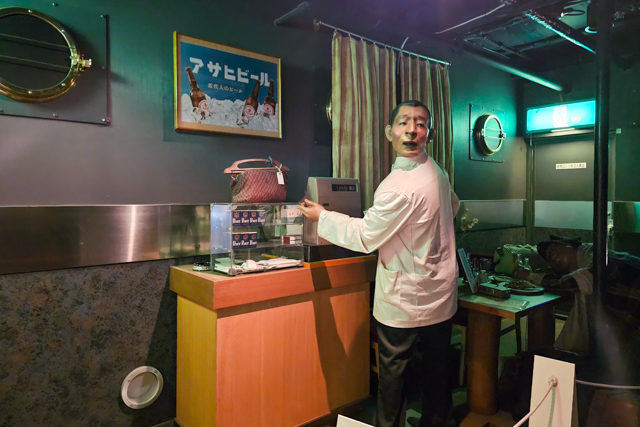
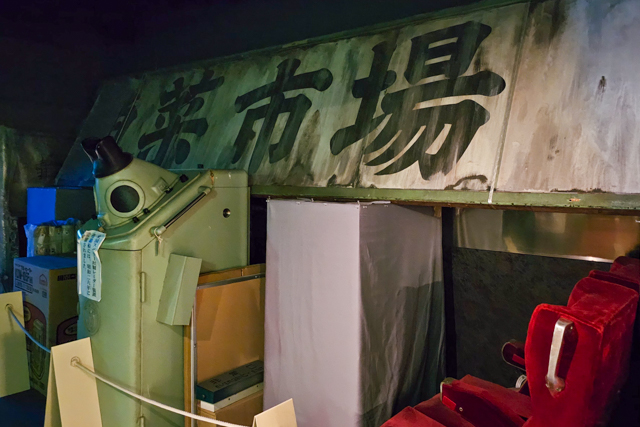
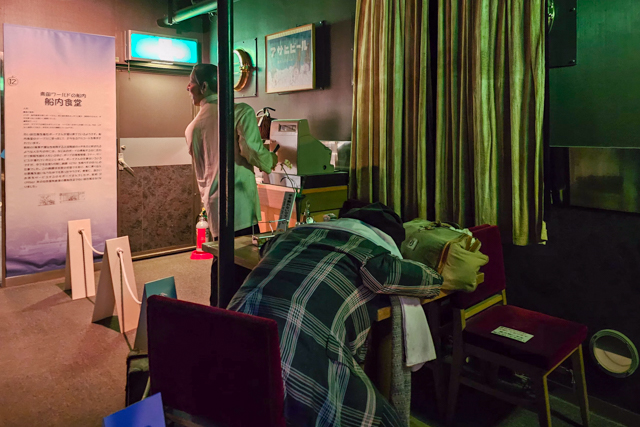
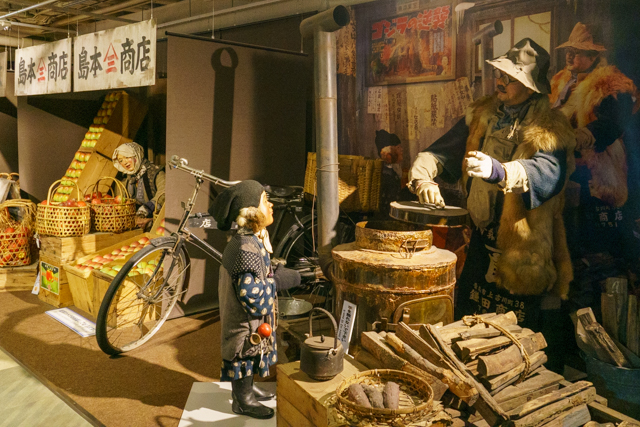
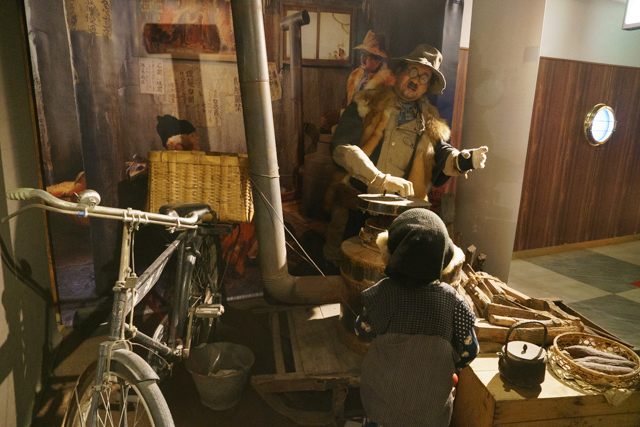
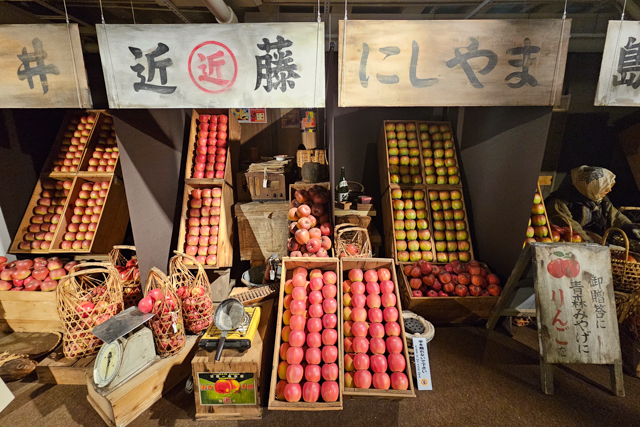
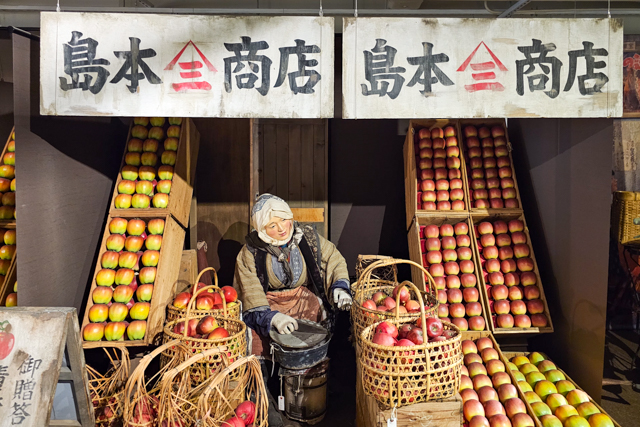
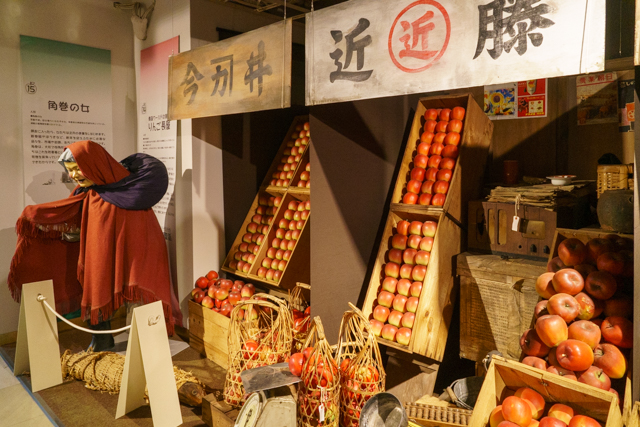
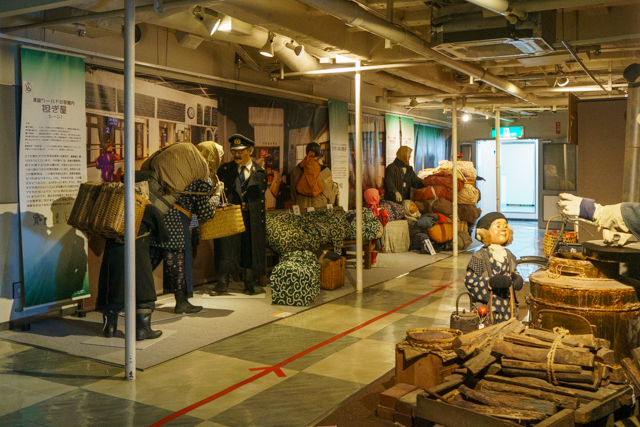
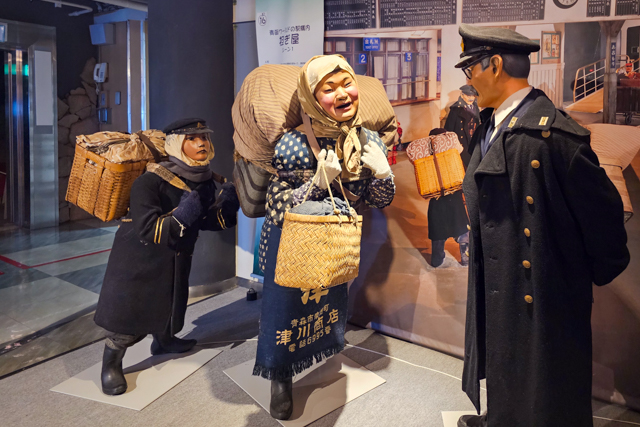
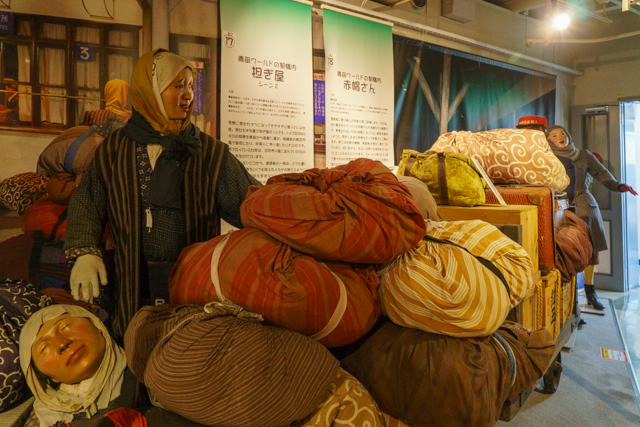
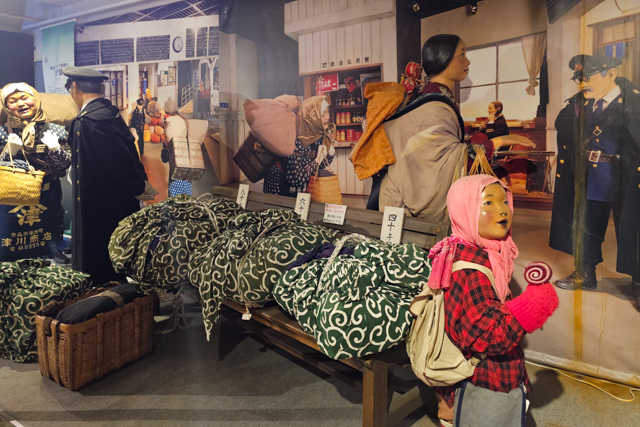
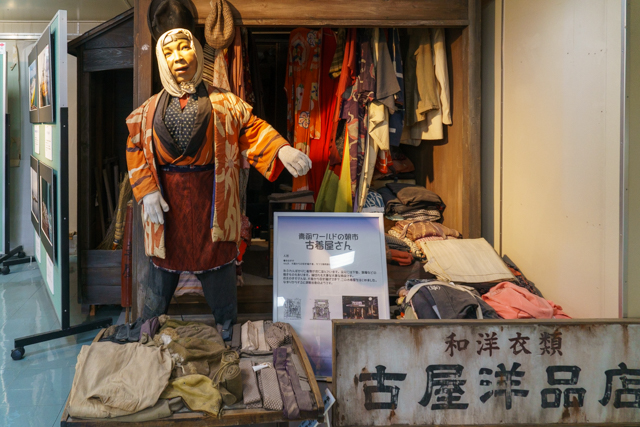
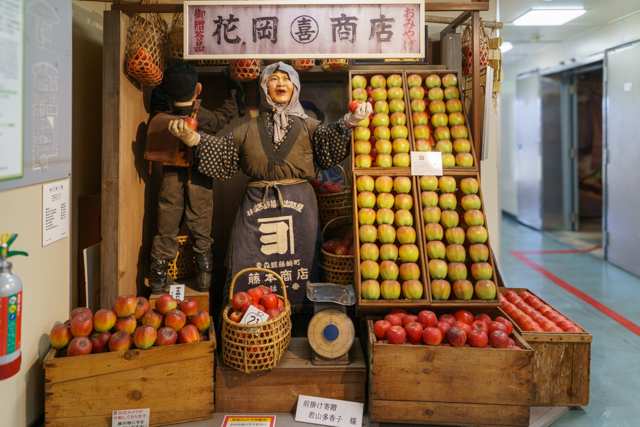
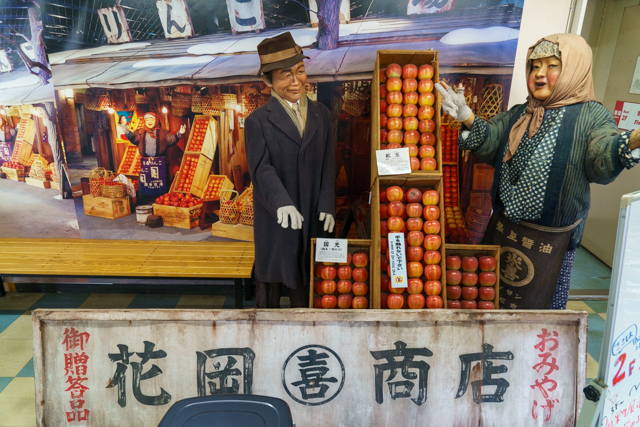
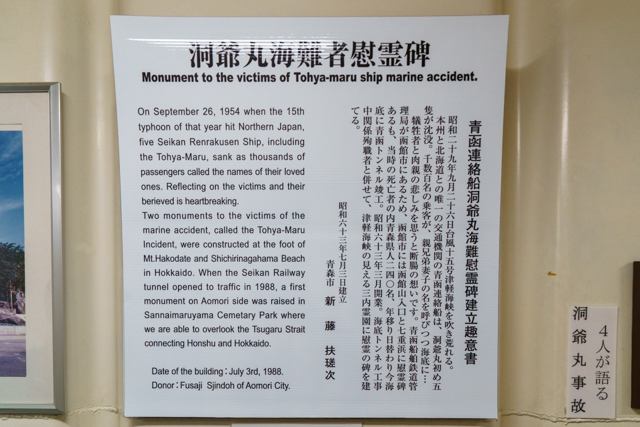
Seikan Railway Ferry Memorial Hall
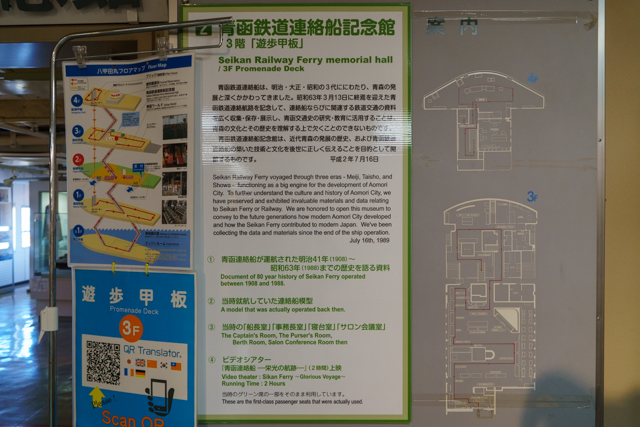
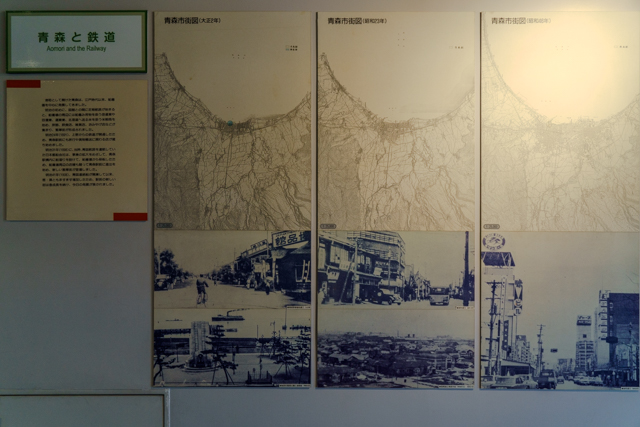
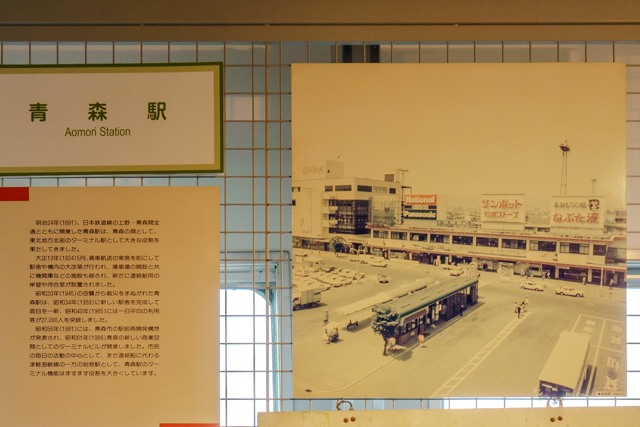
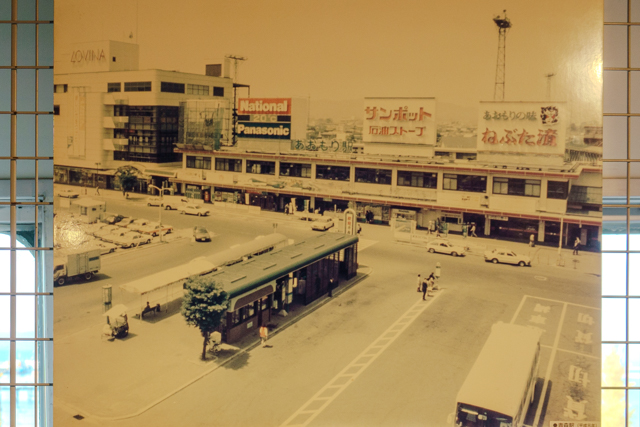
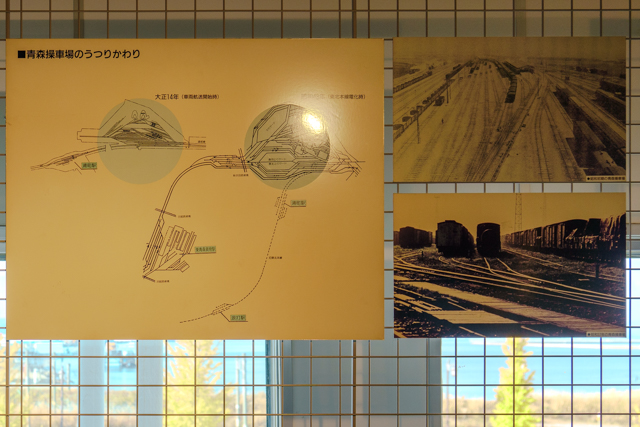
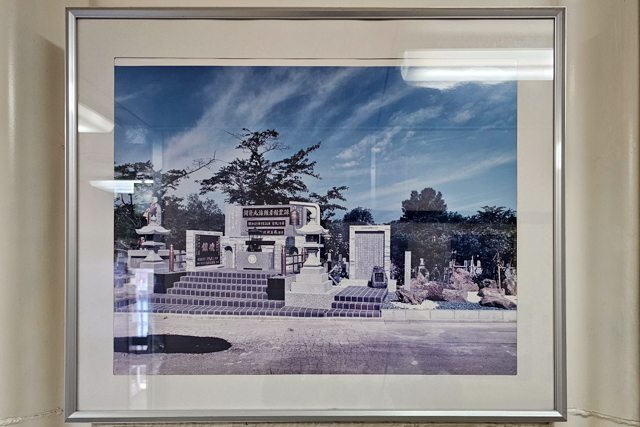
The Aomori-Hakodate Railway Ferry played a significant role in the development of Aomori over three eras: Meiji, Taisho, and Showa. In commemoration of the Aomori-Hakodate Railway Ferry route, which came to an end on March 13, 1988, the collection, preservation, and exhibition of materials related to the ferry and related railway transportation, and their use in the research and education of Aomori-Hakodate transportation history, are indispensable for understanding the culture and history of Aomori. The Ferry Memorial Museum was opened with the aim of accurately conveying to future generations the history of modern Aomori’s development and the technology and culture built by Seikatsushin.
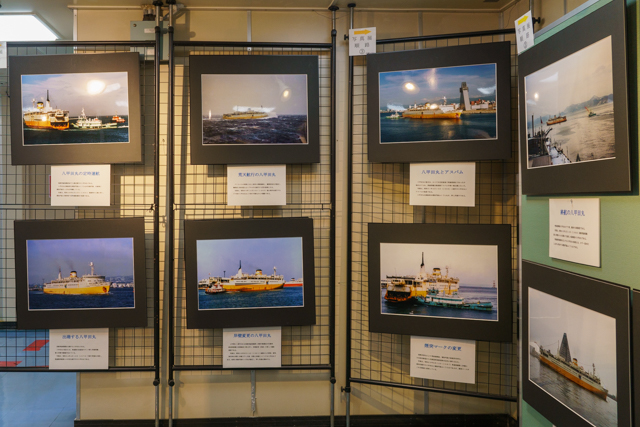
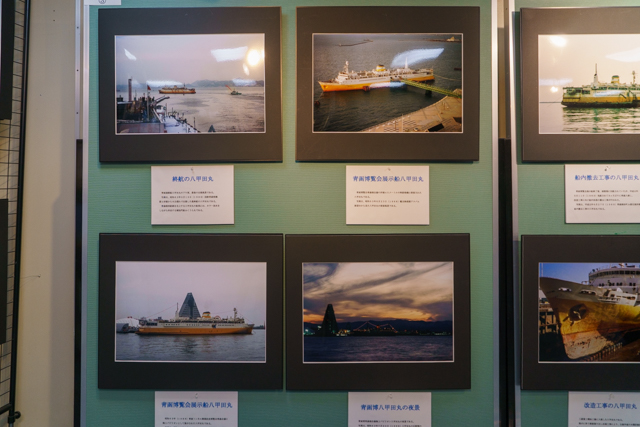
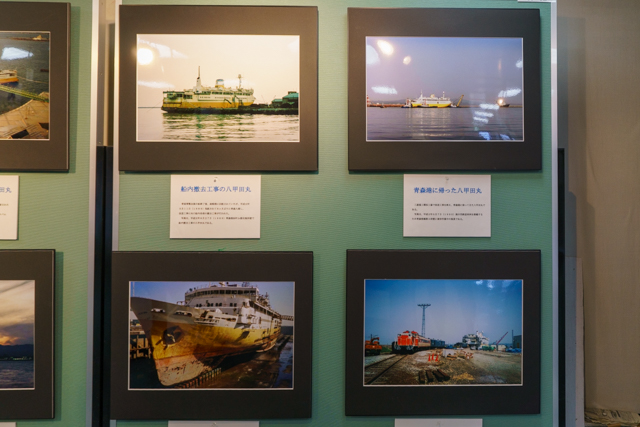
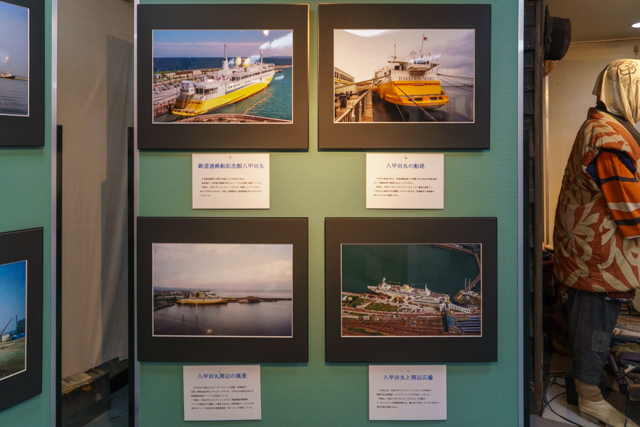
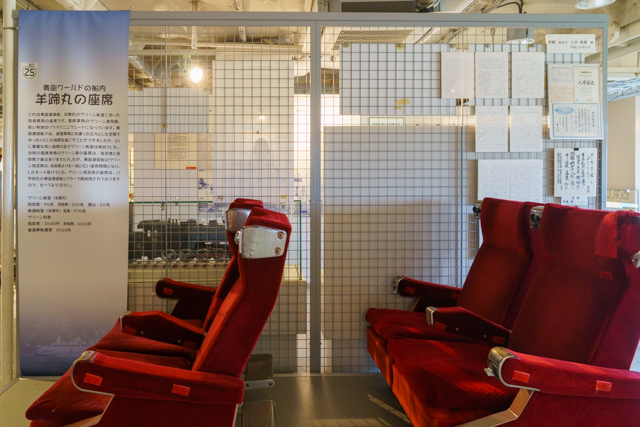
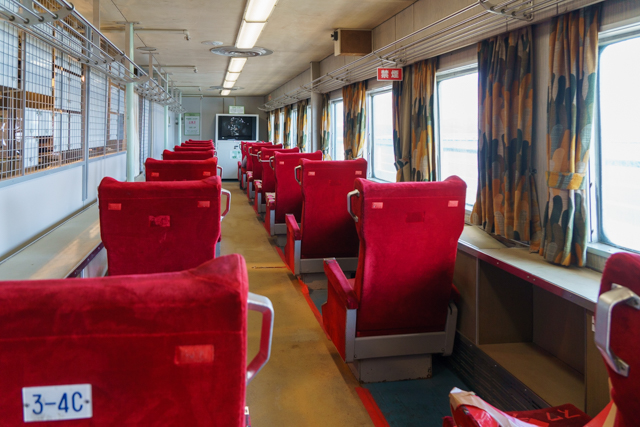
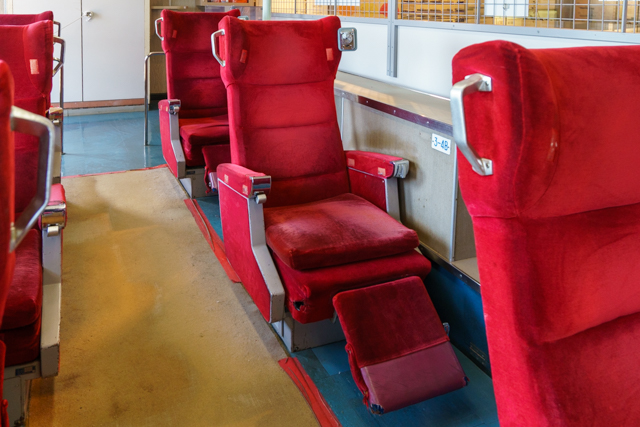
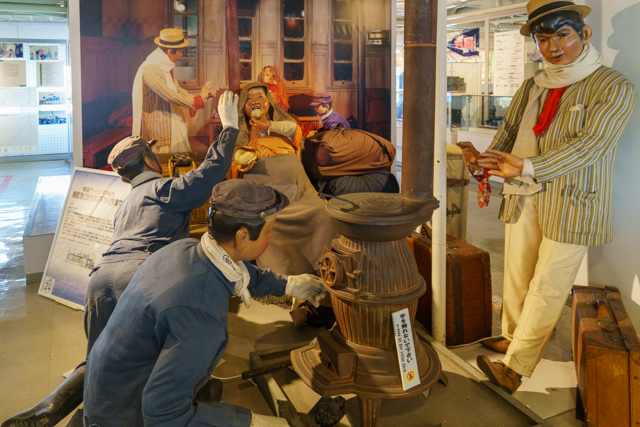
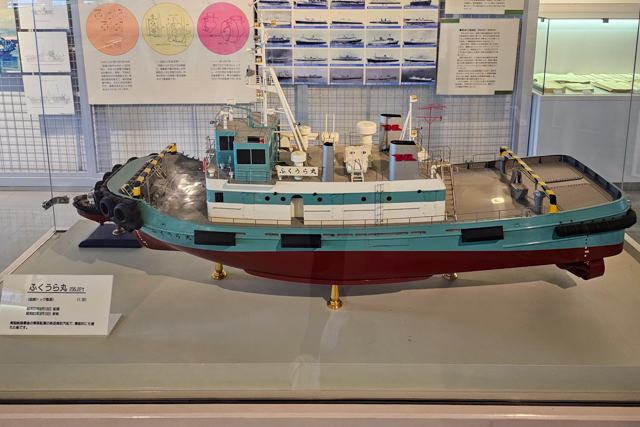
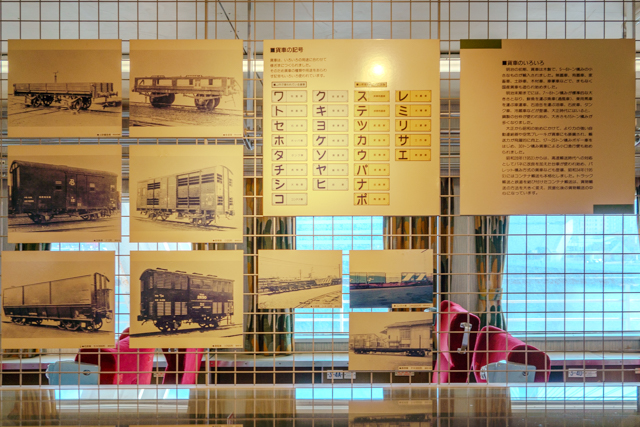
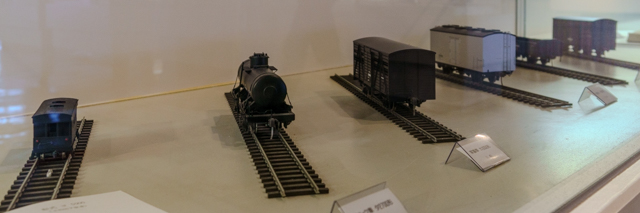
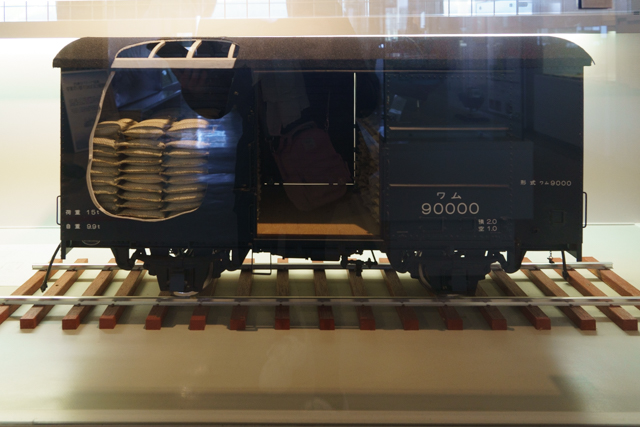
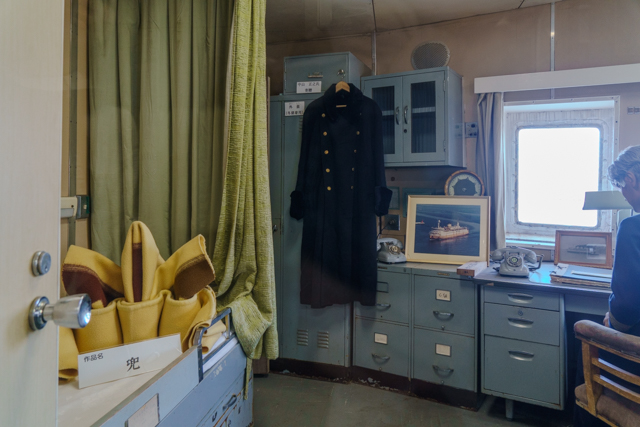
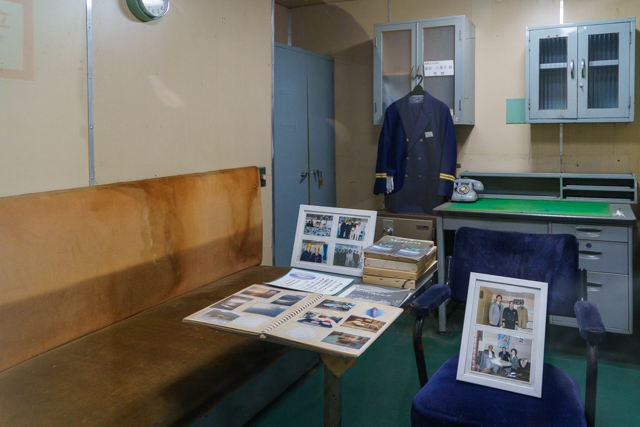
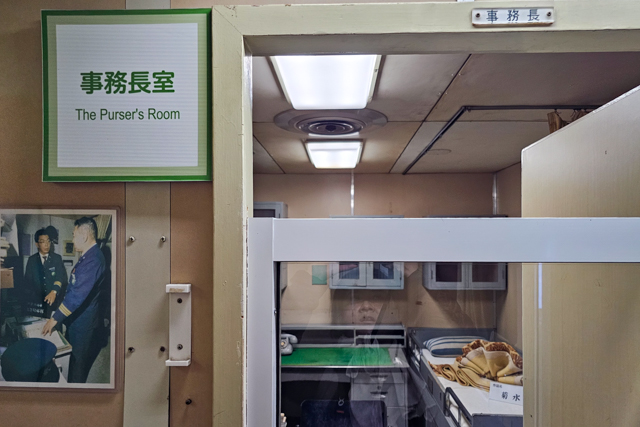
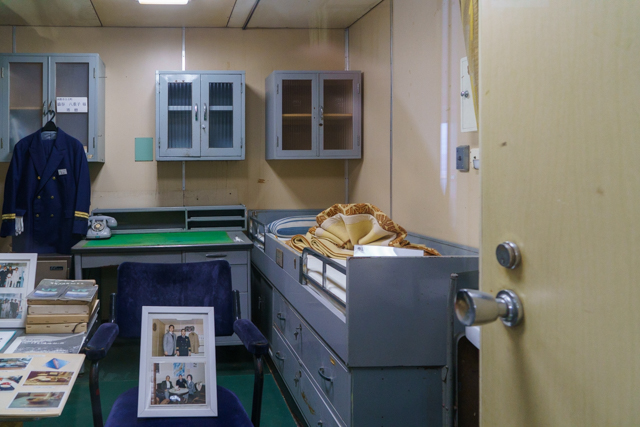
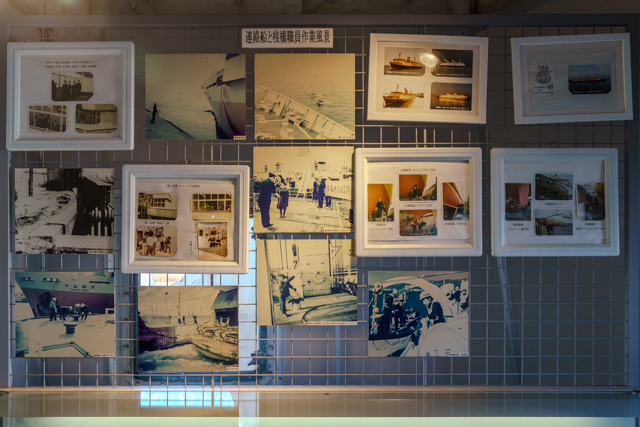
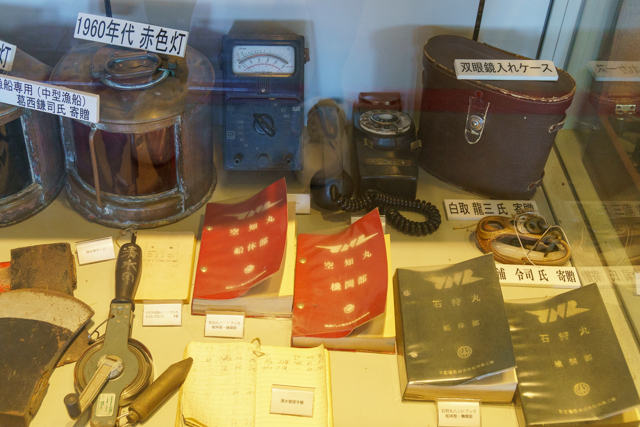
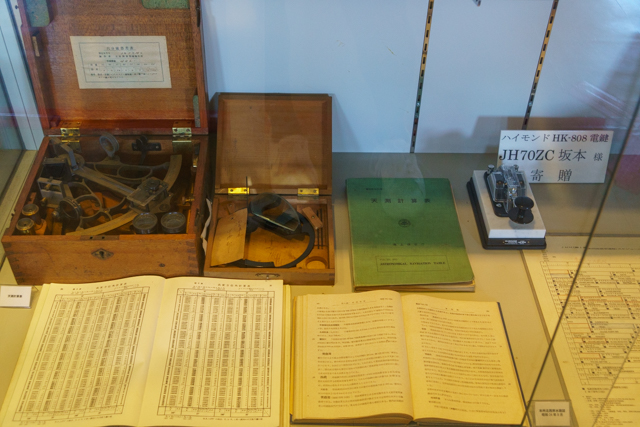
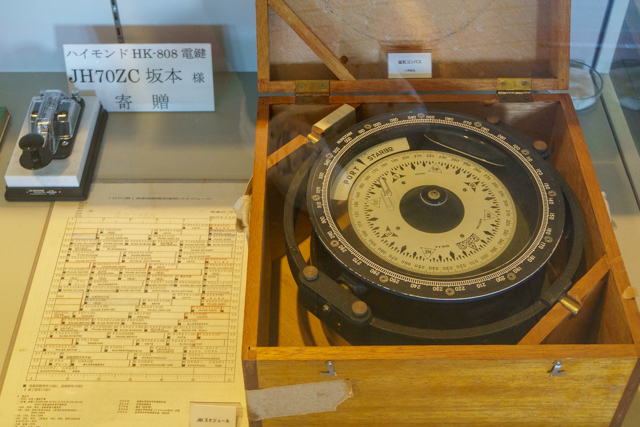
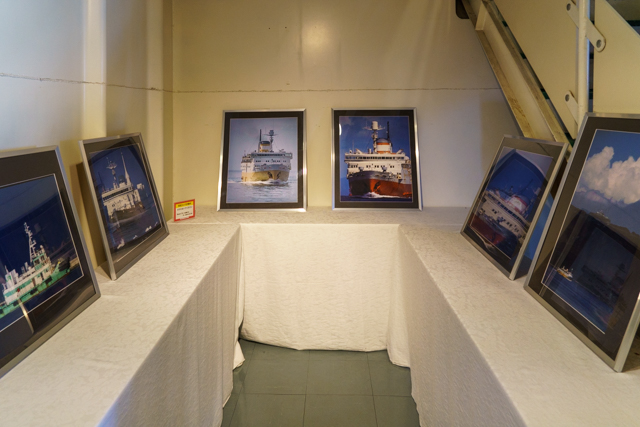
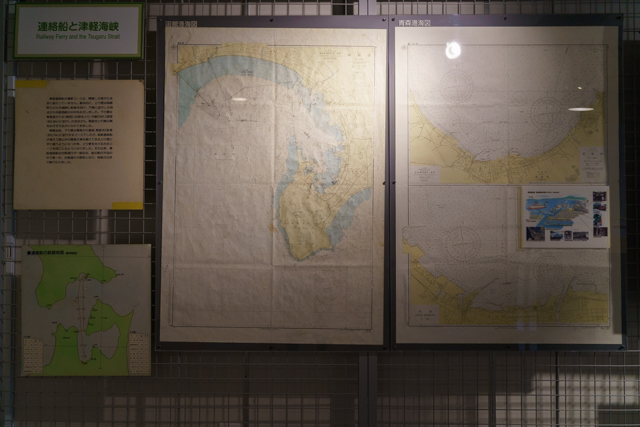
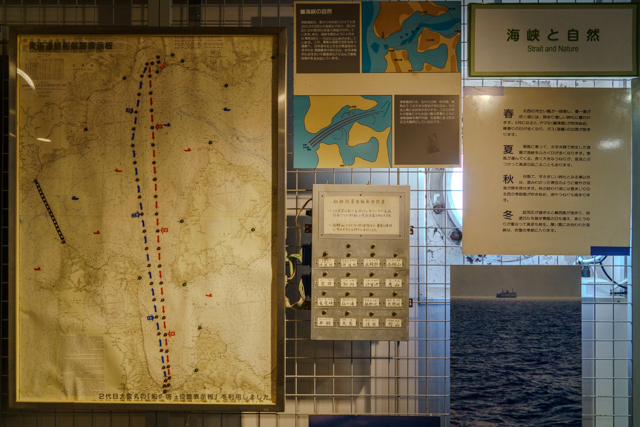
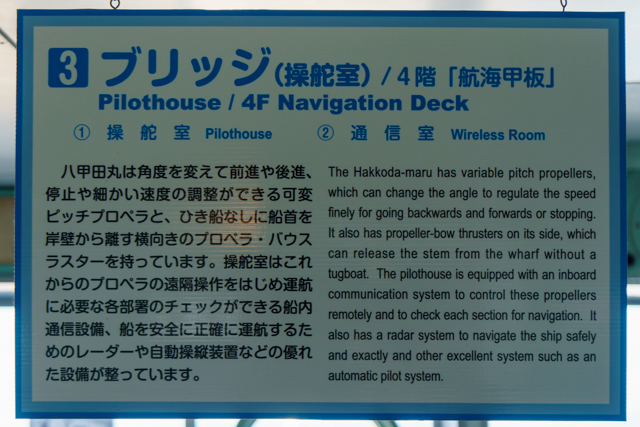
Navigation Deck
Vehicle Deck
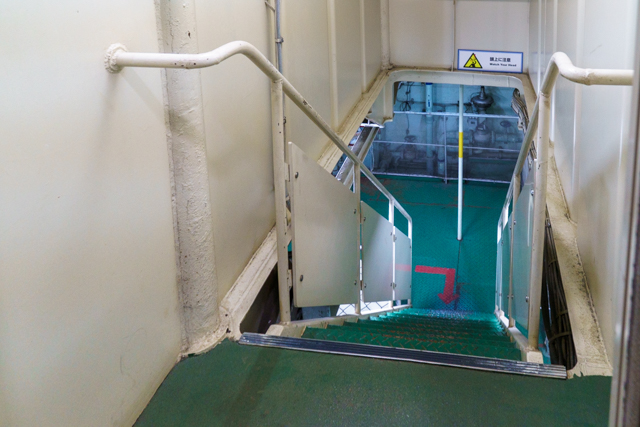
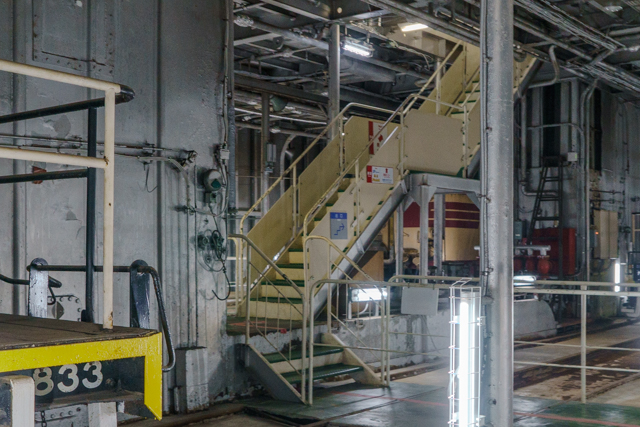
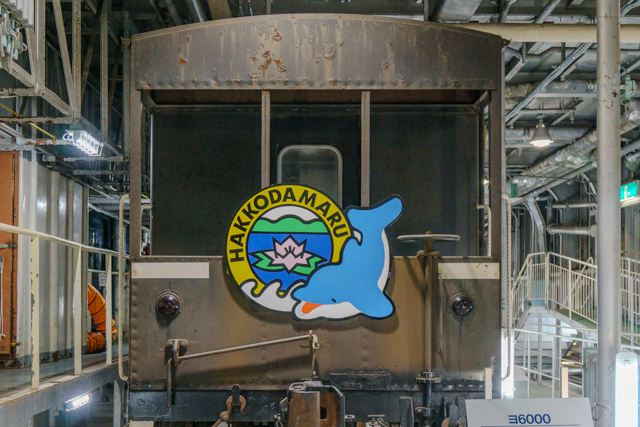
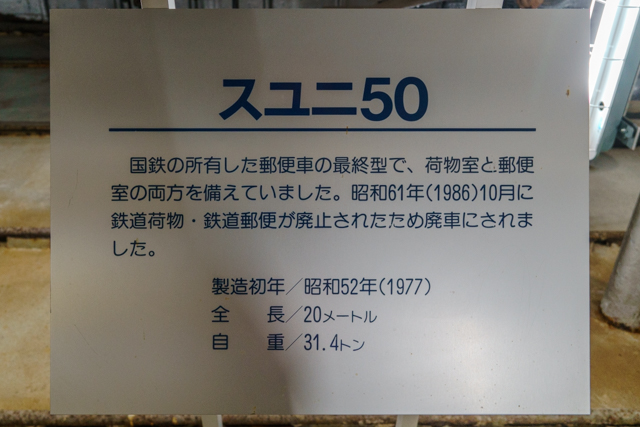
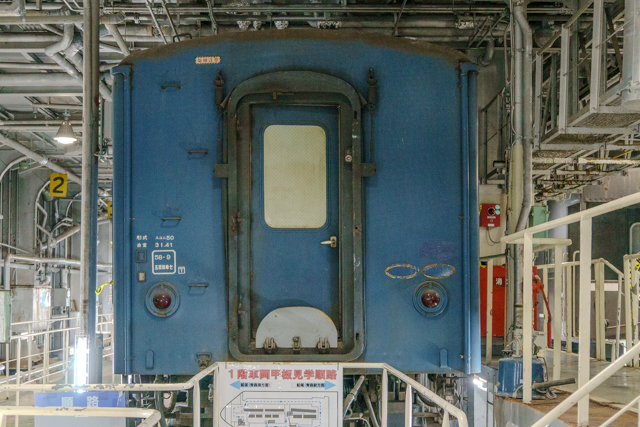
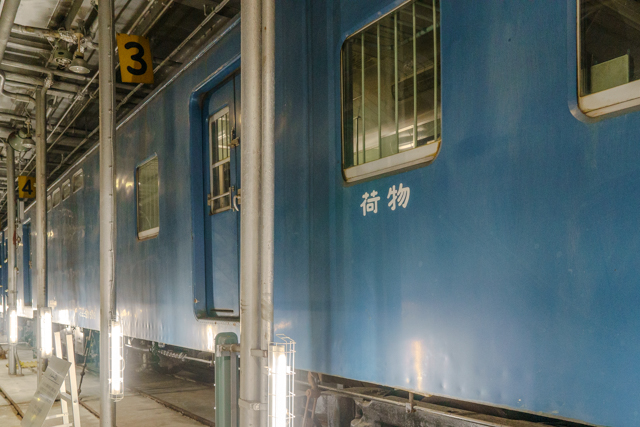
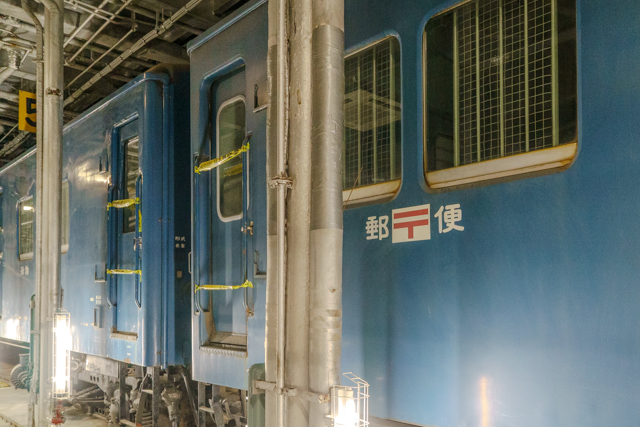
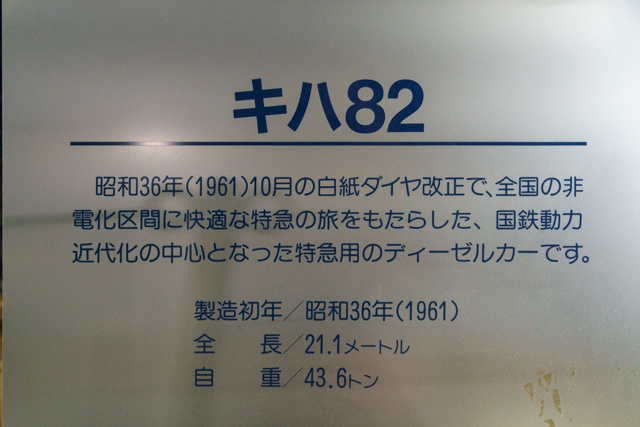
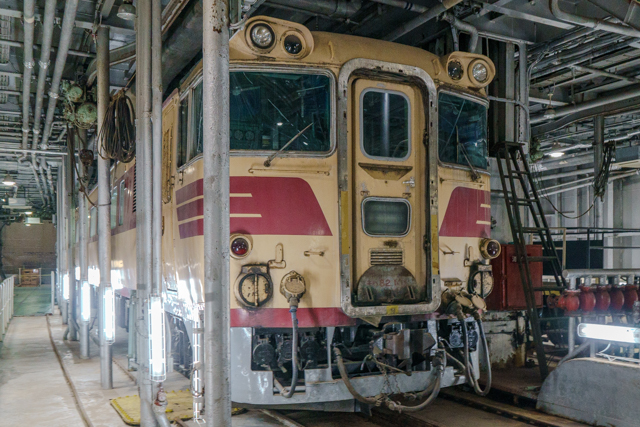
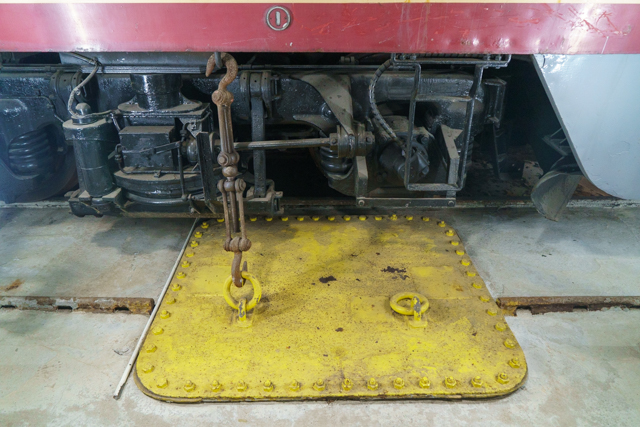
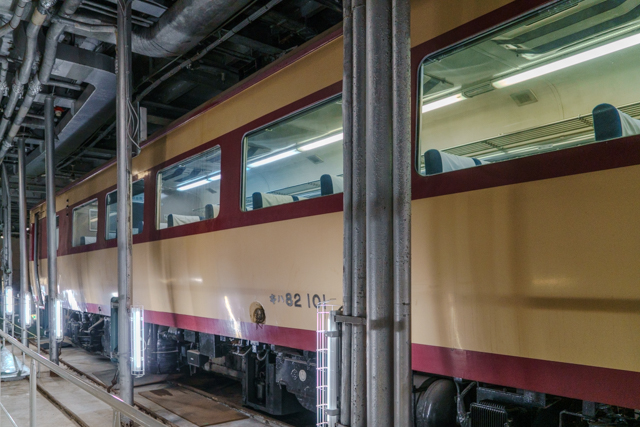
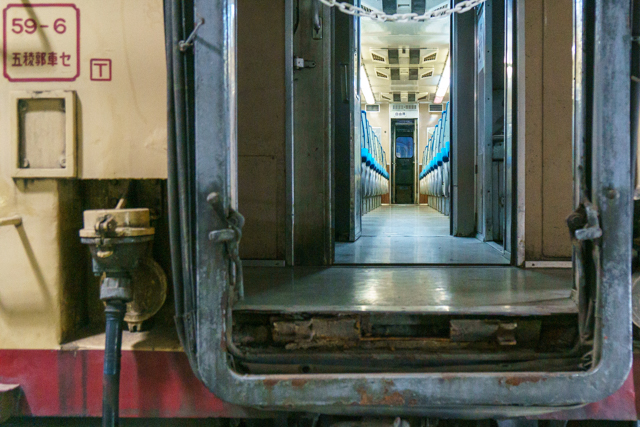
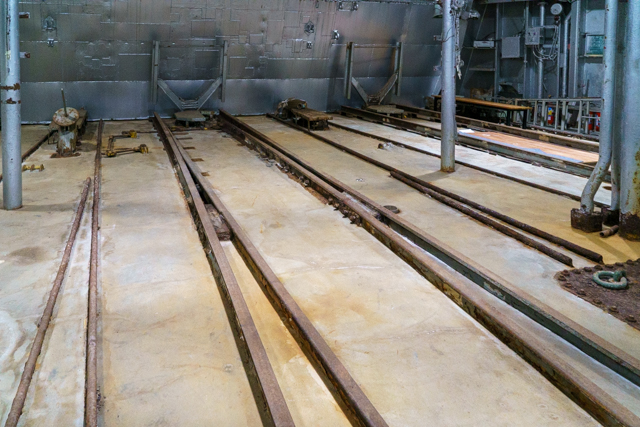
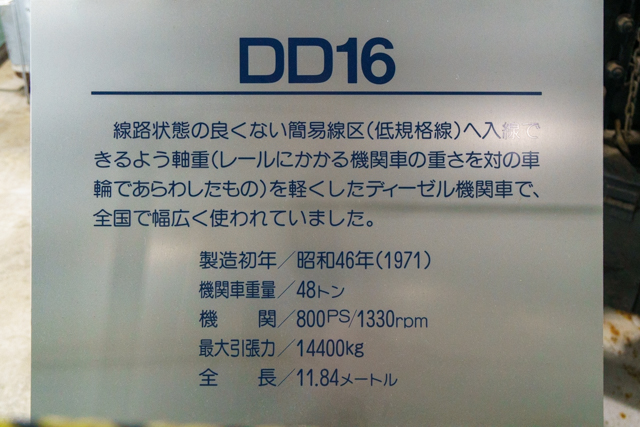
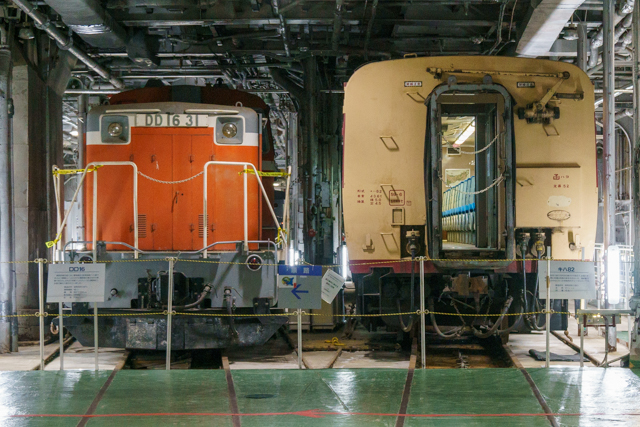
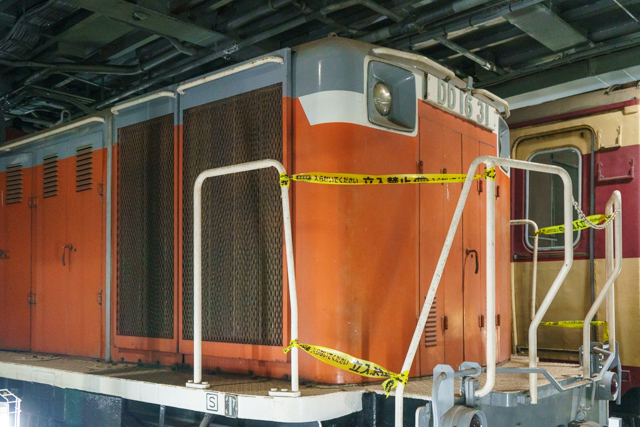
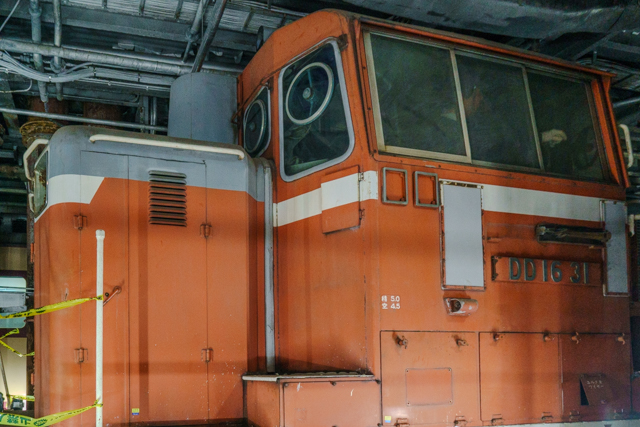
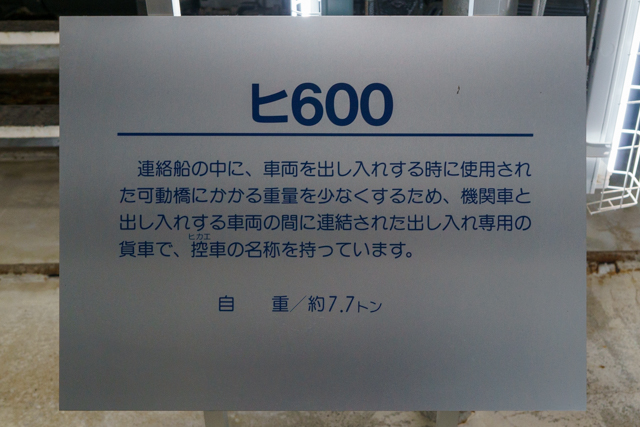
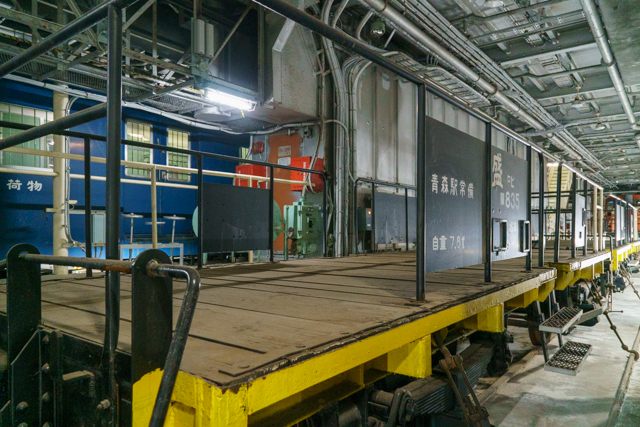
Finally, the tour leads through the vehicle deck, a unique feature of the Hakkodamaru, which could hold up to 48 rail cars on four separate tracks. The trains would enter the ship via a hatch at the rear and were stored there for the 3.5 hour journey across the strait. Several historic trains remain on display including an express car, mail car and a diesel locomotive.
Engine Room
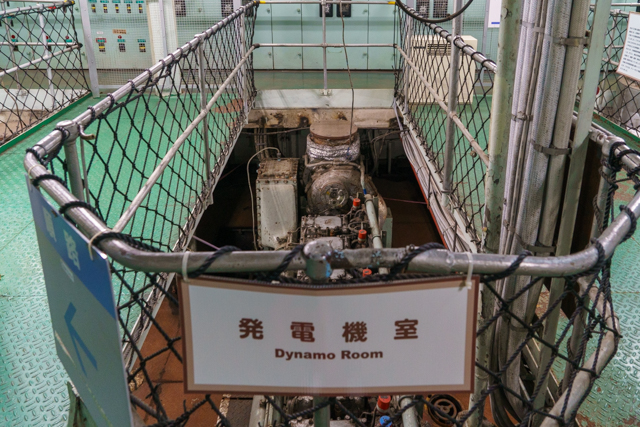
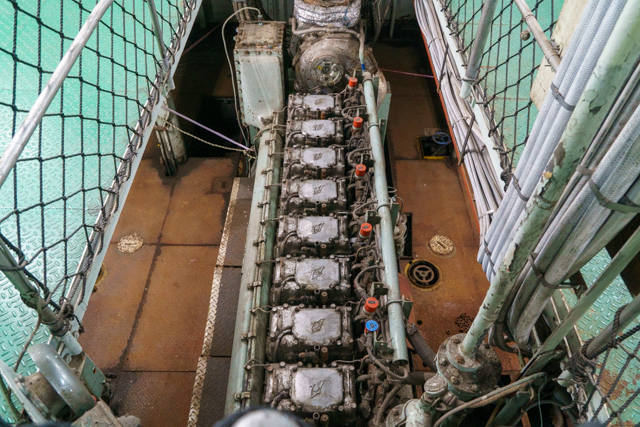
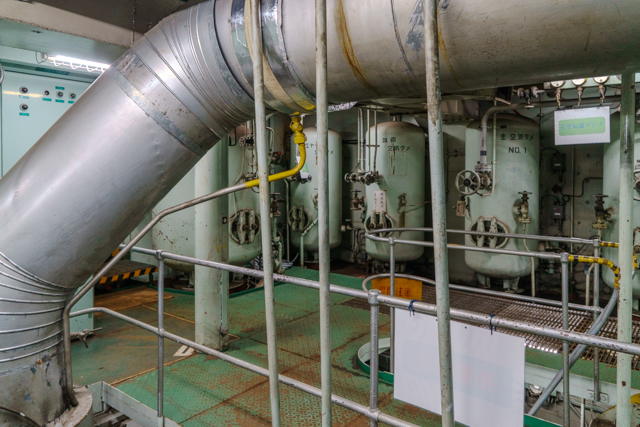
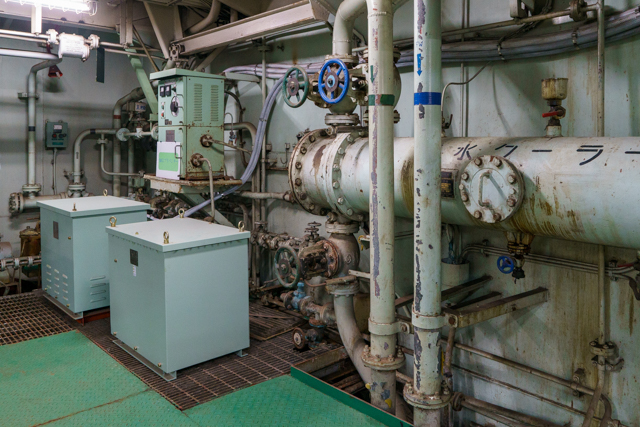
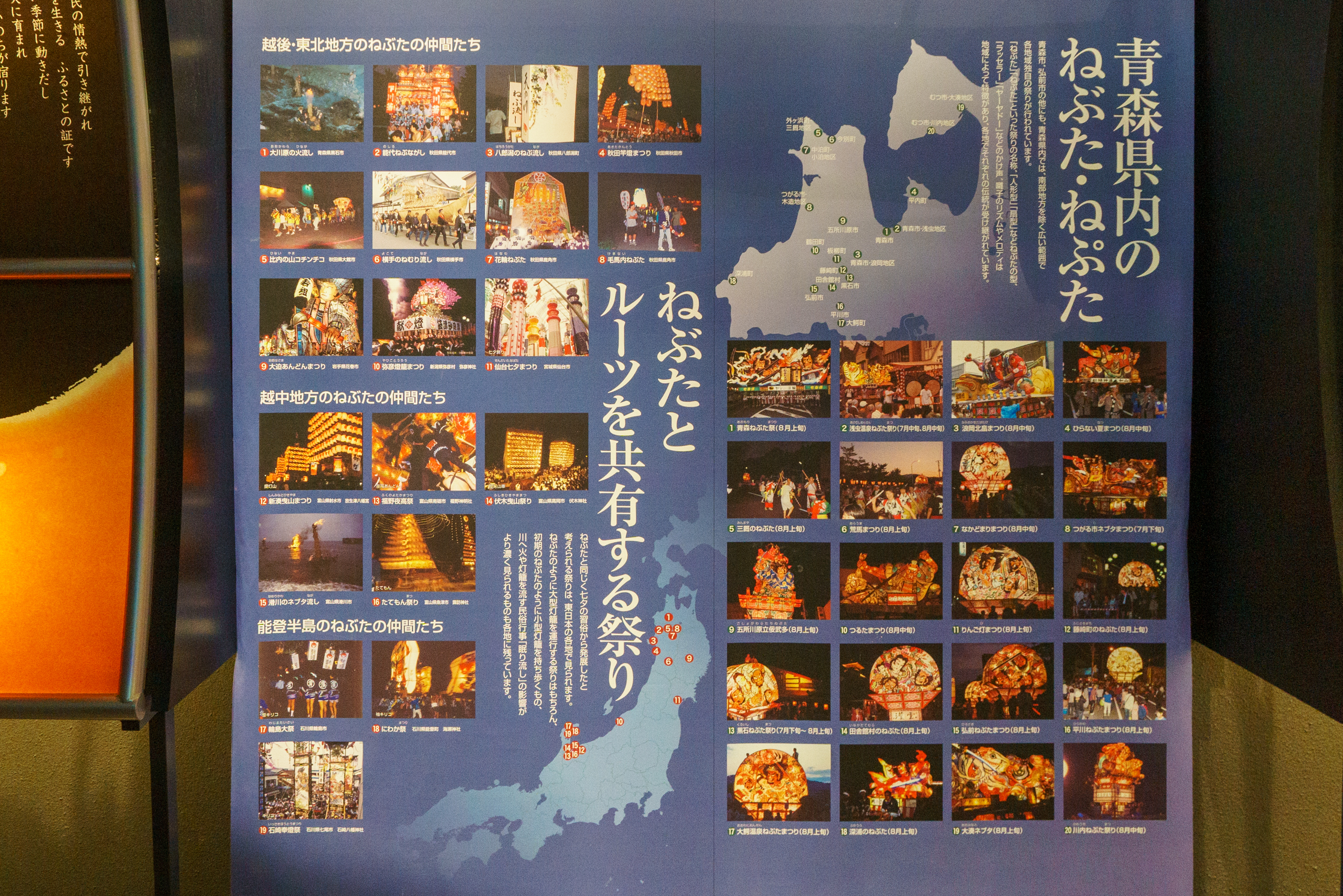
Nebuta Museum WA RASSE
青森ねぶた祭, 1F, 1 Chome−1−1, Yasukata, 030-0803 Aomori Prefecture, Japan
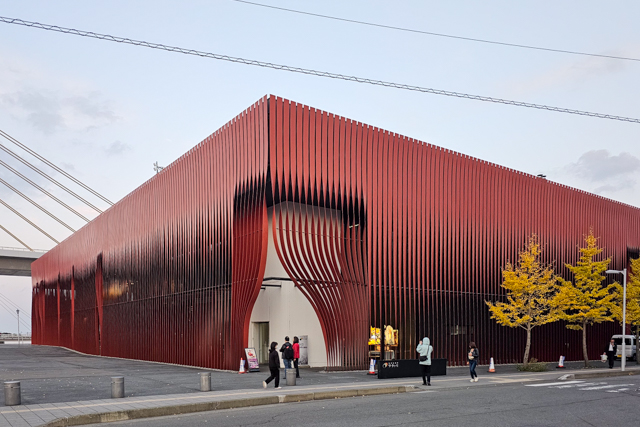
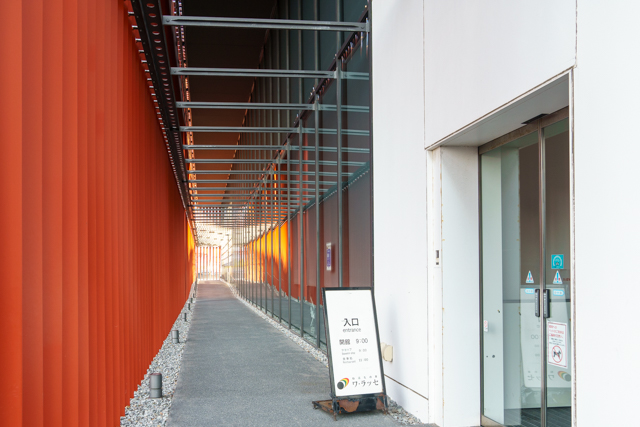
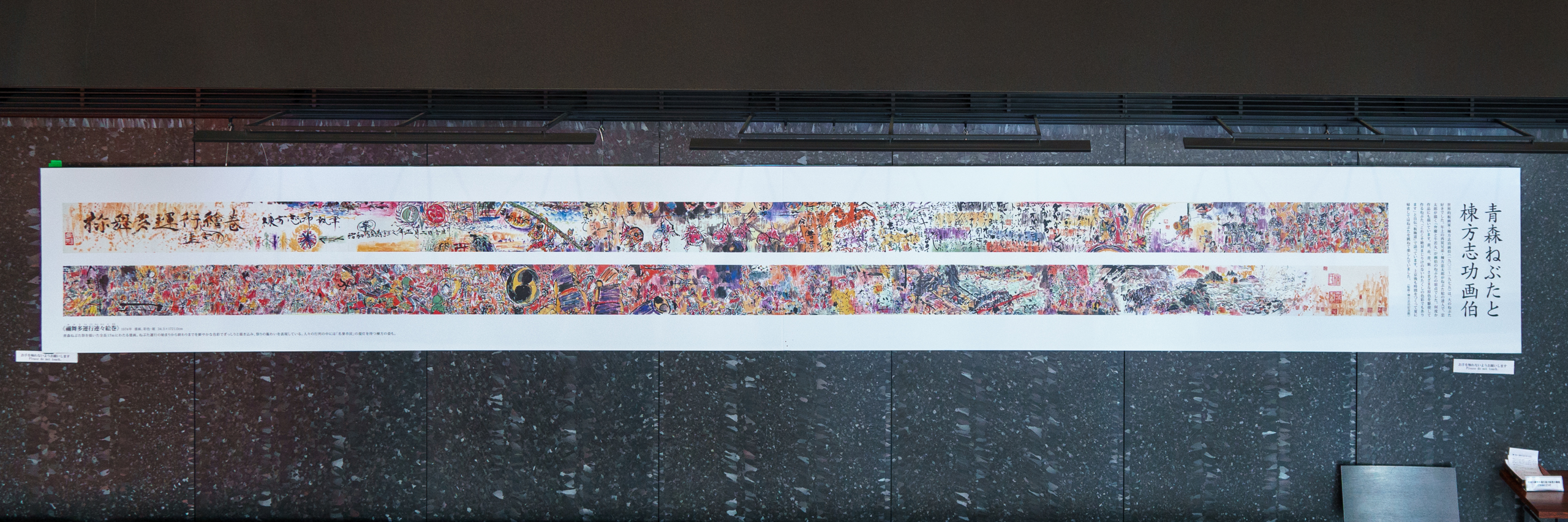
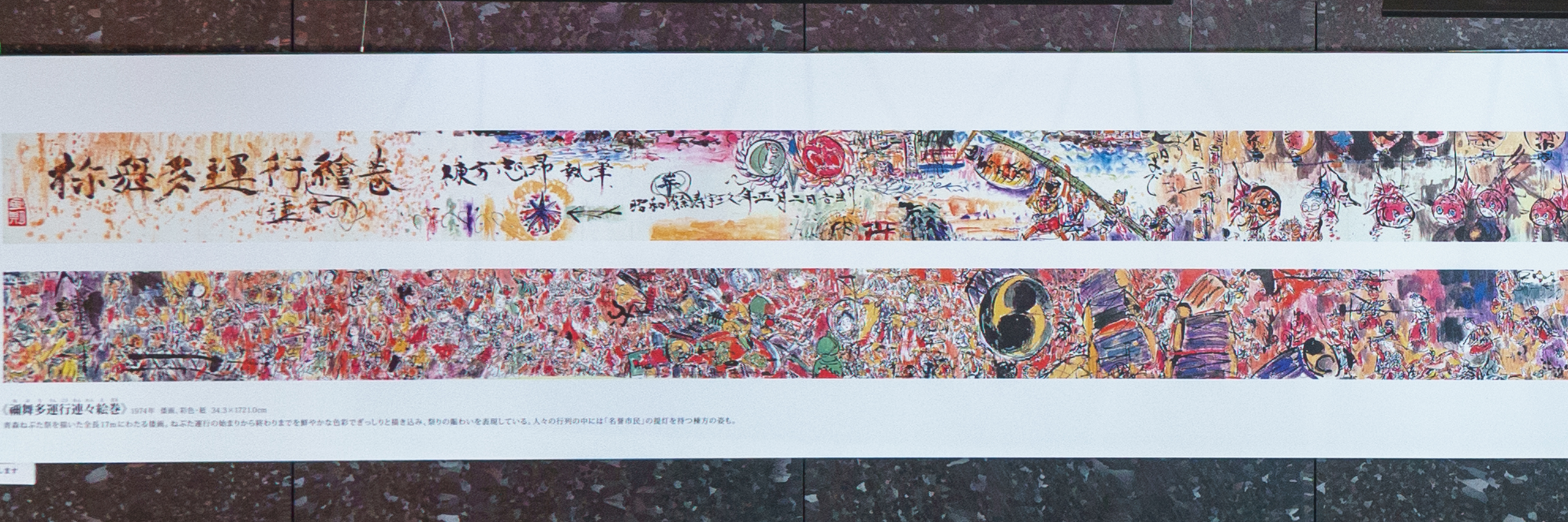
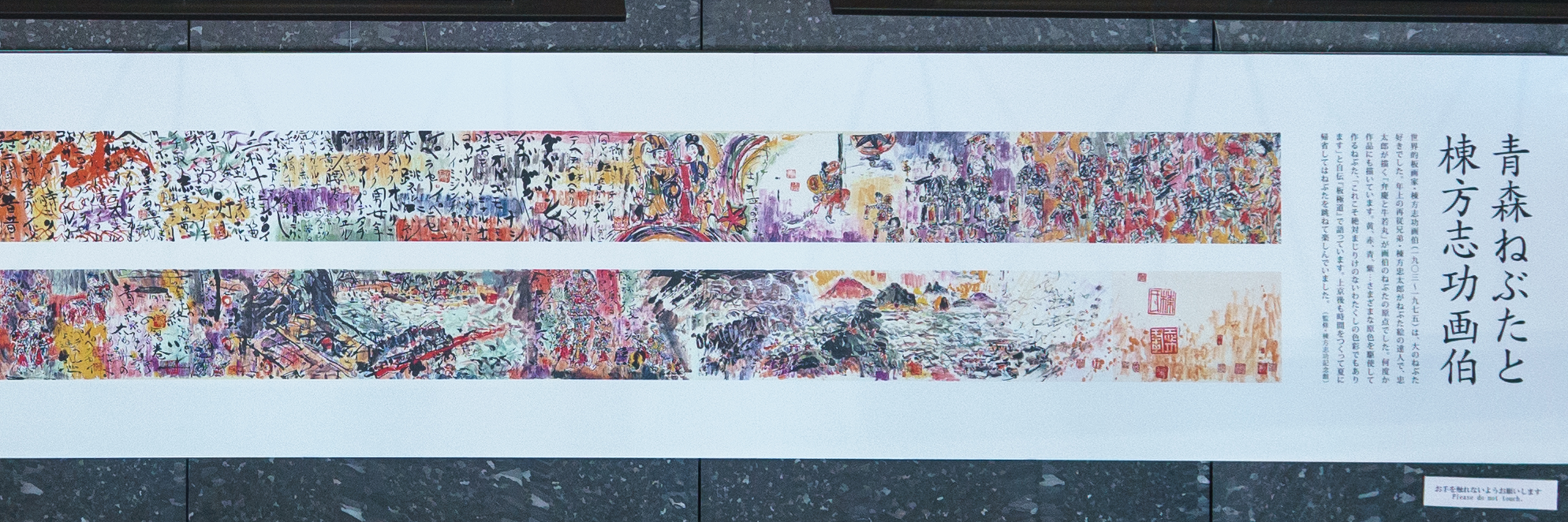
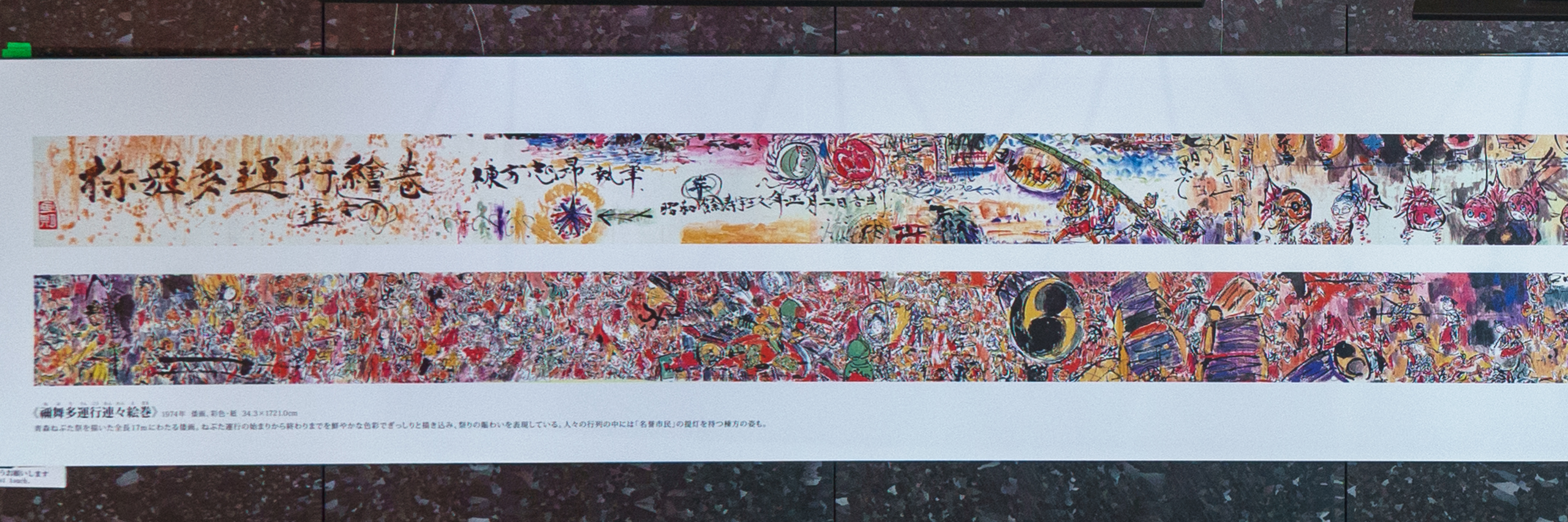
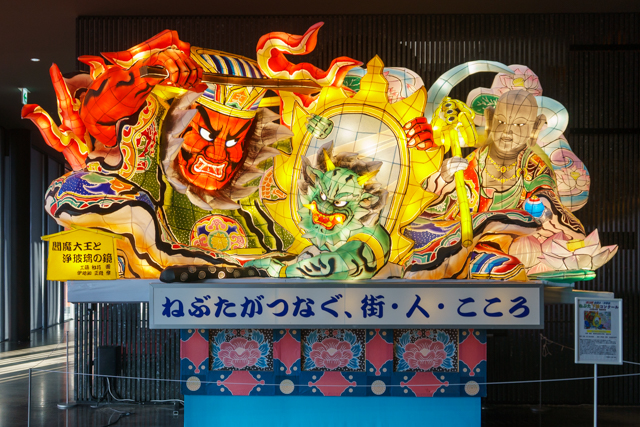
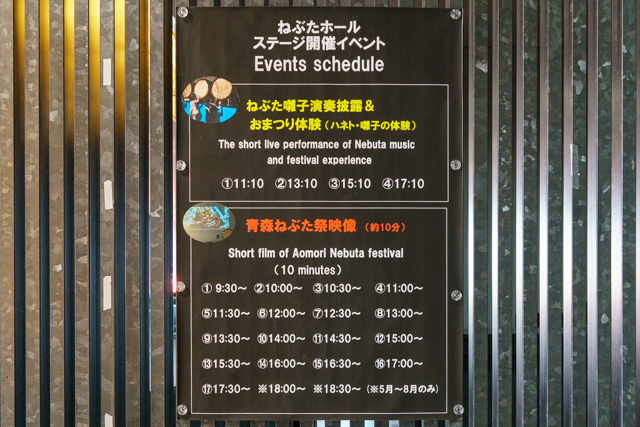
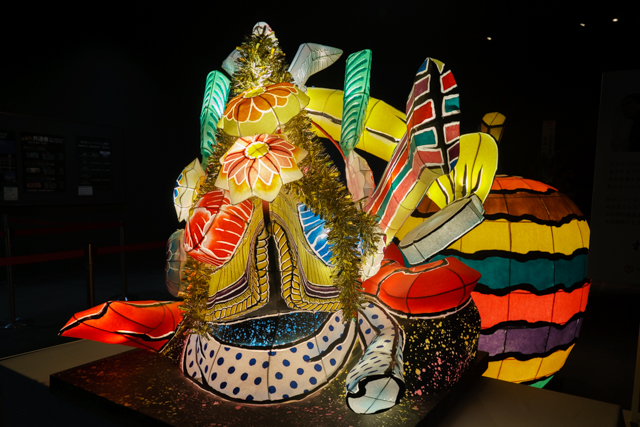
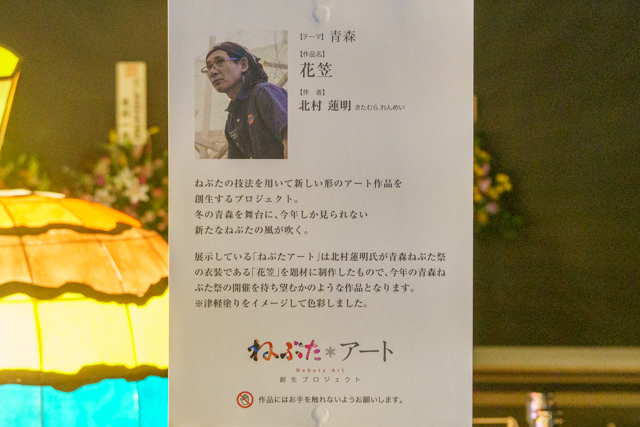
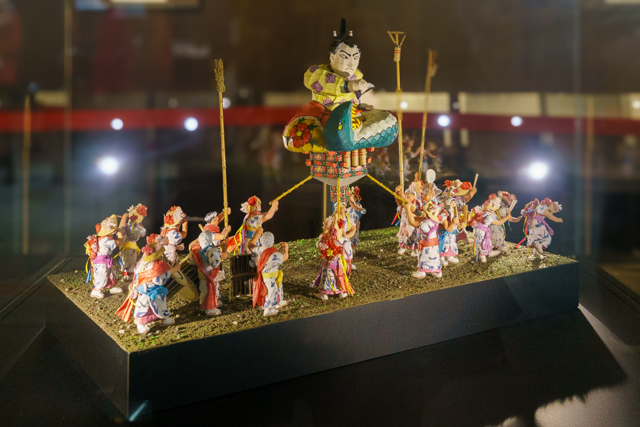
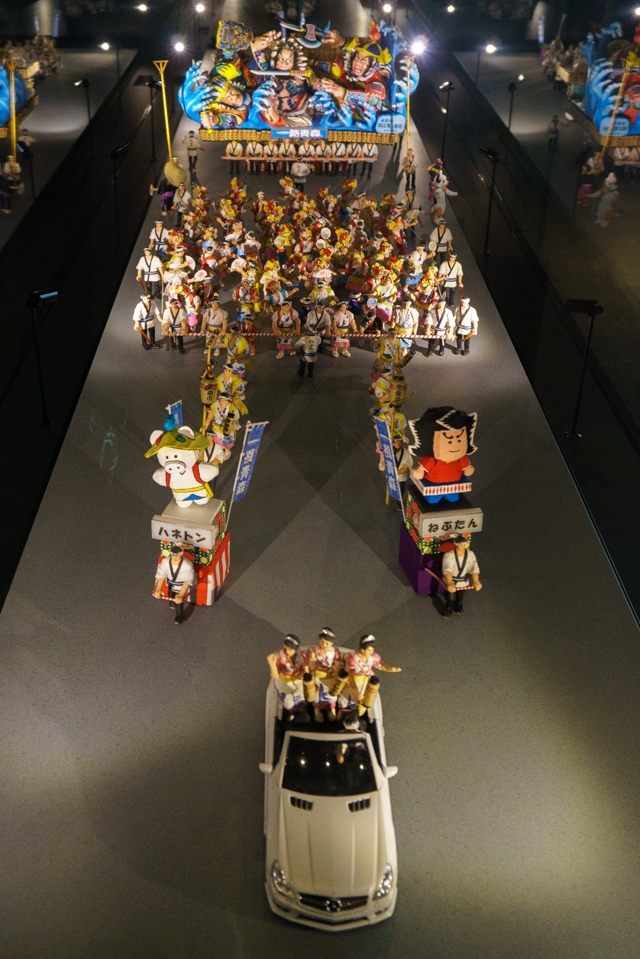
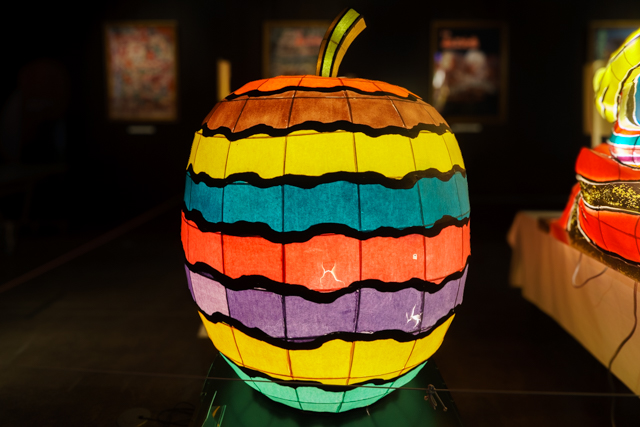
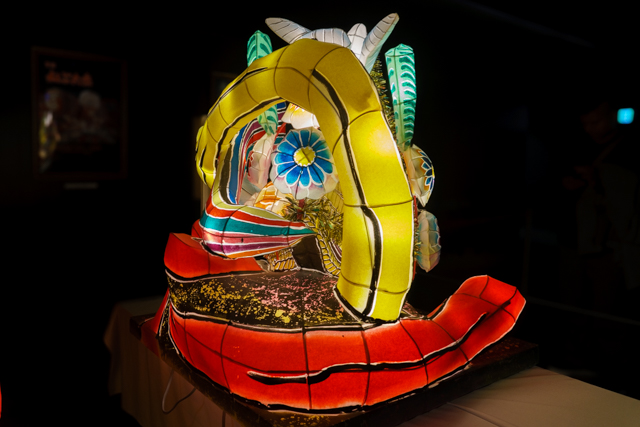
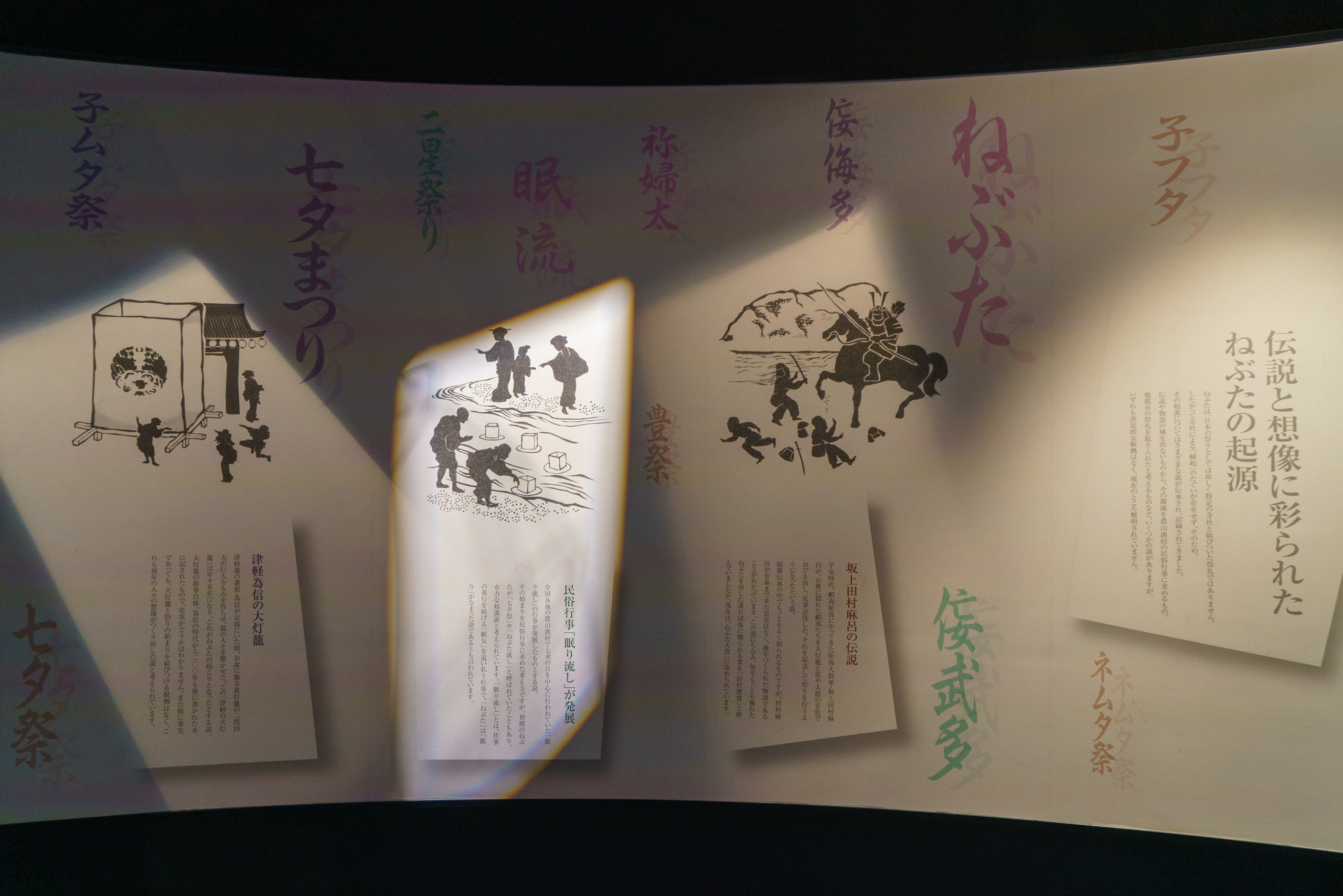
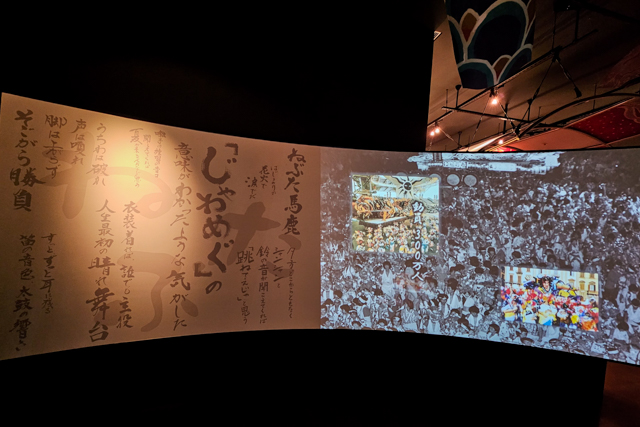
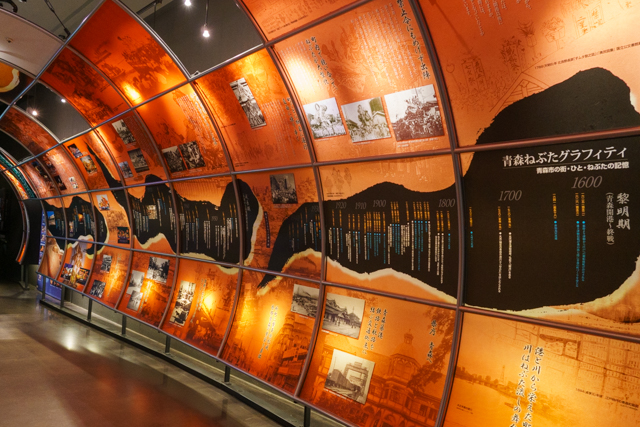
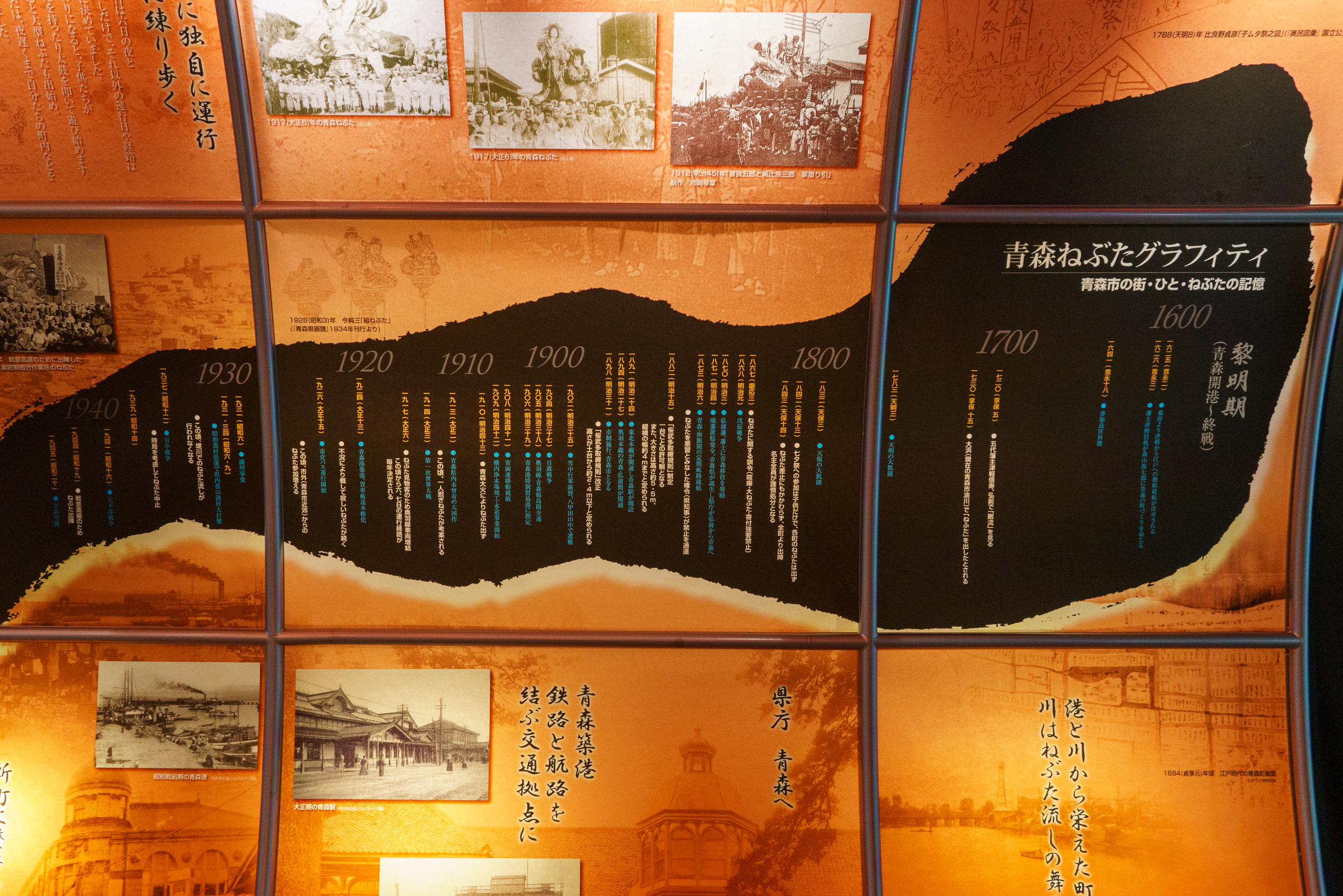
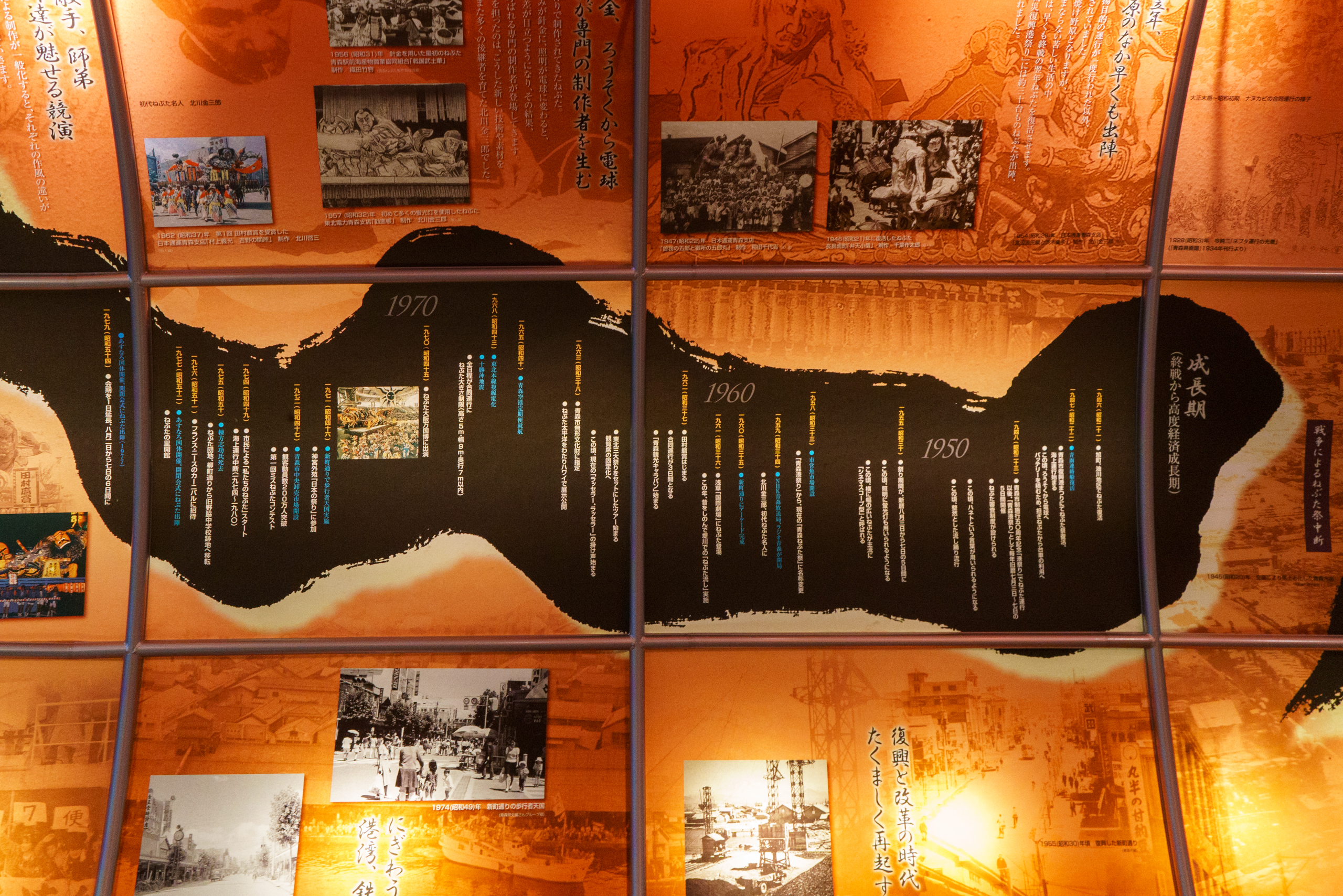
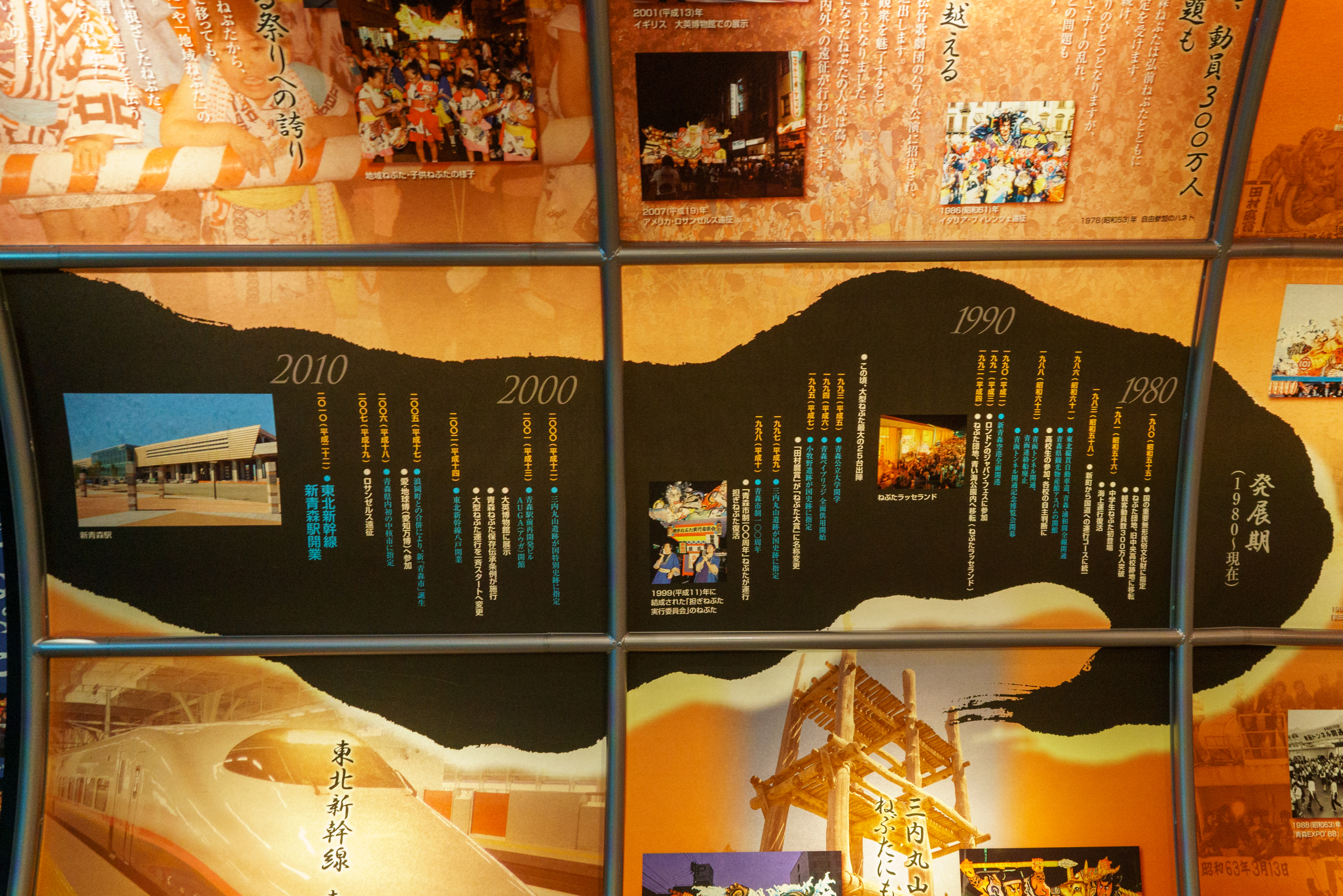
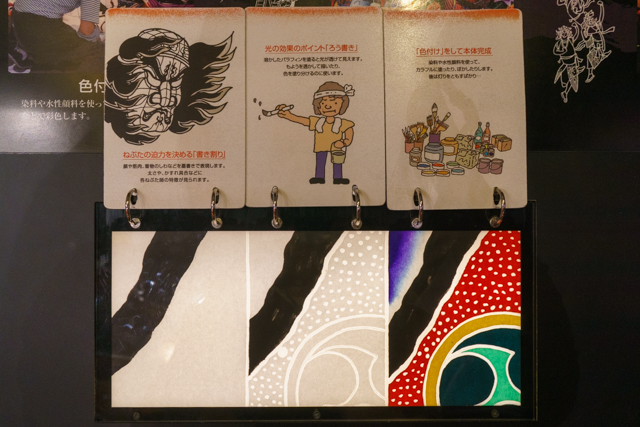
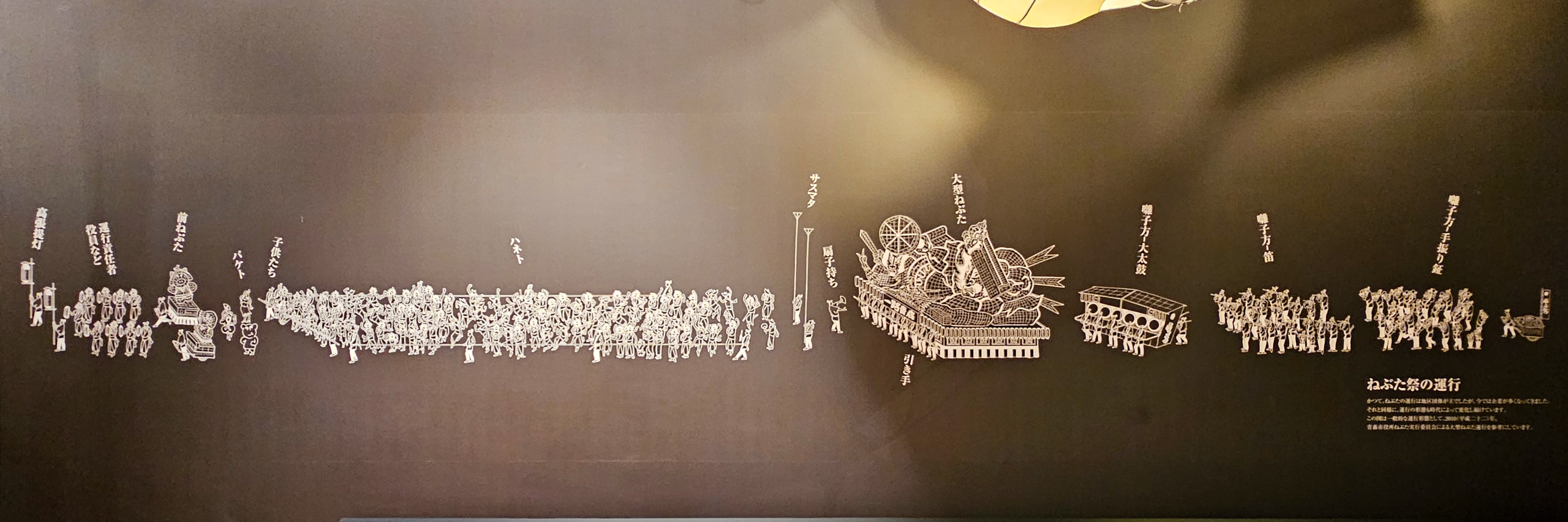
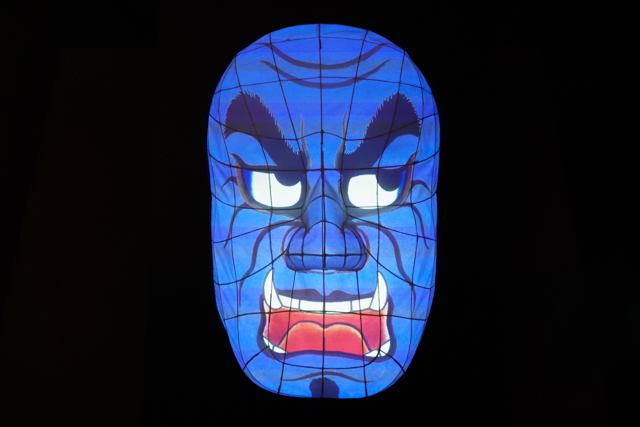
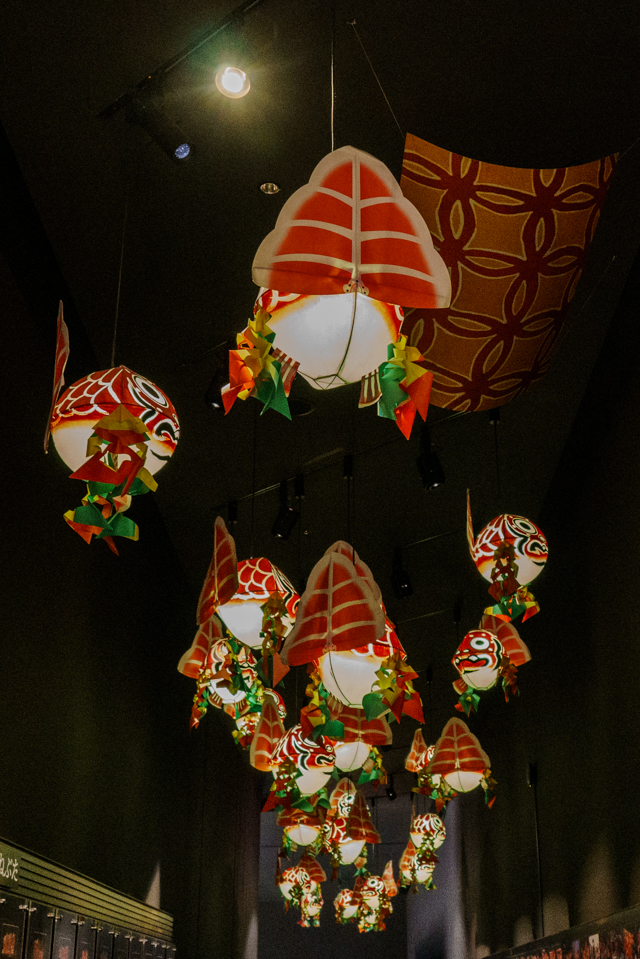
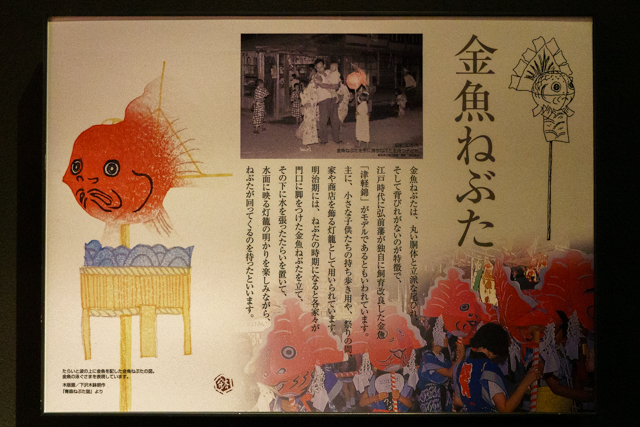
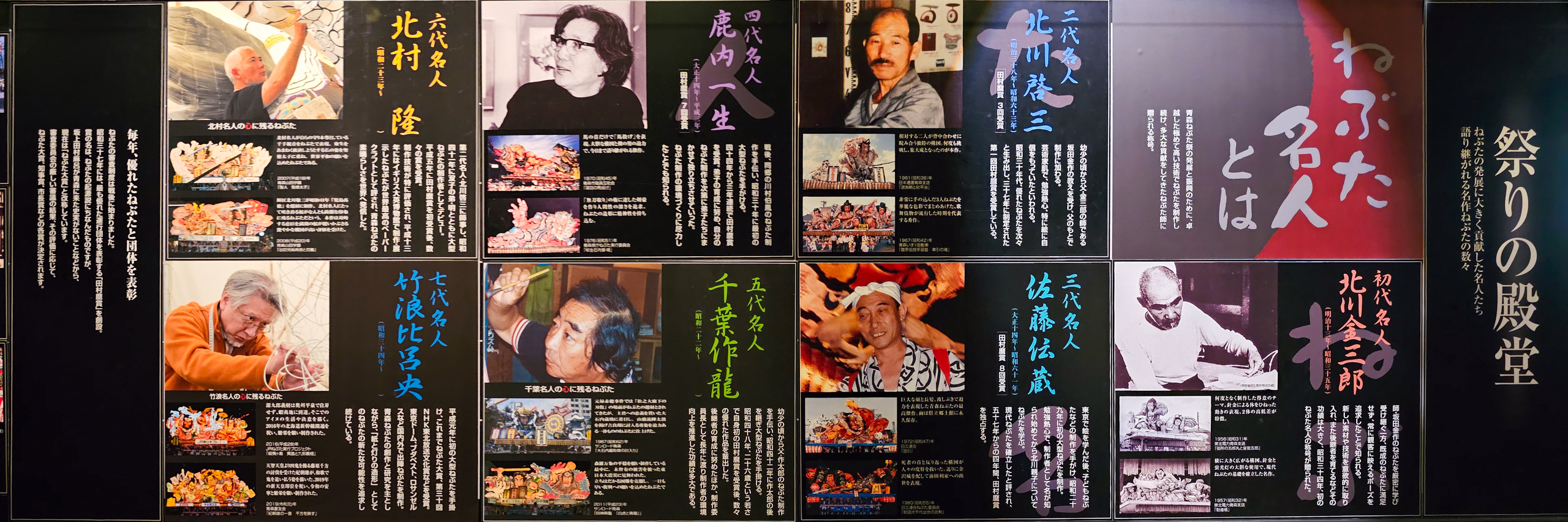
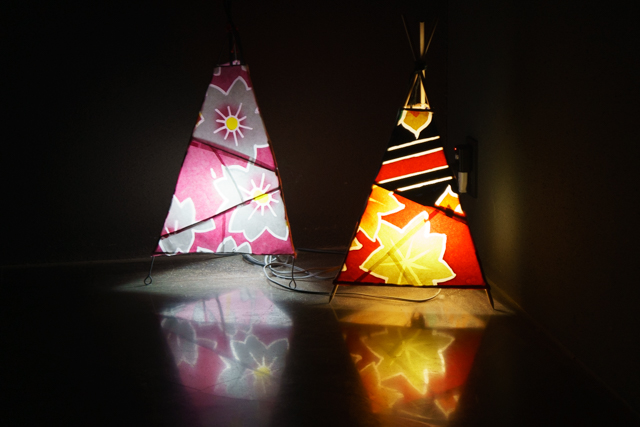
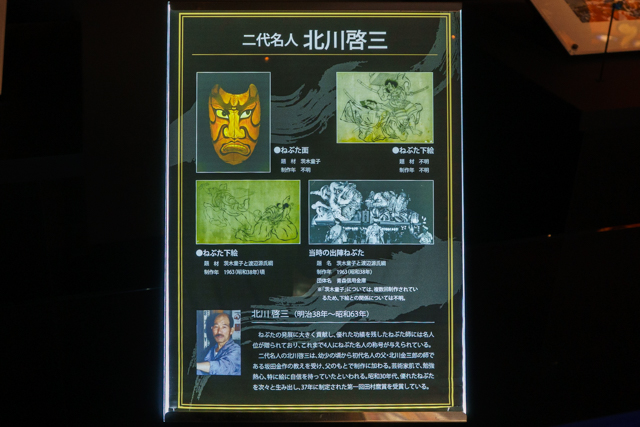
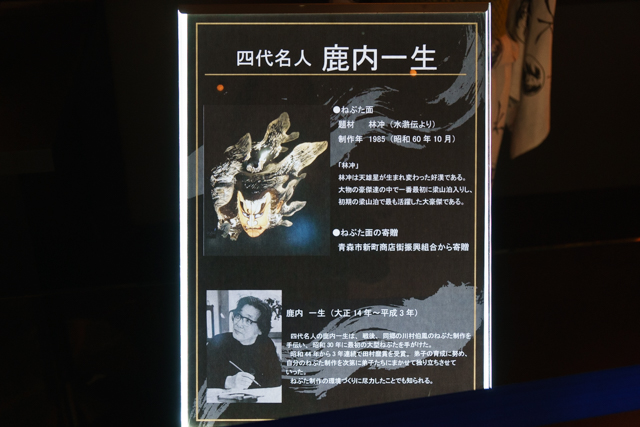
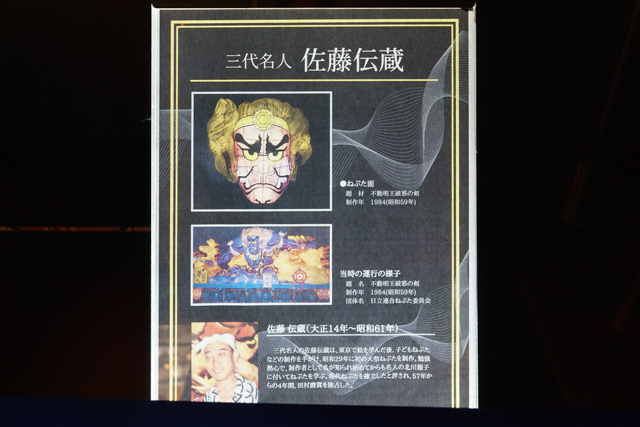
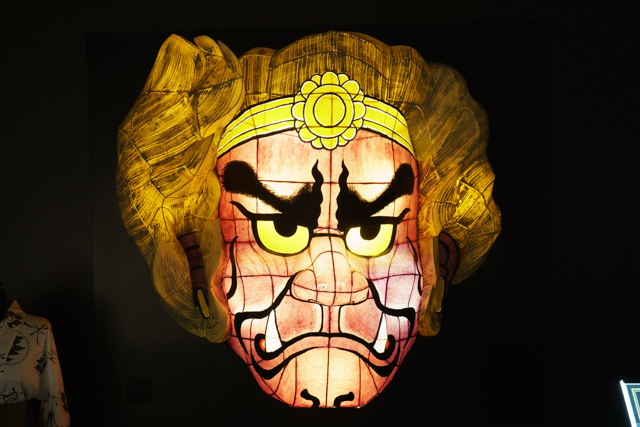
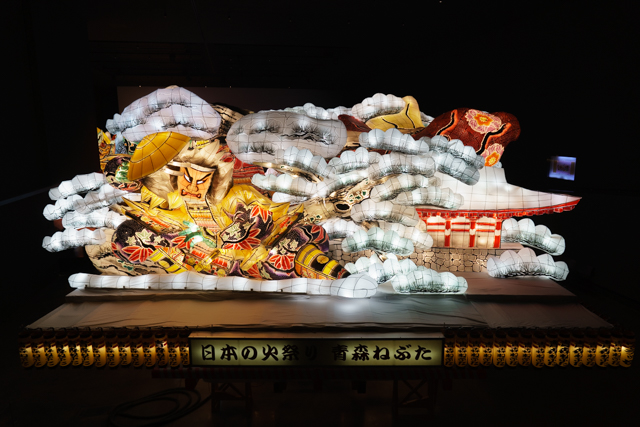
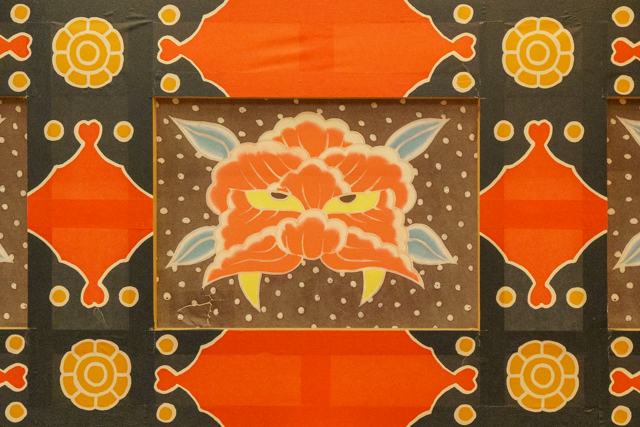
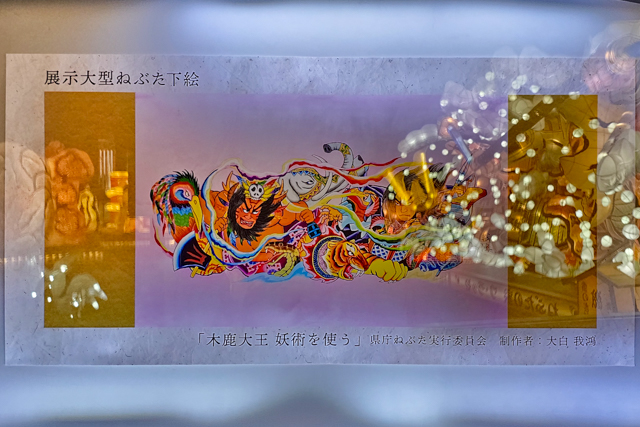
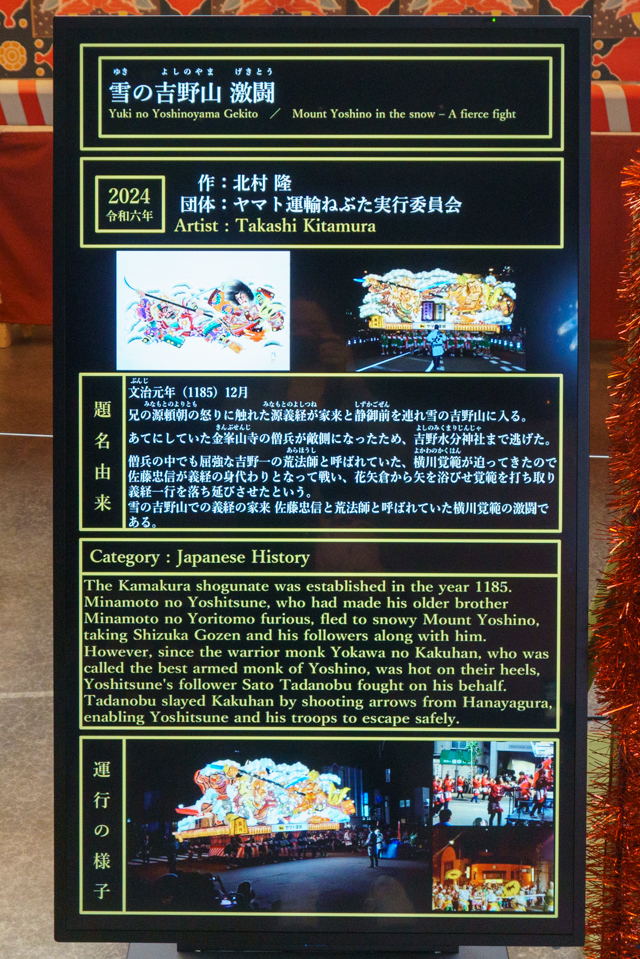
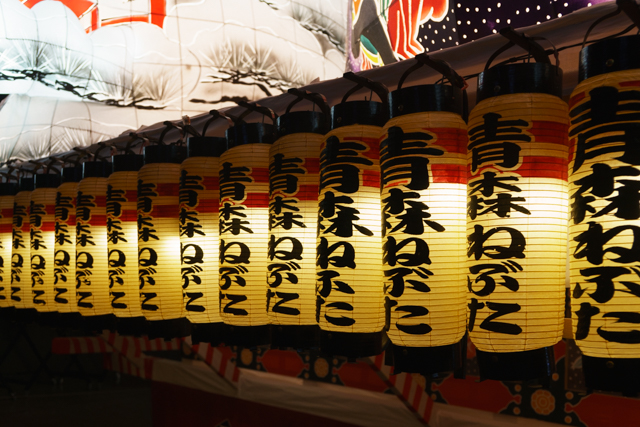
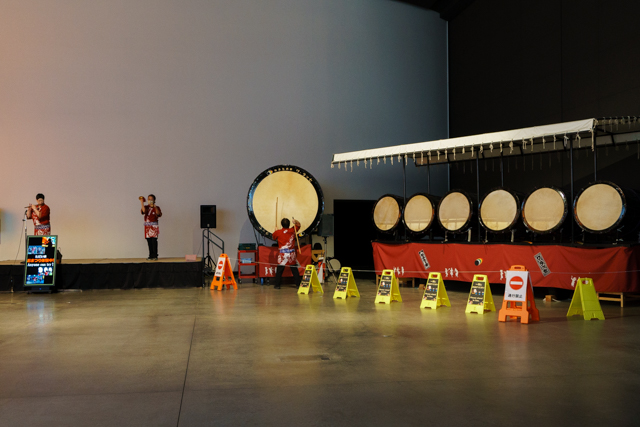
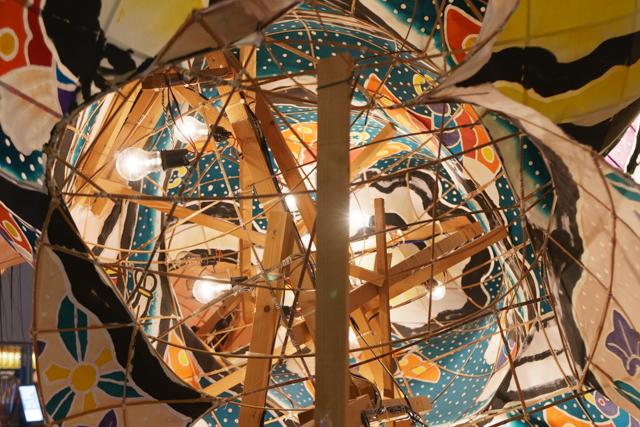
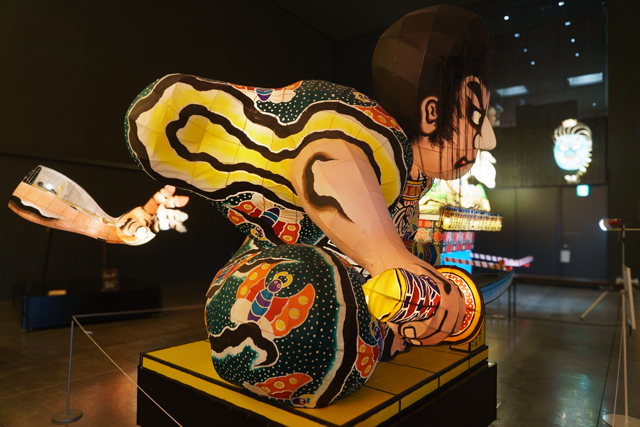
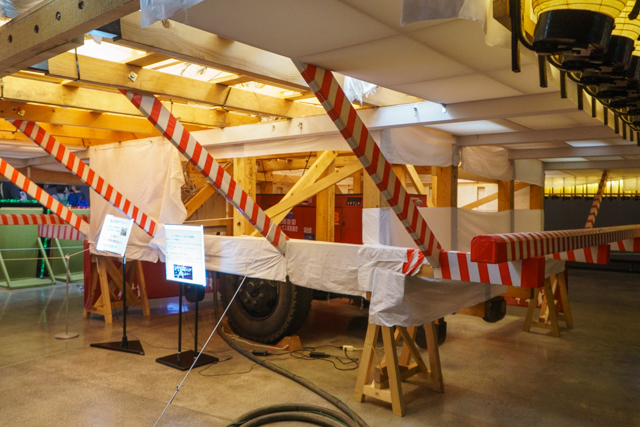
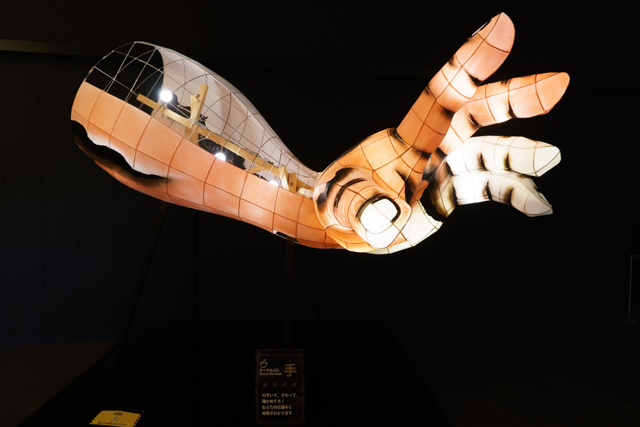
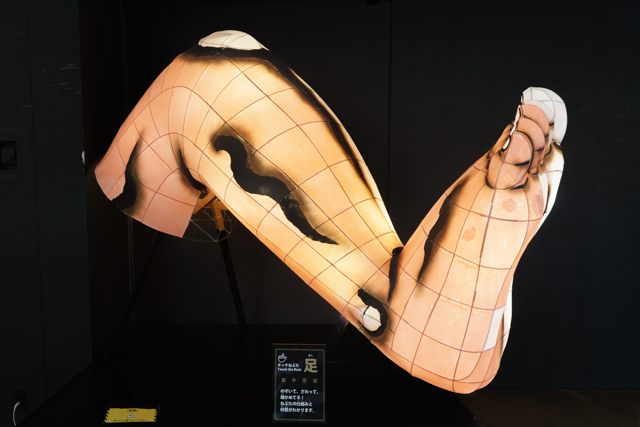
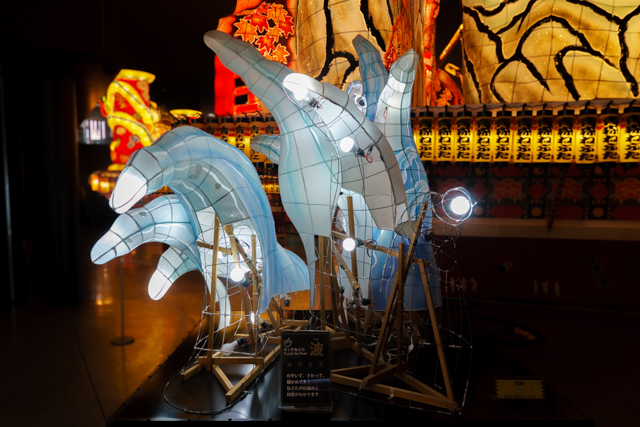
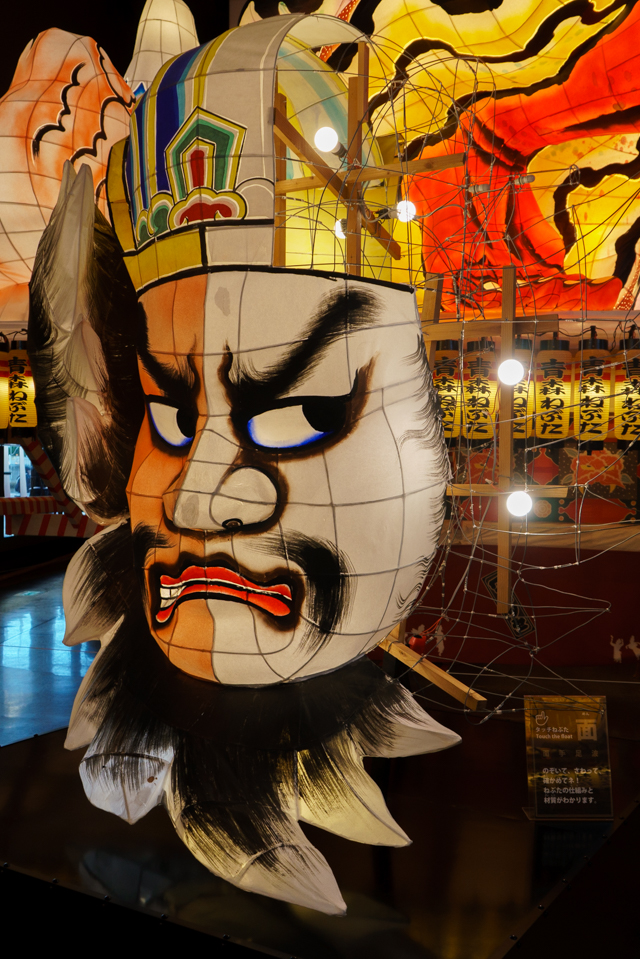
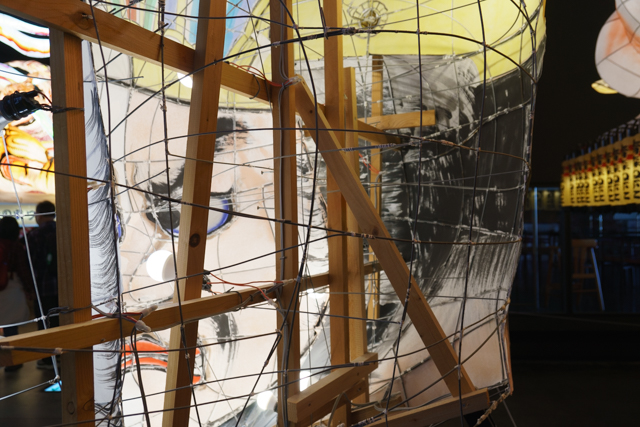
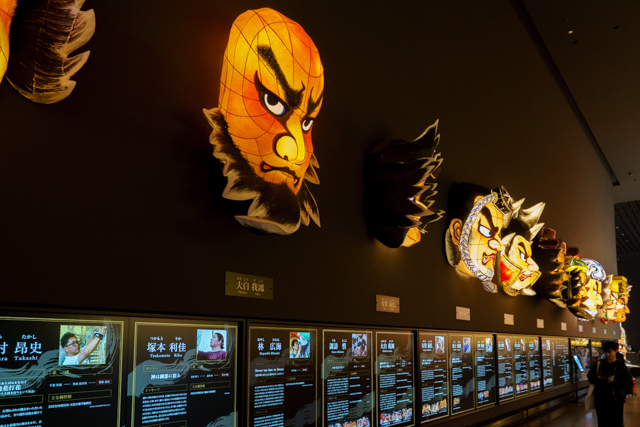
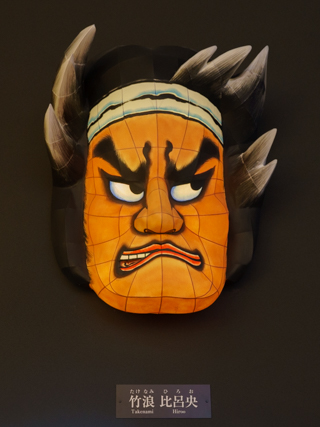
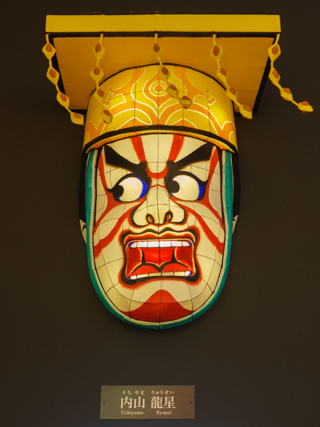
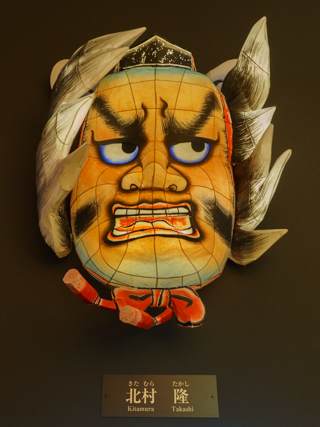
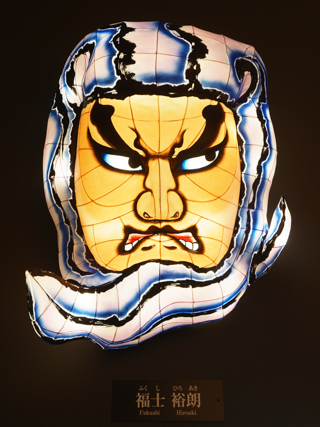
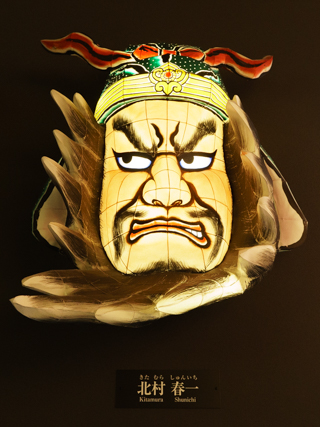
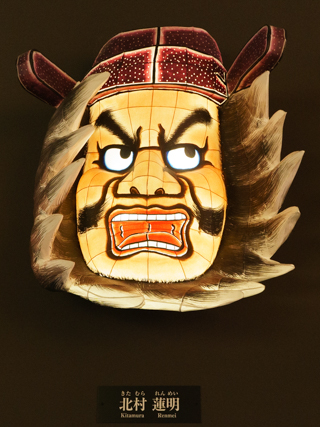
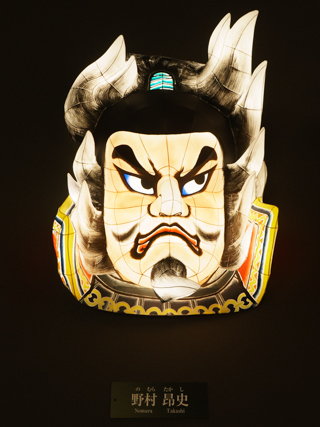
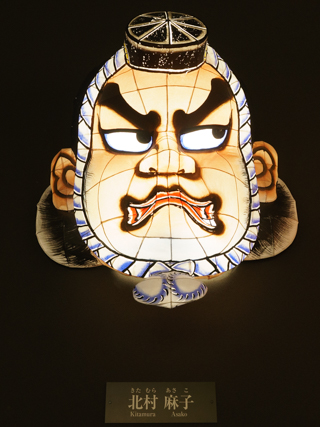
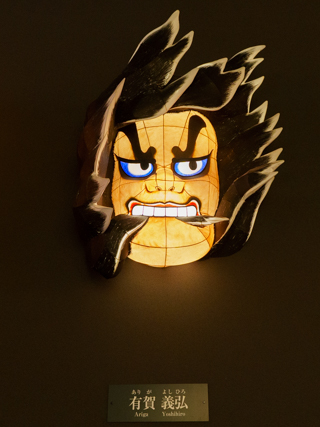
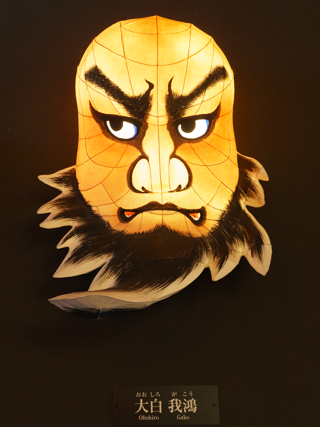
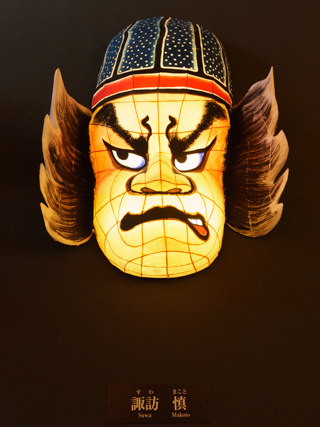
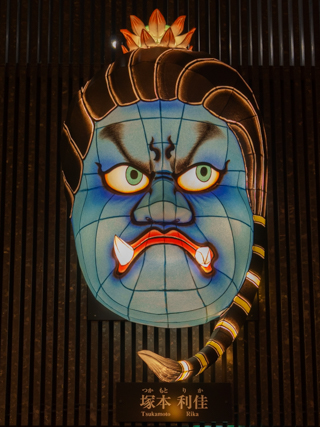
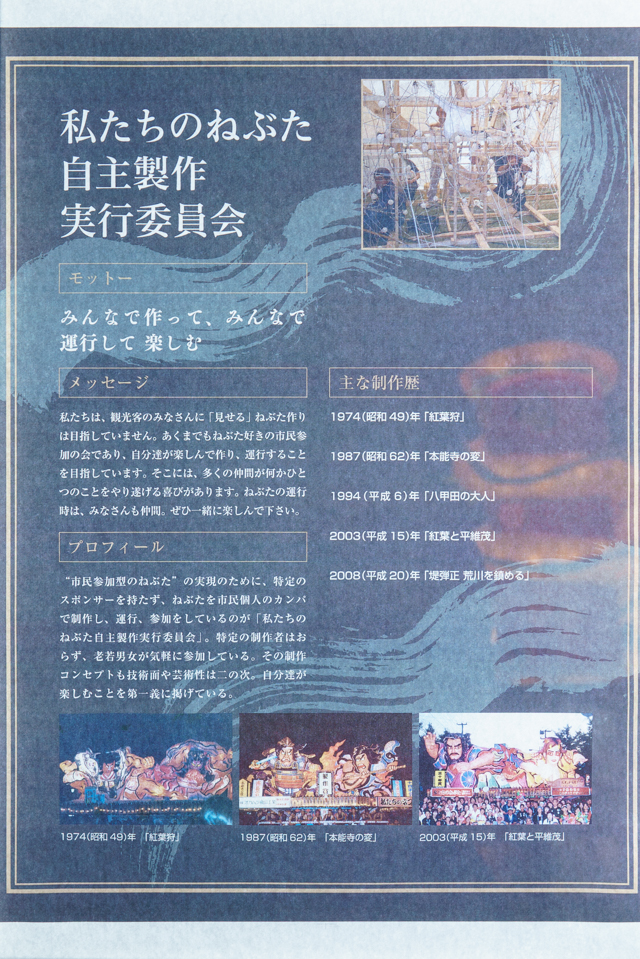
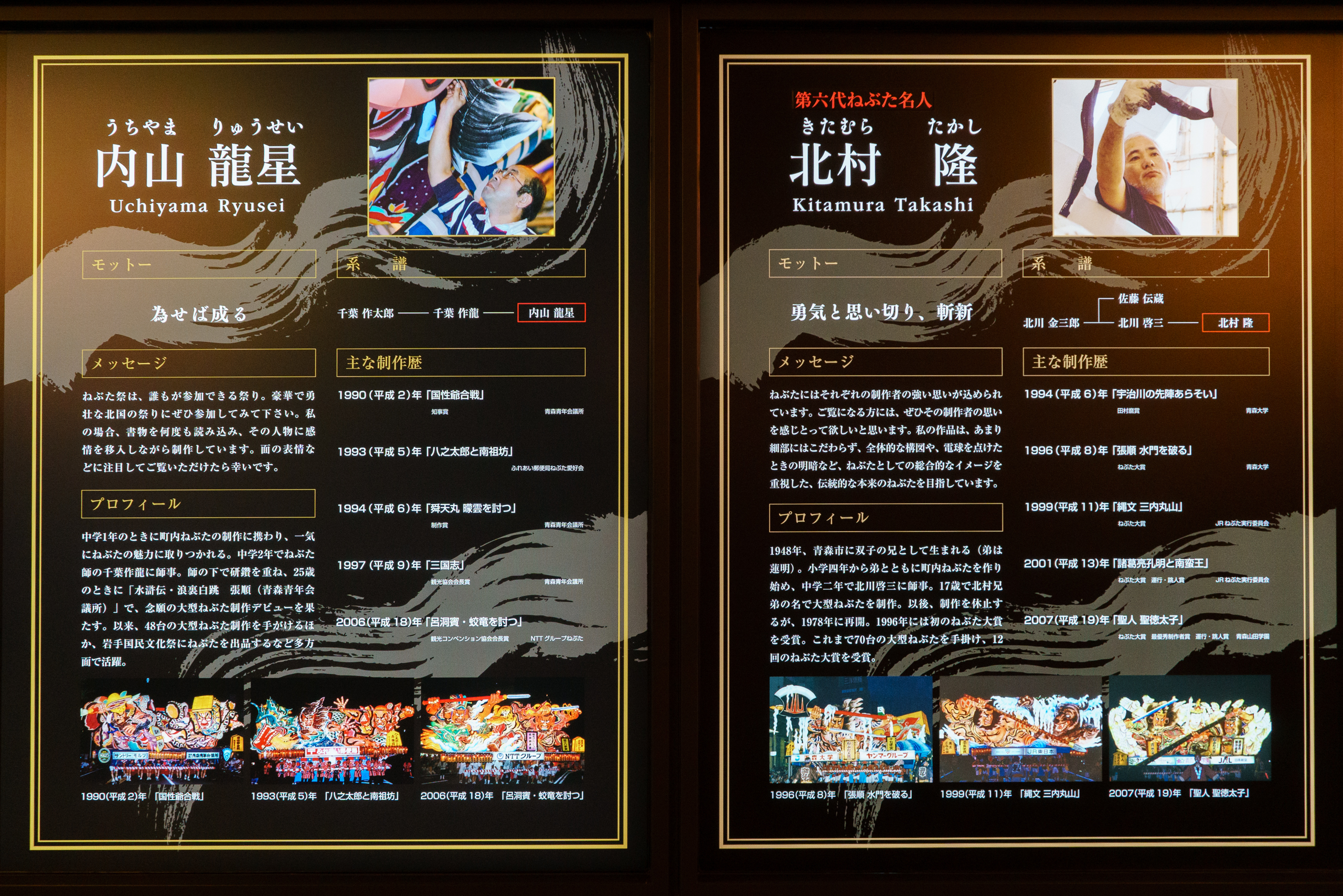
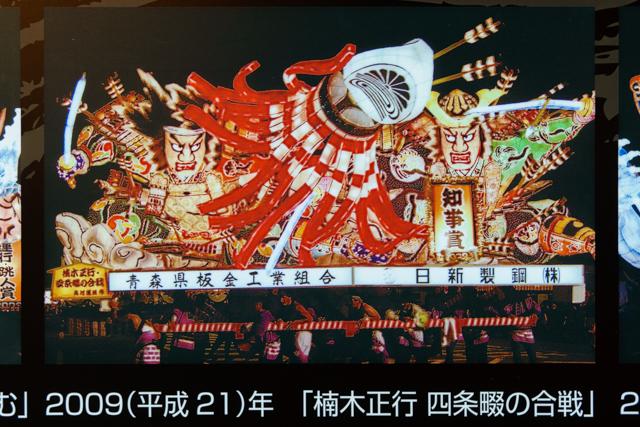
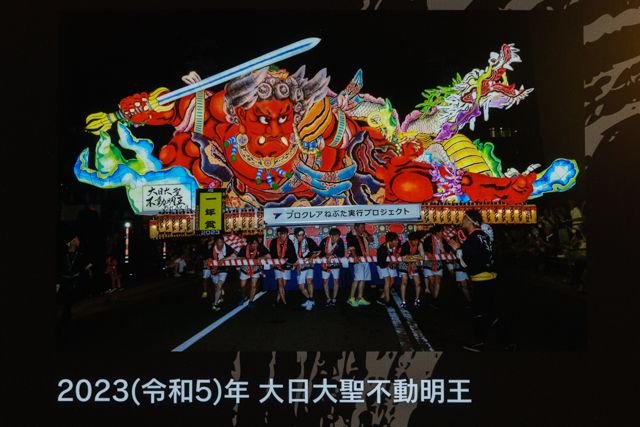
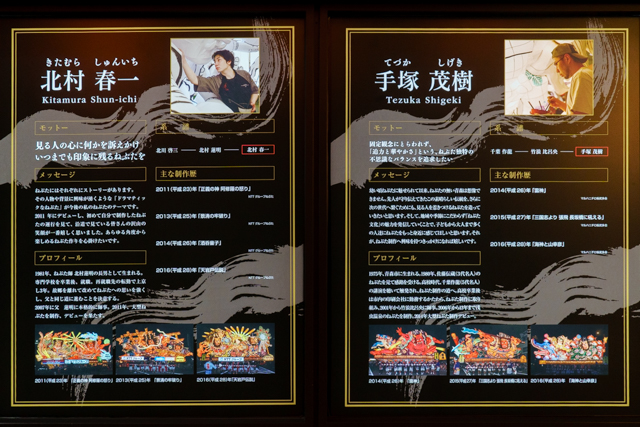
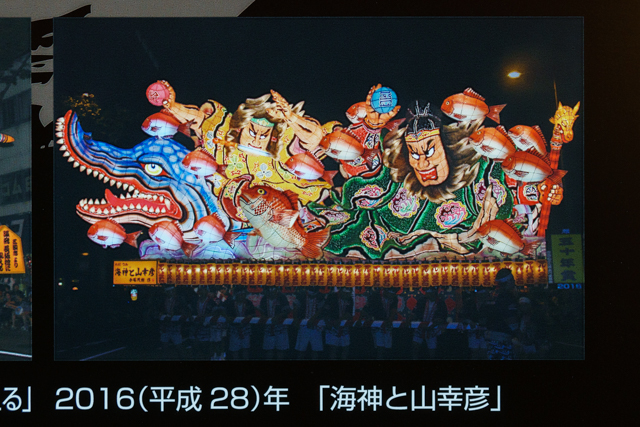
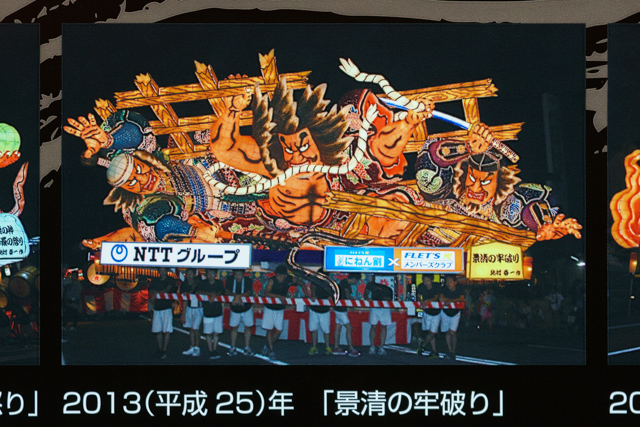
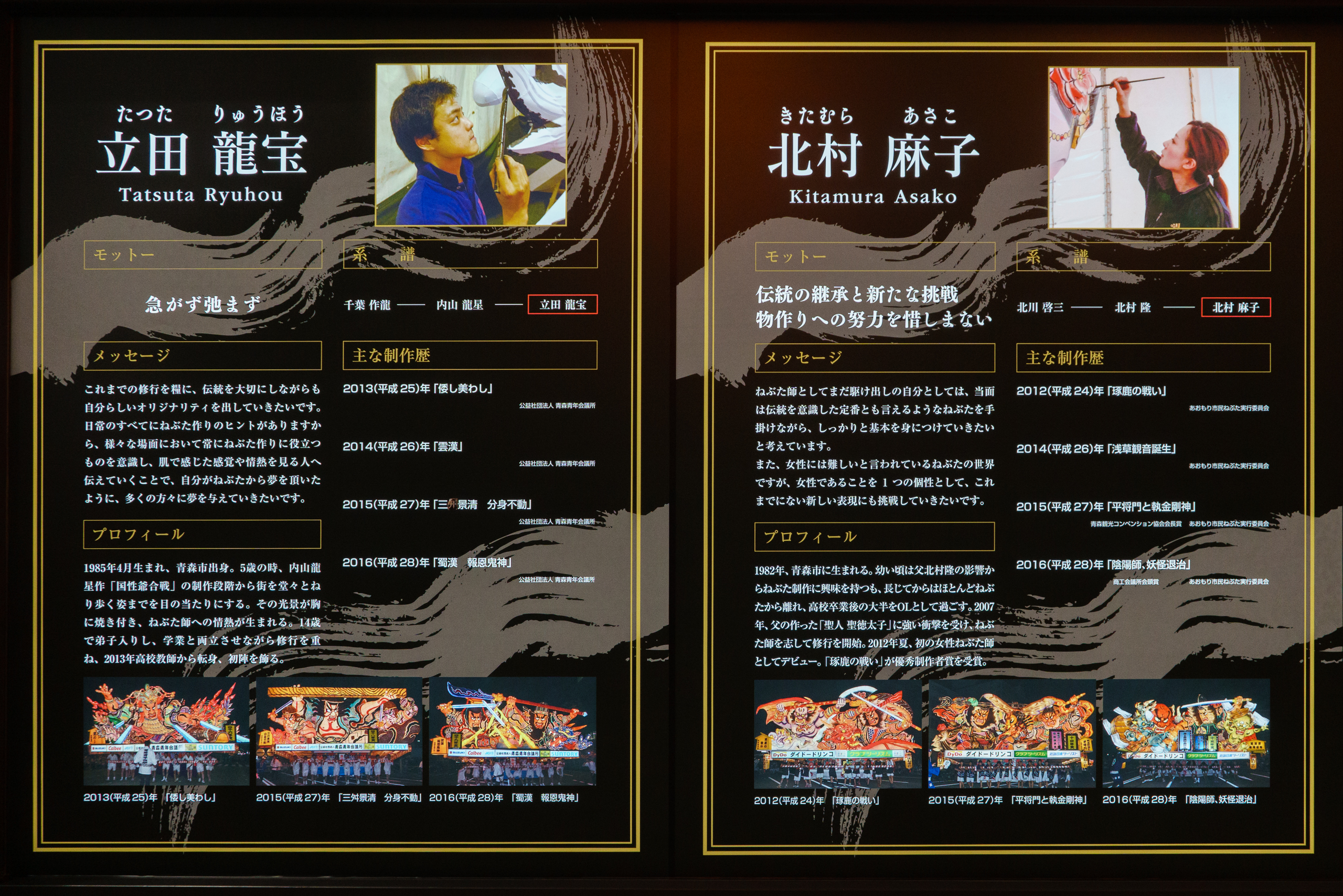
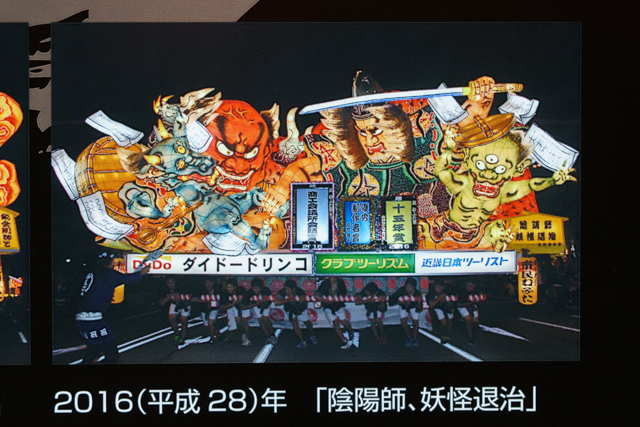
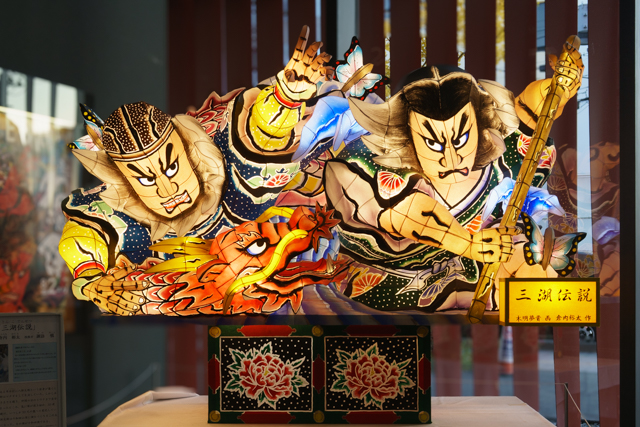
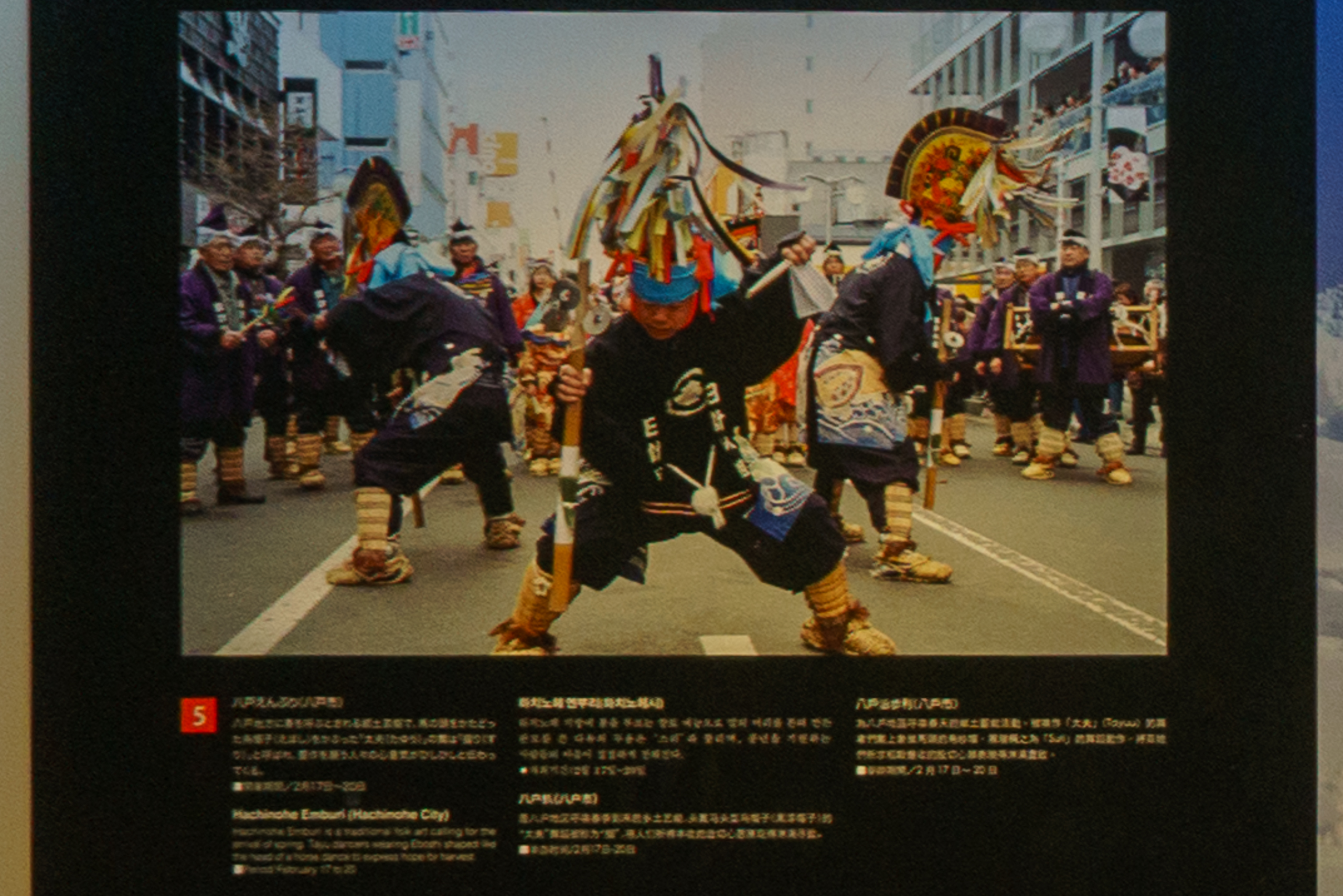
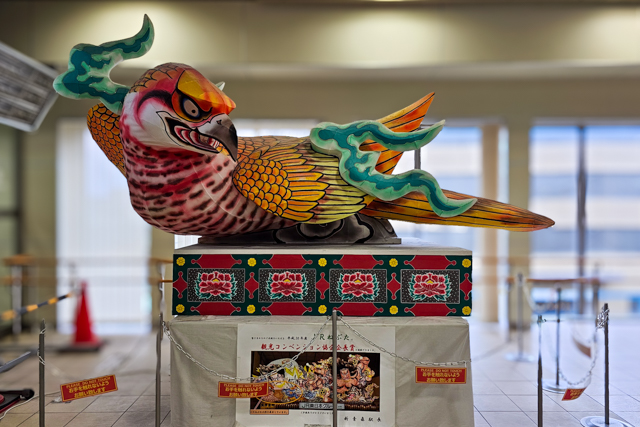
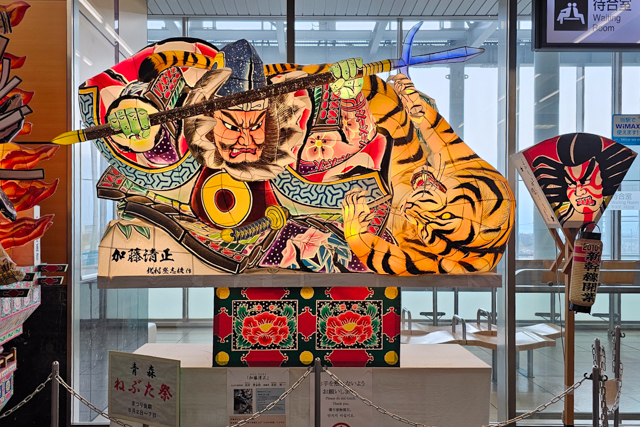
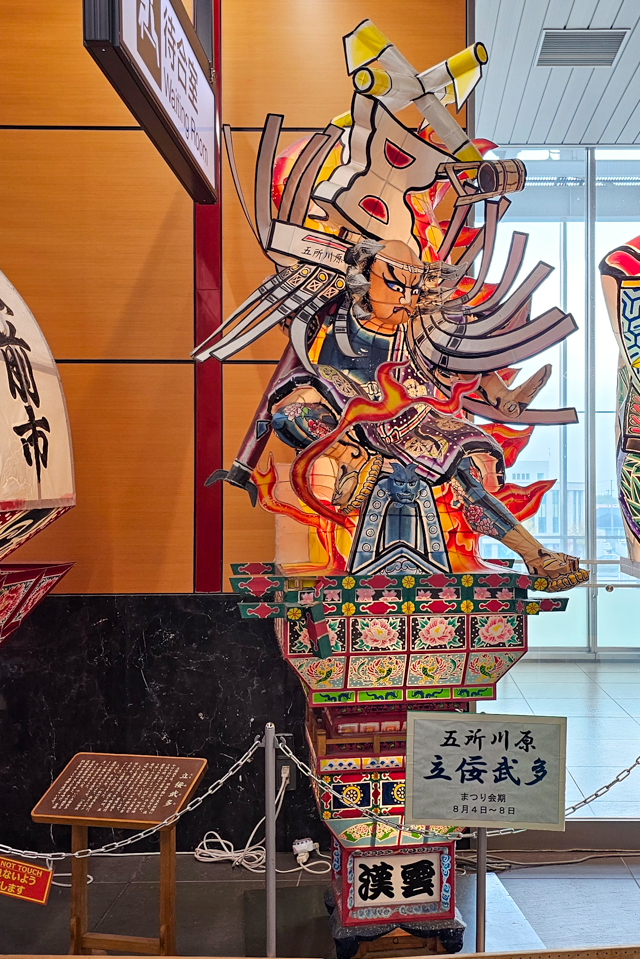
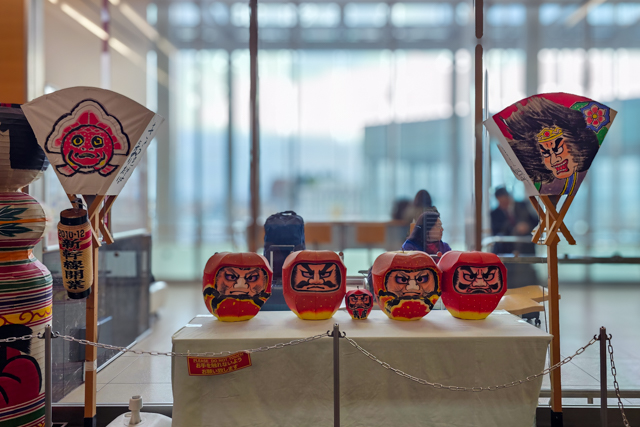
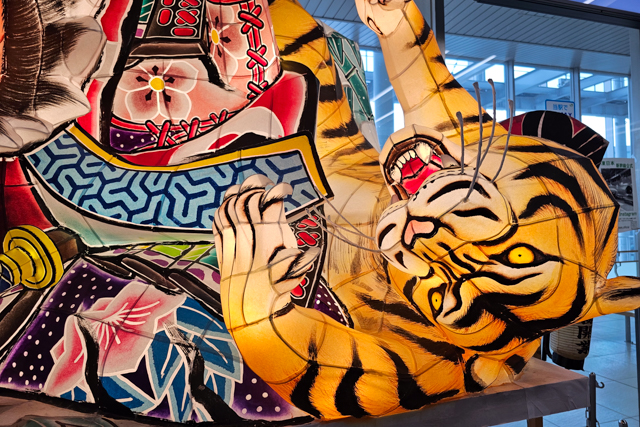
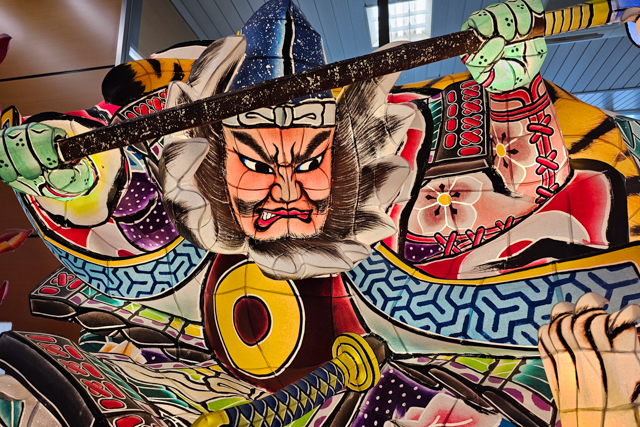
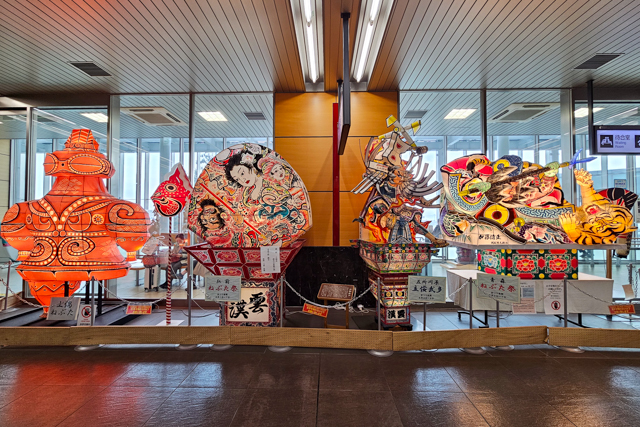
Opened in 2011, Nebuta Museum Wa Rasse presents the large-scale illuminated floats used in Aomori’s Nebuta Festival, displayed with close attention to construction detail and narrative design. The exhibition combines static display with sound and lighting, conveying both the scale and energy of the festival context.
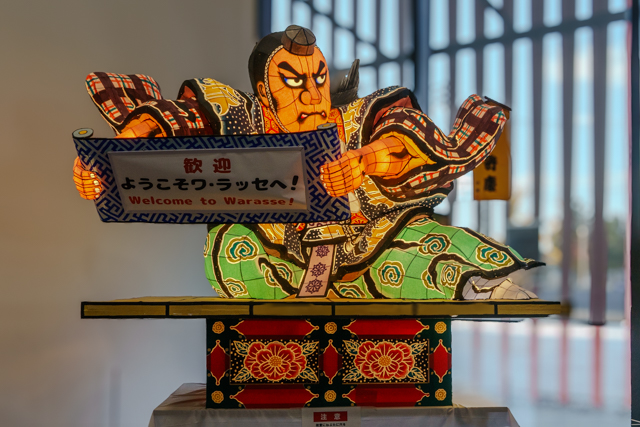
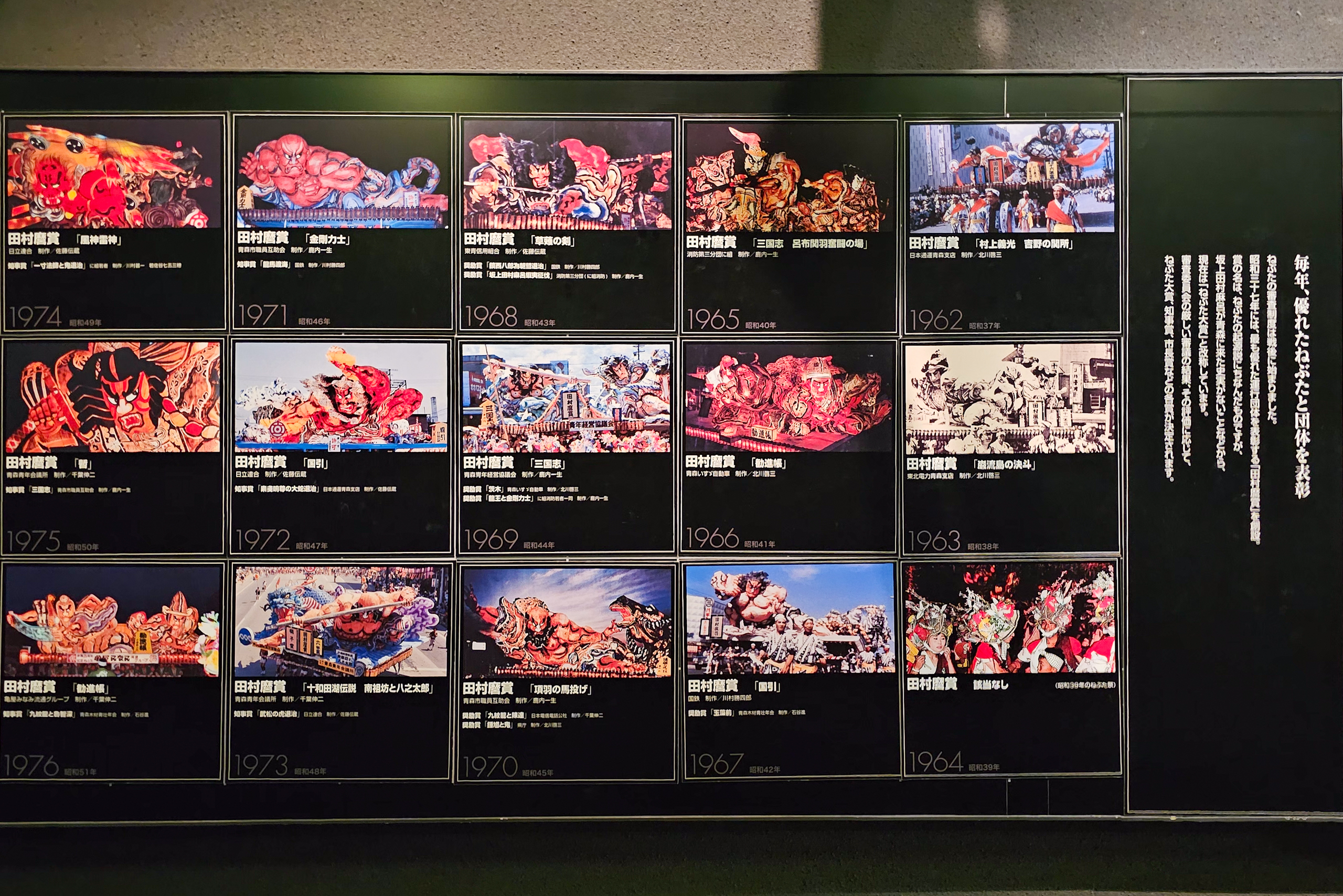
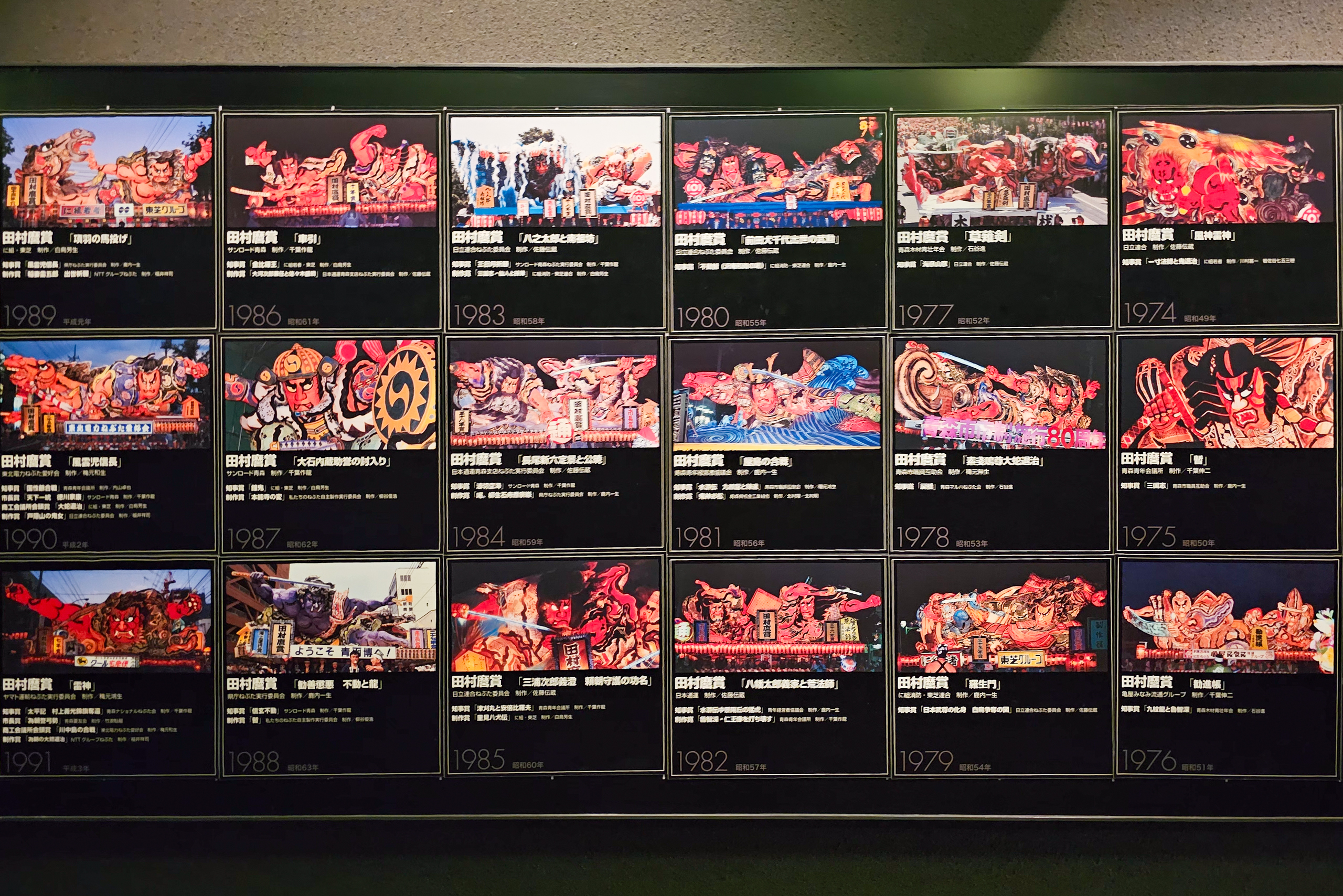
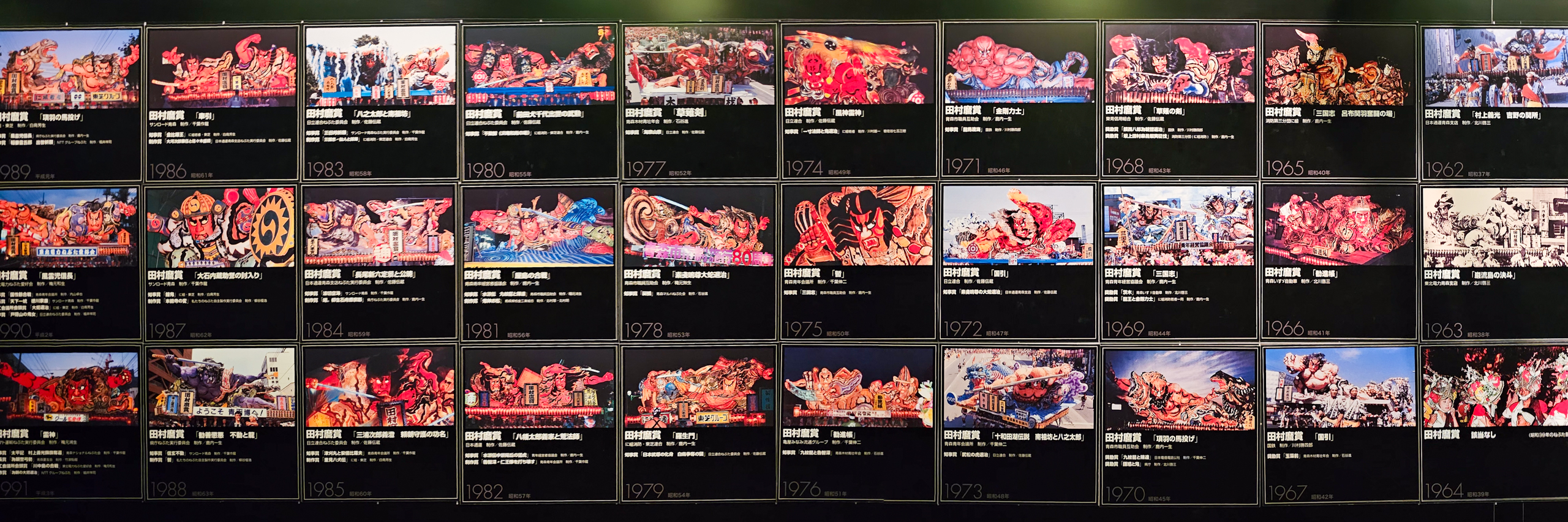
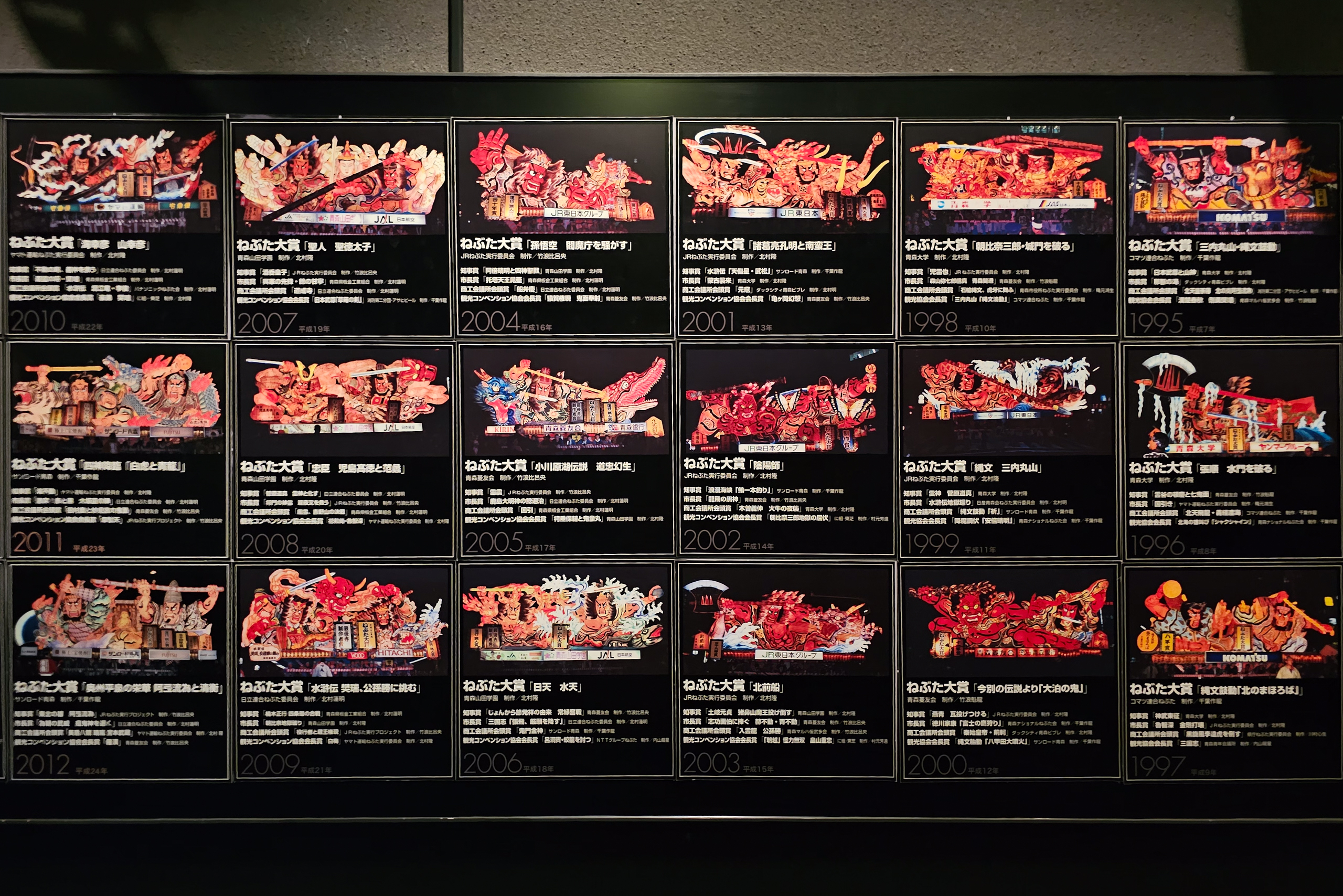
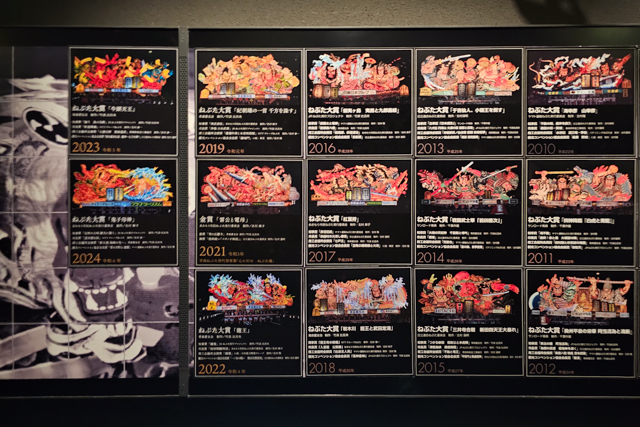
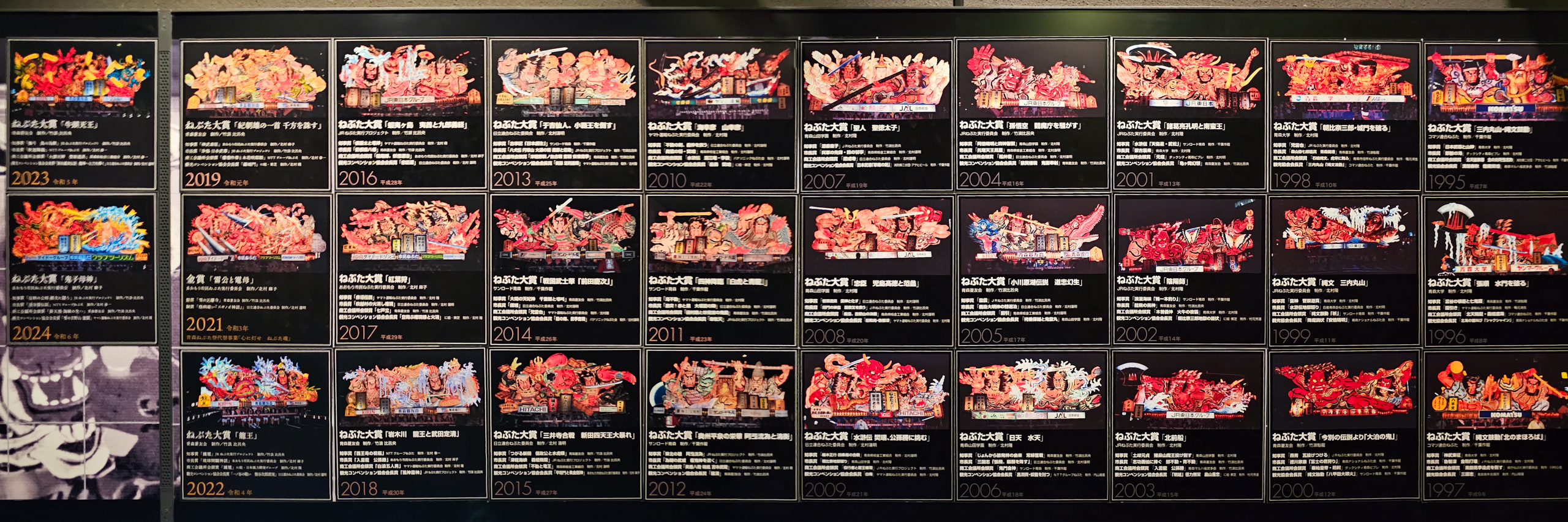
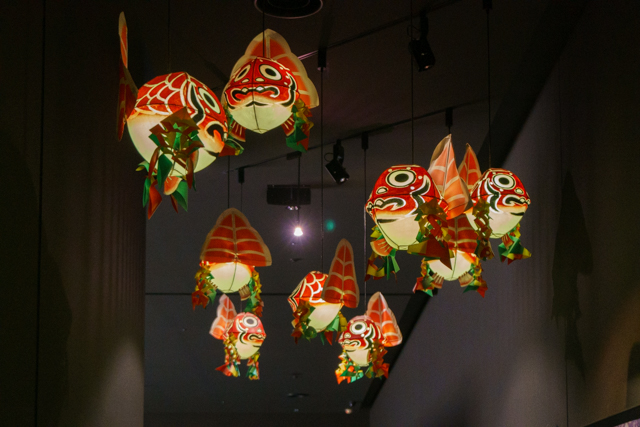
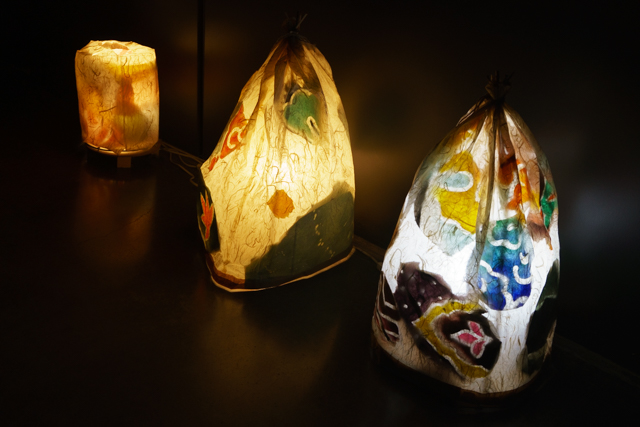
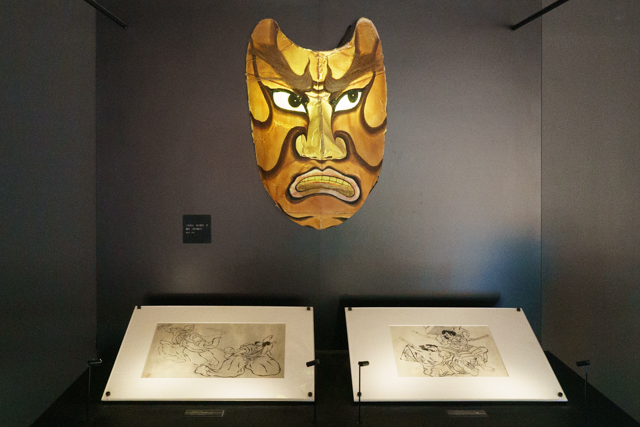
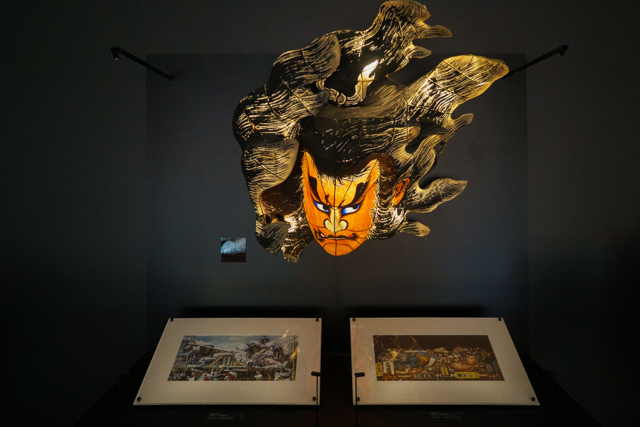
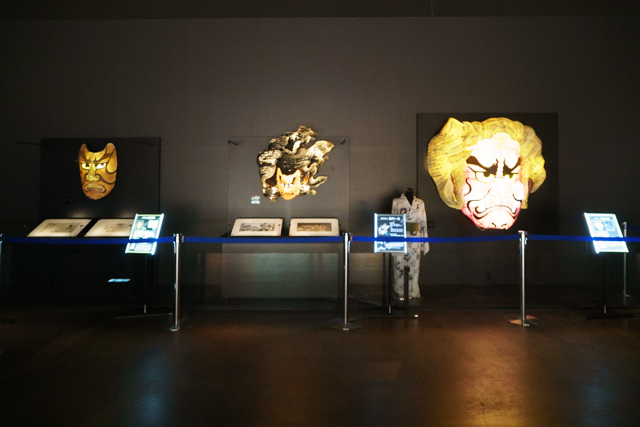
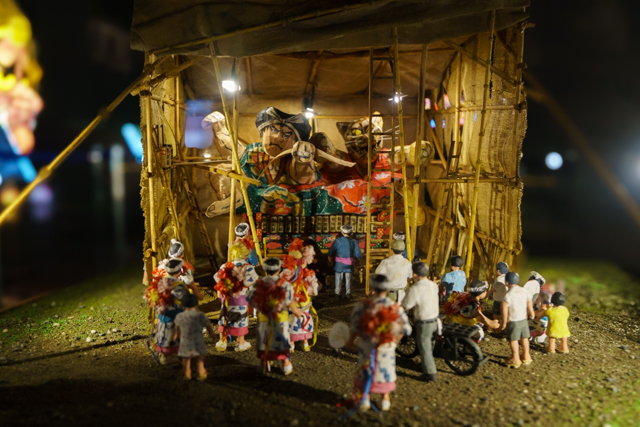
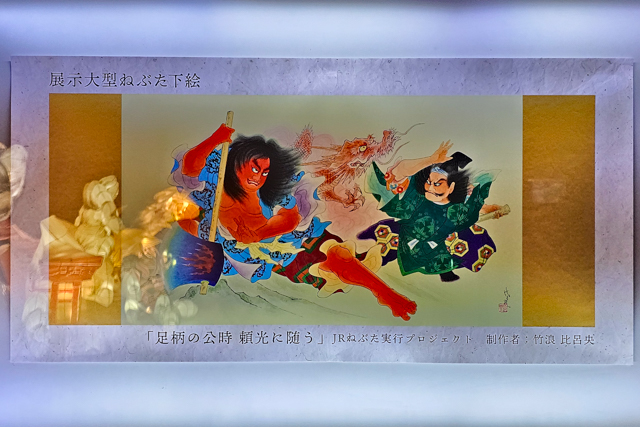
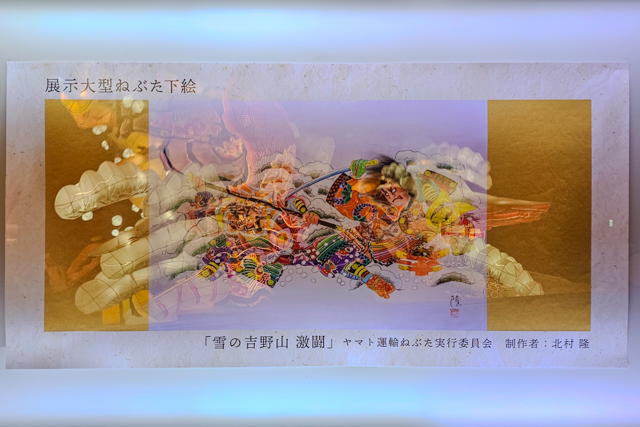
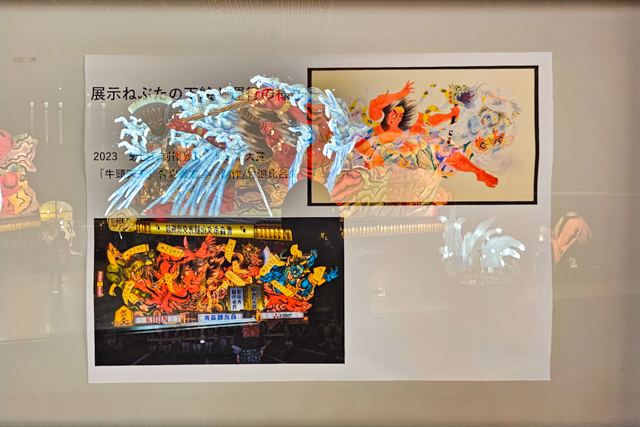
Yuki no Yishinoyama Gekito
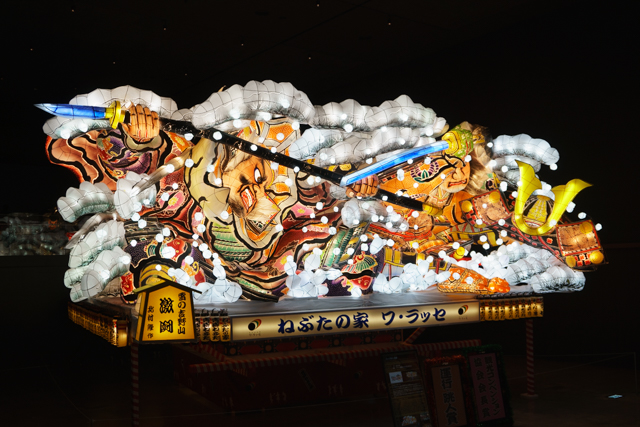
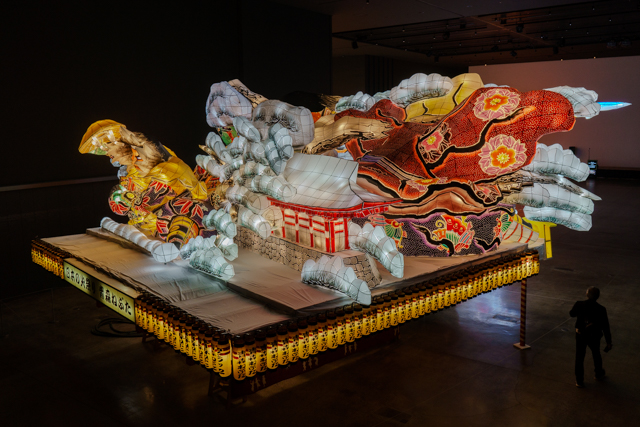
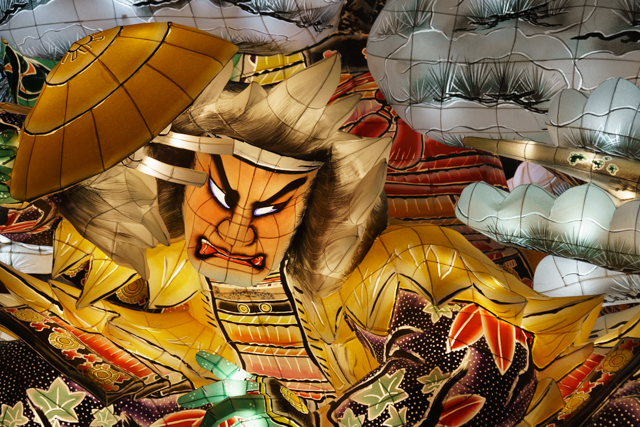
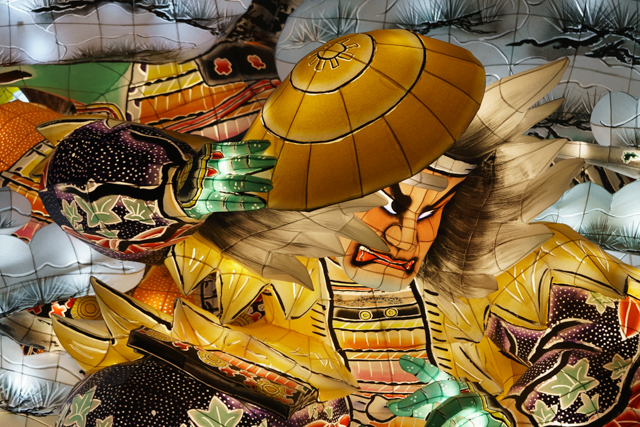
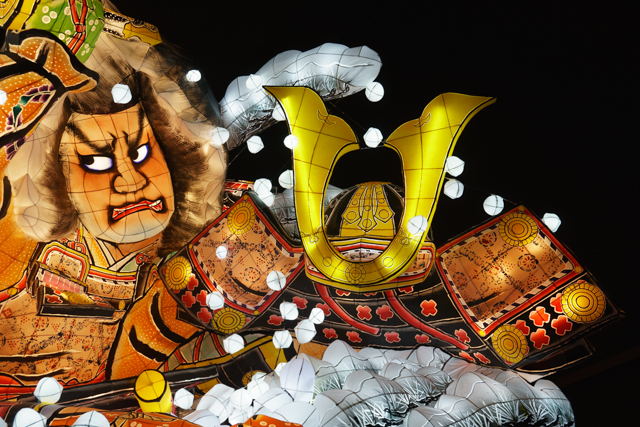
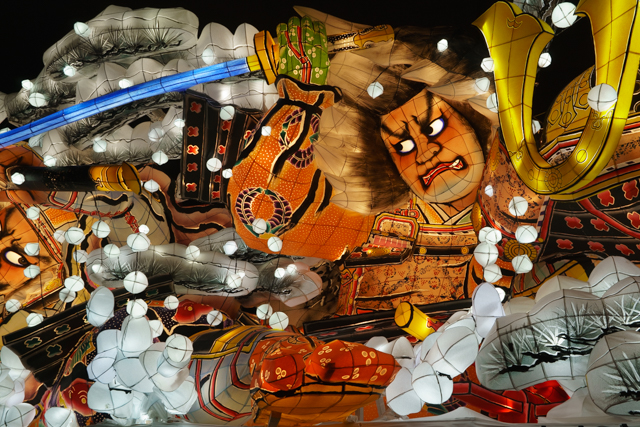
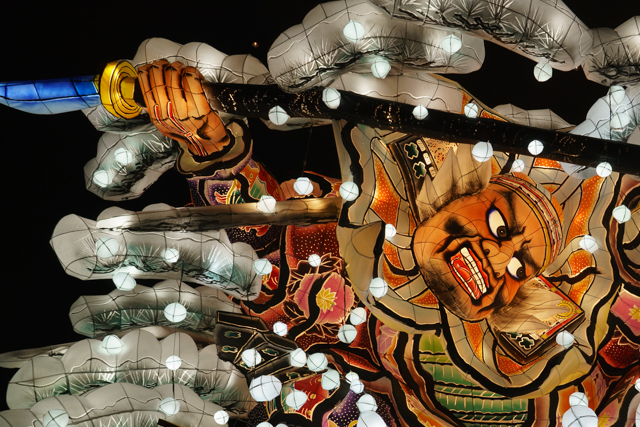
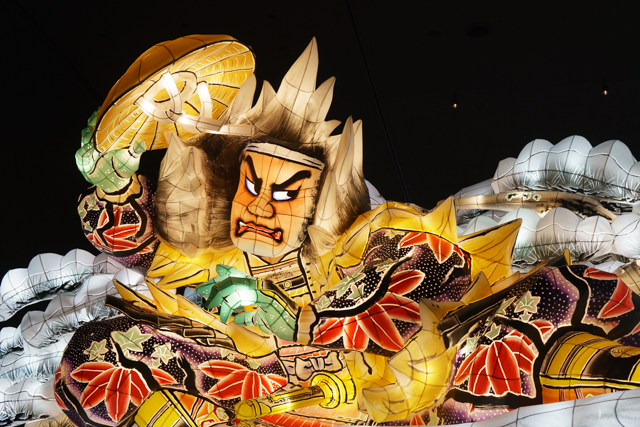
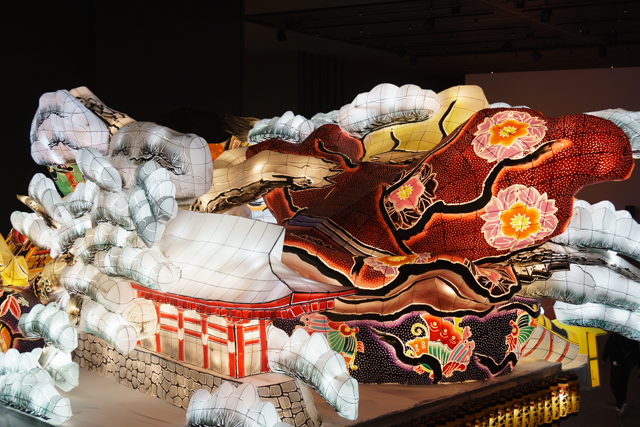
Ashigara no Kintoki Taikou ni Shitagau
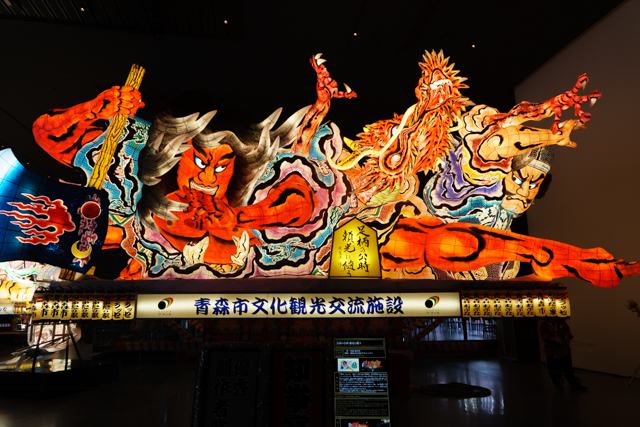
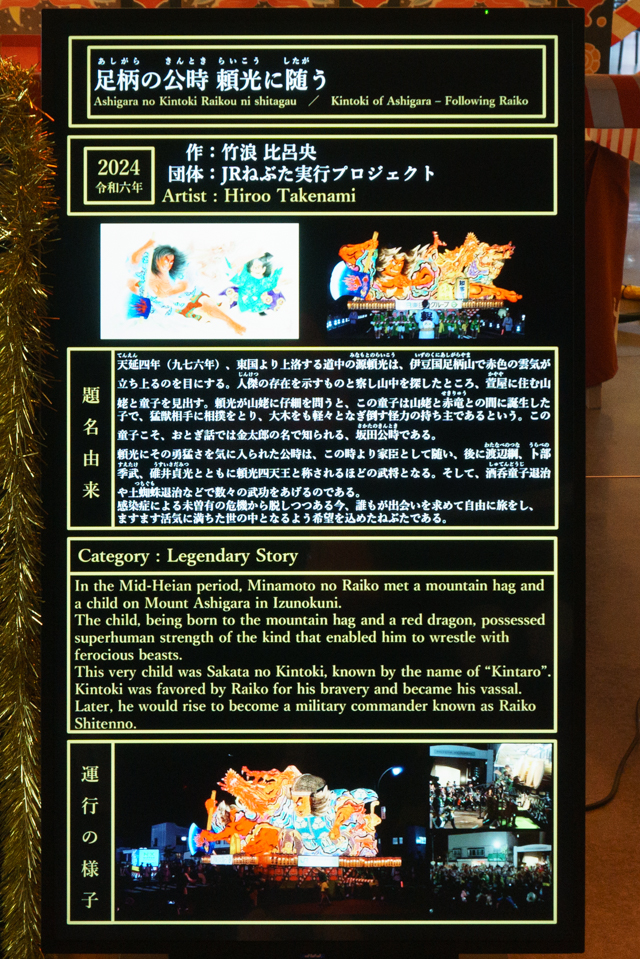
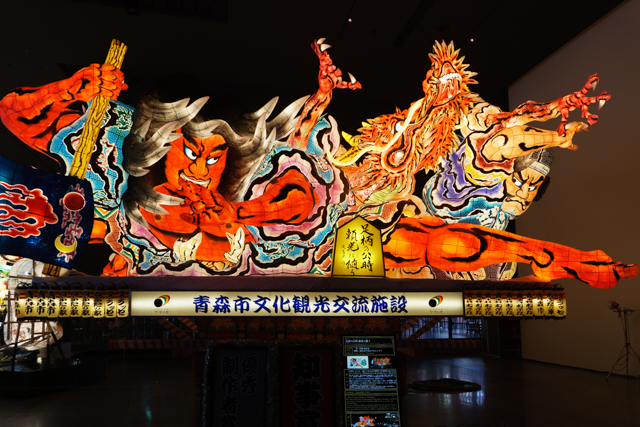
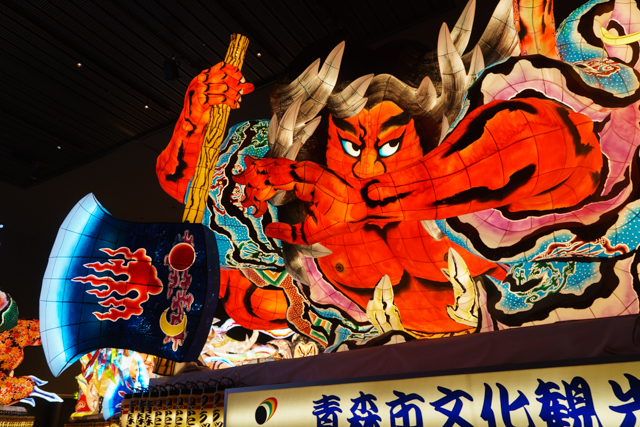
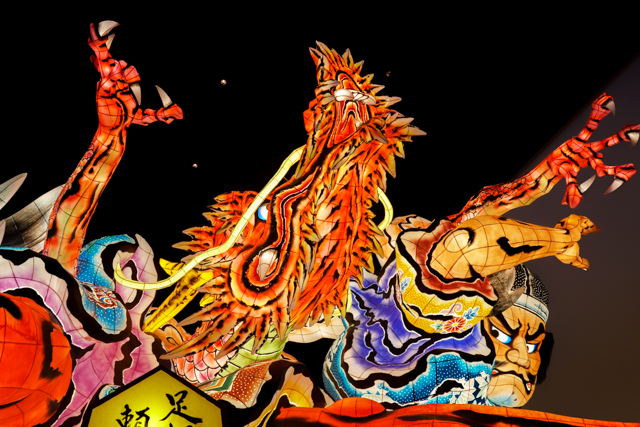
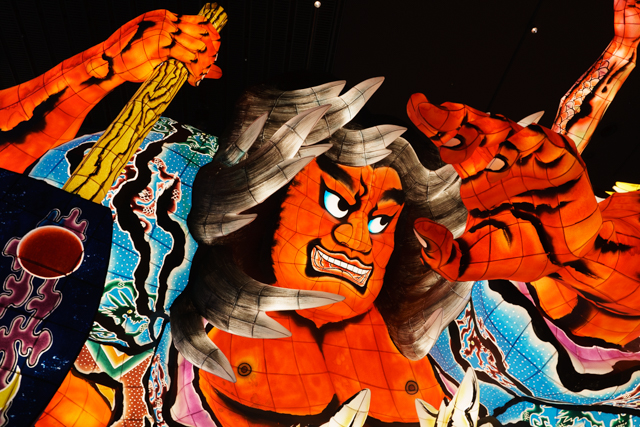
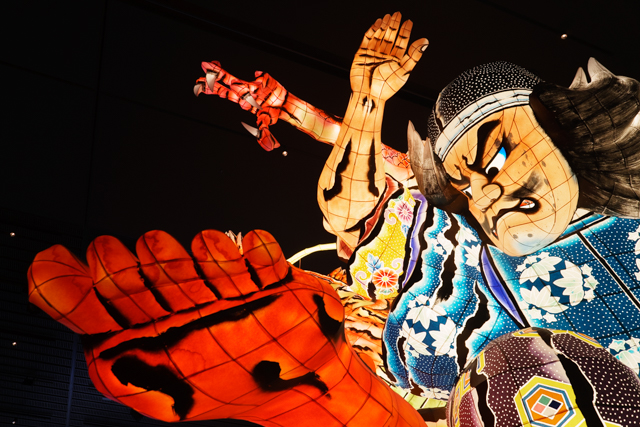
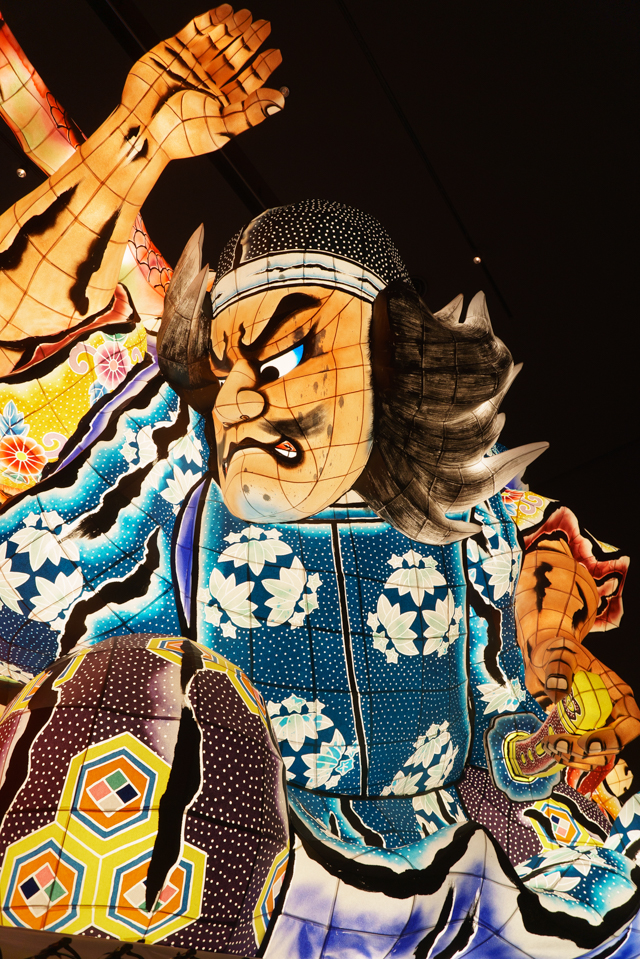
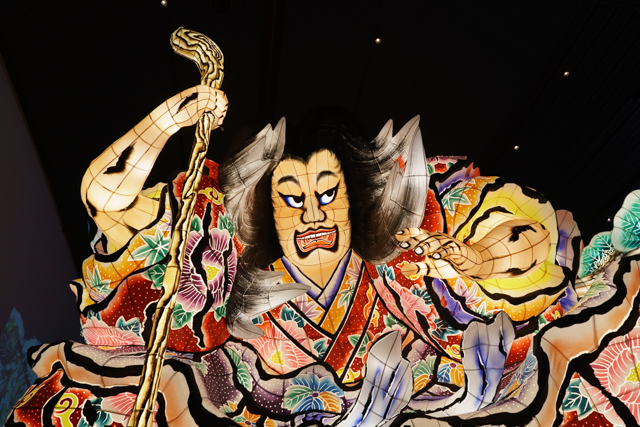
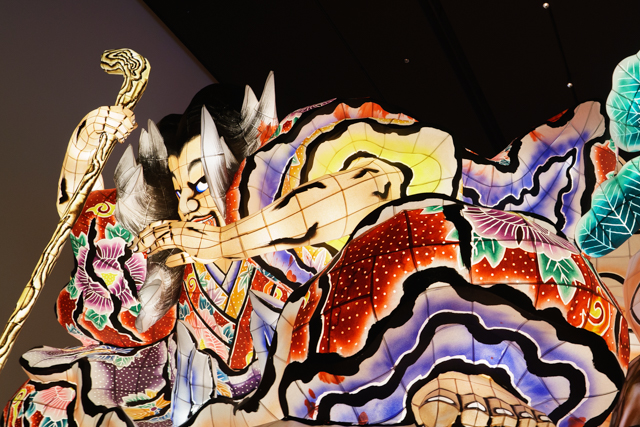
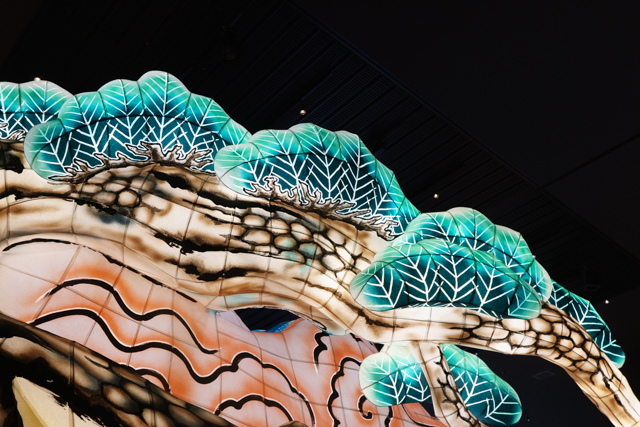
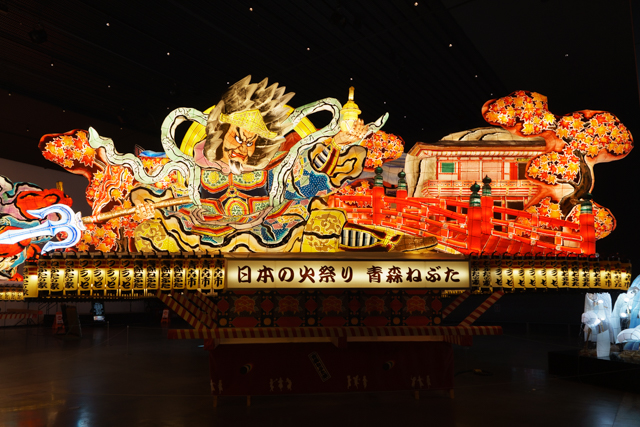
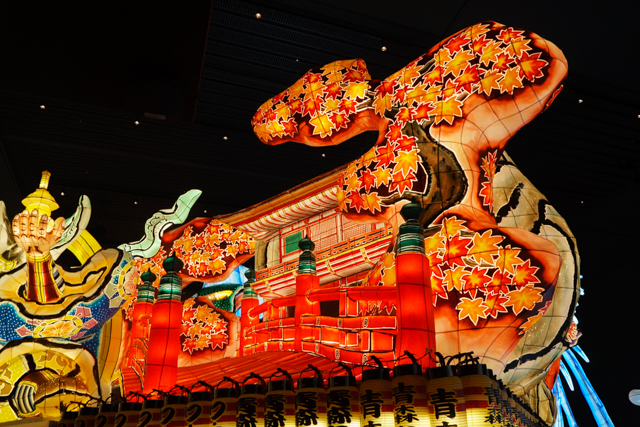
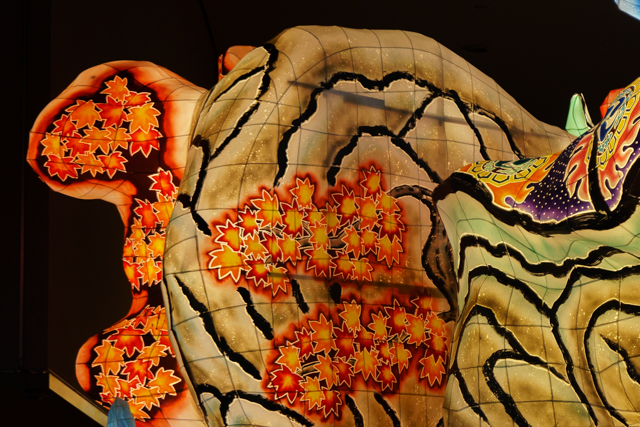
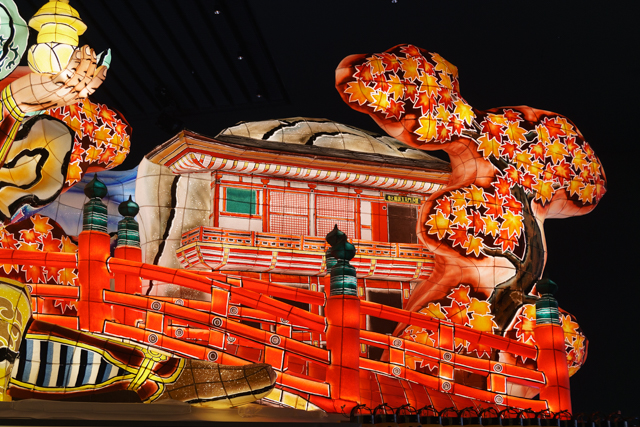
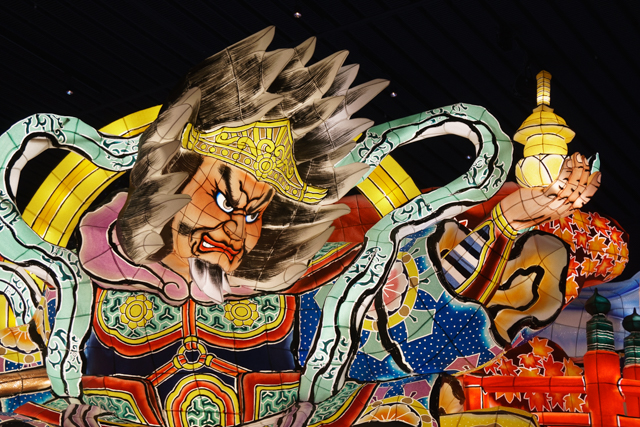
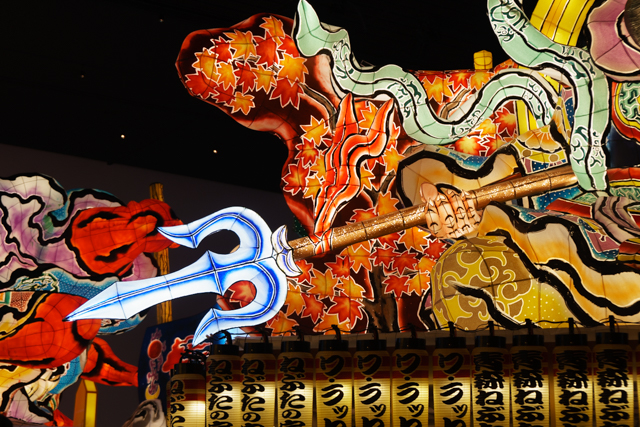
Takkoku no Iwaya Densetsu
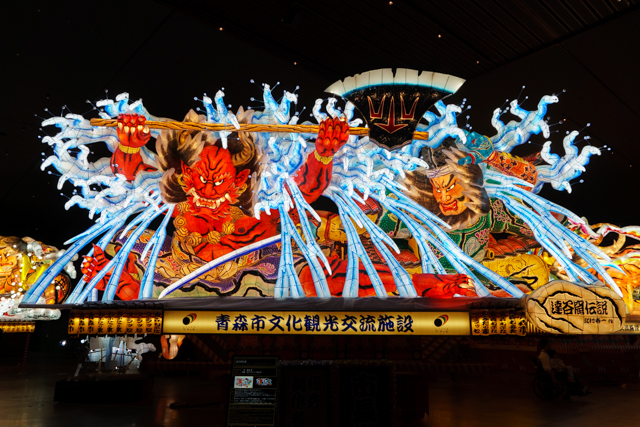
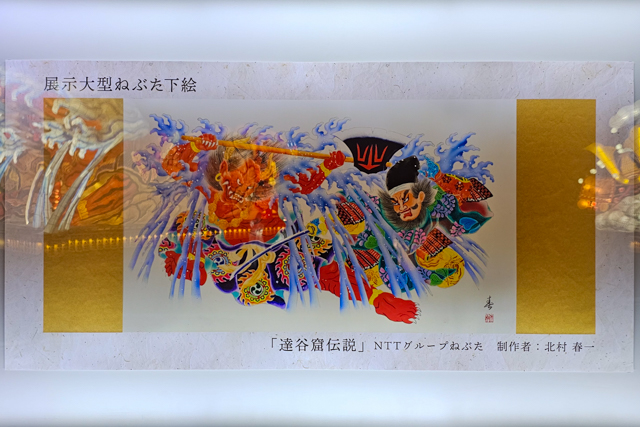
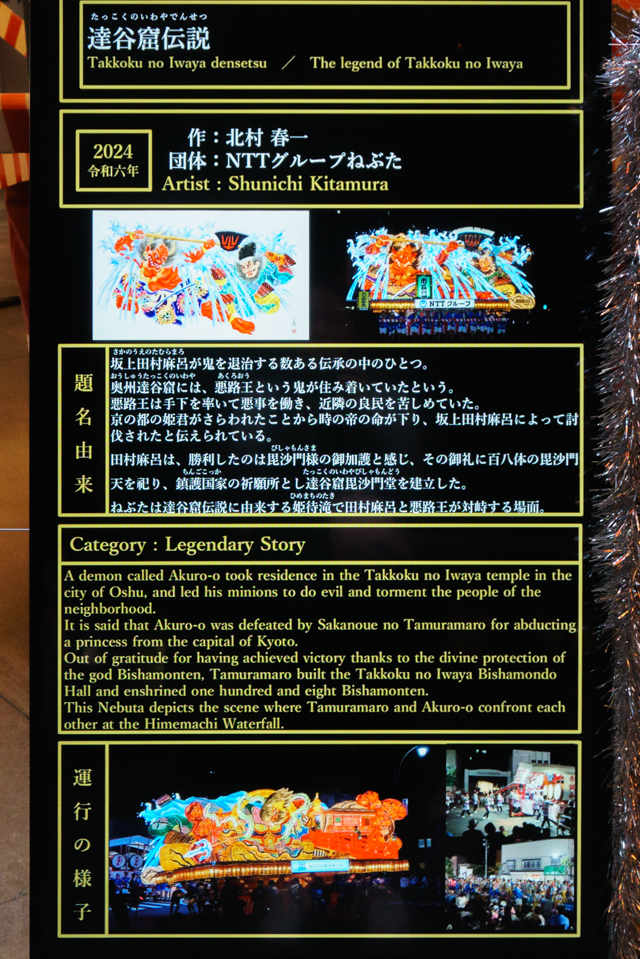

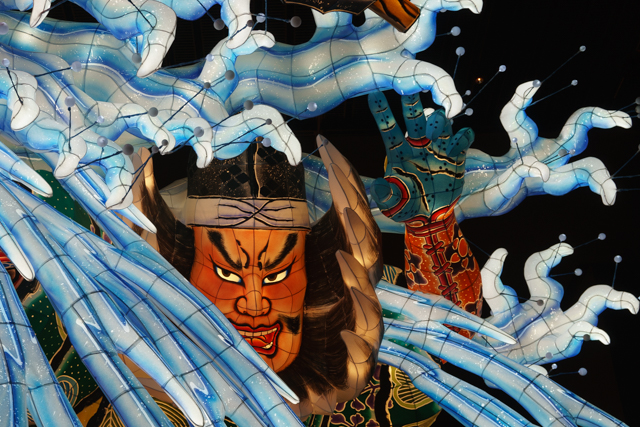
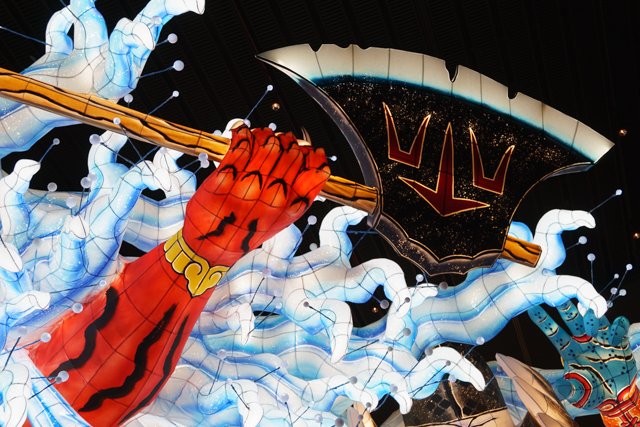

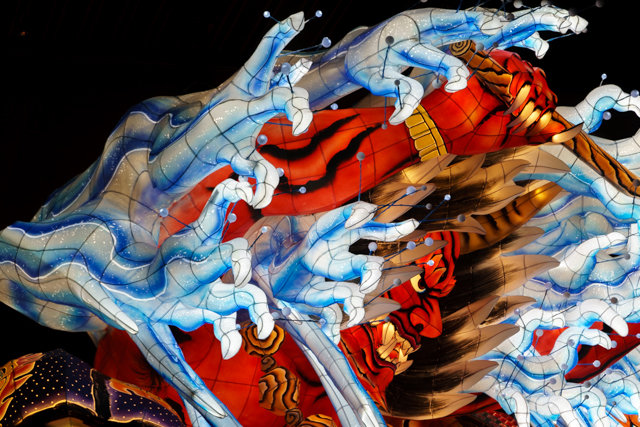
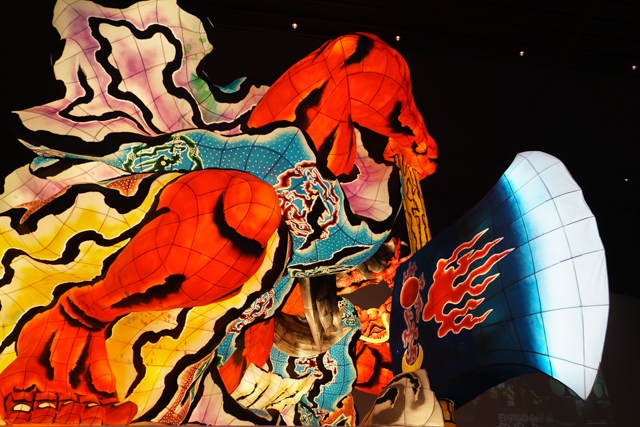
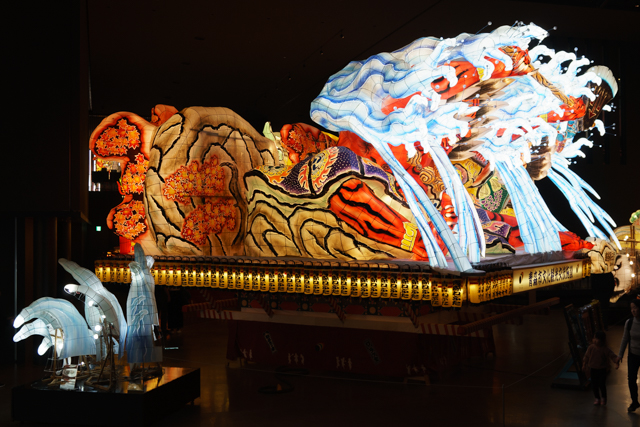
Bokuroku Daio Yojutsu O Tsukau
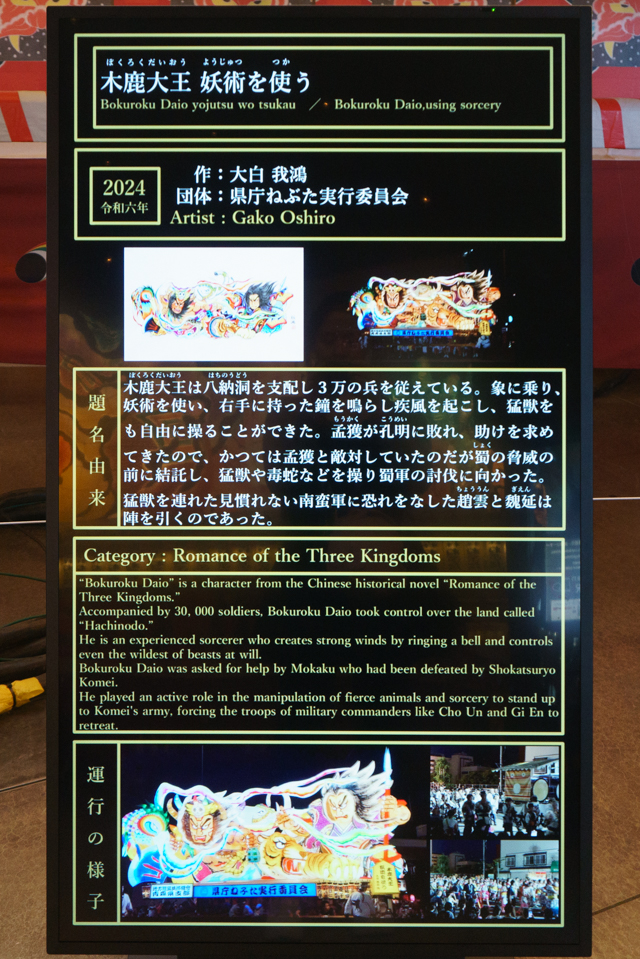
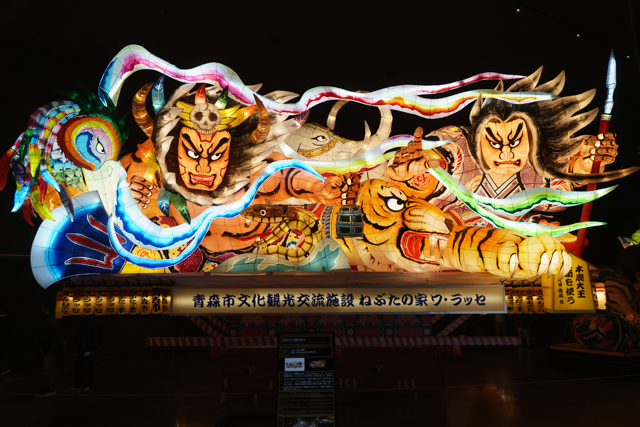

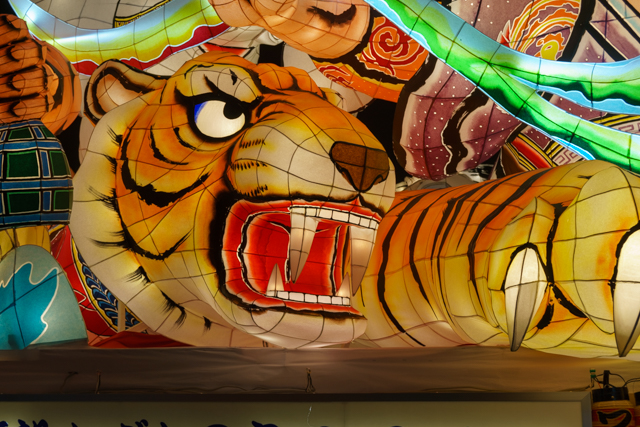
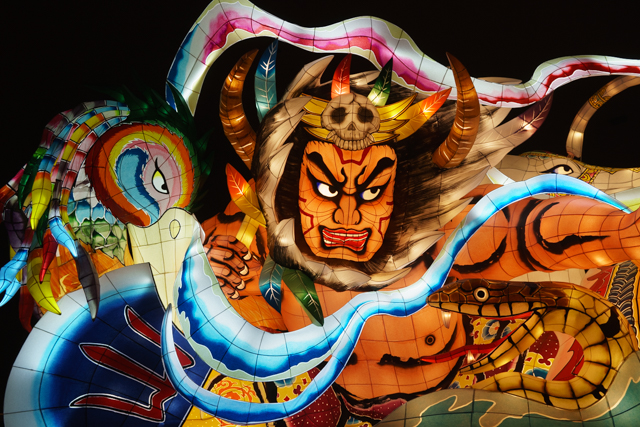
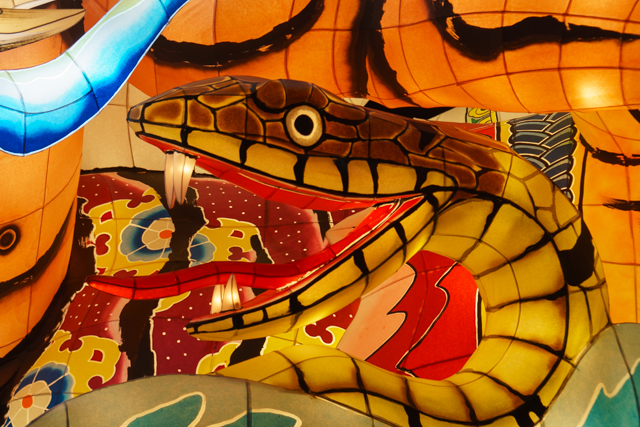
Float
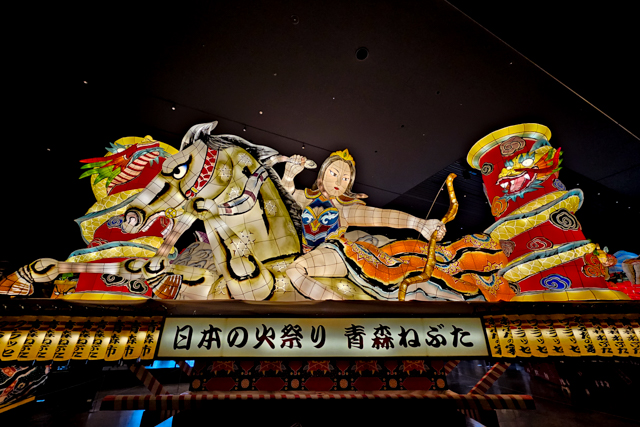

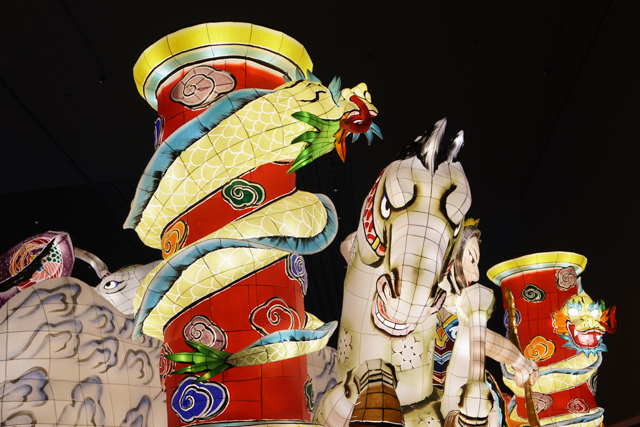
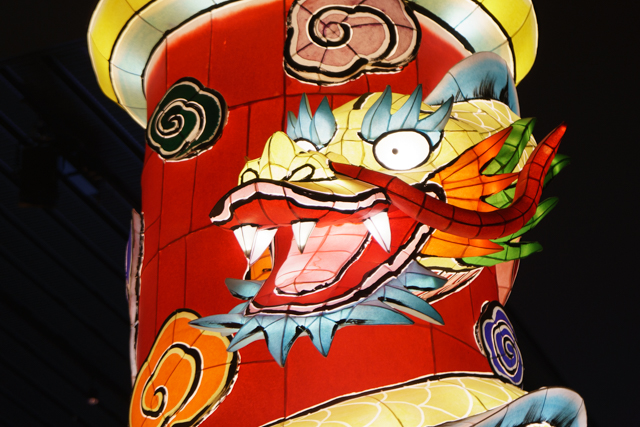
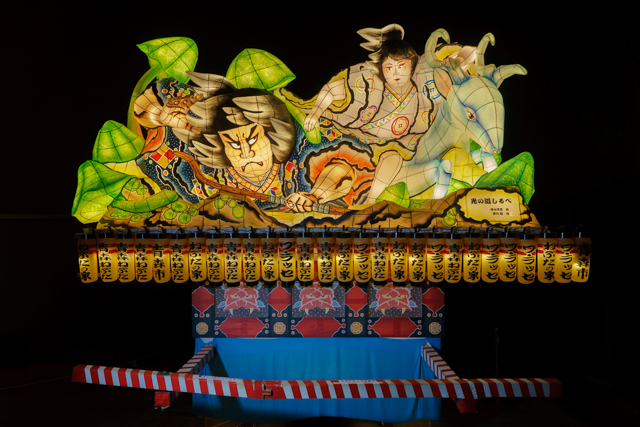

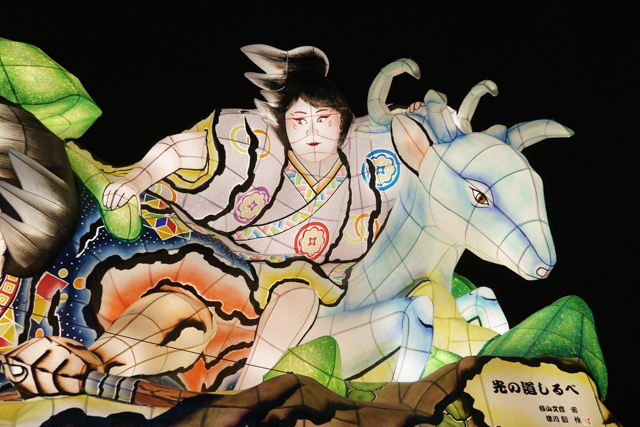
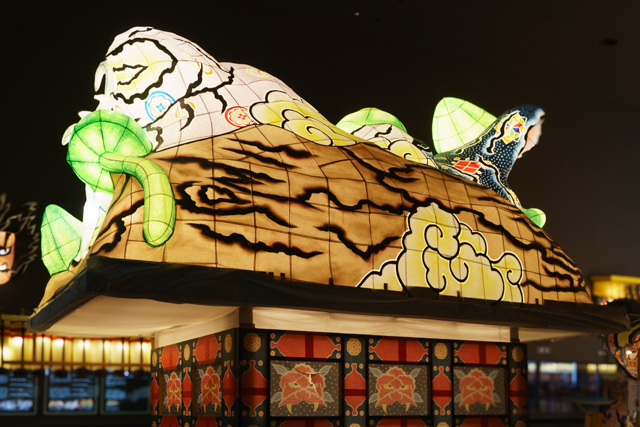
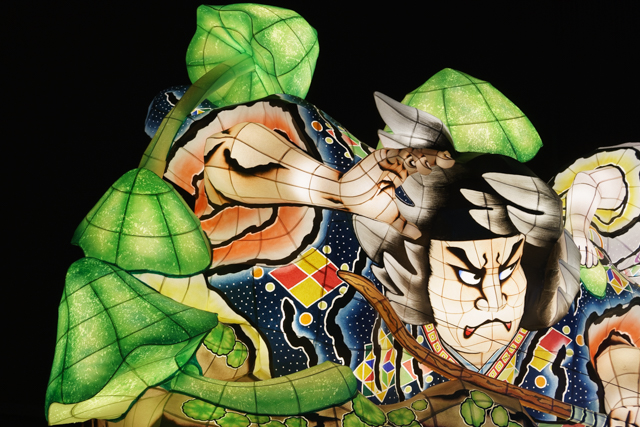
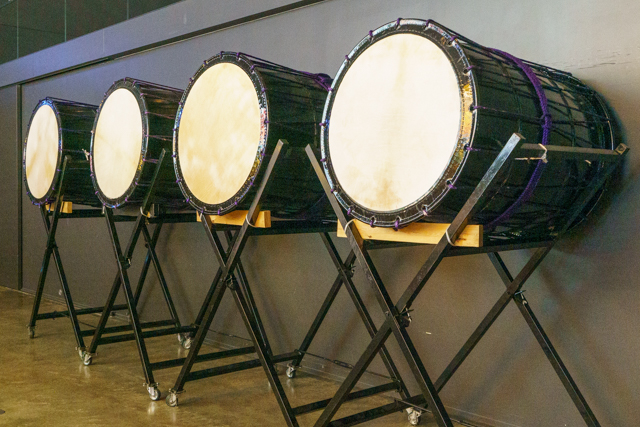
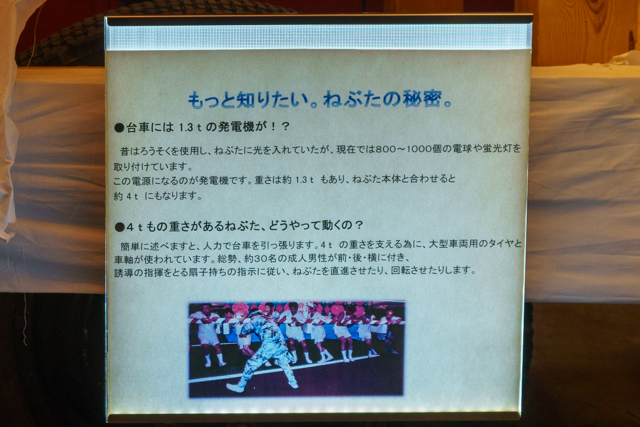
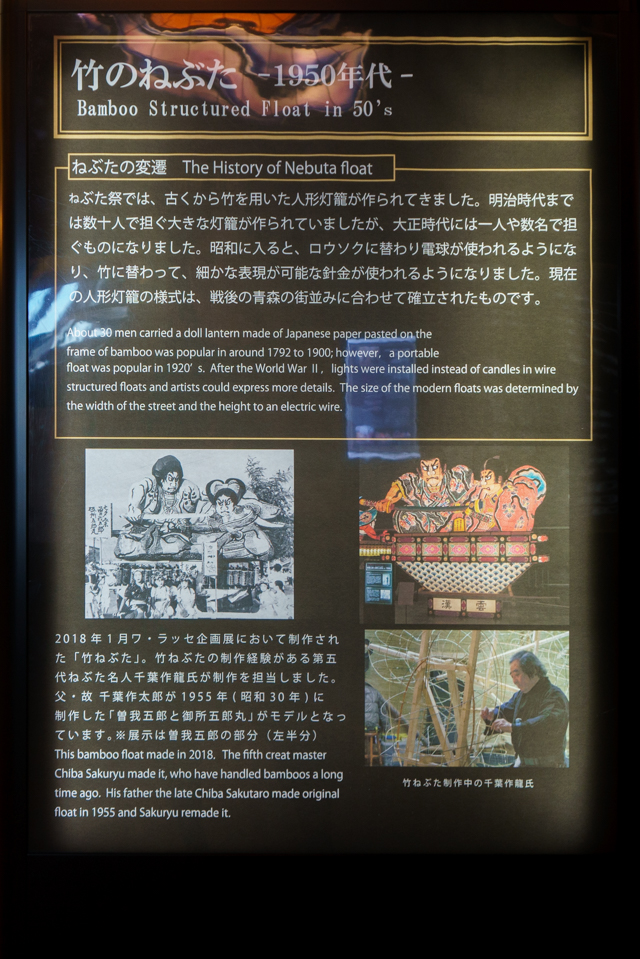
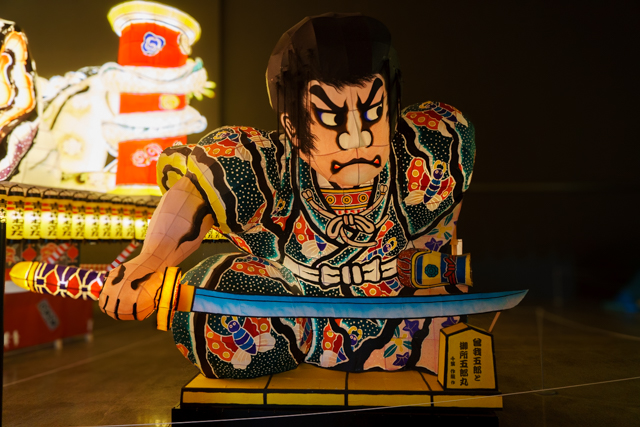
Bamboo Structured Float in 50s
Masks
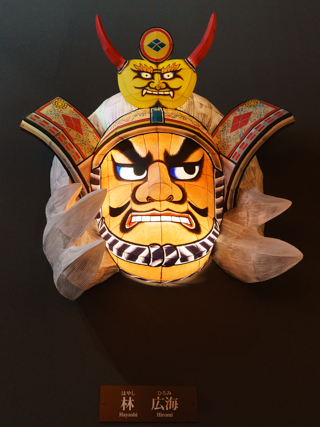
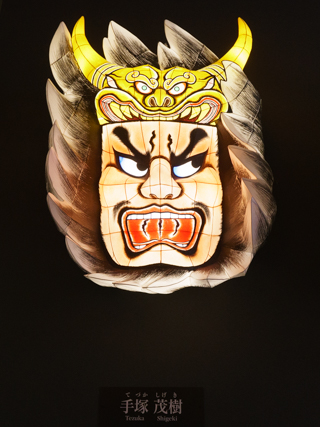
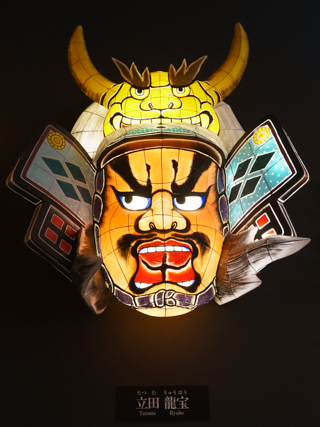
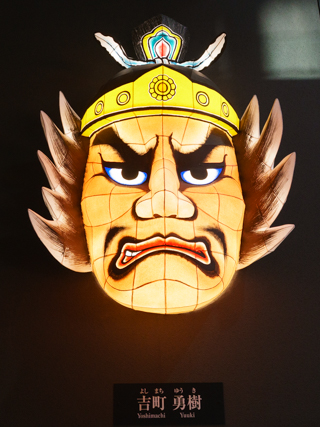

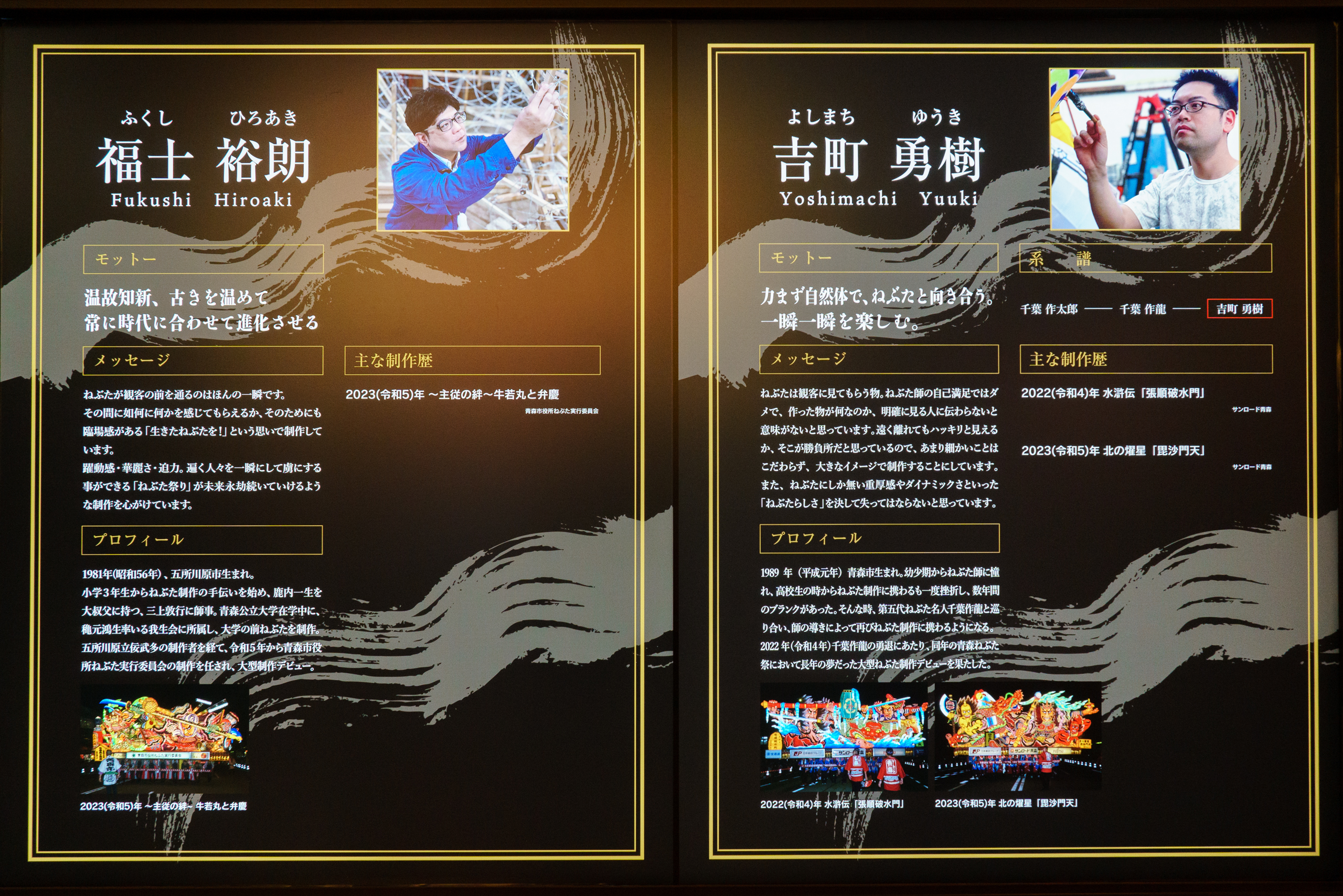
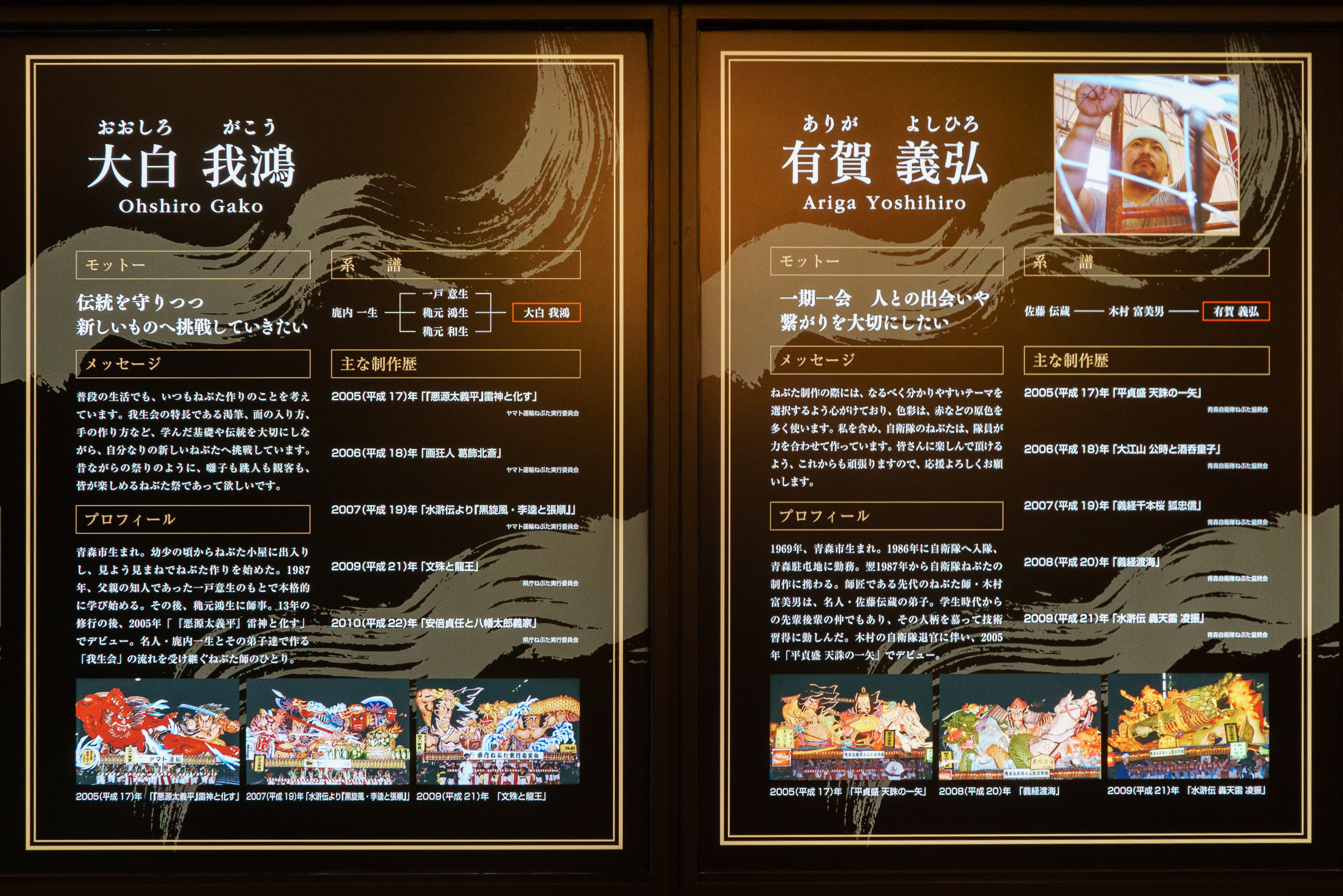
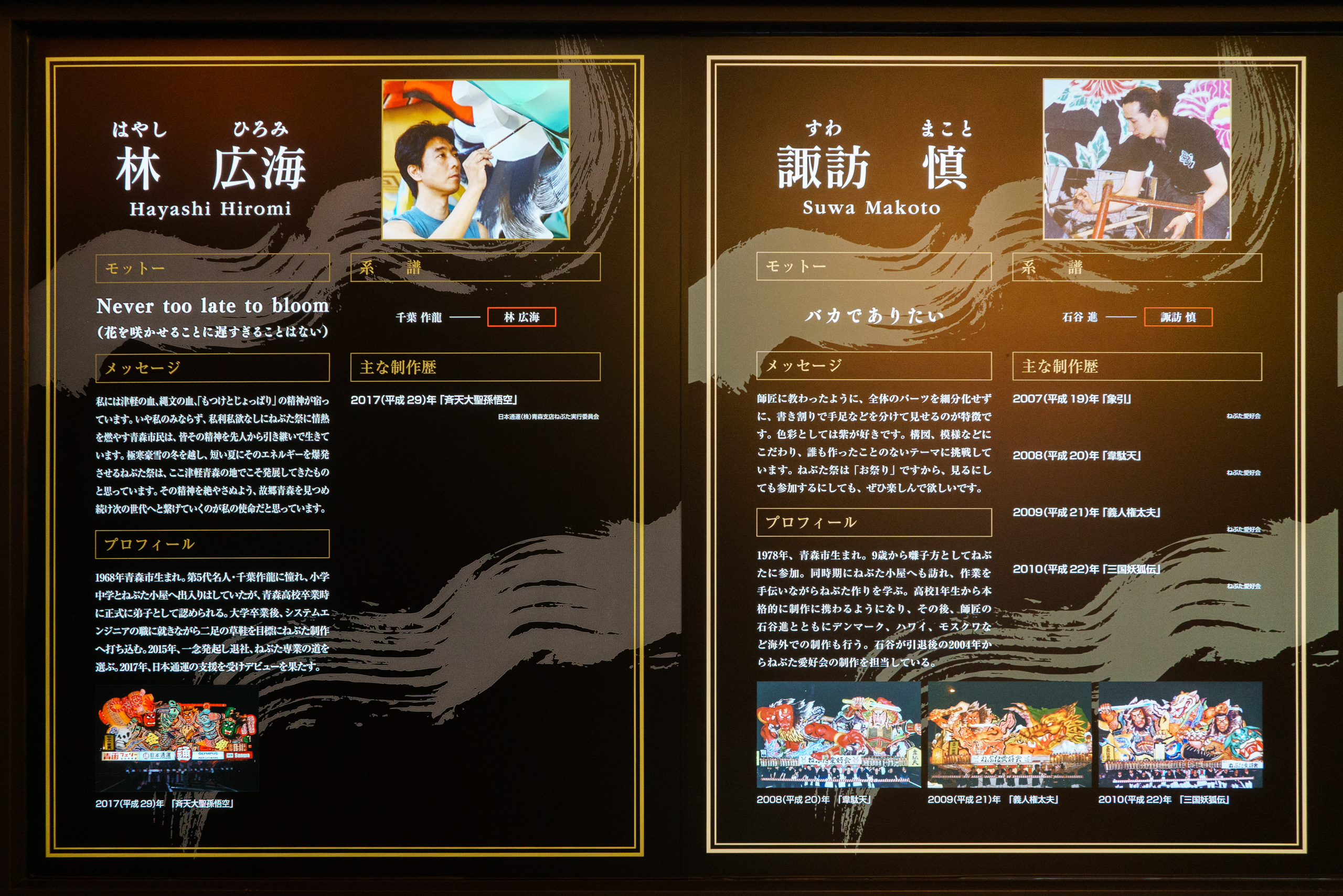
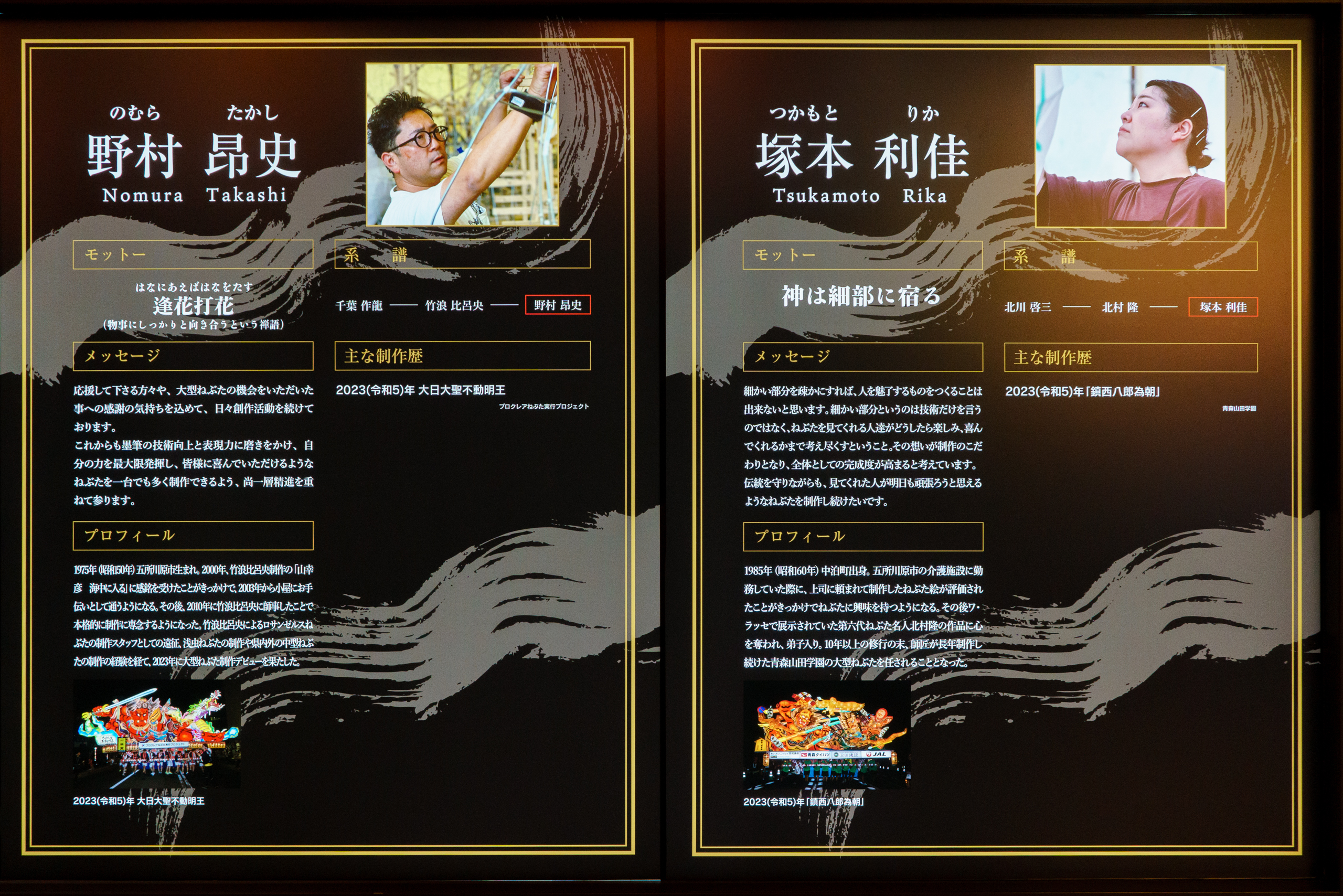
Gift Shop
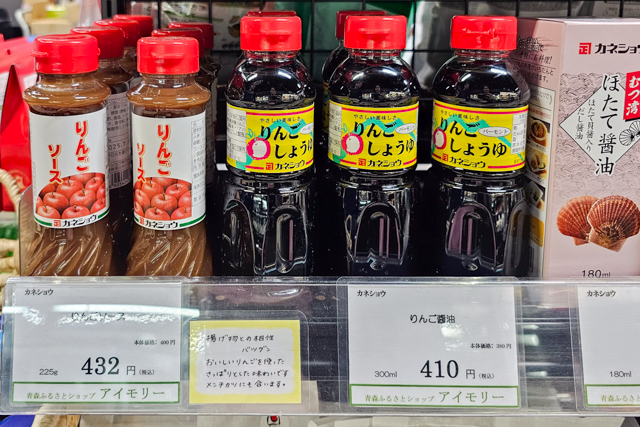
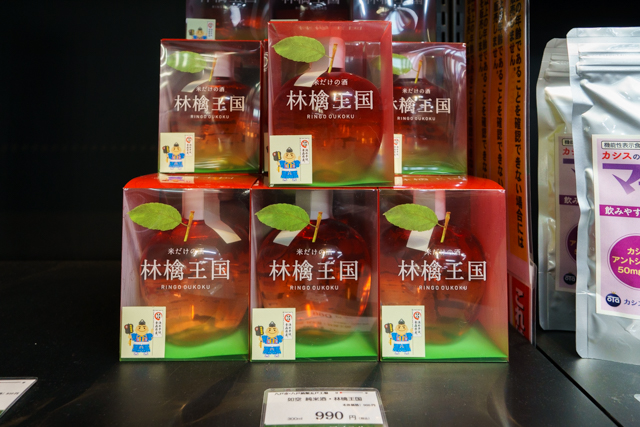
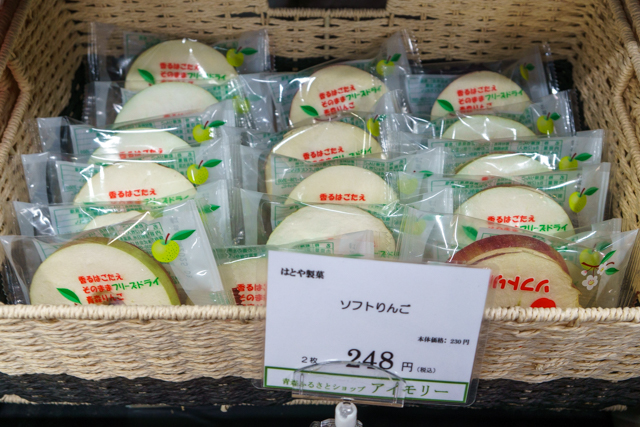
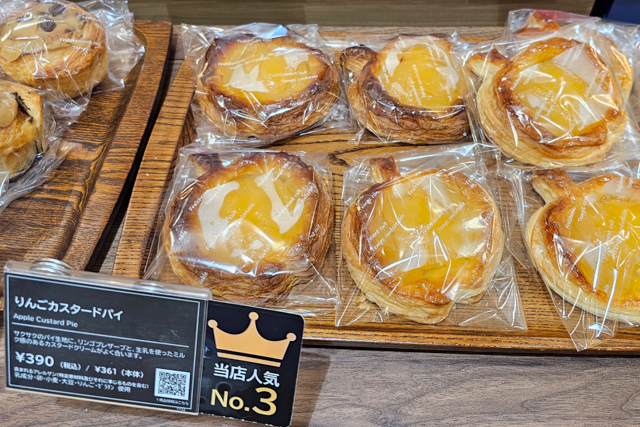
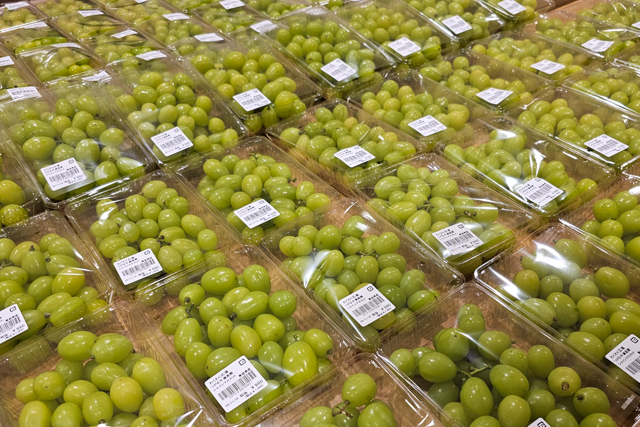
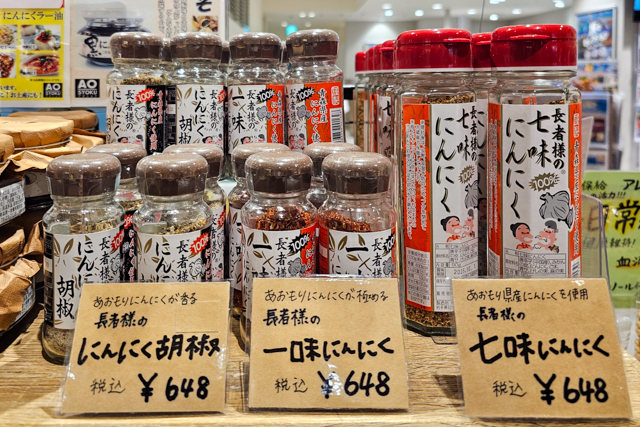
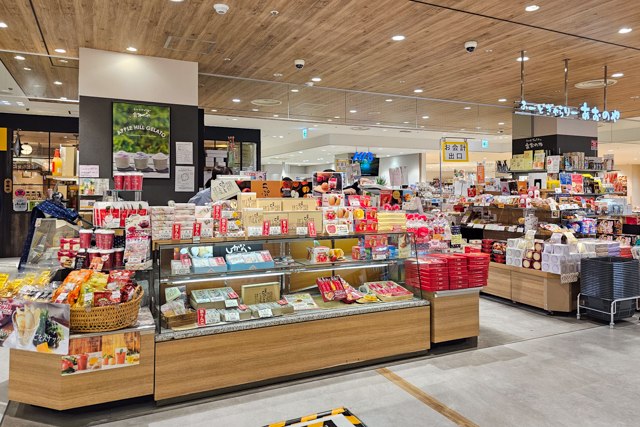
Osanai
1 Chome−1−17, Shinmachi, Aomori 030-0801, Japan
Review: Osanai, Aomori
Review: Osanai, Aomori
ASPAM Building
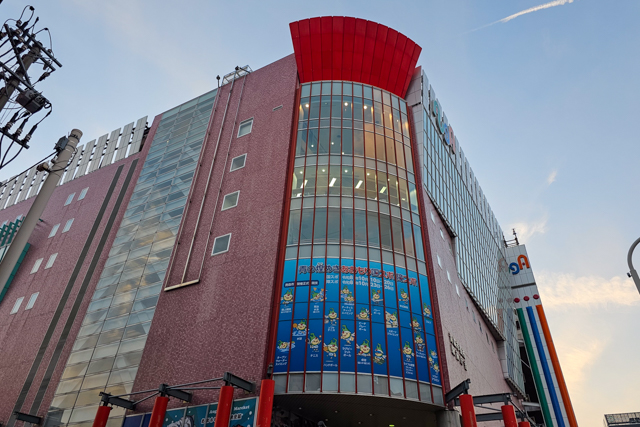
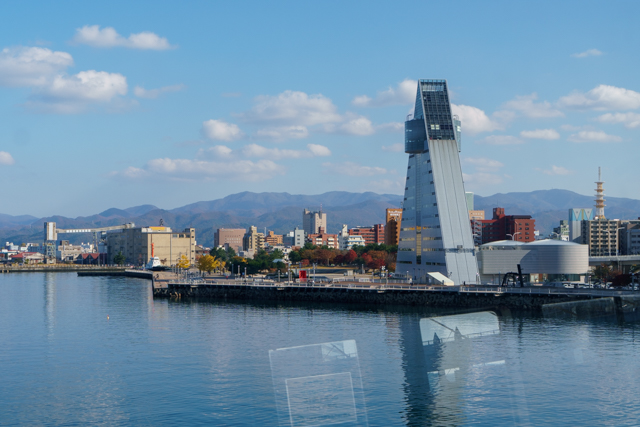
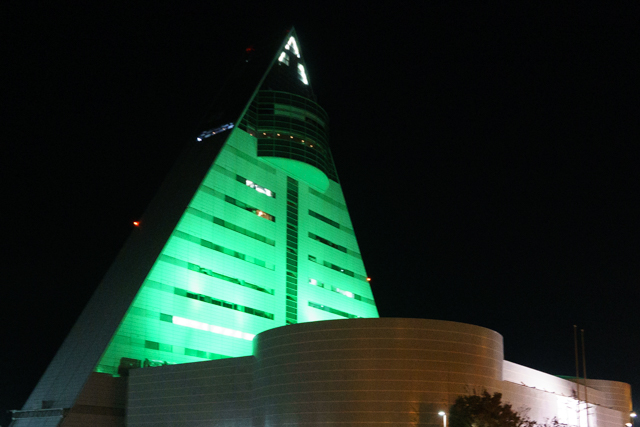
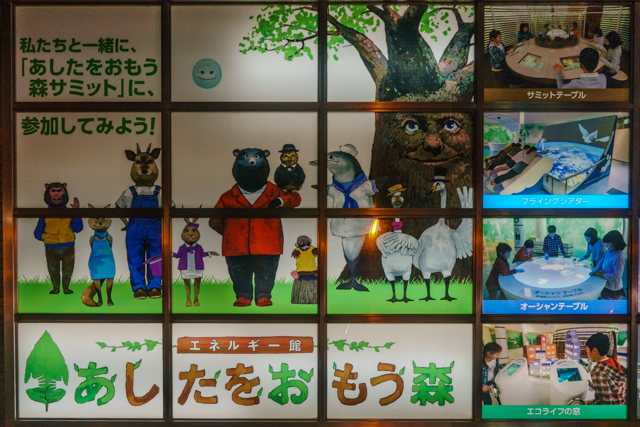
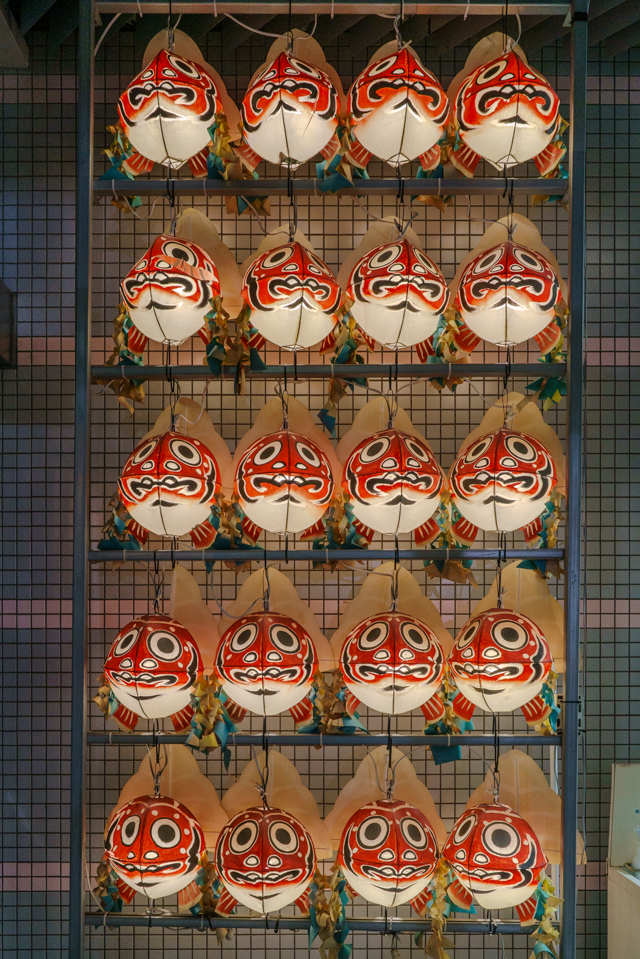
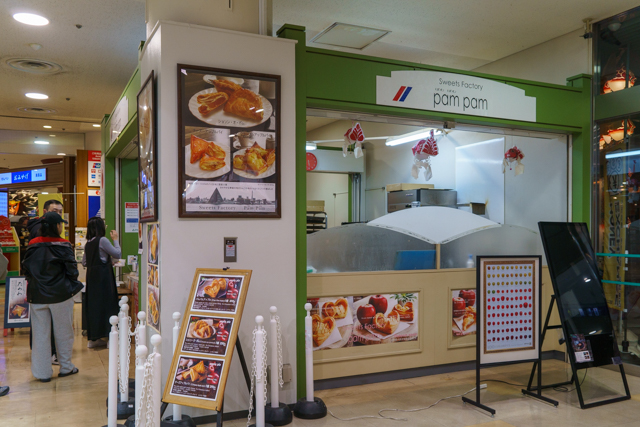
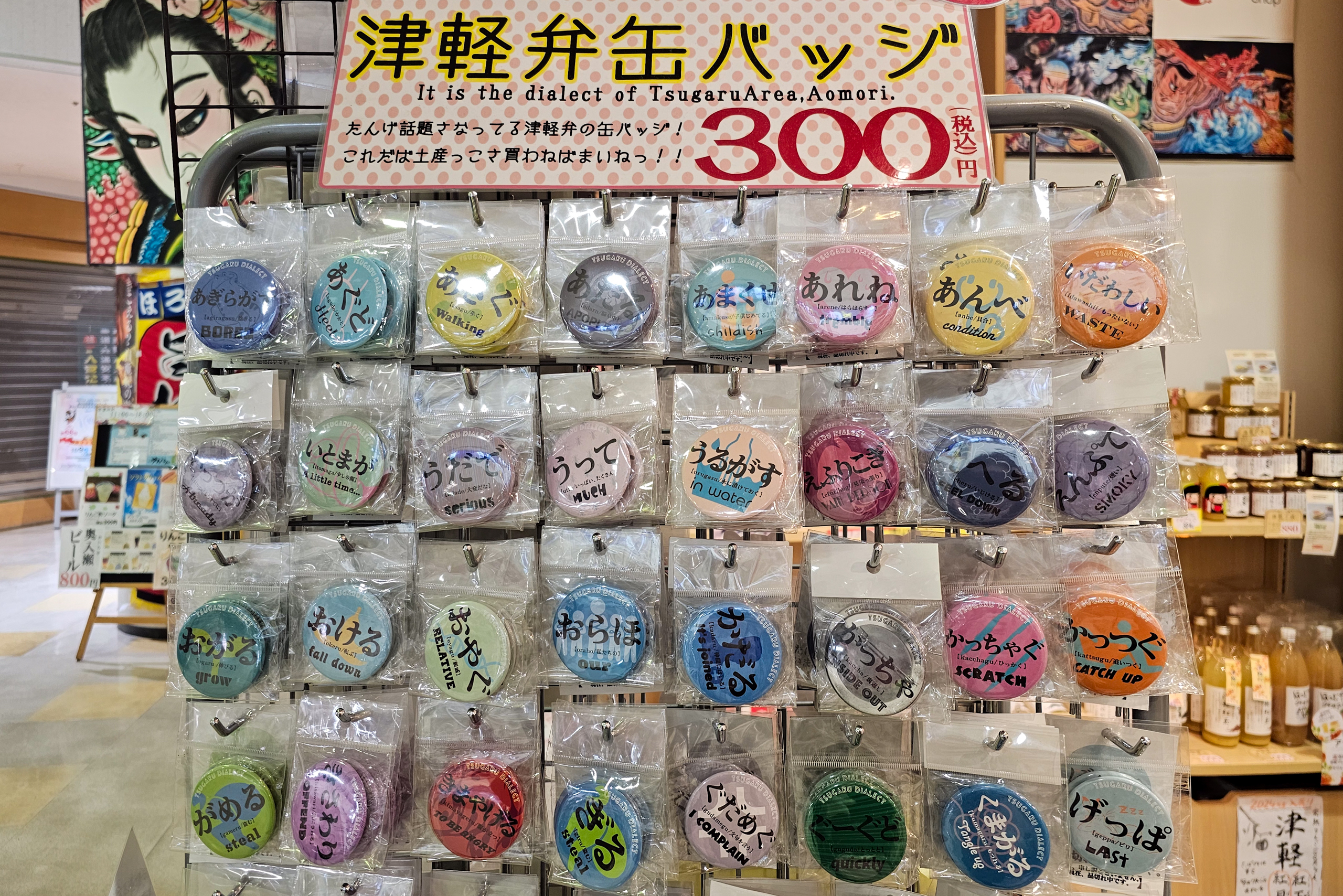
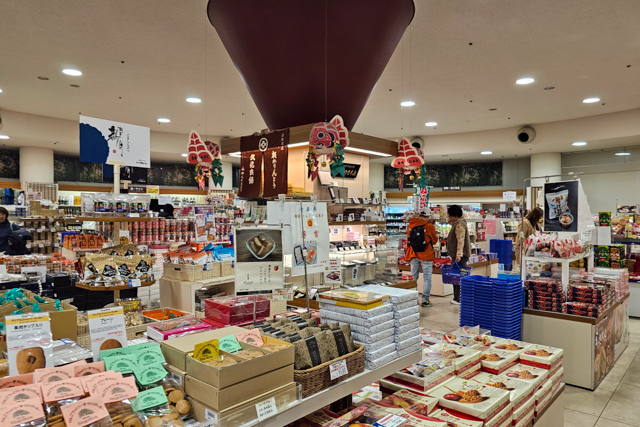
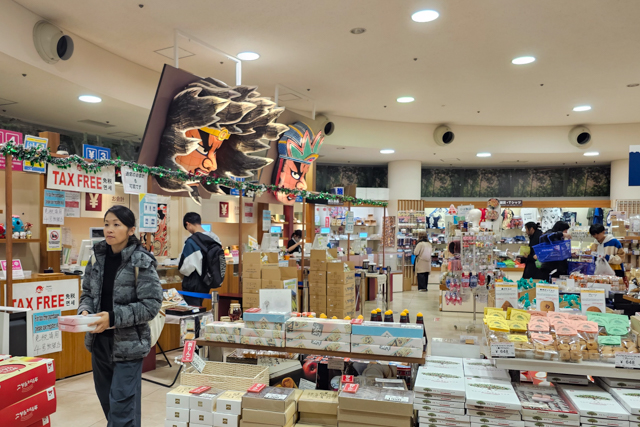
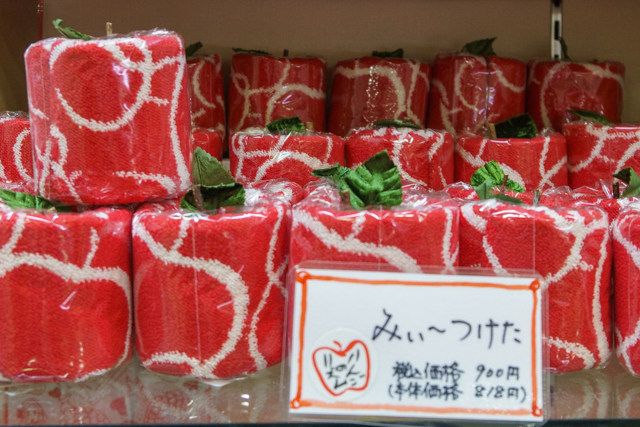
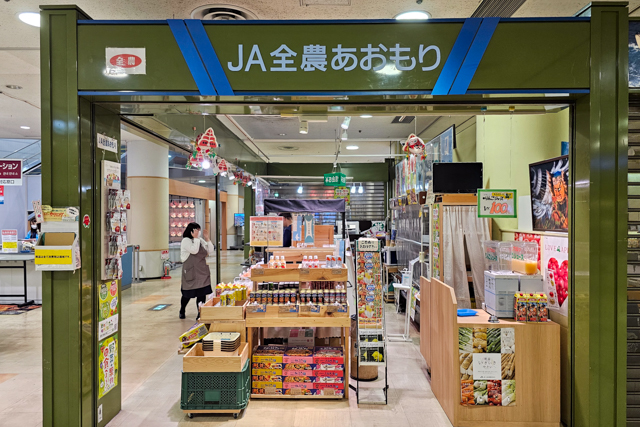
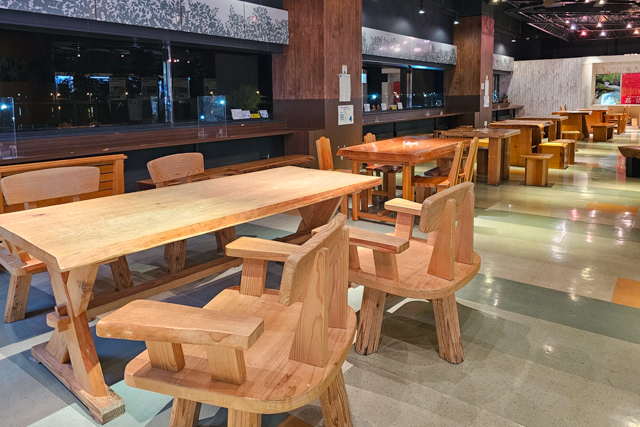
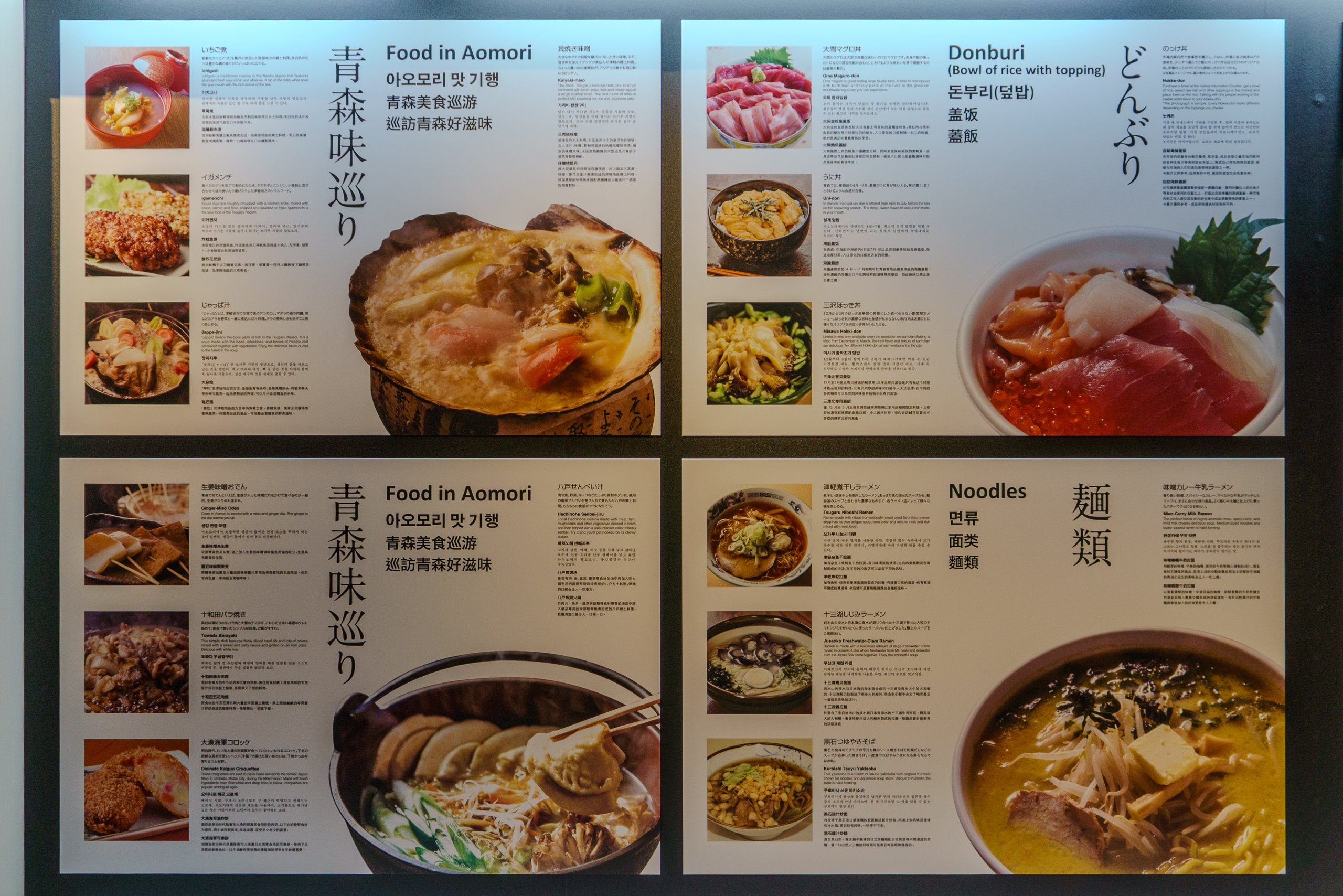
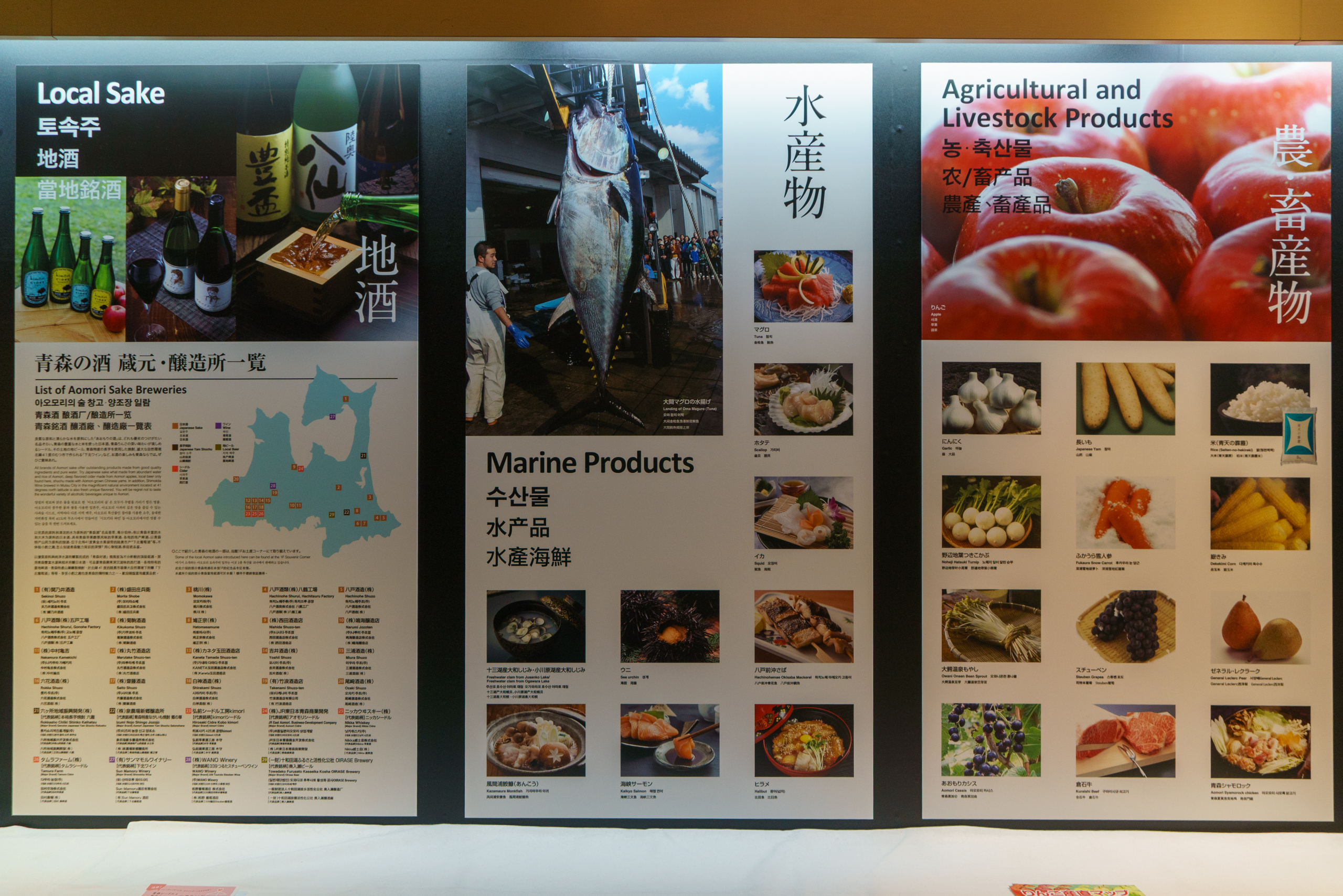
ASPAM Building is a prominent, 76-meter-tall triangular landmark in Aomori City, Japan, designed to represent the letter “A” for Aomori. Completed in 1986, it serves as a tourist hub with local food products, craft shops, restaurants, and a 13th-floor observation deck offering views of Mutsu Bay.
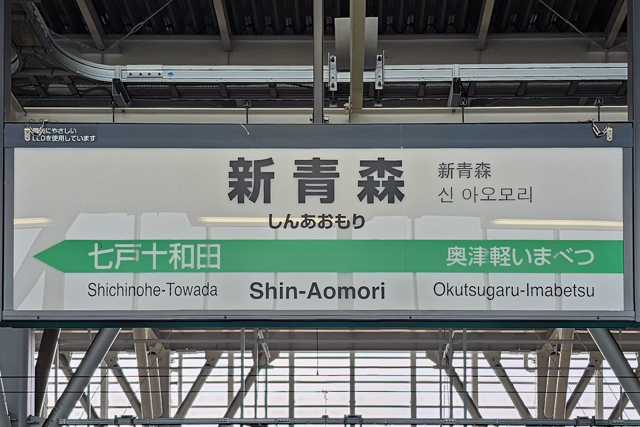
JR Shin-Aomori
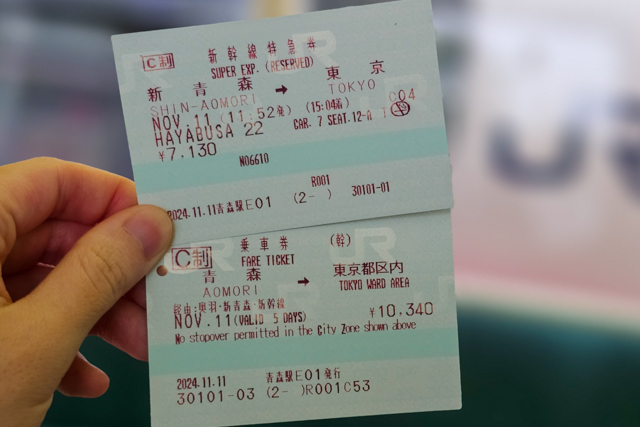
The following morning, departure was from Shin-Aomori Station for the return shinkansen journey to Tōkyō, approximately five hours, marking the end of the Tōhoku leg of the 2024 trip.
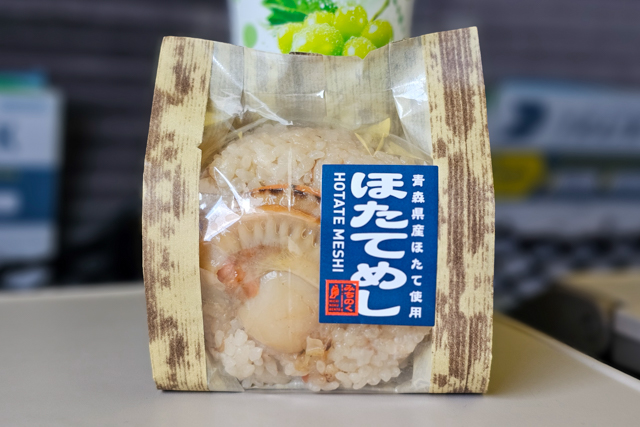
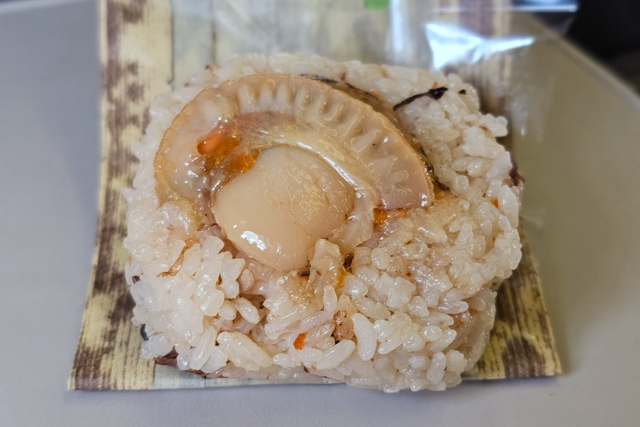
This is the New Days Musubi Hotate Meshi. The musubi was well composed, with a sweet, fresh scallop carrying a gentle savoury seasoning that integrated cleanly with the rice. The rice itself held a light seafood depth, and the overall texture remained smooth without any graininess.
Aomori–Aomori formed Days 11-12 of a 14-day journey through Japan’s Tōhoku region in 2024.