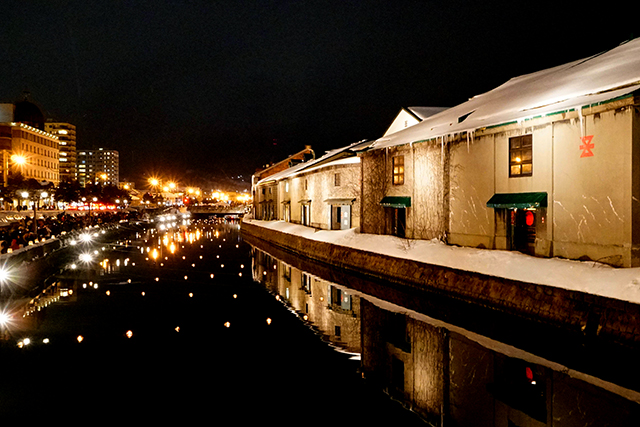
Otaru is a port city on Hokkaidō, 30-45 minutes northwest of Sapporo on Ishikari Bay, known for glassworks, music boxes and sake distilleries. During winter, its Snow Light Path makes it a popular tourist destination.
Sapporo to Yoichi
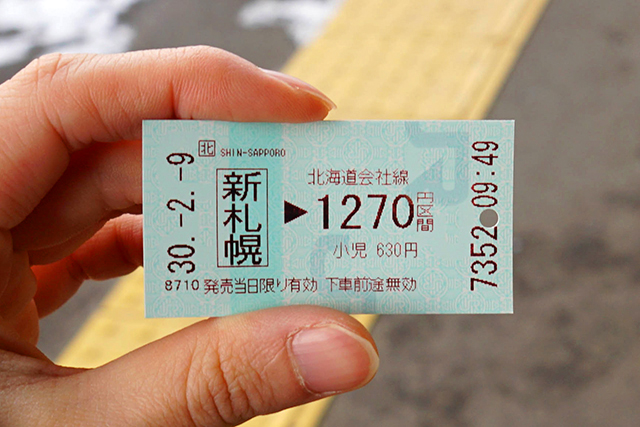
Otaru’s winter festival is a nighttime event, so we make our way to the Nikka Whisky Distillery at Yoichi in the morning. Yoichi is about 25 minutes further along the coast from Otaru and requires a physical train ticket as IC cards cannot be used at stations past Otaru.
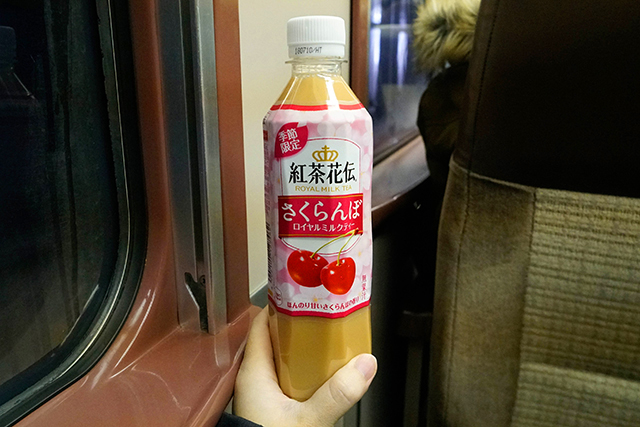
The first week and a half of February is prime tourist season in Hokkaidō, so we’re lucky and relieved to have seats for the journey. I have a Sakuranbo Royal Milk Tea for the journey. February is also the start of sakura-themed products even if it’s the dead of winter in Hokkaidō. This one is very enjoyable with the fresh flavour of Japanese cherries (that somehow avoids tasting like medicine unlike cherry-flavoured things in the West).
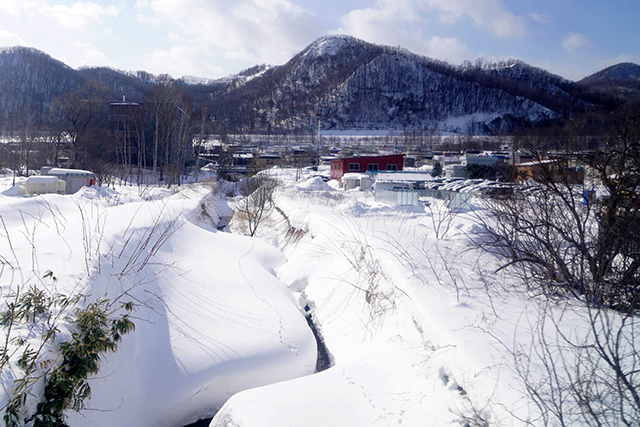
You don’t need to head far out of Sapporo to find heavy snowfall.
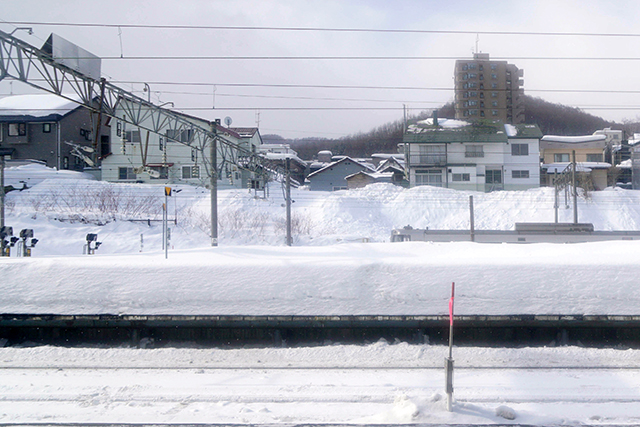
Just look at that thick pile of snow on the platform!
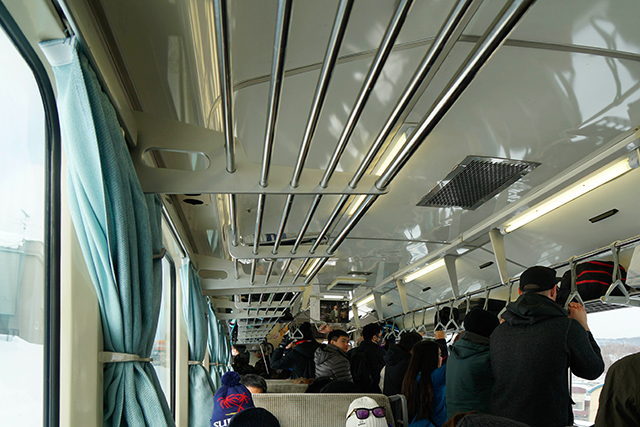
At Otaru, we change from our rapid train to a local train on the Kutchan Line for Yoichi. This line is single track at parts with no IC cards in operation despite servicing the popular skiing destinations of Nisekoi.
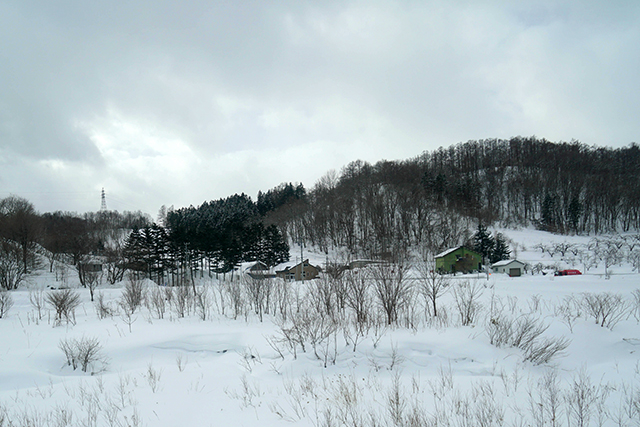
Snowscapes are so picturesque…
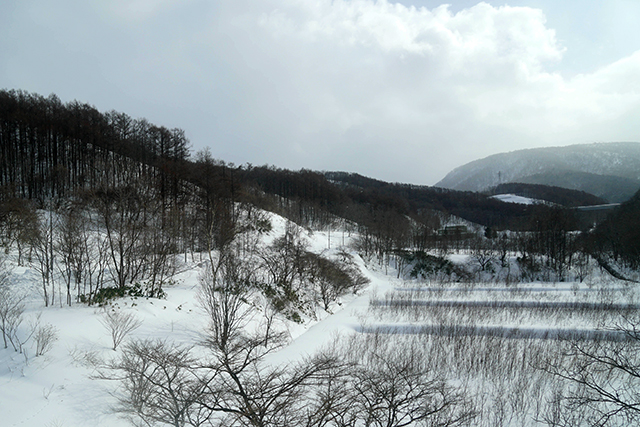
…even when the trees are bare.
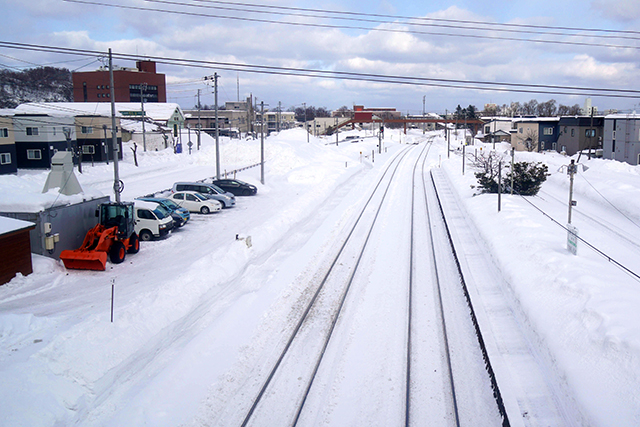
We pass by some very rural train stations where only one door on the train opens and you need to drop your fare into the box next to the driver much like on a bus. Yoichi is considered a large station, though, as the numerous buildings around the train track will attest.
Yoichi – Nikka Whisky Distillery
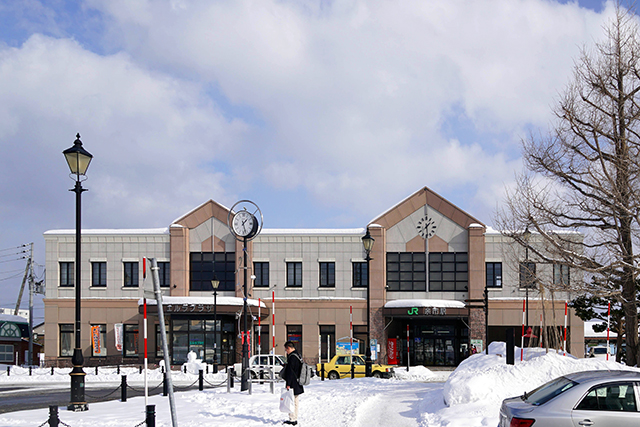 Whereas previous stations had a single waiting room with no train guards, Yoichi is a fully functional station with coin lockers and a taxi stand.
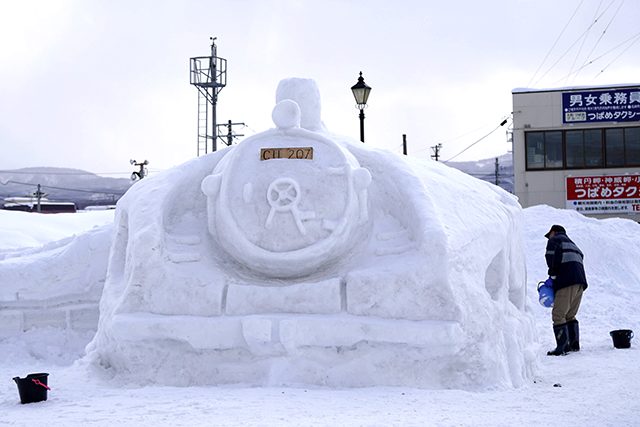
Outisde the station, a gentleman is making a snow sculpture in the shape of a steam train.
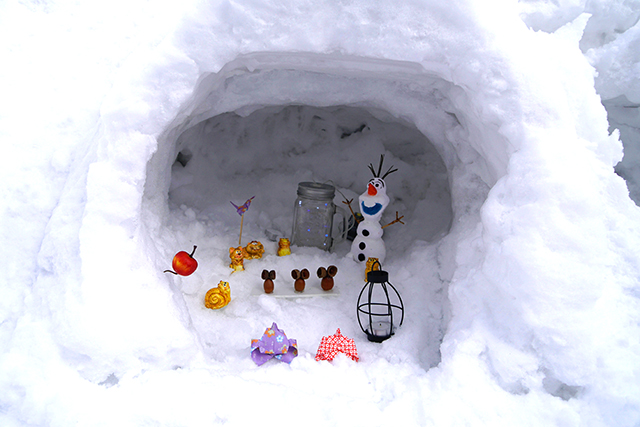
Other shops have hollowed out the accumulating snow on the footpath outside to decorate it with various knick-knacks.
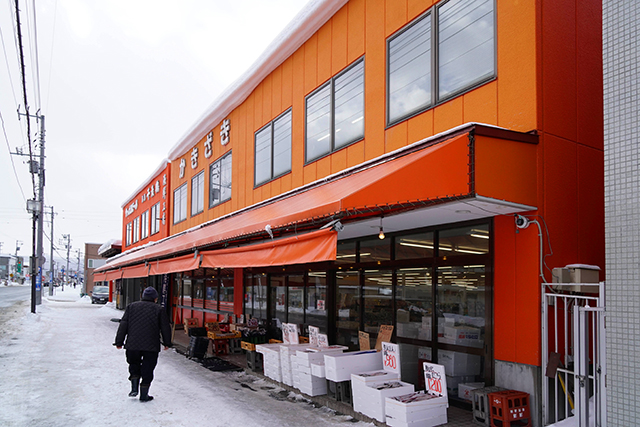
We know better than to go to a distillery on an empty stomach so we pop into the local supermarket for a snack.
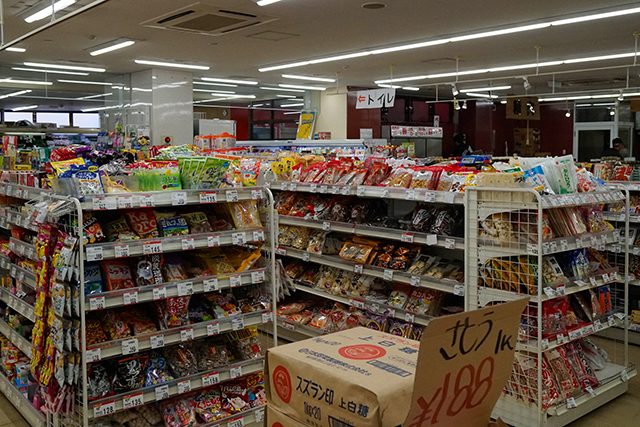 This is by far the most ‘local’ or ‘rural’ supermarket we’ve visited in Japan. It serves its purpose without the bright lights or endless choice or blaring announcements (although it does have heating in their toilet).
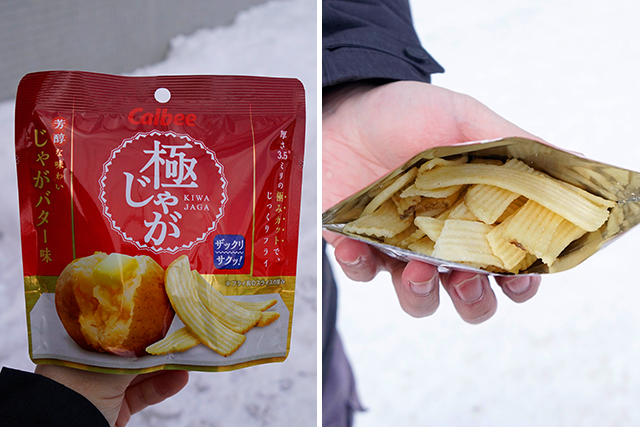 We pick up some Calbee Kiwa Jaga, thick cut potato chips flavoured like jagabata. These were crispy and moreish.
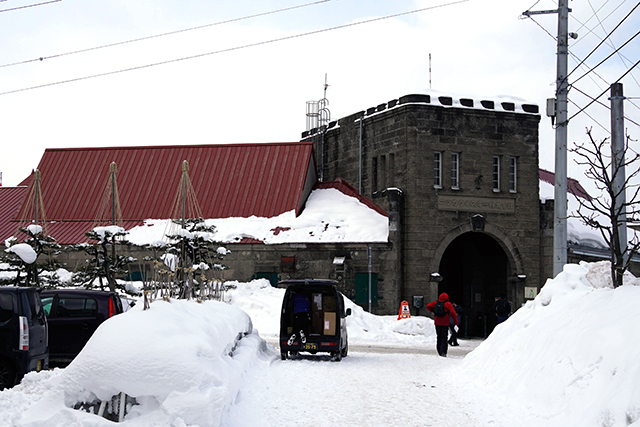
The Nikka Whisky Distillery is just a few steps west of Yoichi Station and instantly recognisable by its distinctly British entrance. The distillery offers self-guided walking tours that follow the whisky making process from start to finish. Guided tours are also available in Japanese.
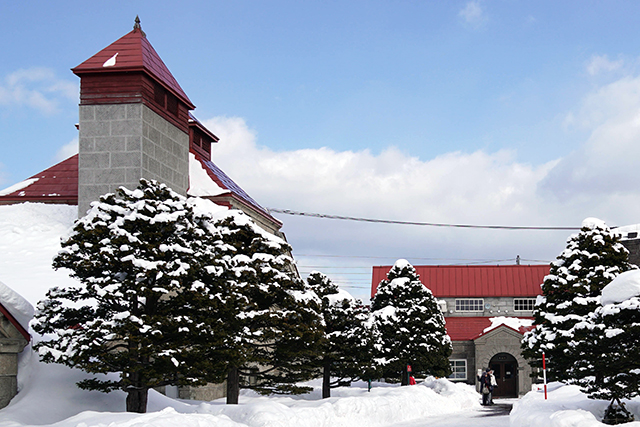
The grounds of the (active) distillery are beautifully covered in snow.
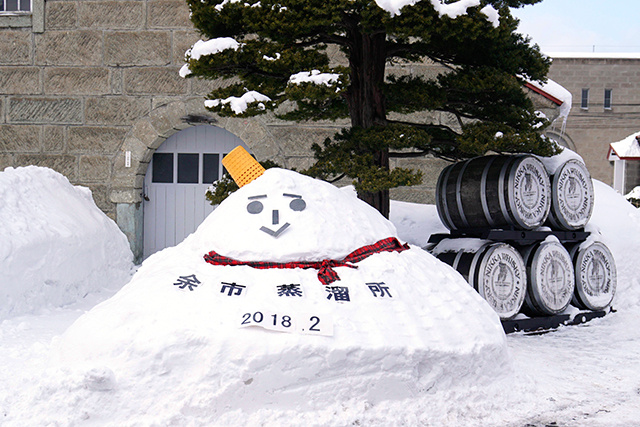
There’s a makeshift snowman marking the month. Places in Hokkaidō seem to like having these set up for tourists to pose with.
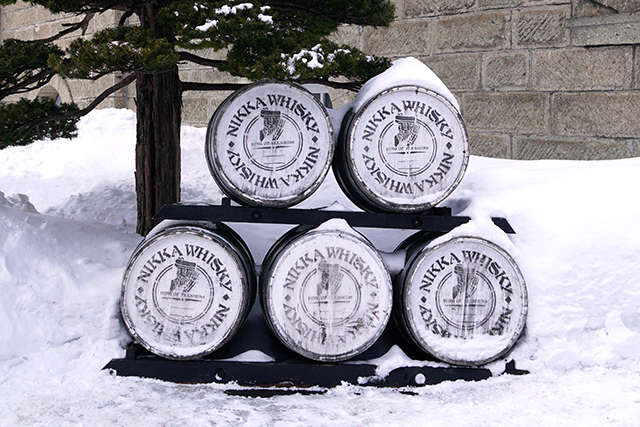
Whisky drums are on display.
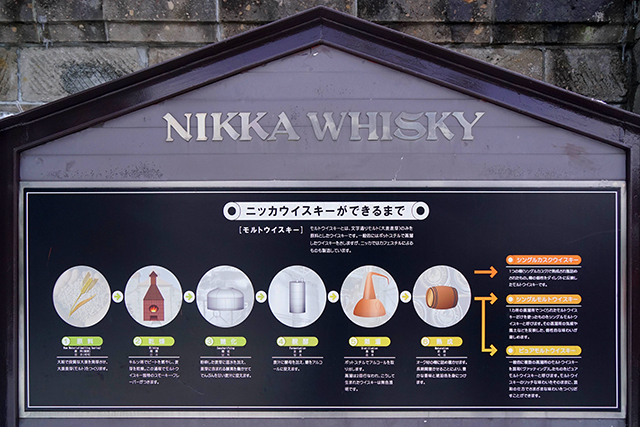
A sign explains the steps involved in producing whisky. Most of the information displays and audio guides are available in English.
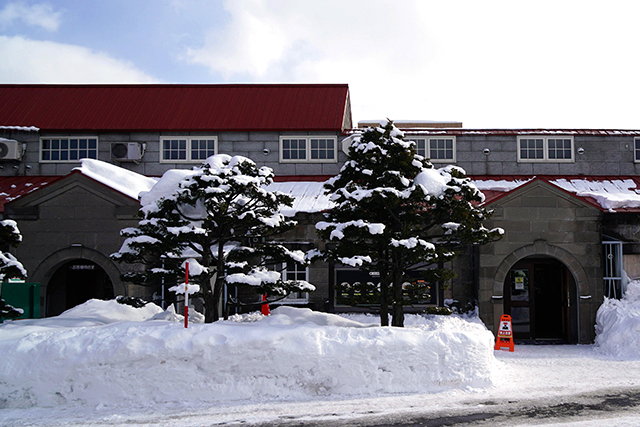
This stone building is near the entrance to the distillery…
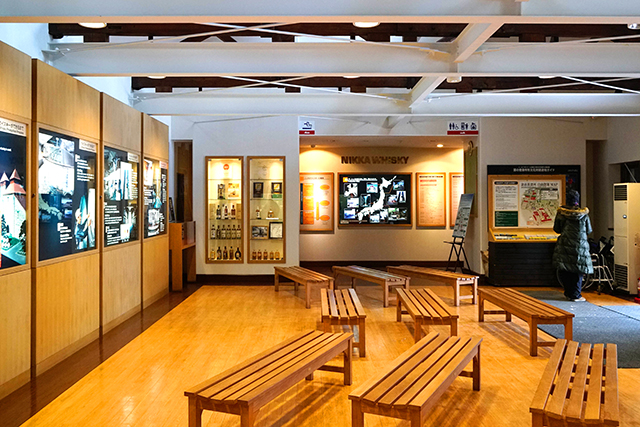
…and provides an introduction and summary to the whisky making process before viewing the actual equipment used.
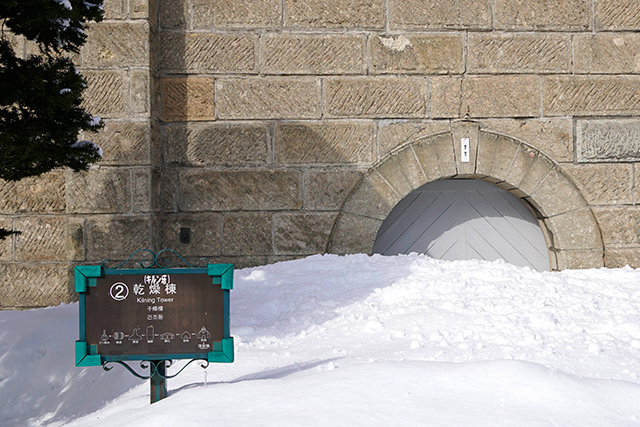
The heavy snowfall has buried the kilning tower almost to the top of the entry…
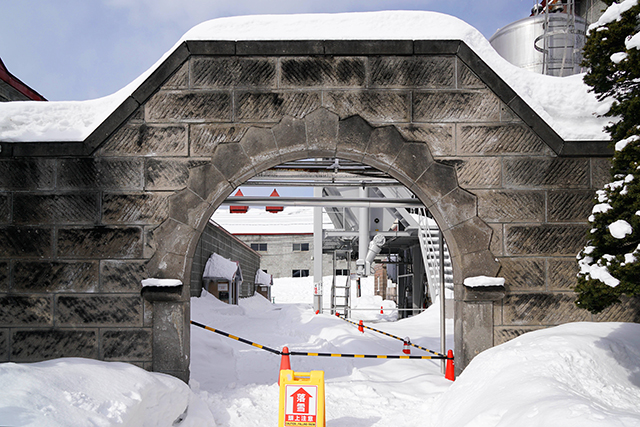
…but it seems accessible via a side entry.
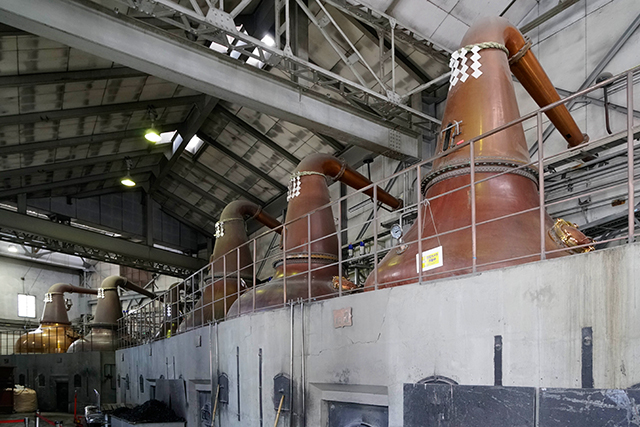
Most interesting, though, are the large copper distillation tanks that are still used today. On the necks of each tank are shide (zigzag-shaped paper streamer) attached to shimenawa, which are rice or hemp rope used for ritual purification in the Shinto religion. We’ve seen similar items seen at other distilleries and breweries.
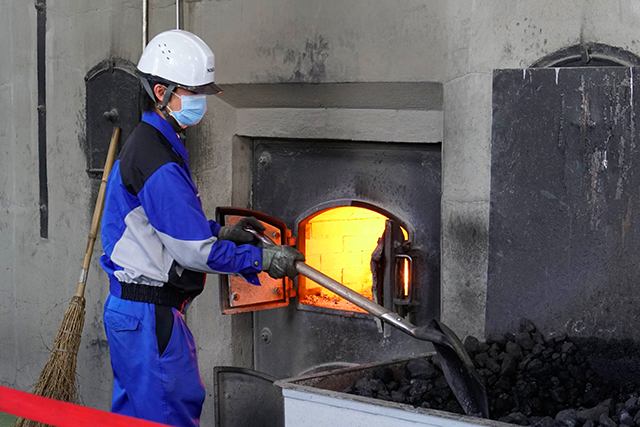
We arrived just in time to see the worker shovel more coal into the burner.
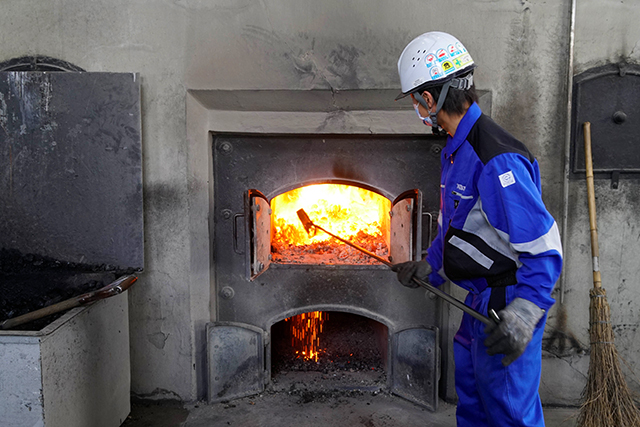
The heat is intense when the door is open.
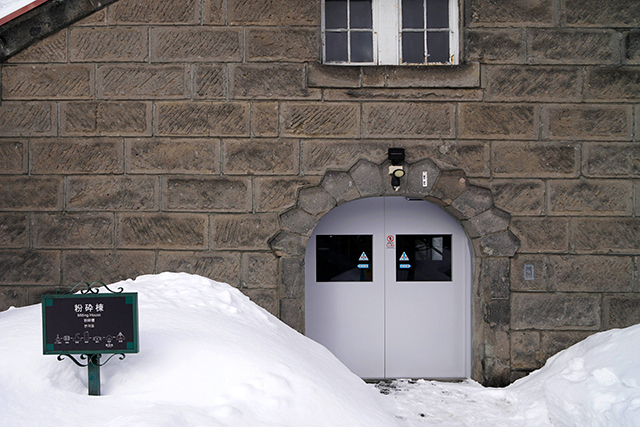
This is the entrance to the Milling House. It would seem that some stages of the whisky-making process are no longer conducted on site.
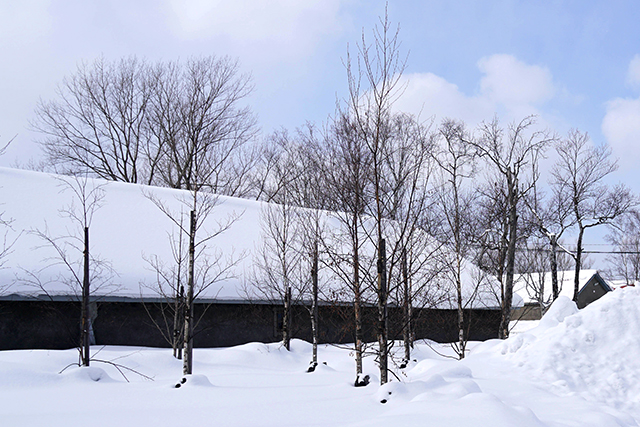
Mmm, I could get used to a view like this.
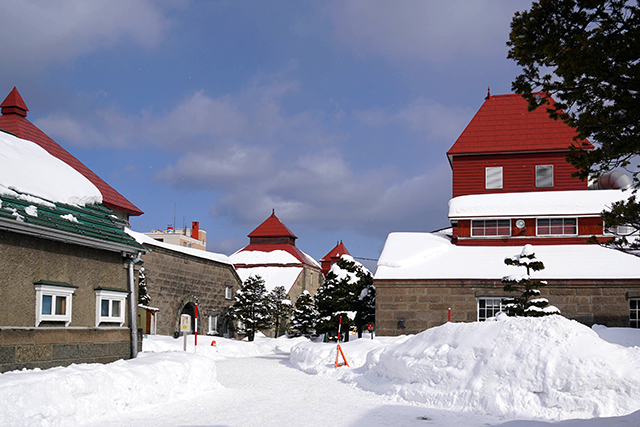
The red rooves really stand out in winter.
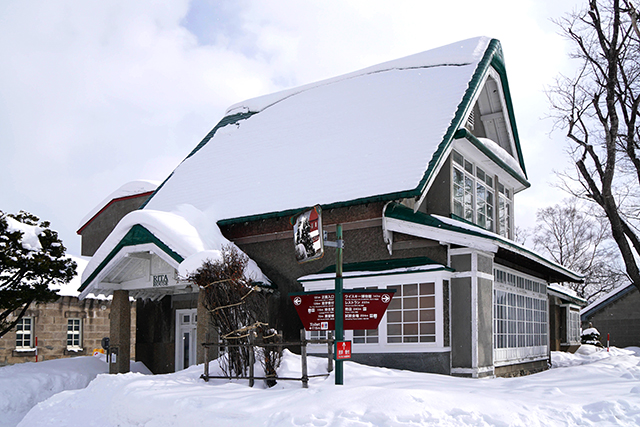
This is Rita House, a tea room named after the founder’s Scottish wife where you can usually enjoy English-style teatime with tea and scones. It was closed when we visited.
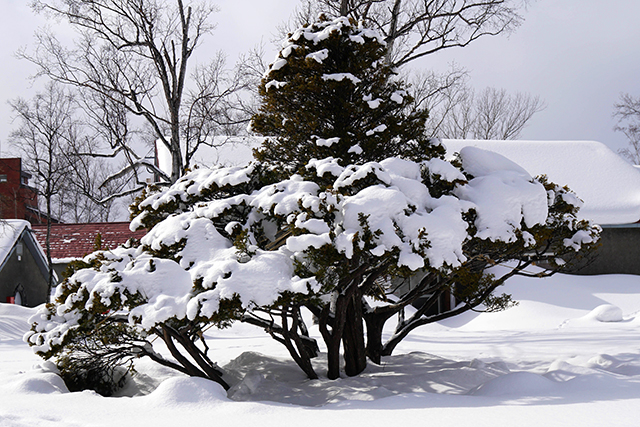
The trees are heavy with fluffy snow.
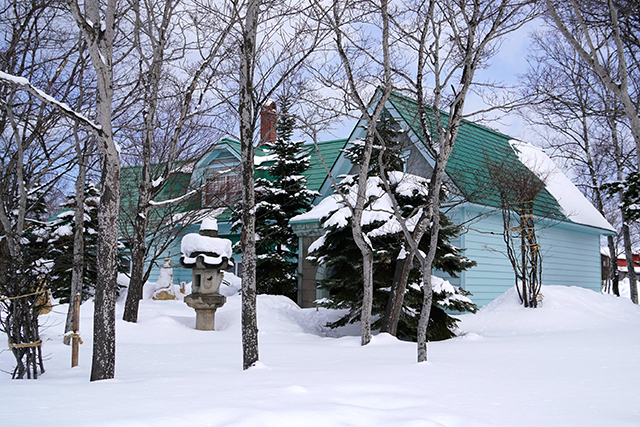
The grounds of a Yoichi distillery were also once the residence of Masataka Taketsuru, the founder of Nikka Whisky, and his wife, Rita. This is the former residence. The original was constructed in 1935 at Kurokawa, Yoichi, Hokkaidō, while this is the reconstructed main building of the private residence build from 1946-1949 at Yamada, Yoichi, Hokkaidō.
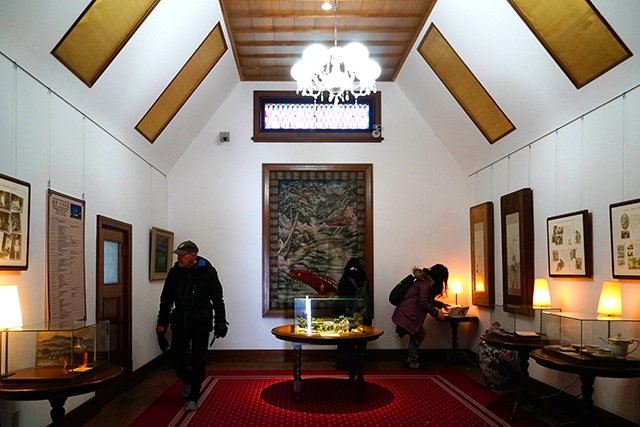
Only the main sitting room is available for viewing…
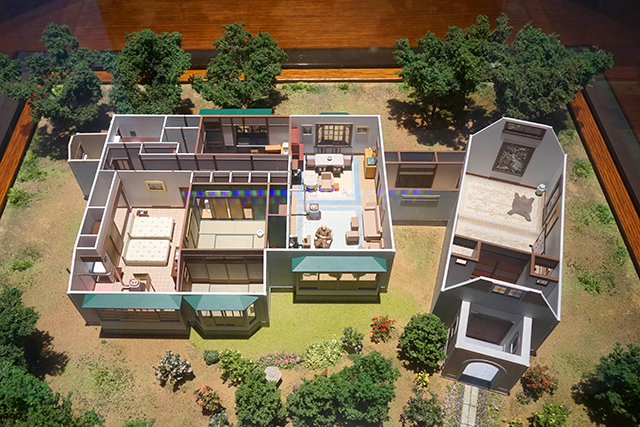
…as for the rest, we can view a scaled model. The building that can be viewed is the section of the right.
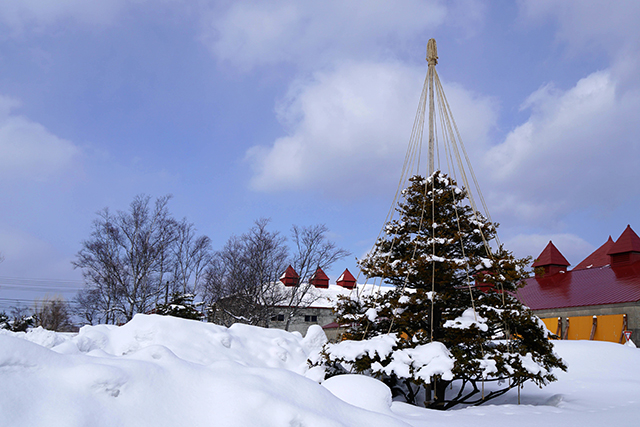
The section available for viewing is small, so not really worth the inconvenience of having to take your shoes off. Before long, we’re back outside.
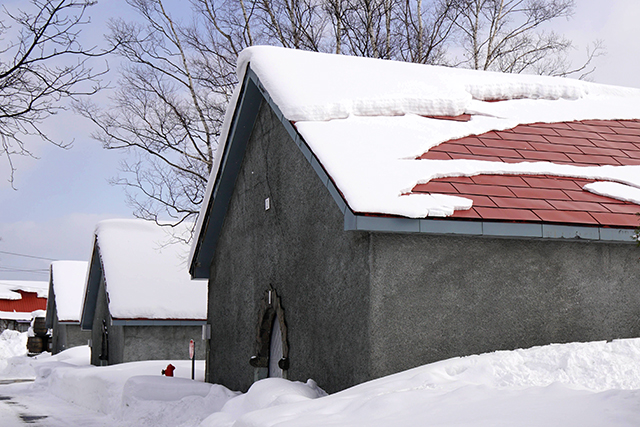
The distillery has numerous warehouses that are still used for maturing whisky.
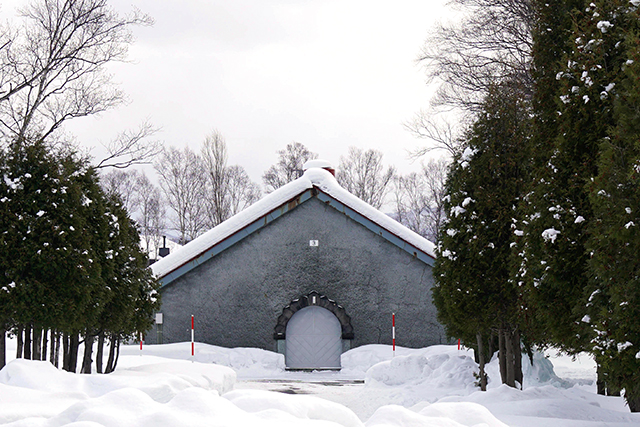
This is Warehouse No 3, not open to the public currently.
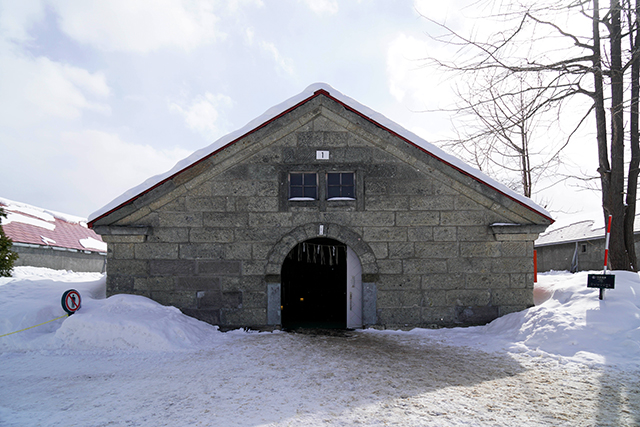
This one is Warehouse No 1, which is open to the public. Again, the shide attached to shimenawa graces the entrance.
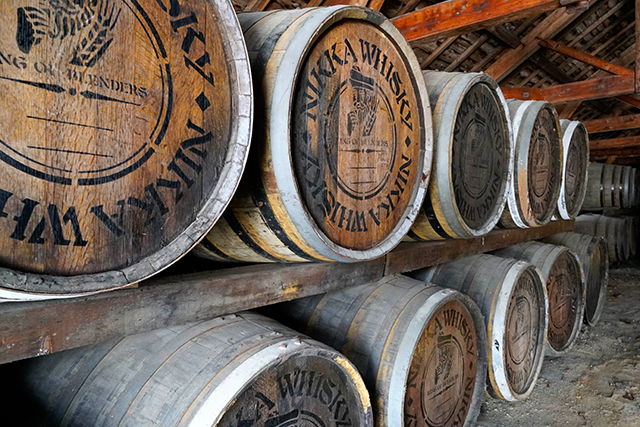 Inside Warehouse No 1, a sign explains that ‘unprocessed whisky is actually stored inside the warehouses and that the aroma of whisky and a small amount of alcohol vapour may exist in the air’. We notice the smell of the oak barrels more than the whisky.
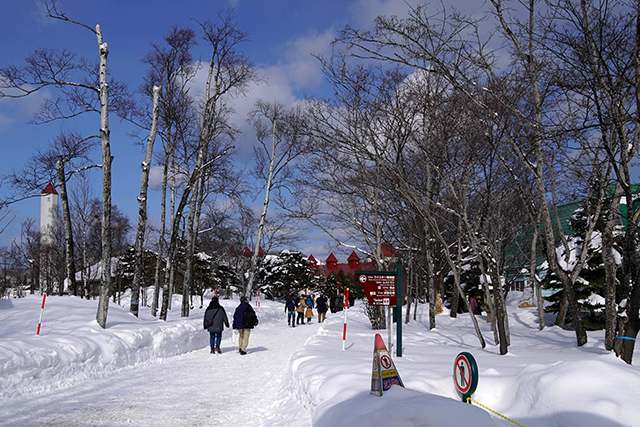
It’s not everywhere that you can get pristine piles of fluffy snow. Walking through here is something like a winter wonderland.
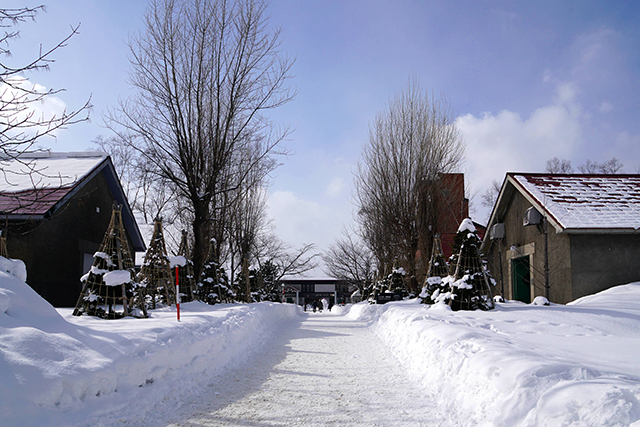
After viewing the process of making whisky, we approach the buildings explaining the steps for arriving at the final whisky product.
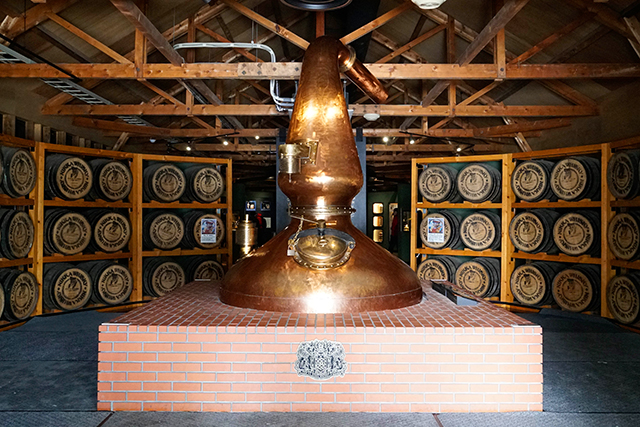
A copper still greets you on entering.
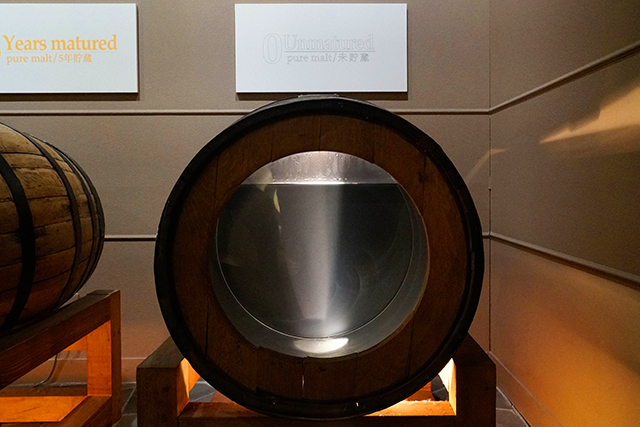
This is pure malt whisky that is unmatured and clear.
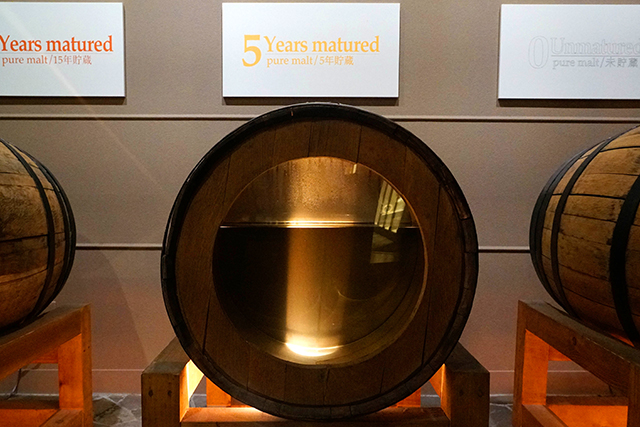
This is pure malt whisky after maturing for 5 years, which reduces in volume and takes on a golden yellow hue
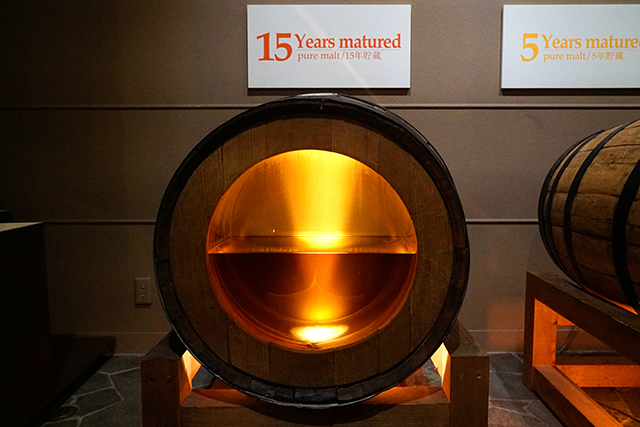
And finally, this is pure malt whisky after maturing for 15 years, which reduces in volume again and takes on a darker amber hue.
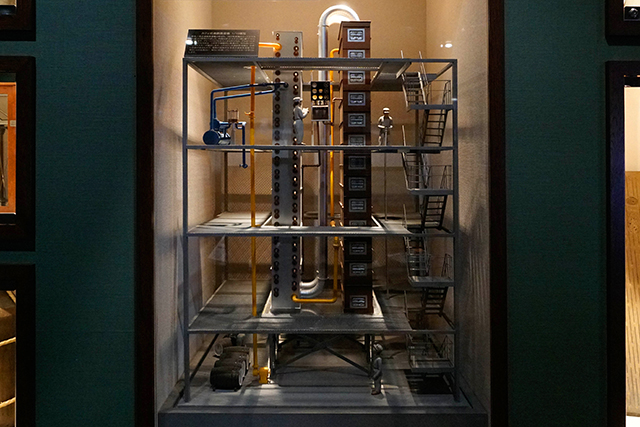
And there are miniature recreations of the final steps of making whisky available to consumers.
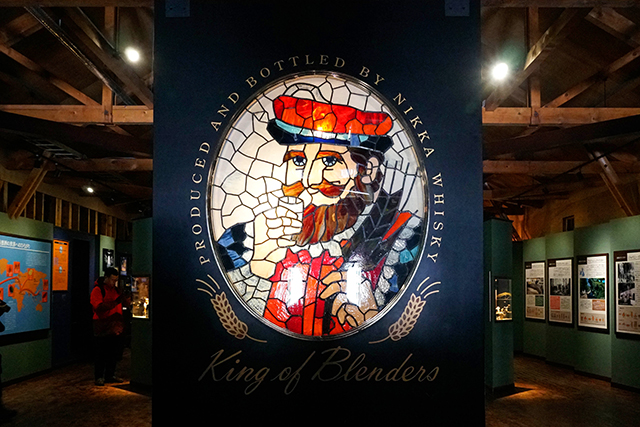
There’s a stained glass illustration of the founder, Taketsuru Masataka, who is known as the father of Japanese whisky. Masataka studied whisky making techniques in Scotland before bringing the trade to Japan. He was instrumental in establishing the country’s first whisky distillery – the Yamazaki Distillery near Kyōto that we’d visited a few days earlier – before he set out to start Nikka Whisky in Hokkaidō.
The Yoichi Distillery was built in 1934, on a site chosen for its clear water, brisk air and rich peat. Taketsuru believed that the conditions in Yoichi best resembled those found in Scotland and would be perfect for recreating Scotch whisky.
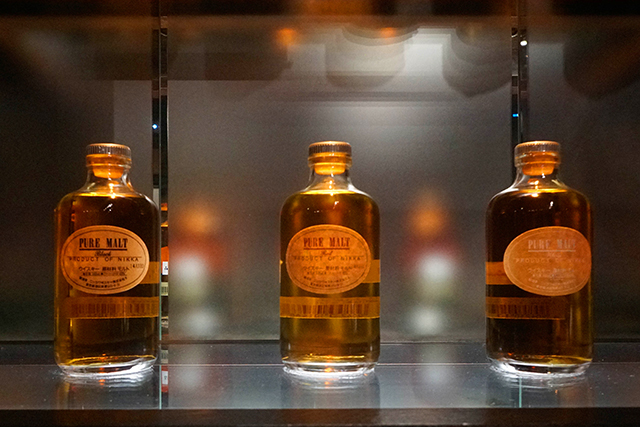
The traditional distillation process that he brought over is largely unchanged today. Nikka whiskies have ranked among the world’s best single malt whiskies and have won numerous awards.
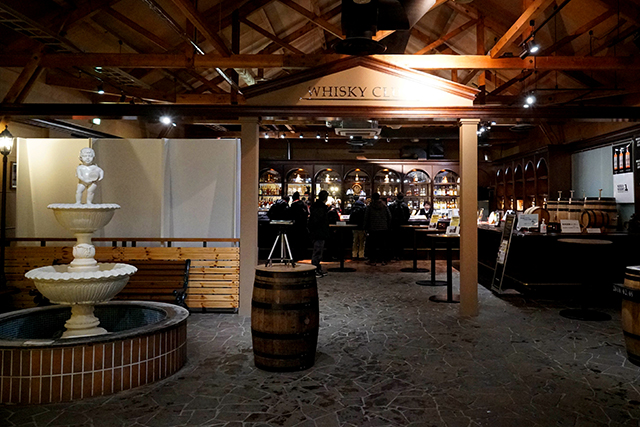
At the back of the room is the Whisky Club where visitors can purchase samples of all kinds of Nikka whiskies.
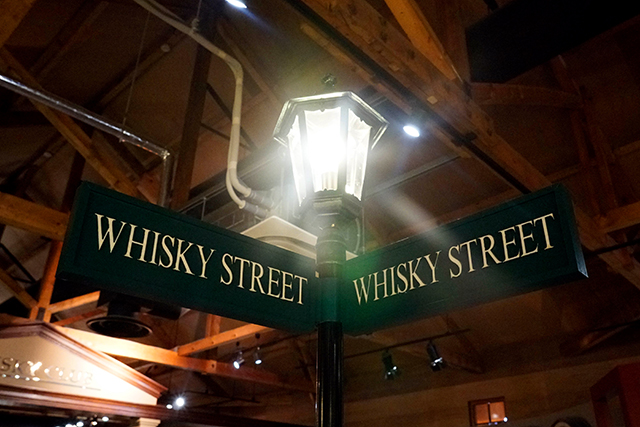
It’s Whisky Street every direction you turn.
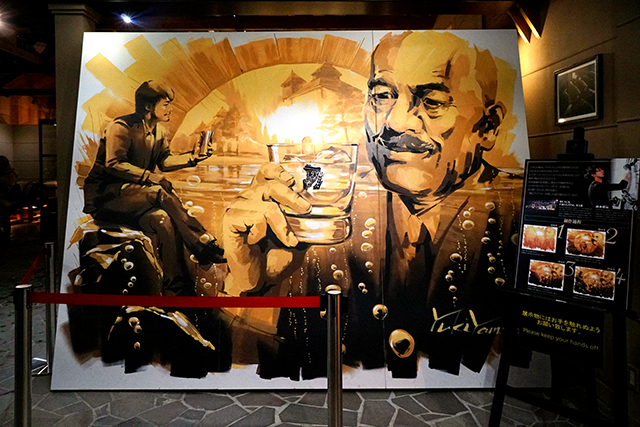
Near the Whisky Club is a large artwork created at Black Freezing Bar, a pop-up bar serving cold whiskies that opened in Roppongi Hills in Tōkyō during the sweltering summer of 2016.
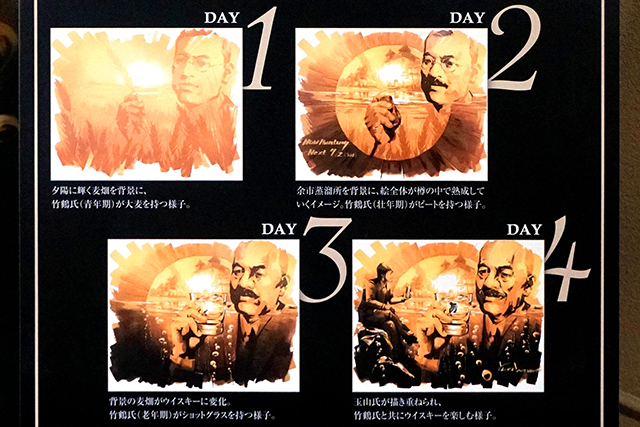
The artwork is a portrait by Yukimasa Yamamoto depicting the founder, Masataka Taketsuru, against the background of the Yoichi Distillery. The final work is impressive, but what’s most interesting is the evolution of the painting from youth through to the later years, which includes Tamayama Tsuyoshi serving as the Nikka Whisky Ambassador in the background, showing how whisky can be enjoyed together through the ages.
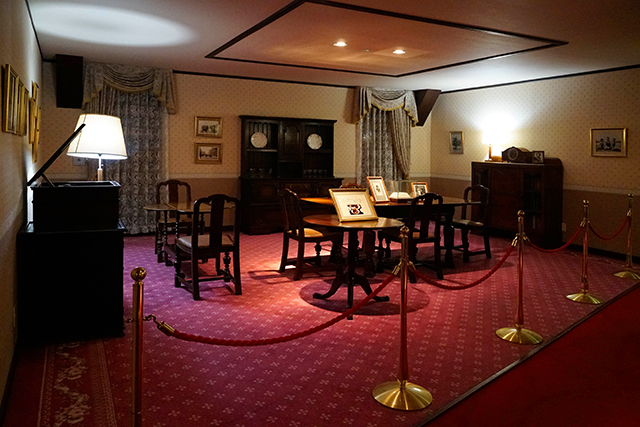
After the Whisky Club is a dark space showing a video that explains how Masataka Takesturu met his Scottish wife, Rita. Further along, are recreations of rooms in their residence.
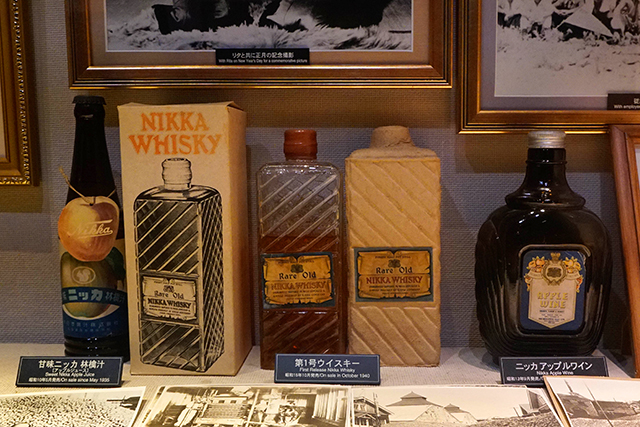
On display are items including the first bottle of Nikka Whisky (centre).
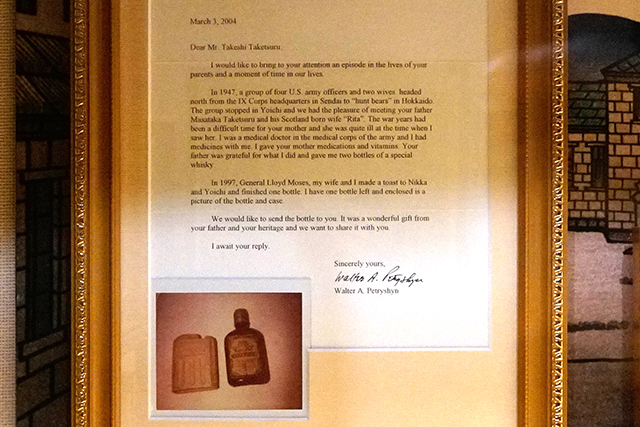
There is also a letter from a US General to Masutaka Takesuru’s son, sharing a bottle of whisky gifted by Taketsuru to the General 50 years ago.
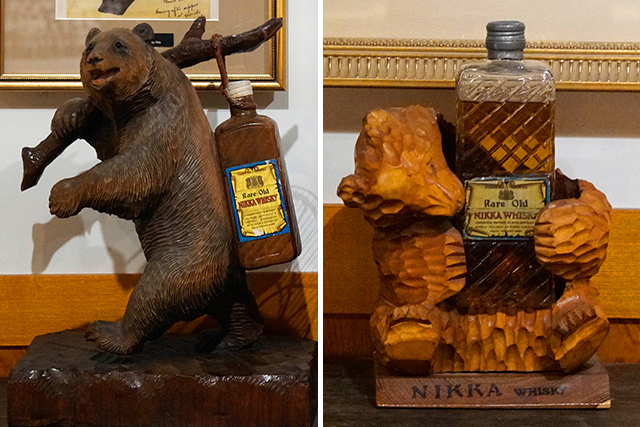
The founder has a penchant for hunting, so bear motifs feature prominently with his love for whisky.

On display is a bearskin rug.
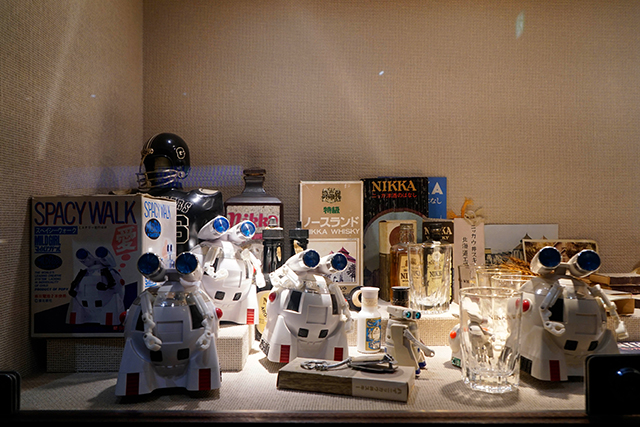
Spacy Walk featured two characters, Apogee and Perigee, who were characters in a Suntory Whiskey commercial in 1984 and spawned the toys Mildboy and Mildgirl that were sold in Japan.
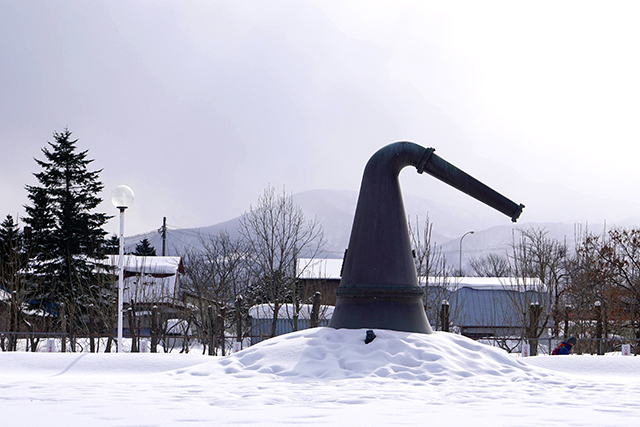
This is the ‘other’ main entrance to the distillery.
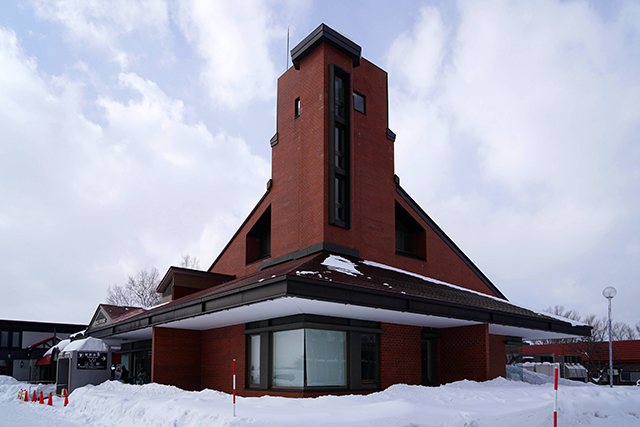
It’s closest to the Nikka Kaikan where you can sample Nikka whisky free of charge.
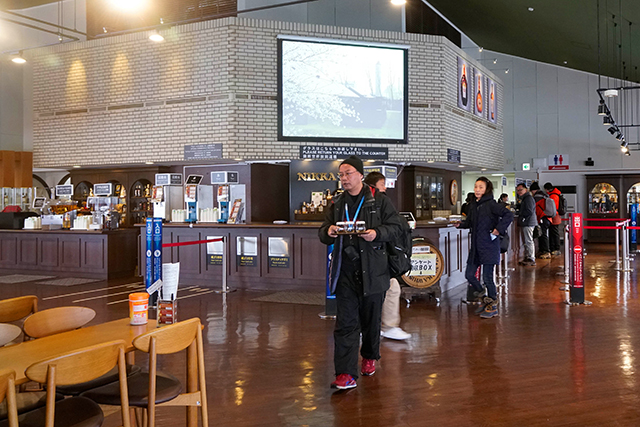
It’s a space on the second floor dedicated to sampling Nikka Whisky products.
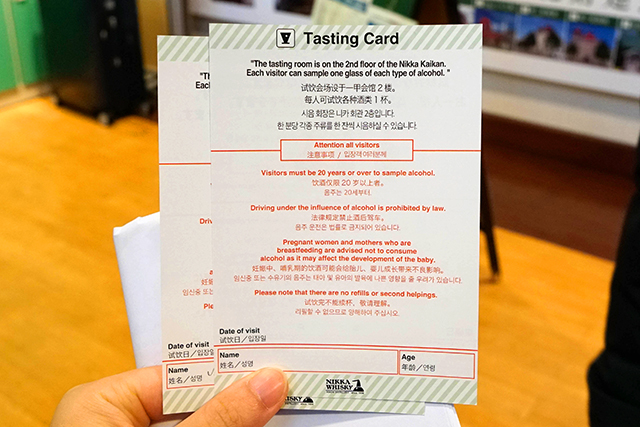
Everyone wanting to sample Nikka Whisky needs to complete this tasting card.
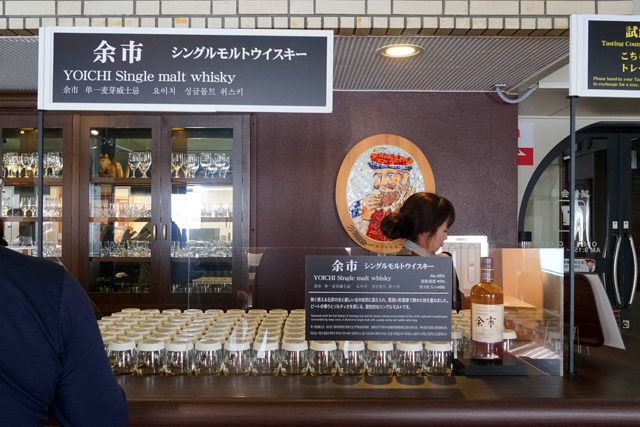
The tasting card is handed over to the staff behind the counter in exchange for a tray. With the tray, you walk along the length of the counter to pick up the drinks on offer.
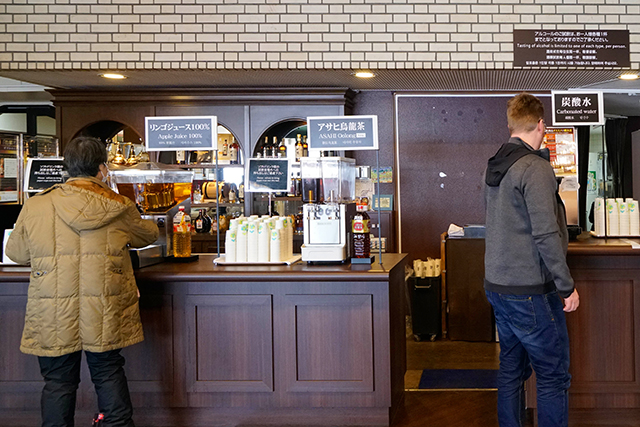
Around the corner are a counter for apple juice, oolong and carbonated and still water.
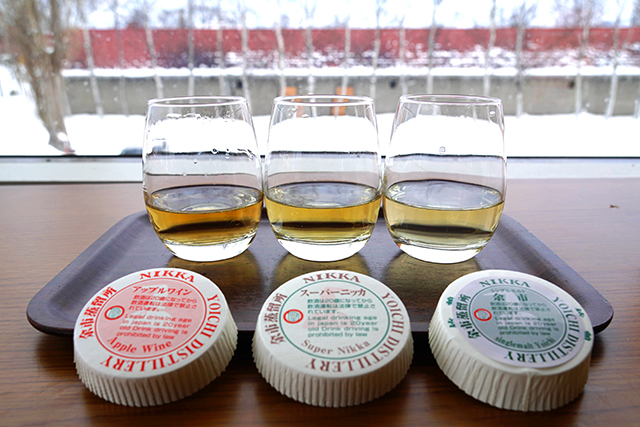
The three whiskies available for tasting are the Single Malt Yoichi, Super Nikka and Apple Wine.
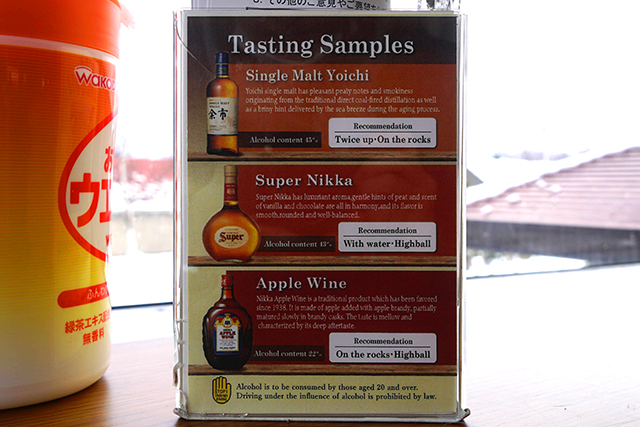
The Single Malt Yoichi has an alcohol content of 45%, is recommended to be consumed twice up or on the rocks, and is described as having ‘pleasant peaty notes and smokiness originating from the traditional coal-fired distillation as well as a briny hint delivered by the sea breeze during the ageing process’.
The Super Nikka has an alcohol content of 43%, is recommended to be consumed with water or as a highball, and is described having a ‘luxuriant aroma, gentle hints of peat and scent of vanilla and chocolate are all in harmony, and its flavour was smooth, rounded and well-balanced’.
The Apple Wine has an alcohol content of 22%, is recommended to be consumed on the rocks or as a highball, and is described as being ‘a traditional product which has been favoured since 1938. It is made of apple added with apple brandy, partially matured slowly in brandy casks. The taste is mellow and characterised by its deep aftertaste’.
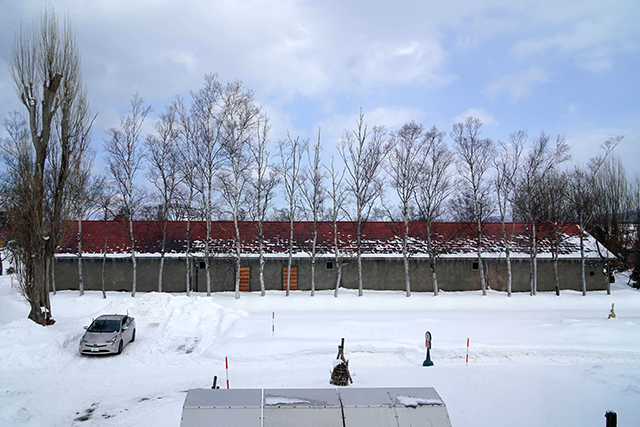
We enjoy the tour and the process but this tasting confirms we’re not fans of whisky. The apple wine is the most palatable of the three, but even then it’s too alcoholic for us. Instead, we enjoy the view out from the tasting room to the grounds.
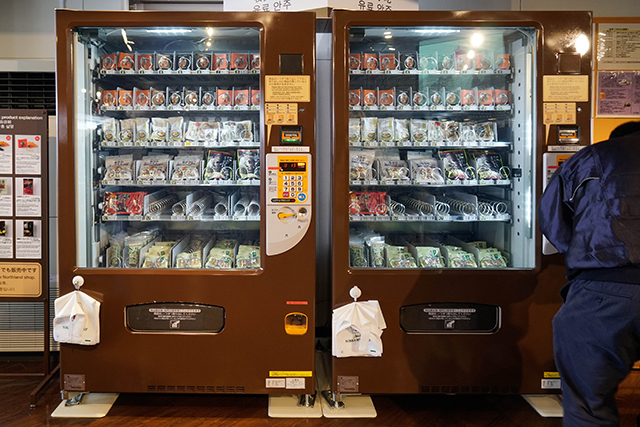
Vending machines abound in Japan, but you’ll rarely find one that offers snacks (other than ice cream). There’s one in the tasting room if you want something to go with your whisky.
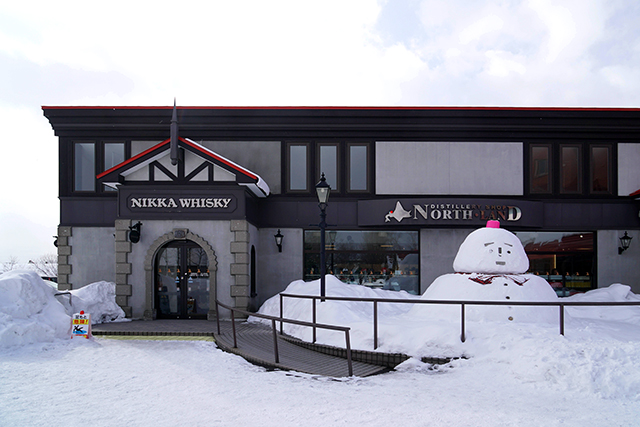
It’s the end of the tour so we head to North Land Distillery Shop, the souvenir shop at Nikka Whisky, next to the tasting room.
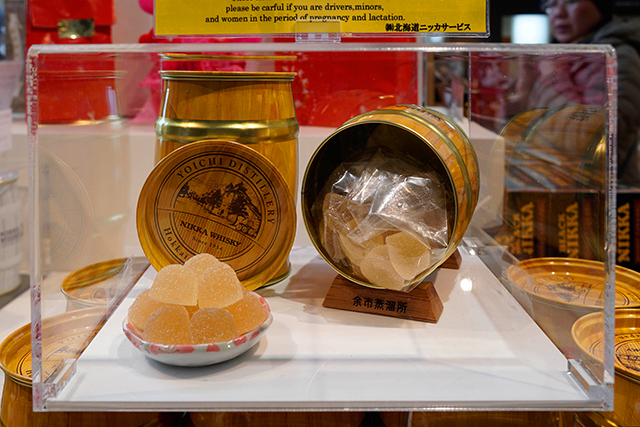
They sell gummies in mini whisky casks.
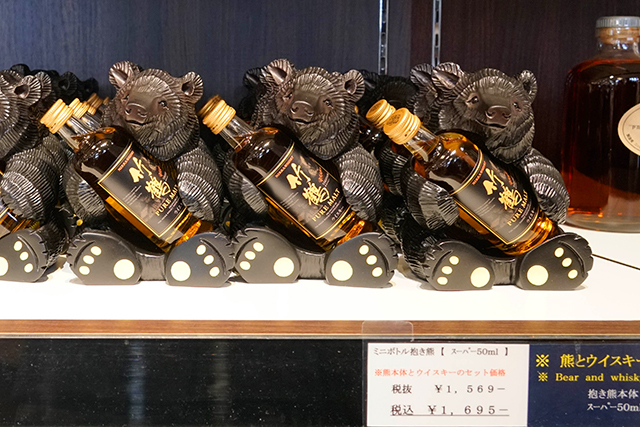
There are modern versions of the bear and whisky from the distillery’s early days. The bear and mini whisky bottle are sold separately.
There’s a large collection of mini whisky bottles. As with almost everything in Japan, the per unit price for buying in bulk is the same as buying individually. We’re amused by an English-speaking couple who are baffled when the staff tell them that there’s no discount for buying 6 bottles, which comes in a cardboard carry case.
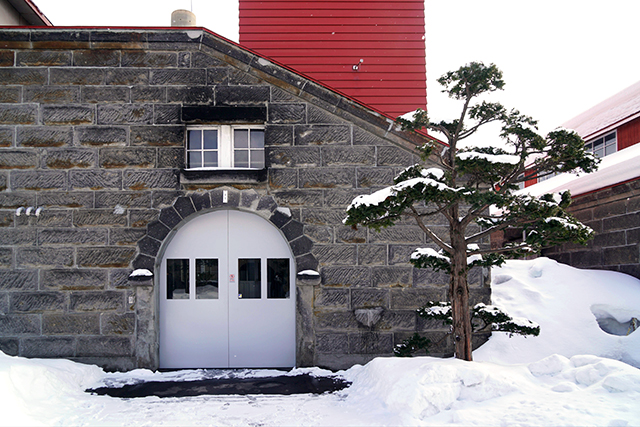
The grounds are truly picturesque.
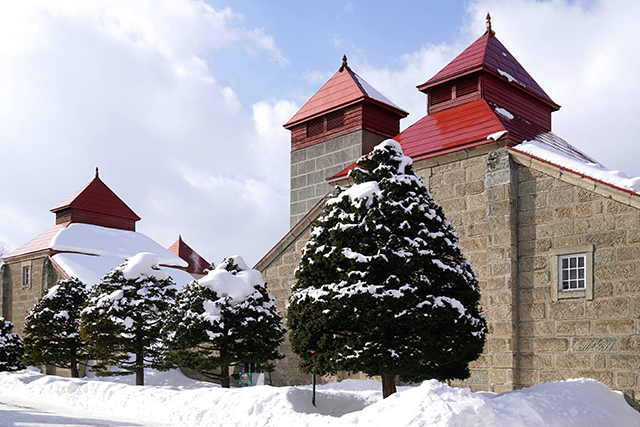
This is the area directly inside the entrance.
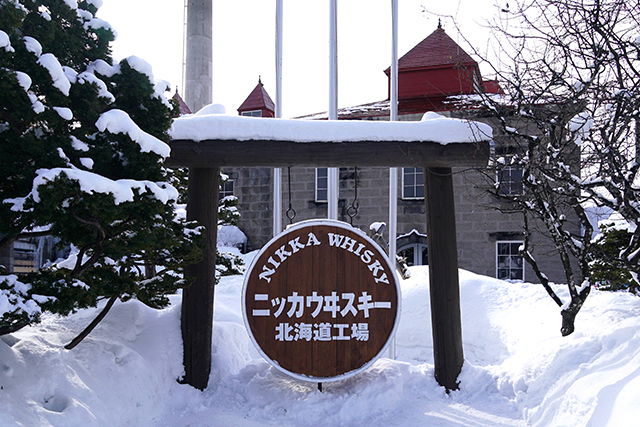
There’s even a tripod set up for visitors to take their own selfies in front of this sign.
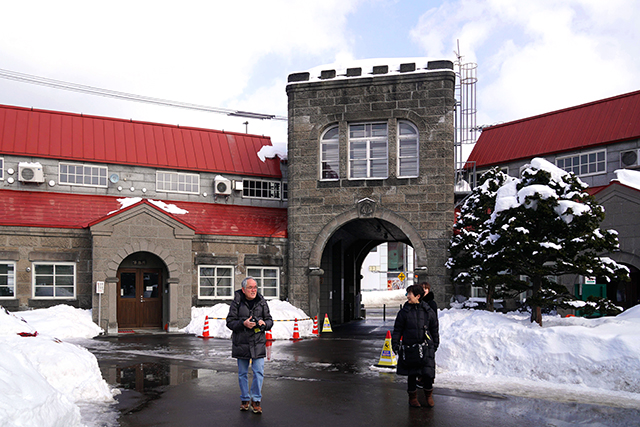
We check the timetable for the train, which comes once every hour, and find out the next one is in 15 minutes so we head back to the entrance.
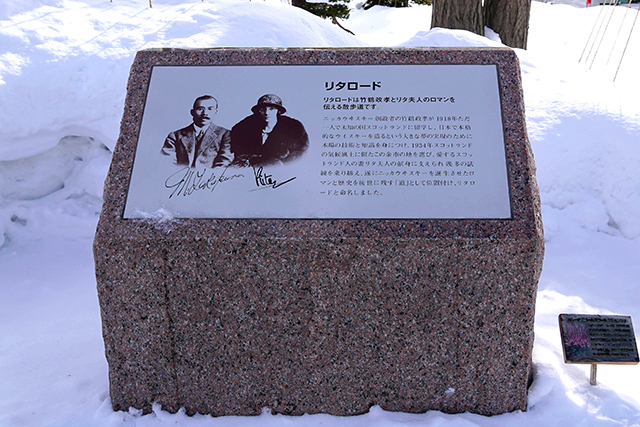
Outside the train station, a sign explains the significance of Rita Road.
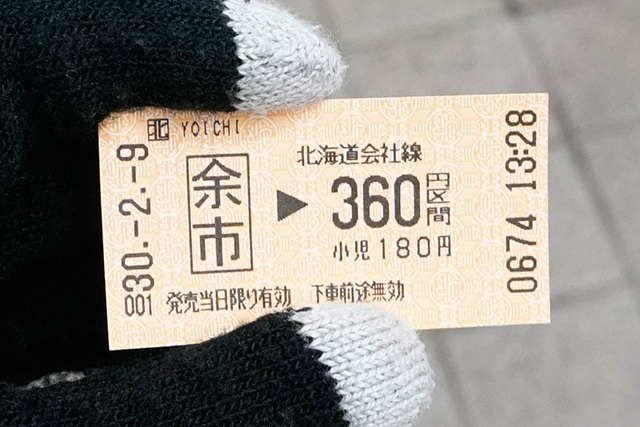
Train tickets are so small in Japan, I’m always trying to keep track of them on the odd occasion we buy one. IC cards are more convenient!
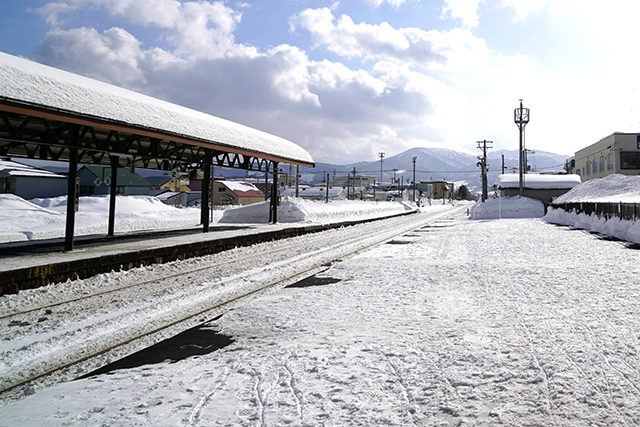
The train station is blindingly white under the bright midday sun.
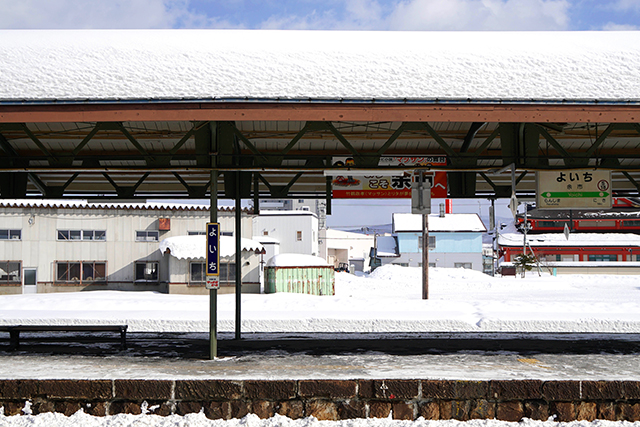
The guard at the train station doesn’t permit customers past the gate until 5 minutes before the train is due to arrive.
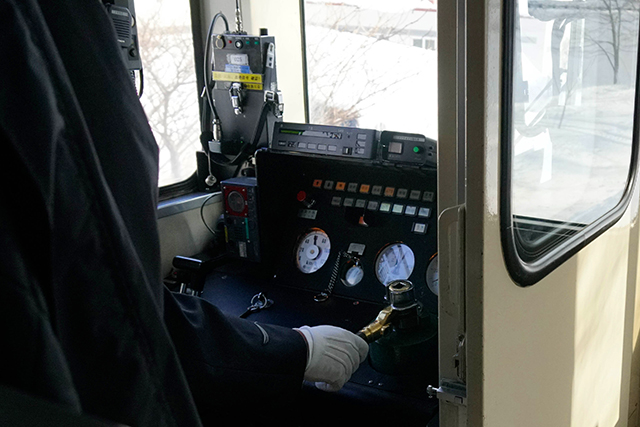
It’s a three-carriage train and we make the most of the need to stand by scoring a spot right at the front, behind the train driver.
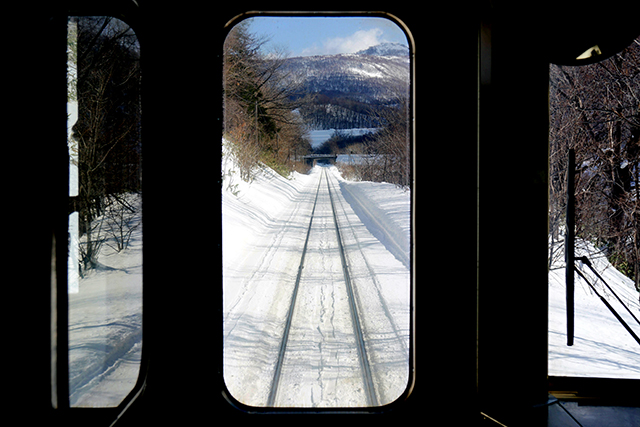
We get one-of-a-kind views of the single track line.
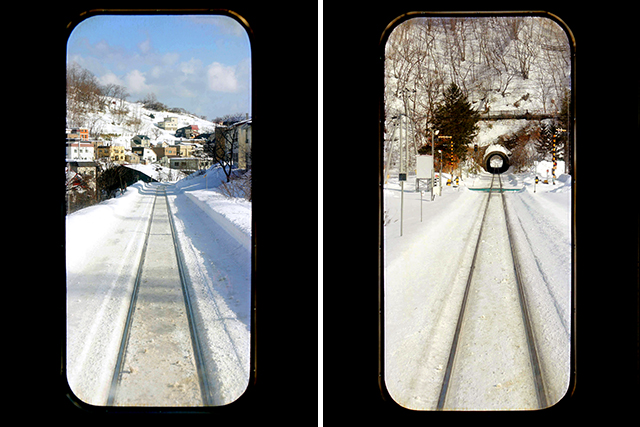
The train goes through numerous tunnels.
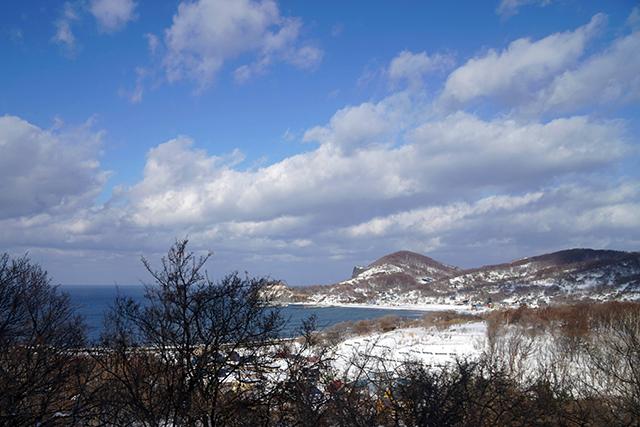 The train passes by the coast and we get a glimpse of the beauty that is Ishikari Bay.
Otaru – Chuo Dori
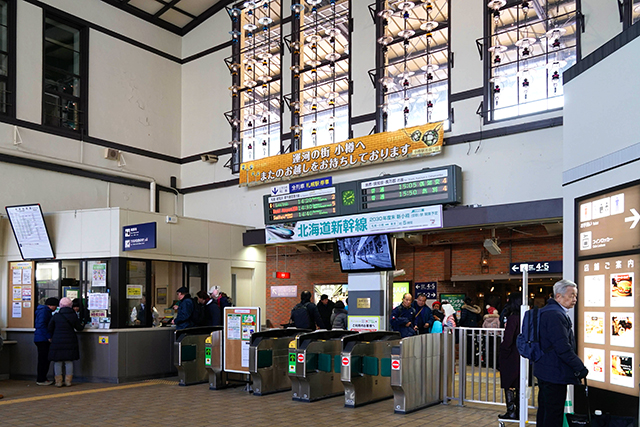
Otaru is famous for its glassworks. The lamps above the ticket gates in the entrance hall of Otaru Station were presented to the station by Kitaichi Glass Corporation, one of the oldest and most popular glass stores in Otaru.
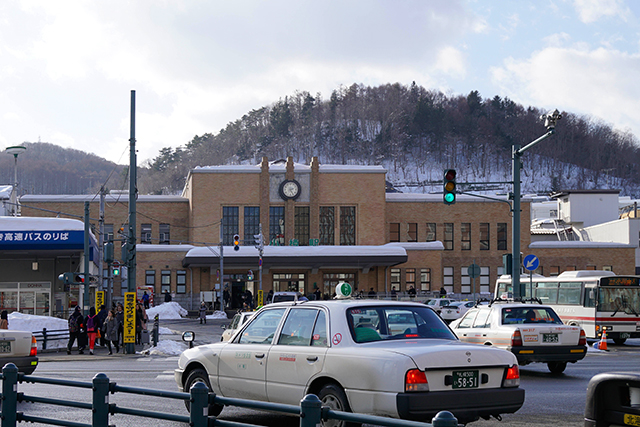
There are ski slopes close by to the left behind Otaru station. This is the view up from Chuo dori, a central road down the heart of Otaru.
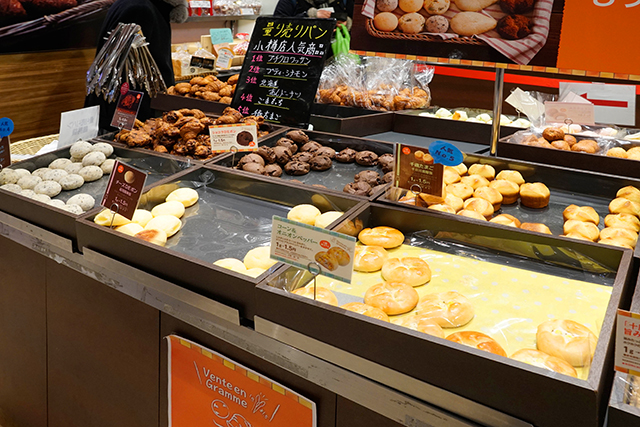
Morimoto is a chain of bakeries in Japan that sell baked goods by weight.
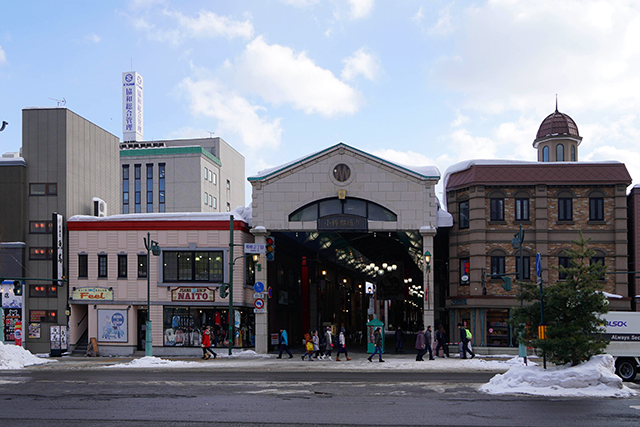
This is the entrance to Miyako dori Shopping Street.
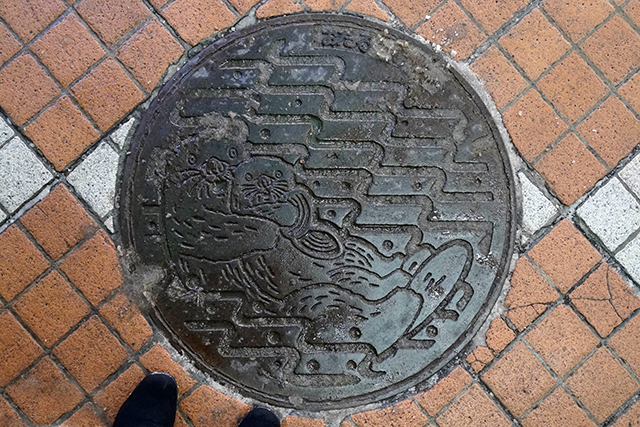
The manhole covers in Otaru feature a pair of seals.
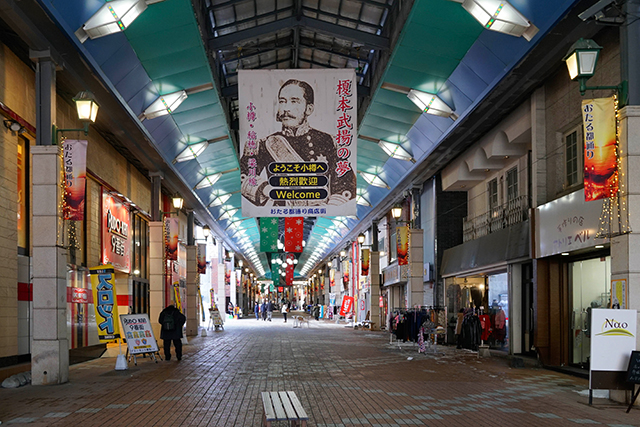
It’s a covered shopping street, but there aren’t that many interesting shops along the way so we double back to Chuo dori.
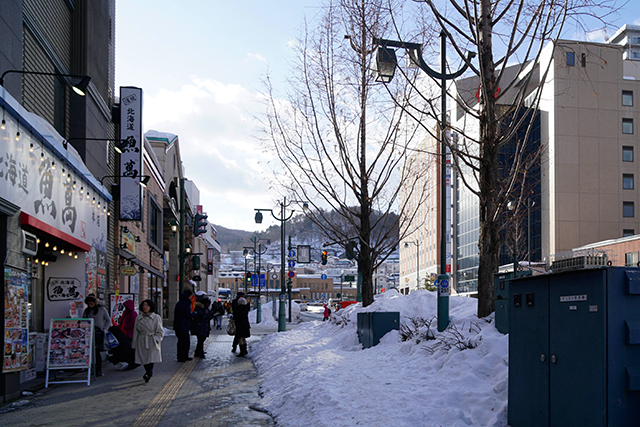
There are more food shops along the south side of Chuo dori. We’re on the lookout for lunch, after all.
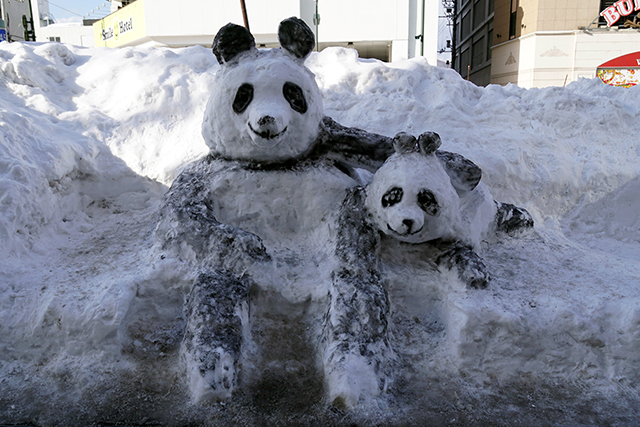
A pair of snow sculpture panda with a cute cub greets us on the sidewalk.
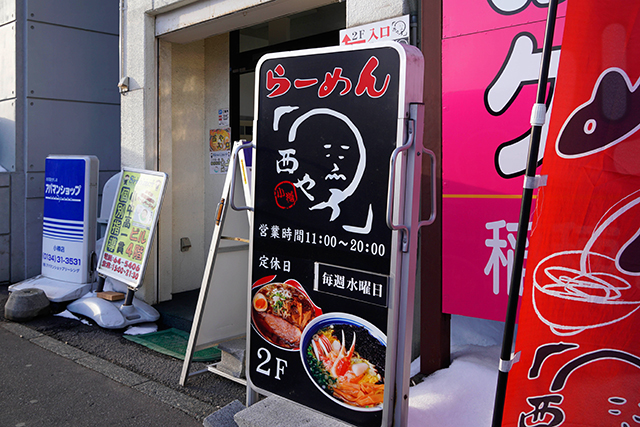
We end up back near the train station for some hot ramen at Ramen Nishiya.
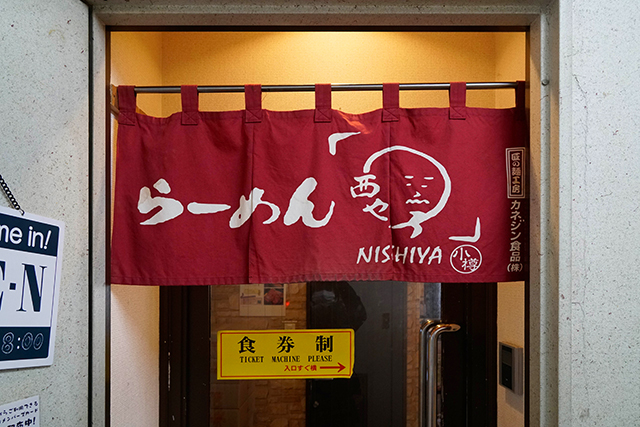
This is one of the most popular ramen shops in Otaru.
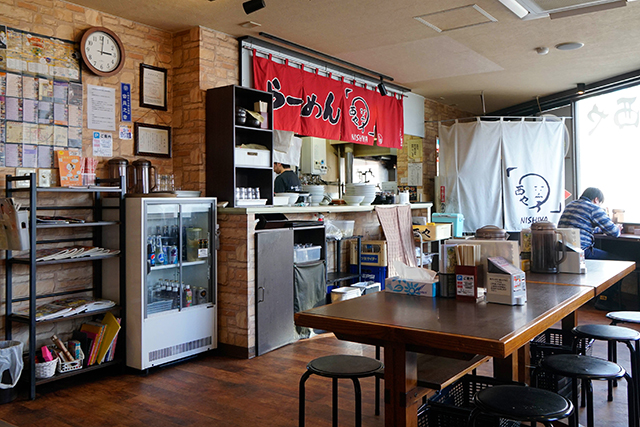
We arrive well after lunch hour around 3 PM, so the restaurant is rather quiet.
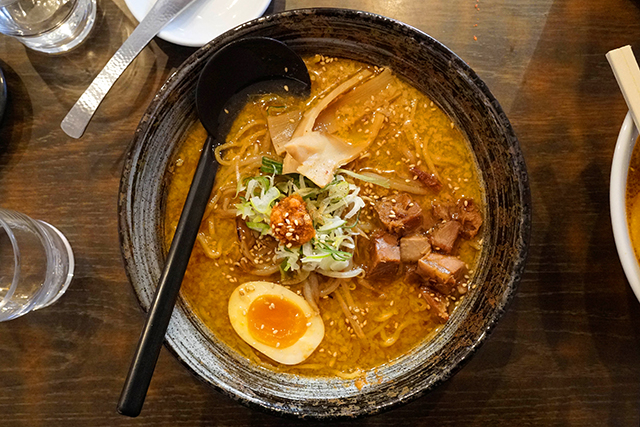
D orders their #1 ramen, which is a Rich Miso Ramen (¥870). The balanced richness of the miso ramen is what makes this restaurant famous. D enjoys the cubes – rather than the typical slices – of protein in his ramen.
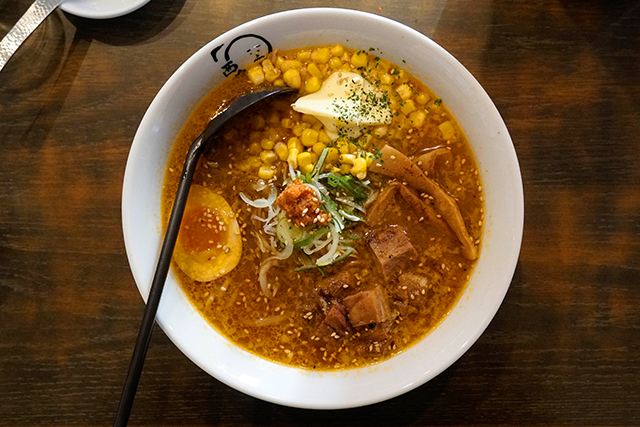
And my choice is the Miso Butter Corn (¥920), which comes with a large pile of corn and an equally generous dollop of butter. The corn adds pops of sweetness while the butter makes the soup rich without the thickness of the collagen-rich tonkotsu ramen. I enjoy the marinated cubes of meat too, as well as the fresh crunch of the bamboo shoots.
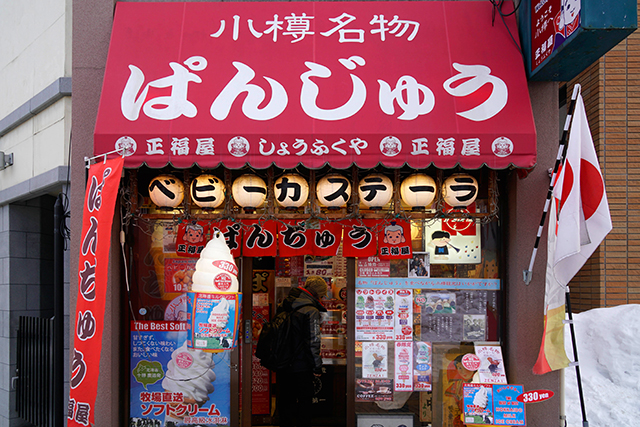
Shofukuya specialises in panjyu, a portmanteau of pan, meaning baked bun, and manjū, meaning steamed bun.
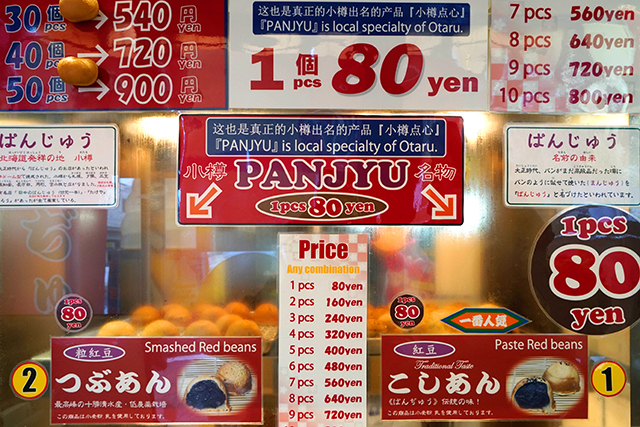
Panjyu is a local specialty of Otaru. We can’t vouch for whether that’s true or not because this is the only store we encountered selling them. They come in numerous flavours, each for ¥80. The Japanese do not understand bulk pricing, which probably contributes to how their population avoids obesity.
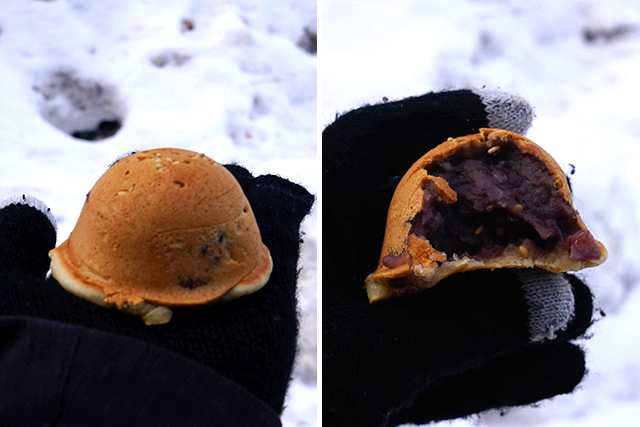
This is the smashed red bean. Compared to a pan or a manjū, the innards make up much of the panjyu. The crust is crispy with a pleasant golden brown flavour that pairs well with the sweet red bean. We enjoy the added texture of smashed red bean over the smooth paste.
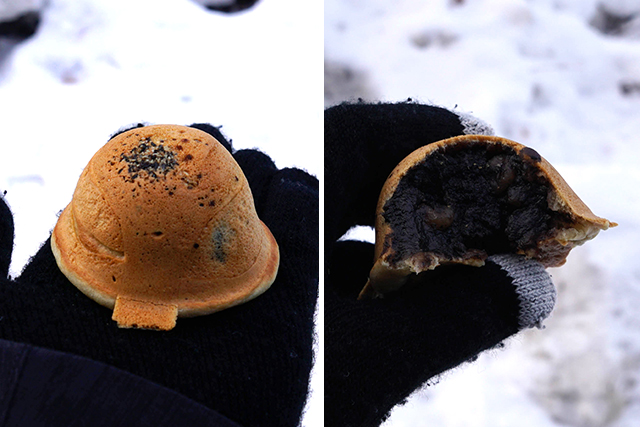
This is the black sesame. It uses the smashed red bean as a base to mix the black sesame in, so the texture is retained while the fragrant nuttiness of black sesame came through. This was so tasty, I may have eaten (accidentally) eaten most of it after D took a bite. Oops!
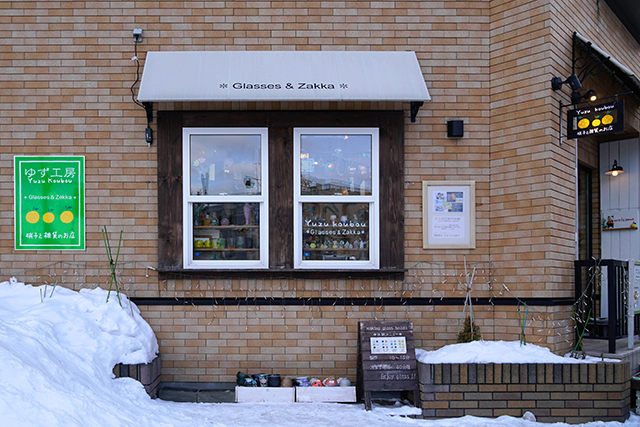 This is a cute glasswork shop called Yuzu Koubou, with yuzu illustrations in its logo.
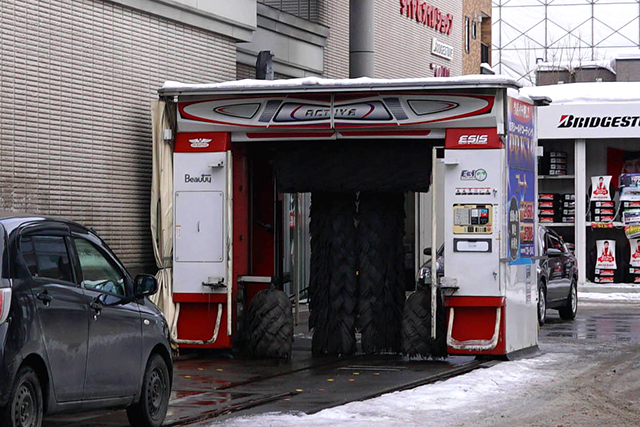
Car washes in Japan are rather small, portable looking structures compared to the purpose-built ones in our service stations. They do have smaller cars, after all.
Otaru – Canal Area
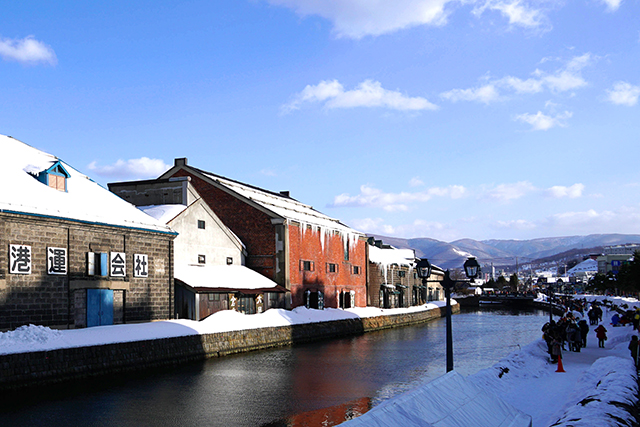
Before long, we’re at Otaru Canal. The view of the converted dock facilities against the blue skies and mountains is breathtaking.
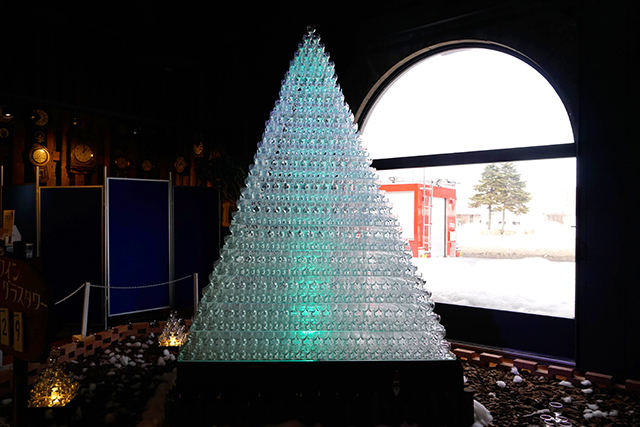
We pop into the Canal Plaza Tourist Information Center where there are brochures about things to do around Otaru in every language as well as staff members on hand to point you in the right direction. There’s a pyramid constructed from champagne saucers.
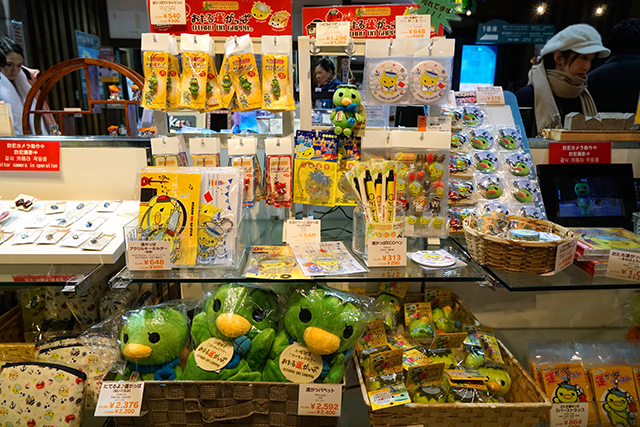 In the omiyage section, we spot merchandise featuring the mascot for Otaru, Ungappa (a portmanteau of canal and kappa in Japanese).
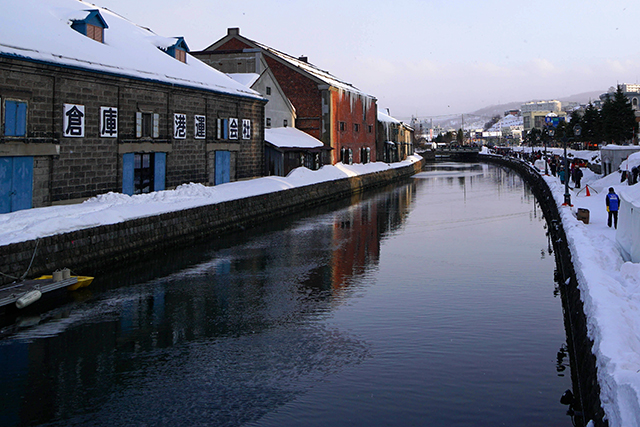
Before long we head back outside to the canal as the sun’s setting.
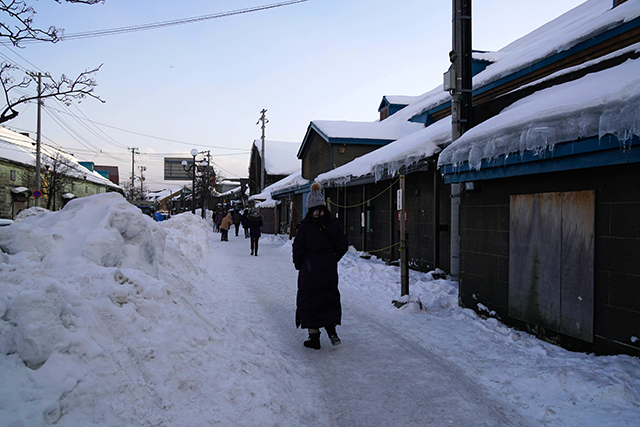
We walk along the back of the shops.
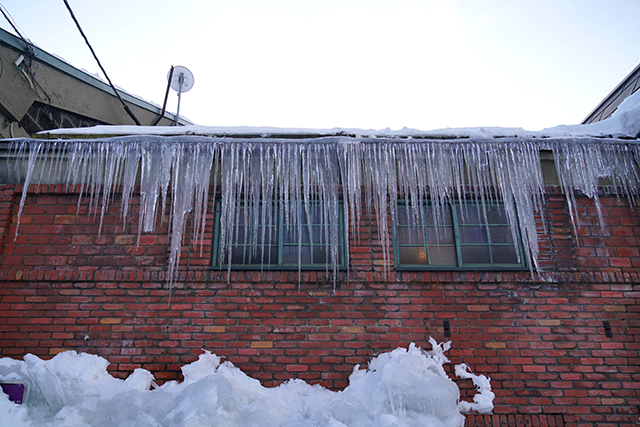
These icicles hanging from the roof of this building look so picturesque but also deadly.
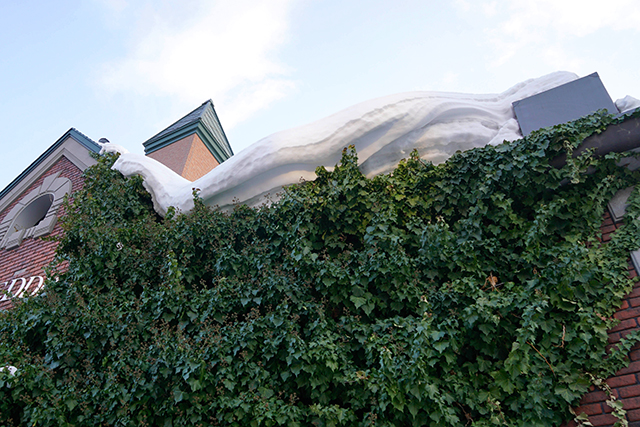
The pile of snow on the roof looks like the fluffy meringue atop a cake. Mmm.
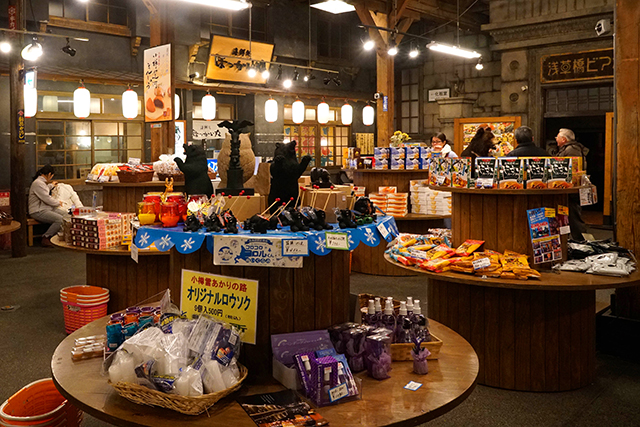
We pop into one of the shops selling omiyage. It’s rather quiet in here and nothing catches our eye.
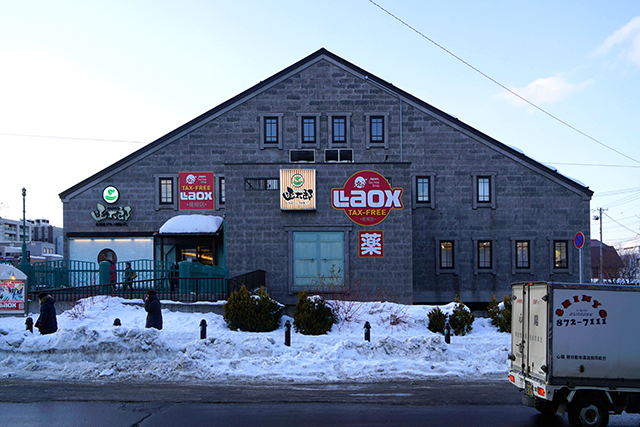
Back outside, we find a Laox in one of the old warehouse buildings.
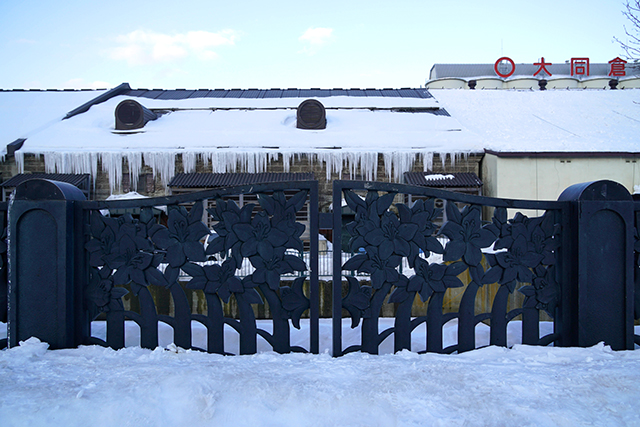
There are pretty designs on the gate to the canal. The canal itself is putrid.
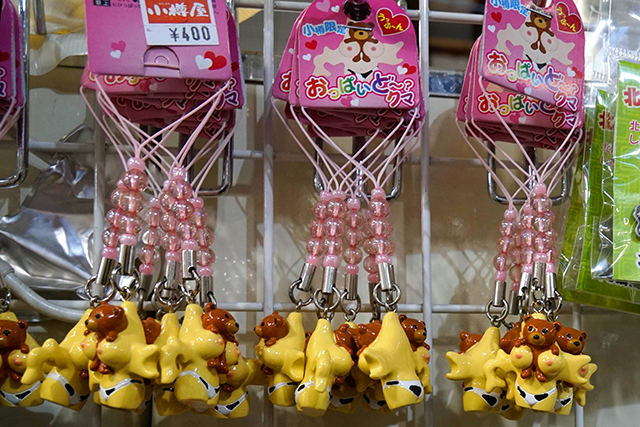
In another omiyage shop, we spot these key chains in the shape of the island of Hokkaidō…
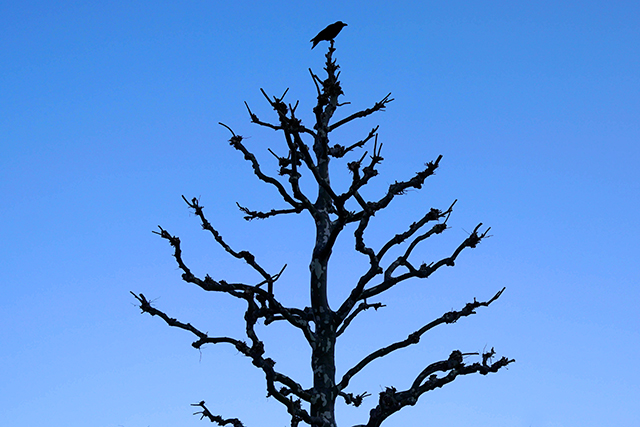
There’s a rather picturesque tree outside with a lone bird…
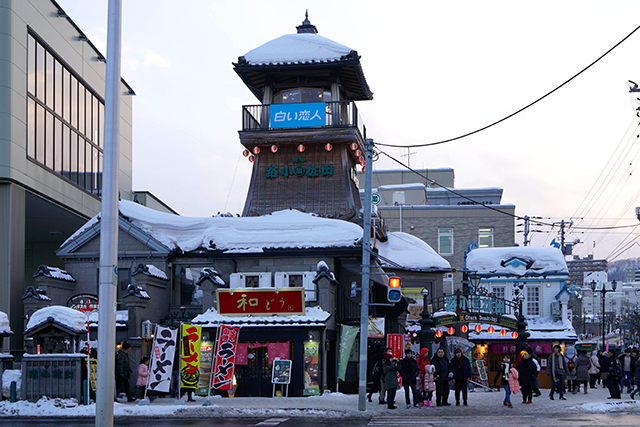
Across the road is Otaru Denuki Koji, with its signature tower. At the top is a free observation deck.
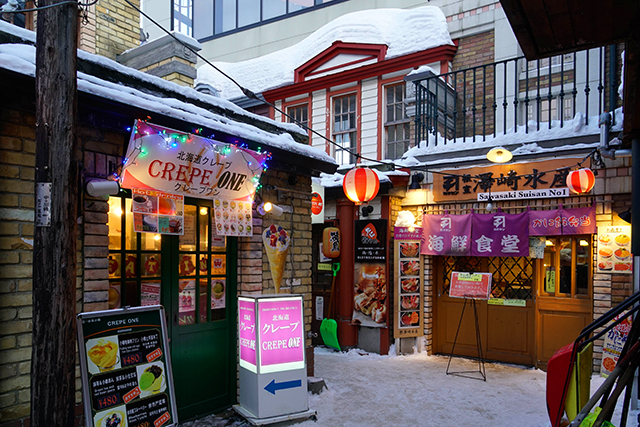
Otaru Denuki Koji is a cluster of around 20 smalls shops with narrow alleys and the atmosphere of a bygone era.
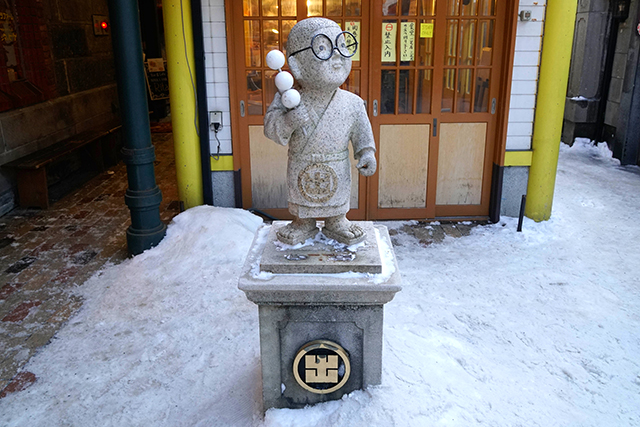
This is a statue called Udatsu Kozo, said to be a symbol of Otaru Denuki Koji that promises success in seeking job promotions and business.
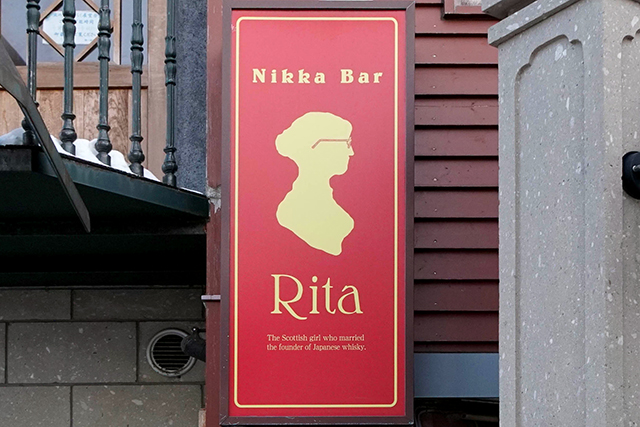
One of the shops is called Nikka Bar Rita. It’s named after the wife of the founder of Nikka Whisky, Rita.
Yoichi Distillery and the owner of an old bar in Otaru have collaborated in opening this pub. We wanted to provide a place for Japanese whisky lovers to rediscover its excellence, and for novices to start enjoying it. Nikka Bar Rita offers a single-cask genshu (unblended whisky) that is produced nowhere except the Yoichi Distillery, and assorted appetizers made from local ingredients.
Otaru – Sakaimachi Dori
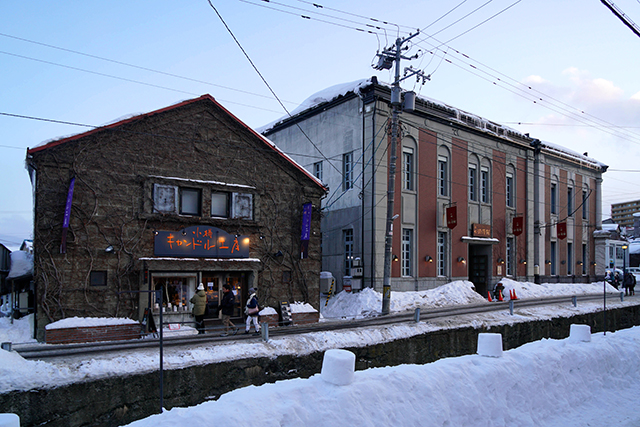
This building covered in vines across from the canal sells candles. Next to it is the building of former Otaru Branch of Hyakujusan Bank constructed in 1908. It’s a designated historic landmark of Otaru City.
Established in 1893, the Otaru branch of Hyakujusan Bank was originally further south along this street, but due to expansion, moved to its current location. Interesting aspects of the building include the hipped tile roof, entrances at the croners and what might be considered Greek decorative construction above. The outher walls were originally sheathed in stone by the architect, Masujiro Ikeda, but later retiled with brick, giving the building its current appearance.
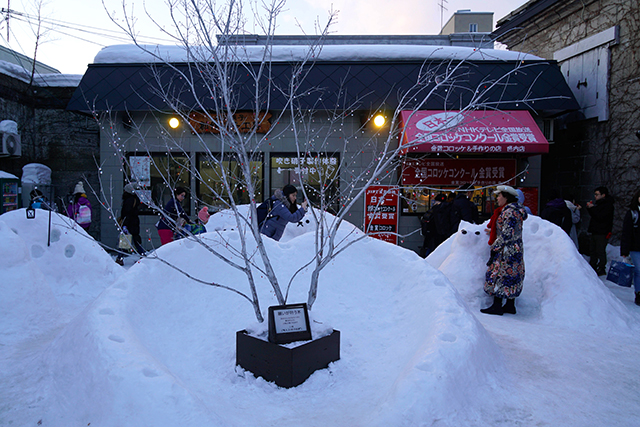
There are makeshift snow sculptures outside another smaller Tourist Information Centre.
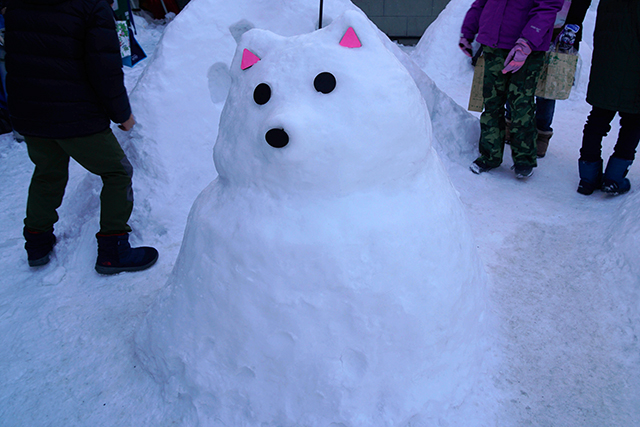 Fluffy white dogs in Japan tend to be spirits…
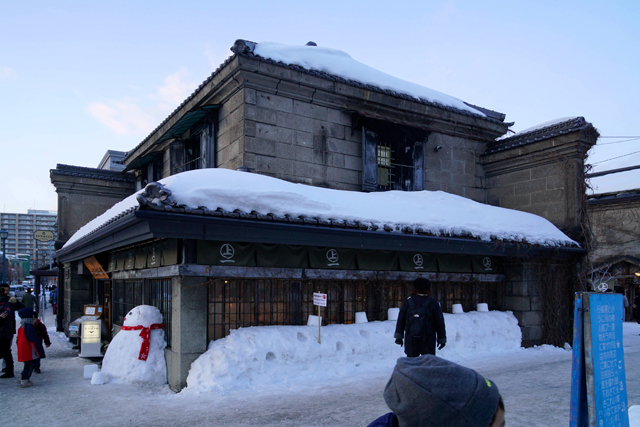
This is the head office for Taisho Glass, a store specializing in handmade glassware. It occupies a building formerly owned by Natori Takasaburo, built in 1879. For those inclined, visitors can try their hands at glassmaking at the workshop next door with a booking three days in advance.
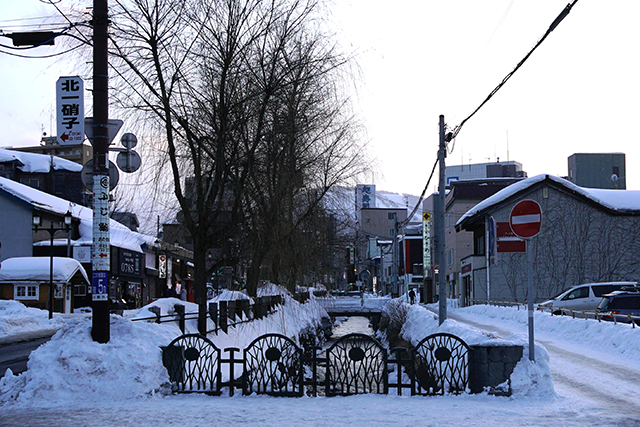 The canal extends further down but we take a left into Sakaimachi.

There’s a cute alien snow sculpture outside one of the shops.
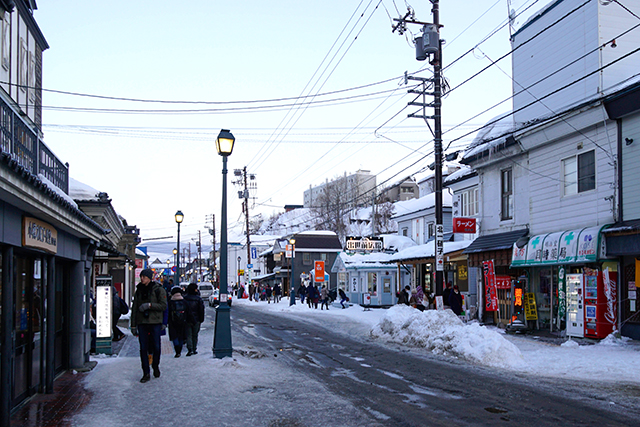
On the left is another historic landmark of Otaru City.
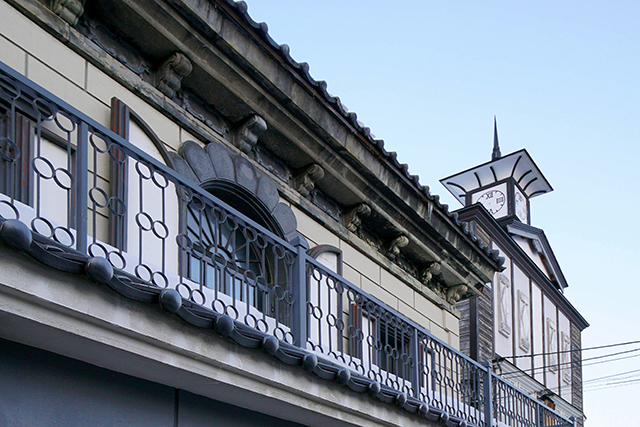
It’s the Iwanaga Clock Store constructed during the latter half of the 1890s.
Founded and built by Shintaro Iwanaga, this clock wholesaler was a sophisticated company for the time, even featuring an orchestra made up entirely of employees. The second floor balcony, round-arched doors, banisters and more were renovated to their former glory during a restoration in 1991. Special attention was paid to fine details of the design such as the roof ornaments, molding on the eaves and more. The pair of mythical carp, or shachihoko, attached to the clay tile roofing were unusual ornaments for stores of the period and reveal the enthusiasm of Otaru’s merchants at the time.
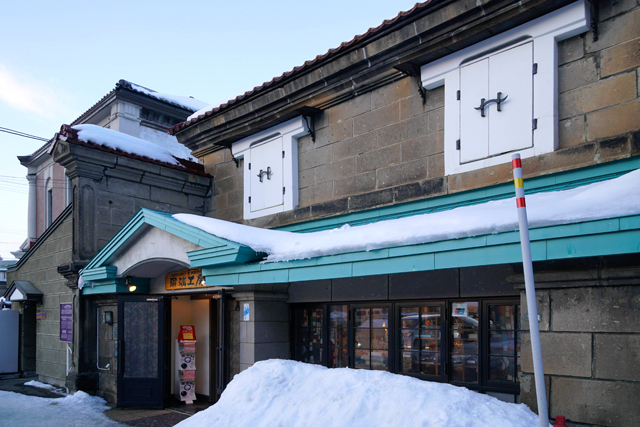
This is the Former Motosaburo Kaneko Store constructed in 1887.
The Motosaburo Kaneko Store dealt in marine and land products, fertilizer sales and marine transport during the Meiji and Taisho periods. Store manager Motosaburo Kaneko, was representative of Otaru’s politcal and financial leaders, being installed as the city’s first ward mayor in 1899 and later on elected numerous times as a member of the House of Representatives. The freestanding walls on both sides and the stuccoed wing windows on the second floor serve to maintain the appearance of the building at the time of its construction and the building itself is a classic example of Meiji period store construction.
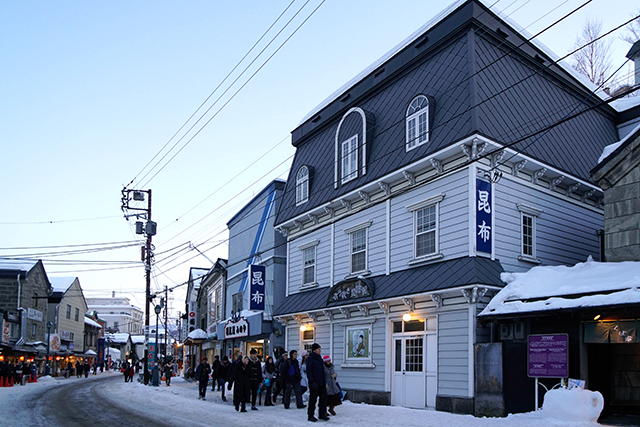
Sakaimachidori Shopping Street was once called ‘The Wall Street of the North’ due to its prosperity.
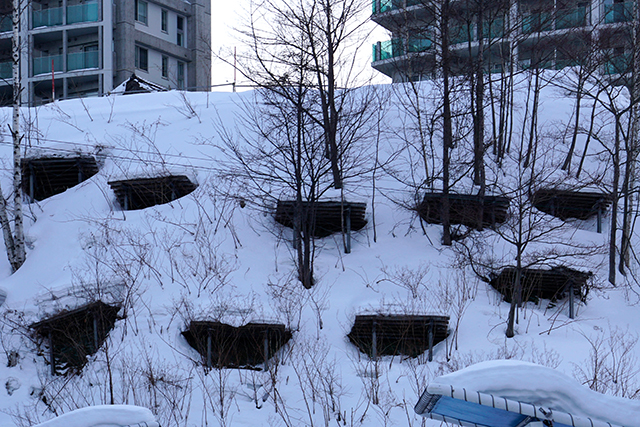
Along the embankment, we see ‘shelves’ that help ease the load of the snow from above so area underneath can avoid being snowed under.
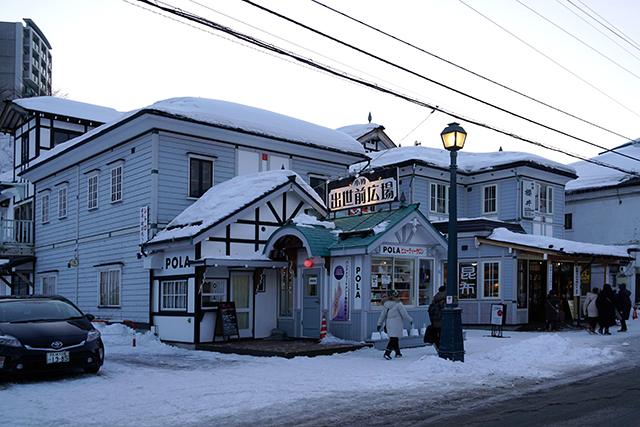
There’s a certain charm about these houses, even though they’re more modern than the historic buildings along the street.
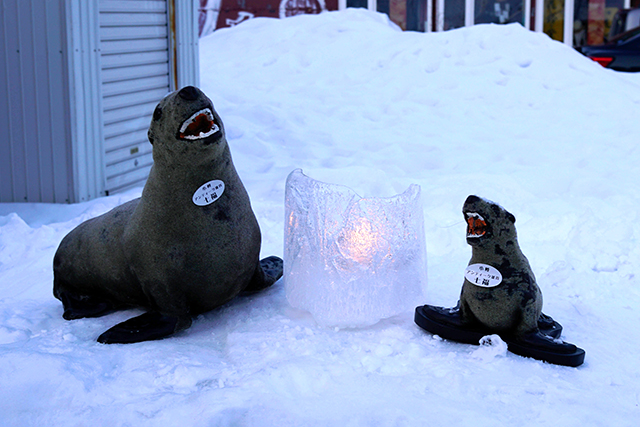
These seals look like their either laughing or ravenous…
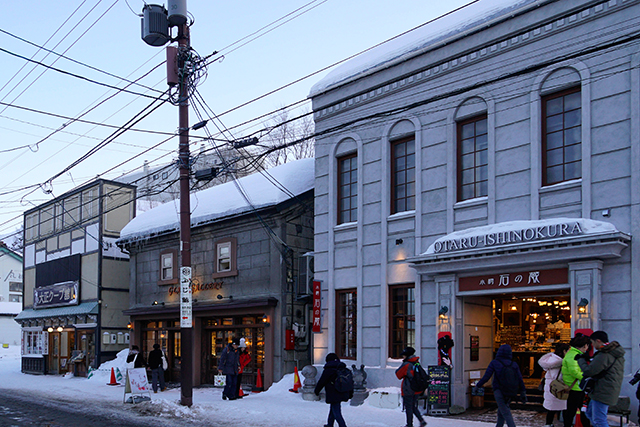 There are numerous glassworks stores along the road.
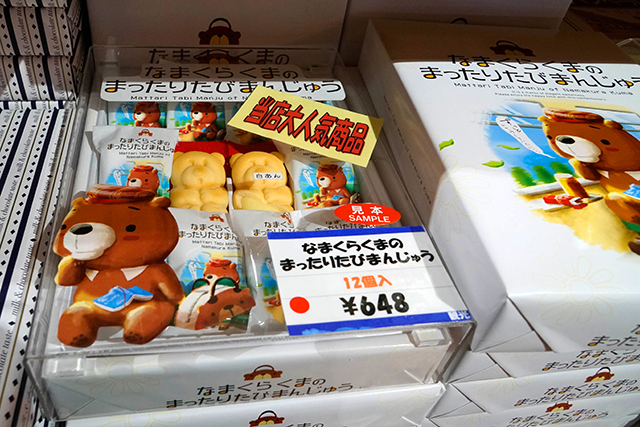
There is cute bear shaped manjū…
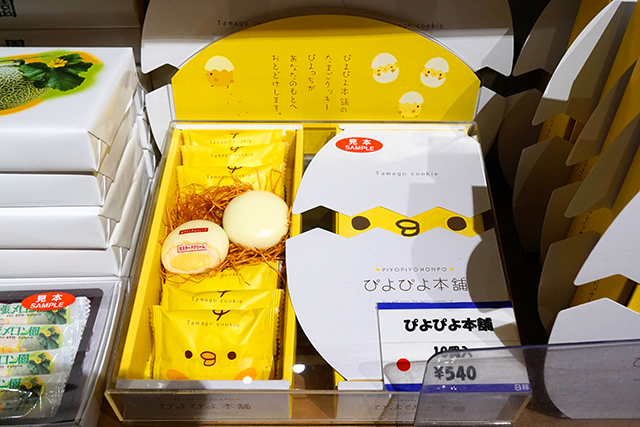 …as well as cute tamago cookies.
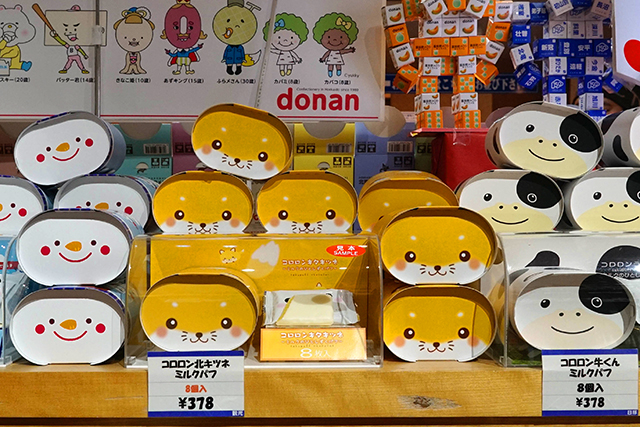
Japan is a haven for cute packaging. How do you choose?
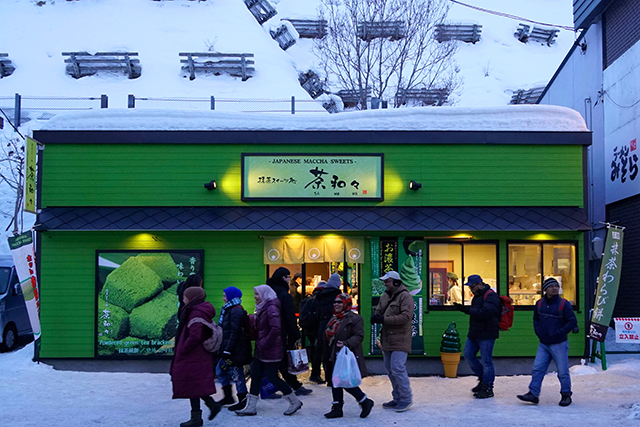
This store selling ‘Japanese Matcha Sweets’ stands out against the white and grey. It’s hard to miss!
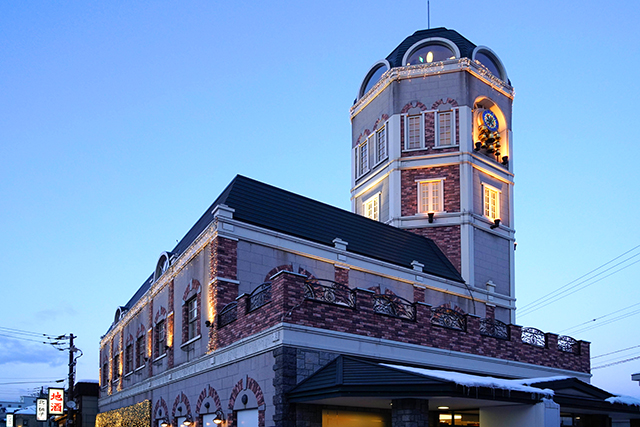
At the Meruhen intersection of Sakaimachi Dori is the main store for LeTAO. Unlike the other converted merchant buildings, this store is purpose-built to resemble a big tower. The name LeTAO is based on the first letters of the French phrase La Tour Amitie Otaru meaning ‘The Amiable Tower of Otaru’.
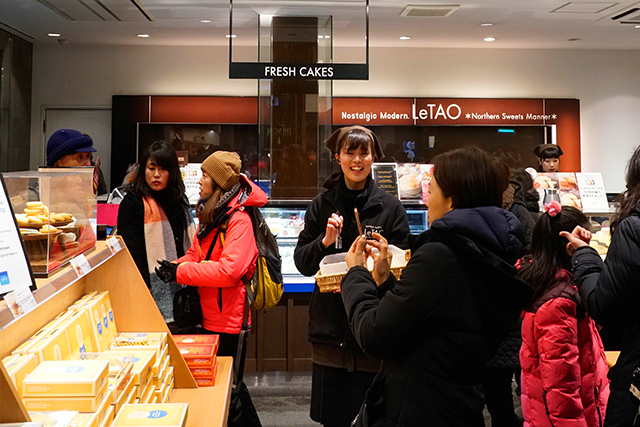
LeTAO is a confectionary store for Western sweets that has found popularity all over Japan with stores at all major airports.
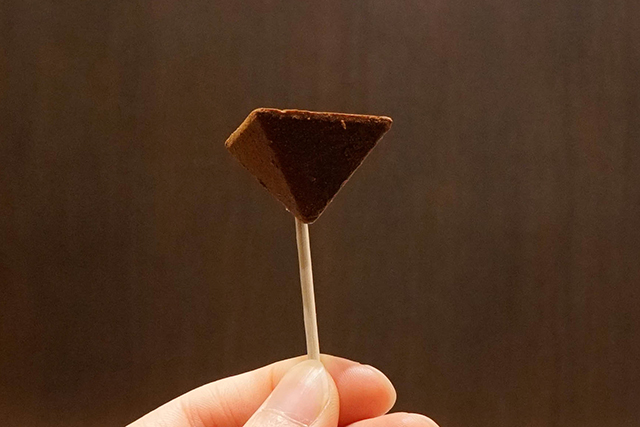
LeTAO aims to create ‘nostalgic modern’ Western confectionery, and with these samples of their Royale Montagne, a pyramid of melt-in-your-mouth chocolate blended with Darjeeling tea is a prime example with its delicate flavour. We enjoy these immensely but hold off on purchasing until later.
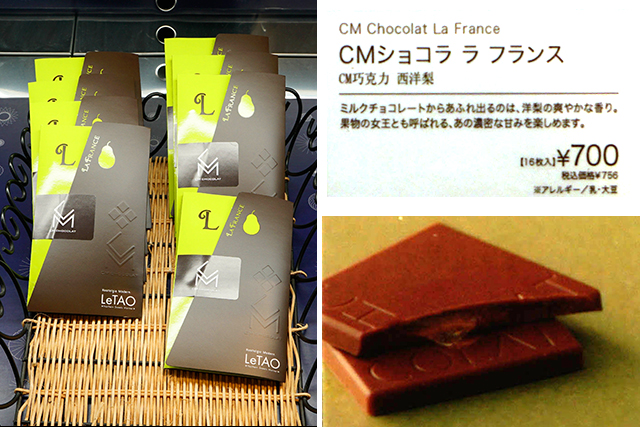
La France pear flavoured chocolate is also available. La France pears are known for their fragrant and vibrant flavour. At ¥700 and with no samples and a long queue, we pass this by, alas.
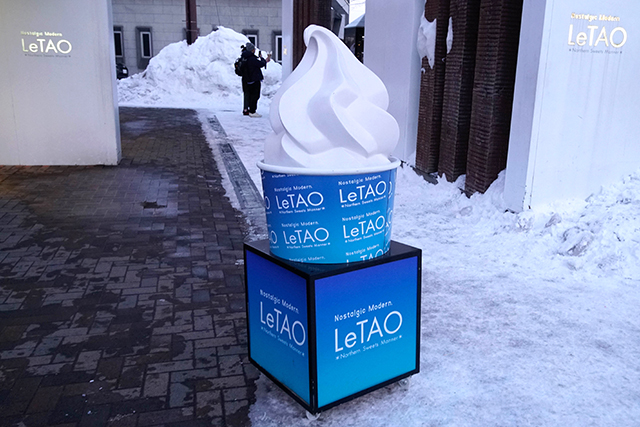
You can also enjoy LeTAO soft serve.
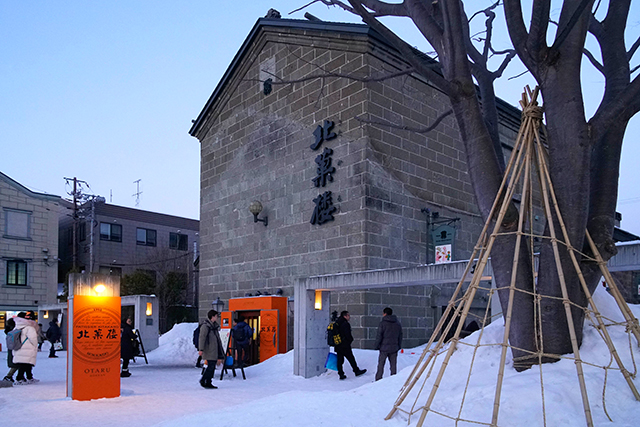
Next door to LeTAO is Kitakaro Otaru Honkan with its bright orange signage.
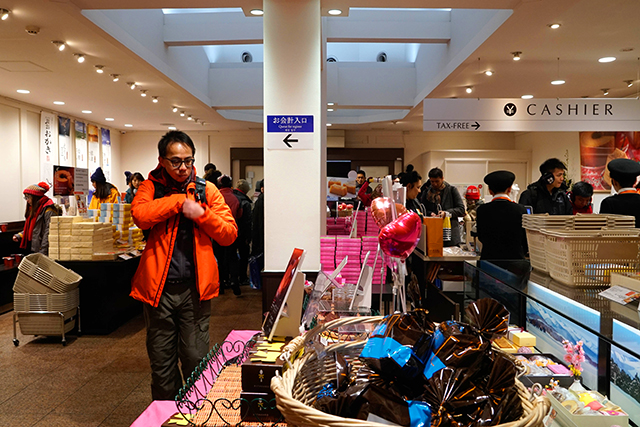
Kitakoro is best known for its baumkuchen, which is available for sampling. It’s moist and soft, but again we’re not so impressed that we understand the hoards of Chinese tourists literally buying everything off the shelves (many are empty or being emptied by tourists by the time we arrive at 4:30 pm).
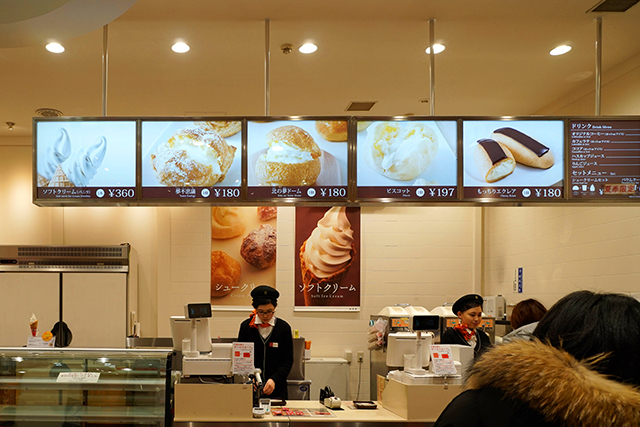
The Internet claims that their cream puffs are amazing. Again, they’re sold out for the day, but we pick up some later at the airport!
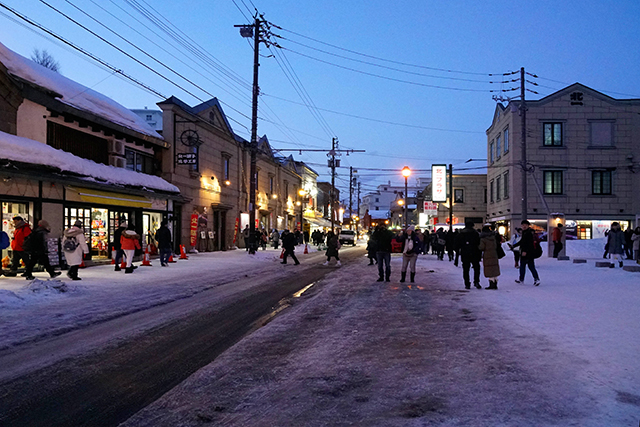
Heading back onto the street we find Rokkatei next door.
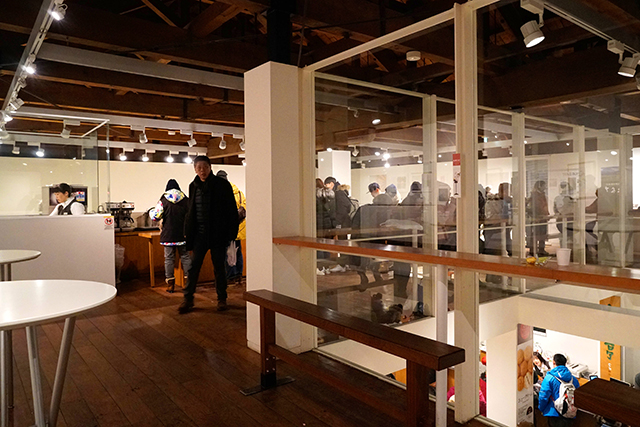
Rokkatei is another confectionery store. On their second floor is a dedicated cafe space.
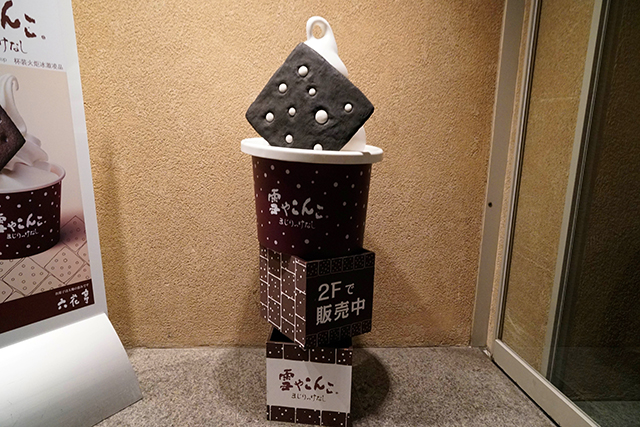
A soft serve sign points you in the right direction near the entrance.
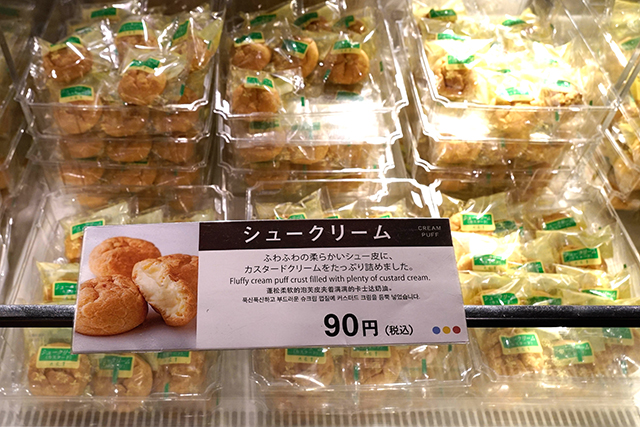
It’s a simple space with a very limited menu consisting of two types of pastries and soft serve with complimentary coffee. This Choux Cream is their main draw at ¥90.
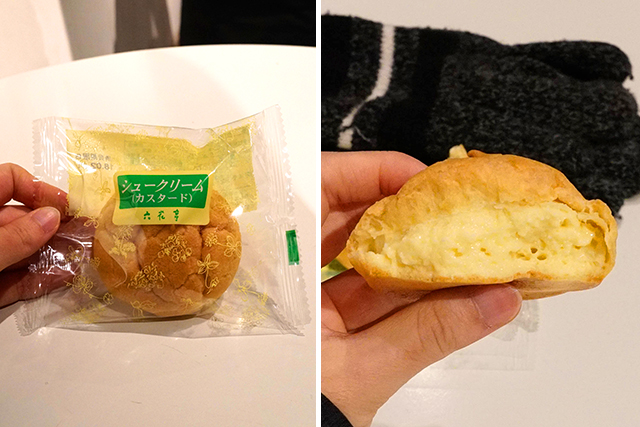
The mini choux cream is filled with custard. While the pastry itself is not crunchy and soft, we enjoy the smooth custard and the chance to defrost in a low key space away from the crowds for a while.
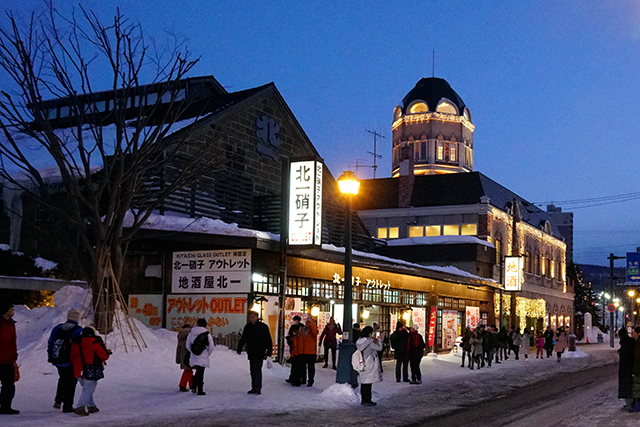
We double back to try to find a shop that sells whacky flavours of ice cream inside the Kitachi Glass Outlet but we can’t find it. The Internet did say it was a bit of a hit and miss whether it’d be open, though.
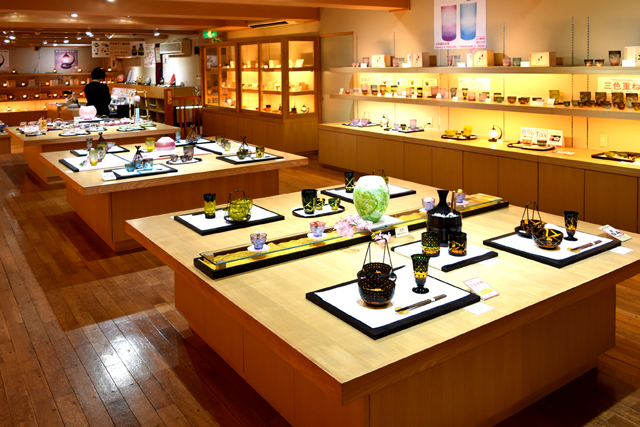
This is the same outlet that presented the glass lamps above the entrance hall of Otaru Station.
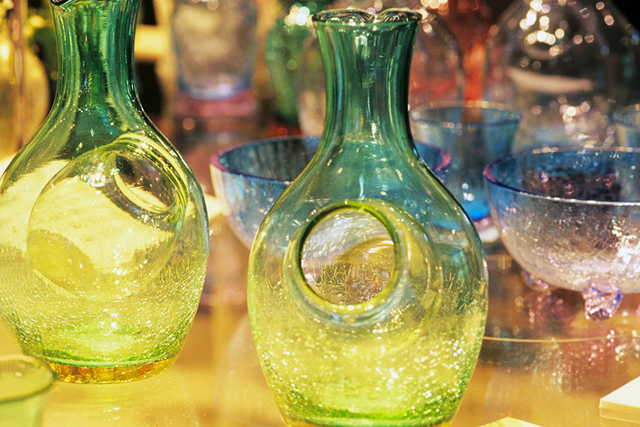
There are countless items of glasswork spread across two floors. We like the idea that this jug has an central cavity that could keep beverages warm or cool without diluting them. I wonder if that’s the correct use for it?
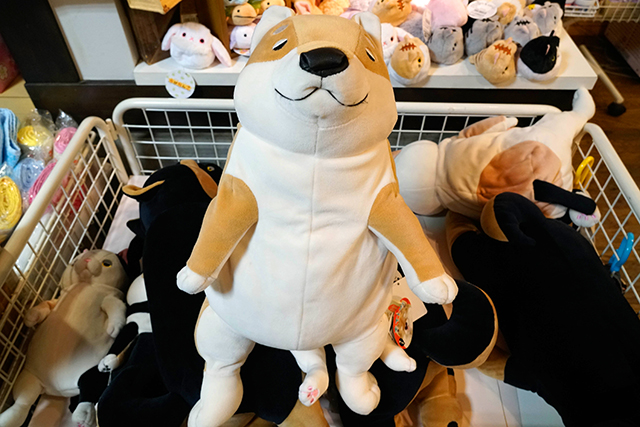
Across the road, we head into a souvenir shop and find these shiba inu plush toys. We find cuter ones later.
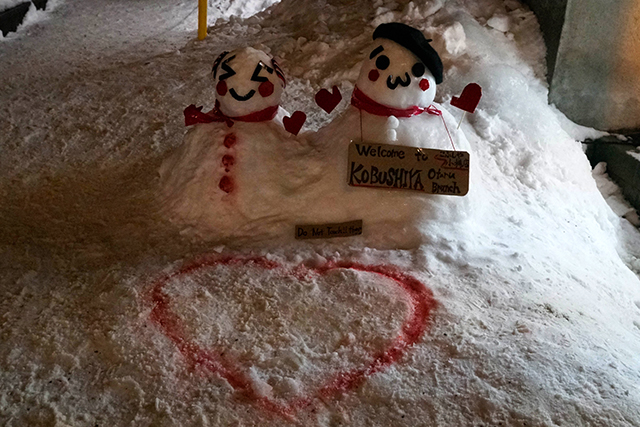
A snow couple welcome you to the Kobushiya Otaru Branch, another souvenir shop selling popular Hokkaidō sweets. We pop in here some souvenirs for family and friends.
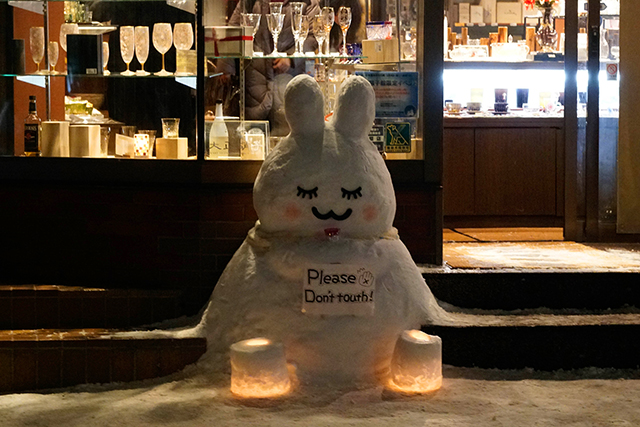
Some of the merchant shops on the street have been converted into glass workshops where tourists can enjoy a hands-on experience in creating the local Otaru Glass.
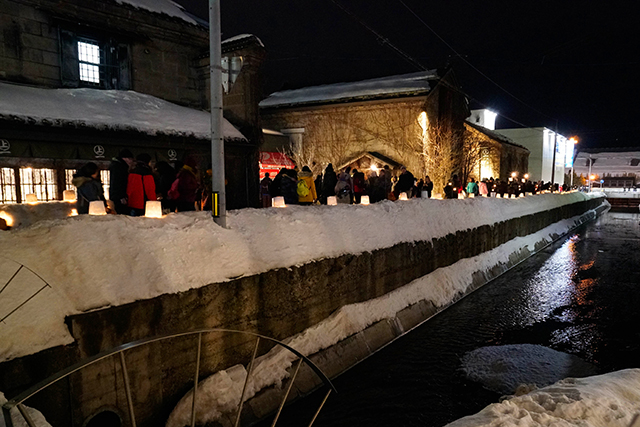
By now, it’s dark and the shops are closing up.
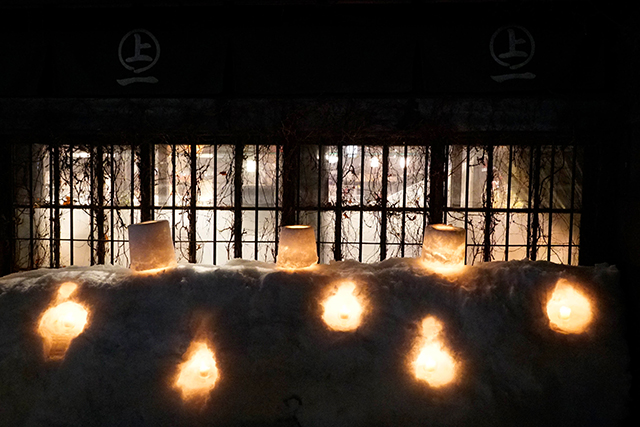
But the festival has just begun with the snow sculptures lighting up.
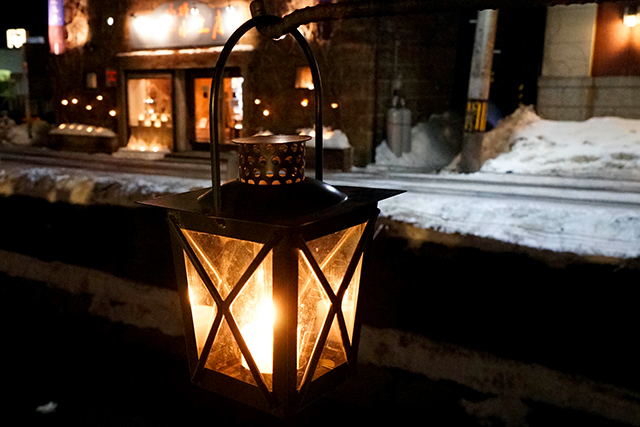
These lamps light up the canal. It’s particularly slippery around this area with the slightly warmer daytime weather melting the snow just enough to turn into ice.
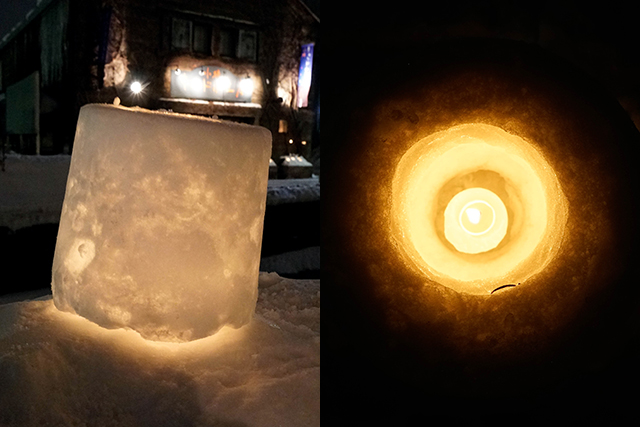
Tiny candles light up these snow lanterns.
Otaru – Canal Area
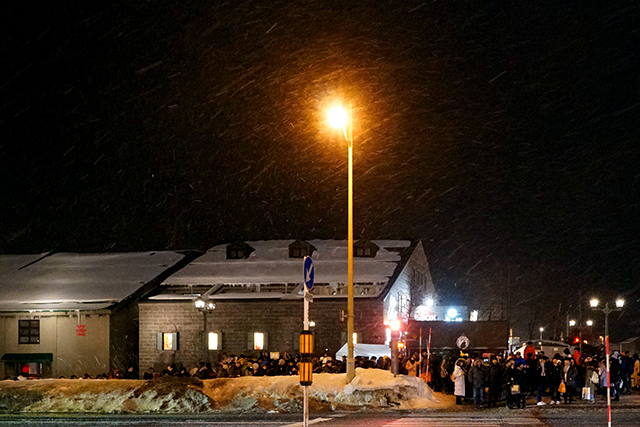
The crowds of tourists wanting to catch a glimpse of the canal lit up at night is insane.
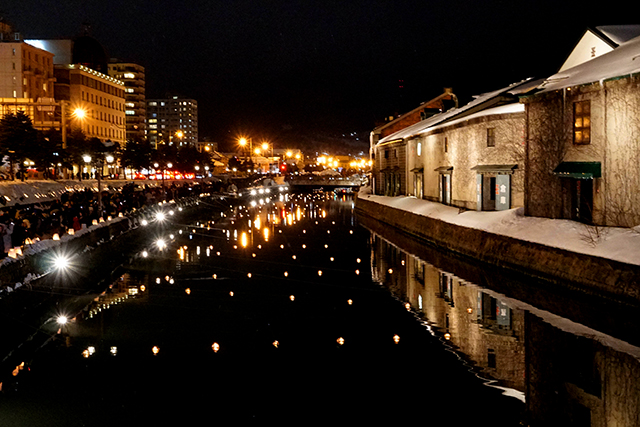
So, we squeeze in for a quick photo down one end without going down the path before hightailing it out of there to the Otaru Snow Light Path a few blocks towards the station. It’s slippery and cold and snowing heavily.
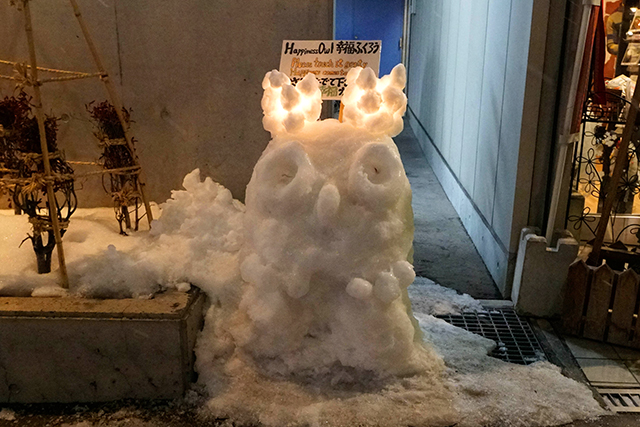
One of the shops has fashioned this ‘Happiness Owl’ out of the snow on the sidewalk.
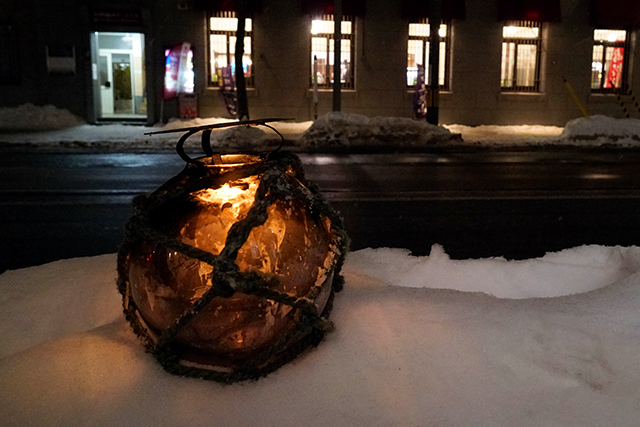
This lantern looks as if it’s been well loved over many years.
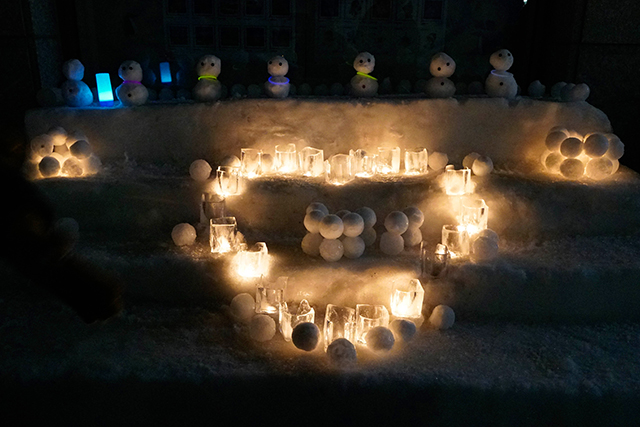
Snowmen, along with ice lanterns arranged in a heart shape feature on the sidewalk too.
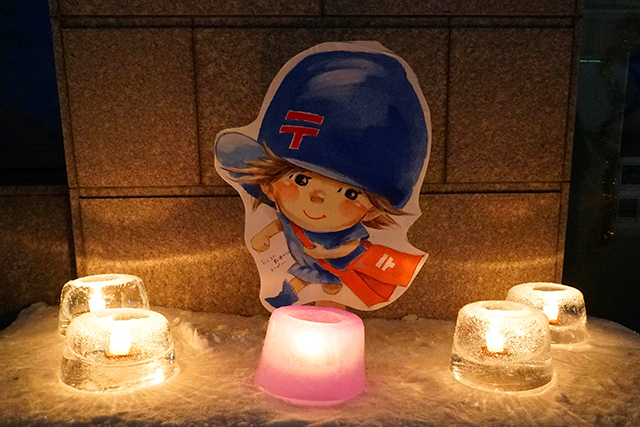
We pass by the Otaru branch of Japan Post.
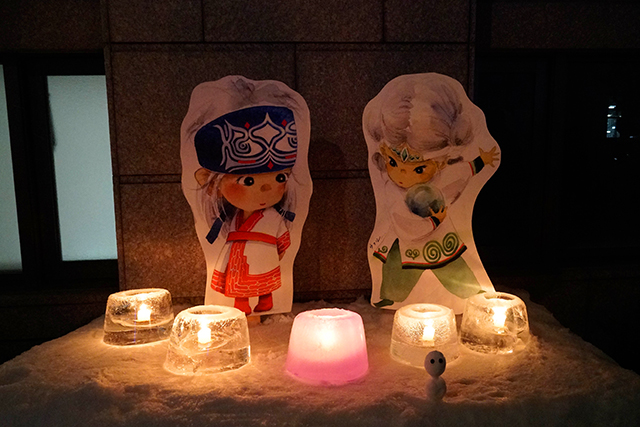
They’ve decorated the sidewalk with watercolour mascots and ice lanterns.
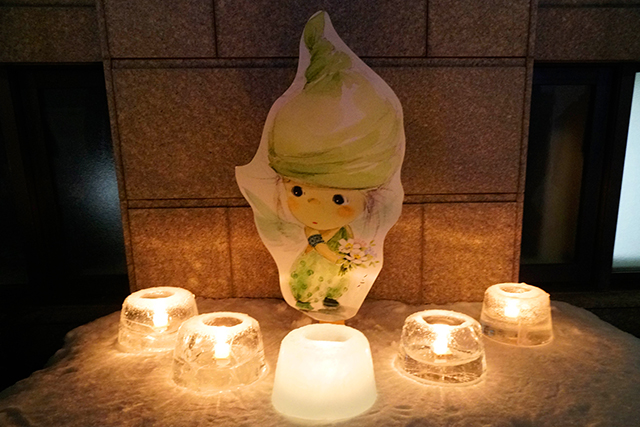
They look like they’re straight out of a storybook.
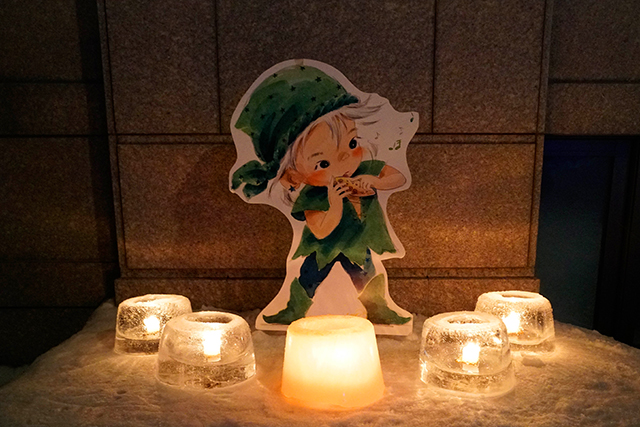
This one reminds us of Peter Pan.
Otaru – Snow Light Path
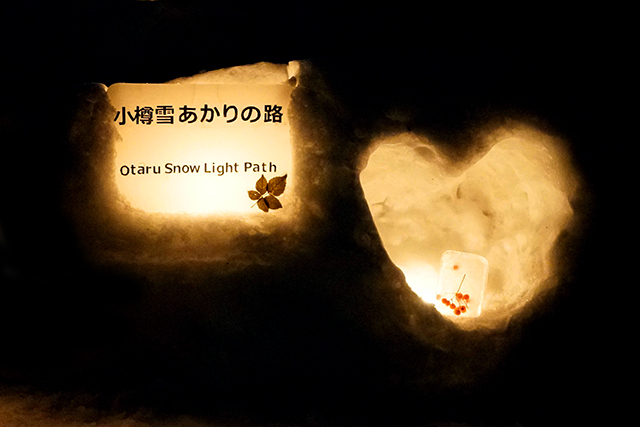
Before long, we’re at the Otaru Snow Light Path. Most people are still fighting the crowds around the Canal Area so we get a much-needed break from the crowds.
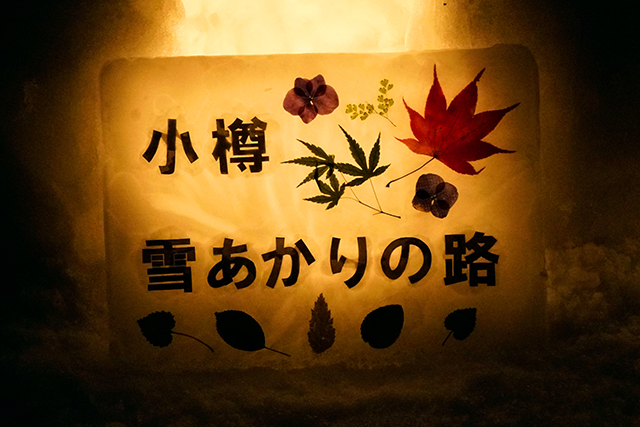
These backlit flowers are just the start of the prettiness that awaits.
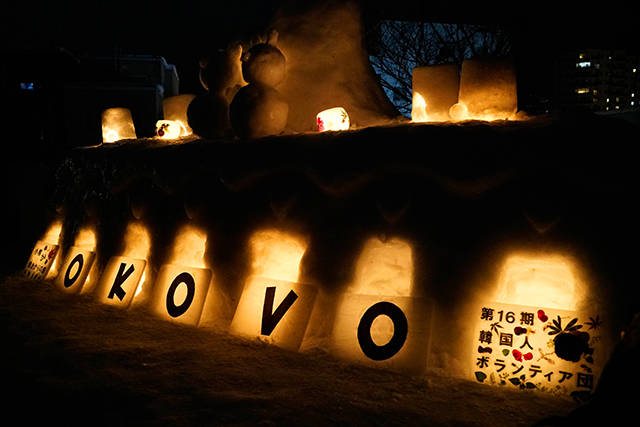
OKOVO is the name of a group of Otaru snow light festival KOrean VOlunteers based in Seoul who come together with locals and other volunteer groups around Asia to create the event every year.
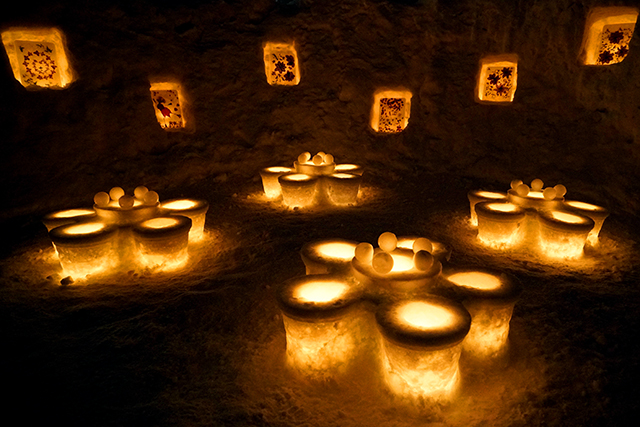
We see snow lanterns arranged to form a floor of flowers.
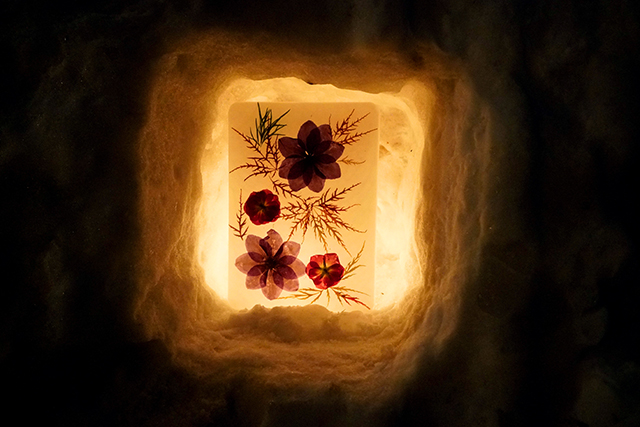
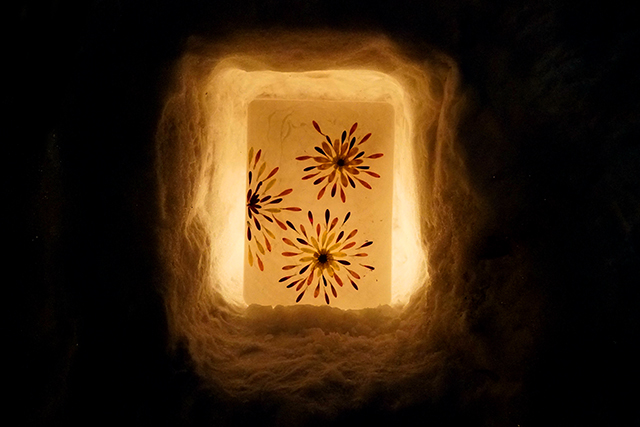
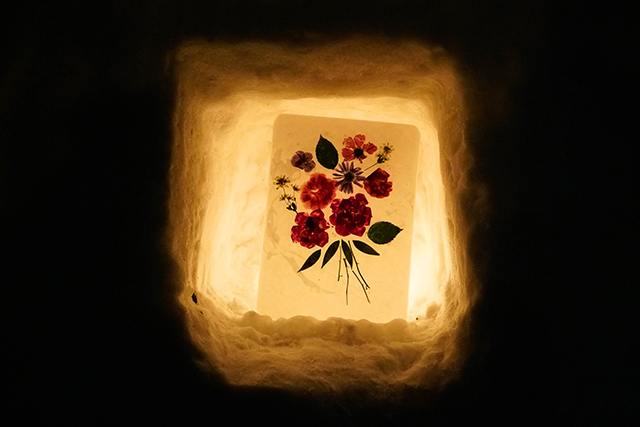
Cavities in snow walls are candlelit with and display artworks made from flowers set on wax.
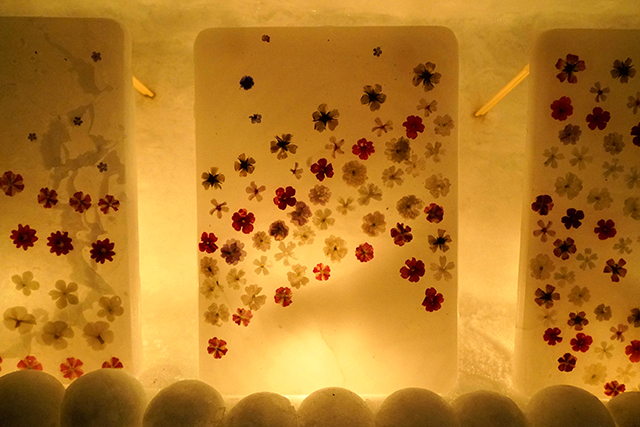
They’re a colourful reminder of spring to come.
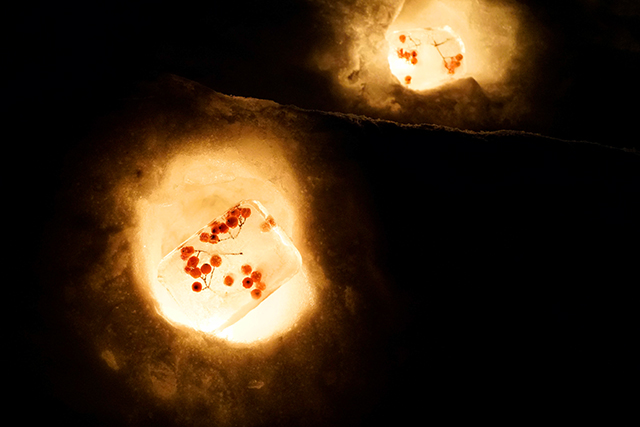
Elsewhere, we find berries are frozen in ice and lit from behind.
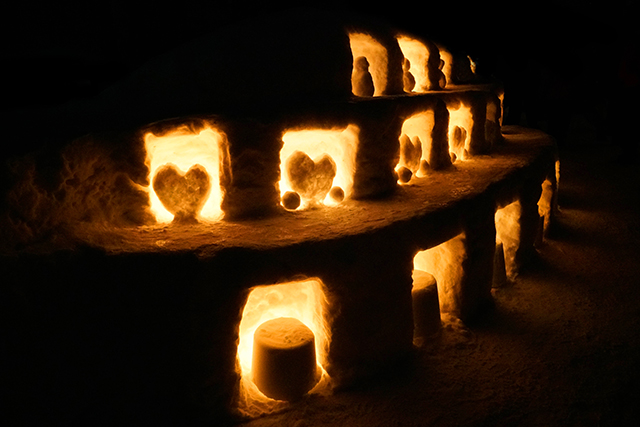
Candlelight brought a romantic warmth to the atmosphere.
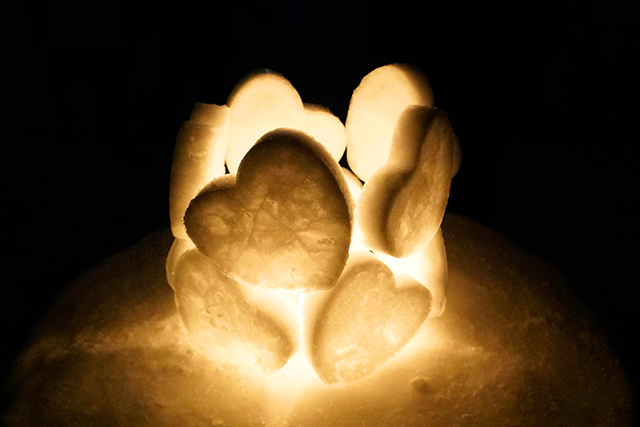
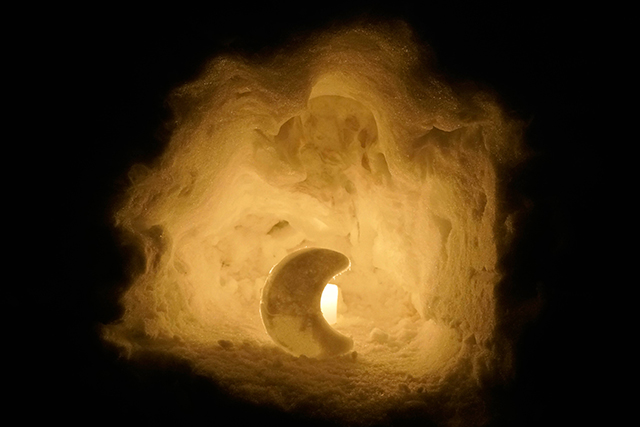
There are heart-shaped snow lanterns and backlit moons.
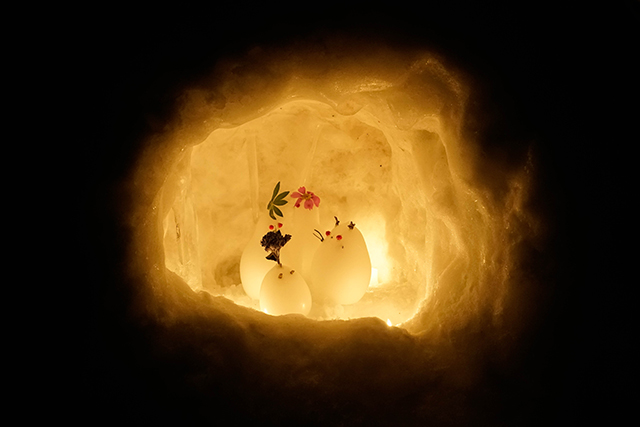
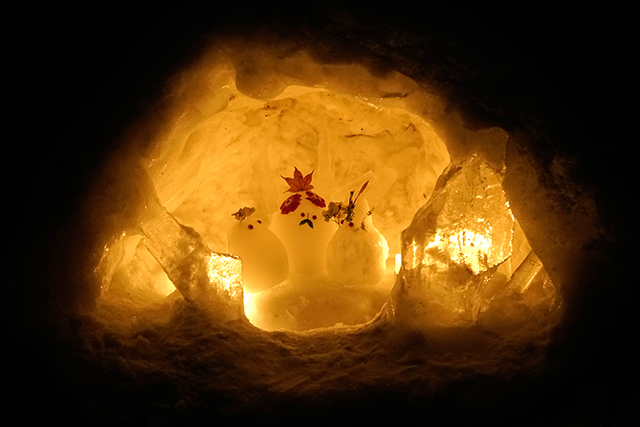
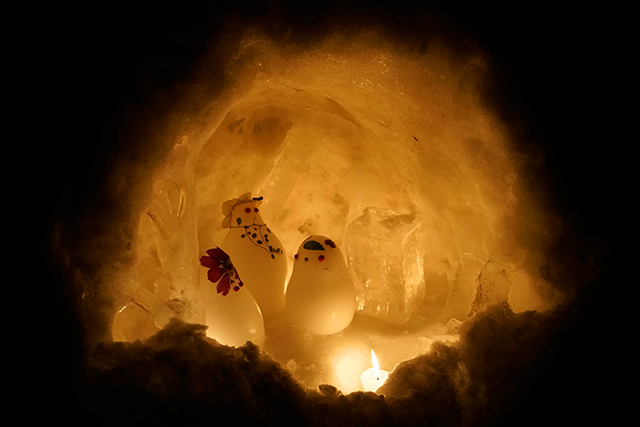
These egg-shaped snow sculptures are given life with parts of plants. They remind of Totoro.
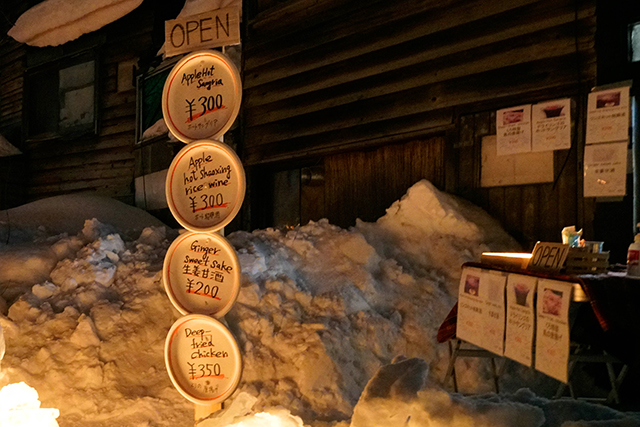
In the darkness, there’s a man running a stall selling hot drinks and karaage. That is if you can see him in the darkness, which is much darker than the photo suggests.
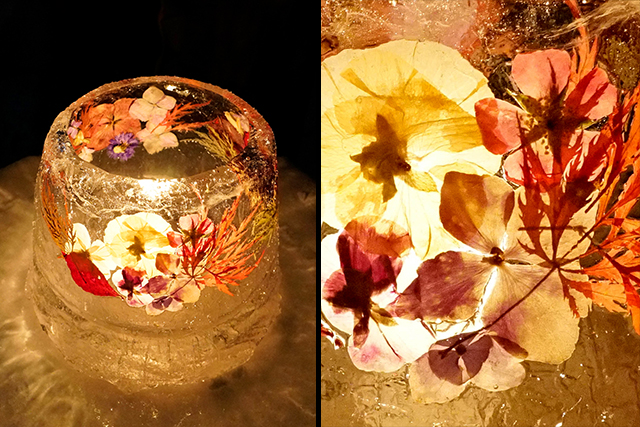
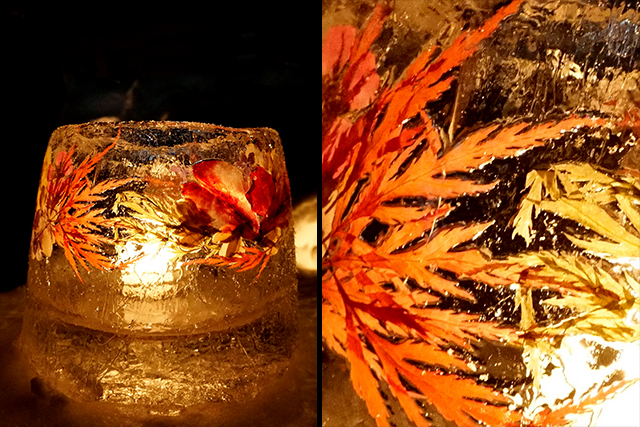
These ice lanterns with autumnal leaves and flowers within are breathtaking.
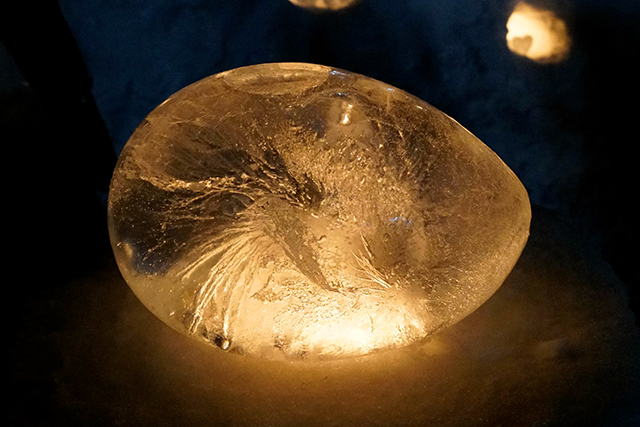
Even without the flora, there’s a certain beauty to candlelit ice globes.
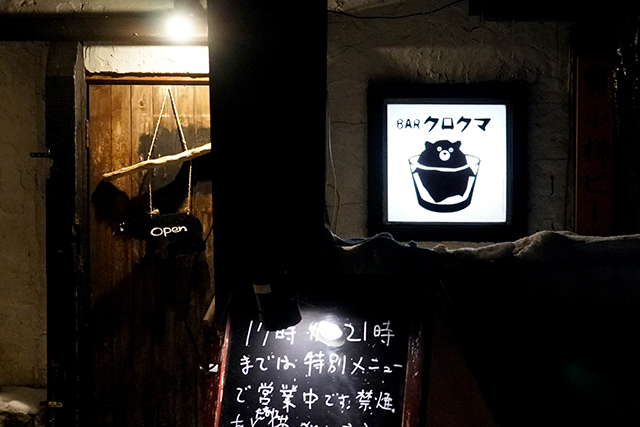
Midway through the path is Bar Kuro Kuma.
It has the cutest logo!
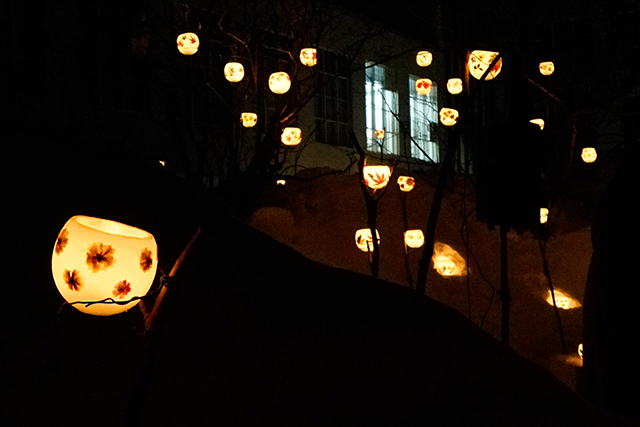
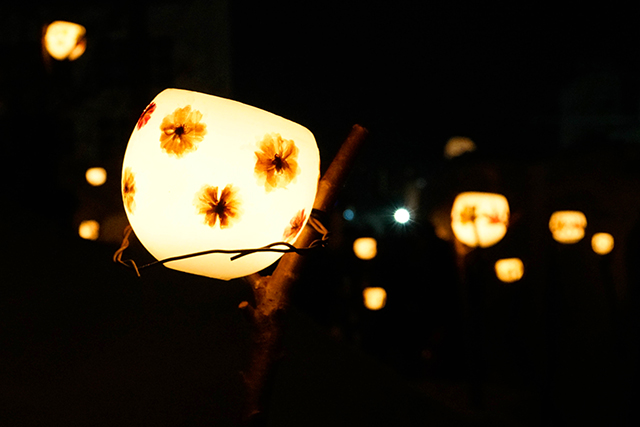 The second half of the path featured these wax candles incorporating dried flowers and leaves.
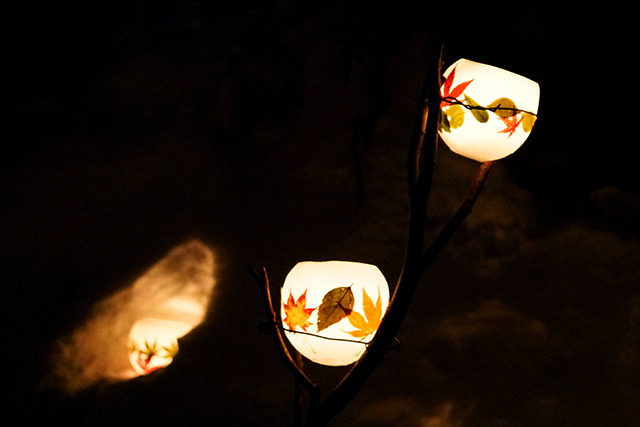
The candles are lit and attached to tree branches.
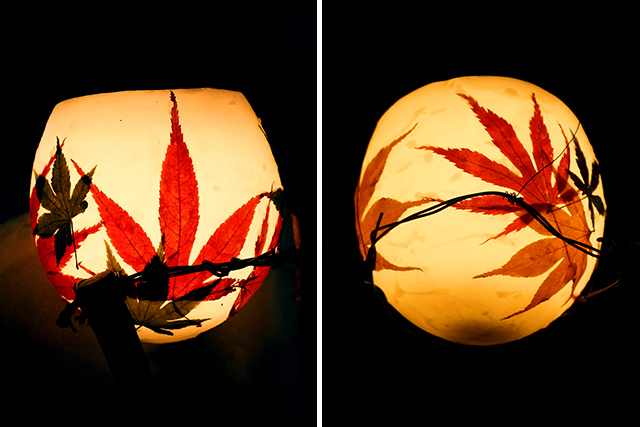
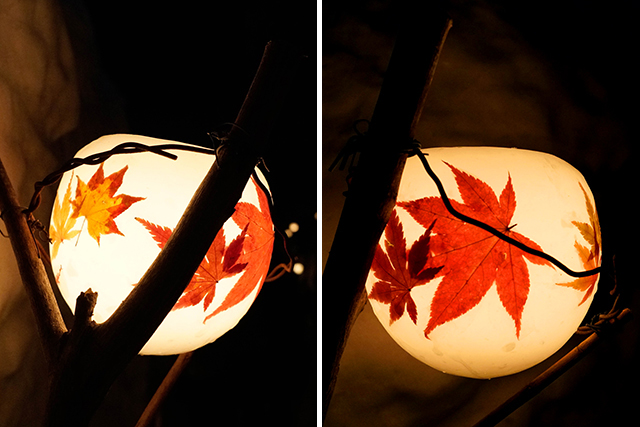
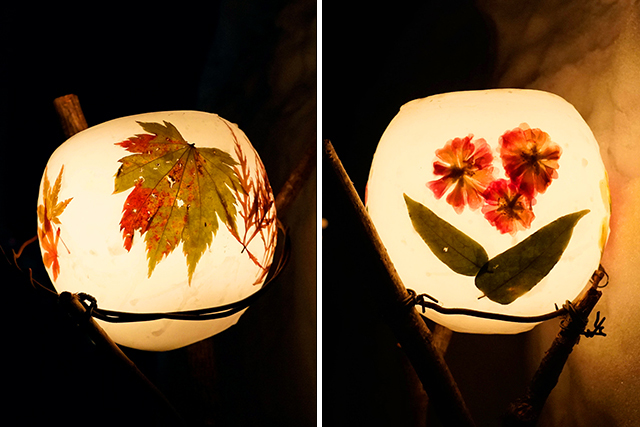
Many feature autumnal foliage but a fair few have flowers as well. In a season where trees are mostly bare, these candles are a delightful spot of colour.
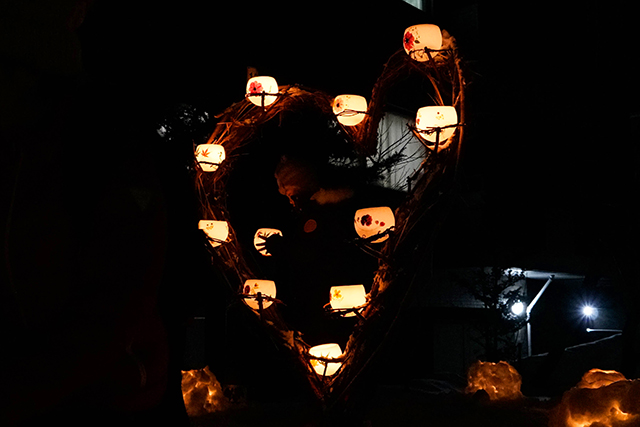
There’s even a heart-shaped wreath decorated with these candles for visitors to take selfies.

And there’s also an illuminated cross.
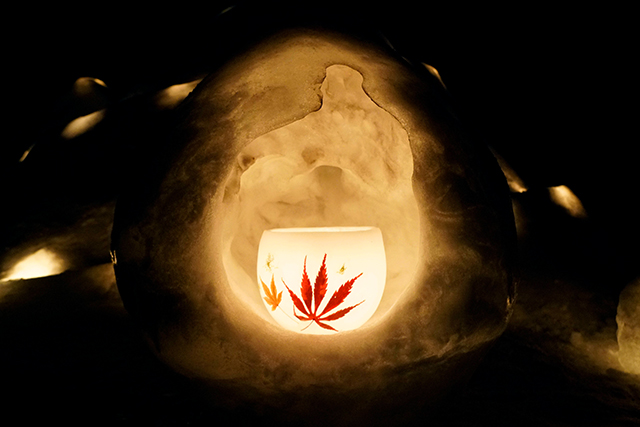
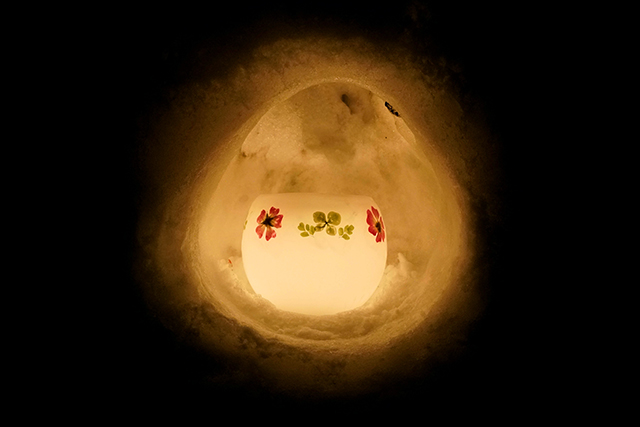
Further along, we find the candles also illuminating cavities in the snow.
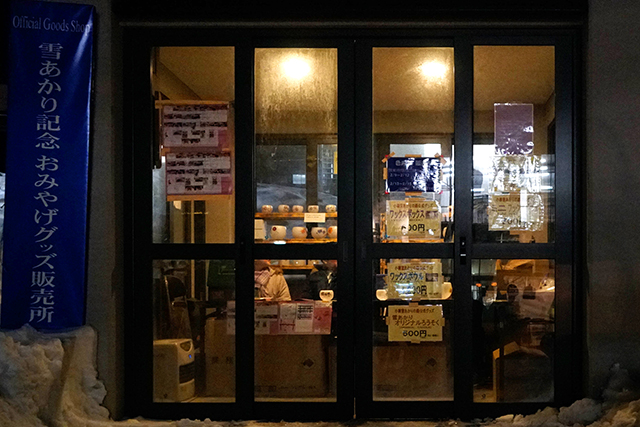
A store has been set up mid-way that sells these beautiful wax lanterns for ¥800.
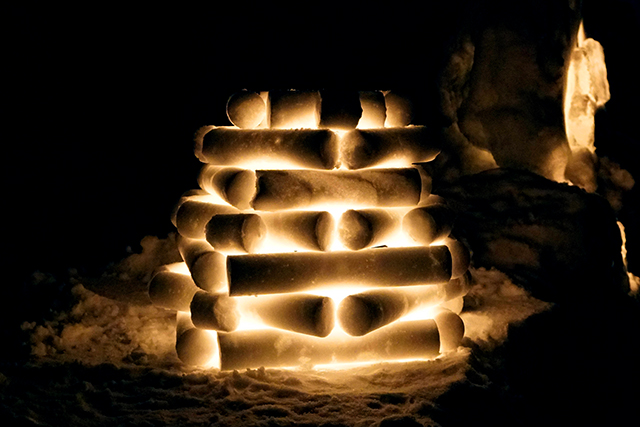
Mmm, doesn’t that fireplace look cosy?
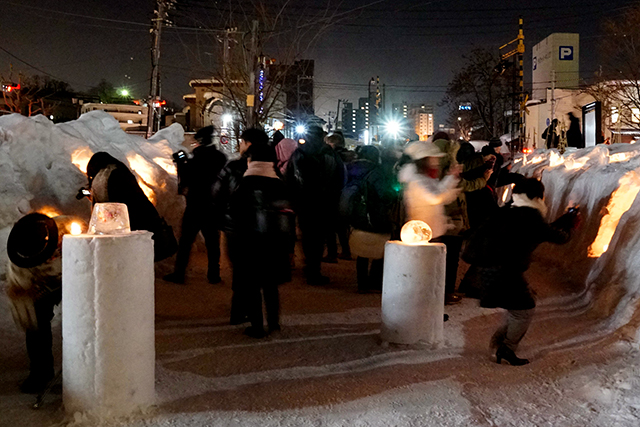
By the time we’ve completed the length of the path, tourists begin to flood through from the canal area.
Otaru – Chuo Dori
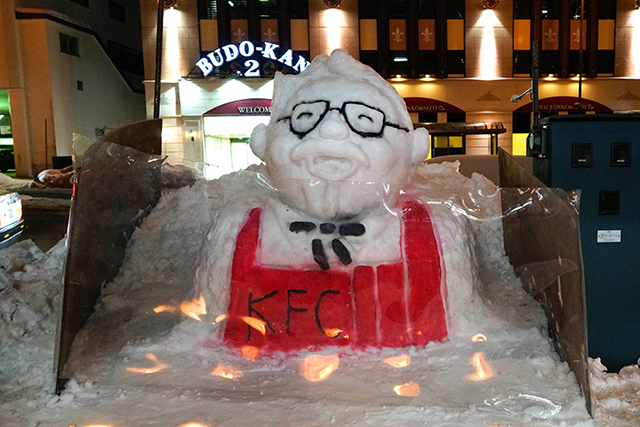
On the walk back, we encounter Colonel Sanders on the sidewalk outside the KFC.
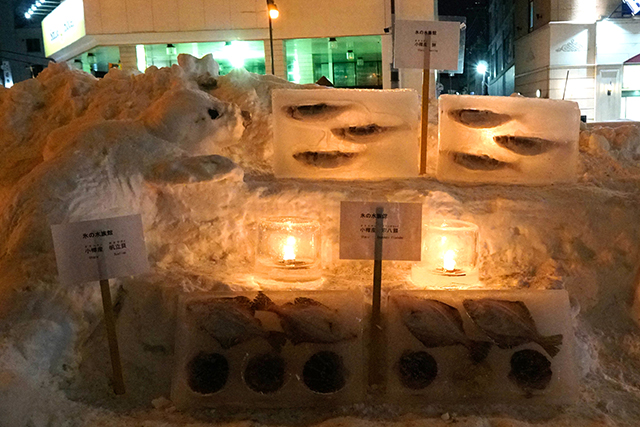
There are fish and scallops frozen inside blocks of ice, with a snow seal here on the sidewalk outside a restaurant.
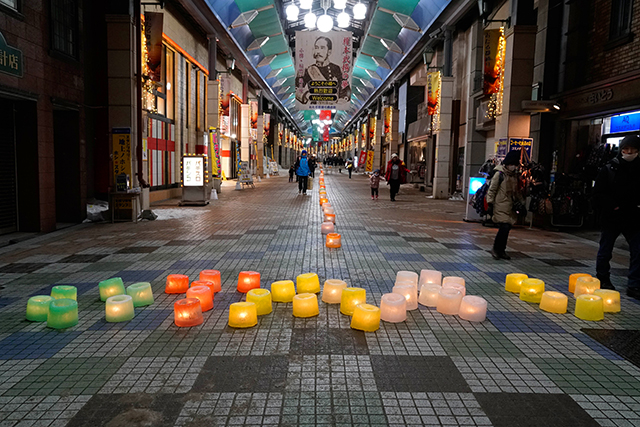
On the way to the train station, we see colourful snow lanterns now lining the length of the shopping street.
Sapporo – Shin Sapporo
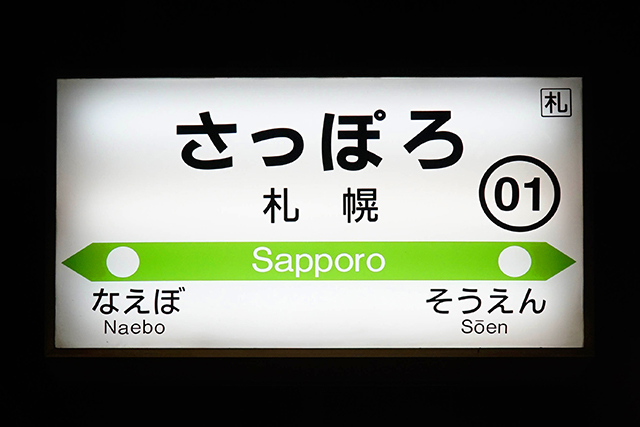
The train ride back to Sapporo was easily the most uncomfortable we’ve taken in Japan. We’ve been on many packed trains in Tōkyō during peak hour but they’ve always only been for a few stops to a major station most of the train disembarks and we can breathe again. Being prime tourist season, this train ride started out packed like sardines and only got more crushing after each stop over the hour it took to get to Sapporo on the semi-rapid. We were so glad to be back at Shin-Sapporo Station.
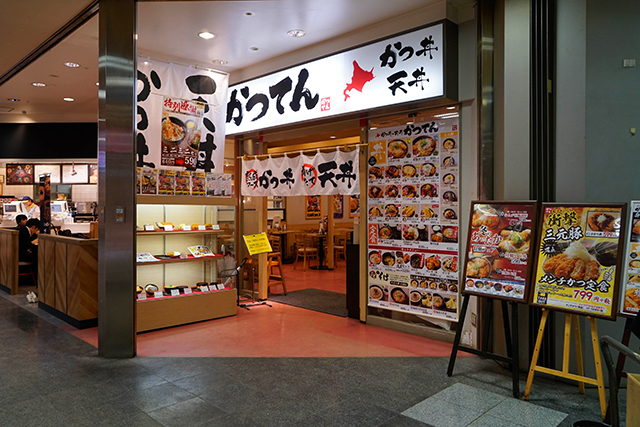
We’re beginning to feel better from our URTI, so we’re in the mood for something hot at Katsuten after our previous nights of lazy dinners in our hotel room.
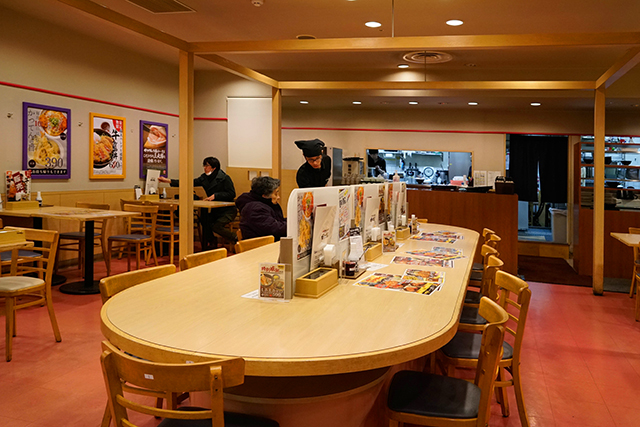
Katsuten is a chain in Hokkaidō serving katsudon (rice topped with pork cutlet served with egg) and tendon (rice topped with tempura).
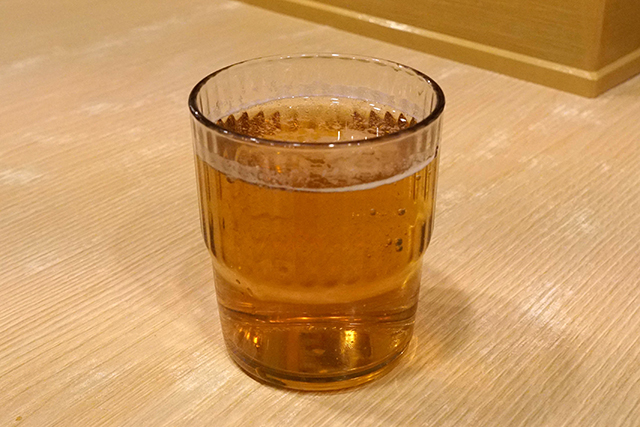
We start with complementary hōjicha. Hot and cold refills are self-serve.
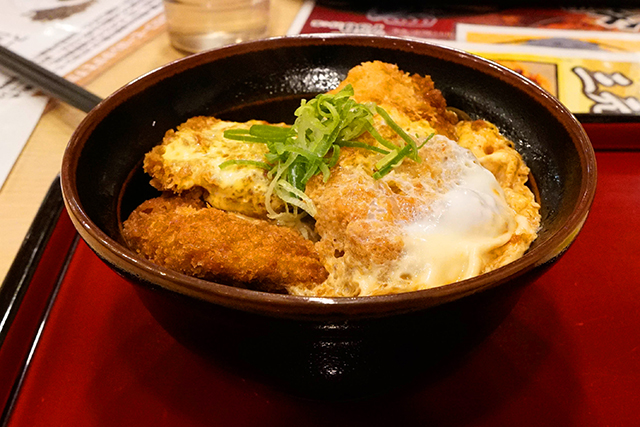
I order the Hire Katsudon (¥599). I enjoy the juicy pork and the crispy skin, with the egg soothing egg.
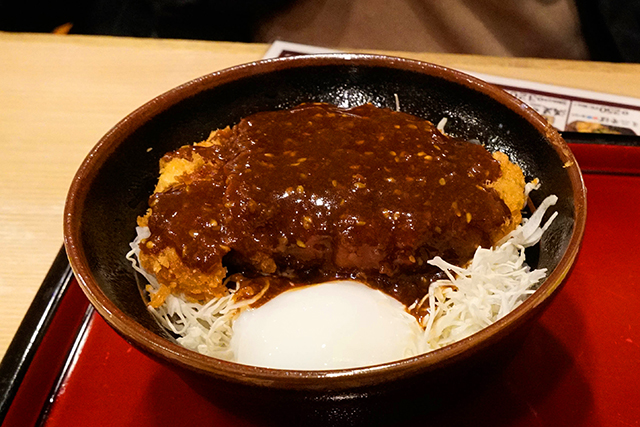
D orders the Miso Katsudon (¥599). He enjoys the balanced miso flavour – we’ve had miso sauce that’s overwhelming in Nagoya – and his ontama inspires my envy.
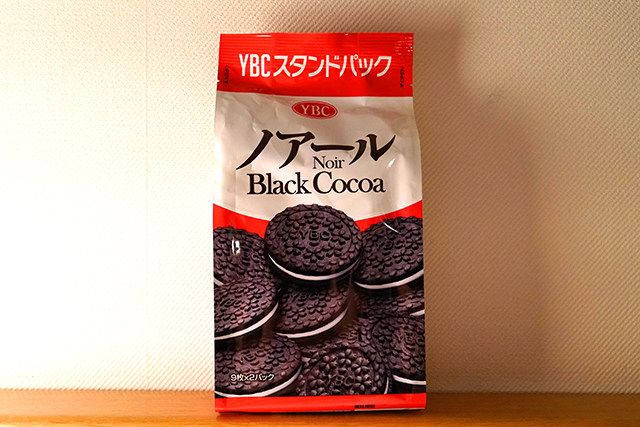
We pick up a bag of these YBC Noir Black Cocoa cookies. YBC used to manufacture the Oreos for the Japanese market up until a few years ago when the contract expired and was passed onto a company in China which subsequently resulted in a change in the flavour of the cookies. These YBC Noir Black Cocoa cookies use the same recipe as the original Oreos (more detailed review to come soon).
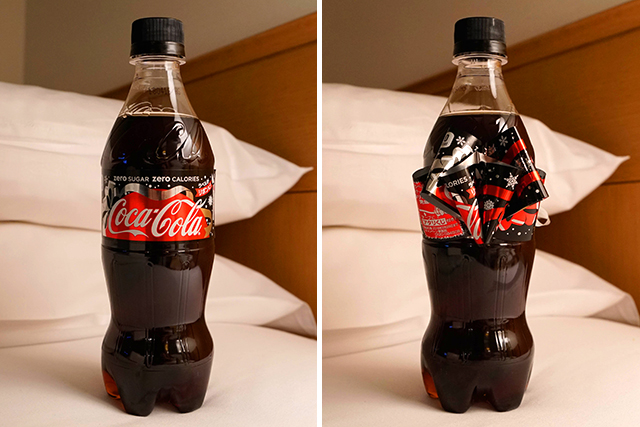
Special Coca-Cola bottles that have their labels transform into a bow with just the pull of the wrapper have been around in Japan since 2016. We finally manage to get our hands on one!
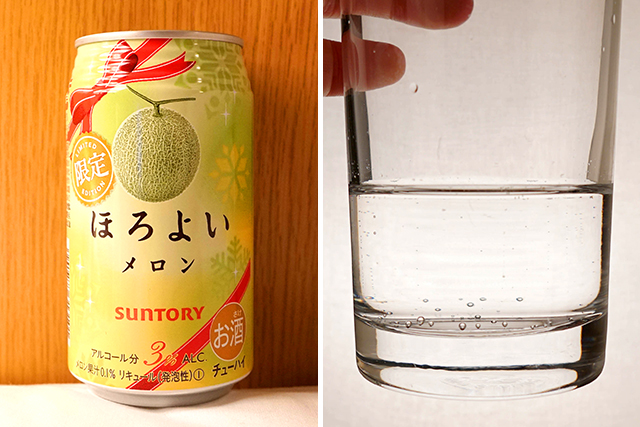
We share a can of Suntory Horoyoi Melon, a limited edition chu-hai available since December 2017. The drink is transparent and colourless with a pleasant melon aroma. Served chilled, we enjoy the mellow sweetness and fragrant aroma of fresh rockmelon.
Having finished the night on a tasty boozy note, we get ready for warmer weather in Tōkyō the following day.