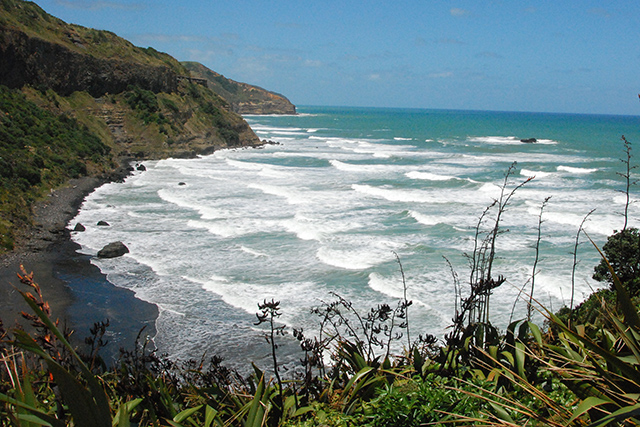
The scenic views greeting you everywhere you turn go a long way to making up for New Zealand’s extremely high humidity. And Muriwai Beach, which is on the west coast of Auckland, did not disappoint.
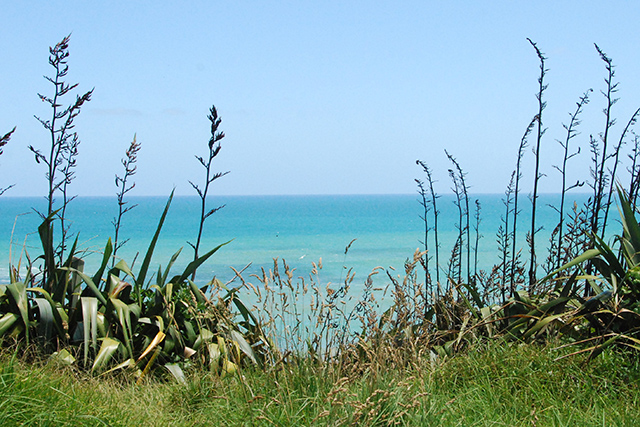
We stayed on the east coast, but managed to drive there in 40 minutes. I think that shows you just how small New Zealand is!
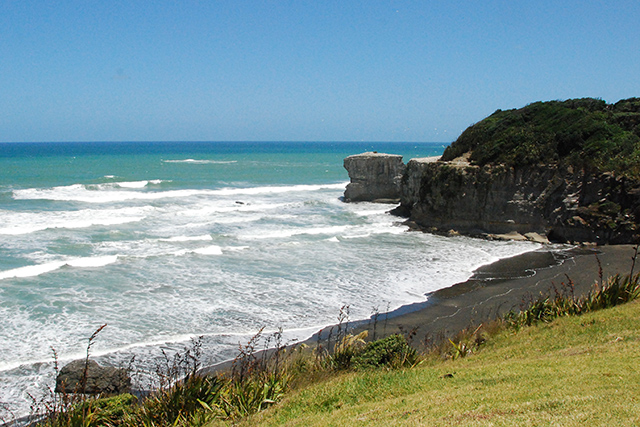
Unlike any other beach we visited in New Zealand, the sand at Muriwai is silty and black.
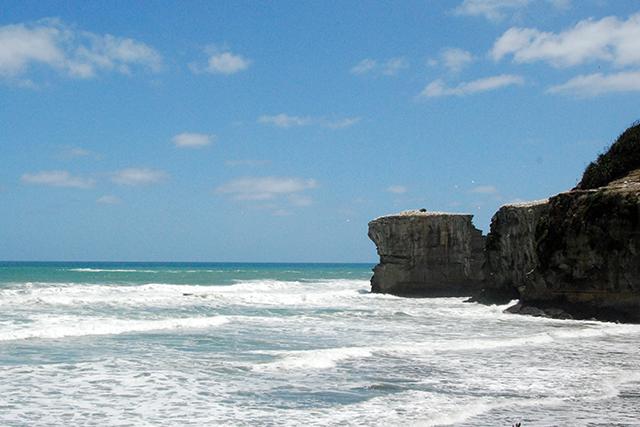
The water was particularly rough and the tide was quite high when we visited…
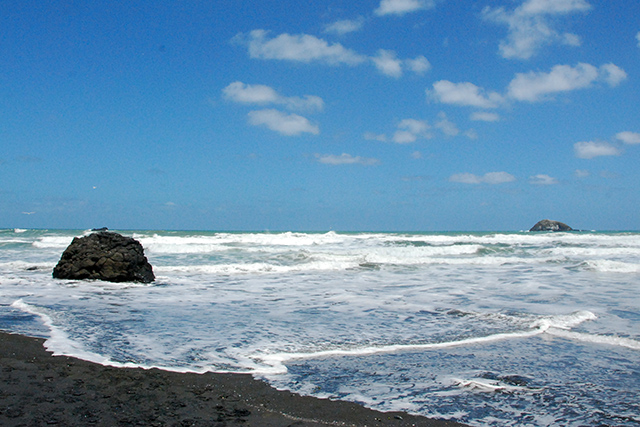
…so we didn’t spend that long on the beach.
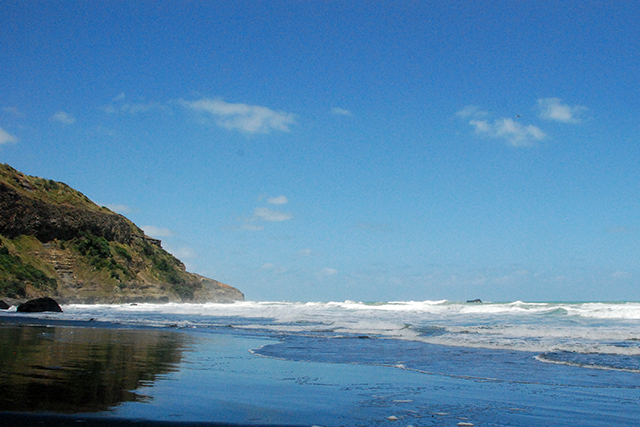
The wet sand reflects the blue sky beautifully.
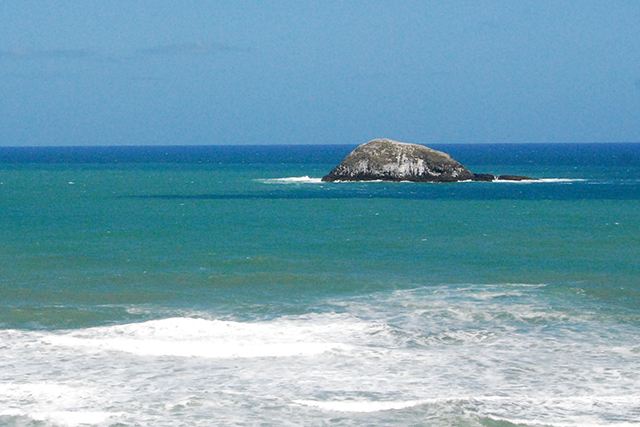
The sea is a beautiful aquamarine.
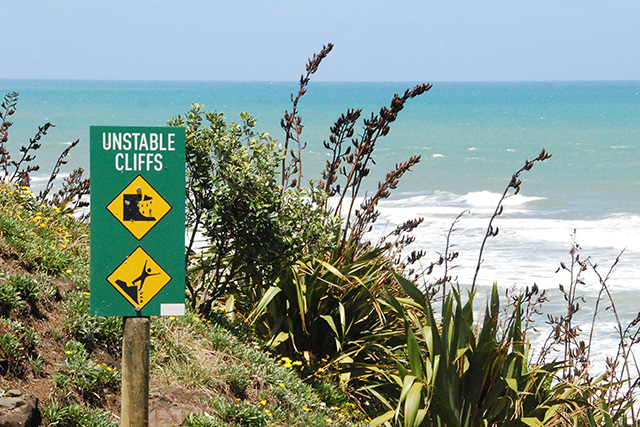
Away from the beach, there’s a walking trail that brought you closer to the gannet colony at Muriwai.
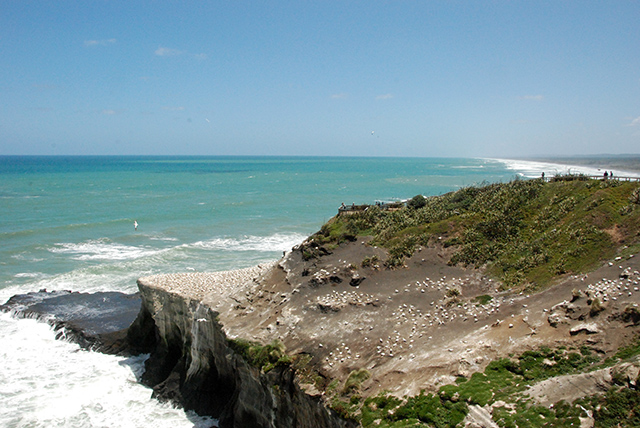
The birds don’t come within touching distance and don’t interact with humans at all.
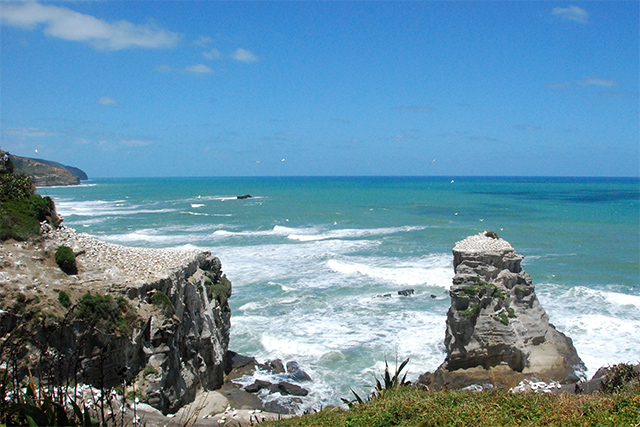
The birds just sit on the rocks or fly out to sea.
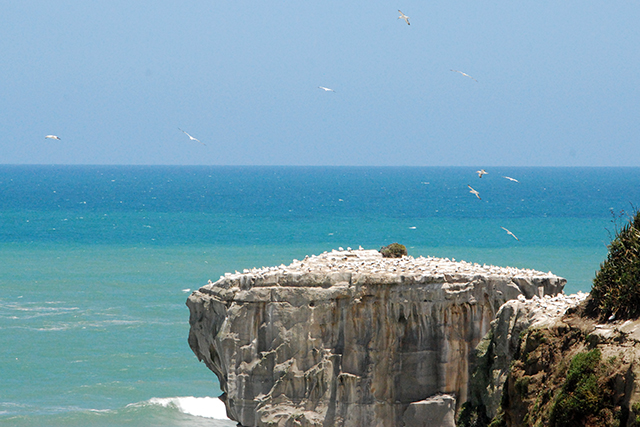
Perhaps it’s the right season, or they’re here all the time?
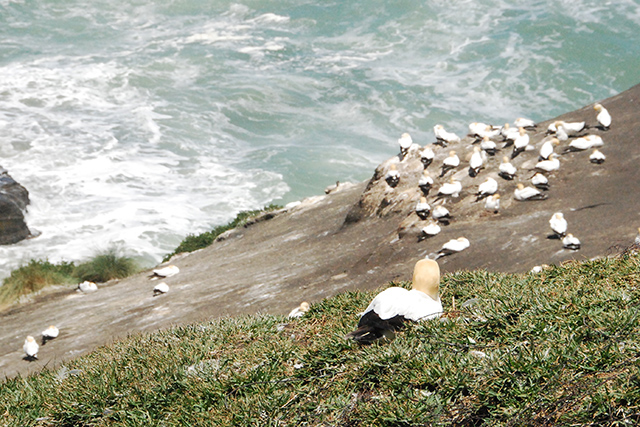
This one here is enjoying the greenery away from the rocks.
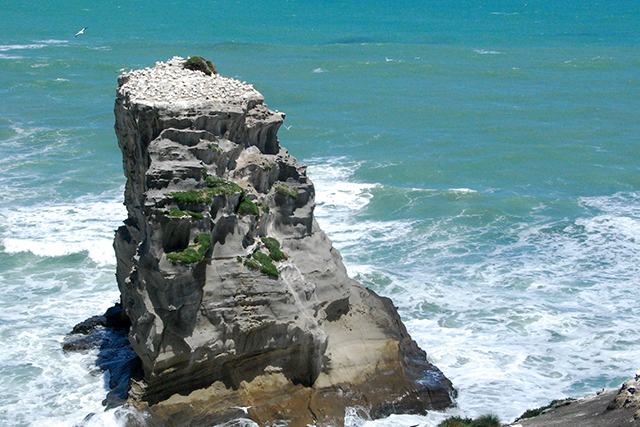
They seem to like congregating atop this rock formation.
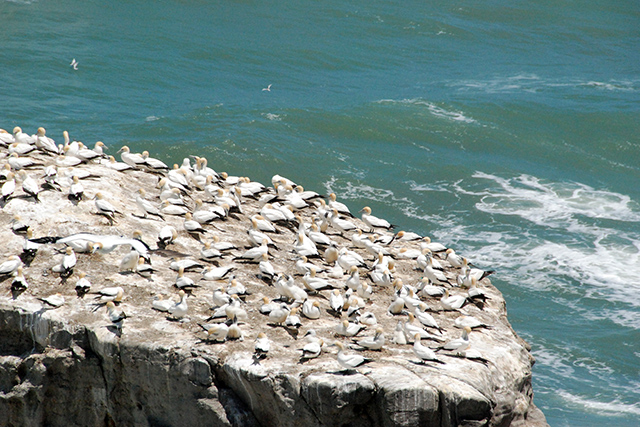
The closer you get to the edge of the walking trail the more the ocean smells like bird. But it’s not the worse smell in the world – cows, sheep, chickens and horses definitely smell worse. Then again, I’ve spent a sizeable chunk of my life around such smells (6 years at a high school with a farm, and 6 years at a university next to a racecourse), so I’m pretty immune.
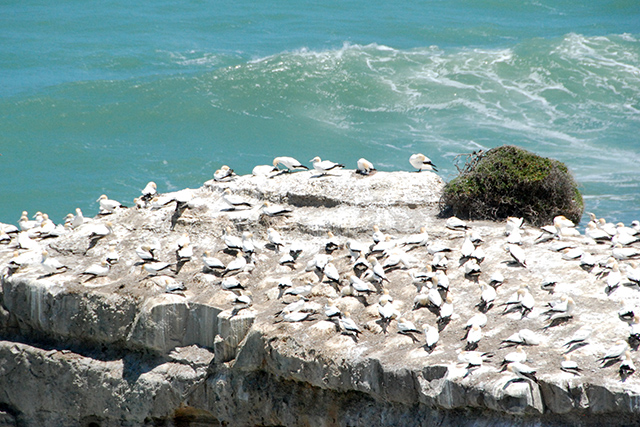
I wonder what’s so special about the location?
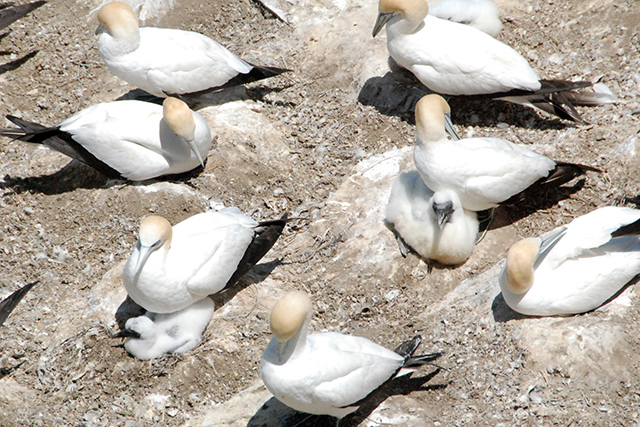
Some birds seem to be guarding their chicks.
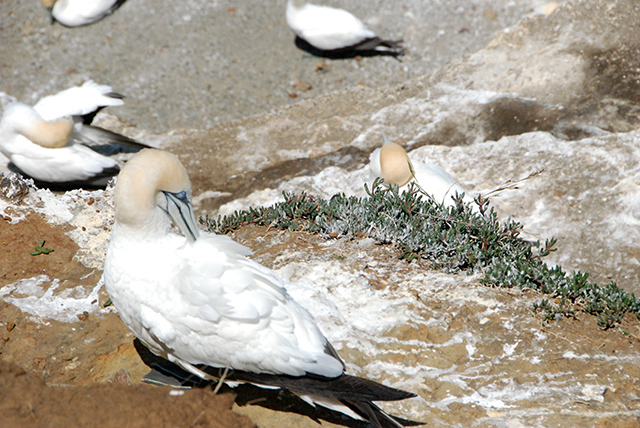
And the rock face seems covered in bird excrement.
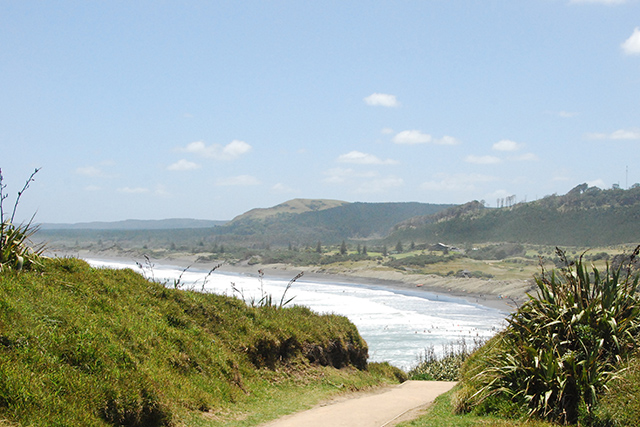 Further along, there’s another beach. The gannet colony seems to occupy on the area between the two beaches.
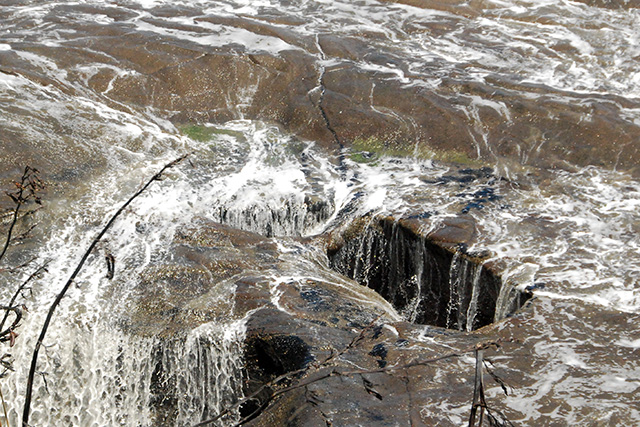
A crowd gathers around a blow hole, although it wasn’t particularly active during our visit.
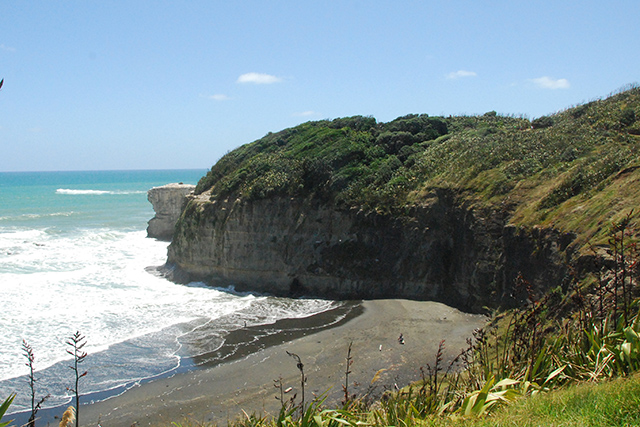
On the way back, the tide’s receded somewhat.
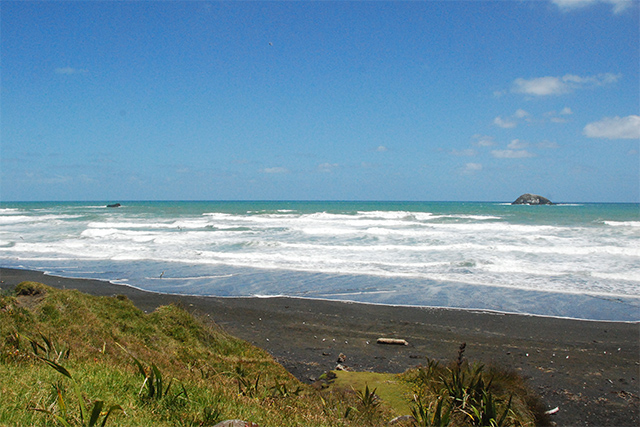
The water’s still rough, but we make our way down for a quick walk.
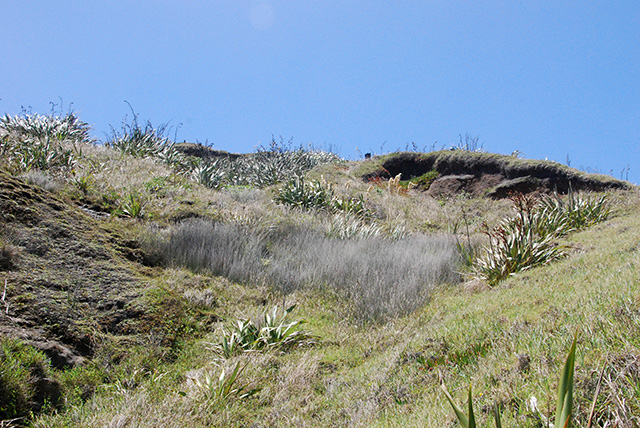
There’s a walking trail, or you can carefully make your way down the rocky embankment.
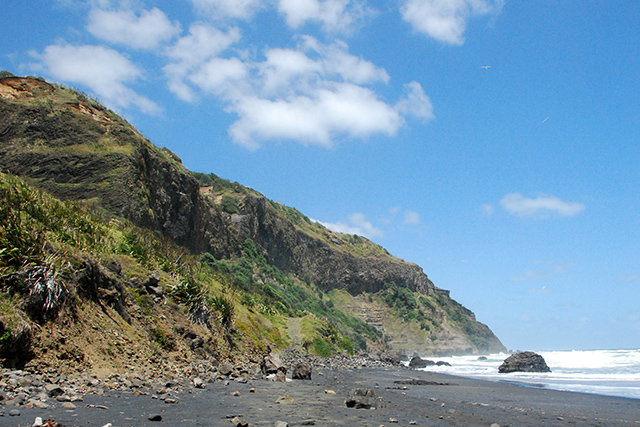
Such beautiful scenery!
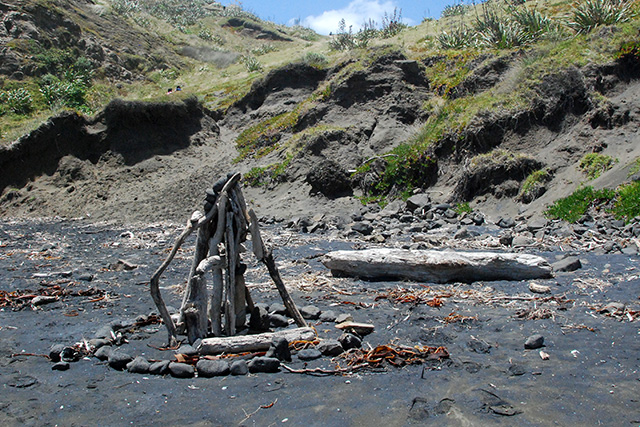
There’s some arrangement of sticks and stones…
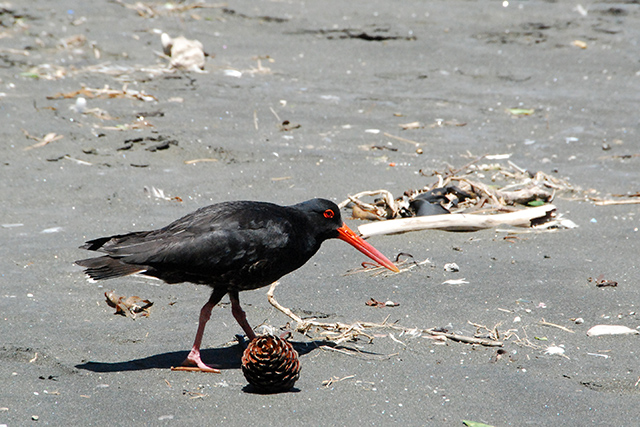
And a bird that we’ll encounter again at TiriTiri Island.
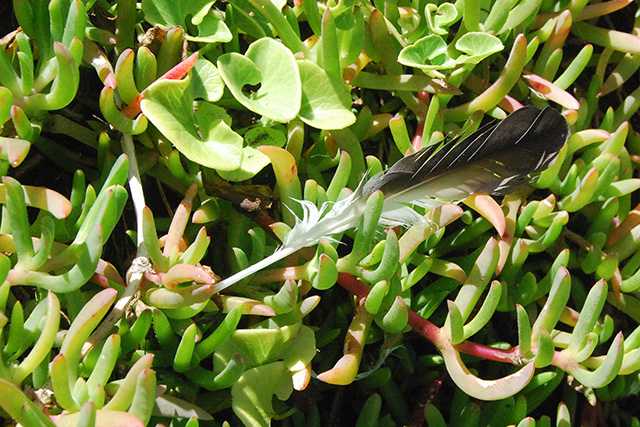
There are some succulents….
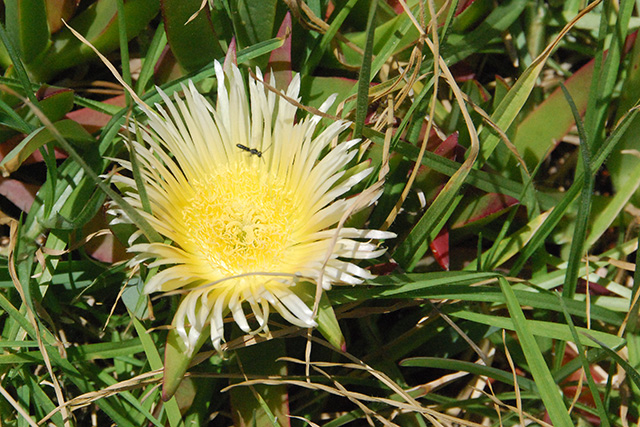
…and some wildflowers.