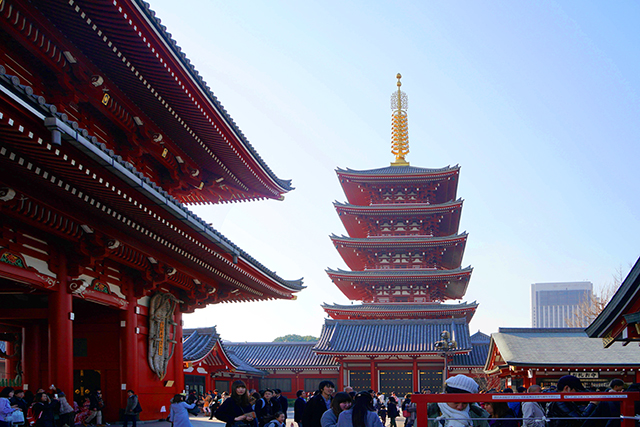
We swap snowy Hokkaidō for more temperate Tōkyō two-thirds through our trip. Partly out of habit, but mostly because we want some respite from the crush of the crowds, we’ve always stayed on the eastern side of Tōkyō. We’d taken a break from Tōkyō during our trip in 2015, and on our first time back in four years we fly into Haneda Airport and make Asakusa our base.
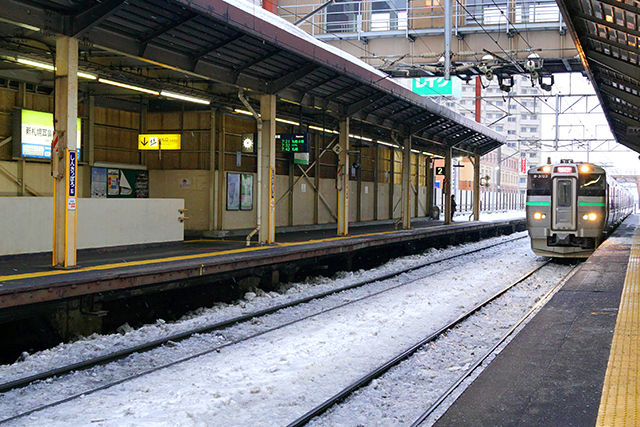
We wake up bright and early to catch the train from Shin Sapporo to New Chitose Airport, weary of the snow causing delays on our train from the airport.
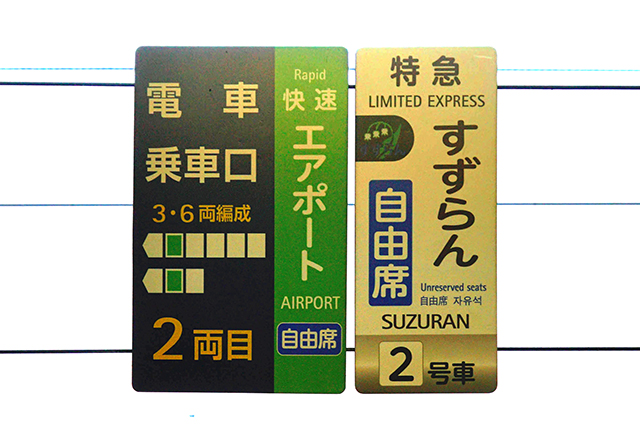
We love that train stations in Japan have signs indicating the location of the reserved/unreserved carriages doors as well as the doors for boarding.
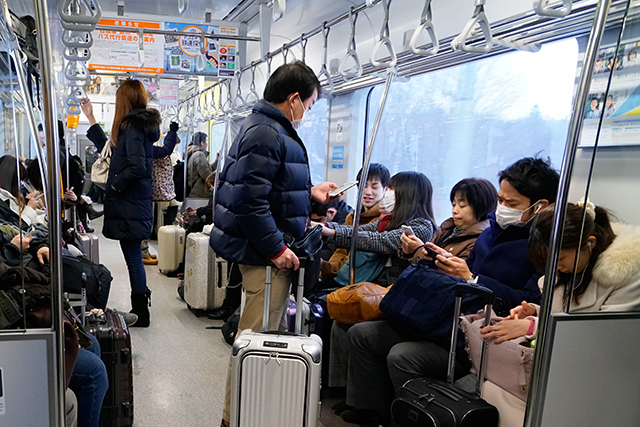
We’re on a semi-rapid, rather than a rapid, train with metro-style seating so we don’t have to worry about manoeuvring big pieces of luggage through narrow aisles with the plusher 2 x 2 seating.
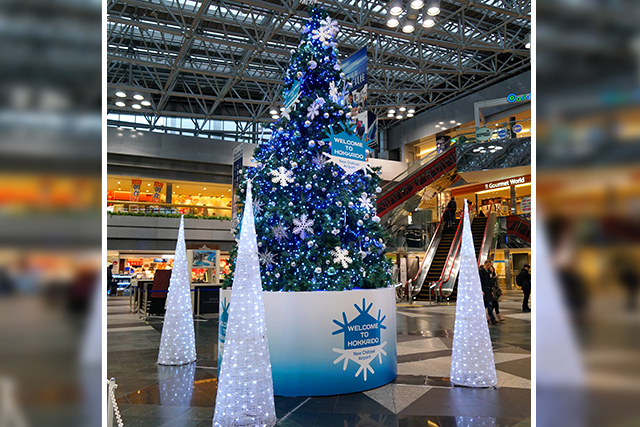
At New Chitose Airport, this tree continues to remind us of Christmas two months ago.
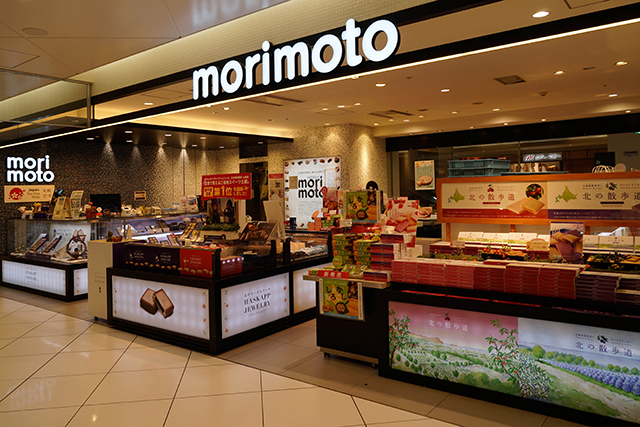
We check out the shops that we’d skip earlier, stopping at Morimoto. Other branches of Morimoto offer a bakery section where you purchase baked goods by weight.
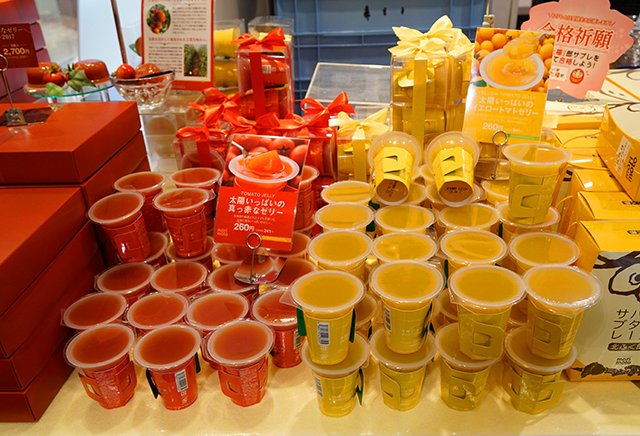
They don’t offer fresh baked goods here, but we pick up some Tomato Jelly, which we eat later in Tōkyō.
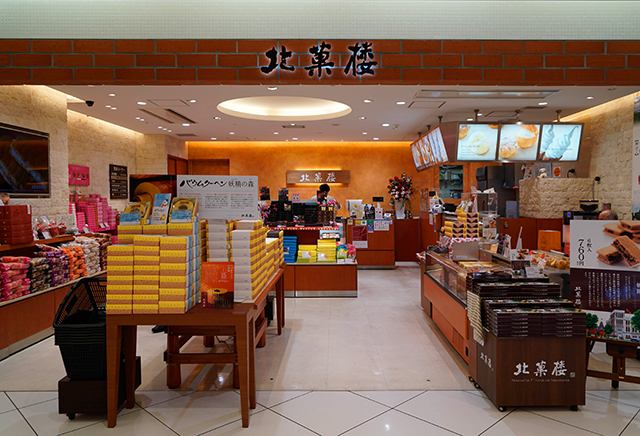
We visit the branch of Kitakaro that was near cleaned out by tourists at its branch in Otaru.
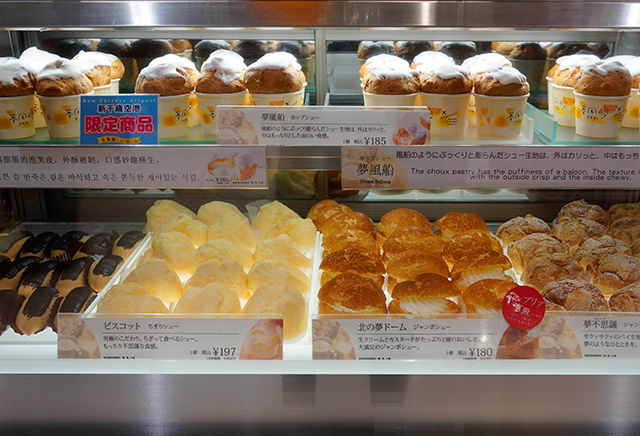
It’s bright and early, so their cabinets are ripe for picking.
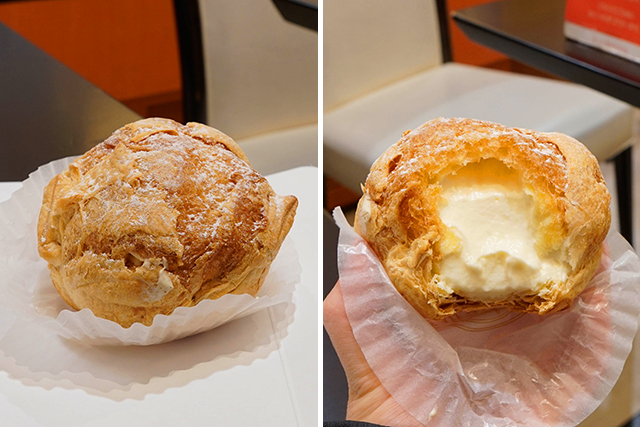
This is the Yume Fushigi with a multi-layered pie crust encasing a cream custard made with fresh cream from Hokkaidō. We enjoy the lightness of the pastry and smooth and fluffy cream.
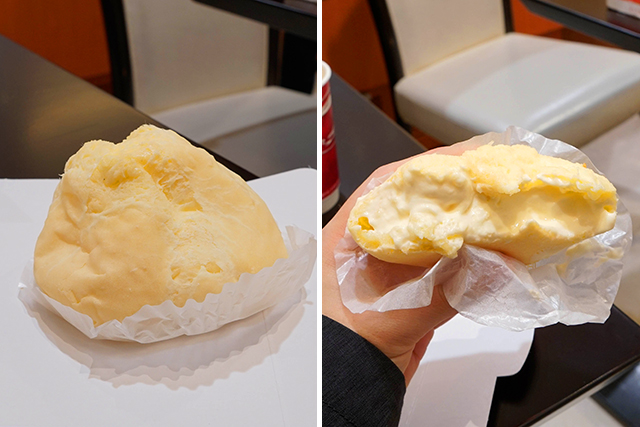
And feeling adventurous, I try their pale Piscot. It has a mochi pastry made from salted glutinous flour. We’re not fond of this. The pastry tasted raw and super doughy, and its saltiness did not pair with the lightness of the cream.
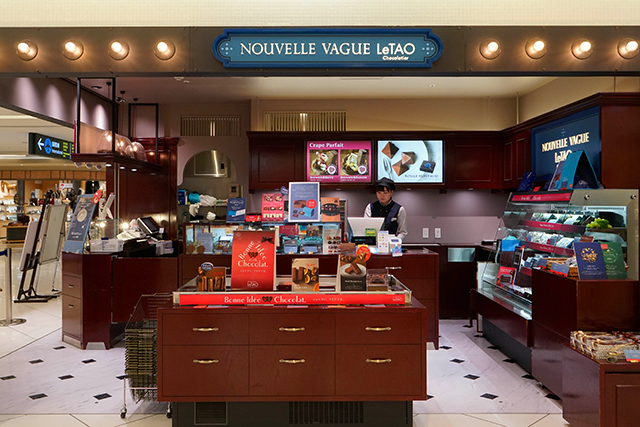
Nearby is a branch of LeTao: Nouvelle Vague LeTAO Chocolatier.
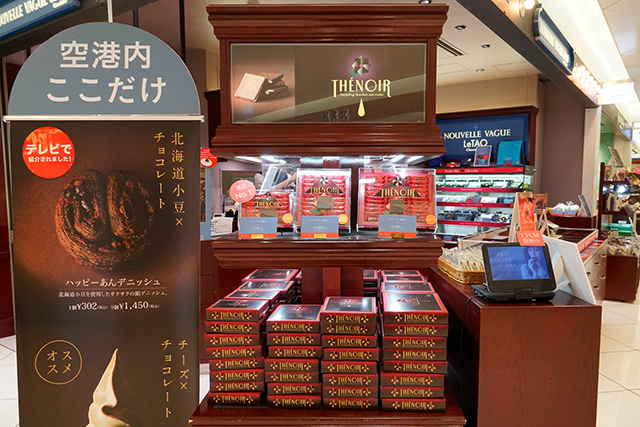
We pick up a box of LeTAO The Noir Darjeeling Chocolate and Cookies. We’d enjoyed the samples given to us at Otaru but were put off purchasing any due to the suffocating crowds.
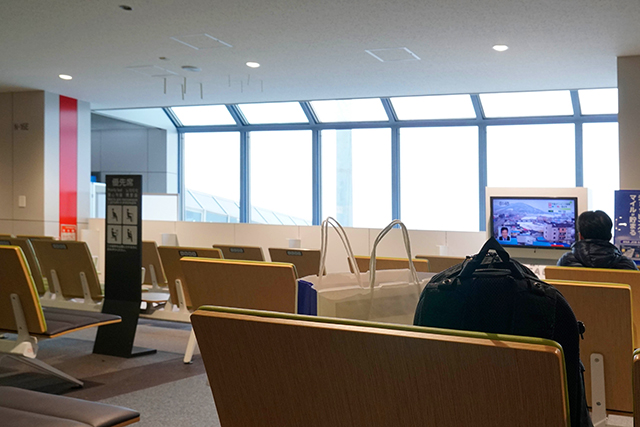
Before long, we’re waiting at the gate to board our flight.
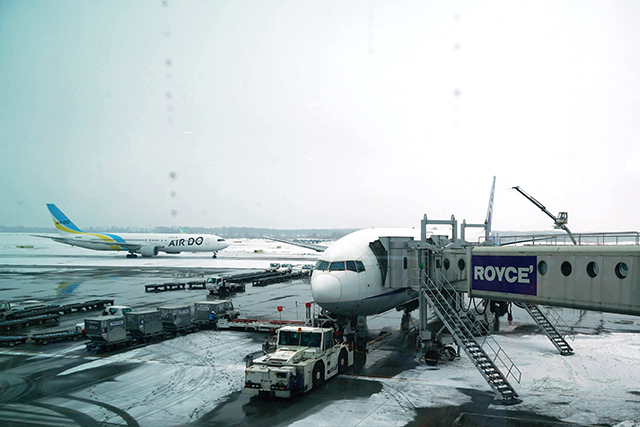
It’s not snowing …
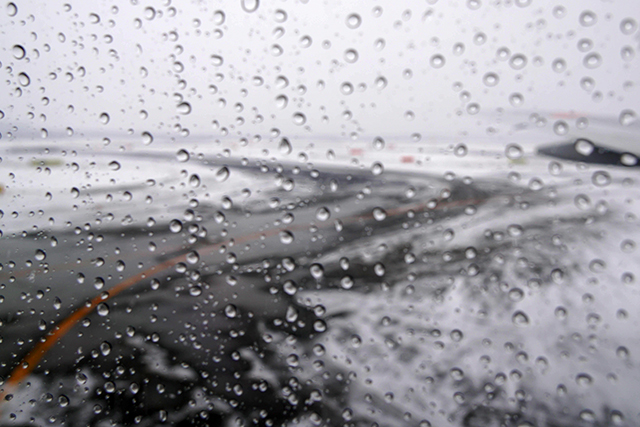
…but it is raining for the first time during our time in Hokkaidō. We prefer the convenience of snow.
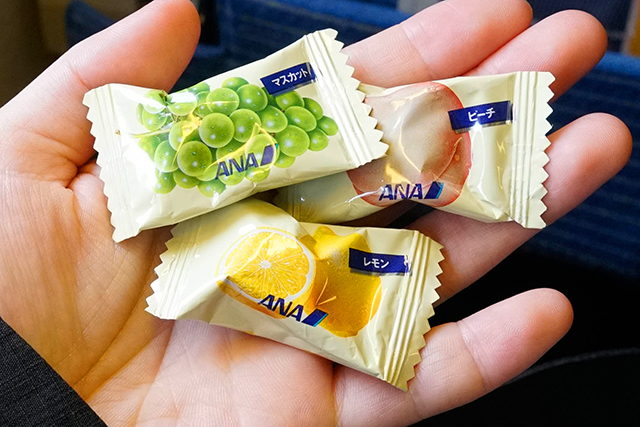
We’re offered fruit drops in muscat, peach and lemon flavours as we board the flight.
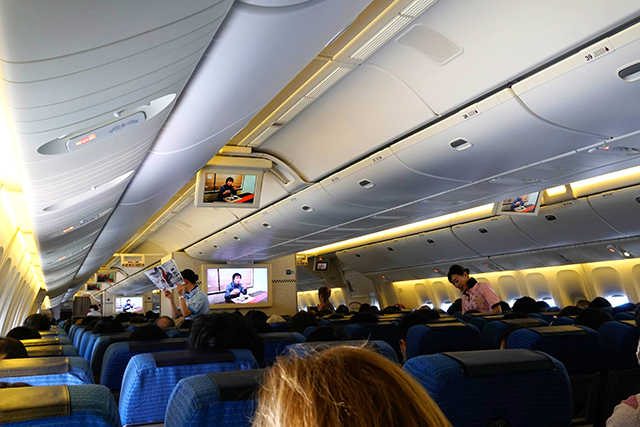
Domestic flights on ANA seem to be busy enough to use the 3 by 3 by 3 configuration, rather than the smaller 3 by 3 configuration on Sydney-Melbourne flights.
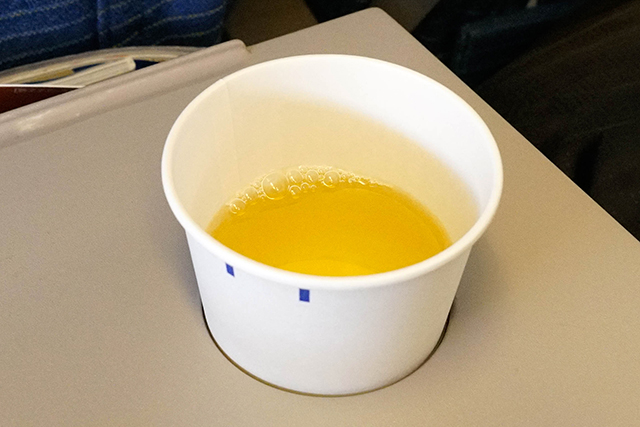
The air hostess recognises that we’re gaijin so we’re only offered apple juice over the other tea options. We’re a little disappointed.
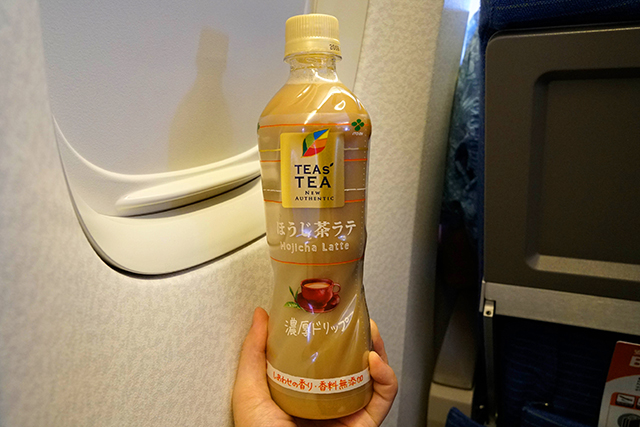
But I have the tea situation sorted out with my Teas’ Tea Hōjicha Latte. It has a pleasant roasted green tea flavour, although it’s a tad too sweetened.
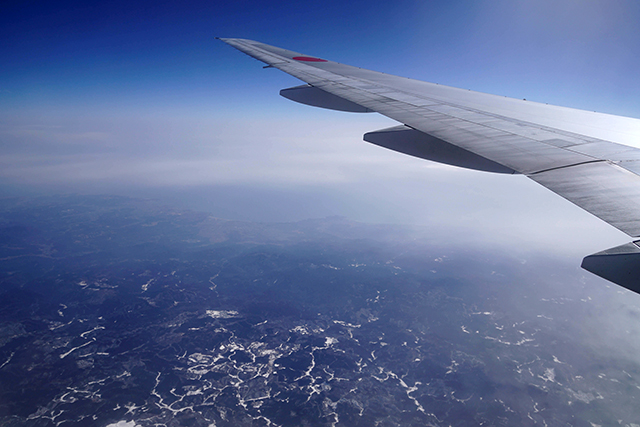
We see some snowy regions in northern Honshū.
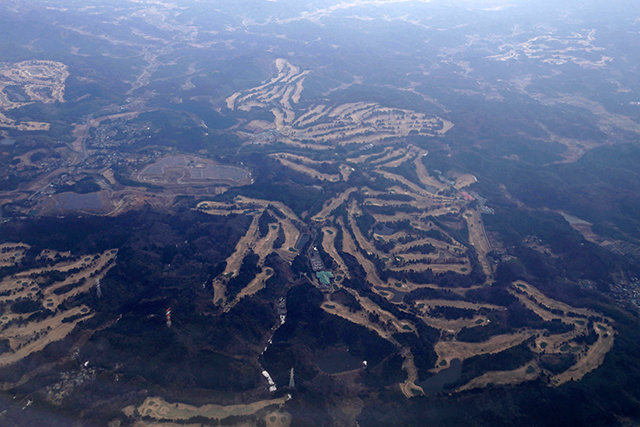
Closer to Tōkyō, we fly over extensive areas that look like this. We’re not sure what they are – perhaps a mining region?
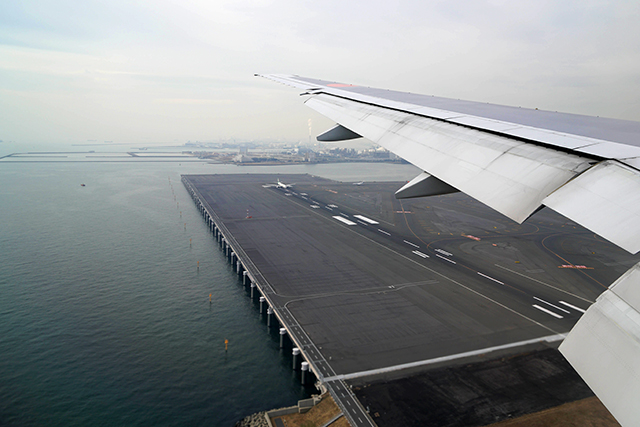
Two hours later, we’re landing in Tōkyō!
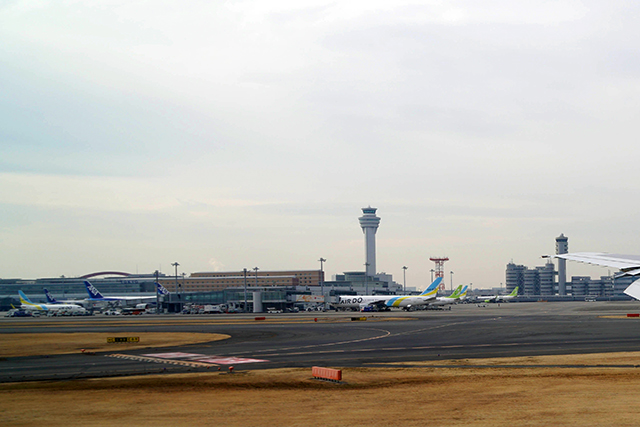
Haneda Airport is by far the more convenient airport for Tōkyō, being much closer to the city than Narita.
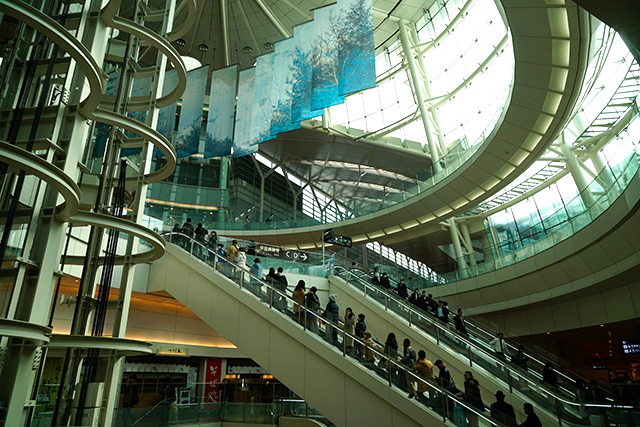
It’s mid-morning when we arrive in Tōkyō, so we take some time to explore Terminal 2.
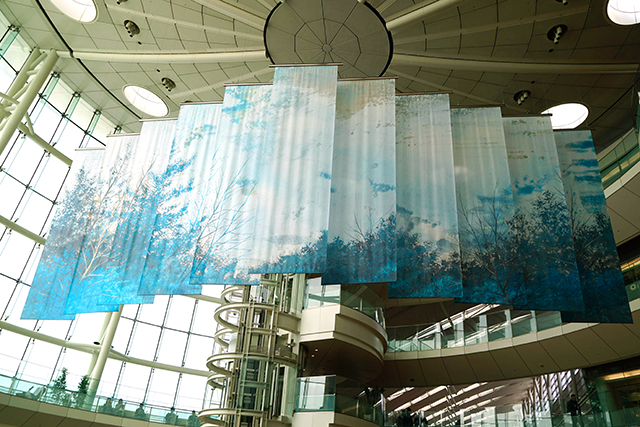
Hanging above the central atrium is an artwork by Hiroshi Senju called Kaze no Keikoku (Wind Valley). This is one of five artworks created by the artist on display at the Airport. The background music playing is titled ‘Senju plays Senju – Four Seasons’, which was composed by the artist’s brother Akira Senju, and played by his sister Mariko Senju, a violinist – a family production!
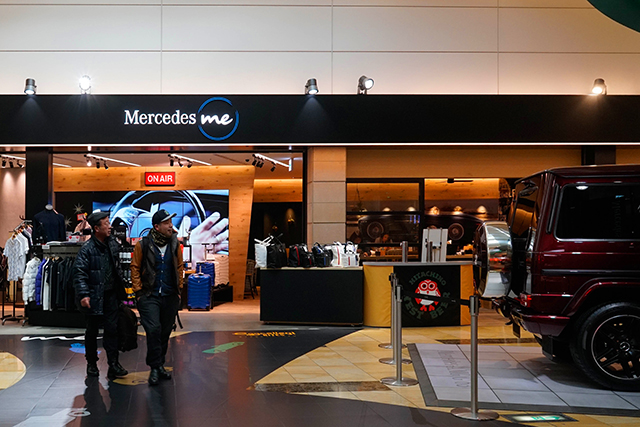
There’s a Mercedes Me concept store on the ground floor.
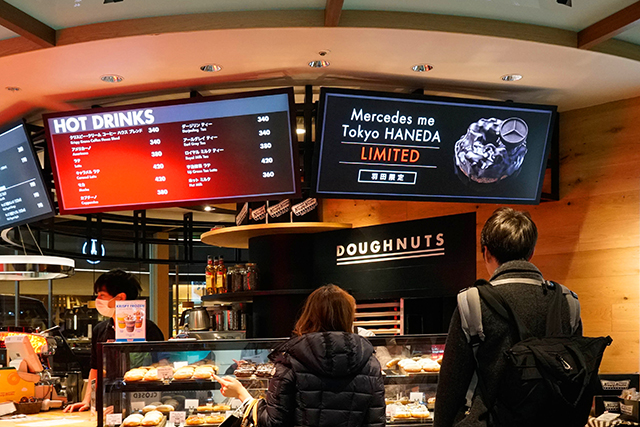
The Krispy Kreme directly opposite sold limited edition doughnuts for you to enjoy as you look at your next car.
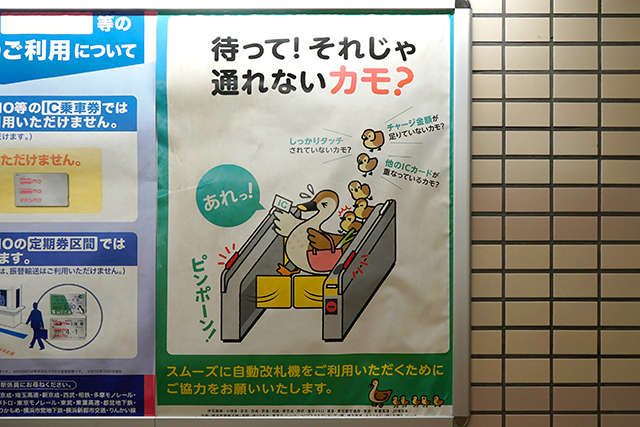
On the way down to the train station, we spot this cute sign with a family of ducks, where the mother duck tries to tap on for her whole gaggle and receives the dreaded ‘pin pon’ sound that triggers the barrier (the barriers are open by default in Japan). The helpful ducklings behind her ask whether she’s triggered the barrier because she’s retapped her IC card in a short interval, she doesn’t have enough money on her IC card, or if there are other cards interfering with her IC card.
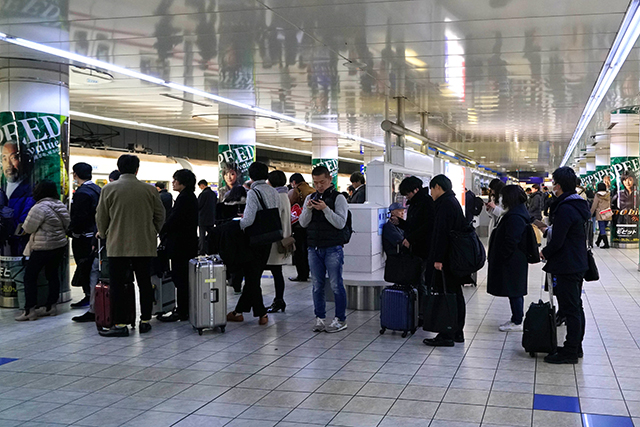
There’s a long queue of people waiting for the train, but thankfully the trains are very frequent.
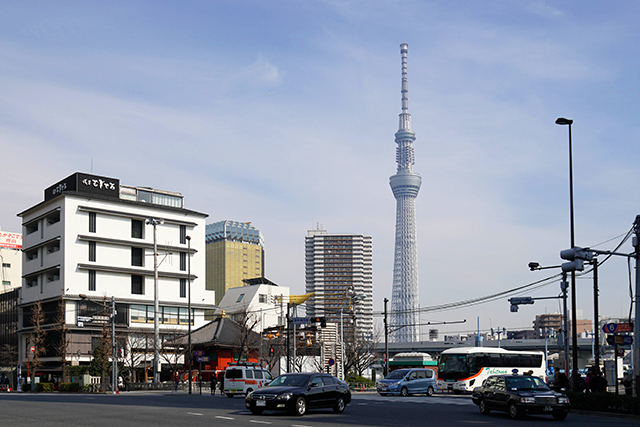
Forty minutes later, we’re at Asakusa with the Skytree in view.
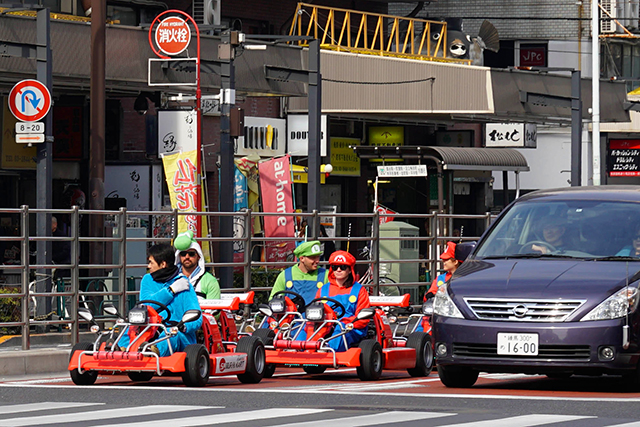
Shortly after we spot go-karts driven by people in costumes. The service is run by Mari Car, which allows people to rent go-karts for a joyride around downtown Tōkyō while wearing costumes including Mario, Bowser, Luigi and Yoshi. The company is being sued by Nintendo for infringing their Mario Kart copyright.
We’re familiar with the area around Asakusa, so it’s rather freeing to be able to head straight to our hotel without consulting a map. We’re staying in Agora Place Asakusa, which is a one-minute walk from Tawaramachi Station on the Ginza Line, a five-minute walk to Kappabashi Street, and a ten-minute walk to Nakamise Arcade and Sensoji Temple.
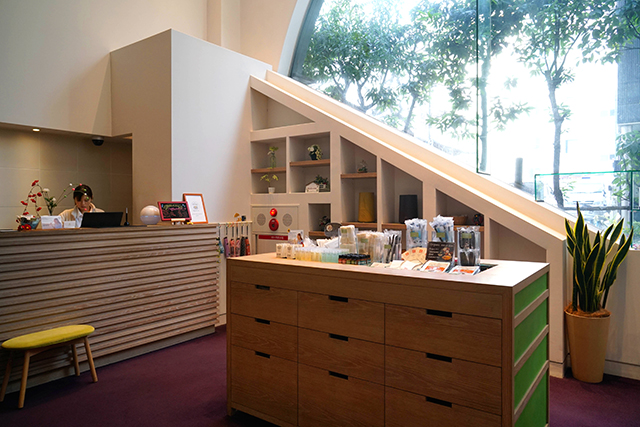
The hotel is a limited service hotel that’s been renovated recently.
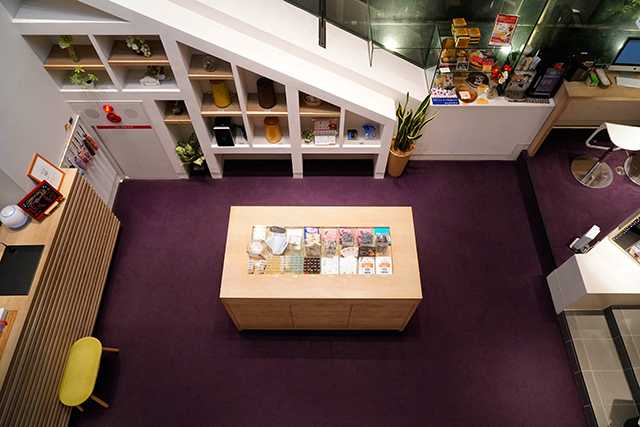
Compared to other hotels, this place has one of the most stylish and modern looking interiors.
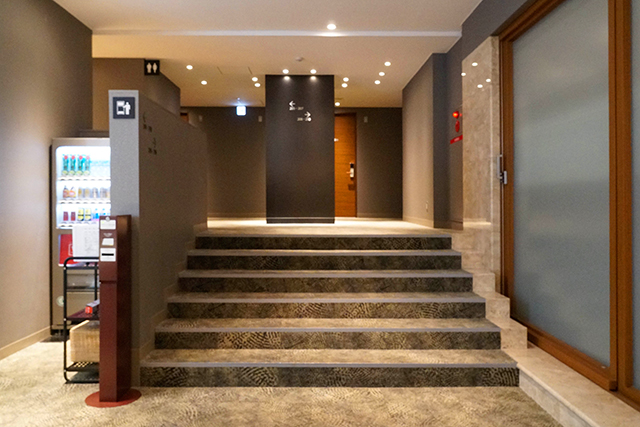
On level 2, there’s a microwave for guests to use as well as a vending machine (although there’s a 7-Eleven and a Lawson within 2 minutes’ walk).
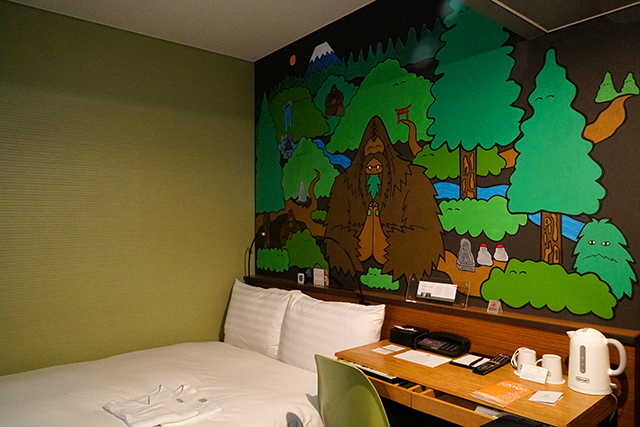
The bed in this hotel is one of the most comfortable we’ve enjoyed in Japan. The hotel says the mattress is made by a famous Japanese bed maker, while the bed linens are of a high thread count and the duvets and pillows are also of great material. And for that, we cannot fault them!
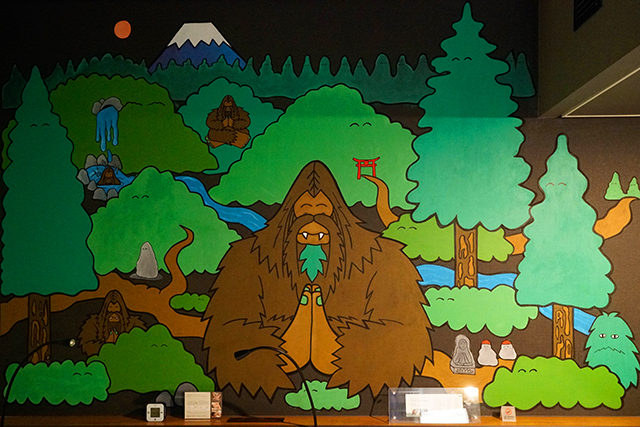
There’s a painting above the bed called Mountain Spirit Village Map (2015) by Bigfoot. A sign tells us:
Bigfoot is an American artist who has taken on the name of the legendary two-legged beast from the mountains. He has earned a worldwide following from fans through his use of art to send messages about protection of the environment and living an ecologically friendly lifestyle. Last year he worked on a collaboration with the blue jeans maker Levi’s and held and exposition titled ‘California Fair’ hosted by Daikanyama’s T-SITE. He has held various exhibitions in Japan and worked on collaborations with brands such as Burton and The North Face.
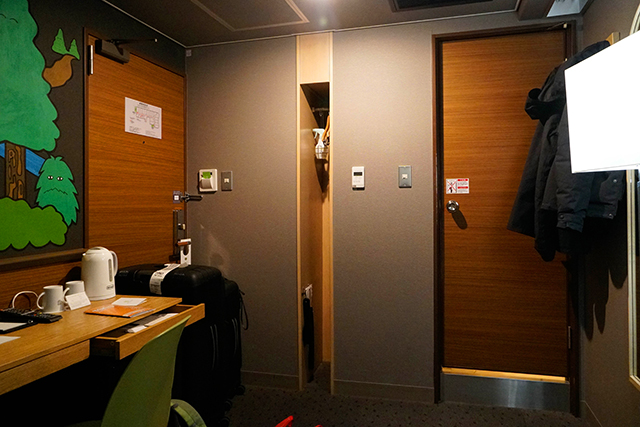
The hotel room is stylish and elegant but it’s very small. Just look at that wardrobe space!
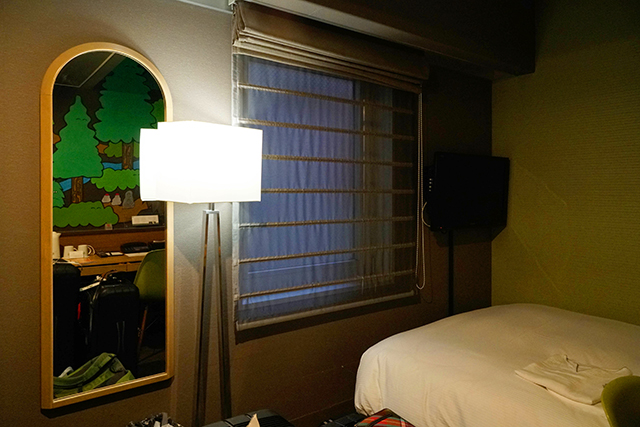
There’s a window, but it’s frosted and fronts onto the wall of the building next door.
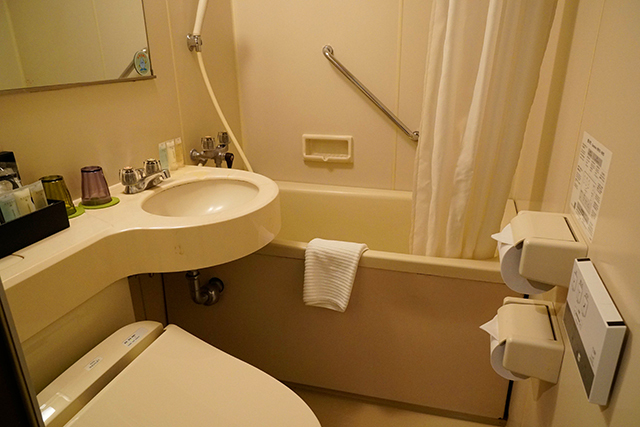
The size of the bathroom is to be expected, but the facilities are much more dated and tired than the rest of the hotel.
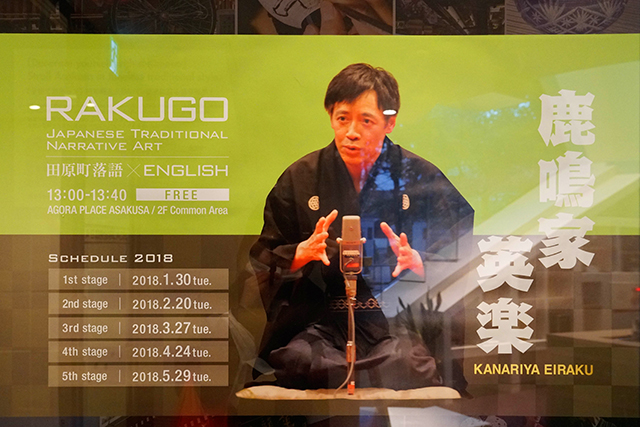
Near the entrance to the hotel, we’re amused to find sessions of rakugo being performed in English, having tried watching Shouwa Genroku Rakugo Shinjuu.
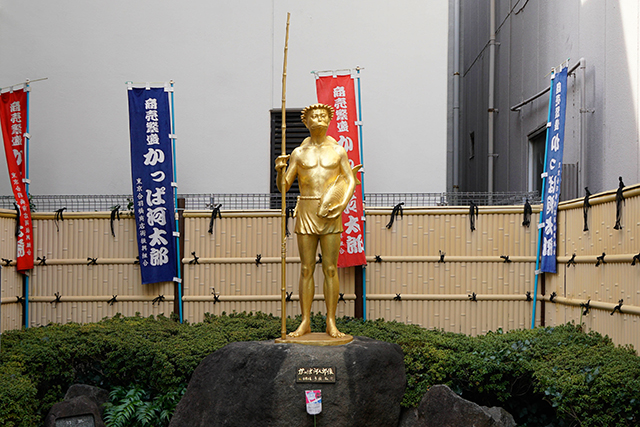
After dropping off our bags (we’re much too early for check-in), we head out to Kappabashi Street. There’s a gold statue of a kappa welcoming you to the street.
According to the official website:
The street’s name is believed to come from either the kappa (raincoats) of nearby residents which were hung out to dry on the bridge, or from a merchant named Kihachi Kappaya who funded the project to build Shinhorikawa River for water management. However, due to the homophone with the popular mythical creature, Kappa, the shops along the street have officially adopted the kappa as their mascot. Images of kappa appear frequently in the area, from merchandise to displays, even web sites about the district.
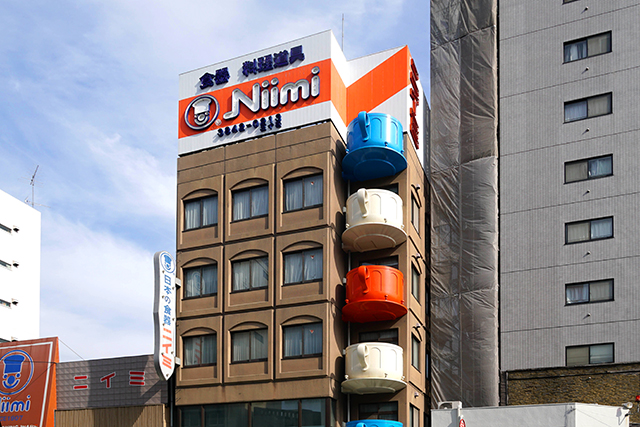
This shop has teacups doubling for its balconies.
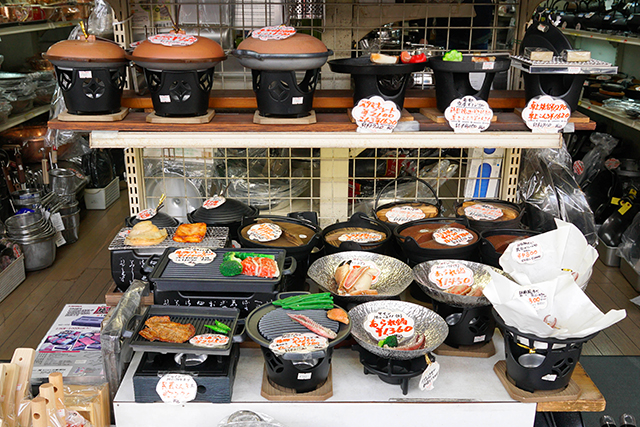
We visit Kappabashi Street every time we’re in Asakusa, just to check out the shops selling anything a restaurant could need, from knives and other kitchen utensils, mass-produced crockery, restaurant furniture, ovens, and decorations like noren, through to the wax display foods found outside Japanese restaurants.
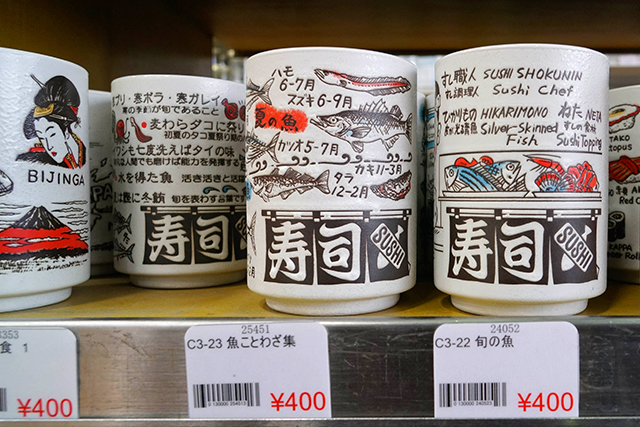
We’re fond of these kitsch Japanese tea cups. We already have a pair featuring for different types of fish and sushi, so we pick up a pair featuring different breeds of dogs and cats.
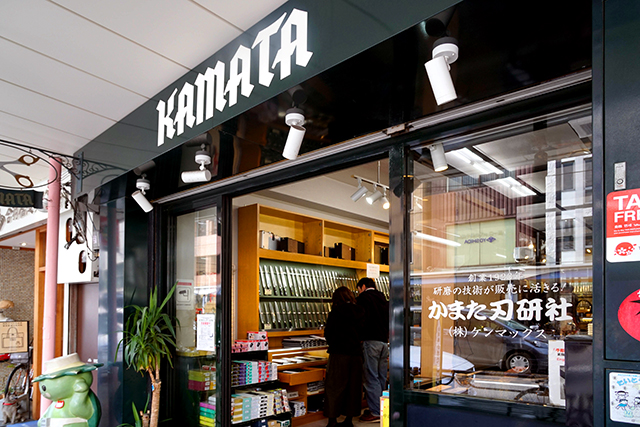
Passing by Kamata, we recall picking up a knife for D’s mother back in 2011.
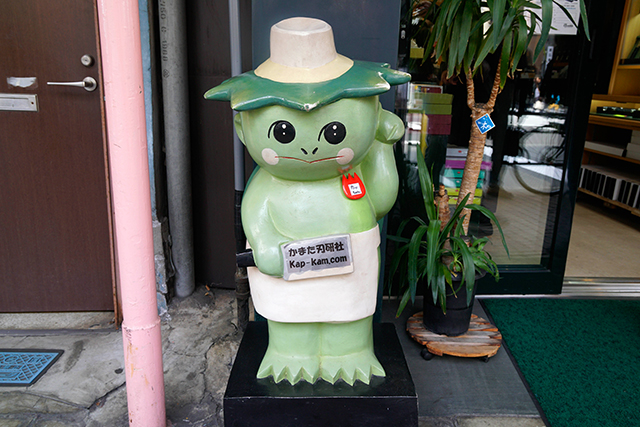
Outside, they’ve also adopted a cute kappa as its mascot.
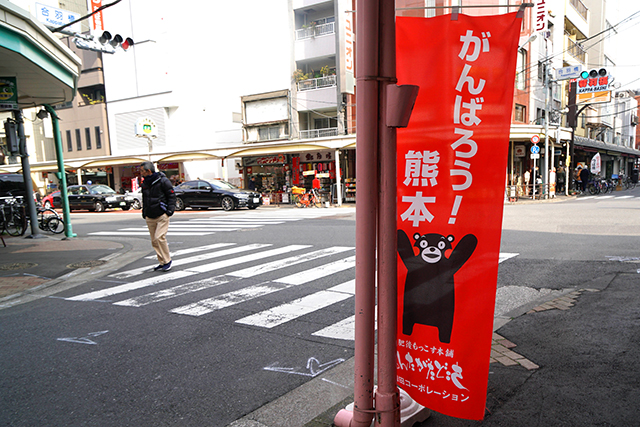
D points out this sign with Kumamon near an intersection, which starts me on an eagle-eyed search for the actual shop nearby…
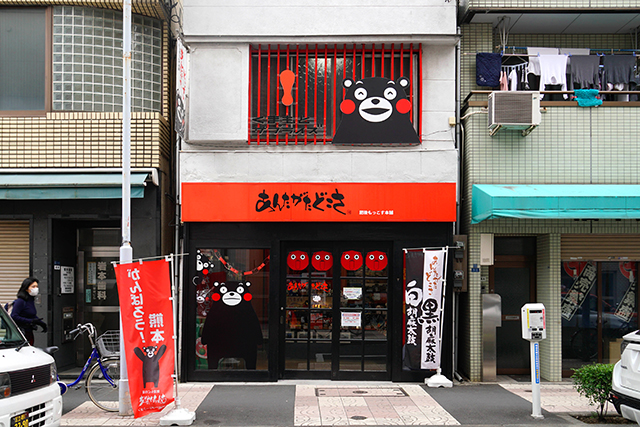 And we find it! It’s Antagatadokosa, a shop for the traditional Japanese confectionery company, Iwata, based in Kumamoto.
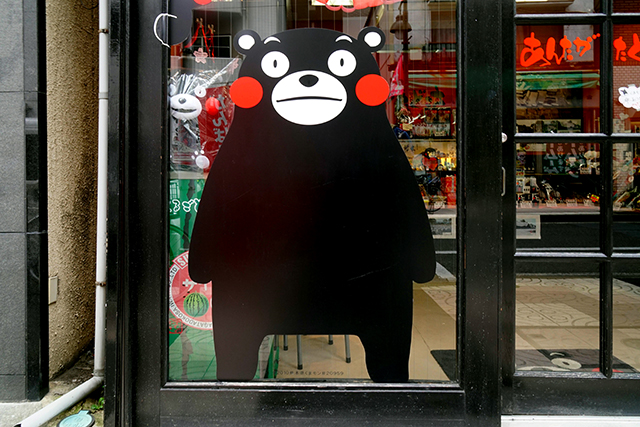
The shop is part of the Kumamoto Surprise campaign, which introduces Kumamoto Prefecture using Kumamon as its mascot.
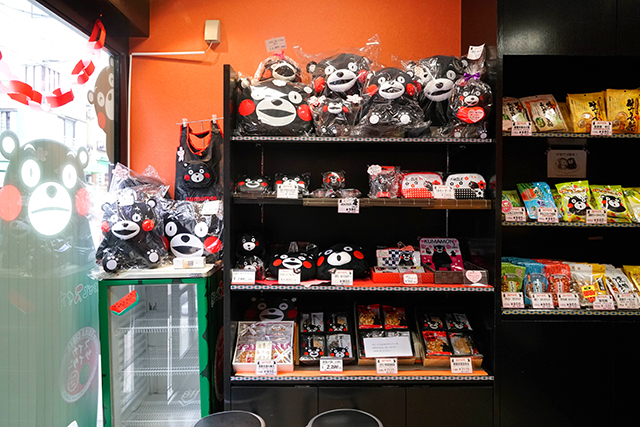
Kumamon is a male bear cub and there’s no shortage of merchandise featuring him here.
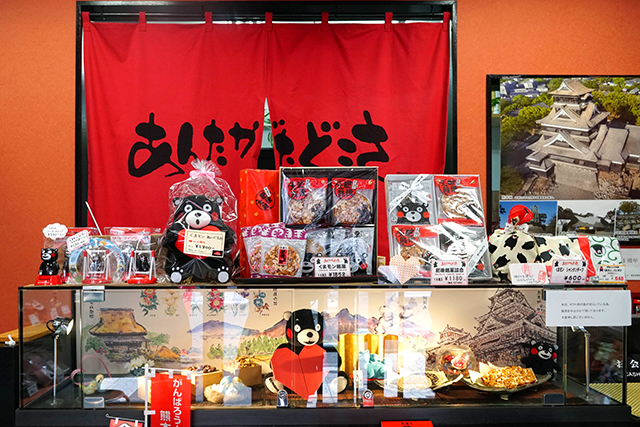
The traditional Japanese confectionery sold is mostly nut-based with a proportion of the profits going towards the repair works for Kumamoto Castle, which was badly damaged by an earthquake in 2016.
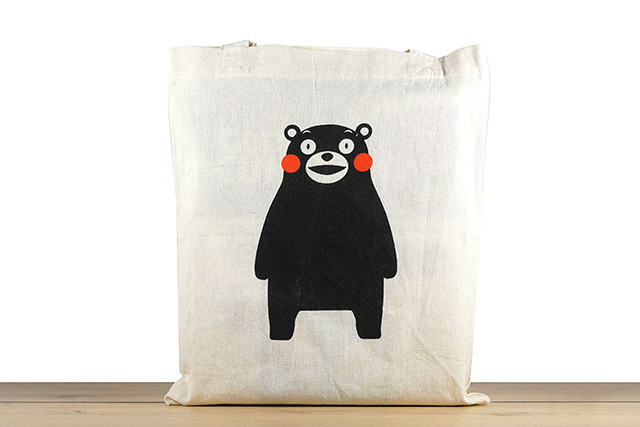
We pick up a canvas bag containing a sample of everything.
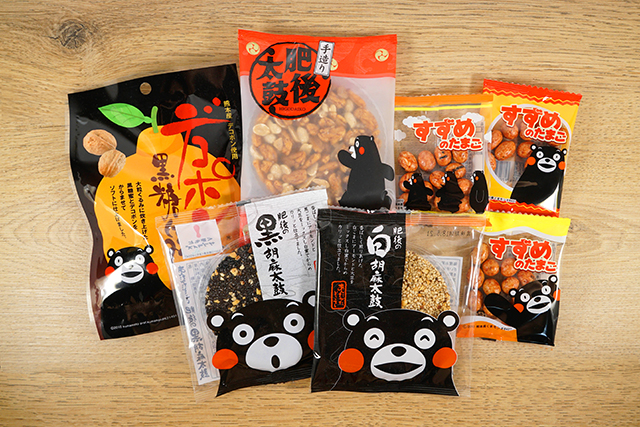
All the food inside has cute packaging featuring Kumamon.
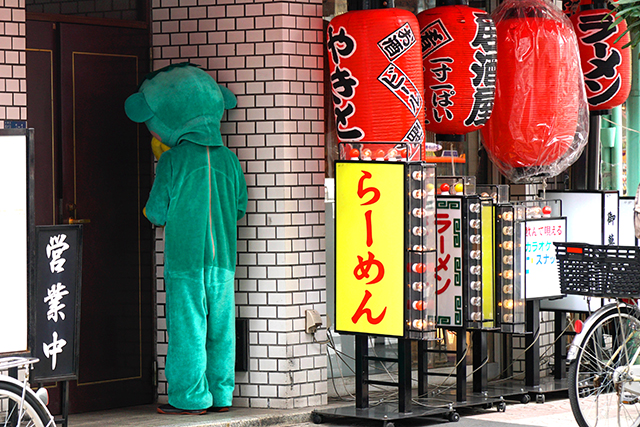
Back on the street, we spot this Kappa mascot doing something in the corner next to the door.
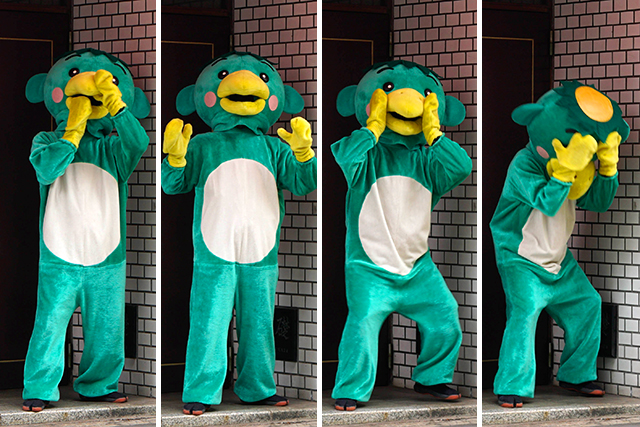
When he finishes doing whatever he’s up to and turns around to find out he’s been spotted, he’s embarassed.
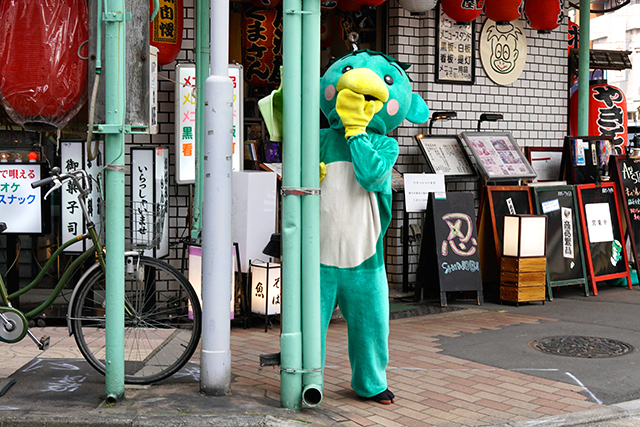
We later meet him being playful next to the traffic light as we cross the road.
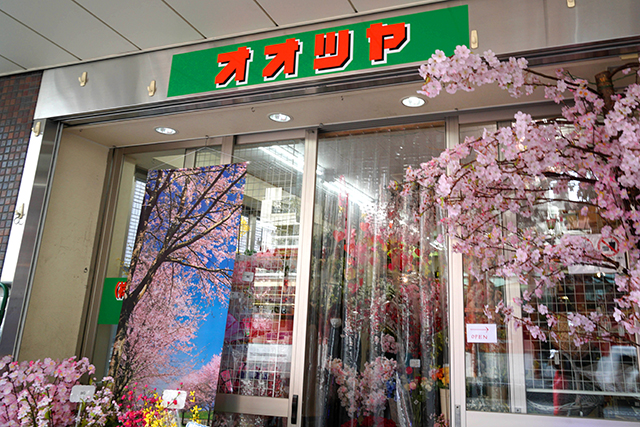
Across the road, we encounter shops selling fake flowers.
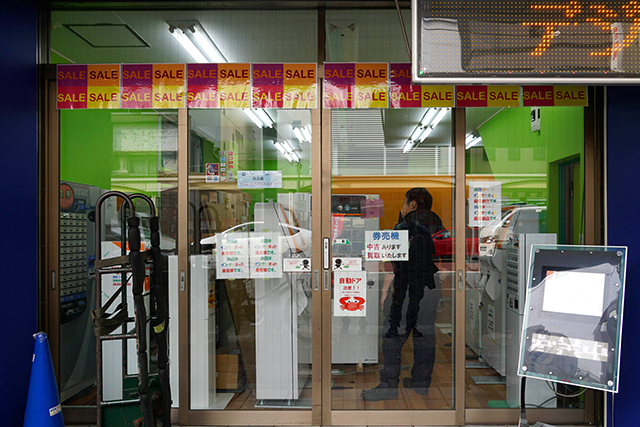
There are also shops selling the vending machines for ordering at restaurants.
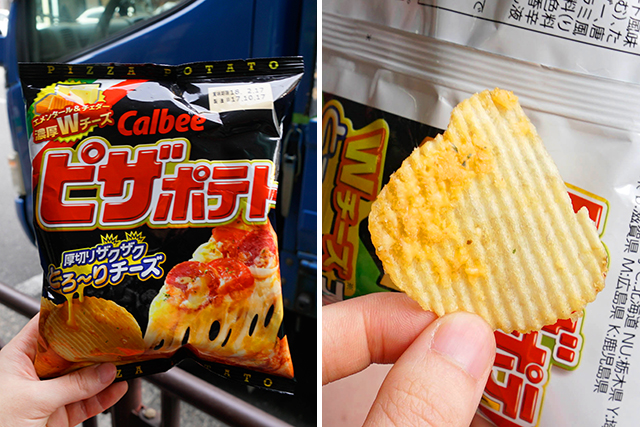
We have a quick snack with the Calbee Pizza Potato chips. Apparently, they were discontinued for a few years before they returned after many requests from fans. They are truly delicious, tasting just like a good tomato, mozarella and pepperoni pizza with flavour you can see!
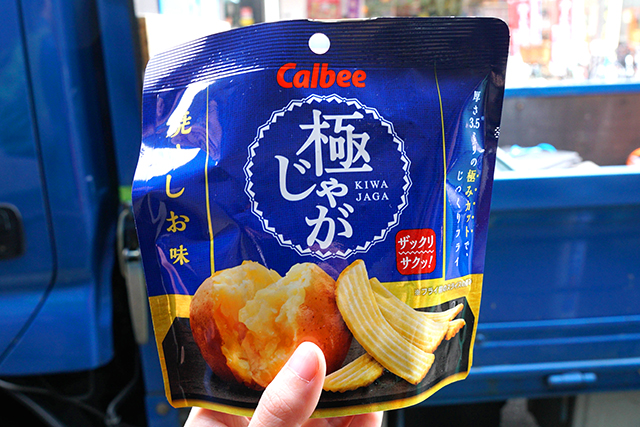
These were Calbee Kiwa Jaga in light salt flavour. They’re thick cut and crispy. We prefer the butter flavoured ones we ate a few days earlier in Yoichi.
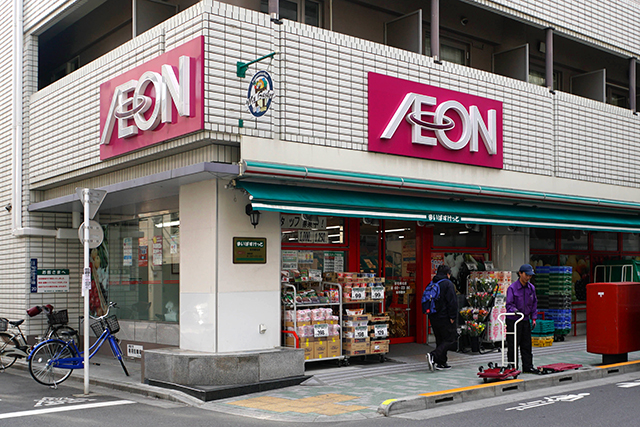
On a side street, there’s an small Aeon supermarket.
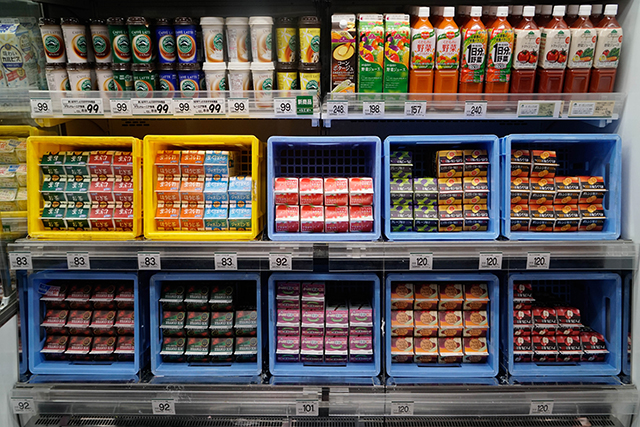
Popping in for a drink, we spot this new method of storing cartons of juice.
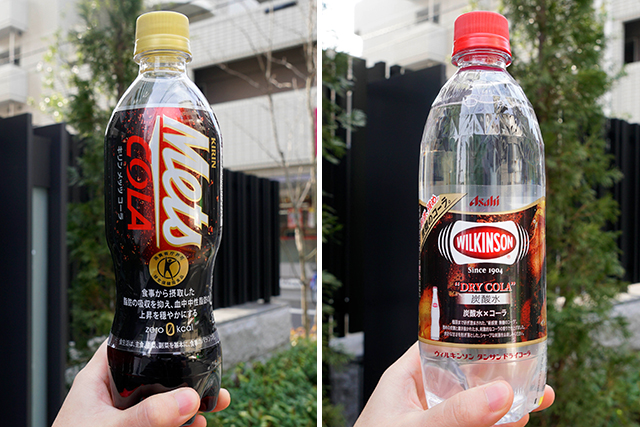
Both D and I end up with cola. D sticks with his new favourite Mets Cola while I try the Asahi Wilkinson Dry Cola. It’s a transparent cola with strong carbonation and a sharp, non-sweet aftertaste. It’s novel and the dry aftertaste is surprisingly refreshing.
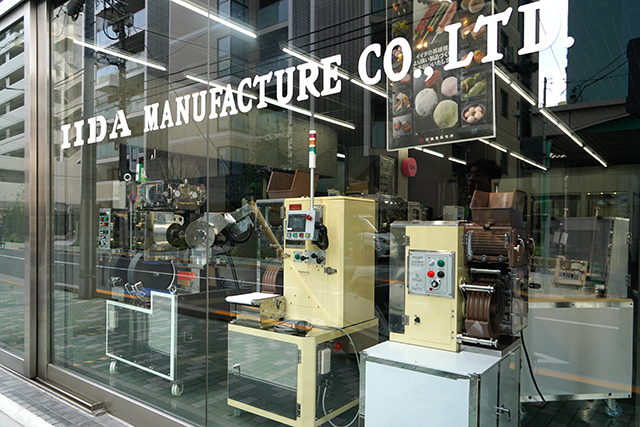
This store sells new and refurbished machines for making wagashi.
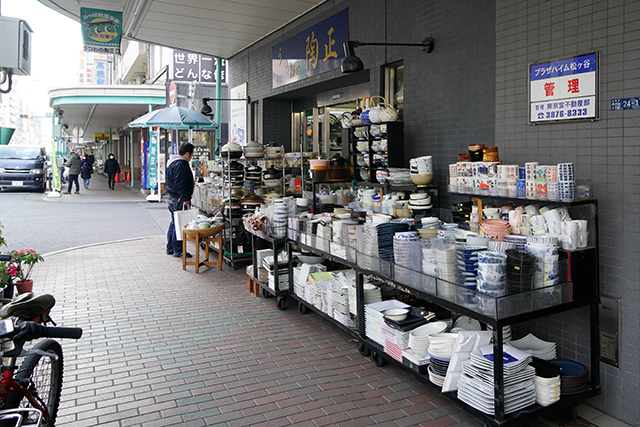
Numerous shops along the length sell similar merchandise at slightly different prices. Essentially the further north, the cheaper the products.
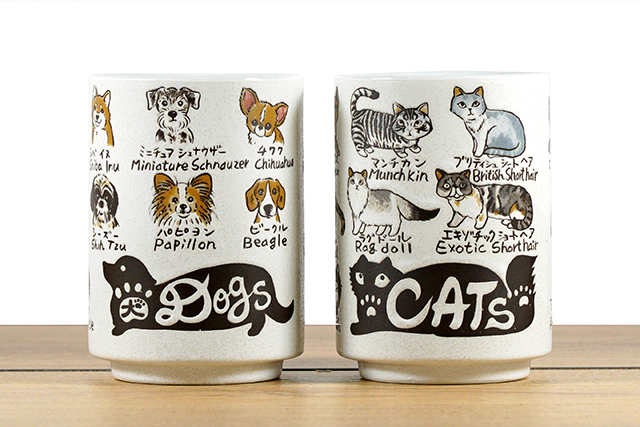
We pick up these cups showing different species of dogs and cats
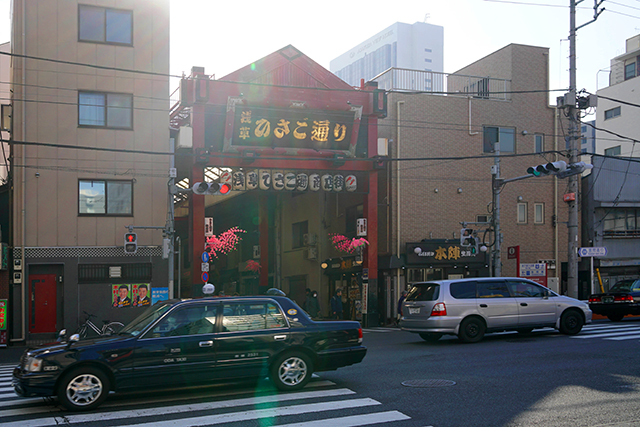
Having reached the end of Kappabashi Street, we head east. This is one of the entrances to Hisagodori Shopping Street.
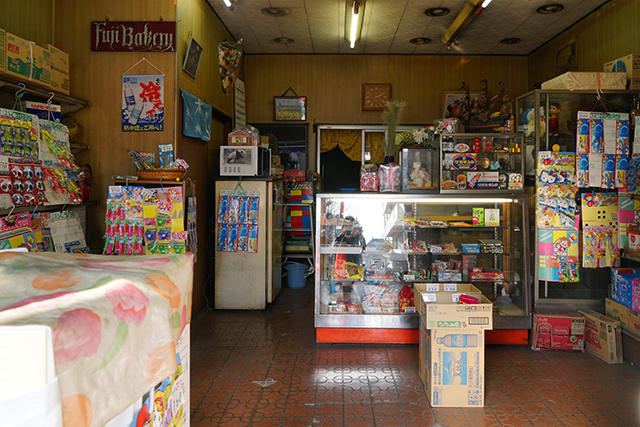
We pass by a dagashi shop that looks like it came straight out of Dagashi Kashi.
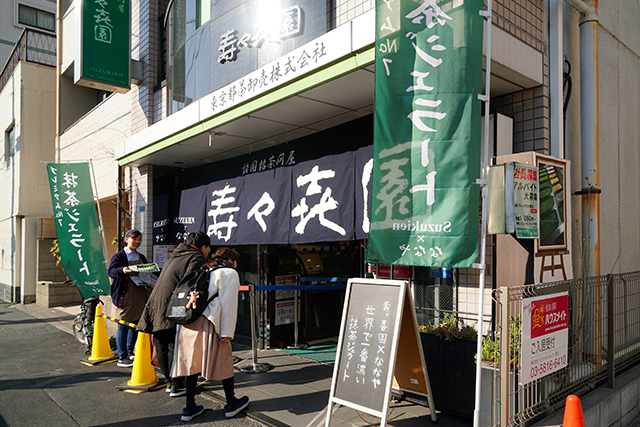
And we’re finally at our destination: Suzukien!
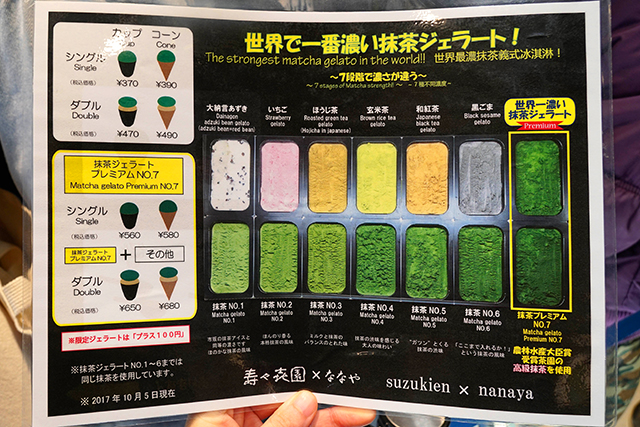
In a collaboration with Nanaya, which specialises in green tea ice cream in Shizuoka, Suzukien offers seven strengths of matcha gelato with No 7 said to be the strongest in the world.
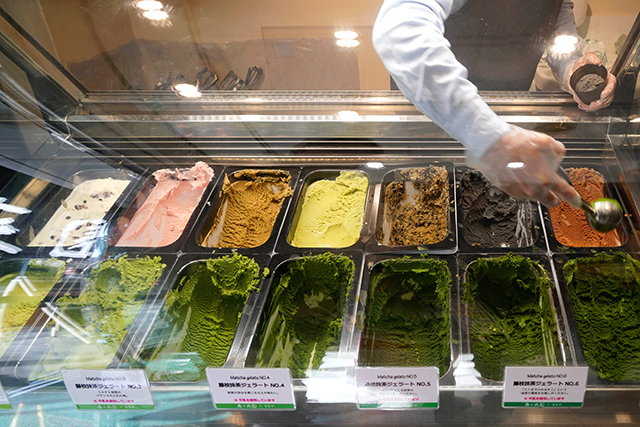
Aside from matcha, there is also black sesame, kōcha (Japanese black tea), genimaicha, houjicha, strawberry and dainagon (a premium variety of azuki beans).
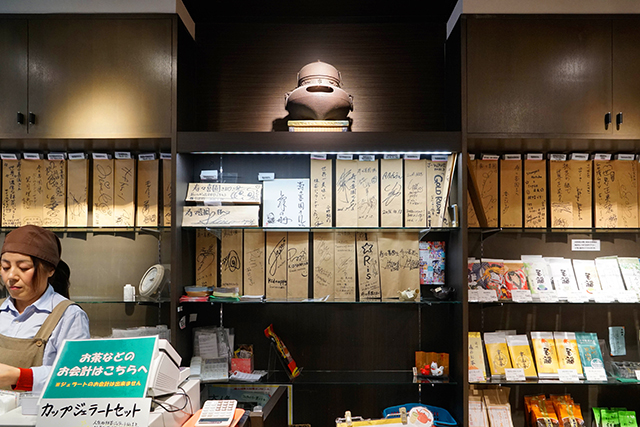 Behind the counter are numerous messages and signatures from various famous people who have visited the store, as well as tea for sale.
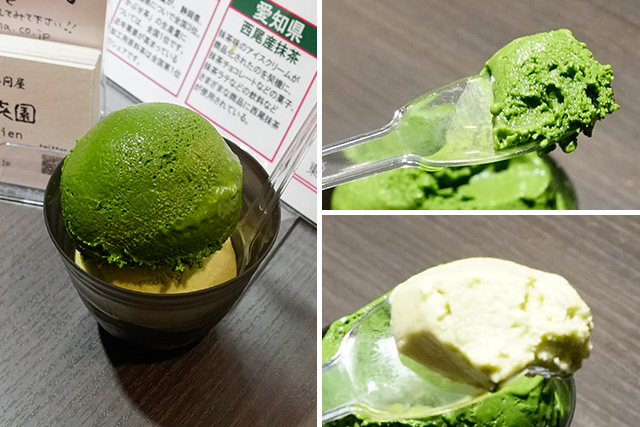
We try the Matcha Gelato Premium No 7 and the Genmaicha and enjoy both immensely. There’s nary a hint of bitterness in the matcha, just an intensity of fragrant matcha flavour, while the genmaicha impresses us with its very pleasant sweet nuttiness.
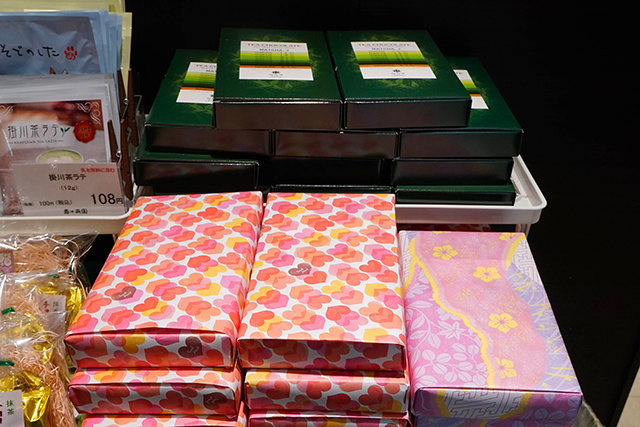
We’re enticed by these boxes of chocolate, which have been wrapped beautifully in time for Valentine’s Day.
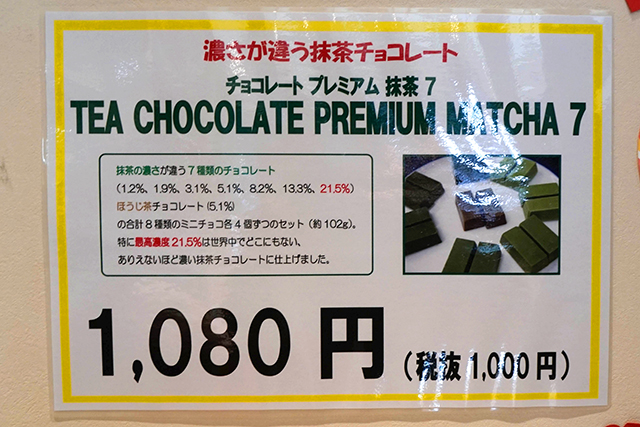
It’s no ordinary chocolate, but 11 types of tea chocolate much like their ice cream offering from 1.2% matcha, 1.9% matcha, 3.1% matcha, 5.1% matcha, 8.2% matcha, 13.3% matcha to 21.5% matcha and 5.1% houjicha.
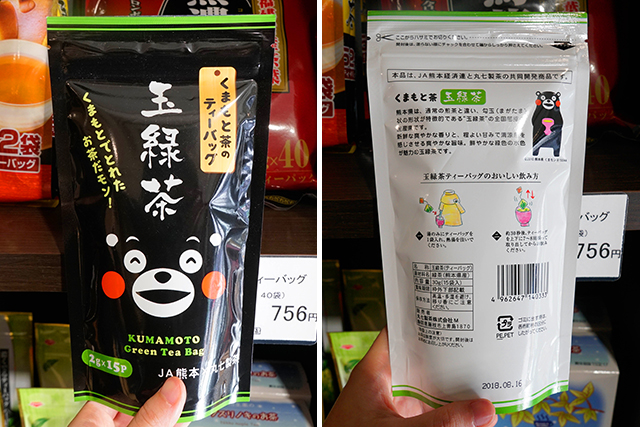
The shop sells tea from Kyūshū, with these green tea bags from Kumamoto. Shizuoka, the city where Nanaya is based, is known for making the most acclaimed green tea in Japan.
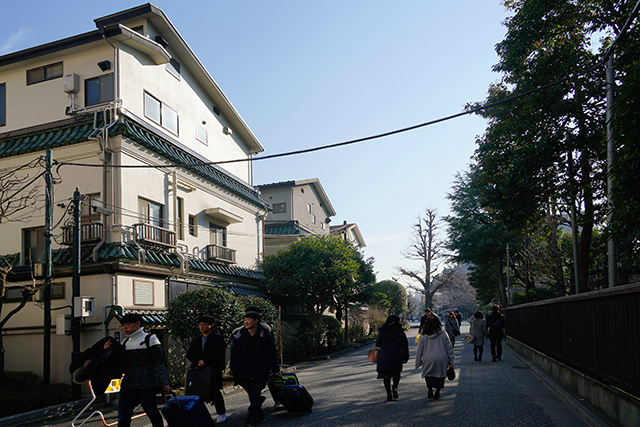
Satisfied with ice cream, we make our way towards Senso-ji Temple.
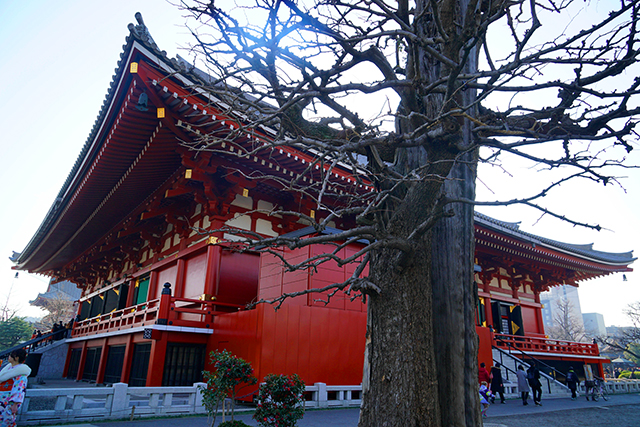
We’re approaching from behind, en route to Ninenzaka and on the hunt for food.
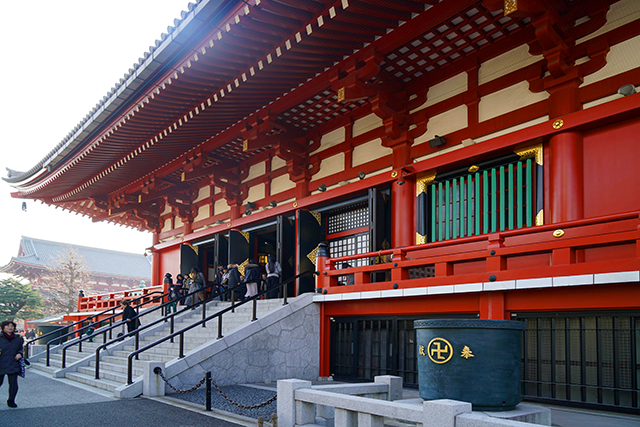
It’s a long weekend, so the temple is teeming with followers paying their respects and tourists.
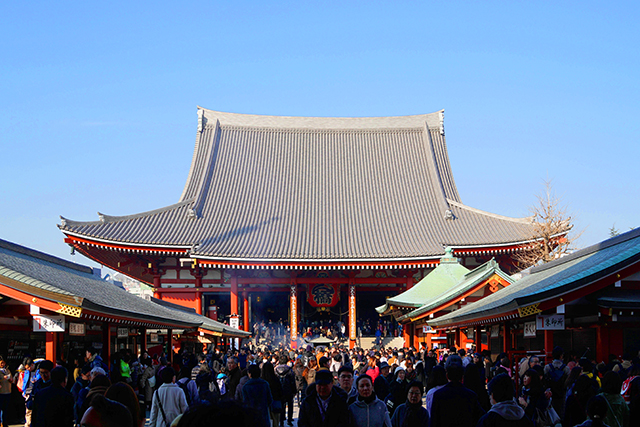
Senso-ji is a Buddhist temple dedicated to the bodhisattva Kannon. It’s a major part of makes Asakusa famous, being Tōkyō’s oldest temple and one of its most significant. According to Wikipedia, Senso-ji temple is ‘the most widely visited spiritual site in the world with over 30 million visitors annually’ and ‘ranks among the top 10 temples in Japan for the number of visitors in the new year’.
Adjacent to the temple is a five-story pagoda, Shinto shrine, the Asakusa Shrine.
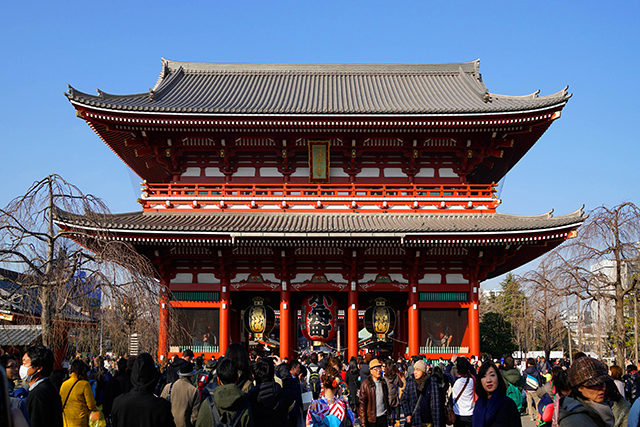
And this is the entrance to Senso-ji temple, the Hōzōmon, which provides the entrance to the inner complex.
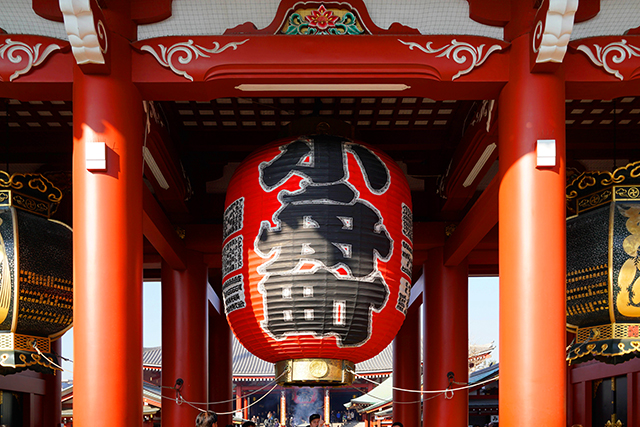
Called the ‘Treasure Gate’, the Hōzōmon is a two-story gate with the second story houses many of the temple’s treasures. The first story houses two statues, three lanterns and two large sandals.
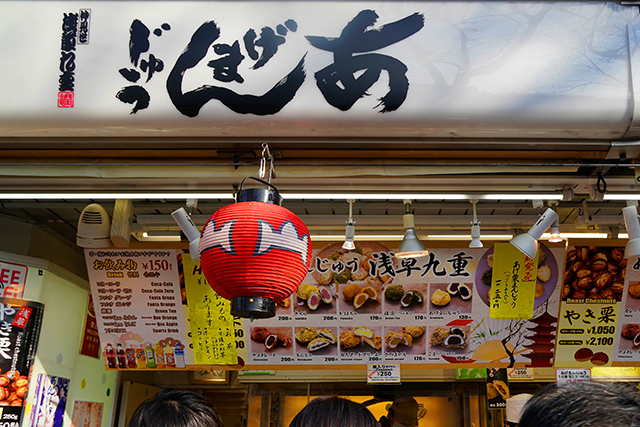
In front of the entrance is Nakamise-dori with its shops selling snacks and other traditional goods. This shop is Agemanju and sells deep-fried manjū with various sweet and savoury fillings.
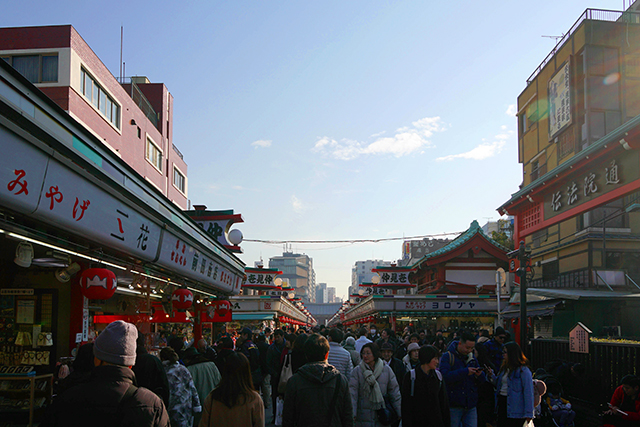
Nakamise-dori is teeming with people all the way to the Kaminarimon which is the larger of two gates to the temple..
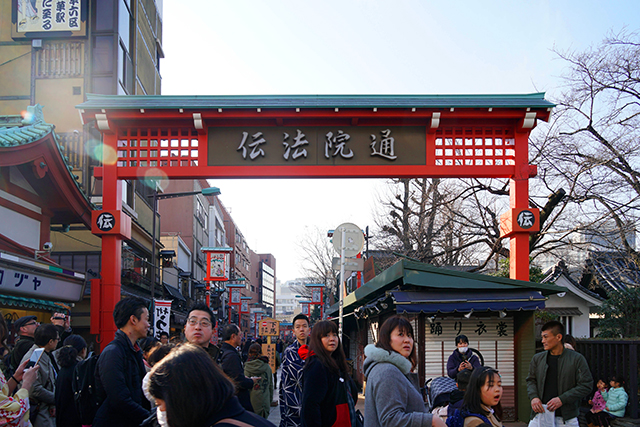
We take a detour and head down a quieter road running perpendicular to Nakamise dori.
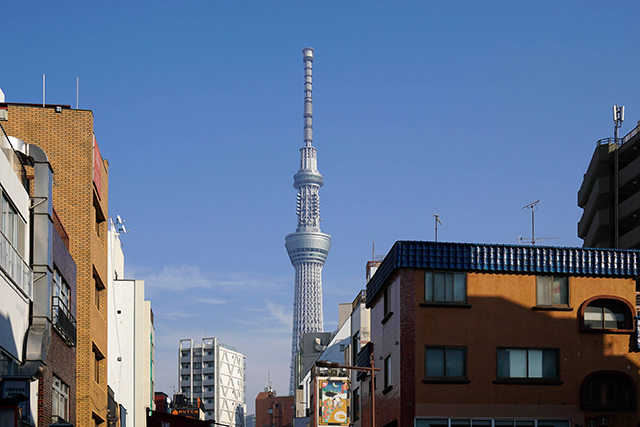
We spot Skytree in the distance again.
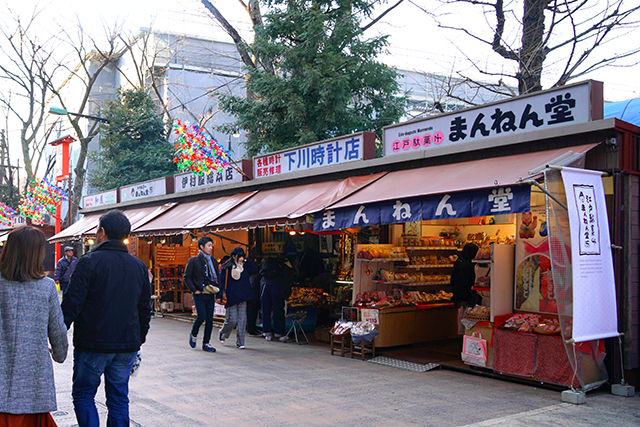
Some shops sell traditional confectionery snacks…
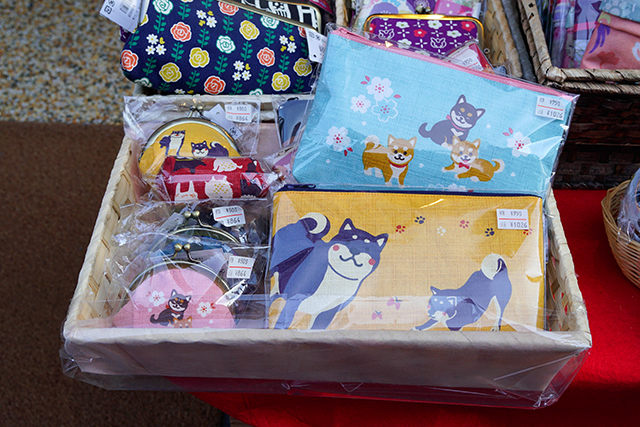
…while others sell cute coin purses and tissue holders.
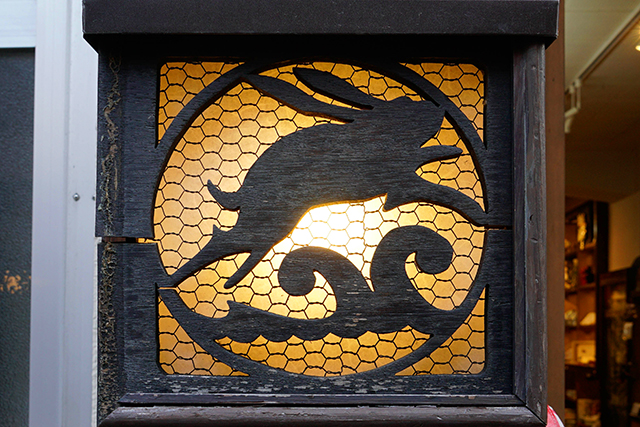
This shop has a cute backlit bunny for its logo.
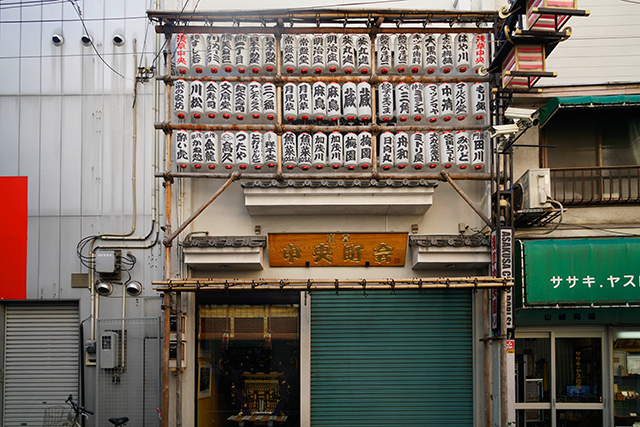
This is the shop front for the Asakusa Central Town Association, which organises various festival events.
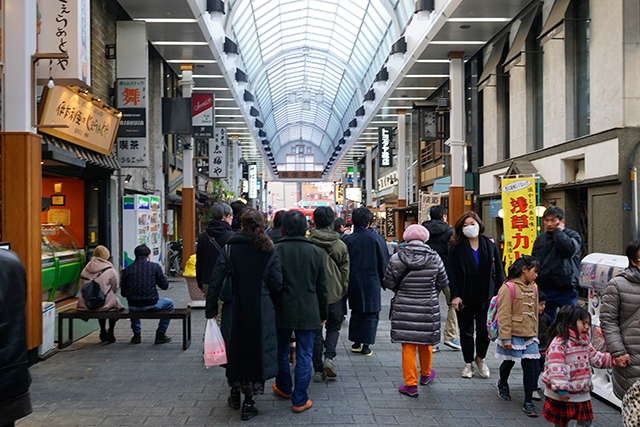
Before long, we’re on Shin-Nakamise-dori a covered shopping street.
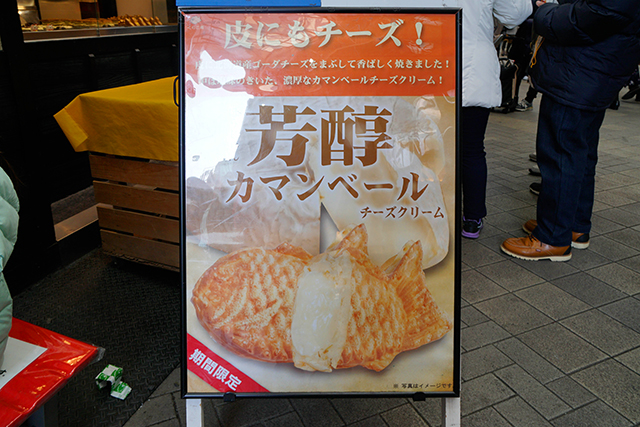
A shop offers camembert taiyaki, which we’d not seen before.
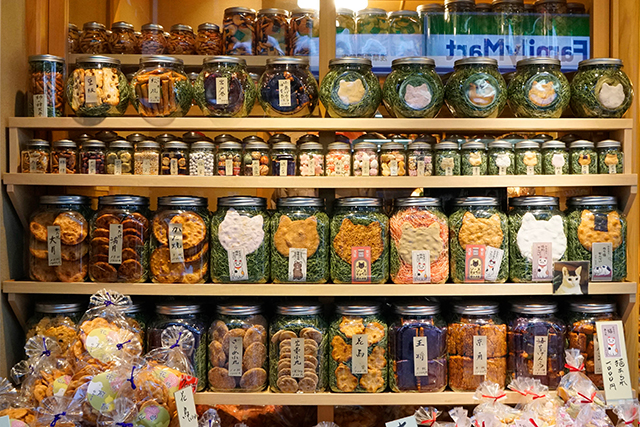
Another shop selling senbei has these cute cat shaped ones in jars.
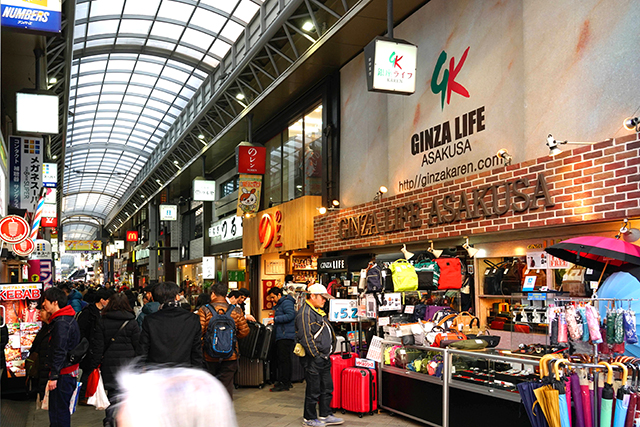
There are numerous shops selling yukata, but the more popular ones are selling goods aimed at tourists.
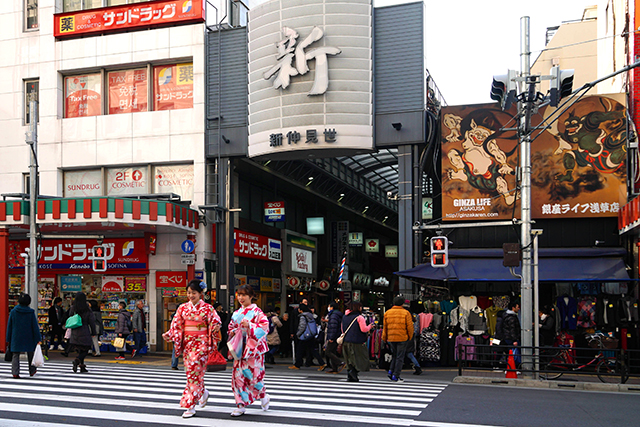
This is the Western entrance to Shin-Nakamise-dori.
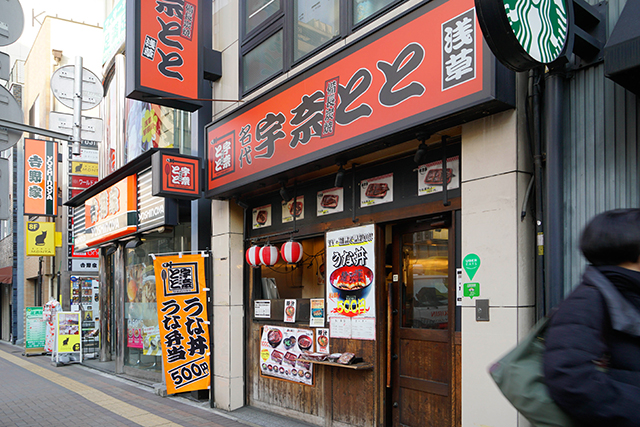
Directly opposite, D spots the Yoshinoya but that’s before we see the Unatoto next to it. It’s time for eel at our favourite chain.
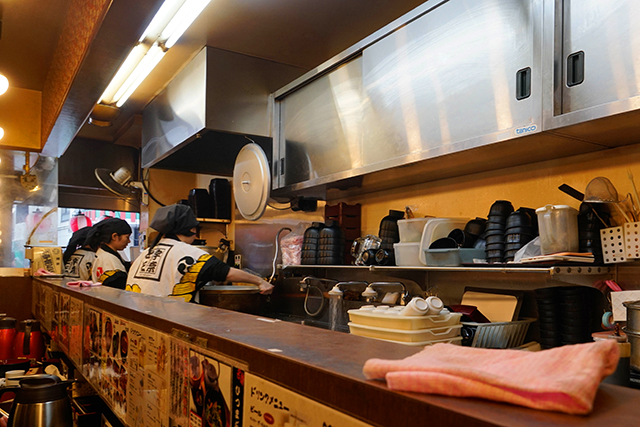
This branch of Unatoto is run exclusively by women. It’s a very narrow shop with a row of bar seating as well as a few tables each seating 2 lined against the wall.
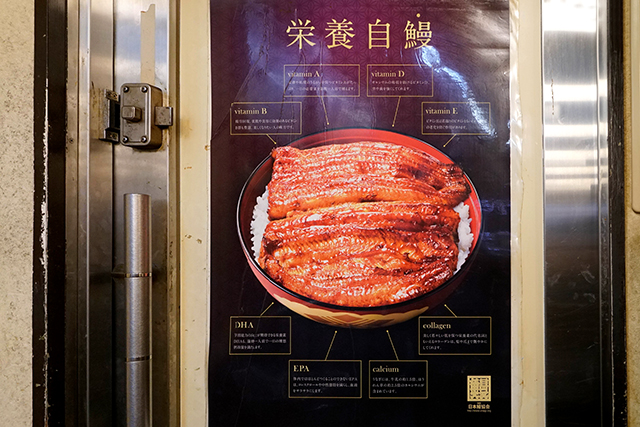
The inside of the restaurant is very smokey from the grilling eel out the front. D enjoys the smell, it’s a bit much for me. While we wait, we check out this poster espousing the nutritional benefits of eel: Vitamins A, B, D and E; DHA, EPA, calcium and collagen.
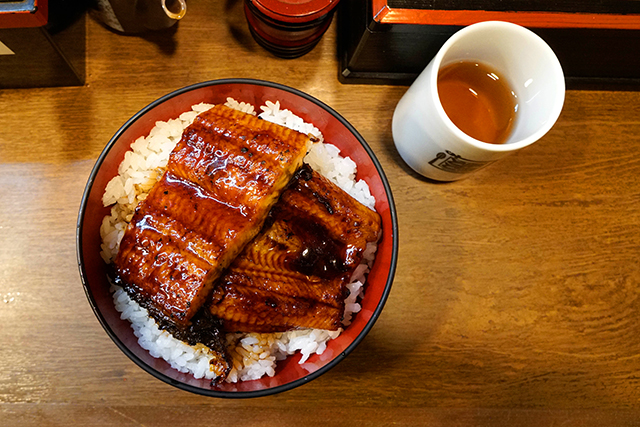
The eel is every bit as delicious as we remember and all for ¥980! The mildness of the complimentary houjicha pairs well with the richer flavours of the eel.
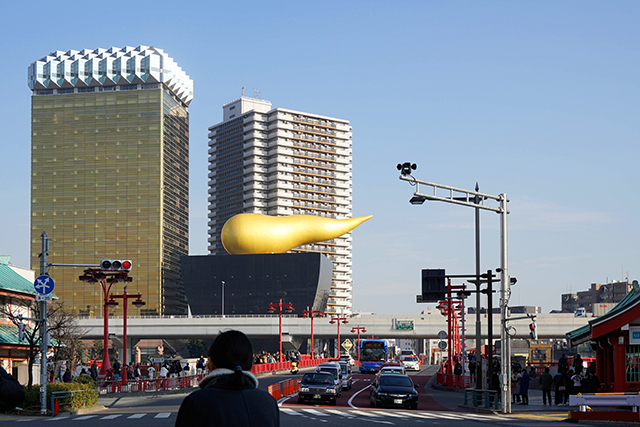
Back out in the fresh air, there’s the Asahi Breweries headquarters building with the ‘Asahi Flame’ by Philippe Starck that is said to represent both the ‘burning heart of Asahi beer’ and a frothy head, but is more colloquially referred to as ‘the golden turd’.
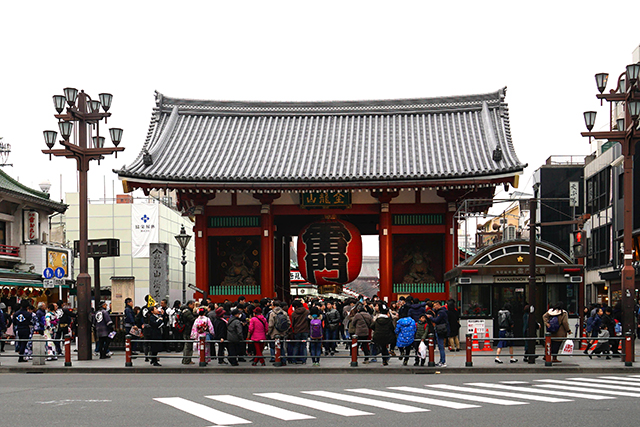
We head back in the direction of our hotel as it’s mid-afternoon, passing by the Kaminarimon (‘Thunder Gate’) with its massive 4 m tall paper lantern dramatically painted in vivid red-and-black tones said to suggest thunderclouds and lightning.
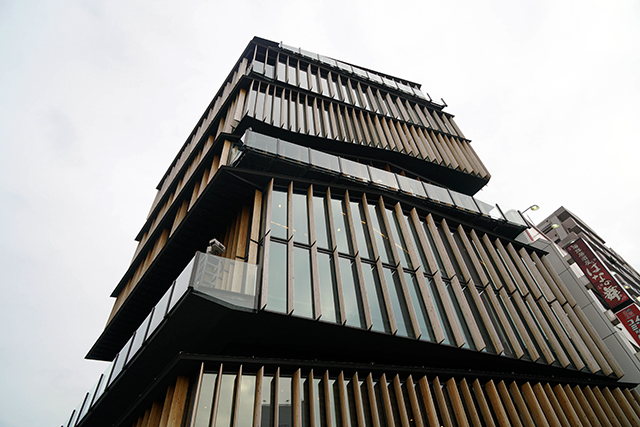
Across the road from the Kaminarimon is the Asakusa Culture Tourist Information Center.
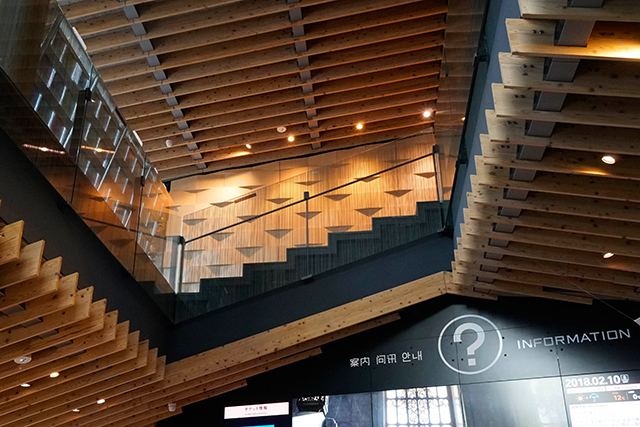
It’s a beautiful structure with its use of glass, wood and black.
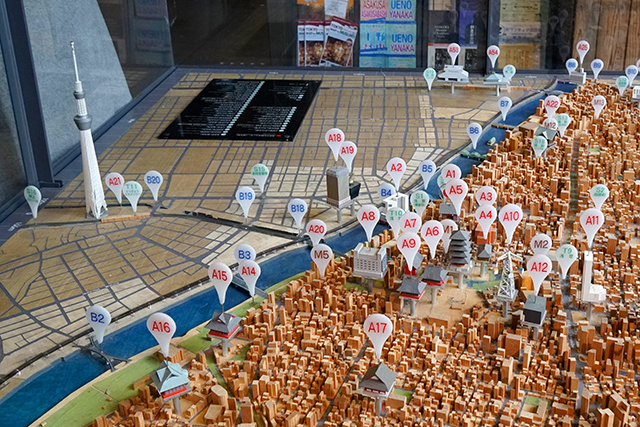
There’s a reconstruction of Tōkyō showing all the major landmarks on the ground floor.
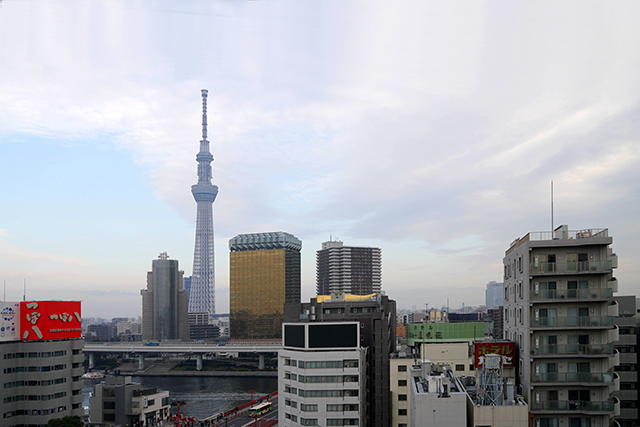
We head up to its observation deck for an expansive view of Tōkyō without the admission fees required by Tōkyō Tower or Tōkyō Sky Tree. This is the view east.
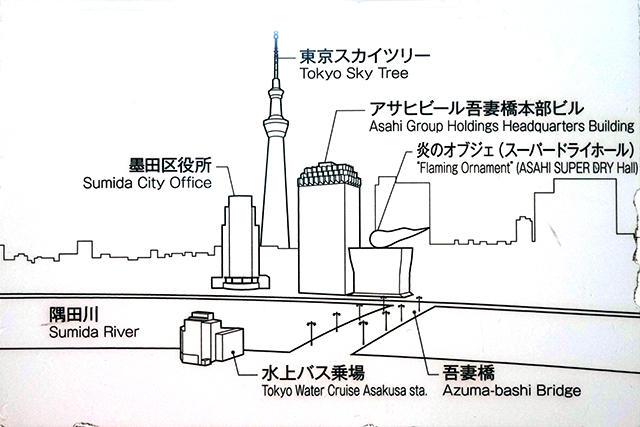
Illustrations underneath the railing explain the various structures in the distance. The ‘Asahi Super Dry Hall’ is rather obscured by the high rises.
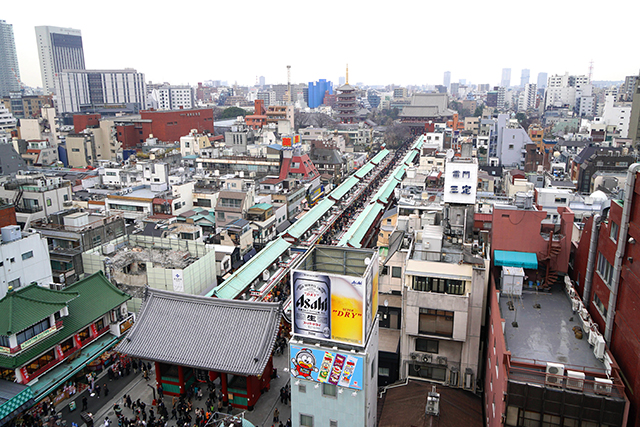
This is the view towards Senso-ji.
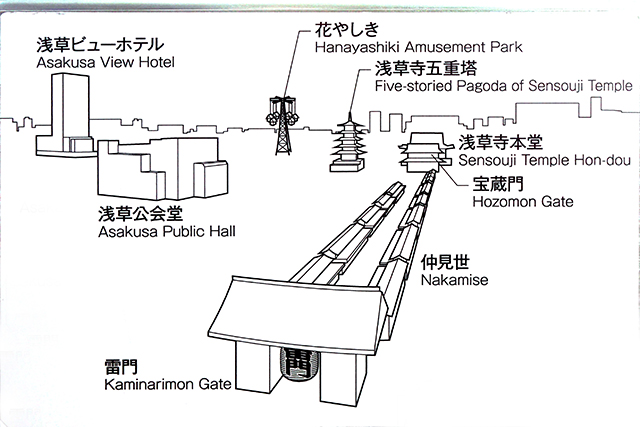
We can see the entire length of Nakamise from Kaminarimon to Hozomon and then to Senso-ji itself.
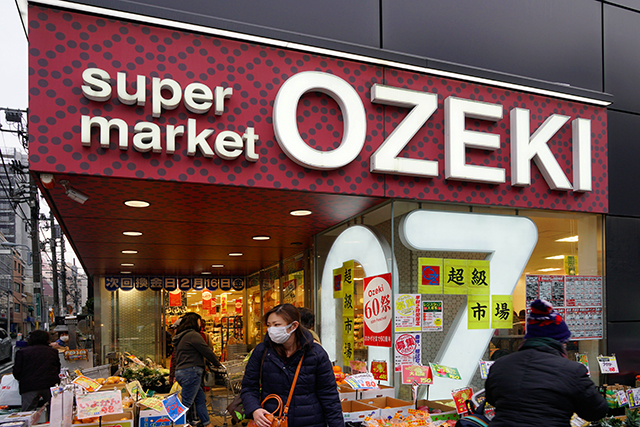
We pop into Ozeki Supermarket because we’re supermarket tourists.
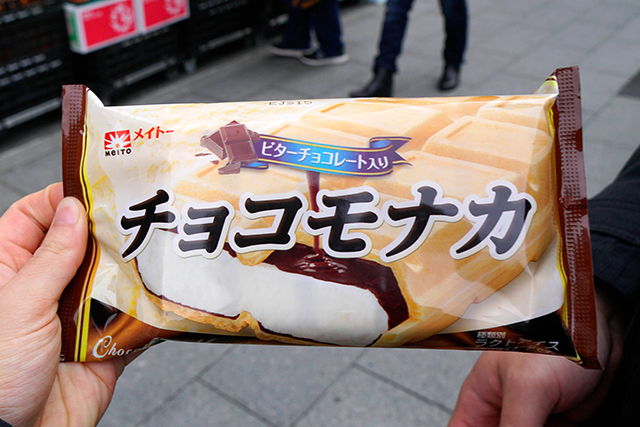
Their cheap prices for ice cream has us leaving with a Meito Choco Monaca for ¥108.
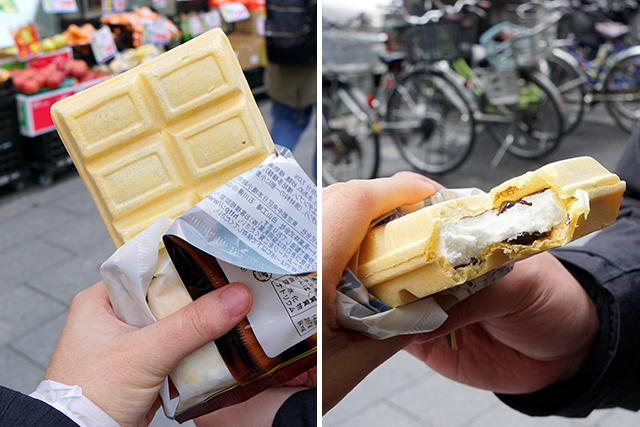
The vanilla ice cream is always light and icy in Monaca bars we’ve had. But we enjoy it, along with the crispy chocolate and the wafer that make it super tidy to eat.
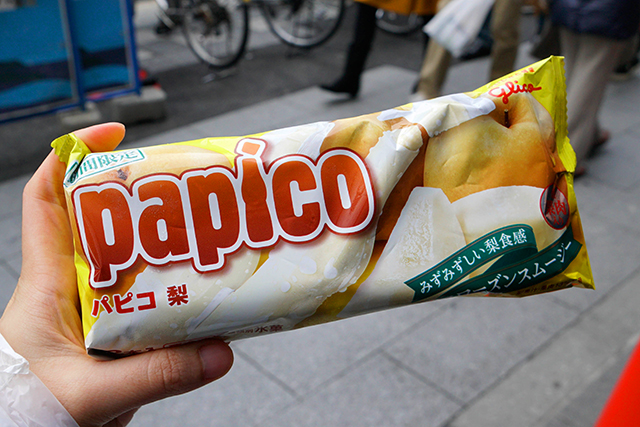
We also pick up this Glico Papico in nashi flavour also for ¥108.
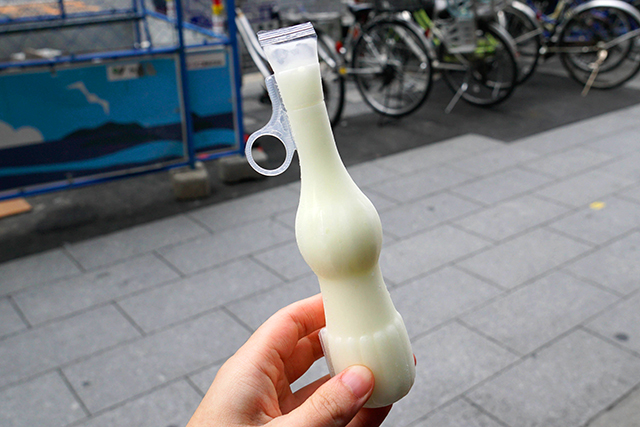
Each package comes with two of these plastic tubes with a nashi flavoured slushy. I enjoy the prominent nashi flavour, although D thought it tasted more like melon.
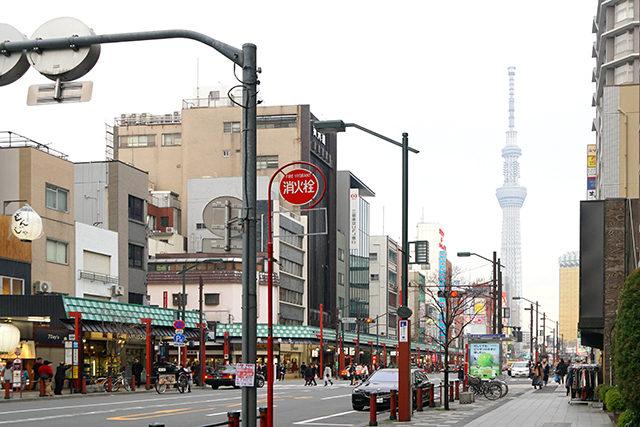
Looking backwards we see Tōkyō Sky Tree fading in the background.
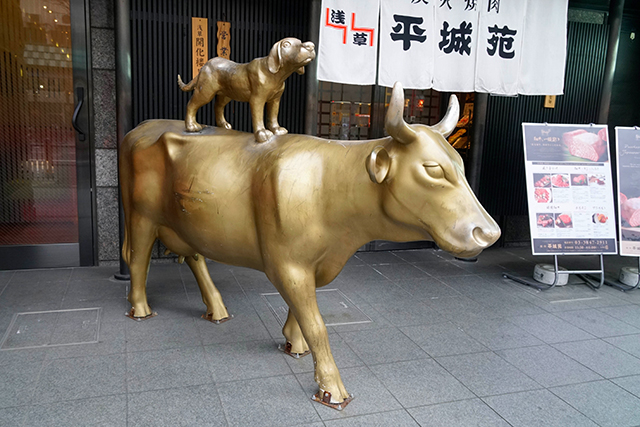
We pass by restaurants serving high-grade beef.
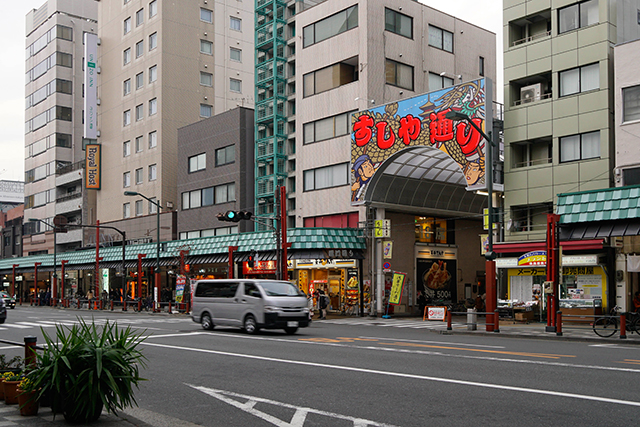
This is the entrance to Sushiya-dori, a street where the vast majority of stores are food establishments mostly serving sushi.
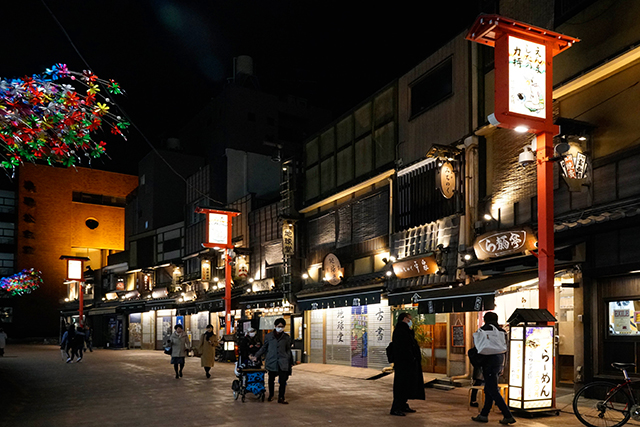
After taking a nap, we head back out to explore some shops while searching for dinner.
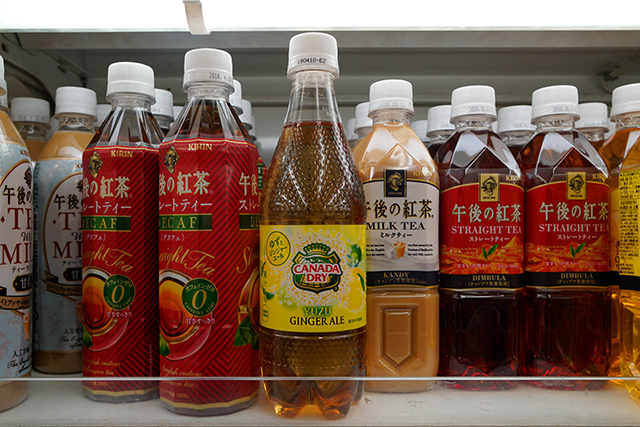
We spot this Canada Dry Yuzu Ginger Ale (non-alcoholic) at the supermarket. We’re not fans of ginger beer or ginger ale, but it reminds us of N and T, who enjoy both yuzu and ginger flavours.
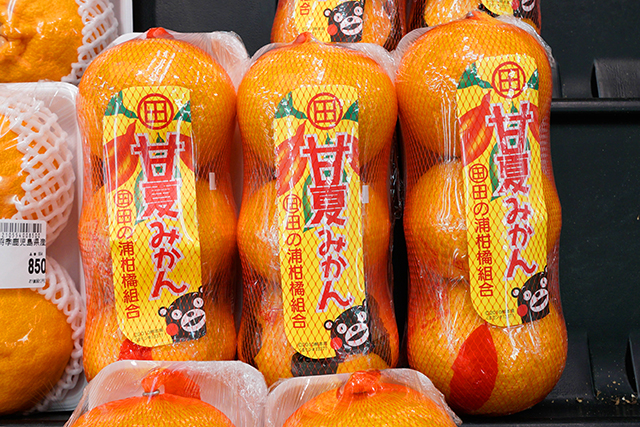
There’s mikan from Kumamoto!
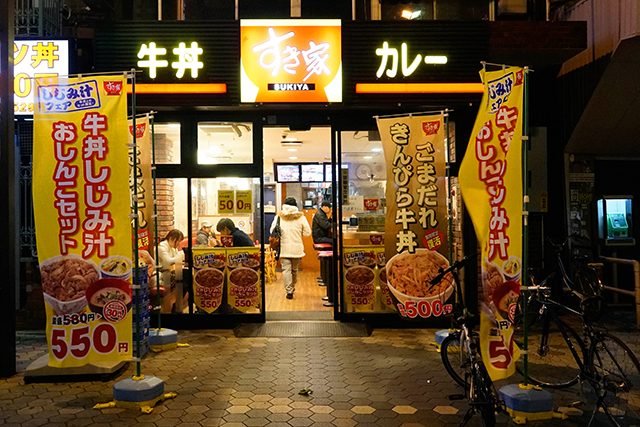
D’s been wanting to eat beef bowls at Sukiya for a while now, so we drop by the branch in Asakusa.
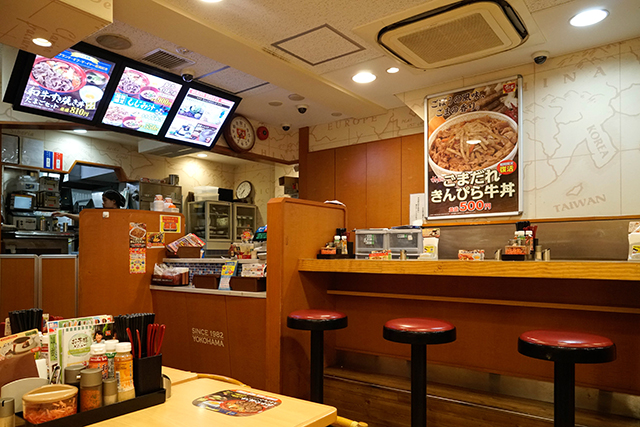
We’re disappointed to find that Sukiya and Yoshinoya are no longer vending machine restaurants. More disappointing is the staff at this branch – unlike the usual attentive (whether Japanese or Chinese) staff who are busy doing something related to the restaurant, be it cleaning the tables or assemblings takeout boxes or refilling water jugs, these Indonesian workers were busy on their smartphones the entire time they weren’t serving customers. Even when there was a customer, there was an uncharacteristic wait before they registered the customer’s presence. Don’t even consider service with a smile.
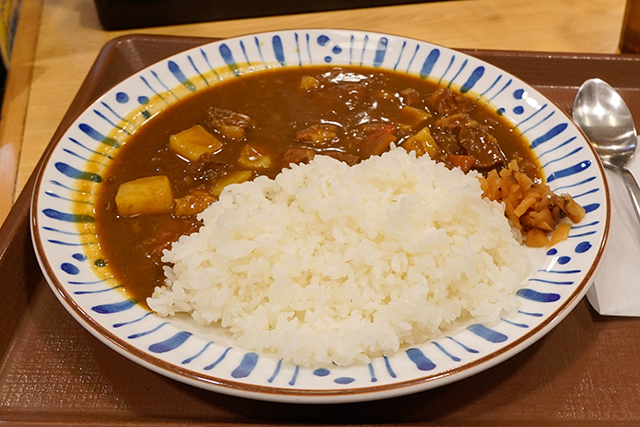
The curry is very average here – lightly spicy but nothing particularly comforting or tasty to scratch that curry itch we’ve had all trip.
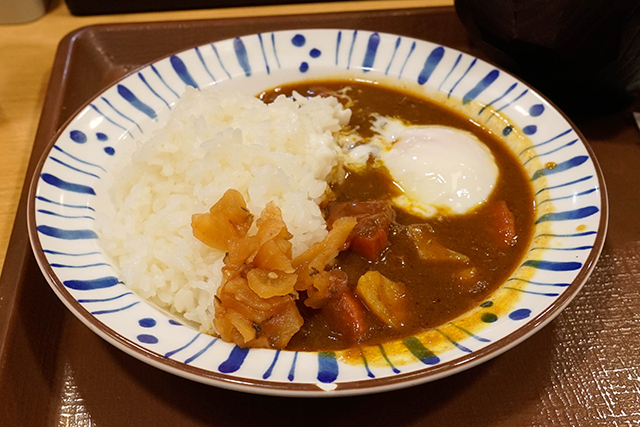
The addition of the oozy ontama makes things slightly better.
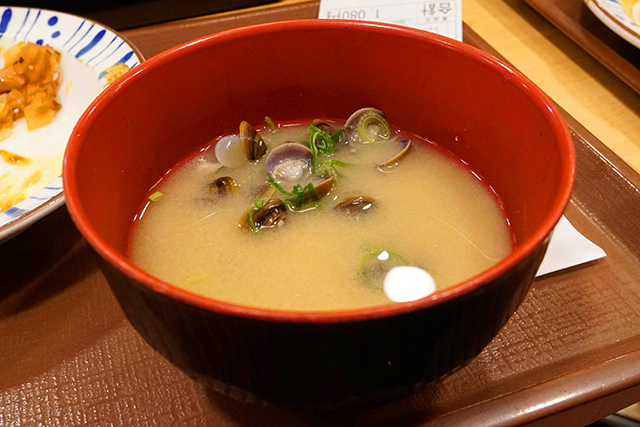
The addition of clam soup was fun, with a large number of clams. Alas, the clams did not flavour the soup, which tasted like overly salty miso soup. I enjoy picking out the tiny clams to eat anyway.
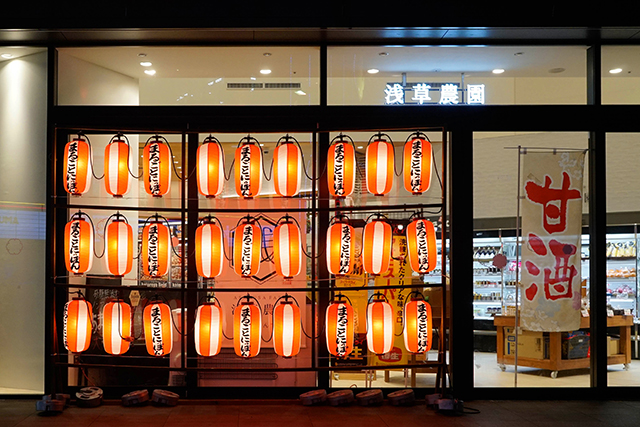
Directly opposite is a high-end supermarket with a pretty lantern display out front.
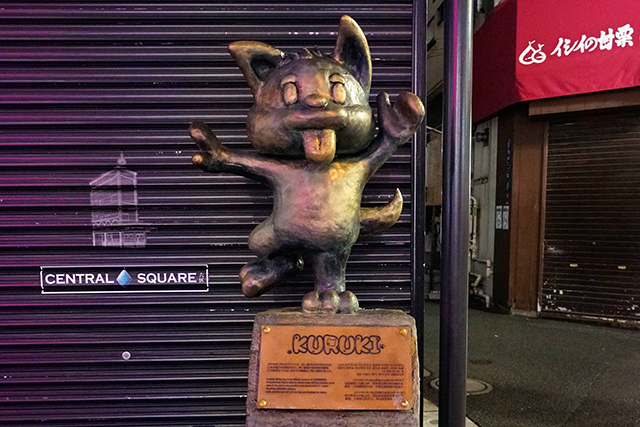
This is Kuruki, the mascot for Japankuru. A quick search shows that Japankuru is an online community welcoming people to Japan.
A white Shiba Inu, is an official mascot of Japankuru. A mysterious fact is that its whole body will turn to blue color, once it discovers any goodies and charm point in Japan. Touching Kuruki’s tongue, wish you the best of luck during your journey to Japan.
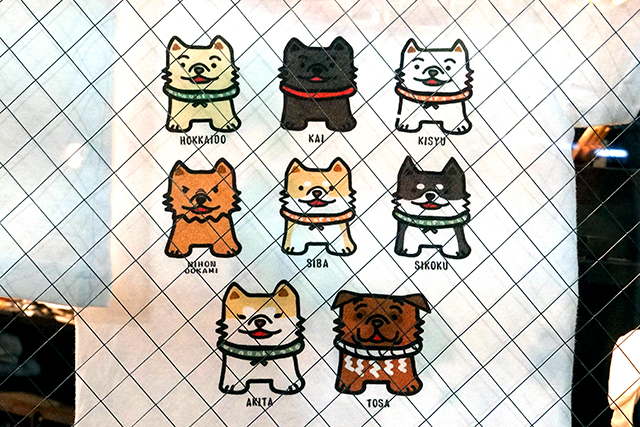
There’s this cute kid’s T-shirt displayed in a window nearby, showing the different types of Japanese dogs.
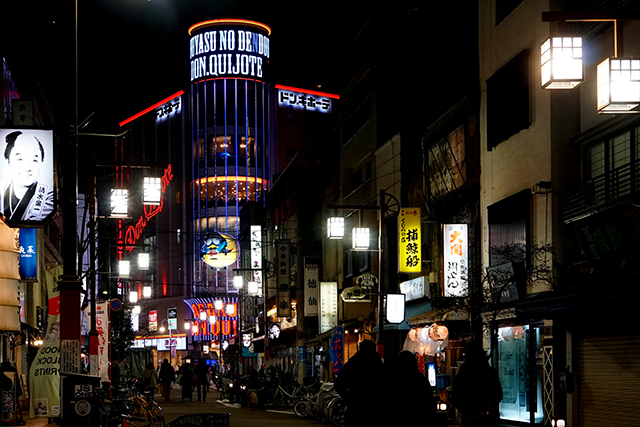
To end the night, we head into the Don Quijote which is open 24 hours. It looks like it was converted from an old theatre. There’s even a large aquarium near the entrance.
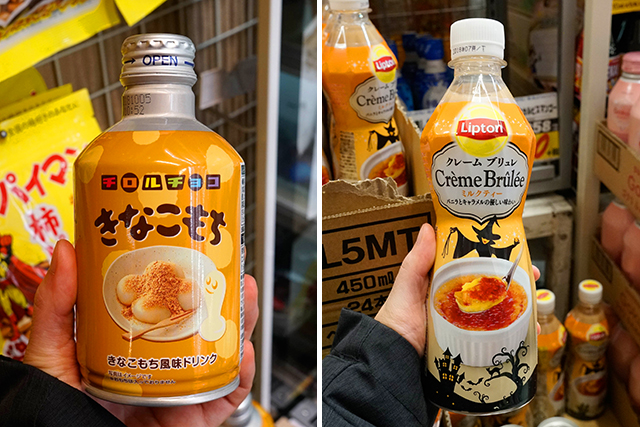
We’re amused by these creme brulee and kinako mochi flavoured drinks, though not game enough to try.
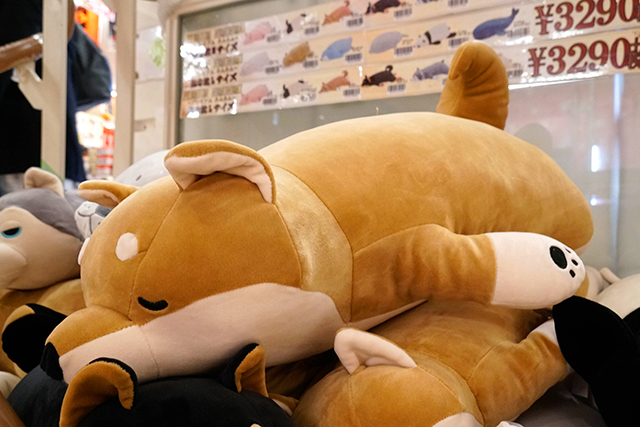
This shiba inu nemunemu animal captured my heart! We consider picking on up but decide to wait until we reach Ōsaka to avoid lugging him around in transit to Ōsaka.
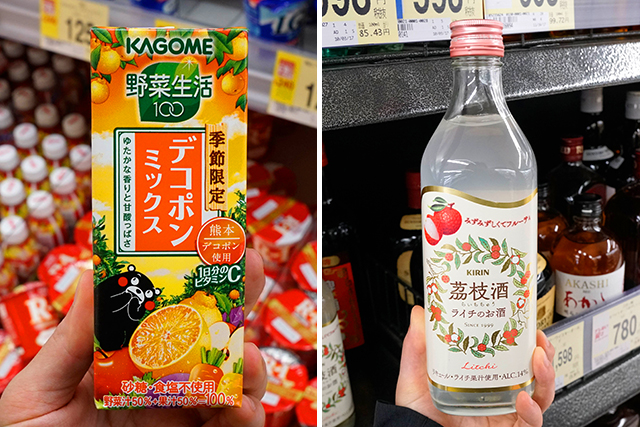
We find some dekopon mix juice featuring Kumamon, as well as some lychee flavoured liqueur by Kirin.
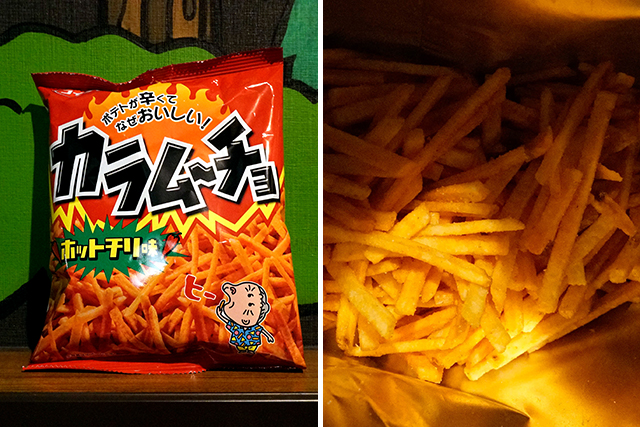
D picks up some Kokeya Karamucho in hot chilli flavour, but they’re not nearly half as spicy as he’d hoped. They’re crunchy though!
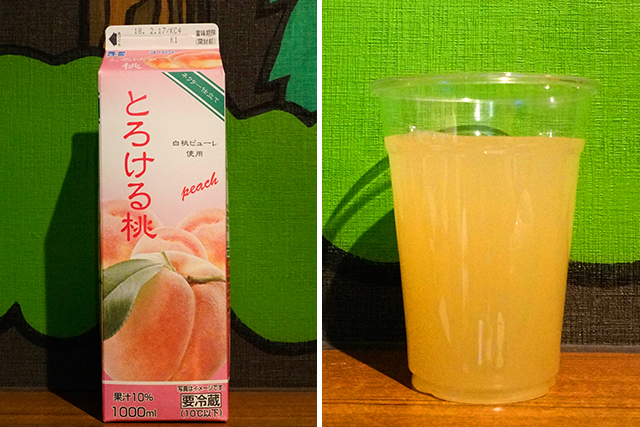
As for me, I wind down with some white peach juice made with pulp from the fruit. It was a delicious end to the evening.
Next up, we take a factory tour of the Glico Pocky and Pretz facilities at Glicopia East.