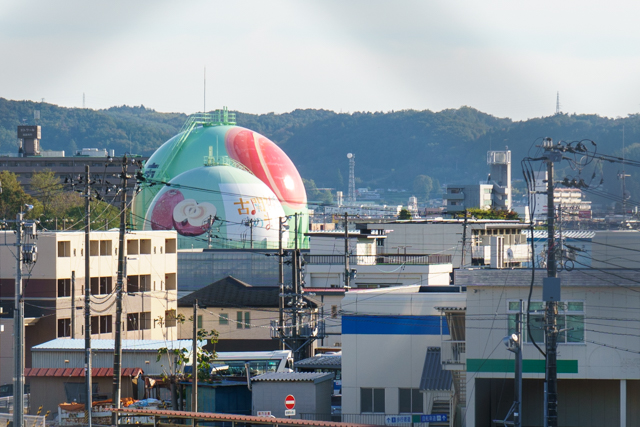
Fukushima City, the capital of Fukushima Prefecture, serves as a gateway to Japan’s northern Tōhoku region. It is known for its seasonal fruit, local specialties such as enban gyoza, and easy access to hot spring areas like Iizaka Onsen and Tsuchiyu Onsen.
Tokyo › Fukushima
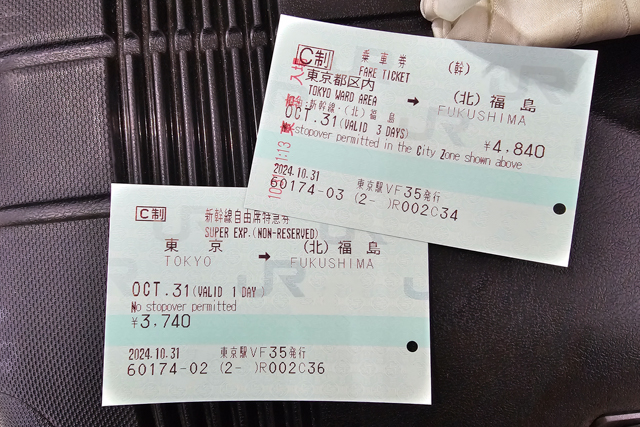
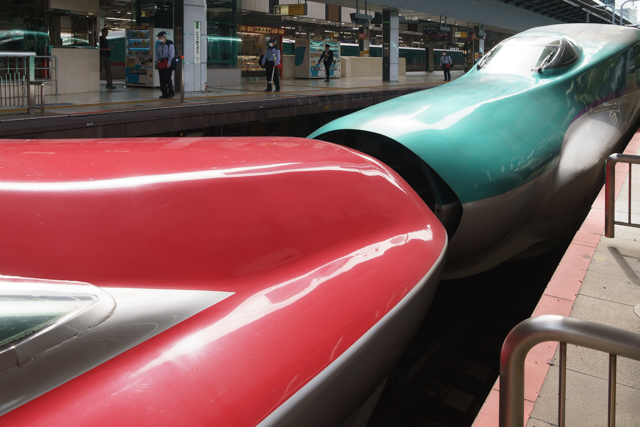
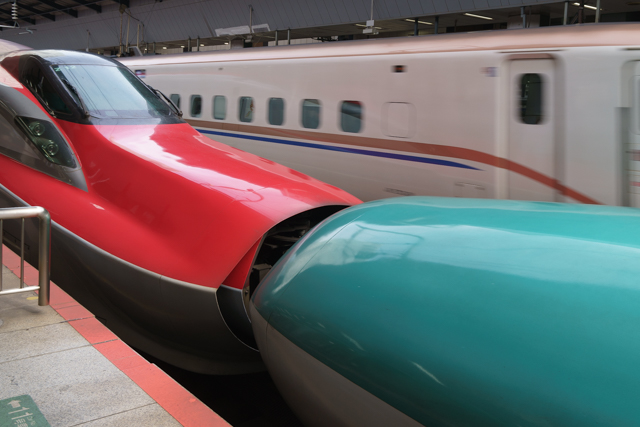
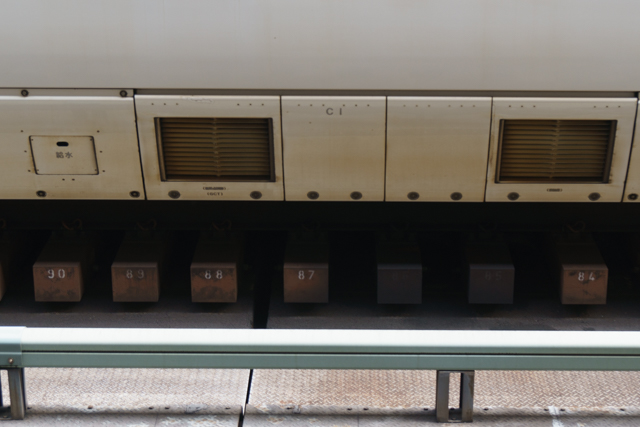
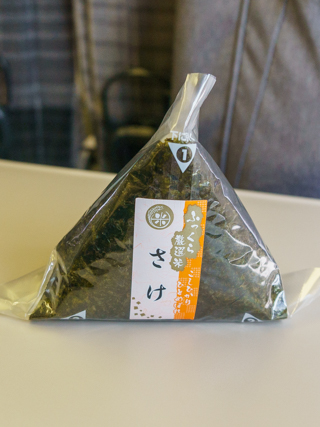
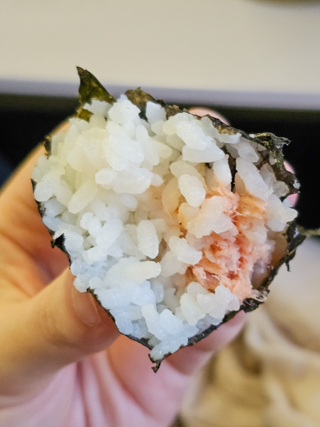
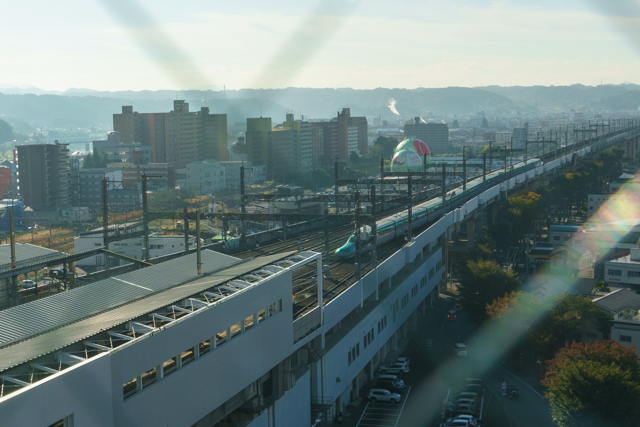
Fukushima and Tokyo are connected by frequent Yamabiko and Tsubasa trains along the JR Tohoku Shinkansen. The one way trip takes around 90 minutes.
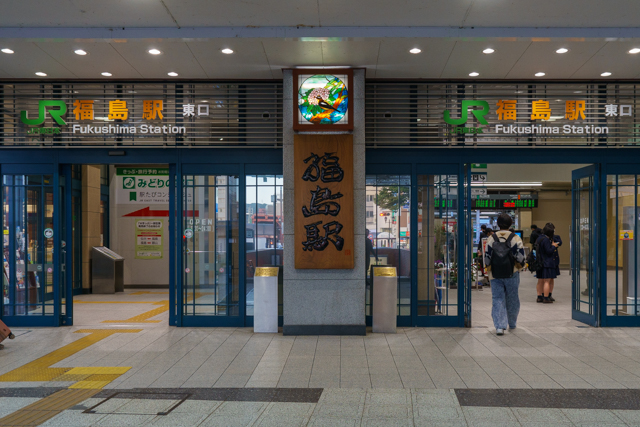
Fukushima Station
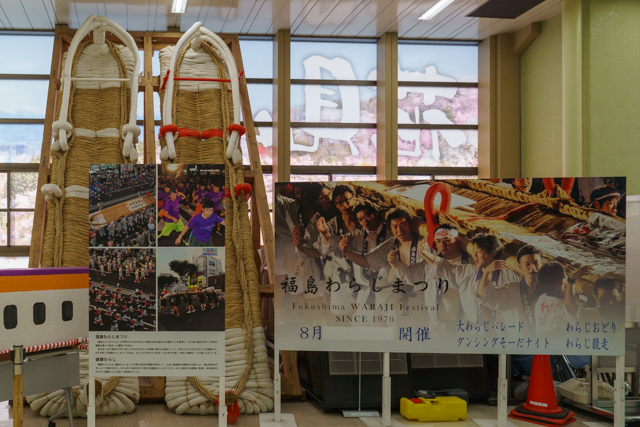
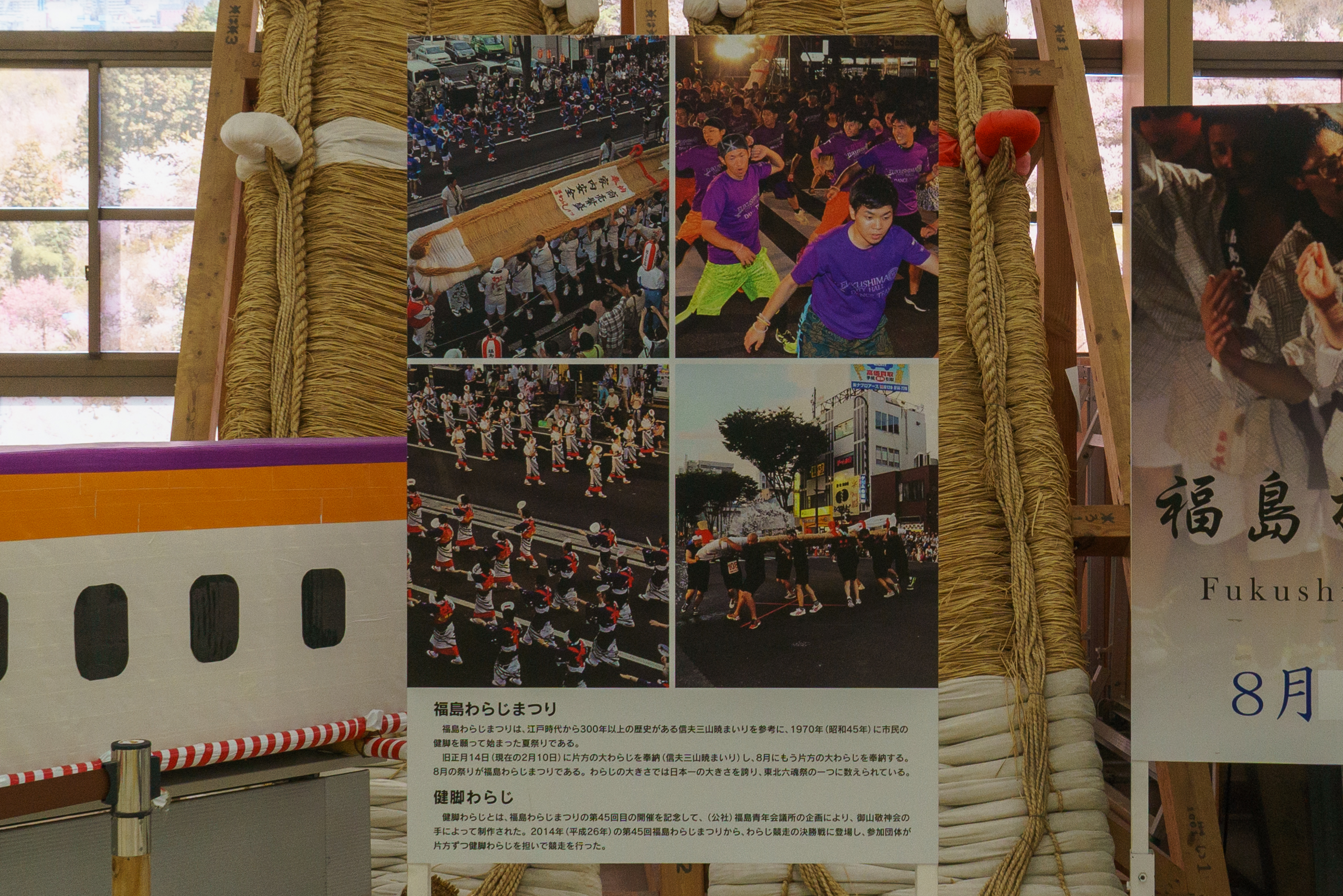
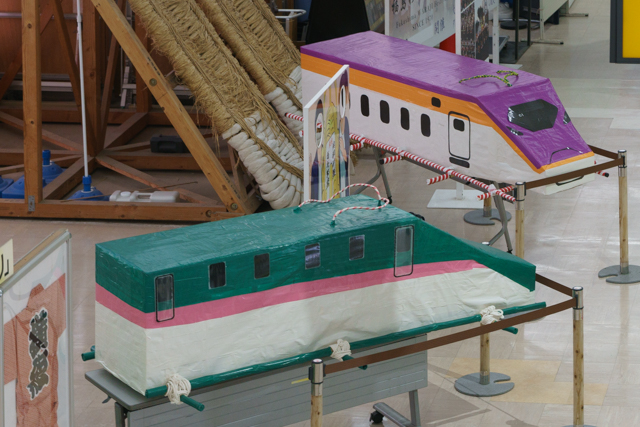
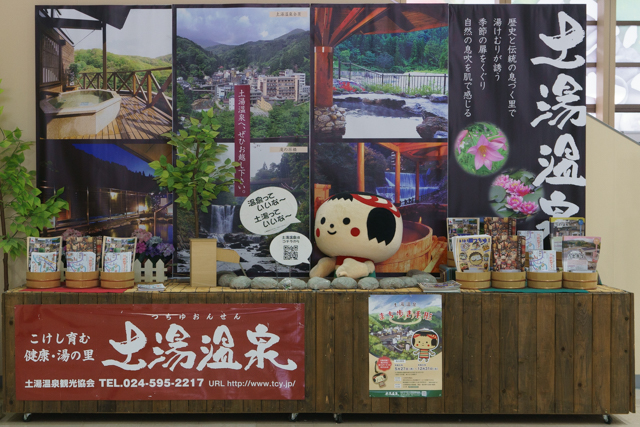
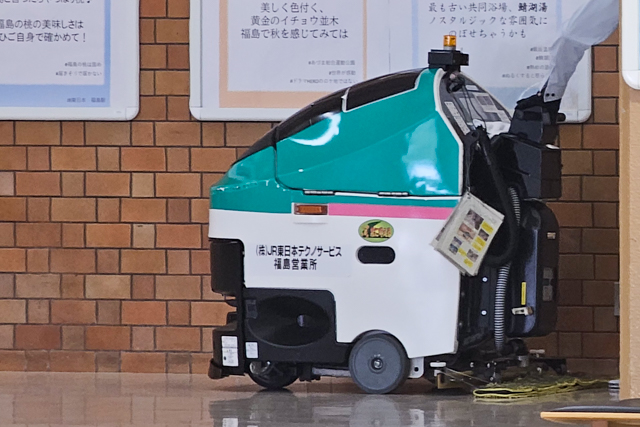
JR Fukushima Station East Exit
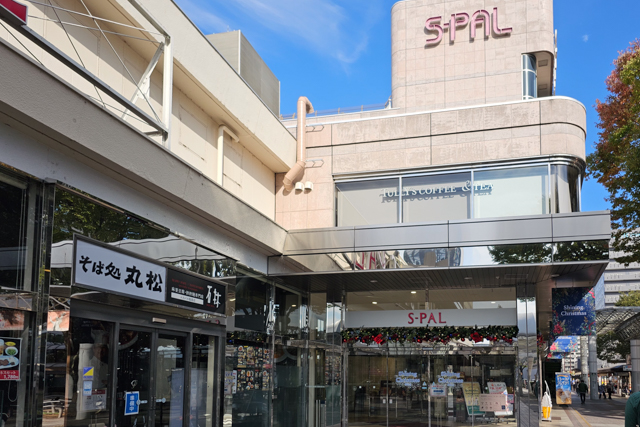
S-PAL is attached to this side of the train station.
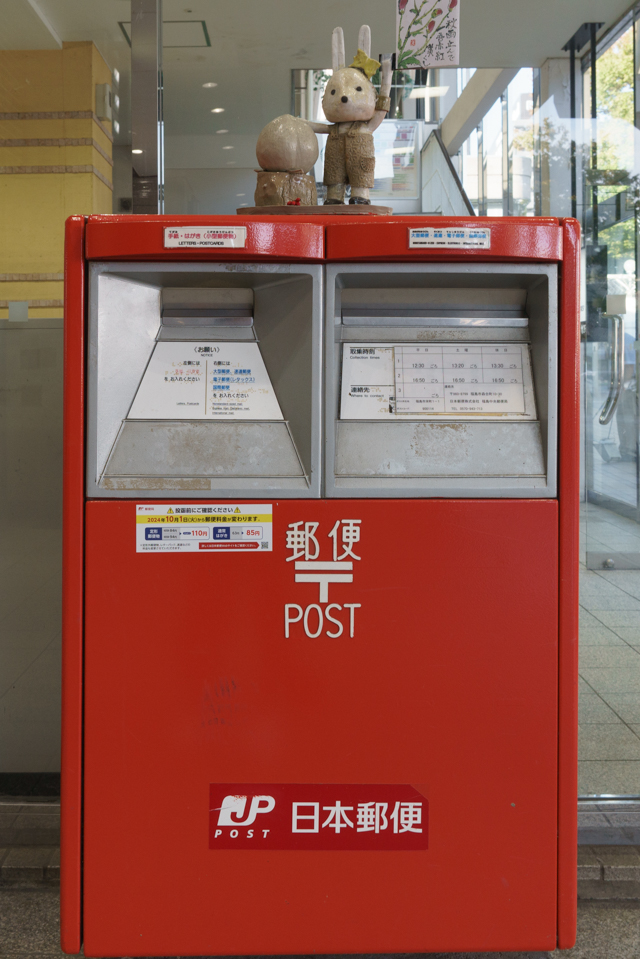
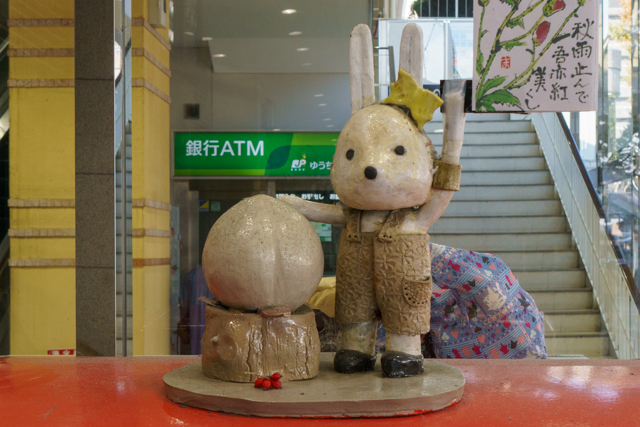
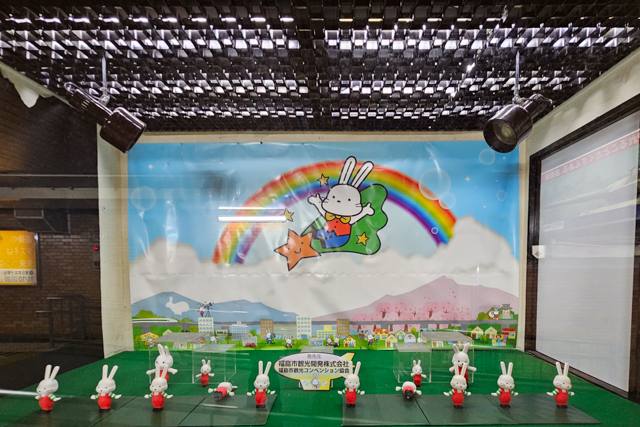
The post box features the city’s mascot Momorin, alongside their famous akatsuki peach.
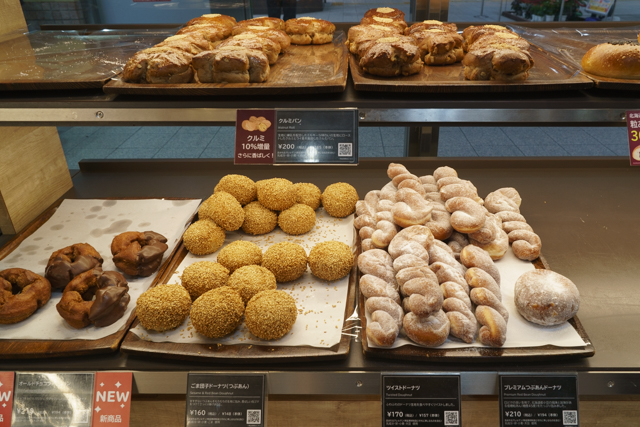
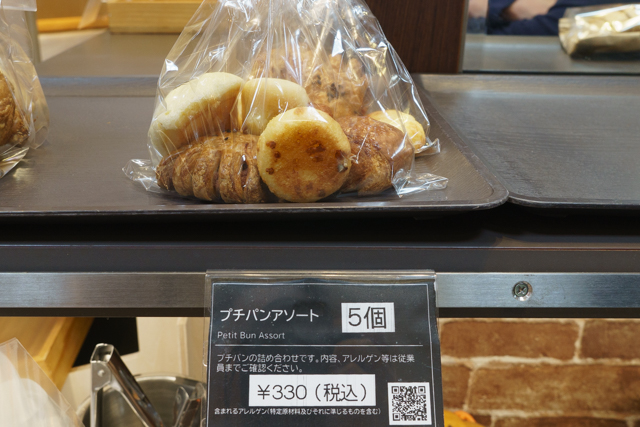
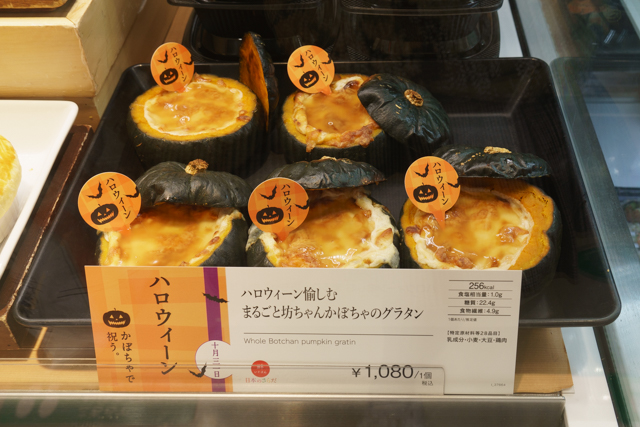
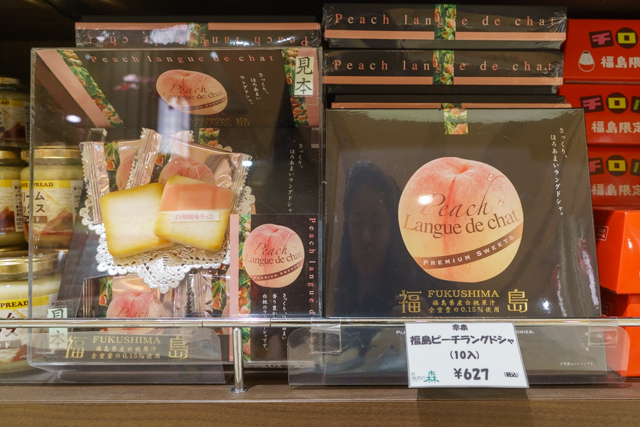
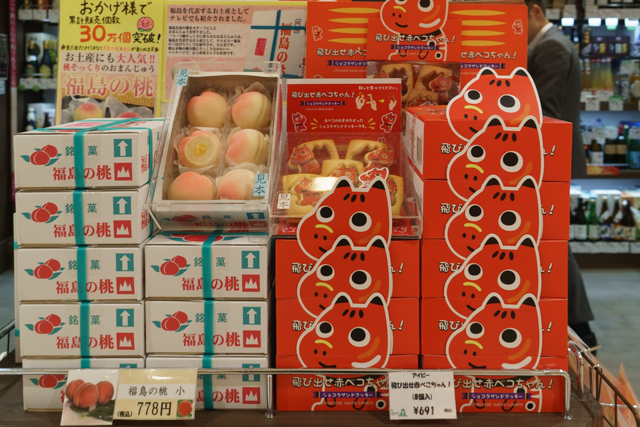
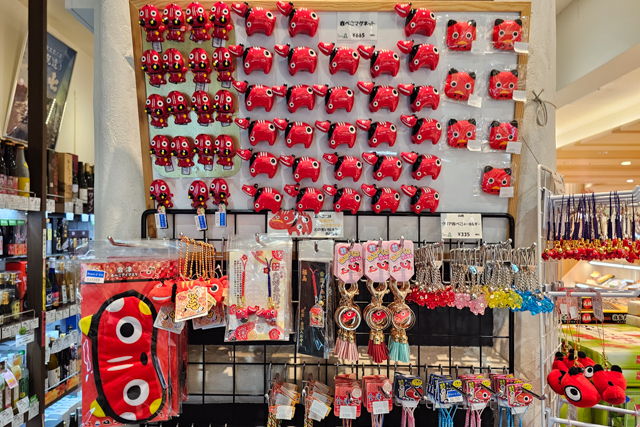
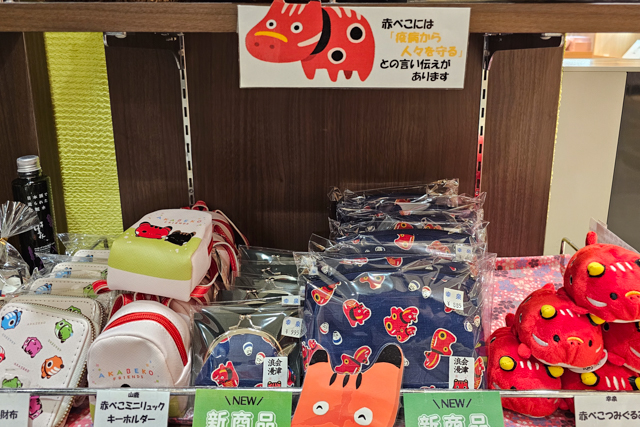
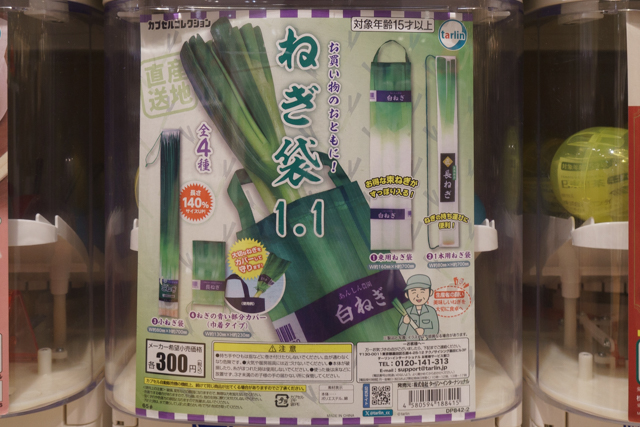
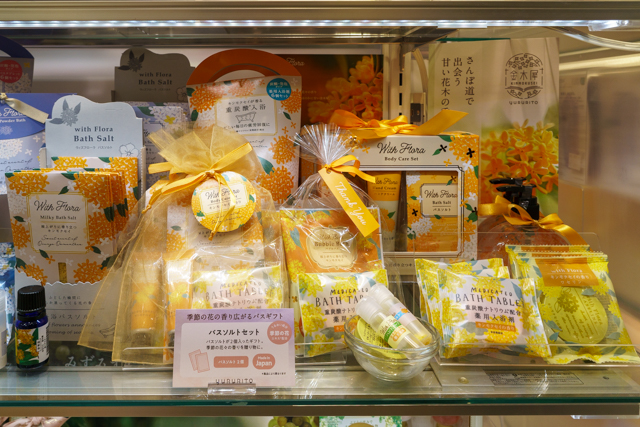
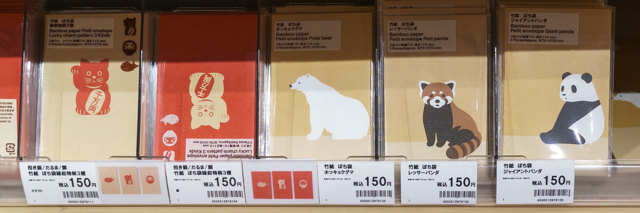
Inside S-PAL are numerous shops, including souvenir stores, general grocery, clothing, and cafes.

Gyoza no Terui
JR Fukushima Station East Exit, 1−1 Sakaemachi, Fukushima City, Fukushima, 960-8031, Japan
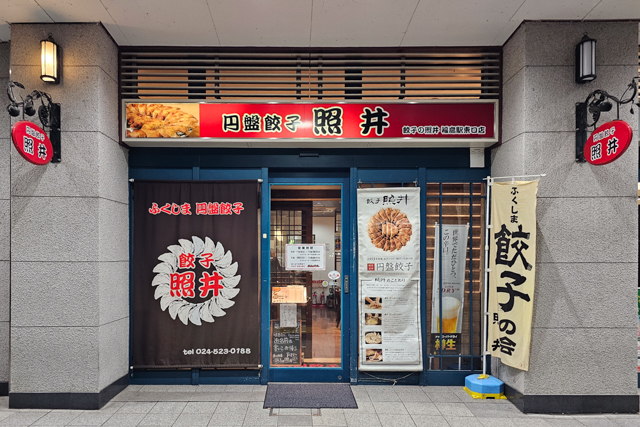
The East Exit branch of Gyoza no Terui offers convenient access to one of Fukushima’s most recognised local dishes — enban gyoza (disc-shaped gyoza). This establishment traces its roots to the late Kishirō Satō, who after returning from service in China during World War II, sought to recreate the dumplings he had encountered there. Through repeated experimentation, he perfected a circular arrangement of gyoza, pan-fried together to create a crisp, unified disc.
In 1953, he opened the first Gyoza no Terui in Iizaka Onsen, delivering freshly cooked gyoza to local inns directly in their frying pans. Over the decades, the dish became a hallmark of Fukushima’s local cuisine, celebrated for its balance of thin skin, crisp edge, and tender filling.
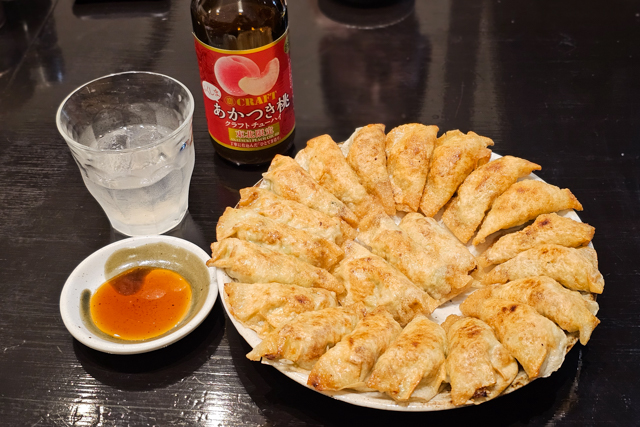
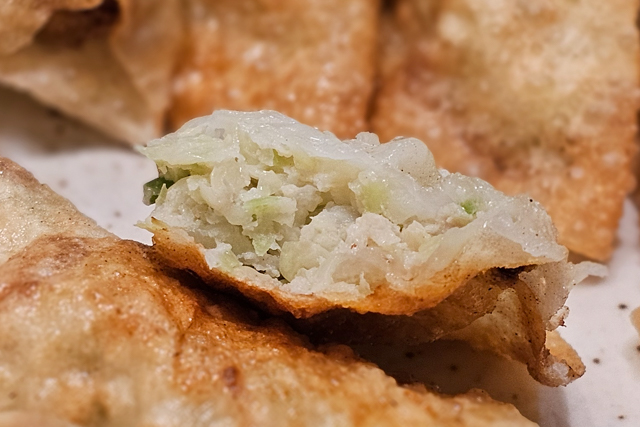
While the Iizaka Onsen branch operates only in the evenings, the JR Fukushima Station East Exit location caters to travellers throughout the day, maintaining the same recipe and method. (See Gyoza no Terui Review)
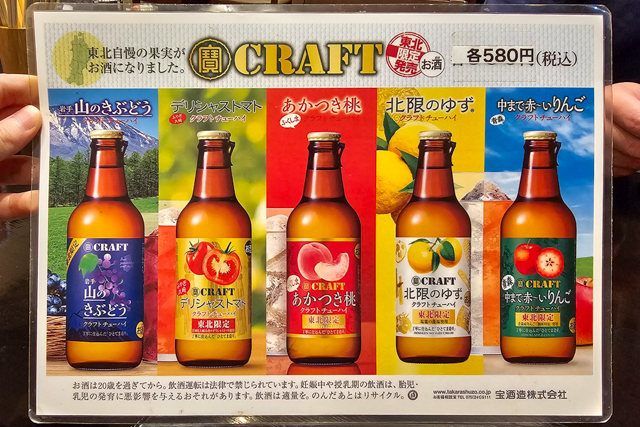
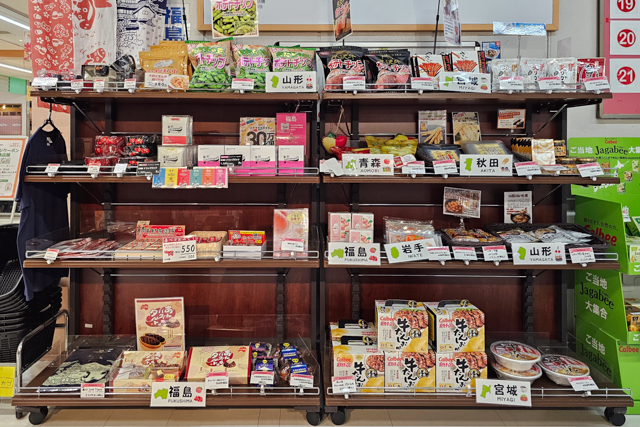
We accompanied our mean with a bottle of Akatsuki Peach Chūhai — part of Takara Craft’s extensive regional fruit series, which includes more than forty varieties highlighting produce from across Japan. A poster at the station displayed the range for the Tōhoku region, underscoring how fruit-based beverages have become a quiet cultural marker of regional identity. (See Akatsuki Peach Chu-hai Review)
Kannoya
1F S-PAL Fukushima, 1-1 Sakaemachi, Fukushima City, Fukushima, 960-8031, Japan
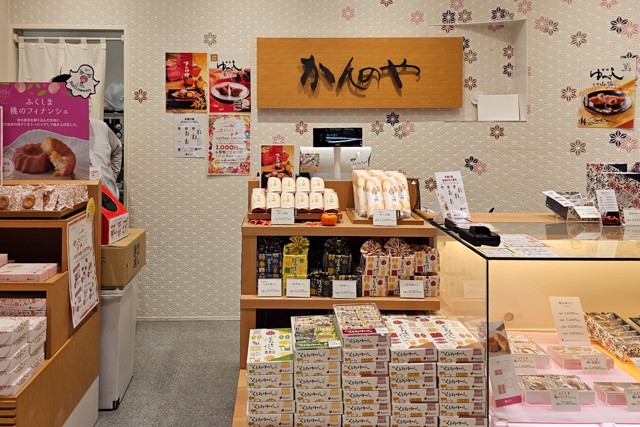
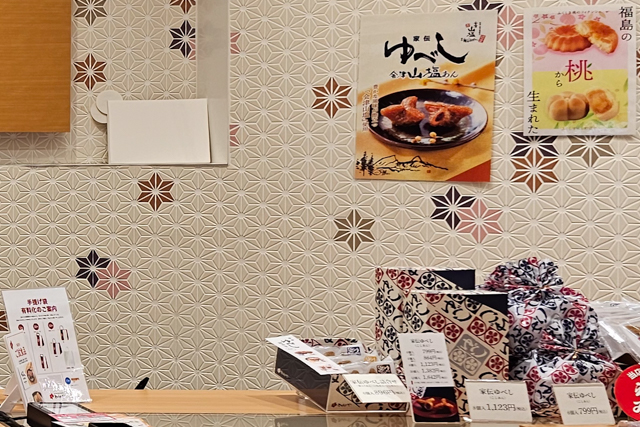
Kannoya is known for kaden yubeshi, one of Fukushima’s representative confections, traditionally made from glutinous rice flour and walnuts. Their S-PAL outlet offers an elegant range of sweets incorporating the region’s famed Akatsuki peaches.
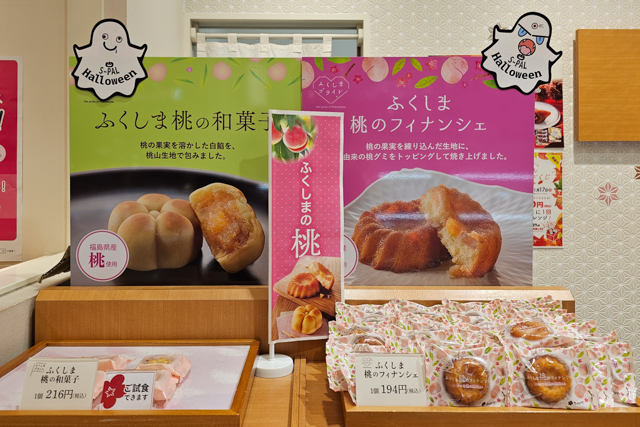
The individually packaged wagashi and financier variations each captured the fruit’s mild sweetness and fragrance, showcasing the careful craftsmanship characteristic of Fukushima’s confectionery culture.
(See Kannoya Fukushima Momo no Wagashi Review and Kannoya Fukushima Momo no Financier Review)
RF1 Sozai
1F S-PAL Fukushima, 1-1 Sakaemachi, Fukushima City, Fukushima, 960-8031, Japan
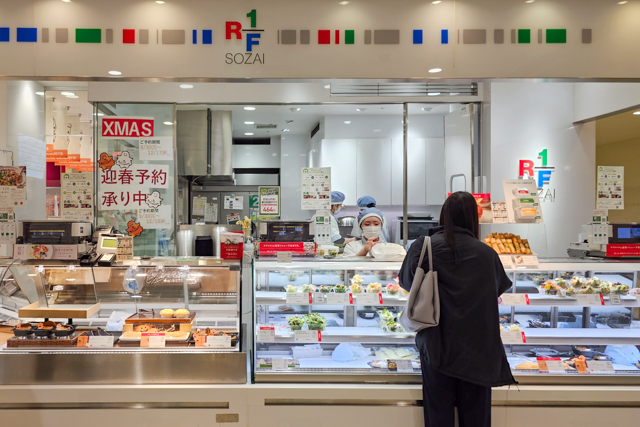
RF1 Sozai specialises in prepared dishes with an emphasis on salads, offering an appealing variety that changes by region.
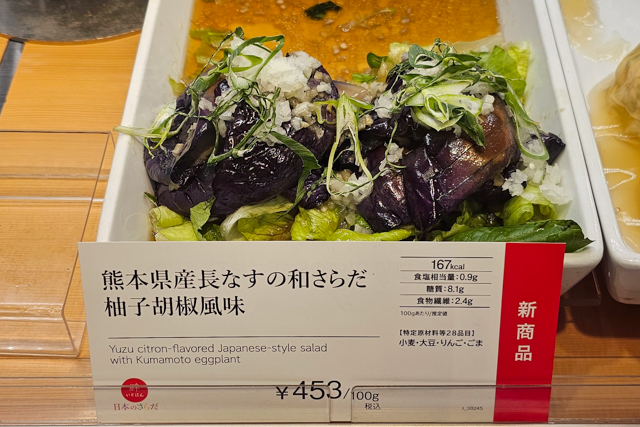
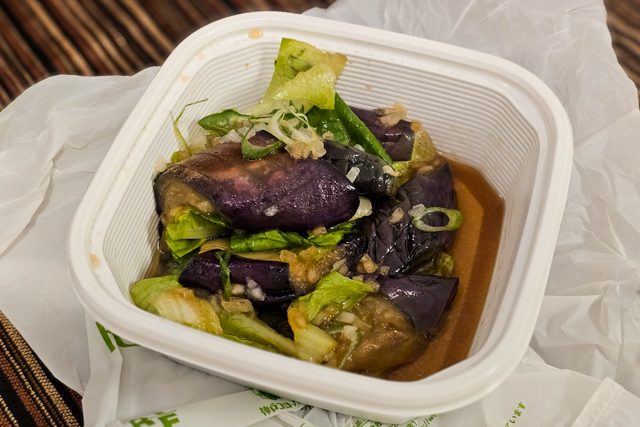
One particularly memorable dish featured Kumamoto long eggplants, paired with lettuce, spring onions, and white onion, seasoned with yuzu kōshō. Served chilled, the eggplant retained a gentle firmness, its surface lightly infused with dashi for umami depth. The interplay between the eggplant’s softness, the crisp greens, and the citrus heat of yuzu kōshō resulted in a dish that was both refreshing and nuanced.
It reflected RF1’s broader philosophy — simple compositions elevated by quality produce and balanced seasoning.
Nihonichi
1F S-PAL Fukushima, 1-1 Sakaemachi, Fukushima City, Fukushima, 960-8031, Japan
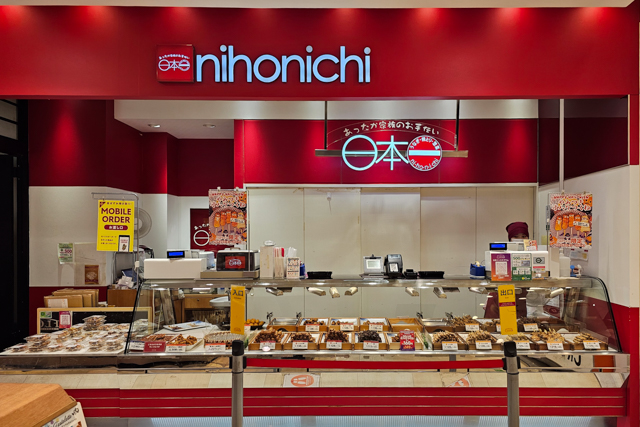
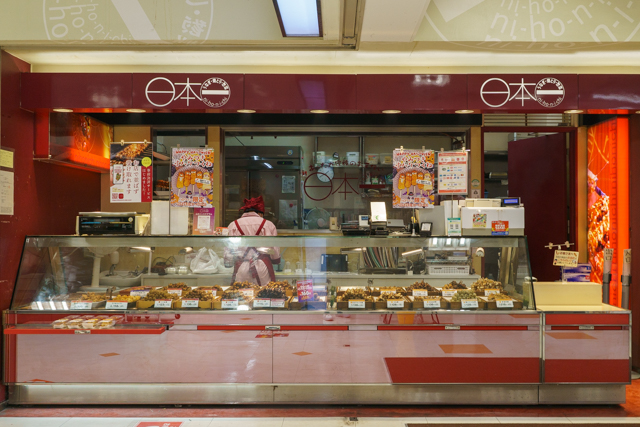
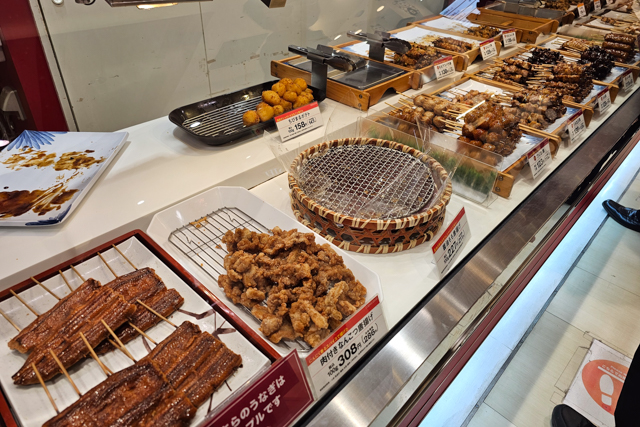
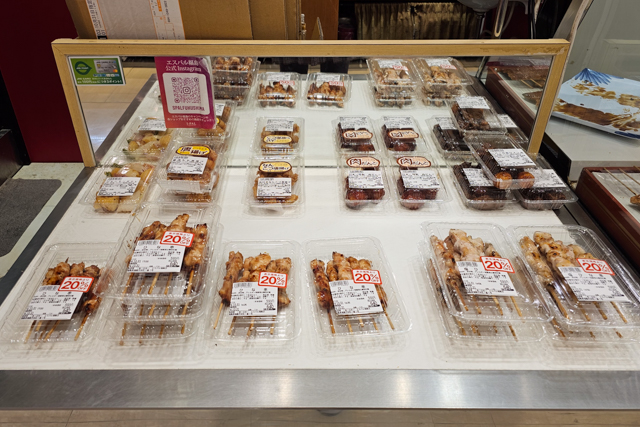
At Nihonichi, two skewered dishes stood out their evening sale.
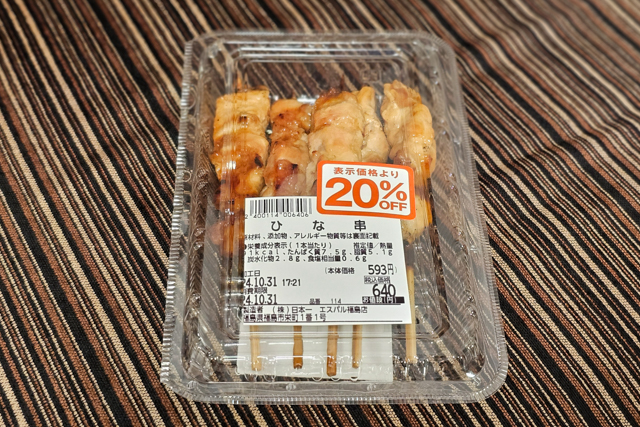
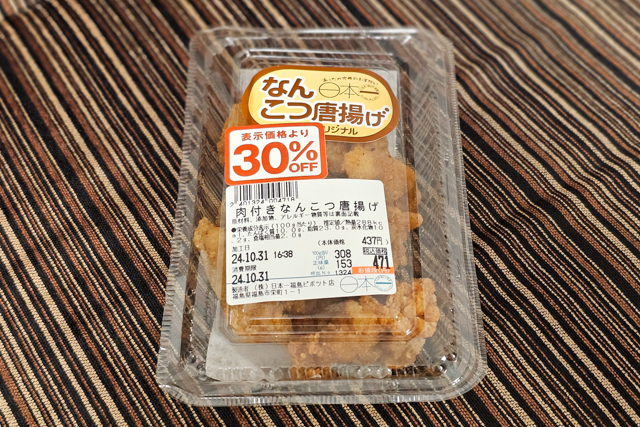
The hinakushi was slightly dry, its glaze leaning toward a sweet soy profile, while the pork cartilage skewer delivered a texture and aftertaste reminiscent of salt-and-pepper squid. The small pieces of attached meat contributed a satisfying balance of chew and savoury richness, making it unexpectedly memorable despite its simplicity.
Natural Itagaki
ナチュラルイタガキ, 1F S-PAL, 1-1 Sakaemachi, Fukushima City, Fukushima, 960-8031, Japan
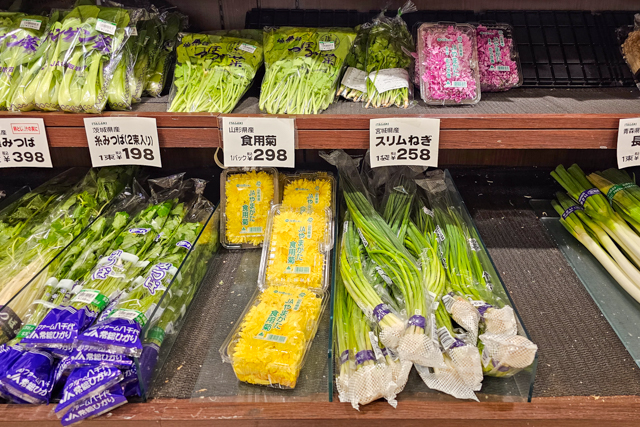
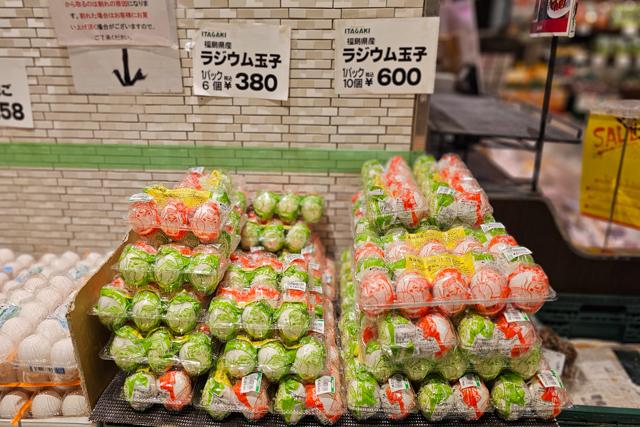
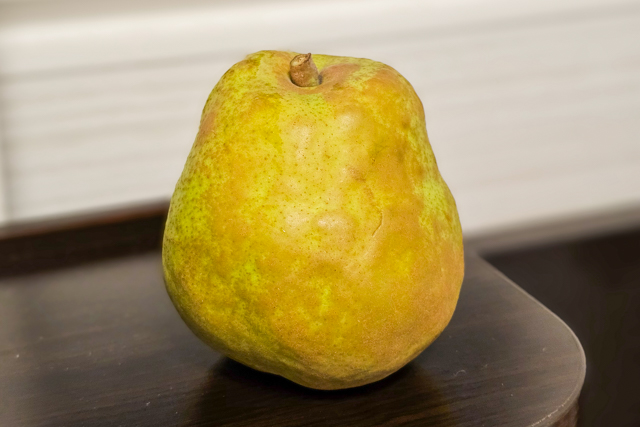
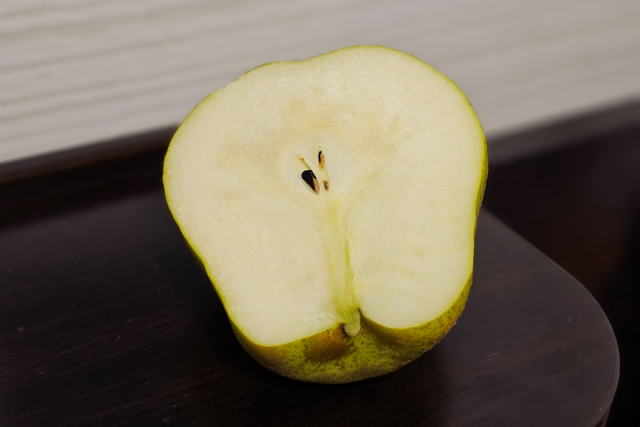
A purchase of a fresh La France pear reaffirmed why this variety remains so esteemed across Japan. Fragrant and floral, its crisp bite and gentle juiciness mirrored the flavour notes found in countless La France-flavoured products, yet the freshness of the fruit itself elevated the experience.
(See also: Taiyōdō no Mugi Senbei Review)
JR Fukushima Station East ‹› West
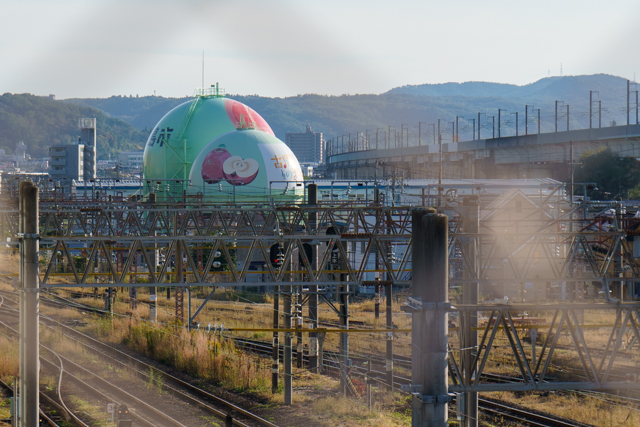
JR Fukushima Station West Exit
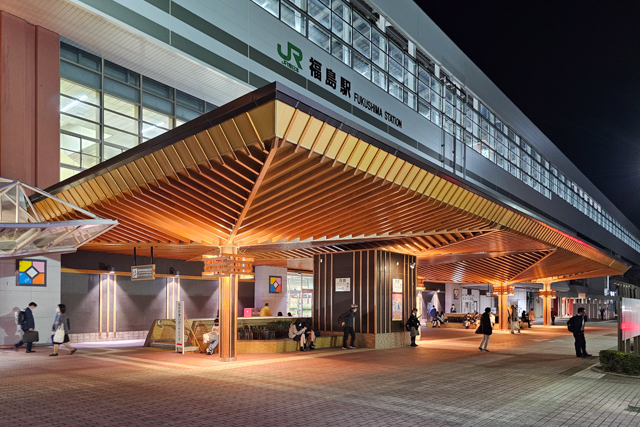
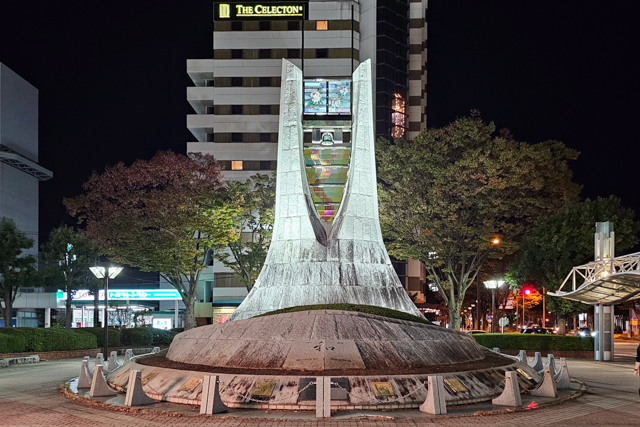
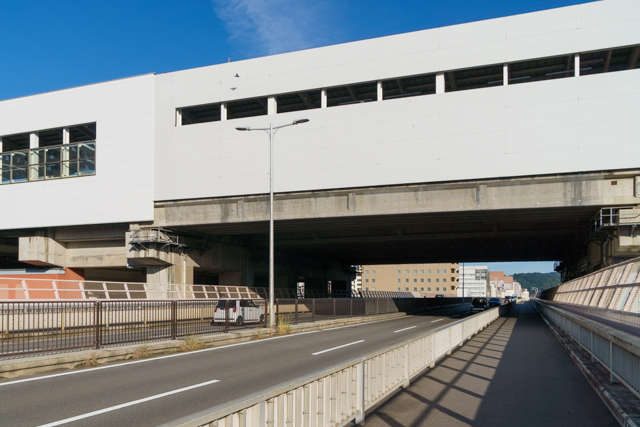
A large sculpture at the West Exit Square of Fukushima Station draws inspiration from the surrounding mountains and rivers. This monument, known as ‘Wa’, is a notable landmark in the city. From 8 am to 8 pm, visitors can enjoy melodies composed by a renowned local artist, accompanied by the hourly chime of a bell.
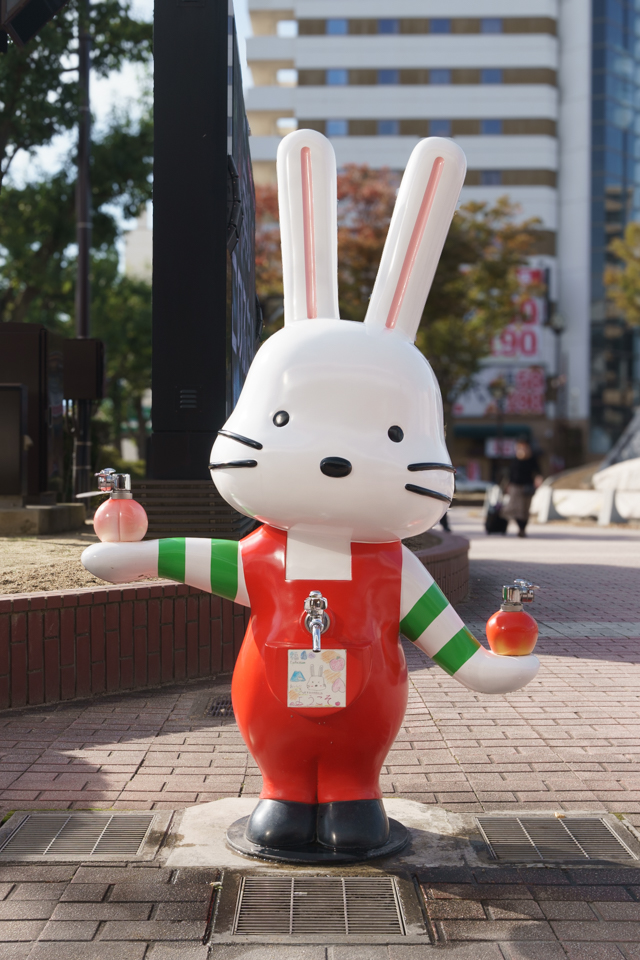
The area is also known for ‘Fukushima no Mizu’, a tap water that has received international acclaim, including the Monde Selection Gold Award since 2017 and the Excellent Taste Award. This recognition highlights the quality and taste of the water, making it a point of pride for the city.
Saint Etoile
サンエトワール, 1F Power City Pivot, 1-1 Sakaemachi, Fukushima City, Fukushima Prefecture, 〒960-8031, Japan
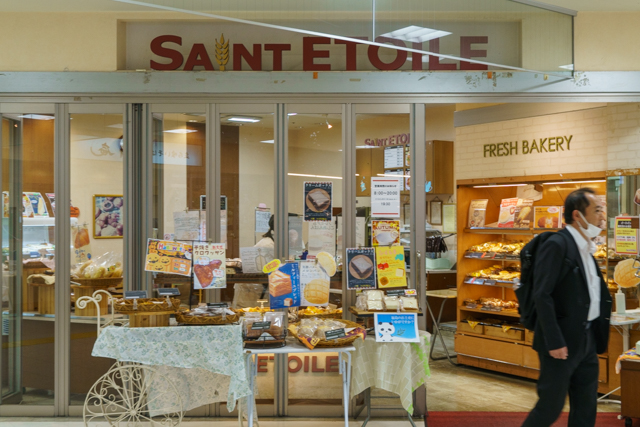
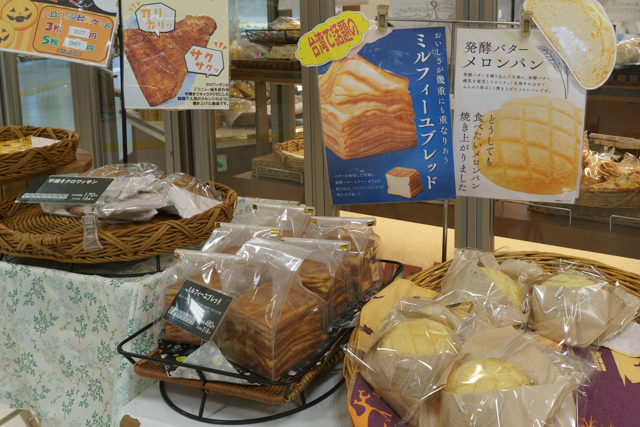
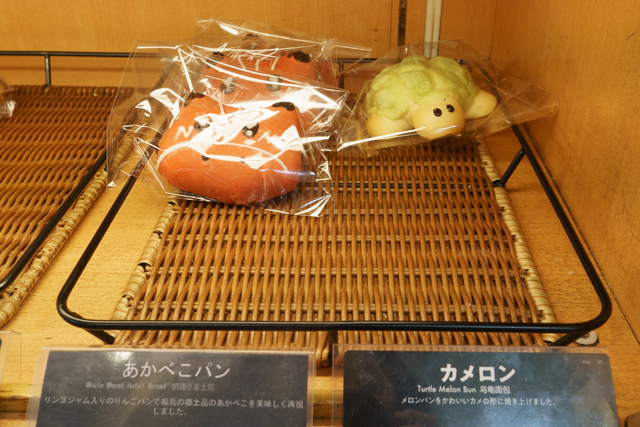
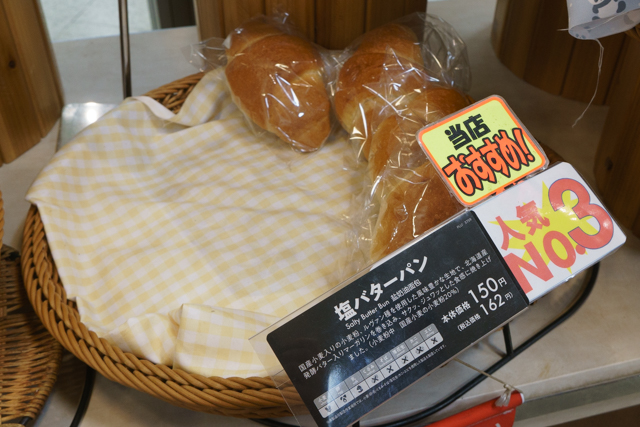
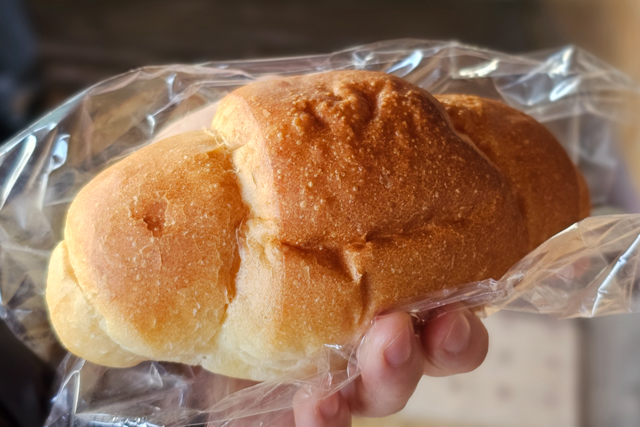
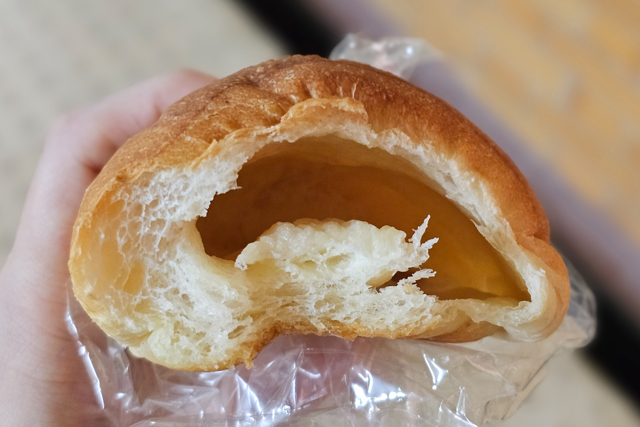
Located just inside Power City Pivot at the West Exit, Saint Etoile is a bakery chain offering a range of light breads and pastries. The shio pan here, however, proved disappointing. While it carried the expected salty and buttery flavour, it lacked both crispness and tenderness. The texture was hollow, suggesting staleness, and the flavour, though adequate, was unremarkable. It was neither freshly baked nor texturally engaging — a missed opportunity for a pastry that can be exceptional when executed well.
Shimiten Konohata
凍天 木乃幡, 1F Power City Pivot, 1-1 Sakaemachi, Fukushima City, Fukushima Prefecture, 〒960-8031, Japan
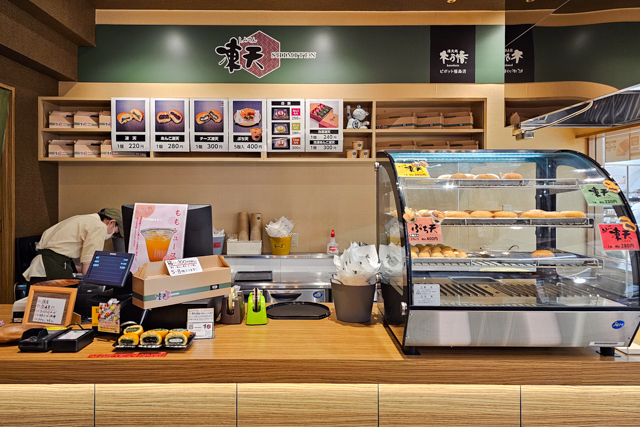
Shimiten is a well-known Fukushima confection blending traditional and Western elements. Its core ingredient, frozen mochi, is a regional preserved food historically created by exposing mochi to sub-zero temperatures and cold mountain winds before allowing it to dry slowly. This process transforms the texture, yielding a distinct chew and subtle depth of flavour.
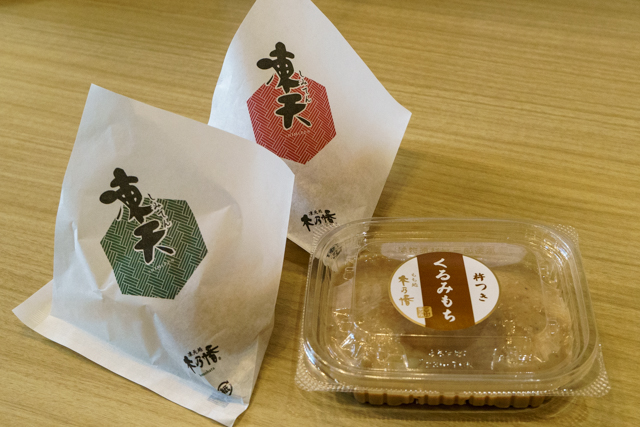
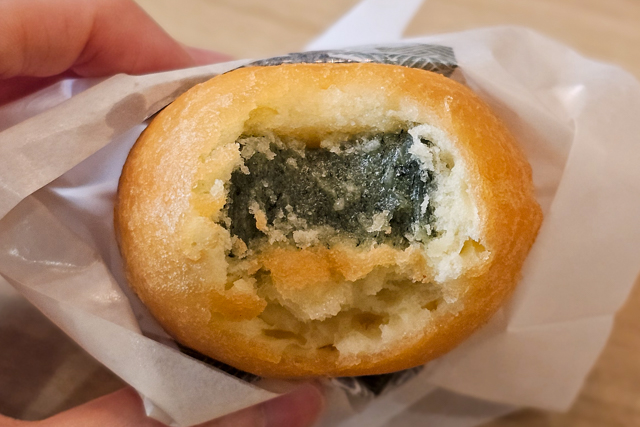
At Shimiten Konohata, this mochi is wrapped in doughnut dough and deep-fried, creating a unique sweet that balances crispness with a chewy interior — a compelling hybrid between wagashi and Western-style pastry. The shop’s presence in Power City Pivot reflects the enduring pride Fukushima locals hold in their regional specialities. (See: Shimiten Konohata Review)
Seisen Shokuhinkan
生鮮食品館, 1 F Power Pivot City, 1 Chome-1, Sakaemachi, Fukushima City, Fukushima, 960-8031, Japan (permanently closed)
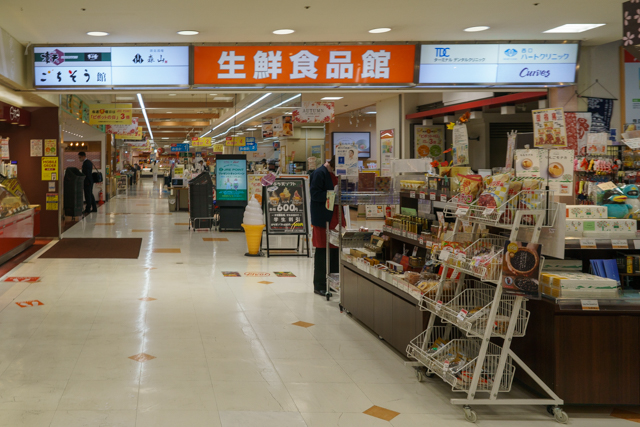
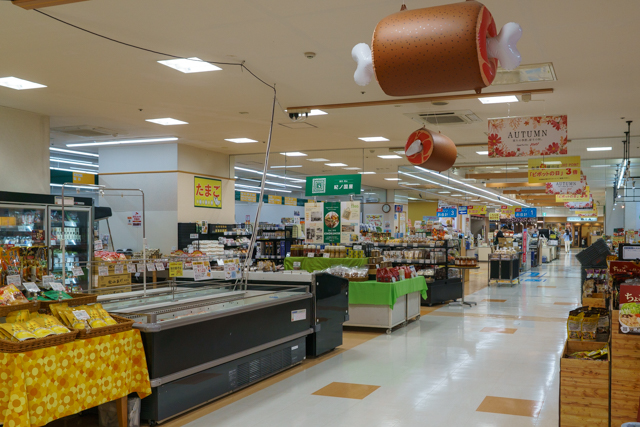
This former grocery store once stocked a notable range of local specialties and prepared foods.
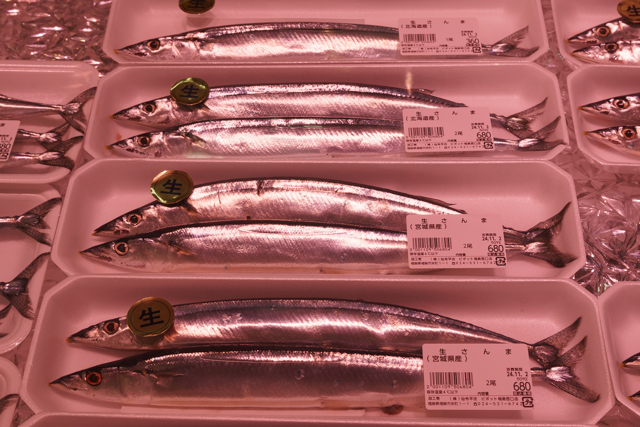
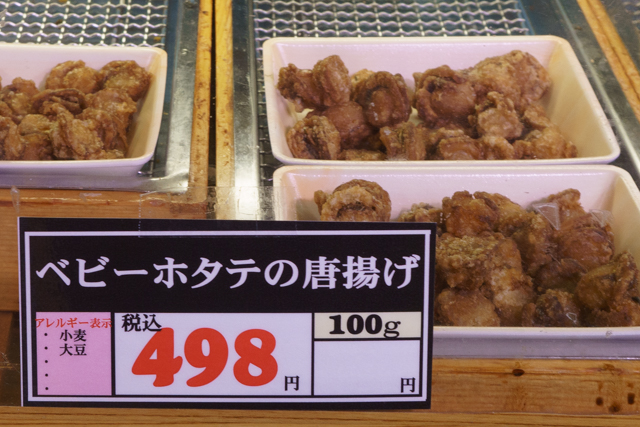
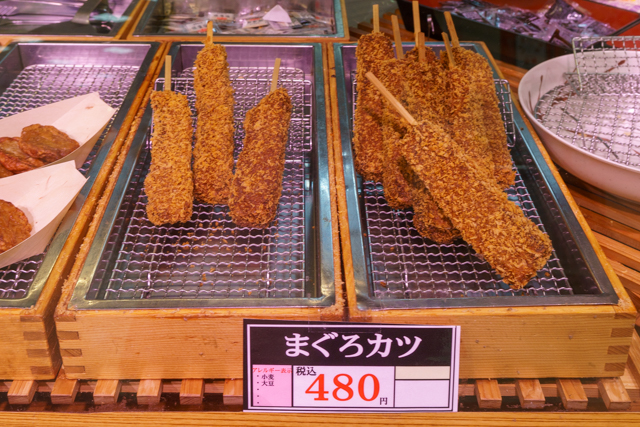
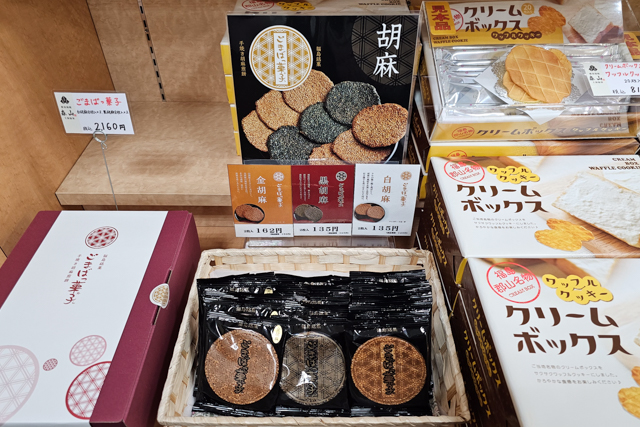
Among them was Demian Goma Bakkashi, a Fukushima meibutsu. (See Demian Goma Bakkashi Review)
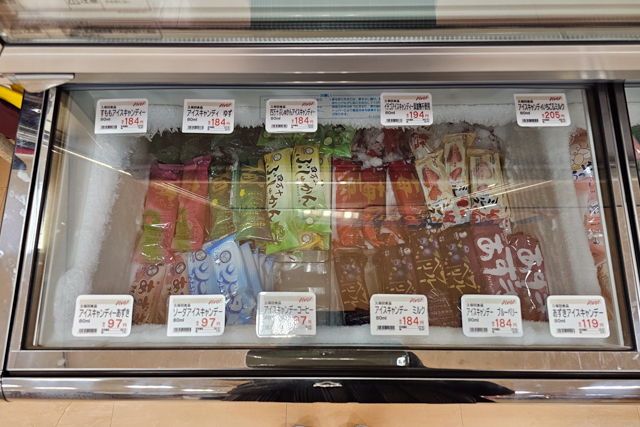
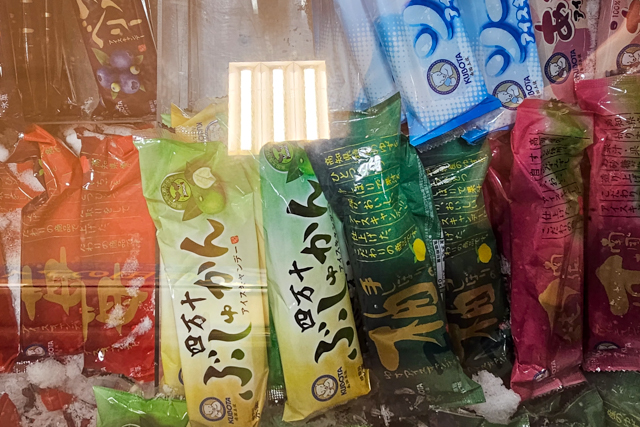
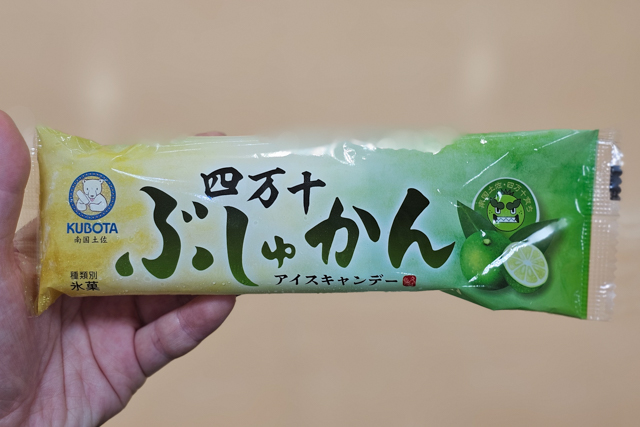
The freezer section also held a surprisingly broad selection of ice creams using regional fruits. We selected the Kubota Shimanto Bushukan Popsicle, featuring the aromatic, slightly bitter citrus of bushukan from Kōchi Prefecture. (See Kubota Shimanto Bushukan Popsicle Review)
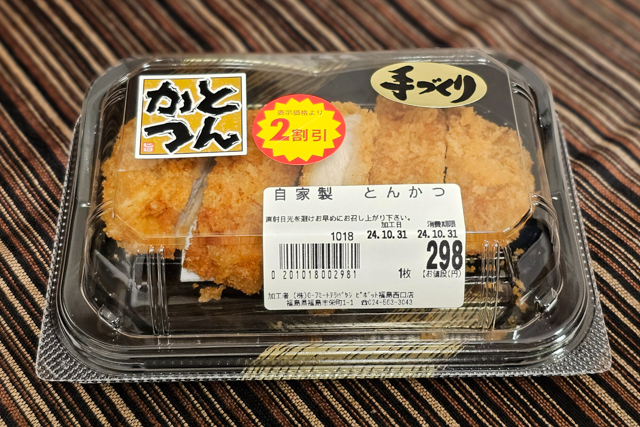
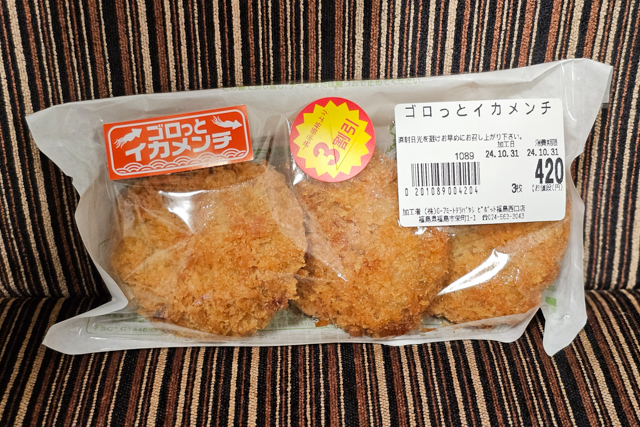
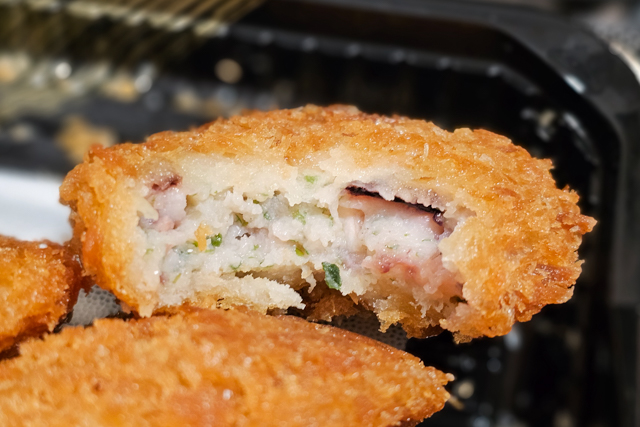
For dinner, we chose several takeaway items:
- Pork tonkatsu — slightly tough due to reheating, though still flavourful and good value.
- Gorotto Ikamenchi — reminiscent of takoyaki in croquette form, filled with squid, carrot, and other vegetables. Deeply savoury and satisfying; likely outstanding when freshly fried.
Gensen Yuan Moriyama
源泉湯庵森山, 1F Power City Pivot, Sakaemachi, Fukushima , 〒960-8031, Japan.
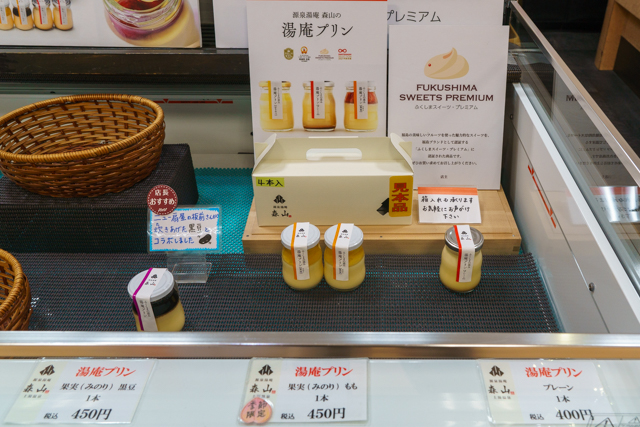
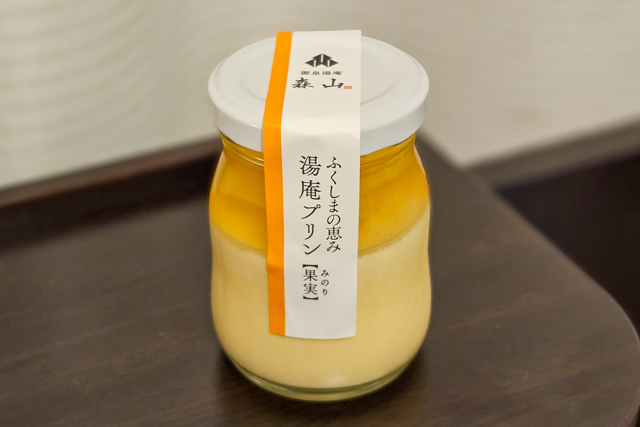
From Café Moriyama — part of the ryokan Gensen Yuan in Tsuchiyu Onsen — came the Moriyama Yuan Pudding Minori Peach (¥450). Following the 2011 Great East Japan Earthquake, the ryokan’s staff began offering puddings to evacuees as an act of comfort and solidarity. This compassionate gesture evolved into a broader mission: delivering happiness through their handcrafted desserts as part of Fukushima’s post-disaster recovery.
The pudding’s texture was smooth and delicate, complemented by the light sweetness of Minori peaches, encapsulating the sincerity behind its creation. (See Moriyama Yuan Pudding Minori Peach Review)
APA Hotel Fukushima Ekimae
アパホテル 福島駅前, 8-20 Otamachi, Fukushima, 〒960-8068, Japan
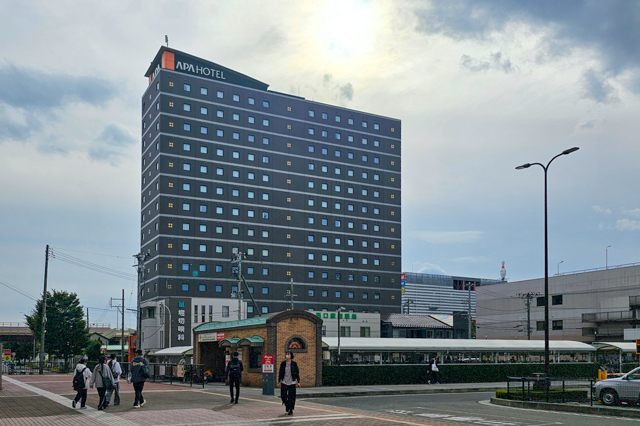

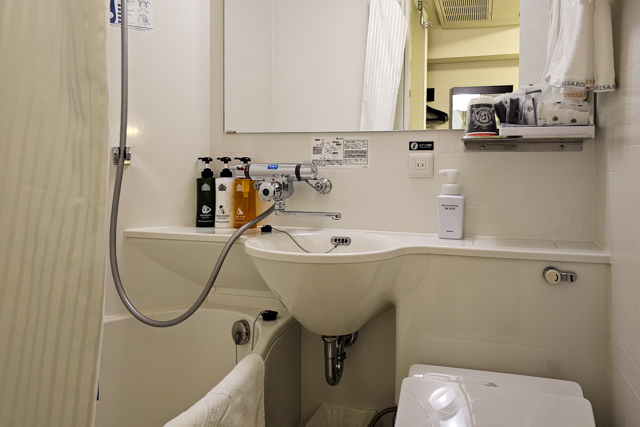
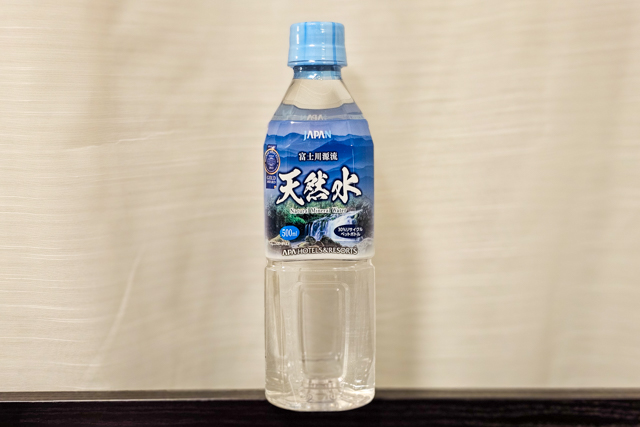
Accommodation at APA Hotel Fukushima Ekimae was compact but well maintained. The furnishings were modern and clean, with quality towels and comfortable bedding — one soft pillow and one memory foam neck pillow. Despite these positives, the room was uncomfortably warm, maintained at approximately 26–29°C due to central heating. Ventilation via the window was necessary. A 55-inch television and tidy bathroom added to the functionality, though the overall space felt tight for a regional hotel.
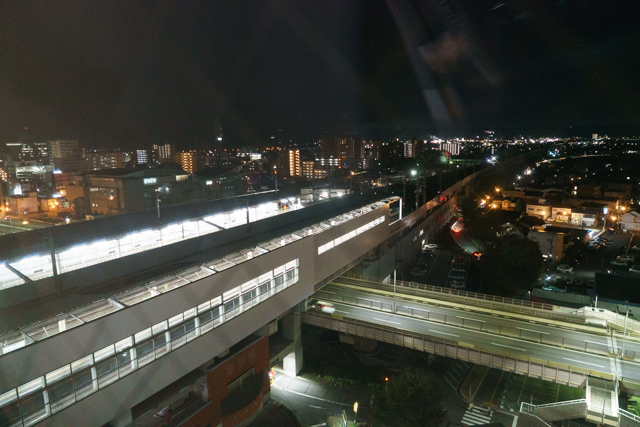
Fukushima–Sakaemachi formed part of Day 1 of a 14-day journey through Japan’s Tōhoku region in 2024.